10,000 Matching Annotations
  1. Dec 2025
    1. 69com is a leading online betting destination in the Asian market, fully converging high-class facilities and entertainment services

      69com - 69com.org, Nha Cai Uy Tin #1 Tham Gia Tang Ngay 69K

      Dia chi: 136 Nguyen Thai Binh, Phuong Nguyen Thai Binh, Quan 1, Ho Chi Minh, Viet Nam 

      Email: enchepqrrulenny@gmail.com

      Website: https://69com.org/

      Dien thoai: (+84) 914640071

      69_com #69com #69comorg #nhacai69com #casino69com

      Social Links:

      https://69com.org/

      https://69com.org/dang-ky-69com/

      https://69com.org/nap-tien-69com/

      https://69com.org/rut-tien-69com/

      https://69com.org/tai-app-69com/

      https://69com.org/dieu-khoan-dich-vu/

      https://69com.org/gioi-thieu-69com/

      https://69com.org/chinh-sach-bao-mat/

      https://69com.org/quyen-rieng-tu/

      https://69com.org/the-thao-69com/

      https://69com.org/casino-69com/

      https://69com.org/ban-ca-69com/

      https://69com.org/no-hu-69com/

      https://www.facebook.com/69comorg/

      https://www.youtube.com/channel/UC-RpkLzYI6iTVenBgN9enqQ

      https://twitter.com/69comorg

      https://www.reddit.com/user/69comorg/

      https://www.pinterest.com/69comorg/

      https://ameblo.jp/69comorg/entry-12914676094.html

      https://gravatar.com/69comorg

      https://www.band.us/band/99180656/intro

      https://www.blogger.com/profile/11538688814972708009

      https://orevel013.wixsite.com/69comorg

      https://www.tumblr.com/69comorg

      https://69comorg.wordpress.com/

      https://www.twitch.tv/69comorg/about

      https://sites.google.com/view/69comorg/home

      https://69comorg.webflow.io/

      https://bookmarksclub.com/backlink/69comorg/

      https://69comorg.mystrikingly.com/

      https://69comorg.amebaownd.com/

      https://telegra.ph/69comorg-07-05

      https://mk.gta5-mods.com/users/69comorg

      https://6868dfe116376.site123.me/

      https://myspace.com/69comorg

      https://scholar.google.com/citations?hl=vi&user=6Oc_AqEAAAAJ

      https://www.pearltrees.com/69comorg/69comorg/id94378465

      https://69comorg.localinfo.jp/

      https://69comorg.shopinfo.jp/

      https://69comorg.hashnode.dev/69comorg

      https://69comorg.themedia.jp/

      https://rapidapi.com/user/69comorg

      https://729621.8b.io/

      https://69comorg.theblog.me/

      https://fliphtml5.com/homepage/fkwmu/69comorg/

      https://69comorg.therestaurant.jp/

      https://ask.mallaky.com/?qa=user/69comorg

      https://69comorg.website3.me/

      https://www.quora.com/profile/69comorg

      https://69comorg.pixieset.com/

      https://69comorg.gumroad.com/

      https://flipboard.com/@69comorg/69comorg-b48mk755y

      https://www.threadless.com/@69comorg/activity

      https://wakelet.com/@69comorg

      https://www.magcloud.com/user/69comorg

      https://hackmd.io/@69comorg/69comorg

      https://69comorg.blogspot.com/2025/07/69comorg.html

      https://69comorg.doorkeeper.jp/

      https://69comorg.storeinfo.jp/

      https://velog.io/@69comorg/about

      https://bato.to/u/2799322-69comorg

      https://zb3.org/69comorg/69comorg

      https://github.com/69comorg

      https://community.fabric.microsoft.com/t5/user/viewprofilepage/user-id/1303066

      https://bit.ly/69comorg

      https://tinyurl.com/69comorg

      https://tawk.to/69comorg

      https://gitlab.com/69comorg

      https://rebrand.ly/69comorg

      https://www.question-ksa.com/user/69comorg

      https://bulkwp.com/support-forums/users/69comorg/

      https://orcid.org/0009-0000-6362-9074

      https://community.cisco.com/t5/user/viewprofilepage/user-id/1894646

      https://linktr.ee/69comorg

      https://archive.org/details/69comorg

      https://wpfr.net/support/utilisateurs/69comorg

      https://ameblo.jp/69comorg

      https://plaza.rakuten.co.jp/69comorg/diary/202507050000/

      https://pad.darmstadt.social/s/o6CjQQBdX

      https://pixabay.com/users/51185562/

      https://disqus.com/by/69comorg/about/

      https://id.gta5-mods.com/users/69comorg

      https://es.gta5-mods.com/users/69comorg

      https://www.gamblingtherapy.org/forum/users/69comorg/

      https://heylink.me/69comorg/

      https://forum.m5stack.com/user/69comorg/

      https://app.readthedocs.org/profiles/69comorg/

      https://gitee.com/org69com

      https://public.tableau.com/app/profile/69com.org/viz/69comorg/Sheet1#1

      https://connect.garmin.com/modern/profile/794af9d0-a497-4db5-8b72-45f6b0c0ee52

      https://www.pixiv.net/en/users/117728977

      https://community.amd.com/t5/user/viewprofilepage/user-id/511396

      https://readtoto.com/u/2799322-69comorg

      https://s.id/XNUX2

      https://qna.habr.com/user/69comorg

      https://linkr.bio/69comorg

      https://www.bark.com/en/gb/company/69comorg/LeNO0o/

      https://pastebin.com/u/69comorg

      https://www.storeboard.com/69comorg

      https://etextpad.com/yqw4jivujr

      https://md.darmstadt.ccc.de/s/wNyO1Y5DF

      https://vc.ru/id5076517

      https://qiita.com/69comorg

      https://comicvine.gamespot.com/profile/org69com/

      https://padlet.com/69comorg/69comorg

      https://3dwarehouse.sketchup.com/by/69comorg

      https://muckrack.com/69com-org/bio

      https://hedgedoc.k8s.eonerc.rwth-aachen.de/s/HjQn9CdhC

      https://connect.informs.org/network/speakerdirectory/speaker?UserKey=3d0579c7-e6f9-4f43-b9dc-0197da3b3f39

      https://nl.gta5-mods.com/users/69comorg

      https://openlibrary.org/people/69comorg

      https://anyflip.com/homepage/sdtrn#About

      https://lu.ma/user/69comorg

    1. To understand the relationship between model scale, training efficiency, and downstream performance, we trained the Tx1 model series at three scales: 70M, 1B, and 3B parameters. Fig. 7A shows the training cost versus computational budget (measured in FLOPs) for Tx1 compared to other single-cell foundation models including SE-600M, scGPT, and nv-Geneformer variants. Tx1 achieves substantially improved training efficiency, with 3–30× better compute efficiency relative to these prior models.

      Thank you for sharing this dataset and model (as well as the SCVI model). In terms of training cost versus computational budget, how would the smaller training subsets factor in to efficiency for the smaller models? It's interesting to consider training compute normalized by fraction of the data on which the model was trained. Is it possible that training the 3B model on only a subset of the dataset would not hurt performance and therefore improve training efficiency metrics? I appreciate this deep analysis of the training process.

    1. Note: This response was posted by the corresponding author to Review Commons. The content has not been altered except for formatting.

      Learn more at Review Commons


      Reply to the reviewers

      1. General Statements

      In this study, we mechanistically define a new molecular interaction linking two of the cell's major morphological regulatory pathways-the Rho GTPase and Hippo signaling networks. These two major signaling pathways are both required for life across huge swaths of the tree of life. They are required for the dynamic organization and reorganization of proteins, lipids, and genetic material that occurs in essential cellular processes such as division, motility and differentiation. For decades these pathways have been almost exclusively studied independently, however, they are known to act in concert in cancer to drive cytoskeletal remodeling and morphological changes that promote proliferation and metastasis. However, mechanistic insight into how they are coordinated is lacking.

      Our data reveal a mechanistic model where coordination is mediated by the RhoA GTPase-activating protein ARHGAP18, which forms molecular interactions with both the tumor suppressor Merlin (NF2) and the transcriptional co-regulator YAP (YAP1). Using a combination of state-of-the-art super-resolution microscopy (STORM, SORA-confocal) in cultured human cells, biochemical pulldown assays with purified proteins, and analyses of tissue-derived samples, we characterize ARHGAP18's function from the molecular to the tissue level in both native and cancer model systems.

      Together, these findings establish a previously unrecognized molecular connection between the RhoA and Hippo pathways and culminate in a working model that integrates our current results with prior work from our group and decades of prior studies. This model provides a new conceptual framework for understanding how RhoA and Hippo signaling are coordinated to regulate cell morphology and tumor progression in human cells.

      In this substantially revised manuscript, we have addressed all comments from the expert reviewers described point-by-point below. A shared major comment from the reviewers was the request for direct evidence of the proposed mechanistic model. To address these constructive comments, we've added new experiments, new quantification, new text, new control data, and have added two expert authors, adding super-resolution mouse tissue imaging data for the endogenous study of ARHGAP18 in its native condition. We believe that these additions greatly enhance the manuscript and collectively address the overall message from the reviewer's collective comments.

      2. Point-by-point description of the revisions

      Reviewer #1 (Evidence, reproducibility and clarity (Required)):

      This manuscript describes a dual mechanism by which ARHGAP18 regulates the actin cytoskeleton. The authors propose that in addition to the known role for ARHGAP18 in regulating Rho GTPases, it also affects the cytoskeleton through regulation of the Hippo pathway transcriptional regulator YAP. ARHGAP18 knockout Jeg3 cells are were generated and show a clear loss of basal stress fiber like F-actin bundles. The authors further characterize the effects of ARHGAP18 knockout and overexpression. It is also discovered that ARHGAP18 binds to the Hippo pathway regulator Merlin and to YAP. Ultimately it is concluded that ARHGAP18 regulates the F-actin cytoskeleton through dual regulation of RHO GTPases and of YAP. While the phenotype of the ARHGAP18 knockout and the association of ARHGAP18 with Merlin and YAP is interesting, I found the authors conclusion that these phenotypes are due to ARHGAP18 regulation of both RHO and YAP to be based on largely correlative evidence and sometimes lacking in controls or tests for significance. In addition the authors often make overly strong conclusions based on the experimental evidence. In some instances, the rationale for how the experimental results support the conclusion is insufficiently articulated, making evaluation challenging. In general although the authors have some interesting observations, more definitive experiments with proper controls and statistical tests for significance and reproducibility are needed to justify their overall conclusions.

      • *

      *We appreciate the reviewers' constructive comments and have added substantial new data and quantifications to address their concerns. We have focused these new data on directly testing the proposed mechanisms, adding controls, and performing quantitative analysis with statistical testing. Additionally, we have edited our language to make our rationale clearer and to present our conclusions as a more moderate assessment of our experimental results. Below we respond to the specific comments made by the reviewer, followed by a list of additional editorial changes we've made based on the reviewer's overarching comments on clarity and rationale. *

      Specific Comments

      1) The authors make a big point about the effects of ARHGAP18 on myosin light chain phosphorylation. However, this result is not quantified and tested for statistical significance and reproducibility.

      *We thank the reviewer for their comments on our western blotting quantification, which in the original submission version had quantification of RhoA downstream signaling of pCofilin/ Cofilin and pLIMK/ LIMK. We had withheld the pMLC and MLC quantification as the result was previously published with quantification, reproducibility, and statistical significance by our group in our prior manuscript on ARHGAP18 published in Elife in 2024 (Fig. 4E of *

      https://doi.org/10.7554/eLife.83526 ). However, these prior results lacked the new overexpression data. We recognize the need to add these data to this manuscript as requested by the reviewer.

      • *

      *To address the reviewer's comment, we have added quantification of pMLC/MLC (Fig. 1F) *

      2) Along similar lines in Figure 2C they state that overexpression of ARHGAP18 causes cells to invade over the top of their neighbors. This might be true and interesting, but only a single cell is shown and there is no quantification or controls for simply overexpressing something in that cell. The authors also conclude from this image that the overexpression phenotype is independent of its GAP activity on Rho. It is not clear how this conclusion is made based on the data. It would seem like a more definitive experiment would be to see if a similar phenotype was induced by an ARHGAP18 mutant deficient in GAP activity.

      Based on the reviewer's comment, we recognize the qualitative statements made in Figure 2C (now Figure 3) should've been made more quantitative. We have added the control of Jeg 3 WT cells expressed with empty vector flag to show that WT cells do not invade over the top of each other (Fig. 3F). Additionally, we have added the quantification found in Fig. 3E, which shows the % invasive/ non-invasive cells between WT and ARHGAP18 overexpression cells. We have clarified our conclusions to make clear that these data do not directly test if the invasive phenotype derives from a Rho-independent mechanism. The text now states the following conclusion alongside others, which can be seen in our tracked changes:

      • *

      "These data support the conclusion that ARHGAP18 acts to regulate basal and junctional actin. However, it was not clear whether this activity occurred through a Rho-independent or a Rho-dependent mechanism."

      • *

      We have added new data of cells expressing an ARHGAP18 mutant deficient in GAP activity, which is explained in detail in the following response below.

      3) In Figure 3 the authors compare gene expression profiles of ARHGAP18 knockout cells to wild-type cells. They see lots of differences in focal adhesion and cytoskeletal proteins and conclude that this supports their conclusion that ARHGAP18 is not just acting through RHO. The rationale for this in not clear. In addition, they observe changes in expression profiles consistent with changes in YAP activity. They conclude that the effects are direct. This very well might be true. However RHO is a potent regulator of YAP activity and the results seem quite consistent with ARHGAP18 acting through RHO to affect YAP.

      • *

      We thank the reviewer for their comment and believe the revised manuscript now presents direct evidence to support the conclusions made through the editing text and the incorporation of new data.

      • *

      First, the reviewer highlighted that we were not clear in our rationale and explanation of the conclusions made from our RNAseq data in the new Figure 4 (Previously Figure 3). We agree with the reviewer that the RNAseq data alone is not sufficient rationale for the conclusion that ARHGAP18 is acting through YAP directly. In the revised manuscript, the conclusion is now made based on the combination of our multi-faceted investigation of the relationship between ARHGAP18 and YAP (most importantly, new Figure 5). It's important for us to argue that our RNAseq analysis is much more robust and specific than simply reporting a descriptive assay seeing lots of differences in cytoskeletal proteins. We recruited an outside RNAseq expert collaborator; Dr. Yongho Bae, to perform state-of-the-art IPA analysis and a grueling manual curation of the top hit genes to identify the predominant signaling pathways linking the loss of ARHGAP18 to known YAP translational products. We've provided a supplemental table listing each citation supporting the identified YAP pathway associations from this manual curation. We also have added a new discussion paragraph on RNAseq data to clarify our specific RNAseq data results and analysis. In the revised manuscript, we have moderated our language in the results text regarding the RNAseq data to reflect the reviewer's suggestion:

      • *

      "Our RNAseq data alone could not independently confirm if the alterations to transcriptional signaling and expression of actin cytoskeleton proteins were through a Rho-dependent or Rho-independent mechanism."

      • *

      • *

      Second, in this comment and the above, the reviewer highlights the need for a new experiment to directly test the Rho Independent effects of ARHGAP18, which we now provide in the new Figure 5. In this new data, we've applied an experimental design suggested by reviewer 2 regarding the same concern. In short, we've produced and expressed a point mutant variant ARHGAP18(R365A), which abolishes the Rho GAP activity while maintaining the remainder of the protein intact. This construct allows us to directly test the effects of ARHGAP18 independent from its RhoA GAP activity. We find that the GAP-deficient ARHGAP18 is able to fully rescue basal focal adhesions, indicating that the basal actin phenotype is at least in part regulated through a Rho-independent mechanism.

      • *

      • *

      *We believe the revised manuscript, when taken in totality, provides the definitive proof requested by the reviewer. Specifically, the combination of Figure 5, where we show new data using the ARHGAP18(R365A) variant, and the result that ARHGAP18 forms a stable complex with YAP (Fig. 6G) or Merlin (Fig.6A), is supportive of direct Rho-independent molecular interactions between YAP, Merlin, and ARHGAP18. *

      4) In Figure 4A showing Merlin binding to ARHGAP18 there is no control for the amount of Merlin sticking to the column as was done in Figure 4F for binding experiments with YAP. This makes it difficult to determine the significance of the observed binding.

      We have performed the requested control experiment and added the results to Figure 6A.

      5) The images in Figure 4C showing YAP being maintained in the nucleus more in ARHGAP18 knockout cells compared to wild-type. However the images only show a few cells and YAP localization can be highly variable depending on where you look in a field. Images with more cells and some sort of quantification would bolster this result.

      We have provided quantification (Figure 6D) of what was originally Figure 4C (now Figure 6C).

      Reviewer #1 (Significance (Required)):

      While the phenotype of the ARHGAP18 knockout and the association of ARHGAP18 with Merlin and YAP is interesting, I found the authors conclusion that these phenotypes are due to ARHGAP18 regulation of both RHO and YAP to be based on largely correlative evidence and sometimes lacking in controls or tests for significance. In addition the authors often make overly strong conclusions based on the experimental evidence. In some instances, the rationale for how the experimental results support the conclusion is insufficiently articulated, making evaluation challenging. In general although the authors have some interesting observations, more definitive experiments with proper controls and statistical tests for significance and reproducibility are needed to justify their overall conclusions.

      In the above comments, we detail the specific definitive experiments, proper controls, and statistical tests for significance, requested by the reviewer, which we believe greatly strengthen our manuscript.

      Reviewer #2 (Evidence, reproducibility and clarity (Required)):

      This manuscript investigates the Rho effector, ARHGAP18 in Jegs cells, a trophoblastic cell line. It presents a number of new pieces of data, which increase our understanding of the importance of this GAP on cell function and explains at a molecular level previous results of other workers in the field. ARHGAP18 was originally given the name "conundrum' and continues to stand apart from the majority of other GAP proteins and their functions. Hence the data here is significant and of high standard.

      The data is clear, and the images are of high quality and extremely impressive in their resolution. It is significant and adds a further layer to our understanding of the regulation of cell migration, particularly in the formation and resolution of microvilli.

      • *

      We appreciate the reviewer's comments and supportive insights.

      The data is based on the use of the cell line Jeg3. Even the authors previous publication in eLife is based only on this cell line. They need to show the conclusions are general and not specific to this line of cells. As an extension of this, is the ARHGAP18 function shown here only in transformed cells? Does the same mechanisms operate in normal cells, which respond to activation to proliferate or migrate?

      • *
      • We respectfully point out that the critical experiments of the prior eLife publication were validated in DLD-1 colorectal cells and not Jeg-3 cells alone (Figure 1-figure supplement 2). Our newly independent lab, established just over a year ago, is unable to perform a full expansion of the manuscript using untransformed cells, however, we agree with the reviewer's perspective and wish to address the comment to the best of our current capability. To answer the reviewers' suggestions, we have recruited Dr. Christine Schaner Tooley, an expert in mouse model system studies. In the revised manuscript, we've added new Super-Resolution SORA confocal images of endogenous ARHGAP18's localization in the intact intestinal villi tissue, and apical junctions of WT mice (Fig.1A-C). These data indicate that endogenous ARHGAP18 is enriched (but not exclusively localized) at the apical plasma membranes of normal WT epithelial cells. This localization, where both Merlin and Ezrin are present at apical membrane/ junctions under normal conditions, is a major component of the working model proposed in Fig. 7. These data also indicate that ARHGAP18 is capable of entering the nucleus in WT cells, another critical aspect of our proposed model. Collectively, our DLD-1 studies published previously and or new studies using WT mice tissue samples support the conclusion that at least some of ARHGAP18's functions described in this manuscript are not limited to Jeg3 cells.*

      In endothelial cells, Lovelace et al 2017 showed localization to microtubules and that depletion of ARHGAP18 resulted in microtubule instability. The authors may like to comment on the differences. Is this a cell type difference or RhoA versus RhoC difference?

      • *

      In our previous publication (Lombardo Elife), we validated the finding that ARHGAP18 forms a complex with microtubules, as we detected tubulin in the ARHGAP18 pulldown experiment (Figure 1- Source Data). However, our data indicate that in Jeg3 cells ARHGAP18 does not localize to the same microtubule associated spheres observed in the Lovelace publication. We now comment on the shared conclusions and differences between this manuscript and the Lovelace et al 2017 in the discussion section.

      • *

      "In endothelial cells, ARHGAP18 has been reported to localize microtubules and plays a role in maintaining proper microtubule stability (Lovelace et al., 2017). In our epithelial cell culture models and WT mouse intestine, we have been unable to detect ARHGAP18 at microtubules suggesting ARHGAP18 may have additional functions is various cell types."

      On pages 7,9 they conclude that MLC and basal and junctional actin are regulated through a GAP independent mechanism. The best way to show this is with overexpression of a GAP mutant.

      We appreciate the reviewer's insight and have produced and expressed a GAP mutant, ARHGAP18(R365A), in our cells, directly testing our conclusion that ARHGAP18 has a GAP-independent function. These data are now presented in revised Figure 5 and explained further in response to reviewer #1.

      There is a huge amount of data presented in Figure 3, but their 2 genes which they focus on, LOP1 and CORO1A, are discussed but no actual data presented in support.

      We now validate the CORO1A by qPCR in Figure 4J.

      • *

      Reviewer #2 (Significance (Required)):

      The data is significant and adds a further layer to our understanding of the regulation of cell migration, particularly in the formation and resolution of microvilli. This manuscript will be of significance to an basic science audience in the field of RhoGTPases and cell migration.

      Reviewer #3 (Evidence, reproducibility and clarity (Required)):

      The study by Murray et al explores the effects of ARHGAP18 on the actin cytoskeleton, Rho effector kinases, non-muscle myosin, and transcription. Using super resolution microscopy, they show that in ARHGAP18 KO cells there is a mixed and unexpected cytoskeleton phenotype where myosin phosphorylation appears to be increased, but actin is disorganised with reduced stress fibres, diminished focal adhesions and augmented invasiveness. They conclude that the underlying mechanisms are likely independent from RhoA. Next, they perform RNAseq using the KO cells and identify an array of dysregulated genes, including those that play crucial roles in microvilli (related to previously published findings). Analysis of the data identify gene expression changes that are relevant for altered focal adhesion (integrins). Further analysis reveals that a large cohort of the dysregulated genes are YAP targets. They then show that in ARHGAP18 KO cells YAP nuclear localization, as detected by immunostaining, is augmented; and demonstrate that immobilized ARHGAP18 protein can bind the Hippo regulator merlin as well as YAP itself.

      Major comments:

      1, The premise of the study (that ARHGAP18 is a RhoA effector or may acts independently of RhoA) remains not proven.

      We have added new evidence of direct RhoA independent activity for ARHGAP18 described in the above comments. Specifically, we've added data using a RhoA-GAP dead variant of ARHGAP18 in Figure 5, which we believe addresses this comment.

      • *

      At several places (including in the title) the authors refer to ARHGAP18 as a Rho effector, which would suggest that it is downstream form Rho, but the basis for this is not clear. In fact, their own previous study suggested that ARHGAP is a RhoA regulator, rather than an effector. In general, the connection of the described effects to RhoA remains unclear, and not addressed in this study. The authors seem to go back and forth in their conclusions regarding the connection between ARHGAP18 and RhoA. For example, the first section of results is finished by stating (line 194): "These data support the conclusion that ARHGAP18 acts to regulate basal and junctional actin through Rho-independent mechanism". But the next section starts by stating (line 198): "We hypothesized that the invasive and cytoskeletal phenotypes observed at the basal surface of cells devoid of ARHGAP18 may be a result of changes in regulation at the transcriptional level either directly through RhoA signaling or through an additional mechanism specific to ARHGAP18". The paper would be strengthened by adding data that show whether the effects are indeed downstream, from RhoA or RhoA independent. If there is no sufficient demonstration that ARHGAP18 is downstream of RhoA and is an effector, this needs to be stated explicitly, and the wording should be changed.

      *We now provide new data in Figure 5, which directly tests the RhoA independent functions of ARHGAP18 as recommended by the reviewer. Our understanding of the term effector is 'a molecule that activates, controls, or inactivates a process or action.' Based on this understanding, we used the term to convey ARHGAP18's functional role within the feedback loop, rather than to imply that it acts exclusively downstream. *

      • *

      We seek to clarify our perspective with the reviewer's assertion that we go "back and forth" as to if ARHGAP18 functions in a Rho Dependent or Rho Independent manner. It was our intent to propose a model where ARHGAP 18 acts in two separate circuits that regulate cell signaling. The first circuit involves ARHGAP18's canonical RhoA GAP activity, which involves ERMs and LOK/SLK, and is limited to the apical plasma membrane. This first signaling circuit was characterized in our prior Elife manuscript (Lombardo et al., 2024) and in an earlier JCB manuscript (Zaman and Lombardo et al., 2021). In this newly revised manuscript, we provide a partial mechanistic characterization of the second circuit, which we freely admit is much more complex and will likely require additional study to fully characterize.

      • *

      As both circuits operate as signaling feedback loops, we find the terms 'upstream' and 'downstream' to be of limited value, and we attempt to avoid their use when possible. We retain their use only when referring to the Hippo and ROCK signaling cascades, where these designations are well established. We suggest that the conceptual inconsistencies of Conundrum/ARHGAP18 may have arisen from the tendency to view it in strictly binary terms as upstream or downstream. Here, we propose a third possibility that ARHGAP18 functions as both, participating in a negative feedback loop.

      • *

      *We have edited and added data testing if the effects are Rho independent and discussion text in response to the reviewer's comments and clarify the molecular function of ARHGAP18.

      "Additionally, focal adhesions and basal actin bundles are restored to WT levels when the ARHGAP18(R365A) GAP-ablated mutant is expressed in ARHGAP18 KO cells (Fig. 5A, B). These results represent the strongest argument that ARHGAP18 functions in additional pathways to RhoA/C alone. Our data suggests that at least one of the alternative pathways is through ARHGAP18's interaction with YAP and Merlin. From these data we conclude that ARHGAP18 has important functions in both RhoA signaling through both its GAP activity and in Hippo signaling through its GAP independent binding partners. "*

      • *

      • *

      The study is descriptive and contains a series of observations that are not connected. Because of this, the study's conclusions are not well supported, and key mechanistic insight is limited. The study feels like a set of separate observations, that remain incompletely worked out and have some preliminary feel to them. The model in the last figure also seems to contain hypotheses based on the observations, several of which remains to be proven.

      • *

      *We present our revised manuscript, in which we've more clearly outlined our rationale and conclusions, as detailed in the above responses, to emphasize the overall connectivity of the study. We have also updated the title of Figure 7 to read "__Theoretical __Model of ARHGAP18's coordination of RhoA and Hippo signaling pathways in Human epithelial cells." To make it clear that we are presenting a working model, which has elements that will require additional investigation. Throughout the manuscript, we highlight the unknown elements that remain to be tested or other outstanding questions. Thus, we do not aim to characterize this complex signaling coordination completely. Instead, this manuscript represents the 3rd iteration in our systematic advances to describe this entirely new signaling pathway. We agree that, despite three separate manuscripts (this one included) to date, this work represents an early stage in understanding the system, many additional studies will be needed to characterize this signaling system fully. Figure 7 is presented as a working model that results from a thoughtful combination of our collective data and that of other researchers, derived from numerous species across decades of study. We firmly believe that proposing such integrative models is valuable for advancing the field. We also recognize the importance of clearly indicating which aspects remain hypothetical. We now explicitly note in several places within the discussion which components of the model will require further validation and experimental confirmation. For example, regarding our theoretical mechanism in Figure 7 we state: *

      "Validation of the direct mechanism by which YAP/TAZ transcriptional changes drive basal actin changes in ARHGAP18 KO cells will require further investigation based on predictions from RNAseq results."

      • *

      Addressing any possible connection between key effects of ARHGAP18 KO (changes in actin, focal adhesion, integrins, Yap and merlin binding) could strengthen the manuscript. One such specific question is the whether the changes in integrin expression (RNAseq) are indeed connected to the actin alterations and reduction ion focal adhesions (Fig 1). Staining for these integrins to show they are indeed altered, and/or manipulating any of them to reproduce changes could provide and exciting addition.

      • *

      *We attempted to stain cells for Integrins by purchasing three separate antibodies. However, despite extensive optimization and careful selection of the specific integrins using our RNAseq results we were unable to get any of these antibodies to work in any cell type or condition. We believe that there is a technical challenge to staining for integrins due to their transmembrane and extracellular components, which we were unable to overcome. As an attempt to address the reviewers comment, we alternatively stained cells for paxillin which directly binds the cytoplasmic tails of integrins (Fig. 3&5). *

      Some of the experimental findings are not convincing or lack controls. Fig 1: some of the western blots are not convincing or poor quality. [...] On the same figure, the quality of LIM kinase blots is poor. [...] The signal is weak, and the blot does not appear to support the quantification. The last condition (expression of flag-ARHGAP18) results in a large drop in pLIMK and pcofilin on the blot, which is not reflected by the graph. Addition of *a better blot and the use of strong positive or negative control would boost confidence in these data. *

      • *

      In response to this and other reviewers' comments, we have added new western data and quantification to Figure 1. We now focus on MLC/pMLC data as we believe these data highlight the potential Rho-independent mechanism of ARHGAP18, and we were able to greatly improve the quality of the blots through careful optimization. We hope the reviewer finds these blots and quantifications (Fig. 1E and F) more convincing.

      *We note that phospho-specific Western blotting presents considerably greater technical challenges than conventional blotting. We believe that the appearance of an attractive looking blot does not always correlate to quality or reproducibility and have focused on taking extraordinarily careful steps in the blotting of our phospho-specific antibodies, which at times comes at the cost of the blot's attractiveness in appearance. For example, all phospho-specific antibodies are run using two color fluorescent markers to blot against both the total protein and the phospho-protein on the same blot. This approach often leads to blots that have reduced signal to noise compared to chemiluminescent Westerns. Additionally, we use phospho-specific blocking buffer reagents which do not contain phosphate-based buffers or agents that attract non-specific phospho-staining signals. These blocking buffers are not as effective as non-fat milk in pbs at blocking the background signal, however, they are ultimately cleaner for phospho-specific primary antibodies. We use carefully optimized protocols, from cell treatment to lysis, transfer, and antibody incubation, including methods developed by laboratories where the corresponding author of the manuscript was trained. Nonetheless, despite these efforts, we have now removed the LIMK and cofilin data because we deemed them unnecessary for the main conclusions of this manuscript and were unable to improve their quality to satisfy the reviewer. *

      The changes in pMLC on the western blots are very small, and for any conclusion, these studies require quantification. Further, the expression levels of Flag-ARHGAP18 needs to be shown to support the statement that the protein is expressed, and indeed overexpressed under these conditions (vs just re-expressed).

      In continuation of the above comment, we have made significant effort to improve the quality of our pMLC western blots and now provide quantification in Figure 1. We also now provide the Flag-ARHGAP18 signal as requested by the reviewer.

      Fig 4: the differences in YAP nuclear localization under the various conditions are not well visible. Quantitation of nuclear/cytosolic signal ratio should be provided. Please provide a rationale and more context for using serum starvation and re-addition. What is the expected effect? Serum removal and addition is referred to as nutrient removal and re-addition, but this is inaccurate, as it does not equal nutrient removal, since serum contains a variety of other important components, e.g. growth factors too.

      We have provided new quantification of the nuclear/cytosolic signal ratio in Figure 6D. We have explained our rational for the study through the following new text:

      "Merlin is activated and localized to junctions upon signaling, promoting growth and proliferation; among these signals is the availability of growth factors and other components of serum (Bretscher et al., 2002). We hypothesized that since ARHGAP18 formed a complex with Merlin that ARHGAP18's localization may localize to junctions under conditions which promote Merlin activation."

      • *

      We have altered our use of "nutrient removal" to "serum removal"

      The binding between ARHGAP18 and merlin is interesting, but a key limitation is the use of expressed proteins. Can the binding be shown for the endogenous proteins (IP, colocalization). Another important unaddressed question is the relevance of this binding, and the relation of this to altered YAP nuclear localization.

      • *

      *Our data in Fig. 6G shows binding of a resin bound human ARHGAP18 to endogenous YAP from human cells as suggested by the reviewer. In Fig. 6A, we have selected to use GFP-Merlin as Merlin shares approximately 60% sequence identity with Ezrin, Radixin, and Moesin (ERMs). Their similarity is such that Merlin was named for Moesin-Ezrin-Radixin-Like Protein. In our experience, nearly all Merlin or ERM antibodies have some cross-contaminating signal. Thus, a major concern is that if we were to blot for endogenous Merlin in the pull-down experiment, we may see a band that could in fact be ERMs. To avoid this, we tagged Merlin with GFP to ensure that the product pulled down by ARHGAP18 was Merlin, not an ERM. Regarding the ARHGAP18-resin bound column, our homemade ARHGAP18 antibody is polyclonal. We have extensive experience in pulldown assays and have found that the binding of a polyclonal antibody to the bait protein can produce less accurate results, as the binding site for the antibody is unknown and can sterically hinder attachment of target proteins like Merlin. In our experience, attachment to a flag-tag, which is expressed after a flexible linker at the N- or C-terminus, allows us to overcome this limitation, which we've used in this manuscript. *

      Minor comments:

      Introduction line 99: "When localized to the nucleus, YAP/TAZ promotes the activation of cytoskeletal transcription factors associated with cell proliferation and actin polymerization" Please clarify what you mean by this statement, that is inaccurate in its present for. Did you mean effects on transcription factors that control cytoskeletal proteins, or do you mean that Yap/Taz affect these proteins? Please also provide reference for this.

      We've altered the sentence as suggested by the reviewer, which now reads the following:

      "When localized to the nucleus, YAP/TAZ promotes transcriptional changes associated with cell proliferation and actin polymerization."

      • *

      *The full mechanism for how YAP/TAZ promotes proliferation and actin polymerization is a currently debated issue. We do not think introducing the various current proposed models is required for this manuscript, and we simply intend to convey that when in the nucleus, YAP/TAZ promotes transcriptional changes that drive actin polymerization and cell proliferation. *

      -What is the cell confluence in these experiments? For epithelial cells confluence affects actin structure. Please comment on similarity of confluency across experimental conditions?

      • *

      All cellular experiments are paired where WT and ARHGAP18 KO cells are plated at the same time under identical conditions. For imaging, we plate all cells onto glass coverslips in a 6 well dish so that each condition is literally in the same cell culture plate and gets identical treatment. In our prior Elife paper studying ARHGAP18, we characterized that ARHGAP18 KO cells and WT cells divide at a similar rate and have similar proliferation characteristics. The epithelial cell cultures are maintained for experiments around 70-80% confluency. For the focal adhesion staining experiments, the confluency is slightly lower, between 50-60% to capture the focal adhesions towards the leading edge. We have added the following new text to further describe these methods: "Cell cultures for experiments were maintained at 70%-80% confluency. For focal adhesion experiments, the cell cultures were maintained at 50%-60% confluency."

      -Fig 2 legend: please indicate that the protein detected was non-muscle myosin heavy chain (distinct from the light chain detected in Fig 1).

      • *

      We have altered original Figure 2 (new Figure 3) legend.

      -Line 339-340: please check the syntax of this sentence -Western blot quantification: the comparison of experiments with samples run on different gels/blots requires careful normalization and experimental consistency. Please describe how this was achieved.

      • *

      We have added the following new text to further describe these methods:

      "For blots which required quantification of antibodies that were only rabbit primaries (e.g., pMLC/MLC antibodies listed above), samples were loaded onto a single gel and transferred onto a single membrane at the same time. After transfer, the membrane was cut in half and subsequent steps were done in parallel. All quantified blots were checked for equal loading using either anti-tubulin as a housekeeping protein or total protein as detected by Coomassie staining"

      Reviewer #3 (Significance (Required)):

      Rho signalling is a central regulator of an array of normal and pathological cell functions, and our understanding of the context dependent regulation of this key pathway remains very incomplete. Therefore, new knowledge on the role of specific regulators, such as ARHGAP18, is of interest to a very broad range of researchers. A further exciting aspect of this protein, that despite indications by many studies that it acts as a GAP (inhibitor) for Rho proteins, there are findings in the literature that suggest that its manipulation can affect actin in unexpected (opposite) manner. These point to possible Rho-independent roles, and warranted further in-depth exploration.

      One of the strength of the study is that it explores possible roles of ARHGAP18 beyond RhoA and describes some new and interesting observations, which advance our knowledge. The authors use some excellent tools (e.g. ARHGAP KO cells and re-expression) and approaches (e.g. super resolution microscopy to analyze actin changes, RNAseq and bioinformatics to find genes that may be downstream from ARHGAP18). A key limitation of the study however, is that it is not clear whether the observed findings are indeed independent from RhoA. Further limitation is that potential causal relationships between the described findings are not studied, and therefore the findings are in some cases overinterpreted, and limited mechanistic insights are provided. In some cases the exclusive use of expressed proteins is also a limitation. Finally, some of the experiments also need improvement.

      Reviewer expertise: RhoA signalling, guanine nucleotide exchange factors, epithelial biology, cell migration, intercellular junctions.

      In the above comments, we detail the new experimental data addressing reviewer 3's listed key limitations. We've added new data using the Rho GAP deficient ARHGAP18(R365A) variant which allows for the direct characterization of ARHGAP18's Rho independent activity. We have introduced new data in WT cells studying endogenous proteins to address the limitations from expressed proteins. Finally, we have moderated our language to address overinterpretation. Collectively, we believe that our revised manuscript addresses the constructive reviewer's comments.

    2. Note: This preprint has been reviewed by subject experts for Review Commons. Content has not been altered except for formatting.

      Learn more at Review Commons


      Referee #1

      Evidence, reproducibility and clarity

      This manuscript describes a dual mechanism by which ARHGAP18 regulates the actin cytoskeleton. The authors propose that in addition to the known role for ARHGAP18 in regulating Rho GTPases, it also affects the cytoskeleton through regulation of the Hippo pathway transcriptional regulator YAP. ARHGAP18 knockout Jeg3 cells are were generated and show a clear loss of basal stress fiber like F-actin bundles. The authors further characterize the effects of ARHGAP18 knockout and overexpression. It is also discovered that ARHGAP18 binds to the Hippo pathway regulator Merlin and to YAP. Ultimately it is concluded that ARHGAP18 regulates the F-actin cytoskeleton through dual regulation of RHO GTPases and of YAP. While the phenotype of the ARHGAP18 knockout and the association of ARHGAP18 with Merlin and YAP is interesting, I found the authors conclusion that these phenotypes are due to ARHGAP18 regulation of both RHO and YAP to be based on largely correlative evidence and sometimes lacking in controls or tests for significance. In addition the authors often make overly strong conclusions based on the experimental evidence. In some instances, the rationale for how the experimental results support the conclusion is insufficiently articulated, making evaluation challenging. In general although the authors have some interesting observations, more definitive experiments with proper controls and statistical tests for significance and reproducibility are needed to justify their overall conclusions.

      Specific Comments

      1) The authors make a big point about the effects of ARHGAP18 on myosin light chain phosphorylation. However this result is not quantified and tested for statistical significance and reproducibility.

      2) Along similar lines in Figure 2C they state that overexpression of ARHGAP18 causes cells to invade over the top of their neighbors. This might be true and interesting, but only a single cell is shown and there is no quantification or controls for simply overexpressing something in that cell. The authors also conclude from this image that the overexpression phenotype is independent of its GAP activity on Rho. It is not clear how this conclusion is made based on the data. It would seem like a more definitive experiment would be to see if a similar phenotype was induced by an ARHGAP18 mutant deficient in GAP activity.

      3) In Figure 3 the authors compare gene expression profiles of ARHGAP18 knockout cells to wild-type cells. They see lots of differences in focal adhesion and cytoskeletal proteins and conclude that this supports their conclusion that ARHGAP18 is not just acting through RHO. The rationale for this in not clear. In addition, they observe changes in expression profiles consistent with changes in YAP activity. They conclude that the effects are direct. This very well might be true. However RHO is a potent regulator of YAP activity and the results seem quite consistent with ARHGAP18 acting through RHO to affect YAP.

      4) In Figure 4A showing Merlin binding to ARHGAP18 there is no control for the amount of Merlin sticking to the column as was done in Figure 4F for binding experiments with YAP. This makes it difficult to determine the significance of the observed binding.

      5) The images in Figure 4C showing YAP being maintained in the nucleus more in ARHGAP18 knockout cells compared to wild-type. However the images only show a few cells and YAP localization can be highly variable depending on where you look in a field. Images with more cells and some sort of quantification would bolster this result.

      Significance

      While the phenotype of the ARHGAP18 knockout and the association of ARHGAP18 with Merlin and YAP is interesting, I found the authors conclusion that these phenotypes are due to ARHGAP18 regulation of both RHO and YAP to be based on largely correlative evidence and sometimes lacking in controls or tests for significance. In addition the authors often make overly strong conclusions based on the experimental evidence. In some instances, the rationale for how the experimental results support the conclusion is insufficiently articulated, making evaluation challenging. In general although the authors have some interesting observations, more definitive experiments with proper controls and statistical tests for significance and reproducibility are needed to justify their overall conclusions.

    1. Note: This response was posted by the corresponding author to Review Commons. The content has not been altered except for formatting.

      Learn more at Review Commons


      Reply to the reviewers

      Dear editor and reviewers,

      We sincerely thank you for your thoughtful comments and constructive suggestions, which have greatly improved the quality and clarity of our manuscript. In response, we have implemented all requested changes, which are highlighted in yellow throughout the revised text, and updated several figures accordingly. Furthermore, we have performed all additional experiments recommended by the reviewers and incorporated the new data into the manuscript. To enhance clarity, we have also included a schematic representation of our proposed model in an additional figure, providing a concise visual summary of our findings.

      We hope that these revisions fully address all concerns raised by the reviewers and meet all the expectations for publication.

      Below, we answer the reviewers point by point (in blue).


      Reviewer #1 (Evidence, reproducibility and clarity (Required)):

      In this paper, the authors address the important question of the role of centrosomes during neuronal development. They use Drosophila as an in vivo model. The field is somewhat unclear on the role and importance of centrosomes during neuronal development, although the current data would suggest they are dispensable for axon specification and growth. Early studies in cultured mammalian neurons showed that centrosomes are active and that their microtubules can be cut and transported into the neurites. But a study then showed that centrosomes in these cultured neurons are deactivated relatively early during neuronal development in vitro and that ablating centrosomes even when they are active had no obvious effect on axon specification and growth. Consistent with this, a study in Drosophila provided evidence that centrosomes were not active or necessary in different types of neurons. More recently, a study showed that centrosomal microtubules are dispensable for axon specification and growth in mice in vivo but are required for neuronal migration in the cerebral cortex. However, another study has linked the generation of acetylated microtubules at centrosomes with axon development. In this current study, the authors examine the effect of centrosome loss on various motor and sensory neurons and muscles mainly by examining mutants in essential centriole duplication genes. They associate axonal routing and morphology defects with centrosome loss and provide some evidence that centrosomes could still be active in the developing neurons. Overall, they conclude that centrosomes are active during at least early neuronal development and that this activity is important for proper axonal morphology and routing.

      While I think this study addressing a very interesting and important question, I think as it stands the data is not sufficient to be conclusive on a role for centrosomes during neuronal development. My biggest concern is that most phenotypes have not yet been shown to be cell autonomous, as whole animal mutants have been analysed rather than analysing the effect of cell-specific depletion, and the evidence for active centrosomes needs to be strengthened. If the authors can provide stronger evidence for a role of centrosomes in axonal development then the paper will certainly be of interest to a broad readership.

      We thank the reviewer for the clear and concise summary and fully agree that our study addresses a critical gap in understanding. Centrosomes have long been implicated in morphogenesis, yet their precise contribution to nervous system development has remained unclear. Our findings provide compelling evidence that centrosomes are indispensable for proper nervous system formation and that their absence also triggers muscular defects, highlighting their broader role in tissue organization.

      We acknowledge that the original manuscript lacked some key details; therefore, we have now strengthened our conclusions with additional experiments. Specifically, we demonstrate that these effects are cell-autonomous by using two independent RNAi lines targeted to a subset of motor neurons. Furthermore, we present new data showing that neuronal centrosomes remain active during the early stages of axonal development, emphasising their functional relevance in morphogenesis. All new experiments, figures, and corresponding text revisions are detailed below.

      Major comments 1) The sas-6 transallelic combination shows only 17% embryonic lethality compared to 50% embryonic lethality with sas-4 mutants. Given that both mutants should result in the same degree of centrosome loss (this should be quantified in sas-6 mutants) it would suggest that either sas-4 has other roles away from centrosomes or that the sas-4 mutant chromosome used in the experiment has other mutations that affect viability. The effect of picking up "second-site lethal" mutations on mutant chromosomes is common and so I would not be surprised if this is the reason for the difference in phenotypes. This can be addressed either by "cleaning up" the sas-4 mutant chromosome by backcrossing to wild-type lines, allowing recombination to occur and replace the potential second site mutations, or by using transallelic combinations of sas-4, as they did for sas-6. The "easier" option may just be to analyse all the phenotypes with the sas-6 transallelic combination.

      We appreciate this comment, as it brought to light an issue with the CRISPR line Sas-6-Δa. Upon reanalysing all the data, we determined that this line is embryonic lethal both in homozygosis and when combined with the deficiency uncovering the genomic region, Df(3R)BSC794. In contrast, Sas-6-Δb homozygotes are viable. The inconsistency between these results raised concerns about whether the Δa and Δb Sas-6 mutants carry deletions confined to the Sas-6 coding region. Although this would not hinder our cell biology analysis, it could represent a problem in viability tests. To address this, we repeated all analyses using Sas-6-Δb homozygotes and Sas-6-Δb combined with Df(3R)BSC794. These new results are more consistent and indicate that approximately 50% of Sas-6/Def individuals hatch as adults. Fig. 3 was redone and the manuscript text changed in view of these results.

      2) Using "whole animal" mutants for assessing neuronal morphology is risky due to non-cell-autonomous effects. The authors have carried out some phenotypic analysis of neurons depleted of Sas-4 by cell-specific RNAi, but I feel they need to do this for all of their analysis. This includes embryonic lethality measures, quantification of centrosome numbers, and all axonal phenotypes in Sas-4 RNAi neurons. It would also be prudent to use 2 distinct RNAi lines to help ensure any phenotypes are not off-target effects (and this may help clarify why the authors see some additional phenotypes with RNAi). Indeed, there are relatively weak phenotypes in muscles when using RNAi compared to the mutants and these potential non-cell-autonomous effects could then have a knock-on effect on neuronal morphology. If the authors were concerned that RNAi is not very efficient (explaining any potential weaker phenotypes than in mutants) the authors could examine the effectiveness of RNAi lines by analysing protein depletion by western blotting or mRNA depletion by rt-qPCR (although this has to be done in a different cell type due to the difficulty in obtaining a neuronal extract).

      We have now added a new panel to supplementary Figure 1, showing how the expression of a different Sas-4 RNAi line (2) induces similar nervous system phenotypes when expressed only in aCC, pCC and RP2 pioneer neurons (Sup. Fig. 1 M-O).

      3) When analysing centriole presence or absence it is a good idea to stain with two different centriole markers e.g. Asl and Plp. This helps rule out unspecific staining. It is clear from the images that similar sized foci can be observed outside of the cells (see Figure 5A for example), so clearly some of the foci that appear to be within the cells may also be unspecific staining.

      In a new supplementary figure, we now show that Asl and Plp colocalize and quantify the number of times we find this colocalization in neurons (Supl. Fig 3). In addition, and we apologise for the confusion, but the reason why there are foci outside the marked cells is because these are wholemount embryonic stainings and the anti-Plp antibody marks all centrosomes in all cells in the embryo.

      4) The evidence for active centrosomes is not that convincing. Acetylated tubulin is associated with stable MTs, which are not normally organised by "active" centrosomes that nucleate dynamic microtubules. Moreover, it is plausible that centriole foci happen to overlap with the acetylated tubulin staining by chance. This would explain why not all centrosomes colocalise with acetylated tubulin signal. The authors could better test centrosome activity by performing live imaging with EB1-GFP. If centrosomes are active, it is very easy to observe the many comets produced by the centrosomes.

      We appreciate the reviewer’s comment and agree that acetylated tubulin alone is not an ideal marker for centrosome activity. To address this, we performed live imaging of aCC neurons expressing EB1-GFP together with Asl-Tomato. This was technically challenging because we were imaging only two neurons per segment in live embryos, under significant limitations in fluorescence detection and timing. Despite these constraints, we were able to clearly observe EB1 comets emerging from the centrosome and moving toward the cell periphery, providing direct evidence of microtubule nucleation from centrosomes in neurons.

      Importantly, we complemented this with a microtubule depolymerization/polymerization assay, which provides unequivocal evidence that polymerization initiates at the centrosome. After depolymerization, we observed microtubule regrowth from the centrosome, confirming its role as an active microtubule-organizing centre in these neurons. Together, we hope that these results are enough to demonstrate that neuronal centrosomes are functionally active during early axonal development. These experiments are presented in Figure 6 and corresponding text in the manuscript.

      5) If the authors believe that centrosomes have a role in axon pathfinding in sensory neurons, they should show that these centrosomes are active, at least during early stages (again using EB1-GFP imaging).

      We appreciate the reviewer’s suggestion and agree that EB1-GFP imaging would be the most direct way to assess centrosome activity in sensory neurons. However, performing time-lapse imaging in these neurons is technically very demanding due to their location and accessibility in live embryos, and we did not attempt this approach. Instead, we now provide new evidence showing that sensory neuron centrosomes colocalize with both α-tubulin and γ-tubulin. This strongly supports that these centrosomes are associated with microtubule nucleation machinery and are as likely as motor neuron centrosomes to be active during early stages of axon development. These new data have been included in the revised manuscript (see Figure 5 and corresponding text).

      6) The authors mention in the discussion that "increased JNK activity, can result in axonal wiggliness (Karkali et al, 2023)". I therefore wonder whether centrosome loss may induce JNK activation (the stress response), as this would then indicate an indirect effect of centrosome loss on axonal structure rather than a direct influence of centrosome-generated microtubules. The authors could assess whether the DNK-JNK pathway is activated in neurons lacking centrosomes by expression UAS-Puc-GFP and quantifying the nuclear signal.

      In a new supplementary figure, we now show by using a reporter for JNK signalling, as requested, that Sas-4 neurons do not activate the JNK pathway (Supl. Fig 4).

      7) In Figure 5, the authors claim that they find "a correlation between axonal guidance phenotypes and the numbers of centrioles per embryo". I don't think this is a strong correlation. The difference in centriole number between embryos with no defects and those with defects is very small. In contrast, the difference between centriole numbers in control (no defects) and mutant (no defects) is very large. So, there does not appear to be a strong correlation between centrosome number and phenotype.

      We agree and we have corrected this sentence to better explain the results.

      Minor comments

      1) I don't understand Figure 3C - why do the % of surviving homozygotes and heterozygotes add up to 100%? Should the grey boxes not relate to dead and the white to surviving?

      Thank you for pointing this out. Figures 1B and 3C represent only the surviving individuals. The grey boxes correspond to surviving homozygotes, and the white boxes correspond to surviving heterozygotes. The percentages add up to 100% only at embryonic stages because all embryos reach late embryonic stages. The grey and white boxes reflect the proportion of these two genotypes among the survivors, not the total number of embryos including those that died. We have changed the text to convey this.

      2) "In mouse fibroblasts, myoblasts and endothelial cells, centrosome orientation is important for nuclear positioning and cell migration(Chang et al, 2015; Gomes et al, 2005; Kushner et al, 2014)." Do you mean "centrosome position"?

      Yes, text changed, thank you for spotting it.

      3) In the introduction, the authors mention Meka et al. when saying the centrosomal microtubules are important for axonal development, but they should also discuss the counter argument from Vinopal et al., 2023 (Neuron) that showed how centrosomes were required for neuronal migration but not axon growth, which was instead mediated by Golgi-derived microtubules.

      Done, thank you very much.

      4) Lines 228-230 - repeated sentence

      Corrected, thank you very much.

      5) Additionally, we did not detect centrioles in the quadrant opposite the axon exit point (Fig. 2B n=75) - this data is not in Fig 2B

      Correct, it is in figure 4B, thank you very much.

      6) "This significant decrease in the humber of centrioles further supports the critical role of Sas-4 in pioneer neurons of the ventral nerve cord (VNC) during Drosophila embryogenesis". It rather highlights that Sas-4 is required for centriole formation in these neurons. Also, humber = number.

      We agree, and have changed the text, thank you very much.

      7) Result title: Non-ciliated sensory neurons have centrioles. This is kind of obvious. A better title may be "axon phenotypes correlate with centriole numbers in sensory neurons" but unfortunately i don't think there is good evidence for this (See major point above).

      We agree and we have changed. We now believe we have strong evidence to support it. We hope the additional data presented in the revision convincingly demonstrate this point.

      Reviewer #1 (Significance (Required)):

      As mentioned above, the advance will be important if more evidence is provided. In this case, the paper will be interesting to a broad readership. But currently the paper is limited by the lack of evidence for centrosome function and activity in the neurons.

      We hope that reviewer 1, now considers that the manuscript is not limited anymore and that it shows convincing evidence for centrosome function and activity in embryonic neurons.

      Reviewer #2 (Evidence, reproducibility and clarity (Required)):

      Summary: In this manuscript, Gonzalez et al. examine the potential function of centrosomes in the neurons and muscle cells of Drosophila embryos. By studying various mutant and RNAi lines in which centriole duplication has been disrupted, they conclude that the loss of centrioles disrupts axonal pathfinding and muscle integrity.

      Major points: 1. Throughout the manuscript, the phenotypes presented are often quite subtle. For this reason, I would really recommend that these experiments are scored blind. Perhaps the authors did this, but I didn't see any mention of this.

      All our phenotypic analyses are performed blind. We apologize for not having originally included this information in the Methods section; it has now been added. Embryos are stained using colorimetric methods (DAB) to label the nervous system, while balancer chromosomes are marked with a fluorescent antibody. This approach allows us to assess and quantify phenotypes using white light without knowing whether the embryos are homozygous mutants or heterozygous, which can only be detected by changing the channels to fluorescence.

      1. The authors conclude that neurons have active centrioles that function as centrosomes (Figure 6), but the data here is confusing. The authors state that in these cells they observe acetylated MTs extending from the centrosomes and these colocalised with g-tubulin. But the authors don't show the overlap between centrosomes, g-tubulin and MTs, as they stain for these separately. This is problematic, as it was not clear from these images that the majority of the MTs really are extending from the centrosome: the centrosome may just associate or be close by to these MT cables (Figure 6A,B). Moreover, the authors show that only a fraction of the centrosomes in these cells associate with g-tubulin, so presumably in cells where the centrosomes lack g-tubulin they would not expect the centrosomes to be associated with the MTs-but they do not show that this is the case. Perhaps the authors can't test this, but an alternative would be to show that these MT arrays are absent in Sas-4 mutants. This would give more confidence that these MTs arise from the centrosomes.

      We agree that the initial data based on acetylated microtubules and γ-tubulin colocalization were not sufficient to conclude that microtubules originate from the centrosome, as these markers can only suggest association. To address this, we have now included additional experiments that provide direct evidence of centrosome activity.

      First, we performed live imaging of aCC neurons expressing EB1-GFP together with Asl-Tomato. Despite the technical challenges of imaging only two neurons per segment in live embryos under strict fluorescence and timing constraints, we were able to clearly observe EB1 comets emerging from the centrosome and moving toward the cell periphery. This demonstrates active microtubule nucleation from centrosomes rather than mere proximity to microtubule bundles.

      Second, we carried out a microtubule depolymerization/polymerization assay, which provides unequivocal evidence that polymerization initiates at the centrosome. After depolymerization, microtubules regrew from the centrosome, confirming its role as an active microtubule-organizing center. These experiments go beyond colocalization and directly address the concern that centrosomes might simply be adjacent to microtubule cables.

      Regarding the suggestion to use Sas-4 mutants, while we did not perform this experiment, the regrowth assay combined with EB1 imaging strongly supports that these microtubules originate from the centrosome. All new data are presented in Figure 6 and the corresponding text in the revised manuscript.

      1. The authors show that muscle cell integrity is compromised by centriole-loss (Figure 2). This is very surprising as it is widely believed that centrosomes are non-functional in muscle cells, and the MTs are instead organised around the nuclear envelope. I'm not aware of the situation in Drosophila muscle cells, but the authors should ideally try to examine if the centrioles are functioning as centrosomes in these cells. At the very least they should discuss how they think centriole-loss is influencing the muscle integrity when it is widely believed they are inactive in these cells.

      We do not claim that centrosomes are active in muscle cells at these developmental stages. The observed muscle defects could result from earlier processes such as cell division, migration, or muscle fusion. We agree that this is an intriguing observation; however, pursuing this question further would go beyond the scope of the current manuscript. As requested by the reviewer, we have now expanded the discussion to consider how centriole loss might impact muscle integrity.

      Regardless of the strength of the supporting data, I think the authors should tone down their conclusions. The title and abstract led me to believe that centriole loss would cause significant problems in axonal pathfinding and muscle integrity. In all the mutant specimens examined (and certainly the low magnification views shown in Figure 1D'-F', Figure 1I'-K' and Figure 2D'-F') the mutants look very similar to the WT. Many readers may not get past the title and abstract, so the authors should make it clearer that these defects are very subtle.

      We have changed the text to convey this idea.

      Minor points: 1. In Figures 4 and 5, CP309 staining is relied on to identify centrioles, but there is quite a background of non-specific dots, making it hard to be certain what is a centriole and what isn't. For example, in Figure 5D' there are lots of dots within some of the cells - are any of these centrioles? How can the authors be certain which dot is a centriole in some of the cells shown in Figure 5C'? Is it possible to use a second marker and only count as centrioles dots that are recognised by both antibodies?

      We thank the reviewer for this suggestion and agree that using a second marker improves confidence in centriole identification. In a new supplementary figure (Supplementary Fig. 3), we now show that Asl and Plp colocalize in neurons and provide a quantification of the frequency of this colocalization. This dual labelling confirms the identity of centrioles and addresses the concern about non-specific background.

      We also apologize for any confusion regarding the presence of foci outside the marked cells. These images are whole-mount embryonic stainings, and the anti-Plp antibody labels all centrosomes in all cells of the embryo, which explains the additional foci observed.

      In the abstract that authors state that traditionally centrosomes have been considered to be non-essential in terminally differentiated cells. I don't think this is correct. In the standard "textbook" view of a cell, the centrosome is normally positioned in the centre of the cell organising an extensive array of MTs that are thought play an important role in organising intracellular transport, the positioning and movement of organelles and the maintenance and establishment of cell polarity. I don't think it is only recent evidence that suggests they play vital roles in terminally differentiated cells.

      We thank the reviewer for this correction and we have changed the text accordingly.

      1. Line 162 the authors state that in the RNAi knockdown lines they observe several additional phenotypes, but then in the same sentence (Line 164) they say that these defects were also observed in the original mutant and mutant/Df lines.

      We apologise for this confusion, we have rearranged the sentence for clearance.

      The sentences in Line281-287 don't reference any of the Figures, so it seems the authors are just stating these results without presenting any data (e.g. "Significantly, we also found a correlation between axonal guidance phenotypes and the numbers of centrioles per embryo". If they've tested this correlation, they should show it.

      We have rearranged the sentences for better understanding.

      In Figure 7 I did not understand how the authors measured tortuosity (wiggliness) and could see no description in the methods. This is important as, again the defect seems quite subtle, but perhaps I am not understanding which bits of the axon are being measures. Is it just the small bit of the axons close to the asterixis that is being measured, or the whole FasII track?

      We have now added another quantification and additional descriptions in the methods section.

      Reviewer #2 (Significance (Required)):

      The potential function of centrosomes in axonal outgrowth is quite controversial, so this study is potentially of considerable interest.

      However, several aspects of the data presented here were confusing or not terribly convincing. In its present state, I don't think the main conclusions are strongly enough supported by the data.

      We hope that reviewer 2, now considers that the manuscript is not confusing anymore and that it shows convincing evidence for centrosome function and activity in embryonic neurons.

      Reviewer #3 (Evidence, reproducibility and clarity (Required)):

      The manuscript of González et al. entitled "Centriole Loss in Embryonic Development Disrupts Axonal Pathfinding and Muscle Integrity" deals with the role of centrosomes in shaping axonal morphology. To this aim the AA analysed Drosophila Sas-4 mutants that are reported to develop until adult stage without centrioles. Remarkably, the AA observe that 50% of the homozygous mutant embryos fail to hatch as larvae. The present observations suggest that centrosome loss results in axonemal shaping defects and muscle developmental abnormalities. Finally, the AA show the presence of functional centrosomes in neurons. In my opinion, the manuscript is interesting because shows unexpected findings. However, to justify these new findings the AA are required to improve some experimental observations.

      We thank the reviewer for his summary of our work and for considering it interesting. We have taken into account all the comments and believe that these have helped improve our manuscript.

      Major: Abstract- It is unclear in which phenotypic condition the observations of centrosome loss or centrosome presence have been found. Please better explain. l.36. embryos, larvae, adult, from Sas4 or controls? If mutants, the observations are very interesting since Sas4 would be without centrioles. Indeed, Basto et al., show that chemosensory neurons do not develop an axoneme in the absence of centrioles, but extend dendrites toward the sensory bristle.

      We have made clear which refer to wild-type and which are Centriole Loss (CL) conditions. CL conditions refer to mutant and downregulation conditions, whereas targeted downregulation refers to RNAi downregulation only in neurons.

      I do not think appropriate the use of "centriole" in the main title since the centrioles would be localized by true centriolar antigens rather than by centrosomal antigens. This problem occurs throughout the text and some figures where the AA image centrioles by centrosomal material. In Gig. 5A only the AA properly look at Asl localization. The other pictures of presumptive centrioles or centriole quantification report CP309 dots. This localization does not unequivocally reveal centrioles, since CP309 is essentially required for centrosome-mediated Mt nucleation. There are differentiated Drosophila tissues in which centrioles are present, but inactivated, and unable to recruit pericentriolar material. Mt are nucleated by ncMTOCs that contain centrosomal material and gamma-tubulin. Thus, the centrosomal antigens do not colocalize with centrioles.

      We have changed centrioles to centrosomes in the title and most sections in the manuscript. We have also included an extra control, showing that Asl and Plp colocalize and quantify the number of times we find this colocalization in neurons (Supl. Fig 3). Asl is a reliable and widely used marker for centrioles, as it localizes specifically to the centriole structure (Varmark H, Llamazares S, Rebollo E, Lange B, Reina J, Schwarz H, Gonzalez C. Asterless is a centriolar protein required for centrosome function and embryo development in Drosophila. Curr Biol. 2007 Oct 23;17(20):1735-45. doi: 10.1016/j.cub.2007.09.031. PMID: 17935995.)

      Minor: l. 58. The early arrest is mainly due to a checkpoint control. In double mutant for Sas4 and P53 the embryos survive longer, even if their further development is asrrested.

      We thank the reviewer for this comment, and we have changed the text accordingly.

      1. Previous works, also quoted by the AA, reported that in mature neurons the centrosome are inactivated, whereas the present manuscript describes functional centrosomes in Drosophila motor and peripheral nervous system. This is an intriguing observations that needs a better explanation in Discussion section.

      We thank the reviewer for this comment, and we have changed the discussion accordingly.

      l.143-145. I understand that 50% of the Sas4 embryos that reach the adult stage have centrioles. Is it correct? But if it is so, how the AA explain the absence of centrioles in sensory neurons of adult flies as reported by Basto et al. ?

      According to our results they have less centrioles than controls already at embryonic stages. In addition, as reported in Basto et al. they continue losing centrioles during larval stages and metamorphosis, which explains why centrioles are not detected at adult stages.

      l.215. It is unclear for me why the AA analyse Sas6 flies, unless explain the mutant phenotype.

      To strengthen our conclusions with Sas-4 and exclude the possibility that the observed phenotypes arise from a centrosome-independent function of Sas-4. For this reason, we have taken additional steps to confirm that the effects are specifically due to centrosome loss and we used Sas-6 mutants as one of these.

      l.221. How the centrioles have been quantified? What antibody, the AA used.

      We have quantified centrosomes using antibodies agains Plp (CP309) and Asl-YFP expression.

      l.244. and Fig 4C,D. I see high background with CP309. As reported previously I think better to use antibodies against centriolar proteins, such as Sas6, Ana1, Asl, or Sas4 ( if centrioles are present in 50% of mutants as the AA claim, the antibody could be also useful). In addition, I can see some CP309 spots in Fig 4E,F. Are they centrioles?

      Indeed, as we report, Sas-4 mutant embryos are not totally devoid of centrosomes. In addition, and we apologise for the confusion, but the reason why there are foci outside the marked cells in control embryos is because these are wholemount embryonic stainings and the anti-Plp antibody marks all centrosomes in all cells in the embryo, not just in the neurons.

      l.270 and Fig. 5A and Fig.5 C-E. Why the AA localize Cp309 and not Asl (Fig. 5A) to detect centrioles?

      In a new supplementary figure, we now show that Asl and Plp colocalize and quantify the number of times we find this colocalization in neurons (Supl. Fig 3). So, we can use CP309 in neurons to the same effect as Asl-

      L295-296. I cannot see Mts, but only a diffuse staining. I am expecting to see distinct Mt bundles.

      In figure 5 it is now easier to see the MT bundles in the new experiment in Fig. 5F-I , where we performed MT depolymerisation/repolymerisation: Nevertheless, we need to stress out that we are doing these analyses in wholemount embryonic stainings.

      326-327. How the AA explain this different lethality, even if both the proteins are involved in centriole assembly?

      We have now redone all the viability and mutant phenotype analysis using Sas-6 CRISPR mutant over the Deficiency, which is a better way to access the phenotype.

      335-337. In my opinion the quoted publications are not relevant.

      We believe that these references back up our hypothesis because:

      • Metzger et al 2012 stress the importance of nuclear position in muscle development in Drosophila
      • Loh et al 2023, relate centrosomes with nuclear migration in Drosophila
      • Tillery et al 2018, is a review describing MTs in muscle development in Drosophila.

      358-359. Does maternal contribution persist after gastrulation?

      While bulk degradation occurs by midblastula transition, some stable maternal products persist beyond gastrulation. In our case, if centrioles are formed due to the maternal contribution, they will only be diluted by cell division, which explains why we can detect centrioles at late embryonic stages.

      l.366. This is an intriguing point, but as previously observed I have some problem with centriole localization. References. Please uniform Journal abbreviations and control page numbers.

      I hope we have clarified this problem with the new experiments showing MT repolarization from the centrosomes in neurons.

      Reviewer #3 (Significance (Required)):

      The manuscript is potentially interesting for peoples working of cell and molecular biology, and development. However, the paper needs an additional working to be suitable for publication.

      We hope that reviewer 3, considers that the additional work and revision make this manuscript suitable for publication.

    2. Note: This preprint has been reviewed by subject experts for Review Commons. Content has not been altered except for formatting.

      Learn more at Review Commons


      Referee #3

      Evidence, reproducibility and clarity

      The manuscript of González et al. entitled "Centriole Loss in Embryonic Development Disrupts Axonal Pathfinding and Muscle Integrity" deals with the role of centrosomes in shaping axonal morphology. To this aim the AA analysed Drosophila Sas-4 mutants that are reported to develop until adult stage without centrioles. Remarkably, the AA observe that 50% of the homozygous mutant embryos fail to hatch as larvae. The present observations suggest that centrosome loss results in axonemal shaping defects and muscle developmental abnormalities. Finally, the AA show the presence of functional centrosomes in neurons. In my opinion, the manuscript is interesting because shows unexpected findings. However, to justify these new findings the AA are required to improve some experimental observations.

      Major:

      Abstract- It is unclear in which phenotypic condition the observations of centrosome loss or centrosome presence have been found. Please better explain. l.36. embryos, larvae, adult, from Sas4 or controls? If mutants, the observations are very interesting since Sas4 would be without centrioles. Indeed, Basto et al., show that chemosensory neurons do not develop an axoneme in the absence of centrioles, but extend dendrites toward the sensory bristle.

      I do not think appropriate the use of "centriole" in the main title since the centrioles would be localized by true centriolar antigens rather than by centrosomal antigens. This problem occurs throughout the text and some figures where the AA image centrioles by centrosomal material. In Gig. 5A only the AA properly look at Asl localization. The other pictures of presumptive centrioles or centriole quantification report CP309 dots. This localization does not unequivocally reveal centrioles, since CP309 is essentially required for centrosome-mediated Mt nucleation. There are differentiated Drosophila tissues in which centrioles are present, but inactivated, and unable to recruit pericentriolar material. Mt are nucleated by ncMTOCs that contain centrosomal material and gamma-tubulin. Thus, the centrosomal antigens do not colocalize with centrioles.

      Minor:

      l. 58. The early arrest is mainly due to a checkpoint control. In double mutant for Sas4 and P53 the embryos survive longer, even if their further development is asrrested.

      l. 102. Previous works, also quoted by the AA, reported that in mature neurons the centrosome are inactivated, whereas the present manuscript describes functional centrosomes in Drosophila motor and peripheral nervous system. This is an intriguing observations that needs a better explanation in Discussion section.

      l.143-145. I understand that 50% of the Sas4 embryos that reach the adult stage have centrioles. Is it correct? But if it is so, how the AA explain the absence of centrioles in sensory neurons of adult flies as reported by Basto et al. ?

      l.215. It is unclear for me why the AA analyse Sas6 flies, unless explain the mutant phenotype.

      l.221. How the centrioles have been quantified? What antibody, the AA used.

      l.244. and Fig 4C,D. I see high background with CP309. As reported previously I think better to use antibodies against centriolar proteins, such as Sas6, Ana1, Asl, or Sas4 ( if centrioles are present in 50% of mutants as the AA claim, the antibody could be also useful). In addition, I can see some CP309 spots in Fig 4E,F. Are they centrioles?

      l.270 and Fig. 5A and Fig.5 C-E. Why the AA localize Cp309 and not Asl (Fig. 5A) to detect centrioles?

      L295-296. I cannot see Mts, but only a diffuse staining. I am expecting to see distinct Mt bundles.

      L. 326-327. How the AA explain this different lethality, even if both the proteins are involved in centriole assembly?

      l. 335-337. In my opinion the quoted publications are not relevant.

      l. 358-359. Does maternal contribution persist after gastrulation?

      l.366. This is an intriguing point, but as previously observed I have some problem with centriole localization.

      References. Please uniform Journal abbreviations and control page numbers.

      Significance

      The manuscript is potentially interesting for peoples working of cell and molecular biology, and development. However, the paper needs an additional working to be suitable for publication.

    3. Note: This preprint has been reviewed by subject experts for Review Commons. Content has not been altered except for formatting.

      Learn more at Review Commons


      Referee #2

      Evidence, reproducibility and clarity

      Summary: In this manuscript, Gonzalez et al. examine the potential function of centrosomes in the neurons and muscle cells of Drosophila embryos. By studying various mutant and RNAi lines in which centriole duplication has been disrupted, they conclude that the loss of centrioles disrupts axonal pathfinding and muscle integrity.

      Major points:

      1. Throughout the manuscript, the phenotypes presented are often quite subtle. For this reason, I would really recommend that these experiments are scored blind. Perhaps the authors did this, but I didn't see any mention of this.
      2. The authors conclude that neurons have active centrioles that function as centrosomes (Figure 6), but the data here is confusing. The authors state that in these cells they observe acetylated MTs extending from the centrosomes and these colocalised with g-tubulin. But the authors don't show the overlap between centrosomes, g-tubulin and MTs, as they stain for these separately. This is problematic, as it was not clear from these images that the majority of the MTs really are extending from the centrosome: the centrosome may just associate or be close by to these MT cables (Figure 6A,B). Moreover, the authors show that only a fraction of the centrosomes in these cells associate with g-tubulin, so presumably in cells where the centrosomes lack g-tubulin they would not expect the centrosomes to be associated with the MTs-but they do not show that this is the case. Perhaps the authors can't test this, but an alternative would be to show that these MT arrays are absent in Sas-4 mutants. This would give more confidence that these MTs arise from the centrosomes.
      3. The authors show that muscle cell integrity is compromised by centriole-loss (Figure 2). This is very surprising as it is widely believed that centrosomes are non-functional in muscle cells, and the MTs are instead organised around the nuclear envelope. I'm not aware of the situation in Drosophila muscle cells, but the authors should ideally try to examine if the centrioles are functioning as centrosomes in these cells. At the very least they should discuss how they think centriole-loss is influencing the muscle integrity when it is widely believed they are inactive in these cells.
      4. Regardless of the strength of the supporting data, I think the authors should tone down their conclusions. The title and abstract led me to believe that centriole loss would cause significant problems in axonal pathfinding and muscle integrity. In all the mutant specimens examined (and certainly the low magnification views shown in Figure 1D'-F', Figure 1I'-K' and Figure 2D'-F') the mutants look very similar to the WT. Many readers may not get past the title and abstract, so the authors should make it clearer that these defects are very subtle.

      Minor points:

      1. In Figures 4 and 5, CP309 staining is relied on to identify centrioles, but there is quite a background of non-specific dots, making it hard to be certain what is a centriole and what isn't. For example, in Figure 5D' there are lots of dots within some of the cells - are any of these centrioles? How can the authors be certain which dot is a centriole in some of the cells shown in Figure 5C'? Is it possible to use a second marker and only count as centrioles dots that are recognised by both antibodies?
      2. In the abstract that authors state that traditionally centrosomes have been considered to be non-essential in terminally differentiated cells. I don't think this is correct. In the standard "textbook" view of a cell, the centrosome is normally positioned in the centre of the cell organising an extensive array of MTs that are thought play an important role in organising intracellular transport, the positioning and movement of organelles and the maintenance and establishment of cell polarity. I don't think it is only recent evidence that suggests they play vital roles in terminally differentiated cells.
      3. Line 162 the authors state that in the RNAi knockdown lines they observe several additional phenotypes, but then in the same sentence (Line 164) they say that these defects were also observed in the original mutant and mutant/Df lines.
      4. The sentences in Line281-287 don't reference any of the Figures, so it seems the authors are just stating these results without presenting any data (e.g. "Significantly, we also found a correlation between axonal guidance phenotypes and the numbers of centrioles per embryo". If they've tested this correlation, they should show it.
      5. In Figure 7 I did not understand how the authors measured tortuosity (wiggliness) and could see no description in the methods. This is important as, again the defect seems quite subtle, but perhaps I am not understanding which bits of the axon are being measures. Is it just the small bit of the axons close to the asterixis that is being measured, or the whole FasII track?

      Significance

      The potential function of centrosomes in axonal outgrowth is quite controversial, so this study is potentially of considerable interest.

      However, several aspects of the data presented here were confusing or not terribly convincing. In its present state, I don't think the main conclusions are strongly enough supported by the data.

    4. Note: This preprint has been reviewed by subject experts for Review Commons. Content has not been altered except for formatting.

      Learn more at Review Commons


      Referee #1

      Evidence, reproducibility and clarity

      In this paper, the authors address the important question of the role of centrosomes during neuronal development. They use Drosophila as an in vivo model. The field is somewhat unclear on the role and importance of centrosomes during neuronal development, although the current data would suggest they are dispensable for axon specification and growth. Early studies in cultured mammalian neurons showed that centrosomes are active and that their microtubules can be cut and transported into the neurites. But a study then showed that centrosomes in these cultured neurons are deactivated relatively early during neuronal development in vitro and that ablating centrosomes even when they are active had no obvious effect on axon specification and growth. Consistent with this, a study in Drosophila provided evidence that centrosomes were not active or necessary in different types of neurons. More recently, a study showed that centrosomal microtubules are dispensable for axon specification and growth in mice in vivo but are required for neuronal migration in the cerebral cortex. However, another study has linked the generation of acetylated microtubules at centrosomes with axon development. In this current study, the authors examine the effect of centrosome loss on various motor and sensory neurons and muscles mainly by examining mutants in essential centriole duplication genes. They associate axonal routing and morphology defects with centrosome loss and provide some evidence that centrosomes could still be active in the developing neurons. Overall, they conclude that centrosomes are active during at least early neuronal development and that this activity is important for proper axonal morphology and routing.

      While I think this study addressing a very interesting and important question, I think as it stands the data is not sufficient to be conclusive on a role for centrosomes during neuronal development. My biggest concern is that most phenotypes have not yet been shown to be cell autonomous, as whole animal mutants have been analysed rather than analysing the effect of cell-specific depletion, and the evidence for active centrosomes needs to be strengthened. If the authors can provide stronger evidence for a role of centrosomes in axonal development then the paper will certainly be of interest to a broad readership.

      Major comments

      1. The sas-6 transallelic combination shows only 17% embryonic lethality compared to 50% embryonic lethality with sas-4 mutants. Given that both mutants should result in the same degree of centrosome loss (this should be quantified in sas-6 mutants) it would suggest that either sas-4 has other roles away from centrosomes or that the sas-4 mutant chromosome used in the experiment has other mutations that affect viability. The effect of picking up "second-site lethal" mutations on mutant chromosomes is common and so I would not be surprised if this is the reason for the difference in phenotypes. This can be addressed either by "cleaning up" the sas-4 mutant chromosome by backcrossing to wild-type lines, allowing recombination to occur and replace the potential second site mutations, or by using transallelic combinations of sas-4, as they did for sas-6. The "easier" option may just be to analyse all the phenotypes with the sas-6 transallelic combination.
      2. Using "whole animal" mutants for assessing neuronal morphology is risky due to non-cell-autonomous effects. The authors have carried out some phenotypic analysis of neurons depleted of Sas-4 by cell-specific RNAi, but I feel they need to do this for all of their analysis. This includes embryonic lethality measures, quantification of centrosome numbers, and all axonal phenotypes in Sas-4 RNAi neurons. It would also be prudent to use 2 distinct RNAi lines to help ensure any phenotypes are not off-target effects (and this may help clarify why the authors see some additional phenotypes with RNAi). Indeed, there are relatively weak phenotypes in muscles when using RNAi compared to the mutants and these potential non-cell-autonomous effects could then have a knock-on effect on neuronal morphology. If the authors were concerned that RNAi is not very efficient (explaining any potential weaker phenotypes than in mutants) the authors could examine the effectiveness of RNAi lines by analysing protein depletion by western blotting or mRNA depletion by rt-qPCR (although this has to be done in a different cell type due to the difficulty in obtaining a neuronal extract).
      3. When analysing centriole presence or absence it is a good idea to stain with two different centriole markers e.g. Asl and Plp. This helps rule out unspecific staining. It is clear from the images that similar sized foci can be observed outside of the cells (see Figure 5A for example), so clearly some of the foci that appear to be within the cells may also be unspecific staining.
      4. The evidence for active centrosomes is not that convincing. Acetylated tubulin is associated with stable MTs, which are not normally organised by "active" centrosomes that nucleate dynamic microtubules. Moreover, it is plausible that centriole foci happen to overlap with the acetylated tubulin staining by chance. This would explain why not all centrosomes colocalise with acetylated tubulin signal. The authors could better test centrosome activity by performing live imaging with EB1-GFP. If centrosomes are active, it is very easy to observe the many comets produced by the centrosomes.
      5. If the authors believe that centrosomes have a role in axon pathfinding in sensory neurons, they should show that these centrosomes are active, at least during early stages (again using EB1-GFP imaging).
      6. The authors mention in the discussion that "increased JNK activity, can result in axonal wiggliness (Karkali et al, 2023)". I therefore wonder whether centrosome loss may induce JNK activation (the stress response), as this would then indicate an indirect effect of centrosome loss on axonal structure rather than a direct influence of centrosome-generated microtubules. The authors could assess whether the DNK-JNK pathway is activated in neurons lacking centrosomes by expression UAS-Puc-GFP and quantifying the nuclear signal.
      7. In Figure 5, the authors claim that they find "a correlation between axonal guidance phenotypes and the numbers of centrioles per embryo". I don't think this is a strong correlation. The difference in centriole number between embryos with no defects and those with defects is very small. In contrast, the difference between centriole numbers in control (no defects) and mutant (no defects) is very large. So, there does not appear to be a strong correlation between centrosome number and phenotype.

      Minor comments

      1. I don't understand Figure 3C - why do the % of surviving homozygotes and heterozygotes add up to 100%? Should the grey boxes not relate to dead and the white to surviving?
      2. "In mouse fibroblasts, myoblasts and endothelial cells, centrosome orientation is important for nuclear positioning and cell migration(Chang et al, 2015; Gomes et al, 2005; Kushner et al, 2014)." Do you mean "centrosome position"?
      3. In the introduction, the authors mention Meka et al. when saying the centrosomal microtubules are important for axonal development, but they should also discuss the counter argument from Vinopal et al., 2023 (Neuron) that showed how centrosomes were required for neuronal migration but not axon growth, which was instead mediated by Golgi-derived microtubules.
      4. Lines 228-230 - repeated sentence
      5. Additionally, we did not detect centrioles in the quadrant opposite the axon exit point (Fig. 2B n=75) - this data is not in Fig 2B
      6. "This significant decrease in the humber of centrioles further supports the critical role of Sas-4 in pioneer neurons of the ventral nerve cord (VNC) during Drosophila embryogenesis". It rather highlights that Sas-4 is required for centriole formation in these neurons. Also, humber = number.
      7. Result title: Non-ciliated sensory neurons have centrioles. This is kind of obvious. A better title may be "axon phenotypes correlate with centriole numbers in sensory neurons" but unfortunately i don't think there is good evidence for this (See major point above).

      Significance

      As mentioned above, the advance will be important if more evidence is provided. In this case, the paper will be interesting to a broad readership. But currently the paper is limited by the lack of evidence for centrosome function and activity in the neurons.

    1. Author response:

      The following is the authors’ response to the original reviews.

      Public Reviews:

      Reviewer #1 (Public Reviews):

      Summary:

      Argunşah et al. describe and investigate the mechanisms underlying the differential response dynamics of barrel vs septa domains of the whisker-related primary somatosensory cortex (S1). Upon repeated stimulation, the authors report that the response ratio between multi- and single-whisker stimulation increases in layer (L) 4 neurons of the septal domain, while remaining constant in barrel L4 neurons. This difference is attributed to the short-term plasticity properties of interneurons, particularly somatostatin-expressing (SST+) neurons. This claim is supported by the increased density of SST+ neurons found in L4 of the septa compared to barrels, along with a stronger response of (L2/3) SST+ neurons to repeated multi- vs single-whisker stimulation. The role of the synaptic protein Elfn1 is then examined. Elfn1 KO mice exhibited little to no functional domain separation between barrel and septa, with no significant difference in single- versus multi-whisker response ratios across barrel and septal domains. Consistently, a decoder trained on WT data fails to generalize to Elfn1 KO responses. Finally, the authors report a relative enrichment of S2- and M1-projecting cell densities in L4 of the septal domain compared to the barrel domain.

      Strengths:

      This paper describes and aims to study a circuit underlying differential response between barrel columns and septal domains of the primary somatosensory cortex. This work supports the view that barrel and septal domains contribute differently to processing single versus multi-whisker inputs, suggesting that the barrel cortex multiplexes sensory information coming from the whiskers in different domains.

      We thank the reviewer for the very neat summary of our findings that barrel cortex multiplexes converging information in separate domains.

      Weaknesses:

      While the observed divergence in responses to repeated SWS vs MWS between the barrel and septal domains is intriguing, the presented evidence falls short of demonstrating that short-term plasticity in SST+ neurons critically underpins this difference. The absence of a mechanistic explanation for this observation limits the work’s significance. The measurement of SST neurons’ response is not specific to a particular domain, and the Elfn1 manipulation does not seem to be specific to either stimulus type or a particular domain.

      We appreciate the reviewer’s perspective. Although further research is needed to understand the circuit mechanisms underlying the observed phenomenon, we believe our data suggest that altering the short-term dynamics of excitatory inputs onto SST neurons reduces the divergent spiking dynamics in barrels versus septa during repetitive single- and multi-whisker stimulation. Future work could examine how SST neurons, whose somata reside in barrels and septa, respond to different whisker stimuli and the circuits in which they are embedded. At this time, however, the authors believe there is no alternative way to test how the short-term dynamics of excitatory inputs onto SST neurons, as a whole, contribute to the temporal aspects of barrel versus septa spiking.

      The study's reach is further constrained by the fact that results were obtained in anesthetized animals, which may not generalize to awake states.

      We appreciate the reviewer’s concern regarding the generalizability of our findings from anesthetized animals to awake states. Anesthesia was employed to ensure precise individual whisker stimulation (and multi-whisker in the same animal), which is challenging in awake rodents due to active whisking. While anesthesia may alter higher-order processing, core mechanisms, such as short and long term plasticity in the barrel cortex, are preserved under anesthesia (Martin-Cortecero et al., 2014; Mégevand et al., 2009).

      The statistical analysis appears inappropriate, with the use of repeated independent tests, dramatically boosting the false positive error rate.

      Thank you for your feedback on our analysis using independent rank-based tests for each time point in wild-type (WT) animals. To address concerns regarding multiple comparisons and temporal dependencies (for Figure 1F and 4D for now but we will add more in our revision), we performed a repeated measures ANOVA for WT animals (13 Barrel, 8 Septa, 20 time points), which revealed a significant main effect of Condition (F(1,19) = 16.33, p < 0.001) and a significant Condition-Time interaction (F(19,361) = 2.37, p = 0.001). Post-hoc tests confirmed significant differences between Barrel and Septa at multiple time points (e.g., p < 0.0025 at times 3, 4, 6, 7, 8, 10, 11, 12, 16, 19 after Bonferroni posthoc correction), supporting a differential multi-whisker vs. single-whisker ratio response in WT animals. In contrast, a repeated measures ANOVA for knock-out (KO) animals (11 Barrel, 7 Septa, 20 time points) showed no significant main effect of Condition (F(1,14) = 0.17, p = 0.684) or Condition-Time interaction (F(19,266) = 0.73, p = 0.791), indicating that the BarrelSepta difference observed in WT animals is absent in KO animals.

      Furthermore, the manuscript suffers from imprecision; its conclusions are occasionally vague or overstated. The authors suggest a role for SST+ neurons in the observed divergence in SWS/MWS responses between barrel and septal domains. However, this remains speculative, and some findings appear inconsistent. For instance, the increased response of SST+ neurons to MWS versus SWS is not confined to a specific domain. Why, then, would preferential recruitment of SST+ neurons lead to divergent dynamics between barrel and septal regions? The higher density of SST+ neurons in septal versus barrel L4 is not a sufficient explanation, particularly since the SWS/MWS response divergence is also observed in layers 2/3, where no difference in SST+ neuron density is found.

      Moreover, SST+ neuron-mediated inhibition is not necessarily restricted to the layer in which the cell body resides. It remains unclear through which differential microcircuits (barrel vs septum) the enhanced recruitment of SST+ neurons could account for the divergent responses to repeated SWS versus MWS stimulation.

      We fully appreciate the reviewer’s comment. We currently do not provide any evidence on the contribution of SST neurons in the barrels versus septa in layer 4 on the response divergence of spiking observed in SWS versus MWS. We only show that these neurons differentially distribute in the two domains in this layer. It is certainly known that there is molecular and circuit-based diversity of SST-positive neurons in different layers of the cortex, so it is plausible that this includes cells located in the two domains of vS1, something which has not been examined so far. Our data on their distribution are one piece of information that SST neurons may have a differential role in inhibiting barrel stellate cells versus septa ones. Morphological reconstructions of SST neurons in L4 of the somatosensory barrel cortex has shown that their dendrites and axons project locally and may confine to individual domains, even though not specifically examined (Fig. 3 of Scala F et al., 2019). The same study also showed that L4 SST cells receive excitatory input from local stellate cells) and is known that they are also directly excited by thalamocortical fibers (Beierlein et al., 2003; Tan et al., 2008), both of which facilitate.

      As shown in our supplementary figure, the divergence is also observed in L2/3 where, as the reviewer also points out, where we do not have a differential distribution of SST cells, at least based on a columnar analysis extending from L4. There are multiple scenarios that could explain this “discrepancy” that one would need to examine further in future studies. One straightforward one is that the divergence in spiking in L2/3 domains may be inherited from L4 domains, where L4 SST act on. Another is that even though L2/3 SST neurons are not biased in their distribution their input-output function is, something which one would need to examine by detailed in vitro electrophysiological and perhaps optogenetic approaches in S1. Despite the distinctive differences that have been found between the L4 circuitry in S1 and V1 (Scala F et al., 2019), recent observations indicate that small but regular patches of V1 marked by the absence of muscarinic receptor 2 (M2) have high temporal acuity (Ji et al., 2015), and selectively receive input from SST interneurons (Meier et al., 2025). Regions lacking M2 have distinct input and output connectivity patterns from those that express M2 (Meier et al., 2021; Burkhalter et al., 2023). These findings, together with ours, suggest that SST cells preferentially innervate and regulate specific domains columns- in sensory cortices.

      Regardless of the mechanism, the Elfn1 knock-out mouse line almost exclusively affects the incoming excitability onto SST neurons (see also reply to comment below), hence what can be supported by our data is that changing the incoming short-term synaptic plasticity onto these neurons brings the spiking dynamics between barrels and septa closer together.

      The Elfn1 KO mouse model seems too unspecific to suggest the role of the short-term plasticity in SST+ neurons in the differential response to repeated SWS vs MWS stimulation across domains. Why would Elfn1-dependent short-term plasticity in SST+ neurons be specific to a pathway, or a stimulation type (SWS vs MWS)? Moreover, the authors report that Elfn1 knockout alters synapses onto VIP+ as well as SST+ neurons (Stachniak et al., 2021; previous version of this paper)-so why attribute the phenotype solely to SST+ circuitry? In fact, the functional distinctions between barrel and septal domains appear largely abolished in the Elfn1 KO.

      Previous work by others and us has shown that globally removing Elfn1 selectively removes a synaptic process from the brain without altering brain anatomy or structure. This allows us to study how the temporal dynamics of inhibition shape activity, as opposed to inhibition from particular cell types. We will nevertheless update the text to discuss more global implications for SST interneuron dynamics and include a reference to VIP interneurons that contain Elfn1.

      When comparing SWS to MWS, we find that MWS replaces the neighboring excitation which would normally be preferentially removed by short-term plasticity in SST interneurons, thus providing a stable control comparison across animals and genotypes. On average, VIP interneurons failed to show modulation by MWS. We were unable to measure a substantial contribution of VIP cells to this process and also note that the Elfn1 expressing multipolar neurons comprise only ~5% of VIP neurons (Connor and Peters, 1984; Stachniak et al., 2021), a fraction that may be lost when averaging from 138 VIP cells. Moreover, the effect of Elfn1 loss on VIP neurons is quite different and marginal compared to that of SST cells, suggesting that the primary impact of Elfn1 knockout is mediated through SST+ interneuron circuitry. Therefore, even if we cannot rule out that these 5% of VIP neurons contribute to barrel domain segregation, we are of the opinion that their influence would be very limited if any.

      Reviewer #2 (Public Reviews):

      Summary:

      Argunsah and colleagues demonstrate that SST-expressing interneurons are concentrated in the mouse septa and differentially respond to repetitive multi-whisker inputs. Identifying how a specific neuronal phenotype impacts responses is an advance.

      Strengths:

      (1)  Careful physiological and imaging studies.

      (2)  Novel result showing the role of SST+ neurons in shaping responses.

      (3)  Good use of a knockout animal to further the main hypothesis.

      (4)  Clear analytical techniques.

      We thank the reviewer for their appreciation of the study.

      Weaknesses:

      No major weaknesses were identified by this reviewer. Overall, I appreciated the paper but feel it overlooked a few issues and had some recommendations on how additional clarifications could strengthen the paper. These include:

      (1) Significant work from Jerry Chen on how S1 neurons that project to M1 versus S2 respond in a variety of behavioral tasks should be included (e.g. PMID: 26098757). Similarly, work from Barry Connor’s lab on intracortical versus thalamocortical inputs to SST neurons, as well as excitatory inputs onto these neurons (e.g. PMID: 12815025) should be included.

      We thank the reviewer for these valuable resources that we overlooked. We will include Chen et al. (2015), Cruikshank et al. (2007) and Gibson et al. (1999) to contextualize S1 projections and SST+ inputs, strengthening the study’s foundation as well as Beierlein et al. (2003) which nicely show both local and thalamocortical facilitation of excitatory inputs onto L4 SST neurons, in contrast to PV cells. The paper also shows the gradual recruitment of SST neurons by thalamocortical inputs to provide feed-forward inhibition onto stellate cells (regular spiking) of the barrel cortex L4 in rat.

      (2) Using Layer 2/3 as a proxy to what is happening in layer 4 (~line 234). Given that layer 2/3 cells integrate information from multiple barrels, as well as receiving direct VPm thalamocortical input, and given the time window that is being looked at can receive input from other cortical locations, it is not clear that layer 2/3 is a proxy for what is happening in layer 4.

      We agree with the reviewer that what we observe in L2/3 is not necessarily what is taking place in L4 SST-positive cells. The data on L2/3 was included to show that these cells, as a population, can show divergent responses when it comes to SWS vs MWS, which is not seen in L2/3 VIP neurons. Regardless of the mechanisms underlying it, our overall data support that SST-positive neurons can change their activation based on the type of whisker stimulus and when the excitatory input dynamics onto these neurons change due to the removal of Elfn1 the recruitment of barrels vs septa spiking changes at the temporal domain. Having said that, the data shown in Supplementary Figure 3 on the response properties of L2/3 neurons above the septa vs above the barrels (one would say in the respective columns) do show the same divergence as in L4. This suggests that a circuit motif may exist that is common to both layers, involving SST neurons that sit in L4, L5 or even L2/3. This implies that despite the differences in the distribution of SST neurons in septa vs barrels of L4 there is an unidentified input-output spatial connectivity motif that engages in both L2/3 and L4. Please also see our response to a similar point raised by reviewer 1.

      (3) Line 267, when discussing distinct temporal response, it is not well defined what this is referring to. Are the neurons no longer showing peaks to whisker stimulation, or are the responses lasting a longer time? It is unclear why PV+ interneurons which may not be impacted by the Elfn1 KO and receive strong thalamocortical inputs, are not constraining activity.

      We thank the reviewer for their comment and will clarify the statement.

      This convergence of response profiles was further clear in stimulus-aligned stacked images, where the emergent differences between barrels and septa under SWS were largely abolished in the KO (Figure 4B). A distinction between directly stimulated barrels and neighboring barrels persisted in the KO. In addition, the initial response continued to differ between barrel and septa and also septa and neighbor (Figure 4B). This initial stimulus selectivity potentially represents distinct feedforward thalamocortical activity, which includes PV+ interneuron recruitment that is not directly impacted by the Elfn1 KO (Sun et al., 2006; Tan et al., 2008). PV+ cells are strongly excited by thalamocortical inputs, but these exhibit short-term depression, as does their output, contrasting with the sustained facilitation observed in SST+ neurons. These findings suggest that in WT animals, activity spillover from principal barrels is normally constrained by the progressive engagement of SST+ interneurons in septal regions, driven by Elfn1-dependent facilitation at their excitatory synapses. In the absence of Elfn1, this local inhibitory mechanism is disrupted, leading to longer responses in barrels, delayed but stronger responses in septa, and persistently stronger responses in unstimulated neighbors, resulting in a loss of distinction between the responses of barrel and septa domains that normally diverge over time (see Author response image 1 below).

      Author response image 1.

      (A) Barrel responses are longer following whisker stimulation in KO. (B) Septal responses are slightly delayed but stronger in KO. (C) Unstimulated neighbors show longer persistent responses in KO.
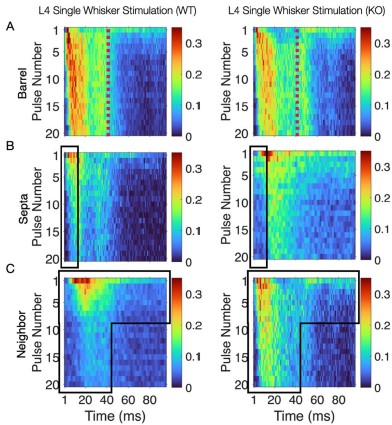
       

      (4) Line 585 “the earliest CSD sink was identified as layer 4…” were post-hoc measurements made to determine where the different shank leads were based on the post-hoc histology?

      Post hoc histology was performed on plane-aligned brain sections which would allow us to detect barrels and septa, so as to confirm the insertion domains of each recorded shank. Layer specificity of each electrode therefore could therefore not be confirmed by histology as we did not have coronal sections in which to measure electrode depth.

      (5) For the retrograde tracing studies, how were the M1 and S2 injections targeted (stereotaxically or physiologically)? How was it determined that the injections were in the whisker region (or not)?

      During the retrograde virus injection, the location of M1 and S2 injections was determined by stereotaxic coordinates (Yamashita et al., 2018). After acquiring the light-sheet images, we were able to post hoc examine the injection site in 3D and confirm that the injections were successful in targeting the regions intended. Although it would have been informative to do so, we did not functionally determine the whisker-related M1 and whisker-related S2 region in this experiment.

      (6) Were there any baseline differences in spontaneous activity in the septa versus barrel regions, and did this change in the KO animals?

      Thank you for this interesting question. Our previous study found that there was a reduction in baseline activity in L4 barrel cortex of KO animals at postnatal day (P)12, but no differences were found at P21 (Stachniak et al., 2023).

      Reviewer #3 (Public Reviews):

      Summary:

      This study investigates the functional differences between barrel and septal columns in the mouse somatosensory cortex, focusing on how local inhibitory dynamics, particularly involving Elfn1-expressing SST⁺ interneurons, may mediate temporal integration of multiwhisker (MW) stimuli in septa. Using a combination of in vivo multi-unit recordings, calcium imaging, and anatomical tracing, the authors propose that septa integrate MW input in an Elfn1-dependent manner, enabling functional segregation from barrel columns.

      Strengths:

      The core hypothesis is interesting and potentially impactful. While barrels have been extensively characterized, septa remain less understood, especially in mice, and this study's focus on septal integration of MW stimuli offers valuable insights into this underexplored area. If septa indeed act as selective integrators of distributed sensory input, this would add a novel computational role to cortical microcircuits beyond what is currently attributed to barrels alone. The narrative of this paper is intellectually stimulating.

      We thank the reviewer for finding the study intellectually stimulating.

      Weaknesses:

      The methods used in the current study lack the spatial and cellular resolution needed to conclusively support the central claims. The main physiological findings are based on unsorted multi-unit activity (MUA) recorded via low-channel-count silicon probes. MUA inherently pools signals from multiple neurons across different distances and cell types, making it difficult to assign activity to specific columns (barrel vs. septa) or neuron classes (e.g., SST⁺ vs. excitatory).

      The recording radius (~50-100 µm or more) and the narrow width of septa (~50-100 µm or less) make it likely that MUA from "septal" electrodes includes spikes from adjacent barrel neurons.

      The authors do not provide spike sorting, unit isolation, or anatomical validation that would strengthen spatial attribution. Calcium imaging is restricted to SST⁺ and VIP⁺ interneurons in superficial layers (L2/3), while the main MUA recordings are from layer 4, creating a mismatch in laminar relevance.

      We thank the reviewer for pointing out the possibility of contamination in septal electrodes. Importantly, it may not have been highlighted, although reported in the methods, but we used an extremely high threshold (7.5 std, in methods, line 583) for spike detection in order to overcome the issue raised here, which restricts such spatial contaminations. Since the spike amplitude decays rapidly with distance, at high thresholds, only nearby neurons contribute to our analysis, potentially one or two. We believe that this approach provides a very close approximation of single unit activity (SUA) in our reported data. We will include a sentence earlier in the manuscript to make this explicit and prevent further confusion.

      Regarding the point on calcium imaging being performed on L2/3 SST and VIP cells instead of L4. Both reviewer 1 and 2 brought up the same issue and we responded as follows. As shown in our supplementary figure, the divergence is also observed in L2/3 where we do not have a differential distribution of SST cells, at least based on a columnar analysis extending from L4. There are multiple scenarios that could explain this “discrepancy” that one would need to examine further in future studies. One straightforward one is that the divergence in spiking in L2/3 domains may be inherited from L4 domains, where L4 SST act on. Another is that even though L2/3 SST neurons are not biased in their distribution their input-output function is, something which one would need to examine by detailed in vitro electrophysiological and perhaps optogenetic approaches in S1. Despite the distinctive differences that have been found between the L4 circuitry in S1 and V1 (Scala F et al., 2019), recent observations indicate that small but regular patches of V1 marked by the absence of muscarinic receptor 2 (M2) have high temporal acuity (Ji et al., 2015), and selectively receive input from SST interneurons (Meier et al., 2025). Regions lacking M2 have distinct input and output connectivity patterns from those that express M2 (Meier et al., 2021; Burkhalter et al., 2023). These findings, together with ours, suggest that SST cells preferentially innervate and regulate specific domains -columns- in sensory cortices.

      Furthermore, while the role of Elfn1 in mediating short-term facilitation is supported by prior studies, no new evidence is presented in this paper to confirm that this synaptic mechanism is indeed disrupted in the knockout mice used here.

      We thank Reviewer #3 for noting the absence of new evidence confirming Elfn1’s disruption of short-term facilitation in our knockout mice. We acknowledge that our study relies on previously strong published data demonstrating that Elfn1 mediates short-term synaptic facilitation of excitatory inputs onto SST+ interneurons (Sylwestrak and Ghosh, 2012; Tomioka et al., 2014; Stachniak et al., 2019, 2023). These studies consistently show that Elfn1 knockout abolishes facilitation in SST+ synapses, leading to altered temporal dynamics, which we hypothesize underlies the observed loss of barrel-septa response divergence in our Elfn1 KO mice (Figure 4). Nevertheless, to address the point raised, we will clarify in the revised manuscript (around lines 245-247 and 271-272) that our conclusions are based on these established findings, stating: “Building on prior evidence that Elfn1 knockout disrupts short-term facilitation in SST+ interneurons (Sylwestrak and Ghosh, 2012; Tomioka et al., 2014; Stachniak et al., 2019, 2023), we attribute the abolished barrel-septa divergence in Elfn1 KO mice to altered SST+ synaptic dynamics, though direct synaptic measurements were not performed here.”

      Additionally, since Elfn1 is constitutively knocked out from development, the possibility of altered circuit formation-including changes in barrel structure and interneuron distribution, cannot be excluded and is not addressed.

      We thank Reviewer #3 for raising the valid concern that constitutive Elfn1 knockout could potentially alter circuit formation, including barrel structure and interneuron distribution. To address this, we will clarify in the revised manuscript (around line ~271 and in the Discussion) that in our previous studies that included both whole-cell patch-clamp in acute brain slices ranging from postnatal day 11 to 22 (P11 - P21) and in vivo recordings from barrel cortex at P12 and P21, we saw no gross abnormalities in barrel structure, with Layer 4 barrels maintaining their characteristic size and organization, consistent with wildtype (WT) mice (Stachniak et al., 2019, 2023). While we cannot fully exclude subtle developmental changes, prior studies indicate that Elfn1 primarily modulates synaptic function rather than cortical cytoarchitecture (Tomioka et al., 2014). Elfn1 KO mice show no gross morphological or connectivity differences and the pattern and abundance of Elfn1 expressing cells (assessed by LacZ knock in) appears normal (Dolan and Mitchell, 2013).

      We will add the following to the Discussion: “Although Elfn1 is constitutively knocked out, we find here and in previous studies that barrel structure is preserved (Stachniak et al., 2019, 2023). Further, the distribution of Elfn1 expressing interneurons is not different in KO mice, suggesting minimal developmental disruption (Dolan and Mitchell, 2013).

      Nonetheless, we acknowledge that subtle circuit changes cannot be ruled out without the usage of time-depended conditional knockout of the gene.”

      Recommendations for the authors:

      Reviewer #1 (Recommendations for the authors): 

      (1) My biggest concern is regarding statistics. Did the authors repeatedly apply independent tests (Mann-Whitney) without any correction for multiple comparisons (Figures 1 and 4)? In that case, the chances of a spurious "significant" result rise dramatically. 

      In response to the reviewer’s comment, we now present new statistical results by utilizing ANOVA and blended these results in the manuscript between lines 172 and 192 for WT data and 282 and 298 for Elfn1 KO data. This new statistical approach shows the same differences as we had previously reported, hence consolidating the statements made. 

      (2) The findings only hint at a mechanism involving SST+ neurons for how SWS and MWS are processed differently in the barrel vs septal domains. As a direct test of SST+ neuron involvement in the divergence of barrel and septal responses, the authors might consider SST-specific manipulations - for example, inhibitory chemo- or optogenetics during SWS and MWS stimulation.

      We thank the reviewer for this comment and agree that a direct manipulation of SST+ neurons via inhibitory chemo- or opto-genetics could provide further supporting evidence for the main claims in our study. We have opted out from performing these experiments for this manuscript as we feel they can be part of a future study.  At the same time, it is conceivable that such manipulations and depending on how they are performed may lead to larger and non-specific effects on cortical activity, since SST neurons will likely be completely shut down. So even though we certainly appreciate and value the strengths of such approaches, our experiments have addressed a more nuanced hypothesis, namely that the synaptic dynamics onto SST+ neurons matter for response divergence of septa versus barrels, which could not have been easily and concretely addressed by manipulating SST+ cell firing activity.  

      (3) In general, it is hard to comprehend what microcircuit could lead to the observed divergence in the MWS/SWS ratio in the barrel vs septal domain. There preferential recruitment of SST+ neurons during MWS is not specific to a particular domain, and the higher density of SST+ neurons specifically in L4 septa cannot per se explain the diverging MWS/SWS ratio in L4 septal neurons since similar ratio divergence is observed across domains in L2/3 neurons without increase SST+ neuron density in L2/3. This view would also assume that SST+ inhibition remains contained to its own layer and domain. Is this the case? Is it that different microcircuits between barrels and septa differently shape the response to repeated MWS? This is partially discussed in the paper; can the authors develop on that? What would the proposed mechanism be? Can the short-term plasticity of the thalamic inputs (VPM vs POm) be part of the picture?

      We thank the reviewer for raising this important point. We propose that the divergence in MWS/SWS ratios across barrel and septal domains arises from dynamic microcircuit interactions rather than static anatomical features such as SST+ density, which we describe and can provide a hint. In L2/3, where SST+ density is uniform, divergence persists, suggesting that trans-laminar and trans-domain interactions are key. Barrel domains, primarily receiving VPM inputs, exhibit short-term depression onto excitatory cells and engage PV+ and SST+ neurons to stabilize the MWS/SWS ratio, with Elfn1-dependent facilitation of SST+ neurons gradually increasing inhibition during repetitive SWS. Septal domains, in contrast, are targeted by facilitating POm inputs, combined with higher L4 SST+ density and Elfn1-mediated facilitation, producing progressive inhibitory buildup that amplifies the MWS/SWS ratio. SST+ projections in septa may extend trans-laminarly and laterally, influencing L2/3 and neighboring barrels, thereby explaining L2/3 divergence despite uniform SST+ density in L2/3. In this regards, direct laminar-dependent manipulations will be required to confirm whether L2/3 divergence is inherited from L4 dynamics. In Elfn1 KO mice, the loss of facilitation in SST+ neurons likely flattens these dynamics, disrupting functional segregation. Future experiments using VPM/POm-specific optogenetic activation and SST+ silencing will be critical to directly test this model.

      We expanded the discussion accordingly.

      (4) Can the decoder generalize between SWS and MWS? In this condition, if the decoder accuracy is higher for barrels than septa, it would support the idea that septa are processing the two stimuli differently. 

      Our results show that septal decoding accuracy is generally higher than barrel accuracy when generalizing from multi-whisker stimulation (MWS) to single-whisker stimulation (SWS), indicating distinct information processing in septa compared to barrels.

      In wild-type (WT) mice, septal accuracy exceeds barrel accuracy across all time windows (150ms, 51-95ms, 1-95ms), with the largest difference in the 51-95ms window (0.9944 vs. 0.9214 at pulse 20, 10Hz stimulation). This septal advantage grows with successive pulses, reflecting robust, separable neural responses, likely driven by the posterior medial nucleus (POm)’s strong MWS integration contrasting with minimal SWS activation. Barrel responses, driven by consistent ventral posteromedial nucleus (VPM) input for both stimuli, are less distinguishable, leading to lower accuracy.

      In Elfn1 knockout (KO) mice, which disrupt excitatory drive to somatostatin-positive (SST+) interneurons, barrel accuracy is higher initially in the 1-50ms window (0.8045 vs. 0.7500 at pulse 1), suggesting reduced early septal distinctiveness. However, septal accuracy surpasses barrels in later pulses and time windows (e.g., 0.9714 vs. 0.9227 in 51-95ms at pulse 20), indicating restored septal processing. This supports the role of SST+ interneurons in shaping distinct MWS responses in septa, particularly in late-phase responses (51-95ms), where inhibitory modulation is prominent, as confirmed by calcium imaging showing stronger SST+ activation during MWS.

      These findings demonstrate that septa process SWS and MWS differently, with higher decoding accuracy reflecting structured, POm- and SST+-driven response patterns. In Elfn1 KO mice, early deficits in septal processing highlight the importance of SST+ interneurons, with later recovery suggesting compensatory mechanisms. 

      We have added Supplementary Figure 4 and included this interpretation between lines 338353. 

      We thank the reviewer for suggesting this analysis.

      (5) It is not clear to me how the authors achieve SWS. How is it that the pipette tip "placed in contact with the principal whisker" does not detach from the principal whisker or stimulate other whiskers? Please clarify the methods. 

      Targeting the specific principal whisker is performed under the stereoscope.  

      Specifically, we have added this statement in line 628:

      “We trimmed the whiskers where necessary, to avoid them touching each other and to avoid stimulating other whiskers. By putting the pipette tip very close (almost touching) to the principal whisker, the movement of the tip (limited to 1mm) would reliably move the targeted whisker. The specificity of the stimulation of the selected principal whisker was observed under the stereoscope.”

      (6) The method for calculating decoder accuracy is not clearly described-how can accuracy exceed 1? The authors should clarify this metric and provide measures of variability (e.g., confidence intervals or standard deviations across runs) to assess the significance of their comparisons. Additionally, using a consistent scale across all plots would improve interoperability. 

      We thank the reviewer for raising this point. We have now changed the way accuracies are calculated and adopted a common scale among different plots (see updated Figure 5). We have also changed the methods section accordingly.

      (7) Figure 1: The sample size is not specified. It looks like the numbers match the description in the methods, but the sample size should be clearly stated here. 

      These are the numbers the reviewer is inquiring about. 

      WT: (WT) animals: a 280 × 95 × 20 matrix for the stimulated barrel (14 Barrels, 95ms, 20 pulses), a 180 × 95 × 20 matrix for the septa (9 Septa, 95ms, 20 pulses), and a 360 × 95 × 20 matrix for the neighboring barrel (18 Neighboring barrels, 95ms, 20 pulses). N=4 mice.

      KO: 11-barrel columns, 7 septal columns, 11 unstimulated neighbors from N=4 mice.

      Panels D-F are missing axes and axis labels (firing rate, p-value). Panel D is mislabeled (left, middle, and right). I can't seem to find the yellow line. 

      Thank you for this observation. We made changes in the figures to make them easier to navigate based on the collective feedback from the reviewers.

      Why is changing the way to compare the differences in the responses to repeated stimulation between SWS and MWS? 

      To assess temporal accumulation of information, we compared responses to repeated single-whisker stimulation (SWS) and multi-whisker stimulation (MWS) using an accumulative decoding approach rather than simple per-pulse firing rates. This method captures domain-specific integration dynamics over successive pulses.

      The use of the term "principal whisker" is confusing, as it could refer to the whisker that corresponds to the recorded barrel. 

      When we use the term principal whisker, the intention is indeed to refer to the whisker corresponding to the recorded barrel during single whisker stimulation. The term principal whisker is removed from Figure legend 1 and legend S1C where it may have led to  ambiguity.    

      Why the statement "after the start of active whisking"? Mice are under anesthesia here; it does not appear to be relevant for the figure. 

      “After the start of active whisking” refers to the state of the barrel cortex circuitry at the time of recordings. The particular reference we use comes from the habit of assessing sensory processing also from a developmental point of view. The reviewer is correct that it has nothing to do the with the status of the experiment. Nevertheless, since the reviewer found that it may create confusion, we have now taken it out. 

      (8) Figure 3: The y-axis label is missing for panel C. 

      This is now fixed. (dF/F).

      (9) Figure 4: Axis labels are missing.

      Added.

      Minor: 

      (10) Line 36: "progressive increase in septal spiking activity upon multi-whisker stimulation". There is no increase in septal spiking activity upon MWS; the ratio MWS/SWS increases.

      We have changed the sentence as follows: Genetic removal of Elfn1, which regulates the incoming excitatory synaptic dynamics onto SST+ interneurons, leads to the loss of the progressive increase in septal spiking ratio (MWS/SWS) upon stimulation.

      (11) Line 105: domain-specific, rather than column-specific, for consistency.

      We have changed it.

      (12) Lines 173-174: "a divergence between barrel and septa domain activity also occurred in Layer 4 from the 2nd pulse onward (Figure 1E)". The authors only show a restricted number of comparisons. Why not show the p-values as for SWS?

      The statistics is now presented in current Figure 1E.

      (13) Lines 151-153: "Correspondingly, when a single whisker is stimulated repeatedly, the response to the first pulse is principally bottom-up thalamic-driven responses, while the later pulses in the train are expected to also gradually engage cortico-thalamo-cortical and cortico-cortical loops." Can the authors please provide a reference?

      We have now added the following references : (Kyriazi and Simons, 1993; Middleton et al., 2010; Russo et al., 2025).

      (14) Lines 184-186: "Our electrophysiological experiments show a significant divergence of responses over time upon both SWS and MWS in L4 between barrels (principal and neighboring) and adjacent septa, with minimal initial difference". The only difference between the neighboring barrel and septa is the responses to the initial pulse. Can the author clarify? 

      We have now changed the sentence as follows: Our electrophysiological experiments show a significant divergence of responses between domains upon both SWS and MWS in L4. (Line 198 now)

      (15) Line 214: "suggest these interneurons may play a role in diverging responses between barrels and septa upon SWS". Why SWS specifically?

      We have changed the sentence as follows: These results confirmed that SST+ and VIP+ interneurons have higher densities in septa compared to barrels in L4 and suggest these interneurons may play a role in diverging responses between barrels and septa. (Line 231 now).

      (16) Line 235: "This result suggests that differential activation of SST+ interneurons is more likely to be involved in the domain-specific temporal ratio differences between barrels and septa". Why? The results here are not domain-specific.

      We have now revised this statement to: This result suggested that temporal ratio differences specific to barrels and septa might involve differential activation of SST+ interneurons rather than VIP+ interneurons.

      (17) Lines 241-243: "SST+ interneurons in the cortex are known to show distinct short-term synaptic plasticity, particularly strong facilitation of excitatory inputs, which enables them to regulate the temporal dynamics of cortical circuits." Please provide a reference.

      We have now added the following references: (Grier et al., 2023; Liguz-Lecznar et al., 2016).

      (18) Lines 245-247: "A key regulator of this plasticity is the synaptic protein Elfn1, which mediates short-term synaptic facilitation of excitation on SST+ interneurons (Stachniak et al., 2021, 2019; Tomioka et al., 2014)". Is Stachniak et al., 2021 not about the role of Elf1n in excitatory-to-VIP+ neuron synapses?

      The reviewer correctly spotted this discrepancy . This reference has now been removed from this statement.

      (19) Lines 271-272: "Building on our findings that Elfn1-dependent facilitation in SST+ interneurons is critical for maintaining barrel-septa response divergence". The authors did not show that.

      We have now changed the statement to: Building on our findings that Elfn1 is critical for maintaining barrel-septa response divergence  

      (20) Line 280: second firing peak, not "peal".

      Thank you, it is now fixed.

      (21) Lines 304-305: "These results highlight the critical role of Elfn1 in facilitating the temporal integration of 305 sensory inputs through its effects on SST+ interneurons". This claim is also overstated. 

      We have now changed the statement to: These results highlight the contribution of Elfn1 to the temporal integration of sensory inputs. (Line 362)

      (22) Line 329: Any reason why not cite Chen et al., Nature 2013?

      We have now added this reference, as also pointed out by reviewer 1.

      (23) Line 341-342: "wS1" and "wS2" instead of S1 and S2 for consistency.

      Thanks, we have now updated the terms.

      Reviewer #2 (Recommendations for the authors): 

      (1) Figure 3D - the SW conditions are labeled but not the MW conditions (two right graphs) - they should be labeled similarly (SSTMW, VIPMW). 

      The two right graphs in Figure 3D represent paired SW vs MW comparisons of the evoked responses for SST and VIP populations, respectively.

      (2) Figure 6 D and E I think it would be better if the Depth measurements were to be on the yaxis, which is more typical of these types of plots. 

      We thank the reviewer for this comment. Although we appreciate this may be the case, we feel that the current presentation may be easier for the reader to navigate, and we have hence kept it. 

      (3) Having an operational definition of septa versus barrel would be useful. As the authors point out, this is a tough distinction in a mouse, and often you read papers that use Barrel Wall versus Barrel Hollow/Center - operationally defining how these areas were distinguished would be helpful. 

      We thank the reviewer for this comment and understand the point made.

      We have now updated the methods section in line 611: 

      DiI marks contained within the vGlut2 staining were defined as barrel recordings, while DiI marks outside vGlut2 staining were septal recordings.

      Reviewer #3 (Recommendations for the authors): 

      To support the manuscript's major claims, the authors should consider the following:

      (1) Validate the septal identity of the neurons studied, either anatomically or functionally at the single-cell level (e.g., via Ca²⁺ imaging with confirmed barrel/septa mapping). 

      We thank the reviewer for this suggestion, but we feel that these extensive experiments are beyond the scope of this study. 

      (2) Provide both anatomical and physiological evidence to assess the possibility of altered cortical development in Elfn1 KO mice, including potential changes in barrel structure or SST⁺ cell distribution. 

      To address the reviewer’s point, we have now added the following to the Discussion: “Although Elfn1 is constitutively knocked out, we find here and in previous studies that barrel structure is preserved (Stachniak et al., 2019, 2023). Further, the distribution of Elfn1 expressing interneurons is not different in KO mice, suggesting minimal developmental disruption (Dolan and Mitchell, 2013). Nonetheless, we acknowledge that subtle circuit changes cannot be ruled out without conditional knockouts.”,

      (3) Examine the sensory responses of SST⁺ and VIP⁺ interneurons in deeper cortical layers, particularly layer 4, which is central to the study's main conclusions.

      We thank the reviewer for this suggestion and appreciate the value it would bring to the study. We nevertheless feel that these extensive experiments are beyond the scope of this study and hence opted out from performing them. 

      Minor Comments:

      (1)  The authors used a CLARITY-based passive clearing protocol, which is known to sometimes induce tissue swelling or distortion. This may affect anatomical precision, especially when assigning neurons to narrow domains such as septa versus barrels. Please clarify whether tissue expansion was measured, corrected, or otherwise accounted for during analysis.

      Yes, the tissue expansion was accounted during analysis for the laminar specification. We excluded the brains with severe distortion. 

      (2) While the anatomical data are plotted as a function of "depth from the top of layer 4," the manuscript does not specify the precise depth ranges used to define individual cortical layers in the cleared tissue. Given the importance of laminar specificity in projection and cell type analyses, the criteria and boundaries used to delineate each layer should be explicitly stated.

      Thank you for pointing this out. We now include the criteria for delineating each layer in the manuscript. “Given that the depth of Layer 4 (L4) can be reliably measured due to its welldefined barrel boundaries, and that the relative widths of other layers have been previously characterized (El-Boustani et al., 2018), we estimated laminar boundaries proportionally. Specifically, Layer 2/3 was set to approximately 1.3–1.5 times the width of L4, Layer 5a to ~0.5 times, and Layer 5b to a similar width as L4. Assuming uniform tissue expansion across the cortical column, we extrapolated the remaining laminar thicknesses proportionally.”

      (3)  In several key comparisons (e.g., SST⁺ vs. VIP⁺ interneurons, or S2-projecting vs. M1projecting neurons), it is unclear whether the same barrel columns were analyzed across conditions. Given the anatomical and functional heterogeneity across wS1 columns, failing to control for this may introduce significant confounds. We recommend analyzing matched columns across groups or, if not feasible, clearly acknowledging this limitation in the manuscript.

      We thank the reviewer for raising this important point. For the comparison of SST⁺ versus VIP⁺ interneurons, it would in principle have been possible to analyze the same barrel columns across groups. However, because some of the cleared brains did not reach the optimal level of clarity, our choice of columns was limited, and we were not always able to obtain sufficiently clear data from the same columns in both groups. Similarly, for the analysis of S2- versus M1-projecting neurons, variability in the position and spread of retrograde virus injections made it difficult to ensure measurements from identical barrel columns. We have now added a statement in the Discussion to acknowledge this limitation.

      (4) Figure 1C: Clarify what each point in the t-SNE plot represents-e.g., a single trial, a recording channel, or an averaged response. Also, describe the input features used for dimensionality reduction, including time windows and preprocessing steps.

      In response to the reviewer’s comment, we have now added the following in the methods: In summary, each point in the t-SNE plots represents an averaged response across 20 trials for a specific domain (barrel, septa, or neighbor) and genotype (WT or KO), with approximately 14 points per domain derived from the 280 trials in each dataset. The input features are preprocessed by averaging blocks of 20 trials into 1900-dimensional vectors (95ms × 20), which are then reduced to 2D using t-SNE with the specified parameters. This approach effectively highlights the segregation and clustering patterns of neural responses across cortical domains in both WT and KO conditions.

      (5) Figures 1D, E (left panels): The y-axes lack unit labeling and scale bars. Please indicate whether values are in spikes/sec, spikes/bin, or normalized units.

      We have now clarified this. 

      (6) Figures 1D, E (right panels): The color bars lack units. Specify whether the values represent raw firing rates, z-scores, or other normalized measures. Replace the vague term "Matrix representation" with a clearer label such as "Pulse-aligned firing heatmap."

      Thank you, we have now done it.

      (7) Figure 1E (bottom panel): There appears to be no legend referring to these panels. Please define labels such as "B" and "S." 

      Thank you, we have now done it.

      (8) Figure 1E legend: If it duplicates the legend from Figure 1D, this should be made explicit or integrated accordingly. 

      We have changed the structure of this figure.

      (9) Figure 1F: Define "AUC" and explain how it was computed (e.g., area under the firing rate curve over 0-50 ms). Indicate whether the plotted values represent percentages and, if so, label the y-axis accordingly. If normalization was applied, describe the procedure. Include sample sizes (n) and specify what each data point represents (e.g., animal, recording site). 

      The following paragraph has been added in the methods section:

      The Area Under the Curve (AUC) was computed as the integral of the smoothed firing rate (spikes per millisecond) over a 50ms window following each whisker stimulation pulse, using trapezoidal integration. Firing rate data for layer 4 barrel and septal regions in wild-type (WT) and knockout (KO) mice were smoothed with a 3-point moving average and averaged across blocks of 20 trials. Plotted values represent the percentage ratio of multi-whisker (MW) to single whisker (SW) AUC with error bars showing the standard error of the mean. Each data point reflects the mean AUC ratio for a stimulation pulse across approximately 11 blocks (220 trials total). The y-axis indicates percentages.

      (10) Figure 3C: Add units to the vertical axis.

      We have added them.

      (11) Figure 3D: Specify what each line represents (e.g., average of n cells, individual responses?). 

      Each line represents an average response of a neuron.  

      (12) Figure 4C legend: Same with what?". No legend refers to the bottom panels - please revise to clarify. 

      Thank you. We have now changed the figure structure and legends and fixed the missing information issue.

      (13) Supplementary Figure 1B: Indicate the physical length of the scale bar in micrometers. 

      This has been fixed. The scale bar is 250um.

      (14) Indicate the catalog number or product name of the 8×8 silicon probe used for recordings.

      We have added this information. It is the A8x8-Edge-5mm-100-200-177-A64

      References

      (1) Beierlein, M., Gibson, J. R. & Connors, B. W. (2003). Two dynamically distinct inhibitory networks in layer 4 of the neocortex. J. Neurophysiol. 90, 2987–3000.

      (2) Burkhalter, A., D’Souza, R. D. & Ji, W. (2023). Integration of feedforward and feedback information streams in the modular architecture of mouse visual cortex. Annu. Rev. Neurosci. 46, 259–280.

      (3) Chen, J. L., Margolis, D. J., Stankov, A., Sumanovski, L. T., Schneider, B. L. & Helmchen, F. (2015). Pathway-specific reorganization of projection neurons in somatosensory cortex during learning. Nat. Neurosci. 18, 1101–1108.

      (4) Connor, J. R. & Peters, A. (1984). Vasoactive intestinal polypeptide-immunoreactive neurons in rat visual cortex. Neuroscience 12, 1027–1044.

      (5) Cruikshank, S. J., Lewis, T. J. & Connors, B. W. (2007). Synaptic basis for intense thalamocortical activation of feedforward inhibitory cells in neocortex. Nat. Neurosci. 10, 462–468.

      (6) Dolan, J. & Mitchell, K. J. (2013). Mutation of Elfn1 in mice causes seizures and hyperactivity. PLoS One 8, e80491.

      (7) Gibson, J. R., Beierlein, M. & Connors, B. W. (1999). Two networks of electrically coupled inhibitory neurons in neocortex. Nature 402, 75–79.

      (8) Ji, W., Gămănuţ, R., Bista, P., D’Souza, R. D., Wang, Q. & Burkhalter, A. (2015). Modularity in the organization of mouse primary visual cortex. Neuron 87, 632–643.

      (9) Martin-Cortecero, J. & Nuñez, A. (2014). Tactile response adaptation to whisker stimulation in the lemniscal somatosensory pathway of rats. Brain Res. 1591, 27–37.

      (10) Mégevand, P., Troncoso, E., Quairiaux, C., Muller, D., Michel, C. M. & Kiss, J. Z. (2009). Long-term plasticity in mouse sensorimotor circuits after rhythmic whisker stimulation. J. Neurosci. 29, 5326–5335.

      (11) Meier, A. M., Wang, Q., Ji, W., Ganachaud, J. & Burkhalter, A. (2021). Modular network between postrhinal visual cortex, amygdala, and entorhinal cortex. J. Neurosci. 41, 4809– 4825.

      (12) Meier, A. M., D’Souza, R. D., Ji, W., Han, E. B. & Burkhalter, A. (2025). Interdigitating modules for visual processing during locomotion and rest in mouse V1. bioRxiv 2025.02.21.639505.

      (13) Scala, F., Kobak, D., Shan, S., Bernaerts, Y., Laturnus, S., Cadwell, C. R., Hartmanis, L., Froudarakis, E., Castro, J. R., Tan, Z. H., et al. (2019). Layer 4 of mouse neocortex differs in cell types and circuit organization between sensory areas. Nat. Commun. 10, 4174.

      (14) Stachniak, T. J., Sylwestrak, E. L., Scheiffele, P., Hall, B. J. & Ghosh, A. (2019). Elfn1induced constitutive activation of mGluR7 determines frequency-dependent recruitment of somatostatin interneurons. J. Neurosci. 39, 4461–4475.

      (15) Stachniak, T. J., Kastli, R., Hanley, O., Argunsah, A. Ö., van der Valk, E. G. T., Kanatouris, G. & Karayannis, T. (2021). Postmitotic Prox1 expression controls the final specification of cortical VIP interneuron subtypes. J. Neurosci. 41, 8150–8166.

      (16) Stachniak, T. J., Argunsah, A. Ö., Yang, J. W., Cai, L. & Karayannis, T. (2023). Presynaptic kainate receptors onto somatostatin interneurons are recruited by activity throughout development and contribute to cortical sensory adaptation. J. Neurosci. 43, 7101–7118.

      (17) Sun, Q.-Q., Huguenard, J. R. & Prince, D. A. (2006). Barrel cortex microcircuits: Thalamocortical feedforward inhibition in spiny stellate cells is mediated by a small number of fast-spiking interneurons. J. Neurosci. 26, 1219–1230.

      (18) Sylwestrak, E. L. & Ghosh, A. (2012). Elfn1 regulates target-specific release probability at CA1-interneuron synapses. Science 338, 536–540.

      (19) Tan, Z., Hu, H., Huang, Z. J. & Agmon, A. (2008). Robust but delayed thalamocortical activation of dendritic-targeting inhibitory interneurons. Proc. Natl. Acad. Sci. USA 105, 2187–2192.

      (20) Tomioka, N. H., Yasuda, H., Miyamoto, H., Hatayama, M., Morimura, N., Matsumoto, Y., Suzuki, T., Odagawa, M., Odaka, Y. S., Iwayama, Y., et al. (2014). Elfn1 recruits presynaptic mGluR7 in trans and its loss results in seizures. Nat. Commun. 5, 4501.

      (21) Yamashita, T., Vavladeli, A., Pala, A., Galan, K., Crochet, S., Petersen, S. S. & Petersen, C. C. (2018). Diverse long-range axonal projections of excitatory layer 2/3 neurons in mouse barrel cortex. Front. Neuroanat. 12, 33.
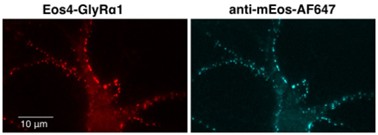
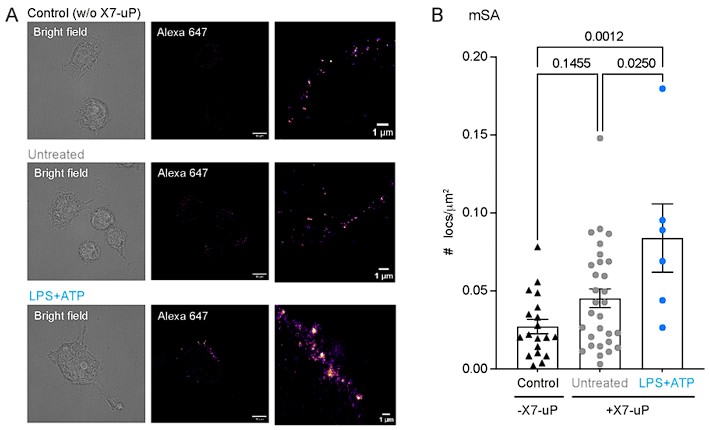
    1. Author response:

      The following is the authors’ response to the original reviews.

      eLife Assessment

      This important manuscript provides insights into the competition between Splicing Factor 1 (SF1) and Quaking (QKI) for binding at the ACUAA branch point sequence in a model intron, regulating exon inclusion. The study employs rigorous transcriptomic, proteomic, and reporter assays, with both mammalian cell culture and yeast models. Nevertheless, while the data are convincing, broadening the analysis to additional exons and narrowing the manuscript's title to better align with the experimental scope would strengthen the work.

      Public Reviews:

      Reviewer #1 (Public review):

      In this manuscript, the authors aimed to show that SF1 and QKI compete for the intron branch point sequence ACUAA and provide evidence that QKI represses inclusion when bound to it.

      Major strengths of this manuscript include:

      (1) Identification of the ACUAA-like motif in exons regulated by QKI and SF1.

      (2) The use of the splicing reporter and mutant analysis to show that upstream and downstream ACUAAC elements in intron 10 of RAI are required for repressing splicing.

      (3) The use of proteomic to identify proteins in C2C12 nuclear extract that binds to the wild type and mutant sequence.

      (4) The yeast studies showing that ectopic lethality when Qki5 expression was induced, due to increased mis-splicing of transcripts that contain the ACUAA element.

      The authors conclusively show that the ACUAA sequence is bound by QKI and provide strong evidence that this leads to differences in exons inclusion and exclusion. In animal cells, and especially in human, branchpoint sequences are degenerate but seem to be recognized by specific splicing factors. Although a subset of splicing factors shows tissue-specific expression patterns most don't, suggesting that yet-to-be-identified mechanisms regulate splicing. This work suggests that an alternate mechanism could be related to the binding affinity of specific RNA binding factors for branchpoint sequences coupled with the level of these different splicing factors in a given cell.

      We thank the reviewer for the positive comments.

      Reviewer #2 (Public review):

      Summary:

      In this manuscript, Pereira de Castro and coworkers are studying potential competition between a more standard splicing factor SF1, and an alternative splicing factor called QK1. This is interesting because they bind to overlapping sequence motifs and could potentially have opposing effects on promoting the splicing reaction. To test this idea, the authors KD either SF1 or QK1 in mammalian cells and uncover several exons whose splicing regulation follows the predicted pattern of being promoted for splicing by SF1 and repressed by QK1. Importantly, these have introns enriched in SF1 and QK1 motifs. The authors then focus on one exon in particular with two tandem motifs to study the mechanism of this in greater detail and their results confirm the competition model. Mass spec analysis largely agrees with their proposal; however, it is complicated by the apparently quick transition of SF1-bound complexes to later splicing intermediates. An inspired experiment in yeast shows how QK1 competition could potentially have a detrimental impact on splicing in an orthogonal system. Overall, these results show how splicing regulation can be achieved by competition between a "core" and alternative splicing factor and provide additional insight into the complex process of branch site recognition. The manuscript is exceptionally clear and the figures and data are very logically presented. The work will be valuable to those in the splicing field who are interested in both mechanism and bioinformatics approaches to deconvolve any apparent "splicing code" being used by cells to regulate gene expression. Criticisms are minor and the most important of them stem from overemphasis on parts of the manuscript on the evolutionary angle when evolution itself wasn't analyzed per se.

      We thank the reviewer for the positive comments and very clear and fair critical points.

      Strengths:

      (1) The main discovery of the manuscript involving evidence for SF1/QK1 competition is quite interesting and important for this field. This evidence has been missing and may change how people think about branch site recognition.

      (2) The experiments and the rationale behind them are exceptionally clearly and logically presented. This was wonderful!

      Thank you so much. We felt the overall flow of the paper and data make for a nice “story” that conveys a relatively easy-to-understand explanation for a complex subject.

      (3) The experiments are carried out to a high standard and well-designed controls are included.

      (4) The extrapolation of the result to yeast in order to show the potentially devastating consequences of the QK1 competition was very exciting and creative.

      We agree this is a very exciting result and finding! Thanks.

      Weaknesses:

      Overall the weaknesses are relatively minor and involve cases where clarification is necessary, some additional analysis could bolster the arguments, and suggestions for focusing the manuscript on its strengths.

      (1) The title (Ancient...evolutionary outcomes), abstract, and some parts of the discussion focus heavily on the evolutionary implications of this work. However, evolutionary analysis was not performed in these studies (e.g., when did QK1 and SF1 proteins arise and/or diverge? How does this line up with branch site motifs and evolution of U2? Any insight from recent work from Scott Roy et al?). I think this aspect either needs to be bolstered with experimental work/data or this should be tamped down in the manuscript. I suggest highlighting the idea expressed in the sentence "A nuanced implication of this model is that loss-of-function...". To me, this is better supported by the data and potentially by some analysis of mutations associated with human disease.

      We have revised the title and dampened the evolutionary aspects of the previous version of the manuscript.

      (2) One paper that I didn't see cited was that by Tanackovic and Kramer (Mol Biol Cell 2005). This paper is relevant because they KD SF1 and found it nonessential for splicing in vivo. Do their results have implications for those here? How do the results of the KD compare? Could QK1 competition have influenced their findings (or does their work influence the "nuanced implication" model referenced above?)?

      This is an interesting point, and thank you for the suggestion. We have now included a brief description of this study in the Introduction of the revised manuscript and do note that the authors measured intron retention of a beta globin reporter and SF3A1, SF3A2, and SF3A3 during SF1 knockdown, but did not detect elevated unspliced RNA in these targets.

      (3) Can the authors please provide a citation for the statement "degeneracy is observed to a higher degree in organisms with more alternative splicing"? Does recent evolutionary analysis support this?

      We have removed the statement, as it did not add much to the content and I am not sure I can state the concept I was attempting to convey in a simple manner with few citations.

      (4) For the data in Figure 3, I was left wondering if NMD was confounding this analysis. Can the authors respond to this and address this concern directly?

      We have not measured if the reporters used in Figure 3 produce protein(s). Presumably, though, all spliced reporter RNA would be degraded equally (the included/skipped isoforms’ “reading frames” are not altered from one another). This would not be case for unspliced nuclear reporter RNA, however. Given this difference, and that our analysis can not resolve the subcellular localization of the different reporter species, we have removed the measurement of and subsequent results describing unspliced reporter RNA from Figure 3.

      (5) To me, the idea that an engaged U2 snRNP was pulled down in Figure 4F would be stronger if the snRNA was detected. Was that able to be observed by northern or primer extension? Would SF1 be enriched if the U2 snRNA was degraded by RNaseH in the NE?

      We did not measure any co-associating RNAs in this experimental approach, but agree that this approach would strengthen the evidence for it.

      (6) I'm wondering how additive the effects of QK1 and SF1 are... In Figure 2, if QK1 and SF1 are both knocked down, is the splicing of exon 11 restored to "wt" levels?

      This is an interesting question that we were unfortunately unable to address experimentally here.

      (7) The first discussion section has two paragraphs that begin "How does competition between SF1..." and "Relatively little is known about how...". I found the discussion and speculation about localization, paraspekles, and lncRNAs interesting but a bit detracting from the strengths of the manuscript. I would suggest shortening these two paragraphs into a single one.

      We have revised the Discussion.

      Reviewer #3 (Public review):

      Summary:

      In this manuscript, the authors were trying to establish whether competition between the RNA-binding proteins SF1 and QKI controlled splicing outcomes. These two proteins have similar binding sites and protein sequences, but SF1 lacks a dimerization motif and seems to bind a single version of the binding sequence. Importantly, these binding sequences correspond to branchpoint consensus sequences, with SF1 binding leading to productive splicing, but QKI binding leading instead to association with paraspeckle proteins. They show that in human cells SF1 generally activates exons and QKI represses, and a large group of the jointly regulated exons (43% of joint targets) are reciprocally controlled by SF1 and QKI. They focus on one of these exons RAI14 that shows this reciprocal pattern of regulation, and has 2 repeats of the binding site that make it a candidate for joint regulation, and confirm regulation within a minigene context. The authors used the assembly of proteins within nuclear extracts to explain the effect of QKI versus SF1 binding. Finally, the authors show that the expression of QKI is lethal in yeast, and causes splicing defects.

      How this fits in the field. This study is interesting and provides a conceptual advance by providing a general rule on how SF1 and QKI interact in relation to binding sites, and the relative molecular fates followed, so is very useful. Most of the analysis seems to focus on one example, although the molecular analysis and global work significantly add to the picture from the previously published paper about NUMB joint regulation by QKI and SF (Zong et al, cited in text as reference 50, that looked at SF1 and QKI binding in relation to a duplicated binding site/branchpoint sequence in NUMB).

      Thank you for the encouraging remarks.

      Strengths:

      The data presented are strong and clear. The ideas discussed in this paper are of wide interest, and present a simple model where two binding sites generate a potentially repressive QKI response, whereas exons that have a single upstream sequence are just regulated by SF1. The assembly of splicing complexes on RNAs derived from RAI14 in nuclear extracts, followed by mass spec gave interesting mechanistic insight into what was occurring as a result of QKI versus SF1 binding.

      Weaknesses:

      I did not think the title best summarises the take-home message and could be perhaps a bit more modest. Although the authors investigated splicing patterns in yeast and human cells, yeast do not have QKI so there is no ancient competition in that case, and the study did not really investigate physiological or evolutionary outcomes in splicing, although it provides interesting speculation on them. Also as I understood it, the important issue was less conserved branchpoints in higher eukaryotes enabling alternative splicing, rather than competition for the conserved branchpoint sequence. So despite the the data being strong and properly analysed and discussed in the paper, could the authors think whether they fit best with the take-home message provided in the title? Just as a suggestion (I am sure the authors can do a better job), maybe "molecular competition between variant branchpoint sequences predict physiological and evolutionary outcomes in splicing"?

      Thank you for this point (Reviewer 2 had a similar comment) and the suggestion. We have revised the title.

      Although the authors do provide some global data, most of the detailed analysis is of RAI14. It would have been useful to examine members of the other quadrants in Figure 1C as well for potential binding sites to give a reason why these are not co-regulated in the same way as RAI14. How many of the RAI14 quadrants had single/double sites (the motif analysis seemed to pull out just one), and could one of the non-reciprocally regulated exons be moved into a different quadrant by addition or subtraction of a binding site or changing the branchpoint (using a minigene approach for example).

      This is an interesting point that we have considered. Our intent with the focus on RAI14 was to use a naturally occurring intron bps with evidence of strong QKI binding that did not require a high degree of sequence manipulation or engineering.

      Recommendations for the authors:

      Reviewer #1 (Recommendations for the authors):

      (1) Most of my recommendations are really centered on the figures. In their current state, they detract from the data shown and could be improved: I recommend the authors use a uniform font. For example, Figure 1E and F have at least three different fonts of varying sizes making it very messy. In Figure 1C, the authors could bold the Ral14 ex11 or simply indicate that the blue is this exon in the legend, thus removing the text from this very busy graph. In Figure 4F, I would recommend, having all the labels the same size and putting those genes of interest like Sf3a1 in bold. This could also be done in Figure 4E.

      Thank you for the suggestion and we have edited these (FYI the font in Fig’s 1E and 1F were from the rMAPS default output, but I agree, it gives a sloppy appearance).

      (2) In Figures 4D and 4G, is there QKI binding to the downstream deletion mutant after 30 minutes? Also, in Figure 4G, are these all from the same blot? The band sizes seem to be very different between lanes. If these were not on the same blot, the original gels should be submitted.

      A small amount of Qki appears to be binding after 30 min. All lanes/blots are from the same gels/membranes; see new Supplemental Figure 4 for the original (uncropped) images of the blots.

      (3) The authors should indicate, the source and concentration of the antibodies used for their WB. They should also indicate the primers used for RT-PCRs.

      We have revised the methods to include the antibody information and have uploaded a supplemental table 8 with all oligonucleotide sequences used (which I (Sam Fagg) neglected to do initially, so that’s my bad).

      Reviewer #2 (Recommendations for the authors):

      (1) This may come down to the author's preference but branch point and branch site are frequently two words, not a single compound word (branch point vs. branchpoint). In addition, the authors may want to use branchsite with the abbreviation BS more frequently since they often don't describe the specific point of branching, and bp and bps could be confused for the more frequent abbreviations for base pair(s).

      Good suggestion; we have edited the text accordingly.

      (2) In general the addition of page numbers and line numbers to the manuscript would greatly aid reviewers!

      Point taken…

      (3) Introduction; "...under normal growth conditions they are efficiently spliced". I would say MOST introns in yeast are efficiently spliced. This is definitely not universal.

      Text edited to indicate that most are efficiently spliced.

      (4) Introduction; " recognition of the bps by SF1 (mammals) (20)". The choice of reference 20 is an odd one here. I think the Robin Reed and Michael Rosbash paper was the first to show SF1 was the human homolog of BBP.

      Got it, thanks (added #14 here and kept #20 also since it shows the structure of SF1 in complex with a UACUAAC bps.)

      (5) Results; "QK1 and SF1 co-regulate.."; it may be useful for the reader if you could explain in more detail why exon inclusion and intron retention are expected outcomes for QK1 knockdown and vice versa for SF1. The exon inclusion here is more obvious than the intron retention phenotype. (In other words, if more exons are included shouldn't it follow that more introns are removed?)

      We explain the expected results for exon inclusion in the Introduction and this paragraph of the Results. Although we have observed more intron retention under QKI loss-of-function approaches before, I am uncertain where the reviewer sees that we indicate any expected result for intron retention from either QKI or SF1 knockdown. I believe the statement you refer to might be on line 162 and starts with: “Consistent with potentially opposing functions in splicing…” ?

      Also, I agree that if SF1 is a “splicing activator,” one might expect more IR in its absence (but this is not the case; there is, in fact, less), but nonetheless, the opposite outcome is observed with QKI knockdown (more IR). It is unclear why this is the case, and we did not investigate it.

      (6) Results; "QK1 and SF1 co-regulate.."; "Thus the most highly represented set.." To me, the most highly represented set is those which are not both QK1-repressed and SF1-activated. Does this indicate that other factors are involved at most sites than simple competition between these two?

      We have revised the sentence in question to include the text “by quadrant” in order to convey our meaning more precisely.

      (7) Throughout the manuscript, 5 apostrophes and 3 apostrophes are used instead of 5 prime symbols and 3 prime symbols.

      Thank you for pointing that out. We have fixed each instance of this.

      (8) Sometimes SF1 is written as Sf1. (also Tatsf1)

      This was a mouse/human gene/protein nomenclature error that we have fixed; thank you for pointing this out.

      (9) You may want to make sure that figures are labeled consistently with the manuscript text. In Figure 1B, it is RI rather than IR. In Figure 4 it is myoblast NE rather than C2C12 nuclear extract.

      We have fixed these, checked for other examples, and where relevant, edited those too.

      (10) I think Figure 1A could be improved by also including a depiction of the domain arrangements of SF1 and QK1.

      Done.

      (11) I was a bit confused with all the lines in Figure 1E and 1F. What is the difference between the log (pVal) and upregulated plots? Can these figures be simplified or explained more thoroughly?

      Based on this comment and one from Reviewer 1, we have slightly revised the wording (and font) on the output, which hopefully clarifies. These are motif enrichment plots generated by rMAPS (Refs 61 and 62) analysis of rMATS (Ref 60) data for exons more included (depicted by the red lines) or more skipped (depicted by the blue lines) compared to control versus a “background” set of exons that are detectable but unchanged. The -log<sub>10</sub> is P-value (dotted line) indicates the significance of exons more included in shRNA treatment vs control shRNA (previously read “upregulated”) compared to background exons that are detectable but unchanged; the solid lines indicate the motif score; these are described in the references indicated.

      (12) Figure 1B, it is a bit hard to conclude that there is more AltEx or "RI/IR" in one sample vs. the other from these plots since the points overlay one another. Can you include numbers here?

      Added (and deleted Suppl Fig S1, which was simply a chart showing the numbers).

      (13) How was PSI calculated in Figure 2A?

      VAST-tools (we state this in the legend in the revised version).

      You may want to include rel protein (or the lower limit of detection) for Figure 2B to be consistent with 2C. Why is KD of SF1 so poor and variable between 2C and 2D?

      We have not investigated this, but these blots show an optimized result that we were able to obtain for the knockdown in each cell type. It may be that HEK293 cells (Fig 2B) have a stronger requirement for SF1 than C2C12 cells…? I would argue that it is not necessarily “poor” in Fig 2C, as we observe ~70% depletion of the protein.

      Why are two bands present in the gel?

      Two to three isoforms of SF1 are present in most cell types.

      A good (or bad, really) example of an SF1 western blot (and knockdown of ~35% in K562 or ~45% in HepG2 can also be seen on the ENCODE project website, for reference:

      https://www.encodeproject.org/documents/6001a414-b096-4073-94ff-3af165617eb5/@@download/attachment/SF1_BGKLV28-49.pdf

      By comparison, I think ours are much more cosmetically pleasing, and our knockdown (especially in C2C12) is much more efficient.

      (14) Figure 3, The asterisk refers to a cryptic product. Can the uaAcuuuCAG be used as a branch point? Presumably the natural 3' SS is now too close so this would result in activation of a downstream 3'SS?

      We did not pursue determining the identity of this minor and likely artefactual product, but we (and others) have observed a similar phenomenon when using splicing reporter-based mutational approaches.

      (15) For the methods. The "RNA extraction, RT -PCR,..." subheading needs to be on its own line. Please add (w/v) or (v/v) to percentages where appropriate. Please convert ug to the symbol for "micro".

      Thank you, we have made these changes.

      (16) In Figure 4B, the text here and legend are microscopic. Even with reading glasses, I couldn't make anything out!

      We have increased the font sizes for the text and scale bar…when referring to “legend” does the reviewer mean the scale bar?

      (17) As a potential discussion item, it is worth noting that SF1 could also repress splicing if it could either not engage with U2AF or be properly displaced by U2 snRNP so the snRNA could pair. I was wondering if QK1 could similarly be activating if it could engage with U2AF. I'm unsure if this could be tested by domain swaps (and is beyond the scope of this paper). It just may be worth speculating about.

      Good point and suggestion…we are looking into this.

      Reviewer #3 (Recommendations for the authors):

      (1) Is the reference in the text to Figure 5F correct for actin splicing (this is just before the discussion)?

      I see references several lines up from this, but I do not see a reference just before the discussion…?

      (2) I was not sure why the minigene experiments showed such high levels of intron retention that seemed to be impacted also by deletion of the branchpoint sequences, and suggest that the two branchpoints are not equal in strength.

      Neither were we, but Reviewer 2 has suggested that degradation of the spliced products could be rapid (NMD substrates) which could complicate the interpretation of what appears to be higher levels of intron retention. Given the possibility that this could be a non-physiological artefact, we have removed the measurement of unspliced reporter and now only show the spliced products (equally subject to degradation) and report their percent inclusion.

    1. Reviewer #1 (Public review):

      Summary:

      In this manuscript, the authors investigate the nanoscopic distribution of glycine receptor subunits in the hippocampus, dorsal striatum, and ventral striatum of the mouse brain using single-molecule localization microscopy (SMLM). They demonstrate that only a small number of glycine receptors are localized at hippocampal inhibitory synapses. Using dual-color SMLM, they further show that clusters of glycine receptors are predominantly localized within gephyrin-positive synapses. A comparison between the dorsal and ventral striatum reveals that the ventral striatum contains approximately eight times more glycine receptors and this finding is consistent with electrophysiological data on postsynaptic inhibitory currents. Finally, using cultured hippocampal neurons, they examine the differential synaptic localization of glycine receptor subunits (α1, α2, and β). This study is significant as it provides insights into the nanoscopic localization patterns of glycine receptors in brain regions where this protein is expressed at low levels. Additionally, the study demonstrates the different localization patterns of GlyR in distinct striatal regions and its physiological relevance using SMLM and electrophysiological experiments. However, several concerns should be addressed.

      Specific comments on the original version:

      (1) Colocalization analysis in Figure 1A. The colocalization between Sylite and mEos-GlyRβ appears to be quite low. It is essential to assess whether the observed colocalization is not due to random overlap. The authors should consider quantifying colocalization using statistical methods, such as a pixel shift analysis, to determine whether colocalization frequencies remain similar after artificially displacing one of the channels.

      (2) Inconsistency between Figure 3A and 3B. While Figure 3B indicates an ~8-fold difference in the number of mEos4b-GlyRβ detections per synapse between the dorsal and ventral striatum, Figure 3A does not appear to show a pronounced difference in the localization of mEos4b-GlyRβ on Sylite puncta between these two regions. If the images presented in Figure 3A are not representative, the authors should consider replacing them with more representative examples or providing an expanded images with multiple representative examples. Alternatively, if this inconsistency can be explained by differences in spot density within clusters, the authors should explain that.

      (3) Quantification in Figure 5. It is recommended that the authors provide quantitative data on cluster formation and colocalization with Sylite puncta in Figure 5 to support their qualitative observations.

      (4) Potential for pseudo replication. It's not clear whether they're performing stats tests across biological replica, images, or even synapses. They often quote mean +/- SEM with n = 1000s, and so does that mean they're doing tests on those 1000s? Need to clarify.

      (5) Does mEoS effect expression levels or function of the protein? Can't see any experiments done to confirm this. Could suggest WB on homogenate, or mass spec?

      (6) Quantification of protein numbers is challenging with SMLM. Issues include i) some of FP not correctly folded/mature, and ii) dependence of localisation rate on instrument, excitation/illumination intensities, and also the thresholds used in analysis. Can the authors compare with another protein that has known expression levels- e.g. PSD95? This is quite an ask, but if they could show copy number of something known to compare with, it would be useful.

      (7) Rationale for doing nanobody dSTORM not clear at all. They don't explain the reason for doing the dSTORM experiments. Why not just rely on PALM for coincidence measurements, rather than tagging mEoS with a nanobody, and then doing dSTORM with that? Can they explain? Is it to get extra localisations- i.e. multiple per nanobody? If so, localising same FP multiple times wouldn't improve resolution. Also, no controls for nanobody dSTORM experiments- what about non-spec nb, or use on WT sections?

      (8) What resolutions/precisions were obtained in SMLM experiments? Should perform Fourier Ring Correlation (FRC) on SR images to state resolutions obtained (particularly useful for when they're presenting distance histograms, as this will be dependent on resolution). Likewise for precision, what was mean precision? Can they show histograms of localisation precision.

      (9) Why were DBSCAN parameters selected? How can they rule out multiple localisations per fluor? If low copy numbers (<10), then why bother with DBSCAN? Could just measure distance to each one.

      (10) For microscopy experiment methods, state power densities, not % or "nominal power".

      (11) In general, not much data presented. Any SI file with extra images etc.?

      (12) Clarification of the discussion on GlyR expression and synaptic localization: The discussion on GlyR expression, complex formation, and synaptic localization is sometimes unclear, and needs terminological distinctions between "expression level", "complex formation" and "synaptic localization". For example, the authors state: "What then is the reason for the low protein expression of GlyRβ? One possibility is that the assembly of mature heteropentameric GlyR complexes depends critically on the expression of endogenous GlyR α subunits." Does this mean that GlyRβ proteins that fail to form complexes with GlyRα subunits are unstable and subject to rapid degradation? If so, the authors should clarify this point. The statement "This raises the interesting possibility that synaptic GlyRs may depend specifically on the concomitant expression of both α1 and β transcripts." suggests a dependency on α1 and β transcripts. However, is the authors' focus on synaptic localization or overall protein expression levels? If this means synaptic localization, it would be beneficial to state this explicitly to avoid confusion. To improve clarity, the authors should carefully distinguish between these different aspects of GlyR biology throughout the discussion. Additionally, a schematic diagram illustrating these processes would be highly beneficial for readers.

      (13) Interpretation of GlyR localization in the context of nanodomains. The distribution of GlyR molecules on inhibitory synapses appears to be non-homogeneous, instead forming nanoclusters or nanodomains, similar to many other synaptic proteins. It is important to interpret GlyR localization in the context of nanodomain organization.

      Significance:

      The paper presents biological and technical advances. The biological insights revolve mostly on the documentation of Glycine receptors in particular synapses in forebrain, where they are typically expressed at very low levels. The authors provide compelling data indicating that the expression is of physiological significance. The authors have done a nice job of combining genetically tagged mice with advanced microscopy methods to tackle the question of distributions of synaptic proteins. Overall, these advances are more incremental than groundbreaking.

      Comments on revised version:

      The authors have addressed the majority of the significant issues raised in the review and revised the manuscript appropriately. One issue that can be further addressed relates to the issue of pseudo-replication. The authors state in their response that "All experiments were repeated at least twice to ensure reproducibility (N independent experiments). Statistical tests were performed on pooled data across the biological replicates; n denotes the number of data points used for testing (e.g., number of synaptic clusters, detections, cells, as specified in each case).". This suggests that they're not doing their stats on biological replicates, and instead are pseudo replicating. It's not clear how they have ensured reproducibility, when the stats seem to have been done on pooled data across repeats.

    2. Author response:

      The following is the authors’ response to the current reviews.

      We thank the editors of eLife and the reviewers for their thorough evaluation of our study. As regards the final comments of reviewer 1 please note that all experimental replicates were first analyzed separately, and were then pooled, since the observed changes were comparable between experiments. This mean that statistical analyses were done on pooled biological replicates.


      The following is the authors’ response to the original reviews.

      General Statements

      We thank the reviewers for their thorough and constructive evaluation of our work. We have revised the manuscript carefully and addressed all the criticisms raised, in particular the issues mentioned by several of the reviewers (see point-by-point response below). We have also added a number of explanations in the text for the sake of clarity, while trying to keep the manuscript as concise as possible.

      In our view, the novelty of our research is two-fold. From a neurobiological point of view, we provide conclusive evidence for the existence of glycine receptors (GlyRs) at inhibitory synapses in various brain regions including the hippocampus, dentate gyrus and sub-regions of the striatum. This solves several open questions and has fundamental implications for our understanding of the organisation and function of inhibitory synapses in the telencephalon. Secondly, our study makes use of the unique sensitivity of single molecule localisation microscopy (SMLM) to identify low protein copy numbers. This is a new way to think about SMLM as it goes beyond a mere structural characterisation and towards a quantitative assessment of synaptic protein assemblies.

      Point-by-point description of the revisions

      Reviewer #1 (Evidence, reproducibility and clarity): 

      In this manuscript, the authors investigate the nanoscopic distribution of glycine receptor subunits in the hippocampus, dorsal striatum, and ventral striatum of the mouse brain using single-molecule localization microscopy (SMLM). They demonstrate that only a small number of glycine receptors are localized at hippocampal inhibitory synapses. Using dual-color SMLM, they further show that clusters of glycine receptors are predominantly localized within gephyrinpositive synapses. A comparison between the dorsal and ventral striatum reveals that the ventral striatum contains approximately eight times more glycine receptors and this finding is consistent with electrophysiological data on postsynaptic inhibitory currents. Finally, using cultured hippocampal neurons, they examine the differential synaptic localization of glycine receptor subunits (α1, α2, and β). This study is significant as it provides insights into the nanoscopic localization patterns of glycine receptors in brain regions where this protein is expressed at low levels. Additionally, the study demonstrates the different localization patterns of GlyR in distinct striatal regions and its physiological relevance using SMLM and electrophysiological experiments. However, several concerns should be addressed. 

      The following are specific comments: 

      (1) Colocalization analysis in Figure 1A. The colocalization between Sylite and mEos-GlyRβ appears to be quite low. It is essential to assess whether the observed colocalization is not due to random overlap. The authors should consider quantifying colocalization using statistical methods, such as a pixel shift analysis, to determine whether colocalization frequencies remain similar after artificially displacing one of the channels. 

      Following the suggestion of reviewer 1, we re-analysed CA3 images of Glrb<sup>eos/eos</sup> hippocampal slices by applying a pixel-shift type of control, in which the Sylite channel (in far red) was horizontally flipped relative to the mEos4b-GlyRβ channel (in green, see Methods). As expected, the number of mEos4b-GlyRβ detections per gephyrin cluster was markedly reduced compared to the original analysis (revised Fig. 1B), confirming that the synaptic mEos4b detections exceed chance levels (see page 5). 

      (2) Inconsistency between Figure 3A and 3B. While Figure 3B indicates an ~8-fold difference in the number of mEos4b-GlyRβ detections per synapse between the dorsal and ventral striatum, Figure 3A does not appear to show a pronounced difference in the localization of mEos4bGlyRβ on Sylite puncta between these two regions. If the images presented in Figure 3A are not representative, the authors should consider replacing them with more representative examples or providing an expanded images with multiple representative examples. Alternatively, if this inconsistency can be explained by differences in spot density within clusters, the authors should explain that. 

      The pointillist images in Fig. 3A are essentially binary (red-black). Therefore, the density of detections at synapses cannot be easily judged by eye. For clarity, the original images in Fig. 3A have been replaced with two other examples that better reflect the different detection numbers in the dorsal and ventral striatum. 

      (3) Quantification in Figure 5. It is recommended that the authors provide quantitative data on cluster formation and colocalization with Sylite puncta in Figure 5 to support their qualitative observations. 

      This is an important point that was also raised by the other reviewers. We have performed additional experiments to increase the data volume for analysis. For quantification, we used two approaches. First, we counted the percentage of infected cells in which synaptic localisation of the recombinant receptor subunit was observed (Fig. 5C). We found that mEos4b-GlyRa1 consistently localises at synapses, indicating that all cells express endogenous GlyRb. When neurons were infected with mEos4b-GlyRb, fewer cells had synaptic clusters, meaning that indeed, GlyR alpha subunits are the limiting factor for synaptic targeting. In cultures infected with mEos4b-GlyRa2, only very few neurons displayed synaptic localisation (as judged by epifluorescence imaging). We think this shows that GlyRa2 is less capable of forming heteromeric complexes than GlyRa1, in line with our previous interpretation (see pp. 9-10, 13). 

      Secondly, we quantified the total intensity of each subunit at gephyrin-positive domains, both in infected neurons as well as non-infected control cultures (Fig. 5D). We observed that mEos4bGlyRa1 intensity at gephyrin puncta was higher than that of the other subunits, again pointing to efficient synaptic targeting of GlyRa1. Gephyrin cluster intensities (Sylite labelling) were not significantly different in GlyRb and GlyRa2 expressing neurons compared to the uninfected control, indicating that the lentiviral expression of recombinant subunits does not fundamentally alter the size of mixed inhibitory synapses in hippocampal neurons. Interestingly, gephyrin levels were slightly higher in hippocampal neurons expressing mEos4b-GlyRa1. In our view, this comes from an enhanced expression and synaptic targeting of mEos4b-GlyRa1 heteromers with endogenous GlyRb, pointing to a structural role of GlyRa1/b in hippocampal synapses (pp. 10, 13).

      The new data and analyses have been described and illustrated in the relevant sections of the manuscript.

      (4) Potential for pseudo replication. It's not clear whether they're performing stats tests across biological replica, images, or even synapses. They often quote mean +/- SEM with n = 1000s, and so does that mean they're doing tests on those 1000s? Need to clarify. 

      All experiments were repeated at least twice to ensure reproducibility (N independent experiments). Statistical tests were performed on pooled data across the biological replicates; n denotes the number of data points used for testing (e.g., number of synaptic clusters, detections, cells, as specified in each case). We have systematically given these numbers in the revised manuscript (n, N, and other experimental parameters such as the number of animals used, coverslips, images or cells). Data are generally given as mean +/- SEM or as mean +/- SD as indicated.

      (5) Does mEoS effect expression levels or function of the protein? Can't see any experiments done to confirm this. Could suggest WB on homogenate, or mass spec? 

      The Glrb<sup>eos/eos</sup> knock-in mouse line has been characterised previously and does not to display any ultrastructural or functional deficits at inhibitory synapses (Maynard et al. 2021 eLife). GlyRβ expression and glycine-evoked responses were not significantly different to those of the wildtype. The synaptic localisation of mEos4b-GlyRb in KI animals demonstrates correct assembly of heteromeric GlyRs and synaptic targeting. Accordingly, the animals do not display any obvious phenotype. We have clarified this in the manuscript (p. 4). In the case of cultured neurons, long-term expression of fluorescent receptor subunits with lentivirus   has proven ideal to achieve efficient synaptic targeting. The low and continuous supply of recombinant receptors ensures assembly with endogenous subunits to form heteropentameric receptor complexes (e.g. [Patrizio et al. 2017 Sci Rep]). In the present study, lentivirus infection did not induce any obvious differences in the number or size of inhibitory synapses compared to control neurons, as judged by Sylite labelling of synaptic gephyrin puncta (new Fig. 5D).

      (6) Quantification of protein numbers is challenging with SMLM. Issues include i) some of FP not correctly folded/mature, and ii) dependence of localisation rate on instrument, excitation/illumination intensities, and also the thresholds used in analysis. Can the authors compare with another protein that has known expression levels- e.g. PSD95? This is quite an ask, but if they could show copy number of something known to compare with, it would be useful. 

      We agree that absolute quantification with SMLM is challenging, since the number of detections depends on fluorophore maturation, photophysics, imaging conditions, and analysis thresholds (discussed in Patrizio & Specht 2016, Neurophotonics). For this reason, only very few datasets provide reliable copy numbers, even for well-studied proteins such as PSD-95. One notable exception is the study by Maynard et al. (eLife 2021) that quantified endogenous GlyRβcontaining receptors in spinal cord synapses using SMLM combined with correlative electron microscopy. The strength of this work was the use of a KI mouse strain, which ensures that mEos4b-GlyRβ expression follows intrinsic regional and temporal profiles. The authors reported a stereotypic density of ~2,000 GlyRs/µm² at synapses, corresponding to ~120 receptors per synapse in the dorsal horn and ~240 in the ventral horn, taking into account various parameters including receptor stoichiometry and the functionality of the fluorophore. These values are very close to our own calculations of GlyR numbers at spinal cord synapses that were obtained slightly differently in terms of sample preparation, microscope setup, imaging conditions, and data analysis, lending support to our experimental approach. Nevertheless, the obtained GlyR copy numbers at hippocampal synapses clearly have to be taken as estimates rather than precise figures, because the number of detections from a single mEos4b fluorophore can vary substantially, meaning that the fluorophores are not represented equally in pointillist images. This can affect the copy number calculation for a specific synapse, in particular when the numbers are low (e.g. in hippocampus), however, it should not alter the average number of detections (Fig. 1B) or the (median) molecule numbers of the entire population of synapses (Fig. 1C). We have discussed the limitations of our approach (p. 11).

      (7) Rationale for doing nanobody dSTORM not clear at all. They don't explain the reason for doing the dSTORM experiments. Why not just rely on PALM for coincidence measurements, rather than tagging mEoS with a nanobody, and then doing dSTORM with that? Can they explain? Is it to get extra localisations- i.e. multiple per nanobody? If so, localising same FP multiple times wouldn't improve resolution. Also, no controls for nanobody dSTORM experiments- what about non-spec nb, or use on WT sections? 

      As discussed above (point 6), the detection of fluorophores with SMLM is influenced by many parameters, not least the noise produced by emitting molecules other than the fluorophore used for labelling. Our study is exceptional in that it attempts to identify extremely low molecule numbers (down to 1). To verify that the detections obtained with PALM correspond to mEos4b, we conducted robust control experiments (including pixel-shift as suggested by the reviewer, see point 1, revised Fig. 1B). The rationale for the nanobody-based dSTORM experiments was twofold: (1) to have an independent readout of the presence of low-copy GlyRs at inhibitory synapses and (2) to analyse the nanoscale organisation of GlyRs relative to the synaptic gephyrin scaffold using dual-colour dSTORM with spectral demixing (see p. 6). The organic fluorophores used in dSTORM (AF647, CF680) ensure high photon counts, essential for reliable co-localisation and distance analysis. PALM and dSTORM cannot be combined in dual-colour mode, as they require different buffers and imaging conditions. 

      The specificity of the anti-Eos nanobody was demonstrated by immunohistochemistry in spinal cord cultures expressing mEos4b-GlyRb and wildtype control tissue (Fig. S3). In response to the reviewer's remarks, we also performed a negative control experiment in Glrb<sup>eos/eos</sup> slices (dSTORM), in which the nanobody was omitted (new Fig. S4F,G). Under these conditions, spectral demixing produced a single peak corresponding to CF680 (gephyrin) without any AF647 contribution (Fig. S4F). The background detection of "false" AF647 detections at synapses was significantly lower than in the slices labelled with the nanobody. We conclude that the fluorescence signal observed in our dual-colour dSTORM experiments arises from the specific detection of mEos4b-GlyRb by the nanobody, rather than from background, crossreactivity or wrong attribution of colour during spectral demixing. We have added these data and explanations in the results (p. 7) and in the figure legend of Fig. S4F,G.

      (8) What resolutions/precisions were obtained in SMLM experiments? Should perform Fourier Ring Correlation (FRC) on SR images to state resolutions obtained (particularly useful for when they're presenting distance histograms, as this will be dependent on resolution). Likewise for precision, what was mean precision? Can they show histograms of localisation precision. 

      This is an interesting question in the context of our experiments with low-copy GlyRs, since the spatial resolution of SMLM is limited also by the density of molecules, i.e. the sampling of the structure in question (Nyquist-Shannon criterion). Accordingly, the priority of the PALM experiments was to improve the sensibility of SMLM for the identification of mEos4b-GlyRb subunits, rather than to maximize the spatial resolution. The mean localisation precision in PALM was 33 +/- 12 nm, as calculated from the fitting parameters of each detection (Zeiss, ZEN software), which ultimately result from their signal-to-noise ratio. This is a relatively low precision for SMLM, which can be explained by the low brightness of mEos4b compared to organic fluorophores together with the elevated fluorescence background in tissue slices.

      In the case of dSTORM, the aim was to study the relative distribution of GlyRs within the synaptic scaffold, for which a higher localisation precision was required (p. 6). Therefore, detections with a precision ≥ 25 nm were filtered during analysis with NEO software (Abbelight). The retained detections had a mean localisation precision of 12 +/- 5 for CF680 (Sylite) and 11 +/- 4 for AF647 (nanobody). These values are given in the revised manuscript (pp. 18, 22).

      (9) Why were DBSCAN parameters selected? How can they rule out multiple localisations per fluor? If low copy numbers (<10), then why bother with DBSCAN? Could just measure distance to each one. 

      Multiple detections of the same fluorophore are intrinsic to dSTORM imaging and have not been eliminated from the analysis. Small clusters of detections likely represent individual molecules (e.g. single receptors in the extrasynaptic regions, Fig. 2A). DBSCAN is a robust clustering method that is quite insensitive to minor changes in the choice of parameters. For dSTORM of synaptic gephyrin clusters (CF680), a relatively low length (80 nm radius) together with a high number of detections (≥ 50 neighbours) were chosen to reconstruct the postsynaptic domain with high spatial resolution (see point 8). In the case of the GlyR (nanobody-AF647), the clustering was done mostly for practical reasons, as it provided the coordinates of the centre of mass of the detections. The low stringency of this clustering (200 nm radius, ≥ 5 neighbours) effectively filters single detections that can result from background noise or incorrect demixing. An additional reference explaining the use of DBSCAN including the choice of parameters is given on p. 22 (see also R2 point 4).

      (10) For microscopy experiment methods, state power densities, not % or "nominal power". 

      Done. We now report the irradiance (laser power density) instead of nominal power (pp. 18, 21). 

      (11) In general, not much data presented. Any SI file with extra images etc.? 

      The original submission included four supplementary figures with additional data and representative images that should have been available to the reviewer (Figs. S1-S4). The SI file has been updated during revision (new Fig. S4E-G). 

      (12) Clarification of the discussion on GlyR expression and synaptic localization: The discussion on GlyR expression, complex formation, and synaptic localization is sometimes unclear, and needs terminological distinctions between "expression level", "complex formation" and "synaptic localization". For example, the authors state:"What then is the reason for the low protein expression of GlyRβ? One possibility is that the assembly of mature heteropentameric GlyR complexes depends critically on the expression of endogenous GlyR α subunits." Does this mean that GlyRβ proteins that fail to form complexes with GlyRα subunits are unstable and subject to rapid degradation? If so, the authors should clarify this point. The statement "This raises the interesting possibility that synaptic GlyRs may depend specifically on the concomitant expression of both α1 and β transcripts." suggests a dependency on α1 and β transcripts. However, is the authors' focus on synaptic localization or overall protein expression levels? If this means synaptic localization, it would be beneficial to state this explicitly to avoid confusion. To improve clarity, the authors should carefully distinguish between these different aspects of GlyR biology throughout the discussion. Additionally, a schematic diagram illustrating these processes would be highly beneficial for readers. 

      We thank the reviewer to point this out. We are dealing with several processes; protein expression that determines subunit availability and the assembly of pentameric GlyRs complexes, surface expression, membrane diffusion and accumulation of GlyRb-containing receptor complexes at inhibitory synapses. We have edited the manuscript, particularly the discussion and tried to be as clear as possible in our wording.

      We chose not to add a schematic illustration for the time being, because any graphical representation is necessarily a simplification. Instead, we preferred to summarise the main numbers in tabular form (Table 1). We are of course open to any other suggestions.

      (13) Interpretation of GlyR localization in the context of nanodomains. The distribution of GlyR molecules on inhibitory synapses appears to be non-homogeneous, instead forming nanoclusters or nanodomains, similar to many other synaptic proteins. It is important to interpret GlyR localization in the context of nanodomain organization. 

      The dSTORM images in Fig. 2 are pointillist representations that show individual detections rather than molecules. Small clusters of detections are likely to originate from a single AF647 fluorophore (in the case of nanobody labelling) and therefore represent single GlyRb subunits. Since GlyR copy numbers are so low at hippocampal synapses (≤ 5), the notion of nanodomain is not directly applicable. Our analysis therefore focused on the integration of GlyRs within the postsynaptic scaffold, rather than attempting to define nanodomain structures (see also response to point 8 of R1). A clarification has been added in the revised manuscript (p. 6).

      Reviewer #1 (Significance): 

      The paper presents biological and technical advances. The biological insights revolve mostly on the documentation of Glycine receptors in particular synapses in forebrain, where they are typically expressed at very low levels. The authors provide compelling data indicating that the expression is of physiological significance. The authors have done a nice job of combining genetically-tagged mice with advanced microscopy methods to tackle the question of distributions of synaptic proteins. Overall these advances are more incremental than groundbreaking. 

      We thank the reviewer for acknowledging both the technical and biological advances of our study. While we recognize that our work builds upon established models, we consider that it also addresses important unresolved questions, namely that GlyRs are present and specifically anchored at inhibitory synapses in telencephalic regions, such as the hippocampus and striatum. From a methodological point of view, our study demonstrates that SMLM can be applied not only for structural analysis of highly abundant proteins, but also to reliably detect proteins present at very low copy numbers. This ability to identify and quantify sparse molecule populations adds a new dimension to SMLM applications, which we believe increases the overall impact of our study beyond the field of synaptic neuroscience.

      Reviewer #2 (Evidence, reproducibility and clarity): 

      In their manuscript "Single molecule counting detects low-copy glycine receptors in hippocampal and striatal synapses" Camuso and colleagues apply single molecule localization microscopy (SMLM) methods to visualize low copy numbers of GlyRs at inhibitory synapses in the hippocampal formation and the striatum. SMLM analysis revealed higher copy numbers in striatum compared to hippocampal inhibitory synapses. They further provide evidence that these low copy numbers are tightly linked to post-synaptic scaffolding protein gephyrin at inhibitory synapses. Their approach profits from the high sensitivity and resolution of SMLM and challenges the controversial view on the presence of GlyRs in these formations although there are reports (electrophysiology) on the presence of GlyRs in these particular brain regions. These new datasets in the current manuscript may certainly assist in understanding the complexity of fundamental building blocks of inhibitory synapses. 

      However I have some minor points that the authors may address for clarification: 

      (1) In Figure 1 the authors apply PALM imaging of mEos4b-GlyRß (knockin) and here the corresponding Sylite label seems to be recorded in widefield, it is not clearly stated in the figure legend if it is widefield or super-resolved. In Fig 1 A - is the scale bar 5 µm? Some Sylite spots appear to be sized around 1 µm, especially the brighter spots, but maybe this is due to the lower resolution of widefield imaging? Regarding the statistical comparison: what method was chosen to test for normality distribution, I think this point is missing in the methods section. 

      This is correct; the apparent size of the Sylite spots does not reflect the real size of the synaptic gephyrin domain due to the limited resolution of widefield imaging including the detection of outof-focus light. We have clarified in the legend of Fig. 1A that Sylite labelling was with classic epifluorescence microscopy. The scale bar in Fig. 1A corresponds to 5 µm. Since the data were not normally distributed, nonparametric tests (Kruskal- Wallis one-way ANOVA with Dunn’s multiple comparison test or Mann-Whitney U-test for pairwise comparisons) were used (p. 23). 

      Moreover I would appreciate a clarification and/or citation that the knockin model results in no structural and physiological changes at inhibitory synapses, I believe this model has been applied in previous studies and corresponding clarification can be provided. 

      The Glrbeos/eos mouse model has been described previously and does not exhibit any structural or physiological phenotypes (Maynard et al. 2021 eLife). The issue was also raised by reviewer R1 (point 5) and has been clarified in the revised manuscript (p. 4).

      (2) In the next set of experiments the authors switch to demixing dSTORM experiments - an explanation why this is performed is missing in the text - I guess better resolution to perform more detailed distance measurements? For these experiments: which region of the hippocampus did the authors select, I cannot find this information in legend or main text. 

      Yes, the dSTORM experiments enable dual-colour structural analysis at high spatial resolution (see response to R1 point 7). An explanation has been added (p. 6).

      (3) Regarding parameters of demixing experiments: the number of frames (10.000) seems quite low and the exposure time higher than expected for Alexa 647. Can the authors explain the reason for chosing these particular parameters (low expression profile of the target - so better separation?, less fluorophores on label and shorter collection time?) or is there a reference that can be cited? The laser power is given in the methods in percentage of maximal output power, but for better comparison and reproducibility I recommend to provide the values of a power meter (kW/cm2) as lasers may change their maximum output power during their lifetime. 

      Acquisition parameters (laser power, exposure time) for dSTORM were chosen to obtain a good localisation precision (~12 nm; see R1 point 8). The number of frames is adequate to obtain well sampled gephyrin scaffolds in the CF680 channel. In the case of the GlyR (nanobody-AF647), the concept of spatial resolution does not really apply due to the low number of targets (see R1, point 13). Power density (irradiance) values have now been given (pp. 18, 21).

      (4) For analysis of subsynaptic distribution: how did the authors decide to choose the parameters in the NEO software for DBSCAN clustering - was a series of parameters tested to find optimal conditions and did the analysis start with an initial test if data is indeed clustered (K-ripley) or is there a reference in literature that can be provided? 

      DBSCAN parameters were optimised manually, by testing different values. Identification of dense and well-delimited gephyrin clusters (CF680) was achieved with a small radius and a high number of detections (80 nm, ≥ 50 neighbours), whereas filtering of low-density background in the AF647 channel (GlyRs) required less stringent parameters (200 nm, ≥ 5) due to the low number of target molecules. Similar parameters were used in a previous publication (Khayenko et al. 2022, Angewandte Chemie). The reference has been provided on p. 22 (see also R1 point 9).

      (5) A conclusion/discussion of the results presented in Figure 5 is missing in the text/discussion. 

      This part of the manuscript has been completely overhauled. It includes new experimental data, quantification of the data (new Fig.5), as well as the discussion and interpretation of our findings (see also R1, point 3). In agreement with our earlier interpretation, the data confirm that low availability of GlyRa1 subunits limits the expression and synaptic targeting of GlyRa1/b heteropentamers. The observation that GlyRa1 overexpression with lentivirus increases the size of the postsynaptic gephyrin domain further points to a structural role, whereby GlyRs can enhance the stability (and size) of inhibitory synapses in hippocampal neurons, even at low copy numbers (pp. 13-14). 

      (6) In line 552 "suspension" is misleading, better use "solution" 

      Done.

      Reviewer #2 (Significance): 

      Significance: The manuscript provides new insights to presence of low-copy numbers by visualizing them via SMLM. This is the first report that visualizes GlyR optically in the brain applying the knock-in model of mEOS4b tagged GlyRß and quantifies their copy number comparing distribution and amount of GlyRs from hippocampus and striatum. Imaging data correspond well to electrophysiological measurements in the manuscript. 

      Field of expertise: Super-Resolution Imaging and corresponding analysis 

      Reviewer #4 (Evidence, reproducibility and clarity): 

      In this study, Camuso et al., make use of a knock-in mouse model expressing endogenously mEos4b-tagged GlyRβ to detect endogenous glycine receptors using single-molecule localization microscopy. The main conclusion from this study is that in the hippocampus GlyRβ molecules are barely detected, while inhibitory synapses in the ventral striatum seem to express functionally relevant GlyR numbers. 

      I have a few points that I hope help to improve the strength of this study. 

      - In the hippocampus, this study finds that the numbers of detections are very low. The authors perform adequate controls to indicate that these localizations are above noise level. Nevertheless, it remains questionable that these reflect proper GlyRs. The suggestion that in hippocampal synapses the low numbers of GlyRβ molecules "are important in assembly or maintenance of inhibitory synaptic structures in the brain" is on itself interesting, but is not at all supported. It is also difficult to envision how such low numbers could support the structure of a synapse. A functional experiment showing that knockdown of GlyRs affects inhibitory synapse structure in hippocampal neurons would be a minimal test of this. 

      It is not clear what the reviewer means by “it remains questionable that these reflect proper GlyRs”. The PALM experiments include a series of stringent controls (see R1, point 1) demonstrating the existence of low-copy GlyRs at inhibitory synapses in the hippocampus (Fig. 1) and in the striatum (Fig. 3), and are backed up by dSTORM experiments (Fig. 2). We have no reason to doubt that these receptors are fully functional (as demonstrated for the ventral striatum (Fig. 4). However, due to their low number, a role in inhibitory synaptic transmission is clearly limited, at least in the hippocampus and dorsal striatum. 

      We therefore propose a structural role, where the GlyRs could be required to stabilise the postsynaptic gephyrin domain in hippocampal neurons. This is based on the idea that the GlyRgephyrin affinity is much higher than that of the GABAAR-gephyrin interaction (reviewed in Kasaragod & Schindelin 2018 Front Mol Neurosci). Accordingly, there is a close relationship between GlyRs and gephyrin numbers, sub-synaptic distribution, and dynamics in spinal cord synapses that are mostly glycinergic (Specht et al. 2013 Neuron; Maynard et al. 2021 eLife; Chapdelaine et al. 2021 Biophys J). It is reasonable to assume that low-copy GlyRs could play a similar structural role at hippocampal synapses. A knockdown experiment targeting these few receptors is technically very challenging and beyond the scope of this study. However, in response to the reviewer's question we have conducted new experiments in cultured hippocampal neurons (new Fig. 5). They demonstrate that overexpression of GlyRa1/b heteropentamers increases the size of the postsynaptic domain in these neurons, supporting our interpretation of a structural role of low-copy GlyRs (p. 14).

      - The endogenous tagging strategy is a very strong aspect of this study and provides confidence in the labeling of GlyRβ molecules. One caveat however, is that this labeling strategy does not discriminate whether GlyRβ molecules are on the cell membrane or in internal compartments. Can the authors provide an estimate of the ratio of surface to internal GlyRβ molecules? 

      Gephyrin is known to form a two-dimensional scaffold below the synaptic membrane to which inhibitory GlyRs and GABAARs attach (reviewed in Alvarez 2017 Brain Res). The majority of the synaptic receptors are therefore thought to be located in the synaptic membrane, which is supported by the close relationship between the sub-synaptic distribution of GlyRs and gephyrin in spinal cord neurons (e.g. Maynard et al. 2021 eLife). To demonstrate the surface expression of GlyRs at hippocampal synapses we labelled cultured hippocampal neurons expressing mEos4b-GlyRa1 with anti-Eos nanobody in non-permeabilised neurons (see Author response image 1). The close correspondence between the nanobody (AF647) and the mEos4b signal confirms that the majority of the GlyRs are indeed located in the synaptic membrane.

      Author response image 1.

      Left: Lentivirus expression of mEos4b-GlyRa1 in fixed and non-permeabilised hippocampal neurons (mEos4b signal). Right: Surface labelling of the recombinant subunit with anti-Eos nanoboby (AF647). 

      - “We also estimated the absolute number of GlyRs per synapse in the hippocampus. The number of mEos4b detections was converted into copy numbers by dividing the detections at synapses by the average number of detections of individual mEos4b-GlyRβ containing receptor complexes”. In essence this is a correct method to estimate copy numbers, and the authors discuss some of the pitfalls associated with this approach (i.e., maturation of fluorophore and detection limit). Nevertheless, the authors did not subtract the number of background localizations determined in the two negative control groups. This is critical, particularly at these low-number estimations. 

      We fully agree that background subtraction can be useful with low detection numbers. In the revised manuscript, copy numbers are now reported as background-corrected values. Specifically, the mean number of detections measured in wildtype slices was used to calculate an equivalent receptor number, which was then subtracted from the copy number estimates across hippocampus, spinal cord and striatum. This procedure is described in the methods (p. 20) and results (p. 5, 8), and mentioned in the figure legends of Fig. 1C, 3C. The background corrected values are given in the text and Table 1.

      - Furthermore, the authors state that "The advantage of this estimation is that it is independent of the stoichiometry of heteropentameric GlyRs". However, if the stoichometry is unknown, the number of counted GlyRβ subunits cannot simply be reported as the number of GlyRs. This should be discussed in more detail, and more carefully reported throughout the manuscript. 

      The reviewer is right to point this out. There is still some debate about the stoichiometry of heteropentameric GlyRs. Configurations with 2a:3b, 3a:2b and 4a:1b subunits have been advanced (e.g. Grudzinska et al. 2005 Neuron; Durisic et al. 2012 J Neurosci; Patrizio et al. 2017 Sci Rep; Zhu & Gouaux 2021 Nature). We have therefore chosen a quantification that is independent of the underlying stoichiometry. Since our quantification is based on very sparse clusters of mEos4b detections that likely originate from a single receptor complex (irrespective of its stoichiometry), the reported values actually reflect the number of GlyRs (and not GlyRb subunits). We have clarified this in the results (p. 5) and throughout the manuscript (Table 1). 

      - The dual-color imaging provides insights in the subsynaptic distribution of GlyRβ molecules in hippocampal synapses. Why are similar studies not performed on synapses in the ventral striatum where functionally relevant numbers of GlyRβ molecules are found? Here insights in the subsynaptic receptor distribution would be of much more interest as it can be tight to the function. 

      This is an interesting suggestion. However, the primary aim of our study was to identify the existence of GlyRs in hippocampal regions. At low copy numbers, the concept of sub-synaptic domains (SSDs, e.g. Yang et al. 2021 EMBO Rep) becomes irrelevant (see R1 point 13). It should be pointed out that the dSTORM pointillist images (Fig. 2A) represent individual GlyR detections rather than clusters of molecules. In the striatum, our specific purpose was to solve an open question about the presence of GlyRs in different subregions (putamen, nucleus accumbens).

      - It is unclear how the experiments in Figure 5 add to this study. These results are valid, but do not seem to directly test the hypothesis that "the expression of α subunits may be limiting factor controlling the number of synaptic GlyRs". These experiments simply test if overexpressed α subunits can be detected. If the α subunits are limiting, measuring the effect of α subunit overexpression on GlyRβ surface expression would be a more direct test. 

      Both R1 and R2 have also commented on the data in Fig. 5 and their interpretation. We have substantially revised this section as described before (see R1 point 3) including additional experiments and quantification of the data (new Fig. 5). The findings lend support to our earlier hypothesis that GlyR alpha subunits (in particular GlyRa1) are the limiting factor for the expression of heteropentameric GlyRa/b in hippocampal neurons (pp. 13-14). Since the GlyRa1 subunit itself does not bind to gephyrin (Patrizio et al. 2017 Sci Rep), the synaptic localisation of the recombinant mEos4b-GlyRa1 subunits is proof that they have formed heteropentamers with endogenous GlyRb subunits and driven their membrane trafficking, which the GlyRb subunits are incapable of doing on their own.

      Reviewer #4 (Significance): 

      These results are based on carefully performed single-molecule localization experiments, and are well-presented and described. The knockin mouse with endogenously tagged GlyRβ molecules is a very strong aspect of this study and provides confidence in the labeling, the combination with single-molecule localization microscopy is very strong as it provides high sensitivity and spatial resolution. 

      The conceptual innovation however seems relatively modest, these results confirm previous studies but do not seem to add novel insights. This study is entirely descriptive and does not bring new mechanistic insights. 

      This study could be of interest to a specialized audience interested in glycine receptor biology, inhibitory synapse biology and super-resolution microscopy. 

      My expertise is in super-resolution microscopy, synaptic transmission and plasticity 

      As we have stated before, the novelty of our study lies in the use of SMLM for the identification of very small numbers of molecules, which requires careful control experiments. This is something that has not been done before and that can be of interest to a wider readership, as it opens up SMLM for ultrasensitive detection of rare molecular events. Using this approach, we solve two open scientific questions: (1) the demonstration that low-copy GlyRs are present at inhibitory synapses in the hippocampus, (2) the sub-region specific expression and functional role of GlyRs in the ventral versus dorsal striatum.

      The following review was provided later under the name “Reviewer #4”. To avoid confusion with the last reviewer from above we will refer to this review as R4-2.

      Reviewer #4-2 (Evidence, reproducibility and clarity):  

      Summary:

      Provide a short summary of the findings and key conclusions (including methodology and model system(s) where appropriate).

      The authors investigate the presence of synaptic glycine receptors in the telencephalon, whose presence and function is poorly understood. 

      Using a transgenically labeled glycine receptor beta subunit (Glrb-mEos4b) mouse model together with super-resolution microscopy (SLMM, dSTORM), they demonstrate the presence of a low but detectable amount of synaptically localized GLRB in the hippocampus. While they do not perform a functional analysis of these receptors, they do demonstrate that these subunits are integrated into the inhibitory postsynaptic density (iPSD) as labeled by the scaffold protein gephyrin. These findings demonstrate that a low level of synaptically localized glycerine receptor subunits exist in the hippocampal formation, although whether or not they have a functional relevance remains unknown.

      They then proceed to quantify synaptic glycine receptors in the striatum, demonstrating that the ventral striatum has a significantly higher amount of GLRB co-localized with gephyrin than the dorsal striatum or the hippocampus. They then recorded pharmacologically isolated glycinergic miniature inhibitory postsynaptic currents (mIPSCs) from striatal neurons. In line with their structural observations, these recordings confirmed the presence of synaptic glycinergic signaling in the ventral striatum, and an almost complete absence in the dorsal striatum. Together, these findings demonstrate that synaptic glycine receptors in the ventral striatum are present and functional, while an important contribution to dorsal striatal activity is less likely.

      Lastly, the authors use existing mRNA and protein datasets to show that the expression level of GLRA1 across the brain positively correlates with the presence of synaptic GLRB.

      The authors use lentiviral expression of mEos4b-tagged glycine receptor alpha1, alpha2, and beta subunits (GLRA1, GLRA1, GLRB) in cultured hippocampal neurons to investigate the ability of these subunits to cause the synaptic localization of glycine receptors. They suggest that the alpha1 subunit has a higher propensity to localize at the inhibitory postsynapse (labeled via gephyrin) than the alpha2 or beta subunits, and may therefore contribute to the distribution of functional synaptic glycine receptors across the brain.

      Major comments:

      - Are the key conclusions convincing?

      The authors are generally precise in the formulation of their conclusions.

      (1) They demonstrate a very low, but detectable, amount of a synaptically localized glycine receptor subunit in a transgenic (GlrB-mEos4b) mouse model. They demonstrate that the GLRB-mEos4b fusion protein is integrated into the iPSD as determined by gephyrin labelling. The authors do not perform functional tests of these receptors and do not state any such conclusions.

      (2) The authors show that GLRB-mEos4b is clearly detectable in the striatum and integrated into gephyrin clusters at a significantly higher rate in the ventral striatum compared to the dorsal striatum, which is in line with previous studies.

      (3) Adding to their quantification of GLRB-mEos4b in the striatum, the authors demonstrate the presence of glycinergic miniature IPSCs in the ventral striatum, and an almost complete absence of mIPSCs in the dorsal striatum. These currents support the observation that GLRB-mEos4b is more synaptically integrated in the ventral striatum compared to the dorsal striatum.

      (4) The authors show that lentiviral expression of GLRA1-mEos4b leads to a visually higher number of GLR clusters in cultured hippocampal neurons, and a co-localization of some clusters with gephyrin. The authors claim that this supports the idea that GLRA1 may be an important driver of synaptic glycine receptor localization. However, no quantification or statistical analysis of the number of puncta or their colocalization with gephyrin is provided for any of the expressed subunits. Such a claim should be supported by quantification and statistics 

      A thorough analysis and quantification of the data in Fig.5 has been carried out as requested by all the other reviewers (e.g. R1, point 3). The new data and results have been described in the revised manuscript (pp. 9-10, 13-14).

      - Should the authors qualify some of their claims as preliminary or speculative, or remove them altogether?

      One unaddressed caveat is the fact that a GLRB-mEos4b fusion protein may behave differently in terms of localization and synaptic integration than wild-type GLRB. While unlikely, it is possible that mEos4b interacts either with itself or synaptic proteins in a way that changes the fused GLRB subunit’s localization. Such an effect would be unlikely to affect synaptic function in a measurable way, but might be detected at a structural level by highly sensitive methods such as SMLM and STORM in regions with very low molecule numbers (such as the hippocampus). Since reliable antibodies against GLRB in brain tissue sections are not available, this would be difficult to test. Considering that no functional measures of the hippocampal detections exist, we would suggest that this possible caveat be mentioned for this particular experiment.

      This question has also been raised before (R1, point 5). According to an earlier study the mEos4b-GlyRb knock-in does not cause any obvious phenotypes, with the possible exception of minor loss of glycine potency (Maynard et al. 2021 eLife). The fact that the synaptic levels in the spinal cord in heterozygous animals are precisely half of those of homozygous animals argues against differences in receptor expression, heteropentameric assembly, forward trafficking to the plasma membrane and integration into the synaptic membrane as confirmed using quantitative super-resolution CLEM (Maynard et al. 2021 eLife). Accordingly, we did not observe any behavioural deficits in these animals, making it a powerful experimental model. We have added this information in the revised manuscript (p. 4). 

      In addition, without any quantification or statistical analysis, the author’s claims regarding the necessity of GLRA1 expression for the synaptic localization of glycine receptors in cultured hippocampal neurons should probably be described as preliminary (Fig. 5).

      As mentioned before, we have substantially revised this part (R1, point 3). The quantification and analysis in the new Fig. 5 support our earlier interpretation.

      - Would additional experiments be essential to support the claims of the paper? Request additional experiments only where necessary for the paper as it is, and do not ask authors to open new lines of experimentation.

      The authors show that there is colocalization of gephyrin with the mEos4b-GlyRβ subunit using the Dual-colour SMLM. This is a powerful approach that allows for a claim to be made on the synaptic location of the glycine receptors. The images presented in Figure 1, together with the distance analysis in Figure 2, display the co-localization of the fluorophores. The co-localization images in all the selected regions, hippocampus and striatum, also show detections outside of the gephyrin clusters, which the authors refer to as extrasynaptic. These punctated small clusters seem to have the same size as the ones detected and assigned as part of the synapse. It would be informative if the authors analysed the distribution, density and size of these nonsynaptic clusters and presented the data in the manuscript and also compared it against the synaptic ones. Validating this extrasynaptic signal by staining for a dendritic marker, such as MAP-2 or maybe a somatic marker and assessing the co-localization with the non-synaptic clusters would also add even more credibility to them being extrasynaptic. 

      The existence of extrasynaptic GlyRs is well attested in spinal cord neurons (e.g. Specht et al. 2013 Neuron; this study see Fig. S2). The fact that these appear as small clusters of detections in SMLM recordings results from the fact that a single fluorophore can be detected several times in consecutive image frames and because of blinking. Therefore, small clusters of detections likely represent single GlyRs (that can be counted), and not assemblies of several receptor complexes. Due to their diffusion in the neuronal membrane, they are seen as diffuse signals throughout the somatodendritic compartment in epifluorescence images (e.g. Fig. 5A). SMLM recordings of the same cells resolves this diffuse signal into discrete nanoclusters representing individual receptors (Fig. 5B). It is not clear what information co-localisation experiments with specific markers could provide, especially in hippocampal neurons, in which the copy numbers (and density) of GlyRs is next to zero.

      In addition we would encourage the authors to quantify the clustering and co-localization of virally expressed GLRA1, GLRA2, and GLRB with gephyrin in order to support the associated claims (Fig. 5). Preferably, the density of GLR and gephyrin clusters (at least on the somatic surface, the proximal dendrites, or both) as well as their co-localization probability should be quantified if a causal claim about subunit-specific requirements for synaptic localization is to be made.

      Quantification of the data have been carried out (new Fig.5C,D). The results have been described before (R1, point 3) and support our earlier interpretation of the data (pp. 13-14).

      Lastly, even though it may be outside of the scope of such a study analysing other parts of the hippocampal area could provide additional important information. If one looks at the Allen Institute’s ISH of the beta subunit the strongest signal comes from the stratum oriens in the CA1 for example, suggesting that interneurons residing there would more likely have a higher expression of the glycine receptors. This could also be assessed by looking more carefully at the single cell transcriptomics, to see which cell types in the hippocampus show the highest mRNA levels. If the authors think that this is too much additional work, then perhaps a mention of this in the discussion would be good. 

      We have added the requested information from the ISH database of the Allen Institute in the discussion as suggested by the reviewer (p. 12). However, in combination with the transcriptomic data (Fig. S1) our finding strongly suggest that the expression of synaptic GlyRs depends on the availability of alpha subunits rather than on the presence of the GlyRb transcript. This is obvious when one compares the mRNA levels in the hippocampus with those in the basal ganglia (striatum) and medulla. While the transcript concentrations of GlyRb are elevated in all three regions and essentially the same, our data show that the GlyRb copy numbers at synapses differ over more than 2 orders of magnitude (Fig. 1B, Table 1). 

      - Are the suggested experiments realistic in terms of time and resources? It would help if you could add an estimated cost and time investment for substantial experiments.

      Since the labeling and some imaging has been performed already, the requested experiment would be a matter of deploying a method of quantification. In principle, it should not require any additional wet-lab experiments, although it may require additional imaging of existing samples.

      - Are the data and the methods presented in such a way that they can be reproduced?

      Yes, for the most part.

      - Are the experiments adequately replicated and statistical analysis adequate?

      Yes

      Minor comments:

      - Specific experimental issues that are easily addressable.

      N/A

      - Are prior studies referenced appropriately?

      Yes

      - Are the text and figures clear and accurate?

      Yes, although quantification in figure 5 is currently not present.

      A quantification has been added (see R1, point 3).

      - Do you have suggestions that would help the authors improve the presentation of their data and conclusions?

      This paper presents a method that could be used to localize receptors and perhaps other proteins that are in low abundance or for which a detailed quantification is necessary. I would therefore suggest that Figure S4 is included into Figure 2 as the first panel, showcasing the demixing, followed by the results. 

      We agree in principle with this suggestion. However, the revised Fig. S4 is more complex and we think that it would distract from the data shown in Fig. 2. Given that Fig. S4 is mostly methodological and not essential to understand the text, we have kept it in the supplement for the time being. We leave the final decision on this point to the editor.

      Reviewer #4-2 (Significance): 

      [This review was supplied later]

      - Describe the nature and significance of the advance (e.g. conceptual, technical, clinical) for the field.

      Using a novel and high resolution method, the authors have provided strong evidence for the presence of glycine receptors in the murine hippocampus and in the dorsal striatum. The number of receptors calculated is small compared to the numbers found in the ventral striatum. This is the first study to quantify receptor numbers in these region. In addition it also lays a roadmap for future studies addressing similar questions. 

      - Place the work in the context of the existing literature (provide references, where appropriate).

      This is done well by the authors in the curation of the literature. As stated above, the authors have filled a gap in the presence of glycine receptors in different brain regions, a subject of importance in understanding the role they play in brain activity and function. 

      - State what audience might be interested in and influenced by the reported findings.

      Neuroscientists working at the synaptic level, on inhibitory neurotransmission and on fundamental mechanisms of expression of genes at low levels and their relationship to the presence of the protein would be interested. Furthermore, researchers in neuroscience and cell biology may benefit from and be inspired by the approach used in this manuscript, to potentially apply it to address their own aims. 

      We thank the reviewer for the positive assessment of the technical and biological implications of our work, as well as the interest of our findings to a wide readership of neuroscientists and cell biologists. 

      - Define your field of expertise with a few keywords to help the authors contextualize your point of view. Indicate if there are any parts of the paper that you do not have sufficient expertise to evaluate.

      Synaptic transmission, inhibitory cells and GABAergic synapses functionally and structurally, cortex and cortical circuits. No strong expertise in super-resolution imaging methods.

    1. Reviewer #1 (Public review):

      Summary:

      This very thorough anatomical study addresses the innervation of the Drosophila male reproductive tract. Two distinct glutamatergic neuron types were classified: serotonergic (SGNs) and octopaminergic (OGNs). By expansion microscopy, it was established that glutamate and serotonin /octopamine are co-released. The expression of different receptors for 5-HT and OA in muscles and epithelial cells of the innervation target organs was characterized. The pattern of neurotransmitter receptor expression in the target organs suggests that seminal fluid and sperm transport and emission are subjected to complex regulation. While silencing of abdominal SGNs leads to male infertility and prevents sperm from entering the ejaculatory duct, silencing of OGNs does not render males infertile.

      Strengths:

      The studied neurons were analysed with different transgenes and methods, as well as antibodies against neurotransmitter synthesis enzymes, building a consistent picture of their neurotransmitter identity. The careful anatomical description of innervation patterns together with receptor expression patterns if the target organs provides a solid basis for advancing the understanding how seminal fluid and sperm transport and emission are subjected to complex regulation. The functional data showing that SGNs are required for male fertility and for the release of sperm from the seminal vesicle into the ejaculatory duct is convincing.

      Weaknesses:

      The functional analysis of the characterized neurons is not as comprehensive as the anatomical description and phenotypic characterization was limited to simple fertility assays. It is understandable that a full functional dissection is beyond the scope of the present work. The paper contains experiments showing neuron-independent peristaltic waves in the reproductive tract muscles, which are thematically not very well integrated into the paper. Although very interesting, one wonders if these experiments would not fit better into a future work that also explores these peristaltic waves and their interrelation with neuromodulation mechanistically.

      Comments on revisions:

      The manuscript has improved after fixing many small issues/errors. The new sections in the discussion are likewise adding to the quality of the manuscript.

    2. Author response:

      The following is the authors’ response to the original reviews.

      Reviewer #1 (Public review): 

      Summary: 

      This very thorough anatomical study addresses the innervation of the Drosophila male reproductive tract. Two distinct glutamatergic neuron types were classified: serotonergic (SGNs) and octopaminergic (OGNs). By expansion microscopy, it was established that glutamate and serotonin /octopamine are co-released. The expression of different receptors for 5-HT and OA in muscles and epithelial cells of the innervation target organs was characterized. The pattern of neurotransmitter receptor expression in the target organs suggests that seminal fluid and sperm transport and emission are subjected to complex regulation. While silencing of abdominal SGNs leads to male infertility and prevents sperm from entering the ejaculatory duct, silencing of OGNs does not render males infertile. 

      Strengths: 

      The studied neurons were analysed with different transgenes and methods, as well as antibodies against neurotransmitter synthesis enzymes, building a consistent picture of their neurotransmitter identity. The careful anatomical description of innervation patterns together with receptor expression patterns of the target organs provides a solid basis for advancing the understanding of how seminal fluid and sperm transport and emission are subjected to complex regulation. The functional data showing that SGNs are required for male fertility and for the release of sperm from the seminal vesicle into the ejaculatory duct is convincing. 

      Weaknesses: 

      The functional analysis of the characterized neurons is not as comprehensive as the anatomical description, and phenotypic characterization was limited to simple fertility assays. It is understandable that a full functional dissection is beyond the scope of the present work. The paper contains experiments showing neuron-independent peristaltic waves in the reproductive tract muscles, which are thematically not very well integrated into the paper. Although very interesting, one wonders if these experiments would not fit better into a future work that also explores these peristaltic waves and their interrelation with neuromodulation mechanistically. 

      Reviewer #2 (Public review): 

      Summary: 

      Cheverra et al. present a comprehensive anatomical and functional analysis of the motor neurons innervating the male reproductive tract in Drosophila melanogaster, addressing a gap in our understanding of the peripheral circuits underlying ejaculation and male fertility. They identify two classes of multi-transmitter motor neurons-OGNs (octopamine/glutamate) and SGNs (serotonin/glutamate)-with distinct innervation patterns across reproductive organs. The authors further characterize the differential expression of glutamate, octopamine, and serotonin receptors in both epithelial and muscular tissues of these organs. Behavioral assays reveal that SGNs are essential for male fertility, whereas OGNs and glutamatergic transmission are dispensable. This work provides a high-resolution map linking neuromodulatory identity to organ-specific motor control, offering a valuable framework to explore the neural basis of male reproductive function. 

      Strengths: 

      Through the use of an extensive set of GAL4 drivers and antibodies, this work successfully and precisely defines the neurons that innervate the male reproductive tract, identifying the specific organs they target and the nature of the neurotransmitters they release. It also characterizes the expression patterns and localization of the corresponding neurotransmitter receptors across different tissues. The authors describe two distinct groups of dual-identity neurons innervating the male reproductive tract: OGNs, which co-express octopamine and glutamate, and SGNs, which co-express serotonin and glutamate. They further demonstrate that the various organs within the male reproductive system differentially express receptors for these neurotransmitters. Based on these findings, the authors propose that a single neuron capable of co-releasing a fast-acting neurotransmitter alongside a slower-acting one may more effectively synchronize and stagger events that require precise timing. This, together with the differential expression of ionotropic glutamate receptors and metabotropic aminergic receptors in postsynaptic muscle tissue, adds an additional layer of complexity to the coordinated regulation of fluid secretion, organ contractility, and directional sperm movement-all contributing to the optimization of male fertility. 

      Weaknesses: 

      The main weakness of the manuscript is the lack of detail in the presentation of the results. Specifically, all microscopy image figures are missing information about the number of samples (N), and in the case of colocalization experiments, quantitative analyses are not provided. Additionally, in the first behavioral section, it would be beneficial to complement the data table with figures similar to those presented later in the manuscript for consistency and clarity. 

      Wider context: 

      This study delivers the first detailed anatomical map connecting multi-transmitter motor neurons with specific male reproductive structures. It highlights a previously unrecognized functional specialization between serotonergic and octopaminergic pathways and lays the groundwork for exploring fundamental neural mechanisms that regulate ejaculation and fertility in males. The principles uncovered here may help explain how males of Drosophila and other organisms adjust reproductive behaviors in response to environmental changes. Furthermore, by shedding light on how multi-transmitter systems operate in reproductive control, this model could provide insights into therapeutic targets for conditions such as male infertility and prostate cancer, where similar neuronal populations are involved in humans. Ultimately, this genetically accessible system serves as a powerful tool for uncovering how multi-transmitter neurons orchestrate coordinated physiological actions necessary for the functioning of complex organs. 

      Reviewer #3 (Public review): 

      Summary: 

      This work provides an overview of the motor neuron landscape in the male reproductive system. Some work had been done to elucidate the circuits of ejaculation in the spine, as well as the cord, but this work fills a gap in knowledge at the level of the reproductive organs. Using complementary approaches, the authors show that there are two types of motor neurons that are mutually exclusive: neurons that co-express octopamine and glutamate and neurons that co-express serotonin and glutamate. They also show evidence that both types of neurons express large dense core vesicles, indicating that neuropeptides play a role in male fertility. This paper provides a thorough characterization of the expression of the different glutamate, octopamine, and serotonin receptors in the different organs and tissues of the male reproductive system. The differential expression in different tissues and organs allows building initial theories on the control of emission and expulsion. Additionally, the authors characterize the expression of synaptic proteins and the neuromuscular junction sites. On a mechanistic level, the authors show that neither octopamine/glutamate neuron transmission nor glutamate transmission in serotonin/glutamate neurons is required for male fertility. This final result is quite surprising and opens up many questions on how ejaculation is coordinated. 

      Strengths: 

      This work fills an important gap in the characterization of innervation of the male reproductive system by providing an extensive characterization of the motor neurons and the potential receptors of motor neuron release. The authors show convincing evidence of glutamate/monoamine co-release and of mutual exclusivity of serotonin/glutamate and octopamine/glutamate neurons. 

      Weaknesses: 

      (1) Often, it is mentioned that the expression is higher or lower or regional without quantification or an indication of the number of samples analysed. 

      (2) The experiment aimed at tracking sperm in the male reproductive system is difficult to interpret when it is not assessed whether ejaculation has occurred. 

      (3) The experiment looking at peristaltic waves in the male organs is missing labeling of the different regions and quantification of the observed waves. 

      Recommendations for the authors:

      Reviewer #1 (Recommendations for the authors): 

      (1) While the peripheral innervations are very carefully described, it is not clear to which SGNs and OGNs (i.e., cell bodies in the central nervous system) these innervations belong. Are SV, AG, and ED innervated by branches of one neuron or by separate neurons? Multi-color flip-out experiments could provide an answer to this. 

      We agree this is important and are planning these experiments for follow-up study.

      (2) In contrast, for the analysis of the VT19028 split line (Figure 9), only vnc and cell body images are shown. How do the arborisations of these split combinations look in the periphery? Are the same reproductive organs innervated as shown in Figure 2?

      Figure 9S3 was inadvertently omitted from the initial submission.  That figure is now included and shows that the VT019028 split broadly innervates the SV, AG, and ED.

      (3) In the discussion, I think it would be helpful to offer some potential explanations for the role of octopaminergic and glutamatergic signaling. If not required for basic fertility, they probably have some other role.

      Thank you, we have included speculation in the Discussion section "Potential for adaptation to environment".

      (4) Line 543: Figure 8S4 E, (not 8E). 

      Correction made.

      Reviewer #2 (Recommendations for the authors): 

      (1) Line 213-217 

      Comment:

      The use of "significantly less expression" may be misleading, as no quantification or statistical analysis is provided to support this comparison. 

      Suggestion:

      Consider using a more neutral term, such as "markedly less" or "noticeably less," unless quantitative data and statistical analysis are included to substantiate the claim.

      Good recommendation.This suggestion has been incorporated.

      (2) Line 264-267 

      Comment:

      The observation regarding the distinct morphology of SGNs and OGNs is interesting and could strengthen the argument regarding functional differences. 

      Suggestion: 

      Consider including a quantification of morphological complexity (e.g., branching) to support the claim. A method such as Sholl analysis (Sholl, 1953), as adapted in Fernández et al., 2008, could be applied. 

      This is a good suggestion, and we will consider it as part of a follow-up study.

      (3) Line 269-271 

      Comment:

      The anatomical context of the observation is not explicitly stated. 

      Suggestion:

      Add "in the ED" for clarity: "With the TRH-GAL4 experiment in the ED, vGlut-40XMYC (Figure 5S1, A and E) and 6XV5-vMAT (Figure 5S1, B and F) were both present with a highly overlapping distribution (Figure 5S1, I)." 

      Suggestion has been incorporated.

      (4) Line 275-276 

      Comment:

      The claim about the reduced ability to distinguish SGNs and OGNs in the ED would benefit from quantitative support. 

      Suggestion:

      Include a morphological comparison or quantification between SGNs and OGNs in the ED and SV to reinforce this point.

      Certain information on morphological comparison can be inferred within the images themselves, and we will include quantitation in a follow-up study.

      (5) Line 277-279 

      Comment:

      As with line 269, the anatomical site could be specified more clearly. 

      Suggestion: 

      Rephrase as: "With the Tdc2-GAL4 experiment in the ED, vGlut-40XMYC (Figure 5S1, M and Q) and 6XV5-vMAT (Figure 5S1, N and R) were both observed in a highly overlapping distribution (Figure 5S1, U)." 

      Suggestion has been incorporated.

      (6) Line 348-350 

      Comment:

      The phrase "significantly higher density" implies a statistical comparison that is not shown. 

      Suggestion:

      If no quantification is provided, replace with a qualitative term such as "visibly higher" or "notably more dense." Alternatively, add a quantitative analysis with statistical testing to justify the use of "significantly." 

      Suggestion has been incorporated.

      (7) Lines 415-458 (Section comment) 

      Comment:

      There appears to be differential localization of neurotransmitter receptor expression (glutamate in muscle vs. 5-HT in epithelium or neurons), which could have functional implications. 

      Suggestion:

      Expand this section to briefly discuss the differential localization patterns of these receptors and potential implications for signal transduction in male reproductive tissues. 

      (8) Lines 638-682 (Section comment) 

      Comment:

      The table summarizing fertility phenotypes would be more informative with additional detail on experimental outcomes. 

      Suggestion:

      Add a column showing the number of fertile males over the total tested (e.g., "n fertile / n total"). Also, clarify whether the fertility assays are identical to those reported in Figure 10S2, and whether similar analyses were conducted for females. Consider including a figure summarizing fertility results for all genotypes listed in the table, similar to Figure 10S2. 

      The fertility tests reported in Table 1 were separate from those reported in Figure 10S2.  For these tests, the results were clear-cut with 100% of males and females reported as infertile exhibiting the infertile phenotype.  For the males and females reported as fertile, it was also clear-cut with nearly 100% showing fertility at a high level.  In subsequent figures we attempted to assess degrees of fertility.

      (9) Line 724-727 

      Comment:

      There seems to be a mistake in the identification of the driver lines used to silence OA neurons. Also, figure references might be incorrect. 

      Suggestion:

      The OA neuron driver line should be corrected to "Tdc2-GAL4-DBD ∩ AbdB-AD" instead of TRH-GAL4. Additionally, the figure references should be verified; specifically, the letter "B" (in "Figure 10B, D" and "10B, E") appears to be unnecessary or misplaced.

      Thanks for catching this, the corrections have been made.

      (10) Line 872-877 

      Comment:

      The discussion on the co-release of fast-acting glutamate and slower aminergic neurotransmitters is interesting and well-articulated. However, it remains somewhat disconnected from the behavioral findings. 

      Suggestion:

      Consider linking this proposed mechanism to the results observed in the mating duration assays. For instance, the sequential action of neurotransmitters described here could potentially underlie the prolonged mating observed when specific neuromodulators are active, helping to functionally integrate molecular and behavioral data. 

      (11) Line 926-928 

      Comment:

      The interpretation of 5-HT7 receptor expression in the sphincter is compelling, suggesting a role in regulating its function. However, this anatomical observation could be further contextualized with the functional data. 

      Suggestion:

      It may strengthen the interpretation to explicitly connect this finding with the fertility assays, where SGNs - presumably acting via serotonergic signaling - are shown to be necessary for male fertility. This would support a functional role for 5-HT7 in reproductive success via sphincter regulation.

      This has been added. 

      (12) Figure 1 

      Comment:

      The figure legend is generally clear, but could benefit from more consistency and precision in the color-coded labeling. Additionally, the naming of some structures could be more explicit. 

      Suggestion: 

      Revise the figure and the legend as follows:

      Figure 1. The Drosophila male reproductive system. A) Schematic diagram showing paired testes (colour), SVs (green), AGs (purple), Sph (red), ED (gray), and EB (colour). B) Actual male reproductive system. Te - testes, SV - seminal vesicle, AG - accessory gland, Sph - singular sphincter, ED - ejaculatory duct, EB - ejaculatory bulb. Scale bar: 200 µm.

      This suggestion has been incorporated.

      (13) Figure 3S2 

      Comment:

      There appears to be a typographical error in the description of the genotypes, which may lead to confusion. 

      Suggestion:

      Correct the legend to reflect the appropriate genotypes:

      Figure 3S2. Expression of vGlut-LexA and Tdc2-GAL4 in the Drosophila male reproductive system. A, D, G, J, M, P) vGlut-LexA, LexAop-6XmCherry; B, E, H, K, N, Q) Tdc2-GAL4, UAS-6XGFP; C, F, I, L, O, R) Overlay. Scale bars: O - 50 µm; R - 10 µm.

      The corrections have been made.

      (14) Figure 3S3

      Comment:

      The genotypes for panels D and E appear to be incomplete; the DBD component of the split-GAL4 drivers is missing. 

      Suggestion:

      Update the figure legend to: 

      Figure 3S3. Fruitless and Doublesex expression in the Drosophila male reproductive system. A) fru-GAL4, UAS-6XGFP; B) vGlut-LexA, LexAop-6XmCherry; C) Overlay; D) Tdc2-AD ∩ dsx-GAL4-DBD; E) TRH-AD ∩ dsx-GAL4-DBD. Scale bar: 200 µm.

      The corrections have been made.

      (15) Figure 4S4 

      Comment: 

      There is a repeated segment in the figure legend, which makes it unclear and redundant. 

      Suggestion:

      Edit the legend to remove the duplicated lines: 

      Figure 4S4. Expression of vGlut, TβH-GFP, and 5-HT at the junction of the SV and AGs with the ED of the Drosophila male reproductive system. A) vGlut-40XV5; B) TβH-GFP; C) 5-HT; D) vGlut-40XV5, TβH-GFP overlay; E) vGlut-40XV5, 5-HT overlay; F) TβH-GFP, 5-HT overlay. Scale bar: 50 µm.

      The correction has been made.

      (16) Figure 6S5 

      Comment:

      Within this figure, the orientation and/or scale of the tissue varies noticeably between individual panels, making it difficult to directly compare the different experimental conditions. 

      Suggestion:

      For improved clarity and interpretability, consider standardizing the orientation and size of the tissue shown across all panels within the figure. Consistent presentation will facilitate direct comparisons between treatments or genotypes. 

      There is often variation in the size of the male reproductive organs. They were all acquired at the same magnification. The only point of this figure is there is no vGAT or vAChT at these NMJs and the result is unambiguously negative. 

      (17) Figure 10 

      Comment:

      Panel A appears redundant, as it shows the same information as the other panels but without indicating statistical significance. 

      Suggestion:

      Consider removing panel A and keeping only the remaining four graphs, which include relevant statistical comparisons and clearly show significant differences.

      We realize there is some redundancy of panel A with the other panels, but we feel there is value in having all the genotypes in a single panel for comparison.

      Reviewer #3 (Recommendations for the authors): 

      Here are some suggestions to improve the manuscript: 

      (1) Prot B GFP experiment: the authors should explain better the time chosen to look at the sperm content of the male reproductive system. At 10 minutes, it is expected that the male has already ejaculated, and therefore, a failure to ejaculate would result in more sperm in the reproductive system, not less. Since we are not certain when the male ejaculates, it would be important to do the analysis at different time points.

      In the Prot-GFP experiments, the 10-minute time point was chosen because we nearly always observe sperm in the ejaculatory duct of control males.  In the experimental males, we never observed sperm in the ejaculatory duct at this time point.  Also, no Prot-GFP sperm were observed in the reproductive tract of females mated to experimental males even when mating was allowed to go to completion, while abundant sperm were found in females mated to Prot-GFP controls.  Figure 10S1 has been updated to include Images of these female reproductive systems.  The results showing the absence of Prot-GFP sperm in the female reproductive tract mated to experimental males indicates sperm transfer in these males isn't occurring earlier during the copulation process than in control males and that we didn't miss it by only examining at the ejaculatory duct.

      (2) Discuss what may be the role of the octopamine/glutamate neurons and glutamate transmission in serotonin/glutamate neurons in the male reproductive system, given that they are not required for fertility (at least under the context in which it was tested). It is quite a striking result that deserves some attention. 

      We agree it is a surprising result and have included speculation on the role of glutamate and octopamine in male reproduction in the Discussion section "Potential for adaptation to environment".

      (3) Very important: 

      (a) Figure 3 is present in the Word document but not the PDF. 

      (b) Figure 9S3 is not present 

      (c) In Figure 5 X), the legend does not correspond to the panel.

      All of these corrections have been made. 

      (4) Other suggestions:

      (a) A summary schematic (or several) of the findings would make it an easier read.

      (b) Explain why the ejaculatory bulb was left out of the analysis.

      (c) Explain in the main text some of the tools, such as, BONT-C and the conditional vGlut mutation.

    1. Reviewer #2 (Public review):

      Summary:

      In this manuscript, Arnould et. al. develop an unbiased, affinity-guided reagent to label P2X7 receptor and use super-resolution imaging to monitor P2X7 redistribution in response to inflammatory signaling.

      Strengths:

      I think the X7-uP probe that they developed is very useful for visualizing localization of P2X7 receptor. They convincingly show that under inflammatory conditions, there is a reorganization of P2X7 localization into receptor clusters. Moreover, I think they have shown a very clever way to specifically label any receptor of interest. This has broad appeal.

      I think the authors have done a very nice job addressing my original concerns. Here are those original concerns and my new comments related to how the authors address them.

      (1) While the authors state that chemical modification of AZ10606120 to produce the X7-UP reagent has "minimal impact" on the inhibition of P2X7, we can see from Figure 2A and 2B that it does not antagonize P2X7 as effectively as the original antagonist. For the sake of completeness and quantitation, I think it would be great if the authors could determine the IC50 for X7-uP and compare it to the IC50 of AZ10606120.

      The authors now show the relative inhibition of X7-uP compared to AZ10606120 at different concentrations. This provides a nice comparison to give the reader an idea of how effectively X7-uP inhibits P2X7 receptor. This is great.

      (2) Do the authors know whether modification of the lysines with biotin affects the receptor's affinity for ATP (or ability to be activated by ATP)? What about P2X7 that has been modified with biotin and then labeled with Alexa 647? For the sake of completeness and quantitation, I think it would be great if the authors could determine the EC50 of biotinylated P2X7 for ATP as well as biotinylated and then Alexa 647 labeled P2X7 for ATP and compare these values to the affinity of unmodified WT P2X7 for ATP.

      I agree with the authors that assessing the functional integrity of P2X7 following biotinylation and fluorophore labeling is outside the scope of this paper but would be important for studies involving dynamic or post-labeling functional analyses such as live trafficking.

      (3) It is a little misleading to color the fluorescence signal from mScarlet green (for example, in Figure 3 and Figure 4). The fluorescence is not at the same wavelength as GFP. In fact, the wavelength (570 nm - 610 nm) for emission is closer to orange/red than to green. I think this color should be changed to differentiate the signal of mScarlet from the GFP signal used for each of the other P2X receptor subtypes.

      The authors have now changed the mScarlet color to orange, which solves my concern.

      (4) It is my understanding that P2X6 does not form homotrimers. Thus, I was a little surprised to see that the density and distribution of P2X6-GFP in Figure 3 looks very similar to the density and distribution of the other P2X subtypes. Do the authors have an explanation for this? Are they looking at P2X6 protomers inserted into the plasma membrane? Does the cell line have endogenous P2X receptor subtypes? Is Figure 3 showing heterotrimers with P2X6 receptor? A little explanation might be helpful.

      The authors address this point very well and include nice data to show that P2X6 does not insert into the plasma membrane as a homotrimer.

      (5) It is easy to overlook the fact that the antagonist leaves the binding pocket once the biotin has been attached to the lysines. It might be helpful if the authors made this a little more apparent in Figure 1 or in the text describing the NASA chemistry reaction.

      The authors have modified Figure 1 to make it easier to understand the NASA chemistry reaction.

      I congratulate the authors on an outstanding paper!

    2. Author response:

      The following is the authors’ response to the original reviews.

      Public Reviews:

      Reviewer #1 (Public review): 

      Summary: 

      In this paper, the authors developed a chemical labeling reagent for P2X7 receptors, called X7-uP. This labeling reagent selectively labels endogenous P2X7 receptors with biotin based on ligand-directed NASA chemistry (Ref. 41). After labeling the endogenous P2X7 receptor with biotin, the receptor can be fluorescently labeled with streptavidin-AlexaFluor647. The authors carefully examined the binding properties and labeling selectivity of X7-uP to P2X7, characterized the labeling site of P2X7 receptors, and demonstrated fluorescence imaging of P2X7 receptors. The data obtained by SDS-PAGE, Western blot, and fluorescence microscopy clearly show that X7-uP labels the P2X7 receptor. Finally, the authors fluorescently labeled the endogenous P2X7 in BV2 cells, which are a murine microglia model, and used dSTORM to reveal a nanoscale P2X7 redistribution mechanism under inflammatory conditions at high resolution. 

      Strengths: 

      X7-uP selectively labels endogenous P2X7 receptors with biotin. Streptavidin-AlexaFluor647 binds to the biotin labeled to the P2X7 receptor, allowing visualization of endogenous P2X7 receptors. 

      We thank the reviewer for their positive comment.

      Weaknesses: 

      Weaknesses & Comments 

      (1) The P2X7 receptor exists in a trimeric form. If it is not a monomer under the conditions of the pull-down assay in Figure 2C, the quantitative values may not be accurate. 

      We thank the reviewer for this comment. As shown in Figure 2C, the band observed on the denaturing SDS-PAGE corresponds to the monomeric form of the P2X7 receptor. While we cannot exclude the presence of non-monomeric species under native conditions, no such higher-order forms are visible in the gel. This observation supports the conclusion that the quantitative values presented are based on the monomeric form and are therefore reliable.

      (2) In Figure 3, GFP fluorescence was observed in the cell. Are all types of P2X receptors really expressed on the cell surface ? 

      We thank the reviewer for this excellent comment, which was also raised by reviewer 2. To address this concern, we performed a commercial cell-surface protein biotinylation assay to assess whether GFP-tagged P2X receptors reach the plasma membrane. As expected, all P2X subtypes except P2X6 were detected at the cell surface in HEK293T cells, thereby validating our confocal fluorescence microscopy assay. These new data are now included in Figure 3 — figure supplement 1.

      (3) The reviewer was not convinced of the advantages of the approach taken in this paper, because the endogenous receptor labeling in this study could also be done using conventional antibody-based labeling methods. 

      We thank the reviewer for raising this important point and would like to highlight several advantages of our approach compared to conventional antibody-based labeling.

      First, commercially available P2X7 antibodies often suffer from poor specificity and are generally not suitable for reliably detecting endogenous P2X7 receptors, as documented in previous studies (e.g., PMID: 16564580 and PMID: 15254086). While recent advances have been made using nanobodies with improved specificity for P2X7 (e.g., PMID: 30074479 and PMID: 38953020), our strategy is distinct and complementary to nanobody-based approaches.

      Second, antibodies rely on non-covalent interactions with the receptor, which can result in dissociation over time. In contrast, our X7-uP probe covalently biotinylates lysine residues on the P2X7 receptor through stable amide bond formation. This covalent labeling ensures that the biotin moiety remains permanently attached, an advantage not afforded by reversible binding strategies.

      Third, by selectively biotinylating P2X7 receptors, our method provides a versatile platform for the chemical attachment of a wide range of probes or functional moieties. Although we did not demonstrate this application in the current study, we believe this modularity represents an additional advantage of our approach.

      We have now revised the discussion to highlight these key advantages, allowing the reader to form their own opinion. We hope this addresses the reviewer’s concerns and clarifies the benefits of our approach.

      (4) Although P2X7 was successfully labeled in this paper, it is not new as a chemistry. There is a need for more attractive functional evaluation such as live trafficking analysis of endogenous P2X7. 

      We agree with the reviewer that the underlying chemistry is not novel per se. However, to our knowledge, it has not previously been applied to the P2X7 receptor, and thus constitutes a novel application with specific relevance for studying native P2X7 biology.

      We also appreciate the reviewer’s suggestion regarding live trafficking analysis of endogenous P2X7. While this is indeed a valuable and interesting direction, we believe it lies beyond the scope of the present study, as it would first require demonstrating that the labeling itself does not affect P2X7 function (see below). This important step would necessitate additional experiments, which we consider more appropriate for a follow-up investigation.

      (5) The reviewer has concerns that the use of the large-size streptavidin to label the P2X7 receptor may perturbate the dynamics of the receptor. 

      We thank the reviewer for raising this important point. Although we did not directly measure receptor dynamics, it is indeed possible that tetrameric streptavidin (tStrept-A 647) could promote P2X7 clustering by cross-linking nearby receptors due to its tetravalency (see also point 7 raised by the reviewer). To address this concern, we performed additional dSTORM experiments using a monomeric form of streptavidin-Alexa 647 (mSA) (see PMID: 26979420). Owing to its reduced size and lack of tetravalency, mSA has been shown to minimize artificial crosslinking of synaptic receptors (PMID: 26979420). A drawback of using mSA, however, is that the monomeric form carries only two fluorophores (estimated degree of labeling, DOL ≈ 2, PMID: 26979420), whereas the tetrameric form, according to the manufacturer’s certificate of analysis (Invitrogen S21374), has an average DOL of three fluorophores per monomer, resulting in a total of ~12 fluorophores per streptavidin.

      We tested three conditions with mSA incubation: (i) control BV2 cells (without X7-uP), (ii) untreated X7-uP-labeled BV2 cells, and (iii) X7-uP-labeled BV2 cells treated with LPS and ATP (using the same concentrations and incubation times described in the manuscript). As shown in Author response image 1, only LPS+ATP treatment induced a clear increase in the mean cluster density compared to quiescent (untreated) BV2 cells. This effect closely matches the results obtained with tStrept-A 647, supporting the conclusion the tetrameric streptavidin does not artificially promote P2X7 clustering. It is also possible that the cellular environment of BV2 microglia differs from the confined architecture of synapses, which may further explain why cross-linking effects are less pronounced in our system.

      As expected, the overall fluorescence signal with mSA was about tenfold lower than with tStrept-A 647, consistent with the expected fluorophore stoichiometry. This lower signal may explain why the values for the untreated condition appeared slightly higher than for the control, although the difference was not statistically significant (P = 0.1455).

      We hope these additional experiments adequately address the reviewer’s concerns.

      Author response image 1.

      BV2 labeling with monomeric streptavidin–Alexa 647 (mSA).(A) Bright-field and dSTORM images of BV2 cells labeled with mSA in the presence (untreated and LPS+ATP) or absence (control) of 1 µM X7-uP. Treatment: LPS (1 µg/mL for 24 hours) and ATP (1 mM for 30 minutes). Scale bars, 10 µm. Insets: Magnified dSTORM images. Scale bars, 1 µm.(B) Quantification of the number of localizations (n = 2 independent experiments). Bars represent mean ± s.e.m. One-way ANOVA with Tukey’s multiple comparisons (P values are indicated above the graph).

      (6) It is better to directly label Alexa647 to the P2X7 receptor to avoid functional perturbation of P2X7. 

      Directly labeling of Alexa647 to the P2X7 receptor would require the design and synthesis of a novel probe, which is currently not available. Implementing such a strategy would involve substantial new experimental work that lies beyond the scope of the present study.

      (7) In all imaging experiments, the addition of streptavidin, which acts as a cross-linking agent, may induce P2X7 receptor clustering. This concern would be dispelled if the receptors were labeled with a fluorescent dye instead of biotin and observed. 

      We refer the reviewer to our response in point 5, where we addressed this concern by comparing tetrameric and monomeric streptavidin conjugates. As noted above (see also point 6), directly labeling the receptor with a fluorescent dye would require the development of a new probe, which is outside the scope of the present study.

      (8) There are several mentions of microglia in this paper, even though they are not used. This can lead to misunderstanding for the reader. The author conducted functional analysis of the P2X7 receptor in BV-2 cells, which are a model cell line but not microglia themselves. The text should be reviewed again and corrected to remove the misleading parts that could lead to misunderstanding. e.g. P8. lines 361-364

      First, it combines N-cyanomethyl NASA chemistry with the high-affinity AZ10606120 ligand, enabling rapid labeling in microglia (within 10 min)

      P8. lines 372-373 

      Our results not only confirm P2X7 expression in microglia, as previously reported (6, 26-33), but also reveal its nanoscale localization at the cell surface using dSTORM. 

      We agree with the reviewer’s comment. We have now modified the text, including the title.

      Reviewer #2 (Public review): 

      Summary: 

      In this manuscript, Arnould et. al. develop an unbiased, affinity-guided reagent to label P2X7 receptor and use super-resolution imaging to monitor P2X7 redistribution in response to inflammatory signaling. 

      Strengths: 

      I think the X7-uP probe that they developed is very useful for visualizing localization of P2X7 receptor. They convincingly show that under inflammatory conditions, there is a reorganization of P2X7 localization into receptor clusters. Moreover, I think they have shown a very clever way to specifically label any receptor of interest. This has broad appeal 

      We thank the reviewer for their positive comment.

      Weaknesses: 

      Overall, the manuscript is novel and interesting. However, I do have some suggestions for improvement. 

      (1) While the authors state that chemical modification of AZ10606120 to produce the X7-UP reagent has "minimal impact" on the inhibition of P2X7, we can see from Figure 2A and 2B that it does not antagonize P2X7 as effectively as the original antagonist. For the sake of completeness and quantitation, I think it would be great if the authors could determine the IC50 for X7-uP and compare it to the IC50 of AZ10606120. 

      We thank the reviewer for this insightful comment. Unfortunately, due to the limited availability of X7-uP, we were not able to establish a complete concentration–response curve to determine its IC<sub>50</sub>, which would require testing at concentrations >1 µM. Nevertheless, to estimate the effect of the modification, we assessed current inhibition at 300 µM X7-uP and compared it with the reported IC<sub>50</sub> of AZ10606120 (10 nM). Under these conditions, both compounds produced a similar level of inhibition, indicating that while the chemical modification reduces potency relative to AZ10606120, X7-uP still functions as an effective probe for P2X7. We have now included these data in Figure 2 and revised the text accordingly.

      (2) Do the authors know whether modification of the lysines with biotin affects the receptor's affinity for ATP (or ability to be activated by ATP)? What about P2X7 that has been modified with biotin and then labeled with Alexa 647? For the sake of completeness and quantitation, I think it would be great if the authors could determine the EC50 of biotinylated P2X7 for ATP as well as biotinylated and then Alexa 647 labeled P2X7 for ATP and compare these values to the affinity of unmodified WT P2X7 for ATP.

      We thank the reviewer for raising this important point. At present, we have not determined whether modification of lysine residues with biotin, or subsequent labeling with Alexa647, affects the ATP sensitivity or functional properties of P2X7. However, we believe this does not impact the conclusions of the current study, as all functional assays were conducted prior to X7-uP labeling. The labeling is used here as a terminal "snapshot" to visualize the endogenous receptor without interfering with the functional characterization.

      We fully agree that assessing the functional integrity of P2X7 following biotinylation and fluorophore labeling—such as by determining the EC<sub>50</sub> for ATP—would be essential for studies involving dynamic or post-labeling functional analyses, such as live trafficking. However, as noted earlier in our response to Reviewer 1 (point 4), these experiments lie beyond the scope of the current study.

      (3) It is a little misleading to color the fluorescence signal from mScarlet green (for example, in Figure 3 and Figure 4). The fluorescence is not at the same wavelength as GFP. In fact, the wavelength (570 nm - 610 nm) for emission is closer to orange/red than to green. I think this color should be changed to differentiate the signal of mScarlet from the GFP signal used for each of the other P2X receptor subtypes. 

      As suggested, we changed the mScarlet color to orange for all relevant figures.

      (4) It is my understanding that P2X6 does not form homotrimers. Thus, I was a little surprised to see that the density and distribution of P2X6-GFP in Figure 3 looks very similar to the density and distribution of the other P2X subtypes. Do the authors have an explanation for this? Are they looking at P2X6 protomers inserted into the plasma membrane? Does the cell line have endogenous P2X receptor subtypes? Is Figure 3 showing heterotrimers with P2X6 receptor? A little explanation might be helpful.

      We thank the reviewer for raising this important point. Indeed, it is well established that P2X6 does not form functional channels, which supports the conclusion that it does not form homotrimeric complexes. Although previous studies have shown that P2X6–GFP expression is generally lower, more diffuse, and not efficiently targeted to the cell surface compared with other P2X subtypes (see PMID: 12077178), the similar fluorescence distribution and density observed in our Figure 3 do not imply that P2X6 forms homotrimers.

      We did not directly assess the presence of endogenous P2X6 in our HEK293T cells; however, according to the Human Protein Atlas, there is no detectable P2X6 RNA expression in HEK293 cells (nTPM = 0), indicating that endogenous P2X6 is not expressed in this cell line. To further investigate surface expression (see also point 2 of reviewer 1), we performed a commercial cell-surface protein biotinylation assay to assess whether GFP-tagged P2X6 reaches the plasma membrane. As expected, P2X6 was not detected at the cell surface in HEK293T cells, whereas GFP-tagged P2X1 to P2X5 were readily detected. These results further support the conclusion that P2X6 does not insert into the plasma membrane as a homotrimer, thereby validating our confocal fluorescence microscopy assay. These new data are now included in Figure 3 — figure supplement 1.

      (5) It is easy to overlook the fact that the antagonist leaves the binding pocket once the biotin has been attached to the lysines. It might be helpful if the authors made this a little more apparent in Figure 1 or in the text describing the NASA chemistry reaction.

      We thank the reviewer for this insightful suggestion. To address this, we have modified Figure 1A and updated the legend.

      Reviewer #3 (Public review): 

      Summary: 

      This manuscript describes the development of a covalent labeling probe (X7-uP) that selectively targets and tags native P2X7 receptors at the plasma membrane of BV2 microglial cells. Using super-resolution imaging (dSTORM), the authors demonstrate that P2X7 receptors form nanoscale clusters upon microglial activation by lipopolysaccharide (LPS) and ATP, correlating with synergistic IL-1β release. These findings advance understanding of P2X7 reorganization during inflammation and provide a generalizable labeling strategy for monitoring endogenous P2X7 in immune cells. 

      Strengths: 

      (1) The authors designed X7-uP by coupling a high-affinity, P2X7-specific antagonist (AZ10606120) with N-cyanomethyl NASA chemistry to achieve site-directed biotinylation. This approach offers high specificity, minimal off-target reactivity, and a straightforward pull-down/imaging readout. 

      (2) The results connect P2X7's nanoscale clustering directly with IL-1β secretion in microglia, reinforcing the role of P2X7 in inflammation. By localizing endogenous P2X7 at single-molecule resolution, the authors reveal how LPS priming and ATP stimulation synergistically reorganize the receptor. 

      (3) The authors systematically validate their method in recombinant systems (HEK293 cells) and in BV2 cells, showing selective inhibition, mutational confirmation of the binding site, and Western blot pulldown experiments.

      We thank the reviewer for their positive comment.

      Weaknesses: 

      (1) While the data strongly indicate that P2X7 clustering contributes to IL-1β release, the manuscript would benefit from additional experiments (if feasible) or discussion on how receptor clustering interfaces with downstream inflammasome assembly. Clarification of whether the P2X7 clusters physically colocalize with known inflammasome proteins would solidify the mechanism. 

      We thank the reviewer for this valuable suggestion. Determining the physical colocalization of P2X7 clusters with known inflammasome components would provide important insight into the molecular partners involved in inflammasome activation. However, we believe that such an investigation would constitute a substantial study on its own and therefore lies beyond the scope of the present work.

      Nevertheless, in response to the reviewer’s suggestion, we have added a short paragraph at the end of the Discussion section addressing potential mechanisms by which P2X7 clustering may contribute to downstream inflammasome activation. We also revised the text to tone down the hypothesis of physical colocalization.

      (2) The authors might expand on the scope of X7-uP in other native cells that endogenously express P2X7 (e.g., macrophages, dendritic cells). Although they mention the possibility, demonstrating the probe's applicability in at least one other primary immune cell type would strengthen its general utility. 

      We thank the reviewer for this valuable suggestion. Again, we believe that such an investigation would constitute a substantial study on its own and therefore lies beyond the scope of the present work.

      (3) The authors do include appropriate negative controls, yet providing additional details (e.g., average single-molecule on-time or blinking characteristics) in supplementary materials could help readers assess cluster calculations. 

      As suggested, we have included additional data showing single-molecule blinking events in untreated and LPS+ATP-treated BV2 cells, along with the corresponding movies. The data are now presented in Figure 5—supplement figure 3A and B and Figure 5—Videos 1 and 2.

      Recommendations for the authors:

      Reviewer #2 (Recommendations for the authors): 

      (1) On line 96, the authors refer to the "ballast" domain of P2X7 receptor but do not cite the original article from which this nomenclature originated (McCarthy et al., 2019, Cell). This article should be cited to give appropriate credit. 

      Done.

      (2) On line 602, the authors state that they use models from PDB 1MK5 and 6U9W to generate the cartoons in Figure 6. The manuscripts from which these PDB files were generated need to be appropriately cited. 

      Done.

      (3) On line 319, the authors say "300 mM BzATP" but I think they mean 300 uM.

      Done. Thank you for catching the typo.

      Reviewer #3 (Recommendations for the authors): 

      Overall, excellent data quality. The paper would benefit from a discussion of the physiological implications of clustering. It would also be helpful to elaborate about the potential mechanisms for clustering: diffusion and/or insertion. Finally, the authors should comment on work by Mackinnon's (PMID: 39739811) and Santana lab (PMID: 31371391) on two distinct models for clustering of proteins. 

      As suggested by the reviewer, we have revised the discussion to incorporate their comments. First, we have added the following text:

      “Upon BV2 activation, we observed significant nanoscale reorganization of P2X7. Both LPS and ATP (or BzATP) trigger P2X7 upregulation and clustering, increasing the overall number of surface receptors and the number of receptors per cluster, from one to three (Figure 6). By labeling BV2 cells with X7-uP shortly after IL-1b release, we were able to correlate the nanoscale distribution of P2X7 with the functional state of BV2 cells, consistent with the two-signal, synergistic model for IL-1b secretion observed in microglia and other cell types (Ferrari et al, 1996; Perregaux et al, 2000; Ferrari et al, 2006; Di Virgilio et al, 2017; He et al, 2017; Swanson et al, 2019). In this model, LPS priming leads to intracellular accumulation of pro-IL-1b, while ATP stimulation activates P2X7, triggering NLRP3 inflammasome activation and the subsequent release of mature IL-1b.

      What is the mechanism underlying P2X7 upregulation that leads to an overall increase in surface receptors—does it result from the lateral diffusion of previously masked receptors already present at the plasma membrane, or from the insertion of newly synthesized receptors from intracellular pools in response to LPS and ATP? Although our current data do not distinguish between these possibilities, a recent study suggests that the a1 subunit of the Na<sup>+</sup>/K</sup>+</sup>-ATPase (NKAa1) forms a complex with P2X7 in microglia, including BV2 cells, and that LPS+ATP induces NKAa1 internalization (Huang et al, 2024). This internalization appears to release P2X7 from NKAa1, allowing P2X7 to exist in its free form. We speculate that the internalization of NKAa1 induced by both LPS and ATP exposes previously masked P2X7 sites, including the allosteric AZ10606120 sites, thus making them accessible for X7-uP labeling.”

      Second, we have added a short paragraph at the end of the Discussion section addressing potential mechanisms by which P2X7 clustering may contribute to downstream inflammasome activation:

      “What mechanisms underlie P2X7 clustering in response to inflammatory signals? Several models have been proposed to explain membrane protein clustering, including recruitment to structural scaffolds (Feng & Zhang, 2009), partitioning into membrane domains enriched in specific chemical components such as lipid rafts (Simons & Ikonen, 1997), and self-assembly mechanisms (Sieber et al, 2007). These self-assembly mechanisms include an irreversible stochastic model (Sato et al, 2019) and a more recent reversible self-oligomerization model which gives rise to higher-order transient structures (HOTS) (Zhang et al, 2025). Supported by cryogenic optical localization microscopy with very high resolution (~5 nm), the HOTS model has been observed in various membrane proteins, including ion channels and receptors (Zhang et al, 2025). Furthermore, HOTS are suggested to be dynamically modulated and to play a functional role in cell signaling, potentially influencing both physiological and pathological processes (Zhang & MacKinnon, 2025). While this hypothesis is compelling, our current dSTORM data lack sufficient spatial resolution to confirm whether P2X7 trimers form HOTS via self-oligomerization. Further biophysical and ultra-high-resolution imaging studies are required to test this model in the context of P2X7 clustering.”

    1. Author response:

      The following is the authors’ response to the previous reviews.

      Reviewer #1 (Public review):

      Summary:

      This manuscript by Pournejati et al investigates how BK (big potassium) channels and CaV1.3 (a subtype of voltage-gated calcium channels) become functionally coupled by exploring whether their ensembles form early-during synthesis and intracellular trafficking-rather than only after insertion into the plasma membrane. To this end, the authors use the PLA technique to assess the formation of ion channel associations in the different compartments (ER, Golgi or PM), single-molecule RNA in situ hybridization (RNAscope), and super-resolution microscopy.

      Strengths:

      The manuscript is well written and addresses an interesting question, combining a range of imaging techniques. The findings are generally well-presented and offer important insights into the spatial organization of ion channel complexes, both in heterologous and endogenous systems.

      Weaknesses:

      The authors have improved their manuscript after revisions, and some previous concerns have been addressed.

      Still, the main concern about this work is that the current experiments do not quantitatively or mechanistically link the ensembles observed intracellularly (in the endoplasmic reticulum (ER) or Golgi) to those found at the plasma membrane (PM). As a result, it is difficult to fully integrate the findings into a coherent model of trafficking. Specifically, the manuscript does not address what proportion of ensembles detected at the PM originated in the ER. Without data on the turnover or halflife of these ensembles at the PM, it remains unclear how many persist through trafficking versus forming de novo at the membrane. The authors report the percentage of PLApositive ensembles localized to various compartments, but this only reflects the distribution of pre-formed ensembles. What remains unknown is the proportion of total BK and Ca<sub>V</sub>1.3 channels (not just those in ensembles) that are engaged in these complexes within each compartment. Without this, it is difficult to determine whether ensembles form in the ER and are then trafficked to the PM, or if independent ensemble formation also occurs at the membrane. To support the model of intracellular assembly followed by coordinated trafficking, it would be important to quantify the fraction of the total channel population that exists as ensembles in each compartment. A comparable ensemble-to-total ratio across ER and PM would strengthen the argument for directed trafficking of pre-assembled channel complexes.

      We appreciate the reviewer’s thoughtful comment and agree that quantitatively linking intracellular hetero-clusters to those at the plasma membrane is an important and unresolved question. Our current study does not determine what proportion of ensembles at the plasma membrane originated during trafficking. It also does not quantify the fraction of total BK and Ca<sub>V</sub>1.3 channels engaged in these complexes within each compartment. Addressing this requires simultaneous measurement of multiple parameters—total BK channels, total Ca<sub>V</sub>1.3 channels, hetero-cluster formation (via PLA), and compartment identity—in the same cell. This is technically challenging. The antibodies used for channel detection are also required for the proximity ligation assay, which makes these measurements incompatible within a single experiment.

      To overcome these limitations, we are developing new genetically encoded tools to enable real-time tracking of BK and Ca<sub>V</sub>1.3 dynamics in live cells. These approaches will enable us to monitor channel trafficking and the formation of hetero-clusters, as detected by colocalization. This kind of experiments will provide insight into their origin and turnover. While these experiments are beyond the scope of the current study, the findings in our current manuscript provide the first direct evidence that BK and CaV channels can form hetero-clusters intracellularly prior to reaching the plasma membrane. This mechanistic insight reveals a previously unrecognized step in channel organization and lays the foundation for future work aimed at quantifying ensemble-to-total ratios and determining whether coordinated trafficking of pre-assembled complexes occurs.

      This limitation is acknowledged in the discussion section, page 23. It reads: “Our findings highlight the intracellular assembly of BK-Ca<sub>V</sub>1.3 hetero-clusters, though limitations in resolution and organelle-specific analysis prevent precise quantification of the proportion of intracellular complexes that ultimately persist on the cell surface.”

      Reviewer #2 (Public review):

      Summary:

      The co-localization of large conductance calcium- and voltage activated potassium (BK) channels with voltage-gated calcium channels (CaV) at the plasma membrane is important for the functional role of these channels in controlling cell excitability and physiology in a variety of systems.

      An important question in the field is where and how do BK and CaV channels assemble as 'ensembles' to allow this coordinated regulation - is this through preassembly early in the biosynthetic pathway, during trafficking to the cell surface or once channels are integrated into the plasma membrane. These questions also have broader implications for assembly of other ion channel complexes

      Using an imaging based approach, this paper addresses the spatial distribution of BKCaV ensembles using both overexpression strategies in tsa201 and INS-1 cells and analysis of endogenous channels in INS-1 cells using proximity ligation and superesolution approaches. In addition, the authors analyse the spatial distribution of mRNAs encoding BK and Cav1.3.

      The key conclusion of the paper that BK and Ca<sub>V</sub>1.3 are co-localised as ensembles intracellularly in the ER and Golgi is well supported by the evidence.However, whether they are preferentially co-translated at the ER, requires further work. Moreover, whether intracellular pre-assembly of BK-Ca<sub>V</sub>1.3 complexes is the major mechanism for functional complexes at the plasma membrane in these models requires more definitive evidence including both refinement of analysis of current data as well as potentially additional experiments.

      The reviewer raises the question of whether BK and Ca<sub>V</sub>1.3 channels are preferentially co-translated. In fact, I would like to propose that co-translation has not yet been clearly defined for this type of interaction between ion channels. In our current work, we 1) observed the colocalization between BK and Ca<sub>V</sub>1.3 mRNAs and 2) determined that 70% of BK mRNA in active translation also colocalizes with Ca<sub>V</sub>1.3 mRNA. We think these results favor the idea of translational complexes that can underlie the process of co-translation. However, and in total agreement with the Reviewer, the conclusion that the mRNA for the two ion channels is cotranslated would require further experimentation. For instance, mRNA coregulation is one aspect that could help to define co-translation. 

      To avoid overinterpretation, we have revised the manuscript to remove references to “co-translation” in the Results section and included the word “potential” when referring to co-translation in the Discussion section. We also clarified the limitations of our evidence in the Discussion that can be found on page 25: “It is important to note that while our data suggest mRNA coordination, additional experiments are required to directly assess co-translation.”

      Strengths & Weaknesses

      (1) Using proximity ligation assays of overexpressed BK and CaV1.3 in tsa201 and INS1 cells the authors provide strong evidence that BK and CaV can exist as ensembles (ie channels within 40 nm) at both the plasma membrane and intracellular membranes, including ER and Golgi. They also provide evidence for endogenous ensemble assembly at the Golgi in INS-1 cells and it would have been useful to determine if endogenous complexes are also observe in the ER of INS-1 cells. There are some useful controls but the specificity of ensemble formation would be better determined using other transmembrane proteins rather than peripheral proteins (eg Golgi 58K).

      We thank the reviewer for their thoughtful feedback and for recognizing the strength of our proximity ligation assay data supporting BK–Ca<sub>V</sub>1.3 hetero-clusters formation at both the plasma membrane and intracellular compartments. As for specificity controls, we appreciate the suggestion to use transmembrane markers. To strengthen our conclusion, we have performed an additional experiment comparing the number of PLA puncta formed by the interaction of Ca<sub>V</sub>1.3 and BK channels with the number of PLA puncta formed by the interaction of Ca<sub>V</sub>1.3 channels and ryanodine receptors in INS-1 cells. As shown in the figure below, the number of interactions between Ca<sub>V</sub>1.3 and BK channels is significantly higher than that between Ca<sub>V</sub>1.3 and RyR<sub>2</sub>. Of note, RyR<sub>2</sub> is a protein resident of the ER. These results provide additional evidence of the existence of endogenous complex formation in INS-1 cells. We have added this figure as a supplement.

      (2) Ensemble assembly was also analysed using super-resolution (dSTORM) imaging in INS-1 cells. In these cells only 7.5% of BK and CaV particles (endogenous?) co-localise that was only marginally above chance based on scrambled images. More detailed quantification and validation of potential 'ensembles' needs to be made for example by exploring nearest neighbour characteristics (but see point 4 below) to define proportion of ensembles versus clusters of BK or Cav1.3 channels alone etc. For example, it is mentioned that a distribution of distances between BK and Cav is seen but data are not shown.

      We thank the reviewer for this comment. To address the request for more detailed quantification and validation of ensembles, we performed additional analyses:

      Proportion of ensembles vs isolated clusters: We quantified clusters within 200 nm and found that 37 ± 3% of BK clusters are near one or more CaV1.3 clusters, whereas 15 ± 2% of CaV1.3 clusters are near BK clusters. Figure 8– Supplementary 1A

      Distance distribution: As shown in Figure 8–Supplementary 1B, the nearestneighbor distance distribution for BK-to-CaV1.3 in INS-1 cells (magenta) is shifted toward shorter distances compared to randomized controls (gray), supporting preferential localization of BK–CaV1.3 hetero-clusters.

      Together, these analyses confirm that BK–CaV1.3 ensembles occur more frequently than expected by chance and exhibit an asymmetric organization favoring BK proximity to CaV1.3 in INS-1 cells. We have included these data and figures in the revised manuscript, as well as description in the Results section. 

      (3) The evidence that the intracellular ensemble formation is in large part driven by cotranslation, based on co-localisation of mRNAs using RNAscope, requires additional critical controls and analysis. The authors now include data of co-localised BK protein that is suggestive but does not show co-translation. Secondly, while they have improved the description of some controls mRNA co-localisation needs to be measured in both directions (eg BK - SCN9A as well as SCN9A to BK) especially if the mRNAs are expressed at very different levels. The relative expression levels need to be clearly defined in the paper. Authors also use a randomized image of BK mRNA to show specificity of co-localisation with Cav1.3 mRNA, however the mRNA distribution would not be expected to be random across the cell but constrained by ER morphology if cotranslated so using ER labelling as a mask would be useful?

      We thank the reviewer for these constructive suggestions. We measured mRNA colocalization in both directions as recommended. As shown in the figure below, colocalization between KCNMA1 and SCN9A transcripts was comparable in both directions, with no statistically significant difference, supporting the specificity of the observed associations. We decided not to add this to the original figure to keep the figure simple. 

      We agree that co-localization of BK protein with BK mRNA is not conclusive evidence of co-translation, and we do not intend to mislead readers in our conclusion. Consequently, we were careful in avoiding the use of co-translation in the result section and added the word “potential” when referring to co-translation in the Discussion section. We added a sentence in the discussion to caution our interpretation: “It is important to note that while our data suggest mRNA coordination, additional experiments are required to directly assess cotranslation.”

      Author response image 1.

      (4) The authors attempt to define if plasma membrane assemblies of BK and CaV occur soon after synthesis. However, because the expression of BK and CaV occur at different times after transient transfection of plasmids more definitive experiments are required. For example, using inducible constructs to allow precise and synchronised timing of transcription. This would also provide critical evidence that co-assembly occurs very early in synthesis pathways - ie detecting complexes at ER before any complexes 

      We appreciate the reviewer’s insightful suggestion regarding the use of inducible constructs to synchronize transcription timing. This is an excellent approach and would allow direct testing of whether co-assembly occurs early in the synthesis pathway, including detection of complexes at the ER prior to plasma membrane localization. These experiments are beyond the scope of the present work but represent an important direction for future studies.

      We have added the following sentence to the Discussion section (page 24) to highlight this idea. “Future experiments using inducible constructs to precisely control transcription timing will enable more precise quantification of heterocluster formation in the ER compartment prior to plasma membrane insertion and reduce the variability introduced by differences in expression timing after plasmid transfection.” 

      (5) While the authors have improved the definition of hetero-clusters etc it is still not clear in superesolution analysis, how they separate a BK tetramer from a cluster of BK tetramers with the monoclonal antibody employed ie each BK channel will have 4 binding sites (4 subunits in tetramer) whereas Cav1.3 has one binding site per channel. Thus, how do authors discriminate between a single BK tetramer (molecular cluster) with potential 4 antibodies bound compared to a cluster of 4 independent BK channels.

      We appreciate the reviewer’s thoughtful comment regarding the interpretation of super-resolution data. We agree that distinguishing a single BK tetramer from a cluster of multiple BK channels is challenging when using an antibody that can bind up to four sites per channel. To clarify, our analysis does not attempt to resolve individual subunits within a tetramer; rather, it focuses on the nanoscale spatial proximity of BK and Ca<sub>V</sub>1.3 signals.

      We want to note that this limitation applies only to the super-resolution maps in Figures 8C and 9D and does not affect Airyscan-based analyses or measurements of BK–Ca<sub>V</sub>1.3 proximity.

      To address how we might distinguish between a single BK tetramer and a cluster of multiple BK channels, we considered two contrasting scenarios. In the first case, we assume that all four α-subunits within a tetramer are labeled. Based on cryoEM structures, a BK tetramer measures approximately 13 nm × 13 nm (≈169 nm²). Adding two antibody layers (primary and secondary) would increase the footprint by ~14 nm in each direction, resulting in an estimated area of ~41 nm × 41 nm (≈1681 nm²). Under this assumption, particles smaller than ~1681 nm² would likely represent individual tetramers, whereas larger particles would correspond to clusters of multiple tetramers. 

      In the second scenario, we propose that steric constraints at the S9–S10 segment, where the antibody binds, limit labeling to a single antibody per tetramer. If true, the localization precision would approximate 14 nm × 14 nm—the combined size of the antibody complex and the channel—close to the resolution limit of the microscope. To test this, we performed a control experiment using two antibodies targeting the BK C-terminal domain, raised in different species and labeled with distinct fluorophores. Super-resolution imaging revealed that only ~12% of particles were colocalized, suggesting that most channels bind a single antibody.

      If multiple antibodies could bind each tetramer, we would expect much greater colocalization.

      Although these data are not included in the manuscript, we have added the following clarification to the Results section (page 19): “It is important to note that this technique does not allow us to distinguish between labeling of four BK αsubunits within a tetramer and labeling of multiple BK channel clusters. Hence, particles smaller than ~1680 nm² may represent either a single tetramer or a cluster. This limitation applies to Figures 8C and 9D and does not affect measurements of BK–Ca<sub>V</sub>1.3 proximity.”

      Author response image 2.

      (6) The post-hoc tests used for one way ANOVA and ANOVA statistics need to be defined throughout

      We thank the reviewer for highlighting the need for clarity regarding our statistical analyses. We have now specified the post-hoc tests used for all one-way ANOVA and ANOVA comparisons throughout the manuscript, and updated figure legends.

      Reviewer #3 (Public review):

      Summary:

      The authors present a clearly written and beautifully presented piece of work demonstrating clear evidence to support the idea that BK channels and Cav1.3 channels can co-assemble prior to their assertion in the plasma membrane.

      Strengths:

      The experimental records shown back up their hypotheses and the authors are to be congratulated for the large number of control experiments shown in the ms.

      Recommendations for the authors:

      Reviewer #1 (Recommendations for the authors):

      The authors have sufficiently addressed the specific points previously raised and the manuscript has improved clarity in those aspects. My main concern, which still remains, is stated in the public review.

      Reviewer #3 (Recommendations for the authors):

      I am content that the authors have attempted to fully address my previous criticisms.

      I have only three suggestions

      (1) I think the word Homo-clusters at the bottom right of Figure 1 is erroneously included.

      We thank the reviewer for bringing this to our attention. The figure has been corrected accordingly.

      (2) The authors should, for completeness, to refer to the beta, gamma and LINGO subunit families in the Introduction and include appropriate references:

      Knaus, H. G., Folander, K., Garcia-Calvo, M., Garcia, M. L., Kaczorowski, G. J., Smith, M., & Swanson, R. (1994). Primary sequence and immunological characterization of betasubunit of high conductance Ca2+-activated K+ channel from smooth muscle. The Journal of Biological Chemistry, 269(25), 17274-17278.

      Brenner, R., Jegla, T. J., Wickenden, A., Liu, Y., & Aldrich, R. W. (2000a). Cloning and functional characterization of novel large conductance calcium-activated potassium channel beta subunits, hKCNMB3 and hKCNMB4. The Journal of Biological Chemistry, 275(9), 6453-6461.

      Yan, J & R.W. Aldrich. (2010) LRRC26 auxiliary protein allows BK channel activation at resting voltage without calcium. Nature. 466(7305):513-516

      Yan, J & R.W. Aldrich. (2012) BK potassium channel modulation by leucine-rich repeatcontaining proteins. Proceedings of the National Academy of Sciences 109(20):7917-22

      Dudem, S, Large RJ, Kulkarni S, McClafferty H, Tikhonova IG, Sergeant, GP, Thornbury, KD, Shipston, MJ, Perrino BA & Hollywood MA (2020). LINGO1 is a novel regulatory subunit of large conductance, Ca2+-activated potassium channels. Proceedings of the National Academy of Sciences 117 (4) 2194-2200

      Dudem, S., Boon, P. X., Mullins, N., McClafferty, H., Shipston, M. J., Wilkinson, R. D. A., Lobb, I., Sergeant, G. P., Thornbury, K. D., Tikhonova, I. G., & Hollywood, M. A. (2023). Oxidation modulates LINGO2-induced inactivation of large conductance, Ca2+-activated potassium channels. The Journal of Biological Chemistry, 299 (3) 102975.

      We agree with the reviewer’s suggestion and have revised the Introduction to include references to the beta, gamma, and LINGO subunit families. Appropriate citations have been added to ensure completeness and contextual relevance.

      Additionally, BK channels are modulated by auxiliary subunits, which fine-tune BK channel gating properties to adapt to different physiological conditions. The β, γ, and LINGO1 subunits each contribute distinct structural and regulatory features: β-subunits modulate Ca²⁺ sensitivity and can induce inactivation; γ-subunits shift voltage-dependent activation to more negative potentials; and LINGO1 reduces surface expression and promotes rapid inactivation (18-24). These interactions ensure precise control over channel activity, allowing BK channels to integrate voltage and calcium signals dynamically in various cell types.

      (3) I think it may be more appropriate to include the sentence "The probes against the mRNAs of interest and tested in this work were designed by Advanced Cell Diagnostics." (P16, right hand column, L12-14) in the appropriate section of the Methods, rather than in Results.

      We thank the reviewer for this helpful suggestion. In response, we have relocated the sentence to the appropriate section of the Methods, where it now appears with relevant context.

    1. What is social cohesion?

      En este apartado aclararía la distinción entre confianza y cohesión social, ya que se suelen entender como sinónimos. En la misma línea, señalaría que elementos como la desigualdad y el bienestar son consecuencias de la cohesión social y no condiciones constitutivas como tal (citar Schiefer & van der Noll, 2017).

    1. Recent literature on market preferences has found striking associations with both individual and contextual factors.

      creo que esto tiene que ver con la relevancia del concepto, y creo que lo dejaría antes de la operacionalización

    2. This market-oriented redistribution is closely related to the justification of inequalities, as it considers the market to be a space of equal opportunity, where economic success is understood as an individual outcome (J. Kluegel et al., 1999). In this way, market justice legitimizes socioeconomic inequalities from an economic-moral perspective, ignoring the structural conditions that generate disparities.

      esta idea la tiraría más bien al final de esta sección como anuncio de que se viene meritocracia al baile

    3. Meritocracy

      El apartado es claro y autoexplicativo, bien. Solo tengo dos comentarios generales: 1.- Creo necesario explicitar vínculo entre meritocracia y pensiones (la relevancia de estudiar esta relación, así como investigaciones previas que respalden lo dicho), porque hasta ahora no se menciona nada sobre el objeto de estudio, por lo que se pierde un poco con el relato general. 2.- Gran parte del párrafo de medición se dedica a explicar la distinción entre percepciones y preferencias meritocráticas. Sin embargo, este marco no es utilizado en el paper, por lo que a mi parecer queda en el aire, e implícitamente pareciera que nos estamos pisando la cola. Pienso que sí hay que mencionarlo como una de las nuevas maneras para medir creencias meritocráticas, pero le daría más espacio a presentar estudios que usen la misma medición que estamos utilizando ahora. Por ej: estudio pionero, evolución de la medición (cambios en fraseos, categorías de respuestas, etc).

    4. Analysing these justice principles—and their influence on support for different pension arrangements—is therefore crucial for understanding the legitimacy of welfare institutions

      Sugeriría que este párrafo vaya después y que el caso chileno fuera de entrada en la sección. De lo contrario, se pierde un poco la presencia del contexto. Asimismo, se podría agregar un párrafo para hacer ese puente.

    5. However, the relatively modest effect sizes indicate that the relationship is not deterministic and that other factors—such as social class position, political ideology, and individual experiences with the pension system—likely play important moderating or confounding roles.

      En esta seccion de bivariados solo se muestran asociaciones entre merito y mjp, y clase? Sugiero que:

      i) se parta por clase, mostrando ese grafico que hicimos en el html de analysis ii) luego merito, eligiendo entre el scatter o la matriz de correlaciones iii) clase es fija, por lo que con un grafico de medias está bueno, pero merito no, por ende, podriamos incorporar el rol tiempo en lo bivariado

    6. The extremes—strong rejection (dark red) and strong agreement (dark blue)—maintain relative stability, representing hard cores of opinion that persist over time.

      Pienso que si bien se observan varios flows, lo central en cuanto tendencia es que, por un lado, la gran mayoria está en contra de esta idea, pero por otro lado, hay un creciente grupo que si lo está (reflejado en el crecimiento del agree+strongly agree desde el 2018 al 2023 por ejemplo). Por eso creo que lo central de este dato es eso, mostrar que aunque la mayoría lo rechaza, hay un crecimiento en el acuerdo y en consecuencia una dismincion en el desacuerdo. Creo que sería bueno nombrar esas diferencias de numero en el parrfao, como está en el paper ya publicado

    7. Despite documented social discontent, recent studies have identified that a significant proportion of the population is willing to justify pension inequalities based on meritocratic beliefs and notions of market justice (Castillo et al., 2025). This apparent contradiction suggests that beliefs about how pensions should be distributed do not necessarily align with the objective material interests of the classes, raising questions about how social class and meritocratic beliefs interact in the justification of inequalities

      Esta parte la moveria como parrafo final, cosa de que conecte mejor con el que ya existe que explica la interacción.

    8. However, policy feedback theories emphasise that social policy institutions structure both economic incentives and normative frames of reference (Pierson, 1993; Rothstein, 1998; Svallfors, 2007). This perspective suggests that class conflict is shaped by institutions, and that normative beliefs about the market may be influenced by the social and institutional context in which citizens are embedded (Svallfors, 2006).

      Esta idea está como no conectada con la que le sigue. Y la idea que le sigue (clase y actitudes) es más del parrafo anterior

    1. Note: This response was posted by the corresponding author to Review Commons. Content has not been altered except for formatting.

      Learn more at Review Commons


      Reply to the reviewers

      Reviewer #1 (Evidence, reproducibility and clarity):

      A previous study by Komada et al. demonstrated that MAP7 is expressed in both Sertoli and germ cells, and that Map7 gene-trap mutant mice display disrupted microtubule bundle formation in Sertoli cells, accompanied by defects in spermatid manchettes and germ cell loss. In the current study, Kikuchi et al. investigated the role of MAP7 in the formation of the Sertoli cell apical domain during the first wave of spermatogenesis. They generated a GFP-tagged MAP7 mouse line and demonstrated that the endogenous MAP7 protein localizes to the apical microtubules in Sertoli cells and to the manchette microtubules in step 9-11 spermatids. They also generated a new Map7 knockout (KO) mouse line in a genetic background distinct from the one used in the previous study. Focusing on stages before the emergence of step 9-11 spermatids, the authors aimed to isolate defects caused by the function of MAP7 in Sertoli cells. They report that loss of MAP7 impairs Sertoli cell polarity and apical domain formation, accompanied by the microtubule remodeling defect. Using the GFP-tagged MAP7 line, they performed immunoprecipitation-mass spectrometry and identified several MAP7-interacting proteins in the testis, including MYH9. They further observed that MAP7 deletion alters the distribution of MYH9. Single-cell RNA sequencing revealed that the loss of MAP7 in Sertoli cells resulted in slight transcriptomic shifts but had no significant impact on their functional differentiation. Single-cell RNA sequencing analysis also showed delayed meiotic progression in the MAP7-deficient testis. Overall, while the study provides some interesting discoveries of early Sertoli cell defects in MAP7-deficient testes, some conclusions are premature and not fully supported by the presented data. The mechanistic investigations remain limited in depth.

      Response: We thank the reviewer for this insightful summary. We agree that some of our initial interpretations were speculative and have revised the relevant sections to more accurately reflect the limitations of the current data. We also acknowledge that further mechanistic studies will be important to strengthen our conclusions, and we have outlined these plans in the individual responses below.

      Major comments:

      Although the infertility phenotype of the Map7 gene-trap mutant mice has been reported previously, it remains essential to assess fertility in this newly generated MAP7 knockout line. While the authors present testis size and histological differences between WT and KO mice (Extended Fig. 2e and 2f), there is no corresponding description or interpretation in the main text regarding fertility outcomes.

      Response: We thank the reviewer for raising this point. Although we had presented the differences in testis size and histology between wild-type and Map7-/- mice, we agree that a description of the corresponding fertility outcomes was missing from the main text. We have now revised the relevant part of the Results section as follows: “Consistent with observations in Map7 gene-trap mice, Map7-/- males exhibited reduced testis size and spermatogenic defects (Supplemental Fig. 2E, F). Notably, the cauda epididymis of Map7-/- males contained no mature spermatozoa (Supplemental Fig. 2F), indicating male infertility.” (page 5, line 33–page 6, line 2)

      • In Figure 2C, the authors identified Sertoli cells, spermatogonia cells, and spermatocytes using SEM, based on their cell morphology and adhesion to the basement membrane. Given that the loss of MAP7 disrupts the polarity and architecture of Sertoli cells, the position of germ cells will be affected, making this identification criterion less reliable.

      Response: We appreciate the reviewer’s comment. While the reviewer notes that cell identification was based on cell morphology and adhesion to the basement membrane, we clarify that nuclear morphology was also considered, as described in the original manuscript. Specifically, germ cells have spherical nuclei, whereas Sertoli cell nuclei are irregularly shaped (representative segmentation results can be provided as an additional Supplemental Figure upon request). Round spermatids at P21 can be distinguished from spermatocytes by their smaller nuclear size. In addition, spermatogonia remain attached to the basement membrane even in Map7-/- testes, as confirmed by GFRα1-positive spermatogonial stem cells (Figure 6A). Together, these features ensure reliable identification of each cell type, independent of the altered polarity observed in Map7-deficient Sertoli cells.

      • In Figure 2e, the number of Sox9-positive Sertoli cells in MAP7 knockout mice appears higher than that in the control at P17. Quantification of total Sox9-positive cells should be done to determine whether MAP7 deletion increases Sertoli cell numbers.

      Response: As suggested by the reviewer, we will quantify the density of SOX9-positive Sertoli cells per unit area of seminiferous tubule at P10 and P17 in Map7+/- and Map7-/- testes, and include the results in the revised manuscript.

      • To determine whether MAP7's role in regulating Sertoli cell polarity relies on germ cells, the authors treated mice with busulfan at P28 to delete germ cells, a stage after Sertoli cell polarity defect has developed in MAP7 knockout mice. This data is insufficient to support the conclusion that MAP7 regulates Sertoli cell polarity independently of the presence of germ cells. Germ cell deletion should be done before the Sertoli cell defect develops to address this question.

      Response: We appreciate the reviewer’s thoughtful comment regarding the interpretation of the busulfan experiments. While depletion of germ cells at P28 enabled us to assess Sertoli cell polarity in the absence of postnatal spermatogonia, these experiments do not definitively determine whether MAP7 regulates Sertoli cell polarity independently of germ cells. Neonatal germ-cell depletion would more directly test germ cell–independent effects; however, systemic busulfan administration at early developmental stages is highly toxic, often causing bone marrow failure and multi-organ damage, which precludes survival and confounds analysis of testis-specific effects. Although germ cell ablation could, in principle, be achieved using transgenic approaches that exploit the natural resistance of mice to diphtheria toxin (DTX) (reviewed in Smith et al., Andrology, 2015), these strategies require multiple transgenes and show minor variability in efficiency, making them impractical for our current experiments. Generating the necessary genetic combinations would require considerable time. We therefore plan to pursue alternative genetic approaches in future work.

      In the revised manuscript, we have modified the relevant section to more accurately reflect the limitations of the current experiments, as follows: “Busulfan was administered at P28, and testes were analyzed 6 weeks later, after complete elimination of germ cell lineages. Following treatment, Map7+/- mice showed testis-to-body weight ratios comparable to untreated Map7-/- mice (Supplemental Fig. 3D), and hematoxylin-eosin (HE) staining confirmed germ cell depletion (Fig. 2F; Supplemental Fig. 3E). In Map7+/- testes, most Sertoli nuclei remained basally positioned, indicating that once apical–basal polarity is established, it is stably maintained even in the absence of germ cells. In contrast, Map7-/- Sertoli nuclei were frequently misoriented toward the lumen under the same conditions (Fig. 2F; Supplemental Fig. 3E), suggesting that polarity defects in Map7-deficient Sertoli cells occur independently of germ cell presence.” (page 7, lines 20–28)

      In addition, we have added the following sentences to the Discussion section to highlight the implication of these findings: “In addition, even after germ cell depletion by busulfan treatment, Map7-deficient Sertoli cells failed to reestablish basal nuclear positioning, indicating that loss of MAP7 causes an intrinsic polarity defect. These findings suggest that MAP7 acts as a cell-autonomous regulator of Sertoli cell polarity, rather than mediating effects indirectly through germ cell–Sertoli cell interactions.” (page 15, lines17–21)

      • The resolution of the SEM images in Figure 3c is insufficient to evaluate tight and adherens junctions clearly. As such, these images do not convincingly support the claim that adherens junctions are absent in the KO testes.

      Response: We thank the reviewer for this insightful comment. Tight junctions can be reliably identified in SEM images as dense intercellular structures accompanied by endoplasmic reticulum aligned along the cell boundaries. The region immediately apical to the tight junctions likely corresponds to adherens junctions, which are also associated with the endoplasmic reticulum. Unlike tight junctions, these regions exhibit wider intercellular spaces, consistent with the looser membrane apposition characteristic of adherens junctions, although they cannot be unambiguously distinguished from gap junctions or desmosomes based on morphology alone. In the original figure, 2× binning reduced image resolution, which may have contributed to the reviewer’s concern.

      In the revised manuscript, we have re-acquired the SEM images in high-resolution mode, focusing on the relevant regions. The new high-resolution images have replaced the original panels in revised Figure 3C, providing clearer visualization of junctional structures at P10 and P21 in Map7+/- and Map7-/- testes. The original Figure 3C images have been moved to Supplemental Figure 4B for reference.

      The corresponding section in the Results has been revised as follows in the updated manuscript: “We then performed SEM to examine the effects of Map7 KO. In P21 Map7+/- testes, electron-dense regions along the basal side of Sertoli–Sertoli junctions corresponded to tight junctions closely associated with the endoplasmic reticulum, consistent with previous reports (Luaces et al. 2023) (Fig. 3C; Supplemental Fig. 4B). The region immediately apical to the tight junctions likely represents adherens junctions, which were also associated with the endoplasmic reticulum. Unlike tight junctions, these regions displayed wider intercellular spaces, reflecting the looser membrane apposition typical of adherens junctions, though they could not be definitively distinguished from gap junctions or desmosomes based on morphology alone (Fig. 3C; Supplemental Fig. 4B). At P10, both Map7+/- and Map7-/- testes lacked clearly defined tight junctions and adherens junction–like structures (Fig. 3C; Supplemental Fig. 4B). In P21 Map7-/- mice, Sertoli cells formed expanded basal tight junctions but failed to establish adherens junction–like structures (Fig. 3C; Supplemental Fig. 4B).” (page 8, line 34–page 9, line 12)

      • GFP-tagged reporter mice and HeLa cells were used for immunoprecipitation-mass spectrometry to identify proteins that interact with MAP7. Given that the authors aimed to elucidate the mechanism by which MAP7 regulates Sertoli cell cytoskeleton organization, the rationale for including HeLa cells is unclear and should be better justified or reconsidered.

      Response: We thank the reviewer for this comment. MAP7-egfpKI HeLa cells were used as a complementary system to identify MAP7-associated proteins, providing sufficient material and a controlled environment for robust detection. By comparing IP-MS results from MAP7-egfpKI HeLa cells and P17–P20 Map7-egfpKI testes, we can distinguish proteins that are specific to polarized Sertoli cells: proteins detected exclusively in P17–P20 testes may be involved in Sertoli cell polarization, whereas proteins detected in both systems likely represent general MAP7-associated factors that are not specific to Sertoli cell polarity.

      This rationale has been clarified in the revised manuscript by adding the following sentence to the Results section: “MAP7-egfpKI HeLa cells were used as a complementary system, providing sufficient material and a controlled environment for robust detection of MAP7-associated proteins. Comparison of IP-MS results between MAP7-egfpKI HeLa cells and P17–P20 Map7-egfpKI testes allows identification of MAP7-associated proteins that are specific to polarized Sertoli cells, whereas proteins detected in both systems likely represent general MAP7-associated proteins.” (page 9 lines 27-32)

      • The authors observed that MYH9, one of the MAP7-interacting proteins, does not colocalize with ectopic microtubule and F-actin structures in MAP7 KO testes and concluded that MAP7 facilitates the integration of microtubules and F-actin via interaction with NMII heavy chains. This conclusion is speculative and not adequately supported by the presented data.

      Response: We thank the reviewer for this insightful comment. We agree that our initial conclusion was speculative and have revised the relevant section to more accurately reflect the limitations of the current data. The revised text now reads as follows: “These findings indicate that MYH9 localization at the luminal interface depends on MAP7, and suggest that MAP7 helps coordinate microtubules and F-actin, potentially via its association with NMII heavy chains.” (page 10, lines 13–15)

      To further elucidate this mechanism, we will perform biochemical domain-mapping to define the MAP7 region responsible for MYH9 complex formation. We have already established a series of human MAP7 deletion mutants (as reported previously, EMBO Rep., 2018) and will conduct co-immunoprecipitation assays in HEK293 cells to identify the specific MAP7 domain required for complex formation with MYH9. Based on these results, we plan to use AlphaFold3 to predict the three-dimensional structure of the MAP7–MYH9 complex. These analyses will help clarify how MAP7 associates with the actomyosin network and provide additional mechanistic insights that complement our in vivo observations of MYH9 mislocalization in Map7-/- testes.

      • The authors used Spearman correlation coefficients to analyze six Sertoli cell clusters and generated a minimum spanning tree to infer differentiation trajectories. However, details on the method used for constructing the tree are lacking. Moreover, relying solely on Spearman correlation to define differentiation topology is oversimplified.

      Response: We appreciate the reviewer’s valuable feedback. We agree that Spearman correlation alone is insufficient to infer differentiation topology. In response, we reanalyzed the data using Monocle3, which implements branch-aware pseudotime inference to capture both cluster continuity and differentiation directionality. This reanalysis provides a more accurate reconstruction of differentiation trajectories among the six Sertoli cell clusters. Although the overall trajectories appeared different and a higher proportion of Map7-/- Sertoli cells exhibited very low pseudotime values, comparison of the control and Map7-/- trajectories revealed that the average node degree was nearly identical, indicating that the local graph structure—reflecting the connectivity among neighboring cells—was largely preserved. The numbers of branch points and the graph diameter differed slightly, likely due to differences in sample size (311 control vs. 434 Map7-/- Sertoli cells) and distribution bias rather than major topological changes. Accordingly, Figures 5C and 5D have been replaced with the updated Monocle3-based trajectory analysis, and the corresponding text in the Results section and figure legend have been revised as follows:

      “To reconstruct differentiation trajectories among the six Sertoli cell clusters, we reanalyzed the datasets using Monocle3, which incorporates branch-aware pseudotime inference. Cluster C1 was selected as the root based on shared specificity and entropy scores, consistent with its metabolically active and transcriptionally diverse profile (Fig. 5B, C; Supplemental Fig. 7). While the overall trajectories appeared altered, the proportion of Map7-/- Sertoli cells with very low pseudotime values was only modestly increased (Fig. 5D). Comparison with controls showed that the average node degree was nearly identical (Fig. 5C), indicating that the local graph structure, reflecting connectivity among neighboring cells, remained largely intact. Minor differences in branch points and graph diameter likely reflect inherent variability in the data rather than major topological changes (Supplemental Fig. 6B). Consistent with this, the relative proportions of the six clusters showed only modest shifts, suggesting that the overall architecture of Sertoli cell differentiation is largely preserved in the absence of MAP7.” (page 11, lines 7-18)

      “(C) Control and Map7-/- Sertoli cells were visualized separately using UMAPs constructed in Seurat. Using the same datasets, pseudotime trajectories were inferred with Monocle3. For root selection, shared_score (cluster overlap), specificity_score (cluster uniqueness), and entropy_score (transcriptional diversity) were computed, resulting in cluster 1 being selected as the root. The numbers of nodes, edges, branch points, average degree, and diameter of each trajectory are shown below the corresponding UMAPs. (D) Parallel comparison of pseudotime distributions between control and Map7-/- populations.” (page 30, lines 5-12)

      Minor comments:

      • Several extended data figures are redundant with main figures and do not provide additional value (e.g., Fig. 2d vs. Extended Data Fig. 3a; Fig. 2f vs. Extended Data Fig. 3d; Fig. 2C vs. Extended Data Fig. 4b; Fig. 3d vs. Extended Data Fig. 4c). The authors should consolidate or remove duplicates.

      Response: Regarding the concerns about redundancy between main and Supplemental figures, we would like to clarify the rationale for retaining certain Supplemental figures.

      Fig. 2D vs. Supplemental Fig. 3A: Due to space limitations in the main figure, only the merged three-color image was shown. We believe that the single-color grayscale images in Supplemental Fig. 3A provide additional clarity, allowing easier visualization of SOX9-positive Sertoli cell distribution and differences in F-actin structure.

      Fig. 2F vs. Supplemental Fig. 3E: In the main figure, only the high-magnification image was shown due to space constraints. The lower-magnification image in Supplemental Fig. 3E demonstrates that the selected field was not chosen arbitrarily, providing context for the observed structures. In addition, Supplemental Fig. 3E includes both low- and high-magnification images of age-matched busulfan (-) testes as a control for the busulfan (+) condition, further supporting the validity of the comparison.

      For the above-mentioned cases (Fig. 2D vs. Supplemental. 3A; Fig. 2F vs. Supplemental Fig. 3E), as well as other potentially overlapping figures (e.g., Fig. 3D vs. Supplemental Fig. 4C), we believe that the additional single-channel and lower-magnification images provide important context that cannot be fully conveyed in the main figures due to space limitations. Nevertheless, to address the reviewer’s concern, we will (i) clearly state the purpose of each Supplemental figure in the corresponding legends, and (ii) re-evaluate all figures to consolidate or remove any truly redundant panels. Our goal is to ensure that all figures collectively convey the data in the most concise and informative manner.

      • Figure citations in the main text do not consistently match figure content. For example, on page 7 (lines 5-6), the text refers to Extended Data Fig. 4a for SOX9 staining. Yet, it is the extended Data Fig. 3a that contains the relevant data. Similarly, the reference to Extended Data Fig. 4b and 4c on page 7 (lines 7-8) for adult defects is inaccurate.

      Response: We thank the reviewer for drawing attention to these inconsistencies. We have carefully checked all figure citations throughout the main text and corrected them so that they consistently match the figure content. The revised manuscript reflects these corrections.

      • In Figure 2e, percentages of Sertoli cells across three layers are shown. The figure legend should specify which layer(s) show statistically significant differences between WT and KO.

      Response: We are grateful to the reviewer for highlighting this point. Statistical comparisons were performed between Map7+/- and Map7-/- mice within each corresponding layer at P17. Statistical significance was assessed using Student’s t-test, and all three layers showed significant differences between Map7+/- and Map7-/- (P < 2.20 × 10⁻⁴). The figure legend has been revised accordingly as follows: “Statistical comparisons between Map7+/- and Map7-/- mice were performed for each corresponding layer at P17 using Student’s t-test. All three layers showed significant differences between Map7+/- and Map7-/- mice (*, P<2.20 × 10⁻⁴).” (page 28, lines 5-8)

      • The current color scheme for F-actin and TUBB3 in Figure 3 lacks sufficient contrast. Adjusting to more distinguishable colors would improve readability.

      Response: Response: We thank the reviewer for this helpful suggestion. In the original merged images, four channels (DNA, TUBB3, F-actin, and β-catenin) were displayed together, which reduced contrast between cytoskeletal signals. To improve clarity, we generated new merged images showing only TUBB3 and F-actin, allowing better visual distinction between these components. In addition, β-catenin and DNA are now displayed together as a separate merged image (β-catenin in yellow and DNA in blue) in the final column, highlighting the altered localization of β-catenin in Map7-/- testes.

      • Since multiple scale bars with different units are present within the same figures, adding units directly above or beside each scale bar would improve readability.

      Response: We thank the reviewer for the suggestion. Following this recommendation, we have added units directly above each scale bar in all figures to improve readability.

      • It is recommended to directly mark Sertoli cells, spermatogonia, and spermatocytes on the SEM images in Figure 2C for clearer visualization.

      Response: We thank the reviewer for the suggestion. We will follow this recommendation by performing segmentation and directly marking Sertoli cells, spermatogonia, and spermatocytes on the SEM images in Figure 2C to improve visualization.

      • The quantification of Sertoli cell positioning shown in Fig. 2C is already described in the main text and is unnecessary in the figure.

      Response: We appreciate the reviewer’s comment regarding the quantification of Sertoli cell positioning. Although the results are described in the main text, we believe that the visual presentation in Figure 2C is essential for conveying the spatial distribution pattern in an intuitive and comparative manner. To address the concern about redundancy, we have slightly revised the figure legend (page 27, lines 28–29) to clarify that this panel provides a visual summary of the quantitative data described in the text, thereby improving clarity without unnecessary duplication.

      _Referee cross-commenting_

      I concur with Reviewer 2 that the Map7-eGFP mouse model is a valuable tool for the research community. I also agree that performing MAP7-MYH9 double immunofluorescence staining to demonstrate their colocalization would further strengthen the authors' conclusions regarding their interaction. My overall assessment of the manuscript remains unchanged: the study represents an incremental advance that extends previous findings on MAP7 function but provides limited new mechanistic insight.

      Reviewer #1 (Significance):

      This study investigates the role of the microtubule-associated protein MAP7 in Sertoli cell polarity and apical domain formation during early stages of spermatogenesis. Using GFP-tagged and MAP7 knockout mouse models, the authors show that MAP7 localizes to apical microtubules and is required for Sertoli cell cytoskeletal organization and germ cell development. While the study identifies early Sertoli cell defects and candidate MAP7-interacting proteins, the mechanistic insights remain limited, and several conclusions require stronger experimental support. Overall, the discovery represents an incremental advance that extends prior findings on MAP7 function, providing additional but modest insights into the role of MAP7 in cytoskeletal regulation in male reproduction.

      Response: We thank the reviewer for their constructive comments and thoughtful evaluation of our manuscript. We appreciate the positive feedback regarding the value of the Map7-egfpKI mouse model for the research community. We also thank the reviewer for the suggestion to perform MAP7–MYH9 double immunofluorescence staining to demonstrate colocalization, which we agree will further strengthen the mechanistic support.

      We would like to clarify that several aspects of our findings represent novel contributions within a field where the mechanisms of microtubule remodeling during apical domain formation have remained largely unresolved. In particular, our study provides evidence that MAP7 is asymmetrically enriched at the apical microtubule network in Sertoli cells and contributes to the directional organization of these microtubules—an aspect of Sertoli cell polarity that has not been previously characterized. Our results further indicate that dynamic microtubule turnover, rather than stabilization alone, is required for proper apical domain formation, addressing a gap in current understanding of how microtubules are reorganized during early polarity establishment. In addition, the data support a role for MAP7 in coordinating microtubule and actomyosin organization, suggesting a scaffolding function that links these cytoskeletal systems. We also observe that Sertoli cell polarity can be functionally separated from cell identity and that disruptions in apical domain architecture precede delays in germ cell developmental progression. Taken together, these observations provide mechanistic insight that expands upon previous studies of MAP7 function at the cellular level.

      The conclusions are supported by multiple, complementary lines of evidence, including knockout and Map7-egfpKI mouse models, high-resolution electron microscopy, immunoprecipitation–mass spectrometry, and single-cell RNA sequencing. While we agree that further experiments, such as MAP7–MYH9 double staining, will strengthen the mechanistic framework, we will also perform complementary biochemical analyses to provide additional insight. Specifically, we plan to conduct domain-mapping experiments to identify the MAP7 region required for MYH9 complex formation, coupled with co-immunoprecipitation assays in cultured cells to validate this association.

      Although generating new mutant mouse lines is not feasible within the scope of this revision, and no in vitro system fully recapitulates Sertoli cell polarization, these complementary approaches will provide further mechanistic support. We believe that these planned experiments, together with the current dataset, will clarify the underlying mechanisms and reinforce the significance of our findings, while appropriately acknowledging the current limits of experimental evidence.

      Reviewer #2 (Evidence, reproducibility and clarity):

      In this manuscript the authors evaluate the role of Microtubule Associated Protein 7 (MAP7) in postnatal Sertoli cell development. The authors build two novel transgenic mouse lines (Map7-eGFP, Map7 knockout) which will be useful tools to the community. The transgenic mouse lines are used in paired advanced sequencing experiments and advanced imaging experiments to determine how Sertoli cell MAP7 is involved in the first wave of spermatogenesis. The authors identify MAP7 as an important regulator of Sertoli cell polarity and junction formation with loss of MAP7 disrupting intracellular microtubule and F-actin arrangement and Sertoli cell morphology. These structural issues impact the first wave of spermatogenesis causing a meiotic delay that limits round spermatid numbers. The authors also identify possible binding partners for MAP7, key among those MYH9.

      The authors did a great job building a complex multi-modal project that addressed the question of MAP7 function from many angles. The is an excellent balance of using many advanced methods while still keeping the project narrowed, to use only tools to address the real questions. The lack of quality testing on the germ cells outside of TUNEL is disappointing, but the Conclusion section implies that this sort of work is being done currently so the omission in this manuscript is acceptable. However, there is an issue with the imaging portion of the work on MYH9. The conclusions from the MYH9 data is currently overstated, super-resolution imaging of Map7 knockouts with microtubule and F-actin stains, and imaging that uses MYH9 with either Map7-eGFP or anti-MAP7 are also needed to both support the MAP7-MYH9 interaction normally and lack of interaction with failure of MYH9 to localize to microtubules and F-actin in knockouts. Since a Leica SP8 was used for the imaging, using either Leica LIGHTNING or just higher magnification will likely be the easiest solution.

      Response: We sincerely appreciate the reviewer’s thorough and positive evaluation of our study. We are encouraged that the reviewer recognized the overall strength of our multi-modal approach and the scientific value of the Map7-egfp knock-in and Map7 knockout genome-edited mouse models that we generated. We also thank the reviewer for highlighting the balance between methodological breadth and focused, hypothesis-driven investigation in our work.

      Regarding the reviewer’s valuable comments on the imaging data, we have addressed them as follows. We improved the cytoskeletal imaging data as described in response to the reviewer’s minor comments. Specifically, in the revised Figure 3B, we replaced the original images with higher-resolution confocal images to provide a clearer view of cytoskeletal organization. In addition, following Reviewer #1’s suggestion, we modified the panel layout to enlarge each field and enhance the contrast between TUBB3 and F-actin channels, allowing better visualization of their altered localization in Map7-/- testes.

      We agree that super-resolution imaging comparing control and Map7-/- testes stained for TUBB3 and F-actin would further strengthen the analysis. If the current resolution is still considered insufficient, we plan to perform additional imaging using a Carl Zeiss Airyscan or Leica Stellaris 5 system to further improve spatial resolution and confirm the observed cytoskeletal phenotypes. Finally, we will perform co-imaging of MYH9 with MAP7 to validate their spatial relationship under normal conditions, complementing the existing data obtained from Map7-/- testes.

      This manuscript is nicely organized with almost all of the results spelled out very clearly and almost always paired with figures that make compelling and convincing support for the conclusions. There are minor revision suggestions for improving the manuscript listed below. These include synching up Figure and Supplemental Figure reference mismatches. There are also many minor, but important, details that need to be added to the Methods section including many catalog numbers and some references.

      - Some of the imaging, especially Fig4F could benefit and be more convincing with super-resolution imaging in the 150nm range (SIM, Airyscan, LIGHTNING, SoRa) possibly even just imaging with a higher magnification objective (60x or 100x)

      Response: We appreciate the reviewer’s suggestion to improve the resolution of the imaging data. In addition to revising Figure 3B as described above, we have also replaced the images in Figure 4F with higher-resolution confocal images to provide a clearer view of MYH9 localization relative to microtubules and F-actin. These revised images highlight that MYH9 specifically accumulates at apical regions where microtubules and F-actin intersect, forming the apical ES, but is not localized to the basal ES-associated F-actin structures. To retain spatial context and allow readers to appreciate the overall distribution pattern, the original lower-magnification images from Figure 4F have been moved to Supplemental Figure 5.

      - SuppFig1D: Please add context in the legend to the meaning of the Yellow Stars and "O->U" labels. The latter would seem to be to indicate the Ovarian and Uterine sides of the image

      Response: In response to this comment, we revised the figure legend to clarify the annotations. The legend now states: “O, ovary side; U, uterus side. Asterisks indicate secretory cells that lack planar cell polarity.”

      - Pg6Line7: up to P23 or up to P35?

      Response: We appreciate the reviewer’s attention to this detail. The text has been revised for clarity as follows: “To examine the temporal dynamics of Sertoli cell polarity establishment, we analyzed seminiferous tubule morphology across the first wave of spermatogenesis, from postnatal day (P)10 to P35. To specifically assess the role of MAP7 in Sertoli cells while minimizing contributions from germ cells, our analysis focused on stages up to P23, before MAP7 expression becomes detectable in step 9–11 spermatids (Fig. 1), to exclude potential secondary effects resulting from MAP7 loss in germ cells.” (page 6, lines 5-10)

      - SuppFig4B: Does SuppFig4B reference back to Fig3B or Fig3C? If the latter please update this in the legend.

      - Pg7Line21-23: Is SuppFig3D,E meant to be referenced and not SuppFig5A,B?

      - Pg8Line22-25: Is SuppFig4A meant to be reference and not SuppFig5?

      - Pg8Line34-Pg9Line: Is SuppFig4B meant to be reference and not SuppFig5B?

      Response: We appreciate the reviewer’s careful reading. All mismatches in Supplemental figure references have been corrected, ensuring that each reference in the text now accurately corresponds to the appropriate data.

      - Pg9Line28-33: Would the authors be willing to rework this figure to include images that more closely match the reported findings? The current version does not strongly support the idea that MYH9 fails to localize to microtubule and F-actin domains in Map7 knockout P17 seminiferous tubules. This could also just be a matter of acquiring these images at a higher magnification or with a lower-end (150nm range) super-resolution system (SIM, Airyscan, LIGHTNING, SoRa etc)

      Response: Following the reviewer’s recommendation, we replaced the images in Figure 4F with higher-resolution confocal images to better visualize MYH9 localization relative to microtubules and F-actin in Map7+/- and Map7-/- testes. These revised images demonstrate that MYH9 specifically accumulates at apical regions where microtubules and F-actin intersect, but not at the basal ES-associated F-actin structures. To preserve spatial context, the original low-magnification images have been moved to Supplemental Figure 5. If additional resolution is required, we are prepared to acquire further images using an Airyscan or Stellaris 5 system.

      - SuppFig7A: The legend notes these are P23 samples but the image label says 8W. Please update this to whichever is the correct age.

      Response: We thank the reviewer for pointing out this discrepancy. The figure legend for Supplemental Figure 7A (now revised as Supplemental Figure 8A) has been corrected to indicate that the samples are from 8-week-old mice, consistent with the image label.

      - Pg16Line4-5: Please include in the text the vendor and catalog number for the C57BL/6 mice

      Response: The text now specifies: “C57BL/6NJcl mice were purchased from CLEA Japan (Tokyo, Japan)” (page 17, line 4). CLEA Japan does not assign catalog numbers to mouse strains.

      - Pg16Line18-19: Please include in the text the catalog number for the DMEM

      - Pg16Line19-20: Please include in the text the vendor and catalog number for the FBS

      - Pg16Line20: Please include in the text the vendor and catalog number for the Pen-Strep

      Response: We have added vendor and catalog information as follows: “Wild-type and MAP7-EGFPKI HeLa cells were cultured in Dulbecco’s Modified Eagle Medium (DMEM, 043-30085; Fujifilm Wako Pure Chemical, Osaka, Japan) supplemented with 10% fetal bovine serum (FBS, 35-015-CV; Corning, Corning, NY, USA) and penicillin–streptomycin (26253-84; Nacalai, Kyoto, Japan) at 37 °C in a humidified atmosphere containing 5% CO₂ 18.” (page 17, lines 18-22)

      - Pg17Line6-12: Thank you for including organized and detailed information about the primers, please also define the PCR protocol used including temperatures, timing, and cycles for Map7 knockout genotyping

      - Pg17Line20-27: Thank you for including organized and detailed information about the primers, please also define the PCR protocol used including temperatures, timing, and cycles for Map7-eGFP genotyping

      Response: The text has been updated to include the PCR conditions used for genotyping as follows: “Genotyping PCR was routinely performed as follows. Genomic DNA was prepared by incubating a small piece of the cut toe in 180 µL of 50 mM NaOH at 95 °C for 15 min, followed by neutralization with 20 µL of 1 M Tris-HCl (pH 8.0). After centrifugation for 20 min, 1 µL of the resulting DNA solution was used as the PCR template. Each reaction (8 µL total volume) contained 4 µL of Quick Taq HS DyeMix (DTM-101; Toyobo, Osaka, Japan) and a primer mix. PCR cycling conditions were as follows: 94 °C for 2 min; 35 cycles of 94 °C for 30 s, 65 °C for 30 s, and 72 °C for 1 min; followed by a final extension at 72 °C for 2 min and a hold at 4 °C. PCR products were analyzed using agarose gel electrophoresis. This protocol was also applied to other mouse lines and alleles generated in this study.” (page 18, lines 17–25)

      - Pg17Line30: Please include in the text the vendor and catalog number for the Laemmli sample buffer

      Response: We clarified that the buffer was prepared in-house.

      - Pg17Line32&SuppTable1: Thank you for including an organized and detailed table for the primary antibodies used, please also make either a similar table or expand the current table to include secondary antibody information

      - Pg17Line32: Please note in the text which primary antibodies and secondary antibodies from Supp Table 1

      Response: Supplementary Table 1 has been updated to include both primary and HRP-conjugated secondary antibodies. In the Immunoblotting section of the Materials and Methods, we specified the antibodies used: “The following primary antibodies were used: mouse anti-Actin (C4, 0869100-CF; MP Biomedicals, Irvine, CA, USA), mouse anti-Clathrin heavy chain (610500; BD Biosciences, Franklin Lakes, NJ, USA), rat anti-GFP (GF090R; Nacalai, 04404-84), rabbit anti-MAP7 (SAB1408648; Sigma-Aldrich, St. Louis, MO, USA), rabbit anti-MAP7 (C2C3, GTX120907; GeneTex, Irvine, CA, USA), and mouse anti-α-tubulin (DM1A, T6199; Sigma-Aldrich). Corresponding HRP-conjugated secondary antibodies were used for detection: goat anti-mouse IgG (12-349; Sigma-Aldrich), goat anti-rabbit IgG (12-348; Sigma-Aldrich), and goat anti-rat IgG (AP136P; Sigma-Aldrich). Detailed information for all primary and secondary antibodies is provided in Supplementary Table 1.” (page 19, lines 14-22)

      - Pg18Line2: Please include in the text the vendor and catalog number for the Bouin's

      Response: The text has been updated to indicate that Bouin’s solution was prepared in-house

      - Pg18Line3: Please include in the text the catalog number for the CREST-coated glass slides

      - Pg18Line7: Please include in the text the catalog number for the OCT compound

      - Pg18Line11: Please include in the text the vendor and catalog number for the Donkey Serum

      - Pg18Line11: Please include in the text the vendor and catalog number for the Goat Serum

      Response: The text now includes vendor and catalog information for all these reagents, including CREST-coated slides (SCRE-01; Matsunami Glass, Osaka, Japan), OCT compound (4583; Sakura Finetechnical, Tokyo, Japan), donkey serum (017-000-121; Jackson ImmunoResearch Laboratories, PA, USA), and goat serum (005-000-121; Jackson ImmunoResearch Laboratories).

      - Pg18Line13: Thank you for including an organized and detailed table for the primary antibodies used, please also make either a similar table or expand the current table to include secondary antibody information

      Response: We thank the reviewer for the suggestion. Supplementary Table 1 already includes information for the antibodies used for immunoblotting, and we have now added information for the Alexa Fluor-conjugated secondary antibodies used for immunofluorescence in this study.

      - Pg18Line18: Please include in the text the vendor and catalog number for the DAPI

      Response: The text has been updated to include the vendor and catalog number for DAPI (D9542; Sigma-Aldrich).

      - Pg18Line19: Please also include information about the objectives used including catalog numbers, detectors used (PMT vs HyD)

      Response: We thank the reviewer for the suggestion. The following information has been added to the Histological analysis section in Materials and Methods: “Objectives used were HC PL APO 40×/1.30 OIL CS2 (11506428; Leica) and HC PL APO 63×/1.40 OIL CS2 (11506350; Leica), with digital zoom applied as needed for high-magnification imaging. DAPI was detected using PMT detectors, while Alexa Fluor 488, 594, and 647 signals were captured using HyD detectors. Images were acquired in sequential mode with detector settings adjusted to prevent signal bleed-through.” (page 20, lines 13-17)

      - Pg18Line23: Please cite in the text the reference paper for Fiji (Schindelin et al. 2012 Nature Methods PMID: 22743772) and note the version of Fiji used

      - Pg18Line24: Please note the version of Aivia used

      Response: We have revised the text accordingly by citing the reference paper for Fiji (Schindelin et al., 2012, Nature Methods, PMID: 22743772) and noting the version used (v.2.16/1.54p). In addition, we have added the version of Aivia used in this study (version 14.1).

      - Pg18Line25: If possible, please use a more robust and reliable system than Microsoft Excel to do statistics (Graphpad Prism, Stata, R, etc), if this is not possible please note the version of Microsoft Excel used

      Response: We appreciate the reviewer’s suggestion. For basic statistical analyses such as the Student’s t-test, we used Microsoft Excel (Microsoft Office LTSC Professional Plus 2021), which has been sufficient for these standard calculations. For more advanced analyses, including ANOVA and single-cell RNA-seq analyses, we used R. These details have now been added to the text.

      - Pg18Line25: Please cite in the text the reference paper for R (R Core Team 2021 R Foundation for Statistical Computing "R: A Language and Environment for Statistical Computing") and note the version of R used

      - Pg18Line25: Please note the specific R package with version used to do ANOVA, and cite in the text the reference for this package

      Response: We have cited the reference for R (R Core Team, 2021. R: A Language and Environment for Statistical Computing. R Foundation for Statistical Computing, Vienna, Austria) and noted the version used (version 4.4.0) in the text. In addition, regarding ANOVA, we have added the following description: “For ANOVA analysis, linear models were fitted using the base stats package (lm function), and analysis of variance was conducted with the anova function.” (page 20, lines 23-25)

      - Pg18Line25: Please clarify, was a R package called "AVNOVA" used to do ANOVA or is this a typo?

      Response: We thank the reviewer for pointing this out. It was a typographical error — the correct term is “ANOVA”. The text has been corrected accordingly.

      - Pg18Line32: Please include in the text the catalog number for the EPON 812 Resin

      - Pg19Line3: Please include the version number for Stacker Neo

      - Pg19Line5: Please include the vendor and version number for Amira 2022

      - Pg19Line5: Please include the version number for Microscopy Image Browser

      - Pg19Line5: Please include the version number for MATLAB that was used to run Microscopy Image Browser

      Response: We added the catalog number for the EPON 812 resin and the vendor and version information for the software used. The following details have been included in the revised text:

      EPON 812 resin: TAAB Embedding Resin Kit with DMP-30 (T004; TAAB Laboratory and Microscopy, Berks, UK)

      Stacker Neo: version 3.5.3.0; JEOL

      Amira 2022: version 2022.1; Thermo Fisher Scientific

      Microscopy Image Browser: version 2.91

      Note that although Microscopy Image Browser is written in MATLAB, we used the standalone version that does not require a separate MATLAB installation.

      - Pg19Line: 9-10: Please include in the text the catalog number for the complete protease inhibitor

      - Pg19Line14: Please include in the text the catalog number for the Magnetic Agarose Beads

      - Pg19Line16: Please include in the text the catalog number for the GFP-Trap Magnetic Agarose Beads

      Response: We have added the catalog numbers for the complete protease inhibitor (4693116001), control magnetic agarose beads (bmab), and GFP-Trap magnetic agarose beads (gtma).

      - Pg19Line21: Please note in the text which primary antibodies and secondary antibodies from Supp Table 1

      - Pg19Line21-22: Please include in the text the catalog number for the ECL Prime

      Response: We thank the reviewer for the helpful suggestions. The description regarding immunoblotting (“Eluted samples were separated by SDS–PAGE, transferred to PVDF membranes…”) was reorganized: overlapping content has been removed, and the necessary information has been integrated into the “Immunoblotting” section, where details of the primary and secondary antibodies (listed in Supplementary Table 1) are already provided. In addition, the information for ECL Prime has been updated to “Amersham ECL Prime (RPN2236; Cytiva, Tokyo, Japan)”.

      - Pg20Line2: Please include the version number for Xcalibur

      Response: The version of Xcalibur used in this study (version 4.0.27.19) has been added to the text.

      - Pg20Line5: Please cite in the text the reference paper for SWISS-PROT (Bairoch and Apweiler 1999 Nucleic Acid Research PMID: 9847139)

      Response: The reference paper for SWISS-PROT (Bairoch and Apweiler, 1999, Nucleic Acids Research, PMID: 9847139) has been cited in the text.

      - Pg19Line26: Please include in the text the catalog number for the NuPAGE gels

      - Pg19Line28: Please include in the text the catalog number for the SimpleBlue SafeStain

      Response: Both catalog numbers have been added in the Mass spectrometry section as follows: 4–12% NuPAGE gels (NP0321PK2; Thermo Fisher Scientific) and SimplyBlue SafeStain (LC6060; Thermo Fisher Scientific).

      - Pg20Line26: Please include in the text the catalog number for the Chromium Singel Cell 3' Reagent Kits v3

      Response: The catalog number for the Chromium Single Cell 3′ Reagent Kits v3 (PN-1000075; 10x Genomics) has been added to the text.

      - Pg21Line3: Please cite in the text the reference paper for R (R Core Team 2021 R Foundation for Statistical Computing "R: A Language and Environment for Statistical Computing")

      Response: The reference for R (R Core Team, 2021. R: A Language and Environment for Statistical Computing. R Foundation for Statistical Computing, Vienna, Austria) has already been cited in the “Histological analysis” section, where ANOVA analysis is described.

      - Pg21Line3 Please cite in the text the reference for RStudio (Posit team (2025). RStudio: Integrated Development Environment for R. Posit Software, PBC, Boston, MA. URL http://www.posit.co/.)

      Response: The reference for RStudio (Posit team, 2025. RStudio: Integrated Development Environment for R. Posit Software, PBC, Boston, MA, USA. URL: http://www.posit.co/) has been added to the text.

      - Pg21Line23: Please include the version number for Metascape

      Response: The version of Metascape used in this study (v3.5.20250701) has been added to the text.

      - SuppFig12: please update the legend to include a description after the title and update the figure labeling to correspond to the legend. Also, this figure is currently not referenced anywhere in the text.

      Response: We have updated the legend for Supplemental Figure 12 (Supplemental Figure 13) to include a descriptive sentence after the title and have adjusted the figure labeling to match the legend. The revised legend now reads: “Full-scan images of the agarose gels shown in Supplemental Figs. 1B and 2C are displayed in the upper and lower left panels, respectively, while the corresponding full-scan images of the immunoblots shown in Supplemental Figs. 1C and 2D are presented in the upper and lower right panels, respectively.”

      As these images serve as source data, they are not referenced directly in the main text.

      _Referee cross-commenting_

      I generally agree with Reviewer 1 and specifically concur related to adding details about fertility assessment of the Map7 Knockout line, and enhancing the SEM imaging.

      Response: As noted in our response to Reviewer #1, we have re-acquired the SEM images in high-resolution mode, focusing on the relevant regions. The new high-resolution images have replaced the original panels in revised Figure 3C, providing clearer visualization of junctional structures at P10 and P21 in Map7+/- and Map7-/- testes. The original Figure 3C images have been moved to Supplemental Figure 4B for reference.

      Reviewer #2 (Significance):

      There are mouse lines, and datasets that will be useful resources to the field. This work also advances our understanding of a period in Sertoli cell development that is critical to fertility but very understudied.

      Response: We thank the reviewer for the positive comments and for recognizing the potential value of our mouse lines and datasets to the field, as well as the significance of our work in advancing the understanding of this critical but understudied period in Sertoli cell development.

    1. Note: This response was posted by the corresponding author to Review Commons. Content has not been altered except for formatting.

      Learn more at Review Commons


      Reply to the reviewers

      Reviewer #1 (Evidence, reproducibility and clarity):

      Summary:

      The manuscript titled "Unravelling the Progression of the Zebrafish Primary Body Axis with Reconstructed Spatiotemporal Transcriptomics" presents a comprehensive analysis of the development of the primary body axis in zebrafish by integrating bulk RNA-seq, 3D images, and Stereo-Seq. The authors first clearly demonstrate the application of Palette for integrating RNA-seq and Stereo-Seq using published spatial transcriptomics data of Drosophila embryos. Subsequently, they produced serial bulk RNA-seq data for certain developmental stages of Danio rerio embryos and utilized published Stereo-Seq data. Through robust validation, the authors observe the molecular network involved in AP axis formation. While the authors show that integrating bulk RNA-seq data with Stereo-Seq improves spatial resolution, additional proof is required to demonstrate the extent of this improvement.

      Response: We thank the reviewer for the positive feedback on our Palette pipeline, zSTEP construction and analysis of primary body axis development. We appreciate the constructive suggestions provided, which we can implement to improve our manuscript. As pointed out by the reviewer, some analysis procedures were not described in sufficient detail. To address this, we have added more explanatory texts and additional schematic diagrams to make the methods clearer and more understandable. We also thank the reviewer for the meticulous reading and for reminding us to include parameters, references and essential texts, which significantly improve the manuscript quality and make the manuscript more rigorous. Furthermore, as suggested by the reviewer, the extent of the improvement on the spatial resolution was not clearly demonstrated in the manuscript. Therefore, we have provided an additional figure to show the original expression on the stacked Stereo-seq slices and 3D live image compared to the expression from zSTEP, and the results indicate that zSTEP provides better, more continuous expression patterns. We still have two remaining tasks that are expected to be completed within the next month. We hope our responses have address the concerns raised by the reviewer, and we are pleased to provide any additional proof as needed.

      Major Comments:

      1. Lines 66-68: Discuss the limitations of existing tools and explicitly state the advantages of using Palette.

      Response: We thank the reviewer for the valuable suggestion. We have added the following new texts after line 68 to emphasize the features and advantages of Palette.

      "Newly developed tools are committed to integrating bulk and/or scRNA-seq data with ST data to enhance spatial resolution, focusing on expression at the spot level. However, gene expression patterns are closely correlated to the biological functions and are more critical for understanding biological processes. Therefore, a tool focusing on inferring spatial gene expression patterns would be desirable."

      1. Body Pattern Genes Analysis: For both Drosophila and Danio rerio, it would be valuable to examine body pattern genes in Stereo-Seq and apply Palette to determine if the resolution of the segments improves or merges. The resolution of the A-P axis is convincing, but further evidence for other segments would be beneficial.

      Response: We thank the reviewer for the suggestions. For the Drosophila data, we only used two adjacent slices for Palette performance assessment, and thus were only able to evaluate the expression patterns within the slice.

      For the zebrafish data, although we have construct zSTEP as a 3D transcriptomic atlas, we have to admit that the left-right (LR) and dorsal-ventral (DV) patterning is not satisfactory enough. Here we show a section from the dorsal part of 16 hpf zSTEP that displays a relatively well-defined left-right pattern (Fig. 2). Along the left-right axis, the notochord cells are centrally located, flanked by somite cells on either side, with the outermost cells being pronephros.

      One reason for the limited LR and DV patterning is that the original annotation of the ST data does not clearly distinguish all the cell types. Another reason is likely due to the disordered cell positions when stacking ST slices. Thus, our zSTEP is most suitable for investigating the AP patterns, while the performances on LR and DV patterns may not achieve the same level of accuracy.

      See response letter for the figure.

      1. Figure 2d: Include the A-P line for which the intensity profile was plotted in the main figure, rather than just in the supplementary material. Additionally, consider simplifying the plot by not combining three lines into one, as it complicates the interpretation of observations.

      Response: We thank the reviewer for the helpful suggestions. We have updated Figure 2d and Figure S1b by adding a A-P line on each subfigure (Fig. 3). Additionally, as the reviewer suggested, we have separated the intensity plots so that each subfigure now includes a dedicated intensity plot along A-P axis.

      See response letter for the figure.

      1. Drosophila Data Analysis: While the alignment and validation of Danio rerio sections are clearly explained, the analysis and validation of Drosophila data are insufficiently detailed. Provide a more thorough explanation of how the intensity profiles between BDGP in situ data and Stereo-Seq data are adjusted.

      Response: We thank the reviewer for raising this issue. To make the analysis procedure clearer, we have updated Figure 2a (Fig. 4) and added explanatory texts in the figure legends to describe the processing procedure for the Drosophila ST data.

      See response letter for the figure.

      Additionally, the following sentences have been added into the Methods section to describe the generation of the intensity profiles.

      "The intensity plot profiles along AP axis were generated through the following steps: The expression pattern plot images or in situ hybridization images were imported into ImageJ and converted to grayscale. The colour was then inverted, and a line of a certain width (here set as 10) was drawn across from the anterior part to the posterior part (Fig. S1a). The signal intensities along the width of the line were measured and imported into R for generating intensity plots."

      1. Figure 3d: Present a plot with the expected expression profiles of the three genes if the embryo is aligned as anticipated.

      Response: We thank the reviewer for this helpful suggestion, which improves the clarity of our manuscript. We have added the following subfigure in as Figure 3d (Fig. 5) to show the expected expression profiles of the three midline genes along left-right axis.

      See response letter for the figure.

      1. Analysis Without Palette: Between lines 277-438, the outcome of using Palette with bulk RNA-seq and Stereo-Seq is convincing. However, consider the following:

      o What would be the observations if the analysis were conducted solely with Stereo-Seq data, without incorporating bulk RNA-seq data and employing Palette?

      Response: We thank the reviewer for raising this important question. Here we show the comparison of ST expression on stacked Stereo-seq slices, ST expression projected on 3D live images, and the Palette-inferred expression (Fig. 6). The stacked ST slices do not fully reflect the zebrafish morphology, and the gene expression appears sparse, making it look massive (the first row). While after projecting ST expression onto the live image, the expression patterns can be observed on zebrafish morphology, but the expression is still sparsely distributed in spots (the second row). However, the expression patterns captured by Palette in zSTEP show more continuous expression patterns (the third row), which are more similar to the observations in in situ hybridization images (the fourth row). We are considering put these analyses into the supplementary figure.

      See response letter for the figure.

      o This study uses only Stereo-Seq as the spatial transcriptomics reference. It would strengthen the argument to use at least one other spatial transcriptomics method, such as Visium or MERFISH, in conjunction with bulk RNA-seq and Palette, to demonstrate whether Palette consistently improves gene expression resolution.

      Response: We thank the reviewer for raising this professional question. To demonstrate a broad application of Palette, it would be necessary to test Palette performance using different types of ST references. We plan to perform extra analyses to evaluate Palette performance using Visium and MERFISH data as ST references, respectively. Additionally, our Palette pipeline only takes the overlapped genes for inference. As only hundreds of genes can be detected by MERFISH, Palette can only infer the expression patterns of these genes. As mentioned in the work of Liu et al. (2023), MERFISH can independently resolve distinct cell types and spatial structures, and thus we believe Palette will also show great performance when using MERFISH as ST reference. We've already started the analyses and expect to accomplish it within the next month. And we will update the analyses as separated tutorials to the GitHub repository.

      Reference:

      Liu, J. et al. Concordance of MERFISH spatial transcriptomics with bulk and single-cell RNA sequencing. Life Sci Alliance 6 (2023).

      1. PDAC Data Analysis: Provide a more detailed explanation of the PDAC data analysis and use appropriate colors in the tissue images to clearly distinguish cell types.

      Response: We thank the reviewer for the suggestions. We have updated the colours used in the tissue images to be consistent to the colours in tissue clustering analysis. Additionally, we have added an additional subfigure in supplementary figure (Fig. 7) with more explanatory texts in the figure legends to provide a more thorough explanation for the analysis.

      See response letter for the figure.

      1. Comparison with Other Methods: State the limitations of not using STitch3D and Spateo for alignment and explain why these methods were not employed.

      Response: We thank the reviewer for raising this constructive comment. We fully agree with you that the introduction of published alignment algorithms would be helpful in our analysis. Currently, the slice alignment is adjusted manually, and thus the main limitation of not using these tools is that manual operation may induce bias compared to the alignment generated by computational algorithm. Unfortunately, STitch3D and Spateo are not included in this study because of two reasons. First, these two newly developed tools have been recently posted, and our analyses were largely completed before that. Therefore, we only mentioned these tools in the Discussion section. Second, we do not want to embed too many external tools into our analysis, which may increase the difficulties for researchers' operation. Specifically, STitch3D and Spateo are configured to run in Python environment, while Palette is based on R packages. Moreover, without these tools, our current manual alignment also achieves desired performance. However, we value this enlightening suggestion by the reviewer and therefore plan to further compare the performance of manual alignment versus the mentioned two alignment tools. At present, we have a preliminary comparison scheme and collected relevant datasets. Hopefully, we will complete this analysis within the next 1 to 2 weeks.

      Minor Comments:

      1. References: Add references to the statements in lines 51-53.

      Response: We thank the reviewer for reminding us of the missing references. We have added the works of Junker et al. (2014), Liu et al. (2022), Chen et al. (2022), Wang et al. (2022), Shi et al. (2023) and Satija et al. (2015) as references in line 53 as follows.

      "Thus, great efforts are ongoing to construct gene expression maps of these models with higher resolution, depth, and comprehensiveness1-6."

      References:

      1. Junker, J.P. et al. Genome-wide RNA Tomography in the zebrafish embryo. Cell 159, 662-675 (2014).
      2. Liu, C. et al. Spatiotemporal mapping of gene expression landscapes and developmental trajectories during zebrafish embryogenesis. Dev Cell 57, 1284-1298 e1285 (2022).
      3. Chen, A. et al. Spatiotemporal transcriptomic atlas of mouse organogenesis using DNA nanoball-patterned arrays. Cell 185, 1777-1792 e1721 (2022).
      4. Wang, M. et al. High-resolution 3D spatiotemporal transcriptomic maps of developing Drosophila embryos and larvae. Dev Cell 57, 1271-1283 e1274 (2022).
      5. Shi, H. et al. Spatial atlas of the mouse central nervous system at molecular resolution. Nature 622, 552-561 (2023).
      6. Satija, R. et al. Spatial reconstruction of single-cell gene expression data. Nature biotechnology 33, 495-502 (2015)
      1. Scientific Name Consistency: Ensure consistency in using either "Danio rerio" or "zebrafish" throughout the manuscript.

      Response: We thank the reviewer for this suggestion. We have changed "Danio rerio" to "zebrafish" to make "zebrafish" consistent throughout the manuscript.

      1. Related References: Include the following relevant references:

      o https://academic.oup.com/bib/article/25/4/bbae316/7705532

      o https://www.life-science-alliance.org/content/6/1/e202201701

      Response: We thank the reviewer for bringing these two relevant works to us. Baul et al. (2024) presented STGAT leveraging Graph Attention Networks for integrating spatial transcriptomics and bulk RNA-seq, and Liu et al. (2023) demonstrated the concordance of MERFISH ST with bulk and single-cell RNA-seq. Both are excellent works and relevant to our work. We have added these two references in line 61 and line 68, respectively.

      References:

      Baul, S. et al. Integrating spatial transcriptomics and bulk RNA-seq: predicting gene expression with enhanced resolution through graph attention networks. Brief Bioinform 25 (2024).

      Liu, J. et al. Concordance of MERFISH spatial transcriptomics with bulk and single-cell RNA sequencing. Life Sci Alliance 6 (2023).

      1. Figure 1a: In the Venn diagram, include the number of genes in the bulk and Stereo-Seq datasets, as well as the number of overlapping genes.

      Response: We thank the reviewer reminding us to include these important numbers. And in our current manuscript, we have added the following sentences in the Methods section to provide the gene numbers (Fig. 8). While the Venn diagram in Figure 1a serves as a schematic representation, so we did not include the gene numbers, as these may vary depending on the actual data.

      "Palette was performed on the aligned slices using the overlapped genes. For the 10 hpf embryo, there were 24,658 genes in the bulk data, 18,698 genes in the Stereo-seq data, and 16,601 overlapped genes. For the 12 hpf embryo, there were 23,018 genes in the bulk data, 18,948 genes in the Stereo-seq data, and 16,401 overlapped genes. For the 16 hpf embryo, there were 24,357 genes in the bulk data, 23,110 genes in the Stereo-seq data, and 19,539 overlapped genes."

      See response letter for the figure.

      1. Figure 1 Improvement: Enlarge Figure 1 and reduce repetitive elements, such as parts of the deconvolution and Figure 1b.

      Response: We thank the reviewer for the helpful suggestion. We agree with the reviewer that the deconvolution sections appear repetitive. We have updated Figure 1 (Fig. 9) by replacing these repetitive elements with a clearer and simpler diagram.

      See response letter for the figure.

      1. Figure 3f: Explain the black discontinuous line in the plot.

      Response: We thank the reviewer for the reminder. We are sorry about the lack of the explanation. We have added the below explanation for the black discontinuous line in the legend of Figure 3 (Fig. 10) as follows.

      See response letter for the figure.

      1. Line 610: State the percentage of unpaired imaging spots.

      Response: We thank the review for the reminder. We are sorry about not including the paired and unpaired spot number. We have added the number of paired spots with the percentage in the total spots in the Method section as follows.

      "The numbers of mapped spots for the 10 hpf, 12 hpf and 16 hpf embryos are 15,379 (69.4% of the total spots), 14,697 (70.5% of the total spots) and 21,605 (77.2% of the total spots), respectively."

      1. Lines 616-618: Specify the unit for the spot diameter.

      Response: We thank the reviewer for the reminder. Again, we are sorry about not including the spot diameter information in our previous version of manuscript. We have added the spot diameter in Method section as follows.

      "In the Stereo-seq data, each spot contained 15 × 15 DNA nanoball (DNB) spots (The diameter of each spot is near 10 μm)."

      Reviewer #1 (Significance):

      This algorithm will be useful not only for the field of developmental biology but also for wider applications in spatial omics. Although I have expertise in spatial omics technology development, my understanding of computational biology is limited, which restricts my ability to fully evaluate the Palette algorithm presented in this paper.

      Response: We thank the reviewer for recognizing our work, and we greatly appreciate the constructive suggestions from the reviewer. Although the reviewer acknowledged limited expertise in computational biology, the comments from the reviewer are highly professional and valuable. Following the suggestions from the reviewer, we have not only included more explanatory texts and figures to make the analysis procedures clearer and more understandable, but also supplemented the important parameters that were missing in our previous manuscript. We also provided extra figure to demonstrate the improvements of zSTEP on gene expression patterns. We believe that our work is now more scientific and more understandable, and we will continue working to solve the remaining issues as planned. We express our thanks for the reviewer again.

      Reviewer #2 (Evidence, reproducibility and clarity):

      The authors of the study introduce the Palette method, a novel approach designed to infer spatial gene expression patterns from bulk RNA-sequencing (RNA-seq) data. This method is complemented by the development of the DreSTEP 3D spatial gene expression atlas of zebrafish embryos, establishing a comprehensive resource for visualizing gene expression and investigating spatial cell-cell interactions in developmental biology.

      Response: We sincerely appreciate the reviewer's positive feedback on our Palette pipeline and the zSTEP 3D spatial expression atlas of zebrafish embryos. We also thank the reviewer for the professional comments and constructive suggestions. The reviewer raised the concerns from the aspect of algorithm design and computational biology, which we did not address well in our previous manuscript. We agree with the reviewer that we did not clarify the selection criteria of the parameters in detail, and we are now working on the additional analyses to address this issue.

      We also agree with the reviewer that we did not provide enough discussion of the strategies used in the pipeline, the features of Palette and the application scenarios of Palette and zSTEP. For wide use of our tools, it is significantly important to state these aspects. In this revised version, we have added more paragraphs in the Discussion section to address this issue. Additionally, we acknowledge that we did not adequately demonstrate the computational efficacy and computational requirements, which are important for researchers. We are also working on the additional analyses to address this issue.

      Finally, we thank the reviewer again for the professional and constructive suggestions. These suggestions are addressable, and by following them, we believe our manuscript will see a significant improvement, especially in the Palette pipeline part, making the pipeline more rigorous and easier to access. We are confident that we can complete the planned additional tasks within the next 1-2 months.

      1. The efficacy of the Palette method may be compromised by its dependency on the quality of the reference spatial transcriptomics data. As highlighted in the study, variations in data quality can lead to significant challenges in reconstructing accurate spatial expression patterns from bulk data. This underscores the necessity of evaluating quality parameters, such as the number of gene detections and spatial resolution, to ensure reliable outcomes. Additional studies should rigorously assess how these quality factors influence the accuracy and efficiency of the algorithm in various data contexts, particularly under diverse conditions of gene detection.

      Response: We thank the reviewer for this valuable suggestion. We agree with the reviewer that the quality of the reference ST data may greatly influence the performance and efficacy of the Palette, and we have added paragraphs in the Discussion section to further discuss the impact of ST data quality on Palette performance. As mentioned by the reviewer, gene detections and spatial resolution are two important parameters that can influence the Palette performance. Low gene detection may impact the clustering process, making the cell types of spots not distinguished well. To evaluate the performance of Palette when ST data shows low gene detection, we plan to applied Palette using MERFISH data as the ST reference, which only captures hundreds of genes. Moreover, we will also investigate the impact of spatial resolution on Palette performance by merging ST spots to simulate lower resolution scenarios, as well as the impact of gene detection by randomly reducing detected genes. Through the comparison among the inferred expression patterns with ST data of different spatial resolutions or different numbers of detected genes, we can better access the performance of Palette and provide guidance to researchers on the appropriate ST data requirements for optimal performance. These analyses will take another one month to accomplish after this round of revision due to the limited response time.

      1. The methodology raises pertinent questions regarding how the clustering results from different algorithms may affect the reconstructions by the Palette method. The authors would better provide a detailed discussion/comparison of clustering processes that optimize the reconstruction of spatial patterns, ensuring precision in the downstream analyses.

      Response: We thank the reviewer for the constructive comments. We agree with the reviewer that the differences in clustering results would impact the inference of the Palette. In our Palette pipeline, rather than develop a new methodology for clustering, we employ the BayesSpace for spot clustering, which considers both spot transcriptional similarity and neighbouring structure for clustering. In this case, researchers may adjust the parameters in the BayesSpace package to achieve optimal clustering results. Actually, in most cases, the spot identities were achieved through UMAP analysis, which only considers the transcriptional differences but does not consider the spatial information. This kind of clustering strategy will potentially lead to an intricate arrangement of spots belonging to different clusters, and may result in sparse gene expression in Palette outcome, which is different from the patterns in bona fide tissues. Therefore, a suitable clustering strategy will definitely help capture the local patterns.

      Moreover, our Palette pipeline also can use the clustering results from the tissue histomorphology. Using tissue histomorphology for clustering would be a good choice, as it is closer to the real case. The following Figure (Fig. 11) displays the Palette performance on PDAC datasets using both spatial clustering and histomorphology clustering strategies. The result using histomorphology clustering captures the weak pattern (indicated by the red circle) that were missed when using the spatial clustering (Fig. 11d).

      See response letter for the figure.

      1. The choice to utilize only highly expressed genes in the initial stages of the Palette algorithm also warrants further exploration. Addressing the criteria for determining which genes qualify as "highly expressed" and outlining robust cutoff will enhance the algorithm's rigor and applicability. Similarly, in the iterative estimation of gene expression across spatial spots, establishing optimal iteration conditions is crucial. Implementing a loss function may offer a systematic method for concluding iterations, thus refining computational efficiency.

      Response: We thank the reviewer for the professional suggestions. As pointed out by the reviewer, the selection of highly expressed genes and the iteration times are two important parameters in our pipeline. The definition of highly expressed genes and the number of highly expressed genes are important for achieving a satisfactory clustering performance. We tested the impact of different numbers of highly expressed genes on cluster performance in our preliminary analyses, while we did not summarize these tests and specify the parameters. Therefore, we plan to include a supplementary figure showing the clustering performances under different definitions of highly expressed genes and different numbers of highly expressed genes. Additionally, for the iteration conditions, we have tested different iteration numbers to find out a suitable iteration number to achieve a stable expression in each spot. The following figure (Fig. 1) shows the results after performing Palette with different iteration times. We randomly selected 20 cells and compared their expression across tests with varying iteration times. The results indicate that for a ST dataset with 819 spots, the expression in each spot becomes nearly stable after 5000 iteration times. We previously did not consider the computational efficiency, while here the reviewer raises a valuable and professional suggestion to implement a loss function to determine the optimal number of iterations. We greatly appreciate this suggestion, and plan to apply a loss function to summarize the optimal iteration times for ST datasets of different sizes. This will provide guidance for potential researchers in selecting iteration times and enhance computational efficiency.

      See response letter for the figure.

      1. Performance metrics relating to processing speed and computational demands remain inadequately addressed in the current framework. Understanding how the Palette method scales across varying gene counts and bulk RNA-seq datasets will be essential for potential applications in larger biological contexts. Notably, the quantitative demands of analyzing 20,000 genes when processing 10, 100, or 1,000 bulk RNA profiles must be articulated to guide researchers in planning accordingly.

      Response: We thank the reviewer for this valuable and professional suggestion. In our previous analyses, we did not consider the computation efficiency, processing speed and computational demands, which are important information for potential researchers. To address this issue, we will list our computer configuration first. And under this configuration, we plan to run Palette on datasets with different numbers of overlapped genes or ST references with varying spot numbers, and then summarize the running times into a metrics table. This will help researchers estimate the running time for their datasets and guide them in planning the analyses. We will begin the analyses soon and expect to complete the analysis within the next 1 to 2 months.

      Minor opinions:

      1. Despite the promising advances offered by the zebrafish 3D reconstruction, there is a lack of details regarding numbers of the spatial transcriptomics (ST) data utilized, and the number of bulk RNA-seq data employed in the analyses. These parameters need to be clarified.

      Response: We thank the reviewer for reminding us of these parameters. We are sorry for not including these parameters in our previous manuscript. We have now included the numbers of bulk, ST and overlap genes in the Methods section as follows (Fig. 12).

      "Palette was performed on the aligned slices using the overlapped genes. For the 10 hpf embryo, there were 24,658 genes in the bulk data, 18,698 genes in the Stereo-seq data, and 16,601 overlapped genes. For the 12 hpf embryo, there were 23,018 genes in the bulk data, 18,948 genes in the Stereo-seq data, and 16,401 overlapped genes. For the 16 hpf embryo, there were 24,357 genes in the bulk data, 23,110 genes in the Stereo-seq data, and 19,539 overlapped genes."

      See response letter for the figure.

      1. Issues regarding spatial cell-cell communication, especially concerning interactions over longer distances, necessitate careful consideration. Introducing spatial distance constraints could help formulate more realistic models of cellular interactions, a vital aspect of embryonic development.

      Response: We thank the reviewer for this essential comment. We agree with the reviewer that the spatial distance is an essential factor to investigate in vivo cell-cell communication during embryonic development. Therefore, in our analyses, we employed CellChat for spatial cell-cell communication analysis, which can be used to infer and visualize spatial cell-cell communication network for ST datasets, considering the spatial distance as constrains of the computed communication probability. However, during our analyses, we observed that there were interactions between cell types over longer distances, as mentioned by the reviewer. We then investigated how these interactions of longer distances occurred. Here, we show the FGF interaction between tail bud and neural crest cells from our spatial cell-cell analysis as an example, and the distance between these two cell types appears quite significant (Fig. 13). We labelled tail bud cells and neural crest cells on the selected midline section and observed that, although most neural crest cells are distributed anteriorly, a small number of neural crest cells are located at tail, close to the tail bud cells. Therefore, the observed interaction between tail bud and neural crest cells is likely due to their adjacent distribution in the tail region, while the anteriorly distributed of neural crest spot in spatial cell-cell communication analysis reflects the anterior positioning of most neural crest cells. As a result, the distances shown on the spatial cell-cell communication analysis are not the real distance between two cell types.

      In most cases in our spatial cell-cell communication analyses, the observed interactions over longer distances are likely influenced by this visualization strategy. Additionally, pre-processing the dataset may enhance the performance of the analyses. Here we performed systematic analyses of the entire embryo, which can make the interactions between cell types appear massive. To investigate specific biological questions, researchers can subset cell types of interest or categorize them into different subtypes based on their positions.

      See response letter for the figure.

      1. Evaluation metrics such as the Adjusted Rand Index (ARI) and Root Mean Square Error (RMSE) represent critical tools for systematically measuring the similarity of inferred spatial patterns, yet their specific application within this context should be elaborated.

      Response: We thank the reviewer for recommending these two tools. We have applied them to evaluate the similarity between the expression patterns (Fig. 14). The inclusion of these statistical values makes our comparisons of expression patterns more scientific and convincing. And we have added the following texts in the Methods section to describe the calculation of these two values.

      "The Adjusted Rand Index (ARI) and Root Mean Square Error (RMSE) were used to evaluate the similarity of the expression patterns. The expression patterns of in situ hybridization images were considered as the expected values, and the expression patterns of ST data and inferred expression patterns were compared to the expected values. Common positions along the AP axis within all three expression profiles were used, and the RMSE were calculated based on the scaled intensity of these positions. Values greater than the threshold were set to 1; otherwise, they were set to 0, and the ARI was then calculated based on the intensity category. Higher ARI and lower RMSE indicate greater similarity."

      See response letter for the figure.

      1. The study's limitations surrounding ST data quality cannot be overstated. Discussing scenarios where only limited or poor-quality ST data are available will be crucial for guiding future studies. Furthermore, a clear explanation of how enhanced specificity and accuracy translate into tangible biological insights is essential for demystifying the underlying mechanisms driving developmental processes.

      Response: We thank the reviewer for raising this essential suggestion. We have realized that in our previous manuscript, our discussion on the advantages and limitations of Palette and zSTEP was neither broad nor detailed enough.

      Therefore, in our revised manuscript, we have added the following paragraphs to further discuss the advantages and limitations of Palette and zSTEP, as well as the potential application of zSTEP in developmental biology.

      In this section, we have emphasized again the impact of ST data quality on the performance of Palette and zSTEP, and then compared Palette with the strategy that uses well-established marker genes to infer spatial information. We demonstrated that although Palette cannot achieve single cell resolution, it captures the major expression patterns, which are closely correlated to biological functions and critical for embryonic development. Furthermore, we further discussed that zSTEP is not only a valuable tool for investigating gene expression patterns, but also has the potential in evaluating the reaction-diffusion model to investigate the complicated and well-choreographed pattern formation during embryonic development.

      As here we have provided a more comprehensive discussion about Palette and zSTEP, we think that the potential researchers will better understand the application scenarios of our inference pipeline and our datasets. We hope our study can assist and inspire further research in the field of spatial transcriptomics and developmental biology.

      "Thirdly, the performance of Palette and zSTEP heavily relied on the quality of ST data. If the quality of ST data is not of sufficient quality, the low-expression genes may not be detected or only appear in very few scattered spots, and the performance of spot clustering could also be affected. Moreover, in this study, for example, the Stereo-seq data of 12 hpf zebrafish embryo had fewer slices on the right side (Fig. S3b), resulting in more blank spots in the right part of zSTEP for the 12 hpf embryo. However, with the ongoing advancements in spatial resolution and data quality, the performance of Palette is expected to be enhanced and demonstrate even greater potential for analysing spatiotemporal gene expression.

      On the other hand, compared to the brilliant strategy that infers spatial information of scRNA-seq data from well-established genes, our Palette pipeline cannot achieve single cell resolution. However, our Palette pipeline is based on the ST reference, and thus preserves the real positional relationships between spots. Furthermore, the focus of our pipeline is to infer the gene expression patterns, which are closely correlated to biological functions and critical for embryonic development, rather than the sparse expression within individual spots. In this regard, our Palette pipeline can be advantageous, as it allows for reconstruction of the major expression profiles, which are often more relevant for understanding developmental processes. Additionally, our Palette can be applied to serial sections, enabling the construction of 3D ST atlas.

      Finally, while the current analyses demonstrated that zSTEP can serve as a valuable tool for identifying genes having specific patterns at certain developmental stages, the exploration of zSTEP is still limited. During animal development, pattern formation is always one of the most important developmental issues. As demonstrated by the reaction-diffusion (RD) model, morphogen molecules are produced at specific regions of the embryo, forming morphogen gradients to guide cell specification, while interactions between different morphogens instruct more complicated and well-choreographed pattern formation. Our Palette constructed zSTEP, as a comprehensive transcriptomic expression pattern during development, could be leveraged to evaluate and prove the RD model during development, including AP patterning. Moreover, the investigation of gene expression patterns should not be limited to morphogens and TFs, and further investigation of their roles in AP patterning is desirable. Additionally, here a random forest model may be sufficient for investigating the most essential morphogens and TFs for AP axis refinement, while more sophisticated machine learning models may be required for addressing more specific biological questions."

      Reviewer #2 (Significance):

      The Palette pipeline demonstrates a marked improvement in specificity and accuracy when predicting spatial gene expression patterns. Evaluative studies on Drosophila and zebrafish datasets affirm its enhanced performance compared to existing methodologies. By effectively reconstructing spatial information from bulk transcriptomic data, the Palette method innovatively merges the philosophy of leveraging single-cell transcriptomic data for deconvolution analyses. This integration is pivotal, advancing traditional bulk RNA-seq approaches while laying the groundwork for future research.

      One of the notable achievements in this work is the construction of the DreSTEP atlas, which integrates serial bulk RNA-seq data with advanced 3D imaging techniques. This resource grants researchers unprecedented access to the visualization of gene expression patterns across the zebrafish embryo, facilitating the investigation of spatial relationships and cell-cell interactions critical for developmental processes. Such capabilities are invaluable for understanding the intricate dynamics of embryogenesis and the distinct roles of individual cell types.

      Response: We thank the reviewer for the positive evaluation of our work, either the Palette pipeline or zSTEP. The reviewer has strong expertise in algorithm development and computational biology, and the concerns and suggestions from the reviewer are significantly precious and valuable for us. Regarding the bioinformatics tool development, we did not have extensive experiences, and thus we did not thoroughly address the selection criteria or clarify the parameters used in the pipeline, which may influence the application by other researchers. Therefore, we sincerely appreciate the professional suggestions from the reviewer, which we can follow to address these issues, improve our manuscript and make our work more impactful for researchers. Additionally, we did not consider computation efficiency, processing speed and computational demands, which would be important factors for other researchers to use Palette. We would like to add extra analyses to address these aspects.

      Currently, based on the suggestions from the reviewer, we have added extra texts discussing the clustering strategy in Palette pipeline, the advantages and limitations of Palette, and the potential application of zSTEP in developmental biology. We believe that readers will now have a clearer understanding of the performance of Palette and the application scenarios of both Palette and zSTEP. We have not fully addressed the comments raised by the reviewer yet, while we are working on the planned additional analyses and expect to complete all these tasks within the next 1-2 months. We sincerely thank the reviewer for the professional and valuable suggestions, which definitely improve our work and will make it accessible for a wide range of researchers.

      Finally, through this review process, we have learned a lot about the important considerations and requirements when designing bioinformatics tools, and we benefit a lot from the thoughtful guidance. We express our thanks to the reviewer again for the guidance, and we will try our best to address the remaining issues to further improve our manuscript.

      Reviewer #3 (Evidence, reproducibility and clarity):

      Evidence, reproducibility and clarity

      In this study, Dong and colleagues developed a computational pipeline to use spatial transcriptomics (ST) datasets as a reference to infer the spatial patterns of gene expression from bulk RNA sequencing data. This approach aims to overcome the low read depth and limited gene detection capabilities in current ST datasets, while exploiting its ability to provide highly resolved spatial information. By combining bulk RNA-seq datasets from 3 developmental stages during early zebrafish development with previously available ST and imaging datasets, the authors build DreSTEP (Danio rerio spatiotemporal expression profiles). Using this approach, they go on to identify the morphogens and transcription factors involved in anteroposterior patterning.

      The paper is well written, and the pipeline presented in this study is likely to be useful beyond the case studies included in this study. There are a few questions that, in my view, would be important to clarify to increase the impact of this work:

      Response: We sincerely appreciate the positive feedback from the reviewer on the Palette pipeline and zebrafish spatiotemporal expression profiles zSTEP. We thank the reviewer for the constructive suggestions, which have inspired us to think deeply about application and advantages of Palette and zSTEP for future studies.

      We fully agree with the reviewer that we do not sufficiently clarify the advantages and limitations of our inference pipeline in the original manuscript. The questions raised by the reviewer are very insightful. For example, while the inference expression patterns may closely resemble the in situ hybridization observation, which we consider as good performance, the reviewer pointed out that we should consider whether weak, yet real expression may have been removed. These questions have motivated us to think more deeply about the underlying principles and assumptions of our inference pipeline. Following the reviewer's questions, we have expanded our discussion on the application of zSTEP in developmental biology and the features of Palette compared to the existing strategies.

      We believe that after incorporating the revisions, our current manuscript now demonstrates the application scenario of Palette clearer and suggested the application of zSTEP for investigating biological questions in developmental biology. We are grateful for the reviewer's guidance, which helps us increase the impact of our work.

      1. The authors mention that they used a variable factor to adjust expression differences between the ST and bulk RNA-seq datasets. It would be important for the authors to comment on how much overlap in gene expression is necessary between the datasets for an accurate calculation of this variable factor? Can this be directly tested, for instance, by testing how their conclusions vary if expression is adjusted by a variable factor calculated from only a smaller set of genes?

      Response: We thank the reviewer for the professional questions. We are sorry about not including the gene numbers in our previous manuscript. And now we have provided the numbers of genes in bulk and ST data and the numbers of the overlapped genes (Fig. 15).

      "Palette was performed on the aligned slices using the overlapped genes. For the 10 hpf embryo, there were 24,658 genes in the bulk data, 18,698 genes in the Stereo-seq data, and 16,601 overlapped genes. For the 12 hpf embryo, there were 23,018 genes in the bulk data, 18,948 genes in the Stereo-seq data, and 16,401 overlapped genes. For the 16 hpf embryo, there were 24,357 genes in the bulk data, 23,110 genes in the Stereo-seq data, and 19,539 overlapped genes."

      See response letter for the figure.

      For Palette implementation, we took all the overlapped genes. To calculate the variable factor, we aggregated the expression of each gene in the ST data, and then used the expression of the bulk data to divide the aggregated expression for variable factor calculation. As a result, each overlapped gene was assigned a variable factor to adjust its expression, based on its difference between bulk and ST data. The rationale behind this approach is that by considering the ST data as a whole, we can effectively reduce the variations among individual spots. This allows the variable factors to provide reasonable adjustment to gene expression.

      Above all, the variable factors can be directly calculated. Currently Palette only can infer the expression patterns of overlapped genes. It means when the number of overlapped genes is small, such as MERFISH only detecting hundreds of genes, Palette can only infer the expression patterns of these genes. However, if the MERFISH data have good quality, which enable resolving distinct cell types, we believe Palette will also show good performance when using MERFISH as ST reference. Additionally, we plan to perform Palette using MERFISH as ST reference to further demonstrate its broad application when using different ST references.

      1. Palette gives rise to highly spatially precise patterns, which closely match those found in ISH. However, the smoothening of the expression can also remove weak, yet real, local expression patterns, as shown for idgf6 in Fig. 2a. Can the authors test this more extensively for other genes?

      Response: We thank the reviewer for this essential question. We agree with the reviewer that weak, yet real expression might be removed in our Palette inference pipeline. The weak, sparse expression may be due to the ST technique itself or the variations in samples. However, that sparse gene expression may not have biological meaning, and the focus of our pipeline in to capture the expression patterns, which are closely correlated with functions and crucial for embryonic development. Therefore, our algorithm considers spot characteristics and emphasize cluster-specific expression, resulting in spatial-specific expression patterns. In most cases, the main gene expression patterns can be captured, which can help understand gene functions and roles in embryonic development. We have updated Supplementary Figure S1a (Fig. 16) to include more gene patterns to demonstrate this point.

      See response letter for the figure.

      1. Using adjacent slices for ST and "bulk RNA-seq" may provide better results than those obtained when comparing two independent datasets. Could the authors also extend the analysis of Palette's functionalities by using separate, previously available but independent datasets, for ST and bulk RNA-seq in Drosophila as well?

      Response: We thank the reviewer for the valuable question. We agree with the reviewer that using adjacent slices may provide better results. The idea here is that the inferred spatial expression patterns from pseudo bulk RNA-seq can be used to compare with the real expression of ST to evaluate Palette performance. We have updated our Figure 2a (Fig. 17) to illustrate the analysis clearer.

      See response letter for the figure.

      To demonstrate the Palette's functionalities, we have used Palette to infer zebrafish bulk RNA-seq slice (Junker et al., 2014) using Stereo-seq slice (Liu et al., 2022) as ST reference, and these two datasets are separate and independent. We agree with the reviewer that it would be good to use separate datasets to test in Drosophila to further demonstrate the Palette's functionalities. However, unfortunately, we did not find the Drosophila serial bulk RNA-seq data along left-right axis of the corresponding stages, and thus we might be unable to perform the extra analyses using independent Drosophila datasets.

      References:

      Junker, J.P. et al. Genome-wide RNA Tomography in the zebrafish embryo. Cell 159, 662-675 (2014).

      Liu, C. et al. Spatiotemporal mapping of gene expression landscapes and developmental trajectories during zebrafish embryogenesis. Dev Cell 57, 1284-1298 e1285 (2022).

      1. The DreSTEP analysis in zebrafish embryos is interesting and validates well-established observations in the field. Can the authors also discuss whether and how their dataset allows them to refine our understanding of the spatial or temporal pattern of the morphogens and TFs involved in AP patterning? This would further validate their approach.

      Response: We appreciate the reviewer for recognition of our zSTEP and raising this valuable question, which has inspired us to think more deeply about the potential application of zSTEP in developmental biology. As the reviewer noted, our zSTEP analyses have validated well-established observations in the field. Rather than focusing on the sparse expression detected in ST data, zSTEP emphasizes the gene expression patterns that are closely correlated with biological functions and critical for embryonic development. Therefore, zSTEP can serve as a valuable tool for identifying the genes having specific patterns at certain developmental stages.

      Pattern formation is one of the most important developmental issues for all animals. The reaction-diffusion (RD) model is a widely recognized theoretical framework used to explain self-regulated pattern formation in developing animal embryos (Kondo & Miura, 2010). Morphogen molecules are produced at specific regions of the embryo, forming morphogen gradients to guide cell specification. Most importantly, interactions between different morphogens instruct more complicated and well-choreographed pattern formation. Our Palette-constructed zSTEP provides a comprehensive transcriptomic expression pattern, including all morphogens and TFs, across the whole embryo during development. These valuable resources, in our opinion, could be leveraged to evaluate and prove the RD model during development, including AP patterning. In our current zSTEP analyses, we have already identified genes that exhibit specific expression patterns along AP axis, some of which have not been fully characterized. These genes could be potential targets for further investigation into their roles in AP patterning, although they are not the primary focus of this study. Additionally, our analyses only focused on morphogens and TFs, but zSTEP can be used to investigate the expression patterns of other genes as well. Moreover, we employed a random forest model to investigate the most essential morphogens and TFs for AP axis refinement, which is one of the basic applications of zSTEP. To investigate specific biological questions of interest, it would be worth exploring the use of more sophisticated machine learning models.

      We have added the following paragraph in the Discussion section to discuss the potential application of zSTEP in future studies.

      "Finally, while the current analyses demonstrated that zSTEP can serve as a valuable tool for identifying genes having specific patterns at certain developmental stages, the exploration of zSTEP is still limited. During animal development, pattern formation is always one of the most important developmental issues. As demonstrated by the reaction-diffusion (RD) model, morphogen molecules are produced at specific regions of the embryo, forming morphogen gradients to guide cell specification, while interactions between different morphogens instruct more complicated and well-choreographed pattern formation. Our Palette constructed zSTEP, as a comprehensive transcriptomic expression pattern during development, could be leveraged to evaluate and prove the RD model during development, including AP patterning. Moreover, the investigation of gene expression patterns should not be limited to morphogens and TFs, and further investigation of their roles in AP patterning is desirable. Additionally, here a random forest model may be sufficient for investigating the most essential morphogens and TFs for AP axis refinement, while more sophisticated machine learning models may be required for addressing more specific biological questions."

      Reference

      Kondo, S. & Miura, T. Reaction-Diffusion model as a framework for understanding biological pattern formation. Science 329, 1616-1620 (2010).

      1. Can the authors comment on the limits of this inference pipeline? And how it performs as compared to single-cell RNA sequencing datasets where spatial information is inferred from well-established marker genes?

      Response: We appreciate the reviewer for this insightful question, which has inspired us to further explore the advantages and limitations of the Palette pipeline in comparison with other inference strategies. As mentioned in the Discussion section, a key limitation of the inference pipeline is its heavy reliance on the quality of ST data. It is obvious that if the quality of ST data is not of sufficient quality, the low-expression genes may not be detected or only appear in very few scattered spots. We think it is a common issue for any inference tools using ST data as the reference. However, with the ongoing advancements in spatial resolution and data quality, the performance of Palette is expected to be improved.

      As a comparison, the single-cell RNA sequencing datasets where spatial information is inferred from well-established marker genes do not face this limitation. The ground-breaking work by Satija et al. (2015) used such a strategy that combined scRNA-seq and in situ hybridizations of well-established marker genes to infer spatial location, enabling single cell resolution, as it maintains the high read depth and gene detection. One advantages of this scRNA-seq-based strategy is that it provides the transcriptomics of individual cells, rather than a combination of cell within a ST spot, although the positional relationships between cells are not real.

      However, compared to the inference from ST data, the positional relationships between cells are not directly captured. On the other hand, as the embryonic development progresses, more cell types will be specified, and the body patterning becomes more complex. In this scenario, using well-established marker gene to infer spatial information would be much more challenging. Additionally, there are not many scRNA-seq datasets of serial sections, and thus this strategy may not be used to construct 3D ST atlas.

      In contrast, our Palette inference pipeline is based on the ST data, which preserves the real positional relationships between spots. Although our inference pipeline cannot achieve single cell resolution, it focuses on the gene expression patterns rather than the sparse expression within individual spots. By applying Palette to paired serial sections, we were able to generated a 3D spatial expression atlas of zebrafish embryos, which has showed promising performance for investigating gene expression patterns and their involvement in AP patterning.

      Reference

      Satija, R. et al. Spatial reconstruction of single-cell gene expression data. Nature biotechnology 33, 495-502 (2015)

      We have updated the following paragraphs to further demonstrating the limitation of the inference pipeline in details in the Discussion section.

      "Thirdly, the performance of Palette and zSTEP heavily relied on the quality of ST data. If the quality of ST data is not of sufficient quality, the low-expression genes may not be detected or only appear in very few scattered spots, and the performance of spot clustering could also be affected. Moreover, in this study, for example, the Stereo-seq data of 12 hpf zebrafish embryo had fewer slices on the right side (Fig. S3b), resulting in more blank spots in the right part of zSTEP for the 12 hpf embryo. However, with the ongoing advancements in spatial resolution and data quality, the performance of Palette is expected to be enhanced and demonstrate even greater potential for analysing spatiotemporal gene expression.

      On the other hand, compared to the brilliant strategy that infers spatial information of scRNA-seq data from well-established genes, our Palette pipeline cannot achieve single cell resolution. However, our Palette pipeline is based on the ST reference, and thus preserves the real positional relationships between spots. Furthermore, the focus of our pipeline is to infer the gene expression patterns, which are closely correlated to biological functions and critical for embryonic development, rather than the sparse expression within individual spots. In this regard, our Palette pipeline can be advantageous, as it allows for reconstruction of the major expression profiles, which are often more relevant for understanding developmental processes. Additionally, our Palette can be applied to serial sections, enabling the construction of 3D ST atlas."

      Reviewer #3 (Significance):

      This study tackles an important challenge in biology - the difficult to resolve gene expression patterns with high spatial precision and in a high-throughput manner. By integrating sequencing datasets from previously published studies, as well as newly-generated datasets, the authors provide evidence that their novel inference pipeline enables them to obtain high-quality spatial information simply from bulk RNA-seq datasets, using ST as a reference. The development of this pipeline - Palette - is a major part of this manuscript and its applicability is validated using datasets from Drosophila and zebrafish embryos. This in an important advance for the field, but it would be nice for the authors to further comment on i) the validity of some of their approaches and how they may influence the quality of their inference, as well as, ii) potential pitfalls/limitations of this approach as compared to others available in the field. This would synthetize both previous and current findings into a conceptual and technological framework that would have a strong impact well beyond cell and developmental biology.

      Audience: This study would be relevant for a broad audience of biologists, interested in morphogen signaling, gene regulatory networks and cell fate specification.

      Expertise in zebrafish development, gastrulation, morphogen signaling and morphogenesis.

      Response: We thank the reviewer for providing the positive feedback, arising these valuable questions, which have motivated us to deeply consider the design concept and further application of Palette and zSTEP. Based on the insightful questions from the reviewer, we have added two extra paragraphs in the Discussion section to further discuss the potential application of zSTEP in developmental biology and application scenarios of the Palette pipeline. Specially, we have demonstrated that the performance of the inference pipeline relies on the spatial resolution and data quality of the ST data. We have then compared the advantages and limitations of Palette with the existing brilliant spatial inference strategy, which infers spatial information of scRNA-seq from well-established marker genes. Although our inference pipeline cannot achieve single cell resolution, it can capture the major expression patterns, which are closely correlated to functions and critical for embryonic development. We believe this will help readers gain a clearer understanding of the advantage and limitations of our pipeline compared to other tools, as well as the tasks for which Palette and our constructed zSTEP can be utilized. We express our thanks to the reviewer again for the valuable comments.

    2. Note: This preprint has been reviewed by subject experts for Review Commons. Content has not been altered except for formatting.

      Learn more at Review Commons


      Referee #3

      Evidence, reproducibility and clarity

      In this study, Dong and colleagues developed a computational pipeline to use spatial transcriptomics (ST) datasets as a reference to infer the spatial patterns of gene expression from bulk RNA sequencing data. This approach aims to overcome the low read depth and limited gene detection capabilities in current ST datasets, while exploiting its ability to provide highly resolved spatial information. By combining bulk RNAseq datasets from 3 developmental stages during early zebrafish development with previously available ST and imaging datasets, the authors build DreSTEP (Danio rerio spatiotemporal expression profiles). Using this approach, they go on to identify the morphogens and transcription factors involved in anteroposterior patterning.

      The paper is well written, and the pipeline presented in this study is likely to be useful beyond the case studies included in this study. There are a few questions that, in my view, would be important to clarify to increase the impact of this work:

      1. The authors mention that they used a variable factor to adjust expression differences between the ST and bulk RNAseq datasets. It would be important for the authors to comment on how much overlap in gene expression is necessary between the datasets for an accurate calculation of this variable factor? Can this be directly tested, for instance, by testing how their conclusions vary if expression is adjusted by a variable factor calculated from only a smaller set of genes?
      2. Palette gives rise to highly spatially precise patterns, which closely match those found in ISH. However, the smoothening of the expression can also remove weak, yet real, local expression patterns, as shown for idgf6 in Fig. 2a. Can the authors test this more extensively for other genes?
      3. Using adjacent slices for ST and "bulk RNAseq" may provide better results than those obtained when comparing two independent datasets. Could the authors also extend the analysis of Palette's functionalities by using separate, previously available but independent datasets, for ST and bulk RNAseq in Drosophila as well?
      4. The DreSTEP analysis in zebrafish embryos is interesting and validates well-established observations in the field. Can the authors also discuss whether and how their dataset allows them to refine our understanding of the spatial or temporal pattern of the morphogens and TFs involved in AP patterning? This would further validate their approach.
      5. Can the authors comment on the limits of this inference pipeline? And how it performs as compared to single-cell RNA sequencing datasets where spatial information is inferred from well-established marker genes?

      Significance

      This study tackles an important challenge in biology - the difficult to resolve gene expression patterns with high spatial precision and in a high-throughput manner. By integrating sequencing datasets from previously published studies, as well as newly-generated datasets, the authors provide evidence that their novel inference pipeline enables them to obtain high-quality spatial information simply from bulk RNAseq datasets, using ST as a reference. The development of this pipeline - Palette - is a major part of this manuscript and its applicability is validated using datasets from Drosophila and zebrafish embryos. This in an important advance for the field, but it would be nice for the authors to further comment on i) the validity of some of their approaches and how they may influence the quality of their inference, as well as, ii) potential pitfalls/limitations of this approach as compared to others available in the field. This would synthetize both previous and current findings into a conceptual and technological framework that would have a strong impact well beyond cell and developmental biology.

      Audience: This study would be relevant for a broad audience of biologists, interested in morphogen signaling, gene regulatory networks and cell fate specification.

      Expertise in zebrafish development, gastrulation, morphogen signaling and morphogenesis.

    3. Note: This preprint has been reviewed by subject experts for Review Commons. Content has not been altered except for formatting.

      Learn more at Review Commons


      Referee #1

      Evidence, reproducibility and clarity

      Summary:

      The manuscript titled "Unravelling the Progression of the Zebrafish Primary Body Axis with Reconstructed Spatiotemporal Transcriptomics" presents a comprehensive analysis of the development of the primary body axis in zebrafish by integrating bulk RNA-seq, 3D images, and Stereo-Seq. The authors first clearly demonstrate the application of Palette for integrating RNA-seq and Stereo-Seq using published spatial transcriptomics data of Drosophila embryos. Subsequently, they produced serial bulk RNA-seq data for certain developmental stages of Danio rerio embryos and utilized published Stereo-Seq data. Through robust validation, the authors observe the molecular network involved in AP axis formation. While the authors show that integrating bulk RNA-seq data with Stereo-Seq improves spatial resolution, additional proof is required to demonstrate the extent of this improvement.

      Major Comments:

      1. Lines 66-68: Discuss the limitations of existing tools and explicitly state the advantages of using Palette.
      2. Body Pattern Genes Analysis: For both Drosophila and Danio rerio, it would be valuable to examine body pattern genes in Stereo-Seq and apply Palette to determine if the resolution of the segments improves or merges. The resolution of the A-P axis is convincing, but further evidence for other segments would be beneficial.
      3. Figure 2d: Include the A-P line for which the intensity profile was plotted in the main figure, rather than just in the supplementary material. Additionally, consider simplifying the plot by not combining three lines into one, as it complicates the interpretation of observations.
      4. Drosophila Data Analysis: While the alignment and validation of Danio rerio sections are clearly explained, the analysis and validation of Drosophila data are insufficiently detailed. Provide a more thorough explanation of how the intensity profiles between BDGP in situ data and Stereo-Seq data are adjusted.
      5. Figure 3d: Present a plot with the expected expression profiles of the three genes if the embryo is aligned as anticipated.
      6. Analysis Without Palette: Between lines 277-438, the outcome of using Palette with bulk RNA-seq and Stereo-Seq is convincing. However, consider the following:<br /> o What would be the observations if the analysis were conducted solely with Stereo-Seq data, without incorporating bulk RNA-seq data and employing Palette?<br /> o This study uses only Stereo-Seq as the spatial transcriptomics reference. It would strengthen the argument to use at least one other spatial transcriptomics method, such as Visium or MERFISH, in conjunction with bulk RNA-seq and Palette, to demonstrate whether Palette consistently improves gene expression resolution.
      7. PDAC Data Analysis: Provide a more detailed explanation of the PDAC data analysis and use appropriate colors in the tissue images to clearly distinguish cell types.
      8. Comparison with Other Methods: State the limitations of not using STitch3D and Spateo for alignment and explain why these methods were not employed.

      Minor Comments:

      1. References: Add references to the statements in lines 51-53.
      2. Scientific Name Consistency: Ensure consistency in using either "Danio rerio" or "zebrafish" throughout the manuscript.
      3. Related References: Include the following relevant references:
      4. https://academic.oup.com/bib/article/25/4/bbae316/7705532
      5. https://www.life-science-alliance.org/content/6/1/e202201701
      6. Figure 1a: In the Venn diagram, include the number of genes in the bulk and Stereo-Seq datasets, as well as the number of overlapping genes.
      7. Figure 1 Improvement: Enlarge Figure 1 and reduce repetitive elements, such as parts of the deconvolution and Figure 1b.
      8. Figure 3f: Explain the black discontinuous line in the plot.
      9. Line 610: State the percentage of unpaired imaging spots.
      10. Lines 616-618: Specify the unit for the spot diameter.

      Significance

      This algorithm will be useful not only for the field of developmental biology but also for wider applications in spatial omics. Although I have expertise in spatial omics technology development, my understanding of computational biology is limited, which restricts my ability to fully evaluate the Palette algorithm presented in this paper.

    1. au sens où il s’agit de prendre acte de la variété des structures matérielles d’oppression qui organisent notre réalité, demeurent largement absents de ces analyses.

      La part sociologique de la théorie marxiste

    1. Author response:

      The following is the authors’ response to the current reviews.

      We would like to thank the reviewers for their efforts and feedback on our preprint. We have elected to rework the manuscript for publication in a different journal. In this process we will alter many of the approaches and re-evaluate the conclusions. With this, many of the points raised by the reviewers will be no longer relevant and therefore do not require a response. Again, we thank the reviewers for their time and helpful feedback.


      The following is the authors’ response to the original reviews.

      eLife Assessment:

      The authors present a potentially useful approach of broad interest arguing that anterior cingulate cortex (ACC) tracks option values in decisions involving delayed rewards. The authors introduce the idea of a resource-based cognitive effort signal in ACC ensembles and link ACC theta oscillations to a resistance-based strategy. The evidence supporting these new ideas is incomplete and would benefit from additional detail and more rigorous analyses and computational methods.

      We are extremely grateful for the several excellent and comments of the reviewers. To address these concerns, we have completely reworked the manuscript adding more rigorous approaches in each phase of the analysis and computational model. We realize that this has taken some time to prepare the revision. However, given the comments of the reviewers, we felt it necessary to thoroughly rework the paper based on their input. Here is a (nonexhaustive) overview of the major changes we made:

      We have developed a way to more adequately capture the heterogeneity in the behavior

      We have completely reworked the RL model

      We have added additional approaches and rigor to the analysis of the value-tracking signal. 

      Reviewer #1 (Public Review):

      Summary:

      Young (2.5 mo [adolescent]) rats were tasked to either press one lever for immediate reward or another for delayed reward. 

      Please note that at the time of testing and training that the rats were > 4 months old. 

      The task had a complex structure in which (1) the number of pellets provided on the immediate reward lever changed as a function of the decisions made, (2) rats were prevented from pressing the same lever three times in a row. Importantly, this task is very different from most intertemporal choice tasks which adjust delay (to the delayed lever), whereas this task held the delay constant and adjusted the number of 20 mg sucrose pellets provided on the immediate value lever.

      Several studies parametrically vary the immediate lever (PMID: 39119916, 31654652, 28000083, 26779747, 12270518, 19389183). While most versions of the task will yield qualitatively similar estimates of discounting, the adjusting amount is preferred as it provides the most consistent estimates (PMID: 22445576). More specifically this version of the task avoids contrast effects of that result from changing the delay during the session (PMID: 23963529, 24780379, 19730365, 35661751) which complicates value estimates. 

      Analyses are based on separating sessions into groups, but group membership includes arbitrary requirements and many sessions have been dropped from the analyses. 

      We have updated this approach and now provide a more comprehensive assessment of the behavior. The updated approach applies a hierarchical clustering model to the behavior in each session. This was applied at each delay to separate animals that prefer the immediate option more/less. This results in 4 statistically dissociable groups (4LO, 4HI, 8LO, 8HI) and includes all sessions. Please see Figure 1. 

      Computational modeling is based on an overly simple reinforcement learning model, as evidenced by fit parameters pegging to the extremes. 

      We have completely reworked the simulations in the revision. In the updated RL model we carefully add parameters to determine which are necessary to explain the experimental data. We feel that it is simplified yet more descriptive. Please see Figure 2 and associated text. 

      The neural analysis is overly complex and does not contain the necessary statistics to assess the validity of their claims.

      We have dramatically streamlined the spike train analysis approach and added several statistical tests to ensure the rigor of our results. Please see Figures 4,5,6 and associated text. 

      Strengths:

      The task is interesting.

      Thank you for the positive comment

      Weaknesses:

      Behavior:

      The basic behavioral results from this task are not presented. For example, "each recording session consisted of 40 choice trials or 45 minutes". What was the distribution of choices over sessions? Did that change between rats? Did that change between delays? Were there any sequence effects? (I recommend looking at reaction times.) Were there any effects of pressing a lever twice vs after a forced trial? 

      Please see the updated statistics and panels in Figures 1 and 2. We believe these address this valid concern.  

      This task has a very complicated sequential structure that I think I would be hard pressed to follow if I were performing this task. 

      Human tasks implement a similar task structure (PMID: 26779747). Please note the response above that outlines the benefits of using of this task.   

      Before diving into the complex analyses assuming reinforcement learning paradigms or cognitive control, I would have liked to have understood the basic behaviors the rats were taking. For example, what was the typical rate of lever pressing? If the rats are pressing 40 times in 45 minutes, does waiting 8s make a large difference?

      Thank you for this suggestion. Our additions to Figure 1 are intended to better explain and quantify the behavior of the animals. Note that this task is designed to hold the rate of reinforcement constant no matter the choices of the animals. Our analysis supports the long-held view in the literature that rats do not like waiting for rewards, even at small delays. Going from the 4 à 8 sec delay results in significantly more immediate choices, indicating that the rats will forgo waiting 8 sec for a larger reinforcer and take a smaller reinforcer at 4 sec.  

      For that matter, the reaction time from lever appearance to lever pressing would be very interesting (and important). Are they making a choice as soon as the levers appear? Are they leaning towards the delay side, but then give in and choose the immediate lever? What are the reaction time hazard distributions?

      This is an excellent suggestion, we have added a brief analysis of reaction times (Please see the section entitled “4 behavioral groups are observed across all sessions” in the Results). Please note that an analysis of the reaction times has been presented in a prior analysis of this data set (White et al., 2024). In addition, an analysis of reaction times in this task was performed in Linsenbardt et al. (2017). In short, animals tend to choose within 1 second of the lever appearing. In addition, our prior work shows that responses on the immediate lever tend to be slower, which we viewed as evidence of increased deliberation requirements (possibly required to integrate value signals).   

      It is not clear that the animals on this task were actually using cognitive control strategies on this task. One cannot assume from the task that cognitive control is key. The authors only consider a very limited number of potential behaviors (an overly simple RL model). On this task, there are a lot of potential behavioral strategies: "win-stay/lose-shift", "perseveration", "alternation", even "random choices" should be considered.

      The strategies the Reviewer mentioned are descriptors of the actual choices the rats made. For example, perseveration means the rat is choosing one of the levers at an excessively high rate whereas alternation means it is choosing the two levers more or less equally, independent of payouts. But the question we are interested in is why? We are arguing that the type of cognitive control determines the choice behavior, but cognitive control is an internal variable that guides behavior, rather than simply a descriptor of the behavior. For example, the animal opts to perseverate on the delayed lever because the cognitive control required to track ival is too high. We then searched the neural data for signatures of the two types of cognitive control.

      The delay lever was assigned to the "non-preferred side". How did side bias affect the decisions made?

      The side bias clearly does not impact performance as the animals prefer the delay lever at shorter delays, which works against this bias.  

      The analyses based on "group" are unjustified. The authors compare the proportion of delayed to immediate lever press choices on the non-forced trials and then did k-means clustering on this distribution. But the distribution itself was not shown, so it is unclear whether the "groups" were actually different. They used k=3, but do not describe how this arbitrary number was chosen. (Is 3 the optimal number of clusters to describe this distribution?) Moreover, they removed three group 1 sessions with an 8s delay and two group 2 sessions with a 4s delay, making all the group 1 sessions 4s delay sessions and all group 2 sessions 8s delay sessions. They then ignore group 3 completely. These analyses seem arbitrary and unnecessarily complex. I think they need to analyze the data by delay. (How do rats handle 4s delay sessions? How do rats handle 6s delay sessions? How do rats handle 8s delay sessions?). If they decide to analyze the data by strategy, then they should identify specific strategies, model those strategies, and do model comparison to identify the best explanatory strategy. Importantly, the groups were session-based, not rat based, suggesting that rats used different strategies based on the delay to the delayed lever.

      We have completely reworked our approach for capturing the heterogeneity in behavior. We have taken care to show more of the behavioral statistics that have gone into identifying each of the groups. All sessions are included in this analysis. As the reviewer suggests, we used the statistics from each of the behavioral groups to inform the RL model that explores neural signals that underly decisions in this task. We strongly disagree that groups should be rat and not session based as the behavior of the animal can, and does, change from day to day. This is important to consider when analyzing the neural data as rat-based groupings would ignore this potential source of variance. 

      The reinforcement learning model used was overly simple. In particular, the RL model assumes that the subjects understand the task structure, but we know that even humans have trouble following complex task structures. Moreover, we know that rodent decision-making depends on much more complex strategies (model-based decisions, multi-state decisions, rate-based decisions, etc). There are lots of other ways to encode these decision variables, such as softmax with an inverse temperature rather than epsilon-greedy. The RL model was stated as a given and not justified. As one critical example, the RL model fit to the data assumed a constant exponential discounting function, but it is well-established that all animals, including rodents, use hyperbolic discounting in intertemporal choice tasks. Presumably this changes dramatically the effect of 4s and 8s. As evidence that the RL model is incomplete, the parameters found for the two groups were extreme. (Alpha=1 implies no history and only reacting to the most recent event. Epsilon=0.4 in an epsilongreedy algorithm is a 40% chance of responding randomly.)

      While we agree that the approach was not fully justified, we do not agree that it was invalid. Simply stated, a softmax approach gives the best fit to the choice behavior, whereas our epsilon-greedy approach attempted to reproduce the choice behavior using a naïve agent that progressively learns the values of the two levers on a choice-by-choice basis. Nevertheless, we certainly appreciate that important insights can be gained by fitting a model to the data as suggested. We feel that the new modeling approach we have now implemented is optimal for the present purposes and it replaces the one used in the original manuscript.

      The authors do add a "dbias" (which is a preference for the delayed lever) term to the RL model, but note that it has to be maximal in the 4s condition to reproduce group 2 behavior, which means they are not doing reinforcement learning anymore, just choosing the delayed lever.

      The dbias term was dropped in the new model implementation

      Neurophysiology:

      The neurophysiology figures are unclear and mostly uninterpretable; they do not show variability, statistics or conclusive results.

      While the reviewer is justified in criticizing the clarity of the figures, the statement that “they do not show variability, statistics or conclusive results” is not correct. Each of the figures presented in the first draft of the manuscript, except Figure 3, are accompanied by statistics and measures of variability. Nonetheless we have updated each of the neurophysiology analyses. We hope that the reviewer will find our updates more rigorous and thorough.   

      As with the behavior, I would have liked to have seen more traditional neurophysiological analyses first. What do the cells respond to? How do the manifolds change aligned to the lever presses? Are those different between lever presses?

      We have added several figures that plot the mean +/- SEM of the neural activity (see Figures 4 and 5). Hopefully this provides a more intuitive picture of the changes in neural activity throughout the task.  

      Are there changes in cellular information (both at the individual and ensemble level) over time in the session? 

      We provide several analyses of how firing rate changes over trials in relation to ival over time and trials in the session. In addition, we describe how these signals change in each of the behavioral groups. 

      How do cellular responses differ during that delay while both levers are out, but the rats are not choosing the immediate lever?

      We were somewhat unclear about this suggestion as the delay follows the lever press. In addition, there is no delay after immediate presses 

      Figure 3, for example, claims that some of the principal components tracked the number of pellets on the immediate lever ("ival"), but they are just two curves. No statistics, controls, or justification for this is shown. BTW, on Figure 3, what is the event at 200s?

      This comment is no longer relevant based on the changes we’ve made to the manuscript. 

      I'm confused. On Figure 4, the number of trials seems to go up to 50, but in the methods, they say that rats received 40 trials or 45 minutes of experience.

      This comment is no longer relevant based on the changes we’ve made to the manuscript. 

      At the end of page 14, the authors state that the strength of the correlation did not differ by group and that this was "predicted" by the RL modeling, but this statement is nonsensical, given that the RL modeling did not fit the data well, depended on extreme values. Moreover, this claim is dependent on "not statistically detectable", which is, of course, not interpretable as "not different".

      This comment is no longer relevant based on the changes we’ve made to the manuscript. 

      There is an interesting result on page 16 that the increases in theta power were observed before a delayed lever press but not an immediate lever press, and then that the theta power declined after an immediate lever press. 

      Thank you for the positive comment. 

      These data are separated by session group (again group 1 is a subset of the 4s sessions, group 2 is a subset of the 8s sessions, and group 3 is ignored). I would much rather see these data analyzed by delay itself or by some sort of strategy fit across delays.

      Thank you for the excellent suggestion. Our new group assignments take delay into account. 

      That being said, I don't see how this description shows up in Figure 6. What does Figure 6 look like if you just separate the sessions by delay?

      We are unclear what the reviewer means by “this description”.  

      Discussion:

      Finally, it is unclear to what extent this task actually gets at the questions originally laid out in the goals and returned to in the discussion. The idea of cognitive effort is interesting, but there is no data presented that this task is cognitive at all. The idea of a resourced cognitive effort and a resistance cognitive effort is interesting, but presumably the way one overcomes resistance is through resourcelimited components, so it is unclear that these two cognitive effort strategies are different.

      The basis for the reviewers assertation that “the way one overcomes resistance is through resourcelimited components” is not clear. In the revised version, we have taken greater care to outline how each type of effort signal facilitates performance of the task and articulate these possibilities in our stochastic and RL models. We view the strong evidence for ival tracking presented herein as a critical component of resource based cognitive effort. 

      The authors state that "ival-tracking" (neurons and ensembles that presumably track the number of pellets being delivered on the immediate lever - a fancy name for "expectations") "taps into a resourced-based form of cognitive effort", but no evidence is actually provided that keeping track of the expectation of reward on the immediate lever depends on attention or mnemonic resources. They also state that a "dLP-biased strategy" (waiting out the delay) is a "resistance-based form of cognitive effort" but no evidence is made that going to the delayed side takes effort.

      We challenge the reviewers that assertation ival tracking is a “fancy name for expectations”. We make no claim about the prospective or retrospective nature of the signal. Clearly, expectations should be prospective and therefore different from ival tracking. Regarding the resistance signal: First, animals avoid the delay lever more often at the 8 sec delay (Figure 1). We have shown that increasing the delay systematically biases responses AWAY from the delay (Linsenbardt et al., 2017). This is consistent with a well-developed literature that rats and mice do not like waiting for delayed reinforcers. We contend that enduring something you don’t like takes effort. 

      The authors talk about theta synchrony, but never actually measure theta synchrony, particularly across structures such as amygdala or ventral hippocampus. The authors try to connect this to "the unpleasantness of the delay", but provide no measures of pleasantness or unpleasantness. They have no evidence that waiting out an 8s delay is unpleasant.

      We have added spike-field coherence to better contact the literature on synchrony. Note that we never refer to our results as “synchrony”. However, we would be remiss to not address the growing literature on theta synchrony in effort allocation. There is a well-developed literature that rats and mice do not like waiting for delayed reinforcers. If waiting out the delay was not pleasant then why do the animals forgo larger rewards to avoid it? 

      The authors hypothesize that the "ival-tracking signal" (the expectation of number of pellets on the immediate lever) "could simply reflect the emotional or autonomic response". Aside from the fact that no evidence for this is provided, if this were to be true, then, in what sense would any of these signals be related to cognitive control?

      This is proposed as an alternative explanation to the ival signal in the discussion. It was added as our due diligence. Emotional state could provide feedback to the currently implemented control mechanism. If waiting for reinforcement is too unpleasant this could drive them to ival tracking and choosing the immediate option more frequently. We provide this option only as a possibility, not a conclusion. We have clarified this in the revised text. Nevertheless, based on our review of the literature, autonomic tracking in some form, seems to be the most likely function of ACC (Seamans & Floresco 2022). While the reviewer may disagree with this, we feel it is at least as valid as all the complex, cognitively-based interpretations that commonly appear in the literature.

      Reviewer #2 (Public Review):

      Summary:

      This manuscript explores the neuronal signals that underlie resistance vs resource-based models of cognitive effort. The authors use a delayed discounting task and computational models to explore these ideas. The authors find that the ACC strongly tracks value and time, which is consistent with prior work. Novel contributions include quantification of a resource-based control signal among ACC ensembles, and linking ACC theta oscillations to a resistance-based strategy.

      Strengths:

      The experiments and analyses are well done and have the potential to generate an elegant explanatory framework for ACC neuronal activity. The inclusion of local-field potential / spike-field analyses is particularly important because these can be measured in humans.

      Thank you for the endorsement of our work.

      Weaknesses:

      I had questions that might help me understand the task and details of neuronal analyses.

      (1) The abstract, discussion, and introduction set up an opposition between resource and resistancebased forms of cognitive effort. It's clear that the authors find evidence for each (ACC ensembles = resource, theta=resistance?) but I'm not sure where the data fall on this dichotomy.

      (a) An overall very simple schematic early in the paper (prior to the MCML model? or even the behavior) may help illustrate the main point.

      (b) In the intro, results, and discussion, it may help to relate each point to this dichotomy.

      (c) What would resource-based signals look like? What would resistance based signals look like? Is the main point that resistance-based strategies dominate when delays are short, but resource-based strategies dominate when delays are long?

      (d) I wonder if these strategies can be illustrated? Could these two measures (dLP vs ival tracking) be plotted on separate axes or extremes, and behavior, neuronal data, LFP, and spectral relationships be shown on these axes? I think Figure 2 is working towards this. Could these be shown for each delay length? This way, as the evidence from behavior, model, single neurons, ensembles, and theta is presented, it can be related to this framework, and the reader can organize the findings.

      These are excellent suggestions, and we have implemented them, where possible. 

      (2) The task is not clear to me.

      (a) I wonder if a task schematic and a flow chart of training would help readers.

      Yes, excellent idea, we have now included this in Figure 1. 

      (b) This task appears to be relatively new. Has it been used before in rats (Oberlin and Grahame is a mouse study)? Some history / context might help orient readers.

      Indeed, this task has been used in rats in several prior studies in rats. Please see the following references (PMID: 39119916, 31654652, 28000083, 26779747, 12270518, 19389183).

      (c) How many total sessions were completed with ascending delays? Was there criteria for surgeries? How many total recording sessions per animal (of the 54?)

      Please note that the delay does not change within a session. There were no criteria for surgery. 

      (d) How many trials completed per session (40 trials OR 45 minutes)? Where are there errors? These details are important for interpreting Figure 1.

      Every animal in this data set completed 40 trials and we have updated the task description to clarify this issue. There are no errors in this task, but rather the task is designed to the tendency to make an impulsive choice (smaller reward now). 

      (3) Figure 1 is unclear to me.

      (a) Delayed vs immediate lever presses are being plotted - but I am not sure what is red, and what is blue. I might suggest plotting each animal.

      We have updated Figure 1 considerably for clarity. 

      (b) How many animals and sessions go into each data point?

      We hope this is clarified now with our new group assignments as all sessions were included in the analysis. 

      (c) Table 1 (which might be better referenced in the paper) refers to rats by session. Is it true that some rats (2 and 8) were not analyzed for the bulk of the paper? Some rats appear to switch strategies, and some stay in one strategy. How many neurons come from each rat?

      We have updated Table 1 based on our new groupings. The rats that contribute the most sessions also tend to be represented across the behavioral groups therefore it is unlikely that effort allocation strategies across groupings are an esoteric feature of an animal. 

      (d) Task basics - RT, choice, accuracy, video stills - might help readers understand what is going into these plots

      (e) Does the animal move differently (i.e., RTs) in G1 vs. G2?

      Excellent suggestion. We have added more analysis of the task variables in the revision (e.g. RT, choice comparisons across delays, etc…)

      (4) I wasn't sure how clustered G1 vs. G2 vs G3 are. To make this argument, the raw data (or some axis of it) might help.

      (a) This is particularly important because G3 appears to be a mix of G1 and G2, although upon inspection, I'm not sure how different they really are

      (b) Was there some objective clustering criteria that defined the clusters?

      (c) Why discuss G3 at all? Can these sessions be removed from analysis?

      Based on our updates to the behavioral analysis these comments are no longer relevant. 

      (5) The same applies to neuronal analyses in Fig 3 and 4

      (a) What does a single neuron peri-event raster look like? I would include several of these.

      (b) What does PC1, 2 and 3 look like for G1, G2, and G3?

      (c) Certain PCs are selected, but I'm not sure how they were selected - was there a criteria used? How was the correlation between PCA and ival selected? What about PCs that don't correlate with ival?

      (d) If the authors are using PCA, then scree plots and PETHs might be useful, as well as comparisons to PCs from time-shuffled / randomized data.

      We hope that our reworking of the neural data analysis has clarified these issues. We now include several firing rate examples and aggregate data.   

      (6) I had questions about the spectral analysis

      (a) Theta has many definitions - why did the authors use 6-12 Hz? Does it come from the hippocampal literature, and is this the best definition of theta? What about other bands (delta - 1-4 Hz), theta (4-7 Hz); and beta - 13- 30 Hz? These bands are of particular importance because they have been associated with errors, dopamine, and are abnormal in schizophrenia and Parkinson's disease.

      This designation comes mainly from the hippocampal and ACC literature in rodents. In addition, this range best captured the peak in the power spectrum in our data. Note that we focus our analysis on theta give the literature regarding theta in the ACC as a correlate of cognitive controls (references in manuscript). We did interrogate other bands as a sanity check and the results were mostly limited to theta. Given the scope of our manuscript and the concerns raised regarding complexity we are concerned that adding frequency analyses beyond theta obfuscates the take home message.

      However, the spectrograms in Figure 3 show a range of frequencies and highlight the ones in the theta band as the most dynamic prior to the choice. 

      (b) Power spectra and time-frequency analyses may justify the authors focus. I would show these (yaxis - frequency, x-axis - time, z-axis, power).

      Thank you for the suggestion. We have added this to Figure 3.    

      (7) PC3 as an autocorrelation doesn't seem the to be right way to infer theta entrainment or spikefield relationships, as PCA can be vulnerable to phantom oscillations, and coherence can be transient. It is also difficult to compare to traditional measures of phase-locking. Why not simply use spike-field coherence? This is particularly important with reference to the human literature, which the authors invoke.

      Excellent suggestion. Note that PCA provided a way to classify neurons that exhibited peaks in the autocorrelation at theta frequencies. We have added spike-field coherence, and this analysis confirms the differences in theta entrainment of the spike trains across the behavioral groups. Please see Figure 6D.   

      Reviewer #3 (Public Review):

      Summary:

      The study investigated decision making in rats choosing between small immediate rewards and larger delayed rewards, in a task design where the size of the immediate rewards decreased when this option was chosen and increased when it was not chosen. The authors conceptualise this task as involving two different types of cognitive effort; 'resistance-based' effort putatively needed to resist the smaller immediate reward, and 'resource-based' effort needed to track the changing value of the immediate reward option. They argue based on analyses of the behaviour, and computational modelling, that rats use different strategies in different sessions, with one strategy in which they consistently choose the delayed reward option irrespective of the current immediate reward size, and another strategy in which they preferentially choose the immediate reward option when the immediate reward size is large, and the delayed reward option when the immediate reward size is small. The authors recorded neural activity in anterior cingulate cortex (ACC) and argue that ACC neurons track the value of the immediate reward option irrespective of the strategy the rats are using. They further argue that the strategy the rats are using modulates their estimated value of the immediate reward option, and that oscillatory activity in the 6-12Hz theta band occurs when subjects use the 'resistancebased' strategy of choosing the delayed option irrespective of the current value of the immediate reward option. If solid, these findings will be of interest to researchers working on cognitive control and ACCs involvement in decision making. However, there are some issues with the experiment design, reporting, modelling and analysis which currently preclude high confidence in the validity of the conclusions.

      Strengths:

      The behavioural task used is interesting and the recording methods should enable the collection of good quality single unit and LFP electrophysiology data. The authors recorded from a sizable sample of subjects for this type of study. The approach of splitting the data into sessions where subjects used different strategies and then examining the neural correlates of each is in principle interesting, though I have some reservations about the strength of evidence for the existence of multiple strategies.

      Thank you for the positive comments. 

      Weaknesses:

      The dataset is very unbalanced in terms of both the number of sessions contributed by each subject, and their distribution across the different putative behavioural strategies (see table 1), with some subjects contributing 9 or 10 sessions and others only one session, and it is not clear from the text why this is the case. Further, only 3 subjects contribute any sessions to one of the behavioural strategies, while 7 contribute data to the other such that apparent differences in brain activity between the two strategies could in fact reflect differences between subjects, which could arise due to e.g. differences in electrode placement. To firm up the conclusion that neural activity is different in sessions where different strategies are thought to be employed, it would be important to account for potential cross-subject variation in the data. The current statistical methods don't do this as they all assume fixed effects (e.g. using trials or neurons as the experimental unit and ignoring which subject the neuron/trial came from).

      In the revised manuscript we have updated the group assignments. We have improved our description of the logic and methods for employing these groupings as well. With this new approach, all sessions are now included in the analysis. The group assignments are made purely on the behavioral statistics of an animal in each session. We feel this approach is preferable to eliminating neurons or session with the goal of balancing them, which may introduce bias. Further, the rats that contribute the most sessions also tend to be represented across the behavioral groups therefore it is unlikely that effort allocation strategies across groupings are an esoteric feature of an animal. As neurons are randomly sampled from each animal on a given session, we feel that we’re justified in treating these as fixed effects.   

      It is not obvious that the differences in behaviour between the sessions characterised as using the 'G1' and 'G2' strategies actually imply the use of different strategies, because the behavioural task was different in these sessions, with a shorter wait (4 seconds vs 8 seconds) for the delayed reward in the G1 strategy sessions where the subjects consistently preferred the delayed reward irrespective of the current immediate reward size. Therefore the differences in behaviour could be driven by difference in the task (i.e. external world) rather than a difference in strategy (internal to the subject). It seems plausible that the higher value of the delayed reward option when the delay is shorter could account for the high probability of choosing this option irrespective of the current value of the immediate reward option, without appealing to the subjects using a different strategy.

      Further, even if the differences in behaviour do reflect different behavioural strategies, it is not obvious that these correspond to allocation of different types of cognitive effort. For example, subjects' failure to modify their choice probabilities to track the changing value of the immediate reward option might be due simply to valuing the delayed reward option higher, rather than not allocating cognitive effort to tracking immediate option value (indeed this is suggested by the neural data). Conversely, if the rats assign higher value to the delayed reward option in the G1 sessions, it is not obvious that choosing it requires overcoming 'resistance' through cognitive effort.

      The RL modelling used to characterise the subject's behavioural strategies made some unusual and arguably implausible assumptions:

      Thank you for the feedback, based on these comments (and those above) we have completely reworked the RL model. In addition, we’ve taken care to separate out the variables that correspond to a resistance- versus a resource-based signal. 

      There were also some issues with the analyses of neural data which preclude strong confidence in their conclusions:

      Figure 4I makes the striking claim that ACC neurons track the value of the immediately rewarding option equally accurately in sessions where two putative behavioural strategies were used, despite the behaviour being insensitive to this variable in the G1 strategy sessions. The analysis quantifies the strength of correlation between a component of the activity extracted using a decoding analysis and the value of the immediate reward option. However, as far as I could see this analysis was not done in a cross-validated manner (i.e. evaluating the correlation strength on test data that was not used for either training the MCML model or selecting which component to use for the correlation). As such, the chance level correlation will certainly be greater than 0, and it is not clear whether the observed correlations are greater than expected by chance.

      We have added more rigorous methods to assess the ival tracking signal (Figure 4 and 5). In addition, we’ve dropped the claim that ival tracking is the same across the behavioral groups. We suspect that this was an artifact of a suboptimal group assignment approach in the previous version. 

      An additional caveat with the claim that ACC is tracking the value of the immediate reward option is that this value likely correlates with other behavioural variables, notably the current choice and recent choice history, that may be encoded in ACC. Encoding analyses (e.g. using linear regression to predict neural activity from behavioural variables) could allow quantification of the variance in ACC activity uniquely explained by option values after controlling for possible influence of other variables such as choice history (e.g. using a coefficient of partial determination).

      We agree that the ival tracking signal may be influenced by other variables – especially ones that are not cognitive but rather more generated by the autonomic system. We have included a discussion of this possibility in the Discussion section. Our previous work has explored the role of choice history on neural activity, please see White et al., (2024). 

      Figure 5 argues that there are systematic differences in how ACC neurons represent the value of the immediate option (ival) in the G1 and G2 strategy sessions. This is interesting if true, but it appears possible that the effect is an artefact of the different distribution of option values between the two session types. Specifically, due to the way that ival is updated based on the subjects' choices, in G1 sessions where the subjects are mostly choosing the delayed option, ival will on average be higher than in G2 sessions where they are choosing the immediate option more often. The relative number of high, medium and low ival trials in the G1 and G2 sessions will therefore be different, which could drive systematic differences in the regression fit in the absence of real differences in the activity-value relationship. I have created an ipython notebook illustrating this, available at: https://notebooksharing.space/view/a3c4504aebe7ad3f075aafaabaf93102f2a28f8c189ab9176d48 07cf1565f4e3. To verify that this is not driving the effect it would be important to balance the number of trials at each ival level across sessions (e.g. by subsampling trials) before running the regression.

      This is an excellent point and lead us to abandon the linear regression-based approach to quantify differences in ival coding across behavioral groups.

      Recommendations for the authors:

      Reviewer #1 (Recommendations For The Authors):

      This paper was extremely hard to read. In addition to the issues raised in the public review (overly complex and incomplete analyses), one of the hardest things to deal with was the writing.

      Thank you for the feedback. Hopefully we have addressed this with our thorough rewrite. 

      The presentation was extremely hard to follow. I had to read through it several times to figure out what the task was. It wasn't until I got to the RL model Figure 2A that I realized what was really going on with the task. I strongly recommend having an initial figure that lays out the actual task (without any RL or modeling assumptions) and identifies the multiple different kinds of sessions. What is the actual data you have to start with? That was very unclear.

      Excellent idea. We have implemented this in Figure 1.  

      Labeling session by "group" is very confusing. I think most readers take "group" as the group of subjects, but that's not what you mean at all. You mean some sessions were one way and some were another. (And, as I noted in the public review, you ignore many of the sessions, which I think is not OK.) I think a major rewrite would help a lot. Also, I don't think the group analysis is necessary at all. In the public review, I recommend doing the analyses very differently and more classically.

      We have updated the group assignments in a manner that is more intuitive, reflects the delays, and includes all sessions.  

      The paper is full of arbitrary abbreviations that are completely unnecessary. Every time I came to "ival", I had to translate that into "number of pellets delivered on the immediate lever" and every time I came to dLP, I had to translate that into "delayed lever press". Making the text shorter does not make the text easier to read. In general, I was taught that unless the abbreviation is the common term (such as "DNA" not "deoxyribonucleic acid"), you should never use an abbreviation. While there are some edge cases (ACC probably over "anterior cingulate cortex"), dLP, iLP, dLPs, iLPs, ival, are definitely way over the "don't do that" line.

      We completely agree here and apologize for the excessive use of abbreviations. We have removed nearly all of them

      The figures were incomplete, poorly labeled, and hard to read. A lot of figures were missing, for example

      Basic task structure

      Basic behavior on the task

      Scatter plot of the measures that you are clustering (lever press choice X number of pellets on the immediate lever, you can use color or multiple panels to indicate the delay to the delayed lever) Figure 3 is just a couple of examples. That isn't convincing at all.

      Figure 4 is missing labels. In Figure 4, I don't understand what you are trying to say.

      I don't see how the results on page 16 arise from Figure 6. I strongly recommend starting from the actual data and working your way to what it means rather than forcing this into this unreasonable "session group" analysis.

      We have completely reworked the Figures for clarity and content. 

      The statement that "no prior study has explored the cellular correlates of cognitive effort" is ludicrous and insulting. There are dozens of experiments looking at ACC in cognitive effort tasks, in humans, other primates, and rodents. There are many dozens of experiments looking at cellular correlates in intertemporal choice tasks, some with neural manipulations, some with ensemble recordings. There are many dozens of experiments looking at cellular relationships to waiting out a delay.

      We agree that our statement was extremely imprecise. We have updated this to say:  “Further, a role for theta oscillations in allocating physical effort has been identified. However, the cellular

      mechanisms within the ACC that control and deploy types of cognitive effort have not been identified.”

      Reviewer #2 (Recommendations For The Authors):

      In Figure 2, the panels below E and F are referred to as 'right' - but they are below? I would give them letters.

      I would make sure that animal #s, neuron #s, and LFP#s are clearly presented in the results and in each figure legend. This is important to follow the results throughout the manuscript.

      Some additional proofreading ('Fronotmedial') might help with clarity.

      Based on our updates, this is no longer relevant.  

      Reviewer #3 (Recommendations For The Authors):

      In addition to the suggestions above to address specific issues, it would be useful to report some additional information about aspects of the experiments and analyses:

      Specify how spike sorting was performed and what metrics were used to select well isolated single units.

      Done.

      Provide histology showing the recording locations for each subject.

      Histological assessments of electrodes placements are provided in White et al. 2024, but we provide an example placement. This has been added to the text. 

      Indicate the sequence of recording sessions that occurred for each subject, including for each session what delay duration was used and which dataset the session contributed to, and indicate when the neural probes were advanced between sessions.

      We feel that this adds complexity unnecessarily as we make no claims about holding units across sessions for differences in coding in the dorsoventral gradient of ACC. 

      Indicate the experimental unit when reporting uncertainty measures in figure legends (e.g. mean +/- SEM across sessions).

      Done.

    1. Reviewer #2 (Public review):

      Here, Hudait et al. use CG modeling to investigate the mechanism by which lenacapavir (LEN) treats HIV capsids that dock to the nuclear pore complex (NPC). However, the manuscript fails to present meaningful findings that were previously unreported in the literature, and is thus of low impact. Many claims made in the manuscript are not substantiated by the presented data. Key mechanistic details that the work purports to reveal are artifacts of the parameterization choices or simulation/analysis design, with the simulations said to reveal details that they were specifically biased to reproduce. This makes the manuscript highly problematic, as its contributions to the literature would represent misconceptions based on oversights in modeling, and thus mislead future readers.

      (1) Considering the literature, it is unclear that the manuscript presents new scientific discoveries. The following are results from this paper that have been previously reported:

      (a) LEN-bound capsid can dock to the nuclear pore (Figure 2; see e.g. 10.1016/j.cell.2024.12.008 or 10.1128/mbio.03613-24).

      (b) NUP98 interacts with the docked capsid (Figure 2; see e.g. 10.1016/j.virol.2013.02.008 or 10.1038/s41586-023-06969-7 or 10.1016/j.cell.2024.12.008).

      (c) LEN and NUP98 compete for a binding interface (Figure 2; see e.g. 10.1126/science.abb4808 or 10.1371/journal.ppat.1004459).

      (d) LEN creates capsid defects (Figure 3 and 5, see e.g. 10.1073/pnas.2420497122).

      (e) RNP can emerge from a damaged capsid (Figure 3 and 5; see e.g. 10.1073/pnas.2117781119 or 10.7554/eLife.64776).

      (f) LEN hyperstabilizes/reduces the elasticity of the capsid lattice (Figure 6; see e.g. 10.1371/journal.ppat.1012537).

      (2) The mechanistic findings related to how these processes occur are problematic, either based on circular reasoning or unsubstantiated, based on the presented data. In some cases, features of parameterization and simulation/analysis design are erroneously interpreted as predictions by the CG models.

      (a) Claim: LEN-bound capsids remain associated with the NPC after rupture. CG simulations did not reach the timescale needed to demonstrate continued association or failure to translocate, leaving the claim unsubstantiated.

      (b) Claim: LEN contributes to loss of capsid elasticity. The authors do not measure elasticity here, only force constants of fluctuations between capsomers in freely diffusing capsids. Elasticity is defined as the ability of a material to undergo reversible deformation when subjected to stress. Other computational works that actually measure elasticity (e.g., 0.1371/journal.ppat.1012537) could represent a point of comparison, but are not cited. The changes in force constants in the presence of LEN are shown in Figure 6C, but the text of the scale bar legend and units of k are not legible, so one cannot discern the magnitude or significance of the change.

      (c) Claim: Capsid defects are formed along striated patterns of capsid disorder. Data is not presented that correlates defects/cracks with striations.

      (d) Claim: Typically 1-2 LEN, but rarely 3 bind per capsid hexamer. The authors state: "The magnitude of the attractive interactions was adjusted to capture the substoichiometric binding of LEN to CA hexamers (Faysal et al., 2024). ... We simulated LEN binding to the capsid cone (in the absence of NPC), which resulted in a substoichiometric binding (~1.5 LEN per CA hexamer), consistent with experimental data (Singh et al., 2024)." This means LEN was specifically parameterized to reproduce the 1-2 binding ratio per hexamer apparent from experiments, so this was a parameterization choice, not a prediction by CG simulations as the authors erroneously claim: "This indicates that the probability of binding a third LEN molecule to a CA hexamer is impeded, likely due to steric effects that prevent the approach of an incoming molecule to a CA hexamer where 2 LEN molecules are already associated. ... Approximately 20% of CA hexamers remain unoccupied despite the availability of a large excess of unbound LEN molecules. This suggests a heterogeneity in the molecular environment of the capsid lattice for LEN binding." These statements represent gross over-interpretation of a bias deliberately introduced during parameterization, and the "finding" represents circular reasoning. Also, if "steric effects" play any role, the authors could analyze the model to characterize and report them rather than simply speculate.

      (e) Claim: Competition between NUP98 and LEN regulates capsid docking. The authors state: "A fraction of LEN molecules bound at the narrow end dissociate to allow NUP98 binding to the capsid ... Therefore, LEN can inhibit the efficient binding of the viral cores to the NPC, resulting in an increased number of cores in the cytoplasm." Capsid docking occurs regardless of the presence of LEN, and appears to occur at the same rate as the LEN-free capsid presented in the authors' previous work (Hudait &Voth, 2024). The presented data simply show that there is a fluctuation of bound LEN, with about 10 fewer (<5%) bound at the end of the simulation than at the beginning, and the curve (Figure 2A) does not clearly correlate with increased NUP98 contact. In that case, no data is shown that connects LEN binding with the regulation of the docking process. Further, the two quoted statements contradict each other. The presented data appear to show that NUP outcompetes LEN binding, rather than LEN inhibiting NUP binding. The "Therefore" statement is an attempt to reconcile with experimental studies, but is not substantiated by the presented data.

      (f) Claim: LEN binding leads to spontaneous dissociation of pentamers. The CG simulation trajectories show pentamer dissociation. However, it is quite difficult to believe that a pentamer in the wide end of the capsid would dissociate and diffuse 100 nm away before a hexamer in the narrow end (previously between two pentamers and now only partially coordinated, also in a highly curved environment, and further under the force of the extruding RNA) would dissociate, as in Figure 2B. A more plausible explanation could be force balance between pent-hex versus hex-hex contacts, an aspect of CG parameterization. No further modeling is presented to explain the release of pentamers, and changes in pent-hex stiffness are not apparent in the force constant fluctuation analysis in Figure 6C.

      (g) Claim: WTMetaD simulations predict capsid rupture. The authors state: "In WTMetaD simulations, we used the mean coordination number (Figure S6) between CA proteins in pentamers and in hexamers as the reaction coordinate." This means that the coordination number, the number of pent-hex contacts, is the bias used to accelerate simulation sampling. Yet the authors then interpret a change in coordination number leading to capsid rupture as a discovery, representing a fundamental misuse of the WTMetaD method. Changes in coordination number cannot be claimed as an emergent property when they are in fact the applied bias, when the simulation forced them to sample such states. The bias must be orthogonal to the feature of interest for that feature to be discoverable. While the reported free energies are orthogonal to the reaction coordinate, the structural and stepwise-mechanism "findings" here represent circular reasoning.

      (3) Another major concern with this work is the excessive self-citation, and the conspicuous lack of engagement with similar computational modeling studies that investigate the HIV capsid and its interactions with LEN, capsid mechanical properties relevant to nuclear entry, and other capsid-NPC simulations (e.g., 10.1016/j.cell.2024.12.008 and 10.1371/journal.ppat.1012537). Other such studies available in the literature include examination of varying aspects of the system at both CG and all-atom levels of resolution, which could be highly complementary to the present work and, in many cases, lend support to the authors' claims rather than detract from them. The choice to omit relevant literature implies either a lack of perspective or a lack of collegiality, which the presentation of the work suffers from. Overall, it is essential to discuss findings in the context of competing studies to give readers an accurate view of the state of the field and how the present work fits into it. It is appropriate in a CG modeling study to discuss the potential weaknesses of the methodology, points of disagreement with alternative modeling studies, and any lack of correlation with a broader range of experimental work. Qualitative agreement with select experiments does not constitute model validation.

      (4) Other critiques, questions, concerns:

      (a) The first Results sub-heading presents "results", complete with several supplementary figures and a movie that are from a previous publication about the development of the HIV capsid-NPC model in the absence of LEN (Hudait &Voth, 2024). This information should be included as part of the introduction or an abbreviated main-text methods section rather than being included within Results as if it represents a newly reported advancement, as this could be misleading.

      (b) The authors say the unbiased simulations of capsid-NPC docking were run as two independent replicates, but results from only one trajectory are ever shown plotted over time. It is not mentioned if the time series data are averaged or smoothed, so what is the shadow in these plots (e.g., Figures 1,2, and Supplementary Figure 5)?

      (c) Why do the insets showing LEN binding in Figure 2A look so different from the models they are apparently zoomed in on? Both instances really look like they are taken from different simulation frames, rather than being a zoomed-in view.

      (d) What are the sudden jerks apparent in the SI movies? Perhaps this is related to the rate at which trajectory frames are saved, but occasionally, during the relatively smooth motion of the capsid-NPC complex, something dramatic happens all of a sudden in a frame. For example, significant and apparently instantaneous reorientation of the cone far beyond what preceding motions suggest is possible (SI movie 2, at timestamp 0.22), RNP extrusion suddenly in a single frame (SI movie 2, at timestamp 0.27), and simultaneous opening of all pentamers all at once starting in a single frame (SI movie 2, at timestamp 0.33). This almost makes the movie look generated from separate trajectories or discontinuous portions of the same trajectory. If movies have been edited for visual clarity (e.g., to skip over time when "nothing" is happening and focus on the exciting aspects), then the authors should state so in the captions.

      (e) Figure 3c presents a time series of the degree of defects at pent-hex and hex-hex interfaces, but I do not understand the normalization. The authors state, "we represented the defects as the number of under-coordinated CA monomers of the hexamers at the pentamer-hexamer-pentamer and hexamer-hexamer interface as N_Pen-Hex and N_Hex-Hex ... Note that in N_Pen-Hex and N_Hex-Hex are calculated by normalizing by the total number of CA pentamer (12) and hexamer rings (209) respectively." Shouldn't the number of uncoordinated monomers be normalized by the number of that type of monomer, rather than the number of capsomers/rings? E.g., 12*5 and 209*6, rather than 12 and 209?

      (f) The authors state that "Although high computational cost precluded us from continuing these CG MD simulations, we expect these defects at the hexamer-hexamer interface to propagate towards the high curvature ends of the capsid." The defects being reported are apparently propagating from (not towards) the high curvature ends of the capsid.

      (g) The first half of the paper uses the color orange in figures to indicate LEN, but the second half uses orange to indicate defects, and this could be confusing for some readers. Both LEN and "defects" are simply a cluster of spheres, so highlighted defects appear to represent LEN without careful reading of captions.

      (h) SI Figure S3 captions says "The CA monomers to which at least one LEN molecule is bound are shown in orange spheres. The CA monomers to which no LEN molecule is bound are shown in white spheres. " While in contradiction, the main-text Fig 2 says "The CA monomers to which at least one LEN molecule is bound are shown in white spheres. The CA monomers to which no LEN molecule is bound are shown in orange spheres. " One of these must be a typo.

      (i) The authors state that: "CG MD simulations and live-cell imaging demonstrate that LEN-treated capsids dock at the NPC and rupture at the narrow end when bound to the central channel and then remain associated to the NPC after rupture." However, the live cell imaging data do not show where rupture occurs, such that this statement is at least partially false. It is also unclear that CG simulations show that cores remain bound following rupture, given that simulations were not extended to the timescale needed to observe this, again rendering the statement partially false.

      (j) The authors state: "We previously demonstrated that the RNP complex inside the capsid contributes to internal mechanical strain on the lattice driven by CACTD-RNP interactions and condensation state of RNP complex (Hudait &Voth, 2024). " In that case, why do the present CG models detect no difference in results for condensed versus uncondensed RNP?

      (k) The authors state: "The distribution demonstrates that the binding of LEN to the distorted lattice sites is energetically favorable. Since LEN localizes at the hydrophobic pocket between two adjoining CA monomers, it is sterically favorable to accommodate the incoming molecule at a distorted lattice site. This can be attributed to the higher available void volume at the distorted lattice relative to an ordered lattice, the latter being tightly packed. This also allows the drug molecule to avoid the multitude of unfavorable CA-LEN interactions and establish the energetically favorable interactions leading to a successful binding event. " What multitude of unfavorable interactions are the authors referring to? Data is not presented to substantiate the claim of increased void volume between hexamers in the distorted lattice. Capsomer distortion is shown as a schematic in Figure 6A rather than in the context of the actual model.

      (l) The authors state that "These striated patterns also demonstrate deviations from ideal lattice packing. " What does ideal lattice packing mean in this context, where hexamers are in numerous unique environments in terms of curvature? What is the structural reference point?

      (m) If pentamer-hexamer interactions are weakened in the presence of LEN, why are differences at these interfaces not apparent in the Figure 6C data that shows stiffening of the interactions between capsomer subunits?

      (n) The authors state: "Lattice defects arising from the loss of pentamers and cracks along the weak points of the hexameric lattice drive the uncoating of the capsid." The word rupture or failure should be used here rather than uncoating; it is unclear that the authors are studying the true process of uncoating and whether the defects induced by LEN binding relate in any way to uncoating.

      (o) The authors state: "LEN-treated broken cores are stabilized by the interaction with the disordered FG-NUP98 mesh at the NPC." But no data is presented to demonstrate that capsid stability is increased by NUP98 interaction. In fact, the presented data could suggest the opposite since capsids in contact with NUP98 in the NPC appeared to rupture faster than freely diffusing capsids.

      (p) The authors state: "LEN binding stimulates similar changes in free capsids, but they occur with lower frequency on similar time scales, suggesting that the cores docked at the NPC are under increased stress, resulting in more frequent weakening of the hexamer-pentamer and hexamer-hexamer interactions, as well as more nucleation of defects at the hexamer-hexamer<br /> Interface. ... Our results suggest that in the presence of the LEN, capsid docking into the NPC central channel will increase stress, resulting in more frequent breaks in the capsid lattice compared to free capsids." The first is a run-on sentence. The results shown support that LEN stimulates changes in free capsids to happen faster, but not more frequently. The frequency with which an event occurs is separate from the speed with which the event occurs.

      (q) The authors state: "A possible mechanistic pathway of capsid disassembly can be that multiple pentamers are dissociated from the capsid sequentially, and the remaining hexameric lattice remains stabilized by bound LEN molecules for a time, before the structural integrity of the remaining lattice is compromised." This statement is inconsistent with experimental studies that say LEN does not lead to capsid disassembly, and may even prevent disassembly as part of its disruption of proper uncoating (e.g., 10.1073/pnas.2420497122 previously published by the authors).

      (r) Finally, it remains a concern with the authors' work that the bottom-up solvent-free CG modeling software used in this and supporting works is not open source or even available to other researchers like other commonly used molecular dynamics software packages, raising significant questions about transparency and reproducibility.

    1. max-width: 800px;

      om de element of titel een maximale breedte te bepalen, zodat bij het veranderen v d grote v pagina het mee veranderd en niet meer na 800px

    1. Reviewer #1 (Public review):

      Summary:

      In this manuscript, Green et al. attempt to use large-scale protein structure analysis to find signals of selection and clustering related to antibiotic resistance. This was applied to the whole proteome of Mycobacterium tuberculosis, with a specific focus on the smaller set of known antibiotic-resistance-related proteins.

      Strengths:

      The use of geospatial analysis to detect signals of selection and clustering on the structural level is really intriguing. This could have a wider use beyond the AMR-focussed work here and could be applied to a more general evolutionary analysis context. Much of the strength of this work lies in breaking ground into this structural evolution space, something rarely seen in such pathogen data. Additional further research can be done to build on this foundation, and the work presented here will be important for the field.

      The size of the dataset and use of protein structure prediction via AlphaFold, giving such a consistent signal within the dataset, is also of great interest and shows the power of these approaches to allow us to integrate protein structure more confidently into evolution and selection analyses.

      Weaknesses:

      There are several issues with the evolutionary analysis and assumptions made in the paper, which perhaps overstate the findings, or require refining to take into account other factors that may be at play.

      (1) The focus on antimicrobial resistance (AMR) throughout the paper contains the findings within that lens. This results in a few different weaknesses:

      (a) While the large size of the analysis is highlighted in the abstract and elsewhere, in reality, only a few proteins are studied in depth. These are proteins already associated with AMR by many other studies, somewhat retreading old ground and reducing the novelty.

      (b) Beyond the AMR-associated proteins, the proteome work is of great interest, but only casually interrogated and only in the context of AMR. There appears to be an assumption that all signals of positive selection detected are related to AMR, whereas something like cas10 is part of the CRISPR machinery, a set of proteins often under positive selection, and thus unlikely to be AMR-related.

      (2) The strength of the signal from the structural information and the novelty of the structural incorporation into prediction are perhaps overstated.

      (a) A drop of 13% in F1 for a gain of 2% in PPV is quite the trade-off. This is not as indicative of a strong predictor that could be used as the abstract claims. While the approach is novel and this is a good finding for a first attempt at such complex analysis, this is perhaps not as significant as the authors claim

      (b) In relation to this, there is a lack of situating these findings within the wider research landscape. For instance, the use of structure for predicting resistance has been done, for example, in PncA (https://academic.oup.com/jacamr/article/6/2/dlae037/7630603, https://www.sciencedirect.com/science/article/pii/S1476927125003664, https://www.nature.com/articles/s41598-020-58635-x) and in RpoB (https://www.nature.com/articles/s41598-020-74648-y). These, and other such works, should be acknowledged as the novelty of this work is perhaps not as stark as the authors present it to be.

      (3) The authors postulate that neutral AA substitutions would be randomly distributed in the protein structure and thus use random mutations as a negative control to simulate this neutral evolution. However, I am unsure if this is a true negative control for neutral evolution. The vast majority of residues would be under purifying selection, not neutral selection, especially in core proteins like rpoB and gyrA. Therefore, most of these residues would never be mutated in a real-world dataset. Therefore, you are not testing positive selection against neutral selection; you are testing positive against purifying, which will have a much stronger signal. This is likely to, in turn, overestimate the signal of positive selection. This would be better accounted for using a model of neutral evolution, although this is complex and perhaps outside the scope. Still, it needs to be made clear that these negative controls are not representative of neutral evolution.

      (4) In a similar vein, the use of 15 Å as a cut-off for stating co-localisation feels quite arbitrary. The average radius of a globular protein is about 20 Å, so this could be quite a large patch of a protein. I think it may be good to situate the cut-off for a 'single location' within a size estimator of the entire protein, as 15 Å could be a neighbourhood in a large protein, but be the whole protein for smaller ones.

    1. l’ordinateur, grâce à la nature même du numérique, peut s’avérer une aide très puissante

      Je pense que de nos jours et surtout avec l’avancée de l’IA et des personnes qui en font l’éloge, il faut insister sur le fait qu’un ordinateur, une machine, une calculatrice, ne remplacera jamais l’interprétation humaine.

    1. Parmi les formats existants qui permettent de réaliser un livrel, le plus populaire est actuellement l’ePub, format de fichiers non propriétaire maintenu par l’International Digital Publishing Forum (IDPF)L’IDPF (International Digital Publishing Forum) est un consortium international de normalisation dédié au développement et à la promotion de l’édition en ligne. Il est à l’origine du format ePub.↩︎ qui a pour mandat d’en faire le standard pour l’édition de livre numérique. L’ePub est une norme ouverte qui permet de créer des livrels inspirés du web ou de livres papier, ou encore de faire des versions enrichies de livres papier pour les liseuses électroniques et pour le web.

      Si je comprends bien le livrel permet de lire de plusieurs autres façons et c’est incroyable ne trouve.

    2. C’est ce que l’on appelle l’interopérabilité. Et, surtout, cela encourage la collaboration.

      En effet, d'où l'idée de base du NIST de mettre en place des standards de format pour que les livres puissent être lus avec plusieurs modèles de liseuse.

    3. Une troisième fonction fondamentale des documents ePub est la possibilité d’associer des annotations au contenu d’un livrel.

      Comme hypothesis et la plupart des logiciels de traitements de texte ou de lecteur de fichier.

    4. Il est possible de faire valider un fichier réalisé suivant l’une ou l’autre des versions de la norme recommandée par le consortium.

      Effectivement, il existe des ressources en ligne (site web, application) qui permettent de vérifier si le fichier ePub est valide et qu'il va pouvoir s'ouvrir correctement.

    5. Le principe du « bien formé » qui préside à la construction des documents structurés fondés sur XML suppose qu’il ne doit y avoir qu’un seul élément racine dans lequel tous les autres s’emboîtent. Un document XML est nécessairement du même type que son élément racine (<html> dans le cas des pages web).

      Il me semble aussi que les fichiers HTML qui constituent le ePub doivent avoir une syntaxe plus rigoureuse que ce que permet HTML 5, c'est-à-dire qu'il faut que ça respect impérativement les standards de balisage de XML comme le fait de devoir tout le temps fermer les balises ouvertes.

    6. L’ePub est basé sur les mêmes langages de balisage que ceux employés pour la réalisation de sites web : il s’agit de fichiers HTMLVoir aussi « Les formats » par Viviane Boulétreau et Benoît Habert.↩︎. C’est donc un format permettant de faire des livres numériques ayant à la fois les caractéristiques du livre papier et les caractéristiques d’un site webLes logiciels les plus utilisés pour la création et la gestion des fichiers ePub sont Sigil et Calibre, tous deux open source. Les éditeurs utilisent également des logiciels de mise en page professionnelle (tel que Adobe Indesign) qui intègrent désormais des fonctionnalités de création de fichiers ePub.↩︎.

      Je trouve ça intéressant. Cela veut dire que le ePub est non seulement adapté pour les formats de fichier de livre numérique mais aussi pour leurs soumissions sur le web.

    7. Le premier, et le plus répandu, est le livrel « homothétique », qui est une transposition à l’identique d’un livre papier en version numérique.

      Le ePub du coup serait un livre homothétique puisqu'il reprend exactement la même structure que les livres papiers mais au format numérique à moins qu'on puisse mettre des liens ou des vidéos, je ne sais pas.

    1. Note: This response was posted by the corresponding author to Review Commons. The content has not been altered except for formatting.

      Learn more at Review Commons


      Reply to the reviewers

      Note: This preprint has been reviewed by subject experts for Review Commons. Content has not been altered except for formatting.

      Reply to the Reviewers

      I thank the Referees for their...

      Referee #1

      1. The authors should provide more information when...

      Responses + The typical domed appearance of a hydrocephalus-harboring skull is apparent as early as P4, as shown in a new side-by-side comparison of pups at that age (Fig. 1A). + Though this is not stated in the MS 2. Figure 6: Why has only...

      Response: We expanded the comparison

      Minor comments:

      1. The text contains several...

      Response: We added...

      Referee #2

    1. À son avis, ceux-ci ne détournent pas les propos des personnes qu’ils critiquent tant des personnes critiquées que de ceux qui les critiquent sont admissibles dans le débat public.

      Cette phrase n'est pas claire. Il faudrait la réécrire afin d'en préciser la penser.

    1. že náklady na bydlení jsou pro ně velkou zátěží

      Plynulejší by bylo: „Podíl domácností, které uvedly, že jsou pro ně náklady na bydlení velkou zátěží, se…“

    1. Note: This response was posted by the corresponding author to Review Commons. The content has not been altered except for formatting.

      Learn more at Review Commons


      Reply to the reviewers

      Reviewer #1 (Evidence, reproducibility and clarity (Required)):

      In this manuscript, Xiong and colleagues investigate the mechanisms operating downstream to TRIM32 and controlling myogenic progression from proliferation to differentiation. Overall, the bulk of the data presented is robust. Although further investigation of specific aspects would make the conclusions more definitive (see below), it is an interesting contribution to the field of scientists studying the molecular basis of muscle diseases.

      We thank the Reviewer for appreciating our work and for their valuable suggestions to improve our manuscript. We have carefully addressed some of the concerns raised, as detailed here, while others, which require more experimental efforts, will be addressed as detailed in the Revision Plan.

      In my opinion, a few aspects would improve the manuscript. Firstly, the conclusion that Trim32 regulates c-Myc mRNA stability could be expanded and corroborated by further mechanistic studies:

      1. Studies investigating whether Tim32 binds directly to c-Myc RNA. Moreover, although possibly beyond the scope of this study, an unbiased screening of RNA species binding to Trim32 would be informative. Authors’ response. This point will be addressed as detailed in the Revision Plan

      If possible, studies in which the overexpression of different mutants presenting specific altered functional domains (NHL domain known to bind RNAs and Ring domain reportedly involved in protein ubiquitination) would be used to test if they are capable or incapable of rescuing the reported alteration of Trim32 KO cell lines in c-Myc expression and muscle maturation.

      Authors’ response. This point will be addressed as detailed in the Revision Plan

      An optional aspect that might be interesting to explore is whether the alterations in c-Myc expression observed in C2C12 might be replicated with primary myoblasts or satellite cells devoid of Trim32.

      Authors’ response. This point will be addressed as detailed in the Revision Plan

      I also have a few minor points to highlight:

        • It is unclear if the differences highlighted in graphs 5G, EV5D, and EV5E are statistically significant.*

      Authors’ response. We thank the Reviewer for raising this point. We now indicated the statistical analyses performed on the data presented in the mentioned figures (according also to a point of Reviewer #3). According to the conclusion that Trim32 is necessary for proper regulation of c-Myc transcript stability, using 2-way-ANOVA, the data now reported as Figure 5G show the statistically significant effect of the genotype at 6h (right-hand graph) but not at D0 (left-hand graph). In the graphs of Fig. EV5 D and E at D0 no significant changes are observed whereas at 6h the data show significant difference at the 40 min time point. We included this info in the graphs and in the corresponding legends.

      - On page 10, it is stated that c-Myc down-regulation cannot rescue KO myotube morphology fully nor increase the differentiation index significantly, but the corresponding data is not shown. Could the authors include those quantifications in the manuscript?

      Authors’ response. As suggested, we included the graph showing the differentiation index upon c-Myc silencing in the Trim32 KO clones and in the WT clones, as a novel panel in Figure 6 (Fig. 6D). As already reported in the text, a partial recovery of differentiation index is observed but the increase is not statistically significant. In contrast, no changes are observed applying the same silencing in the WT cells. Legend and text were modified accordingly.

      Reviewer #1 (Significance (Required)):

      The manuscript offers several strengths. It provides novel mechanistic insight by identifying a previously unrecognized role for Trim32 in regulating c-Myc mRNA stability during the onset of myogenic differentiation. The study is supported by a robust methodology that integrates CRISPR/Cas9 gene editing, transcriptomic profiling, flow cytometry, biochemical assays, and rescue experiments using siRNA knockdown. Furthermore, the work has a disease relevance, as it uncovers a mechanistic link between Trim32 deficiency and impaired myogenesis, with implications for the pathogenesis of LGMDR8. * * At the same time, the study has some limitations. The findings rely exclusively on the C2C12 myoblast cell line, which may not fully represent primary satellite cell or in vivo biology. The functional rescue achieved through c-Myc knockdown is only partial, restoring Myogenin expression but not the full differentiation index or morphology, indicating that additional mechanisms are likely involved. Although evidence supports a role for Trim32 in mRNA destabilization, the precise molecular partners-such as RNA-binding activity, microRNA involvement, or ligase function-remain undefined. Some discrepancies with previous studies, including Trim32-mediated protein degradation of c-Myc, are acknowledged but not experimentally resolved. Moreover, functional validation in animal models or patient-derived cells is currently lacking. Despite these limitations, the study represents an advancement for the field. It shifts the conceptual framework from Trim32's canonical role in protein ubiquitination to a novel function in RNA regulation during myogenesis. It also raises potential clinical implications by suggesting that targeting the Trim32-c-Myc axis, or modulating c-Myc stability, may represent a therapeutic strategy for LGMDR8. This work will be of particular interest to muscle biology researchers studying myogenesis and the molecular basis of muscle disease, RNA biology specialists investigating post-transcriptional regulation and mRNA stability, and neuromuscular disease researchers and clinicians seeking to identify new molecular targets for therapeutic intervention in LGMDR8. * * The Reviewer expressing this opinion is an expert in muscle stem cells, muscle regeneration, and muscle development.

      Reviewer #2 (Evidence, reproducibility and clarity (Required)):

      Summary: * * In this study, the authors sought to investigate the molecular role of Trim32, a tripartite motif-containing E3 ubiquitin ligase often associated with its dysregulation in Limb-Girdle Muscular Dystrophy Recessive 8 (LGMDR8), and its role in the dynamics of skeletal muscle differentiation. Using a CRISPR-Cas9 model of Trim32 knockout in C2C12 murine myoblasts, the authors demonstrate that loss of Trim32 alters the myogenic process, particularly by impairing the transition from proliferation to differentiation. The authors provide evidence in the way of transcriptomic profiling that displays an alteration of myogenic signaling in the Trim32 KO cells, leading to a disruption of myotube formation in-vitro. Interestingly, while previous studies have focused on Trim32's role in protein ubiquitination and degradation of c-Myc, the authors provide evidence that Trim32-regulation of c-Myc occurs at the level of mRNA stability. The authors show that the sustained c-Myc expression in Trim32 knockout cells disrupts the timely expression of key myogenic factors and interferes with critical withdrawal of myoblasts from the cell cycle required for myotube formation. Overall, the study offers a new insight into how Trim32 regulates early myogenic progression and highlights a potential therapeutic target for addressing the defects in muscular regeneration observed in LGMDR8.

      We thank the Reviewer for valuing our work and for their appreciated suggestions to improve our manuscript. We have carefully addressed some of the concerns raised as detailed here, while others, which require more laborious experimental efforts, will be addressed as reported in the Revision Plan.

      Major Comments:

      The work is a bit incremental based on this:

      https://journals.plos.org/plosone/article?id=10.1371/journal.pone.0030445 * * And this:

      https://www.nature.com/articles/s41418-018-0129-0 * * To their credit, the authors do cite the above papers.

      Authors’ response. We thank the Reviewer for this careful evaluation of our work against the current literature and for recognising the contribution of our findings to the understanding of myogenesis complex picture in which the involvement of Trim32 and c-Myc, and of the Trim32-c-Myc axis, can occur at several stages and likely in narrow time windows along the process, thus possibly explaining some reports inconsistencies.

      The authors do provide compelling evidence that Trim32 deficiency disrupts C2C12 myogenic differentiation and sustained c-Myc expression contributes to this defective process. However, while knockdown of c-Myc does restore Myogenin levels, it was not sufficient to normalize myotube morphology or differentiation index, suggesting an incomplete picture of the Trim32-dependent pathways involved. The authors should qualify their claim by emphasizing that c-Myc regulation is a major, but not exclusive, mechanism underlying the observed defects. This will prevent an overgeneralization and better align the conclusions with the author's data.

      Authors’ response. We agree with the Reviewer and we modified our phrasing that implied Trim32-c-Myc axis as the exclusive mechanism by explicitly indicated that other pathways contribute to guarantee proper myogenesis, in the Abstract and in Discussion.

      The Abstract now reads: … suggesting that the Trim32–c-Myc axis may represent an essential hub, although likely not the exclusive molecular mechanism, in muscle regeneration within LGMDR8 pathogenesis.”

      The Discussion now reads: “Functionally, we demonstrated that c-Myc contributes to the impaired myogenesis observed in Trim32 KO clones, although this is clearly not the only factor involved in the Trim32-mediated myogenic network; realistically other molecular mechanisms can participate in this process as also suggested by our transcriptomic results.”

      The authors provide a thorough and well-executed interrogation of cell cycle dynamics in Trim32 KO clones, combining phosphor-histone H3 flow cytometry of DNA content, and CFSE proliferation assays. These complementary approaches convincingly show that, while proliferation states remain similar in WT and KO cells, Trim32-deficient myoblasts fail in their normal withdraw from the cell cycle during exposure to differentiation-inducing conditions. This work adds clarity to a previously inconsistent literature and greatly strengthens the study.

      Authors’ response. We thank the Reviewer for appreciating our thorough analyses on cell cycle dynamics in proliferation conditions and at the onset of the differentiation process.

      The transcriptomic analysis (detailed In the "Transcriptomic analysis of Trim32 WT and KO clones along early differentiation" section of Results) is central to the manuscript and provides strong evidence that Trim32 deficiency disrupts normal differentiation processes. However, the description of the pathway enrichment results is highly detailed and somewhat compressed, which may make it challenging for readers to following the key biological 'take-homes'. The narrative quickly moves across their multiple analyses like MDS, clustering, heatmaps, and bubble plots without pausing to guide the reader through what each analysis contributes to the overall biological interpretation. As a result, the key findings (reduced muscle development pathways in KO cells and enrichment of cell cycle-related pathways) can feel somewhat muted. The authors may consider reorganizing this section, so the primary biological insights are highlighted and supported by each of their analyses. This would allow the biological implications to be more accessible to a broader readership.

      Authors’ response. We thank the Reviewer for raising this point and apologise for being too brief in describing the data, leaving indeed some points excessively implicit. As suggested, we now reorganised this session and added the lists of enriched canonical pathways relative to WT vs KO comparisons at D0 and D3 (Fig. EV3B) as well as those relative to the comparison between D0 and D3 for both WT and Trim32 KO samples (Fig. EV3C), with their relative scores. We changed the Results section “Transcriptomic analysis of Trim32 WT and Trim32 KO clones along early differentiationas reported here below and modified the legends accordingly.

      The paragraph now reads: Based on our initial observations, the absence of Trim32 already exerts a significant impact by day 3 (D3) of C2C12 myogenic differentiation. To investigate how Trim32 influences early global transcriptional changes during the proliferative phase (D0) and early differentiation (D3), we performed an unbiased transcriptomic profiling of WT and Trim32 KO clones (Fig. 2A). Multidimensional Scaling (MDS) analysis revealed clear segregation of gene expression profiles based on both time of differentiation (Dim1, 44% variance) and Trim32 genotype (Dim2, 16% variance) (Fig. 2A). Likewise, hierarchical clustering grouped WT and Trim32 KO clones into distinct clusters at both timepoints, indicating consistent genotype-specific transcriptional differences (Fig. EV3A). Differentially Expressed Genes (DEGs) were detected in the Trim32 KO transcriptome relative to WT, at both D0 and D3. In proliferating conditions, 72 genes were upregulated and 189 were downregulated whereas at D3 of differentiation, 72 genes were upregulated and 212 were downregulated. Ingenuity Pathway Analysis of the DEGs revealed the top 10 Canonical Pathways displayed in Fig. EV3B as enriched at either D0 or D3 (Fig. EV3B). Several of these pathways can underscore relevant Trim32-mediated functions though most of them represent generic functions not immediately attributable to the observed myogenesis defects.

      Notably, the transcriptional divergence between WT and Trim32 KO cells is more pronounced at D3, as evidenced by a greater separation along the MSD Dim2 axis, suggesting that Trim32-dependent transcriptional regulation intensifies during early differentiation (Fig. 2A). Given our interest in the differentiation process, we therefore focused our analyses comparing the changes occurring from D0 to D3 in WT (WT D3 vs. D0) and in Trim32 KO (KO D3 vs. D0) RNAseq data.

      Pathway enrichment analysis of D3 vs. D0 DEGs allowed the selection of the top-scored pathways for both WT and Trim32 KO data. We obtained 18 top-scored pathways enriched in each genotype (-log(p-value) ³ 9 cut-off): 14 are shared while 4 are top-ranked only in WT and 4 only in Trim32 KO (Fig. EV3C). For the following analyses, we employed thus a total of 22 distinct pathways and to better mine those relevant in the passage from the proliferation stage to the early differentiation one and that are affected by the lack of Trim32, we built a bubble plot comparing side-by-side the scores and enrichment of the 22 selected top-scored pathways above in WT and Trim32 KO (Fig. 2B). A heatmap of DEGs included within these selected pathways confirms the clustering of the samples considering both the genotypes and the timepoints highlighting gene expression differences (Fig. 2C). These pathways are mainly related to muscle development, cell cycle regulation, genome stability maintenance and few other metabolic cascades.

      As expected given the results related to Figure 1, moving from D0 to D3 WT clones showed robust upregulation of key transcripts associated with the Inactive Sarcomere Protein Complex, a category encompassing most genes in the “Striated Muscle Contraction” pathway, while in Trim32 KO clones this pathway was not among those enriched in the transition from D0 to D3 (Fig. EV3C). Detailed analyses of transcripts enclosed within this pathway revealed that on the transition from proliferation to differentiation, WT clones show upregulation of several Myosin Heavy Chain isoforms (e.g., MYH3, MYH6, MYH8), α-Actin 1 (ACTA1), α-Actinin 2 (ACTN2), Desmin (DES), Tropomodulin 1 (TMOD1), and Titin (TTN), a pattern consistent with previous reports, while these same transcripts were either non-detected or only modestly upregulated in Trim32 KO clones at D3 (Fig. 2D). This genotype-specific disparity was further confirmed by gene set enrichment barcode plots, which demonstrated significant enrichment of these muscle-related transcripts in WT cells (FDR_UP = 0.0062), but not in Trim32 KO cells (FDR_UP = 0.24) (Fig. EV3D). These findings support an early transcriptional basis for the impaired myogenesis previously observed in Trim32 KO cells.

      In addition to differences in muscle-specific gene expression, we observed that also several pathways related to cell proliferation and cell cycle regulation were more enriched in Trim32 KO cells compared to WT. This suggests that altered cell proliferation may contribute to the distinct differentiation behavior observed in Trim32 KO versus WT (Fig. 2B). Given that cell cycle exit is a critical prerequisite for the onset of myogenic differentiation and considering that previous studies on Trim32 role in cell cycle regulation have reported inconsistent findings, we further examined cell cycle dynamics under our experimental conditions to clarify Trim32 contribution to this process

      The work would be greatly strengthened by the conclusion of LGMDR8 primary cells, and rescue experiments of TRIM32 to explore myogenesis.

      Authors’ response. This point will be addressed as detailed in the Revision Plan

      Also, EU (5-ethynyl uridine) pulse-chase experiments to label nascent and stable RNA coupled with MYC pulldowns and qPCR (or RNA-sequencing of both pools) would further enhance the claim that MYC stability is being affected.

      Authors’ response. This point will be addressed as detailed in the Revision Plan

      "On one side, c-Myc may influence early stages of myogenesis, such as myoblast proliferation and initial myotube formation, but it may not contribute significantly to later events such as myotube hypertrophy or fusion between existing myotubes and myocytes. This hypothesis is supported by recent work showing that c-Myc is dispensable for muscle fiber hypertrophy but essential for normal MuSC function (Ham et al, 2025)." Also address and discuss the following, as what is currently written is not entirely accurate: https://www.embopress.org/doi/full/10.1038/s44319-024-00299-z and https://journals.physiology.org/doi/prev/20250724-aop/abs/10.1152/ajpcell.00528.2025

      Authors’ response. We thank the Reviewer for bringing to our attention these two publications, that indeed, add important piece of data to recapitulate the in vivo complexity of c-Myc role in myogenesis. We included this point in our Discussion.

      The Discussion now reads: “On one side, c-Myc may influence early stages of myogenesis, such as myoblast proliferation and initial myotube formation, but it may not contribute significantly to later events such as myotube hypertrophy or fusion between existing myotubes and myocytes. This hypothesis is supported by recent work showing that c-Myc is dispensable for muscle fiber hypertrophy but essential for normal MuSC function (Ham et al, 2025). Other reports, instead, demonstrated the implication of c-Myc periodic pulses, mimicking resistance-exercise, in muscle growth, a role that cannot though be observed in our experimental model (Edman et al., 2024; Jones et al., 2025).”

      Minor Comments:

      Z-score scale used in the pathway bubble plot (Figure 2C) could benefit from alternative color choices. Current gradient is a bit muddy and clarity for the reader could be improved by more distinct color options, particularly in the transition from positive to negative Z-score.

      Authors’ response. As suggested, we modified the z-score-representing colors using a more distinct gradient especially in the positive to negative transition in Figure 2B.

      Clarification on the rationale for selecting the "top 18" pathways would be helpful, as it is not clear if this cutoff was chosen arbitrarily or reflects a specific statistical or biological threshold.

      Authors’ response. As now better explained (see comment regarding Major point: Transcriptomics), we used a cut-off of -log(p-value) above or equal to 9 for pathways enriched in DEGs of the D0 vs D3 comparison for both WT and Trim32 KO. The threshold is now included in the Results section and the pathways (shared between WT and Trim32 KO and unique) are listed as Fig. EV3C.

      The authors alternates between using "Trim 32 KO clones" and "KO clones" throughout the manuscript. Consistent terminology across figures and text would improve readability.

      Authors’ response. We thank the Reviewer for this remark, and we apologise for having overlooked it. We amended this throughout the manuscript by always using for clarity “Trim32 KO clones/cells”.

      Cell culture methodology does not specify passage number or culture duration (only "At confluence") before differentiation. This is important, as C2C12 differentiation potential can drift with extended passaging.

      Authors’ response. We agree with the Reviewer that C2C12 passaging can reduce the differentiation potential of this myoblast cell lines; this is indeed the main reason why we decided to employ WT clones, which underwent the same editing process as those that resulted mutated in the Trim32 gene, as reference controls throughout our study. We apologise for not indicating the passages in the first version of the manuscript that now is amended as per here below in the Methods section:

      The C2C12 parental cells used in this study were maintained within passages 3–8. All clonal cell lines (see below) were utilized within 10 passages following gene editing. In all experiments, WT and Trim32 KO clones of comparable passage numbers were used to ensure consistency and minimize passage-related variability.

      Reviewer #2 (Significance (Required)):

      General Assessment:

      This study provides a thorough investigation of Trim32's role the processes related to skeletal muscle differentiation using a CRISPR-Cas9 knockout C2C12 model. The strengths of this study lie in the multi-layered experimental approach as the authors incorporated transcriptomics, cell cycle profiling, and stability assays which collectively build a strong case for their hypothesis that Trim32 is a key factor in the normal regulation of myogenesis. The work is also strengthened by the use of multiple biological and technical replicates, particularly the independent KO clones which helps address potential clonal variation issues that could occur. The largest limitation to this study is that, while the c-Myc mechanism is well explored, the other Trim32-dependent pathways associated with the disruption (implicated by the incomplete rescue by c-Myc knockdown) are not as well addressed. Overall however, the study convincingly identifies a critical function for Trim32 during skeletal muscle differentiation. * * Advance: * * To my knowledge, this is the first study to demonstrate the mRNA stability level of c-Myc regulation by Trim32, rather than through the ubiquitin-mediated protein degradation. This work will advance the current understanding and provide a more complete understanding of Trim32's role in c-Myc regulation. Beyond c-Myc, this work highlights the idea that TRIM family proteins can influence RNA stability which could implicate a broader role in RNA biology and has potential for future therapeutic targeting. * * Audience: * * This research will be of interest to an audience that focuses on broad skeletal muscle biology but primarily to readers with more focused research such as myogenesis and neuromuscular disease (LGMDR8 in particular) where the defined Trim32 governance over early differentiation checkpoints will be of interest. It will also provide mechanistic insights to those outside of skeletal muscle that study TRIM family proteins, ubiquitin biology, and RNA regulation. For translational/clinical researchers, it identifies the Trim32/c-Myc axis as a potential therapeutic target for LGMDR8 and related muscular dystrophies.

      Expertise: * * My expertise lies in skeletal muscle biology, gene editing, transgenic mouse models, and bioinformatics. I feel confident evaluating the data and conclusions as presented.

      Reviewer #3 (Evidence, reproducibility and clarity (Required)):

      • In this paper, the authors examine the role of TRIM32, implicated in limb girdle muscular dystrophy recessive 8 (LGMDR8), in the differentiation of C2C12 mouse myoblasts. Using CRISPR, they generate mutant and wild-type clones and compare their differentiation capacity in vitro. They report that Trim32-deficient clones exhibit delayed and defective myogenic differentiation. RNA-seq analysis reveals widespread changes in gene expression, although few are validated by independent methods. Notably, Trim32 mutant cells maintain residual proliferation under differentiation conditions, apparently due to a failure to downregulate c-Myc. Translation inhibition experiments suggest that TRIM32 promotes c-Myc mRNA destabilization, but this conclusion is insufficiently substantiated. The authors also perform rescue experiments, showing that c-Myc knockdown in Trim32-deficient cells alleviates some differentiation defects. However, this rescue is not quantified, was conducted in only two of the three knockout lines, and is supported by inappropriate statistical analysis of gene expression. Overall, the manuscript in its current form has substantial weaknesses that preclude publication. Beyond statistical issues, the major concerns are: (1) exclusive reliance on the immortalized C2C12 line, with no validation in primary/satellite cells or in vivo, (2) insufficient mechanistic evidence that TRIM32 acts directly on c-Myc mRNA, and (3) overinterpretation of disease relevance in the absence of supporting patient or in vivo data. Please find more details below:*

      We thank the Reviewer for the in-depth assessment of our work and precious suggestions to improve the manuscript. We have carefully addressed some of the concerns raised, as detailed here, while others, which require more experimental efforts, will be addressed as detailed in the Revision Plan.

      - TRIM32 complementation / rescue experiments to exclude clonal or off-target CRISPR effects and show specificity are lacking.

      Authors’ response. This point will be addressed as detailed in the Revision Plan

      - The authors link their in vitro findings to LGMDR8 pathogenesis and propose that the Trim32-c-Myc axis may serve as a central regulator of muscle regeneration in the disease. However, LGMDR8 is a complex disorder, and connecting muscle wasting in patients to differentiation assays in C2C12 cells is difficult to justify. No direct evidence is provided that the proposed mRNA mechanism operates in patient-derived samples or in mouse satellite cells. Moreover, the partial rescue achieved by c-Myc knockdown (which does not fully restore myotube morphology or differentiation index) further suggests that the disease connection is not straightforward. Validation of the TRIM32-c-Myc axis in a physiologically relevant system, such as LGMD patient myoblasts or Trim32 mutant mouse cells, would greatly strengthen the claim.

      Authors’ response. This point will be addressed as detailed in the Revision Plan

      -Some gene expression changes from the RNA-seq study in Figure 2 should be validated by qPCR

      Authors’ response. We thank the reviewer for this suggestion. This point will be addressed as detailed in the Revision Plan. We have selected several transcripts that will be evaluated in independent samples in order to validate the RNAseq results.

      - The paper shows siRNA knockdown of c-Myc in KO restores Myogenin RNA/protein but does not fully rescue myotube morphology or differentiation index. This suggests that Trim32 controls additional effectors beyond c-Myc; yet the authors do not pursue other candidate mediators identified in the RNA-seq. The manuscript would be strengthened by systematically testing whether other deregulated transcripts contribute to the phenotype.

      Authors’ response. This point will be addressed as detailed in the Revision Plan

      - There are concerns with experimental/statistical issues and insufficient replicate reporting. The authors use unpaired two-tailed Student's t-test across many comparisons; multiple testing corrections or ANOVA where appropriate should be used. In Figure EV5B and Figure 6B, the authors perform statistical analyses with control values set to 1. This method masks the inherent variability between experiments and artificially augments p values. Control sample values need to be normalized to one another to have reliable statistical analysis. Myotube morphology and differentiation index quantifications need clear description of fields counted, blind analysis, and number of biological replicates.

      Authors’ response. We thank the Reviewer for raising this point.

      Regarding the replicates, we clarified in the Methods and Legends that the Trim32 KO experiments have been performed on 3 biological replicates (independent clones) and the same for the reference control (3 independent WT clones), except for the Fig. 6 experiments that were performed on 2 Trim32 KO and 2 WT clones. All the Western Blots, immunofluorescence, qPCR data are representative of the results of at least 3 independent experiments unless otherwise stated. We reported the number and type of replicates as well as the microscope fields analyzed.

      We repeated the statistical analyses of the data in Figure 5G, EV5D, EV5E, employing more appropriately the 2-way-ANOVA test, as suggested, and we now reported this info in the graphs and legends.

      We thank the Reviewer for raising this point, we agree and substituted the graphs in Fig. EV5B and 6B showing the control values normalised as suggested. The statistical analyses now reflect this change.

      -Some English mistakes require additional read-throughs. For example: "Indeed, Trim32 has no effect on the stability of c-Myc mRNA in proliferating conditions, but upon induction of differentiation the stability of c-Myc mRNA resulted enhanced in Trim32 KO clones (Fig. 5G, Fig. EV5D and 5E)."

      Authors’ response. We re-edited this revised version of the manuscript as suggested.

      -Results in Figure 5A should be quantified

      Authors’ response. We amended this point by quantifying the results shown in Fig. 5A, we added the graph of the quantification of 3 experimental replicates to the Figure. Quantification confirms that no statistically significant difference is observed. The Figure and the relative legend are modified accordingly.

      -Based on the nuclear marker p84, the separation of cytoplasmic and nuclear fractions is not ideal in Figure 5D

      Authors’ response. We agree with the Reviewer that the presence of p84 also in the cytoplasmic fraction is not ideal. Regrettably, we observed this faint p84 band in all the experiments performed. We think however, that this is not impacting on the result that clearly shows that c-Myc and Trim32 are never detected in the same compartment.

      -In Figure 6, it is not appropriate to perform statistical analyses on only two data points per condition.

      Authors’ response. We agree with the Reviewer and we now show the graph of the results of the 3 technical replicates for 2 biological replicates and do not indicate any statistics (Fig. 6B). The graph was also modified according to a previous point raised.

      -The nuclear MYOG phenotype is very interesting; could this be related to requirements of TRIM32 in fusion?

      Authors’ response. We agree with the Reviewer that Trim32 might also be necessary for myoblast fusion. This point is however beyond the scope of the present study and will be addressed in future work.

      - The hypothesis that TRIM32 destabilizes c-Myc mRNA is intriguing but requires stronger mechanistic support. This would be more convincing with RNA immunoprecipitation to test direct association with c-Myc mRNA, and/or co-immunoprecipitation to identify interactions between TRIM32 and proteins involved in mRNA stability. The study would also be strengthened by reporter assays, such as c-Myc 3′UTR luciferase constructs in WT and KO cells, to directly demonstrate 3′UTR-dependent regulation of mRNA stability.

      Authors’ response. This point will be addressed as detailed in the Revision Plan

      Reviewer #3 (Significance (Required)):

      The manuscript presents a minor conceptual advance in understanding TRIM32 function in myogenic differentiation. Its main limitation is that all experiments were performed in C2C12 cells. While C2C12 are a classical system to study muscle differentiation, they are an immortalized, long-cultured, and genetically unstable line that represents a committed myoblast stage rather than bona fide satellite cells. They therefore do not fully model the biology of early regenerative responses. Several TRIM32 phenotypes reported in the literature differ between primary satellite cells and cell lines, and the authors themselves note such discrepancies. Extrapolating these findings to LGMDR8 pathogenesis without validation in primary human myoblasts, satellite cell assays, or in vivo regeneration models is therefore not justified. Previous work has already established clear roles for TRIM32 in mouse satellite cells in vivo and in patient myoblasts in vitro, whereas this study introduces a novel link to c-Myc regulation during differentiation. In addition, without mechanistic evidence, the central claim that TRIM32 regulates c-Myc mRNA stability remains descriptive and incomplete. Nevertheless, the results will be of interest to researchers studying LGMD and to those exploring TRIM32 biology in broader contexts. I review this manuscript as a muscle biologist with expertise in satellite cell biology and transcriptional regulation.

      Note: This preprint has been reviewed by subject experts for Review Commons. Content has not been altered except for formatting.

      Reply to the Reviewers

      I thank the Referees for their...

      Referee #1

      1. The authors should provide more information when...

      Responses + The typical domed appearance of a hydrocephalus-harboring skull is apparent as early as P4, as shown in a new side-by-side comparison of pups at that age (Fig. 1A). + Though this is not stated in the MS 2. Figure 6: Why has only...

      Response: We expanded the comparison

      Minor comments:

      1. The text contains several...

      Response: We added...

      Referee #2

      Note: This preprint has been reviewed by subject experts for Review Commons. Content has not been altered except for formatting.

      Reply to the Reviewers

      I thank the Referees for their...

      Referee #1

      1. The authors should provide more information when...

      Responses + The typical domed appearance of a hydrocephalus-harboring skull is apparent as early as P4, as shown in a new side-by-side comparison of pups at that age (Fig. 1A). + Though this is not stated in the MS 2. Figure 6: Why has only...

      Response: We expanded the comparison

      Minor comments:

      1. The text contains several...

      Response: We added...

      Referee #2

    2. Note: This preprint has been reviewed by subject experts for Review Commons. Content has not been altered except for formatting.

      Learn more at Review Commons


      Referee #3

      Evidence, reproducibility and clarity

      In this paper, the authors examine the role of TRIM32, implicated in limb girdle muscular dystrophy recessive 8 (LGMDR8), in the differentiation of C2C12 mouse myoblasts. Using CRISPR, they generate mutant and wild-type clones and compare their differentiation capacity in vitro. They report that Trim32-deficient clones exhibit delayed and defective myogenic differentiation. RNA-seq analysis reveals widespread changes in gene expression, although few are validated by independent methods. Notably, Trim32 mutant cells maintain residual proliferation under differentiation conditions, apparently due to a failure to downregulate c-Myc. Translation inhibition experiments suggest that TRIM32 promotes c-Myc mRNA destabilization, but this conclusion is insufficiently substantiated. The authors also perform rescue experiments, showing that c-Myc knockdown in Trim32-deficient cells alleviates some differentiation defects. However, this rescue is not quantified, was conducted in only two of the three knockout lines, and is supported by inappropriate statistical analysis of gene expression. Overall, the manuscript in its current form has substantial weaknesses that preclude publication. Beyond statistical issues, the major concerns are: (1) exclusive reliance on the immortalized C2C12 line, with no validation in primary/satellite cells or in vivo, (2) insufficient mechanistic evidence that TRIM32 acts directly on c-Myc mRNA, and (3) overinterpretation of disease relevance in the absence of supporting patient or in vivo data. Please find more details below:

      • TRIM32 complementation / rescue experiments to exclude clonal or off-target CRISPR effects and show specificity are lacking.
      • The authors link their in vitro findings to LGMDR8 pathogenesis and propose that the Trim32-c-Myc axis may serve as a central regulator of muscle regeneration in the disease. However, LGMDR8 is a complex disorder, and connecting muscle wasting in patients to differentiation assays in C2C12 cells is difficult to justify. No direct evidence is provided that the proposed mRNA mechanism operates in patient-derived samples or in mouse satellite cells. Moreover, the partial rescue achieved by c-Myc knockdown (which does not fully restore myotube morphology or differentiation index) further suggests that the disease connection is not straightforward. Validation of the TRIM32-c-Myc axis in a physiologically relevant system, such as LGMD patient myoblasts or Trim32 mutant mouse cells, would greatly strengthen the claim. -Some gene expression changes from the RNA-seq study in Figure 2 should be validated by qPCR
      • The paper shows siRNA knockdown of c-Myc in KO restores Myogenin RNA/protein but does not fully rescue myotube morphology or differentiation index. This suggests that Trim32 controls additional effectors beyond c-Myc; yet the authors do not pursue other candidate mediators identified in the RNA-seq. The manuscript would be strengthened by systematically testing whether other deregulated transcripts contribute to the phenotype.
      • There are concerns with experimental/statistical issues and insufficient replicate reporting. The authors use unpaired two-tailed Student's t-test across many comparisons; multiple testing corrections or ANOVA where appropriate should be used. In Figure EV5B and Figure 6B, the authors perform statistical analyses with control values set to 1. This method masks the inherent variability between experiments and artificially augments p values. Control sample values need to be normalized to one another to have reliable statistical analysis. Myotube morphology and differentiation index quantifications need clear description of fields counted, blind analysis, and number of biological replicates. -Some English mistakes require additional read-throughs. For example: "Indeed, Trim32 has no effect on the stability of c-Myc mRNA in proliferating conditions, but upon induction of differentiation the stability of c-Myc mRNA resulted enhanced in Trim32 KO clones (Fig. 5G, Fig. EV5D and 5E)." -Results in Figure 5A should be quantified -Based on the nuclear marker p84, the separation of cytoplasmic and nuclear fractions is not ideal in Figure 5D -In Figure 6, it is not appropriate to perform statistical analyses on only two data points per condition. -The nuclear MYOG phenotype is very interesting; could this be related to requirements of TRIM32 in fusion?
      • The hypothesis that TRIM32 destabilizes c-Myc mRNA is intriguing but requires stronger mechanistic support. This would be more convincing with RNA immunoprecipitation to test direct association with c-Myc mRNA, and/or co-immunoprecipitation to identify interactions between TRIM32 and proteins involved in mRNA stability. The study would also be strengthened by reporter assays, such as c-Myc 3′UTR luciferase constructs in WT and KO cells, to directly demonstrate 3′UTR-dependent regulation of mRNA stability.

      Significance

      The manuscript presents a minor conceptual advance in understanding TRIM32 function in myogenic differentiation. Its main limitation is that all experiments were performed in C2C12 cells. While C2C12 are a classical system to study muscle differentiation, they are an immortalized, long-cultured, and genetically unstable line that represents a committed myoblast stage rather than bona fide satellite cells. They therefore do not fully model the biology of early regenerative responses. Several TRIM32 phenotypes reported in the literature differ between primary satellite cells and cell lines, and the authors themselves note such discrepancies. Extrapolating these findings to LGMDR8 pathogenesis without validation in primary human myoblasts, satellite cell assays, or in vivo regeneration models is therefore not justified. Previous work has already established clear roles for TRIM32 in mouse satellite cells in vivo and in patient myoblasts in vitro, whereas this study introduces a novel link to c-Myc regulation during differentiation. In addition, without mechanistic evidence, the central claim that TRIM32 regulates c-Myc mRNA stability remains descriptive and incomplete. Nevertheless, the results will be of interest to researchers studying LGMD and to those exploring TRIM32 biology in broader contexts. I review this manuscript as a muscle biologist with expertise in satellite cell biology and transcriptional regulation.

    1. Author response:

      The following is the authors’ response to the previous reviews.

      Recommendations for the authors:

      Reviewer #1 (Recommendations for the authors):

      Conceptually, I feel that the authors addressed many concerns. However, I am still not convinced that their data support the strength of their claims. Additionally, I spent considerable time investigating the now freely available code and data and found several inconsistencies that would be critical to rectify. My comments are split into two parts, reflecting concerns related to the responses/methods and concerns resulting from investigation of the provided code/data. The former is described in the public review above. Because I show several figures to illustrate some key points for the latter part, an attached file will provide the second part: https://elife-rp.msubmit.net/elife-rp_files/2025/02/24/00136468/01/136468_1_attach_15_2451_convrt.pdf

      (1) This point is discussed in more detail in the attached file, but there are some important details regarding the identification of the learned trial that require more clarification. For instance, isn’t the original criterion by Gibbon et al. (1977) the first “sequence of three out of four trials in a row with at least one response”? The authors’ provided code for the Wilcoxon signed rank test and nDkl thresholds looks for a permanent exceeding of the threshold. So, I am not yet convinced that the approaches used here and in prior papers are directly comparable.

      We agree that there remain unresolved issues with our two attempts to create criteria that match that used by Gibbon and Balsam for trials to criterion. Therefore, we have decided to remove those analyses and return to our original approach showing trials to acquisition using several different criteria so as to demonstrate that the essential feature of the results—the scaling between learning rate and information—is robust. Figure 2A shows the results for a criterion that identifies the trial after which the cumulative response rate during the CS (=cumulative CS response count from Trial 1 divided by cumulative CS time from Trial 1) is consistently above the cumulative overall response rate across the trial (i.e., including both the CS and ITI). These data compare the CS response rate with the overall response rate, rather than with ITI rate as done in the previous version (in Figure 3A of that submission), to be consistent with the subsequent comparisons that are made using the nDkl. (The nDkl relies on the comparison between the CS rate and the overall rate, rather than between the CS and ITI rates.) Figures 2B and 2C show trials to acquisition when two statistical criteria, based on the nDkl, are applied to the difference between CS and overall response rates (the criteria are for odds >= 4:1 and p<.05). As we now explain in the text, a statistical threshold is useful inasmuch as it provides some confidence to the claim that the animals had learned by a given trial. However, this trial is very likely to be after the point when they had learned because accumulating statistical evidence of a difference necessarily adds trials.

      Also, there’s still no regression line fitted to their data (Fig 3’s black line is from Fig 1,according to the legends). Accordingly, I think the claim in the second paragraph of the Discussion that the old data and their data are explained by a model with “essentially the same parameter value” is not yet convincing without actually reporting the parameters of the regression. Related to this, the regression for their data based on my analysis appears to have a slope closer to -0.6, which does not support strict timescale invariance. I think that this point should be discussed as a caveat in the manuscript.

      We now include regression lines fitted to our data in Figures 2A-C, and their slopes are reported in the figure note. We also note on page 14 of the revision that these regressions fitted to our data diverge from the black regression line (slope -1) as the informativeness increases. On pages 14-15, we offer an explanation for this divergence; that, in groups with high informativeness, the effective informativeness is likely to be lower than the assigned value because the rats had not been magazine trained which means they would not have discovered the food pellet as soon as it was released on the first few trials. On pages 15-16, we go on to note that evidence for a change in response rate during the CS in those very first few trials may have been missed because the initial response rates were very low in rats trained with very long inter-reinforcement intervals (and thus high informativeness). We also propose a solution to this problem of comparing between very low response rates, one that uses the nDkl to parse response rates into segments (clusters of trials with equivalent response rates). This analysis with parsed response rates provides evidence that differential responding to the CS may have been acquired earlier than is revealed using trial-by-trial comparisons.

      (2) The authors report in the response that the basis for the apparent gradual/multiple step-like increases after initial learning remains unclear within their framework. This would be important to point out in the actual manuscript Further, the responses indicating the fact that there are some phenomena that are not captured by the current model would be important to state in the manuscript itself.

      We have included a paragraph (on page 26) that discusses the interpretation of the steady/multi-step increase in responding across continued training.

      (3) There are several mismatches between results shown in figures and those produced by the authors’ code, or other supplementary files. As one example, rat 3 results in Fig 11 and Supplementary Materials don’t match and neither version is reproduced by the authors’ code. There are more concerns like this, which are detailed in the attached review file.

      Addressed next….

      The following is the response to the points raised in Part 2 of Reviewer 1’s pdf.

      (1a) I plotted the calculated nDkl with the provided code for rat 3 (Fig 11), but itlooks different, and the trials to acquisition also didn’t match with the table  provided (average of ~20 trial difference). The authors should revise the provided code and plots. Further, even in their provided figures, if one compares rat 3 in Supplementary Materials to data from the same rat in Fig 11, the curves are different. It is critical to have reproducible results in the manuscript, including the ability to reproduce with the provided code.

      We apologise for those inconsistencies. We have checked the code and the data in the figures to ensure they are all now consistent and match the full data in the nHT.mat file in OSF. Figures 11 and 12 from the previous version are now replaced with Figure 6 in the revised manuscript (still showing data from Rats 3 and 176). The data plotted in Fig 6 match what is plotted in the supplementary figures for those 2 rats (but with slightly different cropping of the x-axes) and all plots draw directly from nHT.mat.

      (1b) I tried to replicate also Fig 3C with the results from the provided code, but I failed especially for nDkl > 2.2. Fig 3A and B look to be OK.

      There was error in the previous Fig 3C which was plotting the data from the wrong column of the Trials2Acquisition Table. We suspect this arose because some changes to the file were not updated in Dropbox. However, that figure has changed (now Figure 2) as already mentioned, and no longer plots data obtained with that specific nDkl criterion. The figure now shows criteria that do not attempt to match the Gibbon and Balsam criterion.

      (1c) The trials to learn from the code do match with those in the  Trials2Acquisition Table, but the authors’ code doesn’t reproduce the reported trials to learn values in the nDkl Acquisition Table. The trials to learn from the code are ~20 trials different on average from the table’s ones, for 1:20, 1:100, and 1:1000 nDkl.

      We agree that discrepancies between those different files were a source of potential confusion because they were using different criteria or different ways of measuring response rate (i.e., the “conventional” calculation of rate as number of responses/time, vs our adjusted calculation in which the 1<sup>st</sup> response in the CS was excluded as well as the time spent in the magazine, vs parsed response rates based on inter-response intervals). To avoid this, there is now a single table called Acquisition_Table.xlsx in OSF that includes Trials to acquisition for each rat based on a range of criteria or estimates of response rate in labelled columns. The data shown in Figure 2 are all based on the conventional calculation of response rate (provided in Columns E to H of Acquisition_Table.xlsx). To make the source of these data explicit, we have provided in OSF the matlab code that draws the data from the nHT.mat file to obtain these values for trials-to-acquisition.

      (1d) The nDkl Acquisition Table has columns with the value of the nDkl statistics at various acquisition landmarks, but the value does not look to be true, especially for rat 19. The nDkl curve provided by the authors (Supplementary Materials) doesn’t match the values in the table. The curve is below 10 until at least 300 trials, while the table reports a value higher than 20 (24.86) at the earliest evidence of learning (~120 trials?).

      We are very grateful to the reviewer for finding this discrepancy in our previous files. The individual plots in the Supplementary Materials now contain a plot of the nDkl computed using the conventional calculation of response rate (plot 3 in each 6-panel figure) and a plot of the nDkl computed using the new adjusted calculation of response rate (plot 4). These correspond to the signed nDkl columns for each rat in the full data file nHT.mat. The nDkl values at different acquisition landmarks included in Acquisition_Table.xlsx (Cols AB to AF) correspond to the second of these nDkl formulations. We point out that, of the acquisition landmarks based on the conventional calculation of response rate (Cols E to J of Acquisition_Tabls.xlsx), only the first two landmarks (CSrate>Contextrate and min_nDkl) match the permanently positive and minimum values of the plotted nDkl values. This is because the subsequent acquisition landmarks are based on a recalculation of the nDkl starting from the trial when CSrate>ContextRate, whereas the plotted nDkl starts from Trial 1.

      (2) The cumulative number of responses during the trial (Total) in the raw data table is not measured directly, but indirectly estimated from the pre-CS period, as (cumNR_Pre*[cumITI/cumT_Pre])+ cumNR_CS (cumNR_Pre: cumulative nose-poke response number during pre-CS period; cumITI: cumulative sum of ITI duration; cumT_Pre: cumulative pre-CS duration; cumNR_CS: cumulative response number during CS), according to ‘Explanation of TbyTdataTable (MATLAB).docx’.Why not use the actual cumulative responses during the whole trial instead of using a noisier measure during a smaller time window and then scaling it for the total period?

      Unfortunately, the bespoke software used to control the experimental events and record the magazine activity did not record data continuously throughout the experiment. The ITI responses were only sampled during a specified time-window (the “pre-CS” period) immediately before each CS onset. Therefore, response counts across the whole ITI had to be extrapolated.

      (3) Regarding the “Matlab code for Find Trials to Criterion.docx”:

      (a) What’s the rationale for not using all the trials to calculate nDkl but starting the cumulative summation from the earliest evidence trial (truncated)? Also, this procedure is not described in the manuscript, and this should be mentioned.

      The procedure was perhaps not described clearly enough in the previous manuscript. We have expanded that text to make it clearer (page 12) which includes the text…

      “We started from this trial, rather than from Trial 1, because response rate data from trials prior to the point of acquisition would dilute the evidence for a statistically significant difference in responding once it had emerged, and thereby increase the number of trials required to observe significant responding to the CS. The data from Rat 1 illustrates this point. The CS response rate of Rat 1 permanently exceeded its overall response rate on Trial 52 (when the nD<sub>KL</sub> also became permanently positive). The nD<sub>KL</sub>, calculated from that trial onwards, surpassed 0.82 (odds 4:1) after a further 11 trials (on Trial 63) and reached 1.92 (p < .05) on Trial 81. By contrast, the nD<sub>KL</sub> for this rat, calculated from Trial 1, did not permanently exceed 0.82 until Trial 83 and did not exceed 1.92 until Trial 93, adding 10 or 20 trials to the point of acquisition.”

      (3b) The authors' threshold is the trial when the nDkl value exceeds the threshold permanently.  What about using just the first pass after the minimum?

      Rat 19 provides one example where the nDkl was initially positive, and even exceeded threshold for odds 4:1 and p<.05, but was followed by an extended period when the nDkl was negative because the CS response rate was less than the overall response rate. It illustrates why the first trial on which the nDkl passes a threshold cannot be used as a reliably index of acquisition.

      (3c) Can the authors explain why a value of 0.5 is added to the cumulative response number before dividing it by the cumulative time?

      This was done to provide an “unbiased” estimate of the response count because responses are integers. For example, if a rat has made 10 responses over 100 s of cumulative CS time, the estimated rate should be at least 10/100 but could be anything up to, but not including, 11/100. A rate of 10.5/100 is the unbiased estimate. However, we have now removed this step when calculating the nDkl to identify trials to acquisition because we recognise that it would represent a larger correction to the rate calculated across short intervals than across long intervals and therefore bias comparison between CS and overall response rates that involve very different time durations. As such, the correction would artefactually inflate evidence that the CS response rate was higher than the contextual response rate. However, as noted earlier in this reply, we have now instituted a similar correction when calculating the pre-CS response rate over the final 5 sessions for rats that did not register a single response (hence we set their response count to 0.5).

      (3d) Although the authors explain that nDkl was set to negative if pre-CS rate is higher than CS rate, this is not included in the code because the code calculates the nDkl using the truncated version, starting to accumulate the poke numbers and time from the earliest evidence, thus cumulative CS rate is always higher than cumulative contextual rate. I expect then that the cumulative CS rate will be always higher than the cumulative pre-CS rate.

      Yes, that is correct. The negative sign is added to the nDkl when it is computed starting from Trial 1. But when it is computed starting from the trial when the CS rate is permanently > the overall rate, there is no need to add a sign because the divergence is always in the positive direction.

      (3e) Regarding the Wilcoxon signed rank test, please clarify in the manuscript that the input ‘rate’ is not the cumulative rate as used for the earliest evidence. Please also clarify if the rates being compared for the signed nDkl are just the instantaneous rates or the cumulative ones. I believe that these are the ‘cumulative’ ones (not as for Wilcoxon signed rank test), because if not, the signed nDkl curve of rat 3 would fluctuate a lot across the x-axis.

      The reviewer is correct in both cases. However, as already mentioned, we have removed the analysis involving the Wilcoxon test. The description of the nDkl already specifies that this was done using the cumulative rates.

      (4) Supplemental table ‘nDkl Acquisition Table.xlsx’ 3rd column (“Earliest”) descriptions are unclear.

      (a) It is described in the supplemental ‘Explanation of Excel Tables.docx’ as the ‘earliest estimate of the onset of a poke rate during the CSs higher than the contextual poke rate’, while the last paragraph of the manuscript’s method section says ‘Columns 4, 5 and 6 of the table give the trial after which conditioned responding appeared as estimated in the above described three different ways— by the location of the minimum in the nDkl, the last upward 0 crossings, and the CS parse consistently greater than the ITI parse, respectively. Column 3 in that table gives the minimum of the three estimates.’ I plotted the data from column 3 (right) and comparing them with Fig 3A (left) makes it clear that there’s an issue in this column. If the description in the ‘Explanation of Excel Tables.docx’ is incorrect, please update it.

      We agree that the naming of these criteria can cause confusion, hence we have changed them. On page 9 we have replaced “earliest” with “first” in describing the criterion plotted in Figure 2A showing the trial starting from which the cumulative CS response rate permanently exceeded the cumulative overall rate. What is labelled as “Earliest” in “Acquisition_Table.xlsx” is, as the explanation says, the minimum value across the 3 estimates in that table.

      (b) Also, the term ‘contextual poke rate’ in the 3rd column’s description isconfusing as in the nDkl calculation it represents the poke rate during all the training time, while in the first paragraph of the ‘Data analysis’ part, the earliest evidence is calculated by comparing the ITI (pre-CS baseline) poke rate.

      Yes, we have kept the term “contextual” response rate to refer to responding across the whole training interval (the ITI and the CS duration). This is used in calculation of the nDkl. For consistency with this comparison, we now take the first estimate of acquisition (in Fig 2A) based on a comparison between the CS rate and the overall (context) rate (not the pre-CS rate).

      Reviewer #2 (Recommendations for the authors):

      In response to the Rebuttal comments:

      Analytical (1) relating to Figure 3C/D

      This is a reasonable set of alternative analyses, but it is not clear that it answers the original comment regarding why the fit was worse when using a theoretically derived measure. Indeed, Figure 3C now looks distinctly different to the original Gibbon and Balsam data in terms of the shape of the relationship (specifically, the Group Median - filled orange circles) diverge from the black regression line.

      As mentioned in response to Reviewer 1, there was a mistake in Figure 3C of the revised manuscript. The figure was actually plotting data using a more stringent criterion of nDkl > 5.4, corresponding to p<0.001. The figure was referencing the data in column J of the public Trials2Acquisition Table. The data previously plotted in Figure 3C are no longer plotted because we no longer attempt to identify a criterion exactly matching that used by Gibbon and Balsam.

      We agree that the data shown in the first 3 panels of Figure 2 do diverge somewhat from the black regression line at the highest levels of informativeness (C/T ratios > 70), and the regression lines fitted to the data have slopes greater than -1. We acknowledge this on page 14 of the revised manuscript. Since Gibbon and Balsam did not report data from groups with such high ratios, we can’t know whether their data too would have diverged from the regression line at this point. We now report in the text a regression fitted to the first 10 groups in our experiment, which have C/T ratios that coincide with those of Gibbon and Balsam, and those regression lines do have slopes much closer to -1 (and include -1 in the 95% confidence intervals). We believe the divergence in our data at the high C/T ratios may be due to the fact that our rats were not given magazine training before commencing training with the CS and food. Because of this, it is quite likely that many rats did not find the food immediately after delivery on the first few trials. Indeed, in subsequent experiments, when we have continued to record magazine entries after CS-offset, we have found that rats can take 90 s or more to enter the magazine after the first pellet delivery. This delay would substantially increase the effective CS-US interval, measured from CS onset to discovery of the food pellet by the rat, making the CS much less informative over those trials. We now make this point on pages 14-15 of the revised manuscript.

      Analytical (2)

      We may have very different views on the statistical and scientific approaches here.

      This scalar relationship may only be uniquely applicable to the specific parameters of an experiment where CS and US responding are measured with the same behavioral response (magazine entry). As such, statements regarding the simplicity of the number of parameters in the model may simply reflect the niche experimental conditions required to generate data to fit the original hypotheses.

      To the extent that our data are consistent with the data reported decades ago by Gibbon and Balsam indicates the scalar relationship they identified is not unique to certain niche conditions since those special conditions must be true of both the acquisition of sign-tracking responses in pigeons and magazine entry responses in rats. How broadly it applies will require further experimental work using different paradigms and different species to assess how the rate of acquisition is affected across a wide range of informativeness, just as we have done here.

    1. Author response:

      The following is the authors’ response to the original reviews.

      Reviewer #1 (Public review):           

      Summary:

      The authors have created a new model of KCNC1-related DEE in which a pathogenic patient variant (A421V) is knocked into a mouse in order to better understand the mechanisms through which KCNC1 variants lead to DEE.  

      Strengths:

      (1)  The creation of a new DEE model of KCNC1 dysfunction. 

      (2)  In Vivo phenotyping demonstrates key features of the model such as early lethality and several types of electrographic seizures. 

      (3)  The ex vivo cellular electrophysiology is very strong and comprehensive including isolated patches to accurately measure K+ currents, paired recording to measure evoked synaptic transmission, and the measurement of membrane excitability at different time points and in two cell types.

      We thank Reviewer 1 for these positive comments related to strengths of the study.   

      Weaknesses:

      (1) The assertion that membrane trafficking is impaired by this variant could be bolstered by additional data.

      We agree with this comment. However, given the technical challenges of standard biochemical experiments for investigating voltage-gated potassium channels (e.g., antibody quality), the lack of a Kv3.1-A421V specific antibody, and the fact that Kv3.1 is expressed in only a small subset of cells, we did not undertake this approach. However, we did perform additional experiments and analysis to improve the rigor of the experiments supporting our conclusion that membrane trafficking is impaired in the Kcnc1-A421V/+ mouse. 

      Such experiments support a highly significant and robust difference in our (albeit imperfect) measurement of the membrane:cytosol ratio of Kv3.1 immunofluorescence between WT and Kcnc1-A421V/+ mice, which is consistent with lack of membrane trafficking (Figure 3). In the revised manuscript, we have added additional data points to this plot and updated the representative example images using improved imaging techniques to better showcase how Kcnc1-A421V/+ PV-INs differ from age-matched WT littermate controls. We think the result is quite clear. Future biochemical experiments perhaps best performed in a culture system in vitro could provide additional support for this conclusion.

      (2) In some experiments details such as the age of the mice or cortical layer are emphasized, but in others, these details are omitted.

      We apologize for this omission. We have now clarified the age of the mice and cortical layer for each experiment in the Methods and Results sections as well as figure legends.   

      (3) The impairments in PV neuron AP firing are quite large. This could be expected to lead to changes in PV neuron activity outside of the hypersynchronous discharges that could be detected in the 2-photon imaging experiments, however, a lack of an effect on PV neuron activity is only loosely alluded to in the text. A more formal analysis is lacking. An important question in trying to understand mechanisms underlying channelopathies like KCNC1 is how changes in membrane excitability recorded at the whole cell level manifest during ongoing activity in vivo. Thus, the significance of this work would be greatly improved if it could address this question.

      Yes, the impairments in the neocortical PV-IN excitability are notably severe relative to other PV interneuronopathies that we and others have directly investigated (e.g., Kv3.1 or Kv3.2-/- knockout mice; Scn1a+/- mice). In the revised version of the manuscript, we have now added a more thorough in vivo 2P calcium imaging investigation and analysis of our in vivo 2P calcium imaging data of PV-IN (and presumptive excitatory cell) neural activity (Figure 8 and Supplementary Figure 9, Methods- lines 230-271 Results- lines 630-657, and Discussion lines- 795-814). 

      Because of the prominent recruitment of neuropil during presumptive myoclonic seizures, further investigation of individual neuronal excitability in vivo required a slightly different labeling strategy now using a soma-tagged GCaMP8m as well as a separate AAV containing tdTomato driven by the PV-IN-specific S5E2 enhancer. Our new results reveal an increase in the baseline calcium transient frequency in non-PV-INs, and reduced mean transient amplitudes in both non-PV cells and PV-INs. These interesting findings, which are consistent with attenuated PV-IN-mediated perisomatic inhibition leading to disinhibited excitatory cells in the Kcnc1-A421V/+ mice, link our in vivo results to the slice electrophysiology experiments. Of course, there are residual issues with the application of this technique to interneurons and the ability to resolve individual or small numbers of spikes, which likely explains the lack of genotype difference in calcium transient frequency in PV-INs.

      (4) Myoclonic jerks and other types of more subtle epileptiform activity have been observed in control mice, but there is no mention of littermate control analyzed by EEG. 

      We performed additional experiments as requested and did not observe myoclonic jerks or any other epileptic activity in WT control mice. We have included this data in the revised manuscript (Figure 9C).   

      Reviewer #2 (Public review):           

      Summary:

      Wengert et al. generated and thoroughly characterized the developmental epileptic encephalopathy phenotype of Kcnc1A421V/+ knock-in mice. The Kcnc1 gene encodes the Kv3.1 channel subunit. Analogous to the role of BK channels in excitatory neurons, Kv3 channels are important for the recurrent high-frequency discharge in interneurons by accelerating the downward hyperpolarization of the individual action potential. Various Kcnc1 mutations are associated with developmental epileptic encephalopathy, but the effect of a recurrent A421V mutation was somewhat controversial and its influence on neuronal excitability has not been fully established. In order to determine the neurological deficits and underlying disease mechanisms, the authors generated cre-dependent KI mice and characterized them using neonatal neurological examination, high-quality in vitro electrophysiology, and in vivo imaging/electrophysiology analyses. These analyses revealed excitability defects in the PV+ inhibitory neurons associated with the emergence of epilepsy and premature death. Overall, the experimental data convincingly support the conclusion.

      Strengths:

      The study is well-designed and conducted at high quality. The use of the Cre-dependent KI mouse is effective for maintaining the mutant mouse line with premature death phenotype, and may also minimize the drift of phenotypes which can occur due to the use of mutant mice with minor phenotype for breeding. The neonatal behavior analysis is thoroughly conducted, and the in vitro electrophysiology studies are of high quality.

      We appreciate these positive comments from Reviewer 2. 

      Weaknesses:

      While not critically influencing the conclusion of the study, there are several concerns.

      In some experiments, the age of the animal in each experiment is not clearly stated. For example, the experiments in Figure 2 demonstrate impaired K+ conductance and membrane localization, but it is not clear whether they correlated with the excitability and synaptic defects shown in subsequent figures. Similarly, it is unclear how old mice the authors conducted EEG recordings, and whether non-epileptic mice are younger than those with seizures. 

      We have now updated the manuscript to include clear report of age for all experiments including the impaired K<sup>+</sup> conductance (now Figure 3) and EEG (now Figure 9). There was no intention to omit this information. The recordings of K<sup>+</sup> conductance impairments in PV-INs from Kcnc1-A421V/+ mice were completed at P1621. Thus, we interpret the loss of potassium current density to be causally linked with the impairments in intrinsic physiological function at that same time-period in neocortical layer II-IV PV-INs and more subtly in PV-positive cells in the RTN and neocortical layer V PVINs.

      Mice used in the EEG experiments were P24-48, an age range which roughly corresponded with the midpoint on the survival curve for Kcnc1-A421V/+ mice. Although we saw significant mouse-to-mouse variability in seizure phenotype, no Kcnc1-A421V/+ mice completely lacked epilepsy or marked epileptiform abnormalities, neither of which were seen in WT mice. We did not detect a clear relationship between seizure frequency/type and mouse age. 

      The trafficking defect of mutant Kv3.1 proposed in this study is based only on the fluorescence density analysis which showed a minor change in membrane/cytosol ratio. It is not very clear how the membrane component was determined (any control staining?). In addition to fluorescence imaging, an addition of biochemical analysis will make the conclusion more convincing (while it might be challenging if the Kv3.1 is expressed only in PV+ cells).

      This relates to comment 3 of Reviewer 1. We agree that, in the initial submission of the manuscript, the evidence from IHC for Kv3.1 trafficking deficits was somewhat subtle. In the revised version of the paper, we have gathered additional replicates of this original experiment with improved imaging quality and clarify how the membrane component was specified, to now show a robust and highly significant (***P<0.001) decrease in membrane:cytosol Kv3.1 ratio. We have also now provided new example images better showcasing the deficits observed in the Kcnc1-A421V/+ mice (Figure 3). The membrane compartment was defined as the outermost 1 micron of the parvalbumin-defined cell soma (drawn blind to the Kv3.1b signal), and, importantly, all analysis was conducted blinded to mouse genotype. These measures help to ensure that the result is robust and unbiased. Nonetheless, we have added a paragraph in the Discussion section highlighting the limitations of our IHC evidence for trafficking impairment (Lines 868-883). 

      While the study focused on the superficial layer because Kv3.1 is the major channel subunit, the PV+ cells in the deeper cortical layer also express Kv3.1 (Chow et al., 1999) and they may also contribute to the hyperexcitable phenotype via negative effect on Kv3.2; the mutant Kv3.1 may also block membrane trafficking of Kv3.1/Kv3.2 heteromers in the deeper layer PV cells and reduce their excitability. Such an additional effect on Kv3.2, if present, may explain why the heterozygous A421V KI mouse shows a more severe phenotype than the Kv3.1 KO mouse (and why they are more similar to Kv3.2 KO). Analyzing the membrane excitability differences in the deep-layer PV cells may address this possibility.

      We appreciate this thoughtful suggestion. We have now provided data from neocortical layer V PV interneurons in the revised manuscript (Supplementary Figure 5). Abnormalities in intrinsic excitability from neocortical layer V PV-INs in Kcnc1A421V/+ mice were present, but less pronounced than in PV-INs from more superficial cortical layers. These results are consistent with the view that greater relative expression of Kv3.2 “dilutes” the impact of the Kv3.1 A421V/+ variant. More specific determination of whether the A421V/+ variant impairs membrane trafficking and/or gating of Kv3.2 remains unclear. 

      We attempted to assess how the mutant Kv3.1 affects Kv3.2 localization, but were unsuccessful due to the lack of reliable antibodies. After immunostaining mouse brain sections with two different anti-Kv3.2 antibodies, only one produced somewhat promising signal (see below). However, even in this case, Kv3.2 staining was successful only once (out of five independent staining experiments) and the signal varied across cortical regions, showing widespread cellular Kv3.2 signal in some areas (b, top panel), and barely detectable signal in others, regardless of Kv3.1 expression. In the remaining four attempts, we detected only ‘fiber-like’ immunostaining signal, further diminishing our confidence in anti-Kv3.2 antibody, although results could be improved with still further testing and refinement which we will attempt. Consequently, this important question remains unsolved in this study. 

      Author response image 1.

      Immunostaining of Kv3.1 and Kv3.2 in sagittal mouse brain sections. a) An example of intracellular Kv3.2 immunostaining signal, variable across the cortex of a WT mice independent of Kv3.1 expression b) Kv3.2 is detectable intracellularly in most of the cells in the top panel but barely detectable in the lowest panel. c) Representative image of Kv3.2 immunostaining signal in other sagittal mouse brain sections.

      We have discussed these important implications and limitations of our results in the Discussion (Lines 868-883). We agree with the Reviewer’s interpretation that an impact on Kv3.1/Kv3.2 heteromultimers across the neocortex may explain why the Kcnc1A421V/+ mouse exhibits a more severe phenotype than Kv3.1-/- or Kv3.2-/- mice (see below), a view which we have attempted to further clarify in the Conclusion.    

      In Table 1, the A421V PV+ cells show a depolarized resting membrane potential than WT by ~5 mV which seems a robust change and would influence the circuit excitability. The authors measured firing frequency after adjusting the membrane voltage to -65mV, but are the excitability differences less significant if the resting potential is not adjusted? It is also interesting that such a membrane potential difference is not detected in young adult mice (Table 2). This loss of potential compensation may be important for developmental changes in the circuit excitability. These issues can be more explicitly discussed.

      We do not entirely understand this finding and its apparent developmental component. It could be compensatory, as suggested by the Reviewer; however, it is transient and seems to be an isolated finding (i.e., it is not accompanied by compensation in other properties). It is also possible that this change in Kcnc1-A421V/+ PV-INs may reflect impaired/delayed development. We cannot test excitability at a meaningfully later time point as the mice are deceased.

      The revised version of the manuscript contains additional data (Supplementary Figure 4) showing that major deficits in intrinsic excitability are still observed even when the resting membrane potential is left unadjusted. These results are further discussed in the Results section (lines 522-523) and the Discussion section (lines 727-731).   

      Reviewer #3 (Public review):           

      Summary:

      Here Wengert et al., establish a rodent model of KCNC1 (Kv3.1) epilepsy by introducing the A421V mutation. The authors perform video-EEG, slice electrophysiology, and in vivo 2P imaging of calcium activity to establish disease mechanisms involving impairment in the excitability of fast-spiking parvalbumin (PV) interneurons in the cortex and thalamic PV cells.

      Outside-out nucleated patch recordings were used to evaluate the biophysical consequence of the A421V mutation on potassium currents and showed a clear reduction in potassium currents. Similarly, action potential generation in cortical PV interneurons was severely reduced. Given that both potassium currents and action potential generation were found to be unaffected in excitatory pyramidal cells in the cortex the authors propose that loss of inhibition leads to hyperexcitability and seizure susceptibility in a mechanism similar to that of Dravet Syndrome.  

      Strengths: 

      This manuscript establishes a new rodent model of KCNC1-developmental and epileptic encephalopathy. The manuscript provides strong evidence that parvabumin-type interneurons are impaired by the A421V Kv3.1 mutation and that cortical excitatory neurons are not impaired. Together these findings support the conclusion that seizure phenotypes are caused by reduced cortical inhibition.

      We thank Reviewer 3 for their view of the strengths of the study.

      Weaknesses:

      The manuscript identifies a partial mechanism of disease that leaves several aspects unresolved including the possible role of the observed impairments in thalamic neurons in the seizure mechanism. Similarly, while the authors identify a reduction in potassium currents and a reduction in PV cell surface expression of Kv3.1 it is not clear why these impairments would lead to a more severe disease phenotype than other loss-of-function mutations which have been characterized previously. Lastly, additional analysis of videoEEG data would be helpful for interpreting the extent of the seizure burden and the nature of the seizure types caused by the mutation.

      We agree with this comment(s) from Reviewer 3. We studied neurons in the reticular thalamus and layer V neocortical PV-INs since they are also linked to epilepsy pathogenesis and are known to express Kv3.1. However, for most of the study, we focused on neocortical layer II-IV PV-INs, because these cells exhibited the most robust impairments in intrinsic excitability. Cross of our novel Kcnc1-Flox(A421V)/+ mice to a cerebral cortex interneuron-specific driver that would avoid recombination in the thalamus, such as Ppp1r2-Cre (RRID:IMSR_JAX:012686), could assist in determining the relative contribution of thalamic reticular nucleus dysfunction to overall phenotype as used by (Makinson et al., 2017) to address a similar question; however, we have been unable to obtain this mouse despite extensive effort. There are of course other Kv3.1expressing neurons in the brain, including in the hippocampus, amygdala, and cerebellum, and we have provided additional discussion (Lines 731-736) of this issue.

      We further agree with the Reviewer that a major question in the field of KCNC1-related neurological disorders is the mechanistic underpinning of why the KCNC1-A421V variant leads to a more severe disease phenotype than other loss of function KCNC1 variants, and, further, why the mouse phenotype is more severe than the Kcnc1 knockout. Previous results and our own recordings in heterologous systems suggest that the A421V variant is more profoundly loss of function than the R320H variant (Oliver et al., 2017; Cameron et al., 2019; Park et al., 2019), which is consistent with A421V having a more severe disease phenotype. Relative to knockout of Kv3.1, our results are consistent with the view that the A421V exhibits dominant negative activity by reducing surface expression of Kv3.1 and/or Kv3.2 (an effect that would not occur in knockout mice), with a possible additional contribution of impairing gating of those Kv3.1-A421V variant containing Kv3.1/Kv3.2 heteromultimers by inclusion of A421V subunits into the heterotetramer. Our finding that the magnitude of total potassium current was reduced in PV-INs by ~50% is consistent with a combination of these various mechanisms but does not distinguish between them.

      In the revised version of the manuscript, we have provided a more complete discussion of these important remaining questions regarding our interpretation of how the severity of KCNC1 disorders relates to the biophysical features of the ion channel variant (lines 868883).

      Recommendations for the authors

      Reviewer #1 (Recommendations for the authors):          

      Major

      (1) The authors suggest that the reduced K+ current density in Kcnc1-A421V/+ neurons is due in part to impaired trafficking and cell surface expression of Kv3.1 in these neurons. The data supporting this claim aren't completely convincing. First, it's difficult to visualize a difference in Kv3.1 localization in the images shown in panel H, and importantly, it seems problematic that the method to assess Kv3.1 levels in membrane vs. cytosol relied on using PV co-staining to define the membrane compartment as the outermost 1 um of the PV-defined cell soma. This doesn't seem to be the best method to define the membrane compartment, as the PV signal should be largely cytosolic.

      As noted above, we have completed additional data collection to confirm our results, and have performed additional imaging and updated our example images to be more representative of the observed deficits in membrane Kv3.1 expression in the Kcnc1-A421V/+ mice. We attempted to identify a marker to more clearly label the membrane to combine with PV immunocytochemistry but were unable to do so despite some effort. 

      Is it possible that in control neurons, the cytosolic PV signal localizes within the membrane-bound Kv3.1 signal, with less colocalization, whereas in Kcnc1-A421V/+ neurons, there would be more colocalization of the cytosolic PV and improperly trafficked Kv3.1.? Could the data be presented in this way showing altered colocalization of Kv3.1 with PV?

      We do not entirely understand the nature of this concern. In our experiments, we utilized the PV signal to determine the cell membrane and cytosolic compartments in an unbiased manner using a 1-micron shell traced around/outside the edge of the PV signal to define the membrane compartment, with the remainder of the area (minus the nuclear signal defined by DAPI) defined as the cytosol (see Methods 176-186). Because we did not identify any alterations in PV signal or correlation between PV immunohistochemistry and tdTomato expression in Cre reporter strains between WT and Kcnc1-A421V/+ mice, we believe that our strategy for determining membrane:cytosol ratio of Kv3.1 in an unbiased manner is acceptable (albeit of course imperfect). 

      Alternatively, membrane fractionation could be performed on WT vs Kcnc1-A421V/+ neurons, followed by Western blotting with a Kv3.1 antibody to show altered proportions in the cytosolic vs. membrane protein fractions. It's important that these results are convincing, as the findings are mentioned in the Abstract, the Results section, and multiple times in the Discussion, although it is still unclear how much the potential altered trafficking contributes to the decrease in K+ currents versus changes in channel gating.

      Multiple technical barriers made it difficult for us to gain direct biochemical evidence for altered trafficking of the A421V/+ Kv3.1 variant (see above). It is not clear how membrane fractionation techniques could be easily applied in this case (at least by us) when PV-INs constitute 3-5% of all neocortical neurons. We further agree (as noted above) that it is difficult to properly disentangle the relative roles of impaired membrane trafficking vs. gating deficits to the observed effect; however, we think that both phenomena are likely occurring. In the revised version of the manuscript, we have more explicitly discussed these limitations in the Discussion section (Lines 868-883).   

      (2) More information is needed regarding the age of mice used for experiments for the following results (added to the Results section as well as figure legends):

      PV density (Supplementary Figure 1) 

      K+ current data (Figure 2A-G)       

      Kv3.1 localization (Figure 2H and I)        

      RTN electrophysiology (Supplementary Figure 3)

      Excitatory neuron electrophysiology (Figure 4)             

      In vivo 2P calcium imaging (Figure 7) 

      Video-EEG (Figure 8)

      We apologize for omitting this critical information. In the revised manuscript, we have provided the age of mice for each of our experiments in the results section, in the figure legend, and in the methods section.   

      (3) It's unclear why developmental milestones/behavioral assessments were only done at P5-P10. In the previous publication of another Kcnc1 LOF variant (Feng et al. 2024), no differences were found at P5-P10, and it was suggested in the discussion that this finding was "consistent with the known developmental expression pattern of Kv3.1 in mouse, where Kv3.1 protein does not appear until P10 or later". In that paper, they did find behavioral deficits at 2-4 months. Even though this model is more severe than the previous model, it would be interesting to determine if there are any behavioral deficits at a later time point (especially as they find more neurophysiological impairments at P32P42).

      As in our previous study, the lack of clear behavioral deficits in developmental milestones from P5-15 is potentially expected considering the developmental expression of Kv3.1, and we performed these experiments primarily to showcase that the Kcnc1-A421V/+ mice exhibit otherwise normal overall early development (although this could be an artifact of the sensitivity of our testing methods).

      For the revised manuscript, we have conducted additional experiments to investigate behavioral deficits in adult Kcnc1-A421V/+ mice. We found cognitive/learning deficits in both Kcnc1-A421V/+ mice relative to WT in both the Barnes maze (Figure 2A-C) and Ymaze (Figure 2D-F). Other aspects of animal behavior including cerebellar-related motor function are likely also impaired at post-weaning timepoints, and will be included in a forthcoming research study focusing on the motor function in these mice.  

      (4) In the Results section, it should be more clearly stated which cortical layer/layers are being studied. In some cases, it mentions layers 2-4, and in some, only layer 4, and in others, it doesn't mention layers at all. Toward the beginning of the Results section, the rationale for focusing on layers 2-4 to assess the effects of this variant should be well described and then, for each experiment, it should be stated which cortical layers were assessed. Related to this point, it seems electrophysiology was only done in layer 4; the rationale for this should also be included.

      We have now clarified which neocortical layers were under investigation in the study. All PV-INs were targeted in somatosensory layers II-IV, while excitatory neurons were either cortical layer IV spiny stellate cells or pyramidal cells. Paired recordings were also completed in layer IV. We have also more explicitly articulated our rationale for looking at PV-INs in layers II-IV to examine the cellular/circuitlevel impact of Kv3.1 in a model of developmental and epileptic encephalopathy (Lines 487-491). 

      (5) Kcnc1-A421V/+ PV neurons showed more robust impairments in AP shape and firing at P32-42 than at P16-21 (Figure 3), and only showed synaptic neurotransmission alterations at P32-42 (Figure 6). Thus, it's unclear why Kcnc1-A421V/+ excitatory neurons were only assessed at P16-21 (Figure 4 and Supplementary Figure 4 related to Figure 5), particularly if only secondary or indirect effects on this population would be expected.

      We appreciate this excellent point raised by the Reviewer and we have taken the suggestion to examine excitatory neurons at P32-42 in addition to the earlier juvenile timepoint. Our new results from the later timepoint are similar to our results at P16-21: Excitatory neurons show no statistically significant impairments in intrinsic excitability at either of the two timepoints examined (Supplementary Figure 7). This adds support to our original conclusion that PV-INs represent the major driver of disease pathology across development.   

      (6) The 2P calcium imaging experiments are potentially interesting, however, a relationship between these results and the electrophysiology results for PV neurons is lacking. Was there an attempt to assess the frequency and/or amplitude of calcium events specifically in PV neurons, outside of the hypersynchronous discharges, to determine whether there are differences between WT and Kcnc1-A421V/+, as was seen in the electrophysiological analyses? It does seem there are some key differences between the two experiments (age: later timepoint for 2P vs. P16-21 and P32-42, layer: 2/3 vs. 4, and PV marking method: virus vs. mouse line), but the electrophysiological differences reported were quite strong. Thus, it would be surprising if there were no alterations in calcium activity among the Kcnc1-A421V/+ PV neurons.

      In our initial experiments, the prominent neuropil GCaMP signal in Kcnc1-A421V/+ mice rendered it difficult to distinguish and accurately describe baseline neuronal excitability in PV-INs and non-PV cells. In our revised manuscript, we utilized a soma-tagged GCaMP8m and separately labeled PV-INs through S5E2-tdTomato. This strategy made it possible to assess the amplitude and frequency of calcium transients in both PV-positive and PV-negative cells in vivo. We have updated the description of our methods (lines 230-271) and our results (lines 630-657) in the revised manuscript.

      As noted above, our more detailed analysis of somatic calcium transients in PV-IN and non-PV cells during quiet rest (Figure 8 and Supplementary Figure 9) shows that PV-INs from Kcnc1-A421V/+ mice are abnormally excitable- having reduced transient amplitude relative to WT controls. Interestingly, non-PV cells also exhibited an increased calcium transient frequency and reduced amplitude which is potentially consistent with reduced perisomatic inhibition causing disinhibition in cortical microcircuits. We again highlight that the slow kinetics of GCaMP combined with the calcium buffering and brief spikes of PVINs render quantification of action potential frequency and comparisons between groups difficult.  

      (7) As mentioned above, it would be helpful to state the time points or age ranges of these experiments to better understand the results and relate them to each other. For example, the 2P imaging showed apparent myoclonic seizures in 7/7 Kcnc1-A421V/+ mice (recorded for a total of 30-50 minutes/mouse), but the video-EEG showed myoclonic seizures in only 3/11 Kcnc1-A421V/+ mice (recorded for 48-72 hours/mouse). Were these experiments done at very different age ranges, so this difference could be due to some sort of progression of seizure types and events as the mice age? Is it possible these are not the same seizure types (even though they are similarly described)? This discrepancy should be discussed.

      Mice in the EEG experiments were between the ages of P24 and 48, slightly younger than the age in which we carried out the in vivo calcium imaging experiments (>P50). Therefore, an age-related exacerbation in myoclonic jerks is possible. 

      As is highlighted by the Reviewer, it is interesting that the myoclonic seizures were only detected in a portion of the Kcnc1-A421V/+ mice during EEG monitoring (4/12). We believe that the difference is most likely driven by more sensitive detection of the myoclonic jerk activity and behavior in the 2P imaging of neuropil cellular activity compared to our video-EEG monitoring and 2P imaging of soma-tagged GCaMP. We have occasionally observed repetitive myoclonic jerking in mice that appears highly localized (i.e. one forepaw only) suggesting that the myoclonic seizures exist on a spectra of severity from focal to diffuse. It is therefore possible that myoclonic events and electrographic activity may be slightly underestimated in our video-EEG experiments? 

      We have now added a few lines discussing this discrepancy in the Discussion (lines 809814).   

      (8) Myoclonic jerks and other types of more subtle epileptiform activity have been observed in control mice. Was video-EEG performed on control mice? These data should be added to Figure 8.

      We have added recordings in control WT mice (N=4). We did not detect myoclonic jerks or other epileptiform activity in the control mice (Figure 9).  

      Minor

      (1) In the first Results section, Line 365, the P value (P<0.001) is different from that in the legend for Figure 1, line 743 (P<0.0001).

      We have fixed this discrepancy. 

      (2) For Supplementary Figure 1, it would be helpful to show images that span the cortical layers (1-6), as PV and Kv3.1 are both expressed across the cortical layers.

      We have updated Supplementary Figure 1 with better example images that span the cortical layers.    

      (3) Error bars should be added to the line graphs in Supplementary Figure 2, particularly panels B and C. Some of the differences appear small considering the highly significant p-values (i.e. body weight at P7 and brain weight at P21).

      The values shown in Supplementary Figure 2D-E are percentages of mice displaying a particular characteristic, so there is no variance for the data.

      Supplementary Figure 2B-C actually do contain error bars plotted as SEM, however, because of the large number of N and small degree of variance in the measurements, the error bars are not apparent in the graphs. This has been noted in the Supplementary Figure 2 legend for clarity. 

      (4) In Figure 3, although the Kcnc1-A421V/+ neurons have elevated AP amplitudes relative to WT, the representative traces for P16-21 and P32-42 groups appear strikingly opposite (traces in B in G appear to have much higher amplitudes than those in C and H). As this is one of the three AP phenotypes described, it would be nice to have it reflected in the traces.

      We have updated our example traces to better represent our main findings including AP amplitude for both P16-21 and P32-42 timepoints.  

      (5) Were any effects on the AHP assessed in the electrophysiology experiments? As other studies have reported the effects of altered Kv3 channel activity on AHP, this parameter could be interesting to report as well.

      We have now provided data on the afterhyperpolarization for each condition displayed in the Supplementary data tables. Interestingly, we failed to detect significant differences in AHP between WT and Kcnc1-A421V/+ PV-INs, RTN neurons, or pyramidal cells, although we did identify differences in the dV/dt of the repolarization phase of the AP.   

      (6) The figure legend for Figure 7 has errors in the panel labeling (D instead of C, and two Fs).

      This error has been corrected in the revised manuscript.

      Reviewer #3 (Recommendations for the authors):

      Specific comments and questions for the authors:         

      (1) Do the authors provide a reason for why the juvenile animals are unaffected by the A421V mutation? Is it that PV cells have not fully integrated at this early time point or that Kv3.1 expression is low? Is the developmental expression profile of Kv3.1 in PV cells known and if so could the authors update the discussion with this information?

      We interpret the normal early developmental milestones (P5-P15) to reflect that Kcnc1-A421V/+ mice exhibit the onset of their neurological impairment at the same time that PV-INs upregulate Kv3.1, develop a fast-spiking physiological phenotype, and integrate into functional circuits in the third and fourth postnatal weeks. We have updated the discussion (Line 780-782) with this information and more clearly describe our interpretation of these early-life behavioral experiments.   

      (2) I would like to see a more complete analysis of the Video-EEG data that is included in Figure 8. What was the seizure duration and frequency? Were there spike-wave seizure types observed? Were EEG events that involve thalamocortical circuitry affected such as spindles? Was sleep architecture impaired in the model? Were littermate control animals recorded?

      Although classical convulsive seizures represent only part of the overall epilepsy phenotype that this mouse exhibits, we agree that reporting seizure duration and frequency is important. We have now included this in our revised manuscript (line 624-626). We have also now added WT control mice to our dataset, and, as expected, we failed to observe any epileptic features in our WT recordings.

      In our EEG experiments, we did not record EMG activity in the mouse to allow for unambiguous determination of sleep vs. quiet wakefulness. For that reason, and because we believe it beyond the scope of this particular study, we did not examine sleep-related EEG phenomena such as spindles or sleep architecture. We have, however, added a line in the discussion (line 771-774) suggesting that future studies focus on a more thorough investigation of the EEG activity in these animals. 

      (3) The in vivo calcium imaging data shows synchronous bursts in A421V animals which is in agreement with the synchronous bursts observed in the EEG. Overall the analysis of the in vivo calcium imaging data appears to be rudimentary and perhaps this is a missed opportunity. What additional insights were gained from this technically demanding experiment that were not obtained from the EEG recordings?

      As noted above, in the revised version of the manuscript, we have conducted additional experiments which allowed us to separately examine PV-IN and non-PV neuron excitability via 2P in vivo calcium imaging. This required an alternative strategy to label individual neuronal somata without contamination by the robust neuropil signal that we observed in the approach undertaken in the original submission. We’ve described the details of this new approach in methods (Lines 230-271) and results section (lines 630-657).

      Our new results (Figure 8 and Supplementary Figure 9) reveal that, during quiet rest, neocortical PV-INs from Kcnc1-A421V/+ mice exhibit a reduction in calcium transient amplitude during quiet wakefulness and that non-PV cells exhibit altered transient frequency and amplitude. Overall, we believe that these results are consistent with the view that PV-IN-mediated perisomatic inhibition is compromised in Kcnc1-A421V/+ mice which leads to a downstream hyperexcitability in excitatory neurons within cortical microcircuits.  

      (4) The increased severity of seizure phenotypes observed in the A421V model relative to knockout mice is interesting but also confusing given what is known about this mutation. As the authors point out, a possible explanation is that the mutation is acting in a dominant negative manner, where mutant Kv3.1 channels compete with other Kvs that would otherwise be able to partially compensate for the loss of Kv function. Alternatively, the A421V mutation might act by affecting the trafficking of heterotetrameric Kv3 channels to the membrane. Can the authors clarify why a trafficking deficit would produce a different effect than a loss of function mutation? Are the authors proposing that a hypomorphic mutation involving both a partial trafficking deficit and a dominant negative effect of those channels that are properly localized is more severe than a "clean" loss of function? The roughly 50% loss of potassium current absent a change in gating would be expected to behave like a loss-of-function mutation. This might be addressed by comparing the surface expression of the other Kv channels and/or through the use of Kv3.1-selective pharmacology.

      These are excellent points raised by the Reviewer. As noted above, we have endeavored to clarify our hypothesis as to the basis of this phenomenon, although the mechanistic basis for the more severe phenotype in the Kcnc1-A421V/+ mouse relative to the Kv3.1 knockout is not entirely clear. Our physiology results and the evidence presented supporting a trafficking impairment, are consistent with dominant negative action of the Kv3.1 A421V variant at the level of channel gating and/or trafficking. To restate, we think the Kcnc1-A421V/+ heterozygous variant is more severe than a Kv3.1 knockout for (at least) three reasons: variant Kv3.1 is incorporated into Kv3.1/Kv3.2 heterotetramers to (1) impair trafficking to the membrane as well as (2) alter the electrophysiological function of those channels that do successfully traffic to the membrane (while Kv3.1 knockout affects Kv3.1 only), and (3) the heterozygous variant may escape compensatory upregulation of Kv3.2 and which is known to occur in Kv3.1 knockout mice.

      For example, our data suggests and is consistent with the view that heterotetramers of WT Kv3.1 and Kv3.2 potentially come together with the A421V Kv3.1 subunit in the endoplasmic reticulum and then fail to traffic to the membrane due to the presence of one or more A421V subunit(s), as evidenced by increased Kv3.1 staining in the cytosol in the Kcnc1-A421V/+ mouse relative to WT. This is in contrast to what would occur in the Kv3.1knockout mice as there is no subunit produced from the null allele to impair WT Kv3.2 subunits from forming fully functional Kv3.2 homotetramers to then reach the cell surface and function properly. This is one specific possible mechanism for dominant negative activity.

      A non-mutually-exclusive mechanism is that inclusion of one or more Kv3.1 A421V subunits into Kv3 heterotetramers impairs gating and prevents potassium flux such that, even if the tetramer does reach the membrane, that entire tetramer fails to contribute to the total potassium current. This is another possible mechanism for dominant negative function of the A421V subunit.

      Experimental elucidation of the precise mechanism of the dominant negative activity of the A421V Kcnc1 variant is beyond the scope of this study; yet, our lab is continuing to work on this. It will likely require dose-response experiments in which various ratios of WT and Kv3.1 A421V subunits are co-expressed in heterologous cells and then recorded for an overall effect on potassium current similar to (Clatot et al., 2017).

      In the revised manuscript, we have updated our discussion of these mechanistic considerations for KCNC1-related epilepsy syndromes in lines 868-883 in the Discussion. 

      References

      Cameron JM et al. (2019) Encephalopathies with KCNC1 variants: genotype-phenotypefunctional correlations. Annals of Clinical and Translational Neurology 6:1263– 1272.

      Clatot J, Hoshi M, Wan X, Liu H, Jain A, Shinlapawittayatorn K, Marionneau C, Ficker E, Ha T, Deschênes I (2017) Voltage-gated sodium channels assemble and gate as dimers. Nature Communications 8.

      Makinson CD, Tanaka BS, Sorokin JM, Wong JC, Christian CA, Goldin AL, Escayg A, Huguenard JR (2017) Regulation of Thalamic and Cortical Network Synchrony by Scn8a. Neuron 93:1165-1179.e6.

      Oliver KL et al. (2017) Myoclonus epilepsy and ataxia due to KCNC1 mutation: Analysis of 20 cases and K+ channel properties. Annals of Neurology 81.

      Park J et al. (2019) KCNC1-related disorders: new de novo variants expand the phenotypic spectrum. Annals of Clinical and Translational Neurology 6:1319–1326.

    1. Author response:

      The following is the authors’ response to the original reviews.

      Reviewer #1 (Public review):

      (1) A detailed comparison between this work and the work of Sun et al. on experimental protocols and reagents in the main text will be beneficial for readers to assess critically.

      We have added a Key Reagents Table outlining the key reagents used in our study. In terms of experimental protocols, we replicated those described by Sun et al. in most instances and described any differences when present. With this resubmission, we included additional ZnMP accumulation experiments in liquid media (see point 3 below).

      (2) The GaPP used by Sun et al. (purchased from Frontier Scientific) is more effective in killing the worm than the one used in this study (purchased from Santa Cruz). Is the different outcome due to the differences in reagents? Moreover, Sun et al. examined the lethality after 3-4 days, while this work examined the lethality after 72 hours. Would the extra 24 hours make any difference in the result?

      We now cite product vender differences as a possible reason for the observed difference in worm death, as the reviewer suggests, on page 8 (see text below) and include these differences in the Key Reagents Table. We also now stress the fact that our experiments included different doses of GaPP and the use of eat-2 mutants as an additional control, which we believe adds rigor and demonstrates the potency of GaPP in our experiments. We decided on assessment at 72 hours, as we deemed it a less nebulous time point as compared to 3-4 days. Most of the observed worm death occurred earlier in this interval, so we believe it is unlikely that large group differences would emerge after an additional 24 hours.

      “Exposing worms to GaPP, a toxic heme analog, we observed that nematodes deficient in HRG-9 and HRG-10 displayed increased survival compared to WT worms, consistent with prior work,[13] though the between-group difference was markedly smaller in our study. We required higher GaPP concentrations to induce lethality, potentially due to product vendor differences, but did observe a clear dose-dependent effect across strains. Although it was previously proposed that the survival benefit seen in worms lacking HRG-9 and HRG-10 resulted from reduced transfer from intestinal cells after GaPP ingestion, our data suggest the reduced lethality is more likely due to decreased environmental GaPP uptake. Supporting this notion, DKO worms exhibited lawn avoidance, reduced pharyngeal pumping, and modestly lower intestinal ZnMP accumulation when exposed to this fluorescent heme analog on agar plates. In liquid media, DKO worms demonstrated higher fluorescence, but only in ZnMP-free conditions, suggesting the presence of gut granule autofluorescence. Furthermore, survival following exposure to GaPP was highest in eat-2 mutants, despite heme trafficking being unaffected in this strain.”

      (3) This work reported the opposite result of Sun et al. for the fluorescent ZnMP accumulation assay. However, the experimental protocols used by the two studies are massively different. Sun et al. did the ZnMP staining by incubating the L4-stage worms in an axenic mCeHR2 medium containing 40 μM ZnMP (purchased from Frontier Scientific) and 4 μM heme at 20 ℃ for 16 h, while this work placed the L4-stage worms on the OP50 E. coli seeded NGM plates treated with 40 μM ZnMP (purchased from Santa Cruz) for 16 h. The liquid axenic mCeHR2 medium is bacteria-free, heme-free, and consistent for ZnMP uptake by worms. This work has mentioned that the hrg-9 hrg-10 double null mutant has bacterial lawn avoidance and reduced pharyngeal pumping phenotypes. Therefore, the ZnMP staining protocol used in this work faces challenges in the environmental control for the wild type vs. the mutant. The authors should adopt the ZnMP staining protocol used by Sun et al. for a proper evaluation of fluorescent ZnMP accumulation.

      We agree with this comment. As such, we performed the ZnMP assay in liquid media conditions, as now described on page 13:

      “For liquid media experiments, three generations of worms were cultured in regular heme (20 uM) axenic media, with the first two generations receiving antibiotic-supplemented media (10 mg/ml tetracycline) and the 3<sup>rd</sup> generation cultivated without antibiotic. L4 worms from the 3<sup>rd</sup> generation were placed in media containing 40uM ZnMP for 16 hours before being prepared and mounted for imaging as above. Worms were imaged on Zeiss Axio Imager 2 at 40x magnification, with image settings kept uniform across all images. Fluorescent intensity was measured within the proximal region of the intestine using ImageJ.”

      In heme-free media, both WT and DKO worms invariably entered L1 arrest, thus we were not able to replicate the results reported by Sun et al. Using media containing heme, we did see an increase in fluorescence, but this was only in the ZnMP-free condition, indicating that the increased signal was attributable to autofluorescence. This is a known phenomenon associated with gut granules in C. elegans in the setting of oxidative stress. The results of these experiments are now summarized on page 6:

      “DKO nematodes at the L4 larval stage were previously shown to accumulate the fluorescent heme analog zinc mesoporphyrin IX (ZnMP) in intestinal cells in low-heme (4 µM) liquid media. While attempting to replicate this experiment, we observed that both wildtype and DKO nematodes entered L1 arrest under these conditions. Therefore, to allow for developmental progression, we grew worms on standard OP50 E. coli plates and in media containing physiological levels of heme (20 µM). We then examined whether differences in ZnMP uptake persisted under these basal conditions. DKO worms grown on ZnMP-treated E. coli plates displayed significantly reduced intestinal ZnMP fluorescence compared to N2 (Figure 1B and C). Using basal heme media with ZnMP, there was no significant difference in ZnMP fluorescence between DKO and wildtype nematodes, although DKO worms grown in media without ZnMP exhibited significantly higher autofluorescence (Figure 1D and E). To test whether autofluorescence may have contributed to the higher fluorescent intensities previously reported in heme-deficient DKO worms, we repeated this experiment on agar plates under starved conditions but did not observe a difference between groups (Figure 1B).”

      (4) A striking difference between the two studies is that Sun et al. emphasize the biochemical function of TANGO2 homologs in heme transporting with evidence from some biochemical tests. In contrast, this work emphasizes the physiological function of TANGO2 homologs with evidence from multiple phenotypical observations. In the discussion part, the authors should address whether these observed phenotypes in this study can be due to the loss of heme transporting activities upon eliminating TANGO2 homologs. This action can improve the merit of academic debate and collaboration.

      Thank you for this suggestion. The following text has been added to the Discussion section (page 9):

      “In addition to altered pharyngeal pumping, DKO worms displayed multiple previously unreported phenotypic features, suggesting a broader metabolic impairment and reminiscent of some clinical manifestations observed in patients with TDD. Elucidating the mechanisms underlying this phenotype, and whether they reflect a core bioenergetic defect, is an active area of investigation in our lab. Several C. elegans heme-responsive genes have been characterized, revealing relatively specific defects in heme uptake or utilization rather than broad organismal dysfunction. For example, hrg-1 and hrg-4 mutants exhibit impaired growth only under heme-limited conditions,[23] and hrg-3 loss affects brood size and embryonic viability specifically when maternal heme is scarce.[24] ]By contrast, hrg-9 and hrg-10 mutants exhibit the most severe organismal phenotypes of the hrg family, to date, including reduced pharyngeal pumping, decreased motility, shortened lifespan, and smaller broods, even when fed a heme-replete diet.”

      Reviewer #2 (Public review):

      (1) The manuscript is written mainly as a criticism of a previously published paper. Although reproducibility in science is an issue that needs to be acknowledged, a manuscript should focus on the new data and the experiments that can better prove and strengthen the new claims.

      Thank you for this suggestion. While the primary intent of this study was to replicate key findings from the 2022 publication by Sun et al., the revised manuscript now emphasizes underlying mechanisms more broadly rather than focusing narrowly on that prior publication.

      (2) The current presentation of the logic of the study and its results does not help the authors deliver their message, although they possess great potential.

      We have attempted to rectify this through substantial revision of the Discussion section and other places throughout the manuscript.

      (3) The study is missing experiments to link hrg-9 and hrg-10 more directly to bioenergetic and oxidative stress pathways.

      The reviewer is correct in this assertion, but it was not our intent to definitively prove this link or, indeed, the primary mechanism of TANGO2 in the present manuscript. This said, we are actively engaged in this endeavor in our lab and anticipate these data will be published in a separate, forthcoming publication.

      We have added additional references pertaining to hrg-9 enrichment as part of the mitochondrial unfolded protein response (page 10) and a comparison of the phenotype observed in hrg-9 and hrg-10 deficient worms versus those lacking other proteins in the hrg family (page 9).

      Reviewer #3 (Public review):

      (1) The authors stress - with evidence provided in this paper or indicated in the literature - that the primary role of TANGO2 and its homologues is unlikely to be related to heme trafficking, arguing that observed effects on heme transport are instead downstream consequences of aberrant cellular metabolism. But in light of a mounting body of evidence (referenced by the authors) connecting more or less directly TANGO2 to heme trafficking and mobilization, it is recommended that the authors comment on how they think TANGO2 could relate to and be essential for heme trafficking, albeit in a secondary, moonlighting capacity. This would highlight a seemingly common theme in emerging key players in intracellular heme trafficking, as it appears to be the case for GAPDH - with accumulating evidence of this glycolytic enzyme being critical for heme delivery to several downstream proteins.

      TANGO2 is essential for mitochondrial health, albeit in a yet unknown capacity. In the absence of TANGO2, defects in heme trafficking may be secondary sequelae of mitochondrial dysfunction. We would point out that prior studies that attempted to show that TANGO2 and its homologs are involved in heme trafficking proposed very different mechanisms (direct binding vs. membrane protein interaction) and relied on artificially low or high heme conditions to produce these effects. We have attempted to address these more clearly in the Discussion section and have added a fifth figure to summarize our current unifying theory for how heme levels and mitochondrial stress may be linked.

      (2) The observation - using eat-2 mutants and lawn avoidance behaviour - that survival patterns can be partially explained by reduced consumption, is fascinating. It would be interesting to quantify the two relative contributions.

      We have completed additional ZnMP experiments in liquid media at the reviewers’ request. This experimental condition eliminates lawn avoidance as a factor in consumption. Fluorescent intensity was significantly higher in the DKO worms in media lacking ZnMP, indicating increased autofluorescence in DKO worms, while signal was not significantly different in media with ZnMP.

      (3) In the legend to Figure 1A it's a bit unclear what the differently coloured dots represent for each condition. Repeated measurements, worms, independent experiments? The authors should clarify this.

      The following sentence has been added to the legend for Figure 1:

      “Each dot represents the number of offspring laid by one adult worm on one GaPP-treated plate after 24 hours.”

      (4) It would help if the entire fluorescence images (raw and processed) for the ZnMP treatments were provided. Fluorescence images would also benefit Figure 1B.

      Fluorescent intensity values pertaining to the ZnMP experiments are included in our Extended Data supplement, and we have added representative images to Figure 1, per the reviewer’s request. We thank the reviewer for this helpful suggestion. We would be happy to upload raw images to an open-access repository if deemed necessary by the editorial team.

      (5) Increasingly, the understanding of heme-dependent roles relies on transient or indirect binding to unsuspected partners, not necessarily relying on a tight affinity and outdating the notion of heme as a static cofactor. Despite impressive recent advancements in the detection of these interactions (for example https://doi.org/10.1021/jacs.2c06104; cited by the authors), a full characterisation of the hemome is still elusive. Sandkuhler et al. deemed it possible but seem to question that heme binding to TANGO2 occurs. However, Sun et al. convincingly showed and characterised TANGO2 binding to heme. It is recommended that the authors comment on this.

      We believe it is plausible that TANGO2 binds heme (as do hundreds of other proteins), especially as it has been shown to bind other hydrophobic molecules. However, we also note that a separate paper examining the role of TANGO2 in heme transport posited that GAPDH is the sole heme binding partner for cytoplasmic transport (https://doi.org/10.1038/s41467-025-62819-2), contradicting the originally posited theory of how TANGO2 functions. This is described in the Discussion section and, as noted above, we have added an additional figure to demonstrate our unifying hypothesis for why TANGO2 may be important in the low-heme state, irrespective of any direct effect on heme trafficking.

      Additional comments and revisions:

      (1) It was suggested that a triple mutant (eat-2; hrg-9; hrg-10) be tested to determine the primary driver of GaPP toxicity. We appreciate this suggestion, but we offer the following rationale for why these experiments were not pursued. The eat-2 mutant, which lacks a nicotinic acetylcholine receptor subunit in pharyngeal muscles, was included solely as a dietary restriction control to illustrate that reduced GaPP toxicity in the hrg-9/10 double mutant could arise from poor feeding rather than defective heme transport. Both eat-2 and hrg-9/10 mutants exhibit markedly reduced feeding but via different mechanisms. In our assays, GaPP survival was inversely correlated with ingestion rate: eat-2 animals, which feed the least, showed the highest survival, while hrg-9/10 mutants showed intermediate feeding and intermediate survival. Consistent with this, eat-2 worms also displayed the lowest ZnMP accumulation.

      (2) GaPP solution was added to NGM plates after seeding with OP50. This is now expressly stated in the Methods section (page 15). We would note that Sun et al. mixed GaPP in with NGM in the liquid phase. We would expect that if there were a difference in GaPP exposure due to these different protocols, worms in our experiment would have received higher GaPP concentrations.

      “Standard NGM plates were treated with 1, 2, 5, or 10 µM gallium protoporphyrin IX (GaPP; Santa Cruz) after seeding with OP50. Plates were swirled to ensure an even distribution of GaPP and allowed to dry completely.

      (3) The manuscript has been reworked to read as more of an independent study rather than a rebuttal of prior work, though the primary objective of validating prior work remains unchanged.

      (4) Several technical details of experiments have been moved from the main text to the materials and methods section.

      (5) One reviewer noted that the figure numbering should be adjusted. Numbering does not progress sequentially (i.e., 1A…1B…2A…2B) early in the text, because we have opted to consolidate data pertaining to heme analog experiments in Figure 1 and behavioral data in Figure 2.

      (6) “Kingdoms” has been changed to “domains” (page 4).

      (7) Example images are now included for Figure 1B, as noted above.

    1. « édition sans éditeurs »

      Les grandes maisons d'édition classiques ne sont plus les seules à pouvoir légitimer la publication d'un texte. On voit déjà des livres publiés sans eux. Cela change-t-il quelque chose pour l'auteur et son statut ?

    2. il participe, grâce à la diffusion du livre, à la promotion de valeurs littéraires

      Il est vrai que publier un livre ne revient pas seulement à fabriquer un objet. Ça va bien plus loin que ça. L’éditeur s’engage dans l’espace public et il prend position en choisissant ce qu’il met en avant. Ça lui donne un rôle culturel important, chose que je n’avais pas mesurée auparavant.

    3. l’histoire de l’édition est moins celle de son évolution que des nombreuses « révolutions » – politiques et techniques – qui en ont profondément marqué le développement depuis ses origines.

      Je comprends lors de ce passage que l’édition a toujours été marquée par de grands bouleversements. Cela me fait réaliser que la situation actuelle avec le numérique n’est pas une exception, mais une continuité. L’éditeur a toujours dû s’adapter et c’est encore le cas aujourd’hui.

    4. Il est le pont entre l’auteur et le lecteur, celui qui rend un contenu lisible.

      Je suis totalement d’accord. Le rôle de l’éditeur va beaucoup bien plus loin que la simple publication. Selon moi, il est effectivement un pont entre l’auteur et le lexteur. Il donne forme au texte pour qu’il soit clair et agréable à lire. Sans lui, sans son travail, un manuscrit resterait sûrement un brouillon…

    1. Reviewer #3 (Public review):

      Summary:

      The authors of this paper were trying to identify how reproducible, or not, their subfield (Drosophilia immunity) was since its inception over 50 years ago. This required identifying not only the papers, but the specific claims made in the paper, assessing if these claims were followed up in the literature, and if so whether the subsequent papers supported or refuted the original claim. In addition to this large manually curated effort, the authors further investigated some claims that were left unchallenged in the literature by conducting replications themselves. This provided a rich corpus of the subfield that could be investigated into what characteristics influence reproducibility.

      Strengths:

      A major strength of this study is the focus on a subfield, the detailing of identifying the main, major, and minor claims - which is a very challenging manual task - and then cataloging not only their assessment of if these claims were followed up in the literature, but also what characteristics might be contributing to reproducibility, which also included more manual effort to supplement the data that they were able to extract from the published papers. While this provides a rich dataset for analysis, there is a major weakness with this approach, which is not unique to this study.

      Weaknesses:

      The main weakness is relying heavily on the published literature as the source for if a claim was determined to be verified or not. There are many documented issues with this stemming from every field of research - such as publication bias, selective reporting, all the way to fraud. It's understandable why the authors took this approach - it is the only way to get at a breadth of the literature - however the flaw with this approach is it takes the literature as a solid ground truth, which it is not. At the same time, it is not reasonable to expect the authors to have conducted independent replications for all of the 400 papers they identified. However, there is a big difference trying to assess the reproducibility of the literature by using the literature as the 'ground truth' vs doing this independently like other large-scale replication projects have attempted to do. This means the interpretation of the data is a bit challenging.

      Below are suggestions for the authors and readers to consider:

      (1) I understand why the authors prefer to mention claims as their primary means of reporting what they found, but it is nested within paper, and that makes it very hard to understand how to interpret these results at times. I also cannot understand at the high-level the relationship between claims and papers. The methods suggest there are 3-4 major claims per paper, but at 400 papers and 1,006 claims, this averages to ~2.5 claims per paper. Can the authors consider describing this relationship better (e.g., distribution of claims and papers) and/or considering presenting the data two ways (primary figures as claims and complimentary supplementary figures with papers as the unit). This will help the reader interpret the data both ways without confusion. I am also curious how the results look when presented both ways (e.g., does shifting to the paper as the unit of analysis shift the figures and interpretation?). This is especially true since the first and last author analysis shows there is varying distribution of papers and claims by authors (and thus the relationship between these is important for the reader).

      (2) As mentioned above, I think the biggest weakness is that the authors are taking the literature at face value when assigning if a claim was validated or challenged vs gathering new independent evidence. This means the paper leans more on papers, making it more like a citation analysis vs an independent effort like other large-scale replication projects. I highly recommend the authors state this in their limitations section.

      On top of that, I have questions that I could not figure out (though I acknowledge I did not dig super deep into the data to try). The main comment I have is How was verified (and challenged) determined? It seems from the methods it was determined by "Claims were cross-checked with evidence from previous, contemporary and subsequent publications and assigned a verification category". If this is true, and all claims were done this way - are verified claims double counted then? (e.g., an original claim is found by a future claim to be verified - and thus that future claim is also considered to be verified because of the original claim).

      Related, did the authors look at the strength of validation or challenged claims? That is, if there is a relationship mapping the authors did for original claims and follow-up claims, I would imagine some claims have deeper (i.e., more) claims that followed up on them vs others. This might be interested to look at as well.

      (3) I recommend the authors add sample sizes when not present (e.g., Fig 4C). I also find that the sample sizes are a bit confusing, and I recommend the authors check them and add more explanation when not complete, like they did for Fig 4A. For example, Fig 7B equals to 178 labs (how did more than 156 labs get determined here?), and yet the total number of claims is 996 (opposed to 1,006). Another example, is why does Fig 8B not have all 156 labs accounted for? (related to Fig 8B, I caution on reporting a p value and drawing strong conclusions from this very small sample size - 22 authors). As a last example, Fig 8C has al 156 labs and 1,006 claims - is that expected? I guess it means authors who published before 1995 (as shown in Figure 8A continued to publish after 1995?) in that case, it's all authors? But the text says when they 'set up their lab' after 1995, but how can that be?

      (4) Finally, I think it would help if the authors expanded on the limitations generally and potential alternative explanations and/or driving factors. For example, the line "though likely underestimated' is indicated in the discussion about the low rate of challenged claims, it might be useful to call out how publication bias is likely the driver here and thus it needs to be carefully considered in the interpretation of this. Related, I caution the authors on overinterpreting their suggestive evidence. The abstract for example, states claims of what was found in their analysis, when these are suggestive at best, which the authors acknowledge in the paper. But since most people start with the abstract, I worry this is indicating stronger evidence than what the authors actually have.

      The authors should be applauded for the monumental effort they put into this project, which does a wonderful job of having experts within a subfield engage their community to understand the connectiveness of the literature and attempt to understand how reliable specific results are and what factors might contribute to them. This project provides a nice blueprint for others to build from as well as leverage the data generated from this subfield, and thus should have an impact in the broader discussion on reproducibility and reliability of research evidence.

    1. Author response:

      The following is the authors’ response to the original reviews.

      eLife Assessment:

      This study introduces an important approach using selection linked integration (SLI) to generate Plasmodium falciparum lines expressing single, specific surface adhesins PfEMP1 variants, enabling precise study of PfEMP1 trafficking, receptor binding, and cytoadhesion. By moving the system to different parasite strains and introducing an advanced SLI2 system for additional genomic edits, this work provides compelling evidence for an innovative and rigorous platform to explore PfEMP1 biology and identify novel proteins essential for malaria pathogenesis including immune evasion.

      Reviewer #1 (Public review):

      One of the roadblocks in PfEMP1 research has been the challenges in manipulating var genes to incorporate markers to allow the transport of this protein to be tracked and to investigate the interactions taking place within the infected erythrocyte. In addition, the ability of Plasmodium falciparum to switch to different PfEMP1 variants during in vitro culture has complicated studies due to parasite populations drifting from the original (manipulated) var gene expression. Cronshagen et al have provided a useful system with which they demonstrate the ability to integrate a selectable drug marker into several different var genes that allows the PfEMP1 variant expression to be 'fixed'. This on its own represents a useful addition to the molecular toolbox and the range of var genes that have been modified suggests that the system will have broad application. As well as incorporating a selectable marker, the authors have also used selective linked integration (SLI) to introduce markers to track the transport of PfEMP1, investigate the route of transport, and probe interactions with PfEMP1 proteins in the infected host cell.

      What I particularly like about this paper is that the authors have not only put together what appears to be a largely robust system for further functional studies, but they have used it to produce a range of interesting findings including:

      Co-activation of rif and var genes when in a head-to-head orientation.

      The reduced control of expression of var genes in the 3D7-MEED parasite line.

      More support for the PTEX transport route for PfEMP1.

      Identification of new proteins involved in PfEMP1 interactions in the infected erythrocyte, including some required for cytoadherence.

      In most cases the experimental evidence is straightforward, and the data support the conclusions strongly. The authors have been very careful in the depth of their investigation, and where unexpected results have been obtained, they have looked carefully at why these have occurred.

      We thank the reviewer for the kind assessment and the comments to improve the paper.

      (1) In terms of incorporating a drug marker to drive mono-variant expression, the authors show that they can manipulate a range of var genes in two parasite lines (3D7 and IT4), producing around 90% expression of the targeted PfEMP1. Removal of drug selection produces the expected 'drift' in variant types being expressed. The exceptions to this are the 3D7-MEED line, which looks to be an interesting starting point to understand why this variant appears to have impaired mutually exclusive var gene expression and the EPCR-binding IT4var19 line. This latter finding was unexpected and the modified construct required several rounds of panning to produce parasites expressing the targeted PfEMP1 and bind to EPCR. The authors identified a PTP3 deficiency as the cause of the lack of PfEMP1 expression, which is an interesting finding in itself but potentially worrying for future studies. What was not clear was whether the selected IT4var19 line retained specific PfEMP1 expression once receptor panning was removed.

      We do not have systematic long-term data for the Var19 line but do have medium-term data. After panning the Var19 line, the binding assays were done within 3 months without additional panning. The first binding assay was 2 months after the panning and the last binding assays three weeks later, totaling about 3 months without panning. While there is inherent variation in these assays that precludes detection of smaller changes, the last assay showed the highest level of binding, giving no indication for rapid loss of the binding phenotype. Hence, we can say that the binding phenotype appears to be stable for many weeks without panning the cells again and there was no indication for a rapid loss of binding in these parasites.

      Systematic long-term experiments to assess how long the Var19 parasites retain binding would be interesting, but given that the binding-phenotype appears to remain stable over many weeks or even months, this would only make sense if done over a much longer time frame. Such data might arise if the line is used over extended times for a specific project in which case it might be advisable to monitor continued binding. We included a statement in the discussion that the binding phenotype was stable over many weeks but that if long-term work with this line is planned, monitoring the binding phenotype might be advisable: “In the course of this work the binding phenotype of the IT4var19 expressor line remained stable over many weeks without further panning. However, given that initial panning had been needed for this particular line, it might be advisable for future studies to monitor the binding phenotype if the line is used for experiments requiring extended periods of cultivation.”

      (2) The transport studies using the mDHFR constructs were quite complicated to understand but were explained very clearly in the text with good logical reasoning.

      We are aware of this being a complex issue and are glad this was nevertheless understandable.

      (3) By introducing a second SLI system, the authors have been able to alter other genes thought to be involved in PfEMP1 biology, particularly transport. An example of this is the inactivation of PTP1, which causes a loss of binding to CD36 and ICAM-1. It would have been helpful to have more insight into the interpretation of the IFAs as the anti-SBP1 staining in Figure 5D (PTP-TGD) looks similar to that shown in Figure 1C, which has PTP intact. The anti-EXP2 results are clearly different.

      We realize the description of the PTP1-TGD IFA data and that of the other TGDs (see also response to Recommendation to authors point 4 and reviewer 2, major points 6 and 7) was rather cursory. The previously reported PTP1 phenotype is a fragmentation of the Maurer’s clefts into what in IFA appear to be many smaller pieces (Rug et al 2014, referenced in the manuscript). The control in Fig. 5D has 13 Maurer’s cleft spots (previous work indicates an average of ~15 MC per parasite, see e.g. the originally co-submitted eLife preprint doi.org/10.7554/eLife.103633.1 and references therein). The control mentioned by the reviewer in Fig. 1C has about 22 Maurer’s clefts foci, at the upper end of the typical range, but not unusual. In contrast, the PTP1-TGD in Fig. 5D, has more than 30 foci with an additional cytoplasmic pool and additional smaller, difficult to count foci. This is consistent with the published phenotype in Rug et al 2014. The EXP1 stained cell has more than 40 Maurer’s cleft foci, again beyond what typically is observed in controls. Therefore, these cells show a difference to the control in Fig. 5 but also to Fig. 1C. Please note that we are looking at two different strains, in Fig. 1 it is 3D7 and in Fig. 5 IT4. While we did not systematically assess this, the Maurer’s clefts number per cell seemed to be largely comparable between these strains (Fig. 10C and D in the other eLife preprint doi.org/10.7554/eLife.103633.1). 

      Overall, as the PTP1 loss phenotype has already been reported, we did not go into more experimental detail. However, we now modified the text to more clearly describe how the phenotype in the PTP1-TGD parasites was different to control: “IFAs showed that in the PTP1-TGD parasites, SBP1 and PfEMP1 were found in many small foci in the host cell that exceeded the average number of ~ 15 Maurer’s clefts typically found per infected RBC [66] (Fig. 5D). This phenotype resembled the previously reported Maurer’s clefts phenotype of the PTP1 knock out in CS2 parasites [39].”

      (4) It is good to see the validation of PfEMP1 expression includes binding to several relevant receptors. The data presented use CHO-GFP as a negative control, which is relevant, but it would have been good to also see the use of receptor mAbs to indicate specific adhesion patterns. The CHO system if fine for expression validation studies, but due to the high levels of receptor expression on these cells, moving to the use of microvascular endothelial cells would be advisable. This may explain the unexpected ICAM-1 binding seen with the panned IT4var19 line.

      We agree with the reviewer that it is desirable to have better binding systems for studying individual binding interactions. As the main purpose of this paper was to introduce the system and provide proof of principle that the cells show binding, we did not move to more complicated binding systems. However, we would like to point out that the CSA binding was done on receptor alone in addition to the CSA-expressing HBEC-5i cells and was competed successfully with soluble CSA. In addition, apart from the additional ICAM1-binding of the Var19 line, all binding phenotypes were conform with expectations. We therefore hope the tools used for binding studies are acceptable at this stage of introducing the system while future work interested in specific PfEMP1 receptor interactions may use better systems, tailored to the specific question (e.g. endothelial organoid models and engineered human capillaries and inhibitory antibodies or relevant recombinant domains for competition).

      (5) The proxiome work is very interesting and has identified new leads for proteins interacting with PfEMP1, as well as suggesting that KAHRP is not one of these. The reduced expression seen with BirA* in position 3 is a little concerning but there appears to be sufficient expression to allow interactions to be identified with this construct. The quantitative impact of reduced expression for proxiome experiments will clearly require further work to define it.

      This is a valid point. Clearly there seems to be some impact on binding when BirA* is placed in the extracellular domain (either through reduced presentation or direct reduction of binding efficiency of the modified PfEMP1; please see also minor comment 10 reviewer 2). The exact quantitative impact on the proxiome is difficult to assess but we note that the relative enrichment of hits to each other is rather similar to the other two positions (Fig. 6H-J). We therefore believe the BioIDs with the 3 PfEMP1-BirA* constructs are sufficient to provide a general coverage of proteins proximal to PfEMP1 and hope this will aid in the identification of further proteins involved in PfEMP1 transport and surface display as illustrated with two of the hits targeted here.

      The impact of placing a domain on the extracellular region of PfEMP1 will have to be further evaluated if needed in other studies. But the finding that a large folded domain can be placed into this part at all, even if binding was reduced, in our opinion is a success (it was not foreseeable whether any such change would be tolerated at all).

      (6) The reduced receptor binding results from the TryThrA and EMPIC3 knockouts were very interesting, particularly as both still display PfEMP1 on the surface of the infected erythrocyte. While care needs to be taken in cross-referencing adhesion work in P. berghei and whether the machinery truly is functionally orthologous, it is a fair point to make in the discussion. The suggestion that interacting proteins may influence the "correct presentation of PfEMP1" is intriguing and I look forward to further work on this.

      We hope future work will be able to shed light on this.

      Overall, the authors have produced a useful and reasonably robust system to support functional studies on PfEMP1, which may provide a platform for future studies manipulating the domain content in the exon 1 portion of var genes. They have used this system to produce a range of interesting findings and to support its use by the research community. Finally, a small concern. Being able to select specific var gene switches using drug markers could provide some useful starting points to understand how switching happens in P. falciparum. However, our trypanosome colleagues might remind us that forcing switches may show us some mechanisms but perhaps not all.

      Point noted! From non-systematic data with the Var01 line that has been cultured for extended periods of time (several years), it seems other non-targeted vars remain silent in our SLI “activation” lines but how much SLI-based var-expression “fixing” tampers with the integrity of natural switching mechanisms is indeed very difficult to gage at this stage. We now added a statement to the discussion that even if mutually exclusive expression is maintained, it is not certain the mechanisms controlling var expression all remain intact: “However, it should be noted that it is not known whether all mechanisms controlling mutually exclusive expression and switching remain intact in parasites with SLI-activated var genes.”

      Reviewer #2 (Public review):

      Summary

      Croshagen et al develop a range of tools based on selection-linked integration (SLI) to study PfEMP1 function in P. falciparum. PfEMP1 is encoded by a family of ~60 var genes subject to mutually exclusive expression. Switching expression between different family members can modify the binding properties of the infected erythrocyte while avoiding the adaptive immune response. Although critical to parasite survival and Malaria disease pathology, PfEMP1 proteins are difficult to study owing to their large size and variable expression between parasites within the same population. The SLI approach previously developed by this group for genetic modification of P. falciparum is employed here to selectively and stably activate the expression of target var genes at the population level. Using this strategy, the binding properties of specific PfEMP1 variants were measured for several distinct var genes with a novel semi-automated pipeline to increase throughput and reduce bias. Activation of similar var genes in both the common lab strain 3D7 and the cytoadhesion competent FCR3/IT4 strain revealed higher binding for several PfEMP1 IT4 variants with distinct receptors, indicating this strain provides a superior background for studying PfEMP1 binding. SLI also enables modifications to target var gene products to study PfEMP1 trafficking and identify interacting partners by proximity-labeling proteomics, revealing two novel exported proteins required for cytoadherence. Overall, the data demonstrate a range of SLI-based approaches for studying PfEMP1 that will be broadly useful for understanding the basis for cytoadhesion and parasite virulence.

      We thank the reviewer for the kind assessment and the comments to improve the paper.

      Comments

      (1) While the capability of SLI to actively select var gene expression was initially reported by Omelianczyk et al., the present study greatly expands the utility of this approach. Several distinct var genes are activated in two different P. falciparum strains and shown to modify the binding properties of infected RBCs to distinct endothelial receptors; development of SLI2 enables multiple SLI modifications in the same parasite line; SLI is used to modify target var genes to study PfEMP1 trafficking and determine PfEMP1 interactomes with BioID. Curiously, Omelianczyk et al activated a single var (Pf3D7_0421300) and observed elevated expression of an adjacent var arranged in a head-to-tail manner, possibly resulting from local chromatin modifications enabling expression of the neighboring gene. In contrast, the present study observed activation of neighboring genes with head-to-head but not head-totail arrangement, which may be the result of shared promoter regions. The reason for these differing results is unclear although it should be noted that the two studies examined different var loci.

      The point that we are looking at different loci is very valid and we realize this is not mentioned in the discussion. We now added to the discussion that it is unclear if our results and those cited may be generalized and that different var gene loci may respond differently

      “However, it is unclear if this can be generalized and it is possible that different var loci respond differently.”

      (2) The IT4var19 panned line that became binding-competent showed increased expression of both paralogs of ptp3 (as well as a phista and gbp), suggesting that overexpression of PTP3 may improve PfEMP1 display and binding. Interestingly, IT4 appears to be the only known P. falciparum strain (only available in PlasmoDB) that encodes more than one ptp3 gene (PfIT_140083100 and PfIT_140084700). PfIT_140084700 is almost identical to the 3D7 PTP3 (except for a ~120 residue insertion in 3D7 beginning at residue 400). In contrast, while the C-terminal region of PfIT_140083100 shows near-perfect conservation with 3D7 PTP3 beginning at residue 450, the N-terminal regions between the PEXEL and residue 450 are quite different. This may indicate the generally stronger receptor binding observed in IT4 relative to 3D7 results from increased PTP3 activity due to multiple isoforms or that specialized trafficking machinery exists for some PfEMP1 proteins.

      We thank the reviewer for pointing this out, the exact differences between the two PTP3s of IT4 and that of other strains definitely should be closely examined if the function of these proteins in PfEMP1 binding is analysed in more detail. 

      It is an interesting idea that the PTP3 duplication could be a reason for the superior binding of IT4. We always assumed that IT4 had better binding because it was less culture adapted but this does not preclude that PTP3(s) is(are) a reason for this. However, at least in our 3D7 PTP3 can’t be the reason for the poor binding, as our 3D7 still has PfEMP1 on the surface while in the unpanned IT4-Var19 line and in the Maier et al., Cell 2008 ptp3 KO (PMID: 18614010)) PfEMP1 is not on the surface anymore. 

      Testing the impact of having two PTP3s would be interesting, but given the “mosaic” similarity of the two PTP3s isoforms, a simple add-on experiment might not be informative. Nevertheless, it will be interesting in future work to explore this in more detail.

      Reviewer #3 (Public review):

      Summary:

      The submission from Cronshagen and colleagues describes the application of a previously described method (selection linked integration) to the systematic study of PfEMP1 trafficking in the human malaria parasite Plasmodium falciparum. PfEMP1 is the primary virulence factor and surface antigen of infected red blood cells and is therefore a major focus of research into malaria pathogenesis. Since the discovery of the var gene family that encodes PfEMP1 in the late 1990s, there have been multiple hypotheses for how the protein is trafficked to the infected cell surface, crossing multiple membranes along the way. One difficulty in studying this process is the large size of the var gene family and the propensity of the parasites to switch which var gene is expressed, thus preventing straightforward gene modification-based strategies for tagging the expressed PfEMP1. Here the authors solve this problem by forcing the expression of a targeted var gene by fusing the PfEMP1 coding region with a drug-selectable marker separated by a skip peptide. This enabled them to generate relatively homogenous populations of parasites all expressing tagged (or otherwise modified) forms of PfEMP1 suitable for study. They then applied this method to study various aspects of PfEMP1 trafficking.

      Strengths:

      The study is very thorough, and the data are well presented. The authors used SLI to target multiple var genes, thus demonstrating the robustness of their strategy. They then perform experiments to investigate possible trafficking through PTEX, they knock out proteins thought to be involved in PfEMP1 trafficking and observe defects in cytoadherence, and they perform proximity labeling to further identify proteins potentially involved in PfEMP1 export. These are independent and complimentary approaches that together tell a very compelling story.

      We thank the reviewer for the kind assessment and the comments to improve the paper.

      Weaknesses:

      (1)  When the authors targeted IT4var19, they were successful in transcriptionally activating the gene, however, they did not initially obtain cytoadherent parasites. To observe binding to ICAM-1 and EPCR, they had to perform selection using panning. This is an interesting observation and potentially provides insights into PfEMP1 surface display, folding, etc. However, it also raises questions about other instances in which cytoadherence was not observed. Would panning of these other lines have been successfully selected for cytoadherent infected cells? Did the authors attempt panning of their 3D7 lines? Given that these parasites do export PfEMP1 to the infected cell surface (Figure 1D), it is possible that panning would similarly rescue binding. Likewise, the authors knocked out PTP1, TryThrA, and EMPIC3 and detected a loss of cytoadhesion, but they did not attempt panning to see if this could rescue binding. To ensure that the lack of cytoadhesion in these cases is not serendipitous (as it was when they activated IT4var19), they should demonstrate that panning cannot rescue binding.

      These are very important considerations. Indeed, we had repeatedly attempted to pan 3D7 when we failed to get the SLI-generated 3D7 PfEMP1 expressor lines to bind, but this had not been successful. The lack of binding had been a major obstacle that had held up the project and was only solved when we moved to IT4 which readily bound (apart from Var19 which was created later in the project). After that we made no further efforts to understand why 3D7 does not bind but the fact that PfEMP1 is on the surface indicates this is not a PTP3 issue because loss of PTP3 also leads to loss of PfEMP1 surface display. Also, as the parent 3D7 could not be panned, we assumed this issue is not easily fixed in the SLI var lines we made in 3D7.

      Panning the TGD lines: we see the reasoning for conducting panning experiments with the TGD lines. However, on second thought, we are unsure this should be attempted. The outcome might not be easily interpretable as at least two forces will contribute to the selection in panning experiments with TGD lines that do not bind anymore:

      Firstly, panning would work against the SLI of the TGD, resulting in a tug of war between the TGD-SLI and binding. This is because a small number of parasites will loop out the TGD plasmid (revert) and would normally be eliminated during standard culturing due to the SLI drug used for the TGD. These revertant cells would bind and the panning would enrich them. Hence, panning and SLI are opposed forces in the case of a TGD abolishing binding. It is unclear how strong this effect would be, but this would for sure lead to mixed populations that complicate interpretations. 

      The second selecting force are possible compensatory changes to restore binding. These can be due to different causes: (i) reversal of potential independent changes that may have occurred in the TGD parasites and that are in reality causing the binding loss (i.e. such as ptp3 loss or similar, the concern of the reviewer) or (ii) new changes to compensate the loss of the TGD target (in this case the TGD is the cause of the binding loss but for instance a different change ameliorates it by for instance increasing PfEMP1 expression or surface display). As both TGDs show some residual binding and have VAR01 on the surface to at least some extent, it is possible that new compensatory changes might indeed occur that indirectly increase binding again. 

      In summary, even if more binding occurs after panning of the lines, it is not clear whether this is due to a compensatory change ameliorating the TGD or reversal of an unrelated change or are counter-selections against the SLI. To determine the cause, the panned TGD lines would need to be subjected to a complex and time-consuming analysis (WGS, RNASeq, possibly Maurer’s clefts phenotype) to find out whether they were SLI-revertants, or had an unrelated chance that was reverted or a new compensatory change that helps binding. This might be further muddled if a mix of cells come out of the selection that have different changes of the options indicated above. In that case, it might even require scRNASeq to make sense of the panning experiment. Due to the envisaged difficulty in interpreting the outcome, we did not attempt this panning.

      To exclude loss of ptp3 expression as the reason for binding loss (something we would not have seen in the WGS if it is only due to a transcriptional change), we now carried out RNASeq with the TGD lines that have a binding phenotype. While we did not generate replicas to obtain quantitative data, the results show that both ptp3 copies were expressed in these TGDs comparable to other parasite lines that do bind with the same SLI-activated var gene, indicating that the effect is not due to ptp3 (see response to point 4 on PTP3 expression in the Recommendations for the authors). While we can’t fully exclude other changes in the TGDs that might affect binding, the WGS did not show any obvious alterations that could be responsible for this. 

      (2) The authors perform a series of trafficking experiments to help discern whether PfEMP1 is trafficked through PTEX. While the results were not entirely definitive, they make a strong case for PTEX in PfEMP1 export. The authors then used BioID to obtain a proxiome for PfEMP1 and identified proteins they suggest are involved in PfEMP1 trafficking. However, it seemed that components of PTEX were missing from the list of interacting proteins. Is this surprising and does this observation shed any additional light on the possibility of PfEMP1 trafficking through PTEX? This warrants a comment or discussion.

      This is an interesting point and we agree that this warrants to be discussed. A likely reason why PTEX components are not picked up as interactors is that BirA* is expected to be unfolded when it passes through the channel and in that state can’t biotinylate. Labelling likely would only be possible if PfEMP1 lingered at the PTEX translocation step before BirA* became unfolded to go through the channel which we would not expect under physiological conditions. We added the following sentences to the discussion: “While our data indicates PfEMP1 uses PTEX to reach the host cell, this could be expected to have resulted in the identification of PTEX components in the PfEMP1 proxiomes, which was not the case. However, as BirA* must be unfolded to pass through PTEX, it likely is unable to biotinylate translocon components unless PfEMP1 is stalled during translocation. For this reason, a lack of PTEX components in the PfEMP1 proxiomes does not necessarily exclude passage through PTEX.”

      Recommendations for the authors:

      Reviewer #1 (Recommendations for the authors):

      Most of my comments are in the public section. I would just highlight a few things:

      (1) In the binding studies section you talk about "human brain endothelial cells (HBEC-5i)". These cells do indeed express CSA but this is a property of their immortalisation rather than being brain endotheliium, which does not express CSA. I think this could be confusing to readers so I think you might want to reword this sentence to focus on CSA expressing the cell line rather than other features.

      We thank the reviewer for pointing this out, we now modified the sentence to focus on the fact these are CSA expressing cells and provided a reference for it.

      (2) As I said in the public section, CHO cells are great for proof of concept studies, but they are not endothelium. Not a problem for this paper.

      Noted! Please also see our response to the public review.

      (3) I wonder whether your comment about how well tolerated the Bir3* insertion is may be a bit too strong. I might say "Nonetheless, overall the BirA* modified PfEMP1 were functional."

      Changed as requested.

      (4) I'm not sure how you explain the IFA staining patterns to the uninitiated, but perhaps you could explain some of the key features you are looking for.

      We apologise for not giving an explanation of the IFA staining patterns in the first place. Please see detailed response to public review of this reviewer (point 3 on PTP1-TGD phenotype) and to reviewer 2 (Recommendations to the authors, points 6 and 7 on better explaining and quantifying the Maurer’s clefts phenotypes). For this we now also generated parasites that episomally express mCherry tagged SBP1 in the TGD parasites with the reduced binding phenotype. This resulted in amendments to Fig. S7, addition of a Fig. S8 and updated results to better explain the phenotypes. 

      This is a great paper - I just wish I'd had this system before.

      Thank you!

      Reviewer #2 (Recommendations for the authors):

      Major Comments

      (1) Does the RNAseq analysis of 3D7var0425800 and 3D7MEEDvar0425800 (Figure 1G, H) reveal any differential gene expression that might suggest a basis for loss of mutually exclusive var expression in the MEED line?

      We now carried out a thorough analysis of these RNASeq experiments to look for an underlying cause for the phenotype. This was added as new Figure 1J and new Table S3. This analysis again illustrated the increased transcript levels of var genes. In addition, it showed that transcripts of a number of other exported proteins, including members of other gene families, were up in the MEED line. 

      One hit that might be causal of the phenotype was sip2, which was down by close to 8-fold (pAdj 0.025). While recent work in P. berghei found this ApiAP2 to be involved in the expression of merozoite genes (Nishi et al., Sci Advances 2025(PMID: 40117352)), previous work in P. falciparum showed that it binds heterochromatic telomere regions and certain var upstream regions (Flück et al., PlosPath 2010 (PMID: 20195509), now cited in the manuscript). The other notable change was an upregulation of the non-coding RNA ruf6 which had been linked with impaired mono-allelic var expression (Guizetti et al., NAR 2016 (PMID: 27466391), now also cited in the manuscript). While it would go beyond this manuscript to follow this up, it is conceivable that alterations in chromosome end biology due to sip2 downregulation or upregulation of ruf6 are causes of the observed phenotype

      We now added a paragraph on the more comprehensive analysis of the RNA Seq data of the MEED vs non-MEED lines at the end of the second results section.

      (2) Could the inability of the PfEMP1-mDHFR fusion to block translocation (Fig 2A) reflect unique features of PfEMP1 trafficking, such as the existence of a soluble, chaperoned trafficking state that is not fully folded? Was a PfEMP1-BPTI fusion ever tested as an alternative to mDHFR?

      This is an interesting suggestion. The PfEMP1-BPTI was never tested. However, a chaperoned trafficking state would likely also affect BPTI. Given that both domains (mDHFR and BPTI) in principle do the same when folded and would block when the construct is in the PV, it is not so likely that using a different blocking domain would make a difference. Therefore, the scenario where BPTI would block when mDHFR does not, is not that probable. The opposite would be possible (mDHFR blocking while BPTI does not, because only the latter depends on the redox state). However, this would only happen if the block  occurred before the construct reaches the PV.

      At present, we believe the lacking block to be due to the organization of the domains in the construct. In the PfEMP1-mDHFR construct in this manuscript the position of the blocking domain is further away from the TMD compared to all other previously tested mDHFR fusions. Increased distance to the TMD has previously been found to be a factor impairing the blocking function of mDHFR (Mesen-Ramirez et al., PlosPath 2016 (PMID: 27168322)). Hence, our suspicion that this is the reason for the lacking block with the PfEMP1-mDHFR rather than the type of blocking domain. However, the latter option can’t be fully excluded and we might test BPTI in future work.

      (3) The late promoter SBP1-mDHFR is 2A fused with the KAHRP reporter. Since 2A skipping efficiency varies between fusion contexts and significant amounts of unskipped protein can be present, it would be helpful to include a WB to determine the efficiency of skipping and provide confidence that the co-blocked KAHRP in the +WR condition (Fig 2D) is not actually fused to the C-terminus of SBP1-mDHFR-GFP.

      Fortunately, this T2A fusion (crt_SBP1-mDHFR-GFP-2A-KAHRP-mScarlet<sup>epi</sup>) was used before in work that included a Western blot showing its efficient skipping (S3 A Fig in MesenRamirez et al., PlosPath 2016). In agreement with these Western blot result, fluorescence microscopy showed very limited overlap of SBP1-mDHFR-GFP and KAHRP-mCherry in absence of WR (Fig. 3B in Mesen-Ramirez et al., PlosPath 2016 and Fig. 2 in this manuscript) which would not be the case if these two constructs were fused together. Please note that KAHRP is known to transiently localize to the Maurer’s clefts before reaching the knobs (Wickham et al., EMBOJ 2001, PMID: 11598007), and therefore occasional overlap with SBP1 at the Maurer’s clefts is expected. However, we would expect much more overlap if a substantial proportion of the construct population would not be skipped and therefore the co-blocked KAHRP-mCherry in the +WR sample is unlikely to be due to inefficient skipping and attachment to SBP1-mDHFR-GFP.

      (4) Does comparison of RNAseq from the various 3D7 and IT4 lines in the study provide any insight into PTP3 expression levels between strains with different binding capacities? Was the expression level of ptp3a/b in the IT4var19 panned line similar to the expression in the parent or other activated IT4 lines? Could the expanded ptp3 gene number in IT4 indicate that specialized trafficking machinery exists for some PfEMP1 proteins (ie, IT4var19 requires the divergent PTP3 paralog for efficient trafficking)?

      PTP3 in the different IT4 lines that bind:

      In those parasite lines that did bind, the intrinsic variation in the binding assays, the different binding properties of different PfEMP1 variants and the variation in RNA Seq experiments to compare different parasite lines precludes a correlation of binding level vs ptp3 expression. For instance, if a PfEMP1 variant has lower binding capacity, ptp3 may still be higher but binding would be lower than if comparing to a parasite line with a better binding PfEMP1 variant. Studying the effect of PTP3 levels on binding could probably be done by overexpressing PTP3 in the same PfEMP1 SLI expressor line and assessing how this affects binding, but this would go beyond this manuscript.

      PTP3 in panned vs unpanned Var19:

      We did some comparisons between IT4 parent, and the IT4-Var19 panned and unpanned

      (see Author response table 1). This did not reveal any clear associations. While the parent had somewhat lower ptp3 transcript levels, they were still clearly higher than in the unpanned Var19 line and other lines had also ptp3 levels comparable to the panned IT4-Var19 (see Author response table 2) 

      PTP3 in the TGDs and possible reason for binding phenotype:

      A key point is whether PTP3 could have influenced the lack of binding in the TGD lines (see also weakness section and point 1 of public review of reviewer 3: ptp3 may be an indirect cause resulting in lacking binding in TGD parasites). We now did RNA Seq to check for ptp3 expression in the relevant TGD lines although we did not do a systematic quantitative comparison (which would require 3 replicates of RNASeq), but we reasoned that loss of expression would also be evident in one replicate. There was no indication that the TGD lines had lost PTP3 expression (see Author response table 2) and this is unlikely to explain the binding loss in a similar fashion to the Var19 parasites. Generally, the IT4 lines showed expression of both ptp3 genes and only in the Var19 parasites before panning were the transcript levels considerably lower:

      Author response table 1.

      Parent vs IT4-Var19 panned and unpanned

      Author response table 2.

      TGD lines with binding phenotype vs parent

      The absence of an influence of PTP3 on the binding phenotype in the cell lines in this manuscript (besides Var19) is further supported by its role in PfEMP1 surface display. Previous work has shown that KO of ptp3 leads to a loss of VAR2CSA surface display (Maier et al., Cell 2008). The unpanned Var19 parasite also lacked PfEMP1 surface display and panning and the resulting appearance of the binding phenotype was accompanied by surface display of PfEMP1. As both, the EMPIC3 and TryThra-TGD lines had still at least some PfEMP1 on the surface, this also (in addition to the RNA Seq above) speaks against PTP3 being the cause of the binding phenotype. The same applies to 3D7 which despite the poor binding displays PfEMP1 on the host cell surface (Figure 1D). This indicating that also the binding phenotype in 3D7 is not due to PTP3 expression loss, as this would have abolished PfEMP1 surface display. 

      The idea about PTP3 paralogs for specific PfEMP1s is intriguing. In the future it might be interesting to test the frequency of parasites with two PTP3 paralogs in endemic settings and correlate it with the PfEMP1 repertoire, variant expression and potentially disease severity. 

      (5) The IT4var01 line shows substantially lower binding in Figure 5F compared with the data shown in Figure 4E and 6F. Does this reflect changes in the binding capacity of the line over time or is this variability inherent to the assay?

      There is some inherent variability in these assays. While we did not systematically assess this, we had no indication that this was due to the parasite line changing. The Var01 line was cultured for months and was frozen down and thawed more than once without a clear gradual trend for more or less binding. While we can’t exclude some variation from the parasite side, we suspect it is more a factor of the expression of the receptor on the CHO cells the iRBCs bind to. 

      Specifically, the assays in Fig. 6F and 4E mentioned by the reviewer both had an average binding to CD36 of around 1000 iE/mm2, only the experiments in Fig. 5F are different (~ 500 iE/mm2) but these were done with a different batch of CHO cells at a different time to the experiments in Fig. 6F and 4E. 

      (6) In Figure S7A, TryThrA and EMPIC3 show distinct localization as circles around the PfEMP1 signal while PeMP2 appears to co-localize with PfEMP1 or as immediately adjacent spots (strong colocalization is less apparent than SBP1, and the various PfEMP1 IFAs throughout the study). Does this indicate that TryThrA and EMPIC3 are peripheral MC proteins? Does this have any implications for their function in PfEMP1 binding? Some discussion would help as these differences are not mentioned in the text. For the EMPIC3 TGD IFAs, localization of SBP1 and PfEMP1 is noted to be normal but REX1 is not mentioned (although this also appears normal).

      We apologise for the lacking description of the candidate localisations and cursory description of the Maurer’s clefts phenotypes (next point). Our original intent was to not distract too much from the main flow of the manuscript as almost every part of the manuscript could be followed up with more details. However, we fully agree that this is unsatisfactory and now provided more description (this point) and more data (next point).

      Localisation of TryThrA and EMPIC3 compared to PfEMP1 at the Maurer’s clefts: the circular pattern is reminiscent of the results with Maurer’s clefts proteins reported by McMillan et al using 3D-SIM in 3D7 parasites (McMillan et al., Cell Microbiology 2014 (PMID: 23421990)). In that work SBP1 and MAHRP1 (both integral TMD proteins) were found in foci but REX1 (no TMD) in circular structures around these foci similar to what we observed here for TryThrA and EMPIC3 which both also lack a TMD. The SIM data in McMillan et al indicated that also PfEMP1 is “more peripheral”, although it did only partially overlap with REX1. The conclusion from that work was that there are sub-compartments at the Maurer’s clefts. In our IFAs (Fig. S7A) PfEMP1 is also only partially overlapping with the TryThrA and EMPIC3 circles, potentially indicating similar subcompartments to those observed by 3D-SIM. We agree with the reviewer that this might be indicative of peripheral MC proteins, fitting with a lack of TMD in these candidates, but we did not further speculate on this in the manuscript.

      We now added enlargements of the ring-like structures to better illustrate this observation in Fig. S7A. In addition, we now specifically mention the localization data and the ring like signal with TryThrA and EMPIC3 in the results and state that this may be similar to the observations by McMillan et al., Cell Microbiology 2014.

      We also thank the reviewer for pointing out that we had forgotten to mention REX1 in the EMPIC3-TGD, this was amended.  

      (7) The atypical localization in TryThrA TGD line claimed for PfEMP1 and SBP1 in Fig S7B is not obvious. While most REX1 is clustered into a few spots in the IFA staining for SBP1 and REX1, SBP1 is only partially located in these spots and appears normal in the above IFA staining for SBP1 and HA. The atypical localization of PfEMP1-HA is also not obvious to me. The authors should clarify what is meant by "atypical" localization and provide support with quantification given the difference between the two SBP1 images shown.

      We apologise for the inadequate description of these IFA phenotypes. The abnormal signal for SBP1, REX1 and PfEMP1 in the TryThrA-TGD included two phenotypes found with all 3 proteins: 

      (1) a dispersed signal for these proteins in the host cell in addition to foci (the control and the other TGD parasites have only dots in the host cell with no or very little detectable dispersed signal). 

      (2) foci of disproportionally high intensity and size, that we assumed might be aggregation or enlargement of the Maurer’s clefts or of the detected proteins.

      The reason for the difference between the REX1 (aggregation) phenotype and the PfEMP1 and SBP1 (dispersed signal, more smaller foci) phenotypes in the images in Fig. S7B is that both phenotypes were seen with all 3 proteins but we chose a REX1 stained cell to illustrate the aggregation phenotype (the SBP1 signal in the same cell is similar to the REX1 signal, illustrating that this phenotype is not REX1 specific; please note that this cell also has a dispersed pool of REX1 and SBP1). 

      Based on the IFAs 66% (n = 106 cells) of the cells in the TryThrA-TGD parasites had one or both of the observed phenotypes. We did not include this into the previous version of the manuscript because a description would have required detouring from the main focus of this results section. In addition, IFAs have some limitations for accurate quantifications, particularly for soluble pools (depending on fixing efficiency and agent, more or less of a soluble pool in the host cell can leak out). 

      To answer the request to better explain and quantify the phenotype and given the limitations of IFA, we now transfected the TryThrA-TGD parasites with a plasmid mediating episomal expression of SBP1-mCherry, permitting live cell imaging and a better classification of the Maurer’s clefts phenotype. Due to the two SLI modifications in these parasites (using up 4 resistance markers) we had to use a new selection marker (mutated lactate transporter PfFNT, providing resistance to BH267.meta (Walloch et al., J. Med. Chem. 2020 (PMID: 32816478))) to transfect these parasites with an additional plasmid. 

      These results are now provided as Fig. S8 and detailed in the last results section. The new data shows that the majority of the TryThrA-TGD parasites contain a dispersed pool of SBP1 in the host cell. About a third of the parasites also showed disproportionally strong SBP1 foci that may be aggregates of the Maurer’s clefts. We also transfected the EMPIC3-TGD parasites with the FNT plasmid mediating episomal SBP1-mCherry expression and observed only few cells with a cytoplasmic pool or aggregates (Fig. S8). Overall these findings agree with the previous IFA results. As the IFA suggests similar results also for REX1 and PfEMP1, this defect is likely not SBP1 specific but more general (Maurer’s clefts morphology; association or transport of multiple proteins to the Maurer’s clefts). This gives a likely explanation for the cytoadherence phenotype in the TryThrA-TGD parasites. The reason for the EMPIC3-TGD phenotype remains to be determined as we did not detect obvious changes of the Maurer’s clefts morphology or in the transport of proteins to these structures in these experiments. 

      Minor comments

      (1) Italicized numbers in parenthesis are present in several places in the manuscript but it is not clear what these refer to (perhaps differently formatted citations from a previous version of the manuscript). Figure 1

      legend: (121); Figure S3 legend: (110), (111); Figure S6 legend: (66); etc.

      We thank the reviewer for pointing out this issue with the references, this was amended.

      (2) Figure 5A and legend: "BSD-R: BSD-resistance gene". Blasticidin-S (BS) is the drug while Blasticidin-S deaminase (BSD) is the resistance gene.

      We thank the reviewer for pointing this out, the legend and figure were changed.

      (3) Figure 5E legend: µ-SBP1-N should be α-SBP1-N.

      This was amended.

      (4) Figure S5 legend: "(Full data in Table S1)" should be Table S3.

      This was amended.

      (5) Figure S1G: The pie chart shows PF3D7_0425700 accounts for 43% of rif expression in 3D7var0425800 but the text indicates 62%.

      We apologize for this mistake, the text was corrected. We also improved the citations to Fig. S1G and H in this section.

      (6) "most PfEMP1-trafficking proteins show a similar early expression..." The authors might consider including a table of proteins known to be required for EMP1 trafficking and a graph showing their expression timing. Are any with later expressions known?

      Most exported proteins are expressed early, which is nicely shown in Marti et al 2004 (cited for the statement) in a graph of the expression timing of all PEXEL proteins (Fig. 4B in that paper). PNEPs also have a similar profile (Grüring et al 2011, also cited for that statement), further illustrated by using early expression as a criterion to find more PNEPs (Heiber et al., 2013 (PMID: 23950716)). Together this includes most if not all of the known PfEMP1 trafficking proteins. The originally co-submitted paper (Blancke-Soares & Stäcker et al., eLife preprint doi.org/10.7554/eLife.103633.1) analysed several later expressed exported proteins

      (Pf332, MSRP6) but their disruption, while influencing Maurer’s clefs morphology and anchoring, did not influence PfEMP1 transport. However, there are some conflicting results for Pf332 (referenced in Blancke-Soares & Stäcker et al). This illustrates that it may not be so easy to decide which proteins are bona fide PfEMP1 trafficking proteins. We therefore did not add a table and hope it is acceptable for the reader to rely on the provided 3 references to back this statement.

      (7)  Figure S1J: The predominate var in the IT4 WT parent is var66 (which appears to be syntenic with Pf3D7_0809100, the predominate var in the 3D7 WT parent). Is there something about this locus or parasite culture conditions that selects for these vars in culture? Is this observed in other labs as well?

      This is a very interesting point (although we are not certain these vars are indeed syntenic, they are on different chromosomes). As far as we know at least Pf3D7_0809100 is commonly a dominant var transcribed in other labs and was found expressed also in sporozoites (Zanghì et al. Cell Rep. 2018). However, it is unclear how uniform this really is. For IT4 we do not know in full but have also here commonly observed centromeric var genes to be dominating transcripts in unselected parasite cultures. It is possible that transcription drifts to centromeric var genes in cultured parasites. However, given the anecdotal evidence, it is unknown to which extent this is related to an inherent switching and regulation regiment or a consequence of faulty regulation following prolonged culturing.

      (8) Figure 4B, C: Presumably the asterisks on the DNA gels indicate non-specific bands but this is not described in the legend. Why are non-specific bands not consistent between parent and integrated lanes?

      We apologize for not mentioning this in the legend, this was amended.

      It is not clear why the non-specific bands differ between the lines but in part this might be due to different concentrations and quality of DNA preps. A PCR can also behave differently depending on whether the correct primer target is present or not. If present, the PCR will run efficiently and other spurious products will be outcompeted, but in absence of the correct target, they might become detectable.  

      Overall, we do not think the non-specific bands are indications of anything untoward with the lines, as for instance in Fig. 4B the high band in the 5’ integration in the IT4 line (that does not occur anywhere else) can’t be due to a genomic change as this is the parental line and does not contain the plasmid for integration. In the same gel, the ori locus band of incorrect size (likely due to crossreaction of the primers to another var gene which due to the high similarity of the ATS region is not always fully avoidable), is present in both, the parent IT4 and the integrant line which therefore also is not of concern. In C there are a couple of bands of incorrect size in the Integration line. One of these is very faint and both are too large and again therefore are likely other vars that are inefficiently picked up by these primers. The reason they are not seen in the parent line is that there the correct primer binding site is present, which then efficiently produces a product that outcompetes the product derived from non-optimal matching primer products and hence appear in the Int line where the correct match is not there anymore. For these reasons we believe these bands are not of any concern.  

      (9) Figure 4C: Is there a reason KAHRP was used as a co-marker for the IFA detecting IT4var19 expression instead of SBP1 which was used throughout the rest of the study?

      This is a coincidence as this line was tested when other lines were tested for KAHRP. As there were foci in the host cell we were satisfied that the HA-tagged PfEMP1 is produced and the localization deemed plausible. 

      (10) Figure 6: Streptavidin labeling for the IT4var01-BirA position 3 line is substantially less than the other two lines in both IFA and WB. Does the position 3 fusion reduce PfEMP1 protein levels or is this a result of the context or surface display of the fusion? Interestingly, the position 3 trypsin cleavage product appears consistently more robust compared with the other two configurations. Does this indicate that positioning BirA upstream of the TM increases RBC membrane insertion and/or makes the surface localized protein more accessible to trypsin?

      It is possible that RBC membrane insertion or trypsin accessibility is increased for the position 3 construct. But there could also be other explanations:

      The reason for the more robustly detected protected fragment for the position 3 construct in the WB might also be its smaller size (in contrast to the other two versions, it does not contain BirA*) which might permit more efficient transfer to the WB membrane. In that case the more robust band might not (only) be due to better membrane insertion or better trypsin accessibility.

      The lower biotinylation signal with the position 3 construct might also be explained by the farther distance of BirA* to the ATS (compared to position 1 and 2), the region where interactors are expected to bind. The position 1 and 2 constructs may therefore generally be more efficient (as closer) to biotinylate ATS proximal proteins. Further, in the final destination (PfEMP1 inserted into the RBC membrane) BirA* would be on the other side of the membrane in the position 3 construct while in the position 1 and 2 constructs BirA* would be on the side of the membrane where the ATS anchors PfEMP1 in the knob structure. In that case, labelling with position 3 would come from interactions/proximities during transport or at the Maurer’s clefts (if there indeed PfEMP1 is not membrane embedded) and might therefore be less.

      Hence, while alterations in trypsin accessibility and RBC membrane insertion are possible explanations, other explanations exist. At present, we do not know which of these explanations apply and therefore did not mention any of them in the manuscript. 

      Reviewer #3 (Recommendations for the authors):

      (1) In the abstract and on page 8, the authors mention that they generate cell lines binding to "all major endothelial receptors" and "all known major receptors". This is a pretty allencompassing statement that might not be fully accepted by others who have reported binding to other receptors not considered in this paper (e.g. VCAM, TSP, hyaluronic acid, etc). It would be better to change this statement to something like "the most common endothelial receptors" or "the dominant endothelial receptors", or something similar.

      We agree with the reviewer that these statements are too all-encompassing and changed them to “the most common endothelial receptors” (introduction) and “the most common receptors” (results).

      (2) The authors targeted two rif genes for activation and in each case the gene became the most highly expressed member of the family. However, unlike var genes, there were other rif genes also expressed in these lines and the activated copy did not always make up the majority of rif mRNAs. The authors might wish to highlight that this is inconsistent with mutually exclusive expression of this gene family, something that has been discussed in the past but not definitively shown.

      We thank the reviewer for highlighting this, we now added the following statement to this section: “While SLI-activation of rif genes also led to the dominant expression of the targeted rif gene, other rif genes still took up a substantial proportion of all detected rif transcripts, speaking against a mutually exclusive expression in the manner seen with var genes.”

      (3) In Figure 6, H-J, the authors display volcano plots showing proteins that are thought to interact with PfEMP1. These are labeled with names from the literature, however, several are named simply "1, 2, 3, 4, 5, or 6". What do these numbers stand for?

      We apologize for not clarifying this and thank the reviewer for pointing this out. There is a legend for the numbered proteins in what is now Table S4 (previously Table S3). We now amended the legend of Figure 6 to explain the numbers and pointing the reader to Table S4 for the accessions.

    1. Le Chagrin et la Pitié : Analyse d'un Film Révolutionnaire

      Résumé Exécutif

      Ce document de synthèse analyse le film documentaire Le Chagrin et la Pitié de Marcel Ophuls, en s'appuyant sur les perspectives et témoignages présentés dans le documentaire d'ARTE. Sorti en 1971, Le Chagrin et la Pitié a provoqué une rupture fondamentale dans la mémoire collective française concernant la période de l'Occupation.

      Les points essentiels sont les suivants :

      Destruction du Mythe Résistancialiste : Le film a été le premier à confronter frontalement et à déconstruire le mythe gaulliste d'une France majoritairement unie dans la Résistance.

      Il a révélé une réalité bien plus complexe, faite de collaboration, d'attentisme, d'ignorance volontaire et d'actes héroïques isolés.

      Une Méthodologie d'Interview Novatrice : Marcel Ophuls a développé un art de l'interview unique, mêlant douceur apparente, humour et questions incisives.

      En transformant les témoins en "personnages" au sens fort, il a créé une "dramaturgie du témoignage" qui expose les ambiguïtés et les contradictions de la période.

      Censure et Succès Paradoxal : Initialement conçu pour la télévision, le film a été refusé par l'ORTF, la télévision d'État, au motif qu'il "détruit des mythes dont la France a encore besoin".

      Cette censure a paradoxalement amplifié son impact, le transformant en un événement culturel majeur lors de sa sortie en salles, où il a connu un immense succès public.

      Un Catalyseur de Mémoire : Le film a déclenché un débat public sans précédent sur la responsabilité de l'État français et de citoyens français dans la collaboration et la déportation des Juifs.

      Il a ouvert la voie à de nouvelles œuvres cinématographiques et aux travaux d'historiens comme Robert Paxton.

      Héritage Politique et Sociétal Durable : L'onde de choc du film a eu des répercussions à long terme, influençant la société française dans son rapport à son passé.

      Son héritage est perceptible jusque dans le discours de Jacques Chirac en 1995, reconnaissant officiellement la responsabilité de l'État français dans la Shoah, un discours considéré comme un prolongement direct du travail de mémoire initié par le film.

      --------------------------------------------------------------------------------

      Un Séisme Cinématographique et Culturel

      Le 14 avril 1971, une petite salle de cinéma du Quartier Latin à Paris projette pour la première fois Le Chagrin et la Pitié.

      Ce documentaire, réalisé par Marcel Ophuls, alors âgé de 42 ans, offre une "vision décapante" des années d'Occupation, loin de la mythologie héroïque officielle.

      Produit par les télévisions allemande et suisse, il est rapidement acclamé à l'international, acheté par 27 pays et sélectionné aux Oscars.

      En France, cependant, l'accueil est radicalement différent. L'ORTF (Office de Radiodiffusion-Télévision Française) refuse d'acheter et de diffuser ce qu'elle considère comme un "film hérétique".

      Cette décision déclenche de violentes controverses et érige le film en symbole d'un "duel entre la génération post-68 et le pouvoir".

      Le film devient célèbre, paradoxalement, parce qu'on ne l'a pas montré à la télévision.

      Le titre lui-même, inspiré par le témoignage d'un résistant qui confie que ses sentiments les plus fréquents furent "le chagrin et la pitié", est décrit comme "extraordinairement romanesque" et "impitoyable", reflétant la complexité d'une période où les lignes morales étaient brouillées.

      La Genèse du Projet : De l'ORTF à l'Exil

      Le Parcours de Marcel Ophuls

      Rien ne prédestinait Marcel Ophuls à briser le mythe gaulliste, si ce n'est son parcours personnel.

      Né en Allemagne en 1927, fils du cinéaste Max Ophuls, il fuit le nazisme avec sa famille pour la France, puis pour Hollywood.

      Devenu citoyen américain, il rentre en France après-guerre.

      Après des débuts comme assistant réalisateur et une amitié avec François Truffaut, il connaît un échec commercial qui le pousse, "très à contre-cœur" et pour des "raisons alimentaires", à rejoindre la télévision française en 1966.

      L'Invention d'un Style

      À l'ORTF, au sein de l'équipe de l'émission "Zoom", Ophuls développe son style.

      Utilisant les nouvelles technologies légères (caméra 16mm, enregistreur Nagra), il pratique un "journalisme subjectif", allant à la rencontre des Français (femmes, ouvriers, jeunes) et perfectionnant ce qui est décrit comme un "art de l'interview".

      Du Projet Interrompu à la Production Indépendante

      Le projet initial est une suite à deux émissions sur Munich 1938, visant à explorer les conséquences de l'Occupation. Le mouvement de Mai 68 et la grève qui s'ensuit à l'ORTF interrompent le projet.

      Ophuls, ainsi que les producteurs André Harris et Alain de Sédouy, sont licenciés.

      Le groupe trouve refuge auprès d'une nouvelle société de production suisse et Ophuls convainc la télévision allemande (NDR) de financer 70% du film.

      Le tournage est lancé au printemps 1969, né de la censure et de la nécessité de trouver du travail ailleurs.

      Une Méthodologie Révolutionnaire : La Dramaturgie du Témoignage

      L'Art de l'Interview

      Marcel Ophuls rejette l'étiquette de "cinéma vérité", qu'il juge "horriblement prétentieux".

      Sa méthode consiste à créer une "dramaturgie du témoignage" où les personnes interrogées deviennent de véritables personnages.

      Il aborde ses sujets "en douceur, en rigolant", utilisant parfois l'"humour juif" pour désarmer, mais son approche est fondamentalement sans concession.

      Il laisse ses témoins "dérouler leurs pensées", manifestant une forme de respect pour leur parole tout en maintenant une distance critique, voire un "manque d'empathie".

      Cette approche permet de révéler les fissures, les non-dits et les justifications a posteriori.

      Témoignages Emblématiques

      Le film est construit autour d'une mosaïque de témoignages qui, mis en regard, créent une vision polyphonique et troublante de la France occupée.

      • Le choix de Clermont-Ferrand comme microcosme s'est avéré judicieux en raison de sa proximité avec Vichy et de la présence de toutes les facettes de l'époque :

      *pétainisme, * Milice, et * Résistance.

      Témoin(s)

      Rôle / Statut

      Thème Principal du Témoignage

      Les frères Klein

      Commerçants

      La banalité de l'antisémitisme et le manque de solidarité. Leur annonce dans Le Moniteur pour se déclarer "catholique" et non "juif" est une séquence phare.

      René de Chambrun

      Gendre de Pierre Laval

      La défense sophistique de Vichy, argumentant que le régime aurait sauvé une partie des Juifs français.

      Ophuls le confronte directement à la caméra sur le droit moral d'un État à "choisir entre deux groupes humains".

      Christian de la Mazière

      Ancien de la Waffen-SS française

      L'engagement fasciste assumé ("jeune fasciste").

      Son témoignage, qualifié de "glaçant" et "authentique", crève l'écran et met mal à l'aise toutes les consciences.

      Il conclut le film par un appel à la prudence adressé à la jeunesse de 68.

      Pierre Mendès France

      Homme politique, résistant

      La dignité face à la persécution.

      Son récit de l'arrestation de son père et de la naissance de sa fille, qu'il n'avait jamais vue, est un moment d'émotion intense.

      Les frères Grave

      Paysans résistants

      L'héroïsme ordinaire et modeste. Leur témoignage sur les débuts de la résistance en Auvergne, où ils chantaient L'Internationale car Pétain avait annexé La Marseillaise, illustre l'engagement populaire.

      Claude Lévi-Strauss

      Anthropologue

      Le regard extérieur et moral. Il juge sévèrement l'État français pour avoir "renié le droit d'asile traditionnel de la France" en livrant des ressortissants qu'il devait protéger.

      Témoins des "tondues"

      Spectateurs de la Libération

      La violence misogyne de l'épuration.

      La séquence, associée à une chanson de Brassens, est qualifiée de "transgressive" et a profondément marqué les féministes émergentes de l'époque.

      La Censure et la Controverse : Un Mythe Intouchable

      Le Refus de l'ORTF

      La direction de la télévision d'État justifie sa décision de ne pas diffuser le film par une phrase devenue célèbre :

      "Ce film détruit des mythes dont la France a encore besoin."

      Cette déclaration révèle une volonté explicite du pouvoir politique de maintenir une version officielle de l'Histoire, occultant les aspects les plus sombres de la période.

      L'Opposition de Simone Veil et des Résistants

      Une opposition significative est venue de figures respectées, notamment Simone Veil.

      Ayant elle-même survécu à la déportation, elle estimait que le film "entachait de collaboration l'ensemble de la société française" et ne rendait pas justice aux nombreux Français courageux qui, sans être des résistants armés, avaient aidé des Juifs.

      Les commentateurs du documentaire suggèrent que sa position, bien que sincère, a servi de paravent aux "pétinistes à Légion d'honneur" de l'ORTF.

      De nombreux anciens résistants ont également fait pression, craignant que le film ne donne une "mauvaise image de la France".

      L'Affaire Bousquet

      Le film expose la présence au sommet de la société de figures de la collaboration.

      Une séquence montre René Bousquet, secrétaire général de la police de Vichy et organisateur de la rafle du Veld'Hiv, devenu après-guerre un puissant directeur de la Banque d'Indochine.

      La banque a contacté les producteurs suisses pour leur demander de supprimer le passage en échange de contreparties financières, ce que ces derniers ont refusé.

      Cette affaire illustre à quel point les responsables de l'époque étaient encore en poste et influents.

      L'Héritage d'un Film-Événement

      Une Rupture Mémorielle

      Le Chagrin et la Pitié a provoqué un "basculement mémoriel".

      Il a forcé la société française à regarder en face la collaboration de l'État et le comportement d'une partie de sa population.

      Pour la première fois, la parole se libère, comme en témoigne le nombre sans précédent de lettres envoyées au journal Le Monde en 1971, où les citoyens débattent avec passion de la période.

      Le film a rendu impossible de "remettre la poussière sous le tapis".

      Impact International

      Aux États-Unis, le film sort en 1972 dans un contexte marqué par la guerre du Vietnam et le scandale du Watergate.

      La critique américaine y voit un miroir, posant la question : "Dans des circonstances comparables, avons-nous bien agi ?".

      Le film change également la perception américaine de la Libération, révélant que les GIs ont débarqué non seulement dans un pays occupé, mais aussi dans un pays qui avait "sereinement organisé sa collaboration avec l'occupant".

      Un Catalyseur pour l'Histoire et le Cinéma

      Le film est considéré comme un "facilitateur" qui a permis l'émergence d'autres œuvres traitant de l'Occupation sous un angle critique, comme Lacombe Lucien de Louis Malle ou Monsieur Klein de Joseph Losey.

      Il a également préparé le terrain pour l'accueil du livre de l'historien américain Robert Paxton, La France de Vichy, qui, par une approche archivistique, confirmait les conclusions du film.

      Ophuls et Paxton sont vus comme partageant le même "esprit" en osant juger Vichy.

      Vers la Reconnaissance Politique

      L'impact du film s'étend sur plusieurs décennies. Le débat qu'il a ouvert est considéré comme une étape essentielle menant à la reconnaissance officielle de la responsabilité de la France.

      Un intervenant établit une continuité directe : "Il n'y a pas de discours de Chirac en 1995 s'il n'y a pas le chagrin à la pitié."

      Ce discours, où Jacques Chirac déclare que "la folie criminelle de l'occupant a été secondée par des Français, secondée par l'État français", marque l'aboutissement du processus de mémoire que le film avait brutalement initié 24 ans plus tôt.

      C'est la preuve qu'un film, "somme toute assez rare", peut "changer les choses" et "changer des vies".

    1. Reviewer #2 (Public review):

      Summary:

      In this manuscript, "Cryo-EM structure of the bicarbonate receptor GPR30," the authors aimed to enrich our understanding of the role of GPR30 in pH homeostasis by combining structural analysis with a receptor function assay. This work is a natural development and extension of their previous work on Nature Communications (PMID: 38413581). In the current body of work, they solved the cryo-EM structure of the human GPR30-G-protein (mini-Gsqi) complex in the presence of bicarbonate ions at 3.15 Å resolution. From the atomic model built based on this map, they observed the overall canonical architecture of class A GPCR and also identified 3 extracellular pockets created by ECLs (Pockets A-C). Based on the polarity, location, size, and charge of each pocket, the authors hypothesized that pocket A is a good candidate for the bicarbonate binding site. To identify the bicarbonate binding site, the authors performed an exhaustive mutant analysis of the hydrophilic residues in Pocket A and analyzed receptor reactivity via calcium assay. In addition, the human GPR30-G-protein complex model also enabled the authors to elucidate the G-protein coupling mechanism of this special class A GPCR, which plays a crucial role in pH homeostasis.

      Strengths:

      As a continuation of their recent Nature Communications publication, the authors used cryo-EM coupled with mutagenesis and functional studies to elucidate bicarbonate-GPR30 interaction. This work provided atomic-resolution structural observations for the receptor in complex with G-protein, allowing us to explore its mechanism of action, and will further facilitate drug development targeting GPR30. There were 3 extracellular pockets created by ECLs (Pockets A-C). The authors were able to filter out 2 of them and hypothesized that pocket A was a good candidate for the bicarbonate binding site based on the polarity, location, and charge of each pocket. From there, the authors identified the key residues on GPR30 for its interaction with the substrate, bicarbonate. Together with their previous work, they mapped out amino acids that are critical for receptor reactivity.

      Weaknesses:

      When we see a reduction of a GPCR-mediated downstream signaling, several factors could potentially contribute to this observation: 1) a reduced total expression of this receptor due to the mutation (transcription and translation issue); 2) a reduced surface expression of this receptor due to the mutation (trafficking issue); and 3) a dysfunctional receptor that doesn't signal due to the mutation. In the current revision, based on the gating strategy, the surface expression of the HA-positive WT GPR30-expressing cells is only 10.6% of the total population, while the surface expression levels of the mutants range from 1.89% (P71A) to 64.4% (D111A). Combining this information with the functional readout in Figure 3F and G, as well as their previous work, the authors concluded that mutations at P71, E115, D125, Q138, C207, D210, and H307 would decrease bicarbonate responses. Among those sites,

      E115, Q138, and H307 were from their previous Nature Comm paper.

      Authors claim P71 and C207 make a structural-stability contribution, as their mutations result in a significant reduction in surface expression: P71A (1.89%) and C207A (2.71%). However, compared to 10.6% of the total population in the WT, (P71A is 17.8% of the WT, and C207A is 25.6% of the WT), this doesn't rule out the possibility that the mutated receptor is also dysfunctional: at 10 mM NaHCO3, RFU of WT is ~500, RFU of P71 and C207 are ~0.

      The authors also interpret "The D125ECL1A mutant has lost its activity but is located on the surface" and only mention "D125 is unlikely to be a bicarbonate binding site, and the mutational effect could be explained due to the decreased surface expression". Again, compared to 10.6% of the total population in the WT, D125A (3.94%) is 37.2% of the WT. At 10 mM NaHCO3, the RFU of the WT is ~500, the RFU of D125 is ~0. This doesn't rule out the possibility that the mutated receptor is also dysfunctional. It is not clear why D125A didn't make it to the surface.

      Other mutants that the authors didn't mention much in their text: D111A (64.4%, 607.5% of WT surface expression), E121A (50.4%, 475.5% of WT surface expression), R122 (41.0%, 386.8% of WT surface expression), N276A (38.9%, 367.0% of WT surface expression) and E218A (24.6%, 232.1% of WT surface expression) all have similar RFU as WT, although the surface expression is about 2-6 times more. On the other hand, Q215A (3.18%, 30% of WT surface expression) has similar RFU as WT, with only a third of the receptor on the surface.

      Altogether, the wide range of surface expression across the different cell lines, combined with the different receptor function readouts, makes the cell functional data only partially support their structural observations.

    2. Author response:

      The following is the authors’ response to the original reviews.

      The parts of the text that have been changed.The major changes are as follows:

      We re-analyzed the dataset and improved the local resolution of the extracellular region (Author response image 1).

      We re-modeled based on the improved density and canceled the bicarbonate model based on comments from all reviewers.

      We performed calcium assay using cell lines stably expressing the mutants, whose surface expression levels were analyzed by fluorescence-activated cell sorting (FACS)<br /> (Figure 3F, G and Figure 3–figure supplement 1-3).

      Thus, we significantly revised our discussion of the extracellular binding pocket and the result of the mutational study. In the revised manuscript, we speculate that H307 is a candidate for the bicarbonate binding site.

      Author response image 1.

      Figure Comparison of local resolution between re-analyzed and previous maps.A Side and top view of the re-analyzed receptor-focused map of GPR30 colored by local resolution. B Side and top view of the previous receptor-focused map of GPR30 colored by local resolution

      Reviewer #1 (Public Review):

      Summary:

      This study resolves a cryo-EM structure of the GPCR, GPR30, which was recently identified as a bicarbonate receptor by the authors' lab. Understanding the ligand and the mechanism of activation is of fundamental importance to the field of receptor signaling. However, the main claim of the paper, the identification of the bicarbonate binding site, is only partly supported by the structural and functional data, leaving the study incomplete.

      Strengths:

      The overall structure, and proposed mechanism of G-protein coupling seem solid. The authors perform fairly extensive unbiased mutagenesis to identify a host of positions that are important to G-protein signaling. To my knowledge, bicarbonate is the only physiological ligand that has been identified for GPR30, making this study a particularly important contribution to the field.

      Weaknesses:

      Without higher resolution structures and/or additional experimental assessment of the binding pocket, the assignment of the bicarbonate remains highly speculative. The local resolution is especially poor in the ECL loop region where the ligand is proposed to bind (4.3 - 4 .8 Å range). Of course, sometimes it is difficult to achieve high structural resolution, but in these cases, the assignment of ligands should be backed up by even more rigorous experimental validation.The functional assay monitors activation of GPR30, and thus reports on not only bicarbonate binding, but also the integrity of the allosteric network that transduces the binding signal across the membrane. Thus, disruption of bicarbonate signaling by mutagenesis of the putative coordinating residues does not necessarily mean that bicarbonate binding has been disrupted. Moreover, the mutagenesis was apparently done prior to structure determination, meaning that residues proposed to directly surround bicarbonate binding, such as E218, were not experimentally validated. Targeted mutagenesis based on the structure would strengthen the story.

      Moreover, the proposed bicarbonate binding site is surprising in a chemical sense, as it is located within an acidic pocket. The authors cite several other structural studies to support the surprising observation of anionic bicarbonate surrounded by glutamate residues in an acidic pocket (references 31-34). However, it should be noted that in general, these other structures also possess a metal ion (sodium or calcium) and/or a basic sidechain (arginine or lysine) in the coordination sphere, forming a tight ion pair. Thus, the assigned bicarbonate binding site in GPR30 remains an anomaly in terms of the chemical properties of the proposed binding site.

      Thank you for your insightful comments. Based on the weaknesses you pointed out, we reconstructed the receptor based on the improved density and removed the bicarbonate model. We performed calcium assays using cell lines stably expressing the variant based on the structure.

      Reviewer #2(Public Review):

      Summary:

      In this manuscript, "Cryo-EM structure of the bicarbonate receptor GPR30," the authors aimed to enrich our understanding of the role of GPR30 in pH homeostasis by combining structural analysis with a receptor function assay. This work is a natural development and extension of their previous work (PMID: 38413581). In the current body of work, they solved the first cryo-EM structure of the human GPR30-G-protein (mini-Gsqi) complex in the presence of bicarbonate ions at 3.21 Å resolution. From the atomic model built based on this map, they observed the overall canonical architecture of class A GPCR and also identified 4 extracellular pockets created by extracellular loops (ECLs) (Pockets A-D). Based on the polarity, location, and charge of each pocket, the authors hypothesized that pocket D is a good candidate for the bicarbonate binding site. To verify their structural observation, on top of the 10 mutations they generated in the previous work, the authors introduced another 11 mutations to map out the essential residues for the bicarbonate response on hGPR30. In addition, the human GPR30-G-protein complex model also allowed the authors to untangle the G-protein coupling mechanism of this special class A GPCR that plays an important role in pH homeostasis.

      Strengths:

      As a continuation of their recent Nature Communication publication (PMID: 38413581), this study was carefully designed, and the authors used mutagenesis and functional studies to confirm their structural observations. This work provided high-resolution structural observations for the receptor in complex with G-protein, allowing us to explore its mechanism of action, and will further facilitate drug development targeting GPR30. There were 4 extracellular pockets created by ECLs (Pockets A-D). The authors were able to filter out 3 of them and identified that pocket D was a good candidate for the bicarbonate binding site based on the polarity, location, and charge of each pocket. From there, the authors identified the key residues on GPR30 for its interaction with the substrate, bicarbonate. Together with their previous work, they carefully mapped out nine amino acids that are critical for receptor reactivity.

      Weaknesses:

      It is unclear how novel the aspects presented in the new paper are compared to the most recent Nature Communications publication (PMID: 38413581). Some areas of the manuscript appear to be mixed with the previous publication. The work is still impactful to the field. The new and novel aspects of this manuscript could be better highlighted.

      I also have some concerns about the TGFα shedding assay the authors used to verify their structural observation. I understand that this assay was also used in the authors' previous work published in Nature Communications. However, there are still several things in the current data that raised concerns:

      Thank you for your insightful comments. Based on the weaknesses you pointed out, we highlighted the new and novel aspects of this manuscript could be better highlighted.l. We performed calcium assays using cell lines stably expressing the variant based on the structure.

      (1) The authors confirmed the "similar expression levels of HA-tagged hGPR30" mutants by WB in Supplemental Figure 1A and B. However, compared to the hGPR30-HA (~6.5 when normalized to the housekeeping gene, Na-K-ATPase), several mutants of the key amino acids had much lower surface expression: S134A, D210A, C207A had ~50% reduction, D125A had ~30% reduction, and Q215A and P71A had ~20% reduction. This weakens the receptor reactivity measured by the TGFα shedding assay.

      Since the calcium assay data is included in the main figure, the TGFα shedding assay and WB expression quantification data are Figure 3. –– supplement figure 1-4, but we included an explanation of the expression levels in the figure caption.

      (2) In the previous work, the authors demonstrated that hGPR30 signals through the Gq signaling pathway and can trigger calcium mobilization. Given that calcium mobilization is a more direct measurement for the downstream signaling of hGPR30 than the TGFα shedding assay, pairing the mutagenesis study with the calcium assay will be a better functional validation to confirm the disruption of bicarbonate signaling.

      According to the suggestion, we performed calcium assay using cell lines stably expressing the mutants (Figure 3F, G and Figure 3–figure supplement 1-3).

      (3) It was quite confusing for Figure 4B that all statistical analyses were done by comparing to the mock group. It would be clearer to compare the activity of the mutants to the wild-type cell line.

      Thank you for your comment. As you mentioned, the comparisons are made between wild-type GPR30 and mutants in the revised manuscript (Figure 3G, Figure 3.—figure supplement 4B)

      Additional concerns about the structural data include

      (1) E218 was in close contact with bicarbonate in Figure 4D. However, there is no functional validation for this observation. Including the mutagenesis study of this site in the cell-based functional assay will strengthen this structural observation.

      We cancelled the bicarbonate model, and we performed mutation analysis targeting all residues facing the binding pocket using cell lines that stably express variants including E218A.

      (2) For the flow chart of the cryo-EM data processing in Supplemental data 2, the authors started with 10,148,422 particles after template picking, then had 441,348 Particles left after 2D classification/heterogenous refinement, and finally ended with 148,600 particles for the local refinement for the final map. There seems to be a lot of heterogeneity in this purified sample. GPCRs usually have flexible and dynamic loop regions, which explains the poor resolution of the ECLs in this case. Thus, a solid cell-based functional validation is a must to assign the bicarbonate binding pocket to support their hypothesis.

      We re-analyzed the dataset and improved the local resolution of the extracellular region (Author response image 1) and cancelled the bicarbonate model. Yet, as suggested by the reviewer, solid cell-based functional validation is efficient to analyze the receptor function response to bicarbonate. Thus, we performed mutation analysis targeting all residues facing the binding pocket using cell lines stably expressing the mutants, whose surface expression levels were analyzed by FACS (Figure 3F, G and Figure 3.––figure supplement 1-3).

      Reviewer #3 (Public Review):

      Summary:

      GPR30 responds to bicarbonate and regulates cellular responses to pH and ion homeostasis. However, it remains unclear how GPR30 recognizes bicarbonate ions. This paper presents the cryo-EM structure of GPR30 bound to a chimeric mini-Gq in the presence of bicarbonate. The structure together with functional studies aims to provide mechanistic insights into bicarbonate recognition and G protein coupling.

      Strengths:

      The authors performed comprehensive mutagenesis studies to map the possible binding site of bicarbonate.

      Weaknesses:

      Owing to the poor resolution of the structure, some structural findings may be overclaimed.

      Based on EM maps shown in Figure 1a and Figure Supplement 2, densities for side chains in the receptor particularly in ECLs (around 4 Å) are poorly defined. At this resolution, it is unlikely to observe a disulfide bond (C130ECL1-C207ECl2) and bicarbonate ions. Moreover, the disulfide between ECL1 and ECL2 has not been observed in other GPCRs and the published structure of GPR30 (PMID: 38744981). The density of this disulfide bond could be noise.

      The authors observed a weak density in pocket D, which is accounted for by the bicarbonate ions. This ion is mainly coordinated by Q215 and Q138. However, the Q215A mutation only reduced but not completely abolished bicarbonate response, and the author did not present the data of Q138A mutation. Therefore, Q215 and Q138 could not be bicarbonate binding sites. While H307A completely abolished bicarbonate response, the authors proposed that this residue plays a structural role. Nevertheless, based on the structure, H307 is exposed and may be involved in binding bicarbonate. The assignment of bicarbonate in the structure is not supported by the data.

      Thank you for your insightful comments. Based on the weaknesses you pointed out, we reconstructed the receptor based on the improved density and removed the bicarbonate model. We performed calcium assays using cell lines stably expressing the variant based on the structure.

      Reviewer #1 (Recommendations For The Authors):

      (1) The experimental validation of the bicarbonate binding could be strengthened by developing an assay that directly monitors bicarbonate binding (rather than GPCR signaling)

      We agree that a direct binding assay for bicarbonate would be highly attractive (i.e. Filter binding assay using 14C-HCO₃⁻). However, the weak affinity of bicarbonate ions (in the mM range) would make reliable radioisotope-based detection impossible due to minimal specific receptor occupancy and high non-specific background and thus it is highly challenging and there are limitations to what can be done in this structural paper.

      and determining a structure at comparable resolution in the absence of bicarbonate. In addition, all residues that are proposed to be located adjacent to the bicarbonate should be mutated and functionally validated.

      We re-modeled the receptor based on the improved density and canceled the bicarbonate model. We performed calcium assay using cell lines stably expressing the mutants (Figure 3F, G and Figure 3.–figure supplement 1-3).

      (2) What are the maps contoured in Figure 4D? The legend should describe this. Is 218 within the map region shown, or is there no density for its sidechain?

      We removed the corresponding figure and cancelled the bicarbonate model.

      (3) The contour level of the maps in Figure 1 - Figure Supplement 2 should also be indicated. Are these all contoured at the same level?

      Thank you for your comment. We re-analyzed the same data set and obtained new density maps and models. We reworked Figure 1 and Figure 1. figure supplement 2; the contour level of the map for Figure 1 and composite map for the Figure 1. figure supplement 2 is the same, 7.65. 

      (4) Regarding the cited structures of bicarbonate-binding proteins, for three of the four cited structures, the bicarbonate is actually coordinated by positive ligands, with the Asp/Glu playing a more peripheral role:

      Capper et al: Overall basic cavity with tight bidentate coordination by Arg. The Glu is 5-6 Å away.

      Koropatkin et al: Two structures. The first, solved at pH 5, is proposed to have carbonic acid bound. The second, solved at pH 8, shows carbonate in a complex with calcium, with the calcium coordinated by carboxylates.

      Wang et al: The bicarbonate is coordinated by a lysine and a sodium ion. The sodium is coordinated by carboxylates.

      The authors should more thoughtfully discuss the unusual properties of this binding site with regard to the previous literature. Is it possible that bicarbonate binds in complex with a metal ion? Could this possibility be experimentally tested?

      We cancelled the bicarbonate model.

      (5) As a structure of GPR30 has been recently published by another group (PMID: 38744981), it would be valuable to discuss structural similarities and differences and discuss how bicarbonate activation and activation by the chloroquine ligand identified by the other group might both be accommodated by this structure.

      Thank you for your valuable comment. We compared the structure presented by another group and added our discussion, as “During the revision of this manuscript, the structures of apo-GPR30-G<sub>q</sub> (PDB 8XOG) and the exogenous ligand Lys05-bound GPR30-G<sub>q</sub> (PDB 8XOF) were reported [42]. We compared our structure of GPR30 in the presence of bicarbonate with these structures. In the extracellular region, the position of TM5 in GPR30 in the presence of bicarbonate is similar to that in apo-GPR30. In contrast, the position of TM6 is shifted outward relative to that of apo-GPR30, resembling the conformation observed in Lys05-bound GPR30 (Figure 6A, B). Additionally, the position of ECL1 is also shifted outward compared to that of apo-GPR30 (Figure 6B). In the GPR30 structure in the presence of bicarbonate, ECL2 was modeled, suggesting differences in structural flexibility. These findings indicate that the structure of GPR30 in the presence of bicarbonate is different from both the apo structure and the Lys05-bound structure, demonstrating that the structure and the flexibility of the extracellular domain of GPR30 change depending on the type of ligand. Furthermore, focusing on the interaction with G<sub>q</sub>, the αN helix of G<sub>q</sub> is not rotated in the structure bound to Lys05, in contrast to the characteristic bending of the αN helix in our structure (Figure 6C, D). Although it is necessary to consider variations in experimental conditions, such as salt concentration, the differences in the G<sub>q</sub> binding modes suggest that the downstream signals may change in a ligand-dependent manner.” (lines 249-266).

      Reviewer #2 (Recommendations For The Authors):

      (1) It is highly recommended that the authors carefully go through the "insights into bicarbonate binding" section. The results of the new findings in this paper were blended in with the results from the previous work: the importance of E115, Q138, and H307 in the receptor-bicarbonate interaction was shown in the Nature Communication paper but the authors didn't make it clear, which added a little confusion.

      We emphasized this fact in the main text (lines 130-132).

      (2) It would be nice for the authors to add some content about the physiological concentration of HCO3 or refer more to their previous work about the rationale for selecting the bicarbonate dose in their functional assay.

      Thank you for your comment. The physiological concentration of bicarbonate is 22-26 mM in the extracellular fluid, including interstitial fluid and blood, and 10-12 mM in the intracellular fluid. The bicarbonate concentration alters in various physiological and pathological conditions – metabolic acidosis in chronic kidney disease causes a drop to 2-3 mM, and metabolic alkalosis induced by severe vomiting increases HCO<sub>3</sub><sup>-</sup> concentrations more than 30 mM. Thus, our present and previous works clearly show that GPR30 is activated by physiological concentrations of bicarbonate, whether it is localized intracellularly or on the membrane, and that GPR30 can be deactivated or reactivated in various pathophysiological conditions. We added this in the discussion section (lines 267-278).

      (3) In Figure 3A, in the legend, the authors mentioned: "black dashed lines indicate hydrogen bonds". No hydrogen bond was noted in the figure.

      We totally corrected Figure 3.

      (4) Figure 3B, it would be helpful for the authors to denote the meaning of the blue-white-red color coding in the legend.

      We removed the figure.

      (5) Supplemental Figure 3: since AF3 was released on May 3rd, it would be awesome in the revision version if the authors would update this to the AF3 model.

      The AF2 model has been replaced with the AF3. (Figure 2–figure supplement 2A-C). The AF2 and AF3 models are almost identical, and they form incorrect disulfide bonds. This confirms the usefulness of the experimental structural determination in this study.

      (6) Supplemental Figure 4: it wasn't clear to me if the expression experiments were repeated multiple times or if there was any statistical analysis for the expression level was done in this study.

      We performed the expression experiment by western blotting once and did not perform statistical analyses. We performed repeated FACS analyses of HEK cells stably expressing N-terminally HA-tagged wild-type or mutant GPR30s to analyze their membrane and whole-cell expressions during revision (Figure 3.–figure supplement 1-3). Using these stable cells, we performed calcium assays using cell lines stably expressing the mutants (Figure 3F, G and Figure 3–figure supplement 1-3).

      (7) Supplemental Figure 4: Also, is there a reason for the authors to compare the expression level of hGPR30 to the housekeeping gene NA-K-ATPase rather than the total loaded protein? Traditionally housekeeping genes have been used as loading controls to semiquantitatively compare the expression of target proteins in western blots. However, numerous recent studies show that housekeeping proteins can be altered due to experimental conditions, biological variability across tissues, or pathologies. A consensus has developed for using total protein as the internal control for loading. An editorial from the Journal of Biological Chemistry reporting on "Principles and Guidelines for Reporting Preclinical Research" from the workshop held in June 2014 by the NIH Director's Office, Nature Publishing Group, and Science stated, "It is typically better to normalize Western blots using total protein loading as the denominator".

      Thank you for your instructive comment. We evaluated western blotting with the same amount of total protein loaded 20 µg for whole-cell lysate and 1.5 µg for cell surface protein (Figure 3.–figure supplement 3C-F).

      Reviewer #3 (Recommendations For The Authors):

      The claim about this disulfide should be removed unless the authors can provide mass spec evidence.

      Thank you for your crucial comments. Firstly, C130 is a residue of TM3, not ECL1, so our misprint has been corrected to C130<sup>3.25</sup>. C207<sup>ECL2</sup>, located at position 45.50, is the most conserved residue in ECL2, and it forms a disulfide bond with cysteine at position 3.25 (PMID: 35113559). The paper was additionally cited regarding the preservation of the bond of C130<sup>3.25</sup>-C207<sup>ECL2</sup> (line 103). Indeed, disruption of this disulfide bond by the C207<sup>ECL2</sup> A mutation resulted in a marked reduction in receptor activity. In addition, the data set was re-analyzed to improve the local resolution of the extracellular region, and it was shown that the density of ECL2 is not noise (Figure 2. ––figure supplement 2). We are confident about the presence of the disulfide bond, based on the structural analysis data and the conservation.

      The highly flexible extracellular region is greatly affected by experimental conditions and ligands, so we speculate that the ECL2 and the disulfide bond was not observed in other reported structures of GPR30. Then, we have added the following content to the discussion, as “In the GPR30 in the presence of bicarbonate, ECL2 was modelled, suggesting differences in structural flexibility.” (lines 256-257).

      The authors should remove the assignment of bicarbonate in the structure, and tone down the binding site of bicarbonate.

      We cancelled the bicarbonate model.

      Minor:

      (1) The potency of bicarbonate for GPR30 is in the mM range. Although the concentration of bicarbonate in the serum can reach mM range, how about its concentration in the tissues? Given its low potency, it may be not appropriate to claim GPR30 is a bicarbonate receptor at this point, but the authors can claim that GPR30 can be activated by or responds to bicarbonate.

      The physiological concentration of bicarbonate is 22-26 mM in the extracellular fluid, including interstitial fluid and blood, and 10-12 mM in the intracellular fluid. Therefore, GPR30 is activated by physiological concentrations of bicarbonate in the tissues. Also, the bicarbonate concentration alters in various physiological and pathological conditions – metabolic acidosis in chronic kidney disease causes a drop to 2-3 mM, and metabolic alkalosis induced by severe vomiting increases HCO3- concentrations more than 30 mM. Thus, our work clearly shows that GPR30 is activated by physiological concentrations of bicarbonate, whether it is localized intracellularly or on the membrane, and that GPR30 can be deactivated or reactivated in various pathophysiological conditions. According to the reasons above, we claim GPR30 is a bicarbonate receptor (lines 267-278).

      (2) The description that there is no consensus on a drug that targets GPR30 is not accurate, since lys05 has been reported as an agonist of GPR30 and their structure is published (PMID: 38744981). The published structures of GPR30 should be introduced in the paper.

      We added the discussion about the structural comparison with the Lys05-bound structure (Figure 6, lines 249-266)

      (3) BW numbers in Figure 4A should be shown.

      We added BW numbers in the figures of the mutational studies.

  2. bafybeibc6bqagreyg5oggwyomlj6pxvjmv45r44b4hjufzqkd73aafck7a.ipfs.inbrowser.link bafybeibc6bqagreyg5oggwyomlj6pxvjmv45r44b4hjufzqkd73aafck7a.ipfs.inbrowser.link
    1. Le livre classique n’est plus la seule forme de transmission du savoir, ni peut-être la principale

      Le numérique change le modèle économique de la culture et de l’édition. Selon moi, c’est une bonne chose car les éditeurs n’ont plus le contrôle absolu sur la diffusion. Les auteurs peuvent diffuser leur(s) oeuvre(s) par d’autres moyens.

      Ainsi, les livres peuvent avoir une autre forme que celle imprimée mais aussi une forme numérique

    1. notre façon de penser, notre perception du temps, de l’ennui et ainsi de suite.

      Je suis d’accord avec ce passage. Le numérique influence réellement notre attention, notre réflexion et parfois même la manière dont on vit une expérience.

    2. C’est le cas de « nouvelles technologies de l’information et de la communication » ou de « nouveaux médias » : l’adjectif « nouveau » commence à être abandonné, car ces technologies ne sont plus si nouvelles que cela.

      Je suis assez d’accord avec ce passage. Ces appellations ne correspondent plus à notre temps, car ces outils sont très integrés dans notre quotidien

    1. Il s’agit là du tout premier réseau social.

      Une nouvelle fois, nous pouvons nous rendre compte que les premiers réseaux sociaux sont nés d’un effort progressif et collectif. Je trouve très interessant de voir à quel point il y avait déjà cet esprit de partage et de communauté avant que les réseaux sociaux ne deviennent un phénomène mondial

    2. C’est ce réseau qui, plus tard, en 1968, prendra le nom d’ARPAnetLancé en 1969 et développé par l’ARPA (Advanced Research Projects Agency), ARPAnet est le premier réseau à transfert de paquets, qui deviendra la base du transfert de données sur Internet.↩︎.

      Je trouve que ce passage démontre qu’internet est né d’un effort progressif et collectif. Honnêtement, c’est très interessant.

    3. installé par la personne à partir d’éléments très simples à assembler, s’impose.

      Est-ce que cela signifie aussi que les utilisateurs peuvent assembler eux-même leurs PC avec des pièces qu'ils peuvent acheter séparément ou plutôt la facilité d'utiliser l'ordinateur en branchant un clavier, une souris et le cable d'alimentation et évidemment que c'est OpenSource et qu'on peut développer des logiciels.

    4. le web, l’ensemble des documents formatés en HTML accessibles avec un navigateur via le protocole HTTP.

      Il me semble que les serveurs web possèdent plusieurs ports, dont le port 80 qui utilise le protocole HTTP. Le port 80 permet aux utilisateurs d'accéder au fichier html mais il en existe d'autres. Les autres ports n'utilisent pas le protocole HTTP, comme le port 443, qui est très similaire au port 80 et qui utilise le protocole HTTPS (un peu près la même chose que le HTTP). Mais bon, de toute évidence, ces deux ports représentent le web puisque les autre ne sont pas vraiment utiliser par les utilisateurs et servent à d'autres fonctions.

    1. À l’issue de ces choix, un calendrier est préétabli, planifiant les phases successives de la réalisation du projet : habillage graphique, développement et intégration technique, saisie des contenus, mise en ligne, sans oublier les tests et les étapes de validation.

      Exactement et par la même occasion, planifier des rencontres hebdomadaires ou plus au besoin pour faire le point sur ce que chacun à fait et de pouvoir mieux ajuster le travail.

    2. L’élaboration de la charte graphique est, de plus en plus, intimement liée à un travail réalisé sur l’ergonomie dont la visée est d’optimiser l’expérience utilisateur en rendant l’interface intuitive et simple d’utilisation.

      Je pense aussi que la charte graphique et l'ergonomie sont deux choses distinctes. La charte graphique correspond à l'aspect graphique du site : les couleurs, les polices, pictogrammes, illustrations alors que l'ergonomie correspond au système de navigation. Ainsi il peut être intuitif et simple d'utiliser un site sans que pour autant il soit esthétique et inversement, un site visuellement réussis mais pour lequel on s'y perd.

    3. Ils pourront ensuite être ajustés, au fur et à mesure, en fonction des retours, de l’expérience et des analyses statistiques.

      Il est important d'observer les pratiques des utilisateurs, connaître leurs habitudes de consommation pour ainsi enrichir l'expérience et la navigation du site. On peut faire des tests utilisateurs pour ça.

  3. bafybeiex5q3yeuan64376hqdtan43ded5mvvebajpzuofayfbbbjanpyma.ipfs.dweb.link bafybeiex5q3yeuan64376hqdtan43ded5mvvebajpzuofayfbbbjanpyma.ipfs.dweb.link
    1. https://k51qzi5uqu5div1auuxm59ygav4p7gdg9z4e9iggtu6m43rmc3xw75mczx2b7x.ipns.dweb.link/me/indy0Pad/?isPathWritable=true&path=https://bafybeibo3cfxbpled7ybk5mp6o2xdthk7af5ebxgzm7y3haemte6ntxjnm.ipfs.dweb.link/me/%F0%9F%A7%8A-me.html&isPathWritable=true

      it took some time

    1. Synthèse de la Séance Plénière du Conseil Économique, Social et Environnemental

      Résumé

      La séance plénière du Conseil économique, social et environnemental (CESE) s'est articulée autour de deux axes majeurs :

      l'examen et l'adoption unanime d'un avis crucial sur les droits et les besoins fondamentaux de l'enfant,

      et une série d'interventions sur des sujets d'actualité reflétant les préoccupations de la société civile.

      L'avis intitulé "Satisfaire les besoins fondamentaux des enfants et garantir leurs droits dans tous les temps et espaces de leur vie quotidienne" a été adopté à l'unanimité (130 voix pour).

      Conçu en complément des travaux de la Convention Citoyenne sur le même sujet, cet avis dresse un constat sévère de la situation des enfants en France, marquée par des inégalités croissantes (sociales, territoriales, économiques) et un décalage persistant entre les droits proclamés et leur application réelle. Le document met en lumière une société pensée "par et pour les adultes", qui peine à placer l'enfant au cœur de ses préoccupations.

      Les préconisations phares incluent l'instauration d'une "clause impact enfance" dans chaque texte de loi, une réforme ambitieuse des rythmes scolaires, la garantie d'un accès équitable aux loisirs et aux vacances, et la création d'un "service public de la continuité éducative" pour coordonner l'ensemble des acteurs.

      L'intervention de Claire Hédon, Défenseure des droits, a renforcé ce diagnostic par des données chiffrées alarmantes sur les atteintes aux droits de l'enfant, notamment pour les plus vulnérables.

      En amont de ce débat, la séance d'expression libre a permis d'aborder des enjeux variés :

      • la remise en cause de la légitimité de la participation citoyenne,

      • les coupes drastiques dans l'aide publique au développement,

      • les menaces sur le système de santé,

      • la dérégulation environnementale au niveau européen, les dangers des nouveaux OGM,

      • la hausse des accidents du travail,

      • la pression exercée sur les demandeurs d'emploi,

      • et les appels à une souveraineté alimentaire concrète.

      Enfin, la présentation du budget du CESE a révélé une situation financière tendue, marquée par une baisse des dotations de l'État et menacée par de nouvelles coupes potentielles votées par le Sénat, mettant en péril la capacité de l'institution à mener ses missions, notamment l'organisation de futures conventions citoyennes.

      I. Session d'Expression Libre : Un Panorama des Préoccupations Sociétales

      Avant l'examen de l'avis sur l'enfance, plusieurs intervenants ont exprimé les préoccupations de leurs groupes respectifs sur des sujets d'actualité.

      Défense de la Participation Citoyenne (Agatha Mel) :

      Au nom des organisations étudiantes, une défense de la Convention Citoyenne sur les temps de l'enfant a été formulée, dénonçant les "procès d'illégitimité, d'incompétence et de manipulation" et appelant à un débat sérieux sur le fond du rapport, sans caricaturer le travail des citoyens.

      Aide Publique au Développement (Jean-Marc Boivin) :

      Le groupe des associations a alerté sur les coupes "drastiques et disproportionnées" (-60 % en 2 ans) dans le budget de l'aide publique au développement, entraînant la fermeture de 1300 projets, la suppression de 10 000 emplois et impactant plus de 15 millions de personnes.

      Impact sur la Santé (Dominique Joseph) :

      La Mutualité Française a qualifié d'irresponsable l'augmentation de la taxe sur les complémentaires santé, la qualifiant de "TVA sur la santé", et a souligné la nécessité d'une réforme de fond du système de protection sociale.

      Dérégulation Environnementale (Florent Compnibus) :

      Le groupe environnement a dénoncé le projet législatif européen "Omnibus" comme une "dérégulation massive" et un "abandon pur et simple du principe de précaution", instaurant des autorisations illimitées pour les pesticides et biocides et affaiblissant le devoir de vigilance des entreprises.

      Opposition aux Nouveaux OGM (Éric Meer) :

      Le groupe alternative sociale et écologique a critiqué l'accord européen sur les nouvelles techniques génomiques (NGT), y voyant une "fuite en avant technologique" qui favorise le brevetage, la dépendance des paysans et prive les consommateurs de traçabilité.

      Accidents du Travail (Ingrid Clément) :

      La CFDT a qualifié 2024 d'"année noire" avec 774 décès au travail (deux par jour), une augmentation de 26 % des accidents pour les femmes, et une hausse des troubles musculosquelettiques et des affections psychiques, appelant à renforcer la prévention primaire.

      Pression sur les Demandeurs d'Emploi (Isabelle Dor) :

      Le groupe des associations a relayé des témoignages de personnes suivies par France Travail décrivant "infantilisation", "pression folle" et menaces de radiation, illustrant des situations qualifiées d'ubuesques pour les bénéficiaires du RSA et les travailleurs pauvres.

      Soutien à la Solidarité Syndicale (Alain le corps) :

      La CGT a dénoncé la mise en examen de sa secrétaire générale, Sophie Binet, pour avoir utilisé l'expression "les rats quittent le navire", affirmant qu'il s'agit "non pas une injure, mais le constat amer d'un comportement irresponsable".

      Souveraineté Alimentaire (Henriespéré) :

      Le groupe de l'agriculture a relayé les propos de la ministre sur la "guerre agricole" qui se prépare, appelant à passer "des discours aux actes" pour relancer les filières agricoles françaises via l'innovation et la réciprocité des normes.

      II. L'Avis du CESE sur les Besoins et les Droits Fondamentaux de l'Enfant

      Le cœur de la séance a été consacré à l'avis "Satisfaire les besoins fondamentaux des enfants et garantir leurs droits", élaboré par la commission éducation, culture et communication.

      Cet avis constitue la contribution de la société civile organisée en parallèle de la Convention Citoyenne sur les temps de l'enfant, saisie par le Premier ministre.

      A. Le Discours de la Défenseure des Droits (Claire Hédon)

      En introduction, Claire Hédon, Défenseure des droits et des enfants, a livré une intervention dense, soulignant l'écart entre le "droit annoncé et son effectivité".

      Volume des Saisines : L'institution a reçu 3 073 réclamations relatives à des atteintes aux droits de l'enfant en 2024. 30 % de ces réclamations concernent la scolarisation d'élèves en situation de handicap.

      Consultation des Enfants : Pour préparer son rapport 2025, plus de 1 600 enfants et jeunes ont été écoutés, soulignant l'importance de leur parole "trop souvent absente du débat public".

      Accès aux Loisirs : Un chiffre marquant illustre les inégalités massives : 71 % des enfants issus de familles modestes ne pratiquent aucune activité sportive ou culturelle, contre seulement 38 % des familles aisées.

      La situation est encore plus critique en Outre-mer, où les équipements sont quatre fois moins nombreux qu'en métropole à Mayotte.

      Temps d'Écran : Le temps passé devant les écrans augmente fortement, atteignant en moyenne 4h48 par jour chez les 11-14 ans (hors école) et jusqu'à 5h10 chez les 16 ans, avec des conséquences graves sur le sommeil et la santé mentale.

      Droit à l'Éducation : La Défenseure a alerté sur les heures d'enseignement perdues, citant le cas d'élèves de CP à Marseille sans cours pendant un mois, et le chiffre de 27 000 jeunes sans affectation au lycée début 2024 sur tout le territoire.

      Impact Climatique : Le réchauffement climatique menace la continuité du service public de l'éducation.

      D'ici 2030, près de 7 000 écoles maternelles seront exposées à des vagues de chaleur supérieures à 35°C.

      B. Présentation du Projet d'Avis par la Commission

      Les rapporteurs ont présenté un projet d'avis structuré autour d'un principe fondamental : l'enfant est une personne à part entière.

      Le fil rouge de l'analyse est un triptyque : droits de l'enfant, satisfaction de ses besoins et lutte contre les inégalités.

      Constats et Enjeux Majeurs

      Des Droits Peu Effectifs : Malgré la ratification de la Convention internationale des droits de l'enfant, la réalité quotidienne est marquée par des droits non respectés, comme le soulignent les rapports de l'ONU et de la Défenseure des droits.

      Des Inégalités Croissantes : Les inégalités sociales, économiques, territoriales et environnementales percutent de plein fouet la vie des enfants.

      34,3 % des familles monoparentales vivent en situation de pauvreté.

      À la veille de la rentrée 2025, au moins 2 159 enfants sont restés sans solution d'hébergement.

      Une Société "Adulto-centrée" : L'organisation sociale, notamment les rythmes de travail et les temps scolaires, est pensée pour les adultes, laissant peu de place aux besoins biologiques et psychologiques des enfants.

      L'Enfant "de l'intérieur" : En 20 ans, le périmètre de déplacement autonome des enfants a chuté de plusieurs kilomètres à moins de 300 mètres.

      Quatre enfants sur 10 (3-10 ans) ne jouent jamais dehors pendant la semaine.

      Préconisations Clés

      L'avis formule 19 préconisations pour répondre à ces enjeux. Les plus structurantes sont :

      Thématique

      Préconisation Phare

      Description

      Gouvernance et Législation

      Créer une clause "impact enfance"

      Intégrer dans l'évaluation de chaque projet de loi ou de règlement une analyse de ses conséquences sur les droits et le bien-être des enfants.

      Temps Scolaire

      Affirmer que le statu quo n'est plus tenable

      Appeler à revoir l'organisation des journées et des semaines scolaires, en préconisant une alternance de 7 semaines de cours et 2 semaines de vacances, tout en maintenant 8 semaines l'été.

      Droit aux Vacances et Loisirs

      Garantir un accès équitable pour tous

      Développer une information ciblée, mettre en place une tarification sociale et soutenir financièrement les structures d'accueil collectif pour lutter contre les inégalités d'accès.

      Lien à la Nature

      Valoriser et accompagner l'éducation "au dehors"

      Déployer des aménagements tels que la végétalisation des cours d'école, les aires éducatives et les plans locaux d'éducation à la nature pour reconnecter les enfants à leur environnement.

      Coordination des Acteurs

      Créer un service public de la continuité éducative

      Articuler les outils existants (PEDT, CTG) pour garantir à chaque enfant un accès à des temps éducatifs variés, cohérents et de qualité, en mobilisant l'ensemble des acteurs (école, familles, associations, collectivités).

      Parentalité et Travail

      Créer un droit attaché aux obligations parentales

      Transposer la directive européenne sur l'équilibre vie pro/vie perso pour permettre aux parents de recourir à des formules souples de travail.

      Financement

      Assurer un effort budgétaire conséquent et pérenne

      Reconnaître l'éducation comme un investissement d'avenir et non comme une simple dépense, en garantissant les moyens nécessaires à l'État, la Sécurité sociale et aux collectivités pour mener des politiques publiques ambitieuses.

      C. Réception et Adoption de l'Avis

      L'ensemble des groupes politiques et de la société civile présents au CESE ont salué la qualité et l'ambition de l'avis.

      Les déclarations ont convergé sur le diagnostic des inégalités croissantes et la nécessité d'une action politique forte.

      Le projet d'avis a été adopté à l'unanimité des 130 votants.

      En complément, la députée Florence Erroin-Léoté a annoncé son intention de porter une proposition de loi sur le droit au loisir des enfants, s'appuyant sur les travaux de la Convention Citoyenne et du CESE pour faire du temps libre un "lieu éducatif, de mixité, d'émancipation et de démocratie vivante".

      III. Le Budget du CESE : Enjeux et Vulnérabilités

      La séance s'est conclue par la présentation du budget du CESE, qui a mis en lumière une situation financière préoccupante.

      Contexte de Pression Budgétaire : Le président a rappelé qu'au même moment, le Sénat votait une baisse de 5 millions d'euros du budget du CESE, contre l'avis de sa propre commission des finances et du gouvernement.

      Baisse des Recettes : Le budget présenté montre une érosion continue des recettes, notamment la fin de la dotation spécifique de 4 millions d'euros pour l'organisation des conventions citoyennes.

      De plus, les travaux de rénovation du Palais d'Iéna vont priver le CESE d'environ 1,6 million d'euros de recettes de valorisation (location d'espaces) en 2026.

      Un Budget 2026 à l'Équilibre Fragile : Le budget pour 2026 est présenté comme étant à l'équilibre, mais cet équilibre est atteint en n'incluant pas le financement d'une nouvelle convention citoyenne et en réduisant certains postes comme la communication.

      Incapacité à Financer de Nouvelles Missions : Le questeur a été clair : "en l'état, [...] on est demain incapable de refaire une convention citoyenne à 4 millions d'euros".

      L'organisation de telles missions dépendra désormais de la capacité du CESE à obtenir des financements ad hoc auprès du gouvernement pour chaque commande.

      Investissement Immobilier Massif : La présentation a souligné que les réserves de trésorerie accumulées sont désormais engagées dans un plan pluriannuel d'investissement indispensable pour la rénovation du bâtiment, rattrapant des décennies de sous-investissement.

    1. Dossier d'Information : L'Impact du Smartphone et de l'IA sur l'Adolescence

      Résumé

      Cette synthèse examine l'analyse de l'anthropologue David Le Breton sur les transformations profondes induites par l'omniprésence du smartphone et de l'intelligence artificielle (IA) dans la vie des adolescents.

      Le constat central est celui d'une rupture anthropologique majeure, marquée par le remplacement de la "conversation" – un échange incarné, empathique et réciproque – par la "communication" numérique, une interaction désincarnée, utilitariste et source d'isolement.

      Les points critiques à retenir sont :

      La Fin de la Conversation : L'interaction en face à face est constamment rompue par les notifications, dévalorisant la présence physique au profit d'un univers virtuel.

      Cette fragmentation du lien social direct entraîne une érosion documentée de l'empathie chez les jeunes générations.

      L'Ascension du Compagnon IA : Pour combler le vide affectif et social, les adolescents se tournent vers des chatbots, des "compagnons secrets" virtuels qui offrent une attention constante et sans jugement.

      Cette relation, bien que narcissiquement rassurante, amplifie l'isolement et transforme l'utilisateur en produit, ses données étant captées et valorisées.

      Des Conséquences Cognitives et Physiques Sévères : L'exposition massive aux écrans est corrélée à un affaiblissement des capacités de concentration, de lecture approfondie et de pensée critique.

      Elle favorise une sédentarité accrue, entraînant des problèmes de santé (douleurs cervicales, myopie) et une baisse drastique de l'activité physique par rapport aux générations précédentes.

      Une Crise de Santé Mentale Planétaire : David Le Breton, s'appuyant sur de multiples travaux, établit un lien direct entre l'explosion de l'anxiété, de la dépression, des tentatives de suicide et des scarifications chez les adolescents depuis 2010 et l'adoption généralisée du smartphone connecté à Internet.

      Enjeux Sociétaux et Éthiques : Au-delà de l'individu, l'analyse pointe vers une homogénéisation culturelle mondiale ("MacWorld"), la vulnérabilité accrue aux fausses nouvelles, et les graves implications éthiques et environnementales de la technologie (travail des enfants, exploitation de métaux rares, pollution des data centers).

      En conclusion, loin d'être un simple outil, le smartphone dopé à l'IA façonne une nouvelle anthropologie où la simulation du lien supplante l'expérience réelle, avec des conséquences délétères sur le développement individuel et la cohésion sociale.

      --------------------------------------------------------------------------------

      1. Contexte de l'Analyse

      La présente analyse se fonde sur les propos de David Le Breton, professeur émérite d'anthropologie à l'Université de Strasbourg, reconnu pour ses travaux sur les conduites à risque, le corps, et plus récemment sur le ralentissement et la marche.

      Son intervention s'inscrit dans une réflexion plus large sur la santé mentale des jeunes et l'impact de l'intelligence artificielle (IA) sur la société.

      2. La Rupture Anthropologique : L'Avant et l'Après Smartphone

      David Le Breton postule qu'une rupture anthropologique fondamentale a eu lieu autour des années 2008-2009 avec l'avènement de l'Internet à haut débit sur les smartphones.

      Ce changement a transformé radicalement l'espace public et les interactions humaines.

      Une "Société Spectrale" : Les villes sont désormais "hantées par des espèces de fantômes qui sont hypnotisés par leur téléphone portable et qui ne voient plus rien du tout à leur entour".

      Perte d'Attention à l'Environnement : Cet état d'hypnose crée des dangers physiques (piétons et cyclistes inattentifs) et sociaux, car l'attention n'est plus portée à l'environnement immédiat ou aux autres personnes présentes.

      Le Monde d'Avant : Il y a une vingtaine d'années, le monde était radicalement différent.

      Même avec les premiers téléphones portables, l'attention au monde environnant n'était pas abolie comme elle l'est aujourd'hui par l'hypnose de l'écran du smartphone.

      3. Distinction Fondamentale : Conversation contre Communication

      Le cœur de l'analyse de Le Breton repose sur une distinction anthropologique essentielle entre deux modes d'interaction.

      Caractéristique

      La Conversation

      La Communication (numérique)

      Cadre

      Visage à visage, présence physique.

      À distance, anonymat fréquent.

      Corps

      Central (mimiques, expressions, gestes).

      Absent, désincarné.

      Temporalité

      Imprévisible, inclut le temps du silence et de la réflexion.

      Urgence, efficacité, utilitarisme. Le silence est perçu comme une "panne".

      Qualité du lien

      Écoute, attention, empathie, réciprocité.

      Centrée sur soi, instrumentale.

      David Le Breton cite son propre ouvrage pour souligner ce point :

      La conversation à l'implique de l'empathie c'est-à-dire une capacité à se mettre à la place de l'autre et à ne pas être étranger à ses ressentis.

      Cette qualité disparaît dans la communication à distance [...] l'autre se transforme alors en fiction sans épaisseur.

      4. Données Clés sur le Temps d'Écran

      L'intervention initiale d'Axel fournit des chiffres qui contextualisent l'ampleur du phénomène, basés notamment sur un rapport de l'ARCOM d'avril 2025.

      Catégorie d'Âge

      Temps d'Écran en 2011

      Temps d'Écran en 2022/récent

      1-6 ans

      1h 47min

      2h 03min

      7-12 ans

      2h 51min

      4h 12min

      13-19 ans

      4h 20min

      5h 10min

      15-24 ans

      (non spécifié)

      5h 48min (dépasse les 50-64 ans)

      50-64 ans

      (non spécifié)

      5h 27min (principalement TV en direct)

      Ces données montrent une augmentation astronomique du temps passé devant les écrans en une décennie, les jeunes de 15-24 ans étant désormais les plus grands consommateurs, principalement via le smartphone. Pour certains adolescents, ce temps peut dépasser les dix heures par jour.

      5. L'Adolescent et le Compagnon Virtuel (IA)

      Face à un lien social qui s'effrite et à une désertion affective des proches, l'IA, via les chatbots, offre une solution de substitution qui devient un phénomène central de l'adolescence contemporaine.

      Le "Doudou de Substitution" : L'IA permet de fabriquer un "compagnon secret fictionnel" pour combler un manque affectif.

      Le jeune programme ce personnage virtuel (nom, voix, personnalité) pour en faire un interlocuteur idéal.

      Un Bouclier de Sens : Le chatbot est toujours disponible, bienveillant, sans jugement, et procure un sentiment de maîtrise et de reconnaissance.

      Il devient un "bouclier de sens pour conjurer les désarrois, les souffrances".

      L'Illusion de la Réciprocité : L'adolescent interagit avec le chatbot comme avec une personne réelle, oubliant qu'il s'agit d'un programme conçu pour capter ses données et le maintenir connecté le plus longtemps possible.

      La Violence de l'Indifférence : Cette quête d'attention virtuelle naît souvent d'un manque d'attention réelle, illustré par l'anecdote poignante d'une petite fille disant à son père hypnotisé par son portable :

      Papa je veux que tu m'écoutes avec les yeux.

      6. Conséquences sur le Lien Social et l'Érosion de l'Empathie

      L'hyper-connexion paradoxalement génère un isolement profond et une dégradation des compétences sociales.

      La Liquidation de l'Interlocuteur : La présence physique d'un ami ou d'un parent est immédiatement "liquidée" dès qu'une notification apparaît.

      L'interlocuteur réel a "moins d'épaisseur ontologiquement que les autres virtuels".

      La Simulation du Lien : Les "centaines d'amis" des réseaux sociaux ne valent pas un ou deux amis réels capables d'un geste de réconfort physique.

      La communication numérique simule le lien social mais ne crée ni intimité ni raisons de vivre.

      Le Déclin de l'Empathie : Une étude menée par la sociologue Sherry Turkle sur 14 000 étudiants sur 30 ans montre que depuis les années 2000, "les jeunes témoignent d'un moindre intérêt pour les autres".

      Les auteurs de l'étude établissent un lien direct entre ce retrait de l'empathie et la croissance de l'accès aux jeux en ligne et aux réseaux sociaux.

      7. Impacts Cognitifs, Physiques et Comportementaux

      La surexposition aux écrans et la délégation de la pensée à l'IA ont des effets directs et mesurables sur le développement des jeunes.

      7.1. Impacts Cognitifs

      Difficulté de Lecture : La communication "synchopée, simple, permanente, ultra rapide" rend difficile la lecture de textes longs et élaborés, y compris des SMS de plus de quelques phrases.

      Faible Culture Générale : La croyance que toute information est accessible en un clic décourage l'apprentissage en profondeur.

      Les étudiants "peinent à lire simplement quelques pages d'un article ou d'un livre".

      Apprentissage de la Passivité : Le recours systématique à l'IA pour obtenir des réponses immédiates (ex: ChatGPT pour un devoir) empêche le développement de la recherche personnelle, de la nuance et de la pensée critique.

      Externalisation de la Mémoire : L'usage du clavier et la possibilité de tout retrouver en ligne affaiblissent la mémorisation, qui est un processus affectif et contextuel, et non un simple stockage d'informations.

      7.2. Impacts Physiques et Comportementaux

      Sédentarité Extrême : Une recherche du médecin William Bird montre qu'en quelques décennies, la distance parcourue par un enfant de 8 ans autour de son domicile est passée de 9 km à 300 mètres.

      Baisse des Performances Physiques : Les adolescents des années 70 étaient "deux fois plus actifs". Un 800 mètres qui se courait en 3 minutes en prend aujourd'hui 4.

      Problèmes de Santé : Le développement planétaire des douleurs cervicales et dorsales, ainsi que de la myopie, est directement lié à la posture penchée sur l'écran.

      8. La Crise de la Santé Mentale Adolescente

      David Le Breton conclut son analyse sur un bilan humain alarmant, établissant une corrélation temporelle forte entre la généralisation du smartphone et l'explosion des troubles psychiques chez les jeunes à partir de 2010.

      En se référant aux travaux du psychologue Jonathan Haidt ("Génération anxieuse"), il affirme que jamais dans l'histoire on n'a connu une telle ampleur de souffrances adolescentes :

      Anxiété et Dépression

      Sentiment d'Isolement

      Tentatives de Suicide et Suicides

      Scarifications (particulièrement chez les filles)

      Cette crise est également visible chez les tout-petits, avec des retards de langage chez des enfants surexposés aux écrans, privés des interactions parentales cruciales à leur développement.

      9. Enjeux Éthiques, Culturels et Environnementaux

      L'impact du smartphone et de l'IA dépasse la sphère individuelle pour toucher l'ensemble de la société.

      Manipulation et Harcèlement : L'IA permet de créer facilement des "deepfakes" ou "deepnudes" pour humilier, discréditer ou faire chanter des individus, les adolescentes étant des victimes fréquentes.

      Homogénéisation Culturelle ("MacWorld") : Les technologies créent une culture mondiale unifiée par les mêmes films, musiques, séries et modes de consommation, liquidant les cultures locales et les savoir-faire traditionnels.

      Hypocrisie de la Silicon Valley : Les dirigeants des géants du numérique protègent leurs propres enfants des technologies qu'ils promeuvent, en les inscrivant dans des écoles (ex: Waldorf) où le numérique est banni, conscients de ses dangers.

      Impacts Environnementaux et Géopolitiques : Le numérique a une empreinte écologique massive (data centers, consommation d'énergie) et repose sur l'exploitation de métaux rares, alimentant des conflits géopolitiques et le travail d'enfants dans certains pays.

      Ces aspects sont souvent occultés dans les débats sur le climat.

      10. Conclusion et Posture de l'Analyste

      David Le Breton insiste sur le fait que son analyse n'est pas celle d'un "moraliste" mais celle d'un sociologue et anthropologue qui observe et documente une réalité.

      Son travail vise à pointer des faits observables et documentés par de nombreuses études, soulignant que jamais dans l'histoire le lien social n'a été aussi "abîmé".

      Le monde hyper-connecté a coïncidé avec le début de "l'hyperindividualisation de nos sociétés", menant au paysage social et psychologique actuel.

    1. El órgano primario del cual depende la visión es el ojo. El globo ocular está situado dentro de una cavidad orbitaria ósea, que lo protege. El aparato lagrimal mantiene el ojo húmedo y libre de polvo y otras partículas irritantes por medio de la producción y drenaje de lágrimas. Los párpados protegen el ojo de estímulos externos como polvo, viento y luz excesiva

      Revisión para la clase de mañana. Información para la resolución del caso

    1. domácnost

      Vzpomněl jsem si teď, že když jsem před rokem četl zprávu poprvé, bylo pro mě nejprve hodně překvapivé, že pracujeme s domácnostmi a ne s jednotlivci. Dávám tedy jako podnět (a pardon, že si na to vzpomínám až nyní), jestli by nestálo za to uvést i v tomto „hlavním“ textu — a ne pouze v metodice — že je tím myšleno těch 2,15 lidí. Klidně jako samostatný bod tohodle úvodního výčtu, nebo jako poslední věta tohoto bodu.

    1. Author response:

      The following is the authors’ response to the original reviews

      Public Reviews:

      Reviewer #1 (Public review):

      Summary:

      This study presents a new Bayesian approach to estimate importation probabilities of malaria, combining epidemiological data, travel history, and genetic data through pairwise IBD estimates. Importation is an important factor challenging malaria elimination, especially in low-transmission settings. This paper focuses on Magude and Matutuine, two districts in southern Mozambique with very low malaria transmission. The results show isolation-by-distance in Mozambique, with genetic relatedness decreasing with distances larger than 100 km, and no spatial correlation for distances between 10 and 100 km. But again, strong spatial correlation in distances smaller than 10 km. They report high genetic relatedness between Matutuine and Inhambane, higher than between Matutuine and Magude. Inhambane is the main source of importation in Matutuine, accounting for 63.5% of imported cases. Magude, on the other hand, shows smaller importation and travel rates than Matutuine, as it is a rural area with less mobility. Additionally, they report higher levels of importation and travel in the dry season, when transmission is lower. Also, no association with importation was found for occupation, sex, and other factors. These data have practical implications for public health strategies aiming for malaria elimination, for example, testing and treating travelers from Matutuine in the dry season.

      Strengths:

      The strength of this study lies in the combination of different sources of data - epidemiological, travel, and genetic data - to estimate importation probabilities, and the statistical analyses.

      Weaknesses:

      The authors recognize the limitations related to sample size and the biases of travel reports.

      We appreciate the review and comment about the manuscript.

      Reviewer #2 (Public review):

      Summary:

      Based on a detailed dataset, the authors present a novel Bayesian approach to classify malaria cases as either imported or locally acquired.

      Strengths:

      The proposed Bayesian approach for case classification is simple, well justified, and allows the integration of parasite genomics, travel history, and epidemiological data. The work is well-written, very organized, and brings important contributions both to malaria control efforts in Mozambique and to the scientific community. Understanding the origin of cases is essential for designing more effective control measures and elimination strategies.

      Weakness:

      While the authors aim to classify cases as imported or locally acquired, the work lacks a quantification of the contribution of each case type to overall transmission.

      The method presented here allows for classifying individual cases according to whether the infection occurred locally or was imported during a trip. By definition, it does not look to secondary infections after an importation event. Our next step is to conduct outbreak investigation to quantify the impact of importation events on the overall transmission, but this activity goes beyond the scope of this manuscript. We clarify this in the discussion section.

      The Bayesian rationale is sound and well justified; however, the formulation appears to present an inconsistency that is replicated in both the main text and the Supplementary Material.

      Thank you for pointing out the inconsistency in the final formula. In fact, the final formula corresponds to P(IA | G), instead of P(IA), so:

      instead of

      We have now corrected this error in the new version of the manuscript.

      Reviewer #3 (Public review):

      The authors present an important approach to identify imported P. falciparum malaria cases, combining genetic and epidemiological/travel data. This tool has the potential to be expanded to other contexts. The data was analyzed using convincing methods, including a novel statistical model; although some recognized limitations can be improved. This study will be of interest to researchers in public health and infectious diseases.

      Strengths:

      The study has several strengths, mainly the development of a novel Bayesian model that integrates genomic, epidemiological, and travel data to estimate importation probabilities. The results showed insights into malaria transmission dynamics, particularly identifying importation sources and differences in importation rates in Mozambique. Finally, the relevance of the findings is to suggest interventions focusing on the traveler population to help efforts for malaria elimination.

      Weaknesses:

      The study also has some limitations. The sample collection was not representative of some provinces, and not all samples had sufficient metadata for risk factor analysis, which can also be affected by travel recall bias. Additionally, the authors used a proxy for transmission intensity and assumed some conditions for the genetic variable when calculating the importation probability for specific scenarios. The weaknesses were assessed by the authors.

      We acknowledge the limitations commented by the reviewer. We have the following plans to address the limitations. We will repeat the study for our data collected in 2023, which this time contains a good representation of all the provinces of Mozambique, and completeness of the metadata collection was ensured by implementing a new protocol in January 2023. Regarding the proxy for transmission intensity, we will refine the model by integrating monthly estimates of malaria incidence (previously calibrated to address testing and reporting rates) from the DHIS2 data, taking also into account the date of the reported cases in the analysis.

      Reviewing Editor Comments:

      The reviewers have made specific suggestions that could improve the clarity and accuracy of this report.

      Reviewer #1 (Recommendations for the authors):

      (1) Abstract, lines 36, 37 and 38: "Spatial genetic structure and connectivity were assessed using microhaplotype-based genetic relatedness (identity-by-descent) from 1605 P. falciparum samples collected (...)", but only 540 samples were successfully sequenced, therefore used in spatial genetic structure and connectivity analysis.

      The 540 samples refer to those from Maputo province and are described in Fig. 1. The Spatial and connectivity analyses also included the samples from the rest of the provinces from the multi-cluster sampling scheme. Sample sizes from these provinces are described in Suppl. Table 2, and the total between them and the 540 samples from Maputo are the 1605 samples mentioned in the abstract. We specify this number in the caption of Sup. Fig. 4, and add it now into Fig. 3

      (2) In the Introduction, some epidemiological context about Magude and Matutuine could be added. It is only mentioned in the Discussion section (lines 265-269).

      We have added some context about both districts in the introduction now.

      (3) In the Discussion, lines 241-244, could the lack of structure mean no barriers for gene flow due to high mobility in short distances? Maybe it could only be resolved with a large number of samples.

      This could be an explanation (we mention it in the new version), although it is not something we can prove, or at least in this study.

      Reviewer #2 (Recommendations for the authors):

      The work is well written, very organized, and brings important contributions both to malaria control efforts in Mozambique and to the scientific community. Based on detailed datasets from Mozambique, the authors present a novel Bayesian approach to classify malaria cases as either imported or locally acquired. Understanding the origin of cases is essential for designing more effective control measures and elimination strategies. My review focuses on the Bayesian approach as well as on a few aspects of the presentation of results.

      The authors combine travel history, parasite genetic relatedness, and transmission intensity from different areas to compute the probability of infection occurring in the study area, given the P. falciparum genome. The Bayesian rationale is sound and well justified; however, the formulation appears to present an inconsistency that is replicated in both the main text and the Supplementary Material. According to Bayes' Rule:

      P(I_A |G) = (P(I_A) ∙ P(G|I_A)) / (P(G)),

      with

      P(I_A) = K ∙ T_A ∙ PR_A,

      P(G│I_A) = R'_A,

      and assuming

      P(I_A│G) + P(I_B│G) = 1,

      the expression,

      (T_A ∙ PR_A ∙ R'_A) / (T_A ∙ PR_A ∙ R'_A + T_B ∙ PR_B ∙ R'_B)

      appears to refer to P(I_A│G), not to P(I_A) (as indicated in the main text and Supplementary Material).

      P(I_A│G) + P(I_B│G) = (P(I_A) ∙ P(G|I_A) + P(I_B) ∙ P(G|I_B)) / P(G) = 1

      ⇒P(G) = P(I_A) ∙ P(G|I_A) + P(I_B) ∙ P(G|I_B)

      ⇒P(G) = K ∙ T_A ∙ PR_A ∙ R'_A + K ∙ T_B ∙ PR_B ∙ R'_B

      ⇒P(I_A│G) = (T_A ∙ PR_A ∙ R'_A) / (T_A ∙ PR_A ∙ R'_A + T_B ∙ PR_B ∙ R'_B)

      Please clarify this.

      As mentioned in a previous comment, we acknowledge this point from the reviewer.  In fact, the final formula corresponds to P(IA | G), instead of P(IA), so:

      instead of

      We have now corrected this error in the new version of the manuscript and in the supplementary information.

      Additional comments:

      (1) Figure 3A has a scale that includes negative values, which is not reasonable for R.

      We agree that R estimates are not compatible with negative values. The intention of this scale was to show the overall mean R in the centre, in white, so that blue colours represented values below the average and red values above the average. However, we proceeded to update the figures according to your recommendations.

      (2) I suggest using a common scale from 0 to 0.12 (maximum values among panels) across panels A, C, and D, as well as in Sup Fig 3, to facilitate comparison.

      We updated the figures according to the recommendations.

      (3) The x-axis labels in Figure 3A and Supplementary Figure 2A are not aligned with the x-axis ticks.

      We updated the figures so that the alignment in the x-axis is clear.

      (4) Supplementary Figure 5 would be better presented if the data were divided into four separate panels.

      We have divided the figure into four separate panels.

      (6) Figure 5D is not referenced in the main text.

      We missed the mention, which is now fixed in the new version.

      (7) The authors state: "No significant differences in R were found comparing parasite samples from Magude and the rest of the districts." However, Supplementary Figure 3 shows statistically significant relatedness between parasites from Magude and Matutuine. Please clarify this.

      Answer: we added clarity to this sentence which was indeed confusing.

      Reviewer #3 (Recommendations for the authors):

      (1) Introduction: More background info about malaria in Mozambique would be appreciated.

      We included some contextualisation about malaria in Mozambique and our study districts.

      (2) Why were most of the samples collected from children? Is malaria most prevalent in that group? Information could be added in the introduction.

      Children are usually considered an appropriate sentinel group for malaria surveillance for several reasons. First, most malaria cases reported from symptomatic outpatient visits are children, especially in areas with moderate to high burden. Second (and probably the cause for the first reason), their lower immunity levels, due to lower time of exposure, and their immature system, provides a cleaner scenario of the effects of malaria, since the body response is less adapted from past exposures. Finally, as a vulnerable population, they deserve a stronger focus in surveillance systems. We added a comment in the introduction referring to them as a common sentinel group for surveillance.

      (3) Minor: Check spaces in the text (for example, line 333 and the start of the Discussion).

      Thank you for noticing, we fixed in in the new version

      (4) Minor: In my case, the micro (u) symbol can be observed in Word, but not in PDF.

      One of the symbols produced an error, we hope that the new version is correct now.

      (5) Were COI calculations with MOIRE performed across provinces and regions, or taking all samples as one population?

      Wwe took all samples as one population. However, we validated that the same results (reaching equivalent numbers and the same conclusions) were obtained when run across different populations (regions or provinces). We mention this in the manuscript now.

      (6) Have you tested lower values than 0.04 for PR in Maputo?

      This would not have had any impact in the classification. Only two individuals reported a trip to Maputo city (where we assumed PR=0.04), and none of them were classified as imported. If lower values of PR were assumed, their probabilities of importation would have reduced, so that we would still obtain no imported cases.

      (7) Map (Supplementary Figure 1): Please, improve the resolution (like in the zoom in) and add a scale and a compass rose.

      We improved the resolution of the map. We did not add a scale and a compass rose, but labelled the coordinates as longitude and latitude to clarify the scale and orientation of the map. We added this in the rest of the maps of the manuscript as well.

      (8) In this work, Pimp values were bimodal to 0 or 1, making the classification easy. I wonder in other scenarios, where Pimp values are more intermediate (0.4-0.6), is the threshold at 0.5 still useful? Is there another way, like having a confidence interval of Pimp, to ensure the final classification? A discussion on this topic may be appreciated.

      In this case, we would recommend doing probabilistic analyses, keeping the probability of being imported as the final outcome, and quantifying the importation rates from the weighted sum of probabilities across individuals. We added this clarification in the Methods section: “ In case of obtaining a higher fraction of intermediate values (0.4-0.6), weighted sums of individual probabilities would be more appropriate to better quantify importation rates.”

      (9) Results: More details per panel, not as the whole figure (Figure 2B, Figure 3A, etc) in the manuscript would be appreciated.

      We appreciate the comment and added more details

      (10) Figure 3: Please, add a color legend in panel B (not only in the caption, but in the panel, such as in A, C, D).

      We added a color legend in panel B.

      (11) Do the authors recommend routine surveillance to detect importation in Mozambique, or are these results solid enough to propose strategies? How possible is it that importation rates vary in the future in the south? If so, how feasible is it to implement all this process (including the amplicon sequencing) routinely?

      We added the following text in the discussion: “While these results propose programmatic strategies for the two study districts, routine surveillance to detect importation in Mozambique would allow for identifying new strategies in other districts aiming for elimination, as well as monitoring changes in importation rates in Magude and Matutuine in the future. If scaling molecular surveillance is not feasible, travel reports could be integrated in the routing surveillance to extrapolate the case classification based on the results of this study. “

      (12) Which other proxies of transmission intensity could have been used?

      Better proxies of transmission intensity could be malaria incidence at the monthly level from national surveillance systems, or estimates of force of infection, for example from the use of molecular longitudinal data if available. We added this text in the discussion.

      (13) Can this strategy be applied to P. vivax-endemic areas outside Africa?

      This new method can also be applied to P. vivax-endemic areas outside Africa. Symptomatic P. vivax cases are not necessarily reflecting recent infections, so that travel reports might need to cover longer time periods, which does not require any essential adaptation to the method. We added this text to the discussion.

    1. Author response:

      The following is the authors’ response to the original reviews.

      Reviewer #1 (Public review):

      Summary:

      Colorectal cancer (CRC) is the third most common cancer globally and the second leading cause of cancer-related deaths. Colonoscopy and fecal immunohistochemical testing are among the early diagnostic tools that have significantly enhanced patient survival rates in CRC. Methylation dysregulation has been identified in the earliest stages of CRC, offering a promising avenue for screening, prediction, and diagnosis. The manuscript entitled "Early Diagnosis and Prognostic Prediction of Colorectal Cancer through Plasma Methylation Regions" by Zhu et al. presents that a panel of genes with methylation pattern derived from cfDNA (27 DMRs), serving as a noninvasive detection method for CRC early diagnosis and prognosis.

      Strengths:

      The authors provided evidence that the 27 DMRs pattern worked well in predicting CRC distant metastasis, and the methylation score remarkably increased in stage III-IV.

      Weaknesses:

      The major concerns are the design of DMR screening, the relatively low sensitivity of this DMR pattern in detecting early-stage CRC, the limited size of the cohorts, and the lack of comparison with the traditional diagnosis test.

      We sincerely thank the reviewer for their thorough evaluation and constructive feedback on our manuscript. We are encouraged that the reviewer found our 27-DMR panel promising for predicting distant metastasis and for its performance in late-stage CRC. We have carefully considered the weaknesses pointed out and have made revisions to address these concerns, which we believe have significantly strengthened our paper.

      We agree with the reviewer that achieving high sensitivity for early-stage disease is the ultimate goal for any noninvasive screening test. Detecting the minute quantities of cfDNA shed from early-stage tumors is a well-recognized challenge in the field. Although the sensitivity of our current panel for early-stage CRC is modest, its core strengths, lie in its capability to also detect advanced adenomas and its excellent performance in assessing CRC metastasis and prognosis. Furthermore, we have now added a direct comparative analysis of our 27-DMR panel against the most widely used clinical serum biomarker for CRC, carcinoembryonic antigen (CEA), using samples from the same patient cohorts. Our results demonstrate that 27-DMR methylation score significantly outperforms CEA in diagnostic accuracy for early-stage CRC (64% vs. 18%) (Table s7). And in the Discussion section, we have also acknowledged our limitations and suggest that future studies are warranted to combine the cfDNA methylation model with commonly used clinical markers, such as CEA and CA19-9, with the aim of improving the sensitivity for early diagnosis.

      We acknowledge the reviewer's concern regarding the cohort size and validation in larger, prospective, multi-center cohorts is essential before this panel can be considered for clinical application. We have explicitly stated this as a limitation of our study in the Discussion section and have highlighted the need for future large-scale validation studies (Page 18, Lines 367-373). We once again thank the reviewer for their insightful comments, which have allowed us to substantially improve our manuscript. We hope that the revised version is now suitable for publication.

      Reviewer #2 (Public review):

      This work presents a 27-region DMR model for early diagnosis and prognostic prediction of colorectal cancer using plasma methylation markers. While this non-invasive diagnostic and prognostic tool could interest a broad readership, several critical issues require attention.

      Major Concerns:

      (1) Inconsistencies and clarity issues in data presentation

      (a) Sample size discrepancies

      The abstract mentions screening 119 CRC tissue samples, while Figure 1 shows 136 tissues. Please clarify if this represents 119 CRC and 17 normal samples.

      We sincerely thank the reviewer for this careful observation and for pointing out the inconsistency. We apologize for the error and the confusion it caused. Regarding Figure 1: The reviewer is correct. The number 136 in the original Figure 1 was an error. This was due to an inadvertent double-counting of the tumor samples that were used in the differential analysis against adjacent normal tissues. The actual number of tissue samples used in this analysis is 89. We have now corrected this value in the revised Figure 1.

      Regarding the Abstract: The 119 CRC tissue samples mentioned in the abstract represents the total number of unique tumor samples analyzed across all stages of our study. This number is composed of two cohorts: the initial 15 pairs of tissues used for preliminary screening, and the subsequent 89 tissue samples used for validation, totaling 119 samples. We have ensured all sample numbers are now consistent throughout the revised manuscript.

      The plasma sample numbers vary across sections: the abstract cites 161 samples, Figure 1 shows 116 samples, and the Supplementary Methods mentions 77 samples (13 Normal, 15 NAA, 12 AA, 37 CRC).

      We sincerely thank the reviewer for their meticulous review and for identifying these inconsistencies in the plasma sample numbers. We apologize for this oversight and the lack of clarity.

      Figure 1 & Supplementary Methods (77 samples): The number 116 in the original Figure 1 was a clerical error. The correct number is 77, which is the cohort used for our differential methylation analysis. This number is now consistent with the Supplementary Methods. This cohort is composed of 13 Normal, 15 NAA, 12 AA, and 37 CRC samples. The figure has been revised accordingly.

      Abstract (161 samples): The total of 161 plasma samples mentioned in the abstract is the sum of two distinct sample sets used for different stages of our analysis: The 77 samples (13 Normal, 15 NAA, 12 AA, 37 CRC) used for the differential analysis.  An additional 84 samples (33 Normal, 51 CRC) which served as the training set for the LASSO regression model. We have now clarified these distinctions in the text and ensured consistency across the abstract, figures, and methods sections.

      (b) Methodological inconsistencies

      The Supplementary Material reports 477 hypermethylated sites from TCGA data analysis (Δβ>0.20, FDR<0.05), but Figure 1 indicates 499 sites.

      The manuscript states that analyzing TCGA data across six cancer types identified 499 CRC-specific methylation sites, yet Figure 1 shows 477. Please also explain the rationale for selecting these specific cancer types from TCGA.

      We sincerely thank the reviewer for their sharp observation and for highlighting these inconsistencies. We apologize for this clerical error, which occurred when labeling the figure. The numbers 477 and 499 in Figure 1 were inadvertently swapped and the text in Supplementary Material is correct. We have now corrected this error throughout the manuscript to ensure clarity and consistency. We deeply regret the confusion this has caused.

      Regarding the rationale for selecting the cancer types:

      The selection of colorectal, esophageal, gastric, lung, liver, and breast cancers was based on the following strategic criteria to ensure the stringent identification of CRC-specific markers. Firstly, esophageal, gastric, liver, and colorectal cancers all originate from the gastrointestinal tract and share developmental and functional similarities. Comparing CRC against these closely related cancers allowed us to filter out general GI-tract-related methylation patterns and isolate those that are truly unique to colorectal tissue. Secondly, we included lung and breast cancer as they are two of the most common non-GI malignancies worldwide with distinct tissue origins. This helps ensure our identified markers are not just pan-cancer methylation events but are specific to CRC, even when compared against highly prevalent cancers from different lineages. Finally, these six cancer types have some of the largest and most complete datasets available in the TCGA database, including high-quality methylation data. This provided a robust statistical foundation for a reliable cross-cancer comparison. We hope this explanation clarifies our methodology. Thank you again for your valuable feedback.

      "404 CRC-specific DMRs" mentioned in the main text while "404 MCBs" in Figure 1, the authors need to clarify if these terms are interchangeable or how MCBs are defined.

      We sincerely thank the reviewer for pointing out this important inconsistency in terminology. We apologize for the confusion this has caused and for the error in Figure 1. The two terms are closely related in our study. The final 404 markers are technically DMRs that were identified through an analysis of MCBs. To avoid confusion, we have decided to unify the terminology. The manuscript has now been revised to consistently use "DMRs", which is the most accurate final descriptor. The label in Figure 1 has been corrected accordingly.

      (2) Methodological documentation

      The Results section requires a more detailed description of marker identification procedures and justification of methodological choices.

      Figure 3 panels need reordering for sequential citation.

      We thank the reviewer for this valuable suggestion. We agree that the original Results section lacked sufficient detail regarding the marker identification procedures and the justification for our methodological choices. To address this, we have substantially rewritten the "Methylation markers selection" subsection. This revised section provides a clear, step-by-step narrative of our marker discovery. The revised text now integrates the specific methodological details and statistical criteria. For instance, we now explicitly describe the three-pronged approach for the initial TCGA data mining and the specific criteria (Δβ, FDR, log2FC) for each, and the analysis methodology such as Wilcoxon test and LASSO regression analysis. We believe this detailed narrative now provides the necessary description and justification for our methodological choices directly within the results, significantly improving the clarity and logical flow of our manuscript. This revision can be found on (Page 9-11, Lines 180-195, 202-213). We hope these changes fully address the reviewer's concerns.

      We thank the reviewer for pointing out the citation order of the panels in Figure 3. This was a helpful suggestion for improving the clarity of our manuscript. We have now reordered the panels in Figure 3 to ensure they are cited sequentially within the text. These adjustments have been made in the "Development and validation of the CRC diagnosis model" subsection of the Results (Page 11, lines 224-230). We appreciate the reviewer's attention to detail.

      (3) Quality control and data transparency

      No quality control metrics are presented for the in-house sequencing data (e.g., sequencing quality, alignment rate, BS conversion rate, coverage, PCA plots for each cohort).

      The analysis code should be publicly available through GitHub or Zenodo.

      At a minimum, processed data should be made publicly accessible to ensure reproducibility.

      We sincerely thank the reviewer for their valuable and constructive feedback regarding quality control and data transparency. We fully agree that these elements are crucial for ensuring the robustness and reproducibility of our research. As the reviewer suggested, we have made all processed data and the key quality control metrics for each sample including sequencing quality scores, bisulfite (BS) conversion rates, and sequencing coverage publicly available to ensure the reproducibility of our findings. The analysis was performed using standard algorithms as detailed in the Methods section. While we are unable to host the code in a public repository at this time, all analysis scripts are available from the corresponding author upon reasonable request. The data has been deposited in the National Genomics Data Center (NGDC) and is accessible under the accession number OMIX009128. This information is now clearly stated in the "Data and Code Availability" section of the manuscript. We thank the reviewer again for pushing us to improve our manuscript in this critical aspect.

      Reviewer #3 (Public review):

      Summary:

      This article provides a model for early diagnosis and prognostic prediction of Colorectal Cancer and demonstrates its accuracy and usability. However, there are still some minor issues that need to be revised and paid attention to.

      Strengths:

      A large amount of external datasets were used for verification, thus demonstrating robustness and accuracy. Meanwhile, various influencing factors of multiple samples were taken into account, providing usability.

      Weaknesses:

      There are notable language issues that hinder readability, as well as a lack of some key conclusions provided.

      We are very grateful to the reviewer for their positive assessment of our study and for the constructive feedback provided. We are particularly encouraged that the reviewer recognized the strengths of our work, especially the robustness demonstrated through extensive external validation and the practical usability of our model. Regarding the weaknesses, we have taken the comments very seriously and have thoroughly revised the manuscript. We sincerely apologize for the language issues that hindered readability in our initial submission. To address this, the entire manuscript has undergone a comprehensive round of professional language polishing and editing. We have carefully reviewed and revised the text to improve clarity, flow, and grammatical accuracy. Besides, we agree that the conclusions could be stated more explicitly. To rectify this, we have substantially revised the final paragraph of the Discussion and the Conclusion section (Page 14-18, lines 279-305, 319-334, 346-348, 358-360, 367-379). We now more clearly summarize the main findings of our study, emphasize the clinical significance and potential applications of our model, and provide clear take-home messages. We thank you again for your time and insightful comments, which have been invaluable in improving the quality of our paper. We hope the revised manuscript now meets the standards for publication.

      Reviewer #1 (Recommendations for the authors):

      Detail comments are outlined below:

      (1) In this study, the authors have highlighted methylated cfDNA as a noninvasive approach for CRC early diagnosis. However, the small size of cohorts for plasma screening, particularly the sample number of NAA and AA , may cause bias in the selection of DMRs. This bias may lead to inappropriate DMRs for early diagnosis. Furthermore, the similar issues for the training set with a high percentage of late-stage CRC, no AA or NAA samples were included. This absence may be the key factor in screening changed methylated cfDNA that can predict the early stages of CRC.

      We are very grateful to the reviewer for this insightful methodological critique. We agree that cohort composition and sample size are critical factors in the development of robust biomarkers, and we appreciate the opportunity to clarify our study design and the interpretation of our results.

      We agree with the reviewer that the number of precancerous lesion samples (NAA and AA) in our initial plasma screening cohort was limited. This is a valid point. However, it is important to contextualize the role of this step within our overall multi-stage marker selection funnel. The markers evaluated in this plasma cohort were not discovered from this small sample set alone. They were the result of a rigorous pre-selection process based on large-scale public TCGA data and our own tissue-level sequencing. This robust, tissue-based validation ensured that only the most promising CRC-specific markers were advanced for plasma testing. Therefore, while the plasma cohort was modest in size, its purpose was to confirm the circulatory detectability of markers already known to have a strong tissue-of-origin signal, thereby mitigating the potential bias from a smaller discovery set.

      Our primary aim was to first build a model that could robustly and accurately identify a definitive cancer-specific methylation signal. By training the model on clear-cut invasive cancer cases versus healthy controls, we could isolate the most powerful and specific markers for established malignancy. Our working hypothesis was that these strong cancer-specific methylation patterns are initiated during the precursor stages and would therefore be detectable, albeit at lower levels, in precancerous lesions.  Unfortunately, the panel could only identify a limited proportion of precancerous lesions (48.4% in the NAA group and 52.2% in the AA group). We fully agree with the reviewer's sentiment that including a larger and more balanced set of precancerous lesions in future training cohorts could potentially optimize a model specifically for adenoma detection. We have now explicitly added this point to our Discussion section, highlighting it as an important direction for future research (Page 18, lines 367-373).

      (2) The sensitivity of 27 DMRs in the external validation set (for NAA, AA and CRC 0-Ⅱare 48.4%. 52.2% and 66.7%, respectively) were much lower compared with previously published studies, like ColonES assay (DOI: 10.1016/j.eclinm.2022.101717) and ColonSecure test (DOI: 10.1186/s12943-023-01866-z). The 27 DMRs from the layered screening process did not show superior performance in a small population of an external validation cohort. Therefore, it is unlikely that this DMR pattern will be applicable to the general population in the future.

      We sincerely thank the reviewer for their insightful comments and for providing a thorough comparison with the highly relevant ColonES and ColonSecure assays. This has given us an important opportunity to clarify the unique contributions and specific clinical applications of our 27-DMR panel.

      We acknowledge the reviewer's point that the sensitivities of our panel for precancerous lesions (NAA: 48.4%, AA: 52.2%), while substantial, are numerically lower than those reported by the excellent ColonES assay (AA: 79.0%). However, it is important to clarify that while the ColonES and ColonSecure tests are outstanding benchmarks designed primarily for early detection and screening, the primary objective and contribution of our study were slightly different. Our model demonstrated an exceptional ability to predict distant metastasis with an AUC of 0.955 and a strong capacity for predicting overall prognosis with an AUC of 0.867. Our goal was to develop a multi-functional, biologically-rooted biomarker panel that not only contributes to early detection but, more importantly, provides crucial information for post-diagnosis patient management, including staging, risk stratification, and prognostication, from a single preoperative sample. We believe this ability to preoperatively identify high-risk patients who may require more aggressive treatment or intensive surveillance is the key contribution of our work. It provides a distinct clinical utility that complements, rather than directly competes with, pure screening assays.

      We agree with the reviewer that our external validation was performed on a limited cohort, and we have acknowledged this as a limitation in our Discussion section. However, the purpose of this validation was to provide a proof-of-concept for the panel's performance across its multiple functions. The promising and exceptionally high-performing results in the prognostic domain strongly warrant further validation in larger, prospective, multi-center cohorts.

      (3) The 27 DMRs pattern worked well in predicting CRC distant metastasis, and the methylation score remarkably increased in stage III-IV. In contrast, the increase of AA and 0-II groups was very mild in the validation cohort. This observation raises concerns regarding the study design, particularly in the context of the layered screening process and sample assigning.

      We sincerely thank the reviewer for this insightful and critical comment. We agree with the reviewer's observation that the methylation score increased more remarkably in late-stage (III-IV) CRC compared to the milder increase in adenoma (AA) and early-stage (0-II) CRC in the validation cohort. However, the observed pattern is biologically plausible and consistent with the nature of colorectal cancer progression. Carcinogenesis is a multi-step process involving the gradual accumulation of genetic and epigenetic alterations. The methylation changes we identified are likely associated with tumor progression and metastasis. Therefore, it is expected that advanced, metastatic cancers (Stage III-IV), which have undergone significant biological changes, would exhibit a much stronger and more robust methylation signal compared to pre-cancerous lesions (adenomas) or early-stage, non-metastatic cancers (Stage 0-II). The "mild" increase in early stages reflects the initial, more subtle epigenetic alterations, while the "remarkable" increase in late stages reflects the extensive changes required for invasion and metastasis. We believe this graduated increase actually strengthens the validity of our methylation signature, as it mirrors the underlying biological progression of the disease. We hope this response and the corresponding revisions address the reviewer's comments.

      (4) The authors did not provide the 27 DMRs prediction efficacy comparison with other noninvasive CRC assays, like a CEA and a FIT test.

      Thank you for this valuable suggestion. We agree that comparing our model with established non-invasive assays is crucial for demonstrating its clinical potential. Following your advice, we have now included a direct comparison of the diagnostic performance between our model and the traditional tumor marker, carcinoembryonic antigen (CEA), using the external validation cohort. The results show that our model has a significantly higher sensitivity for detecting early-stage colorectal cancer and adenomas compared to CEA. This detailed comparison has been added as Table s7 in the supplementary materials, and the corresponding description has been incorporated into the Results section of our manuscript (Page 12, lines 234-236). Regarding the Fecal Immunochemical Test (FIT), we unfortunately could not perform a direct statistical comparison because very few individuals in our cohort had undergone FIT. A comparison based on such a small sample size would lack statistical power and might not yield meaningful conclusions. We have acknowledged this as a limitation of our study in the Discussion section.We believe these additions and clarifications have substantially strengthened our manuscript. Thank you again for your constructive feedback.

      (5) The authors did not explicitly describe how they assigned the plasma samples to the distinct sets, nor did they specify the criteria for the plasma screen set, training set, and validation set. The detailed information for the patient grouping should be listed.

      Responce: Thank you for this essential feedback. We agree that a transparent and detailed description of the sample allocation process is crucial for the manuscript. We apologize for the previous lack of clarity and have now revised the Methods section to address this. Our patient cohorts were assigned to the screening, training, and validation sets based on a chronological splitting strategy. Specifically, samples were allocated based on the date of collection in a consecutive manner. This approach was chosen to minimize selection bias and to provide a more realistic, forward-looking assessment of the model's performance, simulating a prospective validation scenario. The screening set comprised 89 tissue samples and 77 plasma samples collected between June to December 2020. The primary purpose of this set was for the initial discovery and screening of potential methylation markers. The training set and validation set included 165 plasma samples collected from December 2020 to July 2022. The external validation cohort comprised 166 plasma samples collected from from July 2022 to December 2022. The subsection titled "Study design and samples" within the Methods section of the revised manuscript, which now contains all of this detailed information (Page 6, lines 116-133). We believe this detailed explanation now makes our study design clear and transparent. Thank you again for helping us improve our manuscript.

      Reviewer #2 (Recommendations for the authors):

      The manuscript requires significant language editing to improve clarity and readability. We recommend that the authors seek professional editing services for revision.

      Thank you for your constructive comments on the language of our manuscript. We apologize for any lack of clarity in the previous version. To address this, we have performed a thorough revision of the manuscript. The text has been carefully reviewed and edited by a native English-speaking colleague who is an expert in our research field. We have focused on correcting all grammatical errors, improving sentence structure, and refining the phrasing throughout the document to enhance readability. We are confident that these extensive revisions have significantly improved the clarity of the manuscript. We hope you will find the current version much easier to read and understand.

      Reviewer #3 (Recommendations for the authors):

      (1) However, I think the abstract part of the article is too detailed and should be more concise and shortened. It is not necessary to show detailed values but to summarize the results.

      Thank you for this valuable suggestion. We agree that the previous version of the abstract was overly detailed and that a more concise summary would be more effective for the reader. Following your advice, we have substantially revised the abstract. We have removed the specific numerical values (such as detailed statistics) and have instead focused on summarizing the key findings and their broader implications (Page 3, lines 54-60, 64-66, 70-72). The revised abstract is now shorter and provides a clearer, high-level overview of our study's background, methods, main results, and conclusions. We believe these changes have significantly improved its readability and impact. We hope you will find the current version more appropriate.

      (2) Figure 4, the color in the legend and plot are not the same, and should be revised.

      Thank you for your careful attention to detail and for pointing out the color inconsistency in Figure 4. We apologize for this oversight. We have now corrected the figure as you suggested, ensuring that the colors in the legend perfectly match those in the plot. The revised Figure 4 has been updated in the manuscript. We appreciate your help in improving the quality of our figures.

      (3) Please pay attention to the article format, such as the consistency of fonts and punctuation marks. (For example, Lines 75 and Line 230).

      Thank you for your meticulous review and for pointing out the inconsistencies in our manuscript's formatting. We sincerely apologize for these oversights and any inconvenience they may have caused. Following your feedback, we have carefully corrected the specific issues you highlighted. Furthermore, we have conducted a thorough proofread of the entire manuscript to ensure consistency in all fonts, punctuation marks, and overall adherence to the journal's formatting guidelines. We appreciate your help in improving the presentation and professionalism of our paper.

  4. milenio-nudos.github.io milenio-nudos.github.io
    1. Following this respecification, the PISA model demonstrated a satisfactory fit to the data (χ2=37,625.623; df=53; p<.001; CFI=.994; TLI=.992; RMSEA=.068). Factor loadings were high and statistically significant, ranging from .78 to .93, thus explaining between 60% and 86% of the item variance (R2). Additionally, both factors demonstrated strong reliability and convergent validity, exceeding all established thresholds (General DSE: ω=.95, AVE=.71; Specialized DSE: ω=.89, AVE=.80). The inter-factor correlation was moderate at .49, further supporting the distinctness of the dimensions.

      Poner la figura aquí

    1. Reviewer #1 (Public review):

      Summary:

      Taylar Hammond and colleagues identified new regulators of the G1/S transition of the cell cycle. They did so by screening publicly available data from the Cancer Dependency Map and identified FAM53C as a positive regulator of the G1/S transition. Using biochemical assays they then show that FAM53 interacts with the DYRK1A kinase to inhibit its function. They show in RPE1 cells that loss of FAMC53 leads to a DYRK1A + P53-dependent cell cycle arrest. Combined inactivation of FAM53C and DYRK1A in a TP53-null background caused S-phase entry with subsequent apoptosis. Finally the authors assess the effect of FAM53C deletion in a cortical organoid model, and in Fam53c knockout mice. Whereas proliferation of the organoids is indeed inhibited, mice show virtually no phenotype.

      The authors have revised the manuscript, and I respond here point-by-point to indicate which parts of the revision I found compelling, and which parts were less convincing. So the numbering is consistent with the numbering in my first review report.

      (1) The p21 knockdowns are a valuable addition, and the claim that other p53 targets than p21 are involved in the FAMC53 RNAi-mediated arrest is now much more solid. Minor detail: if S4D is a quantification of S4C, it is hard to believe that the quantification was done properly (at least the DYRK1Ai conditions). Perhaps S4C is not the best representative example, or some error was made?

      (2a) I appreciate the decision to remove the cyclin D1 phosphorylation data. A more nuanced model now emerges. It is not clear to me however why the Protein Simple immunoassay was used for experiments with RPE cells, and not the cortical organoids. Even though no direct claims are made based on the phospho-cyclin D data in Figure 5E+G, showing these data suggests that FAM53C deletion increases DYRK1A-mediated cyclin D1 phosphorylation. I find it tricky to show these data, while knowing now that this effect could not be shown in the RPE1 cells.<br /> (2b) The quantifications of the immunoassays are not convincing. In multiple experiments, the HSP90 levels vary wildly, which indicates big differences in protein loading if HSP90 is a proper loading control. This is for example problematic for the interpretation of figure 3F and S3I. The cyclin D1 "bands" look extremely similar between siCtrl and siFAM53C (Fig S3I), in fact the two series of 6 samples with different dosages of DYRK1Ai look seem an identical repetition of each other. I did not have to option to overlay them, but it would be important to check if a mistake was made here. The cyclin D1 signals aside, the change in cycD1/HSP90 ratios seems to be entirely caused by differences in HSP90 levels. Careful re-analysis of the raw data and more equal loading seem necessary. The same goes (to a lesser extent) for S3J+K.<br /> (2c) the new model in Fig S4L: what do the arrows at the right FAM53C and p53 that merge a point straight towards S-phase mean? They suggest that p53 (and FAM53C) directly promote S-phase progression, but most likely this is not what the authors intended with it.

      (3) Clear; nicely addressed.

      (4) Thank you for correcting.

      (5) I appreciate that the authors are now more careful to call the IMPC analysis data preliminary. This is acceptable to me, but nevertheless, I suggest the authors to seriously consider taking this part entirely out. The risk of chance finding and the extremely skewed group sizes (as reviewer #2 had pointed out) hamper the credibility of this statistical analysis.

    2. Reviewer #3 (Public review):

      Summary:

      In this study Hammond et al. investigated the role of Dual-specificity Tyrosine Phosphorylation regulated Kinase 1A (DYRK1) in G1/S transition. By exploiting Dependency Map portal, they identified a previously unexplored protein FAM53C as potential regulator of G1/S transition. Using RNAi, they confirmed that depletion of FAM53C suppressed proliferation of human RPE1 cells and that this phenotype was dependent on the presence protein RB. In addition, they noted increased level of CDKN1A transcript and p21 protein that could explain G1 arrest of FAM53C-depleted cells but surprisingly, they did not observe activation of other p53 target genes. Proteomic analysis identified DYRK1 as one of the main interactors of FAM53C and the interaction was confirmed in vitro. Further, they showed that purified FAM53C blocked the ability of DYRK1 to phosphorylate cyclin D in vitro although the activity of DYRK1 was likely not inhibited (judging from the modification of FAM53C itself). Instead, it seems more likely that FAM53C competes with cyclin D in this assay. Authors claim that the G1 arrest caused by depletion of FAM53C was rescued by inhibition of DYRK1 but this was true only in cells lacking functional p53. This is quite confusing as DYRK1 inhibition reduced the fraction of G1 cells in p53 wild type cells as well as in p53 knock-outs, suggesting that FAM53C may not be required for regulation of DYRK1 function. Instead of focusing on the impact of FAM53C on cell cycle progression, authors moved towards investigating its potential (and perhaps more complex) roles in differentiation of IPSCs into cortical organoids and in mice. They observed a lower level of proliferating cells in the organoids but if that reflects an increased activity of DYRK1 or if it is just an off-target effect of the genetic manipulation remains unclear. Even less clear is the phenotype in FAM53C knock-out mice. Authors did not observe any significant changes in survival nor in organ development but they noted some behavioral differences. Weather and how these are connected to the rate of cellular proliferation was not explored. In the summary, the study identified previously unknown role of FAM53C in proliferation but failed to explain the mechanism and its physiological relevance at the level of tissues and organism. Although some of the data might be of interest, in current form the data is too preliminary to justify publication.

      Major comments:

      (1) Whole study is based on one siRNA to Fam53C and its specificity was not validated. Level of the knock down was shown only in the first figure and not in the other experiments. The observed phenotypes in the cell cycle progression may be affected by variable knock-down efficiency and/or potential off target effects.

      (2) Experiments focusing on the cell cycle progression were done in a single cell line RPE1 that showed a strong sensitivity to FAM53C depletion. In contrast, phenotypes in IPSCs and in mice were only mild suggesting that there might be large differences across various cell types in the expression and function of FAM53C. Therefore, it is important to reproduce the observations in other cell types.

      (3) Authors state that FAM53C is a direct inhibitor of DYRK1A kinase activity (Line 203), however this model is not supported by the data in Fig 4A. FAM53C seems to be a good substrate of DYRK1 even at high concentrations when phosphorylations of cyclin D is reduced. It rather suggests that DYRK1 is not inhibited by FAM53C but perhaps FAM53C competes with cyclin D. Further, authors should address if the phosphorylation of cyclin D is responsible for the observed cell cycle phenotype. Is this Cyclin D-Thr286 phosphorylation, or are there other sites involved?

      (4) At many places, information on statistical tests is missing and SDs are not shown in the plots. For instance, what statistics was used in Fig 4C? Impact of FAM53C on cyclin D phosphorylation does not seem to be significant. IN the same experiment, does DYRK1 inhibitor prevent modification of cyclin D?

      (5) Validation of SM13797 compound in terms of specificity to DYRK1 was not performed.

      (6) A fraction of cells in G1 is a very easy readout but it does not measure progression through the G1 phase. Extension of the S phase or G2 delay would indirectly also result in reduction of the G1 fraction. Instead, authors could measure the dynamics of entry to S phase in cells released from a G1 block or from mitotic shake off.

      Comments to the revised manuscript:

      In the revised version of the manuscript, authors addressed most of the critical points. They now include new data with depletion of FAM53C using single siRNAs that show small but significant enrichment of population of the G1 cells. This G1 arrest is likely caused by a combined effects on induction of p21 expression and decreased levels of cyclin D1. Authors observed that inhibition of DYRK1 rescued cyclin D1 levels in FAM53 depleted cells suggesting that FAM53C may inhibit DYRK1. This possibility is also supported by in vitro experiments. On the other hand, inhibition of DYRK1 did not rescue the G1 arrest upon depletion of FAM53C, suggesting that FAM53C may have also DYRK1-independent role in G1. Functional rescue experiments with cyclin D1 mutants and detection of DYRK1 activity in cells would be necessary to conclusively explain the function of FAM53C in progression through G1 phase but unfortunately these experiments were technically not possible. Knock out of FAM53C in iPSCs and in mice suggest that FAM53C may have additional functions besides the cell cycle control and/or that adaptation may have occurred in these model systems. Overall, the study implicated FAM53C in fine tuning DYRK1 activity in cells that may to some extent influence the progression through G1 phase. In addition, FAM53C may also have DYRK1 and cell cycle independent functions that remain to be addressed by future studies.

    3. Author response:

      (1) General Statements

      We thank the Reviewers for a fair review of our work and helpful suggestions. We have significantly revised the manuscript in response to these suggestions. We provide a point-by-point response to the Reviewers below but wanted to highlight in our response a recurring concern related to the strong cell cycle arrest observed upon the acute FAM53C knock-down being different than the limited phenotypes in other contexts, including the knockout mice and DepMap data.

      First, we now show that we can recapitulate the strong G1 arrest resulting from the FAM53C knock-down using two independent siRNAs in RPE-1 cells, supporting the specificity of the effects.

      Second, the G1 arrest that results from the FAM53C knock-down is also observed in cells with inactive p53, suggesting it is not due to a non-specific stress response due to “toxic” siRNAs. In addition, the arrest is dependent on RB, which fits with the genetic and biochemical data placing FAM53C upstream of RB, further supporting a specific phenotype.

      Third, we have performed experiments in other human cells, including cancer cell lines. As would be expected for cancer cells, the G1 arrest is less pronounced but is still significant, indicating that the G1 arrest is not unique to RPE-1 cells.

      Fourth, it is not unexpected that compensatory mechanisms would be activated upon loss of FAM53C during development or in cancer – which may explain the lack of phenotypes in vivo or upon long-term knockout. This has been true for many cell cycle regulators, either because of compensation by other family members that have overlapping functions, or by a larger scale rewiring of signaling pathways. 

      (2) Point-by-point description of the revisions

      Reviewer #1 (Evidence, reproducibility and clarity): 

      Summary: 

      Taylar Hammond and colleagues identified new regulators of the G1/S transition of the cell cycle.

      They did so by screening public available data from the Cancer Dependency Map, and identified FAM53C as a positive regulator of the G1/S transition. Using biochemical assays they then show that FAM53 interacts with the DYRK1A kinase to inhibit its function. DYRK1A in its is known to induce degradation of cyclin D, leading the authors to propose a model in which DYRK1Adependent cyclin D degradation is inhibited by FAM53C to permit S-phase entry. Finally the authors assess the effect of FAM53C deletion in a cortical organoid model, and in Fam53c knockout mice. Whereas proliferation of the organoids is indeed inhibited, mice show virtually no phenotype.  

      Major comments: 

      The authors show convincing evidence that FAM53C loss can reduce S-phase entry in cell cultures, and that it can bind to DYRK1A. However, FAM53 has multiple other binding partners and I am not entirely convinced that negative regulation of DYRK1A is the predominant mechanism to explain its effects on S-phase entry. Some of the claims that are made based on the biochemical assays, and on the physiological effects of FAM53C are overstated. In addition, some choices made methodology and data representation need further attention. 

      (1) The authors do note that P21 levels increase upon FAM53C. They show convincing evidence that this is not a P53-dependent response. But the claim that " p21 upregulation alone cannot explain the G1 arrest in FAM53C-deficient cells (line 138-139) is misleading. A p53-independent p21 response could still be highly relevant. The authors could test if FAM53C knockdown inhibits proliferation after p21 knockdown or p21 deletion in RPE1 cells. 

      The Reviewer raises a great point. Our initial statement needed to be clarified and also need more experimental support. We have performed experiments where we knocked down FAM53C and p21 individually, as well as in combination, in RPE-1 cells. These experiment show that p21 knock-down is not sufficient to negate the cell cycle arrest resulting from the FAM53C knockdown in RPE-1 cells (Figure 4B,C and Figure S4C,D).

      We now extended these experiments to conditions where we inhibited DYRK1A, and we also compared these data to experiments in p53-null RPE-1 cells. Altogether, these experiments point to activation of p53 downstream of DYRK1A activation upon FAM53C knock-down, and indicate that p21 is not the only critical p53 target in the cell cycle arrest observed in FAM53C knock-down cells (Figure 4 and Figure S4).

      (2) The authors do not convincingly show that FAM53C acts as a DYRK1A inhibitor in cells. Figures 4B+C and S4B+C show extremely faint P-CycD1 bands, and tiny differences in ratios. The P values are hovering around the 0.05, so n=3 is clearly underpowered here. Total CycD1 levels also correlate with FAM53C levels, which seems to affect the ratios more than the tiny pCycD1 bands. Why is there still a pCycD1 band visible in 4B in the GFP + BTZ + DYRK1Ai condition? And if I look at the data points I honestly don't understand how the authors can conclude from S4C that knockdown of siFAM53C increases (DYRK1A dependent) increases in pCycD1 (relative to total CycD1). In figure 5C, no blot scans are even shown, and again the differences look tiny. So the authors should either find a way to make these assays more robust, or alter their claims appropriately. 

      We appreciate these comments from the Reviewer and have significantly revised the manuscript to address them.

      The analysis of Cyclin D phosphorylation and stability are complicated by the upregulation of p21 upon FAM53C knock-down, in particular because p21 can be part of Cyclin D complexes, which may affect its protein levels in cells (as was nicely showed in a previous study from the lab of Tobias Meyer – Chen et al., Mol Cell, 2013). Instead of focusing on Cyclin D levels and stability, we refocused the manuscript on RB and p53 downstream of FAM53C loss.

      We removed previous panel 4B from the revised manuscript. For panels 4E and S4B (now panels S3J and S3K)), we used a true “immunoassay” (as indicated in the legend – not an immunoblot), which is much more quantitative and avoids error-prone steps in standard immunoblots (“Western blots”). Briefly, this system was developed by ProteinSimple. It uses capillary transfer of proteins and ELISA-like quantification with up to 6 logs of dynamic range (see their web site https://www.proteinsimple.com/wes.html). The “bands” we show are just a representation of the luminescence signals in capillaries. We made sure to further clarify the figure legends in the revised manuscript.

      The representative Western blot images for 5C-D (now 5F-G) in the original submission are shown in Figure 5E, we apologize if this was not clear. The differences are small, which we acknowledge in the revised manuscript. Note that several factors can affect Cyclin D levels in cells, including the growth rate and the stage of the cell cycle. Our FACS analysis shows that normal organoids have ~63% of cells in G1 and ~13% in S phase; the overall lower proportion of S-phase cells in organoids may make the immunoblot difference appear smaller, with fewer cycling cells resulting in decreased Cyclin D phosphorylation.

      Nevertheless, the Reviewer brings up a good point and comments from this Reviewer and the others made us re-think how to best interpret our results. As discussed above, we re-read carefully the Meyer paper and think that FAM53C’s role and DYRK1A activity in cells may be understood when considering levels of both CycD and p21 at the same time in a continuum. While our genetic and biochemical data support a role for FAM53C in DYRK1A inhibition, it is likely that the regulation of cell cycle progression by FAM53C is not exclusively due to this inhibition. As discussed above and below, we noted an upregulation of p21 upon FAM53C knock-down, and activation of p53 and its targets likely contributes significantly to the phenotypes observed. We added new experiments to support this more complex model (Figure 4 and Figure S4, with new model in S4L).

      (3) The experiments to test if DYRK1A inhibition could rescue the G1 arrest observed upon FAM53C knockdown are not entirely convincing either. It would be much more convincing if they also perform cell counting experiments as they have done in Figures 1F and 1G, to complement the flow cytometry assays. I suggest that the authors do these cell counting experiments in RPE1 +/- P53 cells as well as HCT116 cells. In addition, did the authors test if P21 is induced by DYRK1Ai in HCT116 cells? 

      We repeated the experiments with the DYRK1A inhibitor and counted the cells. In p53-null RPE1 cells, we found that cell numbers do not increase in these conditions where we had observed a cell cycle re-entry (Fig. 4E), which was accompanied by apoptotic cell death (Fig. S4I). Thus, cells re-enter the cell cycle but die as they progress through S-phase and G2/M. We note that inhibition of DYRK1A has been shown to decrease expression of G2/M regulators (PMID: 38839871), which may contribute to the inability of cells treated to DYRK1Ai to divide. Because our data in RPE-1 cells showed that p21 knock-down was not sufficient to allow the FAM53C knock-down cells to re-enter the cell cycle, we did not further analyze p21 in HCT-116 cells.

      (4) The data in Figure 5C and 5D are identical, although they are supposed to represent either pCycD1 ratios or p21 levels. This is a problem because at least one of the two cannot be true. Please provide the proper data and show (representative) images of both data types.

      We apologize for these duplicated panels in the original submission. We now replaced the wrong panel with the correct data (Fig. 5F,G). 

      (5) Line 246: "Fam53c knockout mice display developmental and behavioral defects." I don't agree with this claim. The mutant mice are born at almost the expected Mendelian ratios, the body weight development is not consistently altered. But more importantly, no differences in adult survival or microscopic pathology were seen. The authors put strong emphasis on the IMPC behavioral analysis, but they should be more cautious. The IMPC mouse cohorts are tested for many other phenotypes related to behavior and neurological symptoms and apparently none of these other traits were changed in the IMPC Famc53c-/- cohort. Thus, the decreased exploration in a new environment could very well be a chance finding. The authors need to take away claims about developmental and behavioral defects from the abstract, results and discussion sections; the data are just too weak to justify this. 

      We agree with the Reviewer that, although we observed significant p-values, this original statement may not be appropriate in the biological sense. We made sure in the revised manuscript to carefully present these data.

      Minor comments: 

      (6) Can the authors provide a rationale for each of the proteins they chose to generate the list of the 38 proteins in the DepMap analysis? I looked at the list and it seems to me that they do not all have described functions in the G1/S transition. The analysis may thus be biased. 

      To address this point, we updated Table S1 (2nd tab) to provide a better rationale for the 38 factors chosen. Our focus was on the canonical RB pathway and we included RB binding proteins whose function had suggested they may also be playing a role in the G1/S transition. We do agree that there is some bias in this selection (e.g., there are more RB binding factors described) but we hope the Reviewer will agree with us that this list and the subsequent analysis identified expected factors, including FAM53C. Future studies using this approach and others will certainly identify new regulators of cell cycle progression.

      (7) Figure 1B is confusing to me. Are these just some (arbitrarily) chosen examples? Consider leaving this heatmap out altogether, of explain in more detail. 

      We agree with the Reviewer that this panel was not necessarily useful and possibly in the wrong place, and we removed it from the manuscript. We replaced it with a cartoon of top hits in the screen.

      (8) The y-axes in Figures 2C, 2D, 2E, and 4D are misleading because they do not start at 0. Please let the axis start at 0, or make axis breaks. 

      We re-graphed these panels.

      (9) Line 229: " Consequences ... brain development." This subheader is misleading, because the in vitro cortical organoid system is a rather simplistic model for brain development, and far away from physiological brain development. Please alter the header. 

      We changed the header to “Consequences of FAM53C inactivation in human cortical organoids in culture”.

      (10) Figure S5F: the gating strategy is not clear to me. In particular, how do the authors know the difference between subG1 and G1 DAPI signals? Do they interpret the subG1 as apoptotic cells? If yes, why are there so many? Are the culturing or harvesting conditions of these organoids suboptimal? Perhaps the authors could consider doing IF stainings on EdU or BrdU on paraffin sections of organoids to obtain cleaner data?

      Thank you for your feedback. The subG1 population in the original Figure S5F represents cells that died during the dissociation step of the organoids for FACS analysis. To address this point, we performed live & dead staining to exclude dead cells and provide clearer data. We refined gating strategy for better clarity in the new S5F panel.

      (11) Figure S6A; the labeling seems incorrect. I would think that red is heterozygous here, and grey mutant. 

      We fixed this mistake, thank you. 

      Reviewer #1 (Significance): 

      The finding that the poorly studied gene FAM53C controls the G1/S transition in cell lines is novel and interesting for the cell cycle field. However, the lack of phenotypes in Famc53-/- mice makes this finding less interesting for a broader audience. Furthermore, the mechanisms are incompletely dissected. The importance of a p53-indepent induction of p21 is not ruled out. And while the direct inhibitory interaction between FAM53C and DYRK1A is convincing (and also reported by others; PMID: 37802655), the authors do not (yet) convincingly show that DYRK1A inhibition can rescue a cell proliferation defect in FAM53C-deficient cells. 

      Altogether, this study can be of interest to basic researchers in the cell cycle field. 

      I am a cell biologist studying cell cycle fate decisions, and adaptation of cancer cells & stem cells to (drug-induced) stress. My technical expertise aligns well with the work presented throughout this paper, although I am not familiar with biolayer interferometry. 

      Reviewer #2 (Evidence, reproducibility and clarity): 

      Summary 

      In this study Hammond et al. investigated the role of Dual-specificity Tyrosine Phosphorylation regulated Kinase 1A (DYRK1) in G1/S transition. By exploiting Dependency Map portal, they identified a previously unexplored protein FAM53C as potential regulator of G1/S transition. Using RNAi, they confirmed that depletion of FAM53C suppressed proliferation of human RPE1 cells and that this phenotype was dependent on the presence protein RB. In addition, they noted increased level of CDKN1A transcript and p21 protein that could explain G1 arrest of FAM53Cdepleted cells but surprisingly, they did not observe activation of other p53 target genes. Proteomic analysis identified DYRK1 as one of the main interactors of FAM53C and the interaction was confirmed in vitro. Further, they showed that purified FAM53C blocked the ability of DYRK1 to phosphorylate cyclin D in vitro although the activity of DYRK1 was likely not inhibited (judging from the modification of FAM53C itself). Instead, it seems more likely that FAM53C competes with cyclin D in this assay. Authors claim that the G1 arrest caused by depletion of FAM53C was rescued by inhibition of DYRK1 but this was true only in cells lacking functional p53. This is quite confusing as DYRK1 inhibition reduced the fraction of G1 cells in p53 wild type cells as well as in p53 knock-outs, suggesting that FAM53C may not be required for regulation of DYRK1 function. Instead of focusing on the impact of FAM53C on cell cycle progression, authors moved towards investigating its potential (and perhaps more complex) roles in differentiation of IPSCs into cortical organoids and in mice. They observed a lower level of proliferating cells in the organoids but if that reflects an increased activity of DYRK1 or if it is just an off target effect of the genetic manipulation remains unclear. Even less clear is the phenotype in FAM53C knock-out mice. Authors did not observe any significant changes in survival nor in organ development but they noted some behavioral differences. Weather and how these are connected to the rate of cellular proliferation was not explored. In the summary, the study identified previously unknown role of FAM53C in proliferation but failed to explain the mechanism and its physiological relevance at the level of tissues and organism. Although some of the data might be of interest, in current form the data is too preliminary to justify publication.

      Major points 

      (1) Whole study is based on one siRNA to Fam53C and its specificity was not validated. Level of the knock down was shown only in the first figure and not in the other experiments. The observed phenotypes in the cell cycle progression may be affected by variable knock-down efficiency and/or potential off target effects. 

      We thank the Reviewer for raising this important point. First, we need to clarify that our experiments were performed with a pool of siRNAs (not one siRNA). Second, commercial antibodies against FAM53C are not of the best quality and it has been challenging to detect FAM53C using these antibodies in our hands – the results are often variable. In addition, to better address the Reviewer’s point and control for the phenotypes we have observed, we performed two additional series of experiments: first, we have confirmed G1 arrest in RPE-1 cells with individual siRNAs, providing more confidence for the specificity of this arrest (Fig. S1B); second, we have new data indicating that other cell lines arrest in G1 upon FAM53C knock-down (Fig. S1E,F and Fig. 4F).

      (2) Experiments focusing on the cell cycle progression were done in a single cell line RPE1 that showed a strong sensitivity to FAM53C depletion. In contrast, phenotypes in IPSCs and in mice were only mild suggesting that there might be large differences across various cell types in the expression and function of FAM53C. Therefore, it is important to reproduce the observations in other cell types. 

      As mentioned above, we have new data indicating that other cell lines arrest in G1 upon FAM53C knock-down (three cancer cell lines) (Fig. S1E,F and Fig. 4F).

      (3) Authors state that FAM53C is a direct inhibitor of DYRK1A kinase activity (Line 203), however this model is not supported by the data in Fig 4A. FAM53C seems to be a good substrate of DYRK1 even at high concentrations when phosphorylations of cyclin D is reduced. It rather suggests that DYRK1 is not inhibited by FAM53C but perhaps FAM53C competes with cyclin D. Further, authors should address if the phosphorylation of cyclin D is responsible for the observed cell cycle phenotype. Is this Cyclin D-Thr286 phosphorylation, or are there other sites involved? 

      We revised the text of the manuscript to include the possibility that FAM53C could act as a competitive substrate and/or an inhibitor.

      We removed most of the Cyclin D phosphorylation/stability data from the revised manuscript. As the Reviewers pointed out, some of these data were statistically significant but the biological effects were small. As discussed above in our response to Reviewer #1, the analysis of Cyclin D phosphorylation and stability are complicated by the upregulation of p21 upon FAM53C knockdown, in particular because p21 can be part of Cyclin D complexes, which may affect its protein levels in cells (as was nicely showed in a previous study from the lab of Tobias Meyer – Chen et al., Mol Cell, 2013). Instead of focusing on Cyclin D levels and stability, we refocused the manuscript on RB and p53 downstream of FAM53C loss.

      We note, however, that we used specific Thr286 phospho-antibodies, which have been used extensively in the field. Our data in Figure 1 with palbociclib place FAM53C upstream of Cyclin D/CDK4,6. We performed Cyclin D overexpression experiments but RPE-1 cells did not tolerate high expression of Cyclin D1 (T286A mutant) and we have not been able to conduct more ‘genetic’ studies. 

      (4) At many places, information on statistical tests is missing and SDs are not shown in the plots. For instance, what statistics was used in Fig 4C? Impact of FAM53C on cyclin D phosphorylation does not seem to be significant. In the same experiment, does DYRK1 inhibitor prevent modification of cyclin D? 

      As discussed above, we removed some of these data and re-focused the manuscript on p53-p21 as a second pathway activated by loss of FAM53C.

      (5) Validation of SM13797 compound in terms of specificity to DYRK1 was not performed. 

      This is an important point. We had cited an abstract from the company (Biosplice) but we agree that providing data is critical. We have now revised the manuscript with a new analysis of the compound’s specificity using kinase assays. These data are shown in Fig. S3F-H.

      (6) A fraction of cells in G1 is a very easy readout but it does not measure progression through the G1 phase. Extension of the S phase or G2 delay would indirectly also result in reduction of the G1 fraction. Instead, authors could measure the dynamics of entry to S phase in cells released from a G1 block or from mitotic shake off. 

      The Reviewer made a good point. As discussed in our response to Reviewer #1, with p53-null RPE-1 cells, we found that cell numbers do not increase in these conditions where we had observed a cell cycle re-entry (Fig. 4E), which was accompanied by apoptotic cell death (Fig. S4I). Thus, cells re-enter the cell cycle but die as they progress through S-phase and G2/M. We note that inhibition of DYRK1A has been shown to decrease expression of G2/M regulators (PMID: 38839871), which may contribute to the inability of cells treated to DYRK1Ai to divide.

      Because our data in RPE-1 cells showed that p21 knock-down was not sufficient to allow the FAM53C knock-down cells to re-enter the cell cycle, we did not further analyze p21 in HCT-116 cells. These data indicate that G1 entry by flow cytometry will not always translate into proliferation.

      Other points:

      (7) Fig. 2C, 2D, 2E graphs should begin with 0 

      We remade these graphs.

      (8) Fig. 5D shows that the difference in p21 levels is not significant in FAM53C-KO cells but difference is mentioned in the text. 

      We replaced the panel by the correct panel; we apologize for this error.

      (9) Fig. 6D comparison of datasets of extremely different sizes does not seem to be appropriate

      We agree and revised the text. We hope that the Reviewer will agree with us that it is worth showing these data, which are clearly preliminary but provide evidence of a possible role for FAM53C in the brain.

      (10) Could there be alternative splicing in mice generating a partially functional protein without exon 4? Did authors confirm that the animal model does not express FAM53C? 

      We performed RNA sequencing of mouse embryonic fibroblasts derived from control and mutant mice. We clearly identified fewer reads in exon 4 in the knockout cells, and no other obvious change in the transcript (data not shown). However, immunoblot with mouse cells for FAM53C never worked well in our hands. We made sure to add this caveat to the revised manuscript.

      Reviewer #2 (Significance): 

      Main problem of this study is that the advanced experimental models in IPSCs and mice did not confirm the observations in the cell lines and thus the whole manuscript does not hold together. Although I acknowledge the effort the authors invested in these experiments, the data do not contribute to the main conclusion of the paper that FAM53C/DYRK1 regulates G1/S transition. 

      Reviewer #3 (Evidence, reproducibility and clarity: 

      This paper identifies FAM53C as a novel regulator of cell cycle progression, particularly at the G1/S transition, by inhibiting DYRK1A. Using data from the Cancer Dependency Map, the authors suggest that FAM53C acts upstream of the Cyclin D-CDK4/6-RB axis by inhibiting DYRK1A.  Specifically, their experiments suggest that FAM53C Knockdown induces G1 arrest in cells, reducing proliferation without triggering apoptosis. DYRK1A Inhibition rescues G1 arrest in P53KO cells, suggesting FAM53C normally suppresses DYRK1A activity. Mass Spectrometry and biochemical assays confirm that FAM53C directly interacts with and inhibits DYRK1A. FAM53C Knockout in Human Cortical Organoids and Mice leads to cell cycle defects, growth impairments, and behavioral changes, reinforcing its biological importance. 

      Strength of the paper: 

      The study introduces a novel cell cycle control signalling module upstream of CDK4/6 in G1/S regulation which could have significant impact. The identification of FAM53C using a depmap correlation analysis is a nice example of the power of this dataset. The experiments are carried out mostly in a convincing manner and support the conclusions of the manuscript. 

      Critique: 

      (1) The experiments rely heavily on siRNA transfections without the appropriate controls. There are so many cases of off-target effects of siRNA in the literature, and specifically for a strong phenotype on S-phase as described here, I would expect to see solid results by additional experiments. This is especially important since the ko mice do not show any significant developmental cell cycle phenotypes. Moreover, FAM53C does not show a strong fitness effect in the depmap dataset, suggesting that it is largely non-essential in most cancer cell lines. For this paper to reach publication in a high-standard journal, I would expect that the authors show a rescue of the S-phase phenotype using an siRNA-resistant cDNA, and show similar S-phase defects using an acute knock out approach with lentiviral gRNA/Cas9 delivery. 

      We thank the Reviewer for this comment. Please refer to the initial response to the three Reviewers, where we discuss our use of single siRNAs and our results in multiple cell lines. Briefly, we can recapitulate the G1 arrest upon FAM53C knock-down using two independent siRNAs in RPE-1 cells. We also observe the same G1 arrest in p53 knockout cells, suggesting it is not due to a non-specific stress response. In addition, the arrest is dependent on RB, which fits with the genetic and biochemical data placing FAM53C upstream of RB, further supporting a specific phenotype. Human cancer cell lines also arrest in G1 upon FAM53C knock-down, not just RPE-1 cells. Finally, we hope the Reviewer will agree with us that compensatory mechanisms are very common in the cell cycle – which may explain the lack of phenotypes in vivo or upon long-term knockout of FAM53C.

      (2) The S-phase phenotype following FAM53C should be demonstrated in a larger variety of TP53WT and mutant cell lines. Given that this paper introduces a new G1/S control element, I think this is important for credibility. Ideally, this should be done with acute gRNA/Cas9 gene deletion using a lentiviral delivery system; but if the siRNA rescue experiments work and validate an on-target effect, siRNA would be an appropriate alternative. 

      We now show data with three cancer cell lines (U2OS, A549, and HCT-116 – Fig. S1E,F and Fig. 4F), in addition to our results in RPE-1 cells and in human cortical organoids. We note that the knock-down experiments are complemented by overexpression data (Fig. 1G-I), by genetic data (our original DepMap screen), and our biochemical data (showing direct binding of FAM53C to DYRK1A).

      (3) The western blot images shown in the MS appear heavily over-processed and saturated (See for example S4B, 4A, B, and E). Perhaps the authors should provide the original un-processed data of the entire gels? 

      For several of our panels (e.g., 4E and S4B, now panels S3J and S3K)), we used a true “immunoassay” (as indicated in the legend – not an immunoblot), which is much more quantitative and avoids error-prone steps in standard immunoblots (“Western blots”). Briefly, this system was developed by ProteinSimple. It uses capillary transfer of proteins and ELISA-like quantification with up to 6 logs of dynamic range (see their web site https://www.proteinsimple.com/wes.html). The “bands” we show are just a representation of the luminescence signals in capillaries. We made sure to further clarify the figure legends in the revised manuscript.

      Data in 4A are also not a western blot but a radiograph.

      For immunoblots, we will provide all the source data with uncropped blots with the final submission.

      (4) A critical experiment for the proposed mechanism is the rescue of the FAM53C S-phase reduction using DYRK1A inhibition shown in Figure 4. The legend here states that the data were extracted from BrdU incorporation assays, but in Figure S4D only the PI histograms are shown, and the S-phase population is not quantified. The authors should show the BrdU scatterplot and quantify the phenotype using the S-phase population in these plots. G1 measurements from PI histograms are not precise enough to allow for conclusions. Also, why are the intensities of the PI peaks so variable in these plots? Compare, for example, the HCT116 upper and lower panels where the siRNA appears to have caused an increase in ploidy. 

      We apologize for the confusion and we fixed these errors, for most of the analyses, we used PI to measure G1 and S-phase entry. We added relevant flow cytometry plots to supplemental figures (Fig. S1G, H, I, as well as Fig. S4E and S4K, and Fig. S5F).

      (5) There's an apparent contradiction in how RB deletion rescues the G1 arrest (Figure 2) while p21 seems to maintain the arrest even when DYRK1A is inhibited. Is p21 not induced when FAM53C is depleted in RB ko cells? This should be measured and discussed. 

      This comment and comments from the two other Reviewers made us reconsider our model. We re-read carefully the Meyer paper and think that DYRK1A activity may be understood when considering levels of both CycD and p21 at the same time in a continuum (as was nicely showed in a previous study from the lab of Tobias Meyer – Chen et al., Mol Cell, 2013). While our genetic and biochemical data support a role for FAM53C in DYRK1A inhibition, it is obvious that the regulation of cell cycle progression by FAM53C is not exclusively due to this inhibition. As discussed above and below, we noted an upregulation of p21 upon FAM53C knock-down, and activation of p53 and its targets likely contributes significantly to the phenotypes observed. We added new experiments to support this more complex model (Figure 4 and Figure S4, with new model in S4L).

      Reviewer #3 (Significance): 

      In conclusion, I believe that this MS could potentially be important for the cell cycle field and also provide a new target pathway that could be relevant for cancer therapy. However, the paper has quite a few gaps and inconsistencies that need to be addressed with further experiments. My main worry is that the acute depletion phenotypes appear so strong, while the gene is nonessential in mice and shows only a minor fitness effect in the depmap screens. More convincing controls are necessary to rule out experimental artefacts that misguide the interpretation of the results.

      We appreciate this comment and hope that the Reviewer will agree it is still important to share our data with the field, even if the phenotypes in mice are modest.

    1. Horizontal EU data legislation regulates the access to, reuse, interoperability, and governanceof public sector data in a coherent and technologically advanced manner. This includesDirective (EU) 2019/1024 (Open Data Directive)7 and Implementing Regulation (EU)2023/138 (High-Value Datasets)8, Regulation (EU) 2022/868 (Data Governance Act)9, andRegulation (EU) 2024/903 (Interoperable Europe Act)10. Horizontal EU data legislationintroduces open-by-default principles, structured metadata, mandatory ApplicationProgramming Interfaces (APIs) and where relevant as bulk download formats for high-valuedatasets, as well as a streamlined, common governance model for cross-border data us

      Tied to DA (incl DGA,ODD), HVD, and Interoperable Europe Act here. Note: #dgdigit assumes no connection w Interop act until its review.

    2. This proposal seeks to modernise and simplify the INSPIRE Directive by removing technicalrequirements for data and data sharing and aligning its obligations with more recent horizontalEU datal legislation.

      removes tech reqs --> harmonisation?

      connect to horizontal legislation --> ODD(DA) / HVD

    1. Author response:

      The following is the authors’ response to the original reviews.

      eLife Assessment:

      This valuable study examines how mammals descend effectively and securely along vertical substrates. The conclusions from comparative analyses based on behavioral data and morphological measurements collected from 21 species across a wide range of taxa are convincing, making the work of interest to all biologists studying animal locomotion.

      We would like to greatly thank the two reviewers for their time in reviewing this work, and for their valuable comments and suggestions that will help to improve this manuscript.

      Overall, we agree with the weaknesses raised, which are mainly areas for consideration in future studies: to study more species, and in a natural habitat context.

      We will nevertheless add a few modifications to improve the manuscript, notably by making certain figures more readable, and adding definitions and bibliography in the main text concerning gait characteristics.

      We also provide brief comments on each point of weakness raised by the reviewers below, in blue.

      Reviewer #1 (Public review):

      Summary:

      This unique study reports original and extensive behavioral data collected by the authors on 21 living mammal taxa in zoo conditions (primates, tree shrew, rodents, carnivorans, and marsupials) on how descent along a vertical substrate can be done effectively and securely using gait variables. Ten morphological variables reflecting head size and limb proportions are examined in relationship to vertical descent strategies and then applied to reconstruct modes of vertical descent in fossil mammals.

      Strengths:

      This is a broad and data-rich comparative study, which requires a good understanding of the mammal groups being compared and how they are interrelated, the kinematic variables that underlie the locomotion used by the animals during vertical descent, and the morphological variables that are associated with vertical descent styles. Thankfully, the study presents data in a cogent way with clear hypotheses at the beginning, followed by results and a discussion that addresses each of those hypotheses using the relevant behavioral and morphological variables, always keeping in mind the relationships of the mammal groups under investigation. As pointed out in the study, there is a clear phylogenetic signal associated with vertical descent style. Strepsirrhine primates much prefer descending tail first, platyrrhine primates descend sideways when given a choice, whereas all other mammals (with the exception of the raccoon) descend head first. Not surprisingly, all mammals descending a vertical substrate do so in a more deliberate way, by reducing speed, and by keeping the limbs in contact for a longer period (i.e., higher duty factors).

      Weaknesses:

      The different gait patterns used by mammals during vertical descent are a bit more difficult to interpret. It is somewhat paradoxical that asymmetrical gaits such as bounds, half bounds, and gallops are more common during descent since they are associated with higher speeds and lower duty factors. Also, the arguments about the limb support polygons provided by DSDC vs. LSDC gaits apply for horizontal substrates, but perhaps not as much for vertical substrates.

      We analyzed gait patterns using methods commonly found in the literature and discussed our results accordingly. However, the study of limbs support polygons was indeed developed specifically for studying locomotion on horizontal supports, and may not be applicable for studying vertical locomotion, which is in fact a type of locomotion shared by all arboreal species. In the future, it would be interesting to consider new methods for analyzing vertical gaits.

      The importance of body mass cannot be overemphasized as it affects all aspects of an animal's biology. In this case, larger mammals with larger heads avoid descending head-first. Variation in trunk/tail and limb proportions also covaries with different vertical descent strategies. For example, a lower intermembral index is associated with tail-first descent. That said, the authors are quick to acknowledge that the five lemur species of their sample are driving this correlation. There is a wide range of intermembral indices among primates, and this simple measure of forelimb over hindlimb has vital functional implications for locomotion: primates with relatively long hindlimbs tend to emphasize leaping, primates with more even limb proportions are typically pronograde quadrupeds, and primates with relatively long forelimbs tend to emphasize suspensory locomotion and brachiation. Equally important is the fact that the intermembral index has been shown to increase with body mass in many primate families as a way to keep functional equivalence for (ascending) climbing behavior (see Jungers, 1985). Therefore, the manner in which a primate descends a vertical substrate may just be a by-product of limb proportions that evolved for different locomotor purposes. Clearly, more vertical descent data within a wider array of primate intermembral indices would clarify these relationships. Similarly, vertical descent data for other primate groups with longer tails, such as arboreal cercopithecoids, and particularly atelines with very long and prehensile tails, should provide more insights into the relationship between longer tail length and tail-first descent observed in the five lemurs. The relatively longer hallux of lemurs correlates with tail-first descent, whereas the more evenly grasping autopods of platyrrhines allow for all four limbs to be used for sideways descent. In that context, the pygmy loris offers a striking contrast. Here is a small primate equipped with four pincer-like, highly grasping autopods and a tail reduced to a short stub. Interestingly, this primate is unique within the sample in showing the strongest preference for head-first descent, just like other non-primate mammals. Again, a wider sample of primates should go a long way in clarifying the morphological and behavioral relationships reported in this study.

      We agree with this statement. In the future, we plan to study other species, particularly large-bodied ones with varied intermembral indexes.

      Reconstruction of the ancient lifestyles, including preferred locomotor behaviors, is a formidable task that requires careful documentation of strong form-function relationships from extant species that can be used as analogs to infer behavior in extinct species. The fossil record offers challenges of its own, as complete and undistorted skulls and postcranial skeletons are rare occurrences. When more complete remains are available, the entire evidence should be considered to reconstruct the adaptive profile of a fossil species rather than a single ("magic") trait.

      We completely agree with this, and we would like to emphasize that our intention here was simply to conduct a modest inference test, the purpose of which is to provide food for thought for future studies, and whose results should be considered in light of a comprehensive evolutionary model.

      Reviewer #2 (Public review):

      Summary:

      This paper contains kinematic analyses of a large comparative sample of small to medium-sized arboreal mammals (n = 21 species) traveling on near-vertical arboreal supports of varying diameter. This data is paired with morphological measures from the extant sample to reconstruct potential behaviors in a selection of fossil euarchontaglires. This research is valuable to anyone working in mammal locomotion and primate evolution.

      Strengths:

      The experimental data collection methods align with best research practices in this field and are presented with enough detail to allow for reproducibility of the study as well as comparison with similar datasets. The four predictions in the introduction are well aligned with the design of the study to allow for hypothesis testing. Behaviors are well described and documented, and Figure 1 does an excellent job in conveying the variety of locomotor behaviors observed in this sample. I think the authors took an interesting and unique angle by considering the influence of encephalization quotient on descent and the experience of forward pitch in animals with very large heads.

      Weaknesses:

      The authors acknowledge the challenges that are inherent with working with captive animals in enclosures and how that might influence observed behaviors compared to these species' wild counterparts. The number of individuals per species in this sample is low; however, this is consistent with the majority of experimental papers in this area of research because of the difficulties in attaining larger sample sizes.

      Yes, that is indeed the main cost/benefit trade-off with this type of study. Working with captive animals allows for large comparative studies, but there is a risk of variations in locomotor behavior among individuals in the natural environment, as well as few individuals per species in the dataset. That is why we plan and encourage colleagues to conduct studies in the natural environment to compare with these results. However, this type of study is very time-consuming and requires focusing on a single species at a time, which limits the comparative aspect.

      Figure 2 is difficult to interpret because of the large amount of information it is trying to convey.

      We agree that this figure is dense. One possible solution would be to combine species by phylogenetic groups to reduce the amount of information, as we did with Fig. 3 on the dataset relating to gaits. However, we believe that this would be unfortunate in the case of speed and duty factor because we would have to provide the complete figure in SI anyway, as the species-level information is valuable. We therefore prefer to keep this comprehensive figure here and we will enlarge the data points to improve their visibility, and provide the figure with a sufficiently high resolution to allow zooming in on the details.

      Reviewer #1 (Recommendations for the authors):

      As indicated in the first section above, this is a strong comparative study that addresses important questions, relative to the evolution of arboreal locomotion in primates and close mammal relatives. My recommendations should be taken in the context of improving a manuscript that is already generally acceptable.

      (1) The terms symmetrical and asymmetrical gaits should be briefly defined in the main text (not just in the Methods section) by citing work done by Hildebrand and other relevant studies. To that effect, the statement on lines 96-97 about the convergence of symmetrical gaits is unclear. What does "Symmetrical gaits have evolved convergently in rodents, scandentians, carnivorans, and marsupials" mean? Symmetrical gaits such as the walk, run, trot, etc., are pretty the norm in most mammals and were likely found in metatherians and basal eutherians. This needs clarification. On line 239, the term "ambling" is used in the context of related asymmetrical gaits. To be clear, the amble is a type of running gait involving no whole-body aerial phase and is therefore a symmetrical gait (see Schmitt et al., 2006).

      We have added a definition of the terms symmetrical and asymmetrical gaits and added references in the introduction such as: “Symmetrical gaits are defined as locomotor patterns in which the footfalls of a girdle (a pair of fore- or hindlimbs) are evenly spaced in time, with the right and left limbs of a pair of limbs being approximately 50% out of phase with each other (Hildebrand, 1966, 1967). Symmetrical gaits can be further divided into two types: diagonal-sequence gaits, in which a hindlimb footfall is followed by that of the contralateral forelimb, and lateral-sequence gaits, in which a hindlimb footfall is followed by that of the ipsilateral forelimb (Hildebrand, 1967; Shapiro and Raichlen, 2005; Cartmill et al., 2007b). In contrast, asymmetrical gaits are characterized by unevenly spaced footfalls within a girdle, with the right and left limbs moving in near synchrony (Hildebrand, 1977).” Now found in lines 87-94.

      We corrected the sentence such as “Symmetrical gaits are also common in rodents, scandentians, etc..” Now found in line 107.

      Thank you for pointing this out. We indeed did not use the right term to mention related asymmetrical gaits with increased duty factors. We removed the term « ambling » and the associated reference here. Now found in line 256.

      (2) Correlations are used in the paper to examine how brain mass scales with body mass. It is correct to assume that a correlation significantly different from 0 is indicative of allometry (in this case, positive). That said, lines are used in Figure S2 that go through the bivariate scatter plot. The vast majority of scaling studies rely on regression techniques to calculate and compare slopes, which are different statistically from correlations. In this case, a slope not significantly different from 1.0 would support the hypothesis of isometry based on geometric similarity (as brain mass and body mass are two volumes). The authors could refer to the work of Bob Martin and the 1985 edited book by Jungers and contributions therein. These studies should also be cited in the paper.

      Thank you for recommending us this better suited method. We replaced the correlations with major axis orthogonal regressions, as recommended by Martin and Barbour 1989. We found a positive slope for all species significantly different from 1 (0.36), indicating a negative allometry (we realized we were mistaken about the allometry terminology, initially reporting a “positive allometry” instead of a positive correlation).

      We corrected in the manuscript in the Results and Methods sections, and cited Martin and Barbour 1989 such as:

      “To ensure that the EQs of the different species studied are comparable and meaningful, we tested the allometry between the brain and body masses in our dataset following [84] and found a significant and positive slope for all species (major axis orthogonal regression on log transformed values: slope = 0.36, r<sup>2</sup> = 0.92, p = 5.0.10<sup>-12</sup>), indicating a negative allometry (r = 0.97, df = 19, p = 2.0.10<sup>-13</sup>), and similar allometric coefficients when restricting the analysis to phylogenetic groups (Fig. S2).” Now found in lines 289-298.

      - “To control that brain allometry is homogeneous among all phylogenetic groups, to be able to compare EQ between species, we computed major axis orthogonal regressions, following the recommendation of Martin and Barbour [84], between the Log transformed brain and body masses, over all species and by phylogenetic group using the sma package in R (Fig. S2).” Now found in lines 336-338.

      We also changed Figure S2 in Supplementary Information accordingly.

      (3) Trunk length is used as the denominator for many of the indices used in the study. In this way, trunk length is considered to be a proxy for body size. There should be a demonstration that trunk length scales isometrically with body mass in all of the mammals compared. If not the case, some of the indices may not be directly comparable.

      We did not use trunk length as a proxy for body mass, but to compute geometric body proportions in order to test whether intrinsic body proportions could be related to vertical descent behaviors, namely the length of the tail and of the fore- and hindlimbs relative to the animal. We chose those indices to quantify the capability of limbs to act as levers or counterweights to rotate the animals for this specific question of vertical descent behavior. We therefore do not think that body mass allometry with respect to trunk length is relevant to compare these indices across species here. Also, we don’t expect that trunk length (which is a single dimension) would scale isometrically with body mass, which scales more as a volume.

      (4) Given the numerous comparisons done in this study, a Bonferroni correction method should be considered to mitigate type I error (accepting a false positive).

      We had already corrected all our statistical tests using the Benjamini-Hochberg method to control for false positives; see the SuppTables Excel file for the complete results of the statistical analyses. We chose this method over the Bonferroni correction because the more modern and balanced Benjamini-Hochberg procedure is better suited for analyses involving a large number of hypotheses.

      (5) The terms "arm" and "leg" used in the main text and Table 1 are anatomically incorrect. Instead, the terms "forelimb" and hindlimb" should be used as they include the length sum of the stylopod, zeugopod, and autopod.

      Indeed, thank you for pointing that out. We have corrected this error within the manuscript as well as in the figures 4 and S3.

      (6) On p. 14, the authors make the statement that the postcranial anatomy of Adapis and Notharctus remains undescribed. The authors should consult the work of Dagosto, Covert, Godinot and others.

      We did not state that the postcranial remains of Adapis and Notharctus have not been described. However, we were unfortunately unable to find published illustrations of the known postcranial elements that could be reliably used in this study. To avoid any misunderstanding, we removed the sentence such as: “However, we could not find suitable illustrations of the known postcranial elements of these species in the literature that could be reliably incorporated into this study. Thus, we only included their reconstructed body mass and EQ,..”. Now found in lines 393-397.

      Reviewer #2 (Recommendations for the authors):

      (1) Line 65/69 - Perchalski et al. 2021 is a single-author publication, so no et al. or w/ colleagues.

      Indeed. This has been corrected in the manuscript, now found in lines 65 and 70.

      (2) Lines 96-98 - Is it appropriate to say that the use of symmetrical gaits are examples of convergent evolution? There's less burden of evidence to state that these are shared behaviors, rather than suggesting they independently evolved across all those groups.

      We agree with this and corrected the sentence such as “Symmetrical gaits are also common in rodents, scandentians, etc..” Now found in line 107.

      (3) Line 198 - I am confused by how to interpret (-16,36 %) compared to how other numbers are presented in the rest of the paragraph.

      To avoid confusion, we rephrased this sentence such as: “In contrast, primates did not significantly reduce their speed compared to ascents when descending sideways or tail-first (Fig. 2A, SuppTables B).”  Now found in lines 207-209.

    1. Author response:

      The following is the authors’ response to the original reviews.

      Reviewer #1(Public review):

      Summary:

      In this study, the authors aim to understand how Rhino, a chromatin protein essential for small RNA production in fruit flies, is initially recruited to specific regions of the genome. They propose that asymmetric arginine methylation of histones, particularly mediated by the enzyme DART4, plays a key role in defining the first genomic sites of Rhino localization. Using a combination of inducible expression systems, chromatin immunoprecipitation, and genetic knockdowns, the authors identify a new class of Rhinobound loci, termed DART4 clusters, that may represent nascent or transitional piRNA clusters.

      Strengths:

      One of the main strengths of this work lies in its comprehensive use of genomic data to reveal a correlation between ADMA histones and Rhino enrichment at the border of known piRNA clusters. The use of both cultured cells and ovaries adds robustness to this observation. The knockdown of DART4 supports a role for H3R17me2a in shaping Rhino binding at a subset of genomic regions.

      Weaknesses:

      However, Rhino binding at, and piRNA production from, canonical piRNA clusters appears largely unaffected by DART4 depletion, and spreading of Rhino from ADMArich boundaries was not directly demonstrated. Therefore, while the correlation is clearly documented, further investigation would be needed to determine the functional requirement of these histone marks in piRNA cluster specification.

      The study identify piRNA cluster-like regions called DART4 clusters. While the model proposes that DART4 clusters represent evolutionary precursors of mature piRNA clusters, the functional output of these clusters remains limited. Additional experiments could help clarify whether low-level piRNA production from these loci is sufficient to guide Piwi-dependent silencing.

      In summary, the authors present a well-executed study that raises intriguing hypotheses about the early chromatin context of piRNA cluster formation. The work will be of interest to researchers studying genome regulation, small RNA pathways, and the chromatin mechanisms of transposon control. It provides useful resources and new candidate loci for follow-up studies, while also highlighting the need for further functional validation to fully support the proposed model.

      We sincerely thank Reviewer #1 for the thoughtful and constructive summary of our work. We appreciate the reviewer’s recognition that our study provides a comprehensive analysis of the relationship between ADMA-histones and Rhino localization, and that it raises intriguing hypotheses about the early chromatin context of piRNA cluster formation.

      We fully agree with the reviewer that our data primarily demonstrate correlation between ADMA-histones and Rhino localization, rather than direct causation. In response, we have carefully revised the text throughout the manuscript to avoid overstatements implying causality (details provided below).

      We also acknowledge the reviewer’s important point that the functional requirement of ADMA-histones for piRNA clusters specification remains to be further established. We have now added the discussion about our experimental limitations (page 18).

      Overall, we have revised the manuscript to present our findings more cautiously and transparently, emphasizing that our data reveal a correlation between ADMA-histone marks and the initial localization of Rhino, rather than proving a direct mechanistic requirement. We thank the reviewer again for highlighting these important distinctions.

      Reviewer #2 (Public review):

      This study seeks to understand how the Rhino factor knows how to localize to specific transposon loci and to specific piRNA clusters to direct the correct formation of specialized heterochromatin that promotes piRNA biogenesis in the fly germline. In particular, these dual-strand piRNA clusters with names like 42AB, 38C, 80F, and 102F generate the bulk of ovarian piRNAs in the nurse cells of the fly ovary, but the evolutionary significance of these dual-strand piRNA clusters remains mysterious since triple null mutants of these dual-strand piRNA clusters still allows fly ovaries to develop and remain fertile. Nevertheless, mutants of Rhino and its interactors Deadlock, Cutoff, Kipferl and Moonshiner, etc, causes more piRNA loss beyond these dual-strand clusters and exhibit the phenotype of major female infertility, so the impact of proper assembly of Rhino, the RDC, Kipferl etc onto proper piRNA chromatin is an important and interesting biological question that is not fully understood.

      This study tries to first test ectopic expression of Rhino via engineering a Dox-inducible Rhino transgene in the OSC line that only expresses the primary Piwi pathway that reflects the natural single pathway expression the follicle cells and is quite distinct from the nurse cell germline piRNA pathway that is promoted by Rhino, Moonshiner, etc. The authors present some compelling evidence that this ectopic Rhino expression in OSCs may reveal how Rhino can initiate de novo binding via ADMA histone marks, a feat that would be much more challenging to demonstrate in the germline where this epigenetic naïve state cannot be modeled since germ cell collapse would likely ensue. In the OSC, the authors have tested the knockdown of four of the 11 known Drosophila PRMTs (DARTs), and comparing to ectopic Rhino foci that they observe in HP1a knockdown (KD), they conclude DART1 and DART4 are the prime factors to study further in looking for disruption of ADMA histone marks. The authors also test KD of DART8 and CG17726 in OSCs, but in the fly, the authors only test Germ Line KD of DART4 only, they do not explain why these other DARTs are not tested in GLKD, the UAS-RNAi resources in Drosophila strain repositories should be very complete and have reagents for these knockdowns to be accessible.

      The authors only characterize some particular ADMA marks of H3R17me2a as showing strong decrease after DART4 GLKD, and then they see some small subset of piRNA clusters go down in piRNA production as shown in Figure 6B and Figure 6F and Supplementary Figure 7. This small subset of DART4-dependent piRNA clusters does lose Rhino and Kipferl recruitment, which is an interesting result.

      However, the biggest issue with this study is the mystery that the set of the most prominent dual-strand piRNA clusters. 42AB, 38C, 80F, and 102F, are the prime genomic loci subjected to Rhino regulation, and they do not show any change in piRNA production in the GLKD of DART4. The authors bury this surprising negative result in Supplementary Figure 5E, but this is also evident in no decrease (actually an n.s. increase) in Rhino association in Figure 5D. Since these main piRNA clusters involve the RDC, Kipferl, Moonshiner, etc, and it does not change in ADMA status and piRNA loss after DART4 GLKD, this poses a problem with the model in Figure 7C. In this study, there is only a GLKD of DART4 and no GLKD of the other DARTs in fly ovaries.

      One way the authors rationalize this peculiar exception is the argument that DART4 is only acting on evolutionarily "young" piRNA clusters like the bx, CG14629, and CG31612, but the lack of any change on the majority of other piRNA clusters in Figure 6F leaves upon the unsatisfying concern that there is much functional redundancy remaining with other DARTs not being tested by GLKD in the fly that would have a bigger impact on the other main dual-strand piRNA clusters being regulated by Rhino and ADMA-histone marks.

      Also, the current data does not provide convincing enough support for the model Figure 7C and the paper title of ADMA-histones being the key determinant in the fly ovary for Rhino recognition of the dual-strand piRNA clusters. Although much of this study's data is well constructed and presented, there remains a large gap that no other DARTs were tested in GLKD that would show a big loss of piRNAs from the main dual-strand piRNA clusters of 42AB, 38C, 80F, and 102F, where Rhino has prominent spreading in these regions.

      As the manuscript currently stands, I do not think the authors present enough data to conclude that "ADMA-histones [As a Major new histone mark class] does play a crucial role in the initial recognition of dual-strand piRNA cluster regions by Rhino" because the data here mainly just show a small subset of evolutionarily young piRNA clusters have a strong effect from GLKD of DART4. The authors could extensively revise the study to be much more specific in the title and conclusion that they have uncovered this very unique niche of a small subset of DART4-dependent piRNA clusters, but this niche finding may dampen the impact and significance of this study since other major dual-strand piRNA clusters do not change during DART4 GLKD, and the authors do not show data GLKD of any other DARTs. The niche finding of just a small subset of DART-4-dependent piRNA clusters might make another specialized genetics forum a more appropriate venue.

      We are deeply grateful to Reviewer #2 for the detailed and insightful review that carefully situates our study in the broader context of Rhino-mediated piRNA cluster regulation. We appreciate the reviewer’s recognition that our inducible Rhino expression system in OSCs provides a valuable model to explore de novo Rhino recruitment under a simplified chromatin environment.

      At the same time, we agree that the current data mainly support a role for DART4 in regulating a subset of evolutionarily young piRNA clusters, and do not demonstrate a requirement for ADMA-histones at the major dual-strand piRNA clusters such as 42AB or 38C. We have therefore revised the title and main conclusions to more accurately reflect the scope of our findings.

      We agree with the reviewer that functional redundancy among DARTs may explain why major dual-strand piRNA clusters are unaffected by DART4 GLKD. Indeed, we have tried DART1 GLKD in the germline, which shows collapse of Rhino foci in OSCs.For DART1 GLKD, two approaches were possible:

      (1) Crossing the BDSC UAS-RNAi line (ID: 36891) with nos-GAL4.

      (2) Crossing the VDRC UAS-RNAi line (ID: 110391) with nos-GAL4 and UAS-Dcr2.

      The first approach was not feasible because the UAS-RNAi line always arrived as dead on arrival (DOA) and could not be maintained in our laboratory. The second approach did not yield effective and stable knockdown (as follows).

      DART8 and CG17726 did not alter Rhino foci in OSC knockdown experiments; therefore, we did not attempt germline knockdown (GLKD) of these DARTs in the ovary.  We agree with the reviewer’s opinion that there are piRNA source loci where Rhino localization depends on DART1, and that simultaneous depletion of multiple DARTs may indeed reveal additional positive results because ADMA-histones such as H3R8me2a may be completely eliminated by the knockdown of multiple DARTs. At the same time, we note that many evolutionarily conserved piRNA clusters show a loss of ADMA accumulation compared with evolutionarily young piRNA clusters, with levels that are comparable to the background input in ChIP-seq reads. Therefore, conserved clusters such as 42AB and 38C may no longer be regulated by ADMA. Even if multiple DARTs function redundantly to regulate ADMA, it may be difficult to disrupt Rhino localization at such conserved piRNA clusters by depletion of DARTs. While disruption of Rhino localization at conserved clusters like 42AB and 38C may be challenging, we cannot exclude the possibility that DART depletion affects Rhino binding at less conserved piRNA clusters, where ADMA modification remains detectable. We added clarifications in the Discussion to acknowledge the potential redundancy with other DARTs and to note that further knockdown experiments in the germline will be necessary to test this model comprehensively (page 18).

      We appreciate the reviewer’s critical feedback, which has helped us refine the message and strengthen the interpretative balance of the paper.

      Reviewer #1 (Recommendations for the authors):

      In multiple places, the link between ADMA histones and Rhino recruitment is presented in terms that imply causality. Please revise these statements to reflect that, in most cases, the evidence supports correlation rather than direct functional necessity. Similarly, statements suggesting that ADMA histones promote Rhino spreading should be revised unless supported by direct evidence.

      We sincerely thank the reviewer for the insightful comments. We recognize that these suggestions are crucial for improving the manuscript, and we have revised it accordingly to address the concerns. The specific revisions we made are detailed below.

      (1) Page 1, line 14: The original sentence “in establishing the sites” was changed to “may establish the potential sites.”

      (2) Page 4, lines 11-12: The original sentence “genomic regions where Rhino binds at the ends and propagates in the areas in a DART4-dependent manner, but not stably anchored” was changed to “genomic regions that have ADMA-histones at their ends and exhibit broad Rhino spreading across their internal regions in a DART4dependent manner”

      (3) Page4, lines 12-15: The original sentence “Kipferl is present at the regions but not sufficient to stabilize Rhino-genomic binding after Rhino propagates.” was changed to “In contrast to authentic piRNA clusters, Kipferl was lost together with Rhino upon DART4 depletion in these regions, suggesting that Kipferl by itself is not sufficient to stabilize Rhino binding; rather, their localization depends on DART4.”

      (4) Page4, lines17-18: The original sentence “are considered to be primitive clusters” was changed to “might be nascent dual-strand piRNA source loci”.

      (5) Page 8, line 7: The original sentence “Involvement of ADMA-histones in the genomic localization of Rhino was implicated.” was changed to “Correlation of ADMA-histones in the genomic localization of Rhino was implicated.”

      (6) Page 8, lines 19-21: The original sentence “These results suggest that ADMAhistones, together with H3K9me3, contribute significantly and specifically to the recruitment of Rhino to the ends of dual-strand clusters in OSCs.” was changed to “These results raise the possibility that ADMA-histones, together with H3K9me3, may contribute specifically to the recruitment of Rhino to the ends of dual-strand clusters in OSCs.”

      (7) Page 10, lines 11-13: The original sentence “These results suggest that DART1 and DART4 are involved in Rhino recruitment at distinct genomic sites through the decreases in ADMA-histones in each of their KD conditions (H4R3me2a and H3R17me2a, respectively).” was changed to ”These results suggest that DART1 and DART4 could contribute to Rhino recruitment at distinct genomic sites through the decreases in ADMA-histones in each of their KD conditions (H4R3me2a and H3R17me2a, respectively).”

      (8) Page 13, line 2: The original sentence “Genomic regions where Rhino spreads in a DART4-dependent manner, but not stably anchored, produce some piRNAs“ was changed to “Genomic regions where Rhino binds broadly in a DART4-dependent manner, but not stably anchored, produce some piRNAs”

      (9) Page 13, lines 21-22: The original sentence “These results support the hypothesis that ADMA-histones are involved in the genomic binding of Rhino both before and after Rhino spreading, resulting in stable genome binding.” was changed to “These results raise the possibility that a subset of Rhino localized to genomic regions correlating with ADMA-histones may serve as origins of spreading.”

      (10) Page 16, lines 6-8: The original sentence “In this study, we took advantage of cultured OSCs for our analysis and found that chromatin marks (i.e., ADMA-histones) play a crucial role in the loading of Rhino onto the genome.” was changed to “In this study, we took advantage of cultured OSCs for our analysis and found that chromatin marks (i.e., bivalent nucleosomes containing H3K9me3 and ADMA-histones) appear to contribute to the initial loading of Rhino onto the genome.”

      (11) Page16, line 12: The original sentence “We propose that the process of piRNA cluster formation begins with the initial loading of Rhino onto bivalent nucleosomes containing H3K9me3 and ADMA-histones (Fig. 7C). In OSCs, the absence of Kipferl and other necessary factors means that Rhino loading into the genome does not proceed to the next step.” was removed.

      Major points

      (1)  Clarify the limited colocalization between Rhino and H3K9me3 in OSCs. The observation that FLAG-Rhino foci show minimal overlap with H3K9me3 in OSCs appears inconsistent with the proposed model by the authors in the discussion, in which Rhino is initially recruited to bivalent nucleosomes bearing both H3K9me3 and ADMA marks. This discrepancy should be addressed. 

      We thank the reviewer’s insightful comments. Indeed, ChIP-seq shows that Rhino partially overlaps with H3K9me3 (Fig. 1F), but immunofluorescence did not reveal any detectable overlap (Fig. 1A). We interpret this discrepancy as arising from the fact that immunofluorescence primarily visualizes H3K9me3 foci that are localized as broad domains in the genome, such as those at centromeres, pericentromeres, or telomeres (named chromocenters), whereas the sharp and interspersed H3K9me3 signals along chromosome arms are difficult to detect by immunofluorescence. We now have these explanations in the revised text (page 6).

      (2)  Please indicate whether the FLAG-Rhino used in OSCs has been tested for functionality in vivo-for example, by rescuing Rhino mutant phenotypes. This is particularly relevant given that no spreading is observed with this construct.

      We thank the reviewer for raising this important point. We have not directly tested the functionality of FLAG-Rhino construct used in OSCs in living Drosophila fly; i.e., it has not been used to rescue Rhino mutant phenotypes in flies. We acknowledge that FLAGRhino has not previously been expressed in OSCs, and that its localization pattern in OSCs differs from that observed in ovaries, where Rhino is endogenously expressed. However, several lines of evidence suggest that the addition of the N-terminal FLAG tag is unlikely to compromise Rhino function

      (1) In previous studies, N-terminally tagged Rhino (e.g., 3xFLAG-V5-Precision-GFPRhino) was expressed in a living Drosophila ovary and was shown to localize properly to piRNA clusters, indicating that the tag does not prevent Rhino from binding its genomic targets (Baumgartner et al., 2022; eLife. Fig. 3 supplement 1G).

      (2) In Drosophila S2 cells, FLAG-tagged tandem Rhino chromodomains construct was shown to bind H3K9me3/H3K27me3 bivalent chromatin, demonstrating that the FLAG tag does not impair this fundamental chromatin interaction (Akkouche et al., 2025; Nat Struct Mol Biol. Fig. 4b).

      (3) GFP-tagged Rhino has been demonstrated to rescue the transposon derepression phenotype of Rhino mutant flies, further supporting that the addition of tags does not abolish its in vivo function. (Parhad et al., 2017; Dev Cell. Fig.1D).

      Therefore, we interpret the partial localization of FLAG-Rhino in OSCs as reflecting the specific chromatin environment and regulatory context of OSCs rather than functional impairment due to the FLAG tag.

      (3) Given the low levels of piRNA production and the absence of measurable effects on transposon expression or fertility upon DART4 knockdown, the rationale for classifying these regions as piRNA clusters should be clearly stated. Additional experiments could help clarify whether low-level piRNA production from these loci is sufficient to guide Piwidependent silencing. The authors should also consider and discuss the possibility that some of these differences may reflect background-specific genomic variation rather than DART4-dependent regulation per see.

      We thank the reviewer for the insightful comments. As noted, DART4 knockdown did not measurably affect transposon expression or fertility. piRNAs generated from DART4associated clusters associate with Piwi but are insufficient for target repression. Although loss of DART4 largely eliminated piRNAs from these clusters, the cluster-derived transcripts themselves were unchanged. To clarify this point, we now refer to these regions as DART4-dependent piRNA-source loci (DART4 piSLs) in the revised text. We also acknowledge that some observed differences may reflect strain-specific genomic variation and have added this caveat on page 16.

      (4)  The authors should describe the genomic context of DART4 clusters in more detail. Specifically, it would be helpful to indicate whether these regions overlap with known transposable elements, gene bodies, or intergenic regions, and to report the typical size range of the clusters. Are any of the piRNAs produced from these clusters predicted to target known transcripts? 

      We thank the reviewer’s insightful comments. The overlap of DART4 piSL with transposable elements, gene bodies, and intergenic regions is shown in the right panel of Supplementary Fig. 6E (denoted as “Rhino reduced regions in DART4 GLKD” in the figure). The typical size range of these clusters is presented in Supplementary Fig. 6G. The annotation of piRNA reads derived from these piSL is shown in the right panel of Supplementary Fig. 6F, indicating that most of them appear to target host genes. The specific genes and transposons matched by the piRNAs produced from DART4 piSL are listed in Supplementary Table 8.

      (5)  While correlations between Rhino and ADMA histone marks (especially H3R8me2a,H3R17me2a, H4R3me2a) are robust, many ADMA-enriched regions do not recruit Rhino. Please discuss this observation and consider the possible involvement of additional factors.

      We thank the reviewer’s insightful comments. As pointed out, not all ADMA-enriched regions recruit Rhino; rather, Rhino is recruited only at sites where ADMAs overlap with H3K9me3. Furthermore, the combination of H3K9me3 and ADMAs alone does not fully account for the specificity of Rhino recruitment, suggesting the involvement of additional co-factors (for example, other ADMA marks such as H3R42me2a, or chromatininteracting proteins). In addition, since histone modifications—including arginine methylation—have the possibility that they are secondary consequences of modifications on other proteins rather than primary regulatory events, it is possible that DART1/4 contribute to Rhino recruitment not only through histone methylation but also via arginine methylation of non-histone chromatin-interacting factors. However, methylation of HP1a does not appear to be involved (Supplementary Fig. 3G). We have added new sentences about these points in the Discussion section (page 18).

      (6) The manuscript states that Kipferl is present at DART4 clusters but does not stabilize Rhino binding. Please specify which experimental results support this conclusion and explain.

      We apologize for the lack of clarity regarding Kipferl data. Supplementary Fig. 7A and 7B show that Kipferl localizes at major DART4 piSL. This Kipferl localization is lost together with Rhino upon DART4 GLKD, indicating that Rhino localization at DART4 piSL depends on DART4 rather than on Kipferl. From these results, we infer that, unlike at authentic piRNA clusters, Kipferl may not be sufficient to stabilize the association of Rhino with the genome at DART4 piSL. We have added this interpretation on page 14.

      Minor points

      (1) Figure 1D: Please specify which piRNA clusters are included in the metaplot - all clusters, or only the major producers? 

      We thank the reviewer for the question. The metaplot was not generated from a predefined list of “all” piRNA clusters or only the “major producers.” Instead, it was constructed from Rhino ChIP–seq peaks (“Rhino domains”) that are ≥1.5 kb in length.These Rhino domains mainly correspond to the subregions within major dual-strand clusters (e.g., 42AB, 38C) as well as additional clusters such as 80F, 102F, and eyeless, among others. We have provided the full list of domains and their corresponding piRNA clusters (with genomic coordinates) in Supplementary Table 9 and added the additional explanation in Fig. 1d legend.

      (2) Supplemental Figure 5E is referred to as 5D in the main text.

      We corrected the figure citations on pages 11-12: the reference to Supplementary Fig. 5E has been changed to 5D, and the reference to Supplementary Fig. 5F has been changed to 5E.

      (3) Supplemental Figure 7C: The color legend does not match the pie chart, which may confuse readers.

      We thank the reviewer for the helpful comment. We are afraid we were not entirely sure what specific aspect of the legend was confusing, but to avoid any possible misunderstanding, we revised Supplemental Fig. 7C so that the color boxes in the legend now exactly match the corresponding colors in the pie chart. We hope this modification improves clarity.

      (4) Since the manuscript focuses on the roles of DART1 and DART4, including their expression profiles in OSCs and ovaries would help contextualize the observed phenotypes. Please consider adding this information if available.

      We thank the reviewer for the suggestion. We have now included a scatter plot comparing RNA-seq expression in OSCs and ovaries (Supplementary Fig. 3H). In these datasets, DART1 is strongly expressed in both tissues, whereas DART4 shows no detectable reads. Notably, ref. 28 reports strong expression of both DART1 and DART4 in ovaries by western blot and northern blot. In our own qPCR analysis in OSCs, DART4 expression is about 3% of DART1, which, although low, may still be sufficient for functional roles such as modification of H3R17me2a (Fig. 3C, Supplementary Fig. 3F and 3I). We have added these new data and additional explanation in the revised manuscript (page 11).

      (5) Several of the genome browser snapshots, particularly scale and genome coordinates, are difficult to read. 

      We apologize for the difficulty in reading several of the genome browser snapshots in the original submission. We have re-generated the relevant figures using IGV, which provides clearer visualization of scale and genome coordinates. The previous images have been replaced with the improved versions in the revised manuscript.

      Reviewer #2 (Recommendations for the authors):

      (1) The authors need to elaborate on what this sentence means, as it is very unclear what they are describing about Rhino residency: "The results show that Rhino in OSCs tends to reside in the genome where Rhino binds locally in the ovary (Fig. 1C)." 

      We apologize for the lack of clarity in the original sentence. The text has been revised as follows:

      ”Rhino expressed in OSCs bound predominantly to genomic sites exhibiting sharp and interspersed Rhino localization patterns in the ovary, while showing little localization within broad Rhino domains, including major piRNA clusters.”

      In addition, to clarify the behavior of Rhino at broad domains, we have added the phrase “the terminal regions of broad domains, such as major piRNA clusters” to the subsequent sentence.

      (2) The red correlation line is very confusing in Figure 5F. What sort of line does this mean in this scatter plot? 

      We apologize for the lack of clarity regarding the red line in Fig. 5F. The red line represents the least-squares linear regression fit to the data points, calculated using the lm() function in R, and was added with abline() to illustrate the correlation between ctrl GLKD and DART4 GLKD values. In the revised figure, we have clarified this in the legend by specifying that it is a regression line.

      (3) There is no confirmation of the successful knockdown of the various DARTs in the OSCs.

      We thank the reviewer for the comment. The knockdown efficiency of the various DARTs in OSCs was confirmed by RT–qPCR. The data are now shown in Supplementary Fig. 3J. 

      (4) What is the purpose of an unnumbered "Method Figure" in the supplementary data file? Why not just give it a number and mention it properly in the text? 

      We thank the reviewer for the suggestion. We have now assigned a number to the previously unnumbered "Method Figure" and have included it as Supplementary Fig. 9.

      The figure is now properly cited in the Methods section.

      (5) For Figure 5A, those fly strain numbers in the labels are better reserved in the Methods, and a more appropriate label is to describe the GAL4 driver and the UAS-RNAi construct by their conventional names.

      We thank the reviewer for the suggestion. The labels in Fig. 5A have been updated to use the conventional names of the GAL4 drivers and UAS-RNAi constructs. Specifically, they now read Ctrl GLKD (nos-GAL4 > UAS-emp) and DART4 GLKD (nos-GAL4 > UASDART4). The original fly strain numbers are listed in the Methods section.

    1. Reviewer #2 (Public review):

      Summary:

      In this paper, authors used MEFs expressing the R1441G mutant of leucine-rich repeat kinase 2 (LRRK2), a mutant associated with the early onset of Parkinson's disease. They report that in these cells LAMP2 fluorescence is higher but BMP fluorescence is lower, MVE size is reduced and that MVEs contain less ILVs. They also report that LAMP2-positive EVs are increased in mutant cells in a process sensitive to LRRK2 kinase inhibition but are further increased by glucocerebrosidase (GCase) inhibition, and that total di-22:6-BMP and total di-18:1-BMP are increased in mutant LRRK2 MEFs compared to WT cells by mass spectrometry. They also report that LRRK2 kinase inhibition partially restores cellular BMP levels, and that GCase inhibition further increased BMP levels, and that in EVs from the LRRK2 mutant, LRRK2 inhibition decreases BMP while GCase inhibition has the opposite effect. Moreover, they report that BMP increase is not due to increased BMP synthesis, although authors observe that CLN5 is increased in LRRK2 mutant cells. Finally, they report that GW4869 decreases EV release and exosomal BMP, while bafilomycin A1 increases EV release. They conclude that LRRK2 regulates BMP levels (in cells) and release (via EVs). They also conclude that the process is modulated by GCase in LRRK2 mutant cells, and that these studies may contribute to the use of BMP-positive EVs as a biomarker for Parkinson's disease and associated treatments.

      Strengths:

      This is a potentially interesting paper,. However, I had comments that authors needed to address to clarify some aspects of their study.

      Weaknesses:

      (1) The authors seem to have missed the point in their reply to my first comment. They mention the paper by Stuffers et al., who reports that endosome biogenesis continues without ESCRT. This is a nice paper, but it is irrelevant to the subject at hand. In my initial comment, I drew the author's attention to an apparent contradiction: higher LAMP2 staining in R1441G LRRK2 knock-in MEFs and yet smaller MVEs with a reduced surface area. LAMP2 being one of the major glycoproteins of MVE's limiting membrane, one would have expected lower LAMP2 staining if cells contain fewer and smaller MVEs. Authors now state that elevated LAMP2 expression in cells expressing R1441G reflects a cell type-specific effect (differential penetrance of LRRK2 signaling on lysosomal biogenesis), because amounts of LAMP1 and CD63 are similar in cells from LRRK2 G2019S PD patients and control cells (new Fig 7A-F). However, authors still conclude that LRRK2 modulates the lysosomal network, including LAMP2 and CLN5. Does it?

      Similarly, the mass spec analysis of BMP (Fig S1H) does not support the data in Fig 1. Does this Table include all major isoforms found in these cells? If so, the dominant isoform is by far the di-18:1 isoform in wt and R1441G cells (at least 10X more abundant than other isoforms). Now, di-18:1-BMP is roughly 4X more abundant in R1441G cells when compared to wt cells, while BMP is reduced by half in R1441G cells (light microscopy in Fig 1). Authors argue that light microscopy may only detects a so-called antibody accessible pool. What is this? And why would this pool decrease in R1441G cells when LAMP2 is higher? Alternatively, they argue that the anti-BMP antibody may be less specific and detect other analytes. As I had already mentioned, this makes no sense, since the observed signal is lower and not higher. If authors do not trust their light microscopy analysis, why show the data?

      (2) Cells contain 3 LAMP2 isoforms. Which one is upregulated and/or secreted in exosomes?

      (3) The new Fig S4A is far from convincing. How were cells fractionated and what are the gradients (not described in Methods)? CD63 (presumably endolysosomes) is spread over fractions 8 - 13. LRRK2 (fractions 8-9) does not copurify with CD63. The bulk of LRRK2 is at the bottom (presumably cytosol if this is a floatation gradient), and a minor fraction moves into the gradient. CLN5 is even less clear since the bulk is also at the bottom with a tiny fraction only between LRRK2 and CD63. Also, why do authors conclude that a considerable pool of newly synthesized CLN5 did not reach its final destination at the endolysosome and may instead be retained in the ER? Where is the ER on the gradient?

      (4) Fig S4B shows blots of whole cell lysates from CTRL and LRRK2 mutant-derived fibroblasts: 6 lanes are shown but without captions, containing varying amounts of calnexin and CD63. In addition, the blots look very dirty. Where is CD63? Is it the minor band at ≈37 kD (as in Fig S4A)? Or the major band below the 50kD marker? What are the other bands on these blots? As a result, the quantification shown in the bar graph does not mean much.

      (5) The cell content of 18.1-BMP is increased approx. 5X by BafA1 (Fig 6C) but amounts of 18.1-BMP secreted in EVs hardly changes (Fig 6E). Since BMP is mostly present as 18.1 isoform (22:6-BMP being only a minor species, Fig S1H), does it mean that BafA1 does not increase BMP secretion and/or only a minor fraction of total cellular BMP is secreted in exosomes?

      Comments on revisions:

      How come 0.2 mmol/L of 22:6 and 18:1 fatty acid both correspond to 65 µg/mL (Fig 4A)?

      It is stated in the Legend of Fig4 that long (B-C) and short (D) chase time points are shown as fold change. There is no panel D in the figure.

    2. Author response:

      The following is the authors’ response to the original reviews.

      eLife Assessment

      This useful study presents the potentially interesting concept that LRRK2 regulates cellular BMP levels and their release via extracellular vesicles, with GCase activity further modulating this process in mutant LRRK2-expressing cells. However, the evidence supporting the conclusions remains incomplete, and certain statistical analyses are inadequate. This work would be of interest to cell biologists working on Parkinson's disease.

      Reviewer #1 (Public review):

      Summary:

      Even though mutations in LRRK2 and GBA1 (which encodes the protein GCase) increase the risk of developing Parkinson's disease (PD), the specific mechanisms driving neurodegeneration remain unclear. Given their known roles in lysosomal function, the authors investigate how LRRK2 and GCase activity influence the exocytosis of the lysosomal lipid BMP via extracellular vesicles (EVs). They use fibroblasts carrying the PDassociated LRRK2-R1441G mutation and pharmacologically modulate LRRK2 and GCase activity.

      Strengths:

      The authors examine both proteins at endogenous levels, using MEFs instead of cancer cells. The study's scope is potentially interesting and could yield relevant insights into PD disease mechanisms.

      Weaknesses:

      Many of the authors' conclusions are overstated and not sufficiently supported by the data. Several statistical errors undermine their claims. Pharmacological treatment is very long, leading to potential off-target effects. Additionally, the authors should be more rigorous when using EV markers.

      We thank the reviewer for these valuable observations. In the revised manuscript, we have addressed each of these points as follows:

      (1) Conclusions and data support – We carefully revised our text throughout the manuscript to ensure that all conclusions are better supported by the presented data. For instance, we now explicitly state that while pharmacological modulation supports the regulatory role of LRRK2 activity in EV-mediated BMP release, we have softened our conclusions concerning the contribution of GCase in this model (see revised Results and Discussion sections).

      (2) Statistical analyses – We reanalyzed experiments involving more than two groups and replaced simple t-tests with non-parametric Kruskal-Wallis tests followed by Dunn’s post hoc comparisons. This approach, described in the updated figure legends (e.g., Figure 2D-F and H-J), provides a more rigorous statistical framework that accounts for small sample sizes and variability typical of EV quantifications.

      (3) Pharmacological treatment duration – Prolonged MLi-2 treatments have been extensively used in the field without evidence of significant off-target effects. Several studies, including Fell et al. (2015, J Pharmacol Exp Ther 355:397-409), De Wit et al. (2019, Mol Neurobiol 56:5273-5286), Ho et al. (2022, NPJ Parkinson’s Dis 8:115),Tengberg et al. (2024, Neurobiol Dis 202:106728), and Jaimon et al. (2025, Sci Signal 18:eads5761), have applied long-term (24-48 h) MLi-2 treatments at comparable concentrations without detecting toxicity or off-target alterations, including in MEFs (Ho et al., 2022; Dhekne et al., 2018, eLife 7:e40202).  In our study, 48-hour incubations were necessary to sustain full LRRK2 inhibition throughout the extracellular vesicle (EV) collection period. EV biogenesis, BMP biosynthesis, and packaging into EVs are timedependent processes; therefore, extended incubation and collection periods (48 h) were required to allow downstream effects of LRRK2 inhibition on BMP production and release to manifest, and to obtain sufficient EV material for biochemical and lipidomic analyses. This experimental design also reflects our and others’ previous observations in humans and non-human primates, where urinary BMP changes are associated with chronic or subchronic LRRK2 inhibitor treatment (Baptista MAS, Merchant K, et al. Sci Transl Med. 2020, 12:eaav0820; Jennings D, et al. Sci Transl Med. 2022, 14:eabj2658; Maloney MT, et al. Mol Neurodegener. 2025, 20:89). Importantly, under these conditions, we did not observe significant changes in cell viability or morphology, supporting that the treatment was well tolerated.  We have clarified this rationale in the revised Methods section to emphasize that the prolonged incubation reflects the experimental design for EV isolation rather than a requirement for achieving LRRK2 inhibition.

      (4) EV markers – We and others have reported enrichment of Flotillin-1 and LAMP proteins in isolated small EV fractions (Kowal et al., 2016; Lu et al., 2018; Mathieu et al., 2021; Ferreira et al., 2022). Moreover, LAMP proteins have been reported to be more enriched in EVs of endolysosomal origin (Mathieu et al., 2021). To further strengthen this point, we performed new experiments using a CD63-pHluorin sensor combined with TIRF microscopy, which allowed real-time visualization of CD63-positive exosome release. These new data (now presented in Figure 7, Panels G-I; Videos 1 and 2) confirm increased CD63-positive EV release in LRRK2 mutant fibroblasts, which was reversed by LRRK2 inhibition with MLi-2. The CD63-positive compartment was also largely BMPpositive (new Figure 7D, F, G), reinforcing our conclusions and providing additional rigor in EV marker validation.

      Reviewer #2 (Public review):

      Summary:

      In this paper, the authors used MEFs expressing the R1441G mutant of leucine-rich repeat kinase 2 (LRRK2), a mutant associated with the early onset of Parkinson's disease. They report that in these cells LAMP2 fluorescence is higher but BMP fluorescence is lower, MVE size is reduced, and that MVEs contain less ILVs. They also report that LAMP2-positive EVs are increased in mutant cells in a process sensitive to LRRK2 kinase inhibition but are further increased by glucocerebrosidase (GCase) inhibition, and that total di-22:6-BMP and total di-18:1-BMP are increased in mutant LRRK2 MEFs compared to WT cells by mass spectrometry. They also report that LRRK2 kinase inhibition partially restores cellular BMP levels, and that GCase inhibition further increases BMP levels, and that in EVs from the LRRK2 mutant, LRRK2 inhibition decreases BMP while GCase inhibition has the opposite effect. Moreover, they report that the BMP increase is not due to increased BMP synthesis, although the authors observe that CLN5 is increased in LRRK2 mutant cells. Finally, they report that GW4869 decreases EV release and exosomal BMP, while bafilomycin A1 increases EV release. They conclude that LRRK2 regulates BMP levels (in cells) and release (via EVs). They also conclude that the process is modulated by GCase in LRRK2 mutant cells, and that these studies may contribute to the use of BMP-positive EVs as a biomarker for Parkinson's disease and associated treatments.

      Strengths:

      This is an interesting paper, which provides novel insights into the biogenesis of exosomes with exciting biomedical potential. However, I have comments that authors need to address to clarify some aspects of their study.

      Weaknesses:

      (1) The intensity of LAMP2 staining is increased significantly in cells expressing the R1441G mutant of LRRK2 when compared to WT cells (Figure 1C). Yet mutant cells contain significantly smaller MVEs with fewer ILVs, and the MVE surface area is reduced (Figure 1D-F). This is quite surprising since LAMP2 is a major component of the limiting membrane of late endosomes. Are other proteins of endo-lysosomes (eg, LAMP1, CD63, RAB7) or markers (lysotracker) also decreased (see also below)?

      As referenced in our original manuscript, several previous studies have reported endolysosomal morphological and homeostatic defects in cells harboring pathogenic LRRK2 mutations. LAMP2 can be upregulated as part of a lysosomal biogenesis or stress response (e.g., via MiT/TFE transcription factors such as TFEB; Sardiello et al., Science 2009, 325:473-477), whereas ILV biogenesis is primarily controlled by ESCRT- and SMPD3-dependent pathways that are regulated independently of MiT/TFE-driven transcriptional programs. Indeed, Stuffers et al. (Traffic 2009, 10:925-937) demonstrated that depletion of key ESCRT subunits markedly inhibited ILV formation while concomitantly increasing LAMP2 expression, highlighting the mechanistic dissociation between LAMP2 abundance and ILV number. In our study, we observed a similar pattern in R1441G LRRK2 MEFs, in which elevated LAMP2 staining and protein levels occurred despite a reduction in MVE size and ILV number. We interpret this as a compensatory lysosomal biogenesis response.

      Our revised manuscript now includes new immunofluorescence data for BMP, LAMP1 and CD63 (New Figure 7, Panels A-F) together with biochemical analysis of CD63 protein levels (New Supplemental Figure 4, Panel B) in human skin fibroblasts derived from healthy donors and LRRK2 G2019S PD patients. Quantitative analysis of these experiments revealed no statistically significant differences in total cellular levels of either LAMP1 or CD63 between groups. However, we observed a consistent decrease in BMP immunostaining intensity (New Figure 7, Panel A and B), in agreement with our findings in mouse fibroblasts. We therefore propose that the elevated LAMP2 expression observed in the engineered MEF clone expressing R1441G may reflect a cell type-specific effect, potentially linked to differential penetrance of LRRK2 signaling on the lysosomal biogenesis response. We have updated the Results and Discussion section of the manuscript to incorporate and clarify these findings.

      (2) LRRK2 has been reported to interact with endolysosomal membranes. Does the R1441G mutant bind LAMP2- and/or BMP-positive membranes? 

      We agree that LRRK2 has been reported to associate dynamically with endolysosomal membranes, particularly under conditions of endolysosomal stress or damage (Eguchi T, et al. PNAS 2018, 115:E9115-E9124; Bonet-Ponce L, et al. Sci Adv. 2020, 6:eabb2454; Wang X, et al. Elife. 2023, 12:e87255).

      Nevertheless, to explore whether LRRK2 associates with BMP-positive endolysosomes, we performed subcellular fractionation followed by biochemical analysis of endolysosomal fractions, since our available LRRK2 antibodies did not provide reliable immunofluorescence signals. These experiments were carried out using human skin fibroblasts derived from both healthy controls and Parkinson’s disease patients carrying the LRRK2-G2019S mutation. In both control and mutant fibroblasts, a pool of LRRK2 was detected in fractions positive for the BMP synthase CLN5 and the endolysosomal marker CD63 (New Supplementary Figure 4, Panel A), supporting the localization of LRRK2 to endolysosomal membranes that are likely BMP-enriched. Our manuscript’s Results and Methods sections have been updated accordingly.

      Does the mutant affect endolysosomes?

      As referenced in our original manuscript, several studies have reported that pathogenic LRRK2 mutations can lead to endolysosomal defects. Consistent with these reports, we also observed morphological alterations in endolysosomes of cells expressing mutant LRRK2, including reduced MVE size and fewer ILVs, as shown in Figure 1D–F. These observations are in agreement with previously described phenotypes associated with pathogenic LRRK2 variants. Furthermore, in mutant LRRK2 MEFs, and now in humanderived fibroblasts (see new Figure 7, Panel A and B), we observed a decrease in BMP immunostaining signal.

      (3) Immunofluorescence data indicate that BMP is decreased in mutant LRRK2expressing cells compared to WT (Figure 1A-B), but mass spec data indicate that di-22:6BMP and di-18:1-BMP are increased (Figure 3). Authors conclude that the BMP pool detected by mass spec in mutant cells is less antibody-accessible than that present in wt cells, or that the anti-BMP antibody is less specific and that it detects other analytes. This is an awkward conclusion, since the IF signal with the antibody is lower (not higher): why would the antibody be less specific? Could it be that the antibody does not see all BMP isoforms equally well? Moreover, the observations that mutant cells contain smaller MVEs (Figure 1D-F) with fewer ILVs are consistent with the IF data and reduced BMP amounts. This needs to be clarified.

      As previously reported by us (Lu et al., J Cell Biol 2022;221:e202105060) and others (Berg AL, et al. Cancer Lett. 2023, 557:216090), discrepancies can occur between BMP levels detected by immunofluorescence and those quantified by mass spectrometry. This is because immunostaining reflects the pool of antibody-accessible BMP, whereas lipidomics measures the total cellular content of all BMP molecular species, irrespective of their distribution or accessibility.

      We agree that the anti-BMP antibody may not detect all BMP isoforms equally well. Differences in acyl chain composition (such as the degree of saturation or chain length) can alter the stereochemistry of BMP and, consequently, epitope accessibility to antibody binding.

      In addition, in a personal communication with Monther Abu-Remaileh (Stanford University), we were informed that the antibody may also cross-react with other lipid species in endolysosomes. Nevertheless, since there is no formal evidence supporting this, we have removed the sentence in the Discussion section stating “Alternatively, the antibody may also detect non-BMP analytes” to avoid any potential misinterpretations. In its place, we have added a short statement noting that “not all BMP isoforms may be detected equally well”.

      Mass spectrometry data are only shown for two BMP species (di-22:6, di-18:1). What are the major BMP isoforms in WT cells? The authors should show the complete analysis for all BMP species if they wish to draw quantitative conclusions about the amounts of BMP in wt and mutant cells. Finally, BMP and PG are isobaric lipids. Fragmentation of BMPs or PGs results in characteristic fingerprints, but the presence of each daughter ion is not absolutely specific for either lipid. This should be clarified, e.g., were BMP and PG separated before mass spec analysis? Was PG affected? The authors should also compare the BMP data with mass spec data obtained with a control lipid, e.g., PC.

      Regarding BMP isoforms, our targeted UPLC-MS/MS analyses revealed that 2,2′-di-22:6-BMP (sn2/sn2′) and 2,2′-di-18:1-BMP (sn2/sn2′) are the predominant BMP isoforms in MEF cells, consistent with previous reports showing docosahexaenoyl (22:6; DHA) and oleoyl (18:1) BMP as the most abundant isoforms. Across diverse mammalian cells and tissues, BMP typically exhibits a fatty acid composition dominated by oleoyl, with polyunsaturated fatty acids (particularly DHA) also contributing substantially. Enrichment of DHA-containing BMP species has been observed in multiple systems, including rat uterine stromal cells, PC12 cells, THP-1 and RAW macrophages, as well as in rat and human liver. This consistent presence of oleoyl- and docosahexaenoyl-containing BMP species across tissues indicates that these acyl chains are conserved features influencing the lipid’s structural and functional characteristics (Kobayashi et al. J Biol Chem, 2002; Hullin-Matsuda et al. Prostaglandins Leukotriens Essent Fatty Acids, 2009; Thompson et al. Int J Toxicol. 2012; Delton-Vandenbroucke et al. J Lipid Res, 2019).

      Nevertheless, we have included a Table (Panel H in updated Supplemental Figure 1) showing other BMP species that were also detected in our lipidomics analysis. Overall, dioleoyl (18:1)- and di-docosahexaenoyl (22:6)-BMP species were the most abundant in MEF cells, whereas di-arachidonoyl (20:4)- and di-linoleoyl (18:2)-BMP isoforms were present at lower levels. Consistently, R1441G LRRK2 MEFs displayed higher levels of dioleoyl- and di-docosahexaenoyl-BMP compared with WT cells, and these elevations were reduced following LRRK2 kinase inhibition with MLi-2. Data from three independent representative experiments are shown, and the manuscript has been revised accordingly to include these results.

      Regarding the separation of BMP and PG species, we confirm that BMP and PG were chromatographically resolved prior to MS/MS detection using a validated UPLC-MS/MS method developed by Nextcea, Inc. PG exhibits a substantially longer LC retention time than BMP, ensuring complete baseline separation. This approach (established by Nextcea nearly two decades ago and later validated through a multi-year collaboration with the U.S. FDA to clinically qualify di-22:6-BMP as a biomarker) prevents any ambiguity arising from the isobaric nature of BMP and PG species. No changes in PG levels were detected under any experimental conditions.

      Finally, we employed isotope-labeled BMP as an internal standard to ensure robust normalization across samples. These additional details and references cited above have been included in the revised Methods and References sections to further clarify the analytical rigor of our lipidomics workflow.

      (4) It is quite surprising that the amounts of labeled BMP continue to increase for up to 24h after a short 25min pulse with heavy BMP precursors (Figure 4B).

      In these isotope-labeling experiments, it is important to note (as described in our original manuscript) that two distinct pools of metabolically labeled BMP species were detected: semi-labeled BMP (with only one heavy isotope-labeled fatty acyl chain) and fully-labeled BMP (with both fatty acyl chains labeled). We consider the fully-labeled BMP pool to provide the most reliable readout for BMP turnover, as it showed a rapid decline after a 1h chase (decreasing by more than 50% within 8 h in all conditions), reaching its lowest levels at the end of the 48-h chase period.

      The apparent increase in semi-labeled BMP species over time may be explained by continued incorporation of labeled precursors following the initial pulse. Specifically, once existing semi-labeled and fully-labeled BMP molecules are degraded by PLA2G15 (Nyame K, et al. Nature 2025, 642:474-483), the resulting isotope-labeled lysophosphatidylglycerol (LPG) and fatty acids could be recycled and re-enter a new round of BMP biosynthesis, leading to a gradual accumulation of semi-labeled BMP such as di-18:1-BMP. Why would this reasoning not also apply to the fully-labeled species? Once the pulse is completed, newly incorporated non-labeled fatty acyl chains present in the cellular pool can compete with labeled ones during subsequent rounds of lipid remodeling or synthesis. As a result, the probability of generating semi-labeled BMP molecules becomes higher than that of forming fully-labeled species. Consistent with this, our data show an increase in only semi-labeled BMP species (but not in fully-labeled ones) up to 24 hours after the pulse. We have added a clarification regarding this point in the revised manuscript.

      (5) It is argued that upregulation of CLN5 may be due to an overall upregulation of lysosomal enzymes, as LAMP2 levels were also increased (Figure 2A, C, E). Again, this is not consistent with the observed decrease in MVE size and number (Figure 1D-F). As mentioned above, other independent markers of endo-lysosomes should be analyzed (eg, LAMP1, CD63, RAB7), and/or other lysosomal enzymes (e.g. cathepsin. D).

      Our revised manuscript now includes new immunofluorescence data for BMP, LAMP1 and CD63 (New Figure 7, Panels A-F) together with biochemical analysis of CD63 protein levels (New Supplemental Figure 4, Panel B) in human skin fibroblasts derived from healthy controls and LRRK2 G2019S PD patients. Quantitative analysis of these experiments revealed no statistically significant differences in total cellular levels of either LAMP1 or CD63 between groups. However, our results consistently show increased CLN5 protein levels in both mouse and human fibroblast cell lines harboring pathogenic LRRK2 mutations. Upregulation of CLN5 may reflect a compensatory effect from loss of BMP via EV exocytosis. As discussed above, the elevated LAMP2 signal observed in the engineered MEF clone expressing R1441G could represent a cell type-specific effect, potentially linked to differential penetrance of LRRK2 signaling on the lysosomal biogenesis response. Our Results and Discussion sections have been updated accordingly.

      (6) The authors report that the increase in BMP is not due to an increase in BMP synthesis (Figure 4), although they observe a significant increase in CLN5 (Figure 5A) in LRRK2 mutant cells. Some clarification is needed.

      In our original manuscript, we proposed that although CLN5 protein levels are increased in R1441G LRRK2 MEFs, the absence of significant changes in BMP synthesis rates (Figure 4B, C) may reflect either limited substrate availability or that CLN5 is already operating near its maximal enzymatic capacity. Our new subcellular fractionation data (new Figure 7, Panel A) further indicate that, despite a relative increase in total CLN5 levels in G2019S LRRK2 human fibroblasts, the amount of CLN5 associated with endolysosomes remains comparable between mutant LRRK2 and control cells. This suggests that a considerable fraction of upregulated CLN5 may not localize to endolysosomes, potentially accumulating in the endoplasmic reticulum due to enhanced translation or impaired trafficking. Unfortunately, the available anti-CLN5 antibody did not yield reliable immunofluorescence signals, preventing us from directly confirming this possibility. Nevertheless, in light of our new data (new Supplemental Figure 4A), we have included a clarification in the revised manuscript discussing this possibility as well.

      (7) Authors observe that both LAMP2 and BMP are decreased in EVs by GW4869 and increased by bafilomycin (Figure 6). Given my comments above on Figure 1, it would also be nice to illustrate/quantify the effects of these compounds on cells by immunofluorescence.

      We appreciate the reviewer’s suggestion. We have previously published immunofluorescence data showing increased BMP accumulation in endolysosomes following treatment with bafilomycin A1 Lu A, et al. J Cell Biol. 2009, 184:863-879). However, in the present study, our lipidomics analyses revealed a decrease in both di22:6-BMP and di-18:1-BMP species in cells treated with this compound. As discussed above, this apparent discrepancy likely reflects methodological differences between immunofluorescence, which detects only antibody-accessible BMP pools, and lipidomics, which quantifies total cellular BMP content. 

      Moreover, in a recent study (Andreu Z, et al. Nanotheranostics 2023, 7:1-21), BMP levels were analyzed by immunofluorescence in cells treated with spiroepoxide, a potent and selective irreversible inhibitor of nSMase (different from GW4869) known to block EV release. Spiroepoxide-treated cells showed decreased BMP immunostaining; a result that, again, does not align with mass spectrometry data revealing increased cellular BMP levels upon GW4869 treatment. Notably, in that study, spiroepoxide was used instead of GW4869 because the intrinsic autofluorescence of GW4869 could potentially interfere with the immunofluorescence BMP signal.

      We therefore consider lipidomics measurements to provide a more reliable and quantitative representation of BMP dynamics under these conditions.

      Reviewer #1 (Recommendations for the authors):

      Major concerns:

      (1) 48 h for MLi2 treatment seems too long. LRRK2 kinase activity is inhibited with much shorter incubation times. The longer the incubation, the more likely off-target effects are. The authors should repeat these experiments with 1-2 h of MLi2.

      We thank the reviewer for this valuable comment. We acknowledge that MLi-2 is a potent and selective LRRK2 kinase inhibitor that achieves near-complete target engagement within a few hours of treatment. However, prolonged exposure has been widely used in the field without evidence of significant off-target effects. Several studies, including Fell et al. (2015, J Pharmacol Exp Ther 355:397-409), De Wit et al. (2019, Mol Neurobiol 56:5273-5286), Ho et al. (2022, NPJ Parkinson’s Dis 8:115), Tengberg et al. (2024, Neurobiol Dis 202:106728), and Jaimon et al. (2025, Sci Signal 18:eads5761), have employed long-term (24-48 h) MLi-2 treatments at comparable concentrations without detecting toxicity or off-target alterations, including in MEFs (Ho et al., 2022; Dhekne et al., 2018, eLife 7:e40202).

      In our study, 48-hour incubations were necessary to sustain full LRRK2 inhibition throughout the extracellular vesicle (EV) collection period. EV biogenesis, BMP biosynthesis, and packaging into EVs are time-dependent processes; therefore, extended incubation and collection periods (48 h) were required to allow downstream effects of LRRK2 inhibition on BMP production and release to manifest, and to obtain sufficient EV material for biochemical and lipidomic analyses. This experimental design also reflects our and others’ previous observations in humans and non-human primates, where urinary BMP changes are associated with chronic or subchronic LRRK2 inhibitor treatment (Baptista MAS, Merchant K, et al. Sci Transl Med. 2020, 12:eaav0820; Jennings D, et al. Sci Transl Med. 2022, 14:eabj2658; Maloney MT, et al. Mol Neurodegener. 2025, 20:89). Importantly, under these conditions, we did not observe significant changes in cell viability or morphology, supporting that the treatment was well tolerated.

      We have clarified this rationale in the revised Methods section to emphasize that the prolonged incubation reflects the experimental design for EV isolation rather than a requirement for achieving LRRK2 inhibition.

      (2) Is there a reason why the authors don't include CD81, CD63, and Syntenin-1 in their study as an EV marker? Using solely Flotilin-1 does not seem to be enough to justify their claims.

      We actually used not only Flotillin-1 but also LAMP2 as EV markers in our study. While both Flotillin-1 and LAMP2 detection on EVs may vary depending on the cell type, we and others have reported enrichment of Flotillin-1 and LAMP proteins in isolated small EV fractions (Kowal et al., 2016; Lu et al., 2018; Mathieu et al., 2021; Ferreira et al., 2022). In particular, one of these studies reported that “LAMP1-positive subpopulations of EVs represent MVB/lysosome-derived exosomes, which also contain syntenin-1.” Therefore, our choice of EV markers (LAMP2 and Flotillin-1) is consistent with those previously and reliably used to characterize small EVs.

      Nevertheless, to further address the reviewer’s concern, we performed additional experiments using a CD63-based fluorescence sensor (CD63-pHluorin), which, combined with TIRF microscopy, enables real-time visualization of CD63-positive exosome release. These experiments were conducted in control and LRRK2-mutant fibroblasts, and the data are presented in new Figure 7 (Panels G-I; Videos 1 and 2). We have also included all relevant references and clarified this point in the revised manuscript.

      (3) Indeed, to quantify the amount of certain proteins in EVs, the authors should normalize them by CD63 or CD81.

      Protein normalization in isolated EV fractions is indeed challenging. Although tetraspanins such as CD63 and CD81 are commonly enriched in EVs, their abundance can vary considerably across EV subpopulations, cell types, and experimental conditions, making them unreliable as universal normalization markers (Théry et al., J Extracell Vesicles, 2018; Margolis & Sadovsky, Nat Rev Mol Cell Biol, 2019).  Current guidelines from the International Society for Extracellular Vesicles (ISEV), as described in the Minimal Information for Studies of Extracellular Vesicles 2018 (MISEV2018; Théry C, et al. JExtracell Vesicles. 2018, 7:1535750) and updated in MISEV2024 (Welsh JA, et al. J Extracell Vesicles. 2024, 13:e12404), recommend reporting multiple EV markers rather than relying on a single protein for normalization. They also suggest ensuring comparable experimental conditions by using the same number of cells at the start of the experiment and normalizing EV data to cell number or whole-cell lysate protein content at the end of the experiment, among other approaches.

      In our study, we normalized EV data to whole-cell lysate (WCL) protein content, as this approach accounts for differences in EV production due to variations in cell number or treatment conditions and is commonly used in the field (Kowal et al., PNAS, 2016; Mathieu et al., Nat Commun, 2021). We also included Flotillin-1 and LAMP2 as EV markers, both of which have been validated as molecular markers of small EV subpopulations.

      (4) Hyper normalization in WB quantification in Figure 2E-G is statistically incorrect, as it assumes that one group (in this case, R1441G ctrl) has no variability at all, which is not biologically possible. The authors should repeat the quantification without hypernormalizing one of their groups. This issue is prevalent across the whole manuscript.

      We understand the concern regarding “hyper-normalization” (i.e., expressing all values relative to one condition set to 1), which may mask variability in the reference group. However, it is standard practice in immunoblotting analysis to express data relative to a control condition for comparison, as variations in membrane transfer, exposure time, and signal development can differ across blots. In our case, the data are expressed as relative levels (arbitrary units) rather than absolute quantitative values. To facilitate comparison between datasets and account for inter-experimental variation, we continued to express values relative to the mutant LRRK2 MEF condition.

      On the other hand, in lipidomics experiments, despite using the same number of seeded cells and identical extraction and analysis protocols, minor biological and technical variability was observed across independent replicates. This variability is inherent to the experimental system and is now explicitly represented in the new table included in Supplemental Figure 1F, which compiles three independent representative lipidomics experiments showing quantitative BMP levels across different conditions.

      (5) The authors perform a t-test in Figure 2E-G when comparing more than 2 groups, which is wrong. The authors should use a two-way ANOVA as they are comparing genotype and treatment.

      We appreciate the reviewer’s comment and agree with this observation. The MLi-2 and CBE experiments were performed independently and in separate experimental runs; therefore, we have reanalyzed these datasets separately rather than combining them in a two-way ANOVA. To properly compare more than two groups within each dataset, we have now applied a Kruskal-Wallis test followed by an uncorrected Dunn’s post hoc test (Figure 2 D-F and H-J). This non-parametric approach is more appropriate for our data structure, as EV experiments are usually subject to high variability and immunoblot quantifications involving small sample sizes (n≈6) do not always meet the assumptions of normality or equal variance. The Kruskal-Wallis test does not assume normality or equal variances, making it more robust for small, variable biological datasets. The statistical analyses and figure legend have been updated in the revised manuscript accordingly.

      In addition, since our CBE treatments yielded statistically non-significant data, we have softened our conclusions throughout the manuscript concerning the contribution of GCase activity to EV-mediated BMP release modulation.

      (6) There is a very strong reduction in flotillin-1 in R1441G cells vs WT (Figure 2G) in the EV fraction. That reduction is further exacerbated with MLi2, which likely means it is not kinase activity dependent. Can the authors comment on that?

      We agree with the reviewer that Flotillin-1 showed a different behavior compared with LAMP2 in these experiments. As recommended by the MISEV guidelines (Théry C, et al. J Extracell Vesicles. 2018;  7:1535750; Welsh JA, et al. J Extracell Vesicles. 2024, 13:e12404), it is important to analyze more than one EV-associated protein marker. We examined LAMP2, which, together with LAMP1, has been reported to be specifically enriched in EVs of endolysosomal origin (exosomes; Mathieu et al., Nat Commun. 2021, 12:4389 ). In contrast, Flotillin-1 is also associated with small EVs but may represent a distinct EV subpopulation from those positive for LAMP proteins (Kowal J, et al. PNAS 2016, 113:E968-E977).

      Nevertheless, the biochemical analysis of isolated EV fractions was complemented by our lipidomics data and, in the revised version, by TIRF microscopy analysis of exosome release in control and G2019S LRRK2 human fibroblasts (new Figure 7, Panels G-I; Videos 1 and 2). In this analysis, we confirmed increased exocytosis of CD63-pHluorin– positive endolysosomes in G2019S LRRK2 human fibroblasts compared to controls, an effect that was reversed by MLi-2 treatment. The CD63-pHluorin–positive compartment of these cells was also largely positive for BMP (new Figure 7G). Collectively, these findings further support the regulatory role of LRRK2 activity in EV-mediated BMP secretion.

      (7) In Figure 2C, the authors should express that the LAMP2-EV and flotillin-1 EV fractions from the WB are highly exposed. As presently presented, it is slightly misleading.

      We thank the reviewer for this comment. In EV preparations, the amount of protein recovered is typically very low. Therefore, although we loaded all the EV protein obtained from each sample, the immunoblots for LAMP2 and Flotillin-1 in EV fractions required longer exposure times to visualize clear signals across all conditions. We have now indicated in the corresponding figure legend that these EV blots are long-exposure blots to facilitate signal detection and avoid any potential misunderstanding.

      (8) If Figure 2C and D are from two different experiments, they should not be plotted together in Figure 2E-G. You cannot compare the effect of MLi2 vs CBE if done in completely different experiments.

      We appreciate the reviewer’s comment and agree with this observation. The MLi-2 and CBE experiments were performed independently and in separate experimental runs; therefore, we have reanalyzed these datasets separately rather than combining them in a two-way ANOVA. To properly compare more than two groups within each dataset, we have now applied a Kruskal-Wallis test followed by an uncorrected Dunn’s post hoc test (Figure 2 D-F and H-J). This non-parametric approach is more appropriate for our data structure, as EV experiments are usually subject to high variability and immunoblot quantifications involving small sample sizes (n≈6) do not always meet the assumptions of normality or equal variance. The Kruskal-Wallis test does not assume normality or equal variances, making it more robust for small, variable biological datasets. The revised statistical analyses and figure legends have been updated accordingly in the manuscript.

      (9) The authors state that "For the R1441G MEF cells, MLi-2 decreased EV concentration while CBE increased EV particles per ml, in agreement with the effects observed in our biochemical analysis." As Figure S1D shows no statistical significance, the authors don't have sufficient evidence to make this claim.

      We apologize for this overstatement. We have revised the text to clarify that, although the differences did not reach statistical significance, a consistent trend toward decreased EV concentration upon MLi-2 treatment and increased EV release following CBE treatment was observed in R1441G MEF cells.

      (10) "Altogether, given that BMP is specifically enriched in ILVs (which become exosomes upon release), the data presented above support our biochemical analysis (Figure 2C, D, F) and suggest a role for LRRK2 and GCase in modulating BMP release in association with LAMP2-positive exosomes from MEF cells." As Figure 3E shows no statistical difference of BMP on EVs upon CBE treatment, this sentence is not accurate and should be reframed. Furthermore, the authors claim an increase in EV-LAMP2 in R1441G cells compared to WT, however, the amount of BMP in EVs of R1441G cells vs WT is unchanged with a non-significant reduction. This contradiction does not support the authors' conclusions and really puts into question their whole model.

      We thank the reviewer for this observation. After reanalyzing our biochemical data from isolated EV fractions (see new Panels D-F and H-J) using an improved statistical approach, we found that although EV-associated LAMP2 levels were consistently elevated in untreated R1441G LRRK2 MEFs compared to WT cells, CBE treatment only produced a non-significant trend toward increased EV-associated LAMP2 compared to untreated R1441G LRRK2 cells. Accordingly, we have revised the sentence to read as follows:

      “Altogether, given that BMP is specifically enriched in ILVs (which become exosomes upon release), the data presented above support our biochemical analysis (Figure 2C, E, G, I) and suggest that LRRK2 activity regulates BMP release in association with LAMP2positive exosomes, whereas GCase activity appears to have a more variable effect under the tested conditions.”

      We also agree with the reviewer that, in our MEF model, the amount of BMP in EVs of R1441G cells vs WT is unchanged with a non-significant reduction. However, pharmacological modulation supports our conclusion that BMP release is modulated by LRRK2 activity. Specifically, treatment with the LRRK2 inhibitor MLi-2 decreased EVassociated BMP and LAMP2 levels in R1441G LRRK2 MEFs, and our new data (new Figure 7, Panel G-I; Videos 1 and 2) show increased exocytosis of CD63-pHluorin– positive endolysosomes in G2019S LRRK2 human fibroblasts compared to controls, an effect that was reversed by MLi-2 treatment. The CD63-pHluorin–positive compartment of these cells was also largely positive for BMP (new Figure 7G).

      In light of the reviewer’s comment about CBE treatment, we have softened our conclusions throughout the manuscript concerning the contribution of GCase activity in this model.

      (11) In Figure 5, 16 h of MLi2 treatment is too long and can lead to off-target effects. I would advise reducing it to 1-4 h.

      Prolonged MLi-2 treatments have been extensively used in the field without evidence of significant off-target effects. Several studies, including Fell et al. (2015, J Pharmacol Exp Ther 355:397-409), De Wit et al. (2019, Mol Neurobiol 56:5273-5286), Ho et al. (2022, NPJ Parkinson’s Dis 8:115), Tengberg et al. (2024, Neurobiol Dis 202:106728), and Jaimon et al. (2025, Sci Signal 18:eads5761), have applied long-term (24-48 h) MLi-2 treatments at comparable concentrations without detecting toxicity or off-target alterations, including in MEFs (Ho et al., 2022; Dhekne et al., 2018, eLife 7:e40202). Moreover, the data presented in Figure 5 demonstrate a reduction in CLN5 protein levels in both MEFs and human fibroblasts following MLi-2 treatment, confirming the specificity of the observed effects in LRRK2 mutant cells.

      (12) "Our data suggest that BMP is exocytosed in association with EVs and that LRRK2 and GCase activities modulate BMP secretion." Again, cells carrying the R1441G mutation have the same amount of BMP in EVs than WT. This sentence is not factually accurate. Accordingly, CBE did not change the amount of BMP in EVs.

      We thank the reviewer for this observation and agree that, in our MEF model, the amount of BMP in EVs from R1441G LRRK2 cells is comparable to that observed in WT cells. However, pharmacological modulation supports our conclusion that BMP release is modulated by LRRK2 activity. Specifically, treatment with the LRRK2 inhibitor MLi-2 decreased EV-associated BMP levels in R1441G LRRK2 MEFs, and our new data (new Figure 7G-I; Videos 1 and 2) show increased exocytosis of CD63-pHluorin–positive endolysosomes in G2019S LRRK2 human fibroblasts compared to controls, an effect that was reversed by MLi-2 treatment. The CD63-pHluorin–positive compartment of these cells was also largely positive for BMP (new Figure 7G). These findings further support the regulatory role of LRRK2 activity in EV-mediated BMP secretion. In addition, in light of the reviewer’s comment about CBE treatment, we have softened our conclusions throughout the paper concerning the contribution of GCase activity in this model.

      (13) Figure 6; EV release should have been monitored by more accurate markers such as CD63 and CD81.

      We thank the reviewer for this comment. We and others (Kowal et al., 2016; Lu et al., 2018; Mathieu et al., 2021; Ferreira et al., 2022) have reported enrichment of Flotillin-1 and LAMP proteins in isolated small EV fractions. In particular, one of these studies (Mathieu et al., Nat Commun. 2021), in which bafilomycin A1 was also used (to boost exosome release), reported that “LAMP1-positive subpopulations of EVs represent MVB/lysosome-derived exosomes, which also contain syntenin-1.” Altogether, our choice of EV markers (LAMP2 and Flotillin-1) is consistent with those previously and accurately used to characterize EVs. We have now included all relevant references in the revised manuscript to further clarify this point.

      (14) Figure 6 suggests that exosomal BMP is controlled by EV release. I would think that is rather obvious.

      We agree that the finding that exosomal BMP release is influenced by EV secretion may appear “obvious.” However, our intention in Figure 6 was to provide direct experimental evidence confirming this relationship using pharmacological modulators of EV release. Specifically, inhibition of EV secretion with GW4869 reduced exosomal BMP levels, whereas stimulation with bafilomycin A1 increased them. These data were important to establish a causal link between EV trafficking and BMP export, thereby validating our model and supporting the interpretation that LRRK2 regulates BMP homeostasis through EV-mediated exocytosis, which is further modulated, to some extent, by GCase activity. 

      Minor concerns:

      (1) Figure 1: Change colors to be color blind friendly.

      We thank the reviewer for this helpful suggestion. We have adjusted the colors in Figure 1 to be color-blind friendly. In addition, we have applied the same color-blind friendly palette to the new immunofluorescence data presented in new Figure 7, Panel A and D.

      (2) More consistency on "Xmin" vs "X min" would be appreciated.

      We thank the reviewer for this observation. We have revised the manuscript to ensure consistent formatting of time indications throughout the text and figures, using the standardized format “X min.”

      Reviewer #2 (Recommendations for the authors):

      (1)  Figure 2C-D. Were equal amounts of protein loaded in each lane?

      Equal protein amounts were loaded in lanes corresponding to whole-cell lysate (WCL) fractions and normalized based on α-Tubulin levels.

      For the extracellular vesicle (EV) fractions, all protein recovered from EV pellets after isolation was loaded. In all EV-related experiments, we seeded the same number of EVproducing cells per condition, and the resulting EV-derived data (from both immunoblotting and lipidomics analyses) were normalized to the corresponding whole cell lysate (WCL) protein content to ensure comparability across conditions.

      All these technical details have been included in the Materials section of our revised manuscript.

      (2) The authors refer to the papers of Medoh et al (ref 43) and Singh et al. (44) for the key role of CLN5 in the BMP biosynthetic pathway. However, Medoh et al reported that CLN5 is the lysosomal BMP synthase. In contrast, Singh et al. reported that PLD3 and PLD4 mediate the synthesis of SS-BMP, and did not find any role for CLN5. 

      To avoid any confusion or misinterpretation of our findings regarding CLN5 and given that we do not analyze PLD3 or PLD4 in our study, we have decided to replace the reference to Singh et al. with Bulfon D. et al. (Nat. Commun. 2024, 15:9937) instead. This last work, conducted by an independent group distinct from the one that originally described CLN5, also validated CLN5 as the sole BMP synthase in cells.

      Also, authors mention that bafilomycin A1 (B-A1) dramatically boosts EV exocytosis, referring to Kowal et al., 2016 (ref 35) and Lu et al., 2018 (ref 45). However, this is not shown in Kowal et al.

      We thank the reviewer for pointing out this mistake. We apologize for the incorrect citation and have now corrected the reference. The statement regarding the effect of bafilomycin A1 on EV exocytosis now appropriately refers to Mathieu et al., 2021 and Lu et al., 2018.

      (3) Page 7, it is stated that "No statistically significant differences in intracellular BMP levels were observed in WT LRRK2 MEFs upon LRRK2 or GCase inhibition(Supplemental Figure 1D, E)". The authors probably mean "Supplemental Figure 1F, G"

      We thank the reviewer for noting this error. We have corrected the text to refer to panels F and G of Supplemental Figure 1, which correspond to the relevant data. We have also revised the reference to panel I of Supplemental Figure 1 accordingly.

    1. Author response:

      The following is the authors’ response to the original reviews.

      Reviewer #1 (Public Review):

      Summary:

      The authors attempted to clarify the impact of N protein mutations on ribonucleoprotein (RNP) assembly and stability using analytical ultracentrifugation (AUC) and mass photometry (MP). These complementary approaches provide a more comprehensive understanding of the underlying processes. Both SV-AUC and MP results consistently showed enhanced RNP assembly and stability due to N protein mutations.

      The overall research design appears well planned, and the experiments were carefully executed.

      Strengths:

      SV-AUC, performed at higher concentrations (3 µM), captured the hydrodynamic properties of bulk assembled complexes, while MP provided crucial information on dissociation rates and complex lifetimes at nanomolar concentrations. Together, the methods offered detailed insights into association states and dissociation kinetics across a broad concentration range. This represents a thorough application of solution physicochemistry.

      We thank the Reviewer for this positive assessment. 

      Weaknesses:

      Unlike AUC, MP observes only a part of the solution. In MP, bound molecules are accumulated on the glass surface (not dissociated), thus the concentration in solution should change as time develops. How does such concentration change impact the result shown here?

      We agree with the Reviewer that the concentration in solution above the surface will change with time; however, the impact of surface adsorption turns out to be negligible. To show this we have added a calculation as Supplementary Methods that is based on the number of imaged adsorption events, the fraction of imaged area to total surface area, and the initial sample volume and concentration. Under our experimental conditions the reduction is less than 1%, which is well within the range of experimental concentration errors.

      This is in line with the observation that surface adsorption of proteins to glass is critical and needs to be prevented when working at picomolar concentrations (Zhao H, Mayer ML, Schuck P. 2014. Analysis of protein interactions with picomolar binding affinity by fluorescence-detected sedimentation velocity. Anal Chem 86:3181–3187. doi:10.1021/ac500093m), but is ordinarily negligible when working at the mid nanomolar concentration range. The difference in the MP experiments is that where usually the surface adsorption to glass and plastic is invisible, it is being imaged and quantified in MP. The negligible impact of surface adsorption on solution concentration in typical MP experiments is also in line with the results of several studies that have successfully measured dissociation constants of binding equilibria by MP (Young G et al., Science 360 (2018) 432; Wu & Piszczeck, Anal Biochem 592 (2020) 113575; Solterman et al. Angewandte Chemie 59 (2020) 10774) with samples in the 5-50 nM range and similar experimental setup. It should be noted that in the MP experiments no surface functionalization is employed, in contrast to optical biosensors that utilize surface-immobilized ligands and polymeric matrices and thereby enhance the surface binding capacity.

      Even though this depletion effect is negligible under ordinary MP conditions, the Reviewer raises a good point and readers may have a similar question with this novel technique. For this reason, we have added in the MP section of the Methods the sentence “In either configuration, the impact of surface binding on the sample concentration is < 1% and negligible, as described in the Supplementary Methods S1.” and added the detailed calculations in the Supplement accordingly. The use of SV as a traditional, orthogonal technique and the observation of consistent results with those of MP should further dispel readers’ methodological concerns in this point.

      Reviewer #2 (Public Review):

      Summary:

      In this manuscript, the authors apply a variety of biophysical and computational techniques to characterize the effects of mutations in the SARS-CoV-2 N protein on the formation of ribonucleoprotein particles (RNPs). They find convergent evolution in multiple repeated independent mutations strengthening binding interfaces, compensating for other mutations that reduce RNP stability but which enhance viral replication.

      Strengths:

      The authors assay the effects of a variety of mutations found in SARS-CoV-2 variants of concern using a variety of approaches, including biophysical characterization of assembly properties of RNPs, combined with computational prediction of the effects of mutations on molecular structures and interactions. The findings of the paper contribute to our increasing understanding of the principles driving viral self-assembly, and increase the foundation for potential future design of therapeutics such as assembly inhibitors.

      Thank you for highlighting the strengths of our paper and the potential impact on future design of therapeutics.

      Weaknesses:

      For the most part, the paper is well-written, the data presented support the claims made, and the arguments are easy to follow. However, I believe that parts of the presentation could be substantially improved. I found portions of the text to be overly long and verbose and likely could be substantially edited; the use of acronyms and initialisms is pervasive, making parts of the exposition laborious to follow; and portions of the figures are too small and difficult to read/understand.

      We are glad the Reviewer concurs the data support our conclusions, and finds the arguments easy to follow.  We appreciate the comment that the work was not optimally presented. To address this point, we have identified multiple opportunities to streamline the text without jeopardizing the clarity. We have also rewritten the end of the Introduction.

      As recommended, we have reduced and harmonized the use of acronyms and abbreviations throughout the text to improve readability. Specifically, we have now spelled out nucleic acid (NA), intrinsically disordered regions (IDR), full-length (FL), AlphaFold (AF3), and variants of concern (VOC).

      Finally, we have improved the presentation of most figures, adding labels and new panels, and increased the label font sizes to facilitate more detailed inspections of the data.

      Reviewer #3 (Public Review):

      This manuscript investigates how mutations in the SARS-CoV-2 nucleocapsid protein (N) alter ribonucleoprotein (RNP) assembly, stability, and viral fitness. The authors focus on mutations such as P13L, G214C, and G215C, combining biophysical assays (SV-AUC, mass photometry, CD spectroscopy, EM), VLP formation, and reverse genetics. They propose that SARS-CoV-2 exploits "fuzzy complex" principles, where distributed weak interfaces in disordered regions allow both stability and plasticity, with measurable consequences for viral replication.

      Strengths:

      (1) The paper demonstrates a comprehensive integration of structural biophysics, peptide/protein assays, VLP systems, and reverse genetics.

      (2) Identification of both de novo (P13L) and stabilizing (G214C/G215C) interfaces provides a mechanistic insight into RNP formation.

      (3) Strong application of the "fuzzy complex" framework to viral assembly, showing how weak/disordered interactions support evolvability, is a significant conceptual advance in viral capsid assembly.

      (4) Overall, the study provides a mechanistic context for mutations that have arisen in major SARS-CoV-2 variants (Omicron, Delta, Lambda) and a mechanistic basis for how mutations influence phenotype via altered biomolecular interactions.

      We are grateful for these comments highlighting this work as a significant conceptual advance.

      Weaknesses:

      (1) The arrangement of N dimers around LRS helices is presented in Figure 1C, but the text concedes that "the arrangement sketched in Figure 1C is not unique" (lines 144-146) and that AF3 modeling attempts yielded "only inconsistent results" (line 149).

      The authors should therefore present the models more cautiously as hypotheses instead. Additional alternative arrangements should be included in the Supplementary Information, so the readers do not over-interpret a single schematic model.

      We agree that in the absence of high-resolution structures the RNP models are hypothetical, and have now emphasized this in the Results, following the Reviewer’s recommendation. To present alternative arrangements that satisfy the biophysical constraints upfront, we have promoted the previous Supplementary Figure 11 showing different models to the first Supplementary Figure, and expanded it with examples of different oligomers. In this way it is referenced early on in the Results and in the legend to Figure 1C. We agree this strengthens the manuscript, as one of the take-home messages is the inherent polydispersity of the RNPs.

      The fact that AF3 can only provide inconsistent results will not come as a surprise, given the substantial disordered regions of the complex, and is a drawback of AF3 rather than our structural model. We slightly emphasized this point so as to clarify that the presentation of the AF3-based RNP structure serves solely as supporting evidence that our hypothetical model is sterically reasonable.

      The new Results paragraph reads:

      “As suggested in the cartoon of Figure 1C, this supports the hypothesis of a three-dimensional arrangement with a central LRS oligomer with symmetry properties and dimensions similar to low resolution EM images of model RNPs (Carlson et al., 2022, 2020) and cryo-ET of RNPs in virions (Klein et al., 2020; Yao et al., 2020).  It should be noted, however, that the arrangement sketched in Figure 1C is not unique and other subunit orientations could be envisioned that satisfy all constraints from experimentally observed binding interfaces, including different oligomers and anti-parallel subunits as illustrated in Supplementary Figure S1. Extending previous ColabFold structural predictions that show multiple N-protein dimers self-assembled via the LRS coiled-coils (Zhao et al., 2023), we attempted the AlphaFold modeling of RNPs combining multiple N dimers with SL7 RNA ligands, mimicking our biophysical assembly model. Current AlphaFold restrictions limit the prediction to pentamers of N-protein dimers with 10 copies of SL7 RNA. While only inconsistent results were obtained – which is not surprising given the large intrinsically disordered regions exceed the predictive power of AlphaFold – some models did produce an overall RNP organization similar to Figure 1C, suggesting such an arrangement is at least sterically reasonable with regard to possible N-protein subunit orientations in an RNP (Supplementary Figure S2)”

      (2) Negative-stained EM fibrils (Figure 2A) and CD spectra (Figure 2B) are presented to argue that P13L promotes β-sheet self-association. However, the claim could benefit from more orthogonal validation of β-sheet self-association. Additional confirmation via FTIR spectra or ThT fluorescence could be used to further distinguish structured β-sheets from amorphous aggregation.

      We completely agree that the application of multiple orthogonal biophysical methods can strengthen the conclusions. In addition to EM fibrils and CD spectra (a classical gold standard technique for protein secondary structure in solution), we already have support from ColabFold modeling, as well as NMR results from the Zweckstetter lab showing the potential for for β-sheet-like conformations.

      Furthermore, we believe the evidence for the absence of ‘amorphous aggregates’ is very strong, as this would be inconsistent with the long-range order required to create the visibly fibrillar morphology in EM, and amorphous aggregates would be inconsistent with the increased solution viscosity. In this context, it is also highly relevant that the β-sheet-like secondary structure recorded by CD is concentration-dependent and reversible upon dilution. The long-range spatial order of fibrils is consistent with the formation of secondary structure in solution.

      In addition, it must be kept in mind that what we see is specific to N-arm peptides carrying the P13L mutation (in EM, CD, and structural prediction) and does not occur in the other two N-arm peptides (ancestral N-arm and N-arm with deletion of 31-33), linker peptides, or C-arm peptides.

      Most importantly, as elaborated in more detail below, we do not claim that fibril formation is physiologically relevant. At the heart of this – in the context of the evolution of fuzzy complexes – is that the P13L mutation creates additional weak protein-protein interactions. Indeed, the assembly of fibrils geometrically requires at least two interfaces for each subunit. These weak interactions are at play physiologically in the context of the disordered RNP particles, and in macromolecular condensates, but not in the formation of fibrils. Therefore, while we appreciate the suggestion for FTIR spectra ThT staining, we are afraid further emphasis on the fibril structure might confuse the reader, and therefore we would rather clarify upfront that these fibrillar assemblies are not thought to form in vivo from full-length protein, but merely demonstrate the presence of N-arm self-association interfaces in the model of truncated peptides.

      Accordingly, we have amended the Results paragraph reporting the fibrils:

      “Thus, the N-arm mutation P13L is responsible for the formation of fibrils in N-arm peptides after prolonged storage. Some of these N-arm fibrils exhibit a twisted morphology with width of »5 nm (Figure 2A), in some instances exhibiting patterns of strand breaks. Such fibrils are frequently encountered in proteins that can stack β-sheets, such as in amyloids (Paravastu et al., 2008). While we have not observed fibril formation in the context of full-length N, and have no evidence such fibrils are physiologically relevant, their occurrence in solutions of truncated N-arm peptide nonetheless demonstrates the introduction of ordered N-arm self-association interfaces in conformations of P13L mutants.”

      And more completely summarized experimental evidence prior to describing the ColabFold prediction results (which previously did not include mention of the NMR):

      “Finally, confirming the interpretation of the EM images and the CD data, as well as the b-structure propensity reported from NMR data (Zachrdla et al., 2022), the structural prediction of N[10-20]:P13L in ColabFold displayed oligomers with stacking b-sheets …”

      (3) In the main text, the authors alternate between emphasizing non-covalent effects ("a major effect of the cysteines already arises in reduced conditions without any covalent bonds," line 576) and highlighting "oxidized tetrameric N-proteins of N:G214C and N:G215C can be incorporated into RNPs". Therefore, the biological relevance of disulfide redox chemistry in viral assembly in vivo remains unclear. Discussing cellular redox plausibility and whether the authors' oxidizing conditions are meant as a mechanistic stress test rather than physiological mimicry could improve the interpretation of these results.

      The paper could benefit if the authors provide a summary figure or table contrasting reduced vs. oxidized conditions for G214C/G215C mutants (self-association, oligomerization state, RNP stability). Explicitly discuss whether disulfides are likely to form in infected cells.

      We thank the Reviewer for raising this most interesting point.  The reason why the biological relevance of N dilsulfides remains unclear is simply that this is still unknown, unfortunately. Recently, Kubinski et al. have strongly argued for the formation of disulfides in infected cells, but in our view the evidence remains weak since the majority of disulfide bonds in that work presented as post-lysis artifacts, and it appears the non-covalent effects alone could explain the physiological observations. We aimed for a balanced presentation and wrote in the relevant Results section:

      “Covalent disulfide bonds in the LRS in non-reducing conditions were found to further promote LRS oligomerization. However, there is no conclusive data yet whether covalent bonds in the LRS occur in vivo, or any G215C effect is entirely non-covalent due to the significant strengthening of LRS helix oligomerization (see Discussion).”

      Despite the uncertainty regarding physiological disulfide bond formation, we believe it is useful to ask whether covalently crosslinked N dimers would aid or constrain RNP assembly in our biophysical model. We have now better explained this motivation in the Results section describing the RNP experiments:

      “Even though it is still unclear whether disulfide bonds of N cysteine mutants form in vivo, we were curious about the impact of disulfide-linked oligomers of the cysteine mutants on their RNP structure and stability in our biophysical assembly model.”

      The referenced paragraph from the Discussion reads:

      “Regarding the cysteine mutations that have been repeatedly introduced in the LRS prior to the rise of the Omicron VOCs, it is an open question whether they lead to covalent bonds in vivo or in the VLP assay. While examples of disulfide-linked viral nucleocapsid proteins have been reported (Kubinski et al., 2024; Prokudina et al., 2004; Wootton and Yoo, 2003), a methodological difficulty in their detection is artifactual disulfide bond formation post-lysis of infected cells (Kubinski et al., 2024; Wootton and Yoo, 2003).  However, our results clearly show that a major effect of the cysteines already arises in reduced conditions without any covalent bonds, through extension of the LRS helices, and concomitant redirection of the disordered N-terminal sequence. While oxidized tetrameric N-proteins of N:G214C and N:G215C can be incorporated into RNPs, the covalent bonds provided only marginally improved RNP stability.  Interestingly, the introduction of cysteines imposes preferences of RNP oligomeric states dependent on oxidation state, consistent with our MD simulations highlighting the impact of cysteine orientation of 214C versus 215C relative to the hydrophobic surface of the LRS helices. Overall, considering potentially detrimental structural constraints from covalent bonds on LRS clusters seeding RNPs, energetic penalties on RNP disassembly, as well as the required monomeric state of the LRS helix for interaction with the NSP3 Ubl domain (Bessa et al., 2022), at present it is unclear to what extent the formation of disulfide linkages between LRS helices would be beneficial or detrimental in the viral life cycle.”

      We feel that this text addresses the Reviewer’s comment, and that expanding the existing discussion further would conflict with other recommendations to shorten and focus the text.

      Finally, we have addressed the valuable suggestion of a new table summarizing the oligomeric state and self-association of the different cysteine mutants by inserting a new column in the existing Table 1 reporting all species’ oligomeric state at low micromolar concentrations. In this way they can be compared at a glance with the other mutants as well. A more detailed comparison of the concentration-dependent size-distribution is provided in Figure 4.

      (4) VLP assays (Figure 7) show little enhancement for P13L or G215C alone, whereas Figure 8 shows that P13L provides clear fitness advantages. This discrepancy is acknowledged but not reconciled with any mechanistic or systematic rationale. The authors should consider emphasizing the limitations of VLP assays and the sources of the discrepancy with respect to Figure 8.

      We thank the Reviewer for this comment, which highlights a very important point. 

      For clarification and to improve the cohesion of the manuscript we have inserted a reference to the Discussion after the presentation of the VLP results, which provides a natural transition to the following description of the reverse genetics experiments:

      “As expanded on in the Discussion, the failure to observe enhancement by P13L alone may be related to limitations of the VLP assay in sensitivity, including the restriction to a single round of infection, and protein expression levels.”

      This references a paragraph in the Discussion about the limitations of the VLP assay in general and the reasons we believe the enhancement by P13L alone was not picked up:

      “…While this assay has been widely used for rapid assessment of spike protein and N variants (Syed et al., 2021), it has limitations due to the addition of non-genomic RNA and the lack of double membrane vesicles from which gRNA emerges through the NSP3/NSP4 pore complex potentially poised for packaging (Bessa et al., 2022; Ke et al., 2024; Ni et al., 2023). It should also be recognized that the results do not directly reflect the relative efficiency of RNP assembly only, since protein expression levels, their localization, and their posttranslational modifications are not controlled for. Susceptibility for such factors might be exacerbated with mutations that modulate weak protein interactions. For example, as shown previously (Syed et al., 2024; Zhao et al., 2024), a GSK3 inhibitor inhibiting N-protein phosphorylation significantly enhances VLP formation and eliminates the advantage provided for by the N:G215C mutation relative to the ancestral N – presumably due to an increase in assembly-competent, non-phosphorylated N-protein erasing an affinity advantage. A similar process may be underlying the absent or marginal improvement in VLP readout from the cysteine LRS mutants and P13L at the achieved transfection level in the present work, and the enhanced signal from R203K/G204R and R203M (the latter being consistent with previous reports (Li et al., 2025; Syed et al., 2021)) modulating protein phosphorylation. Nonetheless, mirroring the results of the biophysical in vitro experiments, the addition of RNP-stabilizing P13L and G214C mutations on top of R203K/G204R led to a significantly larger VLP signal.

      The VLP assay may be limited in sensitivity to mutation effects due to its restriction to a single round of infection. To avoid this and other potential limitations of the VLP assay for the study of viral packaging, for the key mutation N:P13L we carried out reverse genetics experiments. These showed the sole N:P13L mutation significantly increases viral fitness (Figure 8).”

      (5) Figures 5 and 6 are dense, and the several overlays make it hard to read. The authors should consider picking the most extreme results to make a point in the main Figure 5 and move the other overlays to the Supplementary. Additionally, annotating MP peaks directly with "2×, 4×, 6× subunits" can help non-experts.

      We completely agree with the Reviewer – these figures were very dense.  To mitigate this problem without having the reader to switch back-and-forth to the supplement, we subdivided the panels of Figure 5 and showed only a subset of curves in each.  In this way the data are easier to read while still readily compared. It is a large figure, but it contains the key data for the present work and is therefore worthwhile to have in one place. For the MP histogram data we also have inserted the suggested peak labels. Similarly, we have split Figure 6A into two panels for clarity.

      (6) The paper has several names and shorthand notations for the mutants, making it hard to keep up. The authors could include a table that contains mutation keys, with each shorthand (Ancestral, Nο/No, Nλ, etc.) mapped onto exact N mutations (P13L, Δ31-33, R203K/G204R, G214C/G215C, etc.). They could then use the same glyphs (Latin vs Greek) consistently in text and figure labels.

      Yes, we agree this is a problem and we apologize for the confusion. However, it is not possible to refer exclusively to either Latin or Greek terminology, which we feel would be even more detrimental to readability (the former being exhaustively lengthy and the latter being imprecise). But we have used a rational system: If the complete set of mutations of a variant are present, then its Greek letter will be used as an abbreviation, and otherwise we use Latin amino acid/position indicators for individual mutations or combinations thereof. Unfortunately, previously we inadvertently failed to explicitly mention this, and we are most grateful for the Reviewer to point this out.

      We have now rectified this by including upfront the sentence:

      “We will adopt a nomenclature where the complete set of defining mutations of a variant will be referred to by its Greek letter, i.e., N:P13L/R203K/G204R/G214C is N<sub>­­λ</sub>, and analogously the set of Omicron mutations N:P13L/Δ31-33/R203K/G204R are referred to as N<sub>ο</sub>; see Table 1”

      This will define the two shorthands N<sub>λ</sub> and N<sub>ο</sub> used. Furthermore, as suggested and pointed to in the text, Table 1 does provide the keys to mutation and variants, including the information in which variant any of the other mutations studied here occur.

      (7) The EM fibrils (Figure 2A) and CD spectra (Figure 2B) were collected at mM peptide concentrations. These are far above physiological levels and may encourage non-specific aggregation. Similarly, the authors mention" ultra-weak binding energies that require mM concentrations to significantly populate oligomers". On the other hand, the experiments with full-length protein were performed at concentrations closer to biologically relevant concentrations in the micromolar range. While I appreciate the need to work at high concentrations to detect weak interactions, this raises questions about physiological relevance.

      This is indeed an important point to clarify. We agree that much lower nucleocapsid protein concentrations are present in the cytosol on average, and these were used in our RNP assembly experiments. However, there are at least two important physiologically relevant cases where high local N concentrations do occur:

      (1) Once assembled in RNPs, the disordered N-terminal extensions are locally at a very high concentration within the volume they can explore while tethered to the NTD. A back-of-the-envelope calculation assuming 12 N-protein subunits confining 12 N-terminal extensions to the volume of a single RNP (≈14x14x14 nm<sup>3</sup> by cryoEM; Klein et al 2020) leads to an effective concentration of 7.4 mM. Obviously the N-arm peptides are not completely free and there will be constraints that would hinder or promote encounter complex probability, but interfaces with mM Kd are clearly strong enough to populate Narm-Narm contacts extending from N-protein in the RNP.

      Additionally, any interaction where N-proteins are brought in close proximity could allow weak N-arm interactions to provide additional stability. Besides the RNP, we demonstrate this in our Results for nucleic-acid liganded N tetramers (Figure 4B), but this might similarly occur in complexes with NSP3 or host proteins. Generally, it is quite common that small additional binding energies play important roles in the modulation of multivalent protein complexes.

      (2) Within the macromolecular condensate the local concentration will be substantially higher than on average within the infected cell.  While we do not know its precise concentration, it is well-established that the sum of many ultra-weak interactions is driving the formation of this dense liquid phase. In our previous eLife paper (Nguyen et al., 2024) we have shown LLPS is suppressed with the R203K/G204R mutation, but it is ‘rescued’ with the additional P13L/del31-33 mutation of the Omicron variant showing strong LLPS. Similarly, LLPS is suppressed by the LRS mutant L222P, but rescued in conjunction with P13L. This is another biologically relevant scenario where weak interactions are critical.

      We have emphasized these points in the revised manuscript as described below.

      Specifically:

      (a) Could some of the fibril/β-sheet features attributed to P13L (Figure 2A-C) reflect non-specific aggregation at high concentrations rather than bona fide self-association motifs that could play out in biologically relevant scenarios?

      We understand this concern from the experience with proteins that often have limited solubility and tendencies to aggregate, sometimes accompanied by unfolding and driven by hydrophobic interactions, or clustering on the path to LLPS. However, we are struggling to reconcile the picture of non-specific aggregation with the context of our P13L N-arm peptides. The term ‘non-specific aggregation’ implies the idea of amorphous aggregates, which we would contend is inconsistent with the observed geometry of fibrils, which exhibit long-range order. In addition, non-specific aggregation does not lead to increased solution viscosity, which we describe, but fibril formation does. Another connotation of ‘aggregates’ is irreversibility.  However, we find the beta-sheet-like conformation seen at 1 mM becomes significantly more disordered when the same sample is diluted to 0.4 mM peptide. This is consistent with a reversible self-association driven by a conformational change toward ordered secondary structure.

      To highlight the reversibility, we have clarified the description: “Interestingly, diluting the 1 mM sample (solid) to a concentration of 0.4 mM (dashed) reveals a large shift in the far-UV spectra … both indicative of a significant increase of disorder upon dilution. This is consistent with the stabilization of b-sheets in a reversible, strongly cooperative self-association process with an effective K<sub>D</sub> in the high mM to low mM range.”

      We have also inserted a concentration conversion to mg/ml units, which shows even 1 mM of peptides is only ~5 mg/ml, i.e. not excessively high. “While the ancestral N-arm at »1 mM (» 4.6 mg/ml) concentrations exhibits CD spectra with a minimum at »200 nm typical of disordered conformations (black)”

      With regard to the question of specificity, we have studied similar N-arm peptides without P13L mutations and with the 31-33 deletion under equivalent conditions. But we observe the reversible self-association, conformational change, and fibril formation only for those containing the P13L mutation, consistent with ColabFold predictions. Neither did we observe fibrils with disordered C-arm peptides.

      How these weak self-association motifs in the N-arm can be physiologically relevant in the context of full-length protein modulating the stability of multi-molecular complexes and enhancing LLPS was outlined above, and further clarified in the manuscript as detailed below.

      (b) How do the authors justify extrapolating from the mM-range peptide behaviors to the crowded but far lower effective concentrations in cells?

      As pointed out above, the key to this question is the local preconcentration as the N-arm peptides are tethered to the rest of protein in the context of flexible multi-molecular assemblies. Another mechanism to consider is the formation of condensates. The response to the next comment will expand on this.

      The authors should consider adding a dedicated section (either in Methods or Discussion) justifying the use of high concentrations, with estimation of local concentrations in RNPs and how they compare to the in vitro ranges used here. For concentration-dependent phenomena discussed here, it is vital to ensure that the findings are not artefacts of non-physiological peptide aggregation..

      The use of high concentration in biophysical experiments is quite common, for example, in NMR or crystallography, insofar as they elucidate molecular properties. We believe this is obvious; the Reviewer will certainly agree with us, and this does not require further elaboration. The property observed in this case is the existence of specific, weak protein self-association interfaces in the N-arm.

      Our response to the Reviewer’s point 7(a) addresses the distinction between artefactual aggregation and self-association of N-arm peptides. The relevance of these weak protein self-association interfaces in the context of the full-length protein is the second underlying question.

      As we have previously stated in a dedicated Results paragraph:

      “In contrast to the modulation of the coiled-coil LRS interfaces, the de novo creation of the N-arm self-association interface through beta-sheet interactions enabled by P13L cannot be readily observed in full-length N-protein at low M concentrations. Similar to the ancestral LRS interface, it provides only ultra-weak binding energies that require mM concentrations to significantly populate oligomers. This is fully consistent with the previous observation by SV-AUC that neither N:P13L,31-33 nor N<sub>o</sub> with the full set of Omicron mutations show any significant higher-order self-association at low M concentrations, whereas at high local concentrations – as observed in phase-separated droplets – they can modulate and cooperatively enhance self-association processes (Nguyen et al., 2024). (If fact, P13L can substitute for the LRS promoting LLPS, as observed in the rescue of LLPS by N:P13L,31-33/L222P mutants whereas N:L222P LRS-abrogating mutants are deficient in LLPS.) Another process that increases the local concentration of N-arm chains is the tetramerization of full-length N-protein. As described earlier, occupancy of the NA-binding site in the NTD allosterically promotes self-assembly of the LRS into higher oligomers (Zhao et al., 2021). We hypothesized that these oligomers may be cooperatively stabilized by additional N-arm interactions in P13L mutants.”

      To state completely unambiguously why weak interfaces are important, we have followed the Reviewer’s suggestion and added an additional clarification already earlier, at the end of the P13L Results section:

      “While this self-association interface in the P13L N-arm is weak and its direct observation in biophysical experiments requires mM concentrations, which far exceed average intracellular concentration of N, such  weak interactions can become highly relevant physiologically when high local concentrations are prevailing, for example, when the disordered extension is preconcentrated while tethered within macromolecular assemblies as in the RNP, or in macromolecular condensates.”

      Furthermore, we have added early in the Discussion:

      “Even though the solution affinity of the N-arm P13L interface is ultra-weak, the average local concentration of N-arm chains across the RNP volume (in a back-of-the-envelope calculation assuming a ≈14 nm cube (Klein et al., 2020) with a dodecameric N cluster) is ≈7.4 mM, such that disordered N-arm peptides could well create populations of N-arm clusters stabilizing RNPs through this interface.  However, besides the RNP-stabilizing mutants we have also observed unexpected RNP destabilization by the ubiquitous R203K/G204R double mutation, which may be caused by the introduction of additional charges close to the self-association interface in the LRS. In our experiments, this destabilization is more than compensated for by the P13L mutation. (Another scenario where ultra-weak interactions can have a critical impact is in molecular condensates. We previously reported the suppression of LLPS by the R203K/G204R mutation, which is rescued by the additional P13L/Δ31-33 mutation (Nguyen et al., 2024). This is consistent with compensatory weak stabilizing and destabilizing impacts of weak interactions on the RNP observed here.)”

      Reviewer #1 (Recommendations for the Authors):

      In Figure 1B, it is unclear what the orange lines connecting polypeptides represent, as well as the zig-zag orange lines in the N-arm.

      We thank the Reviewer for this comment. We intended this to represent regions of self-association but recognize the patterned background is confusing. We have changed this now to solid-colored backgrounds, and indicated this in the figure legend:

      “Regions of self-association are indicated by shaded backgrounds.”

      Regarding presentation, in Figure 5 (MP), the relationship between mass and oligomer size should be shown more clearly.

      We agree. To this end we have labeled the peaks in the MP histograms in Figure 5 with the oligomeric state of the 2N/2SL7 subunits.

      Reviewer #2 (Recommendations for the Authors):

      I find the science of the paper to be convincing and compellingly supported.

      Thank you for this positive statement.

      My primary complaints are with presentation or minor technical questions that, honestly, primarily arise due to my own ignorance and unfamiliarity with some of the techniques employed.

      My primary issue is with the figures. I find, generally, the text in axes labels, ticks, and legends to be too small to comfortably read. This is particularly true in the CD spectra and

      other data presented in Figures 1D, 2B, 4, 5, 6, and 8.

      We agree and have increased the font size of all text and labels of the plots in Figure 1, 2, 4, 5, 6, and 8.

      I also found the use of initialisms to be a bit overbearing and inconsistent. For example, the authors repeatedly switch between spelling out "nucleic acid" and the initialism "NA" (which is also never explicitly spelled out in the text). With the already substantial length of the text, my own personal opinion would be to suggest spelling out all initialisms in the interest of making the reading easier.

      This is a valid criticism. To improve the readability, we have followed this advice and systematically spelled out “nucleic acid” instead of using “NA”.  Similarly, we have now written out full-length instead of the abbreviation FL, and omitted the abbreviation IDR for intrinsically disordered regions, as well as VOC for variant of concern, and AF3 for AlphaFold.

      Regarding the reference to mutants, we have now explained upfront the system of Latin and Greek nomenclature we consistently applied.

      “We will adopt a nomenclature where the complete set of defining mutations of a variant will be referred to by its Greek letter, i.e., N:P13L/R203K/G204R/G214C is N­­<sub>l</sub>, and analogously the set of Omicron mutations N:P13L/Δ31-33/R203K/G204R are referred to as N<sub>ο</sub>; see Table 1”

      I found the text to be verbose, bordering on overly so; the Introduction is more than two pages long. The section "Enhanced oligomerization of the leucine-rich sequence through cysteine mutations" has two long paragraphs of introduction before the present results are discussed, et cetera. An (admittedly, very rough) estimation of the length of the paper places it at ~9,000 -10,000 words long, and I think that the presentation might benefit from significant editing and

      shortening.

      We agree the manuscript is longer than would be desirable, and we generally prefer not to insert mini-introductions into Results sections. On the other hand, in order to make a solid contribution to understanding the big picture of fuzzy complexes in molecular evolution of RNA virus proteins it is indispensable to go into the details of RNP assembly and several of the interfaces. Therefore, we feel the length is in the range that it needs to be without losing clarity. In addition, other Reviewer suggestions to extend the discussion, for example, of limitations of VLP assays and the in vivo state of cysteines, conflict with significant shortening.

      In the particular case of the cysteine mutations, cited by the Reviewer, we believe it is important to add detailed background on G215C, because the Results proceed in a comparison of the self-association mode between G215C and G214C. This is of significant interest in the present context not only for the independent introduction of interface-enhancing mutations highlighting the evolution of fuzzy complexes, but also because it illustrates the pleomorphic ability of RNPs.

      Nonetheless, we have slightly shortened this text and merged the background into a single paragraph. More generally, we have critically reread the text to remove tangential sentences where possible and to make it more concise.

      I have a few more specific comments.

      In Figure 1A, I suggest explicitly labeling the location of the LRS, as it comes up repeatedly.

      Yes, we thank the Reviewer for this suggestion and have introduced this label in Figure 1A.

      In Figure 1B, the legend indicates that the red lines indicate "new inter-dimer interactions." However, these red lines are overlayed on a vertical stripe of red squiggles; it is unclear to me and not explicitly described in the legend what these squiggles are meant to illustrate.

      We agree this background was confusing. As mentioned in our Response to Reviewer #1 we have replaced the structured background with a solid background and explained in the figure legend that these areas depict regions of self-association.

      On lines 44-45, the authors state, "The IDRs amount to 45%, ..." 45% of what?

      Thank you, this was unclear.  We have now clarified “The IDRs amount to ≈45% of total residues”

      In lines 244 - 246, the authors compare the sizes of complexes in reducing versus non- reducing conditions as measured by dynamic light scattering, stating, "However, dynamic light scattering (DLS) revealed the presence of N210-246:G214C complexes with hydrodynamic radii 244 ranging from 6 to 40 nm (in comparison to 1-2 nm for N210- 246:G215C(Zhao et al., 2022)) in reducing conditions, and slightly larger in non-reducing conditions (Supplementary Figure S4)." Using this single statistic seems to me to be a less-than-ideal way of characterizing what seems to me to be happening here. In Supplementary Figure 4, it appears to me that what is happening is that in non-reduced conditions, the sample is monodisperse, whereas in reducing conditions, the distribution becomes polydisperse/bimodal, with two clearly separate populations. I feel that this could use a more

      thorough description rather than just stating the overall range of particle sizes.

      Yes, the Reviewer is correct – it is indeed a good idea to be more precise here. To this end we have carried out cumulant analyses on the autocorrelation functions, as a time-honored method to quantify the polydispersity.  Both samples are polydisperse, but more so in reducing conditions. We have now added “For N210-246:G214C a cumulant analysis results in radii of 8.8 nm and 10.6 nm and polydispersity indices of 0.40 and 0.35 for reducing and non-reducing conditions, respectively”

      Finally, I have one remaining comment that is a result of my own inexperience with circular dichroism and interpreting the spectra. For me personally, I would appreciate a more thoroughdescription/illustration of the statistics involved in the CD spectra, but perhaps this is not necessary for people who are more familiar with interpreting these kinds of data. For example, in Figure 1D, it is not clear to me what the error bars/confidence intervals for the CD data look like. I see many squiggles, some of which the authors claim are significant (e.g., the differences between ~215 - 230 nm), and others are not worthy of comment. Let's say, for example, that I fit a smoothed spline through these data and then measure the magnitude of the fluctuations from that spline to define/quantify confidence intervals. What does that distribution look like? Or maybe the confidence intervals are so small that all squiggles are significant?

      Thank you, this is a good question. As mentioned in the methods section, the CD spectra shown are averages of triplicate scans. Therefore, it is straightforward to extract the standard deviation at each wavelength from the three measurements (although a spline would probably work just as well). The values are what one would expect for the squiggles to be random noise. In the region 215 – 220 nm characteristic for helical secondary structure the standard deviations are small relative to the separation between curves, which indicates that the differences are highly significant. Naturally, the curves do overlap in other spectral regions, which would make a plot including the wavelength-dependent error bars or confidence bands too crowded. Therefore, we have kept the plot of the averaged triplicate scans, but have now provided the average standard deviations for all species in the figure legend and mentioned their significant separation:

      “Triplicate scans yield average standard deviations of 0.13 (N), 0.17 (N+SL7), 0.16 (N<sub>l</sub>), and 0.21 (N<sub>l</sub> +SL7) 10<sup>3</sup> deg cm<sup>2</sup>/dmol, respectively, with non-overlapping confidence bands for the different species, for example, between 215-220 nm.”

      Reviewer #3 (Recommendations for the Authors):

      (1) The Discussion reiterates much of the background (mutational tolerance, fuzziness, SLiMs) already covered in the Introduction, diluting focus on the key new findings. The authors should consider shortening and refocusing the discussion on the main contributions in light of existing knowledge of viral assembly.

      In the Introduction we have provided background on intrinsically disordered proteins in general and their mutational tolerance, as well as the concept of fuzzy complexes. The first several paragraphs of the Discussion have a different focus, which is protein binding interfaces between viral proteins (obviously key in fuzzy complexes), specifically their modulation and the remarkable de novo introduction of binding interfaces. We believe this deserves emphasis, since this highlights a novel aspect of fuzziness, for the mutant spectrum of RNA viruses to encode a range and of assembly stabilities and architectures. 

      To reduce redundancy between the end of the Introduction and the beginning of the Discussion, we have shortened the last paragraph of the Introduction and removed its preview of the conclusions, as described in the response to the next comment of the Reviewer (see below).

      Unfortunately, the length of the Discussion is dictated in part also by the need to discuss methodological aspects, among them the limitations of VLP assays, and the redox state of the cysteine in the LRS mutants, which were important points recommended by other suggestions of the Reviewers. Similarly, we believe the discussion of other potential functions of Omicron N-arm mutations is warranted, as well as the background of the R203K/G204R double mutation that has attracted significant attention in the field due to its effects on phosphorylation and expression of truncated N species that also form RNPs. Our goal was to integrate the results by us and other laboratories regarding specific mutation effects into a comprehensive picture of molecular evolution of N, which we believe the framework of fuzzy complexes can provide.

      (2) The Abstract and early Introduction set a broad stage (IDPs, fuzziness), but don't explicitly state the concrete hypotheses that the experiments test. Please add 2-3 sentences in the Introduction that enumerate testable hypotheses, e.g.:

      (a) P13L creates a new N-arm interface that increases RNP stability.

      (b) G214C/G215C strengthens LRS oligomerization to stabilize higher-order N assemblies.

      We agree the introduction can be improved.  However, it seems to us that it cannot be neatly framed in the hypothesis – answer dichotomy, without losing a lot of nuances and without requiring an even longer and more detailed introduction.

      One of the main questions is to test whether the framework of fuzzy complexes can be applied to understand molecular evolution of N, and we feel the introduction is already flowing well towards this:

      “ … In fuzzy complexes the total binding energy is distributed into multiple distinct ultra-weak interaction sites (Olsen et al., 2017). Similar to individual RNA virus proteins with loose or absent structure, maintaining disorder and a spatial distribution of low-energy interactions in the protein complexes may increase the tolerance for mutations and improve evolvability of protein complexes.\

      The unprecedented worldwide sequencing effort of SARS-CoV-2 genomes during its rapid evolution in humans provides a unique opportunity to examine these concepts. ...”

      To bring this to a more concrete set of questions in the end, we have shortened and rewritten the last paragraph in the Introduction:

      “To examine how architecture and energetics of RNP assemblies can be impacted by N-protein mutations we study a panel of N-proteins derived from ancestral Wuhan-Hu-1 and different VOCs, including Alpha, Delta, Lambda, and Omicron (see Table 1), in biophysical experiments, VLP assays, and mutant virus. Specifically, we ask how the RNP size distribution and life-time is modulated by: (1) the novel binding interface created by the P13L mutation of Omicron; (2) enhancements of other weak self-association interfaces through G215C of Delta and G214C of Lambda; (3) the ubiquitous R203K/G204R double mutation of Alpha, Lambda, and Omicron.  We also test whether the P13L mutation improves viral fitness, similar to G215C and R203K/G204R. The results are discussed in the framework of fuzzy complexes and molecular evolution of N in the course of viral adaptation to the human host. Understanding the salient features of the binding interfaces in viral assembly and their evolution expands our foundation for the design of therapeutics such as assembly inhibitors.”

    1. Author response:

      The following is the authors’ response to the previous reviews.

      eLife Assessment:

      Glioblastoma is one of the most aggressive cancers without a cure. Glioblastoma cells are known to have high mitochondrial potential. This useful study demonstrates the critical role of the ribosome-associated quality control (RQC) pathway in regulating mitochondrial membrane potential and glioblastoma growth. Some assays are incomplete; further revision will improve the significance of this study.

      For clarity, we propose revising the second sentence to: "It is well-established that certain cancer cells, such as glioblastoma cells, exhibit elevated mitochondrial membrane potential."

      Reviewer #1 (Public Review):

      Summary:

      Cai et al have investigated the role of msiCAT-tailed mitochondrial proteins that frequently exist in glioblastoma stem cells. Overexpression of msiCAT-tailed mitochondrial ATP synthase F1 subunit alpha (ATP5) protein increases the mitochondrial membrane potential and blocks mitochondrial permeability transition pore formation/opening. These changes in mitochondrial properties provide resistance to staurosporine (STS)-induced apoptosis in GBM cells. Therefore, msiCAT-tailing can promote cell survival and migration, while genetic and pharmacological inhibition of msiCAT-tailing can prevent the overgrowth of GBM cells.

      Strengths:

      The CAT-tailing concept has not been explored in cancer settings. Therefore, the present provides new insights for widening the therapeutic avenue. 

      Your acknowledgment of our study's pioneering elements is greatly appreciated.

      Weaknesses:

      Although the paper does have strengths in principle, the weaknesses of the paper are that these strengths are not directly demonstrated. The conclusions of this paper are mostly well-supported by data, but some aspects of image acquisition and data analysis need to be clarified and extended.

      We are grateful for your acknowledgment of our study’s innovative approach and its possible influence on cancer therapy. We sincerely appreciate your valuable feedback. In response, this updated manuscript presents substantial new findings that reinforce our central argument. Moreover, we have broadened our data analysis and interpretation, as well as refined our methodological descriptions.

      Reviewer #2 (Public Review):

      This work explores the connection between glioblastoma, mito-RQC, and msiCAT-tailing. They build upon previous work concluding that ATP5alpha is CAT-tailed and explore how CAT-tailing may affect cell physiology and sensitivity to chemotherapy. The authors conclude that when ATP5alpha is CAT-tailed, it either incorporates into the proton pump or aggregates and that these events dysregulate MPTP opening and mitochondrial membrane potential and that this regulates drug sensitivity. This work includes several intriguing and novel observations connecting cell physiology, RQC, and drug sensitivity. This is also the first time this reviewer has seen an investigation of how a CAT tail may specifically affect the function of a protein. However, some of the conclusions in this work are not well supported. This significantly weakens the work but can be addressed through further experiments or by weakening the text.

      We appreciate the recognition of our study's novelty. To address your concerns about our conclusions, we have revised the manuscript. This revision includes new data and corrections of identified issues. Our detailed responses to your specific points are outlined below.

      Reviewer #1 (Recommendations For The Authors):

      (1) In Figure 1B, please replace the high-exposure blots of ATP5 and COX with representative results. The current results are difficult to interpret clearly. Additionally, it would be helpful if the author could explain the nature of the two different bands in NEMF and ANKZF1. Did the authors also examine other RQC factors and mitochondrial ETC proteins? I'm also curious to understand why CAT-tailing is specific to C-I30, ATP5, and COX-V, and why the authors did not show the significance of COX-V.

      We appreciate your inquiry regarding the data.  Additional attempts were made using new patient-derived samples; however, these results did not improve upon the existing ATP5⍺, (NDUS3)C-I30, and COX4 signals presented in the figure.  This is possibly due to the fact that CAT-tail modified mitochondrial proteins represent only a small fraction of the total proteins in these cells.  It is acknowledged that the small tails visible above the prominent main bands are not particularly distinct. To address this, the revised version includes updated images to better illustrate the differences. We believe the assertion that GBM/GSCs possess CAT-tailed proteins is substantiated by a combination of subsequent experimental findings. The figure (refer to new Fig. 1B) serves primarily as an introduction. It is important to note that the CAT-tailed ATP5⍺ plays a vital role in modulating mitochondrial potential and glioma phenotypes, a function which has been demonstrated through subsequent experiments.

      It is acknowledged that the CAT-tail modification is not exclusive to the ATP5⍺protein.  ATP5⍺ was selected as the primary focus of this study due to its prevalence in mitochondria and its specific involvement in cancer development, as noted by Chang YW et al.  Future research will explore the possibility of CAT tails on other mitochondrial ETC proteins. Currently, NDUS3 (C-I30), ATP5⍺, and COX4 serve as examples confirming the existence of these modifications. It remains challenging to detect endogenous CAT-tailing, and bulk proteomics is not yet feasible for this purpose. COX4 is considered significant.  We hypothesize that CAT-tailed COX4 may function similarly to the previously studied C-I30 (Wu Z, et al), potentially causing substantial mitochondrial proteostasis stress.  

      Concerning RQC proteins, our blotting analysis of GBM cell lines now includes additional RQC-related factors. The primary, more prominent bands (indicated by arrowheads) are, in our assessment, the intended bands for NEMF and ANKZF1.  Subsequent blotting analyses showed only single bands for both ANKZF1 and NEMF, respectively. The additional, larger molecular weight band of NEMF, which was initially considered for property analysis (phosphorylation, ubiquitination, etc.), was not examined further as it did not appear in subsequent experiments (refer to new Fig. S1C).

      References:

      Chang YW, et al. Spatial and temporal dynamics of ATP synthase from mitochondria toward the cell surface. Communications biology. 2023;6(1).

      Wu Z, et al. MISTERMINATE Mechanistically Links Mitochondrial Dysfunction With Proteostasis Failure. Molecular cell. 2019;75(4).

      (2) In addition to Figure 1B, it would be interesting to explore CAT-tailed mETC proteins in cancer tissue samples.

      This is an excellent point, and we appreciate the question. We conducted staining for ATP5⍺ and key RQC proteins in both tumor and normal mouse tissues. Notably, ATP5⍺ in GBM exhibited a greater tendency to form clustered punctate patterns compared to normal brain tissue, and not all of it co-localized with the mitochondrial marker TOM20 (refer to new Fig. S3C-E). Crucially, we observed a significant increase in NEMF expression within mouse xenograft tumor tissues, alongside a decrease in ANKZF1 expression (refer to new Fig. S1A, B). These findings align with our observations in human samples.

      (3) Please knock down ATP5 in the patient's cells and check whether both the upper band and lower band of ATP5 have disappeared or not.

      This control was essential and has been executed now. To validate the antibody's specificity, siRNA knockdown was performed. The simultaneous elimination of both upper and lower bands upon siRNA treatment (refer to new Fig. S2A) confirms they represent genuine signals recognized by the antibody.

      (4) In Figure 1C and ID, add long exposure to spot aggregation and oligomer. Figure 1D, please add the blots where control and ATP5 are also shown in NHA and SF (similar to SVG and GSC827).

      New data are included in the revised manuscript to address the queries. Specifically, the new Fig 1D now displays the full queue as requested, featuring blots for Control, ATP5α, AT3, and AT20. Our analysis reveals that AT20 aggregates exhibit higher expression and accumulation rates in GSC and SF cells.

      Fig. 1C has been updated to include experimental groups treated with cycloheximide and sgNEMF. Our results show that sgNEMF effectively inhibits CAT-tailing in GBM cell lines, whereas cycloheximide has no impact. After consulting with the Reporter's original creator and optimizing expression conditions, we observed no significant aggregates with β-globin-non-stop protein, potentially due to the length of endogenous CAT-tail formation (as noted by Inada, 2020, in Cell Reports). Our analysis focused on the ratio of CAT-tailed (red box blots) and non-CAT-tailed proteins (green box blots). Comparing these ratios revealed that both anisomycin treatment and sgNEMF effectively hinder the CAT-tailing process, while cycloheximide has no effect.

      (5) In Figure 1E, please double-check the results with the figure legend. ATP5A aggregated should be shown endogenously. The number of aggregates shown in the bar graph is not represented in micrographs. Please replace the images. For Figure 1E, to confirm the ATP5-specific aggregates, it would be better if the authors would show endogenous immunostaining of C-130 and Cox-IV.

      Labels in Fig. 1E were corrected to reflect that the bar graph in Fig. 1F indicates the number of cells with aggregates, not the quantity of aggregates per cell. The presence

      (6) Figure 3A. Please add representative images in the anisomycin sections. It is difficult to address the difference.

      We appreciate your feedback. Upon re-examining the Calcein fluorescence intensity data in Fig. 3A, we believe the images accurately represent the statistical variations presented in Fig. 3B. To address your concerns more effectively, please specify which signals in Fig. 3A you find potentially misleading. We are prepared to revise or substitute those images accordingly.

      (7) Figure 3D. If NEMF is overexpressed, is the CAT-tailing of ATP 5 reversed?

      Thank you. Your prediction aligns with our findings. We've added data to the revised Fig. S6A, B, which demonstrates that both NEMF overexpression and ANKZF1 knockdown lead to elevated levels of CRC. This increase, however, was not statistically significant in GSC cells. A plausible explanation for this discrepancy is that the MPTP of GSC cells is already closed, thus any additional increase in CAT-tailing activity does not result in further amplification.

      (8) Figure 3G. Why on the BN page are AT20 aggregates not the same as shown in Figure 2E?

      We appreciate your inquiry regarding the ATP5⍺ blots, specifically those in the original Fig. 3G (left) and 2E (right). Careful observation of the ATP5⍺ band placement in these figures reveals a high degree of similarity. Notably, there are aggregates present at the top, and the diffuse signals extend downwards. Given that this is a gradient polyacrylamide native PAGE, the concentration diminishes towards the top. Consequently, the non-rigid nature of the Blue Native PAGE gel may lead to slight variations in the aggregate signals; however, the overall patterns are very much alike. To mitigate potential misinterpretations, we have rearranged the blot order in the new Fig. 3M.

      (9) Figure 4D. The amount of aggregation mediated by AT20 is more compared to AT3. Why are there no such drastic effects observed between AT3 and AT20 in the Tunnel assay?

      The previous Figure 4D presents the quantification of cell migration from the experiment depicted in Figure 4C. But this is a good point. TUNEL staining results are directly influenced by mitochondrial membrane potential and the state of mitochondrial permeability transition pores

      (MPTP), not by the degree of protein aggregation. Our previous experiments showed comparable effects of AT3 and AT20 on mitochondria (Fig. 2E, 3K), which aligns with the expected similar outcomes on TUNEL staining. As for its biological nature, this could be very complicated. We hope to explore it in future studies.

      (10) Figure 5C: The role of NEMF and ANKZF1 can be further clarified by conducting Annexin-PI assays using FACS. The inclusion of these additional data points will provide more robust evidence for CAT-tailing's role in cancer cells.

      In response to your suggestion, we have incorporated additional data into the revised version.Using the Annexin-PI kit, we labeled apoptotic cells and detected them using flow cytometry (FACS). Our findings indicate that anisomycin pretreatment, NEMF knockdown (sgNEMF), and ANZKF1 upregulation (oeANKZF1) significantly increase the rate of STS-induced apoptosis compared to the control group (refer to new Fig. S9D-G).

      (11) Figure 5F: STS is a known apoptosis inhibitor. Why it is not showing PARP cleavage? Also, cell death analysis would be more pronounced, if it could be shown at a later time point. What is the STS and Anisomycin at 24h or 48h time-point? Since PARP is cleaved, it would also be better if the authors could include caspase blots.

      I guess what you meant to say here is "Staurosporine is a protein kinase inhibitor that can induce apoptosis in multiple mammalian cell lines." Our study observed PARP cleavage even in GSCs, which are typically more resistant to staurosporine-induced apoptosis (C-PARP in Fig. S9B). The ratio of C-PARP to total PARP increased. We selected a 180-minute treatment duration because longer treatments with STS + anisomycin led to a late stage of apoptosis and non-specific protein degradation (e.g., at 24 or 48 hours), making PARP comparisons less meaningful. Following your suggestion, we also examined caspase 3/7 activity in GSC cells treated with DMSO, CHX, and anisomycin. We found that anisomycin treatment also activated caspases (Fig. S9A).

      (12) In Figure 5, the addition of an explanation, how CAT-tailing can induce cell death, would add more information such as BAX-BCL2 ratio, and cytochrome-c release from the mitochondria.

      Thank you for your suggestion. In this study, we state that specific CAT-tails inhibit GSC cell death/apoptosis rather than inducing it. Therefore, we do not expect that examining BAX-BCL2 and mitochondrial cytochrome c release would offer additional insights.

      (13) To confirm the STS resistance, it would be better if the author could do the experiments in the STS-resistant cell line and then perform the Anisomycin experiments.

      Thank you. We should emphasize that our data primarily originates from GSC cells. These cells already exhibit STS-resistance when compared to the control cells (Fig. S8A-C).

      (14) It would be more advantageous if the author could show ATP5 CATailed status under standard chemotherapy conditions in either cell lines or in vivo conditions.

      This is an interesting question. It's worth exploring this question; however, GSC cells exhibit strong resistance to standard chemotherapy treatments like temozolomide (TMZ).

      Additionally, we couldn't detect changes in CAT-tailed ATP5⍺ and thus did not include that data.

      (15) In vivo (cancer mouse model or cancer fly model) data will add more weight to the story.

      We appreciate your intriguing question. An effective approach would be to test the RQC pathway's function using the Drosophila Notch overexpression-induced brain tumor model. However, Khaket et al. have conducted similar studies, stating, "The RNAi of Clbn, VCP, and Listerin (Ltn), homologs of key components of the yeast RQC machinery, all attenuated NSC over-proliferation induced by Notch OE (Figs. 5A and S5A–D, G)." This data supports our theory, and we have incorporated it into the Discussion. While the mouse model more closely resembles the clinical setting, it is not covered by our current IACUC proposal. We intend to verify this hypothesis in a future study.

      Reference:

      Khaket TP, Rimal S, Wang X, Bhurtel S, Wu YC, Lu B. Ribosome stalling during c-myc translation presents actionable cancer cell vulnerability. PNAS Nexus. 2024 Aug 13;3(8):pgae321.

      Reviewer #2 (Recommendations For The Authors):

      Figure 1B, C: To demonstrate that Globin, ATP5alpha, and C-130 are CAT-tailed, it is necessary to show that the high mobility band disappears after NEMF deletion or mutagenesis of the NFACT domain of NEMF. This can be done in a cell line. The anisomycin experiment is not convincing because the intensity of the bands drops and because no control is done to show that the effects are not due to translation inhibition (e.g. cycloheximide, which inhibits translation but not CAT tailing). Establishing ATP5alpha as a bonafide RQC substrate and CAT-tailed protein is critical to the relevance of the rest of the paper.

      Thank you for suggesting this crucial control experiment. To confirm the observed signal is indeed a bona fide CAT-tail, it's essential to demonstrate that NEMF is necessary for the CAT-tailing process. We have incorporated data from NEMF knockdown (sgNEMF) and cycloheximide treatment into the revised manuscript. Our findings show that both sgNEMF and anisomycin treatment effectively inhibit the formation of CAT-tailing signals on the reporter protein (Fig. 1C). Similarly, NEMF knockdown in a GSC cell line also effectively eliminated CAT-tails on overexpressed ATP5⍺ (Fig. S2B).

      In general, the text should be weakened to reflect that conclusions were largely gleaned from artificial CAT tails made of AT repeats rather than endogenously CAT-tailed ATP5alpha. CAT tails could have other sequences or be made of pure alanine, as has been suggested by some studies.

      Thank you for your reminder. We have reviewed the recent studies by Khan et al. and Chang et al., and we found their analysis of CAT tail components to be highly insightful. We concur with your suggestion regarding the design of the CAT tail sequence. We aimed to design a tail that maintained stability and resisted rapid degradation, regardless of its length. In the revised version, we clarify that our conclusions are based on artificial CAT tails, specifically those composed of AT repeat sequences (p. 9). We acknowledge that the presence of other sequence components may lead to different outcomes (p. 19).

      Reference:

      Khan D, Vinayak AA, Sitron CS, Brandman O. Mechanochemical forces regulate the composition and fate of stalled nascent chains. bioRxiv [Preprint]. 2024 Oct 14:2024.08.02.606406. Chang WD, Yoon MJ, Yeo KH, Choe YJ. Threonine-rich carboxyl-terminal extension drives aggregation of stalled polypeptides. Mol Cell. 2024 Nov 21;84(22):4334-4349.e7. 

      Throughout the work (e.g. 3B, C), anisomycin effects should be compared to those with cycloheximide to observe if the effects are specific to a CAT tail inhibitor rather than a translation inhibitor.

      We agree that including cycloheximide control experiments is crucial. The revised version now incorporates new data, as depicted in Fig. S5A, B, illustrating alterations in the on/off state of MPTP following cycloheximide treatment. Furthermore, Fig. S6A, B present changes in Calcium Retention Capacity (CRC) under cycloheximide treatment. The consistency of results across these experiments, despite cycloheximide treatment, suggests that anisomycin's role is specifically as a CAT tail inhibitor, rather than a translation inhibitor.

      Line 110, it is unclear what "short-tailed ATP5" is. Do you mean ATP5alpha-AT3? If so this needs to be introduced properly. Line 132: should say "may indicate accumulation of CAT-tailed protein" rather than "imply".

      We acknowledge your points. We have clarified that the "short-tailed ATP5α" refers to ATP5α-AT3 and incorporated the requested changes into the revised manuscript.

      Figure 1C: how big are those potential CAT-tails (need to be verified as mentioned earlier)?They look gigantic. Include a ladder.

      In the revised Fig. 1D, molecular weight markers have been included to denote signal sizes. The aggregates in the previous Fig. 1C, also present in the control plasmid, are likely a result of signal overexposure. The CAT-tailed protein is observed just above the intended band in these blots. These aggregates have been re-presented in the updated figures, and their signal intensities quantified.

      Line 170: "indicating that GBM cells have more capability to deal with protein aggregation". This logic is unclear. Please explain.

      We appreciate your question and have thoroughly re-evaluated our conclusion. We offer several potential explanations for the data presented in Fig. 1D: (1) ATP5α-AT20 may demonstrate superior stability. (2) GSC (GBM) cells might lack adequate mechanisms to monitor protein accumulation. (3) GSC (GBM) cells could possess an increased adaptive capacity to the toxicity arising from protein accumulation. This discussion has been incorporated into the revised manuscript (lines 166-169).

      Line 177: how do you know the endogenous ATP5alpha forms aggregates due to CAT-tailing? Need to measure in a NEMF hypomorph.

      We understand your concern and have addressed it. Revised Fig. 3G, H demonstrates that a reduction in NEMF levels, achieved through sgNEMF in GSC cells, significantly diminishes ATP5α aggregation. This, in conjunction with the Anisomycin treatment data presented in revised Fig. 3E, F, confirms the substantial impact of the CAT-tailing process on this aggregation.

      Line 218: really need a cycloheximide or NEMF hypomorph control to show this specific to CAT-tailing.

      We have revised the manuscript to include data from sgNEMF and cycloheximide treatments, specifically Fig. 3G, H, and Fig. S5C, D, as detailed in our response above.

      Lines 249,266, Figure 5A: The mentioned experiments would benefit from controls including an extension of ATP5alpha that was not alanine and threonine, perhaps a gly-ser linker, as well as an NEMF hypomorph.

      We sincerely appreciate your insightful comments. In response, the revised manuscript now incorporates control data for ATP5α featuring a poly-glycine-serine (GS) tail. This data is specifically presented in Figs. S2E-G, S4E, S7A, D, E, and S8F, G. Our experimental findings consistently demonstrate that the overexpression of ATP5α, when modified with GS tails, had no discernible impact on protein aggregation, mitochondrial membrane potential, GSC cell mobility, or any other indicators assessed in our study.

      Figure S5A should be part of the main figures and not in the supplement.

      This has been moved to the main figure (Fig. 5C).

    1. Author response:

      The following is the authors’ response to the original reviews.

      Reviewer #1 (Public review):  

      From my reading, this study aimed to achieve two things:  

      (1) A neurally-informed account of how Pieron's and Fechner's laws can apply in concert at distinct processing levels.  

      (2) A comprehensive map in time and space of all neural events intervening between stimulus and response in an immediately-reported perceptual decision.  

      I believe that the authors achieved the first point, mainly owing to a clever contrast comparison paradigm, but with good help also from a new topographic parsing algorithm they created. With this, they found that the time intervening between an early initial sensory evoked potential and an "N2" type process associated with launching the decision process varies inversely with contrast according to Pieron's law. Meanwhile, the interval from that second event up to a neural event peaking just before response increases with contrast, fitting Fechner's law, and a very nice finding is that a diffusion model whose drift rates are scaled by Fechner's law, fit to RT, predicts the observed proportion of correct responses very well. These are all strengths of the study.   

      We thank the reviewer for their comments that added context to the events we detected in relation to previous findings. We also believe that the change in the HMP algorithm suggested by the reviewer improved the precision of our analyses and the manuscript. We respond to the reviewer’s specific comments below.

      (1) The second, generally stated aim above is, in the opinion of this reviewer, unconvincing and ill-defined. Presumably, the full sequence of neural events is massively task-dependent, and surely it is more in number than just three. Even the sensory evoked potential typically observed for average ERPs, even for passive viewing, would include a series of 3 or more components - C1, P1, N1, etc. So are some events being missed? Perhaps the authors are identifying key events that impressively demarcate Pieron- and Fechner-adherent sections of the RT, but they might want to temper the claim that they are finding ALL events. In addition, the propensity for topographic parsing algorithms to potentially lump together distinct processes that partially co-evolve should be acknowledged.  

      We agree with the reviewer that the topographical solutions found by HMP will be dependent on the task and the quality and type of data. We address this point in the last section of the discussion (see also response to R3.5). We would also like to add that the events detected by HMP are, by construction, those that contribute to the RT and not necessarily all ERPs elicited by a stimulus.

      In addition to the new last section of the discussion we also make these points clear in the revised manuscript at the discussion start: 

      “By modeling the recorded single-trial EEG signal between stimulus onset and response as a sequence of multivariate events with varying by-trial peak times, we  aimed to detect recurrent events that contribute to the duration of the reaction time in the present perceptual decision-making task”.

      Regarding the typical visual ERPs, in response to this comment but also comments R1.2, R1.3 and R2.1, we aimed for a more precise description of the topographies and thus reduced the width of the HMP expected events to 25ms. This ensures that we do not miss events shorter than the initial expectations of 50ms (see Appendix B of Weindel et al., 2024 and also response to  R1.3). This new estimation provides evidence for at least two of the visual ERPs that, based on their timings and topographies (in relation with the spatial frequency of the stimulus), we interpret as the N40 and the P100 (see response to R1.5 for the justification of this categorization). We provide a description and justification of the interpretations in the result section “Five trial-recurrent sequential events occur in the EEG during decisions” and the discussion section “Visual encoding time”.

      (2) To take a salient example, the last neural event seems to blend the centroparietal positivity with a more frontal midline negativity, some of which would capture the CNV and some motor-execution related components that are more tightly time-locked to, of course, the response. If the authors plotted the traditional single-electrode ERP at the frontal focus and centroparietal focus separately, they are likely to see very different dynamics and contrast- and SAT-dependency. What does this mean for the validity of the multivariate method? If two or more components are being lumped into one neural event, wouldn't it mean that properties of one (e.g., frontal burstiness at response) are being misattributed to the other (centroparietal signal that also peaks but less sharply at response)?

      Using the new HMP parameterization described above we show that the reviewer's intuition was correct. Using an expected pattern duration of 25ms the last event in the original manuscript splits in two events. The before-last event, now referred to the lateralized readiness potential (LRP) presents a strong lateralization (Figure 3) with an increased negativity over the motor cortex contralateral to the right hand. The effect of contrast is mostly on the last event that we interpret as the CPP (Figure 5). Despite the improved precision of the topographies of the identified events, it is however to be noted that some components will overlap. If the LRP is generated when a certain amount of evidence is accumulated (e.g. that the CPP crosses a certain value) then a time-based topography will necessarily include that CPP activity in addition to the lateralized potential. We discuss this in the section “Motor execution” of the discussion:

      “Adding the abrupt onset of this potential, we believe that this event is the start of motor execution, engaged after a certain amount of evidence. The evidence for this interpretation is manifest in the fact that the event's topography shares some activity with the CPP event that follows, an expected result if the LRP is triggered at a certain amount of evidence, indexed by the CPP”.

      (3) Also related to the method, why must the neural events all be 50 ms wide, and what happens if that is changed? Is it realistic that these neural events would be the same duration on every trial, even if their duration was a free parameter? This might be reasonable for sensory and motor components, but unlikely for cognitive.  

      The HMP method is sensitive to the event's duration as shown in the manuscript about the method (Appendix B of Weindel et al., 2024). Nevertheless as long as the topography in the real data is longer than the expected one it shouldn't be missed (i.e. same goes for by-trial variations in the event width). For this reason we halved the expected event width of 50ms (introduced by the original HsMM-MVPA paper by Anderson and colleagues) in the revision. This new estimation with 25ms thus is much less likely to miss events as evidenced by the new visual and motor events. In the revised manuscript this is addressed at the start of the Results section:

      “Contrary to previous applications (Anderson et al.,2016; Berberyan et al., 2021; Zhang et al., 2018; Krause et al., 2024) we assumed that the multivariate pattern was represented by a 25ms half-sine as our previous research showed that a shorter expected pattern width increases the likelihood of detecting cognitive events (see Appendix B of Weindel et al., 2024)”.

      Regarding the event width as a free parameter this is both technically and statistically difficult to implement as the amount of computing capacity, flexibility and trade-offs among the HMP parameters would, given the current implementation, render the model unfit for most computers and statistically unidentifiable.

      (4) In general, I wonder about the analytic advantage of the parsing method - the paradigm itself is so well-designed that the story may be clear from standard average event-related potential analysis, and this might sidestep the doubts around whether the algorithm is correctly parsing all neural events.  

      Average ERP analysis suffers from an impossibility to differentiate between an effect of an experimental factor on the amplitude vs. on the timing of the underlying components (Luck, 2005). Furthermore the overlap of components across trials bluries the distinction between them. For both reasons we would not be able to reach the same level of certainty and precision using ERP analyses. Furthermore the relatively low number of trials per experimental cell (contrast level X SAT X participant = 6 trials) makes the analyses hard to perform on ERP which typically require more trials per modality. From the reviewer’s comment we understand that this point was not clear. We therefore discuss this in the revision, Section “Functional interpretation of the events” of the results:

      “Nevertheless identifying neural dynamics on these ERPs centered on stimulus is complicated by the time variation of the underlying single-trial events (see probabilities displayed in Figure 3 for an illustration and Burle et al., 2008, for a discussion). The likely impact of contrast on both amplitude and time on the underlying single-trial event does not allow one to interpret the average ERP traces as showing an effect in one or the other dimension without strong assumptions (Luck, 2005)”.

      (5) In particular, would the authors consider plotting CPP waveforms in the traditional way, across contrast levels? The elegant design is such that the C1 component (which has similar topography) will show up negative and early, giving way to the CPP, and these two components will show opposite amplitude variations (not just temporal intervals as is this paper's main focus), because the brighter the two gratings, the stronger the aggregate early sensory response but the weaker the decision evidence due to Fechner. I believe this would provide a simple, helpful corroborating analysis to back up the main functional interpretation in the paper.  

      We agree with the suggestion and have introduced the representation on top of Figure 5 for sets of three electrodes in the occipital, posterior and frontal regions. The new panels clearly show an inversion of the contrast effect dependent on the time and locus of the electrodes. We discuss this in Section “Functional interpretation of the events” of the results:

      “This representation shows that there is an inversion of the contrast effect with higher contrasts having a higher amplitude on the electrodes associated with visual potentials in the first couple of deciseconds (left panel of Figure 5A) while parietal and frontal electrodes shows a higher amplitude for lower contrasts in later portions of the ERPs (middle and right panel of Figure 5A)”.

      To us, this crucially shows that we cannot achieve the same decomposition using traditional ERP analyses. In these plots it appears that while, as described by the reviewer, there is an inversion, the timing and amplitude of the changes due to contrast can hardly be interpreted.

      (6) The first component is picking up on the C1 component (which is negative for these stimulus locations), not a "P100". Please consult any visual evoked potential study (e.g., Luck, Hillyard, etc). It is unexpected that this does not vary in latency with contrast - see, for example. Gebodh et al (2017, Brain Topography) - and there is little discussion of this. Could it be that nonlinear trends were not correctly tested for?  

      We disagree with the reviewer on the interpretation of the ERP. The timing of the detected component is later than the one usually associated with a C1. Furthermore the central display does not create optimal conditions to detect a C1

      We do agree that the topography raises the confusion but we believe that this is due to the spatial frequency of the stimulus that generates a high posterior positivity (see references in the following extract). The new HMP solution also now happens to show an effect of contrast on the P100 latencies, we believe this is due to the increased precision in the time location of the component. We discuss this in the “Visual encoding time” section of the discussion:

      “The following event, the P100, is expressed around 70ms after the N40, its topography is congruent with reports for stimuli with low spatial frequencies as used in the current study (Kenemans et al., 2002, 2000; Proverbio et al., 1996). The timing of this P100 component is changed by the contrast of the stimulus in the direction expected by the Piéron law (Figure 4A)”. 

      (7) There is very little analysis or discussion of the second stage linked to attention orientation - what would the role of attention orientation be in this task? Is it spatial attention directed to the higher contrast grating (and if so, should it lateralise accordingly?), or is it more of an alerting function the authors have in mind here?  

      We agree that we were not specific enough on the interpretation of this attention stage. We now discuss our hypothesis in the section “Attention orientation” of the discussion:  

      “We do however observe an asymmetry in the topographical map Figure 3. This asymmetry might point to an attentional bias with participants (or at least some participants) allocating attention to one side over the other in the same way as the N2pc component (Luck and Hillyard, 1994, Luck et al., 1997). Based on this collection of observations, we conclude that this third event represents an attention orientation process. In line with the finding of Philiastides et al. (2006), this attention orientation event might also relate to the allocation of resources. Other designs varying the expected cognitive load or spatial attention could help in further interpreting the functional role of this third event”.

      We would like to add that it is unlikely that the asymmetry we mention in the discussion cannot stem from the redirection towards higher contrast as the experimental design balanced the side of presentation. We therefore believe that this is a behavioral bias rather than a bias toward the highest contrast stimulus as suggested by the reviewer. We hope that, while more could be tested and discussed, this discussion is sufficient given the current manuscript's goal.

      Reviewer #2 (Public review):  

      Summary:  

      The authors decomposed response times into component processes and manipulated the duration of these processes in opposing directions by varying contrast, and overall by manipulating speed-accuracy tradeoffs. They identify different processes and their durations by identifying neural states in time and validate their functional significance by showing that their properties vary selectively as expected with the predicted effects of the contrast manipulation. They identify 3 processes: stimulus encoding, attention orienting, and decision. These map onto classical event-related potentials. The decision-making component matched the CPP, and its properties varied with contrast and predicted decision-accuracy, while also exhibiting a burst not characteristic of evidence accumulation.  

      Strengths:  

      The design of the experiment is remarkable and offers crucial insights. The analysis techniques are beyond state-of-the-art, and the analyses are well motivated and offer clear insights.  

      Weaknesses:  

      It is not clear to me that the results confirm that there are only 3 processes, since e.g., motor preparation and execution were not captured. While the authors discuss this, this is a clear weakness of the approach, as other components may also have been missed. It is also unclear to what extent topographies map onto processes, since, e.g., different combinations of sources can lead to the same scalp topography.  

      We thank the reviewer for their kind words and for the attention they brought on the question of the missing motor preparation event. In light of this comment (and also R1.1, R3.3) the revised manuscript uses a finer grained approach for the multivariate event detection. This preciser estimation comes from the use of a shorter expected pattern in which the initial expectation of a 50ms half-sine was halved, therefore ensuring that we do not miss events shorter than the initial expectations (see Appendix B of Weindel et al., 2024 and also response to  R1.3). In the new solution the motor component that the reviewer expected is found as evidenced by the topography of the event, its lateralization and a time-to-response congruent with a response execution event. This is now described in the section “Motor execution” of the revised manuscript: 

      “The before last event, identified as the LRP, shows a strong hemispheric asymmetry congruent with a right hand response. The peak of this event is approximately 100 ms before the response which is congruent with reports that the LRP peaks at the onset of electromyographical activity in the effector muscle (Burle et al., 2004), typically happening 100ms before the response in such decision-making tasks (Weindel et al., 2021). Furthermore, while its peak time is dependent on contrast, its expression in the EEG is less clearly related to the contrast manipulation than the following CPP event”.

      Reviewer #3 (Public review):  

      Summary:  

      In this manuscript, the authors examine the processing stages involved in perceptual decision-making using a new approach to analysing EEG data, combined with a critical stimulus manipulation. This new EEG analysis method enables single-trial estimates of the timing and amplitude of transient changes in EEG time-series, recurrent across trials in a behavioural task. The authors find evidence for three events between stimulus onset and the response in a two-spatial-interval visual discrimination task. By analysing the timing and amplitude of these events in relation to behaviour and the stimulus manipulation, the authors interpret these events as related to separable processing stages for stimulus encoding, attention orientation, and decision (deliberation). This is largely consistent with previous findings from both event-related potentials (across trials) and single-trial estimates using decoding techniques and neural network approaches.  

      Strengths:  

      This work is not only important for the conceptual advance, but also in promoting this new analysis technique, which will likely prove useful in future research. For the broader picture, this work is an excellent example of the utility of neural measures for mental chronometry.  

      We appreciate the very positive review and thank the reviewer for pointing out important weaknesses in our original manuscript and also providing resources to address them in the recommendations to authors. Below we comment on each identified weakness and how we addressed them.   

      Weaknesses:  

      (1) The manuscript would benefit from some conceptual clarifications, which are important for readers to understand this manuscript as a stand-alone work. This includes clearer definitions of Piéron's and Fechner's laws, and a fuller description of the EEG analysis technique.

      We agree that the description of both laws were insufficient, we therefore added the following text in the last paragraph of the introduction:

      “Piéron’s law predicts that the time to perceive the two stimuli (and thus the choice situation) should follow a negative power law with the stimulus intensity (Figure 1, green curve). In contradistinction, Fechner’s law states that the perceived difference between the two patches follows the logarithm of the absolute contrast of the two patches (Figure 1, yellow curve). As the task of our participants is to judge the contrast difference, Piéron’s law should predict the time at which the comparison starts (i.e. the stimuli become perceptible), while Fechner’s law should implement the comparison, and thus decision, difficulty”.

      Regarding the EEG analysis technique we added a few elements at the start of the result:

      “The hidden multivariate pattern model (HMP) implemented assumed that a task-related multivariate pattern event is represented by a half-sine whose timing varies from trial to trial based on a gamma distribution with a shape parameter of 2 and a scale, controlling the average latency of the event, free-to-vary per event (Weindel et al., 2024)”.

      We also made the technique clearer at the start of the discussion:

      “By modeling the recorded single-trial EEG signal between stimulus onset and response as a sequence of multivariate events with varying by-trial peak times, we aimed to detect recurrent events that contribute to the duration of the reaction time in the present perceptual decision-making task. In addition to the number of events, using this hidden multivariate pattern approach (Weindel et al., 2024) we estimated the trial-by-trial probability of each event’s peak, therefore accessing at which time sample each event was the most likely to occur”.

      Additionally, we added a proper description in the method section (see the new first paragraph of the “Hidden multivariate pattern” subsection). 

      (2) The manuscript, broadly, but the introduction especially, may be improved by clearly delineating the multiple aims of this project: examining the processes for decision-making, obtaining single-trial estimates of meaningful EEG-events, and whether central parietal positivity reflects ramping activity or steps averaged across trials.

      For the sake of clarity we removed the question of the ramping activity vs steps in the introduction and focused on the processes in decision-making and their single-trial measurement as this is the main topic of the paper. Furthermore the references provided by the reviewer allowed us to write a more comprehensive review of previous studies and how the current study is in line with those. These changes are mainly manifested in these new sentences:

      “As an example Philiastides et al. (2006) used a classifier on the EEG activity of several conditions to show that the strength of an early EEG component was proportional to the strength of the stimulus while a later component was related to decision difficulty and behavioral performance (see also Salvador et al., 2022; Philiastides and Sajda, 2006). Furthermore the authors interpreted that a third EEG component was indicative of the resource allocated to the upcoming decision given the perceived decision difficulty. In their study, they showed that it is possible to use single-trial information to separate cognitive processes within decision-making. Nevertheless, their method requires a decoding approach, which requires separate classifiers for each component of interest and restrains the detection of the components to those with decodable discriminating features (e.g. stimuli with strong neural generators such as face stimuli, see Philiastides et al., 2006)”.

      (3) A fuller discussion of the limitations of the work, in particular, the absence of motor contributions to reaction time, would also be appreciated. 

      As laid out in responses to comments R1.1 and R2 the new estimates now include evidence for a motor preparation component. We discuss this in the new “motor execution” paragraph in the discussion section. Additionally we discuss the limitation of the study and the method in the two last paragraphs of the discussion (in the new Section “Generalization and limitation”).

      (4) At times, the novelty of the work is perhaps overstated. Rather, readers may appreciate a more comprehensive discussion of the distinctions between the current work and previous techniques to gauge single-trial estimates of decision-related activity, as well as previous findings concerning distinct processing stages in decision-making. Moreover, a discussion of how the events described in this study might generalise to different decision-making tasks in different contexts (for example, in auditory perception, or even value-based decision-making) would also be appreciated.  

      We agree that the original text could be read as overstating. In addition to the changes linked to R3.2 we also now discuss the link with the previous studies in the before-last paragraph of the discussion before the conclusion in the new “Generalization and limitations” section:

      “The present study showed what cognitive processes are contributing to the reaction time and estimated single-trial times of these processes for this specific perceptual decision-making task. The identified processes and topographies ought to be dependent on the task and even the stimuli (e.g. sensory events will change with the sensory modality). More complex designs might generate a higher number of cognitive processes (e.g. memory retrieval from a cue, Anderson et al., 2016) and so could more natural stimuli which might trigger other processes in the EEG (e.g. appraisal vs. choice as shown by Frömer et al., 2024). Nevertheless, the observation of early sensory vs. late decision EEG components is likely to generalize across many stimuli and tasks as it has been observed in other designs and methods (Philiastides et al., 2006; Salvador et al., 2022). To these studies we add that we can evaluate the trial-level contribution, as already done for specific processes (e.g. Si et al., 2020; Sturm et al., 2016), for the collection of events detected in the current study”.

      Reviewing Editor Comments:  

      As you will see, all three reviewers agree that the paper makes a valuable contribution and has many strengths. You will also see that they have provided a range of constructive comments highlighting potential issues with the interpretation of the outcomes of your signal decomposition method. In particular, all three reviewers point out that your results do not identify separate motor preparation signals, which we know must be operating on this type of task. The reviewers suggest further discussion of this issue and the potential limitations of your analysis approach, as well as suggesting some additional analyses that could be run to explore this further. While making these changes would undoubtedly enhance the paper and the final public reviews, I should note that my sense is that they are unlikely to change the reviewers' ratings of the significance of the findings and the strength of evidence in the final eLife assessment  

      Reviewer #1 (Recommendations for the authors):  

      (1) Abstract: "choice onset" is ill-defined and not the label most would give the start of the RT interval. Do you mean stimulus onset?  

      We replaced with "choice onset" with "stimulus onset" in the abstract

      (2) Similarly "choice elements" in the introduction seem to refer to sensory attributes/objects being decided about?  

      We replaced "choice-elements" with "choice-relevant features of the stimuli"

      (3) "how the RT emerges from these putative components" - it would be helpful to specify more what level of answer you're looking for, as one could simply answer "when they're done."  

      We replaced with "how the variability in RTs emerges from these putative components"

      (4) Line 61-62: I'm not sure this is a fully correct characterisation of Frömer et al. It was not similar in invoking a step function - it did not invoke any particular mechanism or function, and in that respect does not compare well to Latimer et al. Also, I believe it was the overlap of stimulus-locked components, not response-locked, that they argued could falsely generate accumulator-like buildup in the response-locked ERP.  

      We indeed wrongly described Frömer et al. The sentence is now "In human EEG data, the classical observation of a slowly evolving centro-parietal positivity, scaling with evidence accumulation, was suggested to result from the overlap of time-varying stimulus-related activity in the response-locked event related potential"

      (5) Line 78: Should this be single-trial *latency*?  

      This referred to location in time but we agree that the term is confusing and thus replaced it with latencies.

      (6) The caption of Figure 1 should state what is meant by the y-axis "time"  

      We added the sentence "The y-axis refers the time predicted by each law given a contrast value (x-axis) and the chosen set of parameters." in the caption of Figure 1

      (7) Line 107: Is this the correct description of Fechner's law? If the perceived difference follows the log of the physical difference, then a constant physical difference should mean a constant perceived difference. Perhaps a typo here.  

      This was indeed a typo we replaced the corresponding part of the sentence with "the perceived difference between the two patches follows the logarithm of the absolute contrast of the two patches"

      (8) Line 128: By scale, do you mean magnitude/amplitude?  

      No, this refers to the parameter of a gamma distribution. To clarify we edited the sentence:  "based on a gamma distribution with a shape parameter of 2 and a scale parameter, controlling the average latency of the event, free-to-vary per event"

      (9) The caption of Figure 3 is insufficient to make sense of the top panel. What does the inter-event interval mean, and why is it important to show? What is the "response" event?  

      We agree that the top panel was insufficiently described. To keep the length of the paper short and because of the relatively low amount of information provided by these panels we replaced them for a figure only showing the average topographies as well as the asymmetry tests for each event.

      (10) Figure 4: caption should say what the top vs bottom row represents (presumably, accuracy vs speed emphasis?), and what the individual dots represent, given the caption says these are "trial and participant averaged". A legend should be provided for the rightmost panels.  

      We agree and therefore edited Figure 4. The beginning of the caption mentioned by the reviewer now reads: “A) The panels represent the average duration between events for each contrast level, averaged across participants and trials (stimulus and response respectively as first and last events) for accuracy (top) and speed instructions (bottom).”. Additionally we added legends for the SAT instructions and the model fits.

      (11) Line 189: argued for a decision-making role of what?  

      Stafford and Gurney (2004) proposed that Pieron’s law could reflect a non-linear transformation from sensory input to action outcomes, which they argued reflected a response mechanism. We (Van Maanen et al., 2012) specified this result by showing that a Bayesian Observer Model in which evidence for two alternative options was accumulated following Bayes Rule indeed predicted a power relation between the difference in sensory input of the two alternatives, and mean RT. However, the current data suggest that such an explanation cannot be the full story, as also noted by R3. To clarify this point we replaced the comment by the following sentence:

      “Note that this observation is not necessarily incongruent with theoretical work that argued that Piéron’s law could also be a result of a response selection mechanism (Stafford and Gurney, 2004; Van Maanen et al., 2012; Palmer et al., 2005). It could be that differences in stimulus intensity between the two options also contribute to a Piéron-like relationship in the later intervals, that is convoluted with Fechner’s law (see Donkin and Van Maanen, 2014 for a similar argument). Unfortunately, our data do not allow us to discriminate between a pure logarithmic growth function and one that is mediated by a decreasing power function”.

      (12) Table 2: There is an SAT effect even on the first interval, which is quite remarkable and could be discussed more - does this mean that the C1 component occurs earlier under speed pressure? This would be the first such finding.  

      The original event we qualified as a P100 was sensitive to SAT but the earliest event is now the N40 and isn’t statistically sensitive to speed pressure in this data. We believe that the fact that the P100 is still sensitive to SAT is not a surprise and therefore do not outline it.

      (13) Line 221: "decrease of activation when contrast (and thus difficulty) increases" - is this shown somewhere in the paper?  

      The whole section for this analysis was rewritten (see comment below)

      (14) I find the analysis of Figure 5 interesting, but the interpretation odd. What is found is that the peak of the decision signal aligns with the response, consistent with previous work, but the authors choose to interpret this as the decision signal "occurring as a short-lived burst." Where is the quantitative analysis of its duration across trials? It can at least be visually appraised in the surface plot, and this shows that the signal has a stimulus-locked onset and, apart from the slowest RTs, remains present and for the most part building, until response. What about this is burst-like? A peak is not a burst.  

      This was the residue of a previous version of the paper where an analysis reported that no evidence accumulation trace was found. But after proper simulations this analysis turned out to be false because of a poor statistical test. Thus we removed this paragraph in the revised manuscript and Figure 5 has now been extended to include surface plots for all the events.

      Reviewer #2 (Recommendations for the authors):  

      Overall, I really enjoyed reading this paper. However, in some places the approach is a bit opaque or the results are difficult to follow. As I read the paper, I noted:  

      Did you do a simple DDM, or did you do a collapsing bound for speed?  

      The fitted DDM was an adaptation of the proportional rate diffusion model. We make this clearer at the end of the introduction: "Given that Fechner’s law is expected to capture decision difficulty we connected this law to the classical diffusion decision models by replacing the rate of accumulation with Fechner’s law in the proportional rate diffusion model of Palmer et al.(2005).”

      It is confusing that the order of intervals in the text doesn't match the order in the table. It might be better to say what events the interval is between rather than assuming that the reader reconstructs.  

      We agree and adapted the order in both the text and the table. The table is now also more explicit (e.g. RT instead of S-R)

      Otherwise, I do wonder to what extent the method is able to differentiate processes that yield similar scalp topographies and find it a bit concerning that no motor component was identified.  

      We believe that the new version with the LRP/CPP is a demonstration that the method can handle similar topographies. The method can handle events with close topographies as long as they are separate in time, however if they are not sequential to one another the method cannot capture both events. We now discuss this, in relation with the C1/P100 overlap, in the discussion section “Visual encoding time”:

      “Nevertheless this event, seemingly overlapping with the P100 even at the trial level (Figure 5C), cannot be recovered by the method we applied. The fact that the P100 was recovered instead of the C1 could indicate that only the timing of the P100 contributes to the RT (see Section 3 of Weindel et al., 2024)”.

      And we more generally address the question of overlap in the new section “Generalization and limitation”.

      Reviewer #3 (Recommendations for the authors):  

      Major Comments:  

      (1) If we agree on one thing, it is that motor processes contribute to response time. Line 364: "In the case of decision-making, these discrete neural events are visual encoding, attention-orientation, and decision commitment, and their latency make up the reaction time." Does the third event, "decision commitment", capture both central parietal positivity (decision deliberation) and motor components? If so, how can the authors attribute the effects to decision deliberation as opposed to motor preparation?  

      Thanks to the suggestions also in the public part. This main problem is now addressed as we do capture both a motor component and a decision commitment.

      Line 351 suggests that the third event may contain two components.  

      This was indeed our initial, badly written, hypothesis. Nevertheless the new solution again addresses this problem.

      The time series in Figure 6 shows an additional peak that is not evident in the simulated ramp of Appendix 1.  

      This was probably due to the overlap of both the CPP and the LRP. It is now much clearer that the CPP looks mostly like a ramp while the LRP looks much more like a burst-like/peaked activity. We make this clear in the “Decision event” paragraph of the discussion section:

      “Regarding the build-up of this component, the CPP is seen as originating from single-trial ramping EEG activities but other work (Latimer et al., 2015; Zoltowski et al., 2019) have found support for a discrete event at the trial-level. The ERPs on the trial-by-trial centered event in Figure 5 show support for both accounts. As outlined above, the LRP is indeed a short burst-like activity but the build-up of the CPP between high vs low contrast diverges much earlier than its peak”.

      Previous analyses (Weindel et al., 2024) found motor-related activity from central parietal topographies close to the response by comparing the difference in single-trial events on left- vs right-hand response trials. The authors suggest at line 315 that the use of only the right hand for responding prevented them from identifying a motor event.  

      The use of only the right hand should have made the event more identifiable because the topography would be consistent across trials (rather than inverting on left vs right hand response trials).  

      The reviewer is correct, in the original manuscript we didn’t test for lateralization, but the comment of the reviewer gave us the idea to explicitly test for the asymmetry (Figure 3). This test now clearly shows what would be expected for a motor event with a strong negativity over the left motor cortex.

      The authors state on line 422 that the EEG data were truncated at the time of the response.  

      Could this have prevented the authors from identifying a motor event that might overlap with the timing of the response?  

      We thank the reviewer for this suggestion. This would have been a possibility but the problem is that adding samples after the response also adds the post-response processes (error monitoring, button release, stimulus disappearance, etc.). While increasing the samples after the response is definitely something that we need to inspect, we think that the separation we achieved in this revision doesn’t call for this supplementary analysis.

      The largest effects of contrast on the third event amplitude appear around the peak as opposed to the ramp. If the peak is caused by the motor component, how does this affect the conclusions that this third event shows a decision-deliberation parietal processes as opposed to a motor process (a number of studies suggest a causal role for motor processes in decision-making e.g. Purcell et al., 2010 Psych Rev; Jun et al., 2021 Nat Neuro; Donner et al., 2009 Curr Bio).  

      This result now changed and it does look like the peak capturing most of the effect is no longer true. We do however think that there might be some link to theories of motor-related accumulation. We therefore added this to the discussion in the Motor execution section:

      “Based on all these observations, it is therefore very likely that this LRP event signs the first passage of a two-step decision process as suggested by recent decision-making models (Servant et al., 2021; Verdonck et al., 2021; Balsdon et al., 2023)”.

      I would suggest further investigation into the motor component (perhaps by extending the time window of analysed EEG to a few hundred ms after the response) and at least some discussion of the potential contribution of motor processes, in relation to the previous literature.  

      We believe that the absence of a motor component is sufficiently addressed in the revised manuscript and in the responses to the other comments.    

      (2) What do we learn from this work? Readers would appreciate more attention to previous findings and a clearer outline of how this work differs. Two points stand out, outlined below. I believe the authors can address these potential complaints in the introduction and discussion, and perhaps provide some clarification in the presentation of the results.  

      In the introduction, the authors state that "... to date, no study has been able to provide single-trial evidence of multiple EEG components involved in decision-making..." (line 64). Many readers would disagree with this. For example, Philiastides, Ratcliff, & Sadja (2006) use a single-trial analysis to unravel early and late EEG components relating to decision difficulty and accuracy (across different perceptual decisions), which could be related to the components in the current work. Other, network-based single-trial EEG analyses (e.g., Si et al., 2020, NeuroImage, Sturn et al., 2016 J Neurosci Methods) could also be related to the current component approach. Yet other approaches have used inverse encoding models to examine EEG components related to separable decision processes within trials (e.g., Salvador et al., 2022, Nat Comms). The results of the current work are consistent with this previous work - the two components from Philiastides et al., 2006 can be mapped onto the components in the current work, and Salvador et al., 2022 also uncover stimulus- and decision-deliberation related components.  

      We completely agree with the reviewer that the link to previous work was insufficient. We now include all references that the reviewer points out both in the introduction (see response R3.2) and in the discussion (see response R3.4). We wish to thank the reviewer for bringing these papers to our attention as they are important for the manuscript.

      The authors relate their components to ERPs. This prompts the question of whether we would get the same results with ERP analyses (and, on the whole, the results of the current work are consistent with conclusions based on ERP analyses, with the exception of the missing motor component). It's nice that this analysis is single-trial, but many of the follow-up analyses are based on grouping by condition anyway. Even the single-trial analysis presented in Figure 4 could be obtained by median splits (given the hypotheses propose opposite directions of effects, except for the linear model). 

      We do not agree with the reviewer in the sense that classical ERP analyses would require much more data-points. The performance of the method is here to use the information shared across all contrast levels to be able to model the processing time of a single contrast level (6 trials per participant). Furthermore, as stated in the response to R1.4 and R1.5, the aim of the paper is to have the time of information processing components which cannot be achieved with classical ERPs without strong, and likely false, assumptions.

      Medium Comments:  

      (1) The presentation of Piéron's law for the behavioural analysis is confusing. First, both laws should be clearly defined for readers who may be unfamiliar with this work. I found the proposal that Piéron's law predicts decreasing RT for increasing pedestal contrast in a contrast discrimination paradigm task surprising, especially given the last author's previous work. For example, Donkin and van Maanen (2014) write "However, the commonality ofPiéron's Law across so many paradigms has lead researchers (e.g., Stafford & Gurney, 2004; Van Maanen et al., 2012) to propose that Piéron's Law is unrelated to stimulus scaling, but is a result of the architecture of the response selection (or decision making) process." The pedestal contrast is unrelated to the difficulty of the contrast discrimination task (except for the consideration of Fechner's law). Instead, Piéron's law would apply to the subjective difference in contrast in this task, as opposed to the pedestal contrast. The EEG results are consistent with these intuitions about Piéron's law (or more generally, that contrast is accumulated over time, so a later EEG component for lower pedestal contrast makes sense): pedestal contrast should lead to faster detection, but not necessarily faster discrimination. Perhaps, given the complexity of the manuscript as a whole, the predictions for the behavioural results could be simplified?  

      We agree that the initial version was confusing. We now clarified the presentation of Piéron's law at the end of the introduction (see also response to R2).

      Once Fechner's law is applied, decision difficulty increases with increasing contrast, so Piéron's law on the decision-relevant intensity (perceived difference in contrast) would also predict increasing RT with increasing pedestal contrast. It is unlikely that the data are of sufficient resolution to distinguish a log function from a power of a log function, but perhaps the claim on line 189 could be weakened (the EEG results demonstrate Piéron's law for detection, but do not provide evidence against Piéron's law in discrimination decisions).  

      This is an excellent observation, thank you for bringing it to our attention. Indeed, the data support the notion that Pieron’s law is related to detection, but do not rule out that it is also related to decision or discrimination. In earlier work, we (Donkin & Van Maanen, 2014) addressed this question as well, and reached a similar conclusion. After fitting evidence accumulation models to data, we found no linear relationship between drift rates and stimulus difficulty, as would have been the case if Pieron's law could be fully explained by the decision process (as -indirectly- argued by Stafford & Gurney, 2004; Van Maanen et al., 2012). The fact that we observed evidence for a non-linear relationship between drift rates and stimulus difficulty led us to the same conclusion, that Pieron’s law could be reflected in both discrimination and decision processes. We added the following comment to the discussion about the functional locus of Pieron's law to clarify this point:

      “Note that this observation is not necessarily incongruent with theoretical work that argued that Piéron’s law could also be a result of a response selection mechanism (Stafford and Gurney, 2004; Van Maanen et al., 2012; Palmer et al., 2005). It could be that differences in stimulus intensity between the two options also contribute to a Piéron like relationship in the later intervals, that is convoluted with Fechner’s law (see Donkin and Van Maanen, 2014, for a similar argument). Unfortunately, our data do not allow us to discriminate between a pure logarithmic growth function and one that is mediated by a decreasing power function”.

      (2) Appendix 1 shows that the event detection of the HMP method will also pick up on ramping activity. The description of the problem in the introduction is that event-like activity could look like ramping when averaged across trials. To address this problem, the authors should simulate events (with some reasonable dispersion in timing such that they look like ramping when averaged) and show that the HMP method would not pull out something that looked like ramping. In other words, the evidence for ramping in this work is not affected by the previously identified confounds.  

      We agree that this demonstration was necessary and thus added the suggested simulation to Appendix 1. As can be seen in the Figure 1 of the appendix, when we simulate a half-sine the average ERP based on the timing of the event looks like a half-sine.

      (3) Some readers may be interested in a fuller discussion of the failure of the Fechner diffusion model in the speed condition.  

      We are unsure which failure the reviewer refers to but assumed it was in relation to the behavioral results and thus added: 

      It is unlikely that neither Piéron nor Fechner law impact the RT in the speed condition. Instead this result is likely due to the composite nature of the RT where both laws co-exist in the RT but cancel each other out due to their opposite prediction.

      Minor Comments:  

      (1) "By-trial" is used throughout. Normally, it is "trial-by-trial" or "single-trial" or "trial-wise".

      We replaced all occurrences of “by-trial”  with the three terms suggested were appropriate.

      (2) Line 22: "The sum of the times required for the completion of each of these precessing steps is the reaction time (RT)." The total time required. Processing.  

      Corrected for both.

      (3) Line 26/27: "Despite being an almost two century old problem (von Helmholtz, 2021)." Perhaps the citation with the original year would make this point clearer.  

      We agree and replaced the citation.

      (4) Line 73: "accounted by estimating". Accounted for by estimating.  

      Corrected.

      (5) Line 77 "provides an estimation on the." Of the.  

      Corrected.

      (6) Line 86: "The task of the participants was to answer which of two sinusoidal gratings." The picture looks like Gabor's? Is there a 2d Gaussian filter on top of the grating? Clarify in the methods, too.  

      We incorrectly described the stimuli as those were indeed just Gabor’s. This is now corrected both in the main text and the method section.

      (7) Figure 1 legend: "The Fechner diffusion law" Fechner's law or your Fechner diffusion model?  

      Law was incorrect so we changed to model as suggested.

      (8) Line 115: "further allows to connects the..." Allows connecting the.  

      Corrected.

      (9) Line 123: "lower than 100 ms or higher than..." Faster/slower.  

      Corrected.

      (10) Line 131: "To test what law." Which law.?  

      Corrected to model.

      (11) Figure 2 legend: "Left: Mean RT (dot) and average fit (line) over trials and participants for each contrast level used." The fit is over trials and participants? Each dot is? Average trials for each contrast level in each participant?  

      This sentence was corrected to “Mean RT (dot) for each contrast level and averaged predictions of the individual fits (line) with Accuracy (Top) and Speed (Bottom) instructions.”.

      (12) Line 231: "A comprehensive analysis of contrast effect on". The effect of contrast on.  

      This title was changed to “functional interpretation of the events”.

      (13) Line 23: "the three HMP event with". Three HMP events.

      The sentence no longer exists in the revised manuscript.

      (14) Line 270: "Secondly, we computed the Pearson correlation coefficient between the contrast averaged proportion of correct." Pearson is for continuous variables. Proportion correct is not continuous. Use Spearman, Kendall, or compute d'.  

      The reviewer rightly pointed out our error, we corrected this by computing Spearman correlation.

      (15)  Line 377: "trial 𝑛 + 1 was randomly sampled from a uniform distribution between 0.5 and 1.25 seconds." It's just confusing why post-response activity in Figure 5 does look so consistent. Throughout methods: "model was fitted" should be "was fit", and line 448, "were split".  

      We do not have a specific hypothesis of why the post-response activity in the previous Figure 5 was so consistent. Maybe the Gaussian window (same as in other manuscripts with a similar figure, e.g. O’Connell et al. 2012) generated this consistency. We also corrected the errors mentioned in the methods.

      (16) The linear mixed models paragraph is a bit confusing. Can it clearly state which data/ table is being referred to and then explain the model? "The general linear mixed model on proportion of correct responses was performed using a logit link. The linear mixed models were performed on the raw milliseconds scale for the interval durations and on the standardized values for the electrode match." We go directly from proportion correct to raw milliseconds...  

      The confusion was indeed due to the initial inclusion of a general linear mixed model on proportion correct which was removed as it was not very informative. The new revision should be clearer on the linear mixed models (see first sentence of subsection ‘linear mixed models' in the method section).

      (17) A fuller description of the HMP model would be appreciated.  

      We agree that this was necessary and added the description of the HMP model in the corresponding method section “Hidden multivariate pattern” in addition to a more comprehensive presentation of HMP in the first paragraph of the Result and Discussion sections.

      (18) Line 458: "Fechner's law (Fechner, 1860) states that the perceived difference (𝑝) between the two patches follows the logarithm of the difference in physical intensity between..." ratio of physical intensity.  

      Corrected.

      (19) P is defined in equations 2 and 4. I would include the beta in equation 4, like in equation 2, then remove the beta from equations 3 and 5 (makes it more readable). I would also just include the delta in equation 2, state that in this case, c1 = c+delta/2 or whatever.  

      This indeed makes the equation more readable so we applied the suggestions for equations 2, 3, 4 and 5. The delta was not added in equation 2 but instead in the text that follows:

      “Where 𝐶1 = 𝐶0 + 𝛿, again with a modality and individual specific adjustment slope (𝛽).” 

      (20) The appendix suggests comparing the amplitudes with those in Figure 3, but the colour bar legend is missing, so the reader can only assume the same scale is used?  

      We added the color bar as it was indeed missing. Note though that the previous version displayed the estimation for the simulated data while this plot in the revised manuscript shows the solution on real data obtained after downsampling the data (and therefore look for a larger pattern as in the main text). We believe that this representation is more useful given that the solution for the downsampled data is no longer the same as the one in the main text (due to the difference in pattern width).

    1. Santé Mentale et Addictions : De l'Intime au Populationnel

      Résumé Exécutif

      Ce document de synthèse analyse les thèmes centraux de la leçon inaugurale de Maria Melchior, épidémiologiste et titulaire de la chaire Santé Publique 2025-2026 au Collège de France.

      La santé mentale, désignée grande cause nationale pour 2025 et 2026, est présentée comme un défi majeur qui nécessite une double approche : une compréhension empathique de la souffrance intime et une analyse rigoureuse des dynamiques populationnelles.

      L'épidémiologie offre un regard distancié mais essentiel pour quantifier l'ampleur du phénomène, identifier les facteurs de risque et éclairer les politiques publiques.

      Les données révèlent une prévalence élevée en France : un adulte sur dix souffre de dépression ou d'anxiété, et une part significative de la population, y compris les jeunes, est touchée par des conduites addictives (tabac, alcool, cannabis, mais aussi jeux et internet).

      Un constat central est celui des inégalités sociales "massives" qui se manifestent dès l'enfance, creusant un fossé entre les populations défavorisées, plus à risque et ayant moins accès aux soins, et les plus privilégiées.

      L'étude de la santé mentale se heurte à des défis de taille, notamment une forte stigmatisation persistante dans la société et des difficultés métrologiques dues à l'absence de marqueurs biologiques objectifs.

      La stratégie de santé publique la plus efficace, selon le "paradoxe de la prévention" de Geoffrey Rose, ne consiste pas uniquement à cibler les individus les plus à risque, mais à améliorer la santé mentale de l'ensemble de la population en agissant sur les déterminants sociaux.

      Le concept d' "universalisme proportionné" affine cette approche en combinant des actions universelles avec un soutien renforcé pour les groupes les plus vulnérables.

      En conclusion, l'amélioration de la santé mentale collective passe par des interventions qui dépassent le système de soins pour s'attaquer aux racines du mal-être : l'isolement, les inégalités sociales, et les conditions de vie et de travail.

      --------------------------------------------------------------------------------

      1. Le Double Regard sur la Santé Mentale : Intime et Populationnel

      L'analyse de la santé mentale exige une articulation constante entre la souffrance individuelle et les dynamiques collectives. L'épidémiologie, bien que centrée sur l'étude des populations, ne peut ignorer la dimension subjective et intime du mal-être psychique.

      L'Impératif de l'Empathie : L'Intime Derrière les Chiffres

      Maria Melchior insiste sur la nécessité de ne jamais oublier que "derrière les concepts, les théories et les chiffres, il y a de vraies personnes et des histoires singulières".

      Cette prise de conscience, issue d'une expérience personnelle durant ses études de psychologie, souligne que toute démarche de recherche sur la santé mentale doit conserver une forme d'empathie et s'interroger sur le vécu des personnes concernées.

      S'intéresser à la santé mentale, même à grande échelle, requiert d'imaginer une personne réelle et ce qui se passe en elle.

      L'Approche Épidémiologique : Monter en Généralité

      L'épidémiologie se distingue par sa démarche observationnelle et intégrative.

      Elle ne se limite pas aux mécanismes biologiques, mais englobe une large gamme de facteurs de risque : psychologiques, médicaux, comportementaux, sociaux et économiques.

      Objectif : Identifier les facteurs qui augmentent ou diminuent le risque de troubles psychiques et d'addictions à l'échelle d'une population.

      Méthode : Mettre en place des enquêtes de grande ampleur pour dégager des tendances concernant les variations de risque dans le temps, l'espace et entre les sous-groupes.

      Finalité : Passer de situations particulières à des points communs pour "monter en généralité" et identifier les forces qui régissent les comportements humains. Les chiffres produits peuvent ainsi éclairer les politiques publiques et, en retour, aider à mieux saisir des situations individuelles.

      2. Panorama de la Santé Mentale et des Addictions en France

      Les grandes enquêtes épidémiologiques menées en France, notamment par Santé publique France et l'Observatoire français des drogues et des tendances addictives (OFDT), permettent de dresser un tableau précis de la prévalence des troubles psychiques et des addictions.

      Population Cible

      Trouble / Addiction

      Statistique Clé et Source

      Adultes

      Épisode dépressif caractérisé

      1 personne sur 10 (Baromètre SPF, 2021)

      États anxieux

      1 personne sur 10 (Baromètre SPF, 2021)

      Consommation d'alcool à risque

      Plus d'1 personne sur 5

      Consommation de cannabis (année)

      1 personne sur 10

      Tabagisme quotidien

      1 personne sur 4 (taux en baisse)

      Toute population

      Addiction comportementale (jeux d'argent)

      1 personne sur 10 a un comportement problématique (OFDT, 2023)

      Adolescents

      Risque de dépression (modéré à sévère)

      14 % des collégiens, 15 % des lycéens

      (17 ans)

      Usage excessif des réseaux sociaux

      1 jeune sur 5 (ESCAPADE, 2017)

      (17 ans)

      Jeux d'argent et de hasard (année)

      1/3 des jeunes de 17 ans, bien qu'interdit aux mineurs (ESCAPADE)

      Enfants

      Trouble probable de la santé mentale

      13 % des enfants (Étude Enabee, 2002)

      Les addictions comportementales, notamment liées à l'usage d'internet (réseaux sociaux, jeux vidéo) et aux jeux d'argent en ligne, sont un phénomène en hausse, particulièrement chez les jeunes.

      3. Facteurs de Risque et Inégalités Sociales Massives

      L'épidémiologie permet d'identifier des groupes plus vulnérables et des facteurs de risque spécifiques.

      Différences de genre : Les filles et les femmes présentent des niveaux plus élevés de dépression et d'anxiété, tandis que les garçons et les hommes sont plus touchés par les troubles du comportement, l'hyperactivité/inattention et les conduites addictives.

      Inégalités sociales : Qualifiées de "massives", elles apparaissent dès l'enfance et se creusent avec le temps. Les enfants issus des familles et des quartiers les plus défavorisés ont les risques les plus élevés tout en ayant l'accès aux soins le plus faible.

      Un rapport de la Cour des comptes de 2023 illustre cette disparité : le recours aux soins en pédopsychiatrie est deux fois plus élevé à Paris qu'en Seine-Saint-Denis.

      Facteurs environnementaux : De nouvelles recherches explorent l'impact de facteurs comme l'absence d'espaces verts ou l'exposition aux nuisances sonores sur la santé mentale.

      4. Les Défis de l'Étude de la Santé Mentale

      Étudier la santé mentale présente des obstacles uniques, tant sur le plan social qu'éthique et méthodologique.

      La Stigmatisation et la Peur

      Les troubles psychiques continuent de faire peur et d'être associés à des représentations négatives.

      Dangerosité perçue : 74 % des personnes interrogées en 2014 estimaient que les "malades mentaux" sont dangereux.

      Discrimination : Dans un sondage de 2023, 80 % des personnes estiment qu'avoir un trouble psychique réduit les opportunités de trouver un emploi ou un logement, et 63 % pensent que les personnes concernées sont moins bien traitées dans le système éducatif ou au travail.

      Les Enjeux Éthiques de la Recherche

      La nature intime de la santé mentale suscite des questionnements éthiques fréquents dans la recherche.

      La crainte principale est que poser des questions sur la souffrance psychique, et notamment sur les pensées suicidaires, pourrait inciter à un passage à l'acte.

      Cependant, la science invalide cette crainte :

      "De méta-analyses [...] montrent qu'interroger des personnes [...] sur leurs pensées ou sur leurs intentions suicidaires non seulement n'entraîne pas de passage à l'acte mais n'est pas non plus perçu de manière négative et pourrait même parfois être associé à une légère diminution des comportements suicidaires."

      L'Exemple de la Cohorte Tempo

      L'étude de cohorte Tempo, qui suit plus de 1000 personnes depuis l'enfance jusqu'à l'âge adulte, illustre la faisabilité et la richesse de la recherche longitudinale en santé mentale.

      Originalité : C'est l'une des rares études au monde à disposer de données sur trois générations (les participants, leurs parents via la cohorte Gazel, et bientôt leurs propres enfants), permettant d'étudier la transmission intergénérationnelle.

      Résultats clés :

      ◦ Le trouble de l'hyperactivité/inattention (TDAH) de l'enfance persiste sur près de 30 ans et est associé à des conduites addictives, des difficultés scolaires et un risque de chômage accru.   

      ◦ La consommation de cannabis à l'adolescence a des effets délétères sur le parcours scolaire et professionnel 20 ans plus tard.   

      ◦ La consommation ponctuelle importante d'alcool à l'adolescence prédit un trouble de l'usage à l'âge adulte dans 25 % des cas.

      5. La Mesure en Santé Mentale : De la Subjectivité à la Catégorisation

      L'un des plus grands défis de l'épidémiologie psychiatrique est la mesure des troubles.

      L'Absence de "Gold Standard" Biologique

      Contrairement à de nombreuses maladies, il n'existe pas de test biologique (sanguin, cérébral) pour diagnostiquer un trouble psychique.

      L'évaluation repose entièrement sur la parole et le comportement rapportés par les personnes, ce qui introduit une part d'incertitude.

      L'Évolution des Classifications (DSM/CIM)

      Pour standardiser l'évaluation, des classifications ont été développées.

      Historique : Les premières nosographies (Pinel, Kraepelin) se concentraient sur les pathologies les plus sévères observées en asile.

      Le tournant du DSM : La nécessité d'évaluer les conscrits américains lors des guerres mondiales a accéléré le développement de manuels standardisés.

      Une révolution a eu lieu dans les années 1970 sous l'égide de Robert Spitzer : le Diagnostic and Statistical Manual (DSM) est passé d'une approche basée sur les causes psychanalytiques (difficiles à observer) à une définition basée sur des symptômes observables et leurs répercussions sur la vie des personnes.

      Conséquence : Cette approche a rendu possible la création de questionnaires standardisés, pierre angulaire de l'épidémiologie psychiatrique moderne.

      Définir le "Normal" et le "Pathologique"

      Selon la réflexion du philosophe Georges Canguilhem, un état n'est pas pathologique simplement parce qu'il est statistiquement rare ou jugé négativement par la société (l'exemple de l'homosexualité, autrefois listée comme un trouble mental, en est une illustration frappante).

      La définition moderne d'un état pathologique se centre sur la souffrance psychique exprimée par la personne et l'impact négatif des symptômes sur sa vie.

      6. La Perspective de Santé Publique : Stratégies et Paradoxes

      La santé publique considère que les caractéristiques d'une population influencent en retour la santé de chaque individu qui la compose.

      Le Paradoxe de la Prévention et l'Universalisme Proportionné

      Le Paradoxe de Geoffrey Rose : Les maladies et leurs facteurs de risque se distribuent sur un continuum dans la population.

      Par conséquent, la stratégie de prévention la plus efficace ne consiste pas à cibler uniquement les quelques individus à très haut risque, mais à décaler légèrement la distribution de l'ensemble de la population.

      Autrement dit, une petite amélioration de la santé mentale de tous a un impact collectif plus grand qu'une grande amélioration pour quelques-uns.

      L'Universalisme Proportionné de Michael Marmot : Cette approche moderne combine la vision populationnelle de Rose avec une attention particulière pour les plus vulnérables.

      Il s'agit de mettre en place des actions universelles bénéfiques à tous, tout en modulant l'intensité de l'aide en fonction des besoins. Le programme Improva de promotion de la santé mentale dans les collèges en est un exemple.

      L'Importance des Symptômes "Intermédiaires"

      Le fardeau sociétal le plus lourd n'est pas le fait des cas les plus sévères (qui sont peu nombreux), mais de la masse de personnes présentant des symptômes intermédiaires ou "infracliniques".

      Même sans correspondre à un diagnostic formel, ces symptômes causent de la souffrance et altèrent significativement la qualité de vie, la capacité à travailler ou à nouer des liens.

      7. Conclusion et Perspectives d'Action

      Pour améliorer la santé mentale de la population, il est impératif d'agir sur ses déterminants, qui se situent en grande partie en dehors du système de santé.

      Agir sur les déterminants sociaux : Suivant les travaux d'Émile Durkheim sur l'isolement et de Lisa Berkman sur les réseaux sociaux, il est crucial d'améliorer la densité et la qualité des liens relationnels.

      Cela passe par une action sur leurs causes profondes : les inégalités sociales, les conditions de travail, l'accès au logement et les politiques de protection des familles.

      La Grande Cause Nationale 2025-2026 : Cet engagement politique vise à améliorer les perceptions collectives des troubles psychiques pour faciliter l'accès aux soins et réduire la stigmatisation.

      Améliorer la littératie en santé mentale : La diffusion à grande échelle des connaissances issues de la recherche épidémiologique est fondamentale pour que chacun puisse mieux reconnaître les signes de mal-être (chez soi ou chez les autres) et accepter les personnes qui souffrent.

    1. Document d'information : Enjeux et Perspectives de la Transition Climatique et Énergétique

      Résumé Exécutif

      Ce document synthétise les analyses et les perspectives issues de la Journée du Climat organisée à Le Mans Université, dix ans après les Accords de Paris.

      Il met en lumière une réalité complexe : si des progrès notables ont été accomplis, les grands objectifs climatiques mondiaux demeurent hors d'atteinte.

      Les émissions de CO2 continuent d'augmenter à l'échelle planétaire, et la consommation d'énergies fossiles atteint des niveaux records, principalement en raison de la croissance des marchés asiatiques.

      Dans ce contexte, la France représente un cas singulier, avec un mix électrique déjà largement décarboné grâce au nucléaire et aux énergies renouvelables.

      Cependant, le pays fait face à un paradoxe majeur : alors que la consommation réelle d'électricité est en baisse depuis 2017, la politique énergétique nationale prévoit une augmentation massive de la capacité de production. Cette divergence crée un risque de surproduction, de perturbation du marché et de tensions sur le réseau électrique et le parc nucléaire.

      La transition énergétique induit également de nouvelles dépendances stratégiques, notamment vis-à-vis des minéraux critiques pour les batteries, les panneaux solaires et les éoliennes, dont le raffinage est massivement contrôlé par la Chine.

      La technologie des batteries, pilier de la décarbonation des transports et du stockage des énergies renouvelables, est au cœur de ces enjeux.

      L'Europe peine à établir une chaîne de valeur souveraine, comme en témoigne l'échec de projets d'envergure.

      Des innovations de rupture, telles que les batteries sodium-ion développées en France, et l'intégration de diagnostics avancés ("batteries intelligentes") offrent des perspectives prometteuses pour améliorer la durabilité et la performance.

      Enfin, l'efficacité de la transition repose sur son ancrage territorial.

      Les stratégies doivent intégrer les services écosystémiques (comme le carbone bleu), encourager l'implication citoyenne (via les communautés énergétiques) et repenser la gouvernance.

      Les approches descendantes, qu'il s'agisse de réglementations européennes ou des négociations climatiques mondiales (COP), montrent leurs limites en peinant à intégrer les réalités et les aspirations locales, soulignant l'impératif d'une concertation plus juste et inclusive.

      --------------------------------------------------------------------------------

      1. La Transition Énergétique : Entre Progrès et Réalités Incontournables

      La transition énergétique constitue le défi central de la lutte contre le changement climatique.

      L'analyse présentée par Marc Fontecave, Professeur au Collège de France, dresse un tableau lucide de la situation, soulignant les écarts entre les ambitions affichées et les dynamiques réelles.

      1.1. Un Bilan Mondial Contrasté et des Objectifs Hors d'Atteinte

      La première observation est sans appel : les objectifs fixés lors des Accords de Paris ne seront pas atteints.

      Objectifs manqués : L'ambition de limiter le réchauffement à 1,5°C d'ici 2100 et d'atteindre la neutralité carbone en 2050 est désormais considérée comme "relativement inatteignable".

      Hausse des émissions : Les émissions mondiales de CO2 continuent leur progression.

      Le rythme d'augmentation en 2024 est comparable à celui des dix années précédentes. Cette hausse est principalement tirée par les marchés asiatiques en croissance rapide, notamment l'Inde.

      Dépendance fossile record : Loin de diminuer, la consommation mondiale de charbon, de pétrole et de gaz naturel n'a jamais été aussi élevée.

      Les projections indiquent une augmentation continue des capacités mondiales de charbon et une demande record pour le pétrole en 2025.

      Un fossé persistant : Un écart se creuse entre les connaissances scientifiques, les déclarations politiques et les actions concrètes.

      Bien que l'Europe et la France voient leurs émissions territoriales diminuer, ce chiffre doit être nuancé.

      Pour la France, une part importante de cette baisse est attribuée à une désindustrialisation continue.

      L'empreinte carbone du pays, qui inclut les émissions liées aux importations, ne baisse pratiquement pas.

      1.2. La Singularité du Cas Français

      La France se distingue par une situation énergétique particulière qui en fait un cas d'étude à part.

      Forte électrification : Avec 25-27 % d'électricité dans sa consommation énergétique totale, la France est l'un des pays les plus électrifiés au monde.

      Électricité très décarbonée : La production électrique française est à 95 % bas-carbone, ce qui place la dépendance du pays aux énergies fossiles juste en dessous de 60 %, une performance bien meilleure que la moyenne mondiale.

      Facture fossile : Cette dépendance représente néanmoins une facture considérable, s'élevant en moyenne à 60 milliards d'euros par an pour l'importation d'hydrocarbures.

      Les trois piliers de la transition énergétique pour la France sont :

      1. La diminution de la consommation : Tous les scénarios, y compris la feuille de route gouvernementale, prévoient une baisse drastique de la consommation d'énergie, de 1500 TWh actuellement à moins de 1000 TWh.

      2. L'électrification des usages : Pour sortir des fossiles, il est nécessaire d'électrifier massivement les transports (véhicules électriques), le chauffage (pompes à chaleur) et l'industrie (fours électriques, hydrogène vert).

      L'électrification directe est privilégiée pour son efficacité énergétique supérieure.

      3. Le recours au carbone et à la chaleur non fossiles : Pour les usages non électrifiables, des alternatives comme la biomasse (bois, biocarburants), la géothermie et les biogaz sont nécessaires, bien qu'elles présentent des limites (gisements, compétition avec l'alimentaire, empreinte carbone).

      1.3. Le Paradoxe de la Consommation et de la Production Électrique

      L'analyse de la production et de la consommation électrique en France révèle une divergence préoccupante.

      État des lieux de la production électrique française (Données 2024)

      Indicateur

      Valeur

      Commentaire

      Production totale

      ~540 TWh

      La France est le premier pays exportateur d'électricité en Europe.

      Part du nucléaire

      ~360 TWh

      Socle du mix, assurant près de 70 % de la production.

      Production bas-carbone

      95 %

      Niveau le plus élevé depuis 1950.

      Part des fossiles

      3,6 %

      Niveau le plus bas depuis 1950.

      Intensité carbone

      21 g CO2/kWh

      Parmi les plus basses du monde (vs. ~360 g CO2/kWh en Allemagne).

      La politique nucléaire a connu un changement majeur, passant d'un projet de fermeture de réacteurs à la décision d'en construire 14 nouveaux (6 confirmés, 8 en option).

      La capacité des réacteurs français à moduler leur production ("pilotabilité") est un atout stratégique pour équilibrer le réseau.

      Le paradoxe identifié est le suivant :

      Une consommation en baisse : Contrairement aux projections, la consommation d'électricité en France diminue depuis 2017 pour atteindre en 2024 son niveau de 2004.

      Cette baisse s'explique par l'efficacité énergétique, les prix élevés, la sobriété, la désindustrialisation et une électrification des usages plus lente que prévu.

      Une production planifiée en forte hausse : La feuille de route du gouvernement, basée sur des scénarios de consommation désormais obsolètes (projections RTE 2021/2023), prévoit une augmentation de la production de près de 200 TWh, principalement via l'éolien et le solaire.

      Les risques associés : Cette décorrélation pourrait mener à une surproduction structurelle, perturbant gravement le marché, nécessitant une modulation excessive et techniquement risquée du parc nucléaire, et créant des tensions sur les réseaux électriques.

      De nouveaux scénarios de consommation revus à la baisse par RTE sont attendus pour corriger cette trajectoire.

      1.4. Nouvelles Dépendances et Impératifs de Recherche

      La transition énergétique, si elle réduit la dépendance aux fossiles, en crée de nouvelles.

      Dépendance aux minéraux : La production de batteries, d'éoliennes et de panneaux solaires nécessite une quantité croissante de ressources minérales (graphite, lithium, cobalt, cuivre, etc.).

      Le raffinage de ces matériaux est très largement dominé par la Chine, créant une nouvelle dépendance géopolitique.

      Maturité technologique : De nombreuses technologies clés ne sont pas encore matures et nécessitent des efforts de recherche et d'innovation considérables.

      Cela inclut la production d'hydrogène vert, le recyclage des matériaux, l'amélioration des rendements photovoltaïques, le développement de mines responsables, la décarbonation de l'industrie lourde (acier), la valorisation de la biomasse, le nucléaire de 4ème génération, la modernisation des réseaux et le stockage d'énergie.

      --------------------------------------------------------------------------------

      2. Le Stockage Électrochimique : Pilier Technologique de la Décarbonation

      Les batteries sont au cœur de la transition, essentielles pour la mobilité électrique et pour stabiliser les réseaux face à l'intermittence des énergies renouvelables.

      La conférence de Jean-Marie Tarascon, Professeur au Collège de France, a mis en évidence les avancées, les défis et les innovations de ce secteur stratégique.

      2.1. L'Ascension des Batteries et le Défi de la Souveraineté Européenne

      Le stockage électrochimique est en passe de devenir la forme dominante de stockage d'énergie, dépassant le stockage hydroélectrique.

      Marchés en plein essor : La demande est tirée par trois secteurs majeurs : le véhicule électrique (50 % des ventes mondiales prévues en 2030), le stockage stationnaire pour les énergies renouvelables, et les drones.

      Les Gigafactories : Pour répondre à cette demande, des usines de très grande capacité se construisent dans le monde.

      L'Europe, avec plus de 20 projets dont 6 en France, tente d'acquérir sa souveraineté, visant 19 % de la production mondiale en 2029.

      Le manque de chaîne de valeur : L'Europe reste massivement dépendante, important 98 % des machines d'assemblage et une part similaire des matériaux.

      L'échec du projet suédois Northvolt, qui visait une intégration verticale complète sans maîtriser toute la chaîne de valeur, illustre cette fragilité. La proposition de créer un "Airbus des batteries" pour fédérer les compétences se heurte aux réticences des acteurs à collaborer.

      2.2. Innovations et Matériaux d'Avenir

      La recherche scientifique est la clé pour surmonter les dépendances et améliorer les performances.

      Du NMC au LFP : Dans le lithium-ion, la technologie dominante des véhicules électriques évolue.

      Les matériaux NMC (Nickel-Manganèse-Cobalt) à haute densité énergétique cèdent du terrain aux matériaux LFP (Lithium-Fer-Phosphate), qui sont moins chers, plus sûrs et ne contiennent pas de cobalt.

      Cependant, la production de LFP est contrôlée à 88 % par la Chine.

      La technologie Sodium-ion : Portée en France par la start-up Tiamat, cette technologie représente une alternative stratégique.

      Le sodium est 10 000 fois plus abondant que le lithium.

      Bien que moins denses en énergie, les batteries sodium-ion offrent une puissance supérieure, une durée de vie exceptionnelle (jusqu'à 17 000 cycles) et un coût potentiellement plus faible.

      Elles sont idéales pour le stockage stationnaire (ex: data centers) et la mobilité légère.

      Vers le tout-solide et les batteries intelligentes :

      La recherche s'oriente vers les batteries "tout-solide", qui remplacent l'électrolyte liquide par un solide pour plus de sécurité et de densité énergétique, bien que des défis d'interface persistent.

      Une autre innovation majeure est l'intégration de capteurs (fibres optiques) au cœur des batteries pour en suivre l'état de santé en temps réel (température, pression, chimie).

      Ce "passeport de santé" permettra d'optimiser leur usage, de faciliter leur seconde vie et de développer des systèmes d'auto-réparation.

      2.3. Enjeux de Durabilité : Écocompatibilité et Recyclage

      La durabilité des batteries est un enjeu aussi important que leur performance.

      Pression sur les ressources :

      Un véhicule électrique utilise six fois plus de minéraux qu'un véhicule thermique.

      La demande en lithium, cobalt et nickel pourrait dépasser la production d'ici 2030.

      L'exploitation de nouvelles ressources, y compris en Europe (comme le lithium en France), et surtout le développement du recyclage ("mine urbaine") sont impératifs.

      Réglementation européenne : L'UE met en place un cadre strict imposant la déclaration de l'empreinte carbone, des taux de matériaux recyclés obligatoires (dès 2030) et un passeport électronique pour chaque batterie.

      Recherche sur le recyclage : Les méthodes actuelles (pyrométallurgie, hydrométallurgie) sont énergivores.

      L'un des objectifs de la recherche est de concevoir des batteries "de type Lego", facilement démontables pour un recyclage ciblé de leurs composants.

      --------------------------------------------------------------------------------

      3. L'Ancrage Territorial : Clé de Voûte d'une Transition Juste et Efficace

      La réussite de la transition climatique ne peut être décrétée d'en haut ; elle doit s'incarner dans les territoires, en tenant compte de leurs spécificités géographiques, sociales et économiques.

      3.1. Des Territoires aux Stratégies Plurielles

      Les approches locales varient considérablement, reflétant la diversité des enjeux.

      Plans Climat-Air-Énergie Territoriaux (PCAET) : L'analyse des PCAET dans l'Ouest de la France montre un foisonnement d'initiatives.

      Si l'atténuation (mitigation) est un axe commun, les notions d'adaptation et de résilience sont traitées de manière inégale, la résilience étant plus prégnante dans les territoires littoraux directement menacés.

      Rôle des écosystèmes : Les écosystèmes locaux sont des alliés pour la neutralité carbone.

      Les zones humides littorales, par exemple, stockent massivement du carbone ("carbone bleu") tout en fournissant d'autres services essentiels comme la protection contre les inondations.

      Controverses du "Rewilding" : Les stratégies de restauration, comme le réensauvagement, peuvent générer des conflits.

      Laisser des écosystèmes évoluer librement ou réintroduire de grands animaux se heurte aux paysages culturels et agricoles européens, créant des tensions sur les usages et des chocs de valeurs.

      Le succès de telles approches dépend fondamentalement de l'inclusion et de la concertation avec les populations locales.

      3.2. L'Énergie Citoyenne et les Nouvelles Mobilités

      L'implication des citoyens est un levier puissant pour accélérer la transition.

      Communautés énergétiques citoyennes : Des collectifs de citoyens émergent pour produire et consommer localement de l'énergie renouvelable.

      Ces initiatives favorisent l'appropriation locale des enjeux, contribuent à la justice énergétique et permettent de lutter contre la précarité.

      L'Ouest de la France est une région particulièrement dynamique, accueillant près d'un quart des projets citoyens nationaux.

      Décarboner les mobilités : Le secteur des transports représente 31 % des émissions de CO2 en France, les trajets domicile-travail en voiture comptant pour une part significative (13 % du total national).

      Comprendre les facteurs (individuels, contextuels, normes sociales) qui influencent le choix du mode de transport est essentiel pour concevoir des politiques publiques efficaces favorisant les mobilités douces.

      3.3. Gouvernance Globale et Concertation : Les Limites du Modèle Actuel

      L'articulation entre les décisions locales, nationales et internationales reste un point de friction majeur.

      Approches descendantes : Des réglementations comme celle de l'UE sur la déforestation importée, bien qu'intentionnées, peuvent être perçues comme unilatérales et impérialistes par les pays producteurs, qui se tournent vers d'autres marchés moins regardants.

      De même, dans certains pays comme Haïti, les plans climatiques sont souvent impulsés par des acteurs internationaux et déconnectés des réalités du terrain.

      Le défi des COP : Les négociations climatiques mondiales, comme la COP30 au Brésil, peinent à intégrer de manière authentique la voix des populations locales et des peuples autochtones.

      Leurs préoccupations sont souvent diluées dans un langage diplomatique visant le consensus, ce qui conduit à une forme de décision à deux vitesses et pousse les groupes non entendus à s'auto-organiser en marge des processus officiels.

      L'enjeu est de traduire les aspirations des territoires en politiques internationales concrètes et justes.

    1. Note: This response was posted by the corresponding author to Review Commons. The content has not been altered except for formatting.

      Learn more at Review Commons


      Reply to the reviewers

      We are grateful to the reviewers for their thoughtful and constructive evaluations of our manuscript. Their comments helped us clarify key aspects of the study and strengthen both the presentation and interpretation of our findings. The central goal of this work is to dissect how the opposing activities of GATA4 and CTCF coordinate chromatin topology and transcriptional timing during human cardiomyogenesis. The reviewers’ feedback has allowed us to refine this message and better contextualize our results within the broader framework of chromatin regulation and cardiac development.

      In response to the reviews, in our preliminary revision we have already implemented substantial improvements to the manuscript, including additional analyses, clearer data visualization, and revisions to the text to avoid overinterpretation. These refinements enhance the robustness of our conclusions without altering the overall scope of the study. A small number of additional analyses and experiments are ongoing and will be added to the full revision, as detailed below.

      We believe that the revised manuscript, together with the planned updates, fully addresses the reviewers’ concerns and substantially strengthens the contribution of this work to the field.

      Reviewer 1 – Point 1:

      In the datasets you are examining, what are the relative percentages in each of the four groups relating compartmentalization change to expression change (A→B, expression up; A→B, down; B→A, up; B→A, down)?

      We quantified compartment–expression relationships using Hi-C and bulk RNA-seq from H9 ESCs and CMs. The percentages for each category are shown below and incorporated into updated Figure S2H.

      Group

      Downregulated in CM

      Upregulated in CM

      A-to-A

      11.92%

      8.44%

      A-to-B

      18.20%

      2.79%

      B-to-A

      7.96%

      18.07%

      B-to-B

      14.36%

      6.44%

      A chi-squared test comparing observed vs. expected distributions (based on gene density across bins) confirmed a strong association between compartment dynamics and transcriptional behavior. B-to-A genes are significantly enriched among genes upregulated in CMs, while A-to-B genes are enriched among those downregulated (updated Figure S2H).

      We next assessed with GSEA how these gene classes respond to GATA4 and CTCF knockdown. In 2D CMs, GATA4 knockdown reduces expression of CM-upregulated B-to-A genes and increases expression of CM-downregulated A-to-B genes, whereas CTCF knockdown produces the opposite pattern (updated Figure 2F).

      Applying the same analysis to cardioid bulk RNA-seq (updated Figure 4E) revealed the strongest effects in SHF-RV organoids, consistent with monolayer data. In SHF-A organoids, only GATA4 knockdown had a measurable impact on CM-upregulated B-to-A and CM-downregulated A-to-B genes. Because the subsets of CM-downregulated B-to-A and CM-upregulated A-to-B genes were very small and showed no consistent trends, Figure 4 focuses on the two informative categories only. The full classification is provided in Reviewer Figure 1 below.

      (The figure cannot be rendered in this text-only format)

      Reviewer Figure 1. GSEA for CM-upregulated B-to-A and CM-downregulated A-to-B genes. p-values by Adaptive Monte-Carlo Permutation test.

      Reviewer 1 – Point 2

      This phrase in the abstract is imprecise: ‘whereas premature CTCF depletion accelerates yet confounds cardiomyocyte maturation.’


      The abstract has been revised to: “whereas premature CTCF depletion accelerates yet alters cardiomyocyte maturation.” (lines 29-30).

      Reviewer 1 – Point 3

      Regarding this statement: "Disruption of [3D chromatin architecture] has been linked to genetic dilated cardiomyopathy (DCM) caused by lamin A/C mutations8,9, and mutations in chromatin regulators are strongly enriched in de novo congenital heart defects (CHD)10, underscoring their pathogenic relevance11." The first studies to implicate chromatin structural changes in heart disease, including the role of CTCF in that process, were PMID: 28802249, a model of acquired, rather than genetic, disease.

      We added the following sentence to the paragraph introducing CTCF: “Moreover, depletion of CTCF in the adult cardiomyocytes leads to heart failure28,29.” (line 72)

      Reviewer 1 – Point 4

      Can you quantify this statement: ‘the compartment switch coincided with progressive reduction of promoter–gene body interactions’?

      We quantified promoter–gene body contacts by calculating the area under the curve (AUC) of the virtual 4C signal derived from H9 Hi-C data across differentiation. As a result of this analysis we added the following sentence: “Quantitatively, interactions between the TTN promoter and its gene body decreased by ~55% from the pluripotent stage to day 80 cardiomyocytes.” (lines 89-91).


      Reviewer 1 – Point 5

      Regarding this statement: "six regions became less accessible in CMs, correlating with ChIP-seq signal for the ubiquitous architectural protein CTCF." I don't see 6 ATAC peaks in either TTN trace in Figure 1A.

      We corrected the text as it follows: “TTN experienced clear changes in chromatin accessibility during CM differentiation: ATAC-seq identified two CM-specific peaks that correlated with ChIP-seq signal for the cardiac pioneer TF GATA4 at the two promoters, one driving full length titin and the other the shorter cronos isoform. In contrast, two regions became less accessible in CMs, correlating with two of the six ChIP-seq peaks for the ubiquitous architectural protein CTCF” (lines 93-97). We attribute the differences between ChIP-seq and ATAC-seq profiles to methodological sensitivity and/or biological variability between datasets generated in different laboratories and cell batches.

      Reviewer 1 – Point 6

      Western blots need molecular weight markers.

      We edited the relevant panels accordingly (updated Figures 1E and 2B).

      Reviewer 1 – Point 7

      Regarding this statement: "The decrease in CTCF protein levels may explain its selective detachment from TTN during cardiomyogenesis." At face value, these findings suggest the opposite: i.e. that a massive downregulation of CTCF at protein level should affect its binding across the genome, which is not tested and is hard to evaluate between ChIP-seq studies from different groups and from different developmental timeframes.

      We revised the text to avoid implying selective detachment and performed a genome-wide analysis of CTCF occupancy using ENCODE ChIP-seq datasets generated by the same laboratory with matched protocols in hESCs and hESC-derived CMs. This analysis shows that 43.2% of CTCF sites present in ESCs are lost in CMs, whereas only 5.7% are gained, confirming a broad reduction in CTCF binding during differentiation. These results are now included in__ updated Figure 1B__.

      Reviewer 1 – Point 8a

      A couple thoughts on the FISH experiments in Figure 2. A claim of 'impaired B-A transition' would be more convincing if you show, by FISH, that the relative distance of TTN from lamin B increases with differentiation.

      Although prior work from us and others has established that TTN transitions from the nuclear periphery in hESCs to a more internal position during cardiomyogenesis (Poleshko et al. 2017; Bertero et al. 2019a), we are reproducing this trajectory in WTC11 hiPSCs as part of the FISH experiments for the full revision.

      __Reviewer 1 – Point 8b __

      In the [FISH] images: are you showing a total projection of all z planes? One assumes the quantitation is relative to a 3D reconstruction in which the lamin B signal is restricted to the periphery. Have you shown this? __

      Quantification was performed on full 3D reconstructions from Z-stacks, as detailed in the Methods (lines 721-727). While the original submission displayed maximum-intensity projections, updated Figure 2D and Figure S2E now show representative single optical sections, which more clearly highlight the spatial relationship between the TTN locus and the nuclear lamina.

      Reviewer 1 – Point 8c

      Lastly, these data are very interesting and important, provoking reexamination of your interpretation of the results in Figure 1. Figure 1 was interpreted to show that less CTCF binding led to decreased lamina (and thus B compartment) association during development. Figure 2 shows that depleting CTCF does not change association of TTN with lamina.

      Our interpretation is that by day 25 of hiPSC-CM differentiation the TTN locus may have reached its maximal radial repositioning even in control cells, limiting the ability to detect earlier effects of CTCF depletion. To test whether CTCF knockdown accelerates lamina detachment at earlier stages, we are repeating the FISH analysis for the inducible CTCF knockdown line at multiple time points during differentiation.

      Reviewer 1 – Point 9

      A thought about this statement: "Altogether, these results suggest that GATA4 and CTCF function as positive and negative regulators of B-to-A compartment switching, likely acting through global and local chromatin remodeling, respectively." GATA4 induces TTN expression and its knockdown prevents TTN expression-the evidence that GATA4 affects compartmentalization is unclear. By activating the gene, GATA4 may shift TTN to B classification.

      Our current data do not allow us to disentangle whether GATA4-driven transcriptional activation precedes or follows the B-to-A compartment shift. We have therefore removed the mechanistic speculation from this sentence to avoid overinterpretation. Nevertheless, the analyses in updated Figure 2F, discussed in the response to Reviewer 1 - Point 1, show that GATA4 knockdown preferentially reduces expression of CM-upregulated B-to-A genes, while CTCF knockdown has the opposite effect, supporting the conclusion that both factors influence the transcriptional programs associated with B-to-A transitions.

      Reviewer 1 – Point 10

      __I'm not sure what I am looking at in Figure 3C. Are those traces integration of interactions over a defined window? "Each [mutant is] clearly different from WT" is not obvious from the presentation. The histograms are plotting AUC of what? Interactions of those peaks with the mutated region? I genuinely appreciate how laborious this experiment must have been and encourage you to explain better what you are showing. __

      We revised the main text to avoid overstating the differences (“clearly” “in a similar manner”, line 192) and expanded the l__egends of updated Figures 3C–D__ to clarify what is being shown: “(C) 4C-seq in hiPSCs using the promoter-proximal region of TTN as viewpoint. The top panel shows raw interaction profiles. The lower panels plot pairwise differences between conditions to reveal subtle changes. A schematic indicating the 4C viewpoint is included for clarity. Right inset: zoom of the CBS4–5 region. Mean of n = 3 cultures. (D) AUC of the differential 4C-seq signal for defined intervals (panel C). p-values by one-sample t-test against μ = 0.”. We also added a visual cue in updated Figure 3C indicating the 4C viewpoint to facilitate interpretation.

      Reviewer 1 – Point 11

      Again acknowledging how challenging these experiments are: when you mutant a locus, you change CTCF binding but you also change the DNA. Thus, attributing the changes in interactions to presence/absence of CTCF binding is difficult, because the DNA substrate itself has changed. Perhaps you are presenting all of this as a negative result, given the modest effect on transcription, which is as important as a positive result, given the assumptions usually made about such things. But the results are not clearly described and your interpretation seems to go between implying the structural change causative and being agnostic.

      We recognize that deleting a genomic region can affect both CTCF binding and the DNA substrate itself. For this reason, we implemented two parallel genome-editing strategies:

      (1) a straightforward Cas9-mediated deletion of ~100 bp centered on each CBS, and

      (2) a more precise HDR approach replacing only the 20 bp core CTCF motif.

      Because the HDR strategy succeeded, all downstream analyses were carried out on these minimal edits, which substantially limit disruption of other transcription factor motifs and reduce the likelihood of sequence-dependent polymer effects unrelated to CTCF.

      Nevertheless, to avoid implying unwarranted causality in the absence of more conclusive evidence, we added a paragraph to the Discussion outlining these limitations, including the sentence: “Our study also reflects general challenges in separating chromatin-architectural and transcriptional mechanisms. Although the CBS edits were restricted to the core CTCF motifs, additional sequence-dependent effects cannot be fully excluded, and we therefore interpret the resulting changes as consistent with—but not exclusively due to—loss of CTCF binding.” (lines 365-368)

      Reviewer 1 - Point 12.

      Figure 4C: since you have RNA-seq data, a much more objective way to present these data would be to show all data (again, A-B, up; A-B, down; B-A, up; B-A, down) and the effects of CTCF or GATA4. Regardless, you can still focus on the cardiac specific genes. But my guess is if you examine all genes, the pattern you show in panel C will not be present in the majority of cases. Furthermore, if this hypothesis is wrong, such an analysis will allow you to identify other genes affected by the mechanisms you describe and your analysis will test whether these mechanisms are in fact conserved at different loci.

      As outlined in our response to Point 1, we extended the analysis to all genes undergoing compartment changes and incorporated this into the cardioid RNA-seq dataset. This revealed a clear and consistent relationship between GATA4 or CTCF knockdown and the expression of B-to-A and A-to-B gene classes (updated Figure 4E).

      Reviewer 2 - Point 1.1

      1. CTCF regulation at TTN locus:

      (1) Figure 1A: The claim of the authors about convergent CTCF sites and transcriptional activation of TTN is quite simplistic. This claim is only valid when we know where cohesin is loaded. If cohesin is loaded at then intragenic GATA4 binding site, then the only important CTCF sites is at the promoter of TTN. I suggest that the authors read few more publications which may help the authors to better understand how cohesin and CTCF team up to regulate transcription, such as Hsieh et al., Nature Genetics, 2022; Liu et al., Nature Genetics, 2021; Rinzema et al., Nature Structural and Molecular Biology, 2022.

      __Suggestion: The authors should add cohesin (RAD21/SMC1A) and NIPBL ChIP-seq for better interpretation. __

      In line with the reviewer’s insightful suggestion, we integrated cohesin ChIP-seq data into updated Figure 1A. Specifically, we added a RAD21 ChIP-seq track from hESCs, which provides direct evidence of cohesin occupancy across the TTN locus. RAD21 binding closely parallels CTCF binding at five sites within the gene body, supporting a model in which promoter-proximal CTCF anchors cohesin to stabilize repressive loops at this locus. This analysis substantially strengthens the mechanistic framework and is consistent with the studies recommended by the reviewer, which we have now cited (lines 68 and 104).

      Reviewer 2 - Point 1.2. (2) Figure 3B: If delta2CBS only has heterozygenous deletion of CBS6, why we would expect the binding will be weaken to 50%. However, the CTCF binding is reduced to around 1/10 in the ChIP-qPCR. How do the authors explain this?

      Sequencing of the Δ2CBS line shows that one CBS6 allele carries the intended EcoRI replacement, while the second allele contains a 2-bp deletion within the core CTCF motif (Figure S3C). Remarkably, this small deletion is sufficient to abolish CTCF binding, resulting in complete loss of occupancy at CBS6 despite heterozygosity. We clarified this in the text as follows: “CTCF ChIP-qPCR in hiPSCs confirmed complete loss of CTCF binding at the targeted sites, including CBS6 in the Δ2CBS line, indicating that the 2-bp deletion sufficed to disrupt CTCF binding while occupancy at other CBSs remained unaffected.” (lines 187–189).

      Reviewer 2 - Point 1.3a (3) Figure 3C: There are two problems with the 4C experiments: (a) The changes are really mild. In fact, none of the p-values in Figure 3D are significant.

      The effect of deleting CBS1 is indeed modest, consistent with reports that individual CTCF binding sites often show functional redundancy (i.e., Rodríguez-Carballo et al. 2017; Barutcu et al. 2018; Kang et al. 2021). Nevertheless, our 4C-seq experiments have reproducibly shown the same directional trend across biological replicates. To increase statistical power and more rigorously assess the robustness of this effect, we are generating additional 4C replicates as part of the full revision.

      Reviewer 2 - Point 1.3b [In the 4C experiments] (b) The authors should also consider a model that CTCF directly serves as a repressor. In this way, 3D genome may not be involved. B-A switch is simply caused by the activation of the locus.

      We now explicitly acknowledge this possibility in the Discussion. The revised text states: “Moreover, our data cannot unambiguously separate CTCF’s architectural role from potential direct repressive activity. Both mechanisms could contribute to the observed effects, and our findings likely reflect the combined influence of CTCF on chromatin topology and gene regulation.” (lines 368–371).

      Reviewer 2 - Point 2.1a 2. __(CTCF) detachment: The authors mentioned few times "detachment". In the context of this manuscript, the authors indicate detachment from nuclear lamina. However, the authors haven't provide convincing evidence about this. __

      In the two instances where we used the term “detachment,” we intended it to refer exclusively to reduced CTCF binding to DNA, not to lamina repositioning. To avoid ambiguity, we have replaced “detachment” with “reduced binding” in both locations (lines 123 and 329). We do not use this term to describe TTN–lamina positioning.

      Reviewer 2 - Point 2.1b (1) Figure 1D: I doubt whether such changes of CTCF protein abundance will lead to LAD detachment. Suggest the authors read van Schaik et al., Genome Biology, 2022. With the full depletion of CTCF, the effects on LADs are still very restricted.

      We agree that the observed correlation between reduced CTCF levels and the relocation of TTN away from a LAD does not establish causality. As outlined in our response to Reviewer 1 – Point 8c, we are performing additional FISH experiments at earlier differentiation stages in the CTCF inducible knockdown line to directly assess whether partial CTCF depletion is sufficient to alter the timing of TTN–lamina separation.

      Reviewer 2 - Point 2.2 (2) Figure 2D: Lamin B1 should be mostly at nuclear periphery. I have few questions: (1) is the antibody specific? (2) do these cells carry mutation in LMNB1 gene? (3) is the staining actually LMNA?

      As also clarified in response to Reviewer 1 – Point 8b, the original images displayed maximum-intensity projections of Z-stacks, which obscured the peripheral distribution of LMNB1. We have updated Figure 2D and Figure S2E to show representative individual optical sections, which more clearly display the expected peripheral LMNB1 signal. We also confirm that the antibody used is specific for LMNB1 and previously validated (Bertero et al. 2019b), and that the WTC11-derived lines used in this study carry no mutation in LMNB1.

      Reviewer 2 - Point 3

      3. Opposite functions of GATA4 and CTCF: These data in Figure 5E-H argues the opposite role of GATA4 and CTCF in transcriptional regulation. Would it be that CTCF KD just affected cell proliferation, which is actually known for many cell types, rather than affect CM differentiation process? If this is the reason, inversed correlation between CTCF KD and GATA4 KD in Figure 4D could also be explained by opposite effects on cell cycle.

      We directly evaluated this possibility. In FHF–LV cardioids, cell cycle profiling in Figure 6C and Figure S6C (now S7C) showed that CTCF knockdown does not alter the distribution of CMs across G1/S/G2–M phases, in contrast to the marked increase in proliferation observed with GATA4 knockdown.

      Because this comment referred specifically to the SHF data, we also analyzed mitotic gene expression in the SHF–RV bulk RNA-seq dataset using GSEA. CTCF knockdown did not significantly enrich any cell cycle–related gene sets, whereas GATA4 knockdown produced a strong enrichment for mitotic cell cycle terms, in line with FHF-LV data (Reviewer Figure 2).

      These results are summarized in updated Figure S5C, reporting also the results of the broader GSEA analysis, and together indicate that the transcriptional divergence between CTCF and GATA4 knockdown is not simply explained by opposing effects on proliferation.

      (The figure cannot be rendered in this text-only format)

      Reviewer Figure 2. GSEA for mitotic cell cycle in SHF-RV after inducible knockdown of CTCF (left) or GATA4 (right). p-values by Adaptive Monte-Carlo Permutation test.

      Reviewer 2 - Point 4 4. In discussion, the authors suggested that CTCF is a local chromatin remodeller. In my view, association with local chromatin compaction doesn't qualify CTCF as a chromatin remodeler. To my knowledge, CTCF does not have an enzymatic domain, then how does it remodel chromatin?

      Our intended meaning was that CTCF shapes 3D chromatin architecture through its role in organizing intergenic looping, not that it remodels chromatin enzymatically. To avoid confusion, we have removed the original sentence from the Discussion.

      Reviewer 2 - Point 5. 5. Some conclusions are drawn based on insignificant p-values, e.g. Figure 2F, Figure 3D, etc. The authors should be careful about their conclusion, and tone down their statement for the observations have borderline significance.

      The conclusions based on bulk RNA-seq have been revised in response to Reviewer 1 – Point 1 (updated Figure 2F). By subsetting B-to-A and A-to-B genes according to their expression dynamics, this analysis now yields clearer and statistically significant differences between conditions.

      Regarding the 4C-seq data, as acknowledged in Reviewer 2 – Point 3a, the observed effects are modest. We are generating additional biological replicates to increase statistical power. In the meantime, we have adjusted the text to avoid overstating these findings. The revised manuscript now states: “While the difference did not reach significance, these trends suggest …” (lines 199–200).

      Reviewer 2 - Minor comment 1. Minor comments: 1. Figure 1A: (1) I suggest to label two promoters in the gene model. It's unclear in the figure in the current version; (2) I was a bit confused with the way how the authors labeled CTCF directionality. I thought there are a lot of promoters. Why didn't they use triangles?

      We updated Figure 1A to label both TTN promoters and indicate their orientation. For CTCF sites, we now clearly display the motif direction and core binding region as determined by FIMO analysis of the CTCF ChIP-seq peaks, improving consistency and interpretability.

      Reviewer 2 - Minor comment 2. 2. Figure 2C: I think the drastical reduction of titin-mEGFP levels is only due to the way how the authors analyze their FACS data. Can the author quantify on median fluorescence intensity?

      The gating strategy for titin-mEGFP⁺ cells was defined using a reporter-negative control, and cells lacking TNNT2 expression showed no detectable titin-mEGFP signal, confirming the specificity of the gate. To complement this analysis, we also quantified the median fluorescence intensity (MFI) of titin-mEGFP⁺ cells. The MFI analysis corroborates the original findings, showing a significant decrease in GATA4 knockdown and an increase in CTCF knockdown (updated Figure S2D).

      __Reviewer 2 - Minor comment 3. 3. Figure S2G: P value should be -log10, I assume. Please label it accurately. __

      We appreciate the reviewer pointing out this labeling error. In the revised manuscript, this panel has been removed to accommodate the updated compartment–expression analysis now presented in updated Figure 2H (see response to Reviewer 1 – Point 1), and the issue is no longer applicable.

      References

      Barutcu AR, Maass PG, Lewandowski JP, Weiner CL, Rinn JL. 2018. A TAD boundary is preserved upon deletion of the CTCF-rich Firre locus. Nat Commun 9: 1444.

      Bertero A, Fields PA, Ramani V, Bonora G, Yardımcı GG, Reinecke H, Pabon L, Noble WS, Shendure J, Murry CE. 2019a. Dynamics of genome reorganization during human cardiogenesis reveal an RBM20-dependent splicing factory. Nature communications 10: 1538.

      Bertero A, Fields PA, Smith AS, Leonard A, Beussman K, Sniadecki NJ, Kim D-H, Tse H-F, Pabon L, Shendure J, et al. 2019b. Chromatin compartment dynamics in a haploinsufficient model of cardiac laminopathy. Journal of Cell Biology 218: 2919–44.

      Kang J, Kim YW, Park S, Kang Y, Kim A. 2021. Multiple CTCF sites cooperate with each other to maintain a TAD for enhancer–promoter interaction in the β-globin locus. The FASEB Journal 35: e21768.

      Poleshko A, Shah PP, Gupta M, Babu A, Morley MP, Manderfield LJ, Ifkovits JL, Calderon D, Aghajanian H, Sierra-Pagán JE, et al. 2017. Genome-Nuclear Lamina Interactions Regulate Cardiac Stem Cell Lineage Restriction. Cell 171: 573–587.

      Rodríguez-Carballo E, Lopez-Delisle L, Zhan Y, Fabre PJ, Beccari L, El-Idrissi I, Huynh THN, Ozadam H, Dekker J, Duboule D. 2017. The HoxD cluster is a dynamic and resilient TAD boundary controlling the segregation of antagonistic regulatory landscapes. Genes Dev 31: 2264–2281.

    2. Note: This preprint has been reviewed by subject experts for Review Commons. Content has not been altered except for formatting.

      Learn more at Review Commons


      Referee #2

      Evidence, reproducibility and clarity

      Becca et al. characterized the functions of GATA4 and CTCF in the context of cardiomyogenesis. The authors aim to establish a link between 3D genome changes (A/B compartment and long-range chromatin interactions) and activation of cardiac specific genes such as TTN. They showed opposite effects of GATA4 and CTCF in regulating these genes as well as phenotypical traits. I have the following suggestions and questions:

      Major comments:

      1. CTCF regulation at TTN locus:

      (1) Figure 1A: The claim of the authors about convergent CTCF sites and transcriptional activation of TTN is quite simplistic. This claim is only valid when we know where cohesin is loaded. If cohesin is loaded at then intragenic GATA4 binding site, then the only important CTCF sites is at the promoter of TTN. I suggest that the authors read few more publications which may help the authors to better understand how cohesin and CTCF team up to regulate transcription, such as Hsieh et al., Nature Genetics, 2022; Liu et al., Nature Genetics, 2021; Rinzema et al., Nature Structural and Molecular Biology, 2022.

      Suggestion: The authors should add cohesin (RAD21/SMC1A) and NIPBL ChIP-seq for better interpretation. (2) Figure 3B: If delta2CBS only has heterozygenous deletion of CBS6, why we would expect the binding will be weaken to 50%. However, the CTCF binding is reduced to around 1/10 in the ChIP-qPCR. How do the authors explain this?

      (3) Figure 3C: There are two problems with the 4C experiments: (a) The changes are really mild. In fact, none of the p-values in Figure 3D are significant; (b) The authors should also consider a model that CTCF directly serves as a repressor. In this way, 3D genome may not be involved. B-A switch is simply caused by the activation of the locus. 2. (CTCF) detachment: The authors mentioned few times "detachment". In the context of this manuscript, the authors indicate detachment from nuclear lamina. However, the authors haven't provide convincing evidence about this.

      (1) Figure 1D: I doubt whether such changes of CTCF protein abundance will lead to LAD detachment. Suggest the authors read van Schaik et al., Genome Biology, 2022. With the full depletion of CTCF, the effects on LADs are still very restricted.

      (2) Figure 2D: Lamin B1 should be mostly at nuclear periphery. I have few questions: (1) is the antibody specific? (2) do these cells carry mutation in LMNB1 gene? (3) is the staining actually LMNA? 3. Opposite functions of GATA4 and CTCF: These data in Figure 5E-H argues the opposite role of GATA4 and CTCF in transcriptional regulation. Would it be that CTCF KD just affected cell proliferation, which is actually known for many cell types, rather than affect CM differentiation process? If this is the reason, inversed correlation between CTCF KD and GATA4 KD in Figure 4D could also be explained by opposite effects on cell cycle. 4. In discussion, the authors suggested that CTCF is a local chromatin remodeller. In my view, association with local chromatin compaction doesn't qualify CTCF as a chromatin remodeler. To my knowledge, CTCF does not have an enzymatic domain, then how does it remodel chromatin? 5. Some conclusions are drawn based on insignificant p-values, e.g. Figure 2F, Figure 3D, etc. The authors should be careful about their conclusion, and tone down their statement for the observations have borderline significance.

      Minor comments:

      1. Figure 1A: (1) I suggest to label two promoters in the gene model. It's unclear in the figure in the current version; (2) I was a bit confused with the way how the authors labeled CTCF directionality. I thought there are a lot of promoters. Why didn't they use triangles?
      2. Figure 2C: I think the drastical reduction of titin-mEGFP levels is only due to the way how the authors analyze their FACS data. Can the author quantify on median fluorescence intensity?
      3. Figure S2G: P value should be -log10, I assume. Please label it accurately.

      Significance

      Strengths and limitations:

      I feel that single-cell analysis and functional analysis of GATA4 and CTCF using cardiac organoid model are elegant. However, the weak part of the manuscript is the link between 3D genome and activation of TTN. I also think the authors should include more possible explanations for the interpretation of some genome organization data (CTCF site deletion, 4C, etc).

      Advance: The study does provide useful information to understand transcriptional regulation during cardiac lineage specification. The link between 3D genome and cardiac lineage specification is conceptually nice but needs more data to support.

      Audience: developmental biologists who is interested in heart development and molecular biologists with specific interests in gene regulation.

    3. Note: This preprint has been reviewed by subject experts for Review Commons. Content has not been altered except for formatting.

      Learn more at Review Commons


      Referee #1

      Evidence, reproducibility and clarity

      This manuscript by Becca and others examines the relationship between GATA4 and CTCF in chromatin organization and cardiac maturation. There are several very interesting observations that lead to potentially new insights into the relationship between genome folding, gene expression and the relationship between transcription factors and chromatin structural proteins. To better justify their interpretations and provide a more objective analysis of the data, the authors may consider the following:

      In the datasets you are examining, what are the relative percentages in each of the four groups relating compartmentalization change to expression change (A to B, expression up; A-B, down; B-A, up; B-A, down)?

      This phrase in the abstract is imprecise: "whereas premature CTCF depletion accelerates yet confounds cardiomyocyte maturation."

      Regarding this statement: "Disruption of [3D chromatin architecture] has been linked to genetic dilated cardiomyopathy (DCM) caused by lamin A/C mutations8,9, and mutations in chromatin regulators are strongly enriched in de novo congenital heart defects (CHD)10, underscoring their pathogenic relevance11." The first studies to implicate chromatin structural changes in heart disease, including the role of CTCF in that process, were PMID: 28802249, a model of acquired, rather than genetic, disease.

      Can you quantify this statement: "the compartment switch coincided with progressive reduction of promoter-gene body interactions"?

      Regarding this statement: "six regions became less accessible in CMs, correlating with ChIP-seq signal for the ubiquitous architectural protein CTCF." I don't see 6 ATAC peaks in either TTN trace in Figure 1A.

      Western blots need molecular weight markers.

      Regarding this statement: "The decrease in CTCF protein levels may explain its selective detachment from TTN during cardiomyogenesis." At face value, these findings suggest the opposite: i.e. that a massive downregulation of CTCF at protein level should affect its binding across the genome, which is not tested and is hard to evaluate between ChIP-seq studies from different groups and from different developmental timeframes.

      A couple thoughts on the FISH experiments in Figure 2. A claim of 'impaired B-A transition' would be more convincing if you show, by FISH, that the relative distance of TTN from lamin B increases with differentiation. In the images: are you showing a total projection of all z planes? One assumes the quantitation is relative to a 3D reconstruction in which the lamin B signal is restricted to the periphery. Have you shown this? Lastly, these data are very interesting and important, provoking reexamination of your interpretation of the results in Figure 1. Figure 1 was interpreted to show that less CTCF binding led to decreased lamina (and thus B compartment) association during development. Figure 2 shows that depleting CTCF does not change association of TTN with lamina.

      A thought about this statement: "Altogether, these results suggest that GATA4 and CTCF function as positive and negative regulators of B-to-A compartment switching, likely acting through global and local chromatin remodeling, respectively." GATA4 induces TTN expression and its knockdown prevents TTN expression-the evidence that GATA4 affects compartmentalization is unclear. By activating the gene, GATA4 may shift TTN to B classification.

      I'm not sure what I am looking at in Figure 3C. Are those traces integration of interactions over a defined window? "Each [mutant is] clearly different from WT" is not obvious from the presentation. The histograms are plotting AUC of what? Interactions of those peaks with the mutated region? I genuinely appreciate how laborious this experiment must have been and encourage you to explain better what you are showing.

      Again acknowledging how challenging these experiments are: when you mutant a locus, you change CTCF binding but you also change the DNA. Thus, attributing the changes in interactions to presence/absence of CTCF binding is difficult, because the DNA substrate itself has changed. Perhaps you are presenting all of this as a negative result, given the modest effect on transcription, which is as important as a positive result, given the assumptions usually made about such things. But the results are not clearly described and your interpretation seems to go between implying the structural change causative and being agnostic.

      Figure 4C: since you have RNA-seq data, a much more objective way to present these data would be to show all data (again, A-B, up; A-B, down; B-A, up; B-A, down) and the effects of CTCF or GATA4. Regardless, you can still focus on the cardiac specific genes. But my guess is if you examine all genes, the pattern you show in panel C will not be present in the majority of cases. Furthermore, if this hypothesis is wrong, such an analysis will allow you to identify other genes affected by the mechanisms you describe and your analysis will test whether these mechanisms are in fact conserved at different loci.

      Significance

      This manuscript by Becca and others examines the relationship between GATA4 and CTCF in chromatin organization and cardiac maturation. There are several very interesting observations that lead to potentially new insights into the relationship between genome folding, gene expression and the relationship between transcription factors and chromatin structural proteins.

    1. While micro-credentials have stand-alone value, they also enhance degree programs by recognizing specific competencies, supporting experiential learning, and helping learners showcase skills beyond what transcripts can capture (Bell et al., 2022; Lang & O’Halloran, 2023; Maina et al., 2022; Thi Ngoc Ha et al., 2023).

      Not competing with degrees!

    1. Da Figura 3.42 a Figura 3.46 são apresentados os resultados do IDBR 08 para os Destacamentos que possuem órgãos ATC, subordinados a cada Regional. Na análise, verificou-se que a maioria das unidades estão operando igual ou acima da meta de 85%.

      retirei os gráfico do idbr 08 que eram separados por regional e coloque um novo agrupado para atender o pedido do CV Adriano.

  5. www.planalto.gov.br www.planalto.gov.br
    1. proporcionalidade
      1. Adequação/idoneidade: o meio empregado deve ser o mais adequado ou idôneo para atingir a finalidade pretendida. É o clássico exemplo dado por Barroso: suponha que um Estado decida proibir a venda de bebidas alcoólicas no carnaval em razão do crescente número de casos de AIDS naquela região. A medida seria inadequada. O meio (proibição do carnaval), não é o mais efetivo ou correto para atingir a finalidade (redução de casos de AIDS). Seria mais adequada a distribuição de preservativos e campanhas educativas.
      2. Necessidade/exigibilidade: consiste na verificação de inexistência de meio menos gravoso para atingir o objetivo pretendido. Deve-se primeiro verificar se não existe outra forma de atingir a finalidade, que resulte em uma menor restrição aos direitos individuais. Outro exemplo trazido pelo autor ajuda a esclarecer: Se for possível a contenção de dano ambiental, verificado em decorrência da atividade de uma fábrica, por meio da instalação de filtros próprios, seria desproporcional a interdição do estabelecimento, por ser medida mais gravosa do que a necessária.
      3. Proporcionalidade em sentido estrito: consiste na ponderação entre o ônus imposto pela medida e o benefício trazido pelas suas consequências. Exemplo clássico é a imposição de punição disciplinar aos servidores. As infrações disciplinares leves não podem atrair a imposição de sanção de demissão, reservada para infrações graves.

      Fonte: Os princípios da razoabilidade e da proporcionalidade no Direito Constitucional Luís Roberto Barroso

    1. RDF repose sur la structure logique de prédicat , ou triplet, une sorte de phrase de grammaire simple : sujet, verbe, complément. Par exemple : Victor Hugo est l’auteur des Misérables, où le Sujet = « Victor Hugo » ; le Prédicat = « est auteur de » et l’Objet = « Les Misérables ».

      Oui, en fait RDF est une structure de métadonnées si je ne me trompe pas.

    2. Par exemple, l’affranchissement de l’information économique numérique devient le vecteur de la mondialisation des échanges, dérégulant de nombreux domaines protégés ou contrôlés.

      Oui. C’est certain que, lorsqu’on pense à la mondialisation, on évoque surtout la révolution des transports — porte-conteneurs, avions, etc. — mais Internet et le Web jouent un rôle tout aussi essentiel.

    1. Le risque du numérique est ce qu’on pourrait appeler un « déterminisme technologique » : nos pratiques et notre façon de penser pourraient finir par être déterminées par les outils.

      Mais il y a aussi l'inverse : les utilisateurs influencent la conception d'outils technologiques. Si certains concepteurs écoutent leurs internautes et prennent en compte les habitudes de consommation, cela agit dans la manière dont ces technologies sont crées.

    2. C’est dans cet article que Ted Nelson utilise pour la première fois le mot et le concept d’hypertexteLe mot hypertexte, utilisé pour la première fois en 1965 par Ted Nelson, fait référence à un texte augmenté avec des hyperliens. Au lieu d’avoir une seule dimension, et une seule direction de lecture (du début à la fin), l’hypertexte a aussi une profondeur (les liens) qui permet plusieurs lectures différentes. ↩︎, structure qui sera une des idées utilisées par Tim Berners-Lee pour concevoir le web.

      C’est fou de penser que les hypertextes — ces liens qui constituent le fonctionnement de base du web — avaient été imaginés près de 80 ans plus tôt. Comme quoi, les grandes inventions ne naissent jamais d’une seule personne. Tim Berners-Lee a posé les bases du web, mais il s’est inspiré de Ted Nelson, qui lui-même s’était inspiré de Vannevar Bush.

    1. a nouvelle carte du tendre – numérisée et interactive – ne conduit pas nécessairement l’humanité de l’âge de la frustration à l’ère du bonheur. Mais elle démultiplie les champs pour de nouveaux jeux de l’amour et du hasard.

      Ici l'auteur conclu en résumant l'idée globale de cet article. A savoir un point de vue nuancé qui propose des arguments réaliste en soulignant le positif de l'internet ( facilité pour rencontrer des nouvelle personne, et pour se nouer avec) et le négatif ( ce n'est pas la solution miracle à tout les problème que l'on rencontrait dans les relations amoureuses avant internet).

    2. La révolution numérique est incontestablement disruptive dans le domaine amoureux : les corps et les imaginaires sont libérés des tabous traditionnels ; la recherche de partenaires est affranchie et des limites de l’ignorance constitutive de la condition humaine pré-numérique.  Mais les limites de la révolution érotique se font elles aussi sentir : le sujet désirant se fait rapidement agent économique ; le moi assoiffé d’amour se transforme aisément en Narcisse confortablement installé dans la multiplication de relations virtuelles.

      Ici l'auteur met en lumière différents aspects que peuvent revêtir les relations amoureuses sur internet. A la fois progressiste, et fluidifiant en terme de facilité de rencontre, à la fois source de la quête sans relâche de l’être qui nous apportera le plus, et non pas de celui qui nous aimera de la plus belle des façons. Alors internet a il enfermé les relations amoureuses dans une couche bien trop superficielle, ou a il au contraire aider les personne a se lier plus aisément, à ne pas avoir peur d'aller vers l'autre?

    3. L’acteur de ces limitations du désir et le responsable de cette canalisation des souhaits n’est personne d’autre que le sujet désirant lui-même. Il calcule les chances de succès et les probabilités de match, soupèse les coûts de la recherche et les bénéfices de la conclusion. On peut même se demander si, dans le choix de tel ou tel site, dans l’élaboration et dans la réélaboration d’un ensemble de critères, la fermeture à l’autre ne s’exprime pas sous la forme la plus classique qui soit : le narcissisme.

      Finalement on nous présente ici une forme de réponse concernant les dérives de l'internet dans les relations amoureuses. L'outil en soit n'est pas réellement néfaste, ce sont les utilisations qu'en fait le véritable acteur (l'humain)qui contribuent aux dérives tel que le narcissisme la fermeture d'esprit la superficialité des relation, la sensation d’interchangeabilité de l'autre etc. En outre ce ne sont pas les nouvelles technologies qui sont responsables de tout cela mais bien les logiques économique de ces plateforme et les utilisateurs, qui amplifient tout ces mécanismes.

    4. L’amour passionné jusqu’au sacrifice est éclipsé par les solides vertus du mariage de raison. Ce thème bien connu fleure le XIXe siècle, ses tabous bourgeois et ses unions planifiées. L’amour passion est éclipsé par le choix de raison, fondé sur des critères bien solides. Après plusieurs décennies de libération sexuelle, d’émancipation sentimentale et d’individualisation des choix, l’amour au temps du numérique ne propulse-t-il pas les choix rationnels et économiques sur le devant de la scène ?

      ici il est expliqué que le classique dilemme " amour passionné ou choix rationnel" serait peut être toujours d'actualité et même remis au gout du jour par internet. En effet les critères économiques le statut social etc, semblent tout aussi important si ce n'est plus important que les sentiments. Sur les sites de rencontre, on sélectionne les caractéristiques des profils que l'on souhaite trouver sur un site, tout comme on indiquait à l'agence matrimoniale que nous voulions rencontrer un bon parti. Alors, une question se pose: Internet est -t-il si révolutionnaire que cela? Bouleverse-t-il réellement notre manière d’appréhender les relations amoureuses?

    5. Dans ce domaine, la disruption numérique paraît évidente : le numérique a fait disparaître l’antique métier de la marieuse et a marginalisé la vénérable institution des agences matrimoniales ou des petites annonces. Tout paraît au mieux dans le royaume de l’amour digital : le tragique des amours impossibles est aboli, la misère sexuelle appartient à un âge révolu et la solitude n’est plus jamais subie.  Toutefois, l’amour au temps du numérique n’est peut-être pas aussi radicalement révolutionnaire et émancipé qu’il y paraît : de vieux démons amoureux et philosophiques réapparaissent en effet sous de nouvelles formes. La liberté et la félicité ne règnent pas nécessairement sur le royaume de l’amour numérique.

      L'auteur dans cet extrait souligne un fait intéressant. Nous avons tendance a percevoir le numérique comme une vague qui bouleverse les relations interpersonnelles telle que nous les connaissions. En un sens cela est vrai car grâce ( ou a cause) des sites et appli de rencontre nous pouvons chercher l'amour en ligne sans devoir faire appel a une tierce personne. Dans les faits il y a effectivement un grand changement. Mais si on fait la part des choses on se rend compte que aujourd'hui ou il y a un siècle, l'amour connait les même tourments. C'est simplement que nous y somme désormais plus exposés.

    1. Nos échanges numérico-épistolaires – tchats et e-mails – étaient le fondement de notre relation… Nous nous sommes retrouvés dans cette situation pathétique d’essayer de renouer, chacun sur notre ordinateur, chacun à un bout de la maison, nos conversations virtuelles. Mais nous n’avons jamais réussi à retrouver notre complicité d’avant. Il fallait bien admettre que, dans la réalité, nous n’étions rien l’un pour l’autre. »

      Ici est décrit un phénomène très courant et qui fait parti des risques induits par les sites de rencontre. C'est cette construction de notre perception de l'autre uniquement autour des mots, des écrits, des appels, du virtuel. lorsqu'une relation virtuelle est transposée au réel il se peut que nous nous rendions compte que cette image que nous avions de l'autre est erronée. Que par exemple en réalité l'autre est plus introverti, ou bien tout simplement que l'alchimie qu'on pensait posséder en ligne n'est en fait pas du tout présente dans la réalité. Car lorsque l'on voit une personne ce sont d'autres mécanismes socio-cognitifs qui se mettent en route, que ceux présents lors d'un simple échange épistolaire. Le langage corporel de l'autre, sa façon de vivre au quotidien, son odeur son langage non-verbal. Tout cela contribue à nous donner une mauvaise ou une bonne impression de l'autre et ainsi à alimenter ou couper court à une relation.

    2. « Ces sites hystérisent nos relations, analyse Alain Héril, ils sont par excellence une promesse de sexualité sans le passage à l’acte, ce qui est la définition même de l’hystérie en psychologie. Certaines de mes patientes se mettent dans un état d’agressivité très proche de l’état d’excitation sexuelle. Ce qu’elles veulent, c’est avant tout jouer avec le désir de l’autre. » Elles choquent, elles provoquent.

      Nous notons que le terme « hystérie » a été retiré en 1952 du DSM (manuel diagnostique des troubles mentaux). Historiquement, son usage a construit l’idée d’une « pathologie propre aux femmes ». Aujourd’hui, il n’est plus utilisé en psychologie, et son emploi par M. Héril révèle un biais de genre important. Outre l’emploi anachronique du terme, la définition proposée par le sexothérapeute est problématique : assimiler une promesse de sexualité non suivie d’un passage à l’acte à de « l’hystérie » revient à présenter le retrait du consentement comme un dysfonctionnement féminin. Il est pourtant essentiel de rappeler qu’il n’existe aucun “contrat sexuel” dans les interactions humaines : le consentement doit être libre, conscient, et peut être retiré à tout moment, comme le stipule l’article 222-22-1 du Code pénal.Ce type d’argument laisse entendre que « ne pas passer à l’acte » équivaut à manipuler l’autre ou à jouer avec son désir. il est crucial de rappeler que le retrait du consentement n’est pas une anomalie : il fait partie du droit fondamental à disposer de soi.les interactions numériques accentuent certains malentendus : la rapidité des échanges, la « gamification » des applis de rencontre et la multiplication des « matchs » peuvent renforcer l’illusion que l’autre nous doit quelque chose, comme s’il existait un « consentement acquis ». Cependant, ce phénomène concerne tout le monde : il s’agit d’un effet rencontré à cause des plateformes et n'est pas attribué à un seul sexe.

    3. Éléna, 32 ans, est une adepte du site Adopteunmec.com. Sans états d’âme et sans culpabilité : « Moi, les mecs, je les aligne et je les shoote », lance-t-elle. Elle a souffert de ses relations précédentes et utilise les sites de rencontres pour rendre leur pareille aux garçons. « Pour une femme, poursuit le sexothérapeute, c’est un lieu où le désir est excité autant par le besoin de plaire que par la colère. » Un

      Dans cet extrait, le sexothérapeute nous fait part d'un témoignage qui souligne un phénomène important depuis l'apparition des sites de rencontre, ou plus largement des réseaux sociaux. C'est la facilité à déverser sa haine, ses émotions négatives sur les autres, en rendant cela légitime car notre haine vient d'un traumatisme, d'une mauvaise expérience etc. C'est une tentative de reprise de contrôle narcissique sur sa propre douleur. Les applications de rencontre facilitent grandement ce genre de comportement. En effet la mise à distance( derrière un écran les personnes deviennent de simples comptes sur un site, sont déshumanisés) alimente la fluidité avec laquelle certaines personnes mal intentionnées vont chercher à se défouler, se venger sur les autres sans sentiment de culpabilité. En revanche, il faut faire attention à ne pas attribuer un comportement de déviance sociale à un seul sexe en particulier. Ici l"auteur nous parle de la colère vengeresse des femmes. Nous avons pourtant vu et entendu à plusieurs reprises parler des "incels" communauté d'homme qui sévit particulièrement en ligne et qui pousse à la vengeance , à la haine des femmes. Ces comportements ne sont pas généralisables à un seul sexe, mais bien à un profil psychologique particulier, et sont accentués et facilités par les sites de rencontre.

    4. « Meetic est un harem pour femmes, constate Alain Héril. Nous pourrions croire que les hommes viennent pour le sexe et les femmes, pour le sentiment. C’est souvent l’inverse. Mais, pour un homme, il est quasiment impossible d’avancer sur le terrain de la sensibilité en restant audible. » Difficile d’avouer une calvitie naissante, un âge avancé ou des revenus trop faibles. Du coup, ils mentent, alimentant les ressentiments féminins.

      Ce passage confirme le biais de genre évoqué précédemment . Alain Héril, avance que les hommes occupent une position de victimes, de grands sentimentaux rejetés par les femmes cherchant des relations charnelles. Néanmoins on constate qu'il n'y a aucune donnée empirique pour étayer ce propos, qui ressemble d'avantage à une impression ou expérience personnelle. Aucune statistique ne montre que les femmes utilisent plus Meetic (ou les sites de rencontre) pour des relations superficielles comparé aux hommes. D'autant plus que les critères prétendument "rebutant" pour la gente féminine ( calvitie, faibles revenus) ne conduisent pas à un rejet universel, mais sont simplement incompatibles avec certains profils uniquement. ce genre de propos renforce l'amertume , ainsi que les insécurités masculines en sous entendant que quiconque ne correspondrait pas a un certain idéal bien arrêté n'aurait pas sa chance auprès de femmes. Cela alimente et fortifie les opposition artificielles entre les deux sexe.

    5. Les sites de rencontres nous font miroiter qu’un remplaçant nous attend au coin d’une case à cocher sur Internet. Ils semblent offrir une infinité de possibilités à nos fantasmes. Nous ne franchissons certes pas tous le pas de nous inscrire. Pourtant, beaucoup d’entre nous sont gagnés par « la montée actuelle de l’impatience, cette impossibilité de supporter la frustration ou la déconvenue, commente Alain Héril. C’est inquiétant, car cela devient parfois une source de souffrrance ».

      Ici l'auteur met en avant un problème bien réel et de plus en plus présent dans la pensée collective. Derrière notre écran, nous sommes habitués à la satisfaction immédiate, et à la stimulation continue. Sur les applis de rencontre ce phénomène est encore plus marqué; nous rentrons des critères, nous paramétrons les filtres pour personnaliser les profils de personnes qui nous seront proposées. Nous recherchons "le produit parfait" en oubliant la complexité de l’être humain et la singularité de chacun.On swipe dès qu'un détail ne nous correspond pas, on écourte (ghosting) les conversations si toutes les cases ne sont pas cochées. La curiosité laisse place à des exigences, une liste de choses que l'autre doit posséder. De plus l'interminable quantité de profil qui nous sont proposés ne font qu'accroitre la sensation que chacun est remplaçable. Cela fragilise l'engagement affectif et la construction d'un lien stable.

    6. Si nous rapportons toutes ces histoires d’amour aux chiffres des unions effectives nouées en ligne, nous ne sommes que dans l’écume : leur impact dans notre inconscient collectif est bien plus profond. Internet a radicalement changé notre façon d’envisager la rencontre et le discours amoureux, que nous soyons inscrits ou pas sur les réseaux.

      ci, l'auteur souligne l'ampleur de l'impact d'internet d'une part sur nos pratiques amoureuses, mais surtout sur la pensée collective, dans laquelle il s'est progressivement imiscé.

    1. • Só se aprende vivendo. "só se aprender a desenhar desenhando" • As vezes nossos arrependimentos são só apego ou luto das nossas versões que já se morreram. •

    1. Author response:

      The following is the authors’ response to the original reviews.

      Reviewer #1:

      (1) The authors state that more is known about glial reactivation than cell-cycle re-entry. They are confusing many points here. More gene networks that require cell-cycle re-entry are known. Some of the genes listed for "reactivation" are, in fact, required for cell cycle re-entry/proliferation. And the authors confuse gliosis vs glial reactivation.

      We thank the reviewer for this important and constructive comment. We fully agree that clearly distinguishing between the concepts of glial reactivation, glial proliferation, gliosis, and neurogenesis is essential to avoid conceptual confusion in our study.

      Injury-induced retinal regeneration in zebrafish:

      Glial reactivation refers to the initial response of quiescent Müller glia (MG) to injury, characterized by morphological changes and upregulation of reactive markers (e.g., gfap, ascl1a, lin28a) and activation of signaling pathways such as Notch, Jak/Stat, and Wnt (Lahne et al., 2020; Pollak et al., 2013; Sifuentes et al., 2016; Yao et al., 2016).

      Glial proliferation refers to the clonal expansion of these MG-derived progenitor cells, which undergo rapid cell-cycle re-entry and amplify to generate sufficient progenitors for regeneration (Iribarne and Hyde, 2022; Lee et al., 2024; Wan and Goldman, 2016)

      Gliosis vs neurogenesis represents a divergent fate decision following proliferation. In zebrafish, MG-derived progenitor cells differentiate into retinal neurons that can replace those damaged or lost due to retinal injury. In contrast, mammalian MG tend to undergo an initial gliotic surge and rapidly revert to a quiescent state, exhibiting gliosis and glial scarring (Thomas et al., 2016; Yin et al., 2024). Thus, we totally agreed that gliosis cannot be confused with glial reactivation because glial reactivation is the very first step of glial injury responses, whereas gliogensis is the very last glial response to the injury.

      We agree with the reviewer that many genes typically described as “reactivation markers” (e.g., ascl1a, lin28a, sox2, mycb, mych) are also essential regulators of cell-cycle re-entry (Gorsuch et al., 2017; Hamon et al., 2019; Lee et al., 2024; Lourenço et al., 2021; Pollak et al., 2013; Thomas et al., 2016). Because the glial reactivation is a leading event for glial proliferation, the regulators of glial reactivation are expected to be responsible for glial proliferation as well.

      In our study, we focused on the states preceding glial proliferation to understand the mechanism underlying injury-induced glial cell-cycle re-entry. We defined these transitional states and the subsequent proliferative MG states based on single-cell RNA-seq trajectory analysis. (revised lines: 41-58)

      (2) A major weakness of the approach is testing cone ablation and regeneration in early larval animals. For example, cones are ablated starting the day that they are born. MG that are responding are also very young, less than 48 hrs old. It is also unclear whether the immune response of microglia is a mature response. All of these assays would be of higher significance if they were performed in the context of a mature, fully differentiated, adult retina. All analysis in the paper is negatively affected by this biological variable.

      We thank the reviewer for raising this important point regarding the developmental stage of the retina in our model system. We have carefully considered this concern and now provide additional clarification and justification, as follows:

      (1) The glial responses in larval and adult retina:

      Previous studies have demonstrated that injury-induced glial responses are largely conserved in larval and adult zebrafish retina, including reactive gliosis marked by gfap upregulation and proliferation(Meyers et al., 2012; Sarich et al., 2025). In our study, G/R cones were ablated beginning at 5 dpf using metronidazole (MTZ), and we observed robust induction of PCNA⁺ MG in the inner nuclear layer, consistent with injury-induced proliferation (Figure 1E). These findings align with previous studies showing that key features of MG regenerative responses are conserved across larval and adult stages.

      (2) The microglial responses in larval and adult retina:

      Retinal microglia functionally mature at 5 dpf in the zebrafish retina (Mazzolini et al., 2020; Svahn et al., 2013), and prior studies have demonstrated that microglia in larval and adult zebrafish exhibit similar responses to injury, including migration, morphological activation, and phagocytosis(Nagashima and Hitchcock, 2021; White et al., 2017). In our experiments using Tg(mpeg1: GFP) larvae, we observed clear microglial recruitment to the outer nuclear layer (ONL) following cone ablation (Figure 1E and Figure 1-figure supplement 1A), supporting the functional competence of larval microglia in injury-induced immune responses

      (3) The contribution using larval animals to study the regeneration program:

      We agree that regeneration studies in the adult retina can provide important biological insights, particularly in a fully differentiated tissue environment. Accordingly, we have acknowledged this limitation in our revised manuscript “limitations of this study” section (revised lines 534-540: “1. Our study focuses on larval zebrafish, in which the core features of MG and immune responses are conserved compared to the adult. However, we acknowledge that the adult retina—with its fully matured differentiated retina and immune response—provides irreplaceable biological insight. Nevertheless, larval models offer a powerful platform to uncover conserved regenerative mechanisms and serve as a valuable complement for identifying age-dependent differences in MG-mediated regeneration.”) and have stated our intention to extend future analyses to adult zebrafish, especially to explore age-dependent differences in redox signaling and MG proliferation. At the same time, we believe that the larval model offers unique advantages for uncovering fundamental, conserved mechanisms of regeneration and enables characterization of age-dependent regulatory differences. Thus, our study in larval animals serves as a complementary and informative platform for understanding both the conserved and developmental stage-specific features of injury-induced regeneration.

      (4) Related to the above point, the clonal analysis of cxcl18b+ MG is complicated by the fact that new MG are still being born in the CMZ (as are new cones for that matter).

      We thank the reviewer for raising this important point regarding potential contributions from CMZ-derived progenitors to the lineage-traced cxcl18b⁺ MG clones. To address this concern, we have implemented evidence to rule out a CMZ origin for the clones analyzed:

      Spatial restriction of clones: All clones included in our analysis were located exclusively within the central and dorsal retina, as shown in Figure 2H. From the spatial distribution of reactive MG populations across the retina, we observed a patterned organization in which the vast majority of proliferating MG arose from local mature MG–derived progenitors, rather than from peripheral CMZ-derived progenitors. However, we acknowledge that we cannot entirely exclude the possibility that CMZ-derived progenitors contribute to injury-induced MG proliferation, particularly in the peripheral retina.

      We have clarified this point in the revised Methods section (revised lines 756–762: “Clone analysis of cxcl18b<sup>+</sup> lineage-traced MG was restricted to cells located in the central and dorsal region of the zebrafish retina after G/R cone ablation in Figure 2, Figure 6, and their figure supplement. This spatial restriction strongly suggests that the proliferative MG originate from local mature MG, although we cannot completely rule out the possibility that CMZ-derived progenitors contribute to the generation of proliferative MG in the peripheral retina.”) and updated the corresponding figure legends.

      (4) A near identical study was already done by Hoang et al., 2020, in adult zebrafish, a more relevant biological timepoint. Did the authors check this published RNA-seq database for their gene(s) of interest?

      We thank the reviewer for pointing out the relevance of the study by Hoang et al., 2020, which characterized the transcriptional dynamics of MG reactivation in the adult zebrafish retina. We agree that comparisons with their single-cell RNA-seq dataset are important to confirm the conservation of our findings in larval vs adult zebrafish.

      To this end, we examined the adult zebrafish MG dataset reported by Hoang et al., and confirmed that cxcl18b is also present and enriched in their analysis, particularly in activated MG populations under various injury paradigms:

      (1) cxcl18b is listed as a differentially expressed gene (DEG) in Supplementary Table ST2, enriched in GFP⁺ MG following injury. It is also significantly upregulated in both NMDA-induced and light damage conditions, as shown in Supplementary Table ST3.

      (2) In Supplementary Table ST5, cxcl18b is identified as a classifier of activated MG, with classification power scores of 0.552 (NMDA), 0.632 (light damage), and 0.574 (TNFα + γ-secretase inhibitor treatment), indicating its consistent expression across multiple injury models.

      (3). In their pseudotime analysis (Figure 4C and Supplementary Table ST8), cxcl18b is specifically expressed in Module 5, which is expressed earlier along the trajectory than ascl1a. This temporal pattern of cxcl18b preceding ascl1a expression is consistent with our trajectory analysis in larval MG (Figure 1H), further supporting its role as an early marker of the transitional state before proliferation.

      These findings underscore the robustness and biological relevance of cxcl18b as a conserved marker of injury-responsive MG in both larval and adult zebrafish. Our data expand upon the prior work by specifically characterizing a cxcl18b-defined transitional MG state preceding cell-cycle re-entry, thereby offering additional insights into the temporal staging of MG activation during regeneration.

      (5) KD of cxcl18b did not affect MG proliferation or any other defined outcome. And yet the authors continually state such phrases as "microglia-mediated inflammation is critical for activating the cxcl18b-defined transitional states that drive MG proliferation." This is false. Cxcl18b does not drive MG proliferation at all.

      We thank the reviewer for raising this concern. We agree with the reviewer and have revised this statement as "These findings suggest that microglia-mediated inflammation may contribute to the activation of cxcl18b-defined transitional states that precede MG proliferation, although a causal relationship remains to be established." (revised lines 251-253).

      (6) A technical concern is that intravitreal injections are not routinely performed in larval fish.

      We appreciate the reviewer’s technical concern regarding the use of intravitreal injections in larval zebrafish. In our study, we performed intraocular injection according to previously established methods (Alvarez et al., 2009; Giannaccini et al., 2018; Rosa et al., 2023). This approach involves carefully delivering a small volume of viral suspension into the intraocular space by a glass micropipette. To address this concern, we will revise the Materials and Methods section to clearly describe the injection procedure and will cite the relevant references accordingly.

      Reviewer #2:

      (1) The authors note a peak of PCNA+ Muller glia at 72 hours post injury. This is somewhat surprising as the MG would be expected to generate progenitor cells that would continue proliferating and stain with PCNA. Indeed, only a handful of PCNA+ cells are seen in the INL/ONL layer in Figure 1E2 with few clusters of progenitors present. It would be helpful to stain with a Muller glia marker to confirm these PCNA+ cells are Muller glia. It's also curious that almost all the PCNA+ cells are in the dorsal retina, even though G/R cone loss extends across both dorsal and ventral retina. Is this typical for cone ablation models in larval zebrafish?

      We thank the reviewer for their insightful comment regarding the spatial distribution and identity of PCNA⁺ cells following injury.

      In our study, we observed that the injury-induced proliferating cells (PCNA⁺) were predominantly located in the central and dorsal regions of the retina at 72 hours post-injury (hpi) (Figure 1E). To verify the identity of these proliferating cells, we performed additional immunostaining using BLBP, and confirmed that the majority of PCNA⁺ cells also express BLBP (Figure 1–figure supplement 1B in our revised Data), these results supporting their MG origin.

      The regional bias of MG proliferation towards the central and dorsal retina is consistent with previous findings. Notably, (Krylov et al., 2023) demonstrated that MG exhibit region-specific heterogeneity in their regenerative responses to photoreceptor ablation. Their study identified proliferative MG subpopulations predominantly in the central (fgf24-expressing) and dorsal (efnb2a-expressing) domains, whereas ventral MG showed limited proliferative capacity (Krylov et al., 2023). These observations provide a plausible explanation for the spatially restricted PCNA⁺ MG population observed in our model following cone ablation.

      (2) In Line 148: What is meant by "most original MG states" in this context? Original meaning novel? Or original meaning the earliest state MG adopted following injury? The language here is confusing.

      We thank the reviewer for pointing out the ambiguous phrasing in our original manuscript. The term “most original MG states” was imprecise and misleading, as it could be interpreted as referring to the quiescent state of MG. In our context, we intended to describe the earliest transitional states in MG respond to injury, as they begin to exit quiescence and enter reactive characteristics. These early transitional MG populations co-express quiescent markers such as cx43 and early reactive markers gfap, as shown in Figure 1H.

      To avoid confusion and improve conceptual clarity, we have revised the manuscript by replacing “most original MG states” with “early transitional MG state” (revised line 154) and have added a clearer explanation in the corresponding Results section to define this population more accurately.

      (3) Perhaps provide a better image in Figure 2A of the cxcl18b at 48 hpi and 72 hpi. The current images appear virtually identical, with very little cxcl18b expression observed, especially compared to the 24 hpi. This is in contrast to the Tg(cxcl18b:GFP) transgenic line shown in Figure 2D, which indicates either much higher expression in proliferating cells at 48 hpi or the stability of GFP protein. Can the authors provide guidance on the accurate temporal expression of cxcl18b? Does expression peak rapidly at 24 hpi and then rapidly decline or is there persistence of expression to 48-72 hpi?

      We appreciate the reviewer’s careful observation regarding the apparent similarity of cxcl18b expression at 48 hpi and 72 hpi in the in situ hybridization (ISH) images (Figure 2A), and the differences compared to the Tg(cxcl18b: GFP) reporter line shown in Figure 2D.

      (1) The similarity of ISH images at the 48 hpi and 72 hpi (Figure 2A):

      The cxcl18b mRNA signal peaked at 24 hpi, suggesting a rapid transcriptional response after retina injury. By 48 hpi, cxcl18b expression had already declined substantially, and by 72 hpi, the signal was further reduced to near-background levels. This temporal expression pattern explains why the ISH images at 48 hpi and 72 hpi appear nearly identical and much weaker compared to 24 hpi.

      (2) The discrepancy between ISH and GFP reporter signal (Figure 2D):

      The Tg(cxcl18b: GFP) reporter line shows persistent GFP expression beyond the transcriptional window of cxcl18b mRNA. This may be due to the prolonged stay of GFP protein, which remains detectable even after the endogenous transcription of cxcl18b has diminished. This explanation is also noted in the manuscript (revised lines 198–200). As a result, GFP⁺ MG cells are still visible at 48–72 hpi, and some of them co-label with PCNA.

      These findings are consistent with our Pseudotime analysis based on scRNA-seq data (Figure 1H), which shows that cxcl18b expression precedes the induction of proliferative markers such as pcna and ascl1a.

      (4) Line 198: The establishment of the Tg(cxcl18b:Cre-vhmc:mcherry::ef1a:loxP-dsRed-loxP-EGFP::lws2:nfsb-mCherry) is considerable but the nomenclature doesn't properly fit. Is the mCherry fused with Cre and driven by the cxcl18b promoter? What is the vhmc component? Finally, while this may provide the ability to clonally track cxcl18b-expressing MG, it does not address the prior question of what is the actual temporal expression of cxcl18b? If anything, this only addresses whether proliferating MG expressed cxcl18b at some point in their history, but does not indicate that cxcl18b expression co-exists in proliferating cells. The most convincing evidence is in Supplemental Figure 2B.

      The "vmhc" component refers to the ventricular myosin heavy chain promoter, commonly used to label atrial cardiomyocytes (Jin et al., 2009). We cloned the vmhc upstream region containing its promoter and fusing with mCherry for selection during transgenic fish line construction.

      Clone analysis using the Tg(cxcl18b: Cre-vmhc: mCherry::ef1a: loxP-DsRed-loxP-EGFP::lws2: nfsb-mCherry) further indicates that cxcl18b-defined the transitional state is the essential routing for MG proliferation. We have clarified in the revised text that this lineage tracing indicates a “history of injury-induced cxcl18b expression” rather than its ongoing expression during proliferation (revised line 205).

      (5) Line 203: The data shown in Figure 2F do not indicate that these MG are cxcl18b+. Rather, the data are consistent with the interpretation that these MG expressed Cre at some prior stage and now express GFP from the ef1a promoter rather than DsRed. Whether these MG continue to express cxcl18b at the time these fish were collected is not addressed by these data. It is not accurate to conclude that these cells are cxcl18b+.

      We thank the reviewer for pointing out this important issue. We agreed that the GFP<sup>+</sup> MG shown in Figure 2F represents cells that have previously expressed cxcl18b and thus belong to the cxcl18b-expressing cell lineage, but this does not indicate that they continue to express cxcl18b at the time of sample collection. Performing clonal analysis using the Cre-loxp system, the GFP signal reflects historical cxcl18b promoter activity rather than ongoing transcription. We have revised the relevant sentence in our manuscript to clarify this point and now refer to these GFP<sup>+</sup> cells as "cxcl18b lineage-traced MG" rather than "cxcl18b<sup>+</sup> MG" to avoid any misinterpretation (revised line 207).

      (6) Line 213: The statement that proliferative MG mostly originated from cxcl18b+ MG transitional states is a conclusion that does appear fully supported by the data. Whether those MG continue to express cxcl18b remains unanswered by the data in Figure 2 and would likely be inconsistent with the single-cell data in Figure 1.

      We thank the reviewer for this valuable comment. We agree that the original statement on Line 213 regarding the lineage relationship between cxcl18b⁺ transitional MG and proliferative MG required clarification.

      (1) The cxcl18b expression dynamics:

      Our single-cell RNA-seq and ISH analyses consistently show that cxcl18b expression peaks as early as 24 hpi and declines rapidly, with significantly reduced expression by 48 and 72 hpi. These findings suggest that cxcl18b marks an early transitional MG state, rather than being maintained in proliferative MG. Indeed, in our scRNA-seq pseudotime trajectory analysis (Figure 1H), cxcl18b expression is highest in early transitional MG clusters (Clusters 1) and downregulated as cells progress toward proliferative states (Clusters 3/6), supporting a model in which cxcl18b is downregulated before cell-cycle re-entry.

      (2) Prolonged stability of GFP protein:

      The GFP signal observed in Tg(cxcl18b: GFP) retinas at 72 hpi may be because of the prolonged stability of GFP protein, rather than sustained cxcl18b transcription. The actual expression dynamics of cxcl18b are more directly reflected by our in situ hybridization and single-cell RNA-seq data, both showing a rapid decline after its early peak at 24 hpi. This explanation is also noted in the manuscript (revised lines 196–197).

      (7) Line 246: The use of Dexamethasone to block inflammation is a widely used approach. However, dexamethasone is a broad-spectrum anti-inflammatory molecule that works through glucocorticoid signaling that may involve more than microglia. The observation that microglia recruitment and cxcl18a expression are both reduced is correlative but does not prove causation. Thus, the data are not sufficient to conclude that microglia-mediated inflammation is critical for activating cxcl18b expression. Indeed, data in Figure 1 indicate that cxcl18b expression occurs prior to microglia migration to the ONL.

      We thank the reviewer for this thoughtful and important comment. We fully acknowledge that dexamethasone is a broad-spectrum anti-inflammatory agent that acts via glucocorticoid receptor signaling and may influence multiple immune and non-immune pathways beyond microglia.

      In our study, dexamethasone treatment led to a reduction in both microglial recruitment and the number of cxcl18b<sup>+</sup> MG at 72 hpi, suggesting a potential association between inflammation and cxcl18b activation. However, we agree that this observation remains correlative and is not sufficient to establish a direct link between microglia activity and cxcl18b induction. Our time-course analysis indicates that cxcl18b expression peaks at 24 hpi, preceding robust microglial accumulation in the ONL, further highlighting the need to clarify the temporal dynamics and cellular sources of inflammatory cues.

      To address this question more conclusively, selective ablation of microglia during cone injury would be necessary. However, implementing such an approach would require a complex intersection of three transgenic lines—Tg(mpeg1: nfsB-mCherry) for microglia ablation, Tg(lws2: nfsB-mCherry) for cone ablation, and Tg(cxcl18b: GFP) for reporting—posing substantial genetic and experimental challenges.

      We have revised the Results section accordingly to state: “These findings suggest that microglia-mediated inflammation may contribute to the activation of cxcl18b-defined transitional states that precede MG proliferation, although a causal relationship remains to be established.” (revised lines 251–253). We also added a new paragraph in the “Result: Clonal analysis reveals injury-induced MG proliferation via cxcl18b-defined transitional states associated with inflammation” as “While dexamethasone suppressed both microglial recruitment and cxcl18b<sup>+</sup> MG generation, its broad anti-inflammatory action precludes definitive conclusions about microglial causality. Dissecting this relationship would require concurrent ablation of microglia and cone photoreceptors using a triple-transgenic strategy, which is beyond the scope of the current study. Targeted approaches will be necessary to resolve the specific role of microglia in initiating cxcl18b expression.” (revised lines 251–258) to explicitly acknowledge this limitation and the need for future studies using microglia-specific ablation models to resolve the mechanism.

      (8) Could the authors clarify the basis of investigating NO signaling, given the relative expression of the genes by either cxcl18b+ MG or uninjured MG? Based on the expression illustrated in Supplemental Figure 4A, there is almost no expression of nos1 or nos2b in any MG. The authors are encouraged to revisit the earlier single-cell data sets to identify those cells that express components of NO signaling to determine the source(s) of NO that could be impacting the Muller glia.

      We thank the reviewer for raising these important points.

      Nitric oxide (NO) signaling has been implicated in the regeneration of multiple zebrafish tissues, including the heart (Rochon et al., 2020; Yu et al., 2024), spinal cord (Bradley et al., 2010), and fin (Matrone et al., 2021). Based on these findings, we hypothesized that NO signaling might also contribute to retinal regeneration.

      As described in the manuscript, we compiled a redox-related gene list and systematically screened their roles in injury-induced MG proliferation using CRISPR-Cas9-mediated gene disruption. Among the candidates, disruption of nos genes significantly reduced the number of PCNA<sup>+</sup> MG cells following G/R cone ablation (Figure 4), prompting us to further investigate the role of NO signaling.

      (9) Line 319-320: this sentence appears to be missing text as "while no influenced across the nos mutants and gsnor mutants" does not make sense.

      We appreciate the reviewer’s observation and agree that the original sentence was unclear. We have revised the sentence in the manuscript as follows:

      “In contrast, no significant change in MG proliferation was observed in nos1, nos2a, or gsnor mutants compared to wild type (Figures 4F–4I)” (revised lines 326-328).

      (10) Line 326-328: The text should be rewritten as the current meaning would suggest there was no significant loss of photoreceptors in the nos2b mutants. That is incorrect. Rather, there was no significant difference between WT and the nos2b mutants in the number of photoreceptors lost at 72 hpi following MTZ treatment. Both groups lost photoreceptors, but the number lost in nos2b hets and homozygotes was the same as WT.

      We agree with the suggestion and have revised our manuscript. We have revised the sentence in the manuscript as follows:

      “We observed no significant difference in the loss of cone photoreceptor at 72 hpi between nos2b mutants and WT, indicating that the reduced MG proliferation observed in nos2b mutants is independent of the injury (WT: 45 ± 8 remaining cones, n = 24; nos2b⁺/⁻: 49 ± 12, n = 20; nos2b⁻/⁻: 46 ± 9, n = 20; mean ± SEM) (Figure 4K).” (revised lines 331-335).

      (11) There is concern over the inconsistencies with some of the data. In Figure 4, Supplement 1A, the single-cell data found virtually no expression of nos2b in either uninjured MG or cxcl18b+ MG. In contrast, the authors find nos2b expression by RT-PCR in the cxcl18b:GFP+ MG. The in situ expression of nos2b in Figure 5 - Supplement 1 is not persuasive. The red puncta are seen in a single cxcl18b:GFP+ cell but also in the plexiform layer and is other non cxcl18b:GFP+ cells.

      We appreciate the concern regarding the apparent inconsistencies in nos2b expression across different datasets. We provide the following explanations:

      (1) Low expression of nos2b in scRNA-seq data:

      We propose a potential explanation: Nitric oxide (NO) signaling is known to exert its biological functions in a dose-dependent manner and is tightly regulated post-transcriptionally, especially in inducible nitric oxide synthase (iNOS) (Bogdan, 2001; Nathan and Xie, 1994; Thomas et al., 2008). Thus, even modest changes in nos2b expression may exert meaningful biological effects without producing strong transcriptional signals detectable by scRNA-seq, which could fall below the detection threshold of scRNA-seq methods. Supporting this idea, our functional assay (Figure 4J) reveals a clear concentration-dependent effect of NO on MG proliferation, consistent with the biological relevance of Nos2b activity despite its low transcript abundance.

      (2) Regarding the in situ hybridization data:

      We used both commercially available in situ hybridization probes from (HCR<sup>TM</sup>) and RNAscope<sup>TM</sup> (data not shown) to detect nos2b transcripts. While the nos2b signal was observed in other retinal cell types, including cells in the plexiform layer, our primary study was focused on examining its expression within the cxcl18b<sup>+</sup> MG lineage.

      (3) Regarding RT-PCR detection of nos2b in cxcl18b: GFP<sup>+</sup> MG:

      To enhance detection sensitivity, we enriched cxcl18b: GFP<sup>+</sup> MG by FACS at 72 hpi and performed cDNA amplification before RT-PCR. This approach allowed the detection of low-abundance transcripts such as nos2b. It is also important to note that RT-PCR reflects fold changes in expression compared to MG to other retina cell type. The subtle but biologically upregulated of nos2b expression may not be readily captured by in situ hybridization or scRNA-seq.

      (12) Line 356 - there is a disagreement over the interpretation of the current data. The statement that nos2b was specifically expressed in cxcl18b+ transitional MG states is not entirely accurate. This conclusion is based on expression of GFP from a cxcl18b promoter, which may reflect persistence of the GFP protein and not evidence of cxcl18b expression. Even assuming that the nos2b in situ hybridization and RT-PCR data are correct, the data would indicate that nos2b is expressed in proliferating MG that are derived from the cxcl18b+ transitional states. The single-cell trajectory analysis in Figure 2 indicates that cxcl18b is not co-expressed with PCNA. Furthermore, the single-cell data in Figure 4, Supplement 1, indicates no expression of nos2b in cxcl18b+ MG. The authors need to reconcile these seemingly contradictory pieces of data.

      We thank the reviewer for this thoughtful and important comment. We agree that clarification is needed to accurately interpret the relationship between cxcl18b, nos2b, and MG proliferation, particularly considering the different temporal and technical contexts of our datasets.

      (1) Lineage labeling and interpretation of GFP expression:

      We acknowledge that in the Tg(cxcl18b: Cre-vhmc: mcherry::ef1a: loxP-dsRed-loxP-EGFP::lws2: nfsb-mCherry) line, GFP expression reflects historical activity of the cxcl18b promoter, rather than ongoing transcription. This GFP signal, due to its prolonged stay, may persist beyond the time window of endogenous cxcl18b expression. Accordingly, we have revised the manuscript to replace “cxcl18b⁺ MG” with “cxcl18b⁺ lineage-traced MG” throughout the relevant sections to prevent potential misinterpretation.

      (2) Functional experiments support a lineage relationship between cxcl18b⁺ states and nos2b activity:

      To further investigate the regulatory relationship between cxcl18b and nos2b, we conducted NO scavenging experiments using C-PTIO in the Tg(cxcl18b: GFP) background. We observed that the generation of cxcl18b: GFP⁺ MG after injury was not affected by NO depletion, indicating that cxcl18b activation precedes NO signaling (data not shown). However, PCNA⁺ MG was significantly reduced under the same treatment, suggesting that NO signaling is not required for cxcl18b⁺ transitional state formation, but is necessary for proliferation. Together with our MG-specific nos2b knockout data, these results support a model in which nos2b-derived NO acts downstream of the cxcl18b⁺ transitional state to promote MG cell-cycle re-entry.

      (3) The scRNA-seq data with nos2b expression:

      We agree with the reviewer that our scRNA-seq dataset shows minimal overlap between cxcl18b and pcna expression, which is consistent with our interpretation that cxcl18b expression marks a transitional phase before cell-cycle entry. Furthermore, nos2b transcripts were not robustly detected in cxcl18b⁺ MG clusters in our scRNA dataset. This discrepancy may be caused by technical limitations of scRNA-seq in capturing low-abundance or transient transcripts such as nos2b, as discussed in response to comment #11.

      (13) The data in Figure 7 are interesting and suggest a link between NO signaling and notch activity. The use of the C-PTIO NO scavenger is not specific to MG, which limits the conclusions related to autocrine NO signaling in cxcl18b+ MG.

      We acknowledge that the use of C-PTIO cannot distinguish between NO signaling within MG and paracrine effects from other retinal cells. Currently, technical limitations prevent MG-specific NO depletion. We have discussed this limitation accordingly in our revised “Limitations of this study” section (revised lines 540-545: “2. While our data suggest that injury-induced NO suppresses Notch signaling activation and promotes MG proliferation, the use of a general NO scavenger (C-PTIO) does not allow us to determine whether this regulation occurs in an autocrine or paracrine manner. The specific role of NO signaling within cxcl18b⁺ MG requires further validation using MG-specific NO depletion.”)

      (14) Line 446-448. As mentioned before, the data do not support a causative link between microglia recruitment and cxcl18b induction. More specifically, dexamethasone is a broad-spectrum anti-inflammatory drug that blocks microglia activation and recruitment. Critically, the authors demonstrate that expression of cxcl18b occurs prior to microglia recruitment (see Figure 1, Supplement 1). Thus, the statement that cxcl18b induction depends on microglia recruitment is not accurate.

      We thank the reviewer for reiterating this important point. We fully agree that the current data do not support a direct causal relationship between microglia recruitment and cxcl18b induction. As also addressed in our response to Comment 7, dexamethasone, as a broad-spectrum anti-inflammatory agent, cannot distinguish microglia-specific effects from those of other immune components. We have revised the text in revised lines 251–258 to clarify that microglia-mediated inflammation is associated with—but not required for—activation of cxcl18b-defined transitional MG states.

      Reference:

      Bogdan, C. (2001). Nitric oxide and the immune response. Nature immunology 2, 907-916.

      Bradley, S., Tossell, K., Lockley, R., and McDearmid, J.R. (2010). Nitric oxide synthase regulates morphogenesis of zebrafish spinal cord motoneurons. The Journal of neuroscience : the official journal of the Society for Neuroscience 30, 16818-16831.

      Gorsuch, R.A., Lahne, M., Yarka, C.E., Petravick, M.E., Li, J., and Hyde, D.R. (2017). Sox2 regulates Müller glia reprogramming and proliferation in the regenerating zebrafish retina via Lin28 and Ascl1a. Experimental eye research 161, 174-192.

      Hamon, A., García-García, D., Ail, D., Bitard, J., Chesneau, A., Dalkara, D., Locker, M., Roger, J.E., and Perron, M. (2019). Linking YAP to Müller Glia Quiescence Exit in the Degenerative Retina. Cell reports 27, 1712-1725.e1716.

      Iribarne, M., and Hyde, D.R. (2022). Different inflammation responses modulate Müller glia proliferation in the acute or chronically damaged zebrafish retina. Frontiers in cell and developmental biology 10, 892271.

      Jin, D., Ni, T.T., Hou, J., Rellinger, E., and Zhong, T.P. (2009). Promoter analysis of ventricular myosin heavy chain (vmhc) in zebrafish embryos. Developmental dynamics : an official publication of the American Association of Anatomists 238, 1760-1767.

      Krylov, A., Yu, S., Veen, K., Newton, A., Ye, A., Qin, H., He, J., and Jusuf, P.R. (2023). Heterogeneity in quiescent Müller glia in the uninjured zebrafish retina drive differential responses following photoreceptor ablation. Frontiers in molecular neuroscience 16, 1087136.

      Lahne, M., Nagashima, M., Hyde, D.R., and Hitchcock, P.F. (2020). Reprogramming Müller Glia to Regenerate Retinal Neurons. Annual review of vision science 6, 171-193.

      Lee, M.S., Jui, J., Sahu, A., and Goldman, D. (2024). Mycb and Mych stimulate Müller glial cell reprogramming and proliferation in the uninjured and injured zebrafish retina. Development (Cambridge, England) 151.

      Lourenço, R., Brandão, A.S., Borbinha, J., Gorgulho, R., and Jacinto, A. (2021). Yap Regulates Müller Glia Reprogramming in Damaged Zebrafish Retinas. Frontiers in cell and developmental biology 9, 667796.

      Matrone, G., Jung, S.Y., Choi, J.M., Jain, A., Leung, H.E., Rajapakshe, K., Coarfa, C., Rodor, J., Denvir, M.A., Baker, A.H., et al. (2021). Nuclear S-nitrosylation impacts tissue regeneration in zebrafish. Nat Commun 12, 6282.

      Mazzolini, J., Le Clerc, S., Morisse, G., Coulonges, C., Kuil, L.E., van Ham, T.J., Zagury, J.F., and Sieger, D. (2020). Gene expression profiling reveals a conserved microglia signature in larval zebrafish. Glia 68, 298-315.

      Meyers, J.R., Hu, L., Moses, A., Kaboli, K., Papandrea, A., and Raymond, P.A. (2012). β-catenin/Wnt signaling controls progenitor fate in the developing and regenerating zebrafish retina. Neural development 7, 30.

      Nagashima, M., and Hitchcock, P.F. (2021). Inflammation Regulates the Multi-Step Process of Retinal Regeneration in Zebrafish. Cells 10.

      Nathan, C., and Xie, Q.W. (1994). Nitric oxide synthases: roles, tolls, and controls. Cell 78, 915-918.

      Pollak, J., Wilken, M.S., Ueki, Y., Cox, K.E., Sullivan, J.M., Taylor, R.J., Levine, E.M., and Reh, T.A. (2013). ASCL1 reprograms mouse Muller glia into neurogenic retinal progenitors. Development (Cambridge, England) 140, 2619-2631.

      Rochon, E.R., Missinato, M.A., Xue, J., Tejero, J., Tsang, M., Gladwin, M.T., and Corti, P. (2020). Nitrite Improves Heart Regeneration in Zebrafish. Antioxidants & redox signaling 32, 363-377.

      Sarich, S.C., Sreevidya, V.S., Udvadia, A.J., Svoboda, K.R., and Gutzman, J.H. (2025). The transcription factor Jun is necessary for optic nerve regeneration in larval zebrafish. PloS one 20, e0313534.

      Sifuentes, C.J., Kim, J.W., Swaroop, A., and Raymond, P.A. (2016). Rapid, Dynamic Activation of Müller Glial Stem Cell Responses in Zebrafish. Investigative ophthalmology & visual science 57, 5148-5160.

      Svahn, A.J., Graeber, M.B., Ellett, F., Lieschke, G.J., Rinkwitz, S., Bennett, M.R., and Becker, T.S. (2013). Development of ramified microglia from early macrophages in the zebrafish optic tectum. Developmental neurobiology 73, 60-71.

      Thomas, D.D., Ridnour, L.A., Isenberg, J.S., Flores-Santana, W., Switzer, C.H., Donzelli, S., Hussain, P., Vecoli, C., Paolocci, N., Ambs, S., et al. (2008). The chemical biology of nitric oxide: implications in cellular signaling. Free radical biology & medicine 45, 18-31.

      Thomas, J.L., Ranski, A.H., Morgan, G.W., and Thummel, R. (2016). Reactive gliosis in the adult zebrafish retina. Experimental eye research 143, 98-109.

      Wan, J., and Goldman, D. (2016). Retina regeneration in zebrafish. Current opinion in genetics & development 40, 41-47.

      White, D.T., Sengupta, S., Saxena, M.T., Xu, Q., Hanes, J., Ding, D., Ji, H., and Mumm, J.S. (2017). Immunomodulation-accelerated neuronal regeneration following selective rod photoreceptor cell ablation in the zebrafish retina. Proceedings of the National Academy of Sciences of the United States of America 114, E3719-e3728.

      Yao, K., Qiu, S., Tian, L., Snider, W.D., Flannery, J.G., Schaffer, D.V., and Chen, B. (2016). Wnt Regulates Proliferation and Neurogenic Potential of Müller Glial Cells via a Lin28/let-7 miRNA-Dependent Pathway in Adult Mammalian Retinas. Cell reports 17, 165-178.

      Yin, Z., Kang, J., Xu, H., Huo, S., and Xu, H. (2024). Recent progress of principal techniques used in the study of Müller glia reprogramming in mice. Cell regeneration (London, England) 13, 30.

      Yu, C., Li, X., Ma, J., Liang, S., Zhao, Y., Li, Q., and Zhang, R. (2024). Spatiotemporal modulation of nitric oxide and Notch signaling by hemodynamic-responsive Trpv4 is essential for ventricle regeneration. Cellular and molecular life sciences : CMLS 81, 60.

    1. Author response:

      The following is the authors’ response to the original reviews.

      Reviewer #1 (Public review):

      The study introduces an open-source, cost-effective method for automating the quantification of male social behaviors in Drosophila melanogaster. It combines machine-learning-based behavioral classifiers developed using JAABA (Janelia Automatic Animal Behavior Annotator) with inexpensive hardware constructed from off-the-shelf components. This approach addresses the limitations of existing methods, which often require expensive hardware and specialized setups. The authors demonstrate that their new "DANCE" classifiers accurately identify aggression (lunges) and courtship behaviors (wing extension, following, circling, attempted copulation, and copulation), closely matching manually annotated groundtruth data. Furthermore, DANCE classifiers outperform existing rule-based methods in accuracy. Finally, the study shows that DANCE classifiers perform as well when used with low-cost experimental hardware as with standard experimental setups across multiple paradigms, including RNAi knockdown of the neuropeptide Dsk and optogenetic silencing of dopaminergic neurons.

      The authors make creative use of existing resources and technology to develop an inexpensive, flexible, and robust experimental tool for the quantitative analysis of Drosophila behavior. A key strength of this work is the thorough benchmarking of both the behavioral classifiers and the experimental hardware against existing methods. In particular, the direct comparison of their low-cost experimental system with established systems across different experimental paradigms is compelling.

      While JAABA-based classifiers have been previously used to analyze aggression and courtship (Tao et al., J. Neurosci., 2024; Sten et al., Cell, 2023; Chiu et al., Cell, 2021; Isshi et al., eLife, 2020; Duistermars et al., Neuron, 2018), the demonstration that they work as well without expensive experimental hardware opens the door to more low-cost systems for quantitative behavior analysis.

      We thank the reviewer for their positive assessment and constructive suggestions. We have cited these additional JAABA studies in the Introduction. We clarified that several prior JAABA-based classifiers were developed using specialized machinevision cameras or custom setups, and that in some cases the original code and classifiers were not made publicly available, which limits reproducibility and wider adoption. To address this, we explicitly note in the revised manuscript that DANCE was developed with accessibility in mind.

      Although the study provides a detailed evaluation of DANCE classifier performance, its conclusions would be strengthened by a more comprehensive analysis. The authors assess classifier accuracy using a bout-level comparison rather than a frame-level analysis, as employed in previous studies (Kabra et al., Nat Methods, 2013). They define a true positive as any instance where a DANCE-detected bout overlaps with a manually annotated ground-truth bout by at least one frame. This criterion may inflate true positive rates and underestimate false positives, particularly for longer-duration courtship behaviors. For example, a 15-second DANCE-classified wing extension bout that overlaps with ground truth for only one frame would still be considered a true positive. A frame-level analysis performance would help address this possibility.

      We thank the reviewer for raising this important point. Our original use of bout-level analysis followed existing literature (Duistermars et al., 2018; Ishii et al., 2020; Chiu et al., 2021; Tao et al., 2024; Hindmarsh Sten et al., 2025). While our lunge classifier already operates at the frame level, we have now performed additional frame-level evaluations for the duration based courtship classifiers. These analyses revealed only minor differences in precision, recall, and F1 scores compared with the original bout-level approach (see new Figure 5—Figure Supplement 3). Details of this analysis are now included in the Materials and Methods.

      In summary, this work provides a practical and accessible approach to quantifying Drosophila behavior, reducing the economic barriers to the study of the neural and molecular mechanisms underlying social behavior.

      We thank the reviewer for their encouraging comments and for recognizing the accessibility and practical value of our approach. We appreciate the constructive suggestions, which have helped strengthen the manuscript.

      Reviewer #2 (Public review):

      Summary:

      This manuscript addresses the development of a low-cost behavioural setup and standardised open-source high-performing classifiers for aggression and courtship behaviour. It does so by using readily available laboratory equipment and previously developed software packages. By comparing the performance of the setup and the classifiers to previously developed ones, this study shows the classifier's overperformance and the reliability of the low-cost setup in recapitulating previously described effects of different manipulations on aggression and courtship.

      Strengths:

      The newly developed classifiers for lunges, wing extension, attempted copulation, copulation, following, and circling, perform better than available previously developed ones. The behavioural setup developed is low cost and reliably allows analysis of both aggression and courtship behaviour, validated through social experience manipulation (social isolation), gene knock (Dsk in Dilp2 neurons) and neuronal inactivation (dopaminergic neurons) known to affect courtship and aggression.

      We thank the reviewer for the clear summary of our work and for highlighting its strengths. We appreciate these positive comments and suggestions, which have helped improve the clarity of the manuscript.

      Weaknesses:

      Aggression encompasses multiple defined behaviours, yet only lunges were analysed. Moreover, the CADABRA software to which DANCE was compared analyses further aggression behaviours, making their comparisons incomplete. In addition, though DANCE performs better than CADABRA and Divider in classifying lunges in the behavioural setup tested, it did not yield very high recall and F1 scores.

      We thank the reviewer for raising this important point. We focused on lunges because they are widely used as a standard proxy for male aggression across multiple laboratories (Agrawal et al., 2020; Asahina et al., 2014; Chiu et al., 2021; Chowdhury et al., 2021; Dierick et al., 2007; Hoyer et al., 2008; Jung et al., 2020; Nilsen et al., 2004; Watanabe et al., 2017). As noted in the Discussion, our study also provides a template for the future development of additional aggression classifiers (fencing, wing flick, tussle, chase, female headbutt) and courtship classifiers (tapping, licking, rejection), which can be trained and shared through the same DANCE framework. Developing and validating these was beyond the scope of the present work.

      To address the concern regarding precision, recall, and F1 scores, we performed additional analyses across all training videos and compiled these results in the new Figure 2—Figure Supplement 2. Our earlier lunge classifier had performance metrics obtained after training on a total of 11 videos. Our analysis shows performance metrics for classifiers trained on four independent datasets (Videos 8– 11). We found that the classifier trained on nine videos provided the best balance of precision, recall, and F1 (78.73%, 73.07%, and 75.79%, respectively), which was slightly better than the earlier classifier. We therefore updated the main figure, text, and Materials and Methods to use this version and uploaded the corresponding classifier and training details to the GitHub repository. 

      DANCE is of limited use for neuronal circuit-level enquiries, since mechanisms for intensity and temporally controlled optogenetic manipulations, which are nowadays possible with open-source software and low-cost hardware, were not embedded in its development.

      We thank the reviewer for this valuable point. The primary aim of DANCE is to provide an accessible, modular, and low-cost behavioural recording and analysis platform. It was designed so that users can readily integrate additional components such as optogenetic control when needed. As a proof of concept, we implemented optogenetic silencing of dopaminergic neurons using the DANCE hardware and confirmed that this manipulation increased aggression (Figure 7R). 

      To facilitate adoption, we now provide schematic diagrams, LED control code, and instructions on our GitHub page and setup photographs in the manuscript (see new Figure 7—Figure Supplement 1). The released code allows programmable timing and intensity control, enabling users to reproduce temporally precise optogenetic protocols or extend the system for other stimulation paradigms.

      Reviewer #3 (Public review):

      The preprint by Yadav et al. describes a new setup to quantify a number of aggression and mating behaviors in Drosophila melanogaster. The investigation of these behaviors requires the analysis of a large number of videos to identify each kind of behavior displayed by a fly. Several approaches to automatize this process have been published before, but each of them has its limitations. The authors set out to develop a new setup that includes very low-cost, easy-to-acquire hardware and open-source machine-learning classifiers to identify and quantify the behavior.

      Strengths:

      (1) The study demonstrates that their cheap, simple, and easy-to-obtain hardware works just as well as custom-made, specialized hardware for analyzing aggression and mating behavior. This enables the setup to be used in a wide range of settings, from research with limited resources to classroom teaching.

      (2) The authors used previously published software to train new classifiers for detecting a range of behaviors related to aggression and mating and to make them freely available. The classifiers are very positively benchmarked against a manually acquired ground truth as well as existing algorithms.

      (3) The study demonstrates the applicability of the setup (hardware and classifiers) to common methods in the field by confirming a number of expected phenotypes with their setup.

      We thank the reviewer for the positive assessment of our work and for highlighting its strengths. We appreciate these encouraging comments and suggestions, which have helped improve the clarity and presentation of the manuscript.

      Weaknesses:

      (1) When measuring the performance of the duration-based classifiers, the authors count any bout of behavior as true positive if it overlaps with a ground-truth positive for only 1 frame - despite the minimal duration of a bout is 10 frames, and most bouts are much longer. That way, true positives could contain cases that are almost totally wrong as long there was an overlap of a single frame. For the mating behaviors that are classified in ongoing bouts, I think performance should be evaluated based on the % of correctly classified frames, not bouts.

      We thank the reviewer for raising this concern. In response to this point, and to Reviewer #1’s similar comment, we performed a frame-level evaluation of all duration-based courtship classifiers. The analysis revealed only minor differences compared with the original bout-level metrics (see new Figure 5—Figure Supplement 3), confirming the robustness of our classifiers. We have also added a description of this analysis in the Materials and Methods section.

      (2) In the methods part, only one of the pre-existing algorithms (MateBook), is described. Given that the comparison with those algorithms is a so central part of the manuscript, each of them should be briefly explained and the settings used in this study should be described.

      We thank the reviewer for this helpful suggestion. In the revised manuscript, we expanded the Materials and Methods to include concise descriptions and parameter settings for all pre-existing algorithms used for comparison. This includes dedicated subsections for CADABRA and the Divider assay, with explicit reference to their rulebased or geometric features. For MateBook, we specified the persistence filters used and the adjustments made for fair benchmarking. These changes ensure transparency and reproducibility.

      Taken together, this work can greatly facilitate research on aggression and mating in Drosophila. The combination of low-cost, off-the-shelf hardware and open-source, robust software enables researchers with very little funding or technical expertise to contribute to the scientific process and also allows large-scale experiments, for example in classroom teaching with many students, or for systematic screenings.

      We thank the reviewer for the encouraging comments and for recognizing the accessibility and broad applicability of DANCE. We believe these revisions have further strengthened the manuscript.

      Reviewer #1 (Recommendations for the authors):

      The following comments highlight areas where additional context, clarification, or further analysis could strengthen the manuscript. I hope these suggestions will be useful in refining your work.

      (1) Lines 71-73: The authors state that Ctrax "leads to frequent identity switches among tracked flies, which is not the case while using FlyTracker." However, Ctrax was specifically designed to minimize identity errors, and Kabra et al. (2013) reported a low frequency of such errors-approximately one per five fly-hours in 10-fly videos. In contrast, Caltech FlyTracker does not correct identity errors automatically, requiring manual corrections, as noted in the Methods section of this study. If this is not an oversight, please provide further context to clarify this distinction.

      We thank the reviewer for raising this clarification. As reported by Bentzur et al. (2021), when groups of flies were tracked simultaneously, Ctrax often generated multiple identities for the same individual, sometimes producing more trajectories than the actual number of flies. To prevent ambiguity, we revised the text to read: “While both Ctrax and FlyTracker (Eyjolfsdottir et al., 2014) may produce identity switches, when groups of flies were tracked simultaneously, Ctrax led to inaccuracies that required manual correction using specialized algorithms such as FixTrax (Bentzur et al., 2021).”  We also quantified FlyTracker identity-switch rates in our datasets and report them in new Supplementary File 5, confirming that such events were rare (< 2% of tracked intervals). We believe, this updated version provides the necessary context and ensures accuracy in describing each tracker’s limitations.

      (2) Line 85: Providing additional context on how this study builds on previous work using JAABA-based classifiers for fly social behavior and comparing these classifiers to rule-based methods would more accurately situate it within the field. The authors state that "recently, a few JAABA-based classifiers have been developed for measuring aggression and courtship" and cite four related studies. However, this statement seems to underrepresent the use of JAABA-based classifiers for quantifying fly social behavior, which has become common in the field. Several additional studies (as noted in the public review) have developed JAABA-based classifiers for scoring aggression or courtship. Furthermore, other studies have compared the performance of JAABA-based classifiers with rule-based classifiers like CADABRA (e.g., Chowdhury et al., Comm Biology 2021; Leng et al., PlosOne 2020; Kabra et al., Nat Methods 2013). Mentioning the similar findings in those studies and your own helps strengthen the conclusion that machine-learning-based classifiers outperform rule-based classifiers in several experimental contexts.

      We thank the reviewer for this helpful suggestion. We have revised the Introduction to include additional references to studies that applied JAABA-based classifiers for aggression and courtship and made textual edits to reflect this. We further noted that, unlike several previous studies, all DANCE classifiers and analysis code are publicly available.

      Reviewer #2 (Recommendations for the authors):

      (1) Suggestions for improved or additional experiments, data or analyses: As mentioned in the description of the effect of optogenetic inactivation of dopaminergic neurons, in the conclusion and also reported in the literature, there are other important identified aggression behaviours, such as fencing, wing flick, tussle, and chase. Similarly, for courtship, tapping and licking have also been defined. This study, as opposed to proposed future studies, would benefit from creating opensource classifiers for these established behaviours, which are important for the analysis of aggression and courtship.

      We thank the reviewer for this valuable suggestion. As clarified in the Discussion, this manuscript intentionally focuses on six core, well-validated aggression and courtship behaviors to demonstrate DANCE’s modularity and reproducibility. Developing additional classifiers such as fencing, wing flick, tussle, chase, tapping, and licking would require extensive annotation and validation beyond the present scope. To address this point, we explicitly note in the revised text that the DANCE pipeline is readily extendable, allowing the community to build new classifiers within the same framework.

      In terms of observer bias assessment for ground-truthing in courtship, this was only presented for circling and it would be beneficial to have encompassed all behaviours analysed.

      We thank the reviewer for this suggestion. Observer-bias comparisons for all six classifiers are presented in Figure 2—Figure Supplement 1 (panels A–F). We clarified in the Results that annotations from two independent evaluators were compared for all classifiers, with no significant differences observed, confirming their robustness.

      Finally, intensity and temporal optogenetic control are important for neuronal circuit analysis of underlying behaviour. The authors could embed this aspect in DANCE by integrating control of the green light LED strip used in this study using, for example, the open-source visual reactive programming software Bonsai (Lopes et al., 2015) and open-source electronics platform Arduino. This is an important and valuable addition in line with maintaining low cost.

      We thank the reviewer for this valuable suggestion. DANCE was designed to be modular, allowing integration of temporal optogenetic control. To support immediate adoption, we now provide Arduino LED control code, setup schematics, and photographs (new Figure 7—Figure Supplement 1) along with step-by-step instructions on our GitHub page. We also note that Bonsai and Arduino frameworks are compatible with DANCE, enabling future extensions for closed-loop or behaviortriggered stimulation.

      (2) Minor corrections to the text and figures:

      Figure Supplement 1 refers only to Figure 2, yet panels D-F refer to the behaviour circling in courtship and therefore should be assigned to the respective figure.

      Thanks, we have corrected this.

      In lines 315-316, the cumbersome task of fluon coating for aggression assays seems to be ubiquitous across assays which is not the case, and therefore the sentence should include the word 'some'.

      Thanks, we have edited this.

      The cost of the phone and/or tablet should be included in the DANCE setup costs, as presumably these devices will be dedicated to the behavioural studies, for consistency purposes.

      We thank the reviewer for this comment. We intentionally did not include smartphones or tablets in the setup cost because, in our experiments, these devices were not dedicated exclusively to DANCE but were repurposed from routine personal use. Our aim was to leverage readily available consumer electronics so that their cost does not become a barrier to adoption. We confirmed that commonly available Android phones capable of 30 fps at 1080p in H.264 format, as well as tablets or phones running a simple white-screen light app, are sufficient for reliable behavior classification and illumination. Since these devices can be returned to regular use after recordings, including their cost in the setup would not accurately reflect the intended accessibility of DANCE. For consistency, we now clarify in the Materials and Methods that such devices should be placed in airplane mode during recordings.

      Reviewer #3 (Recommendations for the authors):

      (1) For my taste, the authors put too much emphasis on the point that their method outperforms existing methods. I understand the value in comparing to published methods and it is of course fully justified to state the advantages of the new method. But the whole preprint is set up as a competition with the old algorithms, and the conclusion that the new classifier is better is repeated in each figure caption and after each paragraph of the results. This competitive mindset also extends to the selection of which results are presented as main figures and which as supplements - all cases in which the previous methods actually perform well are only presented in the supplement. I think this is simply unnecessary as the authors' results speak for themselves, and do not need the continuous competitive comparison.

      We thank the reviewer for this thoughtful suggestion. Our intention was to benchmark DANCE rigorously against existing methods, not to frame the study competitively. We agree that repeated emphasis on relative performance was unnecessary. In the revised version, we streamlined figure captions and text throughout the manuscript to balance comparisons and removed redundant phrasing. Instances where other methods performed well are now presented with equal clarity to maintain a neutral and informative tone.

      (2) When describing the DANCE hardware, as a reader I would find it interesting to also read about potential issues that the authors encountered. For example, how difficult is it to handle the materials without breaking or deforming them, which could affect the behavioral assays? How critical is it to use specific blister packs - the availability of which will likely vary strongly between countries? Did the authors try different sizes, and products? Such information, even as a supplement, could be very helpful for the widespread use of the hardware.

      We thank the reviewer for this important point. To address this, we conducted additional tests comparing DANCE arenas of different diameters (new Figure 7— Figure Supplement 3A–C and new Figure 7—Figure Supplement 4A–L). We also consulted colleagues in multiple countries and verified that the blister packs used in our assays are readily available. The Materials and Methods now include practical handling notes: blister foils can be reused ~30–40 times for aggression assays and ~10–15 times for courtship assays before deformation. We also describe how to prevent agar surface damage during assembly and how to wash and dry the arenas for optimal reusability.

      (3) I find the arrows pointing to several videos in a number of figures rather distracting and redundant, and suggest omitting them.

      Thanks, we have omitted these arrows from all relevant figures and clarified the figure legends to enhance readability.

      (4) P8, line 169 ff: this is a very long sentence that should be separated into several sentences.

      We have rewritten this as follows: “DANCE scores remained comparable to groundtruth scores across all categories, whereas CADABRA and Divider underestimated the lunge counts (Figure 2B–E). Correlation analysis revealed a strong relationship between DANCE and ground-truth scores (Figure 2F, Supplementary File 2). In comparison, CADABRA and the Divider assay classifier showed a weaker correlation (Figure 2G-H, Supplementary File 2).”

      (5) P10, line 216: please explain, here and in the methods, how these behavioral indices are calculated. I did not find this information anywhere in the paper.

      We thank the reviewer for pointing this out. We now define the behavioral index explicitly in Materials and Methods: “For each assay, a behavioral index was calculated as the proportion of frames in which the male engaged in the specified behavior. This was obtained by dividing the total number of frames annotated for that behavior by the total number of frames in the recording.”

      (6) P11, line 253: I don't understand the modifications to MateBook regarding attempted copulations, neither in the results nor the methods section. I would ask the authors to explain more explicitly what was done.

      We thank the reviewer for this helpful suggestion. We have re-written several parts of the Materials and methods to clarify these details and streamline the text. To train the attempted copulation classifier, we combined datasets from assays with mated and decapitated virgin females, using manual annotations as ground truth. We also adapted MateBook’s persistence filters (Ribeiro et al., 2018) and defined thresholds explicitly: mounting lasting >45 s (>1350 frames at 30 fps) was defined as copulation, whereas abdominal curling without mounting, or mounting lasting 0.33– 45 s, was defined as attempted copulation.

      (7) Figure 7F: this is the only case with a significant difference between the two setups. What explanations do the authors have for the discrepancy?

      We thank the reviewer for raising this point. After repeating the experiments, we no longer found a significant difference between the setups. Figure 7 and its legend have been updated to reflect these results.

      (8) Figure 2 - Supplement 1: I do not understand why the boxes for Observer 1 have different colors in different figures. Does this have a meaning?

      Thanks for pointing this out. The color differences had no intended meaning, and we have corrected the figure for consistency across panels.

      (9) P22, line 517ff: It would be interesting to know how frequently identity switches occurred. For large-scale, automatic behavioral screenings that step could be a crucial bottleneck.

      We thank the reviewer for this valuable suggestion. We analyzed identity switches using the FlyTracker “Visualizer” package, which flags frames with possible overlaps or jumps. Flagged intervals were manually verified, and we report these data in new Supplementary File 5. Identity switch rates were very low: 0.66% for high-resolution recordings and 1.9% for smartphone DANCE videos in the most challenging decapitated-virgin dataset. These findings demonstrate robust tracking performance under both setups.

    1. Blending vs. analogy in more healthier and badder.82 H. De Smet / Language Sciences 40 (2013) 80–94

      Praticamente dice che non c'è alcun paradigma in cui mettere sto tassello, ma che semplicemente si mischiano assieme

    2. Passival GerundConstruction only has a subject; that its -ing-form is nominal; and that, when used with want, the matrix verb has a slightlydifferent meaning – ‘require, need’ – instead of its usual volitional semantics.

      You (1 soggetto che è anche oggetto di remind) need no reminding (nominale perché dipende da need). The club wants retiling > come in italiano "qualcosa chiama/vuole qualcos'altro" ne ha bisogno disperato > WANT PASSA DA VOLERE A AVERE BISOGNO

    1. Reviewer #1 (Public review):

      Summary:

      Age-related synaptic dysfunction can have detrimental effects on cognitive and locomotor function. Additionally, aging makes the nervous system vulnerable to late-onset neurodegenerative diseases. This manuscript by Marques et al. seeks to profile the cell surface proteomes of glia to uncover signaling pathways that are implicated in age-related neurodegeneration. They compared the glial cell-surface proteomes in the central brain of young (day 5) and old (day 50) flies, and identified the most up- and down-regulated proteins during the aging process. 48 genes were selected for analysis in a lifespan screen, and interestingly, most sex-specific phenotypes. Among these, adult-specific pan-glial DIP-β overexpression (OE) significantly increased the lifespan of both males and females and improved their motor control ability. To investigate the effect of DIP-β in the aging brain, Marques et al. performed snRNA-seq on 50-day-old Drosophila brains with or without DIP-β OE in glia. Cortex and ensheathing glia showed the most differentially expressed genes. Computational analysis revealed that glial DIP-β OE increased cell-cell communication, particularly with neurons and fat cells.

      Strengths:

      (1) State-of-the-art methodology to reveal the cell surface proteomes of glia in young and old flies.

      (2) Rigorous analyses to identify differentially expressed proteins.

      (3) Examination of up- and down-regulated candidates and identification of glial-expressed mediators that impact fly lifespan.

      (4) Intriguing sex-specific glial genes that regulate life span.

      (5) Follow-up RNA-seq analysis to examine cellular transcriptomes upon overexpression of an identified candidate (DIP-β).

      (6) A compelling dataset for the community that should generate extensive interest and spawn many projects.

      Weaknesses:

      (1) DIP-β OE using flySAM:

      a) These flies showed a larger increase in lifespan compared to using UAS-DIP-β (Figure 2 C, D). Do the authors think that flySAM is a more efficient way of OE than UAS? Also, the UAS construct would be specific to one DIP-β isoform, while flySAM would likely express all isoforms. Could this also contribute to the phenotypes observed?

      b) The Glial-GS>DIP-β flySAM flies without RU-486 have significantly shorter lifespans (Figure 2C) than their UAS-DIP-β counterparts. flySAM is lethal when expressed under the control of tubulin-GAL4 (Jia et al. 2018), likely due tothe toxicity of such high levels of overexpression. Is it possible that a larger increase in lifespan is due to the already reduced viability of these flies?

      c) Statistics: It is stated in the Methods that "statistical methods used are described in the figure legend of each relevant panel." However, there is no description of the statistics or sample sizes used in Figure 2.

      (2) Figure 3: The authors use a glial GeneSwitch (GS) to knock down and overexpress candidate genes. In Figure 3A, they look at glial-GS>UAS-GFP with and without RU. Without RU, there is no GFP expression, as expected. With RU, there is GFP expression. It is expected that all cell body GFP signal should colocalize with a glial nuclear marker (Repo). However, there is some signal that does not appear to be glia. Also, many glia do not express GFP, suggesting the glial GS driver does not label all glia. This could impact which glia are being targeted in several experiments.

      (3) It is interesting that sex-specific lifespan effects were observed in the candidate screen.

      a) The authors should provide a discussion about these sex-specific differences and their thoughts about why these were observed.

      b) The authors should also provide information regarding the sex of the flies used in the glial cell surface proteome study.

      c) Also, beyond the scope of this study, examining sex-specific glial proteomes could reveal additional insights into age-related pathways affecting males and females differentially.

      (4) The behavioral assay used in this study (climbing) tests locomotion driven by motor neurons. The proteomic analysis was performed with the central adult brain, which does not include the nerve cord, where motor neurons reside. While likely beyond the scope of this study, it would be informative to test other behaviors, including learning, circadian rhythms, etc.

      (5) It is surprising that overexpressing a CAM in glia has such a broad impact on the transcriptomes of so many different cell types. Could this be due to DIP-β OE maintaining the brain in a "younger" state and indirectly influencing the transcriptomes? Instead of DIP-β OE in glia directly influencing cell-cell interactions? Can the authors comment on this?

    2. Reviewer #2 (Public review):

      This manuscript presents an ambitious and technically innovative study that combines in situ cell-surface proteomics, functional genetic screening, and single-nucleus RNA sequencing to uncover glial factors that influence aging in Drosophila. The authors identify DIP-β as a glial protein whose overexpression extends lifespan and report intriguing sex-specific differences in lifespan outcomes. Overall, the study is conceptually compelling and offers a valuable dataset that will be of considerable interest to researchers studying glia-neuron communication, aging biology, and proteomic profiling in vivo.

      The in-situ proteomic labeling approach represents a notable methodological advance. If validated more extensively, it has the potential to become a widely used resource for probing glial aging mechanisms. The use of an inducible glial GeneSwitch driver is another strength, enabling the authors to carefully separate aging-relevant effects from developmental confounds. These technical choices meaningfully elevate the rigor of the study and support its central conclusions. The discovery of new candidate genes from the proteomics pipeline, including DIP-β, is intriguing and opens new avenues for understanding glial contributions to organismal lifespan. The observation of sex-specific lifespan effects is particularly interesting and warrants further exploration; the study sets the stage for future work in this direction.

      At the same time, several areas would benefit from clarification or additional analysis to fully support the manuscript's claims:

      (1) The manuscript frequently refers to "improved" or "increased" cell-cell communication following DIP-β overexpression, but the meaning of this term remains somewhat vague. Because the current analysis relies largely on transcriptomic predictions, it would be helpful to define precisely what metric is being used, e.g., increased numbers of predicted ligand-receptor interactions, enrichment of specific signaling pathways, or altered expression of communication-related components. Strengthening the mechanistic link between DIP-β, cell-cell communication, and lifespan extension, potentially through targeted validation of specific glial interactions, would substantially reinforce the interpretation.

      (2) The lifespan screen is central to the paper, and clearer visualization and contextualization of these results would significantly improve the manuscript's impact. For example, Figure 3D is challenging to interpret in its current form. More explicit presentation of which manipulations extend lifespan in each sex, along with effect sizes and significance values, would provide clarity. Including positive controls for lifespan extension would also help contextualize the magnitude of the observed effects. The reported effects of DIP-β, while promising, are modest relative to baseline effects of RU feeding, and a discussion of this would help appropriately calibrate the conclusions.

      (3) Several figures would benefit from improved labeling or more detailed legends. For instance, the meaning of "N" and "C" in Figure 1D is unclear; Figure 3A should clarify that Repo is a glial marker; and Figure 5C appears to have truncated labels. Reordering certain panels (e.g., moving control data in Figure 4A-B) may also improve narrative flow. These refinements would greatly aid reader comprehension.

      (4) A few claims would be strengthened by more specific references or acknowledgment of alternative interpretations. Examples include the phenoxy-radical labeling radius, the impact of H₂O₂ exposure, and the specificity of neutravidin. Additionally, downregulation of synapse-related GO terms may reflect age-related transcriptional changes rather than impaired glia-neuron communication per se, and this possibility should be recognized. The term "unbiased" to describe the screen may also be reconsidered, given the preselection of candidate genes.

      (5) Clarifying the rationale for focusing on central brain glia over optic-lobe glia would be useful.

  6. test2025.mitkoforevents.cz test2025.mitkoforevents.cz
    1. Vysoce kvalitní akce vyžadují odpovídající úpravu. Způsob, jakým prezentujete svou značku, má zásadní vliv na to, jak vás vnímají zákazníci. Proto jsme vytvořili řadu nůžkových stanů s integrovaným osvětlením, které zajišťují profesionální prezentaci značky i po setmění.

      Pokud uvažujete o své prezentaci bez kompromisů, máme pro Vás inovativní řešení! Konstrukce s LED osvětlením zabudovaným přímo do střešních profilů, kterou nikdo jiný nenabízí. +CZ text in the video

    2. Jediný stan na trhu s osvětlením zabudovaným přímo v konstrukci – Octa Pro LED Octa Pro LED umožňuje regulaci intenzity světla a změnu režimů, čímž přizpůsobuje osvětlení vašim potřebám. Osvětlení je integrováno do konstrukce stanu. Skvěle se hodí během večerních venkovních akcí, stejně jako v situacích, kdy chcete profesionálně představit svou značku i po setmění.

      Octa Pro LED s osvětlením zabudovaným přímo v konstrukci Jediný stan na trhu, která má LED osvětlení jako nedílnou součást konstrukce! Už žádné akce, na které jste zapomněli přibalit osvětlení, nebo jeho adaptéry. Nastavitelná intenzita světla a světelné režimy.

  7. test2025.mitkoforevents.cz test2025.mitkoforevents.cz
    1. Nůžkové stany Octa Pro pro speciální úkoly Hledáte stan, který si poradí i v těch nejtěžších podmínkách? Octa Pro je náš nejodolnější model, osvědčený v praxi během Rally Dakar od roku 2018. Díky mimořádně pevné konstrukci a odolnosti vůči větru o rychlosti až 100 km/h se skvěle hodí pro extrémní akce – od rally, přes veletrhy, až po náročné venkovní události.

      Nůžkové stany Octa PRO - kvalita bez kompromisů Řada Octa PRO představuje špičku našich nůžkových stanů- největší profil stanové nohy o průměru 54 mm, nejdelší záruka na konstrukci a odolnost vůči větru až do 100 km/h! Proto jsme se ji nebáli vyslat opakovaně na nejtěžší rallye svět DAKAR!

    2. Pozáruční servis 10letý pozáruční servis a přístup k náhradním dílům

      5letá záruka na konstrukci a náhradní díly skladem

  8. mystartdriunrac.blogspot.com mystartdriunrac.blogspot.com
    1. “¿Qué hay abajo? Parece que mi hijo curioso acaba de bajar.”“No es peligroso, milord. Aunque bueno, allí mantengo a algunos esclavos defectuosos que aun no logro encontrar comprador. Usualmente los envió a las minas tejedoras clandestinas, aunque el envío esta semana se retraso por falta de tiempo”

      aca estaria bueno que el comerciante en vez de mencionar a esclavos que no se venda, diga que tiene animales en jaulas, ya que la esclava fea que tiene alli abajo es un sobrante sin importancia, nada mas, de este modo, cuando el prota baja abajo ve animales, mucho animales raros y nunca visto, y continua avanzando hsta finamente, al final, en la sombra bien al fondo, casi como si fuese basura, estaba una jaula con la esclava

    1. the economy should be embedded into the nature.

      for - ecological civilization - economy should be embed into nature

  9. bafybeihwigujdzh7xrbwmf2t2zv5eku6cr3reb5qzqmhgrpnfdd2ryhh7y.ipfs.dweb.link bafybeihwigujdzh7xrbwmf2t2zv5eku6cr3reb5qzqmhgrpnfdd2ryhh7y.ipfs.dweb.link
    1. Author response:

      The following is the authors’ response to the previous reviews

      Public Reviews:

      Reviewer #2 (Public review):

      Summary:

      The current article presents a new type of analytical approach to the sequential organisation of whale song units.

      Strengths:

      The detailed description of the internal temporal structure of whale songs is something that has been thus far lacking.

      Weaknesses:

      The conceptual and terminological bases of the paper are problematical and hamper comparison with other taxa, including humans. According to signal theory, codas are indexical rather than symbolic. They signal an individual's group identity. Borrowing from humans and linguistics, coda inter-group variation represents a case of accents - phonologically different varieties of the same call - not dialects, confirming they are an index. This raises serious doubt about whether alleged "symbolism" and similarity between whale and human vocal behaviour is factual.

      We respect that the reviewer does not agree with describing codas as symbolic markers of cultural identity in sperm whales, but ultimately we find the quantitative evidence presented in Hersh et al. (2022) compelling, and stand by the framing of our manuscript, which builds on this foundation.

      The same applies to the difference between ICIs (inter-click interval) and IOIs (inter-onset interval). If the two are equivalent, variation in click duration needs to be shown so small that can be considered negligible. This raises serious doubt about whether the alleged variation in whale codas is indeed rhythmic in nature and prevents future efforts for comparison with the vocal capacities of other species. The scope and relevance of this paper for the broader field is limited.

      We believe there has been a miscommunication. Coda inter-click intervals are calculated as the time between the onsets of sequential clicks within a coda. This is identical to definitions of inter-onset intervals in many publications, including:

      • Burchardt and Knörnschild (2020): “the duration between the beginning of one element and the next”

      • Friberg and Battel (2002): “the time interval between the onset of the tone and the onset of the immediately following tone”

      • De Gregorio et al. (2021): “the time between the onset of a note and the next one”

      In response to a comment from this reviewer in the first round of revisions, we made the point that we do not believe rhythm analyses need be restricted to inter-onset intervals alone. Regardless of that stance, we did analyze inter-onset intervals in this manuscript and accordingly are capturing aspects of rhythm in our analyses. We have removed a poorly worded sentence in our introduction and apologize for any confusion it caused. We have also made this explicit in lines 30–35: “This classification is based on the total number of clicks and their rhythm and tempo extrapolated from the time interval between the onsets of consecutive clicks: the inter-click interval (ICI) [15, 16] (Fig. 1A). This measure is equivalent to the inter-onset intervals (IOIs) often used in rhythm analyses [17, 18, 19] but for the sake of compatibility with studies on sperm whale acoustics, we use ICI terminology throughout this paper.”

      In our analyses, inter-click intervals and inter-onset intervals are equivalent measures.

      Recommendations for the authors:

      Reviewer #2 (Recommendations for the authors):

      My concerns regarding interdisciplinary terminology and methods remain unaddressed. The study's inaccurate terminology hinders reliable comparison with other taxa, including humans. Being "symbolic" bears no weight on the new method that the authors present, thus, the unwillingness for compatibility is limiting and perplexing. The authors state that codas have been previously described as being symbolic, but just because poor terminology has been used before doesn't justify perpetuating it, especially when it confounds and conflicts with broader comparative efforts.

      We agree that being symbolic bears no weight on the new method we present, but we believe it does bear weight on our interpretation of what our method reveals about patterns in sperm whale communication. For that reason, we have opted to maintain the current framing of our manuscript.

      The same applies to the difference between ICIs and IOIs. The authors resist amending terminology, even though they state the two represent the same measure. If so, want prevents the correct use of IOIs?

      We have opted to use ICI throughout the paper because it is standard terminology in sperm whale acoustics, but we have now made the ICI/IOI equivalence explicitly clear in the introduction.

      References:

      Burchardt LS, Knörnschild M. 2020. Comparison of methods for rhythm analysis of complex animals’ acoustic signals. PLoS Computational Biology 16. doi:10.1371/journal.pcbi.1007755

      De Gregorio C, Valente D, Raimondi T, Torti V, Miaretsoa L, Friard O, Giacoma C, Ravignani A, Gamba M. 2021. Categorical rhythms in a singing primate. Current Biology 31:R1379–R1380. doi:10.1016/j.cub.2021.09.032

      Friberg A, Battel GU. 2002. Structural communication In: Parncutt R, McPherson G, editors. The Science & Psychology of Music Performance: Creative Strategies for Teaching and Learning. Oxford University Press. doi:10.1093/acprof:oso/9780195138108.001.0001

      Hersh TA, Gero S, Rendell L, Cantor M, Weilgart L, Amano M, Dawson SM, Slooten E, Johnson CM, Kerr I, Payne R, Rogan A, Andrews O, Ferguson EL, Hom-Weaver CA, Norris TF, Barkley YM, Merkens KP, Oleson EM, Doniol-Valcroze T, Pilkington J, Gordon J, Fernandes M, Guerra M, Hickmott L, Whitehead H. 2022. Evidence from sperm whale clans of symbolic marking in non-human cultures. Proceedings of the National Academy of Sciences 119:e2201692119. doi:10.1073/pnas.2201692119

    1. Note: This response was posted by the corresponding author to Review Commons. The content has not been altered except for formatting.

      Learn more at Review Commons


      Reply to the reviewers

      Reviewer #1 (Evidence, reproducibility and clarity (Required)):

      Summary The manuscript by Aarts et al. explores the role of GRHL2 as a regulator of the progesterone receptor (PR) in breast cancer cells. The authors show that GRHL2 and PR interact in a hormone-independent manner and based on genomic analyses, propose that they co-regulate target genes via chromatin looping. To support this model, the study integrates both newly generated and previously published datasets, including ChIP-seq, CUT&RUN, RNA-seq, and chromatin interaction assays, in breast cancer cell models (T47DS and T47D).

      Major comments: R1.1 Novelty of GRHL2 in steroid receptor biology The role of GRHL2 as a co-regulator of steroid hormone receptors has previously been described for ER (J Endocr Soc. 2021;5(Suppl 1):A819) and AR (Cancer Res. 2017;77:3417-3430). In the ER study, the authors also employed a GRHL2 ΔTAD T47D cell model. Therefore, while this manuscript extends GRHL2 involvement to PR, the contribution appears incremental rather than conceptual.

      We are fully aware of the previously described role of GRHL2 as a co-regulator of steroid hormone receptors, particularly ER and AR. As acknowledged in our introduction (lines 104-108), we explicitly state: "Grainyhead-like 2 (GRHL2) has recently emerged as a potential pioneer factor in hormone receptor-positive cancers, including breast cancer21. However, nearly all studies to date have focused on GRHL2 in the context of ER and estrogen signaling, leaving its role in PR- and progesterone-mediated regulation unexplored22-26".

      As for the specific publications that the reviewer refers to: The first refers to an abstract from an annual meeting of the Endocrine Society. As we have been unable to assess the original data underpinning the abstract - including the mentioned GRHL2 DTAD model - we prefer not to cite this particular reference. We do cite other work by the same authors (Reese et al. 2022, our ref. 25). We also cite the AR study mentioned by the reviewer (our ref. 55) in our discussion. As such, we think we do give credit to prior work done in this area.

      By characterizing GRHL2 as a co-regulator of the progesterone receptor (PR), we expand on the current understanding of GRHL2 as a common transcriptional regulator within the broader context of steroid hormone receptor biology. Given that ER and PR are frequently co-expressed and active within the same breast cancer cells, our findings raise the important possibility that GRHL2 may actively coordinate or modulate the balance between ER- and PR-driven transcriptional programs, as postulated in the discussion paragraph.

      Importantly, we also functionally link PR/GRHL2-bound enhancers to their target genes (Fig5), providing novel insights into the downstream regulatory networks influenced by this interaction. These results not only offer a deeper mechanistic understanding of PR signaling in breast cancer but also lay the groundwork for future comparative analyses between GRHL2's role in ER-, AR-, and PR-mediated gene regulation.

      As such, we respectfully suggest that our work offers more than an incremental advance in our knowledge and understanding of GRHL2 and steroid hormone receptor biology.

      R1.2 Mechanistic depth The study provides limited mechanistic insight into how GRHL2 functions as a PR co-regulator. Key mechanistic questions remain unaddressed, such as whether GRHL2 modulates PR activation, the sequential recruitment of co-activators/co-repressors, engages chromatin remodelers, or alters PR DNA-binding dynamics. Incorporating these analyses would considerably strengthen the mechanistic conclusions.

      Although our RNA-seq data demonstrate that GRHL2 modulates the expression of PR target genes, and our CUT&RUN experiments show that GRHL2 chromatin binding is reshaped upon R5020 exposure, we acknowledge that we have not further dissected the molecular mechanisms by which GRHL2 functions as a PR co-regulator.

      We did consider several follow-up experiments to address this, including PR CUT&RUN in GRHL2 knockdown cells, CUT&RUN for known co-activators such as KMT2C/D and P300, as well as functional studies involving GRHL2 TAD and DBD mutants. However, due to technical and logistical challenges, we were unable to carry out these experiments within the timeframe of this study.

      That said, we fully recognize that such approaches would provide deeper mechanistic insight into the interplay between PR and GRHL2. We have therefore explicitly acknowledged this limitation in our limitations of the study section (line 502-507) and mention this as an important avenue for future investigation.

      R1.3 Definition of GRHL2-PR regulatory regions (Figure 2) The 6,335 loci defined as GRHL2-PR co-regulatory regions are derived from a PR ChIP-seq performed in the presence of hormone and a GRHL2 ChIP-seq performed in its absence. This approach raises doubts about whether GRHL2 and PR actually co-occupy these regions under ligand stimulation. GRHL2 ChIP-seq experiments in both hormone-treated and untreated conditions are necessary to provide stronger support for this conclusion.

      Although bulk ChIP-seq cannot definitively demonstrate simultaneous binding of PR and GRHL2 at the same genomic regions, we agree that the ChIP-seq experiments we present do not provide a definitive answer on if GRHL2 and PR co-occupy these regions under ligand stimulation. As a first step to address this, we performed CUT&RUN experiments for both GRHL2 and PR under untreated and R5020-treated conditions. These experiments revealed a subset of overlapping PR and GRHL2 binding sites (approximately {plus minus}5% of the identified PR peaks under ligand stimulation).

      We specifically chose CUT&RUN to minimize artifacts from crosslinking and sonication, thereby reducing background and enabling the mapping of high-confidence direct DNA-binding events: Given that a fraction of GRHL2 physically interacts with PR (Fig1D), it is possible that ChIP-seq detects indirect binding of GRHL2 at PR-bound sites and vice versa. CUT&RUN, by contrast, allows us to identify direct binding sites with higher confidence.

      Nonetheless, although outside the scope of the current manuscript, we agree that a dedicated GRHL2 ChIP with and without ligand stimulation would provide additional insight, and we have accordingly added this suggestion to the discussion (line 502-507).

      R1.4 Cell model considerations The manuscript relies heavily on the T47DS subclone, which expresses markedly higher PR levels than parental T47D cells (Aarts et al., J Mammary Gland Biol Neoplasia 2023; Kalkhoven et al., Int J Cancer 1995). This raises concerns about physiological relevance. Key findings, including co-IP and qPCR-ChIP experiments, should be validated in additional breast cancer models such as parental T47D, BT474, and MCF-7 cells to generalize the conclusions. Furthermore, data obtained from T47D (PR ChIP-seq, HiChIP, CTCF and Rad21 ChIP-seq) and T47DS (RNA-seq, CUT&RUN) are combined along the manuscript. Given the substantial differences in PR expression between these cell lines, this approach is problematic and should be reconsidered.

      We agree that physiological relevance is important to consider. Here, all existing model systems have some limitations. In our experience, it is technically challenging to robustly measure gene expression changes in parental T47D cells (or MCF7 cells, for that matter) in response to progesterone stimulation (Aarts et al., J Mammary Gland Biol Neoplasia 2023). As we set out to integrate PR and GRHL2 binding to downstream target gene induction, we therefore opted for the most progesterone responsive model system (T47DS cells). We agree that observations made in T47D and T47DS cells should not be overinterpreted and require further validation. We have now explicitly acknowledged this and added it to the discussion (line 507-509).

      As for the reviewer's suggestion to use MCF7 cells: apart from its suboptimal PR-responsiveness, this cell line is also known to harbor GRHL2 amplification, resulting in elevated GRHL2 levels (Reese et al., Endocrinology2019). By that line of reasoning, the use of MCF7 cells would also introduce concerns about physiological relevance. That being said, and as noted in the discussion (line 390-391), the study by Mohammed et al. which identified GRHL2 as a PR interactor using RIME, was performed in both MCF7 and T47D cells. This further supports the notion that the PR-GRHL2 interaction is not limited to a single cell line.

      R1.5 CUT&RUN vs ChIP-seq data The CUT&RUN experiments identify fewer than 10% of the PR binding sites reported in the ChIP-seq datasets. This discrepancy likely results from methodological differences (e.g., absence of crosslinking, potential loss of weaker binding events). The overlap of only 158 sites between PR and GRHL2 under hormone treatment (Figure 3B) provides limited support for the proposed model and should be interpreted with greater caution.

      We acknowledge the discrepancy between the number of binding sites between ChIP-seq and CUT&RUN. Indeed, methodological differences likely contribute to the differences in PR binding sites reported between the ChIP-seq and CUT&RUN datasets. As the reviewer correctly notes, the absence of crosslinking and sonication in CUT&RUN reduces detection of weaker binding events. However, it also reduces the detection of indirect binding events which could increase the reported number of peaks in ChIPseq data (e.g. the common presence of "shadow peaks").

      As also discussed in our response to R1.3, we deliberately chose the CUT&RUN approach to enable the identification of high-confidence direct DNA-binding events. Since GRHL2 physically interacts with PR, ChIP-seq could potentially capture indirect binding of GRHL2 at PR-bound sites, and vice versa. By contrast, CUT&RUN primarily captures direct DNA-protein interactions, offering a more specific binding profile. Thus, while the number of CUT&RUN binding sites is much smaller than previously reported by ChIP-seq, we are confident that they represent true, direct binding events.

      We would also like to emphasize that the model presented in figure 6 does not represent a generic or random gene, but rather a specific gene that is co-regulated by both GRHL2 and PR. In this specific case, regulation is proposed to occur via looping interactions from either individual TF-bound sites (e.g., PR-only or GRHL2-only) or shared GRHL2/PR sites. We do not propose that only shared sites are functionally relevant, nor do we assume that GRHL2 and PR must both be directly bound to DNA at these shared sites. Therefore, overlapping sites identified by ChIP-seq-potentially reflecting indirect binding events-could indeed be missed by CUT&RUN, yet still contribute to gene regulation. To clarify this, we have revised the main text (line 331-334) and the legend of Figure 6 to explicitly state that the model refers to a gene with established co-regulation by both GRHL2 and PR.

      R1.6 Gene expression analyses (Figure 4) The RNA-seq analysis after 24 hours of hormone treatment likely captures indirect or secondary effects rather than the direct PR-GRHL2 regulatory program. Including earlier time points (e.g., 4-hour induction) in the analysis would better capture primary transcriptional responses. The criteria used to define PR-GRHL2 co-regulated genes are not convincing and may not reflect the regulatory interactions proposed in the model. Strong basal expression changes in GRHL2-depleted cells suggest that much of the transcriptional response is PR-independent, conflicting with the model (Figure 6). A more straightforward approach would be to define hormone-regulated genes in shControl cells and then examine their response in GRHL2-depleted cells. Finally, integrating chromatin accessibility and histone modification datasets (e.g., ATAC-seq, H3K27ac ChIP-seq) would help establish whether PR-GRHL2-bound regions correspond to active enhancers, providing stronger functional support for the proposed regulatory model.

      We thank the reviewer for pointing this out. We now recognize that our criteria for selecting PR/GRHL2 co-regulated genes were not clearly described. To address this, we have revised our approach as per the reviewer's suggestion: we first identified early and sustained PR target genes based on their response at 4 and 24 hours of induction and subsequently overlaid this list with the gene expression changes observed in GRHL2-depleted cells. This revised approach reduced the amount of PR-responsive, GRHL2 regulated target genes from 549 to 298 (46% reduction). We consequently updated all following analyses, resulting in revised figures 4 and 5 and supplementary figures 2,3 and 4. As a result of this revised approach, the number of genes that are transcriptionally regulated by GRHL2 and PR (RNAseq data) that also harbor a PR loop anchor at or near their TSS after 30 minutes of progesterone stimulation (PR HiChIP data) dropped from 114 to 79 (30% reduction). We thank the reviewer for suggesting this more straightforward approach and want to emphasize that our overall conclusions remain unaltered.

      As above in our response to R1.3, we want to emphasize that the model presented in figure 6 does not depict a generic or randomly chosen gene, but a gene that is specifically co-regulated by both GRHL2 and PR. We also want to emphasize that the majority of GRHL2's transcriptional activity is PR-independent. This is consistent with the limited fraction of GRHL2 that co-immunoprecipitated with PR (Figure 1D), and with the well-established roles of GRHL2 beyond steroid receptor signaling. In fact, the overall importance of GRHL2 for cell viability in T47D(S) cells is underscored by our inability to generate a full knockout (multiple failed attempts of CRISPR/Cas mediated GRHL2 deletion in T47D(S) and MCF7 cells), and by the strong selection we observed against high-level GRHL2 knockdown using shRNA.

      As for the reviewer's suggestion to assess whether GRHL2/PR co-bound regions correspond to active enhancers by integrating H3K27ac and ATAC-seq data: We have re-analyzed publicly available H3K27ac and ATAC-seq datasets from T47D cells (references 42 and 43). These analyses are now added to figure 2 (F and G). The H3K27Ac profile suggests that GRHL2-PR overlapping sites indeed correspond to more active enhancers (Figure 2F), with a proposed role for GRHL2 since siGRHL2 affects the accessibility of these sites (Figure 2G).

      Minor comments Page 19: The statement that "PR and GRHL2 trigger extensive chromatin reorganization" is not experimentally supported. ATAC-seq would be an appropriate method to test this directly.

      We agree with the reviewer and have removed this sentence, as it does not contribute meaningfully to the flow of the manuscript.

      Prior literature on GRHL2 as a steroid receptor co-regulator should be discussed more thoroughly.

      We now added additional literature on GRHL2 as a steroid hormone receptor co-regulator in the discussion (line 397-401) and we cite the papers suggested by R1 in R1.1 (references 25 and 54).

      Reviewer #1 (Significance (Required)):

      The identification of novel PR co-regulators is an important objective, as the mechanistic basis of PR signaling in breast cancer remains incompletely understood. The main strength of this study lies in highlighting GRHL2 as a factor influencing PR genomic binding and transcriptional regulation, thereby expanding the repertoire of regulators implicated in PR biology.

      That said, the novelty is limited, given the established roles of GRHL2 in ER and AR regulation. Mechanistic insight is underdeveloped, and the reliance on an engineered T47DS model with supra-physiological PR levels reduces the general impact. Without validation in physiologically relevant breast cancer models and clearer separation of direct versus indirect effects, the overall advance remains modest.

      The manuscript will be of interest to a specialized audience in the fields of nuclear receptor signaling, breast cancer genomics, and transcriptional regulation. Broader appeal, including translational or clinical relevance, is limited in its current form.

      We have addressed all of these points in our response above and agree that with our implemented changes, this study should reach (and appeal to) an audience interested in transcriptional regulation, chromatin biology, hormone receptor signaling and breast cancer.

      Reviewer #2 (Evidence, reproducibility and clarity (Required)):

      The authors present a study investigating the role of GRHL2 in hormone receptor signaling. Previous research has primarily focused on GRHL2 interaction with estrogen receptor (ER) and androgen receptor (AR). In breast cancer, GRHL2 has been extensively studied in relation to ER, while its potential involvement with the progesterone receptor (PR) remains largely unexplored. This is the rationale of this study to investigate the relation between PR and GRHL2. The authors demonstrate an interaction between GRHL2 and PR and further explore this relationship at the level of genomic binding sites. They also perform GRHL2 knockdown experiments to identify target genes and link these transcriptional changes back to GRHL2-PR chromatin occupancy. However, several conceptual and technical aspects of the study require clarification to fully support the authors' conclusions.

      R2.1 Given the high sequence similarity among GRHL family members, this raises questions about the specificity of the antibody used for GRHL2 RIME. The authors should address whether the antibody cross-reacts with GRHL1 or GRHL3. For example, GRHL1 shows a higher log fold change than GRHL2 in the RIME data.

      Indeed, GRHL1, GRHL2, and GRHL3 are structurally related. They share a similar domain organization and are all {plus minus}70kDa in size. Sequence similarity is primarily confined to the DNA-binding domain, with GRHL2 and GRHL3 showing 81% similarity in this region, and GRHL1 showing 63% similarity to GRHL2/3 (Ming, Nucleic Acids Res 2018).

      The antibody used, sourced from the Human Protein Atlas, is widely used in the field. It targets an epitope within the transactivation domain (TAD) of GRHL2-a region with relatively low sequence similarity to the corresponding domains in GRHL1 and GRHL3.

      We assessed the specificity of the antibody using western blotting (Supplementary Figure 2A) in T47DS wild-type and GRHL2 knockdown cells. As expected, GRHL2 protein levels were reduced in the knockdown cells providing convincing evidence that the antibody recognizes GRHL2. The remaining signal in shGRHL2 knockdown cells could either be due to remaining GRHL2 protein or due to the antibody detecting GRHL1/3. Furthermore, the observed high log-fold enrichment of GRHL1 in our RIME may reflect known heterodimer formation between GRHL1 and GRHL2, rather dan antibody cross-reactivity. As such, we cannot formally rule out cross-reactivity and have mentioned this in the limitations section (line 497-501).

      R2.2 In addition, in RIME experiments, one would typically expect the bait protein to be among the most highly enriched proteins compared to control samples. If this is not the case, it raises questions about the efficiency of the pulldown, antibody specificity, or potential technical issues. The authors should comment on the enrichment level of the bait protein in their data to reassure readers about the quality of the experiment.

      We agree with the reviewer that this information is crucial for assessing the quality of the experiment. We have therefore added the enrichment levels (log₂ fold change of IgG control over pulldown) to the methods section (line 592).

      As the reviewer notes, GRHL2 was not among the top enriched proteins in our dataset. This is due to unexpectedly high background binding of GRHL2 to the IgG control antibody/beads, for which we currently have no explanation. As a result, although we detected many unique GRHL2 peptides, observed high sequence coverage (>70%), and GRHL2 ranked among the highest in both iBAQ and LFQ values, its relative enrichment was reduced due to the elevated background. During our RIME optimization, Coomassie blue staining of input and IP samples revealed a band at the expected molecular weight of GRHL2 in the pull down samples that was absent in the IgG control (see figure 1 for the reviewer below, 4 right lanes), supporting the conclusion that GRHL2 is specifically enriched in our GRHL2 RIME samples. Combined with enrichment of some of the expected interacting proteins (e.g. KMT2C and KMT2D), we are convinced that the experiment of sufficient quality to support our conclusions.

      Figure 1 for reviewer: Coomassie blue staining of input and IP GRHL2 and IgG RIME samples. NT = non-treated, T = treated.

      R2.3 The authors report log2 fold changes calculated using iBAQ values for the bait versus IgG control pulldown. While iBAQ provides an estimate of protein abundance within samples, it is not specifically designed for quantitative comparison between samples without appropriate normalization. It would be helpful to clarify the normalization strategy applied and consider using LFQ intensities.

      We understand the reviewer's concern. Due to the high background observed in the IgG control sample (see R2.2), the LFQ-based normalization did not accurately reflect the enrichment of GRHL2, which was clearly supported by other parameters such as the number of unique peptides (see rebuttal Table 1). After discussions with our Mass Spectrometry facility, we decided to consider the iBAQ values-which reflect the absolute protein abundance within each sample-as a valid and informative measure of enrichment. In the context of elevated background levels, iBAQ provides an alternative and reliable metric for assessing protein enrichment and was therefore used for our interactor analysis.

      Unique peptides

      IBAQ GRHL2

      IBAQ IgG

      LFQ GRHL2

      LFQ IgG

      GRHL2

      52

      1753400.00

      155355.67

      5948666.67

      3085700.00

      GRHL1

      23

      56988.33

      199.03

      334373.33

      847.23

      *Table 1. Unique peptide, IBAQ and LFQ values of the GRHL2 and IgG pulldowns for GRHL2 and GRHL1 *

      R2.4 Other studies have reported PR RIME, which could be a valuable source to investigate whether GRHL proteins were detected.

      We thank the reviewer for pointing this out. We are aware of the PR RIME, generated by Mohammed et al., which we refer to in the discussion (lines 390-391). This study indeed identified GRHL2 as a PR-interacting protein in MCF7 and T47D cells. Although they do not mention this interaction in the text, the interaction is clearly indicated in one of the figures from their paper, which supports our findings. To our knowledge, no other PR RIME datasets in MCF7 or T47D cells have been published to date.

      R2.5 In line 137, the term "protein score" is mentioned. Could the authors please clarify what this means and how it was calculated.

      We agree that this point was not clearly explained in the original text. The scores presented reflect the MaxQuant protein identification confidence, specifically the sum of peptide-level scores (from Andromeda), which indicates the relative confidence in protein detection. We have now added this clarification to line 137 and to the legend of Figure 1.

      R2.6 In line 140-141. The fact that GRHL2 interacts with chromatin remodelers does not by itself prove that GRHL2 acts as a pioneer factor or chromatin modulator. Demonstrating pioneer function typically requires direct evidence of chromatin opening or binding to closed chromatin regions (e.g., ATAC-seq, nucleosome occupancy assays). I recommend revising this statement or providing supporting evidence.

      We agree that the fact that GRHL2 interacts with chromatin remodelers does not by itself prove that GRHL2 acts as a pioneer factor or chromatin modulator. However, a previous study (Jacobs et al, Nature genetics, 2018) has shown directly that the GRHL family members (including GRHL2) have pioneering function and regulate the accessibility of enhancers. We adapted line 140-141 to state this more clearly. In addition, our newly added data in Figure 2G also support the fact that GRHL2 has a role in regulating chromatin accessibility in T47D cells.

      R2.7 The pulldown Western blot lacks an IgG control in panel D.

      This is correct. As the co-IP in Figure 1D served as a validation of the RIME and was specifically aimed at determining the effect of hormone treatment on the observed PR/GRHL2 interaction, we did not perform this control given the scale of the experiment. However, during RIME optimization, we performed GRHL2 staining of the IgG controls by western blot, shown in figure 2 for the reviewer below. As stated above, some background GRHL2 signal was observed in the IgG samples, but a clear enrichment is seen in the GRHL2 IP.

      Taken together, we believe that the well-controlled RIME, combined with the co-IP presented, provides strong evidence that the observed signal reflects a genuine GRHL-PR interaction.

      Figure 2 for reviewer: WB of input and IP GRHL2 and IgG RIME samples stained for GRHL2. NT = non-treated, T = treated

      R2.8 Depending on the journal and target audience, it may be helpful to briefly explain what R5020 is at its first mention (line 146).

      Thank you. We have adapted this accordingly.

      R2.9 The authors state that three technical replicates were performed for each experimental condition. It would be helpful to clarify the expected level of overlap between biological replicates of RIME experiments. This clarification is necessary, especially given the focus on uniquely enriched proteins in untreated versus treated cells, and the observation that some identified proteins in specific conditions are not chromatin-associated. Replicates or validations would strengthen the findings.

      We use the term technical rather than biological replicates because for cell lines, defining true biological replicates is challenging, as most variability arises from experimental rather than biological differences. To introduce some variation, we split our T47DS cells into three parallel dishes 5 days prior to starting the treatment. We purposely did this, to minimize to minimize the likelihood that proteins identified as uniquely enriched are artifacts. Each of the three technical replicates comes from one of these three parallel splits (so equal passage numbers but propagated in parallel dishes for 5 days before the start of the experiment).

      To generate the three technical replicates for our RIME, we plated cells from the parallel grown splits. Treatments for the three replicates were performed per replicate. Samples were crosslinked, harvested and lysed for subsequent RIME analysis, the three replicates were processed in parallel, for technical and logistical reasons. To clarify the experimental setup, we have updated the methods section accordingly (lines 566-568).

      As for the detection of non-chromatin-associated proteins: We cannot rule out that these are artifacts, as they may arise from residual cytosolic lysate during nuclear extraction. Alternatively, they could reflect a more dynamic subcellular localization of these proteins than currently annotated or appreciated.

      R2.10 The volcano plot for the RIME experiment appears to show three distinct clusters of proteins on the right, which is unusual for this type of analysis. The presence of these apparent groupings may suggest an artifact from the data processing, such as imputation. Can the authors clarify the origin of these groupings? If it is due to imputation or missing values, I recommend applying a stricter threshold, such as requiring detection in all three replicates (3/3) to improve the robustness of the enrichment analysis and increase confidence in the identified interactors.

      We thank the reviewer for pointing this out. As suggested, we re-evaluated the imputation and applied a stricter threshold, requiring detection in all three replicates. Indeed, the separate clusters were due to missing values, therefore we now revised the imputation method by imputing values based on the normal distribution. Using this revised analysis, we identify 2352 GRHL2 interactors instead of 1140, but the number of interacting proteins annotated as transcription factors or chromatin-associated/modifying proteins was still 103. Figure 1B, 1E, and Supplementary Figure 4A have been updated accordingly. We also revised the methods section to reflect this change. We think this suggestion has improved our analysis of the data and we thank the reviewer for pointing this out.

      R2.11 The statement that "PR and GRHL2 frequently overlap" may be overstated given that only ~700 overlapping sites are reported (cut&run).

      We have replaced "frequently overlap" by "can overlap" (line 229-230).

      R2.12 The model in Figure 6 suggests limited chromatin occupancy of PR and GRHL2 in hormone-depleted conditions, consistent with the known requirement of ligand for stable PR-DNA binding. However, Figure 1 shows no major difference in GRHL2-PR interaction between untreated and hormone-treated cells. This raises questions about where and how this interaction occurs in the absence of hormone. Since PR binding to chromatin is typically minimal without ligand, can the authors clarify this given that RIME data reflect chromatin-bound interactions.

      Indeed, the model in figure 6 suggests limited chromatin occupancy of PR and GRHL2 under hormone-depleted conditions. It is, however, important to note that the locus shown represents a gene regulated by both PR and GRHL2 - and not just any gene. We recognize that this was not sufficiently clear in the original version, and we have now clarified this in both the main text (line 331-334) and the figure legend.

      We propose that PR and GRHL2 bind or become enriched at enhancer sites associated with their target genes upon ligand stimulation. This is consistent with the known requirement of ligand for stable PR-DNA binding and with our observation that PR/GRHL2 overlapping peaks are detected only in the ligand-treated condition of the CUT&RUN experiment. Given the broader role of GRHL2, it also binds chromatin independently of progesterone and the progesterone receptor, which is why we included-but did not focus on-GRHL2-only binding events in our model.

      We would also like to clarify that, although RIME includes a nuclear enrichment step that enriches for chromatin-associated proteins, the pulldown is performed on nuclear lysates. Therefore, it captures both chromatin-bound protein complexes and freely soluble nuclear complexes, which unfortunately cannot be distinguished. GRHL2 is well established as a nuclear protein (Zeng et al., Cancers 2024; Riethdorf et al., International Journal of Cancer 2015), and although PR is classically described as translocating to the nucleus upon hormone stimulation, several studies-including our own-have shown that PR is continuously present in the nucleus (Aarts et al., J Mammary Gland Biol Neoplasia 2023; Frigo et al., Essays Biochem. 2021).

      We therefore propose that PR and GRHL2 may already interact in the nucleus without directly binding to chromatin. Given our observation that GRHL2 binding sites on the chromatin are redistributed upon R5020 mediated signaling activation, we hypothesize that such pre-formed PR-GRHL2 nuclear complexes may assist the rapid recruitment of GRHL2 to progesterone-responsive chromatin regions.

      We have expanded the discussion to include a dedicated section addressing this point (line 376-388).

      R2.13 It would be of interest to assess the overlap between the proteins identified in the RIME experiment and the motif analysis results.

      In the discussion section of our original manuscript, we highlighted some overlapping proteins in the RIME and motif analysis, including STAT6 and FOXA1. However, we had not yet systematically analyzed overlap in both analyses. To address this, we now compared all enriched motifs (so not only the top 5 as displayed in our figures) under GRHL2, PR, and GRHL2/PR shared sites from both the CUT&RUN and ChIP-seq datasets with the proteins identified as GRHL2 interactors in our RIME. Although we identified numerous GRHL2-associated proteins, relatively few of them were transcription factors whose binding motifs were also enriched under GRHL2 peaks.

      In our revised manuscript we have added a section in the discussion highlighting our systematic overlap of the results of our RIME experiment and the motif enrichment of the ChIP-seq and CUT&RUN analysis (line 415-436).

      R2.14 The authors chose CUT&RUN to assess chromatin binding of PR and GRHL2. Given that RIME is also based on chromatin immunoprecipitation - ChIP protocol, it would be helpful to clarify why CUT&RUN was selected over ChIP-seq for the DNA-binding assays. What is the overlap with published data?

      As also mentioned in our response to R1.3 and R1.5, we deliberately chose the CUT&RUN approach to minimize artifacts introduced by crosslinking and sonication, thereby reducing background and allowing the identification of high-confidence, direct DNA-binding events. Since GRHL2 physically interacts with PR, ChIP-seq could potentially capture indirect binding of GRHL2 at PR-bound sites (and vice versa). In contrast, CUT&RUN primarily detects direct DNA-protein interactions, providing a more specific and accurate binding profile. Additionally, CUT&RUN serves as an independent validation method for data obtained using ChIP-like protocols.

      Since CUT&RUN, similar to ChIP, can show limited reproducibility (Nordin et al., Nucleic Acids Research, 2024), and to our knowledge few PR CUT&RUN and no GRHL2 CUT&RUN datasets are currently available, it is challenging to directly compare our data with published datasets. Nevertheless, studies performing PR or ER CUT&RUN (Gillis et al., Cancer Research, 2024; Reese et al., Molecular and Cellular Biology, 2022) report a comparable number of peaks-in the same range of thousands-as observed in our data. This suggests that a single CUT&RUN experiment in general may detect fewer events than a single ChIP-seq experiment, but that the peaks that are found are likely to reflect direct binding events.

      Reviewer #2 (Significance (Required)):

      General Assessment: This study investigates the role of the transcription factor GRHL2 in modulating PR function, using RIME and CUT&RUN to explore protein-protein and protein-chromatin interactions. GRHL2 have been implicated in epithelial biology and transcriptional regulation and interaction with steroid hormone receptors has been reported. This study extends the field by showing a functional link between GRHL2 and PR, which has implications for understanding hormone-dependent gene regulation.

      The research will primarily interest a specialized audience in transcriptional regulation, chromatin biology, and hormone receptor signaling.

      Key words for this reviewer: chromatin biology, transcription factor function, epigenomics, and proteomics.

      We agree that with our implemented changes, this study should reach (and appeal to) an audience interested in transcriptional regulation, chromatin biology, hormone receptor signaling and breast cancer.

      Reviewer #3 (Evidence, reproducibility and clarity (Required)):

      This study explores the important transcriptional coordination role of Grainyhead-like 2 (GRHL2) on the transcriptional regulatory function of progesterone receptor (PR). In this paper, the authors start with their recruitment characteristics, take into account their regulatory effects on downstream genes and their effects on the occurrence and development of breast cancer, and further clarify the coordination between them in three-dimensional space. The interaction between GRHL2 and PR, and the subsequent important influence on the co-regulated genes by GRHL2 and PR are analyzed. The overall framework of this study is mainly by RNA seq and CUT-TAG analysis, the molecular mechanism underlying the association between GRHL2 and PR and regulation function of two proteins in breast cancer is not clearly clarified. Some details need to be further improved:

      Major comments: R3.1 For Fig.1D, the molecular weight of each protein should be marked in the diagram, and the expression of GRHL2 in the input group should be supplemented.

      We apologize for not including molecular weights in our initial submission. We are not entirely clear what the reviewer means with their statement that "the expression of GRHL2 in the input group should be supplemented". The blot depicted in Figure 1D shows both the input signal and the IP. For the reviewer's information, the full Western blot is depicted below.

      Figure 3 for reviewer: Full WBs of input and IP GRHL2 samples stained for GRHL2 or PR. NT = non-treated, T = treated

      R3.2 In Fig.2B and Fig 5C, it should be describe well whether GRHL2 recruitment is in the absence or presence of R5020? How about the co-occupancy of PR and GRHL2 region, Promoter or enhancer region? It would be better to show histone marks such as H3K27ac and H3K4me1 to annotate the enhancer region.

      As also stated in our response to R1.3, we acknowledge that the ChIP-seq experiments cannot definitively determine whether GRHL2 and PR co-occupy genomic regions under ligand-stimulated conditions, since the GRHL2 dataset was generated in the absence of progesterone stimulation (as indicated in lines 167-169). To clarify this, we have now specified this detail in the legend of figure 2 by noting "untreated GRHL2 ChIP." To directly assess GRHL2 chromatin binding under progesterone-stimulated conditions, we performed CUT&RUN experiments for both GRHL2 and PR under untreated and R5020-treated conditions. These experiments revealed a subset of overlapping PR and GRHL2 binding sites (approximately 5% of all identified PR peaks.

      In our original manuscript, we performed genomic annotation of the GRHL2, PR, and GRHL2/PR overlapping peaks (Figure 2E) and found that most of these sites were located in intergenic regions, where enhancers are typically found, with ~20% located in promoter regions. We appreciate the reviewer's suggestion to further overlap the ChIP-seq peaks with histone marks such as H3K27ac and H3K4me1. We have now incorporated publicly available ATAC-seq and H3K27ac ChIP datasets in our revised manuscript (as also suggested by Reviewer 1) and find that shared GRHL2/PR sites are indeed located in active enhancer regions marked by H3K27ac (see Figure 2F). Additionally, as expected, we find that GRHL2/PR overlapping sites are enriched at open chromatin (Figure 2G).

      R3.3 What is the biological function analysis by KEGG or GO analysis for the overlapping genes from VN plots of RNA-seq with CUT-TAG peaks. The genes co-regulated by GRH2L and PR are further determined.

      For us, it is not entirely clear what reviewer 3 is asking here, but we can explain the following: as it is challenging to integrate HiChIP with CUT&RUN, due to the fundamentally different nature of the two techniques, we chose not to directly assign genes to CUT&RUN peaks. However, we did carefully link the GRHL2, PR, and GRHL2/PR ChIP-seq peaks to their target genes by integrating chromatin looping data from a PR HiChIP analysis. The result from this analysis is depicted in Figure 4B.

      As suggested by this reviewer, we also performed a GO-term analysis on the 79 genes that are regulated by both GRHL2 and PR (we now have 79 genes after the re-analysis as suggested in R1.6). The corresponding results are provided for the reviewer in figure 3 of this rebuttal (below). As this additional analysis does not provide further biological insight beyond what is already presented in Figure 4C, we decided to not include this figure in the manuscript.

      Figure 4 for reviewer: GO-term analysis on the 79 GRHL2-PR co-regulated genes that are transcriptionally regulated by GRHL2 and PR and that also harbor a PR HiChIP loop anchor at or near their TSS

      R3.4 Western blotting should be performed to determine the protein levels of downstream genes co-regulated genes by GRH2L and PR in the absence or presence of R5020.

      We agree that determining the response of co-regulated is important. Therefore, in Figure 4D, we present three representative examples of genes that are directly co-regulated by GRHL2 and PR-specifically, genes that are differentially expressed after 4 hours of R5020 exposure. Although protein levels of the targets are of functional importance, GRHL2 and PR are of transcription factors whose immediate effects are primarily exerted at the level of gene transcription. Therefore, in our opinion, changes in mRNA abundance provide the most direct and mechanistically relevant readout of their regulatory activity.

      R3.5 The author mentioned that this study positions that GRHL2 acts as a crucial modulator of steroid hormone receptor function, while the authors do not provide the evidences that how does GRHL2 regulate PR-mediated transactivation, and how about these two proteins subcellular distribution in breast cancer cells.

      We agree that while our RNA-seq data demonstrate that GRHL2 modulates the expression of PR target genes, and our CUT&RUN experiments show that GRHL2 chromatin binding is reshaped upon R5020 exposure, we have not yet further dissected the molecular mechanism by which GRHL2 functions as a PR co-regulator.

      As also mentioned in our response to R1.2, we did consider several follow-up experiments to address this, including PR CUT&RUN in GRHL2 knockdown cells, CUT&RUN for known co-activators such as KMT2C/D and P300, as well as functional studies involving GRHL2 TAD and DBD mutants. However, due to technical and logistical challenges, we were unable to carry out these experiments within the timeframe of this study.

      That said, we fully recognize that such approaches would provide deeper mechanistic insight into the interplay between PR and GRHL2. We have therefore explicitly acknowledged this limitation in our limitations of the study section (lines 502-507) and consider it an important avenue for future investigation.

      Regarding the subcellular distribution in breast cancer cells: As also mentioned in our response to R2.12, GRHL2 is well established as a nuclear protein (Zeng et al., Cancers 2024; Riethdorf et al., International Journal of Cancer 2015), and although PR is classically described as translocating to the nucleus upon hormone stimulation, several studies-including our own-have shown that PR is continuously present in the nucleus (Aarts et al., J Mammary Gland Biol Neoplasia 2023; Frigo et al., Essays Biochem. 2021). Thus, both proteins mostly reside in the nucleus in breast (cancer) cells both in the absence and presence of hormone stimulation, but dynamic subcellular shuttling is likely to occur.

      Minor comments: Please describe in more detail the relationship between PR and GRHL2 binding independent of the hormone in the discussion section.

      As also mentioned in our response to R2.12, we have expanded the discussion to include a dedicated section addressing this point (lines 376-388).

      Reviewer #3 (Significance (Required)):

      Advance: Compare the study to existing published knowledge, it fills a gap. The authors provide RNA seq and CUT-TAG sequence analysis to show the recruitment of GRHL2 and PR and the co-regulated genes in the absence or presence of progesterone.

      Audience: breast surgery will be interested, and the audiences will cover clinical and basic research.

      My expertise is focused on the epigenetic modulation of steroid hormone receptors in the related cancers, such as breast cancer, prostate cancer, and endometrial carcinoma.

      We agree that with our implemented changes, this study should reach (and appeal to) an audience interested in transcriptional regulation, chromatin biology, hormone receptor signaling and breast cancer.

    1. Analyse de l'Engagement Politique : Concepts, Paradoxes et Contexte

      Résumé Exécutif

      Ce document de synthèse analyse en profondeur les multiples facettes de l'engagement politique en s'appuyant sur les perspectives de la sociologie et de la science politique.

      L'analyse révèle quatre axes majeurs.

      Premièrement, une distinction conceptuelle fondamentale est établie entre la participation politique, qui inclut des actes peu coûteux comme le vote, et l'engagement, qui désigne des formes d'action plus intenses, publiques et risquées.

      L'engagement se décline sur un continuum allant du simple sympathisant au militant permanent, avec des profils variés tels que les "militants par conscience" et les "bénéficiaires directs" de la lutte.

      Deuxièmement, le document explore le paradoxe de l'action collective, tel que formulé par Mancur Olson.

      Ce paradoxe explique pourquoi des individus rationnels peuvent s'abstenir de participer à une action collective même s'ils en partagent les objectifs, à cause de la tentation du "passager clandestin".

      Les solutions à ce paradoxe résident dans les incitations sélectives et, de manière plus sociologique, dans les rétributions symboliques de l'engagement (reconnaissance, plaisir militant, fidélité à ses valeurs) théorisées par Daniel Gaxie.

      Troisièmement, l'analyse aborde l'importance du contexte à travers la notion de Structure des Opportunités Politiques (SOP).

      Ce concept macro-analytique soutient que le succès et les formes d'un mouvement social (pacifiques ou disruptives) dépendent de l'ouverture ou de la fermeture du système politique.

      Bien qu'utile pour comprendre des dynamiques historiques comme le mouvement des droits civiques aux États-Unis, ce concept fait l'objet de critiques importantes pour son statisme et sa vision simplifiée des interactions entre l'État et les mouvements sociaux.

      Enfin, le document souligne le rôle crucial des variables socio-démographiques et des socialisations individuelles.

      L'engagement est fortement corrélé au capital culturel et à la "disponibilité biographique".

      L'analyse met en lumière l'importance des émotions, notamment le "choc moral", en précisant que la capacité à ressentir une indignation face à une situation est elle-même socialement construite.

      L'étude de cas du "Freedom Summer" de 1964 démontre de manière saisissante que l'engagement intense a des conséquences biographiques profondes et durables sur la trajectoire de vie des militants.

      --------------------------------------------------------------------------------

      1. Définir l'Engagement Politique : Au-delà de la Simple Participation

      Une première perplexité soulevée par l'analyse concerne la définition même de l'engagement politique.

      Le terme, tel qu'il est parfois utilisé, tend à regrouper toutes les formes d'activité politique, y compris les moins exigeantes.

      Cependant, la recherche en sociologie politique opère une distinction cruciale entre la participation et l'engagement.

      1.1. Participation vs. Engagement : Une Question d'Intensité et de Risque

      La participation est la catégorie la plus large, englobant toutes les formes de contribution aux affaires de la cité.

      Le vote, l'inscription sur les listes électorales ou la réponse à un sondage sont des formes minimales et peu coûteuses de participation.

      Elles sont souvent individuelles, secrètes (comme le vote dans l'isoloir) et n'engagent l'individu que de manière très limitée.

      L'engagement, en revanche, désigne des formes de participation plus intenses, exigeantes et coûteuses en temps, en énergie et parfois en ressources.

      Il se caractérise par deux dimensions clés :

      L'exposition publique : S'engager, c'est s'exposer publiquement, que ce soit en manifestant, en signant une pétition nominative ou en prenant la parole pour une cause.

      La prise de risque : Cette exposition publique peut entraîner des rétorsions, des controverses, des sanctions professionnelles ou même des risques physiques (violences policières, par exemple).

      La figure de l'intellectuel engagé, comme les signataires du Manifeste des 121 contre la guerre d'Algérie, illustre cette prise de risque.

      L'engagement s'inscrit donc dans une démarche où l'individu accepte un coût personnel potentiellement élevé en échange de la défense d'une cause collective.

      1.2. Le Continuum de l'Intensité de l'Engagement

      L'engagement peut être vu comme un continuum avec différents degrés d'implication.

      Le sympathisant : Il soutient une cause ou une organisation de l'extérieur, sans adhésion formelle.

      Sa participation est souvent ponctuelle, comme le fait de se joindre à une manifestation pour montrer son soutien.

      L'adhérent : Il formalise son soutien en prenant sa carte dans un parti, un syndicat ou une association.

      Cet acte implique souvent une contribution financière (cotisation) et marque une identification plus forte. L'adhérent peut dire "nous" en parlant de l'organisation, mais son implication active peut rester limitée.

      Le militant : Il est véritablement partie prenante des activités de l'organisation.

      Il consacre du temps et de l'énergie de manière régulière, défend activement les positions du groupe, participe aux actions et s'identifie fortement à ses couleurs.

      Au sein même du militantisme, les auteurs McCarthy et Zald distinguent plusieurs statuts au sein des "organisations de mouvement social".

      Statut

      Description

      Volontaires

      Militants bénévoles qui participent sur leur temps libre, sans rémunération. Ils constituent la base de nombreuses organisations.

      Permanents

      Militants salariés par l'organisation pour assurer son fonctionnement quotidien.

      Leur statut peut parfois créer des tensions avec les bénévoles.

      Cadres (Porte-parole)

      Personnes qui incarnent et représentent l'organisation publiquement (président, secrétaire général).

      Ils négocient avec les autorités et s'expriment dans les médias.

      Leur sélection et leur légitimité sont des enjeux cruciaux au sein des collectifs.

      1.3. Profils de Militants et Logiques d'Engagement

      Une autre distinction importante est celle proposée par McCarthy et Zald entre :

      Les bénéficiaires : Ce sont les personnes directement concernées par la lutte et qui en retireront un bénéfice personnel et immédiat en cas de succès (ex: les sans-papiers luttant pour leur régularisation).

      Les militants par conscience : Ce sont des personnes qui soutiennent la cause par conviction, sans attendre de bénéfice direct pour leur situation personnelle (ex: des citoyens français soutenant les sans-papiers).

      Cette distinction est essentielle car les logiques d'engagement et les objectifs peuvent différer entre ces deux groupes, créant parfois des tensions au sein d'un même mouvement.

      1.4. L'Évolution de l'Engagement Partisan

      La thèse d'un déclin de l'engagement, souvent associée à la baisse du nombre d'adhérents dans les partis politiques, est nuancée.

      Une hypothèse plus fructueuse est que les partis politiques dominants n'ont plus besoin de militants comme par le passé.

      Transformés en "machines électorales" peuplées de professionnels de la politique, ils peuvent externaliser des tâches autrefois militantes (collage d'affiches, communication) à des entreprises spécialisées.

      De plus, des mécanismes comme les primaires ouvertes ont réduit le rôle des militants dans la sélection des candidats.

      Ce phénomène n'entraîne pas la fin de l'envie de s'engager, mais plutôt un report de l'engagement vers d'autres espaces, comme le secteur associatif ou les mouvements sociaux, perçus comme plus concrets et désintéressés par des militants déçus de la vie partisane.

      2. Le Paradoxe de l'Action Collective

      L'un des défis théoriques majeurs pour comprendre l'engagement est d'expliquer pourquoi des actions collectives émergent, alors même que la rationalité individuelle pourrait y faire obstacle.

      2.1. Le Modèle de Mancur Olson

      L'économiste Mancur Olson, dans son ouvrage Logique de l'action collective (1965), a rompu avec les théories antérieures qui postulaient l'irrationalité des foules (Gustave Le Bon) ou expliquaient la révolte par des facteurs psychologiques comme la "frustration relative" (Ted Gurr). Olson part du postulat d'un acteur rationnel et calculateur.

      Le paradoxe qu'il met en évidence est le suivant :

      1. Une action collective vise à obtenir un bien collectif, c'est-à-dire un avantage qui profitera à tous les membres d'un groupe, qu'ils aient participé à l'action ou non (ex: une augmentation de salaire pour tous les employés d'une entreprise).

      2. Participer à l'action a un coût individuel (ex: perte de salaire pendant une grève, temps consacré, risques encourus).

      3. L'acteur rationnel sera donc tenté d'adopter la stratégie du "passager clandestin" (free rider) : ne pas payer le coût de l'action tout en espérant bénéficier de ses retombées si les autres se mobilisent.

      Si tout le monde suit ce calcul, l'action collective n'a jamais lieu, même si elle serait bénéfique pour tous.

      2.2. Solutions au Paradoxe : Incitations Sélectives et Rétributions

      Pour Olson, la solution au paradoxe réside dans les incitations sélectives : des bénéfices (ou des coûts) qui s'appliquent uniquement à ceux qui participent (ou ne participent pas) à l'action.

      Incitations sélectives négatives (coûts) : Rendre la non-participation plus coûteuse que la participation. Exemples : la pression sociale, la stigmatisation des "jaunes" lors d'une grève, voire les menaces physiques d'un piquet de grève.

      Incitations sélectives positives (bénéfices) : Offrir des avantages individuels réservés aux participants.

      Olson évoque même des "incitations sélectives érotiques" (le plaisir de rencontrer des gens, de nouer des relations).

      Le politiste Daniel Gaxie a sociologisé cette approche en développant le concept de rétributions de l'engagement.

      Ces gratifications, qui motivent et soutiennent le militantisme, peuvent être de plusieurs natures :

      Matérielles : Obtention d'un logement social, d'un emploi via le réseau de l'organisation.

      Symboliques : Acquisition de responsabilités, de notoriété, de reconnaissance.

      Le fait de passer dans les médias ou d'être le porte-parole d'une lutte est une gratification symbolique puissante.

      Identitaires et morales : Le plaisir d'agir en conformité avec ses valeurs, de "pouvoir se regarder dans la glace".

      Affectives et sociales : Le plaisir de la sociabilité militante, de partager des moments forts avec des camarades, de se sentir membre d'un collectif.

      Ces rétributions expliquent pourquoi des "militants par conscience" ne sont pas totalement désintéressés : ils trouvent un intérêt (au sens sociologique) dans leur engagement.

      Cette analyse, couplée aux critiques d'Albert Hirschman (qui note que le coût et le bénéfice de l'action peuvent se confondre, comme la fierté tirée d'une lutte difficile), permet de dépasser la vision purement utilitariste d'Olson.

      3. Le Rôle du Contexte : La Structure des Opportunités Politiques (SOP)

      Si le modèle d'Olson se concentre sur l'individu (micro), l'approche par la Structure des Opportunités Politiques (SOP) se place à un niveau macro-structurel pour analyser l'influence du contexte politique sur les mouvements sociaux.

      3.1. Définition et Exemple Fondateur

      La SOP désigne l'ensemble des éléments du contexte politique qui facilitent ou entravent l'émergence et le succès d'un mouvement social.

      Le travail de Doug McAdam sur le mouvement pour les droits civiques aux États-Unis est l'exemple fondateur.

      McAdam montre que les organisations noires existaient déjà dans les années 1930 mais piétinaient.

      Leur succès dans les années 1950-60 s'explique par une ouverture de la SOP, due à plusieurs facteurs :

      Économiques : La crise du coton dans le Sud et la migration des Noirs vers les industries du Nord.

      Sociaux : Une "libération cognitive" où les Noirs, découvrant un racisme moins institutionnalisé dans le Nord, réalisent que la ségrégation n'est pas une fatalité.

      Électoraux : La population noire devient un enjeu électoral pour le Parti Démocrate dans le Nord.

      Géopolitiques : En pleine Guerre Froide, la ségrégation raciale fragilise l'image des États-Unis face à l'URSS.

      Cette ouverture a rendu le système politique plus réceptif aux revendications, permettant au mouvement d'obtenir des succès par des actions largement pacifiques.

      Lorsque la SOP s'est refermée dans les années 1970 (arrivée de Nixon, répression du FBI), les formes de protestation se sont radicalisées (Black Power).

      3.2. Formes de Protestation et Types de Systèmes Politiques

      L'idée centrale est que la forme de la SOP influence directement les stratégies des mouvements :

      SOP ouverte (système réceptif, procédures de consultation, etc.) : favorise des actions pacifiques, la négociation et le lobbying.

      SOP fermée (système bloqué, centralisé, peu réceptif) : contraint les mouvements à utiliser des répertoires d'action plus perturbateurs et disruptifs pour se faire entendre.

      L'exemple comparatif entre la France et la Suisse sur la question des OGM est parlant.

      En Suisse, dotée de mécanismes de démocratie directe (votation), les anti-OGM ont pu obtenir des moratoires par des voies institutionnelles.

      En France, système plus centralisé et fermé, ils ont dû recourir à des actions illégales (faucheurs volontaires) pour politiser l'enjeu.

      3.3. Critiques et Limites du Concept

      Malgré son utilité, le concept de SOP a fait l'objet de nombreuses critiques :

      Ambigüité : La notion est souvent une "auberge espagnole" où l'on peut trouver a posteriori n'importe quel facteur contextuel pour expliquer un résultat.

      Statisme : L'approche tend à figer les systèmes politiques dans des typologies statiques (ouvert/fermé), négligeant la dynamique et les fluctuations.

      Oxymore conceptuel : James Jasper souligne la contradiction entre "structure" (stable, durable) et "opportunité" (fugace, subjectivement perçue).

      Vision simpliste : Le modèle postule une séparation étanche entre les "insiders" (système politique) et les "outsiders" (mouvements), alors que les frontières sont poreuses (des militants peuvent être au sein de l'État).

      Déterminisme univoque : Il suggère que le système politique détermine les mouvements, alors que les mouvements sociaux peuvent eux-mêmes transformer et contraindre le système politique.

      En raison de ces limites, le concept de SOP est aujourd'hui moins utilisé dans la recherche, qui privilégie des approches plus dynamiques des interactions.

      4. Les Déterminants Sociaux de l'Engagement

      Au-delà des modèles théoriques, l'engagement dépend fortement de variables socio-démographiques et de processus de socialisation qui prédisposent, ou non, les individus à s'engager.

      4.1. Variables Classiques : Capital Culturel et Disponibilité Biographique

      La recherche confirme de manière constante que l'engagement politique est socialement situé.

      Le capital culturel et scolaire : L'intérêt pour la politique et la compétence politique perçue sont fortement corrélés au niveau de diplôme.

      Les individus les plus diplômés sont souvent ceux qui votent le plus, mais aussi ceux qui manifestent et signent le plus de pétitions.

      La disponibilité biographique : L'engagement intense est plus fréquent chez les jeunes (moins de contraintes familiales et professionnelles) et les "jeunes retraités" (plus de temps libre).

      Les personnes en milieu de carrière avec des responsabilités familiales sont souvent moins disponibles pour un militantisme chronophage.

      4.2. Le Retour des Émotions : Le "Choc Moral" Sociologisé

      Contre l'image d'un acteur purement rationnel, la recherche réintègre la dimension émotionnelle de l'engagement.

      Le choc moral, théorisé par James Jasper, désigne l'indignation ou le scandale ressenti face à une situation qui pousse à l'action.

      Cependant, il est crucial d'expliquer sociologiquement ce choc moral : tout le monde n'est pas choqué par les mêmes situations.

      La capacité à ressentir cette indignation dépend de la socialisation, des valeurs et des expériences passées de l'individu.

      • Un individu socialisé dans un environnement pro-corrida ne ressentira pas le même choc moral devant une mise à mort qu'un militant de la cause animale.

      • Les militants de Réseau Éducation Sans Frontières (RESF) sont souvent des personnes qui ont elles-mêmes bénéficié de la promotion sociale par l'école ; leur attachement à cette institution les prédispose particulièrement à être indignés par l'expulsion d'enfants scolarisés.

      Les émotions ne sont donc pas irrationnelles, mais socialement déterminées.

      4.3. L'Impact Durable : Les Conséquences Biographiques de l'Engagement

      L'étude de Doug McAdam sur le Freedom Summer (1964) offre un aperçu exceptionnel des effets de l'engagement sur la vie des individus.

      Durant cet été, de jeunes militants blancs sont allés dans le Mississippi pour aider les Noirs à s'inscrire sur les listes électorales, un engagement à très haut risque.

      Grâce à des archives uniques, McAdam a pu comparer, 20 ans plus tard, le groupe de ceux qui ont participé et un groupe témoin de ceux qui avaient été acceptés mais ne s'y sont finalement pas rendus.

      Les résultats sont frappants : les participants au Freedom Summer ont eu, en moyenne :

      • Des carrières professionnelles plus chaotiques et des revenus plus faibles.

      • Des vies familiales moins stables (plus de divorces, moins d'enfants).

      • Un niveau d'engagement militant beaucoup plus élevé et durable.

      Cette étude démontre que l'engagement intense n'est pas une simple parenthèse dans une vie, mais un événement fondateur qui a des conséquences biographiques profondes, façonnant durablement les trajectoires professionnelles, familiales et militantes.

      C'est également de cette expérience que sont issues de nombreuses futures leaders du mouvement féministe américain, qui y ont pris goût à l'action collective tout en y découvrant la division sexiste du travail militant.

    1. Author response:

      The following is the authors’ response to the original reviews.

      Reviewer #1 (Public review)

      (1) This manuscript addresses an important problem of the uncoupling of oxidative phosphorylation due to hypoxia-ischemia injury of the neonatal brain and provides insight into the neuroprotective mechanisms of hypothermia treatment.

      The authors used a combination of in vivo imaging of awake P10 mice and experiments on isolated mitochondria to assess various key parameters of the brain metabolism during hypoxia-ischemia with and without hypothermia treatment. This unique approach resulted in a comprehensive data set that provides solid evidence for the derived conclusions

      We thank the reviewer for the positive feedback.

      (2) The experiments were performed acutely on the same day when the surgery was performed. There is a possibility that the physiology of mice at the time of imaging was still affected by the previously applied anesthesia. This is particularly of concern since the duration of anesthesia was relatively long. Is it possible that the observed relatively low baseline OEF (~20%) and trends of increased OEF and CBF over several hours after the imaging start were partially due to slow recovery from prolonged anesthesia? The potential effects of long exposure to anesthesia before imaging experiments were not discussed.

      We thank the reviewer for this important comment and for pointing out the potential influence of anesthesia on the physiological state of the animals. We apologize for any confusion. To clarify, all PAM imaging experiments were conducted in awake animals. Isoflurane anesthesia was used only during two brief surgical procedures: (1) the installation of the head-restraint plastic head plate and (2) the right common carotid artery (CCA) ligation. Each anesthesia session lasted less than 20 minutes.

      We have revised the Methods section to provide additional details:

      For the subsection Procedures for PAM Imaging on page 17, we clarified the sequence of procedures during the head plate installation, as well as the corresponding anesthesia duration:

      “After the applied glue was solidified (~20 min), the animal was first returned to its cage for full recovery from anesthesia, and then carefully moved to the treadmill and secured to the metal arm-piece with two #4–40 screws for awake PAM imaging. The total duration of anesthesia, including preparation and glue solidification, was approximately 20 minutes.”

      For the subsection Neonatal Cerebral HI and Hypothermia Treatment on page 19, we also clarified the CCA ligation procedure:

      “Briefly, P10 mice of both sexes anesthetized with 2% isoflurane were subjected to the right CCA-ligation. To manage pain, 0.25% Bupivacaine was administered locally prior to the surgical procedures, which took less than 10 minutes. After a recovery period for one hour, awake mice were exposed to 10% O<sub>2</sub> for 40 minutes in a hypoxic chamber at 37 °C.”

      Regarding the reviewer’s concern about the observed trends in OEF and CBF, we agree that residual effects of anesthesia could, in principle, influence physiological parameters. However, we believe this is unlikely in this study for the following reasons. First, all imaging was conducted in awake animals after a clearly defined recovery period. Second, the trend of increasing OEF and CBF over time was consistent across animals and aligned with expected physiological responses following hypoxic-ischemic injury. In particular, the relatively low baseline OEF (0.21 at 37°C) is consistent with our previous study (0.25; (Cao et al., 2018)). The gradual increase in CBF and OEF reflects metabolic compensation and reperfusion following hypoxia-ischemia, as previously described (Lin and Powers, 2018). Therefore, we believe the observed changes are of physiological origin rather than anesthesia-related artifacts.

      (3) The Methods Section does not provide information about drugs administered to reduce the pain. If pain was not managed, mice could be experiencing significant pain during experiments in the awake state after the surgery. Since the imaging sessions were long (my impression based on information from the manuscript is that imaging sessions were ~4 hours long or even longer), the level of pain was also likely to change during the experiments. It was not discussed how significant and potentially evolving pain during imaging sessions could have affected the measurements (e.g., blood flow and CMRO<sub>2</sub>). If mice received pain management during experiments, then it was not discussed if there are known effects of used drugs on CBF, CMRO<sub>2</sub>, and lesion size after 24 hr.

      We thank the reviewer for this valuable comment regarding pain management. We confirm that local analgesia was administered to all animals prior to surgical procedures. Specifically, 0.25% Bupivacaine was applied locally before both the head-restraint plate installation and the CCA ligation. These details have now been clarified in the Methods section:

      For the subsection Procedures for PAM Imaging on page 16, we added:

      “To manage pain, 0.25% Bupivacaine was administered locally prior to the surgical procedures.”

      For the subsection Neonatal Cerebral HI and Hypothermia Treatment on page 18, we added:

      “To manage pain, 0.25% Bupivacaine was administered locally prior to the surgical procedures, which took less than 10 minutes.”

      To our knowledge, Bupivacaine has minimal systemic effects at the dose used and is unlikely to significantly alter CBF, CMRO<sub>2</sub>, or lesion development (Greenberg et al., 1998). No other analgesics (e.g., NSAIDs or opioids) were administered unless distress symptoms were observed—which did not occur in this study.

      Additionally, although imaging sessions were extended (up to 2 hours), animals remained calm and showed no signs of pain or distress during or after the procedures. Throughout the experimental period (up to 24 hours post-surgery), animals were monitored for signs of discomfort (e.g., abnormal activity, breathing, or weight gain), but no additional analgesia was required. The neonatal HI procedures are considered minimally invasive, and based on our protocol and prior experience, local Bupivacaine provides effective analgesia during and after the brief surgeries. We have added a corresponding note in the Discussion section (newly added subsection: Limitations in this study, the last paragraph) on page 15:

      “We observed no signs of distress or pain and did not use stress- or pain-reducing drugs during imaging. However, potential effects of stress or residual pain on CBF and CMRO<sub>2</sub> cannot be fully ruled out. Future studies could incorporate more detailed pain assessment and stress-mitigation strategies to further enhance physiological reliability.”

      (4) Animals were imaged in the awake state, but they were not previously trained for the imaging procedure with head restraint. Did animals receive any drugs to reduce stress? Our experience with well-trained young-adult as well as old mice is that they can typically endure 2 and sometimes up to 3 hours of head-restrained awake imaging with intermittent breaks for receiving the rewards before showing signs of anxiety. We do not have experience with imaging P10 mice in the awake state. Is it possible that P10 mice were significantly stressed during imaging and that their stress level changed during the imaging session? This concern about the potential effects of stress on the various measured parameters was not discussed.

      We thank the reviewer for this important comment regarding the potential effects of stress during awake imaging. The neonatal mice used in our study were P10, a stage at which animals are still physiologically immature and relatively inactive. Due to their small size and limited mobility, these animals did not struggle or show signs of distress during the imaging sessions. All animals remained calm and stable throughout the procedure, and no stress-reducing drugs were administered.

      We agree that, unlike older animals, P10 mice are not amenable to prior behavioral training. However, their underdeveloped motor activity and natural docility at this stage allowed for stable head-restrained imaging without inducing overt stress responses. Although no behavioral signs of stress were observed, we acknowledge that subtle physiological effects cannot be entirely excluded. We have added a brief discussion in the Discussion section (newly added subsection: Limitations in this study, the last paragraph) on page 15:

      “Lastly, for awake imaging, the small size of neonatal mice at P10 aids stability during awake PAM imaging, though it limits the feasibility of prior training, which is typically possible in older animals.”

      (5) The temperature of the skull was measured during the hypothermia experiment by lowering the water temperature in the water bath above the animal's head. Considering high metabolism and blood flow in the cortex, it could be challenging to predict cortical temperature based on the skull temperature, particularly in the deeper part of the cortex.

      We thank the reviewer for this helpful comment and for highlighting an important technical consideration. We acknowledge that we did not directly measure intracortical tissue temperature during the hypothermia experiments. While we recognize that relying on skull temperature may have limitations—particularly in reflecting temperature changes in deeper cortical regions—this approach is consistent with clinical practice, where intracortical temperature is typically not measured. Moreover, prior studies have shown that skull or brain surface temperature generally reflects cortical thermal dynamics to a reasonable extent under controlled conditions (Kiyatkin, 2007). We have added the following note in the Discussion section (newly added subsection: Limitations in this study, the 2<sup>nd</sup> paragraph) on page 14:

      “A technical limitation is the absence of direct intracortical temperature measurements during hypothermia; we relied on skull temperature, which may not fully capture temperature dynamics in deeper cortical layers. However, this approach aligns with clinical practice, where intracortical temperature is not typically measured. Future studies could benefit from more precise intracortical assessments.”

      (6) The map of estimated CMRO<sub>2</sub> (Fig. 4B) looks very heterogeneous across the brain surface. Is it a coincidence that the highest CMRO<sub>2</sub> is observed within the central part of the field of view? Is there previous evidence that CMRO<sub>2</sub> in these parts of the mouse cortex could vary a few folds over a 1-2 mm distance?

      We appreciate the reviewer’s insightful observation regarding the spatial heterogeneity observed in the estimated CMRO<sub>2</sub> map (Fig. 4B). This heterogeneity is not a result of scanning bias, as uniform contour scanning was performed across the entire field of view. The higher CMRO<sub>2</sub> values observed in the central region are unlikely to be artifacts and more likely reflect underlying physiological variability.

      Our CMRO<sub>2</sub> estimation is based on an algorithm we previously developed and validated in other tissues. Specifically, we have successfully applied this algorithm to assess oxygen metabolism in the mouse kidney (Sun et al., 2021) and to monitor vascular adaptation and tissue oxygen metabolism during cutaneous wound healing (Sun et al., 2022). These studies demonstrated the algorithm's capability to capture spatial variations in oxygen metabolism. Although the current application to the brain is novel, the algorithm has been validated in controlled experimental settings and shown to produce consistent results. We acknowledge that the observed range of CMRO<sub>2</sub> appears relatively broad across a 1–2 mm distance; however, such heterogeneity may arise from local differences in vascular density, metabolic demand, or tissue oxygenation — all of which can vary across cortical regions, even within small spatial scales. We have added a brief note in the Discussion (Subsection: Optical CMRO<sub>2</sub> detection in neonatal care) on page 13 to acknowledge this point:

      “Additionally, the spatial heterogeneity in estimated CMRO<sub>2</sub> observed in our data may reflect underlying physiological variability, including differences in vascular structure or metabolic demand across cortical regions. Future studies will aim to further validate and interpret these spatial patterns.”

      (7) The justification for using P10 mice in the experiments has not been well presented in the manuscript.

      We thank the reviewer for pointing out the need to clarify our choice of developmental stage. We chose P10 mice for our hypoxia-ischemia injury model because this stage is widely recognized as developmentally comparable to human term infants in terms of brain maturation. This approach has been validated by several previous studies (Clancy et al., 2007; Mallard and Vexler, 2015; Sheldon et al., 2018). We have added the following clarification to the Methods section (Subsection: Neonatal Cerebral HI and Hypothermia Treatment) on page 18:

      “P10 mice were chosen for our experiments as they are widely used to model near-term infants in humans. At this developmental stage, the brain maturation in mice closely parallels that of near-term infants, making them an appropriate model for studying neonatal brain injury and therapeutic interventions (Clancy et al., 2007; Mallard and Vexler, 2015; Sheldon et al., 2018).”

      (8) It was not discussed how the observations made in this manuscript could be affected by the potential discrepancy between the developmental stages of P10 mice and human babies regarding cellular metabolism and neurovascular coupling.

      We thank the reviewer for raising this important point regarding developmental differences between P10 mice and human infants. We have discussed this issue by adding the following statement to the Discussion section (newly added subsection: Limitations in this study, the 1<sup>st</sup> paragraph) on page 15, where we summarize the overall study design and model selection:

      “While P10 mice are widely used to model near-term human infants, developmental differences in cellular metabolism and neurovascular coupling may affect the observed outcomes and limit direct clinical translation (Clancy et al., 2007; Mallard and Vexler, 2015; Sheldon et al., 2018). Nevertheless, the P10 model remains a valuable and widely accepted tool for studying neonatal hypoxia-ischemia mechanisms and evaluating therapeutic interventions.”

      (9) Regarding the brain temperature measurements, the authors should use a new cohort of mice, implant the miniature thermocouples 1 mm, 0.5 mm, and immediately below the skull in different mice, and verify the temperature in the brain cortex under conditions applied in the experiments. The same approach could be applied to a few mice undergoing 4-hr-long hypothermia treatment in a chamber, which will provide information about the brain temperature that resulted in observed protection from the injury.

      We thank the reviewer for this helpful recommendation. We fully agree that direct intracortical temperature measurement would provide more accurate insight into thermal dynamics during hypothermia treatment. However, the primary aim of this study was not to characterize the precise intracortical temperature response under hypothermic conditions, but rather to examine the effects of hypothermia on CMRO<sub>2</sub> and mitochondrial function. Due to the substantial time and resources required to perform direct intracortical temperature monitoring—and considering the technical focus of the current work—we respectfully suggest reserving such investigations for a future study specifically focused on thermal dynamics in hypoxia-ischemia models.

      We have acknowledged this limitation in the subsection Limitations in this study of the Discussion on page 15, noting that skull temperature was used as an approximation of brain temperature and that this approach is consistent with clinical practice, where intracortical temperature is typically not measured. We also note that future studies may benefit from more precise assessments using intracortical probes.

      (10) The mean values presented in Fig. 4G are much lower than the peak values in the 2D panels and potentially were calculated as the average values over the entire field of view. Please provide more details on how CMRO<sub>2</sub> was estimated and if the validity of the measurements is expected across the entire field of view. If there are parts of the field of view where the estimation of CMRO<sub>2</sub> is more reliable for technical reasons, maybe one way to compute the mean values is to restrict the usable data to the more centralized part of the field of view.

      We thank the reviewer for this thoughtful comment. We confirm that CMRO<sub>2</sub> values shown in Figure 4G were calculated as spatial averages over the entire field of view (FOV; ~5 × 3 mm<sup>2</sup>) encompassing both hemicortices, as shown in Figure 1C. Regarding the observed CMRO<sub>2</sub> values, The apparent difference likely reflects a comparison between two different post-HI time points. Specifically, the ~0.5 value shown for the 37°C ipsilateral group in Figure 4G reflects the average CMRO<sub>2</sub> measured 24 hours after HI, while the ~1.5 value in Figure 2D (red line) corresponds to CMRO<sub>2</sub> during the early 0–2 hour post-HI period. The temporal difference accounts for the apparent discrepancy in magnitude. We understand the importance of consistency across the field of view and have clarified this point in the subsection Procedures for PAM Imaging in the Methods on page 17 “For the imaging field covering both hemicortices between the Bregma and Lambda of the neonatal mouse (5 × 3 mm<sup>2</sup> as shown in Figure 1C, with each hemicortex measuring 2.5 × 3 mm<sup>2</sup>)”, as well as in the Figure 4 legend on page 34 “Correlation of CMRO<sub>2</sub> and post-HI brain infarction in mouse neonates at 24 hours”.

      In our model and setup, CMRO<sub>2</sub> estimation is spatially robust across the FOV under standard imaging conditions. We recognize, however, that certain peripheral regions may be more prone to signal attenuation. Future refinement of region selection could further improve spatial averaging strategies. For the current study, full-FOV averaging was used consistently across all groups to maintain comparability.

      (11) Minor: Results presented in Supplementary Tables have too many significant digits.

      Thank you for the helpful suggestion. We have revised Supplementary Tables S1 and S2 to reduce the number of significant digits and improve clarity.

      Reviewer #2 (Public review)

      (1) In this study, authors have hypothesized that mitochondrial injury in HIE is caused by OXPHOS-uncoupling, which is the cause of secondary energy failure in HI. In addition, therapeutic hypothermia rescues secondary energy failure. The methodologies used are state-of-the art and include PAM technique in live animal, bioenergetic studies in the isolated mitochondria, and others.

      The study is comprehensive and impressive. The article is well written and statistical analyses are appropriate.

      We thank the reviewer for the positive feedback.

      (2) The manuscript does not discuss the limitation of this animal model study in view of the clinical scenario of neonatal hypoxia-ischemia.

      We thank the reviewer for this valuable feedback. In response, we have added a dedicated “Limitations in this study” subsection in the Discussion, where we address the potential limitations of this animal model in the context of the clinical scenario of neonatal hypoxia-ischemia in the first paragraph on page 14, including the developmental differences between P10 mice and human infants.

      (3) I see many studies on Pubmed on bioenergetics and HI. Hence, it is unclear what is novel and what is known.

      We thank the reviewer for this important comment regarding the novelty of our study in the context of existing research on bioenergetics and hypoxia-ischemia (HI). To better clarify the novel aspects of our work, we have highlighted the relevant content in the Abstract (page 4) and Introduction (page 5). Specifically, while many studies have explored HI-related bioenergetic dysfunction, the mechanisms by which therapeutic hypothermia modulates CMRO<sub>2</sub> and mitochondrial function post-HI remain poorly understood.

      Abstract on page 4: “However, it is unclear how post-HI hypothermia helps to restore the balance, as cooling reduces CMRO<sub>2</sub>. Also, how transient HI leads to secondary energy failure (SEF) in neonatal brains remains elusive. Using photoacoustic microscopy, we examined the effects of HI on CMRO<sub>2</sub> in awake 10-day-old mice, supplemented by bioenergetic analysis of purified cortical mitochondria.”

      Introduction on page 5: “The use of awake mouse neonates avoided the confounding effects of anesthesia on CBF and CMRO<sub>2</sub> (Cao et al., 2017; Gao et al., 2017; Sciortino et al., 2021; Slupe and Kirsch, 2018). In addition, we measured the oxygen consumption rate (OCR), reactive oxygen species (ROS), and the membrane potential of mitochondria that were immediately purified from the same cortical area imaged by PAM. This dual-modal analysis enabled a direct comparison of cerebral oxygen metabolism and cortical mitochondrial respiration in the same animal. Moreover, we compared the effects of therapeutic hypothermia on oxygen metabolism and mitochondrial respiration, and correlated the extent of CMRO<sub>2</sub>-reduction with the severity of infarction at 24 hours after HI. Our results suggest that blocking HI-induced OXPHOS-uncoupling is an acute effect of hypothermia and that optical detection of CMRO<sub>2</sub> may have clinical applications in HIE.”

      In this study, we propose that uncoupled oxidative phosphorylation (OXPHOS) underlies the secondary energy failure observed after HI, and we demonstrate that hypothermia suppresses this pathological CMRO<sub>2</sub> surge, thereby protecting mitochondrial integrity and preventing injury. Additionally, our use of photoacoustic microscopy (PAM) in awake neonatal mice represents a novel, non-invasive approach to track cerebral oxygen metabolism, with potential clinical relevance for guiding hypothermia therapy.

      (4) What are the limitations of ex-vivo mitochondrial studies?

      We thank the reviewer for this insightful comment. We acknowledge that ex-vivo mitochondrial assays do not fully replicate in vivo physiological conditions, as they lack systemic factors such as blood flow, cellular interactions, and intact tissue architecture. However, these assays are well-established and widely accepted in the field for evaluating mitochondrial function under controlled conditions (Caspersen et al., 2008; Niatsetskaya et al., 2012). Despite their limitations, they enable direct comparisons of mitochondrial activity across experimental groups and provide valuable mechanistic insights that complement in vivo observations.

      (5) PAM technique limits the resolution of the image beyond 500-750 micron depth. Assessing basal ganglia may not be possible with this approach?

      We thank the reviewer for this important comment. We agree that the imaging depth of PAM is limited and may not allow assessment of deeper brain structures such as the basal ganglia. However, in our neonatal HI model—as in many clinical cases of HIE—cortical injury is typically more severe and represents a major focus for mechanistic and therapeutic investigations. The cortical regions assessed with PAM are thus highly relevant to the pathophysiology of neonatal HI. We have now acknowledged this depth limitation in the third paragraph of the newly added Limitations in this study subsection of the Discussion on page 15:

      “Another limitation of this study is the restricted imaging depth of the PAM technique, which is typically less than 1 mm and therefore does not allow assessment of deeper brain structures such as the basal ganglia. However, in both our neonatal HI model and most clinical cases of neonatal hypoxia-ischemia, cortical injury tends to be more prominent and functionally significant. As such, our cortical measurements remain highly relevant for investigating the mechanisms of injury and evaluating therapeutic interventions.”

      (6) Hypothermia in present study reduces the brain temperature from 37 to 29-32 degree centigrade. In clinical set up, head temp is reduced to 33-34.5 in neonatal hypoxia ischemia. Hence a drop in temperature to 29 degrees is much lower relative to the clinical practice. How the present study with greater drop in head temperature can be interpreted for understanding the pathophysiology of therapeutic hypothermia in neonatal HIE. Moreover, in HIE model using higher temperature of 37 and dropping to 29 seems to be much different than the clinical scenario. Please discuss.

      We thank the reviewer for raising this important point regarding temperature ranges in our study. In Figure 1, we used a broader temperature range (down to 29°C) to explore the general relationship between temperature and CMRO<sub>2</sub> in uninjured neonatal mice. This experiment was not intended to model therapeutic hypothermia directly, but rather to characterize the baseline physiological responses.

      For all experiments involving hypothermia as a therapeutic intervention following HI, we consistently maintained a brain temperature of 32°C, which falls within the clinically accepted mild hypothermia range for neonatal HIE (typically 33–34.5°C). We believe this temperature closely mimics clinical practice and supports the translational relevance of our findings.

      (7) NMR was assessed ex-vivo. How does it relate to in vivo assessment. Infants admitted in Neonatal intensive Care Unit, frequently get MRI with spectroscopy. How do the MRS findings in human newborns with HIE correlate with the ex-vivo evaluation of metabolites.

      We thank the reviewer for this insightful question. While our study assessed brain metabolites ex vivo, similar metabolic changes have been observed in vivo using proton magnetic resonance spectroscopy (¹H-MRS) in infants with HIE. Specifically, reductions in N-acetylaspartate (NAA) — a marker of neuronal integrity — have been reported in neonates with severe brain injury, aligning with our ex vivo findings. This correlation between in vivo and ex vivo assessments supports the translational relevance of our model for studying metabolic disruption in neonatal HIE. We have added this point to the subsection Using Optically Measured CMRO<sub>2</sub> to Detect Neonatal HI Brain Injury of the Results on page 8, along with a supporting clinical reference (Lally et al., 2019):

      “In addition, in vivo proton MRS in infants with HIE has also shown a reduction in NAA, particularly in cases of severe injury (Lally et al., 2019). This reduction in NAA, observed in neonatal intensive care settings, reflects neuronal and axonal loss or dysfunction and serves as a biomarker for injury severity. The alignment between our ex vivo observations and in vivo MRS findings in clinical studies reinforces the translational relevance of our model for investigating metabolic disturbances in neonatal HIE.”

      Reviewer #3 (Public review)

      (1) In Sun et al. present a comprehensive study using a novel photoacoustic microscopy setup and mitochondrial analysis to investigate the impact of hypoxia-ischemia (HI) on brain metabolism and the protective role of therapeutic hypothermia. The authors elegantly demonstrate three connected findings: (1) HI initially suppresses brain metabolism, (2) subsequently triggers a metabolic surge linked to oxidative phosphorylation uncoupling and brain damage, and (3) therapeutic hypothermia mitigates HI-induced damage by blocking this surge and reducing mitochondrial stress.

      The study's design and execution are great, with a clear presentation of results and methods. Data is nicely presented, and methodological details are thorough.

      We thank the reviewer for the positive feedback.

      (2) However, a minor concern is the extensive use of abbreviations, which can hinder readability. As all the abbreviations are introduced in the text, their overuse may render the text hard to read to non-specialist audiences. Additionally, sharing the custom Matlab and other software scripts online, particularly those used for blood vessel segmentation, would be a valuable resource for the scientific community. In addition, while the study focuses on the short-term effects of HI, exploring the long-term consequences and definitively elucidating HI's impact on mitochondria would further strengthen the manuscript's impact.

      We thank the reviewer for these valuable suggestions. Please find our point-by-point responses below:

      Abbreviations: To improve readability, we have added a List of Abbreviations on page 3 to help readers, especially non-specialists, navigate the terminology more easily.

      MATLAB Code Availability: The methodology for blood vessel segmentation was described in detail in our previous publication (Sun et al., 2020). We have now updated the subsection Quantification of Cerebral Hemodynamics and Oxygen Metabolism by PAM of the Methods on page 18 to provide additional details and have indicated that the MATLAB scripts are available upon request.

      “Briefly, this process involves generating a vascular map using signal amplitude from the Hilbert transformation, selecting a region slightly larger than the vessel of interest, and applying Otsu’s thresholding method to remove background pixels. Isolated or spurious boundary fragments are then removed to improve boundary smoothness. The customized MATLAB code used for vessel segmentation is available upon request.”

      Long-Term Effects of Hypothermia: We agree that exploring long-term outcomes would enhance the broader impact of this research. While our study focuses on the acute phase following HI, prior studies have shown long-term neuroprotective benefits of therapeutic hypothermia, such as enhanced white matter development (Koo et al., 2017). We have added this point to the fourth paragraph in the subsection Limitations in this study of the Discussion on page 15:

      “While our study focuses on the acute effects of hypothermia, previous research has shown long-term neuroprotective benefits, including improved white matter development post-injury (Koo et al., 2017). These findings highlight hypothermia's potential for both immediate and extended recovery, warranting further study of long-term outcomes.”

      (3) Extensive use of abbreviations.

      Thank you for the helpful suggestion. To improve readability for a broader audience, we have added a List of Abbreviations on page 3 of the manuscript to assist readers in navigating terminology used throughout the text. This has been included as Response #2 to Reviewer #3.

      (4) Share code used to conduct the study.

      Thank you for the suggestion. The methodology for vessel segmentation was previously published (Sun et al., 2020), and we have noted in the subsection Quantification of Cerebral Hemodynamics and Oxygen Metabolism by PAM of the Methods on page 18 that the MATLAB code is available upon request. This has also been included as Response #2 to Reviewer #3.

      Reference:

      Cao R, Li J, Kharel Y, Zhang C, Morris E, Santos WL, Lynch KR, Zuo Z, Hu S. 2018. Photoacoustic microscopy reveals the hemodynamic basis of sphingosine 1-phosphate-induced neuroprotection against ischemic stroke. Theranostics 8:6111–6120. doi:10.7150/thno.29435

      Caspersen CS, Sosunov A, Utkina-Sosunova I, Ratner VI, Starkov AA, Ten VS. 2008. An Isolation Method for Assessment of Brain Mitochondria Function in Neonatal Mice with Hypoxic-Ischemic Brain Injury. Developmental Neuroscience 30:319–324. doi:10.1159/000121416

      Clancy B, Kersh B, Hyde J, Darlington RB, Anand KJS, Finlay BL. 2007. Web-based method for translating neurodevelopment from laboratory species to humans. Neuroinformatics 5:79–94. doi:10.1385/ni:5:1:79

      Greenberg RS, Zahurak M, Belden C, Tunkel DE. 1998. Assessment of oropharyngeal distance in children using magnetic resonance imaging. Anesth Analg 87:1048–1051. doi:10.1097/00000539-199811000-00014

      Kiyatkin EA. 2007. Brain temperature fluctuations during physiological and pathological conditions. Eur J Appl Physiol 101:3–17. doi:10.1007/s00421-007-0450-7

      Koo E, Sheldon RA, Lee BS, Vexler ZS, Ferriero DM. 2017. Effects of therapeutic hypothermia on white matter injury from murine neonatal hypoxia-ischemia. Pediatr Res 82:518–526. doi:10.1038/pr.2017.75

      Lally PJ, Montaldo P, Oliveira V, Soe A, Swamy R, Bassett P, Mendoza J, Atreja G, Kariholu U, Pattnayak S, Sashikumar P, Harizaj H, Mitchell M, Ganesh V, Harigopal S, Dixon J, English P, Clarke P, Muthukumar P, Satodia P, Wayte S, Abernethy LJ, Yajamanyam K, Bainbridge A, Price D, Huertas A, Sharp DJ, Kalra V, Chawla S, Shankaran S, Thayyil S, MARBLE consortium. 2019. Magnetic resonance spectroscopy assessment of brain injury after moderate hypothermia in neonatal encephalopathy: a prospective multicentre cohort study. Lancet Neurol 18:35–45. doi:10.1016/S1474-4422(18)30325-9

      Lin W, Powers WJ. 2018. Oxygen metabolism in acute ischemic stroke. J Cereb Blood Flow Metab 38:1481–1499. doi:10.1177/0271678X17722095

      Mallard C, Vexler Z. 2015. Modeling ischemia in the immature brain: how translational are animal models? Stroke 46:3006–3011. doi:10.1161/STROKEAHA.115.007776

      Niatsetskaya ZV, Sosunov SA, Matsiukevich D, Utkina-Sosunova IV, Ratner VI, Starkov AA, Ten VS. 2012. The Oxygen Free Radicals Originating from Mitochondrial Complex I Contribute to Oxidative Brain Injury Following Hypoxia–Ischemia in Neonatal Mice. J Neurosci 32:3235–3244. doi:10.1523/JNEUROSCI.6303-11.2012

      Sheldon RA, Windsor C, Ferriero DM. 2018. Strain-Related Differences in Mouse Neonatal Hypoxia-Ischemia. Dev Neurosci 40:490–496. doi:10.1159/000495880

      Sun N, Bruce AC, Ning B, Cao R, Wang Y, Zhong F, Peirce SM, Hu S. 2022. Photoacoustic microscopy of vascular adaptation and tissue oxygen metabolism during cutaneous wound healing. Biomed Opt Express, BOE 13:2695–2706. doi:10.1364/BOE.456198

      Sun N, Ning B, Bruce AC, Cao R, Seaman SA, Wang T, Fritsche-Danielson R, Carlsson LG, Peirce SM, Hu S. 2020. In vivo imaging of hemodynamic redistribution and arteriogenesis across microvascular network. Microcirculation 27:e12598. doi:10.1111/micc.12598

      Sun N, Zheng S, Rosin DL, Poudel N, Yao J, Perry HM, Cao R, Okusa MD, Hu S. 2021. Development of a photoacoustic microscopy technique to assess peritubular capillary function and oxygen metabolism in the mouse kidney. Kidney International 100:613–620. doi:10.1016/j.kint.2021.06.018

    1. Reviewer #2 (Public Review):

      There is increasing evidence that viruses manipulate vectors and hosts to facilitate transmission. For arthropods, saliva plays an essential role for successful feeding on a host and consequently for arthropod-borne viruses that are transmitted during arthropod feeding on new hosts. This is so because saliva constitutes the interaction interface between arthropod and host and contains many enzymes and effectors that allow feeding on a compatible host by neutralizing host defenses. Therefore, it is not surprising that viruses change saliva composition or use saliva proteins to provoke altered vector-host interactions that are favorable for virus transmission. However, detailed mechanistic analyses are scarce. Here, Zhao and coworkers study transmission of rice stripe virus (RSV) by the planthopper Laodelphax striatellus. RSV infects plants as well as the vector, accumulates in salivary glands and is injected together with saliva into a new host during vector feeding.

      The authors present evidence that a saliva-contained enzyme - carbonic anhydrase (CA) - might facilitate virus infection of rice by interfering with callose deposition, a plant defense response. In vitro pull-down experiments, yeast two hybrid assay and binding affinity assays show convincingly interaction between CA and a plant thaumatin-like protein (TLP) that degrades callose. Similar experiments show that CA and TLP interact with the RSV nuclear capsid protein NT to form a complex. Formation of the CA-TLP complex increases TLP activity by roughly 30% and integration of NT increases TLP activity further. This correlates with lower callose content in RSV-infected plants and higher virus titer. Further, silencing CA in vectors decreases virus titers in infected plants. Interestingly, aphid CA was found to play a role in plant infection with two non-persistent non-circulative viruses, turnip mosaic virus and cucumber mosaic virus (Guo et al. 2023 doi.org/10.1073/pnas.2222040120), but the proposed mode of action is entirely different.

      Editors' note: this version was assessed by the editors, without further input from the reviewers.

    2. Author response:

      The following is the authors’ response to the previous reviews

      Reviewer #1 (Public review):

      In this study, the authors identified an insect salivary protein LssaCA participating viral initial infection in plant host. LssaCA directly bond to RSV nucleocapsid protein and then interacted with a rice OsTLP that possessed endo-β-1,3-glucanase activity to enhance OsTLP enzymatic activity and degrade callose caused by insects feeding. The manuscript suffers from fundamental logical issues, making its central narrative highly unconvincing.

      (1) These results suggested that LssaCA promoted RSV infection through a mechanism occurring not in insects or during early stages of viral entry in plants, but in planta after viral inoculation. As we all know that callose deposition affects the feeding of piercing-sucking insects and viral entry, this is contradictory to the results in Fig. S4 and Fig. 2. It is difficult to understand callose functioned in virus reproduction in 3 days post virus inoculation. And authors also avoided to explain this mechanism.

      We appreciate your insightful comment and acknowledge that our initial description may not have been sufficiently clear.

      (1) Based on the EPG results, we found that LssaCA deficiency did not significantly affect total feeding time, time to first non-phloem phase, or time to first phloem feeding (Fig. S8A-D in the revised manuscript). However, the continuity of sap ingestion was disturbed—the N4 waveform of dsLssaCA SBPHs was occasionally interrupted for brief periods (newly added Fig. S8E in the revised manuscript), likely due to phloem blockage. In the revised manuscript, we have added this analysis to the Result section (Lines 285-291 and 578-587) and provided the EPG procedure in Material and Methods section (Lines 670-680).

      (2) We assessed RSV titers immediately post-feeding to confirm the inoculation viral loads (Fig. 2G) and at 3 dpf (Fig. 2H-I) to assess the in-planta effects following viral inoculation. This did not mean that callose functions in virus reproduction at 3 days post viral inoculation. Rather, callose deposition typically occurs immediately in response to insect feeding and virus inoculation. When measuring callose deposition, we allowed insects to feed for 24 h and quantified the callose levels immediately post feeding. The EPG results showed that sap ingestion continuity was disrupted—the N4 waveform of dsLssaCA-treated SBPHs was occasionally interrupted for brief periods (newly added Fig. S8E in the revised manuscript), likely due to phloem blockage. We have reorganized the description to avoid confusion. Please see Lines 139-144 and Fig. S8E for detail.

      (1) Missing significant data. For example, the phenotypes of the transgenic plants, the RSV titers in the transgenic plants (OsTLP OE, ostlp). The staining of callose deposition were also hard to convince. The evidence about RSV NP-LssaCA-OsTLP tripartite interaction to enhance OsTLP enzymatic activity is not enough.

      We thank the reviewer for this insightful comment.

      (1) We constructed OsTLP overexpression and mutant transgenic plants (OsTLP OE and ostlp) and assessed their phenotypes regarding RSV infection levels. Compared with wild-type plants, OsTLP OE plants exhibited accelerated growth, while ostlp plants showed growth inhibition. Following feeding by viruliferous L. striatellus, OsTLP OE plants had significantly higher RSV titers compared with wild-type plants, whereas ostlp mutant plants exhibited significantly lower RSV titers (Lines 221-228 and new Fig. 3I). These results indicate that OsTLP facilitates RSV infection in planta.

      (2) The images showing callose deposition staining are representative of 15 images from 3 independent insect treatments. In addition to the staining images, we quantified fluorescence intensity and measured callose concentration by ELISA.

      (2)  Figure 4a, there was the LssaCA signal in the fourth lane of pull-down data. Did MBP also bind LsssCA? The characterization of pull-down methods was rough a little bit. The method of GST pull-down and MBP pull-down should be characterized more in more detail.

      We thank the reviewer for this helpful comment. MBP did not bind LssaCA. We have repeated the pull-down experiment and provide clearer figure with improved results. We have also revised and provided more detailed descriptions of the GST pull-down and MBP pull-down methods. Please refer to Lines 744-774 and Figure 4A for details.

    1. Author response:

      The following is the authors’ response to the original reviews.

      Reviewer #1 (Public review):

      Summary:

      This study advances the lab's growing body of evidence exploring higher-order learning and its neural mechanisms. They recently found that NMDA receptor activity in the perirhinal cortex was necessary for integrating stimulus-stimulus associations with stimulus-shock associations (mediated learning) to produce preconditioned fear, but it was not necessary for forming stimulus-shock associations. On the other hand, basolateral amygdala NMDA receptor activity is required for forming stimulus-shock memories. Based on these facts, the authors assessed: (1) why the perirhinal cortex is necessary for mediated learning but not direct fear learning, and (2) the determinants of perirhinal cortex versus basolateral amygdala necessity for forming direct versus indirect fear memories. The authors used standard sensory preconditioning and variants designed to manipulate the novelty and temporal relationship between stimuli and shock and, therefore, the attentional state under which associative information might be processed. Under experimental conditions where information would presumably be processed primarily in the periphery of attention (temporal distance between stimulus/shock or stimulus pre-exposure), perirhinal cortex NMDA receptor activation was required for learning indirect associations. On the other hand, when information would likely be processed in focal attention (novel stimulus contiguous with shock), basolateral amygdala NMDA activity was required for learning direct associations. Together, the findings indicate that the perirhinal cortex and basolateral amygdala subserve peripheral and focal attention, respectively. The authors provide support for their conclusions using careful, hypothesis-driven experimental design, rigorous methods, and integrating their findings with the relevant literature on learning theory, information processing, and neurobiology. Therefore, this work will be highly interesting to several fields.

      Strengths:

      (1) The experiments were carefully constructed and designed to test hypotheses that were rooted in the lab's previous work, in addition to established learning theory and information processing background literature.

      (2) There are clear predictions and alternative outcomes. The provided table does an excellent job of condensing and enhancing the readability of a large amount of data.

      (3) In a broad sense, attention states are a component of nearly every behavioral experiment. Therefore, identifying their engagement by dissociable brain areas and under different learning conditions is an important area of research.

      (4) The authors clearly note where they replicated their own findings, report full statistical measures, effect sizes, and confidence intervals, indicating the level of scientific rigor.

      (5) The findings raise questions for future experiments that will further test the authors' hypotheses; this is well discussed.

      Weaknesses:

      As a reader, it is difficult to interpret how first-order fear could be impaired while preconditioned fear is intact; it requires a bit of "reading between the lines".

      We appreciate the Reviewer’s point and have attempted to address on lines 55-63 of the revised paper: “In a recent pair of studies, we extended these findings in two ways. First, we showed that S1 does not just form an association with shock in stage 2; it also mediates an association between S2 and the shock. Thus, S2 enters testing in stage 3 already conditioned, able to elicit fear responses (Wong et al., 2019). Second, we showed that this mediated S2-shock association requires NMDAR-activation in the PRh, as well as communication between the PRh and BLA (Wong et al., 2025). These findings raise two critical questions: 1) why is the PRh engaged for mediated conditioning of S2 but not for direct conditioning of S1; and 2) more generally, what determines whether the BLA and/or PRh is engaged for conditioning of the S1 and/or S2?”

      Reviewer #2 (Public review):

      Summary:

      This paper continues the authors' research on the roles of the basolateral amygdala (BLA) and the perirhinal cortex (PRh) in sensory preconditioning (SPC) and second-order conditioning (SOC). In this manuscript, the authors explore how prior exposure to stimuli may influence which regions are necessary for conditioning to the second-order cue (S2). The authors perform a series of experiments which first confirm prior results shown by the author - that NMDA receptors in the PRh are necessary in SPC during conditioning of the first-order cue (S1) with shock to allow for freezing to S2 at test; and that NMDA receptors in the BLA are necessary for S1 conditioning during the S1-shock pairings. The authors then set out to test the hypothesis that the PRh encodes associations in a peripheral state of attention, whereas the BLA encodes associations in a focal state of attention, similar to the A1 and A2 states in Wagner's theory of SOP. To do this, they show that BLA is necessary for conditioning to S2 when the S2 is first exposed during a serial compound procedure - S2-S1-shock. To determine whether pre-exposure of S2 will shift S2 to a peripheral focal state, the authors run a design in which S2-S1 presentations are given prior to the serial compound phase. The authors show that this restores NMDA receptor activity within the PRh as necessary for the fear response to S2 at test. They then test whether the presence of S1 during the serial compound conditioning allows the PRh to support the fear responses to S2 by introducing a delay conditioning paradigm in which S1 is no longer present. The authors find that PRh is no longer required and suggest that this is due to S2 remaining in the primary focal state.

      Strengths:

      As with their earlier work, the authors have performed a rigorous series of experiments to better understand the roles of the BLA and PRh in the learning of first- and second-order stimuli. The experiments are well-designed and clearly presented, and the results show definitive differences in functionality between the PRh and BLA. The first experiment confirms earlier findings from the lab (and others), and the authors then build on their previous work to more deeply reveal how these regions differ in how they encode associations between stimuli. The authors have done a commendable job of pursuing these questions.

      Table 1 is an excellent way to highlight the results and provide the reader with a quick look-up table of the findings.

      Weaknesses:

      The authors have attempted to resolve the question of the roles of the PRh and BLA in SPC and SOC, which the authors have explored in previous papers. Laudably, the authors have produced substantial results indicating how these two regions function in the learning of first- and second-order cues, providing an opportunity to narrow in on possible theories for their functionality. Yet the authors have framed this experiment in terms of an attentional framework and have argued that the results support this particular framework and hypothesis - that the PRh encodes peripheral and the BLA encodes focal states of learning. This certainly seems like a viable and exciting hypothesis, yet I don't see why the results have been completely framed and interpreted this way. It seems to me that there are still some alternative interpretations that are plausible and should be included in the paper.

      We appreciate the Reviewer’s point and have attempted to address it on lines 566-594 of the Discussion: “An additional point to consider in relation to Experiments 3A, 3B, 4A and 4B is the level of surprise that rats experienced following presentations of the familiar S2 in stage 2. Specifically, in Experiments 3A and 3B, S2 was followed by the expected S1 (low surprise) and its conditioning required activation of NMDA receptors in the PRh and not the BLA. By contrast, in Experiments 4A and 4B, S2 was followed by omission of the expected S1 (high surprise) and its conditioning required activation of NMDA receptors in the BLA and not the PRh. This raises the possibility that surprise, or prediction error, also influences the way that S2 is processed in focal and peripheral states of attention. When prediction error is low, S2 is processed in the peripheral state of attention: hence, learning under these circumstances requires NMDA receptor activation in the PRh and not the BLA. By contrast, when prediction error is high, S2 is preserved in the focal state of attention: hence, learning under these circumstances requires NMDA receptor activation in the BLA and not the PRh. The impact of prediction error on the processing of S2 could be assessed using two types of designs. In the first design, rats are pre-exposed to S2-S1 pairings in stage 1 and this is followed by S2-S3-shock pairings in stage 2. The important feature of this design is that, in stage 2, the S2 is followed by surprise in omission of S1 and presentation of S3. Thus, if a large prediction error maintains processing of the familiar S2 in the BLA, we might expect that its conditioning in this design would require NMDA receptor activation in the BLA (in contrast to the results of Experiment 3B) and no longer require NMDA receptor activation in the PRh (in contrast to the results of Experiment 3A). In the second design, rats are pre-exposed to S2 alone in stage 1 and this is followed by S2-[trace]-shock pairings in stage 2. The important feature of this design is that, in stage 2, the S2 is not followed by the surprising omission of any stimulus. Thus, if a small prediction error shifts processing of the familiar S2 to the PRh, we might expect that its conditioning in this design would no longer require NMDA receptor activation in the BLA (in contrast to the results of Experiment 4B) but, instead, require NMDA receptor activation in the PRh (in contrast to the results of Experiment 4A). Future studies will use both designs to determine whether prediction error influences the processing of S2 in the focus versus periphery of attention and, thereby, whether learning about this stimulus requires NMDA receptor activation in the BLA or PRh.”

      Reviewer #3 (Public review):

      Summary:

      This manuscript presents a series of experiments that further investigate the roles of the BLA and PRH in sensory preconditioning, with a particular focus on understanding their differential involvement in the association of S1 and S2 with shock.

      Strengths:

      The motivation for the study is clearly articulated, and the experimental designs are thoughtfully constructed. I especially appreciate the inclusion of Table 1, which makes the designs easy to follow. The results are clearly presented, and the statistical analyses are rigorous. My comments below mainly concern areas where the writing could be improved to help readers more easily grasp the logic behind the experiments.

      Weaknesses:

      (1) Lines 56-58: The two previous findings should be more clearly summarized. Specifically, it's unclear whether the "mediated S2-shock" association occurred during Stage 2 or Stage 3. I assume the authors mean Stage 2, but Stage 2 alone would not yet involve "fear of S2," making this expression a bit confusing.

      We apologise for the confusion and have revised the summary of our previous findings on lines 55-63. The revised text now states: “In a recent pair of studies, we extended these findings in two ways. First, we showed that S1 does not just form an association with shock in stage 2; it also mediates an association between S2 and the shock. Thus, S2 enters testing in stage 3 already conditioned, able to elicit fear responses (Wong et al., 2019). Second, we showed that this mediated S2-shock association requires NMDAR-activation in the PRh, as well as communication between the PRh and BLA (Wong et al., 2025). These findings raise two critical questions: 1) why is the PRh engaged for mediated conditioning of S2 but not for direct conditioning of S1; and 2) more generally, what determines whether the BLA and/or PRh is engaged for conditioning of the S1 and/or S2?”

      (2) Line 61: The phrase "Pavlovian fear conditioning" is ambiguous in this context. I assume it refers to S1-shock or S2-shock conditioning. If so, it would be clearer to state this explicitly.

      Apologies for the ambiguity - we have omitted the term “Pavlovian” which may have been the source of confusion: The revised text on lines 60-63 now states: “These findings raise two critical questions: 1) why is the PRh engaged for mediated conditioning of S2 but not for direct conditioning of S1; and 2) more generally, what determines whether the BLA and/or PRh is engaged for conditioning of the S1 and/or S2?”

      (3) Regarding the distinction between having or not having Stage 1 S2-S1 pairings, is "novel vs. familiar" the most accurate way to frame this? This terminology could be misleading, especially since one might wonder why S2 couldn't just be presented alone on Stage 1 if novelty is the critical factor. Would "outcome relevance" or "predictability" be more appropriate descriptors? If the authors choose to retain the "novel vs. familiar" framing, I suggest providing a clear explanation of this rationale before introducing the predictions around Line 118.

      We have incorporated the suggestion regarding “predictability” while also retaining “novelty” as follows. 

      L76-85: “For example, different types of arrangements may influence the substrates of conditioning to S2 by influencing its novelty and/or its predictive value at the time of the shock, on the supposition that familiar stimuli are processed in the periphery of attention and, thereby, the PRh (Bogacz & Brown, 2003; Brown & Banks, 2015; Brown & Bashir, 2002; Martin et al., 2013; McClelland et al., 2014; Morillas et al., 2017; Murray & Wise, 2012; Robinson et al., 2010; Suzuki & Naya, 2014; Voss et al., 2009; Yang et al., 2023) whereas novel stimuli are processed in the focus of attention and, thereby, the amygdala (Holmes et al., 2018; Qureshi et al., 2023; Roozendaal et al., 2006; Rutishauser et al., 2006; Schomaker & Meeter, 2015; Wright et al., 2003).”

      L116-120: “Subsequent experiments then used variations of this protocol to examine whether the engagement of NMDAR in the PRh or BLA for Pavlovian fear conditioning is influenced by the novelty/predictive value of the stimuli at the time of the shock (second implication of theory) as well as their distance or separation from the shock (third implication of theory; Table 1).”

      (4) Line 121: This statement should refer to S1, not S2.

      (5) Line 124: This one should refer to S2, not S1.

      We have checked the text on these lines for errors and confirmed that the statements are correct. The lines encompassing this text (L121-130) are reproduced here for convenience:

      (1) When rats are exposed to novel S2-S1-shock sequences, conditioning of S2 and S1 will be disrupted by a DAP5 infusion into the BLA but not into the PRh (Experiments 2A and 2B);

      (2) When rats are exposed to S2-S1 pairings and then to S2-S1-shock sequences, conditioning of S2 will be disrupted by a DAP5 infusion into the PRh but not the BLA whereas conditioning of S1 will be disrupted by a DAP5 infusion into the BLA not the PRh (Experiments 3A and 3B);

      (3) When rats are exposed to S2-S1 pairings and then to S2 (trace)-shock pairings, conditioning of S2 will be disrupted by a DAP5 into the BLA not the PRh (Experiments 4A and 4B).

      (6) Additionally, the rationale for Experiment 4 is not introduced before the Results section. While it is understandable that Experiment 4 functions as a follow-up to Experiment 3, it would be helpful to briefly explain the reasoning behind its inclusion.

      Experiment 4 follows from the results obtained in Experiment 3; and, as noted, the reasoning for its inclusion is provided locally in its introduction. We attempted to flag this experiment earlier in the general introduction to the paper; but this came at the cost of clarity to the overall story. As such, our revised paper retains the local introduction to this experiment. It is reproduced here for convenience:

      “In Experiments 3A and 3B, conditioning of the pre-exposed S1 required NMDAR-activation in the BLA and not the PRh; whereas conditioning of the pre-exposed S2 required NMDAR-activation in the PRh and not the BLA. We attributed these findings to the fact that the pre-exposed S2 was separated from the shock by S1 during conditioning of the S2-S1-shock sequences in stage 2: hence, at the time of the shock, S2 was no longer processed in the focal state of attention supported by the BLA; instead, it was processed in the peripheral state of attention supported by the PRh.

      “Experiments 4A and 4B employed a modification of the protocol used in Experiments 3A and 3B to examine whether a pre-exposed S1 influences the processing of a pre-exposed S2 across conditioning with S2-S1-shock sequences. The design of these experiments is shown in Figure 4A. Briefly, in each experiment, two groups of rats were exposed to a session of S2-S1 pairings in stage 1 and, 24 hours later, a session of S2-[trace]-shock pairings in stage 2, where the duration of the trace interval was equivalent to that of S1 in the preceding experiments. Immediately prior to the trace conditioning session in stage 2, one group in each experiment received an infusion of DAP5 or vehicle only into either the PRh (Experiment 4A) or BLA (Experiment 4B). Finally, all rats were tested with presentations of the S2 alone in stage 3. If the substrates of conditioning to S2 are determined only by the amount of time between presentations of this stimulus and foot shock in stage 2, the results obtained in Experiments 4A and 4B should be the same as those obtained in Experiments 3A and 3B: acquisition of freezing to S2 will require activation of NMDARs in the PRh and not the BLA. If, however, the presence of S1 in the preceding experiments (Experiments 3A and 3B) accelerated the rate at which processing of S2 transitioned from the focus of attention to its periphery, the results obtained in Experiments 4A and 4B will differ from those obtained in Experiments 3A and 3B. That is, in contrast to the preceding experiments where acquisition of freezing to S2 required NMDAR-activation in the PRh and not the BLA, here acquisition of freezing to S2 should require NMDAR-activation in the BLA but not the PRh.”

      Reviewer #1 (Recommendations for the authors):

      I greatly enjoyed reading and reviewing this manuscript, and so I only have boilerplate recommendations.

      (1) I might add a couple of sentences discussing how/why preconditioned fear could be intact while first-order fear is impaired. Of course, if I am interpreting the provided interpretation correctly, the reason is that peripheral processing is still intact even when BLA NMDA receptors are blocked, and so mediated conditioning still occurs. Does this mean that mediated conditioning does not require learning the first-order relationship, and that they occur in parallel? Perhaps I just missed this, but I cannot help but wonder whether/how the psychological processes at play might change when first-order learning is impaired, so this would be greatly appreciated.

      As noted above, we have revised the general introduction (around lines 55-59) to clarify that the direct S1-shock and mediated S2-shock associations form in parallel. Hence, manipulations that disrupt first-order fear to the S1 (such as a BLA infusion of the NMDA receptor antagonist, DAP5) do not automatically disrupt the expression of sensory preconditioned fear to the S2.

      (2) Adding to the above - does the SOP or another theory predict serial vs parallel information flow from focal state to peripheral, or perhaps it is both to some extent?

      SOP predicts both serial and parallel processing of information in its focal and peripheral states. That is, some proportion of the elements that comprise a stimulus may decay from the focal state of attention to the periphery (serial processing); hence, at any given moment, the elements that comprise a stimulus can be represented in both focal and peripheral states (parallel processing).

      Given the nature of the designs and tools used in the present study (between-subject assessment of a DAP5 effect in the BLA or PRh), we selected parameters that would maximize the processing of the S2 and S1 stimuli in one or the other state of activation; hence the results of the present study. We are currently examining the joint processing of stimulus elements across focal and peripheral states using simultaneous recordings of activity in the BLA and PRh. These recordings are collected from rats trained in the different stages of a within-subject sensory preconditioning protocol. The present study created the basis for this work, which will be published separately in due course.

      (3) The organization of PRh vs BLA is nice and consistent across each figure, but I would suggest adding any kind of additional demarcation beyond the colors and text, maybe just more space between AB / CD. The figure text indicating PRh/BLA is a bit small.

      Thank you for the suggestion – we have added more space between the top and bottom panels of the figure.

      (4) Line 496 typo ..."in the BLA but not the BLA".

      Apologies for the type - this has been corrected.

      Reviewer #2 (Recommendations for the authors):

      I found the experiments to be extremely well-designed and the results convincing and exciting. The hypothesis of the focal and peripheral states of attention being encoded by BLA and PRh respectively, is enticing, yet as indicated in the public review, this does not seem to be the only possible interpretation. This is my only serious comment for the authors.

      (1) I think it would be worth reframing the article slightly to give credence to alternative hypotheses. Not to say that the authors' intriguing hypothesis shouldn't be an integral part of the introduction, but no alternatives are mentioned. In experiment 2, could the fact that S2 is already being a predictor of S1, not block new learning to S2? In the framework of stimulus-stimulus associations, there would be no surprise in the serial-compound stage of conditioning at the onset of S1. This may prevent direct learning of the S2-shock association within the BLA. This type of association may as well (S2 predicts S1, but it's omitted), which could support learning by S2. fall under the peripheral/focal theory, but I don't think it's necessary to frame this possibility in terms of a peripheral/focal theory. To build on this alternative interpretation, the absence of S1 in experiment 4 may induce a prediction error. The peripheral and focal states appear to correspond to A2 and A1 in SOP extremely well, and I think it would potentially add interest and support. If the authors do intend to make the paper a strong argument for their hypothesis, perhaps a few additional experiments may be introduced. If the novelty of S2 is critical for S2 not to be processed in a focal state during the serial compound stage, could pre-exposure of S2 alone allow for dependence of S2-shock on the PRh? Assuming this is what the authors would predict, this might disentangle the S-S theory mentioned above from the peripheral/focal theory. Or perhaps run an experiment S2-X in stage 1 and S2-S1-shock in stage 2? This said, I think the experiments are more than sufficient for an exciting paper as is, and I don't think running additional experiments is necessary. I would only argue for this if the authors make a hard claim about the peripheral/focal theory, as is the case for the way the paper is currently written.

      We appreciate the reviewer’s excellent point and suggestions. We have included an additional paragraph in the Discussion on page 24 (lines 566-594).  “An additional point to consider in relation to Experiments 3A, 3B, 4A and 4B is the level of surprise that rats experienced following presentations of the familiar S2 in stage 2. Specifically, in Experiments 3A and 3B, S2 was followed by the expected S1 (low surprise) and its conditioning required activation of NMDA receptors in the PRh and not the BLA. By contrast, in Experiments 4A and 4B, S2 was followed by omission of the expected S1 (high surprise) and its conditioning required activation of NMDA receptors in the BLA and not the PRh. This raises the possibility that surprise, or prediction error, also influences the way that S2 is processed in focal and peripheral states of attention. When prediction error is low, S2 is processed in the peripheral state of attention: hence, learning under these circumstances requires NMDA receptor activation in the PRh and not the BLA. By contrast, when prediction error is high, S2 is preserved in the focal state of attention: hence, learning under these circumstances requires NMDA receptor activation in the BLA and not the PRh. The impact of prediction error on the processing of S2 could be assessed using two types of designs. In the first design, rats are pre-exposed to S2-S1 pairings in stage 1 and this is followed by S2-S3-shock pairings in stage 2. The important feature of this design is that, in stage 2, the S2 is followed by surprise in omission of S1 and presentation of S3. Thus, if a large prediction error maintains processing of the familiar S2 in the BLA, we might expect that its conditioning in this design would require NMDA receptor activation in the BLA (in contrast to the results of Experiment 3B) and no longer require NMDA receptor activation in the PRh (in contrast to the results of Experiment 3A). In the second design, rats are pre-exposed to S2 alone in stage 1 and this is followed by S2-[trace]-shock pairings in stage 2. The important feature of this design is that, in stage 2, the S2 is not followed by the surprising omission of any stimulus. Thus, if a small prediction error shifts processing of the familiar S2 to the PRh, we might expect that its conditioning in this design would no longer require NMDA receptor activation in the BLA (in contrast to the results of Experiment 4B) but, instead, require NMDA receptor activation in the PRh (in contrast to the results of Experiment 4A). Future studies will use both designs to determine whether prediction error influences the processing of S2 in the focus versus periphery of attention and, thereby, whether learning about this stimulus requires NMDA receptor activation in the BLA or PRh.”

      (3) I was surprised the authors didn't frame their hypothesis more in terms of Wagner's SOP model. It was minimally mentioned in the introduction or the authors' theory if it were included more in the introduction. I was wondering whether the authors may have avoided this framing to avoid an expectation for modeling SOP in their design. If this were the case, I think the paper stands on its own without modeling, and at least for myself, a comparison to SOP would not require modeling of SOP. If this was the authors' concern for avoiding it, I would suggest to the authors that they need not be concerned about it.

      We appreciate the endorsement of Wagner’s SOP theory as a nice way of framing our results. We are currently working on a paper in which we use simulations to show how Wagner’s theory can accommodate the present findings as well as others in the literature on sensory preconditioning. For this reason, we have not changed the current paper in relation to this point.

    1. Author response:

      Reviewer #1 (Public review)

      I have to preface my evaluation with a disclosure that I lack the mathematical expertise to fully assess what seems to be the authors' main theoretical contribution. I am providing this assessment to the best of my ability, but I cannot substitute for a reviewer with more advanced mathematical/physical training.

      Summary:

      This paper describes a new theoretical framework for measuring parsimony preferences in human judgments. The authors derive four metrics that they associate with parsimony (dimensionality, boundary, volume, and robustness) and measure whether human adults are sensitive to these metrics. In two tasks, adults had to choose one of two flower beds which a statistical sample was generated from, with or without explicit instruction to choose the flower bed perceptually closest to the sample. The authors conduct extensive statistical analyses showing that humans are sensitive to most of the derived quantities, even when the instructions encouraged participants to choose only based on perceptual distance. The authors complement their study with a computational neural network model that learns to make judgments about the same stimuli with feedback. They show that the computational model is sensitive to the tasks communicated by feedback and only uses the parsimony-associated metrics when feedback trains it to do so.

      Strengths:

      (1)  The paper derives and applies new mathematical quantities associated with parsimony. The mathematical rigor is very impressive and is much more extensive than in most other work in the field, where studies often adopt only one metric (such as the number of causes or parameters). These formal metrics can be very useful for the field.

      (2)  The studies are preregistered, and the statistical analyses are strong.

      (3)  The computational model complements the behavioral findings, showing that the derived quantities are not simply equivalent to maximum-likelihood inference in the task.

      (4)  The speculations in the discussion section (e.g., the idea that human sensitivity is driven by the computational demands each metric requires) are intriguing and could usefully guide future work.

      Weaknesses:

      (1) The paper is very hard to understand. Many of the key details of the derived metrics are in the appendix, with very little accessible explanation in the main text. The figures helped me understand the metrics somewhat, although I am still not sure how some of them (such as boundary or robustness as measured here) are linked to parsimony. I understand that this is addressed by the derivations in the appendix, but as a computational cognitive scientist, I would have benefited from more accessible explanations. Important aspects of the human studies are also missing from the main text, such as the sample size for Experiment 2.

      (2) It is not fully clear whether the sensitivity of human participants to some of the quantities convincingly reported here actually means that participants preferred shapes according to the corresponding aspect of parsimony. The title and framing suggest that parsimony "guides" human decision-making, which may lead readers to conclude that humans prefer more parsimonious shapes. I am not sure the sensitivity findings alone support this framing, but it might just be my misunderstanding of the analyses.

      (3) The stimulus set included only four combinations of shapes, each designed to diagnostically target one of the theoretical quantities. It is unclear whether the results are robust or specific to these particular 4 stimuli.

      (4) The study is framed as measuring "decision-making," but the task resembles statistical inference (e.g., which shape generated the data) or perceptual judgment. This is a minor point since "decision-making" is not well defined in the literature, yet the current framing in the title gave me the initial impression that humans would be making preference choices and learning about them over time with feedback.

      We are grateful for the supportive comments highlighting the rigor of our experimental design and data analysis. The Reviewer lists four points under “weaknesses”, to which we reply below. 

      (1)  The paper is very hard to understand

      In the revised version of the paper, we will expand the main text to include a more detailed and intuitive description of the terms of the Fisher Information Approximation, in particular clarifying the interpretation of robustness and boundary as parsimony. We also will include more details that are now given only in Methods, such as the sample size for the second experiment. 

      (2) Sensitivity of human participants 

      We do argue, and believe, that our data show that people tend to prefer simpler shapes. However, giving a well-posed definition of "preference" in this context turns out to be nontrivial.

      At the very least, any statement such as "people prefer shape A over B" should be qualified with something like “when the distance of the data from both shapes is the same.” In other words, one should control for goodness-of-fit. Even before making any reference to our behavioral model, this phenomenon (a preference for the simpler model when goodness of fit is matched between models) is visible in Figure 3a, where the effective decision boundary used by human participants is closer to the more complex model than the cyan line representing the locus of points with equal goodness of fit under the two models (or equivalently, with the same Euclidean distance from the two shapes). The goal of our theory and our behavioral model is precisely to systematize this sort of control, extending it beyond just goodness-of-fit and allowing us to control simultaneously for multiple features of model complexity that may affect human behavior in different ways. In other words, it allows us not only to ask whether people prefer shape A over B after controlling for the distance of the data to the shapes, but also to understand to what extent this preference is driven by important geometrical features such as dimensionality, volume, curvature, and boundaries of the shapes. More specifically, and importantly, our theory makes it possible to measure the strength of the preference, rather than merely asserting its existence. In our modeling framework, the existence of a preference for simpler shapes is captured by the fact that the estimated sensitivities to the complexity penalties are positive (and although they differ in magnitude, all are statistically reliable).

      (3) Generalization to different shapes  

      Thank you for bringing up this important topic. First, note that while dimensionality and volume are global properties of models and only take two possible values in our human tasks, the boundary and robustness penalties depend on the model and on the data and therefore assume a continuum of values through the tasks (note also that the boundary penalty is relevant for all task types, not just the one designed specifically to study it, because all models except the zero-dimensional dot have boundaries). Therefore, our experimental setting is less restrictive of what it may seem, because it explores a range of possible values for two of the four model features. However, we agree that it would be interesting to repeat our experiment with a broader range of models, perhaps allowing their dimensionality and volume to vary more. In the same spirit, it would be interesting to study the dependence of human behavior on the amount of available data. We believe that these are all excellent ideas for further study that exceed the scope of the present paper. We will include these important points in a revised Discussion. 

      (4) Usage of “decision making” vs “perceptual judgment”

      Thank you. We will clarify better in the text that our usage of “decision making” overlaps with the idea of a perceptual judgment and that our experiments do not tackle sequential aspects of repeated decisions. 

      Reviewer #2 (Public review):

      This manuscript presents a sophisticated investigation into the computational mechanisms underlying human decision-making, and it presents evidence for a preference for simpler explanations (Occam's razor). The authors dissect the simplicity bias into four different components, and they design experiments to target each of them by presenting choices whose underlying models differ only in one of these components. In the learning tasks, participants must infer a "law" (a logical rule) from observed data in a way that operationalizes the process of scientific reasoning in a controlled laboratory setting. The tasks are complex enough to be engaging but simple enough to allow for precise computational modeling.

      As a further novel feature, authors derive a further term in the expansion of the logevidence, which arises from boundary terms. This is combined with a choice model, which is the one that is tested in experiments. Experiments are run, but with humans and with artificial intelligence agents, showing that humans have an enhanced preference for simplicity as compared to artificial neural networks.

      Overall, the work is well written, interesting, and timely, bridging concepts in statistical inference and human decision making. Although technical details are rather elaborate, my understanding is that they represent the state of the art.

      I have only one main comment that I think deserves more comments. Computing the complexity penalty of models may be hard. It is unlikely that humans can perform such a calculation on the fly. As authors discuss in the final section, while the dimensionality term may be easier to compute, others (e.g., the volume term, which requires an integral) may be considerably harder to compute (it is true that they should be computed once and for all for each task, but still...). I wonder whether the sensitivity of human decision making with reference to the different terms is so different, and in particular whether it aligns with computational simplicity, or with the possibility of approximating each term by simple heuristics. Indeed, the sensitivity to the volume term is significantly and systematically lower than that of other terms. I wonder whether this relation could be made more quantitative using neural networks, using as a proxy of computational hardness the number of samples needed to reach a given error level in learning each of these terms.

      Thank you. The computational complexity associated with calculating the different terms and its potential connection to human sensitivity to the terms is an intriguing topic. As we hinted at in the discussion, we agree with the reviewer that this is a natural candidate for further research, which likely deserves its own study and exceeds the scope of the present paper. 

      As a minor aside, at least for the present task the volume term may not be that hard to compute, because it can be expressed with the number of distinguishable probability distributions in the model (Balasubramanian 1996). Given the nature of our task, where noise is Gaussian, isotropic and with known variance, the geometry of the model is actually the Euclidean geometry of the plane, and the volume is simply the (log of the) length of the line that represents the one-dimensional models, measured in units of the standard deviation of the noise.

      Reviewer #3 (Public review):

      Summary:

      This is a very interesting paper that documents how humans use a variety of factors that penalize model complexity and integrate over a possible set of parameters within each model. By comparison, trained neural networks also use these biases, but only on tasks where model selection was part of the reward structure. In the situation where training emphasizes maximum-likelihood decisions, only neural networks, but not humans, were able to adapt their decision-making. Humans continue to use model integration simplicity biases.

      Strengths:

      This study used a pre-registered plan for analyzing human data, which exceeds the standards compared to other current studies.

      The results are technically correct.

      Weaknesses:

      The presentation of the results could be improved.

      We thank the reviewer for their appreciation of our experimental design and methodology, and for pointing out (in the separate "recommendations to authors") a few passages of the paper where the presentation could be improved. We will clarify these passages in the revision.

    1. Reviewer #2 (Public review):

      Mitotic phosphorylation of the ER-microtubule linker CLIMP63 was discovered decades ago and was shown to release CLIMP63 from microtubules. Here, the authors describe for the first time the significance of CLIMP63 phosphorylation for mitotic division in cells. Expression of non-phosphorylatable CLIMP63 led to a massive re-localization of ER into the area of the mitotic spindle. This was not unexpected, as another ER-microtubule linker, STIM1, is phosphorylated during mitosis to release it from microtubules, and unphosphorylatable STIM1 also leads to an invasion of the ER into the spindle. The authors map CLIMP63's microtubule-binding domain and define S17 as the critical residue that needs to be phosphorylated for release from microtubules and as a target of Cdk1, albeit with an indirect assay that is based on the ability of overexpressed mutants to disrupt mitosis. The authors further demonstrate that aberrant, microtubule-tethered membranes in the spindle disrupt spindle function. This is in line with the group's prior findings that chromosome-tethered membranes lead to severe chromosome segregation defects. Cells overexpressing phospho-deficient CLIMP63 arrested in prometaphase with an active checkpoint. When these cells were forced to exit mitosis, a large number of micronuclei formed. Interestingly, these micronuclei had different compositions and properties from previously described ones, suggesting that there are diverse paths for a cell to become multinucleated. Lastly, the authors asked whether mitochondria and lysosomes depend on ER for their distribution in mitotic cells. However, the position of these other organelles was unchanged in cells in which ER was re-localized due to the overexpression of phospho-deficient CLIMP63. This is an interesting observation in the context of how the interior organisation of mitotic cells is achieved.

      Suggestions:

      (1) The authors should confirm the mapping of the microtubule-binding domain by more direct assays, such as microtubule co-pelleting or proximity ligation assays.

      (2) The authors should clarify why they performed phenotypic studies and live microscopy experiments (Figures 4 and 5) using the CLIMP63(3A) mutant, despite knowing that the relevant phosphorylation site was S17. Were the phenotypes different for S17A versus the triple mutant?

  10. test2025.mitkoforevents.cz test2025.mitkoforevents.cz
    1. Nejoblíbenější řada obchodních stanů Nůžkové stany Octa Optima jsou synonymem pohodlí a spolehlivosti. Jsou extrémně snadné na rozložení, připravené k použití za pouhých 60 sekund. Díky kompaktním rozměrům po složení se vybrané modely bez problémů vejdou do kufru standardního auta.   Stany jsou také pohodlné na přenášení, i po rozložení, a mimořádně stabilní – odolné vůči větru a nepříznivým povětrnostním podmínkám. Nemusíte se obávat, že by se převrhly nebo odletěly. Zajišťují plnou bezpečnost během každé akce.

      Střední řada nůžkových stanů Zesílený profil stanové nohy o průměru 48 mm, prodloužená záruka a stále zachovaná stavba do 60 s! Stany Octa Optima lze označit za zlatou střední cestu. (next paragraph) Hodí se do náročnějších podmínek nebo tam, kde se dá očekávat zhoršené počasí. Stany v této řadě zvládnou zastřešit od 3x3 m až do největšího rozměru 6x6 m. + change the text in video for CZ

    2. Pozáruční servis 10letý pozáruční servis a přístup k náhradním dílům

      4letá záruka na konstrukci a náhradní díly skladem

    1. Reviewer #2 (Public review):

      Summary:

      This study addresses the hypothesis that the strikingly higher prevalence of autoimmune diseases in women could be the result of biased thymic generation or selection of TCR repertoires. The biological question is important, and the hypothesis is valuable. Although the topic is conceptually interesting and the dataset is rich, the study has a number of major issues that require substantial improvement. In several instances, the authors conclude that there are no sex-associated differences for specific parameters, yet inspection of the data suggests visible trends that are not properly quantified. The authors should either apply more appropriate statistical approaches to test these trends or provide stronger evidence that the observed differences are not significant. In other analyses, the authors report the differences between sexes based on a pulled analysis of TCR sequences from all the donors, which could result in differences driven by one or two single donors (e.g., having particular HLA variants) rather than reflect sex-related differences.

      Strengths:

      The key strength of this work is the newly generated dataset of TCR repertoires from sorted thymocyte subsets (DP and SP populations). This approach enables the authors to distinguish between biases in TCR generation (DP) and thymic selection (SP). Bulk TCR sequencing allows deeper repertoire coverage than single-cell approaches, which is valuable here, although the absence of TRA-TRB pairing and HLA context limits the interpretability of antigen specificity analyses. Importantly, this dataset represents a valuable community resource and should be openly deposited rather than being "available upon request."

      Weaknesses:

      Major:

      (1) The authors state that there is "no clear separation in PCA for both TRA and TRB across all subsets." However, Figure 2 shows a visible separation for DP thymocytes (especially TRA, and to a lesser degree TRB) and also for TRA of Tregs. This apparent structure should be acknowledged and discussed rather than dismissed.

      (2) Supplementary Figures 2-5 involve many comparisons, yet no correction for multiple testing appears to be applied. After appropriate correction, all the reported differences would likely lose significance. These analyses must be re-evaluated with proper multiple-testing correction, and apparent differences should be tested for reproducibility in an external dataset (for example, the pediatric thymus and peripheral blood repertoires later used for motif validation).

      (3) Supplementary Figure 6 suggests that women consistently show higher Rényi entropies across all subsets. Although individual p-values are borderline, the consistent direction of change is notable. The authors should apply an integrated statistical test across subsets (for example, a mixed-effects model) to determine whether there is an overall significant trend toward higher diversity in females.

      (4) Figures 4B and S8 clearly indicate enrichment of hydrophobic residues in female CDR3s for both TRA and TRB (excluding alanine, which is not strongly hydrophobic). Because CDR3 hydrophobicity has been linked to increased cross-reactivity and self-reactivity (see, e.g., Stadinski et al., Nat Immunol 2016), this observation is biologically meaningful and consistent with higher autoimmune susceptibility in females.

      (5) The majority of "hundreds of sex-specific motifs" are probably donor-specific motifs confounded by HLA restriction. This interpretation is supported by the failure to validate motifs in external datasets (pediatric thymus, peripheral blood). The authors should restrict analysis to public motifs (shared across multiple donors) and report the number of donors contributing to each motif.

      (6) When comparing TCRs to VDJdb or other databases, it is critical to consider HLA restriction. Only database matches corresponding to epitopes that can be presented by the donor's HLA should be counted. The authors must either perform HLA typing or explicitly discuss this limitation and how it affects their conclusions.

      (7) Although the age distributions of male and female donors are similar, the key question is whether HLA alleles are similarly distributed. If women in the cohort happen to carry autoimmune-associated alleles more often, this alone could explain observed repertoire differences. HLA typing and HLA comparison between sexes are therefore essential.

      (8) In some analyses (e.g., Figures 8C-D) data are shown per donor, while others (e.g., Fig. 8A-B) pool all sequences. This inconsistency is concerning. The apparent enrichment of autoimmune or bacterial specificities in females could be driven by one or two donors with particular HLAs. All analyses should display donor-level values, not pooled data.

      (9) The reported enrichment of matches to certain specificities relative to the database composition is conceptually problematic. Because the reference database has an arbitrary distribution of epitopes, enrichment relative to it lacks biological meaning. HLA distribution in the studied patients and HLA restrictions of antigens in the database could be completely different, which could alone explain enrichment and depletions for particular specificities. Moreover, differences in Pgen distributions across epitopes can produce apparent enrichment artifacts. Exact matches typically correspond to high-Pgen "public" sequences; thus, the enrichment analysis may simply reflect variation in Pgen of specific TCRs (i.e., fraction of high-Pgen TCRs) across epitopes rather than true selection. Consequently, statements such as "We observed a significant enrichment of unique TRB CDR3aa sequences specific to self-antigens" should be removed.

      (10) The overrepresentation of self-specific TCRs in females is the manuscript's most interesting finding, yet it is not described in detail. The authors should list the corresponding self-antigens, indicate which autoimmune diseases they relate to, and show per-donor distributions of these matches.

      (11) The concept of polyspecificity is controversial. The authors should clearly explain how polyspecific TCRs were defined in this study and highlight that the experimental evidence supporting true polyspecificity is very limited (e.g., just a single TCR from Figure 5 from Quiniou et al.).

      Minor:

      (1) Clarify why the Pgen model was used only for DP and CD8 subsets and not for others.

      (2) The Methods section should define what a "high sequence reliability score" is and describe precisely how the "harmonized" database was constructed.

      (3) The statement "we generated 20,000 permuted mixed-sex groups" is unclear. It is not evident how this permutation corrects for individual variation or sex bias. A more appropriate approach would be to train the Pgen model separately for each individual's nonproductive sequences (if the number of sequences is large enough).

    1. Reviewer #2 (Public review):

      This paper describes the application of the "GLM-Spectrum" mass univariate approach to examine the effects of age on M/EEG power spectra. Its strengths include promotion of the unbiased approach, suitable for future meta/mega-analyses, and the provision of effect sizes for powering future studies. These are useful contributions to the literature. What is perhaps lacking is a discussion of the limitations of this approach, in comparison to other methods.

      An analogy is the mass univariate approach to spatial localisation of effects in fMRI/PET images. This approach is unbiased by prior assumptions about the organisation of the brain, but potentially also less sensitive, by ignoring that prior knowledge. For example, a voxelwise univariate approach is less sensitive to detecting effects in functionally homogeneous brain regions, where SNR can be increased by averaging over voxels. In the context of power spectra, the authors' approach deliberately ignores knowledge about the dominant frequency bands/oscillations in human power spectra. This is in contrast to approaches like FOOOF and IRASA, which explicitly parametrise frequency components. I am not saying these methods are better; I just think that the authors should acknowledge that these approaches have advantages over their mass univariate approach (in sensitivity and interpretation; see below). I guess it is a type of bias-sensitivity trade-off: the authors want to avoid bias, but they should acknowledge the corresponding loss of sensitivity, as well as loss of interpretation compared to model-based approaches (i.e, models that parameterise frequency; I don't mean the statistical models for each frequency separately).

      An example of the interpretational loss can be seen in the authors' observation of opposite-signed effects of age around the alpha peak. While the authors acknowledge that this pattern can arise from a reduction in alpha frequency with age, this is an indirect inference, and a direct (and likely much more sensitive) approach would be to parametrise and estimate the peak alpha frequency directly for each participant, as done with FOOOF for example (possibly with group priors, as in Medrano et al, 2025, EJN). The authors emphasise the nonlinear effects of age in Figure 2A, but their approach cannot test this directly (e.g., in terms of plotting effects of age on frequency, magnitude, and width for each participant), so for me, this figure illustrates a weakness of their approach, not a strength.

      Then I think the section "Two dissociable and opposite effects in the alpha range" in the Discussion section is confusing, because if there is a single reduction in alpha peak frequency and magnitude with age, then there is only one "effect", not "two dissociable" ones. If the authors do want to claim that there are two dissociable age effects within the alpha range, then they need to do a statistical test, e.g., that the topographies of low and high alpha are significantly different. This then reveals another limitation of the mass univariate approach - that space (channel) is not parametrised either - so one cannot test for significant channel x effect interactions within this framework, as necessary to really claim a dissociation (e.g., in underlying neural generators).

      While the authors show that normalisation of each person's power spectra by the sum across frequencies helps improve some statistics, they might want to say more about disadvantages of this approach, e.g., loss of sensitivity to any effects (eg of age) that are broadly distributed across majority of frequencies, loss of real SI units (absolute effect sizes) (as well as problems if normalisation were used for techniques like FOOOF, where the 1/f exponent would be affected).

      The authors should give more information on how artifactual ICs were defined. This may be important for cardiac artefacts, since Schmidt et al (2004, eLife) have pointed out how "standard" ICA thresholds can fail to remove all cardiac effects. This is very important for the effects of age, given that age affects cardiac dynamics (even though the focus of Schmidt et al is the 1/f exponent, could residual cardiac effects cause artifactual age effects in current results, even above ~1Hz?).

      The authors should clarify the precise maxfilter arguments, and explain what "reference" was used for the "trans" option - e.g., did the authors consider transforming the data to match a sphere at the centre of the helmet, which might not only remove some of the global power differences due to different head positions, but also be best for generalisation of the effect sizes they report to future studies (assuming the centre of the helmet is the most likely location on average)? And on that matter, did head positions actually differ by age at all?

    1. Time-sensitive comparisons: Are you sad you’re not as successful as someone 5 years older than you? Or who has been at this skill for 3x as long as you? Why?Scope-sensitive comparisons: At these top universities you’re already subject to extreme sorting functions - “any smart peer” is not the relevant reference class for “people who could do really cool work on ___ niche EA topic.”Few qualities are immutable: Have you actually tested if you can get incredibly good at this skill? For how many hours? With how many approaches? How much feedback have you gotten?There are many kinds of skills: Even if you really do think you’re surrounded by vastly more impressive people than you…. Get them to work on these problems???? Fieldbuilding is really important- this is my own path to impact.

      These are some amazing questions, I should assign myself a question to integrate them into myself

    1. Nie przewidzisz następnego krachu na giełdzie

      The video discusses the difficulty of predicting stock market crashes and the poor track record of financial experts in this area.

      • Critique of Market Predictions

        • A study analyzing 6,582 forecasts from 68 experts between 2005 and 2012 found that the average expert had an accuracy rate of only 46.9% (below 50%) [00:00:57].
        • The study showed that better results could be achieved by simply flipping a coin [00:01:21].
        • After accounting for transaction costs required to follow the advice, the study concluded that none of the experts would have earned money for an investor [00:01:31].
        • The narrator suggests that financial media (like CNBC) does not publish experts' success rates because their achievements are typically only average [00:01:57].
      • Notable "Prophets of Doom"

        • Michael Burry: Predicted the 2008 crisis but is criticized for constantly predicting new crises annually, including recent concerns about a potential bubble in passive investing/index funds (referred to as "Kassandra" for his unheeded warnings) [00:02:47]. He notably missed the COVID-19 crash [00:03:39].
        • Jamie Dimon (CEO of JP Morgan): Often joked about for predicting 22 of the last three crashes, constantly forecasting crises and recessions [00:04:03].
        • Jim Cramer: Known for producing hundreds of buy/sell recommendations annually on CNBC's Mad Money, which are seen more as attention-grabbing content than sound investment advice [00:04:19].
      • Why Do People Make Predictions?

        • Fear Sells: Negative scenarios and "black swan" events generate high interest and attention [00:00:08], [00:04:45].
        • Self-Interest: Experts may act in their own interest, potentially aiming for short-term market fluctuations to profit [00:04:53].
        • Luck and Randomness: A simulation showed that purely by random chance (a 50/50 probability), 313 out of 10,000 fictional investors would have earned a profit every year for five years, showing how "gurus" can emerge through sheer luck [00:06:52].
      • Investment Philosophy and Takeaways

        • The focus should be on long-term investing using instruments like broad-market ETFs [00:09:45].
        • Crashes are opportunities: Investors should want crashes because they allow them to buy assets at lower prices, which is beneficial for a long-term strategy [00:10:12].
        • Preparation over Prediction: The key conclusion is that investors should not try to predict crises but should focus on being prepared with a sound strategy to function comfortably when corrections occur [00:10:53].
        • Quote from Peter Lynch: "Investors have lost significantly more money preparing for corrections or trying to predict them than they lost on the corrections themselves" [00:09:35].
    1. Afer painting this grim picture, they declared thatthe China that I was visiting, the China outside of those heavy doors that theyhad just eagerly denounced, was not in fact “the real China.”2 Te real China, aland of rites and etiquette (liyi zhi bang), and a global exemplar of morality andharmony, was based in the “Great Way” (da dao) that extended from the begin-ning of time to modernity.3 But this Great Way had been lost decades ago, andhad been replaced by an inferior way (xiao dao), in which people were solely con-cerned with convenience, ease, speed, money, and their own selfsh interests. Now,

      This statement feels kind of wild, it’s like the teachers honestly believe they’re the ones preserving the “real” China. It shows how nostalgia can turn into a comforting fantasy people use to avoid facing how much the world has changed. It also makes me feel like the academy isn’t just teaching manners at all, it’s creating its own little imagined universe.

    1. Los estados de ánimo como la felicidad y el sufrimiento noson intrínsecos a la citta. Solo engañan a la mente no entrenada, que lossigue hasta que se olvida de sí misma, olvida su verdadera naturaleza.

      Aquí hay un olvido esencial sobre la naturaleza de cada persona. Habita el mundo (Sámsara) desde el olvido.