10,000 Matching Annotations
  1. Mar 2026
    1. Reviewer #2 (Public review):

      Summary:

      This paper is an exciting follow-up to two recent publications in eLife: one from the same lab, reporting that slender forms can successfully infect tsetse flies (Schuster, S et al., 2021), and another independent study claiming the opposite (Ngoune, TMJ et al., 2025). Here, the authors address four criticisms raised against their original work: the influence of N-acetyl-glucosamine (NAG), the use of teneral and male flies, and whether slender forms bypass the stumpy stage before becoming procyclic forms.

      Strengths:

      We applaud the authors' efforts in undertaking these experiments and contributing to a better understanding of the T. brucei life cycle. The paper is well-written and the figures are clear.

      Comments on revisions:

      We thank the authors for the revised manuscript and for considering our comments.

      We outline below the 3 points that, in our opinion, remain to be clarified.

      (1) Effect of NAG on slender-form infections in tsetse flies<br /> The conclusion that "NAG has a negligible effect on slender infections in tsetse flies" based on Figure 1, cannot be fully supported in the absence of a positive control. A relevant positive control is well established in the literature, namely that NAG promotes Tsetse infection by stumpy forms. Without such a control, it is not possible to exclude technical issues (for example, an ineffective NAG treatment), which would yield results similar to those presented in Figure 1.

      (2) Infection of non-teneral flies<br /> Because the experiments shown in Figure 1 (teneral flies) and Figure 2 (non-teneral flies) were not conducted in parallel or under identical conditions, it is important that the figure legends clearly state the parasite numbers used in each case. Specifically, infections of teneral flies were performed with 200 parasites/mL (approximately 4 parasites per bloodmeal), whereas non-teneral infections used 1 × 10⁶ parasites/mL (approximately 20,000 parasites per bloodmeal?). At present, this information is scattered across the Methods and Supplementary Tables 1 and 2, making it difficult for readers to immediately appreciate that the parasite load differs by roughly 5,000-fold between these conditions.

      As previously shown by the authors (Schuster et al., 2021) and in the Rotureau laboratory (Tsagmo Ngoune et al.), and as generally expected, the initial parasite dose strongly influences infection outcomes in teneral flies. In this context, it would be informative to know whether the authors have attempted infections of non-teneral flies using lower parasite numbers (noting that Tsagmo Ngoune et al. used a maximum of 10,000 parasites) and what the infection rate was.<br /> Relatedly, the statement in line 370 appears to be an overgeneralization, as fly age was not directly tested under matched experimental conditions:

      Line 370 - "Here, we unambiguously show that, in the absence of immunosuppressive treatment, slender forms can establish infections in tsetse flies, irrespective of the fly's age or sex."

      (3) Transcriptomic analysis<br /> Supplementary Figure 8 lacks statistical analysis, which limits its interpretability. Two types of comparisons would be particularly helpful:<br /> (i) a comparison of PAD1/2 expression levels between slender and stumpy forms at 0 h; and<br /> (ii) for each gene, a comparison of the overall change in expression (from 0 to 72 h) between infections initiated with slender versus stumpy forms.<br /> In addition, the figure legend should clarify what "expression levels" refer to. TPM? Normalized counts?

      Finally, for the benefit of the field, eLife could encourage publishing a collaborative study in which the Engstler and Rotureau laboratories exchange parasite lines and culture protocols (including media with and without methylcellulose) and perform tsetse fly infections in parallel in their respective laboratories. Such an approach could help resolve the remaining discrepancies and provide a valuable reference for the community.

    2. Author Response:

      The following is the authors’ response to the original reviews.

      Public Reviews:

      Reviewer #1 (Public review):

      Summary:

      This work provides evidence that slender T. brucei can initiate and complete cyclical development in Glossina morsitans without GlcNAc supplementation, in both sexes, and importantly in non-teneral flies, including salivary-gland infections.

      Comparative transcriptomics show early divergence between slender- and stumpy-initiated differentiation (distinct GO enrichments), with convergence by ~72 h, supporting an alternative pathway into the procyclic differentiation program.

      The work addresses key methodological criticisms of earlier studies and supports the hypothesis that slender forms may contribute to transmission at low parasitaemia.

      Strengths:

      (1) Directly tackles prior concerns (no GlcNAc, both sexes, non-teneral flies) with positive infections through to the salivary glands.

      (2) Transcriptomic time course adds some mechanistic depth.

      (3) Clear relevance to the "transmission paradox"; advances an important debate in the field.

      Weaknesses:

      (1) Discrepancy with Ngoune et al. (2025) remains unresolved; no head-to-head control for colony/blood source or microbiome differences that could influence vector competence.

      We acknowledge that a direct head-to-head comparison was not performed and that microbiome composition can affect vector competence. However, both the tsetse flies used in Ngoune et al. (2025) and those in our study originated from the same colony and were maintained under comparable standard laboratory conditions. In both cases, flies were fed on sheep blood through identical silicon membrane systems, minimizing potential differences.

      (2) Lacks in vivo feeding validation (e.g., infecting flies directly on parasitaemic mice) to strengthen ecological relevance.

      Our study deliberately focused on controlling experimental variables through the use of an artificial feeding system, which allows for standardization of parasite dose and exposure conditions. This approach facilitates reproducibility and direct comparison with previous studies. Also, to us it appears questionable if feeding flies on infected laboratory mice really adds ecological relevance.

      (3) Mechanistic inferences are largely correlative (although not requested, there is no functional validation of genes or pathways emerging from the transcriptomics).

      Functional validation of individual genes or pathways was not undertaken in this study. Instead, the aim was to identify and compare transcriptional signatures associated with slender-to-procyclic versus stumpy-to-procyclic differentiation, and to directly address previous criticism of original finding that slender bloodstream forms are capable of infecting the tsetse fly.

      (4) Reliance on a single parasite clone (AnTat 1.1) and one vector species limits external validity.

      Incorporating additional pleomorphic T. brucei clones and alternative tsetse species would undoubtedly broaden our understanding of parasite-vector interactions, and studies using fresh field isolates and wild-caught tsetse flies would be even more informative. However, in order to directly address the specific concerns raised against our original study (Schuster et al., 2021), it was essential to employ the same parasite clone and vector species.

      We further emphasize that the pleomorphic clone used here is a well-characterized and widely employed T. brucei strain that closely reflects parasites encountered under natural conditions. Likewise, Glossina morsitans represents the standard vector species used in the majority of tsetse laboratories, thereby ensuring reproducibility and facilitating comparison with existing work in the field.

      Reviewer #2 (Public review):

      Summary:

      This paper is an exciting follow-up to two recent publications in eLife: one from the same lab, reporting that slender forms can successfully infect tsetse flies (Schuster, S et al., 2021), and another independent study claiming the opposite (Ngoune, TMJ et al., 2025). Here, the authors address four criticisms raised against their original work: the influence of N-acetyl-glucosamine (NAG), the use of teneral and male flies, and whether slender forms bypass the stumpy stage before becoming procyclic forms.

      Strengths:

      We applaud the authors' efforts in undertaking these experiments and contributing to a better understanding of the T. brucei life cycle. The paper is well-written and the figures are clear.

      Weaknesses:

      We identified several major points that deserve attention.

      (1) What is a slender form? Slender-to-stumpy differentiation is a multi-step process, and most of these steps unfortunately lack molecular markers (Larcombe et al, 2023). In this paper, it is essential that the authors explicitly define slender forms. Which parameters were used? It is implicit that slender forms are replicative and GFP::PAD1-negative. Isn't it possible that some GFP::PAD1-negative cells were already transitioning toward stumpy forms, but not yet expressing the reporter? Transcriptomically, these would be early transitional cells that, upon exposure to "tsetse conditions" (in vitro or in vivo), could differentiate into PCF through an alternative pathway, potentially bypassing the stumpy stage (as suggested in Figure 4). Given the limited knowledge of early molecular signatures of differentiation, we cannot exclude the possibility that the slender forms used here included early differentiating cells. We suggest:

      (1.1) Testing the commitment of slender forms (e.g., using the plating assay in Larcombe et al., 2023), assessing cell-cycle profile, and other parameters that define slender forms.

      (1.2) In the Discussion, acknowledging the uncertainty of "what is a slender?" and being explicit about the parameters and assumptions.

      We appreciate the critical evaluation concerning the identity of slender forms and potential presence of intermediate forms displaying slender morphology yet exhibiting cell-cycle arrest, as proposed in Larcombe et al. (2023). Indeed, our original paper is entitled “Unexpected plasticity in the life cycle of Trypanosoma brucei.” It is precisely this phenotypic plasticity that enables slender parasites to transition directly into the procyclic insect stage. Notably, we have shown that even monomorphic trypanosome strains are capable of undergoing this transition in the fly, and such strains are not considered to represent “intermediate” or “half-stumpy” forms. Consequently, while the question “what constitutes a slender parasite?” may be of conceptual interest, it currently is, in our view, not central to the biological conclusions of this study.

      Nevertheless, we now have included an additional section in our Discussion that compares the slender cells used in our study with the commitment classification introduced by Larcombe et al. Our infection experiments were conducted using cells that meet the Larcombe-criteria of “true slender cells”, characterized by the absence of PAD1 expression and the maintenance of a slender morphology (Supplementary Figure 3A, B, following FACS sorting). Moreover, these cells are not cell-cycle arrested but continue to proliferate (Supplementary Figure 3C). Accordingly, our experimental assumptions and parameters align those of previous studies, in which continuous cell division, lack of cell cycle arrest, lack of PAD1 expression, and slender morphology are still established markers defining the slender bloodstream form.

      (1.3) Clarifying in the Materials and Methods how cultures were maintained in the 3-4 days prior to tsetse infections, including daily cell densities. Ideally, provide information on GFP expression, cell cycle, and morphology. While this will not fully resolve the concern, it will allow future reinterpretation of the data when early molecular events are better understood.

      We thank the reviewer for this helpful suggestion. Details on the maintenance of T. brucei cultures and culture conditions, including cell density, are provided in our previous publication (Schuster et al., 2021). In the present study, cultures were routinely monitored prior to infection to ensure that the cells used were GFP-negative and exhibited the characteristic slender morphology.

      For infections performed with higher cell numbers, fluorescence-activated cell sorting (FACS) was used to obtain a 100% GFP-negative population, thereby avoiding the need for daily monitoring of GFP fluorescence. This approach ensured that all infection experiments were initiated with a homogeneous population of slender bloodstream forms.

      (2) Figure 1: This analysis lacks a positive control to confirm that NAG is working as expected. It would strengthen the paper if the authors showed that NAG improves stumpy infection. Once confirmed, the authors could discuss possible differences in the tsetse immune response to slender vs. stumpy forms to explain the absence of an effect on slender infections.

      The enhancing effect of N-acetylglucosamine (NAG) on stumpy-form infections of T. brucei is well established and widely accepted in the field (e.g. Peacock et al., 2006, 2012). In the present Research Advance, our objective was to directly address the specific concerns raised in response to our previous publication (Schuster et al., 2021), in which NAG supplementation during stumpy infections was already included and shown to function as expected. Accordingly, the aim here was not to reiterate the established role of NAG in promoting stumpy infections, but rather to directly examine infections initiated by slender bloodstream forms in the absence of NAG, thereby approximating more natural conditions.

      (3) Figure 2. To conclude that teneral flies are less infected than non-teneral flies, data from Figures 1 and 2 must be directly comparable. Were these experiments performed simultaneously? Please clarify in the figure legends. Moreover, the non-teneral flies here are still relatively young (6-7 days old), limiting comparisons with Ngoune, TMJ et al. 2025, where flies were 2-3 weeks old.

      The experiments presented in Figures 1 and 2 were not performed simultaneously. Importantly, the comparison between teneral and non-teneral flies was not intended as a direct quantitative comparison across experiments, but rather to assess infection outcomes under distinct physiological states of the vector. It is well established that teneral flies are generally more susceptible to T. brucei infection than non-teneral flies, a phenomenon commonly referred to as the “teneral phenomenon.”

      Our objective was to demonstrate that slender bloodstream forms are capable of establishing infections also in non-teneral flies, thereby directly addressing concerns in the comment to our original study (Schuster et al.) that the experimental set-up may have created an unnaturally permissive environment. The data presented here in fact support the conclusion that slender forms can contribute to disease transmission under more natural conditions.

      A key determinant of the increased susceptibility of teneral flies is the incomplete maturation of the peritrophic matrix (PM) (Walshe et al., 2011; Haines, 2013). In Glossina morsitans morsitans, the PM reaches its full length along the midgut approximately 84 hours post-eclosion (Lehane and Msangi, 1991). In addition, teneral flies have not yet taken a bloodmeal prior to the infective one, a factor known to further increase susceptibility (Haines, 2013).

      In the present paper, non-teneral flies were selected that had received two non-infectious bloodmeals prior to the infective challenge. At 6-7 days post-eclosion, these flies possessed a fully established PM, which is known to increase refractoriness to infection (Walshe et al., 2011), while still being sufficiently young to survive the time required for T. brucei to complete its developmental cycle. This is an important point, as our timing allowed robust interpretation of infection outcomes, without the substantial loss of flies (approximately 40%) that has been reported to occur prior to dissection in Ngoune et al., 2025.

      (4) Figure 3. The PCA plot (A) appears to suggest the opposite of the authors' interpretation: slender differentiation seems to proceed through a transcriptome closer to stumpy profiles. Plotting DEG numbers (panel C) is informative, but how were paired conditions selected? Besides, plotting of the number of DEGs between consecutive time points within and between parasite types is also necessary. There may also be better computational tools to assess temporal relationships. Finally, how does PAD1 transcript abundance change over time in both populations? It would also be important to depict the upregulation of procyclic-specific genes.

      Regarding the PCA plot (Figure 3A), we agree that slender form differentiation transiently exhibits transcriptomic similarities to stumpy form profiles. However, as discussed in the paper, this overlap specifically reflects shared early differentiation responses rather than the adoption of a full stumpy-like transcriptome. The overall trajectory and clustering pattern indicate that slender-derived parasites follow a distinct differentiation path that - as expected -ultimately converges with the procyclic stage, consistent with our interpretation.

      For the DEG analysis (Figure 3C), paired conditions were selected based on biologically meaningful time points corresponding to key stages in the differentiation process, allowing for direct comparisons between slender- and stumpy-derived populations either for the same timepoints following addition of cis-aconitate (Supplementary Figure 5) or timepoints plotting close on the PCA (Supplementary Figure 6).

      We also appreciate the recommendation to consider alternative computational approaches for assessing temporal relationships. While our current analysis provides robust insights into transcriptomic transitions, we agree that future studies employing different tools could further refine our observations.

      Finally, we have included the expression dynamics of PAD1 and PAD2 in the Supplementary Data (Supplementary Figure 8). The expression profile for procyclic-specific genes can now be found in Supplementary Figure 9.

      (5) Could methylcellulose in the medium sensitize parasites to QS-signal, leading to more frequent and/or earlier differentiation, despite low densities? If so, cultures with vs. without methylcellulose might yield different proportions of early-differentiating (yet GFP-negative) parasites. This could explain discrepancies between the Engstler and Rotureau labs despite using the same strain. The field would benefit from reciprocal testing of culture conditions. Alternatively, the authors could compare infectivity and transcriptomes of their slender forms under three conditions: (i) in vitro with methylcellulose, (ii) in vitro without methylcellulose, and (iii) directly from mouse blood.

      The original description of stumpy induction factor (SIF)-mediated quorum sensing in Trypanosoma brucei was performed by the Boshart laboratory using (a) the same cell line employed in the present study and (b) an identical HMI-9 medium supplemented with the same amount of methylcellulose (Reuner et al., 1997; Vassella et al., 1997). All relevant controls were comprehensively reported in those studies in the late 1990s. There is therefore no experimental or historical basis to suggest that methylcellulose sensitises parasites to stumpy differentiation. Moreover, the viscosity of HMI-9-methylcellulose remains well below the threshold required to impose a diffusion barrier for small molecules such as peptides. Consequently, accumulation of SIF as a result of increased medium viscosity can be excluded on physical grounds.

      The present Research Advance was conducted with a focused objective, namely, to directly address the specific concerns raised in response to our original publication (Schuster et al., 2021). Expanding the study to include additional experimental conditions, such as systematic comparisons of cultures grown with and without methylcellulose, or analyses of parasites freshly isolated from mouse blood, would have extended the scope well beyond what is useful for a Research Advance and would have diluted the central purpose of this contribution.

      Recommendations for authors:

      Reviewer #1 (Recommendations for the authors):

      Thank you for your perseverance in filling the gaps flagged by others - these data strengthen the story.

      Reviewer #2 (Recommendations for the authors):

      (1) Figure 1: The use of teneral flies is not mentioned in the text or the legend

      Thank you: we added this to the main text and figure legend (lines 103 and 140).

      (2) Figure 1 legend (line 2): Typo - "with or 60 nm" should read "with or without 60 nm."

      Thank you: this has been corrected (line 141).

      (3) Figure 2. Please provide the FACS gating strategy and cell numbers before and after sorting

      The cell number before gating is 1x10<sup>7</sup> cells, and 1x10<sup>6</sup> cells were collected via FACS for infection experiments. This is stated in the Materials & Methods section (lines 473 and 478).

      (4) Figure 3. RNAseq data presentation could be improved:

      (a) Clarify which type of differentially expressed genes are shown in panels B and C (presumably those upregulated in slender forms and those upregulated in stumpy forms).

      Thank you: the information has now been added to the figure legend (lines 279 and 282).

      (b) The color code in panel A is inverted relative to panels B and C.

      Thank you: this has been corrected (figure 3B and C).

      (c) The GO-term analysis represents an important conclusion and should be moved to the main figure.

      As a Research Advance, this paper is restricted in the number of figures and therefore the decision had to be made to move the GO-term analysis to the Supplements.

      (d) Provide dataset quality control in the supplement (genes detected per sample, sample consistency, replicate correlations, etc.).

      Sequencing analysis is now explained in detail in the Materials & Methods section (lines 515 - 528).

      (5) Figure legends: Indicate how many times each experiment was performed and the number of independent biological replicates.

      The number of replicates (and flies per replicate) is stated for both infection experiments in the respective figure legends (lines 143 and 203/04). For the RNA sequencing, it is stated in the main text, and we now have also added the information to the figure legend (lines 219 and 276/77).

      (6) Discussion: Despite the ongoing debate about midgut pH, could the authors also comment on other evidence suggesting that stumpy forms are better adapted to the fly?

      The pH of the midgut has been determined by the Acosta-Serrano laboratory. We have cited the paper (Liniger et al. 2003) in lines 328-330 of the discussion. Furthermore, we have discussed the developing mitochondria of stumpy forms as well as expression of Krebs cycle, and the proposed higher resistance to proteolytic stress (Vickerman, 1965; Brown et al., 1973; Hamm et al., 1990; Reuner et al., 1997, Nolan et al., 2000).

    1. Reviewer #1 (Public review):

      Summary:

      This study investigates the roles of the two tumor necrosis factor genes (tnfa and tnfb) in zebrafish during inflammatory responses. TNF is a central regulator of inflammation across vertebrates; however, while mammalian TNF signaling is well characterized, the functional divergence of duplicated TNF genes in teleosts remains less well understood. In this work, the authors generate novel zebrafish fluorescent reporter lines for tnfb and use them to perform comparative analyses of the spatial and temporal expression patterns of tnfa and tnfb during inflammation. They report that these paralogous genes are produced by distinct immune cell populations and exhibit different induction kinetics during inflammatory processes. Based on these observations, the authors propose that tnfa and tnfb may fulfill non-redundant roles in the zebrafish immune response.

      Strengths:

      The study addresses an important gap in understanding the functional divergence of TNF paralogs in teleosts. Given that gene duplication events are common in fish genomes, clarifying how duplicated cytokines partition their functions is valuable for both evolutionary immunology and zebrafish model research. The work makes effective use of the zebrafish model, which is particularly well suited for in vivo imaging of dynamic immune cell behaviors during inflammation. A key strength of the study is the integration of analyses of cell-type specificity, transcriptional regulation, and temporal expression dynamics. In particular, the live imaging experiments are compelling and provide clear visual evidence that tnfa and tnfb differ in both cellular sources and expression kinetics, which strengthens the claim that these paralogs may have diverged in their regulation and potentially their function. By distinguishing these aspects of the two cytokines, the study provides useful conceptual and methodological guidance for future investigations of inflammatory signaling in zebrafish.

      Weaknesses:

      (1) While the manuscript convincingly documents distinct expression patterns, the functional consequences of these differences remain unexplored. The conclusions regarding non-redundant roles would benefit from functional perturbation experiments. Relatedly, the authors propose that tnfa and tnfb may play different immunological roles, but the mechanistic basis underlying these differences is not addressed. For example, do the two cytokines engage different receptors or signaling pathways? Do they trigger distinct downstream transcriptional programs?

      (2) Some imaging-based observations appear largely qualitative. Additional quantitative analyses, such as statistical comparisons of expression levels across time points or cell populations, would strengthen the robustness of the conclusions. For instance, in Figure 4, the expression levels of tnfa and tnfb reporter transgenes in immune cells should be quantitatively compared between control and amputated conditions.

      (3) It would also be important to clarify whether the distinct maturation kinetics of the fluorescent reporters were taken into account when interpreting expression timing. Since GFP typically matures more rapidly than mCherry in vivo, the authors should comment on whether this difference could influence the apparent expression kinetics of tnfa versus tnfb.

    2. Author response:

      Reviewer #1 (Public review):

      (1) While the manuscript convincingly documents distinct expression patterns, the functional consequences of these differences remain unexplored. The conclusions regarding non-redundant roles would benefit from functional perturbation experiments. Relatedly, the authors propose that tnfa and tnfb may play different immunological roles, but the mechanistic basis underlying these differences is not addressed. For example, do the two cytokines engage different receptors or signaling pathways? Do they trigger distinct downstream transcriptional programs?

      We agree functional analysis on Tnfb is relevant to address, however, the focus of the current manuscript (Tools and Resources article type) was to report the generation and validation of the new tnfb-reporter line, we feel that functional data is better suited for a separate manuscripts. In fact, this will be part of a follow manuscript which will be forthcoming soon.

      (2) Some imaging-based observations appear largely qualitative. Additional quantitative analyses, such as statistical comparisons of expression levels across time points or cell populations, would strengthen the robustness of the conclusions. For instance, in Figure 4, the expression levels of tnfa and tnfb reporter transgenes in immune cells should be quantitatively compared between control and amputated conditions.

      In figure 4, we focus on which cells express either cytokine, not on when they express it nor whether the one cell expresses more or less eGFP/mCh. Also, tnfb:mCh-F and tnfa:eGFP-F expression is membrane-bound as these protein is farnesylated, whereas il1b:eGFP is not, and has a cytoplasmic distribution. Because of possible biases due to the different distribution or abundance of cytoplasmic vs farnesylated proteins within a cell, we never compared max eGFP to max mCherry within a treatment group.

      (3) It would also be important to clarify whether the distinct maturation kinetics of the fluorescent reporters were taken into account when interpreting expression timing. Since GFP typically matures more rapidly than mCherry in vivo, the authors should comment on whether this difference could influence the apparent expression kinetics of tnfa versus tnfb.

      In figure 5, we do count the cells expressing either of the cytokine, and use eGFP/mCherry signal to infer on how early these cells express the cytokine. We, however, do not directly compare maximum eGFP or mCherry fluorescence intensity per cell, which, especially in the early time points, could be biased by differences in protein maturation, we only score eGFP or mCherry presence in a cell. We could not really compare or account for differences in protein maturation as we do not possess Il1b and tnfa transgenic lines driving mCherry expression for comparison (and to our knowledge are not available in other laboratories). Based on the obtained results however, it appears that the earlier maturation of eGFP compared to mCherry may not influence the outcome of the analysis, as no single tnfa:eGFP-F+ cells were observed at any time point and single il1b:eGFP+ cells were observed only 6h after amputation, whereas eGFP/mCherry double positive cells could be observed as early as 2h after amputation. Any bias should influence the period between 1h and 2h, and we did not look at time lapses shorter than 1h.

      Reviewer #2 (Public review):

      (1) Lack of functional analysis; these lines are a potentially valuable tool, but so far provide no clue regarding the role of tnfb. Is it a pro-inflammatory cytokine acting in synergy with tnfa, or is it an antagonist? What are its receptor(s)? What signalling pathways and downstream genes does it induce? Addressing at least some of these questions should greatly increase the impact of the paper.

      Please refer to response to Reviewer #1 point 1.

      We will address the other recommendation to the authors as they will improve the manuscript.

    1. Reviewer #2 (Public review):

      Summary:

      This article by Bhattacharya et al. investigates how neural stem cells (NSCs, NBs) in Drosophila integrate spatial and temporal cues to activate neuron-specific terminal selector (TS) genes. Prior to this work, it was understood that NSCs utilize spatial transcription factors (STFs) and temporal transcription factors (TTFs) to determine lineage identity and birth order, but the mechanisms of integration were not fully elucidated. The authors employed chromatin profiling techniques to analyze the binding of STFs and TTFs in two specific neuroblast lineages, NB5-6 and NB7-4. They found that Gsb (an STF) binds both accessible and less-accessible chromatin in NB5-6, while En (another STF) binds only to pre-accessible chromatin in NB7-4. The findings support an "STF code" where the combination of pioneer and non-pioneer spatial factors, along with temporal factors, triggers neuroblast-specific enhancer activation and determines lineage identity.

      Strengths:

      The experiments are well-executed, the interpretations are generally sound, and the figures are clear and elegant. However, some conclusions are drawn too broadly without essential functional data. Therefore, additional work is needed to more effectively convey the central message.

      Weaknesses:

      (1) Integration of TaDa and functional data on Gsb for the STF model

      The authors demonstrate that TaDa profiling maps Gsb binding across the genome and identifies candidate chromatin-priming sites in NB5-6. Gsb LOF/GOF experiments reveal effects on NB identity. Combining TaDa data with LOF and GOF analyses indicates that Gsb influences NB5-6 specification by binding to both open and relatively closed chromatin, helping maintain NB5-6 identity while limiting NB3-5 fate.

      However, the study does not establish a direct link between specific LOF/GOF phenotypes and particular genomic targets. For instance, analyzing Gsb occupancy at lineage-specific identity factors or terminal selector genes (such as Lbe, Ap, or Eya for NB5-6; and Ems, etc., for NB3-5) in wild-type and manipulated conditions (Gsb misexpression) would directly connect chromatin binding to the regulation of fate determinants. These investigations would strengthen the mechanistic connection between the correlative TaDa profiles and the observed identity changes, supporting the idea that Gsb functions as a context-dependent chromatin-priming factor within the STF code, rather than as a generic transcription factor.

      (2) Gsb misexpression reveals bidirectional chromatin remodelling

      Experiments with ectopic Gsb expression demonstrate bidirectional chromatin remodeling in NB7-4, showing decreases in accessibility at some binding sites and increases at others. While the authors show that Gsb can disrupt chromatin upon misexpression, interpreting its "pioneer-like" or chromatin-priming activity is complex due to several factors: the misexpression occurs in a non-native lineage, the direct versus indirect effects rely on whole-embryo Dam-Gsb peaks instead of NB7-4-specific binding, and heat-shock-induced chromatin changes are not fully accounted for. These issues make it challenging to definitively determine Gsb's role in chromatin priming.

      A complementary approach would be to perform Gsb knockdown/loss-of-function in its native NB5-6 lineage and profile chromatin accessibility (TaDa or CATaDa). This would allow a cleaner, more physiologically relevant assessment of Gsb's contribution to priming, SoI establishment, and Hb recruitment. Such an experiment would strengthen the causal link between Gsb occupancy and chromatin state and clarify whether Gsb truly acts as a context-dependent pioneer in vivo, rather than producing indirect effects due to ectopic misexpression.

      (3) En is not a pioneer factor

      The authors conclude that Engrailed (En) is not a pioneer factor, based on the observation that En binding correlates with accessible chromatin and that En is not enriched at NB5-6-specific SOIs. However, this conclusion is not sufficiently supported by the functional data.

      First, the absence of En binding at NB5-6-specific SOIs does not necessarily indicate an inability to engage closed chromatin. These regions were not selected for the presence of En consensus motifs, so their lack of occupancy may simply reflect the absence of En binding motifs rather than a lack of pioneering capacity. A systematic motif analysis at NB5-6-specific SOIs is needed to determine whether En binding sites are present but unoccupied.

      Second, the claim that En lacks pioneer activity relies solely on a single steady-state TaDa/DamID occupancy assay at one developmental stage. Because pioneer factor interactions can be transient, low-affinity, and stage-specific, such binding may not be detected by TaDa, which also depends on local GATC density and methylation kinetics and may yield false negatives. Given these technical limitations, the absence of En binding at less accessible regions does not definitively rule out a priming role.

      In the absence of direct functional assays (En LOF/GOF), the authors should explicitly acknowledge these technical and conceptual limitations and tone down the claim that "En lacks pioneer activity".

      (4) Clarity of STF-code Model and Central Message

      The manuscript begins by presenting two models, direct and epigenetic, but the central takeaway of the paper is not clear. Specifically, the nuanced roles of the spatial factors Gsb and En as chromatin-priming versus stabilizing/effector factors within an STF code, and the resulting division of labor, are not clearly illustrated. The distinction between Gsb as a chromatin-priming factor and En as a cofactor-dependent activator/stabilizer should be explicitly presented in a stepwise model for better clarity. The authors could strengthen this by providing a schematic with two sequential stages illustrating how neuroblast identity factors (STF code) change chromatin states to drive lineage-specific enhancer activation. The schematic can be shown from the neuroectoderm to individual NB lineages to make it more panoramic.

      (5) Identification of Priming Factors in NB7-4

      While the authors suggest that an unknown priming factor might be responsible for establishing sites of integration in NB7-4, they do not identify or explore potential candidates for this role. Further investigation into what factors might be involved in chromatin priming in NB7-4 could provide a more complete understanding of the mechanisms at play.

      (6) Functional Validation of STF Code Components

      The study proposes an STF code for each neuroblast lineage, but the specific components of these codes, beyond Gsb and En, are not fully explored. Identifying and validating additional factors that contribute to the STF code in each lineage could strengthen the conclusions.

    2. Author Response:

      eLife assessment:

      The study provides an important advance towards understanding how spatial and temporal transcriptional programs are integrated to regulate lineage-specific chromatin and enhancer activation. The functional evidence is currently incomplete, but the current data provide a solid correlative and conceptual foundation. Functional experiments directly linking Gsb occupancy to chromatin state and regulation of some lineage-specific targets would further strengthen the causal interpretation of the model. Clarifying the scope of conclusions and explicitly acknowledging the technical limitations of current chromatin assays would provide a more balanced interpretation of the manuscript.

      We thank the reviewers and editors for their comments on our manuscript. We address here the concerns raised by them.

      Public Reviews:

      Reviewer #1 (Public review):

      Summary:

      It has long been known that Drosophila embryonic ventral nerve cord neuroblasts incorporate both spatial and temporal transcription factor expression to generate 30 distinct neuroblasts and lineages per hemisegment. This manuscript aims to elucidate the mechanism by which this integration of spatial and temporal transcription factors occurs through "direct regulation" or "epigenetic regulation". Direct regulation is defined as both spatial and temporal factors binding to open chromatin and working together to dictate specific lineages. Epigenetic regulation is defined as a spatial factor priming the chromatin in a neuroblast-specific manner to allow for the integration of temporal factors to generate specific lineages. The authors conclude that there is a two-step model in which a spatial transcription factor code "primes" the chromatin in terms of accessibility and then recruits temporal factors to ensure lineage-specific enhancer activation.

      We thank the reviewer for this clear and succinct summary and for accurately capturing the central idea of the model we propose. In particular, we appreciate that the reviewer highlights the distinction between the previously proposed “direct regulation” and “epigenetic regulation” models, which our work suggests may operate together within neuroblast lineages through a combinatorial spatial transcription factor code.

      Strengths:

      The authors tested two models, "direct regulation" vs "epigenetic regulation" in a well-defined pool of neural stem cells during normal development.

      We thank the reviewer for recognizing this aspect of the study.

      Weaknesses:

      The data in this study cannot clearly substantiate these two models.

      Overall, there are a number of issues that are inconsistent and not supportive of the model proposed in this manuscript. Firstly, there is no evidence of pioneer factor activity in any of the NB lineages described - i.e., any changes in chromatin accessibility being shown over time. The authors must show chromatin conformation changes during the window of spatial transcription factor expression in order to convince the readers of this phenomenon.

      Thank you for raising this point. In most studies, pioneer or chromatin-priming activity is inferred from a transcription factor’s ability to bind regions of relatively low accessibility and to remodel chromatin upon perturbation, rather than from direct developmental time-course measurements of chromatin accessibility.

      In our study we provide two lines of evidence consistent with such activity. First, TaDa profiling shows that Gsb occupies both accessible loci and regions that are relatively less accessible in NB5-6. Second, ectopic expression of Gsb in the non-cognate NB7-4 lineage results in clear chromatin remodelling, with loci both gaining and losing accessibility (Fig. 6). These perturbation experiments demonstrate that Gsb is sufficient to alter chromatin accessibility in vivo and therefore support a chromatin-priming role for it.

      We agree that a developmental time-course would be very informative. The difficulty is that, in this system, the relevant sequence unfolds extremely rapidly and across two different cellular contexts. Spatial transcription factors such as Gsb are expressed in the neuroectoderm, neuroblasts are then specified and delaminate, and Hb expression begins almost immediately after NB formation — on the order of minutes to tens of minutes. Before delamination there is no neuroblast to target with NB-specific drivers, and once the NB forms the temporal program is already underway. More generally, resolving chromatin accessibility changes across this transition would require temporally precise profiling at very high resolution in vivo, likely with live or near-live methods, and is not feasible with the Dam-based lineage-restricted approaches currently available.

      Secondly, the phenotypic data do not align with the sequencing data - the story would be more cohesive if the sequencing data and phenotypic data were in the same NB subtypes. On one hand, we are shown that Gsb misexpression induces loss of chromatin accessibility in NB 7-4, however in the widespread loss model, we are not shown a phenotype in these NB7-4 - which suggest that the chromatin accessibility at these sites (sites that have already been distinguished as SoIs for that NB subtype) does not play an important role in distinguishing NB 7-4 identity. However, the authors report loss of NB3-5 identity but have no evidence as to how the chromatin has changed (or if it has at all) in that subtype, leaving the readers to wonder how the loss of identity occurred

      Thank you for raising this point regarding the alignment between the chromatin and phenotypic analyses. The reviewer’s comment made us realise that the rationale for these experiments may not have been sufficiently clear in the original manuscript and could therefore be perceived as misaligned. We therefore explain the logic of the experimental design here and will edit the manuscript in the revision to clarify this point for readers.

      The chromatin experiments were designed to test whether Gsb is capable of remodelling chromatin when introduced into a non-cognate lineage. For this purpose, NB7-4 provided a suitable lineage with clean genetic access for TaDa/CATaDa experiments, allowing us to assess whether ectopic Gsb expression can alter chromatin accessibility in vivo.

      The functional role of Gsb, however, was examined within the spatial domain in which it is normally expressed. We knocked-down Gsb broadly and early in development and assayed its effects on NB5-6. Consistent with its established role in row-5/6 patterning, reduction of Gsb disrupted the specification of NB5-6 identity. In the converse experiment, broad misexpression of Gsb led to a partial expansion of NB5-6 markers. Because spatial patterning in the ventral nerve cord is organized into mutually exclusive row identities, changes in NB5-6 specification can be accompanied by reciprocal effects in neighbouring lineages. In our experiments, this is reflected in changes in markers of adjacent identities, particularly NB3-5. For this reason, NB3-5 markers provide a sensitive and informative readout of altered NB5-6 specification in the phenotypic analyses.

      We recognize that this point may not have been clear in the original manuscript. To avoid similar confusion for readers, we will make this reasoning explicitly clear in the revision.

      Reviewer #2 (Public review):

      Summary:

      This article by Bhattacharya et al. investigates how neural stem cells (NSCs, NBs) in Drosophila integrate spatial and temporal cues to activate neuron-specific terminal selector (TS) genes. Prior to this work, it was understood that NSCs utilize spatial transcription factors (STFs) and temporal transcription factors (TTFs) to determine lineage identity and birth order, but the mechanisms of integration were not fully elucidated. The authors employed chromatin profiling techniques to analyze the binding of STFs and TTFs in two specific neuroblast lineages, NB5-6 and NB7-4. They found that Gsb (an STF) binds both accessible and less-accessible chromatin in NB5-6, while En (another STF) binds only to pre-accessible chromatin in NB7-4. The findings support an "STF code" where the combination of pioneer and non-pioneer spatial factors, along with temporal factors, triggers neuroblast-specific enhancer activation and determines lineage identity.

      We appreciate the reviewer’s careful summary of our findings and their clear articulation of the STF-code framework that emerges from the work.

      Strengths:

      The experiments are well-executed, the interpretations are generally sound, and the figures are clear and elegant. However, some conclusions are drawn too broadly without essential functional data. Therefore, additional work is needed to more effectively convey the central message.

      We thank the reviewer for their positive assessment of the experiments, interpretation, and figures, and we respond to their specific concerns below.

      Weaknesses:

      (1) Integration of TaDa and functional data on Gsb for the STF model

      The authors demonstrate that TaDa profiling maps Gsb binding across the genome and identifies candidate chromatin-priming sites in NB5-6. Gsb LOF/GOF experiments reveal effects on NB identity. Combining TaDa data with LOF and GOF analyses indicates that Gsb influences NB5-6 specification by binding to both open and relatively closed chromatin, helping maintain NB5-6 identity while limiting NB3-5 fate.

      However, the study does not establish a direct link between specific LOF/GOF phenotypes and particular genomic targets. For instance, analyzing Gsb occupancy at lineage-specific identity factors or terminal selector genes (such as Lbe, Ap, or Eya for NB5-6; and Ems, etc., for NB3-5) in wild-type and manipulated conditions (Gsb misexpression) would directly connect chromatin binding to the regulation of fate determinants. These investigations would strengthen the mechanistic connection between the correlative TaDa profiles and the observed identity changes, supporting the idea that Gsb functions as a context-dependent chromatin-priming factor within the STF code, rather than as a generic transcription factor.

      We thank the reviewer for this very helpful suggestion. We agree that illustrating how the TaDa binding profiles relate to known lineage determinants will help connect the genome-wide chromatin data to the developmental phenotypes. In the revision therefore, we will examine Gsb occupancy at several genes associated with NB5-6 and NB3-5 identity (including Lbe, Ap, Eya, and Ems).

      (2) Gsb misexpression reveals bidirectional chromatin remodelling

      Experiments with ectopic Gsb expression demonstrate bidirectional chromatin remodeling in NB7-4, showing decreases in accessibility at some binding sites and increases at others. While the authors show that Gsb can disrupt chromatin upon misexpression, interpreting its "pioneer-like" or chromatin-priming activity is complex due to several factors: the misexpression occurs in a non-native lineage, the direct versus indirect effects rely on whole-embryo Dam-Gsb peaks instead of NB7-4-specific binding, and heat-shock-induced chromatin changes are not fully accounted for. These issues make it challenging to definitively determine Gsb's role in chromatin priming.

      A complementary approach would be to perform Gsb knockdown/loss-of-function in its native NB5-6 lineage and profile chromatin accessibility (TaDa or CATaDa). This would allow a cleaner, more physiologically relevant assessment of Gsb's contribution to priming, SoI establishment, and Hb recruitment. Such an experiment would strengthen the causal link between Gsb occupancy and chromatin state and clarify whether Gsb truly acts as a context-dependent pioneer in vivo, rather than producing indirect effects due to ectopic misexpression.

      We thank the reviewer for this thoughtful comment. We agree that the ectopic Gsb misexpression experiment in NB7-4 should be interpreted as a test of chromatin-remodelling capacity rather than as a fully physiological assay of Gsb function in its native NB5-6 context. At the same time, we note that ectopic expression in a non-native lineage is a standard approach used to assess pioneering or chromatin-remodelling capacity, precisely because it tests whether a factor can alter chromatin outside its endogenous setting. In the revision, we will explicitly discuss this distinction.

      We also agree that NB7-4-specific Gsb occupancy under misexpression would provide a cleaner distinction between direct and indirect effects. In the current manuscript, we infer likely direct effects from overlap with whole-embryo Gsb Dam profiles: loci that lose accessibility upon Gsb misexpression overlap whole-embryo Gsb binding, whereas loci that gain accessibility generally do not. We interpret this as support for the idea that decreased accessibility is more likely to reflect direct Gsb action, whereas increased accessibility is more likely to be indirect. We will clarify this logic in the revision.

      Regarding the reviewer’s suggestion of profiling chromatin accessibility after Gsb loss in native NB5-6, we completely agree that this would be an important complementary experiment. However, this experiment is not currently possible in our system. Gsb is required before NB specification/delamination, whereas available NB5-6 Gal4 drivers turn on only after this stage, precluding the use of RNAi. Early mutant analysis is also technically difficult because homozygous mutant embryos cannot be readily identified at the required stage, and the TaDa/CATaDa approach in this system requires large amounts of input material collected during the very short Hb window. We also tested an early CRISPR-based strategy using maternally contributed Cas9, but in this context the NB5-6 driver is lost, preventing TaDa/CATaDa profiling. We will therefore revise the manuscript to acknowledge that the current misexpression data support chromatin-remodelling capacity and are consistent with context-dependent priming, while not definitively establishing endogenous priming activity in NB5-6.

      (3) En is not a pioneer factor

      The authors conclude that Engrailed (En) is not a pioneer factor, based on the observation that En binding correlates with accessible chromatin and that En is not enriched at NB5-6-specific SOIs. However, this conclusion is not sufficiently supported by the functional data.

      We thank the reviewer for raising this point. We agree that, in several places, our wording was stronger than warranted by the data. For example, we stated that this pattern “argues against a pioneer role for En” and that the results “indicate that En does not act as a pioneer factor.” We agree that these statements are too definitive given the current evidence. Below, we address each of the reviewer’s specific concerns and explain the reasoning behind our original interpretation.

      First, the absence of En binding at NB5-6-specific SOIs does not necessarily indicate an inability to engage closed chromatin. These regions were not selected for the presence of En consensus motifs, so their lack of occupancy may simply reflect the absence of En binding motifs rather than a lack of pioneering capacity. A systematic motif analysis at NB5-6-specific SOIs is needed to determine whether En binding sites are present but unoccupied.

      We agree that the absence of En binding at NB5-6-specific SOIs alone would not be sufficient to infer a lack of pioneering activity, particularly if these loci do not contain En consensus motifs. That observation was only the starting point for our interpretation. Our reasoning was based on several additional lines of evidence from the genome-wide analysis:

      (1) When we examined En binding genome-wide, we consistently found that En occupancy in NB7-4 is restricted to regions of accessible chromatin.

      (2) Loci that are less accessible in NB7-4 show no detectable En occupancy.

      (3) Accessibility is strongly predictive of En binding: chromatin accessibility is markedly higher at En-bound loci than at En-unbound loci.

      Taken together, these patterns suggested to us that En binding in this lineage occurs primarily at pre-accessible chromatin rather than at less accessible regions that would require priming.

      Our interpretation was also guided by the broader literature. To our knowledge, neither Drosophila Engrailed nor its vertebrate homologues (EN1/EN2) have been reported to bind nucleosome-occluded DNA or initiate chromatin opening, which further informed our original interpretation.

      That said, we agree with the reviewer that these observations are suggestive rather than definitive. We will therefore temper the language throughout the manuscript so that we do not make categorical claims about En lacking pioneer activity. We will also perform the suggested motif analysis at NB5-6-specific SOIs to determine whether En binding motifs are present at these loci, which should help clarify whether the lack of En occupancy reflects motif availability or chromatin state.

      Second, the claim that En lacks pioneer activity relies solely on a single steady-state TaDa/DamID occupancy assay at one developmental stage. Because pioneer factor interactions can be transient, low-affinity, and stage-specific, such binding may not be detected by TaDa, which also depends on local GATC density and methylation kinetics and may yield false negatives. Given these technical limitations, the absence of En binding at less accessible regions does not definitively rule out a priming role.

      We take the reviewer’s point that our data cannot definitively rule out En as a pioneer. At the same time, it may be useful to clarify that TaDa is not a snapshot assay. Because Dam-mediated methylation accumulates over time while the fusion protein is expressed, even weak or transient interactions can leave a detectable signal when averaged across many cells and across the duration of the expression window.

      This cumulative nature of the assay is why our consistent observation of strong enrichment of En at accessible loci, and no detectable enrichment at less accessible regions across the genome, led us to infer that En binding in NB7-4 is strongly conditioned on chromatin accessibility. We nevertheless agree that this does not definitively exclude rare or transient interactions below the detection threshold of the assay, and we will temper the language in the manuscript accordingly.

      In the absence of direct functional assays (En LOF/GOF), the authors should explicitly acknowledge these technical and conceptual limitations and tone down the claim that "En lacks pioneer activity".

      Yes, we will do that!

      (4) Clarity of STF-code Model and Central Message

      The manuscript begins by presenting two models, direct and epigenetic, but the central takeaway of the paper is not clear. Specifically, the nuanced roles of the spatial factors Gsb and En as chromatin-priming versus stabilizing/effector factors within an STF code, and the resulting division of labor, are not clearly illustrated. The distinction between Gsb as a chromatin-priming factor and En as a cofactor-dependent activator/stabilizer should be explicitly presented in a stepwise model for better clarity. The authors could strengthen this by providing a schematic with two sequential stages illustrating how neuroblast identity factors (STF code) change chromatin states to drive lineage-specific enhancer activation. The schematic can be shown from the neuroectoderm to individual NB lineages to make it more panoramic.

      We thank the reviewer for this suggestion and for clearly articulating the conceptual point. As the reviewer points out, the literature has generally framed spatial–temporal integration as two alternative models—direct regulation at pre-accessible enhancers versus epigenetic priming by spatial factors. Our results suggest that elements of both mechanisms may operate within a lineage through a combinatorial STF code, with different spatial factors playing distinct roles (for example, Gsb contributing to chromatin priming, while En acts primarily at pre-accessible enhancers together with Hb). We agree that this central idea would benefit from being illustrated more explicitly. In the revision we will add a schematic summarizing this proposed two-step model and clarify the relevant parts of the text.

      (5) Identification of Priming Factors in NB7-4

      While the authors suggest that an unknown priming factor might be responsible for establishing sites of integration in NB7-4, they do not identify or explore potential candidates for this role. Further investigation into what factors might be involved in chromatin priming in NB7-4 could provide a more complete understanding of the mechanisms at play.

      We agree that identifying the factor responsible for establishing sites of integration in NB7-4 would be very informative. However, doing so would require substantial additional experiments to systematically test candidate spatial factors and assess their effects on chromatin accessibility in this lineage. Our goal in the present study was to establish how spatial and temporal cues are integrated at lineage-specific enhancers rather than to fully dissect all components of the STF code in each lineage. Identifying the priming factor in NB7-4 is therefore an important next step that we intend to pursue in future work, and we will clarify this point in the Discussion.

      (6) Functional Validation of STF Code Components

      The study proposes an STF code for each neuroblast lineage, but the specific components of these codes, beyond Gsb and En, are not fully explored. Identifying and validating additional factors that contribute to the STF code in each lineage could strengthen the conclusions.

      We agree that identifying additional components of the STF codes operating in each lineage would be very informative. Our goal in this study was not to comprehensively define all spatial factors involved in each lineage, but rather to understand how spatial and temporal inputs are integrated at lineage-specific enhancers. By examining two well-characterized spatial factors with distinct properties -- Gsb in NB5-6 and En in NB7-4 -- we aimed to illustrate how different members of an STF code can play distinct roles in shaping chromatin accessibility and enhancer activation. Identifying additional factors that contribute to these lineage-specific codes will be an important direction for future work.

    1. Reviewer #1 (Public review):

      Summary:

      This study presents an interesting approach for finding electrophysiological models that match experimental patch-clamp data. The authors develop a new method for deriving optimized current clamp protocols by training a neural network on synthetic data. This optimized current clamp is then used on both computational training data and on experimental data to predict current gating and conductance parameters that correctly reconstruct the electrical phenotype.

      Strengths:

      (1) The fitting of gating variables through an optimized patch clamp protocol is interesting.

      (2) The inclusion of experimental data is important, and the approach is shown to be effective in fitting them.

      Weaknesses:

      (1) Some clarity is necessary on the generation and selection of variable IPSC models. With such a large variation in so many parameters, I would expect some resulting parameters to generate non-realistic phenotypes, quiescent cells, etc. Are all 200,000 or 1,100,000 generated cells viable? Or are they selected somehow for realistic cell properties?

      (2) The error shown in Figure 4 between different population sizes is not completely explained in the text - there seems to be a minimal difference between a population of 1,000 and 10,000, followed by a very good fit at 200,000. Is there a particular threshold that needs to be crossed where the error drops off? Related, how was the 200,000 number chosen?

      (3) Related to the point above, the 1,100,000 population for fitting experimental data also needs a more complete explanation: how was this number chosen, and how does the error compare with the other population sizes shown in Figure 4?

      (4) Why are the optimized current clamp protocols different between panels A and B in Figure 5? Are they somehow informed by experimental data?

      (5) Figure 6D: Is the EAD risk in panel D specific to cell 1, 2, or the pooled variants of both?

      (6) How sensitive is the fitting to minor parameter variation? Further, if one were to pick, let's say, the next-best fitting value, would that fall close to the best one? Is the solution found unique, or are there multiple sets with good fits?

    2. Reviewer #2 (Public review):

      Summary:

      The authors present a computational framework for generating "cell-specific" digital twins of human iPSC-CMs from a single optimized voltage clamp recording. Using deep learning trained on > 1 million artificial cells, the authors demonstrate that the model can infer 52 biophysical parameters governing 6 major ionic currents, and the resulting digital twins can reproduce experimentally recorded action potentials.

      Strengths:

      The framework has clear potential for understanding cellular heterogeneity in iPSC-CMs, predicting individual drug responses, and reducing the experimental burden of multiple patch clamp protocols.

      Weaknesses:

      There are several concerns about the validation of the model and its clarity. First, the biological variability being modeled in this manuscript is not defined well. It is unclear whether the framework addresses cell-to-cell differences within a single differentiation batch, variability across iPSC lines, or donor-to-donor differences. This ambiguity makes it difficult to interpret what the "digital twin populations" actually represent biologically. Second, the main claim, "the digital twins enable drug testing and arrhythmia prediction that would be impractical experimentally", is not experimentally validated. For example, the E-4031 simulations predict EAD rates, but no direct experimental head-to-head comparison is provided to confirm that these predictions are accurate. Third, technical reproducibility and biological representativeness are not assessed. Single voltage clamp recordings are inherently noisy. Without knowing how much variability comes from the recording process (technical variation) vs true biological differences, it is difficult to judge whether observed "cell-specific" parameter differences are meaningful. In addition, the optimized protocol is claimed to be superior to conventional approaches, but again, no experimental comparison is shown.

      The authors should address these concerns, with particular emphasis on clarifying the biological context and providing direct experimental validation. Below are detailed specific points:

      (1) Ambiguous definition of iPSC-CM heterogeneity.

      The authors model "typical iPSC-CM heterogeneity" by varying 52 parameters +/- 40% around a baseline model (Figure 1), generating > 1 million synthetic cells. However, the manuscript does not clearly state what biological variability this model is intended to capture. Is this modeling within-line, cell-to-cell variability (e.g., cells from the same dish or differentiation batch that differ due to stochastic gene expression or maturation state)? Or is this modeling between-line or between-donor variability (e.g., genetic background differences, reprogramming efficiency)? This distinction is critical for interpretation. If the goal is to understand why different cells in the same dish behave differently, then training data should reflect that. If the goal is to compare patient lines or disease models, the framework needs validation across multiple donors or lines.

      For example, the experimental validation in Figure 5 uses a single iPSC line (iPS-6-9-9T.B), but how many differentiation batches or dishes were tested, or whether cells came from the same preparation are unclear. Another example is that the wide AP diversity in the training population (Figure 1A) is impressive, but there is no demonstration that real experimental cells actually fall within this assumption range of +/- 40%.

      From a biological perspective, iPSC-CMs are known to be highly heterogeneous within lines (maturation state, metabolic differences, epigenetic variation, spatial differences within the same dish, etc) and between lines (different donor/genetic background). Thus, please explicitly state whether the +/- 40% variation is intended to model within-line or between-line heterogeneity, and justify this choice with wet experiment data (or reference to experimental literature on iPSC-CM variability). Please clarify how many dishes, differentiation batches, and time points post-differentiation were used for experimental recordings (Figures 5-6). If the framework is intended to generalize across lines from different donors, please test the model on multiple independent iPSC lines (from different donors).

      (2) Biological representativeness of single-cell measurements.

      The framework generates digital twins from single voltage clamp recordings. The patch clamp recordings in iPSC-CMs are subject to substantial technical variability. The manuscript does not address a fundamental question: "How representative are the measurements from a single cell on the dish (or line)?" In other words, if I measure one cell from a dish of a million cells, does that cell's digital twin tell me something about the dish as a whole, or just about that one cell? The manuscript presents Cell 1 and Cell 2 (Figures 5-6) as distinct individuals, but it's unclear whether these differences reflect true biological heterogeneity or simply sampling variability. I think the authors should perform replicate recordings on multiple cells (e.g., > 10 cells) from the same dish (same differentiation batch) and quantify how much the inferred parameters vary, and then compare between lines.

      (3) No experimental validation of the main claim that in silico populations can replace wet experiments.

      The most exciting claim in the manuscript is that digital twins enable drug testing and arrhythmia prediction "at scale" without requiring hundreds of patch clamp experiments. Specifically, the authors show that in silico populations derived from two experimental cells (Figure 6C) predict dose-dependent EAD incidence for the IKr blocker E-4031 (Figure 6D), with ~3% of cells showing EADs at 50 nM.

      However, this prediction is not validated experimentally. If I actually patch 20-30 real iPSC-CMs and apply 50 nM E-4031, will ~3% of them show EADs, as the model predicts? Without this validation, I think the drug testing framework is purely hypothetical. The model may be internally consistent (e.g., Cell 1's twin behaves differently from Cell 2's twin), but there is no evidence that these in silico populations reflect real biological variability in drug response. Please provide experimental validation that justifies the prediction by digital twins.

      (4) Experimental validation and head-to-head comparison of optimized protocol.

      The authors claim that their deep learning-optimized voltage clamp protocol (Figure 3, Figure 4A) is superior to conventional approaches, but they have not validated this experimentally by doing a head-to-head comparison. The manuscript does not compare the optimized protocol to any published voltage clamp designs. If the optimized protocol is genuinely easier to implement and more informative than existing approaches, this would be a major practical advance. But without side-by-side comparison, it is impossible to judge whether the optimization made a real difference.

    3. Reviewer #3 (Public review):

      Summary:

      This work uses a convolutional neural network to optimize a voltage clamp protocol to identify features and parameters from human pluripotent stem cell-derived cardiomyocytes.

      Yang et al. introduce an innovative experimental framework that integrates computational modeling and deep learning to generate a digital twin of human pluripotent stem cell-derived cardiomyocytes (hPSC-CMs).

      Strengths:

      The major strength is the methodology used to bridge in silico prediction of cell behavior and mechanistic insights from the experimental dataset.

      The approach used in this study represents a significant step toward precision medicine by enabling in silico prediction of cellular behavior and mechanistic insight from experimental datasets. The study addresses an important and timely challenge in stem cell-based and personalized medicine, and the authors compellingly leverage state-of-the-art methods alongside strong expertise in computational modeling and cardiac electrophysiology

      Weaknesses:

      While the overall approach is highly compelling and the potential impact is substantial, there are two areas where clarification and refinement, particularly in the phrasing and framing used throughout the manuscript, would further strengthen the work.

      (1) While the overall goal of the study is compelling, the manuscript would benefit from clearer articulation of how the proposed framework is intended to be used in practice. In particular, it is not entirely clear whether the authors envision this approach as:

      a) a method to extract population-level trends that, when paired with biological data, enhance statistical power and interpretability, or

      b) a strategy capable of constructing a population-based model from limited single-cell recordings. If the latter is intended, additional guidance on the number of action potentials required per cell and the assumptions underlying this extrapolation would greatly clarify the scope and applicability of the method.

      (2) The manuscript would also benefit from a clearer explanation of how electrophysiological heterogeneity observed in hPSC-CMs is linked to inter-patient variability. Although the authors state that this framework can be generalized to compare patient-specific hiPSC-CM lines, it remains unclear how this generalization is achieved, given the substantial sources of variability intrinsic to hiPSC-CMs (e.g., batch effects, reprogramming strategy, differentiation protocol, and maturation state). As acknowledged by the authors, addressing this level of variability likely requires large datasets; further clarification of how the proposed approach mitigates or accommodates these challenges would strengthen the translational claims.

      Below are my suggestions that could help strengthen the claims in the manuscript:

      (1) Adding a dedicated section describing the electrophysiological phenotype of the hPSC-CMs used in this study would help justify the choice of the underlying ionic model and the selection of the six ion currents analyzed. These currents are not only developmentally regulated but may also vary substantially across different hPSC-CM lines, which has implications for generalizability.

      (2) If feasible, inclusion of patch-clamp data from an additional hPSC-CM line would significantly strengthen the claim that this framework can harmonize and generalize across datasets and cell sources.

      (3) The authors note that the experimental cells exhibited high variability in action potential morphology. This is an important observation that directly supports the motivation for the study and should be explicitly presented, even if only in the supplementary materials.

      (4) In the hERG-blocker experiments, further clarification is needed regarding the biological relevance of the reported 3% incidence of early afterdepolarizations (EADs). Additionally, an interrupted sentence in this section makes it unclear whether the goal is to demonstrate that the digital twin can capture rare arrhythmic risk events or whether the digital twin is necessary to determine whether this level of risk is clinically meaningful.

      (5) The manuscript states that some action potentials were excluded from the experimental dataset. A brief explanation of the exclusion criteria, along with guidance on how to distinguish high-quality from low-quality recordings, would improve transparency and reproducibility.

    1. Reviewer #3 (Public review):

      Summary:

      The paper describes the structure of gp5.4, the spike tip of phage T4. This structure was released in the PBD in 2013. The paper further investigates the role of this protein in virion assembly, stability, and infection by comparing the behaviour of the WT phage and a phage without the protein, resulting from an amber mutation in the phage genome. A competition assay between the WT and mutant phage shows a clear increase in the fitness of the WT. A further screening of a transposon bank allowed for the identification of a host strain that is resistant to the mutant phage while still sensitive to the WT phage.

      Strengths:

      (1) Beautiful structure, at very high resolution (1.15 Å).

      (2) Very sophisticated microbiology experiments to allow mutant phage characterisation and dissect the role of the spike tip in phage fitness.

      Weaknesses:

      (1) The paper is very descriptive, and the lack of a general conclusion, not to say discussion, is frustrating. What do the findings of the paper bring to the knowledge of infection? What would be the fate of the spike and tip? A discussion in the context of the data available in the literature would greatly increase the interest of the paper.

      (2) Why didn't the authors include the description of the structure of the homologous Pvc10 and PhiKV gp5.4 in complex with gp5ß, which they also solved a while ago?

      (3) Because microbiology is sophisticated, special care should be taken to introduce the strains used (both E. coli and T4). E.g. it is still not clear to me what the difference is between the supF and the supD coli strains in terms of mutant phage produced (both should produce T4(5.4am)-gp5.4?).

      (4) For the same reason, strains should always be called by the same name.

      (5) In some sections, the conclusion seems lost in the description of controls (e.g. in the "The spike is translocated into the periplasmic space during infection" paragraph).

      Appraisal:

      The authors show that the sharp tip of the membrane-perforating tube of T4 contractile tail contributes to perforating the outer membrane. In particular, this protein is necessary in a host bearing mutated LPS.

    1. Joint Public Review:

      In this manuscript, the authors proposed an approach to systematically characterise how heterogeneity in a protein signalling network affects its emergent dynamics, with particular emphasis on drug-response signalling dynamics in cancer treatments. They named this approach Meta Dynamic Network (MDN) modelling, as it aims to consider the potential dynamic responses globally, varying both initial conditions (i.e., expression levels) and biophysical parameters (i.e., protein interaction parameters). By characterising the "meta" response of the network, the authors propose that the method can provide insights not only into the possible dynamic behaviours of the system of interest but also into the likelihood and frequency of observing these dynamic behaviours in the natural system.

      The authors study the Early Cell Cycle (ECC) network as a proof of concept, focusing on pathways involving PI3K, EGFR, and CDK4/6 with the aim of identifying mechanisms that may underlie resistance to CDK4/6 inhibition in cancer. The biochemical reaction model comprises 50 state variables and 94 kinetic parameters, implemented in SBML and simulated in Matlab. A central component of the study is the generation of large ensembles of model instances, including 100,000 randomly sampled parameter sets intended to represent intra-tumour heterogeneity. On the basis of these simulations, the authors conclude that heterogeneity in kinetic rate parameters plays a stronger role in driving adaptive resistance than variation in baseline protein expression levels, and that resistance emerges as a network-level property rather than from individual components alone. The revised manuscript provides additional clarification regarding aspects of the simulation and filtering procedures and frames the comparison with experimental data as qualitative. Nonetheless, the study is best interpreted as a theoretical and exploratory analysis of the model's behaviour under heterogeneous conditions. Consequently, questions remain regarding the biological grounding of the sampled parameter regimes and the extent to which the reported frequencies of resistance-associated behaviours can be directly interpreted in physiological terms.

      While the authors propose a potentially useful computational framework to explore how heterogeneity shapes dynamic responses to drug perturbation, a number of important conceptual and methodological concerns remain to be addressed:

      (1) The sampling of kinetic parameters constitutes the backbone of the manuscript, yet important concerns remain regarding its biological grounding and transparency. Although the revised version provides additional clarification on the exploration of "model instances", it is still not sufficiently clear how parameter values and initial conditions are generated, nor how the chosen ranges relate to biological measurements. The kinetic rates are sampled over broad intervals without explicit justification in terms of experimentally measured bounds or inferred distributions. As a consequence, it remains uncertain whether the ensemble of simulated behaviours reflects physiologically plausible cellular regimes or primarily the properties of the assumed parameter space. In this context, the large-scale sampling (100,000 parameter sets) resembles a Monte Carlo exploration of the model rather than a biologically calibrated representation of tumour heterogeneity.

      Furthermore, the adequacy of the sampling strategy in such a high-dimensional space (94 free parameters) remains open to question. In the absence of biologically informed constraints, the combinatorial space of possible parameter configurations is vast, and it is unclear to what extent the sampled ensembles can be considered representative. This issue is particularly relevant because the manuscript interprets the frequency of resistance-associated behaviours as indicative of their likelihood.

      The validation presented in Figure 7 does not fully resolve these concerns. The comparison with experimental data is qualitative, and the simulations are performed in arbitrary time units, which complicates direct interpretation alongside time-resolved experimental measurements. Moreover, certain qualitative discrepancies between simulated and experimental trends (e.g., persistent versus decreasing CDK4/6 activity) are not thoroughly discussed. As this figure represents the primary empirical reference point in the manuscript, the extent to which the model captures experimentally observed dynamics remains uncertain.

      Finally, aspects of presentation continue to limit transparency. Parameter ranges are described at different points in the manuscript but are not consolidated clearly in the Methods, and the definition of initial conditions remains ambiguous - particularly whether these correspond to conserved quantities or to the dynamic variables used to initialise simulations. In addition, the exact number of model instances underlying specific analyses and figures is not always explicit. Greater clarity on these issues is essential for assessing reproducibility and for interpreting the quantitative claims of the study.

      (2) A central conclusion of the manuscript is that heterogeneity in protein-protein interaction kinetics is a stronger driver of adaptive resistance than heterogeneity in protein expression levels. To assess the latter, the authors fix a nominal set of kinetic parameters and generate 100,000 random initial concentrations for the 50 model species. However, according to the simulation protocol described in the manuscript, each trajectory includes three phases: (i) simulation under starvation conditions to equilibrium, (ii) mitogenic stimulation to a second ("fed") equilibrium, and (iii) application of drug treatment. The equilibrium concentrations reached in phases (i) and (ii) are determined by the kinetic parameters of the model and are independent of the initial concentrations, provided the system converges to a stable steady state. In dynamical systems terms, stable equilibria are defined by the parameter set and attract all initial conditions within their basin of attraction. Since the kinetic parameters are fixed in this experiment, the pre-treatment equilibrium that serves as the starting point for drug application should likewise be fixed. Under these conditions, it is therefore not unexpected that sampling a large number of initial concentrations has limited influence on the treated dynamics.

      This raises conceptual questions about the interpretation of the comparison between kinetic and expression heterogeneity. If the system converges to a unique stable steady state prior to treatment, then variability in initial concentrations does not propagate into variability in drug response, and the observed dominance of kinetic heterogeneity may partly reflect this structural property of the model rather than a biological principle. Clarification is needed regarding whether multiple steady states exist under the nominal parameter set, and if so, how basins of attraction are explored.

      More broadly, it remains unclear why initial protein concentrations can be sampled independently of the kinetic parameters. In biological systems, steady-state expression levels are typically determined by the underlying kinetic rates. A more consistent approach might require constraining initial concentrations to correspond to equilibrium states of the chosen parameter set, thereby introducing relationships between at least some of the 50 initial conditions and the 94 kinetic parameters. Finally, the manuscript employs a non-standard terminology regarding "initial conditions," which may further obscure interpretation of these results and would benefit from clarification.

      (3) The technical implementation of the modelling and simulation framework remains difficult to evaluate due to insufficient methodological detail. Although the authors state that kinetic parameters are randomly sampled, the manuscript does not specify the distributions from which parameters are drawn, nor whether potential correlations between parameters are considered or explicitly ignored. Without this information, it is not possible to assess how implicit modelling assumptions shape the ensemble of simulated behaviours. Given that the conclusions rely on frequency-based interpretations across sampled parameter sets, greater transparency regarding the sampling procedure is essential.

      A further concern relates to the parameter filtering step. The authors report that the "vast majority" of sampled parameter sets produced systems that were "too stiff," and that these were excluded on the grounds that stiff dynamics are not biologically plausible. However, the manuscript does not clearly define how stiffness is assessed, nor why stiffness is interpreted as biologically unrealistic rather than as a numerical property of the formulation. In standard practice, stiff systems are typically handled using appropriate implicit solvers rather than being discarded. Similarly, parameter sets that produce negative state values are excluded, yet such behaviour may arise from numerical artefacts rather than from intrinsic model inconsistency. The rationale for excluding these parameter sets, rather than adapting the numerical scheme, is not sufficiently justified.

      The reported rejection rate - approximately 90% of sampled parameter sets - is substantial and raises questions regarding the interplay between model structure, parameter ranges, and numerical methods. As currently described, the filtering step appears to select parameter sets based primarily on computational tractability rather than on experimentally motivated biological criteria. The manuscript would be strengthened by clarifying whether the retained parameter sets are representative of biologically meaningful regimes, and by distinguishing clearly between exclusions based on biological plausibility and those arising from numerical considerations.

      Finally, important aspects of the simulation protocol require clarification. The model is simulated under "fasted" and "fed" conditions until equilibrium is reached, yet the criterion used to determine convergence is not specified. It would be important to describe how equilibrium is assessed (e.g., based on the norm of the time derivatives). Additionally, it remains unclear whether the mitogenic stimulus applied in the "fed" phase is assumed to be constant over time and, if so, how this assumption relates to biological experimental conditions. Greater detail on these implementation choices is necessary to ensure interpretability and reproducibility.

      (4) The manuscript states that the modelling conclusions are strongly supported by existing literature; however, the validation presented does not fully substantiate this claim. As noted above, the comparison with CDK2 and CDK4/6 experimental data remains qualitative, and the use of arbitrary simulation time units complicates interpretation of temporal agreement. The extent to which the model quantitatively or mechanistically recapitulates experimentally observed dynamics therefore remains uncertain.

      The claim that the model reproduces known resistance mechanisms is also difficult to assess in light of Figure S10, where a large fraction of network nodes (~80%) appear implicated in resistance under some conditions. If most components of the network can, in at least some parameter regimes, be associated with resistance phenotypes, the resulting lack of selectivity weakens the strength of model-based validation. It becomes challenging to distinguish specific mechanistic insights from generic consequences of network connectivity.<br /> In addition, the Supplementary Information notes that certain components of the mitogenic and cell-cycle pathways were abstracted or excluded in order to maintain computational tractability. While such abstraction is understandable in a large ODE framework, it raises interpretative questions. Proteins identified as potential resistance drivers within the model may, in some cases, represent aggregated or simplified pathway effects. Clarifying in the main text how such abstractions may influence the attribution of resistance mechanisms would strengthen the biological interpretation of the results.

      Drug inhibition is central to the manuscript's conclusions. The revised version clarifies that inhibition is implemented as a fixed fractional modification of specific kinetic rate laws. This abstraction is appropriate for exploring network-level responses, but it represents a stylised perturbation rather than a pharmacologically calibrated model of drug action. For full interpretability and reproducibility, the mathematical form of the modified rate laws, as well as the timing of inhibition relative to network equilibration, should be specified unambiguously. The biological implications of the findings depend critically on understanding this modelling choice.

      The one-at-a-time perturbation analysis presented in Figure 5 provides an interpretable ranking of first-order control points across the ensemble and offers mechanistic insight into primary sensitivities of the network. However, many targeted therapies act on multiple components, and resistance frequently arises through combinatorial mechanisms. The reported rankings should therefore be interpreted as identifying primary influences under isolated perturbations, rather than as a comprehensive account of multi-target drug behaviour.

      Overall, the manuscript succeeds in presenting a conceptual and exploratory framework for analysing how signalling network topology can shape the qualitative landscape of adaptive responses under heterogeneous kinetic conditions. Its principal contribution lies in establishing a systematic platform for large-scale in silico exploration. At the same time, the current limitations in biological calibration, parameter grounding, and validation constrain the extent to which the conclusions can be interpreted as predictive or quantitatively representative of specific tumour contexts. Addressing these issues would further strengthen the connection between the theoretical landscape described here and experimentally observed resistance dynamics.

    2. Author response:

      The following is the authors’ response to the original reviews.

      Joint Public Reviews:

      In this manuscript, the authors proposed an approach to systematically characterise how heterogeneity in a protein signalling network affects its emergent dynamics, with particular emphasis on drug-response signalling dynamics in cancer treatments. They named this approach Meta Dynamic Network (MDN) modelling, as it aims to consider the potential dynamic responses globally, varying both initial conditions (i.e., expression levels) and biophysical parameters (i.e., protein interaction parameters). By characterising the "meta" response of the network, the authors propose that the method can provide insights not only into the possible dynamic behaviours of the system of interest but also into the likelihood and frequency of observing these dynamic behaviours in the natural system.

      The authors studied the Early Cell Cycle (ECC) network as a proof of concept, specifically focusing on PI3K, EGFR, and CDK4/6, with particular interest in identifying the mechanisms that cancer could potentially exploit to display drug resistance. The biochemical reaction model consists of 50 equations (state variables) with 94 kinetic parameters, described using SBML and computed in Matlab. Based on the simulations, the authors concluded the following main points: a large number of network states can facilitate resistance, the individual biophysical parameters alone are insufficient to predict resistance, and adaptive resistance is an emergent property of the network. Finally, the authors attempt to validate the model's prediction that differential core sub-networks can drive drug resistance by comparing their observations with the knock-out information available in the literature. The authors identified subnetworks potentially responsible for drug resistance through the inhibition of individual pathways. Importantly, some concerns regarding the methodology are discussed below, putting in doubt the validity of the main claims of this work.

      While the authors proposed a potentially useful computational approach to better understand the effect of heterogeneity in a system's dynamic response to a drug treatment (i.e., a perturbation), there are important weaknesses in the manuscript in its current form:

      (1) It is unclear how the random parameter sets (i.e., model instances) and initial conditions are generated, and how this choice biases or limits the general conclusions for the case studied. Particularly, it is not evident how the kinetic rates are related to any biological data, nor if the parameter distributions used in this study have any biological relevance.<br /> (2) Related to this problem, it is not clear whether the considered 100,000 random parameter samples sufficiently explore parameter space due to the combinatorial explosion that arises from having 94 free parameters, nor 100,000 random initial conditions for a system with 50 species (variables).<br /> (3) Moreover, the authors filter out all the cases with stiff behaviour. This filtering step appears to select model parameters based on computational convenience, rather than biological plausibility.<br /> (4) Also, it is not clear how exactly the drug effect is incorporated into the model (e.g., molecular inhibition?), nor how it is evaluated in the dynamic simulations (e.g., at the beginning of the simulation?). Moreover, in a complex network, the results may differ depending on whether the inhibition is applied from the start or after the network has reached a stable state.<br /> (5) On the same line, the conclusions need to be discussed in the context of stability, particularly when evaluating the role of initial conditions. As stable steady states are determined by the model parameters, once again, the details of how the perturbation effect is evaluated on the simulation dynamics are critical to interpret the results.<br /> (6) The presented validation of the model results (Fig. 7) is only qualitative, and the interpretation is not carefully discussed in the manuscript, particularly considering the comparison between fold-change responses without specifying the baseline states.

      We thank the reviewers for their thoughtful and constructive comments. In response to their comments, we have undertaken a substantial revision to address all the comments, improve clarity, transparency, and robustness while preserving the paper’s core contribution: a principled, scalable framework (MDN) for mapping how molecular heterogeneity and network architecture shape adaptive drug-response dynamics. At a high level, we clarified the study design and analysis goals, tightened definitions, and added methodological detail where it most advances interpretability. Importantly, these updates leave the analytical pipelines and major conclusions unchanged.

      Conceptually, we now make explicit that our objective is coverage of the output space of qualitative dynamics supported by the network topology, not exhaustive enumeration of parameter space. To support this, we added a convergence analysis and clarified that “triplicates” refers to independent ensembles used to demonstrate reproducibility. We also refined how we describe and implement initial conditions (as conserved total abundances that encode expression heterogeneity) and reframed filtering as minimal numerical/feasibility checks, using rejection sampling to obtain the prespecified ensemble size. Solver choices and input modelling (constant step mitogen/drug) are now spelled out succinctly.

      We expanded the model specification and rationale (complete reaction list with rate laws and brief biological justifications in the Supplement) and unified terminology throughout. Figures and legends have been overhauled for readability and accuracy, with missing labels added and ordering corrected. For validation, we clarified the nature of the single-cell reporter readout, improved Figure 7’s presentation, and emphasised - consistent with our aims - that comparisons are qualitative.

      Finally, we have rewritten the Discussion to centre on interpretation, implications, and connect our findings to the literature. It now: (i) frames MDN as a systems-level framework that links molecular heterogeneity to qualitative signalling “meta-dynamics” and adaptive escape under constant drug pressure; (ii) highlights two key findings: an asymmetry in control (interaction kinetics exert stronger, more consistent influence than protein abundance) and a topology-driven convergence whereby a vast parameter space funnels into a finite set of recurrent behaviours; (iii) shows that resistance is a network-level property, with many possible routes but a small set of recurrent hubs/modules dominating; and (iv) provides a qualitative alignment with single-cell reporter data while clarifying the intent and limits of that comparison. Moreover, we now explicitly discuss limitations (rate-law simplifications, broad priors, determinism, and modular abstractions) and outline next steps for future research, including data-constrained priors and stochastic extensions.

      We believe these revisions materially strengthen the manuscript and fully address all the reviewers’ comments. A detailed, point-by-point response follows.

      Joint Recommendations for the Authors:

      (1) It is confusing exactly what are the different sets evaluated in each cases, e.g. "generated 100,000 model instances, each with the same set of ICs but a unique set of randomly generated parameter values" (lines 299-300), "generated 100,000 model instances (in triplicate), each with the same set of 'nominal' parameter values (see supplementary Table S1), and a unique set of ICs, and repeated the analysis as performed previously" (lines 366-368), "combined the 1000 IC sets with each parameter set to create 1000 model instances" (lines 382-383), "repeated for 1000 parameter sets, allowing us to observe how frequently IC variation induced adaptive resistance independent of the chosen parameter set" (lines 386-387). A small table or just a clearer explanation is needed.

      In response to these comments, we have revised the main text to clarify the process of model instance generation. Specifically, we have made changes at page 7: line 297 - page 8: line 302, page 8: lines 305 - 310, page 9: lines 372-378, and page 9: line 384 – page 10: line 399 in the revised main text.

      We have also added a new Figure (Figure S1) to the supplementary file to allow readers to visualise the model generation process for each relevant set of experiments. Supplementary figures are referenced in the main text where appropriate.

      (2) The authors mentioned performing each simulation in triplicate, which is puzzling as the model is based on deterministic ODEs with fixed parameters for each simulation. Under such conditions, one would anticipate identical results from multiple simulations with the same initial conditions and fixed parameters. Perhaps the authors expect the model to exhibit chaos or aim to assess the precision of the parameter estimates through triplicate simulations. Further clarification from the authors would be valuable to comprehend the rationale behind conducting triplicate simulations in a deterministic setting.

      We agree that repeating deterministic ODE simulations with identical inputs would be redundant. In our study, “triplicate” referred instead to generating three independent ensembles of 100,000 unique model instances each, where model parameters (or initial conditions) were randomly resampled. These ensembles were analysed separately to assess whether the inferred meta-dynamic distributions converged robustly. Indeed, the distributions from the three replicates were nearly indistinguishable, confirming that the results are reproducible and not artefacts of a particular random draw.

      We have revised the main text to clarify this distinction (page 8: lines 305 - 310) and added an extended explanation for meta-dynamic behaviour convergence in the new section Error Convergence in the supplementary text (page 6: lines 184 - 210).

      (3) While the lack of a connection between model parameters and biological data (mentioned in the public review) may not be a fatal flaw in the manuscript, the concern about the 100,000 random samples being insufficient to explore the parameter space is valid. In a thought experiment, considering the high and low rate for each parameter and the combinatorial explosion of possibilities (2^94), the number of simulations performed (100,000) represents only an extremely small fraction of the entire parameter space (~1/10^(23)). This limitation might not accurately capture the true heterogeneity present inside a solid tumour. One potential solution is to determine biological bounds on model parameters through data fitting, which can provide more meaningful constraints for the simulations. Alternatively, increasing the number of simulations and adopting more efficient sampling techniques can enhance the coverage of possible parameter sets.

      We thank the reviewer for this insightful comment. We agree that the 94-dimensional parameter space is vast, and that 100,000 simulations represent only a fraction of the total combinatorial possibilities. However, the objective of our study is not to exhaustively sample the entire parameter space, but rather to sufficiently sample the ‘output space’ - that is, the complete spectrum of qualitative dynamic behaviours the network topology can generate. The key question is whether 100,000 model instances are sufficient for the distribution of these output dynamics to converge.

      To formally address this, we have performed a convergence analysis, which is now detailed in the new supplementary section "Error Convergence" (Supplementary text page 6: lines 184 - 210) and illustrated in Supplementary Figure S12. This analysis demonstrates that the mean squared error (MSE) between dynamic distributions from N and 2N simulations exponentially decreases as N increases, and the distribution of protein dynamics changes negligibly well before reaching 100,000 instances. Furthermore, performing the entire analysis in triplicate with independent random seeds yielded nearly identical meta-dynamic maps (average standard deviation < 0.04%), giving us high confidence that we have robustly captured the network's behavioural repertoire.

      We believe this convergence occurs because the system is degenerate: many distinct parameter sets within the high-dimensional space map to the same qualitative outcome (e.g., 'rebound' or 'decreasing'). Our goal was to capture the set of possible outcomes, not every unique parameter combination that leads to them.

      Regarding the parameter range, we intentionally chose a broad, unbiased range (10<sup>-5</sup> to 10<sup4></sup>)as a proof-of-concept to delineate the theoretical upper limit of heterogeneity the network can support, thereby capturing even rare but potentially critical resistance dynamics. We agree with the reviewer that a future direction is to constrain these ranges using biological data. Such an approach would transition from defining what is possible (the focus of this manuscript) to predicting what is probable in a specific biological context. We have added this important point to the Discussion (page 16: lines 663-679) to highlight this avenue for future work.

      (4) One of the manuscript's main results indicates that protein interactions play a more significant role in driving adaptive resistance than protein expression. To explore the impact of protein expression, the authors fixed a nominal parameter set and generated 100,000 initial concentrations of the 50 proteins in the ODE model. However, the simulations' equilibrium concentrations in the "starvation" and "fed" phases, which form the initial condition for the treated phase, are uniquely determined by the nominal model's kinetic parameters and not the initial conditions, which remain identical for each simulation. From a dynamical systems perspective, stable steady states are determined by the model parameters and attract all initial conditions within their basin of attraction. As a result, a random sampling of the initial conditions has a limited impact on the model dynamics. The authors' conclusion that "the ability of expression to induce resistance also seems to be dependent on the master parameter set" can be explained by this dynamical systems perspective, where the resistance state corresponds to a stable steady state determined by the master parameter set. Considering this, the evidence presented in the manuscript may not fully support the authors' conclusion regarding the importance of protein expressions relative to protein dynamics. The discrepancy might be attributed to a possible misunderstanding of this point, and further clarification from the authors could be helpful.

      We thank the reviewer for the thoughtful perspective. We agree that, in a monostable system with fixed kinetic parameters and fixed conserved totals, varying only the initial split among moieties (e.g., X vs pX) will not change the final steady state; trajectories converge to the same attractor. In our analysis, however, “initial conditions” predominantly refer to total protein abundances (e.g., X_tot = X + pX + complexes), used as a proxy for expression heterogeneity. These totals are invariants on the simulated timescale (no synthesis/degradation in the pre-equilibration phases), and therefore alter the value of the steady state under a given parameter set. In other words, our IC sampling mostly varies conserved totals rather than merely redistributing a fixed total; hence the equilibrium reached after the starvation/fed pre-equilibrations depends on the sampled totals and the kinetics. This can be seen in the new Supplementary Figure S4, showing that changing the ICs does shift the eventual steady state even when kinetic parameters are fixed.

      We have revised the text to: (1) define ICs explicitly as total abundances for multi-state species, (2) distinguish “initial split” from “conserved totals,” and (3) clarify that expression effects are context-dependent rather than universally dominant (page 4: lines 139-141 and page 10: lines 413-416)

      (5) Additionally, it is important to note that the random sampling of 100,000 initial concentrations might not sufficiently explore the vast space of possible initial conditions. In the thought experiment mentioned earlier, where each protein can have high or low expression concentrations, there are approximately 2^(50) = ~10^(15) possible combinations of initial concentrations. Thus, the 100,000 random simulations only represent around ~1/10^(10) of the possible initial conditions in this simplistic scenario. Consequently, this limited sampling of initial conditions may not provide enough information to draw meaningful conclusions, even if the initial conditions were more directly linked to kinetic rates.

      Please see our response to Comment (3). Briefly, our ICs are continuous total abundances (conserved moieties), not binary high/low states; many IC configurations converge to the same qualitative attractors, so we estimate distributional properties rather than enumerate all combinations. Our convergence diagnostics (independent replicates and sample-size doubling) show that the meta-dynamic distributions stabilise well before N=100,000 (see Supplementary Figure S12). We have clarified this in the Supplementary Information (Error Convergence section) with the new convergence results.

      (6) The authors implement a parameter selection step in the manuscript, where they filter out parameter sets that lead to what they term non-biological simulations. However, the rationale for determining if a given parameter set results in a stiff system of ODEs remains unclear. The authors cite references [38,39] to support the claim that stiff equations are not biologically plausible. Still, upon review, it is evident that [38] does not include the term "stiff," and [39] discusses using implicit methods to simulate stiff ODE models without specifically commenting on the biological plausibility of stiff systems. The manuscript lacks direct evidence to justify the conclusion that filtering out parameter sets that result in stiff ODE systems is reasonable. Since the filtering step accounts for the majority of discarded parameter sets, a stronger foundation is required to support the statement that stiff equations are non-biological.

      We thank the reviewer for pointing out the issue in our original justification. The reviewer is correct: stiff systems are a common feature of biological models, and our claim that they are likely ‘biologically implausible’ was not well substantiated. The filtering of these model instances was, in fact, due to a computational limitation rather than a biological principle. The issue was that these parameter sets produced systems of ODEs that were so numerically stiff they were unsolvable within a reasonable timeframe by the SUNDIALS ODE solver suite, which is specifically designed for such systems.

      Following the reviewer's comment, we investigated the source of this prohibitive stiffness. We discovered it was not an intrinsic property of the parameter sets themselves, but rather an artifact of our simulation setup. The extreme stiffness occurred almost exclusively during the initial integration timesteps, caused by the large initial discrepancy between the concentrations of active and inactive protein forms. This large discrepancy created the conditions for overtly stiff solutions i.e. unsolvable with implemented ODE solve settings. To overcome this problem, we set a large maximum number of steps in the ODE solver for the first couple of time points, enabling the solver to overcome the excessively stiff portion of the solve. We found that the vast majority of the previously 'unsolvable' model instances could now be successfully simulated. Consequently, the number of parameter sets discarded due to solver failure is now negligible (< 1%), and this filtering step no longer accounts for the majority of discarded parameter sets. Most importantly, the distributions of dynamics were not significantly altered by this adaptation.

      We have revised the " Sampling and filtering of model instances (page 5: lines 174 – 189)" part in the Methods section to reflect this more accurate understanding. We have corrected our original claim regarding the biological plausibility of stiff systems and corrected our use of the references. Ref [38] was included to demonstrate that models of biological systems are stiff, which was a major conclusion of that paper, and [39] was originally included to demonstrate that solving ODEs is reliant on solvers that can integrate stiff systems. Upon review, ref [39] has been removed.

      Overall, this investigation has made our analysis more robust by allowing us to include a wider, more representative range of parameter sets, and has tangibly improved the quality of our study.

      (7) Additionally, it is important to consider the standard method for accounting for stiff systems, as presented in [39], which involves using implicit numerical methods for ODE simulation. The authors mention using numerical methods from the SUNDIALS suite, which includes implicit methods, but the specific numerical method used remains unclear. Furthermore, it would be valuable for the authors to disclose the number of parameter sets that were filtered to obtain the final set of 100,000 accepted parameter sets. This information would provide insights into the extent of filtering and the proportion of parameter sets that were excluded during the selection process.

      We apologise for the lack of specific detail and have now updated the text. To clarify, all ODE simulations were performed using the CVODE solver from the SUNDIALS suite. This solver employs an implicit, variable-order, variable-step Backward Differentiation Formula (BDF) method, which is robust and specifically designed for handling the stiff systems common in biological network modelling. We have now explicitly stated this in the "ODE model construction, modelling, and simulations (page 4: lines 162 – 164)" section of the Methods.

      Regarding the filtered parameters, we have included a revised and detailed discussion of this in the "Sampling and filtering of model instances (page 5: lines 174 – 189)" part in the Methods section (see our response to comment (6) above). Briefly, after applying the filters, ~40–45% of instances did not reach steady state within the simulation timeframe, and ~50–55% did not meet the minimum drug-response criterion. Approximately 10% satisfied all criteria and were retained for analysis. Importantly, we employed ‘rejection sampling’ and continued drawing until we had N = 100,000 accepted instances that satisfied all the criteria.

      (8) An important step in the simulation process described by the authors is the simulation of the "fasted" and "fed" states until an equilibrium is reached. However, it is not clear how the authors determine if the system has reached an equilibrium. It would be helpful if the authors could provide more information regarding the criteria used to assess equilibrium in the simulations. Regarding the "fed" state, it is not explicitly stated whether the mitogen stimulus is assumed to be constant throughout the "fed" experiment. Considering the dynamic nature of mitogen stimulation in biological systems, it would be beneficial if the authors could clarify this assumption and discuss its biological relevance.

      We apologise for the lack not specifying this in the original text. A simulation was considered to have reached equilibrium when the concentration of every protein species changed by < 1% over the final 100 time steps of the simulation phase. We have now added this criterion to the "Sampling and filtering of model instances (page 5: lines 177 – 179)" part of the Methods section.

      Regarding the second part of the comment, in our simulations, both the mitogenic and the drug inputs were modelled as constant, stepwise functions that, once turned on, remained at a fixed concentration for the remainder of the simulation. The biological rationale for this choice was to rigorously test for bona fide adaptive resistance. By maintaining a constant mitogenic and drug pressure, we can ensure that any observed recovery in the activity of downstream proteins is due to the internal rewiring and adaptation of the signalling network itself, rather than an artefact of the removal or decay of the external stimulus/drugs. We have now clarified this rationale in the "ODE model construction, modelling, and simulations (page 4: lines 168 – 171)" part of the Methods section.

      (9) The "Description of Model Scope and Construction" section in the Supplementary Information should include explicitly the model reactions and some discussion about their specific form (e.g., why is '(((kc2f1*pIR*PI3K) / (1 + (pS6K/Ki2))) + (kc2f2*pFGFR*PI3K))' representing the phosphorylation rate of PI3K, with pS6K in the denominator?).

      The reviewer is right to ask for model justification. We have expanded the Supplementary “Description of Model Scope and Construction” section (page 2: line 63 – page 5: line 185) to include a complete reaction list with rate laws and a brief rationale for each. We also explain the specific PI3K phosphorylation term: activation by pIR and pFGFR is attenuated by pS6K via a denominator, which captures the well-described S6K-mediated negative feedback that reduces activation (e.g., via IRS1 phosphorylation).

      (10) In line 349, the statement "Given that CDK46cycD is only strongly suppressed in just under 60% of the model instances (Figure 3C)" lacks clarity regarding where to look to interpret the 60% value. If this means that 4 out of the 7 model instances are resistant, and the other 2 proteins also have the same percentage of resistance, then there is no apparent reason to focus solely on CDK46cycD.

      The reviewer is correct; the figure reference was an error, which has been rectified in the main text (page 9: line 355). The actual figure reference was to Supplementary Figure 2A, which shows the heatmap of all the frequencies for each protein dynamics for all the active protein forms. CDK4/6cycD shows a sustained decreasing dynamic for 59.93% of model instances, which is where this number was derived. We have also now explicitly referenced this number in the supplementary Figure 2A legend.

      We focus on CDK4/6cycD because it is the direct pharmacological target of CDK4/6 inhibitors. Our point was to suggest that even when the target is suppressed in the majority of instances (~60%), this does not reliably propagate to uniform downstream inhibition across the network, thus highlighting emergent, network-driven adaptive responses.

      (11) We observed that in Fig. 5A, the authors show that multiple pathways are blocked. However, it is unclear whether they reduced the value of one parameter in the experiment or simulated multiple combinations of parameter inhibition. Considering the large number of parameters (94) in the model, if the authors simulated all possible combinations of parameter inhibition, the number of combinations would be significantly more than 94. An actual inhibitor typically has an inhibitory effect on multiple molecules. Therefore, it would be necessary to identify the parameters that lead to drug resistance when multiple molecules are inhibited. However, examining the inhibition patterns for all 94 parameters would be practically impossible. As a potential approach, we suggest using ensemble learning techniques, such as random forests, to handle this problem efficiently. With a dataset of binary outputs indicating the presence or absence of resistance for a sufficient number of inhibition patterns, ensemble learning can be applied to find the parameters that contribute to drug resistance. Popular feature selection algorithms like Boruta could be utilised to identify the most relevant parameters. The results obtained by ensemble learning are similar to the ranking in Fig. 5C, potentially providing a more robust validation of the authors' findings. By incorporating these additional analyses, the authors could strengthen the reliability and significance of their results related to parameter inhibition and drug resistance.

      We appreciate the suggestion and the opportunity to clarify. Figure 5A depicts multiple pathways were interrogated, but in the analysis, parameters were inhibited one at a time (OAT) - not in combination. We have revised the figure legend and added a section named “Protein knockdown perturbation analyses (page 6: lines 228 – 233)” in the Methods section to make this explicit. Moreover, some additional text in the main text has been slightly modified to make this clearer (page 11: lines 462-463, page 24: lines 856-857).

      We chose the OAT design intentionally to obtain causal, first-order attribution of control points across a broad parameter ensemble without confounding from simultaneous co-inhibition. This provides an interpretable ranking of primary drivers (Figure 5C) that is consistent with the paper’s mechanistic focus. We agree that a multi-target inhibition approach could be a useful next step; however, an exhaustive combinatorial screen is beyond the scope of this proof-of-concept. In such future studies, the ensemble learning, as suggested by the reviewer, could be layered onto our MDN framework to assess robustness of the ranking under co-inhibition.

      (12) In explaining the parameterization of the model, we find an implication of a quantitative model. However, upon examining the results in Fig. 7D, we observe that they are only qualitatively correct. When comparing Figs. 7A and 7C, we note that many model instances are immediately suppressed, and the time scale remains unknown. We believe it would be essential for the authors to explain how the model of this study maintains its quantitative nature despite the results in Fig. 7. If such an explanation cannot be provided, it raises concerns regarding the biological reliability of several findings within this study.

      While our framework is built on quantitative ODEs, the validation we present in Figure 7 is indeed qualitative. This is an intentional and key feature of our study's design. Our goal was not to build a calibrated, quantitative model of a specific cell line (e.g., MCF10A), but rather to establish a proof-of-concept theoretical framework that systematically explores the full spectrum of dynamic behaviours a given network topology can possibly generate. To achieve this, we intentionally sampled parameters from a very broad, unbiased range to delineate the theoretical upper limit of heterogeneity. This in silico population is therefore designed to be far more heterogeneous than any single isogenic cell line.

      The striking qualitative agreement seen between our meta-dynamic distributions and the single-cell data in Figure 7D is thus not a failure of quantitative prediction, but rather a strong validation of our core premise: that a significant degree of signalling heterogeneity exists in cell populations and that our framework can effectively capture its emergent properties.

      Regarding the specific comment on Figure 7C, we apologise for the lack of clarity. Nominally, we chose to simulate for 24 hours however, the x-axis in our simulations represents arbitrary time units, as the timescale is dependent on the meaning/units of the parameter values. The goal is to compare the qualitative shape of the response (e.g., rebound, sustained decrease), not the absolute time in hours. Moreover the rapid initial suppression seen in many of our model instances (Fig 7C) is a direct parallel to the rapid suppression seen in the experimental data (Fig 7A). This initial phase is followed by a wide variety of adaptive behaviours (or lack thereof) in both our simulations and the real cells, which is the key phenomenon we are studying.

      We have revised the text (page 14: lines 598-601) and Figure 7’s legend to state more explicitly that our validation is qualitative and to clarify the purpose of our broad, uncalibrated approach. We have also added a note in the Discussion (page 18: lines 744-747) that calibrating this framework with cell-line-specific data is a natural next step for generating quantitative, context-specific predictions.

      (13) Related to the previous point, the experimental data is presented as fold-change during CDK4/6 inhibition, and we notice that the initial fold-change at time 0 varies between 1 and 1.8. The difference in initial fold-change is unclear to us, as our understanding of fold-change typically corresponds to the change from baseline, typically represented by the protein concentration at time 0.

      Furthermore, while the experimental data exhibits uniformly decreasing CDK4/6 activity, a substantial number of simulations indicate constant CDK4/6cycD, showing a significant qualitative discrepancy between the simulations and experimental findings. This disparity makes it difficult for us to interpret the comparison between the two datasets effectively, given the complexities in comprehending the experimental fold-change figure.

      As Figure 7 serves as the primary validation of model simulations in the manuscript, we believe that the current presentation may not provide a compelling reason to believe that the model accurately captures experimental data. To enhance clarity and validation, we suggest overlaying the experimental data over the simulations or considering the median and 10/90% percentile of the experimental data, which may potentially offer improved readability and facilitate a more robust interpretation of the comparison.

      The experimental data from Yang et al. (ref 55, main text) measures kinase activity using a nucleus-to-cytoplasm translocation reporter system, wherein a bait protein is phosphorylated by the target kinase causing it to translocate from the nucleus to the cytoplasm. Hence, the y-axis represents the ratio of nuclear vs. cytoplasmic fluorescence, not a fold-change from a t=0 baseline. The variation in the starting value (between 1 and 1.8) reflects the inherent heterogeneity in the reporter's localization across individual cells even before the drug is added. We have updated the y-axis label and revised Fig. 7’s legend to state this explicitly.

      The most likely explanation for the discrepancy between experimental dynamics and our simulation dynamics is that the experimental data comes from an isogenic cell line that is largely sensitive to CDK4/6 inhibition. Our simulations are derived from a very wide parameter sweep, where the intent is to represent all possible cell states. It is quite striking that that there is such a high correlation between the experimental data and simulations, indicating that perhaps the heterogeneity of even isogenic cell lines is significantly greater than might be intuited; a point we now mention in the revised Discussion (page 17: lines 716-727).

      It is worth noting again, that our analysis is intentionally constructed to be as heterogeneous as possible, and is not trained on any biological data that might otherwise constrain the output-behaviour space. The isogenic cell line almost certainly represents a much more constrained output-behaviour space than our analysis.

      The y-axis label has also been updated accordingly. As mentioned in (12) this result is intended as a qualitative validation, showing that cell lines indeed have highly variable signalling dynamics. Given the range of parameters tested, we think it is surprising that the degree of agreement between the experiment and our analysis is as high as it is. Again, we believe this suggests that heterogeneity may be more prevalent than is intuited. We do not believe we have made any strong quantitative claims in the main text, and we certainly aim to work towards biological, quantitative validation in the future. Finally, we altered the wording of the results heading (page 14: line 562) to make it clear that we are only making qualitative claims and removed the claim that the evidence was strong.

      With these clarifications and corrections, we believe the validation is now much more compelling. The key point is not a perfect quantitative match, but the strong similarity in the distribution of heterogeneous behaviours.

      (14) The authors mention simulating treatment with 10nM of CDK4/6i or Ei, but specific details on how this treatment is included in the model simulations are not provided. This lack of information makes it challenging to fully evaluate the comparison between model simulations and experimental evidence in Figure 7. It would be highly appreciated if the authors could clarify how the treatment with CDK4/6i or Ei is incorporated into the simulations to facilitate a better understanding and interpretation of the results.

      To clarify, the effects of the inhibitors were incorporated directly into the kinetic rate laws of their respective target reactions.

      CDK4/6 inhibitor (CDK4/6i): This was modelled as an inhibitor of the formation of the active CDK4/6-cyclin D complex. We have now explicitly detailed this in the description for reaction R27 in the "Description of Model Scope and Construction" section of the Supplementary Information.

      Estrogen Receptor inhibitor (Ei): This was modelled as an inhibitor of the estrogen-dependent activation of the Estrogen Receptor. This is now explicitly detailed in the description for reaction R15 in the same supplementary section.

      It is however important to reiterate that our goal in Figure 7 is qualitative, shape-based comparison; therefore, we used a fixed fractional inhibition (reported in Methods) rather than a calibrated IC50/Hill model.

      (15) The authors state strong support for their modelling conclusions based on the literature. However, we still have concerns regarding the validation of the model against CDK2 or CDK4/6 data in Figure 7, as it appears less convincing to us. Furthermore, the authors list known resistance mechanisms that are replicated in their modelling. Nevertheless, we find the conclusion somewhat weakened by Figure S10, where approximately 80% of the nodes are implicated in some form of resistance pathway. This raises questions about the model's selectivity, as many proteins included in the model seem to drive resistance in some manner. In the Supplementary Information, the authors mention excluding or abstracting some protein species from the mitogenic and cell cycle pathways to manage computational resources effectively. This abstraction makes it difficult to determine if the proteins identified as potential drivers of resistance genuinely drive resistance or might represent abstractions of other potential drivers. To enhance the manuscript's clarity and address potential concerns about the model's selectivity and abstraction, we suggest providing more details and discussion in the main text.

      The reviewer's observation that a large number of nodes are implicated in resistance pathways in Figure S10 is correct. However, we argue this is not a weakness of the model's selectivity, but rather a key finding that reflects the biological reality of adaptive resistance. The literature is replete with a wide and growing number of distinct mechanisms of resistance even to a single class of drugs (1,2), which supports the idea that cancer can co-opt a wide variety of network nodes to survive.

      Figure S10 is not a binary map where every implicated node is equal, instead it is a likelihood map, where the colour and weight of the connections represent how often a particular interaction participates in driving resistance across the theoretical full range of possible network dynamics. The figure shows that while many nodes can contribute to resistance, they do so in a hub-like manner i.e. small subsets of nodes coordinate to drive resistance. This provides a rationalised, data-driven prioritisation of the most dominant and recurrent resistance strategies. We draw two important conclusions from this work 1) Resistance likely occurs due to resistance hubs, not individual proteins, and 2) that the frequency of a resistance hub in an MDN analysis is likely proportional to the frequency of that hub emerging as a resistance mechanism in a population of cells and patients.

      Regarding the issue of abstraction, the reviewer is correct that this is an inherent feature of any tractable systems model. In our case, several species in the mitogenic/cell-cycle pathways are module-level proxies to control model size. The highly implicated "hub" nodes in our model likely represent critical cellular processes that are themselves composed of several individual protein interactions.

      To address these concerns, we have significantly revised the Discussion (page 16: lines 681 – 694) to: (1) frame resistance as a network-level phenomenon; (2) show that our frequency-based ranking is selective, prioritising the most probable, recurrent mechanisms; and (3) clarify that - given model abstraction -our findings implicate critical processes (modules), not just single proteins, as the drivers.

      Overall, these changes do not alter our main conclusions: adaptive resistance is an emergent, network-level property; many routes exist, but a smaller set of nodes/modules consistently carry the largest influence across heterogeneous contexts.

      (16) We consider that the figures and legends, including the supplementary information, are inadequately explained. The information provided is insufficient for us to comprehend the figures fully, leading to the need for interpretation on our part as readers. This could potentially introduce biases when trying to understand the claims made by the authors. To improve our understanding, it would be essential for the authors to assign appropriate labels to the figures and provide comprehensive explanations in the legends. For example, in Fig 3, we suggest labelling the tree diagrams in panels A and B, as well as the colour bars. We also recommend applying the same approach to other figures, adding accurate axis labels and descriptions of colour gradients to enhance clarity.

      We thank the reviewer for this critical feedback. To address this comment, the figure legends have been revised where appropriate and greatly expanded to improve their comprehension. Moreover, we have added explicit labels to all previously unlabelled components, such as the cluster dendrograms and colour code bars in Figure 3A, B.

      (17) To enhance readability, we recommend interchanging the order of Figures 1 and 2 in the sequence they appear in the main text. Alternatively, the text can be adjusted to refer to the figures in the correct order. Additionally, attention should be given to the bottom of Fig 1, which appears to be cropped or cut off. Furthermore, the incorrect word spacing in some figure elements, such as Fig. 3A title, Fig. 5B title, and Fig. 6B y-label, should be corrected for improved visual presentation.

      Following the reviewer’s comment, the order of Figures 1 and 2 has been switched to reflect the order in which they are referred to in the main text. These Figures have been re-exported to fix unintentional word spacing errors.

      (18) We recommend that the language used to refer to the initial conditions in the manuscript is clarified and homogenised. Currently, the authors use different terms such as "basal expression," "protein expression," "state variable values," or "initial conditions" to refer to them. This variation in terminology can be confusing for readers. In particular, the use of "basal expression" is problematic, as it typically refers to the leaky value of a reaction in the absence of an inducer, making it another biophysical parameter of the system rather than an initial condition. To enhance clarity and consistency, we suggest the authors decide on a single term to refer to the initial conditions throughout the manuscript and provide a clear explanation of its meaning to avoid any confusion. This will help readers better understand the concept being discussed and prevent any potential misinterpretations.

      We thank the reviewer for this very helpful suggestion. To resolve this and improve clarity, we have homogenized the language throughout the manuscript. We now clarify the use the following 3 terms in their specific contexts:

      We use “protein abundances” exclusively for the conserved total abundances of multi-state species (e.g., Xtot = X + pX + complexes) that are sampled across instances to represent expression heterogeneity.

      We use ‘initial conditions’ to refer to initial values of the state variables in a model simulation. This term is related to protein abundance as the setting of initial conditions for conserved species sets the protein abundance. This is explicitly stated in the text (page 3: lines 87 - 91).

      We use “state variables” to refer to the time-dependent model species.

      We avoid the term “basal expression” in technical descriptions. Where a biology-facing phrase is helpful, we use “protein expression level”. This is used when referring to the biological concept that the initial conditions are intended to represent, i.e. the heterogeneity in protein amounts across a cell population.

      We have performed a thorough search-and-replace to ensure this new convention is applied consistently and have removed the potentially confusing term "basal expression" from the revised manuscript.

      (19) Why are saturable functions (e.g., Michaelis-Menten functions) ignored in the model? What are the potential consequences?

      The main objective of this work was to perform a large-scale, systematic exploration of a high-dimensional parameter space (94 parameters) to map the full repertoire of qualitative dynamic behaviours a network topology can support. Using saturable functions like Michaelis-Menten kinetics would have roughly doubled the number of parameters to be explored (from k to Vmax and Km for each enzymatic reaction), making a parameter sweep of this scale computationally intractable. We therefore prioritised the breadth of the parameter search over the depth of kinetic detail, which we believe is the appropriate choice for a proof-of-concept study focused on heterogeneity.

      This simplification has potential consequences. A major one is that our model cannot capture phenomena that arise specifically from enzyme saturation, such as zero-order kinetics or certain forms of ultrasensitivity (switch-like responses). However, we argue that this is an acceptable trade-off for two main reasons: (1) Our analysis is based on classifying broad, qualitative response shapes (increasing, decreasing, rebound, etc.). Mass-action kinetics are fully capable of generating this rich spectrum of behaviours; and (2) by varying the mass-action rate constants over nine orders of magnitude (from 10<sup>-5</sup> to 10<sup4></sup>), our parameter sweep effectively samples a vast range of reaction efficiencies. A very low rate-constant can approximate the behaviour of a saturated, low-efficiency enzyme, while a high rate-constant can approximate a highly efficient, non-saturated one. In this way, the broad sweep of the rate parameter partially reflects the effects that would be captured by varying Vmax and Km.

      For transparency, we have added a brief rationale to the “ODE model construction, modelling, and simulations” part of the Methods (revised main text, page 4: lines 153-155) and the "Description of Model Scope and Construction" section in the Supplementary file (Supplementary text page 2: lines 63-73).

      (20) Given the relevance of the concept of "heterogeneity" in this work, a short discussion about biochemical noise and its implications on the analysis (e.g., why it is not included, and if it will be a next step) would be appreciated.

      Our MDN modelling framework represents heterogeneity by creating an ensemble of deterministic models, where each model instance has a unique set of kinetic parameters and/or initial protein abundances. We propose that this is a powerful way to mechanistically represent the functional consequences of all sources of cellular variation. Over time, the effects of genetic mutations, epigenetic states, and even the time-averaged impact of intrinsic biochemical noise will manifest as changes in the effective interaction strengths and protein concentrations within a cell. Our large-scale parameter/IC sweep is designed to systematically explore the full range of dynamic behaviours that can emerge from this underlying biological variation. Therefore, our approach does not compete with stochastic modelling but is complementary to it. While stochastic simulations can capture the dynamic trajectories of single cells, our framework provides a panoramic view of the entire spectrum of possible stable phenotypes that can emerge at the population level. We agree that modelling intrinsic biochemical noise (stochasticity arising from finite copy numbers), e.g. using chemical Langevin or SSA, is a possible extension in future work but expected to be very computationally expensive. We have added a brief discussion on this as future direction in the revised Discussion.

      (21) We have noticed that the first four paragraphs of the Discussion section overlap with the Introduction, as they mainly reiterate the significance of the study itself rather than focusing on the specific results obtained. To avoid redundancy and provide a more cohesive and informative discussion, we recommend that the authors shift the focus of the Discussion section towards presenting potential interpretations, even if they are not definitive, of the results obtained. By doing so, the Discussion will serve as a valuable platform for deeper analysis and insightful observations, allowing readers to better comprehend the implications and significance of the research findings.

      We thank the reviewer for this structural feedback. Following the reviewer's feedback, we have significantly rewritten and restructured the Discussion section. The redundant introductory material has been removed.

      The rewritten Discussion centres on interpretation, implications, and connect our findings to the literature. It now: (i) frames MDN as a systems-level framework that links molecular heterogeneity to qualitative signalling “meta-dynamics” and adaptive escape under constant drug pressure; (ii) highlights two key findings: an asymmetry in control (interaction kinetics exert stronger, more consistent influence than protein abundance) and a topology-driven convergence whereby a vast parameter space funnels into a finite set of recurrent behaviours; (iii) shows that resistance is a network-level property, with many possible routes but a small set of recurrent hubs/modules dominating; and (iv) provides a qualitative alignment with single-cell reporter data while clarifying the intent and limits of that comparison. Moreover, we now explicitly discuss limitations (rate-law simplifications, broad priors, determinism, and modular abstractions) and outline next steps for future research, including data-constrained priors and stochastic extensions.

      We believe this substantial revision has transformed the Discussion into a much more insightful and valuable part of the manuscript that directly addresses the reviewer's concerns.

      (22) The supplemental text file containing the model equations can be a bit challenging to read and understand. It would be greatly beneficial if the authors could consider generating a file using a typesetting program.

      We have now included a typeset list of state variable equations and ODEs, along with the original model files.

      (23) The authors mentioned that some model parameterizations result in negative solutions, which is surprising. Access to the model equations would help understand why this happens and is crucial for researchers who may want to use this approach. Clarifying the model equations' presentation would enhance transparency and aid other researchers in applying this method for similar research questions.ach. Clarifying the model equations' presentation would enhance transparency and aid other researchers in applying this method for similar research questions.

      The reviewer is correct to be surprised by the mention of negative solutions, as negative concentrations are physically impossible. We clarify that these are not a result of any structural flaw in our model's equations but are a well-known, although rare, numerical artifact of floating-point arithmetic in computational solvers.

      Our model is constructed using standard mass-action and first-order kinetics, which structurally guarantee non-negativity. However, when a species' concentration approaches the limits of machine precision (i.e., becomes a very small number extremely close to zero), the ODE solver can, in rare instances, numerically undershoot zero, resulting in a small negative value. If this occurs, it can lead to instability in subsequent integration steps.

      This is not a biological phenomenon but a computational one. Therefore, the standard and appropriate procedure, which we follow, is to implement a filter that discards any simulation trajectory where such a numerical instability occurs.

      (24) The reference listed for the CDK4/6 and CDK2 measurements is Yang et al. [55] in the figure caption, but as Xe et al. in lines 559-561 of the manuscript.

      The text has been updated to match citation.

      (25) We suggest that the authors revise and cite a previous study conducted by Yamada et al. (Scientific Reports, 2018), which presents an approach to expressing cell heterogeneity as a probability distribution of model parameters.

      Following this suggestion, we have revised the Discussion (see response to comment (21)) to include and discuss Yamada et al. (Scientific Reports, 2018), which models cell heterogeneity as a probability distribution over parameter values.

      (26) In the manuscript, on line 677, the authors state, "This indicates that there is an upper limit to the degree to which parameter sets can influence the qualitative shape of a protein's dynamic within a given network topology." We wish to highlight that this finding may not be particularly surprising. Given that the parameters were randomly determined within a specific range, it is understandable that altering the number of parameter samples would not substantially impact the distribution of model instances.

      We thank the reviewer for this insightful comment, which allows us to clarify the significance of this finding. While it is true that any sampling from a fixed distribution will eventually converge statistically, our conclusion is not about statistics but about the intrinsic, constraining properties of the network's topology. The novelty is not that the distribution converges, but that it converges to a surprisingly limited and finite repertoire of qualitative dynamic behaviours. A complex, non-linear network with nearly 100 free parameters could theoretically generate an almost endless variety of complex dynamics. Our finding is that this specific biological topology acts as a powerful filter, robustly channelling the vast majority of the near-infinite parameter combinations into a small, recurring set of functional outputs (increasing, decreasing, rebound, etc.).

      The reason for this finite limit is mechanistic, as the reviewer's comment prompted us to investigate further. Our parameter sweep already covers an extremely wide, 9-order-of-magnitude range. As we pushed parameter values to even greater extremes in exploratory simulations, we found they do not generate novel, complex dynamic shapes. Instead, they tend to drive network nodes into saturated states- either permanently "on" (maximally activated) or permanently "off" (minimally activated). In both cases, the node becomes unresponsive to upstream perturbations.

      Therefore, further expanding the parameter range would be unlikely to uncover new behavioural categories; it would simply increase the proportion of model instances classified as "no-response." This demonstrates a fundamental principle: the network topology itself enforces an upper limit on its dynamic complexity. We think this inherent robustness is what allows for reliable cellular signalling in the face of constant biological variation. We believe this is a non-trivial finding, and we have revised the Discussion (page 16: lines 664 - 680) to state this conclusion and its implications more clearly.

    1. Reviewer #1 (Public review):

      Disclaimer:

      This reviewer is not an expert on MD simulations but has a basic understanding of the findings reported and is well-versed with mycobacterial lipids.

      Summary:

      In this manuscript titled "Dynamic Architecture of Mycobacterial Outer Membranes Revealed by All-Atom 1 Simulations", Brown et al describe outcomes of all-atom simulation of a model outer membrane of mycobacteria. This compelling study provided three key insights:

      (1) The likely conformation of the unusually long chain alpha-branched, beta-methoxy fatty acids-mycolic acids in the mycomembrane to be the extended U or Z type rather than the compacted W-type.

      (2) Outer leaflet lipids such as PDIM and PAT provide regional vertical heterogeneity and disorder in the mycomembrane that is otherwise prevented in a mycolic acid only bilayer.

      (3) Removal of specific lipid classes from the symmetric membrane systems lead to significant changes in membrane thickness and resilience to high temperatures. (4) The asymmetric mycomembrane presents a phase transition from a disordered outer leaflet to an ordered inner leaflet.

      Strengths:

      The authors take a stepwise approach to increasing the membrane's complexity and highlight the limitations of each approach. A case in point is the use of supraphysiological temperatures of 333 K or higher in some simulations. Overall, this is a very important piece of work for the mycobacterial field and will likely help develop membrane-disrupting small molecules and provide important insights into lipid-lipid interactions in the mycomembrane.

      Weaknesses:

      The authors used alpha-mycolic acids only for their models. The ratios of alpha-, keto-, and methoxy-mycolic acids are well documented in the literature, and it may be worth including them in their model. Future studies can aim to address changes in the dynamic behavior of the MOM by altering this ratio, but including all three forms in the current model will be important and may alter the other major findings of the current study.

    2. Author response:

      The following is the authors’ response to the original reviews.

      Public Reviews:

      Reviewer #1 (Public review):

      Summary:

      In this manuscript titled "Dynamic Architecture of Mycobacterial Outer Membranes Revealed by All-Atom 1 Simulations", Brown et al describe outcomes of all-atom simulation of a model outer membrane of mycobacteria. This compelling study provided three key insights:

      (1) The likely conformation of the unusually long chain alpha-branched beta-methoxy fatty acids, mycolic acids in the mycomembrane, to be the extended U or Z type rather than the compacted W-type. (2) Outer leaflet lipids such as PDIM and PAT provide regional vertical heterogeneity and disorder in the mycomembrane that is otherwise prevented in a mycolic acid-only bilayer. (3) Removal of specific lipid classes from the symmetric membrane systems leads to significant changes in membrane thickness and resilience to high temperatures.

      In addition to the three key insights, we would like to add one more; (4) asymmetric mycomembrane presents a phase transition from a disordered outer leaflet to an ordered inner leaflet.

      Strengths:

      The authors take a step-wise approach in building the complexity of the membrane and highlight the limitations of each of the approaches. A case in point is the use of supraphysiological temperature of 333 K or even higher temperatures for some of the simulations. Overall, this is a very important piece of work for the mycobacterial field, and will help in the development of membrane-disrupting small molecules and provide important insights for lipid-lipid interactions in the mycomembrane.

      We appreciate Reviewer’s positive view on our work.

      Weaknesses:

      (1) The authors used alpha-mycolic acids only for their models. The ratios of alpha, keto, and methoxy-mycolic acids are known in the literature, and it may be worth including these in their model. Future studies can be aimed at addressing changes in the dynamic behavior of the MOM by altering this ratio, but the inclusion of all three forms in the current model will be important and may alter the other major findings of the current study.

      We agree that adjusting the ratios of mycolates may impact the dynamic behavior of the MOM. However, including various ratios of these lipids would require much work and introduce unnecessary complexity to our model; believe or not, the current work took more than 3 years. Investigations into the effects of mycolate structure in the MOM would be interesting and suitable for future studies.

      (2) The findings from the 14 different symmetric membrane systems developed with the removal of one complex lipid at a time are very interesting but have not been analysed/discussed at length in the current manuscript. I find many interesting insights from Figures S3 and S5, which I find missing in the manuscript. These are as follows:

      (a) Loss of PDIM resulted in reduced membrane thickness. This is a very important finding given that loss of PDIM can be a spontaneous phenomenon in Mtb cultures in vitro and that this is driven by increased nutrient uptake by PDIM-deficient bacilli (Domenech and Reed, 2009 Microbiology). While the latter is explained by the enhanced solute uptake by several PE/PPE transporter systems in the absence of PDIM (Wang et al, Science 2020), the findings presented by Brown et al could be very important in this context. A discussion on these aspects would be beneficial for the mycobacterial community.

      Following Reviewer’s suggestion, we have added the following to the Discussion section.

      “The outer leaflet symmetric bilayers, comprised of trehalose-derived glycolipids and PDIMs, reveal PDIM-dependent thickness. As observed in both symmetric outer leaflet systems and asymmetric systems, PDIM migrates to the bilayer midplane, causing the upper leaflet to bulge and increasing the overall thickness. Reduced thickness in the systems lacking PDIM, an important virulence factor for Mtb, may allow for higher nutrient uptake. This corroborates a 2009 study in which Domenech and Reed found a correlation between PDIM absence in vitro and attenuated virulence (Domenech and Reed, 2009).”

      (b) I find it interesting that loss of PAT or DAT does not change membrane thickness (Figure S3). While both PAT and PDIM can migrate to the interleaflet space, loss of PDIM and PAT has a different impact on membrane thickness. It is worth explaining what the likely interactions are that shape membrane thickness in the case of the modelled MOM.

      We have added the following to the section titled “Outer leaflet lipids drive unexpected membrane heterogeneity and softness of the Mycomembrane”.

      “Although PAT also migrates to the bilayer midplane, the PAT-deficient bilayers did not exhibit reduced thickness as the PDIM-deficient thickness did (Supporting Information Table S1). This may be due to fewer PAT than PDIM moving to the bilayer midplane. In the All_Lipids systems, PDIM migrates first, bulging the upper leaflet and reducing lipid headgroup crowding (Supporting Information Figs. S5, S6). In this slightly less crowded environment, hydrophobic forces from PAT’s tails overcome the hydrophilic forces from the trehalose headgroup, causing some PATs to move deeper into the hydrophobic region.”

      (c) Figure S5: Is the presence of SGL driving PDIM and PAT to migrate to the inter-leaflet space? Again, a discussion on major lipid-lipid interactions driving these lipid migrations across the membrane thickness would be useful.

      We have added the following to the section titled “Outer leaflet lipids drive unexpected membrane heterogeneity and softness of the Mycomembrane”.

      “Additionally, in SGL-deficient bilayers, fewer PDIMs and PATs move to the bilayer midplane. This may be due to the highly methylated lipid tails of SGL. When present in the bilayer, these methyl groups may disrupt lipid packing and increase fluidity, allowing more PDIMs to move into the hydrophobic region. Supporting Information Figure S8 shows the average lipid order parameter along each lipid tail for all outer leaflet symmetric systems. Without SGL, lipid tails are consistently more ordered, supporting the notion that SGL’s methylated tails are disrupting lipid packing. Further studies are necessary to investigate the effect of glycolipid-deficient compositions on the dynamic properties of the asymmetric MOM.”

      Reviewer #2 (Public review):

      Summary:

      The manuscript reports all-atom molecular dynamics simulations on the outer membrane of Mycobacterium tuberculosis. This is the first all-atom MD simulation of the MTb outer membrane and complements the earlier studies, which used coarse-grained simulation.

      The Reviewer is correct in that this is the first MD simulation of the Mtb outer membrane with diverse lipide types.

      Strengths:

      The simulation of the outer membrane consisting of heterogeneous lipids is a challenging task, and the current work is technically very sound. The observation about membrane heterogeneity and ordered inner leaflets vs disordered outer leaflets is a novel result from the study. This work will also facilitate other groups to work on all-atom models of mycobacterial outer membrane for drug transport, etc.

      We appreciate Reviewer’s positive view on our work.

      Weaknesses:

      Beyond a challenging simulation study, the current manuscript only provides qualitative explanations on the unusual membrane structure of MTb and does not demonstrate any practical utility of the all-atom membrane simulation. It will be difficult for the general biology community to appreciate the significance of the work, based on the manuscript in its current form, because of the high content of technical details and limited evidence on the utility of the work.

      Major Points:

      (1) The simulation by Basu et al (Phys Chem Chem Phys 2024) has studied drug transports through mycolic acid monolayers. Since the authors of the current study have all atom models of MTb outer membrane, they should carry out drug transport simulations and compare them to the outer membranes of other bacteria through which drugs can permeate. In the current manuscript, it is only discussed in lines 388-392. Can the disruption of MA cyclopropanation be simulated to show its effect on membrane structure?

      We acknowledge the potential for simulations of drug transport through our MOM model. However, we believe with the current timescale, these simulations may be better suited for a coarse-grained model of the MOM. We plan to do this in the future, but it is out of the scope of the current study. We have added the following to the Discussion section to address this point.

      “Additionally, coarse-grained models of the outer membrane could aid in drug-transport studies, potentially revealing energetic pathways by which novel antibiotics penetrate the complex cell envelope over larger timescales.”

      (2) In line 277, the authors mention about 6 simulations which mimic lipid knockout strains. The results of these simulations, specifically the outcomes of in silico knockout of lipids, are not described in detail.

      We have added the following to the Discussion section to show the effect of glycolipid composition on the deuterium order parameter.

      “The outer leaflet symmetric bilayers, comprised of trehalose-derived glycolipids and PDIMs, reveal PDIM-dependent thickness. As observed in both symmetric outer leaflet systems and asymmetric systems, PDIM migrates to the bilayer midplane, causing the upper leaflet to bulge and increasing the overall thickness. Reduced thickness in the systems lacking PDIM, an important virulence factor for Mtb, may allow for higher nutrient uptake. This corroborates a 2009 study in which Domenech and Reed found a correlation between PDIM absence in vitro and attenuated virulence (Domenech and Reed, 2009). Although PAT also migrates to the bilayer midplane, the PAT-deficient bilayers did not exhibit reduced thickness as the PDIM-deficient thickness did. This may be due to fewer PAT than PDIM moving to the bilayer midplane. In the All_Lipids systems, PDIM migrates first, bulging the upper leaflet and reducing lipid headgroup crowding. In this slightly less crowded environment, hydrophobic forces from PAT’s tails overcome the hydrophilic forces from the trehalose headgroup, causing some PATs to move deeper into the hydrophobic region. Additionally, in SGL-deficient bilayers, fewer PDIMs and PATs move to the bilayer midplane. This may be due to the highly methylated lipid tails of SGL. When present in the bilayer, these methyl groups may disrupt lipid packing and increase fluidity, allowing more PDIMs to move into the hydrophobic region. Supporting Information Figure S8 shows the average lipid order parameter along each lipid tail for all outer leaflet symmetric systems. Without SGL, lipid tails are consistently more ordered, supporting the notion that SGL’s methylated tails are disrupting lipid packing. Further studies are necessary to investigate the effect of glycolipid-deficient compositions on the dynamic properties of the asymmetric MOM.”

      (3) Figure 5 shows PDIM and PAT-driven lipid redistribution, which is a significant novel observation from the study. However, comparison of 3B and 3D shows that at 313K, the movement of the PDIM head group is much less. Since MD simulations are sensitive to random initial seeds, repeated simulations with different random seeds and initial structures may be necessary.

      The difference in headgroup movement at different temperatures can be attributed to higher kinetics at 333K, causing the lipids to move faster. The relatively slow speed and computational load of running all-atom simulations make it difficult to simulate these lower temperatures on the timescales necessary to observe full aggregation of PDIM. However, CG simulations may be sufficient to sample these events. We have addressed this by adding the following to the Results section.

      “We also observed a stark difference in the speed with which PDIM and PAT migrate to the center at different temperatures. PDIM molecules do not fully aggregate at the membrane center until about 1500 ns at 313K, whereas they accumulate within 500 ns at 333K (Fig. 5B, 5D). This can be attributed to higher kinetics at 333K, causing the lipids to move faster. Coarse-grained models may be sufficient to observe full aggregation of hydrophobic species at the membrane midplane at lower temperatures.”

      (4) As per Figure 1, in the initial structure, the head group of PAT should be on the membrane surface, similar to TDM and TMM, while PDIM is placed towards the interior of the outer membrane. However, Figure 5 shows that at t=0, PAT has the same Z position as PDIM. It will be necessary to provide Z-position Figures for TMM and TDM to understand the difference. Is it really dependent on the chemical structure of the lipid moiety or the initial position of the lipid in the bilayer at the beginning of the simulation?

      We have added the following to the Results section to address this comment.

      “In all symmetric outer leaflet simulations, PDIM and PAT sit just below the headgroups of other lipids at the start of production, due to our equilibration scheme. During the last step of equilibration, lipid headgroups are allowed to move freely, which initiates migration to the membrane center and causes the slight difference between PDIM/PAT and the other lipids’ headgroup positions (Supporting Information Figs. S5, S6).”

      Minor Point:

      In view of the complexity of the system undertaken for the study, the manuscript in its current form may not be informative for readers who are not experts in molecular simulations.

      This work represents the first atomistic simulation of the mycobacterial outer membrane. While not perfectly realistic, as it does not include arabinogalactan or peptidoglycan, it does have extensive descriptions of each lipid simulated and their relevance to the survival of Mtb.

      Recommendations for the authors:

      Reviewer #2 (Recommendations for the authors):

      (1) The interface to build and set up all atom coordinates of the outer membrane of Mycobacterium tuberculosis should be available from CHARMM-GUI.

      The current manuscript is meant as a proof of concept for simulating bilayers composed of complex mycobacterial lipids. The current study itself took more than 3 years. Since we have developed CHARMM-GUI, the lipids described in this paper may be available in CHARMM-GUI in the future, but that is not the aim of this paper. Initial structures and final 50 ns of the simulations are available to readers (see Data Acknowledgements).

      (2) The difference between symmetric and asymmetric systems in Figures 2K and 2L is not at all clear, neither in the legend to the figure nor in the manuscript text. The color codes in 2K and 2L should be described with clarity. The authors should provide schematic diagrams similar to Figure 1 to explain each of the simulation systems they are discussing. This will clarify the difference between symmetric and asymmetric systems.

      We have updated Figure 1 to clearly show which systems are symmetric and which are asymmetric.

      (3) The first two sub-sections of the RESULT section discuss symmetric mycolic acid bilayers. The observations on thermal resilience and phase transitions are interesting, but the relevance of symmetric mycolic acid bilayers (Figures 3 & 4) to the major focus of the current manuscript (i.e., outer membrane consisting of multiple lipids) is not clear.

      Most previous simulations only focused on monolayers of mycolic acids. Our symmetric bilayers are used to provide reasonable APL and system compositions for the asymmetric membrane, so as to avoid area mismatch. We can also gain insights into how these unique lipids behave in symmetric bilayers, which may be useful to scientists aiming to study simpler membranes in the context of drug permeation or pore formation. These points have been addressed in the following addition to the Introduction section.

      “We have also used the equilibrated symmetric bilayers to estimate reasonable areas per lipid and facilitate the modeling of stable asymmetric systems.”

    1. L'Évolution des Guides pour Adolescentes : Analyse des Dynamiques Éditoriales et Idéologiques

      Résumé Analytique

      Le paysage de la littérature de conseil pour préadolescentes a connu une mutation profonde au cours des deux dernières décennies.

      Longtemps dominé par le Dico des filles (Éditions Fleurus), un ouvrage marqué par une doctrine conservatrice et catholique, le marché s'est tourné vers des publications plus inclusives et réactives aux évolutions sociales, à l'instar de Vive les filles (Éditions Milan).

      Les points clés de cette analyse incluent :

      • La remise en question des anciens modèles : Des ouvrages historiques comme le Dico des filles font l'objet de critiques contemporaines pour leur caractère moralisateur, leurs stéréotypes de genre et leur vision biaisée de la sexualité et de l'avortement.

      • L'influence des structures éditoriales : L'orientation idéologique des guides est souvent liée aux convictions de leurs dirigeants ou des groupes de presse (ex: Média Participation).

      • L'adaptation aux réalités sociales : Les guides actuels intègrent de plus en plus les thématiques LGBT+ et les nouveaux usages numériques, délaissant le modèle du "prince charmant" pour une approche basée sur le questionnement des adolescentes.

      • L'émergence d'une approche factuelle : De nouveaux ouvrages se détachent du rôle de "guide de vie" pour privilégier l'apport d'informations scientifiques et historiques, refusant de porter un jugement moral sur les comportements des lectrices.

      --------------------------------------------------------------------------------

      1. L'Héritage du "Dico des filles" : Entre Succès Commercial et Controverse

      Le Dico des filles, édité par Fleurus à partir de 2002, a été considéré comme la "Bible de la préadolescence" pour la génération née dans les années 90, avec 800 000 exemplaires vendus en dix ans.

      Cependant, une relecture contemporaine révèle des positions idéologiques marquées.

      Une Doctrine Conservatrice et Moralisatrice

      L'ouvrage est critiqué pour son approche culpabilisante et ses prises de position sur des sujets de société majeurs :

      • Avortement : Le texte affirme que bien que la loi le permette, cet acte n'est ni "juste" ni "moral".

      • Homosexualité : Le guide suggère qu'il faut attendre l'âge de 21 ans pour être "fixé sur sa sexualité", instaurant une forme de méfiance envers les sentiments précoces.

      • Esthétique et Corps : Le tatouage est présenté comme un "caprice" traitant le corps comme un "simple objet".

      • Stéréotypes de genre : L'ouvrage renforce les clivages traditionnels (shopping, cuisine, désir de plaire aux garçons) et présente des différences comportementales comme des vérités biologiques plutôt que comme des constructions sociales.

      L'Influence de la Structure Propriétaire

      Le profil de la maison d'édition Fleurus explique en partie ces orientations :

      • Identité : Fleurus possède une obédience catholique historique depuis 1946.

      • Média Participation : Le groupe propriétaire est dirigé par Vincent Montagne, fils du fondateur Rémy Montagne.

      Ce dernier, fervent catholique, avait comparé la légalisation de l'avortement aux pratiques du Troisième Reich.

      Vincent Montagne préside également des médias catholiques (KTO, Aleteia).

      • Absence de Transparence : Les liens étroits entre la doctrine catholique et le contenu de l'ouvrage ne sont pas explicitement mentionnés sur la couverture.

      --------------------------------------------------------------------------------

      2. "Vive les filles" : Le Nouveau Standard du Marché

      Depuis l'arrêt du Dico des filles en 2018, les Éditions Milan occupent une position dominante.

      Un documentaire sur deux vendu dans ce segment est édité par Milan.

      Méthodologie et Réactivité

      Contrairement aux anciens modèles, Vive les filles s'appuie sur une démarche interactive :

      • Le Service des Urgences : Inspiré du magazine Julie, ce forum permet de répondre directement aux questions des lectrices via un collège d'experts (psychologues, médecins, dermatologues).

      • Actualisation Annuelle : L'ouvrage est révisé chaque année pour coller aux évolutions technologiques (passage des dangers de la télé aux risques des réseaux sociaux et des smartphones) et sociales.

      Prise en compte de la Diversité

      Le guide s'adapte à une réalité où une jeune femme sur cinq de moins de 30 ans ne se considère pas comme hétérosexuelle :

      • Langage Épicène : Utilisation de termes non genrés pour parler d'amour.

      • Inclusion LGBT+ : Les questions sur l'attirance pour le même sexe sont traitées de manière déculpabilisante ("Ce sera le bon [choix] parce que ce sera le tien").

      • Limites Actuelles : Les notions d'identité de genre et de transition sont encore peu présentes, l'éditeur estimant qu'elles ne font pas encore partie des préoccupations majeures de sa cible principale.

      --------------------------------------------------------------------------------

      3. Comparaison des Approches Éditoriales

      Le tableau suivant synthétise les différences fondamentales entre les anciens guides et les nouvelles publications :

      | Caractéristique | Modèle Traditionnel (Dico des filles) | Modèle Actuel (Vive les filles / Alternatives) | | --- | --- | --- | | Origine de l'info | Affirmations péremptoires, morale religieuse | Experts, courrier des lectrices, science | | Vision du genre | Biologique et immuable | Sociale et évolutive (mots épicènes) | | Sexualité | Hétéronormée, moralisatrice | Diversifiée, déculpabilisante | | Rapport au corps | Contrôle (ex: injonction à l'épilation) | Information et autonomie | | Actualisation | Statique ou lente | Révision annuelle systématique |

      --------------------------------------------------------------------------------

      4. Vers une Littérature Documentaire Spécialisée

      Au-delà des guides généralistes, de nouveaux ouvrages proposent une approche segmentée et plus rigoureuse.

      • "10 idées reçues sur la sexualité" : Ce livre se distingue en abordant des sujets complexes comme l'intersexualité, souvent absente des guides classiques.

      • "Les règles, quelle aventure" (Thébo) : Cet ouvrage refuse la posture du "guide de vie". Il privilégie l'enquête historique, scientifique et mythologique sur les menstruations.

      L'objectif est de donner des sources et des données plutôt que des opinions ou des conseils de conduite.

      • "Le Guide du zizi sexuel" (Titeuf) : Mentionné comme une référence populaire et accessible, perçue comme moins "militante" mais efficace dans son évolution.

      --------------------------------------------------------------------------------

      5. Thématiques Émergentes et Défis Futurs

      L'analyse souligne que certains sujets cruciaux commencent à peine à être intégrés dans la littérature pour adolescentes :

      • Responsabilité des Adultes et Consentement : Une critique majeure des guides (anciens comme récents) est la tendance à faire porter la responsabilité des interactions sociales sur les jeunes filles.

      Par exemple, face à un homme plus âgé, le conseil est souvent de "savoir que l'histoire est impossible" sans mentionner la responsabilité légale de l'adulte ou la notion de pédocriminalité.

      • Santé Mentale et Pornographie : Ces sujets sont identifiés par les éditeurs comme les prochains enjeux majeurs à intégrer dès les prochaines éditions pour répondre à une demande croissante d'information.

      • Neutralité vs Engagement : Le débat persiste sur l'influence réelle de ces livres.

      S'ils ne "rendent" pas nécessairement les lectrices féministes ou conservatrices, ils constituent un pan significatif de l'éducation informelle dont le ton et les sources méritent une attention particulière.

    1. Document de Synthèse : L'Intervention du Psychologue dans le Champ Éducatif et de l'Apprentissage

      Résumé Exécutif

      Ce document synthétise les interventions de Valérie Capdevielle, professeure en psychologie du développement et présidente de la Société Française de Psychologie (SFP), lors des allocutions de clôture des Journées Nationales d'Études (JNE) 2025.

      L'analyse met en lumière la nécessité pour les psychologues de l'éducation de formaliser leur spécificité face à un mouvement croissant de médicalisation de l'existence et de disqualification professionnelle.

      Le point central est l'expérimentation du dispositif « Devenir Pro » au sein des Centres de Formation d'Apprentis (CFA).

      Ce programme, fondé sur des groupes de parole pour les apprentis et des groupes de professionnalisation pour les formateurs, démontre une efficacité spectaculaire : une réduction allant jusqu'à 80 % des ruptures de contrat dans certains établissements.

      La réussite de cette approche repose sur une posture clinique éthique, où le psychologue agit comme un « tiers inclus » offrant un espace de pensée et de reconnaissance mutuelle, libéré de toute injonction de performance ou de normalisation.

      --------------------------------------------------------------------------------

      1. Contexte Institutionnel et Enjeux Professionnels

      La Société Française de Psychologie (SFP)

      Fondée par Pierre Janet en 1901, la SFP a pour mission de :

      • Contribuer à la constitution des savoirs fondamentaux et appliqués.

      • Promouvoir la psychologie scientifique dans sa diversité.- Favoriser la rencontre entre chercheurs et praticiens.

      • Diffuser la psychologie dans tous les domaines de la vie sociale via ses revues (Pratique Psychologique, Psychologie Française) et ses congrès.

      La lutte contre la disqualification

      Valérie Capdevielle souligne un climat où la profession de psychologue est « disqualifiée » et « méprisée » dans le champ social.

      Elle appelle à un travail de formalisation pour identifier l'originalité de l'intervention du psychologue par rapport aux autres métiers de l'humain.

      L'objectif est de proposer une alternative à la « médicalisation de l'existence » qui tend à occulter les processus psychologiques au profit de diagnostics cliniques restrictifs.

      --------------------------------------------------------------------------------

      2. L'Adolescence : Un Passage Crucial vers la Socialisation

      L'analyse de Capdevielle replace le désir au cœur du développement de l'adolescent, sujet souvent occulté par l'institution scolaire.

      Dynamique du développement

      • Entrée dans l'histoire : L'adolescence est le temps où le sujet quitte l'enfance pour participer à la production des instruments techniques et symboliques de la société.

      • Construction de l'identité : Elle s'opère par le rapport aux autres, aux institutions et aux œuvres.

      C'est un processus de « personnalisation » impliquant des luttes contre les clivages et les aliénations.

      • Deux comportements essentiels :

        • L'objectivation de soi : Situer ses actes par rapport aux autres et dans le temps.
      • L'affirmation de soi : Refuser d'être traité comme un enfant et revendiquer l'originalité de ses pensées.

      Le rôle de l'adulte et de l'école

      L'école doit accompagner ce passage du « désir du désiré » au « désirant ».

      Cependant, dans la formation professionnelle, la figure de l'adolescent disparaît souvent derrière celle du « travailleur », soumis à de fortes injonctions de conformité.

      --------------------------------------------------------------------------------

      3. Problématique du Décrochage dans l'Apprentissage

      Les travaux de recherche de Valérie Capdevielle sur les ruptures de contrat d'apprentissage révèlent des données cruciales :

      | Indicateur | Donnée Clé | | --- | --- | | Taux de rupture national | Environ 25 % en moyenne. | | Pics sectoriels | Jusqu'à 60 % dans certaines filières. | | Profil à risque | Aucun profil type (tous les apprentis sont statistiquement à risque). | | Facteur déterminant | L'absence d'un processus de reconnaissance réciproque avec le maître d'apprentissage. |

      Le décrochage ne dépend pas uniquement des compétences du jeune ou des pratiques de l'entreprise, mais de la qualité de la rencontre humaine et de la capacité de l'adulte à se prêter aux mouvements d'identification et d'opposition de l'adolescent.

      --------------------------------------------------------------------------------

      4. Le Dispositif « Devenir Pro »

      Mis en place depuis huit ans, ce dispositif repose sur un maillage entre les psychologues et les équipes pédagogiques.

      Les Groupes de Parole (Apprentis)

      • Format : Groupes de 8 apprentis maximum, une heure par semaine de regroupement.

      • Contenu : Espace libre, sans tabou, où sont abordés le métier, l'entreprise, le passé scolaire, la religion ou les conditions de vie.

      • Fonctions identifiées :

        • Soutien à la construction de l'identité socio-professionnelle.
      • Espace de reconnaissance de soi.

      • Vecteur d'un sentiment d'appartenance à une communauté valorisante.

      Les Groupes de Professionnalisation (Formateurs)

      Il est jugé impossible d'intervenir auprès des jeunes sans travailler parallèlement avec les équipes.

      Ce travail vise à modifier le regard des formateurs sur les apprentis en réintroduisant la dimension adolescente et la complexité psychique dans leurs analyses.

      Résultats observés

      Le dispositif a un impact « spectaculaire » sur la persévérance scolaire.

      En ne se focalisant pas directement sur la productivité ou le diplôme, mais sur la parole et le lien, il favorise paradoxalement le maintien en formation.

      --------------------------------------------------------------------------------

      5. Posture et Éthique du Psychologue

      La spécificité de l'intervention du psychologue dans ce cadre est définie par plusieurs piliers :

      • L'éthique de l'indétermination : Faire le pari de la rencontre sans chercher à normaliser le comportement.

      • La fonction de Tiers : Le psychologue doit être un « tiers inclus », volontairement décalé par rapport à la hiérarchie de l'établissement.

      • Un espace pour penser : Créer un lieu où l'on ne mesure rien, n'évalue rien et ne demande rien.

      C'est cette absence d'exigence qui permet au jeune de s'emparer de sa propre parole.

      • Le secret professionnel : Garantir la confidentialité pour permettre l'émergence d'une « parole vraie ».

      --------------------------------------------------------------------------------

      6. Perspectives et Développements Futurs

      Face au succès du dispositif, plusieurs initiatives sont lancées :

      • Déploiement National : Une demande forte de généralisation du modèle « Devenir Pro ».

      • Formations Universitaires : Création à Toulouse de deux formations (dès janvier 2026) : l'une pour le personnel des CFA, l'autre pour les psychologues souhaitant intervenir dans ce secteur.

      • Enquête Nationale : La SFP mène actuellement une enquête intitulée « Qu'est-ce que la clinique en psychologie aujourd'hui ? ».

      • Événements à venir :

        • Congrès de Nantes (décembre 2025) sur l'adaptation et la transformation.
      • Webinaires 2026 : « La clinique dans tous ses états » (travail, précarité, handicap, numérique).

      • Prochains JNE 2026 à Colmar.

      Citations Clés

      « L'adolescence, c'est ce moment où il s'agit pour le sujet de prendre la mesure de la portée de ses désirs et de ses actes. »

      « Faire de l'école un lieu de vie, c'est finalement créer à l'école un espace pour penser... pour penser ce qui est en train de nous arriver. »

      « Imaginez un monde où il ne serait jamais possible de rencontrer quelqu'un qui ne vous demande rien, qui ne mesure rien, qui n'évalue rien. »

    1. La Pédagogie Institutionnelle au Service de l'École Inclusive : Fondements, Outils et Enjeux Professionnels

      Résumé Analytique

      Ce document de synthèse examine la pédagogie institutionnelle (PI) comme levier de transformation des pratiques enseignantes face aux défis de l'école inclusive.

      Issue des travaux de Fernand Oury et influencée par la pédagogie Freinet et la psychothérapie institutionnelle, la PI propose d'aménager le milieu scolaire pour accueillir la singularité de chaque élève.

      Elle repose sur un cadre structuré d'institutions internes (Conseil, quoi de neuf, ceintures, métiers) qui permettent de sortir de la relation duelle maître-élève, de réguler la violence et de favoriser l'autonomie.

      L'approche ne se limite pas aux apprentissages académiques ; elle vise l'émancipation sociale et la prise en compte de l'inconscient dans la classe, offrant ainsi des pistes concrètes pour gérer l'hétérogénéité croissante des publics scolaires.

      --------------------------------------------------------------------------------

      1. Origines et Cadre Théorique

      La pédagogie institutionnelle naît d'une double influence et d'une nécessité de terrain.

      Les racines historiques

      • Influence de Célestin Freinet : La PI reprend le "matérialisme pédagogique" (techniques de production, correspondance, imprimerie) et la coopération.

      • Influence de la Psychothérapie Institutionnelle : Portée par Jean Oury et François Tosquelles (cliniques de Saint-Alban et La Borde), cette approche souligne que pour soigner les individus, il faut d'abord "soigner l'institution" pour favoriser les échanges et la parole.

      • Fernand Oury et l'école "caserne" : Enseignant en milieu urbain (banlieue parisienne), Oury a théorisé la PI pour répondre à la violence de l'école traditionnelle, qu'il qualifiait de "caserne" (assignation à une place fixe, absence de parole, autoritarisme).

      Les dimensions de l'analyse institutionnelle

      Jacques Pain, collaborateur d'Oury, définit cinq dimensions pour analyser la violence ou la santé d'une institution scolaire :

      • Physique et architecturale : Circulation des élèves, disposition des rangs.

      • Gérance : Relations entre direction, professeurs, personnel, familles.

      • Socialité : Prise en compte de la parole de l'enfant et participation à la vie collective.

      • Relation pédagogique : Sortir de la dualité qui peut générer une souffrance réciproque.

      • Éthique : Respect des principes humains et distinction entre loi et règles.

      --------------------------------------------------------------------------------

      2. Le Trépied et les Piliers de la PI

      La PI repose sur un équilibre entre trois composantes et un cadre structurel strict.

      Le Trépied Fondamental

      | Composante | Description | | --- | --- | | Les Techniques | Issus de Freinet : production (journal, exposés), coopération et outils matériels. | | Le Groupe | Prise en compte des phénomènes de dynamique de groupe et de l'influence de l'hétérogénéité. | | L'Inconscient | Reconnaissance que l'inconscient est présent dans la classe et qu'il est préférable de le prendre en compte plutôt que de le subir. |

      Les 4 "L" : Loi, Lieu, Limite, Langage

      La PI postule que le langage ne peut advenir que si un cadre sécurisant est posé :

      • Loi : Fondamentale et affichée (ex: "On est là pour travailler. Interdit de violence").

      Elle s'applique à tous, y compris à l'enseignant.

      • Lieu : Espaces identifiés (coin refuge, bureau personnel, zone de fonction).

      • Limite : Délimitation temporelle (emploi du temps tenu, gardien du temps) et spatiale.

      • Langage : Résultat du cadre sécurisé, permettant l'expression du désir et de la parole.

      --------------------------------------------------------------------------------

      3. Les Institutions : Outils de Médiation et de Pouvoir

      Les institutions sont des lieux de parole et d'organisation qui "font tiers" entre les individus.

      Le Conseil de classe

      Considéré comme "le cerveau et le cœur" du groupe, il se réunit généralement une fois par semaine.

      • Fonctions : Prendre des décisions, régler les conflits, organiser les projets, critiquer ou féliciter.

      • Rôles : Président de séance, secrétaire (cahier de conseil), donneur de parole, gardien du temps.

      • La Loi du secret : Ce qui se dit au conseil reste au conseil pour protéger la parole.

      Les Ceintures (Comportement et Apprentissage)

      Inspirées du judo, elles permettent de matérialiser les progrès.

      • Objectif : Expliciter les attentes et les compétences.

      • Progressivité : À chaque couleur correspondent des droits, des devoirs et des responsabilités accrus.

      • Non-stigmatisation : Chaque élève avance à son rythme ; le maître n'est plus le seul évaluateur, c'est un défi que l'élève se lance à lui-même.

      Le "Quoi de neuf ?"

      Temps de parole ritualisé (souvent en début de journée) où l'élève peut apporter un élément extérieur à l'école.

      Cela permet de "déposer" ce qui préoccupe l'enfant pour qu'il soit ensuite disponible pour les apprentissages.

      Les Métiers (Responsabilités)

      Partage du pouvoir et des tâches matérielles ou institutionnelles (distributeur, responsable lumière, président du conseil).

      Cela donne une fonction sociale à l'élève dans le groupe.

      --------------------------------------------------------------------------------

      4. PI et École Inclusive : Accueillir la Singularité

      La PI est intrinsèquement liée à l'inclusion car elle a été développée pour accueillir des élèves dits "bolides" ou "en circuit" (troubles du comportement, difficultés majeures).

      • Accessibilité et Aménagement : Plutôt que de demander à l'enfant de s'adapter seul, la PI aménage le milieu (l'institution) pour le rendre accueillant pour tous (élèves en situation de handicap, allophones, etc.).

      • Traitement de l'Altérité : Elle permet de gérer le rapport à l'autre sans passer par l'exclusion systématique.

      Le "coin refuge" permet un retrait volontaire pour mieux revenir dans le groupe.

      • L'élève comme Sujet : La PI refuse de réduire l'enfant à son diagnostic médical.

      Elle s'adresse au "sujet" capable de parole et d'actes.

      • Exemple de réussite (Milou) : Un enfant déstructuré qui, après un an de PI (ceintures, rôles, journal), écrit : "L’année dernière j’étais mort, aujourd’hui je suis vivant."

      --------------------------------------------------------------------------------

      5. Posture et Soutien de l'Enseignant

      Pratiquer la PI modifie radicalement le métier d'enseignant.

      Le Changement de Posture

      • Lâcher-prise : L'enseignant accepte de partager une partie de son pouvoir avec les institutions de la classe.

      • Médiation : Il ne porte plus seul le poids de la discipline ; c'est la Loi et le Conseil qui régulent.

      • Créativité : La PI redonne du plaisir au travail en sortant de la confrontation permanente.

      Le "Groupe P" (Groupe des Pairs)

      La PI préconise de "ne pas rester seul".

      Les enseignants se réunissent en Groupes P pour :

      • Analyser les pratiques : Échanger sur les difficultés rencontrées en classe.

      • Rédiger des monographies : Textes écrits sur l'évolution d'un élève ou d'une institution pour prendre du recul clinique.

      • Vivre les institutions : Les enseignants appliquent eux-mêmes le Conseil et le Quoi de neuf dans leurs réunions pour comprendre ce que vivent les élèves.

      --------------------------------------------------------------------------------

      6. Étude de Cas : L'Invention du "Zapbook" en Classe de 3ème

      Une monographie citée illustre comment une institution peut naître d'un besoin de crise :

      • Contexte : Une classe de 3ème bloquée par la peur, les insultes et le silence des filles.

      • L'incident : Un temps de pause qui dégénère en tensions verbales.

      • L'institutionnalisation : L'enseignante propose un cahier de brouillon nommé "Zapbook".

      • Les règles décidées par le groupe : Le Zapbook est un lieu d'écriture pour préparer le conseil ; les adultes ne peuvent pas y écrire ; les insultes y sont interdites ; ce qui est écrit est soumis au secret.

      • Résultat : Le climat s'apaise immédiatement, les élèves les plus difficiles s'investissent dans l'écriture et le respect de la règle, permettant ainsi la reprise du cours de français.

      --------------------------------------------------------------------------------

      Conclusion : Un Apprentissage Politique

      La pédagogie institutionnelle n'est pas une simple "boîte à outils", mais une éthique de la responsabilité.

      En permettant aux élèves (même les plus jeunes ou les plus en difficulté) d'instituer leurs propres règles sous l'égide de la Loi, elle en fait des citoyens actifs.

      Pour l'enseignant, elle constitue un rempart contre l'épuisement professionnel en réinjectant du sens et du collectif dans l'acte d'enseigner.

    1. Can request the stream from another node:

      Здесь возможно два случая

      1. Транскодирование для WebRTC ABR на Edge
      2. Транскодирование для WebRTC ABR на Transcoder

      Соответственно схемы будет две.

      1. Publishing a stream
      2. Pulling stream
      3. Transcoding stream to profiles label: profiles: 720p, 360p
      4. Converting stream to WebRTC ABR label: profiles: 720p, 360p
      5. Playing WebRTC ABR label: profiles: 720p, 360p
    1. Reviewer #1 (Public review):

      Summary:

      Gosselin et al., develop a method to target protein activity using synthetic single-domain nanobodies (sybodies). They screen a library of sybodies using ribosome/ phage display generated against bacillus Smc-ScpAB complex. Specifically, they use an ATP hydrolysis deficient mutant of SMC so as to identify sybodies that will potentially disrupt Smc-ScpAB activity. They next screen their library in vivo, using growth defects in rich media as a read-out for Smc activity perturbation. They identify 14 sybodies that mirror smc deletion phenotype including defective growth in fast-growth conditions, as well as chromosome segregation defects. The authors use a clever approach by making chimeras between bacillus and S. pnuemoniae Smc to narrow-down to specific regions within the bacillus Smc coiled-coil that are likely targets of the sybodies. Using ATPase assays, they find that the sybodies either impede DNA-stimulated ATP hydrolysis or hyperactivate ATP hydrolysis (even in the absence of DNA). The authors propose that the sybodies may likely be locking Smc-ScpAB in the "closed" or "open" state via interaction with the specific coiled-coil region on Smc. I have a few comments that the authors should consider:

      Major comments:

      (1) Lack of direct in vitro binding measurements:<br /> The authors do not provide measurements of sybody affinities, binding/ unbinding kinetics, stoichiometries with respect to Smc-ScpAB. Additionally, do the sybodies preferentially interact with Smc in ATP/ DNA-bound state? And do the sybodies affect the interaction of ScpAB with SMC?<br /> It is understandable that such measurements for 14 sybodies is challenging, and not essential for this study. Nonetheless, it is informative to have biochemical characterization of sybody interaction with the Smc-ScpAB complex for at least 1-2 candidate sybodies described here.

      (2) Many modes of sybody binding to Smc are plausible<br /> The authors provide an elaborate discussion of sybodies locking the Smc-ScpAB complex in open/ closed states. However, in the absence of structural support, the mechanistic inferences may need to be tempered. For example, is it also not possible for the sybodies to bind the inner interface of the coiled-coil, resulting in steric hinderance to coiled-coil interactions. It is also possible that sybody interaction disrupts ScpAB interaction (as data ruling this possibility out has not been provided). Thus, other potential mechanisms would be worth considering/ discussing. In this direction, did AlphaFold reveal any potential insights into putative binding locations?

      (3) Sybody expression in vivo<br /> Have the authors estimated sybody expression in vivo? Are they all expressed to similar levels?

      (4) Sybodies should phenocopy ATP hydrolysis mutant of Smc<br /> The sybodies were screened against an ATP hydrolysis deficient mutant of Smc, with the rationale that these sybodies would interfere this step of the Smc duty cycle. Does the expression of the sybodies in vivo phenocopy the ATP hydrolysis deficient mutant of Smc? Could the authors consider any phenotypic read-outs that can indicate whether the sybody action results in an smc-null effect or specifically an ATP hydrolysis deficient effect?

      Significance:

      Overall, this is an impressive study that uses an elegant strategy to find inhibitors of protein activity in vivo. The manuscript is clearly written and the experiments are logical and well-designed. The findings from the study will be significant to the broad field of genome biology, synthetic biology and also SMC biology. Specifically, the coiled coil domain of SMC proteins have been proposed to be of high functional value. The authors have elegantly identified key coiled-coil regions that may be important for function, and parallelly exhibited potential of the use of synthetic sybody/designed binders for inhibition of protein activity.

    2. Author response:

      General Statements

      First, we would like to thank the editor at Review Commons for the efficient handling of our manuscript. We also apologize for our delayed response.

      We would like to thank all three reviewers for their careful evaluation of our work and their constructive feedback, which will provide a valuable basis for improving the figures and the text, as described below. We expect to be able to complete the revision following the plan described below quickly.

      We would like to note that the reviewer reports (Rev. #1 and Rev. #3) made us realize that the manuscript text was misleading on the following point. Although we used the purified ATP hydrolysis–deficient Smc protein for sybody isolation, this does not restrict the selection to a specific conformation. As described in detail in Vazquez-Nunez et al. (Figure 5), this mutant displays the ATP-engaged conformation only in a smaller fraction of complexes (~25% in the presence of ATP and DNA), consistent with prior in vivo observations reported by Diebold-Durand et al. (Figure 5). Rather than limiting the selection to a particular configuration, our aim was to reduce the prevalence of the predominant rod state in order to broaden the range of conformations represented during sybody selection. Consistent with this interpretation, only a small number of isolated sybodies show strong conformation-specific binding in the presence or absence of ATP/DNA, as observed by ELISA (now included in the manuscript). We will revise the manuscript text accordingly to clarify this point.

      Description of the planned revisions

      Reviewer #1 (Evidence, reproducibility and clarity):

      Gosselin et al., develop a method to target protein activity using synthetic single-domain nanobodies (sybodies). They screen a library of sybodies using ribosome/ phage display generated against bacillus Smc-ScpAB complex. Specifically, they use an ATP hydrolysis deficient mutant of SMC so as to identify sybodies that will potentially disrupt Smc-ScpAB activity. They next screen their library in vivo, using growth defects in rich media as a read-out for Smc activity perturbation. They identify 14 sybodies that mirror smc deletion phenotype including defective growth in fast-growth conditions, as well as chromosome segregation defects. The authors use a clever approach by making chimeras between bacillus and S. pnuemoniae Smc to narrow-down to specific regions within the bacillus Smc coiled-coil that are likely targets of the sybodies. Using ATPase assays, they find that the sybodies either impede DNA-stimulated ATP hydrolysis or hyperactivate ATP hydrolysis (even in the absence of DNA). The authors propose that the sybodies may likely be locking Smc-ScpAB in the "closed" or "open" state via interaction with the specific coiled-coil region on Smc. I have a few comments that the authors should consider:

      Major comments:

      (1) Lack of direct in vitro binding measurements:

      The authors do not provide measurements of sybody affinities, binding/ unbinding kinetics, stoichiometries with respect to Smc-ScpAB. Additionally, do the sybodies preferentially interact with Smc in ATP/ DNA-bound state? And, do the sybodies affect the interaction of ScpAB with SMC?

      It is understandable that such measurements for 14 sybodies is challenging, and not essential for this study. Nonetheless, it is informative to have biochemical characterization of sybody interaction with the Smc-ScpAB complex for at least 1-2 candidate sybodies described here.

      We agree with the reviewer that adding such data would be reassuring and that obtaining solid data using purified components is not easy even for a smaller selection of sybodies. We have data that show direct binding of Smc to sybodies by various methods including ELISA, pull-downs and by biophysical methods (GCI). Initially, we omitted these data from the manuscript as we are convinced that the mapping data obtained with chimeric SMC proteins is more definitive and relevant.  During the revision we will incorporate the ELISA data showing direct binding and also indicating a lack of preference for a specific state of Smc.

      (2) Many modes of sybody binding to Smc are plausible

      The authors provide an elaborate discussion of sybodies locking the Smc-ScpAB complex in open/ closed states. However, in the absence of structural support, the mechanistic inferences may need to be tempered. For example, is it also not possible for the sybodies to bind the inner interface of the coiled-coil, resulting in steric hinderance to coiled-coil interactions. It is also possible that sybody interaction disrupts ScpAB interaction (as data ruling this possibility out has not been provided). Thus, other potential mechanisms would be worth considering/ discussing. In this direction, did AlphaFold reveal any potential insights into putative binding locations?

      We have attempted to map the binding by structure prediction, however, so far, even the latest versions of AlphaFold are not able to clearly delineate the binding interface. Indeed, many ways of binding are possible, including disruption of ScpAB interaction. However, since the main binding site is located on the SMC coiled coils, the later scenario would likely be an indirect consequence of altered coiled coil configuration, consistent with our current interpretation.

      (3) Sybody expression in vivo

      Have the authors estimated sybody expression in vivo? Are they all expressed to similar levels?

      We have tagged selected sybodies with gfp and performed live cell imaging. This showed that they are all roughly equally expressed and that they localize as foci in the cell presumably by binding to Smc complexes loaded onto the chromosome at ParB/parS sites. We will include this data in the revised version of the manuscript.

      (4) Sybodies should phenocopy ATP hydrolysis mutant of Smc

      The sybodies were screened against an ATP hydrolysis deficient mutant of Smc, with the rationale that these sybodies would interfere this step of the Smc duty cycle. Does the expression of the sybodies in vivo phenocopy the ATP hydrolysis deficient mutant of Smc? Could the authors consider any phenotypic read-outs that can indicate whether the sybody action results in an smc-null effect or specifically an ATP hydrolysis deficient effect?

      As eluded to above, we think that our selection gave rise to sybodies that bind various, possibly multiple Smc conformations. Consistent with this idea, the phenotypes are similar to null mutant rather than the ATP-hydrolysis defective EQ mutant, which display even more severe growth phenotypes. We will add the following notes to the text:

      “These conditions favour ATP-engaged particles alongside the typically predominant ATP-disengaged rod-shaped state (add Vazquez Nunez et al., 2021).”

      “ELISA data confirm that nearly all clones bind Smc-ScpAB; however, their binding shows little or no dependence on the presence of ATP or DNA.”

      Minor comments:

      (1) It was surprising that no sybodies were found that could target both bacillus and spneu Smc. For example, sybodies targeting the head regions of Smc that might work in a more universal manner. Could the authors comment on the coverage of the sybodies across the protein structure?

      It is rather common that sybodies (like antibodies and nanobodies) exhibit strong affinity differences between highly conserved proteins (> 90 % identity). The underlying reasons for such strong discrimination are i) location of less conserved residues primarily at the target protein surface and ii) the large interaction interface between sybody and target which offers multiple vulnerabilities for disturbance, in particular through bulky side chains resulting in steric clashes. Another frequently observed phenomenon is sybody binding to a dominant epitope, which also often applies to nanobodies and antibodies. A great example for this are the dominant epitopes on SARS-CoV-2 RBDs.

      (2) Growth curves (Fig. S3) show a large jump in recovery in growth under sybody induction conditions. Could the authors address this observation here and in the text?

      We suppose that this recovery represents suppressor mutants and/or (more likely) improved growth in the absence of functional Smc during nutrient limitation (see Gruber et al., 2013 and Wang et al., 2013). We will add this statement to the text.

      (3) L41- Sentence correction: Loop can be removed.

      Ah, yes, sorry for this confusing error. Thank you.

      (4) L525 - bsuSmc 'E' :extra E can be removed.

      To do. Thank you.

      (5) References need to be properly formatted.

      To do. Thank you.

      (6) The authors should add in figure legend for Fig 1i) details on representation of the purple region, and explain the grey strokes for orientation of the loop.

      To do.

      (7) How many cells were analysed in the cell biological assays? Legends should include these information.

      To Be Included.

      Reviewer #1 (Significance):

      Overall, this is an impressive study that uses an elegant strategy to find inhibitors of protein activity in vivo. The manuscript is clearly written and the experiments are logical and well-designed. The findings from the study will be significant to the broad field of genome biology, synthetic biology and also SMC biology. Specifically, the coiled coil domain of SMC proteins have been proposed to be of high functional value. The authors have elegantly identified key coiled-coil regions that may be important for function, and parallelly exhibited potential of the use of synthetic sybody/designed binders for inhibition of protein activity.

      Reviewer #2 (Evidence, reproducibility and clarity):

      Review: "Single Domain Antibody Inhibitors Target the Coiled Coil Arms of the Bacillus subtilis SMC complex" by Ophélie Gosselin et al, Review Commons RC-2025-03280 Structural Maintenance of Chromosome proteins (SMCs), a family of proteins found in almost all organisms, are organizers of DNA. They accomplish this by a process known as loop extrusion, wherein double-stranded DNA is actively reeled in and extruded into loops. Although SMCs are known to have several DNA binding regions, the exact mechanism by which they facilitate loop extrusion is not understood but is believed to entail large conformational changes. There are currently several models for loop extrusion, including one wherein the coiled coil (CC) arms open, but there is a lack of insightful experimentation and analysis to confirm any of these models. The work presented aims to provide much-needed new tools to investigate these questions: conformation-selective sybodies (synthetic nanobodies) that are likely to alter the CC opening and closing reactions.

      The authors produced, isolated, and expressed sybodies that specifically bound to Bacillus subtilis Smc-ScpAB. Using chimeric Smc constructs, where the coiled coils were partly replaced with the corresponding sequences from Streptococcus pneumoniae, the authors revealed that the isolated sybodies all targeted the same 4N CC element of the Smc arms. This region is likely disrupted by the sybodies either by stopping the arms from opening (correctly) or forcing them to stay open (enough). Disrupting these functional elements is suggested to cause the Smc-dependent chromosome organization lethal phenotype, implying that arm opening and closing is a key regulatory feature of bacterial Smc-ScpAB.

      In summary, the authors present a new method for trapping bacterial Smc's in certain conformations using synthetic antibodies. Using these antibodies, they have pinpointed the (previously suggested) 4N region of the coiled coils as an essential site for the opening and closing of the Smc coiled coil arms and that hindering these reactions blocks Smc-driven chromosomal organization. The work has important implications for how we might elucidate the mechanism of DNA loop extrusion by SMC complexes.

      Some specific comments:

      Line 75: "likely stabilizing otherwise rare intermediates of the conformational cycle." - sorry, why is that being concluded? Why not stabilizing longer-lived oncformations?

      We will clarify this statement!

      Line 89: Sorry, possibly our lack of understanding: why first ribosome and then phage display?

      Ribosome display offers to screen around 10^12 sybodies per selection round (technically unrestricted library size), while for phage display, the library size is restricted to around 10^9 sybodies due to the fact that production of a phage library requires transformation of the phagemid plasmid into E. coli, thereby introducing a diversity bottleneck. This is why the sybody platform starts off with ribosome display. It switches to phage display from round 2 onwards because the output of the initial round of ribosome display is around 10^6 sybodies, which can be easily transferred into the phage display format. Phage display is used to minimize selection biases. For more information, please consult the original sybody paper (PMID: 29792401).

      Line 100: Why was only lethality selected? Less severe phenotypes not clear enough?

      Yes, colony size is more difficult to score robustly, as the sizes of individual transformant colonies can vary quite widely. The number of isolated sybodies was at the limit of further analysis.

      Line 106: Could it be tested somehow if convex and concave library sybodies fold in Bs?

      We did not focus on the non-functional sybody candidates and only sybodies of the loop library turned out to cause functional consequences at the cellular level. Notably, we will include gfp-imaging showing that non-lethal sybodies are expressed to similar levels that toxic sybodies. Given the identical scaffold of concave and loop sybodies (they only differ in their CDR3 length), we expect that the concave sybodies fold in the cytoplasm of B. subtilis. For the convex sybodies exhibiting a different scaffold, this will be tested.

      Line 125: Could Pxyl be repressed by glucose?

      To our knowledge and experience, repression by glucose (catabolite repression) does not work well in this context in B. subtilis.

      Line 131: The SMC replacement strain is a cool experiment and removes a lot of doubts!

      Thank you! (we agree).

      Line 141: The mapping is good and looks reliable, but looks and feels like a tour de force? Of course, some cryo-EM would have been lovely (lines 228-229 understood, it has been tried!).

      Yes, we have made several attempts at structural biology. Unfortunately, Smc-ScpAB is not well suited for cryo-EM in our hands and crystallography with Smc fragments and sybodies did not yield well-diffracting crystals.

      Line 179: Mmmh. Do we not assume DNA binding on top of the dimerised heads to open the CC (clamp)?

      We will clarify the text here.

      Line 187: Having sybodies that presumably keep the CC together (closing) and some that do not allow them to come together correctly (opening) is really cool and probably important going forward.

      Thank you!

      Figure 1 Ai is not very colour-blind friendly.

      We are sorry for this oversight. We will try to make the color scheme more inclusive. Thank you for the notification.

      Optional: did the authors see any spontaneous mutations emerge that bypass the lethal phenotype of sybody expression?

      No, we did not observe spontaneous mutations suppressing the phenotype, possibly due to the limited number of cell generations observed. We tried to avoid suppressors by limiting growth, but this may indeed be a good future approach for further fine map the binding sites and to obtain insights into the mechanism of inhibition.

      Optional: we think it would be nice to try some biochemical experiment with BMOE/cysteine-crosslinked B. subtilis Smc in the mid-region (4N or next to it) of the Smc coiled coils to try to further strengthen the story. Some of the authors are experts in this technique and strains might already exist?

      We have indeed tried to study the impact of sybody binding on Smc conformation by cysteine cross-linking. However, we were not convinced by the results and thus prefer not to draw any conclusions from them. We will add a corresponding note to the text.

      Reviewer #2 (Significance):

      The authors present a new method for trapping bacterial Smc's in certain conformations using synthetic antibodies. Using these antibodies, they have pinpointed the (previously suggested) 4N region of the coiled coils as an essential site for the opening and closing of the Smc coiled coil arms and that hindering these reactions blocks Smc-driven chromosomal organization. The work has important implications for how we might elucidate the mechanism of DNA loop extrusion by SMC complexes.

      Thank you!

      Reviewer #3 (Evidence, reproducibility and clarity):

      Gosselin et al. use the sybody technology to study effects of in vivo inhibition oft he Bacillus subtilis SMC complex. Smc proteins are central DNA binding elements of several complexes that are vital for chromosome dynamics in almost all organisms. Sybodies are selected from three different libraries of the single domain antibodies, using the „transition state" mutant Smc. They identify 14 such mutant sybodies that are lethal when expressed in vivo, because they prevent proper function of Smc. The authors present evidence suggesting that all obtained sybodies bind to a coiled-coil region close to the Smc „neck", and thereby interfere with the Smc activity cycle, as evidenced by defective ATPase activity when Smc is bound to DNA.

      The study is well done and presented and shows that the strategy is very potent in finding a means to quickly turn off a protein's function in vivo, much quicker than depleting the protein.

      The authors also draw conclusions on the molecular mode of action of the SMC complex. The provide a number of suggestive experiments, but in my view mostly indirect evidence for such mechanism.

      My main criticism ist hat the authors have used a single - and catalytically trapped form of SMC. They speculate why they only obtain sybodies from one library, and then only idenfity sybodies that bind to a rather small part oft he large Smc protein. While the approach is definitely valuable, it is biassed towards sybodies that bind to Smc in a quite special way, it seems. Using wild type Smc would be interesting, to make more robust statements about the action of sybodies potentially binding to different parts of Smc.

      As explained above, we are quite confident the Smc ATPase mutation did not bias the selection in an obvious way. The surprising bias towards coiled coil binding sites has likely other explanations, as they likely form a preferred epitope recognized by sybodies.

      Line 105: Alternatively, the other libraries did not produce good binders or these sybodies were 106 not stably expressed in B. subtilis. This could be tested using Western blotting - I am assuming sybody antibodies are commercially available. However, this test is not important for the overall study, it would just clarify a minor point.

      While there are antibody fragments available to augment the size of sybodies (PMID: 40108246), these recognize 3D-epitopes and are thus not suited for Western blotting. We did not follow up on the negative results much, but would like to point out again that there are several biases that likely emerge for the same reason (bias to library, bias to coiled coil binding site). If correct, then likely few other sybodies are effectively lethal in B. subtilis, with the exception of the ones isolated and characterized. We have added this notion to the manuscript. We have also tested the expression of non-lethal sybodies by gfp-tagging and imaging. These results will be included in the revision.

      Fig. 2B: is is odd to count Spo0J foci per cells, as it is clear from the images that several origins must be present within the fluorescent foci. I am fine with the „counting" method, as the images show there is a clear segregation defect when sybodies are expressed, I believe the authors should state, though, that this is not a replication block, but failure to segregate origins.

      We agree that this is an important point and will add a corresponding comment to the text.

      Testing binding sites of sybodies tot he SMC complex is done in an indirect manner, by using chimeric Smc constructs. I am surprised why the authors have not used in vitro crosslinking: the authors can purify Smc, and mass spectrometry analyses would identify sites where sybodies are crosslinked to Smc. Again, I am fine with the indirect method, but the authors make quite concrete statements on binding based on non-inhibition of chimeric Smc; I can see alternative explanations why a chimera may not be targeted.

      We have made several attempts of testing direct binding with mixed outcomes and decided to not include those results in the light of the stronger and more relevant in vivo mapping. However, we will add ELISA results and briefly discuss grating coupled interferometry (GCI) data and pull-downs.

      Smc-disrupting sybodies affect the ATPase activity in one of two ways. Again, rather indirect experiments. This leads to the point Revealing Smc arm dynamics through synthetic binders in the discussion. The authors are quite careful in stating that their experiments are suggestive for a certain mode of action of Smc, which is warranted.

      In line 245, they state More broadly, the study demonstrates how synthetic binders can trap, stabilize, or block transient conformations of active chromatin-associated machines, providing a powerful means to probe their mechanisms in living cells. This is off course a possible scenario for the use of sybodies, but the study does not really trap Smc in a transient conformation, at least this is not clearly shown.

      We agree and will carefully rephrase this statement. Thank you.

      Overall, it is an interesting study, with a well-presented novel technology, and a limited gain of knowledge on SMC proteins.

      We respectfully disagree with the last point, since our unique results highlight the importance of the Smc coiled coils, which are otherwise largely neglected in the SMC literature, likely (at least in part) due the mild effect of single point mutations on coiled coil dynamics.

      Reviewer #3 (Significance):

      The work describes the gaining and use of single-binder antibodies (sybodies) to interfere with the function of proteins in bacteria. Using this technology for the SMC complex, the authors demonstrate that they can obtain a significant of binders that target a defined region is SMC and thereby interfere with the ATPase cycle.

      The study does not present a strong gain of knowledge of the mode of action of the SMC complex.

      As pointed out above, we respectfully disagree with this assertion.

      Description of analyses that authors prefer not to carry out

      As pointed out above, there are a few minor points that we prefer not to experimentally address. In particular, we do not consider it as necessary to determine the expression levels of sybodies which were non-inhibitory. We also wish to note that we attempted to obtain structural additional biochemical data and to that end performed cryo-EM, crystallography and cysteine cross-linking experiments. Unfortunately, we did not obtain sybody complex structures and the cross-linking data were unfortunately not conclusive.  We also wish to note that the first author has finished her PhD and left the lab, which limits our capacity to add additional experiments. However, as the reviewers also pointed out, the main conclusions are well supported by the data already.

    1. Reviewer #2 (Public review):

      This manuscript by Tkacik et al. uses in vitro reconstituted systems to examine paradoxical activation across RAF isoforms and inhibitor classes. The authors conclude that paradoxical activation can be explained without invoking negative allostery and propose a general model in which ATP displacement from an "open monomer" promotes dimerization and activation. The biochemical work is technically sound, and the systematic comparison across RAF paralogs (along with mutational/functional analysis) across inhibitor classes is a strength.

      However, the central mechanistic conclusions are overgeneralized relative to the experimental systems, and several key claims, particularly the dismissal of negative allostery and the proposed unifying model in Figure 6, are not directly supported by the data presented. Most importantly, the absence of RAS, membranes, and relevant regulatory context fundamentally limits the physiological relevance of several conclusions, especially regarding the current clinical type I.5 RAF inhibitors and paradoxical activation.

      Overall, this is a potentially valuable biochemical study, but the manuscript would benefit from more restrained interpretation, clearer framing of scope, and revisions to the model and title to better reflect what is actually tested.

      (1) A central issue is that the biochemical system lacks RAS, membranes, 14-3-3 and endogenous regulatory factors that are known to be required for paradoxical RAF and MAPK activation in cells. As previous work has repeatedly shown and the authors also acknowledge, paradoxical activation by RAF inhibitors is RAS-dependent in cells, and this dependence presumably explains why full-length autoinhibited RAF complexes are refractory to activation in the authors' assays.

      Importantly, the absence of paradoxical activation by type I.5 inhibitors in this system is therefore not mechanistically informative. Type I.5 inhibitors (e.g., vemurafenib, dabrafenib, encorafenib), but not Paradox Breakers (e.g., plixorafenib), robustly induce paradoxical activation in cells because binding of the inhibitor to inactive cytosolic RAF monomer promotes a conformational change that drives RAF recruitment to RAS in the membrane, promoting dimerization. The inability of the type 1.5 inhibitor to suppress the newly formed dimers is the basis of the pronounced paradoxical activation in cells. In the absence of RAS and membrane recruitment, failure to observe paradoxical activation in vitro does not distinguish between competing mechanistic models.

      As a result, conclusions regarding inhibitor class differences, and especially the generality of the proposed model, should be substantially tempered.

      (2) The authors argue that their data argue against negative allostery as a central feature of paradoxical activation. However, the presented data do not directly test negative allostery, nor do they exclude it. The biochemical assays do not recreate the cellular context in which negative allostery has been inferred. Further, structural data showing asymmetric inhibitor occupancy in RAF dimers cannot be dismissed on the basis of alternative symmetric structures alone, particularly given the dynamic nature of RAF dimers in cells.

      Most importantly, negative allostery was proposed to explain paradoxical activation by Type I.5 RAF inhibitors, yet these inhibitors do not paradoxically activate in the assays presented here. The absence of paradoxical activation in this system, therefore, cannot be used to argue against a mechanism that is specifically invoked to explain cellular behavior not recapitulated by the assay.

      (3) The model presented in Figure 6 is conceptually possible but remains speculative. Key elements of the model, including RAS engagement, membrane recruitment, 14-3-3 rearrangements, and the involvement of cellular kinases and phosphatases, are explicitly absent from the experimental system. Accordingly, the model is not tested by the data presented and should not be framed as a validated or general mechanism. The figure and accompanying text should be clearly labeled as a working or conceptual model rather than a mechanistically supported conclusion.

      (4) The manuscript states that type I.5 inhibitors do not induce paradoxical activation in the biochemical assay because their C-helix-out binding mode disfavors dimerization. While this is true in isolation, it overlooks the well-established fact that type I.5 inhibitors (with the exception of paradox breakers) clearly promote RAS-dependent RAF dimerization in cells. This distinction is critical and should be explicitly acknowledged when interpreting the in vitro findings.

      (5) The title suggests a general mechanism for paradoxical activation across RAF isoforms and inhibitor classes, whereas the data primarily address type I and type II inhibitors acting on isolated kinase-domain monomers. A more accurate framing would avoid the term "general" and confine the conclusions to C-helix-in (type I/II) RAF inhibitors in a reduced biochemical context.

    2. Reviewer #3 (Public review):

      Summary:

      Tkacik et al. systematically characterized all three RAF kinase isoforms in vitro with all three types of RAF inhibitors (Type I, I1/2, and II) to investigate the mechanism underlying paradoxical activation.

      In this study, the authors reconstituted heterodimers of A-, B-, and C-RAF kinase domains bound to non-phosphorylable MEK1 (SASA), mimicking the monomeric auto-inhibited state of RAF. These "RAF monomers" were tested for MEK phosphorylation with an increasing concentration of all three types of RAF inhibitors (Type I, I1/2, and II). This study is reminiscent of a previous study of the same team measuring RAF kinase activity in the presence of all three types of inhibitors in the context of dimeric RAF isoforms stabilized by 14-3-3 proteins (Tkacik et al 2025 JBC). RAF monomers had little to no activity at low concentrations of inhibitors (consistent with their "monomeric state"). Addition of type I1/2 inhibitor did not induce paradoxical activation as, in this context, they do not induce RAF dimerization required for activation, as observed by MP. Addition of type I and type II inhibitors led to paradoxical activation consistent with the RAF dimerization induced by these inhibitors, as observed by MP. Interestingly, type II inhibitors induced activation only for B- and C-RAF and not A-RAF.

      At high concentrations of type II inhibitors, kinase activity is inhibited with a strong or weak positive cooperativity for BRAF and CRAF, respectively. This observation is very similar to what the authors previously observed with their dimeric RAF system. Interestingly, when the NtA motif is modified by phosphomimetic mutations in A- and C-Raf, basal kinase activity is stronger, but most importantly, inhibitor-induced paradoxical activation is much stronger with both type I and II inhibitors. This demonstrates that mutation of the NtA motif of ARAF and CRAF sensitized them to paradoxical activation by type II inhibitors.

      The authors also tested the effect of ATP in the paradoxical activation observed in their RAF "monomer" system. As previously published in their assay with 14-3-3 stabilized dimeric RAF, the authors observed an expected shift of the IC50 with Type I inhibitors, while Type II inhibitors seem to behave as a non-competitive inhibitor. The authors next reconstituted the MAP kinase pathway (with RAF monomers at the top of the phosphorylation cascade) to test paradoxical activation amplification. Again, Type I1/2 inhibitors did not induce paradoxical activation, while Type I and II inhibitors did. The authors tested the inhibitors with FL auto-inhibited RAF/MEK/14-3-3 complexes, where, contrary to the "RAF monomers" experiments, FL B- and C-RAF were not paradoxically activated but were inhibited by all three types of inhibitors.

      Overall, Tkacik et al. tackle an important question in the field for which definitive experiments and thorough biochemical investigation to understand the molecular mechanisms for the inhibitor-induced paradoxical activation are still missing, and of high importance for future drug development.

      Strengths:

      The biochemical experiments here are rigorously executed, and the results obtained are highly informative in the field to decipher the intricate mechanisms of RAF activation and inhibitor-induced paradoxical activation.

      Weaknesses:

      The interpretation of the results in the context of the current state of the art is ambiguous and raises questions about the relevance of introducing a new model for inhibitor-induced paradoxical activation, particularly since the findings presented here do not clearly contradict established paradigms. I believe some clarification and precision are required.

      Main comments:

      (1) Figure 2:

      The authors comment on the expected greater increase (for a cascade assay) in the magnitude of ERK phosphorylation compared to what was observed for MEK phosphorylation. However, this observation might be reflective of the stoichiometries used in the assay, with 40 times more MEK compared to RAF concentration (250nm vs 6nM), which might favour pERK vs pMEK.

      - The authors should clarify their rationale for the protein concentration used in this assay and explain how protein stoichiometry was taken into account for the interpretation of their results.

      - In addition, the authors should justify comparing pMEK and pERK TR-FRET values when different anti-phospho antibodies were used. Antibodies may have distinct binding affinities for their epitopes. Could this not lead to differences in FRET signal amplitudes that complicate direct comparison?

      (2) Supplementary Figure 2:

      The author mentioned that the inhibitors did not activate the FL auto-inhibited RAF complexes; however, they did inhibit the TR-FRET signal.

      - Can the authors comment on the origin of the observed basal activity? Would the authors expect self-release of the RAF kinase protein from the auto-inhibited state in the absence of RAS, leading to dimerization and activation? Alternatively, do the inhibitors at low-concentration relieve the auto-inhibited state, thereby driving dimerization and activation?

      - Did the author test the addition of RAS protein in their in vitro system to determine whether "soluble" RAS is sufficient to release the protective interactions with RBD/CRD/14-3-3 and lead to inhibitor-induced paradoxical activation of FL RAF?

      (3) Figure 5B:

      The authors said that the Kd values obtained from their MP assay are consistent with prior studies of RAF homodimerization and RAF:MEK heterodimerization. While this is true from the previous studies of RAF:MEK interaction by BLI (performed from the same team), the Kd of isolated RAF kinase homodimerization has been measured around ~30µM by AUC in the cited ref (24,27 & 37).

      - The authors should discuss the discrepancy between their Kd of homodimerization and the reported Kd values in the literature. At the concentration used for MP, it is surprising to observe RAF dimerization while the Kd of homodimerization has been measured at ~30µM (in the absence of MEK).

      - Would the authors expect the presence of MEK to influence the homodimerization affinity for the isolated KD?

      (4) Conclusions:

      Several times in the introduction and the conclusion, the authors suggest that the negative allostery model (where "inhibitor binding to one protomer of the dimer promotes an active but inhibitor-resistant conformation in the other") is a model that applies to all types of RAF inhibitors (I, I1/2, and II).

      However, from my understanding and all the references cited by the authors, this model only applies to type I1/2 inhibitors, where indeed the aC IN conformation in the second (inhibitor-free) protomer of the RAF dimer might be incompatible with the type I1/2 inhibitors inducing aC OUT conformation. The type I and type II inhibitors are aC IN inhibitors and are expected to bind both protomers from RAF dimers with similar affinities. Therefore, the negative allostery model does not apply to the type I and type II inhibitors. The difference in the mechanism of action of inhibitors is even used to explain the difference in the concentration range in which inhibitor-induced activation is observed in cells. The description of the state of the art in this study is confusing and does not help to properly understand their argumentation to revise the established model for paradoxical RAF activation.

      - Can the authors clarify their analysis of the state of the art on the different mechanisms of action for the paradoxical activation of RAF by the different types of RAF inhibitors?

      5) Conclusions:

      "Our results suggest that negative allostery (or negative cooperativity) is not a requisite feature of paradoxical activation. The type I and type II inhibitors studied here induce RAF dimers and exhibit paradoxical activation but do so without evidence of negative cooperativity, nor do they appear to inhibit intentionally engineered RAF dimers with negative cooperativity (25). Indeed, type II inhibitors exhibit apparent positive cooperativity while type I inhibitors are non-cooperative inhibitors of RAF dimers (25)."

      - Can the authors explain how results on the paradoxical activation induced by type I and type II inhibitors inform or challenge a model that specifically applies to type I1/2 inhibitors?

      The authors often refer to their previous study (reference 25), where they tested the inhibition of all three types of inhibitors with engineered RAF dimers. While I agree with the authors that in reference 25 the Type I and type II inhibitors inhibit RAF dimers without exhibiting negative cooperativity (as expected from the literature and the current model), the authors did observe some negative cooperativity for Type I1/2 inhibitors in their study most particularly for the type I1/2 PB (with hill slope ranging from -0.4 to -0.9, indicative of negative cooperativity).<br /> While the observations that type II inhibitors display positive cooperativity is both novel and very interesting, from what I understand the results from thakick et al 2025 and the current study appear more in line with the current paradigm in the field (which describe paradoxical activation with negative cooperativity for type I1/2 inhibitors and no negative cooperativity for the Type I and II inhibitors) rather than disapproving of the current model and supporting for a new model.

      - In this context, can the authors clarify how their results challenge the current model for paradoxical activation?

      (6) Conclusions:

      The authors describe the JAB34 experiment from Poulikakos et al. 2010 to conclude that "While this experiment cleanly demonstrates inhibitor-induced transactivation of RAF dimers, it is important to recognize that the differential inhibitor sensitivity of the two subunits in this experiment is artificial - it is engineered rather than induced by inhibitor binding as the negative allostery model proposes."

      Indeed, the JAB34 experiment demonstrated the inhibitor-induced transactivation, but the Poulikakos et al. 2010 study does not discuss differential inhibitor sensitivity. The negative allostery model was proposed later by poulikakos team in other papers (Yao et al 2015 and Karoulia et al, 2016), in which JAB34 was not used.

      - Can the authors clarify how the JAB34 experiments question differential inhibitor sensitivity?

      (7) Conclusions:

      "Considering that the conformation required for binding of type I.5 inhibitors destabilizes RAF dimers, it is unclear how an inhibitor binding to one protomer would be able to transmit an allosteric change to the opposite protomer, if that inhibitor's binding causes the existing dimer to dissociate."

      - The authors should comment on whether 14-3-3 proteins might overcome negative regulation by type I1/2 inhibitors, similar to what has been shown for ATP, which acts as a dimer breaker like type I1/2 inhibitors.

      (8) Conclusions:

      "Furthermore, the complex effects of type I.5 inhibitors on dimer stability and the clear resistance of active RAF dimers to these inhibitors complicates interpretation of inhibition data - weak or incomplete inhibition of an enzyme can be difficult to discern from true negative cooperativity (43). As we discuss below, the clear resistance of RAF dimers to type I.5 inhibitors is alone sufficient to explain their ineffective inhibition during paradoxical activation, without invoking negative allostery."

      - The authors should explain how they reconcile this statement and their proposal of a new model that does not rely on negative allostery with their previous findings showing negative cooperativity for RAF dimer inhibition with type I1/2 inhibitors.

      (9) Conclusions:

      Here, the authors propose a new universal model to explain paradoxical activation of RAF by all types of RAF inhibitors:<br /> " Our findings here, in light of structural studies of RAF complexes and prior cellular investigations of paradoxical activation, lead us to a model for paradoxical activation that does not rely on negative allostery and is consistent with activation by diverse inhibitor classes. In this model, the open monomer complex is the target of inhibitor-induced paradoxical activation (Figure 6). Binding of ATP to the RAF active site stabilizes the inactive conformation of the open monomer, which disfavors dimerization. Displacement of ATP by an ATP-competitive inhibitor, irrespective of class, alters the relative N- and C-lobe orientations of the kinase to promote dimerization (30, 35). Once dimerized, inhibitor dissociation from one or both sides of the dimer would allow phosphorylation and activation of MEK."

      From my understanding, the novelty of this new model is twofold: a) the open monomer is the target of the inhibitor-induced paradoxical activation and b) once dimerized, inhibitor dissociation from one or both sides of the dimer would allow phosphorylation and activation of MEK.

      Novelty a) implies, as the authors stated, that "Inhibitor-induced activation and inhibition act on distinct species - activation on the open monomer and inhibition on the 14-3-3-stabilized dimer". The authors should explain what they mean by "activation of the open monomer", while only RAF dimers are catalytically active (except for BRAF V600E mutant)?

      For novelty b), the authors should explain more clearly what experimental results support this new model.

    3. Author Response:

      Public Reviews:

      Reviewer #1 (Public review):

      Summary:

      Tkacik et al describe their efforts to reconstitute and biochemically characterize ARAF, BRAF, and CRAF proteins and measure their ability to be paradoxically activated by current clinical and preclinical RAF inhibitors. Paradoxical activation of MAPK signaling is a major clinical problem plaguing current RAF inhibitors, and the mechanisms are complex and relatively poorly understood. The authors utilize their preparations of purified ARAF, BRAF, and CRAF kinase domains to measure paradoxical activation by type I and type II inhibitors, utilizing MEK protein as the substrate, and show that CRAF is activated in a similar fashion to BRAF, whereas ARAF appears resistant to activation. These data are analyzed using a simple cooperativity model with the goal of testing whether paradoxical activation involves negative cooperativity between RAF dimer binding sites, as has been previously reported. The authors conclude that it does not. They also test activation of B- and CRAF isoforms prepared in their full-length autoinhibited states and show that under the conditions of their assays, activation by inhibitors is not observed. In a particularly noteworthy part of the paper, the authors show that mutation of the N-terminal acidic (NtA) motif of ARAF and CRAF to match that of BRAF enhances paradoxical activation of CRAF and dramatically restores paradoxical activation of ARAF, which is not activated at all in its WT form, indicating a clear role for the NtA motif in the paradoxical activation mechanism. Additional experiments use mass photometry to measure BRAF dimer induction by inhibitors. The mass photometry measurements are a relatively novel way of achieving this, and the results are qualitatively consistent with previous studies that tracked BRAF dimerization in response to inhibitors using other methods. Overall, the paper establishes that WT CRAF is paradoxically activated by the same inhibitors that activate BRAF, and that ARAF contains the latent potential for activation that appears to be controlled by its NtA motif. The biochemical activation data for BRAF are qualitatively consistent with previous work.

      Strengths:

      While previous studies have put forward detailed molecular mechanisms for paradoxical activation of BRAF, comparatively little is known about the degree to which ARAF and CRAF are prone to this problem, and relatively little biochemical data of any sort are available for ARAF. Seen in this light, the current work should be considered of substantial potential significance for the RAF signaling field and for efforts to understand paradoxical activation and design new inhibitors that avoid it.

      Weaknesses:

      There are, unfortunately, some significant flaws in the data analysis and fitting of the RAF activation data that render the primary conclusion of the paper about the detailed activation mechanism, namely that it does not involve negative cooperativity between active sites, unjustified. This claim is made repeatedly throughout the manuscript, including in the title. Unfortunately, their data analysis approach is overly simplistic and does not probe this question thoroughly. This is the primary weakness of the study and should be addressed. A full biochemical modeling approach that accurately captures what is happening in the experiment needs to be applied in order for detailed inferences to be drawn about the mechanism beyond just the observation of activation.

      The authors' analysis of their RAF:MEK "monomer" paradoxical activation data (Figures 1, 3, and Tables 1, 2) suffers from two fundamental flaws that render the resulting AC50/IC50 and cooperativity (Hill) parameters essentially uninterpretable. Without explaining or justifying their choice, the authors use a two-phase cooperative binding model from GraphPad Prism to fit their activation/inhibition data. This model is intended to describe cooperative ligand binding to multiple coupled sites within a preformed receptor assembly, and does not provide an adequate description of what is happening in this complicated experiment. Specifically, it has two fundamental flaws when applied to the analysis in question:

      (a) It does not account for ligand depletion effects that occur with high-affinity drugs, and that profoundly affect the shapes of the dose-response curves, which are what are being fit 

      The chosen model is one of a class of ligand-binding models that are derived by assuming that the free ligand concentration is effectively equal to the total ligand concentration. Under these conditions, binding curves have a characteristic steepness, and the presence of cooperativity can be inferred from changes in this steepness as described by a Hill coefficient. However, many RAF inhibitors, including most of the type II inhibitors in this study, bind to the dimerized forms of at least one of the RAF isoforms with ultra-high affinity in the picomolar range (particularly apparent in Figure 1 with LY inhibiting BRAF). Under these conditions, the model assumption is not valid. Instead, binding occurs in the high-affinity regime in which the drug titrates the receptor and effectively all the added drug molecules bind, so there is hardly any free ligand (see e.g. Jarmoskaite and Herschlag eLife 2020 for a full description of this "titration" regime). The shapes of the curves under these conditions reflect the total amount of RAF protein (and to some extent drug affinity), rather than the presence of cooperativity. Fitting dose response curves with the chosen model under these conditions will result in conflating binding affinity and protein concentration with cooperativity.

      (b) It does not model the RAF monomer-dimer equilibrium, which is dramatically modulated by drug binding, rendering the results RAF-concentration dependent in a manner not accounted for by the analysis.

      The chosen analysis model also fails to consider the monomer-dimer equilibrium of RAF. This has two ramifications. Since drug binding is coupled to dimerization to a very strong degree, the observed apparent affinities of drug binding (reflected in AC50 and IC50 values) are functions of the concentration of RAF molecules used in the experiment. Since dimerization affinities are likely different for ARAF, BRAF, and CRAF, the measured AC50 values also cannot be compared between isoforms. This concentration dependence is not addressed by the authors. A related issue is that the model assumes drug binding occurs to two coupled sites on preformed dimers, not to a mixture of monomers and dimers. "Cooperativity" parameters determined in this manner will reflect the shifting monomer-dimer equilibrium rather than the cooperativity within dimers. Additionally, the inhibition side of the activation/inhibition curves is driven by binding of the drug to the single remaining site on the dimer, not to two coupled sites, and so one cannot determine cooperativity values for this process in this manner.

      As a result of both of these issues, the parameters reported in the tables do not correctly reflect cooperativity and cannot be used to infer the presence or absence of negative cooperativity between RAF dimer subunits. To address these major issues, the authors would need to apply a data analysis/fitting procedure that correctly models the biochemical interactions occurring in the sample, including both the monomer-dimer equilibrium and how this equilibrium is coupled to drug binding, such as that developed in e.g., Kholodenko Cell Reports 2015. Alternatively, the authors should remove the statements claiming a lack of negative cooperativity from the manuscript and alter the title to reflect this.

      The bell-shaped dose response model that we employed models the sum of two dose-response curves – one that activates and one that inhibits. That is a simple way of capturing the essence of paradoxical activation -- the superposition of drug-induced activation at low inhibitor concentrations with inhibition at higher concentrations. That said, we agree completely with the reviewer that the model does not capture the complexity of what is happening in the experiment. We worked extensively with the Kholodenko model (which we implemented in Kintek Explorer), which accounts for the effect of drug on the monomer/dimer equilibrium and for the affinity of drug for each protomer of a dimer (and can therefore model positive or negative cooperativity as well as non-cooperative binding). We could obtain excellent fits with this model with positive cooperativity – perhaps not surprising considering that this is a 12 parameter model – with reasonable Kd values for drug binding and monomer/dimer equilibrium. However, we ultimately chose not to include this analysis when we realized that the fits were not at steady-state. The underlying Kon and Koff rates for the reasonable Kd’s for monomer/dimer formation were unreasonably slow. We could also obtain superficially reasonable fits with negative or non-cooperative binding, but close inspection revealed that they did not accurately fit the steepness of the inhibition phase of the dose-response curves for type II inhibitors. Even the Kholodenko model does not capture all the key aspects of our experiment. Perhaps most notably competition with ATP, the effect of ATP on the monomer dimer equilibrium, and the divergent conformations of the kinase required for binding ATP vs a type II inhibitor. We put some effort into explicitly including ATP in the model, but quickly decided that it was beyond our modeling expertise (and it also was not feasible to implement in Kintek explorer). In the end, we settled on the bell-shaped dose-response model because it was the simplest model that fit the data. We expect to include a supplemental figure/note in the revised manuscript to discuss our work with the Kholodenko model. We will also acknowledge the limitations of the bell-shaped dose response model.

      This reviewer is also concerned that the steepness of the inhibition phase of the curves may be the result of enzyme-titration with these tight-binding inhibitors, rather than a result of positive cooperativity. We are reasonably sure that this is not the case. The shape of these curves and the IC50/AC50 values obtained is relatively insensitive to enzyme concentration, and we will include additional data in our revision to demonstrate this. Also, the steep hill slopes are unique to the type II inhibitors, which require a distinct inactive conformation of the kinase. Type I inhibitor SB590885 is similarly potent to the type II inhibitors, but does not exhibit this effect. If we were simply titrating enzyme, we would expect to see this with SB590885 as well.

      Also, we will clarify in the revised manuscript that our interpretation of positive cooperativity of inhibition by type II inhibitors is also supported by our prior work with 14-3-3-bound RAF dimers (Tkacik et al, JBC 2025). This is a much simpler experiment, as dimers are pre-formed. We have now done a thorough study of the effect of enzyme concentration on the IC<sub>50</sub> and apparent cooperativity in dimer inhibition, which we will include in our revised manuscript. These experiments confirm that we are not in a regime where we are titrating enzyme.

      As an aside, with respect to models that incorporate free inhibitor concentration, we did try to fit our 14-3-3-bound dimer inhibition data (in Tkacik et al, JBC 2025) with the Morrison equation for tight-binding inhibitors, which does take into account free ligand concentration. The fits were not reasonable with type II inhibitors, at least in part due to the non-ATP-competitive behavior of the type II drugs. Also the Morrison equation does not model cooperativity.

      Some other points to consider

      (1) The observation that ARAF is not activated by type II inhibitors is interesting. A detailed comparison of the activation magnitudes between inhibitors and between A-, B-, and CRAF is hampered by the arbitrary baseline signal in the assay, which arises from a non-zero FRET ratio in the absence of any RAF activity. The authors might consider background correcting their data using a calibration curve constructed using MEK samples of known degrees of phosphorylation, so that they can calculate turnover numbers and fold activation values rather than an increase over baseline. This will likely reveal that the activation effects are more substantial than they appear against the high background signal.

      We will explore this for our revision.

      (2) The authors note that full-length autoinhibited 14-3-3-bound RAF monomers are not activated by type I and II inhibitors. However, since this process involves the formation of a RAF dimer from two monomers, the process would also be expected to be concentration dependent, and the authors have only investigated this at a single protein concentration. Since disassembly of the autoinhibited state must also occur before dimerization, it might be expected to be kinetically disfavored as well. Have the authors tested this?

      Good points. We have carried out this experiment at more than one enzyme concentration and differing reaction times, and also failed to see activation. However, we have not systematically explored either variable.

      (3) ATP concentration modulates activation. While this is an interesting observation, some of this analysis suffers from the same issue discussed above, of not considering high-affinity binding effects. For instance, LY is not affected by ATP concentration in their data (Figure 4D), but this is easily explained as being due to its very tight binding affinity, resulting in titration of the receptor and the shape of the inhibition curve reflecting the amount of RAF kinase in the experiment and not the effective Kd or IC50 value.

      As discussed above, we’ve convinced ourselves that we are not simply titrating enzyme. It occurred to us that such an effect could explain both the steepness of the inhibition curves with LY and other type II inhibitors and the apparent ATP-insensitivity. Our studies of concentration-dependence and the correlation of this effect with the type II binding mode argue against this possibility.

      Finally, as an overarching comment to this Reviewer and the others, we understand well that our enzyme inhibition studies (here and in Tkacik 2025) do not rise to the level of a formal demonstration of cooperative ligand binding. We envision a future study in which we could address this directly, perhaps by using single molecule fluorescence to observe on/off rates for binding of fluorescently tagged inhibitors to immobilized RAF dimers. (This is clearly beyond the scope of the present work).

      Reviewer #2 (Public review):

      This manuscript by Tkacik et al. uses in vitro reconstituted systems to examine paradoxical activation across RAF isoforms and inhibitor classes. The authors conclude that paradoxical activation can be explained without invoking negative allostery and propose a general model in which ATP displacement from an "open monomer" promotes dimerization and activation. The biochemical work is technically sound, and the systematic comparison across RAF paralogs (along with mutational/functional analysis) across inhibitor classes is a strength.

      However, the central mechanistic conclusions are overgeneralized relative to the experimental systems, and several key claims, particularly the dismissal of negative allostery and the proposed unifying model in Figure 6, are not directly supported by the data presented. Most importantly, the absence of RAS, membranes, and relevant regulatory context fundamentally limits the physiological relevance of several conclusions, especially regarding the current clinical type I.5 RAF inhibitors and paradoxical activation.

      Overall, this is a potentially valuable biochemical study, but the manuscript would benefit from more restrained interpretation, clearer framing of scope, and revisions to the model and title to better reflect what is actually tested.

      (1) A central issue is that the biochemical system lacks RAS, membranes, 14-3-3 and endogenous regulatory factors that are known to be required for paradoxical RAF and MAPK activation in cells. As previous work has repeatedly shown and the authors also acknowledge, paradoxical activation by RAF inhibitors is RAS-dependent in cells, and this dependence presumably explains why full-length autoinhibited RAF complexes are refractory to activation in the authors' assays.

      Importantly, the absence of paradoxical activation by type I.5 inhibitors in this system is therefore not mechanistically informative. Type I.5 inhibitors (e.g., vemurafenib, dabrafenib, encorafenib), but not Paradox Breakers (e.g., plixorafenib), robustly induce paradoxical activation in cells because binding of the inhibitor to inactive cytosolic RAF monomer promotes a conformational change that drives RAF recruitment to RAS in the membrane, promoting dimerization. The inability of the type 1.5 inhibitor to suppress the newly formed dimers is the basis of the pronounced paradoxical activation in cells. In the absence of RAS and membrane recruitment, failure to observe paradoxical activation in vitro does not distinguish between competing mechanistic models.

      As a result, conclusions regarding inhibitor class differences, and especially the generality of the proposed model, should be substantially tempered.

      We will emphasize the limitations of our highly simplified experimental system in the revised manuscript, and temper some of our interpretations. And while the lack of membranes/RAS/14-3-3 in our system and the lack of observed PA with type I.5 inhibitors is a limitation of our study, we disagree that it renders our study of type I.5 inhibitors mechanistically uninformative. As seen here and consistent with prior studies, the binding mode of these compounds disfavors formation of the kinase dimer. While this may be overcome by 14-3-3 binding and other effects in the cellular context, it reflects a fundamental mechanistic difference as compared with type I and type II inhibitors, which also exhibit paradoxical activation.

      (2) The authors argue that their data argue against negative allostery as a central feature of paradoxical activation. However, the presented data do not directly test negative allostery, nor do they exclude it. The biochemical assays do not recreate the cellular context in which negative allostery has been inferred. Further, structural data showing asymmetric inhibitor occupancy in RAF dimers cannot be dismissed on the basis of alternative symmetric structures alone, particularly given the dynamic nature of RAF dimers in cells.

      Most importantly, negative allostery was proposed to explain paradoxical activation by Type I.5 RAF inhibitors, yet these inhibitors do not paradoxically activate in the assays presented here. The absence of paradoxical activation in this system, therefore, cannot be used to argue against a mechanism that is specifically invoked to explain cellular behavior not recapitulated by the assay.

      To be clear, we are not dismissing the possibility of negative cooperativity. And we do not think of our model as an alternative to the negative cooperativity model – rather it is a generalization that can account for paradoxical activation by diverse inhibitor classes, irrespective of positive, negative or non-cooperative modes of inhibition. We will emphasize these points in the revised manuscript.

      If negative allostery were a requisite feature of PA, we would not expect to see PA with type II inhibitors. As discussed in our response to Reviewer 1, we see clear evidence of positively cooperative inhibition of 14-3-3-bound RAF dimers by type II inhibitors (Tkacik JBC 2025) and in the present study, we find clear paradoxical activation by type II inhibitors (and there are many reports in the literature of PA by type II inhibitors in cellular contexts).

      (3) The model presented in Figure 6 is conceptually possible but remains speculative. Key elements of the model, including RAS engagement, membrane recruitment, 14-3-3 rearrangements, and the involvement of cellular kinases and phosphatases, are explicitly absent from the experimental system. Accordingly, the model is not tested by the data presented and should not be framed as a validated or general mechanism. The figure and accompanying text should be clearly labeled as a working or conceptual model rather than a mechanistically supported conclusion.

      We will revise the text to more clearly reflect that this is a working model, and importantly, that it is based on a large literature in this area in addition to the relevant experimental work in this manuscript.

      (4) The manuscript states that type I.5 inhibitors do not induce paradoxical activation in the biochemical assay because their C-helix-out binding mode disfavors dimerization. While this is true in isolation, it overlooks the well-established fact that type I.5 inhibitors (with the exception of paradox breakers) clearly promote RAS-dependent RAF dimerization in cells. This distinction is critical and should be explicitly acknowledged when interpreting the in vitro findings.

      We will explicitly make this point in the revised manuscript.

      (5) The title suggests a general mechanism for paradoxical activation across RAF isoforms and inhibitor classes, whereas the data primarily address type I and type II inhibitors acting on isolated kinase-domain monomers. A more accurate framing would avoid the term "general" and confine the conclusions to C-helix-in (type I/II) RAF inhibitors in a reduced biochemical context.

      As noted above, and in our response to Reviewer 3 below, we will clarify the contribution of data in present manuscript to the model and that it is based more broadly on the literature on PA and our insights into RAF structure and regulation. We will also revise the title to avoid the implication that the model arises mainly from the experimental data in the manuscript.

      Reviewer #3 (Public review):

      Summary:

      Tkacik et al. systematically characterized all three RAF kinase isoforms in vitro with all three types of RAF inhibitors (Type I, I1/2, and II) to investigate the mechanism underlying paradoxical activation.

      In this study, the authors reconstituted heterodimers of A-, B-, and C-RAF kinase domains bound to non-phosphorylable MEK1 (SASA), mimicking the monomeric auto-inhibited state of RAF. These "RAF monomers" were tested for MEK phosphorylation with an increasing concentration of all three types of RAF inhibitors (Type I, I1/2, and II). This study is reminiscent of a previous study of the same team measuring RAF kinase activity in the presence of all three types of inhibitors in the context of dimeric RAF isoforms stabilized by 14-3-3 proteins (Tkacik et al 2025 JBC). RAF monomers had little to no activity at low concentrations of inhibitors (consistent with their "monomeric state"). Addition of type I1/2 inhibitor did not induce paradoxical activation as, in this context, they do not induce RAF dimerization required for activation, as observed by MP. Addition of type I and type II inhibitors led to paradoxical activation consistent with the RAF dimerization induced by these inhibitors, as observed by MP. Interestingly, type II inhibitors induced activation only for B- and C-RAF and not A-RAF.

      At high concentrations of type II inhibitors, kinase activity is inhibited with a strong or weak positive cooperativity for BRAF and CRAF, respectively. This observation is very similar to what the authors previously observed with their dimeric RAF system. Interestingly, when the NtA motif is modified by phosphomimetic mutations in A- and C-Raf, basal kinase activity is stronger, but most importantly, inhibitor-induced paradoxical activation is much stronger with both type I and II inhibitors. This demonstrates that mutation of the NtA motif of ARAF and CRAF sensitized them to paradoxical activation by type II inhibitors.

      The authors also tested the effect of ATP in the paradoxical activation observed in their RAF "monomer" system. As previously published in their assay with 14-3-3 stabilized dimeric RAF, the authors observed an expected shift of the IC50 with Type I inhibitors, while Type II inhibitors seem to behave as a non-competitive inhibitor. The authors next reconstituted the MAP kinase pathway (with RAF monomers at the top of the phosphorylation cascade) to test paradoxical activation amplification. Again, Type I1/2 inhibitors did not induce paradoxical activation, while Type I and II inhibitors did. The authors tested the inhibitors with FL auto-inhibited RAF/MEK/14-3-3 complexes, where, contrary to the "RAF monomers" experiments, FL B- and C-RAF were not paradoxically activated but were inhibited by all three types of inhibitors.

      Overall, Tkacik et al. tackle an important question in the field for which definitive experiments and thorough biochemical investigation to understand the molecular mechanisms for the inhibitor-induced paradoxical activation are still missing, and of high importance for future drug development.

      Strengths:

      The biochemical experiments here are rigorously executed, and the results obtained are highly informative in the field to decipher the intricate mechanisms of RAF activation and inhibitor-induced paradoxical activation.

      Weaknesses:

      The interpretation of the results in the context of the current state of the art is ambiguous and raises questions about the relevance of introducing a new model for inhibitor-induced paradoxical activation, particularly since the findings presented here do not clearly contradict established paradigms. I believe some clarification and precision are required.

      While our model does not conflict with established paradigms (because it can allow for negative cooperativity) our experimental findings (here and in Tkacik et al JBC 2025) are in conflict with the negative allostery model. We will work to clarify this in the revised manuscript.

      Main comments:

      (1) Figure 2:

      The authors comment on the expected greater increase (for a cascade assay) in the magnitude of ERK phosphorylation compared to what was observed for MEK phosphorylation. However, this observation might be reflective of the stoichiometries used in the assay, with 40 times more MEK compared to RAF concentration (250nm vs 6nM), which might favour pERK vs pMEK.

      The authors should clarify their rationale for the protein concentration used in this assay and explain how protein stoichiometry was taken into account for the interpretation of their results.

      The Reviewer makes a good point, the concentrations and ratios chosen are expected to make a substantial difference in observed amplification. We intended this experiment more as a qualitative demonstration of cascade amplification and will clarify this in the revised manuscript.

      In addition, the authors should justify comparing pMEK and pERK TR-FRET values when different anti-phospho antibodies were used. Antibodies may have distinct binding affinities for their epitopes. Could this not lead to differences in FRET signal amplitudes that complicate direct comparison?

      Also a good point, we will note this limitation in the revised manuscript.

      (2) Supplementary Figure 2:

      The author mentioned that the inhibitors did not activate the FL auto-inhibited RAF complexes; however, they did inhibit the TR-FRET signal.

      Can the authors comment on the origin of the observed basal activity? Would the authors expect self-release of the RAF kinase protein from the auto-inhibited state in the absence of RAS, leading to dimerization and activation? Alternatively, do the inhibitors at low-concentration relieve the auto-inhibited state, thereby driving dimerization and activation?

      We think that the baseline activity that is being inhibited is due to low concentrations of active dimer in our autoinhibited state preparations.

      Did the author test the addition of RAS protein in their in vitro system to determine whether "soluble" RAS is sufficient to release the protective interactions with RBD/CRD/14-3-3 and lead to inhibitor-induced paradoxical activation of FL RAF?

      We did not, but we’ve thought about it. We expect that soluble RAS would not be activating. We have previously carried our extensive studies of BRAF activation by soluble vs. farnesylated RAS in a membrane environment (liposomes) and observed partial activation in the latter (Park et al, Nature Communications 2023).

      (3) Figure 5B:

      The authors said that the Kd values obtained from their MP assay are consistent with prior studies of RAF homodimerization and RAF:MEK heterodimerization. While this is true from the previous studies of RAF:MEK interaction by BLI (performed from the same team), the Kd of isolated RAF kinase homodimerization has been measured around ~30µM by AUC in the cited ref (24,27 & 37).

      The authors should discuss the discrepancy between their Kd of homodimerization and the reported Kd values in the literature. At the concentration used for MP, it is surprising to observe RAF dimerization while the Kd of homodimerization has been measured at ~30µM (in the absence of MEK).

      We will cite/discuss these differences in our revised manuscript.

      Would the authors expect the presence of MEK to influence the homodimerization affinity for the isolated KD?

      Perhaps, but likely only modestly. We do not think this explains the discrepancy noted above.

      (4) Conclusions:

      Several times in the introduction and the conclusion, the authors suggest that the negative allostery model (where "inhibitor binding to one protomer of the dimer promotes an active but inhibitor-resistant conformation in the other") is a model that applies to all types of RAF inhibitors (I, I1/2, and II).

      However, from my understanding and all the references cited by the authors, this model only applies to type I1/2 inhibitors, where indeed the aC IN conformation in the second (inhibitor-free) protomer of the RAF dimer might be incompatible with the type I1/2 inhibitors inducing aC OUT conformation. The type I and type II inhibitors are aC IN inhibitors and are expected to bind both protomers from RAF dimers with similar affinities. Therefore, the negative allostery model does not apply to the type I and type II inhibitors. The difference in the mechanism of action of inhibitors is even used to explain the difference in the concentration range in which inhibitor-induced activation is observed in cells. The description of the state of the art in this study is confusing and does not help to properly understand their argumentation to revise the established model for paradoxical RAF activation.

      We will work to clarify these complicated issues in the revised manuscript. While the reviewer is correct that the negative allostery model was developed in the context of Type 1.5 inhibitors, there are many examples in the literature of it being used to explain PA by type I and type II inhibitors as well.

      Can the authors clarify their analysis of the state of the art on the different mechanisms of action for the paradoxical activation of RAF by the different types of RAF inhibitors?

      We’ll try!

      5) Conclusions:

      "Our results suggest that negative allostery (or negative cooperativity) is not a requisite feature of paradoxical activation. The type I and type II inhibitors studied here induce RAF dimers and exhibit paradoxical activation but do so without evidence of negative cooperativity, nor do they appear to inhibit intentionally engineered RAF dimers with negative cooperativity (25). Indeed, type II inhibitors exhibit apparent positive cooperativity while type I inhibitors are non-cooperative inhibitors of RAF dimers (25)."

      Can the authors explain how results on the paradoxical activation induced by type I and type II inhibitors inform or challenge a model that specifically applies to type I1/2 inhibitors?

      As noted above, the negative allostery model has also been widely applied irrespective of inhibitor type (rightly or wrongly). Essentially any review or discussion of the topic will explain in one way or another how inhibitor binding to one side of a dimer leaves the opposite side active but resistant to inhibitor. Our model is agnostic with respect to cooperativity of inhibition – essentially we are pointing out a simple circumstance that seems to have been lost in the focus on negative allostery. Paradoxical activation is a result of drug action on RAF monomers, while inhibition is a result of drug action on RAF dimers. Because these are distinct molecular species/complexes, they can be expected to differ in their affinity for RAF inhibitors, irrespective of type. Because binding of ATP in the active site of RAF monomers stabilizes the inactive monomeric state, displacing ATP can promote activation/dimerization. For any inhibitor that is more potent at displacing ATP from a monomer that from an active dimer, we could expect to observe a window of paradoxical activation.

      The authors often refer to their previous study (reference 25), where they tested the inhibition of all three types of inhibitors with engineered RAF dimers. While I agree with the authors that in reference 25 the Type I and type II inhibitors inhibit RAF dimers without exhibiting negative cooperativity (as expected from the literature and the current model), the authors did observe some negative cooperativity for Type I1/2 inhibitors in their study most particularly for the type I1/2 PB (with hill slope ranging from -0.4 to -0.9, indicative of negative cooperativity).

      Correct! Although we do note the caveat that weak inhibition can also give rise to apparent negative cooperativity.

      While the observations that type II inhibitors display positive cooperativity is both novel and very interesting, from what I understand the results from thakick et al 2025 and the current study appear more in line with the current paradigm in the field (which describe paradoxical activation with negative cooperativity for type I1/2 inhibitors and no negative cooperativity for the Type I and II inhibitors) rather than disapproving of the current model and supporting for a new model. 

      In this context, can the authors clarify how their results challenge the current model for paradoxical activation?

      While the difference in binding modes and structural effects of type I.5 vs type I and type II inhibitors are well known in the field, we do not know of any work that suggests paradoxical activation arises from anything other than negative allostery. As one example to the contrary, Rasmussen et al. observe allosteric coupling asymmetry in binding of type II inhibitors to BRAF and attribute the observed paradoxical activation to “induction of dimers with one inhibited and one catalytically active subunit” (Rasmussen et al., Elife 2024). They also studied type I inhibitors in this work, but did not observe paradoxical activation.

      (6) Conclusions:

      The authors describe the JAB34 experiment from Poulikakos et al. 2010 to conclude that "While this experiment cleanly demonstrates inhibitor-induced transactivation of RAF dimers, it is important to recognize that the differential inhibitor sensitivity of the two subunits in this experiment is artificial - it is engineered rather than induced by inhibitor binding as the negative allostery model proposes."

      Indeed, the JAB34 experiment demonstrated the inhibitor-induced transactivation, but the Poulikakos et al. 2010 study does not discuss differential inhibitor sensitivity. The negative allostery model was proposed later by poulikakos team in other papers (Yao et al 2015 and Karoulia et al, 2016), in which JAB34 was not used.

      Can the authors clarify how the JAB34 experiments question differential inhibitor sensitivity?

      Good point, we neglected to discuss the Yao and Karoulia papers and will do so in our revised manuscript.

      (7) Conclusions:

      "Considering that the conformation required for binding of type I.5 inhibitors destabilizes RAF dimers, it is unclear how an inhibitor binding to one protomer would be able to transmit an allosteric change to the opposite protomer, if that inhibitor's binding causes the existing dimer to dissociate."

      The authors should comment on whether 14-3-3 proteins might overcome negative regulation by type I1/2 inhibitors, similar to what has been shown for ATP, which acts as a dimer breaker like type I1/2 inhibitors.

      Certainly we expect that they will, and we will discuss this in our revised manuscript.

      (8) Conclusions:

      "Furthermore, the complex effects of type I.5 inhibitors on dimer stability and the clear resistance of active RAF dimers to these inhibitors complicates interpretation of inhibition data - weak or incomplete inhibition of an enzyme can be difficult to discern from true negative cooperativity (43). As we discuss below, the clear resistance of RAF dimers to type I.5 inhibitors is alone sufficient to explain their ineffective inhibition during paradoxical activation, without invoking negative allostery." 

      The authors should explain how they reconcile this statement and their proposal of a new model that does not rely on negative allostery with their previous findings showing negative cooperativity for RAF dimer inhibition with type I1/2 inhibitors.

      As discussed above and in responses to other Reviewers, we do not exclude negative cooperativity for Type I.5 inhibitors. That said, we are skeptical, even in light of our own findings of apparent negative cooperativity by type 1.5 compounds, due in part to the caveats the reviewer highlights above.

      (9) Conclusions:

      Here, the authors propose a new universal model to explain paradoxical activation of RAF by all types of RAF inhibitors:

      " Our findings here, in light of structural studies of RAF complexes and prior cellular investigations of paradoxical activation, lead us to a model for paradoxical activation that does not rely on negative allostery and is consistent with activation by diverse inhibitor classes. In this model, the open monomer complex is the target of inhibitor-induced paradoxical activation (Figure 6). Binding of ATP to the RAF active site stabilizes the inactive conformation of the open monomer, which disfavors dimerization. Displacement of ATP by an ATP-competitive inhibitor, irrespective of class, alters the relative N- and C-lobe orientations of the kinase to promote dimerization (30, 35). Once dimerized, inhibitor dissociation from one or both sides of the dimer would allow phosphorylation and activation of MEK."

      From my understanding, the novelty of this new model is twofold: a) the open monomer is the target of the inhibitor-induced paradoxical activation and b) once dimerized, inhibitor dissociation from one or both sides of the dimer would allow phosphorylation and activation of MEK.

      Novelty a) implies, as the authors stated, that "Inhibitor-induced activation and inhibition act on distinct species - activation on the open monomer and inhibition on the 14-3-3-stabilized dimer". The authors should explain what they mean by "activation of the open monomer", while only RAF dimers are catalytically active (except for BRAF V600E mutant)?

      We will clarify – by activation we mean promoting conversion of the open monomer to a dimer.

      For novelty b), the authors should explain more clearly what experimental results support this new model.

      We will more explicitly detail how our results here as well as prior work in the field support this model.

    1. Note: This response was posted by the corresponding author to Review Commons. The content has not been altered except for formatting.

      Learn more at Review Commons


      Reply to the reviewers

      Reviewer #1

      Evidence, reproducibility and clarity

      1) Summary

      This study investigates the mechanochemistry of Arp2/3-mediated branched actin networks at the level of individual branch junctions under load. Using microfluidic single-filament/branch force assays (including constant-force flow and open-chamber imaging) the authors quantify debranching, re‑nucleation, and mother- vs daughter‑interface stability across nucleotide states of Arp2/3 (ADP-Pi, ADP, and an ADP-BeFx proxy for ADP-Pi). They further test effects by two branch regulators (GMF and cortactin). Key findings include: (i) ADP-Pi and ADP complexes share similar force dependence but differ markedly (~20×) in intrinsic dissociation rate; (ii) phosphate turnover on the Arp2/3 complex is rapid ii) affinity for Pi drops when Arp2/3 loses its daughter filament; (iii) quantification from model fits uncovers large stability differences between daughter and mother interfaces of the Arp2/3 complex; (iv) extraordinary high stability of ADP-Pi-like Arp2/3 on the mother filament; and (v) distinct effects of GMF and cortactin on force‑dependent stability. Overall, the work combines technically demanding measurements with mechanistic modeling to probe how nucleotide state and regulatory factors tune branch mechanics.

      2) Major comments:

      1. Low force kinetics and completeness of survival curves (Figure 1). "For all forces, the surviving curves exhibited a clear single exponential behavior...." While the data can be fitted to monoexponential decay curves, data at low forces is clearly incomplete. >90% of branches have not dissociated by the end of the experiment. For the particular data shown in 1C (F00nN, n=60 total branches) it means that the time information is coming from

      Essential; experiment might already be performed. Otherwise straightforward to do (weeks time).

      In figure 1B, we indeed show a Survival curve for ADP-Arp2/3 complex branch dissociation at 0 pN up to 900 seconds. As now shown in updated supp figure S2, the data was in fact acquired for at least 5000 seconds for ADP-Arp2/3 and ADP-Pi states (N=2 repeats for each condition, with n = 60 and 90 branches for ADP-Arp2/3 branches, and 90 and 132 branches for ADP-Pi-Arp2/3 branches). The debranching rates reported in the initial submission were already obtained by fitting the surviving curves over the whole duration of the experiments.

      1. Stability Analysis (Figure 4). I can follow much of the arguments presented in the stability analysis of the daughter vs mother interfaces, which is in principle extremely interesting! However, there are some concerns here:

      i) The authors emphasize the zero force ratio derived from fits (which is linked to the stability difference of the two interfaces in the absence of force) despite this being only weakly constrained by data. Intuitively in the model, the stability difference should grow to very large values as the re-nucleation ratio approaches 1 at low force. This combined with the noise in the data poses an issue in my opinion. Looking at the data and the error margin, I think that the authors cannot state with high confidence that there is a real difference between the relative stability of the daughter and mother interfaces between the two nucleotide states of the complex.

      Essential; analysis and textual revision only

      We thank the reviewer for this comment. The difference in stability between the two interfaces is strongly constrained by the shape of the branch renucleation ratio versus force curve, and its value at 0 pN. This is illustrated in the figure shown below (new Supp Fig. S8), showing the dissociation rates of the two interfaces (in ‘dashed’ and ‘point-dashed’ style) that contribute to the overall debranching rate in each nucleotide condition. Despite the limited force range at which we probed the debranching rate, the branch renucleation ratio curve informs us on which interface is the weakest, and how this evolves with force.

      We have assessed the confidence intervals of the parameters obtained from the fits, taking into account the error bars on our experimental datapoints. It seems to indicate that the simultaneous fits of the debranching rate and the branch renucleation ratio curves indeed constrain the parameters quite strongly. These confidence intervals are now reported in the main text and in the summarizing table.

      We have repeated branch renucleation experiments for ADP-BeFx- and ADP-Pi-Arp2/3 complex branches (see new figure 4C&D, and our response to the next point). We believe these new measurements allow a better assessment of the relative stability between the two interfaces for Arp2/3 complex branch junctions in the ADP-BeFx state.

      Still, we agree with the reviewer that the dispersion of the experimental data does not allow us to have a strong confidence on the crossover force and relative stability difference of the interfaces. Therefore, we have slightly toned down the way we present and discuss the differences in stability when comparing the two nucleotide states.

      ii) For ADP-Pi, the renucleation ratio essentially remains flat over the measured force range. Hence, the data can only provide little leverage to estimate both the zero force ratio and, more importantly, the differential distance to the transition state in the slip-bond model in my opinion, which will show in the crossover force. Consequently, the quoted ">100×" stability difference at F=0 and the crossover force >20pN are driven largely by extrapolation rather than direct constraint by data. Given the high number of free parameters in the model, I would anticipate that several crossover forces and differential distances might explain the data nearly equally well. Instead of loosely reporting exact number from fits, I would have hoped for some sort of sensitivity analysis, for instance relying on profile likelihoods. Also parameter values could be reported as bounds (e.g crossover force≫measured range) rather than precise point estimates. This issue re-occurs (albeit not as drastically) for the cortactin experiments (Figure 6).

      Essential; analysis and textual revision only

      As mentioned in our response to the previous point, we have repeated renucleation experiments for ADP-BeFx- (and also for Arp2/3 complex branches in the presence of 50 mM Pi) (see new figure 4C&D) to better characterize the differential distance between to the transition force. The crossover force for the ADP-BeFx state is now 13.5 pN and the ratio of the stability between the two interfaces is roughly 100 times.

      We agree with the reviewer that the dispersion of the experimental data does not allow us to have a strong confidence on the crossover force and relative stability difference of the interfaces. We have thus toned down the way we report these values. We do believe though that the difference we report between the ADP and ADP-BeFx state appears to be significant and needs to be acknowledged.

      As a side note, it has proven to be challenging to pull on branches at forces higher than 7 pN. To apply a large force on the branch junction, we need to have a high flow rate. In this case, it appeared that the height of the filaments (both mother and daughter filaments) above the surface seem to deviate from what we have established in our previous studies (Jegou et al, Nat. Comm. 2013 & Wioland et al, PNAS 2019). This may originate from the fact branched filaments have a more complex shape than an individual filament. Characterizing accurately the evolution of the branch height as a function of the flow rate and applied force would require quite extensive additional characterization, which, we believe, is beyond the current focus of this study on the stability of Arp2/3 complexes.

      iii) One important expectation from the "two slip bond" model is that branch dissociation rates should not necessarily scale mono-exponentially as they mostly do over the accessible force range of the paper. However, once the "minor" pathway of dissociation from the mother starts to dominate at high forces, rates become more force sensitive. This is nicely recaptured by the model fits in Figure S6 but deserves some explanation in the text. Otherwise, people will simply remember the "ADP-Pi is 20-fold more stable than ADP at all forces" message.

      Essential; textual revision only

      We now have rephrased the key sentences (in the Abstract and Results sections) to more clearly state that the debranching rate is not increasing mono-exponentially with force.

      In the Abstract: “Remarkably, we find that branch junctions are over 30-fold more stable when the Arp2/3 complex is in the ADP-Pi rather than ADP state, and that force accelerates debranching with similar exponential factors in both states.”

      In the Results section: “The debranching rate seems to increase exponentially with the applied pulling force, in the range of 0 to 6 pN (Fig. 1F; see more refined analysis below). This behaviour is predicted by the Bell-Evans model for a slip bond.”

      iv) One important prerequisite for the model is that isolated Arp2/3 complexes (without a daughter filament) should dissociate with equal rates from mother filaments at all flow rates. Since the Arp2/3 complex prefers mother filament curvature, forces experienced by the mother might change its off-rate. It would be good to refer to this assumption in the text and experimentally verify it. I could not find it in the paper nor in Ghasemi et al 2024.

      Essential; simple experiment (a weeks time).

      We thank the reviewer for this important comment.

      First, we investigated whether the viscous drag force, applied on the ADP-Arp2/3 complexes which remain bound to mother filaments could affect their stability. We have performed branch renucleation experiments at different flow rates but with the same pulling force on branch junctions (average force 3.9 pN) by adapting the length of the daughter filament. As shown in new supp. figure S11 (shown below), we did not observe any significant differences between ‘low’ and ‘high’ flow rates. If the off-rate of the surviving Arp2/3 was significantly affected by the flow, this would have led to a variation of the renucleation ratio with the flow rate.

      Second, we have investigated the impact of the tension experienced by the mother filament at the location of the branch junction for ADP-Arp2/3 complex branches, with the same pulling force on the branches (average 4.1 pN pulling force on branches). We have quantified the debranching rate from three groups of branches depending on their position along mother filaments. As shown in new supp. figure S12 (shown below), we can observe a small trend, where the debranching rate decreases with the tension on the mother filament at the branching point.

      Doubling the tension on the mother filament from 15 to 30 pN decreases the debranching rate by a third. Though, pairwise logrank tests performed between the survival fractions of the three binned groups do not report any statistical significant difference (all p values > 0.05). One possible explanation for this is the height of the mother filament in the microfluidics flow that increases linearly from the anchoring point to the free barbed end. As a consequence the pulling force on the branches will be higher, as branches experience faster flows.

      For these same groups, upon branch dissociation, all remaining-bound Arp2/3 complexes are exposed to the same flow rate; the branch renucleation ratios were similar. Thus branch renucleation ratio seems to not significantly depend on the tension experienced by the mother filament at the branching point.

      Similarly, Pandit et al PNAS 2020, Extended figure S1, also reported no detectable impact of the mother filament tension on the debranching rate in their assay.

      v) The force dependence of the branch re-nucleation rate (Fig 3D) has been measured previously by the same group (Ghasemi et al). While the data in the older paper has not been fitted by a model, the trend of the data in the previous paper looks conspicuously different. Are there any explanations for this? I speculate that it might be related to actin and ATP not being saturated (low-force re-nucleation rate rarely exceeds 80%) in Ghasemi et al., but it would be good to know what the authors think about this. Essential; textual revision only

      This is a good point. We have plotted the data of the renucleation ratio from ADP-Arp2/3 complex from figure 1F of Ghasemi et al, Sc. Adv. 2024 (performed at 0.3 and 1 µM actin), together with the data of the current study from figure 4D (performed at 1.5 µM actin). We feel this comparison could be of interest to the readers, and have thus integrated it in the manuscript as new supp. figure S13 (shown below).

      As expected, the branch renucleation ratio is lower with lower concentrations of actin. The experimental data points from Ghasemi et al are similarly well fitted by the branch renucleation function obtained for 1.5 µM multiplied by a scaling parameter, which reflects the fact that the branch renucleation ratio is actin concentration dependent (Fig. 6A in Ghasemi et al). This scaling parameter was the only free parameter of those fits.

      Since the branch renucleation ratio depends on the actin concentration as follows, 0.97.kon.([actin] - Cc)kon.([actin] - Cc)+koffATP-Arp2/3 , with kon = 3.4 µM-1.s-1 and koff ATP-Arp2/3 = 0.66 s-1 from (Ghasemi et al. 2024), the scaling parameter obtained by the fits give estimates of the actin concentration in these experiments, of 0.6(±0.05) and 0.9(±0.2) µM for the experiments performed at 0.3 and 1 µM respectively in (Ghasemi et al. 2024).

      1. Stability of the authentic ADP-Pi-Arp2/3 complex on the mother filament. The extraordinary stability of the isolated ADP-BeFx-Arp2/3 complex on mother filaments is surprising, especially considering that both ATP and ADP states are much more labile (Ghasemi et al 2024). I would recommend repeating this experiment in the authentic ADP-Pi state with labelled Arp2/3 complexes as a more direct readout, even if this would require working with very high phosphate concentrations.

      Essential; simple experiment (a weeks time).

      We have followed the recommendation of the reviewer and have performed new experiments using fluorescent Arp2/3 complexes for ADP, ADP-BeFx and ADP-Pi states, now displayed in new figure 5C (also shown below).

      For fluorescent Arp2/3 complexes remaining bound to the mother filament, the Arp2/3 complex - mother filament interface is ~ 100 times more stable in the ADP-BeFx state (0.0046 s-1) compared to the ADP state (0.56 s-1). We also assessed the dissociation of surviving ADP-BeFx-Arp2/3 complexes using unlabelled Arp2/3 complexes (previously in figure 4B, repeated experiment shown in new supp. figure S10), which also indicates a remarkable stability.

      The dissociation curve of surviving Arp2/3 complexes in the presence of 50 mM Pi and 200 µM ATP in solution reflects the mixture of Arp2/3 dissociating in the ADP/ATP state and ADP-Pi-Arp2/3 that can either dissociate in the ADP-Pi state or lose their Pi and dissociate in the ATP state. Despite the presence of 50 mM Pi, the rate at which ADP dissociates and ATP reloads rate is much faster than Pi binding. Fitting this survival curve with a function that accounts for the initial double populations and the evolution of the ADP-Pi population (see Methods) gives a good estimate of the Pi release rate.

      OPTIONAL: Further, but beyond the scope of the present paper, would be titrating phosphate in these experiments, which would even allow the authors to independently verify the reduced Pi affinity for Arp2/3 in the mother filament. Of note, this affinity difference is needed to satisfy detailed balance in the reaction scheme (Fig 4 D)!

      We thank the reviewer for this suggestion. High concentrations of phosphate in the buffer renders glass surfaces quite sticky in our assays. We’ve tried several different passivation strategies (BSA, PLL-PEG, K-casein, …) but none gave satisfactory results. So titrating phosphate, by going beyond 50 mM phosphate, proved to be quite challenging.

      Detailed balance, considering the two possible routes connecting the ADP-Pi-Arp2/3 complex branch junction state and the surviving ADP-Arp2/3 complex state, can be written as KPi rel.branch junction . Kdebranching ADP-Arp2/3 = KdebranchingADP-Pi-Arp2/3 . KPi rel.surviving Arp2/3.. Some of these affinity constants are not known, because of the inability to determine reverse reactions rates such as the rebinding of a daughter filament to a surviving Arp2/3. It is thus hard to determine how the affinity of Pi for Arp2/3 complex changes between Arp2/3 complexes at branch junctions and surviving Arp2/3 complexes on mother filaments.

      While we cannot determine the affinity constant of Pi for a surviving Arp2.3 complex, our data indicates that the dissociation rate of Pi is higher from Arp2/3 complexes at branch junction (koff = 0.21 s-1) than from surviving Arp2/3 complexes (koff = 0.05 s-1). This unexpected finding indicates that surviving Arp2/3 complexes adopt a conformation where the nucleotides are readily exchanged, but where the ‘back door’ for Pi release is less open. We now discuss this point in our revised manuscript.

      1. Importance of "surviving" ADP-Pi-Arp2/3 complexes. The authors show a) rapid turnover of Pi on the ADP-Arp2/3 complex in both branch- or mother filament-bound state and b) the lowered Pi affinity of the latter. Nonetheless, they emphasize the importance of long-lived "surviving" ADP-Pi bound complexes on the mother (even stated in the abstract). I understand that this fraction shows under some experimental conditions (BeFx), but unless I am missing something, most complexes should rapidly lose their phosphate and either exchange nucleotide or dissociate from the mother under physiological conditions. Please clarify or tone done.

      Essential; textual revision only

      We thank the reviewer for their remark. We have tried to clarify this aspect in the manuscript.

      As shown now with the departure rate of fluorescent surviving Arp2/3 complexes together with branch renucleation data, we show that surviving ADP-Pi-Arp2/3 complexes are quite stable on mother filaments, because they detach and release their Pi slowly, such that branch regrowth will occur provided there is actin in solution. In the absence of actin monomers, as the reviewer correctly points out, the surviving ADP-Pi-Arp2/3 will predominantly release its Pi and thus become a surviving ADP-Arp2/3 complex. We have modified the text to avoid any confusion.

      1. GMF mechanism. The authors claim that GMF "...accelerates the departure of the surviving Arp2/3 complex from the mother...". I assume that they infer this from decrease in the re-nucleation ratio. However, alternatively GMF could simply dwell on the complex, inhibiting re-nucleation without promoting dissociation from the mother. The authors should either monitor Arp2/3 dwell times directly to discriminate between these possibilities or be more cautious in their conclusions.

      Essential; simple experiment (a weeks time) or textual revision.

      In Ghasemi et al. Sci. Adv. 2024, we examined the departure of Arp2/3 from the mother filament after GMF-induced debranching using fluorescent Arp2/3. Most of the fluorescent Arp2/3 dissociated from mother filaments within the same frame as the branch, i.e. within 0.5 seconds after the debranching event, and none were visible after another second . This could be due to Arp2/3 departing with the branch or an accelerated departure after branch dissociation. In any case, this rules out the possibility that GMF would dwell on the surviving complex for a substantial amount of time without promoting dissociation from the mother.

      In the present manuscript, we now show that increasing the ATP concentration 10-fold (from 0.2 to 2 mM) is sufficient to restore the branch renucleation ratio to its level without GMF. This shows that GMF does not cause Arp2/3 to leave with the branch, but rather that it (also) acts on the surviving Arp2/3 complex, in a way that is countered by high concentrations of ATP. More specifically, it suggests that GMF accelerates the departure of the surviving ADP-Arp2/3 complex, either directly and by hindering the reloading of ATP, and that GMF does not affect the surviving Arp2/3 complex once it has reloaded ATP.

      We now discuss these two non-mutually exclusive possibilities for the accelerated dissociation of the surviving ADP-Arp2/3 complex in the manuscript.

      6.Cortactin mechanism and the "leash model". I must say that the cortactin data are the most puzzling part of the paper and hard to reconcile with what we know from structure. I was hoping to find some of this resolved in the discussion. However, I do not understand the "leash model" in the discussion section for cortactin-mediated branch stabilization: "This would explain the observed increase in branch survival compared to the absence of cortactin. As the pulling force is increased, this rebinding mechanism becomes less efficient." According to my understanding of the data, this is opposite to what happens. Cortactin only stabilizes the labile interface at elevated forces! Some re-writing might help here.

      Essential; textual revision.

      We thank the reviewer for having us think more thoroughly about the model we initially proposed. We now believe that our ‘leash’ mechanism is not able to fully recapitulate our observations in a simple and satisfactory manner.

      We now propose a much simpler model, where the binding of cortactin to the Arp2/3 complex at the branch junction simply changes the energy landscape of the Arp2/3-daughter interface without the need to invoke a rebinding of the daughter filament upon branch departure. We have updated our interpretation of the data in the Discussion section accordingly.

      Overall, our results on the impact of cortactin on branch renucleation highlights a surprising behaviour that would require further investigation to fully decipher the underlying molecular mechanism.

      3) Minor comments

      Organization: - I do not want to impose on how to best tell the story, but I felt that Fig1 A-D and Fig 2 A-B belong to one logical unit (nucleotide dependence), whereas Fig 1 E-F and Fig 2 C belong to the other (Pi binding and exchange). Perhaps consider re-organizing to streamline presentation?

      We thank the reviewer for their suggestion. We agree that it flows more naturally as suggested, and have made the changes! Thank you.

      Semantics/Typos: - Abstract: „... ADP-Pi and ADP-Arp2/3 detach with the same exponential increase as a function of force...". Increase should refer to the dissociation rate, which should be added to the sentence.

      We have corrected this.

      Results page 8: "...and the majority of Arp2/3 complexes detach from the mother filament while remaining bound to the branch at the debranching time." "Branch" should likely be daughter here, as there is no branch after dissociation of either interface.

      We have corrected this, thank you.

      Results page 13: "Exposing ADP-BeFx-Arp2/3 complex branch junctions to a saturating amount of GMF...". It is strange to imply saturation, because GMF likely simply does not bind to the complex in this nucleotide state with appreciable affinity. Suggest to change to "high".

      We have made the changes accordingly.

      Discussion page 18: "Moreover, in mammalian Arp2/3, His80 in Arp3 (corresponding to His73 in mammalian actin) is not methylated, and corresponds to residue N77 in Arp3, which is also not modified." N77 likely belongs to Arp2?

      We have made the changes accordingly.

      Discussion page 19: "We showed that Pi affinity for Arp2/3 complexes at branch junctions is around 3.7 mM (Fig. 1), a value which lies within the reported 1-10 mM Pi concentration measured in the cytosol in different mammalian cell types". Notably, this is not too different from F-actin, which should be mentioned. By this measure alone, free inorganic phosphate could also directly regulate actin filament stability!

      We now mention this and discuss that intracellular Pi can also impact actin filament nucleotide state.

      Future interest (non essential): - It would be utterly exciting (but beyond current scope) to quantify how instantaneous debranching rates evolve for naturally aging branches starting from ATP-Arp2/3 complexes!

      We thank the reviewer for this remark. It is indeed quite beyond the scope of the current study, as this would require a way to probe ATP-Arp2/3 complex branches while daughter filaments are still quite short (so pulling on them is difficult). An interesting alternative could be to use ATP analogs, such as App-NHp (aka AMP-PNP), to stabilize this state. However, some studies have mentioned that App-NHp is not very stable.

      Significance

      General assessment:

      This is a compelling and carefully executed study that delivers a clear mechanistic framework for how Arp2/3 branch junctions fail and re‑form under load. The central strength is the tight integration of state‑of‑the‑art reconstitutions with careful and original kinetic analysis. The experimental design is elegant and experiments have been carried out to a masterful standard. The figures are clear, the statistics are appropriate with some exceptions as detailed above. There are very few labs in the world that could have achieved this feat!

      A few aspects could be further strengthened, most notably the explanation and application of the "two slip bond" model as well as slightly more restraint in speculating around specific regulatory mechanisms. However, these are minor refinements that do not detract from the important contributions of the paper.

      Overall, the clearly work merits publication with high priority after revision; most requested changes are textual/analytical with very few targeted experiments, which would substantially strengthen core claims.

      We thank the reviewer for their positive evaluation of our manuscript. We hope that our responses to the detailed points above, along with the corresponding revisions of the manuscript, will alleviate their concerns.

      Advance relative to prior literature: The major novel findings of the paper are already summarized above. There is some recent work done on the subject of branch mechanics by the authors (Ghasemi et al 2024, PMID: 38277459) and others (Pandit et al 2020 PMID: 32461373), but the focus of the present work is clearly unique and the there is plenty of novel insight.

      Audience and impact: Primary audience: specialists in cytoskeleton dynamics, in vitro reconstitution single molecule biophysics, and mechanobiochemistry. Secondary: researchers in cell motility, morphogenesis and mechanobiology, physicists working on active matter and modelers studying force producing and load-bearing biopolymer networks. The results and analysis framework should inform quantitative models of branched network turnover under load and the interpretation of regulatory factor action in vivo and in cells.

      Reviewer expertise: Actin dynamics; biochemical reconstitution; single molecule approaches; biophysics.

      Reviewer #2 (Evidence, reproducibility and clarity (Required)):

      Xiao et al examine the molecular events occurring when Arp2/3 complex-mediated actin filament branches are removed from mother actin filaments. They do this using microfluidics assay with purified proteins combined with single filament TIRF imaging of branched actin filaments with distinct fluorescent labels. The contribution of different nucleotide states of Arp2/3 complex are tested in conjunction with the relationship force exerted on the branches and regulatory protein involvement from GMF and cortactin. The data seem comprehensive and highly quantified in response to concentration, force, fraction of branches and survival times and branching rates. They find that ADP-BeFx and high phosphate concentrations (leading to the ADP-Pi state) leads to a slower debranching rate at a given level of force applied. The ability to rapidly switch the buffer gives powerful information about response times of debranching compared with other actin remodelling events. They use renucleation experiments to determine that the previous debranching event most often occurs at the Arp2/3 complex/daughter interface, showing that filaments will be ready to re-branch in the stable ADP-Pi bound state. GMF addition allows debranching of the ADP state to occur at a lower force. Cortactin acts similarly to the ADP-Pi state to increase branch stability.

      Specific comments

      The pulling force on the branches seems to arise from different flow rates in the microfluidics. Viscous drag is mentioned and I can see there is methylcellulose in the buffer. It would be helpful to have the explanation of the conversion between flow and force, even if it has been standard in previous work.

      We apologize if this was unclear: in microfluidics experiments, the buffer does not contain methylcellulose. Methylcellulose is only used for ‘open chamber’ experiments, where no force is applied to Arp2/3 branches, to maintain them in the TIRF field of excitation (Figure S2).

      To better clarify the conversion between flow and force, we have rephrased and extended the Methods section to explain how the force on the branch junction is computed based on the local flow velocity and the length of the daughter filament.

      Pg 5 - what was the motivation to titrate phosphate? It seems a stretch that intracellular Pi levels are tuning branching inside cells more than protein-mediated control (GMF or cortactin) - can the authors evidence this at all?

      We are not claiming that the level of Pi plays a stronger regulatory role than proteins. We show that inorganic phosphate tunes the state of the Arp2/3 complex, which in turn modulates the action of regulatory proteins, such as GMF and cortactin.

      Nonetheless, we do show that the contribution of inorganic phosphate is quite central as it can (1) strongly stabilize branch junctions (~30-fold decrease in the dissociation rate), and (2) tune the activity of GMF and cortactin on Arp2/3 complexes at branch junctions as well as on the ‘surviving’ Arp2/3 complexes that remain bound to mother filaments.

      We thus titrated phosphate and found that its impact on Arp2/3 complex stability is significant in the range of Pi concentration that is explored in cells. For the sake of completeness, and following a comment from reviewer #1, we now also mention the affinity of Pi for actin subunits in filaments in the Discussion, and discuss the impact of intracellular Pi on actin itself.

      Minor comments

      • In the introduction, while the structural and mutagenesis evidence is clearly stated, in other cases a bit more detail would be helpful e.g. 'biochemical studies', which referred measurement of hydrolysis rates using radiolabelling

      We have made changes to more precisely define which biochemical assays were used in previous studies.

      • Page 3 Figures shouldn't be referenced in the introduction

      We have removed the references to the figures from the introduction.

      • Page 3 slip bond behaviour needs explanation

      We now explain the concept when first using this concept in the manuscript, as follows: “The debranching rate seems to increase exponentially with the applied pulling force, in the range of 0 to 6 pN (Fig. 1F; see more refined analysis below). This behaviour of accelerated debranching with the increase of the applied force is similar to the ‘slip bond’ concept, as predicted by the Bell-Evans model of the force-dependent lifetime of the interaction between two proteins”.

      • Figure 1B seems to be a theoretical schematic which is superfluous

      We suppose that the reviewer is actually referring to figure 3B of the initial manuscript, describing the energy potential of a molecular interaction as a function of the reaction coordinate. We agree with the reviewer that it is not absolutely required and we have removed it.

      • Figure 4D is helpful, different weight lines might help even more to explain the dominant pathways

      We have made modifications to the biochemical reaction scheme in this figure (now figure 5F in the revised version). We hope we succeeded in improving its readability. Since the different paths depend on mechano-chemical parameters, there is no real dominant pathway per se.

      **Referee cross-commenting**

      Rev1 sounds like the specialist here. I can't comment on their requests. Some similar points arise between the reviewers which need addressing.

      Reviewer #2 (Significance (Required)):

      Significance

      Taking a look at references 16 and 19, I do not find it clear what is achieved differently in the current work compared to these papers and what agrees and what disagrees. If it's a species difference I might expect the two species would be analysed side-by-side in this paper.

      We thank the reviewer for this important comment. The goal of our study was not to compare the behaviour of mammalian and yeast Arp2/3 complexes.

      We now try to better explain that the motivation of the present work is to address how the nucleotide state of the Arp2/3 complex tunes actin branch mechanosensitive stability, and regulates interactions with well known Arp2/3 complex binding proteins. Most of the reactions are quantified here for the first time. Moreover, the experiments with branch junctions in different nucleotide states are done under controlled mechanical conditions, providing the first direct measurements of the force-dependence of the debranching reactions. Our detailed kinetic analysis of the full reaction scheme allows us to model the different binding interfaces of the Arp2/3 complex.

      In addition, it is worth noting that:

      1. Species matter and this is why ref 16 and 19 can give the impression to disagree on the ability to renucleate branches thanks to the stability of surviving Arp2/3 complexes on mother filaments.
      2. In ref 16 (Pandit et al, PNAS 2020) species are mixed (yeast Arp2/3 and mammalian alpha actin from skeletal muscle), likely leading to a different behaviour compared to the only mammalian protein situation we examine in our current work. In particular, with mixed species one misses the ability to renucleate, as shown in our previous study Ghasemi et al (ref 19). However, since mixing species does not correspond to anything physiological, we do not think it is worth repeating these conditions alongside our experiments.
      3. Further, the analysis carried out in ref 16 suffers from important limitations: the force was unknown (not calibrated) and the data was fitted by a model that compounded several reactions, providing only an indirect estimation of the rates, in particular at zero force. In contrast, we have worked with calibrated forces (including dedicated experiments at zero force) and we have carried out specific experiments to directly measure several rates.
      4. In ref 19 (our earlier work) we did not investigate the impact of the nucleotide state of the branch junction at all, and we did not systematically measure the dissociation rates as a function of force.

      Contrary to Pandit et al, we directly measure the difference in branch stability at zero force between ADP and ADP-Pi states and show that the ~ 30 fold difference holds true at all probed forces. Last, the force dependence of the branch renucleation success rate gives us crucial information on which of the two Arp2/3 complex interfaces ruptures first.

      I'm not understanding how the authors can distinguish effects of adding phosphate and BeFx on Arp 2 and 3 compared to effects on actin. Importantly, are possible accompanying changes in the actin filament a confounding factor?

      We have checked that the nucleotide state (ADP-BeFx and ADP-Pi versus ADP) of the mother and daughter filaments have no impact on branch stability:

      • In the experiments shown in figure 2F, where the buffer condition to which branches are exposed is quickly changed from phosphate buffer to buffer without phosphate, we observe a rapid change of branch stability. Actin subunits at the branch junction are in F-actin conformation according to recent cyroEM observations (ref. Chavani et al, Nat Comm. 2024; Liu et al, NSMB 2024). These actin subunits, initially in the ADP-Pi state, are expected to age and become ADP with a rate of ~ 0.007 s-1 (ie half-time of 100 s; ref. Jegou et al, PLoS Biology 2011, Ooosterhert et al, NSMB 2023), a much lower rate than the observed change of the debranching rate (0.21 s-1). This means that the debranching rate is independent of the nucleotide state of daughter and mother filaments.

      • In new supp. Figure S4, we show that the debranching rate is similar for ADP-Arp2/3 complex branch junctions initiated from ADP- or ADP-BeFx-actin mother filaments.

      • In new supp. Figure S9, we initially exposed branch junctions to a BeFx solution then monitored debranching and branch renucleation in our standard buffer (ie without BeFX or Pi). We observed multiple rounds of branch renucleation, the first with ADP-BeFx-actin daughter filaments, and the following with daughter filaments never exposed to BeFx. They all had the same debranching rates and renucleation success rates.

      The paper is quite specialist to read and the advance appears to be incremental. My expertise is in molecular pathways to actin regulation outside the main area of the paper.

      The results we present in this study are often unexpected, and some go counter long-standing assumptions. The regulation of Arp2/3-nucleated branches is of importance for the stability and the force-generating capabilities of many actin networks in cells. Last, most of the measurements that we present had never been done, mainly because experiments are difficult to achieve, and require specific tools to monitor several events while controlling the applied force.

      We believe our results are of broad interest as they go counter long-standing assumptions. We have rewritten the text in several instances to convey our message more clearly.

      Reviewer #3 (Evidence, reproducibility and clarity (Required)):

      Please find enclosed the review of the manuscript "Inorganic phosphate in Arp2/3 complex acts as a rapid switch for the stability of actin filament branches" by Xiao et al.

      The authors provide a detailed investigation of how the nucleotide bound to the Arp2/3 complex affects branch stability under flow force. From a kinetic perspective, this is an elegant study with generally high-quality data, although some conclusions rest on assumptions rather than direct experimental evidence.

      We thank the reviewer for their positive feedback. We have improved our manuscript and performed important additional experiments to provide more direct experimental evidence of our conclusions.

      A key question concerns the physiological relevance of these findings. For instance, the concept of branch regrowth may not be applicable in cellular contexts, since forces by actin polymerization would displace existing branches away from sites where they generate this active forces. The authors should clarify the relevance of regrowth during active force generation by branched networks.

      We thank the reviewer for this comment. Our in vitro results indeed point to a previously unreported property of branched actin networks, i.e. the ability of Arp2/3 complexes to readily renucleate branches in the ADP-Pi state and that it does require reloading ATP within Arp2/3.

      Branched actin networks, especially the lamellipodia or endocytotic patches, do exert active force thanks to actin polymerization of the individual branches at the forefront. Though, the whole actin network is exposed to stress, and the architecture of the network (inter-branch distance, crosslink between branches, …) presumably strongly impact its mechanical properties.

      In the case of other types of branched actin networks, such as the actin cortex, myosin motor put the whole network under tension. Such pulling forces on actin branches, depending on the amplitude of the pulling force, can lead to branch regrowth, and network self-repair.

      We have modified the text to make the physiological relevance clearer.

      Additionally, all experiments employ flow conditions that branches would probably not experience in cells-notably, the flow direction in the cellular context would be reversed. Altering the flow direction relative to the branches could affect not only the relationship between flow rate and branch stability, but potentially other system properties as well.

      We agree with the reviewer that in cells branches will not experience flow conditions similar to the ones we use in our in vitro assay. Nonetheless, in cells we expect mechanical stress on the branch junction to be applied in all directions. In lamellipodia, the compressive force applied at the leading edge is expected to result in diverse local orientations of the force on individual branch junctions within the network (as explained in Lappalainen et al. Nat Rev MBC 2022). Also, branch junctions are found in the cell cortex, where they are exposed to pulling forces resulting from the action of myosin motors and crosslinkers on mother and daughter filaments.

      This impact of the direction of the flow was addressed in our previous publication (Ghasemi et al, Sc. Adv. 2024, figure 2) and, to a lesser extent, by the lab of Enrique de la Cruz in Pandit et al, PNAS 2020 (ref. 16). We reported that flow direction has a minimal effect, if any, on branch dissociation rate and renucleation ratio.

      Reviewer #3 (Significance (Required)):

      Furthermore, the study appears not to account for the mother filament (particularly its nucleotide state) or the actin subunit bound to the Arp2/3 complex. The authors should discuss why their interpretation focuses exclusively on the Arp2/3 complex rather than on the actin filaments or Arp2/3-bound actin subunit.

      We have checked that the nucleotide state (ADP-BeFx and ADP-Pi versus ADP) of the mother and daughter filaments has no impact on branch stability :

      • In the experiments shown in figure 2F, where the buffer condition to which branches are exposed is quickly changed from phosphate buffer to buffer without phosphate, we observe a rapid change of branch stability. Actin subunits at the branch junction are in F-actin conformation according to recent cyroEM observations (ref. Chavani et al, Nat Comm. 2024; Liu et al, NSMB 2024). These actin subunits, initially in the ADP-Pi state, are expected to age and become ADP with a rate of ~ 0.007 s-1 (ie half-time of 100 s; ref. Jegou et al, PLoS Biology 2011, Ooosterhert et al, NSMB 2023), a rate much lower than the observed change of the debranching rate (0.21 s-1). This means that the debranching rate is independent of the nucleotide state of daughter and mother filaments.

      • In new supp. Figure S4, we show that the debranching rate is similar for ADP-Arp2/3 complex branch junctions initiated from ADP- or ADP-BeFx-actin mother filaments.

      • In new supp. Figure S9, we initially exposed branch junctions to a BeFx solution then monitored debranching and branch renucleation in a regular buffer. We observed multiple rounds of branch renucleation, the first with ADP-BeFx-actin daughter filaments, and the following with daughter filaments never exposed to BeFx. They all had the same debranching rates and renucleation success rates.

      An important concern involves the use of KPi (inorganic phosphate). Based our experience, KPi appears to have effects beyond simply impacting nucleotide state-actin filaments seem to assemble differently in the presence of KPi. The authors should exercise caution in their interpretation of KPi-based experiments.

      Concentration of KPi (up to 50 mM Pi) did not slow down barbed end elongation rate in our experiments.

      Overall, while the technical quality and kinetic analyses are state-of-the-art, relating this work to physiological contexts remains challenging, and some conclusions appear overstated.

      We have made changes in the discussion to try to more clearly relate our in vitro observations and conclusions with the cellular context where branch renucleation could have a strong impact on the architecture and mechanics of actin networks.

    2. Note: This preprint has been reviewed by subject experts for Review Commons. Content has not been altered except for formatting.

      Learn more at Review Commons


      Referee #1

      Evidence, reproducibility and clarity

      Summary

      This study investigates the mechanochemistry of Arp2/3-mediated branched actin networks at the level of individual branch junctions under load. Using microfluidic single-filament/branch force assays (including constant-force flow and open-chamber imaging) the authors quantify debranching, re‑nucleation, and mother- vs daughter‑interface stability across nucleotide states of Arp2/3 (ADP-Pi, ADP, and an ADP-BeFx proxy for ADP-Pi). They further test effects by two branch regulators (GMF and cortactin). Key findings include: (i) ADP-Pi and ADP complexes share similar force dependence but differ markedly (~20×) in intrinsic dissociation rate; (ii) phosphate turnover on the Arp2/3 complex is rapid ii) affinity for Pi drops when Arp2/3 loses its daughter filament; (iii) quantification from model fits uncovers large stability differences between daughter and mother interfaces of the Arp2/3 complex; (iv) extraordinary high stability of ADP-Pi-like Arp2/3 on the mother filament; and (v) distinct effects of GMF and cortactin on force‑dependent stability. Overall, the work combines technically demanding measurements with mechanistic modeling to probe how nucleotide state and regulatory factors tune branch mechanics.

      Major comments:

      1. Low force kinetics and completeness of survival curves (Figure 1). "For all forces, the surviving curves exhibited a clear single exponential behavior...." While the data can be fitted to monoexponential decay curves, data at low forces is clearly incomplete. >90% of branches have not dissociated by the end of the experiment. For the particular data shown in 1C (F00nN, n=60 total branches) it means that the time information is coming from <6 observations, which is rather low for the single molecule field. I am slightly worried by this point, since the debranching rates under ADP-Pi conditions at zero force, are even by one magnitude slower. Yet, no raw data is shown. Given that the dissociation rate at low forces is a contentious point, the authors should show the raw data and the corresponding fits. At present, they only show an experimental scheme and images for these "open chamber" assay (Fig S2). Ideally, they would image for much longer than 900s with lower sampling time in those assays, to firmly establish that 20-fold difference also holds at 0 force.

      Essential; experiment might already be performed. Otherwise straightforward to do (weeks time).

      1. Stability Analysis (Figure 4). I can follow much of the arguments presented in the stability analysis of the daughter vs mother interfaces, which is in principle extremely interesting! However, there are some concerns here:

      i) The authors emphasize the zero force ratio derived from fits (which is linked to the stability difference of the two interfaces in the absence of force) despite this being only weakly constrained by data. Intuitively in the model, the stability difference should grow to very large values as the re-nucleation ratio approaches 1 at low force. This combined with the noise in the data poses an issue in my opinion. Looking at the data and the error margin, I think that the authors cannot state with high confidence that there is a real difference between the relative stability of the daughter and mother interfaces between the two nucleotide states of the complex.

      Essential; analysis and textual revision only

      ii) For ADP-Pi, the renucleation ratio essentially remains flat over the measured force range. Hence, the data can only provide little leverage to estimate both the zero force ratio and, more importantly, the differential distance to the transition state in the slip-bond model in my opinion, which will show in the crossover force. Consequently, the quoted ">100×" stability difference at F=0 and the crossover force >20pN are driven largely by extrapolation rather than direct constraint by data. Given the high number of free parameters in the model, I would anticipate that several crossover forces and differential distances might explain the data nearly equally well. Instead of loosely reporting exact number from fits, I would have hoped for some sort of sensitivity analysis, for instance relying on profile likelihoods. Also parameter values could be reported as bounds (e.g crossover force≫measured range) rather than precise point estimates. This issue re-occurs (albeit not as drastically) for the cortactin experiments (Figure 6).

      Essential; analysis and textual revision only

      iii) One important expectation from the "two slip bond" model is that branch dissociation rates should not necessarily scale mono-exponentially as they mostly do over the accessible force range of the paper. However, once the "minor" pathway of dissociation from the mother starts to dominate at high forces, rates become more force sensitive. This is nicely recaptured by the model fits in Figure S6 but deserves some explanation in the text. Otherwise, people will simply remember the "ADP-Pi is 20-fold more stable than ADP at all forces" message.

      Essential; textual revision only

      iv) One important prerequisite for the model is that isolated Arp2/3 complexes (without a daughter filament) should dissociate with equal rates from mother filaments at all flow rates. Since the Arp2/3 complex prefers mother filament curvature, forces experienced by the mother might change its off-rate. It would be good to refer to this assumption in the text and experimentally verify it. I could not find it in the paper nor in Ghasemi et al 2024.

      Essential; simple experiment (a weeks time).

      v) The force dependence of the branch re-nucleation rate (Fig 3D) has been measured previously by the same group (Ghasemi et al). While the data in the older paper has not been fitted by a model, the trend of the data in the previous paper looks conspicuously different. Are there any explanations for this? I speculate that it might be related to actin and ATP not being saturated (low-force re-nucleation rate rarely exceeds 80%) in Ghasemi et al., but it would be good to know what the authors think about this.

      Essential; textual revision only 3. Stability of the authentic ADP-Pi-Arp2/3 complex on the mother filament. The extraordinary stability of the isolated ADP-BeFx-Arp2/3 complex on mother filaments is surprising, especially considering that both ATP and ADP states are much more labile (Ghasemi et al 2024). I would recommend repeating this experiment in the authentic ADP-Pi state with labelled Arp2/3 complexes as a more direct readout, even if this would require working with very high phosphate concentrations.

      Essential; simple experiment (a weeks time).

      OPTIONAL: Further, but beyond the scope of the present paper, would be titrating phosphate in these experiments, which would even allow the authors to independently verify the reduced Pi affinity for Arp2/3 in the mother filament. Of note, this affinity difference is needed to satisfy detailed balance in the reaction scheme (Fig 4 D)! 4. Importance of "surviving" ADP-Pi-Arp2/3 complexes. The authors show a) rapid turnover of Pi on the ADP-Arp2/3 complex in both branch- or mother filament-bound state and b) the lowered Pi affinity of the latter. Nonetheless, they emphasize the importance of long-lived "surviving" ADP-Pi bound complexes on the mother (even stated in the abstract). I understand that this fraction shows under some experimental conditions (BeFx), but unless I am missing something, most complexes should rapidly lose their phosphate and either exchange nucleotide or dissociate from the mother under physiological conditions. Please clarify or tone done.

      Essential; textual revision only 5. GMF mechanism. The authors claim that GMF "...accelerates the departure of the surviving Arp2/3 complex from the mother...". I assume that they infer this from decrease in the re-nucleation ratio. However, alternatively GMF could simply dwell on the complex, inhibiting re-nucleation without promoting dissociation from the mother. The authors should either monitor Arp2/3 dwell times directly to discriminate between these possibilities or be more cautious in their conclusions.

      Essential; simple experiment (a weeks time) or textual revision. 6. Cortactin mechanism and the "leash model". I must say that the cortactin data are the most puzzling part of the paper and had to reconcile with what we know from structure. I was hoping to find some of this resolved in the discussion. However, I do not understand the "leash model" in the discussion section for cortactin-mediated branch stabilization: "This would explain the observed increase in branch survival compared to the absence of cortactin. As the pulling force is increased, this rebinding mechanism becomes less efficient." According to my understanding of the data, this is opposite to what happens. Cortactin only stabilizes the labile interface at elevated forces! Some re-writing might help here.

      Essential; textual revision.

      Minor comments

      Organization:

      • I do not want to impose on how to best tell the story, but I felt that Fig1 A-D and Fig 2 A-B belong to one logical unit (nucleotide dependence), whereas Fig 1 E-F and Fig 2 C belong to the other (Pi binding and exchange). Perhaps consider re-organizing to streamline presentation?

      Semantics/Typos:

      • Abstract: „... ADP-Pi and ADP-Arp2/3 detach with the same exponential increase as a function of force...". Increase should refer to the dissociation rate, which should be added to the sentence.
      • Results page 8: "...and the majority of Arp2/3 complexes detach from the mother filament while remaining bound to the branch at the debranching time." "Branch" should likely be daughter here, as there is no branch after dissociation of either interface.
      • Results page 13: "Exposing ADP-BeFx-Arp2/3 complex branch junctions to a saturating amount of GMF...". It is strange to imply saturation, because GMF likely simply does not bind to the complex in this nucleotide state with appreciable affinity. Suggest to change to "high".
      • Discussion page 18: "Moreover, in mammalian Arp2/3, His80 in Arp3 (corresponding to His73 in mammalian actin) is not methylated, and corresponds to residue N77 in Arp3, which is also not modified." N77 likely belongs to Arp2?
      • Discussion page 19: "We showed that Pi affinity for Arp2/3 complexes at branch junctions is around 3.7 mM (Fig. 1), a value which lies within the reported 1-10 mM Pi concentration measured in the cytosol in different mammalian cell types". Notably, this is not too different from F-actin, which should be mentioned. By this measure alone, free inorganic phosphate could also directly regulate actin filament stability!

      Future interest (non essential):

      • It would be utterly exciting (but beyond current scope) to quantify how instantaneous debranching rates evolve for naturally aging branches starting from ATP-Arp2/3 complexes!

      Significance

      General assessment:

      This is a compelling and carefully executed study that delivers a clear mechanistic framework for how Arp2/3 branch junctions fail and re‑form under load. The central strength is the tight integration of state‑of‑the‑art reconstitutions with careful and original kinetic analysis. The experimental design is elegant and experiments have been carried out to a masterful standard. The figures are clear, the statistics are appropriate with some exceptions as detailed above. There are very few labs in the world that could have achieved this feat!

      A few aspects could be further strengthened, most notably the explanation and application of the "two slip bond" model as well as slightly more restraint in speculating around specific regulatory mechanisms. However, these are minor refinements that do not detract from the important contributions of the paper.

      Overall, the clearly work merits publication with high priority after revision; most requested changes are textual/analytical with very few targeted experiments, which would substantially strengthen core claims.

      Advance relative to prior literature:

      The major novel findings of the paper are already summarized above. There is some recent work done on the subject of branch mechanics by the authors (Ghasemi et al 2024, PMID: 38277459) and others (Pandit et al 2020 PMID: 32461373), but the focus of the present work is clearly unique and the there is plenty of novel insight.

      Audience and impact:

      Primary audience: specialists in cytoskeleton dynamics, in vitro reconstitution single molecule biophysics, and mechanobiochemistry. Secondary: researchers in cell motility, morphogenesis and mechanobiology, physicists working on active matter and modelers studying force producing and load-bearing biopolymer networks. The results and analysis framework should inform quantitative models of branched network turnover under load and the interpretation of regulatory factor action in vivo and in cells.

      Reviewer expertise:

      Actin dynamics; biochemical reconstitution; single molecule approaches; biophysics.

    1. Author Response:

      The following is the authors’ response to the original reviews.

      Public Reviews:

      Reviewer #1 (Public review):

      Interestingly, the observed rearrangements induced by Zn<sup>2+</sup> were not limited to the protein region proximal to the extracellular binding site but extended to the intracellular side of the channel. This finding agrees with previous studies showing that some extracellular H<sub>v</sub>1 inhibitors, such as Zn<sup>2+</sup> or AGAP/W38F, can cause long-range structural changes propagating to the intracellular vestibule of the channel (De La Rosa et al. J. Gen. Physiol. 2018, and Tang et al. Brit J. Pharm 2020). The authors should consider adding these references.

      We added the suggested references to the Results section.

      Since one of the main goals of this work was to validate Acd incorporation and the spectral FRET analysis approach to detect conformational changes in hHv1 in preparation for future studies, the authors should consider removing one subunit from their dimer model, recalculating FRET efficiencies for the monomer, and comparing the predicted values to the experimental FRET data. This comparison could support the idea that the reported FRET measurements can inform not only on intrasubunit structural features but also on subunit organization.

      We calculated the predicted intrasubunit FRET efficiency and presented the results in the new Figure S10. Pearson’s coefficient decreased from 0.48 for the dimer to 0.18 for the monomer, suggesting the experimental FRET contains information about subunit organization. This was added to the text.

      Reviewer #2 (Public review):

      (1) Tryptophan and tyrosine exhibit similar quantum yields, but their extinction coefficients differ substantially. Is this difference accounted for in your FRET analysis? Please clarify whether this would result in a stronger weighting of tryptophan compared to tyrosine.

      We accounted for differences in the extinction coefficients of Trp and Tyr in our calculations, which are detailed in the Supplementary Text. The assumptions result in a stronger contribution from Trp than from Tyr.

      (2) Is the fluorescence of acridon-2-ylalanine (Acd) pH-dependent? If so, could local pH variations within the channel environment influence the probe's photophysical properties and affect the measurements?

      The acridone fluorescence, which is the fluorophore in Acd, is not pH-dependent between pH 2 and 9 (Stephen G.S. and Sturgeon R.J. Analytica Chimica Acta. 1977). This was added to the text.

      (3) Several constructs (e.g., K125Tag, Y134Tag, I217Tag, and Q233Tag) display two bands on SDS-PAGE rather than a single band. Could this indicate incomplete translation or premature termination at the introduced tag site? Please clarify.

      Yes, the additional bands in the WB are due to the termination of translation for the mentioned protein constructs. We added a note in the legend of Figure 2 regarding this point.

      (4) In Figure 5F, the comparison between predicted FRET values and experimentally determined ratio values appears largely uninformative. The discussion on page 9 suggests either an inaccurate structural model or insufficient quantification of protein dynamics. If the underlying cause cannot be distinguished, how do the authors propose to improve the structural model of hHv1 or better describe its conformational dynamics?

      We understand the confusion about this point. We are not planning to improve the structural model with FRET between Trp/Tyr and Acd. We modified the text to avoid confusion regarding this point. We plan to use Acd as a transition metal ion FRET (tmFRET) donor to study the conformational dynamics of hH<sub>v</sub>1 in the future (Discussion). 

      (5) Cu<sup>2+</sup>, Ru<sup>2+</sup>, and Ni<sup>2+</sup> are presented as suitable FRET acceptors for Acd. Would Zn<sup>2+</sup> also be expected to function as an acceptor in this context? If so, could structural information be derived from zinc binding independently of Trp/Tyr?

      Transition metal ion FRET (tmFRET) uses a fluorophore as the donor and a transition metal ion chelator as the acceptor. For FRET to occur between these donor-acceptor pairs, the fluorescence spectrum of the donor must overlap the absorption spectrum of the metal ion (Zagotta et al., eLife. 2021; Zagotta et al., Biophys J. 2024; Gordon et al., Biophys J. 2024). Zn<sup>2+</sup> does not absorb visible light, so tmFRET cannot occur for this divalent metal.

      (6) The investigated structure is most likely dimeric. Previous studies report that zinc stabilizes interactions between hHv1 monomers more strongly than in the native dimeric state. Could this provide an explanation for the observed zinc-dependent effects? Additionally, do the detergent micelles used in this study predominantly contain monomers or dimers?

      Our full-length hH<sub>v</sub>1 in Anz3-12 detergent micelles is predominantly a dimer, as demonstrated in the new panel of Figure S5. From our data, we cannot compare the effects of zinc between monomers and dimers.

      (7) hHv1 normally inserts into a phospholipid bilayer, as used in the reconstitution experiments. In contrast, detergent micelles may form monolayers rather than bilayers. Could the authors clarify the nature of the micelles used and discuss whether the protein is expected to adopt the same fold in a monolayer environment as in a bilayer?

      We used Anzergent 3-12 detergent micelles, which stabilize hH<sub>v</sub>1 in solution. We indicated this in the Results and Materials and Methods sections. We are also intrigued by whether protein folding and conformational dynamics differ between detergent micelles and proteoliposomes, but our data do not provide an answer to this question. We found that the proteoliposomes used for measuring the hH<sub>v</sub>1 function don’t have enough Acd signals to record their spectra, preventing us from performing the same FRET measurements between Trp/Tyr and Acd in liposomes. Still, detergent-solubilized hH<sub>v</sub>1 is functional upon reconstitution, demonstrating that its functional folding is not irreversibly altered in micelles.

      Recommendations for the authors:

      Reviewer #2 (Recommendations for the authors):

      (1) On page 9, the reference to Figure S11 should be corrected to Figure S10.

      We thank the reviewer for catching this mistake. It was corrected in the updated version.

      (2) On page 9, multiple prior studies describing zinc binding to hHv1 should be acknowledged, for example:

      Musset et al. (2010), J. Physiol., 588, 1435-1449;

      Jardin et al. (2020), Biophys. J., 118, 1221-1233.

      References were added to the text.

      (3) On page 11, the statement "with Acd incorporated ... we can interrogate its gating mechanism in unprecedented detail" appears overly strong relative to the data presented. Another phrasing might be appropriate.

      The sentence was changed. It now reads: “With Acd incorporated at multiple sites in full-length hH<sub>v</sub>1, it will be possible to interrogate conformational changes across the protein’s different structural domains using Acd as a tmFRET donor to understand its molecular mechanisms.”

    1. Author Response:

      The following is the authors’ response to the original reviews.

      Public Reviews:

      Reviewer #1 (Public Review):

      While the authors have proved their hypothesis by temporally increasing the activity of cholinergic neurons at different life stages through the auxin-inducible degron system, their work raises two major concerns. First, they might want to discuss the conflicting data from Zullo et al (Nature 2019, vol 574, pp 359-364). For example, the authors show that increasing the activity of acr-2-expressing neurons after the 7th day of adulthood increases lifespan. However, Zullo et al (2019) show that the reciprocal experiment, inhibiting cholinergic neuron activity on the 1st day or the 8th day of adulthood, also increases lifespan. Is this because the two studies are using different promoters, that of the acr-2 ACh receptor (this work) versus that of the unc-17 vesicular ACh transporter (Zullo et al., 2019)? The two genes are expressed in different subsets of cells that do not completely overlap. CeNGEN shows that acr-2 is expressed in motor and non-motor neurons, but some of these neurons are also different from those that express unc-17. Is it possible that different cholinergic neurons also have opposite lifespan effects during adulthood? Or is it because both lack of signaling and hypersignaling can lead to a long-life phenotype? Leinwand et al (eLife 2015, vol 4, e10181) previously suggested that disturbing the balance in neurotransmission alone can extend lifespan. A simple discussion of these possibilities in the Discussion section is likely sufficient. Or can the auxin treatment and removal be confounding factors? Loose and Ghazi (Biol Open 2021, vol 10, bio058703) show that auxin IAA alone can affect lifespan and that this effect can depend on the time the animal is exposed to the auxin.

      We thank the reviewer for the thoughtful comments and valuable suggestions. In response, we have expanded the Discussion section to address the points raised, as detailed below.

      We fully agree with the reviewer that the different results between our study (activating acr-2-expressing neurons) and Zullo et al. (inhibiting unc-17- expressing neurons) are most likely due to the distinct cholinergic neurons targeted. Our new preliminary data further support this neuron-specific model, as inhibition of acetylcholine synthesis at mid-late life stages produces opposing lifespan effects in different cholinergic neurons. At the same time, we cannot rule out the alternative possibility raised by the reviewer (eLife, 2015) that both activation and inhibition of neuronal activity may extend lifespan by similarly disrupting the balance of neurotransmission. This hypothesis requires further experimental validation in the context of cholinergic motor neurons. Regarding the potential technical concern related to auxin exposure (Biol Open, 2021), our control experiments using 0.5 mM auxin did not show non-specific lifespan effects.

      Accordingly, in the revised manuscript, we have discussed the first two possibilities in the Discussion by stating (page 17-18): “Nevertheless, it is still unclear whether other neuronal populations share similar temporal regulatory mechanisms. A previous study reported that inhibiting cholinergic neurons activity (using unc-17 promoter) extends lifespan regardless of timing[2], which is different from the temporal lifespan regulation we observed in cholinergic motor neurons (using acr-2 promoter). This discrepancy is likely due to differences in subsets of neurons, as the unc-17 promoter labels a broad repertoire of cholinergic neurons, while the acr-2 promoter mainly marks cholinergic motor neurons[53]. Thus, the distinct lifespan-modulating effects of cholinergic motor neurons may be overshadowed by opposing contributions from other cholinergic subtypes when a mixed population is manipulated. Alternatively, both activation and inhibition of cholinergic activity may perturb neurotransmission balance, leading to similar effects on lifespan[54]. It will be interesting to test these hypotheses in future studies.”

      Second, the daf-16-dependence of the early longevity-inhibiting effect of ACh signaling needs clarification and further experimentation. The authors present a model in Figure 6D, where DAF-16 inhibits longevity. This contradicts published literature. Libina et al (Cell 2003, vol 115, pp 489-502) have shown that intestinal DAF-16 increases lifespan. From the authors' data, it is possible that ACh signaling inhibits DAF-16, not promotes it as they have drawn in Figure 6D.

      We thank the reviewer for this important point. We agree that intestinal DAF-16 promotes longevity. Our original model Figure 6D aimed to show that the larval pathway shortens lifespan by inhibiting DAF-16, not that DAF-16 itself shortens lifespan. The arrowhead style used in the original Fiugure 6D might have given an impression that DAF-16 shortens lifespan. Our apologies. We have now fixed this error in Figure 6D. In addition, as suggested, we have performed additional daf-16 experiments (see below).

      In Figure 3F, the authors used Pacr-2::TeTx, which inhibits cholinergic neuron activity, to show an increase in the expression of DAF-16 targets. Why did the authors not use the worms that express the transgene Pacr-2::syntaxin(T254I), which increases cholinergic neuron activity? What happens to the expression of DAF-16 targets in these animals? Do their expression go down? What happens if intestinal daf-16 is knocked down in animals with increased cholinergic neuron activity, instead of reduced cholinergic neuron activity?”

      Thanks for these insightful questions. In Figure 3F-H, we used TeTx instead of syntaxin(T254I) to investigate the function of DAF-16 in the early stage pathway based on the two main reasons. First, Pacr-2::TeTx transgene extends lifespan in early life by inhibiting cholinergic activity, which provides a genetic background complementary to that of syntaxin(T254I) for characterizing the role of DAF-16. Second, TeTx pathway is expected to activate DAF-16 and upregulate its target genes. This approach is more sensitive than measuring gene downregulation in Pacr-2::syntaxin(T254I) transgenic worms.

      We fully agree with the reviewer that performing the corresponding experiments in the syntaxin(T254I) background would strengthen the overall evidence. As suggested, we have now examined the expression of DAF-16 target genes in Pacr-2::syntaxin(T254I) transgenic worms, and performed intestine-specific RNAi of daf-16 in the same background. We found that these worms exhibit downregulation of DAF-16 target genes. Furthermore, intestinal daf-16 knockdown did not further shorten the already reduced lifespan of these transgenic worms. Together, these results from both the TeTx and syntaxin(T254I) lines confirms that cholinergic motor neurons require DAF-16 in the intestine to regulate lifespan. These new data has now been described in Figure S5A-5D (page 11-12): “As expected, the expression level of sod-3 and mtl-1, two commonly characterized DAF-16 target genes, was upregulated in transgenic worms deficient in releasing ACh from cholinergic motor neurons (Figure 3F), and downregulated in transgenic worms with enhanced ACh release from cholinergic motor neurons (Figure S5A), consistent with the notion that DAF-16 acts downstream of cholinergic motor neurons.”, and “RNAi of daf-16 in the intestine abolished the ability of cholinergic motor neurons to regulate lifespan at early life stage (Figure 3G, 3H and Figure S5C-S5E).”

      Recommendations for The Authors:

      Reviewer #1 (Recommendations for The Authors):

      (1) “The Methods section needs to be clarified/expanded.”

      (a) “For example, are the authors using indole-3-acetic acid or a synthetic auxin? How long does it take for syntaxin to be made after the removal of the auxin?”

      We have now included auxin information and recovery time in the Method for auxin treatment by stating (page 24): “natural auxin indole-3-acetic acid (G&K Scientific)”, and “Expression of syntaxin(T254I) can be suppressed by auxin treatment and restored in 24 hours following auxin removal.”

      (b) “How much FUDR was used in some of the lifespan assays?”

      2 μg/mL FUDR was used in some of the lifespan assays. We have now included the concentration in the Method for lifespan assay by stating (page 23 line 526): “2 μg/mL 5-Fluoro-2’-deoxyuridine (FUDR) was included in assays involving TeTx transgene worms, unc-31 and unc-17 mutant worms, which show a defect in egg laying.”

      (c) “In line 494 of the Methods section, worms were anesthetized with 50 mM sodium azide. That concentration seems a bit high.”

      It is an error indeed. We used 5 mM NaN3. This has now been fixed in the text and in line 548.

      (d) “What are the concentrations of the transgenes used in the extrachromosomal arrays?”

      We have now included the concentrations in the Method for strains and genetics by stating (line 507-509 on page 22): “Microinjections were performed using standard protocols. Each plasmid DNA listed above in the transgenic line was injected at a concentration of 50 ng/μL. Each marker for RNAi was co-injected at a concentration of 25 ng/μL.”

      (2) “Gene expression can vary in different parts of the worm intestine. Do the measurements in Figure 6C represent the entire intestine or only certain parts of the intestine?”

      We have now included the intestine area used for quantification in the Method for microscopy by stating (page 24): “and the entire intestine area was selected by ImageJ”, and in the legends of Figure 6C by stating (page 36): “The entire intestinal area was selected for measurement.”

      (3) “In Figure S1C, does tph-1 have a slight effect? Might serotonin partly counteract the effects of ACh?”

      We thank the reviewer for raising this interesting point regarding the potential role of serotonin. We have re-examined our data in Figure S2C (the original Figure S1C) and agree that loss of tph-1 partly counteracted the lifespan-shortening effect of Pacr-2::syntaxin(T254I) transgene in early life stage, thought the whole-life suppression effect is slight. To assess whether the acr-2 promoter-driven manipulation might directly affect serotonergic neurons, we checked the CeNGen. We found that the transcript expression of acr-2 can be detected in serotonergic neurons (ADF, HSN, and NSM), but the levels are extremely low. In this regard, it is unlikely that the Pacr-2::syntaxin(T254I) transgene exerts its primary effect by substantially altering serotonin release. While a potential indirect interaction between cholinergic and serotonergic signaling in lifespan regulation remains, it falls beyond the primary focus of the current study. We would like to follow up this in future studies. We have now pointed this out in the text by stating (page 9):“As a control, we also tested mutants deficient in other types of small neurotransmitters, including glutamate (eat-4), GABA (unc-25), serotonin (tph-1), dopamine (cat-2), tyramine (tdc-1), and octopamine (tbh-1), but detected no effect, with the exception of tph-1, which showed a modest, partial suppression of the phenotype (Figure S2A-S2F). This observation suggests that the lifespan effects of cholinergic signaling can be modulated by serotonin.”

      (4) “Where else is GAR-2 expressed? Might there be redundancies between neuronal and intestinal GAR-2?”

      We appreciate this insightful question. Based on available single-cell gene expression atlases of C. elegans at both embryonic and adult stages[1,2], gar-2 expression has been detected not only in neurons and the intestine, but also in additional tissues such as the muscle. Regarding the observed lack of effects upon neuronal or intestinal gar-2 RNAi on the ability of cholinergic motor neurons to extend lifespan in mid-late life, and also suggested by another reviewer, we performed muscle-specific RNAi experiments. Together with our previously presented data, the results show that intestinal (but not neuronal or muscle) RNAi of gar-3 abolished the ability of cholinergic motor neurons to extend lifespan at mid-late life stages, while muscle-specific (but not neuronal or intestinal) RNAi of gar-2 suppresses this effect. This finding indicates that GAR-3 and GAR-2 mediate cholinergic signaling in distinct peripheral tissues, with GAR-3 primarily in the intestine and GAR-2 primarily in muscle, to produce their effects on longevity. Given our focus on neuron-gut signaling, the role of GAR-2 in the muscle will be further investigated in future studies. The new data have now been described in Figure S8 by stating (page 13-14): “RNAi of gar-2 in the intestine (Figure 4D and 4E), but not in neurons or the muscle (Figure 4D-4F, and Figure S8A, S8D-S8E), abolished the ability of cholinergic motor neurons to extend lifespan at mid-late life stage. Thus, GAR-3 may function in the intestine to regulate lifespan. Surprisingly, RNAi of gar-2 in the muscle (Figure S8A-S8C), but not in neurons or the intestine (Figure S7F-S7H) had an effect on the ability of cholinergic motor neurons to extend lifespan in mid-late life, indicating that GAR-2 acts in the muscle to regulate lifespan.”

      (1) Packer, J. S. et al. A lineage-resolved molecular atlas of C. elegans embryogenesis at single-cell resolution. Science 365, doi:10.1126/science.aax1971 (2019).

      (2) Roux, A. E. et al. Individual cell types in C. elegans age differently and activate distinct cell-protective responses. Cell Rep 42, 112902, doi:10.1016/j.celrep.2023.112902 (2023).

      (3) Chun, L. et al. Metabotropic GABA signalling modulates longevity in C. elegans. Nat Commun 6, 8828, doi:10.1038/ncomms9828 (2015).

      (4) Izquierdo, P. G. et al. Cholinergic signaling at the body wall neuromuscular junction distally inhibits feeding behavior in Caenorhabditis elegans. J Biol Chem 298, 101466, doi:10.1016/j.jbc.2021.101466 (2022).

      (5) “In line 344, please correct "fwork" to "work".”

      This has now been fixed.

      (6) “In line 360, please correct "acts" to "act".”

      This has now been fixed.

      (7) “Please check citations within the main text. Some of the citations do not fit the cited material. For example, in line 112, reference 28 is not about GABAergic neurons.”

      We thank the reviewer for pointing out these important details. We have now carefully checked and corrected the citations throughout the manuscript as suggested.

      Reviewer #2 (Recommendations for The Authors):

      (1) “How are the authors assessing the efficacy of the TeTx manipulations in their strains? Likely TeTx has a concentration-dependent effect. Are there any phenotypes associated with the loss of cholinergic signaling? Also, does TeTx expression in cholinergic neurons alter the neuronal activity of other associated neurons, or alter muscle integrity?”

      Thanks for the question. Our observations show that overexpression of TeTx results in defects including small size, slow growth, egg-laying deficiencies, and severe locomotion impairment, which are all associated with the loss of cholinergic signaling. While we did not directly examine the activity of interconnected neurons in our strains, we tested the muscle integrity by recording muscle reaction to 1 mM levamisole and found that overexpression of TeTx does not affect muscle integrity. To circumvent these pleiotropic complications, we instead employed Syntaxin(T254I) transgenic worms, which exhibits only slight locomotion defects, to further characterize the temporal effect of cholinergic motor neurons on lifespan. This data has now been described in Figure S1A by stating (page 6): “Overexpression of TeTx induces characteristic phenotypes of cholinergic deficiency, such as developmental delay and severe locomotion impairment[32], yet does not compromise muscle function (Figure S1A).”

      (2) “The authors are expressing TeTx throughout the lifespan of the animal, including during development. How does this contribute to the organismal phenotype?”

      As described above, chronic TeTx expression from egg stage results in developmental delay, which is similar to the development phenotype of unc-17 mutant worms defective in acetylcholine transmission. However, unc-17 mutation has no effect on lifespan[3], which is different from TeTx overexpression, indicating that the developmental delay caused by TeTx overexpression may not affect the lifespan phenotype.

      (3) Chun, L. et al. Metabotropic GABA signalling modulates longevity in C. elegans. Nat Commun 6, 8828, doi:10.1038/ncomms9828 (2015).

      (3) “A previous study has shown that increasing cholinergic activity by altering ACR-2 expression can cause neurodegeneration (DOI: https://doi.org/10.1523/JNEUROSCI.1515-10.2010). Does overexpressing syntaxin, or AID-mediated degradation of syntaxin cause motor neuron degeneration, which could also contribute to the lifespan phenotype?”

      We thank the reviewer for raising this important point regarding potential motor neuron degeneration. In response, we performed confocal microscopy to assess the motor neurons. We found that worms expressing the transgene Pacr-2::syntaxin::mCherry do not exhibit a defect in the number or morphology of labeled neuronal cell bodies compared to control worms expressing Pacr-2::mCherry. This observation indicates that chronic, increased cholinergic activity through syntaxin overexpression, under our experimental conditions, does not induce motor neuron degeneration. This data has now been described in Figure S1B by stating (page 7): “This transgene simply shortened lifespan without causing a pleotropic effect (Figure 1B), and critically, without inducing motor neuron degeneration (Figure S1B).”

      (4) “Figures 1I-1L: The authors do not show how long it takes for the expression of syntaxin to be restored following the removal of auxin from plates. This would be important to assess the age-dependent effects of neuronal signaling.”

      We thank the reviewer for pointing this out. In general, complete restoration of syntaxin expression occurred within 24 hours after auxin withdrawal. We have now pointed this out in the text by stating (the last sentence on page 24):“Expression of syntaxin(T254I) can be suppressed by auxin treatment and restored in 24 hours following auxin removal.”

      (5) “In Figures S1A-E: Although the mutant backgrounds decrease the lifespan of animals expressing the Pacr2::syntaxin(T254I) transgene, the lifespan of these transgenic animals appears to be extended compared to what was shown in Figure 1B. Is this the case? (can these experiments be repeated alongside wild-type N2s to assess if their lifespan is indeed extended compared to the N2?). Also, if so, could it be that the lifespan effects are modified to different extents by other small neurotransmitters?”

      We thank the reviewer for pointing this out. All the experiments presented in current Figure S2 (original Figure S1) were performed with wild-type N2 controls, which are now included in the updated Figure S2. This data shows that, in the Pacr-2::syntaxin(T254I) transgenic background, loss of unc-25 (GABA) or tph-1 (serotonin) leads to a further extension of lifespan, while loss of other genes had no effect. Importantly, while unc-25 mutation also extends lifespan in wild-type worms, tph-1 mutation does not. This observation indicates that the lifespan effects of cholinergic signaling can be modulated by serotonin. We have now pointed this out in the text by stating (page 9):“As a control, we also tested mutants deficient in other types of small neurotransmitters, including glutamate (eat-4),, GABA (unc-25), serotonin (tph-1), dopamine ,(cat-2), tyramine (tdc-1), and octopamine (tbh-1), but detected no effect, with the exception of tph-1, which showed a modest, partial suppression of the phenotype (Figure S2A-S2F). This observation suggests that the lifespan effects of cholinergic signaling can be modulated by serotonin.”

      (6) “RNAi of several of the receptors appear to modulate wild-type lifespan. Although I understand that this is not the main focus of the manuscript, the fact that this occurs should be mentioned in the results and discussed later on.”

      We thank the reviewer for pointing this out. As suggested by the reviewer, we have now pointed this out in the text by stating (page 9):“Notably, RNAi of several ACh receptors such as acr-11 appears to shorten wild-type lifespan, whereas RNAi of several other ACh receptors such as acr-9 extends wild-type lifespan, suggesting lifespan-modulating potential of ACh receptors (Figure S3).”

      (7) “Cholinergic signaling and ACR-6 have been previously shown to regulate pharyngeal pumping/feeding behavior. (https://doi.org/10.1016/j.jbc.2021.10146”). Could the requirements for ACR-6/cholinergic signaling in longevity be related to caloric restriction/nutritional intake which in turn could be expected to alter DAF-16 and HSF-1 activity? These previous studies should be referenced and discussed.”

      Thanks for the suggestion. As suggested by the reviewer, we have examined the pumping rate of acr-6 mutant worms. Our results showed that acr-6 mutation slightly reduced the pumping rate. As the decrease is relatively minor, we do not expect a major DR effect, though we cannot completely rule out such a possibility. Furthermore, as acr-6 acts in the pharynx to regulate pumping but in the intestine to regulate the role of cholinergic signaling in lifespan, we do not expect this would have a major contribution to our pathway. This new data has now been described in Figure S4I. As suggested by the reviewer, we have now pointed this out in the text by stating (page 10): Previous data has shown that cholinergic signaling and ACR-6 may control pharyngeal pumping[42]. As expected, we found that acr-6 mutation slightly reduced pumping rates (Figure S4G).”

      (8) “The expectation for the studies in Figure 3/DAF-16, is that animals expressing Ex[Pacr-2::syntaxin(T254I)], should have downregulated DAF-16 in the intestine. This needs to be shown through some method (increased daf-16 activation upon loss of cholinergic signaling does not necessarily imply that the converse is also true).”

      We thank the reviewer for the insightful suggestion. The reviewer has suggested us performing additional measurements to confirm that DAF-16 is the downstream transcription factor in the intestine. Specifically, the reviewer suggested testing if syntaxin(T254I) transgene signaling could inhibit DAF-16 activity. We have now followed the reviewer’s suggestion by performing two different assays. First, as also suggested by the first reviewer, we detected the expression of DAF-16 target genes in Pacr-2::syntaxin(T254I) transgenic worms, which exhibited downregulation of these genes, consistent with the notion that increasing cholinergic motor neuron activity inhibits DAF-16. This data has now been described in Figure S5A. Second, we performed an assay to detect DAF-16 subcellular localization pattern in the intestine. We found that acr-6 RNAi notably promotes nuclear translocation of DAF-16, suggesting that ACR-16 inhibits DAF-16, which is consistent with our model. This new data has now been described in Figure S5E. As suggested by the reviewers, we have now pointed this out in the text by stating (page 11): “As expected, the expression level of sod-3 and mtl-1, two commonly characterized DAF-16 target genes, was upregulated in transgenic worms deficient in releasing ACh from cholinergic motor neurons (Figure 3F), and downregulated in transgenic worms with enhanced ACh release from cholinergic motor neurons (Figure S5A), consistent with the notion that DAF-16 acts downstream of cholinergic motor neurons. To obtain further evidence, we assessed the subcellular localization pattern of DAF-16::GFP fusion and found that acr-6 RNAi notably promoted nuclear translocation of DAF-16, confirming that ACh signaling inhibits DAF-16 activity (Figure S5B).”

      (9) “Similarly, it would be good to have additional lines of evidence that signaling through GAR-3 impinges on HSF1, and that the lifespan effects are not due to non-specific effects of hsf-1 knockdown, which could lead to several un-related deficiencies and compromise lifespan (Figure 5b).”

      We thank the reviewer for the valuable suggestions. The reviewer correctly noted that the observed lifespan effect from hsf-1 RNAi could involve non-specific deficiencies. In response, we performed an assay to detect HSF-1 subcellular localization in the intestine upon gar-3 overexpression by using the strain EQ87 (iqIs28[pAH71(hsf-1p::hsf-1::gfp) + pRF4(rol-6)]). We found that the induced nuclear translocation of HSF-1 was weak. This result suggests that GAR-3 may modulate HSF-1 activity through a mechanism distinct from, or more subtle than, robust nuclear accumulation, or that its effect is highly dependent on the expression level and timing.

      (10) “Figure 6: An N2 control should be provided to assess the specificity of the mCherry signal from the intestine (given autofluorescence in the animals' gut).”

      Thanks for the suggestion. As suggested by the reviewer, we have now included the control in Figure S10.

      Reviewer #3 (Recommendations for The Authors):

      (1) “While the model is consistent with the data, there are alternatives that were not addressed. Additionally, there are some deficiencies in the interpretation of results that should be addressed, in my opinion. Possibly most importantly given the claims, the authors should address an alternative model: that it is the level of acetylcholine signaling that matters. Is it possible that the level auxin-inducible degradation of syntaxin(T254I) in acr-2 expressing cells is age dependent, such that one level increases lifespan and the other shortens it, and that the timing doesn't matter at all? A chronic dose response to auxin concentration would address if the level of syntaxin is a non-monotonic determinant of lifespan.”

      We sincerely thank the reviewer for raising this important alternative model. The reviewer suggested that the apparent temporal effect we observed might instead be explained by an age-dependent change in the efficiency of AID system in degrading syntaxin(T254I) in acr-2 expressing cells. That is, different levels of acetylcholine signaling, rather than timing, produce opposite lifespan outcomes. We agree that this is a formal possibility that our current data cannot fully rule out. On the other hand, other data in the manuscript suggests otherwise. For example, the expression of ACR-6 and GAR-3 in the intestine exhibited a temporal switch in early and mid-late life, providing support for a time-dependent mechanism. In addition, the differential requirement of the downstream transcription factors DAF-16 and HSF-1 in the early and mid-late life, respectively, provides further evidence supporting a temporal mechanism. Thus, while we agree that the possibility raised by the reviewer cannot be formally ruled out, the temporal mechanism we proposed may play an important role.

      The reviewer suggested performing a chronic dose-response experiment with varying auxin concentrations. Actually when we first employed the AID system to temporally manipulate motor neuron output at different life stages, we tested potential effects of auxin concentration. Using the soma-expressed TIR1 system, we found that, restoring syntaxin(T254I) activity from day 10 of adulthood extends lifespan, regardless of whether the prior suppression was maintained with 0.1 mM or 0.5 mM auxin. This suggests that the pro-longevity effect is likely not triggered by differences in the efficacy of prior suppression within this concentration range. We acknowledge that the tested dose range may not cover potential threshold concentrations. Furthermore, we cannot exclude the possibility of a non-linear relationship between auxin concentration and degradation efficiency. We agree that a comprehensive chronic dose-response analysis remains a valuable future direction, and we plan to employ more precise tools in the future to investigate the interplay between signal level and temporal context in lifespan regulation. The auxin concentration data have now been described in Figure S1C-1D by stating (page 7): “Comparable outcomes were obtained with both 0.1 mM and 0.5 mM auxin treatments (Figure S1C-1D).” As suggested by the reviewer, we have discussed the alternative model in the Discussion by stating (page 19): “An alternative mechanism based on differential levels of cholinergic signaling could also contribute to the observed lifespan effects.”

      (2) “Several times, including in several section headings, it is claimed that daf-16 (eg line 205-206) and acr-6 (eg line 185-186) function "early in life". This was not tested, so the claim is not warranted. For instance, these genes could act later in life to respond to signals made or sent early in life, or they could act both early and late, or only early (as they claim).”

      We thank the reviewer for this precise and important clarification. The reviewer is correct that our genetic interventions do not by themselves define the temporal window.

      Our experimental rationale was based on the observation that the lifespan-shortening effect of Pacr-2::syntaxin(T254I) expression is similar whether it is induced throughout life or specifically during larval stages (early life), indicating the detrimental effect results from enhanced motor neuron output in early life. Therefore, we used the lifelong expression paradigm as a tool to genetically dissect the downstream pathway triggered by early-life neuronal activation. We acknowledge the reviewer's point that this design does not formally prove that daf-16 or acr-6 acts only in early life; they could be required continuously or again later. However, we would like to note that our expression data show that the gut expression of ACR-6 is restricted to early life, which is consistent with a primary early-life function in this context.

      To reflect this more accurate interpretation, we have revised all relevant statements, including section headings. We now consistently state that daf-16 is required for the lifespan-shortening effect of cholinergic motor neuron, rather than claiming it functions "in early life". We have also toned down the discussion regarding their temporal function by stating (page 12): “Because this lifespan-shortening effect results from enhanced motor neuron output in early life and overwrites its beneficial effect at later stages, we propose this signaling circuit mediates the lifespan-shortening effect in early life.”

      (3) “In line 118, they note that such intervention led to a complex effect on the lifespan curve "by initially promoting worm's survival followed by inhibiting it at later stages." I think that while findings from later experiments support a time-dependent lifespan effect stemming from syntaxin function in the cholinergic motor neurons, this experiment's TeTx expression in those neurons is not time-dependent. Lifespan is an endpoint measure, so there is no sense in which a non-timed perturbation has an early or late effect on an individual. Rather, the effect on survival they observed is at the population level, their intervention increases the average lifespan while decreasing the worm-to-worm variation in lifespan.”

      We thank the reviewer for the critical and precise comment regarding our interpretation of the survival curves of TeTx transgenic worms. As suggested by the reviewers, we have revised the text by stating (page 6): “Surprisingly, such intervention led to a complex effect on the population survival curve by reducing both early mortality and the proportion of long-lived individuals (Figure 1A). Specifically, the 25% lifespan of these worms was prolonged, while their 75% and maximal lifespan were slightly shortened, leading to a mean lifespan slightly increased or unchanged compared to that of wild-type worms. This suggests that inhibiting cholinergic motor neurons may exert temporally distinct effects on survival, leading to decreased individual variation in lifespan.”

      (4) “The layout of the plots separating the responses of wild type and mutants to different panels makes it often difficult to interpret the results. For instance, do acr-6, gar-3, and other receptor mutants or knockdowns affect lifespan on their own? If they do, it matters to the interpretation whether they live longer or shorter than the wild type: which of the mutants phenocopy the lack of a lifespan-extending signal that activates them? Which phenocopy lacks a lifespan-shortening signal that activates them? Could they phenocopy the effect of an inhibitory signal? And critically, are the effects of these mutants on lifespan consistent with their model?”

      “The paper would be stronger if they determined when ACR-6 and GAR-3 functions are necessary and sufficient. Is it possible that the receptor doesn't matter, just that there be one of the two expressed in the intestine, and that other mechanisms determine the lifespan response to modulation of syntaxin(T254I)? What does time-dependent knockdown of these receptors do to daf-16 and hsf-1 localization and to the transcription of the targets of these transcription factors?”

      We thank the reviewer for these insightful comments. We have addressed the points as follows:

      As suggested, we have reorganized the lifespan data in Figure S4 to directly compare wild type and mutant/RNAi conditions within the same panels. This new presentation clarifies the autonomous effects of these genes. The data shows that loss of acr-6 or gar-2 (via RNAi or mutation) has minimal effect on lifespan. Notably, acr-8 RNAi shortens lifespan, whereas the acr-8 mutation does not, supporting our hypothesis of tissue-specific or compensatory roles for this receptor, as detailed in our following response to point (5). The reviewer's key question regarding when these receptors are necessary and sufficient is central to our model. We agree with the reviewer that complementary loss-of-function experiments with temporal precision, such as time-specific knockdown of the two receptors, would provide even stronger evidence. To this end, we attempted to generate endogenous degron-tagged alleles of acr-6 and gar-3 to apply the AID system for precise, stage-specific degradation. Unfortunately, despite multiple design attempts and screening efforts, we were unable to obtain homozeygous strains with the desired genomic edits using the same gRNA we used to knock in mCherry or other gRNAs. This is rather frustrating. Consequently, we are currently unable to perform the ideal temporally controlled loss-of-function experiments suggested by the reviewer.

      (5) “Why does RNAi but not mutation of acr-8 and gar-2 suppress the lifespan shortening effect of Pacr-2::syntaxin(T254I)?”

      Thanks for this important question regarding the differential effects of feeding RNAi versus mutation of acr-8 and gar-2. The discrepancy likely arises from the potential off-target effects of RNAi. RNAi is not strictly specific as it may target other related genes, generating a non-specific effect, whereas precise mutations in acr-8 and gar-2 alone may not produce the same effect.

      (6) “sid-1(-); Ex[Pacr-2::tetx lives longer than sid-1(-); in daf-16(+) worms in Figure 3G; so it is very hard to interpret the lack of effect of Pacr-2::tetx in daf-16(-) worms, since this transgene behaves differently in sid-1 mutants than in wild type worms. This would be clear if the two plots were combined (appropriately, since it is the same experiment). It looks like daf-16 RNAi has a shortening effect in the sid-1 mutant, but not in in sid-1 mutants expressing Pacr-2::text.”

      Thanks for this helpful suggestion. As suggested by the reviewer, we have now merged Figure 3G and 3H into one figure to present as Figure S5F. This combined presentation clarifies the comparison and shows that intestinal daf-16 RNAi shortens lifespan in both sid-1 mutants and sid-1 mutants expressing Pacr-2::TeTx.

      Reviewer #4 (Recommendations for The Authors):

      (1) “Lines 50-52: I would replace "leading to increased incidents in age-related diseases and probability of death" with "leading to the onset of age-related diseases and increased probability of death". Instead of "such an aging process" I would use "the aging process".”

      This has now been fixed.

      (2) “Figure 2E-F: By rescuing the expression of ACR-6 in neurons or intestinal cells alone, the authors show that the release of ACh from cholinergic neurons has effects on the intestine to shorten lifespan. Is ACR-6 expressed in other tissues (e.g. muscle?) It might be interesting to assess whether ACh also regulates lifespan through activating the ACR-6 receptor in other tissues or specifically targets the intestine. This question is partially answered with the tissue-specific RNAi experiments for DAF-16, but it is possible that ACR-6 also modulates other pathways beyond the tested transcription factors.”

      Analyzing the role of other tissues could also be applied to understand how GAR-3 influences lifespan. Along these lines, it would be interesting to expand the tissue-specific knockdown experiments for GAR-3 to other tissues. More importantly, these experiments can address whether activation of ACR-6 and GAR-3 can also have different effects on lifespan by regulating distinct tissues in addition to the intestine, and not only due to temporal expression patterns. For instance, whereas DAF-16 regulates lifespan primarily through its effects in the intestine, HSF1 could have effects on additional tissues. Although it would interesting to perform these experiments, I understand that the authors main focus is the nervous system-gut axis.

      We thank the reviewer for the insightful suggestions regarding the potential tissue-specific functions of ACR-6 and GAR-3. As noted in our response to point #6, endogenous expression imaging indicates that ACR-6 and GAR-3 are primarily expressed in neurons and the intestine with weak expression of GAR-3 in the muscle, so we tested the muscle. We found that muscle-specific RNAi of gar-2 abolished the ability of cholinergic motor neurons to extend lifespan at mid-late life stages, whereas muscle-specific RNAi of gar-3 does not. This result further supports that GAR-3 primarily exerts this effect in the intestine.

      (3) “Can the authors specify in the corresponding figure legend at what age they tested sod-3 and mtl-1 expression in Pacr-2::TeTx worms (Figure 3F)? This is important to support the conclusions of the paper. Along these lines, can the authors also specify at what age they quantified the expression of HSF-1 targets (Figure 5F).”

      Thanks for the suggestion. As recommended, we have now provided the worm age in Figure 3F (day 1 adult) and Figure 5F legends (day 10 adult).

      (4) “To further strengthen the authors' conclusions, it might be interesting to examine the intracellular localization of DAF-16 in the intestine of Pacr-2::TeTx and syntaxin(T254I) worms compared to controls.”

      We thank the reviewer for this valuable suggestion, which was also raised by another reviewer. In response, we examined the subcellular localization of DAF-16 in the intestine. Direct imaging in the Pacr-2::TeTx or Pacr-2::syntaxin(T254I) backgrounds was technically challenging because their fluorescent protein tags (YFP or mCherry) would interfere with the detection of DAF-16::GFP. Therefore, we adopted an alternative approach by modulating the activity of acr-6, the intestinal acetylcholine receptor that transmits cholinergic signals from motor neurons to DAF-16. We found that acr-6 RNAi promotes the nuclear translocation of DAF-16. These new data are presented in Figure S5E by stating (page 11): “To obtain further evidence, we assessed the subcellular localization pattern of DAF-16::GFP fusion and found that acr-6 RNAi notably promotes nuclear translocation of DAF-16, confirming that ACh signaling modulate DAF-16 activity (Figure S5B).”

      (5) “The results with gar-2 RNAi are fascinating. I am very curious (and I assume potential readers too) about what tissues mediate the mid-late life effects of GAR-2 in longevity. Perhaps the authors could add experiments in a couple of other tissues known to regulate organismal lifespan (e.g. muscle). However, I totally understand why the authors focused on GAR-3, especially because both GAR-3 and ACR-6 have effects on the intestine and this is sufficient for the main conclusions of the paper.”

      We sincerely thank the reviewer for the insightful suggestion and for highlighting the potential role of GAR-2. In response, we performed muscle-specific RNAi experiments. Together with our previously presented data, the results show that intestinal (but not neuronal or muscle) RNAi of gar-3 abolished the ability of cholinergic motor neurons to extend lifespan at mid-late life stages, while muscle-specific (but not neuronal or intestinal) RNAi of gar-2 suppresses this effect. This finding indicates that GAR-3 and GAR-2 mediate cholinergic signaling in distinct peripheral tissues, with GAR-3 primarily in the intestine and GAR-2 primarily in the muscle, to produce their effects on longevity. Given our focus on neuron-gut signaling, the role of GAR-2 will be investigated in future studies. The new data have now been described in Figure S8 by stating (page 13-14): “RNAi of gar-3 in the intestine (Figure 4D and 4E), but not in neurons or the muscle (Figure 4D-4F, and Figure S8A, S8D-S8E), abolished the ability of cholinergic motor neurons to extend lifespan at mid-late life stage. Thus, GAR-3 may function in the intestine to regulate lifespan. Surprisingly, RNAi of gar-2 in the muscle (Figure S8A-S8C), but not in neurons or the intestine (Figure S7F-S7H) had effect on the ability of cholinergic motor neurons to extend lifespan in mid-late life, indicating that GAR-2 acts in the muscle to regulate lifespan.”

      (6) “Figure 6: It seems that the genes are also expressed in the muscle. Can the authors include images of other tissues in supplementary figures?”

      Thanks for the suggestion. As suggested by the reviewer, we have now included images of whole worms expressing mCherry, which was knocked in the endogenous locus off gar-3 or acr-6 by CRISPR in Figure S10. However, we did not detect strong expression of gar-3 or acr-6 in the muscle under the conditions examined, which may be limited by the low endogenous protein expression level of the two genes in the muscle, though the CeNGEN website shows they are expressed in the muscle. Determining the precise spatiotemporal expression profiles of these receptors will likely require more sensitive methods. We plan to address this important question in future studies by using such refined approaches.

    1. Reviewer #1 (Public review):

      This manuscript presents a comprehensive and technically impressive study investigating the interplay between active (H3K4me1) and silencing (H3K27me3) chromatin states and gene expression during early zebrafish development. By applying an optimized single-cell multi-omics method (whole-organism T-ChIC) to profile histone modifications and transcriptomes simultaneously in thousands of cells from 4 to 24 hours post-fertilization, the work addresses a significant gap in understanding how epigenetic states are established and propagated during vertebrate embryogenesis.

      There are several obvious strengths:

      (1) Innovative Methodology: The adaptation and application of the T-ChIC protocol to a whole-organism, multiplexed time-course design is a major technical achievement. The generation of a high-quality, paired chromatin (H3K27me3 and H3K4me1) and full-length transcriptome dataset from the same single cells is a powerful resource for the field.

      (2) Novel Biological Insights:

      (2.1) It provides single-cell evidence for the promoter-anchored cis-spreading of H3K27me3 as a mechanism for gene silencing during differentiation, a process that appears largely lineage-agnostic.

      (2.2) It demonstrates that global chromatin states (both active and repressive) are initially decoupled from transcriptional output in pluripotent cells and become correlated as cells mature, suggesting this coupling is a hallmark of identity formation.

      (2.3) It develops a predictive model using TF expression and the H3K4me1 state at TF binding sites to infer lineage-specific activator/repressor functions and epigenetic regulation of TFs themselves, revealing novel roles for factors like zbtb16a and zeb1a.

      There are also several weaknesses for further clarification:

      (1) The study focuses on H3K27me3 and H3K4me1. Why these two specific histone modifications were chosen as the primary focus for this study on early fate commitment?

      (2) There are some similar single-cell techniques available (histone modifications and transcription from the same single cell), what is the performance of T-ChIC when comparing to other methods?

      Comments on revised version:

      Other histone modifications and TFs, or even DNA methylation could be tested to see the robustness of T-ChIC.

    2. Author response:

      General Statements

      We thank all three reviewers for their time taken to provide valuable feedback on our manuscript, and for appreciating the quality and usefulness of our data and results presented in our study. We have improved the manuscript based on their suggestions and provide a detailed, point-by-point response below.

      Point-by-point description of the revisions

      Reviewer #1 (Evidence, reproducibility and clarity):

      The authors have a longstanding focus and reputation on single cell sequencing technology development and application. In this current study, the authors developed a novel single-cell multi-omic assay termed "T-ChIC" so that to jointly profile the histone modifications along with the full-length transcriptome from the same single cells, analyzed the dynamic relationship between chromatin state and gene expression during zebrafish development and cell fate determination. In general, the assay works well, the data look convincing and conclusions are beneficial to the community.

      Thank you for your positive feedback.

      There are several single-cell methodologies all claim to co-profile chromatin modifications and gene expression from the same individual cell, such as CoTECH, Paired-tag and others. Although T-ChIC employs pA-Mnase and IVT to obtain these modalities from single cells which are different, could the author provide some direct comparisons among all these technologies to see whether T-ChIC outperforms?

      In a separate technical manuscript describing the application of T-ChIC in mouse cells (Zeller, Blotenburg et al 2024, (Zeller et al., 2024)), we have provided a direct comparison of data quality between T-ChIC and other single-cell methods for chromatin-RNA co-profiling (Please refer to Fig. 1C,D and Fig. S1D, E, of the preprint). We show that compared to other methods, T-ChIC is able to better preserve the expected biological relationship between the histone modifications and gene expression in single cells.

      In current study, T-ChIC profiled H3K27me3 and H3K4me1 modifications, these data look great. How about other histone modifications (eg H3K9me3 and H3K36me3) and transcription factors?

      While we haven’t profiled these other modifications using T-ChIC in Zebrafish, we have previously published high quality data on these histone modifications using the sortChIC method, on which T-ChIC is based (Zeller, Yeung et al 2023)(Zeller et al., 2022). In our comparison, we find that histone modification profiles between T-ChIC and sortChIC are very similar (Fig. S1C in Zeller, Blotenburg et al 2024). Therefore the method is expected to work as well for the other histone marks.

      T-ChIC can detect full length transcription from the same single cells, but in FigS3, the authors still used other published single cell transcriptomics to annotate the cell types, this seems unnecessary?

      We used the published scRNA-seq dataset with a larger number of cells to homogenize our cell type labels with these datasets, but we also cross-referenced our cluster-specific marker genes with ZFIN and homogenized the cell type labels with ZFIN ontology. This way our annotation is in line with previous datasets but not biased by it. Due the relatively smaller size of our data, we didn’t expect to identify unique, rare cell types, but our full-length total RNA assay helps us identify non-coding RNAs such as miRNA previously undetected in scRNA assays, which we have now highlighted in new figure S1c .

      Throughout the manuscript, the authors found some interesting dynamics between chromatin state and gene expression during embryogenesis, independent approaches should be used to validate these findings, such as IHC staining or RNA ISH?

      We appreciate that the ISH staining could be useful to validate the expression pattern of genes identified in this study. But to validate the relationships between the histone marks and gene expression, we need to combine these stainings with functional genomics experiments, such as PRC2-related knockouts. Due to their complexity, such experiments are beyond the scope of this manuscript (see also reply to reviewer #3, comment #4 for details).

      In Fig2 and FigS4, the authors showed H3K27me3 cis spreading during development, this looks really interesting. Is this zebrafish specific? H3K27me3 ChIP-seq or CutTag data from mouse and/or human embryos should be reanalyzed and used to compare. The authors could speculate some possible mechanisms to explain this spreading pattern?

      Thanks for the suggestion. In this revision, we have reanalysed a dataset of mouse ChIP-seq of H3K27me3 during mouse embryonic development by Xiang et al (Nature Genetics 2019) and find similar evidence of spreading of H3K27me3 signal from their pre-marked promoter regions at E5.5 epiblast upon differentiation (new Figure S4i). This observation, combined with the fact that the mechanism of pre-marking of promoters by PRC1-PRC2 interaction seems to be conserved between the two species (see (Hickey et al., 2022), (Mei et al., 2021) & (Chen et al., 2021)), suggests that the dynamics of H3K27me3 pattern establishment is conserved across vertebrates. But we think a high-resolution profiling via a method like T-ChIC would be more useful to demonstrate the dynamics of signal spreading during mouse embryonic development in the future. We have discussed this further in our revised manuscript.

      Reviewer #1 (Significance):

      The authors have a longstanding focus and reputation on single cell sequencing technology development and application. In this current study, the authors developed a novel single-cell multi-omic assay termed "T-ChIC" so that to jointly profile the histone modifications along with the full-length transcriptome from the same single cells, analyzed the dynamic relationship between chromatin state and gene expression during zebrafish development and cell fate determination. In general, the assay works well, the data look convincing and conclusions are beneficial to the community.

      Thank you very much for your supportive remarks.

      Reviewer #2 (Evidence, reproducibility and clarity):

      Joint analysis of multiple modalities in single cells will provide a comprehensive view of cell fate states. In this manuscript, Bhardwaj et al developed a single-cell multi-omics assay, T-ChIC, to simultaneously capture histone modifications and full-length transcriptome and applied the method on early embryos of zebrafish. The authors observed a decoupled relationship between the chromatin modifications and gene expression at early developmental stages. The correlation becomes stronger as development proceeds, as genes are silenced by the cis-spreading of the repressive marker H3k27me3. Overall, the work is well performed, and the results are meaningful and interesting to readers in the epigenomic and embryonic development fields. There are some concerns before the manuscript is considered for publication.

      We thank the reviewer for appreciating the quality of our study.

      Major concerns:

      (1) A major point of this study is to understand embryo development, especially gastrulation, with the power of scMulti-Omics assay. However, the current analysis didn't focus on deciphering the biology of gastrulation, i.e., lineage-specific pioneer factors that help to reform the chromatin landscape. The majority of the data analysis is based on the temporal dimension, but not the cell-type-specific dimension, which reduces the value of the single-cell assay.

      We focussed on the lineage-specific transcription factor activity during gastrulation in Figure 4 and S8 of the manuscript and discovered several interesting regulators active at this stage. During our analysis of the temporal dimension for the rest of the manuscript, we also classified the cells by their germ layer and “latent” developmental time by taking the full advantage of the single-cell nature of our data. Additionally, we have now added the cell-type-specific H3K27me3 demethylation results for 24hpf in response to your comment below. We hope that these results, together with our openly available dataset would demonstrate the advantage of the single-cell aspect of our dataset.

      (2) The cis-spreading of H3K27me3 with developmental time is interesting. Considering H3k27me3 could mark bivalent regions, especially in pluripotent cells, there must be some regions that have lost H3k27me3 signals during development. Therefore, it's confusing that the authors didn't find these regions (30% spreading, 70% stable). The authors should explain and discuss this issue.

      Indeed we see that ~30% of the bins enriched in the pluripotent stage spread, while 70% do not seem to spread. In line with earlier observations(Hickey et al., 2022; Vastenhouw et al., 2010), we find that H3K27me3 is almost absent in the zygote and is still being accumulated until 24hpf and beyond. Therefore the majority of the sites in the genome still seem to be in the process of gaining H3K27me3 until 24hpf, explaining why we see mostly “spreading” and “stable” states. Considering most of these sites are at promoters and show signs of bivalency, we think that these sites are marked for activation or silencing at later stages. We have discussed this in the manuscript (“discussion”). However, in response to this and earlier comment, we went back and searched for genes that show H3K27me3 demethylation in the most mature cell types (at 24 hpf) in our data, and found a subset of genes that show K27 demethylation after acquiring them earlier. Interestingly, most of the top genes in this list are well-known as developmentally important for their corresponding cell types. We have added this new result and discussed it further in the manuscript (Fig. 2d,e, , Supplementary table 3).

      Minors:

      (1) The authors cited two scMulti-omics studies in the introduction, but there have been lots of single-cell multi-omics studies published recently. The authors should cite and consider them.

      We have cited more single-cell chromatin and multiome studies focussed on early embryogenesis in the introduction now.

      (2) bT-ChIC seems to have been presented in a previous paper (ref 15). Therefore, Fig. 1a is unnecessary to show.

      Figure 1a. shows a summary of our Zebrafish TChIC workflow, which contains the unique sample multiplexing and sorting strategy to reduce batch effects, which was not applied in the original TChIC workflow. We have now clarified this in “Results”.

      (3) It's better to show the percentage of cell numbers (30% vs 70%) for each heatmap in Figure 2C.

      We have added the numbers to the corresponding legends.

      (4) Please double-check the citation of Fig. S4C, which may not relate to the conclusion of signal differences between lineages.

      The citation seems to be correct (Fig. S4C supplements Fig. 2C, but shows mesodermal lineage cells) but the description of the legend was a bit misleading. We have clarified this now.

      (5) Figure 4C has not been cited or mentioned in the main text. Please check.

      Thanks for pointing it out. We have cited it in Results now.

      Reviewer #2 (Significance):

      Strengths:

      This work utilized a new single-cell multi-omics method and generated abundant epigenomics and transcriptomics datasets for cells covering multiple key developmental stages of zebrafish.

      Limitations:

      The data analysis was superficial and mainly focused on the correspondence between the two modalities. The discussion of developmental biology was limited.

      Advance:

      The zebrafish single-cell datasets are valuable. The T-ChIC method is new and interesting.

      The audience will be specialized and from basic research fields, such as developmental biology, epigenomics, bioinformatics, etc.

      I'm more specialized in the direction of single-cell epigenomics, gene regulation, 3D genomics, etc.

      Thank you for your remarks.

      Reviewer #3 (Evidence, reproducibility and clarity):

      This manuscript introduces T‑ChIC, a single‑cell multi‑omics workflow that jointly profiles full‑length transcripts and histone modifications (H3K27me3 and H3K4me1) and applies it to early zebrafish embryos (4-24 hpf). The study convincingly demonstrates that chromatin-transcription coupling strengthens during gastrulation and somitogenesis, that promoter‑anchored H3K27me3 spreads in cis to enforce developmental gene silencing, and that integrating TF chromatin status with expression can predict lineage‑specific activators and repressors.

      Major concerns

      (1) Independent biological replicates are absent, so the authors should process at least one additional clutch of embryos for key stages (e.g., 6 hpf and 12 hpf) with T‑ChIC and demonstrate that the resulting data match the current dataset.

      Thanks for pointing this out. We had, in fact, performed T-ChIC experiments in four rounds of biological replicates (independent clutch of embryos) and merged the data to create our resource. Although not all timepoints were profiled in each replicate, two timepoints (10 and 24hpf) are present in all four, and the celltype composition of these replicates from these 2 timepoints are very similar. We have added new plots in figure S2f and added (new) supplementary table (#1) to highlight the presence of biological replicates.

      (2) The TF‑activity regression model uses an arbitrary R² {greater than or equal to} 0.6 threshold; cross‑validated R<sup>2</sup> distributions, permutation‑based FDR control, and effect‑size confidence intervals are needed to justify this cut‑off.

      Thank you for this suggestion. We did use 10-fold cross validation during training and obtained the R<sup>2</sup>> values of TF motifs from the independent test set as an unbiased estimate. However, the cutoff of R<sup>2</sup> > 0.6 to select the TFs for classification was indeed arbitrary. In the revised version, we now report the FDR-adjusted p-values for these R<sup>2</sup> estimates based on permutation tests, and select TFs with a cutoff of padj < 0.01. We have updated our supplementary table #4 to include the p-values for all tested TFs. However, we see that our arbitrary cutoff of 0.6 was in fact, too stringent, and we can classify many more TFs based on the FDR cutoffs. We also updated our reported numbers in Fig. 4c to reflect this. Moreover, supplementary table #4 contains the complete list of TFs used in the analysis to allow others to choose their own cutoff.

      (3) Predicted TF functions lack empirical support, making it essential to test representative activators (e.g., Tbx16) and repressors (e.g., Zbtb16a) via CRISPRi or morpholino knock‑down and to measure target‑gene expression and H3K4me1 changes.

      We agree that independent validation of the functions of our predicted TFs on target gene activity would be important. During this revision, we analysed recently published scRNA-seq data of Saunders et al. (2023) (Saunders et al., 2023), which includes CRISPR-mediated F0 knockouts of a couple of our predicted TFs, but the scRNAseq was performed at later stages (24hpf onward) compared to our H3K4me1 analysis (which was 4-12 hpf). Therefore, we saw off-target genes being affected in lineages where these TFs are clearly not expressed (attached Fig 1). We therefore didn’t include these results in the manuscript. In future, we aim to systematically test the TFs predicted in our study with CRISPRi or similar experiments.

      (4) The study does not prove that H3K27me3 spreading causes silencing; embryos treated with an Ezh2 inhibitor or prc2 mutants should be re‑profiled by T‑ChIC to show loss of spreading along with gene re‑expression.

      We appreciate the suggestion that indeed PRC2-disruption followed by T-ChIC or other forms of validation would be needed to confirm whether the H3K27me3 spreading is indeed causally linked to the silencing of the identified target genes. But performing this validation is complicated because of multiple reasons: 1) due to the EZH2 contribution from maternal RNA and the contradicting effects of various EZH2 zygotic mutations (depending on where the mutation occurs), the only properly validated PRC2-related mutant seems to be the maternal-zygotic mutant MZezh2, which requires germ cell transplantation (see Rougeot et al. 2019 (Rougeot et al., 2019)) , and San et al. 2019 (San et al., 2019) for details). The use of inhibitors have been described in other studies (den Broeder et al., 2020; Huang et al., 2021), but they do not show a validation of the H3K27me3 loss or a similar phenotype as the MZezh2 mutants, and can present unwanted side effects and toxicity at a high dose, affecting gene expression results. Moreover, in an attempt to validate, we performed our own trials with the EZH2 inhibitor (GSK123) and saw that this time window might be too short to see the effect within 24hpf (attached Fig. 2). Therefore, this validation is a more complex endeavor beyond the scope of this study. Nevertheless, our further analysis of H3K27me3 de-methylation on developmentally important genes (new Fig. 2e-f, Sup. table 3) adds more confidence that the polycomb repression plays an important role, and provides enough ground for future follow up studies.

      Minor concerns

      (1) Repressive chromatin coverage is limited, so profiling an additional silencing mark such as H3K9me3 or DNA methylation would clarify cooperation with H3K27me3 during development.

      We agree that H3K27me3 alone would not be sufficient to fully understand the repressive chromatin state. Extension to other chromatin marks and DNA methylation would be the focus of our follow up works.

      (2) Computational transparency is incomplete; a supplementary table listing all trimming, mapping, and peak‑calling parameters (cutadapt, STAR/hisat2, MACS2, histoneHMM, etc.) should be provided.

      As mentioned in the manuscript, we provide an open-source pre-processing pipeline “scChICflow” to perform all these steps (github.com/bhardwaj-lab/scChICflow). We have now also provided the configuration files on our zenodo repository (see below), which can simply be plugged into this pipeline together with the fastq files from GEO to obtain the processed dataset that we describe in the manuscript. Additionally, we have also clarified the peak calling and post-processing steps in the manuscript now.

      (3) Data‑ and code‑availability statements lack detail; the exact GEO accession release date, loom‑file contents, and a DOI‑tagged Zenodo archive of analysis scripts should be added.

      We have now publicly released the .h5ad files with raw counts, normalized counts, and complete gene and cell-level metadata, along with signal tracks (bigwigs) and peaks on GEO. Additionally, we now also released the source datasets and notebooks (Rmarkdown format) on Zenodo that can be used to replicate the figures in the manuscript, and updated our statements on “Data and code availability”.

      (4) Minor editorial issues remain, such as replacing "critical" with "crucial" in the Abstract, adding software version numbers to figure legends, and correcting the SAMtools reference.

      Thank you for spotting them. We have fixed these issues.

      Reviewer #3 (Significance):

      The method is technically innovative and the biological insights are valuable; however, several issues-mainly concerning experimental design, statistical rigor, and functional validation-must be addressed to solidify the conclusions.

      Thank you for your comments. We hope to have addressed your concerns in this revised version of our manuscript.

      Author response image 1.

      (1) (top) expression of tbx16, which was one of the common TFs detected in our study and also targeted by Saunders et al by CRISPR. tbx16 expression is restricted to presomitic mesoderm lineage by 12hpf, and is mostly absent from 24hpf cell types. (bottom) shows DE genes detected in different cellular neighborhoods (circled) in tbx16 crispants from 24hpf subset of cells in Saunders et al. None of these DE genes were detected as “direct targets” in our analysis and therefore seem to be downstream effects. (2) Effect of 3 different concentrations of EZH2 inhibitor (GSK123) on global H3K27me3 quantified by flow cytometry using fluorescent coupled antibody (same as we used in T-ChIC) in two replicates. The cells were incubated between 3 and 10 hpf and collected afterwards for this analysis. We observed a small shift in H3K27me3 signal, but it was inconsistent between replicates.

      References

      Chen, Z., Djekidel, M. N., & Zhang, Y. (2021). Distinct dynamics and functions of H2AK119ub1 and H3K27me3 in mouse preimplantation embryos. Nature Genetics, 53(4), 551–563. den Broeder, M. J., Ballangby, J., Kamminga, L. M., Aleström, P., Legler, J., Lindeman, L. C., & Kamstra, J. H. (2020). Inhibition of methyltransferase activity of enhancer of zeste 2 leads to enhanced lipid accumulation and altered chromatin status in zebrafish. Epigenetics & Chromatin, 13(1), 5.

      Hickey, G. J., Wike, C. L., Nie, X., Guo, Y., Tan, M., Murphy, P. J., & Cairns, B. R. (2022). Establishment of developmental gene silencing by ordered polycomb complex recruitment in early zebrafish embryos. eLife, 11, e67738.

      Huang, Y., Yu, S.-H., Zhen, W.-X., Cheng, T., Wang, D., Lin, J.-B., Wu, Y.-H., Wang, Y.-F., Chen, Y., Shu, L.-P., Wang, Y., Sun, X.-J., Zhou, Y., Yang, F., Hsu, C.-H., & Xu, P.-F. (2021). Tanshinone I, a new EZH2 inhibitor restricts normal and malignant hematopoiesis through upregulation of MMP9 and ABCG2. Theranostics, 11(14), 6891–6904.

      Mei, H., Kozuka, C., Hayashi, R., Kumon, M., Koseki, H., & Inoue, A. (2021). H2AK119ub1 guides maternal inheritance and zygotic deposition of H3K27me3 in mouse embryos. Nature Genetics, 53(4), 539–550.

      Rougeot, J., Chrispijn, N. D., Aben, M., Elurbe, D. M., Andralojc, K. M., Murphy, P. J., Jansen, P. W. T. C., Vermeulen, M., Cairns, B. R., & Kamminga, L. M. (2019). Maintenance of spatial gene expression by Polycomb-mediated repression after formation of a vertebrate body plan. Development (Cambridge, England), 146(19), dev178590.

      San, B., Rougeot, J., Voeltzke, K., van Vegchel, G., Aben, M., Andralojc, K. M., Flik, G., & Kamminga, L. M. (2019). The ezh2(sa1199) mutant zebrafish display no distinct phenotype. PloS One, 14(1), e0210217.

      Saunders, L. M., Srivatsan, S. R., Duran, M., Dorrity, M. W., Ewing, B., Linbo, T. H., Shendure, J., Raible, D. W., Moens, C. B., Kimelman, D., & Trapnell, C. (2023). Embryo-scale reverse genetics at single-cell resolution. Nature, 623(7988), 782–791.

      Vastenhouw, N. L., Zhang, Y., Woods, I. G., Imam, F., Regev, A., Liu, X. S., Rinn, J., & Schier, A. F. (2010). Chromatin signature of embryonic pluripotency is established during genome activation. Nature, 464(7290), 922–926.

      Zeller, P., Blotenburg, M., Bhardwaj, V., de Barbanson, B. A., Salmén, F., & van Oudenaarden, A. (2024). T-ChIC: multi-omic detection of histone modifications and full-length transcriptomes in the same single cell. In bioRxiv (p. 2024.05.09.593364). https://doi.org/10.1101/2024.05.09.593364

      Zeller, P., Yeung, J., Viñas Gaza, H., de Barbanson, B. A., Bhardwaj, V., Florescu, M., van der Linden, R., & van Oudenaarden, A. (2022). Single-cell sortChIC identifies hierarchical chromatin dynamics during hematopoiesis. Nature Genetics. https://doi.org/10.1038/s41588-022-01260-3

    1. Author response:

      The following is the authors’ response to the original reviews

      Public Reviews:

      Reviewer #1 (Public review):

      Summary:

      This study builds upon a major theoretical account of value-based choice, the 'attentional drift diffusion model' (aDDM), and examines whether and how this might be implemented in the human brain using functional magnetic resonance imaging (fMRI). The aDDM states that the process of internal evidence accumulation across time should be weighted by the decision maker's gaze, with more weight being assigned to the currently fixated item. The present study aims to test whether there are (a) regions of the brain where signals related to the currently presented value are affected by the participant's gaze; (b) regions of the brain where previously accumulated information is weighted by gaze.

      To examine this, the authors developed a novel paradigm that allowed them to dissociate currently and previously presented evidence, at a timescale amenable to measuring neural responses with fMRI. They asked participants to choose between bundles or 'lotteries' of food times, which they revealed sequentially and slowly to the participant across time. This allowed modelling of the haemodynamic response to each new observation in the lottery, separately for previously accumulated and currently presented evidence.

      Using this approach, they find that regions of the brain supporting valuation (vmPFC and ventral striatum) have responses reflecting gaze-weighted valuation of the currently presented item, whereas regions previously associated with evidence accumulation (preSMA and IPS) have responses reflecting gaze-weighted modulation of previously accumulated evidence.

      Strengths:

      A major strength of the current paper is the design of the task, nicely allowing the researchers to examine evidence accumulation across time despite using a technique with poor temporal resolution. The dissociation between currently presented and previously accumulated evidence in different brain regions in GLM1 (before gaze-weighting), as presented in Figure 5, is already compelling. The result that regions such as preSMA respond positively to |AV| (absolute difference in accumulated value) is particularly interesting, as it would seem that the 'decision conflict' account of this region's activity might predict the exact opposite result. Additionally, the behaviour has been well modelled at the end of the paper when examining temporal weighting functions across the multiple samples.

      Weaknesses:

      The results relating to gaze-weighting in the fMRI signal could do with some further explication to become more complete. A major concern with GLM2, which looks at the same effects as GLM1 but now with gaze-weighting, is that these gaze-weighted regressors may be (at least partially) correlated with their non-gaze-weighted counterparts (e.g., SVgaze will correlate with SV). But the non-gaze-weighted regressors have been excluded from this model. In other words, the authors are not testing for effects of gaze-weighting of value signals *over and above* the base effects of value in this model. In my mind, this means that the GLM2 results could simply be a replication of the findings from GLM1 at present. GLM3 is potentially a stronger test, as it includes the value signals and the interaction with gaze in the same model. But here, while the link to the currently attended item is quite clear (and a replication of Lim et al, 2011), the link to previously accumulated evidence is a bit contorted, depending upon the interpretation of a behavioural regression to interpret the fMRI evidence. The results from GLM3 are also, by the authors' own admission, marginal in places.

      We have addressed this comment with new GLMs. The new GLM1 includes both non-gazeweighted and gaze-weighted regressors and finds that the vmPFC and striatum reflect gazeweighted sampled value, while the preSMA reflects gaze-weighted accumulated value. We have now dropped the old GLM3 and added two other GLMs, one that explicitly interacts accumulated value with accumulated dwell, and the other that considers only partial gaze discounting. These analyses all support the preSMA as encoding gaze-weighted accumulated value.

      Reviewer #2 (Public review):

      Summary:

      In this paper, the authors seek to disentangle brain areas that encode the subjective value of individual stimuli/items (input regions) from those that accumulate those values into decision variables (integrators) for value-based choice. The authors used a novel task in which stimulus presentation was slowed down to ensure that such a dissociation was possible using fMRI despite its relatively low temporal resolution. In addition, the authors leveraged the fact that gaze increases item value, providing a means of distinguishing brain regions that encode decision variables from those that encode other quantities such as conflict or time-on-task. The authors adopt a region-of-interest approach based on an extensive previous literature and found that the ventral striatum and vmPFC correlated with the item values and not their accumulation, whereas the pre-SMA, IPS, and dlPFC correlated more strongly with their accumulation. Further analysis revealed that the preSMA was the only one of the three integrator regions to also exhibit gaze modulation.

      Strengths:

      The study uses a highly innovative design and addresses an important and timely topic. The manuscript is well-written and engaging, while the data analysis appears highly rigorous.

      Weaknesses:

      With 23 subjects, the study has relatively low statistical power for fMRI.

      We believe several features of our study design and analytic approach mitigate concerns regarding statistical power.

      First, our paradigm leveraged a within-subjects design with high total sample counts. Each participant completed approximately 60 choice trials across three 15-minute runs, with an average of 6.37 samples per trial. This yielded roughly 380 observations per participant, providing substantial statistical power at the individual level before aggregating across subjects. This within-subject power is particularly important for detecting parametric effects, as our regressors of interest (|∆_S_V| and |∆AV|) varied continuously across and within trials.

      Second, rather than conducting an exploratory whole-brain analysis that would require larger sample sizes to correct for multiple comparisons, we employed a targeted ROI approach based on well-established regions from prior literature (e.g., Bartra et al., 2013; Hare et al., 2011). This ROI-driven approach substantially increases statistical power by reducing the search space and leverages theoretical predictions about where effects should occur. Our novel contribution that gaze modulation of accumulated evidence signals was reflected in preSMA activity builds naturally on established findings. However, we acknowledge that a larger sample size would provide greater confidence in the null effects and would enable more detailed individual differences analyses.

      We have added a brief acknowledgement of the sample size limitation to the Discussion section of the main text:

      “While our sample size of 20 subjects is modest by current neuroimaging standards, the withinsubject statistical power from our extended decision paradigm (~380 observations per subject), combined with hypothesis-driven ROI analyses and multiple comparisons correction, provides confidence in our core findings. Nevertheless, replication with larger samples would be valuable, particularly for more fully characterizing null effects and marginal findings.”

      Recommendations for the authors:

      Editor Comments:

      Reviewer 1 in particular makes a number of suggestions for additional analyses that would help to strengthen the evidence supporting your conclusions.

      We thank the editor and the reviewers for the helpful suggestions for improving our manuscript. We discuss our efforts to address each point below.

      Reviewer #1 (Recommendations for the authors):

      (1) To address my concerns about GLM2, the first thing to do might be to simply show the correlation between the regressors used across the three different models (e.g., as a figure in the methods). Although the authors have done a good job to ensure that AV and SV are decorrelated when including them both in the same model, they haven't shown us whether the regressors used in, for example, GLM2 are correlated/similar to the regressors used in GLM1. This is important information for interpretation.

      Thank you for raising concerns about the overlap between different models. We agree that additional information regarding the correlation among sample-level regressors would aide readers in understanding the differences among the analyses. We now include this information in Figure 7 in the Methods section, as requested. While |SV| was uncorrelated with gaze-weighted |SV| (|SV<sub>Gaze</sub>|; Pearson’s r = 0.002, p = 0.848), lagged |AV| was significantly correlated with lagged, gaze-weighted |AV| (lagged |AV<sub>Gaze</sub>|; r = 0.365, p < 2.2 × 10<sup.-16</sup>).

      (2) The acid test for gaze-modulation of value signals would be to show that the gazemodulated signals explain the fMRI results over and above the non-gaze-modulated signals. This could simply mean including SVgaze and SV (and equivalent terms for AV) within the same GLM. Following from point (1), the authors may point out that these terms are highly correlated - yes, but the GLM will then test for the effects of SVgaze *over and above* the effects of SV. (In fact, although I'd normally caution against orthogonalisation - it would here be totally legitimate to orthogonalise SVgaze w.r.t. SV).

      We appreciate the reviewer’s suggestions for more robust tests of the presence of gaze-weighted signals. For reasons highlighted in our response above, we were initially hesitant to include both types of regressors in the same model due to their significant correlation. However, we now report the results of this analysis in the main text as the new GLM 1. This model incorporates both gaze-weighted and non-gaze-weighted terms. For each contrast we used the same procedures as reported in the main text (family-wise error corrected at p<0.05 and clusterforming thresholds at p<0.005).

      In the vmPFC, we found significant effects of both |∆SV| (peak voxel: x = -14, y = 44, z = -12; t = 3.90, p = 0.0190) and |∆SV<sub>Gaze</sub>| (peak voxel: x = 4, y = 38, z = -4; t= 5.21 p = 0.004), but no effects of |∆AV| or |∆AV<sub>Gaze</sub>|. The striatum also showed a significant correlation with |∆SV<sub>Gaze</sub>| (peak voxel: x = 22, y = 20, z = -10; t = 5.10 p = 0.014), but no other regressors.

      In the pre-SMA, we found a significantly positive relationship with both |∆AV| (peak voxel: x = 4, y = 14, z = 50; t = 4.75 p < 0.001) and |∆AV<sub>Gaze</sub>| (peak voxel: x = 4, y = 18, z = 50; t = 2.98, p = 0.032). In contrast, the dlPFC (x = 40, y = 34, z = 26; t = 6.83, p < 0.001) and IPS (x = 42, y = -50, z = 42; t = 5.16, p \= 0.010) were only correlated with |∆AV|. No other significant contrasts emerged.

      These results provide direct support for the presence of gaze-modulated value signals in the brain, which we now describe in the main text Results section.

      (3) With regards to GLM3, it would help to provide a bit more detail on what the time series looks like for the gaze regressor in this model - is it the entire timeseries of gaze (which presumably shifts back/forth between options multiple times within each trial) which is being convolved with the HRF? This seems different from how gaze is being calculated in GLM2, where it is amalgamated into an 'average gaze difference' within a sample between left/right options, if I understand the text correctly?

      We apologize for the lack of details regarding how we operationalized the gaze regressors in our analyses. You are correct that the gaze regressor was calculated differently in GLM2 and GLM3.

      However, in response to the reviewer’s points above (Major Point 2) and below (Major Point 4, Minor Point 1), we have decided to drop the old GLM3 from the paper while incorporating a revised GLM1 (combining old GLM1 and GLM2) and two new GLMs (see responses to Major Point 4 and Minor Point 1) to provide clearer evidence for gaze modulation of accumulated value in the brain.

      (4) Also, is there not a reason why it isn't more appropriate to interact AV with *previously deployed gaze difference* (accumulated across previous samples) in this model, rather than the current gaze location? The latter seems to rely upon the indirect linkage via the behavioural modelling result, which seems to weaken the claim.

      We thank the reviewer for this suggestion. We agree that our original GLM3 approach was limited because it interacted AV with current binary gaze location, which relies on the indirect behavioral relationship we established (i.e., that current gaze is negatively correlated with accumulated past gaze).

      The original GLM2 (which is now incorporated into the new GLM1) implemented something similar to what the reviewer is suggesting as it used gaze-weighted values accumulated across all previous samples. Specifically, in GLM2, the gaze-weighted accumulated value (AV<sub>gaze</sub>) was calculated as the sum of all previous sampled values, each weighted by the proportion of gaze allocated to each option during that sampling period.

      However, to more directly test whether accumulated evidence signals are modulated by accumulated gaze allocation we have now run an additional analysis (GLM2). In this analysis we have revised the old GLM3 to include additional regressors: ∆SV, lagged ∆AV, current gaze location, accumulated dwell advantage, ∆SV × current gaze location, and lagged ∆AV × accumulated dwell advantage.

      The two new regressors were defined as follows:

      Accumulated dwell advantage: For each sample t, accumulated dwell advantage represents the cumulative difference in gaze allocation up to sample t-1, calculated as (total dwell left – total dwell right) / (total dwell left + total dwell right). This is a continuous measure from -1 (all previous gaze to right) to +1 (all previous gaze to left).

      ∆AV × accumulated dwell advantage: The interaction between accumulated values and accumulated dwell advantage, which directly tests whether brain regions encoding accumulated value are modulated by the history of gaze allocation.

      This approach is conceptually similar to old GLM2’s gaze-weighting method, but allows us to examine the interaction effect more explicitly as a separate regressor rather than having it embedded within the value calculation.

      Here, we found that the pre-SMA showed a positive correlation with the ∆AV × accumulated dwell advantage term (peak voxel: x = 8, y = 10, z = 58; t = 3.10, p = 0.0258). Surprisingly, the striatum also showed a correlation with this term (peak: x = -16, y = 10, z = -6; t = 4.07, p = 0.0176). No other ROIs showed significant relationships.

      This analysis provides additional evidence that pre-SMA encodes accumulated value signals that are modulated by accumulated gaze allocation, without relying on indirect relationships between current and past gaze. We now report these results in the main text as GLM2 as follows:

      “To more directly test whether accumulated evidence signals were modulated by accumulated gaze allocation throughout a trial, we conducted additional, exploratory analyses. Specifically, we ran a GLM that incorporated the following two terms: accumulated dwell advantage and ∆AV × accumulated dwell advantage, in addition to ∆SV, the current gaze location, and ∆SV × current gaze location.

      We calculated accumulated dwell advantage as follows: For each sample t, accumulated dwell advantage is the cumulative difference in gaze allocation up to sample t-1, calculated as (total dwell left – total dwell right) / (total dwell left + total dwell right). This is a continuous measure from -1 (all previous gaze to right) to +1 (all previous gaze to left).

      We also included the interaction between accumulated dwell advantage and ∆AV (i.e., signed accumulated evidence). This interaction term is positive when gaze is primarily to the left and left has more value or when gaze is primarily to the right and right has more value. This interaction term directly tests whether brain regions encoding accumulated evidence are modulated by the history of gaze allocation. This approach allows us to examine the interaction effect more explicitly as a separate regressor rather than having it embedded within the value calculation itself.

      This GLM revealed a positive correlation between pre-SMA activity and the ∆AV × accumulated dwell advantage term (peak voxel: x = 8, y = 10, z = 58; t = 3.01, p = 0.026). Surprisingly, the striatum also showed a correlation with this term (peak voxel: x = -16, y = 10, z = -6; t = 4.07, p = 0.018). Additionally, activity in the dlPFC was positively correlated with ∆SV (peak voxel: x = -36, y = 34, z = 22; t = 3.96, p \= 0.016). No other ROIs showed significant relations.

      This analysis provides additional evidence that the pre-SMA encodes accumulated value signals that are modulated by the history of gaze allocation.”

      Minor

      (1) "In Trial A, the subject looks left 30% of the time and right 70% of the time. In Trial B, the subject looks left 70% of the time and right 30% of the time. In Trial A, the net input value ("drift rate") would be |0.3 ∙ 7 − 0.7 ∙ 3| = 0. In Trial B, the drift rate would be |0.7 ∙ 7 − 0.3 ∙ 3| = 4." I may be missing something, but isn't this consistent with an aDDM with theta=0, rather than theta=0.3-0.5 as is typically found?

      The reviewer raises an important point about our assumptions regarding attentional discounting. We agree that our approach could be problematic as it may assume stronger discounting than has been observed in the literature.

      To address this concern, we calculated drift on a sample-by-sample basis before aggregating to the trial level. Following Smith, Krajbich, and Webb (2019), for each individual sample within a trial, we computed:

      β = (G<sub>Left</sub> × V<sub>Left</sub>) – (G<sub>Right</sub> × V<sub>Right</sub>)

      γ = (G<sub>Right</sub> × V<sub>Left</sub>) – (G<sub>Left</sub> × V<sub>Right</sub>),

      where G<sub>Left</sub> and G<sub>Right</sub> represent the proportion of time spent fixating left versus right within that specific sample, and V<sub>Left</sub> and V<sub>Right</sub> are the instantaneous values of the left and right options. We then averaged these sample-level β and γ values across all samples within each trial to obtain trial-level regressors. This approach preserves the fine-grained temporal dynamics of gazedependent value accumulation that would be lost by calculating gaze proportions only at the trial level.

      Using this sample-level method in a mixed-effects logistic regression predicting choice (left vs. right), we estimated subject-specific values of θ = γ/β. Across our sample (N=20), we found mean θ = 0.77 (SD = 0.21, range = 0.55–1.25). These estimates are somewhat higher than the typical aDDM findings of attentional bias (θ = 0.3–0.5). This may reflect the drawn-out nature of this task relative to prior aDDM tasks.

      Next, we ran a new GLM that incorporated these θ estimates in the sampled value estimates. For this GLM3, we computed θ-weighted sampled-value (|∆_TW_SV|) as:

      TWSV = (G<sub>Left</sub> × (V<sub>Left</sub> – θV<sub>Right</sub>)) – (G_R × (V<sub>Right</sub> – θV<sub>Left</sub>)).

      Similar to GLM1, we computed an accumulated value signal based on the lagged sum of previous samples’ |∆_TW_SV| (i.e., |∆_TW_AV|).

      We found significant positive effects of |∆TW_SV| in the vmPFC (peak voxel: x = -14, y = 44, z = -12; t = 3.57, _p = 0.0270) and IPS (peak voxel: x = 30, y = -28, z = 40; t = 4.58 p = 0.0198), but in no other ROI.

      In contrast, we found significant positive relationships between |∆TW_AV| and activity in the preSMA (peak voxel: x = 0, y = 22, z = 52; t = 4.68, _p = 0.0014), dlPFC (peak voxel: x = 40, y = 32, z = 26; t = 4.32, p = 0.0040), and IPS (peak voxel: x = 44, y = -48, z = 42; t = 6.26, p < 0.0000). Notably, we also observed a significant relationship between |∆TW_AV| and activity in the vmPFC (x = 8, y = 38, z = 18; t = 3.89, _p = 0.0410). No other significant contrasts emerged.

      We now report this additional analysis as GLM3 in the main text, as follows:

      “In our first set of analyses, we implicitly assumed complete discounting of non-fixated information, in contrast with previous studies that have generally found only partial discounting (Krajbich et al., 2010; Sepulveda et al., 2020; Smith & Krajbich, 2019; Westbrook et al., 2020). To verify that our results are robust to inter-subject variability in attentional discounting, we estimated subject-level attentional discounting parameters and then re-estimated our original GLM with new, recalculated gaze-weighted value regressors.

      Following Smith, Krajbich, and Webb (2019), for each individual sample within a trial, we computed:

      β = (G<sub>Left</sub> × V<sub>Left</sub>) – (G<sub>Right</sub> × V<sub>Right</sub>) γ = (G<sub>Right</sub> × V<sub>Left</sub>) – (G<sub>Left</sub> × V<sub>Right</sub>), where G<sub>Left</sub> and G<sub>Right</sub> represent the proportion of time spent gazing left versus right within that specific sample, and V<sub>Left</sub> and V<sub>Right</sub> are the instantaneous values of the left and right options. We then averaged these sample-level β and γ values across all samples within each trial to obtain trial-level regressors. We then ran a mixed-effects logistic regression predicting choice (left vs. right) as a function of β and γ and then calculated subject-specific values of θ = γ/β. Across our sample (N=20), we found mean θ = 0.77 (SD = 0.21, range = 0.55–1.25).

      Next, for the GLM, we computed θ-weighted sampled-value (|∆SV<sub>θ</sub>|) as:

      SV<sub>θ</sub> = (G<sub>Left</sub> × (V<sub>Left</sub> − _θ_V<sub>Right</sub>)) – (G<sub>Right</sub> × (V<sub>Right</sub> − _θ_V<sub>Left</sub>))

      Similar to the original GLM, we computed an accumulated value signal, |∆AV<sub>θ</sub>|, based on the lagged sum of previous samples’ |∆SV<sub>θ</sub>|.

      We found significant positive effects of |∆SV<sub>θ</sub>| in the vmPFC (peak voxel: x = -14, y = 44, z = 12; t = 3.57 p = 0.027) and IPS (peak voxel: x = 30, y = -28, z = 40; t = 4.58 p = 0.020), but in no other ROI.

      In contrast, we found significant positive relationships between |∆AV<sub>θ</sub>| and activity in the preSMA (peak voxel: x = 0, y = 22, z = 52; t = 4.68, p = 0.001), dlPFC (peak voxel: x = 40, y = 32, z = 26; t = 4.32, p = 0.004), and IPS (peak voxel: x = 44, y = -48, z = 42; t = 6.26, p < 0.0001). Notably, we also observed a significant relationship between |∆AV<sub>θ</sub>| and activity in the vmPFC (x = 8, y = 38, z = 18; t = 3.89, p = 0.041). No other significant contrasts emerged.

      In summary, these analyses provide additional evidence that the vmPFC encodes gaze-weighted sampled value signals and the pre-SMA encodes gaze-weighted accumulated value signals, though other correlations also emerged.”

      (2) The reporting of statistical results in the fMRI could be sharpened - e.g. in the figure legends, don't just say "Voxels thresholded at p < .05.", but make clear whether you mean FWE whole-brain corrected (I think you do from the methods) or whether this is uncorrected for display; similarly, for the peak voxels, report the associated Z statistic at that voxel rather than just "negative beta".

      We agree that it is important to include additional details regarding how we reported the statistical results. We now clarify our procedures in the main text:

      “We report results using FWE-corrected statistical significance of p < 0.05 and a cluster significance threshold of p < 0.005.”

      We now also report the T statistics for peak voxels.

      (3) A couple of the citations are slightly wrong - e.g., Kolling et al 2012 shouldn't be cited as arguing for decision conflict, as in fact it argues strongly against this account and in favour of a foraging account of ACC activity. Similarly, Hunt et al 2018 doesn't provide support for decision conflict; instead, it shows signals in ACC show evidence accumulation for left/right actions over time (although not whether these accumulator signals are gazeweighted, in the same way as the present study).

      We thank the reviewer for pointing out these mistakes in our citations. We have revised the references throughout.

      Reviewer #2 (Recommendations for the authors):

      (1) In some places, the introduction would benefit from fleshing out certain points. For example it is stated “For instance, decisions that are less predictable also tend to take more time (Konovalov & Krajbich, 2019) and can be influenced by attention manipulations (Parnamets et al., 2015; Tavares et al., 2017; Gwinn et al., 2019; Bhatnagar & Orquin, 2022). The quantitative relations between these measures argue for an evidenceaccumulation process.” It is not clear why the relations between them argue for an EA process, and the reader would benefit from some further explanation.

      We thank the reviewer for this helpful suggestion. We agree that the original text did not sufficiently explain why these relationships support evidence-accumulation models. We have revised the introduction to better articulate the mechanistic basis for this claim.

      This revision clarifies these points in the main text:

      “Decisions like this are thought to rely on a bounded, evidence-accumulation process that depends on factors such as the value of the sampled information and shifts in attention. According to this framework, when two options are similar in value, evidence accumulates more slowly towards the decision threshold, resulting in longer response times (RT) and more opportunity for shifts in attention to influence the choice outcome. In contrast, when one option is clearly superior, evidence accumulates more rapidly and the decision is made quickly with less of a relation between gaze and choice. This choice process produces reliable, quantitative patterns in choice, RT, and eye-tracking data (Ashby et al., 2016; Callaway et al., 2021; Gluth et al., 2018; Krajbich et al., 2010; Smith & Krajbich, 2018). For instance, decisions with similar values are more random (i.e., less predictable), tend to take more time (Konovalov & Krajbich, 2019), and can be experimentally manipulated by diverting attention towards one option more than the other (Bhatnagar & Orquin, 2022; Gwinn et al., 2019; Pärnamets et al., 2015; Pleskac et al., 2022; Tavares et al., 2017). Critically, these behavioral measures do not simply correlate; rather, they exhibit precise quantitative relationships consistent with evidence accumulation models (Konovalov & Krajbich, 2019).”

      (2) Some of the study hypotheses also need to be clarified. What are the hypotheses regarding how SV and AV should translate to BOLD in an input vs integrator region? Larger SV/AV = larger BOLD? What predictions would be made for a time-on-task or conflict region? Are the predictions the same or different? Clarifying this will help the reader to understand to what extent the gaze manipulation is pivotal in identifying integrator regions.

      We thank the reviewer for this excellent suggestion. We agree that it is useful to clearly articulate our hypotheses about BOLD signal predictions for different aspects of the model, and why gaze manipulation is critical for distinguishing between them. We have now expanded the introduction to clarify these predictions.

      For input regions, we predicted a straightforward positive relationship: larger sampled value (|ΔSV|) should produce larger BOLD activity. Input regions encode the momentary evidence being sampled (i.e., the relative value of currently presented stimuli). Consistent with prior work (Bartra et al., 2013), we expected such activity in the vmPFC and ventral striatum.

      Critically, we also predicted that these sampled value signals should be modulated by gaze location. The attentional drift-diffusion model (aDDM; Krajbich et al., 2010) posits that attended items receive full value weight while unattended items are discounted. Consistent with prior work (Lim et al., 2011), we expected stronger vmPFC/striatum activity when the higher-value item is fixated compared to when the lower-value item is fixated

      For integrator regions, we predicted an analogous positive relationship: larger accumulated value (|ΔAV|) should produce more BOLD activity. Accumulator regions encode the summed evidence over the course of the decision. Consistent with prior work (Hare et al. 2011; Gluth et al. 2021; Pisauro et al. 2017) we expected such activity in the pre-SMA, dlPFC, and, IPS.

      As with sampled value, we predicted that integrator activity should reflect gaze-weighted accumulated value. Just as inputs are modulated by current gaze, the accumulated evidence should be weighted by the history of gaze allocation over the entire trial.

      Conflict-based models make qualitatively different predictions. Regions implementing conflict monitoring should show increased activity when options are similar in value, regardless of time.

      The conflict account predicts that BOLD activity should scale with inverse value difference: smaller |ΔV| → higher conflict → higher BOLD (Shenhav et al., 2014, 2016). In simple choice tasks, high conflict and high accumulated value are both associated with long RT (Pisauro et al. 2017), leading to ambiguity about how to interpret purported neural correlates of accumulated value. In our task we avoid this ambiguity – we analyze the effect of accumulated value at each point in time, not just at the time of decision. In this case, conflict should be inversely correlated with accumulated value. Moreover, the conflict account makes no predictions about how BOLD activity should be modulated by gaze allocation for a given set of values.

      A more serious concern is the potential link to putative time-on-task BOLD activity. Accumulated value inevitably increases with time, leading to a correlation between the two variables (Grinband et al. 2011; Holroyd et al., 2018; Mumford et al. 2024). This is where the gaze data become particularly important. Time-on-task regions should show no relation with gaze allocation. After accounting for non-gaze-weighted accumulated value, only accumulator, and not time-on-task, regions should show a relation with gaze-weighted accumulated value. The results of the revised GLMs provide exactly such evidence.

      We have edited the manuscript to make clear to readers why our gaze manipulation was not merely exploratory but rather a theoretically-motivated test to distinguish between competing models of decision-related neural activity.

      We have clarified our study hypotheses in the Introduction as follows:

      “We hypothesized that we would find (1) a positive correlation between gaze-weighted |SV| and activity in the reward network (the ventromedial prefrontal cortex (vmPFC) and ventral striatum), and (2) a positive correlation between gaze-weighted |AV| in the pre-supplementary motor area (pre-SMA) (Aquino et al., 2023), dorsolateral prefrontal cortex (dlPFC), and intraparietal sulcus (IPS).”

      We have also added clarifying text about conflict and time-on-task to the Discussion as follows: “Conflict-based models make qualitatively different predictions. Regions implementing conflict monitoring should show increased activity when options are similar in value, regardless of time. The conflict account predicts that BOLD activity should scale with the inverse value difference: smaller |ΔV| → higher conflict → higher BOLD (Shenhav et al., 2014, 2016). In simple choice tasks, high conflict and high accumulated value are both associated with long response times (Pisauro et al., 2017), leading to ambiguity about how to interpret purported neural correlates of accumulated value. In our task we avoided this ambiguity by analyzing the effect of accumulated value at each point in time, not just at the moment of decision. Under this approach, conflict should be inversely correlated with accumulated value (as higher accumulated evidence indicates less similarity between options). Moreover, the conflict account makes no predictions about how BOLD activity should be modulated by gaze allocation for a given set of option values.

      A more serious concern is the potential confound with time-on-task BOLD activity. Accumulated value inevitably increases with time within a trial, leading to a correlation between the two variables (Grinband et al., 2011; Holroyd et al., 2018; Mumford et al., 2024). This is where the gaze data were particularly important. Time-on-task regions should show no relation with gaze allocation patterns. After accounting for non-gaze-weighted accumulated value, only accumulator regions, and not time-on-task regions, should show a relationship with gazeweighted accumulated value. The results of our analyses provide exactly such evidence: preSMA activity was positively correlated with gaze-weighted accumulated value, even when accounting for previous gaze history and individual differences in attention discounting.”

      (3) The authors allude to there being a correlation between SV and AV on this task, but the correlation is never reported. Please report the correlation with and without the removal of T-1.

      We appreciate the reviewer pointing out this omission. We now report all correlations between SV and both the lagged and non-lagged versions of AV in the Methods section (Fig. 7). SV was significantly correlated with the full calculation of AV (Pearson’s r = 0.27). In contrast, this correlation, while still statistically significant, decreased when compared to lagged AV (Pearson’s r = 0.06).

      (4) When examining relationships between SV, AV, and choice probability, the authors note that a larger coefficient for SV compared to AV is an inevitable consequence of an SSM choice process. Please explain why this is the case.

      The reviewer is correct in observing that this point was not made sufficiently clear in the main text. We have now expanded the explanation in the behavioral results section.

      The key insight is that in sequential sampling models, choices occur when accumulated evidence reaches a decision threshold. Importantly, the perceived value of each sample consists of the true underlying value plus random noise. The final sample (SV) is what pushes the accumulated evidence over the threshold, which creates a selection bias: decisions tend to occur when the noise component of SV happens to be positive and large. This means that the perceived final SV systematically overestimates the true SV, biasing upward the regression coefficient for the effect of SV on choice. In contrast, AV represents the sum of all previous sampled evidence, samples that we know did not lead to a choice. These samples are thus more likely to have had a negative or small noise component, meaning that the perceived AV systematically underestimates the true AV. This biases downwards the regression coefficient for the effect of AV on choice.

      In the net, we expect that even when sample evidence is weighted equally over time in the true decision process, regression analyses will inevitably shower larger coefficients for the effects of SV then for those of AV. This is a statistical artefact of the threshold-crossing mechanism, and not a reflection of differential weighting. We have incorporated this explanation into the revised manuscript to make clear why this pattern is an expected consequence of the SSM framework:

      “The larger coefficient for ∆SV compared to ∆AV is an inevitable consequence of an SSM choice process. In SSMs, a choice occurs when accumulated evidence reaches a threshold. Critically, perceived value for any given sample consists of the true underlying value plus random noise. The final sample (∆SV) is what pushes the accumulated evidence over the threshold, which creates a selection effect: decisions tend to be made when the noise component of ∆SV is relatively large and aligned with the ultimate choice, causing the perceived final ∆SV to systematically overestimate the true ∆SV. As a result, the regression coefficient for the effect of final ∆SV on choice is overestimated. In contrast, ∆AV represents the sum of all previous evidence, which includes samples that were insufficient to trigger a choice and thus more likely to have noise components that favored the non-chosen option. This means that the perceived ∆AV systematically underestimates the true ∆AV. As a result, the regression coefficient for the effect of ∆AV on choice is underestimated. This creates an inherent asymmetry between ∆SV and ∆AV: even when the true decision process weights evidence equally over time, regression analyses will show larger coefficients for ∆SV than ∆AV. For any data generated by an SSM, regressing choice probability on final ∆SV and total ∆AV would produce a larger coefficient for ∆SV due to this threshold-crossing selection effect.”

      (5) It is not clear to me why the authors single out the pre-SMA only in the abstract when IPS and dlPFC also show stronger correlations with AV and exhibit gaze modulation in the authors' final non-linear analysis. Further explanation is required in the Discussion and I would also suggest amending the Abstract because the 'Most importantly' claim will not be meaningful for the reader.

      We appreciate the reviewer’s point. In the revised manuscript, we have included several new GLMs, including the new GLM1 that looks at gaze-weighted AV, above and beyond the effect of non-gaze-weighted AV. That analysis only supports pre-SMA. We have now clarified this in the Abstract as follows:

      “Finally, we found gaze modulated accumulated-value signals, above and beyond the non-gazemodulated signals, in the pre-supplementary motor area (pre-SMA), providing novel evidence that visual attention has lasting effects on decision variables and suggesting that activity in the pre-SMA reflects accumulated evidence.”

      (6) Some discussion of statistical power would be warranted given that a sample of 23 is now considered small by current fMRI standards.

      We appreciate the reviewer raising this important issue. We acknowledge that our sample size of 23 subjects (with only 20 having useable eye-tracking data) is on the small side by current fMRI standards. However, we believe several features of our study design and analytic approach mitigate concerns regarding statistical power.

      First, our paradigm leveraged a within-subjects design with high total sample counts. Each participant completed approximately 60 choice trials across three 15-minute runs, with an average of 6.37 samples per trial. This yielded roughly 380 observations per participant, providing substantial statistical power at the individual level before aggregating across subjects. This within-subject power is particularly important for detecting parametric effects, as our regressors of interest (|∆SV| and |∆AV|) varied continuously across and within trials.

      Second, rather than conducting an exploratory whole-brain analysis that would require larger sample sizes to correct for multiple comparisons, we employed a targeted ROI approach based on well-established regions from prior literature (e.g., Bartra et al., 2013; Hare et al., 2011). This ROI-driven approach substantially increases statistical power by reducing the search space and leverages theoretical predictions about where effects should occur. Our novel contribution that gaze modulation of accumulated evidence signals was reflected in pre-SMA activity builds naturally on established findings.

      However, we acknowledge that a larger sample size would provide greater confidence in the null effects and would enable more detailed individual differences analyses.

      We have added a brief acknowledgement of the sample size limitation to the Discussion section of the main text:

      “While our sample size of 20 subjects is modest by current neuroimaging standards, the withinsubject statistical power from our extended decision paradigm (~380 observations per subject), combined with hypothesis-driven ROI analyses and multiple comparisons correction, provides confidence in our core findings. Nevertheless, replication with larger samples would be valuable, particularly for more fully characterizing null effects and marginal findings.”

    1. Author response:

      Thank you for considering our manuscript, “Engineering ATP Import in Yeast Uncovers a Synthetic Route to Extend Cellular Lifespan” (eLife-RP-RA-2025-109761) for publication in eLife. We appreciate the time and effort invested by the reviewers and editors.

      We have carefully read the eLife assessment and both public reviews. After thorough evaluation, we believe there is a significant factual misunderstanding that has propagated through both reviews and fundamentally affected the interpretation of our central findings and the overall evaluation.

      We must also express concern regarding the review process duration. We were informed that the manuscript experienced an extended review period (107 days) due to delay from a third reviewer. Ultimately, we received only two reviews.

      The raised problem of our manuscript containing obvious internal contradictions or technical inconsistencies are not due to flawed data but due to a misinterpretation of measurement directionality.

      We also acknowledge the fact that we should more explicitly describe the figure legend 5, and that the methods sections should include the experimental design that led to the reverse correlation of the AU units.

      Together these facts led to the misinterpretation of the ATP measurements presented in Figure 5, specifically the directionality of the fluorescence-based ATP readout by both reviewers. In this essay, arbitrary units (AU) are reversely correlated with intracellular ATP abundance. Higher AU values correspond to lower ATP levels. This inverse relationship was clearly described in the Results section and figures marked with “Low versus High” of the manuscript, but it appears to have been overlooked. As a result, reviewers interpreted Figure 5 as contradicting Figure 2, when in fact the two datasets are fully consistent.

      Because this misunderstanding affected interpretation of the foundational ATP data, it appears to have influenced evaluation of all downstream conclusions. For example, neither reviewer meaningfully engaged with:

      - The identification of distinct cell death trajectories.

      - The mitochondrial dependency of NTT1-associated toxicity.

      - The integration of ATP depletion with mitochondrial function.

      - The distinction between intracellular ATP manipulation and extracellular ATP sensing mechanisms.

      We fully understand that when foundational data appears contradictory, reviewers naturally deprioritize downstream conclusions. However, in this case, the foundational contradiction does not exist it arises from a misreading of the reporter’s scale.

      From the Results section of the manuscript:

      “Our analysis of ATP abundance throughout the yeast lifespan showed that yeast cells are born with low ATP levels, which gradually increase during their lifespan. Some cells completed their lifespan without any observable reduction in ATP abundance, while others showed a drastic decrease in ATP levels during late life (Fig. 5A–D, Supplementary File S3), consistent with previous observations supporting two modes of yeast lifespan, mediated by mitochondrial and/or SIR2 function (42,46–49). Consistent with our data presented in Figure 2, we also observed significantly lower ATP abundance in NTT1-expressing cells throughout their entire lifespan compared to Wt control cells (Fig. 5A–C). Furthermore, these cells displayed significantly reduced mean and maximum replicative lifespan (RLS), directly indicating that intracellular ATP depletion shortens lifespan (Fig. 5D). Next, we assessed RLS and age-associated ATP changes under ATP supplementation. We found that exposing NTT1 cells to medium supplemented with 10 µM ATP restored intracellular ATP levels (Fig. 5A–C) and significantly (p = 4.03E-18) increased both mean and maximum RLS to levels comparable to WT cells (Fig. 5D).”

      This section explicitly explains that Figure 5 is consistent with Figure 2. LC-MS data (Figure 2) show intracellular ATP depletion in NTT1 cells under baseline conditions and restoration upon extracellular ATP supplementation. Figure 5 shows the same pattern longitudinally. The apparent contradiction raised by both reviewers stems entirely from misreading the directionality of the AU scale.

      In the public assessment,

      Concerns are raised about:

      - “Internally inconsistent, particularly regarding intracellular ATP measurements”

      - “Mismatched ATP measurements”

      - “Conceptual model contradicted by the data”

      - “The plots in Figure 5 make it seem like exogenous ATP addition lowers intracellular ATP…”

      These statements arise directly from the reversed interpretation of the AU scale. If the inverse relationship had been recognized, these perceived inconsistencies would not exist. Unfortunately, this misunderstanding then influenced broader interpretations, including the conclusion that the fundamental NTT1 model is internally contradictory.

      Similarly, Reviewer #2 states that LC-MS and QUEEN reporter data conflict and that ATP supplementation appears to lower intracellular ATP. This again reflects the same directional misunderstanding. There is no conflict between Figure 2 and Figure 5. Both show reduced ATP in NTT1 cells and restoration upon ATP supplementation.

      A second major point concerns the bidirectional transporter hypothesis. Reviewer #1 suggests that NTT1 may be bidirectional. However, NTT1 is well-characterized in the literature as a nucleotide transporter that exchanges extracellular ATP for intracellular ADP. We clearly described this in Figure 1C and cited the appropriate primary literature. The suggestion that we failed to consider directionality appears to stem from the same misinterpretation of intracellular ATP levels. We agree that clarifying the role of ADP/AMP depletion in NTT1-expressing cells would strengthen the manuscript, and we are prepared to revise the text to more explicitly describe how intracellular nucleotide exchange dynamics contribute to ATP depletion under baseline conditions.

      We also note that several criticisms, such as:

      -“Incorrect scale bars”

      - “Figure 5C does not match 5AB”

      - “Conceptual model contradicted by the data”

      - “No apparent correlation between ATP levels and lifespan”

      Are all rooted in this central misunderstanding of how ATP abundance is represented in the fluorescence measurements.

      To address this constructively during the next revision, we are willing to:

      (1) Revise all relevant figure legends to explicitly state that AU values are inversely correlated with ATP abundance. We will expand materials and methods section for clarifying reverse correlation and/or will generate new figures to minimize the confusion.

      (2) Add clarifying annotations directly onto the figures.

      (3) Include new figures for further validation of observed nucleotide changes.

      (4) We will expand our RNAseq data analyses.

      (5) Expand discussion of nucleotide exchange dynamics and transporter directionality

      (6) Adress remaining concerns with additional analyses, experiments and clarification throughout the manuscript.

    1. Author response:

      The following is the authors’ response to the original reviews.

      Public Reviews:

      Reviewer #1 (Public review):

      Summary:

      The authors describe a method to probe both the proteins associated with genomic elements in cells, as well as 3D contacts between sites in chromatin. The approach is interesting and promising, and it is great to see a proximity labeling method like this that can make both proteins and 3D contacts. It utilizes DNA oligomers, which will likely make it a widely adopted method. However, the manuscript over-interprets its successes, which are likely due to the limited appropriate controls, and of any validation experiments. I think the study requires better proteomic controls, and some validation experiments of the "new" proteins and 3D contacts described. In addition, toning down the claims made in the paper would assist those looking to implement one of the various available proximity labeling methods and would make this manuscript more reliable to non-experts.

      Strengths:

      (1) The mapping of 3D contacts for 20 kb regions using proximity labeling is beautiful.

      (2) The use of in situ hybridization will probably improve background and specificity.

      (3) The use of fixed cells should prove enabling and is a strong alternative to similar, living cell methods.

      Weaknesses:

      (1) A major drawback to the experimental approach of this study is the "multiplexed comparisons". Using the mtDNA as a comparator is not a great comparison - there is no reason to think the telomeres/centrosomes would look like mtDNA as a whole. The mito proteome is much less complex. It is going to provide a large number of false positives. The centromere/telomere comparison is ok, if one is interested in what's different between those two repetitive elements.

      We appreciate the reviewers' point here. In fact we selected the mitochondrial DNA as a target for just the reason that the reviewer notes. mtDNA should be spatially distinct from the nuclear targets and allow us to determine if we were in fact seeing spatially distinct proteins at the interorganelle (mtDNA vs. telomeres/centrosomes) and intraorganelle (telomeres vs centromeres) levels.

      But the more realistic use case of this method would be "what is at a specific genomic element"? A purely nuclear-localized control would be needed for that. Or a genomic element that has nothing interesting at it (I do not know of one).

      We have now added two studies in Figure 4 and Figure 5 detailing the use of OMAP to investigate specific genomic elements. In this case the Hox clusters (HOXA and HOXB) and haplotype-specific analysis of X-chromosome inactivation centers in female murine (EY.T4) cells. The controls in these cases are more specific, in line with those suggested by the reviewer as we (1) compare HOXA and HOXB with or without EZH2 inhibition using the same sets of probes and (2) specifically compare the region surrounding the XIC in female cells for the inactive and active X chromosomes.

      You can see this in the label-free work: non-specific, nuclear GO terms are enriched likely due to the random plus non-random labeling in the nucleus. What would a Telo vs general nucleus GSEA look like? (GSEA should be used for quantitative data, no GO). That would provide some specificity. Figures 2G and S4A are encouraging, but a) these proteins are largely sequestered in their respective locations, and b) no validation by an orthogonal method like ChIP or Cut and Run/Tag is used.

      We performed GSEA on the enrichment scores for the label-free proteomics data from the SAINT output in Figure 1D and that several of these proteins (e.g., those highlighted in Figure 2A: TERF1, CENPN, TOM70) have already been extensively validated to co-localize to these locations.

      To the reviewers request for additional validation, we analyzed ChIP-seq data for several proteins to determine if they were enriched surrounding specific loci. In the case of the HoxA/B analysis, we found that HDAC3 and TCF12 were enriched at HOXB compared to HOXA, and SMARCB1 and ZC3H13 were enriched at HOXA compared to HOXB (Figure 4C). HDAC3 and TCF12 ChIP data confirmed increased peak calls at HOXB and SMARCB1 and ZC3H13 ChIP data confirmed increased peak calls at HOXA for these four selected proteins (Figure 4D).

      You can also see this in the enormous number of "enriched" proteins in the supplemental volcano plots. The hypothesis-supporting ones are labeled, but do the authors really believe all of those proteins are specific to the loci being looked at? Maybe compared to mitochondria, but it's hard to believe there are not a lot of false positives in those blue clouds. I believe the authors are more seeing mito vs nucleus + Telo than the stated comparison. For example, if you have no labeling in the nucleus in the control (Figures 1C and 2C) you cannot separate background labeling from specific labeling. Same with mito vs. nuc+Telo. It is not the proper control to say what is specifically at the Telo.

      We agree with the reviewer that compared to mitochondrial targeting, there could be non-specific nuclear comparisons. We note again though that we purposefully stayed away from using the word “specifically” when describing the proteomics work developed here. The reason being that we are not atlasing a large number of targets to define specificity. Instead, we highlight in Figure 2 that we did observe differences in proteins associating with telomeres and mitochondrial DNA. That may be non-specific, and in fact, this is also why we decided to include two nuclear targets to determine what might be specifically enriched. Thus, we compared centromeric and telomeric protein enrichment as determined by OMAP and observed consistent differential enrichment of shelterin proteins at telomeres (Figure 2I) and CENP-A complex members at centromeres (Figure 2J). We could have done the relative comparisons to no-oligo controls, analogous to how CASPEX compared targeted analyses to no-sgRNA controls (PMID: 29735997). However, we found that the mitochondrial targeted samples were generally better as a comparator because (1) we have clear means to validate differences and (2) the local environment around DNA is being labeled.

      I would like to see a Telo vs nuclear control and a Centromere vs nuc control. One could then subtract the background from both experiments, then contrast Telo vs Cent for a proper, rigorous comparison. However, I realize that is a lot of work, so rewriting the manuscript to better and more accurately reflect what was accomplished here, and its limitations, would suffice.

      Assuming the nuclear control was the same, It is unclear how this ratio-of-ratios ([Telo/Ctrl]/[Cent/ctrl]) experiment would be inherently different from the direct comparison between Telo and Centromere. Again, assuming the backgrounds are derived from the same cellular samples. More than likely adding the extra ratios could increase the artifactual variance in the estimates, reducing the power of the comparisons as has been seen in proteomics data using ratio-of-ratio comparisons in the past (Super-SILAC).

      (2) A second major drawback is the lack of validation experiments. References to literature are helpful but do not make up for the lack of validation of a new method claiming new protein-DNA or DNA-DNA interactions. At least a handful of newly described proximal proteins need to be validated by an orthogonal method, like ChIP qPCR, other genomic methods, or gel shifts if they are likely to directly bind DNA. It is ok to have false positives in a challenging assay like this. But it needs to be well and clearly estimated and communicated.

      We appreciate the reviewers' point here. To be clear, we have not made any claims about new proteins at specific loci. Instead we validated that known telomeric and centromeric associating proteins were consistently enriched by DNA OMAP (Figure 2). We also want to emphasize that while valuable, the current paper is not an atlasing paper to define the full and specific proteomes of two genomic loci. We instead show how this method can be used to observe quantitative differences in proteins enriched at certain loci (HOXA/B work, Figure 4) and even between haplotypes (Xi/Xa work, Figure 5).

      (3) The mapping of 3D contacts for 20 kb regions is beautiful. Some added discussion on this method's benefits over HiC-variants would be welcomed.

      We appreciate the reviewers' point here and have added the following text to the discussion: “Additionally, we show that this method is also able to detect DNA-DNA contacts through biotinylation of loop anchors. Our approach functions similarly to 4C[86]. However, our approach of biotin labeling of contacts does not rely on pairwise ligation events. Thus, detection of contacts through DNA O-MAP will vary in the sampling of DNA-DNA contacts in comparison.”

      (4) The study claims this method circumvents the need for transfectable cells. However, the authors go on to describe how they needed tons of cells, now in solution, to get it to work. The intro should be more in line with what was actually accomplished.

      We took the reviewers point and have worked to scale down the DNA OMAP experiments while revising this manuscript. As noted in Figure 5, we have been able to scale this work down to work on plates with ~10x fewer cells than with our initial experiments. This is on top of the initial DNA OMAP work in Figure 1 and 2, as well as our additional work in Figure 4, where we are using 30-60 million cells in solutions which is still 10x less material than previous work (PMID: 29735997). Thus, the newest DNA OMAP platform uses ~100x fewer cells than previous work.

      (5) Comments like "Compared to other repetitive elements in the human genome...." appear to circumvent the fact that this method is still (apparently) largely limited to repetitive elements. Other than Glopro, which did analyze non-repetitive promoter elements, most comparable methods looked at telomeres. So, this isn't quite the advancement you are implying. Plus, the overlap with telomeric proteins and other studies should be addressed. However, that will be challenging due to the controls used here, discussed above.

      As noted above, we have added Figures 4 and 5 to address the reviewer concerns by targeting multiple non-repetitive loci (HOXA and HOXB clusters and a 4.5Mb region straddling X-inactivation center on both the active and inactive X homolog). Targeting the regions around the X-inactivation center shows the potential to perform haplotype-resolved proteome analysis of chromatin interactors.

      For the telomeric protein overlap, we tried to do this specifically in Figure 1F, we agree with the reviewer that the controls used dramatically change the proteins considered enriched. The goal of the network analysis was to show (1) that we identify proteins previously observed in telomere proteomic datasets and (2) that we gain a more complete view of proteins based on capturing more known interacting proteins than many previous methods as was noted for the RNA OMAP platform (PMID: 39468212). For example, we observed enrichment of PRPF40A in the telomeric DNA OMAP data. From the Bioplex interactome, PRPF40A was observed to interact with TERF2IP and TERF2, suggesting that through these interactions PRPF40A may colocalize at telomeres. Similarly, we observed enrichment of SF3A1, SF3B1, and SF3B2. The SF3 proteins are known regulators of telomere maintenance (PMID: 27818134), but have not previously been observed in telomeric proteomics datasets, except now in DNA OMAP.

      We have added the following text to the Results to clarify these points:

      “To benchmark DNA O-MAP, we compared the full set of telomeric proteins to proteins observed in five established telomeric datasets (PICh, C-BERST, CAPLOCUS, CAPTURE, BioID)12,14,16,35,36 (Figure 1F). DNA O-MAP captured both previously observed telomeric interacting proteins (shelterins) as well as telomere associated proteins (ribonucleoproteins). We identified multiple heterogeneous nuclear ribonucleoproteins (hnRNPs) previously annotated as telomere-associated, including HNRNPA1 and HNRNPU. HNRNPA1 has been demonstrated to displace replication protein A (RPA) and directly interact with single-stranded telomeric DNA to regulate telomerase activity37–39. HNRNPU belongs to the telomerase-associated proteome40 where it binds the telomeric G-quadruplex to prevent RPA from recognizing chromosome ends41. We mapped DNA O-MAP enriched telomeric proteins to the BioPlex protein interactome and observed that in addition to capturing proteins from previously observed telomeric datasets (Figure 1F), DNA O-MAP enriched for interactors of previously observed telomeric proteins. Previous data found RBM17 and SNRPA1 at telomeres, and in BioPlex these proteins interact with three SF3 proteins (SF3A1, SF3B1, SF3B2). Though they were not identified in previous telomeric proteome datasets, all three of these SF3 proteins were enriched in the DNA O-MAP telomeric data. Furthermore, through interactions with G-quadruplex binding factors, these SF3 proteins are regulators of telomere maintenance (PMID: 27818134). Taken together, this data supports the effectiveness of DNA O-MAP for sensitively and selectively isolating loci-specific proteomes.”

      Reviewer #2 (Public review):

      Summary

      Liu and MacGann et al. introduce the method DNA O-MAP that uses oligo-based ISH probes to recruit horseradish peroxidase for targeted proximity biotinylation at specific DNA loci. The method's specificity was tested by profiling the proteomic composition at repetitive DNA loci such as telomeres and pericentromeric alpha satellite repeats. In addition, the authors provide proof-of-principle for the capture and mapping of contact frequencies between individual DNA loop anchors.

      Strengths

      Identifying locus-specific proteomes still represents a major technical challenge and remains an outstanding issue (1). Theoretically, this method could benefit from the specificity of ISH probes and be applied to identify proteomes at non-repetitive DNA loci. This method also requires significantly fewer cells than other ISH- or dCas9-based locus-enrichment methods. Another potential advantage to be tested is the lack of cell line engineering that allows its application to primary cell lines or tissue.

      We thank the reviewers for their comments and note that we have followed up on the idea of targeting non-repetitive DNA loci (HOXA and HOXB clusters and a 4.5Mb section of the X chromosome on each homolog) in the revised manuscript (Figures 4 and 5).

      Weaknesses

      The authors indicate that DNA O-MAP is superior to other methods for identifying locus-specific proteomes. Still, no proof exists that this method could uncover proteomes at non-repetitive DNA loci. Also, there is very little validation of novel factors to confirm the superiority of the technique regarding specificity.

      Our primary claim for DNA OMAP is that it requires orders of magnitude fewer cells than previous studies. Based on comments along these lines from both reviewers, we performed DNA OMAP targeting non-repetitive DNA loci (HOXA and HOXB clusters and a 4.5Mb section of the X chromosome on each homolog) in the revised manuscript (Figure 4 and 5). For the X chromosome targeting, we used ~3 million cells per condition with methods that we optimized during revision. When targeting HOXA and HOXA, we were able to identify HDAC3 and TCF12 enrichment at HOXB compared to HOXA as well as ZC3H13 and SMARB1 enrichment at HOXA compared to HOXB, which is consistent with ChIP-seq reads from ENCODE for these proteins (Figure 4C, D). Both the HOXand X chromosome work help to address limitations noted in the Gauchier et al. paper the reviewer notes as both show progress towards overcoming “the major signal-to-noise ratio problem will need to be addressed before they can fully describe the specific composition of single-copy loci”.

      The authors first tested their method's specificity at repetitive telomeric regions, and like other approaches, expected low-abundant telomere-specific proteins were absent (for example, all subunits of the telomerase holoenzyme complex). Detecting known proteins while identifying noncanonical and unexpected protein factors with high confidence could indicate that DNA O-MAP does not fully capture biologically crucial proteins due to insufficient enrichment of locus-specific factors. The newly identified proteins in Figure 1E might still be relevant, but independent validation is missing entirely. In my opinion, the current data cannot be interpreted as successfully describing local protein composition.

      We analyzed ChIP-seq reads for our HOXA and HOXB (Figure 4C,D) which recapitulate our findings for four of our differentially enriched proteins. We also note that with the addition of the nonrepetitive loci (Figures 4 and 5), we have performed DNA OMAP on seven different targets (telomeres, pericentromeres, mitoDNA, HOXA, HOXB, Xi, and Xa) and identified expected targets at each of these. The consistency of these data, which mirrors the consistency of the RNA implementation of OMAP (PMID: 39468212), reinforces that we can successfully enrich local proteomes at genomic loci.

      Finally, the authors could have discussed the limitations of DNA O-MAP and made a fair comparison to other existing methods (2-5). Unlike targeted proximity biotinylation methods, DNA O-MAP requires paraformaldehyde crosslinking, which has several disadvantages. For instance, transient protein-protein interactions may not be efficiently retained on crosslinked chromatin. Similarly, some proteins may not be crosslinked by formaldehyde and thus will be lost during preparation (6).

      Based on this critique we have gone back through the manuscript to improve the fairness of our comparisons and expanded the limitations in our discussion section.

      To the point about fixation, Schmiedeberg et al., which the reviewer references, does describe crosslinking requiring longer interactions (~5 s). Yet, as featured in reviews, many additional studies have found that “it has been possible to perform ChIP on transcription factors whose interactions with chromatin are known from imaging studies to be highly transient” (Review PMID: 26354429). We note similar results in proteomics analysis in Subbotin and Chait that state that the linkage of lysine-based fixatives like formaldehyde and “glutaraldehyde to reactive amines within the cellular milieu were sufficient to preserve even labile and transient interactions (PMID: 25172955).

      (1) Gauchier M, van Mierlo G, Vermeulen M, Dejardin J. Purification and enrichment of specific chromatin loci. Nat Methods. 2020;17(4):380-9.

      (2) Dejardin J, Kingston RE. Purification of proteins associated with specific genomic Loci. Cell. 2009;136(1):175-86.

      (3) Liu X, Zhang Y, Chen Y, Li M, Zhou F, Li K, et al. In Situ Capture of Chromatin Interactions by Biotinylated dCas9. Cell. 2017;170(5):1028-43 e19.

      (4) Villasenor R, Pfaendler R, Ambrosi C, Butz S, Giuliani S, Bryan E, et al. ChromID identifies the protein interactome at chromatin marks. Nat Biotechnol. 2020;38(6):728-36.

      (5) Santos-Barriopedro I, van Mierlo G, Vermeulen M. Off-the-shelf proximity biotinylation for interaction proteomics. Nat Commun. 2021;12(1):5015.

      (6) Schmiedeberg L, Skene P, Deaton A, Bird A. A temporal threshold for formaldehyde crosslinking and fixation. PLoS One. 2009;4(2):e4636.

      Reviewer #3 (Public review):

      Significance of the Findings:

      The study by Liu et al. presents a novel method, DNA-O-MAP, which combines locus-specific hybridisation with proximity biotinylation to isolate specific genomic regions and their associated proteins. The potential significance of this approach lies in its purported ability to target genomic loci with heightened specificity by enabling extensive washing prior to the biotinylation reaction, theoretically improving the signal-to-noise ratio when compared with other methods such as dCas9-based techniques. Should the method prove successful, it could represent a notable advancement in the field of chromatin biology, particularly in establishing the proteomes of individual chromatin regions - an extremely challenging objective that has not yet been comprehensively addressed by existing methodologies.

      Strength of the Evidence:

      The evidence presented by the authors is somewhat mixed, and the robustness of the findings appears to be preliminary at this stage. While certain data indicate that DNA-O-MAP may function effectively for repetitive DNA regions, a number of the claims made in the manuscript are either unsupported or require further substantiation. There are significant concerns about the resolution of the method, with substantial biotinylation signals extending well beyond the intended target regions (megabases around the target), suggesting a lack of specificity and poor resolution, particularly for smaller loci.

      We thank the reviewers for their comments and note that we have followed up on the idea of targeting non-repetitive DNA loci (HOX clusters and part of the X chromosome) in the revised manuscript (Figures 4 and 5).

      Furthermore, comparisons with previous techniques are unfounded since the authors have not provided direct comparisons with the same mass spectrometry (MS) equipment and protocols. Additionally, although the authors assert an advantage in multiplexing, this claim appears overstated, as previous methods could achieve similar outcomes through TMT multiplexing. Therefore, while the method has potential, the evidence requires more rigorous support, comprehensive benchmarking, and further experimental validation to demonstrate the claimed improvements in specificity and practical applicability.

      We have made the comparisons as best as possible. In fact, we found it difficult to find examples of recent implementations of many of these methods. Purchasing the exact mass spectrometers or performing every version of chromatin proteomics would be well beyond the scope of this work. On the other hand, OMAP has already generated data for three manuscripts. We are making the claim that using the instrumentation and methods available to us, we were able to reduce the number of cells required to analyze a given genomic loci. We then applied TMT multiplexing to further improve the throughput and perform replicate analyses. To fully validate that one protein exists at one loci and no other would require exhaustive atlasing of protein-genomic interactions which would be well beyond the scope of this single paper. Similarly, ChIP for every target identified to assess an empirical FDR would be well beyond the scope of this work.

      Recommendations for the authors:

      Reviewing Editor Comments:

      In summary, all three reviewers raised major concerns about the limitations of the method, many of which could be resolved by more precise and transparent language about these limitations. If you choose to resubmit a revised version, you should address questions like: What scale does "individual locus" refer to? At what scale can the method map protein-DNA interactions at individual targeted loci, rather than large repetitive domains? What is the estimated false discovery rate for a set of enriched proteins? The eLife assessment for this version of the manuscript is based on reviewer concerns. Note that this assessment can be updated after receiving a response to reviewer comments.

      Reviewer #1 (Recommendations for the authors):

      (1)The first couple of paragraphs make it sound like your method would exclusively benefit from sample multiplexing with MS-based proteomics. That is a bit misleading. The other stated methods use TMT. They don't use it to compare very different genomic (or compartmental) regions, but there is no reason cberst, glopro or CasID could not.

      A good point and we have updated the manuscript to reflect this. While previous methods generally did not use TMT, they could be adapted to do so and, similar to OMAP, improved by the use of more replicates in their analyses.

      (2) Please make the colors in 1F for the dataset overlap easier to read. 2 and 4+ are too similar.

      We appreciate the comment on making the colors easier to discern. Along these lines we’ve changed the color of “2” to make it easier to distinguish from “4+”.

      (3) Label as many dots as legible in your volcano plots.

      We’ve labeled a number of proteins that are relevant to the discussion in this paper as well as some additional proteins. We feel that additional labeling would detract from the points that we are trying to make in individual figure panels about groups of proteins, rather than general remodeling of all proteins.

      (4) Figure 2E needs a divergent color scheme since it crosses 0. And is it scaled, log-transformed, or both? And compared to what then?

      Figure 2E (heatmap) is z-scaled relative protein abundance measurements based on TMTpro reporter ion signal to noise (“s/n”). We have added additional information to the legend to highlight the information that the reviewer points out here. For the color, we are unsure of what is being asked for, as above 0 is red and below 0 is blue.

      (5) Unclear what you are implying with "...only 1-2 biological replicates." I would omit or clarify.

      Fair point, we have updated the manuscript to omit this section to simplify the introduction.

      (6) H2O2 and biotin phenols might be toxic to living organisms. But so is 4% PFA and ISH. I realize you are trying to justify your new approach but you don't need to do it with exaggerated contrasts. This O-MAP is a great approach and probably more likely for people to adopt it because it's DNA ISH based. Plus, with the clinking, you are likely not displacing proteins via Cas9 landing.

      We appreciate the reviewer’s comments about adoption and lack of protein displacement. We’ve scaled back on the claims and added more about limitations owing to crosslinking and ISH.

      (7) How much genome does the Cent regions take up? You state 500 kb for Telos.

      In the text we delineate how large of a region the PanAlpha probes target “The genome-wide binding profile of the pan-alpha probe closely overlaps with centromeres (Figure S1) and covers approximately 35 Mb of the genome according to in silico predictions.” Additionally, we’ve added Table S4 to summarize target locus sizes for all of the included targets.

      (8) You seem to be underestimating the lysine labeling. Is that after TMT labeling and analysis? If so, you're already ignoring what couldn't be seen. I don't think it's that important but you included it, so please describe clearly why it's an issue and how much of an issue it is. How does that relate to lit values? And it's not just TMTpro, it's any lysine labeler.

      We appreciate the reviewers point about specifying the reasoning and the lack of clarity around overall lysine labeling. That 1.38% is the number of peptides with remainder modifications due to formaldehyde crosslinking. For overall acylation of lysines with TMT labels, we generally expect (and achieve) >97% labeling of lysines with TMT reagents as the Kuster and Carr labs nicely demonstrated across a range of labeling conditions (PMID: 30967486).

      Decrosslinking is a critical step generally for proteomics workflows on fixed or FFPE tissues and thus we sought to explore whether we could achieve sufficiently low residual lysine alkylation to enable protein quantitation by TMTpro reagents (or any lysine labeler, as the reviewer notes). For TMTpro-based methods on peptides, this is less of a concern generally as protease cleavage frees new primary amines at the N-termini of peptides which can be labeled for quantitation. But in part since we are describing a proteomics method on fixed tissues we wanted to share these data and the potential inclusion of residual fixation modifications for readers to potentially take into consideration when performing this method.

      Reviewer #3 (Recommendations for the authors):

      Liu et al. describe an original locus labelling approach that enables the isolation of specific genomic regions and their associated proteins. I have mixed views on this work, which, in my opinion, remains preliminary at this stage. Establishing the proteome of a single chromatin region is one of the most complex challenges in chromatin biology, as extensively discussed in Gauchier et al. (2020). Any breakthrough towards this goal is of significant interest to the community, making this manuscript potentially compelling. Indeed, some data suggest that the method works for repetitive DNA to some extent. However, much of the data is not very convincing, and in the case of small DNA targets, it argues against the use of DNA-O-MAP.

      In contrast to existing methods, DNA-O-MAP combines locus-specific hybridisation in situ (using affordable oligonucleotides) with proximity biotinylation. A major advantage of this strategy over other locus-specific biotinylation methods is the possibility of extensively washing excess or non-specifically hybridised probes before the biotinylation reaction, theoretically limiting biotinylation to the target region and thus significantly enhancing the signal-to-noise ratio. Other methods involving proximity biotinylation, such as targeted dCas9, do not have this capacity, meaning biotinylation occurs not only at the locus where a small fraction of dCas9 molecules is targeted but also around non-bound dCas9 molecules (representing the vast majority of dCas9 expressed in a given cell). This aspect potentially represents an interesting advance.

      We thank the reviewer for their thoughts and critiques, which we hope have in part relieved concerns pertaining to limitation on repetitive elements. To the latter points, we confirmed this with new specificity analysis that showed labeling to be highly specific to a given probe locus (Figure S3).

      Below, I outline the significant issues:

      The manuscript implies that DNA-O-MAP has better sensitivity than earlier techniques like CAPTURE, GLOPRO, or PICh. The authors state that PICh uses one trillion cells (which I doubt is accurate), and other methods require 300 million cells, whereas DNA-O-MAP uses only 60 million cells, suggesting the latter is more feasible. However, these earlier experiments were conducted almost 15 and 6 years ago, when mass spectrometry (MS) sensitivity was considerably lower than that of current instruments. The authors cannot know whether the proteome obtained by previous methods using 60 million cells, but analysed with current MS technology, would yield results inferior to those of DNA-O-MAP. Unless the authors directly compare these methods using the same number of cells and identical MS setups, I find their argument unjustified and misleading.

      Based on the instrumentation listed, we actually do have a good idea of how sensitivity changes may have affected identifications and overall sensitivity. For example, the CASPEX data was collected on an Orbitrap Fusion Lumos, while our data was collected on an Orbitrap Fusion Eclipse. From our work characterizing these two instruments during the Eclipse development (PMID: 32250601), we do actually know that the ion optics improvements boosted sensitivity of the Eclipse used in our work compared to the Lumos by ~50%, meaning if GLOPRO was run on an Eclipse it would still require >200 million cells per replicate for input.

      It is suggested that DNA-O-MAP is capable of 'multiplexing', whereas previous methods are not. This statement is also misleading. As I understand it, the targeted regions do not originate from a common pool of cells. Instead, TMT multiplexing only occurs after each group of cells has been independently labelled (Telo, Centro, Mito, control). Therefore, previous methods could also perform multiplexing with TMT. Moreover, it is unclear how each proteome was compared: one would expect many more proteins from centromeres than from telomeres (I am unsure about the number of mitochondria in these cells) since these regions are significantly larger than telomeres (possibly 10 to 100 times larger?). Have the authors attempted to normalise their proteomics data to the size (concatenated) of each target? This is particularly relevant when comparing histone enrichment at chromatin regions of differing sizes.

      We agree with the reviewers that this was overstated. In fact the GLOPRO paper notes that they performed a MYC analysis with a previous generation of TMT that could multiplex 10 samples. We have amended the manuscript to be more specific in those contexts. As stated in the methods section, “Samples were column normalized for total protein concentration”, to account for the amount of protein and size of the different targets.

      Figure 1C shows streptavidin dots resembling telomeres. To substantiate this claim, simultaneous immunofluorescence with a telomere-specific protein (e.g., TRF1 or TRF2) is required. It is currently unknown whether all or only a subset of telomeres are targeted by DNA-O-MAP, and it is also unclear if some streptavidin foci are non-telomeric. Quantification is needed to indicate the reproducibility of the labelling (the same comment applies to the centromere probes later in the manuscript; an immunofluorescence assay with CENPB would be informative, alongside quantifications).

      We understand the reviewer’s concern about specificity and reproducibility of DNA-O-MAP. To address this we have added analysis showing the efficiency and specificity of our FISH and biotin labeling for Telomere, PanAlpha, and Mitochondria targeting oligos (Figure S3). We found that biotin deposition was highly specific to the intended targets with an average across the three probes of 98% specificity.

      Perhaps more importantly, the authors suggest that it may be possible to enrich proteins that are not necessarily present at the target locus but are instead in spatial proximity (e.g., RNA polymerase I subunits enriched upon centromere targeting). Does this not undermine the purpose of retrieving locus-specific proteomes?

      The goal of DNA OMAP is to identify a local neighborhood of proteins around a specific genomic loci, similar to GLOPRO. As we note in the work presented in Figure 4 and 5 now, these neighborhoods are inherently interesting for comparison of quantitative changes that occur around a genomic locus.

      Possibly related to the previous issue, when DNA-O-MAP is used to assess DNA-DNA interactions, probes covering regions of 20-25 kb are employed. Therefore, one would expect these regions to be significantly biotinylated compared to flanking regions. However, Genome Browser screenshots indicate extensive biotinylation signals spanning several megabases around the 20-25 kb targets. If the method were highly resolutive, the target region would be primarily enriched, with possibly discrete lower enrichment at distant interacting regions. The lack of discrete enrichment suggests poor resolution, likely due to the likely large scale of proximity biotinylation. This compromises the effectiveness of DNA-O-MAP, especially if it is intended to target small loci with complex sequences. Could the authors quantify the absolute number of reads from the target region compared to those from elsewhere in the genome (both megabases around the locus and other chromosomes, where many co-enriched regions seem to exist)? This would provide insights into both enrichment and specificity.

      Thanks for this suggestion, we have included a new Figure S8 to look at normalized read depth as a function of distance from the genomic target. The resolution of DNA OMAP, like all peroxidase mediated proximity labeling methods, is not dependent on the sequence length of the DNA region, but the 30-40nm of physical space around the HRP molecule that is targeted to the genomic loci. 

      Minor Issues:

      (1) Page 3, second paragraph: It is unclear why probes producing a visible signal in situ necessarily translates to their ability to retrieve a specific proteome.

      We have revised the manuscript to de-emphasize the visible signal aspect of probe targeting and re-emphasize our initial point that the number of probes needed to properly target unique regions makes the use of locked nucleic acid probes cost-prohibitive. The basic point though, we and others previously showed with RNA OMAP (PMID: 39468212) and Apex/proximity labeling strategies, the ability to deposit biotin and visualize generally directly translates to recovery of proximally labeled proteins (PMID: 26866790).

      (2) Page 3, last paragraph: "to reach a higher degree of enrichment...": Has it been demonstrated that direct protein biotinylation provides higher enrichment of relevant proteins? Certainly, there is higher enrichment of proteins, but whether they are relevant is another matter.

      Our point here was that the methods using direct protein biotinylation have higher levels of enrichment and thus require less cells than the previously mentioned PICh method, which is why we wrote the following: “In the case of GLoPro, APEX-based proximity labeling enhanced protein detection sensitivity, reducing the input required for each replicate analysis to ~300 million cells—a 10-fold reduction in cell input compared to PICh which used 3 billion cells.”

      Regarding if these proteins are relevant or not, we show enrichment of known proteins that are critical to the function of their occupied genomic region at telomeres and centromeres. Additionally, we’ve made added quantitative comparisons to assess relevance in our analysis of Hox and our targeted region of the X chromosome through comparisons to ChIP data at these regions. The improved enrichment that we’ve established in our initial submission as well as in the updated version also means that we can further scale down the number of cells required.

      (3) Figure 2B is misleading; it appears as though all three regions are targeted in the same cell, suggesting true multiplexing, which, I believe, is not the case.

      To avoid any potential confusion about how the samples were derived we’ve updated this figure panel to show three separate cells, each with a different region being targeted.

      (3) If I understand correctly, the 'no probe' control should primarily retrieve endogenously biotinylated proteins (carboxylases), which are mainly found in mitochondria. Why does the Pearson clustering in Supplementary Figure 2 not place this control proteome closer to the mitochondrial proteome?

      Under the assumption that the ~10 carboxylases are biotinylated at the same levels in all cells, yet the proportion of these carboxylases compared to all enriched proteins for a given target is markedly reduced. Thus, as a proportion of the enriched proteome we note in Figure S4 that mitochondrial DNA OMAP enriches proteins besides the carboxylases. We believe this explains why the ‘no probe’ sample can be clearly separated along PC2 in Figure 2D.

      (4) Was CENPA enriched in the centromere DNA-O-MAP? If not, have the authors scaled up (e.g., with ten times more cells) to see if the local proteome becomes deeper and detects relevant low-abundance proteins like CENPA or HJURP? This would be very informative.

      We did not observe CENPA, and we had originally contemplated the experiment the reviewer suggested, but noted that CENPA has only two tryptic peptides (>7 AA, <35AA), and they are both in the commonly phosphorylated region of the protein. Rather than scale up these experiments, we decided to attempt DNA OMAP on the non-repetitive locus experiments.

      (5) Using a few million cells, I do not see how the starting chromatin amount could range from 0.5 to 7 mg, as shown in Figures 2 and 3. How were these figures calculated? One diploid cell contains approximately 6 pg of DNA/chromatin, which means one billion cells represent about 6 mg of DNA/chromatin (a typical measurement for these methods).

      Thanks to the reviewer for catching this, that should have been the total lysate amount, not chromatin mass. We have corrected Figures 2 and 3.

      (6) Figure S1: There is no indication of the metrics used for the shades of red.

      We have added a gradient legend to depict this.

      (7) What is the purpose of HCl in the experiment?

      HCl treatment was done to reduce autofluorescence for imaging (PMID: 39548245).

      (8) I could not find the MS dataset on the server using the provided accession number (PDX054080).

      Thank you for pointing this out, we have confirmed the dataset is public now and added the new datasets for the Xi/Xa and Hox studies. We also note that the accession should be “PXD054080”

      (9) Why desthiobiotin instead of biotin?

      We have tested both; desthiobiotin was helpful to reduce adsorption to surfaces. Either biotin or desthiobiotin can be used, though, for OMAP.

    1. Determining Whether a Source is Relevant To weed through your stack of books and articles, skim their contents with your research questions and subtopics in mind. Table 32.1 “Tips for Skimming Books and Articles” explains how skimming can help you obtain a quick sense of what topics are covered. If a book or article is not especially relevant, put it aside. You can always come back to it later if you need to. Table 42.1 Tips for Skimming Books and Articles Tips for Skimming Books Tips for Skimming Articles 1. Read the dust jacket and table of contents for a broad overview of the topics covered. 1. Skim the introduction and conclusion for summary material. 2. Use the index to locate more specific topics and see how thoroughly they are covered. 2. Skim through subheadings and text features such as sidebars. 3. Flip through the book and look for subtitles or key terms that correspond to your research. 3. Look for keywords related to your topic. 4. Journal articles often begin with an abstract or summary of the contents. Read it to determine the article’s relevance to your research. Determining Whether a Source is Reliable All information sources are not created equally. Sources can vary greatly in terms of how carefully they are researched, written, edited, and reviewed for accuracy. Common sense will help you identify obviously questionable sources, such as tabloids that feature tales of alien abductions or personal websites with glaring typos. Sometimes, a source’s reliability—or lack of it—is not so obvious. Watch the following video and answer the questions to test your knowledge. Evaluating Sources for Credibility To evaluate your research sources, use critical thinking skills consciously and deliberately. You will consider criteria such as the type of source, its intended purpose and audience, the author’s (or authors’) qualifications, the publication’s reputation, any indications of bias or hidden agendas, how current the source is, and the overall quality of the writing, thinking, and design. Evaluating Types of Sources The different types of sources you will consult are written for distinct purposes and with different audiences in mind. This accounts for other differences, such as the following: How thoroughly the writers cover a given topic. How carefully the writers’ research and document facts. How editors review the work. What biases or agendas affect the content. A journal article written for an academic audience for the purpose of expanding scholarship in a given field will take an approach quite different from a magazine feature written to inform a general audience. Textbooks, hard news articles, and websites approach a subject from different angles as well. To some extent, the type of source provides clues about its overall depth and reliability. Table 32.2 “Source Rankings” ranks different source types. Table 32.2 Source Rankings Infographic on High Quality Sources, detailing three categories of sources: high quality, varied-quality, and questionable sources, with descriptions and examples for each type.

      evaluating the credibility of sources we choose in research.

    2. Tips for Skimming Books Tips for Skimming Articles 1. Read the dust jacket and table of contents for a broad overview of the topics covered. 1. Skim the introduction and conclusion for summary material. 2. Use the index to locate more specific topics and see how thoroughly they are covered. 2. Skim through subheadings and text features such as sidebars. 3. Flip through the book and look for subtitles or key terms that correspond to your research. 3. Look for keywords related to your topic. 4. Journal articles often begin with an abstract or summary of the contents. Read it to determine the article’s relevance to your research.

      Learning how to skim a book or an article can help you not waste as much time reading the whole thing to try to find a specific passage of information.

    3. Tips for Skimming Books Tips for Skimming Articles 1. Read the dust jacket and table of contents for a broad overview of the topics covered. 1. Skim the introduction and conclusion for summary material. 2. Use the index to locate more specific topics and see how thoroughly they are covered. 2. Skim through subheadings and text features such as sidebars. 3. Flip through the book and look for subtitles or key terms that correspond to your research. 3. Look for keywords related to your topic. 4. Journal articles often begin with an abstract or summary of the contents. Read it to determine the article’s relevance to your research.

      Skimming helps you quickly see if a source is useful without reading the whole thing.

    4. Read the dust jacket and table of contents for a broad overview of the topics covered. 1. Skim the introduction and conclusion for summary material. 2. Use the index to locate more specific topics and see how thoroughly they are covered. 2. Skim through subheadings and text features such as sidebars. 3. Flip through the book and look for subtitles or key terms that correspond to your research. 3. Look for keywords related to your topic. 4. Journal articles often begin with an abstract or summary of the contents. Read it to determine the article’s relevance to your research.

      skimming books and articles

    1. Briefing : Lutte contre les inégalités scolaires et apports des neurosciences cognitives

      Synthèse de la conférence de Grégoire Borst (JNE Rennes 2025)

      Ce document synthétise l'intervention de Grégoire Borst, professeur de psychologie du développement et de neurosciences cognitives, portant sur les mécanismes des inégalités scolaires et les leviers pour susciter le désir d'apprendre.

      L'analyse démontre que les inégalités éducatives ont une réalité biologique précoce, mais que la plasticité cérébrale et le développement des fonctions transversales offrent des pistes concrètes pour transformer le système éducatif.

      Points clés à retenir :

      • Réalité biologique précoce : Dès l'âge de 4 mois, le milieu social d'origine impacte le développement des régions cérébrales liées au langage, à la mémoire et à la régulation émotionnelle.

      • Le poids de l'implicite : Le système scolaire français tend à renforcer les inégalités par des pratiques quotidiennes (gestion de la parole, orientation subie) et des représentations erronées de l'intelligence.

      • Fonctions exécutives et métacognition : L'étayage de l'inhibition, de la mémoire de travail et de la réflexion sur ses propres processus d'apprentissage est un levier majeur de réduction des écarts.

      • Neuroplasticité : Le cerveau est malléable à tout âge.

      Expliquer ce concept aux élèves (notamment aux adolescents) déconstruit l'idée d'une intelligence figée et favorise l'engagement.

      • Urgence politique : Des mesures simples, comme l'ajustement des rythmes scolaires des adolescents ou l'enseignement explicite de "comment apprendre", pourraient avoir un impact significatif sans coût majeur.

      --------------------------------------------------------------------------------

      1. La genèse des inégalités : une réalité biologique et environnementale

      Les inégalités scolaires ne sont pas seulement le résultat de disparités économiques ; elles s'inscrivent biologiquement dans le développement de l'enfant de manière extrêmement précoce.

      Impact cérébral et facteurs de risque

      Le milieu social d'origine influence la dynamique de développement de systèmes cérébraux critiques :

      • Systèmes touchés : Langage, régulation émotionnelle, mémorisation à long terme et apprentissage des règles.

      • Stress chronique : Les milieux défavorisés exposent davantage les enfants au stress (instabilité d'emploi, placements), augmentant le taux de cortisol qui impacte les régions cérébrales riches en récepteurs à cette hormone.

      • Sommeil : L'exiguïté des logements nuit à la qualité du sommeil, pourtant essentiel à la neuroplasticité et à la consolidation des connaissances.

      • Capital culturel : Les stimulations cognitives (activités extrascolaires) modèlent directement la structure du cerveau.

      Les écarts avant l'entrée à l'école

      Le fossé se creuse bien avant la scolarisation obligatoire (3 ans) :

      • Le déficit lexical : À 36 mois, un enfant de milieu favorisé a été exposé à environ 50 millions de mots, contre 10 millions pour un enfant issu d'un milieu très défavorisé.

      Le vocabulaire varie du simple au double (1100 mots contre 525).

      • Le rapport à l'erreur : Dans les milieux favorisés, l'apprentissage par essai-erreur est soutenu par des encouragements (575 000 instances en 36 mois).

      Dans les milieux défavorisés, les retours négatifs sont plus fréquents (200 000 instances), ce qui fragilise précocement le désir d'apprendre.

      --------------------------------------------------------------------------------

      2. Le rôle de l'école dans le renforcement des inégalités

      L'analyse souligne que l'école française, loin d'être méritocratique, agit souvent comme un amplificateur des disparités sociales.

      Dynamique de classe et marqueurs sociaux

      • Prise de parole : En maternelle, les enseignants donnent plus souvent la parole aux enfants de milieux favorisés, qui lèvent plus le doigt et coupent davantage la parole.

      Cela crée, dans l'esprit des élèves, un lien implicite entre aisance sociale et intelligence.

      • Questions discriminantes : Demander aux élèves de raconter leurs vacances crée un marqueur de classe immédiat, excluant ceux qui n'ont pas eu accès à des loisirs valorisés.

      • Sentiment d'injustice : Les adolescents sont particulièrement sensibles à l'injustice sociale (orientation en filière professionnelle à dossier égal, par exemple).

      Cette perception active les mêmes zones cérébrales que la douleur physique.

      Les données PISA

      Les écarts de performance en France sont parmi les plus corrélés à l'origine sociale au sein de l'OCDE.

      Un élève en seconde professionnelle se situe au niveau de performance du Chili ou du Mexique, tandis qu'un élève de seconde générale atteint le niveau de la Suisse ou de l'Estonie.

      --------------------------------------------------------------------------------

      3. Les leviers d'action : fonctions exécutives et métacognition

      Pour lutter contre ces inégalités, il est nécessaire de travailler sur des compétences transversales plutôt que de se focaliser uniquement sur le contenu disciplinaire.

      Les trois fonctions exécutives clés

      Ces fonctions régulent les comportements et les stratégies cognitives :

      | Fonction | Description | Rôle dans l'apprentissage | | --- | --- | --- | | Inhibition | Capacité à résister à des automatismes ou des routines. | Permet de ne pas confondre "b" et "d" ou d'éviter les erreurs logiques (ex: 1,342 > 1,4). | | Mémoire de travail | Maintien et manipulation d'informations à court terme. | Essentielle pour la compréhension de texte et la résolution de problèmes. | | Flexibilité cognitive | Capacité à changer de stratégie ou d'activité. | Permet de s'adapter au contexte et aux objectifs changeants. |

      L'importance de la métacognition

      La métacognition consiste à réfléchir sur ses propres processus de pensée.

      Elle inclut :

      • Connaissances métacognitives : Comprendre comment on mémorise (ex: méthode des lieux) et connaître ses propres forces/fragilités.

      • Compétences métacognitives : Planifier une tâche, vérifier sa progression et évaluer les compétences acquises plutôt que la simple réussite.

      Résultat de recherche : Former les enseignants de maternelle à la métacognition produit des transferts significatifs sur les performances des élèves en mathématiques et en grammaire, bénéficiant prioritairement aux enfants de milieux défavorisés.

      --------------------------------------------------------------------------------

      4. Neuroplasticité et représentations de l'intelligence

      Un obstacle majeur à l'apprentissage est la croyance en une intelligence fixe.

      Environ 40 % des élèves pensent qu'on ne peut pas changer son niveau d'intelligence.

      Déconstruire les préjugés

      • Enseignement de la neuroplasticité : Expliquer aux élèves (même pendant seulement 15 minutes) que tout apprentissage modifie physiquement le cerveau déconstruit les représentations fatalistes.

      • Le cerveau lecteur : Le cerveau n'est pas programmé pour lire à la naissance.

      Il "bricole" des régions existantes (comme celle dédiée à la reconnaissance des visages) pour se spécialiser dans les lettres.

      Cette transformation démontre la malléabilité cérébrale.

      • Adolescence : C'est une période de plasticité accrue due aux hormones pubertaires.

      Le cerveau se réorganise totalement, offrant une seconde fenêtre d'opportunité majeure pour réduire les inégalités.

      --------------------------------------------------------------------------------

      5. Pistes pour une évolution du système éducatif

      L'intervention se conclut par des propositions concrètes basées sur des consensus scientifiques.

      Propositions institutionnelles et pédagogiques

      • Expliciter le "comment apprendre" : C'est le levier le plus puissant pour réduire les inégalités, car ces méthodes sont souvent transmises de façon implicite dans les familles favorisées.

      • Expliquer l'origine de l'erreur : Au lieu de simplement redonner une règle, l'enseignant doit expliquer pourquoi le cerveau s'est trompé (le "piège" cognitif).

      Cela favorise l'engagement de l'élève.

      • Rythmes scolaires des adolescents : Le décalage biologique du sommeil à l'adolescence plaide pour un début des cours plus tardif au collège et au lycée afin de respecter les besoins physiologiques et favoriser les apprentissages.

      • Bien-être scolaire : Pour les élèves de milieux défavorisés, le sentiment de bien-être à l'école est un prédicteur direct de la réussite au brevet.

      • Politiques universelles : Favoriser la scolarisation dès 2 ans pour tous, plutôt que des mesures ciblées qui peuvent être stigmatisantes.

      Conclusion sur l'engagement des parents

      Les tentatives de sensibilisation des parents via le numérique (vidéos, SMS) montrent des limites (faible taux de visionnage).

      Il est nécessaire de repenser le lien école-famille, peut-être par des contacts informels quotidiens plus fréquents, pour réengager les parents les plus éloignés de la culture scolaire.

    1. Briefing : La Jeunesse et le Savoir – Perspectives Cliniques et Socioculturelles

      Ce document de synthèse analyse les interventions d'Éric Zuliani lors des JNE Rennes 2025.

      Il explore la relation complexe entre l'enfant, l'adolescent et le savoir, en distinguant les connaissances scolaires du « savoir insu » issu de l'expérience subjective.

      Résumé Exécutif

      L'analyse souligne une mutation fondamentale dans la perception de l'enfance : le passage de « l'enfant se développant » à « l'enfant cognitif » ou « l'apprenant ».

      Cette transition place l'école non seulement comme un lieu de transmission de connaissances, mais aussi comme un espace de pouvoir où s'opère un arbitrage sur le langage autorisé.

      Le document met en lumière que les difficultés scolaires (décrochage, phobies, passages à l'acte) sont souvent les manifestations d'un savoir subjectif que l'enfant possède déjà sur sa propre vie, sa famille ou son identité, mais qu'il ne parvient pas toujours à articuler dans le cadre institutionnel.

      La réussite de l'inclusion et du lien social dépendrait alors de la capacité à faire place à cette singularité du sujet.

      --------------------------------------------------------------------------------

      1. La Distinction Fondamentale entre Savoir et Apprentissage

      Le texte établit une frontière nette entre les connaissances transmises et le savoir vécu.

      • Le savoir insu : Il provient d'expériences diverses et de chocs vécus.

      C'est un savoir qui « ne s'apprend pas mais se vit ».

      • Le plaisir du non-sens : En s'appuyant sur Freud, Zuliani rappelle que l'enfant prend initialement un plaisir au non-sens dans sa langue maternelle.

      L'apprentissage scolaire restreint ce plaisir en n'autorisant que les assemblages de mots ayant un sens conventionnel.

      • L'arbitraire de l'apprentissage : Apprendre implique une perte : celle d'un savoir sur la langue connecté à la satisfaction personnelle.

      L'école est ainsi définie par Freud et Foucault comme un lieu de pouvoir qui « autorise » ou « défend » certaines formes de savoir.

      2. Évolution Socioculturelle de la Figure de l'Enfant

      Le document identifie un glissement historique dans le statut de la jeunesse en Occident :

      | Période | Concept de l'Enfant | Cadre de Référence | | --- | --- | --- | | Après-guerre (1945/1958) | Enfant à protéger | Ordonnances de 45 et 58 ; psychologie du développement. | | Seconde moitié du XXe siècle | Enfant scruté | Approches sociologiques, psychopédagogiques et évaluation constante. | | Époque contemporaine | L'apprenant / Enfant cognitif | Réduction du jeune à ce qu'il doit savoir ; primauté de la cognition sur le développement. |

      Ce contexte transforme l'élève en un enjeu de pouvoir entre l'État (identité nationale, langue commune), la famille, les médias et les réseaux sociaux.

      3. La Structure du Sujet : Langue, Corps et Image

      Pour rencontrer le sujet authentiquement, Zuliani propose de distinguer la « fiction légale » (l'élève, l'ado) de l'être parlant, constitué de trois registres qui doivent être noués :

      • La Langue : À distinguer de « lalangue » (terme lacanien), cette langue première connectée à la satisfaction et non seulement à la signification.

      • Le Corps : Souvent mis en sourdine à l'école, il se manifeste par le mouvement ou le « gigotage » des élèves.

      • L'Image : Référence à l'expérience du miroir (Wallon/Lacan).

      L'image est un double à la fois rassurant et aliénant.

      Un dénouage de ces registres peut provoquer une détresse profonde (perte de reconnaissance de soi dans le miroir).

      4. La Famille comme Fiction et Savoir Subjectif

      Le document remet en cause l'idée d'une famille « naturelle » au profit d'une « fiction » nécessaire à la subjectivité.

      • Les invariants subjectifs : Pour se constituer, un enfant a besoin d'un nom et d'un désir auxquels s'accrocher.

      • L'acuité des jeunes : Les enfants possèdent un savoir redoutable sur leur famille.

      Ils perçoivent les secrets, les mensonges, la lâcheté ou la fausseté des parents.

      Ils anticipent souvent les ruptures (ex. : le cas du jeune envoyant une carte postale après avoir pressenti la séparation de ses parents).

      • La « phobie scolaire » : Zuliani note que dans les cas rencontrés, le désir d'école reste présent.

      Le jeune ne refuse pas le savoir, mais se trouve dans l'incapacité de circuler hors du cercle familial ou de traiter le désir/non-désir des parents.

      5. Analyse de Cas Cliniques : Manifestations du Savoir Insu

      Le document présente plusieurs vignettes illustrant comment le savoir subjectif infiltre la vie scolaire :

      • Alice (12 ans) : Conteste l'ordre établi et utilise le terme « indicateur » pour suggérer que ses sanctions révèlent un problème chez l'enseignant.

      Son attirance pour la voiture « Audi » fait écho de manière insue à la profession de son père décédé (audit financier) et à son suicide suite à une trahison.

      • Calvin (12 ans) : Souffre d'une perplexité angoissante, ne se reconnaît plus dans le miroir et doute de sa filiation.

      Il retrouve un ancrage (« une porte étroite ») en se passionnant pour la cuisine, transformant un souvenir heureux (la brioche en maternelle) en un savoir-faire social.

      • Pavel (Maternelle) : Présente des comportements d'exception (montrer ses fesses, violence).

      Le passage à l'acte est ici une tentative maladroite de créer un lien amoureux.

      Le poids du qualificatif « intelligent » utilisé par sa mère agissait comme un obstacle à son intégration collective.

      6. Savoir Scientifique et Singularité (Le cas des HPI)

      L'intervention fait référence à l'ouvrage Maniac de Benjamin Labatut pour illustrer le lien entre le discours scientifique et le désir.

      • Singularité et Folie : Les grands esprits scientifiques (atome, IA) sont dépeints comme des sujets habités par une singularité confinant parfois à la folie.

      • Performance vs Subjectivité : La promotion de la performance (HPI) peut masquer des réalités subjectives inquiétantes, où le savoir scientifique devient le seul refuge d'un sujet par ailleurs déséquilibré.

      --------------------------------------------------------------------------------

      Citations Clés

      « Il y a une vie avant l'école et la poursuivent par l'école et parallèlement à elle. »

      « Apprendre c'est apprendre à se déplacer dans les seuls assemblages de mots autorisés. »

      « L'enfant devant le miroir sait à un moment donné en un éclair que cette image c'est lui... mais cette reconnaissance est grosse d'illusion. »

      « Pour qu'un enfant constitue sa subjectivité, il lui faut un nom et un désir pour qu'il puisse s'y accrocher. »

      Conclusion de la Briefing

      L'approche clinique suggère que le traitement de la « souffrance d'école » nécessite de restaurer la parole du sujet.

      Il s'agit de passer d'une éducation purement cognitive à une pratique qui prend en compte le « savoir-y-faire » avec la langue et le lien social, tout en respectant les espaces de silence nécessaires à certains élèves pour se protéger d'une parole trop envahissante.

    1. Synthèse : La Coopération au Service des Apprentissages Scolaires

      Résumé Exécutif

      Ce document de synthèse s'appuie sur l'intervention de Sylvain Connac, professeur des universités et chercheur en sciences de l'éducation, lors des JNE Rennes 2025.

      L'analyse explore les nuances fondamentales entre coopération et collaboration, en soulignant que si la collaboration vise l'efficacité productive, la coopération est un levier pédagogique spécifique destiné à favoriser l'apprentissage individuel.

      Le point central est le « paradoxe de l'apprentissage » : on n'apprend que par soi-même, mais il est plus facile d'apprendre avec les autres.

      L'intervention met en garde contre les dérives potentielles du travail de groupe et propose des modèles structurés, tels que le tutorat formé et le conflit socio-cognitif, pour transformer l'interaction entre élèves en véritable moteur de réussite scolaire.

      La coopération n'est pas une fin en soi, mais un moyen de répondre aux programmes scolaires tout en améliorant le climat de classe et en luttant contre l'isolement professionnel des enseignants.

      --------------------------------------------------------------------------------

      1. Distinctions Conceptuelles : Coopération vs Collaboration

      Il est crucial de ne pas confondre ces deux modalités d'interaction, car leurs objectifs et leurs résultats pédagogiques divergent considérablement.

      | Caractéristique | Coopération | Collaboration | | --- | --- | --- | | Initiative | Déclenchée par celui qui ressent un besoin. | Déclenchée par un projet collectif ou une équipe. | | Objectif Principal | Bénéfice individuel (mieux apprendre). | Atteinte d'un but commun (réaliser un produit). | | Organisation | Action conjointe sans division rigide. | Spécialisation et division du travail selon les talents. | | Risque Scolaire | Nécessite un effort individuel d'apprentissage. | Risque de "dérive productiviste" où l'on fait sans apprendre. |

      Le paradoxe de l'apprentissage : L'apprentissage est un acte individuel intense et durable (on ne peut pas être « contaminé » par le savoir de l'autre), mais l'espèce humaine est déterminée par le fait qu'il est plus aisé d'apprendre en relation de face-à-face.

      --------------------------------------------------------------------------------

      2. Les Risques et Dérives de la Coopération en Classe

      Le document identifie quatre dérives majeures qui peuvent rendre la coopération contre-productive :

      • La dérive productiviste : Les élèves privilégient la réussite de la tâche (le "faire") au détriment de l'apprentissage (le "comprendre").

      • La dérive bruyante : L'autorisation de la parole augmente le niveau sonore et peut mener au désordre.

      • La dérive fusionnelle : Par peur de nuire à leurs amitiés, les élèves adoptent un « consensus de complaisance », évitant tout désaccord nécessaire à la réflexion.

      • La dérive différenciatrice : Les élèves les plus proches de la culture scolaire s'emparent des tâches cognitives complexes, tandis que les plus fragiles se cantonnent à des rôles d'exécution simples, renforçant les inégalités sociales.

      Les 4 fonctions spontanées du groupe (selon Philippe Meirieu)

      Sans structure, un groupe se répartit systématiquement ainsi en moins de 30 secondes :

      • Les concepteurs : Les "ingénieurs" qui pensent l'activité.

      • Les exécutants : Les "petites mains" qui mettent en œuvre.- Les gêneurs : Ceux qui parasitent la situation par ennui.

      • Les chômeurs (ou passifs) : Ceux qui se mettent en retrait par autocensure cognitive.

      --------------------------------------------------------------------------------

      3. Le Travail en Groupe et le Conflit Socio-Cognitif

      L'objectif du travail en groupe n'est pas de "construire des savoirs" (ceux-ci sont établis par des experts sur le temps long), mais de créer un besoin d'apprendre.

      Le mécanisme de l'« empigue » (conflit socio-cognitif)

      Le désaccord d'idées oblige l'élève à une introspection et à une remise en doute de ses certitudes.

      Ce conflit cognitif ne constitue pas l'apprentissage lui-même, mais place l'individu dans une situation optimale pour recevoir de nouveaux savoirs.

      Modélisation d'une séance de groupe en 5 étapes :

      • Consigne (Situation-problème) : Présentation d'un obstacle à dépasser.

      • Réflexion individuelle : Temps de recherche seul pour éviter les écarts de rapidité.

      • Travail en groupe (court, env. 5 min) : Phase de confrontation des idées.

      • Mise en commun et Transmission : L'enseignant collecte les idées et apporte les réponses aux questions que les élèves se posent désormais.

      • Réinvestissement individuel : L'élève met en œuvre seul ce qu'il a compris pour valider l'apprentissage.

      --------------------------------------------------------------------------------

      4. L'Aide et le Tutorat : Une Relation Dissymétrique

      Contrairement au travail en groupe (symétrique), le tutorat implique un élève qui sait et un élève qui demande de l'aide.

      Les conditions de réussite du tutorat :

      • Le volontariat : On ne force pas un élève à aider ou à être aidé.

      • La formation : Les élèves tuteurs doivent être formés pour ne pas donner la réponse, mais pour fournir des éléments d'étayage (réduction de la complexité, réassurance).

      • L'effet tuteur : Celui qui aide est souvent celui qui profite le plus de la situation, car il doit restructurer sa propre pensée pour expliquer.

      Exemple de l'« Insight » (Effet "Ah !") : L'analyse d'une vidéo montre une élève (Yusra) passant d'un sentiment de détresse ("envie de se pendre" face à l'incompréhension) à un plaisir intense de réussite grâce à l'étayage d'une camarade (Leila).

      Ce plaisir, lié au circuit de la récompense, est le véritable carburant de l'apprentissage.

      --------------------------------------------------------------------------------

      5. Organisation Pratique et Posture de l'Enseignant

      L'organisation spatiale et les outils de suivi sont essentiels pour stabiliser le climat scolaire.

      • Disposition de la classe : L'usage systématique des « îlots » est critiqué pour les risques de bruit, de problèmes posturaux et de manque d'intimité.

      La disposition en « rang d'oignon » (face au tableau) est privilégiée pour le travail individuel, complétée par des zones de coopération.

      • Le Tableau d'aide : Un espace visuel où les élèves s'inscrivent pour "demander de l'aide" ou "proposer de l'aide".

      • Le Carré d'évaluation (Michel Barlow) : Un outil de bilan métacognitif où les élèves choisissent un nombre (de 11 à 55) pour exprimer leur rapport au cours (ex: "j'ai appris mais j'ai été dérangé" vs "j'ai kiffé mais rien appris").

      • La Table d'appui : Un dispositif où l'enseignant reste fixe pour observer, corriger en direct, répondre aux demandes ou animer des "groupes de besoins" (différents des groupes de niveaux).

      --------------------------------------------------------------------------------

      6. Citations Clés et Adages

      • « L'école devrait être un lieu où on apprend, grâce aux autres, à être meilleur que soi-même. » (En référence à Albert Jacquard)

      • « On ne peut apprendre que par soi-même, mais on apprend plus facilement avec les autres. »

      • « Travailler en groupe ne permet pas d'apprendre. Cela permet de susciter le besoin d'apprendre. »

      • « Le plus gros problème rencontré par l'école, c'est lorsque les élèves s'y rendent pour obtenir des réponses à des questions qu'ils ne se posent pas. »

      L'adage retenu : « Coopérer pour apprendre par soi-même ».

      L'intervention rejette l'idée que "seul on va vite, ensemble on va loin", car en éducation, si l'on est seul face à une difficulté, on ne va pas vite : on est arrêté.

    1. Round 2

      Basically STs (so 3 and 4) can apply to an unlimited number of posts or placements (not sure), while ST1 or CT1 can only submit 5 applications? I wonder why this is?

    1. Document de Briefing : La Relation Affective Enseignant-Élève et son Impact sur l'Apprentissage

      Résumé Exécutif

      Ce document synthétise l'intervention de Maël Virat, chercheur en psychologie, concernant la dimension affective au sein de l'école.

      Les travaux présentés démontrent que la relation enseignant-élève n'est pas un simple supplément à la transmission des savoirs, mais le fondement même de l'engagement cognitif.

      En s'appuyant sur la théorie de l'attachement, les recherches établissent que la perception d'un soutien affectif — qualifié ici d'« amour compassionnel » — sécurise l'élève et libère ses ressources pour l'exploration intellectuelle.

      L'analyse souligne également que cette implication affective ne nuit pas à l'enseignant ; au contraire, lorsqu'elle est associée à une bonne régulation émotionnelle et à un soutien institutionnel, elle devient un facteur de satisfaction professionnelle et de sens au travail.

      --------------------------------------------------------------------------------

      I. Les Besoins Socio-Affectifs : Un Préalable à l'Apprentissage

      Traditionnellement, l'institution scolaire a privilégié l'image d'un « élève cognitif », laissant les affects à la porte de la classe.

      Cependant, la psychologie sociale démontre que les besoins sociaux sont primordiaux et transforment radicalement le comportement.

      • L'impact du rejet social : Les travaux de Jean Twenge montrent qu'une situation de rejet, même brève et sans enjeu majeur, altère l'image de soi et augmente l'agressivité.

      • Le décalage paradigmatique : Alors que la recherche internationale traite abondamment la relation affective depuis des décennies, le système éducatif français est resté longtemps marqué par une certaine réserve, voire un tabou, sur ces questions.

      • Intégration des besoins : L'enjeu des travaux de Maël Virat est de réintégrer ces besoins socio-affectifs dans la compréhension des processus d'apprentissage.

      --------------------------------------------------------------------------------

      II. Preuves Empiriques de l'Interaction Affect-Cognition

      Plusieurs études expérimentales et méta-analyses confirment le lien direct entre la sécurité affective et la performance scolaire.

      1. Sécurité et Exploration (Études aux Pays-Bas)

      L'observation d'interactions montre que le soutien émotionnel de l'enseignant (regards, encouragements, attention) prédit la sécurité affective de l'élève.

      Cette sécurité active le système exploratoire : l'élève devient plus curieux, autonome et focalisé sur sa tâche.

      2. L'Effet de la Figure d'Attachement (Études en Autriche et Allemagne)

      Une expérience de « l'image subliminale » a démontré l'influence inconsciente de l'enseignant sur la performance :

      • Le passage rapide (non conscient) de la photo de l'enseignant à l'écran augmente les performances des élèves aux tests psychotechniques.

      • Condition critique : Cet effet ne se produit que si l'élève a préalablement développé une relation sécurisante et de confiance avec cet enseignant.

      3. Persistance face à la Difficulté (Étude en Israël)

      Pour les élèves de type « insécure anxieux », le simple fait de visualiser le visage de leur enseignant (perçu comme une base de sécurité) augmente significativement leur persistance dans des tâches cognitives complexes ou truquées (impossibles à résoudre).

      4. Synthèse par Méta-analyse (2017)

      Une analyse de 189 études couvrant 250 000 élèves confirme de manière irréfutable que la qualité de la relation affective augmente l'engagement scolaire et, par extension, la réussite.

      --------------------------------------------------------------------------------

      III. Le Concept d'Amour Compassionnel chez l'Enseignant

      Pour nommer l'implication affective de l'enseignant, Maël Virat privilégie le concept d'amour compassionnel (ou altruiste), issu du terme grec Agapé, distinct de l'amour romantique (Eros) ou de l'amitié (Philia).

      | Dimension | Description dans le contexte scolaire | | --- | --- | | Cognitive | Temps passé à se préoccuper de ce que vit l'élève et effort d'empathie. | | Comportementale | Dévouement, aide concrète et investissement au-delà des strictes limites horaires. | | Affective | Émotions réelles : plaisir à voir l'élève, joie lors de sa réussite, tristesse lors de son échec. |

      L'étude de Maël Virat démontre que plus un enseignant ressent cet amour compassionnel, plus la relation construite est perçue comme sécurisante, tant par l'enseignant que par l'élève.

      --------------------------------------------------------------------------------

      IV. Influence des Choix Pédagogiques sur la Perception Affective

      Les décisions pédagogiques de l'enseignant portent une charge affective que l'élève interprète systématiquement.

      • Le soutien instrumental comme signe d'affection : Des recherches montrent que lorsque l'enseignant aide concrètement un élève (soutien instrumental), l'élève l'interprète avant tout comme une preuve que l'enseignant « se soucie de lui ».

      • Structure de buts en mathématiques :

        • Les enseignants favorisant les buts de maîtrise (compréhension profonde) sont perçus comme ayant plus d'amour compassionnel.
      • À l'inverse, la comparaison entre élèves (buts de performance) dégrade le sentiment d'être aimé, même chez les élèves performants, car l'affection est perçue comme conditionnelle.

      --------------------------------------------------------------------------------

      V. Freins et Leviers à l'Implication Relationnelle

      L'enquête basée sur la théorie du comportement planifié identifie ce qui module l'engagement des enseignants.

      Les Freins Identifiés

      • Croyances professionnelles : La peur de perdre son autorité ou de manquer de limites.

      • Culture professionnelle : L'idée que le lien affectif « ne fait pas partie du boulot ».

      • Contraintes logistiques : La perception de l'implication comme une tâche chronophage dans un emploi du temps déjà surchargé.

      Les Leviers d'Action

      Le levier le plus puissant n'est pas la démonstration des bénéfices pour l'élève (souvent déjà connus), mais la prise de conscience des bénéfices pour l'enseignant lui-même. L'implication affective rend l'expérience professionnelle plus plaisante et gratifiante.

      --------------------------------------------------------------------------------

      VI. Le Coût du Lien : Fatigue de Compassion ou Satisfaction ?

      La question du coût émotionnel pour l'enseignant est centrale, mais les recherches chez les travailleurs sociaux et enseignants apportent un éclairage nuancé.

      • Empathie vs Détresse personnelle : Ce n'est pas le souci empathique pour l'autre qui cause l'épuisement professionnel (burn-out), mais la détresse personnelle (incapacité à réguler ses propres émotions).

      • La régulation émotionnelle : Le problème n'est pas l'excès d'empathie, mais le manque de stratégies de régulation.

      La régulation ne se fait pas seule ; elle nécessite un soutien des pairs et de la hiérarchie.

      • Facteur de protection : L'amour compassionnel, lorsqu'il s'exerce dans un contexte soutenu (équipes, analyse de pratiques), est un facteur de satisfaction et donne du sens au travail.

      --------------------------------------------------------------------------------

      Conclusion

      La relation enseignant-élève est un levier systémique.

      Agir sur le lien affectif n'améliore pas seulement les apprentissages et le climat de classe, mais influence également le développement social à long terme, le bien-être général des élèves et la santé mentale des professionnels.

      Le défi actuel réside dans l'évolution de la culture scolaire vers une « culture du lien » où l'affectif est reconnu comme une compétence professionnelle à part entière.

    1. Author response:

      The following is the authors’ response to the original reviews

      General Statements

      We are delighted that all reviewers found our manuscript to be a technical advance by providing a much sought after method to arrest budding yeast cells in metaphase of mitosis or both meiotic metaphases. The reviewers also valued our use of this system to make new discoveries in two areas. First, we provided evidence that the spindle checkpoint is intrinsically weaker in meiosis I and showed that this is due to PP1 phosphatase. Second, we determined how the composition and phosphorylation of the kinetochore changes during meiosis, providing key insights into kinetochore function and providing a rich dataset for future studies.

      The reviewers also made some extremely helpful suggestions to improve our manuscript, which we will have now implemented:

      (1) Improvements to the discussion. Following the recommendation of the reviewers recommended we have focused our discussion on the novel findings of the manuscript and drawn out some key points of interest that deserve more attention.

      (2) We added a new Figure 5 to help interpret the mass spectrometry data, to address Reviewer #3, point 4.

      (3) We added a new additional control experiment to address the minor point 1 from reviewer #3. Our experiment to confirm that SynSAC relies on endogenous checkpoint proteins was missing the cell cycle profile of cells where SynSAC was not induced for comparison. We have performed this experiment and the new data is show as part of a new Figure 2.

      (4) We included representative images of spindle morphology as requested by Reviewer #1, point 2 in Figure1.

      Point-by-point description of the revisions

      Reviewer #1 (Evidence, reproducibility and clarity):

      These authors have developed a method to induce MI or MII arrest. While this was previously possible in MI, the advantage of the method presented here is it works for MII, and chemically inducible because it is based on a system that is sensitive to the addition of ABA. Depending on when the ABA is added, they achieve a MI or MII delay. The ABA promotes dimerizing fragments of Mps1 and Spc105 that can't bind their chromosomal sites. The evidence that the MI arrest is weaker than the MII arrest is convincing and consistent with published data and indicating the SAC in MI is less robust than MII or mitosis. The authors use this system to find evidence that the weak MI arrest is associated with PP1 binding to Spc105. This is a nice use of the system.

      The remainder of the paper uses the SynSAC system to isolate populations enriched for MI or MII stages and conduct proteomics. This shows a powerful use of the system but more work is needed to validate these results, particularly in normal cells.

      Overall the most significant aspect of this paper is the technical achievement, which is validated by the other experiments. They have developed a system and generated some proteomics data that maybe useful to others when analyzing kinetochore composition at each division. Overall, I have only a few minor suggestions.

      We appreciate the reviewers’ support of our study.

      (1) In wild-type - Pds1 levels are high during M1 and A1, but low in MII. Can the authors comment on this? In line 217, what is meant by "slightly attenuated? Can the authors comment on how anaphase occurs in presence of high Pds1? There is even a low but significant level in MII.

      The higher levels of Pds1 in meiosis I compared to meiosis II has been observed previously using immunofluorescence and live imaging[1–3]. Although the reasons are not completely clear, we speculate that there is insufficient time between the two divisions to re-accumulate Pds1 prior to separase re-activation. We added the following sentence at Line 218: “ In wild-type cells, Pds1 levels are higher in meiosis I than in meiosis II, likely because the interval between the divisions is too short to allow Pds1 reaccumulation [1,2,4]. This pattern was also observed in SynSAC strains in the absence of ABA (Figure 3A).

      We agree “slightly attenuated” was confusing and we have re-worded this sentence to read “However, ABA addition at the time of prophase release resulted in Pds1<sup>securin</sup> stabilisation throughout the time course, consistent with delays in both metaphase I and II”. (Line 225).

      We do not believe that either anaphase I or II occur in the presence of high Pds1. Western blotting represents the amount of Pds1 in the population of cells at a given time point. The time between meiosis I and II is very short even when treated with ABA. For example, in Figure 2B (now Figure 3B), spindle morphology counts show that at 105 minutes, 40% of cells had anaphase I spindles (and will be Pds1 negative), while ~20% had metaphase I and ~20% metaphase II spindles (and will be Pds1 positive). In contrast, due to the better efficiency of the meiosis II arrest, anaphase II hardly occurs at all in these conditions, since anaphase II spindles (and the second nuclear division) are observed at very low frequency (maximum 10%) from 165 minutes onwards. Instead, metaphase II spindles partially or fully breakdown, without undergoing anaphase extension. Taking Pds1 levels from the western blot and the spindle data together leads to the conclusion that at the end of the time-course, these cells are biochemically in metaphase II, but unable to maintain a robust spindle. Spindle collapse is also observed in other situations where meiotic exit fails, and potentially reflects an uncoupling of the cell cycle from the programme governing gamete differentiation[3,5,6]. We re-wrote this section as follows. (Line 222).

      “Note that Pds1 levels do not fully decline in this population-based analysis as the short duration of meiotic stages results in a mixed-stage population. For example, at the anaphase I peak (90 minutes) around 30% of cells remain in prior stages in which Pds1 levels are expected to be high. However, ABA addition at the time of prophase release resulted in Pds1<sup>securin</sup> stabilisation throughout the time course, consistent with delays in both metaphase I and metaphase II. (Figure 3B). Anaphase I spindles nevertheless appeared with delayed kinetics, peaking at ~40% at 105 min. Concurrently, ~40% of cells remained in metaphase I or II and were therefore Pds1-positive, accounting for the persistent Pds1 signal on the western blot. In contrast, anaphase II spindles are observed at low frequency (maximum 10%) from 165 minutes onwards because metaphase II spindles give way to post-meiotic spindles, without undergoing anaphase II extension (Figure 1D).”

      (2) The figures with data characterizing the system are mostly graphs showing time course of MI and MII. There is no cytology, which is a little surprising since the stage is determined by spindle morphology. It would help to see sample sizes (ie. In the Figure legends) and also representative images. It would also be nice to see images comparing the same stage in the SynSAC cells versus normal cells. Are there any differences in the morphology of the spindles or chromosomes when in the SynSAC system?

      We have now included representative images as Figure 1D along with a schematic Figure 1C. This shows that there are no differences in spindle morphology or nuclei (chromosomes cannot be observed at this resolution), except of course the number of cells with a particular spindle morphology at a given time. We added the following text confirming that there is no change in spindle morphology (Line 174). “We scored spindle morphology after anti-tubulin immunofluorescence to determine cell cycle stage (Figure 1C). Prophase, metaphase I, anaphase I, metaphase II, anaphase II and post-meiotic spindles appeared successively over the timecourse in both the absence and presence of ABA (Figure 1D). While SynSAC dimerisation did not alter characteristic spindle morphologies, it changed their distribution over time.”

      The number of cells scored (at least 100 cells per timepoint) is given in the figure legends.

      (3) A possible criticism of this system could be that the SAC signal promoting arrest is not coming from the kinetochore. Are there any possible consequences of this? In vertebrate cells, the RZZ complex streams off the kinetochore. Yeast don't have RZZ but this is an example of something that is SAC dependent and happens at the kinetochore. Can the authors discuss possible limitations such as this? Does the inhibition of the APC effect the native kinetochores? This could be good or bad. A bad possibility is that the cell is behaving as if it is in MII, but the kinetochores have made their microtubule attachments and behave as if in anaphase.

      In our view, the fact that SynSAC does not come from kinetochores is a major advantage as this allows the study of the kinetochore in an unperturbed state. It is also important to note that the canonical checkpoint components are all still present in the SynSAC strains, and perturbations in kinetochore-microtubule interactions would be expected to mount a kinetochore-driven checkpoint response as normal. Indeed, it would be interesting in future work to understand how disrupting kinetochore-microtubule attachments alters kinetochore composition (presumably checkpoint proteins will be recruited) and phosphorylation but this is beyond the scope of this work. In terms of the state at which we are arresting cells – this is a true metaphase because cohesion has not been lost but kinetochore-microtubule attachments have been established. This is evident from the enrichment of microtubule regulators but not checkpoint proteins in the kinetochore purifications from metaphase I and II. While this state is expected to occur only transiently in yeast, since the establishment of proper kinetochore-microtubule attachments triggers anaphase onset, the ability to capture this properly bioriented state will be extremely informative for future studies. We acknowledge however that we cannot completely rule out unwanted effects of the system, as in any synchronisation system, and where possible findings with the system should be backed up with an orthogonal approach. We appreciate the reviewers’ insight in highlighting these interesting discussion points and we have re-written the relevant paragraph in the discussion, starting line 545.

      Reviewer #1 (Significance):

      These authors have developed a method to induce MI or MII arrest. While this was previously possible in MI, the advantage of the method presented here is it works for MII, and chemically inducible because it is based on a system that is sensitive to the addition of ABA. Depending on when the ABA is added, they achieve a MI or MII delay. The ABA promotes dimerizing fragments of Mps1 and Spc105 that can't bind their chromosomal sites. The evidence that the MI arrest is weaker than the MII arrest is convincing and consistent with published data and indicating the SAC in MI is less robust than MII or mitosis. The authors use this system to find evidence that the weak MI arrest is associated with PP1 binding to Spc105. This is a nice use of the system.

      The remainder of the paper uses the SynSAC system to isolate populations enriched for MI or MII stages and conduct proteomics. This shows a powerful use of the system but more work is needed to validate these results, particularly in normal cells.

      Overall the most significant aspect of this paper is the technical achievement, which is validated by the other experiments. They have developed a system and generated some proteomics data that maybe useful to others when analyzing kinetochore composition at each division.

      We appreciate the reviewer’s enthusiasm for our work.

      Reviewer #2 (Evidence, reproducibility and clarity):

      The manuscript submitted by Koch et al. describes a novel approach to collect budding yeast cells in metaphase I or metaphase II by synthetically activating the spinde checkpoint (SAC). The arrest is transient and reversible. This synchronization strategy will be extremely useful for studying meiosis I and meiosis II, and compare the two divisions. The authors characterized this so-named syncSACapproach and could confirm previous observations that the SAC arrest is less efficient in meiosis I than in meiosis II. They found that downregulation of the SAC response through PP1 phosphatase is stronger in meiosis I than in meiosis II. The authors then went on to purify kinetochore-associated proteins from metaphase I and II extracts for proteome and phosphoproteome analysis. Their data will be of significant interest to the cell cycle community (they compared their datasets also to kinetochores purified from cells arrested in prophase I and -with SynSAC in mitosis).

      I have only a couple of minor comments:

      (1) I would add the Suppl Figure 1A to main Figure 1A. What is really exciting here is the arrest in metaphase II, so I don't understand why the authors characterize metaphase I in the main figure, but not metaphase II. But this is only a suggestion.

      Thanks for the suggestion. We agree and have moved the data for both meiosis I and meiosis II to make a new main Figure 2.

      (2) Line 197, the authors state: ...SyncSACinduced a more pronounced delay in metaphase II than in metaphase I. However, line 229 and 240 the auhtors talk about a "longer delay in metaphase <i compared to metaphase II"... this seems to be a mix-up.

      Thank you for pointing this out, this is indeed a typo and we have corrected it.

      (3) The authors describe striking differences for both protein abundance and phosphorylation for key kinetochore associated proteins. I found one very interesting protein that seems to be very abundant and phosphorylated in metaphase I but not metaphase II, namely Sgo1. Do the authors think that Sgo1 is not required in metaphase II anymore? (Top hit in suppl Fig 8D).

      This is indeed an interesting observation, which we plan to investigate as part of another study in the future. Indeed, data from mouse indicates that shugoshin-dependent cohesin deprotection is already absent in meiosis II in mouse oocytes7, though whether this is also true in yeast is not known. Furthermore, this does not rule out other functions of Sgo1 in meiosis II (for example promoting biorientation). We have included a paragraph in the discussion in the section starting line 641.

      Reviewer #2 (Significance):

      The technique described here will be of great interest to the cell cycle community. Furthermore, the authors provide data sets on purified kinetochores of different meiotic stages and compare them to mitosis. This paper will thus be highly cited, for the technique, and also for the application of the technique.

      Reviewer #3 (Evidence, reproducibility and clarity):

      In their manuscript, Koch et al. describe a novel strategy to synchronize cells of the budding yeast Saccharomyces cerevisiae in metaphase I and metaphase II, thereby facilitating comparative analyses between these meiotic stages. This approach, termed SynSAC, adapts a method previously developed in fission yeast and human cells that enables the ectopic induction of a synthetic spindle assembly checkpoint (SAC) arrest by conditionally forcing the heterodimerization of two SAC components upon addition of the plant hormone abscisic acid (ABA). This is a valuable tool, which has the advantage that induces SAC-dependent inhibition of the anaphase promoting complex without perturbing kinetochores. Furthermore, since the same strategy and yeast strain can be also used to induce a metaphase arrest during mitosis, the methodology developed by Koch et al. enables comparative analyses between mitotic and meiotic cell divisions. To validate their strategy, the authors purified kinetochores from meiotic metaphase I and metaphase II, as well as from mitotic metaphase, and compared their protein composition and phosphorylation profiles. The results are presented clearly and in an organized manner.

      We are grateful to the reviewer for their support.

      Despite the relevance of both the methodology and the comparative analyses, several main issues should be addressed:

      (1) In contrast to the strong metaphase arrest induced by ABA addition in mitosis (Supp. Fig. 2), the SynSAC strategy only promotes a delay in metaphase I and metaphase II as cells progress through meiosis. This delay extends the duration of both meiotic stages, but does not markedly increase the percentage of metaphase I or II cells in the population at a given timepoint of the meiotic time course (Fig. 1C). Therefore, although SynSAC broadens the time window for sample collection, it does not substantially improve differential analyses between stages compared with a standard NDT80 prophase block synchronization experiment. Could a higher ABA concentration or repeated hormone addition improve the tightness of the meiotic metaphase arrest?

      For many purposes the enrichment and extended time for sample collection is sufficient, as we demonstrate here. However, as pointed out by the reviewer below, the system can be improved by use of the 4A-RASA mutations to provide a stronger arrest (see our response below). We did not experiment with higher ABA concentrations or repeated addition since the very robust arrest achieved with the 4A-RASA mutant deemed this unnecessary.

      (2) Unlike the standard SynSAC strategy, introducing mutations that prevent PP1 binding to the SynSAC construct considerably extended the duration of the meiotic metaphase arrests. In particular, mutating PP1 binding sites in both the RVxF (RASA) and the SILK (4A) motifs of the Spc105(1-455)-PYL construct caused a strong metaphase I arrest that persisted until the end of the meiotic time course (Fig. 3A). This stronger and more prolonged 4A-RASA SynSAC arrest would directly address the issue raised above. It is unclear why the authors did not emphasize more this improved system. Indeed, the 4A-RASA SynSAC approach could be presented as the optimal strategy to induce a conditional metaphase arrest in budding yeast meiosis, since it not only adapts but also improves the original methods designed for fission yeast and human cells. Along the same lines, it is surprising that the authors did not exploit the stronger arrest achieved with the 4A-RASA mutant to compare kinetochore composition at meiotic metaphase I and II.

      We agree that the 4A-RASA mutant is the best tool to use for the arrest and going forward this will be our approach. We collected the proteomics data and the data on the SynSAC mutant variants concurrently, so we did not know about the improved arrest at the time the proteomics experiment was done. Because very good arrest was already achieved with the unmutated SynSAC construct, we could not justify repeating the proteomics experiment which is a large amount of work using significant resources. We highlighted the potential of using the 4A-RASA variant more strongly as follows:

      Line 312, Results:

      “These findings also indicate that spc105<sup>(1-455)</sup>-4A-RASA is the preferred SynSAC variant, particularly where metaphase I arrest is the goal.”

      Line 598, Discussion: “Finally, the stronger and more prolonged SynSAC arrest obtained using the PP1 binding site mutant spc105<sup>(1-455)</sup>-4A-RASA prompts its consideration as an alternative tool for future studies, particularly where meiosis I arrest is important. At the time of performing the kinetochore immunoprecipitations, these mutations were not yet available but, as we have demonstrated, wild type SynSAC protein fragments nevertheless yielded sufficiently enriched populations of metaphase I and II cells to allow reliable detection of stage-specific kinetochore proteins and phosphorylations. Going forward, however, we consider SynSAC-4A-RASA to be the optimal tool for inducing metaphase arrests.”

      (3) The results shown in Supp. Fig. 4C are intriguing and merit further discussion. Mitotic growth in ABA suggest that the RASA mutation silences the SynSAC effect, yet this was not observed for the 4A or the double 4A-RASA mutants. Notably, in contrast to mitosis, the SynSAC 4A-RASA mutation leads to a more pronounced metaphase I meiotic delay (Fig. 3A). It is also noteworthy that the RVAF mutation partially restores mitotic growth in ABA. This observation supports, as previously demonstrated in human cells, that Aurora B-mediated phosphorylation of S77 within the RVSF motif is important to prevent PP1 binding to Spc105 in budding yeast as well.

      We agree these are intriguing findings that highlight key differences as to the wiring of the spindle checkpoint in meiosis and mitosis and potential for future studies, however, currently we can only speculate as to the underlying cause. The effect of the RASA mutation in mitosis is unexpected and unexplained. However, the fact that the 4A-RASA mutation causes a stronger delay in meiosis I compared to mitosis can be explained by a greater prominence of PP1 phosphatase in meiosis. Indeed, our data (now Figure 7A) show that the PP1 phosphatase Glc7 and its regulatory subunit Fin1 are highly enriched on kinetochores at all meiotic stages compared to mitosis.

      We agree that the improved growth of the RVAF mutant is intriguing, along with the reduced metaphase I delay, which together point to a role of Aurora B-mediated phosphorylation also in S. cerevisiae, though previous work has not supported such a role [8].

      We have re-written and expanded the paragraph in the discussion related to the mutation of the RVSF motif starting line 564 to reflect these points.

      (4) To demonstrate the applicability of the SynSAC approach, the authors immunoprecipitated the kinetochore protein Dsn1 from cells arrested at different meiotic or mitotic stages, and compared kinetochore composition using data independent acquisition (DIA) mass spectrometry. Quantification and comparative analyses of total and kinetochore protein levels were conducted in parallel for cells expressing either FLAG-tagged or untagged Dsn1 (Supp. Fig. 7A-B). To better detect potential changes, protein abundances were next scaled to Dsn1 levels in each sample (Supp. Fig. 7C-D). However, it is not clear why the authors did not normalize protein abundance in the immunoprecipitations from tagged samples at each stage to the corresponding untagged control, instead of performing a separate analysis. This would be particularly relevant given the high sensitivity of DIA mass spectrometry, which enabled quantification of thousands of proteins. Furthermore, the authors compared protein abundances in tagged-samples from mitotic metaphase and meiotic prophase, metaphase I and metaphase II (Supp. Fig. 7E-F). If protein amounts in each case were not normalized to the untagged controls, as inferred from the text (lines 333 to 338), the observed differences could simply reflect global changes in protein expression at different stages rather than specific differences in protein association to kinetochores.

      While we agree with the reviewer that at first glance, normalising to no tag appears to be the most appropriate normalisation, in practice there is very low background signal in the no tag sample which means that any random fluctuations have a big impact on the final fold change used for normalisation. This approach therefore introduces artefacts into the data rather than improving normalisation.

      To provide reassurance that our kinetochore immunoprecipitations are specific, and that the background (no tag) signal is indeed very low, we have provided a new figure showing the volcanos comparing kinetochore purifications at each stage with their corresponding no tag control (Figure 5).

      It is also important to note that our experiment looks at relative changes of the same protein over time, which we expect to be relatively small in the whole cell lysate. We previously documented proteins that change in abundance in whole cell lysates throughout meiosis9. In this study, we found that relatively few proteins significantly change in abundance. We added a sentence to this effect in the discussion (Line 632). “Although some variation could reflect global changes in protein abundance during meiosis, we previously found that only a few proteins undergo dynamic abundance changes during the meiotic divisions [9], so this is unlikely to fully explain the kinetochore composition differences observed.”

      Our aim in the current study was to understand how the relative composition of the kinetochore changes and for this, we believe that a direct comparison to Dsn1, a central kinetochore protein which we immunoprecipitated is the most appropriate normalisation.

      (5) Despite the large amount of potentially valuable data generated, the manuscript focuses mainly on results that reinforce previously established observations (e.g., premature SAC silencing in meiosis I by PP1, changes in kinetochore composition, etc.). The discussion would benefit from a deeper analysis of novel findings that underscore the broader significance of this study.

      We strongly agree with this point and we have re-framed the discussion to focus on the novel findings, as also raised by the other reviewers and noted above.

      Finally, minor concerns are:

      (1) Meiotic progression in SynSAC strains lacking Mad1, Mad2 or Mad3 is severely affected (Fig. 1D and Supp. Fig. 1), making it difficult to assess whether, as the authors state, the metaphase delays depend on the canonical SAC cascade. In addition, as a general note, graphs displaying meiotic time courses could be improved for clarity (e.g., thinner data lines, addition of axis gridlines and external tick marks, etc.).

      We added the requested data, which is now part of Figure 2. This now clearly shows that mad2 and mad3 mutants have very similar meiotic cell cycle profiles in the SynSAC background whether or not ABA is added. Please note that we removed the mad1 mutant from this analysis as technical difficulties prevented the strain from entering meiosis well.

      We have improved graphs throughout, as suggested: data lines are thinner, axis gridlines and external grid marks are included. We added an arrow to indicate the time of ethanol/ABA addition.

      (2) Spore viability following SynSAC induction in meiosis was used as an indicator that this experimental approach does not disrupt kinetochore function and chromosome segregation. However, this is an indirect measure. Direct monitoring of genome distribution using GFP-tagged chromosomes would have provided more robust evidence. Notably, the SynSAC mad3Δ mutant shows a slight viability defect, which might reflect chromosome segregation defects that are more pronounced in the absence of a functional SAC.

      Spore viability is a much more sensitive way of analysing segregation defects that GFP-labelled chromosomes. This is because GFP labelling allows only a single chromosome to be followed. On the other hand, if any of the 16 chromosomes mis-segregate in a given meiosis this would result in one or more aneuploid spores in the tetrad, which are typically inviable. The fact that spore viability is not significantly different from wild type in this analysis indicates that there are no major chromosome segregation defects in these strains, and we therefore we think this experiment unnecessary.

      (3) It is surprising that, although SAC activity is proposed to be weaker in metaphase I, the levels of CPC/SAC proteins seem to be higher at this stage of meiosis than in metaphase II or mitotic metaphase (Fig. 4A-B).

      We speculate that the challenge in biorienting homologs which are held together by chiasmata, rather than back-to-back kinetochores results in a greater requirement for dynamic error correction in meiosis I. Interestingly, the data with the RASA mutant also point to increased PP1 activity in meiosis I, and we additionally observed increased levels of PP1 (Glc7 and Fin1) on meiotic kinetochores, consistent with the idea that cycles of error correction and silencing are elevated in meiosis I. We have re-written and expanded the discussion section starting line 565 to reflect these points.

      (4) Although a more detailed exploration of kinetochore composition or phosphorylation changes is beyond the scope of the manuscript, some key observations could have been validated experimentally (e.g., enrichment of proteins at kinetochores, phosphorylation events that were identified as specific or enriched at a certain meiotic stage, etc.).

      We agree that this is beyond the scope of the current study but will form the start of future projects from our group, and hopefully others.

      (5) Several typographical errors should be corrected (e.g., "Kinvetochores" in Fig. 4 legend, "250uM ABA" in Supp. Fig. 1 legend, etc.)

      Thank you for pointing these out, they have been corrected and we have carefully proofread the manuscript.

      Reviewer #3 (Significance):

      Koch et al. describe a novel methodology, SynSAC, to synchronize budding yeast cells in metaphase I or metaphase II during meiosis, as well and in mitotic metaphase, thereby enabling differential analyses among these cell division stages. Their approach builds on prior strategies originally developed in fission yeast and human cells models to induce a synthetic spindle assembly checkpoint (SAC) arrest by conditionally forcing the heterodimerization of two SAC proteins upon addition of abscisic acid (ABA). The results from this manuscript are of special relevance for researchers studying meiosis and using Saccharomyces cerevisiae as a model. Moreover, the differential analysis of the composition and phosphorylation of kinetochores from meiotic metaphase I and metaphase II adds interest for the broader meiosis research community. Finally, regarding my expertise, I am a researcher specialized in the regulation of cell division.

      References

      (1) Salah, S.M., and Nasmyth, K. (2000). Destruction of the securin Pds1p occurs at the onset of anaphase during both meiotic divisions in yeast. Chromosoma 109, 27–34.

      (2) Matos, J., Lipp, J.J., Bogdanova, A., Guillot, S., Okaz, E., Junqueira, M., Shevchenko, A., and Zachariae, W. (2008). Dbf4-dependent CDC7 kinase links DNA replication to the segregation of homologous chromosomes in meiosis I. Cell 135, 662–678.

      (3) Marston, A.L.A.L., Lee, B.H.B.H., and Amon, A. (2003). The Cdc14 phosphatase and the FEAR network control meiotic spindle disassembly and chromosome segregation. Developmental cell 4, 711–726. https://doi.org/10.1016/S1534-5807(03)00130-8.

      (4) Marston, A.L., Lee, B.H., and Amon, A. (2003). The Cdc14 phosphatase and the FEAR network control meiotic spindle disassembly and chromosome segregation. Dev Cell 4, 711–726. https://doi.org/10.1016/s1534-5807(03)00130-8.

      (5) Attner, M.A., and Amon, A. (2012). Control of the mitotic exit network during meiosis. Molecular Biology of the Cell 23, 3122–3132. https://doi.org/10.1091/mbc.E12-03-0235.

      (6) Pablo-Hernando, M.E., Arnaiz-Pita, Y., Nakanishi, H., Dawson, D., del Rey, F., Neiman, A.M., and de Aldana, C.R.V. (2007). Cdc15 Is Required for Spore Morphogenesis Independently of Cdc14 in Saccharomyces cerevisiae. Genetics 177, 281–293. https://doi.org/10.1534/genetics.107.076133.

      (7) El Jailani, S., Cladière, D., Nikalayevich, E., Touati, S.A., Chesnokova, V., Melmed, S., Buffin, E., and Wassmann, K. (2025). Eliminating separase inhibition reveals absence of robust cohesin protection in oocyte metaphase II. EMBO J 44, 5187–5214. https://doi.org/10.1038/s44318-025-00522-0.

      (8) Rosenberg, J.S., Cross, F.R., and Funabiki, H. (2011). KNL1/Spc105 Recruits PP1 to Silence the Spindle Assembly Checkpoint. Current Biology 21, 942–947. https://doi.org/10.1016/j.cub.2011.04.011.

      (9) Koch, L.B., Spanos, C., Kelly, V., Ly, T., and Marston, A.L. (2024). Rewiring of the phosphoproteome executes two meiotic divisions in budding yeast. EMBO J 43, 1351–1383. https://doi.org/10.1038/s44318-024-00059-8.

    1. Author response:

      The following is the authors’ response to the original reviews

      Public Reviews:

      Reviewer #1 (Public review):

      Summary:

      Taylar Hammond and colleagues identified new regulators of the G1/S transition of the cell cycle. They did so by screening publicly available data from the Cancer Dependency Map and identified FAM53C as a positive regulator of the G1/S transition. Using biochemical assays they then show that FAM53 interacts with the DYRK1A kinase to inhibit its function. They show in RPE1 cells that loss of FAMC53 leads to a DYRK1A + P53-dependent cell cycle arrest. Combined inactivation of FAM53C and DYRK1A in a TP53-null background caused S-phase entry with subsequent apoptosis. Finally the authors assess the effect of FAM53C deletion in a cortical organoid model, and in Fam53c knockout mice. Whereas proliferation of the organoids is indeed inhibited, mice show virtually no phenotype.

      The authors have revised the manuscript, and I respond here point-by-point to indicate which parts of the revision I found compelling, and which parts were less convincing. So the numbering is consistent with the numbering in my first review report.

      (1) The p21 knockdowns are a valuable addition, and the claim that other p53 targets than p21 are involved in the FAMC53 RNAi-mediated arrest is now much more solid. Minor detail: if S4D is a quantification of S4C, it is hard to believe that the quantification was done properly (at least the DYRK1Ai conditions). Perhaps S4C is not the best representative example, or some error was made?

      We appreciate the concern from the Reviewer. As explained in the first round of revisions, we have mostly used an immunoassay based on capillary transfer (WES system), which is very quantitative (much more than classical immunoblot). As for the other WES assays, the panel in S4C is a representation from the signal in the capillary from one of the experiments we performed (in many ways, we should simply not show these representations but readers and reviewers expect them). We agree that this was not visually the most representative, likely because of the saturation of the signal, and we replaced it with another one.

      (2a) I appreciate the decision to remove the cyclin D1 phosphorylation data. A more nuanced model now emerges. It is not clear to me however why the Protein Simple immunoassay was used for experiments with RPE cells, and not the cortical organoids. Even though no direct claims are made based on the phospho-cyclin D data in Figure 5E+G, showing these data suggests that FAM53C deletion increases DYRK1A-mediated cyclin D1 phosphorylation. I find it tricky to show these data, while knowing now that this effect could not be shown in the RPE1 cells.

      The Reviewer raises a valid point. The data we had presented in the first version of the manuscript were strongly suggestive of changes in Cyclin D1 phosphorylation and protein stability but we followed the Reviewer’s advice to remove them from the revised manuscript because the effects were sometimes small. We decided to keep these data in the organoid model because we felt this is a question that many readers would have (how do changes in FAM53C affect Cyclin D levels?). As the Reviewer mentions, we did not draw conclusions about this but we felt and still feel it is important to connect the dots, even if imperfectly, between FAM53C and the cell cycle, and these data in Figure complement the data in Figure 3F. The experiments with RPE-1 cells were mostly performed in the Sage lab with the WES assay while the experiments with organoids were largely performed in the Pasca lab where more ‘classic’ immunoblots are routinely used. More generally, some antibodies work better with one method vs. the other and we often go back and forth between the two.

      (2b) The quantifications of the immunoassays are not convincing. In multiple experiments, the HSP90 levels vary wildly, which indicates big differences in protein loading if HSP90 is a proper loading control. This is for example problematic for the interpretation of figure 3F and S3I. The cyclin D1 "bands" look extremely similar between siCtrl and siFAM53C (Fig S3I), in fact the two series of 6 samples with different dosages of DYRK1Ai look seem an identical repetition of each other. I did not have to option to overlay them, but it would be important to check if a mistake was made here. The cyclin D1 signals aside, the change in cycD1/HSP90 ratios seems to be entirely caused by differences in HSP90 levels. Careful re-analysis of the raw data and more equal loading seem necessary. The same goes (to a lesser extent) for S3J+K.

      As mentioned above, the representation of the fluorescence signal may be important for readers who are used to seeing immunoblot (Western blots), but the quantification is performed on the values directly obtained from the WES system from ProteinSimple. In these experiments, we make sure that the numbers we obtain are in a validated range, allowing us to use the values, even if sometimes the loading is a bit different between lanes. The sensitivity of the WES assay allows for high accuracy in intra-well quantification allowing for accurate inter-well quantification once loading control normalization is completed.

      (2c) the new model in Fig S4L: what do the arrows at the right FAM53C and p53 that merge a point straight towards S-phase mean? They suggest that p53 (and FAM53C) directly promote S-phase progression, but most likely this is not what the authors intended with it.

      Very good point. We were trying to be inclusive of various signaling pathways that may be implicated in the regulation of the cell cycle by this group of proteins. FAM53C does promote S-phase entry (more cycling when FAM53C is overexpressed) but we removed the arrow coming from p53, which is certainly not a positive regulator of cell cycle progression. Thank you for helping us correct this mistake.

      (3) Clear; nicely addressed.

      (4) Thank you for correcting.

      (5) I appreciate that the authors are now more careful to call the IMPC analysis data preliminary. This is acceptable to me, but nevertheless, I suggest the authors to seriously consider taking this part entirely out. The risk of chance finding and the extremely skewed group sizes (as reviewer #2 had pointed out) hamper the credibility of this statistical analysis.

      We appreciate this concern but feel that it is important for the community to be aware of these phenotypes so other investigators either study FAM53C in different genetic contexts or, for example, generate a conditional knockout allele to study more acute effects of FAM53C loss during development and in adult mice. We believe that the text is carefully written and acknowledge the caveats of small sample sizes in some statistical analyses.

      Reviewer #2 (Public review):

      The authors sought to identify new regulators of the G1/S transition by mining the Cancer Dependency Map (DepMap) co-dependency dataset. This analysis successfully identified FAM53C, a poorly characterized protein, as a candidate. The strength of the paper lies in this initial discovery and the subsequent biochemical work convincingly showing that FAM53C can directly interact with the kinase DYRK1A, a known cell cycle regulator.

      The authors then present evidence, primarily from acute siRNA knockdown in RPE-1 cells, that loss of FAM53C induces a strong G1 cell cycle arrest. Their follow-up investigation proposes a model where FAM53C normally inhibits DYRK1A, thereby protecting Cyclin D from degradation and preventing p53 activation, to allow for G1/S progression. The authors have commendably addressed some concerns from the initial review: they have now demonstrated the G1 arrest using two independent siRNAs (an improvement over the initial pool), shown the effect in several additional cancer cell lines (U2OS, A549, HCT-116), and developed a more nuanced model that incorporates p53 activation, which helps to explain some of the complex data.

      However, a central and critical weakness persists. The entire functional model is built upon the very strong G1 arrest phenotype observed in vitro following acute knockdown. This finding is in stark contrast to data from other contexts. As the authors note, the knockout of Fam53c in mice results in minimal phenotypes, and the DepMap data itself suggests the gene is largely non-essential in most cancer cell lines.

      This major discrepancy creates two competing interpretations:

      As the authors suggest, FAM53C has a critical role in the cell cycle, but its loss is rapidly masked by compensatory mechanisms in long-term knockout models (like iPSCs and mice) or in established cancer cell lines.

      The strong acute G1 arrest is an experimental artifact of the siRNA-mediated knockdown, and not a true reflection of FAM53C's primary function.

      The authors' new controls (using two individual siRNAs and showing the arrest is RB-dependent) make an off-target effect less likely, but they do not definitively rule it out. The gold-standard experiment to distinguish between these two possibilities-a rescue of the phenotype using an siRNA-resistant cDNA-has not been performed.

      Because this key control is missing, the foundation of the paper's functional claims is not as solid as it needs to be. While the study provides an interesting and valuable new candidate for the cell cycle field to investigate, readers should be cautious in accepting the strength of FAM53C's role in the G1/S transition until this central discrepancy is definitively resolved.

      We appreciate this concern from the Reviewer. Genetically, FAM53C is linked to a number of genes coding for known regulators of the G1/S transition and its loss of function would be predicted to lead to G1 arrest based on these genetic interactions. As the Reviewer nicely summarizes, we have data in several cell types, including non-cancerous immortalized cells (RPE-1) and several cancer cell lines, that FAM53C acute knock-down leads to a G1 arrest. Our data also indicate that this arrest is RB dependent and p53 independent. Furthermore, genetic knockout of FAM53C in iPSC-derived human cortical organoids results in decreased proliferation. All these elements point to a role for FAM53C in G1/S. We performed some pilot rescue experiments, as suggested by the Reviewer, but these preliminary assays could not identify the right “dose” of FAM53C. We agree that it will be important in future studies to develop better genetic systems in which FAM53C can be manipulated genetically. However, our overexpression experiments show increased proliferation, providing more support for a role of FAM53C at the G1/S transition of the cell cycle.

      Reviewer #3 (Public review):

      Summary:

      In this study Hammond et al. investigated the role of Dual-specificity Tyrosine Phosphorylation regulated Kinase 1A (DYRK1) in G1/S transition. By exploiting Dependency Map portal, they identified a previously unexplored protein FAM53C as potential regulator of G1/S transition. Using RNAi, they confirmed that depletion of FAM53C suppressed proliferation of human RPE1 cells and that this phenotype was dependent on the presence protein RB. In addition, they noted increased level of CDKN1A transcript and p21 protein that could explain G1 arrest of FAM53C-depleted cells but surprisingly, they did not observe activation of other p53 target genes. Proteomic analysis identified DYRK1 as one of the main interactors of FAM53C and the interaction was confirmed in vitro. Further, they showed that purified FAM53C blocked the ability of DYRK1 to phosphorylate cyclin D in vitro although the activity of DYRK1 was likely not inhibited (judging from the modification of FAM53C itself). Instead, it seems more likely that FAM53C competes with cyclin D in this assay. Authors claim that the G1 arrest caused by depletion of FAM53C was rescued by inhibition of DYRK1 but this was true only in cells lacking functional p53. This is quite confusing as DYRK1 inhibition reduced the fraction of G1 cells in p53 wild type cells as well as in p53 knock-outs, suggesting that FAM53C may not be required for regulation of DYRK1 function. Instead of focusing on the impact of FAM53C on cell cycle progression, authors moved towards investigating its potential (and perhaps more complex) roles in differentiation of IPSCs into cortical organoids and in mice. They observed a lower level of proliferating cells in the organoids but if that reflects an increased activity of DYRK1 or if it is just an off-target effect of the genetic manipulation remains unclear. Even less clear is the phenotype in FAM53C knock-out mice. Authors did not observe any significant changes in survival nor in organ development but they noted some behavioral differences. Weather and how these are connected to the rate of cellular proliferation was not explored. In the summary, the study identified previously unknown role of FAM53C in proliferation but failed to explain the mechanism and its physiological relevance at the level of tissues and organism. Although some of the data might be of interest, in current form the data is too preliminary to justify publication.

      Major comments:

      (1) Whole study is based on one siRNA to Fam53C and its specificity was not validated. Level of the knock down was shown only in the first figure and not in the other experiments. The observed phenotypes in the cell cycle progression may be affected by variable knock-down efficiency and/or potential off target effects.

      We fully acknowledge these limitations in our study. First, we agree that the efficiency of the knock-down can be variable across experiments; unfortunately, antibodies against FAM53C are currently still not optimal and immunoassays against this protein have not always been reliable in our hands. It will be important in the future to develop better antibodies for this poorly studied factor. Second, we also agree that the siRNA pool is perhaps not optimal (note that we used a pool, not a single siRNA). We provide data in the manuscript that single siRNAs (from the pool) also arrest cells in G1. Our data also show that this arrest in observed in several cell lines (cancerous and not cancerous), in a p53 independent but RB dependent way. We further note that we also provide data in cortical spheroids derived from CRISPR/Cas9 knockout iPSCs showing a similar inhibition of proliferation, validating our observations in a completely orthogonal system. Finally, overexpression studies support a role for FAM53C at the G1/S transition (i.e., FAM53C overexpression is sufficient to promote proliferation).

      (2) Experiments focusing on the cell cycle progression were done in a single cell line RPE1 that showed a strong sensitivity to FAM53C depletion. In contrast, phenotypes in IPSCs and in mice were only mild suggesting that there might be large differences across various cell types in the expression and function of FAM53C. Therefore, it is important to reproduce the observations in other cell types.

      As mentioned above, we have observed cell cycle arrest in several cancer cell lines (U2OS, A549, HCT-116) and in iPSC-derived organoids. We acknowledge that RPE-1 cells seem most sensitive to the knock-down and, currently, we do not understand why. In the future, it will be critical to gain a better understanding of the cellular/genetic contexts in which FAM53C plays more important roles in the G1/S transition; it will be also critical to understand what mechanisms may compensate for loss of FAM53C in cells, in culture and in vivo.

      (3) Authors state that FAM53C is a direct inhibitor of DYRK1A kinase activity (Line 203), however this model is not supported by the data in Fig 4A. FAM53C seems to be a good substrate of DYRK1 even at high concentrations when phosphorylations of cyclin D is reduced. It rather suggests that DYRK1 is not inhibited by FAM53C but perhaps FAM53C competes with cyclin D. Further, authors should address if the phosphorylation of cyclin D is responsible for the observed cell cycle phenotype. Is this Cyclin D-Thr286 phosphorylation, or are there other sites involved?

      We completely agree with the Reviewer that the functional interactions between FAM53C and DYRK1A will need to be explored further. Our data (and other data from mass spectrometry experiments in other contexts) support a model in which FAM53C binds to DYRK1A. Genetics analyses indicate that FAM53C is antagonistic to DYRK1A function. Our phosphorylation assays show decreased DYRK1A activity when FAM53C is present. Because our data also show that DYRK1A phosphorylates FAM53C, there may be more than one level of functional interaction between the two proteins, including effects by DYRK1A on FAM53C through its phosphorylation activity. We state in the text that our data suggest “that FAM53C may be a competitive substrate and/or an inhibitor of DYRK1A”, and we agree that we cannot provide a stronger conclusion at this point.

      We believe that genetic data from DepMap and our data support a model in which Cyclin D is downstream of FAM53C in its regulation of the G1/S progression. As discussed with Reviewer #1, it has proven challenging to investigate how FAM53C may control the phosphorylation and degradation of Cyclin D. Thr286 is certainly a critical phosphorylation site, and this residue can be phosphorylated by DYRK1A, but whether FAM53C and DYRK1A engage with other residues or domains is not known and should be the focus of future studies.

      (4) At many places, information on statistical tests is missing and SDs are not shown in the plots. For instance, what statistics was used in Fig 4C? Impact of FAM53C on cyclin D phosphorylation does not seem to be significant. In the same experiment, does DYRK1 inhibitor prevent modification of cyclin D?

      We thank the Reviewer for this comment. We made sure in the revised version to mention all the statistical tests used.

      (5) Validation of SM13797 compound in terms of specificity to DYRK1 was not performed.

      We provided tables in Figure S3 that summarize the biochemical characterization of this DYRK1A inhibitor (performed by Biosplice Therapeutics, where this compound was developed)

      (6) A fraction of cells in G1 is a very easy readout but it does not measure progression through the G1 phase. Extension of the S phase or G2 delay would indirectly also result in reduction of the G1 fraction. Instead, authors could measure the dynamics of entry to S phase in cells released from a G1 block or from mitotic shake off.

      This is an interesting point raised by the Reviewer. It is correct that we only performed a more in-depth characterization of cell cycle phenotypes in certain contexts (e.g., cell counting, EdU incorporation) (see Figures 1 and S1). It is possible that different cell types adapt differently to loss or overexpression of FAM53C, and assays to synchronize the cells, including by mitotic shake off, maybe useful in future experiments to further characterize the cell cycle of FAM53C mutant cells.

      Comments to the revised manuscript:

      In the revised version of the manuscript, authors addressed most of the critical points. They now include new data with depletion of FAM53C using single siRNAs that show small but significant enrichment of population of the G1 cells. This G1 arrest is likely caused by a combined effects on induction of p21 expression and decreased levels of cyclin D1. Authors observed that inhibition of DYRK1 rescued cyclin D1 levels in FAM53 depleted cells suggesting that FAM53C may inhibit DYRK1. This possibility is also supported by in vitro experiments. On the other hand, inhibition of DYRK1 did not rescue the G1 arrest upon depletion of FAM53C, suggesting that FAM53C may have also DYRK1-independent role in G1. Functional rescue experiments with cyclin D1 mutants and detection of DYRK1 activity in cells would be necessary to conclusively explain the function of FAM53C in progression through G1 phase but unfortunately these experiments were technically not possible. Knock out of FAM53C in iPSCs and in mice suggest that FAM53C may have additional functions besides the cell cycle control and/or that adaptation may have occurred in these model systems. Overall, the study implicated FAM53C in fine tuning DYRK1 activity in cells that may to some extent influence the progression through G1 phase. In addition, FAM53C may also have DYRK1 and cell cycle independent functions that remain to be addressed by future studies.

      Recommendations for the authors:

      Reviewer #1 (Recommendations for the authors):

      All my minor points (6-11) were addressed adequately. No further comments.

      Reviewer #2 (Recommendations for the authors):

      The paper's conclusions would be substantially strengthened and the primary concern about off-target effects could be definitively resolved by performing one of the following two experiments:

      (1) Perform a rescue experiment. This would involve transfecting RPE-1 cells with an expression vector for an siRNA-resistant FAM53C cDNA (alongside a control vector) and then treating the cells with the FAM53C siRNAs. If the G1 arrest is a true on-target effect, the cells expressing the resistant cDNA should be "rescued" and continue to proliferate, while the control cells arrest. This is the most direct and standard way to validate a phenotype derived from siRNA.

      (2) Use an acute gene deletion approach that bypasses siRNAs entirely. The authors could use a lentiviral gRNA/Cas9 system to induce acute knockout of FAM53C in RPE-1 cells and assess the cell cycle phenotype at an early time point (e.g., 48-72 hours post-infection). This would provide a direct comparison to the acute siRNA knockdown, and if it recapitulates the strong G1 arrest, it would confirm the phenotype is due to FAM53C loss and not an artifact of the RNAi machinery. The current knockout models (iPSC, mice) are stable and long-term, which allows for the compensatory mechanism argument; an acute knockout would be a much stronger control. The authors could then also follow the fate of the cells and determine the nature of the suspected compensatory mechanisms.

      Addressing this central point is critical for the credibility of the proposed G1/S control element.

      As discussed above, the observations of similar phenotypes in four cell lines (RPE-1 cells and three cancer cell lines) using a pool of siRNAs and in cortical organoids derived from iPSCs using a knockout approach strongly support our results. But we agree that our current study has limitations, including the lack of genetic re-introduction of FAM53C in knock-down or mutant cells. We also note that strong genetic evidence points to a role for FAM53C at the G1/S transition. We hope that some of the readers will be excited by FAM53C as an understudied factor with possible critical roles in fundamental cell biology and human diseases, and future studies will continue to investigate its function in cells using additional approaches.

    1. Author response:

      The following is the authors’ response to the original reviews.

      Public Reviews:

      Reviewer #1 (Public review):

      The authors test the hypotheses, using an effort-exertion and an effort-based decision-making task, while recording brain dynamics with EEG, that the brain processes reward outcomes for effort differentially when they earned for themselves versus others.

      The strengths of this experiment include what appears to be a novel finding of opposite signed effects of effort on the processing of reward outcomes when the recipient is self versus others. Also, the experiment is well-designed, the study seems sufficiently powered, and the data and code are publicly available.

      We thank Reviewer #1 for the affirmative appraisal of our manuscript as well as the thoughtful and insightful comments, which have enabled us to significantly improve the manuscript.

      (1) Inferences rely heavily on the results of mixed effects models which may or may not be properly specified and are not supported by complementary analyses.

      We thank Reviewer #1 for raising this critical issue of model specification. We have re-fitted our mixed-effects models and performed complementary analyses to validate the robustness of our findings. Specifically, we adopted the maximal converging random-effects structure (including random slopes for Recipient, Effort, and Magnitude where feasible) while ensuring model stability (see Responses to Reviewer #1’s Recommendations point 2). Crucially, our primary findings, including the Recipient × Effort and Recipient × Effort × Magnitude interactions, remained robust. Furthermore, additional analyses confirmed that these results were not confounded by factors such as response speed and subjective effort rating (see Responses to Reviewer #1’s Recommendations point 5).

      (2) Also, not all results hang together in a sensible way. For example, participants report feeling less subjective effort, but also more disliking of tasks when they were earning rewards for others versus self. Given that participants took longer to complete tasks when earning effort for others, it is conceivable that participants might have been working less hard for others versus themselves, and this may complicate the interpretation of results.

      We thank Reviewer #1 for this insightful point (which also relates to Reviewer #3’s point 5). In our study, participants were asked to rate three specific dimensions: Effort (“How much effort did you exert to complete each effort condition when earning rewards for yourself [or the other person]?”), Difficulty (“How much difficulty did you perceive in each effort condition when earning rewards for yourself [or the other person]?”), and liking (“How much did you like each effort condition when earning rewards for yourself [or the other person]?”).

      We acknowledge the Reviewer #1’s concern that the lower subjective effort ratings for others seems contradictory to the higher disliking and longer completion times. We propose that in this paradigm, subjective effort ratings are susceptible to demand characteristics and likely captured motivational engagement (e.g., “how hard I tried” or “how willing I was”) rather than perceived task demands. To disentangle these factors, we included a measure of perceived task difficulty, which is anchored in task properties and is less prone to social desirability biases (Harmon-Jones et al., 2020; Wright et al., 1990). We found no differences in perceived difficulty between self- and other-benefiting trials (Figure 2D), suggesting that the task demands were perceived as equivalent across conditions. To examine this interpretation more directly, we analyzed correlations among participants’ ratings of difficulty, effort, and liking. As illustrated in Figure S1, we found no correlation between difficulty and effort ratings. Crucially, liking ratings were negatively correlated with difficulty ratings.

      More importantly, our performance data contradict the interpretation that participants “worked less hard” for others in terms of task completion. While participants took longer to complete tasks for others, they maintained comparable, near-ceiling success rates for self (97%) and other (96%) recipients (b = -0.46, p = 0.632; Supplementary Table S1). This dissociation suggests that although participants were less motivated (e.g., lower subjective ratings, longer completion times, and greater disliking) to work for others, they ultimately exerted the necessary physical effort to achieve successful outcomes. Thus, the results consistently point to a decrease in prosocial motivation (consistent with prosocial apathy) rather than a failure of effort exertion.

      Wright, R. A., Shaw, L. L., & Jones, C. R. (1990). Task demand and cardiovascular response magnitude: Further evidence of the mediating role of success importance. Journal of Personality and Social Psychology, 59(6), 1250-1260. https://doi.org/10.1037/0022-3514.59.6.1250

      Harmon-Jones, E., Willoughby, C., Paul, K., & Harmon-Jones, C. (2020). The effect of perceived effort and perceived control on reward valuation: Using the reward positivity to test a dissonance theory prediction. Biological Psychology, 107910. https://doi.org/10.1016/j.biopsycho.2020.107910

      Reviewer #2 (Public review):

      Measurements of the reward positivity, an electrophysiological component elicited during reward evaluation, have previously been used to understand how self-benefitting effort expenditure influences the processing of rewards. The present study is the first to complement those measurements with electrophysiological reward after-effects of effort expenditure during prosocial acts. The results provide solid evidence that effort adds reward value when the recipient of the reward is the self but discounts reward value when the beneficiary is another individual.

      An important strength of the study is that the amount of effort, the prospective reward, the recipient of the reward, and whether the reward was actually gained or not were parametrically and orthogonally varied. In addition, the researchers examined whether the pattern of results generalized to decisions about future efforts. The sample size (N=40) and mixed-effects regression models are also appropriate for addressing the key research questions. Those conclusions are plausible and adequately supported by statistical analyses.

      We appreciate Reviewer #2’s positive appraisal of our manuscript. We are fortunate to receive your thoughtful and insightful suggestions and have revised the manuscript accordingly.

      (1) Although the obtained results are highly plausible, I am concerned whether the reward positivity (RewP) and P3 were adequately measured. The RewP and P3 were defined as the average voltage values in the time intervals 300-400 ms and 300-440 ms after feedback onset, respectively. So they largely overlapped in time. Although the RewP measure was based on frontocentral electrodes (FC3, FCz, and FC4) and the P3 on posterior electrodes (P3, Pz, and P4), the scalp topographies in Figure 3 show that the RewP effects were larger at the posterior electrodes used for the P3 than at frontocentral electrodes. So there is a concern that the RewP and P3 were not independently measured. This type of problem can often be resolved using a spatiotemporal principal component analysis. My faith in the conclusions drawn would be further strengthened if the researchers extracted separate principal components for the RewP and P3 and performed their statistical analyses on the corresponding factor scores.

      We thank Reviewer #2 for raising this issue. We would like to clarify that these two components were time-locked to different types of feedback and therefore reflect neural responses to distinct stages of the prosocial effort task. Specifically, the P3 was time-locked to performance feedback (the effort-completion cue; e.g., the tick shown in Figure 1B), whereas the RewP was time-locked to reward feedback (e.g., the display of “+0.6”). Thus, despite the numerical similarity in the post-stimulus windows, the components capture neural activity evoked by independent events separated in time, corresponding to the performance monitoring versus reward evaluation stages of the task. To avoid misunderstanding, we have made this distinction more explicit in the revised manuscript, which now reads, “Single-trial RewP amplitude was measured as mean voltage from 300 to 400 ms relative to reward feedback onset (i.e., reward delivery) over frontocentral channels (FC3, FCz, FC4). We also measured the parietal P3 (300–440 ms; averaged across P3, Pz, and P4) in response to performance feedback (i.e., effort completion), given its relationship with motivational salience (Bowyer et al., 2021; Ma et al., 2014)” (page 27, para. 1, lines 2–6).

      Reviewer #3 (Public review):

      This study investigates how effort influences reward evaluation during prosocial behaviour using EEG and experimental tasks manipulating effort and rewards for self and others. Results reveal a dissociable effect: for self-benefitting effort, rewards are evaluated more positively as effort increases, while for other-benefitting effort, rewards are evaluated less positively with higher effort. This dissociation, driven by reward system activation and independent of performance, provides new insights into the neural mechanisms of effort and reward in prosocial contexts.

      This work makes a valuable contribution to the prosocial behaviour literature by addressing areas that previous research has largely overlooked. It highlights the paradoxical effect of effort on reward evaluation and opens new avenues for investigating the mechanisms underlying this phenomenon. The study employs well-established tasks with robust replication in the literature and innovatively incorporates ERPs to examine effort-based prosocial decision-making - an area insufficiently explored in prior work. Moreover, the analyses are rigorous and grounded in established methodologies, further enhancing the study's credibility. These elements collectively underscore the study's significance in advancing our understanding of effort-based decision-making.

      We thank Reviewer #3 for the positive assessment. We are particularly encouraged by the reviewer’s recognition of our novel integration of ERPs to uncover the distinct effects of effort on reward evaluation for self versus others. We have carefully addressed the specific recommendations raised in the subsequent comments to further strengthen the rigor and clarity of the manuscript.

      (1) Incomplete EEG Reporting: The methods indicate that EEG activity was recorded for both tasks; however, the manuscript reports EEG results only for the first task, omitting the decision-making task. If the authors claim a paradoxical effect of effort on self versus other rewards, as revealed by the RewP component, this should also be confirmed with results from the decision-making task. Omitting these findings weakens the overall argument.

      We thank Reviewer #3 for giving us the opportunity to verify the specific roles of our two tasks. The primary aim of our study is to elucidate the neural after-effects of effort exertion on subsequent reward evaluation during prosocial acts. The prosocial effort task was specifically designed for this purpose, as it involves actual effort expenditure followed by reward outcomes. Furthermore, this task uses preset effort-reward combinations, ensuring balanced trial counts and adequate signal-to-noise ratios across conditions, a critical requirement for robust ERP analysis. In contrast, the prosocial decision-making task was included specifically to quantify behavioral preference (i.e., prosocial effort discounting) rather than neural reward processing. Specifically, this task involves choices without immediate effort execution and reward feedback, making it impossible to examine the neural after-effects of effort exertion. However, the decision-making task remains indispensable for our study structure: it provides an independent behavioral phenomenon of prosocial apathy, which allowed us to link individual differences in behavioral motivation to the neural dissociations observed in the prosocial effort tasks (as detailed in our Responses to Reviewer #3’s 2). Thus, the two tasks provide complementary, rather than redundant, insights into the behavioral and neural mechanism of prosocial effort.

      (2) Neural and Behavioural Integration: The neural results should be contrasted with behavioural data both within and between tasks. Specifically, the manuscript could examine whether neural responses predict performance within each task and whether neural and behavioural signals correlate across tasks. This integration would provide a more comprehensive understanding of the mechanisms at play.

      We thank Reviewer #3 for this insightful and helpful suggestion. We agree that linking neural signatures with behavioral patterns is crucial for establishing the functional significance for our ERP findings. Regarding within-task association, it is important to note that the prosocial effort task was designed to require participants to exert fixed, preset levels of physical effort to earn uncertain rewards. This experimental control was necessary to standardize effort exertion across self-benefiting and other benefiting trials, thereby minimizing confounds such as differences in physical or perceived effort prior to the feedback phase. Indeed, the neural after-effects remained after controlling for these behavioral measures (i.e., response speed and self-reported effort; as detailed in responses to Reviewer #1’Recommendations point 5). Furthermore, unlike the prosocial effort task, the decision-making task inherently precludes the examination of the neural after-effects of effort; therefore, within-task association in this task was not possible.

      Given these considerations, we focused on the cross-task association. We examined whether the neural after-effects of effort (indexed by the RewP) in the prosocial effort task were modulated by individual differences in effort discounting. We used the K value estimated from the prosocial decision-making task as the index of effort discounting. We entered the K value (log-transformed and z-scored) as a continuous predictor into the mixed-effects models of RewP amplitudes. The full regression estimates for the model are presented in Table S1 (left).

      We observed a significant four-way interaction among recipient, effort, magnitude, and K value (b = 0.58, p = 0.013). To decompose this complex interaction, we performed simple slopes analyses separately for self- and other-benefiting trials at high and low levels of reward magnitude and discounting rate (±1 SD). As shown in Figure S2, for self-benefiting trials, the effort-enhancement effect on the RewP was significant only for participants with high discounting rates at low reward magnitude (b = 1.02, 95% CI = [0.22, 1.82], p = 0.012). In contrast, participants with low discounting rates exhibited no significant effort effect (b = -0.37, 95% CI = [-0.89, 0.15], p = 0.159). At high reward magnitude, simple slopes analyses detected no significant effort effects for either high (b = 0.35, 95% CI = [-0.44, 1.14], p = 0.383) or low (b = 0.45, 95% CI = [-0.07, 0.97], p = 0.093) discounting individuals. These findings strongly support the cognitive dissonance account (Aronson & Mills, 1959): those who find effort most aversive are most compelled to inflate the value of small rewards to justify their exertion. For these individuals, the completion of a costly action for a small reward may trigger a stronger internal justification effect, resulting in an amplified neural reward response.

      For other-benefiting trials, participants with low discounting rates exhibited a significant effort-discounting effect at high reward magnitude (b = -0.97, 95% CI = [-1.74, -0.20], p = 0.014). In contrast, no significant effort effects were observed for participants with high discounting rates at either high (b = -0.45, 95% CI = [-0.97, 0.08], p = 0.098) or low (b = -0.16, 95% CI = [-0.69, 0.38], p = 0.564) reward magnitudes, nor for participants with low discounting rates at low reward magnitude (b = 0.14, 95% CI = [-0.64, 0.92], p = 0.729). These results suggest that the justification mechanism observed for self-benefiting effort appears absent for other-benefiting effort. Instead, we observed a persistent effort discounting before, during, and after effort expenditure, which was most pronounced in individuals with low effort sensitivity (low K) when reward magnitude was high. This seemingly paradoxical pattern might be interpreted through the lens of disadvantageous inequity aversion (Fehr & Schmidt, 1999). Specifically, the combination of high personal effort and high monetary reward for another person creates a salient disparity between the participant’s incurred cost and the recipient’s gain. Although low-K individuals are behaviorally willing to tolerate this cost, their neural valuation system may nonetheless track the “unfairness” of this asymmetry, thereby attenuating the neural reward signal (Tricomi et al., 2010). These insights suggest that facilitating prosocial behavior may require not just lowering costs, but potentially framing outcomes to trigger the effort justification mechanisms that drive the effort paradox observed in self-benefiting acts (Inzlicht & Campbell, 2022).

      To confirm this four-way interaction, we also replaced the high-effort choice proportions in the decision-making task and observed a similar four-way interaction among recipient, effort, magnitude, and high-effort choice proportions (b = -0.58, p = 0.014; see Table S1 for detailed regression estimates). Together, this cross-task analysis not only provides a more comprehensive understanding of the mechanisms at play but also justifies the inclusion of the prosocial decision-making task. We sincerely thank Reviewer #3’ for this valuable suggestion, which has significantly strengthened our manuscript. We have included this analysis (page 16, para. 2; page 17, paras. 1–2) and discussed the results (page 20, para. 2, lines 10–15; page 20, para. 3; page 21, para. 1, lines 1–8) in the revised manuscript.

      Aronson, E., & Mills, J. (1959). The effect of severity of initiation on liking for a group. The Journal of Abnormal and Social Psychology, 59(2), 177-181. https://doi.org/10.1037/h0047195

      Fehr, E., & Schmidt, K. M. (1999). A theory of fairness, competition, and cooperation. The Quarterly Journal of Economics, 114(3), 817-868. http://www.jstor.org/stable/2586885

      Tricomi, E., Rangel, A., Camerer, C. F., & O'Doherty, J. P. (2010). Neural evidence for inequality-averse social preferences. Nature, 463(7284), 1089-1091. https://doi.org/10.1038/nature08785

      (3) Success Rate and Model Structure: The manuscript does not clearly report the success rate in the prosocial effort task. If success rates are low, risk aversion could confound the results. Additionally, it is unclear whether the models accounted for successful versus unsuccessful trials or whether success was included as a covariate. If this information is present, it needs to be explicitly clarified. The exclusion criteria for unsuccessful trials in both tasks should also be detailed. Moreover, the decision to exclude electrodes as independent variables in the models warrants an explanation.

      We appreciate the opportunity to clarify these points. In the revised manuscript, we have now explicitly reported the descriptive statistics and the results of a mixed-effects logistic model on response success in the revised manuscript (page 8, para. 1, lines 2–4; Supplementary Table S1). Participants achieved similarly high success rates in both self (M = 97%) and other trials (M = 96%; Figure S3). As shown in Table S2, success rates decreased as effort increased (b = -4.77, p < 0.001). However, no other effects reached significance (ps > 0.245). These near-ceiling success rates indicate strong task engagement and effectively rule out risk aversion as a potential confound.

      Regarding model structure, we excluded unsuccessful trials from statistical analyses because they were rare and distributed equally across conditions. Given the near-ceiling performance, we did not include success rate as a covariate, as it offers limited variance.

      Finally, we did not include electrodes as an independent variable because our hypotheses focused on condition effects rather than topographic differences. Following established research (e.g., Krigolson, 2018; Proudfit, 2015), we averaged RewP amplitudes across a frontocentral cluster (FC3, FCz, and FC4) and P3 amplitudes across a parietal cluster (P3, Pz, and P4), where activity is typically maximal. Averaging across these theoretically grounded clusters improves the signal-to-noise ratio and provides more reliable estimates of the underlying components. We have explicitly included this rationale in the revised manuscript, which reads, “Data were averaged across the selected electrode clusters to improve signal-to-noise ratio and reliability” (page 27, para. 1, lines 9–10).

      Proudfit, G. H. (2015). The reward positivity: From basic research on reward to a biomarker for depression. Psychophysiology, 52(4), 449-459. https://doi.org/10.1111/psyp.12370

      Krigolson, O. E. (2018). Event-related brain potentials and the study of reward processing: Methodological considerations. Int J Psychophysiol, 132(Pt B), 175-183. https://doi.org/10.1016/j.ijpsycho.2017.11.007

      (4) Prosocial Decision Computational Modelling: The prosocial decision task largely replicates prior behavioural findings but misses the opportunity to directly test the hypotheses derived from neural data in the prosocial effort task. If the authors propose a paradoxical effect of effort on self-rewards and an inverse effect for prosocial effort, this could be formalised in a computational model. A model comparison could evaluate the proposed mechanism against alternative theories, incorporating the complex interplay of effort and reward for self and others. Furthermore, these parameters should be correlated with neural signals, adding a critical layer of evidence to the claims. As it is, the inclusion of the prosocial decision task seems irrelevant.

      We thank Reviewer #3 for this thoughtful suggestion regarding the value of computational modelling. We fully agree that formalizing mechanisms is crucial, but we would like to clarify why a computational model of decision-making cannot directly capture the paradoxical after-effects observed in our neural data. The paradoxical after-effect of effort exertion we report refers to experienced utility (i.e., how prior costs modulate the hedonic consumption of a reward), whereas the decision task measures decision utility (i.e., how prospective costs and benefits are integrated to guide choice). We included the prosocial decision task to establish a behavioral baseline and replicate the well-documented phenomenon of prosocial apathy. Consistent with prior work (e.g., Lockwood et al., 2017; Lockwood et al., 2022), our data show that at the decision stage (ex-ante), effort functions as a universal cost: participants discounted rewards for both self and others, differing only quantitatively (steeper discounting for others). It is only after effort is exerted (ex-post) that the pattern reverses: effort is valued for self but remains costly for others, representing a qualitative shift. Crucially, incorporating a "paradoxical valuation" parameter (i.e., effort as a reward) into our decision model would mathematically contradict the behavioral reality. Since participants actively avoided high-effort options, a model assuming effort adds value might fail to fit the choice data. The theoretical novelty of our study lies precisely in this temporal dissociation: whereas self-benefiting effort paradoxically enhances reward valuation, other-benefiting effort induces a persistent reward devaluation.

      To address the reviewer’s interest in bridging these two domains, we examined whether these distinct stages are linked at the level of individual differences. We hypothesized that an individual’s sensitivity to prospective effort cost (discounting rate K) might modulate their susceptibility to the retrospective neural after-effect. As detailed in our Responses to Reviewer #3’s point 2, we found that for self-benefiting trials, high-discounting individuals showed an effort-enhancement effect on the RewP at low reward magnitude, while for other-benefiting trials, low-discounting individuals exhibited effort-discounting effects at high reward magnitude. We sincerely thank Reviewer #3’ for this valuable suggestion, which has successfully correlated the two tasks and facilitated our understanding of the mechanisms at play.

      Lockwood, P. L., Hamonet, M., Zhang, S. H., Ratnavel, A., Salmony, F. U., Husain, M., & Apps, M. A. J. (2017). Prosocial apathy for helping others when effort is required. Nat Hum Behav, 1(7), 0131. https://doi.org/10.1038/s41562-017-0131.

      Lockwood, P. L., Wittmann, M. K., Nili, H., Matsumoto-Ryan, M., Abdurahman, A., Cutler, J., Husain, M., & Apps, M. A. J. (2022). Distinct neural representations for prosocial and self-benefiting effort. Curr Biol, 32(19), 4172-4185 e4177. https://doi.org/10.1016/j.cub.2022.08.010.

      (5) Contradiction Between Effort Perception and Neural Results: Participants reported effort as less effortful in the prosocial condition compared to the self condition, which seems contradictory to the neural findings and the authors' interpretation. If effort has a discounting effect on rewards for others, one might expect it to feel more effortful. How do the authors reconcile these results? Additionally, the relationship between behavioural data and neural responses should be examined to clarify these inconsistencies.

      This point aligns with the issues raised in Reviewer #1’s point 2. We acknowledge the apparent discrepancy between lower reported effort in the prosocial condition and the neural discounting effect. As detailed in our Responses to Reviewer #1’s point 2, we reconcile this by proposing that subjective effort ratings in this paradigm likely reflect motivational engagement (e.g., “how hard I tried” or “how willing I was”) rather than perceived task demands. Under this interpretation, the lower effort ratings for others reflect a withdrawal of engagement (consistent with prosocial apathy), which conceptually aligns with, rather than contradicts, the neural discounting effect. To validate this, we contrasted effort ratings with difficulty ratings (a more reliable index of objective demand). Our correlational analysis revealed no significant relationship between difficulty and effort ratings (r = -0.21, p = 0.196), suggesting that they capture distinct constructs. Furthermore, liking ratings were negatively correlated with difficulty ratings (r = -0.43, p = 0.011) but not with effort ratings (r = 0.32, p = 0.061), further dissociating the two measures. Crucially, as detailed in our Responses to Reviewer #1’s Recommendations point 5, our RewP effects remained significant even after controlling for individual effort ratings. This demonstrates that the neural effort-discounting effect for others is a physiological signature that operates independently of the subjective report bias.

      (6) Necessary Revisions to Manuscript: If the authors address the issues above, corresponding updates to the introduction and discussion sections could strengthen the narrative and align the manuscript with the additional analyses.

      We thank Reviewer #3 for the above insightful and helpful comments. We have carefully addressed these issues raised above and have updated the manuscript accordingly, including abstract, introduction, result, and discussion sections.

      Recommendations for the Authors:

      Reviewer #1 (Recommendations for the authors):

      Major comments:

      (1) The two biggest concerns I have are

      - Whether the mixed-effect models are properly specified, and

      - Whether the main interaction between the Recipient and effort on the reward positivity (RewP) reflects different levels of effort exertion when working for self versus others.

      We thank Reviewer #1 for identifying these two critical issues. We have carefully considered these points and conducted additional analyses to address them. Below, we provide a detailed response to each concern, explaining how we have improved the model specification and ruled out alternative interpretations regarding effort exertion.

      (2) On the first point, I noticed that the authors selectively excluded random effects for Effort and Magnitude when regressing RewP on Effort, Magnitude, Recipient, and Valence. This is important because the key result in the paper is a fixed effect two-way interaction between Recipient and Effort and a three-way interaction between Recipient, Effort, and Magnitude. It is not clear that these results will remain significant when Effort and Magnitude are included as random effects in the model. Thus the authors should justify their exclusion as random effects, and/or show that the results don't depend on including those random effects in the model. The same logic applies to the specification of other mixed effects models (e.g. the effect of Magnitude in the model predicting RTs).

      We thank Reviewer #1 for raising this important methodological point. We fully agree that including random slopes wherever possible reduces Type 1 error rates and yields more conservative tests of fixed effects. In our analyses, we determined the random effects structure for each model using singular value decomposition (SVD). Specifically, we began with a maximal model that included by-participant random slopes for all main effects and interactions as well as a participant-level random intercept. When the model failed to converge or yielded a singular fit, we applied SVD to identify redundant dimensions (i.e., components explaining zero variance) and iteratively removed these terms until convergence was achieved. This procedure allowed us to retain the maximal converging random-effects structure while ensuring model stability. We have clarified this procedure in the revised manuscript as follows, “For each model, we fitted the maximal random-effects structure and, when the model was overparameterized, used singular value decomposition to simplify the random-effects structure until the model converged” (page 28, para. 1, lines 5–8).

      Regarding the RewP model, including all variables (i.e., Recipient, Effort, Magnitude, and Valence) in the random-effects structure resulted in a boundary (singular) fit. Examination of the variance-covariance structure of the random effects revealed that the random slopes for Valence and Magnitude were perfectly negatively correlated (r = -1.00), indicating severe overparameterization. In our original submission, we removed the random slopes for Effort and Magnitude because the SVD analysis indicated redundant dimensions in the model structure.

      However, we agree with the Reviewer that retaining slopes for variables involved in key interactions is crucial. Therefore, we re-evaluated the model strategy: instead of removing Effort and Magnitude, we removed the random slope for Valence (which was the primary source of the perfect correlation). This modification successfully resolved the singularity while allowing us to retain the random slopes for the critical variables (i.e., Effort and Magnitude).

      Critically, this updated model yielded the same pattern of results as our original submission: the two-way interaction between Recipient and Effort and the three-way interaction between Recipient, Effort, and Magnitude remained significant (see Table S3). As expected, including the random slopes for Effort and Magnitude yielded a more conservative test of the fixed effects. While the critical three-way interaction remained significant (p = 0.019), the simple slope for the Self condition at high reward magnitude shifted slightly from significant (p = 0.041) to marginally significant (p = 0.056). However, the effect size remained largely unchanged (b = 0.42 vs. original b = 0.43), and the dissociation pattern, where self-benefiting trials show a positive trend while other-benefiting trials show a significant negative slope, remains robust and is statistically supported by the significant interaction. We have adopted this updated model in the revised manuscript and updated the relevant sections accordingly. Finally, note that we have removed the RewP table from the Supplementary Materials because the RewP model results are now presented as a figure in the main text (as suggested by Reviewer #1’s Recommendations point 3).

      We have also carefully verified the random effects structures for other mixed-effects models, including the RT and Performance-P3 models in the prosocial effort task, as well as the decision time and decision choice models in the prosocial decision-making task. The updated information is detailed as follows:

      Regarding the RT model, we replaced it with a more reasonable model of response speed (button presses per second), as suggested by Reviewer #1 (see our responses to Reviewer #1’s Recommendations point 4 for details).

      Regarding the performance-P3 model, the random-effects structure could only support Effort, as in our original submission; thus, the results remain unchanged.

      Regarding the decision time model, we have updated our results to include the quadratic effort term, as suggested by Reviewer #1 (see our responses to Reviewer #1’s Recommendations point 6 for details).

      Regarding the decision choice model, we included Recipient, Effort, and Magnitude in the random-effects structure. As shown in Table S4, the results remain largely consistent with the original model, except for a newly significant interaction between effort and magnitude. Follow-up simple slopes analyses revealed that the discounted effect of effort was more pronounced at low reward magnitude (M − 1SD: b = -2.69, 95% CI = [-3.09, -2.29], p < 0.001) than at high reward magnitude (M + 1SD: b = -2.38, 95% CI = [-2.82, -1.94],p < 0.001).

      In summary, we have improved the model specification following Reviewer #1’s suggestion. Crucially, the results remain qualitatively consistent with our original findings. We have updated the Results section, figures (Figures 2, 4, and 5), and OSF documents (including a new R Markdown file and an HTML output file detailing the final results) to reflect these analyses. Additionally, we have explicitly stated the method used for calculating p-values in the mixed-effects models (page 28, para. 1, lines 8–10), which was omitted in the original submission.

      (3) Regarding the mixed models, it would also be good to show a graphical depiction summarizing key effects (e.g. the Recipient by Effort interaction on RewP) rather than just showing the predictions of the fitted mixed effects models.

      This point is well-taken. Please see Figure S4, which visualizes the key effects and has now been included in the revised manuscript as Figure 4A.

      (4) Finally, regarding the mixed effect models of RTs - given the common finding that RTs are not normally distributed, the Authors might be better off regressing 1/RT (interpreted as speed rather than latency) since 1/RT will often make distributions less asymmetric and heavy-tailed.

      We thank Reviewer #1 for this helpful suggestion regarding data distribution. In our original analysis, the dependent variable was “completion time” (i.e., the latency to complete the required button presses with the 6-s window). We agree that these raw latency data exhibited characteristic non-normality (see Figure S5, Left). Based on Reviewer #1’s suggestion, we adopted “response speed” (calculated as button presses per second) as the dependent variable. As expected, this transformation substantially improved the normality of the distribution (see Figure S5, Right). We have refitted the mixed-effects model using this speed metric. Critically, the results largely replicated the patterns observed in our original model, with the exception that the main effect of reward magnitude did not reach significance in the speed model (see Table 5). Given the superior distributional properties of the speed metric, we have replaced the original latency analysis with the response speed model in the revised manuscript. We have updated the Results section (page 8, para. 1, lines 4–9) and Figures 2B–C accordingly.

      (5) Regarding the level of effort exerted, there are two reasons to suspect that participants exerted less for others versus themselves. The first is that they were slower to complete the button pressing for others versus themselves. The second is that they reported paradoxically less subjective effort for others versus self (paradoxical because they also reported liking the task less for others versus self). The explanation for both may be that they exerted less effort for others versus self and this has important implications for interpreting the main effects. If they exerted less effort for others, this may partly account for the key Recipient:Effort and Recipient:Effort:Magnitude interactions in the mixed effects regression of RewP. Do either median effort durations or self-reported effort predict the magnitude of the Recipient:Effort and Recipient:Effort:Magnitude interactions (if these were included as random effects)? If so, that would provide evidence supporting this story. Alternatively, if median durations or self-reported effort were included as covariates, do these interactions still obtain? In any case, the Authors should include caveats regarding this potential explanation of the self-versus-other interactions with effort and magnitude on the RewP" (or explain why this can not explain the interactions).

      We thank Reviewer #1 for raising this important interpretational issue. We acknowledge the concern that differences in physical exertion or perceived effort could potentially confound the neural findings. However, we argue that the observed RewP effects are not driven by these factors for several reasons.

      First, the prosocial effort task enforced fixed effort thresholds (10%–90% of their maximum effort level) across self-benefiting and other-benefiting trials. Importantly, participants achieved ceiling-level success rates that were highly comparable between self-benefiting (97%) and other-benefiting (96%) trials, indicating that they successfully exerted the required effort across conditions.

      Second, regarding the slower response speed for others (we used response speed instead of completion time, as the former is more suitable for statistical analysis; see details in Responses to Reviewer #1’s Recommendations point 4), we interpret this as a reduction in motivation rather than a reduction in the amount of effort exerted. Similarly, as detailed in our Responses to Reviewer#1’s point 2, subjective effort ratings in this paradigm appear to be influenced by demand characteristics and do not reliably track physical exertion. For instance, liking ratings were associated with difficulty (r = -0.43, p = 0.011) instead of effort (r = 0.32, p = 0.061) ratings.

      To empirically rule out the possibility that these behavioral differences account for the neural effect, we followed the reviewer’s suggestion and re-ran the mixed-effects model predicting RewP amplitudes with trial-by-trial response speed and subjective effort rating included as covariates. These control analyses revealed that neither response speed (b = -0.07, p = 0.614) nor self-reported effort (b = 0.10, p = 0.186) significantly predicted RewP amplitudes (see Table S6). Most importantly, the key interactions of interest (Recipient × Effort and Recipient × Effort × Magnitude) remained significant and virtually unchanged. These findings suggest that the observed neural after-effects of prosocial effort are not driven by variations in motor execution or perceived effort.

      Minor comments:

      (6) In Figure 5A a quadratic effect (not a linear effect) seems fairly obvious in decision times as a function of effort level. This makes sense given that participants are close to indifference, on average, around the 50-70% effort level. I recommend fitting a model that has a quadratic predictor and not just a linear predictor when regression decision times on effort levels.

      We thank Reviewer #1 for this insightful suggestion. We agree that decision times likely track decision conflict, which typically peaks near indifference points (e.g., moderate effort levels). Accordingly, we reanalyzed the decision time data using a mixed-effects model that included both linear and quadratic terms for effort. As detailed in Table S7, this analysis revealed a significant quadratic main effect of effort, which was further qualified by a significant interaction between the quadratic effort term and reward magnitude. Decomposition of this interaction (Figure S6) revealed that the quadratic effort effect was more pronounced at low reward magnitude (M − 1SD: b = -160.10, 95% CI = [-218.30, -101.90], p < 0.001) than at high reward magnitude (M + 1SD: b = -99.50, 95% CI = [-157.60, -41.40], p = 0.001). However, we found no significant interactions involving the quadratic effort term and recipient. We have updated the Results section (page 13, para. 2; page 14, para. 1) and Figures 5A–B (right panel) to reflect these findings.

      (7) The distinction between the effort and decision-making tasks wasn't super clear from the main text. A sentence early on in the results section could be useful for readers' understanding.

      This point is well taken. In the revised manuscript, we have clarified this distinction at the beginning of the Results section (page 6, para. 2, lines 1–10). In addition, we have explicitly indicated the corresponding task within each subsection heading in the Results:

      “2.1 Investing effort for others is less motivating than for self in the prosocial effort task” (page 7)

      “2.2 Effort adds reward value for self but discounts reward value for others in the prosocial effort task” (page 9)

      “2.3 Reward is devalued by effort to a higher degree for others than for self in the prosocial decision-making task” (page 13)

      (8) To what does "three trials" refer to on lines 143-144?

      Thank you for raising this point. Participants completed three trials in which they were asked to press a button as rapidly as possible with their non-dominant pinky finger for 6000 ms. The maximum effort level was operationalized as the average button-press count across the three trials. To improve clarity, we have also provided more detailed description in the Results section, which reads: “The mean maximum effort level (i.e., the average button-press count across three 6000-ms trials; see Procedure for details) ….” (page 7, para. 1, lines 1–2).

      (9) It is unclear how the authors select their time windows for ERP analyses.

      We thank Reviewer #1 for this comment. Measurement parameters (i.e., time windows and channel sites) were determined based on the grand-averaged ERP waveforms and topographic maps collapsed across all conditions. This procedure is orthogonal to the conditions of interest and prevents bias in the selection of measurement windows and channels, consistent with the “orthogonal selection approach” (Luck & Gaspelin, 2017). We have clarified this point in the revised manuscript, which now reads, “Measurement parameters (time windows and channel sites) were determined from the grand-averaged ERP waveforms and topographic maps collapsed across all conditions, which was thus orthogonal to the conditions of interest (Luck & Gaspelin, 2017)” (page 27, para. 1, lines 6–9).

      Luck, S., & Gaspelin, N. (2017). How to get statistically significant effects in any ERP experiment (and why you shouldn't). Psychophysiology, 54(1), 146-157.

      (10) There are a few typos throughout. For example, Line 124 should read "other half benefitted...", Line 127 should read "interest at each effort level...", "following" on Line 369, and Supplemental table titles incorrectly spell the word "Results".

      We thank Reviewer #1 for catching these errors. We have corrected all the specific typos noted (page 6, para. 2, lines 11 and 15; page 22, para. 3, line 2; Supplementary Table S2). Furthermore, we have conducted a thorough proofreading of the entire text and supplementary materials to ensure linguistic accuracy and consistency throughout the manuscript.

      Reviewer #2 (Recommendations for the authors):

      Minor comments:

      (1) Lines 84-86. "The RewP ... has its neural sources in the anterior cingulate cortex (Gehring & Willoughby, 2002) and ventral striatum (Foti et al., 2011)." This is a better reference for the ACC source: https://pubmed.ncbi.nlm.nih.gov/23973408/. And perhaps remove the reference to the ventral striatum; most people would agree that activity in the ventral striatum cannot be measured with scalp EEG.

      We thank Reviewer #2 for providing the updated reference, which has been cited in the revised manuscript. We agree that activity in the VS cannot be reliably measured with scalp EEG and thus have removed the reference to the VS. The revised sentence now reads, “… has its neural sources in the anterior cingulate cortex (Gehring & Willoughby, 2002; Hauser et al., 2014)” (page 4, para. 2, lines 12–13).

      (2) Lines 152-153. What exactly is shown in Figure 2A? How did the authors average across subjects?

      We thank Reviewer #2 for raising this issue. Figure 2A depicts the distribution of the maximum effort level, defined as the average button-press count across three 6000-ms trials completed before the prosocial effort task. In these trials, participants were instructed to press the button as rapidly as possible with their non-dominant pinky fingers. To improve clarity, we have revised the figure caption as: “(A) Distribution of the maximum effort level (i.e., the average button-press count across three 6000-ms trials) across participants” (Figure 2).

      (3) Lines 160-164. "As expected (Figure 2D), participants perceived increased effort as more difficult ... and more disliking (b = -0.62, p < 0.001) when the beneficiary was others than themselves." Does this sentence describe the main effect of the beneficiary or the interaction between beneficiary and effort level, as the start of the sentence ("increased effort") suggests?

      We thank Reviewer #2 for pointing out this ambiguity. The sentence describes the main effect of beneficiary rather than the interaction between beneficiary and effort level. In the revised manuscript, we have rephrased the sentence as: “They felt less effort (b = -0.32, p = 0.019) and more disliking (b = -0.62, p = 0.001) for other-benefiting trials compared to self-benefiting trials” (page 9, para. 1, lines 4–6).

      (4) Lines 195-196. "..., we conducted post-hoc simple slopes analyses at -1 SD ("Low") and + SD ("High") reward magnitude." I did not understand what the authors meant with these reward magnitudes, given that the actual potential rewards were ¥0.2, ¥0.4, ¥0.6, ¥0.8, and ¥1.0.

      In our analyses, the actual reward magnitudes (¥0.2, ¥0.4, ¥0.6, ¥0.8, and ¥1.0) were z-scored and entered as a continuous regressor in the mixed-effects models. Post-hoc simple slopes analyses were then conducted at ±1 SD from the mean of the z-scored reward magnitude. To clarify, we have revised the sentence as “… we conducted post-hoc simple slopes analyses at 1 standard deviation (SD) below (“Low”) and above (“High”) the mean reward magnitude” (page 11, para. 2, lines 8–9). This standard method for testing simple effects for continuous predictors is recommended by Aiken and West (1991). Aiken, L. S., West, S. G., & Reno, R. R. (1991). Multiple regression: Testing and interpreting interactions. Sage.

      (5) Lines 253 and 275. I would not call this a computational model. The authors fit a curve to data, there is no model of the computations involved.

      This point is well taken. We have replaced “computational model” with “discounting” (Figure 5) and “parabolic discounting model” (page 15, para. 1, line 15).

      (6) Line 710. Figure S1 does not show topographic maps of the P3, as the figure caption suggests.

      We thank Reviewer #2 for identifying this oversight. We have now included topographic maps of the P3 in Figure S1.

      (7) Please check language in lines 33 (effect between), 38 (shape), 49 (highest cost form?), 74 (tunning), 90 (omit following), 127 (interest on at each effort level), 135 (press buttons >> rapidly press a button?), 142 (motivated), 219 (should low be high?), 265-266 (missing word), 275 (confirmed by following), 292 (an action can be effortful, a feeling cannot), 315 (when it comes into), 330-331 (data is plural; the aftereffect of prosocial effect), 387 (interest on at each effort level), 405 (should quickly be often?).

      We thank Reviewer #2 for the careful review and feedback about these language issues. We have revised all the phrasing you identified. The corrections are as follows:

      Line 33: “effect between” has been changed to “effects for” (page 2, para. 1, line 6).

      Line 38: “shape” has been updated to “shapes” (page 2, para. 1, line 13).

      Line 49: “highest cost form?” has been revised to “the most common cost type” (page 3, para. 1, lines 7–8).

      Line 74: “tunning” has been corrected to “tuning” (page 4, para. 2, line 1).

      Line 90: omit following. Done (page 5, para. 1, line 2).

      Line 127: “interest on at each effort level” has been corrected to “liking for each effort level” (page 6, para. 2, line 15).

      Line 135: “press buttons” has been updated to “rapidly press a button” (the caption of Figure 1).

      Line 142: “motivated” has been revised to “motivating” (page 7).

      Line 219: should low be high? Yes, we have corrected this (the caption of Figure 4).

      Lines 265–266: The missing word “with” has been inserted (page 15, para. 1, line 2).

      Line 275: “confirmed by following” has been revised as “corroborated by a parabolic …” (page 15, para. 1, line 15).

      Line 292: an action can be effortful, a feeling cannot. We have changed the word “effortful” to “effort” (page 18, para. 2, line 3).

      Line 315: “when it comes into” has been revised to “when it came to” (page 19, para. 1, line 10).

      Lines 330–331: These two expressions have been revised to “our data establish …” and “the after-effect of prosocial effort” (page 20, para. 1, lines 2–3).

      Line 387: “interest on at each effort level” has been corrected to “interest at each effort level” (page 23, para. 2, line 5).

      Line 405: should quickly be often? We agree that “quickly” might imply latency or speed of a single press, whereas the task required maximizing the frequency of presses within the time window. To capture this meaning accurately, we have revised the phrase to “pressed a button as rapidly as possible” (implying repetition rate) in the revised manuscript (page 24, para. 2, lines 3–4).

    1. Reviewer #1 (Public review):

      Summary:

      Del Rosario et al characterized the extent and cell types of sibling chimerism in marmosets. To do so, they took advantage of the thousands of SNPs that are transcribed in single-nucleus RNA-seq (snRNA-seq) data to identify the sibling genotype of origin for all sequenced cells across 4 tissues (blood, liver, kidney, and brain) from many marmosets. They found that chimerism is prevalent and widespread across tissues in marmosets, which has previously been shown. However, their snRNA-seq approach allowed them to identify precisely which cells were of sibling origin, and which were not. In doing so they definitively show that sibling chimerism across tissues is limited to cells of myeloid and lymphoid lineages. The authors then focus on a large sample of microglia sequenced across many brain regions to quantify: (1) variation in chimerism across brain regions in the same individual, and (2) the relative importance of genetic vs. environmental context on microglia function/identity. (1) Much like across different tissues in the same individual, they found that the proportion of chimeric microglia varies across brain regions collected from the same individuals (as well as differing from the proportion of sibling cells found in blood of the same animals), suggesting that cells from different genetic backgrounds may differ in their recruitment and/or proliferation across regions and local tissue contexts, or that this may be linked to stochastic bottleneck effects during brain development. (2) Their (admittedly smaller sample size) analyses of host-sibling gene expression showed that the local environment dominates genotype. All told, this thoughtful and thorough manuscript accomplishes two important goals. First, it all but closes a previously open question on the extent and cell origins of sibling chimerism. Second, it sets the stage for using this unique model system to examine, in a natural context, how genetic variation in microglia may impact brain development, function, and disease.

      The conclusions of this paper are well supported by the data, and the authors exert appropriate care when extrapolating their results that come from smaller samples. However, there are a few concerns that should be addressed.

      The "modest correlation" mentioned in lines 170-172 does not take into account the uncertainty in estimates of each chimeric cell proportion (although the plot shows those estimates nicely). This is particularly important for the macrophages, which are far less abundant. Perhaps a more appropriate way to model this would be in a binomial framework (with a random effect for individual of origin). Here, you could model sibling identity of each macrophage as a function of the proportion of sibling-origin microglia and then directly estimate the percent variance explained.

      A similar (albeit more complicated because of the number of regions being compared) approach could be applied to more rigorously quantify the variation in chimerism across brain regions (L198-215; Fig 4). This would also help to answer the question of whether specific brain regions are more "amenable" to microglia chimerism than others.

      While the sample size is small, it would be exciting to see if any microglia eQTL are driven by sibling chimerism across the marmosets.

      L290-292: The authors should propose ways in which they could test the two different explanations proposed in this paragraph. For instance, a simulation-based modeling approach could potentially differential more stochastic bottleneck effects from recruitment-like effects.

      While intriguing, the gene expression comparison (Fig 5) is extremely underpowered. It would be helpful to clarify this and note the statistical thresholds used for identifying DEGs (the black points in the figure).

      Comments on revisions:

      The authors have thoroughly addressed all my suggestions.

    2. Author response:

      The following is the authors’ response to the original reviews.

      Public Reviews:

      Reviewer #1 (Public review):

      Summary:

      Del Rosario et al characterized the extent and cell types of sibling chimerism in marmosets. To do so, they took advantage of the thousands of SNPs that are transcribed in single-nucleus RNA-seq (snRNA-seq) data to identify the sibling genotype of origin for all sequenced cells across 4 tissues (blood, liver, kidney, and brain) from many marmosets. They found that chimerism is prevalent and widespread across tissues in marmosets, which has previously been shown. However, their snRNA-seq approach allowed them to identify precisely which cells were of sibling origin, and which were not. In doing so they definitively show that sibling chimerism across tissues is limited to cells of myeloid and lymphoid lineages. The authors then focus on a large sample of microglia sequenced across many brain regions to quantify: (1) variation in chimerism across brain regions in the same individual, and (2) the relative importance of genetic vs. environmental context on microglia function/identity.

      (1) Much like across different tissues in the same individual, they found that the proportion of chimeric microglia varies across brain regions collected from the same individuals (as well as differing from the proportion of sibling cells found in the blood of the same animals), suggesting that cells from different genetic backgrounds may differ in their recruitment and/or proliferation across regions and local tissue contexts, or that this may be linked to stochastic bottleneck effects during brain development.

      (2) Their (admittedly smaller sample size) analyses of host-sibling gene expression showed that the local environment dominates genotype.

      All told, this thoughtful and thorough manuscript accomplishes two important goals. First, it all but closes a previously open question on the extent and cell origins of sibling chimerism. Second, it sets the stage for using this unique model system to examine, in a natural context, how genetic variation in microglia may impact brain development, function, and disease.

      The conclusions of this paper are well supported by the data, and the authors exert appropriate care when extrapolating their results that come from smaller samples. However, there are a few concerns that should be addressed.

      The "modest correlation" mentioned in lines 170-172 does not take into account the uncertainty in estimates of each chimeric cell proportion (although the plot shows those estimates nicely). This is particularly important for the macrophages, which are far less abundant. Perhaps a more appropriate way to model this would be in a binomial framework (with a random effect for individuals of origin). Here, you could model the sibling identity of each macrophage as a function of the proportion of sibling-origin microglia and then directly estimate the percent variance explained.

      We appreciate this good suggestion. We performed an analysis along these lines, and found that it supported the conclusion of a lack of strong relationship between microglial and macrophage chimerism. In particular (and as we now have added to the Methods):

      “To perform an analysis of Fig. 2D that takes into account the uncertainty in the estimate of the chimeric cell proportion, we performed a binomial generalized linear mixed-effects model analysis in R using the command glmer( y~(1|indiv) + chimerism_micro, family=binomial), where y is a vector (of length 1,333) containing the genomic identity of each macrophage (either host or twin), 1|indiv models a random effect for the identity of each animal, and chimerism_micro is the microglia chimerism of the animal’s brain. The fixed effects probability of chimerism_micro was 0.795, indicating that microglial chimerism fraction was not statistically significant as a predictor for macrophage chimerism fraction. The estimate for the intercept was -0.8115 and the estimate for chimerism_micro was 0.3106, which indicates that the probability of a cell is a macrophage given the microglia chimerism fraction was only 0.57 (plogis(-0.8115+0.3106)).”

      We have added the following in the main text:

      “We investigated further by performing a statistical test that takes into account the uncertainty in the estimates of the chimeric cell proportion using a binomial framework (Methods); in this analysis, microglia chimerism fraction was not a statistically significant predictor of macrophage chimerism fraction (Methods). This suggests that in addition to the cell’s genome, other factors such as local host environment play a role in differential recruitment, proliferation or survival of the sibling cells. (We note that macrophages often transit the fluid-filled perivascular space, with a substantially different migration history and arrival dynamics than microglia.)”

      Given this new analysis, and our original observation that the Pearson correlation was only 0.31, we believe that other factors in addition to the cell’s genome play a role in differential recruitment or survival of sibling cells.

      A similar (albeit more complicated because of the number of regions being compared) approach could be applied to more rigorously quantify the variation in chimerism across brain regions (L198-215; Figure 4). This would also help to answer the question of whether specific brain regions are more "amenable" to microglia chimerism than others.

      We performed the analysis along these lines and added the following in the Methods section:

      “We used the same framework to further analyze Fig. 4. We included brain region as a covariate in the binomial framework: glmer( y~(1|indiv) + brain_reg + assay, family=binomial), where, y is a vector (of length 48,439) containing the genomic identity of each microglia, and assay is either “Drop-seq” or “10X”. The brain regions assayed in Fig. 4 are the cortex, hippocampus, hypothalamus, striatum, thalamus, and basal forebrain. All these brain regions were statistically significant predictors for microglia chimerism fraction (all P-values<2x10<sup>-16</sup>), supporting the conclusion that chimerism varies across brain regions. We also re-analyzed Supplementary Fig. 4 (Fig. 4B in original manuscript) using the same framework and found that 18 out of 27 brain substructures were statistically significant predictors for microglia chimerism fraction.”

      We have added the following sentences in the main text:

      “We used the binomial generalized linear mixed-model framework and found that all brain regions were statistically significant predictors for microglia chimerism fraction, supporting the conclusion that chimerism varies across brain regions (Methods).

      Analysis of finer brain substructures showed a similar result (Supplementary Fig. 4; the binomial generalized linear mixed-model framework determined that 18 out of 27 brain substructures were statistically significant as predictors for microglia chimerism fraction, Methods).”

      While the sample size is small, it would be exciting to see if any microglia eQTL are driven by sibling chimerism across the marmosets.

      We like this idea, but our study is underpowered for eQTL analysis since we only have 14 data points in the correlation analysis (eight cases in which an animal’s brain hosted microglia derived from a single sibling, plus three cases in which an animal’s brain hosted microglia derived from two siblings, collectively allowing 8 + (2*3)=14 pairwise analyses).

      L290-292: The authors should propose ways in which they could test the two different explanations proposed in this paragraph. For instance, a simulation-based modeling approach could potentially differentiate more stochastic bottleneck effects from recruitment-like effects.

      While intriguing, the gene expression comparison (Figure 5) is extremely underpowered. It would be helpful to clarify this and note the statistical thresholds used for identifying DEGs (the black points in the figure).

      We agree; to help clarify this for readers, we added the following sentence at the end of the paragraph discussing Fig. 5A-C.

      “In all eleven individual marmosets, analysis identified genes whose differential expression distinguished microglia with the two sibling genomes (hundreds of genes in total), documenting a substantial effect of sibling genetic differences on microglial gene expression. However, we did not find any gene whose expression level recurrently distinguished “host” microglia (microglia with the same genome as neural cell types) from “guest” microglia (microglia with the sibling genome), aside from the XIST gene (a proxy for sibling sex differences, which were of course common) (Supplementary Fig. 5, Fig. 5A-C). In other words, although there were always gene-expression differences between sibling microglia, none of them consistently distinguished between host and guest microglia, suggesting that they were instead due to sibling genetic differences. We note that both analyses are power-limited, as the number of microglia in most animals, especially guest microglia, were modest (Supplementary Fig. 5); thus, we cannot rule out the possibility that there may be one or more genes whose expression levels reflect developmental histories (host vs. guest origin), just as there are likely far more genes (than the hundreds we identified) that can have sibling expression differences due e.g. to genetic differences between siblings. We sought to increase power (beyond single-gene analysis) by using latent factor analysis (Ling et al., 2024) to identify and quantify the expression of microglial gene-expression programs; however, even this analysis did not find any gene expression programs that exhibited consistent host-twin differences in expression levels (Methods).”

      And in the caption of Fig. 5A-C, we have included the statistical threshold for identifying DEGs:

      “In (A) to (C), each point represents a gene; its location on the plot represents the level of expression of that gene among microglia with two different genomes in the same animal. x- and y-axes: normalized gene expression levels (number of transcripts per 100,000 transcripts). FC: fold-change of gene expression, female/male for XIST. Fold-change and P-values were calculated using the binomTest method from the edgeR package (Robinson et al., 2010). Differentially expressed genes (black dots) were defined as: FDR Q-value<0.05 and fold-change>1.5 (in either direction) and the gene must be expressed in at least 10% of at least one of the two sets of microglia being compared.”

      Reviewer #2 (Public review):

      Summary:

      This manuscript reports a novel and quite important study of chimerism among common marmosets. As the authors discuss, it has been known for years that marmosets display chimerism across a number of tissues. However, as the authors also recognize, the scope and details of this chimerism have been controversial. Some prior publications have suggested that the chimerism only involves cells derived from hematopoietic stem cells, while other publications have suggested more cell types can also be chimeric, including a wide range of cell types present in multiple organs. The present authors address this question and several other important issues by using snRNA-seq to track the expression of host and sibling-derived mRNAs across multiple tissues and cell types. The results are clear and provide strong evidence that all chimeric cells are derived from hematopoietic cell lineages.

      This work will have an impact on studies using marmosets to investigate various biological questions but will have the biggest impact on neuroscience and studies of cellular function within the brain. The demonstration that microglia and macrophages from different siblings from a single pregnancy, with different genomes expressing different transcriptomes, are commonly present within specific brain structures of a single individual opens a number of new opportunities to study microglia and macrophage function as well as interactions between microglia, macrophages, and other cell types.

      Strengths:

      The paper has a number of important strengths. This analysis employs the first unambiguous approach providing a clear answer to the question of whether sibling-derived chimeric cells arise only from hematopoietic lineages or from a wider array of embryonic sources. That is a long-standing open question and these snRNA-seq data seem to provide a clear answer, at least for the brain, liver, and kidney. In addition, the present authors investigate quantitative variation in chimeric cell proportions across several dimensions, comparing the proportion of chimeric cells across individual marmosets, across organs within an individual, and across brain regions within an individual. All these are significant questions, and the answers have important implications for multiple research areas. Marmosets are increasingly being used for a range of neuroscience studies, and a better understanding of the process that leads to the chimerism of microglia and macrophages in the marmoset brain is a valuable and timely contribution. But this work also has implications for other lines of study. Third, the snRNA-seq data will be made available through the Brain Initiative NeMO portal and the software used to quantify host vs. sibling cell proportions in different biosamples will be available through GitHub.

      Weaknesses:

      I find no major weaknesses, but several minor ones. First, the main text of the manuscript provides no information about the specific animals used in this study, other than sex. Some basic information about the sources of animals and their ages at the time of study would be useful within the main paper, even though more information will be available in the supplementary material.

      We moved the table containing animal information (age at time of study, sex, source, tissues analyzed) from Supplementary Table 1 into the main text as Table 1. We also added the following sentences starting on line 140:

      “Brain snRNA-seq was performed on 11 animals (6 adults, 3 neonates and 1 six months old; Table 1). All were unrelated except for CJ006 and CJ007 which are birth siblings, and CJ025 and CJ026 which are (non-birth) siblings. All animals come from the three main marmoset colonies that comprise the animals in our facilities: New England Primate Research Center (NEPRC), CLEA Japan, and from a non-clinical contract research organization in Massachusetts. All adult marmosets had no known previous disease and were selected as part of a larger project to create a single cell atlas of the marmoset brain. The three neonates had died shortly after birth due to unknown reasons and were subsequently selected for snRNA-seq analysis.”

      Second, it is not clear why only 14 pairs of animals were used for estimating the correlation of chimerism levels in microglia and macrophages. Is this lower than the total number of pairwise comparisons possible in order to avoid using non-independent samples? Some explanation would be helpful.

      Only birth siblings (twins and triplets) can be meaningfully included in this analysis. The 14 pairs of animals we used to estimate the correlation of chimerism levels in microglia and macrophages included all pairs that we could use for this analysis: eight cases in which an animal’s brain hosted microglia derived from a single sibling, plus three cases in which an animal’s brain hosted microglia derived from two siblings, collectively allowing 8 + (2*3)=14 pairwise analyses.

      Finally, I think more analysis of the consistency and variability of gene expression in microglia across different regions of the brain would be valuable. Are there genetic pathways expressed similarly in host and sibling microglia, regardless of region of the brain? Are there pathways that are consistently expressed differently in host vs sibling microglia regardless of brain region?

      For brain-region differences in microglial gene expression, we are under-powered and would only be scratching the surface of a question (interesting but beyond the focus and scope of this paper) that needs deeper experimental sampling.

      For the questions about sibling-sibling differences (regardless of which sibling is host) and recurring host-sibling differences, we can do a stronger analysis, because these analyses have similar power to each other. We describe this analysis in the revised manuscript as follows:

      “In all eleven individual marmosets, analysis identified genes whose differential expression distinguished microglia with the two sibling genomes (hundreds of genes in total), documenting a substantial effect of sibling genetic differences on microglial gene expression. However, we did not find any gene whose expression level recurrently distinguished “host” microglia (microglia with the same genome as neural cell types) from “guest” microglia (microglia with the sibling genome), aside from the XIST gene (a proxy for sibling sex differences, which were of course common) (Supplementary Fig. 5, Fig. 5A-C). In other words, although there were always gene-expression differences between sibling microglia, none of them consistently distinguished between host and guest microglia, suggesting that they were instead due to sibling genetic differences. We note that both analyses are power-limited, as the number of microglia in most animals, especially guest microglia, were modest (Supplementary Fig. 5); thus, we cannot rule out the possibility that there may be one or more genes whose expression levels reflect developmental histories (host vs. guest origin), just as there are likely far more genes (than the hundreds we identified) that can have sibling expression differences due e.g. to genetic differences between siblings.”

      We also, as suggested, tried to get beyond single-gene analyses to expression of programs/pathways, by performing latent factor analysis on the single-cell gene expression measurements. 

      “Following the method described in (Ling et al., 2024), we performed latent factor analysis using the probabilistic estimation of expression residuals (PEER, Stegle et al., 2010) on the gene-by-donor matrix expression of microglia. We started by creating a gene-by-cell matrix of microglia gene expression from all animals, and we normalized the matrix using SCT transform version 2 (Choudhary and Satija, 2022) with 3000 variable features. We obtained the Pearson residuals from SCT normalization and summed up the residuals across cells with the same genome to obtain a gene-by-donor matrix of expression measurements of microglia. We used this matrix as input to PEER and ran the tool with a provided number of factors from 9 to 12. For each gene-expression latent factor, to evaluate whether host/sibling identity had a consistent effect on expression levels, we performed a linear regression with host/sibling identity using glm(peer_factor_k ~ host_or_twin). For all factors, the P-values for the effect of host_or_twin were all insignificant (greater than 0.1), indicating that no PEER factor associated with host-vs-twin identity. Thus, our results found no large-scale gene expression program that was consistently expressed differently between hosts and twins.”

      We have added the text above to the Methods section, and we added the following at the end of the section on Gene-expression comparisons of host- to sibling-derived microglia (lines 264-267):

      “We sought to increase power (beyond single-gene analysis) by using latent factor analysis (Ling et al., 2024) to identify and quantify the expression of microglial gene-expression programs; however, even this analysis did not find any gene expression programs that exhibited consistent host-twin differences in expression levels (Methods).”

      Gene-expression pathways/factors did (within some animals) did show host-twin differences in expression levels, but without a consistent host-twin direction of effect that was shared across the many host-twin comparisons. In particular, we used the PEER analysis that we have performed above and calculated the host-sibling expression level difference for each latent factor. Many factors differed in expression in individual cases, though none did so in all cases nor in a consistent-sign manner:

      Author response image 1.

      Difference between host and sibling expression of gene-expression latent factors for each of the 12 factors computed (using PEER) from the single-cell dataset. For a given factor, the factor expression value of the sibling-genome cells is subtracted from that of the host-genome cells and the difference is divided by the maximum of the absolute value of all elements in that factor.

      Recommendations for the authors:

      Reviewer #1 (Recommendations for the authors):

      In the introduction (line 62), the authors mention that chimerism might have shaped behavior in marmosets (and perhaps been selected for). It would be helpful to see this revisited in the discussion. Is it possible that additional genetic variation in immune cells (resident and circulating) provides adaptive benefits and/or disease resistance? In the case of microglia, could the proportion of sibling cells be related (either positively or negatively) to local/regional pathology?

      We liked this suggestion and have added the following in the Discussion:

      “Chimerism could also enable interesting future analyses of whether there are adaptive benefits of chimerism in marmoset immune cells, among whom chimerism could in principle allow presentation of a wider variety of antigens for adaptive immunity. In a recent outbreak of yellow fever in Brazil in 2016-2018, marmosets were found to be less susceptible than other primates that lack immune system chimerism, including the howler monkeys (Alouatta), robust capuchins (Sapajus), and titi monkeys (Callicebus) (de Azebedo Fernandes, et al., 2021). In studying future outbreaks in marmosets, one could use single-cell RNA-seq and the methods described here to study how genetically distinct immune cells (in the same animal) have differentially migrated to affected tissues and/or assumed "activated" immune cell states. Recent innovations in spatial transcriptomics with sequencing readouts (that detect SNP alleles) may also make it possible to identify any differential recruitment of genetically distinct immune cells to focal infection sites.”

      Minor comments:

      L300 delete "temporal.”

      We have revised the text accordingly.

      L305: "more-restricted" should not be hyphenated.

      We have revised the text accordingly.

      L309: "from the non-cell" - delete "the.”

      We have revised the text accordingly.

      L367: Louvain, not Louvaine.

      We have revised the text accordingly.

      Figure 2B can be removed - it does not add much information and takes up a lot of space.

      We have moved Figure 2B to panel J Supplementary Fig. 1 (it is now displayed together with all other animals).

      The same can be said for Figure 4B, which is too tiny. There might be more effective ways to show this variation across animals.

      We have moved Figure 4B to Supplementary Fig. 4 and we have increased the font sizes to make the text in the figures more readable.

      Reviewer #2 (Recommendations for the authors):

      I would suggest providing some basic information about the sources of study animals within the main text. At a minimum, it would be useful to state which colonies are represented in the data, and if there is anything significant about the individual animal histories (e.g. prior exposure to surgical intervention or infectious disease). I believe this basic information should be in the main text, despite the inclusion of a broader range of information in the supplements.

      We appreciate this suggestion and revised lines 143 to 149 of the main text as follows:

      “All animals come from the three main marmoset colonies that comprise the animals in our facilities: New England Primate Research Center (NEPRC), CLEA Japan, and from a non-clinical contract research organization. All adult marmosets had no known previous disease and were selected as part of a larger project to create a single-cell atlas of the marmoset brain (Krienen et al., 2020; Krienen et al., 2023). The three neonates died shortly after birth due to unknown reasons and were subsequently selected for snRNA-seq analysis.”

      I would include the species name (Callithrix jacchus) in line 48.

      “On lines 47-48, we now indicate the name of the genus: “Chimerism is common, however, in the Callitrichidae family that consists of the marmosets (Callithrix) and their close relatives the tamarins (Saguinus)...”

      Then on line 65, we now indicate the species name: “Here, we analyze chimerism in the common marmoset (Callithrix jacchus) brain, liver, kidney and blood,...”

      The word "organisms" in line 59 should be "organs.”

      We have modified the text accordingly.

      Lines 100-101: I would suggest this would be clearer to readers if it read: "The relative likelihoods of the original source of each cell could be strongly...".

      We have modified the text accordingly.

    1. Author response:

      The following is the authors’ response to the original reviews.

      Public Reviews:

      Reviewer #1 (Public review):

      Summary:

      This study aims to investigate the development of infants' responses to music by examining neural activity via EEG and spontaneous body kinematics using video-based analysis. The authors also explore the role of musical pitch in eliciting neural and motor responses, comparing infants at 3, 6, and 12 months of age.

      Strengths:

      A key strength of the study lies in its analysis of body kinematics and modeling of stimulus-motor coupling, demonstrating how the amplitude envelope of music predicts infant movement, and how higher musical pitch may enhance auditory-motor synchronization.

      Weaknesses:

      The neural data analysis is currently limited to auditory evoked potentials aligned with beat timing. A more comprehensive approach is needed to robustly support the proposed developmental trajectory of neural responses to music.

      We thank the reviewer for this comment and would like to clarify that there has been a misunderstanding: our EEG analyses were time-locked to actual tone onsets, not to expected beat positions. For both music and shuffled conditions, ERPs were computed by epoching around all real auditory events present in each stimulus. This approach ensures that the AEPs reflect neural responses to actual auditory events rather than to predicted or expected events that do not exist in the shuffled stimuli. We have now clarified this further in the revised manuscript (p. 9).

      Reviewer #2 (Public review):

      Summary:

      Infants' auditory brain responses reveal processing of music (clearly different from shuffled music patterns) from the age of 3 months; however, they do not show a related increase in spontaneous movement activity to music until the age of 12 months.

      Strengths:

      This is a nice paper, well designed, with sophisticated analyses and presenting clear results that make a lot of sense to this reviewer. The additions of EEG recordings in response to music presentations at 3 different infant ages are interesting, and the manipulation of the music stimuli into shuffled, high, and low pitch to capture differences in brain response and spontaneous movements is good. I really enjoyed reading this work and the well-written manuscript.

      Weaknesses:

      I only have two comments. The first is a change to the title. Maybe the title should refer to the first "postnatal" year, rather than the first year of life. There are controversies about when life really starts; it could be in the womb, so using postnatal to refer to the period after birth resolves that debate.

      Thank you very much for your thoughtful suggestion regarding the title. To ensure clarity and to unambiguously indicate that our study focuses on the period after birth, we agree that specifying "first postnatal year” in the title is appropriate. We have revised the title accordingly.

      The other comment relates to the 10 Principal Movements (PMs) identified. I was wondering about the rationale for identifying these different PMs and to what extent many PMs entered in the analyses may hinder more general pattern differences. Infants' spontaneous movements are very variable and poorly differentiated in early development. Maybe, instead of starting with 10 distinct PMs, a first analysis could be run using the combined Quantity of Movements (QoM) without PM distinctions to capture an overall motor response to music. Maybe only 2 PMs could be entered in the analysis, for the arms and for the legs, regardless of the patterns generated. Maybe the authors have done such an analysis already, but describing an overall motor response, before going into specific patterns of motor activation, could be useful to describe the level of motor response. Again, infants provide extremely variable patterns of response, and such variability may potentially hinder an overall effect if the QoM were treated as a cumulated measure rather than one with differentiated patterns.

      We agree that due to the high variability and limited differentiation of infant motor responses at this age, it is important to consider an overall measure of movement in addition to specific PMs. To address exactly this, we had included an analysis in which we combined all 10 PMs into a single global QoM metric. This ‘All PMs’ measure reflects the overall motor response to the different auditory stimuli. For clarity, this result is presented in Figure 5, where we show the denoised global QoM signal and highlight the observed Condition × Age interaction (which averaged QoM for all PMs and is therefore equivalent to QoM without PM distinction). We now emphasize this analysis more clearly in the Results section (p. 16).

      Reviewer #3 (Public review):

      Summary:

      This study provides a detailed investigation of neural auditory responses and spontaneous movements in infants listening to music. Analyses of EEG data (event-related potentials and steady-state responses) first highlighted that infants at 3, 6, and 12 months of age and adults showed enhanced auditory responses to music than shuffled music. 6-month-olds also exhibited enhanced P1 response to high-pitch vs low-pitch stimuli, but not the other groups. Besides, whole body spontaneous movements of infants were decomposed into 10 principal components. Kinematic analyses revealed that the quantity of movement was higher in response to music than shuffled music only at 12 months of age. Although Granger causality analysis suggested that infants' movement was related to the music intensity changes, particularly in the high-pitch condition, infants did not exhibit phase-locked movement responses to musical events, and the low movement periodicity was not coordinated with music.

      Strengths:

      This study investigates an important topic on the development of music perception and translation to action and dance. It targets a crucial developmental period that is difficult to explore. It evaluates two modalities by measuring neural auditory responses and kinematics, while cross-modal development is rarely evaluated. Overall, the study fills a clear gap in the literature.

      Besides, the study uses state-of-the-art analyses. All steps are clearly detailed. The manuscript is very clear, well-written, and pleasant to read. Figures are well-designed and informative.

      Weaknesses:

      (1) Differences in neural responses to high-pitch vs low-pitch stimuli between 6-month-olds and other infants are difficult to interpret.

      We agree with the reviewer that the differences in neural responses to high-pitch versus low-pitch stimuli between 6-month-olds and other infants are difficult to interpret. We have offered several possible explanations for these findings, including developmental changes in auditory plasticity, social interaction effects, maturation of the auditory system, and arousal or exposure differences. If the reviewer has additional perspectives or alternative explanations, we would be very pleased to incorporate them into the revised manuscript.

      (2) Making some links between the neural and movement responses that are described in this manuscript could be expected, given the study goal. Although kinematic analyses suggested that movement responses are not phase-locked to the music stimuli, analyses of Granger causality between motion velocity and neural responses could be relevant.

      We appreciate the suggestion that exploring links between neural and movement responses would be valuable, especially given the study's goals. We were initially cautious about interpreting potential Granger-causal relations between neural and motor activity, as temporal scale differences between the two measures can easily bias directionality estimates. Neural responses typically occur on the scale of milliseconds, whereas movement unfolds over seconds. As a result, an apparent directional relation might emerge simply due to these intrinsic timescale differences rather than reflecting genuine causal influence.

      Nevertheless, we agree that this relationship warrants further investigation and added the following analyses to the supplements (p. 9). Accordingly, we conducted additional exploratory analyses to examine whether ERP amplitudes correlated with movement measures. To this end, we computed correlations between neural and movement responses using participant-averaged data (not single trials). For neural measures, we extracted mean ERP amplitudes in the time window post-tone-onset encompassing the P1 component derived from cluster-based analyses. For movement measures, we used: (1) total movement quantity (mean velocity across the entire trial), and (2) Granger causality F-values reflecting music-to-movement coupling strength. These analyses included comparisons between music and shuffled music conditions, as well as between high- and low-pitch conditions. We therefore ran two linear mixed-effects models, with ERP amplitudes as response variables and either QoM or Granger causality F-values as fixed effects. Infants were modelled as random intercepts. Our results showed no significant correlations between ERP amplitudes and movement quantity, irrespective of conditions (p>.124), and neither when comparing music vs shuffled music (p>.111) nor when comparing high vs low pitch (p>.071) across all age groups. We also do not find significant correlations between ERP amplitudes and Granger causality F-values, irrespective of conditions (p>.164), and when comparing music vs shuffled music (p>.494) or high vs low pitch (p>.175) across all age groups. The absence of robust correlations suggests that neural sensitivity to musical structure (as indexed by ERPs) and motor responsiveness to music (as indexed by movement quantity or coupling strength) develop somewhat independently during the first year of life. This dissociation aligns with broader developmental theories proposing that perceptual sensitivity often precedes and enables later motor coordination, rather than developing together.

      (3) The study considers groups of infants at different ages, but infants within each group might be at different stages of motor development. Was this assessed behaviorally? Would it be possible to explore or take into account this possible inter-individual variability?

      We agree this is important. Infants in each age group were within a quite narrow age range (3 months: M=113.04 days, SD=5.68 days, Range=98-120 days, 6 months: M=195.88 days, SD=9.46 days, Range=182-211 days,12-13 months: M=380.44 days, SD=14.93 days, range=361-413 days), as detailed in the sample description on p. 37. Despite this, we asked parents to report on infants' major motor milestones, specifically their ability to sit and/or walk. At 6 months, 25% of infants were able to sit (N = 20), and at 12 months, 50% of infants were able to walk (N = 18). Given the relatively small group sizes for these milestones, we are concerned that conducting detailed analyses could yield unstable or misleading results that may not generalize beyond our sample. Therefore, we chose to focus on broader analyses that are more robust given our current dataset. We fully support your suggestion that future studies with larger samples and more comprehensive motor assessments will better clarify these developmental trajectories.

      Recommendations for the authors:

      Reviewer #1 (Recommendations for the authors):

      While the analysis and findings on auditory-evoked spontaneous movement are highly interesting, the results from the neural data raise questions about the genuine role of music in the observed evoked and induced responses.

      General comments on the findings related to neural data

      (1) The main neural finding is a larger response in the Music condition compared to the Shuffled Music condition. To address their hypothesis, the authors computed the AEP to tones at the beat position and compared responses between the Music and Shuffled Music conditions, aligning the onset to the expected beat position. However, given that inter-onset intervals were permuted in the Shuffled condition, an AEP time-locked to the expected beat position is not meaningful, as no tone is expected at that time. Therefore, it is expected to have a relatively flat AEP in response to the shuffled condition. Furthermore, given the reduced regularity in the Shuffled condition, the observed difference in ASSR at the beat frequency is expected. Similar results could be obtained using an isochronous sequence of pure tones and a shuffled version of the same sequence. Therefore, these two analyses do not strongly support the conclusion of infants' enhanced neural responses to music.

      The authors could consider comparing AEPs by aligning onsets in the Shuffled condition to the actual tone positions, potentially focusing only on tones with sufficiently long preceding and following IOIs to avoid confounds from short intervals. The two conditions could then be compared with correction for the number of tones. Potential differences in this case could have suggested an impact beyond the auditory evoked responses.

      We agree that ASSR analyses at the beat frequency is not enough to evidence enhanced neural responses to music. However, we would like to clarify that for the AEP analyses, the EEG data were epoched to all actual tone onsets rather than the expected beat positions, therefore adding to the ASSR analysis. Thus, for the shuffled music condition, the EEG was aligned with the real tone onsets present in that sequence, not with hypothetical beat positions derived from a regular rhythm. This approach ensures that the AEPs reflect neural responses to actual auditory events rather than to predicted or expected events that do not exist in the shuffled stimuli.

      We further clarify this in the results section on p. 9

      “Figure 2 shows the average ERPs to the bassline notes in the auditory stimuli, with EEG data time-locked to actual tone onsets (see Methods for details).”

      Finally, following the reviewer’s suggestion, we carried out three control analyses: 1) including only epochs corresponding to bassline tones whose prior inter-onset interval (IOI) exceeded the median IOI duration, 2) including only epochs corresponding to bassline tones whose subsequent IOI exceeded the median IOI duration, and 3) including only epochs corresponding to both melody and bassline tones whose prior and subsequent IOI exceeded the median IOI duration. These analyses yielded event-related potentials in the shuffled music condition that were highly similar to those obtained when all epochs were included (see Figure S1). Therefore, the greater neural response to music compared with shuffled music likely reflects an effect of predictability in the musical condition or, more generally, infants’ disengagement with the shuffled stimuli.

      It would also be helpful to see whether the authors explored other approaches for evaluating neural responses across conditions, such as brain-stimulus synchronization, coherence measures, or temporal response functions (TRF), and whether these yielded comparable results.

      Thank you for this question. We have not explored these approaches, but we agree that alternative methods for evaluating neural responses, such as brain-stimulus synchronization, coherence measures, or temporal response functions (TRF), could offer complementary insights. Given the scope and focus of the present work, and the already extensive set of neural and behavioral measures reported, we chose to prioritize analyses most directly relevant to our initial research questions. Incorporating further methods might risk complicating the narrative and obscuring the key findings. We appreciate the value of these additional methods and consider them promising avenues for future investigations.

      (2) Another important finding concerns the difference in AEPs between the High Pitch and Low Pitch conditions in 6-month-old infants, a pattern not observed in the younger (3-month) or older (12-month and adult) groups. The authors interpret this as heightened sensitivity to high-pitch sounds, typical of infant-directed speech. However, the absence of this effect at 12 months raises questions. It would be helpful to consider whether this pattern may be influenced by data quality differences across age groups. Additionally, the authors could discuss this observation in relation to studies showing stronger neural tracking of rhythms in infants, particularly for low-frequency sounds (e.g., Lenc et al., Developmental Science, 2022).

      This is an interesting consideration that we investigated further. Regarding data quality differences, we considered different measures and now report these in the methods section (p. 30) and supplements (p. 1).

      “We conducted two analyses to compare the EEG data quality across age groups. First, we compared the number of trials that were included in the final analysis per age group. The trial number did not differ significantly across age groups (p > .361). Second, we calculated the SNR by dividing the EEG power at the frequency of interest (i.e., 2.25 Hz, matching the musical beat) by the background noise in surrounding bins (3rd to 5th bin, see ASSR methodology for further details; c.f., Christodoulou et al., 2018; Cirelli et al., 2014). This division yields a signal-to-noise ratio that can be averaged across conditions and compared across age groups to assess variations in signal quality (especially when focusing on the pitch conditions with the same beat frequency). Here, we find that all three age groups show considerable SNR above 1 (3m: M = 2.569, SD = 1.104; 6m: M = 2.743, SD = 1.001; 12m: M = 1.907, SD = 0.749), with no statistically significant differences (three t-tests, FDR-corrected, p > .134). Importantly, our key comparison of High vs. Low Pitch was performed within each age group, thus controlling for any overall differences in signal quality across groups. Together, these two analyses indicate that signal quality was comparable across age groups.”

      Overall, these control analyses seem to support the observed high-pitch sensitivity in the neural response of 6-month-olds, specifically, and in line with previous research investigating this age range (Trainor & Zacharias, 1998; Fernald & Kuhl, 1987). What is more is that there might be some particular changes towards the end of the first year that mark infants’ widening of their attention towards others (beyond their primary caregivers) and objects in their environment (Cooper et al., 1997; Newman & Hussain, 2006), as well as a decrease in exposure to face-to-face interactions with their primary caregivers (Jayaraman et al., 2015). Taken together, research shows that infants' preference for infant-directed speech decreases significantly between 4.5 and 9 months, coinciding with developmental changes in attentional systems and social interaction patterns. This might explain the absence of high-pitch sensitivity in 12-month-olds. However, further research is needed to determine if and in which contexts high-pitch sensitivity to music changes throughout infancy.

      We also edited the discussion in order to compare our results to those of Lenc et al., 2023, p. 23: “It should also be noted that our musical stimuli comprised polyphonic (two-voice) music, carrying sound frequencies falling within the typical range of infant-directed song (~200-400 Hz, Cirelli et al., 2020; Nguyen, Reisner, et al., 2023b; Trainor & Zacharias, 1998). As such, our results might specifically speak for infants’ ability to separate (and prioritize among) simultaneous communicative auditory streams (Marie & Trainor, 2013; Trainor, 2015). Indeed, other studies presenting one-voice pure tone sequences (single isochronous and isotonous tones) with high vs. low pitch - notably at frequencies outside our range (130 vs. 1237 Hz) - have reported stronger neural responses to relatively low frequencies (Lenc et al., 2023). Together, these contrasting observations suggest that pitch prioritization changes not only throughout development but also depends on the polyphonic complexity and spectral characteristics of the perceived stimuli. Further research might investigate this interesting issue further.”

      (3) It would also be helpful if the authors provided more detailed information on the stimuli, including both temporal/rhythmic and spectral content, for the original music, high-pitch and low-pitch variations, and shuffled versions.

      Absolutely. We agree that this is important to report. We have added a Table to the Results (Table 1) and a Table S1 with M, SD and range of the envelope to further describe the temporal and spectral features of the Stimuli.

      General comments on the findings related to body kinematics

      (4) Quantification of movement based on the PMs did not lead to any differences between the High Pitch and Low Pitch conditions. However, Granger causality showed high prediction strength for the High Pitch condition. In the discussion, the authors proposed that high-pitch music might have led to higher arousal. If this were the case, one might expect to observe increased movement in the High Pitch condition relative to the Low Pitch condition in the PM analyses. I propose that the authors revise the discussion to address the misalignment between different findings.

      We thank the reviewer for highlighting this important point and welcome the suggestion to clarify the relationship between movement quantification based on principle movements (PM) and the Granger causality results. We agree that the apparent discrepancy between these measures merits further clarification. We note that the discrepancy suggests that Granger causality may capture subtler temporal coordination between movements and the music, rather than gross movement magnitude. We have incorporated this reasoning into the revised discussion paragraph (page 23-24), which now reads as:

      “If increased arousal were to result in greater overall movement, we would expect higher movement levels in the high pitch condition; however, this was not observed. QoM analyses based on the PMs did not reveal significant differences between the high pitch and low pitch conditions. This discrepancy may arise because Granger causality captures subtler temporal coordination between movement and music rather than gross movement quantity. Thus, high-pitch music may modulate the timing and coordination of motor responses without necessarily increasing the overall amount of movement. In line with prior work (e.g., Bigand et al., 2024), this interpretation emphasizes that musical coordination often involves changes in coupling strength rather than movement quantity per se.”

      (5) The authors report a lack of periodicity and phase-locked movement in infants. Considering the developmental stage, I assume that spontaneous movements to music have emerged over short periods during each exposition period. Probably to further investigate movement periodicity, which has been previously suggested, the authors can first automatically extract periods of periodic movement and further evaluate the tempo/frequency and synchronization with the stimulus during these specific periods.

      We thank the reviewer for this thoughtful suggestion. We conducted similar analyses prior to submission, using methods comparable to previous studies (Fujii et al., 2014). These analyses did not yield additional insights beyond those already presented in the manuscript, so we opted not to include them initially. For completeness, we briefly mention these results on p. 19:

      “Robustness analyses based on thresholding of variation in the time series to identify movement burst epochs (similar to Fujii et al., 2014) yielded consistent results. No significant movement-to-music synchronization was found across age groups (all ps > .563).“

      It is important to clarify that while movement periodicity in infants listening to music has been previously suggested, the evidence for actual synchronization to musical beats remains limited and has been frequently misinterpreted in the literature. The seminal study by Zentner and Eerola (2010) is often cited as evidence for infant rhythmic entrainment, but their findings actually demonstrated tempo flexibility rather than synchronization, i.e., infants moved faster when the music was faster. Similarly, Fujii et al. (2014) found that while individual infants showed some movement-to-music coordination, this occurred in only 2 out of 11 tested infants (18%), and the authors emphasized that "movement-to-music synchronization is rare in infants and observed at an individual level".

      (6) A last general comment is that the authors try to explain the findings of the current study, providing hypotheses, for instance, on the origin of differences in the neural response to high and low pitch only at 6 months. It would be helpful if the authors also consider the misalignment of results with previous findings.

      We thank the reviewer for this comment and acknowledge the importance of placing our findings in the context of prior research on infant pitch perception, including some apparent inconsistencies such as those noted for Lenc et al. (2023), which we have addressed in our response to comment 2. We agree that results inevitably vary across studies due to differences in methods, stimuli, and participant samples—all factors that contribute to some variability in developmental trajectories observed in the literature.

      Importantly, our observation of a transient difference in neural responses to high versus low pitch emerging at 6 months aligns with existing evidence indicating significant neural reorganization occurring around this age (Carr et al., 2022) and continuing toward 12 months (Kuhl et al., 2014). This may reflect a sensitive developmental window during which infants show heightened sensitivity to prosodic features important for early social and communicative interactions. After this window, attentional and auditory processing priorities shift, which could explain the subsequent decline in pitch sensitivity.

      We emphasize that these interpretations are preliminary, and further systematic investigations—preferably longitudinal studies incorporating diverse pitch ranges and multimodal attentional and neural measures—are needed to delineate the developmental course of pitch sensitivity comprehensively.

      Reviewer #2 (Recommendations for the authors):

      Thank you for the opportunity to read this interesting work.

      Thank you for the constructive comments.

      Reviewer #3 (Recommendations for the authors):

      (1) I would suggest replacing "first year of life" with "first post-natal year".

      Thank you for the suggestion. In line with yours and Reviewer #2’s comments, we have revised the title to “first postnatal year”.

      (2) Precising the music paradigm and the stimuli nature/timing would be useful at the beginning of the Results section.

      We agree and have added two tables (Table 1 and Table S1 for continued information on the envelope) for further information about the paradigm and stimuli to the beginning of the results section (p.8).

      In addition, the stimuli are also shared on a repository: https://doi.org/10.48557/DCSCFO.

      (3) Since the infants moved during the experiment, EEG data might show movement artefacts. Was the approach used to correct these artefacts satisfactory, even in 12-month-olds who moved more?

      We appreciate the reviewer’s important question regarding artifact correction in infant EEG data, especially given increased movement in older infants. We recognize that movement-related artifacts are an inherent challenge in EEG recordings with infants, and complete elimination of such artifacts is technically difficult (if not impossible). However, several points support the robustness of our ERP findings despite spontaneous movement:

      First, we used a two‐stage pipeline to maximize artifact removal without bias: First, Artifact Subspace Reconstruction (ASR) repaired brief, high‐variance artifacts by reconstructing contaminated channels from clean data. Second, Independent Component Analysis (ICA, as implemented in ICLabel) decomposed the ASR‐cleaned EEG into independent components, allowing us to remove residual non‐neural artifacts (e.g., eye movements) based on their spatial and spectral features. Both ASR and ICA operate agnostically to condition or age group and automatically, without subjective decisions, ensuring unbiased cleaning and reliable ERP comparisons.

      As noted in the response to R1 Comment (2), we also compared the EEG data quality across age groups and conditions. The trial number did not differ significantly across age groups (p > .361). Second, we calculated the SNR by dividing the EEG power at the frequency of interest and found no statistically significant differences across age groups (three t-tests, FDR-corrected, p > .134). Together, these two analyses indicate that signal quality was comparable across age groups.

      Infant movements during the session were sporadic and, most importantly not time-locked to tone onsets (see Fig S2). Because artifact rejection (namely, Artifact Subspace Reconstruction and Independent Component Analysis) discarded only those epochs containing large, transient artifacts irrespective of condition, residual movement-related noise would not systematically inflate ERPs.

      (4) The timing of the P200 response peak could be specified in adults as for infants.

      The timing of the P200 in adults is mentioned on page 9: “[…] a second positivity peaking at 158 ms post-stimulus (so-called “P200”, here reaching an amplitude of 0.85 µV).” The timing of the infant P2 is specified on p 10 and 11: “The P2 ranged between 307 and 325 ms post-stimulus and peaked at 316 ms, reaching an average amplitude of 1.026 µV.”

      (5) In infants, the evocation of "peaking at 212ms" is not completely clear: does this timing correspond to the P1 peak at 3 months of age or to the time when the response to music was enhanced compared to shuffled music?

      Thank you for highlighting the need for greater clarity regarding the timing of the P1 peak and its relation to the observed enhancement. We have revised the text to explicitly state that 212 ms corresponds to the P1 peak in 3-month-old infants within the window where the response to music was significantly enhanced compared to shuffled music.

      p.9: “Importantly, and in line with the adults’ data, all infant groups exhibited enhanced P1 amplitudes in response to music compared to shuffled music. Cluster-based permutation (nPerm=1000) testing revealed that 3-month-old infants’ P1 amplitude was enhanced between 177 and 305 ms post-stimulus (cluster-t=1111.90, p=.002). Within this window, the P1 peaked at 212 ms and reached an amplitude of 1.8 µV.”

      (6) It might be useful to put the results of this study into perspective with other studies of infant motor development (e.g., Hinnekens et al, eLife 2023).

      Thank you for pointing out this study. We have integrated the Hinnekens et al. (2023) findings into our discussion of infant motor development toward dance-like behaviors. p.22 “Taking a broader perspective on infants’ motor development, our findings align with research on locomotion across the first 14 months of life, which shows that as the number of motor primitives increases, their intrinsic variability decreases (Hinnekens et al., 2023). Viewed together, these patterns point toward a gradual refinement of motor control: the human motor system first develops the capacity to control individual muscles, and gradually to integrate them into motor synergies that support complex, coordinated behaviours, such as locomotion, musical synchronization, and dance.”

      (7) Regarding the progressive maturation of the auditory/linguistic pathways during infancy, the authors might also refer to (Dubois et al, Cerebral Cortex 2016).

      Thank you for the suggestion. We added the study to the discussion on page 22: “This developmental trajectory aligns with neuroimaging evidence showing that while the ventral linguistic pathway (connecting temporal and frontal regions via the extreme capsule) is well-established at birth, the dorsal pathway—particularly the arcuate fasciculus connecting temporal regions to inferior frontal areas—continues maturing throughout the first postnatal months, with different maturational timelines for dorsal versus ventral connections (Dubois et al., 2016).“

    1. Author response:

      The following is the authors’ response to the original reviews

      Public Reviews:

      Reviewer #1 (Public review):

      Summary:

      This manuscript addresses an important methodological issue - the fragility of meta-analytic findings - by extending fragility concepts beyond trial-level analysis. The proposed EOIMETA framework provides a generalizable and analytically tractable approach that complements existing methods such as the traditional Fragility Index and Atal et al.'s algorithm. The findings are significant in showing that even large meta-analyses can be highly fragile, with results overturned by very small numbers of event recodings or additions. The evidence is clearly presented, supported by applications to vitamin D supplementation trials, and contributes meaningfully to ongoing debates about the robustness of meta-analytic evidence. Overall, the strength of evidence is moderate to strong, though some clarifications would further enhance interpretability.

      Strengths:

      (1) The manuscript tackles a highly relevant methodological question on the robustness of meta-analytic evidence.

      (2) EOIMETA represents an innovative extension of fragility concepts from single trials to meta-analyses.

      (3) The applications are clearly presented and highlight the potential importance of fragility considerations for evidence synthesis.

      Weaknesses:

      (1) The rationale and mathematical details behind the proposed EOI and ROAR methods are insufficiently explained. Readers are asked to rely on external sources (Grimes, 2022; 2024b) without adequate exposition here. At a minimum, the definitions, intuition, and key formulas should be summarized in the manuscript to ensure comprehensibility.

      (2) EOIMETA is described as being applicable when heterogeneity is low, but guidance is missing on how to interpret results when heterogeneity is high (e.g., large I²). Clarification in the Results/Discussion is needed, and ideally, a simulation or illustrative example could be added.

      (3) The manuscript would benefit from side-by-side comparisons between the traditional FI at the trial level and EOIMETA at the meta-analytic level. This would contextualize the proposed approach and underscore the added value of EOIMETA.

      (4) Scope of FI: The statement that FI applies only to binary outcomes is inaccurate. While originally developed for dichotomous endpoints, extensions exist (e.g., Continuous Fragility Index, CFI). The manuscript should clarify that EOIMETA focuses on binary outcomes, but FI, as a concept, has been generalized.

      Reviewer #2 (Public review):

      Summary:

      The study expands existing analytical tools originally developed for randomized controlled trials with dichotomous outcomes to assess the potential impact of missing data, adapting them for meta-analytical contexts. These tools evaluate how missing data may influence meta-analyses where p-value distributions cluster around significance thresholds, often leading to conflicting meta-analyses addressing the same research question. The approach quantifies the number of recodings (adding events to the experimental group and/or removing events from the control group) required for a meta-analysis to lose or gain statistical significance. The author developed an R package to perform fragility and redaction analyses and to compare these methods with a previously established approach by Atal et al. (2019), also integrated into the package. Overall, the study provides valuable insights by applying existing analytical tools from randomized controlled trials to meta-analytical contexts.

      Strengths:

      The author's results support his claims. Analyzing the fragility of a given meta-analysis could be a valuable approach for identifying early signs of fragility within a specific topic or body of evidence. If fragility is detected alongside results that hover around the significance threshold, adjusting the significance cutoff as a function of sample size should be considered before making any binary decision regarding statistical significance for that body of evidence. Although the primary goal of meta-analysis is effect estimation, conclusions often still rely on threshold-based interpretations, which is understandable. In some of the examples presented by Atal et al. (2019), the event recoding required to shift a meta-analysis from significant to non-significant (or vice versa) produced only minimal changes in the effect size estimation. Therefore, in bodies of evidence where meta-analyses are fragile or where results cluster near the null, it may be appropriate to adjust the cutoff. Conducting such analyses-identifying fragility early and adapting thresholds accordingly-could help flag fragile bodies of evidence and prevent future conflicting meta-analyses on the same question, thereby reducing research waste and improving reproducibility.

      Weaknesses:

      It would be valuable to include additional bodies of conflicting literature in which meta-analyses have demonstrated fragility. This would allow for a more thorough assessment of the consistency of these analytical tools, their differences, and whether this particular body of literature favored one methodology over another. The method proposed by Atal et al. was applied to numerous meta-analyses and demonstrated consistent performance. I believe there is room for improvement, as both the EOI and ROAR appear to be very promising tools for identifying fragility in meta-analytical contexts.

      I believe the manuscript should be improved in terms of reporting, with clearer statements of the study's and methods' limitations, and by incorporating additional bodies of evidence to strengthen its claims.

      Reviewer #3 (Public review):

      Summary and strengths:

      In this manuscript, Grimes presents an extension of the Ellipse of Insignificant (EOI) and Region of Attainable Redaction (ROAR) metrics to the meta-analysis setting as metrics for fragility and robustness evaluation of meta-analysis. The author applies these metrics to three meta-analyses of Vitamin D and cancer mortality, finding substantial fragility in their conclusions. Overall, I think extension/adaptation is a conceptually valuable addition to meta-analysis evaluation, and the manuscript is generally well-written.

      Specific comments:

      (1) The manuscript would benefit from a clearer explanation of in what sense EOIMETA is generalizable. The author mentions this several times, but without a clear explanation of what they mean here.

      (2) The authors mentioned the proposed tools assume low between-study heterogeneity. Could the author illustrate mathematically in the paper how the between-study heterogeneity would influence the proposed measures? Moreover, the between-study heterogeneity is high in Zhang et al's 2022 study. It would be a good place to comment on the influence of such high heterogeneity on the results, and specifying a practical heterogeneity cutoff would better guide future users.

      (3) I think clarifying the concepts of "small effect", "fragile result", and "unreliable result" would be helpful for preventing misinterpretation by future users. I am concerned that the audience may be confusing these concepts. A small effect may be related to a fragile meta-analysis result. A fragile meta-analysis doesn't necessarily mean wrong/untrustworthy results. A fragile but precise estimate can still reflect a true effect, but whether that size of true effect is clinically meaningful is another question. Clarifying the effect magnitude, fragility, and reliability in the discussion would be helpful.

      I am very appreciative of the insightful comments you all shared, and in light of them have made several clarifications and revisions. Thank you again, I am grateful to have received such considered feedback and I hope I’ve addressed any outstanding issues. I have replied to each reviewer’s recommendations in this document sequentially for ease of scanning, and am most grateful for the summary strengths and weaknesses, which I am also incorporated into these replies. Thank you again!

      Recommendations for the authors:

      Reviewer #1 (Recommendations for the authors):

      (1) The manuscript makes the important argument that many meta-analyses are inherently fragile, which aligns with prior work (e.g., PMID: 40999337). Please add the reference to the statements.

      Excellent point, thank you – I’ve expanded the discussion of fragility analysis, and its application to meta-analysis, including this reference.

      (2) The rationale and mathematical underpinnings of the proposed EOI and ROAR methods are not sufficiently explained. While the authors cite Grimes (2022, 2024b), readers are expected to rely heavily on these external sources without adequate exposition in the current paper. This limits the ability to fully evaluate the reasonableness of the methods or to reproduce the approach. I strongly recommend expanding the description of EOI and ROAR within the manuscript.

      I agree fully – I was a little remiss in this scope, as I was worried about overwhelming the reader. However, I was too sparse with detail and have now extended the text this way to describe the methods intuitively as possible (see Discussion, subsection “Ellipse of Insignificance and Region of Attainable Redaction”

      (3) In the Methods, the authors note that EOIMETA is applicable when between-study heterogeneity is low. However, the manuscript provides little guidance on how to interpret results when heterogeneity is high (e.g., larger I² values). I recommend clarifying this issue in the Results or Discussion sections, emphasizing the limitations of EOIMETA under high heterogeneity. Ideally, the authors could include either a small simulation study or an illustrative example to demonstrate the performance of the method in such settings.

      This is an excellent question, and I was remiss for not considering it better in the manuscript. Originally, the simple idea was to just pool the results for EOI, in which case heterogeneity would be an issue. But I then subsequently added weighed-inverse variance methods to account for situations with increased heterogeneity, so my initial comment was not strictly correct. I’ve changed the text in several places, notably in the methods and in the discussion (see reply point 5).

      (4) While EOIMETA is introduced as a generalizable fragility metric for meta-analyses, the illustrative examples would benefit from clearer comparisons with the traditional Fragility Index (FI). Because FI is well established in the RCT literature and familiar to many readers, presenting side-by-side results (e.g., FI at the trial level versus EOIMETA at the meta-analytic level) would provide important context. Such comparisons would also highlight the added value of EOIMETA, underscoring that even when individual trials appear robust under FI, the pooled meta-analysis may remain fragile.

      This is an excellent idea! The new table is given below. Note that traditional FI are not defined for non-significant results, and EOI is ambiguous for counts <2.

      (5) In the Discussion currently states that the Fragility Index (FI) applies only to binary outcomes. This is not entirely accurate. While the original FI was indeed developed for dichotomous endpoints, subsequent methodological work has extended the concept to other data types, including continuous outcomes (continuous fragility index, CFI). The manuscript should acknowledge this distinction: EOIMETA presently focuses on binary outcomes at the meta-analytic level, but FI more broadly is not restricted to binary data. Adding this clarification, with appropriate citations, would improve accuracy and place EOIMETA more clearly within the broader fragility literature.

      Thank you for this catch – clarified now in the discussion:

      Reviewer #2 (Recommendations for the authors):

      (1) Typos/inconsistencies/writing clarifications: All table and figure legends and titles are missing a period at the end of each sentence. In the sentence "to be estimated by bootstrap methods. Initially, we ran...", there should be a space between "methods" and "Initially" (line 113).

      Apologies, these are now remedied.

      (2) In Table 2, the total number of patients in the meta-analysis of all 12 studies is reported as 133,262, whereas the text states 133,475 patients. Based on my calculations from Figure 2, the total appears to be 133,262. Could you please clarify this discrepancy?

      Certainly – your calculations are correct. The text figure was a typo based on a very early draft where the summation function was not correctly run, and doubled counted some cases. This was fixed for the figure but not the text. The text should now match, thank you for spotting this. There are some issues with figure 2, which I will address in next few points.

      (3) Regarding this point, the meta-analysis by Zhang et al. (2019) shows some inconsistencies in the reported number of patients in the paper. According to the data provided on GitHub the total number of patients is 37671. However, Table 1 of the paper lists 38538 patients, and the main text states "5 RCTs involving 39168 patients." Similarly, for Guo et al. (2023), the main text reports that the meta-analysis included 11 RCTs with 112165 patients, whereas the table lists 111952, which appears consistent with the data available on GitHub. There is also a discrepancy in Zhang et al. (2022), which cites 61853 patients in the introduction but 61223 patients in Table 1. These inconsistencies should be clarified, as even small discrepancies in reported sample sizes can undermine the credibility of the analyses presented.

      Well-spotted – the incorrect figures are artefacts of an early draft with a double-counting summation function, and I should have spotted them and removed them prior to submission. To clarify, the correct figures from each study (which agree with github data) are given in the corrected table 1.

      Thus, there are 38,538 subjects in the Zhang et al 2019 analysis, which matches the first sheet of the github listing. The confusion comes from sheet 2 which was included only with this, which breaks these events down into events / non-events (hence the total non-events being 37,671) but keeps the old labels. This is needlessly confusing, and accordingly I have re-uploaded the data with correct headers for sheet 2.  This summation problem was also apparent in the total of figure 2, which has been replaced with a correct version now. Thank you for spotting this!

      (4) In line 158, who does "He" refer to? Please clarify this in more detail.

      Apologies, this was a typo and should have read “the” – now corrected.

      (5) The discrepant results of the RCT by Scragg et al. (2018) between the meta-analysis by Zhang et al. and that by Guo et al. could be presented in a table. This could be included as supplementary material or, preferably, in the main text (Results section).

      To avoid confusion, I will add a version of this to the github files for interested users to explore.

      (6) In the legend of Figure 2, a period is missing at the end of the sentence. Additionally, although it is generally understood, it would be helpful to specify that the numbers in parentheses represent the confidence intervals. Please confirm whether these are 95%, 89%, or 99% confidence intervals.

      Apologies, these are 95% CIs. Clarified now in updated legends.

      (7) The statement of "The more recent and robust methods for fragility analysis (EOI) and redaction (ROAR) have potential applications beyond fragile-by-design RCTs, extending to cohort studies, preclinical work, and even ecological studies, as stated by the author" in line 163. Could you please provide references supporting these claims? I believe the relevant references may be included in the EOI paper, but it would be helpful to cite them here as well.

      This has recently been used in new analysis now cited in the introduction with fuller description of method for context. Please see response to reviewer 1, points 2

      (8) Since the study was previously published as a preprint (https://www.medrxiv.org/content/10.1101/2025.08.15.25333793v1.full-text), this should be mentioned in the manuscript.

      Added as a note now.

      (9) It would also be valuable to include a figure illustrating ROAR for the same meta-analyses presented in Figure 1 for EOI, possibly as supplementary material.

      See reply to point 10.

      (10) Finally, it would be interesting to provide plots of both EOI and ROAR for the meta-analyses of all 12 included studies. These graphs could be replicated using the code examples provided by the author in the original EOI and ROAR publications.

      These have now been added to the github repository as supplementary material.

      (11a) Replications of EOI fragility: eoicfunc.R (github): - In the code provided on GitHub, an error occurred in the "EllipseFromEquation" function within eoifunc. This was due to the PlaneGeometry package not being available for the latest version of R. I attempted several installation methods (using devtools, remotes, and GitHub, as well as direct installation from a URL). However, after adjusting the code, I was able to run the analyses. For the full cohort, including all 12 studies using the EOI approach, I obtained a Minimal Experimental Arm only recoding (xi) = 14 and a Minimal Control Arm only recoding (yi) = 15, whereas the authors reported that 5 recodings were sufficient. It appears that differences in code versions or functions might have slightly affected the results. After downgrading R and running the eoic function with PlaneGeometry successfully installed, the fragility index for the EOI approach was 15 rather than 5.

      Apologies for the issue with PlaneGeometry, I will try to fix this for future iterations. The difference you see is an artefact of running EOIFUNC on pooled data, rather than the dedicated EOIMETA function, with the chief difference being that EOIFUNC doesn’t apply WIV correction.  If we simply pool events, this is the output:

      Author response image 1.

      If the reviewer uses the EOIMETA function which employs inverse weighing, then to define each trial we use a vector of events and non-events in each arm. For all the 12 studies, this would be (in R code syntax, or import from github file)

      Author response image 2.

      Then they will obtain:

      Author response image 3.

      If the reviewer runs a simple pooler analysis with weighed inverse correction turned off, they should return a similar answer as a simple eoifunc call, save the zero count correction difference. But EOIMETA weighs the sample, and is reported in main paper.

      (12) I recalculated the eoic function for Zhang et al. (2019) and found a fragility index (dmin) of 1. FECKUP Vector Length: 0.5722. Minimal Experimental Arm Recoding (xi): 0.7738. Minimal Control Arm Recoding (yi): 0.8499.

      This again appears to be an artefact of using eoifunc rather than eoimeta; with eoimeta, which uses WIV to adjust the studies for heterogeneity effects, this is the reported output:

      Author response image 4.

      (13) Using the previous code (before downgrading R and loading PlaneGeometry), I recalculated the EOI for Zhang et al. (2022) and found Minimal Experimental Arm only recoding (xi) = 55 and Minimal Control Arm only recoding (yi) = 59-results slightly closer to those reported by the authors. After properly loading PlaneGeometry, I recalculated and obtained for Zhang et al. (2022): Fragility index (dmin) = 57; FECKUP Vector Length = 39.948; Minimal Experimental Arm Recoding (xi) = 54.5436; Minimal Control Arm Recoding (yi) = 58.635.

      Again this appears to be a difference in using eoifunc or eoimeta as a call -  I can replicate this result using EOIFUNC:

      Author response image 5:

      But adjusting for study weighing with eoimeta:

      Author response image 6.

      (14) For Guo et al. (2022), the EOI fragility index was 17 [dmin = 17]. FECKUP Vector Length: 11.3721. Minimal Experimental Arm Recoding (xi): -15.6825. Minimal Control Arm Recoding (yi): -16.5167. However, the authors report an EOI fragility of 38. Since I was able to load PlaneGeometry properly and run eoicfunc.R (from GitHub) without errors, the discrepancies likely reflect minor coding or version inconsistencies rather than software limitations.

      These again stem from using eoifunc on simple pooled data versus eoimeta, which adjusts by study.

      (15) Replications of ROAR fragility: roarfunc.R (github): - For Guo et al. (2022), the ROAR fragility calculated using roarfunc.R was 16 [rmin (Redaction Fragility Index) = 16]. FOCK Vector Length: 15.942. Minimal Experimental Arm Redaction (xc): 15.9442. Minimal Control Arm Redaction (yc): 978.8906. In the main text, the author reports a redaction fragility of 37. What might explain these discrepancies?

      Again, this stems from EOIMETA versus EOIFUNC (and roarfunc calls without weighed adjustment). As the reviewer has observed, the fragility increases when there is no study level adjustment, which we have now added to the discussion text.

      (16) In generic_run.R, line 6 contains a bug - it is missing a forward slash (/) between the directory path and the filename. The correct line of code should be: pathload = paste0(pathname, "/", filename, exname). The same issue occurs in generalcode.R.

      Apologies, I will correct this in the upload!

      (17) Theoretical framework: Is there any other method available for comparison besides the one proposed by Atal et al.? Could you include a brief literature review describing alternative approaches?

      To my knowledge, there is not – Xing et al (now referenced) covered this earlier in the year, and I have included an expanded background for this purpose. Please see reply to reviewer 1, point 1.

      (18a) There appears to be no heterogeneity in the meta-analysis in terms of effect sizes and I², likely because most values are quite large, yet the included studies address very different populations (e.g., patients with COPD, NSCLC survivors, older adults, women, and GI cancer survivors). This could have been explained more clearly, including how such diverse literature might influence fragility indices or whether there is a logical rationale for combining these studies. Could you perform a sensitivity analysis or provide a conceptual explanation of how the heterogeneity - or lack thereof - across these trials may affect the fragility indices? Although I² values are small, the conceptual heterogeneity among studies suggests that the pooled results may be comparing fundamentally different clinical contexts, which requires clarification.

      I think this is a very pertinent point, I am unsure as to why these authors combined such diverse populations without any consideration of whether they were comparable, but this is a common problem in meta-analysis. I have added the following to the discussion to address this problem:

      “The use of vitamin D meta-analyses in this work was chosen as illustrative rather than specific, but it is worth noting that there are methodological concerns with much vitamin D research. (Grimes aet al., 2024). The three studies cited in this work report relatively low heterogeneity in their meta-analysis in both effect sizes and I<sup>2</sup> values, but it is worth noting that the included studies addressed very different populations, including patients with Chronic Obstructive Pulmonary Disease, Non small cell lung cancer survivors, women only cohorts, older adults, and gastrological cancer survivors. These groups have presumably different risk factors for cancer deaths, and why the authors of these studies combined the cohorts with fundamentally different clinical contexts is unclear. Why the heterogeneity appeared so relatively low in different groups is also a curious feature. This goes beyond the scope of the current work, but serves as an example of the reality that meta-analysis is only as strong as its underlying data and methodological rigor in comparing like-with-like, and the conclusions drawn from them must always be seen in context.”

      Reviewer #3 (Recommendations for the authors):

      (1) Line 156, acronym FI not defined.

      Apologies, I this is now defined at the outset as “fragility index”.

      (2) Line 158, typo "He"?

      Apologies again, this was a typo and was supposed to read “the”, fixed now.

      (3) Across the manuscript, I think the "re-coding" phrasing may confuse clinical readers. Maybe rephrasing to "flipping event classification" or "flipping group" would be better.

      Excellent point – this has now been modified at the outset.

    1. Author Response:

      The following is the authors’ response to the original reviews

      Public Reviews:

      Reviewer #1 (Public review):

      Although the data are generally solid and well interpreted, a control showing that protein depletion works properly in cell-cycle arrested cells is lacking, both when using siRNAs and degron-based depletion.

      We now demonstrate in Fig. S9 efficient degron-mediated depletion of both NUF2 and SPC24 in cell-cycle arrested cells by Western blotting. We show similar data for siRNA knockdowns. Our siRNA knockdown experiments include a “siDEATH” control that induces cytotoxicity by targeting several essential genes. In Fig. S6a we now show that siDEATH transfection results in strong cytotoxicity and cell death in cycling as well as cell cycle arrested G1/S and G2/M populations indicating efficient protein depletion. Additionally, in Fig. S6b we now show depletion NCAPH2 protein levels by siRNA knockdown in cycling as well as cell cycle arrested cell populations by Western blot analysis. We mention these results on page 11 and page 13.

      Reviewer #2 (Public review):

      The filtering strategy used in the screen imposes significant constraints, as it selects only for non-essential or functionally redundant genes. This is a critical point, as key regulators of chromatin organisation - such as components of the condensin and cohesin complexes-are typically essential for viability. Similarly, known effectors of centromere behaviour (e.g., work by the Fachinetti's lab) often lead to aneuploidy, micronuclei formation, and cell cycle arrest in G1. The implication of this selection criterion should be clearly discussed, as it fundamentally shapes the interpretation of the study's findings.

      We discussed our hit selection criteria on page 8 and in the Methods section. Some of the concerns regarding a bias towards non-essential genes are alleviated by the fact that our screen is limited to a relative short duration of 72 hours rather than the longer timepoints that are generally used to assess essentiality in pooled CRISPR-KO screens, allowing us to identify genes that may be essential if eliminated permanently. In support of this notion, we identify subunits of the essential condensin and cohesin complexes as hits with only limited effect on cell viability. In this case, the Z-score for change in cell number upon NCAPH2 knockout was -0.26 indicating only a mild reduction compared to the average cell number across all targets.

      Other confounding effects on hit selection due to micronuclei formation, cell cycle effects etc. are minimized as we closely monitor micronuclei formation and cell viability in our screen. Finally, aneuploidy is similarly not a confounding factor in hit identification since, as we previously demonstrated, the Ripley’s K-based clustering score is robust to changes in spot number (Keikhosravi, A., et al. 2025).

      A major limitation of the study is the lack of connection between centromere clustering and its biological significance. It remains unclear whether this clustering is a meaningful proxy for higher-order genome organisation. Additionally, the study does not explore potential links to cell identity or transcriptional landscapes. Readers may struggle to grasp the broader relevance of the findings: if gene knockouts that alter centromere positioning do not affect cell viability or cell cycle progression, does this imply that centromere clustering - and by extension, interphase genome organisation - is not biologically significant?

      We appreciate these points. Given the presence of one centromere on each chromosome, we used centromeres as surrogate landmarks of higher-order nuclear genome organization and considered centromere patterns as a general indicator of overall genome organization. While the relationship of centromere patterns to other genome features is poorly understood in mammalian cells, a link is suggested by observations in other organisms. For example, in yeast, the clustering of centromeres reflects the overall Rabl configuration of chromosomes. Having said that, we agree that our extrapolation to overall genome organization is somewhat speculative, and we have toned down these conclusions throughout the manuscript.

      We agree that one of the most interesting questions emerging from our study is whether centromere clustering has a functional role. In follow-up studies we will use some of the key regulator identified in these screens to perturb the native centromere distribution and assay for various cellular responses including in gene expression and genome integrity. These studies will be the subject of future publications.

      Another point requiring clarification is the conclusion that the four identified genes represent independent pathways regulating centromere clustering. In reality, all of these proteins localise to centromeres. For example, SPC24 and NUF2 are components of the NDC80 complex; Ki-67, a chromosome periphery protein, has been mapped to centromeres; and CAP-Hs, a subunit of the condensin II complex that during G1 promotes CENP-A deposition. Given their shared localisation, it would be informative to assess aneuploidy indices following depletion of each factor. Chromosome-specific probes could help determine whether centromere dysfunction leads to general mis-segregation or reflects distinct molecular mechanisms. Additionally, exploring whether Ki-67 mutants that affect its surfactant-like properties influence centromere clustering could provide a more mechanistic insight.

      We thank the reviewer for this comment. We now clarify the relationship of these proteins to centromeres in more detail on page 12. While they all have some relationship to centromeres, as would be expected if they contributed to centromere clustering, they represent multiple distinct pathways and processes.

      The observed effects on clustering are unlikely due to aneuploidy as only very limited aneuploidy is observed in our cells and because Ripley’s K measurement of centromere clustering is robust to change in chromosome copy number. Follow-up studies using live cell imaging approaches are currently in progress to address some of these mechanistic questions.

      Finally, the additive effects observed mild mis-segregation effects are amplified when two proteins within the same pathway are depleted. This possibility should be considered in the interpretation of the data.

      We rephrased the text on page 14 based on the reviewer’s recommendations.

      Reviewer #3 (Public review):

      Given the authors' suggestion that disorderly mitotic progression underlies the changes in centromere clustering in the subsequent interphase, I think it would be beneficial to showcase examples of disorderly mitosis in the AID samples and perhaps even quantify the misalignment on the metaphase plate.

      We now include in Fig. S11 examples of disordered mitotic nuclei observed in the absence of NUF2 or SPC24.

      I don't quite agree with the description that centromeres cluster into chromocenters (p4 para 2, p17 para 1, and other instances in the manuscript). To the best of my knowledge, chromocenters primarily consist of clustered pericentromeric heterochromatin, while the centromeres are studded on the chromocenter surface. This has been beautifully demonstrated in mouse cells (Guenatri et al., JCB, 2004), but it is true in other systems like flies and plants as well.

      We have modified this description on page 4.

      Recommendations for the authors:

      Reviewing Editor Comments:

      (1) Proper characterisation of the cell lines used in the manuscript. Tagged proteins have been known to affect protein levels compared to the parental cell, and where this is the case (or not), it needs to be transparently shown in the manuscript.

      The cell lines to conditionally deplete NCAPH2 and KI67 have previously been published, and they have been characterized to show normal expression levels of the tagged protein (Takagi et al., 2018). We also show quantification of Western blots to compare protein level of tagged SPC24 and NUF2 to that of the untagged proteins in the parental cell line (Fig. S8e-f) and discuss these results on page 11 and page 12.

      (2) Demonstration of protein depletion in the degron cell lines.

      We showed efficient protein depletion in the degron cell lines (Fig. S8c and S8d). In addition, we now show in Fig. S9 depletion of SPC24 and NUF2 in cells arrested at G1/S and G2/M.

      (3) The study examines centromere clustering, but not genome architecture. While it is understood that a complete investigation of genome architecture is beyond the scope of the current study, the interpretation does not match the data. The authors are suggested to pay attention to this point throughout the manuscript and consider their findings in terms of centromere clustering rather than genome architecture, including changing the title accordingly.

      We have toned down our statements regarding overall genome organization throughout the manuscript. Since centromeres are a natural fiducial marker for overall genome organization and a link to overall genome organization has been suggested in some organisms such as yeast, we have retained the wording in a few select instances, including the title. We also make it clear that we do not intend to draw conclusions regarding TADs or even compartments but consider centromere patterns an indicator of overall genome organization.

      Reviewer #1 (Recommendations for the authors):

      (1) Controls of depletion by western blot in synchronized cells (siRNAs and degrons) are lacking.

      We now show Western blots demonstrating efficient depletion of the target proteins in degron (Fig. S9) and siRNA treated cell-cycle arrested cells (Fig. S6b).

      It would have been very nice to discuss the implications of these findings further. For example, do centromere clustering changes gene expression/repression of pericentromeric heterochromatin expression? Is centromere clustering associated with specific diseases? How is global chromatin organization affecting gene expression/genome stability, etc? Although some of these aspects are unknown, a discussion about them would have been nice.

      We appreciate these interesting points. These questions are the subject of our ongoing follow up studies. We now discuss possible consequences of centromere re-organization on gene expression and genome stability on page 18.

      Reviewer #2 (Recommendations for the authors):

      Major Comments:

      (1) Clarify Scope and Avoid Overinterpretation

      (a) The study exclusively investigates centromere positioning, without addressing broader aspects of genome architecture.

      (b) There is no established link presented between centromere positioning and higher-order genome organisation.

      We have toned down our statements regarding overall genome organization throughout the manuscript. Since centromeres are a natural fiducial marker for overall genome organization and observations in yeast suggest such a link, we have retained the wording in a few select instances. We make it clear that we do not intend to draw conclusions regarding TADs or even compartments but consider centromere patterns an indicator of overall genome organization.

      (c) The exclusion criteria used in the screen should be clearly explained, including the implications of selecting only non-essential or redundant genes.

      We discuss on page 8 and in the Methods section the exclusion criteria used in the screen, including the implications for identifying essential genes.

      (d) The authors should discuss why the identified proteins significantly affect centromere clustering but do not impact cell cycle progression.

      We now discuss this topic briefly on page 9. While some hits are expected to affect both cell-cycle progression and centromere clustering (Fig. S4c), it is not a priori expected that all hits would affect both.

      (2) Supplementary Figure 1

      This figure appears unnecessary. The co-localisation between CENP-C and CENP-A is well established in the literature, and the scoring provided does not add essential new information.

      The data was included in response to repeat questions from a centromere expert. We prefer to retain this data for completeness.

      (3) Differential Hits between Cell Lines 

      For hits that behave differently across cell lines, expression data should be provided. Are the genes equally expressed in both cell types? What is the level of depletion achieved?

      It is possible that cell-type specific hits arise due to difference in expression. Cell-type specific hits may also arise due multiple other reason including cancer vs. non-cancer origin, hTERT-immortalization, cell growth properties, variation in underlying DNA sequences of the Cas9 target loci, initial state of centromere clustering to name a few. Each of these possibilities requires additional experiments to identify the exact reason for cell-type specificity of a given factor. A full analysis of the reason for cell-type specificity is, however, beyond the scope of current study.

      (4) Efficiency of Cell Cycle-Specific Degradation

      Degradation efficiency likely varies across cell cycle stages. The authors should provide Western blots showing the extent of protein depletion at each cell cycle block.

      We provide Western blot data in Fig. S9 to demonstrate efficient knockdown of proteins in G1/S and G2/M arrested cells.

      (5) Figure S6 - Validation of New Cell Lines

      Genotyping data for the newly generated cell lines should be included, along with Western blots using protein-specific antibodies (not just the tag), compared to the parental cell line.

      We provide in Fig. S7c-d genotyping data and in Fig. S8e-f Western blot data to compare levels of tagged and untagged proteins.

      (6) Figure S7 - G2/M Block Efficiency

      The G2/M block appears suboptimal after 20 hours in RO-3306, with only ~50% of cells in G2/M and just 21-27% for Ki-67, where most cells remain in S phase. This raises concerns about the interpretation of mitotic depletion effects. It is possible that cells never progressed from G1 or completed S phase without Ki-67. Prior studies (van Schaik et al., 2022; Stamatiou et al., 2024) have shown delayed and uneven replication of centromeric/pericentromeric regions upon Ki-67 depletion during S phase, which could affect the readout. Live-cell imaging would be a more robust approach to confirm mitotic status.

      For KI67 after RO-3306 treatment, 73 and 67% cells were arrested at the G2/M boundary in the presence or absence of KI67, respectively (Fig. S10a-b). Upon release from G2/M arrest, the proportion of G1 cells increased from 6-13% to 28-60% in all four factors tested (Fig. S10b, and d). Please note that our results are not directly dependent on release efficiency, since we use single-cell staging (Fig. 3b) and selectively analyze only G1 populations (Fig. 5c).

      We are currently working towards live cell imaging, but this requires development and characterization of additional cell lines which is beyond the scope of this study.

      Statistical analyses of cell cycle phase distributions should also be included.

      We include statistical analyses of cell cycle phase distributions in Fig. S4c and Fig. S10c-d by performing t-tests with FDR corrections to compare percentage of cells in either in G1, S or G2 in the presence and absence of each factor tested.

      (7) Aneuploidy Assessment

      Aneuploidy scores for the four key proteins should be provided, ideally using centromere-specific FISH probes.

      While an aneuploidy score for each hit would be interesting piece of information, we showed in a previous publication that the Ripley’s K-based Clustering Score method used here is robust to aneuploidy (Keikhosravi et al., 2025) and aneuploidy would thus not lead to spurious identification of these proteins in our screen.

      (8) Add-Back Experiment (Page 14)

      While the add-back experiment is conceptually strong, its execution could be improved. <br /> It should be performed on synchronised cells: deplete the protein in G2/M, arrest in thymidine, then release into G1 without the protein to observe the unclustering phenotype.

      Re-expression should occur during the block, followed by release and analysis in the next G1 phase. This would better demonstrate whether clustering defects from the previous division can be rescued.

      We have attempted these types of long-term depletion experiments in cell-cycle arrested cells, but have observed significant viability defects, making results uninterpretable.

      (9) Statistical Analyses

      Several figures lack statistical analysis, which is essential for data interpretation:

      (a) Figure 1B-E

      (b) Figure 3I

      (c) Figure 4B

      (d) Figure 5B, C, G

      (e) Supplementary Figures S4B and S7

      Statistical analyses were performed for a) Fig. 1b-e, b) Fig. 3i, c) Fig. 4b, d) Fig. 5b-c and the details of the test are mentioned in the corresponding figure legends. We also include statistical tests for Fig. 5g, S5b and S7c-d.

      Minor Comments:

      (1) Page 9: "Reassuringly, in line with known centromere-nucleoli association (Bury, Moodie et al. 2020, van Schaik, Manzo et al. 2022)..."

      The citation "van Schaik, Manzo et al. 2022" is incorrect and should be revised.

      We have removed this reference.

      (2) Page 10:

      "...were grouped into six categories: regulators of chromatin structure, kinetochore proteins, nucleolar proteins, nuclear pore complex components..."

      The authors should note that NUP160, listed as a nuclear pore complex hit, is also a kinetochore component during mitosis and may be linked to mitotic defects.

      We now mention this on page 10.

      (3) Page 12:

      "Progression through S phase was equally efficient in the presence or absence of KI67."

      While bulk S phase progression may appear unaffected, refined analyses (e.g., Repli-seq, EdU patterning) have shown delayed replication of centromeric/pericentromeric regions upon Ki-67 depletion. This should be acknowledged, especially given the study's focus on centromeres (see Schaik et al., 2022; Stamatiou et al., 2024).

      Our statement was meant to describe the results we observed in this study. We indicate that overall progression is not affected, but subtle effects may persist, and we cite the relevant references on page 13.

      (4) Page 12:

      "KI67 is a well-known marker of cell proliferation..."

      The first study demonstrating the dependency of chromosome periphery on Ki-67 was Booth et al., 2014, which should be cited.

      This citation has been added.

      Reviewer #3 (Recommendations for the authors):

      (1) On page 14, paragraph 1, the authors suggest that NCAPH2 and SPC24 act independently on centromere clustering. I'm not convinced that this is the right interpretation of the data. Rather, the lack of an additive phenotype following NCAPH2 and SPC24 dual depletion suggests to me that these two proteins are acting in the same pathway.

      We show that knockdown of NCAPH2 and SPC24 results in opposite effects in centromere clustering. However, knockdown of SPC24 in NCAPH2-AID cells produces an intermediate level of clustering compared to depletion of NCAPH2 or SPC24 knockdown alone. This indicates additive effects. We have modified our description of these results on p. 14.

      (2) The analysis and experimental design in Figure 5g could be improved. For one, I would add statistical comparisons like the other figure panels. Second, the authors would ideally perform AID depletion in a synchronized G2 population before washout during the subsequent G1. This design might make some of the more subtle changes (e.g., KI67-AID) more obvious.

      We now include statistical analysis in Fig. 5g. We have attempted long-term depletion experiments in cell-cycle arrested cells, but have observed significant viability defects, making results uninterpretable.

      (3) In the discussion, the authors allude to centromere clustering data from the NDC80 complex, HMGA1, and other HMGs but fail to direct the reader to where they may find the data. If these data are in Tables S4 and S5, perhaps the authors could make these tables more reader-friendly?

      For each target, the mean Z-score of two biological replicates based on Clustering Score is located in column H in Table S4 and S5.

      (4) In my opinion, the term 'clustering score' comes across a bit ambiguous. In most cases, this term appears to refer to the distance between centromeric foci but is used occasionally to refer to the number of centromeric spots. For example, on page 9, paragraph 1, line 3, cluster/clustering is used three times but with slightly different meanings. Perhaps the authors can consider using the word 'clustering' to indicate the number of spots, 'dispersion' to indicate distance between centromeres, and 'radial distribution' to indicate distance from the nuclear center? Or other ways to improve the consistency of the descriptive terms.

      We apologize for not being clear. The Clustering Score is a very specific parameter derived from use of a Ripley’s K clustering algorithm as described in Materials and Methods. We now ensure that the term is used correctly throughout and that the other terms are also used consistently.

    1. Author Response:

      The following is the authors’ response to the original reviews.

      Public Reviews:

      Reviewer #1 (Public review):

      Weaknesses

      As presented, the manuscript has limitations that weaken support for the central conclusions drawn by the authors. Many of the findings align with prior work on this topic, but do not extend those findings substantially.

      An overarching limitation is the lack of temporal resolution in the manipulations relative to the behavioral assays. This is particularly important for anxiety-like behaviors, as antecedent exposures can alter performance. In the open field and elevated zero maze assays, testing occurred 30 minutes after CNO injection. During much of this interval, the targeted neurons were likely active, making it difficult to determine whether observed behavioral changes were primary - resulting directly from SuM neuronal activity - or secondary, reflecting a stress-like state induced by prolonged activation of SuM and related circuits. This concern also applies to the chronic inhibition of ventral subiculum (vSub) neurons during 10 days of CSDS.

      We appreciate the reviewer's concern regarding the timing of CNO administration relative to behavioral testing. The 30-minute interval was selected according to some previous studies[1, 2]. This window ensures stable and specific neuronal manipulation while minimizing off-target effects and was strictly performed through all experiments. We acknowledge that shorter interval (~15 mins) can be efficient to produce biological effect in vivo[3, 4]. We repeated chemogenetic tests 2-3 times to make sure to get reliable data for statistical analysis. However, we cannot exclude potential side-effects caused by chemogenetically prolonged activation of SuM because of its poor temporal resolution compared to optogenetic manipulation. We agree that employing techniques with higher temporal resolution, such as optogenetics, in future studies would provide an excellent complement to these findings.

      The combination of stressors (foot shock and CSDS) and behavioral assays further complicates interpretation. The precise role of SuM neurons, including SANs, remains unclear. Both vSub and dSub neurons responded to foot shock, but only vSub neurons showed activity differences associated with open-arm transitions in the EZM.

      We agree that the use of multiple stressors (foot shock and CSDS) adds complexity to the interpretation. Our rationale was to test the generality of the SuM response and the role of SANs across different stress modalities (acute vs. chronic). The key finding is that while both vSub and dSub projections to the SuM were activated by the acute stressor of foot shock (Figure 5N-R), only the vSub-SuM pathway showed a significant increase in calcium activity specifically during the anxiety-provoking transition from the closed to the open arms of the EZM (Figure 5I-M). This dissociation suggests a selective role for the vSub-SuM circuit in encoding anxiety-related information, beyond a general response to stress.

      In light of prior studies linking SuM to locomotion (Farrell et al., Science 2021; Escobedo et al., eLife 2024), the absence of analyses connecting subpopulations to locomotor changes weakens the claim that vSub neurons selectively encode anxiety. Because open- and closed-arm transitions are inherently tied to locomotor activity, locomotion must be carefully controlled to avoid confounding interpretations.

      We thank the reviewer for highlighting the important studies linking the SuM to locomotion. We acknowledge this known function and carefully considered it in our analyses. Non-selective activation of the entire SuM didn’t affect total distance traveled in open field and elevated zero maze (Supplemental Figure 2 B-C). Although the locomotion of mice in OF and EZM was affected while targeting SANs, we also compared the travel distance in the central area of OF, to some extent, to minimize the influence of locomotion on the estimation of anxiety produced avoidance to the central area (Figure 4 I). We agree that future work delineating the specific subpopulations within the SuM that regulate locomotion versus anxiety would be highly valuable.

      Another limitation is the narrow behavioral scope. Beyond open field and EZM, no additional assays were used to assess how SAN reactivation affects other behaviors. Without richer behavioral analyses, interpretations about fear engrams, freezing, or broader stress-related functions of SuM remain incomplete.

      In addition, small n values across several datasets reduce confidence in the strength of the conclusions.

      We acknowledge that the primary focus on OF and EZM tests is a limitation in fully characterizing the behavioral profile of SAN manipulation. These tests were selected as they are well-validated, standard assays for anxiety-like behavior in rodents[5–10]. However, we also included the reward-seeking test, where activation of SANs significantly suppressed sucrose consumption (Figure 4L), suggesting a broader impact on motivational state that is often linked to anxiety. We fully agree with the reviewer that employing a richer behavioral battery—such as tests for social avoidance, conditioned place aversion, or Pavlovian fear conditioning—in future studies will be essential to comprehensively define the functional scope of SuM SANs and to conclusively dissect their role from fear memory engrams.

      Figure level concerns:

      (1) Figure 1: In Figure 1, the acute recruitment of SuM neurons by for shock is paired with changes in neural activity induced by social defeat stress. Although interesting, the connections of changes induced by a chronic stressor to Fos induction following acute foot shock are unclear and do not establish a baseline for the studies in Figure 3 on activation of SANs by social stressors.

      Thank you for this important comment. We agree that directly linking acute foot shock-induced cFos expression with chronic social defeat stress (CSDS) electrophysiological changes may create an interpretive gap. In Figure 1, we aimed to demonstrate that both acute (foot shock) and chronic (CSDS) stressors can activate SuM neurons, using complementary methods (cFos for acute, in vivo recording for chronic). We did not intend to imply that the same neuronal population responds identically to both stressors.

      To address this, we have clarified in the text that the purpose of Figure 1 is to show that SuM is responsive to diverse stressors, rather than to establish a direct mechanistic link between acute and chronic activation patterns. The baseline for SAN studies in Figure 3 is established through the TRAP2 tagging protocol following foot shock, independent of the CSDS model. We acknowledge that future studies should compare SAN recruitment across acute vs. chronic stressors to better define their functional overlap.

      (2) Figure 2: The chemogenetic experiments using AAV-hSyn-Gq-DREADDs lack data or images, or hit maps showing viral spread across animals. This omission is critical given the small size of SuM, where viral spread directly determines which neurons are manipulated. Without this, it is difficult to interpret findings in the context of prior studies on SuM circuits involved in threats and rewards.

      Please see Supplemental Figure 2 for the infection area of AAV.

      (3) Figure 3: The TRAP experiments show that the number of labeled neurons following foot shock (Figure 3F) is approximately double that of baseline home-cage animals, though y-axis scaling complicates interpretation. It is unclear whether this reflects true Fos induction, low TRAP efficiency, or baseline recombination.

      We thank the reviewer for pointing out the axis scaling issue. We have modified the y-axis to start from 0. The SuM nucleus has been reported to play role in the awake of rodents, it’s reasonable to have some basal neuronal activation after 4-OHT i.p. injection.

      Overlap analyses are also limited. For example, it is not shown what proportion of foot shock SANs are reactivated by subsequent foot shock. Comparisons of Fos induction after sucrose reward are also weakened by the very low Fos signal observed. If sucrose reward does not robustly induce Fos in SuM, its utility in distinguishing reward- versus stress-activated neurons is questionable. Thus, conclusions about overlap between SANs and socially stressed neurons remain uncertain due to the missing quantification of Fos+ populations.

      Thank you for the question. We have replaced the reactivation chance graph with a new reactivation percent analysis graph to show the proportion of SANs that reactivated by subsequent sucrose reward or stress. The rationale we use social stress other than foot shock is to show the potential generality of foot-shock tagged neurons. The lower expression of cFos after sucrose exposure suggest first, the SuM may not involve in reward regulation, which we agree with you; second, those SANs are more likely to modulate anxiety-like behavior but not reward.

      (4) Supplemental Figure 3: The claim that "SANs in the SuM encode anxiety but not fear memory" is not well supported. Inhibition of SANs (Gi-DREADDs) did not alter freezing behavior, but the absence of change could reflect technical issues (e.g., insufficient TRAP efficiency, low expression of Gi-DREADDs). Moreover, the manuscript does not provide a positive control showing that SuM SANs inhibition alters anxiety-like behavior, making it difficult to interpret the negative result. Prior work (Escobedo et al., eLife 2024) suggests SuM neurons drive active responses, not freezing, raising further interpretive questions.

      We agree that here we didn’t provide enough data to confirm there is no regulation effect of SuM-SANs on fear memory. Relevant statement has been removed to avoid any further misunderstanding.

      (5) Figure 4: The statement that corticosterone concentration is "usually used to estimate whether an individual is anxious" (line 236) is an overstatement. Corticosterone fluctuates dynamically across the day and responds to a broad range of stimuli beyond anxiety.

      Thank you for your kind reminder. Corticosterone/cortisol, the primary stress hormone, is a well-established biomarker whose levels are elevated in response to stress and in anxiety states.[11, 12]. Some studies also reported that supplying corticosterone can produce anxiety-like behaviors in rodents[13–16]. We collect the blood sample at the same timepoint in Figure 4 C-D. We agree that line 236 is a kind of overstatement and has modified.

      (6) Figures 5-6: The conclusion that vSub neurons encode anxiety-like behavior is not firmly supported. Data from photo-activating terminals in SuM is shown for ex vivo recording, but not in vivo behavior, which would strengthen support for this conclusion. Both vSub and dSub neurons responded to foot shock. The key evidence comes from apparent differential recruitment during open-arm exploration. However, the timing appears to lag arm entry, no data are provided for closed-arm entry, and there is heterogeneity across animals. These limitations reduce confidence in the authors' central claim regarding vSub-specific encoding of anxiety.

      We thank the reviewer for this important point. To address the concern regarding the in vivo behavioral encoding specificity of the vSub-SuM pathway, we further analyzed the in vivo fiber photometry data. The new analysis revealed that calcium activity in vSub-SuM projection neurons exhibited bidirectional, instantaneous, and specific changes during transitions between the open and closed arms of the elevated plus maze: their activity significantly and immediately decreased when mice moved from the open arm to the closed arm (new results shown in Supplemental Figure 5), and conversely, significantly and immediately increased upon transitioning from the closed to the open arm. However, under the same behavioral events, dSub-SuM projection neurons showed no significant change in activity. We hope this finding could strengthens the role of the vSub-SuM pathway in encoding anxiety-like behavior.

      An appraisal of whether the authors achieved their aims, and whether the results support their conclusions:

      (1) From the data presented, the authors conclude that "the SuM is the critical brain region that regulates anxiety" (line 190). This interpretation appears overstated, as it downplays well-established contributions of other brain regions and does not place SuM's role within a broader network context. The data support that SuM neurons are recruited by foot shock and, to a lesser extent, by acute social stress. However, the alterations in activity of SuM subpopulations following chronic stress reported in Figure 1 remain largely unexplored, limiting insight into their functional relevance.

      Thank you for the suggestion. We have modified the line 190 with cautious “In this study, we combined multiple methods to determine whether the SuM is a brain region that involve in modulating anxiety.”

      (2) The limited temporal resolution of DREADD-based manipulations leaves alternative explanations untested. For example, if SANs encode signals of threat, generalized stress, or nociception, then prolonged activation could indirectly alter behavior in the open field and EZM assays, rather than reflecting direct anxiety regulation.

      We discussed the DREADD method in the first part in our response.

      (3) The conclusion that "SuM store information about stress but not memory" (line 240) is not fully supported, particularly with respect to possible roles in memory. The lack of a role in memory of events, as opposed to the output of threat or stress memory, may be true, but is functionally untested in presented experiments. The data do indicate activation of the SuM neuron by foot shock, which has been previously reported (Escobedo et al eLife 2024). The changes in SuM activity following chronic stress (Figure 1) are intriguing, but their relationship to "stress information storage" is not clearly established.

      Thank you for your valuable comments. Foot-shock-activated neurons may play role in modulate any of the following anxiety-like behaviors and emotional memory (fear memory). We realized that we didn’t fully test all aspects of anxiety and memory, thus resulting in some overstatements in the manuscript. It is more proper to focus on “anxiety avoidance” according to the reduced open-arm exploration in EZM/EPM.

      Reviewer #2 (Public review):

      This manuscript investigates the neural mechanisms of anxiety and identifies the supramammillary nucleus (SuM) as a critical hub in mediating anxiety-related behaviors. The authors describe a population of neurons in the SuM that are activated by acute and chronic stress. While their activity is not required for fear memory recall, reactivation of these neurons after chronic stress robustly increases anxiety-like behaviors as well as physiological stress markers. Circuit analysis further shows that these stress-activated neurons are driven by inputs from the ventral, but not dorsal, subiculum, and inhibition of this pathway exerts an anxiolytic effect.

      The study provides an elegant integration of techniques to link stress, neuronal ensembles, and circuit function, thereby advancing our understanding of the neural substrates of anxiety. A particularly notable point is the selective role of these stress-activated neurons in anxiety, but not in associative fear memory, which highlights functional distinctions between neural circuits underlying anxiety and fear.

      Some aspects would benefit from clarification. For example, how selective is the recruitment of this population to stress compared with other aversive states, and how should one best interpret their definition as "stress-activated neurons" given the relatively modest overlap across stress exposures? In addition, the use of the term "engram" in this context raises conceptual questions. Is it appropriate to describe a neuronal ensemble encoding an emotional state as an engram, a term usually tied to specific memory recall?

      Overall, this work makes a valuable contribution by identifying SuM stress-activated neurons and their ventral subiculum inputs as central elements of the circuitry underlying anxiety. These findings provide a valuable framework for future studies investigating anxiety circuitry and may inform the development of targeted interventions for stress-related disorders.

      We thank the reviewer for raising these important points. We agree that further clarification is warranted. In our study, we compared SAN reactivation across different stimuli: foot shock (acute physical stress), social stress (chronic psychosocial stress), and sucrose reward (non-aversive positive stimulus). As shown in Figure 3, SANs in the supramammillary nucleus (SuM) were significantly reactivated by social stress but not by sucrose reward. Moreover, the c-Fos response in SuM was markedly higher after foot shock compared to home cage controls (Figure 1). While we did not test all possible aversive states (e.g., pain, sickness), our data support that SuM SANs are preferentially recruited by stressors rather than by reward or neutral conditions. We acknowledge that the overlap across stress modalities is not complete, which may reflect differences in stress intensity, duration, or circuit engagement. Future work will systematically compare SAN recruitment across diverse aversive and non-aversive states to further define their selectivity.

      The term “stress-activated neurons” (SANs) here refers to neurons that are reliably activated by at least one type of stressor and can be reactivated by subsequent stress exposure. The partial overlap across stressors likely reflects the diversity of stress responses and the possibility that distinct subpopulations within SuM may encode different aspects of aversive experience. Importantly, chemogenetic activation of SANs was sufficient to induce anxiety-like behavior and elevate corticosterone (Figure 4), supporting their functional role in stress-related behavioral and physiological outputs. We have revised the manuscript to clarify that SANs represent a stress-responsive ensemble rather than a uniform population activated identically by all stressors.

      We appreciate the reviewer’s conceptual caution. In the revised manuscript, we intentionally avoided using the term “engram” to describe SANs. Our focus is on a stress-activated neuronal ensemble that drives anxiety-like behavior, not on memory recall per se. We refer to SANs as an “ensemble” or “population” rather than an engram, consistent with the TRAP-based labeling approach used to capture neurons activated during a specific experience. We agree that “engram” is best reserved for memory-encoding cells and will ensure this distinction remains clear throughout the text.

      Reviewer #3 (Public review):

      Weaknesses:

      The strength of some of the evidence is judged to be incomplete. The paper provides good evidence that SuM contains stress-responsive neurons, and the activity of these neurons increases some measure of anxiety-like behavior. However, the evidence that the vSub-SuM projection "encodes anxiety" and that the SuM is a key regulator of anxiety is judged to be incomplete. The claim that SuM generates an "anxiety engram" is also judged to be incompletely supported by the evidence. Namely, what is unclear is whether these cells/regions encode anxiety per se versus modulate behaviors (like exploration) that tend to correlate with anxiety. Since many brain regions respond to footshock and other stressors, the response of SuM to these stimuli is not strong evidence for a role in anxiety. I am not convinced that the identified SuM cells have a specific anxiety function. As the authors mention in the introduction, SuM regulates exploration and theta activity. Since theta potently regulates hippocampal function, there is the concern that SuM manipulations could have broad effects. As shown in Supplementary Figure 2, stimulating stress-responsive cells in SuM potently reduces general locomotor exploration. This raises concerns that the manipulation could have broader effects that go beyond just changes in anxiety-like behavior. Furthermore, the meaning of an "anxiety engram" is unclear. Would this engram encode stress, the sense of a potential threat, or the behavioral response? A more developed analysis of the behavioral correlates of SuM activity and the behavioral effects of SuM manipulations could give insight into these questions.

      We appreciate the reviewer’s thoughtful critique regarding the specificity of SuM’s role in anxiety and the interpretation of our findings. We acknowledge that SuM has broad functions, including regulating exploration and hippocampal theta. However, our data show that general SuM activation increases anxiety-like measures (reduced open-arm time in EZM, decreased center exploration in OF) without altering total locomotion (Fig. 2, Suppl. Fig. 2). The locomotor reduction in SAN activation experiments (Suppl. Fig. 2F–G) was observed alongside clear anxiety-like behavioral changes (e.g. suppressed reward seeking), suggesting that the effects are not solely due to motor suppression. We agree that the methods we used to estimate anxiety-like behaviors base on mice movement when testing, and this could be a shortage of this research when trying to link the data to anxiety. Therefore it will be more proper to interpret the results as modulation of anxiety-like behavior (anxiety related avoidance) but not anxiety itself. We have modified the manuscript to describe more precise to avoid overstatement.

      Our fiber photometry data (Fig. 5) show that vSub–SuM projection neurons increase activity specifically when mice enter open arms of the EZM—a behavioral transition associated with anxiety—whereas dSub–SuM projections do not. This activity correlates with anxiety-related behavior, not merely with movement or stress per se.

      We also agree that the term “engram” may be misleading in this context. In the manuscript, we refer to SANs as a “stress-activated neuronal ensemble” rather than an anxiety engram. Our data indicate that these neurons are recruited by stress and their reactivation produces more anxiety related avoidance to open arms. We have revised the text to avoid conceptual overreach and to clarify that SuM SANs likely contribute to a state of sustained anxiety/avoidance.

      Recommendations for the authors:

      Reviewing Editor Comments:

      Should you choose to revise your manuscript, if you have not already done so, please include full statistical reporting, including exact p-values wherever possible alongside the summary statistics (test statistic and df) and, where appropriate, 95% confidence intervals. These should be reported for all key questions and not only when the p-value is less than 0.05 in the main manuscript.

      Readers would also benefit from noting that the subjects were male in the abstract and discussion of the limitations of the exclusion of females.

      Thank you for the suggestion. We have included the full statistical detail in a separate sheet as Table 1. Also, we have modified the title of the manuscript to reflect the sex of the mice.

      Reviewer #1 (Recommendations for the authors):

      (1) In line 211, the authors state, "we recorded neuronal action potentials via multichannel extracellular recording while the mice were moving in the EPM, a traditional type of maze used to test anxiety in rodents,". However, it is unclear what data is presented in the paper, that is, extracellular recordings from SuM in mice on the elevated plus maze.

      We have deleted the description of multichannel recording data in EPM as the data was removed earlier.

      Minor corrections to the text and figures.

      (2) For bar plots, perhaps clarify how the data is presented. For example, in Figure 4, "The data in B, D, E and I-L are presented as the means {plus minus} SEMs," but this does not appear to be plotted as a mean with SEM error bars because the error bars cover all the values.

      Corrected.

      (3) In Figure 5, the white text for EGFP in panel B is very difficult to see.

      Corrected.

      (4) For Figure 5D, it would be helpful to more clearly specify which neurons in SuM were recorded from. Was it SANs or all SuM neurons?

      We did whole-cell recording on all SuM neurons.

      (5) Fos2A-iCreERT2 is mislabeled as "Fos2A-iCreERT" in the methods.

      Corrected.

      (6) The sentence at line 139 "To make sure foot shock induced anxiety won't last until manipulation, we subjected139mice to an acute stress protocol involving foot shocks and then performed the elevated plus140maze (EPM) and elevated zero maze (EZM) tests to evaluate anxiety on days 2 and 7," is unclear as written.

      Thank you for pointing this. We have modified the sentence to make it more clear. “To make sure mice are on similar basal condition while applying chemo-genetic manipulation, we subjected mice to an acute stress protocol involving foot shocks and then performed the elevated plus maze (EPM) and elevated zero maze (EZM) tests to evaluate anxiety on days 2 and 7 (Figure 4 A). The mice that experienced foot shocks showed decreases in the exploration time in the open arms on day 2. However, acute stress-induced anxiety was not detected on day 7 (Figure 4 B), which allow us to compare the reactivation of SANs produced anxiety-like behavior between groups at the same baseline.”

      (7) The details of the viral injections used for ex vivo electrophysiology are not sufficient to understand the experiment and the implications of the data. Which neurons (SANs?) are recorded from, what percent of those had inputs, were the sub-neurons globally labeled or just SANs?

      We performed whole-cell recording on global SuM neurons to show if the projection is innervated by glutamergic neurons in Sub as shown in Figure 5-B that the projection neurons in Sub are exclusively vglut1 expressed. Based on this aim of the experiment, we didn’t keep any neurons that were not response to the light stimulation, therefore can’t calculate the input percent in this case. We have added words to clearly show that we did global SuM neurons in Methods.

      (8) The scale used in Figure 6C renders that data unreadable. 120 to 40% changes in body weight are well beyond the variability in the data.

      We have modified the axis (90 to 110%) to show the body weight change clearer.

      (9) The dose of CNO used, 5 mg/kg, is high, and using lower doses or other DREADD ligands is worth considering.

      Thank you for your valuable comment. We have noticed that people are using relatively lower dose of CNO or other DREADD ligands that are reported much higher affinity and less side-effect. The dose of 5mg/kg was adapted from earlier papers that using DREADD and show no obvious side-effect in mice[17], e.g locomotion (S Figure 2B), in our experiments, so we keep using this dose in this project to make it consistent across different cohorts of experiments. We are switching to DCZ to avoid any potential side-effect of CNO in the following experiments based on this project.

      Reviewer #2 (Recommendations for the authors):

      This is a strong manuscript that provides important insights into the role of the supramammillary nucleus (SuM) and its inputs from the ventral subiculum in regulating anxiety. The combination of behavioral, imaging, electrophysiological, and circuit manipulation approaches is impressive, and the distinction the authors propose between anxiety-related and fear-related circuits is conceptually important.

      There are, however, some points that I think need clarification. The authors emphasize that the hippocampus is essential for fear memory recall, yet they do not directly evaluate whether the SuM-hippocampal pathway might contribute differentially to anxiety versus fear memory. Addressing this would help to explain where the dissociation between the two processes arises.

      Thank you for the suggestion. We realized that we didn’t collect enough data to exclude the role of those SANs on memory, especially fear memory, a memory formation bases on strong emotional training as aforementioned. The data and relevant discussion have been removed to avoid misunderstanding and overstatement.

      I am also not fully convinced about the definition of the "stress-activated neurons" (SANs). The overlap across repeated stress exposures is quite modest (around 20%), which suggests that this population may not be strictly stress-specific but rather a dynamic subset that is preferentially, though not exclusively, engaged by stress. Related to this, the use of the term "engram" raises conceptual questions. Since the classic engram refers to an ensemble encoding and recalling a specific memory, it is not obvious whether it is appropriate to apply the term to a neuronal population that appears to represent a persistent emotional state. The authors should consider justifying this choice of terminology more carefully or adopting a different term.

      Thank you for your important comments. Yes we agree that the SANs in this manuscript are more likely dynamic subset other than exclusive foot-stress engaged “engram”. That’s why we use “stress-activated neurons” but not “engram” to describe this neuronal ensemble. To avoid further misleading, we have made some modification to reduce the use of “engram” across the manuscript.

      Some parts of the text also need more precision. For example, the statement in lines 63-65 that "few studies have explored emotion-related engram cells" is potentially misleading, as most engram studies focus on memories with a strong emotional component. The rationale for this claim should be clarified.

      This sentence has been deleted since it is not necessary to link the text and misleading.

      In Figure 1, the choice of methods is also puzzling: cFos immunostaining is used after shock delivery, while electrophysiology is used for the CSDS paradigm. It would be helpful to explain why different readouts were chosen for different stress models, and whether this may affect the comparability of the results.

      Thank you for this important comment. In Figure 1, we aimed to demonstrate that both acute (foot shock) and chronic (CSDS) stressors can activate SuM neurons, using complementary methods (cFos for acute, in vivo recording for chronic). The reason we chose different method is that acute stress produces transit effect while chronic stress produces long-lasting effect. To our knowledge, cFos is a well-established marker for strong neuronal activation, but with short lifespan (~4-6 hours) and suits acute paradigm better. In vivo recording allows us to compare the neuronal activity before and after chronic experiments within subjects and has ability to reveal cumulative effect which cFos cannot. To address this, we have clarified in the text that the purpose of Figure 1 in Line 112-113: “To investigate if SuM would be responsive to diverse stressors, we next examined whether chronic stress, which different mechanism underlying…”

      Finally, some additional details would strengthen the presentation. The discussion of corticosterone and other physiological markers could be expanded to indicate whether these effects were robust across stress paradigms. Similarly, the relatively modest overlap between SANs activated by different stressors could be framed more explicitly as part of a broader principle of flexible ensemble recruitment in anxiety-related circuits.

      Thank you for your suggestion. We have added more discussion about the corticosterone and the flexibility of SANs in the manuscript. See Line 267-270: “The serum corticosterone concentration can be used as a marker of stress-induced change in the peripheral blood. Previous studies showed serum corticosterone can be increased by various stress stimulation [39–42]; meanwhile, intentionally supplementing the diet with corticosterone can induce anxiety-like behaviors in rodents[43].” and Line 275-281: “However, the reactivation rate of SANs caused by different stressor was relatively lower than the initial activation rate caused by foot shock (Figure 3). This suggests that stress-activated neuronal clusters may have more flexible recruitment principles, with only a small number of neurons potentially encoding emotional information, while most other neurons remain involved in encoding other neural activities. Studies in other field, particularly studies of memory engram, has shown that the sets of neurons activated during learning are dynamic and exhibit high flexibility [44, 45].”

      Overall, the work is of high quality and provides a valuable contribution to the field, but addressing these points would help sharpen the mechanistic claims and ensure that the conceptual framework is as clear and precise as the experimental data.

      Reviewer #3 (Recommendations for the authors):

      (1) Since increased SuM activity is hypothesized to mediate the effects of stress on anxiety-like behavior, a logical step would be to test for necessity by silencing the stress-activated SuM cells.

      We agree this is a logical and valuable experiment. While our current study focused primarily on the sufficiency of SuM/SAN activation to induce anxiety-like behavior, we acknowledge that inhibition experiments would provide critical complementary evidence for necessity. We have added a statement in the Discussion noting that “future studies should examine whether silencing SuM SANs, either during stress exposure or during anxiety testing, can prevent or reduce stress-induced anxiety”. This will help establish a more complete causal role.

      (2) Discuss what is meant by "anxiety engram" and what features of anxiety the labeled cells might encode.

      We concur that “stress-activated neuron (SAN)” is a more precise descriptor than “engram” in this context. We have revised the text to avoid the potentially misleading term “engram” and instead refer to a “stress-activated neuron”. The labeled cells are preferentially reactivated by stress (not reward), and their activation promotes both behavioral avoidance and physiological stress markers (corticosterone). They likely contribute to the maintenance of an anxious state under perceived threat, rather than encoding discrete threat cues or memories.

      (3) A more nuanced analysis of behavioral correlates of SuM activity and/or the behavioral effects of SuM manipulations would strengthen this paper.

      To provide a more nuanced understanding of the behavioral correlates, we have performed additional analyses on our fiber photometry data (now presented in Supplemental Figure 6). and have also planned additional experiments for the future study to deepen our understanding.

      References:

      (1) Jendryka M, Palchaudhuri M, Ursu D, van der Veen B, Liss B, Kätzel D, et al. Pharmacokinetic and pharmacodynamic actions of clozapine-N-oxide, clozapine, and compound 21 in DREADD-based chemogenetics in mice. Sci Rep. 2019;9.

      (2) Koike H, Demars MP, Short JA, Nabel EM, Akbarian S, Baxter MG, et al. Chemogenetic Inactivation of Dorsal Anterior Cingulate Cortex Neurons Disrupts Attentional Behavior in Mouse. Neuropsychopharmacology. 2016;41:1014–1023.

      (3) Guettier J-M, Gautam D, Scarselli M, Ruiz De Azua I, Li JH, Rosemond E, et al. A chemical-genetic approach to study G protein regulation of cell function in vivo. Proceedings of the National Academy of Sciences. 2009;106:19197–19202.

      (4) Wess J, Nakajima K, Jain S. Novel designer receptors to probe GPCR signaling and physiology. Trends Pharmacol Sci. 2013;34:385–392.

      (5) Kraeuter AK, Guest PC, Sarnyai Z. The Elevated Plus Maze Test for Measuring Anxiety-Like Behavior in Rodents. Methods in Molecular Biology, vol. 1916, Humana Press Inc.; 2019. p. 69–74.

      (6) Kraeuter AK, Guest PC, Sarnyai Z. The Open Field Test for Measuring Locomotor Activity and Anxiety-Like Behavior. Methods in Molecular Biology, vol. 1916, Humana Press Inc.; 2019. p. 99–103.

      (7) Wall PM, Messier C. Methodological and conceptual issues in the use of the elevated plus-maze as a psychological measurement instrument of animal anxiety-like behavior. Neurosci Biobehav Rev. 2001;25:275–286.

      (8) Carobrez AP, Bertoglio LJ. Ethological and temporal analyses of anxiety-like behavior: The elevated plus-maze model 20 years on. Neurosci Biobehav Rev. 2005;29:1193–1205.

      (9) Seibenhener ML, Wooten MC. Use of the open field maze to measure locomotor and anxiety-like behavior in mice. Journal of Visualized Experiments. 2015. 6 February 2015. https://doi.org/10.3791/52434.

      (10) Prut L, Belzung C. The open field as a paradigm to measure the effects of drugs on anxiety-like behaviors: A review. Eur J Pharmacol. 2003;463:3–33.

      (11) Chen Y, Zhou X, Chu B, Xie Q, Liu Z, Luo D, et al. Restraint Stress, Foot Shock and Corticosterone Differentially Alter Autophagy in the Rat Hippocampus, Basolateral Amygdala and Prefrontal Cortex. Neurochem Res. 2024;49:492–506.

      (12) Hassell JE, Nguyen KT, Gates CA, Lowry CA. The Impact of Stressor Exposure and Glucocorticoids on Anxiety and Fear. Curr. Top. Behav. Neurosci., vol. 43, Springer; 2019. p. 271–321.

      (13) Peng B, Xu Q, Liu J, Guo S, Borgland SL, Liu S. Corticosterone attenuates reward-seeking behavior and increases anxiety via D2 receptor signaling in ventral tegmental area dopamine neurons. Journal of Neuroscience. 2021;41:1566–1581.

      (14) Myers B, Greenwood-Van Meerveld B. Elevated corticosterone in the amygdala leads to persistant increases in anxiety-like behavior and pain sensitivity. Behavioural Brain Research. 2010;214:465–469.

      (15) Demuyser T, Deneyer L, Bentea E, Albertini G, Van Liefferinge J, Merckx E, et al. In-depth behavioral characterization of the corticosterone mouse model and the critical involvement of housing conditions. Physiol Behav. 2016;156:199–207.

      (16) Shoji H, Maeda Y, Miyakawa T. Chronic corticosterone exposure causes anxiety- and depression-related behaviors with altered gut microbial and brain metabolomic profiles in adult male C57BL/6J mice. Molecular Brain . 2024;17.

      (17) Manvich DF, Webster KA, Foster SL, Farrell MS, Ritchie JC, Porter JH, et al. The DREADD agonist clozapine N-oxide (CNO) is reverse-metabolized to clozapine and produces clozapine-like interoceptive stimulus effects in rats and mice. Sci Rep. 2018;8.

    1. Author response:

      The following is the authors’ response to the original reviews.

      Public Reviews:

      Reviewer #1 (Public review):

      Summary:

      GID/CTLH-type RING ligases are huge multi-protein complexes that play an important role in protein ubiquitylation. The subunits of its core complex are distinct and form a defined structural arrangement, but there can be variations in subunit composition, such as exchange of RanBP9 and RanBP10. In this study, van gen Hassend and Schindelin provide new crystal structures of (parts of) key subunits and use those structures to elucidate the molecular details of the pairwise binding between those subunits. They identify key residues that mediate binding partner specificity. Using in vitro binding assays with purified protein, they show that altering those residues can switch specificity to a different binding partner.

      Strengths:

      This is a technically demanding study that sheds light on an interesting structural biology problem in residue-level detail. The combination of crystallization, structural modeling, and binding assays with purified mutant proteins is elegant and, in my eyes, convincing.

      Weaknesses:

      I mainly have some suggestions for further clarification, especially for a broad audience beyond the structural biology community.

      We thank the reviewer for the careful evaluation of our manuscript and for the positive and encouraging assessment of our work. We also thank the reviewer for the constructive suggestions to improve clarity for a broader audience and have revised the manuscript accordingly.

      (1) The authors establish what they call an 'engineering toolkit' for the controlled assembly of alternative compositions of the GID complex. The mutagenesis results are great for the specific questions asked in this manuscript. It would be great if they could elaborate on the more general significance of this 'toolkit' - is there anything from a technical point of view that can be generalized? Is there a biological interest in altering the ring composition for functional studies?

      We thank the reviewer for raising this important point. Beyond addressing the specific pairwise assembly mechanisms analyzed in this study, we agree that the broader significance of this engineering toolkit warrants further discussion. The residue-level understanding of CTLH-CRA interfaces not only explains assembly specificity but also enables rational manipulation of ring composition in a controlled manner. We have therefore expanded the end of the discussion section to outline generalizable strategies for CRA-interface disruption and to highlight potential biological applications of altering ring composition for functional studies.

      (2) Along the same lines, the mutagenesis required to rewire Twa1 binding was very complex (8 mutations). While this is impressive work, the 'big picture conclusion' from this part is not as clear as for the simpler RanBP9/10. It would be great if the authors could provide more context as to what this is useful for (e.g., potential for in vivo or in vitro functional studies, maybe even with clinical significance?)

      We thank the reviewer for this important comment and agree that the broader implications of the more complex Twa1 rewiring were not sufficiently emphasized in the original manuscript. Through the competition ITC experiments (Fig. 5), we aimed to demonstrate a concrete application of the Twa1. At the same time, we recognize that additional use cases are conceivable. To address this point, we have expanded the discussion section to clarify the conceptual significance of Twa1 rewiring and briefly outline further potential applications of controlled interface manipulation. These additions aim to better contextualize the broader relevance of this approach beyond the specific mechanistic questions addressed in this study.

      (3) For many new crystal structures, the authors used truncated, fused, or otherwise modified versions of the proteins for technical reasons. It would be helpful if the authors could provide reasoning why those modifications are unlikely to change the conclusions of those experiments compared to the full-length proteins (which are challenging to work with for technical reasons). For instance, could the authors use folding prediction (AlphaFold) that incorporates information of their resolved structures and predicts the impact of the omitted parts of the proteins? The authors used AlphaFold for some aspects of the study, which could be expanded.

      We agree with the reviewer that the transferability of the domain constructs to the corresponding full-length proteins is an important consideration. In the original version of the manuscript, we addressed this point by fitting the experimentally determined CTLH-CRA domain structures of muskelin and RanBP9 into the cryo-EM maps of the full-length complexes (Fig. 5d), demonstrating that the applied truncations and fusion strategies are compatible with the architecture observed in the intact assembly. Following the reviewer’s suggestion, we have further strengthened this analysis by adding a new Supplementary Figure 1. In this figure, the experimentally determined CTLH-CRA domain structures are superposed with full-length AlphaFold predictions. This comparison shows that removal of flexible linker regions, such as those between the CTLH and CRA motifs or at terminal segments, does not alter the overall fold or the binding interfaces of the domains. Together, these analyses support the conclusion that the domain constructs faithfully represent the structural and interaction properties of the full-length proteins.

      Reviewer #2 (Public review):

      Summary:

      This is a very interesting study focusing on a remarkable oligomerization domain, the LisH-CTLH-CRA module. The module is found in a diverse set of proteins across evolution. The present manuscript focuses on the extraordinary elaboration of this domain in GID/CTLH RING E3 ubiquitin ligases, which assemble into a gigantic, highly ordered, oval-shaped megadalton complex with strict subunit specificity. The arrangement of LisH-CTLHCRA modules from several distinct subunits is required to form the oval on the outside of the assembly, allowing functional entities to recruit and modify substrates in the center. Although previous structures had shown that data revealed that CTLH-CRA dimerization interfaces share a conserved helical architecture, the molecular rules that govern subunit pairing have not been explored. This was a daunting task in protein biochemistry that was achieved in the present study, which defines this "assembly specificity code" at the structural and residue-specific level.

      The authors used X-ray crystallography to solve high-resolution structures of mammalian CTLH-CRA domains, including RANBP9, RANBP10, TWA1, MAEA, and the heterodimeric complex between RANBP9 and MKLN. They further examined and characterized assemblies by quantitative methods (ITC and SEC-MALS) and qualitatively using nondenaturing gels. Some of their ITC measurements were particularly clever and involved competitive titrations and titrations of varying partners depending on protein behavior. The experiments allowed the authors to discover that affinities for interactions between partners is exceptionally tight, in the pM-nM range, and to distill the basis for specificity while also inferring that additional interactions beyond the LisH-CTLH-CRA modules likely also contribute to stability. Beyond discovering how the native pairings are achieved, the authors were able to use this new structural knowledge to reengineer interfaces to achieve different preferred partnerings.

      Strengths:

      Nearly everything about this work is exceptionally strong.

      (1) The question is interesting for the native complexes, and even beyond that, has potential implications for the design of novel molecular machines.

      (2) The experimental data and analyses are quantitative, rigorous, and thorough.

      (3) The paper is a great read - scholarly and really interesting.

      (4) The figures are exceptional in every possible way. They present very complex and intricate interactions with exquisite clarity. The authors are to be commended for outstanding use of color and color-coding throughout the study, including in cartoons to help track what was studied in what experiments. And the figures are also outstanding aesthetically.

      Weaknesses:

      There are no major weaknesses of note, but I can make a few recommendations for editing the text.

      We are very grateful to the reviewer for this exceptionally positive and thoughtful assessment of our work. We sincerely appreciate the recognition of both the conceptual scope and the technical depth of the study. We are particularly encouraged by the reviewer’s comments regarding the clarity and presentation of the figures. Considerable effort went into ensuring that the structural and biochemical complexity of the CTLH assemblies could be conveyed in a clear and accessible manner, and we are grateful that this was appreciated. We thank the reviewer for the constructive recommendations for textual improvements.

      Reviewer #3 (Public review):

      Summary:

      Protein complexes, like the GID/CTLH-type E3 ligase, adopt a complex three-dimensional structure, which is of functional importance. Several domains are known to be involved in shaping the complexes. Structural information based on cryo-EM is available, but its resolution does not always provide detailed information on protein-protein interactions. The work by van gen Hassend and Schindelin provides additional structural data based on crystal structures.

      Strengths:

      The work is solid and very carefully performed. It provides high-resolution insights into the domain architecture, which helps to understand the protein-protein interactions on a detailed molecular level. They also include mutant data and can thereby draw conclusions on the specificity of the domain interactions. These data are probably very helpful for others who work on a functional level with protein complexes containing these domains.

      Weaknesses:

      The manuscript contains a lot of useful, very detailed information. This information is likely very helpful to investigate functional and regulatory aspects of the protein complexes, whose assembly relies on the LisH-CTLHCRA modules. However, this goes beyond the scope of this manuscript.

      We thank the reviewer for the detailed review of our manuscript and for the constructive and positive remarks. We greatly appreciate the recognition of the high-resolution structural insights and the value of combining crystallographic data with mutational analyses to elucidate domain-specific interactions. We are also grateful for the acknowledgment that these findings may serve as a useful resource for future functional and regulatory studies of LisH-CTLH-CRA-containing complexes. While such aspects extend beyond the immediate scope of the present study, we hope that the structural framework provided here will facilitate and inspire future investigations addressing these questions.

      Recommendations for the authors:

      Reviewer #2 (Recommendations for the authors):

      (1) For the ITC measurements that are less accurate, the authors may want to represent that in the figures with an approximate sign.

      We thank the reviewer for this helpful suggestion. After consideration, we decided not to introduce an approximate sign in the main figures, as this would be inconsistent with the graphical conventions used throughout the manuscript (there is also no equal sign). Since the associated errors are reported directly alongside each K<sub>D</sub> value, we believe that the precision of the measurements is sufficiently conveyed. However, we agree that explicitly marking estimated values can be appropriate in specific cases. We have therefore added approximate signs in Supplementary Fig. 5 for the K<sub>D</sub> estimation of self-association.

      (2) The names of the proteins are from mammals and should probably be capitalized.

      We agree that capitalization is generally appropriate for mammalian protein names. In particular, for proteins such as Rmnd5a, which is identical in sequence between mouse and human, the use of human-style nomenclature would indeed be fully justified. Originally, we chose the current nomenclature to distinguish the proteins studied here from strictly human versions, as most constructs are derived from mouse and one (muskelin) from rat. This approach also avoids inconsistencies between the mouse and rat proteins within the manuscript and maintains alignment with the nomenclature used in our previous publications. For the sake of consistency and continuity, we have therefore retained the original formatting throughout the manuscript.

      (3) For the sequence alignments, it would be good to specify in the legend which organisms these are from, and where the differences are in mouse and rat proteins used in the study, and the human proteins.

      We appreciate this constructive suggestion. We have revised the sequence alignment legends to clearly specify the organism of origin for each sequence included in the analysis. In addition, we have added a new Supplementary Figure 1 presenting the AlphaFold predictions of the mouse proteins and rat muskelin used in this study. Within these models, sequence differences relative to the human proteins are indicated, and variations within the CTLH-CRA domains are explicitly annotated. These additions clarify how the constructs analyzed here relate to their human counterparts.

      (4) A few points about the referencing:

      (a) It was reference 27 that first described the dual-sided interactions where the CRA domain weaves back and forth such that CTLH-CRAN and LisH-CRAC mediate the contacts on the two sides. This should be cited.

      We fully agree and added the reference accordingly.

      (b) To this reviewer's knowledge, it was references 13 and 9 that resolved the daisy-chain of helical LisH-CTLHCRA interactions around the oval helical structures.

      We agree with the reviewer that references 13 and 9 resolved the helical LisH-CTLH-CRA daisy-chain arrangement around the oval structure. Reference 13 was already cited in the original manuscript, and we have now added reference 9 to appropriately acknowledge this contribution. We have retained reference 14, although it did not resolve the helical daisy-chain architecture, as it described a related oval assembly of CTLH complex components that remains relevant in the structural context discussed.

      (c) A cryo-EM map with RANBP10 was shown at low resolution in reference 8.

      We agree with the reviewer that a low-resolution cryo-EM map including RANBP10 was reported in reference 8. Our original wording was not sufficiently precise and may have given the impression that RANBP10 had not been characterized. Our intention was to convey that, although cryo-EM maps exist, detailed atomic-level information on subunit interfaces was lacking. We have revised the paragraph accordingly to clarify this point and now cite reference 8 explicitly in this context.

      (d) The Discussion requires referencing.

      We agree with the reviewer that additional referencing improves the clarity and contextualization of the Discussion. We have revised the Discussion section accordingly and added appropriate references to support the statements made.

    1. AbstractExplorer has a unique combination of LLM-powered (1) faceted comparative close reading with (2) role highlighting enhanced by (3) structure-based ordering and (4) alignment.

      sentence relating to methodology

    2. AbstractExplorer has a unique combination of LLM-powered (1) faceted comparative close reading with (2) role highlighting enhanced by (3) structure-based ordering and (4) alignment. An ablation study (N=24) validated that these features work best together. A summative study (N=16) describes how these features support users in familiarizing themselves with a corpus of paper abstracts from a single large conference with over 1000 papers.

      please find me the main contributions of this paper

    1. Reviewer #2 (Public review):

      Summary:

      In this study, Serantes and colleagues analysed how sleep and anesthesia impact the processing of olfactory inputs, focusing on early sensory processing (occurring at the first or second synaptic contacts). First, they show that the transition to sleep has a major impact on breathing-dependent gamma activity. Second, they show that this decrease originates at the first synaptic contact and is independent of respiration itself. Third, they show a decrease in connectivity associated with neocortical slow waves. These results are very interesting and supported by a robust methodology. However, I have two major concerns regarding this work.

      First, the authors fail to adequately contextualize their work. For example, the impact of sleep on respiration-locked gamma activity was reported several years ago and is, in fact, used in some laboratories to score sleep using data from the olfactory bulb.

      Second, the authors should exercise much more caution when comparing the urethane anesthesia model with NREM/REM sleep cycles. There are very significant differences between the two. Yet, the title and abstract of the article mention only sleep and anesthesia. More concerningly, the results obtained under urethane anesthesia are uncritically generalized to sleep.

      In conclusion, the first finding was already shown in previous studies, and the second and third results were obtained not during sleep but during an anesthetic state that only resembles certain aspects of sleep.

      Strengths:

      The authors deploy an interventional approach that allows them to determine with compelling evidence the relationship of the gamma activity time-locked to breathing and different aspects of breathing, proving in particular that the disconnection is independent of respiratory dynamics. They leveraged invasive recordings that allow them to pinpoint at which level the disconnection occurs.

      Weaknesses:

      (1) My first comment concerns how this work fits within the state of the art. The introduction of the article leaves out very important and highly relevant work.

      (1a) First, "disconnection" is not a defining feature of sleep; "unresponsiveness" is. It is often assumed that this unresponsiveness (which can be directly measured, contrary to disconnection) is due to a form of disconnection, but there has been substantial work over the past decade showing that disconnection is not as extensive as initially expected. It is therefore incorrect, in my view, to state that "most models attribute sensory gating to thalamocortical mechanisms". Most models attribute sensory gating to a combination of thalamocortical and cortical mechanisms.

      (1b) The rationale of the article appears unclear ("the olfactory system-bypassing the thalamus-offers a unique window into earlier stages of sensory disconnection"). If the idea is to investigate gating mechanisms before the thalamus, then any sensory modality would suffice, since even modalities that later relay through the thalamus involve pre-thalamic processing stages. I assume that the authors instead mean that, because olfactory information does not relay through the thalamus, gating mechanisms in the olfactory stream could occur very early. However, this also implies that focusing on olfactory processing would say little about other sensory modalities.

      (1c) Key previous results have been completely overlooked. First, the impact of sleep on respiration-locked gamma activity was reported several years ago (Bagur et al., Plos Biology 2018). Second, important articles investigating olfactory processing during sleep have been overlooked (e.g., Arzi et al., Nature Neuroscience 2012; Arzi et al., Journal of Neuroscience 2014). I am not providing an exhaustive list here, but these articles are not only extremely relevant to the present study; they have also become classics in the sleep literature.

      (2) For most of their findings (Figures 2 to 5), the authors used urethane anesthesia. They show that this pharmacological manipulation results in alternation between periods of high-amplitude delta waves (SWSt) and a desynchronized state (ASt). However, the parallel with NREM and REM sleep, respectively, is rough and insufficiently justified. Differences can already be noted by contrasting the short examples provided in the figures. While NREM and REM sleep differ in terms of muscle tone (EMG), no such difference is discernible between SWSt and ASt. In SWSt, the slow waves appear to overlap with fast activity at the cortical level (M1, S1), which is not typically the case during NREM sleep. In addition, because the time scale is not the same in Figures 1 and 2 (1 s vs 2 s), yet the slow waves appear to have similar durations, it is also possible that the slow waves generated during SWSt and NREM differ. To better support the proposed parallel between NREM and SWSt on the one hand, and ASt and REM on the other, the authors should provide a thorough comparison of these states (spectral features, properties of the slow waves, duration and frequency of each state, etc.). Without this, inferences from results obtained under urethane anesthesia to sleep are not warranted.

      The authors acknowledge this issue in the Discussion ("These findings suggest that there is no functional equivalence between urethane-activated states and REM sleep"), but this caveat should be integrated from the very beginning (title, abstract, and introduction).

      (3) In some graphs, the power spectrum is normalized. Under anesthesia, this normalization was performed "within each animal to the SWSt maximum for that signal". However, I could not find equivalent information for sleep. This is key information needed to correctly interpret the results shown in Figure 1.

      (4) The authors should also clarify their criteria for concluding on the absence or presence of a given effect. For example, in the legend of Figure 1c, they write: "Note the presence of coherence during wakefulness, demonstrating the internalization of the respiratory signal, and its drop during sleep". Unless coherence is exactly zero, some degree of coherence is always "present". Figure 1 instead shows that coherence is modulated across frequencies during wakefulness, with peaks in the delta and theta ranges.

      In Figure 2, they write: "PAC between respiration and OB gamma amplitude was present during ASt but disappeared during SWSt". Again, the authors should clarify what is meant by "disappeared", as they only tested for differences between ASt and SWSt.

      Given that the authors implemented a strategy to test for above-chance coherence using surrogate datasets, they should consistently provide statistical tests showing which conditions or frequency bands exhibit coherence above chance in order to justify claims about the presence or absence of an effect.

      (5) Likewise, comparisons across states should always be supported by statistical tests, for example, in Figure 4. In addition, despite the apparent absence of coherence during SWSt in Figures 4f and 4g (which again should be formally tested), Figure 4h shows an increase in coherence around 2 Hz, which suggests some degree of coherence between nasal airflow and the olfactory bulb.

      (6) Figures should more clearly distinguish results based on a single "representative" animal from population averages. For example, were Figures 4g and 2h computed at the population level?

    2. Author response:

      We thank the reviewing editor and the reviewers for their careful evaluation of our manuscript “Early sleep dependent sensory gating in the olfactory system”, and for their constructive feedback. We are encouraged by the overall positive assessment of the work.

      In the revised version, we will address all the points raised by the reviewers. Below, we outlined the main aspects of the revision.

      (1) Contextualization within prior literature.

      We will expand the text to better situate our findings within the existing literature and clarify the specific contribution of our work, particularly with respect to state dependent changes in olfactory bulb activity.

      (2) Distinction between sleep and urethane anaesthesia.

      We will revise the text to more clearly distinguish findings obtained during natural sleep from those obtained under urethane anaesthesia. While avoiding direct equivalence between states, we will clarify that the comparison is intended to highlight shared features of slow wave brain dynamics associated with sensory gating.

      (3) Clarification of analytical methods and statistical criteria.

      We will provide additional details regarding normalisation procedures, surrogate based analysis, and statistical criteria used to assess the presence or absence of coherence and phase amplitude coupling, ensuring consistency across figures.

      (4) Improvements in figures in terminology.

      We will revise figure annotations to improve clarity (axis, colour scales, units and labelling) and ensure consistent terminology throughout the manuscript.

      We believe these revisions will further strengthen the manuscript while preserving its central conclusions.

    1. Reviewer #2 (Public Review):

      Summary:

      After manually labelling 144 human adult hemispheres in the lateral parieto-occipital junction (LPOJ), the authors 1) propose a nomenclature for 4 previously unnamed highly variable sulci located between the temporal and parietal or occipital lobes, 2) focus on one of these newly named sulci, namely the ventral supralateral occipital sulcus (slocs-v) and compare it to neighbouring sulci to demonstrate its specificity (in terms of depth, surface area, gray matter thickness, myelination, and connectivity), 3) relate the morphology of a subgroup of sulci from the region including the slocs-v to the performance in a spatial orientation task, demonstrating behavioural and morphological specificity. In addition to these results, the authors propose an extended reflection on the relationship between these newly named landmarks and previous anatomical studies, a reflection about the slocs-v related to functional and cytoarchitectonic parcellations as well as anatomic connectivity and an insight about potential anatomical mechanisms relating sulcation and behaviour.

      Strengths:

      - To my knowledge, this is the first study addressing the variable tertiary sulci located between the superior temporal sulcus (STS) and intra-parietal sulcus (IPS).

      - This is a very comprehensive study addressing altogether anatomical, architectural, functional and cognitive aspects.

      - The definition of highly variable yet highly reproductible sulci such as the slocs-v feeds the community with new anatomo-functional landmarks (which is emphasized by the provision of a probability map in supp. mat., which in my opinion should be proposed in the main body).

      - The comparison of different features between the slocs-v and similar sulci is useful to demonstrate their difference.

      - The detailed comparison of the present study with state of the art contextualises and strengthens the novel findings.

      - The functional study complements the anatomical description and points towards cognitive specificity related to a subset of sulci from the LPOJ

      - The discussion offers a proposition of theoretical interpretation of the findings

      - The data and code are mostly available online (raw data made available upon request).

    2. Author response:

      The following is the authors’ response to the previous reviews

      Public Reviews:

      Reviewer #2 (Public Review):

      Strengths

      (1) The definition of highly variable yet highly reproducible sulci such as the slocs-v feeds the community with new anatomo-functional landmarks (which is emphasized by the provision of a probability map in supp. mat., which in my opinion should be proposed in the main body).

      We agree with Reviewer 2 that there is merit to including the probability maps as a main text Figure rather than Supplementary Figure. We have now added it to the main text.

      Weaknesses

      (1) While the identification of the sulci has been done thoroughly with expert validation, the sulci have not been labeled in a way that enables the demonstration of the reproducibility of the labeling.

      Our group was unable to use an approach amenable to calculating inter-rater agreements to expedite the process of defining thousands of sulci at the individual level in multiple regions as this was our first study comprehensively documenting the sulcal organization of this region. Nevertheless, our method followed a rigorous, three-tiered procedure to ensure accurate sulcal definitions were identified in all participants. In the case of this study, authors YT and TG first defined sulci. These sulci were then checked by a trained expert (EHW). Finally, sulcal definitions were finalized by the senior author, an expert neuroanatomist (KSW). We emphasize that this process has produced reproducible anatomical results when charting other regions such as posteromedial cortex (Willbrand et al., 2023 Science Advances; Willbrand et al., 2023 Communications Biology; Maboudian et al., 2024 The Journal of Neuroscience; Ramos Benitez et al., 2024 Neuropsychologia), ventral temporal cortex (Miller et al., 2020 Scientific Reports; Parker et al., 2023 Brain Structure and Function), and lateral prefrontal cortex (Miller et al., 2021 The Journal of Neuroscience; Voorhies et al., 2021 Nature Communications; Yao et al., 2022 Cerebral Cortex; Willbrand et al., 2022 Brain Structure and Function; Willbrand et al., 2023 The Journal of Neuroscience; Willbrand et al., 2024 Brain Structure and Function) across age groups, species, and clinical populations. For the present study, by the time the final tier of our method was reached, we emphasize that a very small percentage (~2%) of sulcal definitions were actually modified. We will include an exact percentage in future publications in LPC/LOPJ.

      Our Methods have been edited to describe these features (Pages 21-22):

      “As this is the first time the sulcal expanse of LPC/LOPJ was comprehensively charted with a focus on pTS, the location of each sulcus was confirmed through a three-tiered procedure for each participant in each hemisphere. First, trained independent raters (Y.T. and T.G.) identified sulci. Second, these definitions were checked by a trained expert (E.H.W.). Third, these labels were finalized by a neuroanatomist (K.S.W.). We emphasize that this procedure has produced reproducible results in our prior work across the cortex (Miller et al. 2021; Voorhies et al. 2021; Yao et al. 2022; Willbrand et al. 2023; Willbrand et al. 2022; Willbrand et al. 2024; Parker et al. 2023; Miller et al. 2020; Willbrand et al. 2022; Willbrand et al. 2023; Maboudian et al. 2024; Ramos Benitez et al. 2024). All LPC sulci were then manually defined and saved as .label files in FreeSurfer using tksurfer tools, from which morphological and anatomical features were extracted. We defined LPC/LPOJ sulci for each participant based on the most recent schematics of sulcal patterning by Petrides (2019) as well as pial, inflated, and smoothed white matter (smoothwm) FreeSurfer cortical surface reconstructions of each individual. In some cases, the precise start or end point of a sulcus can be difficult to determine on a surface (Borne et al., 2020); however, examining consensus across multiple surfaces allowed us to clearly determine each sulcal boundary in each individual. For four example hemispheres with these 13-17 sulci identified, see Fig. 1a (Supplementary Fig. 5 for all hemispheres). The specific criteria to identify the slocs and pAngs are outlined in Fig. 1b.”

      Reviewer #3 (Public Review):

      Weaknesses

      (1) The numbers of subjects are inherently limited both in number as well as in being typically developing young adults.

      First, although the sample size of the present study is small in number in comparison to large N, group-level neuroimaging analyses, it is comparable to precision neuroimaging studies examining sulcal features in individual participants (for example, Cachia et al., 2021 Frontiers in Neuroanatomy; Garrison et al., 2015 Nature Communications; Lopez-Persem et al., 2019 The Journal of Neuroscience; Miller et al., 2021 The Journal of Neuroscience; Roell et al., 2021 Developmental Cognitive Neuroscience; Voorhies et al., 2021 Nature Communications; Weiner, 2019 The Anatomical Record; Willbrand, et al., 2022 Science Advances; Willbrand, et al., 2022 Brain Structure & Function; Yao et al., 2022 Cerebral Cortex). We discuss this point in detail in the Limitations subsection of the Discussion (Page 17):

      “This manual method is also arduous and time-consuming, which, on the one hand, limits the sample size in terms of number of participants, while on the other, results in thousands of precisely defined sulci. This push-pull relationship reflects a broader conversation in the human brain mapping and cognitive neuroscience fields between a balance of large N studies and “precision imaging” studies in individual participants (Gratton et al., 2022; Naselaris et al., 2021; Rosenberg and Finn, 2022). Though our sample size is comparable to other studies that produced reliable results relating sulcal morphology to brain function and cognition (for example, Cachia et al., 2021; Garrison et al., 2015; Lopez-Persem et al., 2019; Miller et al., 2021; Roell et al., 2021; Voorhies et al., 2021; Weiner, 2019; Willbrand et al., 2022a, 2022b; Yao et al., 2022), ongoing work that uses deep learning algorithms to automatically define sulci should result in much larger sample sizes in future studies (Borne et al., 2020; Lee et al., 2024, 2025; Lyu et al., 2021). The time-consuming manual definitions of primary, secondary, and PTS also limit the cortical expanse explored in each study, thus restricting the present study to LPC/LPOJ.”

      Second, we utilized a young adult sample as this is what is the standard of the field when charting features of sulci for the first time (for example, Paus et al., 1996 Cerebral Cortex; Chiavaras & Petrides, 2000 Journal of Comparative Neurology; Segal & Petrides, 2012 European Journal of Neuroscience; Zlatkina & Petrides, 2014 Proceedings of the Royal Society B Biological Science; Sprung-Much & Petrides, 2018 Brain Structure & Function; Miller et al., 2021 The Journal of Neuroscience; Willbrand et al., 2022 Science Advances; Willbrand et al., 2023 Communications Biology; Drudik et al., 2023 Cerebral Cortex). Nevertheless, it is indeed crucial to confirm that this schematic is translatable to other age groups; however this exploration is beyond the scope of the present project and is for future investigation. We have added text to the Limitations subsection of the Discussion to emphasize the points (Pages 17-18):

      “Additionally, the scope of the present study is limited in that the sample was only in young adults. This sample was selected as it is the standard of the field when charting features of sulci for the first time (for example, Paus et al. 1996; Chiavaras and Petrides 2000; Segal and Petrides 2012; Zlatkina and Petrides 2014; Sprung-Much and Petrides 2018; Miller et al. 2021; Willbrand et al. 2022; Willbrand et al. 2023; Drudik et al. 2023). Nevertheless, it is necessary to explore how well this updated schematic translates to different age groups, species, and clinical populations.”

      Finally, it is worth mentioning that we have begun preliminary analyses on the translatability of this schematic, and have shown that it does hold in a pediatric sample (ages 6-18 years old; Author response image 1).

      Author response image 1.

      Example pediatric participant with all LPC/LOPJ sulci identified in both hemispheres. Incidence rates for the variable pTS identified in the present work in a pediatric sample are included below (N = 79 participants)

      (2) While the paper begins by describing four new sulci, only one is explored further in greater detail.

      We focused on the slocs-v as it has a high incidence rate, making it amenable to our analytic pipelines relating sulci to cortical morphology, architecture, and function, as well as cognition (Miller et al., 2021 The Journal of Neuroscience; Voorhies et al., 2021 Nature Communications; Yao et al., 2022 Cerebral Cortex; Willbrand et al., 2022 Science Advances; Willbrand et al., 2023 The Journal of Neuroscience; Maboudian et al., 2024 The Journal of Neuroscience). However, we want to emphasize that throughout the paper there are multiple analyses that further describe the three more variable sulci: 1) detailing their sulcal patterning (Supplementary Tables 1-4) and 2) detailing their morphology and architecture (Supplementary Fig. 6). We do agree though that it is a worthwhile endeavor to further describe these sulci—especially if the data is readily available. As such, to complement our behavioral analysis identifying a relationship between the morphology of the consistent sulci and spatial orientation and considering the well-documented relationship between sulcal incidence and cognition (for review see Cachia et al., 2021 Frontiers in Neuroanatomy), we tested whether the number of variable sulci and the incidence of each variable sulcus specifically were related to spatial orientation. This procedure produced null results on all neuroanatomical variables, which we now mention in the Results (Page 11):

      “Finally, as in prior work examining variably-present PTS in other cortical expanses (for example, (Amiez et al., 2018; Cachia et al., 2014; Fornito et al., 2004; Willbrand et al., 2024b), we assessed whether the presence/absence of the more variable PTS identified in the present work (slocs-d, pAngs-v, and pAngs-d) was related to spatial orientation, reasoning, and processing speed task performance. We identified no significant associations between the presence/absence of these sulci in either hemisphere with performance on these tests (ps > .05).”

      (3) There is some tension between calling the discovered sulci new vs acknowledging they have already been reported, but not named.

      To resolve this tension, we have revised the text to 1) ensure proper acknowledgment that sulci have been noticed in this region, 2) point out that these sulci were left unnamed and undescribed, and 3) emphasize that one of the primary goals of this project was to comprehensively detail the sulcal organization of this region at a precise, individual-level considering these often-overlooked sulci.

      This is primarily done at the beginning of the Results (Pages 4-5), where we now write:

      “Four previously undescribed small and shallow sulci in the lateral parieto-occipital junction (LPOJ)

      In previous research in small sample sizes, neuroanatomists noticed shallow sulci in this cortical expanse, but did not describe them beyond including an unlabeled sulcus in their schematic at best (Supplementary Methods and Supplementary Figs. 1-4 for historical details). In the present study, we fully update this sulcal landscape considering these overlooked indentations. In addition to defining the 13 sulci previously described within the LPC/LPOJ, as well as the posterior superior temporal cortex in individual participants (Methods) (Petrides, 2019), we could also identify as many as four small and shallow PTS situated within the LPC/LPOJ that were highly variable across individuals and left undescribed until now (Supplementary Methods and Supplementary Figs. 1-4). Though we officially name and characterize features of these sulci in this paper for the first time, it is necessary to note that the location of these four sulci is consistent with the presence of variable “accessory sulci” in this cortical expanse mentioned in prior modern and classic studies (Supplementary Methods). For four example hemispheres with these 13-17 sulci identified, see Fig. 1a (Supplementary Fig. 5 for all hemispheres).”

      (4) The anatomy of the sulci, as opposed to their relation to other sulci, could be described in greater detail.

      To detail these sulci above and beyond their relation to other sulci, we document the anatomical metrics of all sulci in Supplemental Figure 6:

      Results (Page 8):

      The morphological and architectural features of all LPC/LPOJ sulci are described in Supplementary Fig. 6.

    1. Author response:

      The following is the authors’ response to the original reviews.

      Public Reviews:

      Reviewer #1 (Public review):

      Summary:

      The study investigates how neuropeptidergic signaling affects sleep regulation in Drosophila larvae. The authors first conduct a screen of CRISPR knock-out lines of genes encoding enzymes or receptors for neuropeptides and monoamines. As a result of this screen, the authors follow up on one hit, the hugin receptor, PK2-R1. They use genetic approaches, including mutants and targeted manipulations of PK2-R1 activity in insulin-producing cells (IPCs) to increase total sleep amounts in 2nd instar larvae. Similarly, dilp3 and dilp5 null mutants and genetic silencing of IPCs show increases in sleep. The authors also show that hugin mutants and thermogenetic/optogenetic activation of hugin-expressing neurons caused reductions in sleep. Furthermore, they show through imaging-based approaches that hugin-expressing neurons activate IPCs. A key finding is that wash-on of hugin peptides, Hug-γ and PK-2, in ex vivo brain preparations activates larval IPCs, as assayed by CRTC::GFP imaging. The authors then examine how the PK2-R1, hugin, and IPC manipulations affect adult sleep. Finally, the authors examine how Ca2+ responses through CRTC::GFP imaging in adult IPCs are influenced by the wash-on of hugin peptides. The conclusions of this paper are somewhat well supported by data, but some aspects of the experimental approach and sleep analysis need to be clarified and extended.

      Strengths:

      (1) This paper builds on previously published studies that examine Drosophila larval sleep regulation. Through the power of Drosophila genetics, this study yields additional insights into what role neuropeptides play in the regulation of Drosophila larval sleep.

      (2) This study utilizes several diverse approaches to examine larval and adult sleep regulation, neural activity, and circuit connections. The impressive array of distinct analyses provides new understanding into how Drosophila sleep-wake circuitry in regulated across the lifespan.

      (3) The imaging approaches used to examine IPC activation upon hugin manipulation (either thermogenetic activation or wash-on of peptides) demonstrate a powerful approach for examining how changes in neuropeptidergic signaling affect downstream neurons. These experiments involve precise manipulations as the authors use both in vivo and ex vivo conditions to observe an effect on IPC activity.

      Weaknesses:

      Although the paper does have some strengths in principle, these strengths are not fully supported by the experimental approaches used by the authors. In particular:

      (1) The authors show total sleep amount over an 18-hour period for all the measures of 2nd instar larval sleep throughout the paper. However, published studies have shown that sleep changes over the course of 2nd instar development, so more precise time windows are necessary for the analyses in this study.

      (2) Previously published reports of sleep metrics in both Drosophila larvae and adults include the average number of sleep episodes (bout number) and the average length of sleep episodes (bout length). Neither of these metrics is included in the paper for either the larval sleep or adult sleep data. Not including these metrics makes it difficult for readers to compare the findings in this study to previously published papers in the established Drosophila sleep literature.

      (3) Because Drosophila adult & larval sleep is based on locomotion, the authors need to show the activity values for the experiments supporting their key conclusions. They do show travel distances in Figure 2 - Figure Supplement 1, however, it is not clear how these distances were calculated or how the distances relate to the overall activity of individual larvae during sleep experiments. It is also concerning that inactivation of the PK2-R1-expressing neurons causes a reduction in locomotion speed. This could partially explain the increase in sleep that they observe.

      (4) The authors rely on homozygous mutant larvae and adult flies to support many of their conclusions. They also rely on Gal4 lines with fairly broad expression in the Drosophila brain to support their conclusions. Adding more precise tissue-specific manipulations, including thermogenetic activation and inhibition of smaller populations of neurons in the study would be needed to increase confidence in the presented results. Similarly, demonstrating that larval development and feeding are not affected by the broad manipulations would strengthen the conclusions.

      (5) Many of the experiments presented in this study would benefit from genetic and temperature controls. These controls would increase confidence in the presented results.

      (6) The authors claim that their findings in larvae uncover the circuit basis for larval sleep regulation. However, there is very little comparison to published studies demonstrating that neuropeptides like Dh44 regulate larval sleep. Because hugin-expressing neurons have been shown to be downstream of Dh44 neurons, the authors need to include this as part of their discussion. The authors also do not explain why other neuropeptides in the initial screen are not pursued in the study. Given the effect that these manipulations have on larval sleep in their initial screen, it seems likely that other neuropeptidergic circuits regulate larval sleep.

      We thank Reviewer #1 for the constructive comments. According to the suggestions, we have compared the relative sleep amounts of wild-type control and Hugin/PK2-R1/IPCs mutants/manipulations between 6hr-period and 18-hour periods in the 2nd instar larval stage and found consistent sleep phenotypes. We have also showed the sleep metrics data of larva and adults. We have included additional data of locomotion and feeding behavior in wild-type control and Hugin/PK2-R1/IPCs mutants/manipulations, which suggest that sleep phenotypes of Hugin/PK2-R1/IPCs mutants/manipulations are less affected by locomotion and feeding behavior changes. As pointed out, our study could not exclude the possibility that in addition to the Hugin/PK2-R1/IPCs axis, other pathways including DH44 could act in larval sleep control. We have included these points in Discussion. Please see point-to-point responses for details.

      Reviewer #2 (Public review):

      Summary:

      This study examines larval sleep patterns and compares them to sleep regulation in adult flies. The authors demonstrate hallmark sleep characteristics in larvae, including sleep rebound and increased arousal thresholds. Through genetic and behavioral analyses, they identify PK2-R1 as a key receptor involved in sleep modulation, likely via the HuginPC-IPC signaling pathway. Loss of PK2-R1 results in increased sleep, which aligns with previous findings in hugin knockout mutants. While the study presents significant contributions to the field, further investigation is needed to address discrepancies with earlier research and strengthen mechanistic claims.

      Strengths:

      (1) The study explores a relatively understudied aspect of sleep regulation, focusing on larval development.

      (2) The use of an automated behavioral measurement system ensures precise quantification of sleep patterns.

      (3) The findings provide strong genetic and behavioral evidence supporting the role of the HuginPC-IPC pathway in sleep regulation.

      (4) The study has broader implications for understanding the evolution and functional divergence of sleep circuits.

      Weaknesses:

      (1) The manuscript does not sufficiently discuss previous studies, particularly concerning hugin mutants and their metabolic effects.

      (2) The specificity of IPC secretion mechanisms is unclear, particularly regarding potential indirect effects on Dilp2.

      (3) Alternative circuits, such as the HuginPC-DH44 pathway, require further consideration.

      (4) Functional connectivity between HuginPC neurons and IPCs is not directly validated.

      (5) Developmental differences in sleep regulatory mechanisms are not thoroughly examined.

      We thank Reviewer #2 for the positive comments. As suggested, our study could not exclude the possibility that in addition to the Hugin/PK2-R1/IPCs axis, alternative pathways including the Hugin/DH44 axis could contribute to sleep control in larvae. We have added these points in Discussion. We also have added additional data to show mechanistic differences of larval and adult sleep control. Please see point-to-point responses for details.

      Reviewer #3 (Public review):

      Summary:

      Sleep affects cognition and metabolism, evolving throughout development. In mammals, infants have fast sleep-wake cycles that stabilize in adults via circadian regulation. In this study, the author performed a genetic screen for neurotransmitters/peptides regulating sleep and identified the neuropeptide Hugin and its receptor PK2-R1 as essential components for sleep in Drosophila larvae. They showed that IPCs express Pk2-R1 and silencing IPCs resulted in a significant increase in the sleep amount, which was consistent with the effect they observed in PK2-R1 knock-out mutants. They also showed that Hugin peptides, secreted by a subset of Hugin neurons (Hug-PC), activate IPCs through the PK2-R1 receptor. This activation prompts IPCs to release insulin-like peptides (Dilps), which are implicated in the modulation of sleep. They showed that Hugin peptides induce a PK2-R1 dependent calcium (Ca²⁺) increase in IPCs, which they linked to the release of Dilp3, showing a connection between Hugin signaling to IPCs, Dilp3 release, and sleep regulation. Additionally, the activation of Hug-PC neurons reduced sleep amounts, while silencing them had the opposite effect. In contrast to the larval stage, the Hugin/PK2-R1 axis was not critical for sleep regulation in Drosophila adults, suggesting that this neuropeptidergic circuitry has divergent roles in sleep regulation across different stages of development.

      Strengths:

      This study used an updated system for sleep quantification in Drosophila larvae, and this method allowed precise measurement of larval sleep patterns which is essential for the understanding of sleep regulation.

      The authors performed unbiased genetics screening and successfully identified novel regulators for larval sleep, Hugin and its receptor PK2-R1, making a substantial contribution to the understanding of neuropeptidergic control of sleep regulation.

      They clearly demonstrated the mechanism by which Hugin-expressing neurons influence sleep through the activation of IPCs via PK2-R1 with Ca2+ responses and can modulate sleep.

      Based on the demonstrated activation of PK2-R1 by the human Hugin orthologue Neuromedin U, research on human sleep disorders may benefit from the discoveries from Drosophila since sleep-regulating mechanisms are conserved across species.

      Weaknesses:

      The study primarily focused on sleep regulation in Drosophila larvae, showing that the Hugin/PK2-R1 axis is critical for larval sleep but not necessary for adult sleep. The effects of the Hugin axis in the adult are, however, incompletely explained and somewhat inconsistent. PK2-R1 knockout adults also display increased sleep, as does HugPC silencing, at least for daytime sleep. The difference lies in Dilp3/5 mutant animals showing decreased sleep and IPCs seemingly responding with reduced Dilp3 release to PK-2 treatment (Figure 6). It seems difficult to reconcile the author's conclusions regarding this point without additional data. It could be argued that PK2-R1 still regulates adult sleep, but not via Hugin and IPCs/Dilps.

      Another issue might be that the authors show relative sleep levels for adults using Trikinetics monitoring. From the methods, it is not clear if the authors backcrossed their line to an isogenic wild-type background to normalize for line-specific effects on sleep. Thus, it is likely that each line has differences in total sleep time due to background effects, e.g., their Kir2.1 control line showed reduced sleep relative to the compared genotypes. This might limit the conclusions on the role of Hugin/PK2-R1 on adult sleep.

      We thank Reviewer #3 for the valuable comments. According to the suggestions, we have included additional data of adult sleep phenotypes with IPCs/Dilps and HugPC/PK-2 manipulations. We believe that these additional data further support the idea that the Hugin/PR2/IPCs axis acts differently in larval and adult sleep control.

      Recommendations for the authors:

      Reviewer #1 (Recommendations for the authors):

      (1) Show all data as individual data points in the graphs. The use of box-and-whisker plots makes it difficult to determine how much variation there is in each experiment.

      According to the comments, we have changed all graphs to the dots-and-whisker plots (Figures 1–6; Figure 1—figure supplements 2–4; Figure 2—figure supplement 1; Figure 3—figure supplement 1 and 3; Figure 5—figure supplement 1; and Figure 6— figure supplements 1 and 3).

      (2) Show all larval sleep metrics (total sleep duration, bout #, bout length, & activity) over the first 6-hour period of 2nd instar development. Larval sleep changes over the course of 2nd instar development so showing an 18-hour period is not as informative for the different manipulations in the study. This also allows for a more thorough comparison to Szuperak et al 2018.

      According to the comments, we have shown all larval sleep metrics (total sleep duration, bout #, bout length, & activity) over the first 6 hours for PK2-R1 KO mutants (Figure 1-figure supplemental 5). These PK2-R1 mutant phenotypes are consistent with those described by our sleep amount data over an 18 hr period (Figure 1-figure supplemental 5). We thus consistently show all the sleep phenotype data in the 18 hr period window in the 2nd instar larvae in this paper.

      (3) Show activity values for every experiment. Behavior is based on locomotion, so there is a need to show that larvae in each manipulation do not have locomotive defects.

      According to the reviewer’s comments, we have shown the activity values for each experiment (Figure 2—figure supplement 1 and Figure 3—figure supplement 1). These data clearly indicated that changes in sleep amounts in each manipulation are not only due to locomotion alterations. We have thus added the sentence below at line 151156 in the manuscript.

      Locomotion changes were not consistently observed upon either activation or suppression of Hug neurons (Figure 3—figure supplement 1), suggesting that changes in sleep amounts is unrelated to locomotor alterations.

      (4) Provide additional explanation as to why PK2-R1 was pursued in the study. There are several candidates in Figure 1 - Figure Supplement 4 (like sNPF-Gal4, Dh31-Gal4, and DskGal4) that have effects on sleep. These have also not been studied in the context of larval sleep regulation.

      According to the reviewer’s comments, we have added the following sentences at line 108-114 in the manuscript.

      The role of PK2-R1 in larval sleep, on the other hand, has been unknown to date. Given its strong expression in insulin-producing cells (Schlegel et al., 2016) and its function as a receptor for the neuropeptide Hugin, which modulates feeding (Schoofs et al., 2014), we hypothesized that PK2-R1 might mediate neuropeptidergic signaling that links metabolic and sleep regulation during development. We thus focused on this gene as a candidate connecting behavioral and endocrine sleep control.

      (5) Insulin manipulations are known to disrupt Drosophila development (Rulifson et al, 2002). Therefore, it would be beneficial to show that larvae develop normally in dilp3 and dilp5 mutants by examining the time to pupal formation in these mutants compared to controls. If the mutant larvae take longer to reach the pupal stage, how do the authors know that the 2nd instar control and mutant larvae are the same developmental age? As indicated above, the developmental age of larvae does affect the total amount of sleep, so this could affect the authors' conclusions.

      We agree that this is an important point in this study. In each experiment, we carefully checked the developmental stage of larvae progeny by mouth hook analysis and measuring larval size and used only larvae with characteristics comparable to wildtype 2nd instar larvae. We have added these descriptions in Methods (line 411–416).

      (6) Figure 1 data is only supported by homozygous mutants & 1 fairly-broadly expressed Gal4 driver. The authors need to show that inactivation of PK2-R1 neurons with more tissuerestrictive Gal4 driver lines has the same effect as the other manipulations to further support the conclusions. Examining sleep in activation of PK2-R1 neurons with the broadly expressed Gal4 driver & UAS-TrpA1 would also provide better support for the conclusions.

      We agree. Indeed, we tried to narrow down to small subsets of neurons using multiple different Gal4 drivers, but unfortunately, we did not obtain potential candidates.

      Therefore, although our data show that the Hugin/PK2-R1axis contributes to sleep control in larvae, we cannot rule out the possibility that other axises could also function in larval sleep control. We mentioned this point in the original version of the submitted manuscript (line 134-137).

      (7) Provide more explanation as to how your methods of defining sleep compare/contrast to published papers. It is not clear how many frames = 1 sec in your recordings. The definition of sleep as 12 frames needs to include a time component as well. This allows for easier comparison to other published papers examining Drosophila larval sleep (Szuperak et al 2018; Churgin et al 2019; Poe et al 2023; Poe et al 2024).

      Our recordings were acquired at 0.87 frames per second. We have added this information in Method (line 431).

      (8) Figure 2 data is only supported by mutants & inactivation with 1 Gal4 driver per cell population. Showing activation of Gal4-expressing cells with UAS-TrpA1 would add more support to the conclusions.

      We have already showed the reduced sleep amounts in both HuginGAL4>ReaChR and HuginGAL4>TrpA larvae (Figure 3 C & D) in the original version.

      (9) Need to clarify in the methods how the authors calculated travel distances as a measure of locomotive activity. It's not clear if this is done during larval sleep experiments or in independent experiments. It is also not clear why the y-axes of Figure 2-Figure Supplement 1 are not consistent across the panels. Finally, the authors do see decreases in locomotive activity in PK2-R1>Kir2.1 and in dilp3 mutants, so the conclusions presented in the results section of the paper need to be modified to reflect those results.

      We calculated travel distances from the same video recording datasets used for sleep quantification. We have added this information in Method (line 431-435). As the reviewer indicated, locomotor activity was reduced in a part of conditions/mutants including PK2-R1 > Kir2.1 and dilp3 mutants, and therefore we cannot exclude the possibility that locomotion changes might contribute to sleep phenotypes. On the other hand, a large part of manipulations of Hugin neurons and IPCs caused a sleep increase without significant changes in locomotor activity (Figure 2—figure supplement 1 and Figure 3—figure supplement 1). It is thus likely that Hugin and IPCs contribute to sleep control independent of locomotion, whereas other neurons trapped by PK2-R1 GAL4 might contribute to locomotion control.

      (10) Given the role that hugin neurons play in Drosophila feeding (Schlegel et al, 2016), the authors should include feeding data for the hugin/PK2-R1 manipulations. It is also unclear from the methods if their thresholding for defining sleep can detect feeding behaviors. Changes in feeding behavior could explain some of the reported increases in sleep if feeding is not classified as a waking but is instead picked up as inactivity.

      We agree that this is an important point. According to reviewer’s points, we have added feeding amounts of the wild-type control and the HuginPC>Kir2.1 larvae (Figure 3-figure supplement 3). These data suggest that feeding amounts of the HuginPC>Kir2.1 larvae are significantly reduced compared to those of the control. Given that our data analysis typically categorized feeding behavior into “moving (not sleep)” (see Materials and Methods) and that HuginPC>Kir2.1 larvae showed increased sleep amounts compared to the wild-type control, it is likely that the increased sleep amounts in HuginPC>Kir2.1 larvae are unrelated to changes in feeding behavior.

      (11) The Hugin-IPC localization data (Figure 3E) would be better supported by the use of more specific synaptic and dendritic markers. Specifically, expressing Syt-eGFP (axon marker) in hugin neurons & DenMark (dendritic marker) in IPCs. Using GRASP or P2X2 to demonstrate the anatomical/functional connections between hugin & IPC neurons would also provide better support for this conclusion.

      According to the reviewer’s suggestion, we have added Syt-eGFP signals in HuginPC neurons (Figure 4—figure supplement 1). We also tried DenMark expression in IPCs, but we could not obtain dipl3>DenMark F1 progeny for unknown season. We also applied GRASP to the HuginPC-IPCs interaction, but we could not detect obvious GRASP signals. It is well known that peptidergic transmission is often independent of conventional synapse structures, called as volume transmission, in which peptidergic signals can transmit over a long-range distance to targeting neurons. It is thus possible that IPCs might receive Hugin signals from HuginPC neurons through volume transmission.

      (12) Figure 4 is missing temperature controls for thermal activation experiments. Also missinggenetic control for UAS/+. It would be more convincing to see experiments in Figure 4 with the more specific hug-PC-Gal4 line instead of the broadly expressed hugin-Gal4 line.

      According to reviewer’s comments, we have added the control data in Figure 4.

      (13) Representative images for Figure 4B & 4C would provide better support for the quantifications & conclusions presented.

      According to the reviewer’s suggestions, we show the representative imagine for Figure 4B and 4C (please see Author response image 1). We are, however, afraid that these images might not help readers’ further understanding in addition to the quantitative data, so we have decided to not add these images in the manuscript.

      Author response image 1.

      mCD8::mCherry (top) and CRTC::GFP (bottom) are shown under high-temperature conditions without ("−") or with ("+") hugin neuron activation. "-" denotes a high-temperature genetic control lacking LexAop-TrpA1, thus no thermogenetic activation occurs. CRTC::GFP is shown in pseudocolor.

      (14) A more zoomed-out image of all the IPC neurons in the bath application of hugin peptides (Figure 5D) would help with the interpretation of the results. It's not clear if the authors only measured the same exact neuron in each IPC cluster or if they examined all of the IPC neurons. If they measured all of the IPC neurons, did they observe similar results across the different neurons? How much variability is there in the response of IPC neurons to hugin peptide application?

      For Figure 5, we obtained images of multiple brains from each genotype and quantified the NLI values from all IPC neurons. For reference, we show plots of the CRTC signals of Figure 5C each brain by bran (Author response image 2). We have added detailed information of CRTC analysis in Methods (lines 552-554).

      Author response image 2.

      Distribution of CRTC signals across individual brains. Plots of nuclear localization index (NLI) for individual brains, corresponding to the conditions shown in Figure 5C. The x-axis represents each larval brain preparation, and each dot indicates the NLI value of a single IPC neuron. Horizontal bars represent the median within each brain. These plots illustrate variability both within and across individual brains.

      (15) The conclusion that application of Hug peptides results in dilp3 release is not well supported (Figure 5E). There is a large amount of variation in anti-dilp3 signal. Representative images for these quantifications would be beneficial. The authors also don't directly show that dilp3 vesicles are released. They only see a reduction in antibody accumulation in IPCs. Could there be other reasons for the reduction in accumulation in the IPCs? Would changes in dilp3 gene expression or membrane localization cause a reduction in signal? Showing that actual release of dilp3 is affected by Hug peptides using a reporter like ANF-GFP would be more convincing.

      According to the reviewer’s comments, we have added representative images (Figure 5—figure supplement 2). As for the ex vivo experiments in Fig5, we treated the extracted brain tissues with Hugin/NMU peptides for only 5minutes. It is thus most likely that reduction of Dilps in IPCs is mediated by Hugin/PK2-R1 signal-dependent secretion, rather than transcriptional control and/or degradation of Dilps.

      (16) Show all sleep metrics (total sleep duration, bout #, bout length, and activity) for adult sleep experiments. Showing relative total sleep for the adult experiments is confusing & would benefit from plots of total average sleep in minutes for each genotype.

      According to the reviewer’s comments, we have added the sleep metrics in adults (Figure 6; Figure 6-figure supplement 3).

      (17) The authors can't conclude that expression patterns of PK2-R1 & hug between larvae & adults are "almost comparable." They don't track neurons over development or immortalize neurons in larvae & check expression patterns in adults. They need to show some type of quantification to support these claims. Or revise the text to remove this conclusion.

      We agree. We have changed our augments as follow (line 211-214).

      Interestingly, the expression patterns of PK2-R1 and Hug as well as the morphology of HugPC neurons in adults appeared to be similar to those in larvae (Figure 6—figure supplement 2), implying that the differential roles of Hug in larvae vs adults are likely due to physiological differences in HugPC neurons and/or IPCs.

      (18) For Figure 6, what effect does genetic inactivation of IPCs have on adult sleep? A more specific manipulation of these cells would provide better support for the conclusion that IPC manipulations have distinct effects on larval & adult sleep. The sleep traces for the hugin manipulation & dilp mutants (Figure 6-Figure Supplement 1) also look inconsistent when comparing genetic controls in (Figure 6-Figure Supplement 1D) or when comparing the dilp mutants. Plotting this data as total sleep amount in the day & night (2 separate graphs) would be beneficial. It would also be helpful to see additional sleep traces for these experiments.

      According to the reviewer’s comments, we have added the sleep amounts of added dilp3 and dilp5 adults (Figure 6-figure supplement 1C-D) as well as IPC silencing (Figure6-figure supplement 3D) in a daytime/night time sleep-separated manner.

      (19) For Figure 6, what effect does thermogenetic activation of hugin neurons have on IPC activity? The authors demonstrate in Figure 5 that thermal activation results in an increase in larval IPC activity, but they do not show these experiments in the adult brain. These experiments would provide more support for their conclusion that hugin has differential effects on IPC activity depending on the developmental age (larvae vs adults).

      According to the reviewer’s comments, we performed thermo-activation of hugin neurons and found no significant effects on adult IPCs (see Author response image 3), consists with the ex vivo data in Figure 6.

      Author response image 3.

      (20) A figure legend is needed for Figure 7. The model is not self-explanatory, nor is there an adequate explanation in the discussion section.

      We have added legends (line 781-785).

      (21) Since hugin is known to be downstream of Dh44 in larvae, the discussion needs to include comparison to published work on Dh44 in larvae (Poe et al, 2023). The hugin receptor, PK2R1, is also expressed in Dh44 & DMS neurons (Schlegel et al, 2016), so a discussion of what role Dh44/DMS neurons may play in their model is necessary.

      We agree. We have added discussion as follow in Discussion (line 313-320).

      We cannot rule out the possibility that other neurons could function downstream of HuginPC neurons in sleep regulation. For instance, given that Dh44 neurons in the brain promote arousal (Poe et al. 2023) and are PK2-R1-positive (Schlegel et al. 2016), Hugin might control sleep in part through Dh44 neurons.

      (22) Minor point: Line 97 should say "resulted in a significant sleep increase." Currently, it says "decrease" which is not what is depicted in the figure.

      We appreciate the reviewer’s point. We have corrected this.

      (23) Minor point: Figure 5 should be renamed as Figure 4 since the text describing the results in Figure 5A & 5B occurs before the text describing the results in Figure 4.

      We do understand the point the reviewer arose. However, since Fig5A explains the experimental setup of the whole Fig5s, we would like to keep Fig5A at the original position.

      Reviewer #2 (Recommendations for the authors):

      First, the study would benefit from a more comprehensive discussion of previous research, particularly the work by Schlegel et al. (2016) and Melcher and Pankratz (2006). A key inconsistency that should be addressed is the observation that hugin mutant larvae exhibit reduced body size and feeding behavior, which may influence Dilp2 secretion. The selective effect on Dilp3 and Dilp5 without affecting Dilp2 warrants further clarification. Conducting conditional gene expression experiments to control hugin, dilp3, and dilp5 expression, along with neuronal activity modulation, would help determine whether the observed effects are direct or secondary consequences.

      According to the review’s comments, we tried to manipulate neuronal activity in IPCs, but unfortunately, expression of Kir2.1 in IPCs caused die or very weak animals. Instead, we cited a recent paper that shows a differential secretion of Dilp2 and Dilp6 in a stimulant-dependent manner (Suzawa et al. PNAS 2025) and added more discussion about selective Dilp3/5 secretion by Hugin-PK2-R1 signals (line 275-297).

      Second, the specificity of IPC secretion mechanisms should be clarified. Given that IPCs coexpress Dilp2, Dilp3, and Dilp5, it remains unclear how the pathway selectively modulates Dilp3 and Dilp5 while leaving Dilp2 unaffected. Additional experiments, such as electron microscopy, could provide insights into whether anatomical differences in vesicular pools influence peptide secretion. Since hugin mutants are reported to have reduced body size, confirming that Dilp2 secretion remains truly unchanged is crucial for eliminating potential indirect effects.

      We thank this reviewer for the valuable suggestions. Since the selective Dilp secretion mechanisms in IPCs are not the main scope in this paper, we would like to attempt detailed EM analysis in next studies. We cited a recent paper that shows a differential secretion of Dilp2 and Dilp6 from IPCs in a stimulant-dependent manner (Suzawa et al. PNAS 2025) and added more discussion about selective Dilp3/5 secretion by Hugin-PK2-R1 signals (line 275-297).

      Third, the study should explore the potential role of alternative circuits, such as the HuginPCDH44 pathway, in sleep regulation. The observation that DH44 mutants exhibit even greater sleep amounts than PK2-R1 mutants suggests the involvement of additional regulatory mechanisms. Prior studies indicate that HuginPC neurons may influence DH44 neuron activity, which could impact sleep. Furthermore, recent findings link DH44 with starvation-induced sleep loss in adult flies. Discussing and experimentally investigating the HuginPC-DH44 axis in larval sleep regulation would provide additional depth to the study.

      As far as we understand, any direct evidence for HuginPC→DH44 pathway has not been reported in larvae as well as adults. Instead, DH44 influences Hugin neuron activity in adults (King et al. 2017). We thus examined whether optogenetic DH44 activation could influence HuginPC activity using CRTC analysis, but unfortunately, we could not detect significant changes in HuginPC activity.

      Given that PK2-R1 is expressed in DH44-positive neurons (Schelgel et al 2016) and that DH44-positive neurons are localized at the regions to which HuginPC neurons innervate, it is still possible that the HuginPC→DH44 pathway might function in parallel to the HuginPC→IPCs pathway. We feel that this is quite an interesting possibility and should be a nice scope in the next paper.

      Fourth, validating the functional connectivity between HuginPC neurons and IPCs using calcium imaging would significantly enhance the study. Employing real-time calcium imaging with GCaMPs would provide direct evidence of synaptic activity between these neuronal populations. Such data would strengthen the claim that the observed sleep regulatory effects result from direct neural communication rather than secondary systemic influences.

      We agree. Indeed, we tried Ca<sup>2+</sup> imaging of HuginPC neurons and IPCs in living larvae as well as using ex vivo preparations, and realized that it was quite technically difficult to obtain reliable Ca<sup>2+</sup> dynamics data in the brain of living larvae/ex vivo brain tissue. Therefore, instead of live Ca<sup>2+</sup> imaging, we performed the CRTC analysis using fixed brain preparations. We have added the mention that we tried Ca<sup>2+</sup> imaging in the larval brain, but it did not work well (line 555-558).

      Finally, a more detailed discussion of developmental differences in sleep regulatory mechanisms would be beneficial. The manuscript should address why genes involved in sleep modulation during development may function differently from their roles in adult sleep regulation. Providing a conceptual framework or experimental evidence to explain these developmental differences would enhance the study's contribution to understanding the evolution of sleep circuits. Clarifying how these findings fit into broader sleep regulation models would increase the impact of the research.

      We agree. We would like to add discussions about how factors/circuits involved in sleep modulation during development may function differently from their roles in adult sleep regulation as follows (line 349-371), as it is rather difficult to discuss why.

      It is thus possible that Hugin/PK2-R1 signaling along the HugPC-IPCs circuitry is suppressed in adults. IPCs in adults receive multiple positive and negative modulatory inputs through GPCRs including the metabotropic GABA<sub>B</sub> receptors (Enell et al., 2010), which suppresses IPC activity and Dilp release in adult IPCs (Enell et al., 2010). It is thus plausible that such negative modulatory inputs to IPCs in adults might counteract with the Hugin/PK2-R1 axis to suppress Dilp release. In addition, our data suggest that Dilps modulate sleep amount in the opposite directions in larvae and adults (Figure 7). Comparing the expression levels and activities of GPCRs in larval and adult IPCs would be essential to better understand how the same modulatory signals over the course of development come to exert differential impacts on sleep. Interestingly, Hugin in adults appears irrelevant for the baseline sleep amount but is required for homeostatic regulation of sleep (Schwarz et al., 2021). Thus, testing if Hugin/PK2-R1 axis is involved in the homeostatic regulation of larval sleep, and how such a system compares to its adult counterpart, may further provide mechanistic insights into how homeostatic sleep regulation matures over development.

      By addressing these aspects, the manuscript will provide a clearer, more robust, and wellsupported analysis of larval sleep regulation. These refinements will help improve the study's clarity and impact, ensuring that its findings are effectively communicated to the research community.

      Reviewer #3 (Recommendations for the authors):

      (1) Line 97: "Silencing neurons expressing Oamb and PK2-R1 resulted in a significant sleep decrease?" But there is an increase in sleep amounts from Figure 1A. (Typo error).

      We thank the reviewer for pointing out this typo. We have corrected this typo in the revised version.

      (2) Line139: "HugPC and IPCs labeled by Dilp3-GAL4 are located in close proximity to each other." While proximity does not equal synaptic connections, direct connectivity of HugPC and IPCs was already shown in larval connectome analyses with HugPC providing the strongest input of larval IPCs (Hückesfeld et al. eLife 2021). This could be cited in this context instead.

      We agree. We have cited this paper in References (line 163).

      (3) Figure 2 Supplement 1: Locomotion speed is affected in PK2-R1 knockouts; what is the significance regarding the observed sleep increase?

      We agree that this is a very important point. As the reviewer pointed out, since locomotion speed was reduced in PK2-R1 KO larvae, sleep increase phenotype in PK2-R1 KO larvae might be in part due to reduction of locomotion. On the other hand, IPCs silencing by Kir2.1caused sleep increase phenotype without significant changes in locomotion (Figure 2; Figure 2-figure supplement 1). It is thus possible that since PK2-R1 is broadly expressed in the nervous system in addition to IPCs (Figure 2), PK2-R1 neurons other than IPCs might contribute to locomotion control.

      (4) Why are Dilp3 levels changing (increasing) in adult IPCs after PK-2 treatment? This is not mentioned in the text and is not discussed at all.

      As the reviewer indicated, this data is unexpected to us. At this moment, we could only assume that PK-2 could act in larval and adult IPCs in a different manner. We have added this sentence in Results (line 211-214).

      (5) It has been shown in other publications that Dilps play a role in sleep regulation (Cong et al., Sleep 2015), this study should be cited.

      We have cited this paper in References (line 224).

      (6) The order of discussing figure panels is sometimes confusing, e.g. Figure 6C is discussed at the very end after 6D-F.

      We agree. Indeed, we discussed a lot about this order during preparation of the first draft. However, we finally decided the current order, as grouping “sleep phenotype data” and “ex vivo data” should be easier to understand for readers. We thus keep the current order in the revised submission.

    1. Author response:

      The following is the authors’ response to the original reviews.

      Public Reviews:

      Reviewer #1 (Public review):

      Summary:

      In this manuscript, Henning et al. examine the impact of GABAergic feedback inhibition on the motion-sensitive pathway of flies. Based on a previous behavioral screen, the authors determined that C2 and C3, two GABAergic inhibitory feedback neurons in the optic lobes of the fly, are required for the optomotor response. Through a series of calcium imaging and disruption experiments, connectomics analysis, and follow-up behavioral assays, the authors concluded that C2 and C3 play a role in temporally sharpening visual motion responses. While this study employs a comprehensive array of experimental approaches, I have some reservations about the interpretation of the results in their current form. I strongly encourage the authors to provide additional data to solidify their conclusions. This is particularly relevant in determining whether this is a general phenomenon affecting vision or a specific effect on motion vision. Knowing this is also important for any speculation on the mechanisms of the observed temporal deficiencies.

      Strengths:

      This study uses a variety of experiments to provide a functional, anatomical, and behavioral description of the role of GABAergic inhibition in the visual system. This comprehensive data is relevant for anyone interested in understanding the intricacies of visual processing in the fly.

      Weaknesses:

      (1) The most fundamental criticism of this study is that the authors present a skewed view of the motion vision pathway in their results. While this issue is discussed, it is important to demonstrate that there are no temporal deficiencies in the lamina, which could be the case since C2 and C3, as noted in the connectomics analysis, project strongly to laminar interneurons. If the input dynamics are indeed disrupted, then the disruption seen in the motion vision pathway would reflect disruptions in temporal processing in general and suggest that these deficiencies are inherited downstream. A simple experiment could test this. Block C2, C3, and both together using Kir2.1 and Shibire independently, then record the ERG. Alternatively, one could image any other downstream neuron from the lamina that does not receive C2 or C3 input.

      Given the prominent connectivity of C2 and C3 to lamina neurons, we actually expected that lamina processing is also affected. We did the experiment of silencing C2 and recording in the lamina neuron L2 and found no significant difference in their response profile (Author response image 1).

      Author response image 1.

      Calcium responses of L2 axon terminals to full field ON and PFF flashes for controls (grey, N=8 flies, 59 cells) or while genetically silencing C2 using shibire<sup>ts</sup> (magenta, N=4 flies, 26 cells). Traces show mean +- SEM.

      We could include these data in the main manuscript, but we do not really feel comfortable in claiming that C2 and C3 have a specific role in motion processing only, even if it was predominantly affecting medulla neurons. To our knowledge, how peripheral visual circuitry contributes to any other visual behaviors, such as object detection, including the pursuit of mating partners, or escape behaviors, is not well understood. Instead, we added a sentence to the discussion stating that our work does not exclude that, given their wide connectivity, C2 and C3 are also involved in other visual computations.

      (2) Figure 6c. More analysis is required here, since the authors claim to have found a loss in inhibition (ND). However, the difference in excitation appears similar, at least in absolute magnitude (see panel 6c), for PD direction for the T4 C2 and C3 blocks. Also, I predict that C2 & C3 block statistically different from C3 only, why? In any case, it would be good to discuss the clear trend in the PD direction by showing the distribution of responses as violin plots to better understand the data. It would also be good to have some raw traces to be able to see the differences more clearly, not only polar plots and averages.

      We apologize: The plots in the manuscript show the mean across all cells, but the statistics were done more conservatively, across flies. We corrected this mismatch and the figure now shows the mean ± ste across flies after first averaging across cells within each fly. Thank you for pointing this out. Since we recorded n=6-8 flies per genotype, we did not include violin plots, which would indeed make sense if we showed data for each cell.

      (3) The behavioral experiments are done with a different disruptor than the physiological ones. One blocks chemical synapses, the other shunts the cells. While one would expect similar results in both, this is not a given. It would be great if the authors could test the behavioral experiments with Kir2.1, too.

      We have tried this experiment, but unfortunately, flies were not walking well on the ball, and we were not able to obtain data of sufficient quality.

      Reviewer #2 (Public review):

      Summary:

      The work by Henning et al. explores the role of feedback inhibition in motion vision circuits, providing the first identification of inhibitory inheritance in motion-selective T4 and T5 cells of Drosophila. This work advances our current knowledge in Drosophila motion vision and sets the way for further exploring the intricate details of direction-selective computations.

      Strengths:

      Among the strengths of this work is the verification of the GABAergic nature of C2 and C3 with genetic and immunohistochemical approaches. In addition, double-silencing C2&C3 experiments help to establish a functional role for these cells. The authors holistically use the Drosophila toolbox to identify neural morphologies, synaptic locations, network connectivity, neuronal functions, and the behavioral output.

      Weaknesses:

      The authors claim that C2 and C3 neurons are required for direction selectivity, as per the publication's title; however, even with their double silencing, the directional T4 & T5 responses are not completely abolished. Therefore, the contribution of this inherited feedback in direction-selective computations is not a prerequisite for its emergence, and the title could be re-adjusted.

      We adjusted the title to “are involved in motion detection.”

      Connectivity is assessed in one out of the two available connectome datasets; therefore, it would make the study stronger if the same connectivity patterns were identified in both datasets.

      We did not assume large differences between the datasets because Nern et al. 2025 described no major sexual dimorphism. To verify this, we now plotted C2 and C3 connectivity from the three major EM datasets that include C2/C3 connectivity, the female FAFB dataset (Zheng et al. 2018, Dorkenwald et al. 2024, Schlegel et al. 2024) the male visual system (Nern et al. 2025), and the 7-column dataset (Takemura et al. 2015) and see no major differences (Author response image 2 and Author response image 3).

      Author response image 2.

      Relative pres- and post-synaptic counts for C3 from 3 different data sets. Shown are up to ten post- or pre-synaptic partner neurons.

      Author response image 3.

      Relative pres- and post-synaptic counts for C2 from 3 different data sets. Shown are up to ten post- or pre-synaptic partner neurons.

      The mediating neural correlates from C2 & C3 to T4 & T5 are not clarified; rather, Mi1 is found to be one of them. The study could be improved if the same set of silencing experiments performed for C2-Mi1 were extended to C2 &C3-Tm1 or Tm4 to find the T5 neural mediators of this feedback inhibition loop. Stating more clearly from the connectomic analysis, the potential T5 mediators would be equally beneficial. Future experiments might also disentangle the parallel or separate functions of C2 and C3 neurons.

      We fully agree that one could go down this route. Given the widespread connectivity of C2 and C3, and the fact that these are time-consuming experiments with often complex genetics, we had decided to instead study the “compound effect” of C2 and C3 silencing by analyzing T4/T5 physiological properties and motion-guided behavior. We now explicitly explain this logic by saying, “To understand the compound effect of C2 and C3 on motion processing, we focused on the direction-selective T4/T5 neurons, which are downstream of many of the neurons that C2 and C3 directly connect to.”

      Finally, the authors' conclusions derive from the set of experiments they performed in a logical manner. Nonetheless, the Discussion could benefited from a more extensive explanation on the following matters: why do the ON-selective C2 and C3 neurons control OFF-generated behaviors, why the T4&T5 responses after C2&C3 silencing differ between stationary and moving stimuli and finally why C2 and not C3 had an effect in T5 DS responses, as the connectivity suggests C3 outputting to two out of the four major T5 cholinergic inputs.

      Apart from the behavioral screen results, we only tested ON edges in our more detailed behavioral characterizations. And while we show phenotypes for the OFF-DS cell T5, it is well established that inhibitory cells that respond to one contrast polarity can function in the pathway with the opposite contrast polarity (e.g., the OFF-selective Mi9 in the ON pathway). We realized that our narrative in the results section was misleading in this regard (we had given the ON selectivity of C2/C3 as one argument why we first focused on the ON pathway) and eliminated this argument.

      For the differential involvement of C2/C3 for T4/T5 responses to stationary and moving stimuli (C2 and C3 silencing affects both T4 and T5 DS responses, but mostly T4 flash responses): We mostly took the disinhibition of flash responses in T4 as a motivation to look more specifically at a potential role in motion-computation. We now added a sentence about the potential emergence of these flash responses to the already extensive discussion paragraph “How could inhibitory feedback neurons affect motion detection in the ON pathway?”

      Last, we added a discussion point about the relationship between C2 and C3 connectivity and the functional consequences, and discussed the fact that C3 connectivity alone does not correlate with a functional role of C3 (alone) in DS computation.

      Reviewer #3 (Public review):

      Summary:

      This article is about the neural circuitry underlying motion vision in the fruit fly. Specifically, it regards the roles of two identified neurons, called C2 and C3, that form columnar connections between neurons in the lamina and medulla, including neurons that are presynaptic to the elementary motion detectors T4 and T5. The approach takes advantage of specific fly lines in which one can disable the synaptic outputs of either or both of the C2/3 cell types. This is combined with optical recording from various neurons in the circuit, and with behavioral measurements of the turning reaction to moving stimuli.

      The experiments are planned logically. The effects of silencing the C2/C3 neurons are substantial in size. The dominant effect is to make the responses of downstream neurons more sustained, consistent with a circuit role in feedback or feedforward inhibition. Silencing C2/C3 also makes the motion-sensitive neurons T4/T5 less direction-selective. However, the turning response of the fly is affected only in subtle ways. Detection of motion appears unaffected. But the response fails to discriminate between two motion pulses that happen in close succession. One can conclude that C2/C3 are involved in the motion vision circuit, by sharpening responses in time, though they are not essential for its basic function of motion detection.

      Strengths:

      The combination of cutting-edge methods available in fruit fly neuroscience. Well-planned experiments carried out to a high standard. Convincing effects documenting the role of these neurons in neural processing and behavior.

      Weaknesses:

      The report could benefit from a mechanistic argument linking the effects at the level of single neurons, the resulting neural computations in elementary motion detectors, and the altered behavioral response to visual motion.

      We agree that we cannot fully draw this mechanistic argument, but we also do not think that this is a realistic goal of this study. Even in a scenario where one would measure the temporal and spatial properties of “all” neurons that are connected to C2 and C3, this would likely not reveal the full mechanisms linking the single neurons to DS computation, but would require silencing specific connections, or specific molecular components of the connection, or could be complemented by models. A beautiful example where such a mechanistic understanding was achieved, recently published in Nature, essentially focused on a single synaptic connection (between Mi9 and T4) (Groschner et al. 2024), and built on extensive work that had already highlighted the importance of these neurons. We would further argue that the field does not have a good understanding of how T4/T5 responses are translated into behavior. Although possible pathways emerge from connectomes, it is for example not understood why the temporal frequency tuning of T4/T5 substantially differs from the temporal frequency tuning of the optomotor response.

      We therefore would like to highlight that the focus of our study was not to connect all those pieces, but rather to highlight the hitherto unknown overall importance of inhibitory feedback neurons for visual computations along the visual hierarchy, from individual neuron properties, via DS computation, to the temporal precision of the optomotor response.

      Recommendations for the authors:

      Reviewer #1 (Recommendations for the authors):

      (1) Line 52: "The functional significance of feedback neurons, particularly inhibitory feedback mechanisms, in early visual processing is not understood."

      This is incorrect not only because it is referred to as a general statement, but also because many studies have examined inhibition in flies. It may not be solely GABAergic inhibition, but that is just one type. While some discussions later address feedback from horizontal cells in the retina, etc., there is no mention of work on color vision, which requires feedback. Please rephrase.

      We now say “visual motion processing” in this sentence, and added a sentence on color vision: “... color-opponent signalling requires reciprocal inhibition between photoreceptors as well as feedback inhibition from distal medulla (Dm) neurons. (Schnaitmann et al., 2018, Heath et al., 2020, Schnaitmann et al., 2024). “

      (2) Line 197: "Because a previous studies" One or many?, but more important, please cite them.

      We corrected to “a previous study” and cite Tuthill et al. 2013

      (3) Line 172: I noticed a few minor grammatical errors and wording issues, such as the use of "we next" twice in one sentence. "To next identify potential GABAergic neurons that are important for motion computation in the ON pathway, we next intersected 12 InSITE-Gal4." I am bad at picking them out, but since I noticed them, I would strongly suggest looking at the text carefully again.

      We deleted one occurrence of ‘next’, thank you for catching that.

      (4) Question to the authors. Why did you use twice independent lines and not checkers for the white noise analysis in Figure 3e?

      We used flickering bars because many visual system neurons tested in our lab respond with a better signal-to-noise ratio as compared to checkerboards. Flickering bars also appear to be more suited to isolate the spatial surround of neurons. This type of stimulus has been successfully used in previous studies to extract receptive fields of neurons in the fly visual system (Arenz et al. 2017; Leong et al., 2016, Salazar-Gatzimas et al. 2016; Fisher et al. 2015, …).

      (5) Line 248: "Because C2 emerged as a prominent candidate from the behavioral screen, we focused on C2 and asked how silencing C2 affects..." Please state how here. I would need to go to the methods.

      We added a sentence “C2 was silenced by expression of UAS-shibire<sup>ts</sup> (UAS-shi<sup>ts</sup>) for temporal control of the inhibition of synaptic activity.”

      (6) Much of the work in the blowfly uses picrotoxinin to block GABAergic inhibition in the visual motion pathway. It would be useful to mention some of this early work and its results, particularly that of Single et al. (1997). It might be interesting to reinterpret their results.

      Thank you for pointing this out. We added this paragraph to the discussion: ‘Work in blowflies has found a severe impact of GABAergic signaling for DS in LPTCs downstream of T4 and T5 cells, using application of picrotoxin to the whole brain (Single et al. 1997; Schmid and Bülthoff 1988). Although the loss of DS in LPTCs could originate from direct inhibitory synapses onto LPTCs (Mauss et al. 2015; Ammer et al. 2023), the disruption of GABAergic signaling in upstream circuitry, which reduces DS in T4 and T5, may also contribute to the phenotype seen in LPTCs.’

      Reviewer #2 (Recommendations for the authors):

      The following set of corrections aims to better the scientific and presentation aspects of this work.

      (1) The title of the work implies that C2 and C3 neurons are required for motion processing, whereas the study shows their participation in motion computations, which persists post their silencing. Therefore, "Inhibitory columnar feedback neurons contribute to Drosophila motion processing" would be a more appropriate title.

      We rephrased the title to say that inhibitory feedback neurons “are involved in” motion processing.

      (2) The morphology of C2 and C3 neurons, i.e., ramifications in medulla & cell body in medulla and axonal targeting to lamina, implies their feedback role. It would be important to mention the specific feedback loop they participate in and the role of Mi1 more extensively in lines 36, 120.

      We find it hard to speculate on the specific feedback loops that C2 and C3 are involved in from their widespread input and output connectivity. If we had, we would have wanted to support this by functional measurements of this specific loop, which was not the goal of this study.

      (3) In lines 55-89, the authors explore the instances of feedback inhibition within and across species and modalities. For the Drosophila visual example (lines 76-89), given that it also addresses motion circuits, the following studies should be included:

      Ammer, G., Serbe-Kamp, E., Mauss, A.S., et al. Multilevel visual motion opponency in Drosophila. Nat Neurosci 26, 1894-1905 (2023). https://doi.org/10.1038/s41593-023-01443-z. Mabuchi Y, Cui X, Xie L, Kim H, Jiang T, Yapici N. Visual feedback neurons fine-tune Drosophila male courtship via GABA-mediated inhibition. Curr Biol. 2023 Sep 25;33(18):3896-3910.e7. doi: 10.1016/j.cub.2023.08.034.

      We added a sentence on the Ammer et al. finding to the introduction. Since the introduction paragraph focuses on known physiological effects within the visual system, we did not find a good fit for the Mabuchi et al. study, which focuses on serotonergic feedback neurons with a role far downstream in courtship behavior.

      (4) In lines 102-103, the following work should be referenced: Groschner LN, Malis JG, Zuidinga B, Borst A. A biophysical account of multiplication by a single neuron. Nature. 2022 Mar;603(7899):119-123. doi: 10.1038/s41586-022-04428-3.

      We cited a few of the many papers that used “modeling frameworks” and selected the ones focusing on the entire feedforward circuitry. To also give credit to the Borst lab, we instead added Serbe et al. 2016 here.

      (5) In lines 107-108, the Braun et al. (2023) study has not performed Rdl knockdown experiments in T4 cells; hence, it needs to be better clarified in the text.

      We corrected this in the text.

      (6) Even though the dataset was previously published, a summary plot of the different phenotypes would be very helpful to the reader. Moreover, in line 131, as the study focuses on motion vision, it would be better to use "early motion visual processing" rather than "early visual processing.”

      We added a summary plot of the behavioral screen data to Supplementary figure 1, and rephrased previous line 131.

      (7) The first result section title excludes C3 neurons, even though in lines 172-179 they are addressed; therefore, the C3 inclusion is suggested as in "GABAergic C2 and C3 neurons control behavioral responses to motion cues". The term "required" should be excluded from the title as the other neuronal types encountered in the InSITE drivers were never quantified; thus, the "behavioral requirement" might come from these other neurons as well.

      From the experiments shown in this paragraph alone we cannot make conclusive claims about C3, as it was also weakly visible in one of our genetic control in the intersectional strategy that we took (we had written: “This strategy also revealed other GABAergic cell types, including the columnar neuron C3 and the large amacrine cell CT1 which were however also weakly present in the gad1-p65AD control).

      We changed the title of this paragraph to: A forward genetic behavioral screen identifies GABAergic C2 neurons to be involved in motion detection.

      (8) In line 142, it should be clearly stated that the MultiColor FlpOut technique was used and should also be cited: Nern A, Pfeiffer BD, Rubin GM. Optimized tools for multicolor stochastic labeling reveal diverse stereotyped cell arrangements in the fly visual system. Proc Natl Acad Sci U S A. 2015 Jun 2;112(22):E2967-76. doi: 10.1073/pnas.1506763112.

      We did not use MCFO clones, but simple Flp-out clones, and the genotype and reference for this were given in the methods: UAS-FRT-CD2y+-RFT-mCD8::GFP; UAS-Flp , (Wong et al. 2002). To make this clearer, we now also cite (Wong et al. 2002) in the results section.

      (9) In Figure 1c, a description of RFP should be written as it is already in Supplementary Figure 1c.

      We added this to the Figure caption.

      (10) In line 172, "next" is redundant as it was previously used at the beginning of the sentence.

      Removed

      (11) In line 175, based on both figures that the authors refer to, instead of C2, C3 should be written.

      We do indeed see C3 labeled in the images, but also in a gad1-p65AD control. We thus cannot be sure if C3 indeed reflects the intersection pattern. However, the three lines shown in Figure 1d clearly also label C2, which is not seen in the control condition.

      (12) In line 184, a split-C2 line is used (and a split C3 as in Supplementary Figure 2). It would enhance the credibility of the work and even be appropriate afterwards to use the word "requirement" if this split-C2 line was used for behavioral experiments, as in Gohl et al., 2011, and Sillies et al.,2013 studies.

      We are indeed using the same split-C2 line for imaging and for behavioral experiments in Figure 7. We see Figure 1 (and with that, Silies et al. 2013) as a first pass screen, from which we obtained candidates, which we then more thoroughly tested throughout the remaining manuscript, with more specific lines. We are no longer using the word “requirement”

      (13) In lines 186-188, is DenMark used as a postsynaptic marker? If yes, an additional control would be the use of Discs-large (DLG) as a postsynaptic marker, as DenMark would not be restricted to postsynaptic densities.

      Yes, we used DenMark as written in the sentence “we expressed GFP-tagged Synaptotagmin (Syt::GFP) to label pre-synapses together with the dendritic marker DenMark (Nicolai et al., 2010)”. Since our claims about widespread C2 and C3 connectivity are further supported by connectomics, we did not use another postsynaptic marker.

      (14) In line 191, L2 is mentioned as presynaptic, whereas in Figure 2b is clearly postsynaptic.

      We write “This revealed that C2 forms several presynaptic contacts with the lamina neurons L5, L1, and L2” . L5, L1, and L2 are hence postsynaptic to C2, which is what is plotted in Figure 2b. 

      (15) In line 197, the "a" in "because a previous studies" should be removed, and these studies should be cited as the authors do in line 514.

      Done as suggested.

      (16) In line 1191, the figure title uses the term "required", whereas the plotted data suggest that T4 and T5 responses remain DS after C2&C3 silencing. Rephrasing to "C2 and C3 affect direction-selective.." would be better suited.

      We replaced “required” with “contribute to”

      (17) In the legend of Figure 2b, the "Counts of synapses" is misleading. The number plotted refers to the percentage of synapse counts from the target neuron.

      Corrected.

      (18) A general question about the C2 and C3 ON selectivity: How would the authors explain the OFF deficits from the published behavioral screening in Supplementary Figure 1a? Do the other InSITE neurons contribute to it? This needs to be further elaborated in the discussion.

      A neuron being ON selective does not imply that it is functionally required in the ON pathway only. In fact, Mi9, a major component of the ON pathway (even if not “required” under many stimulus conditions), is OFF selective.

      Furthermore, both we (Ramos-Traslosheros and Silies, 2021) and others (Salazar-Gatzimas et al. 2019) have shown that both ON and OFF signals are combined in ON and OFF pathways, which is further supported by connectomics data. We clarified the transition from physiology to function in the results section, as already explained above.

      (19) In line 216, the authors' image from layer M1, but the reasoning behind this choice is missing. The explanation gap intensifies after you proceed with further examining the layer-specific responses in Supplementary Figure 2. Is this because C2 and C3 receive their inputs in M1, as is insinuated in line 219?

      As Supplementary Figure 2 shows, we initially imaged from all layers of the medulla, where C2 arborizes. Because the response properties, including kinetics, weren’t different, we had no reason to believe that C2 is highly compartmentalized. We thus subsequently focused on layer M1, where amplitudes were highest. We clarified this in the text.

      (20) In line 229, it should be clear whether the STRFs come from M1 measurements. STRF analysis in M5, M8, and M9/10 also verifies that the C2, C3 multicolumnar span would further strengthen the results. Given the focus of the work in Mi1 and T4/T5, Mi1-C2 connections should be clarified in terms of which medulla layer they formulate. Additionally, the reasoning behind showing in Figure 3 STRFs from M1 measurements, even though Supplementary Figure 2b implies equal responses in M9/10, where also Tm1 and Tm4 output from C3, should be explained.

      We never recorded STRFs in the silenced condition and make no claims about C2 changing spatial properties of Mi1. We added the information that STRFs were recorded in layer M1 to the figure caption. We checked the specific connectivity of C2 and Mi1 and they indeed connect in M1 (Author response image 4), but regardless of this result, there is no evidence for compartmentalization in these columnar neurons.

      Author response image 4.

      Image of a C2 (blue) and Mi1 (yellow) neuron from EM Data (FAFB). Circles depict synapses from C2 to Mi1 in layer M1 of the medulla.

      (21) In Figure 3e, the statistical significance or lack thereof is not visible at the bar plot.

      Consistently throughout the manuscript, we now just indicate if a comparison is significant. If nothing is shown, it means that it is not.

      To clarify this, we added a sentence to the statistics section in the methods now saying: We show significant differences in figures using asterisks (p<0.05 *,p<0.01 **, p<0.001***). Non-significant differences are not further indicated.

      Please note that based on another reviewer comment, we also adapted the analysis of the kernels. This changed the statistics to be significant for the timing of the on peak response (Figure 3e).’

      (22) In line 249, it is mentioned that the strongest C2 connection is Mi1; this does not derive from the data shown in Figure 2b.

      We intended to look at medulla neurons, and Mi1 is the most connected medulla neuron to C2. We clarified that in the text, which now reads: “Because C2 emerged as a prominent candidate from the behavioral screen, we focused on C2 and asked how silencing C2 affects temporal and spatial filter properties of the medulla neurons that provide direct input to T4 neurons. We chose to test Mi1 as it is the medulla neuron most strongly connected to C2.”

      (23) The result section title "C2 & C3 neurons shape response properties of the ON pathway medulla neuron Mi1" does not include C3 results. This would be fundamental to have. As previously mentioned, the neural correlates of this inhibitory feedback loop should be clearly defined, and the current version of this work evades doing so.

      We corrected the title. As discussed elsewhere, it was not the goal of this study to work the specific contributions of C2 (and C3) to all neurons they connect to, but rather focus on the compound effect for motion detection.

      (24) In line 276, the following work should be cited: Maisak MS, Haag J, Ammer G, Serbe E, Meier M, Leonhardt A, Schilling T, Bahl A, Rubin GM, Nern A, Dickson BJ, Reiff DF, Hopp E, Borst A. A directional tuning map of Drosophila elementary motion detectors. Nature. 2013 Aug 8;500(7461):212-6. doi: 10.1038/nature12320.

      We added the citation.

      (25) In line 273, the title implies the investigation of the spatial filtering of T4 and T5 cells. This does not take place in the respective result section.

      We changed the title to: “C2 and C3 shape temporal and spatial response properties of T4 and T5 neurons.”

      (26) In line 280, Kir2.1 is used, whereas previously thermogenetic silencing with Shibirets was preferred; could the authors elaborate on this choice in the text, for example, genetic reasons?

      We generally prefer shibire[ts] because of its inducible nature. However, our T4/T5 recordings too included more stimuli (motion stimuli) than the Mi1 recordings, and the effect of shi[ts] mediated silencing by pre-heating the flies (as established by Joesch et al. 2010) was not longlasting enough for these experiments, which is why we used Kir2.1. In a previous set of experiments, we had tried incubating flies while imaging, but this induced too large movements of the brain and T4/T5 recordings were not stable enough.

      (27) In lines 290-291, T5 ON suppression is found to be affected by C2 silencing, but the bar plot in Figure 5b uses the OFF-step data. It would be best if the ON-step data for T5 cells were also plotted.

      ON-step data for T5 are plotted in Supplementary Fig. 3e

      (28) In line 288, "when C2 was also blocked", "also" should be included, as you are referring to double silencing.

      Sorry for the confusion, we called the wrong figure in that sentence. Here, we wanted to point at the increased response of T4 to the ON-step upon C2 silencing, which was quantified in Supplementary Fig. 3e.

      (29) In line 312, it is important to mention in the discussion why it is the case that C2 and not C3 had an effect on T5 DS responses. C2 outputs to Tm1, whereas C3 to Tm1 and Tm4, based on Figure 2b, with Tm1 and Tm4 being one of the four major cholinergic T5 inputs. Hence, it would be natural to think that C3 and not C2 would affect T5 responses.

      We addressed this in the discussion.

      (30) In lines 326-328, it is crucial to mention the neural correlates that connect C2 and C3 to T4 and T5. Additionally, the Shinomiya et al. (2019) study shows C3 to T4 connections, which are mentioned in the discussion and should be cited in line 429.

      We do not think that mentioning neural correlates at this point is crucial, as these sentences were concluding a paragraph in which we link C2/C3 silencing to T4/T5 responses. We also do not know the neural correlates (but for Mi1) so this would not be accurate.

      We have been mentioning C3 to T4 connection in both the results and discussion, and our analysis (Figure 2) stems from the FAFB dataset. We added citations to both results and discussion.

      (31) In Figure 6a, compared to Figure 3b, the term compass plots is used instead of polar plots. It would be best to use one consistent term. Additionally, in Figure 6c, it is not mentioned if the responses across genotypes are the outcome of averaging across subtype responses.

      These two plots are not the same; a compass plot is a sub-category of polar plots. Polar plots, as in Figure 3, show the response amplitude of the neurons to the different directions of motion. Instead, compass plots, as in Figure 6, show vectors that depict the tuning direction and the strength of tuning of individual neurons.

      We added the following sentence to clarify the calculation in Figure 6c: ‘To average responses of all neurons, the PD of each neuron was determined by its maximal response to one of 8 directions shown.'

      (32) In line 344, the title could be adjusted to "C2 is controlling the temporal dynamics of ON behavior", under the same reasoning of 'requirements' explained before.

      We think that “is controlling” is a stronger claim than “being required”. For a geneticist, the word “required” simply means that there is a(ny) loss of function phenotype, i.e., a reduction in DS when C2 and C3 are silenced/blocked. Many neurons are sufficient but not required to induce a certain behavior (i.e., they can induce a behavior when ectopically activated, but show no significant loss of function phenotype). We therefore consider it remarkable that C2 and C3 silencing indeed shows a significant reduction in DS.

      However, we do not want to overclaim anything, and the title now reads: “T4 tunes the temporal dynamics of ON behavior”

      (33) In Figure 7c, the plot legend should be "deceleration".

      Corrected

      (34) In line 424, the Braun et al. (2023) experiments were performed in T5 cells as previously mentioned.

      Corrected

      (35) In line 435, the authors mention that both ON-selective C2 and C3 neurons act partially in parallel pathways. In Figure 2b, the upstream circuitry between C2 and C3 is identical. How would they explain the functional-connectivity contradiction?

      In terms of acting in parallel pathways, downstream, not upstream, connectivity of C2 and C3 will matter, which is not identical. C2 for example connects to Mi1, L1, and L4, whereas C3 does not. On the other hand, C3 connects to Mi9 and Tm4, which C2 does not.

      (36) In lines 445-447, the authors address C2 and C3 neurons as columnar, whereas they previously showed in Figure 3 that they are multicolumnar.

      Here, we refer to the nomenclature of Nern et al, that use the term “columnar” whenever something is present in each column. We specifically define this by saying “only 15 cells are truly columnar in the sense that they are present once per column and present in each column”. In the results section, we instead talk about “functionally multicolumnar” and changed a sentence in the discussion to say “The spatial receptive fields of C2 and C3 are consistent with the multicolumnar branching of their projections in the medulla” to avoid any such confusion.

      (37) In line 448, "thus" is repetitive, and the extracted view in line 449 does not contribute to the essence of the study.

      Fixed.

      (38) In line 459, the authors refer to inhibition inheritance; this term should be used frequently in the text in case the neural correlates between C2 & C3 and T4 & T5 are not deciphered.

      We think this point is very clear throughout the manuscript now. As one prominent example, we added a sentence to the first paragraph of the discussion saying “Given the widespread connectivity of C2 and C3 to neurons upstream of T4/T5, this effect [on DS tuning] is likely inherited from upstream neurons of T4/T5.”

      (39) In line 521, the transition between sentences is problematic.

      Corrected

      (40) For Supplementary Figure 1, why were the ON-motion deficits not addressed with the antibody approach used for Supplementary Figure 1a?

      The approach using anti-GABA stainings turned out to be largely redundant with the intersectional strategy. Furthermore, the intersectional strategy provided the full morphology of the cell and, hence, led to easier identification of the cell types involved.

      (41) In line 1169, C2 is mentioned, whereas C3 is annotated in the figure.

      Corrected

      (42) A general comment is that Tm1 inputs could be a good candidate for assessing T5 inputs, as performed for Mi1-T4 in Fig.4. Such experiments would enhance the understanding of inhibitory inheritance to T5 responses.

      We fully agree.

      (42) Do the authors have any indication or experiments done regarding the C2&C3 role in T4&T5 velocity tuning? This would be complementary to the direction of this study.

      This is a good idea, that we had tried. However, we did not see a difference between control and C2 silencing for the temporal frequency tuning of T4/T5. As velocity is closely related to temporal frequency tuning, we would not expect to see a difference there either.

      While it would have been nice to be able to draw such a link, we would also state that our behavioral data are a bit different: We did not look at temporal frequency tuning per se, and overall, it is not well understood how responses in T4/T5 relate to behavior, as they for example have different frequency tunings (T4/T5 physiology: Maisak et al., 2013, Arenz et al., 2017; optomotor behaviour: Strother et al.,2017, Clark et al., 2013). 

      (43) As a suggestion, Figure 7 would be better positioned as Figure 4, right after the ON-selectivity finding of C2 neurons.

      We preferred to keep the current order.

      Reviewer #3 (Recommendations for the authors):

      Main recommendation:

      It would be useful to propose a neural circuit model that connects the various observations. One can draw here on the many circuit models for motion vision in the prior literature.

      (1) How might the extended response in upstream neurons Mi1 lead to the inappropriate nulldirection responses in T4/T5?

      This is a good question and we can only speculate. Mi1 responses are enhanced upon C2 silencing and T4 responses to full field flash responses are also enhanced. Likely, these motionindependent responses are also seen when the edge travels into the non-preferred direction, whereas this non-motion response would likely be masked by the motion response to the preferred direction. The phenotype seen in T5 is likely inherited from medulla neurons, e.g. Tm1, to which C2 connects. How the delay of the Mi1 response upon C2 silencing may specifically affect ND responses, we don’t know. 

      (2) How is the loss of DS in T4/T5 compatible with the continued sensitivity to motion in the turning response? Perhaps the signal from 180-degree oppositely tuned T-cells gets subtracted, so as to remove the baseline activity?

      This is a great question that we cannot answer. Overall, perturbations that affect T4/T5 physiology do not necessarily manifest in equivalent phenotypes when looking at behavioral turning responses. Prominent examples come from silencing core neurons of motion-detection circuits, such as Mi1 and Tm3 (see Figure 4, Strother et al. 2017).

      (3) How do the altered dynamics in upstream neurons relate to the loss of high-frequency discrimination in the behavior? One would want to explain why the normal fly has a pronounced decay in the response even though the motion is still ongoing (Figure 7b left, starting at 0.4 s). That decay is missing in the mutant response.

      That is an excellent question that we unfortunately do not have an answer for. Please note that our visual stimuli is a single edge which is sweeping across the eye, and which might not elicit equally strong responses at each position of the eye, or each time during the stimulus presentation.

      In terms of linking the dynamics of upstream neurons to behavior, we already pointed out above that it is not well understood how responses in T4/T5 relate to behavior, as they for example have different frequency tuning, with T4/T5 neurons being tuned to lower temporal frequencies than the turning behavior of a fly walking on a ball (T4/T5 physiology: Maisak et al., 2013, Arenz et al., 2017; optomotor behaviour: Strother et al.,2017, Clark et al., 2013).

      Other recommendations:

      (1) Abstract line 37 "At the behavioral level, feedback inhibition temporally sharpens responses to ON stimuli, enhancing the fly's ability to discriminate visual stimuli that occur in quick succession." It may be worth specifying *moving* stimuli.

      Done as suggested

      (2) Line 52: "The functional significance of feedback neurons, particularly inhibitory feedback mechanisms, in early visual processing is not understood." This seems overly negative. Subsequent text mentions a number of such instances that are understood, and one could add more from the retina.

      We agree. We rephrased to say ‘motion vision’ and added more examples of known roles of feedback inhibition

      (3) Line 69: "inhibitory feedback signals from horizontal cells and amacrine cells to photoreceptors and bipolar cells, respectively, are involved in multiple mechanisms of retinal processing, including global light adaptation, spatial frequency tuning, or the center-surround organization (Diamond 2017)." Maybe add the proven role in temporal sharpening of responses, which is of relevance to the present report.

      We added temporal sharpening to that introduction point.

      (4) Figure 1: The text for this figure talks about behavioral motion detection deficits in various lines. Maybe add an example of the behavioral effects to this figure.

      We added a summary plot of the behavioral screen data to Supplementary figure 1.

      (5) Line 325: "the timing of the ON peak tended to be slower for C3 compared to C2 for both the vertical and the horizontal STRF": It's hard to see evidence for that in the data.

      Based on your next comment we reanalysed the kernels of C2 and C3. This resulted in a significant difference in peak timing between C2 and C3. 

      (6) When presenting kernels as in Figure 3d and Figure 4b, extend the time axis to positive times until the kernel goes to zero. This "prediction of future stimuli" allows the reader to see the degree of correlation within the stimulus, which affects how one interprets the shape of the kernel. Also, plotting the entire peak gives a better assessment of whether there are any shape differences between conditions. An alternative is to compute the kernel via deconvolution, which gets closer to the actual causal kernel, but that procedure tends to highlight high-frequency noise in the measurement.

      We replotted the kernels in Figure 3d and 4b to show positive times. The kernels of C2 and C3 stayed at a positive level. Going back through the data we found a severe decrease in GCaMP signal in the first 2 seconds of the recording. We reanalyzed the kernels by ignoring the first seconds. All kernels now go back to zero. The shape of the kernels did not change but we now find a significant difference in peak timing between C2 and C3. Thank you for pointing this out.

      (7) Line 280 "simultaneously blocked C2 and C3 using Kir2.1": First use of that acronym. Please explain what the method is.

      We now explain “we simultaneously blocked C2 and C3 by overexpression of the inwardrectifying potassium channel Kir2.1”

      (8) Line 350 "temporal dynamics for C2 silencing": suggests "dynamics of silencing"; maybe better "response dynamics during C2 silencing".

      Edited as suggested

      (9) Figure 7: Explain the details of the stimulus containing two subsequent on edges. What happens between one edge and the next? Does the screen switch back to black? Or does the second edge ride on top of the final level of the first edge? This matters for interpreting the response.

      Yes, the screen turns dark between subsequent edge presentations. We added a sentence to the methods to clarify that. 

      (10) Line 402 "novel, critical components of motion computation.": This seems exaggerated. At the behavioral level, motion computation is mostly unaffected, except for some details of time resolution. Whether those matter for the fly's life is unclear.

      We deleted the word ‘critical.’

      (11) Line 413 "GABAergic inhibition required for motion detection is mediated by C2 and C3": Again, this seems exaggerated. Motion *detection* appears to work fine, but the *discrimination* of two closely successive motion stimuli is affected. The rest of the text does properly distinguish "discrimination" from "detection".

      We changed the title to say: ‘GABAergic inhibition in motion detection is mediated by C2 and C3.’

      (12) Line 489 "Whereas the role of C2 and C3 for the OFF pathway may be more generally to suppress neuronal activity,": Unclear to what this refers. The present report emphasizes that there is no effect on OFF activity (Figure 5).

      We did not see an effect of T5 responses to OFF flashes as shown in Figure 5 but we found a significant reduction of DS when silencing C2, as well as slightly overall increased responses to all directions for C2 and C3 silencing, which was significant for null directions when silencing C2. This is shown in Figure 6.

      Typos:

      (1) Line 521.

      Fixed

      (2) Line 1170: context of the citation unclear.

      Fixed

    1. Reviewer #1 (Public review):

      Summary:

      In this study, authors employed comprehensive proteomics and transcriptomics analysis to investigate the systemic and organ-specific adaptations to IF in male and they found that shared biological signaling processes were identified across tissues, suggesting unifying mechanisms linking metabolic changes to cellular communication, which reveal both conserved and tissue-specific responses by which IF may optimize energy utilization, enhance metabolic flexibility, and promote cellular.

      Strengths:

      This study detected multiple organs including liver, brain and muscle and revealed both conserved and tissue-specific responses to IF.

      Weaknesses:

      (1) Why did the authors choose liver, brain and muscle but not other organs such as heart and kidney? The latter are proven to be the large consumer of ketones, which is also changed in the IF treatment of this study.

      (2) The proteomics and transcriptomics analysis were only performed at 4 months. However, a strong correlation between IF and the molecular adaptions should be time points-dependent.

      (3) The context lack section of "discussion", which shows the significance and weakness of the study.

      (4) There is no confirmation for the proteomic and transcriptomic profiling. For example, the important changes in proteomics could be further identified by a Western blot.

    2. Reviewer #2 (Public review):

      Summary:

      Fan and colleagues measure proteomics and transcriptomics in 3 organs (liver, skeletal muscle, cerebral cortex) from male C57BL/6 mice to investigate whether intermittent fasting (IF; 16h daily fasting over 4 months) produces systemic and organ-specific adaptations.

      They find shared signaling pathways, certain metabolic changes and organ-specific responses that suggest IF might affect energy utilization, metabolic flexibility while promoting resilience at the cellular level.

      Strengths:

      The fact that there are 3 organs and 2 -omics approaches is a strength of this study.

      Weaknesses:

      Poor figures presentation and knowledge of the literature. One sex (male).

      On resubmission the Authors' decision to discriminate the organ-specific from the organ-shared effects of intermittent fasting (IF) also enabled them to more precisely determine the lack of correspondence between transcriptomics and proteomics, i.e., not all transcripts lead to protein translation.

    3. Reviewer #3 (Public review):

      Summary:

      Fan et al utilize large omics data sets to give an overview of proteomic and gene expression changes after 4 moths of intermittent fasting (IF) in liver, muscle and brain tissue. They describe common and district pathways altered under IF across tissues using different analysis approaches. Main conclusions presented are the variability in responses across tissues with IF. Some common pathways were observed, but there were notable distinctions between tissues.

      Strengths:

      (1) The IF study was well conducted and ran out to 4 months which was a nice long-term design.

      (2) The multi omics approach was solid and additional integrative analysis was complementary to the illustrate the differential pathways and interactions across tissues.

      (3) The authors did not over-step their conclusions and imply an overreached mechanism.

      Weaknesses:

      The weaknesses, which are minor, include use of only male mice and the early start (6 weeks) of the IF treatment. However, the authors have provided justification on why they chose male mice and the time points used in the study.

    4. Author response:

      The following is the authors’ response to the original reviews.

      Public Reviews:

      Reviewer #1 (Public review):

      Summary:

      In this study, the authors employed comprehensive proteomics and transcriptomics analysis to investigate the systemic and organ-specific adaptations to IF in males. They found that shared biological signaling processes were identified across tissues, suggesting unifying mechanisms linking metabolic changes to cellular communication, which revealed both conserved and tissue-specific responses by which IF may optimize energy utilization, enhance metabolic flexibility, and promote cellular resilience.

      Strengths:

      This study detected multiple organs, including the liver, brain, and muscle, and revealed both conserved and tissue-specific responses to IF.

      We appreciate the recognition of the study’s strengths and the opportunity to clarify the points raised.

      Weaknesses:

      (1) Why did the authors choose the liver, brain, and muscle, but not other organs such as the heart and kidney? The latter are proven to be the largest consumers of ketones, which is also changed in the IF treatment of this study.

      We agree that the heart and kidney are critical organs in ketone metabolism. Our selection of the liver, brain, and muscle was guided by their distinct metabolic functions and relevance to systemic energy balance, neuroplasticity, and locomotor activity, key domains influenced by intermittent fasting (IF). These tissues also offer complementary perspectives on central and peripheral adaptations to IF. Notably, we have previously examined the effects of IF on the heart (eLife 12:RP89214), and we fully acknowledge the importance of the kidney. We intend to include it in future studies to broaden the scope and deepen our understanding of IF-induced systemic responses.

      (2) The proteomics and transcriptomics analyses were only performed at 4 months. However, a strong correlation between IF and the molecular adaptations should be time point-dependent.

      We appreciate this insightful comment. The 4-month time point was selected to capture long-term adaptations to IF, beyond acute or transitional effects. While we acknowledge that molecular responses to IF are time-dependent, our goal in this study was to establish a foundational understanding of sustained systemic and tissue-specific changes. We fully agree that a longitudinal approach would provide deeper insights into the temporal dynamics of IF-induced adaptations. To address this, we are currently undertaking a comprehensive 2-year study that is specifically designed to explore these time-dependent effects in greater detail.

      (3) The context lacks a "discussion" section, which would detail the significance and weaknesses of the study.

      We appreciate this observation. The manuscript was originally structured to emphasize results and interpretation within each section, but we recognize that a dedicated discussion section would enhance clarity and contextual depth. In the revised version, we will add a comprehensive discussion section addressing broader implications, limitations, and future directions of the study.

      (4) There is no confirmation for the proteomic and transcriptomic profiling. For example, the important changes in proteomics could be further identified by a Western blot. 

      We acknowledge the importance of orthogonal validation to support high-throughput findings. While our study primarily focused on uncovering systemic patterns through proteomic and transcriptomic profiling, we agree that targeted confirmation would strengthen the conclusions. To this end, we have included immunohistochemical validation of a key protein common to all three organs— Serpin A1C. Additionally, we are planning a dedicated follow-up study to expand functional validation of several key proteins identified in this manuscript, which will be pursued as a separate project.

      Reviewer #2 (Public review):

      Summary:

      Fan and colleagues measure proteomics and transcriptomics in 3 organs (liver, skeletal muscle, cerebral cortex) from male C57BL/6 mice to investigate whether intermittent fasting (IF; 16h daily fasting over 4 months) produces systemic and organ-specific adaptations. 

      They find shared signaling pathways, certain metabolic changes, and organ-specific responses that suggest IF might affect energy utilization, metabolic flexibility, while promoting resilience at the cellular level.

      Strengths:

      The fact that there are 3 organs and 2 -omics approaches is a strength of this study. 

      We appreciate the reviewer’s recognition of the breadth of our study design. By integrating proteomics and transcriptomics across three metabolically distinct organs, we aimed to provide a comprehensive view of systemic and tissue-specific adaptations to IF. This multi-organ, multi-omics approach was central to uncovering both conserved and divergent biological responses.

      Weaknesses:

      (1) The analytical approach of the data generated by the present study is not well posed, because it doesn't help to answer key questions implicit in the experimental design. Consequently, the paper, as it is for now, reads as a mere description of results and not a response to specific questions.

      We thank the reviewer for this important observation. Our initial aim was to establish a foundational atlas of molecular changes induced by IF across key organs. However, we recognize that clearer framing of the biological questions would enhance interpretability. In the revised manuscript, we will have restructured the introduction, results, and discussion to align more explicitly with specific hypotheses, particularly those related to energy metabolism, cellular resilience, and inter-organ signaling. We have also added targeted analyses and clarified how each dataset contributes to answering these questions.

      (2) The presentation of the figures, the knowledge of the literature, and the inclusion of only one sex (male) are all weaknesses.

      We appreciate this feedback and agree that these are important considerations. Regarding figure presentation, we will revise several figures for improved clarity, add more descriptive legends, and reorganize supplemental materials to better support the main findings. On the literature front, we will expand the discussion to include recent and relevant studies on IF, metabolic adaptation, and sex-specific responses. As for the use of only male mice, this was a deliberate choice to reduce hormonal variability and focus on establishing baseline molecular responses. We fully acknowledge the importance of sex as a biological variable and will soon be conducting studies in female mice to address this gap.

      Reviewer #3 (Public review):

      Summary:

      Fan et al utilize large omics data sets to give an overview of proteomic and gene expression changes after 4 months of intermittent fasting (IF) in liver, muscle, and brain tissue. They describe common and distinct pathways altered under IF across tissues using different analysis approaches. The main conclusions presented are the variability in responses across tissues with IF. Some common pathways were observed, but there were notable distinctions between tissues.

      Strengths:

      (1) The IF study was well conducted and ran out to 4 months, which was a nice long-term design.

      (2) The multiomics approach was solid, and additional integrative analysis was complementary to illustrate the differential pathways and interactions across tissues. 

      (3) The authors did not overstep their conclusions and imply an overreached mechanism.

      We sincerely thank the reviewer for acknowledging the strengths of our study design and analytical approach. We aimed to strike a careful balance between comprehensive data generation and cautious interpretation, and we appreciate the recognition that our conclusions were appropriately framed within the scope of the data.

      Weaknesses:

      The weaknesses, which are minor, include the use of only male mice and the early start (6 weeks) of the IF treatment. See specifics in the recommendations section.

      We appreciate the reviewer’s thoughtful comments. The decision to use male mice and initiate IF at 6 weeks was based on minimizing hormonal variability and capturing early adult metabolic programming. We acknowledge that sex and developmental timing are important biological variables. To address this, we are conducting parallel studies in female mice and evaluating IF initiated at later life stages. These follow-up investigations will help determine the extent to which sex and timing influence the molecular and physiological outcomes of IF.

      Recommendations for the authors:

      Reviewing Editor Comments:

      The editor suggested addressing points regarding the young age at diet onset, use of males only, and justification for the choice of tissues analyzed without requiring new data generation.

      We agree that these are important points for context. We have now added a dedicated paragraph to the Discussion section (page 22) to explicitly acknowledge and discuss these as limitations of our study. We justify our initial experimental design choices in the context of the existing literature while acknowledging the valuable insights that studies in females and with different diet onset timings would provide.

      The editor and reviewers recommended a more integrative analysis, suggesting the use of freely available tools, and a deeper discussion to frame the work against the existing literature.

      We thank the editor for this excellent suggestion. In response to this and the detailed points from Reviewer #2, we have performed a new, integrated multi-omics analysis using Latent variable approaches (DIABLO), implemented in the mixOmics R package version 6.28.0 tool, a state-of-the-art, freely available package for integrative multi-omics analysis. This new analysis, presented in a new Figure 4 and described in the Results section (pages 20-23), identifies the key sources of variation across tissues and omics layers, directly addressing the request for a true integrative approach. Furthermore, we have thoroughly revised the Results and Discussion to more sharply frame our findings and highlight the new insights gleaned from our study.

      The editor requested clarification on whether mice were fasted at euthanasia and to rephrase the statement on page 12 regarding mitochondrial pathways.

      - We have clarified in the Methods section (page 4) that mice were euthanized at the end of their fasting period, precisely detailing the stage of the IF cycle.

      - We thank the editor for this critical correction. We have rephrased the statement on page 12 to more accurately reflect that we observed a lower abundance of proteins involved in mitochondrial oxidative pathways, and we now carefully discuss the important distinction between protein abundance and functional activity in this context.

      The editor noted that the introduction is missing key citations and should acknowledge foundational work.

      We apologize for this oversight. We have now revised the Introduction to include several key foundational citations that were previously missing, ensuring proper credit to the important work of our colleagues.

      Reviewer #2 (Recommendations for the authors):

      We thank the reviewer for their exceptionally detailed and helpful technical suggestions, which have greatly improved the analytical rigor of our manuscript.

      (1) & (4) 3D PCA and Integrated Multi-Omics Analysis:

      We agree with the reviewer that a more sophisticated integrative analysis was needed. As detailed in our response to the editor, we have replaced the original side-by-side analysis with a proper integrated multi-omics analysis using Latent variable approaches (DIABLO), implemented in the mixOmics R package version 6.28.0 tool. This new analysis simultaneously models the proteomic and transcriptomic data from all three organs, identifying shared and tissue-specific sources of variation. This directly and more powerfully validates our claim of "conserved and tissue-specific responses." The results of this analysis are now central to our revised Results section and Figure 4 and supplementary figures (PCA analysis). 

      (2) Concordance/Discordance Analysis:

      This is an excellent point. We have now performed a comprehensive analysis of transcript-protein concordance for the differentially expressed molecules in each tissue. A new figure 4 summarizes these findings, and we discuss the biological implications of both concordant and discordant pairs in the Results section.

      (3) Organ-Specific Functional Remodeling:

      We have taken this advice to heart. The new analysis inherently addresses whether the functional remodeling is shared or tissue-specific. 

      (5) Missing Citations:

      We have thoroughly reviewed the literature and added key citations throughout the manuscript, particularly in the Introduction and Discussion, to properly situate our work within the field.

      (6) Starting Results with Supplementary Data:

      As the study design, including the timing of experimental interventions and blood and tissue collections, is summarized in the supplementary figures, the Results and Discussion section begins with those figures. However, we have now renamed the figures according to the eLife style, in which supplementary figures are linked to the main figures. This ensures a more logical and coherent flow.

      (7) Figure Presentation and Explanation:

      We have completely revised all figures to improve their clarity, consistency, and professional appearance. We have also carefully gone through the manuscript to ensure that every panel in every figure is explicitly mentioned and explained in the main text.

      Reviewer #3 (Recommendations for the authors):

      We thank the reviewer for their important comments regarding the model system.

      (1) Sex Differences and Limitations:

      We fully agree that studying sex differences is a critical and profound aspect of dietary interventions. As noted in our response to the editor, we have added a paragraph to the Discussion to explicitly acknowledge this as a key limitation of our current study. We discuss the existing evidence for sex-specific responses to IF and state that this is an essential direction for future research.

      (2) Early Diet Onset and Developmental Programs:

      This is a valuable point. We have added text to the Discussion acknowledging that starting IF at 6 weeks of age could potentially interact with developmental programs. We discuss this as a consideration for interpreting our data and for the design of future studies.

      We believe that our revised manuscript is substantially stronger as a result of addressing these comments. We are grateful for the opportunity to improve our work and hope that you and the reviewers find these responses and revisions satisfactory.

    1. Note: This response was posted by the corresponding author to Review Commons. The content has not been altered except for formatting.

      Learn more at Review Commons


      Reply to the reviewers

      We thank the three reviewers for their thoughtful and constructive comments which help us to improve the manuscript. Please find our responses below. * *

      Reviewer #1 (Evidence, reproducibility and clarity (Required)):

      Summary This study investigates how altered expression of cleavage and polyadenylation (CPA) factors affects alternative polyadenylation (APA), transcription termination and cellular phenotypes in colorectal cancer (CRC) cell lines. The authors combine genetic perturbations of CPA factors with chemical inhibition of CPSF73 and assess effects on clonogenic potential, transcription-replication conflicts, APA profiles, and transcription termination-associated RNAPII phosphorylation patterns. The main comparisons are performed between healthy (1CT), primary tumour (SW480, HCT116) and metastatic (SW620) cell lines, which are reported to contain altered expression levels of CPA factors. The data suggest differential dependence on CPA factors between primary tumour-derived and metastatic CRC cell lines, as well as changes in transcription termination patterns. The data are overall well-presented with clear figures. However, in several cases the strength of the conclusions appears to exceed the support provided by the data, and alternative interpretations should be considered.

      Major comments 1. Clonogenic sensitivity to CPA factor perturbation and comparability of clonogenic assays between cell lines: -The data indicate that clonogenic potential in SW480 is strongly dependent on CPSF73 and PCF11, whereas SW620 appear less sensitive. However, the interpretation is complicated by differences in depletion efficiencies. In SW620 cells, PCF11 depletion appears inefficient, and protein levels remain higher than in siLUC-treated SW480 cells (Fig. 1D and S1C; also in comparison to 1CT by inference of Fig. 1C). Thus, the apparent resistance of SW620 cells could reflect insufficient depletion rather than true biological tolerance. The effectiveness of siCPSF73 treatments is difficult to assess from the presented data. Quantification of protein knockdown levels should be provided and incorporated into the interpretation.

      -In Fig. 1D, 1E, and S1D, colony formation of DMSO- or siLUC-treated SW620 and SW480 cells differs markedly in absolute terms. However, the graphs are normalized separately for each cell line, which obscures this difference. This raises two concerns: First, the baseline clonogenic capacity differs between the lines and should be discussed. Second, it is unclear whether direct comparisons between cell lines are valid when normalization is performed independently. For example, in absolute terms, 1 µM JTE-607 appears to have a similar effect in SW620 cells as 5 µM in SW480 cells, which would contradict the conclusion that metastatic cells are more tolerant to CPA perturbations. This issue should be explicitly addressed.

      We thank the reviewer for those thoughtful comments.

      a) Assessing the biological meaning of differences in PCF11 depletion efficiency between SW480 and SW620 cell lines is inherently tricky, because the two cell lines differ 3-fold in their baseline PCF11 level (Fig. 1C). Even with equal efficiencies of knock-down, the number of PCF11 molecules per cell left after the treatment will differ. We haven't mentioned this in our original manuscript but will highlight this issue in the revised version - as we agree it is an important consideration for the interpretation of the results.

      b) As requested, we will add quantification of western blots from 3 biological replicates to the revised manuscript, to demonstrate the depletion efficiencies. We agree that the single western blot presented by itself was not sufficient; the efficiency of SW620 knock-down is not lower compared to SW480.

      c) The baseline clonogenic capacity of SW480 and SW620 has been previously calculated and compared in two publications (PMID: 31961892 and 29796953). In both cases, the SW620 cells showed higher clonogenic potential than SW480, which was calculated based on the number of clones containing more than 50 cells.

      d) The reason behind normalization of our data to a control sample is the difference in cell size between the cell lines, which prohibits their direct comparison.

      For the colony formation assays, we seeded the same number of cells and cultured them for the same amount of time. However, the difference in cell size, leads to a huge difference in colony sizes (Figure 1D), therefore it was not possible to set the same parameters for counting colonies of SW480 and SW620 cells. Therefore, we decided to use an approach frequently used in high profile cancer studies (e.g. Li at al., 2023, PMID: 37620362, Waterhouse et al., 2025, PMID: 40328966, Yang et al., 2026, PMID: 41484364) and normalize each biological replicate to the control sample to analyze the response to the treatment only.

      e) During revision, we might additionally perform CellTiter 96® Non-Radioactive Cell Proliferation Assay (MTT) to test how another cancerous characteristic of SW480 and SW620 cells are affected by JTE-607.

      f) We will also perform colony formation and/or MTT assays for 3 additional cell lines: HCT116 (primary tumor-derived) and T87 and COLO-205 (metastasis-derived, which we are currently in the process of obtaining) to assess their sensitivity to JTE-607.

      g) The result of higher sensitivity of SW620 cells compared to SW480 cells has been obtained not only for PCF11 knock-down, where inter-cell line differences of baseline protein level make interpretations more difficult, but also for CPSF73 knock-down (Fig. 1D), which baseline level was similar and knock-down was equally efficient in both cell lines, and for CPSF73 inhibition (Fig. 1E); with the use of normalization procedures used frequently in literature (see point d).

      Therefore, we argue that our conclusion that SW480 cells are more sensitive than SW620 to the abrogation of 3' pre-mRNA cleavage and transcription termination is valid. However, we are willing to weaken our conclusion if the reviewer does not agree with our point of view.

      For the additional cancer-specific experiments proposed above, we suggest the usage of JTE-607 as drug treatment is more robust, reproducible, and medically relevant compared to knock-down experiments.

      1. Interpretation of transcription termination markers: -The study uses RNAPII T4ph as a marker of transcription termination, which is well justified based on the ref. [30], but still the mechanistic basis of this modification is not fully understood. Changes in T4ph localization are interpreted as consequences of CPA activity, but possible differences in kinase or phosphatase activities between cell lines are not considered that could affect the T4ph levels or localization. Therefore, conclusions based solely on T4ph redistribution should be presented with greater caution, and alternative explanations should be acknowledged.

      While in our experience RNAPII T4ph is the most sensitive and useful termination marker, we agree with the referee that its metabolism and function is insufficiently understood - this is an important and interesting direction for future investigation.

      In order to increase the robustness of our study, during revision we will additionally perform nascent transcriptomics on SW480 and SW620 using a different method, POINT-seq. POINT-seq in contrast to T4ph mNET-seq relies neither on RNAPII modification status nor is affected by pausing. We will also probe global T4ph-RNAPII levels in our cellular model by western blot. We will then adjust our manuscript accordingly.

      -Line 240 states that premature termination is increased in primary tumour cells. However, the data show increased T4ph signal (Fig. 4B) but no change in total RNAPII occupancy in gene bodies (Fig. 4A). This does not directly demonstrate increased termination. Additional evidence or a more cautious interpretation would be appropriate.

      The reviewer is right in pointing out the difference between the Total-RNAPII and T4ph-RNAPII signals across the gene body. We will provide a clearer description and explanation in the revised manuscript.

      T4ph-RNAPII is present at low levels in human cells. S2ph and S5ph are the dominant modifications, accounting for ~75% of phospho-counts, whereas T4ph has a relative abundance of ~15% (PMID: 26799765). In addition, T4ph is concentrated at gene ends and typically very low in the gene body (PMID: 28017589, 30819644, doi: 10.1101/2025.07.14.664659). Consequently, it is very easy to spot its gene-body increase in metagene analysis (Figure 4B), even when it happens only on a subset of genes in cancer samples (e.g. Fig. 4D).

      Total-RNAPII signal in the gene body largely reflects S2ph-modified RNAPII levels so its metagene analysis is not sufficiently sensitive to detect differences in gene-body T4ph-RNAPII.

      Consequently, RNAPII-T4ph and RNAPII-total mNET-seq show distinct metagene patterns and different responses to termination changes. RNAPII-T4ph mNET-seq is a sensitive method to detect changes in termination patterns, while total-RNAPII is much less specific and sensitive with respect to transcription termination.

      1. Cleavage-termination distance as a predictor of transcript levels: -Figure 5A presents median distances across all genes. It would be informative to perform a gene-wise comparison between cell lines (difference in cleavage-T4ph distance for the same gene, e.g. in 1CT vs. HCT116, individual differences plotted across all genes). This analysis could help clarify how frequently individual genes experience the effect (shortening of the cleavage-T4ph distance between 1CT and tumour cells) that is observed globally.

      Thank you for this valuable suggestion. We have performed the gene-wise comparison which is indeed very informative. Firstly, we observed the same trend as for all active protein-coding genes - shorter distance in all CRC cell lines compared to 1CT cells with the lowest values of the cleavage-termination distance in the primary tumor cells. Secondly, and even more importantly, this analysis additionally shows that the shortening effect is global - only a small percentage of genes do not undergo shortening of the cleavage-T4ph distance between 1CT and tumor cells.

      We will incorporate the results of this analysis into the figures of the revised manuscript.

      -The manuscript claims that proximity between pre-mRNA 3′-end cleavage and transcription termination predicts increased nuclear transcript levels. However, the correlation coefficients are small (Spearman r ~ -0.2 at most), indicating weak predictive power. Therefore, the use of the term "predicts," especially in the manuscript title, appears to overstate the strength of the relationship. The authors should either moderate this claim or provide additional analysis to support stronger predictive value.

      We agree with the reviewer that the term "predicts" is not ideal in this context and are happy to substitute "is associated with". The title would then read: "Proximity of pre-mRNA 3′ end processing and transcription termination is associated with enhanced gene expression".

      Minor comments -Figures 1B and S1A: The discontinuous y-axis makes it difficult to assess relative protein level differences between normal and cancer samples. Statistical testing should be included to evaluate significance.

      We had decided against statistical testing due to the problems with biological interpretation of such analyses and its limitations for proteins present in the cell at low levels and/or highly variable between samples. PCF11 is such protein. It is an order of magnitude less abundant compared to other RNA 3' processing factors, and its levels are variable as shown in our Fig. 1B (re-analyzed proteomics data from Wiśniewski et al., 2015). Therefore, the increase in PCF11 levels in this dataset is not statistically significant in Mann-Whitney test, while it is significant for CPSF73.

      The variability of PCF11 levels can be also observed in the Clinical Proteomic Tumor Analysis Consortium (CPTAC) data in the Human Protein Atlas (while no absolute quantification was performed there).

      In two independently obtained proteomics patient datasets (Wiśniewski et al., 2015; CPTAC), as well as in Western blot assays from our cell culture model, an increase in PCF11 protein abundance is observed in cancer cells. This consistency across different datasets and our model holds greater biological relevance than the statistical analysis of highly varied samples. Nevertheless, if the reviewer requires statistics, we will include them in the revised manuscript.

      The discontinuous y-axis was applied due to broad range of protein molecules. Presentation of data with linear continuous scale did not allow to present the difference between normal and cancer samples for all the proteins on the same graph.

      Alternatively, if the reviewer and editor prefer, we are happy to present the data with log10 transformed scale. The disadvantage of log-scale is that the differences between normal and cancer samples are less obvious to the eye, the advantage is a continuous y-axis.

      -Lines 217-218: The text should emphasize that nuclear RNA abundance may not reflect cytoplasmic mRNA levels, particularly when APA alters 3′UTRs and may affect mRNA stability.

      We agree and will incorporate the reviewer's suggestion in our revised manuscript.

      -Lines 261-264: The cleavage-termination distance metric should be more clearly defined as the distance between the polyadenylation site and the T4ph signal peak.

      We plan to incorporate a drawing into the figure, to better explain our cleavage-termination definition.

      We also performed the cleavage site to T4ph signal peak (highest signal in the termination window) distance calculations, and they show the same trend as our original method (Figure 5A), with no changes to the conclusions we made. We will incorporate this additional analysis into a supplementary figure.

      **Referees cross-commenting**

      Reviewer #3:

      On the contrary to implied in the reviewer report, this manuscript does not report the effects of CPSF73 inhibitor JTE-607 on APA. On this note, as the authors discuss uncoupling of cleavage and transcription termination, they could consider (this is not a request) testing how the cleavage inhibitor JTE-607 impacts the distribution of transcription termination marker T4ph, and whether the effects would be different in different cell lines where the coupling appears to be different. This could give mechanistic insights into the sources of the differences between cell lines.

      In order to get a mechanistic idea why shorter cleavage-termination distance is associated with higher gene expression, we plan to test the cleavage efficiency on genes, which show differences in cleavage-termination distance and expression levels, between SW480 and SW620 cell lines. To this end, we will perform POINT-seq, checking differences between those cell lines in control conditions and with JTE-607. We believe that this new experimental approach will provide a deeper mechanistic insight, compared to performing further correlation analyses repeating the same experiment types.

      Reviewer #1 (Significance (Required)):

      This study addresses an important question in RNA biology and cancer research: how altered expression or pharmacological targeting of CPA factors affects alternative polyadenylation, transcription termination, and cellular phenotypes in CRC models. This topic is timely, as CPSF73 has been proposed as a therapeutic target, making it important to understand the molecular and cellular consequences of modulating CPA factor activities. A key strength and robust finding of the study is the identification of unexpected relationships between pre-mRNA 3′-end processing and transcription termination during CRC progression. Notably, the authors report that changes in alternative polyadenylation and transcription termination appear to be uncoupled and may even occur in opposite directions. This challenges simplified models in which these processes are tightly coordinated and suggests that their (mis)regulation in cancer cells may be more complex than previously appreciated. Secondly, the study provides an interesting observation that gene-specific changes in cleavage-T4ph distance correlate negatively with changes in nuclear levels of processed transcripts. This suggests a potential relationship between the spatial coupling of 3′-end processing and transcription termination and transcript abundance. If validated mechanistically, this could represent a conceptual advance in understanding how transcription termination dynamics influence gene expression outputs. However, the observed correlations are relatively weak, and the mechanistic basis of this relationship remains unclear. As such, this advance is primarily descriptive at this stage.

      As indicated in response to the cross-commenting point above, one possible mechanistic explanation why shorter cleavage-termination distance could be associated with higher gene expression, is increased cleavage efficiency when the cleavage-termination distance is short. To test this hypothesis, we will perform POINT-seq on SW480 and SW620 cell lines, in control and CPSF73 inhibition conditions. We have previously demonstrated that POINT-seq technique allows calculation of cleavage efficiencies, and its alterations (doi: 10.1101/2025.07.14.664659).

      So far, our data (Fig. 5F, G) indicates that PCF11 is involved in this process since PCF11 downregulation resulted in lengthening the distance between 3′-end cleavage and RNAPII terminal pausing. This lengthening was in parallel correlated with the decrease of the nuclear RNA levels. However, PCF11 participates in multiple steps of gene expression - pre-mRNA cleavage, alternative polyadenylation, RNAPII pausing, and mRNA export - making the underlying mechanism difficult to pinpoint without additional experiments.

      Importantly, our work provides the first clear evidence that changes in cleavage site usage and termination region usage can become uncoupled. We hope that continued tool development, together with studies like ours, will ultimately enable a full mechanistic understanding.

      Several interpretations of experimental data would benefit from more cautious framing or additional analysis. In particular, the relationship between changes in CPA factor expression levels and sensitivity to the CPSF73 inhibitor JTE-607 across CRC cell lines remains unclear from the presented data.

      During the revision we will explain more clearly the rationale for our interpretation of the data. In cases where more cautious framing would still be needed, we will include alternative interpretations.

      This work will be of interest primarily to basic researchers in RNA processing and transcription regulation, gene expression control, cancer cell biology and pharmacological targeting of RNA-processing machineries.

      Reviewer field of expertise: My expertise is in RNA processing and gene regulation. I do not have specific expertise clinical oncology or cancer biology.

      Reviewer #2 (Evidence, reproducibility and clarity (Required)):

      Factors involved in pre-mRNA cleavage and polyadenylation (CPA) are upregulated in many cancers and have been found to be associated with poor prognosis. In their manuscript "Proximity of pre-mRNA 3′ end processing and transcription termination predicts enhanced gene expression", Stepien et al. use colorectal cancer (CRC)-derived cell lines as a model of CPA overexpression to study its biological consequences. To this end, the authors initially confirm increased expression of CPA factors in these cell lines and demonstrate that their knock-down strongly decreases the colony-forming ability of primary tumour-derived CRC cells. They further assess various phenotypes that are expected to depend on CPA activity based on the current knowledge in the field, including poly-A site selection, occurrence of transcription-replication conflicts, and the site of transcription termination. Contrary to expectations, they find a proximal shift in transcription termination to be the most prominent change in CRC ell lines with high CPA levels, despite no clear preference for proximal poly-A site usage in these cells, suggesting an uncoupling of both processes. The authors combine their 3'-end mapping data and T4P-mNET-seq data mapping terminating RNAPII to score cleavage-termination distance at individual genes and find shorter distances to correlate with increased gene expression in the different cell lines. Overall, this is a carefully conducted study, and the claims and conclusions are well supported by the data.

      I have some minor comments: 1. PLA assay to quantify transcription-replication conflicts (Figure 2). The quantified data looks very convincing and is also in good agreement with the proximal shift in transcription termination that is demonstrated later in the paper. However, the PLA channel signal in the microscopy image examples shown in panel A looks very blurry, and it is hard to imagine that one would be able to count # foci based on this. This may just be an issue with the resolution of the image provided. Apparently, there are much less foci in the treated samples shown in panel B - maybe microscopy images for these could be provided as well? Also, since none of the treatments impact the # of TRCs, it would have been nice to include a positive control known to induce TRCs to demonstrate that the assay works (if such a control is known) - this is optional, and I would not ask to repeat the entire experiment just for this additional control (but maybe the authors have done it and the data is already available?).

      We apologize for the low resolution of the picture presented in Figure 2. We were unable to upload high resolution picture file during the first submission, for technical reasons. We will improve it in the revised manuscript.

      The difference in baseline PLA foci between Fig. 2A and 2B reflects a known sensitivity of the PLA assay to cell confluency. As these two experiments were performed at different confluences, direct cross-panel comparison is not appropriate. For this reason, all quantitative comparisons in the manuscript are made strictly within the same plate, the same PLA reaction, and between wells with comparable confluency, which avoids introducing bias from these technical variables. For clarity, we plan to incorporate the above information into the Methods section. To validate assay specificity within each experiment, we confirmed that EdU-positive cells consistently showed higher PLA foci counts than EdU-negative cells from the same wells, demonstrating that quantification reflects genuine PCNA-associated signal above background. With this internal validation in place, each panel's comparisons remain valid and interpretable on their own terms.

      No classical positive control exists for a PolII-pThr4/PCNA PLA interaction, as this is a relatively unexplored proximity event with no established positive control condition. We used single-antibody negative controls to establish assay specificity, although we didn't quantify and show it. We also used EdU-negative cells within the same wells as an internal background baseline, ensuring that measured foci reflect genuine signal above background. As a proxy for positive controls, we relied on the detection of changes in PLA foci number between the tested conditions, such as the effect of 4h XRN2 degradation. Also, the consistency of biological replicates and the differences between cell lines made us quite secure we were detecting reproducible and biologically relevant differences.

      1. Figure 2A-C: please include information on number of cells quantified

      We will incorporate this information into the revised manuscript.

      1. Figure 2C: In the label, please include degron, e.g. HCT116 CPSF73-AID rather than just HCT116

      We will modify the label according to the reviewer's suggestion.

      1. Figure 5C: When quantifying nascent txn based on mNET-seq, to which extent would one expect terminally paused RNAPII along the gene body (premature termination events) to contribute to the increased signal? That is, could an increase in stalling be mistaken for an increase in transcription? Based on the metagene plot in Fig 2A it doesn't look like it, but the authors may be able to estimate the effect (if any) from their data.

      We thank the reviewer for pointing this out.

      As reviewer #1 observed, and we comment above (Rev.1 point 2b), the increase of premature termination events in cancer cells, which can be readily detected by RNAPII T4ph mNET-seq increase in the gene body, does not globally perturb total RNAPII mNET-seq profiles (see metagenes in figure 4A and 4B).

      Nevertheless, mNET-seq method does indeed detect both nascent transcription levels and RNAPII pausing, which is particularly relevant when wanting to make conclusions on a single gene level. In order to increase the robustness of our study and make stronger conclusions about nascent transcription rates, independent of stalling, during revision we will perform POINT-seq experiments in SW480 and SW620 cells. That method, in contrast to mNET-seq, is not pausing sensitive.

      Reviewer #2 (Significance (Required)):

      The observed uncoupling of poly-A site selection and size of termination window is unexpected and raises important questions on how these coupled processes can be regulated independently.

      Strengths of the study: i) Parallel assessment of different CRC-based cell lines provides evidence of phenotype stability across patients. ii) Brings together strong technical expertise combining different state-of-the-art methodologies to map and correlate poly-A site usage, site of transcription termination, and levels of nascent transcription within the same cell lines under the same conditions, providing a comprehensive dataset.

      Limitations: i) For the time being, observation limited to CRC cell lines.

      While this is the first time that we are able to show the pre-mRNA 3' cleavage and transcription termination uncoupling so clearly, we have previously reported findings in other cell types which pointed to this direction. We found in HeLa cells (PMID: 30819644) that genes preferentially using distal polyadenylation sites exhibit more proximal RNAPII terminal pausing compared to genes that predominantly use proximal polyadenylation sites. Recently, we also found in U2OS cells after SETD2 KO and renal cell carcinoma cell lines with SETD2 mutation, that readthrough transcription occurs independently of APA (doi: 10.1101/2025.07.14.664659). This phenomenon could be frequent, but it has not been investigated until now, as cleavage and termination were usually studied separately.

      In terms of the correlation between cleavage-termination distance and expression levels, in our study so far, we found it in CRC (HCT116, SW480, SW620) and cervical cancer (HeLa) cell lines. During revision we plan to test it additionally in pancreatic cell lines, with high sensitivity to JTE-607 treatment (BxPC3), medium (Panc1), and low sensitivity (MiaPaCa2).

      ii) Mechanism behind proximal shift of termination to be determined.

      We agree with the reviewer that the mechanism underlying the proximal transcription termination is missing. Our unpublished data show correlation between RNAPII pausing and transcription termination factors occupancy on chromatin. However, since more factors are involved, such as elongation speed and chromatin architecture, resolving the mechanism requires further extensive studies.

      I expect this work to be of interest to an audience interested in transcription and regulation of gene expression more broadly, with potential translational relevance for cancer therapy.

      Reviewer #3 (Evidence, reproducibility and clarity (Required)):

      The manuscript by Stępień et al. aims to investigate the roles of pre-mRNA 3′ end processing and transcription termination using colorectal cancer (CRC) cell lines (normal colon epithelial cells: 1CT; primary tumours: HCT116 and SW480; metastatic tumour: SW620). By using publicly available proteomic datasets and their cellular models, the authors first demonstrate elevated expression of several cleavage and polyadenylation (CPA) and termination factors, including CPSF73 and PCF11, in CRC cells. They further assess the functional relevance of CPSF73 and PCF11, showing that siRNA-mediated knockdown of these factors reduces colony formation, particularly in primary cancer cell lines. However, they do not observe a clear association between CPA/termination factors and transcription-replication collisions (TRCs), suggesting that TRCs may not underlie the altered colony formation phenotype.

      The authors also examine alternative polyadenylation (APA) using the CPSF73 inhibitor JTE-607 and report complex APA patterns: primary tumour cell lines display a bias toward distal APA site usage, whereas the metastatic SW620 line preferentially uses proximal sites. They further evaluate transcription termination and observe a proximal shift (early termination) in primary CRC cells, and to a lesser extent in SW620 cells. Noting the apparent discrepancy between APA site shifting and proximal termination, the authors introduce a new metric termed cleavage-termination distance, defined as the distance between the coordinates of the major PAS and RNAPII termination site. They report an association between shortening of cleavage-termination distance and increased gene expression, which may contribute to the upregulation of cancer-related genes.

      Overall, this is a well-written manuscript that highlights potential roles of pre-mRNA processing and transcription termination in gene expression control, with implications for cancer biology. Nevertheless, several issues should be addressed to strengthen the study:

      Overall, this is a well-written manuscript that reveals potential roles of pre-mRNA processing and transcription termination in gene expression control, with implications for cancer biology. Nevertheless, I have a few comments that may help strengthen the study.

      Major comments: 1. The study includes two primary tumour cell lines but only one metastatic cell line (SW620), which is derived from the same patient as SW480. It remains unclear whether the observed effects represent general characteristics of metastatic tumour cells or are specific to this particular cell line.

      Our primary workhorse in this study are the cell lines SW480 and SW620, which are derived from the same patient, to avoid the confounding variable of genetic diversity between cell lines. Unfortunately, these are the only paired CRC cell lines currently available in cell banks.

      We would not want to perform further (expensive and time-consuming) genomic assays on additional CRC metastatic cell lines since the cell lines available were isolated from other types of metastasis (liver or lung, while SW620 comes from lymph node) and other patients - which would make interpreting any results obtained with them difficult. However, we plan to check the sensitivity of one more primary (HCT116) and two more metastatic (T87 and COLO-205) cancer cell lines to JTE-607 treatment in colony formation or MTT assay to find out whether the differences in CRC cell sensitivity are more cancer-stage or patient specific.

      Further on, we plan to check whether our finding of alterations in cleavage-termination distance might have clinically relevant prognostic value, even outside of the context of CRC. To this end, we will test the hypothesis that a short cleavage-termination distance could be a prognostic marker for sensitivity of cells to JTE-607 treatment. It has been previously demonstrated that pancreatic cancer (PC) cell lines differ in sensitivity to JTE-607 (PMID: 38191171). We will perform T4ph-mNET-seq and nuclear 3'mRNA-seq experiments on PC cell lines to check the cleavage-termination distance in JTE-607-sensitive (BxPC3), medium sensitive (Panc1) and least JTE-607 sensitive (MiaPaCa2) cells, and for presence or absence of correlation of this distance with the cell sensitivity to JTE-607.

      The rationale for focusing on colorectal cancer in this study requires further clarification. Although the Introduction provides a comprehensive review of CPSF73 and PCF11 in other cancer types, evidence specific to colorectal cancer is limited. Are these factors known to be mutated or dysregulated in CRC? Is their expression associated with patient survival? The authors could strengthen their rationale by performing a basic analysis using publicly available datasets (e.g., TCGA), such as evaluating expression levels in tumour versus normal tissue and generating Kaplan-Meier survival curves.

      We will respond to these questions in the revision.

      1. In Figure 5 and Supplementary Figure 5, the authors analyse cleavage-termination distance across oncogenes and tumour suppressor genes and observe a negative correlation between cleavage-termination distance and gene expression level. This is an interesting finding and suggests a possible mechanism for enhancing expression of cancer-related genes. It would be valuable to extend this analysis more systematically-for example, by stratifying genes based on cleavage-termination distance and performing gene ontology enrichment analysis / GSEA to identify functional categories enriched among genes with shorter or longer distances. The authors could further relate these gene sets to, for example, distinct phenotypes between primary vs metastatic tumours.

      This is an excellent suggestion. We will perform the above analyses carefully during the revision. Our initial analysis done upon receiving the reviews suggests that the genes, whose cleavage-termination distance decreases during tumorigenesis, while gene expression increases, are enriched for RNA processing, DNA damage response, chromatin organization and ribosome biogenesis factors. On the other hand, increased cleavage-termination distance and decreased gene expression are mostly associated with organelle assembly and protein localization. We will deepen this analysis and discuss the implication to cancer biology in our revised manuscript.

      Minor comments: 4. In Figure 2A, the number of RNAPII-PCNA PLA foci appear comparable between SW480 and SW620, whereas in Figure 2B this seems to be much lower in SW620 compared to SW480. Could the authors clarify this discrepancy?

      The difference in baseline PLA foci between Fig. 2A and 2B reflects a known sensitivity of the PLA assay to cell confluency. As these two experiments were performed at different confluencies, direct cross-panel comparison is not appropriate. For this reason, all quantitative comparisons in the manuscript are made strictly within the same plate, the same PLA reaction, and between wells with comparable confluency, which avoids introducing bias from these technical variables. For clarity, we plan to incorporate the above information into the Methods section. To validate assay specificity within each experiment, we confirmed that EdU-positive cells consistently showed higher PLA foci counts than EdU-negative cells from the same wells, demonstrating that quantification reflects genuine PCNA-associated signal above background. With this internal validation in place, each panel's comparisons remain valid and interpretable on their own terms.

      1. Is the cleavage-termination distance metric influenced by gene length? If so, should this parameter be normalised to gene length to avoid potential bias?

      No, gene length is not a bias in the cleavage-termination distance.

      • We performed correlation analysis and there is no significant correlation between the cleavage-termination distance and gene length, in any of cell line pairs in our model: HCT116 vs 1CT (spearman r=0.001, p=0.945); SW480 vs 1CT (spearman r=0.036, p=0.0654); SW620 vs 1CT (spearman r=-0.018, p=0.325).
      • Additionally, we quantified the decrease in cleavage-termination distance on the very same gene, just in different cell lines. We will incorporate this result into the manuscript.
        1. The data and analysis scripts generated in this study have not yet been made publicly available and therefore cannot be fully evaluated.

      We apologize for this omission. The revised manuscript will contain the link to our publicly available scripts in GitHub and the GEO access.

      **Referees cross-commenting**

      I agree with the reports from both Reviewer #1 and Reviewer #2.

      I would like to thank Reviewer #1 for pointing out my mistaken. The authors did not use JTE-607 to study APA; rather, they studied the differences in APA between cell lines. I apologise for the confusion.

      Reviewer #3 (Significance (Required)):

      General assessment: This study investigates the contribution of pre-mRNA 3′ end processing and transcription termination to colorectal cancer (CRC) biology using a combination of cell line comparisons (primary versus metastatic tumours), chemical, and RNAi perturbations, and bioinformatic analyses.

      The major strengths of the work include: • The use of CRC cell lines representing normal, primary, and metastatic states, including matched primary and metastatic lines derived from the same patient. • A systematic analysis of alternative polyadenylation (APA) and transcription termination, revealing a potential uncoupling between these two closely related processes. • The introduction of a novel quantitative metric-cleavage-termination distance-to examine the relationship between PAS usage and RNAPII termination. • The identification of a negative association between cleavage-termination distance and gene expression, suggesting an additional regulatory layer influencing gene expression.

      However, certain limitations should be considered: • The generalisability of conclusions regarding metastatic CRC is limited by reliance on a single metastatic cell line.

      We believe that the experiments we outlined above in response to Reviewer #3 point 1 will allow us to extend the generalizability of conclusion.

      • The translational relevance of the findings could be further strengthened through patient-level or clinical data analysis.

      We agree with the reviewer. Due to technical limitations, it is not possible to perform nascent transcriptomic experiments on patient material at this time. However, we will attempt to strengthen the translational relevance by additional experiments and analysis as indicated in response to Reviewer #3 points 1-3.

      Advance: The study proposes potentially novel roles for 3′ end cleavage and transcription termination in regulating gene expression in colorectal cancer. In particular, the conceptual distinction between APA site shifting and transcription termination, together with the introduction of the cleavage-termination distance metric, represents a conceptual advance.

      Audience: The work is primarily positioned within basic research. With additional translational context, it may also attract interest from a broader audience.

      Field of expertise: transcriptional regulation and bioinformatics

    2. Note: This preprint has been reviewed by subject experts for Review Commons. Content has not been altered except for formatting.

      Learn more at Review Commons


      Referee #3

      Evidence, reproducibility and clarity

      The manuscript by Stępień et al. aims to investigate the roles of pre-mRNA 3′ end processing and transcription termination using colorectal cancer (CRC) cell lines (normal colon epithelial cells: 1CT; primary tumours: HCT116 and SW480; metastatic tumour: SW620). By using publicly available proteomic datasets and their cellular models, the authors first demonstrate elevated expression of several cleavage and polyadenylation (CPA) and termination factors, including CPSF73 and PCF11, in CRC cells. They further assess the functional relevance of CPSF73 and PCF11, showing that siRNA-mediated knockdown of these factors reduces colony formation, particularly in primary cancer cell lines. However, they do not observe a clear association between CPA/termination factors and transcription-replication collisions (TRCs), suggesting that TRCs may not underlie the altered colony formation phenotype.

      The authors also examine alternative polyadenylation (APA) using the CPSF73 inhibitor JTE-607 and report complex APA patterns: primary tumour cell lines display a bias toward distal APA site usage, whereas the metastatic SW620 line preferentially uses proximal sites. They further evaluate transcription termination and observe a proximal shift (early termination) in primary CRC cells, and to a lesser extent in SW620 cells. Noting the apparent discrepancy between APA site shifting and proximal termination, the authors introduce a new metric termed cleavage-termination distance, defined as the distance between the coordinates of the major PAS and RNAPII termination site. They report an association between shortening of cleavage-termination distance and increased gene expression, which may contribute to the upregulation of cancer-related genes. Overall, this is a well-written manuscript that highlights potential roles of pre-mRNA processing and transcription termination in gene expression control, with implications for cancer biology. Nevertheless, several issues should be addressed to strengthen the study:

      Overall, this is a well-written manuscript that reveals potential roles of pre-mRNA processing and transcription termination in gene expression control, with implications for cancer biology. Nevertheless, I have a few comments that may help strengthen the study.

      Major comments: 1. The study includes two primary tumour cell lines but only one metastatic cell line (SW620), which is derived from the same patient as SW480. It remains unclear whether the observed effects represent general characteristics of metastatic tumour cells or are specific to this particular cell line. 2. The rationale for focusing on colorectal cancer in this study requires further clarification. Although the Introduction provides a comprehensive review of CPSF73 and PCF11 in other cancer types, evidence specific to colorectal cancer is limited. Are these factors known to be mutated or dysregulated in CRC? Is their expression associated with patient survival? The authors could strengthen their rationale by performing a basic analysis using publicly available datasets (e.g., TCGA), such as evaluating expression levels in tumour versus normal tissue and generating Kaplan-Meier survival curves. 3. In Figure 5 and Supplementary Figure 5, the authors analyse cleavage-termination distance across oncogenes and tumour suppressor genes and observe a negative correlation between cleavage-termination distance and gene expression level. This is an interesting finding and suggests a possible mechanism for enhancing expression of cancer-related genes. It would be valuable to extend this analysis more systematically-for example, by stratifying genes based on cleavage-termination distance and performing gene ontology enrichment analysis / GSEA to identify functional categories enriched among genes with shorter or longer distances. The authors could further relate these gene sets to, for example, distinct phenotypes between primary vs metastatic tumours.

      Minor comments: 4. In Figure 2A, the number of RNAPII-PCNA PLA foci appear comparable between SW480 and SW620, whereas in Figure 2B this seems to be much lower in SW620 compared to SW480. Could the authors clarify this discrepancy? 5. Is the cleavage-termination distance metric influenced by gene length? If so, should this parameter be normalised to gene length to avoid potential bias? 6. The data and analysis scripts generated in this study have not yet been made publicly available and therefore cannot be fully evaluated.

      Referees cross-commenting

      I agree with the reports from both Reviewer #1 and Reviewer #2. I would like to thank Reviewer #1 for pointing out my mistaken. The authors did not use JTE-607 to study APA; rather, they studied the differences in APA between cell lines. I apologise for the confusion.

      Significance

      General assessment:

      This study investigates the contribution of pre-mRNA 3′ end processing and transcription termination to colorectal cancer (CRC) biology using a combination of cell line comparisons (primary versus metastatic tumours), chemical, and RNAi perturbations, and bioinformatic analyses.

      The major strengths of the work include:

      • The use of CRC cell lines representing normal, primary, and metastatic states, including matched primary and metastatic lines derived from the same patient.
      • A systematic analysis of alternative polyadenylation (APA) and transcription termination, revealing a potential uncoupling between these two closely related processes.
      • The introduction of a novel quantitative metric-cleavage-termination distance-to examine the relationship between PAS usage and RNAPII termination.
      • The identification of a negative association between cleavage-termination distance and gene expression, suggesting an additional regulatory layer influencing gene expression. However, certain limitations should be considered:
      • The generalisability of conclusions regarding metastatic CRC is limited by reliance on a single metastatic cell line.
      • The translational relevance of the findings could be further strengthened through patient-level or clinical data analysis.

      Advance:

      The study proposes potentially novel roles for 3′ end cleavage and transcription termination in regulating gene expression in colorectal cancer. In particular, the conceptual distinction between APA site shifting and transcription termination, together with the introduction of the cleavage-termination distance metric, represents a conceptual advance.

      Audience: The work is primarily positioned within basic research. With additional translational context, it may also attract interest from a broader audience.

      Field of expertise: transcriptional regulation and bioinformatics

    3. Note: This preprint has been reviewed by subject experts for Review Commons. Content has not been altered except for formatting.

      Learn more at Review Commons


      Referee #2

      Evidence, reproducibility and clarity

      Factors involved in pre-mRNA cleavage and polyadenylation (CPA) are upregulated in many cancers and have been found to be associated with poor prognosis. In their manuscript "Proximity of pre-mRNA 3′ end processing and transcription termination predicts enhanced gene expression", Stepien et al. use colorectal cancer (CRC)-derived cell lines as a model of CPA overexpression to study its biological consequences. To this end, the authors initially confirm increased expression of CPA factors in these cell lines and demonstrate that their knock-down strongly decreases the colony-forming ability of primary tumour-derived CRC cells. They further assess various phenotypes that are expected to depend on CPA activity based on the current knowledge in the field, including poly-A site selection, occurrence of transcription-replication conflicts, and the site of transcription termination. Contrary to expectations, they find a proximal shift in transcription termination to be the most prominent change in CRC ell lines with high CPA levels, despite no clear preference for proximal poly-A site usage in these cells, suggesting an uncoupling of both processes. The authors combine their 3'-end mapping data and T4P-mNET-seq data mapping terminating RNAPII to score cleavage-termination distance at individual genes and find shorter distances to correlate with increased gene expression in the different cell lines. Overall, this is a carefully conducted study, and the claims and conclusions are well supported by the data.

      I have some minor comments:

      1. PLA assay to quantify transcription-replication conflicts (Figure 2). The quantified data looks very convincing and is also in good agreement with the proximal shift in transcription termination that is demonstrated later in the paper. However, the PLA channel signal in the microscopy image examples shown in panel A looks very blurry, and it is hard to imagine that one would be able to count # foci based on this. This may just be an issue with the resolution of the image provided. Apparently, there are much less foci in the treated samples shown in panel B - maybe microscopy images for these could be provided as well? Also, since none of the treatments impact the # of TRCs, it would have been nice to include a positive control known to induce TRCs to demonstrate that the assay works (if such a control is known) - this is optional, and I would not ask to repeat the entire experiment just for this additional control (but maybe the authors have done it and the data is already available?).
      2. Figure 2A-C: please include information on number of cells quantified
      3. Figure 2C: In the label, please include degron, e.g. HCT116 CPSF73-AID rather than just HCT116
      4. Figure 5C: When quantifying nascent txn based on mNET-seq, to which extent would one expect terminally paused RNAPII along the gene body (premature termination events) to contribute to the increased signal? That is, could an increase in stalling be mistaken for an increase in transcription? Based on the metagene plot in Fig 2A it doesn't look like it, but the authors may be able to estimate the effect (if any) from their data.

      Significance

      The observed uncoupling of poly-A site selection and size of termination window is unexpected and raises important questions on how these coupled processes can be regulated independently.

      Strengths of the study:

      i) Parallel assessment of different CRC-based cell lines provides evidence of phenotype stability across patients.

      ii) Brings together strong technical expertise combining different state-of-the-art methodologies to map and correlate poly-A site usage, site of transcription termination, and levels of nascent transcription within the same cell lines under the same conditions, providing a comprehensive dataset.

      Limitations:

      i) For the time being, observation limited to CRC cell lines.<br /> ii) Mechanism behind proximal shift of termination to be determined.

      I expect this work to be of interest to an audience interested in transcription and regulation of gene expression more broadly, with potential translational relevance for cancer therapy.

    1. The FOUR INTERVALS (or segments) on an ECG

      (1) PR interval

      The PR interval is normally between 0.12-0.20 seconds (3-5 small squares). A prolonged or changing (esp lengthening) PR interval indicates heart block. Shortened PR intervals can be because of WPW or LGL syndromes, or a junctional rhythm. (2) QRS width (“QRS-interval”)

      The QRS-interval is normally less than 0.12 seconds (3 small squares). A widened QRS width indicates some sort of conduction defect with the left or right bundle branches. (3) ST segment (“ST-interval”)

      This is probably the most important thing to look at. …then look at it a 2nd and 3rd time. Look for sloping (especially downsloping) or flattening of the ST segments. (4) QT interval

      The QT interval is the time from the start of the Q wave to the end of the T wave

    2. The FOUR WAVES (or complexes) on an ECG

      (1) P wave

      Lead II is usually the best lead place to look at the P wave morphology. Observe the P-wave morphology e.g. in particular P pulmonale or P mitrale. (2) QRS complexes (or QRS “waves”)

      Look in ALL leads for the presence of Q waves. Observe the QRS amplitude and look for QRS progression through the chest leads. (3) T waves

      Look in ALL leads for T waves. Look for T wave inversion, T wave concordance or discordance with QRS and the presence of T wave flattening. (4) U waves

      Are U waves present or not?

    1. Reviewer #3 (Public review):

      Summary:

      The authors evaluated a novel bivalent (Wu1/BA.5 based) mRNA platform that uses the EABR strategy to produce enveloped virus-like particles for vaccination. These were tested as boosters in the context of pre-existing immunity in mice that received two prior immunizations with conventional Wu1 mRNA vaccines. The animal experimental timeline aimed at mimicking the vaccinations/booster schedule implemented during the COVID-19 pandemia. The authors tested and compared different booster strategies: (1) conventional Wu1 S protein encoding mRNA vaccine, (2) EABR Wu1 S protein encoding mRNA vaccine that produces enveloped virus-like particles, (3) conventional Wu1/BA.5 S protein encoding mRNA vaccine, and (4) EABR Wu1/BA.5 S protein encoding mRNA vaccine that produces enveloped virus-like particles. The EABR approach (monovalent or bivalent) enhanced the antibody response against Wu1 and Omicron subvariants. Interestingly, the bivalent EABR Wu1/BA.5 mRNA (strategy 4) generated polyclonal sera targeting multiple receptor-binding domain epitopes: these sera were more diverse than those generated with the other tested booster strategies (1 to 3).

      Strengths:

      The monovalent Wu1 S-EABR mRNA booster led to increase in antibody binding to tested Omicron variants (BA.5, BQ.1.1, XBB.1), while the bivalent Wu1/BA.5 S-EABR mRNA booster led to the highest Ab response against Omicron variants (BA.5, BQ.1.1, XBB.1) in pre-vaccinated mice.

      Neutralization assays showed that the monovalent Wu1 S-EABR mRNA booster had the highest Wu1 neutralization activity and to a lesser extent the early BA.1 early Omicron variant. The monovalent Wu1 S-EABR mRNA booster and bivalent Wu1/BA.5 S-EABR mRNA booster had similar BA.5 neutralizing activity. Neutralizing activity of the different boosters was less pronounced with later Omicron variants BQ.1.1 and XBB.1. However, of the different boosters tested, the bivalent Wu1/BA.5 S-EABR mRNA booster induced the highest neutralizing titers. These results support that the EABR mRNA vaccine strategy helps improve neutralizing activity against different tested Omicron subvariants: a few (1 or 2) mRNA constructs expressing major antigens in enveloped virus-like particles likely provide a novel strategy to elicit an immune response that has the potential to neutralize subsequent variants.

      The EABR enveloped virus-like particle strategy induces a more diverse antibody response, including epitopes not recognized by the other booster strategies: these new epitopes could play a role in neutralizing activity against new future variants.

      Moreover, the bivalent Wu1/BA.5 S-EABR mRNA booster could potentially produce heterotrimeric S proteins to help activation of cross-reactive B cells and increase polyclass antibody responses.

      Weaknesses:

      When it comes to later Omicron variants (BQ.1.1 and XBB.1), there is a discrepancy between epitope binding response and neutralization titers: only a few binding antibodies have neutralizing activity with these later variants, showing a limitation of the EABR strategy.

      The authors showed that the EABR mRNA strategy represents a novel antigen exposing strategy where antigens are produced at the cell surface and also at the surface of enveloped virus-like particles. This allows the production of novel antigens in addition to those that would be typically generated against cell surface exposed antigens. These novel antigens targeting new epitopes could potentially have neutralizing activity.

      Using a bivalent EABR mRNA booster led to higher antibody titers and higher neutralizing activity. The challenge is to select the best antigen target/variant to support neutralizing activity against later virus variants.

    2. Author Response:

      The following is the authors’ response to the original reviews.

      eLife Assessment

      This report provides useful evidence that EABR mRNA is at least as effective as standard S mRNA vaccines for the SARS-CoV-2 booster vaccine. Although the methodology and the experimental approaches are solid, the inconsistent statistical significance throughout the study presents limitations in interpreting the results. Also, the absence of results showing possible mechanisms underlying the lack of benefit with EABR in the pre-immune makes the findings mostly observational.

      Thank you for your assessment of our study. Respectfully, we do not agree that our study shows a lack of benefit of using the EABR approach. For the monovalent boosters, the S-EABR mRNA booster improved neutralizing antibody titers by 3.4-fold against BA.1 (p = 0.03; Fig. S5) and 4.8-fold against BA.5 (failed to reach statistical significance; Fig. 3B) compared to the regular S mRNA booster, which is consistent with the findings from our prior study in naïve mice. In addition, the bivalent S-EABR booster consistently elicited the highest neutralizing titers against all tested variants, including significantly higher titers against BA.5 and BQ.1.1 than the monovalent S booster. The bivalent S-EABR booster also induced detectable neutralization activity in a larger number of mice than all other boosters.

      Consistent with this analysis, please note that reviewers 1 and 2 commented that “the EABR booster increased the breadth and magnitude of the antibody response, but the effects were modest and often not statistically significant” (reviewer 1) and “the authors found that across both monovalent and bivalent designs, the EABR antigens had improved antibody titers than conventional antigens, although they observed dampened titers against Omicron variants, likely due to immune imprinting” (reviewer 2).

      We agree with the reviewers’ assessment that the EABR booster-mediated improvements were mostly modest, in particular against the BQ.1.1 and XBB.1 strains. We also acknowledge that the improvements in titers did not reach statistical significance in many cases, which we believe could have been addressed by adding more animals to our cohorts. Unfortunately, that would have been prohibitively expensive and time-consuming given that we already included 10 mice per group, which is standard practice in the vaccine field.

      Finally, we also wish to point out that we did include experiments that addressed potential mechanistic differences between booster groups. For example, we conducted deep mutational scanning studies to determine polyclonal antibody epitope mapping profiles, showing that bivalent S-EABR boosters induced more balanced targeting of multiple RBD epitopes, which likely contributed to the observed improvements in neutralization. Our work also included cryo-EM studies demonstrating that bivalent S mRNA boosters promote heterotrimer formation, which could potentially drive preferential stimulation of cross-reactive B cells via intra-spike crosslinking. This represents a potential mechanism explaining how bivalent boosters outperformed monovalent boosters in our and many prior studies, which warrants further investigation. Finally, we also performed serum depletion assays, showing that the BA.5 neutralizing activity elicited by the bivalent Wu1/BA.5 S and S-EABR mRNA boosters was primarily driven by cross-neutralizing Abs induced by the primary vaccination series.

      Public Reviews:

      Reviewer #1 (Public review):

      Summary:

      This study investigated the immunogenicity of a novel bivalent EABR mRNA vaccine for SARS-CoV-2 that expresses enveloped virus-like particles in pre-immune mice as a model for boosting the population that is already pre-immune to SARS-CoV-2. The study builds on promising data showing a monovalent EABR mRNA vaccine induced substantially higher antibody responses than a standard S mRNA vaccine in naïve mice. In pre-immune mice, the EABR booster increased the breadth and magnitude of the antibody response, but the effects were modest and often not statistically significant.

      We thank the reviewer for their accurate summary of our study. Please see our comments to the reviewer’s individual points below, as well as our responses to the editor’s assessment above.

      Strengths:

      Evaluating a novel SARS-CoV-2 vaccine that was substantially superior in naive mice in pre-immune mice as a model for its potential in the pre-immune population.

      Weaknesses:

      (1) Overall, immune responses against Omicron variants were substantially lower than against the ancestral Wu-1 strain that the mice were primed with. The authors speculate this is evidence of immune imprinting, but don't have the appropriate controls (mice immunized 3 times with just the bivalent EABR vaccine) to discern this. Without this control, it's not clear if the lower immune responses to Omicron are due to immune imprinting (or original antigenic sin) or because the Omicron S immunogen is just inherently more poorly immunogenic than the S protein from the ancestral Wu-1 strain.

      The reviewer raises an important point, and we agree that including additional groups receiving three immunizations with the bivalent spike and/or spike-EABR mRNA vaccines would have improved the experimental design. However, we believe that several prior studies have already demonstrated that Omicron S immunogens are not inherently poorly immunogenic compared to the ancestral S; e.g., Scheaffer et al., Nat Med (2022); Ying et al., Cell (2022); Muik et al., Sci Immunol (2022). Based on these prior reports, we conclude that the lower neutralizing titers against Omicron variants in our study are most likely driven by immune imprinting as a result of the initial vaccination series with the ancestral S immunogen.

      (2) The authors reported a statistically significant increase in antibody responses with the bivalent EABR vaccine booster when compared to the monovalent S mRNA vaccine, but consistently failed to show significantly higher responses when compared to the bivalent S mRNA vaccine, suggesting that in pre-immune mice, the EABR vaccine has no apparent advantage over the bivalent S mRNA vaccine which is the current standard. There were, however, some trends indicating the group sizes were insufficiently powered to see a difference. This is mostly glossed over throughout the manuscript. The discussion section needs to better acknowledge these limitations of their studies and the limited benefits of the EABR strategy in pre-immune mice vs the standard bivalent mRNA vaccine.

      We acknowledge that the improvements in titers did not reach statistical significance in many cases, which we believe could have been addressed by adding more animals to our cohorts. Unfortunately, that would have been prohibitively expensive and timeconsuming given that we already included 10 mice per group, which is standard practice in the vaccine field. We added a “Limitations of the study” section at the end of the discussion to address all of these points in detail (lines 570-598 in the revised version).

      (3) The discussion would benefit from additional explanation about why they think the EABR S mRNA vaccine was substantially superior in naïve mice vs the standard S mRNA vaccine in their previously published work, but here, there is not much difference in pre-immune mice.

      As we pointed out in our response to the editor’s assessment above, the monovalent SEABR mRNA booster improved neutralizing antibody titers by 3.4-fold against BA.1 (p = 0.03; Fig. S5) and 4.8-fold against BA.5 (failed to reach statistical significance; Fig. 3B) compared to the conventional monovalent S mRNA booster, which is largely consistent with the findings from our prior study in naïve mice. Although the bivalent S-EABR mRNA booster consistently elicited higher neutralizing titers than the conventional bivalent S mRNA booster, we agree with the reviewer that these improvements were modest and not statistically significant. Overall, neutralizing activity against later Omicron variants, such as BQ.1.1 and XBB.1 was low. We attributed this finding to immune imprinting (see response to point (1) above) and acknowledged that the EABR approach was not able to effectively overcome this effect (see discussion section of the paper, lines 537-558; and “Limitations of the study” section, lines 570-598 in the revised version).

      Reviewer #2 (Public review):

      Summary:

      In this manuscript, Fan, Cohen, and Dam et al. conducted a follow-up study to their prior work on the ESCRT- and ALIX-binding region (EABR) mRNA vaccine platform that they developed. They tested in mice whether vaccines made in this format will have improved binding/neutralization antibody capacity over conventional antigens when used as a booster. The authors tested this in both monovalent (Wu1 only) or bivalent (Wu1 + BA.5) designs. The authors found that across both monovalent and bivalent designs, the EABR antigens had improved antibody titers than conventional antigens, although they observed dampened titers against Omicron variants, likely due to immune imprinting. Deep mutational scanning experiments suggested that the improvement of the EABR format may be due to a more diversified antibody response. Finally, the authors demonstrate that co-expression of multiple spike proteins within a single cell can result in the formation of heterotrimers, which may have potential further usage as an antigen.

      We thank the reviewer for their support and for the accurate summary and evaluation of our study.

      Strengths:

      (1) The experiments are conducted well and are appropriate to address the questions at hand. Given the significant time that is needed for testing of pre-existing immunity, due to the requirement of pre-vaccinated animals, it is a strength that the authors have conducted a thorough experiment with appropriate groups.

      (2) The improvement in titers associated with EABR antigens bodes well for its potential use as a vaccine platform.

      Weaknesses:

      As noted above, this type of study requires quite a bit of initial time, so the authors cannot be blamed for this, but unfortunately, the vaccine designs that were tested are quite outdated. BA.5 has long been replaced by other variants, and importantly, bivalent vaccines are no longer used. Testing of contemporaneous strains as well as monovalent variant vaccines would be desirable to support the study.

      We thank the reviewer for bringing up this important point. We agree that the variants used for this study are now outdated, and it would have been informative to evaluate conventional and EABR boosters against contemporaneous strains. However, as the reviewer correctly pointed out, this type of study requires a substantial amount of time to conduct and will therefore will likely always be outdated by the time the data are analyzed and prepared for publication. To accurately assess immune responses against recent or current strains in mice, multiple boosters would have been needed to mimic the pre-existing immune context in the human population in 2025. Assuming intervals of 6-7 months between boosters (as used in this study to mimic booster intervals in the human population as closely as possible), this type of study would have been challenging to conduct, especially given the limited lifespan of mice. Thus, we performed this proof-of-concept study using outdated variants to assess the potential of EABR-modified boosters. We greatly appreciate the reviewer’s understanding and acknowledge this limitation of our study, which is highlighted in the added “Limitations of the study” section in the revised version of the manuscript (lines 570-598).

      Recommendations for the authors:

      Reviewer #1 (Recommendations for the authors):

      (1) The acronym RBD in the title should be spelled out.

      We thank the reviewer for raising this point. We made this change in the revised version of the paper.

      (2) Lines 167-168 describe no differences between the cohorts at day 244. It should also be stated that for all timepoints, there are no significant differences.

      We modified the revised manuscript according to the reviewer’s suggestion (line 170).

      Reviewer #2 (Recommendations for the authors):

      (1) Given the focus on developing broad vaccines for future coronavirus outbreaks, it would be particularly informative to test whether the EABR antigens elicit broadened/heightened responses against other (beta)coronaviruses. If enough serum is left, it would seem straightforward to conduct neutralization assays against non-SARSCoV-2 coronaviruses.

      We thank the reviewer for this valid suggestion. Unfortunately, the extensive analysis of the serum samples, including spike and RBD ELISAs and neutralization assays against multiple variants, deep mutational scanning, and depletion assays, used up the serum samples for most mice. We agree that it would be interesting to investigate whether bivalent EABR boosters elicit pan-sarbecovirus responses in future studies.

      (2) In the bar plots for antibody titer changes, shown as log10 fold change, it is quite hard to interpret the difference between bars (e.g., what is the fold change difference between each bar in the same time point?). A table of mean {plus minus} SD values would be helpful.

      That’s a great suggestion. We added a table (Table S1) presenting all the geometric mean neutralization titers for all timepoints and variants in the revised version of the manuscript.

      (3) The development of heterotrimers as potential antigens is very interesting, but it seems out of place in the current manuscript. This should likely be in a separate, standalone manuscript.

      We thank the reviewer for commenting on the heterotrimer part of our manuscript. The presented work was not intended to advance the development of heterotrimers as potential antigens. Instead, our findings demonstrate that bivalent spike mRNA vaccines readily generate heterotrimers, which could promote intra-spike crosslinking and potentially impact antibody epitope targeting profiles as suggested by the deep mutational scanning data for the bivalent S-EABR mRNA booster (Fig. 4; Fig. S7-8). We think this is an important consideration that warrants further investigation with regards to the development of future bivalent or multivalent vaccines.

      (4) As a minor note, the sequences of the variants used or accession numbers should be provided in the Methods, since different groups have used different mutations for variants.

      We added the accession numbers for the vaccine strains used in this study (lines 604605).

    1. Reviewer #2 (Public review):

      Summary:

      Nishimura and colleagues present findings of a behavioral and neurobiological dissociation of associative and nonassociative components of Stress Enhanced Fear Responding (SEFR).

      Strengths:

      This is a strong paper that identifies the PVT as a critical brain region for SEFR responses using a variety of approaches, including immunohistochemistry, fiber photometry, and bidirectional chemogenetics. In addition, there is a great deal of conceptual innovation. The authors identify a dissociable behavior to distinguish the effects of PVT function (among other brain regions).

      Weaknesses:

      (1) The authors find a lack of difference between the Stress and No Stress groups in pPVT activity during SEFL conditioning with fiber photometry but an increase in freezing with Gq DREADD stimulation. How do authors reconcile this difference in activity vs function?

      (2) Because the PVT plays a role in defensive behaviors, it would be beneficial to show fiber photometry data during freezing bouts vs exclusively presented during tone a shock cue presentations.

      (3) Similar to the above point, were other defensive behaviors expressed as a result of footshock stress or PVT manipulations?

      (4) Tone attenuation in Figure 8 seems to be largely a result of minimal freezing to a 115-dB tone. While not a major point of the paper, a more robust fear response would be convincing.

      (5) In the open field test, the authors measure total distance. It would be beneficial to also show defensive behavioral (escape, freezing, etc) bouts expressed.

      (6) The authors, along with others, show a behavioral and neural dissociation of footshock stress on nonassociative vs associative components of stress; however, the nonassociative components as a direct consequence of the stress seem to be necessary for enhancement of associative aspects of fear. Can authors elaborate on how these systems converge to enhance or potentiate fear?

      (7) In the discussion, authors should elaborate on/clarify the cell population heterogeneity of the PVT since authors later describe PVT neurons as exclusively glutamatergic.

      Comments on revisions:

      Following revision, this reviewer felt all of the above concerns were addressed.

    2. Reviewer #3 (Public review):

      Summary:

      The manuscript by Nishimura et al. examines the behavioural and neural mechanisms of stress-enhanced fear responding (SEFR) and stress-enhanced fear learning (SEFL). Groups of stressed (4 x shock exposure in a context) vs non-stressed (context exposure only) animals are compared for their fear of an unconditioned tone, and context, as well as their learning of new context fear associations. Shock of higher intensity led to higher levels of unlearned stress-enhanced fear expression. Immediate early gene analysis uncovered the PVT as a critical neural locus, and this was confirmed using fiber photometry, with stressed animals showing an elevated neural signal to an unconditioned tone. Using a gain and loss of function DREADDs methodology, the authors provide convincing evidence for a causal role of the PVT in SEFR.

      Strengths:

      (1) The manuscript uses critical behavioural controls (no stress vs stress) and behavioural parameters (0.25mA, 0.5mA, 1mA shock). Findings are replicated across experiments.

      (2) Dissociating the SEFR and SEFL is a critical distinction that has not been made previously. Moreover, this dissociation is essential in understanding the behavioural (and neural) processes that can go awry in fear.

      (3) Neural methods use a multifaceted approach to convincingly link the PVT to SEFR: from Fos, fiber photometry, gain and loss of function using DREADDs.

      Weaknesses:

      No weaknesses were identified by this reviewer; however, I have the following comments:

      A closer examination of the Test data across time would help determine if differences may be present early or later in the session that could otherwise be washed out when the data are averaged across time. If none are seen, then it may be worth noting this in the manuscript.

      Given the sex/gender differences in PTSD in the human population, having the male and female data points distinguished in the figures would be helpful. I assume sex was run as a variable in the statistics, and nothing came as significant. Noting this would also be of value to other readers who may wonder about the presence of sex differences in the data.

      Comments on revisions:

      Following revision, this reviewer felt all of the above comments were addressed.

    3. Author Response:

      The following is the authors’ response to the original reviews.

      Public Reviews:

      Reviewer #1 (Public review):

      Summary:

      This study delineates a highly specific role for the pPVT in unconditioned defensive responses. The authors use a novel, combined SEFL and SEFR paradigm to test both conditioned and unconditioned responses in the same animal. Next, a c-fos mapping experiment showed enhanced PVT activity in the stress group when exposed to the novel tone. No other regions showed differences. Fiber photometry measurements in pPVT showed enhancement in response to the novel tone in the stressed but not nonstressed groups. Importantly, there were also no effects when calcium measurements were taken during conditioning. Using DREADDS to bidirectionally manipulate global pPVT activity, inhibition of the PVT reduced tone freezing in stressed mice while stimulation increased tone freezing in non-stressed mice.

      Strengths:

      A major strength of this research is the use of a multi-dimensional behavioral assay that delineates behavior related to both learned and non-learned defensive responses. The research also incorporates high-resolution approaches to measure neuronal activity and provide causal evidence for a role for PVT in a very narrow band of defensive behavior. The data are compelling, and the manuscript is well-written overall.

      Weaknesses:

      Figure 1 shows a small, but looks to be, statistically significant, increase in freezing in response to the novel tone in the no-stress group relative to baseline freezing. This observation was also noticed in Figures 2 and 7. The tone presented is relatively high frequency (9 kHz) and high dB (90), making it a high-intensity stimulus. Is it possible that this stimulus is acting as an unconditioned stimulus?

      We thank the reviewer for this insightful comment. In our view, the freezing behavior elicited by the tone reflects an unconditioned response; accordingly, the tone functions as an unconditioned stimulus. Indeed, in our data we found a modest increase in freezing in the no-stress group during the tone presentation relative to baseline (Figures 1, 2, and 7). This effect, however, was considerably smaller in magnitude than the robust freezing observed in stressed mice. We conclude that prior footshock stress enhances the unconditioned tone response.

      In addition, in the final experiment, the tone intensity was increased to 115 dB, and the freezing % in the non-stressed group was nearly identical (~20\%) to the non-stressed groups in Figures 1-2 and Figure 7. It seems this manipulation was meant as a startle assay (Pantoni et al., 2020).

      We appreciate the opportunity to clarify this aspect of the model. In Figure 7, the rationale for selecting a tone amplitude to 115 dB was not to conduct a startle assay. Instead, we sought to determine whether chemogenetic inhibition of the pPVT influenced tone-elicited unconditioned fear in stress naïve mice. Given our prior experiments demonstrating that a 90 dB tone elicits relatively low levels of freezing in non-stressed groups, we increased the tone amplitude to 115 dB in an attempt to elicit a more robust freezing response that would be sufficient to detect meaningful group differences (i.e., prevent a floor effect). As noted by the reviewer, the 115 dB tone yielded moderate levels of freezing behavior. Although freezing levels were not very high, we believe they were sufficient to avoid a floor effect. There was no effect pPVT inhibition in this version of the task, which suggests that pPVT is preferentially engaged after stress. Future studies that identify tone parameters capable of eliciting high levels of freezing will be necessary to further strengthen this finding.

      Because the auditory perception of mice is better at high frequencies (best at ~16 kHz), would the effect seen be evident at a lower dB (50-55) at 9 kHz? If the tone was indeed perceived as “neutral,” there should be no freezing in response to the tone. This complicates the interpretation of the results somewhat because while the authors do admit the stimulus is loud, would a less loud stimulus result in the same effect? Could the interaction observed in this set of studies require not a novel tone, but rather a highintensity tone that elicits an unconditioned response?

      Within our framework, it is important to emphasize that tone intensity (amplitude and frequency), rather than the perceived novelty of the stimulus, is the primary determinant of unconditioned freezing behavior. Moreover, numerous studies have demonstrated that auditory stimuli have the capacity to elicit unconditioned fear responses, as in the case of pseudoconditioning. Accordingly, we agree with the reviewer that decreasing the tone amplitude from 90 dB to 50 dB would diminish the unconditioned freezing response. For example, Kamprath and Wotjak (2004) demonstrated that stress-naïve mice exposed to a 95 dB tone exhibited significantly greater levels of freezing compared to those exposed to an 80 dB tone. This graded effect of tone amplitude on unconditioned freezing was also observed in mice previously exposed to footshock stress. Notably, the authors also reported a plateau effect, such that increases in tone amplitude beyond 95 dB did not further elevate freezing levels. As it relates to our findings, this plateau effect may explain the rather modest changes in freezing behavior that we observed between the 90 dB and 115 dB tone.

      Along these same lines, it appears there may be an elevation in c-fos in the PVT in the non-stress tone test group versus the no-stress home cage control, and overall it appears that tone increases c-fos relative to homecage. Could PVT be sensitive to the tone outside of stress? Would there be the same results with a less intense stimulus?

      Indeed, as the reviewer noted, we observed an increase in PVT c-Fos expression in non-stressed animals exposed to the SEFR tone test relative to homecage controls. The finding is consistent with previous reports demonstrating that PVT neurons are robustly activated by salient stimuli and regulate properties of arousal (Penzo and Gau, 2022). Moreover, the PVT has been shown to exhibit neuronal activity responses that are scaled to stimulus intensity. For example, PVT neurons display increased firing rates in response to a tail shock compared to an air puff (Zhu, 2018). Thus, it is conceivable that a less intense stimuli would evoke a diminished level of c-Fos expression.

      I would also be curious to know what mice in the non-stressed group were doing upon presentation of the tone besides freezing. Were any startle or orienting responses noticed?

      We thank the reviewer for raising this important question. Regarding startle responses, we have found that our standard 90 dB, 9 kHz tone parameter elicits similar degrees of startle between stressed and non-stressed mice (data unpublished). However, Golub et al. (2009) observed effects of prior footshock stress on acoustic startle. Further investigation of behavioral responses expressed during the tone is certainly warranted.

      Reviewer #2 (Public review):

      Summary:

      Nishimura and colleagues present findings of a behavioral and neurobiological dissociation of associative and nonassociative components of Stress Enhanced Fear Responding (SEFR).

      Strengths:

      This is a strong paper that identifies the PVT as a critical brain region for SEFR responses using a variety of approaches, including immunohistochemistry, fiber photometry, and bidirectional chemogenetics. In addition, there is a great deal of conceptual innovation. The authors identify a dissociable behavior to distinguish the effects of PVT function (among other brain regions).

      Weaknesses:

      (1) The authors find a lack of difference between the Stress and No Stress groups in pPVT activity during SEFL conditioning with fiber photometry but an increase in freezing with Gq DREADD stimulation. How do authors reconcile this difference in activity vs function?

      The reviewer points out a curious dissociation. Fiber photometry showed no effect of prior stress on the PVT response during single-shock contextual fear conditioning; however, Gq DREADD stimulation of PVT led to increased postshock freezing during this session. We don’t have a definitive explanation for this dissociation, but we wish to emphasize two relevant points. The first is that in our experience, post-shock freezing during the one-shock contextual fear conditioning session is modest, variable, and an unreliable predictor of long-term contextual fear. Thus, we are hesitant to draw firm conclusions from these data. Second, we did not observe differences in freezing during the SEFL context test, indicating that stimulation of pPVT during conditioning is not sufficient to elicit long-term enhancement of conditioned fear (i.e., SEFL). This suggests that the acute freezing response following shock exposure is mechanistically distinct from expression of conditioned contextual fear. Clearly, further research will be needed to clarify the conditions under which PVT activity regulates / does not regulate freezing.

      (2) Because the PVT plays a role in defensive behaviors, it would be beneficial to show fiber photometry data during freezing bouts vs exclusively presented during tone a shock cue presentations.

      We appreciate the reviewer's suggestion. Unfortunately, freezing data are not available for the fiber photometry experiment because the fiber optic patch cable interfered with mouse activity. We now acknowledge this as a limitation in the paper (line #202).

      (3) Similar to the above point, were other defensive behaviors expressed as a result of footshock stress or PVT manipulations?

      In addition to freezing behavior and locomotor activity in the open field, we examined the time and distance spent in the center of the open field arena. Consistent with our previous report (Hassien, 2020), we did not observe significant group differences between stress conditions, nor did we detect differences across the various experiential manipulations. We did not examine other defensive behaviors in this study. Ongoing research in the lab is examining a broader range of defensive behaviors in this paradigm.

      (4) Tone attenuation in Figure 8 seems to be largely a result of minimal freezing to a 115-dB tone. While not a major point of the paper, a more robust fear response would be convincing.

      Although our data indicate that DREADD-mediated inhibition of the pPVT did not attenuate freezing in non-stressed mice, we agree with the reviewer’s assessment that the 115 dB tone elicited only minimal freezing. Therefore, we remain open to the possibility that higher baseline levels of freezing might reveal a significant behavioral effect. We found it challenging to identify a decibel range that reliably evokes robust freezing in non-stressed mice. Future studies could explore varying tone frequencies to achieve a stronger freezing response.

      (5) In the open field test, the authors measure total distance. It would be beneficial to also show defensive behavioral (escape, freezing, etc) bouts expressed.

      We agree this would be valuable information, and we have noted it as a future direction in the discussion.

      (6) The authors, along with others, show a behavioral and neural dissociation of footshock stress on nonassociative vs associative components of stress; however, the nonassociative components as a direct consequence of the stress seem to be necessary for enhancement of associative aspects of fear. Can authors elaborate on how these systems converge to enhance or potentiate fear?

      We appreciate the reviewer for recognizing this important point regarding the mechanistic relationship between nonassociative fear sensitization and associative fear learning that occurs following footshock stress. At present, the majority of research on this topic has been conducted using the SEFL paradigm.

      At the behavioral level, previous studies indicate that manipulations that interfere or attenuate associative fear memory of the footshock stress event fail to block nonassociative fear sensitization. For example, both SEFL and SEFR persist in animals that have successfully undergone fear extinction training in the footshock stress context (Rau et al., 2005; Hassien et al., 2020). Furthermore, reports also find that infantile or pharmacological amnesia of the footshock stress memory does not occlude the emergence of SEFL (Rau et al., 2005; Poulos et al., 2014). Taken together, associative fear memory of the footshock stress event does not appear to be necessary for fear sensitization.

      If and how the associative and nonassociative mechanisms interact is an interesting question that we are currently investigating. PVT has direct projections to the central and basolateral amygdala, regions well known to mediate conditioned fear acquisition and expression (Penzo et al., 2015). Why PVT activity does not modulate conditioned fear in our hands is intriguing. PVT is a heterogeneous structure with a variety of projections (e.g., Shima et al., 2023), and it is possible that the PVT-Amygdala projections are not hyperactive in our paradigm. As we alluded above, further research will be needed to understand why stress-induced PVT hyperactivity affects some forms of fear and not others.

      (7) In the discussion, authors should elaborate on/clarify the cell population heterogeneity of the PVT since authors later describe PVT neurons as exclusively glutamatergic.

      The reviewer is correct that additional explanation of PVT cellular heterogeneity is warranted. We now provide clarity on this point in the discussion.

      Reviewer #3 (Public review):

      Summary:

      The manuscript by Nishimura et al. examines the behavioural and neural mechanisms of stress-enhanced fear responding (SEFR) and stress-enhanced fear learning (SEFL). Groups of stressed (4 x shock exposure in a context) vs non-stressed (context exposure only) animals are compared for their fear of an unconditioned tone, and context, as well as their learning of new context fear associations. Shock of higher intensity led to higher levels of unlearned stress-enhanced fear expression. Immediate early gene analysis uncovered the PVT as a critical neural locus, and this was confirmed using fiber photometry, with stressed animals showing an elevated neural signal to an unconditioned tone. Using a gain and loss of function DREADDs methodology, the authors provide convincing evidence for a causal role of the PVT in SEFR.

      Strengths:

      (1) The manuscript uses critical behavioural controls (no stress vs stress) and behavioural parameters (0.25mA, 0.5mA, 1mA shock). Findings are replicated across experiments.

      (2) Dissociating the SEFR and SEFL is a critical distinction that has not been made previously. Moreover, this dissociation is essential in understanding the behavioural (and neural) processes that can go awry in fear.

      (3) Neural methods use a multifaceted approach to convincingly link the PVT to SEFR: from Fos, fiber photometry, gain and loss of function using DREADDs.

      Weaknesses:

      No weaknesses were identified by this reviewer; however, I have the following comments:

      A closer examination of the Test data across time would help determine if differences may be present early or later in the session that could otherwise be washed out when the data are averaged across time. If none are seen, then it may be worth noting this in the manuscript.

      Given the sex/gender differences in PTSD in the human population, having the male and female data points distinguished in the figures would be helpful. I assume sex was run as a variable in the statistics, and nothing came as significant. Noting this would also be of value to other readers who may wonder about the presence of sex differences in the data.

      We appreciate the reviewer’s thoughtful feedback and have addressed these points as follows: In the methods section, we clarify that pre-tone and post-tone freezing behavior was averaged because we did not detect a significant effect of time across all experiments (line #474). With regards to sex differences, we clarify in the methods section that we did not detect sex as a statistically significant variable across tests (line #443). In addition, we have revised the figures to denote male and female subjects separately.

      Recommendations for the authors:

      Reviewing Editor Comments:

      Following discussion, the reviewers and editors agreed that the strength of the evidence could be updated to compelling, provided the comments were adequately addressed.

      Reviewer #1 (Recommendations for the authors):

      (1) In the discussion around line 333, there is also data indicating a time-dependent role for PVT in conditioned fear (Quinones-Laracuente 2021; Do-Monte 2015).

      We agree with the reviewer’s assessment and have revised the discussion accordingly (line #364).

      (2) The 129S6/SvEvTac mouse exhibits impaired fear extinction but intact discrimination (Temme, 2014). Was there any rationale for using this line of mice?

      The reviewer is correct that additional explanation is warranted. We have amended the manuscript to include additional rationale for using the 129S6/SvEvTac mouse strain as well as address the findings of Temme, 2014 as they relate to our study (line #94).

      (3) Was there any reason why there were no c-fos results in the PAG and IPBM? You discuss those brain regions and their importance in the circuit in the discussion.

      In the current manuscript, we do show c-fos results for the lPAG, dlPAG, and lPBN (Figure 3). We highlight in the discussion the relevance of these regions in the fear circuit.

      (4) Take a look at Sillivan et al., 2018 for an additional reference in the introduction (around lines 61).

      We thank the reviewer for their suggestion and have included the reference in the introduction (line #63).

      (5) Can the authors show the c-fos data for aPVT and pPVT separately? The authors focus on pPVT for later manipulations, but the c-fos data is collapsed. Along these same lines, were there any corrections for multiple comparisons across the brain regions? While the subsequent experiments firmly support a role for pPVT in unlearned stressinduced fear response, a proper correction for multiple comparisons is warranted.

      We have revised Figure 3 to include c-fos expression for both the anterior and posterior PVT separately. To correct for multiple comparisons, we conducted twoway ANOVA (Brain Region X Group) with Tukey's-corrected posthoc tests detailed in methods section (line #577).

      (6) Do the authors provide rationale for why they began to focus specifically on pPVT versus aPVT?

      We agree that additional clarity is warranted. We have provided additional rationale for selecting pPVT as our primary focus in the results section (line #197).

      (7) Lines 298-337 of the discussion could be shortened. This long preamble is a summary of the results.

      We agree with the reviewer’s assessment and have revised the manuscript accordingly.

      Reviewer #2 (Recommendations for the authors):

      Additional analyses for fiber photometry and open field data to probe for PVT-related changes in defensive behaviors beyond freezing.

      As stated above, we agree with the reviewer that additional behavioral analyses would be valuable. Unfortunately, such measures are not available for the current experiment.

      Reviewer #3 (Recommendations for the authors):

      As mentioned in the weaknesses, just checking for differences across time on the Tests, highlighting the M vs. F datapoints in the figures, and reporting if there are sex differences in any of the analyses.

      In the revised manuscript, we have included separate male and female data points for each figure. In addition, we provided clarity in the methods section reporting a lack of statistically significant sex differences across each experiment (line #443).

    1. Author Response:

      The following is the authors’ response to the original reviews.

      Public Reviews:

      Reviewer #1 (Public review):

      It is well established that many potivirids (viruses in the Potiviridae family), particularly potyviruses (viruses in the Potyvirus genus), recruit (selectively) either eIF4E or eIF(iso)4E, while some others can use both of them to ensure a successful infection. CBSD caused by two potyvirids, i.e., ipomoviruses CBSV and UCBSV, severely impedes cassava production in West Africa. In a previous study (PBI, 2019), Gomez and Lin (co-first authors), et al. reported that cassava encodes five eIF4E proteins, including eIF4E, eIF(iso)4E-1, eIF(iso)4E-2, nCBP-1 and nCBP-2, and CBSV VPg interacts with all of them (Co-IP data). Simultaneous CRISPR/Cas9-mediated editing of nCBp-1 and -2 in cassava significantly mitigates CBSD symptoms and incidence. In this study, Lin et al further generated all five eIF4E family single mutants as well as both eIF(iso)4E-1/-2 and nCBP-1/-2 double mutants in a farmer-preferred casava cultivar. They found that both eIF(iso)4E and nCBP double mutants show reduced symptom severity, and the latter is of better performance. Analysis of mutant sequences revealed one important point mutation, L51F of nCBP-,2 that may be essential for the interaction with VPg. The authors suggest that the introduction of the L51F mutation into all five eIF4E family proteins may lead to strong resistance. Overall I believe this is an important study enriching knowledge about eIF4E as a host factor/susceptibility factor of potyvirids and proposing new information for the development of high CBSD resistance in cassava. I suggest the following two major comments for authors to consider for improvement:

      (1) As eIF(iso)4e-1/-2 or nCBP-1/-2 double mutants show resistance, why not try to generate a quadruple mutant? I believe it is technically possible through conventional breeding.

      (2) I agree that L51F mutation may be important. But more evidence is needed to support this idea. For example, the authors may conduct a quantitative Y2H assay on the binding of VPg to each of the eIF4E (L51F) mutants. Such data may add as additional evidence to support your claim.

      We thank the reviewer for their overall assessment. Regarding investigating a quadruple mutant, we agree that this is a logical next step to investigate. A conventional breeding approach with existing mutant lines, however, is problematic for several reasons; 1) cassava does not flower where this work was conducted, and 2) cassava is subject to inbreeding depression, resulting in both low seed set and considerable heterogeneity among progeny that do arise. Editing existing double mutants is possible, but would require a significant, multi-year investment to produce embryogenic tissue from existing lines and generate the new lines. Cassava has practical limits as a non-model plant. Given these constraints, we conclude that investigating a quadruple mutant is beyond the scope of the current work.

      For investigating the HPL to HPF mutation in other cassava eIF4E-family proteins and their interaction with VPg in yeast, we have now completed this experiment and included the data in the paper. Notably we find that generating this mutant for eIF(iso)4E-2 attenuates VPg interaction without impairing eIF(iso)4E-2 accumulation, while similarly mutating nCBP-1 and eIF(iso)4E-1 results in total and reduced protein accumulation, respectively.

      Reviewer #2 (Public review):

      Summary:

      The authors generated single and double knockout mutants for the eIF4E family members eIF4E, iso4E1, iso4E2, nCBP1, and nCBP2 in cassava. While a single knockout of these eIF4E genes did not abolish viral infection, the nCBP1/nCBP2 double knockout mutant displayed the weakest symptoms and viral infection. Through yeast two-hybrid screening, the nCBP-2 L51F mutant was identified, and the mutant was unable to interact with VPg, yet the nCBP-2 L51F mutant could complement the eIF4E yeast mutant. This L51F is a potentially important editing site for eIF4E.

      Strengths:

      This study systematically generated single and double knockout mutants for the eIF4E family members and investigated their antiviral activity. It also identified a L51F site as a potentially important antiviral editing site in eIF4E, however, its antiviral genetic evidence remains to be validated.

      Weaknesses:

      (1) The symptoms of the iso4E1 & iso4E2 double-knockout mutant are slightly alleviated, and those of the nCBP1 & nCBP2 double-knockout mutant are alleviated the most. If the iso4E1 & iso4E2 and nCBP1 & nCBP2 mutants are crossed to obtain quadruple-knockout mutant plants, whether the resistance of the quadruple mutant will be more excellent should be further investigated.

      (2) Although the yeast two-hybrid identified the nCBP-2 L51F mutant, there is no direct biological evidence demonstrating its antiviral function. While the 6-amino acid deletion mutant (including L51F) showed attenuated symptoms, this deletion might be sufficient to cause loss-of-function of nCBP-2. These indirect observations cannot definitively establish that the L51F mutation specifically confers antiviral activity.

      (3) Given that nCBP-2 can rescue yeast eIF4E mutants, introducing wild type and L51F nCBP2 into the Arabidopsis iso4e mutant viral infectious clones into yeast systems could clarify whether the L51F mutation (and the same mutations in eIF4E, iso4E1, iso4E2) abrogates their roles as viral susceptibility factors - critical genetic evidence currently missing.

      We sincerely thank the reviewer for their constructive feedback.

      With regards to investigating a quadruple eIF4E mutant, please see our response to reviewer 1.

      The reviewer makes a salient point regarding the nCBP-2 L51F and K45_L51del mutations. Ideally, complementation of the ncbp double mutant with nCBP-2 L51F, followed by viral challenge, would address this question. However, the practical limitations, as noted in our response to reviewer 1, make this difficult within the context of this manuscript. We acknowledge that this is a limitation of our study and have been cautious in not overstating our conclusions.

      Reviewer #3 (Public review):

      In the manuscript, the authors generated several mutant plants defective in the eIF4E family proteins and detected cassava brown streak viruses (CBSVs) infection in these mutant plants. They found that CBSVs induced significantly lower disease scores and virus accumulation in the double mutant plants. Furthermore, they identified important conserved amino acid for the interaction between eIF4E protein and the VPg of CBSVs by yeast two hybrid screening. The experiments are well designed, however, some points need to be clarified:

      (1) The authors reported that the ncbp1 ncbp2 double mutant plants were less sensitive to CBSVs infection in their previous study, and all the eIF4E family proteins interact with VPg. In order to identify the redundancy function of eIF4E family proteins, they generated mutants for all eIF4E family genes, however, these mutants are defective in different eIF4E genes, they did not generate multiple mutants (such as triple, quadruple mutants or else) except several double mutant plants, it is hard to identify the redundant function eIF4E family genes.

      (2) The authors identified some key amino acids for the interaction between eIF4E and VPg such as the L51, it is interesting to complement ncbp1 ncbp2 double mutant plants with L51F form of eIF4E and double check the infection by CBSVs.

      We thank the reviewer for their assessment and feedback.

      Regarding analysis of higher-order mutants, please see our response to Reviewer #1’s public review.

      For investigation of nCBP-2 L51F in planta, please see our response to Reviewer #2’s public review.

      Recommendations for the authors:

      Reviewer #2 (Recommendations for the authors):

      (1) Since nCBP2 can complement a yeast mutant, it indicates that nCBP2 can also complement Arabidopsis. Wild-type nCBP2 should be introduced into the Arabidopsis iso4e mutant to determine whether it can complement Arabidopsis iso4e and whether the virus can re-establish the infection. The nCBP2 L51F mutant should also be introduced into the Arabidopsis iso4e mutant to see if this mutant fails to re-establish the virus infection. Similarly, eIF4E, iso4E1, iso4E2, nCBP1, etc., should be introduced into the Arabidopsis iso4e mutant to determine whether they can truly complement the virus-infected mutant Arabidopsis, while the L51F mutants cannot.

      Arabidopsis encodes multiple eIF4E proteins, an nCBP protein, and an eIF(iso)4E protein, and knocking out the eIF(iso)4e gene specifically confers resistance to TuMV. Introducing cassava nCBP-2 into arabidopsis eif(iso)4e mutants is unlikely to restore TuMV susceptibility. Because TuMV belongs to a different genus than CBSV, we used the TuMV VPg interaction with arabidopsis eIF(iso)4E to test the generality of mutating the eIF4E HPL motif to HPF potyvirid VPg-eIF4E interaction. However, since this mutation disrupts arabidopsis eIF(iso)4E’s endogenous translation initiation activity in yeast, this mutant protein is not worth pursuing further. In contrast, cassava eIF(iso)4E-2 L27F retains translation initiation activity and has reduced interaction with CBSV VPg by quantitative yeast two-hybrid. It would be interesting to see if this particular mutant protein could interact with TuMV VPg, and if not, would then be worth testing for the ability to restore TuMV susceptibility in Arabidopsis eif(iso)4e. Unfortunately, we are unable to pursue these experiments at this time.

      (2) Given that nCBP-2 can complement yeast eIF4E mutants, the authors may introduce viral infectious clones into yeast systems expressing nCBP-2 variants to determine whether nCBP-2 supports viral translation. This approach could further clarify whether the L51F mutation (and mutations in eIF4E, iso4E1, so4E2) abolishes their roles as viral susceptibility factors.

      This is an intriguing suggestion, but challenging for a few reasons. First, an infectious clone of CBSV Naliendele isolate does not exist, although we have tried to construct one, without success. There is also no guarantee such a clone could infect yeast. We are aware of yeast being used as a surrogate host for a few plant viruses, such as Tomato bushy stunt virus and Brome mosaic virus but are unaware of a similar system for any potyvirid. Developing such a system would undoubtedly require a significant investmentbeyond the scope of this manuscript.

      (3) Phenotypes of all mutant lines with and without virus inoculation in Table 1 should be presented.

      Photos of un-challenged mutants are included in supplemental figures. Representative storage root symptoms for all lines have now been included in the supplemental figures as well.

      (4) In Figure 1c, the results of viral accumulation assays should be presented for additional mutant lines beyond ncbp-1, ncbp-2, ncbp-1 nCBP-2 K45_L51del, and ncbp-1 ncbp-2, particularly eif(iso)4e-1 & eif(iso)4e-2#172 and eif(iso)4e-1 & eif(iso)4e-2#92.

      We have previously found that subtle reductions in visible disease do not always translate to clear differences in viral titer when analyzed by qPCR (Gomez et al., 2018). As such, we focused on lines with the strongest phenotypes in viral titer experiments.

      (5) Inconsistently, the ncbp-1 nCBP-2 K45_L51del line showed reduced symptoms compared to wild-type in Figures 1a and 1b, yet viral accumulation levels were comparable to wild-type in Figure 1c. The explanations for this discrepancy are required.

      Please see our response to (4).

      (6) Root phenotypic data for all mutant lines shown in Figure 1d should be presented.

      Please see our response to (3).

      (7) In Figure 2b, GST control pulldowns showed detectable proteins. This background signal requires explanation.

      It is not uncommon to see weak signal in bead or tag-only negative control pulldown and IP reactions. Importantly, we see strong enrichment of VPg relative to these controls in our experimental samples.

      (8) Contrary to the abstract's implication, Figure 5c indicates that the L51F mutation impacts yeast growth, suggesting potential pleiotropic effects of this mutant.

      We interpret the results to be that nCBP2 L51F does not fully complement the yeast eif4e mutation, rather than nCBP2 L51F impacts yeast growth.

      (9) In vivo protein-protein interaction assays (e.g., co-immunoprecipitation) should be performed to complement the in vitro GST pull-down data in Figure 6.

      We appreciate the desire for these experiments and agree that they would bolster our Y2H and pulldown data. Unfortunately, we are not able to complete these experiments at this time, so have been careful not to over interpret the data.

      (10) Since the AteIF(iso)4E L28F mutant fails to complement yeast, the authors should test whether introducing the L51F mutation into other family members (eIF4E, iso4E1, iso4E2, nCBP1) preserves their yeast complementation capacity.

      This has now been done for additional cassava eIF4E-family proteins.

      (11) Indicate molecular weight sizes in all Western blots.

      This was done. As differences in buffer formulations between gel types can affect the mobility and thus apparent molecular weight of markers, we have provided in the methods section SDS-PAGE gel chemistries and specific protein ladders used in this study. Importantly we note in our experience that certain markers, in relation to proteins of interest, can vary up to 15 kDa between gel chemistries.

      (12) Figures 4d,e are not provided in the paper. Based on the content of the paper, the description in the paper likely corresponds to Figures 5c, d.

      Thank you for catching this error, this has now been corrected.

    1. Reviewer #1 (Public review):

      Summary:

      The authors aimed to determine whether reward conditioning increases inhibitory regulation of Vglut1-expressing BLA→NAc neurons and whether this inhibition shapes motivated behaviors. They used whole-cell electrophysiology to measure conditioning-induced changes in synaptic inhibition and intrinsic excitability. Subsequently, they employed dual-recombinase chemogenetics to selectively inhibit this projection during behavioral tasks. The goal was to test whether suppressing the activity of Vglut1-expressing neurons would alter reward learning, valuation, and fear discrimination.

      Strengths:

      (1) The combination of electrophysical and behavioral assessments to dissect the function of Vglut1-expressing BLA→NAc neurons.

      (2) The various behavioral assessments employed to determine the effect of silencing Vglut1-expressing BLA→NAc neurons.

      Weaknesses:

      (1) The introduction underscores the importance of molecular identity and population dynamics when studying the function of BLA→NAc neurons. Yet, the experiments and manuscript provide little to no information about the Slc17a7-expressing population under study. In fact, there is no evidence that the viral manipulations targeted this neuronal population (e.g., extent and specificity of viral transduction). Regarding population dynamics, evidence is meant to be provided by Experiment 1, but the results are difficult to interpret. The control mice were not exposed to the conditioning chambers, stimuli, or food rewards. These exposures may have been sufficient to produce the changes observed in the experimental mice (i.e., they may have had nothing to do with cue-reward learning). Further, the experiments provide no evidence that the observed effects result from prolonged conditioning, since there is no group receiving a single conditioning session.

      (2) The dual-recombinase approach employed does not permit conclusions about the BLA→NAc pathway specifically, because the effects of silencing NAc-projecting BLA neurons could be driven by modulation of activity in other brain regions innervated by these same neurons through collateral projections. This limitation must be clearly acknowledged by the authors, and the manuscript should refrain from making definitive claims about the BLA→NAc pathway per se.

      (3) The experimental parameters and measures used for cued-reward conditioning complicate any firm conclusions about the observed effects. The use of a 2-second cue provides a minimal temporal window to monitor cue-related behavior. This issue is masked in the data presented because what is labeled as "cued responses" includes responses that occur after the cue has terminated and overlap with those triggered by sucrose delivery itself. These post-cue responses cannot be classified as cue-reward responses since the cue is no longer present; they are reward-related responses. Perhaps the z-score calculation addresses this issue, but this is difficult to assess since the authors do not explain how this calculation was performed or what baseline period was used.

      (4) Throughout the manuscript, there is conceptual confusion regarding the fundamental distinction between Pavlovian (cue-outcome) and instrumental (action-outcome) responses. It is unclear why the authors aimed to study both types of conditioning, but greater caution is necessary when interpreting the findings labeled as "instrumental conditioning." First, no evidence is provided that initiation port entries constitute an instrumental or goal-directed response rather than a Pavlovian approach behavior. Second, many of the conclusions are based on analyzing reward port entries-a Pavlovian conditioned response identical to that measured in the cued-reward conditioning task. This conflation undermines claims about instrumental learning.

      (5) The data from the reward valuation and reversal learning experiments are difficult to interpret. The animals are not tested under extinction conditions (with the flavors present but without reward delivery), making it impossible to establish whether their behavior relies on learned associations or ongoing reinforcement. Further, the behavior generated by these procedures appears unreliable, with substantial inconsistencies across figures (compare Figure 4A with Figures 5B, C, G, H).

      (6) The results from the auditory fear discrimination procedure are also difficult to interpret. No conditioning data are presented, and the "enhanced discrimination" could simply reflect reduced overall responding to the CS-. It is not clear how this selective impact on the CS- fits with the authors' conclusions about enhanced associative salience (noting that the meaning of the latter remains obscure).

      (7) The manuscript contains several statements about behavioral outcomes that are not supported by statistical evidence. The list provided here is non-exhaustive, and the authors should carefully correct any conclusions that lack statistical support.<br /> a) Line 294 (Figure 2F): the control mice gradually reached a similar performance to the experimental mice.<br /> b) Lines 301-303 (Figures 3D-F): inhibition strengthened the temporal association between initiation and reward consumption.<br /> c) Lines 337-339 (Figure 4A): both groups increased their preference for 10% sucrose.

      (8) The manuscript suffers from a lack of clarity and/or transparency about experimental parameters and data. Clarifications about the following would be necessary for the reader to confidently interpret the findings.<br /> a) Number of animals of each sex in each group.<br /> b) Number of animals excluded and justification.<br /> c) Analysis of sex differences.<br /> d) A clarification on the control group used in the electrophysiological experiment.<br /> e) Whether the same animals progress through multiple behavioral paradigms or if separate cohorts are used.<br /> f) All protocols should be described in the methods section.

      Without clarifying the points made above, a reliable and fair assessment of the discussion is impossible.

    2. Reviewer #2 (Public review):

      Summary:

      This study by Mercer et al. focused on Vglut1 neurons in the BLA that project to the NAc. They characterized reward conditioning-induced electrophysiological changes in these neurons, including a decrease in membrane excitability and an increase in inhibitory synaptic inputs onto them, and showed the consequences of reducing their activity in enhancing reward-seeking behaviors. Considering that Vglut1 neurons represent the majority of the BLA→NAc projecting neurons, the findings are important for potentially correcting some of the previous biases in understanding the role of BLA-to-NAc projection in reward processing, for example, the notion that this projection generally promotes reward seeking by conveying reward-associated cue information.

      Strengths:

      The paper is clearly written, with results strongly supporting the main conclusions for the most part.

      There are a few weaknesses noted. For example:

      (1) They used a retrograde recombinase strategy to drive DREADD expression in these cells; however, it is not known if they project exclusively to NAc or to other brain regions as well, and whether those other potential regions may mediate the DREADDs (Gi) effects on reward seeking. They also did not show which subregions of the NAc were innervated by these neurons.

      (2) They did not assess potential changes in excitatory synaptic transmission onto these cells after reward conditioning, which leaves a gap in concluding a shift toward inhibition.

      (3) They also did not report on whether the inhibition was specific to Vglut1 neurons.

      (4) Some statistics appear missing (Figure 3D-F), not optimal (Figure 5CEF and HJK using separate t-tests rather than repeated measure ANOVA), not clear (Figure 2I on peak timing or port entry), or has low n number (Figure 1 Ephys, animal-based manipulations).

      (5) They did not clarify why they used two different doses of the DREADDs ligand Compound 21 at 0.1 or 0.3 mg/kg for different experiments.

    3. Reviewer #3 (Public review):

      Summary:

      This study by Mercer et al. investigates how inhibitory modulation of basolateral amygdala neurons expressing Vglut1 and projecting to the nucleus accumbens (Vglut1BLA→NAc) influences motivated behavior in both appetitive and aversive tasks. Using a combination of whole-cell electrophysiology, chemogenetic inhibition and behavioral tests, the authors demonstrate that (1) reward conditioning increases inhibitory synaptic input and reduces intrinsic excitability of Vglut1BLA→NAc neurons, (2) chemogenetic inhibition of these neurons enhances the number of conditioned approaches in a Pavlovian task and the number of nosepoke responses in an instrumental task, elevates reward valuation, and increases fear discrimination and (3) these effects are linked to salience assignment and associative strength, rather than altered learning or reversal flexibility. The work challenges the classical excitatory function usually reported about the BLA projection to the NAc and highlights an interesting and thought-provoking result. Nevertheless, the study does not address the potential effect of their manipulation on motoric impulsivity, nor did they provide a theoretical framework explaining this unorthodox yet interesting effect.

      Strengths:

      The study establishes the initial finding with a correlational approach that informs a causal study. They find convincingly that Pavlovian conditioning induces an increase in inhibitory inputs onto Vglut1BLA→NAc neurons that leads to reduced excitability. Causality is studied using a powerful dual recombinase chemogenetic strategy to selectively inhibit this population of Vglut1BLA→NAc neurons and determine the effect on different behavioral tasks. The use of different tasks provides convergence on their effect. This surprising finding provokes interest and will stimulate further investigation into the mechanisms underlying these effects.

      Weaknesses:

      Several important aspects of the evidence remain incomplete.

      (1) First, an important aspect of the underlying processes at play remains to be investigated. In all behavioral tasks, the authors find that their manipulation increases responding that they interpret as a facilitation of learning. However, none of the appetitive tasks include a control stimulus that could address the specificity of their effect. Given that on the Pavlovian task, responding to the CS is almost 100%, I suspect that their manipulation may induce motoric impulsivity. This aspect would clearly benefit from additional controls.

      (2) Second, I have several interrogations about the time-resolved probability of port entries (PSTHs).

      a) There is a mismatch between the results presented in Figure 1. Panel D shows a peak of responses on the PSTH at ~2s on day 5 (my remark applies to all days), suggesting that the average should lie around this value. However, panel C reports a latency to respond at ~4sec. Could the authors double-check their PSTHs?

      b) More generally, the fact that in the Pavlovian task all PSTHs show a peak at almost exactly 2 sec is quite surprising and raises questions about how they are constructed. Sure, the most salient event is the water drop occurring 2s after cue onset. Yet, if mice responded only to these drops, the peak response should occur at 2s+reaction time, which is not the case. Figure 2 shows that on the first acquisition day, responding is already centered around 2s and does not decrease with learning, except for treated animals.

      (3) Several methodological flaws are present.

      a) The authors need to report clearly the statistics. In most cases, the statistical test used is mentioned in the figure caption with a single P-value. Thus, on two-way ANOVAs, I do not know whether the P-value relates to the interaction, the main effects, or the post-hoc tests.

      b) Another important issue is related to the average time-resolved z-score probability of port entries. The bin size used, the smoothing (that is much too strong), and the baseline period used to calculate the z-score are absent from the methods.

      (4) This study reports that manipulating 70% of the glutamatergic projection to the NAc induces an effect opposed to what has been previously reported in many different studies. Such a surprising finding deserves a more elaborate discussion about the mechanism that could be at play.

    1. Reviewer #2 (Public review):

      Summary:

      Calder-Travis et al. investigate how people form decisions about abstract rules in environments that may change over time. They show that individuals adaptively accumulate information, adjusting how much weight they give new evidence depending on how surprising or uncertain the environment is. Using whole-brain recordings (MEG), they further report that signals reflecting beliefs about the current rule are broadly distributed, particularly in visual and parietal regions. They further argue that these belief-related signals cannot be reduced to representations of momentary sensory evidence alone.

      Overall, the behavioral results convincingly demonstrate adaptive evidence accumulation consistent with the normative model. The neural data provide solid evidence for temporally structured belief-related signals that are broadly distributed across cortical regions. However, the evidence for sustained belief maintenance "across" cues and for full dissociation from gaze-related influences in visual cortex is less definitive. These issues temper, but do not undermine, the central conclusions.

      Strengths:

      A major strength of the study is the integration of normative modeling with temporally resolved neural data. The authors exploit the fine temporal scale of the recordings to examine belief updating across distinct task epochs, and they show that neural signals evolve in a manner consistent with the normative model that best captures behavior. This alignment between behavioral modeling and neural dynamics is carefully executed and conceptually coherent.<br /> Another strength is the authors' cautious interpretation of their findings. They explicitly acknowledge limitations in distinguishing between direct representation of a latent variable and neural modulation driven by that variable. This restraint strengthens the credibility of the conclusions and avoids overstatement.

      Weaknesses:

      (1) Evidence for sustained belief representation across cues

      Behaviorally, the data clearly demonstrate accumulation across sequential cues. However, the neural analyses primarily focus on responses around individual samples (from pre-cue to late post-cue windows). While these analyses demonstrate belief updating following each sample, they do not fully establish whether belief representations are maintained continuously across cues.

      Specifically, it remains unclear whether the neural representation of the prior belief is sustained from the late post-cue period of cue t-1 into the pre-cue period of cue t. Without explicit evidence of such continuity, it is difficult to conclude that the neural signals reflect a maintained belief state rather than repeated sample-locked updating processes. This distinction is important for interpreting the neural mechanism of accumulation.

      (2) Interpretation of belief signals in the visual cortex

      The claim that belief-related signals in the visual cortex cannot be explained by gaze position requires stronger support. The distribution of gaze positions across contexts appears largely non-overlapping, raising the possibility that context-related gaze biases could contribute to the observed neural effects.

      In particular, the "gaze-inconsistent" analysis based on a median split may not fully dissociate belief from gaze if the absolute gaze positions remain systematically different between contexts. As currently presented, the evidence does not fully rule out the possibility that gaze-related modulation contributes to the belief-related signal in visual areas. This affects the strength of the interpretation regarding abstract belief representation in early sensory cortex.

      (3) Clarity and transparency of task and model description

      Several aspects of the task and modeling framework would benefit from clearer exposition. The description of the noise distribution in the context cue would be easier to interpret if the overlapping distributions were visualized explicitly, allowing readers to assess how much accumulation is required versus reliance on strong individual cues. Similarly, the main text would benefit from a clearer explanation of how change point probability and uncertainty are computed (not just in Methods), as these quantities are central to the analyses and interpretation.

      In addition, temporal epochs (e.g., pre-cue, early post-cue, late post-cue) are not clearly defined with specific time ranges in the main text, making it difficult to compare across figures.

      (4) Interpretation of neural dynamics

      Several neural findings are intriguing but underinterpreted. For example, the absence of clear sensory evidence representation in early post-cue epochs in any regions (Figure 4B) is surprising and not discussed. The relative stability of belief-related signals in visual cortex compared to parietal regions (Figure 4E) is also unexpected and warrants interpretation. Additionally, the temporal dynamics of change point probability and uncertainty representations appear different from each other, but such a pattern was not described in detail.

      Clarifying these points would strengthen the interpretability of the results and help readers understand the mechanistic implications.

    2. Reviewer #3 (Public review):

      Summary

      In this study, the authors investigated how inference about the current task context is encoded in the cortex, using MEG measurements. Using the same behavioral task that was initially developed for an fMRI study to identify the loci of task context representation, the current results complement and extend the previous study by identifying the candidate regions that are important for the inference process, not just for encoding the end product. They reported widespread modulation of cortical activity by uncertainty in evidence and volatility of task context changes. In comparison, modulation correlated with the decision variable underlying the task context inference process was more restricted to the parietal and visual cortices, particularly in alpha-band activity.

      Strengths:

      (1) The normative model provides a solid computational foundation for disambiguating quantities related to decision variables from those related to task factors (e.g., uncertainty and volatility).

      (2) The MEG technique allows examination of cortical activity that is modulated by the temporally evolving decision variable.

      (3) Rigorous modeling efforts, including comparisons of well-reasoned alternative/reduced models and examinations of diagnostic features using participant-matched simulations.

      Weaknesses:

      (1) There are two major surprises in the results that raise concerns about how to interpret these data. The first is the absence of modulation of prefrontal cortical activities by prior or posterior. As the authors acknowledged, there are extensive single-neuron recording data (e.g., from the Miller group) demonstrating the presence of task rule modulation in the monkey PFC and prior representation in the PFC in the mouse study that they cited. The second surprise is that the strongest modulation of prior/posterior/evidence was almost always observed in the visual cortex, in contrast to the common embodied cognition assumption. A more elaborated discussion about these discrepancies would help contextualize the current results.

      (2) It is not clear why the effects in Figures 2D and E dipped before responses, which is not expected from any of the models. This could potentially affect the interpretation of the MEG signals in late-post-cue or pre-response periods.

      (3) The definitions of the different periods (e.g., early/late post-cue) are vague, making it hard to assess the functional relevance of the signals. For example, is the difference between the early pre-response map in Figure 5B and the late evidence map in Figure 4B due to completely non-overlapping time periods? A diagram of the timing definitions for different task periods would be helpful.

      (4) Perhaps related to #2, it is puzzling that evidence encoding is absent in the visual cortex during the early post-cue period.

      (5) The presentation and discussion of results related to correlated variability assume that the readers have already read their previous paper. A little more elaboration of the significance of this measurement would be helpful.

    1. Reviewer #2 (Public review):

      Zhang et al. investigate how blood feeding and dietary protein influence sleep in the mosquito Aedes aegypti. The authors first establish a behavioural definition of sleep using postural analysis and arousal threshold measurements, then demonstrate that both blood meals and a bovine serum albumin (BSA)-based protein diet increase sleep for several days. They further show that RNAi-mediated knockdown of the leucokinin receptor (Lkr) enhances sleep, implicating neuropeptide signalling in the regulation of postprandial sleep. The authors propose that elevated sleep persists well beyond the restoration of host-seeking behaviour, suggesting the existence of distinct "opportunistic" versus "determined" host-seeking phases.

      Strengths

      The central question is well-motivated, and the experimental approach is systematic. The use of multiple independent methods to characterise sleep - postural analysis, infrared activity monitoring, videography, and arousal threshold - provides converging evidence. The BSA feeding experiment is a particularly effective demonstration that dietary protein, rather than other blood components, is the key regulator of the sleep increase. The conservation of leucokinin signalling in sleep regulation between Drosophila and Ae. aegypti is a noteworthy finding that adds comparative depth.

      Weaknesses

      (1) Sleep definition.

      The authors settle on a 10-minute immobility threshold, but their own data do not convincingly support this choice. The arousal threshold data (Figure 1G) show no significant difference between the 1-5 min and 6-10 min bins (P=0.246), with significance emerging only at the 11-15 min bin. The postural analysis likewise indicates that sleep-associated postures appear at ~20 min during the day and ~11 min at night. A 15-minute threshold would be better supported by the data as presented. The previous literature used 120 minutes for this species (Ajayi et al. 2022), making this a dramatic shift.

      (2) Confound of reproduction and sleep.

      The primary experimental paradigm measures sleep beginning at Day 4 post-blood feeding, immediately after oviposition. Animals have undergone gut distension, vitellogenesis, and oviposition, and what is being measured as "sleep" could reflect post-reproductive quiescence or recovery rather than diet-induced sleep per se. The BSA experiment partially addresses this, but since BSA also triggers vitellogenesis and egg production (as the authors note), the confound persists.

      (3) Opportunistic vs. determined host-seeking hypothesis.

      This framework is presented as a key conceptual contribution, but the paper contains no data on host-seeking behaviour. The authors infer two phases from the temporal mismatch between a 72-hour host-seeking suppression window (from prior studies) and elevated sleep through Day 5 (~120 hours). While this is an interesting hypothesis, it requires actual measurement of host-seeking alongside sleep to be substantiated, or at least the caveats need to be discussed more explicitly.

      (4) Statistical approach.

      The methods describe "one-way ANOVA, followed by Mann-Whitney tests with Welch's correction," which is an internally inconsistent combination: Mann-Whitney is non-parametric and does not use Welch's correction (which applies to t-tests). Throughout the figures, F-statistics (parametric) are reported alongside what appear to be non-parametric tests. The statistical framework needs to be clarified and made consistent. Exact sample sizes per group should also be stated explicitly in the methods for all experiments.

    1. Note: This preprint has been reviewed by subject experts for Review Commons. Content has not been altered except for formatting.

      Learn more at Review Commons


      Referee #2

      Evidence, reproducibility and clarity

      The authors develop a method that extracts functional properties clusters cells from single-cell RNA sequencing using machine learning techniques.

      As it stands, there are several major shortcomings in the presentation of the work:

      • The motivation for the method is not well explained. Certainly analyses of single cell transcriptomics data do not capture the full state or trajectory, however there isn't any concrete example of the problem that this method intends to solve, nor how/why existing methods fail to capture this.
      • No motivation is given for any of the approaches that feature in the method, and therefore there is no consistent logical thread that a reader can follow to be convinced that the results are plausible.
      • Methods are not sufficiently explained.

      For example: There is no indication of how the original graph is obtained, nor what is diffusing in the 'graph diffusion' method. Statements like "The term 'sparse' indicates the process of sparsifying the matrix." does not explain anything about the actual process of making the matrix sparse. This could perhaps be understood in terms of a 'sparse' function in a particular linear algebra package, which would implicitly make this procedure concrete, but this is not mentioned.

      Section 2.2.2 mentions a reinforcement learning scheme, however none of the following explanation describes anything related to the commonly accepted reinforcement learning literature, and several quantities (such as the loss) remain undefined. Similarly, section 2.2.3 mentions the BERT pre-trained transformer without indicating how specifically it was modified or trained for this particular purpose, except perhaps in Figure 4 which itself is intensely confusing. Again in this section the authors mention a 'genetic algorithm' with no reference to any commonly accepted approaches used in the development of genetic algorithms for optimisation, and with no explanation of what exactly is optimised or how convergence is monitored.

      No code implementation is provided, and therefore it is impossible to use this to understand any of the methodology, and renders it impossible to reproduce.

      • Where mathematical notation is used it is incredibly confusing to read, using multiple symbols for different concepts, and not appearing to conform to any commonly accepted convention. In some cases, these are missing completely, for example on page 6, rendering it entirely impossible to follow.
      • The results do not support the assertions made about the method.

      No explanation of the alternative methods is given in section 3.1, nor why they are expected to perform the tasks chosen, or what the configuration of these models are and whether these have been optimised. In Table 2 many alternative methods are listed, however there is no explanation why only a small subset were chosen for comparison, nor what information the authors base their conclusions on (whether these were actually executed for this purpose, or whether they were interpreted from the paper).

      Metrics such as 'accuracy' are not defined, and are the only numerical evaluation of the method, whereas one would expect considerably more detailed evaluation of the claims, such as in the CoSpar paper.

      Section 2.4 mentions 'Details of scRNA-seq data processing and experimental methods are shown in the Supplementary Appendix 6 - Animal Processing.', however I have no supplementary material titled 'Appendix 6', and nothing at all that documents the scRNA-Seq pipeline.

      Section 3.2 seems to describe a very manual procedure for identifying these clusters, and seems to bear no relation to the TOGGLE procedure defined previously, so it's not clear how good an indication this is of the performance of the algorithm. Furthermore, the subsequent results seem to rarely refer to the TOGGLE method at all, and lack any meaningful comparison to alternative methods or why TOGGLE is essential for obtaining these results.

      In many cases the plots in this section are so distorted by compression that making out the text and the points is essentially impossible, and so I cannot comment on any of these.

      I would strongly recommend that the methodology of the paper is greatly expanded to cover exactly what is done, such that it is possible to reproduce in its entirety. Asking a third party who is an expert in machine learning to read through the descriptions and the mathematics would also be highly beneficial to ensure their correctness. Furthermore, it is essential that all of the claims made in the introduction and throughout the paper be systematically and explicitly validated in the results. If this cannot be done on real data, where ground-truth labels and trajectories are hard to come by, some evidence for these claims could be acquired by evaluation on simulated data.

      Significance

      The inference of cell state and trajectories from single cell RNA sequencing is a timely and important task in computational biology, with many important downstream applications. The method described in this paper aims to distinguish functionally distinct cell populations that exhibit small differences in transcript counts. However, it is not precisely articulated why the complicated approach proposed here is advantageous over simpler more conventional approaches, such as graph clustering, random-walk based methods such as CoSpar, or trajectory inference based on ODE kinetics such as in scVelo.

      Furthermore, the methods described are exceptionally vague and hard to follow, with mathematical descriptions and naming schemes that are inconsistent with the commonly accepted literature of the techniques referenced. Therefore it is also difficult for even a well-prepared reader to come to their own conclusions as to the performance and applicability of the proposed approach. This issue is compounded by the fact that there is very little in the way of validation of the specific claims made of the method, let alone in relation to alternative methods.

      The study would be greatly improved by expanded methods sections, documenting in detail what is done at each stage. Where existing work is referenced without an exact description, how the implementation differs from the reference must be addressed. Most of the description is currently in text form only, which is wholly insufficient for the kind of complex mathematical operations described. Furthermore, many of the claims throughout the paper go unaddressed in the results, where there are only a few accuracy metrics and comparisons of results, and there is no attempt to rigorously demonstrate an advantage of any of the novel components presented (for example, in an ablation study). Expanding these numerical metrics and comparisons across all applications of the method is essential for demonstrating the assertions of the paper - for example, constructing a metric for the comparison of the TOGGLE and ground-truth UMAP comparisons. In cases where there is no real ground truth in the data, simulated datasets could be used to demonstrate the plausible performance of TOGGLE in ideal scenarios.

      My expertise is in computational biology and machine learning, with a background in physics.

    2. Note: This preprint has been reviewed by subject experts for Review Commons. Content has not been altered except for formatting.

      Learn more at Review Commons


      Referee #1

      Evidence, reproducibility and clarity

      Overall Assessment

      The manuscript addresses an important problem-inferring subtle functional states from single-time-point scRNA-seq. However, essential methodological details are missing, several claims lack rigorous support, and key computational steps cannot be reproduced from the current description. The biological experiments validate ferroptosis itself, but do not validate the correctness of the inferred trajectories or cluster boundaries.

      Major Comments

      1. In Step 1 of TOGGLE (Figure 1), the method employs graph diffusion and emphasizes that the resulting asymmetric distance matrix encodes additional information. In fact, the entire downstream TOGGLE framework is built upon this graph and its diffusion-based similarity. However, the manuscript currently lacks essential information regarding this core component: 1) it does not explain how the asymmetric distance matrix is generated, nor does it provide explicit formulas or computational steps; 2) it does not specify which type of diffusion operator is used; 3) it is unclear how the underlying graph is constructed from the expression matrix-e.g., whether a standard kNN graph is used and whether edge weights are normalized.
      2. Although the manuscript demonstrates the biological usefulness of TOGGLE across several datasets and provides experimental validation in multiple systems, the method still lacks essential ablation analyses and performance benchmarking. These components are critical for establishing the stability, robustness, and necessity of each part of the proposed framework. Without systematic evaluation-such as comparisons to existing trajectory or state-inference methods, or ablations of key modules (diffusion construction, boundary detection, masking, GA-based merging)-it remains difficult to assess whether TOGGLE's improvements are due to the core algorithmic design or to dataset-specific behaviors. Incorporating these analyses would substantially strengthen the evidence supporting the method's reliability and generalizability.
      3. I find the methodological description insufficiently clear. The overall algorithmic framework appears to be assembled from multiple existing computational components without a unified or coherent theoretical formulation. As a result, the rationale behind each module and the mathematical connections between them are not rigorously established. In addition, the mathematical expressions throughout the manuscript lack standardized notation and clarity. For example, vectors and matrices should be consistently denoted using bold symbols, and expressions such as "cov_D" are not appropriate for describing covariance matrices in a formal mathematical context. The absence of precise notation and properly structured equations makes it difficult for readers to understand, evaluate, or reproduce the proposed method. A clearer and more rigorous mathematical exposition is necessary to support the validity of the algorithmic design.
      4. Key components (δ computation, binary assignment, recursion criteria, optimization objective) lack formal definitions or pseudocode. The "reinforcement-like" description is conceptual rather than methodological.
      5. Both masking and GA introduce stochasticity and complexity. Their necessity is not demonstrated, and no ablation study tests whether they contribute to performance or stability.
      6. Masking ratio, GA population size, mutation rate, stopping criteria, and the details of pseudotime usage are all unspecified, making the computational procedure difficult to reproduce. Moreover, given the presence of multiple stochastic components-including masking, genetic-algorithm iterations, and graph-related randomness-the manuscript should evaluate the stability of the method under different random seeds or bootstrap resampling. Without clearly defined parameters and robustness analyses, it is challenging to assess the reliability and reproducibility of the proposed framework.

      Minor Comments

      1. "cellular neighborhoods" requires a precise definition.
      2. Some figures (e.g., Fig. 2) are schematic and would benefit from quantitative clarification.

      Significance

      Advancement:If clarified and rigorously validated, TOGGLE could become a useful tool for trajectory-free state inference. Currently, the novelty lies more in application breadth than in methodological rigor.

      Audience: Likely audiences include computational biologists, neuroscientists studying ferroptosis, and researchers working on NSC epigenetics. Usage beyond these areas depends on methodological clarification.

      Expertise: Keywords: single-cell transcriptomics, graph diffusion, clustering algorithms, trajectory inference, statistical modeling. I am comfortable evaluating the computational components; biological assays are evaluated from standard computational-biology perspective.

    1. Reviewer #2 (Public review):

      Summary:

      Ito and Toyoizumi present a computational model of context-dependent action selection. They propose a "hippocampus" network that learns sequences based on which the agent chooses actions. The hippocampus network receives both stimulus and context information from an attractor network that learns new contexts based on experience. The model is consistent with a variety of experiments both from the rodent and the human literature such as splitter cells, lap cells, the dependence of sequence expression on behavioral statistics. Moreover, the authors suggest that psychiatric disorders can be interpreted in terms of over/under representation of context information.

      My general assessment of the work is unchanged, and I still have some questions requesting methodological clarification

      Strengths:

      This ambitious work links diverse physiological and behavioral findings into a self-organizing neural network framework. All functional aspects of the network arise from plastic synaptic connections: Sequences, contexts, action selection. The model also nicely links ideas from reinforcement learning to a neuronally interpretable mechanisms, e.g. learning a value function from hippocampal activity.

      Weaknesses:

      The presentation, particularly of the methodological aspects, needs to be heavily improved. Judgment of generality and plausibility of the results is severely hampered but is essential, particularly for the conclusions related to psychiatric disorders. In its present form, it is impossible to judge whether the claims and conclusions made are justified. Also, the lack of clarity strongly reduces the impact of the work on the field.

      Comments:

      The authors have made strong efforts to improve on their description of the methods, however, it is still very hard to understand. As a result of some of their clarifications, new issues appeared that I was not able to extract in the previous version.

      (1) Particularly I had problems figuring out how the individual dynamical systems are interrelated (sequences, attractor, action, learning). As I understand it now (and I still might be wrong) there is one discrete time dynamics, where in each time step one action takes place as well as the attractor and sequence dynamics are moved one step forward. Also, synaptic updates happen in every one of those time steps. The authors may verify or correct my interpretations and further improve on their description in the manuscript. It is also confusing that time in the figure panels is given in units of trials, where each trial may consist of (maybe different amounts of) multiple time steps. Are the thin horizontal red ad blue lines time steps?

      (2) As a consequence of my new understanding of the model dynamics, I have become doubts about the interpretation of the attractor network as context encoding. Since the X population mainly serves to disambiguate sequence continuation, right before the action has to be taken (active for only two time steps in Figure 1C?) they could also be considered to encode task space (El-Gaby et al. 2024; doi: 10.1038/s41586-024-08145-x).

      (3) Also technically, I wonder why the authors introduce the criterion of 50(!) time steps to allow the attractor to converge, if the state of the attractor network is only relevant in one time step to choose the appropriate continuation of the sequence of actions. Is attractor dynamics important at all? What would happen if just the input and output weights to the X population are kept and the recurrent weights are set 0?

      (4) Figure 3E: How many time steps are the H cells active (red bars?) Figure 4J: What are the units of the time axis?

    2. Author response:

      The following is the authors’ response to the original reviews.

      eLife Assessment

      This is a potentially valuable modeling study on sequence generation in the hippocampus in a variety of behavioral contexts. While the scope of the model is ambitious, its presentation is incomplete and would benefit from substantially more methodological clarity and better biological justification. The work will interest the broad community of researchers studying corticalhippocampal interactions and sequences.

      Thank you very much for your comments. We are very encouraged by your positive feedback. We have revised our manuscript to clarify our model, strengthen its biological justification, and make it more accessible to a broader audience.

      Public Reviews:

      Reviewer #1 (Public review):

      Summary:

      The manuscript by Ito and Toyozumi proposes a new model for biologically plausible learning of context-dependent sequence generation, which aims to overcome the predefined contextual time horizon of previous proposals. The model includes two interacting models: an Amari-Hopfield network that infers context based on sensory cues, with new contexts stored whenever sensory predictions (generated by a second hippocampal module) deviate substantially from actual sensory experience, which then leads to hippocampal remapping. The hippocampal predictions themselves are context-dependent and sequential, relying on two functionally distinct neural subpopulations. On top of this state representation, a simple Rescola-Wagner-type rule is used to generate predictions for expected reward and to guide actions. A collection of different Hebbian learning rules at different synaptic subsets of this circuit (some reward-modulated, some purely associative, with occasional additional homeostatic competitive heterosynaptic plasticity) enables this circuit to learn state representations in a set of simple tasks known to elicit context-dependent effects.

      We appreciate it for carefully reading the manuscript and finding the novelty and significance in our work.

      Strengths:

      The idea of developing a circuit-level model of model-based reinforcement learning, even if only for simple scenarios, is definitely of interest to the community. The model is novel and aims to explain a range of context-dependent effects in the remapping of hippocampal activity.

      Weaknesses:

      The link to model-based RL is formally imprecise, and the circuit-level description of the process is too algorithmic (and sometimes discrepant with known properties of hippocampus responses), so the model ends up falling in between in a way that does not fully satisfy either the computational or the biological promise. Some of the problems stem from the lack of detail and biological justification in the writing, but the loose link to biology is likely not fully addressable within the scope of the current results. The attempt at linking poor functioning of the context circuit to disease is particularly tenuous.

      We thank the reviewer for the insightful comments.

      To better characterize our model, we added formal descriptions of each task setting and explicitly specified the sources of uncertainty. We revised the schematic figures in Figure 1 to more clearly illustrate our model. An important revision is that we now distinguish between stimulus prediction error (SPE)–driven remapping and reward prediction error (RPE)–facilitated remapping. SPEdriven remapping is triggered by mismatches between actual sensory stimuli and those predicted from past history and serves to update the current contextual state or to create a new one. In contrast, RPE-facilitated remapping is more likely to occur when executing an action planning sequence associated with recent negative reward prediction errors, possibly due to environmental changes, and promotes exploration of alternative planning sequences.

      “Based on the source of prediction errors, we consider two types of remapping: sensory prediction error (SPE)–driven remapping and reward prediction error (RPE)–facilitated remapping (Figure 1C). SPE-driven remapping is triggered when the mismatch between the predictive inputs from H to X and externally driven sensory inputs exceeds a threshold (see Materials and Methods), causing X to either transition to a different contextual state or form a new one (Figure 1D). RPE-facilitated remapping is more likely to be triggered when the agents execute an action plan following a hippocampal sequence marked by a no-good indicator. The no-good indicator indicates that the action plan, i.e. the hippocampal sequence, has recently been associated with negative reward prediction errors, possibly due to environmental changes (see Materials and Methods). It then facilitates the exploration of alternative hippocampal sequences (Figure 1E).”

      In addition, we added Figure 2C-E to clarify the neural representations of external stimuli and contextual states in the X module, as well as the neural representations within the H module. We also clarified the purpose of each model component and discussed plausible biological implementations to justify our modeling choices. Furthermore, we added a schematic illustration of our results related to psychiatric disorders in Figure 5B and revised the corresponding section of the manuscript to explicitly frame these results as a computational hypothesis. We also expanded the discussion to relate our findings to existing computational psychiatry models (see point-bypoint responses below).

      We believe that these revisions have improved the clarity of our model and broadened its accessibility to a wider audience.

      Reviewer #2 (Public review):

      Summary:

      Ito and Toyoizumi present a computational model of context-dependent action selection. They propose a "hippocampus" network that learns sequences based on which the agent chooses actions. The hippocampus network receives both stimulus and context information from an attractor network that learns new contexts based on experience. The model is consistent with a variety of experiments, both from the rodent and the human literature, such as splitter cells, lap cells, and the dependence of sequence expression on behavioral statistics. Moreover, the authors suggest that psychiatric disorders can be interpreted in terms of over-/under-representation of context information.

      We appreciate it for carefully reading the manuscript and finding the novelty and significance in our work.

      Strengths:

      This ambitious work links diverse physiological and behavioral findings into a self-organizing neural network framework. All functional aspects of the network arise from plastic synaptic connections: Sequences, contexts, and action selection. The model also nicely links ideas from reinforcement learning to neuronally interpretable mechanisms, e.g., learning a value function from hippocampal activity.

      Weaknesses:

      The presentation, particularly of the methodological aspects, needs to be majorly improved. Judgment of generality and plausibility of the results is hampered, but is essential, particularly for the conclusions related to psychiatric disorders. In its present form, it is unclear whether the claims and conclusions made are justified. Also, the lack of clarity strongly reduces the impact of the work in the larger field.

      We appreciate the reviewer’s valuable feedback. In the revised manuscript, we have improved the presentation of the methodological aspects by providing a more intuitive and general explanation of the model framework and training procedure. We also rewrote the section on psychiatric implications to more clearly explain how dysfunction in contextual inference occurs in our model. These revisions enhance both the clarity and plausibility of our conclusions.

      More specifically:

      (1) The methods section is impenetrable. The specific adaptations of the model to the individual use cases of the model, as well as the posthoc analyses of the simulations, did not become clear. Important concepts are only defined in passing and used before they are introduced. The authors may consider a more rigorous mathematical reporting style. They also may consider making the methods part self-contained and moving it in front of the results part.

      Thank you for raising the important point.

      To improve readability, we have updated Figure 1 to more clearly illustrate the main model structure and its adaptation to individual use cases. Additionally, we have moved the previous Figure 6 (now Figure S1) to an earlier point in the Results to facilitate understanding of the methodological flow. Method section is also revised to explain the algorithmic structure indicated in Figure S1. These revisions make the methods more self-contained and easier to follow.

      In the revised manuscript, we have clarified that our model is qualitatively related to the Bayesadaptive reinforcement learning framework (Guez et al., 2013) as follows.

      “In the framework of reinforcement learning, our model can be mapped onto a Bayesian-adaptive model-based architecture in which contextual state serves as the root of Monte Carlo tree search (Guez et al., 2013) in a simple, largely stable environment with noiseless and unambiguous sensory stimuli, and only occasional abrupt changes. In this setup, prediction errors arise from agent’s lack of experience or due to abrupt environmental changes. Once a context selector X infer the hidden state, the sequence composer H generates episodic sequences that correspond to trajectories in a search tree, each branch representing possible action–outcome sequences. Just as Monte Carlo tree search explores potential future paths to evaluate expected rewards, H produces hippocampal sequences that simulate future states and rewards based on its learned connectivity. In this way, X defines the context that anchors the root of the tree, while H expands the tree through replay or planning, thereby our model provides a simplified algorithmic implementation model-based reinforcement learning via tree search planning.”

      (2) The description of results in the main text remains on a very abstract level. The authors may consider showing more simulated neural activity. It remains vague how the different stimuli and contexts are represented in the network. Particularly, the simulations and related statistical analyses underlying the paradigms in Figure 4 are incompletely described.

      Thank you for pointing this out.

      In the revised manuscript, we have added explicit examples of simulated neural activity. Specifically, we added new figures in Figure 2C–E and showed representative activity patterns from both Context selector (X) and Sequence composer (H). We also clarified the distinction between activity in the stimulus domain (externally driven) and the context domain (internally inferred states)

      “Figure 2C illustrates an example of both the environmental state transition and the corresponding contextual state transition of an agent. The neural activity of X at each contextual state is shown in Figure 2D, where the environmental states … are represented in the stimulus domain and the contextual states … are represented in the context domain. … In the example transition shown in Figure 2C, the agent selected an environmental state transition from S2 to S4 in the 2nd, 5th, and 8th trials, which corresponds to a contextual state transition from X2β to X4β in the X module. However, because this transition was not rewarded, no synaptic potentiation occurred among hippocampal neurons. Subsequently, in the 11th trial, the agent attempted an environmental state transition from S2 to S5, corresponding to the transition from X2β to X5β in the contextual states.

      The agent received a reward at S5, and the corresponding hippocampal sequence was strengthened, enabling the agent to acquire the alternation task in the following trials (Figure 2E).”

      (see point-by-point responses below).

      We also added a detailed explanation of our results in Figure 4 as follows.

      “We consider a simplified environment of a probabilistic cueing paradigm (Ekman et al., 2022). In this study, two auditory contextual cues probabilistically predicted distinct visual motion sequences, and fMRI decoding was used to examine the frequency of hippocampal replay. We simplified this task as shown in Figure 4A. ”

      “... This result replicates Ekman et al. (2022), who showed that the probability of the contextual cues is reflected in the statistically significant differences in hippocampal replay probability in humans (Figure 4F).”

      “F, Our model behavior is similar to the human fMRI result of the cue-probability-dependent hippocampal replay (Ekman et al., 2022). Paired sample t-test. **P<0.01.”

      We believe that these revisions make the model description and simulation results more concrete and easier to interpret.

      (3) The literature review can be improved (laid out in the specific recommendations).

      Thank you for pointing this out. We revised the literature review to the best of our ability.

      (4) Given the large range of experimental phenomenology addressed by the manuscript, it would be helpful to add a Discussion paragraph on how much the results from mice and humans can be integrated, particularly regarding the nature of the context selection network.

      Thank you for your suggestion.

      In the revised manuscript, we added a new paragraph in the Discussion explicitly addressing how results from mice and humans can be integrated.

      “Our model is a functionally modular account of the cortical regions and hippocampus, enabling it to capture experimental findings across species. While hippocampal activity in rodents has been extensively characterized in terms of spatial coding, human hippocampal representations are more often non-spatial and episodic-like (Bellmund et al., 2018; Eichenbaum, 2017). For episodic memory to support flexible behavior, it would be beneficial to retrieve each episode in a contextdependent manner. The episodic contents may vary across species and individuals, yet the fundamental computations—estimating the current context from external stimuli and their history, and flexibly updating this estimate via prediction errors—are likely conserved. Holding context information until the contextual prediction error is detected is analogous to the belief state in model-based reinforcement learning, which is known to improve performance under partially observable conditions (POMDPs) (Kaelbling et al., 1998). Our model provides a simple algorithmic implementation of this principle.”

      (5) As a minor point, the hippocampus is pretty much treated as a premotor network. Also, a Discussion paragraph would be helpful.

      Thank you for pointing this out.

      We define action as a transition from one environmental state to another, and transition-coding hippocampal neurons are used for action-planning. Because our model does not incorporate errors in transitions (actions), the generated hippocampal sequences are perfectly correlated with the executed transitions (actions). However, we acknowledge that computations in the brain are more complex, with contributions from other regions such as the premotor network and the basal ganglia. To clarify this, we added formal representations of state transitions (action) in each task and the following sentences to the manuscript.

      “In Sequence composer, there exist two types of neurons: state-coding neurons, which represent each contextual state, and transition-coding neurons, which encode transitions to successive contextual states given the contextual state indicated by the state-coding neurons (Materials and Methods). Note that in the real brain, not only hippocampus but also the premotor cortex and the basal ganglia contribute to action planning and execution (Hikosaka et al., 2002). Here, however, we focus on how simplified planning sequences are learned and composed in a context-dependent manner.”

      “Our model posits that the Sequence Composer corresponds to computations within the hippocampus. As a biologically plausible projection, we consider CA3–CA1 circuit, where contextual inputs from regions such as the PFC and EC provide the current contextual state to CA3, enabling the recurrent CA3–CA1 architecture to generate predictions of the next contextual state without errors in action.”

      Reviewer #3 (Public review):

      Summary:

      This paper develops a model to account for flexible and context-dependent behaviors, such as where the same input must generate different responses or representations depending on context. The approach is anchored in the hippocampal place cell literature. The model consists of a module X, which represents context, and a module H (hippocampus), which generates "sequences". X is a binary attractor RNN, and H appears to be a discrete binary network, which is called recurrent but seems to operate primarily in a feedforward mode. H has two types of units (those that are directly activated by context, and transition/sequence units). An input from X drives a winner-take-all activation of a single unit H_context unit, which can trigger a sequence in the H_transition units. When a new/unpredicted context arises, a new stable context in X is generated, which in turn can trigger a new sequence in H. The authors use this model to account for some experimental findings, and on a more speculative note, propose to capture key aspects of contextual processing associated with schizophrenia and autism.

      We thank the reviewer for this summary of our model.

      We would like to clarify that the hippocampal Sequence composer (H) is a recurrent network that iteratively composes the next state and the associated sensory stimuli in the sequence based on the current contextual state.

      Strengths:

      Context-dependency is an important problem. And for this reason, there are many papers that address context-dependency - some of this work is cited. To the best of my knowledge, the approach of using an attractor network to represent and detect changes in context is novel and potentially valuable.

      Weaknesses:

      The paper would be stronger, however, if it were implemented in a more biologically plausible manner - e.g., in continuous rather than discrete time. Additionally, not enough information is provided to properly evaluate the paper, and most of the time, the network is treated as a black box, and we are not shown how the computations are actually being performed.

      We thank the reviewer for suggesting an important direction for future work. The goal of this research is to develop a minimal, functionally modular neural circuit model that provides general insights into how context-dependent behavior can be realized across species, including humans. To simplify our model, we only considered discrete-time environmental states, where the exact length of the time step depends on each environment. Extending the model to a more biologically plausible, continuous-time framework is a promising direction for future work, such as using continuous-time modern Hopfield networks and synfire chains. We modified the Discussion section to clearly point out this direction.

      “... the resolution at which our model should distinguish different contextual states, including the stimulus resolution and time resolution, is hand-tuned in this work. While we used an abstract, gridlike state space with discrete time, an important direction for future work is to model its activity at finer-grained neural timescales, … In realistic, continuously changing environments, such resolutions should be adjusted autonomously. Introducing continuous and hierarchical representations with multiple levels of spatial and temporal resolution would facilitate such adjustments, potentially through mechanisms such as modern Hopfield networks (Kurotov and Hopfield, 2020) or synfire-chain–based hippocampal sequence generation (Abeles, 1982; Diesmann et al., 1999; Shimizu and Toyoizumi, 2025; Toyoizumi, 2012), but this is beyond the focus of the current study”

      Also, we would like to emphasize that our model is not treated as a black box. To improve the understandability, we have majorly revised Figures 1 and 2 to include additional details illustrating the neural activity and the internal computational mechanisms.

      Recommendations for the authors:

      Reviewer #1 (Recommendations for the authors):

      Major comments and suggestions for improvement:

      (1) Formal link to model based RL is unclear: a core feature of inference is the role of uncertainty in modulating computation and corresponding circuit dynamics, in particular defining expected and unexpected degree of errors; as far as I understand the degree of tolerable errors within a context is defined by the size of the basin of attraction of the context module (which is dependent on number of items and the structure of correlations across patterns) and in no obvious way affected by sensory uncertainty (unless the inputs from H serve that purpose in a more indirect way). Similarly, most experiments are deemed to have deterministic (unambiguous) maps between sensory inputs and world state (although how the agent's state relates to environmental state is more complex and not completely clear based on the existing text).

      Thank you for raising this important point. Our model bears conceptual similarities to model-based RL frameworks, for example, the optimal-inference formulation that underlies Monte Carlo Tree Search (Guez et al., 2013), as we now clarify in the revised manuscript. These similarities, however, are qualitative rather than quantitative. In particular, the error thresholds that separate expected from unexpected outcomes are manually specified in our model, but their exact values do not appreciably influence the simulation results.

      Concretely, the heuristic threshold for SPE-driven remapping (𝜃<sub>𝑟𝑒𝑚𝑎𝑝</sub>) is set to 5 bits, allowing for small miss-convergence during recall in the Amari–Hopfield model. For RPE-facilitated remapping, the threshold is set to 𝜃<sub>𝑁𝐺</sub> = 0.7, making the agent sufficiently sensitive to abrupt environmental changes and enabling it to explore some candidate contexts after RPE-facilitated remapping. This simple thresholding scheme is adequate for our largely deterministic simulation setting, where contextual switches are rare and occur abruptly in an otherwise stable and unambiguous environment.

      Importantly, our goal in this work was not to achieve Bayesian optimality. Mice and likely humans in certain settings often deviate from optimal inference. Instead, we focus on the qualitative remapping-related processes that support goal-directed planning following epistemic errors. We have clarified this scope in the revised manuscript.

      “In the framework of reinforcement learning, our model can be mapped onto a Bayesian-adaptive model-based architecture in which contextual state serves as the root of Monte Carlo tree search (Guez et al., 2013) in a simple, largely stable environment with noiseless and unambiguous sensory stimuli, and only occasional abrupt changes. In this setup, prediction errors arise from the agent’s lack of experience or due to abrupt environmental changes. … However, these conceptual similarities are qualitative rather than quantitative. The goal of this work is not to achieve Bayesian optimality, but rather to show qualitative remapping-related processes that support goal-directed planning following epistemic errors.”

      “Note that we set the remapping threshold 𝜃<sub>𝑟𝑒𝑚𝑎𝑝</sub> = 5 bits to allow for small miss-convergence during recall in the Amari–Hopfield model.”

      “Note that we set 𝜃<sub>𝑁𝐺</sub> as 0.7 to make the agents sufficiently sensitive to abrupt environmental changes and enable exploring some candidate contexts after RPE-facilitated remapping.”

      (2) Improvement: start describing each task specification in explicit model-based RL terms, then explain how the environmental specification translates into agent operations. Be explicit about what about the process is inferential, in particular, sources of uncertainty.

      Thank you for this important suggestion. Following your recommendation, we revised the manuscript to describe each task explicitly in model-based RL terms. For each task, we now identify the relevant sources of uncertainty, which arise either from imperfections in the agent’s internal model of the environment or from occasional abrupt switches in task rules. We also explain how the agent infers the hidden state from experience to construct an appropriate context representation, enabling the model to perform the task successfully.

      (3) A lot of seemingly arbitrary model choices need additional computational and biological justification; the description of the process is fundamentally an algorithmic one, which includes a lot of if-then type of operations: the dynamics of different elements of the circuit switch between "initialization to landmark/other", "error detected/not", different forms of plasticity on/off etc and it is not discussed in way how this kind of global coordination of different processes is supposed to be orchestrated biologically; e.g. as far as I understand the sequential structure in H activity is largely hardcoded rather than an emergent property of the learning+neural dynamics.

      Thank you for this important suggestion. We have made a concerted effort to clearly describe the biological context and the relevant literature motivating each of our algorithmic assumptions. Notably, as highlighted in Fig. 1F, we emphasize that the sequential structure in H activity emerges as a consequence of the agent’s exploration and learning. We also explain how the two remapping mechanisms concatenate sequence segments to support long-term planning and to predict both stimuli and rewards.

      About Fig. 1F

      “At the beginning of learning, hippocampal segments are not connected, and H yields only short sequences that generate immediate actions and short-term predictions. As learning continues, the three-factor Hebbian plasticity rule concatenates these segments, thereby creating longer sequences that reflect the task structure (Figure 1F).”

      About “initialization to landmark/other,”

      “While the history-based initialization was introduced to select contextual state based on the history input from H (episodic), the landmark-based initialization was introduced to terminate the episodes that would otherwise continue indefinitely. Biologically, the landmark-based initialization corresponds to the operation of anchoring a contextual state to salient environmental landmarks - such as an animal’s nest - that serve as clear reference points.”

      About “error detected/not,”

      “Based on the source of prediction errors, we consider two types of remapping: sensory prediction error (SPE)-driven remapping and reward prediction error (RPE)-facilitated remapping (Figure 1C). SPE-driven remapping is triggered when the mismatch between the predictive inputs from H to X and externally driven sensory inputs exceeds a threshold (see Materials and Methods), causing X to either transition to a different contextual state or form a new one (Figure 1D). RPE-facilitated remapping is more likely to be triggered when the agents execute an action plan following a hippocampal sequence marked by a no-good indicator. The no-good indicator indicates that the action plan, i.e. the hippocampal sequence, has recently been associated with negative reward prediction errors, possibly due to environmental changes (see Materials and Methods). It then facilitates the exploration of alternative hippocampal sequences (Figure 1E). ”

      About “different forms of plasticity on/off”

      “We used different learning rules for the intra-hippocampal synaptic weights depending on withinepisodic and between-episodic segments.”

      “Within-episodic connections, i.e., state-coding to transition-coding synapses, are constantly updated in a reward-independent manner … This modeling is inspired by behavioral time scale plasticity in the hippocampus (Bittner et al., 2017), in which synaptic potentiation occurs for events that are close in time regardless of reward, and such plasticity is believed to support the formation of place cells, etc..”

      “Between-episodic connections, i.e., transition-coding to state-coding synapses, are constantly updated in a reward-dependent manner … This is supported by the finding that dopaminergic neuromodulation gates LTP, enabling preferential consolidation of reward-associated experiences (Lisman and Grace, 2005; Takeuchi et al., 2016).”

      (4) Improvement: Justify individual design choices by biology whenever possible; in the absence of such justification, provide at least a computational rationale for each such model choice. Additional justification for the neural substrate of different prediction errors.

      Thank you for pointing this out. Following the advice, we have added the computational objectives behind each algorithmic component in addition to the biological motivations described above. In particular, we have completely updated Fig. 1 to help readers better understand the key remapping mechanisms in our algorithm: SPE-driven and RPE-facilitated remapping.

      About the Amari-Hopfield model

      “We employ the Amari–Hopfield model because it allows multiple contexts to be stably maintained and selected in response to stimuli and can be trained via Hebbian plasticity. We assume that similar computations are carried out in prefrontal and entorhinal cortical circuits in the brain.” “As one possible biological implementation, we consider that Context selection in X as the brainwide evoked potential during which bottom-up information may be integrated with top-down signals to select the current context (Mohanty et al., 2025). In this case, it takes several hundred milliseconds for the contextual states in X to settle (Massimini et al., 2005).”

      About the default matrix

      “This contextual state is set as a default context, ensuring that the X module assigns a unique contextual state to each environmental state. Biologically, one possible interpretation is that this default context corresponds to modality-specific innate representations in prefrontal regions (Manita et al., 2015).”

      About state-coding neurons and transition-coding neurons

      “The state-coding neurons receive input from X and represent the current contextual state, while the transition-coding neurons send output to X and predict the next contextual state after an action ... One possible biological grounding for this functional separation is that entorhinal cortex provide contextual inputs to CA3, and CA3 and CA1 generates predictions of next state through its recurrent architecture (Chen et al., 2024).”

      About the no-good indicator

      “No-good indicator is introduced to transiently suppress previously established sequences that have not been recently rewarded, without devaluing them. This no-good indicator facilitates RPEfacilitated remapping (see RPE-facilitated remapping section) that leads to exploration of different contextual states in X and sequences in H. The no-good indicator is inspired by recent findings in the ventral hippocampus, where dopamine D2-expressing neurons of the ventral subiculum selectively promote exploration under anxiogenic contexts (Godino et al., 2025).”

      (5) In particular, the temporal scale at which processes unfold with reference to behavioral time scale actions is fundamentally unclear: what determines the time scale of a sequential element? What stitches them together? What is the temporal relationship between H and X operations? At what time scale do actions happen in terms of those operating scales? How does this align with what is known about hippocampal dynamics during behavior?

      (6) Improvement: make the time scales of different aspects of the process explicit in the text, potentially with additional graphic support.

      Thank you for the questions and suggestions. In this work, we model the agent’s behavior in an abstract grid-world environment with discrete time steps, as is common in classical RL. At each time step, the agent observes a sensory stimulus, makes a plan, and executes an action based on it. The action induces a state transition in the environment. Accordingly, the model includes a single fundamental timescale: the environmental (behavioral) time step.

      The modeled brain dynamics in both X and H are similarly locked to this environmental clock. As clarified in Fig. 1F, each sequence segment corresponds to one behavioral time step. These segments are then chunked based on reward events, enabling longer-horizon planning and prediction.

      The agent’s cognitive operations at each behavioral time step are summarized in Fig. S1. Briefly, the agent infers the contextual state X from the current stimulus and its stimulus history, generates a sequential action plan H with predictions using chunked sequence segments, and then follows the plan when it is sufficiently promising. In addition, when sensory or reward prediction errors occur, the agent reorganizes the synaptic-weight parameters of the context selector and sequence composer. Once the agent becomes familiar with the environment, H typically generates an extended action sequence along with predictions of future stimuli and the resulting reward. The agent then executes this sequential plan, bypassing step-by-step context estimation by X, until a prediction error triggers remapping.

      The revised manuscript includes the following additions.

      “For simplicity, the environment is defined in discrete time, and agents move through environmental states characterized by distinct external stimuli. The model operation relies on the environmental (behavioral) time step. At each time step, the agents perform contextual state estimation by Context selector and activate a corresponding hippocampal neuron. Then, this hippocampal neuron initiates sequential activity based on hippocampal synaptic connectivity. Each hippocampal sequence represents a planned course of action and is used to predict a series of external stimuli. … The hippocampal sequence from which actions are generated is updated upon a reward. After the action execution, the agents repeat the process by selecting the current contextual state. As the agents become familiar with the environment, hippocampal sequences that enable future predictions to become longer, and contextual state estimation by Context selector becomes less frequent. The algorithmic flow chart of our model is described in Figure S1.”

      (7) As far as I understand it, the existence of splitter cells is directly inherited from the task specification, and to some extent the same can be said about the lap cells; please explain what can be understood from the model simulations that goes beyond what was put into the inputs/reward function for each experiment. Emphasize numerical results that are counterintuitive or where additional predictions about the dynamics come directly from simulating the model but would have been less obvious beforehand.

      The existence of splitter cells in our model is not inherited from the task specification. Instead, it emerges directly from the hippocampal module retaining sensory history (namely, whether the agent approached from the left or right arm), independent of reward structure or other task details. When sensory history is removed from the sequence composer (and, consequently, from the context selector), splitter-cell representations disappear.

      To develop lap-cell representations, immediate sensory history alone is not sufficient. The sequence composer must chunk episodic segments based on rewards to support sufficiently long action plans (i.e., history dependence) that span the multiple laps required by the task. The planning horizon - the length of action sequences - typically increases as animals learn a task. This progressive development of hippocampal sequences and their dependence on reward yields experimentally testable predictions. Notably, as we clarified in Fig. S2, the required sensory history length must also be learned adaptively: if it is too short, the agent cannot solve the task, whereas if it is too long, learning becomes unnecessarily slow.

      In the revised manuscript, we explicitly described the emergent process of splitter cells and lap cells as follows.

      About splitter cells

      “A second contextual state at S2, X2β, was generated through SPE-driven remapping at the second visit of S2 (second trial) due to history mismatch… In our model, the transition-coding neurons exhibit right/left turn-specific firing at S2 after learning is complete (Figure 2E, I), replicating the emergence of splitter cells.”

      About lap cells

      “the task environment changes again and the agents are rewarded for two laps, …. Either the shortest transition, ..., or the one-lap transition, …, is no longer rewarded, which triggers another RPE-facilitated remapping and exploration. During exploration, a history mismatch occurs …, and the contextual states for the second lap … are generated. Finally, the rewarded transition of contextual states and corresponding sequence… is reinforced (Figure 3B).”

      “This task can also be solved by simply preparing temporal contexts with three steps of sensory history (n=3), which is the minimal number to solve this task. (see Materials and Methods for Model-free learning). However, it takes much longer to find the correct transition for solving the 1-lap task than our model because it involves an excessive number of states (Figure S2).”

      “As the agents become familiar with the environment, hippocampal sequences that enable future predictions to become longer, and contextual state estimation by Context selector becomes less frequent.”

      (8) The partitioning of H subpopulation into current input vs predictive subpopulations seems to fundamentally deviate from known CA1 properties like theta phase processing, where the same neurons encode information about recent past, present, and future at different moments in time within a theta cycle. The existence of such populations (especially since they come with distinct plasticity mechanisms and projection patterns) seems like a strong avenue for validating the model experimentally.

      (9) Improvement: biologically justify the two subpopulations, discuss neural signatures of this distinction that could be used to identify such neurons in experiments

      We thank the reviewer for bridging our model with biological circuits.

      First, we would like to clarify that we do not claim that our H module corresponds to CA1 specifically.

      Rather, we assume that within the broader hippocampal loop (EC–DG–CA3–CA1–EC), subpopulations emerge that preferentially encode the current contextual states and the transitions to the next contextual states. This assumption reflects our hypothesis that the hippocampus implements a mechanism for predicting the next context given the current one. Importantly, this functional separation does not contradict known theta-phase coding in which the same neurons can represent past, present, and future information at different phases of the theta cycle.

      As a possible biological grounding, we particularly emphasize the CA3–CA1 projection. Recent studies have shown that CA1 representations exhibit a temporal delay relative to CA3 activity (Chen et al., 2024), suggesting a circuit-level mechanism by which predictions of upcoming contextual states may be computed based on the current context. In this framework, state-coding and transition-coding functions could be assigned to CA3 and CA1, or dynamically expressed through their interactions. Based on our model, we make testable experimental predictions. Specifically, we predict that neural representations in CA3 and CA1 should precede contextual switching in tasks such as alternation or multiple-lap tasks, and that perturbing CA3–CA1 computations would impair task performance.

      Please note, however, that our model does not characterize the sequence composer’s activity at such fine-grained neuronal timescales. Instead, we model the computation it performs in abstract time steps corresponding to the grid states (e.g., while the animal is at a corner of the maze).

      We have added these points to the Discussion to clarify the biological interpretation and to suggest potential experimental validations of the proposed subpopulation distinction as follows.

      “Our model posits that the Sequence composer corresponds to computations within the hippocampus. As a biologically plausible projection, we consider the CA3–CA1 circuit, where contextual inputs from regions such as the PFC and EC provide the current contextual state to CA3, enabling the recurrent CA3–CA1 architecture to generate predictions of the next contextual state. Consistent with this idea, the temporal lag in CA3→CA1 transmission suggests a functional gradient in which CA3 represents present-oriented information while CA1 carries more futureoriented predictions (Chen et al., 2024), and neurons in both CA3 and CA1 exhibit action-driven remapping and encode action-planning signals (Green et al., 2022). Our framework, therefore, predicts that changes in CA3→CA1 population activity precede behavioral switching in contextdependent alternation in Figure 2 or multi-lap tasks in Figure 3, and perturbation of this input will degrade the behavioral performance.”

      “While we used an abstract, grid-like state space with discrete time, an important direction for future work is to model its activity at finer-grained neural timescales, such as theta cycles (Foster and Wilson, 2007; Wikenheiser and Redish, 2015).”

      (10) The flexibility of the new solution in terms of learning contexts with variable temporal horizons seems an important feature of the model, but one poorly demonstrated in the existing numerical experiments. Could more concrete model predictions be generated by designing an experiment targeted specifically for such scenarios?

      Thank you for raising this point.

      As we showed in Figure S2, in environments with variable temporal horizons, our model performs better than model-free learning (Q-learning) that incorporates temporal context.

      To further demonstrate this point, we added a new task in Figures 3G and H, in which the 1-lap task and the 2+ lap task are alternated. Our model exhibits rapid switching between these tasks, regardless of differences in sequence length or temporal horizon. We added the following text.

      “To demonstrate the advantage of our model in a rapidly switching task that requires different history lengths, we show that an agent trained on both the 1-lap and 2-lap tasks can flexibly alternate between them in a reward-dependent manner (Figure 3G), selectively engaging hippocampal sequences of different lengths according to the current task context (Figure 3H). Together, these results illustrate how hippocampal lap-like representations emerge through learning and enable flexible context switching across tasks with distinct temporal demands.”

      In such a scenario, a subjective representation of laps in the hippocampus is the key to solving the task. As we responded to points (8) and (9), neural representations, especially in CA1, are expected to bifurcate between the 1-lap and 2-lap conditions, and this bifurcation would precede and critically govern the animal’s behavior.

      (11) I found figures confusing/uninformative, specifically in making it explicit what is external task structure and what is the agent's internal representation of it; as a result it is not clear what of the results is trivially inherited from the task specification and what is an emergent property of the model; e.g. Figure 2A described external transition specification according to world model but it is unclear to me if Figure 2B shows the ideal agent state representation across context or a graphical summary of what the agent actually learned from the sensory experience described in A; from the text. Figure 2F is supposed to describe a property of the emergent representation, but what is shown is another cartoon... etc.

      We appreciate the reviewer’s insightful comments regarding the clarity of our figures.

      To clarify the neural representation of the agent and how it links to the action, we have revised Figure 2 and the descriptions in the main text.

      First, Figure 2A schematically depicts the external stimulus as being determined solely by the task. In this task, animals must keep track of the immediately preceding state (S1 or S3) to correctly choose between S4 and S5 upon reaching S2. Without such a memory of prior states, an agent would have no basis for distinguishing which action is appropriate, and therefore cannot selectively move to S4 and S5. Therefore, any reinforcement learning model that does not incorporate at least a onestep state history cannot solve the task.

      To solve the task, S2 must be represented as two distinct contextual states depending on the previous state. Figure 2B therefore illustrates an example of internal representation that separates S2 into X2α and X2β: transitions from S1 to S2 are internally represented as X1 → X2α, whereas transitions from S3 to S2 are represented as X3 → X2β. Although the sensory inputs provided to the model correspond only to the task-defined states in Figure 2A, the combination of the sensory input with contextual states in Context selector successfully achieves this contextual representation of X2α and X2β (see Figure 2C, D). Also, the hippocampal neurons in Sequence composer indicate the next contextual states given the current contextual states, i.e., X2α→X4 and X2β→X5 (see Figure 2E). Thus, combining Context selector and Sequence composer successfully achieves the task requirement indicated in Figure 2B.

      Regarding the reviewer’s concern that Figure 2F (now Figure 2I) appeared to be another cartoon, we have revised the panel to clearly display our result. These results demonstrate that some hippocampal neurons in our model encode the transition from X2α→X4 and X2β→X5. The updated figure clarifies that our hippocampal neurons functionally work similarly to the splitter cells in Wood et al., 2000.

      (12) Improvement: use visuals and captions. Make it clear what is a cartoon, what is a model specification, and what is an actual result. Replace/complement algorithmic cartoons in Figure 1 with a description of the actual result.

      Thank you for raising this point.

      As we explained in the previous point (11), we added Figure 2D and Figure 2E for displaying the actual neural activity, and the corresponding annotations in the manuscript, e.g, X2α. Also, we revised the cartoons of our model description in Figure 1 to better describe our model structure.

      (13) Map between model and experimental results is poorly justified: in particular the nature of sensory inputs is not clearly specified, and how the experimental manipulations (e.g. MEC input disruption) map into model manipulations is not intuitive and no justification is provided for the choices beyond that the model ends up matching the experiment by some metric. Also, not clear why a tradeoff of neural resources as implemented in the model makes sense for the clinical case and how this hypothesis deviates from alternative Bayesian accounts invoking imperfections in inference (e.g. relative strength of priors vs likelihood as reported by e.g. P.Series's group, or issues with hierarchical inference more generally along R.Jardri's work).

      Thank you for raising this important point. We have revised the manuscript to clarify the mapping between model components, sensory inputs, and the experimental manipulations, and to further justify the clinical interpretation.

      About sensory inputs

      First, each environmental state in our model is represented as a binary (0/1) pattern. We have added Figure 2D to explicitly illustrate these sensory stimuli and how they are provided to the context-selection module.

      About mapping between model components and brain circuits

      Functionally, we speculate that Context selector (X) corresponds to computations carried out in the prefrontal cortex (PFC) and entorhinal cortex (EC), and Sequence composer (H) corresponds to the hippocampus. Inputs from the PFC are thought to reach the hippocampus via the EC. Therefore, suppression of MEC→hippocampus inputs in Sun et al. (2020) naturally maps onto blocking a subset of the inputs from X to H in our model.

      We clarified this correspondence in the revised manuscript and now explicitly justify why this manipulation matches the biological experiment.

      Relation to Bayesian theories

      We agree that Bayesian accounts have provided influential explanations of psychiatric symptoms by invoking imperfections in inference, such as imbalances between priors and likelihoods (e.g., work by P. Series and colleagues) or disruptions in hierarchical inference (e.g., work by Jardri and others). Our model complements these frameworks by explicitly incorporating sequential structure and context remapping. Rather than treating priors as static or fixed-weight quantities, our model allows contextual representations to be dynamically reorganized based on prediction errors over time. In the SZ-like condition, we assume that an excessively expanded context domain increases the influence of internally generated contextual predictions, causing them to override sensory inputs and resulting in maladaptive behavior with hallucination-like percepts. Importantly, this effect reflects not only stronger priors but also excessive generation and competition of contextual states, leading to unstable and non-reproducible remapping. In contrast, in the ASD-like condition, sensory-weighted context representations limit the ability to flexibly incorporate newly introduced contexts, causing the model to perseverate on an initially learned context and thereby reproduce inflexible behavior. We added a schematic illustration in Figure 5B and expanded the Discussion to clarify this point.

      “When the stimulus domain is relatively underrepresented, the reconstruction of contextual state in the Amari-Hopfield network tends to infer contextual states based on the context domain rather than the stimulus domain. Consequently, it converges to an incorrect attractor that is not assigned to the current environmental state, thereby increasing perceptual error for external stimuli (hallucination-like effects). Moreover, SPE-driven remapping and the corresponding synaptic plasticity occur more frequently. In contrast, when the stimulus domain is overrepresented, the Amari-Hopfield network rarely assigns multiple contextual states to a given environmental state, leading to an overuse of default contextual states (see Figure 5B and Materials and Methods). ”

      “Our model also provides an algorithmic-level account of psychiatric symptoms by changing the relative weighting of sensory-encoding versus context-coding neurons. This implementation is analogous to Bayesian theories linking priors to psychiatric symptoms. In SZ, hallucinations and delusions have been modeled as arising from overly strong top-down priors (Powers et al., 2016) or circular inference, which leads to erroneous belief formation (Jardri et al., 2017; Jardri and Denève, 2013). In our model, we used an underrepresented stimulus domain to increase the relative influence of internally generated context representation in context selection. Crucially, this implementation does not simply strengthen priors but induces excessive generation and competition of contextual states, leading to frequent yet non-reproducible remapping of hippocampal contextual activity and a failure of learning to converge despite repeated experience. In ASD, it has been argued that abnormally high sensory precision reduces the updating of expectations (Karvelis et al., 2018) or leads to sensory-dominant perception, which has been interpreted as weak priors (Angeletos, Chrysaitis, and Seriès, 2023; Lawson et al., 2014; Pellicano and Burr, 2012). In our framework, we used an overrepresented stimulus domain to increase the relative influence of external stimulus representations in context selection. Importantly, our model captures not only sensory-dominant processing emphasized in previous studies, but also a distinctive impairment in flexibly utilizing newly introduced contexts, reflecting a failure of context reconstruction and resulting in persistent inflexible behavior. Thus, our conjunctive modeling of sensory and context processing complements Bayesian accounts of psychiatric symptoms and provides a mechanistic explanation for the role of sensory processing in maladaptive, inflexible behavior. ”

      (14) Improvement: justify choices, explain in more detail relationships with computational psychiatry literature.

      Thank you for pointing it out. As we explained in the previous point (13), we justified our model choice in the revised version.

      Minor comments:

      (1) Typos: "algorism" (pg2), duplicate Sun reference.

      Thank you for finding the typo and the missing reference. We revised accordingly.

      (2) Unclear statements from Methods:

      • "preparing temporal context with three histories" not sure what is meant by this.

      • "... state estimation by the context-selection module becomes less frequent." (Methods/Overview): what is the mechanism?

      • "default pattern" and failure to converge: What is the biological basis for them?

      • Why is the converter function used on some occasions but not others?

      • "new contextual state is prepared": What does that mean?

      We thank the reviewer for pointing out several unclear statements in the Methods section.

      • “preparing temporal context with three histories”

      We now explicitly state the formal description of three histories in the Methods as follows.

      “the state is defined by the recent n-step transition history of task state (i.e. 𝑠<sub>𝑘</sub><sup>(𝑛)</sup> =(𝑆<sub>𝑘</sub>,𝑆<sub>𝑘−1</sub>, ⋯,𝑆<sub>𝑘−𝑛</sub>)<sup>𝑇</sup> , where 𝑠<sub>𝑘</sub><sup>(𝑛)</sup> is the temporal context state, and 𝑆<sub>𝑘</sub> is the environmental state at time 𝑘). We changed n from 0 to 3.”

      • “state estimation by the context-selection module becomes less frequent”

      In our model, context selection is performed every time the agents execute an action sequence generated by Sequence composer. As learning progresses, the Sequence composer comes to predict distant future states and executes coherent action sequences based on these predictions. When no unexpected errors are encountered during execution, context estimation is suppressed, resulting in less frequent context selection. We modified the manuscript as follows.

      “After the action execution, the agents repeat the process by selecting the current contextual state. As the agents become familiar with the environment, hippocampal sequences that enable future predictions to become longer, and contextual state estimation by Context selector becomes less frequent. The algorithmic flow chart of our model is described in Figure S1.”

      • “default pattern”

      In biological systems, it is reported that the frontal cortex shows sensory modality-specific representation without prior learning (Manita et al., 2015). We refer to these innate modalityspecific sensory representations as the default pattern. In the early stages of learning, we assume that no stable contextual representations have yet been formed in the brain, and therefore, a default pattern uniquely driven by external stimuli is used as the context representation. Even during intermediate stages of learning, the context selector may fail to converge to a specific state. In such context-uncertain environments, it has been reported that agents often rely on previously learned or habitual action choices (psychological inertia), which is evident in ASD patients.

      “This contextual state is set as a default context, ensuring that the X module assigns a unique contextual state to each environmental state. Biologically, one possible interpretation is that this default context corresponds to modality-specific innate representations in prefrontal regions (Manita et al., 2015).”

      “This default implementation is analogous to psychological inertia, particularly under uncertainty (Ip and Nei, 2025; Sautua, 2017), which has been reported to be more pronounced in ASD patients (Joyce et al., 2017).”

      • Why is the converter function used only in some cases?

      The converter function A(stim → context) was introduced to compose the default pattern (one-toone mappings between stimuli and contexts) as we described above. In other cases, the Hopfield dynamics were used to select contextual states; therefore, we did not use the converter function.

      • “new contextual state is prepared”

      Thank you for pointing this out.

      The term “prepared” was inaccurate. We revised it to “generated”.

      In the case of remapping, we assumed that X generates a new random neural activity pattern in its contextual domain and stores it as a new contextual state. We described this process as “a new contextual state is generated”.

      (3) Please explain the mapping between hippocampal sequences to actions in more detail for each task.

      • Why 9 attempts before rejection?

      • Why all the variations on Hebb?

      We appreciate the reviewer’s request for clarification. Below, we provide additional explanations point by point.

      Mapping between hippocampal sequences and actions

      In this research, we defined action as the transition from one environmental state to another environmental state. The hippocampal sequences predict the transition of environmental states; therefore, they correspond to a set of action plans from the current environmental state. In the revised manuscript, we added the formal definition of environmental states and actions in each task.

      • Why 9 attempts before rejection?

      These repetitions ensure adequate exploration of the contextual states in X and the episodic sequence in H before committing to an action. Increasing the number of attempts excessively causes the reward value function to be dominated by a single highest-scoring sequence, thereby causing excessive exploitation and narrowing behavioral variability. While the exact number 9 is not critical—the qualitative results are robust to moderate changes—we selected this value because it provides a good balance between exploration and exploitation and produces the clearest visualizations in our figures. We have clarified this in Method below.

      “We set the number of attempts before rejection to nine, providing a balance between exploration and exploitation and serving as a good compromise for visualization.”

      • Why all the variations on Hebbian learning?

      We consider three loci of plasticity in our model: the X module, the H module, and their reciprocal connections. Within the H module, synaptic connections that link episodic segments—specifically from transition-coding neurons to state-coding neurons—are assumed to follow a reward prediction error–dependent, supervised form of Hebbian learning. This choice reflects the need to selectively reinforce transitions that lead to successful outcomes. In contrast, all other synaptic updates in the model are assumed to follow reward-independent, activity-based Hebbian learning. These learning rules support the unsupervised formation and stabilization of contextual representations and action execution.

      In addition to the basic Hebbian rule, we introduced biologically motivated constraints, such as upper and lower bounds on synaptic weights and heterosynaptic depression, which weakens nonpotentiated synapses. Importantly, these mechanisms do not alter the fundamental nature of Hebbian learning but increase the stability of our model.

      (4) For Q learning: please clarify "the state is defined by the recent transition history of task state.

      As you suggested, we clarified the statement by adding the following sentences in Method. “To highlight the advantage of our model, we compared it to the Q-learning with temporal contexts, namely, the state is defined by the recent n-step transition history of task states (i.e. 𝑠<sub>𝑘</sub><sup>(𝑛)</sup> =(𝑆<sub>𝑘</sub>,𝑆<sub>𝑘−1</sub>, ⋯,𝑆<sub>𝑘−𝑛</sub>)<sup>𝑇</sup> , where 𝑠<sub>𝑘</sub><sup>(𝑛)</sup> is the temporal context state, and 𝑆<sub>𝑘</sub> is the environmental state at time 𝑘.”

      (5) What is the purpose and biological justification for the NG addition to RW?

      Thank you for raising this point. The prediction-error–based update of each sequence’s value function 𝑅 alone cannot distinguish between two fundamentally different cases:

      (a) the value of a sequence has genuinely decreased, or

      (b) the sequence remains useful, but it is just not appropriate in the current context. This distinction is essential for modeling context-dependent switching of behavioral strategies. To address this, we introduced the No-good (NG) indicator. NG allows the agent to temporarily mark certain sequences as unsuitable without altering their long-term value, thereby facilitating short-term exploration of alternative sequences. In other words, NG provides a mechanism for transiently suppressing a previously valid sequence in case of contextual changes, while preserving the underlying value learned in past experiences.

      This mechanism is consistent with several lines of biological evidence. First, extinction learning after fear conditioning does not erase the original fear memory but instead forms a new memory trace, known to be stored in the medial PFC (Milad & Quirk, 2002). This suggests that animals may switch to a different contextual representation rather than simply downgrading the value of the conditioned stimulus, supporting the idea of temporarily suppressing a sequence without modifying its intrinsic value.

      Second, recent studies in the ventral hippocampus show that dopamine D2–expressing neurons in the ventral subiculum promote exploration specifically under anxiogenic contexts (Godino et al., 2025). This finding is consistent with the short-term exploratory behavior enabled by our NG mechanism. Thus, we added the following statement to the manuscript:

      “No-good indicator is introduced to transiently suppress previously established sequences that have not been recently rewarded, without devaluing them. This no-good indicator facilitates RPEfacilitated remapping … that leads to exploration of different contextual states in X and sequences in H. The no-good indicator is inspired by recent findings in the ventral hippocampus, where dopamine D2-expressing neurons of the ventral subiculum selectively promote exploration under anxiogenic contexts (Godino et al., 2025).”

      Together, these biological findings provide a conceptual basis for modeling NG as a contextsensitive, transient modulation that encourages exploration without overwriting previously learned sequence values.

      (6) Missing details about H network size

      Thank you for pointing it out.

      We used 300 neurons for H. We indicated it as below.

      “We model the hippocampus with an N = 300 binary recurrent neural network.”

      (7) S1 figure: learning is slower even in the early, easy phases of learning when the temporal dependence should not matter; how are learning rates calibrated across models?

      Thank you for raising this point. In our model, the learning rate was fixed at 0.15, whereas the control model (now shown in Figure S2) uses a higher learning rate of 0.4, independent of temporal context.

      Regarding why learning appears slower even in the early, easy phases, when the number of temporal contexts increases, the size of the state space expands. This broadening of the state space makes it more time-consuming to identify and reinforce the appropriate state transitions. This is especially evident in easy phases because the temporal context prepared in the model is excessive to the number of temporal contexts that the task requires.

      Importantly, unlike the control model, which postulated a fixed number of temporal contexts, our model gradually increases the number of temporal contexts depending on prediction error. This adaptive mechanism allows the model to achieve fast learning during early, easy phases while still enabling more complex learning in later phases.

      Reviewer #2 (Recommendations for the authors):

      (1) "Hippocampal neurons show sequential activity...." The authors should include more classical references for hippocampal sequential activity at this point, too.

      Thank you for your suggestion. We added the citations below

      Skaggs and McNaughton, 1996; Wilson and McNaughton, 1993

      (2) "...called remapping" also here, please reference classic work (Bostock, Muller, ...)

      As suggested, we added the citations below

      Bostock et al., 1991; Muller and Kubie, 1987

      (3) "Several theoretical models..." What I miss here are models that explain remapping by inputs from the grid cell population, and/or the LEC (see Latuske 2017 for review), still widely considered the standard mechanism. Also, the models by Stachenfeld et al. 2017, Mattar and Daw 2019, and Leibold 2020 specifically address context dependence. Accordingly, "A comprehensive model that can explain the formation of context-dependent hippocampal sequences of various lengths through remapping, while relying on a biologically plausible learning process,..." somewhat overstates the novelty of the current paper.

      Thank you for pointing this out and for suggesting relevant citations. We agree with the reviewer that inputs from MEC and LEC to the hippocampus constitute a fundamental mechanism underlying remapping. However, in our view, a key open question in the remapping field is how MEC and LEC estimate the current context and convey this information to the hippocampus in a manner that supports goal-directed behavior. While previous studies have addressed remapping at the representational level and the hippocampal sequence at planning, the overall relationship between remapping, reinforcement learning, and planning has not yet been explained within a single unified model. In this work, we propose a simple and biologically plausible model that integrates an Amari–Hopfield network for context selection with hippocampal sequences, providing an account of coordination under goal-directed behavior. To more accurately position the novelty of our contribution, we have revised the manuscript as follows.

      “While previous works have explored hippocampal sequential activity for planning (Jensen et al., 2024; Mattar and Daw, 2018; Pettersen et al., 2024; Stachenfeld et al., 2017) and hippocampal remapping for contextual inference (Low et al., 2023) separately, they have yet to elucidate how these two aspects jointly enable flexible behavior. A simple biologically plausible model-based reinforcement learning model that uses the Amari-Hopfield model for context selection and hippocampal sequences of various lengths as a state-transition model for long-horizon planning, relying on remapping driven by prediction errors to form state representation, would thus provide valuable insights into the neural mechanisms underpinning context-dependent flexible behavior.”

      (4) Please properly introduce nomenclature "C2α, C2β, S2,...." S is sometimes used for stimulus, sometimes for location (state?), or even action?

      Thank you for pointing it out. We acknowledge that the annotation of Cn (e.g., C1, C2…) was not straightforward. Therefore, we changed the annotation to Xn (e.g., X1, X2, …) in order to indicate the contextual state of X.

      We define Sn (e.g., S1, S2…) as the external input given by the environment and represented in stim. domain of X, while Xn (e.g., X1, X2…) is the subjective contextual state generated by the agent and represented in the context domain of X. As a reference, we added the neural representation of X in Figure 2D and added the following text below.

      “The neural activity of X at each contextual state is shown in Figure 2D, where the environmental states (e.g., S1, S2…) are represented in the stimulus domain, and the contextual states (e.g., X1, X2α…) are represented in the context domain.”

      (5) "Our model replicates this result by blocking the synaptic transmission from most of the neurons in the context domain of X to H (Figure 3F).". Does this mean the X module is hypothesized to be in the EC?

      Thank you for the thoughtful question. In our model, the X module is intended as a functional abstraction that combines the roles of several brain regions known to contribute to contextual representation, including the prefrontal cortex (PFC) and the entorhinal cortex (EC). Although X is not necessarily meant to correspond to a single anatomical region, we consider it likely that the contextual information represented in X would reach the hippocampus (H) (CA3 and CA1) primarily through the EC. Thus, the experimental manipulation shown in Figure 3F—suppression of medial EC axon at the hippocampus—is interpreted in our framework as weakening the input from X to H.

      We added the following texts in the Discussion section.

      “We speculate that Context selector is implemented across multiple brain regions with varying degrees of resolution, including a part of the entorhinal cortex and prefrontal cortex.”

      “Our model posits that the Sequence Composer corresponds to computations within the hippocampus. As a biologically plausible projection, we consider the CA3–CA1 circuit, where contextual inputs from regions such as the PFC and EC provide the current contextual state to CA3, enabling the recurrent CA3–CA1 architecture to generate predictions of the next contextual state.”

      (6) Discussion "model-based reinforcement learning": Please detail where the model is here. In my understanding, the naive agent does not have a model (this would be model-free then?).

      Thank you for asking.

      Unlike model-free reinforcement learning, where each action is evaluated step by step, we use hippocampal sequences for multiple-step prediction and action planning. This is the “model” in our research. As you mentioned, initially, animals do not have a “model”, but Sequence composer gradually chunks the episodic segments to compose a longer sequence.

      (7) "...can change the attractor dynamics in the hippocampus (34)": What is (34)? I also would doubt that one can make such absolute statements about the human hippocampus.

      Thank you for pointing out the missing citation. We corrected it accordingly.

      Rolls E. 2021. Attractor cortical neurodynamics, schizophrenia, and depression. Transl Psychiatry 11. doi:10.1038/s41398-021-01333-7

      (8) "To the best of our knowledge, this is the first model that describes the formation of contextdependent hippocampal activity through remapping and its contribution to flexible behavior." See "Several theoretical models...".

      Thank you for pointing this out. We admit that it was an overstatement. We corrected it accordingly.

      “To the best of our knowledge, this is the first model that uses associative memory for describing the formation and switching of context-dependent hippocampal activity through remapping and its contribution to flexible behavior.”

      (9) "We speculate that the context-selection module is implemented across multiple brain regions..." How would an attractor network be implemented over "multiple brain regions"?

      We thank the reviewer for raising this important conceptual question. Context information in realistic environments is likely to have a hierarchical structure. We therefore speculate that multiple brain regions may jointly support context selection by maintaining different levels or components of this hierarchy. In particular, the prefrontal cortex (PFC), medial entorhinal cortex (MEC), and lateral entorhinal cortex (LEC) have all been implicated in representing contextual or task-state information at different levels of abstraction. These regions are known to exhibit attractor-like dynamics and to provide inputs to the hippocampus. Thus, an attractor network spanning multiple regions could arise, with different areas stabilizing distinct components of the contextual representation, depending on the timescale of memory, task demands, or sensory features.

      We used the Amari–Hopfield network as a functional abstraction to explain such multi-regional interactions underlying context representation, rather than to provide a one-to-one mapping onto a specific brain region. How region-specific attractor dynamics jointly contribute to maintaining global contextual information and enabling context switches in response to prediction errors remains an important direction for future research.

      Methods:

      (10) "... agents move through discrete environmental states characterized by distinct external stimuli.": How is this exactly implemented? What is the neural representation of these states, xi? What is the difference to a "landmark"?

      We appreciate the reviewer’s thoughtful question regarding the implementation and neural representation of environmental states. In our model, each environmental state is represented as a binary stimulus pattern provided to the stimulus-domain neurons in Context Selector. Specifically, for each state, we constructed a pattern in which half of the neurons are set to 1 and the other half to 0. We chose this design because, in the Amari–Hopfield model, memory performance is maximized when stored patterns contain approximately equal proportions of 0 and 1. For clarity, we have added an illustration of these stimulus patterns in the revised Figure 2D.

      Regarding the reviewer’s question about landmarks: in our framework, a landmark denotes an environmental state for which the contextual state is uniquely determined, regardless of the preceding transition history. For simplicity in this study, we designated the initial environmental state in each task (S0 or S1) as the landmark. Importantly, in our implementation, landmarks do not differ from other states in terms of their stimulus pattern; their special role arises solely from the task structure, not from additional sensory properties.

      In real environments, what constitutes a landmark likely varies depending on stimulus saliency and the agent’s prior experience. Determining how landmarks should be optimally defined or learned is an interesting direction for future work.

      (11) How are different contexts represented for the same stimulus xi^stim?

      We added an example of neural activity in X in Figure 2D, illustrating the distinction between the stimulus domain and the context domain. While the activity in the stimulus domain depends on the external stimulus, the contextual domain consists of uncorrelated random neural states. We exploit a key property of the Amari–Hopfield network to associate each contextual state with a given external stimulus.

      (12) "...and its stimulus domain ??stim becomes identical to ??xistim ." Does that mean every stimulus is an attractor in the context net? How can that work with only 1200 neurons? Is that realistic for real-life environments? Neuron numbers would need to increase dramatically.

      As you mentioned, we assigned each stimulus to a corresponding attractor in the Context selector (X). An Amari–Hopfield network with 1,200 neurons can store approximately 10–20 attractors, which is sufficient to solve the tasks considered in this study. We adopted the Amari–Hopfield network for its simplicity and conceptual clarity; however, in biological neural systems, it is not necessary to construct such rigid attractors for every stimulus. For example, modality-specific neural projections exist in the brain and are sometimes sufficient to form loose attractor states across different stimuli. In addition, the prefrontal cortex is known to support working memory, which may also serve as a form of contextual representation incorporating recent history. Thus, we propose that multiple brain regions cooperate to implement the Context selector.

      (13) How are WHX and WHH initialized?

      Thank you for pointing this out.

      We set the initial condition of all W to 0. We added the following text in the Method section.

      “Note that the initial synaptic weights of 𝑊<sup>𝐻𝑋</sup> and 𝑊<sup>𝑋𝐻</sup> are all 0.”

      (14) It is unclear why the hippocampus separates into state and transition neurons. Why cannot one pattern serve both purposes?

      Thank you for asking about this important point.

      The reason why we prepare two kinds of hippocampal neurons is that state-coding neurons represent the current contextual state, and transition-coding neurons predict the following contextual state under the current contextual state. These two separations enable it to predict multiple scenarios under the current contextual state and to choose a sequence most suitable in the environment.

      We rewrote the following sentences in the manuscript.

      In result section,

      “In Sequence composer, there exist two types of neurons: state-coding neurons, which represent each contextual state, and transition-coding neurons, which encode transitions to successive contextual states given the contextual state indicated by the state-coding neurons”

      In Method section,

      “The state-coding neurons receive input from 𝑋 and represent the current contextual state, while the transition-coding neurons send output to 𝑋 and predict the next contextual state after an action i.e., T(𝑋<sub>𝑘+1</sub>|𝑋<sub>𝑘</sub>,𝑎<sub>𝑘,𝑘+1</sub>).”

      (15) "the agents execute actions according to this sequence." How are the actions defined? Are they part of the state?

      We thank the reviewer for raising this important point. In our model, an action is defined as the transition from a given environmental state to the next environmental state. To avoid ambiguity, we have added a formal mathematical definition of actions for each task in the revised manuscript. In our framework, the transition-coding neurons in Sequence Composer (H) predict the upcoming environmental state, and thus the hippocampal sequence intrinsically contains the representation of an action. Consequently, the sequence generated before actions functions as the agent’s internal action planning process.

      (16) "Because the input source for the state-coding neuron and the transition coding neuron differ (the former is selected from ??, while the latter is selected from ??), the same hippocampal neuron could occasionally be used for both state-coding and transition-coding across different contextual states. This is evident when an excessive number of contextual states are prepared, especially in the SZ condition. This phenomenon degrades state estimation at X (eq.3)." I have no idea what you want to convey here, .... and how is state estimation related to Equation 3?

      We appreciate the reviewer’s feedback and agree that our original explanation was unclear. Our intention was to clarify why context estimation deteriorates specifically in the SZ condition.

      In our model, state-coding neurons in the hippocampus represent the current contextual state, and transition-coding neurons predict the next contextual state given the current contextual state. Under normal conditions, these two sets of neurons remain sufficiently distinct, allowing accurate prediction of the upcoming contextual state, which is conveyed to X. However, when an excessively large number of contextual states are stored in the SZ condition, representations in the hippocampus begin to overlap. As a result, some hippocampal neurons are inadvertently recruited for both state-coding and transition-coding across different contextual states. This overlap disrupts the H’s ability to accurately predict the next contextual state.

      This degraded prediction directly affects the state-estimation process in X (Eq.3), because Eq.3 relies on receiving an accurate predicted next state from H. When this signal becomes ambiguous, X may converge to an incorrect contextual state, potentially mimicking hallucination-like inference errors.

      We have rewritten the relevant passage in the manuscript to clarify this mechanism as follows.

      “When the number of contextual states increases - particularly in the SZ condition - representational overlap arises between hippocampal state-coding and transition-coding neurons.

      This overlap makes the prediction of the next contextual state by the transition-coding neurons unreliable. The degraded prediction from H, in turn, corrupts the initial condition for context selection in X (Eq. 3), leading to hallucination-like behavior.”

      (17) The figures hardly show simulated activity. Consider displaying more neuronal simulations to help the reader grasp the workings of the model.

      Thank you for your suggestion. We indicated the neural activity of X and H in Figures 2D and 2E, respectively, to show the overview of our model.

      (18) Figure 5: What is the "Hopfield count"?

      Thank you for pointing this out. The definition of the Hopfield count was ambiguous. We added an explicit explanation of “context selection” and its possible outcomes (correct association, hallucination-like, and default contexts) in Fig. S1. To clarify our claim, we replaced the countbased measure with the probability of selecting hallucination-like and default contexts during context selection. Accordingly, we removed the term “Hopfield count” and revised the caption of Figure 5 as follows.

      “The result of context selection (see Figure S1). The probability of wrong stimulus reconstruction (hallucination-like effects) is plotted in red, and the probability of default context usage due to failures in context reconstruction (see Materials and Methods) is plotted in blue.”

      (19) Figure 6: Consider moving this upfront.

      Thank you for the suggestion. We moved Fig.6 to Fig.S1 and introduced it earlier in the manuscript.

      Reviewer #3 (Recommendations for the authors):

      I was a bit confused about the implementation, which may not be autonomous, meaning there are numerous stages that require intervention from outside the X-H network (see Figure 6). It seems that the X network might wait to converge before providing input to H, rather than having the entire network evolve in parallel. There are also aspects to the implementation that seem rather ad hocsuch as the "no-good indicator".

      Thank you for the thoughtful comments. We would like to clarify several points regarding the implementation and its biological motivation.

      First, regarding the concern that the X–H interaction may not be fully autonomous:

      In our framework, the convergence time of the X module under external sensory input is assumed to be on the order of several hundred milliseconds, consistent with the timescale of stimulus-evoked cortical population dynamics observed in biological systems. Especially when hippocampal input is present, X does not need to explore the full attractor landscape. Instead, it quickly settles into an attractor located near the hippocampal cue, which substantially shortens the convergence time.

      Second, although our current implementation proceeds in an algorithmically sequential manner for clarity, we do not intend to imply that the brain performs these steps sequentially. Biologically, the states of X and H are expected to co-evolve and mutually constrain each other through recurrent interactions. The sequential algorithm in the model is therefore a practical choice for implementation, not a theoretical claim about strict temporal ordering in the neural system.

      Finally, the “no-good indicator” is introduced to suppress hippocampal sequences transiently and thereby accelerate switching behavior. Our no-good indicator is most consistent with the biological findings on D2-expressing neurons in the hippocampus. We added the following text below.

      About the no-good indicator

      “The no-good indicator is inspired by recent findings in the ventral hippocampus, where dopamine D2-expressing neurons of the ventral subiculum selectively promote exploration under anxiogenic contexts (Godino et al., 2025)”

      Besides the hippocampus, similar mechanisms—temporary suppression of recently visited or lowvalue attractor states—have been proposed in biological decision-making and working-memory literature, providing conceptual support for the no-good indicator in our model.

      After exposure to a new context, a new memory/context is stored in the X network. As the storage of a new memory requires synaptic plasticity, this step would presumably take a significant amount of time in an animal.

      Thank you for raising this important point. We agree that the formation of a new memory or context requires synaptic changes, and it is well established that processes such as tagging during wakefulness and consolidation during sleep take considerable time. However, once a context has been learned, switching between contexts can be achieved just by moving between attractors in the X network. This mechanism allows for rapid, context-dependent behavior without requiring new synaptic modifications each time. Our study focuses on this aspect of fast context-dependent switching rather than the initial memory formation.

      My understanding is that the Amari-Hopfield network should be evolving in continuous time and not be binary. But there were no time constants mentioned, and the equations were not provided, and it seems that the elements of X were binary units, rather than analog. This should be clarified.

      Thank you for the comment.

      Although there are models with continuous firing rates and continuous time (Ramsauer et al., 2021), the original Amari-Hopfield model uses binary neurons operating in discrete time steps. As we answered the comments (5) and (6) from Reviewer 1, we considered only a discretely timestepped environment for which the timescale is arbitrary. At each environmental state where the current contextual state is selected, it typically takes about ten iterations for the conversion of the Amari-Hopfield network.

      In the text, we added the following text.

      “For simplicity, the environment is defined in discrete time, and agents move through environmental states characterized by distinct external stimuli.”

      Figure 3 is aimed at replicating the lap cell finding of Sun et al, 2020. In panel E, a comparison is made between the data and the model. Are the cells in the model the entire population of H neurons (state and transition), or just a subset? Does the absence of the "ghosts" (the weaker off diagonal responses seen in the experimental data) imply that the network is not encoding that it is in the same location, but a different lap? Why is there not any true sequentiality (i.e., why do all H units go on at once)?

      Thank you for your insightful comments. Throughout this study, we used 300 neurons for the Sequence composer (H); however, for simplicity, we constrained the model such that only a single H neuron was active at each time point. As a result, most other neurons remained silent. Accordingly, in Fig. 3E, we display only neurons with firing activity, and silent neurons are not shown.

      As you correctly inferred, hippocampal neurons in our model encode lap identity rather than the same physical location across laps. This design choice reflects our focus on hippocampal neurons representing contextual states, rather than place-coding neurons, as only the former contributes directly to contextual behavior in our framework. As shown in Fig. 3E, hippocampal neurons exhibit clear sequential activity with “episode-like” representations corresponding to individual laps. Nevertheless, we believe that incorporating a mixture of context-coding neurons and place-coding neurons is an important direction for future work, as illustrated in Fig. S3.

      We revised the caption of Fig. 3E as follows.

      “E, The comparison of (Left) lap cells in the hippocampus in the 4-lap task (Sun et al., 2020) and (Right) our results of active neurons in the H module.”

      Typo "but also makeS predictions".

      Thank you for pointing this out. We revised it correctly.
    1. Reviewer #2 (Public review):

      Summary:

      Ito and Toyoizumi present a computational model of context-dependent action selection. They propose a "hippocampus" network that learns sequences based on which the agent chooses actions. The hippocampus network receives both stimulus and context information from an attractor network that learns new contexts based on experience. The model is consistent with a variety of experiments, both from the rodent and the human literature, such as splitter cells, lap cells, and the dependence of sequence expression on behavioral statistics. Moreover, the authors suggest that psychiatric disorders can be interpreted in terms of over-/under-representation of context information.

      Strengths:

      This ambitious work links diverse physiological and behavioral findings into a self-organizing neural network framework. All functional aspects of the network arise from plastic synaptic connections: Sequences, contexts, and action selection. The model also nicely links ideas from reinforcement learning to neuronally interpretable mechanisms, e.g., learning a value function from hippocampal activity.

      Weaknesses:

      The presentation, particularly of the methodological aspects, needs to be majorly improved. Judgment of generality and plausibility of the results is hampered, but is essential, particularly for the conclusions related to psychiatric disorders. In its present form, it is unclear whether the claims and conclusions made are justified. Also, the lack of clarity strongly reduces the impact of the work in the larger field.

      More specifically:

      (1) The methods section is impenetrable. The specific adaptations of the model to the individual use cases of the model, as well as the posthoc analyses of the simulations, did not become clear. Important concepts are only defined in passing and used before they are introduced. The authors may consider a more rigorous mathematical reporting style. They also may consider making the methods part self-contained and moving it in front of the results part.

      (2) The description of results in the main text remains on a very abstract level. The authors may consider showing more simulated neural activity. It remains vague how the different stimuli and contexts are represented in the network. Particularly, the simulations and related statistical analyses underlying the paradigms in Figure 4 are incompletely described.

      (3) The literature review can be improved (laid out in the specific recommendations).

      (4) Given the large range of experimental phenomenology addressed by the manuscript, it would be helpful to add a Discussion paragraph on how much the results from mice and humans can be integrated, particularly regarding the nature of the context selection network.

      (5) As a minor point, the hippocampus is pretty much treated as a premotor network. Also, a Discussion paragraph would be helpful.

      1. Types of political participation Voting, donating to political campaigns, running for office, writing petitions, boycotting, joining unions, demonstrating, sit-ins, blockades, and physical protest.
      2. Why do people engage in political participation? Political participation is a last resort. People turn to it when other problem-solving methods — such as markets or community networks — fail to deliver what they expect.
      3. Differences and similarities between social movements and interest groups Both aim to influence government policy. However, social movements are loosely organised with no formal membership and use unconventional tactics such as protests and demonstrations. Interest groups are formally organised with clear membership structures and mainly use conventional methods like lobbying. For example, Greenpeace is part of the environmental movement but also operates as an interest group, while Occupy Wall Street is a purely social movement.
      4. Differences and similarities between interest groups and political parties Both seek to influence government and act as channels between society and government. However, interest groups only seek to influence government from the outside, whereas political parties aim to become the government by winning elections. For example, a trade union is an interest group, while the Conservative Party is a political party.
      5. How have ICTs influenced political participation? ICTs have made political participation easier and cheaper. They give previously marginalised groups a voice, allow people to participate without being in the same location, and help less well-funded groups bypass expensive traditional media. However, social media can also cause ideological polarisation by allowing people to only consume information that matches their own views.
    1. L'École Inclusive et la Conception Universelle des Apprentissages (CUA) : État des Lieux et Leviers d'Action

      Résumé Exécutif

      Vingt et un ans après la loi de 2005, l'école inclusive en France se trouve à la croisée des chemins.

      Si le succès est indéniable d'un point de vue quantitatif — avec une augmentation massive d'élèves en situation de handicap scolarisés en milieu ordinaire — le diagnostic qualitatif est plus alarmant.

      Le système sature, créant un décalage profond entre les ambitions politiques et la réalité des classes.

      Les enseignants, souvent démunis et peu formés, font face à un sentiment d'impuissance chronique.

      La Conception Universelle des Apprentissages (CUA), approche pédagogique issue du Universal Design nord-américain, émerge comme un levier de transformation majeur.

      Plutôt que de multiplier les adaptations individuelles et compensatoires pour des élèves "hors norme", la CUA propose de concevoir, dès l'amont, des environnements d'apprentissage flexibles qui bénéficient à la diversité de tous les apprenants.

      Sa mise en œuvre exige toutefois de repenser la « forme scolaire » française, traditionnellement portée sur l'homogénéité, et de transformer les établissements en laboratoires d'expérimentation locale.

      --------------------------------------------------------------------------------

      1. Diagnostic de l'École Inclusive : Un Succès Quantitatif, une Impasse Qualitative

      L'analyse de la situation actuelle révèle un paradoxe structurel au sein de l'Éducation nationale.

      Un bilan contrasté

      • Réussite quantitative : Un nombre croissant d'élèves, notamment via les dispositifs ULIS (Unités Localisées pour l'Inclusion Scolaire), accèdent à une scolarité ordinaire.

      C'est l'argument principal mis en avant par les instances ministérielles.

      • Échec qualitatif : De nombreux enfants restent scolarisés hors de l'école (en IME - Instituts Médico-Éducatifs) ou dans des structures dont le caractère inclusif est discutable (SEGPA).

      • Surcharge du système : Les chefs d'établissement et les enseignants se décrivent comme « au milieu du gué », confrontés à un manque de moyens et de formation qui transforme le slogan de l'inclusion en un « bricolage pédagogique » épuisant.

      Le poids de l'héritage historique et social

      La difficulté d'inclure l'altérité prend racine dans des fondements profonds :

      • Héritage anthropologique : La culture occidentale a historiquement tendance à reléguer ou stigmatiser l'anormalité (référence aux travaux de Michel Foucault).

      • La « Forme Scolaire » républicaine : Héritée des XVIIe et XIXe siècles, l'école française est bâtie sur un modèle d'homogénéité et de normalisation des parcours.

      Tout élève ne s'y conformant pas est mécaniquement poussé vers la marginalisation.

      • Paradoxe sociétal : Alors que le principe d'inclusion fait l'unanimité en théorie, la société actuelle traverse un courant conservateur et hostile à la reconnaissance de la diversité, laissant l'école seule sur ce « front pionnier ».

      --------------------------------------------------------------------------------

      2. La Conception Universelle des Apprentissages (CUA) : Un Changement de Paradigme

      La CUA ne doit pas être perçue comme une simple recette pédagogique supplémentaire, mais comme un changement de philosophie éducative.

      Origines et Philosophie

      | Concept | Description | | --- | --- | | Origine | Issue du Universal Design architectural (États-Unis, années 70-80). | | Principe Clé | Concevoir l'accès pour le plus vulnérable afin de bénéficier à tous. | | Inversion de la norme | La norme n'est plus l'élève « moyen », mais la diversité intrinsèque des apprenants. | | Anticipation | Les situations d'apprentissage sont enrichies en amont par des scénarios multiples, évitant les adaptations individuelles de dernière minute. |

      Les trois piliers de l'accessibilité selon la CUA

      • Accessibilité physique : Garantir l'accès matériel aux savoirs et aux espaces sans stigmatisation (ex: éviter que l'accès à l'ascenseur dépende d'une clé détenue par un tiers).

      • Accessibilité pédagogique : Organisation de la classe (classe flexible, mobilier enrichi, espaces de calme, outils numériques).

      • Accessibilité didactique : Offrir plusieurs moyens d'appréhender l'information, plusieurs modes d'engagement et plusieurs modalités pour restituer les connaissances.

      --------------------------------------------------------------------------------

      3. Leviers de Pilotage pour le Chef d'Établissement

      Pour transformer l'impasse en levier, le chef d'établissement doit agir comme un leader pédagogique capable de créer un cadre sécurisant pour l'expérimentation.

      L'établissement comme « Laboratoire »

      Le document préconise une approche de recherche-action locale plutôt qu'une application descendante et rigide des directives :

      • Identifier les professeurs ressources : S'appuyer sur les enseignants ayant une vision positive de l'éducabilité.

      • Droit à l'expérimentation : Autoriser des collectifs restreints à tester les principes de la CUA, à s'auto-former et à évaluer les résultats sur la réussite et la stigmatisation des élèves.

      • Redonner du pouvoir d'agir : Sortir de la prescription pour redonner aux enseignants la maîtrise de leur pédagogie.

      Des actions concrètes et disruptives

      • Repenser l'évaluation : Déconstruire le modèle de l'évaluation écrite standardisée.

      Proposer des modalités variées (oral, individuel, collectif) pour évaluer une compétence réelle plutôt que la capacité à se conformer à un format.

      • Transformer le rôle des AESH : Au lieu d'assigner une AESH à un seul élève (ce qui renforce l'étiquetage social), en faire des « agents d'accessibilisation » au service de l'ensemble de la classe.

      • Aménager l'environnement : Développer la classe flexible (dedans/dehors, coins calmes, casques d'isolation sensorielle mis à disposition de tous).

      --------------------------------------------------------------------------------

      4. Obstacles Systémiques et Réalités du Terrain

      L'implémentation de la CUA en France se heurte à des résistances structurelles majeures qui ne doivent pas être sous-estimées :

      • Incompatibilité logicielle : La CUA est un "logiciel" nord-américain qui doit être "remâché" pour s'adapter à la matrice de l'école française.

      • Injonctions contradictoires : Le système impose des évaluations nationales standardisées, des programmes annualisés rigides et une orientation basée sur des algorithmes (Parcoursup), ce qui limite la liberté de l'agir enseignant.

      • Risque d'épuisement : Sans moyens réels et sans repenser les structures, la CUA risque de devenir une injonction supplémentaire pesant sur des enseignants déjà saturés.

      --------------------------------------------------------------------------------

      Conclusion

      La Conception Universelle des Apprentissages offre une voie pour réaffirmer le principe d'éducabilité pour tous.

      En rendant l'environnement scolaire plus souple et plus riche, elle permet non seulement la réussite des élèves les plus fragiles, mais améliore également le bien-être des enseignants.

      Comme le souligne l'analyse, la souffrance des personnels est souvent liée à l'échec de leurs élèves ; donner les moyens de faire réussir la diversité est donc un levier d'émancipation pour l'ensemble de la communauté éducative.

    1. Reviewer #1 (Public review):

      Summary:

      In this compelling study, Howard et al. use deep mutational scanning to probe essentially all possible single amino acid substitutions in the TYK2 tyrosine kinase, and identify those that modulate signaling function and protein abundance. The methodological approach is elegant and thorough, and the results identify numerous examples of amino acid substitutions that have been previously reported to modulate TYK2 function, validating the approach.

      Substitutions that are LOF with respect to IFN-a signaling but not protein abundance are particularly interesting and are widely dispersed across the protein. They include known functionally critical sites such as the active site and activation loop of the kinase domain, as well as the allosteric site within the regulatory pseudokinase domain, but also hundreds of other additional sites. The approach is then used to study the effects of substitutions on kinase inhibition using several JAK family inhibitors that target the pseudokinase domain. By assessing variant effects at both high and low drug concentrations, they are able to identify variants that mediate resistance or conversely potentiate inhibition, respectively. These map to distinct sites on the pseudokinase domain. Finally, the authors show that several TYK2 variants, most notably the P1104A substitution, previously shown to protect against autoimmune disease, correspond to substitutions that reduce protein abundance in their screen. Combining their DMS data with autoimmune phenotype and TYK2 genotype data uncovered a general dose relationship between autoimmunity and TYK2 abundance, and the authors propose that this might justify targeting TYK2 protein levels with degraders.

      Strengths:

      This is a nicely executed, well-written study with good figures and a clear presentation.

      Weaknesses:

      The only substantial critique I have is that while the paper makes a compelling case for the validity and power of the approach, the authors could perhaps go further in their interpretation of their data, particularly with regards to identifying functionally important sites and connecting them to putative allosteric sites and functionally relevant protein-protein interfaces in the context of what is known about JAK family kinase structure and function. An attempt is made to interpret the data in light of a composite structural model of full-length TYK2 engaged with the IFNAR1 receptor (Figure 2C), but much more could be said about this. Below, I list several examples where additional insight might be gleaned.

      (1) The discussion of gain-of-function variants is limited. Given that tight regulation is a general theme of kinase signaling and gain-of-function mutations are a common disease mechanism, these mutations could be particularly interesting. Could the authors comment on patterns of gain versus loss? Are there gain-of-function signaling variants that work in a IFN-a dose dependent versus independent manner?

      (2) The discussion of the signaling-specific variants (LOF in signaling but not abundance) is interesting but could be expanded. Can the authors comment on which regions of the pseudokinase/kinase interface, for instance, are affected, since this allosteric communication is a critical and unique aspect of JAK family protein function? Can something be said about what the 6 activation loop substitutions are doing?

      (3) The cytokine signaling screen was performed at several different levels of IFN-α cytokine stimulation. The authors state that these data were used to identify quantitative variant effects (p7), but the cytokine dose response data are not widely discussed in the manuscript. Is it not possible that valuable information about the strength of substitution effects could be gleaned from this? One might expect that simple loss of function mutants that, e.g. completely destroy catalytic activity, will be LOF at all levels of stimulation, whereas mutations that have more nuanced "tuning" or allosteric effects on signaling might display LOF at low cytokine stimulation levels but be restored at high stimulation levels. Such information could be of potential functional importance and interest. Could the authors comment on this?

      (4) In general, the variant data could be interpreted more specifically in light of the available detailed structural information about TYK2 and JAK kinases generally. For instance, could the resistance versus potentiation variants be interpreted in this context to hypothesize what they might be doing?

    2. Reviewer #3 (Public review):

      Summary:

      In the paper "Deep mutational scanning reveals pharmacologically relevant insights into TYK2 signaling and disease", the authors perform a comprehensive deep mutational scan of the kinase TYK2, a protein of pharmacological interest due to its central role in multiple immune-related phenotypes. The study assesses two key functional phenotypes: protein abundance and IFN-α-dependent signaling. The signaling assays were conducted across a dose-response range under various inhibitor conditions, allowing for an in-depth characterization of TYK2 activity and regulation. Both the experimental design and data analysis were executed with rigor and transparency, yielding a dataset that appears highly reliable. The authors provide strong evidence and a scientifically grounded interpretation of their results.

      The paper presents the results of a deep mutational scan based on two assays: an IFN-α-stimulated signaling assay and a protein abundance assay. These measurements are further supported by variant classifications from AlphaMissense and ClinVar, providing a framework for functional interpretation. Building on these data, the authors propose four potential pharmacological applications of their screening system at the end of the first results section.

      First, they demonstrate that the combined analysis of abundance and IFN-α signaling identifies potential allosteric sites, focusing on variants with normal protein stability but reduced signaling activity. Through this approach, they detect two previously uncharacterized allosteric regions (Results Section 2).

      Second, they explore how the screen can be used to predict variant-specific drug responses or resistance mechanisms (Results Section 3). This is achieved through assays involving two different inhibitors, which reveal both resistance- and potentiation-associated variants.

      Third, they assess the relative functional consequences of ligand and inhibitor dosing by performing IFN-α and inhibitor dose-response experiments (1, 10, and 100 U/mL IFN-α; IC99 and IC75 inhibitor concentrations; Results Section 3).

      Finally, the authors investigate how specific human variants, such as P1104A and I684S, may inform therapeutic modality selection (Results Section 4). Although these variants exhibit no detectable effect on IFN-α signaling within this experimental system, they substantially impact protein abundance. By integrating data from the UK Biobank, the authors further demonstrate that protective effects against autoimmune disease are associated with altered protein abundance rather than differences in IFN-α signaling, highlighting the distinct mechanistic basis of TYK2's clinical relevance.

      Strengths:

      Overall, we found this paper rigorous, well-written, and easy to follow. As such, we think this is an exceptional example of a deep mutational scanning manuscript, and this dataset will be invaluable to the field. We particularly appreciate that the authors could explore sensitivity to inhibitor concentration across multiple doses of the inhibitor.

      Weaknesses:

      Despite the authors' rigorous experimentation and thoughtful interpretation, the study leaves several important mechanistic questions unresolved, as is common in any study. While the data provide clear functional patterns, the underlying biophysical and biochemical explanations remain insufficiently explored. For instance, in point 1, the identification of two novel allosteric sites is intriguing, yet the paper does not elaborate on the structural basis or mechanistic rationale for their regulatory effects. In point 2, resistance and potentiation variants are described for two distinct inhibitors, but it remains unclear why certain variants respond specifically to one compound and not the other. In point 3, higher inhibitor concentrations appear to diminish allosteric interactions, though the reasons why some sites are affected while others are not are left unexplained. Finally, in point 4, the observation that protein abundance, but not IFN-α signaling, correlates with autoimmune protection is compelling but mechanistically ambiguous. These gaps do not detract from the technical excellence of the work; rather, they highlight opportunities for future studies to clarify the molecular and pharmacological mechanisms underlying TYK2 regulation and to deepen the translational insights drawn from this comprehensive mutational scan. We hope that the authors could provide more direction and mechanistic context in the discussion section to guide readers toward these next steps.

    1. Some of the strongest achievements in years have taken place since President Trump was sworn back into office, including hundreds more civil enforcement cases concluded

      "Strongest" is a misnomer.

      (1) EPA has turned almost exclusively to administrative cases to go after polluters, even the worst ones, rather than taking polluters to court.

      (2) Not only that, this EPA annual report fails to include any figures on the number of judicial cases initiated or concluded, and the agency no longer includes its criminal cases in its public enforcement database, Enforcement and Compliance History Online (ECHO). These moves constitute a historic retreat from transparency, covering its tracks as it backs away at once from the courtroom and from public accountability.

      (3) The EPA under Trump is registering historic highs of leniency in the cases it does take up or conclude, lowering penalties in both administrative and judicial cases and thereby severerly weakening the legal force and incentives provided by our environmental laws to polluting (see annotations below).

      (4) Agency bragging about administrative cases it has concluded obscures a larger pattern. Nearly across the board, the EPA is backing way from initiating* * key enforcement activities. Not only are the administrative cases it began far less that those it concluded; drop-offs have come in judicial cases against violators and in many of the inspections that enable it to detect violations in the first place (see annotations below). This pattern points to still more weakening of its enforcement in the months and years ahead.

      For more on all these fronts see EDGI, Making America Polluted Again: The Trump EPA’s 2025 Enforcement Record. For more especially on the agency's historic retreat from the courtroom, see also reports from EarthJustice, Public Employees for Environmental Responsibility and the Environmental Integrity Project.

    1. Reviewer #3 (Public review):

      Summary:

      Yu et al harness the capabilities of mesoscopic 2P imaging to record simultaneously from populations of neurons in several visual cortical areas and measure their correlated variability. They first divide neurons in 65 classes depending on their tuning to moving gratings. They found the pairs of neurons of the same tuning class show higher noise correlations (NCs) both within and across cortical areas. Based on these observations and a model they conclude that visual information is broadcast across areas through multiple, discrete channels with little mixing across them.<br /> NCs can reflect indirect or direct connectivity, or shared afferents between pairs of neurons, potentially providing insight on network organization. While NCs have been comprehensively studied in neurons pairs of the same area, the structure of these correlations across areas is much less known. Thus, the manuscripts present novel insights on the correlation structure of visual responses across multiple areas.

      Strengths:

      The measurements of shared variability across multiple areas are novel. The results are mostly well presented and many thorough controls for some metrics are included.

      Weaknesses:

      I have concerns that the observed large intra class/group NCs might not reflect connectivity but shared behaviorally driven multiplicative gain modulations of sensory evoked responses. In this case, the NC structure might not be due to the presence of discrete, multiple channels broadcasting visual information as concluded. I also find that the claim of multiple discrete broadcasting channels needs more support before discarding the alternative hypothesis that a continuum of tuning similarity explains the large NCs observed in groups of neurons.

      Specifically:

      Major concerns:

      (1) Multiplicative gain modulation underlying correlated noise between similarly tuned neurons

      (1a) The conclusion that visual information is broadcasted in discrete channels across visual areas relies on interpreting NC as reflecting, direct or indirect connectivity between pairs, or common inputs. However, a large fraction of the activity in the mouse visual system is known to reflect spontaneous and instructed movements, including locomotion and face movements, among others. Running activity and face movements are one of the largest contributors to visual cortex activity and exert a multiplicative gain on sensory evoked responses (Niell et al , Stringer et al, among others). Thus, trial-by-fluctuations of behavioral state would result in gain modulations that, due to their multiplicative nature, would result in more shared variability in cotuned neurons, as multiplication affects neurons that are responding to the stimulus over those that are not responding ( see Lin et al , Neuron 2015 for a similar point).

      In the new version of the manuscript, behavioral modulations are explicitly considered in Figure S8. New analyses show that most of the variance of the neuronal responses is driven by the stimulus, rather than by behavioural variable. However, they new analyses still do not address if the shared noise correlation in cotuned neurons is also independent of behavioral modulations .

      As behavioral modulations are not considered this confound affects the conclusions and the conclusion that activity in communicated unmixed across areas ( results in Figure 4), as it would result in larger NCs the more similar the tuning of the neurons is, independently of any connectivity feature. It seems that this alternative hypothesis can explain the results without the need of discrete broadcasting channels or any particular network architecture and should be addressed to support the main claims.

      (2) Discrete vs continuous communication channels<br /> (2a) One of the author's main claims is that the mouse cortical network consists of discrete communication channels, as stated in teh title of the paper. This discreteness is based on an unbiased clustering approach on the tuning of neurons, followed by a manual grouping into six categories with relation to the stimulus space. I believe there are several problems with this claim. First, this clustering approach is inherently trying to group neurons and discretise neural populations. To make the claim that there are 'discrete communication channels' the null hypothesis should be a continuous model. An explicit test in favor of a discrete model is lacking, i.e. are the results better explained using discrete groups vs. when considering only tuning similarity? Second, the fact that 65 classes are recovered (out of 72 conditions) and that manual clustering is necessary to arrive at the six categories is far from convincing that we need to think about categorically different subsets of neurons. That we should think of discrete communication channels is especially surprising in this context as the relevant stimulus parameter axes seem inherently continuous: spatial and temporal frequency. It is hard to motivate the biological need for a discretely organized cortical network to process these continuous input spaces.

      Finally, as stated in point 1, the larger NCs observed within groups than across groups might be due to the multiplicative gain of state modulations, due to the larger tuning similarity of the neurons within a class or group.

    2. Author response:

      The following is the authors’ response to the original reviews.

      General Response

      We are grateful for the constructive comments from reviewers and the editor.

      The main point converged on a potential alternative interpretation that top-down modulation to the visual cortex may be contributing to the NC connectivity we observed. For this revision, we address that point with new analysis in Fig. S8 and Fig. 6. These results indicate that top-down modulation does not account for the observed NC connectivity.

      We performed the following analyses.

      (1) In a subset of experiments, we recorded pupil dynamics while the mice were engaged in a passive visual stimulation experiment (Fig. S8A). We found that pupil dynamics, which indicate the arousal state of the animal, explained only 3% of the variance of neural dynamics. This is significantly smaller than the contribution of sensory stimuli and the activity of the surrounding neuronal population (Fig. S8B). In particular, the visual stimulus itself typically accounted for 10-fold more variance than pupil dynamics (Fig. S8C). This suggests that the population neural activity is highly stimulus-driven and that a large portion of functional connectivity is independent of top-down modulation. In addition, after subtracting the neural activity from the pupil-modulated portion, the cross-stimulus stability of the NC was preserved (Fig. S8D).

      We note that the contribution from pupil dynamics to neural activity in this study is smaller than what was observed in an earlier study (Stringer et al. 2019 Science). That can be because mice were in quiet wakefulness in the current study, while mice were in spontaneous locomotion in the earlier study. We discuss this discrepancy in the main text, in the subsection “Functional connectivity is not explained by the arousal state”.

      (2) We performed network simulations with top-down input (Fig. 6F-H). With multidimensional top-down input comparable to the experimental data, recurrent connections within the network are necessary to generate cross-stimulus stable NC connectivity (Fig. 6G). It took increasing the contribution from the top-down input (i.e., to more than 1/3 of the contribution from the stimulus), before the cross-stimulus NC connectivity can be generated by the top-down modulation (Fig. 6H). Thus, this analysis provides further evidence that top-down modulation was not playing a major role in the NC connectivity we observed.

      These new results support our original conclusion that network connectivity is the principal mechanism underlying the stability of functional networks.

      Public Reviews:

      Reviewer #1 (Public Review):

      Using multi-region two-photon calcium imaging, the manuscript meticulously explores the structure of noise correlations (NCs) across the mouse visual cortex and uses this information to make inferences about the organization of communication channels between primary visual cortex (V1) and higher visual areas (HVAs). Using visual responses to grating stimuli, the manuscript identifies 6 tuning groups of visual cortex neurons and finds that NCs are highest among neurons belonging to the same tuning group whether or not they are found in the same cortical area. The NCs depend on the similarity of tuning of the neurons (their signal correlations) but are preserved across different stimulus sets - noise correlations recorded using drifting gratings are highly correlated with those measured using naturalistic videos. Based on these findings, the manuscript concludes that populations of neurons with high NCs constitute discrete communication channels that convey visual signals within and across cortical areas.

      Experiments and analyses are conducted to a high standard and the robustness of noise correlation measurements is carefully validated. However, the interpretation of noise correlation measurements as a proxy from network connectivity is fraught with challenges. While the data clearly indicates the existence of distributed functional ensembles, the notion of communication channels implies the existence of direct anatomical connections between them, which noise correlations cannot measure.

      The traditional view of noise correlations is that they reflect direct connectivity or shared inputs between neurons. While it is valid in a broad sense, noise correlations may reflect shared top-down input as well as local or feedforward connectivity. This is particularly important since mouse cortical neurons are strongly modulated by spontaneous behavior (e.g. Stringer et al, Science, 2019). Therefore, noise correlation between a pair of neurons may reflect whether they are similarly modulated by behavioral state and overt spontaneous behaviors. Consequently, noise correlation alone cannot determine whether neurons belong to discrete communication channels.

      Behavioral modulation can influence the gain of sensory-evoked responses (Niell and Stryker, Neuron, 2010). This can explain why signal correlation is one of the best predictors of noise correlations as reported in the manuscript. A pair of neurons that are similarly gain-modulated by spontaneous behavior (e.g. both active during whisking or locomotion) will have higher noise correlations if they respond to similar stimuli. Top-down modulation by the behavioral state is also consistent with the stability of noise correlations across stimuli. Therefore, it is important to determine to what extent noise correlations can be explained by shared behavioral modulation.

      We thank the reviewer for the constructive and positive feedback on our study.

      The reviewer acknowledged the quality of our experiments and analysis and stated a concern that the noise correlation can be explained by top-down modulation. We have addressed this concern carefully in the revision, please see the General Response above.

      Reviewer #2 (Public Review):

      Summary:

      This groundbreaking study characterizes the structure of activity correlations over a millimeter scale in the mouse cortex with the goal of identifying visual channels, specialized conduits of visual information that show preferential connectivity. Examining the statistical structure of the visual activity of L2/3 neurons, the study finds pairs of neurons located near each other or across distances of hundreds of micrometers with significantly correlated activity in response to visual stimulation. These highly correlated pairs have closely related visual tuning sharing orientation and/or spatial and/or temporal preference as would be expected from dedicated visual channels with specific connectivity.

      Strengths:

      The study presents best-in-class mesoscopic-scale 2-photon recordings from neuronal populations in pairs of visual areas (V1-LM, V1-PM, V1-AL, V1-LI). The study employs diverse visual stimuli that capture some of the specialization and heterogeneity of neuronal tuning in mouse visual areas. The rigorous data quantification takes into consideration functional cell groups as well as other variables that influence trial-to-trial correlations (similarity of tuning, neuronal distance, receptive field overlap). The paper convincingly demonstrates the robustness of the clustering analysis and of the activity correlation measurements. The calcium imaging results convincingly show that noise correlations are correlated across visual stimuli and are strongest within cell classes which could reflect distributed visual channels. A simple simulation is provided that suggests that recurrent connectivity is required for the stimulus invariance of the results. The paper is well-written and conceptually clear. The figures are beautiful and clear. The arguments are well laid out and the claims appear in large part supported by the data and analysis results (but see weaknesses).

      Weaknesses:

      An inherent limitation of the approach is that it cannot reveal which anatomical connectivity patterns are responsible for observed network structure. The modeling results presented, however, suggest interestingly that a simple feedforward architecture may not account for fundamental characteristics of the data. A limitation of the study is the lack of a behavioral task. The paper shows nicely that the correlation structure generalizes across visual stimuli. However, the correlation structure could differ widely when animals are actively responding to visual stimuli. I do think that, because of the complexity involved, a characterization of correlations during a visual task is beyond the scope of the current study.

      An important question that does not seem addressed (but it is addressed indirectly, I could be mistaken) is the extent to which it is possible to obtain reliable measurements of noise correlation from cell pairs that have widely distinct tuning. L2/3 activity in the visual cortex is quite sparse. The cell groups laid out in Figure S2 have very sharp tuning. Cells whose tuning does not overlap may not yield significant trial-to-trial correlations because they do not show significant responses to the same set of stimuli, if at all any time. Could this bias the noise correlation measurements or explain some of the dependence of the observed noise correlations on signal correlations/similarity of tuning? Could the variable overlap in the responses to visual responses explain the dependence of correlations on cell classes and groups?

      With electrophysiology, this issue is less of a problem because many if not most neurons will show some activity in response to suboptimal stimuli. For the present study which uses calcium imaging together with deconvolution, some of the activity may not be visible to the experimenters. The correlation measure is shown to be robust to changes in firing rates due to missing spikes. However, the degree of overlap of responses between cell pairs and their consequences for measures of noise correlations are not explored.

      Beyond that comment, the remaining issues are relatively minor issues related to manuscript text, figures, and statistical analyses. There are typos left in the manuscript. Some of the methodological details and results of statistical testing also seem to be missing. Some of the visuals and analyses chosen to examine the data (e.g., box plots) may not be the most effective in highlighting differences across groups. If addressed, this would make a very strong paper.

      We thank the reviewer for acknowledging the contributions of our study.

      We agree with the reviewer that future studies on behaviorally engaged animals are necessary. Although we also agree with the reviewer that behavior studies are out the scope of the current manuscript, we have included additional analysis and discussion on whether and how top-down input would affect the NC connectivity in the revision. Please see the General Response above.

      Reviewer #3 (Public Review):

      Summary:

      Yu et al harness the capabilities of mesoscopic 2P imaging to record simultaneously from populations of neurons in several visual cortical areas and measure their correlated variability. They first divide neurons into 65 classes depending on their tuning to moving gratings. They found the pairs of neurons of the same tuning class show higher noise correlations (NCs) both within and across cortical areas. Based on these observations and a model they conclude that visual information is broadcast across areas through multiple, discrete channels with little mixing across them.

      NCs can reflect indirect or direct connectivity, or shared afferents between pairs of neurons, potentially providing insight on network organization. While NCs have been comprehensively studied in neuron pairs of the same area, the structure of these correlations across areas is much less known. Thus, the manuscripts present novel insights into the correlation structure of visual responses across multiple areas.

      Strengths:

      The study uses state-of-the art mesoscopic two-photon imaging.

      The measurements of shared variability across multiple areas are novel.

      The results are mostly well presented and many thorough controls for some metrics are included.

      Weaknesses:

      I have concerns that the observed large intra-class/group NCs might not reflect connectivity but shared behaviorally driven multiplicative gain modulations of sensory-evoked responses. In this case, the NC structure might not be due to the presence of discrete, multiple channels broadcasting visual information as concluded. I also find that the claim of multiple discrete broadcasting channels needs more support before discarding the alternative hypothesis that a continuum of tuning similarity explains the large NCs observed in groups of neurons.

      Specifically:

      Major concerns:

      (1) Multiplicative gain modulation underlying correlated noise between similarly tuned neurons

      (1a) The conclusion that visual information is broadcasted in discrete channels across visual areas relies on interpreting NC as reflecting, direct or indirect connectivity between pairs, or common inputs. However, a large fraction of the activity in the mouse visual system is known to reflect spontaneous and instructed movements, including locomotion and face movements, among others. Running activity and face movements are some of the largest contributors to visual cortex activity and exert a multiplicative gain on sensory-evoked responses (Niell et al, Stringer et al, among others). Thus, trial-by-fluctuations of behavioral state would result in gain modulations that, due to their multiplicative nature, would result in more shared variability in cotuned neurons, as multiplication affects neurons that are responding to the stimulus over those that are not responding ( see Lin et al, Neuron 2015 for a similar point).<br /> As behavioral modulations are not considered, this confound affects most of the conclusions of the manuscript, as it would result in larger NCs the more similar the tuning of the neurons is, independently of any connectivity feature. It seems that this alternative hypothesis can explain most of the results without the need for discrete broadcasting channels or any particular network architecture and should be addressed to support its main claims.

      (1b) In Figure 5 the observations are interpreted as evidence for NCs reflecting features of the network architecture, as NCs measured using gratings predicted NC to naturalistic videos. However, it seems from Figure 5 A that signal correlations (SCs) from gratings had non-zero correlations with SCs during naturalistic videos (is this the case?). Thus, neurons that are cotuned to gratings might also tend to be coactivated during the presentation of videos. In this case, they are also expected to be susceptible to shared behaviorally driven fluctuations, independently of any circuit architecture as explained before. This alternative interpretation should be addressed before concluding that these measurements reflect connectivity features.

      We thank the reviewer for acknowledging the contributions of our study.

      The reviewer suggested that gain modulation might be interfering with the interpretation of the NC connectivity. We have addressed this issue in the General Response above.

      Here, we will elaborate on one additional analysis we performed, in case it might be of interest. We carried out multiplicative gain modeling by implementing an established method (Goris et al. 2014 Nat Neurosci) on our dataset. We were able to perform the modeling work successfully. However, we found that it is not a suitable model for explaining the current dataset because the multiplicative gain induced a negative correlation. This seemed odd but can be explained. First, top-down input is not purely multiplicative but rather both additive and multiplicative. Second, the top-down modulation is high dimensional. Third, the firing rate of layer 2/3 mouse visual cortex neurons is lower than the firing rates for non-human primate recordings used in the development of the method (Goris et al. 2014 Nat Neurosci). Thus, we did not pursue the model further. We just mention it here in case the outcome might be of interest to fellow researchers.

      (2) Discrete vs continuous communication channels

      (2a) One of the author's main claims is that the mouse cortical network consists of discrete communication channels. This discreteness is based on an unbiased clustering approach to the tuning of neurons, followed by a manual grouping into six categories in relation to the stimulus space. I believe there are several problems with this claim. First, this clustering approach is inherently trying to group neurons and discretise neural populations. To make the claim that there are 'discrete communication channels' the null hypothesis should be a continuous model. An explicit test in favor of a discrete model is lacking, i.e. are the results better explained using discrete groups vs. when considering only tuning similarity? Second, the fact that 65 classes are recovered (out of 72 conditions) and that manual clustering is necessary to arrive at the six categories is far from convincing that we need to think about categorically different subsets of neurons. That we should think of discrete communication channels is especially surprising in this context as the relevant stimulus parameter axes seem inherently continuous: spatial and temporal frequency. It is hard to motivate the biological need for a discretely organized cortical network to process these continuous input spaces.

      (2b) Consequently, I feel the support for discrete vs continuous selective communication is rather inconclusive. It seems that following the author's claims, it would be important to establish if neurons belong to the same groups, rather than tuning similarity is a defining feature for showing large NCs.

      Thanks for pointing this out so that we can clarify.

      We did not mean to argue that the tuning of neurons is discrete. Our conclusions are not dependent on asserting a particular degree of discreteness. We performed GMM clustering to label neurons with an identity so that we could analyze the NC connectivity structure with a degree of granularity supported by the data. Our analysis suggested that communication happens within a class, rather than through mixed classes. We realized that using the term “discrete” may be confusing. In the revised text we used the term “unmixed” or “non-mixing” instead to emphasize that the communication happens between neurons belonging to the same tuning cluster, or class. 

      However, we do see how the question of discreteness among classes might be interesting to readers. To provide further information, we have included a new Fig. S2 to visualize the GMM classes using t-SNE embedding.

      Finally, as stated in point 1, the larger NCs observed within groups than across groups might be due to the multiplicative gain of state modulations, due to the larger tuning similarity of the neurons within a class or group.

      We have addressed this issue in the General Response above and the response to comment (1).

      Recommendations for the authors:

      Reviewing Editor (Recommendations For The Authors):

      A general recommendation discussed with the reviewers is to make use of behavioural recording to assess whether shared behaviourally driven modulations can explain the observed relation between SC and NC, independently of the network architecture. Alternatively, a simulation or model might also address this point as well as the possibility that the relation of SC and NC might be also independent of network architecture given the sparseness of the sensory responses in L2/3.

      We have addressed this in the General Response above.

      Broadly speaking, inferring network architecture based on NCs is extremely challenging. Consequently, the study could also be substantially improved by reframing the results in terms of distributed co-active ensembles without insinuation of direct anatomical connectivity between them.

      We agree that the inferring network architecture based on NCs is challenging. The current study has revealed some principles of functional networks measured by NCs, and we showed that cross-stimulus NC connectivity provides effective constraints to network modeling. We are explicit about the nature of NCs in the manuscript. For example, in the Abstract, we write “to measure correlated variability (i.e., noise correlations, NCs)”, and in the Introduction, we write “NCs are due to connectivity (direct or indirect connectivity between the neurons, and/or shared input)”. We are following conventions in the field (e.g., Sporns 2016; Cohen and Kohn 2011).

      Notice also that the abstract or title should make clear that the study was made in mice.

      Sorry for the confusion, we now clearly state the study was carried out in mice in the Abstract and Introduction.

      Reviewer #1 (Recommendations For The Authors):

      The manuscript presents a meticulous characterization of noise correlations in the visual cortical network. However, as I outline in the public review, I think the use of noise correlations to infer communication channels is problematic and I urge the authors to carefully consider this terminology. Language such as "strength of connections" (Figure 4D) should be avoided.

      We now state in the figure legend that the plot in Fig. 4D shows the average NC value.

      My general suggestion to the authors, which primarily concerns the interpretation of analyses in Figures 4-6, is to consider the possible impact of shared top-down modulation on noise correlations. If behavioral data was recorded simultaneously (e.g. using cameras to record face and body movements), behavioral modulation should be considered alongside signal correlation as a possible factor influencing NCs.

      We have addressed this issue in the General Response above.

      I may be misunderstanding the analysis in Figure 4C but it appears circular. If the fraction of neurons belonging to a particular tuning group is larger, then the number of in-group high NC pairs will be higher for that group even if high NC pairs are distributed randomly. Can you please clarify? I frankly do not understand the analysis in Figure 4D and it is unclear to me how the analyses in Figure 4C-D address the hypotheses depicted in the cartoons.

      Sorry for the confusion, we have clarified this in the Fig. 4 legend.

      Each HVA has a SFTF bias (Fig. 1E,F; Marshel et al., 2011; Andermann et al., 2011; Vries et al., 2020). Each red marker on the graph in Fig. 4C is a single V1-HVA pair (blue markers are within an area) for a particular SFTF group (Fig. 1). The x-axis indicates the number of high NC pairs in the SFTF group in the V1-HVA pair divided by the total number of high NC pairs per that V1-HVA pair (summed over all SFTF groups). The trend is that for HVAs with a bias towards a particular SFTF group, there are also more high NC pairs in that SFTF group, and thus it is consistent with the model on the right side. This is not circular because it is possible to have a SFTF bias in an HVA and have uniformly low NCs. The reviewer is correct that a random distribution of high NCs could give a similar effect, which is still consistent with the model: that the number of high NC pairs (and not their specific magnitudes) can account for SFTF biases in HVAs.

      To contrast with that model, we tested whether the average NC value for each tuning group varies. That is, can a small number of very high NCs account for SFTF biases in HVAs? That is what is examined in Fig. 4D. We found that the average NC value does not account for the SFTF biases. Thus, the SFTF biases were not related to the modulation in NC (i.e., functional connection strength). 

      I found the discussion section quite odd and did not understand the relevance of the discussion of the coefficient of variation of various quantities to the present manuscript. It would be more useful to discuss the limitations and possible interpretations of noise correlation measurements in more detail.

      We have revised the discussion section to focus on interpreting the results of the current study and comparing them with those of previous studies.

      Figure 3B: please indicate what the different colors mean - I assume it is the same as Figure 3A but it is unclear.

      We added text to the legend for clarification.

      Typos: Page 7: "direct/indirection wiring", Page 11: "pooled over all texted areas"

      We have fixed the typos.

      Reviewer #2 (Recommendations For The Authors):

      The significance of the results feels like it could be articulated better. The main conclusion is that V1 to HVA connections avoid mixing channels and send distinctly tuned information along distinct channels - a more explicit description of what this functional network understanding adds would be useful to the reader.

      Thanks for the suggestion. We have edited the introduction section and the discussion section to make the take-home message more clear.

      Previous studies with anatomical data already indicate distinctly tuned channels - several of which the authors cite - although inconsistently:

      • Kim et al 2018 https://doi.org/10.1016/j.neuron.2018.10.023

      • Glickfeld et al., 2013 (cited)

      • Han et al., 2022 (cited)

      • Han and Bonin 2023 (cited)

      Thanks for the suggestion, we now cite the Kim et al. 2018 paper.

      I think the information you provide is valuable - but the value should be more clearly spelled out - This section from the end of the discussion for example feels like abdicates that responsibility:<br /> "In summary, mesoscale two-photon imaging techniques open up the window of cellular-resolution functional connectivity at the system level. How to make use of the knowledge of functional connectivity remains unclear, given that functional connectivity provides important constraints on population neuron behavior."

      A discussion of how the results relate to previous studies and a section on the limitations of the study seems warranted.

      Thanks for the suggestion, we have extensively edited the discussion section to make the take-home message clear and discuss prior studies and limitations of the present study.

      Details:

      Analyses or simulations showing that the dependency of correlations on similarity of tuning is not an artifact of how the data was acquired is in my mind missing and if that is the case it is crucial that this be addressed.

      At each step of data analysis, we performed control analysis to assess the fidelity of the conclusion. For example, on the spike train inference (Fig. S4), GMM clustering (Fig. S1), and noise correlation analysis (Figs. 2, S5).

      None of the statistical testing seems to use animals as experimental units (instead of neurons). This could over-inflate the significance of the results. Wherever applicable and possible, I would recommend using hierarchical bootstrap for testing or showing that the differences observed are reproducible across animals.

      We analyzed the tuning selectivity of HVAs (Fig. 1F) using experimental units, rather than neurons. It is very difficult to observe all tuning classes in each experiment, so pooling neurons across animals is necessary for much of the analysis. We do take care to avoid overstating statistical results, and we show the data points in most figure to give the reader an impression of the distributions.

      Page 2. "The number of neurons belonged to the six tuning groups combined: V1, 5373; LM, 1316; AL, 656; PM, 491; LI, 334." Yet the total recorded number of neurons is 17,990. How neurons were excluded is mentioned in Methods but it should be stated more explicitly in Results.

      We have added text in the Fig. 1 legend to direct the audience to the Methods section for information on the exclusion / inclusion criteria.

      Figure 1C, left. I don't understand how correlation is the best way to quantify the consistency of class center with a subset of data. Why not use for example as the mean square error. The logic underlying this analysis is not explained in Methods.

      Sorry for the confusion, we have clarified this in the Methods section.

      We measured the consistency of the centers of the Gaussian clusters, which are 45-dimensional vectors in the PC dimensions. We measured the Pearson correlation of Gaussian center vectors independently defined by GMM clustering on random subsets of neurons. We found the center of the Gaussian profile of each class was consistent (Fig. 1C). The same class of different GMMs was identified by matching the center of the class.

      Figure 1E. There are statements in the text about cell groups being more represented in certain visual areas. These differences are not well represented in the box plots. Can't the individual data points be plotted? I have also not found the description and results of statistical testing for these data.

      We have replotted the figure (now Fig. 1F) with dot scatters which show all of the individual experiments.

      Figure 2A, right, since these are paired data, I am not quite sure why only marginal distributions are shown. It would be interesting to know the distributions of correlations that are significant.

      This is only for illustration showing that NCs are measurable and significantly different from zero or shuffled controls. The distribution of NCs is broad and has both positive and negative values. We are not using this for downstream analysis.

      Figure 4A, I wonder if it would not be better to concentrate on significant correlations.

      We focused on large correlation values rather than significant values because we wanted to examine the structure of “strongly connected” neuron pairs. Negative and small correlation values can be significant as well. Focusing on large values would allow us to generate a clear interpretation.  

      Figure 4B, 'Mean strength of connections' which I presume mean correlations is not defined anywhere that I can see.

      I believe the reviewer means Fig. 4D. It means the average NC value. We have edited the figure legend to add clarity.

      Figure 4F, a few words explaining how to understand the correlation matrix in text or captions would be helpful.

      Sorry for the confusion, we have clarified this part in figure legend for Fig. 4F.

      Page 5, right column: Incomplete sentence: "To determine whether it is the number of high NC pairs or the magnitude of the NCs,".

      We have edited this sentence.

      Page 5, right column: "Prior findings from studies of axonal projections from V1 to HVAs indicated that the number of SF-TF-specific boutons -rather than the strength of boutons- contribute to the SF-TF biases among HVAs (Glickfeld et al., 2013)." Glickfeld et al. also reported that boutons with tuning matched to the target area showed stronger peak dF/F responses.

      Thank you. We have revised this part accordingly.

      Page 9, the Discussion and Figure 7 which situates the study results in a broader context is welcome and interesting, but I have the feeling that more words should be spent explaining the figure and conceptual framework to a non-expert audience. I am a bit at a loss about how to read the information in the figure.

      Sorry for the confusion, we have added an explanation about this section (page 10, right column).

      As far as I can see, data availability is not addressed in the manuscript. The data, code to analyze the data and generate the figures, and simulation code should be made available in a permanent public repository. This includes data for visual area mapping, calcium imaging data, and any data accessory to the experiments.

      We have stated in the manuscript that code and data are available upon request. We regularly share data with no conditions (e.g., no entitlement to authorship), and we often do so even prior to publication.

      The sex of the mice should be indicated in Figure T1.

      The sex of the mice was mixed. This is stated in the Methods section.

      Methods:

      Section on statistical testing, computation of explained variance missing, etc. I feel many analyses are not thoroughly described.

      Sorry for the confusion, we have improved our method section.

      Signal correlation (similarity between two neurons' average responses to stimuli) and its relation to noise correlation is not formally defined.

      We have included the definition of signal correlation in the Methods.

      Number of visual stimulation trials is not stated in Methods. Only stated figure caption.

      The number of visual stimulus trials is provided in the last paragraph of the Methods section (Visual Stimuli).

      Fix typos: incorrect spelling, punctuation, and missing symbols (e.g. closing parentheses).

      We have carefully examined the spelling, punctuation, and grammar. We have corrected errors and we hope that none remain.

      Why use intrinsic imaging to locate retinotopic boundaries in mice already expressing GCaMP6s?

      We agree with the reviewer that calcium imaging of visual cortex can be used to identify the visual cortex.

      It is true that areas can be mapped using the GCaMP signals. That is not our preferred approach. Using intrinsic imaging to define the boundary between V1 and HVAs has been a well refined routine in our lab for over a decade. It is part of our standard protocol. One advantage is that the data (from intrinsic signals) is of the same nature every time. This enables us to use the same mapping procedure no matter what reporters mice might be expressing (and the pattern, e.g., patchy or restricted to certain cell types).

      Reviewer #3 (Recommendations For The Authors):

      The possibilty that larger intra-group NCs observed simply reflect a multiplicative gain on cotuned neurons could be addressed using pupil and/or face recordings: Does pupil size or facial motion predict NCs and if factored out, does signal correlation still predict NCs?

      Perhaps a variant of the network model presented in Figure 6 with multiplicative gain could also be tested to investigate these issues.

      We have addressed this issue in general response.

      Here, we will elaborate on one additional analysis we performed, in case it might be of interest. We carried out multiplicative gain modeling by implementing an established method (Goris et al. 2014 Nat Neurosci) on our dataset. We were able to perform the modeling work successfully. However, we found that it is not a suitable model for explaining the current dataset because the multiplicative gain induced a negative correlation. This seemed odd but can be explained. First, top-down input is not purely multiplicative but rather both additive and multiplicative. Second, the top-down modulation is high dimensional. Third, the firing rate of layer 2/3 mouse visual cortex neurons is lower than the firing rates for non-human primate recordings used in the development of the method (Goris et al. 2014 Nat Neurosci). Thus, we did not pursue the model further. We just mention it here in case the outcome might be of interest to fellow researchers.

      Similarly further analyses can be done to strengthen support for the claims that the observed NCs reflect discrete communication channels. A direct test of continuous vs categorical channels would strengthen the conclusions. One possible analysis would be to compare pairs with similar tuning (same SC) belonging to the same or different groups.

      Thanks for pointing this out so that we can clarify.

      We did not mean to argue that the tuning of neurons is discrete. Our conclusions are not dependent on asserting a particular degree of discreteness. We performed GMM clustering to label neurons with an identity so that we could analyze the NC connectivity structure with a degree of granularity supported by the data. Our analysis suggested that communication happens within a class, rather than through mixed classes. We realized that using the term “discrete” may be confusing. In the revised text we used the term “unmixed” or “non-mixing” instead to emphasize that the communication happens between neurons belonging to the same tuning cluster, or class. 

      However, we do see how the question of discreteness among classes might be interesting to readers. To provide further information, we have included a new Fig. S2 to visualize the GMM classes using t-SNE embedding.

      I also found many places where the manuscript needs clarification and /or more methodological details:<br /> • How many times was each of the stimulus conditions repeated? And how many times for the two naturalistic videos? What was the total duration of the experiments?

      The number of visual stimulus trials is provided in the last paragraph of the Methods section entitled Visual Stimuli. About 15 trials were recorded for each drifting grating stimulus, and about 20 trials were recorded for each naturalistic video.

      • Typo: Suit2p should be Suite2p (section Calcium image processing - Methods).

      We have fixed the typo.

      • What do the error bars in Figure 1E represent? Differences in group representation across areas from Figure 1E are mentioned in the text without any statistical testing.

      We have revised the Figure 1E (current Fig. 1F), and we now show all data points.

      • The manuscript would benefit from a comparison of the observed area-specific tuning biases across areas (Figure 1E and others) with the previous literature.

      We have included additional discussion on this in the last paragraph of the section entitled Visual cortical neurons form six tuning groups.

      • Why are inferred spike trains used to calculate NCs? Why can't dF/F be used? Do the results differ when using dF/F to calculate NC? Please clarify in the text.

      We believe inferred spike trains provide better resolution and make it easier to compare with quantitative values from electrical recordings. Notice that NC values computed using dF/F can be much larger than those computed by inferred spike trains. For example, see Smith & Hausser 2010 Nat Neurosci. Supplementary Figure S8.

      • The sentence seems incomplete or unclear: "That is, there are more high NC pairs that are in-group." Explicit vs what?

      We have revised this sentence.

      • Figure 1E is unclear to me. What is being plotted? Please add a color bar with the metric and the units for the matrix (left) and in the tuning curves (right panels). If the Y and X axes represent the different classes from the GMM, why are there more than 65 rows? Why is the matrix not full?

      We have revised this figure. Fig. 1D is the full 65 x 65 matrix. Fig. 1F has small 3x3 matrices mapping the responses to different TF and SF of gratings. We hope the new version is clearer.

      • How are receptive fields defined? How are their long and short axes calculated? How are their limits defined when calculating RF overlap?

      We have added further details in the Methods section entitled “Receptive field analysis”.

    1. Reviewer #1 (Public review):

      Summary:

      The authors study criticality and drift in spontaneous activity observed in visual cortex of mice from existing data, and relate it to a model based on homeostatic plasticity. The main phenomena are power laws and an alignment across different neural representations that is maintained through drift.

      Strengths:

      The authors should be commended by making the effort of relating their model to experimental data. The mechanism that they propose has the advantage of being simple, and could unify various phenomena.

      Weaknesses:

      Introduction/abstract: General wording: the notion of reliability, which is key to the paper is not explicitly defined anywhere. The authors refer to some notion of information being preserved, but again, this is not clearly explained. A good example is the sentence "identical input signals exhibit significant variability but also share certain reliability across sessions". Depending on the definition of reliability, the sentence could be a contradiction. A similar issue appears when the authors talk about "restricted" representation. I get what they want to say, but it's not properly defined. "One example is the recent studies about stimulus-evoked..." The sentence explains that there are examples, but provides no citations! Also "One" and "exampleS"

      Fig. 1: - The method to fit the power law is not detailed in the methods (just a vague reference to a package). This is a problem because some methods like least squares don't do well on power laws, and particularly for neuroscience due to low sampling (Wilting & Priesemann, Nat com.). - The "olive" curve is not "olive". Olive is dark green, and the color is purple. The problem appears in the subsequent figure.

      Fig. 2: - The number of neurons is very small (19). This is very odd, since the original dataset has a lot of neurons. Also, the authors seem to pick age 97 and 102, but do not explain why those two points have any relevance. - If you run a correlation you need to explain what is the correlation (pearson, spearman?). It also matters where the variables are normalized or not, and there is no control for shuffling. - The authors mention "low dimensional", but don't explain what method they use (looks t-SNE to me). - The authors use the word "signal" while in the text they refer to the "mean activity". Are those the same? - "We reproduced previous results showing that low-dimensional embeddings of mean population response vectors for different signals remain similar across sessions" The blue and green clusters that the authors report as being close across sessions are not close. Red-green-grey seem to remain closer, but even that is quite a stretch. - Correlation across matrices is strange. Since the authors did not clarify the actual formula or method, the correlation of 0.5 in Fig. 2E could be simply due to the fact that all the variables are pre-selected to be positive (or above threshold). This would also have an important effect on the angle (Fig. G). In fact, it would explain how comes that the correlation does not decrease with Delta T (which is what would be expected from drift. - Whenever the authors run a statistical analysis, it would help to run a shuffled control.

      Self-organised criticality emerges through homeostatic plasticity. - The authors refer a lot to reference 35, but it's not clear what is the difference between their work and that one. - The text provides a general overview and refers to the methods for details. Since most of the results are based on that mode, I suggest putting it in the main text (although this is an opinion, not a dealbreaker). - Especially, mention which populations are we talking about, what are the numbers of neurons in each, and how are they connected.

      • Fig. 4 has a lot of the same weaknesses as Fig. 2. In fact, the results on E are very similar, despite the fact that the matrices in D are clearly not the same.

      Enhanced Neural representation through self-organised criticality The phase transition seems to be an observation over a computational model, but I don't see much analysis. It would be nice to have some order parameter, although the plots are convincing without it. The authors do spend time talking about co-spiking and silent periods though, but don't actually plot this. The only reference is to S4, which actually only seems to cover the super-critical state.

      Fig 6: - It might be true that the accuracy peaks at the critical point, but it's really hard to call it significant. The authors should run multiple models and assess significance. - I don't entirely see the point of C. What does it mean for the model? And although I assume it is on the same experimental data, the authors do not mention it.

      Fig. 7: - Plot is squeezed, and has low resolution. - Since the authors didn't clarify whether they have II connections or not (some models use them, some don't), or whether their plasticity applies to inhibitory neurons, it is very hard to assess what are the differences between A and B.

      References: There are a fair amount of works that studied computational models for criticality. I am particularly thinking of the works of Bruno del Papa "Criticality meets learning: Criticality signatures in a self-organizing recurrent neural network". Experimentally, there are works showing that the so-called spontaneous activity is actually very reliable (if you record enough neurons). Nghia et al. "Nguyen, Nghia D., et al. "Cortical reactivations predict future sensory responses." Nature 625.7993 (2024): 110-118."

      An important point missing in this work is that it assumes that spontaneous activity is somehow intrinsically generated. This is not necessarily true of cortical areas (where it could easily come from hippocampus).

    1. two research goals are priorities for studies of social and emotional learning: 1. Developing assessment techniques, 2. Providing intervention approaches.

      Research goals stated here

    1. Note: This preprint has been reviewed by subject experts for Review Commons. Content has not been altered except for formatting.

      Learn more at Review Commons


      Referee #3

      Evidence, reproducibility and clarity

      Guo et. al, Wnt/β-catenin in the muscle spindle

      Guo and colleagues investigated a role of canonical wnt signaling in the muscle spindle. Muscle spindles are formed by myofibers upon innervation by proprioceptive sensory neurons. The signal for induction of the spindle, Nrg1, is provided by the proprioceptive neuron and induces the expression of immediate early genes like Egr3 in the emerging spindle. Subsequently, bag1/2 and chain fibers are formed, and a capsule is generated around the spindle. Besides the inducing signal, little is known about spindle development, and to my knowledge all other work remained descriptive.

      To work with muscle spindles is demanding as the spindles are very rare in muscles. The authors have developed new approaches like collecting spindles for RNAseq analyses that allow them to molecularly analyze the spindle.

      In the manuscript, the authors characterize wnt signaling in muscle spindle development. They show data from the Axin2-GFP mouse strain (Axin2 is a well-known target of canonical wnt signaling). Their data indicate that both extra- and intrafusal fibers express Axin2 at P0 and P5; at P25 and P40 Axin2 is maintained in bag2 fibers and capsule cells of spindles and downregulated in other myofibers. This indicates that canonical wnt signaling is initially active in all fibers, and subsequently restricted to bag1 fibers and capsule cells.

      Two mouse strains are used to conditionally mutate β-catenin, the transducer of canonical wnt signals, in the spindle: the first strain relies on the use of Egr3-Cre (mutates β-catenin in intrafusal fibers and capsule cells; recombination sets in presumably shortly after E15.5). The second strain uses HSACreERT2 to mutate β-catenin (recombination is induced in all myofibers after tamoxifen treatment). In the data provided, tamoxifen was injected at P5 and the animals were analyzed at P25 or later. Molecular phenotyping is done on the Egr3-Cre strain using RNAseq showing around 750 down- and 300 upregulated genes in isolated muscle spindles from β-catenin mutants.

      Other phenotyping data: Histology (Egr3-Cre):1) changes in the distribution of GLUT1 in the spindle, 2) VCAN downregulation in capsule cells of the mutant; 3) abnormal aggregation of nuclei in bag2 fibers, 4) abnormal annulospiral morphology, i.e. proprioceptive neuronal endings are abnormal.<br /> Histology (HSACreERT2): 1,2) GLUT1 and VCAN unaffected; 3) bag2 nuclear aggregation is normal; 4) abnormal annulospiral morphology, 5) abnormal gait. The authors assign the differences in phenotypes to the differences in cell type specificity of recombination (Egr3-Cre: intrafusal fibers and capsule cells; HSACreERT2: intra- and extrafusal fibers). This indicates that 1) Wnt/β-catenin affects annulospiral endings indirectly via a primary deficit in bag2 fibers and 2) nuclear aggregation phenotype in bag2 fibers is caused indirectly via a primary deficit in capsule cells and 3) a cell autonomous function Wnt/β-catenin exists in capsule cells. Overall, the work is carefully done, and the data are presented clearly. The phenotypes are relatively mild, in particular the behavioral consequences of the mutation.

      I have some major points that should be discussed and taken into account in the writing of the paper.

      1. Developmental phenotypes. The authors claim the phenotypes observed are caused by developmental deficits, but the animals are only analyzed at P25 (histology and RNAseq) or later time points. From the data shown it cannot be excluded that the spindle is formed correctly but that spindle maintenance is impaired. Additional time points would be needed to convincingly argue a developmental phenotype. Specifically, analysis of a time point when control and mutant spindles have similar histology is needed, in order to argue that subsequent developmental steps are impaired.
      2. Differences in phenotypes in the two strains. Can the authors be sure that differences in phenotypes observed in Egr3-Cre and HSACreERT2 lines are exclusively due to cell type specificity of recombination, and not due to differences in recombination efficacies? This is particularly important for the syncytial fibers. Incomplete recombination in a fiber might allow nuclei that have not recombined to provide sufficient β-catenin for signaling in the entire fiber.
      3. Please provide data that show that β-catenin is expressed in capsule cells.

      Minor

      The following sentence refers to the wrong figure (should refer to Fig. 4): While mutant loops had similar widths, loop number was reduced and the distance between loops increased (Figure 3G-G').

      Significance

      Guo and colleagues investigated a role of canonical wnt signaling in the muscle spindle. Muscle spindles are formed by myofibers upon innervation by proprioceptive sensory neurons. The signal for induction of the spindle, Nrg1, is provided by the proprioceptive neuron and induces the expression of immediate early genes like Egr3 in the emerging spindle. Subsequently, bag1/2 and chain fibers are formed, and a capsule is generated around the spindle. Besides the inducing signal, little is known about spindle development, and to my knowledge all other work remained descriptive.

      To work with muscle spindles is demanding as the spindles are very rare in muscles. The authors have developed new approaches like collecting spindles for RNAseq analyses that allow them to molecularly analyze the spindle.

      In the manuscript, the authors characterize wnt signaling in muscle spindle development. They show data from the Axin2-GFP mouse strain (Axin2 is a well-known target of canonical wnt signaling). Their data indicate that both extra- and intrafusal fibers express Axin2 at P0 and P5; at P25 and P40 Axin2 is maintained in bag2 fibers and capsule cells of spindles and downregulated in other myofibers. This indicates that canonical wnt signaling is initially active in all fibers, and subsequently restricted to bag1 fibers and capsule cells.

      Two mouse strains are used to conditionally mutate β-catenin, the transducer of canonical wnt signals, in the spindle: the first strain relies on the use of Egr3-Cre (mutates β-catenin in intrafusal fibers and capsule cells; recombination sets in presumably shortly after E15.5). The second strain uses HSACreERT2 to mutate β-catenin (recombination is induced in all myofibers after tamoxifen treatment). In the data provided, tamoxifen was injected at P5 and the animals were analyzed at P25 or later. Molecular phenotyping is done on the Egr3-Cre strain using RNAseq showing around 750 down- and 300 upregulated genes in isolated muscle spindles from β-catenin mutants.

    2. Note: This preprint has been reviewed by subject experts for Review Commons. Content has not been altered except for formatting.

      Learn more at Review Commons


      Referee #2

      Evidence, reproducibility and clarity

      In their study the authors address an important aspect in developmental neurobiology. In particular, they investigate the molecular underpinnings of muscle spindle development in the mouse. Muscle spindles are essential components to transmit muscle stretch and proprioceptive feedback to the spinal cord. They first analyze preexisting muscle spindle specific gene expression patterns that have been established before. They find an intriguing enrichment of expression of components of the Wnt/beta-catenin pathway. Inspired by these findings the authors next genetically deleted specific components from capsule and intrafusal spindle fibers during embryogenesis. They found profound gene expression changes and morphological alterations in the spindle fibers but also at the sensory proprioceptive nerve endings. Finally, the authors deleted beta-catenin at postnatal stages and detected significant defects in proprioception function. Altogether, they conclude that beta-catenin signaling exerts important function in muscle spindle development through cell-autonomous (spindle intrinsic) and non-cell-autonomous (affecting nerve terminals and proprioceptive functions) mechanisms.

      Overall the study is excellently conceived, the experiments performed at very high standards and the results were interpreted with great care. The manuscript is very well written and the data is presented neatly. In my opinion there are just a few very minor items that the authors could address to improve the reading experience.

      1. In Figure 1B, the font color in the blue boxes are not clearly readable and I recommend to use darker color tone or even black.
      2. Figure 1C-H, it would be useful to outline the capsule and fiber compartments in the fluorescent panels to improve the orientation and better appreciation of the expressed genes.
      3. Figure 3C'-3C'', the authors should define the meaning of the red and black labelled gene names.
      4. Figure 3C', the yellow writing is hard to read, I suggest to use darker color tone.
      5. Figure 4, the authors should write the proper genotype in the boxes and in italic font.
      6. Figure 5, the authors should write the proper genotype in the boxes and in italic font.
      7. In the introduction, the authors could cite a few more (perhaps major reviews) about the Wnt/beta-catenin biochemical functions. Ideally after the first sentence in the respective paragraph.

      Significance

      Proprioception is an essential process for controlling postures and movement. The anatomical development of the muscle spindles, that are responsible for detecting muscle stretch and transmitting proprioceptive feedback to the spinal cord, has been quite well described. However, the molecular mechanisms that regulate the development of the muscle spindles with the attached proprioceptive nerve endings are not well understood. To address this gap in our knowledge the authors evaluated muscle spindle specific gene expression and probed the function of the Wnt/beta-catenin pathway (highly specifically expressed in spindle components) in muscle spindle development and function. They found striking and significant deficits in muscle spindle development and proprioception upon muscle spindle specific ablation of beta-catenin. Altogether, they conclude that beta-catenin signaling exerts important function in muscle spindle development through cell-autonomous (spindle intrinsic) and non-cell-autonomous (affecting nerve terminals and proprioceptive functions) mechanisms. Conclusively, the data and findings in the present study reflect a true advance and provide new insights into the molecular mechanisms that drive muscle spindle development and therefore proprioception.

    3. Note: This preprint has been reviewed by subject experts for Review Commons. Content has not been altered except for formatting.

      Learn more at Review Commons


      Referee #1

      Evidence, reproducibility and clarity

      Summary:

      The authors demonstrate the importance and roles of Wnt/β-catenin signalling in mammalian muscle spindle development and maintenance.

      Major comments:

      The paper is very well and clearly written with full details of the data and methods. The results, statistical analyses, and conclusions are convincing without any need for further experiments.

      Minor comments:

      • In the Introduction (paragraph 3) the authors state "Extensive morphological studies have shown that muscle spindle development begins around embryonic day (E) 14, when slow myofibers first contact proprioceptive axons and differentiate into intrafusal fibers in a sequential process." I would suggest "Extensive morphological studies have shown that muscle spindle development in the mouse begins around embryonic day (E) 14, when proprioceptive axons first contact primary myotubes initiating the differentiation of primary and secondary myotubes into intrafusal fibers in a sequential process." In the same paragraph it is stated that "Recent work has shown that Lrp4 expression in intrafusal fibers is necessary to maintain the sensory synapses of annulospiral endings..." Sensory endings, including those of muscle spindles are not usually, nor conventionally, regarded as synapses.
      • Legend to Fig 1 (F,G; inset in G shows enlargement of Fzd2) Fzd2 to read Fzd10.
      • Legend to Fig 2 (A) "Dotted lines demarcate equatorial region of spindles." I suggest "Dotted lines demarcate areas enlarged in B'-C', including equatorial regions of spindles."
      • Paragraph beginning "Next, to associate these changes..." "Surprisingly, for intrafusal genes, the most enriched GO term was "neuron projection morphogenesis,..." Why is this surprising?
      • Legend to Fig 4 "a shorter spindle height in mutants" This is unclear; I suggest "a smaller spindles diameter" would be clearer. Similarly "and shorter nucleus height" is unclear; I suggest "and smaller nuclear accumulation diameter".
      • Legend to Fig 5 Again, I think "spindle height" would be clearer as "spindle diameter". Specific experimental issues that are easily addressable.
      • The figures are all clear, in some cases when sufficiently enlarged, but careful attention needs to be paid to their final enlargements to ensure that the essential details remain clearly visible.

      Referees cross-commenting

      It is satisfying to see that all three reviewers agree on the importance of this paper, and that two reviewers clearly agree that no further experimental work is necessary to support the conclusions reached by the authors.

      Significance

      This is an important work of major significance in the area of muscle spindle studies, and in the wider field of the genetic basis of the integrated development of complex sense organs.

      My expertise is in the structure, ultrastructure, immunohistochemistry, and physiology of muscle spindles.

    1. Reviewer #4 (Public review):

      Summary:

      The significance of this study lies in its focus on translational regulation in the late phase of neuropathic pain, using both genetic and pharmacological approaches, with specific emphasis on parvalbumin-positive (PV⁺) inhibitory interneurons in the spinal cord. The authors are very responsive to all the reviewers' comments.

      Strengths:

      I did not review this manuscript in the first round. However, the authors have been highly responsive to the reviewers' comments and have substantially strengthened the study. They conducted new behavioral experiments that yielded informative negative results (Fig. 6A and 6B). These findings demonstrate that targeting translational control in PV neurons is sufficient to reverse SNI-induced reductions in PV neuron excitability, but insufficient to ameliorate behavioral phenotypes. This suggests that additional cell types and pathways contribute to late-phase neuropathic pain.

      Weaknesses:

      Only the withdrawal threshold was measured to assess neuropathic pain. Some studies only used female mice. However, the authors appropriately discuss the study's limitations in the final two paragraphs and have added experimental details to improve clarity. Overall, the manuscript has been significantly improved.

    2. Author response:

      The following is the authors’ response to the original reviews

      Public Reviews:

      Reviewer #1 (Public review):

      Summary:

      This study investigated the role of transcriptional and translational controls of gene expression in dorsal root ganglia and lumbar spinal cord in neuropathic pain in mice. Using ribosome profiling (Ribo-seq) and translating ribosome affinity purification (TRAP), they show changes in transcriptomic and translational gene expression at the peripheral and central levels rapidly after nerve injury. While translational changes in gene expression remained elevated for more than two months in both DRGs and the spinal cord, transcriptomic regulation was absent in the spinal cord long after the onset of neuropathy. Disrupting mRNA translation in dorsal horn neurons using antisense oligonucleotides reduced mechanical withdrawal threshold and facial expression of pain. Using fluorescent noncanonical amino acid tagging (FUNCAT), the authors further show that de novo protein expression primarily occurs in inhibitory neurons in the superficial dorsal horn after nerve injury. Accordingly, a selective increase in translational control of gene expression in spinal inhibitory neurons, or a subset of mainly inhibitory neurons expressing parvalbumin (PV), using transgenic mice, led to a decrease in the excitability of PV neurons and mechanical allodynia. In contrast, decreasing the translational control of spinal PV neurons prevented the alteration of the electrophysiological properties of the PV cells induced by nerve injury.

      Strengths:

      This is a well-written article that uncovers a previously unappreciated role of gene expression control in PV neurons, which seems to play an important part in the loss of inhibitory control of spinal circuits typically seen after peripheral nerve injury. The conclusions are generally well supported by the data.

      Weaknesses:

      The study would benefit from further clarifications in the methods section and a deeper analysis of gene expression changes in mRNA expression and ribosomal footprint observed after nerve injury.

      We have improved the description of the methods and clarified the rationale underlying the presentation of gene expression changes. We have also added lists of the top differentially expressed genes at both the translational and transcriptional levels to Figure 1, and improved the description of the datasets in the Supplementary Materials.

      Antisense oligonucleotides used to reduce translation by disrupting eIF4E expression were administered i.c.v. It is unknown if the authors controlled for locomotor deficits, which might add confounds in the interpretation of behavioral results. A more local route should have been preferable to avoid targeting brain regions, which could potentially affect behavior.

      Thank you for raising this important point. We used i.c.v. administration to specifically target the central nervous system (CNS) without affecting the peripheral nervous system, as this is the recommended approach for selectively targeting the CNS using ASOs. Intraspinal administration of ASOs (into the spinal cord parenchyma) at an effective dose for long-term effects is not feasible. Intrathecal administration is possible but would result in exposure of the DRGs to the injected ASO and therefore would not be specific to the CNS.

      To rule out potential locomotor deficits, we now subjected mice to the rotarod and open field tests to assess motor function. We found no differences between eIF4E-ASO– and control-ASO– injected mice (Fig. 2J, K).

      In the revised version of the manuscript, we now better explain the rationale for i.c.v. injection. Moreover, we discuss the potential supraspinal effects of eIF4E-ASO in the Limitations section, while also describing the lack of motor phenotypes in the rotarod/open field tests.

      Only female mice were used for Ribo-Seq, TRAP, FUNCAT, and electrophysiology, but both sexes were used for behavior experiments.

      Our manuscript involves various complicated techniques and analyses. Due to limited resources, we therefore opted to use only females for expensive and labor-intensive experiments, such as Ribo-Seq, TRAP, FUNCAT, and electrophysiology, while using both sexes for behavioral studies.

      We now clearly acknowledge this limitation in the revised manuscript.

      The conditional KO of 4E-BP1 using transgenic animals should be total in the targeted cells. However, only a partial reduction is reported in Figure S2 in GAD2, PV, Vglut2, or Tac1 cells. Again, proper methods for quantification of fluorescence in these experiments are lacking.

      We apologize for the oversight; we have now updated the description of the methods for IHC signal quantification. Although genetic ablation is indeed expected to result in a complete loss of signal, in practice, previous studies employing IHC, but not Western blotting, for 4E-BP1 have also shown only a partial reduction in signal. This is likely because the 4E-BP1 antibody partially detects other epitopes. Using the same antibody, we and others have shown complete elimination of the band corresponding to 4E-BP1 in spinal cord and DRG tissue (e.g., PMID: 26678009).

      The elegant knockdown of eIF4E using AAV-mediated shRNAmir shows a recovery of the electrophysiological intrinsic properties of PV neurons after injury. It is unclear if such manipulation would be sufficient to reverse mechanical allodynia in vivo.

      Thank you for this concern, which was also raised by other reviewers. We have now performed two additional experiments, which revealed that suppressing the mTORC1–eIF4E axis in spinal PV neurons (using AAVs expressing eIF4E-shRNA in spinal PV neurons [Fig. 6A] and transgenic mice expressing non-phosphorylatable 4E-BP1 in PV neurons [Fig. 6B]) is not sufficient to alleviate neuropathic pain. These new findings need to be reconciled with our other results showing that eIF4E downregulation in PV neurons prevents the SNI-induced reduction in their excitability, and that ASO-mediated suppression of eIF4E, which affects all cell types, alleviates neuropathic pain.

      Together, these results suggest that targeting translational control in PV neurons is sufficient to reverse SNI-induced reduction in PV neuron excitability, but is not sufficient to prevent behavioral phenotypes, which likely require changes in other cell types and/or additional pathways, as well as other alterations within PV neurons. We have now included these new results in the revised manuscript (Fig. 6A and Fig. 6B) and revised the text accordingly. These changes include toning down the role of translational control in PV neurons after SNI in driving behavioral hypersensitivity.

      Reviewer #2 (Public review):

      Summary:

      I reviewed the manuscript titled "Translational Control in the Spinal Cord Regulates Gene Expression and Pain Hypersensitivity in the Chronic Phase of Neuropathic Pain." This manuscript compares transcription and translation in the spinal cord during the acute and chronic phases of neuropathic pain induced by surgical nerve injury. The authors chose to focus their investigation on translation in the chronic phase due to its greater impact on gene expression in the spinal cord compared to transcription.

      (1) The study is significant because the molecular mechanisms underlying chronic pain remain elusive. The role of translational regulation in the spinal cord has not been investigated in neuroplasticity and chronic pain mouse models. The manuscript is innovative and technically robust. The authors employed several cutting-edge techniques such as Rio-seq, TRAP-seq, slice electrophysiology, and viral approaches. Despite the technical complexity, the manuscript is wellwritten. The authors demonstrated that inhibition of eIF4E alleviates pain hypersensitivity, that de novo protein synthesis is more pronounced in inhibitory interneurons, and that manipulating mTOR-eIF4E pathways alters mechanical sensitivity and neuroplasticity.

      Strengths:

      Innovation (conceptual and technical levels), data support the conclusions.

      Weakness:

      Confusion about the sex of the animals. It is unclear whether eIF4E ASO affects translation and which cells. It is not determined that modulating translation in PV<sup>+</sup> neurons impacts neuropathic pain behaviors.

      We thank the reviewer for their thoughtful comments. In the revised version of the manuscript, we better explain that both sexes were used for behavioral experiments, whereas only females were used for Ribo-Seq, TRAP, FUNCAT, and electrophysiology experiments.

      ASOs are not known to be intrinsically cell-type-specific; therefore, we do not expect differential effects on excitatory versus inhibitory neurons. We demonstrated that eIF4E-ASO reduces the levels of eIF4E, a key translation initiation factor that is rate-limiting for cap-dependent translation.

      Moreover, in the revised manuscript we included two additional experiments (Fig. 6A and Fig. 6B) showing that decreased eIF4E-dependent translation in PV neurons is not sufficient to alleviate neuropathic pain, despite its effects on excitability measures. We have updated the manuscript to reflect these important new findings

      Reviewer #3 (Public review):

      Summary:

      This study provides evidence for translational changes in inhibitory spinal dorsal horn neurons following chronic nerve injury. Gene expression changes have been widely studied in the context of pain induction and provided key insights into the adaptation of the nervous system in the early phases of chronic pain. Whereas this is interesting biologically, most patients will arrive in the clinic beyond the acute phase of their injury, thus limiting the translational relevance of these studies. Recent studies have extended this work to highlight the difference between acute and chronic pain states, potentially explaining the cascading factors leading to chronic pain, and hopefully how to prevent this in vulnerable populations. The present study suggests that translational changes within spinal inhibitory populations could underlie long-term chronic pain, leading to decreased inhibition and heightened pain thresholds.

      Strengths:

      The approaches used and the broad outcomes of the manuscript are interesting and could be an exciting development in the field. The authors are using approaches more common in molecular biology and extending these into neuroscientific research, getting into the detail of how pathology could impact gene expression differentially across the course of an injury. This could open up new areas of research to selectively target not only defined populations but additionally help alleviate pain symptoms once an injury has already reached the maintenance phase. There is an opportunity to delve into what must be a very large data set and learn more about what genes are differentially translated and how this could affect circuit function.

      Weaknesses:

      Whereas the authors approach a key question in pain chronicity, the manuscript falls a little short of providing any conclusive data. The manuscript was in some areas very difficult to follow. Terminology was not always consistent or clear, and the flow of the manuscript could use some attention to highlight key areas. Whereas the overall message is clear in the summary, this would not necessarily be the case when reading the manuscript alone.

      To improve the clarity and flow of the manuscript, we made changes to the text, including the addition of intermediate summaries and further explanations of terms and experiments.

      The study claims to show that translational control mechanisms in the spinal cord play a role in mediating neuropathic pain hypersensitivity, but the studies presented do not fully support this statement. The authors instead provide some correlation between translation and behavioural reflex excitability (namely vfh and Hargreaves).

      It is difficult to fully interpret the work, as there are a number of inconsistencies, namely the range of timings pre- and post-injury, lack of controls for manipulations, the use of shmiRNA versus lineage deletions, and lack of detailed somatosensory testing. It is not completely clear how this work could be translatable as is, without a deeper understanding of how translational control affects circuit function and whether all of this is necessarily bad for the system, or whether this is a positive homeostatic adaptation to the hyperexcitability of the circuit following injury.

      A large portion of the work is focussed on showing an inhibitory-selective change in translation following chronic nerve injury. The evidence for this is however lacking. Statistics to show that translational effects are restricted to inhibitory subpopulations are inadequate. The author's choice of transgenic lines is not clear and seems to rely on availability rather than hypothesis.

      Although we agree with some of the criticism, we have reservations regarding other points raised by the reviewer. To address several of the concerns, we added new experiments (Fig. 2J, 2K, 6A, and 6B). We also made changes to the text to improve readability and to better explain the rationale for the study and our focus on inhibitory neurons.

      For example, we clarify that we do not state that changes in mRNA translation in the spinal cord during the chronic phase of neuropathic pain occur exclusively in inhibitory neurons. Although we observe changes in general protein synthesis, assessed using FUNCAT, in inhibitory but not excitatory neurons after SNI, alterations in the translation of specific transcripts, assessed using the TRAP approach, are observed in both excitatory and inhibitory neurons.

      The second part of the paper focuses on inhibitory neurons because these neurons demonstrate larger translational changes. We now clearly indicate that alterations in excitatory neurons are also likely important during the chronic phase of SNI. This conclusion is further supported by newly added results (Fig. 6A and Fig. 6B), showing that targeting eIF4E-dependent translation in spinal PV neurons using two different approaches is not sufficient to reverse pain hypersensitivity.

      Recommendations for the authors:

      Reviewer #1 (Recommendations for the authors):

      Analysis of gene expression in Figure 1 lacks clarity, and the data do not effectively guide the reader toward their intended purpose. A list of the most dysregulated genes at the transcriptional level, the translational level, or both, would help the reader fully appreciate the outcome of this analysis. Similarly, what is the message conveyed by Figures 4 D-G?

      As requested, we have now included the top 10 upregulated and top 10 downregulated genes at both the translational and transcriptional levels in Figure 1. We also expanded the main text and figure legends to clarify that Supplementary Figure 1 includes volcano plots for all conditions, and that Supplementary Table 1 contains the complete datasets. In addition, we expanded the figure legends to explain the organization of the data in Supplementary Table 1. Finally, we provide pathway analyses of translationally regulated genes in the spinal cord, as this condition is the primary focus of the study.

      Figure 4D–G shows the top 15 translationally upregulated and downregulated genes in inhibitory neurons at days 4 (D) and 60 (E), and in Tac1<sup>+</sup> excitatory neurons at days 4 (F) and 60 (G) (four conditions in total) after SNI. These panels convey that translational regulation of specific transcripts occurs in both inhibitory and excitatory neurons. Panel 4H further demonstrates that, although translational changes are observed in both neuronal populations, a greater number of genes are altered in inhibitory neurons. We have improved the readability and flow of this section to better convey this message.

      Details about how AHA was quantified in Figure 3 are missing. It is unclear how and where the cells were selected for quantification. Objective criteria for expression/no expression of AHA in the cells are not indicated. Additionally, the signal seems to have somehow been normalized over images from the contralateral side. It is difficult to understand what the bar graphs actually represent in panel C. One would interpret them as percentages of excitatory/inhibitory cells expressing AHA.

      We apologize for the lack of clarity. We have now expanded the description of the analyses in the figure legend and in the Methods to better explain the results shown in Fig. 3. The imaged cells were selected based on specific criteria, such as lamina location and cell type. In panel C (the anisomycin experiment), values were normalized to the control group. In all other panels, no normalization was applied, and the values represent the AHA integrated density on maximumintensity projection images (averaged per mouse). We also describe the number of sections and cells per mouse, as well as other technical details, as requested.

      In addition, a few minor changes should be made:

      (1) Rephrase Introduction: "Peripheral nerve injury can cause neuropathic pain, a chronic pain condition [...]." Neuropathic pain is not necessarily chronic.

      This sentence was reworded to read “Peripheral nerve injury may result in neuropathic pain, a debilitating condition with limited effective treatment options”.

      (2) Host species for secondary anti-mouse antibodies are provided but not for the anti-rabbit (donkey?). Also, check for consistency in the methods section. The method mentions P21 two secondary antibodies and an apparent third antibody named "anti-HRP-conjugated antibody." Please provide information about this antibody, or remove it.

      Thank you for flagging it, the inadvertent repetition of “anti-HRP-conjugated antibody” was removed.

      (3) Provide primary antibody hosts on page 22.

      The hosts of all primary and secondary antibodies were now provided.

      (4) Define PBST on page 21 and PBS-T on page 22.

      We defined PBST in the revised manuscript (0.2% Triton-X100 in PBS).

      (5) Specify the filter sets used for fluorescent microscopy.

      We specified the filter sets used for fluorescent microscopy.

      (6) Change the legend to 50% withdrawal threshold for vF behavior tests.

      We addressed this by making the requested change in all relevant legends.

      Reviewer #2 (Recommendations for the authors):

      Major:

      (1) The authors need to show that eIF4E ASO (Figure 2) reduces translation in both inhibitory and excitatory neurons.

      ASOs are not intrinsically cell-type specific, as they do not contain promoters or regulatory elements and act wherever they enter cells and engage RNase H1. However, differences in ASO effects across cell types can arise from variability in uptake, intracellular trafficking, RNase H activity, or target mRNA expression levels.

      In our study, we used eIF4E-ASO as a general approach to demonstrate that eIF4E-dependent translation contributes to SNI-induced hypersensitivity, particularly at the chronic phase. We show a marked reduction in eIF4E levels in the spinal cord of eIF4E-ASO–injected mice compared with controls. We do not claim that the effects of eIF4E-ASO are mediated by a specific cell type; rather, they may involve excitatory neurons, inhibitory neurons, and non-neuronal cells, such as microglia and astrocytes, among others.

      Notably, while eIF4E can promote general translation during development, in adult mice it predominantly regulates cap-dependent translation of specific mRNAs without having a major effect on overall protein synthesis. In our case, the partial reduction in eIF4E is unlikely to substantially affect general translation, as assessed by AHA incorporation, and would instead require TRAP or Ribo-Seq to detect transcript-specific translational changes. We now better explain the rationale for the eIF4E-ASO experiment and clearly state that the effects observed cannot be attributed to a specific cell type.

      In addition, our new results showing that inhibition of eIF4E-dependent translation in PV neurons is not sufficient to alleviate SNI-induced mechanical hypersensitivity suggest that translational changes in other neuronal and/or non-neuronal cell types contribute to hypersensitivity. This important point is now more clearly explained in the revised manuscript, and the role of PV neurons is toned down throughout the paper.

      (2) In Figure 5, it is necessary to show the effect of eIF4E-shRNA in PV+ neurons on neuropathic behaviors (von Frey and MGS).

      To address this important concern, we performed two new experiments, both of which showed that inhibiting the mTORC1–eIF4E axis in parvalbumin neurons is not sufficient to alleviate neuropathic pain. First, we injected PV-Cre mice with AAV-eIF4E-shRNAmir and a scrambled control. We found that downregulating eIF4E in spinal PV neurons has no effect on SNI-induced mechanical hypersensitivity. We used a second, complementary approach to validate this finding. Specifically, we generated transgenic mice in which a non-phosphorylatable form of 4E-BP1 is expressed in PV neurons. Because non-phosphorylatable 4E-BP1 acts as a translational suppressor of eIF4E, this approach is functionally similar to eIF4E deletion.

      Altogether, our findings indicate that cell-type–non-specific suppression of eIF4E using ASOs is sufficient to alleviate neuropathic pain, particularly at the chronic phase. In contrast, while activation of eIF4E-dependent translation in PV neurons (via 4E-BP1 deletion) induces pain hypersensitivity, suppression of eIF4E-dependent translation in PV neurons inhibits SNI-induced decrease in PV neuron excitability but does not alleviate pain hypersensitivity. Thus, increased eIF4E-dependent translation in PV neurons is sufficient to induce pain hypersensitivity, but targeting this pathway in PV neurons alone is not sufficient to reverse neuropathic pain.

      Potential explanations for these findings include: (1) the presence of other important mechanisms in PV neurons (e.g., changes in synaptic transmission) that are translation independent; (2) the insufficiency of correcting reduced PV neuron excitability to alleviate hypersensitivity; and (3) an essential role for mRNA translation in other neuronal and/or non-neuronal cell types in neuropathic pain. We have updated the manuscript to include these potential explanations in the Discussion section.

      Moderate:

      (1) In Figure 2, MGS should be performed at earlier time points as well.

      We performed MGS when von Frey testing, which is less noisy and less labor intensive in our hands, suggested altered phenotypes.

      (2) In Figure 4B, the gene markers are different in Gad2+ and Tac1+ cells. Please show the 12 markers for both cell types.

      We now better explain the selection of the markers.

      (3) In Figure 5, MGS should be performed to test if the effect is limited to mechanical sensation/reactivity or extends to nociception. Additionally, do these mice exhibit altered locomotion and grip strength?

      As described above, we added experiments involving downregulation of eIF4E and expression of a mutant non-phosphorylatable 4E-BP1 in PV neurons. We performed von Frey testing, which showed no effect of suppressing the mTORC1–eIF4E axis on mechanical hypersensitivity under these conditions. Given these negative results, we did not proceed with mouse grimace scale (MGS) analysis.

      (4) In Figure S2E, the reduction of eIF4E does not appear to be specific to GFP+ cells.

      We now replaced the representative images in this Figure.

      (5) Can chronic neuropathic pain be reduced by enhancing 4E-BP1 specifically in PV+ neurons?

      We added the experiment proposed by the reviewer in Fig. 6B. We found that enhancing 4E-BP1 activity, by expressing a non-phosphorylatable form of 4E-BP1 in PV neurons, is not sufficient to alleviate neuropathic pain hypersensitivity.

      (6) Why did the authors not use PainFace for the MGS?

      We began using manual, blinded MGS scoring, as originally described by Mogil and colleagues in 2010 (PMID: 20453868), for this project before PainFace became available around 2019 (e.g., Tuttle and Zylka) and in later versions (e.g., PMID: 39024163). For consistency, we therefore continued using the same approach throughout the experiments.

      (7) In Figures 2A-C, the labeling of the bar graphs seems incorrect: is it 4E-BP1 or eIF4E immunoreactivity?

      Thank you very much for noticing this; we have corrected the mistake.

      (8) In Figure 1, present the data by sex.

      We performed sequencing analyses only in females. This decision was based on the large number of mice and experimental conditions required for both Ribo-Seq (n = 15 mice per replicate, 3 replicates per condition, and 2 time points for SNI/Sham, ~180 mice total) and TRAP (n = 3 mice per replicate, 3 replicates per condition, 2 time points, and 2 genotypes [Tac1 and GAD2] for SNI/Sham), as well as the high cost of sequencing. Behavioral experiments were performed in both sexes. This information is clearly indicated in the Methods section, and we have now also included it in the Limitations section of the paper.

      (9) While the methods state that all behavioral testing was done with equal numbers of male and female mice, it seems that several experiments were done only in females. In the absence of a strong justification, all experiments should be conducted in both sexes.

      As explained above, due to the very large number of mice required for some experiments and the high cost of sample processing and sequencing, only behavioral experiments were performed in both sexes. We now clearly describe the sex of the animals used in each experiment in the figure legends.

      Minor:

      (1) In Figure 3, the legend is confusing and lacks labels.

      We expanded the Fig. 3 legends and added labels, as requested.

      Reviewer #3 (Recommendations for the authors):

      Overall, the manuscript needs to be made clearer and more specific. As it stands, the logic and flow are difficult to follow. Figure legends are not always indicative of the figure and are inconsistent.

      Regarding timelines:

      The logic of the different timelines is not clear. Either explain why different times post-injury were chosen between experiments or keep them consistent. It seems a key message here is that the timing is important. It therefore follows that the authors should be strict about this in their own experiments. Figure 1: 4 and 63 days. Figure 2: Day 3 and weeks 8 and 12. Figure 3: Days 4 and 60. Figure 4: Days 4 and 60. Figure 5: 6 weeks. Figure S1: 4 and 60. Clarifying why these timings were used in each case and showing at the transcript level that these are most appropriate would be needed.

      We thank the reviewer for carefully reviewing our manuscript. We focused on early versus late time points. For the sequencing experiments, we performed Ribo-seq at day 4 for the early time point and day 63 for the late time point, whereas TRAP analyses (and FUNCAT) were performed at day 4 for the early time point and day 60 for the late time point. These differences (day 60 versus day 63) were due to logistical issues related to sample collection. In our view, there are no major biological differences between day 60 and day 63 for the late time points, particularly because we do not perform direct comparisons across different experiments.

      In other experiments, we used several time points (e.g., day 3, as well as 6, 8, and 12 weeks) either to follow the development of phenotypes or based on previous publications regarding the timing of specific effects. We now acknowledge the potential limitation of using slightly different time points in the Limitations section of the paper.

      Regarding the use of inhibitory and excitatory markers:The comparisons they made between subpopulations seem a little random- for one, the number of Tac1 positive cells in the dorsal horn is not equal to that of PV, and so the comparison seems inappropriate.

      The number of cells from each subpopulation should not affect the number of DEGs. Because these analyses were performed on bulk mRNA rather than at the single-cell level, the comparisons are made between SNI and control groups within each subpopulation. Thus, the number of differentially translated genes is determined per cell type, not per individual cell.

      The lack of any semblance of variability or statistics with regard to gene changes makes it difficult to assess whether these comparisons were justified experimentally. Pax2 is a developmentally regulated transcription factor, with reduced levels in the adult. Using Pax2- NeuN+ to label excitatory interneurons is therefore not appropriate for comparison. A more appropriate comparison would be to use vGluT2 and GAD67. Similarly, the use of the GAD2Cre seems a poor choice. This is a restricted population of interneurons that have been suggested to have specific roles in presynaptic inhibition. If the authors were interested in this subpopulation for that reason, then they should state so.

      Pax2 is commonly used as a marker of inhibitory neurons in the spinal cord (e.g. PMID: 36323322) as in the adult dorsal horn, Pax2 protein remains expressed in nearly all inhibitory neurons, including both GABAergic (GAD65/67<sup>+</sup>) and glycinergic (GlyT2<sup>+</sup>) neurons. VGluT2 marks terminals of IB4-binding peripheral sensory neurons as well as those of spinal cord excitatory interneurons in lamina II of the dorsal horn, complicating the analyses. We attempted using Lmx1b for excitatory neurons (Pax2 for inhibitory and Lmx1b for excitatory) but could not obtain specific and robust signal using different commercial antibodies (we have no access to non-commercial Pax2 antibody).

      Regarding Cre lines, Gad2-Cre has been extensively used to target GABAergic neurons in the spinal cord. Although it is not expressed in purely glycinergic neurons, it is expressed in GABAergic and mixed GABA/glycine interneurons. Gad2-Cre is more restricted to superficial dorsal laminae I–III, which are relevant to pain processing, versus Gad1-Cre, which may also capture low-level GABAergic neurons in deep laminae and ventral horn inhibitory neurons. Moreover, there are also differences in the developmental profile, whereas Gad1-Cre is expressed earlier at embryonic stages during inhibitory neuron development, GAD2 is expressed later, in post-mitotic and mature inhibitory neurons. Because of these considerations (higher specificity to dorsal horn and later developmental expression), we used Gad2-Cre mouse line in our experiments.

      Regarding cKO experiments:

      It is unclear whether the deletion of Eif4ebp (which is not "ablation" as stated in the manuscript) has had any effect on the PV/GAD2 cells themselves seeing as this deletion would be a lineage deletion. One would imagine that altering transcription in such a population from early development would affect a host of neuronal and circuit properties, such as connectivity, dendritic branching, etc. The authors should show that the circuit properties were not broadly changed, not least as PV is expressed throughout the nervous system and in muscles. This could in itself explain the hypersensitivity described in their results. Experimenters should repeat the AAV shRNAmir experiments in non-injured animals, and not just control animals with the scrambled sh.

      We agree with the concerns related to potential developmental effects. Although it is nearly impossible to reliably and comprehensively demonstrate that circuit properties were not altered in our cKO mice, our manuscript presents several lines of evidence supporting a role for translational control in specific cell types in the regulation of gene expression and nociception independent of developmental effects. First, our translational gene expression analyses were performed in adult WT mice and reflect SNI-induced changes in gene expression at the translational level, assessed using complementary approaches. In addition, the effects of eIF4E ASO delivered to adult animals support a role for translational control in the regulation of SNI-induced pain hypersensitivity at later stages.

      Moreover, downregulation of eIF4E in PV neurons using an AAV-based approach in adult mice affects their SNI-induced excitability, further supporting a role for translational mechanisms in regulating PV neuron plasticity after peripheral nerve injury in adulthood. To acknowledge the potential developmental effects associated with 4E-BP1 deletion using Tac1-Cre, Gad2-Cre, and PV-Cre mouse lines (with PV-Cre beginning expression postnatally), we have included an explicit limitation statement in the Discussion of the revised manuscript.

      We also thank the reviewer for highlighting the distinction between deletion and ablation, and we have corrected this terminology in the revised manuscript.

      Regarding pain:

      A large sticking point within the study is the lack of clarity of the populations they are targeting. Many of the populations mentioned are not expressed solely in the dorsal somatosensory horn and instead are also expressed in the ventral motor horn. This is particularly important with regard to the sensory tests they are performing, which rely on reflex responses. It seems these results, although interesting, are not proof of a pain effect, but rather showing changes in vfh-behaviour. To show this is a pain-specific event, and not just correlative or reflexive, the authors should perform further behavioural tests beyond vfh, Hargreaves, and the grimace scale, such as low threshold touch, rotarod, etc. How much of this effect is due to changes in reflex excitability? Would the authors expect similar results for all neuropathic models but not for chronic inflammatory states for example? Western Blot analysis at the moment is for the whole cord, which could imply changes in the ventral or intermediate horn, it could help strengthen the study to show that these changes are selective to the dorsal cord.

      We have now added a new experiment showing that eIF4E-ASO has no effect on motor function in the rotarod and open field tests (Fig. 2J, K). In addition, the eIF4E-ASO experiment included in the original submission reflects supraspinal behavior, as assessed by MGS. Overall, our study includes numerous experiments and datasets. While we agree with some of the reviewer’s concerns, the extensive additional work requested, including additional neuropathic and inflammatory pain models, further assays of supraspinal behavior, Western blot analyses restricted to the dorsal horn, additional Cre lines and markers, and other analyses, is not feasible within the scope of the current manuscript.

      Notably, in the revised manuscript, we have added new experiments (Fig. 2J, 2K, 6A, 6B) that we believe address the most critical concerns raised by the reviewers, and we have revised the text to more clearly acknowledge the limitations of the study.

      Regarding patch clamp studies:

      An increase in rheobase alone in the PV cells would not in itself account for the changes seen in behaviour, seeing as the authors are suggesting this is a selective effect for von Frey and not radiant heat, for example. The authors should therefore show a change in mechanically-evoked firing of PV/GAD2 cells either by dorsal root stimulation in slice, or by cfos or equivalent marker of activation following sensory stimulation. The title of this figure is also misleading- it is not clear how there is any proof of promotion of plasticity in the experiments shown.

      In the original submission, in addition to an increase in rheobase, we also demonstrated decreased spiking activity in response to a range of stimulating currents (Fig. 4). We agree that assessing mechanically evoked responses of PV neurons would be informative; however, such studies are beyond the scope of the current manuscript.

      To address the final concern, we modified the title of Fig. 5 and the related text. Moreover, the newly added data showing that inhibition of translation in PV neurons does not alleviate SNIinduced hypersensitivity prompted us to tone down, throughout the manuscript, the link between translational changes in PV neurons and pain hypersensitivity.

    1. Reviewer #2 (Public review):

      This manuscript by Wafer, Tandon et al., presents exciting new approaches for using the zebrafish CRISPR screening and imaging system to identify genes that are associated with hyperplastic and hypertrophic adipose morphology. This paper established valuable screening pipelines in zebrafish to identify genetic regulators that affect adipose tissue morphology by combining CRISPR with an imaging-based, comprehensive adipose spatial analysis platform. Starting from a human transcriptomic dataset with differentially expressed genes that separate small and large adipocytes, they eventually identified 3 genes that induce hyperplastic or hypertrophic phenotypes in zebrafish. From which, they focused on foxp1 gene, a transcription factor known to regulate tissue development. They discovered that the foxp1 mutant displays basal hypertrophic morphology and failed to undergo hypertrophic remodeling in response to a high-fat diet, suggesting a link between adipose tissue development and diet-induced remodeling response. Overall, this manuscript is extremely well-written, the data presented is quite compelling, and the identified novel genes that are associated with adipose tissue hyperplastic and hypertrophic morphology and diet-induced remodeling are very exciting.

      Strength:

      (1) Obesity remains a worldwide public health concern. The mechanisms underlying adipose tissue hypertrophic and hyperplastic adaptation remain unclear.

      (2) This manuscript combined multiple omic datasets to identify candidate genes and performed a CRISPR-based screening to identify genes underlying adipose tissue development and adaptation. This new method will open opportunities that will facilitate our understanding and testing of new genetic mechanisms underlying the development of obesity.

      (3) Using the screening approach, this paper successfully identified new genes that are associated with adipose tissue LD size change. More importantly, the paper provided further validation using a stable CRISPR line to show the phenotype in basal and HFD conditions.

      (4) The experiments are extremely well-designed. Sample sizes are large. Statistical analysis is rigorous. Overall, this is a very high-quality study.

      Author's response to the previous comments/weakness:

      (1) In this revised manuscript, the authors provided new comprehensive spatial analyses of foxp1a and foxp1 b mutants in basal conditions as well as responding to high-fat feeding. The new data confirmed their initial findings and beautifully illustrated the spatiotemporal dynamics of the adipocytes in response to High-fat diet feeding.

      (2) The authors have addressed all my comments, and I do not have further comments.

    2. Author response:

      The following is the authors’ response to the original reviews.

      Thank you for the thoughtful and constructive comments on our manuscript. We have carefully addressed all points raised, and believe the manuscript is substantially improved as a result. In particular, we have performed:

      - Comprehensive spatial analysis of stable mutants. Following Recommendations for the authors comment #1, we performed spatial analysis by binning the anterior-posterior axis into 200 µm strata. This analysis validates our initial conclusions and reveals striking spatiotemporal dynamics, including profoundly blunted HFD responses in foxp1b mutants (68% reduction) and loss of spatial gradients in foxp1a mutants.

      - Substantially enhanced the statistical rigour of the screen analysis. We have implemented stratified Kolmogorov-Smirnov tests (within-experiment testing, then combined via Fisher's method) alongside linear mixed models to control for batch effects. In the revised manuscript, we now focus on three hypertrophy genes – foxp1b, txnipa and mmp14b – which are robustly validated by both methods.

      - Normalisation of adipose area to body size. To address concerns about developmental delay (Recommendations for the authors #2), we now normalise adipose area to standard length. With this normalisation, foxp1b single mutants show only a non-significant trend toward decreased adiposity (updated from our original analysis), while the hypertrophic LD morphology remains highly significant - demonstrating the phenotype is independent of body size and not a developmental delay.

      - Revised title. As suggested by Recommendations for the authors comment #6, we have changed the title to: "A quantitative in vivo CRISPR-imaging platform identifies regulators of hyperplastic and hypertrophic adipose morphology in zebrafish"

      - Extensive code and analysis availability. We now provide all code and extensive analysis pipelines in interactive HTML documents at https://github.com/jeminchin/zebrafish_adipose_morphology_screen

      Joint Public Review:

      We thank the reviewers for their thoughtful assessment of our work and their recognition of the rigorous experimental design, statistical approaches, and the utility of both the identified genes and screening pipeline for the field. We address their concerns below.

      Weakness:

      Distinguishing developmental patterning from adipose tissue plasticity

      We appreciate this important distinction and agree that separating developmental from adaptive effects is a key challenge in the field. We would like to make several points in response:

      First, we acknowledge this limitation in our discussion and have now expanded this section to more explicitly address the interpretive boundaries of our approach. Our screening platform was intentionally designed to capture the outcome of genetic perturbation across development and early adaptation, as these processes are inherently intertwined during the establishment of adipose tissue.

      Second, regarding the suggested analysis of lipid droplet size along the AP axis in response to HFD: we have now performed this analysis and include it as new Fig. 6 and new Supplemental Fig. 8 & 9. These data validate our initial conclusions and reveal striking spatiotemporal dynamics, including profoundly blunted HFD responses in foxp1b mutants (68% reduction) and loss of spatial gradients in foxp1a mutants. Further, these data provide additional resolution on regional responses to dietary challenge.

      Third, we note that our stable mutant validation experiments (Figure 6) do begin to disentangle these effects by examining both baseline and HFD-challenged conditions in animals with constitutive genetic loss. However, we agree that definitive separation would require temporally controlled genetic manipulation, which we now acknowledge as an important future direction.

      Lack of tissue-specific manipulations

      We agree that tissue-specific approaches would strengthen mechanistic conclusions and have acknowledged this limitation in our revised discussion. The current study was designed as a discovery-focused screen to identify candidate regulators, with the understanding that mechanistic dissection would require follow-up studies employing tissue-specific tools.

      We note that adipocyte-specific Cre/lox or Gal4-UAS approaches in zebrafish are feasible and represent an important next phase of investigation for the most promising candidates identified here, rather than a requirement for the current screening study. We have added text explicitly framing our findings as establishing genetic associations that warrant future tissue-autonomous investigation.

      Recommendations for the authors: 

      (1) Analysis: In Figure 6, the authors state that foxp1b mutants "fail to undergo further hypertrophic remodeling in response to a high-fat diet (HFD)." Foxp1b mutant juveniles are already hypertrophic before the high-fat diet. After a high-fat diet, these mutants reach mean lipid droplet diameters similar to WT, approximately 65 µm, which the authors state earlier in the manuscript are "a potential upper limit of LD growth at this developmental stage." The authors should perform additional analysis of their existing data. Specifically, determine lipid droplet size by binning the AP axis as shown in Figure 3. The rationale is that lipid droplet size differences in response to HFD may be more evident when not considering the anterior populations of lipid droplets that have already reached maximum steady state size for this juvenile stage. This would not require any new experiments, just reanalyzing data similar to how they did in Figure 3.

      We thank the reviewer for this excellent suggestion. We have performed the requested spatial analysis by binning the AP axis into 200 µm strata (Figure 3 approach). These data can be found in new Fig. 6H-M, and new Supplemental Figs 8 & 9. This new analysis verifies our initial conclusions, and also reveals several very interesting spatiotemporal dynamics

      (i) Baseline hypertrophy in foxp1b mutants across AP strata

      In support of our initial conclusion that foxp1b mutants have larger LDs at baseline, the spatial analysis confirms that on a control diet (baseline), foxp1b mutants have significantly larger LDs than WT across strata 1-5 (new Fig. 6I), ranging from +22.2 µm larger in strata 1 to +17.8 µm larger in strata 5 (all FDR-adjusted p < 0.05, linear mixed effects model). Extended analysis across all 15 strata is shown in Supplemental Figs. 8 & 9. By contrast, and also in support of our initial conclusion, foxp1a mutants showed no baseline hypertrophy on control diet (all strata p > 0.10, Supplemental Fig. 8).

      (ii) foxp1b mutants show a profoundly blunted hypertrophic response to HFD

      Using paired analysis (same fish on both control diet and after 14 days of high-fat diet) with a linear mixed effects model, we quantified the effect of HFD across all strata:

      (A) Anterior/oldest strata (1-6): WT + HFD increases LD diameter by +25.1-28.1 µm (+52-58%, p < 0.0001). Whereas, foxp1b mutants + HFD only increase LD diameter by +7.5-11.7 µm (+12-19%, p < 0.003). Therefore, in the oldest/most anterior regions, containing the largest LDs, the hypertrophic response of foxp1b mutants to HFD is ~57% weaker than WTs.

      (B) Posterior/newer strata (7-15): WT + HFD undergo significant increases in LD diameter of +17.7-23.7 µm (p < 0.024). However, in foxp1b mutants there is no significant hypertrophic response at all (p > 0.068), and hypertrophic effect sizes decline from +6.8 µm (stratum 7) to +0.4 µm (stratum 15).

      (C) Overall effect: Averaged across all strata, WT + HFD LDs show +24.4 µm increase (p < 0.0001), whereas foxp1b mutant LDs only show a +7.7 µm increase with HFD (p = 0.020). Therefore, foxp1b mutants show a 68% reduction in hypertrophic growth in response to HFD compared to WT (Fig. 6K).

      The consequence of these spatial dynamics is that WT SAT LDs - which start 22 µm smaller than foxp1b mutants on a control diet - undergo massive hypertrophy across all regions/strata in response to a HFD. Meanwhile, foxp1b mutants - starting larger than in WTs - show only a modest, spatially restricted response. This results in a convergence in LD size in early/anterior strata, but WT LDs actually surpass foxp1b mutant sizes in late/posterior strata (strata 14-15: +WT 14.7 µm larger on HFD, p = 0.028; Supplemental Figs. 8 & 9).

      By contrast, foxp1a mutants retain the capacity for HFD-induced hypertrophy but show a ~35% weaker response than WT (p = 0.023) – significantly less severe than the 68% reduction in foxp1b mutants. Interestingly, foxp1a mutants after HFD show a reduction in the AP gradation of LD size observed in WT and foxp1b mutants (uniform +14.4 mm across all strata versus WT range of +26.4 mm anteriorly to +16.6 mm posteriorly), suggesting that foxp1a may regulate spatial heterogeneity in adaptive responses to HFD (Fig. 6L-M).

      (iii) Developmental ceiling or impaired adaptive capacity?

      The reviewer raises an important question about whether anterior adipose LDs have reached a "developmental ceiling." After conducting the spatial analysis suggested by the Reviewer, we now believe several lines of evidence support an intrinsic defect in HFD-induced hypertrophy in foxp1b mutants, rather than reaching a developmentally determined limit:

      First, foxp1b mutants show reduced responses across ALL strata, not just anterior regions. The attenuation extends throughout the entire AP axis (57% reduction in strata 1-6, complete loss of response in strata 7-15). If anterior adipocytes had simply reached a size ceiling, we would expect normal responses in posterior regions where cells are smaller - but we don't observe this.

      Second, in posterior/newer regions of SAT (strata 14-15) the hypertrophic response to HFD in foxp1b is so limited that WT LDs actually become larger than foxp1b mutant LDs (+14.7 mm larger, p = 0.028; Supplemental Fig. 9). This demonstrates that these LD sizes are not developmentally limiting and argues for intrinsic hypertrophic defects in response to HFD.

      Third, foxp1a mutants provide an important control. These mutants show no baseline hypertrophy (all strata p > 0.10) yet still exhibit blunted hypertrophic responses to HFD (~35% reduction, p = 0.023), proving that reduced HFD responses can occur independently of baseline hypertrophy.

      We have updated the Results and Discussion to reflect these new conclusions. Methods have been updated to include the spatial analysis approach.

      (2) Adipose morphogenesis in WT is a function of standard length, as shown by the authors. At juvenile stages, foxp1 mutants are both smaller and have reduced adipocyte coverage, while adults show normal body length and very subtle adipose phenotypes. Can the authors demonstrate that the observed defects in foxp1 mutant juveniles are bona fide phenotypes rather than a developmental delay?

      We thank the reviewer for this key point. We agree it is critical to distinguish true foxp1b-dependent phenotypes from potential developmental delay. Importantly, our data strongly argue against a simple developmental delay. We show that LD size scales with body size in Fig. 3G, with smaller zebrafish having smaller LDs and larger zebrafish having larger LDs. In contrast to a developmental delay, our data show that foxp1b single and foxp1a;foxp1b double mutants are smaller (reduced standard length) but have larger LDs (Fig. 6E,G). This dissociation between body size and LD size is the opposite of what would be expected from developmental delay.

      To account for the body size difference, we have now normalised adipose area to standard length (Fig. 6F). With this normalisation, foxp1b single mutants show only a non-significant trend toward decreased adiposity, whereas foxp1a;foxp1b double mutants remain significantly reduced. This represents a change from our original analysis and we have updated the text accordingly. Critically, despite normalised adipose area showing only a trend in foxp1b singles, the hypertrophic LD morphology remains highly significant (Fig. 6G), demonstrating that the morphological phenotype is robust and independent of overall body size.

      We have clarified this interpretation in the Results and Discussion.

      (3) What was the rationale for selecting one amongst paralogous genes for the screen? For example, why did the authors choose ptenb rather than ptena?

      (4) Point 3 is particularly relevant for the final six genes that resulted in adipose phenotypes. Why did the authors choose not to target both paralogs, given that multi-plexed F0 CRISPR targeting is feasible in zebrafish (PMID: 29974860).

      We answer Points 3 & 4 together here.

      We used the DIOPT (DRSC Integrative Ortholog Prediction Tool) orthology tool to identify the zebrafish paralogue with the highest orthology score to each human gene. This tool integrates predictions from 20 orthology databases to generate a composite score. We selected the paralogue with the highest DIOPT score for each gene. For example, we selected ptenb over ptena because it showed a higher predicted orthology to human PTEN.

      We acknowledge this approach has important limitations, including orthology scores not necessarily predicting functional equivalence (ie, the "most orthologous" paralogue may not be the one with the most relevant adipose tissue function in zebrafish). We acknowledge that this may mean we have missed genuine hits - testing only one paralogue means we could fail to identify genes where the "less orthologous" paralogue has the relevant adipose function.

      Our findings with Foxp1 paralogues both validate this approach and reveal its limitations. The higher-scoring paralogue foxp1b (DIOPT score = 13/19) showed the more severe phenotype, validating our prioritisation. However, the lower-scoring paralogue foxp1a (DIOPT score = 5/19), which we tested subsequently, showed a distinct but significant phenotype (altered spatial patterning) – a finding that would have been missed had we not pursued secondary validation.

      For future screens where comprehensive hit identification is the goal, multiplexed targeting of all paralogues would be valuable, though this may complicate interpretation of paralogue-specific phenotypes. We have discussed this in the Discussion.

      (5) General framework and limitations: The analysis platform presented in the manuscript cannot separate the developmental effects from adipose tissue plasticity/remodeling. Potential approaches that may help address this concern include: (a) establishing a baseline model to illustrate how WT fish respond to high-fat diet (HFD); (b) showing how mutants with hyperplasticity (opposite effects of foxp1 mutants) respond to HFD; (c) examining whether foxp1 gene expression level changes in response to HFD. However, these approaches (especially a and b) would require extensive experimental work and may be beyond the scope of this study. Without further evidence or data support of adipose tissue plasticity and remodeling, the author may want to emphasize in the background and discussion sections how adipose tissue development may affect plasticity and adaptation, and soften the tone of how genes may directly regulate adipose tissue plasticity and adaptation.

      We thank the reviewer for this comment about the relationship between adipose development and plasticity/remodelling. We agree this is an important issue as we are looking in juvenile fish that are still growing. Therefore, when we feed them HFD and see LDs get bigger – is this diet-induced remodelling or just accelerated normal development (ie, growth that would happen anyway, but occurring faster due to more nutrients)?

      To address the reviewer's specific suggestions:

      (A) Baseline model of WT HFD response: We have now performed detailed spatial analysis of WT responses to HFD (new Fig 6H-M, Supplemental Figs. 8 & 9). This analysis establishes a comprehensive baseline for hypertrophic responses to HFD in developing adipose tissue. In summary, WT fish show robust, statistically significant and spatially-graded hypertrophic responses to HFD across the entire AP axis, with responses ranging from +28.1 mm anteriorly to +17.7 mm posteriorly.

      We agree with the Reviewer that separating developmental from adaptive processes in growing juvenile fish is challenging. Importantly, we believe foxp1a mutants provide compelling genetic evidence that we are studying adaptive responses rather than purely developmental processes. foxp1a mutants have normal baseline LD sizes on control diet (demonstrating foxp1a is not required for developmental adipose expansion), yet when challenged with HFD show significantly reduced hypertrophic expansion and reduction of spatial gradient. This genetic dissociation strongly argues we are observing adaptive capacity rather than developmental growth rate.

      (B) Hyperplastic mutants:

      We agree that analysis of hyperplastic mutants would provide valuable complementary information about tissue remodelling capacity. However, as the reviewer anticipated, this would require: (1) generating stable lines of the appropriate hyperplastic mutants, (2) conducting paired HFD feeding studies, (3) performing spatial morphometric analysis comparable to our foxp1 studies, and (4) potentially distinguishing hyperplastic vs hypertrophic contributions to expansion. We agree this constitutes substantial additional experimental work beyond the scope of the current manuscript, though it represents an important direction for future studies.

      (C) foxp1 expression changes in HFD:

      Unfortunately, we do not have SAT samples from HFD-treated fish preserved for RNA analysis, and therefore cannot assess whether foxp1 expression levels change in response to dietary challenge. This would be valuable for future studies to determine whether foxp1 genes are dynamically regulated during metabolic adaptation or function as constitutive regulators of adaptive capacity.

      Following the Reviewer's guidance, we have revised throughout the manuscript to more carefully distinguish developmental patterning from metabolic adaptation.

      (6) Title: In the absence of experimental results that can distinguish between developmental effects from adipose tissue plasticity/remodeling, such as those mentioned above, the manuscript title is not accurate and should therefore be revised to be something like "hyperplastic and hypertrophic adipose morphology."

      We have now altered the title as the Reviewer suggested to “A quantitative in vivo CRISPR-imaging platform identifies regulators of hyperplastic and hypertrophic adipose morphology in zebrafish”

      Minor:

      (7) In mice studies, deleting foxp1b in adipose tissue protects mice from diet-induced obesity, while overexpressing foxp1b in adipose tissue promotes diet-induced obesity (Liu et al., Nature Communication, 2019). These overall phenotypes and foxp1b-mediated effects appear to be contradictory to what is observed in the zebrafish model. Can the authors also provide more evidence/discussion on why such a difference occurs comparing zebrafish and mice models?

      We thank the reviewer for this important comparison. We believe the apparent contradictions reflect (1) differences in adipose tissue thermogenic capacity - between species possibly, but also between functionally distinct depots and (2) whole-organism versus tissue-specific experimental approaches.

      (1) Different adipose tissue biology: browning-prone vs browning-resistant adipose

      Liu et al. (2019, PMID: 31699980) demonstrated that adipose-specific deletion of Foxp1 in mice increases thermogenesis and browning of SAT, with protection from diet-induced obesity (DIO) and improved insulin sensitivity. Conversely, Foxp1 overexpression impaired adaptive thermogenesis and promoted DIO. Mechanistically, Foxp1 directly represses β3-adrenergic receptor transcription, thereby inhibiting the thermogenic program. Strikingly, mouse Foxp1-deleted adipocytes displayed smaller, multilocular lipid droplets characteristic of brown/beige adipocytes.

      These morphological outcomes initially appear opposite to our zebrafish findings: mouse Foxp1 mutants have smaller adipocytes (due to browning), while zebrafish foxp1b mutants have larger lipid droplets (hypertrophy). We believe this fundamental difference may reflect the propensity of adipose tissue to undergo adaptive thermogenesis.

      While it was recently discovered that zebrafish possess thermogenic epicardial adipose tissue (PMID: 38507414), in general zebrafish adipose is not considered thermogenic, and zebrafish as ectotherms are thought to lack adaptive thermogenesis for thermoregulation. The exact thermogenic potential of zebrafish adipose remains to be fully characterised, but potential differences in thermogenic capacity between mouse and zebrafish adipose may help explain the distinct phenotypic outcomes.

      Importantly, Liu et al. studied mouse inguinal subcutaneous WAT - the depot most prone to browning in rodents. It remains unclear what role Foxp1 plays in browning-resistant mammalian WAT depots, where thermogenic conversion does not readily occur. In such depots, Foxp1 loss might produce phenotypes more similar to our zebrafish findings - dysregulated white adipose function without browning.

      The above hypothesis suggest that browning responses may mask other roles for Foxp1 in WAT. Interestingly, although not quantified in the paper, Liu et al.’s Foxp1 overexpression model (Ap2-Foxp1) appeared to reduce adipocyte size despite suppressing Ucp1 expression and reducing lipolysis. These data suggest more complex roles and indicate that Foxp1’s control of adipocyte size might extend beyond simply regulating thermogenesis and may involve coordinating the balance between hyperplastic versus hypertrophic expansion.

      Furthermore, human subcutaneous WAT is not as prone to browning as mouse inguinal WAT. Human browning occurs primarily in specialised depots (e.g. supraclavicular, deep neck), while the majority of human adipose tissue represents constitutive white adipose with limited thermogenic capacity. Therefore, it remains an open question whether FOXP1's primary physiological role in humans relates to thermogenesis regulation (in specialised depots) or white adipose metabolic control (in the majority of adipose tissue). Zebrafish findings examining constitutive WAT function (admittedly the lack of adaptive thermogenesis in zebrafish is presumed at this stage) may be more relevant to human adipose than initially appear.

      (2) Whole-organism vs tissue-specific effects on metabolic health

      A second apparent contradiction concerns metabolic outcomes: mouse adipose-specific Foxp1 deletion improves metabolic health (Liu et al.), whereas our zebrafish whole-organism foxp1b mutants display metabolic dysfunction (baseline hypertrophy, impaired HFD response, hyperglycaemia and fatty liver). We believe this discrepancy reflects comparison of whole-animal mutants (zebrafish) to tissue-specific deletions (mouse), rather than opposite adipose tissue functions.

      Critically, Foxp1 has established roles in hepatic glucose metabolism. Zou et al. (PMID: 26504089) demonstrated that hepatic Foxp1 inhibits expression of gluconeogenesis genes and decreases hepatic glucose production and fasting blood glucose by competing with Foxo1 for binding of insulin responsive gluconeogenic genes. In line with these observations, we observe fatty liver and hyperglycaemia in foxp1a;foxp1b double mutant zebrafish (data not shown), suggesting that the metabolic dysfunction in our whole-animal mutants may be driven primarily by hepatic Foxp1 loss rather than adipose-specific effects.

      We have expanded on the points raised here in the Discussion.

      (8) Line 522-524: "The major phenotype in foxp1a mutants was impaired adipose expansion following HFD, suggesting failure to respond to diet-induced stress signals". In the presented Figure 6j, foxp1a mutant expands adipose LD size following HFD, similar to the control, which is contradictory to the statement above. Please clarify.

      We thank the reviewer for highlighting this apparent inconsistency and apologise for imprecise wording. These measurements are actually consistent but refer to different scales of analysis.

      Tissue level (Supplementary Fig. 7): foxp1a mutants show significantly reduced total adipose expansion (based on whole-animal Nile Red images) compared to wild-type fish on HFD—this is what we refer to as "impaired adipose expansion."

      Cellular level (Fig. 6L-M): At the individual adipocyte level, foxp1a mutants show statistically significant increases in LD diameter following HFD. However, the magnitude is reduced by ~35% compared to wild-type (mutants: +14.4 µm; WT: +22.2 µm; p = 0.023).

      We have revised the text to more precisely state "reduced adipose expansion" rather than "impaired expansion" to avoid implying complete failure to respond.

    1. Deepfakes à Caractère Sexuel : Analyse des Enjeux, du Cadre Légal et des Dispositifs de Protection

      Synthèse

      Ce document de synthèse analyse les enjeux critiques liés aux deepfakes à caractère sexuel, tels que présentés lors du webinaire du Centre Hubertine Auclert.

      Les deepfakes à caractère sexuel constituent une forme grave de cyberviolence sexiste et sexuelle, s'inscrivant dans un continuum de domination et d'objectification des femmes.

      Points clés à retenir :

      • Une violence ciblée : 98 % des vidéos deepfakes en ligne sont de nature pornographique.

      Les victimes sont massivement des femmes (82 %) et des mineurs (55 %).

      • Accessibilité technique : L'émergence des applications de « nudification » (nudify apps) permet de déshabiller virtuellement n'importe qui à partir d'un simple selfie, sans compétences techniques.

      • Évolution législative : La France a renforcé son arsenal juridique en 2024 avec l'article 226-8-1 du Code pénal (loi SREN), criminalisant spécifiquement les montages sexuels non consentis générés par algorithme.

      • Urgence de la responsabilité des plateformes : Les associations dénoncent un système où la sécurité repose sur la victime plutôt que sur les plateformes.

      L'utilisation de technologies comme le « hachage » (dispositif Disrupt) est essentielle pour prévenir la viralité.

      --------------------------------------------------------------------------------

      1. Définitions, Origines et Mécanismes

      Origine du Terme et Nature de la Violence

      Le terme « deepfake », apparu en 2017 sur Reddit, est la contraction de Deep learning (apprentissage profond) et Fake (faux).

      Son origine est intrinsèquement sexiste, le terme ayant été popularisé par un utilisateur publiant des vidéos pornographiques truquées de célébrités sans leur consentement.

      • Définition : Insertion de l'image ou de la voix d'une personne dans un contenu intime, sexuel ou pornographique sans son consentement.

      • Objectif : Harceler, humilier, discréditer ou exercer un chantage.

      Les Applications de « Nudification »

      L'industrialisation de cette violence est facilitée par les nudify apps.

      Ces outils, souvent gratuits ou peu coûteux, sont entraînés spécifiquement pour générer des corps nus à partir de photos ordinaires.

      Leur disponibilité massive sur les stores (Apple, Google) participe à une banalisation de la production d'images sexuelles non consenties.

      --------------------------------------------------------------------------------

      2. Ampleur du Phénomène et Données Statistiques

      Les enquêtes récentes (notamment celle de 2025 menée par Féministes contre le cyberharcèlement, Point de Contact et Stop Fisha) révèlent un caractère systémique :

      | Profil des Victimes / Auteurs | Statistiques Clés | | --- | --- | | Femmes et filles | 82 % des victimes de cyberviolences sexistes et sexuelles. | | Mineurs | 55 % des victimes. | | Groupes minorés | 85 % des personnes LGBTQA+ et 71 % des personnes racisées sont concernées. | | Auteurs connus | 85 % sont des hommes. | | Impact psychologique | Conséquences graves pour 24 % des victimes (dépression, pensées suicidaires chez près de 50 % des jeunes victimes). |

      Le Continuum des Violences

      Les cyberviolences ne naissent pas ex nihilo ; elles prolongent les rapports de domination existants (sexisme, racisme, validisme).

      Dans 60 % des cas, les violences en ligne sont articulées à des violences hors ligne.

      --------------------------------------------------------------------------------

      3. Cadre Légal et Enjeux Juridiques

      L'Évolution du Droit Français

      Avant 2024, les recours s'appuyaient sur l'atteinte à la vie privée, l'usurpation d'identité ou le harcèlement.

      La loi SREN (2024) a introduit l'article 226-8-1 du Code pénal :

      • Infraction : Publication d'un montage ou contenu algorithmique (IA) à caractère sexuel sans consentement.

      • Sanctions : 2 ans d'emprisonnement et 60 000 € d'amende.

      • Circonstance aggravante : Si la diffusion a lieu via un service de communication en ligne (réseaux sociaux), les peines passent à 3 ans d'emprisonnement et 75 000 € d'amende.

      Régulations Européennes

      • Digital Services Act (DSA) : Obligation de modération et de transparence pour les plateformes.

      • Règlement IA (IA Act) : Obligation d'étiquetage des contenus générés ou modifiés par IA.

      • Directive UE (2024) : Reconnaissance du partage non consenti de contenus intimes comme une forme de violence de genre.

      L'Affaire Grock (X/Elon Musk)

      Fin 2025, l'IA "Grock" intégrée à X a généré des millions d'images sexuelles non consenties en quelques jours.

      • Données : 53 % des images produites étaient sexualisantes, 80 % représentaient des femmes, et 2 % des mineurs.

      • Réaction : Une enquête pénale a été ouverte en France en janvier 2025, incluant une perquisition des bureaux de X en février.

      --------------------------------------------------------------------------------

      4. Parcours d'Accompagnement et Moyens Techniques

      Collecte de Preuves : Les Réflexes Cruciaux

      Malgré l'envie de supprimer immédiatement les contenus, la victime doit d'abord :

      • Capturer l'écran : Inclure les métadonnées (URL, date, heure, nom d'utilisateur).

      • Télécharger le contenu : Le stocker de manière sécurisée (clé USB).

      • Conserver le contexte : Garder les messages de chantage ou insultes associés.

      Dispositifs de Signalement et de Protection

      • Faros : Plateforme gouvernementale pour les contenus manifestement illicites.

      • Signaleurs de Confiance : Associations (comme Point de Contact) bénéficiant d'une priorité de traitement auprès des plateformes et de Faros.

      • Dispositif Disrupt : Technologie de "hachage" (signature numérique unique) permettant d'identifier un contenu pour empêcher sa diffusion ou rediffusion sur les plateformes partenaires.

      • Lignes d'écoute : 3018 (jeunes/cyberharcèlement), 3919 (violences femmes).

      Associations Spécialisées

      • Stop Fisha : Accompagnement juridique et psychologique.

      • Féministes contre le cyberharcèlement : Plaidoyer et formation.

      • En Avant Toute(s) : Chat anonyme pour les jeunes victimes.

      --------------------------------------------------------------------------------

      5. Recommandations pour une Protection Durable

      Le document souligne que la sécurité numérique ne doit plus reposer sur la seule vigilance des utilisatrices, mais sur des choix politiques et techniques des plateformes.

      Axes d'amélioration préconisés :

      • Paramètres protecteurs par défaut : Imposer aux plateformes des politiques de désamplification et de retrait préventif.

      • Interopérabilité du signalement : Permettre à une victime de signaler un contenu une seule fois pour qu'il soit traité sur l'ensemble des plateformes.

      • Formation des professionnels : Renforcer la formation initiale et continue des forces de l'ordre, magistrats et personnels de santé sur les spécificités des cyberviolences de genre.

      • Éducation dès le plus jeune âge : Intégrer les notions de consentement numérique, de respect de la vie privée et d'égalité de genre dans les programmes scolaires.

      • Plateforme holistique : Créer un guichet unique d'accompagnement juridique, technique et psychologique pour toutes les victimes.

    1. État des lieux de l'autisme et des troubles du neurodéveloppement en 2026

      Résumé Exécutif

      En 2026, la compréhension de l'autisme a radicalement évolué, passant d'une vision centrée sur la petite enfance à une perspective globale englobant tout le cycle de la vie.

      Affectant environ 1 % de la population générale, le trouble du spectre de l'autisme (TSA) est désormais fermement établi comme un trouble du neurodéveloppement d'origine biologique, débutant in utero.

      Le diagnostic reste exclusivement clinique, reposant sur une dyade de symptômes (communication/interaction et intérêts restreints) et nécessitant une expertise pluridisciplinaire.

      L'innovation majeure réside dans la reconnaissance de la plasticité cérébrale comme levier thérapeutique principal, permettant, grâce à des interventions précoces et personnalisées, de modifier les trajectoires de vie des personnes concernées.

      L'enjeu sociétal actuel se déplace vers l'accompagnement des adultes, le vieillissement des personnes autistes et l'inclusion réelle dans tous les pans de la société (école, travail, culture).

      --------------------------------------------------------------------------------

      1. Définition et Cadre Clinique du Neurodéveloppement

      L'autisme s'inscrit dans la catégorie plus large des troubles du neurodéveloppement (TND), qui incluent également la dyslexie et les troubles du développement intellectuel.

      Les piliers du diagnostic

      Le diagnostic de l'autisme en 2026 repose sur des critères cliniques internationaux validés, faute de marqueurs biologiques (imagerie ou prise de sang) disponibles.

      Il se définit par deux dimensions principales :

      • Atypicité de la communication et des interactions sociales.

      • Comportements répétés et intérêts restreints (tendance marquée à la routine et à la rigidité).

      Le spectre de l'autisme

      Le terme "spectre" illustre la diversité extrême des profils :

      • Haut potentiel et talents particuliers : Personnes dotées d'une mémoire photographique ou de capacités perceptives exceptionnelles, capables de témoigner de leur réalité.

      • Besoins de soutien élevés : Personnes souvent non verbales, présentant parfois un trouble du développement intellectuel associé et des comportements défis (automutilations).

      Statistiques et démographie

      • Prévalence : 1 % de la population générale (environ 1 personne sur 100).

      • Sexe-ratio : Environ 4 garçons pour 1 ou 2 filles.

      L'expression clinique chez les femmes est souvent plus subtile et nécessite une attention particulière pour éviter le sous-diagnostic.

      • Répartition par âge : Deux tiers des personnes autistes sont des adultes.

      --------------------------------------------------------------------------------

      2. Fondements Neurobiologiques et Étiologie

      L'autisme n'est pas le résultat d'un défaut relationnel parental, mais d'une construction atypique du système nerveux.

      La mise en place des réseaux de neurones

      Le développement cérébral commence très tôt in utero. Un nouveau-né possède 100 milliards de neurones, mais c'est la création des connexions (synapses) qui est déterminante.

      Dans l'autisme, cette architecture de réseaux se fait de manière atypique, modifiant le traitement de l'information et la perception de l'environnement.

      Facteurs de causalité

      L'origine est multifactorielle, combinant génétique et environnement :

      • Vulnérabilité génétique : Elle représente 50 à 80 % de la cause.

      Il s'agit souvent d'une multitude de petites marques génétiques impactant le fonctionnement synaptique.

      • Facteurs environnementaux : L'âge parental avancé (père ou mère), l'obésité ou l'hypertension pendant la grossesse, et potentiellement l'exposition à certains polluants ou pesticides.

      • Réfutation : Les théories incriminant les vaccins (notamment le ROR) ou l'éducation maternelle sont scientifiquement invalidées.

      --------------------------------------------------------------------------------

      3. Une Approche Dynamique : Le Diagnostic de Trajectoire

      L'autisme ne doit plus être vu comme un état figé, mais comme un processus dynamique nécessitant des réévaluations périodiques.

      Le suivi tout au long de la vie

      Le diagnostic de trajectoire permet d'ajuster l'accompagnement en fonction de l'évolution de la personne :

      • Petite enfance : Diagnostic ultra-précoce dès la première année.

      • Adolescence : Gestion des troubles anxieux, du risque de harcèlement scolaire et des problématiques dépressives.

      • Âge adulte : Autonomie, insertion professionnelle et habitat.- Vieillissement : Identification d'un surrisque possible de maladies neurodégénératives (Alzheimer, Parkinson) nécessitant une anticipation des soins.

      Vulnérabilités et comorbidités

      Les personnes autistes sont plus fragiles sur le plan de la santé :

      • Santé mentale : Risque accru de dépression et d'anxiété.

      • Santé physique : Prévalence élevée d'épilepsie, de troubles du sommeil et de troubles gastro-intestinaux.

      --------------------------------------------------------------------------------

      4. Particularités du Fonctionnement Perceptif et Cognitif

      L'expérience du monde d'une personne autiste est sensoriellement différente de celle d'une personne ordinaire.

      | Domaine | Particularités observées | | --- | --- | | Regard | Difficulté à utiliser le regard comme canal implicite de communication ; traitement atypique des zones du visage. | | Émotions | Difficulté à reconnaître les nuances fines des expressions faciales (colère, tristesse, joie). | | Audition | Difficulté à distinguer la voix humaine des bruits environnementaux ; hypersensibilité à certains sons (aspirateur, etc.). | | Intégration | Difficulté à traiter simultanément les informations visuelles et auditives (conflits sensoriels). | | Perception | Focalisation sur les détails plutôt que sur le sens global (cohérence centrale faible). |

      --------------------------------------------------------------------------------

      5. Stratégies d'Intervention et Innovations

      Bien qu'il n'existe pas de médicament ciblant le cœur de l'autisme, la plasticité cérébrale offre des perspectives thérapeutiques majeures.

      Interventions développementales et comportementales

      Les recommandations de 2026 préconisent des programmes individualisés combinant :

      • Orthophonie et psychomotricité.

      • Groupes d'habiletés sociales.

      • Éducation thérapeutique pour les parents (guidance parentale).

      Innovations technologiques

      L'utilisation de la réalité immersive permet de projeter des environnements réels (classe, boulangerie) pour aider l'enfant ou l'adulte à s'entraîner au traitement des informations sensorielles et sociales dans un cadre sécurisant.

      Synchronie cérébrale

      La recherche montre que lors d'une interaction réussie, les rythmes cérébraux de deux personnes se synchronisent.

      Les thérapies visent à favoriser cette synchronisation pour relancer l'architecture des réseaux neuronaux.

      --------------------------------------------------------------------------------

      6. Enjeux de Société et Inclusion

      L'objectif ultime est de garantir aux personnes autistes une place de citoyen à part entière.

      • Accès aux soins : Adapter l'offre de soins (salles d'attente, déroulement des examens) pour tenir compte des particularités sensorielles.

      • Scolarité et Emploi : Développer l'accompagnement en milieu ordinaire (AESH, dispositifs d'autorégulation) et favoriser l'insertion en CDI pour les adultes.

      • Culture et Loisirs : Rendre les lieux de culture (théâtres, musées) accessibles en formant le personnel et en adaptant l'environnement.

      • Neurodiversité : Reconnaître l'autisme comme une différence qui apporte une richesse à la société, tout en ne niant pas la réalité clinique et la souffrance associée aux formes les plus sévères.

      « Rien n'est jamais figé, rien n'est fixé... nous avons des vrais leviers pour modifier ces trajectoires. »

    1. Reviewer #3 (Public review):

      Summary:

      The manuscript by Patel et al investigates the hypothesis that CDHR1a on photoreceptor outer segments is the binding partner for PCDH15 on the calyceal processes, and the absence of either adhesion molecule results in separation between the two structures, eventually leading to degeneration. PCDH15 mutations cause Usher syndrome, a disease of combined hearing and vision loss. In the ear, PCDH15 binds CDH23 to form tip links between stereocilia. The vision loss in less understood. Previous work suggested PCDH15 is localized to the calyceal processes, but the expression of CDH23 is inconsistent between species. Patel et al suggest that CDHR1a (formerly PCDH21) fulfills the role of CDH23 in the retina.

      The experiments are mainly performed using the zebrafish model system. Expression of Pcdh15b and Cdhr1a protein is shown in the photoreceptor layer through standard confocal and structured illumination microscopy. The two proteins co-IP and can induce aggregation in vitro. Loss of either Cdhr1a or Pcdh15, or both, results in degeneration of photoreceptor outer segments over time, with cones affected primarily.

      The idea of the study is logical given the photoreceptor diseases caused by mutations in either gene, the comparisons to stereocilia tip links, and the protein localization near the outer segments. The work here demonstrates that the two proteins interact in vitro and are both required for ongoing outer segment maintenance. The major novelty for this paper would be the demonstration that Pcdh15 localized to calyceal processes interacts with Cdhr1a on the outer segment, thereby connecting the two structures. Unfortunately, the data as presented are inadequate proof of this model.

      Strengths:

      The in vitro data to support the ability of of Pcdh15b and Cdhr1a to bind is well done. The use of pcdh15b and cdhr1a single and double mutants is also a strength of the study, especially being that this would be the first characterization of a zebrafish cdhr1a mutant.

      This is a large body of data.

      Weaknesses:

      (1) I have serious concerns about the quality of the imaging here. The premise that cdhr1a/pcdh15 juxtaposition is evidence for the two proteins mediating the connection between outer segments and calyceal processes requires very careful microscopy. The SIM images have two major issues - one being that the red and green channels are misaligned and the other being evidence of bleed through between the channels. This is obvious in Fig 2A but likely true across all the panels in Fig 2, and possibly applies to confocal images in Fig 1 as well. The co-labelling with actin shows very uneven, punctate staining for actin bundles.

      (2) The newly added TEM and transverse sections include colored regions that obscure the imaging.

      (3) The quantification should be done with averages from individual fish. Counting individual measurements as single data points artificially inflates the significance. Also, the cone subtypes are still lumped together for analysis despite their variable sizes.

      (4) I highlighted previously that the measurement of calyceal processes was incorrect. The redrawn labels in Fig 7 are now more accurate, although still difficult to interpret. However, the quantification in Fig 7O is exactly the same. How can that be if the measurement region is now different?

      (5) Lower magnification views would provide context for the TEM data.

      (6) The statement describing the separation between calyceal processes and the outer segment in the mutants is still not backed up by the data.

      (7) The authors state "from the fact that rod CPs are inherently much smaller than cone CPs". This is now referenced, but incorrectly. Also, the issue of pigment interference was not addressed.

      (8) The images in panels B-F of the Supplemental Figure are uncannily similar, possibly even of the same fish at different focal planes.

    2. Author Response:

      The following is the authors’ response to the original reviews.

      Public Reviews:

      Reviewer #1 (Public review):

      Mutations in CDHR1, the human gene encoding an atypical cadherin-related protein expressed in photoreceptors, are thought to cause cone-rod dystrophy (CRD). However, the pathogenesis leading to this disease is unknown. Previous work has led to the hypothesis that CDHR1 is part of a cadherin-based junction that facilitates the development of new membranous discs at the base of the photoreceptor outer segments, without which photoreceptors malfunction and ultimately degenerate. CDHR1 is hypothesized to bind to a transmembrane partner to accomplish this function, but the putative partner protein has yet to be identified.

      The manuscript by Patel et al.makes an important contribution toward improving our understanding of the cellular and molecular basis of CDHR1-associated CRD. Using gene editing, they generate a loss of function mutation in the zebrafish cdhr1a gene, an ortholog of human CDHR1, and show that this novel mutant model has a retinal dystrophy phenotype, specifically related to defective growth and organization of photoreceptor outer segments (OS) and calyceal processes (CP). This phenotype seems to be progressive with age. Importantly, Patel et al, present intriguing evidence that pcdh15b, also known for causing retinal dystrophy in previous Xenopus and zebrafish loss of function studies, is the putative cdhr1a partner protein mediating the function of the junctional complex that regulates photoreceptor OS growth and stability.

      This research is significant in that it:

      (1) Provides evidence for a progressive, dystrophic photoreceptor phenotype in the cdhr1a mutant and, therefore, effectively models human CRD; and

      (2) Identifies pcdh15b as the putative, and long sought after, binding partner for cdhr1a, further supporting the theory of a cadherin-based junction complex that facilitates OS disc biogenesis.

      Nonetheless, the study has several shortcomings in methodology, analysis, and conceptual insight, which limits its overall impact.

      Below I outline several issues that the authors should address to strengthen their findings.

      Major comments:

      (1) Co-localization of cdhr1a and pcdh15b proteins

      The model proposed by the authors is that the interaction of cdhr1a and pcdh15b occurs in trans as a heterodimer. In cochlear hair cells, PCDH15 and CDHR23 are proposed to interact first as dimers in cis and then as heteromeric complexes in trans. This was not shown here for cdhr1a and pcdh15b, but it is a plausible configuration, as are single heteromeric dimers or homodimers. Regardless, this model depends on the differential compartmental expression of the cdhr1a and pcdh15b proteins. Data in Figure 1 show convincing evidence that these two proteins can, at least in some cases, be distributed along the length of photoreceptor membranes that are juxtaposed, as would be the case for OS and CP. If pcdh15b is predominantly expressed in CPs, whereas cdhr1a is predominantly expressed in OS, then this should be confirmed with actin double labeling with cdhr1a and pcdh15b since the apicobasal oriented (vertical) CPs would express actin in this same orientation but not in the OS. This would help to clarify whether cdhr1a and pcdh15b can be trafficked to both OS and CP compartments or whether they are mutually exclusive.

      First let me thank the reviewer for taking the time to comprehensively evaluate our work and provide constructive criticism which will improve the quality of our final version.

      To address this issue, we are completed imaging of actin/cdhr1a and actin/pcdh15b using SIM in both transverse and axial sections (Fig 1C-H). Additionally, we have recently established an immuno-gold-TEM protocol and showcase co-labeling of cdhr1a and pcdh15b at TEM resolution along the CP (Fig 1I).

      Photoreceptor heterogeneity goes beyond the cone versus rod subtypes discussed here and it is known that in zebrafish, CP morphology is distinct in different cone subtypes as well as cone versus rod. It would be important to know which specific photoreceptor subtypes are shown in zebrafish (Figures 1A-C) and the non-fish species depicted in Figures 1E-L. Also, a larger field of view of the staining patterns for Figures 1E-L would be a helpful comparison (could be added as a supplementary figure).

      The revised manuscript includes labels for the location of different cone subtypes in figure 1. All of the images showcasing CHDR1 localization across species concentrate on the PNA positive R/G cones. Larger fields of view were not collected as we prioritized the highest resolution possible and therefore collected small fields of view.

      (2) Cdhr1a function in cell culture

      The authors should explain the multiple bands in the anti-FLAG blots. Also, it would be interesting to confirm that the cdhr1a D173 mutant prevents the IP interaction with pcdh15b as well as the additive effects in aggregate assays of Figure 2.

      The multiple bands on the WB is like our previous results (Piedade 2020), which we believe arise due to ubiquitination and proteolytic cleavage of cdhr1a. We expect the D173 mutation to result in a complete absence of cdhr1a polypeptide, based on the lack of in situ signal in our WISH studies.

      Is it possible that the cultured cells undergo proliferation in the aggregation assays shown in Figure 2? Cells might differentially proliferate as clusters form in rotating cultures. A simple assay for cell proliferation under the different transfection conditions showing no differences would address this issue and lend further support to the proposed specific changes to cell adhesion as a readout of this assay.

      This is a possibility; however we did not use rotating cultures, this was a monolayer culture. We did not observe any differences in total cell number between the differing transfections. As such, we do not feel proliferation explains the aggregation of K562 cells.

      Also, the authors report that the number of clusters was normalized to the field of view, but this was not defined. Were the n values different fields of view from one transfection experiment, or were they different fields of view from separate transfection experiments? More details and clarification are needed.

      This will be clarified in the revised manuscript, in short we replicated this experiment 3 times, quantifying 5 different fields of view in each replicate.

      (3) Methodological issues in quantification and statistical analyses

      Were all the OS and CP lengths counted in the observation region or just a sample within the region? If the latter, what were the sampling criteria? For CPs, it seems that the length was an average estimate based on all CPs observed surrounding one cone or one-rod cell. Is this correct? Again, if sampled, how was this implemented? In Fig 4M', the cdhr1a-/- ROS mostly looks curvilinear. Did the measurements account for this, or were they straight linear dimension measurements from base to tip of the OS as depicted in Fig 5A-E? A clearer explanation of the OS and CP length quantification methodology is required.

      The revised manuscript will clearly outline measurement methods. In short, we measured every CP/OS in the imaged regions. We did not average CPs/cell, we simply included all CP measurements in our analysis. All our CP measurements (actin or cdhr1a or pcdh15), were measured in the presence of a counter stain, WGA, prph2, gnb1 or PNA to ensure proper measurements (landmark) and association with proper cell type. Our new figure 7 now includes cone OS counter staining to better highlight the OS.

      All measurements were taken as best as possible to reflect a straight linear dimension for consistency.

      How were cone and rod photoreceptor cell counts performed? The legend in Figure 4 states that they again counted cells in the observation region, but no details were provided. For example, were cones and rods counted as an absolute number of cells in the observation region (e.g., number of cones per defined area) or relative to total (DAPI+) cell nuclei in the region? Changes in cell density in the mutant (smaller eye or thinner ONL) might affect this quantification so it would be important to know how cell quantification was normalized.

      The revised manuscript will clearly outline measurement methods. In short, rod and cone cell counts were based on the number of outer segments that were observed in the imaging region and previously measured for length. We did not observe any eye size differences in our mutant fish.

      In Figure 6I, K, measuring the length of the signal seems problematic. The dimension of staining is not always in the apicobasal (vertical) orientation. It might be more accurate to measure the cdhr1a expression domain relative to the OS (since the length of the OS is already reduced in the mutants). Another possible approach could be to measure the intensity of cdhr1 staining relative to the intensity within a Prph2 expression domain in each group. The authors should provide complementary evidence to support their conclusion.

      The revised manuscript will clearly outline measurement methods. In short, all of our CP measurements (actin or cdhr1a or pcdh15), were done in the presence of a counter stain, WGA, prph2, gnb1 or PNA to ensure proper measurements and association with proper cell type.

      A better description of the statistical methodology is required. For example, the authors state that "each of the data points has an n of 5+ individuals." This is confusing and could indicate that in Figure 4F alone there were ~5000 individuals assayed (~100 data points per treatment group x n=5 individuals per data point x 10 treatment groups). I don't think that is what the authors intended. It would be clearer if the authors stated how many OS, CP, or cells were counted in their observation region averaged per individual and then provided the n value of individuals used per treatment group (controls and mutants), on which the statistical analyses should be based.

      This has been addressed in the revised manuscript. In short, we had an n=5 (individual fish) analyzed for each genotype/time point.

      There are hundreds of data points in the separate treatment groups shown in several of the graphs. It would not be correct to perform the ANOVA on the separate OS or CP length measurements alone as this will bias the estimates since they are not all independent samples. For example, in Figure 6H, 5dpf pcdh15b+/- have shorter CPs compared to WT but pcdh15b-/- have longer compared to WT. This could be an artifact of the analysis. Moreover, the authors should clarify in the Methods section which ANOVA post hoc tests were used to control for multiple pairwise comparisons.

      We have re-analyzed the data using multiple pairwise comparison ANOVA with post hoc tests (Tukey test). This new analysis did not significantly alter the statistical significance outcome of the study.

      (4) Cdhr1a function in photoreceptors

      The Cdhr1a IHC staining in 5dpf WT larvae in Figure 3E appears different from the cdhr1a IHC staining in 5dpf WT larvae in Figure 1A or Figure 6I. Perhaps this is just the choice of image. Can the authors comment or provide a more representative image?

      The image in figure 3E was captured using a previous non antigen retrieval protocol which limits the resolution of the cdhr1a signal along the CP. In the revised manuscript we have included an image that better represents cdhr1a staining in the WT and mutant.

      The authors show that pcdh15b localization after 5dpf mirrored the disorganization of the CP observed with actin staining. They also show in Figure 5O that at 180dpf, very little pcdh15b signal remains. They suggest based on this data that total degradation of CPs has occurred in the cdhr1a-/- photoreceptors by this time. However, although reduced in length, COS and cone CPs are still present at 180dpf (Figure 5E, E'). Thus, contrary to the authors' general conclusion, it is possible that the localization, trafficking, and/or turnover of pcdh15b is maintained through a cdhr1a-dependent mechanism, irrespective of the degree to which CPs are maintained. The experiments presented here do not clearly distinguish between a requirement for maintenance of localization versus a secondary loss of localization due to defective CPs.

      We agree, this point has been addressed in our revised manuscript. Additionally, we have also included data from 1 and 2 year old samples.

      (5) Conceptual insights

      The authors claim that cdhr1a and pcdh15b double mutants have synergistic OS and CP phenotypes. I think this interpretation should be revisited.

      First, assuming the model of cdhr1a-pcdh15b interaction in trans is correct, the authors have not adequately explained the logic of why disrupting one side of this interaction in a single mutant would not give the same severity of phenotype as disrupting both sides of this interaction in a double mutant.

      Second, and perhaps more critically, at 10dpf the OS and CP lengths in cdhr1a-/- mutants (Figure 7J, T) are significantly increased compared to WT. In contrast, there are no significant differences in these measurements in the pcdh15b-/- mutants. Yet in double homozygous mutants, there is a significant reduction of ~50% in these measurements compared to WT. A synergistic phenotype would imply that each mutant causes a change in the same direction and that the magnitude of this change is beyond additive in the double mutants (but still in the same direction). Instead, I would argue that the data presented in Figure 7 suggest that there might be a functionally antagonistic interaction between cdhr1a and pcdh15b with respect to OS and CP growth at 10dpf.

      If these proteins physically interacted in vivo, it would appear that the interaction is complex and that this interaction underlies both OS growth-promoting and growth-restraining (stabilizing) mechanisms working in concert. Perhaps separate homodimers or heterodimers subserve distinct CP-OS functional interactions. This might explain the age-dependent differences in mutant CP and OS length phenotypes if these mechanisms are temporally dynamic or exhibit distinct OS growth versus maintenance phases. Regardless of my speculations, the model presented by the authors appears to be too simplistic to explain the data.

      We agree with the reviewer, as such we have revised the discussion in our revised manuscript.

      Reviewer #2 (Public review):

      Summary:

      The goal of this study was to develop a model for CDHR1-based Con-rod dystrophy and study the role of this cadherin in cone photoreceptors. Using genetic manipulation, a cell binding assay, and high-resolution microscopy the authors find that like rods, cones localize CDHR1 to the lateral edge of outer segment (OS) discs and closely oppose PCDH15b which is known to localize to calyceal processes (CPs). Ectopic expression of CDHR1 and PCDH15b in K652 cells indicates these cadherins promote cell aggregation as heterophilic interactants, but not through homophilic binding. This data suggests a model where CDHR1 and PCDH15b link OS and CPs and potentially stabilize cone photoreceptor structure. Mutation analysis of each cadherin results in cone structural defects at late larval stages. While pcdh15b homozygous mutants are lethal, cdhr1 mutants are viable and subsequently show photoreceptor degeneration by 3-6 months.

      Strengths:

      A major strength of this research is the development of an animal model to study the cone-specific phenotypes associated with CDHR1-based CRD. The data supporting CDHR1 (OS) and PCDH15 (CP) binding is also a strength, although this interaction could be better characterized in future studies. The quality of the high-resolution imaging (at the light and EM levels) is outstanding. In general, the results support the conclusions of the authors.

      Weaknesses:

      While the cellular phenotyping is strong, the functional consequences of CDHR1 disruption are not addressed. While this is not the focus of the investigation, such analysis would raise the impact of the study overall. This is particularly important given some of the small changes observed in OS and CP structure. While statistically significant, are the subtle changes biologically significant? Examples include cone OS length (Figures 4F, 6E) as well as other morphometric data (Figure 7I in particular). Related, for quantitative data and analysis throughout the manuscript, more information regarding the number of fish/eyes analyzed as well as cells per sample would provide confidence in the rigor. The authors should also note whether the analysis was done in an automated and/or masked manner.

      First let me thank the reviewer for taking the time to comprehensively evaluate our work and provide constructive criticism which will improve the quality of our final version.

      The revised manuscript outlines both methods and statistics used for quantitation of our data. (please see comments from reviewer 1). While we do not include direct evidence of the mechanism of CDHR1 function, we do propose that its role is important in anchoring the CP and the OS, particularly in the cones, while in rods it may serve to regulate the release of newly formed disks (as previously proposed in mice). We do plan to test both of these hypothesis directly, however, that will be the basis of our future studies.

      Reviewer #3 (Public review):

      Summary:

      The manuscript by Patel et al investigates the hypothesis that CDHR1a on photoreceptor outer segments is the binding partner for PCDH15 on the calyceal processes, and the absence of either adhesion molecule results in separation between the two structures, eventually leading to degeneration. PCDH15 mutations cause Usher syndrome, a disease of combined hearing and vision loss. In the ear, PCDH15 binds CDH23 to form tip links between stereocilia. The vision loss is less understood. Previous work suggested PCDH15 is localized to the calyceal processes, but the expression of CDH23 is inconsistent between species. Patel et al suggest that CDHR1a (formerly PCDH21) fulfills the role of CDH23 in the retina.

      The experiments are mainly performed using the zebrafish model system. Expression of Pcdh15b and Cdhr1a protein is shown in the photoreceptor layer through standard confocal and structured illumination microscopy. The two proteins co-IP and can induce aggregation in vitro. Loss of either Cdhr1a or Pcdh15, or both, results in degeneration of photoreceptor outer segments over time, with cones affected primarily.

      The idea of the study is logical given the photoreceptor diseases caused by mutations in either gene, the comparisons to stereocilia tip links, and the protein localization near the outer segments. The work here demonstrates that the two proteins interact in vitro and are both required for ongoing outer segment maintenance. The major novelty of this paper would be the demonstration that Pcdh15 localized to calyceal processes interacts with Cdhr1a on the outer segment, thereby connecting the two structures. Unfortunately, the data presented are inadequate proof of this model.

      Strengths:

      The in vitro data to support the ability of Pcdh15b and Cdhr1a to bind is well done. The use of pcdh15b and cdhr1a single and double mutants is also a strength of the study, especially being that this would be the first characterization of a zebrafish cdhr1a mutant.

      Weaknesses:

      (1) The imaging data in Figure 1 is insufficient to show the specific localization of Pcdh15 to calyceal processes or Cdhr1a to the outer segment membrane. The addition of actin co-labelling with Pcdh15/Cdhr1a would be a good start, as would axial sections. The division into rod and cone-specific imaging panels is confusing because the two cell types are in close physical proximity at 5 dpf, but the cone Cdhr1a expression is somehow missing in the rod images. The SIM data appear to be disrupted by chromatic aberration but also have no context. In the zebrafish image, the lines of Pcdh15/Cdhr1a expression would be 40-50 um in length if the scale bar is correct, which is much longer than the outer segments at this stage and therefore hard to explain.

      First let me thank the reviewer for taking the time to comprehensively evaluate our work and provide constructive criticism which will improve the quality of our final version.

      To address this issue, we have added images of actin/cdhr1a and actin/pcdh15b using SIM in both transverse and axial sections. Additionally, we have established an immuno-gold-TEM protocol and provide data showcasing co-labeling of cdhr1a and pcdh15b at TEM resolution.

      (2) Figure 3E staining of Cdhr1a looks very different from the staining in Figure 1. It is unclear what the authors are proposing as to the localization of Cdhr1a. In the lab's previous paper, they describe Cdhr1a as being associated with the connecting cilium and nascent OS discs, and fail to address how that reconciles with the new model of mediating CP-OS interaction. And whether Cdhr1a localizes to discrete domains on the disc edges, where it interacts with Pcdh15 on individual calyceal processes.

      The image in figure 3E was captured using a previous non antigen retrieval protocol which limits the resolution of the cdhr1a signal along the CP. In the revised manuscript we include an image that better represents cdhr1a staining in the WT and mutant.

      (3) The authors state "In PRCs, Pcdh15 has been unequivocally shown to be localized in the CPs". However, the immunostaining here does not match the pattern seen in the Miles et al 2021 paper, which used a different antibody. Both showed loss of staining in pcdh15b mutants so unclear how to reconcile the two patterns.

      We agree that our staining appears different, but we attribute this to our antigen retrieval protocol which differed from the Miles et al paper. We also point to the fact that pcdh15b localization has been shown to be similar to our images in other species (monkey and frog). As such, we believe our protocol reveals the proper localization pattern which might be lost/hampered in the procedure used in Miles et al 2021.

      (4) The explanation for the CRISPR targets for cdhr1a and the diagram in Figure 3 does not fit with crRNA sequences or the mutation as shown. The mutation spans from the latter part of exon 5 to the initial portion of exon 6, removing intron 5-6. It should nevertheless be a frameshift mutation but requires proper documentation.

      This was an overlooked error in figure making, we have corrected this typo in the revised manuscript.

      (5) There are complications with the quantification of data. First, the number of fish analyzed for each experiment is not provided, nor is the justification for performing statistics on individual cell measurements rather than using averages for individual fish. Second, all cone subtypes are lumped together for analysis despite their variable sizes. Third, t-tests are inappropriately used for post-hoc analysis of ANOVA calculations.

      As we discussed for reviewer 1 and 2, all methods and quantification/statistics will be clearly described in the revised manuscript.

      (6) Unclear how calyceal process length is being measured. The cone measurements are shown as starting at the external limiting membrane, which is not equivalent to the origin of calyceal processes, and it is uncertain what defines the apical limit given the multiple subtypes of cones. In Figure 5, the lines demonstrating the measurements seem inconsistently placed.

      As we discussed for reviewer 1 and 2, all methods and quantification/statistics will be clearly described in the revised manuscript. We have also clarified that CP measurements were made based on a counterstain for the cone/rod OS so that the actin signal was only CP associated. We have included the counter stain in our revised Figure 7.

      (7) The number of fish analyzed by TEM and the prevalence of the phenotype across cells are not provided. A lower magnification view would provide context. Also, the authors should explain whether or not overgrowth of basal discs was observed, as seen previously in cdhr1-null frogs (Carr et al., 2021).

      The revised manuscript now includes the n number for our TEM samples. We have also added text comparing our results directly to Carr 2021.

      (8) The statement describing the separation between calyceal processes and the outer segment in the mutants is not backed up by the data. TEM or co-labelling of the structures in SIM could be done to provide evidence.

      We have completed both more SIM as well as immuno-gold TEM to support our conclusions, see new Figure 1.

      (9) "Based on work in the murine model and our own observations of rod CPs, we hypothesize that zebrafish rod CPs only extend along the newly forming OS discs and do not provide structural support to the ROS." Unclear how murine work would support that conclusion given the lack of CPs in mice, or what data in the manuscript supports this conclusion.

      In the revised manuscript we have adjusted our discussion to hypothesize that the small length of rod CPs is most likely to represent their interaction with newly forming discs rather than connect with mature discs which are enclosed in the OS.

      (10) The authors state "from the fact that rod CPs are inherently much smaller than cone CPs" without providing a reference. In the manuscript, the measurements do show rod CPs to be shorter, but there are errors in the cone measurements, and it is possible that the RPE pigment is interfering with the rod measurements.

      We have included references where rod CPs have been found to be shorter. We have no doubt that in zebrafish the rod CPs are significantly shorter. All our CP measurements are done with a counter stain for rods and cones to be sure that we are measuring the correct cell type.

      (11) The discussion should include a better comparison of the results with ocular phenotypes in previously generated pcdh15 and cdhr1 mutant animals.

      The revised manuscript has included these points.

      (12) The images in panels B-F of the Supplemental Figure are uncannily similar, possibly even of the same fish at different focal planes.

      We assure the reviewer that each of the images in supplemental figure 1 are distinct and represent different in situ experiments.

      Recommendations for the authors:

      Reviewer #1 (Recommendations for the authors):

      (1) In the second sentence of the Introduction section, the acronym 'PRC' should be defined.

      This has been corrected

      (2) In the Discussion section, it would be useful to comment on differences between the published Xenopus cdhr1-/- OS phenotypes and the published zebrafish pcdh15b-/- OS phenotypes compared to the present zebrafish cdhr1a-/- phenotypes. In the published studies, OS in these mutants demonstrated dysmorphic and overgrown disc membranes compared to the relatively minor disc layering defects shown for cdhr1a-/- in the present study.

      This discussion has been added.

      (3) CDHR1 mutations in patients cause cone-rod dystrophy, but mutations in PCDH15 (Usher 1F) cause rod-cone dystrophy. In the Discussion section, the authors should comment on what might lead to these different phenotypic trajectories in humans in the context of their proposed model.

      We have added to our discussion highlighting that is not possible to assess rod-cone dystrophy in the pcdh15b model as the mutation is lethal by 15dpf, which is still before most rods mature.

      Reviewer #2 (Recommendations for the authors):

      In addition to defining the 'n' for animal and cell numbers (as well as methods of analysis - automated/masked), there are a few additional recommendations for the authors.

      (1) Expression of USH1 genes in larval zebrafish (Figure S1) is not very convincing. SC RNAseq data exists and argues against this cell type restriction.

      Based on extensive experience with WISH we are confident that our interpretation of the data are valid. Furthermore, analysis of the daniocell data base confirms that cdh23, ush1ga, ush1c (harmonin) and myo7aa all have either no expression in photoreceptors or very low levels especially compared to pcdh15b and cdhr1a.

      (2) The model in Figure 1 is great. The coloring was a bit confusing. Cdhr1 and axoneme are both in green, while Pcdh15 and actin are both in red. Can each have its own color?

      Changed pcdh15b color to blue

      (3) Figure 2A: Please explain the multiple bands in some lanes. What do the full blots look like?

      Full blots were uploaded to eLife and do not exhibit any additional bands. The multiple bands are likely due to ubiquitination or proteolytic cleavage of cdhr1a and have been documented in our previous publication (Piedade 2020).

      (4) Is "data not shown" permissible? (lack of compensation of cdh1b in cdh1a mutants) (nonsense-mediated decay of the mutant transcript).

      We have added a supplementary figure showcasing this data.

      (5) Figure 4: Is there a TEM phenotype in discs before 15dpf? One would think there would be...?

      Due to technical limitations, we have not been able to examine disc phenotypes prior to 15dpf.

      (6) Figure 5: How are calyceal processes discriminated from cortical/PM-associated actin? A bonafide calyceal marker seems to be needed. Espin or Myo3, for example.

      We discriminate to identify CPs as actin signal that originates at the base of the OS and travels along the OS. Pcdh15b is a bonafinde CP marker which we show overlaps with actin signal along CPs.

      (7) Figures 5A-J: How is actin staining for CPs discriminating between rod and cones??? Apical - basal level imaging? This could be better clarified.

      CP identification is based on co-stain for either rod or cone Oss

      (8) Figure 6: Het phenotype for pcdh15b+/- (cone OS length and CP length at 5 and 10 dpf) is surprising ... worth discussing. (Figures 6E, H).

      The discussion section has been updated to discuss this finding.

      (9) Last, the authors state "Data not shown" throughout the manuscript. I do not believe this is allowed for the journal.

      This data (cdhr1b expression in cdhr1a mutants as well as cdhr1a WISH in cdhr1a mutants) has been added as supplementary figures.

      Reviewer #3 (Recommendations for the authors):

      Major comments are addressed above and the most important is the need for a convincing demonstration of Cdhr1a localization on the outer segment and proximity to Pcdh15b. The SIM could be a powerful tool, but the images provided are impossible to assess without any basis for context. Could a membrane, Prph2, and/or actin label be added? And lower magnification views?

      Minor comments.

      (1) The mention of "short CPs" in rodents is not an accurate description. Particular rodents (e.g. mouse, rat) lack CPs altogether or have a single vestigial structure.

      We have adjusted the text to reflect this point.

      (2) Inconsistent spacing between numbers and units.

      We have corrected these inconsistencies

      (3) Missing references.

      We have added missing references

      (4) Indicate the mean or median for bar graphs.

      The materials and methods section now specifies that all of our graphs depict a mean value

      (5) Unclear how rods are distinguished from cones in the cone analysis if both are labeled with prph2 antibody.

      Rods are physiological separate from cones in zebrafish retina and therefore easily identified by location as well as their distinct pattern of actin staining.

      (6) Red and green should not be used together for microscopy images.

      (7) The diagram in Figure 1D is confusing because of the repeated use of red and green for disparate structures. Also, the location and structure of actin are misrepresented, as is the transition of disc structure during maturation in rods.

      We have adjusted the color of pcdh15b to blue.

    1. Reviewer #2 (Public review):

      Summary:

      In this study, Haith applies, and to some extent extends, the theoretical framework of policy gradient (PG) and the derived REINFORCE learning rules to human motor learning. This approach is coherent because human motor skill learning is characterized by improvements in both accuracy and precision (the inverse of variance), and REINFORCE provides update rules for both the mean and the variance of the motor commands.

      Weaknesses:

      The mean update (equation 4) is given in task space (i.e., angle and velocity for the skittle task), but the covariance update (equation 5) is given in eigenvector space. This formulation appears to have been provided for computational convenience, as it ensures that the variances are always positive by exponentiating the eigenvalues. However, this eigenspace formulation is somewhat artificial and complex (notably the update rule for the orientation of the covariance matrix) and seems far from biological reality. A simpler alternative, suggested by the author, is to provide the full covariance matrix, including crossed terms, and derive equations to update the diagonal variance terms and the cross-terms (perhaps after a transformation to keep all elements positive if needed). This would provide a simpler and more biologically plausible update to the covariance matrix terms, in the spirit of the original REINFORCE algorithm. The author suggests that he has derived the update rule for the cross terms, so this should be relatively easy to write and update, especially for the skittle learning rules. If the author wishes to keep their rules in simulations, then the two mathematical rules could be presented in the methods or a supplementary material section.

      The discussion about binary rewards and the increase in variance in previous experiments is potentially interesting. However, I do not understand why variance cannot increase with the policy-gradient RL update? Surely, equation 5 can lead to both an increase and a decrease in variance depending on the reward prediction error and the noise (for example, suppose the noise at trial i is small and leads to a smaller reward than the baseline; variance would increase). It would be interesting to see detailed simulation results for the skittle task showing changes in both mean and variance across a few consecutive trials, with both increases and decreases in reward prediction errors. These results could then be compared in simulations with those of a task with discrete binary rewards.

      Generalization is a major feature of human learning, but it is not discussed or studied here. In fact, in the de novo task simulations, there can be no generalization because the values are modeled as running averages for each target rather than derived from a critic network. Can the author discuss this point and, ideally, show generalization results in simulations, say in the skittle task?

      The application of the model to reproduce the Shmuelof et al. data is, at the same time, justified (because one of their main results is an improvement in precision, which Policy Gradient directly addresses) and somewhat "forced," as the author approximates curved movements with a series of straight-line movements. The author therefore needs to specify multiple via points with PG updating and a reward function that also enforces smoothness. The justification for the Guigon 2023 model seems somewhat artificial because it mainly applies to slow movements. Can the author comment and discuss alternatives that do not require via points, drawing from the robotics literature if needed (Schaal's Dynamic Movement Primitives come to mind, for example).

      Policy Gradient requires both a "noisy" and a clean "pass", making it non-biological in its simplest form. Legenstein et al. (2010) and Miconi (2017) provided biologically plausible forms for the mean update. Since Policy Gradient is proposed as a model of human motor learning, can the author discuss the biological plausibility of the proposed learning rules and possible biologically plausible extensions?

    1. Reviewer #2 (Public review):

      Summary:

      The manuscript by Kim et al. evaluates the performance of three modern AI-based methods in predicting complex structures and binding affinities between proteins and chemical compounds. An honest 'prospective' evaluation is achieved by studying benchmark structures and chemical compounds that did not exist in the PDB at the time the AI structure prediction models (AlphaFold3, Chai-1, Boltz-2) were trained.

      Strengths:

      (1) The study addresses an important question in modern computational biology and drug discovery, and establishes the strengths and limitations of the three tools in solving various computational chemistry tasks, including compound pose prediction, active-inactive discrimination, and potency ranking.

      (2) The conclusions are based on examination of four separate targets and respective compound datasets, where for one of the targets, the authors also obtained numerous X-ray structures to serve as experimental answers for the binding pose prediction task.

      (3) The study reports relationships between structure prediction confidence, predicted energies (DOCK3.7), and affinity predictions (Boltz-2) with the geometric accuracy of compound pose prediction as well as the experimentally measured potency.

      (4) One of the key findings is the limited ability of co-folding methods to predict conformational rearrangements, which does not correlate with their ability to predict binding poses of the compounds inducing these rearrangements.

      (5) The findings could serve as useful guidelines for computational chemists in selecting appropriate software and scoring schemes for each task.

      Weaknesses:

      While I consider this a solid study, several aspects would need to be addressed to make it really strong:

      (1) DOCK3.7 docking and scoring experiments were performed using one experimental structure of Mac1, selected from dozens of structures based on a criterion that is not sufficiently well justified. For sigma2 receptor, dopamine D4 receptor, and AmpC β-lactamase, it is not clear which structures or models were selected for docking at all. It is well known that geometry predictions, scoring, and active-inactive ROC AUCs are all strongly influenced by the selected structure. It would be important to attempt Mac1 docking using all available experimental Mac1 structures, or at least against representative structures in various conformations; it would also be quite insightful to compare results to docking of the same compound sets to AF3, Boltz-2 and Chai-1 predicted structures of Mac1. Same goes for the docking studies of sigma2, D4, and AmpC β-lactamase.

      (2) For binding affinity predictions, as a control, authors should consider compound co-folding with an unrelated protein, or even with a pseudo-peptide that consists of a few random single amino acids - this would provide an honest baseline for such predictions.

      (3) ROC curves Figure 3 and elsewhere should be shown, and AUCs quantified/reported on a log or square-root scaled x-axis, to emphasize early enrichment, which is the area of practical significance for these predictions. For example, Figure 3A currently suggests that the pose prediction performance of AF3 exceeds that of Boltz-2 whereas the early enrichment is clearly better for Boltz-2.

      (4) 'Trained set' in figures and text should probably be 'training set'? Or otherwise explain this new term the first time it is introduced.

      (5) Figure 1 illustrates a projection onto the first two principal components of a space that apparently had only one (scalar) metric for each compound pair (% maximum common substructure or Tanimoto coefficient); the authors need to better explain the principle behind this analysis and visualization.

    1. Reviewer #1 (Public review):

      Summary:

      In this study, the authors propose that HSV-1 infection degrades the class I histone deacetylases HDAC1 and HDAC2. The MDM2 E3 ubiquitin ligase from the DNA damage response pathway is responsible for ubiquitinating these HDACs that are subsequently degraded via proteasomes. The authors hypothesize that HDAC degradation will cause hyperacetylation of viral chromatin and enable viral gene transcription.

      Strengths:

      The ubiquitination of HDAC1 & HDAC2 by Mdm2 and the mapping studies are clear.

      Weaknesses:

      (1) Degradation of HDACs is observed late, at least 12-24 h post-infection (1 PFU/cell). Viral genes have been transcribed by that point, and the virus has replicated its genome. The kinetics do not match the proposed model.

      (2) The authors need to connect these findings with their story. As of now, these findings are correlative. For example, what is the impact of MDM2 depletion on viral gene expression and progeny virus production? Leptomycin B is not specific to the HDAC cytoplasmic translocation, and its effect on the infection could be due to its effect on ICP27.

      (3) The time point when the inhibitors were added to the cultures has not been stated in any experiment. If inhibitors were added with the virus, viral gene expression would be blocked.

      (4) The authors need to present late gene expression data in all the experiments where drugs have been used.

      (5) Figure 1A, ICP4 is not detected up to 12 hours post-infection of HeLa cells with 1 PFU/cell. This cannot be true.

      (6) Leptomycin B blocks nuclear/cytoplasmic shuttling of ICP27 that brings viral mRNAs to the cytoplasm to be translated. So, the effect of LMB is not specific to the HDACs.

      (7) The key experiment is to use the degradation-resistant form of HDAC1 to evaluate its impact on viral gene transcription.

      (8) In the experiment where Mdm2 was depleted, the authors need to demonstrate the effect on the infection. ICP4 expression is not enough. How about growth curves? After Mdm2 depletion, ICP4 expression increases, which may contradict the authors' findings. An analysis of alpha and gamma gene expression is important.

      (9) Why did the authors analyze a liver HSV-1 infection and not a more relevant skin infection?

    1. Reviewer #2 (Public review):

      Summary:

      The topic of the paper is intriguing as it sets out to age one of the potentially largest living organisms, a tree clone (Pando), using shallow genome resequencing of a large number of replicate samples. The key result is that the Pando clone is several tens of thousands of years old, which is of high-interest to plant genomics and evolutionary ecology.

      Weaknesses:

      Unfortunately, the claims are not matched by the available data and their analysis. Probably, the results can also not be resurrected using modified analyses, as the available data are not suited to reliably detect somatic genetic variation as a means to age-clonal plants.

      In order to reliably age clones, one needs to consider the full process by which clone mates genetically diverge from one another over time, which starts with a plant's apical meristem (SAM). From this, all above-ground tissues such as twigs and branches, as well as leaves, are derived, which has been beautifully worked out now in oaks and many fruit trees (e.g., doi: 10.1101/2023.01.10.523380 ; 10.1101/2024.01.04.573414). For the accumulation and propagation of fixed somatic genetic variation, only the processes in the SAM matter. Hence, it does make little sense to look at tissue-specific mutations unless one is invoking non-cell division induced mutations through UV light. Those, however, would remain undetected with the present low-coverage sequencing as they cannot leave the mosaic status any more, as that tissue is essentially non-dividing.

      Somatic genetic drift (https://www.nature.com/articles/s41559-020-1196-4) is the foundation for the fixation of somatic genetic variation and hence, for ageing (plant) clones. It requires quantitative modeling of the processes at the cell-line level when new modules, here, aspen trees are formed, in particular N (cell population size) and N0 (founder cell size).

      Calibrations have to be made using the mutation and fixation rate at the somatic cell lineage level, ideally also with some empirical data. In trees such as aspen, it would be very easy to obtain calibration points of branch tips that have physically and thus genetically diverged upon a defined TCA to directly determine the rate of accumulation of somatic genetic variation by direct dendrochronology (i.e., counting tree rings).

      Instead, in the present work, a mutation rate from another tree species is taken, which will introduce a lot of uncertainty into the estimates, given that tree SAMs divide at a very different pace (see doi 10.1093/evolut/qpae150). It is clear that a small difference in the assumed mutation rate, e.g., a higher one, would conversely reduce the age estimate considerably.

      I am doubtful that a conventional phylogenetic model based on coalescence, such as the one employed here, can be utilized, as it assumes a sexually recombining population and hence variable sites. A model simulation on an asexually evolving population would be needed to check this.

      In order to reliably call somatic genetic variation, a decent coverage of short-read sequences is needed, definitely > 15x, which was achieved in the present dataset. This is particularly relevant as a fixation in one of the three haploid chromosome sets would just amount to a read frequency of only 0.33. A coverage of only 4x reads per called site seems very low to me; in other words, the filtering steps do not seem to be very rigorous to me. It is also difficult to follow the logic of several ad hoc adjustments that were made to compensate for the low coverage of sequencing, in particular, the common panel and the replicate identical samples. Why chose 80% in the latter?

      There are alternative, non-sequencing-based ways to double-check the accuracy of somatic SNP calls (e.g., described here https://www.nature.com/articles/s41559-020-1196-4), which could have been employed at least once to evaluate the error rates for the specific sequencing strategy.

      I also suggest that for any future study, reference to mutation callers developed for cancer somatic mutation detection should be employed, which are now increasingly used both in clonal plants and trees for that purpose.

      What worries me is that there is a poor correlation between physical and genetic distance. This lack of correlation among spatial and genetic structure, for example, the star-like phylogeny presented in Figure 6d, indicates a large fraction of false positives rather than some special, as yet unexplained processes of local mutation accumulation that the authors claim to have discovered.

      Finally, the work is not properly embedded into the current literature. For example, recent developments of molecular clocks were not considered, such as the development of a dedicated somatic genetic clock that precisely addresses this question (https://www.nature.com/articles/s41559-024-02439-z). Also, older but nevertheless significant work that aged aspen clones using microsatellite markers is not mentioned (http://dx.doi.org/10.1111/j.1365-294X.2008.03962.x).

    1. Reviewer #2 (Public review):

      Summary:

      Wang et al. examined an engineered whole-tumor-cell vaccine based on senescent tumor cells co-encapsulated with liposomal celecoxib in a chitosan hydrogel. The authors propose that prolonged persistence of senescent cells, combined with COX2/PGE2 inhibition, restores NK-DC crosstalk, enhances cDC1 recruitment, and ultimately drives robust CD8⁺ T-cell-mediated antitumor immunity. The study is nicely executed and clearly presented, with extensive in vitro and in vivo validation across multiple tumor models, including melanoma brain metastases and orthotopic PDAC. While the overall concept is timely and of potential interest, several mechanistic conclusions are based primarily on correlative evidence and would benefit from additional functional experiments to strengthen causal interpretation and translational relevance.

      Strengths:

      (1) Strong conceptual framework

      (2) Impressive breadth of in vivo models.

      (3) Clear immunological readouts.

      (4) Innovative combination of senescence biology and biomaterials.

      Weaknesses:

      (1) Mechanistic conclusions rely heavily on correlation.

      (2) Lack of functional immune cell depletion studies.

      (3) Limited exploration of long-term safety and antigenic specificity.

      Major Critiques:

      (1) The authors emphasize the expansion and activation of cDC1 as a key mechanism linking innate and adaptive immunity, yet it does not directly test whether cDC1 is required for the observed CD8⁺ T-cell responses and tumor control.

      The authors should perform experiments using Batf3-deficient mice or any other cDC1-depletion strategies to provide important mechanistic validation. If such experiments are not feasible, this limitation should be more clearly acknowledged and discussed.

      (2) The authors note that senescence may generate neoantigens distinct from those present in proliferating tumor cells, but the extent to which STC-induced immunity cross-reacts with non-senescent tumor cells is not fully addressed. While it is appreciated that tumor challenge experiments are included, the author should perform a more explicit analysis of antigenic overlap that would strengthen the translational relevance of the approach. For example, they can compare senescence induced by different stimuli or directly assess immune recognition of non-senescent tumor targets, which would help clarify whether the vaccine primarily exploits senescence-specific antigens or broadly shared tumor antigens.

      (3) Hydrogel encapsulation clearly extends STC persistence in vivo; however, the study provides limited information on the eventual clearance of these cells and the potential implications of prolonged SASP exposure. Given general concerns regarding chronic inflammation associated with senescent cells, additional discussion of long-term local and systemic responses would be helpful. If extended safety analyses are beyond the scope of the current study, the authors should acknowledge the limitation.

      (4) The immunological effects are attributed to COX2/PGE2 inhibition, but it remains unclear whether these effects are specific to celecoxib or could reflect formulation-dependent or off-target mechanisms. The authors may perform additional experiments employing an alternative COX2 inhibitor, genetic COX2 suppression, or PGE2 rescue, which could further support the specificity of the COX2/PGE2-dependent mechanism.

    1. L’Évaluation au Service des Apprentissages : Synthèse des Travaux de Sylvain Connac

      Résumé Exécutif

      Ce document synthétise les réflexions de Sylvain Connac, enseignant-chercheur en sciences de l’éducation, sur la transformation nécessaire des pratiques d’évaluation scolaire.

      L'enjeu central est de passer d’une évaluation perçue comme un jugement ou un outil de sélection à une évaluation conçue comme un levier d'apprentissage et d'émancipation.

      Les points clés de cette analyse incluent :

      • La gestion de la motivation : L'usage des récompenses extrinsèques doit rester temporaire pour éviter d'éroder la motivation intrinsèque et de créer une dépendance aux points

      .- La dualité du stress : Distinguer le stress positif, moteur du dépassement de soi dans la "zone de proche développement", du stress négatif, biochimiquement délétère pour la plasticité synaptique.

      • Le concept d'« Assessment » : Inspiré du modèle médical, il envisage l'évaluation comme une boucle d'information continue où l'erreur est décontaminée de la notion de « faute » morale.

      • La rétroaction immédiate : Pour être efficace, le feedback doit être neutre et intervenir pendant que l'élève est encore engagé dans l'activité intellectuelle, via des dispositifs comme l'autocorrection, la co-évaluation ou la table d'appui.

      --------------------------------------------------------------------------------

      1. La Dynamique Motivationnelle et l'Évaluation

      L'évaluation est intrinsèquement liée à la motivation des élèves.

      Sylvain Connac s'appuie sur la théorie de l'autodétermination (Deci et Ryan) pour analyser l'impact des systèmes de récompenses.

      Motivation Extrinsèque vs Intrinsèque

      • La Motivation Extrinsèque (récompenses, points, notes) : Elle peut être utile comme « marchepied » pour redynamiser des élèves totalement démotivés en leur fixant des objectifs à court terme.

      Toutefois, elle présente un risque d'addiction.

      • Le Risque de l'Effet de Surjustification : Les travaux de Chouinard et Archambault montrent que l'introduction de récompenses chez des élèves déjà motivés intrinsèquement (par le plaisir d'apprendre) transforme leur motivation en recherche de gain.

      L'apprentissage n'est plus une fin, mais un moyen d'obtenir un point ou une image.

      Le Cas des « Îlots Bonifiés »

      Ce dispositif illustre l'ambivalence de la motivation extrinsèque.

      S'il crée une émulation initiale dans des classes apathiques, il doit impérativement être transitoire.

      L'objectif est d'amener les élèves vers l'émancipation, où ils choisissent de fournir un effort pour apprendre et non pour accumuler des points.

      --------------------------------------------------------------------------------

      2. L'Impact du Stress sur la Cognition

      Le stress n'est pas uniformément négatif ; sa nature détermine la qualité de l'apprentissage.

      | Type de Stress | Caractéristiques | Impact sur l'Élève | | --- | --- | --- | | Stress Positif | Défi intellectuel, incertitude de réussite mais envie de se mesurer à l'obstacle. | Favorise le dépassement de soi et l'entrée dans la zone de proche développement (Vygotsky). | | Stress Négatif | Sentiment d'incompétence, blocage, résignation acquise. | Libération de cortisol, empêchant la création de réseaux synaptiques et bloquant l'apprentissage. |

      L'enseignant doit veiller à transformer la peur de l'échec en un stress positif lié au défi, en garantissant un environnement de sécurité affective.

      --------------------------------------------------------------------------------

      3. Repenser la Nature et la Fonction de l'Évaluation

      Sylvain Connac insiste sur la nécessité de distinguer l'évaluation du jugement de la personne.

      Les Trois Fonctions de l'Évaluation

      • L'Évaluation pour l'Orientation et la Sélection : Nécessité sociale (notamment pour les élèves les plus âgés) afin d'organiser l'insertion professionnelle.

      • L'Évaluation pour le Pilotage du Système : Tests standardisés (PISA, évaluations nationales) à visée politique et statistique.

      Connac alerte sur l'usage abusif de ces tests comme outils diagnostics précoces, pouvant générer un sentiment d'incompétence dès la maternelle.

      • L'Évaluation Formative/Formatrice : La seule véritablement au service des apprentissages, utilisant l'erreur pour comprendre les blocages.

      De la Faute à l'Erreur

      Il est crucial de « décontaminer l'erreur de la faute ».

      La « faute » possède une connotation morale et judéo-chrétienne impliquant une punition.

      L'erreur, au contraire, doit être vue comme une information neutre et une opportunité d'apprentissage.

      --------------------------------------------------------------------------------

      4. Le Modèle de l'Assessment : L'Évaluation Médicale appliquée à l'École

      Sylvain Connac propose d'adopter la logique de l'« Assessment », calquée sur le diagnostic médical.

      • Le Diagnostic Permanent : Un médecin ne se contente pas de constater un échec de traitement (une « mauvaise note ») ; il ajuste son diagnostic et propose une nouvelle voie jusqu'à la guérison.

      • La Boucle de Validation : L'évaluation ne doit pas être un « one shot » (une chance unique).

      Si un élève échoue à une évaluation sommative, il doit avoir la possibilité de s'entraîner à nouveau et de la repasser.

      Une validation tardive doit avoir la même valeur qu'une validation immédiate.

      • La Maxime de Référence : « Quand j'essaie, soit je gagne, soit j'apprends, je ne perds jamais. »

      --------------------------------------------------------------------------------

      5. Dispositifs Pratiques pour une Rétroaction Efficace

      La rétroaction (ou feedback) doit être immédiate pour que l'élève puisse ajuster son raisonnement tant qu'il est encore mobilisé par la tâche.

      L'Écueil de l'Auto-évaluation

      Demander à un élève de s'évaluer seul sans support est jugé inefficace et anxiogène par Connac, car l'élève manque de repères externes pour valider sa progression.

      Trois Alternatives Robustes

      • L'Autocorrection : L'élève compare sa production à une réponse experte (« exemple oui »).

      Cela permet de discriminer des invariants et de comprendre la norme attendue.

      • La Co-évaluation (Coopération) : Un élève demande l'avis d'un pair ayant déjà réussi.

      Ce dispositif multiplie les sources d'explication et valorise le tuteur.

      • La Table d'Appui : L'enseignant se rend disponible à un endroit fixe pour corriger immédiatement les travaux déposés ou réunir de petits groupes de besoin ponctuel.

      --------------------------------------------------------------------------------

      6. Conclusion et Perspectives

      La transition vers une « coopération-évaluation » nécessite de chasser les implicites et de lutter contre la « constante macabre » (André Antibi), ce phénomène où un tiers des élèves doit nécessairement échouer pour que l'évaluation soit jugée crédible.

      Le « contrat de confiance » et la clarté des attentes sont les piliers d'une évaluation qui ne surprend pas l'élève mais l'accompagne.

      Comme le souligne l'adage final proposé par Sylvain Connac : « Coopérer pour mieux apprendre tout seul. »

      L'évaluation n'est pas une fin en soi, mais un outil permettant à chaque enfant de développer son plein potentiel en devenant acteur de son propre progrès.

    2. Résumé de la vidéo [00:00:01][^1^][1] - [00:24:34][^2^][2] : Cette vidéo présente une discussion sur l'évaluation dans l'éducation, animée par Céline Alvarez, une enseignante et formatrice Montessori.

      Sylvain Connac, enseignant-chercheur à l'Université Paul Valéry à Montpellier, est l'invité qui partage ses idées sur l'évaluation coopérative et comment elle peut être utilisée pour améliorer l'apprentissage des élèves tout en préservant leur estime de soi.

      Points saillants : + [00:00:01][^3^][3] Introduction au podcast * Présentation du podcast dédié à l'épanouissement affectif et cognitif * Propositions pour les parents et les enseignants intéressés par la pédagogie Montessori et les neurosciences * Invitation à télécharger des ressources gratuites sur le blog de Céline Alvarez + [00:01:22][^4^][4] Discussion sur l'évaluation avec Sylvain Connac * Sylvain Connac partage son expertise sur l'évaluation dans l'éducation * Exploration des moyens d'évaluer tout en conservant l'estime de soi des enfants * Utilisation de l'évaluation comme outil au service des apprentissages + [00:05:00][^5^][5] Impact des récompenses extrinsèques sur la motivation * Analyse de la motivation extrinsèque et intrinsèque chez les élèves * Effets potentiels des récompenses sur la motivation et l'apprentissage * Discussion sur l'importance de la motivation intrinsèque pour un apprentissage durable + [00:13:00][^6^][6] Le stress dans l'évaluation et son influence sur les élèves * Distinction entre le stress positif et négatif dans le contexte éducatif * Rôle du stress positif dans le défi intellectuel et le dépassement de soi * Conséquences du stress négatif sur la perception de soi et la capacité d'apprendre + [00:18:01][^7^][7] Conception de l'évaluation comme outil pédagogique * Clarification de la différence entre évaluation et jugement * Importance de l'évaluation formative pour accompagner les apprentissages * Discussion sur les défis liés à l'évaluation sommative et son impact sur les élèves

      Résumé de la vidéo [00:24:37][^1^][1] - [00:48:04][^2^][2]:

      Cette partie de la vidéo aborde l'évaluation dans l'éducation, en mettant l'accent sur l'importance de ne pas limiter les élèves à une seule chance de réussite.

      Sylvain Connac discute des approches alternatives à l'évaluation sommative, telles que l'assessment, qui permettent aux élèves de ne pas être condamnés à l'échec après un seul essai.

      Il souligne l'importance de l'évaluation pour l'apprentissage, où les résultats servent d'informations formatives pour les enseignants et les élèves, transformant les erreurs en opportunités d'apprentissage.

      Points forts: + [00:24:37][^3^][3] L'approche traditionnelle de l'évaluation * Critique de l'évaluation sommative unique * Problèmes pour les élèves qui échouent malgré leurs efforts * Importance d'offrir des opportunités de repasser les évaluations + [00:27:02][^4^][4] L'assessment comme alternative * Utilisation de l'évaluation comme outil d'apprentissage * Comparaison avec l'évaluation dans le domaine de la santé * Métaphore du diagnostic médical pour illustrer l'approche + [00:32:18][^5^][5] La distinction entre l'entraînement et l'évaluation * Importance de séparer clairement les moments d'entraînement et d'évaluation * L'erreur comme partie intégrante de l'apprentissage pendant l'entraînement * Gestion du stress positif et négatif lié à l'évaluation + [00:39:01][^6^][6] La rétroaction immédiate et l'aco-évaluation * L'importance de la rétroaction pour l'apprentissage * Discussion sur l'auto-évaluation et l'autocorrection * L'aco-évaluation comme moyen d'obtenir des retours constructifs entre pairs

      Résumé de la vidéo [00:48:07][^1^][1] - [00:55:27][^2^][2]:

      Cette partie de la vidéo aborde l'évaluation dans l'enseignement, en mettant l'accent sur l'importance de la rétroaction immédiate et de l'adaptation des méthodes pédagogiques aux besoins des élèves.

      Sylvain Connac discute des stratégies pour améliorer l'interaction entre enseignants et élèves et souligne l'efficacité de la coopération et de l'évaluation formative.

      Points forts: + [00:48:07][^3^][3] L'importance de l'écoute et de la répétition des consignes * Les enseignants doivent être clairs et concis * Les élèves sont encouragés à collaborer entre eux * La rétroaction immédiate est cruciale pour l'apprentissage + [00:49:07][^4^][4] La table d'appui comme outil pédagogique * Inspirée par les principes de Maria Montessori * Permet une observation active des élèves * Facilite la correction immédiate et l'interaction + [00:51:34][^5^][5] La coopération pour un apprentissage efficace * Remet en question les adages traditionnels sur la coopération * Propose une nouvelle perspective sur l'apprentissage en groupe * Souligne l'importance de coopérer pour apprendre de manière autonome + [00:53:08][^6^][6] Recommandations de lecture et de recherche * Mention d'une recherche sur l'évaluation éducative * Présentation d'un ouvrage sur la coopération et l'évaluation * Discussion sur l'évolution future des pratiques d'évaluation

    1. Art. 97

      Esse artigo visa distinguir as acessões das benfeitorias. Vide art. 1.219. Isto é, não serão benfeitorias as melhorias ou intervenções não autorizadas pelo proprietário, detentor ou possuidor.

      No mais, de suma importância distinguir o que é legalmente entendido como acessão e benfeitoria. Nesse sentido, é o REsp 1.109.406 - SE:

      REINTEGRAÇÃO DE POSSE. DIREITO CIVIL. RECURSO ESPECIAL. POSSUIDORA DE MÁ-FÉ. DIREITO À INDENIZAÇÃO. DISTINÇÃO ENTRE BENFEITORIA NECESSÁRIA E ACESSÕES. ALEGADA ACESSÃO ARTIFICIAL. MATÉRIA FÁTICO-PROBATÓRIA. SÚMULA 7/STJ. - 1. As benfeitorias são obras ou despesas realizadas no bem, com o propósito de conservação, melhoramento ou embelezamento, tendo intrinsecamente caráter de acessoriedade, incorporando-se ao patrimônio do proprietário. - 2. O Código Civil (art. 1.220), baseado no princípio da vedação do enriquecimento sem causa, conferiu ao possuidor de má-fé o direito de se ressarcir das benfeitorias necessárias, não fazendo jus, contudo, ao direito de retenção. - 3. Diferentemente, as acessões artificiais são modos de aquisição originária da propriedade imóvel, consistentes em obras com a formação de coisas novas que se aderem à propriedade preexistente (superficies solo cedit), aumentando-a qualitativa ou quantitativamente. - 4. Conforme estabelece o art. 1.255 do CC, na acessões, o possuidor que tiver semeado, plantado ou edificado em terreno alheio só terá direito à indenização se tiver agido de boa-fé. - 5. Sobreleva notar a distinção das benfeitorias para com as acessões, sendo que "aquelas têm cunho complementar. Estas são coisas novas, como as plantações e as construções" (GOMES, Orlando. Direitos reais. 20. ed. Atualizada por Luiz Edson Fachin. Rio de Janeiro: Forense, 2010, p. 81). - 6. Na trilha dos fatos articulados, afastar a natureza de benfeitoria necessária para configurá-la como acessão artificial, isentando a autora do dever de indenizar a possuidora de má-fé, demandaria o reexame do contexto fático-probatório dos autos, o que encontra óbice na Súmula n. 07 do STJ. - 7. Recurso especial a que se nega provimento.

      [...]

      Processo na íntegra:

      • 2.2. Diferentemente, as acessões artificiais são modos de aquisição originária da propriedade imóvel, consistentes em obras com a formação de coisas novas que se aderem à propriedade preexistente (superficies solo cedit), aumentando-a qualitativa ou quantitativamente.

      • É obra nova sobre propriedade imóvel alheia que cria coisa distinta.

      • Deveras, são "construções e plantações que têm caráter de novidade, pois não procedem de algo já existente, uma vez que objetivam dar destinação econômica a um bem que até então não tinha repercussão social. Por seu caráter inovador, são tratados com regras próprias, entre os modos originários de aquisição da propriedade" (FARIAS, Cristiano Chaves; ROSENVALD, Nelson. Direitos Reais. 5ª ed. Rio de Janeiro: Lumen Juris, 2008, p. 98).

      [...]

      • Dessarte, para a solução da controvérsia, sobreleva notar a distinção das benfeitorias para com as acessões, sendo que "aquelas têm cunho complementar. Estas são coisas novas, como as plantações e as construções".

      • Nessa ordem de idéias, Maria Helena Diniz acentua que "não consitui uma acessão a conservação de plantações já existentes, pela substituição de algumas plantas mortas. Esse caso é uma benfeitoria por não haver nenhuma alteração na substância e destinação da coisa. Se fizermos um pomar em um terreno alheio, onde nada havia anteriormente, teremos uma acessão por plantação, que se caracteriza pela circunstância de produzir uma mudança, ainda que vantajosa, no destino econômico do imóvel" (Curso de Direito Civil Brasileiro - Direito das coisas. 17ª ed. São Paulo: Saraiva, 2002, p.137/138).

      • Certo é que o critério de distinção é sutil porque ambas decorrem da intervenção humana, tornando-se muitas vezes delicado o enquadramento de uma obra como acessão ou benfeitoria, exatamente por se encontrarem em uma região fronteiriça.


      RECURSO ESPECIAL. DIREITO CIVIL. OFENSA AO DEVIDO PROCESSO LEGAL. AUSÊNCIA DE PREQUESTIONAMENTO. CONTRATO DE LOCAÇÃO DE IMÓVEL URBANO NÃO RESIDENCIAL. CLÁUSULA DE RENÚNCIA À INDENIZAÇÃO POR BENFEITORIAS. VALIDADE. EXTENSÃO À ACESSÃO. IMPOSSIBILIDADE. RECURSO ESPECIAL PARCIALMENTE CONHECIDO E, NESSA EXTENSÃO, PROVIDO.

      • 1. O propósito recursal consiste em definir se houve ofensa ao princípio do devido processo legal e se a cláusula de renúncia às benfeitorias constante em contrato de locação pode ser estendida às acessões.
      • 2. A questão referente à ofensa ao princípio do devido processo legal não foi debatida pelas instâncias ordinárias, não havendo, portanto, o devido prequestionamento, tampouco arguiu-se ofensa ao art. 1.022 do CPC/2015, o que atrai o óbice das Súmulas 282/STF e 211/STJ.
      • 3. Consoante o teor da Súmula n. 335/STJ, "nos contratos de locação, é válida a cláusula de renúncia à indenização das benfeitorias e ao direito de retenção".
      • 4. Os negócios jurídicos benéficos e a renúncia interpretam-se <u>estritamente</u> (art. 114 do CC). Assim, a renúncia expressa à indenização por benfeitoria e adaptações realizadas no imóvel não pode ser interpretada extensivamente para a <u>acessão</u>.
      • 5. Aquele que edifica em terreno alheio perde, em proveito do proprietário, a construção, mas se procedeu de boa-fé, terá direito à indenização (art. 1.255 do CC). Na espécie, a boa-fé do locatário foi devidamente demonstrada.
      • 6. Recurso especial parcialmente conhecido e, nessa extensão, provido. (REsp n. 1.931.087/SP, relator Ministro Marco Aurélio Bellizze, Terceira Turma, julgado em 24/10/2023, DJe de 26/10/2023.)
    1. Note: This response was posted by the corresponding author to Review Commons. The content has not been altered except for formatting.

      Learn more at Review Commons


      Reply to the reviewers

      Point-by-point response to Reviewer comments:

      We copied the Reviewer comments below in italics. Revisions we propose in response to Reviewer comments are underlined.

      Reviewer #1 (Evidence, reproducibility and clarity (Required)):

      The manuscript by Yin et al investigates how epidermal cells shape somatosensory neuron (SSN) morphology and function through selective ensheathment in Drosophila. This study builds on earlier work by another group showing that the phagocytic receptor Draper (Drpr) as a crucial epidermal factor that is important for dendrite pruning and clearance. In the present study, the authors how that Drpr also functions in the epidermis to establish the characteristic stretches of epidermal ensheathment of dendrite arborization neurons in the fruit fly Drosophila melanogaster. This is particularly true for highly branched types of dendrites but ont dendrites that show simpler branching patterns. Overexpression of Drpr increases ensheathment and nociceptor sensitivity, linking molecular recognition to sensory modulation. Further, Drpr is known to recognize phosphatidylserine (PS) on neurites to promote ensheathment and the authors show localization of a reporter for PS with epidermal membranes. Genetic manipulations that reduce PS results in a reduction in epidermal sheaths and the chemokine-like protein Orion promoting Drpr/PS interactions is required for these processes. Overall, the manuscript is well written, although at times maybe primarily for a fly audience. Reach could be improved by making it more accessible to a non-fly audience. The observation that Drpr is not only required for removing damaged or degenerating dendrites but also for their correct ensheathment of highly branched dendrites presents an important finding that could be of interest for a wider audience provided the following points are adequately addressed:

        • The Introduction could be further elaborated to help readers understand the significance of epidermal dendrite ensheathment. Addressing the following points may achieve this: (i) The Introduction would benefit from including details on developmental disorders and neurological diseases associated with defects or abnormalities in dendrite ensheathment.*

      We appreciate this suggestion. We allude to possible connections between ensheathment defects and human disease in the discussion but agree that it would be appropriate for the introduction; we will underscore this possible connection more clearly in our revised manuscript. We note studies of epidermal ensheathment are limited in mammalian systems, so links between dysregulation of epidermal ensheathment and disease have not been firmly established.

      (ii) In lines 74-79, it is unclear whether the described findings are conserved across evolution or were demonstrated in a specific model organism.

      The Reviewer refers to our statement about similarities in the cellular mechanism of epidermal ensheathment and phagocytosis. Indeed, these features are evolutionarily conserved in vertebrates, and we agree that it is worthwhile to emphasize this point. We added a statement underscoring the evolutionary conservation of the morphogenetic mechanism along with the relevant citation.

      (iii) Including a description of the known literature on phagocytosis in this process would help readers better understand the novelty and significance of this study.

      We agree with the Reviewer. In our revised introduction we will include a more detailed description of key features of phagocytic engulfment and highlight the salient differences between ensheathment and phagocytosis including the failure to complete the endocytic event in ensheathment and the persistence of PIP2 at the membrane.

      (iv) Details of published Draper function in Han et al 2014 should be elaborated along with unanswered question that is addressed in this study.

      The Han et al 2014 study established that epidermal cells, not Drosophila hemocytes (professional phagocytes), are primarily responsible for phagocytic clearance of damaged dendrites in the periphery. Similarly, the Rasmussen et al 2015 study we cite established that skin cells in vertebrates (zebrafish) act as primary phagocytes in removal of damaged peripheral neurites. These studies demonstrate the phagocytic capacity of epidermal cells, particularly in recognition of somatosensory neurites, and the Han study demonstrates that Draper is required for this epidermal phagocytosis. Neither of these studies addresses mechanisms of epidermal ensheathment; we will clarify this point in our revised introduction.

      • It is unclear why the authors focus exclusively on Drpr and Crq, without addressing emp and CG4006, both of which show higher expression levels than the former. Moreover, the conclusion that 14 out of 16 engulfment receptor genes have no role based solely on RNAi knockdown experiments is a very strong statement that may requires additional validation. The authors should provide evidence that the RNAi knockdowns achieved complete loss of gene function to support their claim about 16 engulfment receptors. In addition, at most the authors can conclude that the tested genes are individually not required.*

      The Reviewer makes several points that warrant discussion. First, the Reviewer asks “why the authors focus exclusively on Drpr and Crq, without addressing emp and CG40066.” The rationale for focusing on Drpr and Crq in our discussion of the expression data is that both Drpr and Crq function in phagocytic engulfment of damaged neurites. Our focus on Drpr for the remainder of the study is guided by the knockdown phenotypes; if either emp, CG40066, or any other receptor showed robust and reproducible effects on ensheathment we would have discussed them at length. Indeed, we identified a potentially novel ensheathment phenotype for NimB4 and devote a small portion of our discussion to its possible function. However, our primary focus in this study was to identify phagocytic receptors required for epidermal ensheathment of somatosensory neurites and drpr was the top hit from our RNAi screen.

      Second, we acknowledge that RNAi knockdown is often incomplete and without additional validation a negative result using RNAi is difficult to interpret. In our original text we state: “epidermal RNAi of 14/16 engulfment receptor genes had no significant effect on the extent of dendrite ensheathment in third instar larvae (Figure 1, F and G), consistent with the notion that most epidermal engulfment receptors are dispensable for dendrite ensheathment.” We do not claim that other receptors have “no role”, simply that our results are consistent with the interpretation that most receptors are dispensable. Furthermore, we acknowledge that multiple other receptors likely contribute to other aspects of ensheathment (lines 131-145; NimB4 knockdown causes an “empty sheath” phenotype). However, the Reviewer’s comments convince us that we should more clearly word our interpretation of the negative RNAi results more to reflect the limitations of the approach; we will incorporate this into our revision.

      Third, the Reviewer brings up the very important point that receptor redundancy could mask phenotypes. Indeed, our studies suggest that additional pathways likely function in parallel with Drpr. We agree that potential redundancy is an important consideration and absolutely warrants discussion in this section of the results; we will add this to our revised text and we have already updated the statement in the results to read “most epidermal phagocytic receptors are individually dispensable for dendrite ensheathment.”

      The final point the Review makes is that analysis of the knockdown efficacy is warranted if we want to make strong claims about gene function for other receptors. We agree that this would be an important first step, but in many cases protein perdurance masks RNAi phenotypes as well. So, efficient knockdown alone is not enough to make concrete conclusions about gene function in this developmental context.

      • What kind of genes are crq and ea?*

      Crq is a Scavenger receptor and Eater is a Nimrod-family receptor (indicated in Figure 1A).

      • Comparing Figures 1C and 1E, it appears that drpr knockdown has a differential effect on epidermal dendrite ensheathment between main and secondary branches. If this observation is correct, separate quantification for each branch type would be more appropriate, along with an explanation for the observed differences.*

      We agree with the Reviewer’s assessment that ensheathment appears to be largely absent on terminal dendrites following drpr knockdown but some ensheathment persists on major dendrites. In prior published studies we demonstrated that terminal branches are less extensively ensheathed than primary dendrites in wild-type larvae (Jiang et al 2019 eLife). We will provide this important context in our revised submission. We hypothesize that Drpr uniformly affects ensheathment across the arbor but agree with the Reviewer that quantification is warranted to evaluate this hypothesis. We will add this analysis to our revised submission.

      • For Figure 1K, it would be informative to examine how drpr knockdown affects dendrite length in these neurons.*

      We agree with the Reviewer. We demonstrate that drpr null mutants have exuberant terminal branching, but we have not yet analyzed effects of epidermal drpr RNAi. We will add this analysis to our revised manuscript.

      • For Drpr expression (Figure 3), it would be valuable to highlight any differences in expression between primary and secondary dendritic branches.*

      The Reviewer’s question about Drpr distribution at sites of ensheathment will be particularly relevant if we observe differential impacts of Drpr knockdown on ensheathment at primary and higher order dendrites. In our initial submission we showed that >70% of PIP2+ (Fig. 3B) and cora+ (Fig. 3D) epidermal sheaths also exhibited Drpr accumulation; we likewise showed that Drpr accumulation adjacent to dendrites only occurred at sites labeled by the sheath marker cora (Fig. 3G). In our revised submission, we will examine whether Drpr accumulation is more prevalent at sites of PIP2 accumulation on main branches compared to terminal branches.

      • Removing drpr leads to excessive branching of SSN dendrites. Does overexpression of drpr affect dendrite morphology in the opposite manner?*

      The Reviewer asks an intriguing question about effects of drpr overexpression. We have not examined effects of epidermal drpr overexpression on dendrite morphogenesis, but we will add these experiments to our revised manuscript.

      • Although drpr role in dendrite ensheathment is well explored, the interactions between drpr and PS seem underexplored. For example, do the changes in ensheathment as a result of manipulating PS levels require drpr? Does changing PS levels affect Drpr localization or levels?*

      The Reviewer raises two questions about the relationship between PS exposure and Drpr.

      First, they inquire whether changes in ensheathment resulting from manipulating PS levels require Drpr. We show that overexpressing the ATP8a flippase in C4da neurons, which limits PS exposure, limits the extent of ensheathment. Similarly, we show that sheath formation requires Drpr. In principle, we could assay effects of simultaneously overexpressing ATP8a in neurons and inactivating Drpr (using the Drpr null mutation), but such an experiment will likely be difficult to interpret because the individual treatments cause an almost complete loss of sheaths. We did not investigate whether increasing PS exposure increases ensheathment because prior studies demonstrated that ectopic PS exposure induces membrane shedding in C4da dendrites.

      Second, they inquire whether PS levels affect Drpr localization or levels. We demonstrate that inactivation of the PS bridging molecule Orion prevents Drpr localization at sheaths, hence we predict that neuronal overexpression of the ATP8a flippase should have a similar effect. In the revised manuscript, we will examine this possibility (monitoring Drpr distribution at epidermal contact sites with neurons overexpressing ATP8a).

      Minor Points:

        • Why there is no gene in bold category for hemocytes in Figure 1A*

      The bold type was used to indicate the receptors that were selected for screening, using a relaxed criteria for identifying receptors that were “expressed”: any receptor detected at a level of 0.1 TPM. To this point, the figure legend states: “Epidermal candidate genes in bold exhibited a TPM value > 0.1 in at least one biological sample and were selected for inclusion in RNAi screen for epidermal phagocytic receptors required for ensheathment.”

      We acknowledge that this is a relaxed criteria for “expression” and likely includes receptors that are not appreciably expressed in epidermal cells. Within the text we compare the repertoire of hemocyte and epidermal phagocytic receptors using a more standard (albeit still relatively relaxed) threshold of 0.5 TPM. We added shading to the histograms in Fig. 1A to facilitate comparison of phagocytic receptor gene expression in hemocytes and epidermal cells.

      • Line 67: "neurons BEING the most extensively..."*

      • Line 126: should read "epidermal engulfment receptors are INDIVIDUALLY dispensable"*

      • Line 216: "THE DrprD 5 mutation had no significant..."*

      • Line 230: "overexpression" instead of "overexpressed"*

      • Line 385: similar "TO"*

      These grammatical errors have been corrected. We thank the Reviewer for their careful reading of the manuscript.

      Reviewer #1 (Significance (Required)):

      This is an interesting study that adds to our understanding of the role of phagocytic receptors in shaping dendrites. Specifically, the role of Drpr (Draper) is studied, a gene previously known as an important for removal degenerating dendrites. The limitations of the manuscript as is is that it seems to be written primarily for a fly audience. Contextualizing the results and in the significance of this like conserved pathway could increase the significance.

      Reviewer #2 (Evidence, reproducibility and clarity (Required)):

      Summary:

      Innervation of the skin by somatosensory neurons is a conserved process that enables perception and discrimination of mechanical stimuli. How do molecules exposed by neurons and skin cells collaborate to promote neurite-induced epidermal sheath formation? Here, the authors combine fruit fly molecular and genetic tools with high resolution imaging to address this fundamental question. Based on morphological similarity between phagocytosis and SSN ensheathment, the authors hypothesized that one or more phagocyte receptors might promote ensheathment through ligand-driven interactions with neurites. To test this hypothesis, the authors systematically screened phagocytic receptors expressed in the epidermis for functional roles in ensheathment. Through this screening approach, the authors found that the Draper (Drpr) receptor functions in epidermal cells as a significant factor required to promote ensheathment. They support this conclusion using a suite of cell- and tissue-specific RNAi tools and mutant fly lines in conjunction with elegant mechanistic work that establishes a role for the conserved "eat-me" signal phosphatidylserine (PS) in driving ensheathment.

      Major comments:

      Are the claims and the conclusions supported by the data or do they require additional experiments or analyses to support them?

      The seven key claims presented in the abstract are strongly supported by experimental data and analyses presented in the manuscript. At least one experimental result displayed in a main figure in support of the indicated key claim is summarized below. This summary does not present a comprehensive list of all data in support of a particular claim. Rather, it is an effort to confirm that each key result presented to the readership in the abstract is supported by at least one rigorously analyzed experimental result.

      We concur with the Reviewer’s interpretations of our work and appreciate the clarity of their summaries below.

        • Drpr functions in epidermal cells to promote ensheathment: Expressing a Draper RNAi under control of a larval epidermal driver (A58) led to significant reduction in total sheath length (Fig 1H), average sheath length (Fig 1I), and fraction ensheathed (Fig 1J). Similar results were obtained using two different Draper RNAi constructs.*

      The argument presented through RNAi results in Fig 1 is bolstered by data using an existing validated Draper mutant line in Fig 2A-E. A question of interest to this reviewer upon receiving the paper was whether Draper functions at initial stages of sheath formation, maintenance of existing sheaths, or both. The timelapse data in Fig 2F suggests that Draper activity is dispensable for maintaining existing sheaths.

      • ...that Draper accumulates at sites of epidermal ensheathment but not contact sites of unsheathed neurons:*

      Immunostaining experiments demonstrate that Drpr immunoreactivity is enriched at PIP2-positive membrane domains in epidermal cells (Fig 3A-B). Is this accumulation selective for epidermal sheaths? Yes. In Fig. 3E-G, the authors show that Drpr enrichment overlaps with the sheath marker cora but not with dendrites of C1da neurons or from unsheathed portions of C4da dendrite arbors. The authors confirm specificity of Drpr immunoreactivity through control experiments using a Drpr mutant (Supplementary Fig 2).

      • ...that Drpr overexpression increased ensheathment:*

      Enforced overexpression of Draper in epidermal cells via Epidermal GAL4 driving UAS-Drpr (Fig 5A) shows significantly higher levels of ensheathment of C4da neurons as compared to controls. The authors demonstrate specificity by showing that epidermal Drpr overexpression did not induce ectopic sheath formation in C1da neurons (Fig 5E-G).

      • ...that extracellular PS accumulates at sites of ensheathment:*

      Using a previously developed secreted AnnV-mScarlet reporter (Ji et al. 2023 https://doi.org/10.1073/pnas.2303392120), the authors demonstrate that PLC-PH-GFP labeled stretches were also labeled by AnnV-mScarlet (Fig 6A-B), consistent with their model that ensheathment by Drpr is mediated by PS exposure on dendrites.

      • ...that overexpression of the PS Flippase ATP8a blocks ensheathment:*

      This claim is supported by demonstrating that overexpression of ATP8A, a protein that drives drives unidirectional PS translocation from the outer to the inner leaflet of the plasma membrane, impacts C4da neurite ensheathment. Selective overexpression of ATP8A in C4da neurons using a ppk-GAL4 induced a significant reduction in epidermal sheaths (Fig 6C).

      • ...that Orion is required for sheath formation:*

      Inactivation of the chemokine-like PS bridging molecule Orion significantly reduces fraction of ensheathment (Fig 6I-L).

      • Overexpression of Draper enhanced nociceptor sensitivity to mechanical stimulus*

      Consistent with a functional role for epidermal ensheathment in responses to mechanical stimuli, the authors report a significant reduction in nocifensive responses in a behavioral assay presented in Fig 6H.

      In conclusion, the authors' claims are supported by the data as presented in this version of the manuscript.

      • Please request additional experiments only if they are essential for the conclusions. Alternatively, ask the authors to qualify their claims as preliminary or speculative, or to remove them altogether.

      n/a

      • If you have constructive further reaching suggestions that could significantly improve the study but would open new lines of investigations, please label them as "OPTIONAL".

      n/a

      • Are the suggested experiments realistic in terms of time and resources? It would help if you could add an estimated time investment for substantial experiments.

      n/a

      • Are the data and the methods presented in such a way that they can be reproduced?

      Yes. The quality of the cell imaging data presented in the figures is high. The figure legends are sufficient to follow the investigators' conceptual approach and technical progress as they build their model. Transparent presentation of the screening data in Fig. 1 F-G was particularly appreciated by these reviewers.

      Are the experiments adequately replicated and statistical analysis adequate?

      Yes. We specifically commend the table outlining all statistical tests presented in the supplementary methods and linked to each figure.

      Do you have suggestions that would help the authors improve the presentation of their data and conclusions?

      Minor comments:

      1. Could the authors further clarify Drpr's anticipated window of activity during sheath formation and/or speculate further on this point in the discussion? Live imaging in Fig. 2 suggest that Drpr is dispensable for maintenance of existing sheaths. Given that Drpr is proposed to be activated through transient phosphorylation that recruits the binding partner Shark (PMCID PMC2493287), it might be useful to clarify Drpr's window of activation (ie transient or constitutive) for an audience more familiar with Drpr's canonical functions in engulfment. The section prior to speculation about a possible role for negative regulators of phagocytosis (Line 360) might be a possible location for this addition.

      We appreciate the insightful suggestion. As the Reviewer notes, our results are consistent with a model in which Drpr is required for formation but not maintenance of sheaths. Our original hypothesis was that Drpr would transiently localize to sheaths and be largely absent from mature sheaths. However, our antibody staining suggests that Drpr persists at mature sheaths (signal from endogenously labeled Drpr protein was too dim for live imaging in our hands). We therefore favor a model in which Drpr is transiently activated to promote sheath assembly.

      In the context of engulfment, Src42A-dependent tyrosine phosphorylation of Draper promotes association of Shark and Draper pathway activation. Src42A activation is regulated by integrins and RTKs, providing a potential point of crosstalk with other pathway(s) likely involved in ensheathment. Intriguingly, membrane recruitment and activation of Talin depends in part on PIP2, and Talin promotes both Integrin activation and recruitment of PIP2-prodicing PIP5K Kinases, providing a potential feed-forward mechanism for increasing PIP2 accumulation, Talin recruitment, and Integrin activation, which can promote Src42A activation. In our revised discussion we will provide a more thorough treatment of mechanism(s) of Drpr activation.

      • The authors might consider developing their conclusion a bit further for a broad audience. For example, the gesture to Piezo dependence in the current final sentence might provide an opening to discuss an exciting future avenue focused on integrating molecular mechansensors into a comprehensive model of selective SSN ensheathment important for the perception and discrimination of touch and pain.*

      We appreciate the suggestion and agree that it is worthwhile to expand on the potential links between ensheathment and sensory neuron function in our revised discussion. Our studies thus far have largely explored mechanosensation, but it’s worth noting that the nociceptive neurons under study here are polymodal, and other functional classes of somatosensory neurons are ensheathed to differing degrees, so an intriguing open question is whether ensheathment selectively potentiates the function of mechanosensors or more generally enhances functional coupling of somatosensory neurons to the epidermis. Our finding that ensheathment levels can be bidirectionally regulated by drpr levels provides an entry point to more broadly characterizing functions for ensheathment.

      • Word missing or extra "in" in Line 69 after ECM?*

      Corrected.

      • In Fig 1 and Fig 3, the PLC(delta)-PH-GFP reporter contains the delta symbol, in other throughout the paper it does not. In addition, Fig 5 is denoted "PIP2 (PLC-PH-GFP)". For consistency the authors might consider using PLC(delta)-PH-GFP across all figures.*

      As suggested, we updated the figures and text to include the delta symbol in the reporter PLC(delta)-PH-GFP.

      • Fig 6P - do the authors suggest Orion is distributed at high concentration throughout the entire upper portion of the figure? Perhaps the coloration could be changed if Orion binding is suggested to occur between Drpr and PS.*

      We have not examined Orion distribution in the periphery, though prior studies demonstrate that it is secreted into the hemolymph from multiple sources. Our schematic focuses on sites of contact between epidermal cells and dendrites but omits the hemolymph, muscle, and other cell types in the periphery. In our initial schematic epidermal cells and Orion were shaded similarly; in our revision we chose a different color for epidermal cells to prevent confusion.

      Optional suggestions for consideration to provide further context for a broad audience:

      Optional 6. The authors might consider placing their work in the context of an emerging literature focused developmental roles for immune cell signaling molecules/other phagocyte receptors at steady state. While the present study focused on epidermal ensheathment of SSNs stands on its own as a notable contribution and does not require these citations to support its conclusions, context from an emerging literature bridging immunity and development might be of interest to a broad readership. Should the authors wish to strengthen the link between their work and findings from other systems indicating a shared role in immunity and development for key immunoreceptors and their binding partners, they might consider adding citations/phrasing indicating that Draper's molecular collaborator Shark kinase (PMCID PMC2493287) was initially discovered as a developmental gene required for dorsal closure (PMCID PMC316420). They might also consider highlighting the role of Draper's mammalian orthologs Megf10/Megf11 in regulating mosaic spacing of retinal neurons (PMCID PMC3310952).

      We appreciate the Reviewer’s suggestions, in particular the value of further highlighting relevant links between immunity and development. Not including Megf10/Megf11 (Drpr vertebrate orthologue) in our discussion was an oversight as we predict that Megf10/Megf11 serves a similar role in ensheathment of vertebrate somatosensory neurons. In our revised manuscript we will incorporate a more thorough discussion of the emerging literature bridging immunity and development.

      Optional 7. The authors might consider tying their extended discussion of integrins (~Line 320-Line 335) into their overall argument in a more cohesive manner. For example, how (if at all) do the authors see Drpr collaborating with other receptors to regulate initiation versus maintenance of sheaths? Is a model in which Drpr initiates ensheathment maintained by other molecules possible? Speculation on this point in the discussion might integrate other molecules into the authors' model in a cohesive manner and/or bolster the authors' discussion of Drpr's window of activation/deactivation during ensheathment.

      Indeed, we envision a model in which Drpr cooperates with other receptors; we discussed one possible connection to integrins above and will incorporate a fuller treatment of the possible crosstalk between these pathways in our discussion. Regarding a model in which Drpr initiates ensheathment maintained by other molecules: yes, we agree that this is possible, but our results suggest that additional receptors likely participate in sheath initiation as well. Drpr inactivation substantially reduces but does not totally eliminate ensheathment, however the sheaths that form in drpr mutants are structurally distinct from mature sheaths (shorter, narrower, appear to recruit less Cora). Hence, we favor a model in which drpr signaling cooperates with a parallel, partially redundant pathway for initiating sheath formation in response to sheath-promoting signals. Integrin signaling is a plausible candidate for this parallel pathway for reasons we discuss in our original submission (and above); in our revised discussion we will more extensively discuss the potential cross-talk between Drpr signaling and Integrin signaling in initiation and maintenance of epidermal sheaths.

      Reviewer #2 (Significance (Required)):

      This study provides a new link between a conserved phagocyte receptor (Drpr) and epidermal ensheathment of somatosensory neurons, an important process at the heart of the regulated development and function of the nervous system. As such, the Yin et al. submission is a significant contribution to a rapidly moving research area of broad interest to an intellectually diverse readership interested in the molecular and cellular basis of neurodevelopment and interactions between the nervous system and the immune system.* *

      An important strength of this study is the striking degree of the epidermal ensheathment phenotypes observed when normal Drpr expression is disrupted either through depletion, mutation, or targeted overexpression. For example, depletion of Drpr via RNAi induces a ~three fold reduction in total sheath length (Fig 1F - ~1.45 mm in controls as compared to ~0.5 mm with Drpr RNAi). Notably, epidermal enforced overexpression of Drpr induces a notable increase in the fraction of ensheathed neurons (Fig 5A-D). This strength of phenotype enables the investigators to deploy an elegant sequence of molecular and genetic tools to further probe mechanism and implicate extracellular PS in this process.* *

      Reviewer area keywords as requested: phagocytes, immune cell signaling, signal transduction

      Reviewer #3 (Evidence, reproducibility and clarity (Required)):

      The study by Yin and colleagues investigates how epidermal cells recognize and ensheath somatosensory neuron (SSN) dendrites in Drosophila larvae. The authors identify the phagocytic receptor Draper (Drpr) as a key mediator of selective epidermal ensheathment and demonstrate that this process relies on phosphatidylserine (PS) exposure on dendrites and the bridging molecule Orion. The work significantly advances our understanding of neuron/epidermis interactions and reveals a novel role for phagocytic recognition pathways in non-glial ensheathment.

      The manuscript is clearly written, methodologically solid and supported by compelling data. The authors combine genetic, imaging and functional approaches to uncover a mechanism of structural and functional modulation of nociceptive neurons. The results will interest researchers studying neuronal morphogenesis, epithelial biology and non-glial phagocytic pathways.

      Specific Critiques:

      While the study is strong and timely, several issues should be addressed prior to acceptance:

      Figure 1: The authors refer to the receptors as "engulfment receptors." I recommend calling them "phagocytic receptors" since not all are required for the engulfment step (e.g., Crq).

      The Reviewer makes an important distinction. We have updated our manuscript to reflect this point, replacing “engulfment receptor” with “phagocytic receptor” in the text and in our title.

      Figure 2: The title states "Drpr is required in epidermal cells..." yet the authors analyze a drpr null mutant, which lacks Drpr in all expressing cells (glia, macrophages and epidermal cells). The rationale for using the null mutant instead of epidermal-specific RNAi should be explained.

      The increased dendrite number in drpr RNAi larvae should also be noted here.

      We agree – the title is not appropriate for this version of the figure; we changed the title to better reflect the experiments being portrayed.

      Our RNAi experiments in Figure 1 and 2 demonstrate that drpr is cell autonomously required in epidermal cells for dendrite ensheathment. Here, we include analysis of an amorphic drpr allele to (1) provide further genetic support underscoring the requirement for drpr in dendrite ensheathment and (2) to underscore the observation that a small number of immature sheaths form in the complete absence of drpr, arguing for the presence of an additional pathway that contributes to sheath formation.

      Effects of epidermal drpr RNAi on dendrite number is not something we evaluated with our time-lapse studies in Figure 2. Instead, we monitored the effects of drpr knockdown on growth behavior of epidermal sheaths and found that epidermal drpr RNAi triggered an increase in the frequence of sheath retraction events and a decrease in sheath growth events.

      Figure 3: Explain the numbers on the X-axis in panels B and D. Add a panel without blue dashed outlines to better visualize Drpr expression. Adjust the red boxes to precisely match the enlarged regions.

      Each bar represents a single neuron; the numbers denote the number of sheaths sampled from each neuron. We added this to the figure and figure legend in our manuscript. We thank the Reviewer for identifying this oversight.

      We appreciate the Reviewer’s perspective on the blue hatched lines; we removed the hatched lines from the ROI and adjusted the position of the red hatched box.

      Figure 4: Why is the drpr mutant used here rather than RNAi? Please clarify the reasoning for choosing mutants in some experiments and knockdown in others.

      In Figure 2, we show analysis of the amorphic allele to further corroborate our RNAi studies, as described above. We chose to use the drpr amorphic mutant for these studies because we have no GAL4-independent reporter to label C1da neurons for analysis of dendrite arborization patterns. Although we could use HRP staining in combination with epidermal drpr RNAi, live imaging of dendrite arbors labeled by a C1da neuron GAL4 driver provides a more sensitive and reliable readout for morphogenesis studies.

      In our revised manuscript we will add analysis of C4da dendrite patterns in larvae expressing drpr RNAi in epidermal cells to evaluate whether the dendrite defects reflect epidermal requirements for drpr function.

      Figure 5: Correct the placement of white boxes in panels E-F′.

      We thank the Reviewer for identifying the mismatch. We corrected the placement to match the size of the ROIs.

      *Figure 6: AnnV staining in B is difficult to detect. Please add a version of the panel showing AnnV alone. *

      In our initial submission we include the overlay of PLC-PH-GFP and AnnV-mScarlet (B), an image showing the PLC-PH-GFP alone (B’) and an image showing the AnnV-mScarlet alone (B”).

      AnnV labeling appears weak on sheaths. Since epidermal membranes are strongly labeled, confirm PS exposure on dendrites with a commercial fluorescent Annexin V reagent.

      We appreciate the suggestion to use a commercial fluorescent Annexin V reagent and agree that it would strengthen our findings if such a reagent labeled sheaths. However, we intentionally prioritized analysis using the in vivo reporter because numerous studies indicate that epidermal sheaths are inaccessible to large molecules in solution (in the absence of detergent). One of the first assays used to monitor the in vivo distribution of sheaths was based on the inaccessibility of antibodies to ensheathed neurites (Kim et al, Neuron, 2012; also Tenenbaum et al, Current Biology, 2017; Jiang et al, eLife, 2019). More recently, we demonstrated that 10kDa dextran dyes are excluded from epidermal sheaths (Luedke et al, PLoS Genetics, 2024). Nevertheless, as part of our revision we will examine whether commercially available Annexin V reagents label sheaths.

      In F and F" sheaths are labeled in areas without visible dendrites. Please clarify.

      We note that although C4da dendrites are the most extensively ensheathed among da neurons, other neurons (most prominently C3da neurons) also exhibit significant ensheathment (Jiang et al, eLife, 2019). We use established markers of epidermal sheaths (Cora immunoreactivity in this panel; PIP2 reporters and/or Cora-GFP localization in other panels), hence Drpr accumulates at Cora+ sheaths on C4da neurons and Cora+ sheaths that form on other da neurons. We will clarify this point in the text of our revised manuscript.

      In O and P, show Drpr staining without blue dashed sheath outlines.

      We have removed the blue dashed outlines from the figure panels.

      The legend contains numerous labeling errors: there is no B′ or B"; C-G should be E-G; G-I should be H-J; I-L should be K-N; M-O should be O-R. Please revise carefully.

      The labeling errors have been corrected.

      Sup Fig 1: Add a panel with only c4da labeling to visualize dendrites.

      We have added a panel displaying only C4da dendrites to this figure.

      Sup Fig 2: The anti-Drpr signal is unexpected in the null mutant. Validate with an additional antibody (e.g., mouse monoclonal anti-Drpr from the DSHB).

      We appreciate the suggestion and have already tested the mouse monoclonal anti-Drpr antibody from DSHB and found that it is unsuitable for use in our preparations (ie, no Drpr-dependent immunoreactivity, even in specimens overexpressing Drpr).

      With respect to the comment about the unexpected signal in the null mutant, we note that the antibody is a rabbit polyclonal and is not purified. In our experience it is not uncommon for rabbit serum (even pre-immune serum) to recognize multiple antigens in the larval skin. Nevertheless, our control studies demonstrate that Drpr immunoreactivity is eliminated at epidermal sheaths in Drpr null mutants.

      Sup Fig 3: No panels A or B are shown; no PIP2 marker is present despite the legend. Please revise. Drpr overexpression appears to increase Cora levels in some cell. Could Drpr affect Cora expression or distribution? This should be addressed. Also dendrite number appears higher in Drpr-overexpressing larvae. Please state whether this is significant.

      The labeling errors in the legend have been corrected; the corresponding studies with the PIP2 marker are presented in Figure 5.

      All epidermal drivers we have characterized exhibit a low level of variegation in expression within a hemisegment that we have previously documented (Jiang et al 2014 Development; Jiang et al 2019 eLife), and we suspect that it may be related to epidermal endoreplication (epidermal cells do not synchronously endoreplicate). However, we have not observed any systematic difference in epidermal GAL4 driver or Cora-GFP expression in larvae overexpressing Drpr. We note that a single cell in the field of view in Supplemental Figure 3 exhibits a higher level of GFP fluorescence. We occasionally observe this, independent of background genotype.

      All gene names must be italicized and lowercase (e.g., drpr), including in figure labels and legends.

      All protein names must be capitalized and non-italic (e.g., Drpr, Cora).

      We appreciate the Reviewer’s feedback. We used Drpr in keeping with many recent reports, but the Reviewer is correct in outlining the standard naming conventions. We have changed the gene names to reflect convention (lowercase, italics for genes that were initially identified according to phenotypic characterization; uppercase, italics for genes named according to homology to orthologues in other species such as NimB4 and ATP8A)

      Define ROI on first use.

      Done. We defined ROI in the methods section.

      Ensure consistent phrasing: use "anti-Cora or anti-Drpr immunoreactivity" uniformly.

      We have done so.

      There a few typos which must be corrected:

        • Line 196: "containing" → "contain"*
        • Line 205: "antibodies Drpr" → "antibodies to Drpr" or "anti-Drpr antibodies"*
        • Line 331: "predominan" → "predominant"*
        • Line 353: "phagocyting" → "phagocytic"*
        • Line 385: "similar the effect" → "similar to the effect"*
        • Line 432: Title should be underlined*
        • Line 544: "drpr∆5" is missing the 5*
        • Line 569: "immunoreactivity a" → "immunoreactivity of"*

      The typographical errors have been corrected. We thank the Reviewer for the close reading of the manuscript.

      Reviewer #3 (Significance (Required)):

      The manuscript makes a meaningful contribution to the field of neuron/epidermal cells interactions by demonstrating that recognized phagocytic machinery components can be co-opted for ensheathment of sensory neurites. This not only expands our understanding of skin innervation and mechanosensation but also raises intriguing implications for how similar mechanisms might operate in vertebrates (e.g., epidermal/nerve interactions, peripheral neuropathy). Given the functional link to nociceptive sensitivity, the work may have broader relevance for pain biology and sensory disorders.

    2. Note: This preprint has been reviewed by subject experts for Review Commons. Content has not been altered except for formatting.

      Learn more at Review Commons


      Referee #3

      Evidence, reproducibility and clarity

      The study by Yin and colleagues investigates how epidermal cells recognize and ensheath somatosensory neuron (SSN) dendrites in Drosophila larvae. The authors identify the phagocytic receptor Draper (Drpr) as a key mediator of selective epidermal ensheathment and demonstrate that this process relies on phosphatidylserine (PS) exposure on dendrites and the bridging molecule Orion. The work significantly advances our understanding of neuron/epidermis interactions and reveals a novel role for phagocytic recognition pathways in non-glial ensheathment. The manuscript is clearly written, methodologically solid and supported by compelling data. The authors combine genetic, imaging and functional approaches to uncover a mechanism of structural and functional modulation of nociceptive neurons. The results will interest researchers studying neuronal morphogenesis, epithelial biology and non-glial phagocytic pathways.

      While the study is strong and timely, several issues should be addressed prior to acceptance: Figure 1: The authors refer to the receptors as "engulfment receptors." I recommend calling them "phagocytic receptors" since not all are required for the engulfment step (e.g., Crq).

      Figure 2: The title states "Drpr is required in epidermal cells..." yet the authors analyze a drpr null mutant, which lacks Drpr in all expressing cells (glia, macrophages and epidermal cells). The rationale for using the null mutant instead of epidermal-specific RNAi should be explained. The increased dendrite number in drpr RNAi larvae should also be noted here.

      Figure 3: Explain the numbers on the X-axis in panels B and D. Add a panel without blue dashed outlines to better visualize Drpr expression. Adjust the red boxes to precisely match the enlarged regions.

      Figure 4: Why is the drpr mutant used here rather than RNAi? Please clarify the reasoning for choosing mutants in some experiments and knockdown in others.

      Figure 5: Correct the placement of white boxes in panels E-F′.

      Figure 6: AnnV staining in B is difficult to detect. Please add a version of the panel showing AnnV alone. AnnV labeling appears weak on sheaths. Since epidermal membranes are strongly labeled, confirm PS exposure on dendrites with a commercial fluorescent Annexin V reagent. In F and F" sheaths are labeled in areas without visible dendrites. Please clarify. In O and P, show Drpr staining without blue dashed sheath outlines. The legend contains numerous labeling errors: there is no B′ or B"; C-G should be E-G; G-I should be H-J; I-L should be K-N; M-O should be O-R. Please revise carefully.

      Sup Fig 1: Add a panel with only c4da labeling to visualize dendrites. Sup Fig 2: The anti-Drpr signal is unexpected in the null mutant. Validate with an additional antibody (e.g., mouse monoclonal anti-Drpr from the DSHB). Sup Fig 3: No panels A or B are shown; no PIP2 marker is present despite the legend. Please revise. Drpr overexpression appears to increase Cora levels in some cell. Could Drpr affect Cora expression or distribution? This should be addressed. Also dendrite number appears higher in Drpr-overexpressing larvae. Please state whether this is significant.

      All gene names must be italicized and lowercase (e.g., drpr), including in figure labels and legends. All protein names must be capitalized and non-italic (e.g., Drpr, Cora). Define ROI on first use. Ensure consistent phrasing: use "anti-Cora or anti-Drpr immunoreactivity" uniformly. There a few typos which must be corrected:

      • Line 196: "containing" → "contain"
      • Line 205: "antibodies Drpr" → "antibodies to Drpr" or "anti-Drpr antibodies"
      • Line 331: "predominan" → "predominant"
      • Line 353: "phagocyting" → "phagocytic"
      • Line 385: "similar the effect" → "similar to the effect"
      • Line 432: Title should be underlined
      • Line 544: "drpr∆5" is missing the 5
      • Line 569: "immunoreactivity a" → "immunoreactivity of"

      Significance

      The manuscript makes a meaningful contribution to the field of neuron/epidermal cells interactions by demonstrating that recognized phagocytic machinery components can be co-opted for ensheathment of sensory neurites. This not only expands our understanding of skin innervation and mechanosensation but also raises intriguing implications for how similar mechanisms might operate in vertebrates (e.g., epidermal/nerve interactions, peripheral neuropathy). Given the functional link to nociceptive sensitivity, the work may have broader relevance for pain biology and sensory disorders.

    3. Note: This preprint has been reviewed by subject experts for Review Commons. Content has not been altered except for formatting.

      Learn more at Review Commons


      Referee #2

      Evidence, reproducibility and clarity

      Summary:

      Innervation of the skin by somatosensory neurons is a conserved process that enables perception and discrimination of mechanical stimuli. How do molecules exposed by neurons and skin cells collaborate to promote neurite-induced epidermal sheath formation? Here, the authors combine fruit fly molecular and genetic tools with high resolution imaging to address this fundamental question. Based on morphological similarity between phagocytosis and SSN ensheathment, the authors hypothesized that one or more phagocyte receptors might promote ensheathment through ligand-driven interactions with neurites. To test this hypothesis, the authors systematically screened phagocytic receptors expressed in the epidermis for functional roles in ensheathment. Through this screening approach, the authors found that the Draper (Drpr) receptor functions in epidermal cells as a significant factor required to promote ensheathment. They support this conclusion using a suite of cell- and tissue-specific RNAi tools and mutant fly lines in conjunction with elegant mechanistic work that establishes a role for the conserved "eat-me" signal phosphatidylserine (PS) in driving ensheathment.

      Major comments:

      Are the claims and the conclusions supported by the data or do they require additional experiments or analyses to support them?

      The seven key claims presented in the abstract are strongly supported by experimental data and analyses presented in the manuscript. At least one experimental result displayed in a main figure in support of the indicated key claim is summarized below. This summary does not present a comprehensive list of all data in support of a particular claim. Rather, it is an effort to confirm that each key result presented to the readership in the abstract is supported by at least one rigorously analyzed experimental result.

      1. Drpr functions in epidermal cells to promote ensheathment: Expressing a Draper RNAi under control of a larval epidermal driver (A58) led to significant reduction in total sheath length (Fig 1H), average sheath length (Fig 1I), and fraction ensheathed (Fig 1J). Similar results were obtained using two different Draper RNAi constructs. The argument presented through RNAi results in Fig 1 is bolstered by data using an existing validated Draper mutant line in Fig 2A-E. A question of interest to this reviewer upon receiving the paper was whether Draper functions at initial stages of sheath formation, maintenance of existing sheaths, or both. The timelapse data in Fig 2F suggests that Draper activity is dispensable for maintaining existing sheaths.
      2. ...that Draper accumulates at sites of epidermal ensheathment but not contact sites of unsheathed neurons: Immunostaining experiments demonstrate that Drpr immunoreactivity is enriched at PIP2-positive membrane domains in epidermal cells (Fig 3A-B). Is this accumulation selective for epidermal sheaths? Yes. In Fig. 3E-G, the authors show that Drpr enrichment overlaps with the sheath marker cora but not with dendrites of C1da neurons or from unsheathed portions of C4da dendrite arbors. The authors confirm specificity of Drpr immunoreactivity through control experiments using a Drpr mutant (Supplementary Fig 2).
      3. ...that Drpr overexpression increased ensheathment: Enforced overexpression of Draper in epidermal cells via Epidermal GAL4 driving UAS-Drpr (Fig 5A) shows significantly higher levels of ensheathment of C4da neurons as compared to controls. The authors demonstrate specificity by showing that epidermal Drpr overexpression did not induce ectopic sheath formation in C1da neurons (Fig 5E-G).
      4. ...that extracellular PS accumulates at sites of ensheathment: Using a previously developed secreted AnnV-mScarlet reporter (Ji et al. 2023 https://doi.org/10.1073/pnas.2303392120), the authors demonstrate that PLC-PH-GFP labeled stretches were also labeled by AnnV-mScarlet (Fig 6A-B), consistent with their model that ensheathment by Drpr is mediated by PS exposure on dendrites.
      5. ...that overexpression of the PS Flippase ATP8a blocks ensheathment: This claim is supported by demonstrating that overexpression of ATP8A, a protein that drives drives unidirectional PS translocation from the outer to the inner leaflet of the plasma membrane, impacts C4da neurite ensheathment. Selective overexpression of ATP8A in C4da neurons using a ppk-GAL4 induced a significant reduction in epidermal sheaths (Fig 6C).
      6. ...that Orion is required for sheath formation: Inactivation of the chemokine-like PS bridging molecule Orion significantly reduces fraction of ensheathment (Fig 6I-L).
      7. Overexpression of Draper enhanced nociceptor sensitivity to mechanical stimulus Consistent with a functional role for epidermal ensheathment in responses to mechanical stimuli, the authors report a significant reduction in nocifensive responses in a behavioral assay presented in Fig 6H.

      In conclusion, the authors' claims are supported by the data as presented in this version of the manuscript.

      • Please request additional experiments only if they are essential for the conclusions. Alternatively, ask the authors to qualify their claims as preliminary or speculative, or to remove them altogether.

      n/a - If you have constructive further reaching suggestions that could significantly improve the study but would open new lines of investigations, please label them as "OPTIONAL".

      n/a - Are the suggested experiments realistic in terms of time and resources? It would help if you could add an estimated time investment for substantial experiments. n/a - Are the data and the methods presented in such a way that they can be reproduced?

      Yes. The quality of the cell imaging data presented in the figures is high. The figure legends are sufficient to follow the investigators' conceptual approach and technical progress as they build their model. Transparent presentation of the screening data in Fig. 1 F-G was particularly appreciated by these reviewers.

      Are the experiments adequately replicated and statistical analysis adequate?

      Yes. We specifically commend the table outlining all statistical tests presented in the supplementary methods and linked to each figure.

      Do you have suggestions that would help the authors improve the presentation of their data and conclusions?

      Minor comments:

      1. Could the authors further clarify Drpr's anticipated window of activity during sheath formation and/or speculate further on this point in the discussion? Live imaging in Fig. 2 suggest that Drpr is dispensable for maintenance of existing sheaths. Given that Drpr is proposed to be activated through transient phosphorylation that recruits the binding partner Shark (PMCID PMC2493287), it might be useful to clarify Drpr's window of activation (ie transient or constitutive) for an audience more familiar with Drpr's canonical functions in engulfment. The section prior to speculation about a possible role for negative regulators of phagocytosis (Line 360) might be a possible location for this addition.
      2. The authors might consider developing their conclusion a bit further for a broad audience. For example, the gesture to Piezo dependence in the current final sentence might provide an opening to discuss an exciting future avenue focused on integrating molecular mechansensors into a comprehensive model of selective SSN ensheathment important for the perception and discrimination of touch and pain.
      3. Word missing or extra "in" in Line 69 after ECM?
      4. In Fig 1 and Fig 3, the PLC(delta)-PH-GFP reporter contains the delta symbol, in other throughout the paper it does not. In addition, Fig 5 is denoted "PIP2 (PLC-PH-GFP)". For consistency the authors might consider using PLC(delta)-PH-GFP across all figures.
      5. Fig 6P - do the authors suggest Orion is distributed at high concentration throughout the entire upper portion of the figure? Perhaps the coloration could be changed if Orion binding is suggested to occur between Drpr and PS.

      Optional suggestions for consideration to provide further context for a broad audience: Optional 6. The authors might consider placing their work in the context of an emerging literature focused developmental roles for immune cell signaling molecules/other phagocyte receptors at steady state. While the present study focused on epidermal ensheathment of SSNs stands on its own as a notable contribution and does not require these citations to support its conclusions, context from an emerging literature bridging immunity and development might be of interest to a broad readership. Should the authors wish to strengthen the link between their work and findings from other systems indicating a shared role in immunity and development for key immunoreceptors and their binding partners, they might consider adding citations/phrasing indicating that Draper's molecular collaborator Shark kinase (PMCID PMC2493287) was initially discovered as a developmental gene required for dorsal closure (PMCID PMC316420). They might also consider highlighting the role of Draper's mammalian orthologs Megf10/Megf11 in regulating mosaic spacing of retinal neurons (PMCID PMC3310952).

      Optional 7. The authors might consider tying their extended discussion of integrins (~Line 320-Line 335) into their overall argument in a more cohesive manner. For example, how (if at all) do the authors see Drpr collaborating with other receptors to regulate initiation versus maintenance of sheaths? Is a model in which Drpr initiates ensheathment maintained by other molecules possible? Speculation on this point in the discussion might integrate other molecules into the authors' model in a cohesive manner and/or bolster the authors' discussion of Drpr's window of activation/deactivation during ensheathment.

      Significance

      This study provides a new link between a conserved phagocyte receptor (Drpr) and epidermal ensheathment of somatosensory neurons, an important process at the heart of the regulated development and function of the nervous system. As such, the Yin et al. submission is a significant contribution to a rapidly moving research area of broad interest to an intellectually diverse readership interested in the molecular and cellular basis of neurodevelopment and interactions between the nervous system and the immune system.

      An important strength of this study is the striking degree of the epidermal ensheathment phenotypes observed when normal Drpr expression is disrupted either through depletion, mutation, or targeted overexpression. For example, depletion of Drpr via RNAi induces a ~three fold reduction in total sheath length (Fig 1F - ~1.45 mm in controls as compared to ~0.5 mm with Drpr RNAi). Notably, epidermal enforced overexpression of Drpr induces a notable increase in the fraction of ensheathed neurons (Fig 5A-D). This strength of phenotype enables the investigators to deploy an elegant sequence of molecular and genetic tools to further probe mechanism and implicate extracellular PS in this process.

      Reviewer area keywords as requested: phagocytes, immune cell signaling, signal transduction

    4. Note: This preprint has been reviewed by subject experts for Review Commons. Content has not been altered except for formatting.

      Learn more at Review Commons


      Referee #1

      Evidence, reproducibility and clarity

      The manuscript by Yin et al investigates how epidermal cells shape somatosensory neuron (SSN) morphology and function through selective ensheathment in Drosophila. This study builds on earlier work by another group showing that the phagocytic receptor Draper (Drpr) as a crucial epidermal factor that is important for dendrite pruning and clearance. In the present study, the authors how that Drpr also functions in the epidermis to establish the characteristic stretches of epidermal ensheathment of dendrite arborization neurons in the fruit fly Drosophila melanogaster. This is particularly true for highly branched types of dendrites but ont dendrites that show simpler branching patterns. Overexpression of Drpr increases ensheathment and nociceptor sensitivity, linking molecular recognition to sensory modulation. Further, Drpr is known to recognize phosphatidylserine (PS) on neurites to promote ensheathment and the authors show localization of a reporter for PS with epidermal membranes. Genetic manipulations that reduce PS results in a reduction in epidermal sheaths and the chemokine-like protein Orion promoting Drpr/PS interactions is required for these processes. Overall, the manuscript is well written, although at times maybe primarily for a fly audience. Reach could be improved by making it more accessible to a non-fly audience. The observation that Drpr is not only required for removing damaged or degenerating dendrites but also for their correct ensheathment of highly branched dendrites presents an important finding that could be of interest for a wider audience provided the following points are adequately addressed:

      1. The Introduction could be further elaborated to help readers understand the significance of epidermal dendrite ensheathment. Addressing the following points may achieve this:

      (i) The Introduction would benefit from including details on developmental disorders and neurological diseases associated with defects or abnormalities in dendrite ensheathment.

      (ii) In lines 74-79, it is unclear whether the described findings are conserved across evolution or were demonstrated in a specific model organism.

      (iii) Including a description of the known literature on phagocytosis in this process would help readers better understand the novelty and significance of this study.

      (iv) Details of published Draper function in Han et al 2014 should be elaborated along with unanswered question that is addressed in this study. 2. It is unclear why the authors focus exclusively on Drpr and Crq, without addressing emp and CG4006, both of which show higher expression levels than the former. Moreover, the conclusion that 14 out of 16 engulfment receptor genes have no role based solely on RNAi knockdown experiments is a very strong statement that may requires additional validation. The authors should provide evidence that the RNAi knockdowns achieved complete loss of gene function to support their claim about 16 engulfment receptors. In addition, at most the authors can conclude that the tested genes are individually not required. 3. What kind of genes are crq and ea? 4. Comparing Figures 1C and 1E, it appears that drpr knockdown has a differential effect on epidermal dendrite ensheathment between main and secondary branches. If this observation is correct, separate quantification for each branch type would be more appropriate, along with an explanation for the observed differences. 5. For Figure 1K, it would be informative to examine how drpr knockdown affects dendrite length in these neurons. 6. For Drpr expression (Figure 3), it would be valuable to highlight any differences in expression between primary and secondary dendritic branches. 7. Removing drpr leads to excessive branching of SSN dendrites. Does overexpression of drpr affect dendrite morphology in the opposite manner? 8. Although drpr role in dendrite ensheathment is well explored, the interactions between drpr and PS seem underexplored. For example, do the changes in ensheathment as a result of manipulating PS levels require drpr? Does changing PS levels affect Drpr localization or levels?

      Minor Points:

      1. Why there is no gene in bold category for hemocytes in Figure 1A
      2. Line 67: "neurons BEING the most extensively..."
      3. Line 126: should read "epidermal engulfment receptors are INDIVIDUALLY dispensable"
      4. Line 216: "THE DrprD 5 mutation had no significant..."
      5. Line 230: "overexpression" instead of "overexpressed"
      6. Line 385: similar "TO"

      Significance

      This is an interesting study that adds to our understanding of the role of phagocytic receptors in shaping dendrites. Specifically, the role of Drpr (Draper) is studied, a gene previously known as an important for removal degenerating dendrites. The limitations of the manuscript as is is that it seems to be written primarily for a fly audience. Contextualizing the results and in the significance of this like conserved pathway could increase the significance.

    1. Reviewer #3 (Public review):

      Summary:

      Qiu et al., present a hierarchical framework that combine AI and molecular dynamic simulation to design α-helical protein with enhanced thermal, chemical and mechanical stability. Strategically chemical modification by incorporating additional α-helix, site-specific salt bridges and metal coordination further enhanced the stability. The experimental validation using single-molecule force spectroscopy and CD melting measurements provide fundamental physical chemical insights into the stabilization of α-helices. Together with the group's prior work on super-stable β strands (https://www.nature.com/articles/s41557-025-01998-3), this research provides a comprehensive toolkit for protein stabilization. This framework has broad implications for designing stable proteins capable of functioning under extreme conditions.

      Strengths:

      The study represents a complete frame work for stabilizing the fundamental protein elements, α-helices. A key strength of this work is the integration of AI tools with chemical knowledge of protein stability.<br /> The experimental validation in this study is exceptional. The single-molecule AFM analysis provided a high-resolution look at the energy landscape of these designed scaffolds. This approach allows for the direct observation of mechanical unfolding forces (exceeding 200 pN) and the precise contribution of individual chemical modifications to global stability. These measurements offer new, fundamental insights into the physicochemical principles that govern α-helix stabilization.

      Weaknesses:

      (1) While the initial manuscript lacked a detailed explanation for the stabilizing effect of the additional helix, the revised version now includes a clear structural basis for this improvement. The authors successfully attribute the increased unfolding force threshold to the reinforcement of the hydrophobic core and enhanced cooperative interactions, supported by relevant literature correlations between helix bundle size and stability.

      (2) The author analyzed both thermal stability and mechanical stability. It would be helpful for the author to discuss the relationship between these two parameters in the context of their design. Since thermal melting probes equilibrium stability (ΔG), while mechanical stability probes the unfolding energy barriers along pulling coordinate. While the integrative design approach successfully improved both stability types, a deeper exploration of how the specific structural modifications influence the unfolding energy barrier relative to the overall equilibrium stability would further strengthen the mechanistic impact of the work.

      (3) While the current study demonstrates a dramatic increase in global stability, the analysis focuses almost exclusively on the unfolding (melting) process. However, thermodynamic stability is a function of both folding (kf) and unfolding (ku) rates. The author have clarified that the observed ultrastability likely originates from a significantly reduced unfolding rates, a hypothesis consistent with the unfolding force. Direct measurements of the kinetics would provide deeper insights.

      (4) The authors chose the spectrin repeat R15 as the starting scaffold for their design. R15 is a well-established model known for its "ultra-fast" folding kinetics, with folding rates (kf ~105s), near three orders of magnitude faster than its homologues like R17 (Scott et.al., Journal of molecular biology 344.1 (2004): 195-205). Measuring the folding rates of newly designed proteins would provide additional insights into the design.

      Comments on revisions:

      I think the author have addressed comments.

    2. Author response:

      The following is the authors’ response to the original reviews.

      Reviewer #1 (Public review):

      Summary:

      In the work from Qiu et al., a workflow aimed at obtaining the stabilization of a simple small protein against mechanical and chemical stressors is presented.

      Strengths:

      The workflow makes use of state-of-the-art AI-driven structure generation and couples it with more classical computational and experimental characterizations in order to measure its efficacy. The work is well presented, and the results are thorough and convincing.

      We are grateful to this reviewer for his/her thoughtful assessment and supportive feedback. In response, we have addressed each comment and incorporated the necessary revisions into the manuscript.

      Weaknesses:

      I will comment mostly on the MD results due to my expertise.

      The Methods description is quite precise, but is missing some important details:

      (1) Version of GROMACS used.

      We used GROMACS version 2023.2 (single-precision). All subsequent MD simulation procedures mentioned below have been consolidated and described in detail in the Supporting Information (SI).

      (2) The barostat used.

      Pressure coupling was applied using the C-rescale barostat (τ<sub>p</sub> = 5.0 ps, ref<sub>p</sub> = 1.0 bar).

      (3) pH at which the system is simulated.

      No explicit pH was defined during system construction. Proteins were modeled using standard protonation states as assigned by GROMACS preprocessing tools, corresponding to physiological, near-neutral pH (~ 7.0).

      (4) The pulling is quite fast (but maybe it is not a problem)

      The relatively high pulling velocity (1 nm/ns) was selected to enable efficient screening across a large number of designed proteins (211 candidates), while maintaining reasonable computational cost/time. Given the intrinsic orders-of-magnitude difference between simulation and experimental pulling rates, SMD results were used as a comparative screening tool, rather than for direct quantitative comparison with AFM data.

      (5) What was the value for the harmonic restraint potential? 1000 is mentioned for the pulling potential, but it is not clear if the same value is used for the restraint, too, during pulling.

      All positional restraints used in the simulations, including those applied during equilibration as well as the harmonic restraint on the N-terminus and the pulling umbrella restraint during SMD, employed the same force constant (k = 1000 kJ·mol<sup>–1</sup>·nm<sup>2</sup>). We have clarified this point in the revised Methods section.

      (6) The box dimensions.

      Rectangular simulation boxes were used throughout. For equilibrium MD simulations, the box dimensions in each direction were set based on the maximum extent of the protein along that axis, with a minimum distance of 1.2 nm between the protein surface and the box boundary on all sides. For SMD simulations, the same box dimensions were applied in the x and y directions. Along the pulling (z) direction, the box length was extended to accommodate the theoretical stretching length, defined as the initial N–C terminal distance plus 0.36 nm per stretched residue, while maintaining a 1.2 nm buffer at both ends (2.4 nm total). These details have now been clarified in the revised Supporting Information.

      From this last point, a possible criticism arises: Do the unfolded proteins really still stay far enough away from themselves to not influence the result?

      We analyzed the minimum atomic distance between each protein and its periodic images to assess potential artifacts from periodic boundary conditions. For all simulation stages used in screening and statistical analysis, the minimum protein–image separation remained above 1.0 nm for the majority of the simulation time, exceeding the nonbonded interaction cutoff and minimizing cross-boundary interactions. As shown in the Author response image 1for SpecAI89 (left), this separation during SMD simulations is consistently well above the threshold, indicating that the chosen box dimensions are appropriate. In the very late stages of annealing MD, highly unstable proteins may exhibit large conformational fluctuations and transient boundary proximity (right); however, these regimes are associated with large RMSD deviations and are excluded from analysis. Notably, the mechanically relevant unfolding events occur near the center of the simulation box and proceed along the pulling axis in SMD simulations, making boundary effects unlikely to influence the unfolding process or the relative mechanostability ranking.

      Author response image 1.

      Analysis of the minimum atomic distance between the protein and its periodic images under periodic boundary conditions. Left: SpecAI89 during SMD simulations, showing that the minimum protein–image distance remains above 1.0 nm for the majority of the simulation time. Right: WT during AMD simulations, where transient proximity to the periodic boundary is observed at very late stages due to large conformational fluctuations.

      Additionally, no time series are shown for the equilibration phases (e.g., RMSD evolution over time), which would empower the reader to judge the equilibration of the system before either steered MD or annealing MD is performed.

      We thank the reviewer for this suggestion. To assess equilibration, we analyzed the backbone RMSD evolution during the equilibration phase. Using SpecAI89 as a representative example (Author response image 2), the protein backbone RMSD converges rapidly and reaches a stable plateau within approximately 5 ps. The subsequent 125 ps equilibration period therefore sufficiently demonstrates that the system is well equilibrated prior to both steered MD and annealing MD simulations.

      Author response image 2.

      The backbone RMSD of SpecAI89 over time during simulation

      Reviewer #1 (Recommendations for the authors):

      (1) In Figure S2, only one copy (or the average of the three copies; it is not clear from the caption) is shown, would be better to show the individual traces for each repeat. Additionally, only the plot for the forces is shown, and not, similarly to the AMD, the RMSD plot. This could be a stylistic choice, but it just reports on how much force was applied and not on how the protein responded to the force. Moreover, horizontal lines at the maximum value reached by the force could be added in order to directly see the difference in force applied, since it is then remarked on.

      Figure S2 originally shows a representative single SMD trajectory, as the force–extension peak positions vary between independent simulations and averaging the force traces would obscure the characteristic force peaks. In the revised Supplementary Information, we have now added the force–extension traces from the other two independent SMD repeats for each construct (New Figure S2). In addition, horizontal lines indicating the maximum force reached in each trajectory have been included to facilitate direct comparison of force differences between designs.

      (2) In Figure S3 the plots have different y-axis. Maybe it could be valuable to modify it so that in figures b, c, and d the spectrum result is in the background (perhaps in gray) so that the y-axis is not changed to retain the information included in this plot, but one could still compare directly to the spectrum result. With a 0 to 1 nm y-axis part of the spectrin run will be hidden, but in any case, plot a can be used to see the full behavior. Similarly to S2, the repeats (if any) could be shown.

      We have revised Figure S3 as suggested. The y-axis is now unified to 0–1.2 nm across all panels. For panels b–d, the natural spectrin trajectory is displayed in light gray in the background for direct comparison. Additionally, three independent MD replicates are now presented for each construct to demonstrate reproducibility.

      Finally, minor remarks that could nevertheless improve the paper:

      (3) In Figure S7, a bimodal distribution model for the number of events could be used to fit the data better.

      We thank the reviewer for the detailed suggestion. Following this advice, we explored the bimodal Gaussian distribution model for fitting the force-event data in Figure S7. Indeed, our analysis showed that a bimodal fit could fit Figures S7 panel f better (as shown in Author response image 3). The two peaks were centered at F<sub>1</sub> = 190 ± 4 pN and F<sub>2</sub> = 380 ± 6 pN. Interestingly, the force of the first major peak obtained is the same as the previously fitted value. The second one is double force value which we guess maybe is a bi-molecule stretched for unknown reason. Considering the very few numbers of the second peak and the same force value (190 pN), we decide not to change the unfolding force value in the manuscript. But we thank this reviewer’s insightful comment.

      Author response image 3.

      The bimodal fit for unfolding force of SpecAI88-49E102K-6H149H show the same 190 pN unfolding for the first peak as previous fit.

      (4) The colors in the video are not very intuitive, as the spectrin is shown initially in light blue, but becomes grey in the variants, where light blue is reserved for the additional helix. A counter of elapsed time and/or force/temperature applied could help the readers orient. Maybe it could be useful to produce a video with spectrin and the three variants all shown together?

      We thank this comment. The videos have been revised to improve clarity and consistency accordingly. In all cases, the original protein scaffold is now shown in gray, while the additional helix in the designed variants is highlighted in blue. Real-time annotations have been added to aid interpretation: the instantaneous temperature is displayed during AMD simulations, and time is shown during SMD simulations. In addition, for ease of comparison, the AMD and SMD results of all four proteins are each compiled into a single combined video, allowing their behaviors to be viewed side by side.

      Reviewer #2 (Public review):

      Qiu, Jun et. al., developed and validated a computational pipeline aimed at stabilizing α-helical bundles into very stable folds. The computational pipeline is a hierarchical computational methodology tasked to generate and filter a pool of candidates, ultimately producing a manageable number of high-confidence candidates for experimental evaluation. The pipeline is split into two stages. In stage I, a large pool of candidate designs is generated by RFdiffusion and ProteinMPNN, filtered down by a series of filters (hydropathy score, foldability assessed by ESMFold and AlphaFold). The final set is chosen by running a series of steered MD simulations. This stage reached unfolding forces above 100pN. In stage II, targeted tweaks are introduced - such as salt bridges and metal ion coordination - to further enhance the stability of the α-helical bundle. The constructs undergo validation through a series of biophysical experiments. Thermal stability is assessed by CD, chemical stability by chemical denaturation, and mechanical stability by AFM.

      Strengths:

      A hierarchical computational approach that begins with high-throughput generation of candidates, followed by a series of filters based on specific goal-oriented constraints, is a powerful approach for a rapid exploration of the sequence space. This type of approach breaks down the multi-objective optimization into manageable chunks and has been successfully applied for protein design purposes (e.g., the design of protein binders). Here, the authors nicely demonstrate how this design strategy can be applied to successfully redesign a moderately stable α-helical bundle into an ultrastable fold. This approach is highly modular, allowing the filtering methods to be easily swapped based on the specific optimization goals or the desired level of filtering.

      We are thankful for the reviewer’s diligent evaluation and positive remarks. His/her concluding remarks, which encourage our future work at the intersection of AI-protein design and AFM-SMSF, are especially appreciated. All comments have been incorporated into our revisions.

      Weaknesses:

      Assessing the change in stability relative to the WT α-helical bundle is challenging because an additional helix has been introduced, resulting in a comparison between a three-helix bundle and a four-helix bundle. Consequently, the appropriate reference point for comparison is unclear. A more direct and informative approach would have been to redesign the original α-helical bundle of the human spectrin repeat R15, allowing for a more straightforward stability comparison.

      This is an insightful comment. Indeed, a direct comparison between the same structure of the three-helix bundle will be most straightforward with a clear reference point. I will take this advice and try it in our future endeavor.

      In our case, a substantial fraction of the hydrophobic region is relatively shallow and partially solvent-exposed in the wild-type R15 α-helical bundle. So, the added fourth helix provides a new hydrophobic packing interface, increasing core burial, packing density, and strengthening the internal load-bearing network. Consistent with this design rationale, rSASA analysis shows that the designed proteins exhibit a higher degree of hydrophobic core burial compared to the wild-type R15. Specifically, the fraction of residues with rSASA < 0.2 exceeds 30% in the designs, compared to 23% in the natural spectrin repeat.

      While the authors have shown experimentally that stage II constructs have increased the mechanical stability by AFM, they did not show that these same constructs have increased the thermal and chemical stabilities. Since the effects of salt bridges on stability are highly context dependent (orientation, local environment, exposed vs buried, etc.), it is difficult to assess the magnitude of the effect that this change had on other types of stabilities.

      We agree that the effects of salt bridges are highly context-dependent and that different dimensions of stability do not always correlate. Following your suggestion, we evaluated the thermal and chemical stabilities of the Stage II constructs. The experimental results (now added as Figure S9) show that Stage II designs successfully maintain the high thermal stability and resistance to chemical denaturation to different extend. The thermal stability is still as high as the Stage I but the resistance to chemical denaturation is slightly reduced. We have added this result in the manuscript accordingly.

      The three constructs chosen are 60-70% identical to each other, either suggesting overconstrained optimization of the sequence or a physical constraint inherent to designing ultrastable α-helical bundles. It would be interesting to explore these possible design principles further.

      Yes, the observed sequence convergence likely arises from a combination of intrinsic physical constraints of the protein architecture and the applied design and screening criteria. In particular, the tightly packed hydrophobic core imposes strong constraints on side-chain size, packing complementarity, and the alignment of heptad-like motifs reminiscent of coiled-coil organization, which collectively reduce the accessible sequence space. In addition, the strong selection pressure imposed by foldability and stability filters further promotes convergence toward similar solutions. And we agree with the reviewer that this represents an important direction for future work.

      While the use of steered MD is an elegant approach to picking the top N most stable designs, its computational cost may become prohibitive as the number of designs increases or as the protein size grows, especially since it requires simulating a water box that can accommodate a fully denatured protein

      Yes, steered MD can become computationally expensive, particularly as the number of designs increases or as protein size grows. Considering the vast pool created by AI, SMD in this work was applied to a relatively small, high-confidence subset of candidates after multiple rounds of rapid prescreening, keeping the overall computational cost manageable. In future applications, this step could be further accelerated by integrating machine-learning–based predictors to improve scalability.

      Reviewer #2 (Recommendations for the authors):

      I am not convinced that the difference in rSASA between the designs and the natural spectrin repeat is meaningful. It would be helpful to report confidence intervals for the rSASA values of the designs to clarify whether any differences are statistically robust. Even if such differences prove statistically significant, it is not clear that they are large enough to be practically meaningful.

      In our analysis, rSASA values were calculated from equilibrated MD conformations and were consistently higher for all designed proteins that passed the simulation-based screening compared to the wild-type spectrin repeat. However, we believe that rSASA was used only as a supportive structural descriptor to indicate a trend toward a more compact and better-buried hydrophobic core, rather than as a standalone or decisive metric of stability.

      Protein stability is indeed influenced by multiple factors, including hydrogen bonding, salt bridges, metal coordination, and topology-dependent load-bearing interactions, none of which are captured by rSASA alone. Therefore, we agree with the reviewer that differences in rSASA alone should not be overinterpreted as a quantitative measure of protein stability. For this reason, rSASA was not used as a ranking criterion or a predictor of stability, but only as complementary evidence consistent with the overall design rationale and with the experimentally observed stability enhancements.

      The claim "The strong agreement between computational rankings and experimental measurements validates this approach for prioritizing designs based on relative mechanostability, offering a practical pipeline to bridge the gap between in silico design and experimental validation." should be substantiated by a citation or a figure. Since the authors have the experimental AFM data and steered MD data, I suggest adding a Spearman correlation plot of the two.

      Following this comment, we examined the Spearman rank correlation between SMD-derived unfolding forces and experimentally measured AFM forces (Author response image 4). The resulting correlation was modest (ρ = 0.4, p = 0.6), which is not unexpected given (i) the large difference in force and timescales between high-speed SMD simulations and single-molecule AFM experiments, and (ii) the limited number of designs and simulation repeats available.

      Nevertheless, qualitatively, the difference between the first point from wt-spectrin and the other three specAI is clear. Considering the large computational cost, we only performed three times simulation one each design to balance the accuracy and the cost/time. To avoid overinterpretation, we therefore did not include the correlation analysis in the main text and revised the manuscript to soften claims of strong agreement, emphasizing instead the qualitative and comparative role of SMD in the design pipeline.

      Author response image 4.

      Spearman correlation between SMD and AFM unfolding forces for natural spectrin and SpecAI designs. SMD force (x-axis) versus experimental AFM force (y-axis); each point represents one protein.

      Reviewer #3 (Public review):

      Summary:

      Qiu et al. present a hierarchical framework that combines AI and molecular dynamics simulation to design an α-helical protein with enhanced thermal, chemical, and mechanical stability. Strategically, chemical modification by incorporating additional α-helix, site-specific salt bridges, and metal coordination further enhanced the stability. The experimental validation using single-molecule force spectroscopy and CD melting measurements provides fundamental physical chemical insights into the stabilization of α-helices. Together with the group's prior work on super-stable β strands (https://www.nature.com/articles/s41557-025-01998-3), this research provides a comprehensive toolkit for protein stabilization. This framework has broad implications for designing stable proteins capable of functioning under extreme conditions.

      Strengths:

      The study represents a complete framework for stabilizing the fundamental protein elements, α-helices. A key strength of this work is the integration of AI tools with chemical knowledge of protein stability.

      The experimental validation in this study is exceptional. The single-molecule AFM analysis provided a high-resolution look at the energy landscape of these designed scaffolds. This approach allows for the direct observation of mechanical unfolding forces (exceeding 200 pN) and the precise contribution of individual chemical modifications to global stability. These measurements offer new, fundamental insights into the physicochemical principles that govern α-helix stabilization.

      We appreciate the positive assessment of our manuscript from this reviewer and his/her support. We have answered all the comments as follows and modified the manuscript accordingly.

      Weaknesses:

      (1) The authors report that appending an additional helix increases the overcall stability of the α-helical protein. Could the author provide a more detailed structural explanation for this? Why does the mechanical stability increase as the number of helixes increase? Is there a reported correlation between the number of helices (or the extent of the hydrophobic core) and the stability?

      In multi-helix bundle proteins, tight interhelical packing leads to the formation of a dense hydrophobic core, which substantially enhances overall structural stability. The introduction of an additional helix does not merely increase helix count, but expands the buried hydrophobic interface, improving packing density and cooperative side-chain interactions in the core. This, in turn, strengthens the internal load-bearing network that resists force-induced unfolding.

      From a mechanical perspective, adding a helix also increases topological interlocking among secondary-structure elements, which raises the energetic barrier for unfolding and shifts the unfolding pathway toward more cooperative rupture events, thereby increasing the unfolding force threshold. Consistent with this design principle, pioneering studies have reported a positive correlation between the number of helices (or the extent of the hydrophobic core) in helix bundles and their stability (Lim et al., Structure, 2008, 16:449; Minin et al., J. Am. Chem. Soc., 2017, 139, 16168; Bergues-Pupo et al., Phys. Chem. Chem. Phys., 2018, 20, 29105). Inspired by these works, our AI-protein design study uses the appended helix to reinforce the hydrophobic core rather than simply increasing secondary-structure content.

      (2) The author analyzed both thermal stability and mechanical stability. It would be helpful for the author to discuss the relationship between these two parameters in the context of their design. Since thermal melting probes equilibrium stability (ΔG), while mechanical stability probes the unfolding energy barriers along the pulling coordinate.

      We agree this is a crucial distinction. Thermal and chemical stabilities report on the equilibrium free energy (ΔG), while mechanical stability probes the kinetic unfolding barrier (ΔG‡) along a force-dependent pathway. Their inherent difference makes concurrent improvement in all parameters a non-trivial task, which highlights the importance and success of our integrative design approach.

      (3) While the current study demonstrates a dramatic increase in global stability, the analysis focuses almost exclusively on the unfolding (melting) process. However, thermodynamic stability is a function of both folding (k<sub>f</sub>) and unfolding (k<sub>u</sub>) rates. It remains unclear whether the observed ultrastability is primarily driven by a drastic decrease in the unfolding rate (k<sub>u</sub>) or if the design also maintains or improves the folding rate (k<sub>f</sub>)?

      We agree with the reviewer that thermodynamic stability is determined by both the folding rate (k<sub>f</sub>) and the unfolding rate (k<sub>u</sub>). In the present study, we did not directly measure folding kinetics, and therefore cannot quantitatively deconvolute the respective contributions of k<sub>f</sub> and k<sub>u</sub> to the observed ultrastability. Based on the design strategy and the experimental observations, we propose that the enhanced stability primarily originates from a substantial reduction in the unfolding rate (k<sub>u</sub>), corresponding to an increased unfolding energy barrier. The reinforcement of the hydrophobic core, the introduction of stabilizing interactions such as salt bridges and metal coordination, and the additional helix that increases topological and packing constraints all raise the energetic cost of disrupting key interactions in the folded state.

      This interpretation is consistent with the high mechanical unfolding forces observed in both AFM experiments and SMD simulations. In contrast, these stabilizing features are not necessarily expected to accelerate folding and may even modestly increase folding complexity. Addressing folding kinetics explicitly would require dedicated kinetic experiments or simulations, which are beyond the scope of the present work but represent an interesting direction for future studies.

      (4) The authors chose the spectrin repeat R15 as the starting scaffold for their design. R15 is a well-established model known for its "ultra-fast" folding kinetics, with folding rates (k<sub>f</sub> ~105s), near three orders of magnitude faster than its homologues like R17 (Scott et.al., Journal of molecular biology 344.1 (2004): 195-205). Does the newly designed protein, with its additional fourth helix and site-specific chemical modifications, retain the exceptionally high folding rate of the parent R15?

      We did not directly measure the folding kinetics of the newly designed proteins, and therefore cannot determine whether they retain the exceptionally fast folding rate reported for the parent spectrin repeat R15. While R15 is known for its ultrafast folding behavior, the introduction of an additional fourth helix and site-specific chemical modifications, although beneficial for enhancing stability, may increase the complexity of the folding landscape and do not necessarily guarantee that the folding rate (k<sub>f</sub>) remains comparable to that of R15.

      Reviewer #3 (Recommendations for the authors):

      (1) Please clarify the used Gaussian function to fit the unfolding force distribution (Figure 3-4). In Figure S8, the Bell-Evans model is used to analyze unfolding force. The authors should explain the choice of fitting methods and ensure consistency.

      The Gaussian fitting used in Figures 3–4 is intended as a descriptive statistical analysis to summarize the unfolding force distributions and to facilitate direct comparison between different designs. This approach provides a robust estimate of the most probable unfolding force and the distribution width, without invoking a specific physical unfolding model, and is commonly used in single-molecule force spectroscopy for comparative purposes.

      In contrast, the Bell-Evans model applied in Figure S8 is a kinetic framework that explicitly accounts for force-loading-rate dependence and is used to extract mechanistic insights into the unfolding process. Therefore, the two fitting approaches serve complementary roles: Gaussian fitting for quantitative comparison and ranking of mechanostability, and Bell-Evans analysis for mechanistic interpretation. We have clarified this distinction and the rationale for using both methods in the revised Supplementary Information to ensure consistency and transparency.

      (2) The authors utilized steered MD simulation to analyze the mechanical properties via ForceGen (Ni et al., 2024, Sci. Adv. 10, eadl4000). However, the significant discrepancy between the predicted unfolding force (~600 pN) and the experimental value (~50 pN for spectrin, line 376) requires further justification (line 376). Please clarify how the accuracy of these predictions can be established. Specifically, do the MD simulations successfully capture the relative ranking or trends in stability across the different designed variants?

      We agree with the reviewer that there is a substantial discrepancy between the absolute unfolding forces predicted by SMD simulations (~ 600 pN) and those measured experimentally by AFM (~ 50 pN for spectrin). This difference primarily arises from the orders-of-magnitude mismatch in loading rates between simulations and experiments. In our SMD simulations, the pulling velocity (~10<sup>9</sup> nm/s) is several orders of magnitude higher than that used in AFM experiments (~10<sup>3</sup> nm/s), which is to systematically elevate the apparent unfolding force. In addition to loading-rate effects, limitations in force-field accuracy, finite system size, and restricted conformational sampling further contribute to deviations in absolute force values. As a result, the unfolding forces obtained from SMD are not intended to provide quantitative agreement with experimental measurements or absolute mechanical stability.

      Instead, SMD is employed here as a comparative screening tool to assess relative mechanostability across different designed variants under identical simulation conditions. Despite the limited number of repeats imposed by computational cost, the simulations consistently distinguish candidates with markedly different mechanical responses. Importantly, the variants identified by SMD as more mechanically stable were subsequently confirmed experimentally to exhibit enhanced mechanostability relative to the wild-type spectrin repeat. Therefore, while SMD does not yield quantitatively accurate unfolding forces, it successfully captures relative stability trends and provides a practical and effective means for prioritizing designs prior to experimental validation.

    1. trabalho
      • Informativo nº 858
      • 19 de agosto de 2025.
      • Processo: REsp 2.191.479-SP, Rel. Ministra Maria Thereza de Assis Moura, Primeira Seção, por unanimidade, julgado em 13/8/2025. (Tema 1342). REsp 2.191.694-SP, Rel. Ministra Maria Thereza de Assis Moura, Primeira Seção, por unanimidade, julgado em 13/8/2025 (Tema 1342).

      Ramo do Direito DIREITO TRIBUTÁRIO

      Contribuição previdenciária patronal. Contribuição do Grau de Incidência de Incapacidade Laborativa decorrente dos Riscos Ambientais do Trabalho (GIIL-RAT). Contribuições a terceiro. Incidência. Contrato de aprendizagem. Tema 1342.

      Destaque - A remuneração decorrente do contrato de aprendizagem (art. 428 da CLT) integra a base de cálculo da contribuição previdenciária patronal, da Contribuição do Grau de Incidência de Incapacidade Laborativa decorrente dos Riscos Ambientais do Trabalho (GIIL-RAT) e das contribuições a terceiros.

      Informações do Inteiro Teor - Cinge-se a controvérsia a definir se a remuneração decorrente do contrato de aprendizagem (art. 428 da CLT) integra a base de cálculo da contribuição previdenciária patronal, inclusive as adicionais Contribuição do Grau de Incidência de Incapacidade Laborativa decorrente dos Riscos Ambientais do Trabalho (GIIL-RAT) e as contribuições a terceiros.

      • De acordo com o art. 428 da CLT, o contrato de aprendizagem é um "contrato de trabalho especial**". Assim, o texto legal acentua o caráter empregatício da relação de aprendizagem.

      • A doutrina também assevera que a aprendizagem é um contrato de trabalho, segundo as regras da CLT. Defende que a legislação "não deixa qualquer dúvida que o contrato de aprendizagem é uma forma de contrato de emprego"; que estabelece "uma relação empresa-empregado, quando o adolescente é submetido, no próprio emprego, à aprendizagem metódica".

      • A jurisprudência do Tribunal Superior do Trabalho vai em idêntica direção. Afirma que o contrato de aprendizagem "é espécie de contrato de trabalho, e, nesse contexto, o aprendiz é destinatário de normas específicas da CLT, reunindo os pressupostos do art. 3º da norma celetista", e acrescenta que "lhe são assegurados todos os direitos de cunho trabalhista conferidos à modalidade especial de seu contrato a termo" (RR-24001-73.2014.5.24.0096, 7ª Turma, Rel. Ministro Evandro Pereira Valadao Lopes, julgado em 23/4/2025).

      • Além disso, o reconhecimento de direitos previdenciários ao adolescente é princípio da legislação protetiva (art. 65 do ECA).

      • Não se sustenta o argumento de que o contrato de aprendizagem não gera uma relação de emprego, sendo o aprendiz segurado facultativo, na forma do art. 14 da Lei n. 8.212 /1991 e de seu correspondente art. 13 da Lei n. 8.213/1991.

      • Esses dispositivos apenas trazem uma idade mínima para a filiação como facultativo. Não é possível ver neles a indicação de que a pessoa com menos de 18 anos necessariamente é segurada facultativa. A forma de filiação de tal pessoa que tenha um contrato de trabalho será a de empregado. Portanto, esses dispositivos não impedem que a forma de filiação do aprendiz seja empregado - segurado obrigatório, portanto, não facultativo.

      • Apesar de os aprendizes serem segurados obrigatórios, seria possível desonerar a contribuição do empregador sobre as suas remunerações. Para tanto, seria necessária uma isenção, a ser prevista em lei, na forma do art. 176 do Código Tributário Nacional.

      • Embora os contribuintes recorrentes tenham sustentado que o art. 4º, § 4º, do Decreto-Lei n. 2.318/1986, cria tal isenção, ao excluir a remuneração dos "menores assistidos" da base de cálculo de encargos previdenciários, o "menor assistido" e o aprendiz não são a mesma figura.

      • Nesse sentido, a jurisprudência do Superior Tribunal de Justiça afirma que o art. 4º, § 4º, do Decreto-Lei n. 2.318/1986 não está regulamentado e não se confunde com o contrato de aprendizagem, previsto no art. 428 da CLT. Logo, não há aplicação atual para esse ato normativo (AgInt no REsp 2.146.118, Rel. Ministro Teodoro Silva Santos, Segunda Turma, julgado em 7/10/2024; e AgInt nos EDcl no REsp n. 2.078.398, Rel. Ministro Francisco Falcão, Segunda Turma, julgado em 26/2/2024).

      • Sendo assim, o aprendiz é empregado e recebe remunerações (salário e outras verbas), "destinadas a retribuir o trabalho, qualquer que seja a sua forma", as quais integram a base de cálculo da contribuição em questão e de seus adicionais, na forma do art. 22, I e II, da Lei n. 8.212/1991. Portanto, não há isenção prevista para as contribuições a cargo do empregador sobre a remuneração do aprendiz.

      • Dessa forma, a remuneração decorrente do contrato de aprendizagem (art. 428 da CLT) integra a base de cálculo da contribuição previdenciária patronal, da Contribuição do Grau de Incidência de Incapacidade Laborativa decorrente dos Riscos Ambientais do Trabalho (GIIL-RAT) e das contribuições a terceiros.

    1. Author response:

      The following is the authors’ response to the original reviews.

      We thank the reviewers for their constructive and precise comments, which have helped us improve the consistency and clarity of our manuscript. Below, we provide a point-by-point response to each comment. In summary, the main changes introduced in the revised version are as follows:

      (1) We replaced all the statistical analyses to their non-parametric equivalents to ensure compliance with test assumptions and consistency of the results;

      (2) We compare the participants’ reaction times before and during connected practice, revealing a significant reduction in reaction times of both partners when connected;

      (3) We added, in the supplementary materials, a table reporting the vigor scores of each participant in each experimental condition, facilitating the assessment of individual and dyadic behaviors;

      (4) We have reviewed and refined the terminology throughout the manuscript and reduced the number of abbreviations to improve clarity.

      Public Reviews:

      Reviewer #1 (Public review):

      Summary:

      The authors present a novel investigation of the movement vigor of individuals completing a synchronous extension-flexion task. Participants were placed into groups of two (so-called "dyads") and asked to complete shared movements (connected via a virtual loaded spring) to targets placed at varying amplitudes. The authors attempted to quantify what, if any, adjustments in movement vigor individual participants made during the dyadic movements, given the combined or co-dependent nature of the task. This is a novel, timely question of interest within the broader field of human sensorimotor control.

      Participants from each dyad were labeled as "slow" (low vigor) or "fast" (high vigor), and their respective contributions to the combined movement metrics were assessed. The authors presented four candidate models for dyad interactions: (a) independent motor plans (i.e., co-activity hypothesis), (b) individual-led motor plans (i.e., leader-follower hypothesis), (c) generalization to a weighted average motor plan (i.e., weighted adaptation hypothesis), and (d) an uncertainty-based model of dynamic partner-partner interaction (i.e., interactive adaptation hypothesis). The final model allowed for dynamic changes in individual motor plans (and therefore, movement vigor) based on partner-partner interactions and observations. After detailed observations of interaction torque and movement duration (or vigor), the authors concluded that the interactive adaptation model provided the best explanation of human-human interaction during self-paced dyadic movements.

      Strengths:

      The experimental setup (simultaneous wrist extension-flexion movements) has been thoroughly vetted. The task was designed particularly well, with adequate block pseudo-randomization to ensure general validity of the results. The analyses of torque interaction, movement kinematics, and vigor are sound, as are the statistical measures used to assess significance. The authors structured the work via a helpful comparison of several candidate models of human-human interaction dynamics, and how well said models explained variance in the vigor of solo and combined movements. The research question is timely and extends current neuroscientific understanding of sensorimotor control, particularly in social contexts.

      We thank the reviewer for their in-depth analysis and constructive assessment of our manuscript.

      Weaknesses:

      (1) My chief concern about the study as it currently stands is the relatively low number of data points (n=10). The authors recruited 20 participants, but the primary conclusions are based on dyad-specific interactions (i.e., analyses of "fast" vs "slow" participants in each pair). Some of these analyses would benefit greatly, in terms of power, from the addition of more data points.

      We understand and appreciate the reviewer’s concern regarding the effective sample size at the dyad level (n=10). While our primary analyses focus on dyad-specific interactions, we note that the reported effects are consistent across multiple dynamic conditions and are associated with large effect sizes. To provide a conservative assessment the Cohen’s D values reported correspond to the smallest effect size observed across the relevant statistical tests, thereby limiting the risk of false positives or overinterpretation. In addition, to ensure robustness given the sample size and distribution properties of the data, we have replaced all parametric tests with their non-parametric counterparts, as some analyses violated ANOVA assumptions. Friedman and Kruskal-Wallis tests are now used for paired and unpaired main effects respectively, and Wilcoxon and Mann-Whitney tests for paired and unpaired post-hoc comparisons respectively. Note that these changes did not alter the conclusions of the study.

      (a) The distribution of delta-vigor (Fast group vs Slow group) is highly skewed (see Figures 3D, S6D), with over half of the dyads exhibiting delta-vigor less than 0.2 (i.e., less than 20% of unit vigor). Given the relatively low number of dyads, it would be helpful for the authors to provide explicit listings of VigorFast, VigorSlow, and VigorCombined for each of the 10 separate dyads or pairings.

      We agree with this comment. However, we note that the distribution of vigor scores within a population is typically centered around 1, with large deviations observed only for the fastest and slowest participants [1]. As a result, the distri bution of ∆-vigor is inherently skewed. Correcting for this skewness would (i) require pairing participants based on their vigor, which is logistically difficult, and (ii) lead to an atypical sampling of dyads, with an over representation of pairs exhibiting very large vigor differences. The distributions of vigor scores for the fast and slow groups before and after the interaction are reported in Supplementary Fig. S21. In addition, as suggested by the reviewer, we have now included Table S.1 in the supplementary materials, listing the values VigorFast, VigorSlow, and VigorCombined for each of the 10 dyads. This table provides a complete view of the evolution of participant’s vigor throughout the experiment.

      (b) The authors concluded that the interactive adaptation hypothesis provided the best summary of the combined movement dynamics in the study. If this is indeed the case, then the relative degree of difference in vigor between the fast and slow participants in a dyad should matter. How well did the interactive adaptation model explain variance in the dyads with relatively low delta-vigor (e.g., less than 0.2) vs relatively high delta-vigor?

      We initially expected the magnitude of difference in individual vigor within a dyad to play a significant role. However, our analysis did not reveal any systematic effect of ∆-vigor on either the interaction force or the resulting dyadic vigor, as shown by the LMM analysis. Importantly, the interactive adaptation hypothesis does per se imply that the magnitude of vigor differences between the two partners should matter, only that their respective roles in selecting the adapted behavior is different. Although the model includes several free parameters, we did not attempt to fit it to individual dyads as would in principle be possible. Instead, we performed a sensitivity analysis to assess how variations in the difference in vigor between the partners influence model predictions. For this purpose, we simulated increasing values of µ and variations in the fast partner’s cost of time. In addition, we demonstrated that uncertainty in the estimated behavior of the slow partner, which is a priori specific to each individual, has a substantial impact on the optimal movement duration of the dyad. Overall, this analysis shows that the model captures the full range of qualitative trends observed in the experimental data. When applied to predict the behavior of the average dyad, the resulting movement time prediction error remain small, as detailed in the Results section.

      (2) The authors shared the results of one analysis of reaction time, showing that the reaction times of the slow partners and the fast partners did not differ during the initial passive block. Did the authors observe any changes in RT of either the slow or fast partner during the combined (primary task) blocks (KL, KH, etc.)? If the pairs of participants did indeed employ a form of interactive adaptation, then it is certainly plausible that this interaction would manifest in the initial movement planning phase (i.e., RT) in addition to the vigor and smoothness of the movements themselves.

      We thank the reviewer for this interesting question, that prompted us to extend our analysis of reaction times to the connected conditions. This additional analysis revealed a significant main effect of the condition on the reaction time for both the fast and slow groups (in both cases: W<sub>2</sub> > 0.39, p < 0.02). Post-hoc comparisons showed a significant reduction in reaction time between the initial null-field block (NF1) and the KH condition for the slow group (p = 0.03, D = 1.46), and a similar trend for the fast group (p = 0.06, D = 1.03). However, the reaction times remained comparable between the two groups, with no significant difference between them. We have incorporated these observations in the Results section (p.4, l.100–109) and expanded the Discussion (p.11, l.341–348) to address their implications for interactive adaptation in human-human and human-robot physical interactions.

      Reviewer #2 (Public review):

      Summary:

      This study examines how individual movement vigor is integrated into a shared, dyadic vigor when two individuals are physically coupled. Participants performed wrist-reaching movements toward targets at different distances while mechanically linked via a virtual elastic band, and dyads were formed by pairing participants with different baseline vigor profiles. Under interaction conditions, movements converged to coordinated patterns that could not be explained by simple averaging, indicating that each dyad behaved as a single functional unit. Notably, under coupling, movement durations for both partners were shorter than in the solo condition, arguing against the view that each individual simply executed an independent movement plan. Furthermore, dyadic vigor was primarily predicted by the slower partner’s vigor rather than by the faster partner’s, suggesting that neither a leader-follower strategy nor a weighted averaging account fully explains the observed behavior. The authors propose a computational model in which both partners adapt to the emerging interaction dynamics ("interactive adaptation strategy"), providing a coherent explanation of the behavioral observations.

      Strengths:

      The study is carefully designed and addresses an important question about how individual movement vigor is integrated during joint action. The experimental paradigm allows systematic manipulation of interaction strength and partner asymmetry. The behavioral results show clear and robust patterns, particularly the shortening of movement durations under elastic coupling (KL and KH conditions) and the asymmetrical contribution of the slower partner’s vigor to dyadic vigor. The computational model captures the main behavioral patterns well and provides a principled framework for interpreting dyadic vigor not as a simple combination of two independent motor plans, but as an emergent property arising from mutual adaptation. Conceptually, the study is notable in extending the notion of vigor from an individual attribute to a dyad-level construct, opening a new perspective on coordinated movement and motor decision-making.

      We thank the reviewer for their thorough analysis of our manuscript and their constructive feedback.

      Weaknesses:

      (1) A key conceptual issue concerns the apparent asymmetry between partners in the computational framework. While dyadic vigor is empirically better predicted by the slower partner’s vigor, the model formulation appears to emphasize the faster partner’s time-related cost and interaction forces. Although the cost function includes an uncertaintyrelated component associated with the slower partner, it remains unclear from the current formulation and description how dyadic vigor is formally derived from the slower partner’s control policy within the same modeling framework. This raises an important question regarding whether the model offers a symmetric account of dyadic vigor formation for both partners or whether it is effectively anchored to the faster partner’s control architecture.

      We have modified our phrasing to clarify the principles according to which the computational framework was designed (p.7, l.226–231 and p.9, l.260–264). As stated in the Results section, the model is indeed asymmetric by design, which corresponds to the different roles of the fast and slow partner exhibited in the data. In that context, the uncertain term associated with the slow partners should be understood as an overarching constraint that conditions the strategy of the dyad, while the fast partner cost of time acts as a contributor to the expected dyad strategy. Conceptually and numerically as reported in the sensitivity analysis, this asymmetry corresponds to the role of the slow partners in setting the vigor ranking among the dyads and the role of the fast partner in setting the average dyadic behavior.

      (2) A second conceptual issue concerns the interpretation of the term "motor plan." It remains unclear whether this term refers primarily to movement-related characteristics such as speed or duration, or more broadly to the underlying optimization structure that governs these variables. This distinction is theoretically important, as it determines whether the reported interaction effects should be understood as adjustments in movement characteristics or as changes in the structure of the control policy itself.

      We agree with the reviewer that this terminology required clarification. In this paper, the term “motor plan” refers to the time series of control inputs planned by the CNS, rather than solely to kinematic descriptors such as speed or duration. These planned control signals are a direct consequence of the underlying optimization structure and cost functions that govern trajectory generation. We have clarified this definition in the Introduction (p.1, l.23–24).

      Reviewer #3 (Public review):

      Strengths:

      This study provides novel insights into how individuals regulate the speed of their movements both alone and in pairs, highlighting consistent differences in movement vigor across people and showing that these differences can adapt in dyadic contexts. The findings are significant because they reveal stable individual patterns of action that are flexible when interacting with others, and they suggest that multiple factors, beyond reward sensitivity, may contribute to these idiosyncrasies. The evidence is generally strong, supported by careful behavioral measurements and appropriate modeling, though clarifying some statistical choices and including additional measures of accuracy and smoothness would further strengthen the support for the conclusions.

      Thank you for this analysis and the insightful feedback.

      Major Comments:

      (1) Given the idiosyncrasies in individual vigor, would linear mixed models (LMMs) be more appropriate than ANOVAs in some analyses (e.g., in the section "Solo session"), as they can account for random intercepts and slopes on vigor measures? Some figures (e.g., Figure 2.B and 3.E) indeed seem to show that some aspects of behaviour may present variability in slopes and intercepts across participants. In fact, I now realize that LMMs are used in the "Emergence of dyadic vigor from the partners’ individual vigor" section, so could the authors clarify why different statistical approaches were applied depending on the sections?

      We thank the reviewer for this thoughtful comment. We deliberately used different statistical approaches throughout the paper in order to address different types of questions. Note that the statistical tests were converted to their nonparametric equivalent for consistency (see answer to Reviewer 1).

      - Friedman tests were used in a limited number of cases to assess population- or group-level effects, such as differences in movement time, smoothness, or accuracy across the solo, connected, and after-effects conditions. Such tests provide a straightforward framework for these descriptive, condition-level comparisons.

      - The stability of individual and dyadic vigor scores across conditions was assessed using Pearson correlations across all condition pairs, which we consider the most direct and interpretable approach for evaluating consistency across sessions.

      - LMMs were employed to examine how dyadic vigor relates to the partners’ individual vigor measured in the solo conditions, which revealed the critical contribution of the slow partner.

      Rather than applying a single statistical framework throughout, we selected the method best suited to each question. While LMMs are well suited for modeling participant-specific variability when linking individual and dyadic measures, their systematic use in all analyses would be less intuitive and would not directly address several of the population-level comparisons central to this study.

      (2) If I understand correctly, the introduction suggests that idiosyncrasies in movement vigor may be driven by interindividual differences in reward sensitivity. However, the current task does not involve any explicit rewards, yet the authors still observe idiosyncrasies in vigor, which is interesting. Could this indicate that other factors contribute to these consistent individual differences? For example, could sensitivity to temporal costs or physical effort explain the slow versus fast subgrouping? Specifically, might individuals more sensitive to temporal costs move faster to minimize opportunity costs, and might those less sensitive to effort costs also move faster? Along the same lines, could the two subgroups (slow vs. fast) be characterized in terms of underlying computational "phenotypes," such as their sensitivities to time and effort? If this is not feasible with the current dataset, it would still be valuable to discuss whether these factors could plausibly account for the observed patterns, based on existing literature.

      We thank the reviewer for this interesting question. We first note that the notion of reward in motor control is quite broad. Although our task did not include explicit external (e.g. monetary) rewards, we assumed that participants attribute an implicit value to completing the task in accordance with the experimenter’s instructions. This assumption has been shown to be appropriate for characterising baseline behavior in previous studies [2–5].

      As discussed in the Introduction, vigor is generally understood to emerge from a tradeoff between effort, accuracy, and time. The reviewer is correct in noting that inter-individual differences in vigor may reflect differences in reward sensitivity or in its discounting [3,6], given that time and reward are intrinsically coupled. Differences in vigor may also arise from inter-individual variability in sensitivity to effort or perceived task difficulty. Because these factors are intertwined—for example, increasing accuracy through co-contraction typically incurs greater effort [7])—it is challenging to disentangle their respective contributions based solely on behavioral data.

      In the present study, our inverse optimal control procedure to identify the cost of time (and thus predict individuals’ vigor) relies on a predefined effort-accuracy tradeoff under fixed final time across multiple movement amplitudes [8]. As a result, the model does not allow us to independently estimate individual sensitivities to effort, accuracy, and time. Such characterization of computational "phenotypes" would likely require experimental paradigms in which each of these factors is systematically manipulated while the others are held constant, which is beyond the scope of the current dataset. In practice, the main value of behavioral modeling lies in revealing the relative weighting of these criteria by the CNS during motor planning [5]. We have expanded the Discussion to clarify these limitations and considerations (see Discussion p.12, l.396–401 & l.407–412).

      Finally, we chose not to emphasize these broader issues in the present manuscript because (i) they are peripheral to our primary research question on how individual vigor influences human-human interaction, and (ii) although we do not yet have definitive and consensual answers, they have been addressed in multiple studies reviewed elsewhere [9,10].

      (3) The observation that dyads did not lose accuracy or smoothness despite changes in vigor is interesting and suggests a shift in the speed-accuracy tradeoff. Could the authors include accuracy and smoothness measures in the main figures rather than only in supplementary materials? I think it would make the manuscript more complete.

      We also find that the preservation of accuracy and smoothness despite changes in vigor is an interesting result, and we therefore chose to report these measures in the Supplementary Materials. However, we believe it is preferable not to include them in the main figures for the following reasons:

      - We avoid framing our results in terms of a speed-accuracy trade-off, as Fitts’ work was initially designed to study fast movements [11], whereas our work focuses on self-paced movements. As outlined in the Introduction, vigor is more appropriately interpreted as reflecting a tradeoff between effort (related to movement speed), accuracy, and time. From this perspective, the reported changes of vigor already capture a shift in the underlying trade-off selected by the CNS, using a framework better suited to our experimental paradigm.

      - The manuscript is technically dense and reports multiple analyses that are essential to establish (i) the existence and definition of dyadic vigor, and (ii) how it emerges from interaction between partners. Although the observed preservation of accuracy and improvements in smoothness are informative, they are not central to these two primary questions and would risk diverting attention from the core contributions of the paper. In addition, accuracy is not a feature predicted by our deterministic modeling and extensions would be needed to capture these aspect. Here we only attempted to replicate average behaviors.

      (4) It is a bit unclear to me whether the variance assumptions for ANOVAs were checked, for instance, in Figure 3H.

      We thank the reviewer for this comment, which prompted us to verify the assumptions underlying our ANOVAs. We found that a few distributions in the original analysis, as well as in some of the new tests, did not meet these assumptions. To ensure consistency, all statistical analyses have now been replaced with non-parametric tests: Friedman and Kruskal-Wallis tests for paired and unpaired main effects, Wilcoxon and Mann-Whitney tests for paired and unpaired post-hocs. The updated results do not change any of the conclusions. the only minor change is accuracy, that appeared slightly improved in a restricted number of connected conditions, and now appears mostly non-impacted.

      Recommendations for the authors:

      Reviewer #1 (Recommendations for the authors):

      Minor points:

      (1) Lines 146-147. The authors state, "Whereas the fast partners maintained a similar duration". Figures S6H,I suggest that fast partners made slower movements during the paired task relative to the solo task, not movements with a similar duration.

      We agree that Fig. S.6H,I suggest slightly slower movements for the fast partners, though not significant. We have modified the sentence to be less assertive than in the previous version (see p.6, l.155).

      (2) In the Discussion (Lines 318-319), the authors state that their findings confirm and extend the "benefits of dyadic control in collaborative actions". What benefits are they referring to here, relative to individual control? It would be helpful if the authors would elaborate on this claim.

      We have modified this sentence to clarify that the benefits of dyadic control refer to previously reported advantages over individual control, namely reduced movement time Reed and Peshkin (2008) [12] and improved tracking accuracy [13,14] (see p.11, l.336–337).

      (3) On Lines 87-89, the authors reference a decomposition of variance of vigor scores across the NF1, VL, and VH conditions; however, I did not see an explanation of how this decomposition was performed. The method used to estimate variance explained by inter-individual vs intra-individual differences in vigor should be outlined for the reader.

      Thank you for pointing out this missing information. We now explain in the statistical analysis section (see p.14, l.504–507), that the percentage of inter-individual variability in vigor is estimated using sum-square values as an estimation of inter- and intra-individual variability.

      (4) How was the absolute interaction torque for a paired movement calculated? Was it an integral of the temporal profile of torque for some portion of the combined movement? The method for calculating the absolute interaction torque needs to be specified.

      We have now clarified in the Methods (see p.14, l.490–491) that the reported average interaction effort was computed as the absolute value of the interaction torque as a function of time averaged over the entire movement.

      (5) Lines 123-124: "... interaction torque showed no significant correlation with differences in individual vigor within dyads." This statement should be supported by appropriate statistical measures.

      This result is now supported by reporting the corresponding Pearson correlation analyses. No significant correlations were found between interaction torque and differences in individual vigor within dyads (KL conditions: |r| < 0.43, p> 0.22; KH conditions: |r| < 0.18, p > 0.61, see p.5, l.132–133).

      (6) For the analysis, presented in Figure 3C, and specified on lines 116-123, the text mentions the main effects of both condition and target. There doesn’t appear to be much of an effect of the target for the KH data. Should these results not be reported as an interaction effect between the two factors instead?

      We agree with the reviewer and have corrected our presentation of these results (see p.4, l.126–128). Consistent with the reviewer’s observation, no significant effect of the target is found in the KH condition.

      (7) Figures 3E and S6B. What is the purpose of including the averaged data for each pair in addition to both individuals’ data from each pair? It would be useful to distinguish the individual data from the average data for each pair. Frankly, the number of data points shown on this sub-figure is excessive.

      There may have been a misunderstanding. Because the partners of a dyad are connected by a virtual elastic band (rather than a rigid bar), they do not execute identical movements. Therefore Figs. 3E,S6B display the movement time of all individual participants, together with the corresponding 20 individual regression lines, like in Fig. 2B. The solid black line represents the average across all individuals, and the averaged behaviors of dyads are not included. We have clarified this point by revising the caption of Fig. 3E (see p.5).

      Noted mis-spellings:

      Figure S.3A caption: "trials towards this target."

      Page 10 Line 313: "Importantly, these findings show ...".

      These mis-spellings have been corrected at supplementary p.2 and main text p.11, l.331. Thank you!

      Reviewer #2 (Recommendations for the authors):

      (1) To illustrate the contribution of the three components used to calibrate the overall cost function, it would be informative to include simulation analyses in which each component is selectively removed (i.e., ablation analyses).

      We did not perform ablation analyses, as selectively removing components of the model can lead to instability or ill-suited control inputs, making the resulting simulations difficult to interpret. Instead, we conducted a sensitivity analysis of the key parameters shaping the overall cost function, including the estimated mean and deviation of the slow partner’s movement duration, the weight associated with uncertain torque minimization (Figs. S.18,S.19), and the fast partner’s cost of time (Fig. S20). This analysis reveals the predominant roles of the estimated slow partner movement patterns in determining the model predictions, in agreement with our experimental observations.

      (2) Although the authors refer to the motor-off condition as "passive," participants actively generated the movements in the absence of external forces. Thus, this condition corresponds to active, unassisted movement. A different term may therefore reduce potential confusion for readers.

      We agree that term “passive” was not well-chosen given the context of the paper, thus we have instead replaced this denomination as “null-field” condition. Consequently, the P1 and P2 blocks are now referred to as NF1 and NF2.

      (3) Please clarify the instructions given to participants. Were they informed in advance that their movements would physically interact with those of their partner?

      Thank you for pointing out this missing clarification. We have now specified in the Methods (p.14, l.465–469) that participants were not informed prior to any condition that they would interact with a human partner; they were only told that the robot would provide assistance. When debriefed at the end of the experiment, only one out of the 20 participants reported having realized that they were connected to another human. Most participants believed they were interacting either with a version of themselves or with a robot with some randomness.

      (4) Line 475. Should "Fig. 2D" be "Fig. 2B"?

      Thank you for catching this error. The reference has been corrected to Fig. 2B (see p.15, l.522).

      Reviewer #3 (Recommendations for the authors):

      (1) The analysis of reaction times shows no difference between groups in the passive block, which challenges the assumption that movement vigor covaries with decision speed or action initiation speed. It may be worth discussing this in the context of recent literature.

      We agree that the initial analysis and discussion of reaction times were too superficial. In the revised manuscript, we now report that dyadic interaction leads to significantly shorter reaction times (p.4, l.100–109), concomitantly with improved movement velocity. We have also expanded the Discussion, on the relationship between decision and action speeds/durations (p.11, l.340–348).

      (2) Many abbreviations are unusual for a non-expert. I would recommend using the full terms instead. At least initially, I found it difficult to follow the results because the abbreviations were not immediately clear (at least to me).

      We agree that the paper had to many abbreviations. Therefore, we have removed the abbreviated names of the models and, when possible without impacting the readability, used the full names of the conditions.

      (3) Relatedly, the notation in Figure 1 may be confusing. The labels "S" and "F" (slow and fast) correspond to different concepts than "F" and "L" (follower and leader), so the same participant could be labeled "F" as fast but not "F" as a leader.

      Thank you for pointing out this potential source of confusion. We have therefore modified Fig. 1A (p.2) to avoid any potential confusion by using the full model names rather than abbreviations. In the remainder of the manuscript, "S" and "F" exclusively denote the slower and faster partners within a dyad, and we do not use abbreviations for "leader" or "follower" in the text.

      (4) In figures like 2.C and 3.I, keeping the same scales on the x and y axes and adding a diagonal reference line would make it easier to see shifts across conditions.

      As explained in the Methods, vigor scores in the low- and high-viscosity conditions were computed using the average movement durations from the NF1 condition as a reference. Consequently, because movements are slower in these conditions, the corresponding vigor values are lower than those in NF1. For this reason, using identical scales on the x- and y-axes and adding a 45◦ reference line could mislead the reader in thinking that the vigor scores are expected to be identical and reduce the readability of the figure.

      (5) Multiple hypotheses about dyadic regulation of vigor are nicely explained; it could help to indicate if any of these were a priori favored based on prior literature.

      Previous literature provides mixed evidence regarding how vigor might be regulated in dyadic interaction. For instance, Takagi et al. (2016) [15] reported that mechanically connected partners may rely on independent motor plans, which corresponds to the co-activity hypothesis considered here. However, in that study, movement duration was prescribed. We therefore expected that removing this constraint on movement duration could allow coordination strategies to emerge, particularly in view of findings on haptic communication during tracking of random targets while connected via an elastic band [13,14].

      At the same time, a large body of work on human–human and human–robot interaction has interpreted coordination through a leader–follower framework. In our context, vigor is understood as the outcome of a tradeoff between effort and elapsed time, with time being associated with a decaying reward. Based on this framework, we hypothesized a priori that a leader–follower scheme would emerge, in which the fast partner—being more sensitive to time costs and/or less sensitive to effort—would tend to drive the interaction, even at the expense of increased effort. For these reasons, the leader–follower hypothesis was formulated as the expected outcome throughout the manuscript.

      (6) In the introduction, statements such as "relative vigor of an individual is remarkably stable" appear true only in the solo condition. The same is true in the discussion where it is said that vigor is a stable trait. The whole study show that an individual can shift his/her vigor to the same vigor of another individual, so it doesn’t appear stable to me in such conditions but adaptable.

      Let us first clarify that when we describe vigor as “remarkably stable”, we do not imply that individuals do not adjust their movement timing in response to changes in external dynamics. For example, movement durations increase in visco-resistive conditions even during solo performance; nevertheless, individuals who move faster in the absence of resistance will remain faster relative to others when resistance is introduced. In this sense, stability refers to the preservation of relative rankings across conditions, rather than invariance of absolute movement timing. Because interaction with another individual constitutes a substantial change in task dynamics, an effect on individual pace is therefore expected.

      Told that (and as pointed to by the reviewer) (i) dyadic interactions lead to the emergence of a dyadic vigor characterized by average movement durations close to those of the fast partners, while the ranking across dyads is largely imposed by the slow partners; and (ii) these adaptations persist after the interaction phase. Importantly, the observed vigor adaptations appear to last longer in our physical interaction task than in previous attempts to manipulate vigor using visual feedback [16]. To account for this adaptability of vigor, we have (i) clarified claims in the Introduction regarding the stability of vigor (see p.1, l.18–20), and (ii) expanded the Discussion to more explicitly address vigor adaptability and the possible resulting consequences for the concept of vigor (see p.12, l.407–412).

      References

      (1) O. Labaune, T. Deroche, C. Teulier, and B. Berret, “Vigor of reaching, walking, and gazing movements: on the consistency of interindividual differences,” Journal of Neurophysiology, vol. 123, pp. 234–242, jan 2020.

      (2) L. Rigoux and E. Guigon, “A model of reward-and effort-based optimal decision making and motor control,” PLoS Computational Biology, vol. 8, pp. 1–13, Jan. 2012.

      (3) R. Shadmehr, J. J. O. de Xivry, M. Xu-Wilson, and T.-Y. Shih, “Temporal discounting of reward and the cost of time in motor control,” Journal of Neuroscience, vol. 30, pp. 10507–10516, aug 2010.

      (4) B. Berret and G. Baud-Bovy, “Evidence for a cost of time in the invigoration of isometric reaching movements,” Journal of Neurophysiology, vol. 127, pp. 689–701, feb 2022.

      (5) D. Verdel, O. Bruneau, G. Sahm, N. Vignais, and B. Berret, “The value of time in the invigoration of human movements when interacting with a robotic exoskeleton,” Science Advances, vol. 9, sep 2023.

      (6) K. Jimura, J. Myerson, J. Hilgard, T. S. Braver, and L. Green, “Are people really more patient than other animals? evidence from human discounting of real liquid rewards,” Psychonomic Bulletin & Review, vol. 16, pp. 1071–1075, dec 2009.

      (7) P. L. Gribble, L. I. Mullin, N. Cothros, and A. Mattar, “Role of cocontraction in arm movement accuracy,” Journal of Neurophysiology, vol. 89, pp. 2396–2405, may 2003.

      (8) B. Berret and F. Jean, “Why Don’t We Move Slower? The Value of Time in the Neural Control of Action,” Journal of Neuroscience, vol. 36, pp. 1056–1070, Jan. 2016.

      (9) R. Shadmehr and A. A. Ahmed, Vigor : neuroeconomics of movement control. The MIT Press, 2020.

      (10) D. Thura, A. M. Haith, G. Derosiere, and J. Duque, “The integrated control of decision and movement vigor,” Trends in Cognitive Sciences, vol. 29, pp. 1146–1157, Dec. 2025.

      (11) P. M. Fitts, “The information capacity of the human motor system in controlling the amplitude of movement,” Journal of Experimental Psychology, vol. 47, pp. 381–391, June 1954.

      (12) K. B. Reed and M. A. Peshkin, “Physical collaboration of human-human and human-robot teams,” IEEE Transactions on Haptics, vol. 1, pp. 108–120, July 2008.

      (13) G. Gowrishankar, A. Takagi, R. Osu, T. Yoshioka, M. Kawato, and E. Burdet, “Two is better than one: physical interactions improve motor performance in humans,” Scientific Reports, vol. 4, Jan. 2014.

      (14) A. Takagi, G. Ganesh, T. Yoshioka, M. Kawato, and E. Burdet, “Physically interacting individuals estimate the partner’s goal to enhance their movements,” Nature Human Behaviour, vol. 1, pp. 1–6, Mar. 2017.

      (15) A. Takagi, N. Beckers, and E. Burdet, “Motion plan changes predictably in dyadic reaching,” PLOS ONE, vol. 11, p. e0167314, Dec. 2016.

      (16) P. Mazzoni, B. Shabbott, and J. C. Cortes, “Motor control abnormalities in Parkinson’s disease,” Cold Spring Harbor Perspectives in Medicine, vol. 2, pp. a009282–a009282, Mar. 2012.

    1. Author response:

      Common responses:

      We thank the editors for considering our paper and the reviewers for their thoughtful and detailed feedback. Based on the comments, we will revise our manuscript to better describe how our approach differs from modeling strategies that are common in the field. We also aim to elaborate on the advantages of fastFMM and what scientific questions it is designed to answer. Finally, we will provide more background on our example analyses and the interpretation of the results.

      Within this response, “within-trial timepoints”, “time-varying predictors/behaviors”, and “signal magnitude” are used as specific examples of the general concepts of functional domain”, “functional co-variates”, and “functional outcome”, respectively. To make statements or examples more concrete, we may use the former neuroscience-specific terms when making general claims about functional models.

      - ncFLMM, cFLMM: non-concurrent or concurrent functional linear mixed models.

      - FUI: fast univariate inference. An approximation strategy to perform FLMM Cui et al. (2022).

      - fastFMM the R package that implements FUI.

      - CI confidence interval.

      Before specific line-by-line responses, we provide a brief comparison between cFLMM and fixed effects encoding models. All three reviewers suggested that fixed effects models could be an existing alternative to cFLMM (Reviewer 1 (1B), Reviewer 2 (2C), Reviewer 3 (3A)). Their shared comments highlight that our revision should articulate the advantages and applications of cFLMM relative to existing analysis strategies.

      Functional regression methods like cFLMM produce functional coefficient estimates that quantify how the magnitude of predictor-signal associations evolve across an ordered functional domain such as within-trial timepoints. Standard scalar outcome regression methods, like the GLMs specified in Engelhard et al. (2019), model these associations and their corresponding coefficients as fixed across the functional domain. While GLM encoding models may include time-varying predictors, these analysis strategies do not model the predictor–signal association as changing over the functional domain.

      Moreover, encoding models are less suited to hypothesis testing in clustered or longitudinal settings (e.g., repeated-measures datasets) and yield regression coefficient estimates that are only interpretable with respect to the units of the basis functions. In contrast, cFLMM provides time-varying coefficient estimates that are interpretable as statistical contrasts in terms of the original variables and produces hypothesis tests in clustered settings. cFLMM can be applied to datasets that define covariates in terms of the same flexible representations of covariates used in encoding models; this is a modeling choice rather than a methodological characteristic.

      The remainder of this provisional author response will respond to reviewers’ concerns line-by-line, approximately in the order they appear.

      Reviewer #1 (Public review):

      We thank Reviewer 1 for their comments, especially their efforts to provide first-hand experience with loading and applying fastFMM. We hope that recent improvements to fastFMM’s public release and vignettes address Reviewer 1’s concerns about ease-of-use.

      (1A) Overall, while they make a compelling case that this approach is less biased and more insightful, the implementation for many experimentalists remains challenging enough and may limit widespread adoption by the community.

      We believe the reviewer may have experimented with an old version of fastFMM, so their experience may not reflect recent rewrites and improvements. fastFMM v1.0.0+ is now stable, validated on CRAN, and contains new example data and step-by-step tutorials. We designed fastFMM’s model-fitting code to be similar to common GLM packages in R to reduce the learning curve for new users.

      (1B) …a clearer presentation of how common implementations in the field are performed (i.e. GLM) and how one could alternatively use the cFLMM approach would help.

      We will provide a clearer description of existing methods in the revised manuscript. Briefly, inference with fastFMM can accommodate large datasets that contain clustered data, repeated measures, or complex hierarchical effects, e.g., experiments with multiple animals and multiple trials per animal. When encoding models are fit to each cluster (e.g., animal, neuron) separately, we are not aware of a principled method to pool these cluster-specific models together to quantify uncertainty or yield an appropriate global hypothesis test.

      Reviewer #2 (Public review):

      Reviewer 2’s thoughtful feedback helped structure our points in the common response above, which we will refer to when applicable. In our response, we aim to clarify the problems that cFLMM solves and characterize the advantages in interpretability.

      (2A) The aim of incorporating variables that change within trial into this framework is interesting, and the technical implementation appears to be rigorous. However, I have some reservations as to whether the way in which variables that change within trial have been integrated into the analysis framework is likely to be widely useful, and hence how impactful the additional functionality of cFLMM relative to the previously published FLMM will be.

      We hope that the common response addresses these concerns. We were motivated to provide a concurrent extension of fastFMM based on our experience with statistical consulting in neuroscience research. Questions that benefit from a functional approach are common and often not adequately modeled with a non-concurrent approach, such as the variable trial length analysis we describe below.

      (2B) It is less clear that this approach makes sense for variables that change within trial…This partitioning of variance in the predictor into a between-trial component whose effect on the signal is modeled, and a within-trial component whose effect on the signal is not, is artificial in many experiment designs, and may yield hard to interpret results.

      We thank Reviewer 2 for highlighting a point that we did not adequately explain and that we will address further in the revision. The pointwise and joint CIs estimated by fastFMM account for uncertainty in the coefficient estimates due to variation in the predictors across within-trial timepoints. cFLMM targets a statistical quantity, or estimand, that is defined by trial timepoint specific effects, so the first step of our estimation strategy fits separate pointwise mixed models. However, models from every within-trial timepoint are then combined to calculate uncertainty and smooth the coefficient estimates. Thus, the widths of the pointwise and joint CIs depend on the estimated between-timepoint covariance and a smoothing penalty. Loewinger et al. (2025a) provides further details in Appendices 2 and 3, describing the covariance structure and detailing the power improvements of FUI compared to multiple-comparisons corrections.

      Other functional regression estimation strategies jointly fit the entire model with a single regression, e.g., functional generalized estimating equations Loewinger et al (2025b). However, these methods use basis expansions of the coefficients. In contrast, the encoding models mentioned in 2C below and Reviewer 3 (3A) apply basis-expansions of the covariates, and the resulting model does not capture how signal–covariate associations evolve across some functional domain. Although the first stage in the fastFMM approach fits pointwise linear models, this is only one of three steps in the estimation strategy. fastFMM yields coefficient estimates comparable to those that would be obtained from functional regression estimation strategies that jointly estimate the functional coefficients in a single regression. We mention this to distinguish between the target statistical quantity (functional coefficients) and the estimation strategy (pointwise vs. joint).

      (2C) …an alternative approach would be to run a single regression analysis across all timepoints, and capture the extended temporal responses to discrete behavioural events by using temporal basis functions convolved with the event timeseries. This provides a very flexible framework for capturing covariation of neural activity both with variables that change continuously such as position, and discrete behavioural events such as choices or outcomes, while also handling variable event timing from trial-to-trial.

      Our understanding is that the suggested approach aims to quantify the association between the outcome and within-trial patterns in covariates. This is a great question and we will incorporate a discussion of this into the revision. However, temporal basis functions convolved with the covariate time series cannot directly characterize these relationships. Encoding models can detect the contribution of predictors to neural signals while remaining agnostic to the precise relationship, but this flexibility can come at the cost of interpretability. The coefficients of the convolutions may not be translatable into a clear statistical contrast in terms of the original covariates.

      In our paper, we provide examples of cFLMM models with simple signal-covariate relationships. The coefficient estimates quantify the expected change in signal given a one unit change in the original predictors. Let 𝑌(𝑠) be the outcome and 𝑋(𝑠) be some covariate at within-trial timepoint 𝑠. For brevity, we will suppress subject/trial indices and random effects in the following notation. The coefficient at time point 𝑠 can be captured by the generic mean model

      𝔼[𝑌(𝑠) ∣ 𝑋(𝑠) = 1] − 𝔼[𝑌 (𝑥)|𝑋(𝑠) = 0].

      In contrast, the change in signal associated with patterns in within-trial covariates can be written as

      𝔼[𝑌 (𝑠<sub>1</sub>) ∣ 𝑋(𝑠<sub>2</sub>) = 1] − 𝔼[𝑌 (𝑠<sub>1</sub>) ∣ 𝑋(𝑠<sub>2</sub>) = 0]

      for all pairs of timepoints 𝑠<sub>1</sub>, 𝑠<sub>2</sub>. While simple lagged or offset outcome-predictor associations can be incorporated as covariates in cFLMM, the approach does not capture all within-trial timepoints 𝑠<sub>1</sub>, 𝑠<sub>2</sub>. Encoding models also do not target the above estimand. Instead, a full function-on-function regression could estimate the above. This topic can be incorporated into our revision and may be a future line of inquiry.

      (2D) In the Machen et al. data…From the resulting beta coefficient timeseries (Figure 3C) it is not straightforward to understand how neural activity changed as the subject approached and then received the reward. A simpler approach to quantify this, which I think would have yielded more interpretable coefficient timeseries would have been to align activity across trials on when the subject obtained the reward. More broadly, handling variable trial timing in analyses like FLMM which use trial aligned data, can be achieved either by separately aligning the data to different trial events of interest or by time warping the signal to align multiple important timepoints across trials.

      In this experiment, mice waited in a trigger zone, ran through a linear corridor, then received a food reward in the reward delivery zone of either water or strawberry milkshake Machen et al. (2026). Mice received different rewards between sessions but the same reward within all trials of a given session. This design complicated the analysis, as the reward type produced prominent differences in average latency (water: 3.3 seconds, milkshake: 2.0 seconds). The authors wanted to disentangle whether mean differences in the signal across reward types reflected differences in motivation to obtain the reward or differences in reaction to reward receipt.

      We agree that performing a reward-aligned analysis would be an intuitive approach to visualize the differences in average signal for mice that received milkshake compared to water. In fact, we provide a ncFLMM reward-aligned analysis in Figure S1 of Machen et al. (2025). We will add this analysis to the revision and thank the reviewer for the suggestion. We emphasize, however, that this method answers a different question. It does not identify how the signal change associated with receiving the milkshake evolves with respect to latency, especially if the relationship is non-linear. Time warping faces similar obstacles in this setting, especially since sufficiently flexible curve registration can induce similarity due purely to noise. Generally, time warping does not lend itself to hypothesis testing as it is unclear how to propagate uncertainty from the time warping model into final hypothesis tests.

      We believe cFLMM is an appropriate choice for the specific question, and we will revise the manuscript to better reflect its advantages. The functional coefficient estimates in Figures 3C-iii and 3C-iv provide insights that are not possible to derive from the proposed alternatives. For example, we can infer that for short latencies, we do not see a significant difference in signal magnitude for mice receiving water and mice receiving the milkshake. However, for latencies longer than around 2 seconds, receiving the milkshake is associated with an additional positive change in signal. We agree that we should make Figure 3C and the accompanying discussion more clear and thank Reviewer 2 for their feedback on interpretation.

      Reviewer 3 (Public review):

      (3A) …it is not clear what the conceptual or methodological advance of this work is. As it is written, the manuscript focuses on showing how concurrent regressors offer interpretation advantages over non-concurrent regressors. While the benefit of such time-varying regressors is supported by previous literature (e.g., Engelhard et al., 2020), it is not clear whether the examples provided in the current study clearly support the advantage of one over the other…

      We assume Reviewer 3 is referencing “Specialized coding of sensory, motor and cognitive variables in VTA dopamine neurons Engelhard et al. (2019). We hope that the Common response sufficiently contrasts the settings where each approach can be applied. Because these models have different goals and assumptions, they are appropriate for answering different questions.

      (3B) In this specific example, if the question is about speed and reward type, why variables such as latency to reward or a binary “reward zone vs corridor” (RZ) regressors are used instead of concurrent velocity (or peak velocity - in the case of the non-concurrent model)? Furthermore, if timing from trial start to reward collection is variable, why not align to reward collection, which would help in the interpretation of the signal and comparison between methods? Furthermore, while for the non-concurrent method, the regressors' coefficients are shown, for the concurrent one, what seems to be plotted are contrasts rather than the coefficients. The authors further acknowledge the interpretational difficulties of their analysis.

      Thank you for pointing out that we were not clear. This was mentioned by multiple reviewers and highlights the need to elaborate on our motivation in the revision. In this example, we wanted to investigate the change in signal-reward association as a function of within-trial timepoints, not the association between instantaneous velocity and the signal. “Slow” or “fast” means “mouse with below or above average latency”. We ask you to please refer to Reviewer 2 (2C) where we discuss why event alignment is an insufficient correction.

      The functional coefficient estimates in Figure 3C are interpreted as contrasts because the fixed effect coefficients capture the difference in expected signal between strawberry milkshake and water along the functional domain. An advantage of cFLMM is that it is easy to specify models in which the coefficients correspond to interpretable contrasts of the signal across conditions. The coefficient estimate shown in Figure 3B-ii also corresponds to a contrast because the estimates capture the difference in mean signal from strawberry milkshake and water. Equations (7) and (8) in the section “Materials and methods” and sub-section “Variable trial length analysis” provide additional details on the fixed effect coefficients. Based on this confusion, we will convert the two 1 x 4 sub-plots of 3B and 3C into two 2 x 2 sub-plots to avoid unintended direct comparisons.

      To contextualize how we “acknowledge the interpretational difficulties of [our] analysis”, we stated that a non-concurrent FLMM attempting to control for a time-based covariate is difficult to interpret. The concurrent FLMM provides a straightforward interpretation directly related to the question of interest, which we discuss above in Reviewer 2 (2D).

      (3C) Because the relation between behavioral variables and neuronal signal is not instantaneous, previous literature using fixed effects uses, for example, different temporal lags, splines, and convolutional kernels; however, these are not discussed in the manuscript.

      Thank you for this suggestion. All three reviewers raised this topic (see Reviewer 1 (1B), Reviewer 2 (2C), and the Common responses), and we will incorporate our response in the revision.

      (3D) From the methods, it seems that in the concurrent version of fastFMM, both concurrent and non-concurrent regressors can be included, but this is not discussed in the manuscript.

      This is an important point that we mentioned implicitly. In our cFLMM specification of the Jeong et al. (2022) model, “we incorporated trial-specific covariates for trial number and session, modeling these as increasing numerical values rather than identical categorical variables”, which are also plotted in Appendix 3. In Box 1, “if the functional covariate of interest is a scalar constant across the domain, the models fit by the concurrent and non-concurrent procedure are identical”. We will explicitly point out that cFLMM can perform inference on combinations of functional and constant covariates.

      (3E) The methodological advance is not clearly stated, apart from inputting into fastFMM a 3D matrix of regressors x trial x timepoint, instead of a 2D matrix of regressors x trial.

      Prior to our work described in this Research Advance, it was not obvious that the existing approximation approach in fastFMM could be generalized to cFLMM. During the writing of the article, a fastFMM user reached out for help with producing pseudo-concurrent FLMMs by duplicating rows in a nonconcurrent model, which both underscores the unmet need for cFLMMs and the difficulty in fitting them with available tools.

      The “under-the-hood” differences are described in Appendix 4. Concurrent FLMM with fast univariate inference was theoretically possible as early as Cui et al. (2022). The univariate step was straightforward, but guaranteeing “fast” and “inference” was not. We needed to verify, for example, that the method-of-moments estimation of the random effects covariance matrix generalized to cFLMM, which is not a trivial step. Characterizing whether the method achieved asymptotic coverage required extensive simulation studies (Figure 4, Appendix 2). Future work may focus on fully characterizing the asymptotic convergence in high noise or high complexity regimes.

      (3F) This manuscript is neither a clear demonstration of the need for concurrent variables, nor a 'tutorial' of how to use fastFMM with the added extension.

      We hope that the Common responses clarifies how cFLMM compares to existing approaches and fills a gap in the data analysis landscape for neuroscience. The fastFMM R package vignettes contain example analyses, and we intend for these files to be work in tandem with the manuscript. To provide more guidance for interested analysts, we can explicitly reference these tutorials within the revision.

      Planned revisions

      The following summary is not exhaustive.

      Writing additions:

      Per 1B, 2C and 3A, the Common responses will be incorporated in the revision.

      Per 2B, we will discuss function-on-function regression and explore how to estimate statistical contrasts for complex within-trial relationships. Relatedly, we will clarify that the CIs in fastFMM are constructed using an estimate of the within-trial covariance of the predictors, and clarify the definition of pointwise and joint CIs.

      Per 3D, we will explicitly state that concurrent FLMMs can include covariates that are constant over within-trial timepoints.

      Though we cannot prescribe a universally correct model selection procedure, we will mention that AIC, BIC, and other summary statistics can inform the specification of the random effects.

      Analysis modifications:

      Parts of Appendix 3 may be included in Figure 2 to directly address the question investigated by Jeong et al. (2022) and Loewinger et al (2024).

      When discussing Machen et al. (2025) data, the supplementary analysis with reward-aligned ncFLMM models might be added to clarify the ncFLMM/cFLMM difference.

      Per \ref{rvw2:encoding}, the additional analysis aimed at disentangling latency and reward in Machen et al.’s variable trial length data may be incorporated as an additional sub-figure in Figure 3.

      Aesthetic changes:

      Figure 3 will be reorganized to avoid unintended direct comparisons between the coefficients of the non-concurrent and concurrent model.

      Citations for Machen et al. (2026) will be updated to reflect publication of the preprint.

      The version number for fastFMM will be updated.

      References

      Cui E, Leroux A, Smirnova E, Crainiceanu CM. Fast Univariate Inference for Longitudinal Functional Models. Journal of Computational and Graphical Statistics. 2022; 31(1):219–230. https://doi.org/10.1080/10618600.2021.1950006, doi: 10.1080/10618600.2021.1950006, pMID: 35712524.

      Engelhard B, Finkelstein J, Cox J, Fleming W, Jang HJ, Ornelas S, Koay SA, Thiberge SY, Daw ND, Tank DW, Witten IB. Specialized coding of sensory, motor and cognitive variables in VTA dopamine neurons. Nature. 2019 Jun; 570(7762):509–513. https://www.nature.com/articles/s41586-019-1261-9, doi: 10.1038/s41586-019-1261-9.

      Jeong H, Taylor A, Floeder JR, Lohmann M, Mihalas S, Wu B, Zhou M, Burke DA, Namboodiri VMK. Mesolimbic dopamine release conveys causal associations. Science. 2022; 378(6626):eabq6740. https://www.science.org/doi/abs/10.1126/science.abq6740, doi: 10.1126/science.abq6740.

      Loewinger G, Cui E, Lovinger D, Pereira F. A statistical framework for analysis of trial-level temporal dynamics in fiber photometry experiments. eLife. 2025 Mar; 13:RP95802. doi: 10.7554/eLife.95802.

      Loewinger G, Levis AW, Cui E, Pereira F. Fast Penalized Generalized Estimating Equations for Large Longitudinal Functional Datasets. ArXiv. 2025 Jun; p. arXiv:2506.20437v1. https://pmc.ncbi.nlm.nih.gov/articles/PMC12306803/.

      Machen B, Miller SN, Xin A, Lampert C, Assaf L, Tucker J, Herrell S, Pereira F, Loewinger G, Beas S. The encoding of interoceptive-based predictions by the paraventricular nucleus of the thalamus D2R+ neurons. iScience. 2026 Jan; 29(1):114390. doi: 10.1016/j.isci.2025.114390.

    1. Analyse des Territoires Zéro Non-Recours (TZDNR) : Enjeux, Mécanismes et Perspectives

      Résumé Exécutif

      Le phénomène du non-recours aux droits sociaux représente une faille systémique majeure dans la protection sociale française.

      En moyenne, environ un tiers des personnes éligibles à une prestation n'en bénéficient pas, un chiffre qui atteint 50 % pour le minimum vieillesse (ASPA).

      Ce déficit d'accès ne concerne pas seulement de faibles montants : pour le RSA, le manque à gagner s'élève en moyenne à 250 € par mois pour les non-recourants, totalisant environ 3 milliards d'euros non versés annuellement par l'État.

      L'expérimentation nationale des « Territoires Zéro Non-Recours » (TZDNR), déployée sur 39 territoires (dont la Meurthe-et-Moselle), vise à réduire cette proportion de non-bénéficiaires sans modifier les critères d'éligibilité.

      L'approche repose sur une stratégie de « l'aller-vers », une mise en réseau renforcée des acteurs (départements, CAF, associations) et une participation active des publics précaires.

      Si les premiers résultats quantitatifs de l'expérimentation en Meurthe-et-Moselle sont encore modestes, le dispositif permet de structurer un nouveau mode d'intervention sociale face à un contexte macroéconomique marqué par la progression de la pauvreté et la contraction des budgets publics.

      --------------------------------------------------------------------------------

      1. Définition et Ampleur du Non-Recours

      Le non-recours définit la situation de personnes qui, bien que remplissant les conditions d'éligibilité (âge, ressources, durée de séjour, cotisations), ne bénéficient pas d'un droit, d'une aide monétaire ou d'un accompagnement social.

      Données de Quantification par Dispositif

      Les études statistiques montrent que le non-recours est un phénomène massif et hétérogène :

      | Dispositif | Taux de Non-Recours estimé | Observations | | --- | --- | --- | | RSA (Revenu de Solidarité Active) | 34 % | Moyenne de 250 € non perçus par mois. | | ASPA (Minimum Vieillesse) | 50 % | Concerne une personne éligible sur deux. | | C2S (Complémentaire Santé Solidaire) | ~30 % | Ex-CMU contributive et non-contributive. | | ARE (Assurance Chômage) | ~25-30 % | Dispositif contributif. | | Retraite (Régime Général) | Présent | Phénomène complexe pour des droits acquis. | | Soins (Renoncement) | 10 % | Spécifiquement chez les 10 % les plus modestes. |

      Les Conséquences du Phénomène

      • Rupture de l'égalité : Une entorse au principe de légalité et de traitement constitutionnel.

      • Exclusion sociale : Augmentation de la précarité et du ressentiment vis-à-vis de la société.

      • Santé publique : Le renoncement aux soins engendre des pathologies traitées tardivement (comorbidités), augmentant in fine les coûts pour la collectivité.

      • Enjeu financier : Si le non-recours génère une "économie" immédiate (ex: 3 milliards d'euros pour le RSA), le coût social et sanitaire à long terme est bien supérieur.

      --------------------------------------------------------------------------------

      2. Analyse des Causes : La Triangulation du Non-Recours

      Le non-recours n'est pas réductible à une seule cause. Il s'explique par l'interaction de trois dimensions :

      A. Dimensions Individuelles (La Demande)

      • Méconnaissance : Manque d'accès à l'information sur l'existence ou les critères du droit.

      • Non-demande volontaire : Arbitrage coût/bénéfice où l'individu estime que les démarches sont trop lourdes par rapport au gain.

      • Stigmatisation : La crainte d'être étiqueté comme "pauvre" ou "assisté" (phénomène déjà observé avec les anciens bénéficiaires du RMI).

      B. Dimensions Organisationnelles (L'Offre)

      • Dysfonctionnements administratifs : Complexité des procédures, dossiers perdus ou ruptures de parcours.

      • Numérisation : Si elle facilite l'accès pour certains, elle exclut les populations en zone blanche ou souffrant d'illectronisme.

      • Compression de la main-d'œuvre : La réduction des effectifs dans le secteur social limite les capacités de prévention et de contact direct.

      • Non-proposition : Les structures, surchargées, ne proposent plus systématiquement les droits connexes.

      C. Dimensions Environnementales et Légales

      • Complexité législative : L'empilement des règles et des critères d'éligibilité.

      • Renforcement de la conditionnalité : L'introduction de sanctions (ex: 15h d'activité pour le RSA) peut décourager la demande par crainte du contrôle.

      --------------------------------------------------------------------------------

      3. L’Expérimentation « Territoires Zéro Non-Recours » (TZDNR)

      Objectifs et Moyens

      Le projet national mobilise 18 millions d'euros sur trois ans pour 39 territoires.

      L'objectif unique est d'étendre la surface des bénéficiaires pour "grignoter" celle des non-recourants, sans modifier le droit social existant.

      Le Cas Particulier de la Meurthe-et-Moselle

      Le département, en collaboration avec la métropole du Grand Nancy et ATD Quart Monde, a structuré son action autour de plusieurs axes :

      • Changement de paradigme sémantique : Le projet a été renommé « Avec vous pour vos droits » sur les supports de communication (flyers) pour éviter le terme technique et stigmatisant de "non-recours".

      • La Participation Sociale : C'est le seul territoire à intégrer pleinement les personnes en situation de pauvreté à la construction du dispositif.

      Elles agissent comme des "militants" aux côtés des travailleurs sociaux.

      • Stratégie d'Aller-Vers : Présence physique sur les marchés (ex: Maxéville, Malzéville, Saint-Max) chaque mercredi pour engager le dialogue et proposer des bilans de droits à 360°.

      • Mise en réseau (Back-office) : Création d'un circuit court entre les travailleurs sociaux de terrain et les caisses de sécurité sociale (CAF, CPAM) pour débloquer les dossiers complexes.

      --------------------------------------------------------------------------------

      4. Résultats Préliminaires et Obstacles

      Un Bilan Quantitatif Modeste

      À ce stade, le nombre de droits activés via l'aller-vers sur les marchés reste faible.

      Plusieurs facteurs expliquent cette situation :

      • Ciblage : Les marchés attirent une population plus âgée, alors que les jeunes, très exposés au non-recours, y sont moins présents.

      • Temps de rodage : L'installation technique (binômes, adresses mail dédiées, coordination des agendas) a été longue.

      • Spécificité locale : Le taux de recours en Meurthe-et-Moselle pourrait être déjà supérieur à la moyenne nationale grâce à une tradition historique de travail en réseau entre acteurs sociaux.

      Frictions Professionnelles

      L'expérimentation bouscule l'habitus professionnel. Certains travailleurs sociaux ont exprimé des réticences face à :

      • La crainte de créer des "passes-droits" pour certains publics.

      • Le risque de ralentir davantage les files d'attente générales.

      • Le manque de valorisation de "l'activité d'accès au droit" dans les référentiels professionnels, souvent perçue comme une charge de travail supplémentaire non comptabilisée.

      --------------------------------------------------------------------------------

      5. Perspectives et Contexte Macroéconomique

      L'expérimentation TZDNR s'inscrit dans un paysage social en mutation :

      • Précarité croissante : Le taux de pauvreté stagne à 14 %, augmentant la pression sur les départements.

      • Contradiction budgétaire : L'État annonce une réduction des dotations publiques, impactant les capacités de recrutement des départements et les subventions au secteur associatif (effet de "ruissellement" négatif).

      • Érosion de la redistribution : Les prestations sociales contribueraient de moins en moins à la réduction des inégalités.

      Une partie croissante de la fiscalité servirait au remboursement de la dette plutôt qu'au financement de la protection sociale directe.

      • Vers une automatisation : Depuis mars 2024, une "automaticité relative" (formulaires pré-remplis par la CAF pour le RSA et la prime d'activité) constitue une première étape vers une lutte systémique contre le non-recours.

      En conclusion, si le dispositif TZDNR permet de recréer des chemins d'accès au droit et de renforcer la cohésion locale, sa pérennité et sa généralisation après 2026 restent suspendues aux futurs arbitrages budgétaires nationaux.

    1. Reviewer #3 (Public review):

      Wang et al demonstrate that RNA polymerase II and RNA polymerase III form distinct nuclear foci at the 5S rDNA-SL1 gene cluster in C. elegans. By ChIP, Pol II is highly enriched at the SL1 gene, whereas Pol III is enriched at the 5S rRNA gene. Both polymerase foci are spherical, show rapid exchange in FRAP experiments, and assemble in a cell-cycle-dependent manner, predominantly during S phase. The transcription factors ATTF-6 and SNPC-4 are required for the formation of Pol II foci but are dispensable for Pol III foci. Pol II foci, but not Pol III foci, are temperature-sensitive and dissolve upon heat stress; dissolution correlates with a strong reduction of SL1 transcription, whereas 5S rRNA levels remain largely unaffected.

      Overall, this is a clean, well-organized, and well-controlled study, and I only have two comments.

      (1) Roundness measurements, FRAP, and sensitivity to 1,6-hexanediol are indicative but not sufficient to show that these foci are condensates. They could, for example, also be scaffolded /chromatin-anchored assemblies (see https://pubmed.ncbi.nlm.nih.gov/36526633/). Please either provide better evidence or rephrase/tone down the condensate statements.

      (2) Image quantification is only provided for Figure 5, but should also be reported for Figures 6 and 7. In addition to the foci number, also, e.g., intensity over background (similar to partition coefficient) should be quantified.

    1. Reviewer #2 (Public review):

      This manuscript, "Nerve Injury-Induced Protein 2 preserves lysosomal membrane integrity to suppress ferroptosis", identifies a previously unrecognized function of NINJ2 as a regulator of lysosomal membrane integrity and iron homeostasis, thereby suppressing ferroptosis. The authors demonstrate that NINJ2 localizes to lysosomes, interacts with LAMP1, limits lysosomal membrane permeabilization (LMP), stabilizes ferritin, and protects cells from ferroptotic cell death. They further extend these mechanistic findings to human cancer datasets, showing co-overexpression and positive correlation of NINJ2 with ferritin genes in iron-addicted cancers.

      Overall, the study is conceptually interesting, technically solid, and integrates cell biology, iron metabolism, and ferroptosis in a coherent framework. The work expands the functional repertoire of the Ninjurin family beyond plasma membrane rupture and inflammation, which will be of interest to researchers in cell death, lysosome biology, and cancer metabolism.

      Strengths:

      (1) The identification of NINJ2 as a lysosome-associated protein that suppresses ferroptosis represents a meaningful advance beyond its previously described roles in inflammation, pyroptosis, and tumorigenesis.

      (2) The work distinguishes NINJ2 functionally from NINJ1, reinforcing the idea that structurally related Ninjurins have divergent membrane-related roles.

      (3) The study presents a logically connected pathway:<br /> NINJ2 loss → LMP → labile iron increase → ferritin degradation → ferroptosis sensitization, which is well supported by the data.

      (4) The link between LAMP1, ferritin turnover, and ferroptosis is particularly compelling and timely given recent interest in lysosomal contributions to ferroptotic signaling.

      (5) The authors use confocal microscopy, proximity ligation assays, biochemical IPs, iron measurements, protein half-life analyses, ferroptosis assays, and TCGA-based analyses, providing convergent evidence for their model.

      (6) Use of two distinct cell lines (MCF7 and Molt4) strengthens generalizability.

      (7) The integration of cancer expression datasets linking NINJ2 with ferritin expression in hepatocellular and breast carcinomas enhances translational relevance.

      (8) Assigning NINJ2 a lysosomal protective function, distinct from NINJ1-mediated plasma membrane rupture, is novel.

      (9) Linking NINJ2 to ferroptosis regulation via lysosomal iron handling, rather than canonical GPX4 or system Xc⁻ pathways, is also novel, along with proposing a NINJ2-LAMP1-ferritin axis as a buffering mechanism against iron-driven lipid peroxidation.

      (10) These insights are not incremental; they reframe how NINJ2 may function at the intersection of membrane biology, iron metabolism, and regulated cell death.

      Areas for improvement:

      While the study is strong, several issues should be addressed for mechanistic depth and general relevance.

      (1) Although NINJ2 is shown to interact with LAMP1 and LAMP1 knockdown rescues ferritin levels, it remains unclear whether the NINJ2-LAMP1 interaction is required for lysosomal protection. The authors could:<br /> a) Map the NINJ2 domain required for LAMP1 interaction and test whether an interaction-deficient mutant fails to protect against LMP and ferroptosis.<br /> b) Rescue NINJ2 KO cells with wild-type versus mutant NINJ2 to establish causality.

      (2) The conclusion that NINJ2 suppresses ferroptosis relies primarily on RSL3 and Erastin sensitivity. A direct assessment of ferroptosis would hence the study, such as:<br /> a) Include ferroptosis rescue experiments using ferrostatin 1 or liproxstatin 1.<br /> b) Assess lipid peroxidation directly (e.g., C11 BODIPY staining) to strengthen the ferroptosis claim.

      (3) The manuscript discusses lysosomal ferritin degradation but does not directly examine NCOA4, a central mediator of ferritinophagy. It would be good to:<br /> a) Test whether NCOA4 knockdown rescues ferritin loss and ferroptosis sensitivity in NINJ2 KO cells.<br /> b) This would clarify whether NINJ2 acts upstream of canonical ferritinophagy pathways or via an alternative mechanism.

      (4) The study is entirely cell-based, despite references to inflammatory and tumor phenotypes in Ninj2-deficient mice. While not strictly required, even limited in vivo validation (e.g., ferroptosis markers or iron accumulation in existing Ninj2 KO tissues) would substantially strengthen the manuscript.

      (5) Finally, most imaging data (e.g., Galectin 3/LAMP1 colocalization, PLA signals) and immunoblot data are presented qualitatively. The authors should provide the qualifications of Western blots and other measurements.

    1. Reviewer #3 (Public review):

      The study investigates MHC-related mate choice in humans using a sample of couples from a small-scale sub-Saharan society. This is an important endeavour, as the vast majority of previous studies have been based on samples from complex, highly structured societies that are unlikely to reflect most of human evolutionary history. Moreover, the study controls for genome-wide diversity, allowing for a test of the specificity of the MHC region, as theoretically predicted. Finally, the authors examine potential fitness benefits by analysing predicted pathogen-binding affinities. Across all analyses, no deviations from random pairing are detected, suggesting a limited role for MHC-related mate choice in a relatively homogeneous society. Overall, I find the study to be carefully executed, and the paper clearly written. Nevertheless, I believe the paper would benefit if the following points were considered:

      (1) The authors claim (p. 2, l. 85) that their study is the first to employ a non-European small-scale society. I believe this claim is incorrect, as Hendrick and Black (1997) investigated MHC similarity among couples from South American indigenous populations.

      (2) Regarding the argument that in complex societies, mating with a random individual would already result in sufficient MHC dissimilarity (p. 2, 78), see the paper from Croy et al. 2020, which used the largest sample to date in this research area.

      (3) Dataset. As some relationships are parallel, I assume that certain individuals entered the dataset multiple times. This should be explicitly reported in the Methods. If I understand the analyses correctly, this non-independence was addressed by including individual identity as a random effect in the model - the authors should confirm whether this is the case. I am also wondering to what extent so-called "discovered partnerships" may affect the results. Shared offspring may be the outcome of short or transient affairs and could have a different social status compared with other informal relationships. Would the observed patterns change if these partnerships were excluded from the analyses?

      (4) How many pairs were due to relatedness closer than 3rd degree? In addition, why was 4th degree relatedness used as a threshold in some of the other analyses?

      (5) I was surprised by the exclusion of HIV, given that Namibia has a very high prevalence of HIV in the general population (e.g., Low et al. 2021).

      (6) It appears that age criteria were applied when generating random pairs (p. 8, l. 350). Could the authors please specify what they consider a realistic age gap, and on what basis this threshold was chosen? As these are virtual couples used solely to estimate random variation within the population, it is not entirely clear why age constraints are necessary. Would the observed patterns change if no age criteria were applied?

      (7) I think it would be helpful for readers if the Results section explicitly stated that real couples did not differ from randomly generated pairs. At present, only the comparison between chosen and arranged pairs is reported.

      (8) I appreciate the separate analyses of pathogen-binding properties for MHC class I and class II, given their functional distinctiveness. For the same reason, I would welcome a parallel analysis of MHC sharing conducted separately for class I and class II loci.

      (9) I think the Discussion would benefit from a more detailed comparison with previous studies. In addition, the manuscript does not explicitly address limitations of the current study, including the relatively limited sample size given the extensive polymorphism in the MHC region.

      References:

      Hedrick, P. W., & Black, F. L. (1997). HLA and mate selection: no evidence in South Amerindians. The American Journal of Human Genetics, 61(3), 505-511.

      Croy, I., Ritschel, G., Kreßner-Kiel, D., Schäfer, L., Hummel, T., Havlíček, J., ... & Schmidt, A. H. (2020). Marriage does not relate to major histocompatibility complex: A genetic analysis based on 3691 couples. Proceedings of the Royal Society B, 287(1936), 20201800.

      Low, A., Sachathep, K., Rutherford, G., Nitschke, A. M., Wolkon, A., Banda, K., ... & Mutenda, N. (2021). Migration in Namibia and its association with HIV acquisition and treatment outcomes. PLoS One, 16(9), e0256865.

    2. Author response:

      Reviewer 1 (Public review):

      Summary:

      This study aims to test whether human mate choice is influenced by HLA similarity while accounting for genome-wide relatedness, using the Himba as an evolutionarily relevant small-scale society population, unique among most HLA-mate choice studies. By comparing self-chosen ("love") and arranged marriages and using NGS-based 8-locus HLA class I and II sequences and genome-wide SNP data, the authors ask whether partners who freely choose each other are more HLA-dissimilar than those paired through social arrangements or random pairs. They further extend their work by examining functional differences in peptide-binding divergence among pairs and predicted pathogen recognition in potential offspring.

      Strengths:

      This study has many strengths. The most obvious is their ability to test for HLA-based mate choice in the Himba, a non-European, non-admixed, small-scale society population, the type of population that has been missing, in my opinion, from the majority of HLA mate choice studies. While Hedrick and Black (1997) used a similarly evolutionarily relevant remote tribe of native South Americans, they only considered 2 class I loci (HLA-A and HLA-B) at the first typing field (serological allele group) and did not have data for genome-wide relatedness. The Himba are also unique among previously studied populations because they have both socially arranged and self-chosen partnerships, so the authors could test if freely-chosen partners had lower MHC-similarity than assigned or randomly chosen partners.

      Another key strength of the study was the relatively large sample size (HLA allele calls from 366 individuals, 102 unrelated) and 219 individuals with HLA data, whole genome SNP data, and involved in a partnership.

      The study was also unique among HLA-mate choice studies for comparing peptide binding region protein divergence (calculated as the Grantham distance between amino acid sequences) among partner types and randomly generated pairs. This was also the first time I have seen a study use peptide binding prediction analysis of relevant human pathogens for potential offspring among partners to test if there would be a pathogen-relevant fitness benefit of partner selection.

      Weaknesses:

      My main concerns relate to the reliance on imputed HLA haplotypes and on IBD-based metrics in a region of the genome where both approaches are known to be problematic.

      First, several key results depend on HLA haplotypes inferred through imputation rather than directly observed sequence data. The authors trained HIBAG imputation models on Himba SNP data across the full 5 Mb HLA region using paired HLA allele calls from target capture sequencing (L251-253). However, the underlying SNP data were generated by mapping reads to a 1000 Genomes Yoruba reference, meaning that both SNP discovery and subsequent imputation depend on the haplotypes represented in that reference panel. As a result, the imputation framework is likely biased toward common haplotypes shared between the Himba and Yoruba populations, while rare or Himba-specific HLA alleles are less likely to be imputed accurately or at all. This limitation has been noted previously for HLA imputation, particularly for novel or low-frequency variants and for populations that are poorly represented in reference panels. While the authors compare (first-field) imputed alleles to sequenced alleles to assess imputation accuracy, this validation step itself may be biased toward the same common haplotypes that are easiest to impute. This becomes especially problematic if IBD is inferred using imputed haplotypes, because haplotype sharing would then primarily reflect common, reference-supported haplotypes, while true population-specific variation would be effectively invisible. In this scenario, downstream estimates of IBD sharing may be inflated for common haplotypes and deflated for rare ones, potentially biasing conclusions about haplotype sharing, selection, and mate choice at the HLA region.

      We appreciate the reviewer's concern, but would like to clarify two important misunderstandings in this assessment.

      First, the reviewer suggests that our SNP data were generated by mapping reads to a 1000 Genomes Yoruba reference, and that IBD inference may therefore be biased toward haplotypes common between the Himba and Yoruba. This is not the case. Our SNP genotype data were generated from the H3Africa and MEGAex genotyping arrays, which incorporated diverse reference variation to minimize ascertainment bias in non-European ancestries. No read mapping to a Yoruba reference genome was involved in SNP discovery or genotyping. The Yoruba 1000 Genomes data were used solely to provide an ancestry-matched recombination map for phasing and IBD calling–this would not bias IBD inference toward common Yoruba haplotypes. The reviewer's concern about imputation-driven inflation of IBD sharing for common haplotypes should not be relevant in our case.

      Second, regarding HLA haplotype resolution: we trained a bespoke HIBAG model directly on the Himba SNP array genotype data paired with ground-truth HLA allele calls from our own targeted HLA capture sequencing. This Himba-specific model was then used to impute HLA alleles from pseudo-homozygous genotypes derived by extracting phased SNP-based haplotypes across the HLA region for the same individuals. In this way we resolved the phase of the HLA allele calls.. To our knowledge, this paired-data approach to individual-level HLA haplotype resolution is novel; existing HLA haplotype resolution tools generally provide only population-level haplotype frequency estimates rather than individual-level phase assignments. We are confident in the reliability of the haplotypes we report. Resolved haplotypes were required to match the known targeted-sequencing HLA allele calls at a minimum of the first field for at least one allele, and both haplotypes could not be assigned to the same allele unless the individual's HLA allele calls were homozygous. Of 722 total haplotypes, 698 were successfully resolved under these criteria. We report results only on these confidently resolved haplotypes.

      Second, the interpretation of excess identity-by-descent (IBD) sharing in the HLA region is difficult given the well-documented genomic properties of this locus. The classical HLA region is highly gene-dense, structurally complex, and characterized by extreme heterogeneity in recombination rates, with pronounced hot- and cold-spots (Miretti et al. 2005; de Bakker et al. 2006, reviewed in Radwan et al. 2020). Elevated IBD in such regions can arise from low recombination, background selection, or demographic processes such as bottlenecks, all of which can mimic signals of recent positive selection. While the authors suggest fluctuating or directional selection, extensive haplotype sharing is also consistent with long-term balancing selection at the MHC (Albrechtsen et al. 2010) or recent demographic history in this population.

      We thank the reviewer for highlighting the difficulty in modeling selection at the HLA - a problem that deserves considerable attention. We acknowledge that demographic processes such as the documented Himba population bottleneck can result in elevated IBD sharing (Swinford et al. 2023, PNAS). However, our comparison of HLA IBD sharing rates against a genome-wide baseline is designed to address this: demographic processes affect all regions of the genome, so if the HLA region maintains elevated IBD sharing significantly above the genome-wide threshold, this provides meaningful evidence for a locus-specific effect beyond demographic history alone.

      We agree with the reviewer that the recombination landscape of the HLA region is complex, but this complexity itself is consistent with the region being a frequent target of selection. Previous HLA analyses have found that at the allele level, frequencies are consistent with balancing selection, while multi-locus haplotype frequencies are consistent with purifying selection and positive frequency-dependent selection (Alter et al., 2017), patterns that contribute to the complex recombination rate heterogeneity observed in the region. Recombination rate can be both a cause of extended haplotypes but also the consequence of selection against combinations of alleles.

      As Alter et al. note, the high levels of linkage disequilibrium observed among HLA alleles serve to limit the amount of diversity within HLA haplotypes, but balancing selection at the allelic level maintains multiple HLA haplotypes at high frequency across populations over long periods of time — so-called "conserved extended haplotypes" as we observe (Supplementary Figures 1 and 9). Regarding the specific selective mechanism, our results are not equally consistent with all forms of balancing selection. Albrechtsen et al. (2010) explicitly modeled overdominant balancing selection and demonstrated that equilibrium overdominance does not produce elevated IBD sharing as we observe — our results are therefore inconsistent with this mechanism. Instead, Albrechtsen et al. conclude that allele frequency change is required to generate elevated IBD, consistent with bouts of directional selection such as negative frequency-dependent or fluctuating positive selection. We will make explicit that while our findings do not support overdominance, they are consistent with these temporally dynamic forms of selection driving periodic allele frequency change at the HLA locus. We will also incorporate local recombination rate into Figure 4 to provide a comparison of local recombination rate across chromosome 6 with the observed areas of elevated IBD sharing.

      Alter, I., Gragert, L., Fingerson, S., Maiers, M., & Louzoun, Y. (2017). HLA class I haplotype diversity is consistent with selection for frequent existing haplotypes. PLoS computational biology, 13(8), e1005693.

      Beyond these main issues, there are several additional concerns that affect interpretation. Sample sizes and partnership counts are sometimes unclear; some figures would benefit from clearer scaling (Figure 1) and annotation (Figures S6 and S7), and key methodological choices (e.g., treatment of DRB copy number variation, no recombination correction in IBD calling) require further explanation. Finally, some conclusions, particularly those invoking optimality or specific selective mechanisms, are not directly tested by the analyses presented and would benefit from more cautious framing.

      We will clarify the presentation of partnership counts and sample sizes throughout the manuscript and improve the scaling and annotation of the flagged figures. Regarding DRB copy number variation, we will add explicit discussion of our analytical choices and their potential limitations. As described in our responses to the main concerns above, we will also provide more nuanced framing of the selective mechanisms consistent with our IBD results, avoiding conclusions that go beyond what our analyses directly support.

      Reviewer #2 (Public review):

      Summary:

      Evidence for the influence of MHC on mate choice in humans is challenging, as social structures and norms often confound the power of studying populations. This study uses an unusual, diverse, but relatively isolated population that allows a direct comparison of arranged and chosen partners to determine if MHC diversity is increased when choice drives mate choice. Overall, the authors use a range of genetic analyses to determine individual relationships alongside different measures of MHC diversity and potential selection pressures. The overall finding that there is no heterozygous dissimilarity difference between arranged and chosen partners. There is evidence of positive selection that may be a stronger driver, or at least it may mask other selection forces.

      Strengths:

      A rare opportunity to study human mate choice and genetic diversity. An excellent range of data and analysis that is well applied, and all results point to the same conclusion.

      Overall, this is a very well-written and concise paper when considering the significant amount of data and excellent analysis that has been undertaken.

      Weaknesses:

      (1) For the type of samples and data available, none are obvious.

      (2) Although this paper is clearly focused on humans, I was expecting more discussion around the studies that have been undertaken in animals. It is likely that between populations and species, there are different pressures that have driven the MHC evolution, but also mate choice.

      We will improve the framing of our project within the broader non-human MHC mate choice literature in our discussion.

      (3) The peptide presentation based on pathogen genomes is interesting but usually not significant. I wondered if another measure of MHC haplotype diversity to complement this would be the overall repertoire of peptides that could be presented, pathogen-based or otherwise. There is usually significant overlap in the peptides that can be presented, for example, between HLA-A and HLA-B, and this may reveal more significant differences between the alleles and haplotype frequencies.

      We would like to clarify that we did assess the unique pathogen peptides bound across all HLA class I and class II genes by each population's common haplotypes (Figures S12–S13). We acknowledge the reviewer's point that non-pathogenic peptides are also important — for example, binding with self-produced proteins. However, binding with self-produced proteins is more relevant to autoimmune risk, and the selective pressures involved are outside the scope of our current work, which focuses on pathogen-induced fluctuating directional selection and heterozygote advantage. Furthermore, selection on non-pathogenic peptide binding repertoires likely operates in the opposite direction to pathogen repertoire; whereas broader pathogen peptide binding is advantageous, broader self-peptide binding risks excessive immune activation.

      Reviewer #3 (Public review):

      The study investigates MHC-related mate choice in humans using a sample of couples from a small-scale sub-Saharan society. This is an important endeavour, as the vast majority of previous studies have been based on samples from complex, highly structured societies that are unlikely to reflect most of human evolutionary history. Moreover, the study controls for genome-wide diversity, allowing for a test of the specificity of the MHC region, as theoretically predicted. Finally, the authors examine potential fitness benefits by analysing predicted pathogen-binding affinities. Across all analyses, no deviations from random pairing are detected, suggesting a limited role for MHC-related mate choice in a relatively homogeneous society. Overall, I find the study to be carefully executed, and the paper clearly written. Nevertheless, I believe the paper would benefit if the following points were considered:

      (1) The authors claim (p. 2, l. 85) that their study is the first to employ a non-European small-scale society. I believe this claim is incorrect, as Hendrick and Black (1997) investigated MHC similarity among couples from South American indigenous populations.

      We thank the reviewer for this important clarification. Our claim was intended to be more specific: to our knowledge, this is the first study to investigate HLA-based mate preferences in a non-European small-scale society while explicitly controlling for genome-wide relatedness. Hedrick and Black (1997) did not include genome-wide relatedness controls, which is a critical distinction given that ancestry-assortative mating can produce spurious patterns of HLA similarity or dissimilarity in the absence of such correction. We will make this qualification explicit in the revised manuscript.

      (2) Regarding the argument that in complex societies, mating with a random individual would already result in sufficient MHC dissimilarity (p. 2, 78), see the paper from Croy et al. 2020, which used the largest sample to date in this research area.

      We thank the reviewer for this reference. In our revision, we will incorporate Croy et al. (2020) into our discussion and use it as a reference for comparing the Himba’s probability of highly homozygous offspring given population allele frequencies. This comparison will help support our claim that background HLA diversity in the Himba is sufficiently high so that any unrelated partner is already likely to yield adequately dissimilar offspring—a scenario that would reduce the selective benefit of active HLA-based mate choice and could mask any such preference even if it exists.

      (3) Dataset. As some relationships are parallel, I assume that certain individuals entered the dataset multiple times. This should be explicitly reported in the Methods. If I understand the analyses correctly, this non-independence was addressed by including individual identity as a random effect in the model - the authors should confirm whether this is the case. I am also wondering to what extent so-called "discovered partnerships" may affect the results. Shared offspring may be the outcome of short or transient affairs and could have a different social status compared with other informal relationships. Would the observed patterns change if these partnerships were excluded from the analyses?

      The reviewer is correct that individuals appear multiple times in the dataset—some individuals are members of multiple known partnerships, and all individuals are additionally included many times across the full set of possible random heterosexual pairings that meet our age and relatedness criteria. This non-independence is explicitly addressed in our dyadic linear mixed models by including female ID and male ID as random effects, which account for each individual's unique contribution to their similarity scores across all pairings, both real and random. We explain this explicitly in the (n) Statistical Models section of the methods section.

      Regarding discovered partnerships: we grouped these with reported informal partnerships in the current analyses due to modest sample sizes. We agree this is worth examining more carefully and will test, in our revision, whether treating discovered partnerships as a separate category, or excluding them entirely, meaningfully affects our results. We will report these analyses as a sensitivity check.

      (4) How many pairs were due to relatedness closer than 3rd degree? In addition, why was 4th degree relatedness used as a threshold in some of the other analyses?

      This information is reported in the (n) ‘Statistical Models section of the Methods’. No pairs were found to be closer than 3rd degree relatives. No arranged marriages were related at 3rd degree or closer; 1 love match marriage and 2 informal partnerships discovered through pedigree analysis were found to be 3rd degree relatives.

      Regarding the difference in relatedness thresholds: we used a 4th degree cutoff to define the unrelated set of individuals for allele and haplotype frequency analyses (n=102), as even 3rd degree relatives would inflate allele frequency estimates. In contrast, we permitted 3rd degree relatives in the background distribution for the partnership analyses to reflect the stated cultural preference for cousin marriages in arranged unions—excluding them would have made the background distribution less representative of the actual mating pool. We explain both decisions in Methods sections (d) and (n).

      (5) I was surprised by the exclusion of HIV, given that Namibia has a very high prevalence of HIV in the general population (e.g., Low et al. 2021).

      While HIV prevalence is indeed high in Namibia generally, the Himba are a relatively isolated population and, based on personal communication with Dr. Ashley Hazel—who has extensive field experience studying sexually transmitted infections in the Himba (see references 36, 52, 53, and 54)—there is no evidence of HIV transmission within this population. Dr. Hazel's expertise on this question was the basis for our exclusion of HIV from the pathogen list.

      (6) It appears that age criteria were applied when generating random pairs (p. 8, l. 350). Could the authors please specify what they consider a realistic age gap, and on what basis this threshold was chosen? As these are virtual couples used solely to estimate random variation within the population, it is not entirely clear why age constraints are necessary. Would the observed patterns change if no age criteria were applied?

      We will clarify this in our revision, but we restricted random couples to have an age gap within the range observed in actual, known partnerships (the woman is maximum 16 years older than then man and minimum 53 years younger than the man). We included this criteria to make sure random couples represented the best approximation of background, realistic partners. Our age gap criteria was quite permissive due to the large range observed in our actual pairs and we do not imagine it significantly impacted our results.

      (7) I think it would be helpful for readers if the Results section explicitly stated that real couples did not differ from randomly generated pairs. At present, only the comparison between chosen and arranged pairs is reported.

      We would like to clarify that for each analysis we explicitly report both the effects of chosen and arranged partnerships relative to the background distribution intercept, and the pairwise contrast between chosen and arranged partnerships. The intercept of each model is derived from the full background distribution of random opposite-sex pairings meeting our age and relatedness criteria, providing a null expectation under random mating. A non-significant effect for both partnership types therefore indicates that neither arranged nor chosen partnerships differ from random mating with respect to the metric in question. We describe this explicitly in the Statistical Models section of the Methods, but we will ensure this interpretation is stated more prominently in the Results section of the revised manuscript to avoid any confusion.

      (8) I appreciate the separate analyses of pathogen-binding properties for MHC class I and class II, given their functional distinctiveness. For the same reason, I would welcome a parallel analysis of MHC sharing conducted separately for class I and class II loci.

      We can incorporate separate HLA similarity/log odds of homozygous offspring analyses for class 1 and class 2 in our revision.

      (9) I think the Discussion would benefit from a more detailed comparison with previous studies. In addition, the manuscript does not explicitly address limitations of the current study, including the relatively limited sample size given the extensive polymorphism in the MHC region.

      We will expand our discussion in the revision to provide a more detailed comparison with previous studies, including Croy et al. (2020), and will add an explicit limitations section incorporating suggestions from multiple reviewers on more careful framing of optimality and specific selective mechanisms. Regarding sample size, we acknowledge this as a genuine limitation given the extensive polymorphism of the MHC region. However, our unrelated sample size used for allelic diversity estimated is comparable to previous studies in African populations (Figure 1), and our dataset is uniquely comprehensive in combining HLA class I, class II, genome-wide SNP data, and partnership data within the same individuals—a combination that enables the genome-wide relatedness correction that distinguishes our study from much of the prior literature.

      References

      Hedrick, P. W., & Black, F. L. (1997). HLA and mate selection: no evidence in South Amerindians. The American Journal of Human Genetics, 61(3), 505-511.

      Croy, I., Ritschel, G., Kreßner-Kiel, D., Schäfer, L., Hummel, T., Havlíček, J., ... & Schmidt, A. H. (2020). Marriage does not relate to major histocompatibility complex: A genetic analysis based on 3691 couples. Proceedings of the Royal Society B, 287(1936), 20201800.

      Low, A., Sachathep, K., Rutherford, G., Nitschke, A. M., Wolkon, A., Banda, K., ... & Mutenda, N. (2021). Migration in Namibia and its association with HIV acquisition and treatment outcomes. PLoS One, 16(9), e0256865.

    1. Reviewer #1 (Public review):

      Summary:

      Hsiung et al. investigated whether the effects of autophagy gene knockdown on the lifespan of long-lived C. elegans mutants depend on experimental conditions. The authors first compiled published data on autophagy-dependent lifespan regulation in daf-2 and wild-type backgrounds, highlighting that prior results are notably inconsistent and likely context-dependent. They then systematically tested the lifespan effects of RNAi knockdown of six autophagy genes (atg-2, atg-4.1, atg-9, atg-13, atg-18, and bec-1) in wild-type (N2), daf-2 (reduced insulin/IGF-1 signalling), and glp-1 (germlineless) animals, while varying temperature, daf-2 allele, FUDR concentration, and bacterial infection status.

      The key findings are as follows. In wild-type animals, lifespan suppression by most autophagy gene knockdowns was more pronounced at 20{degree sign}C than at 25{degree sign}C, where little or no effect was observed. In daf-2 mutants, stronger lifespan suppression was seen in the weaker daf-2(e1368) allele at 20{degree sign}C, but not in the stronger daf-2(e1370) allele, and effects were largely absent at 25{degree sign}C. In glp-1 mutants, four of six gene knockdowns suppressed lifespan to a greater extent than in N2, though again in a temperature-dependent manner. FUDR at a high concentration (800 µM) abolished the life-shortening effects of most knockdowns and, in the case of atg-9 and atg-13, led to lifespan extension. Kanamycin treatment to eliminate bacterial proliferation did not fully account for the lifespan effects, suggesting that increased susceptibility to infection is not the primary mechanism. The authors also tested the programmed aging hypothesis that autophagy promotes lifespan reduction through biomass repurposing, but found no changes in vitellogenin levels upon knockdown of any of the six genes.

      Altogether, among all genes tested, atg-18 knockdown produced the strongest and most consistent lifespan suppression across nearly all conditions, including both daf-2 and glp-1 backgrounds. The authors probed whether atg-18 acts through the FOXO transcription factor DAF-16 by examining dauer formation and ftn-1 expression, but found no evidence for this, suggesting a DAF-16-independent mechanism.

      Strengths:

      The primary strength of this work lies in its systematic and comprehensive approach to dissecting how experimental variables influence the outcome of autophagy-lifespan epistasis tests. The compilation of prior data alongside the authors' own multi-condition dataset is a genuinely useful resource for the field. The study raises a timely and important point about condition selection bias, which is relevant not only to autophagy research but to C. elegans aging studies more broadly. The finding that atg-18 behaves distinctly from other autophagy genes across all conditions is noteworthy and opens avenues for future mechanistic work.

      Weaknesses:

      Despite its breadth, the study has several weaknesses that limit the strength of some conclusions.

      (1) Variability in control lifespan data. The N2 lifespan values under ostensibly identical conditions (e.g., GFP RNAi at 20{degree sign}C) differ substantially across experiments (compare Tables S2, S5, S6, S7, and S9). Since N2 serves as the baseline for calculating whether the effect is greater in long-lived mutants via Cox proportional hazard (CPH) analysis, this variability in controls directly affects the reliability of those comparisons.

      (2) Limited biological replication. Most experiments were performed with only two biological replicates. In several cases, the two replicates yield contradictory outcomes: one showing significant lifespan suppression and the other showing no effect or even extension. The authors combine these into cumulative datasets for analysis, which, while not incorrect in principle, may obscure genuine irreproducibility. Given that the central message of the paper concerns variability and condition dependence, additional replication would have substantially strengthened confidence in the reported results.

      (3) Low sample sizes in individual trials. A number of lifespan assays were conducted with only 40-50 worms per replicate, and in some cases, as few as 30. Such sample sizes are below the standard commonly used in the C. elegans aging field and are likely to contribute to the variability observed.

      (4) RNAi efficacy measured only in N2 at 20{degree sign}C. The authors demonstrated that atg-2 and atg-4.1 RNAi did not significantly reduce target mRNA levels, which may explain their weaker lifespan effects. However, these same RNAi treatments significantly affected lifespan in several other conditions (e.g., daf-2(e1368) at 20{degree sign}C, glp-1 at 20{degree sign}C and 25{degree sign}C, and N2 with 15 µM FUDR). Measuring RNAi efficacy across different genetic backgrounds and conditions would be needed to properly interpret these variable results.

      (5) Incomplete mechanistic exploration. The investigation of why atg-18 knockdown has uniquely strong effects was limited to DAF-16. Given published evidence that atg-18 may regulate HLH-30/TFEB, a master transcriptional regulator of autophagy and lysosomal biogenesis, testing whether atg-18 specifically affects HLH-30 nuclear localisation or activity could have provided valuable mechanistic insight and would distinguish atg-18 from the other genes tested.

    1. Note: This preprint has been reviewed by subject experts for Review Commons. Content has not been altered except for formatting.

      Learn more at Review Commons


      Referee #2

      Evidence, reproducibility and clarity

      In this study, Wang et al. use Difteria Toxin (DT) to cause hair cell (HC) death in transgenic mice expressing the DT receptor in the HC of the inner ear. This model is assumed to cause HC loss in a selective way. The lesioned mice are assessed for translational vestibulo-ocular reflex (tVOR), vestibular sensory evoked potential (VsEP), rotational vestibulo-ocular reflex (rVOR), and single-unit recordings of vestibular afferents from cristae and maculae. Numbers of surviving HC, including total HC, type I HC (HCI) and type II HC (HCII) were also obtained at short and long times after DT exposure. By comparing the functional and histological results, the authors conclude that DT cause dose-dependent HC loss and vestibular function loss, that limited but significant HC regeneration occurs and that vestibular organs display variable but ample redundancy because robust physiological responses were obtained despite loss of high percentages of HCs.

      However, there are several limitations in the experimental design, methodological choices and analysis of the results that weaken the conclusions stated by the authors. Also, some important aspects of the work are not clear enough for an in deep scrutiny.

      The following list of weaknesses is not arranged in order of importance.

      1. Choice and use of the Pou4f3DTR/+ transgenic on FVB and C57/Bl6 backgrounds.

      1.a. Literature descriptions of the Pou4f3-DTR model used C57/Bl6 and CBA/J backgrounds and low mortality rates were found after DT administration. The present study generated Pou4f3-DTR mice on a FVB background and found that DT cause high mortality rates in this background. Comparison of the C57/Bl6 and FVB backgrounds are included in Figures 1 and 2 and the conclusion was that the C57/Bl6 background is more suitable for studying vestibular HC degeneration/regeneration. However, data are presented in Figures 3 to 7 without informing the reader whether these are from C57/Bl6 or FVB animals. Because of the information given in table 1, at least part of the data in these Figures is from the less suitable FVB mice. It is also possible that some data sets contain unbalanced numbers of animals from each strain in the different experimental conditions, with a potential impact on the robustness of the results. The strain identity of animals should be clarified across all data sets.

      1.b. Why the Pou4f3-DTR transgene was introduced in the FVB strain? The FVB strain is frequently used in transgenesis because the prominent pronuclei in their fertilized eggs and large litter size. While generation of transgenic lines in FVB mice is common, why would you want to bring an already established transgenic modification to a FVB background? It is known that FVB mice become blind by wean age due to a mutation in the Pde6b gene. Were the authors trying to have the Pou4f3-DTR model in a strain of blind animals? It is anomalous that the rationale for the FVB derivation is not provided and that the blindness of this strain is not even mentioned in an article containing VOR data. 2. Toxicity of the DT.

      2.1. The non-HC toxicity of DT is not evaluated. One of the stated reasons of the choice of the Pou4f3-DTR model to ablate HC is that other alternative models (aminoglycosides, cisplatin, IDPN) cause other toxic effects besides HC toxicity. However, the lack of evidence of other toxicities in Pou4f3-DTR mice after DT administration may simply be due to lack of assessment. Besides the inner ear, Pou4f3 is expressed in several structures including the genitourinary system, the retina, Merkel cells and subsets of somatosensory and brain neurons (https://www.ncbi.nlm.nih.gov/datasets/gene/18998/; PMID: 20826176; PMID: 22262898; PMID: 34266958; PMID: 33135183), so one would expect DT toxicity in these Pou4f3 expressing cells. Also, DT may cause other toxicities not explored in the model. The fact that the DT treatment is toxic beyond the intended HC toxicity is proven by the high (strain-dependent) mortality rate recorded in this study. A more detailed analysis of the effects of DT in the Pou4f3-DTR mice is needed before stating that the treatment is selective for the inner ear HCs. By the way, hyperactivity is not an additional toxic effect of ototoxic chemicals, it is a consequence of the vestibular function loss.

      2.2. The dose-response relationship of the DT treatment is unclear. The authors state that DT caused a dose-dependent loss of HC. However, the effects across different DT doses were not compared directly. Instead, each DT dose was compared with a different set of controls, and then the percentage of HC loss was qualitatively compared without statistical comparison. Looking at the numbers, the percent loss after the 35x2 dose is greater than that recorded after the 50x2 dose, contradicting the conclusion of a dose-dependent effect. One possible explanation is that the DT treatment has an inverted-U dose-response relationship, and the 25x2, 35x2 and 50x2 doses draw the bottom of the U. Alternatively, you have a dose-dependent effect with a dose causing a moderate effect (15) and 3 doses (25x2, 35x2, 50x2) causing near-maximal effects with differences among these groups more related to experimental variability than to dose-dependency. <br /> 3. Experimental design, use of animals, role of batch-to-batch variability in apparent results.

      3.a. The number of animals used in each experimental condition, their assignment to each assessment and participation in each dataset must be clarified. The reader is not informed on whether the animals used for physiological and histological analyses were the same or separate sets of animals were used. Also, the distribution of animals in different batches is not clarified and this may have originated apparent results through experimenter-generated bias. For instance, the HC count data are presented as two different, independent experiments, one evaluating different doses in the two strains at 14 days after exposure (Figures 1 and 2) and a second one comparing the HC counts at 2 weeks and 6 months after exposure (Figures 3 and 4). However, these were not separate experiments because at least some animals were shared in the two "experiments". This is demonstrated by the duplicate images between figures 1 and 2 and figures 3 and 4 (for instance, images D to D' in Figure 1 are the same than images C to C' in Figure 3). Therefore, at least part of the data for 2-week animals in Figure 3 have already been used as data of day-14 animals in Figure 1. This makes this reviewer suspect that 6-month animals in Figure 3 were treated with DT at different dates than 2-month animals in the same figure. Therefore, the small but significant "regeneration" could be simply due to differences in experimental outcome due to batch-to-batch experimental variability. In this kind of models, batch-to-batch experimental variability may be large and generate apparent group differences. For instance, in Figure 1, HC loss seems to be deeper after 35x2 than after 50x2. Although no statistical comparison is made between these groups, there seems to be an inversion of the dose-effect relationship that may simply depend on experimental (batch-to-batch) variability.

      3.b. The aim of revealing the relationship between HC loss and function retention should ideally be addressed using an experimental design providing subject-based data for comparison. That is, you cause the lesion, next you evaluate the function, and then you obtain the tissues for histological assessment, so the individual functional values can be matched to the individual HC numbers for a robust assessment of the relationship. In this work, group data from functional analyses are compared to group data from histological analyses, but no information is given on whether the same or different animals were used. If the same animals were used, the lack of direct comparison of the individual data is surprising and suggest that perhaps the comparison was made and conflicting results were observed. Alternatively, if different sets of animals were used, the conclusions on the "redundancy" of the vestibular organs are severely weakened because batch-to-batch variability in the extent of the lesion may be large and the lesions in the animals used for physiological assessment were in fact not assessed. As noted above, the possibility of a large batch-to-batch variability in the extent of the lesion is supported by the observation that lesions in 35x2 mice were deeper than lesions in 50x2 mice.<br /> 4. The conclusions on HC regeneration needs a deeper scrutiny and the conclusion on its dose-dependency is not supported by the data.

      4.1. The animals used for the experiments are too young to sustain claims on adult HC regeneration. DT was administered in "4-6 weeks old" animals. In rats and mice, many HC are generated at the early postnatal days and they mature over the first month. At 4 weeks after birth (postnatal day 28), the number of immature HCs in the rat utricle is small but significantly higher than at day 60 (PMID: 38895157). Therefore, 4-week-old animals may contain a higher reserve of immature cells to show up as "new HC" after damage than 6-week or 8-week-old animals. One possible origin of the differences between 2-week and 6-month DT animals would be that the 6-month group included more animals treated at 4 weeks while the 2-week group included more animals treated at 6 weeks.

      4.2. The conclusions on regeneration are based on percentages of HC densities. In the first 2-week experiment the area of the epithelium is assessed, but areas are not taken into consideration when comparing HC densities at 2 weeks and 6 months after DT. Is it possible that the increase in HC density is caused by epithelial shrinkage rather than by emergence of new HC?

      4.3. The spontaneous HC regeneration is stated to be "dose-dependent", meaning that more extensive lesions caused more vigorous regeneration. However, this is only an apparent effect caused by the use of percent data. Thus, the increase in HC counts in the utricle is said to represent a 52% after 25X2 and 118% after 50X2. However, if you look at the numbers instead of percentages, the mean number of HCs is 130 vs 86 (an increase of 44) after 25X2 and 78 vs 36 (an increase of 42) after 50X2. So, the cell counts indicate tat a similar number of "new" HCs appear after either dose. 5. The use of antibodies and the exact methodology for HC counts is unclear and perhaps defective.

      5.1. The immunohistochemical protocol did not include a specific marker for HCI, so HCI were defined as MYO7A+/Sox2- cells, HCII were MYO7A+/Sox2+ cells and supporting cells were MYO7A-/ Sox2+cells. The use of additional markers for the HCI (Spp1) or the calyx (Caspr1, tenascin-C) would have provided a more robust dataset. Also, striola/central versus peripheral regions were simply defined by approximate anatomical comparison, when positive markers of the central region are available (oncomodulin, calretinin+ calyces).

      5.2. The primary and secondary antibodies listed do not match. Two Myosin7a antibodies were used (mouse monoclonal from DSHB and rabbit polyclonal from Proteus) and a goat anti-Sox2. However, the secondaries listed are one anti-goat and two anti-rabbits. No anti-mouse is listed.

      5.3. In the figures, the reader is not informed whether the data are from the mouse anti-MYO7A or the rabbit anti-MYO7A, or whether the figure includes mixed data from both antibodies. This is highly relevant because MYO7A was used as the only positive marker for HCI, MYO7A expression may be reduced in stressed HCs (PMID: 37195449), and the two anti-MYO7A antibodies have different affinity for the target. Thus, if the 2-week samples were labelled with the mouse anti-MYO7A and the 6-month samples were labelled with the rabbit antibody, added to the possibility of reduced MYO7A expression at 2 weeks, then the apparent regeneration may be simply apparent, not real regeneration.

      5.4. The images were similarly obtained with the 63X objective in both the utricle and the crista. Why two different measures (per 10,000 square micrometres in utricle and per 2500 in crista) were computed if the original area used for counts was the same? The counts are said to be derived from these 63X square images or from merged images spanning the whole utricle. However, the results section does not include the information on the particular kind of image used for any of the counts, and all are presented similarly. The method used to obtain each count should be indicated and valid comparisons should only include counts obtained with the same method. 6. The presentation of the results and its interpretation is biased. Unbiased interpretation of the results do not support conclusions such as "we found that utricle function is largely preserved until hair cell loss exceeded 90%".

      6.1. "...a trend of increase....1.2+/-0.4 to 2.7+/-0.6...". These are similar very low numbers, close to zero, not a trend of increase.

      6.2. The reader is informed that VsEP "is particularly dependent...striolar type I hair cells". However, the next sentence stresses that measures "remained unchanged at low dose (15 ng/g), with 54% HC survival in striola" when the percentage survival of HCI was 62.7 %. The 54% survival was for total HCs.

      6.3. Lack of statistical significance is interpreted as lack of significant biological effect, when this may simply result from lack of power of the experimental design. For instance, it is concluded that the 15 ng/g dose has no effect on VsEP amplitudes, because control and DT animals did not sow statistically significant differences in this parameter. However, the comparison was made using only 4 control animals, with one of them showing a value much lower than the other 3. Also, 7 of the 8 DT animals had amplitude values below these 3 control values, and the mean value in the DT group was about 30-40% lower than the control mean. Clearly, larger groups were necessary to conclude that the 15 DT dose had no effect. Or, as suggested above, use individual animal-based comparisons to compare HC loss to loss of function. Lack of statistical significance in experiments with an insufficient number of controls can't be used to conclude that responses "were intact".

      6.4. "At 25 ng/g x2.....Notably, only 3 out of 13 exhibited elevated VsEP thresholds at this dose". However, looking at Fig 5C it seems more accurate to say that 8 out of 13 exhibited elevated thresholds. "At the highest dose (35 ng/g x2), 53.8% (7 out of 13) of the animals showed elevated VsEP thresholds", but in fact all 13 DT animals showed thresholds above the mean threshold value in the control group. 7. A total of 198 vestibular afferents were measured in 5 DT mice and 195 afferents in 4 control mice. An explanation is lacking about the representativeness of these populations, whether they represent a biased or unbiased representation of the total population of afferents. 8. Information of vehicle and volume of injection of DT is lacking. 9. Vestibular organs were "harvested". How? In PBS, fixative?<br /> 10. Why was the anterior crista used for HC counts? The VOR test used examines the reflexes generated in the lateral crista, and the lateral crista is easier to image. 11. There are several reference errors, including formal errors (duplicate o missing references) and content errors (references that do not include the information that you would expect from the text where they are cited).

      Referees cross-commenting

      While Referee #1 states that the experiments were carefully executed, in my opinion there are many details of the experimental design and execution that need to be better explained before this statement can be made.

      Significance

      The question addressed is of great interest for several reasons. To explain one, the degree of redundancy in the system greatly influences the possibilities of significant functional recovery that can be achieved by therapeutic interventions aimed at triggering HC regeneration after HC loss from any cause. The DT/transgenic mouse model is certainly an interesting model to address the question.

    2. Note: This preprint has been reviewed by subject experts for Review Commons. Content has not been altered except for formatting.

      Learn more at Review Commons


      Referee #1

      Evidence, reproducibility and clarity

      The manuscript by Wang et al. presents a detailed analysis of dose‑dependent vestibular hair cell damage induced by diphtheria toxin (DT) in Pou4f3‑DTR knock‑in mice. The authors examine type I and type II hair cell survival, vestibular functional outcomes, single‑unit recordings from vestibular ganglion neurons, and dose‑dependent regenerative responses. Two mouse strain backgrounds were compared, revealing similar vestibular phenotypes but markedly different survival rates. The authors conclude that ancient vestibular functions are redundant with respect to surviving hair cells across vertebrate systems.

      The experiments are carefully executed, and the data are consistent with their previous work using the same model. I recommend publication after the authors address the following minor points:

      1. Synaptic Damage Not Addressed<br /> No data are presented regarding synaptic integrity, despite the well‑established vulnerability of hair‑cell synapses across ototoxic and genetic models. Because single‑unit recordings cannot resolve synaptic morphology, additional discussion is needed-beyond the brief mention on Page 16, line 4-regarding potential synaptic loss, its expected relationship to hair‑cell degeneration, and how it might influence the interpretation of afferent responses.
      2. Higher DT Dose (50 ng/g ×2) Producing Less Damage<br /> In several datasets, the highest DT dose appears to induce less damage than the 35 ng/g ×2 dose. The authors should comment on possible explanations, such as DT solubility limits, receptor saturation, nonlinear pharmacodynamics, or strain‑specific physiological responses.
      3. Clarification of Redundancy Concept (Page 13, lines 13-15)<br /> The manuscript states that the increase in DT‑induced unresponsive afferents supports the redundancy concept. The logic behind this connection is not fully explained. Please elaborate on how the presence of unresponsive afferents aligns with or strengthens the argument for functional redundancy in vestibular systems.
      4. Therapeutic Potential of Reactivating Silent/Reserve Hair Cells<br /> The idea of reactivating silent or reserve hair‑cell populations is intriguing but underdeveloped. Expanding this section-perhaps by discussing potential molecular pathways, precedents in other sensory systems, or feasibility in mammalian vestibular organs-would strengthen the translational relevance of the work.
      5. Different DT Doses Used Between Strains (e.g., Fig. 2E-G)<br /> Although the two strains are described as having similar vestibular phenotypes, some figures use 25 ng/g ×2 for one strain and 50 ng/g ×2 for the other. Please clarify the rationale for using different doses-whether due to survival differences, pilot data, or strain‑specific sensitivity.
      6. Typographical Error (Page 8, line 8)<br /> A closing parenthesis appears to be missing.
      7. Define IDPN at First Mention<br /> Please spell out IDPN (β‑iodopropionitrile) at its first appearance in the text.

      Significance

      The manuscript by Wang et al. presents a detailed analysis of dose‑dependent vestibular hair cell damage induced by diphtheria toxin (DT) in Pou4f3‑DTR knock‑in mice. The authors examine type I and type II hair cell survival, vestibular functional outcomes, single‑unit recordings from vestibular ganglion neurons, and dose‑dependent regenerative responses. Two mouse strain backgrounds were compared, revealing similar vestibular phenotypes but markedly different survival rates. The authors conclude that ancient vestibular functions are redundant with respect to surviving hair cells across vertebrate systems.

      The experiments are carefully executed, and the data are consistent with their previous work using the same model. I recommend publication after the authors address the suggested minor points.

    1. Author response:

      The following is the authors’ response to the original reviews

      Public Reviews:

      Reviewer #1 (Public review):

      Summary:

      The current study by Xing et al. establishes the methodology (machine vision and gaze pose estimation) and behavioral apparatus for examining social interactions between pairs of marmoset monkeys. Their results enable unrestrained social interactions under more rigorous conditions with detailed quantification of position and gaze. It has been difficult to study social interactions using artificial stimuli, as opposed to genuine interactions between unrestrained animals. This study makes an important contribution for studying social neuroscience within a laboratory setting that will be valuable to the field.

      Strengths:

      Marmosets are an ideal species for studying primate social interactions due to their prosocial behavior and the ease of group housing within laboratory environments. They also predominantly orient their gaze through head movements during social monitoring. Recent advances in machine vision pose estimation set the stage for estimating 3D gaze position in marmosets but require additional innovation beyond DeepLabCut or equivalent methods. A six-point facial frame is designed to accurately fit marmoset head gaze. A key assumption in the study is that head gaze is a reliable indicator of the marmoset's gaze direction, which will also depend on the eye position. Overall, this assumption has been well supported by recent studies in head-free marmosets. Thus the current work introduces an important methodology for leveraging machine vision to track head gaze and demonstrates its utility for use with interacting marmoset dyads as a first step in that study.

      Weaknesses:

      One weakness that should be easily addressed is that no data is provided to directly assess how accurate the estimated head gaze is based on calibrations of the animals, for example, when they are looking at discrete locations like faces or video on a monitor. This would be useful to get an upper bound on how accurate the 3D gaze vector is estimated to be, for planned use in other studies. Although the accuracy appears sufficient for the current results, it would be difficult to know if it could be applied in other contexts where more precision might be necessary.

      Please see our detailed responses to the reviewer comments below.

      Reviewer #2 (Public review):

      Summary:

      The manuscript describes novel technique development and experiments to track the social gaze of marmosets. The authors used video tracking of multiple cameras in pairs of marmosets to infer head orientation and gaze and then studied gaze direction as a function of distance between animals, relationships, and social conditions/stimuli.

      Strengths:

      Overall the work is interesting and well done. It addresses an area of growing interest in animal social behavior, an area that has largely been dominated by research in rodents and other non-primate species. In particular, this work addresses something that is uniquely primate (perhaps not unique, but not studied much in other laboratory model organisms), which is that primates, like humans, look at each other, and this gaze is an important social cue of their interactions. As such, the presented work is an important advance and addition to the literature that will allow more sophisticated quantification of animal behaviors. I am particularly enthusiastic with how the authors approach the cone of uncertainty in gaze, which can be both due to some error in head orientation measurements as well as variable eye position.

      Weaknesses:

      There are a few technical points in need of clarification, both in terms of the robustness of the gaze estimate, and possible confounds by gaze to non-face targets which may have relevance but are not discussed. These are relatively minor, and more suggestions than anything else.

      Please see our detailed responses to the reviewer comments below.

      Reviewer #1 (Recommendations for the authors):

      Major comments:

      (1) It appears that the accuracy of the estimated gaze angle must be well under the size of the gaze cone (+/- 10 degrees), but I can't find any direct estimate of the accuracy even if it is just a ballpark figure. On Lines 219-233 is where performance is described for viewing images and video on a monitor, where it should be possible to reconstruct the point of gaze on the monitor while images and video are shown, in order to evaluate the accuracy of the system for where the marmoset is looking? Would you see eye position traces that would show fixation clusters around those images or videos with stationary points on the monitor much like that seen for head-fixed animals looking at faces on a screen (Mitchell et al, 2014)? If so, what is the typical spread of those clusters during fixations on an image, both in terms of the precision by RMS error during a fixation epoch and the spread around the images at different locations (accuracy of projection)? For example, if gaze clusters were always above the displayed images one would have an idea that the face plane is slightly offset above the true gaze direction. It is not completely clear how well the face plane and corresponding gaze cone do in describing gaze direction in space, but the monitor stimuli could be used as an initial validation of it.

      We thank the reviewer for this important suggestion regarding the quantitative validation of gaze accuracy. We agree that, when animals view stimuli presented on a monitor, the estimated gaze direction can be evaluated by examining the spatial distribution of gaze–monitor intersection points relative to stimulus locations.

      To address this, we generated a new figure (Fig. S2A) analyzing gaze behavior following the onset of video stimuli presented at different locations on the monitor. Specifically, we selected video clips in which human annotators verified that the marmosets were looking at the monitor. Consistent with prior work in head-fixed marmosets (Mitchell et al., 2014), we observe clustering of gaze–monitor intersection centers within and around the corresponding stimulus locations after stimulus onset. These clusters provide an empirical validation that the estimated gaze direction aligns with stimulus position in space.

      Importantly, unlike the head-fixed preparation used in Mitchell et al. (2014), marmosets in our study were freely moving. As a result, they do not exhibit prolonged, stationary fixations on the monitor, and fixation clusters are therefore more diffuse. This increased spread reflects natural head and body motion rather than limitations of the gaze estimation method itself. Despite this, gaze intersection points remain spatially localized to the vicinity of the presented stimuli across different monitor locations.

      We did observe small offsets in some gaze clusters relative to stimulus centers; however, these offsets were not systematic across stimulus locations or animals. Crucially, there was no consistent bias (e.g., clusters appearing uniformly above or below stimuli) that would indicate a systematic misalignment of the face plane or gaze cone relative to true gaze direction. Together, these observations support the conclusion that the face-plane-based gaze cone provides an accurate estimate of gaze direction in space, with precision well within the ±10° aperture of the gaze cone.

      While the freely moving component of the behavior precludes direct estimation of fixation RMS error comparable to head-fixed paradigms, the observed stimulus-locked clustering serves as an initial validation of both the accuracy and practical utility of our approach under naturalistic conditions.

      (2) A second major comment is about clarity in the writing of the results and discussion. At the end of the manuscript, a major takeaway is the difference between familiar and unfamiliar dyads, that males show more interest in viewing females including unfamiliar females, but for familiar females, this distinction is also associated with being likely to look at them if they look at the male, and then to engage in joint gaze with them after looking at them, which indicates more of a social interaction than simply monitoring them when they are unfamiliar. Those aspects of the results could be emphasized more in the topic sentences of paragraphs presenting data to support those features of the gaze data (at present is buried at the ends of results paragraphs and back in the discussion).

      We thank the reviewer for this insightful suggestion. We have restructured the Results and Discussion sections to lead with the primary social takeaways rather than technical descriptions (Tracked changes in Word). Specifically, we now emphasize the distinction between "social monitoring" (characteristic of unfamiliar dyads) and "active social coordination" (characteristic of familiar dyads).

      (1) Topic Sentences: We revised the topic sentences of all Results paragraphs to immediately highlight the findings regarding male interest and the influence of familiarity on reciprocation.

      (2) Conceptual Framework: We added a conceptual distinction in the Discussion, explaining that while unfamiliar marmosets maintain high social attention through "peripheral monitoring" and proximity-dependent joint gaze, familiar pairs exhibit sophisticated, distance-independent coordination and gaze reciprocation.

      (3) Clarification of Male Interest: We explicitly stated that while male interest in females is high regardless of familiarity, it manifests as persistent monitoring in unfamiliar pairs versus a more aware, reciprocal state in familiar pairs.

      Minor comments:

      (1) Methods:

      a) Lines 522-539: The 200 continuous frames used for validation of the model containing two marmosets are sufficient to test how well it generalizes to other animals outside the training set? The RMSE reported, does it vary for animals inside vs outside the training set? To what extent does the RMSE, in image pixels, translate into accuracy in estimating the gaze direction, for example, as assessed by estimating error when marmosets look at images or video on the monitor?

      To address the reviewer’s concern regarding generalization and the translation of pixel RMSE to angular accuracy, we emphasize that the six facial features selected are prominent, high-contrast features across the species. Consequently, we observed that the RMSE remained consistent for marmosets both inside and outside the training set. To quantify how pixel-level tracking error translates into gaze estimation accuracy, we performed a sensitivity analysis. We simulated landmark (i.e., feature) jitter by sampling perturbations from circular distributions based on our empirical data (2.4 pixels for eyes; 2.1 pixels for the central blaze). Our results, illustrated in uthpr response image 1, show that 90% of the resulting head gaze deviations fall within 10°, which is consistent with the angular threshold used for our gaze cone model. This confirms that the reported RMSE provides sufficient precision for reliable gaze estimation.

      Author response image 1.

      Probability distribution of gaze angular deviation under circular perturbation. The histogram (blue) represents the change in reconstructed gaze angle (degrees) following stochastic perturbation of facial features. To simulate real-world variance, noise was sampled from circular distributions with radii of 2.4 pixels (eyes) and 2.1 pixels (central blaze). The red curve represents an exponential fit to the empirical data (y=ae<sup>bx</sup>, a=0.9591, b=0.1813. Approximately 90% of the reconstructed gaze deviations remain below 10°, indicating the model’s localised stability under pixel level coordinate jitter.

      b) Line 542-43: Is there any difference between a rigid model fit to the six facial points, versus using the plane defined by the two eyes and central blaze in terms of direction accuracy (in the ground truth validation)? How does the "semi-rigid" set of six points (mentioned also in lines 201-203) constrain the fit of the three points (two eyes and central blaze) that define the normal plan for the gaze cone?

      We thank the reviewer for the opportunity to clarify our geometric model. The plane used to define the gaze cone's origin was indeed determined by the two eyes and the central blaze. However, a plane defined by only three points was insufficient to determine a unique gaze direction, as the normal vector was ambiguous (it could point forward through the face or backward through the head).

      To resolve this, we utilized the relative positions of the two ear tufts. Because the tufts are anatomically situated behind the eyes and blaze, these additional points provide the necessary spatial context to orient the gaze vector correctly. In our validation, we found that the mouth does not alter the angular accuracy compared to a 3-point fit, supporting that the facial features are correctly identified.

      We use the term 'semi-rigid' to describe the six-point constellation because their relative spatial configurations remain stable across individuals and expressions, imposing a biological constraint on the model. This prevents unphysical warping of the face frame during 3D reconstruction and ensures the gaze cone remains anchored to the animal's true midline.

      (2) Results:

      a) Lines 203-205: What is the distinction between gaze orientation (defined by facial plane, 3D vector) and gaze direction (defined by ear tufts) ... is gaze direction in the 2D x-y plane? Why are two measures needed or different? It does not appear gaze orientation is used further in the manuscript and perhaps could be omitted.

      We appreciate the reviewer’s comment regarding the terminology. We have replaced all instances of ‘gaze orientation’ with ‘gaze direction’ to ensure consistency throughout the manuscript.

      To clarify, both terms referred to the same 3D unit vector. The ear tufts were not used to define a separate 2D measure; rather, they served as posterior anatomical anchors to resolve the 3D polarity of the normal vector (ensuring the vector points 'forward' from the face rather than 'backward'). Gaze direction was calculated in 3D space and was not restricted to a 2D x-y plane. We have clarified this in the revised Methods section (Lines 203–205) to avoid further ambiguity.

      b) Line 215-216: why is head-gaze velocity put in normalized units instead of degrees visual angle per second? How was the normalization performed (lines 549-557)? It would be simpler to see velocity as an angular speed (degrees angle per second) rather than a change in norms.

      We thank the reviewer for this suggestion. We agree that the expression is misleading.

      (1) We have replaced "face norm" with "face normal vector" (N) throughout the manuscript to clarify that we are referring to the 3D unit vector perpendicular to the facial plane.

      (2) Lines 224-225 and the corresponding Methods section (Lines 599-609) have been updated to reflect this change in units and terminology.

      We chose to use the change in the face normal vector in normalized units for our primary calculations because it allows for efficient spatiotemporal smoothing and is computationally robust at the very low thresholds required for our stability analysis. However, to address the reviewer's concern regarding interpretability, we have verified that our threshold of 0.05 normalized units corresponds to an angular velocity of 2.87 degrees/frame duration [33ms]. Since we are operating at very small angular changes, the Euclidean distance between unit vectors is a near-linear proxy for the angular displacement in radians.

      c) Lines 215-216: How do raw gaze traces appear over time ... are there gaze saccades and then stable fixations, or does it vary continuously? A plot of the gaze trace might be useful besides just showing velocity with a threshold, to evaluate to what extent stable fixation vs shifts are distinct.

      Author response image 2.

      Time course of gaze, angular velocity and stability, thresholding. The plot illustrates the temporal dynamics of the face normal vector velocity used to define stable gaze states. The blue trace represents the raw gaze velocity calculated in normalised units. The red dashed line demotes the empirical cut off threshold of 0.05 units per frame.

      To clarify the temporal dynamics of marmoset head movements, we have provided a representative time course of head gaze velocity as shown in Author response image 2. The data clearly show a "saccade-and-fixate" pattern: large, distinct spikes in velocity (representing rapid head redirections) are separated by periods of relative stability.

      While minor high-frequency fluctuations in the raw trace (blue) may be attributed to facial feature detection noise, they remain significantly below our stability threshold (red dashed line). By applying this threshold, we successfully isolated biologically relevant "stable fixations" from "head saccades," ensuring that our subsequent social gaze analysis is based on periods of intentional head gaze direction.

      d) Lines 237-286: The writing in this section does not emphasize the main results. There seem to be three takeaway points that could be emphasized better in the topic sentences of each of the paragraphs: i) Marmosets tended to spend most of their time on either end of the elongated box, not in the middle, ii) Males spent more time near the front of the box near the other animal than females, iii) Familiar pairs spent more time closer to each other.

      To address this comment, we have reorganized this section to lead with the three key behavioral findings:

      (1) We now state clearly in the topic sentence that marmosets preferred the ends of the arena over the middle.

      (2) We have highlighted the finding that males spend significantly more time near the inner edge (closer to the partner) than females, irrespective of familiarity.

      (3) We emphasized that familiar pairs maintain closer and more dynamic social distances over time, whereas unfamiliar pairs tend to move further apart as a session progresses.

      e) Line 303: It would be useful to see time traces of head velocity of each member of the pair and categorization over time of the gaze event types. A stable epoch must be brief on the order of 100-200ms. It is unclear how distinct the stable fixation epochs are from the moments when the gaze is shifting. Also, the state transition analysis treats each stable epoch like one event, and then following a gaze movement by either of the pair, the state is defined again, is that correct?

      We defined stable epochs as continuous periods where the face normal vector velocity remained below 0.05 normalized units for both animals. This ensures that a "gaze state" is only categorized when both marmosets have relatively fixed head orientations. As shown in the provided time traces in Author response image 2), the velocity profile is characterized by sharp peaks (head saccades) and clearly defined troughs (fixations). Further, we generated a probability histogram of stable head-gaze epoch durations (Author response image 3). The median duration of these stable epochs is 200ms, which aligns with biological expectations for fixation durations in primates and confirms that these states are distinct from the high-velocity shifts.

      The reviewer’s interpretation is correct. Our Markov chain model treats each stable epoch as a single event. A transition occurs when at least one animal moves (exceeding the velocity threshold), resulting in a new stable epoch where the relative gaze state is re-evaluated. This approach allows us to model the sequence of social interactions as a series of discrete behavioral decisions.

      Author response image 3.

      Temporal characteristics of stable gaze, head gaze, epochs. The histogram illustrates the probability distribution of the duration (ms) of stablegaze behaviour epochs. A minimum duration threshold of 100 ms was applied to exclude transient, non-purposeful head gazes.

      f) Lines 316-326: Some general summarizing statements to lead this paragraph would be useful. It seems that familiar pairs are more likely to participate in joint gaze, especially when close to each other, and perhaps, that males tended to gaze at females more than the reverse. Is there any notion that males were following the gaze of females?

      We thank the reviewer for these suggestions. We have revised the topic sentences of this section to lead with a summary of the social takeaways, specifically highlighting the higher level of male interest and the shift toward reciprocal coordination in familiar pairs.

      The reviewer correctly identified an important dynamic. Our transition analysis (Fig. 4D) confirms that males in both familiar and unfamiliar dyads frequently follow the female's gaze. This is evidenced by a robust transition probability (~17%) from "Male-to-Female Partner Gaze" (blue node) to "Joint Gaze" (green node). We found that this gaze-following behavior was a general feature of the dyads and did not differ significantly by familiarity, which is why it was not previously emphasized. However, we have now added a statement to the Results (Lines 358-365) to explicitly describe this male-led gaze-following behavior.

      g) Lines 328-337: Can these findings in this paragraph be summarized more generally? It seems males view unfamiliar females longer, whereas for familiar females they are more likely to reciprocate viewing if being viewed by them and then to join in joint gaze with them. Would that event, viewing a female and then a transition to joint gaze, not be categorized as a gaze-following event?

      We have now summarized the paragraph to emphasize the transition from vigilant monitoring in unfamiliar pairs to reciprocal awareness in familiar pairs.

      Regarding "longer" viewing: We have clarified the text to specify that males' interest in unfamiliar females is persistent and robust rather than simply "longer" in a single duration. The high recurrence probability signifies that males consistently re-orient their gaze back to the unfamiliar female even if the interaction is briefly interrupted by movement.

      Regarding gaze following and joint gaze: The reviewer asks if the transition from viewing a female to joint gaze constitutes gaze following. We agree that a transition from "male-to-female gaze" to "joint gaze" is indeed a gaze-following event (as noted in our previous response regarding Fig. 4D). However, the specific transition discussed in this paragraph (female-to-male gaze to male-to-female gaze) is different: it describes a "reciprocal" event where the male responded to being looked at by looking back at the female, while the female simultaneously shifted her gaze away. Since the two gaze cones did not intersect on an external object or on each other's faces simultaneously at the end of this transition, it was not categorized as joint gaze or gaze following.

      h) Lines 339-351: It is not clear why gazing at the region surrounding a female's face (as opposed to the face itself) reflects "gaze monitoring tied to increased social attention (Dal Monte et l, 2022). This hypothesis could be expanded to make the prediction clear in this paragraph.

      We thank the reviewer for identifying the need to clarify the hypothesis regarding the region surrounding the face. We have expanded this paragraph to explain why gazing at the peripheral facial region reflects social monitoring.

      In many primate species, direct and sustained eye contact can be often interpreted as a threat or a challenge, particularly between unfamiliar individuals. Peripheral monitoring (looking at the area immediately surrounding the face) can strategically allow an animal to stay highly attentive to the partner's head orientation, gaze direction, and facial expressions—all critical for anticipating future actions—while minimizing the risk of social conflict. By demonstrating that unfamiliar marmosets utilize this peripheral strategy significantly more than familiar ones, we provide evidence that social attention in novel dyads is characterized by a social monitoring strategy that balances the need for information with social caution.

      i) Lines 354-373: This section seems to suggest again that in a familiar male/female pair, the male is more likely to follow the female gaze and establish a joint gaze, and this occurs less with the unfamiliar pair only when closer in distance. Some summary sentences to begin the paragraph could help frame what to expect from the results.

      We have added summarizing topic sentences to this section to clarify the relationship between familiarity and the spatial distribution of joint gaze.

      (3) Discussion:

      Lines 380-463: This section reads more clearly than most of the results, where it is often hard to connect the data plots to their significance for behavior. Overall, I believe the manuscript could be improved by setting up a hypothesis before presenting results in the paragraphs demonstrating the data. Some of the main findings appear in text from lines 413-419 (somewhat hidden even in discussion).

      We sincerely appreciate the reviewer’s positive feedback on the clarity of the latter sections of our Discussion. We have taken the suggestion to heart and have performed a comprehensive restructuring of the Results and Discussion sections.

      (1) We have moved the key takeaways, specifically the distinction between vigilant monitoring in unfamiliar pairs and reciprocal coordination in familiar pairs, from the end of the Discussion to the topic sentences of the relevant Results paragraphs.

      (2) We established a unified framework throughout the manuscript that connects pixel-level tracking stability to the biological "saccade-and-fixate" movement pattern, and ultimately to the social dimensions of sex and familiarity.

      (4) A couple of additional questions to address in the discussion:

      a) Can you speculate why in this behavioral context the marmosets do not engage in reciprocal gaze where both are simultaneously looking at each other (lines 297-301)? How low is the incidence of this event, numerically, in comparison to the other events (1 in 1000 events, etc)?

      We appreciate the reviewer’s interest in the lack of reciprocal gaze (mutual eye contact).

      Numerically, reciprocal gaze events occurred with a frequency of approximately 1 in 500 social gaze events (comprising less than 0.2% of our social dataset). Given this extreme scarcity, we felt that any statistical comparisons across sex or familiarity would be underpowered and potentially misleading, leading to our decision to focus on partner and joint gaze states.

      We speculate that the rarity of reciprocal gaze is primarily due to our task-free experimental setup. Unlike directed cooperation tasks where animals must look at each other to coordinate actions for a reward (e.g., Miss & Burkart, 2018), our study focused on task-free interactions. In a free-moving context without a common goal, marmosets may prioritize monitoring the environment or the partner’s actions (joint or partner gaze) over direct, sustained mutual eye contact, which can sometimes be perceived as a confrontational or high-arousal signal in primate social hierarchies.

      b) Does a transition from a marmoset viewing their partner, to a joint gaze, count as a gaze-following event? It appears the authors are reluctant to use that terminology. What are the potential concerns in that terminology? Is there a concern that both animals orient to the same object that is salient to them without it being due to their gaze?

      A transition from a partner-directed gaze to a joint gaze is indeed a gaze-following event. We distinguish these events from a transition between partner-directed gazes (e.g., male-to-female to female-to-male). In these "reciprocation" cases, once the second animal looked at the first, the first animal shifted their gaze away. Because the two gaze cones did not intersect on a common object at the end of the transition, I classified such events as a social exchange of attention rather than a coordinated gaze-following event.

      Reviewer #2 (Recommendations for the authors):

      I do have a few questions/points for clarification:

      (1) While your approach appears to be able to track head orientation when the face is occluded or turned away from the primary cameras, how was the accuracy of this validated? Since you have multiple cameras, it should be possible to make the estimate using the occluded cameras and then validate using the non-occluded ones.

      We appreciate the reviewer's comment regarding the validation of our tracking during partial occlusions.

      We wish to clarify that our system does not utilize "primary" vs "auxiliary" cameras. Rather, any two or more cameras that capture facial features with high confidence are used to triangulate the points into 3D space. Thus, the "primary" cameras are dynamically determined frame-by-frame based on the animal's orientation.

      To validate the accuracy of our 3D reconstruction during occlusions, we utilized a "projection-validation" approach. As demonstrated in Figure 2B (left panel), when the face is turned away from a specific camera, leaving only the back of the head visible, we used the facial features triangulated from the other non-occluded cameras and projected them onto the image plane of the occluded camera. The fact that these projected points aligned precisely with the expected (but hidden) anatomical landmarks confirms the global accuracy of our 3D model.

      We previously benchmarked this approach using a three-camera system where we triangulated coordinates via two cameras and successfully projected them onto the third camera's image plane with high accuracy. This ensures that even when a camera is "blind" to the face, the 3D position estimated by the rest of the array remains robust.

      (2) Marmosets, like other non-human primates, also look at other body postures for their social communication, though admittedly marmosets are far more likely to look others in the face than larger primates. The tail-raised genital displays come to mind. While the paper primarily focuses on shared vs deviant gaze, and I believe tracks not only the angle of viewing towards the target but also the distance from the face (please clarify if I am wrong), it would also be useful to know how often marmosets are looking at each other beyond just the face. This is particularly interesting if the gaze towards the partner varies depending on whether that partner was generally oriented towards the gazer, or not. For the joint gaze, were there conditions in which the two were looking at the same target, but had body postures that were not oriented toward one another (i.e. looking at a distant target beyond one of the animals, like looking over someone else's shoulder)?

      We thank the reviewer for highlighting the importance of body postures and non-facial social signals (e.g., genital displays) in marmoset communication.

      At the inception of this project, we explored tracking multiple body parts. However, due to the marmoset's dense fur and the lack of distinct skeletal markers under naturalistic lighting, human annotators and early automated tools struggled to achieve the precision required for high-resolution 3D kinematics. While recent advances in whole-body tracking now make these questions approachable, we chose to focus on the face normal vector because it provided the most robust and high-confidence signal for social orientation in our current dataset.

      Regarding the "looking over the shoulder" scenario, we utilized a hierarchical classification system to prevent wrong categorization. Intersection with the partner’s face always took priority. If one animal’s gaze cone contained the other’s face, the state was classified as "Partner Gaze", even if the two gaze cones happened to intersect at a distant point in space. This ensures that "Joint Gaze" specifically captures instances where both animals ignore one another’s face regions to focus on a shared external target.

      We agree that the relationship between body posture and head gaze is a fascinating area for future research. In our current setup, while "Joint Gaze" requires the head-gaze cones to intersect, the animals' bodies could indeed be oriented in different directions (e.g., looking at a distant target behind the partner). We have added a note to the Discussion acknowledging that incorporating whole-body gestures would further deepen the understanding of marmoset social ethology.

      (3) In the introduction, (line 70), you raise the question of ecological relevance, using rhesus in laboratory settings. This could use a little more expansion/explanation of the limitations of current/past approaches.

      We thank the reviewer for the suggestion to expand upon the ecological limitations of traditional laboratory paradigms.

      We have substantially revised the Introduction (Lines 70–82) to provide a more detailed critique of past approaches. Specifically, we now highlight how traditional head-fixed or screen-based paradigms decouple eye movements from natural head-body dynamics and lack the reciprocal, multi-agent complexity found in real-world social environments (e.g., Land, 2006; Shepherd, 2010). By contrasting these constraints with the spatially and socially embedded nature of marmoset interactions, we clarify why a more naturalistic, quantitative approach is necessary to understand the true dynamics of social gaze. These additions provide a stronger theoretical foundation for our move toward a free-moving experimental model.

    1. Based on responses to a series of questions, the authors placed each patient in one of four categories:
      1. pre contemplation: no intention to change behavior
      2. contemplation: aware of problem and thinking about changing
      3. preparation: intention and behavioral criteria
      4. action: modifying behavior and experiences along with this, there is a fifth stage that is not listed and that is
      5. maintenance: work to prevent relapse
    1. Author response:

      The following is the authors’ response to the original reviews

      Public Reviews:

      Reviewer #1 (Public Review):

      Summary:

      The manuscript by Lenz and colleagues describes a detailed examination of the epigenetic changes and alterations in subnuclear arrangement associated with the activation of a unique var gene associated with placental malaria in the human malaria parasite Plasmodium falciparum. The var gene family has been heavily studied over the last couple of decades due to its importance in the pathogenesis of malaria, its role in immune avoidance, and the unique transcriptional regulation that it displays. Aspects of how mutually exclusive expression is regulated have been described by several groups and are now known to include histone modifications, subnuclear chromosomal arrangement, and in the case of var2csa, regulation at the level of translation. Here the authors apply several methods to confirm previous observations and to consider a possible role for DNA methylation. They demonstrate that the histone mark H3K9me3 is found at the promoters of silent genes, var2csa moves away from other var gene clusters when activated, and while DNA methylation is detectable at var genes, it does not seem to correlate with transcriptional activation/silencing. Overall, the data and approach appear sound.

      Strengths:

      The authors employ the latest methods for epigenetic analysis of histone marks, transcriptomic analysis, DNA methylation, and chromosome conformation. They also use strong selection pressure to be able to examine the gene var2csa in its active and silent state. This is likely the only paper that has used all these methods in parallel to examine var gene regulation. Thus, the paper provides readers with confidence in the interpretation of independent methods that address a similar subject.

      We thank the reviewer for this positive assessment. We appreciate the recognition that our study combines complementary approaches including histone mark profiling, transcriptomic analysis, DNA methylation mapping, and chromosome conformation capture in parallel to the use of strong population selection that enables a controlled comparison of var2csa in active versus silent states. We agree that the convergence of independent methods strengthens confidence in the interpretation.

      Weaknesses:

      The primary weakness of the paper is that none of the conclusions are novel and the overall conclusions do not shed much new light on the topic of var gene regulation or antigenic variation in malaria parasites. The paper is largely confirmatory. The roles of H3K9me3 and subnuclear localization in var gene regulation are well established by many groups (including for var2csa), albeit in some cases using alternative methods. The only truly unique aspect of the manuscript is the description of 5mC at var2csa when the gene is transcriptionally active or silent. Here the authors demonstrate that the mark has no clear role in transcriptional activation or silencing, however, this will not be surprising to many in the field who have previously cast doubt on a regulatory role for this modification.

      While we agree that some individual features of var gene regulation, including H3K9me3 enrichment, have been described previously, our study integrate for the first time several layer of gene regulation on the clinically important var2csa locus using phenotypically homogeneous placental-binding parasite populations. As expected, var2csa activation coincided with a loss of H3K9me3 at the locus. However, using high-resolution chromatin conformation capture (to our knowledge, this experiment had never been applied to phenotypically homogeneous parasite populations), we quantified the repositioning of var2csa relative to heterochromatic telomeric clusters. We further assessed DNA methylation in this framework and show that 5-methylcytosine is broadly present at var genes and may correlate with transcript level, but is uncoupled from transcriptional activation, repression, and switching. Together, these findings integrate transcriptional state, chromatin marks, and 3D genome organization at var2csa and argue against models in which 5mC acts as a primary regulatory switch for var gene expression.

      Reviewer #2 (Public Review):

      Summary:

      Dr Lenz and colleagues report on their in vitro studies comparing gene transcription and epigenetic modifications in Plasmodium falciparum NF54 parasites selected or not selected for adhesion of the infected erythrocytes (IEs) to the placental IE adhesion receptor chondroitin sulfate A (CSA).

      The authors report that selection led to preferential transcription of var2csa, the gene that encodes the VAR2CSA-type PfEMP1 well-established as the PfEMP1 mediating IE adhesion to CSA. They confirm that transcriptional activation of var2csa is associated with distinct depletion of H3K9me3 marks and that transcriptional activation is linked to repositioning of var2csa. Finally, they provide preliminary evidence potentially implicating 5mC in the transcriptional regulation of var2csa.

      Strengths:

      The study confirms previously reported features of gene transcription and epigenetic modifications in Plasmodium falciparum.

      As stated in our response to Reviewer 1, our study combines, for the first time, complementary approaches, including transcriptomic analysis, histone mark profiling, DNA methylation mapping, and chromosome conformation capture, together with strong population selection to enable a controlled comparison of var2csa in active versus silent states.

      Weaknesses:

      No major new finding is reported. The strength of the evidence presented is mostly solid, although certain elements, e.g., the role of 5mC in transcriptional regulation of var2cs, appear preliminary and incomplete.

      While we agree that no major new finding is reported, we were able to use for the first time a high-resolution chromatin conformation capture method to quantify the repositioning of var2csa relative to heterochromatic telomeric clusters. We also further assessed that 5-methylcytosine is present at var genes and may correlate with transcript level, but is uncoupled from transcriptional activation, repression, and switching. Together, these findings integrate for the first time transcriptional state, chromatin marks, and 3D genome organization at var2csa and argue against models in which 5mC acts as a primary regulatory switch for var gene expression.

      Recommendations for the authors:

      Reviewer #1 (Recommendations for the Authors):

      (1) In the second paragraph of the introduction, the authors state "....such as the shielding of the parasite antigens expressed on pRBC surfaces by other cells and the evasion of splenic clearance (8)." What does "other cells" mean here?

      We thank the reviewer for this comment. We have clarified the cell type in the text.

      (2) In their interpretation of the Hi-C data, the authors conclude that the var2csa expressing parasites display "tighter heterochromatin control of var gene regions" and "interactions around other silent var genes were increased" and "an overall compaction of telomere ends and var gene-containing intrachromosomal regions". While the data appear to show that this is true when they compare the two parasite populations, I am concerned that the authors might be misinterpreting the data. It is important to note that the NF54CSAh line is heavily selected to be nearly entirely homogeneous for var gene expression while the NF54 line is exceptionally heterogeneous. This is shown in Figure 1G. Thus, any chromosomal arrangement specific for var gene expression in the unselected NF54 population will be similarly heterogeneous and therefore could appear less tight. In other words, interactions around silent var genes and overall compaction of telomere ends might be identical between individual parasites within these populations, but appear tighter or more compact in the var2csa expressing line simply because it is a homogeneous population. Perhaps this is what the authors meant to convey, however as currently written, it seems that they conclude the expression of var2csa results in a unique change in chromosome organization. A better comparison would be two populations homogeneously expressing different var genes, one expressing var2csa and one expressing an alternative var gene. Such lines can be generated through clonal isolation or selection for binding to a different host receptor.

      We thank the reviewer for this comment. The reviewer is correct, and we have revised the Discussion section of the manuscript to clarify this issue.

      (3) The title of the last section of the Results is "Distribution of DNA methylation influences gene expression overall but does not mediate transcriptional activation and switching in antigenic variation". This is an overstatement. The authors show that DNA methylation is absent at var gene promoter regions and enriched in coding regions, but there they provide no evidence that it "influences gene expression overall". This is speculation. Lastly, when the authors examined 5mC occupancy across genes, did they normalize for GC content of the DNA sequences? GC content is known to increase dramatically in coding regions (particularly in var genes) and thus could explain the distribution of this mark. If the authors corrected for this, they should directly state this in the results section. If they did not, they should explain why they don't think this property of the P. falciparum genome explains the distribution of 5mC.

      There is often a misconception in the field that DNA methylation is primarily confined to CpG islands in promoter regions and functions mainly as a repressor of transcription. However, in contrast to promoter methylation, methylation within gene bodies is generally associated with higher levels of gene expression, suggesting a role in facilitating transcription elongation. Gene-body methylation can also repress internal promoters, thereby preventing spurious transcription initiation within the gene. In addition, it has been shown to influence alternative splicing by affecting RNA polymerase II elongation kinetics.

      We propose that, in Plasmodium, DNA methylation may be associated with priming genes for transcriptional activity rather than repressing transcription. Specifically, higher methylation levels may facilitate recruitment of the RNA polymerase II transcriptional machinery to enable transcription. In Figure 4B, we observe higher levels of DNA methylation in the first exon of highly expressed genes in both the NF54 and NF54CSAh lines. Interestingly, we also detect high levels of methylation across most introns of the var genes, introns that must be transcribed, cannot be degraded, and are essential for var gene regulation, suggesting a possible sequence-recognition function. We have edited the manuscript to improve clarity.

      (4) In the legend to Figure 3D, the authors state that the centromeres are shown in blue, however in the figure they appear to be grey while var2csa is blue.

      We have revised the figure legend accordingly.

      Reviewer #2 (Recommendations For The Authors):

      I recommend using the term "transcription" rather than "expression" when discussing events at the gene level.

      We have revised the manuscript accordingly.

      I also recommend using the term "adhesion" to describe the physical interaction between infected erythrocytes and adhesion receptors rather than adherence", which should be reserved to describe non-physical affinity (e.g., beliefs, faith).

      We have revised the manuscript accordingly.

      Important new evidence regarding transcriptional regulation of var genes in general and var2csa in particular should be discussed and cited.

      We have revised the manuscript accordingly.

    1. Reviewer #3 (Public review):

      Summary:

      This work investigates whether human imprecision in numeric perception is a fixed structural constraint or an endogenous property that adapts to environmental statistics and task objectives. By measuring behavioral variability across different uniform prior distributions in both estimation and discrimination tasks, the authors show that perceptual imprecision increases sublinearly with prior width. They demonstrate that the specific exponents of this scaling (1/2 for estimation and 3/4 for discrimination) can be derived from an efficient-coding model, wherein decision-makers optimally balance task-specific expected rewards against the metabolic costs of neural coding. The revised manuscript expands this framework to accommodate logarithmic representations and validates the core model against an independent dataset of risky choices.

      Strengths:

      The authors have effectively addressed my previous concerns with rigorous additions:

      (1) The mathematical formulation has been revised into a discrete signal accumulation framework, making the objective function and resource trade-offs much more transparent and mathematically tractable.

      (2) The incorporation of the logarithmic representation resolves prior ambiguities regarding structural constraints.

      (3) The new split-half analysis effectively addresses the temporal dynamics of adaptation. The stability of the sublinear scaling across the experiment provides solid evidence that human subjects utilize rapid, top-down modulation to adjust their encoding strategy when explicitly informed about the environment.

      (4) Validating the derived scaling exponents on an independent risky-choice dataset robustly supports the generalizability of the theoretical framework beyond a single cognitive domain.

      Comments on revisions:

      The authors have addressed my remaining theoretical concern regarding the model's predictions for mean estimation bias. I have no further comments.

    2. Author response:

      The following is the authors’ response to the previous reviews

      Public Reviews:

      Reviewer #1 (Public review):

      Summary:

      The "number sense" refers to an imprecise and noisy representation of number. Many researchers propose that the number sense confers a fixed (exogenous) subjective representation of number that adheres to scalar variability, whereby the variance of the representation of number is linear in the number.

      This manuscript investigates whether the representation of number is fixed, as usually assumed in the literature, or whether it is endogenous. The two dimensions on which the authors investigate this endogeneity are the subject's prior beliefs about stimuli values and the task objective. Using two experimental tasks, the authors collect data that are shown to violate scalar variability and are instead consistent with a model of optimal encoding and decoding, where the encoding phase depends endogenously on prior and task objectives. I believe the paper asks a critically important question. The literature in cognitive science, psychology, and increasingly in economics, has provided growing empirical evidence of decision-making consistent with efficient coding. However, the precise model mechanics can differ substantially across studies. This point was made forcefully in a paper by Ma and Woodford (2020, Behavioral & Brain Sciences), who argue that different researchers make different assumptions about the objective function and resource constraints across efficient coding models, leading to a proliferation of different models with ad-hoc assumptions. Thus, the possibility that optimal coding depends endogenously on the prior and the objective of the task, opens the door to a more parsimonious framework in which assumptions of the model can be constrained by environmental features. Along these lines, one of the authors' conclusions is that the degree of variability in subjective responses increases sublinearly in the width of the prior. And importantly, the degree of this sublinearity differs across the two tasks, in a manner that is consistent with a unified efficient coding model.

      Comments on revisions:

      The authors have done an excellent job addressing my main concerns from the previous round. The new analyses that address the alternative model of "no cognitive noise and only motor noise" are compelling and provide quantitative evidence that bolsters the paper's overall contribution. The authors also went above and beyond by reanalyzing the Frydman and Jin (2022) dataset to provide new and very interesting analyses that provide an additional out of sample test of the model proposed in the current paper.

      Reviewer #2 (Public review):

      Summary:

      This paper provides an ingenious experimental test of an efficient coding objective based on optimization as a task success. The key idea is that different tasks (estimation vs discrimination) will, under the proposed model, lead to a different scaling between the encoding precision and the width of the prior distribution. Empirical evidence in two tasks involving number perception supports this idea.

      Strengths:

      - The paper provides an elegant test of a prediction made by a certain class of efficient coding models previously investigated theoretically by the authors. The results in experiments and modeling suggest that competing efficient coding models, optimizing mutual information alone, may be incomplete by missing the role of the task.

      - The paper carefully considers how the novel predictions of the model interact with the Weber/Fechner law.

      Weaknesses:

      The claims would be even more strongly validated if data were present at more than two widths in the discrimination experiment (also noted in Discussion).

      Reviewer #3 (Public review):

      Summary:

      This work investigates whether human imprecision in numeric perception is a fixed structural constraint or an endogenous property that adapts to environmental statistics and task objectives. By measuring behavioral variability across different uniform prior distributions in both estimation and discrimination tasks, the authors show that perceptual imprecision increases sublinearly with prior width. They demonstrate that the specific exponents of this scaling (1/2 for estimation and 3/4 for discrimination) can be derived from an efficient-coding model, wherein decision-makers optimally balance task-specific expected rewards against the metabolic costs of neural coding. The revised manuscript expands this framework to accommodate logarithmic representations and validates the core model against an independent dataset of risky choices.

      Strengths:

      The authors have effectively addressed my previous concerns with rigorous additions:

      (1) The mathematical formulation has been revised into a discrete signal accumulation framework, making the objective function and resource trade-offs much more transparent and mathematically tractable.

      (2) The incorporation of the logarithmic representation resolves prior ambiguities regarding structural constraints.

      (3) The new split-half analysis effectively addresses the temporal dynamics of adaptation. The stability of the sublinear scaling across the experiment provides solid evidence that human subjects utilize rapid, top-down modulation to adjust their encoding strategy when explicitly informed about the environment.

      (4) Validating the derived scaling exponents on an independent risky-choice dataset robustly supports the generalizability of the theoretical framework beyond a single cognitive domain.

      Weaknesses:

      The methodological and theoretical issues raised in the first round have been thoroughly resolved, and the evidence supporting the claims regarding response variance is convincing.

      There is one remaining theoretical point that warrants discussion to provide a complete picture of the proposed generative model. The manuscript exquisitely models and predicts response variance (imprecision), but it remains largely silent on the closed-form predictions for the mean estimation (i.e., bias). Under the assumption of optimal Bayesian decoding combined with specific encoding schemes (e.g., linear vs. logarithmic), the model implicitly generates mathematical predictions for the subjects' mean estimates. Specifically, varying the scaling exponent (α) and the prior width (w) should systematically alter the predicted bias in different conditions.

      While fitting or explicitly explaining this mean bias is not strictly necessary for the core claims regarding variance scaling, acknowledging what the optimal decoder analytically predicts for the mean estimation-and how it aligns or contrasts with typical empirical observations-would strengthen the theoretical transparency of the paper.

      We thank the reviewers for their attention to our revised manuscript. We are very glad that the reviewers seem satisfied with how we have addressed their concerns. The paper is now stronger than in its first iteration.

      Recommendations for the authors:

      Reviewer #1 (Recommendations for the authors):

      I have no further requests for the authors, I congratulate the authors on a great paper.

      Reviewer #2 (Recommendations for the authors):

      No further suggestions.

      Reviewer #3 (Recommendations for the authors):

      In the Figure 2b caption, the phrase "from which the numbers of dots are sampled" appears to be a typo carried over from the estimation task. It should likely read "from which the numbers are sampled", as the discrimination task uses Arabic numerals rather than dot arrays.

      We thank the reviewers for their attention to our revised manuscript. We are very glad that the reviewers seem satisfied with how we have addressed their concerns. The paper is now stronger than in its first iteration.

      Reviewer #3 points out that we have focused on the subjects’ response variability, and we did not report the mean estimates. We agree that the reader could reasonably expect to see this. We now include this in Figure 6.

      The subjects exhibit the typical patterns observed in numerosity-estimation task (most notably, the ‘central tendency of judgment’). The dotted line shows the predictions of the best-fitting model (with 𝛼 = 1/2) with the logarithmic encoding, which reproduces the subjects’ main behavioral patterns.

      We have slightly revised the manuscript. The revised version includes this Figure, in Methods (p. 28). We have modified the text of the Methods accordingly (bottom of p. 27), and we now refer to this analysis in the main text (line 6 of p. 5). We have also corrected the typo noted by Reviewer #3 (caption of Fig. 2b).

    1. Note: This response was posted by the corresponding author to Review Commons. The content has not been altered except for formatting.

      Learn more at Review Commons


      Reply to the reviewers

      Manuscript number: RC-2022-01578R

      Corresponding author(s): Sabine Costagliola

      1. General Statements

      We are pleased to submit the revised version of our manuscript entitled “____Foxe1 deficiency impairs thyroid fate while supporting a lung differentiation program____” (Review Commons Refereed Preprint #RC-2022-01578R).

      We are grateful for the careful and constructive evaluation provided by the reviewers. Their insightful comments have significantly strengthened the manuscript, both conceptually and experimentally.

      We sincerely apologize for the delay in submitting this revision. Addressing the reviewers’ comments required additional experimental work, and during this period, the postdoctoral researcher who initiated and led the project completed her training and left the laboratory, requiring a reorganization of responsibilities within the team to ensure rigorous completion of the requested studies. We appreciate your patience and believe that the manuscript has been considerably strengthened as a result.

      Collectively, these modifications move the manuscript beyond a descriptive study and provide new mechanistic insight into the role of Foxe1 in thyroid specification, late chromatin regulation of Pax8 expression, and the permissive state originated in the Foxe1 absence leading to Nkx2.1 differentiation into lung.

      In addition, we would like to inform you that the author order has been modified in this revised version to accurately reflect contributions made during the revision process. As a result, Mírian Romitti has been moved to co–last author. All authors have reviewed and approved this change as well as the final version of the manuscript.

      We are excited to resubmit this substantially improved version and believe it now provides a clearer and more mechanistically grounded contribution to the field.

      2. Point-by-point description of the revisions

      This section is mandatory. Please insert a point-by-point reply describing the revisions that were already carried out and included in the transferred manuscript.

      • *

      We would like to thank all reviewers for their constructive comments and valuable suggestions, which have helped us improve the quality and clarity of our manuscript. Below, we provide a point-by-point response to all comments. The corresponding revisions have been incorporated into the transferred manuscript.

      Reviewer #1 (Evidence, reproducibility and clarity (Required)):

      • *

      Summary

      The authors investigate the effect of Foxe1KO primarily on thyroid differentiation of mouse ES cells following a previously established protocol based on sequential endoderm induction, Nkx2-1/Pax8 overexpression and stimulation of the TSHR/cyclicAMP pathway. Silencing of Foxe1 expression significantly suppresses the generation of functional thyroid follicles. By single cell profiling a great number of Foxe1 targeted genes are identified, some confirmed from previous studies and some are new candidates. Embryonic bodies lacking Foxe1 instead accumulate various lung lineage cells characterized by known cell type markers, which appear to organize in lung tissue-like structures. Based on these findings, it is suggested that Foxe1 might be involved in endoderm cell fate decisions.

      • *

      Major comments

      The title and abstract hold promise that Foxe1 is also a regulator of lung development, and that Foxe1 transcriptional activity might be decisive for thyroid versus lung fate decisions. However, there are no experimental support suggesting that one and the same ES cells at a certain critical time point may switch fate from thyroid to lung (or vice versa). Since lung markers are induced in Nkx2-1/Pax8/cAMP+ ESC it is likely that "control" organoids with maintained Foxe1 expression already contain lung lineage cells, which might expand simply by clonal selection as the thyroid lineage is suppressed by subsequent Foxe1 deletion. Although authors discuss some in this direction, it is not obvious to readers without very careful reading that this possibility and explanation is feasible and should be considered and problematized.

      We thank the reviewer for this important and thoughtful comment. We agree that our data do not demonstrate a direct fate switch of individual ES cells from thyroid to lung identity at a defined developmental time point. We have revised the title, abstract, and discussion to clarify that our findings support a model of lineage stabilization and transcriptional competition rather than active binary fate conversion.

      Our chromatin accessibility data argue against induction of a de novo lung program upon Foxe1 loss. In Foxe1 KO cells, we observe:

      • A marked reduction in chromatin accessibility at the Pax8 locus (see Figure 6B)
      • No significant gain in accessibility at canonical lung program loci (see Figure 6F) Thus, lung gene activation does not require establishment of new accessible chromatin regions. Instead, lung-associated loci appear to be in a permissive chromatin configuration in Nkx2-1+ foregut progenitors.

      Importantly, quantitative lineage analysis further supports destabilization of thyroid commitment rather than emergence of a new lineage. In wild-type organoids, approximately 80% of Nkx2-1+ cells co-express Pax8, indicating strong thyroid commitment. In contrast, in Foxe1 KO organoids, only ~20% of Nkx2-1+ cells retain Pax8 expression (see data below). This substantial reduction in Nkx2-1⁺/Pax8⁺ double-positive cells indicates collapse of thyroid lineage reinforcement, leaving a larger fraction of Nkx2-1-positive cells transcriptionally permissive and capable of engaging alternative Nkx2-1-dependent programs such as lung.

      Mechanistically, our data support the following model:

      1. Early during differentiation, Pax8 induces Foxe1 expression.
      2. Foxe1 subsequently becomes required to sustain chromatin accessibility at the Pax8 locus (supported by Figure 6B and predicted biding site, Foxe1 motif, Table S1).
      3. In Foxe1 KO cells, accessibility at the Pax8 locus collapses, reducing Pax8 expression and weakening thyroid super-enhancer activity.
      4. As the thyroid transcriptional network destabilizes, Nkx2-1, still expressed, can cooperate with lung-associated cofactors at already accessible lung loci.
      5. Lung transcription increases without requiring de novo chromatin opening, consistent with redistribution of limiting transcriptional machinery. Supporting a more direct regulatory role, motif analysis revealed a predicted Foxe1 binding site within regulatory regions of the Pax8 locus (Table S1). This is consistent with the possibility that Foxe1 directly binds Pax8-associated enhancers, potentially recruiting chromatin remodelers and/or stabilizing enhancer-promoter interactions required to maintain high Pax8 expression. While functional validation of this binding will require future studies, this observation further supports a model in which Foxe1 actively maintains Pax8 chromatin accessibility rather than indirectly affecting thyroid identity.

      Interestingly, our newly added data (Figure S8A-C) show that complete absence of Pax8 (Pax8KO mESCs) does not result in the same phenotype, displaying a complete absence of thyroid or lung organoids. This finding reinforces the hypothesis that Foxe1 is not regulating Pax8 expression at early stages of thyroid specification.

      Furthermore, our previous single-cell RNA-seq analysis of mouse thyroid organoids (Romitti et al., Frontiers in Endocrinology, 2021) did not reveal substantial lung cell population under wild-type conditions, with only a small Nkx2.1-Krt5 cluster, called non-thyroid epithelial cells being identified. This suggests that high Pax8 levels in the presence of Foxe1 effectively commit most Nkx2.1+ progenitors toward thyroid fate.

      Despite this, we agree that expansion of rare lung-competent cells, even if unlikely, cannot be formally excluded. Definitive resolution of whether a bipotent Nkx2.1+ progenitor with dual thyroid and lung potential exists would require dedicated lineage tracing at single-cell resolution. Such experiments would be necessary to distinguish between fate conversion and expansion of lineage-competent progenitors and lie beyond the scope of the current study.

      Ultimately, we have extensively revised the manuscript to clarify these points and to avoid implying direct fate switching. Our data instead support a model in which Foxe1 stabilizes thyroid commitment by maintaining Pax8 enhancer accessibility, thereby functionally restricting Nkx2.1 from engaging alternative foregut programs.

      All the above-mentioned information and discussion have been incorporated to the new version of the manuscript

      Observations that Foxe1KO did not at all influence gene expression in expanding lung-like cells are consistent with the idea that lung and thyroid specification in the model are independent phenomena, and argue against the existence of a common bipotent progenitor. If authors disagree, this issue and question should be more thoroughly discussed and argued for with more supporting experimental data than found in the current manuscript version

      We thank the reviewer for this important comment. As stated above, we agree that our current data do not formally demonstrate the existence of a common bipotent progenitor, and we have revised the manuscript to avoid overinterpretation in this regard.

      Regarding lung genes expression, we observe significant differences between WT and Foxe1 KO organoids at day 22, as assessed by qPCR (see Figure S3). In addition, single-cell RNA sequencing reveals the presence of distinct lung cell populations in the Foxe1 KO condition, characterized by high expression of specific lung lineage markers (see Figure 4). Importantly, these lung populations were not detected in our previous single-cell RNA-seq analysis of WT thyroid organoids (Romitti et al., Frontiers in Endocrinology, 2021), except for a small population of Nkx2-1+Krt5+ cluster, indicating that their emergence is specifically associated with Foxe1 loss.

      Despite the appearance of these lung-like cell types in Foxe1 KO organoids, ATAC-seq analysis does not reveal increased chromatin accessibility at canonical lung regulatory loci compared to WT (see Figure 6). This suggests that Foxe1 does not act as a direct negative regulator of the lung program. Rather, our data support a model in which Foxe1 primarily maintains thyroid lineage stability by sustaining chromatin accessibility at the Pax8 locus. In its absence, Pax8 expression is reduced, thyroid enhancer activity collapses, and thyroid differentiation is compromised.

      Consequently, Nkx2-1+ cells remain in a transcriptionally permissive state in which lung-associated loci, already epigenetically accessible in foregut-derived progenitors, can be engaged. Thus, lung differentiation appears to arise not through active induction by Foxe1 loss, but through destabilization of the thyroid program, allowing Nkx2-1 to cooperate with alternative cofactors within an already permissive chromatin landscape.

      To prevent misunderstanding, we have modified the title and substantially clarified the results and discussion sections to better reflect this model and to avoid implying direct lineage instruction or proven bipotency.

      Minor comments

      What is the fraction of. Nkx2-1+ cells that organize into follicles vs lung structures? Based on provided overview images (e.g. Figs. S1, S4) the general impression is that most cells do not form 3D-structures (i.e. do not differentiate). Please explain this and provide information in paper.

      We thank the reviewer for this helpful comment and for the opportunity to clarify this point.

      First, the images shown in Figs. S1B–C correspond to day 7 and Fig. S4E to day 10 of the differentiation protocol. As indicated in the figure legends, these represent early stages of the culture during which cells are still a pool of progenitor-like cells. At these time points, organized 3D thyroid follicles or lung-like epithelial structures are not yet formed. We have revised the figure legends to ensure this is clearly stated and to avoid the impression that full differentiation has already occurred at these stages.

      Regarding the fraction of Nkx2-1⁺ cells that organize into follicles vs. lung structures at later stages, we acknowledge that we are not able to provide an exact quantitative proportion. Due to the 3D nature of the culture system and the size heterogeneity of the structures, precise counting of all Nkx2-1⁺ cells within organoids are technically challenging. However, based on representative images (e.g., Fig. 1C) and repeated observations across independent experiments, a subset of Nkx2-1⁺ cells clearly organize into epithelial 3D structures, while others remain unorganized or in less structured aggregates.

      In the Foxe1 KO condition, the larger size and morphology of the epithelial structures suggest that a substantial proportion of Nkx2-1⁺ cells contribute to lung-like structures. Morphologically, these structures are typically larger (approximately 70–600 µm) compared to thyroid follicles (approximately 30–50 µm), supporting the impression that lung-like structures represent a significant fraction of organized epithelia in the KO condition.

      Importantly, our single-cell RNA-seq data provide additional support for epithelial organization within defined clusters. The Nkx2-1/lung clusters express high levels of epithelial markers such as Epcam and Cdh1 (E-cadherin), consistent with structured epithelial identity. In contrast, only the Thyroid 1 cluster expresses these epithelial markers robustly, whereas the Thyroid 2 and Nkx2-1⁺/Pax8⁻ clusters show low or absent expression, suggesting that not all Nkx2-1⁺ cells acquire a fully organized epithelial state.

      Fig. 1C: Supposed follicles are not shown in this graph.

      We thank the reviewer for pointing this out. We agree that, due to the low magnification, individual follicular structures are not clearly discernible in Fig. 1C. The purpose of these images was not to illustrate fully formed thyroid follicles, but rather to highlight the relative proportion of Nkx2-1⁺/Pax8⁺ double-positive cells in control versus Foxe1 KO conditions.

      To avoid confusion, we have revised the figure legend and the text and replaced the term “thyroid follicles” with “thyrocytes,” which more accurately reflects what is shown at this magnification. We believe this clarification better aligns the description with the intent of the figure.

      Why does not thyroglobulin accumulate in lumen (which if present would be a good means for quantification by counting follicles)?

      We thank the reviewer for this valuable suggestion and agree that luminal thyroglobulin (Tg) accumulation would, in principle, represent an informative readout for follicle quantification.

      However, our organoids display a fetal-like developmental state and exhibit heterogeneity in maturation and functional competence (as expected in vivo at early development). As we have previously demonstrated (Carvalho et al., Advanced Healthcare Materials, 2023), even in highly mature thyroid organoid systems, not all morphologically defined follicles are functionally active. Thus, the absence or variability of luminal Tg or iodinated Tg (Tg-I) accumulation does not necessarily indicate absence of follicle formation at this developmental stage. In other words, Tg accumulation is not a fully reliable surrogate marker for follicle presence in this context. Here we included an example of Tg staining in mouse thyroid organoids, where we can observe some regions with Tg accumulated in the lumen, while most of the cells also show (or exclusively) cytoplasmatic staining. This image further confirms the variability in Tg accumulation among derived organoids.

      To more accurately identify follicular structures, we relied on epithelial polarity and architectural markers. Specifically, we used E-cadherin and ZO-1 staining in combination with Pax8 to define organized epithelial thyroid structures. In addition, we employed an iodinated-thyroglobulin antibody (mouse anti–Tg-I, gift from C. Ris-Stalpers) and improved the quality of the Tg-I staining in Fig. 1E. This was further complemented by the Tg-EGFP reporter signal to better visualize thyroid follicular organization.

      Nevertheless, due to the intrinsic 3D nature of the culture system and structural heterogeneity of the organoids, precise quantitative assessment remains technically challenging.


      Indeed, follicles should be quantified to estimate induction success. Please also explain rounded structures in Foxe1KO image (are they distal lung buds?). Or are Control and Foxe1KO images confused in this panel?!?

      We thank the reviewer for this important comment and for raising the need for quantitative assessment.

      To estimate induction efficiency and directly compare control and Foxe1 KO conditions, we quantified Nkx2-1⁺ and Nkx2-1⁺/Pax8⁺ populations by flow cytometry (Fig. S6A-B), using the Nkx2-1_mKO2 reporter in combination with Pax8 antibody staining. We observed a marked reduction in the total number of Nkx2-1⁺ cells in Foxe1 KO organoids compared to controls, beginning at day 11 and becoming progressively more pronounced over time. By day 21, approximately 40-50% of cells in the control condition are Nkx2-1⁺, whereas only ~10-15% are Nkx2-1⁺ in the Foxe1 KO.

      Importantly, co-staining with Pax8 further revealed that in control organoids, the majority of Nkx2-1⁺ cells are also Pax8⁺ (41.9% of total cells), consistent with efficient thyroid commitment. In contrast, in Foxe1 KO organoids, only 3.1% of total cells are double positive, indicating a profound reduction in thyroid lineage. These quantitative data provide a robust measure of induction success and lineage specification efficiency.

      Regarding the rounded structures shown in Fig. 1D in the Foxe1 KO condition, the images are correctly assigned and not confused. These rounded epithelial structures represent the few thyroid follicles that form in the absence of Foxe1, as confirmed by Pax8 and Tg positivity. Although markedly reduced in frequency, follicle formation is not completely abolished in the KO condition. However, as highlighted in Fig. 1D, these self-organized follicles are not functionally mature, as evidenced by the absence of Nis/Slc5a5 expression. An additional example of a follicle derived in the Foxe1 KO condition is shown in Fig. S5B.

      Fig. 1E: text on Fig. legend is erroneously given under (F), whereas a dedicated and relevant text for (F) is missing.

      We thank the reviewer for this careful observation. The figure legend has been corrected to properly assign the text to panel (E), and a dedicated legend describing panel (F) has now been added. In addition, we have ensured that the corresponding figure panels are appropriately referenced in the main text.

      Fig. 1F. Immunostaining of iodinated thyroglobulin (Tg-I) is very poor. Is it due to a bad antibody (does it work well in in vivo thyroid stainings?) or is organification simply inefficient? Again, poor content of Tg in lumen (as also suggested by Fig. S5A), it is puzzling. Or are in vitro-generated follicles leaky (i.e. do not behave as natural thyroid follicles)?

      We thank the reviewer for this helpful comment. Following this suggestion, we have improved the quality of the iodinated thyroglobulin (Tg-I) immunostaining and included new images at higher quality and different magnifications in Fig. 1E. These revised images more clearly show the accumulation of Tg-I within the luminal compartment, particularly in the WT control condition.

      Regarding the apparent variability in Tg accumulation, we believe this reflects the fetal-like developmental state of the organoids and the heterogeneity in their maturation and functional competence. As discussed above, not all follicles generated in vitro reach the same level of functional maturity, which may influence the degree of Tg accumulation within the lumen.

      Importantly, we do not believe that the in vitro–derived follicles are structurally leaky. First, the luminal localization of iodinated Tg is clearly detectable in Fig. 1E, indicating that Tg can accumulate within the follicular lumen. Second, functional assays presented in Fig. 1F demonstrate robust iodide uptake and organification, supporting the presence of an active thyroid hormone biosynthetic machinery in these organoids.

      Figs. 2A-E: Comments on lung cell markers. A: E-cad is unspecific, Sox9 would better label branching morphogenesis

      We thank the reviewer for this helpful comment. The purpose of the first panel in Fig. 2 (A) was to highlight the presence of Nkx2-1⁺ cells organizing into epithelial structures, as indicated by E-cadherin staining. In this context, E-cadherin was used to visualize epithelial organization rather than to specifically identify lung lineage cells. This also allowed us to emphasize the clear morphological differences between thyroid follicles, which are typically smaller, and the larger epithelial structures observed in the Foxe1 KO condition that are consistent with lung-like structures.

      The presence and identity of specific lung cell populations are further addressed in the subsequent panels of Fig. 2 (B-H) and more comprehensively in the single-cell RNA-seq dataset presented in Fig. 4.

      While we agree that Sox9 staining would provide an additional marker for bud tip progenitors and branching morphogenesis, our single-cell RNA-seq analysis shows Sox9 expression within the Nkx2-1⁺/Epcam⁺/Pax8⁻/Tg⁻ population in Foxe1 KO organoids (Fig. 4B), supporting the presence of this lung progenitor population in our system.

      Finally, it is important to note that our culture system (media) is not designed to promote lung development in vitro, which probably impairs the proper physiological lung tissue formation and differentiation progress observed in optimal systems and in vivo. In addition, we believe that we have fetal-like lung organoids in vitro, as comparison to scRNAseq of E17.5 suggests. These aspects were also discussed in the new version of the manuscript.

      C: co-staining for E-cad would help differentiate cell types. D: Goblet cells seem Nkx2-1 negative, please explain.

      We thank the reviewer for these helpful comments.

      Regarding the suggestion to include E-cadherin co-staining to better distinguish cell types, we agree that this would provide additional spatial information. However, due to technical limitations related to the species of the primary antibodies used for several lung lineage markers, we were unable to include E-cadherin co-staining in many of the panels. To address epithelial identity at the transcriptomic level, in our single-cell RNA-seq analysis we specifically filtered for Nkx2-1⁺ cells that were also Epcam⁺, thereby focusing the analysis on epithelial populations present in the organoids (Fig. 4A). Consistent with this approach, the lung-related clusters identified in the dataset (Fig. 4B) show clear expression of epithelial markers, including Epcam and Cdh1 (E-cadherin) (Fig. 3E), supporting their epithelial nature.

      Regarding the observation that goblet cells appear Nkx2-1 negative, we note that the Muc5ac staining shown in Fig. 2D primarily reflects secreted mucin that accumulates within the lumen of the lung-like epithelial structures rather than intracellular staining confined to individual goblet cells. As a result, the signal is predominantly detected in the luminal space, which may give the impression that it is not associated with Nkx2.1-expressing cells. To clarify this point, we provide images highlighting Muc5ac accumulation within epithelial structures that express Nkx2.1 (Fig. 2D) and Sox2 (Fig. 2F). In addition, Fig. S5C shows a large Nkx2-1_mKO2⁺/Sox2⁺ epithelial structure with clear Muc5ac accumulation in the lumen, supporting the presence of goblet-like secretory activity within these Nkx2.1–derived lung structures.

      E: Diffuse pattern. Are assumed club cells really Nkx2-1 pos? CC10 immunostaining might help.

      • *

      We thank the reviewer for this helpful comment. The diffuse pattern observed in Fig. 2E is largely due to the 3D reconstruction of the image, which can reduce the apparent sharpness of individual cellular boundaries. Nevertheless, the image indicates that Scgb3a2+ cells are located within epithelial structures containing Nkx2.1–expressing cells.

      Following the reviewer’s suggestion, we have now included additional immunostaining for Cc10/Scgb1a1 in the revised manuscript (Fig. 2G), which further supports the presence of club-like cells in the organoids. Although we were unable to show direct co-staining with Nkx2-1, our single-cell RNA-seq analysis confirms that all Scgb3a2⁺ and Scgb1a1/Cc10⁺ cells identified in the organoids belong to a Nkx2-1⁺/Epcam⁺ epithelial population (Fig. 4A–B and Fig. S7A). This is further illustrated in the corresponding UMAP plots shown below.

      Together, these data support the interpretation that the Scgb3a2⁺ and Cc10⁺ cells detected in the organoids correspond to Nkx2.1-derived epithelial club-like cells.

      F: I doubt that SEM is conclusive for identification of specific (lung) cell types unless tissue architecture (e.g. proximal-distal positions) is considered for comparison to the natural branching process of the developing lung.

      We agree with the reviewer that SEM alone is not sufficient for the definitive identification of specific lung cell types. In this study, SEM was used to visualize ultrastructural features and morphological characteristics suggestive of differentiated epithelial cell types, based on comparisons with SEM images from human/mouse lungs. Importantly, our organoids do not represent adult lung tissue, but most likely fetal stages of lung development, this is an important aspect since cells might not display full features of adult lungs; e.g. ciliated cells show rather short cilia, compatible with early development. Similar aspect is observed with alveolar structures, that are most likely developing-alveolar sacs. This important aspect of developmental stage is now described in the figure legend (Fig. 2H).

      To improve the clarity of our SEM images, we modified the figure and replaced images that had not very clear features by new ones. We included a new image showing mucus accumulation in the luminal compartment, a larger view of developing-alveolar sacs and alveolar cells, with a zoomed image of AT2 cell. In addition, epithelium containing secretory cells and mucus blobs was included.

      Importantly, cell identity in our study was not inferred from SEM alone. We used several complementary approaches, including immunostaining, qPCR analysis, and single-cell RNA sequencing, to support the identification of the different lung epithelial populations present in the organoids.

      Nevertheless, we have decided to retain instead improving the SEM images in Fig. 2H, as they provide valuable ultrastructural characterization of the organoids and illustrate morphological features consistent with differentiated lung epithelial cells.

      Line 161: Is it really "spontaneous" generation? Please rephrase.

      We thank the reviewer for this suggestion. The term “spontaneous” has been replaced with “unexpected” to more accurately describe the generation of these structures.

      Fig. S3A. According to Major Comment above, please explain in more detail why and how lung marker expression is evident in induced "Controls" (i.e. organoids without Foxe1KO). Is it due to parallel/independent lung and thyroid differentiation? Is phenotype of rather Foxa1KO a matter of clonal selection?

      Back to our previous response, the low lung marker expression observed in control organoids likely reflects the presence of Nkx2-1⁺ foregut progenitors that remain transcriptionally permissive to alternative Nkx2.1–dependent programs. In wild-type conditions, the majority of Nkx2.1⁺ cells co-express Pax8 (~80%), indicating robust thyroid commitment, still with around 20% of the cells not committing to thyroid, what could explain an “inefficient” parallel lung differentiation in presence of Foxe1. In contrast, in Foxe1 KO organoids this proportion drops to ~20%, reflecting destabilization of the thyroid transcriptional network rather than induction of a new lineage. Consistent with this, chromatin accessibility analyses show reduced accessibility at the Pax8 locus in Foxe1 KO cells without significant gain at canonical lung loci. Together, this process could allow the expansion of the non-thyroid committed progenitors and acquisition of lung cell fate due to the permissive state of the chromatin. While expansion of rare lung-competent progenitors cannot be formally excluded, distinguishing between lineage plasticity and clonal expansion would require dedicated lineage-tracing experiments beyond the scope of this study.

      Figs. S3B-M. Scanning electron micrographs. Are these from one single (lung-like) structure imaged at different angles and magnitude or selected from multiple/different structures? If the latter, there a bias of selection that raises concern about cell identity. See similar SEM comment above.

      We thank the reviewer for this important point. The SEM images in the old Figures S3B–M did represent distinct lung-like structures rather than multiple angles of a single organoid, as we could not obtain representative images of all cell types from the same structure. However, the SEM data presented in Figure 2 already sufficiently highlight the distinct cell types and structures. To avoid redundancy, we have therefore removed panels S3B-M in the revised version of the figure.

      Line 181: Text states that cells additionally were visualized by microscopy, but this is not shown in Fig. 4.

      We thank the reviewer for pointing this out. The sentence has been revised to clarify that the reporter fluorescence can be used to track differentiation by microscopy, while the efficiency of Nkx2.1⁺ cell generation is quantified by flow cytometry, as shown in Figure S4D–E rather than Figure 4. The updated sentence reads:

      “The reporter fluorescence allowed tracking the Nkx2-1+ cells appearance by microscopy and quantification of the differentiation efficiency by flow cytometry (Figure S4D-E).”

      • *

      Fig. 4. Data based/biased on computationally Pax8-negative selected Foxe1KO cells. Are Pax8 negative cells present in "Control" (Foxe1+) organoids and a potential source of enrichment independent of the thyroid lineage?

      We thank the reviewer for raising this important point, which prompted us to further examine the Nkx2.1⁺/Pax8⁻ cell populations in both control and Foxe1 KO samples. Flow cytometry analysis (shown below) indicates that the proportion of Pax8+ and Pax8- cells among mKO2⁺ (Nkx2-1⁺) cells was comparable between control and Foxe1 KO organoids at day 9, two days after completion of doxycycline induction. This suggests that both thyroid and lung lineages were initially induced at similar levels in the two cell lines.

      This trend persists until day 12, when a clearer divergence between thyroid and lung fates begins to emerge in control versus Foxe1 KO organoids. Overall, these results indicate that Foxe1 expression reinforces thyroid lineage specification, whereas Foxe1 knockout results in an expansion of Nkx2.1+/Pax8- cells. Importantly, the PCA analysis of ATAC-seq data presented in Fig. 5G supports this conclusion.

      The paper by Fagman et al. (Am J. Pathol, 2004), which shows aberrant/ectopic thyroid differentiation in airway respiratory epithelium in ShhKO mouse embryos, may by cited and discussed with reference to the possible existence of bipotent lung/thyroid progenitors/stem-like cells in vivo.

      • *

      We thank the reviewer for this valuable suggestion and apologize for not citing this highly relevant study in the previous version of the manuscript. We have now incorporated a discussion of this work in the final paragraph of the revised manuscript.

      Added text in the manuscript: "In conclusion, the present work advances our understanding of the critical role of Foxe1 in initiating and sustaining proper thyroid tissue formation and function, while also highlighting novel molecular players for future investigation in thyroid biology. Beyond the thyroid, our findings underscore the intricate relationships among endodermal lineages during differentiation, particularly between thyroid and lung. Supporting this concept, in vivo studies by Fagman and collaborators (2004) showed that loss of Shh signaling during early organogenesis leads to thyroid dysgenesis and the appearance of aberrant thyrocytes expressing Nkx2-1, Foxe1, and Tg in the presumptive trachea, emphasizing the need to repress inappropriate thyroid programs in non-thyroid anterior foregut endoderm (Fagman et al., 2004). Building on this, it is intriguing to speculate that transient thyroid/lung bipotent progenitors may exist in vivo, analogous to the transient bipotent progenitors described during liver and pancreas development (Deutsch et al., 2001; Xu et al., 2011). Future studies using lineage tracing approaches could directly test the existence and fate of such progenitors, providing a deeper understanding of early endodermal plasticity and the mechanisms that safeguard lineage fidelity."

      Reviewer #1 (Significance (Required)):

      • *

      The results are indeed of great value mainly for developmental biologist interested in regenerative medicine and specifically concerning in vitro systems for lung and thyroid differentiation. The provided single cell data sets of thyroid progenitors undergoing differentiation and the impact of Foxe1KO are a major achievement and resource.

      • *

      This reviewer´s expertise is mainly in vivo thyroid development.

      Reviewer #2 (Evidence, reproducibility and clarity (Required)):

      • *

      Summary: This study by Fonseca et al investigated how the specification of mouse ESCs towards thyroid lineage was regulated by the presence or absence of Foxe1, a thyroid specific transcriptional factor. Compromised thyroid induction was observed when Foxe1 was knocked out. Interestingly, the author found increased induction of lung cells in the absence of Foxe1, suggesting its role in regulating the balance of thyroid-versus-lung specification. While interesting, the main issue with this study is the lack of quantitative analysis of cellular specification, and the lack of comprehensiveness regarding the markers used to characterize each cell lineage, especially for the lung lineages.

      • *

      Major points:

      • *

      For analyzing the outcome of lineage specification in the comparison of with and without Dox or in the comparison of control versus Foxe1 KO, the only quantitative readout is qPCR. The author should perform additional characterization using flow cytometry for NKX2.1, Pax8, Tg, Tg-I, Ecad, and ZO-1 to reveal more clear mechanism: reduced number/percentage of cellular specification into thyroid lineage, or immature phenotypes in specified thyroid cells.

      • *

      We thank the reviewer for raising this important point. We agree that incorporating quantitative analyses is essential to confirm the phenotype driven by the loss of Foxe1 expression. To address this comment, we have added additional flow cytometry analyses at different time points throughout the culture in the revised manuscript (Fig. S6A–B). Specifically, we now include quantification of Nkx2.1/mKO2⁺ cells and Tg/GFP reporter⁺ cells in both control and Foxe1KO organoids from day 7 to day 21 of the differentiation protocol.

      These data show that up to day 10 there is no significant difference in the proportion of Nkx2.1⁺ cells generated under the two conditions. However, from day 11 onwards the trajectories diverge clearly: in control organoids, Nkx2.1⁺ cells reach approximately 50% of the population, whereas only 10–15% of cells become Nkx2.1⁺ in the Foxe1KO condition (Fig. 6A and Fig. S6B). These findings are consistent with the reduced proportion of Nkx2.1⁺Pax8⁺ cells observed in Foxe1KO organoids (Fig. 6B and Fig. S6B), confirming the impairment in thyroid cell generation caused by the loss of Foxe1 expression. In addition, although not the most precise measure, we also observed a similar reduction in the proportion of Tg-GFP⁺ cells in the Foxe1KO condition compared with controls (Fig. 6A).

      While these new results provide additional quantitative insight, accurately assessing the maturation state of the generated thyroid cells by flow cytometry remains challenging due to several technical limitations:

      1. Tg quantification: Despite testing several anti-thyroglobulin antibodies for flow cytometry, we were unable to obtain reliable staining. For this reason, we included quantification of the Tg/GFP reporter described above. Despite the clear reduction in Tg+ cells among Foxe1 KO organoids, we previously demonstrated (Romitti and Eski et al., 2021; Fig. 2E) that the GFP reporter captures only a fraction of the Tg⁺ cell population present in the culture, not being the most accurate method for quantification.
      2. Tg-I and ZO-1 quantification: Due to their intraluminal and apical localization within thyroid follicles, quantification of Tg-I is not possible by FC and ZO-1 staining has demonstrated to be technically difficult and did not yield reliable results.
      3. Assessment of immature vs. mature thyrocytes: We believe that the combined datasets presented in Fig. 1 and the scRNA-seq analysis (Fig. 3) provide sufficient evidence to interpret the Foxe1KO phenotype. Together, these results indicate that: (i) Foxe1KO organoids show a reduced efficiency in generating thyrocytes and Nkx2.1+ cells compared with the control line; and (ii) the few thyrocytes that form in the absence of Foxe1 display impaired maturation.

      The authors claimed that in the absence of Foxe1, lung organoid can be observed. Quantitative analysis, such as organoid count or flow cytometry, should be provided to assess this comparing organoid identities in the presence and absence of Foxe1.

      We thank the reviewer for this important comment and we agree that a precise quantification would reinforce our findings on organoid identities. As described above, we performed flow cytometry analyses to track Nkx2.1/Pax8 cell populations over time in both WT and Foxe1KO conditions. In the WT condition, approximately 80% of Nkx2.1⁺ cells are also Pax8⁺, consistent with thyroid lineage specification. In contrast, in the Foxe1KO condition, only ~20% of Nkx2.1⁺ cells co-express Pax8, indicating a strong reduction in thyroid lineage commitment.

      Although this approach does not directly quantify lung organoids, our scRNA-seq data show that the majority of Nkx2.1⁺Pax8⁻ cells in the Foxe1KO condition display an epithelial transcriptional profile, with a substantial proportion exhibiting a lung-like signature.

      Regarding a direct quantification of the proportions of each organoid type, we encountered several technical limitations inherent to organoid systems. In particular, variability between wells and differentiations, combined with the three-dimensional complexity of the cultures, makes reliable counting of distinct organoid identities challenging.

      With respect to flow cytometry-based quantification of lung identity, the diversity of lung epithelial cell types represents an additional challenge. Available markers often label only specific subpopulations and can overlap with thyroid markers. For example, Sox2 labels airway epithelial cells but not alveolar cells, whereas Sox9, which can mark distal lung progenitors, is also highly expressed in thyrocytes. Similarly, assays with secretory cell markers (Scgb3a2, Scgb1a1, and Muc5ac) did not yield reliable staining in our system. Hopx, an alveolar marker, is also detected in the thyroid population. Although thyroid cells can be specifically identified by Pax8 staining, this overlap further complicates the combination of markers required for reliable flow cytometry quantification of lung lineages.

      Taken together, and considering that in our previous work we demonstrated by scRNA-seq that lung differentiation is not clearly observed in the control line, with only a small subset of Nkx2-1+Krt5+ cluster been detected (Romitti and Eski et al., 2021), our quantitative analyses rely primarily on Nkx2.1/Pax8 flow cytometry together with the transcriptional evidence provided by scRNA-seq.

      In Figure 2, the claim of lung cell identities is not well supported. (1) SEM data on alveolar and goblet cells is not conclusive;

      We agree with the reviewer that SEM alone is not sufficient for the definitive identification of specific lung cell types. In this study, SEM was primarily used to visualize ultrastructural features and morphological characteristics suggestive of differentiated epithelial cell types, based on comparisons with previously reported SEM images of human and mouse lung tissue.

      Importantly, our organoids do not represent adult lung tissue but rather likely correspond to early developmental stages of lung formation. This is an important consideration, as cells at these stages may not display all the morphological hallmarks observed in mature lungs. For example, the ciliated cells observed in our organoids present relatively short cilia, which is consistent with early stages of airway epithelial development. Similarly, the structures resembling alveoli are more consistent with developing alveolar sacs rather than fully mature alveoli. This developmental context is now clarified in the figure legend (Fig. 2H).

      To improve the clarity and interpretability of the SEM data, we revised the figure and replaced images in which the features were not sufficiently clear. The updated panel now includes images showing mucus accumulation within the luminal compartment, a broader view of developing alveolar sac–like structures, and a higher-magnification image highlighting cells with morphology consistent with alveolar type II–like cells. In addition, we included images of epithelial regions containing secretory cells and mucus deposits.

      Importantly, cell identity in our study was not inferred from SEM alone. Instead, we used several complementary approaches, including immunostaining, qPCR analyses, and single-cell RNA sequencing, to support the identification of the different lung epithelial populations present in the organoids.

      For these reasons, we chose to retain the SEM data in Fig. 2H while improving the image selection and annotations, as these images provide valuable ultrastructural information and illustrate morphological features consistent with differentiated lung epithelial structures.

      In addition, it’s important to note that our system is not designed (culture media composition) for optimal generation of lung organoids and we believe that despite of the indications of fetal-like lung organoids generated they might not follow the expected physiological path observed in vitro optimal models and in vivo. It could impact the maturity and the proportions of the cells derived. This discussion is also now present in the updated version of the manuscript.

      (2) Alveolar type 1 cells should be characterized by AGER and AQP5 besides HOPX

      We thank the reviewer for this valuable suggestion and agree that additional markers such as AGER and AQP5 would further support the identification of alveolar type I (AT1) cells. Following the reviewer’s recommendation, we performed additional immunostainings using AQP5 and AGER antibodies. However, we were unfortunately unable to obtain reliable staining that would clearly demonstrate AT1 cells in our organoid system.

      Nevertheless, both AQP5 and AGER transcripts are detected in the lung-like populations in our scRNA-seq dataset (Fig. 4 and examples shown below). Interestingly, their expression is not restricted to a single well-defined cluster, which may reflect the transitioning/immature state of the lung-like cells present in the organoids. Additional comparison to in vivo dataset suggests an enrichment in AT1 signature in cluster 0, which contains Foxe1KO-derived cells, however it might not reflect fully maturation of this cell type.

      Taken together, these observations further reinforce that while lung epithelial populations are present, the organoids likely represent an early developmental stage of lung differentiation rather than fully mature lung tissue, and therefore may not yet exhibit the clear marker segregation characteristic of adult alveolar cell types.

      (3) Alveolar types 2 cells should be characterized by NKX2.1 and SFTPC co-staining;

      Dear reviewer, as mentioned in the previous comment, we encountered similar technical difficulties when attempting SFTPC immunostaining, and we were unfortunately unable to obtain reliable staining in our organoid system.

      In contrast to Aqp5 and Ager, Sftpc transcripts were not detected in our scRNA-seq dataset. However, several other markers commonly associated with AT2 cells, such as Napsa, Abca3, and Lpcat1, are expressed in the lung-like populations (examples shown below). In addition, comparative analyses with an in vivo mouse lung dataset indicate transcriptomic similarities between E17.5 AT2 cells in vivo and a subset of cells present in the Foxe1KO organoids (Fig. 4C). This analysis also highlights the possible presence of AT2 precursors, reinforcing the immaturity of the system.

      Taken together, these observations suggest the presence of AT2-like cells at an early developmental stage, rather than fully differentiated or functional AT2 cells. This interpretation is consistent with the overall developmental immaturity of the lung-like structures observed in our organoid system.

      (4) For showing proximal lung identities, it would be helpful if the authors can co-stain more than one lineage, such as basal cell together with goblet cell/ciliated cells to reveal potential pseudostratified epithelium.

      We thank the reviewer for this insightful suggestion. Addressing the spatial organization of proximal lung epithelial cell types within the organoids is indeed an interesting aspect. Based on our observations, multiple epithelial cell types do not appear to consistently coexist within the same organoid structure.

      Our analyses indicate that many organoids co-express basal cell markers (p63 and Krt5) together with Sox2, but not together with Muc5ac, a marker of goblet cells. This observation may suggest that the in vitro system does not fully recapitulate the progressive epithelial maturation and spatial organization seen in vivo, such as the formation of a pseudostratified airway epithelium.

      Ideally, this question would be addressed through three-dimensional immunostaining within individual organoid structures to visualize the spatial arrangement of the different epithelial lineages. However, despite several attempts, we were unable to obtain images that would allow reliable interpretation of such co-localization.

      Regarding ciliated cells, analysis of the scRNA-seq dataset indicates that they represent a relatively rare population in our cultures, which likely further limits the ability to visualize their spatial organization within organoids.

      Minor points:

      • *

      All characterization of in vitro induced thyroid cells should be accompanied by parallel analysis of native thyroid cells (from in vivo mice) that serve as a benchmark for the maturity of the induced cells. Some staining, such as Fig 1F on Tg-I remains quite different from what is reported from in vivo findings.

      We thank the reviewer for this important comment. In our previous work (Antonica et al., Nature, 2012), the characterization of thyroid organoids was extensively performed in direct comparison with native mouse thyroid tissue, and all antibodies used in the study were benchmarked using mouse thyroid as a positive control. Regarding the maturity of the thyroid organoids generated in vitro, we previously demonstrated both in vitro and in vivo thyroid hormone (TH) production, confirming the functional capacity of the derived thyroid cells. Although a certain degree of heterogeneity in maturation is observed within WT thyroid organoids, likely reflecting their fetal-like developmental state, these findings support the presence of functionally mature thyrocytes.

      To further address the reviewer’s concern, we have now included new Tg-I staining images in Fig. 1F, which more clearly illustrate the accumulation of the thyroid hormone precursor within the luminal compartment of follicles derived from WT mESCs.

      In addition, we would like to note that the specificity and suitability of the antibodies used to stain native mouse thyroid cells have been validated in several previous studies, including Dathan et al., Dev Dyn, 2002; Gérard et al., Am J Pathol, 2008; Hartog et al., Endocrinology, 1990.

      The labeling of panel E and F in Figure.1 should be switched.

      We thank the reviewer for bringing this to our attention. The labeling of panels E and F in Fig. 1 has been corrected accordingly in the revised manuscript.

      Reviewer #2 (Significance (Required)):

      • *

      This study provided direct in vitro evidence regarding the critical role of Foxe1 for thyroid lineage induction, and suggested its role in balancing thyroid versus lung fate determination. It is thus important to the field of both thyroid and lung developmental and stem cell biology. However, the significance of this study in hindered by the lack of comprehensiveness in the analysis.

      We thank the reviewer for the positive evaluation of our study and for recognizing its relevance to both thyroid and lung developmental biology. To address the concern regarding the comprehensiveness of the analysis, we have carefully revised the manuscript to improve clarity and to better present and discuss the results of our analyses. We believe that these revisions have strengthened the manuscript and improved the overall quality of the study.

      Reviewer #3 (Evidence, reproducibility and clarity (Required)):

      • *

      Costagliola et al. have demonstrated that Foxe1, a transcription factor, plays a key role in the proper differentiation of Nkx2-1 (+) cells into thyroid follicles. They have also revealed that some Foxe1-null/Nkx2-1 (+) cells differentiate into the lung, including airway and alveolar epithelia, in their ES cell-derived organoid system. Although it has already been appreciated that Foxe1 contributes to the thyroid development in mice and humans, this excellent study has clarified that its absence, as a result, enhances the differentiation of Nkx2-1 (+) cells into the lung. I have no serious criticisms regarding methodology, results, and interpretation of results. I' d like you to elucidate whether similar findings are obtained even from human ES cell lines in the future.

      We would like to express our sincere gratitude to Reviewer #3 for the positive feedback on our work. We fully agree that it will be important to determine whether similar findings can also be observed using human embryonic stem cell (ESC) systems.

      While the mouse model used in this study was first reported in 2012 (Antonica et al., Nature, 2012), our group has more recently developed a corresponding system to generate functional thyroid follicular cells from human pluripotent stem cells (Romitti et al., Nature Communications, 2022). Using this human platform, we are currently investigating the role of FOXE1, as well as other genes associated with congenital hypothyroidism, in human thyroid development. We anticipate that these studies will provide further insight into the mechanisms controlling thyroid lineage specification and will be the focus of future work.

      Minor comment:

        • Fig 3C-E, Fig 6B, D, and F: These figures are so small that the words are almost illegible.*

      We thank the reviewer for bringing this to our attention. The figures have been revised to improve readability, and the font sizes have been increased in Fig. 3C–E and Fig. 6B, D, and F in the updated version of the manuscript.

      Reviewer #3 (Significance (Required)):

      I'm a pathologist who specialize in lung cancer and the stem cells in the distal airway. This paper will probably attract those who are interested in the development of the thyroid or the lung, because the authors have revealed that 1) Foxe1 contributes to the proper thyroid development, and 2) its absence consequently enhances the differentiation of Nkx2-1 (+) cells into the lung.

      We thank the reviewer for this thoughtful comment and for highlighting the potential interest of our study for researchers working in thyroid and lung development. We agree that our findings provide new insight into the role of Foxe1 in thyroid lineage specification and suggest that its absence can shift the differentiation potential of Nkx2.1⁺ progenitors toward a lung epithelial fate. We hope that these results will contribute to a better understanding of the mechanisms regulating cell fate decisions within the anterior foregut endoderm and will be of interest to both the thyroid and lung developmental biology communities.

    2. Note: This preprint has been reviewed by subject experts for Review Commons. Content has not been altered except for formatting.

      Learn more at Review Commons


      Referee #2

      Evidence, reproducibility and clarity

      Summary:

      This study by Fonseca et al investigated how the specification of mouse ESCs towards thyroid lineage was regulated by the presence or absence of Foxe1, a thyroid specific transcriptional factor. Compromised thyroid induction was observed when Foxe1 was knocked out. Interestingly, the author found increased induction of lung cells in the absence of Foxe1, suggesting its role in regulating the balance of thyroid-versus-lung specification. While interesting, the main issue with this study is the lack of quantitative analysis of cellular specification, and the lack of comprehensiveness regarding the markers used to characterize each cell lineage, especially for the lung lineages.

      Major points:

      For analyzing the outcome of lineage specification in the comparison of with and without Dox or in the comparison of control versus Foxe1 KO, the only quantitative readout is qPCR. The author should perform additional characterization using flow cytometry for NKX2.1, Pax8, Tg, Tg-I, Ecad, and ZO-1 to reveal more clear mechanism: reduced number/percentage of cellular specification into thyroid lineage, or immature phenotypes in specified thyroid cells.

      The authors claimed that in the absence of Foxe1, lung organoid can be observed. Quantitative analysis, such as organoid count or flow cytometry, should be provided to assess this comparing organoid identities in the presence and absence of Foxe1.

      In Figure 2, the claim of lung cell identities is not well supported. (1) SEM data on alveolar and goblet cells is not conclusive; (2) Alveolar type 1 cells should be characterized by AGER and AQP5 besides HOPX; (3) Alveolar types 2 cells should be characterized by NKX2.1 and SFTPC co-staining; (4) For showing proximal lung identities, it would be helpful if the authors can co-stain more than one lineage, such as basal cell together with goblet cell/ciliated cells to reveal potential pseudostratified epithelium.

      Minor points:

      All characterization of in vitro induced thyroid cells should be accompanied by parallel analysis of native thyroid cells (from in vivo mice) that serve as a benchmark for the maturity of the induced cells. Some staining, such as Fig 1F on Tg-I remains quite different from what is reported from in vivo findings.

      The labeling of panel E and F in Figure.1 should be switched.

      Significance

      This study provided direct in vitro evidence regarding the critical role of Foxe1 for thyroid lineage induction, and suggested its role in balancing thyroid versus lung fate determination. It is thus important to the field of both thyroid and lung developmental and stem cell biology. However, the significance of this study in hindered by the lack of comprehensiveness in the analysis.

    1. Note: This response was posted by the corresponding author to Review Commons. The content has not been altered except for formatting.

      Learn more at Review Commons


      Reply to the reviewers

      Ruby Ponnudurai

      Scientific Editor

      Review Commons

      February 16th, 2026

      Dear Dr. Ponnudurai,

      Please see below for a detailed response to reviewers for manuscript #RC-2025-03108: "Short chain fatty acids regulate the chromatin landscape and distinct gene expression changes in human colorectal cancer cells".

      __Authors' Summary: __We thank all the reviewers for the constructive and immensely helpful reviews of our manuscript. We have revised the manuscript addressing the reviewers' comments, which we feel has substantially strengthened our paper. Please see below for our point-by-point responses to the comments, which are all indicated in blue text. All changes in the manuscript are also indicated in blue text.


      Reviewer #1 Evidence, reproducibility and clarity


      In this manuscript, Kabir et al. explore the impact of microbiota-derived short-chain fatty acids (SCFAs) on chromatin structure and gene expression in human cells. They show that SCFAs, particularly butyrate, contribute to specific histone modifications such as butyrylation at H3K27, detectable in human colon tissue. Additional modifications like acetylation, butyrylation, and propionylation at H3K9 and H3K27 respond to SCFA levels and are enriched at active regulatory regions in colorectal cancer cells. Treatment with individual or combined SCFAs mimicking gut conditions alters gene expression patterns, with butyrate playing a dominant regulatory role. Butyrate's effects on gene expression are claimed to be independent of HDAC inhibition and instead rely on the p300/CBP complex through histone butyrylation. These findings underscore SCFAs as crucial modulators of epigenetic regulation in the human colon and highlight butyrate's dominant role in shaping chromatin and gene regulation beyond its known metabolic functions.

      The authors used two human cell lines and an in vivo murine model paired with RNA and ChIP sequencing approaches to identify target genes and chromatin modifications in response to SCFAs.

      While the findings are interesting and could provide important insights into the epigenetic influence of SCFAs in human cells, the study would benefit from additional experiments to strengthen the conclusions. Comments and suggestions are listed below:

      Response: We sincerely thank the reviewer for their thoughtful and constructive comments. In addition, we appreciate the recognition of the potential impact of our findings. We have addressed all comments below.

      1. Figure 1: The H3K27bu expression in human biopsies highlights the clinical significance of the current study. However, the authors need to provide more information on the human colon samples, e.g., how many total patients were analyzed, and what were the age and/or sex. Only the methods mention the use of benign TMA; this should also be clarified in the figure legends. It would also be helpful to show histone butyrylation levels in normal vs. cancer human tissues.

      Response: We completely agree that analysis of additional patient samples is important. In light of this comment, we have expanded our analysis of human colon samples. In the original manuscript, we showed IF images from patient intestinal sections. Patient demographic information (age and sex) is now included in the figure legend. While we analyzed two patients by IF, we realized that images from only one patient are shown. We also felt it was important to add additional rigor to our patient analysis. Therefore, we have incorporated additional patient samples and performed H3K27bu staining using IHC across normal and colon cancer sections obtained from 40 different patients. This is now included as Supplemental Figure 1. In addition, we have included information about age, sex, staging, and grading in Supplemental Figure 1C. Interestingly, we observed that adenocarcinoma patients have significantly decreased levels of H3K27bu compared to normal colon or normal adjacent tissues (Supplemental Figure 1B). We speculate that this may be due to alterations with the microbiota composition and dysbiosis associated with colorectal cancer (PMIDs: 26515465, 25758642, 25699023). Very interestingly, this is in contrast to reports of elevated H3K27ac in colon cancer samples (PMID: 24994966). We are excited to explore this further, and this is something we plan to follow-up on in future studies.

      1. Figure 1: In addition, given that the butyrate level descends towards the base of the colonic crypt (with the highest at the top of the crypt where mature intestinal epithelial cells reside) (Kaiko et al., 2016), it is important to show how the H3K27bu signature is distributed along the crypt. This data would further emphasize the clinical relevance of this study, given that most colorectal cancers (CRCs) arise from stem and progenitor cells.

      Response: We agree that this is an important question and recognize the elegant study by Kaiko et al. However, our human samples are obtained from commercially available tissue microarrays and the sectioning is not consistent across samples, resulting in a minimal amount of samples that we could analyze for staining patterns from crypt to villi (please see Supplemental Figure 1A for example sections). This unfortunately prevents us from completing rigorous image analysis. In future studies, we plan to perform this analysis after we obtain an IRB protocol that will allow us to answer this question in the most rigorous way possible.

      Throughout the manuscript: The rationale for selecting the two CRC cell lines (HCT 116 and Caco2) should be explained. While commonly used, providing background on their genetic differences (e.g., driver mutations) is important, as this could greatly influence the PTM landscape.

      Response: We chose to use both HCT-116 and Caco-2 cancer cell lines throughout our studies, since as noted these cells are the most commonly used lines in the literature. In addition, having consistent results across distinct genetic backgrounds strengthens our results: using both cell lines tells us whether observed PTM patterns are conserved across genetically diverse CRC contexts, as HCT-116 is characterized by mutations in KRAS and PIK3CA, while Caco-2 has mutations in APC and TP53 (PMIDs: 17088437, 24755471, and 16418264). We have added this information into the text in lines 106-107.

      The study lacks additional controls, such as a normal colon epithelial cell line and a non-colonic cell type. Including these would help determine whether the observed butyrate effects are tissue- or disease-specific. This data would also help assess whether SCFA effects, and specifically butyrate's effects, on histone acylation and gene expression are systemic or local.

      Response: Thank you for this insightful comment. We have now included additional data using normal colon cells in the form of mouse colon organoids and a distinct non-intestinal cell line, the embryonic kidney cell line HEK 293T. Importantly, we observe similar changes to chromatin after treatments with different SCFAs in both colon organoids and HEK 293T cells as shown in the cancer cell lines (Figure 1E, 1F). Interestingly, we also observe that the colon cancer cell lines have visible signal of histone butyrylation without treatment, while we only observe these modifications in HEK 293T cells following treatment.

      As for understanding systemic vs. local effects of butyrate on chromatin, we additionally treated cells with different concentrations reflecting the intestinal lumen or serum concentrations of SCFAs: 5 mM and 5 µM, respectively. While the concentrations of SCFAs can vary across individuals, we felt that these numbers reflected differences in intestinal vs. serum levels based on the literature (summarized in PMID: 27259147). Importantly, we observe that only the 5 mM SCFA treatment reflecting levels in the intestinal lumen results in induction of histone acetylation and butyrylation, while the 5 µM treatment reflecting serum SCFA levels failed to induce increased levels of these histone modifications (Figure 1F).

      Together, this data suggests that the response on chromatin to SCFAs is more universal at high concentrations. However, based on local vs. systemic concentrations throughout the body, we expect that responses on chromatin will largely be restricted to the intestine or in other areas or conditions where high concentrations of metabolites are localized.

      Figure 2: The authors show ChIP-seq results in the HCT 116 cell line. To exclude the possibility that the demonstrated chromatin signatures are cell line-specific, results from Caco2 should also be shown. In addition, the 2D environment and multiple passaging alter gene expression in cell lines; using human colonic organoids would provide a more clinically and physiologically relevant model.

      Response: We have now added Cut&Run analysis for the histone acyl marks of interest in Caco-2 cells, which is a technique analogous to ChIP to map genomic localization. Please see now Figure 2C-D. Importantly, we observe very similar localization of these histone modifications across the different cell lines. We also agree that the question of how 2D vs. 3D environment may impact localization of these modifications is important. In organoids, ChIP-seq and Cut&Run are technically difficult. In addition, we feel that using human organoids is currently beyond the scope of our manuscript. However, we previously characterized H3K27bu and H3K27ac occupancy from primary epithelial cells isolated from the mouse intestine (PMID: 38413806). Importantly, in this study we observed similar genomic enrichment of H3K27bu and H3K27ac. This suggests that the general patterns of localization of these modifications across species and across cells isolated from both 2D vs. 3D systems are similar.

      Figure 4 is very confusing. Entinostat itself, as an HDAC inhibitor (iHDAC), increases butyrylation. The data shown are insufficient to draw conclusions. First, the authors should use additional iHDACs, and second, they should illustrate the overlap in gene expression changes between all treatments using a Venn diagram to clarify which genes/signatures are specific to each treatment.

      Response: We agree that testing additional iHDACs is important. We have now included an additional iHDACs (Tucidinostat) in our studies to make more widespread conclusions beyond the activity of Entinostat. We have performed additional treatments, demonstrating that all iHDACS tested increase both histone butyrylation and acetylation (Supplemental Figure 8A-B). We also have performed qPCR for candidate differential genes and demonstrated that expression changes following our treatments with Tucidinostat phenocopy changes observed with Entinostat (Figure 5F). These dynamic gene changes show examples of genes that are responsive to butyrate treatment and p300/CBP inhibition, yet differ from other iHDAC treatment. As requested, we have additionally added a Euler plot to Figure 4 depicting the overlap between treatments in this figure (Figure 5C).

      Figure 4: The authors use an HDAC inhibitor to rule out butyrate's effect on gene expression via HDAC inhibition. However, butyrate can also modulate gene expression through activation of GPR109a. Using GPR109a antagonists is necessary to address this possibility. These data are essential to validate the specific role of histone butyrylation in gene regulation.

      Response: We thank you for this comment and completely agree that butyrate can act through multiple mechanisms, including activation of GPR109a. However, it has previously been demonstrated that this receptor is silenced via DNA methylation in human colon cancer samples and colon cancer cell lines, including HCT-116 (PMID: 19276343). Supporting this notion, we observed very low expression levels of this receptor in our HCT-116 cells (please note the very low TPM values), with minimal differences in response to butyrate treatment (Supplemental Figure 6E, included below). We have additionally included gene expression data for two other potential GPCRs activated by butyrate or other SCFAS (FFAR2 and FFAR3), and also observe very low expression of these genes. Therefore, we concluded that the butyrate effects on gene expression independent of HDAC inhibition in our data are not likely to be dependent on GPR109A or FFAR2/3 signaling.


      New ____Supplemental Figure 6E____: mRNA expression of GPCR genes that are known SCFA targets. Levels of mRNA expression (transcript per million, TPM) as assayed by RNA-seq of GPR109A (official gene name HCAR2), FFAR2, and FFAR3 in HCT-116 cells. Expression levels related to Figure 3. Statistical significance was determined using ANOVA adjusting for multiple comparisons with p

      Supplementary Figure 4 and manuscript: There is no in vivo methods section describing the tributyrin-gavaged mice. The authors should clarify how the experiment was performed, how cells were isolated, whether sorting was performed, and which markers were used.

      Response: We apologize for this confusion. The in vivo data is from previously published work that is publicly available (PMID: 38413806). We analyzed data from mice that were gavaged with tributyrin, where non-sorted IECs were analyzed for RNA-seq. We have clarified this and have added this information in the figure legend (now Supplemental Figure 6).

      Supplementary Figure 4: The GO analysis results show that lipid catabolism is among the top differentially enriched pathways. Butyrate is a known PPARγ agonist (Litvak et al., 2018), and activation of PPARγ is known to drive expression of genes involved in lipid metabolism. The authors need to rule out this function of butyrate before attributing this signature solely to histone butyrylation.

      Response: We appreciate this point and have performed additional analysis to identify whether canonical PPARγ target genes are enriched or not in our data. Additionally, we recognize that our data may reflect the combined effects of both PPARγ activation and histone butyrylation. In Supplemental Figure 6 (Supplemental Figure 4 in the previous version), we especially acknowledge that the differential genes changing may be due to varied mechanisms of butyrate action. Therefore, to address this comment, we performed additional analysis on data related to Figure 5 (previously Figure 4), where we have additional treatments including using a p300/CBP inhibitor to identify potentially more chromatin related mechanisms of action.

      We have now extended our analysis of RNA-seq data related to Figure 5 to include gene ontology enrichment that is not dependent on clustering (Supplemental Figure 9A). While we do not observe PPARγ target genes as top enriched categories, we have also specifically tested the enrichment of PPARg-related MsigDb groups using publicly available datasets (Supplemental Figure 9B). Here, we observe some enrichment of different gene sets related to PPARγ activity across different tissue systems. Together, this new data suggests that some PPARg targets are enriched with our different cell treatments, including butyrate, but they are not the predominant gene categories that we observe changing.

      Most PPARg target genes have been identified in tissue systems beyond the gut, such as adipose tissue and immune cells. To specifically analyze genes in the intestine that are PPARg-dependent, we identified select genes in the literature (PMIDs: 29182565, 28798125, and 28798125). In PMID: 29182565, these genes include lipid transport (Cd36), lipolysis (Hsl, and Atgl), and various lipid metabolism pathways (Cact, Fasn, Mlycd, Dgat2, and Agpat9). In PMID: 28798125, these genes include HMOX1, PDK4, ANGPTL4, UCP2, AQP8, and PLIN2 as butyrate/ PPARg targets. PMID: 28798125 identified Nos2 as a butyrate and PPARg target. Their expression levels following butyrate and other treatments in Figure 5 (formerly Figure 4) are now included as Supplemental Figure 9C (also included below). Interestingly, these genes respond differently compared to the other iHDAC tested (Entinostat) and are only mildly impacted by p300/CBP inhibition (please see A485_Butyrate column vs. Butyrate alone). This suggests that the major impacts on this pathway are not through p300/CBP activity or histone butyrylation, but may be due to other mechanisms of butyrate action. We have also included additional discussion of butyrate and potential roles of PPARg signaling in lines 243-256.

      New Supplemental Figure 9C.

      It would be helpful to include a table of differentially abundant genes as a supplement to the heatmaps and GO analysis.

      Response: We are happy to include tables of differentially expressed genes from all our analysis as supplemental files. This is now included as Supplemental Table 1.

      Significance

      This study explores how microbiota-derived SCFAs, particularly butyrate, influence histone acylation and gene regulation. While the topic is relevant, the work lacks important controls (e.g., normal epithelial and non-colonic cells) and omits mechanistic validation (e.g., GPR109a signaling, PPARγ involvement). The rationale for cell line selection is unclear, and in vivo methods are insufficiently described.

      Audience: The study will mainly interest specialists in microbiota-chromatin interaction. Broader impact is limited by the narrow model scope and underdeveloped mechanistic insight.

      My Expertise:

      Cancer biology, in vivo models, microbiota-host interactions.

      Response: We sincerely thank the reviewer for their very helpful comments. We hope that the above point-by-point responses adequately addresses concerns regarding controls, mechanistic validation, and methods description. We really appreciate their note that the topic is relevant, yet we also feel that our work will have broader impacts due to the interdisciplinary nature of the research and the inclusion of additional model systems (intestinal organoids and additional cell lines) and mechanistic experiments.

      Reviewer #2 (Evidence, reproducibility and clarity (Required)):

      This study presents a novel finding that short-chain fatty acids (SCFAs) produced by microbial metabolism regulate gene transcription in human colon cancer cells by modulating histone H3K9 and H3K27 butyrylation and propionylation, both of which are associated with an open chromatin state. The authors further reveal that the major effect of the SCFA mixture is driven by butyrate and identify p300/CBP-dependent, rather than HDAC inhibition-dependent, gene regulation by butyrate. Overall, this is a well-organized study that provides valuable insight into the role of metabolites in human cells.

      Response: Thank you for your positive review of our manuscript. We really appreciate the reviewer pointing out the novelty and organization of our study. Please see below for point-by-point responses to your comments.

      Major comments:

      1. In Figures 1C and 1D, why did the SCFA mixture not increase histone butyrylation or propionylation to the same level as single butyrate treatment? Response: Thank you for this question. We believe that this effect is observed due to differences in butyrate concentrations, as we aimed to keep the total concentration of SCFAs equal across all treatments at 5 mM. In the single treatment, butyrate is at 5 mM while in the mixtures, butyrate is at 1.67 mM (1:1:1) or 1 mM (3:1:1). In addition, in Figure 3A we included a 15 mM mixture for RNA-seq analysis, where butyrate and the other SCFAs are all at 5 mM concentrations. Since we observed highly similar patterns of gene expression with 15 mM or 5 mM final SCFA mixture concentrations, we did not include the 15 mM treatment in our other experiments.

      In Figure 3B, how does butyrate block the effects of acetate and propionate on transcription?

      Response: This is a great question, but we are not necessarily claiming that butyrate is blocking effects of acetate and propionate on transcription. For example, it is also possible that butyrate induces more gene expression changes compared to acetate or propionate, as the number of differentially expressed genes is greater in butyrate-treated cells (Response Table 1).

      Comparison vs. vehicle

      __Upregulated __

      (log2FC > 0)

      __Downregulated (log2FC

      __Upregulated __

      (log2FC > 1)

      __Downregulated (log2FC

      Acetate

      3160

      3518

      433

      352

      Propionate

      3402

      3854

      1304

      735

      Butyrate

      4600

      4539

      2082

      1727

      __Response Table1. Number of differentially expressed genes for each SCFA treatment group, related to Figure 3. __RNA-seq was performed on HCT-116 cells grown in DMEM and treated with 5 mM of single SCFAs for 6 hours. Differential genes were identified using DESeq2 Wald test and statistically significant genes were defined using a padj To fully understand mechanistic differences of butyrate vs. acetate or propionate, we would need to perform additional experiments that we feel are beyond the scope of this current manuscript. However, we speculate that several mechanisms could account for these differences: for example, different histone acylations could have differential impacts on chromatin structure, reader binding, or transcription factor recruitment. As for blocking effects, select longer acylations (butyrylation and crotonylation) have been demonstrated to have repressive effects in transcription or reader protein binding in specific cell contexts (example PMIDs: 27105113, 31676231, 37311463). These are important future studies for our group and will likely shed light on additional mechanistic insights of different histone acylation functions. We have highlighted some of these concepts in the discussion (lines 301-310):

      "We also observe that butyrate and propionate treatment have both overlapping and distinct effects on gene regulation (Figure 3, Supplemental Figure 4, Supplemental Figure 8D). Propionate appears to have more modest effects compared to butyrate, as it induces a smaller number of differential gene changes and these genes do not display enrichment in ATP and nucleotide metabolism categories. These differences in gene regulatory responses to the different SCFA treatments could be due to multiple mechanisms. For example, we speculate that there could be chromatin-independent functions through distinct alterations in metabolic or signaling pathways or chromatin-dependent mechanisms through potential distinct structural effects on chromatin or differences in reader protein binding."

      Which pathways are associated with acetate- and propionate-specific DEGs?

      Response: Thank you for this insightful question. We have performed gene ontology analysis for acetate and propionate DEGs. Interestingly, there is largely overlap between the different SCFA treatments (Supplemental Figure 4A). However, propionate treatment fails to enrich for select gene ontology categories that we observe in acetate treatment (Supplemental Figure 4B, __included below). For example, by gene set enrichment analysis, acetate enriches for gene categories related to nucleotide and ATP synthesis, while propionate does not. However, both acetate and propionate (and all SCFA treatments) are enriched in categories related to the ribosome and rRNA (__Supplemental Figure 4B-C). We have added this analysis to the manuscript as Supplemental Figure 4 and included additional discussion of this analysis in the text in lines 163-171 (included below), as well as additional speculation about differences between propionylation and butyrylation in lines 301-310 (included above).

      *"We further analyzed gene programs changing with different SCFA treatments. All SCFA treatments regulated largely overlapping gene programs including those related to RNA metabolism, ATP synthesis, and ribosome function (Supplemental Figure 4a). Since butyrate overlapped greatly with the combination SCFA treatment, we specifically analyzed acetate and propionate gene programs (Supplemental Figure 4b-c). Interestingly, propionate treatment failed to enrich for select gene ontology categories that we observe in other SCFA treatments. Specifically, propionate-dependent gene programs did not include those related to ATP and nucleotide metabolism, highlighting some differences in gene expression changes following different SCFA treatments." *

      • *

      New__ Supplemental Figure 4B.__

      Which genes are related to growth inhibition in butyrate-treated cells? Does the 1:1:1 SCFA mixture have a similar impact on cell growth as single butyrate treatment?

      Response: Butyrate has previously been shown to inhibit cell growth in colon cancer cells (PMIDs 9125124, 33017771, 38398853). These include differential regulation of key cell cycle regulators, such as p21 and Cyclin D1. We have included both GO term enrichment for the 1:1:1 SCFA mix and gene expression data for select cell cycle regulators in Supplemental Figure 7C-D (7D also included below). This demonstrates that both butyrate and the SCFA mixtures, and to a lesser extent propionate, differentially regulate key cell cycle genes including CDKN1C, CDK2, CDK4, WEE1, and RB1. We have additionally performed a GLO assay for the 1:1:1 SCFAs treatment to investigate its impact on growth inhibition, which is now included as Supplemental Figure 7B. Here, we observe that the 1:1:1 and 3:1:1 mixtures of SCFAs significantly decrease cell viability. However, this is not to the same extent as butyrate treatment alone. Together, this data suggest that butyrate reduces cell viability at least in part through altering key cell cycle genes. This effect is mimicked with the SCFA mixture treatments, but to a lesser extent compared to butyrate alone.

      New Supplemental Figure 7D.


      Reviewer #2 (Significance (Required)):

      General assessment: This study clearly demonstrates the role of butyrate in gene regulation and elucidates its underlying regulatory mechanisms. However, it does not provide insight into how butyrate counteracts the effects of acetate and propionate, despite these metabolites often being detected together. In addition, it remains unclear which specific histone PTMs are associated with the distinct gene expression changes induced by different short-chain fatty acids. Lastly, the observation that histone butyrylation and propionylation correlate with active transcription is not novel.

      Advance: This study advances understanding of short-chain fatty acids in chromatin and gene regulation, highlighting butyrate's dominant role and its p300/CBP-dependent rather than HDAC inhibition-dependent mechanism.

      Audience: This work may attract significant interest in both the epigenetics and metabolism fields.

      My expertise: histone acetylation, HATs, transcriptional regulation, cancer.

      Response: We very much appreciate all of these thoughtful comments. We are thankful for the recognition that this story advances our understanding of SCFA function through chromatin and may be of significant interest to the epigenetics and metabolism fields. We hope that we have now provided additional insight into roles of propionate and acetate (Supplemental Figure 4). We also recognize that similar to other studies, we observe colocalization of the different histone marks and it is difficult to tease apart specific functions. We plan to further address this important question in future studies.

      Reviewer #3 (Evidence, reproducibility and clarity (Required)):

      Summary: The authors explore the effects of short-chain fatty acids (SCFAs) acetate, propionate, and butyrate on chromatin and gene expression in human colon cancer cells. The authors first characterize the presence of histone propionylation and histone butyrylation in different colon cancer cell lines as a function of SCFA treatments. Then, they perform ChIP-seq to determine the genomic localization of these marks and observe that these marks are deposited on euchromatic regions similar to H3K4Me3 and to one another, consistent with previous reports. The authors then performed gene expression analysis to determine the contribution of the SCFAs. Interestingly, they observe that butyrate treatment alone mimicked the gene expression profile of an equimolar mixture of short-chain fatty acids treatment, at least in the tested cell lines. Finally, the authors designed an experiment to try to separate the functions of butyrate on gene expressions that are dependent on p300/CBP and are independent of the HDAC inhibition property. The following aspects of the paper need addressing-

      Response: We sincerely thank the reviewer for their very helpful and constructive comments. We appreciate the notes on interesting aspects of our study. We hope that we have addressed all concerns as described below.

      Major comments

      1. There is no confirmation of the validity of the results seen from ChIP-seq (Figure 2) and RNA-seq (Figure 3). The majority of the findings of the paper are derived from ChIP-seq and RNA-seq data, and hence, experiments validating such results need to be established. ChIP-qPCR for representative gene(s) with adequate controls needs to be performed for different acyl marks (H3K27bu, H3K27pr, H3K4Me3, H3K9pr, H3K9bu) to support the ChIP-seq results, and RT-qPCR for representative gene(s) for different treatment conditions (vehicle, acetate, propionate, butyrate, and 5 mM 1:1:1 mixture) for validating RNA-seq results. Response: We are happy to include validation by qPCR of our ChIP and RNA-seq results. The qPCR validation for Figure 3 is now included as Figure 3F and qPCR validation for ChIP-seq is included as Figure 4C. We have selected genes that are differentially expressed and also display occupancy of different histone acyl marks. In addition, we performed additional qPCR validation for our RNA-seq data related to Figure 5 (previously Figure 4), which is now included as Figure 5F-G. Lastly, we performed orthogonal analysis of ChIP using Cut&Run in Caco-2 cells, which is now included as Figure 2C-D. This further supports our findings with HCT-116 cells.

      The authors describe an interesting strategy to differentiate the different functions of butyrate (Figure 4). The authors propose that differential genes that change with p300/CBP inhibitor treatment, that are separate from HDAC inhibitor treatment, are potential genes that are a function of histone butrylation. An important control that is missing in this experiment is cells treatment with propionate. In their previous findings (Figure 1C-D), they note that both propionate and butyrate treatments elevate the levels of histone acetylation, propionylation, and butyrylation. But the HDAC inhibitory activity of propionate is not very well established, and performing experiments to prove it is are beyond the scope of this paper. Importantly, p300/CBP has been shown to catalyze histone propionylation with higher efficiency compared to histone butyrylation (PMID: 27820805, PMID: 29070843). Therefore, it would be ideal to include differentially expressed genes from propionate-treated cells in the analysis to rule out any discrepancy.

      Response: Thank you for this insightful comment. We agree that propionate also elevates histone butyrylation and may have important effects. We have therefore included our differentially expressed genes with propionate treatment from Figure 3 in our analysis related to HDAC inhibition: we have plotted these differentially expressed genes in a matched, ordered column to our clustering analysis in Figure 4 (now Figure 5) as Supplemental Figure 8D (also included below). This demonstrates that overall propionate has similar gene expression changes to butyrate, but the extent of these changes is less pronounced compared to butyrate. In addition, our qPCR validation analysis in Figure 3F demonstrates that propionate similarly regulates some differentially expressed genes affected by butyrate (such as PHOSPHO1 and HOXB9) but fails to differentially regulate other targets (such as CYSRT1). This suggests that propionate and butyrate have both overlapping and distinct targets, which is consistent with our global analyses in Figure 3A-D. Lastly, we now have included specific analysis of gene program changes related to propionate treatment (Supplemental Figure 4). Interestingly, there is largely overlap between the different SCFA treatments (Supplemental Figure 4A). However, propionate treatment fails to enrich for select gene ontology categories that we observe in other SCFA treatments (Supplemental Figure 4A-B). For example, by gene set enrichment analysis, other SCFA treatments enrich for gene categories related to nucleotide and ATP synthesis, while propionate does not. However, all SCFA treatments are enriched in categories related to the ribosome and rRNA (Supplemental Figure 4B-C). Together, this data suggests that propionate has largely similar effects to butyrate treatment in regulating gene expression programs with some distinct differences.

      New Supplemental Figure 8D.

      Along the same lines as comment #2, other possible "functions" of propionate and/or butyrate that could explain why treatment with them increase histone acetylation, propionylation, and butyrylation are not discussed. This work was not cited/discussed: PMID 34677127 despite being very closely related and relevant. Indeed, there seems to be some redundancy of efforts between that paper (2021) and this one even in terms of the specific experiments performed.

      Response: Thank you for this comment, and we sincerely apologize for our oversight in not citing this important work. We are very familiar with this paper, and this was an unfortunate accidental oversight. We have now cited it throughout the text in lines 51, 123, and 330. In addition, we expanded our discussion about how our single treatments of butyrate or propionate increase levels of multiple histone acyl marks including acetylation, butyrylation, and propionylation. We now include activation of p300 as a potential mechanism for this observation in lines 327-330: "This is consistent with the role of butyryl-CoA and propionyl-CoA functioning as activators of p300 acetyltransferase activity, where these molecules can directly stimulate p300 auto-acylation and acetylation activity on histones and other substrates12" Lastly, while we agree that many of our treatments are similar to this paper, we also feel that our downstream analysis is distinct, as we are focusing on genomic localization and gene expression changes, in addition to changes in levels of the histone marks themselves. We believe that this distinction lessens the redundancy between our papers and may be of interest to the chromatin field.

      An analysis for correlations between the ChIP-seq data for H3K27bu (Fig 2) and RNA-seq data following butyrate treatment (Fig 3) would provide further insights into whether the genes/pathways that are enriched/downregulated in H3K27bu ChIP-seq data correlate with genes/pathways that are upregulated/downregulated in RNA-seq data.

      Response: We really appreciate this suggestion and agree that this analysis would add important additional insights. We have therefore performed this analysis through binning genes by expression level and analyzed occupancy of H3K27bu according to gene expression quartiles, which is now included as Figure 4B. Additionally, we included the other histone butyrylation and propionylation marks that are the focus of our manuscript. We have found that levels of H3K27bu occupancy are correlated with high gene expression quartiles. Importantly, this is also consistent with our earlier work in primary mouse intestinal cells (PMID: 38413806).

      Minor comments

      1. All the images appear to be very low resolution. This could be due to the online submission system. Response: We apologize for this issue and believe it is due to the submission system.

      For Fig 2, the caption says "...treated with different SCFAs for 24 hours," but it is unclear precisely what the treatment was. Were the cells treated with the SCFA mix, and then ChIP-seq was performed for the 5 different marks tested? Or were there different SCFA treatments performed for each mark that was ChIPed?

      Response: We have revised the text of the figure legend to make it clear that we treated cells with individual SCFAs (propionate for propionylation marks and butyrate for butyrylation marks).

      Line 99-100: "Treatment with butyrate, propionate, or a mixture of all three SCFAs resulted in a global increase in histone butyrylation or propionylation" is misleading. The authors test only specific sites on Histone H3 using site-specific antibodies and do not test whether these treatments increase global levels of acylation on other histones and sites using pan-acyl antibodies. So, this sentence needs to be rephrased to clearly indicate that the treatments only increased at the tested sites.

      Response: Thank you for this comment. We understand this was misleading and that was not our intention at all. By writing "global levels," we simply meant levels of immunoblotting signal at these specific lysine residues. We have therefore revised the text to make it clearer (now in lines 102-104): "Treatment with butyrate, propionate, or a mixture of all three SCFAs resulted in significant increases of histone butyrylation and propionylation at select residues of histone H3, as assayed by immunoblotting".

      Reviewer #3 (Significance (Required)):

      Strengths and limitations: The experiments in the study were performed with a high degree of rigor, including appropriate controls. The discussion of the -seq data in Figs 2-4 avoided focusing on or following up on specific genes, which limited the conclusions from these data to being very broad. A key paper (that was not recent) was missing from the context presented in the paper, weakening the discussion of the data presented.

      Advance: The advance is pretty conceptually incremental. Similar experiments as in Fig 1-3 in similar models have been performed in other papers already (e.g., PMID 39789354 in 2025 and PMID 34677127 in 2021), although Fig 4 was an interesting experiment that helps differentiate the work from existing literature.

      Audience: This work would be interesting to a chromatin audience as well as a microbiome audience, but the scope of the conclusions from this paper, and it's redundancy with other literature, will limit its profile.

      My expertise is in histone PTM biochemistry and biology, including non-canonical histone acyl PTMs.

      Response: We really appreciate the thoughtful and constructive comments and the recognition that this story may be of interest to the chromatin and microbiome audiences. In addition, we acknowledge other similar recent work that is also very interesting, but we also feel that our manuscript is distinct in several important ways from these studies. In particular, the analysis of gene expression changes that we propose to be histone butyrylation dependent vs. through HDAC inhibition (Figure 5, previously Figure 4) and the finding that butyrate drives SCFA combination gene expression changes (Figure 3). We are very grateful for the recognition of these interesting findings by this reviewer. Furthermore, we also want to highlight that we have expanded our analysis of human tissues (Supplemental Figure 1), which adds additional novelty to this work.

    2. Note: This preprint has been reviewed by subject experts for Review Commons. Content has not been altered except for formatting.

      Learn more at Review Commons


      Referee #3

      Evidence, reproducibility and clarity

      Summary: The authors explore the effects of short-chain fatty acids (SCFAs) acetate, propionate, and butyrate on chromatin and gene expression in human colon cancer cells. The authors first characterize the presence of histone propionylation and histone butyrylation in different colon cancer cell lines as a function of SCFA treatments. Then, they perform ChIP-seq to determine the genomic localization of these marks and observe that these marks are deposited on euchromatic regions similar to H3K4Me3 and to one another, consistent with previous reports. The authors then performed gene expression analysis to determine the contribution of the SCFAs. Interestingly, they observe that butyrate treatment alone mimicked the gene expression profile of an equimolar mixture of short-chain fatty acids treatment, at least in the tested cell lines. Finally, the authors designed an experiment to try to separate the functions of butyrate on gene expressions that are dependent on p300/CBP and are independent of the HDAC inhibition property. The following aspects of the paper need addressing-

      Major comments

      1. There is no confirmation of the validity of the results seen from ChIP-seq (Figure 2) and RNA-seq (Figure 3). The majority of the findings of the paper are derived from ChIP-seq and RNA-seq data, and hence, experiments validating such results need to be established. ChIP-qPCR for representative gene(s) with adequate controls needs to be performed for different acyl marks (H3K27bu, H3K27pr, H3K4Me3, H3K9pr, H3K9bu) to support the ChIP-seq results, and RT-qPCR for representative gene(s) for different treatment conditions (vehicle, acetate, propionate, butyrate, and 5 mM 1:1:1 mixture) for validating RNA-seq results.
      2. The authors describe an interesting strategy to differentiate the different functions of butyrate (Figure 4). The authors propose that differential genes that change with p300/CBP inhibitor treatment, that are separate from HDAC inhibitor treatment, are potential genes that are a function of histone butrylation. An important control that is missing in this experiment is cells treatment with propionate. In their previous findings (Figure 1C-D), they note that both propionate and butyrate treatments elevate the levels of histone acetylation, propionylation, and butyrylation. But the HDAC inhibitory activity of propionate is not very well established, and performing experiments to prove it is are beyond the scope of this paper. Importantly, p300/CBP has been shown to catalyze histone propionylation with higher efficiency compared to histone butyrylation (PMID: 27820805, PMID: 29070843). Therefore, it would be ideal to include differentially expressed genes from propionate-treated cells in the analysis to rule out any discrepancy.
      3. Along the same lines as comment #2, other possible "functions" of propionate and/or butyrate that could explain why treatment with them increase histone acetylation, propionylation, and butyrylation are not discussed. This work was not cited/discussed: PMID 34677127 despite being very closely related and relevant. Indeed, there seems to be some redundancy of efforts between that paper (2021) and this one even in terms of the specific experiments performed.
      4. An analysis for correlations between the ChIP-seq data for H3K27bu (Fig 2) and RNA-seq data following butyrate treatment (Fig 3) would provide further insights into whether the genes/pathways that are enriched/downregulated in H3K27bu ChIP-seq data correlate with genes/pathways that are upregulated/downregulated in RNA-seq data.

      Minor comments

      1. All the images appear to be very low resolution. This could be due to the online submission system.
      2. For Fig 2, the caption says "...treated with different SCFAs for 24 hours," but it is unclear precisely what the treatment was. Were the cells treated with the SCFA mix, and then ChIP-seq was performed for the 5 different marks tested? Or were there different SCFA treatments performed for each mark that was ChIPed?
      3. Line 99-100: "Treatment with butyrate, propionate, or a mixture of all three SCFAs resulted in a global increase in histone butyrylation or propionylation" is misleading. The authors test only specific sites on Histone H3 using site-specific antibodies and do not test whether these treatments increase global levels of acylation on other histones and sites using pan-acyl antibodies. So, this sentence needs to be rephrased to clearly indicate that the treatments only increased at the tested sites.

      Significance

      Strengths and limitations: The experiments in the study were performed with a high degree of rigor, including appropriate controls. The discussion of the -seq data in Figs 2-4 avoided focusing on or following up on specific genes, which limited the conclusions from these data to being very broad. A key paper (that was not recent) was missing from the context presented in the paper, weakening the discussion of the data presented.

      Advance: The advance is pretty conceptually incremental. Similar experiments as in Fig 1-3 in similar models have been performed in other papers already (e.g., PMID 39789354 in 2025 and PMID 34677127 in 2021), although Fig 4 was an interesting experiment that helps differentiate the work from existing literature.

      Audience: This work would be interesting to a chromatin audience as well as a microbiome audience, but the scope of the conclusions from this paper, and it's redundancy with other literature, will limit its profile.

      My expertise is in histone PTM biochemistry and biology, including non-canonical histone acyl PTMs.

    3. Note: This preprint has been reviewed by subject experts for Review Commons. Content has not been altered except for formatting.

      Learn more at Review Commons


      Referee #2

      Evidence, reproducibility and clarity

      This study presents a novel finding that short-chain fatty acids (SCFAs) produced by microbial metabolism regulate gene transcription in human colon cancer cells by modulating histone H3K9 and H3K27 butyrylation and propionylation, both of which are associated with an open chromatin state. The authors further reveal that the major effect of the SCFA mixture is driven by butyrate and identify p300/CBP-dependent, rather than HDAC inhibition-dependent, gene regulation by butyrate. Overall, this is a well-organized study that provides valuable insight into the role of metabolites in human cells.

      Major comments:

      1.In Figures 1C and 1D, why did the SCFA mixture not increase histone butyrylation or propionylation to the same level as single butyrate treatment? 2.In Figure 3B, how does butyrate block the effects of acetate and propionate on transcription? 3.Which pathways are associated with acetate- and propionate-specific DEGs? 4.Which genes are related to growth inhibition in butyrate-treated cells? Does the 1:1:1 SCFA mixture have a similar impact on cell growth as single butyrate treatment?

      Significance

      General assessment: This study clearly demonstrates the role of butyrate in gene regulation and elucidates its underlying regulatory mechanisms. However, it does not provide insight into how butyrate counteracts the effects of acetate and propionate, despite these metabolites often being detected together. In addition, it remains unclear which specific histone PTMs are associated with the distinct gene expression changes induced by different short-chain fatty acids. Lastly, the observation that histone butyrylation and propionylation correlate with active transcription is not novel.

      Advance: This study advances understanding of short-chain fatty acids in chromatin and gene regulation, highlighting butyrate's dominant role and its p300/CBP-dependent rather than HDAC inhibition-dependent mechanism.

      Audience: This work may attract significant interest in both the epigenetics and metabolism fields.

      My expertise: histone acetylation, HATs, transcriptional regulation, cancer

    4. Note: This preprint has been reviewed by subject experts for Review Commons. Content has not been altered except for formatting.

      Learn more at Review Commons


      Referee #1

      Evidence, reproducibility and clarity

      In this manuscript, Kabir et al. explore the impact of microbiota-derived short-chain fatty acids (SCFAs) on chromatin structure and gene expression in human cells. They show that SCFAs, particularly butyrate, contribute to specific histone modifications such as butyrylation at H3K27, detectable in human colon tissue. Additional modifications like acetylation, butyrylation, and propionylation at H3K9 and H3K27 respond to SCFA levels and are enriched at active regulatory regions in colorectal cancer cells. Treatment with individual or combined SCFAs mimicking gut conditions alters gene expression patterns, with butyrate playing a dominant regulatory role. Butyrate's effects on gene expression are claimed to be independent of HDAC inhibition and instead rely on the p300/CBP complex through histone butyrylation. These findings underscore SCFAs as crucial modulators of epigenetic regulation in the human colon and highlight butyrate's dominant role in shaping chromatin and gene regulation beyond its known metabolic functions.

      The authors used two human cell lines and an in vivo murine model paired with RNA and ChIP sequencing approaches to identify target genes and chromatin modifications in response to SCFAs. While the findings are interesting and could provide important insights into the epigenetic influence of SCFAs in human cells, the study would benefit from additional experiments to strengthen the conclusions. Comments and suggestions are listed below:

      1. Figure 1: The H3K27bu expression in human biopsies highlights the clinical significance of the current study. However, the authors need to provide more information on the human colon samples, e.g., how many total patients were analyzed, and what were the age and/or sex. Only the methods mention the use of benign TMA; this should also be clarified in the figure legends. It would also be helpful to show histone butyrylation levels in normal vs. cancer human tissues.
      2. Figure 1: In addition, given that the butyrate level descends towards the base of the colonic crypt (with the highest at the top of the crypt where mature intestinal epithelial cells reside) (Kaiko et al., 2016), it is important to show how the H3K27bu signature is distributed along the crypt. This data would further emphasize the clinical relevance of this study, given that most colorectal cancers (CRCs) arise from stem and progenitor cells.
      3. Throughout the manuscript: The rationale for selecting the two CRC cell lines (HCT 116 and Caco2) should be explained. While commonly used, providing background on their genetic differences (e.g., driver mutations) is important, as this could greatly influence the PTM landscape.
      4. The study lacks additional controls, such as a normal colon epithelial cell line and a non-colonic cell type. Including these would help determine whether the observed butyrate effects are tissue- or disease-specific. This data would also help assess whether SCFA effects, and specifically butyrate's effects, on histone acylation and gene expression are systemic or local.
      5. Figure 2: The authors show ChIP-seq results in the HCT 116 cell line. To exclude the possibility that the demonstrated chromatin signatures are cell line-specific, results from Caco2 should also be shown. In addition, the 2D environment and multiple passaging alter gene expression in cell lines; using human colonic organoids would provide a more clinically and physiologically relevant model.
      6. Figure 4 is very confusing. Entinostat itself, as an HDAC inhibitor (iHDAC), increases butyrylation. The data shown are insufficient to draw conclusions. First, the authors should use additional iHDACs, and second, they should illustrate the overlap in gene expression changes between all treatments using a Venn diagram to clarify which genes/signatures are specific to each treatment.
      7. Figure 4: The authors use an HDAC inhibitor to rule out butyrate's effect on gene expression via HDAC inhibition. However, butyrate can also modulate gene expression through activation of GPR109a. Using GPR109a antagonists is necessary to address this possibility. These data are essential to validate the specific role of histone butyrylation in gene regulation.
      8. Supplementary Figure 4 and manuscript: There is no in vivo methods section describing the tributyrin-gavaged mice. The authors should clarify how the experiment was performed, how cells were isolated, whether sorting was performed, and which markers were used.
      9. Supplementary Figure 4: The GO analysis results show that lipid catabolism is among the top differentially enriched pathways. Butyrate is a known PPARγ agonist (Litvak et al., 2018), and activation of PPARγ is known to drive expression of genes involved in lipid metabolism. The authors need to rule out this function of butyrate before attributing this signature solely to histone butyrylation.
      10. It would be helpful to include a table of differentially abundant genes as a supplement to the heatmaps and GO analysis.

      Significance

      This study explores how microbiota-derived SCFAs, particularly butyrate, influence histone acylation and gene regulation. While the topic is relevant, the work lacks important controls (e.g., normal epithelial and non-colonic cells) and omits mechanistic validation (e.g., GPR109a signaling, PPARγ involvement). The rationale for cell line selection is unclear, and in vivo methods are insufficiently described.

      Audience:

      The study will mainly interest specialists in microbiota-chromatin interaction. Broader impact is limited by the narrow model scope and underdeveloped mechanistic insight.

      My Expertise:

      Cancer biology, in vivo models, microbiota-host interactions.

    1. Reviewer #1 (Public review):

      This manuscript by Niño-González and collaborators shows that PIF4 undergoes alternative splicing in response to elevated temperature, generating distinct isoforms that may contribute to early seedling responses of Arabidopsis thaliana to heat stress (37 {degree sign}C). This work provides an intriguing perspective on how PIF activity may be modulated under stress conditions.

      The authors report rapid heat-induced changes in seedling morphology, with cotyledon angle and hypocotyl length altered as early as 3 hours after transfer to 37 {degree sign}C. These responses correlate with a transient increase in PIF4 transcript levels, followed by a return to control values at later time points. Notably, heat induces preferential production of an exon 5-skipping isoform of PIF4. The resulting short protein variant (PIF4-S) lacks part of the bHLH domain and is therefore unlikely to be transcriptionally active.

      To explore functional consequences, the authors expressed the exon 5 inclusion (functional) isoform, PIF4-L, in the pif4-101 mutant background. Some heat-induced phenotypes, such as protochlorophyllide accumulation and subsequent photobleaching, were reduced or absent in these lines. Interestingly, pif4-101 mutants themselves largely resemble WT plants for most heat-responsive traits, with the exception of hypocotyl length. PIF4-L expression specifically attenuates the cotyledon angle response to heat, without strongly affecting hypocotyl elongation.

      An important point is that PIF4 itself is not essential for the observed heat responses, as pif4 mutants respond largely like wild-type plants. This implies that the phenotypes described are likely controlled by multiple PIFs acting redundantly. In this context, the generation of the PIF4-S isoform may represent one of several mechanisms by which heat stress reduces overall functional PIF levels, rather than a PIF4-specific regulatory switch.

      Other caveats should be considered when interpreting the work. The functional relevance of the PIF4-S isoform under heat stress is not tested, as heat responses of these transgenic lines were not examined. Transcriptome analysis of heat-stressed WT, pif4-101 mutant, and PIF4-L-expressing plants revealed an enrichment of PIF-regulated genes, supporting a possible role for this family of transcription factors in the heat stress response. Notably, the heat responsiveness of the mutant and of the transgenic lines differs only marginally from that of WT plants. In addition, the study relies primarily on total transcript-level analyses, without quantitative assessment of individual PIF isoforms or direct measurement of PIF protein abundance. Given that other PIFs are also expressed and may be subject to alternative RNA processing, it needs to be determined whether PIF4-S alone could exert a dominant effect, counteracting all the other functional PIFs by itself, under heat stress. Hence, the proposed model is a plausible but still incomplete framework that requires further experimental validation and analysis.

      Altogether, the results presented in this manuscript could also be interpreted as follows: multiple PIFs contribute to the observed phenotypes in response to heat, with overlapping (redundant) functions. Heat stress may reduce functional PIF levels through different mechanisms, one of which is the regulation of alternative splicing, as shown here for PIF4, leading to the production of non-functional proteins or protein variants that could act as negative competitors (such as PIF4-S). Restoring PIF levels to values of control conditions could therefore reverse heat-induced phenotypes, as observed in the PIF4-L expression lines.

      Main concerns:

      (1) The existence of a shorter isoform of PIF4 and PIF6 is relevant, and PIF4 could indeed play a role in the context of heat stress, as it does in thermomorphogenesis. In this sense, the interplay between PIF4-S and PIF4-L might be linked to plant morphological responses to heat; however, the present work requires further investigation to determine whether this is indeed the case. It is important to note that pif4 mutants behave similarly to WT plants, indicating that PIF4 is not necessary for the observed responses. These phenotypes are therefore most likely related to several PIFs rather than to one specific family member. The results obtained with the transgenic lines expressing PIF4-L or PIF4-S support this interpretation, as increasing a functional PIF (PIF4-L) reduces some phenotypes, while expressing a dominant-negative version mimics heat-induced phenotypes under control conditions. Thus, it is reasonable to interpret that under heat stress, functional PIF levels are reduced through multiple mechanisms, alternative splicing and PIF4-S generation being one of them in the case of PIF4, but likely with additional effects on other family members. This clearly requires further study.

      (2) RT-qPCR quantification of total PIF4 transcripts, as well as the long and short isoforms under the tested conditions, is necessary. While we agree with the authors that PIF4-S could act as a dominant-negative factor, demonstrating this requires comparison of phenotypes under heat versus control conditions using the PIF4-S transgenic lines. Importantly, for the authors' hypothesis to be valid, PIF4-S must be able to outcompete other PIFs; therefore, accurate quantification of its expression levels across conditions is crucial. Combining the results shown in Figures 2A and Figure 2G suggests that the levels of the functional PIF4-L isoform are unchanged or even reduced after 3 h of heat treatment, as the increase in total PIF4 does not fully compensate for the diversion toward PIF4-S. Additionally, it would be equally relevant to quantify the expression of other PIFs (or at least those shown in Suppl. Fig. 6) to determine whether PIF4-S could exert such a strong effect even when expressed at relatively low levels. By "proper quantification", we refer specifically to functional protein-coding variants, as in the PIF4-L case. Supplemental Figure 6 shows that PIF3 and PIF5 appear unaffected by heat, while PIF1 expression is increased. However, JBrowse data for dark-grown seedlings indicate that PIF1 is subject to alternative transcription initiation, alternative splicing, and alternative polyadenylation at its 3′ end. A similar situation occurs for PIF3, at least at the 5′ end of the transcriptional unit. Therefore, alternative RNA processing mechanisms may play a key role in modulating functional PIF protein levels in response to heat. Without considering diverted isoforms of other PIFs, the interpretation becomes problematic, as PIF1 is upregulated by heat, and PIF4-S would therefore need to overcome its activity as well. This is particularly relevant given that the cotyledon angle phenotype at 37 {degree sign}C appears even stronger than in the pif1pif3pif5 triple mutant, if such a comparison is feasible.

      (3) In addition, PP2A is a well-established housekeeping gene for normalization across different light regimes, as its expression is not affected by light. However, we are not convinced this holds true under heat stress conditions (see Li et al., Plant Cell 2019 Jul 29;31(10):2353-2369. doi:10.1105/tpc.19.00519).

      (4) Furthermore, the mechanistic conclusions would be strengthened by directly assessing PIF protein levels, for example, by western blot analysis, to determine whether changes in transcript isoform abundance translate into corresponding changes in protein accumulation under heat stress.

      (5) Importantly, the authors' interpretation that "PIF4-L.1 expresses the long isoform at levels similar to those of WT plants (Supplemental Figure 9A), ruling out the possibility that the suppression of heat-induced phenotypes (cotyledon opening and Pchlide accumulation) is due to elevated PIF4 expression levels" is not correct. The RT-qPCR assay quantifies all isoforms containing exon 6, which include both long and short variants with respect to exon 5 inclusion. Since WT plants at 37 {degree sign}C express both isoforms (L/S ≈ 60/40), the PIF4-L lines actually express 2-4-fold higher levels of the functional PIF4 isoform, based on the values shown in the figures.

      (6) Figure 3B should include a statistical analysis, as it appears that PIF4-L expression does not significantly reduce photobleaching. Cotyledon angle is not affected by either the pif4 mutation or PIF4-L expression under 22 {degree sign}C conditions (Figure 3C). However, after 24 h at 37 {degree sign}C, there is a clear effect, with cotyledon angles closer to those observed in WT plants at 22 {degree sign}C. Regarding hypocotyl length, although statistical testing was not performed, it is evident that pif4-101 affects this parameter, while PIF4-L expression in this background does not substantially alter the mutant response.

      Other comments:

      (1) We do not believe that Figure 3E is an optimal way to demonstrate attenuation of transcriptional changes by PIF4-L expression in pif4 mutants. A heat map representation would likely be more direct and informative.<br /> The authors should consider expressing another functional PIF in the pif4 mutant background to determine whether the observed effects are specific to PIF4, as proposed, or whether they reflect a general PIF function.

      (2) It would also be informative to examine the response under Light + 37 {degree sign}C conditions. Since PIF4 mRNA accumulation is induced by light, the authors should test whether plants incubated in light show a similar response to heat or whether it is attenuated. Potential cross-regulation between light and heat responses would be worth exploring.

      (3) As the authors acknowledge in the introduction, most of our knowledge regarding PIFs in temperature signalling has focused on thermomorphogenesis. Therefore, we believe it is important to place these new findings (exon 5 skipping) within that framework, as they could help explain observations made under better-characterized conditions. In addition, would be interesting to see the phenotypes of the pifq mutant under heat stress. Even though this mutant line displays a heat-stress-like phenotype under control conditions, it may still respond to heat treatment. If so, this would indicate that PIFs are not fully determinative of this response.

      (4) The authors should clearly state the genetic background of the PIF4-S expression lines, which appear to be in the pif4-101 background but are not explicitly described as such in the manuscript.

    2. Reviewer #2 (Public review):

      The manuscript "Alternative splicing of PIF4 regulates plant development under heat stress" by Niño-González et al. describes a heat-responsive alternative splicing (AS) event in PIF4 in Arabidopsis and its potential impact on seedling development. The authors observe that etiolated ings exposed to heat respond with a more photomorphogenic developmental behaviour, as reflected, for example, by increased cotyledon opening and reduced hypocotyl elongation. They propose that the AS event in PIF4 may contribute to this response, due to reduced formation of the full-length PIF4 protein and an increase in the shorter PIF4 protein with potentially dominant negative functions.

      Expressing the individual variants in a pif4 mutant background was used to further examine their function. In the case of the full-length PIF4 variant, some of the heat-induced phenotypes were suppressed. For the lines overexpressing the shorter PIF4 variant, heat responses were not examined.

      The authors describe an interesting phenotype and present an appealing model of how AS of PIF4, a well-known key regulator of developmental processes including light- and temperature responses, might be involved. However, I don't think that the authors provide strong evidence for their model, and the unaltered heat response of pif4 mutants argues against a major role of this gene and its AS event under these conditions. Regarding the heat responses, it remains open how distinct those are from thermomorphogenesis.

      Weaknesses:

      (1) In the manuscript, it is emphasized that previous studies on PIFs' role in temperature responses have mainly focused on thermomorphogenesis under high ambient temperature and not under hot temperatures causing heat stress. How do the authors know that the effects they are looking at are specific to hot temperatures and do not also occur at more moderate temperature increases? So, what would PIF4 splicing look like upon a shift from 22{degree sign}C to 28{degree sign}C (instead of 37{degree sign}C as used in the manuscript)?

      (2) The potential role of PIF4 and its AS event in the heat response is the key point of this manuscript, as also reflected by the title. As summarized above, I don't see direct evidence for this and a functional characterization of the AS event is lacking. First, the pif4 mutant doesn't show an altered response, which argues against its requirement under these conditions, and in particular against the proposed model that a shortened version of PIF4 acts in a dominant negative manner. Second, the impact of AS on PIF4 protein levels remains open. Antibodies against PIF4 exist and have been used before, e.g. in Lee et al. (2021), Nat Comm, and Fan et al. (2025), Nat Comm - both studies address the role of PIF4 in thermomorphogenesis and should also be discussed in this manuscript. Detecting PIF4 proteins would allow testing if indeed both PIF4 protein variants are detectable and whether, upon heat stress, the longer variant decreases while the shorter variant increases. This could be expected based on transcript data; however, due to regulation at multiple steps, a correlation between transcript and protein levels might not exist. Third, the transgenic lines expressing either the short or long PIF4 variant do not really reflect the situation in the wild type and might be/are overexpression lines. Specifically, constructs for both variants lack the UTRs according to the description in the method section. Furthermore, is the short version expressed as GFP fusion, as I understood from the method description? The PIF4-L mutants have similar PIF levels as the WT (SFig. 9); however, this refers to total transcripts, which makes a difference in the wild type, in particular under heat stress. Comparing here only the PIF4-L levels would be more informative. Accordingly, the transgenic lines may overexpress PIF4-L compared to the wild type. All the PIF4-S lines show 4 to 5-fold overexpression (again for total transcripts) compared to WT. Including lines with lower overexpression levels would be needed for a direct comparison to the wild type. Moreover, immunoblot analysis of the PIF4 protein would be needed for a direct comparison between the wild type and the two types of mutants.

      (3) Apart from the question of what level of (over)expression the transgenic lines have, several aspects of the phenotyping experiments are not in line with a simple model of PIF4 regulation or have not been addressed. Expressing the long PIF4 variant in the pif4 mutant background suppresses some of the heat-induced changes, but not the hypocotyl shortening, suggesting that the hypocotyl effect is not caused by a heat-induced lack of PIF4.

      When expressing the short variant, the authors observe increased cotyledon opening in darkness, consistent with a suppression of skotomorphogenesis due to a negative function of PIF4-S, at least when it is overexpressed. For hypocotyl length, no consistent difference between wild type and PIF4-S lines was observed: seedlings grown for 3 d in darkness had identical lengths, for 4-d-old seedlings, the PIF4-S lines did not give consistent results: PIF4S.1 (which has highest transgene expression) had same length as wild type; a pronounced difference was only seen for PIF4-S.3, which is the line with lowest expression. Have the experiments been reproduced with independent seed badges? I'm also wondering why the authors haven't performed the heat stress experiments with these PIF4-S lines, as they did for the PIF4-L mutants. According to the authors' model, the PIF4-S lines might show an opposite response compared to the PIF4-L lines, i.e. an even more pronounced heat effect compared to the wild type.

      (4) Why was the heat effect on AS of PIF6 not further analysed? Previous work showed the role of PIF6 in seed development and germination; in line with this, PIF6 expression is particularly high in embryos and seeds, but it is also expressed and alternatively spliced in other tissues and conditions, as shown in Figure 1 and SFigure 2. From the data in Figure 1, it looks like the AS pattern in heat might also be different from other conditions. So, it would be interesting to see how AS of PIF6 changes in the control and heat samples that the authors analysed for PIF4 AS, in particular, if this response is distinct for PIF4 versus PIF6.

      (5) The presentation of the RNA-seq data is incomplete. According to the method section, WT, pif4-101, PIF4-L.1 and PIF4-L.2 seedlings upon 3 h heat/control treatment were analysed. Why are DE and DAS genes and comparisons of different genotypes not shown? The FC data displayed in Figure 2E and the overlap between heat-regulated genes (Fig. 3D; only in WT) and PIF regulation show only some aspects of the data.

    3. Reviewer #3 (Public review):

      Summary:

      PIFs play a pivotal role not only in light and temperature signaling pathways, but in many other signaling pathways regulating plant development by modulating transcription of a large number of genes both directly and indirectly. Similarly, alternative splicing (AS) plays a critical role in shaping the splice isoforms of thousands of genes under different environmental conditions to regulate plant development. In fact, AS of PIF6 has been shown to be involved in seed development. PIF4 is a central transcription factor integrating light and temperature signaling pathways. However, AS of PIF4 has not been involved in any pathways. This story first describes how AS of PIF4 is regulated by heat stress, and this regulation is involved in heat stress signaling to regulate plant development. This is an important finding of general interest.

      Strengths:

      The authors first describe AS of PIF4 is regulated by heat stress, and this regulation is involved in heat stress signaling to regulate plant development.

      Weaknesses:

      There are many loose ends in this story that need to be tied up.

      Major points:

      (1) The authors are showing only the AS transcripts by PCR, but no protein data. Given that the hypothesis is that the short form of PIF4 is functioning in a dominant negative fashion, the authors need to show that this short isoform expresses a protein. In addition, they need to show that this form is functioning in a dominant negative fashion with other PIFs, either by showing that this form reduces the DNA binding and/or transcriptional responses of other PIFs.

      (2) The two mutant alleles used for this study (pif4-100 and pif4-2) have T-DNA insertion after the AS exon. Do these alleles express any short version of the protein? The previous studies showed no protein production, and thus, they may not function as a dominant negative form. Usually, the T-DNA insertion alleles may express truncated transcripts, but many do not express any protein due to a lack of stop codon and/or degradation of the transcripts. But in this case, the mutants are behaving like WT. The authors need to show that these alleles are expressing a truncated version of the PIF4 protein.

      (3) Figure 4 shows phenotypes of independent lines expressing the PIF4 short version. The authors analyzed only the cotyledon and hypocotyl phenotypes, but not Pchlide or bleaching assays. The authors need to do a thorough phenotype analysis, including heat-stress phenotypes of these lines, to test if the data make sense with their hypothesis.

    1. Récapitulatif de recommandations1. Fiabiliser, dans les 18 mois, les données du fichier HOPSYWeb pour les rendre exhaustivesen ce qui concerne les demandes de détention d’armes et consultables à partir du SIA(ministère de la santé, ministère de l’intérieur).2. Fusionner, dans les 18 mois, les deux procédures actuelles de remise et de dessaisissementen une procédure unique de dépossession en cas de danger pour le détenteur, pour autrui oupour l’ordre et la sécurité publics (SCAE).3. Prévoir une disposition réglementaire, avant l’été 2026, permettant la destruction des armesdéfinitivement saisies en cas d’absence de choix d’option par le détenteur (SCAE etDLPAJ).4. Systématiser, sans délai, l’avis des forces de sécurité intérieure dans les procès-verbaux derenseignement administratif transmis aux préfectures à la suite des auditions réalisées parles services de police ou gendarmerie (DGGN et DGPN).5. Mutualiser, sous deux ans, l’exploitation des données d’investigation judiciaire en matièred’armes (DGGN, DGPN).6. Mettre en œuvre, sans délai, des outils d’analyse balistique dans la zone Antilles-Guyane(DGPN, DGGN).7. Mettre en place, sous deux ans, un outil de suivi statistique national du nombre et de lanature des armes et éléments d’armes saisis en France (DGGN, DGPN, DGDDI).Le contrôle des armes à usage civil - mars 2026Cour des comptes - www.ccomptes.fr - @Courdescomptes
    2. Rapport de Synthèse : Le Contrôle des Armes à Usage Civil en France

      Résumé Exécutif

      Ce document analyse l'évolution de la politique publique de contrôle des armes à usage civil en France, sur la base du rapport de la Cour des comptes de mars 2026.

      Longtemps limitée à un simple cadre réglementaire, cette politique s'est formalisée à partir de 2017 avec la création du Service central des armes et explosifs (SCAE) et le déploiement du Système d’information sur les armes (SIA).

      Le constat majeur est celui d'un durcissement significatif de la réglementation, particulièrement concernant la dangerosité des armes et, plus récemment, les armes blanches en lien avec la jeunesse.

      Si le contrôle des détenteurs légaux s'est professionnalisé, il subsiste des lacunes graves, notamment l'impossibilité de consulter systématiquement les antécédents psychiatriques.

      Par ailleurs, l'impact de ce dispositif sur la criminalité organisée et la circulation illégale reste modeste, alors que les violences avec armes (à feu et blanches) sont en nette progression.

      Une attention particulière est désormais portée à la protection des mineurs face à l'émergence de nouvelles typologies d'armes blanches.

      --------------------------------------------------------------------------------

      I. Un Cadre Politique et Institutionnel en Mutation

      A. Une formalisation récente

      Bien que la réglementation des armes soit ancienne, la France ne dispose d'une véritable "politique publique" que depuis le Plan Armes de 2015, impulsé suite aux attentats.

      • Acte fondateur : Création du SCAE en 2017 (renforcé en 2021).

      • Objectif unique : La sécurité publique et la prévention des atteintes aux personnes et aux biens.

      • Coût de la politique : Estimé à un minimum de 161 M€ en 2024, mobilisant plus de 2 000 équivalents temps plein (ETP), principalement dans la police et la gendarmerie.

      B. Une complexité réglementaire croissante

      Entre 2007 et 2024, 33 textes législatifs et réglementaires ont été adoptés.

      Cette instabilité juridique, avec des articles modifiés jusqu'à six fois en douze ans, nuit à la lisibilité pour les usagers et les agents de contrôle, générant parfois des infractions non intentionnelles.

      --------------------------------------------------------------------------------

      II. Éducation, Jeunesse et Armes Blanches : Les Nouveaux Enjeux

      Le rapport souligne une préoccupation croissante concernant l'accès des mineurs aux armes, particulièrement aux armes blanches, ce qui a conduit à des réformes récentes majeures.

      A. La mission parlementaire « Mineurs et armes blanches »

      En réponse à la recrudescence des violences impliquant des jeunes, une mission parlementaire a rendu un rapport le 28 mai 2025.

      Ses conclusions ont mené à un durcissement immédiat du cadre légal durant l'été 2025.

      B. Durcissement des contrôles et interdictions (Décrets de 2025)

      Le dispositif cible spécifiquement les objets prisés par un public jeune ou liés à des phénomènes de mode dangereux :

      • Interdiction des « couteaux zombies » : Classement en catégorie A (interdiction totale) pour les couteaux à lame fixe présentant des caractéristiques agressives (côté dentelé, pointes acérées, trous dans la lame).

      • Réglementation des points de vente : Les commerçants ont désormais l'obligation stricte d'afficher l'interdiction de vente aux mineurs, sous peine de contravention.

      • Délais de remise : Les détenteurs d'armes blanches nouvellement surclassées (comme certains poignards ou machettes) avaient jusqu'au 6 décembre 2025 pour les remettre aux forces de l'ordre sans poursuites.

      | Type d'arme blanche | Nouveau classement (2025) | Régime juridique | | --- | --- | --- | | Couteaux zombies | Catégorie A | Interdiction totale | | Étoiles de Ninja / Coups de poing américains | Catégorie D | Acquisition et détention réglementées | | Couteaux à cran d'arrêt automatiques | Catégorie D | Port et transport interdits sans motif légitime |

      --------------------------------------------------------------------------------

      III. Analyse de la Dangerosité et Contrôle des Détenteurs

      A. Le passage au critère de dangerosité

      Depuis 2012, la France a abandonné le critère du « calibre militaire » au profit d'une classification (A, B, C, D) basée sur la létalité réelle et la capacité de dissimulation :

      • Catégorie A : Armes de guerre et armes interdites (dont les couteaux zombies).

      • Catégorie B : Soumise à autorisation préfectorale (tir sportif, protection rapprochée).

      • Catégorie C : Soumise à déclaration (chasse, ball-trap).

      • Catégorie D : Acquisition et détention libres (sous conditions d'âge).

      B. Une défaillance majeure : Le contrôle psychiatrique

      Le rapport pointe une "lacune grave" : l'impossibilité pour les préfectures d'accéder de manière exhaustive et fluide aux données d'hospitalisation sans consentement (fichier HOPSYWeb).

      Cette faille empêche d'identifier efficacement les détenteurs représentant un risque pour eux-mêmes ou pour autrui.

      --------------------------------------------------------------------------------

      IV. Données Statistiques et État de la Menace

      Le territoire français compte entre 6 et 8 millions d'armes en circulation.

      A. Mortalité et vol d'armes

      • Décès par arme à feu : Entre 1 445 et 1 767 par an (incluant suicides et accidents).

      • Homicides : Moyenne annuelle de 130 par arme à feu et 123 par arme blanche.

      • Vols : Entre 4 000 et 5 000 armes sont déclarées volées chaque année, alimentant les circuits illégaux.

      B. Évolution de la délinquance (2014-2024)

      Le rapport note une déconnexion entre le contrôle des détenteurs légaux et l'évolution de la criminalité :

      • Les faits constatés impliquant une arme ont augmenté de 24 %.

      • Les atteintes aux personnes avec arme ont bondi de 45 %.

      • Les condamnations liées aux armes de catégorie D (libres d'accès mais souvent utilisées dans la délinquance de voie publique) sont passées de 10 111 en 2007 à 14 445 en 2023.

      --------------------------------------------------------------------------------

      V. Outils Numériques et Modernisation : Le SIA

      Le Système d’information sur les armes (SIA), déployé en 2022, vise la traçabilité complète de l'arme "du berceau à la tombe".

      • Avantages : Dématérialisation des procédures, création d'un "râtelier numérique" pour les chasseurs et tireurs, et simplification pour les armuriers.

      • Limites : Un coût de développement ayant dérivé de 76 % (12,9 M€ contre 7,3 M€ prévus) et un problème persistant d'illectronisme (environ 20 % des chasseurs n'auraient pas encore créé leur compte début 2025).

      --------------------------------------------------------------------------------

      VI. Recommandations Clés

      La Cour des comptes préconise plusieurs mesures urgentes pour renforcer l'efficience de cette politique :

      • Fiabiliser HOPSYWeb : Rendre les données psychiatriques consultables via le SIA sous 18 mois.

      • Unification des procédures : Fusionner les procédures de "remise" et de "dessaisissement" en une procédure unique de dépossession en cas de danger.

      • Contrôle de proximité : Systématiser l'avis des forces de sécurité intérieure (auditions) avant toute délivrance d'autorisation.

      • Analyse balistique : Renforcer les moyens d'examen, particulièrement dans la zone Antilles-Guyane où la criminalité est la plus forte.

      • Suivi des saisies : Créer un outil statistique national unifié pour suivre les armes saisies par la police, la gendarmerie et les douanes.

    1. Reviewer #3 (Public review):

      Summary:

      The manuscript by Shukla and colleagues presents a comprehensive study that addresses a central question in kinesin-1 regulation-how cargo binding to the kinesin light chain (KLC) tetratricopeptide repeat (TPR) domains triggers activation of full-length kinesin-1 (KHC). The authors combine AlphaFold3 modeling, biophysical analysis (fluorescence polarization, hydrogen-deuterium exchange), and electron microscopy to derive a mechanistic model in which the KLC-TPR domains dock onto coiled-coil 1 (CC1) of the KHC to form the "TPR shoulder," stabilizing the autoinhibited (λ-particle) conformation. Binding of a W/Y-acidic cargo motif (KinTag) or deletion of the CC1 docking site (TDS) dislocates this shoulder, liberating the motor domains and enhancing accessibility to cofactors such as MAP7. The results link cargo recognition to allosteric structural transitions and present a unified model of kinesin-1 activation. I recommend acceptance of the manuscript subject to the following additions:

      Strengths:

      (1) The study addresses a fundamental and long-standing question in kinesin-1 regulation using a multidisciplinary approach that combines structural modeling, quantitative biophysics, and electron microscopy.

      (2) The mechanistic model linking cargo-induced dislocation of the TPR shoulder to activation of the motor complex is well supported by both structural and biochemical evidence.

      (3) The authors employ elegant protein-engineering strategies (e.g., ElbowLock and ΔTDS constructs) that enable direct testing of model predictions, providing clear mechanistic insight rather than purely correlative data.

      (4) The data are internally consistent and align well with previous studies on kinesin-1 regulation and MAP7-mediated activation, strengthening the overall conclusion.

      Weaknesses:

      (1) While the EM and HDX-MS analyses are informative, the conformational heterogeneity of the complex limits structural resolution, making some aspects of the model (e.g., stoichiometry or symmetry of TPR docking) indirect rather than directly visualized.

      (2) The dynamics of KLC-TPR docking and undocking remain incompletely defined; it is unclear whether both TPR domains engage CC1 simultaneously or in an alternating fashion.

      (3) The interplay between cargo adaptors and MAP7 is discussed but not experimentally explored, leaving open questions about the sequence and exclusivity of their interactions with CC1.

      Comments on revisions:

      The authors have addressed my comments satisfactorily.

    2. Author response:

      The following is the authors’ response to the original reviews

      eLife Assessment

      The manuscript by Shukla et al. provides important mechanistic insights into kinesin-1 autoinhibition and cargo-mediated activation. Using a convincing combination of protein engineering, computational modeling, biophysical assays, HDX-MS, and electron microscopy, the authors reveal how cargo binding induces an allosteric transition that propagates to the motor domains and enhances MAP7 binding. Despite limitations arising from conformational heterogeneity and structural resolution, the study presents a unified mechanism for kinesin-1 activation that will be of broad interest to the motor protein, structural biology, and cell biology communities.

      We are grateful for the time and effort from the reviewers and editors in providing fair and constructive comments that have helped to improve the manuscript. Our point-by-point response is provided below.

      Public Reviews:

      Reviewer #1 (Public review):

      Summary:

      The authors aim to interrogate the sets of intramolecular interactions that cause kinesin-1 hetero-tetramer autoinhibition and the mechanism by which cargo interactions via the light chain tetratricopeptide repeat domains can initiate motor activation. The molecular mechanisms of kinesin regulation remain an important question with respect to intracellular transport. It has implications for the accuracy and efficiency of motor transport by different motor families, for example, the direction of cargos towards one or other microtubules.

      Strengths:

      The authors focus on the response of inactivated kinesin-1 to peptides found in cargos and the cascade of conformational changes that occur. They also test the effects of the known activator of kinesin-1 - MAP7 - in the context of their model. The study benefits from multiple complementary methods - structural prediction using AlphaFold3, 2D and 3D analysis of (mainly negative stain) TEM images of several engineered kinesin constructs, biophysical characterisation of the complexes, peptide design, hydrogen/deuterium-exchange mass spectrometry, and simple cell-based imaging. Each set of experiments is thoughtfully designed, and the intrinsic limitations of each method are offset by other approaches such that the assembled data convincingly support the authors' conclusions. This study benefits from prior work by the authors on this system and the tools and constructs they previously accrued, as well as from other recent contributions to the field.

      Weaknesses:

      It is not always straightforward to follow the design logic of a particular set of experiments, with the result that the internal consistency of the data appears unconvincing in places.

      For example, i) the Figure 1 AlphaFold3 models do not include motor domains whereas the nearly all of the rest of the data involve constructs with the motor domains;

      We appreciate the reviewer’s comment regarding the absence of the motor domains in the AlphaFold3 models shown in Figure 1. These domains were intentionally excluded to improve visual clarity and to better highlight the interaction between the TPR domains and CC1 in the inhibited kinesin-1 conformation. We felt that this simplified presentation in the main figure helps readers focus on the key mechanistic advance introduced in this work at the outset of the paper. For completeness, we have provided full-length kinesin-1 AlphaFold3 models that include the motor domains in the Supplementary Information (Fig. S1), and they are described in detail in the main text. In addition, we have added a note to the Figure 1 legend to explicitly direct readers to these full-length models.

      ii) the kinesin constructs are chemically cross-linked prior to TEM sample preparation - this is clear in the Methods but should be included in the Results text, together with some discussion of how this might influence consistency with other methods where crosslinking was not used.

      Thank you. Chemical crosslinking is typically important for obtaining high-quality negative-stain TEM grids of kinesin-1 complexes and has been employed in all prior EM studies by our group and others. While this was described in the Methods, we agree that it should also be stated explicitly in the Results. Accordingly, we have added a sentence to the Results section noting that the proteins were stabilized using the amine-to-amine crosslinker BS3 (“Proteins were also stabilised using the amine-to-amine crosslinker BS3 that was important for achieving reproducibly high-quality samples for imaging.”).

      Please see point below for acknowledgement of risks of using crosslinker.

      Can those cross-links themselves be used to probe the intramolecular interactions in the molecular populations by mass spec?

      We had considered this, however, cross-linking mass spectrometry (XL-MS) has been applied extensively to essentially identical kinesin-1 complexes by Tan et al. (eLife 2023). That work provided important insights into the overall architecture of the complex, including the new head–CC1 interactions. However, as fully acknowledged by the authors, significant ambiguity remained with respect to the positioning of the TPR domains, with many cross-links that could not be straightforwardly rationalized in a single model. These unresolved aspects provided part of the motivation for the present study, as highlighted in the Introduction.

      We believe that this ambiguity likely reflects an underlying conformational equilibrium of the kinesin-1 complex (e.g. opening/closing transitions) and/or dynamic docking and undocking of the TPR domains, and lysine-rich features of the TPR domains (most notably the loops that connect the TPR alpha helices) which may make them prone to lock in non-native states, which limits the interpretability of static cross-linking data in this system. In this context therefore, we feel that XL-MS has already been thoroughly explored for kinesin-1 and that its practical limitations in resolving these TPR interactions have been reached.

      This consideration was a primary motivation for pursuing cross-linker-free, solution-based approaches, particularly HDX-MS, which we argue provide the most relevant new insights into the assembly and conformational dynamics of the complex. To make this rationale clearer, we have added an explicit note in the HDX-MS section emphasizing that this is a cross-linker-free method. The added text reads:

      “To determine how the local structural changes from adaptor binding and shoulder dislocation affected the dynamics of kinesin-1 complexes in solution, as directly and least invasively as possible, and without the risk of cross-linker artefacts.”

      In general, the information content of some of the figure panels can also be improved with more annotations (e.g. angular relationship between views in Figure 1B, approximate interpretations of the various blobs in Fig 3F, and more thought given to what the reader should extract from the representative micrographs in several figures - inclusion of the raw data is welcome but extraction and magnification of exemplar particles (as is done more effectively in Fig S5) could convey more useful information elsewhere.

      We appreciate these suggestions. We have modified the figures throughout the manuscript in line with the reviewer’s points. Raw data is now provided at higher magnification throughout so the reader can better distinguish individual particles, angular relationships have been added and further annotations provided on 2D class averages. We do not want the reader to draw too many conclusions from images of single closed particles (with the exception of open vs closed in Fig S7) as these require averaging and 2D classification to obtain meaningful insights, and so we have not added zoom panels in these cases. Figure 3F has been annotated as requested.

      Reviewer #2 (Public review):

      Summary:

      In this paper, Shukla, Cross, Kish, and colleagues investigate how binding of a cargo-adaptor mimic (KinTag) to the TPR domains of the kinesin-1 light chain, or disruption of the TPR docking site (TDS) on the kinesin-1 heavy chain, triggers release of the TPR domains from the holoenzyme. This dislocation provides a plausible mechanism for transition out of the autoinhibited lambda-particle toward the open and active conformation of kinesin-1. Using a combination of negative-stain electron microscopy, AlphaFold modeling, biochemical assays, hydrogen-deuterium exchange mass spectrometry (HDX-MS), and other methods, the authors show how TPR undocking propagates conformational changes through the coiled-coil stalk to the motor domains, increasing their mobility and enhancing interactions with the microtubule-bound cofactor MAP7. Together, they propose a model in which the TDS on CC1 of the heavy chain forms a "shoulder" in the compact, autoinhibited state. Cargo-adaptor binding, mimicked here by KinTag, dislodges this shoulder, liberating the motor domains and promoting MAP7 association, driving kinesin-1 activation.

      Strengths:

      Throughout the study, the authors use a clever construct design - e.g., delta-Elbow, ElbowLock, CC-Di, and the high-affinity KinTag - to test specific mechanisms by directly perturbing structural contacts or affecting interactions. The proposed mechanism of releasing autoinhibition via adaptor-induced TPR undocking is also interrogated with a number of complementary techniques that converge on a convincing model for activation that can be further tested in future studies. The paper is well-written and easy to follow, though some more attention to figure labels and legends would improve the manuscript (detailed in recommendations for the authors).

      Weaknesses:

      These reflect limits of what the current data can establish rather than flaws in execution. It remains to be tested if the open state of kinesin-1 initiated by TPR undocking is indeed an active state of kinesin-1 capable of processive movement and/or cargo transport. It also remains to be determined what the mechanism of motor domain undocking from the autoinhibited conformation is, and perhaps this could have been explored more here. The authors have shown by HDX-MS that the motor domains become more mobile on KinTag binding, but perhaps molecular dynamics would also be useful for modelling how that might occur.

      We are grateful for the reviewer’s comments. We agree that the weaknesses the reviewer has outlined define the limitations of the study and establish important priorities for future work, that includes molecular dynamics simulations. An important prerequisite for the latter is a starting model that one has confidence in. We think that our study and earlier work now provide a good experimentally supported foundation for using AF3 generated assemblies for this purpose, by ourselves and others.

      Reviewer #3 (Public review):

      Summary:

      The manuscript by Shukla and colleagues presents a comprehensive study that addresses a central question in kinesin-1 regulation - how cargo binding to the kinesin light chain (KLC) tetratricopeptide repeat (TPR) domains triggers activation of full-length kinesin-1 (KHC). The authors combine AlphaFold3 modeling, biophysical analysis (fluorescence polarization, hydrogen-deuterium exchange), and electron microscopy to derive a mechanistic model in which the KLC-TPR domains dock onto coiled-coil 1 (CC1) of the KHC to form the "TPR shoulder," stabilizing the autoinhibited (λ-particle) conformation. Binding of a W/Y-acidic cargo motif (KinTag) or deletion of the CC1 docking site (TDS) dislocates this shoulder, liberating the motor domains and enhancing accessibility to cofactors such as MAP7. The results link cargo recognition to allosteric structural transitions and present a unified model of kinesin-1 activation.

      Strengths:

      (1) The study addresses a fundamental and long-standing question in kinesin-1 regulation using a multidisciplinary approach that combines structural modeling, quantitative biophysics, and electron microscopy.

      (2) The mechanistic model linking cargo-induced dislocation of the TPR shoulder to activation of the motor complex is well supported by both structural and biochemical evidence.

      (3) The authors employ elegant protein-engineering strategies (e.g., ElbowLock and ΔTDS constructs) that enable direct testing of model predictions, providing clear mechanistic insight rather than purely correlative data.

      (4) The data are internally consistent and align well with previous studies on kinesin-1 regulation and MAP7-mediated activation, strengthening the overall conclusion.

      Weaknesses:

      (1) While the EM and HDX-MS analyses are informative, the conformational heterogeneity of the complex limits structural resolution, making some aspects of the model (e.g., stoichiometry or symmetry of TPR docking) indirect rather than directly visualized.

      We agree with the reviewers point. Conformational heterogeneity is a significant challenge, and the model has been developed from multiple complementary approaches. A higher resolution cryoEM study remains a priority, but is challenging because of the size, shape and flexibility of the particle, but we hope that some the approaches used here (e.g. nanobody TPR stabilisation, ElbowLock) will provide a path to achieve this.

      (2) The dynamics of KLC-TPR docking and undocking remain incompletely defined; it is unclear whether both TPR domains engage CC1 simultaneously or in an alternating fashion.

      We agree that this is a limitation. We strongly suspect that the TPR domains dynamic and are working to overcome experimental challenges to resolve this important outstanding question. We have expanded the discussion section to better highlight this important priority.

      (3) The interplay between cargo adaptors and MAP7 is discussed but not experimentally explored, leaving open questions about the sequence and exclusivity of their interactions with CC1.

      We agree that this is a limitation but will be an important priority for future studies.

      Recommendations for the authors:

      Reviewer #1 (Recommendations for the authors):

      There are a number of places where the text could be more precise or clear, or the figures could be designed to be more informative:

      (1) The word "unitarily" is used in several places, and I don't know what it means in this context.

      We have changed the phrasing throughout the manuscript to this term. We were attempting to contrast with presumed cooperative multivalent interactions in the context of the kinesin-1 tetramer but agree that this choice of word doesn’t quite achieve that.

      (2) On page 5 the phrase "We focused on the ElbowLock background" is introduced and needs to be explained more clearly.

      Thank you. We have amended the text to read “This KIF5C construct contains a short 5 amino acid deletion that restricts flexibility around the elbow and helps maintain particles in their lambda conformation, providing homogenous samples, and facilitating subsequent analysis (34).”

      (3) On page 6, the phrase "To improve the resolution of our images, we turned to single-particle cryoEM analysis" is imprecise - what do the authors mean by the resolution of the images? Cryo-EM data does not always guarantee a higher resolution structure, but it offers the possibility of visualising finer structural features. This is probably what is meant here, but needs to be stated more precisely.

      We have amended the text to ‘visualise finer structural details’ as suggested.

      (4) Page 7 - "suggesting that TPR domains had loosely dissociated from the core" - I don't think the evidence points to dissociation of KLCs from the complex, but the phrase "loosely dissociated" implies this - would benefit from rephrasing.

      We have changed this to ‘undocked’ for consistency with other descriptions in the manuscript.

      (5) Was the effect of the CC-Di insertion (ΔTDS) detectable by AlphaFold prediction? It would be interesting to include this, partly for completeness and partly because a slightly imperfect and maybe a more dynamic coiled-coil in this region of the molecule may be important in supporting the conformational changes required for activation.

      Thank you for this suggestion. Modelling of deltaTDS complex indeed shows displacement of the TPR domains. In the standard 5 output models, the TPR domains now occupy a variety of different positions, all with essentially zero confidence (high position error). Consistent with biochemical data, the CCDi insertion is modelled with with no overall disruption to the architecture or length of CC1 as expected. We think that this is a valuable addition to the study and have included it as a new supplementary figure (Fig S5), with main text reading.

      …. “Supporting this, models of ΔTDS complexes using AF3 showed the expected seamless insertion of CCDi into CC1, with displacement of the TPR domains to a variety of different positions, in 5 models, all with high position error with respect to KHC (Fig S5).”

      (6) Figure S1 has two sections designated (C) in the legend.

      Corrected

      (7) Figure S3 - given the resolution and level of interpretation of the 3D reconstructions, it is not relevant to include an FSC curve, but other standard information, such as angular distribution and any evidence of variability from 3D classifications (and how many particles per 3D class) should be included for all structures.

      Thank you, a complete workflow for all complexes has now been provided in Figure S8 with the information requested. In each case there were typically two ‘good’ classes. For ElbowLock, this included one without a prominent shoulder, consistent with 2D classification and quantification. We assume this may reflect a docking/undocking equilibrium. For the deltaTDS and KinTag particles, neither class showed the shoulder feature. The main text has been modified to reflect this and reads “For ElbowLock complexes, this resulted in classes with and without a prominent shoulder, in agreement with 2D classification. For ElbowLock-ΔTDS and ElbowLock-KinTag complexes, no prominent shoulder containing classes were observed.”

      Reviewer #2 (Recommendations for the authors):

      Overall, the figures would benefit from more labels for clarity, some examples and suggestions below:

      (1) Figure 1A - Connect motors to the rest of the structure e.g., wiggly lines.

      Corrected.

      (2) Figure 1B - Add arrows and angles to indicate different views of the model.

      Corrected.

      (3) Figure 1B - Label TPR1-6 (e.g., inset zoom in).

      Corrected.

      (4) Figure 2D and 3D - Label the lack of a shoulder in all averages (perhaps with an arrow instead of a circle to not obscure density), include an example average which shows prominent shoulder density.

      Corrected. Full sets of classes showing shoulder like features for deltaTDS and KinTag complexes are now shown in Figure S4.

      (5) Figure 3D: Label motor domains and elbow as in other figures.

      Corrected.

      (6) Methods: Include more information on how EM classes were compared to AF projections (e.g., Figure 1D). Was this done visually or computationally? Likewise, more information is needed on how classes were judged to have prominent/weak shoulder density (Figure 2D). In the figure legend, there is a statement that "Full sets of classes are provided in Fig. S4" but this is absent in the supplement.

      Thank you. This information has been added to the methods.

      “For comparison to the AF3 model, simulated density was generated using the molmap command in ChimeraX (73) filtering to 15 Å, and projections were generated/selected automatically using the Reference Based Auto Selected 2D function in CryoSPARC”.

      Full sets of classes are now provided in Figure S4.

      (7) Figure 1-3 - Raw micrographs are a very useful inclusion but would benefit from being a more zoomed-in view (e.g., Figure S5 scale). Particularly useful for 3C, where the mixture of open and closed would be good to see.

      Higher zoom micrographs have been provided throughout.

      (8) Figure 5D: Panels too small to see the result, suggest making full width and moving E below.

      Thank you. We have expanded the panel and moved the model to a new Figure 6.

      (9) Figure S1: PAE plot convincing, but pLDDT colour models needed.

      A representative model coloured for pLDDT has been added to Figure S1. Most of the structure sits within the light blue confident range (90 > pLDDT > 70) with the exception of the disordered regions and neck coil.

      (10) Figure 5B: Reason for the variable inputs?

      The reviewer raises an interesting point. The slightly reduced expression of deltaElbow and slightly increased expression of ElbowLock is a consistent feature of these experiments. We note that this effect is in the ‘opposite direction’ to the impact on binding to MAP7 and so does not affect our conclusions from the experiment. However, we wonder whether opening and closing of the complex may impact on turnover of kinesin proteins, which could have implications for their normal homeostasis and possible degradation after transport in polarised cells. We are considering how to explore this going forwards. We have added a note to the results section to highlight this interesting observation to the reader.

      “We also noted slightly elevated expression of ElbowLock complexes and slightly lower expression of DeltaElbow complexes, suggesting that opening/closing of the complex could impact on kinesin-1 turnover”

      (11) Figure legend 5B: Insufficient detail, the end result is stated, but the three separate gels are not described.

      Legend has been expanded.

      (12) Figure 3F: Currently somewhat problematic. It is unclear if the models are in the same view, and so comparison is difficult. Figure 1C (bottom right) shows class averages with a clear, separate CC density, so the relatively featureless model in this region is puzzling. A statement on how the three model views are related to each other, if aligned with each other, would be useful.

      We appreciate the reviewers point. Models were aligned in Chimera, using the fit in map command. Because of the limited features of the models presumably due to flexibility, achieving a good alignment for all three models was challenging, but we think that showing the 180-degree rotations is probably about the best we can achieve here.

      (13) The following statement is too strong: "Nonetheless, we obtained reference-free 2D class averages that appeared to show full-length 'side' views of the complex with clear definition of the elbow, hinge 2, and KHC-KLC (coiled-coil) interface features which enabled us to identify CC1 confidently (Fig. 1D)". Given that the negative-stain EM data were collected primarily to validate the AlphaFold model, the assignment of CC1 should be described as consistent with rather than confidently identified from the class averages. The resolution of the EM data does not independently support such an assignment, and the wording needs to be softened.

      We appreciate the reviewer’s point, we have softened the wording as suggested. The paragraph now reads.

      “To visualise finer structural details, we turned to single-particle cryoEM analysis of frozen-hydrated samples. We were unable to obtain optimal samples suitable for determining the complete structure. Nonetheless, we obtained reference-free 2D class averages that appeared to show full-length ‘side’ views of the complex with clear definition of the elbow, hinge 2, and KHC-KLC (coiled-coil) interface features (Fig. 1D). The motor domains were poorly resolved in these classes, suggesting that the head assembly is somewhat flexible relative to the coiled coil/TPR body. A comparison to low-pass filtered back-projections from the AF3 model (without motor domains) revealed density at a position concurrent with the docked TPR domains (Fig. 1D).”

      (14) There is a typo in the figure legend of Figure 3 - (E) and (F) should be (F) and (G).

      Corrected

      Reviewer #3 (Recommendations for the authors):

      I recommend the following additions:

      (1) Figure 1 labeling - In panel A, please label the "linker domain" and the "KLC subunits" explicitly to help orient the reader. In panel B, please mark the "TPR shoulder" corresponding to the docked TPR domains on CC1; this will help the reader connect parts B and C.

      Thank you, we have modified Figure 1A with this additional information.

      (2) The TPR docking site (TDS) is a central structural element, and its sequence boundaries are provided in the Methods. It would help to visualize this directly in Figure 2A or in an inset.

      We hope that the reviewer agrees that the zoomed in model in Figure 5A (alongside MAP7) provides a sufficiently detailed view of the structural interface to highlight the orientation of TPR1 with respect to CC1. The side chain contacts in the model are very plausible and confidently predicted (and can be straightforwardly reproduced in AF3 using the sequence information provided in the methods), but as our study has not explored this interaction at the single residue level, we would prefer not to imply this to the reader at this stage.

      (3) The authors' model of cargo-induced TPR dislocation is convincing. However, the Discussion could benefit from a clarification on whether both KLC-TPR domains are expected to be bound simultaneously or if a dynamic exchange occurs, as the EM data suggest potential asymmetry.

      Thank you, please see point 5 below where we have modified the discussion to reflect the reviewer’s thoughtful comments.

      (4) The HDX-MS analysis is comprehensive, but the authors may want to briefly comment on the coverage of low-signal regions (especially within CC2-CC3) to enhance clarity.

      We have added an additional supplementary figure (S10) showing sequence coverage. Overall, this is 88% but with some lower coverage around KHC-CC0 (neck) and the acidic linker that connects the KLC coiled-coil to the TPR. We have added a note to the main text to reflect this.

      “Sequence coverage was high (overall 88%) with the exception of KHC-CC0 (neck coil) and the acidic-linker region that connects the KLC coiled-coil to the TPR domains where coverage was lower”

      (5) In the Discussion, the proposed interplay between MAP7 and cargo adaptors is intriguing, especially considering the results from Anna Akhmanova's lab showing that MAP7 activates kinesin-1 processivity. Do the authors suggest that competition for CC1 is mutually exclusive or sequential? The answer has mechanistic implications.

      We have been considering questions for some time, and the short answer is that we don’t fully understand the dynamics yet. However, we appreciate the reviewer’s prompt to clarify our thinking on this. We have attempted to do this in a revised discussion section where we more explicitly outline these outstanding questions.

    1. Reviewer #2 (Public review):

      The manuscript by Jackman et al. explores the role of a candidate enhancer of dlx2b in zebrafish tooth formation.

      They have mapped the dental epithelium and mesenchyme activity of a 4kb promoter proximal region previously identified as a candidate enhancer region. They identified candidate TFBS and candidate transcription factors regulating this enhancer and proposed that their findings reveal principles of enhancer function during vertebrate organogenesis (tooth development) and the power of dissecting cis regulatory architecture. The study offer valuable genetic tagging resource for studying tooth development while further experiments and analyses would be needed to support the suggestion for novel findings on in cis-regulatory principles of tooth development. In the lack of functional evidence on endogenous target gene pr tooth development, some of the claims of the paper may need rephrasing.

      (1) The candidate enhancer region has previously been published, this study narrows the enhancer effect to a well-conserved region within. To what degree the element is unique in the locus for tooth development and to what degree this element is required for tooth morphogenesis, is not addressed.

      (2) The knock-in approach is convenient for reporter activity based analyses, however it lacks the precision that would be necessary to conclude on enhancer- autonomous effects or enhancer effects on the endogenous target promoter. The HSP promoter inserted in within a 5kb(?) insert in the UTR region of dlx2b creates an chimeric E-P context. The expression profile of the knock-in reporter is substantially different from the endogenous gene (Figure 1B and C) suggesting E-P interaction dependent expression profile, which may confuse what in the expression comes solely from the enhancer and not as a result of the HSP promoter interaction with the enhancer. An alternative heterologous promoter would help in defining the enhancer specific effects.

      (3) Function of the candidate enhancer: The MTE enhancer effect is measured by gain of function towards dlx2b regulation. The deletion assays are limited to plasmids designed to test the enhancer in isolation from the endogenous enhancer architecture, or to a deletion in the knock-in, which may be impacted by the chimeric regulatory interaction with a heterologous HSP promoter. As a result we do not learn whether the enhancer targets or needs for endogenous target gene activity. This design allows a conclusion on tissue activity of the enhancer but not the requirement for tooth development.

      (4) Since the locus is scattered by candidate enhancers (see genome annotation resources) it is feasible that additional E-P interactions lead to potential enhancer redundancies with the MTE. For a conclusive functional test/requirement of the MTE enhancer, the authors would need to delete it in the endogenous locus context. The knock-in could theoretically be used for an enhancer function on dlx2b activity, if the authors show that there is interaction with the endgogenous promoter (3C type experiment); and that the MTE enhancer-driven GFP activity was identical to the endogenous tagged dlx2b activity. This does not appear to be the case, as ectopic expression in Fig 1C as compared to B is shown. Of note, RNA detection by WISH would be more precise for comparisons. The figure likely compares protein (legend is unclear, but text suggests protein) to mRNA, which is imprecise.

      (5) There is an experimental design question arising with generating the MTE deletion in the knock-in (line 391): the authors describe generating the transgenic lines by screening for reduced reporter activity first. This suggests the authors pre-emptively looked for an effect as result they predicted when generating the transgenic lines, which would create a circular argument. All transgenic lines carrying the deletion (tested by sequencing first) would need to be assayed for activity change and then can conclusion could be made on effect of MTE loss by statistical analyses of reporter activities in the generated lines.

      (6) Most transgenic work described are based on single transgenic lines. Enhancer promoter contexts may be affected either by position effects (in case of the reporter constructs) or by the heterologous promoter context of the knock which may be affected by unexpected recombination events. Such unintended confound effects can be excluded by replicates.

      (7) GFP protein detection does not allow precise spatio-temporal resolution due to varying protein stability in tissues, which potentially impacts endogenous gene activity comparison, and accurate determination of activity dynamics towards conclusions on lineage determining/maintenance roles of the dlx2b enhancer.

      (8) The expression pattern change upon MTE loss (retention of mesenchyme, loss of epithelium) is an interesting observation, which would benefit from more comprehensive analysis of the grammar (TFBS contributions) to the pattern variation by dissection of the combination of TFBS contributions. Without such, enhancer grammar remains mostly unclear, thus, principles of morphogenesis may not have been uncovered.

      (9) The diagrammatic models of the conclusions are illustrating simple logic which does not add to the text.

      (10) Author contributions need to be explained in more detail to be sufficiently granular for fair credit.

    2. Reviewer #3 (Public review):

      In the manuscript entitled "A Minimal tooth Enhancer Regulates dlx2b Expression During Zebrafish Tooth 1 Formation: Insights into Cis-Regulatory Logic in Organogenesis", the authors explore the cis-regulatory logic of a dlx2b minimal enhancer capable of directing dlx2b gene expression to the developing tooth germs. The study combines (1) CRISPR-mediated GFP knock-in to track endogenous gene expression; (2) a promoter-bashing approach to identify a minimal tooth enhancer (MTE); (3) site-directed mutagenesis coupoled with transgenesis to assess the individual role of conserved TF binding sites; and (4) in vivo deletgion of the MTE to examine the consequences for gene expression. Overall, this is a technically solid study that provides some novel insights into tooth development and extends previous observations by the authors (Jackman & Stock, 2006; PNAS). However, the added value of the manuscript is limited by both the narrow experimental scope and the relatively modest impact of the findings for the broader field of developmental biology.

      Main concerns:

      (1) My main concern is that the study restricts the search for cis-regulatory information to the 5' region 4kb upstream of the TSS of the gene, rather than encompassing the full genomic locus. This is particularly limiting given that a knock-in allele was generated, which in principle allows interrogation of regulatory elements across the entire locus, and that the authors acknowledge the availability of genome-wide regulatory datasets (e.g. DANIO-CODE) in the Discussion. Despite this, no systematic effort is made to test additional regulatory elements beyond the proximal promoter/enhancers.<br /> This has important implications for the interpretation of the current work as: (a) dlx2b, as many developmental genes, resides in a gene desert enriched in open chromatin regions that may function as distal enhancers, and (b) the deletion of the MTE unmasked a cis-regulatory activity which nature cannot be explained with the information provided, and that may seem relevant for the expression of the gene in the dental mesenchyme.

      (2) A second concern is the absence of information on the functional consequences of deleting the gene or the MTE on tooth primordium development. From the description of the KI strategy, it is unclear whether the GFP insertion results in a functional fusion protein. The cytoplasmic GFP distribution and the schematic in Figure S1 instead suggest the presence of a terminal stop codon in the GFP sequence, which would result in a dlx2b loss-of-function allele. If this interpretation is correct, the manuscript does not describe the developmental consequences in homozygous embryos. Similar concerns apply to the MTE deletion: it remains unclear whether loss of this enhancer results in any detectable morphological or developmental defects.

    1. Author response:

      The following is the authors’ response to the previous reviews

      Public Reviews:

      Reviewer # 1 (Public review):

      (1) Structure and Presentation of Results

      • I recommend reordering the visual-cue experiments to progress from simpler conditions (no cues) to more complex ones (cue-conflict). This would improve narrative logic and accessibility for non-specialist readers. The authors have chosen not to implement this suggestion, which I respect, but my recommendation stands.

      Thank you for this suggestion. We understand your point that presenting the experiments from simpler to more complex conditions may seem more intuitive. However, we have kept the original order because it better reflects the logic of the study itself. Our work first asked whether fall armyworms, like the Bogong moth, use a magnetic compass that is integrated with visual cues. Only after establishing this behavioral feature did we go on to test whether visual cues are required to maintain magnetic orientation. To make this reasoning clearer to readers, we have explicitly stated in the Introduction that magnetic orientation in the Bogong moth depends on the integration of visual cues, which provides clearer context for the experimental design.

      (2) Ecological Interpretation

      • The authors should expand their discussion on how the highly simplified, static cue setup translates to natural migratory conditions, where landmarks are dynamic, transient, or absent. Specifically, further consideration is needed on how the compass might function when landmarks shift position, become obscured, or are replaced by celestial cues. Additionally, the discussion would benefit from a more consolidated section with concrete suggestions for future experiments involving transient, multiple, or more naturalistic visual cues. This point was addressed partially in one paragraph of the Discussion, which reads as follows:

      "In nature, they are likely to encounter a range of luminance-gradient visual cues, including relatively stable celestial cues as well as transient or shifting local features encountered en route. Although such natural cues differ from our simplified laboratory stimulus, they may represent intermittently sampled visual inputs that can be optimally integrated with magnetic information, with the congruency between visual and magnetic cues likely playing a key role in maintaining a stable compass response. Whether the cues are static or changing, brief periods without them may still allow the subsequent recovery of a stable long-distance orientation strategy. Determining which types of natural visual cues support the magnetic-visual compass, and how they interact with magnetic information, including how their momentary alignment or angular relationship is integrated and how such visual cue-magnetic field interactions may require time to influence orientation, together with elucidating the genetic and ecological bases of multimodal orientation, will be important objectives for future research." While this paragraph is informative, the wording remains lengthy, somewhat unclear, and vague. Shorter, clearer statements would improve readability and impact. For example:

      • How could moths maintain direction during periods when only the magnetic field is present and visual landmarks are absent?

      • Could celestial cues (e.g., stars) compensate, and what happens if these are also obscured?

      • What role does saliency play when multiple visual landmarks are present simultaneously?

      • How might a complex skyline without salient landmarks affect orientation?

      Including simple, concise sentences that pose concrete open questions and suggest experimental designs would strengthen the discussion without creating space issues. In my view, a comprehensive discussion of how the simplified, static cue setup relates to natural migratory conditions-where landmarks are dynamic, transient, or absent-would add significant value to the paper.

      Thank you for this constructive and insightful comment. You correctly point out that our articulation of the ecological relevance of the simplified, static cue setup was not sufficiently clear. We also agree that the original wording in the Discussion remained overly general. In the revised Discussion, we updated the manuscript to incorporate recently published findings on the use of light–dark gradients for orientation in fall armyworms. However, we explicitly note that it remains unclear whether fall armyworms can exploit naturally occurring luminance gradients, such as those generated by the moon, for orientation under natural conditions. We further emphasize that during natural migration the visual environment is dynamic, with celestial cues available intermittently and local visual features changing continuously during flight. In this context, we outline several key unresolved questions, including whether celestial cues can compensate when local landmarks are absent; how multiple visual cues are weighted and integrated with geomagnetic information; how transient visual cues (like moving clouds or changing illumination) influence orientation; and how luminance gradients that are common in natural nocturnal environments interact with the geomagnetic field to support orientation. For each of these issues, we briefly suggest experimental approaches to guide future research.

      (3) Methodological Details and Reproducibility

      • The lack of luminance level measurements should be explicitly highlighted.

      Thank you for your helpful suggestion. You are right that luminance level is an important experimental parameter. We have stated this information in the Methods section under Behavioral apparatus: “The ambient light level in the experimental environment was measured to be below 1 lux using a Testo 540 lux meter (Testo SE & Co. KGaA, Titisee-Neustadt, Germany). Further work is still required to compare the illuminance used in this study with that under natural conditions, which are inherently variable.” This point is also clarified in the legend of Figure S3 in the supplementary material.

      • The authors chose not to adjust figure legends by replacing "magnetic South" with "magnetic North." While I believe this would be more conventional and preferable, this is ultimately a minor stylistic issue.

      Thank you very much for your suggestion. We understand your point and agree that using “magnetic North” would be more conventional. However, because our experiments focus on the orientation behavior of the autumn population, magnetic South is aligned with the landmark direction representing the potential migratory direction, which we believe makes the figures more intuitive for readers. We therefore consider this a minor stylistic issue.

      (4) Conceptual Framing and Discussion

      • Although the authors made a good attempt to explain the limitations of using an artificial visual cue, I believe there is room or a more explicit argument. For example, it could be stated clearly that this species is unlikely to encounter a situation in nature where a single, highly salient landmark coincides with its migratory direction. Therefore, how these findings translate to real migratory contexts remains an open question. A sentence or two making this point directly would strengthen the discussion.

      Thank you for your helpful suggestion. We now address this point explicitly in the Discussion, noting that fall armyworms are unlikely to experience a natural visual environment dominated by a single, static, and highly salient landmark coinciding with their migratory direction. Consequently, how these findings translate to real migratory contexts remains an open question.

      (5) Technical and Open-Science Points

      • Sharing the R code openly (e.g., via GitHub) should be seriously considered. The code does not need to be perfectly formatted, but making it available would be highly beneficial from an open-science perspective.

      Thank you for the suggestion. We agree that making code openly available is valuable from an open-science perspective. The MMRT script used in this study is Moore’s Modified Rayleigh Test, available from the original publication by Massy et al. (2021; https://doi.org/10.1098/rspb.2021.1805). In the previous version, we only cited this reference in the Materials and Methods section; we have now added a direct link to the script to improve clarity and accessibility. We have also provided a public link to the data-recording scripts used in the Flash Flight Simulator (https://doi.org/10.17632/6jkvpybswd.1). This repository additionally includes a map-based optical flow script that was not used in the present study but is shared for completeness.

      Reviewer #1 (Recommendations for the authors):

      • LL. 133-137 (end of paragraph starting with "The fall armyworm is a migratory crop pest native to the Americas"): Suggest splitting into shorter, clearer sentences. The limitations of this method could be better articulated here and elaborated in the Discussion.

      Thank you for this suggestion. We have revised this paragraph by splitting it into shorter, clearer sentences and by articulating the limitations of this method more explicitly. These limitations are further elaborated in the Discussion.

      • LL. 181-185 (end of paragraph starting with "To examine if fall armyworms integrate geomagnetic and visual cues for seasonal migratory orientation"): It would be helpful to state explicitly that season-specific headings have been confirmed in the lab using a flight simulator, but destination regions remain unknown without further tracking experiments.

      Thank you for this helpful suggestion. We have now clarified in the revised manuscript that season-specific orientation headings have been confirmed in the laboratory using a flight simulator, while the actual migratory destination regions remain unclear in the absence of tracking experiments.

      • LL. 230-234 (start of paragraph "Our previous research showed that fall armyworms reared under artificially simulated fall conditions…"): Clarify which migratory season is being referenced.

      Thank you for this helpful suggestion. We have clarified in the text that the migratory season referenced here is the autumn migratory season. In addition, we have added information in the Methods to specify the actual calendar season during which the insects were reared under the simulated conditions.

      • LL. 270-272 (middle of Fig. 2 caption): Suggest explicitly mentioning that for this population, the seasonally appropriate direction is southbound in autumn and northbound in spring, as this may not be clear to non-specialists.

      Thank you for this helpful suggestion. We have now explicitly stated the seasonally appropriate migratory directions for this population, indicating southbound migration in autumn and northbound migration in spring, to improve clarity for non-specialist readers.

      • LL. 421 (middle of paragraph starting with "We also considered the limitations of the Rayleigh test…"): Add that the groups lacking visual cues exhibited "lower directedness as per lower vector length (r)" in addition to lower flight stability.

      Thank you for this helpful suggestion. We further note that the conclusions drawn from the flight stability analysis are consistent with those based on individual r-value analyses.

      • LL. 499-501 ("unlike some vertebrates that can rely solely on magnetic information (Mouritsen, 2018)"): This point is slightly downplayed. It should be emphasized that nearly all tested vertebrates and invertebrates (e.g., birds, mole rats, fish, frogs, and other insects) demonstrate a magnetic compass without requiring visual landmarks. Moths are the only tested invertebrates so far that show landmark-magnetic field dependency for their magnetic compass to be manifested in a behavioural orientation response in Flight Simulator.

      Thank you for this important comment. We agree that this point represents a key synthesis in the Discussion, as it concerns how our findings relate to, and differ from, magnetic orientation demonstrated in other animal groups. We have therefore expanded the Discussion to note that studies have shown that some animals can exhibit directional preferences in simplified visual environments solely in response to changes in the magnetic field, and we now cite representative examples from birds and mole rats. At the same time, we also acknowledge important methodological and phenotypic differences among taxa. In particular, moths’ magnetic orientation has been assessed using a flight simulator, a setup in which stable directional behavior must be actively maintained during continuous movement. This is an important difference from orientation assays in birds during take-off or in terrestrial mammals such as mole rats. Moreover, whether birds and other animals rely on visual input to detect or calibrate magnetic information under certain conditions remains an open question. We therefore emphasize here both the phenotypic differences observed across experimental systems and the methodological considerations.

      • LL. 560-565 (paragraph starting with "Our flight simulator system (Dreyer et al., 2021) …"): Suggest clarifying what the Flash flight simulator system is and how it differs from the Mouritsen-Frost flight simulator.

      Thank you for this suggestion. We have added a brief clarification of the Flash flight simulator and how it differs from the Mouritsen–Frost system.

      • LL. 605-608 ("Spectral measurements …"): Explicitly mention that total illuminance was not measured and that further work is required to compare the illuminance used with natural conditions which of course vary.

      Thank you for this helpful suggestion. We agree that total illuminance is an important factor. We have now added a statement noting that the ambient light level in the experimental environment was measured to be below 1 lux using a Testo 540 lux meter, and we further acknowledge that additional work is required to compare the illuminance used in this study with that under naturally variable conditions.

      • LL. 628-641 (end of paragraph starting with "Electromagnetic noise at the experimental site ... "): Explain why this matters for interpreting behavioural responses. Highlight that although conditions were somewhat magnetically noisy which based on the past work may disrupt magnetic compass as it was shown in birds (eg Engels et al. 2014 Nature), the observed magnetic response under certain conditions indicates that the magnetic sense remained functional when landmark and magnetic field were aligned. This way you can pre-empt this criticism of your magnetic conditions being not ideal and noise on the left handside of the spectrum measured (which is not uncommon).

      Thank you for this helpful suggestion. We have now cited Engels et al. (2014, Nature) in this section and expanded the text to explain why electromagnetic noise at the experimental site is relevant for interpreting the behavioural responses. We also clarify the rationale for measuring electromagnetic noise and discuss the observed low-frequency (“left-hand side”) noise in the spectrum.

      • Fig. 51: Suggest adapting Y-axes and using violin or box plots (e.g., panels A/B starting from 30 up to 50, etc.).

      Thank you for this helpful suggestion. We have revised Fig. 5 accordingly by adapting the Y-axis scaling and replacing the original plots with box plots, as suggested.

    1. Author response:

      The following is the authors’ response to the original reviews

      Reviewer #1 (Public review):

      The researchers aimed to identify which neurotransmitter pathways are required for animals to withstand chronic oxidative stress. This work thus has important implications for disease processes that are caused/linked to oxidative stress. This work identified specific neurotransmitters and receptors that coordinate stress resilience, both prior to and during stress exposure. Further, the authors identified specific transcriptional programs coordinated by neurotransmission that may provide stress resistance.

      Strengths:

      The manuscript is very clearly written with a well-formulated rationale. Standard C. elegans genetic analysis and rescue experiments were performed to identify key regulators of the chronic oxidative stress response. These findings were enhanced by transcriptional profiling that identified differentially expressed genes that likely affect survival when animals are exposed to stress.

      We thank the reviewer for their positive assessment.

      Weaknesses:

      Where the gar-3 promoter drives expression was not discussed in the context of the rescue experiments in Figure 7.

      We now provide information about expression using 7.5 kb gar-3 promoter fragment  and compare directly with our analysis of endogenous gar-3 expression using the genome-modified gar-3::SL2::GFP strain (Page 16, new Figures 8 and S3).

      Reviewer #1 (Recommendations for the authors):

      (1) Figure 3B is not mentioned in the text.

      Fixed. Figure 3B is now called out on page 10 of the revised manuscript.

      (2) The rationale for using the specific PQ concentration was not provided.

      We selected this concentration based on its use for chronic assays by other studies in the field to allow for direct comparison with our results. We now clarify this point in the Methods section (Page 26 of the revised text).

      (3) Transgenic animals injected with the unc-17βp::gar-3 transgene (25 ng/μL) displayed strikingly increased survival in the presence of 4 mM PQ compared to either gar-3 mutants or wild type (should have a Figure cited here)

      Fixed. Figure 9E is now referenced on Page 19 of the revised text.

      (4) The text describing Figure 7C details a comparison with the gar-3 single mutant but the graph shows the unc-17 single mutant

      Figure 7C is a comparison of the survival of gar-3 single mutants with either wild type or gar-3;ric-3 double mutants as described in the text.

      Reviewer #2 (public comments)

      In this paper, Biswas et al. describe the role of acetylcholine (ACh) signaling in protection against chronic oxidative stress in C. elegans. They showed that disruption of ACh signaling in either unc-17 mutants or gar-3 mutants led to sensitivity to toxicity caused by chronic paraquat (PQ) treatment. Using RNA seq, they found that approximately 70% of the genes induced by chronic PQ exposure in wild type failed to upregulate in these mutants. The overexpression of gar-3 selectively in cholinergic neurons was sufficient to promote protection against chronic PQ exposure in an ACh-dependent manner. The study points to a previously undescribed role for ACh signaling in providing organism-wide protection from chronic oxidative stress, likely through the transcriptional regulation of numerous oxidative stressresponse genes. The paper is well-written, and the data are robust, though some conclusions seem preliminary and do not fully support the current data. While the study identifies the muscarinic ACh receptor gar-3 as an important regulator of the response to PQ, the specific neurons in which gar-3 functions were not unambiguously identified, and the sources of ACh that regulate GAR-3 signaling and the identities of the tissues targeted by gar-3 were not addressed, limiting the scope of the study.

      We thank the reviewer for their positive assessment. We provide additional data and discussion of the points raised by the reviewer in the revised manuscript. In particular, as suggested by the reviewer, we conducted additional tissue-specific rescue experiments to try to better define GAR-3 site of action. We found that specific rescue of gar-3 expression in either cholinergic motor neurons or muscles each provide partial rescue. In addition, we quantified the expression of the nhr-185 and fbxa-73 genes, identified as upregulated by PQ in our RNA-seq studies, following oxidative stress (new Fig. S4). We observed increased expression of both genes following PQ exposure, providing independent confirmation for transcriptional upregulation of these genes as part of the stress response. See the responses to points #1 and #3 below for additional details.

      Major Comments:

      (1) The site of action of cholinergic signaling for protection from PQ was not adequately explored. The authors' conclusion that cholinergic motor neurons are protective is based on studies using overexpression of gar-3 and an unc-17 allele that may selectively disrupt ACh in cholinergic motor neurons (Figure 9F), but these approaches are indirect. To more directly address the site of action, the authors should conduct rescue experiments using well-defined heterologous promoters. Figure 7G shows that gar-3 expressed under a 7.5 kb promoter fragment fully rescues the defect of gar-3 mutants, but the authors did not report where this promoter fragment is expressed, nor did they conduct rescue experiments of the specific tissues where gar-3 is known to be expressed (cholinergic neurons, GABAergic neurons, pharynx, or muscles). UNC-17 rescue experiments could also be useful to address the site of action. Does expression of unc-17 selectively in cholinergic motor neurons rescue the stress sensitivity of unc-17 mutants (or restore resistance to gar-3(OE); unc-17 mutants)? These experiments may also address whether ACh acts in an autocrine or paracrine manner to activate gar-3, which would be an important mechanistic insight to this study that is currently lacking.

      We performed additional rescue experiments using heterologous promoters to drive gar-3 expression in cholinergic neurons or muscle and found that each provided a small, but significant degree of rescue as assessed from Kaplan-Meier survival curves. These results are presented in Figure 8 of the revised manuscript. We have not conducted similar unc-17 rescue experiments; however, we point out that cellspecific unc-17 knockdown by RNAi using the unc-17b promoter (expression largely restricted to ventral cord ACh motor neurons) increases sensitivity to PQ in our long-term survival assays (Figure 3A). Combined with our analysis of unc-17(e113) mutants, we believe these results support a requirement for unc-17 expression in cholinergic motor neurons.

      (2) The genetic pan-neuronal silencing experiments presented in Figure 1 motivated the subsequent experiments, but the authors did not relate these observations to ACh/gar-3 signaling. For example, the authors did not address whether silencing just the cholinergic motor neurons at the different times tested has the same effects on survival as pan-neuronal silencing.

      We used the pan-neuronal silencing to motivate further analysis of various neurotransmitter systems. Our genetic studies implicate both glutamatergic and cholinergic systems in protective responses to oxidative stress. The effects of pan-neuronal silencing on survival during long-term PQ exposure may therefore be derived solely from cholinergic neurons, glutamatergic neurons, or a combination of both neuronal populations. Distinguishing between these possibilities may be quite complicated and is not central to the main message of our paper. We therefore suggest this additional analysis lies outside the scope of this revision. Nonetheless, to address the reviewer’s point, in the revised text we expand our discussion relating the pan-neuronal silencing results to our analysis of ACh signaling (pages 21-22).

      (3) It is assumed that protection occurs through inter-tissue signaling of ACh to target tissues, where it impacts gene expression. While this is a reasonable assumption, it has not been directly shown here. It is recommended that the authors examine GFP reporter expression of a sampling of the genes identified in this study (including proteasomal genes that the authors highlight) that are regulated by unc-17 and gar-3. This would serve to independently confirm the RNAseq data and to identify target tissues that are subject to gene expression regulation by ACh, which would significantly strengthen the study.

      Agreed. To address this question, we investigated expression of the nhr-185 and fbxa-73 genes implicated as upregulated by oxidative stress in our RNA-seq studies. Consistent with our RNA-seq findings, we observed significantly increased expression of a nhr-185pr::GFP transcriptional reporter, primarily in the pharynx and anterior intestine, following 48 hrs of PQ exposure. These results support transcriptional upregulation of expression in these tissues as part of the stress response. fbxa-73 was among the proteasomal genes implicated as oxidative stress-responsive by RNA-seq. Consistent with this finding, by quantitative RT-PCR we observed a significant increase in fbxa-73 expression in wild type animals following 48 hrs of PQ treatment. These new results provide independent confirmation of the gene expression changes we observed by RNA-seq and are now included in new Figure S4 and discussed on Pages 17-18 of the revised manuscript.

      Reviewer #2 (Recommendations for the authors):

      (1) As an independent way of addressing whether enhanced ACh signaling is sufficient for protection, the authors could examine stress resistance in ace mutants, as was reported in PMID: 39097618, or in mutants with increased ACh secretion.

      We thank the reviewer for this suggestion. We are pursuing the impacts of increased cholinergic activation in a separate study. We are pursuing experiments along the lines the reviewer suggests as one facet of this independent study. Our findings here provide evidence that increasing GAR-3 signaling in ACh motor neurons by cell-specific overexpression enhances protection. 

      (2) To address the specificity of ACh signaling by gar-3 for this response, the authors could report survival data for mutants lacking each of the other two mACh receptors, gar-1 and gar-2.

      We thank the reviewer for this suggestion. We now include new data showing that gar-3;gar-2 double mutants have similar survival to gar-3 single mutants in the presence of PQ new Figure 7F). We agree that further studies of additional GPCRs (e.g. gar-1 and metabotropic glutamate receptors) will be required to definitively establish specificity for GAR-3 and we now acknowledge this point on page 15 of the revised text.

      (3) Do carbonylation levels correlate with toxicity? For example, do gar-3 mutants have more carbonylation and gar-3 OE have less?

      This is an interesting question. To try to address this, we performed additional protein carbonylation experiments for unc-17 and gar-3 mutants. We found a similar increase in protein carbonylation following PQ exposure for gar-3 mutants as observed for wild type; however, we also noted a higher level a batch-to-batch variability for gar-3 compared with wild type and are therefore hesitant to draw firm conclusions. We have not included these data in the revised manuscript but provide them for the reviewer’s information here (Author response image 1 shows our prior N2 data for comparison). We were not able to conduct similar experiments for unc-17 mutants because we noted local starvation when the animals were grown at the high density required to obtain the protein quantities needed for these experiments.

      Author response image 1.

      (4) Citations in text for Figures 4A and 8A are missing.

      Fixed. Figures 4A and 8A (now 9A) are cited on pages 10 and 17 of the revised text, respectively.

      (5) Figures 4-6 and 8 have limited information content. Condense or move to supplementary.

      While we acknowledge the reviewer’s viewpoint here, we believe that the analyses of the transcriptional responses described in Figures 4-6 and 8 are central to the study. To address reviewers’ comments, we have included a new Figure 8 and merged previous Figures 8 and 9 (new Figure 9) in the revised manuscript.

      (6) "expression of" is repeated in "Finally, transgenic expression of expression of a wild-type GAR-3::YFP"

      Fixed.

    1. Author response:

      The following is the authors’ response to the original reviews

      eLife Assessment

      This important study shows that orientation tuning of V1 neurons is suppressed during a continuous flash suppression paradigm, especially when the neurons have a binocular receptive field. However, the evidence presented is incomplete and, in particular, does not distinguish whether this suppression is due to reduced contrast or due to masking.

      This assessment is primarily based on the critique of Reviewer 2 that our results do not distinguish whether the impact of CFS is due to reduced contrast or due to masking. Reviewer 2 referred to Yuval-Greenberg and Heeger (2013), noting that: “V1 activity is, in fact, reduced during CFS … the mask reduces the gain of neural responses to the grating stimulus … making it invisible in the same way that reducing contrast makes a stimulus invisible.” To be precise, Yuval-Greenberg and Heeger (2013) used “akin to”, instead of “the same way”, in their abstract.

      We agree that CFS masking and contrast reduction can both lower the signal-to-noise ratio and thereby reducing visibility. However, these two factors operate in fundamentally different ways. According to gain control models by Heeger and others, reducing the physical contrast of a stimulus decreases the excitatory drive, while dichoptic masking increases the normalization pool. Our findings therefore reflect genuine masking-induced suppression and are not attributable to stimulus contrast reduction.

      Public Reviews:

      Reviewer #1 (Public review):

      Disclaimer: While I am familiar with the CFS method and the CFS literature, I am not familiar with primate research or two-photon calcium imaging. Additionally, I may be biased regarding unconscious processing under CFS, as I have extensively investigated this area but have found no compelling evidence in favor of unconscious processing under CFS.

      This manuscript reports the results of a nonhuman-primate study (N=2 behaving macaque monkeys) investigating V1 responses under continuous flash suppression (CFS). The results show that CFS substantially suppressed V1 orientation responses, albeit slightly differently in the two monkeys. The authors conclude that CFS-suppressed orientation information "may not suffice for high-level visual and cognitive processing" (abstract).

      The manuscript is clearly written and well-organized. The conclusions are supported by the data and analyses presented (but see disclaimer). However, I believe that the manuscript would benefit from a more detailed discussion of the different results observed for monkeys A and B (i.e., inter-individual differences), and how exactly the observed results are related to findings of higher-order cognitive processing under CFS, on the one hand, and the "dorsal-ventral CFS hypothesis", on the other hand.

      Thanks for reviewer’s helpful comments and suggestions. We added new contents discussing the inter-individual differences and the "dorsal-ventral CFS hypothesis" in the revision, and made other changes, which are detailed below.

      Major Comments:

      (1) Some references are imprecise. For example, l.53: "Nevertheless, two fMRI studies reported that V1 activity is either unaffected or only weakly affected (Watanabe et al., 2011; Yuval-Greenberg & Heeger, 2013)". "To the best of my understanding, the second study reaches a conclusion that is entirely opposite to that of the first, specifically that for low-contrast, invisible stimuli, stimulus-evoked fMRI BOLD activity in the early visual cortex (V1-V3) is statistically indistinguishable from activity observed during stimulus-absent (mask-only) trials. Therefore, high-level unconscious processing under CFS should not be possible if Yuval-Greenberg & Heeger are correct. The two studies contradict each other; they do not imply the same thing.

      Sorry we did not make our point clear. Our original concern was that the effects of CFS on V1 activity were underestimated, even in Yuval-Greenberg & Heeger (2013), as both studies compared monocular and dichoptic masking to estimate the influence of visibility. In contrast, in original psychophysical studies, the CFS effect was compared with or with dichoptic masking, which is expected to be stronger. We rewrote the paragraph to clarify.

      “Two prominent fMRI studies have examined the impact of CFS on V1 activity (Watanabe et al., 2011; Yuval-Greenberg & Heeger, 2013). Watanabe et al. (2011) compared monocular CFS masking (stimulus visible) and dichoptic CFS masking (stimulus invisible), and reported that V1 BOLD responses were largely insensitive to stimulus visibility when attention was carefully controlled. However, using similar experimental design, Yuval-Greenberg and Heeger (2013) observed reduced BOLD responses in V1 under dichoptic masking, suggesting that V1 activity changed with stimulus visibility. They attributed the difference of results between two studies mainly to differences in statistical power (~250 trials per condition vs. ~90 trials per condition). Nevertheless, these studies were not designed to quantify the pure effect of CFS on stimulus-evoked V1 responses, as they contrasted monocular and dichoptic masking conditions to equate stimulus input while manipulating perceptual visibility. In contrast, original psychophysical studies (Tsuchiya & Koch, 2005; Tsuchiya, Koch, Gilroy, & Blake, 2006) demonstrated CFS masking by contrasting the visibility of the target stimulus with and without the presence of dichoptic mask. It is apparent that the pure CFS impact in above fMRI studies would be the difference of BOLD signals between binocular masking and stimulus alone conditions. In other words, the impact of CFS on V1 activity should be larger than what has been reported by Yuval-Greenberg and Heeger (2013).” (lines 55-71)

      (2) Line 354: "The flashing masker was a circular white noise pattern with a diameter of 1.89°, a contrast of 0.5, and a flickering rate of 10 Hz. The white noise consisted of randomly generated black and white blocks (0.07 × 0.07 each)." Why did the authors choose a white noise stimulus as the CFS mask? It has previously been shown that the depth of suppression engendered by CFS depends jointly on the spatiotemporal composition of the CFS and the stimulus it is competing with (Yang & Blake, 2012). For example, Hesselmann et al. (2016) compared Mondrian versus random dot masks using the probe detection technique (see Supplementary Figure S4 in the reference below) and found only a poor masking performance of the random dot masks.

      Yang, E., & Blake, R. (2012). Deconstructing continuous flash suppression. Journal of Vision, 12(3), 8. https://doi.org/10.1167/12.3.8

      Hesselmann, G., Darcy, N., Ludwig, K., & Sterzer, P. (2016). Priming in a shape task but not in a category task under continuous flash suppression. Journal of Vision, 16, 1-17.

      In a previous human psychophysical study, we also used the same noise pattern and the CFS effect appeared to be robust (Xiong et al., 2016, https://doi.org/10.7554/eLife.14614). However, we believe that the reviewer made a good point, and weaker suppression due to the use of our stimulus pattern may have contributed to the weaker suppression in Monkey B. This issue is now discussed in the revision regarding the individual variability in our results.

      “In addition, the random-noise masker we used might not be as effective as Mondrian patterns (G. Hesselmann, Darcy, Ludwig, & Sterzer, 2016). If reduced stimulus contrast and a Mondrian masker were used, we predict that CFS suppression in Monkey B would strengthen, potentially approaching the level observed in Monkey A. Nevertheless, it is worth emphasizing that our main conclusions are primarily based on data from Monkey A, who exhibited much stronger CFS suppression.” (lines 321-327)

      (3) Related to my previous point: I guess we do not know whether the monkeys saw the CF-suppressed grating stimuli or not? Therefore, could it be that the differences between monkey A and B are due to a different individual visibility of the suppressed stimuli? Interocular suppression has been shown to be extremely variable between participants (see reference below). This inter-individual variability may, in fact, be one of the reasons why the CFS literature is so heterogeneous in terms of unconscious cognitive processing: due to the variability in interocular suppression, a significant amount of data is often excluded prior to analysis, leading to statistical inconsistencies.

      Yamashiro, H., Yamamoto, H., Mano, H., Umeda, M., Higuchi, T., & Saiki, J. (2014). Activity in early visual areas predicts interindividual differences in binocular rivalry dynamics. Journal of Neurophysiology, 111(6), 1190-1202. https://doi.org/10.1152/jn.00509.2013

      The individual difference issue is now explicitly addressed in the Discussion:

      “Interocular suppression under CFS is known to vary substantially across individuals (Blake, Goodman, Tomarken, & Kim, 2019; Gayet & Stein, 2017; Yamashiro et al., 2013). This inter-individual variability may contribute to the heterogeneity observed in the CFS literature. We also found that the strength of V1 response suppression during CFS differed between two monkeys, as reflected by population orientation tuning functions (Fig. 2C), Fisher information (Fig. 2F), and reconstruction performance by the transformer (Fig. 3E). Several experimental factors may have contributed to the relatively weaker suppression observed in Monkey B. Because monkeys viewed the stimuli passively, we could not determine the dominant eye for each monkey (instead we switched the eyes and averaged the results), and the target was presented at relatively high contrast. Both factors are known to reduce the effectiveness of CFS suppression (Yang, Blake, & McDonald, 2010; Yuval-Greenberg & Heeger, 2013). In addition, the random-noise masker we used might not be as effective as Mondrian patterns (G. Hesselmann, Darcy, Ludwig, & Sterzer, 2016). If reduced stimulus contrast and a Mondrian masker were used, we predict that CFS suppression in Monkey B would strengthen, potentially approaching the level observed in Monkey A. Nevertheless, it is worth emphasizing that our main conclusions are primarily based on data from Monkey A, who exhibited much stronger CFS suppression.” (lines 311-327)

      Moreover, the authors' main conclusion (lines 305-307) builds on the assumption that the stimuli were rendered invisible, but isn't this speculation without a measure of awareness?

      We agree. To correct, we have removed the original lines 305-307 discussing the consciousness perception and reframed the manuscript throughout to focus on the impact of CFS on neural coding rather than on perceptual awareness. For example, the title has been changed to:

      “Continuous flashing suppression of neural responses and population orientation coding in macaque V1”,

      and the ending line of Introduction was changed to:

      “This approach enabled us to investigate the potentially differential impacts of CFS on the responses of V1 neurons with varying ocular preferences, as well as apply machine learning tools to understand the impacts of CFS on V1 stimulus coding at the population level.” (lines 81-83)

      (4) The authors refer to the "tool priming" CFS studies by Almeida et al. (l.33, l.280, and elsewhere) and Sakuraba et al. (l.284). A thorough critique of this line of research can be found here:

      Hesselmann, G., Darcy, N., Rothkirch, M., & Sterzer, P. (2018). Investigating Masked Priming Along the "Vision-for-Perception" and "Vision-for-Action" Dimensions of Unconscious Processing. Journal of Experimental Psychology. General. https://doi.org/10.1037/xge0000420

      This line of research ("dorsal-ventral CFS hypothesis") has inspired a significant body of behavioral and fMRI/EEG studies (see reference for a review below). The manuscript would benefit from a brief paragraph in the discussion section that addresses how the observed results contribute to this area of research.

      Ludwig, K., & Hesselmann, G. (2015). Weighing the evidence for a dorsal processing bias under continuous flash suppression. Consciousness and Cognition, 35, 251-259. https://doi.org/10.1016/j.concog.2014.12.010

      In the revision, we added a new paragraph to discussion issues related to the dorsal-ventral CFS hypothesis.

      “A related issue is the dorsal-ventral CFS hypothesis, which proposes that CFS suppression may disproportionately affect ventral visual processing while relatively preserving dorsal pathways involved in visuomotor functions, potentially allowing category- or action-related information to remain accessible under suppression (Fang & He, 2005). However, subsequent fMRI studies have failed to provide consistent support for this dissociation, reporting either stream-invariant awareness effects (Guido Hesselmann & Malach, 2011; Ludwig et al., 2015; Tettamanti et al., 2017), residual signal in ventral rather than dorsal regions (Fogelson et al., 2014; Guido Hesselmann et al., 2011), or residual low-level feature information/partial visibility rather than preserved dorsal processing (Ludwig et al., 2015). Although our study does not directly test dorsal-ventral dissociations, our V1 results provide a constraint on what information downstream visual pathways could access under suppression. When CFS- induced interocular suppression was strong enough and stimuli reconstruction was markedly reduced, as in the case of Monkey A, the information required for category-level or action-related processing may not be sufficient for high-level cortical representation.” (lines 297-310)

      Reviewer #2 (Public review):

      Summary:

      The goal of this study was to investigate the degree to which low-level stimulus features (i.e., grating orientation) are processed in V1 when stimuli are not consciously perceived under conditions of continuous flash suppression (CFS). The authors measured the activity of a population of V1 neurons at single neuron resolution in awake fixating monkeys while they viewed dichoptic stimuli that consisted of an oriented grating presented to one eye and a noise stimulus to the other eye. Under such conditions, the mask stimulus can prevent conscious perception of the grating stimulus. By measuring the activity of neurons (with Ca2+ imaging) that preferred one or the other eye, the authors tested the degree of orientation processing that occurs during CFS.

      Strengths:

      The greatest strength of this study is the spatial resolution of the measurement and the ability to quantify stimulus representations during CSF in populations of neurons, preferring the eye stimulated by either the grating or the mask. There have been a number of prominent fMRI studies of CFS, but all of them have had the limitation of pooling responses across neurons preferring either eye, effectively measuring the summed response across ocular dominance columns. The ability to isolate separate populations offers an exciting opportunity to study the precise neural mechanisms that give rise to CFS, and potentially provide insights into nonconscious stimulus processing.

      Weaknesses:

      While this is an impressive experimental setup, the major weakness of this study is that the experiments don't advance any theoretical account of why CFS occurs or what CFS implies for conscious visual perception. There are two broad camps of thinking with regard to CFS. On the one hand, Watanabe et al. (2011) reported that V1 activity remained intact during CFS, implying that CFS interrupts stimulus processing downstream of V1. On the other hand, Yuval-Greenberg and Heeger (2013) showed that V1 activity is, in fact, reduced during CFS. By using a parametric experimental design, they measured the impact of the mask on the stimulus response as a function of contrast and concluded that the mask reduces the gain of neural responses to the grating stimulus. They presented a theoretical model in which the mask effectively reduced the SNR of the grating, making it invisible in the same way that reducing contrast makes a stimulus invisible.

      We used multi-class SVM (as suggested by reviewer 3) and a transformer-based model to examine the impact of CFS on the classification of 12 orientations spaced in 15o gaps, which resembles coarse orientation discrimination, as well as on stimulus reconstruction, which resembles stimulus perception necessary for high-level cognitive tasks, respectively. The results suggest that under CFS, an observer may still be able to perform coarse orientation discrimination but not high-level cognitive tasks. These findings provide new insights into the implications of CFS for conscious visual perception from a population decoding perspective.

      In the revision, we also added a new paragraph discussing the implications of our findings for the dorsal-ventral CFS hypothesis, as suggested by reviewer 1. We previously presented a gain control model for our neuronal data in a VSS talk. However, we later decided that, since there are already nice models by Heeger and others, it would be better present something more unique and novel (i.e., machine learning results), which has now become a major component of the manuscript. We welcome the reviewer’s comments on this part.

      An important discussion point of Yuval-Greenberg and Heeger is that null results (such as those presented by Watanabe et al.) are difficult to interpret, as the lack of an effect may be simply due to insufficient data. I am afraid that this critique also applies to the present study.

      We are very much puzzled by the reviewer’s critique. First, our main result is not a null effect. A null effect would mean that CFS masking had no impact on population orientation responses. Instead, we observed a significant suppression or abolished tuning, which clearly indicates a strong effect of dichoptic masking. Second, our findings are based on large neural populations recorded using two-photon imaging, providing extensive sampling and statistical power. Thus, we believe that the reviewer’s critique about “insufficient data” are not applicable to our study.

      Here, the authors report that CFS effectively 'abolishes' tuning for stimuli in neurons preferring the eye with the grating stimulus. The authors would have been in a much stronger position to make this claim if they had varied the contrast of the stimulus to show that the loss of tuning was not simply due to masking.

      We are sorry that we cannot follow the logic here either. Even if “the mask effectively reduced the SNR of the grating, making it invisible in the same way that (“akin to”, to be more precise according to the abstract of Yuval-Greenberg and Heeger (2013)) reducing contrast makes a stimulus invisible”, it does not necessarily mean that dichoptic masking and contrast reduction are the same process or are based on the same neuronal mechanisms. According to gain control models by Heeger and others, reducing the stimulus contrast decreases the excitatory drive, while dichoptic masking increases the normalization pool via interocular suppression, both of which lower SNR, but are two fundamentally distinct processes.

      Therefore, varying the stimulus contrast might reveal a main effect of contrast, and possibly an interaction between contrast and dichoptic masking, but it would neither prove nor disprove the main effect of dichoptic masking.

      So, while this is an incredibly impressive set of measurements that in many ways raises the bar for in vivo Ca2+ imaging in behaving macaques, there isn't anything in the results that constitutes a real theoretical advance.

      We sincerely hope that the reviewer would have a better judgment after reading our responses.

      Reviewer #3 (Public review):

      Summary:

      In this study, Tang, Yu & colleagues investigate the impact of continuous flash suppression (CFS) on the responses of V1 neurons using 2-photon calcium imaging. The report that CFS substantially suppressed V1 orientation responses. This suppression happens in a graded fashion depending on the binocular preference of the neuron: neurons preferring the eye that was presented with the marker stimuli were most suppressed, while the neurons preferring the eye to which the grating stimuli were presented were least suppressed. The binocular neuron exhibited an intermediate level of suppression.

      Strengths:

      The imaging techniques are cutting-edge, and the imaging results are convincing and consistent across animals.

      Weaknesses:

      I am not totally convinced by the conclusions that the authors draw based on their machine learning models.

      Thanks for pointing this issue. We have used a new multi-class SVM suggested by the reviewer to reanalyze the data and found similar results, which is detailed later.

      Recommendations for the authors:

      Reviewer #1 (Recommendations for the authors):

      (1) Lines 56-63: "As a result, the dichoptic CFS masking, which is cortical, could be substantially stronger than monocular masking when accounting for the pre-cortical effects of monocular masking." I don't quite understand this argument. Could you please elaborate?

      We have revised our writing to address the reviewer’s first major comment, which the current issue is related. The elaboration is highlighted in the paragraph below.

      “Two prominent fMRI studies have examined the impact of CFS on V1 activity (Watanabe et al., 2011; Yuval-Greenberg & Heeger, 2013). Watanabe et al. (2011) compared monocular CFS masking (stimulus visible) and dichoptic CFS masking (stimulus invisible), and reported that V1 BOLD responses were largely insensitive to stimulus visibility when attention was carefully controlled. However, using similar experimental design, Yuval-Greenberg and Heeger (2013) observed reduced BOLD responses in V1 under dichoptic masking, suggesting that V1 activity changed with stimulus visibility. They attributed the difference of results between two studies mainly to differences in statistical power (~250 trials per condition vs. ~90 trials per condition). Nevertheless, these studies were not designed to quantify the pure effect of CFS on stimulus-evoked V1 responses, as they contrasted monocular and dichoptic masking conditions to equate stimulus input while manipulating perceptual visibility. In contrast, original psychophysical studies (Tsuchiya & Koch, 2005; Tsuchiya, Koch, Gilroy, & Blake, 2006) demonstrated CFS masking by contrasting the visibility of the target stimulus with and without the presence of dichoptic mask. It is apparent that the pure CFS impact in above fMRI studies would be the difference of BOLD signals between binocular masking and stimulus alone conditions. In other words, the impact of CFS on V1 activity should be larger than what has been reported by Yuval-Greenberg and Heeger (2013).” (lines 55-71)

      (2) Line 13 low-level stimulus (properties).

      Fixed, thanks.

      Reviewer #3 (Recommendations for the authors):

      Major comments:

      (1) My main comment is regarding the SVM classifiers. The pair-wise (adjacent orientation pairs) decoding approach is unrealistic in my opinion and likely explains the very high accuracies that are reported. I believe that a multi-way classification approach - Linear Discriminant Analysis, Decision Trees, etc. - is needed to draw reasonable conclusions. Even SVMs can be adapted for multi-way classification (e.g., Allwein et al., 2000, J. Machine Learning Research).

      Following the reviewer’s advice, we reanalyzed the data using a multi-class SVM with a one-vs-one (OvO) scheme to classify 12 orientations (Allwein et al., 2000), which yielded similar results.

      “For orientation classification, we trained an all-pair multiclass support vector machine (SVM) classifier to discriminate 12 orientations based on trial-by-trial population neural responses from all trials (Allwein, Schapire, & Singer, 2000). Decoders for different FOVs, ipsilateral/contralateral target presentations, and baseline vs. CFS conditions were trained separately. Under the baseline condition, the decoders achieved mean classification accuracies of 89.5 ± 2.0% and 91.5 ± 2.1% across ipsilateral and contralateral eye conditions in Monkeys A and B, respectively, in contrast to a chance level of 8.3% (1 out of 12). Under CFS, decoding accuracy slightly decreased in Monkey A (81.7 ± 1.9%) but remained stable in Monkey B (90.4 ± 2.1%, Fig. 3A). These results suggest that under CFS, there is still sufficient information for coarse orientation discrimination, even for Monkey A whose V1 neuronal responses were substantially suppressed.” (lines 171-181)

      (2) The inconsistent modeling results (Figure 3E,F) are puzzling and need to be adequately addressed.

      SSIM and orientation error in original Fig. 3E, F measured the same reconstruction quality, but these two indices go in opposite directions for the same modeling results. To avoid confusion, we have removed the orientation error metric and now only report SSIM.

      “We used a structural similarity index (SSIM) (Brunet, Vrscay, & Wang, 2012) to quantify the reconstruction performances. Across the grating-presenting ipsilateral and contralateral eyes, the baseline models reconstructed the grating with median SSIMs of 0.52 and 0.61 for the two FOVs of Monkey A, and 0.57 and 0.63 for the two FOVs of Monkey B, respectively, while the corresponding SSIMs for the CFS models were 0.16 and 0.19 for Monkey A, and 0.55 and 0.53 for Monkey B (Fig. 3E).” (lines 200-206)

      Minor points:

      (1) The phrase "perceptual consequences" in the title is somewhat strong and possibly misleading, since there are no behavioral measures in this study.

      To address this concern from this reviewer and reviewer 1, we now focus on the impact of CSF on population orientation coding rather than perceptual consequences, which is more appropriate describing our modeling results. For example, we changed the title to: “Continuous flashing suppression of neural responses and population orientation coding in macaque V1“. Other changes are also made throughout the manuscript accordingly.

      (2) Figure 4: Panel "F" is not marked in the figure.

      Fixed, thanks.

    1. État des Lieux et Stratégies d'Action contre l'Exploitation Sexuelle des Mineurs

      Résumé Exécutif

      L’exploitation sexuelle des mineurs en France est une réalité croissante, touchant environ 20 000 jeunes.

      Ce phénomène, en pleine mutation, s'éloigne des schémas traditionnels pour adopter une forme « ubérisée », invisible et hautement mobile.

      L'analyse des données de terrain révèle un abaissement alarmant de l'âge d'entrée dans le système (parfois dès 9 ou 10 ans) et une corrélation systématique (100 %) entre les parcours de prostitution et des antécédents de violences sexuelles.

      Le basculement vers l'exploitation résulte d'un processus complexe alliant vulnérabilités affectives, emprise numérique et stratégies de recrutement sophistiquées comme celle du « Loverboy ».

      La réponse publique et professionnelle nécessite une transition sémantique — de la « prostitution » vers la « pédocriminalité » — ainsi qu'une coordination étroite pour identifier des signaux d'alerte souvent occultés par les conséquences traumatiques.

      --------------------------------------------------------------------------------

      1. Vers une Transition Sémantique : De la Prostitution à l'Exploitation

      Un changement de paradigme linguistique est jugé indispensable pour refléter la réalité du terrain et adapter les pratiques professionnelles :

      • Refus du terme « Prostitution » : Ce mot suggère une forme d'autonomie ou de choix qui est absente chez le mineur.

      Il convient de parler d'exploitation sexuelle d'enfants ou de réseaux de pédocriminalité.

      • Enjeu de perception : L'usage du terme « prostitution des jeunes » peut occulter la violence de la situation, la projetant parfois à tort vers des contextes étrangers (Asie, Amérique Latine) alors que le phénomène est ancré sur le territoire français.

      • Statut de victime : En droit français, le mineur en situation de prostitution est intrinsèquement un enfant en danger et une victime.

      Le recours à la prostitution des mineurs est strictement interdit et pénalisé du côté du client.

      --------------------------------------------------------------------------------

      2. Profils et Dynamiques des Acteurs du Système

      Le système prostitutionnel s'articule autour de trois protagonistes principaux, inscrits dans une structure de domination.

      A. Les Victimes

      • Âge : Bien que les chiffres officiels évoquent une moyenne de 15 ans, les acteurs de terrain observent des enfants de plus en plus jeunes, de 11 à 13 ans, avec des cas identifiés dès l'âge de 9 ans et demi.

      • Genre : Une majorité de filles est identifiée, mais la prostitution masculine (notamment chez les mineurs non accompagnés - MNA) est sous-représentée en raison de biais de détection.

      • Origine : Une forte proportion de victimes françaises est notée, bien que la traite internationale reste présente.

      B. Les Acheteurs (Clients)

      • Profil : 99 % sont des hommes.

      Environ un homme sur sept en France serait consommateur de prostitution.

      • Motivation : La recherche de mineurs est spécifiquement liée à des comportements pédocriminels, souvent banalisés par l'acheteur.

      C. Les Proxénètes et Recruteurs

      Le proxénétisme actuel prend des formes variées :

      • Le « Loverboy » : L'agresseur feint une relation amoureuse pour combler les carences affectives de la jeune fille avant de la mettre sous emprise et en exploitation.

      • La « Copine Rabatteuse » (Victime-Auteur) : Souvent elle-même exploitée et endettée, elle recrute des plus jeunes (« les petites ») pour alléger sa propre charge ou ses dettes.

      • Le Proxénétisme Familial : Dans certains cas, les familles organisent ou banalisent l'exploitation pour des bénéfices économiques.

      --------------------------------------------------------------------------------

      3. Mécanismes d'Entrée et Facteurs de Vulnérabilité

      Le passage à l'acte n'est jamais soudain ; il est le résultat d'un processus cumulatif :

      | Facteurs Fragilisants (Amont) | Facteurs Déclenchants (Le Point de Bascule) | | --- | --- | | Antécédents de violences sexuelles (100 % des cas) | Fugue ou éloignement familial | | Carences affectives massives | Placement en institution (risque accru dans les 24-48h) | | Climat incestuel ou violences intrafamiliales | Rupture amoureuse ou trahison | | Difficultés liées à l'orientation sexuelle | Chantage numérique (photos/vidéos) | | Précarité économique | Rencontre avec un système de « plan » |

      Le rôle pivot des réseaux sociaux

      Les plateformes (Snapchat, Instagram, TikTok) servent à la fois de lieu de recrutement et de contrôle.

      Le rêve de devenir « mondiale » (influenceuse) est utilisé comme appât : les proxénètes mettent en scène un luxe factice (grosses voitures, hôtels, produits de marque) pour attirer des jeunes filles en quête de reconnaissance sociale.

      --------------------------------------------------------------------------------

      4. Organisation et « Ubérisation » de l'Exploitation

      L'exploitation moderne repose sur une logistique dématérialisée et extrêmement mobile, rendant les enquêtes complexes.

      • Le système du « Plan » : Les jeunes partent pour des missions de courte durée (environ 3 jours) dans des villes différentes (Marseille, Cannes, Lyon, etc.).- Logistique invisible :

        • Transport : Utilisation de codes Uber ou de billets de train QR codes envoyés à distance.
      • Hébergement : Location d'appartements via Airbnb ou hôtels, payés par des intermédiaires majeurs.

      • Rentabilité : Les mineurs peuvent subir entre 10 et 15 clients par jour pour couvrir les frais (logement, drogue, nourriture, commission du proxénète).

      • Contrôle numérique : La géolocalisation permanente via les smartphones permet un contrôle coercitif total par les proxénètes, sans présence physique constante.

      --------------------------------------------------------------------------------

      5. Signaux d'Alerte et Conséquences Cliniques

      Le repérage s'appuie sur l'identification de symptômes traumatiques et de changements comportementaux :

      • Troubles du sommeil et rythme décalé : Activité principalement nocturne.

      • Troubles alimentaires sévères : Altération de la perception de la fonction primaire de la bouche suite à des actes sexuels répétés (félations imposées)

      .- Signes physiques : Scarifications, automutilations, marques de violences, ou usage de produits (alcool, gaz hilarant/protoxyde d'azote, stupéfiants).

      • Comportement numérique : Possession de plusieurs téléphones, impossibilité de se déconnecter ou de désactiver la géolocalisation.

      • Signaux financiers : Possession d'argent liquide inexpliqué, de vêtements de luxe, de vapes ou de cadeaux coûteux.

      --------------------------------------------------------------------------------

      6. Dispositifs d'Accompagnement et de Protection

      La lutte contre ce phénomène nécessite une approche multidisciplinaire et une vigilance accrue des acteurs de terrain :

      • L'Amicale du Nid : Organisation de référence proposant accueil, hébergement sécurisé et maraudes (pédestres et numériques).

      Elle intervient sans condition de sortie de la prostitution.

      • Obligation de Signalement : Tout professionnel constatant des indices de prostitution sur un mineur doit effectuer une Information Préoccupante (IP) ou un signalement au Procureur de la République.

      • Prévention en Milieu de Placement : Mise en place de protocoles d'accueil spécifiques dans les foyers (CDEF) pour informer les jeunes des risques de recrutement immédiat dès les premières heures du placement.

      • Culture Commune : Nécessité pour les partenaires (police, justice, social, santé) de partager un langage commun pour éviter de « silencier » les victimes par des réponses inadaptées ou une méconnaissance des codes de langage des jeunes.

    1. Synthèse Documentaire : Les Défis et Potentiels des Personnes Souffrant de Retard Mental (1964)

      Résumé Exécutif

      Ce document synthétise les enseignements d'un film éducatif de 1964 portant sur la compréhension et la prise en charge des personnes atteintes de retard mental.

      À une époque où ces individus sont souvent perçus à travers le prisme de leurs limites, le document souligne une réalité plus complexe : bien que certains rêves professionnels restent inaccessibles (comme celui de pilote ou d'hôtesse de l'air), la vaste majorité des personnes concernées possède un potentiel d'apprentissage et de contribution sociale significatif.

      Les points clés incluent :

      • Une classification tripartite : Les individus sont divisés entre les catégories « éducables », « formables » (trainable) et « dépendants » (custodial), selon leur quotient intellectuel et leurs capacités d'adaptation.

      • L'importance de la pédagogie adaptée : La patience, la répétition et des classes à effectifs réduits (10 à 15 élèves) sont essentielles pour favoriser l'autonomie.

      • Le potentiel professionnel méconnu : Au-delà des tâches manuelles simples, de nombreux individus peuvent accomplir des travaux complexes, de la gestion de commandes à l'assistance en soins infirmiers, à condition de bénéficier d'une supervision adéquate.

      • L'intégration sociale comme priorité : La réussite, tant personnelle que professionnelle, repose avant tout sur la capacité de l'individu à interagir de manière coopérative avec autrui.

      Analyse des Thèmes Principaux

      1. Classification et Capacités Intellectuelles

      Le texte établit une distinction claire entre les différents niveaux de retard mental, basée principalement sur le Quotient Intellectuel (QI) et la capacité d'apprentissage.

      | Catégorie | Quotient Intellectuel (QI) | Capacités et Objectifs | | --- | --- | --- | | Éducables | 50 à 70 | Peuvent bénéficier d'une formation académique, apprendre à lire et à écrire. | | Formables (Trainable) | 25 à 50 | Incapables d'apprentissages académiques poussés, mais peuvent apprendre l'hygiène, l'habillage et l'auto-alimentation. | | Dépendants (Custodial) | Très bas | Nécessitent une assistance totale durant toute leur vie. Représentent environ 3 % des cas. |

      2. Étiologie et Manifestations Physiques

      Le retard mental est classé selon ses causes sous-jacentes, distinguant les facteurs endogènes des facteurs exogènes.

      • Retard Primaire : D'origine héréditaire, lié à des gènes ou chromosomes défectueux provoquant des troubles organiques ou glandulaires.

      Les exemples incluent les cas de fratries atteintes simultanément.

      • Retard Secondaire : Causé par des forces externes telles que des accidents ou des maladies. Ces facteurs peuvent intervenir après la conception, pendant l'accouchement, ou durant la petite enfance.

      • Conditions spécifiques : L'hydrocéphalie est citée comme exemple où l'accumulation de liquide exerce une pression sur le cerveau.

      Le document précise que des termes tels que « mongoloïde », « infirmité motrice cérébrale » ou « microcéphalie » décrivent des conditions physiques mais ne définissent pas le potentiel social ou éducatif de l'individu.

      3. Approches Pédagogiques et Éducatives

      L'éducation des enfants atteints de retard mental doit dépasser l'enseignement des matières fondamentales pour se concentrer sur les compétences de la vie quotidienne.

      • Méthodologie : La patience est la clé du succès de l'enseignant, tandis que la persistance et la répétition sont les clés de l'apprentissage de l'élève.

      • Environnement : Des classes de 10 à 15 élèves maximum sont préconisées pour permettre une instruction individuelle.

      Un environnement stimulant est crucial pour encourager la volonté d'apprendre.

      • Compétences pratiques : L'enseignement inclut la lecture de l'heure, l'identification des objets domestiques et le développement de la coordination œil-main à travers les arts et l'artisanat.

      • Épanouissement personnel : Bien que laborieuse, la lecture est encouragée pour la satisfaction personnelle qu'elle procure.

      La musique et la danse sont également valorisées pour le développement du rythme et de l'équilibre.

      4. Vie Sociale, Familiale et Institutionnelle

      Le document insiste sur le fait que les besoins émotionnels et spirituels des personnes atteintes de retard mental sont identiques à ceux de tout autre individu.

      • Le milieu familial : Il est considéré comme l'environnement le plus souhaitable dans la majorité des cas. Les activités ludiques, les exercices physiques et les vacances en famille sont essentiels à l'ajustement émotionnel.

      • Le recours à l'institution : L'institutionnalisation peut devenir nécessaire selon le niveau de formation requis, la présence de handicaps sensoriels ou l'impact du handicap sur le reste de la famille.

      • Critères d'une bonne institution : Elle doit disposer de bâtiments attrayants, d'un personnel qualifié, d'installations hospitalières pour le diagnostic et de programmes de réadaptation (physiothérapie, laboratoires).

      Le mode de vie en "cottage" est encouragé pour favoriser la vie de groupe responsable.

      5. Intégration Professionnelle et Autonomie

      Une idée reçue commune veut que les personnes atteintes de retard mental ne puissent effectuer que des tâches manuelles rudimentaires.

      Le document réfute cette vision par plusieurs exemples de réussite.

      • Diversité des emplois : Les individus peuvent servir de messagers, remplir des commandes ou effectuer des tâches ménagères complexes.

      Certains peuvent même gérer des opérations industrielles exigeant une dextérité digitale fine et une coordination précise.

      • Rôles d'assistance : Ils peuvent devenir des assistants précieux pour des artisans qualifiés ou occuper des postes d'aides-soignants sous supervision adéquate.

      • Le facteur clé de succès : La qualification la plus importante pour la réussite professionnelle n'est pas la compétence technique, mais la socialisation.

      La capacité à travailler de manière agréable et coopérative avec autrui est le déterminant principal du maintien en emploi.

      Citations et Perspectives Clés

      « La patience est la clé de tout enseignement réussi, tout comme la persistance et la répétition des efforts sont les clés d'un apprentissage réussi. »

      « Les termes [médicaux] ne nous disent vraiment rien sur le potentiel social, éducatif ou professionnel de l'individu.

      Évidemment, nous ne pouvons évaluer les capacités ou le potentiel des handicapés mentaux que sur une base individuelle. »

      « Qui sont les handicapés mentaux ? Ce sont des gens. Ils sont de tous les sexes, de toutes les tailles, formes, croyances et couleurs. »

      En conclusion, le document de 1964 plaide pour une vision humanisée et individualisée du retard mental, soulignant que malgré des limitations intellectuelles, ces individus sont des membres à part entière de la société, capables de progrès, de responsabilités et d'intégration s'ils bénéficient d'un soutien adapté.

    1. Reviewer #2 (Public review):

      Zhe Li and colleagues investigate how mice exposed to visual threats and rewards balance their decisions in favour of consuming rewards or engaging in defensive actions. By varying threat intensity and reward value, they first confirm previous findings showing that defensive responses increase with threat intensity and that there is habituation to the threat stimulus. They then find that water-deprived mice have a reduced probability of escaping from low contrast visual looming stimuli when water or sucrose are offered in the environment, but that when the stimulus contrast is high, the presence of sucrose or water increases the probability of escape. By analysing behaviour metrics such as the latency to flee from the threat stimulus, they suggest that this increase in threat sensitivity is due to increased vigilance. Analysis of this behaviour as a function of social hierarchy shows that dominant mice have higher threat sensitivity, which is also interpreted as being due to increased vigilance. These results are captured by a drift diffusion model variant that incorporates threat intensity and reward value.

      The main contribution of this work is quantifying how the presence of water or sucrose in water-deprived mice affects escape behaviour. The differential effects of reward between the low and high contrast conditions are intriguing, but I find the interpretation that vigilance plays a major in this process not supported by the data. The idea that reward value exerts some form of graded modulation of the escape response is also not supported by the data. In addition, there is very limited methodological information, which makes assessing the quality of some of the analyses difficult, and there is no quantification on the quality of the model fits.

      (1) The main measure of vigilance in this work is reaction time. While reaction time can indeed be affected by vigilance, reaction times can vary as a function of many variables, and be different for the same level of vigilance. For example, a primate performing the random dot motion task exhibits differences in reaction times that can be explained entirely by the stimulus strength. Reaction time is therefore not a sound measure of vigilance, and if a goal of this work is to investigate this parameter, then it should be measured. There is some attempt at doing this for a subset of the data in Figure 3H, by looking at differences in the action of monitoring the visual field (presumably a rearing motion, though this is not described) between the first and second trials in the presence of sucrose. I find this an extremely contrived measure. What is the rationale for analysing only the difference between the first and second trials? Also, the results are only statistically significant because the first trial in the sucrose condition happens to have zero up action bouts, in contrast to all other conditions. I am afraid that the statistics are not solid here. When analysing the effects of dominance, a vigilance metric is the time spent in the reward zone. Why is this a measure of vigilance? More generally, measuring vigilance of threats in mice requires monitoring the position of the eyes, which previous work has shown is biased to the upper visual field, consistent with the threat ecology of rodents.

      (2) In both low and high contrast conditions, there are differences in escape behaviour between no reward and water or sucrose presence, but no statistically significant differences between water and sucrose (eg: Figure 3B). I therefore find that statements about reward value are not supported by the data, which only show differences between the presence or absence of reward. Furthermore, there is a confound in these experiments, because according to the methods, mice in the no-reward condition were not water-deprived. It is thus possible that the differences in behaviour arise from differences in the underlying state.

      (3) There is very little methodological information on behavioural quantification. For example, what is hiding latency? Is this the same are reaction time? Time to reach the safe zone? What exactly is distance fled? I don't understand how this can vary between 20 and 100cm. Presumably, the 20cm flights don't reach the safe place, since the threat is roughly at the same location for each trial? How is the end of a flight determined? How is duration measured in reward zone measures, e.g., from when to when? How is fleeing onset determined?

      (4) There is little methodological information on how the model was fit (for example, it is surprising that in the no reward condition, the r parameter is exactly 0. What this constrained in any way), and none of the fit parameters have uncertainty measures so it is not possible to assess whether there are actually any differences in parameters that are statistically significant.

      Comments on the revised manuscript:

      The manuscript has been revised and improved significantly by the addition of methodological details and new analysis. I remain, however, unconvinced by the argument that increased vigilance in the presence of reward leads to heightened escape behaviour.

      In response to my criticism that the work does not measure vigilance directly, the authors have included measures of foraging interval and foraging speed, which they state are "two direct behavioral analyses of vigilance". I disagree - like reaction time, foraging speed and foraging interval can be modulated, for example, by changes in threat sensitivity. Increased threat sensitivity comes with diverse behavioral changes that may well include increased vigilance, but foraging interval and foraging speed can certainly change without the animal expressing increased vigilance behaviors. A bigger issue I still have though, is with the conclusion that the presence of reward increases "direct escape behaviors". Comparing the no reward, water and sucrose groups indeed shows a difference (which is now clear after the split into early and late phases), but the issue is that these are different mice. As the text is written, is sounds like introducing reward will acutely increase escape. But if we look at the raw data show in Figure 2C, what I think is happening is that the presence of reward is decreasing habituation to the stimulus. The data for trials 1 and 10 in the three conditions show this - there is habituation with no reward (reaction times are all shifting to the right), a bit less with water and very little with sucrose. This is interesting in its own right and we can speculate why it might be happening, but I think this is conceptually different from what the authors are proposing.

    2. Author response:

      The following is the authors’ response to the current reviews.

      Public Reviews:

      Reviewer #1 (Public review):

      This study by Li and colleagues examines how defensive responses to visual threats during foraging are modulated by both reward level and social hierarchy. Using a naturalistic paradigm, the authors test how the availability of water or sucrose, with sucrose being more rewarding than water, shapes escape behavior in mice exposed to looming stimuli of different intensities, which are used to probe perceived threat level and defensive responses. In parallel, the study compares dominant and subordinate animals to assess how social rank biases the trade off between reward seeking and threat avoidance. By combining detailed behavioral analyses with computational modeling, the work addresses how reward level and social context jointly influence escape decisions in an ethologically relevant setting.

      Across the different experimental conditions, perceived threat level is the main determinant of behavior. The authors show that looming stimuli associated with higher threat (contrast) consistently elicit faster and more robust escape responses than lower threat stimuli. This effect is particularly evident during early exposures, when animals are highly vigilant and have not yet habituated to the looming stimulus (learned that it is not dangerous). Later they described that as animals gain experience and habituate, behavior becomes more flexible, and reward level begins to exert a graded modulation of the escape response. Importantly, the authors show that under high threat conditions increasing reward value leads to more frequent and faster escape rather than greater reward pursuit. This finding is particularly relevant, as it suggests that highly valued rewards can heighten vigilance and thereby enhance responsiveness to threat, highlighting that reward does not simply compete with defensive behavior but can also reshape it depending on the perceived level of danger, in contrast to low threat conditions, where threat can be more easily outweighed by reward. Thus, an important conceptual contribution of the study is the introduction of vigilance as a useful framework to interpret these effects. Vigilance is treated as a behavioral state reflecting heightened attention to potential danger. In line with what is known from natural foraging, mice initially maintain high vigilance when confronted with an innate threat. This perspective helps clarify a finding that might otherwise appear counterintuitive. One might expect higher rewards to motivate animals to tolerate risk, explore more, and habituate faster in any scenario. Instead, the data suggest that highly rewarding outcomes can elevate vigilance, making animals more responsive to threat and leading to faster or more frequent escape under high threat conditions. In this sense, reward does not simply compete with threat but can also amplify sensitivity to it, depending on the internal state of the animal.

      The social results are particularly interesting in this context as well. Dominant mice consistently prioritize avoidance over reward, showing stronger escape responses and slower habituation than subordinates. This behavior is well captured by the vigilance framework proposed by the authors: dominant animals appear to maintain higher vigilance, which biases decisions toward threat avoidance. The authors further suggest that stable social relationships sustain high vigilance and slow habituation, framing this as an evolutionarily conserved strategy that may enhance survival. This interpretation provides a valuable perspective on how social structure shapes defensive behavior beyond immediate physical interactions. At the same time, there are important limitations to this interpretation. All experiments were conducted in male mice, and it is possible that the relationship between social hierarchy, vigilance, and defensive behavior would differ substantially in females. In addition, the idea that stable social relationships maintain elevated vigilance does not straightforwardly align with broader views of social stability as protective for mental health and as a buffer against anxiety and stress. These points do not undermine the findings but suggest that the social effects described here should be interpreted with caution and within the specific context of the task and sex studied.

      We thank the reviewer for raising this important point. In the context of repeated looming exposure, slower habituation reflects more sustained vigilance over time. Compared to individually housed mice, group-housed mice exhibit slower habituation (Lenz et al., 2022), and pair-housed mice showed even slower habituation in our current work. Importantly, this pattern does not indicate that pair-housed mice have higher overall vigilance than individually housed animals. Although individually housed mice habituate more quickly, they display higher initial vigilance, as reflected by their increased probability of escaping in response to looming stimuli (Lenz et al., 2022). Thus, pair-housed mice exhibited reduced defensive responses compared to individually housed animals, consistent with a social buffering effect.

      Furthermore, in a separate study (Rank- and Threat-Dependent Social Modulation of Innate Defensive Behaviors; Li, Gao, Li, 2026, eLife 15:RP109571), we directly compared responses to looming stimuli when mice were tested alone versus in the presence of a social partner and observed clear evidence of social buffering.

      Another important limitation is that the neural mechanisms underlying these effects remain speculative. The manuscript includes an extensive discussion of candidate circuits, particularly involving the superior colliculus and downstream structures, but this section is necessarily based on prior literature rather than on data presented in the study. Given the complexity of the circuits involved in integrating internal state, reward, social context, and vigilance, the current work should be viewed as providing a strong behavioral and conceptual framework rather than direct insight into underlying neural mechanisms.

      We fully agree that the proposed neural mechanisms remain speculative and that the circuits involved in integrating internal state, reward, and social context are likely far more complex. We have revised the manuscript to acknowledge this limitation.

      Methodologically, the behavioral paradigm is well suited for studying escape decisions in socially housed animals, and the machine learning based classification of defensive responses is a clear strength. The computational model provides a useful formalization of how threat level, reward level, and vigilance interact and may be valuable for other laboratories studying escape, approach avoidance, or conflict situations, particularly as a way to classify behavioral outcomes after pose estimation. More generally, the work will be of interest to the neuroethology community for its detailed characterization of escape behavior under naturalistic conditions.

      Given the ethological nature of the study and the high inter individual variability reported by the authors, clarity and precision in the methods are especially important for reproducibility. While the revised manuscript addresses many earlier concerns, some aspects remain slightly difficult to follow. For example, the main text states that animals were not water deprived to avoid differences in internal state, whereas parts of the methods describe conditions in which animals were water deprived, suggesting that internal state manipulation may differ across experiments. Clearer separation and explanation of these conditions would further strengthen confidence in the work.

      To improve clarity, we have revised the Methods section to clearly distinguish between experimental conditions that involved water deprivation and those that did not.

      Overall, this study provides a rich and thoughtful analysis of how reward level and social hierarchy modulate defensive behavior through changes in vigilance. It offers a useful conceptual advance for thinking about escape behavior in naturalistic settings and lays a solid foundation for future work aimed at linking these behavioral states to underlying neural circuits.

      Reviewer #2 (Public review):

      Zhe Li and colleagues investigate how mice exposed to visual threats and rewards balance their decisions in favour of consuming rewards or engaging in defensive actions. By varying threat intensity and reward value, they first confirm previous findings showing that defensive responses increase with threat intensity and that there is habituation to the threat stimulus. They then find that water-deprived mice have a reduced probability of escaping from low contrast visual looming stimuli when water or sucrose are offered in the environment, but that when the stimulus contrast is high, the presence of sucrose or water increases the probability of escape. By analysing behaviour metrics such as the latency to flee from the threat stimulus, they suggest that this increase in threat sensitivity is due to increased vigilance. Analysis of this behaviour as a function of social hierarchy shows that dominant mice have higher threat sensitivity, which is also interpreted as being due to increased vigilance. These results are captured by a drift diffusion model variant that incorporates threat intensity and reward value.

      The main contribution of this work is quantifying how the presence of water or sucrose in water-deprived mice affects escape behaviour. The differential effects of reward between the low and high contrast conditions are intriguing, but I find the interpretation that vigilance plays a major in this process not supported by the data. The idea that reward value exerts some form of graded modulation of the escape response is also not supported by the data. In addition, there is very limited methodological information, which makes assessing the quality of some of the analyses difficult, and there is no quantification on the quality of the model fits.

      (1) The main measure of vigilance in this work is reaction time. While reaction time can indeed be affected by vigilance, reaction times can vary as a function of many variables, and be different for the same level of vigilance. For example, a primate performing the random dot motion task exhibits differences in reaction times that can be explained entirely by the stimulus strength. Reaction time is therefore not a sound measure of vigilance, and if a goal of this work is to investigate this parameter, then it should be measured. There is some attempt at doing this for a subset of the data in Figure 3H, by looking at differences in the action of monitoring the visual field (presumably a rearing motion, though this is not described) between the first and second trials in the presence of sucrose. I find this an extremely contrived measure. What is the rationale for analysing only the difference between the first and second trials? Also, the results are only statistically significant because the first trial in the sucrose condition happens to have zero up action bouts, in contrast to all other conditions. I am afraid that the statistics are not solid here. When analysing the effects of dominance, a vigilance metric is the time spent in the reward zone. Why is this a measure of vigilance? More generally, measuring vigilance of threats in mice requires monitoring the position of the eyes, which previous work has shown is biased to the upper visual field, consistent with the threat ecology of rodents.

      We agree that reaction time can be influenced by multiple factors, including stimulus strength. Consistent with this, reaction times (i.e. latencies to flee) were substantially shorter under high-contrast conditions (Figure 3E). However, even under the same high-contrast condition, reaction times were significantly shorter in the water condition compared to the no-reward condition, suggesting that other factors such as vigilance may contribute.

      Upward-directed attention includes rearing, up-stretching, and upward head orientation, which will be clarified in the Method section. To address concerns about statistical validity, we will quantify these behaviors across the first 10 trials rather than limiting the analysis to the first two.

      As for the dominance-related results, we interpret them as reflecting both enhanced vigilance and reduced reward-seeking behavior. Time spent in the reward zone is not a measure of vigilance but an indicator of reward-seeking motivation. We will clarify this in the revised manuscript.

      (2) In both low and high contrast conditions, there are differences in escape behaviour between no reward and water or sucrose presence, but no statistically significant differences between water and sucrose (eg: Figure 3B). I therefore find that statements about reward value are not supported by the data, which only show differences between the presence or absence of reward. Furthermore, there is a confound in these experiments, because according to the methods, mice in the no-reward condition were not water-deprived. It is thus possible that the differences in behaviour arise from differences in the underlying state.

      In Figure 3B, the difference between water and sucrose conditions did not reach statistical significance (p = 0.08). We plan to collect additional data to determine whether this is due to limited statistical power. It is also possible that some behavioral readouts are more sensitive to the differences between water and sucrose conditions. For example, Figure 3F shows that escape speed was significantly higher in the sucrose than in the water condition under high-contrast stimulation.

      Thank you for pointing this out. To control for the potential confounds related to internal state, mice were not water-deprived under any of the three conditions in Figures 3A-3H. We will clarify this in the main text and Methods. For Figures 3I-3M, which compare decision-making under no-reward and water conditions, we will conduct additional experiments using non-deprived mice in the water condition.

      (3) There is very little methodological information on behavioural quantification. For example, what is hiding latency? Is this the same are reaction time? Time to reach the safe zone? What exactly is distance fled? I don't understand how this can vary between 20 and 100cm. Presumably, the 20cm flights don't reach the safe place, since the threat is roughly at the same location for each trial? How is the end of a flight determined? How is duration measured in reward zone measures, e.g., from when to when? How is fleeing onset determined?

      Hiding latency was defined as the time from stimulus onset to the animal’s arrival at the safe zone. Reaction time was quantified as the latency to flee, measured from stimulus onset to the initiation of the first flight state. The flight state was defined as locomotion exceeding 10 cm at a speed greater than 10 cm/s. Distance fled was defined as the distance covered between stimulus onset and offset for all trials. However, in trials classified as no reaction or freezing, this measure does not accurately reflect escape behavior. We will therefore rename it as distance under threat to better capture its meaning. The reward zone was defined as the region within 15 cm of the reward port at the end of the arena. Duration in the reward zone was measured as the time spent within this region during the 20 seconds following stimulus onset. In Figure 4E, the percentage of time spent in the reward zone was calculated relative to the total time the mouse remained in the arena during the 2-hour social session.

      All definitions and additional details on behavioral quantification will be included in the revised Methods section.

      (4) There is little methodological information on how the model was fit (for example, it is surprising that in the no reward condition, the r parameter is exactly 0. What this constrained in any way), and none of the fit parameters have uncertainty measures so it is not possible to assess whether there are actually any differences in parameters that are statistically significant.

      We appreciate the comment and agree that further clarification is needed. We will provide a more detailed description of the model fitting procedure in the revised Methods section. Specifically, the drift rate parameter (r), which reflects the perceived reward value, was constrained to zero in the no-reward condition. To enable statistical comparison across conditions, we will report uncertainty measures for all fit parameters.

      Comments on the revised manuscript:

      The manuscript has been revised and improved significantly by the addition of methodological details and new analysis. I remain, however, unconvinced by the argument that increased vigilance in the presence of reward leads to heightened escape behaviour.

      In response to my criticism that the work does not measure vigilance directly, the authors have included measures of foraging interval and foraging speed, which they state are "two direct behavioral analyses of vigilance". I disagree - like reaction time, foraging speed and foraging interval can be modulated, for example, by changes in threat sensitivity. Increased threat sensitivity comes with diverse behavioral changes that may well include increased vigilance, but foraging interval and foraging speed can certainly change without the animal expressing increased vigilance behaviors. A bigger issue I still have though, is with the conclusion that the presence of reward increases "direct escape behaviors". Comparing the no reward, water and sucrose groups indeed shows a difference (which is now clear after the split into early and late phases), but the issue is that these are different mice. As the text is written, is sounds like introducing reward will acutely increase escape. But if we look at the raw data show in Figure 2C, what I think is happening is that the presence of reward is decreasing habituation to the stimulus. The data for trials 1 and 10 in the three conditions show this - there is habituation with no reward (reaction times are all shifting to the right), a bit less with water and very little with sucrose. This is interesting in its own right and we can speculate why it might be happening, but I think this is conceptually different from what the authors are proposing.

      We agree that vigilance is not directly observable as a single variable. Our intent was not to claim that foraging speed and foraging interval provide a direct measure of vigilance, but rather to suggest that they may serve as indirect behavioral correlates.

      We also considered an alternative interpretation: these two measures could reflect perceived reward value under high-threat conditions across distinct reward types. If that were the case, animals would be expected to exhibit shorter intervals and faster speeds across no reward, water, and sucrose conditions. However, our data do not support this interpretation (Figures 3L and 3M), suggesting that these measures are more likely correlated with vigilance. 

      Furthermore, it is unlikely that changes in foraging interval and speed are driven by altered threat sensitivity, as animals could not see the threat during most of the foraging bout and only encountered it at the end.

      Regarding the conclusion that the presence of reward increases direct escape behaviors, our interpretation is that increased reward value reduces habituation, thereby maintaining higher vigilance during the late phase. This was discussed in the second-to-last paragraph of the "Economic and social modulations of innate decision-making under threat" subsection in the Discussion.

      Reviewer #3 (Public review):

      Male mice were tested in a classic behavioral "flee the looming stimulus" paradigm. This is a purely behavioral study; no neural analyses were done. Mice were housed socially, but faced the looming stimulus individually, using an elegant automated tunnel (see videos for clarity).

      The additional changes made to the paper clarify the work done. While there are some limitations (male mice, weird stimulus), the general results are interesting and a valuable addition to the experimental literature. The main claim of the paper is that the different rewards (none, water, sucrose) did not change the escape properties early in learning, but did late, particularly that in the late (already experienced) conditions, reward value (assuming sucrose > water > no reward) interacted with the salience of the looming stimulus (light gray, dark gray). (Panels 3D, 3G, 3K, 3N).

      For readers, I want to note that one of the most interesting results is actually in Figure S2, where they find that a looming stimulus behind the mouse still makes a mouse run to the nest. In these conditions, the mouse runs past the looming stimulus to get to safety! (I also do love the video of the mouse running around the barriers like a snake to get home.)

      I have a few minor clarification questions and a few notes that I think would be useful additions for authors and readers to think about.

      Dominance: What does the mouse social science literature say about the "test tube" test? What can we conclude from this test? This would be useful when trying to understand what is causing the dominance/submissive difference in responses. Figure 4 shows that the dominant mice are more risk-averse than the submissive mice. Is "dominance" in the test-tube actually a measure of risk-seeking? Is the issue that the submissive mice don't think they can get back to the food-site easily, so they are less willing to sacrifice the current (if dangerous) foraging opportunity? Is the issue that the submissive mice can't get back to the nest? As I understand it, the nest was always available to all the mice, so I suspect inability to get to the nest is an unlikely hypotheses. Is the issue that the submissive mice also don't feel safe in the nest?

      The tube test is a widely used assay in the rodent social behavior literature to assess dominance hierarchies, operationally defined by the ability of one animal to force its opponent to retreat from a narrow tube. Importantly, this assay does not directly measure risk-seeking or anxiety-related traits, but rather competitive outcomes during social conflict. Furthermore, our data indicate that the behavioral responses of subordinate mice to looming stimuli are primarily driven by the visual threat itself rather than by social avoidance. This point was elaborated in the second paragraph of the “Social modulation of innate decision-making” subsection in the Results section.

      Limitations of the study: There is an acknowledged limitation to male mice, and the limitations of the small data sets that are typical of such experiments. In addition, however, it is also worth noting the strangeness of the looming stimulus, which is revealed clearly in the videos. The stimulus is a repeating growing circle, growing in a single location within the environment. The stimulus repeats 10 times, once per second. This is not what an attacking hawk or owl would look like. (I now have this image of an owl diving down, and then teleporting up and diving down again.) Note - I am fine with this stimulus. It produces an interesting experiment and interesting results. I do not think the authors need to change anything in their paper, but readers need to recognize that this is not a "looming predator".

      These "limitations" are better seen as "caveats" when folding these results in with the rest of the literature that has gone before and the literature to come. (Generally, I do not believe that science works by studies making discoveries that change how we think about problems - instead, science works by studies adding to the literature that we integrate in with the rest of the literature.) Thus, these caveats should not be taken as problems with the study or as fixes that need to be done. Instead, they are notes for future researchers to notice if differences are found in any future studies.

      Thus, my only suggestion is that I think authors could write a more careful paper by using the past and subjunctive tense appropriately. Experimental observations should be in past tense, as in "the influence of reward was context-dependent and emerged in the late phase" instead of "the influence of reward is context-dependent and emerges in the late phase" - it emerged in the late phase this once - it might not in future experiments, not due to any fault in this experiment nor due to replicability problems, but rather due to unexpected differences between this and those future experiments. At which point, it will be up to those future experiments to determine the difference. Similarly, large conclusions should be in the subjunctive tense, as in "these data suggest that threat intensity is likely to be the primary determinant of decision making" rather than "threat intensity is the primary determinant of decision making", because those are hypotheses not facts.

      We thank the reviewer for the helpful suggestions and have revised the Abstract accordingly.


      The following is the authors’ response to the original reviews.

      Public Reviews:

      Reviewer #1 (Public review):

      Summary:

      This study investigates how mice make defensive decisions when exposed to visual threats and how those decisions are influenced by reward value and social hierarchy. Using a naturalistic foraging setup and looming stimuli, the authors show that higher threat leads to faster escape, while lower threat allows mice to weigh reward value. Dominant mice behave more cautiously, showing higher vigilance. The behavioral findings are further supported by a computational model aimed at capturing how different factors shape decisions.

      Strengths:

      (1) The behavioral paradigm is well-designed and ethologically relevant, capturing instinctive responses in a controlled setting.

      (2) The paper addresses an important question: how defensive behaviors are influenced by social and value-based factors.

      (3) The classification of behavioral responses using machine learning is a solid methodological choice that improves reproducibility.

      Weaknesses:

      (1) Key parts of the methods are hard to follow, especially how trials are selected and whether learning across trials is fully controlled for. For example, it is unclear whether animals are in the nest during the looming stimulus presentations. The main text and methods should clarify whether multiple mice are in the nest simultaneously and whether only one mouse is in the arena during looming exposure. From the description, it seems that all mice may be freely exploring during some phases, but only one is allowed in the arena at a time during stimulus presentation. This point is important for understanding the social context and potential interactions, and should be clearly explained in both the main text and methods.

      We agree that these details are essential and have clarified them in the Methods. When the door system operated normally, only one mouse was allowed in the arena during looming exposure. Specifically, when all mice were in the nest, the nest-tunnel door was open and the tunnel-arena door was closed. Once a single mouse entered the tunnel, as detected by an OpenMV camera, the nest-tunnel door closed and the tunnel-arena opened, ensuring that only that mouse could enter the arena.

      Habituation was conducted over two days. On day 1, five mice were placed together in the nest for 30 minutes with all doors closed. Each mouse was then placed individually in the nest and allowed to freely explore the arena for 10 minutes under normal door operation. Finally, all mice were returned to the nest with all doors open and allowed for free exploration for 2 hours. On day 2, each mouse was placed individually in the nest and given an additional 1 hour of exploration under normal door operation.

      (2) It is often unclear whether the data shown (especially in the main summary figures) come from the first trial or are averages across several exposures. When is the cut-off for trials of each animal? How do we know how many trial presentations were considered, and how learning at different rates between individuals is taken into account when plotting all animals together? This is important because the looming stimulus is learned to be harmless very quickly, so the trial number strongly affects interpretation.

      We observed substantial inter-individual variability in habituation to looming stimuli, with a sharp decline in defensive responses over the first few trials followed by more gradual changes. To account for this, we segmented trials for each animal into two phases: an early rapidhabituation phase and a later stable phase. Analyzing these phases separately revealed that threat intensity dominates behavior in the early phase, whereas both threat and reward significantly influence behavior in the late phase. These results are now presented in revised Figures 2 and 3. Analyses restricted to first trials are included in Figure S5.

      (3) The reward-related effects are difficult to interpret without a clearer separation of learning vs first responses.

      As noted above, we have re-analyzed our data to account for learning effects.

      (4) The model reproduces observed patterns but adds limited explanatory or predictive power. It does not integrate major findings like social hierarchy. Its impact would be greatly improved if the authors used it to predict outcomes under novel or intermediate conditions.

      We have substantially revised the modeling analysis. The model is now fitted to behavioral data from the late phase and used to predict outcomes across additional conditions, including the early phase behavior and rank-dependent behavioral differences. The model successfully captures behavioral patterns across these conditions, supporting its predictive value beyond descriptive fitting.

      (5) Some conclusions (e.g., about vigilance increasing with reward) are counterintuitive and need stronger support or alternative explanations. Regarding the interpretation of social differences in area coverage, it's also possible that the observed behavioral differences reflect access to the nesting space. Dominant mice may control the nest, forcing subordinates to remain in the open arena even during or after looming stimuli. In this case, subordinates may be choosing between the threat of the dominant mouse and the external visual threat. The current data do not distinguish between these possibilities, and the authors do not provide evidence to support one interpretation over the other. Including this alternative explanation or providing data that addresses it would strengthen the conclusions.

      To support the interpretation of increased vigilance with reward under high-threat conditions, we analyzed additional behavioral measures beyond latency to flee. Rewarded mice showed longer foraging interval and slower foraging speed, both consistent with elevated vigilance (Figures 3L and 3M).

      To address the alternative explanation that subordinate mice may remain in the arena due to restricted nest access, we compared arena occupancy before, during, and after looming exposure. Although subordinates spent more time in the arena before looming, this difference disappeared during and after looming exposure (Figures 4C). Moreover, dominant and subordinate mice were

      equally likely to flee to the nest during escape trials. These findings rule out nest access restrictions as an explanation for the observed rank-dependent differences in defensive behaviors.

      (6) While potential neural circuits are mentioned in the discussion, an earlier introduction of candidate brain regions and their relevance to threat and value processing would help ground the study in existing systems neuroscience.

      We have revised the Introduction to incorporate relevant brain regions and neural circuits.

      (7) Some figures are difficult to interpret without clearer trial/mouse labeling, and a few claims in the text are stronger than what the data fully support. Figure 3H is done for low contrast, but the interesting findings will be to do this experiment with high contrast. Figure 4H - I don't understand this part. If the amount of time in the center after the loom changes for subordinate mice, how does this lead to the conclusion that they spend most of their time in the reward zone?. Figure 3A - The example shown does not seem representative of the claim that high contrast stimuli are more likely to trigger escape. In particular, the 10% sucrose condition appears to show more arena visits under low contrast than high contrast, which seems to contradict that interpretation. Also, the plot currently uses trials on the Y-axis, but it would be more informative to show one line per animal, using only the first trial for each. This would help separate initial threat responses from learning effects and clarify individual variability.

      We have substantially revised the figures. Results from trial segmentation based on individual habituation are now explicitly presented in Figures 2 and 3, and analyses using only the first trials are provided in Figure S5 to separate initial responses from learning effects.

      Regarding the original Figure 4H, we are not entirely certain about the concern. In this panel, we measured time spent in the reward zone, which is defined as the region within 10 cm of the reward port at the end of the arena, not the center of the arena, during looming exposure. Subordinate mice spent significantly more time in the reward zone than dominant mice. We have further clarified this in the revised manuscript.

      (8) The analysis does not explore individual variability in behavior, which could be an important source of structure in the data. Without this, it is difficult to know whether social hierarchy alone explains behavioral differences or if other stable traits (e.g., anxiety level, prior experiences) also contribute.

      We observed substantial individual variability in both dominant and subordinate mice, even on the first trial (Figure S7). Paired dominant–subordinate comparisons were used to isolate rankdependent effects.

      (9) The study shows robust looming responses in group-housed animals, which contrasts with other studies that often require single housing to elicit reliable defensive responses. It would be valuable for the authors to discuss why their results differ in this regard and whether housing conditions might interact with social rank or habituation.

      Robust looming-evoked defensive responses have been reported in both group- and singlehoused mice (Yilmaz and Meister, 2013, Lenzi et al., 2022), although single-housed mice habituate more rapidly. We have now discussed the potential interactions between housing conditions, social rank, and habituation in defensive behaviors in the revised manuscript.

      Reviewer #2 (Public review):

      Zhe Li and colleagues investigate how mice exposed to visual threats and rewards balance their decisions in favour of consuming rewards or engaging in defensive actions. By varying threat intensity and reward value, they first confirm previous findings showing that defensive responses increase with threat intensity and that there is habituation to the threat stimulus. They then find that water-deprived mice have a reduced probability of escaping from low contrast visual looming stimuli when water or sucrose are offered in the environment, but that when the stimulus contrast is high, the presence of sucrose or water increases the probability of escape. By analysing behaviour metrics such as the latency to flee from the threat stimulus, they suggest that this increase in threat sensitivity is due to increased vigilance. Analysis of this behaviour as a function of social hierarchy shows that dominant mice have higher threat sensitivity, which is also interpreted as being due to increased vigilance. These results are captured by a drift diffusion model variant that incorporates threat intensity and reward value.

      The main contribution of this work is to quantify how the presence of water or sucrose in waterdeprived mice affects escape behaviour. The differential effects of reward between the low and high contrast conditions are intriguing, but I find the interpretation that vigilance plays a major role in this process is not supported by the data. The idea that reward value exerts some form of graded modulation of the escape response is also not supported by the data. In addition, there is very limited methodological information, which makes assessing the quality of some of the analyses difficult, and there is no quantification of the quality of the model fits.

      (1) The main measure of vigilance in this work is reaction time. While reaction time can indeed be affected by vigilance, reaction times can vary as a function of many variables, and be different for the same level of vigilance. For example, a primate performing the random dot motion task exhibits differences in reaction times that can be explained entirely by the stimulus strength. Reaction time is therefore not a sound measure of vigilance, and if a goal of this work is to investigate this parameter, then it should be measured. There is some attempt at doing this for a subset of the data in Figure 3H, by looking at differences in the action of monitoring the visual field (presumably a rearing motion, though this is not described) between the first and second trials in the presence of sucrose. I find this an extremely contrived measure. What is the rationale for analysing only the difference between the first and second trials? Also, the results are only statistically significant because the first trial in the sucrose condition happens to have zero up action bouts, in contrast to all other conditions. I am afraid that the statistics are not solid here. When analysing the effects of dominance, a vigilance metric is the time spent in the reward zone. Why is this a measure of vigilance? More generally, measuring vigilance of threats in mice requires monitoring the position of the eyes, which previous work has shown is biased to the upper visual field, consistent with the threat ecology of rodents.

      We agree that reaction time can be influenced by multiple factors, including stimulus strength. Consistent with this, reaction times (i.e. latencies to flee) were substantially shorter under highcontrast conditions. However, even under the same high-contrast condition, reaction times were significantly shorter in the reward conditions compared to the no-reward condition, suggesting that other factors such as vigilance may contribute.

      Regarding the measurement of vigilance, in addition to the latency to flee, we analyzed two additional behavioral measures related to vigilance. First, we examined the foraging interval. Our hypothesis was that more vigilant animals would wait longer before re-entering the reward zone following threat exposure. Consistent with this prediction, mice under sucrose and water reward conditions showed significantly longer foraging intervals than those under no-reward conditions (Figure 3L). Second, we analyzed the foraging speed as mice approached the reward. Increased vigilance should lead to more cautious and therefore slower movements. Our results support this, as mice moved more slowly towards the reward under sucrose conditions (Figure 3M). Taken together, these three measures consistently indicate that mice exhibit increased vigilance under sucrose reward in high-threat conditions.

      (2) In both low and high contrast conditions, there are differences in escape behaviour between no reward and water or sucrose presence, but no statistically significant differences between water and sucrose (eg, Figure 3B). I therefore find that statements about reward value are not supported by the data, which only show differences between the presence or absence of reward. Furthermore, there is a confound in these experiments, because according to the methods, mice in the no-reward condition were not water deprived. It is thus possible that the differences in behaviour arise from differences in the underlying state.

      Our new analysis, which segments behavior into an early adaptive phase and a late stable phase, reveals a statistically significant difference between water and sucrose rewards in the late phase (Figure 3H), supporting a graded effect of reward value.

      To control for the potential confounds related to internal state, mice were not water-deprived in all reward conditions. We have clarified this in the revised manuscript.

      (3) There is very little methodological information on behavioural quantification. For example, what is hiding latency? Is this the same are reaction time? Time to reach the safe zone? What exactly is distance fled? I don't understand how this can vary between 20 and 100cm. Presumably, the 20cm flights don't reach the safe place, since the threat is roughly at the same location for each trial? How is the end of a flight determined? How is duration measured in reward zone measures, e.g., from when to when? How is fleeing onset determined?

      Hiding latency was defined as the time from stimulus onset to the animal’s arrival at the safe zone. Reaction time was quantified as the latency to flee, measured from stimulus onset to the initiation of the first flight state. The flight state was defined as locomotion exceeding 10 cm at a speed greater than 10 cm/s. Distance fled was defined as the distance covered between stimulus onset and offset for all trials. However, in trials classified as no reaction or freezing, this measure does not accurately reflect escape behavior. We will therefore rename it as distance under threat to better capture its meaning. The reward zone was defined as the region within 10 cm of the reward port at the end of the arena. Duration in the reward zone was measured as the time spent within this region during the 20 seconds following stimulus onset. In Figure 4E, the percentage of time spent in the reward zone was calculated relative to the total time the mouse remained in the arena during the 2-hour social session.

      All definitions and additional details on behavioral quantification have been included in the revised Methods section.

      (4) There is little methodological information on how the model was fit (for example, it is surprising that in the no reward condition, the r parameter is exactly 0. What this constrained in any way), and none of the fit parameters have uncertainty measures so it is not possible to assess whether there are actually any differences in parameters that are statistically significant.

      We have provided a detailed description of the model fitting procedure in the revised Methods section. Specifically, the reward-value parameter (r) was constrained to zero in the no-reward condition. We have plotted how the overall loss varies with differeent parameters (Figure S9).

      Reviewer #3 (Public review):

      Male mice were tested in a classic behavioral "flee the looming stimulus" paradigm. This is a purely behavioral study; no neural analyses were done. Mice were housed socially, but faced the looming stimulus individually. Drift-diffusion modeling found that reward-level interacted with threat level such that at low-threat levels, reward contrasted with threat as classically expected (high reward overwhelms low threat, low threat overwhelms low reward), but that reward aligned with threat at higher threat levels.

      Note that they define threat level by the darkness of the looming stimulus. I am not sure that darker stimuli are more threatening to mice. But maybe. Figure 3 shows that mice react more quickly to high contrast looming stimuli, but can the authors distinguish between the ability to detect the visual signal from considering it a more dangerous threat? (The fact that vigilance makes a difference in the high contrast condition, not the low contrast condition, actually supports the author's hypotheses here.)

      Regarding the interpretation of stimulus contrast as a proxy for threat level, we agree it is crucial to distinguish improved detection from heightened threat perception. To address this, we examined not only latency to flee but also escape distance and peak escape speed, two measures that reflect the intensity of the defensive response. If contrast only influenced detection, we would expect differences in latency but not in escape distance or speed. All three measures differed significantly across contrast conditions, supporting the interpretation that high-contrast stimuli are perceived as more threatening rather than simply more detectable. Furthermore, manual review of "no response" trials confirmed reliable detection in both conditions, with only three potential "missed" trials out of 117 under low contrast (Figure S3B). We have included this discussion in the revised manuscript.

      The drift-diffusion model (DDM) is fine. I note that the authors included a "leakage rate", which is not a standard DDM parameter (although I like including it). I would have liked to see more about the parameters. What were the distributions? What did the parameters correlate with behaviorally? I would have liked to see distributions of the parameters under the different conditions and different animals. Figure 2C shows the progression of learning. How do the fit parameters change over time as mice shift from choice to choice? How do the parameters change over mice? How do the parameters change over distance to the threat/distance to safety (as per Fanselow and Lester 1988)? They did a supplemental experiment where the threat arrived halfway along the corridor - we could get a lot more detail about that experiment - how did it change the modeling?

      Because our model is fit to the variance of latency distributions, it cannot be applied to singletrial data. Instead, we analyzed how decisions and latencies vary as functions of the fitted threat gain and reward value parameters (Figures 5G and 5H). We have also introduced a simplified deterministic model to further elucidate the decision-making process.

      Regarding the influence of distance to the threat, we conducted additional experiments, presenting the looming stimulus at the end of the arena when the mouse was at different distances from it (Figures S2C–G). We found that as the prey-threat distance increased, mice showed less direct escape behavior, with longer latencies to flee and slower escape speeds. This is consistent with the predatory imminence continuum theory (Fanselow and Lester, 1988), which describes graded defensive behaviors tuned to perceived threat level.

      Regarding the influence of distance to safety, our data indicate that it did not significantly affect defensive responses (Figures S2H and S2I). To test this further, we introduced barriers that lengthened the return path to the safe zone. We found that defensive decisions were not correlated with the distance to the safe zone (Figures S2J and S2K), suggesting that once a threat is detected, animals prioritize escape initiation over evaluating the exact path to safety.

      Overall, this is a reasonable study showing mostly unsurprising results. I think the authors could do more to connect the vigilance question to their results (which seems somewhat new to me).

      We have expanded our analysis of vigilance. In addition to escape latency, we examined the foraging interval and foraging speed. We hypothesized that more vigilant animals would wait longer before re-entering the reward zone following a threat and would approach the reward more slowly. Consistent with this prediction, mice in the sucrose- and water-reward conditions exhibited significantly longer foraging intervals and slower foraging speeds compared to those in the no-reward condition (Figures 3M and 3N). Together, these three measures consistently demonstrate that mice display heightened vigilance under high-threat, high-reward conditions.

      Although the data appear generally fine and the modeling reasonable, the authors do not do the necessary work to set themselves within the extensive literature on decision-making in mice retreating from threats.

      First of all, this is not a new paradigm; variants of this paradigm have been used since at least the 1980s. There is an *extensive* literature on this, including extensive theoretical work on the relation of fear and other motivational factors. I recommend starting with the classic Fanselow and Lester 1988 paper (which they cite, but only in passing), and the reviews by Dean Mobbs and Jeansok Kim, and by Denis Paré and Greg Quirk, which have explicit theoretical proposals that the authors can compare their results to. I would also recommend that the authors look into the "active avoidance" literature. Moreover, to talk about a mouse running from a looming stimulus without addressing the other "flee the predator" tasks is to miss a huge space for understanding their results. Again, I would start with the reviews above, but also strongly urge the authors to look at the Robogator task (work by June-Seek Choi and Jeansok Kim, work by Denis Paré, and others).

      Similarly, in their anatomical review, they do not mention the amygdala. Given the extensive literature on the role of the amygdala in retreating from danger, both in terms of active avoidance and in terms of encoding the danger itself, it would surprise me greatly if this behavior does not involve amygdala processing. (If there is evidence that the amygdala does not play a role here, but that the superior colliculus does, then that would be a *very* important result that needs to be folded into our understanding of decision-making systems and neural computational processing.)

      Second, there is an extensive economic literature on non-human animals in general and on rodents in particular. Again, the authors seem unaware of this work, which would provide them with important data and theories to broaden the impact of their results (by placing them within the literature). First, there are explicit economic literatures in terms of positively-valenced conflicts (e.g., neuroeconomics within the primate literature, sequential foraging and delaydiscounting tasks within the rodent literature), but also there is a long history within the rodent conditioning world, such as the classic work by Len Green and Peter Shizgal. I would strongly urge the authors to explore the motivational conflict literature by people like Gavin McNally, Greg Quirk, and Mark Andermann. Again, putting their results into this literature will increase the impact of their experiment and modeling.

      We have substantially revised the manuscript to contextualize our findings within the extensive literature on defensive behavior and decision-making. The revised Introduction and Discussion now integrate key theoretical frameworks, such as the predatory imminence continuum, and cite relevant work on active avoidance and other "flee the predator" paradigms (e.g., the Robogator task).

      We have also incorporated perspectives from neuroeconomics and motivational conflict, including literature on sequential foraging, delay-discounting tasks, and relevant rodent studies. Furthermore, we now discuss the potential contributions of specific brain regions, including the superior colliculus and the amygdala, to the economic and social modulation of innate defensive decisions in response to visual threats.

      Recommendations for the authors:

      Reviewing Editor Comments:

      These additional recommendations are generally consistent and overlapping across reviewers, particularly Reviewer #1 and 2, so it is advisable to undertake these changes/additions.

      Reviewer #1 (Recommendations for the authors):

      (1) Experimental methods and trial structure need clarification: It is often unclear how many trials were included per condition, per mouse, and whether the key behavioral effects (especially reward-related changes) were observed early in the session or after repeated stimulus exposure. For example, in several reward-related plots (e.g., Figure 3), it is not specified whether results are driven by early or later trials. Since the authors themselves report rapid learning of the looming stimulus (habituation), it is critical to state how many trials were included in each comparison, and to analyze whether effects hold on the first exposure and not the rest. Otherwise, conclusions about value-based behavior are hard to separate from learning effects, which may also differ between individuals. Specifically, the methods section is vague and hard to follow.

      We have substantially expanded the Methods section with additional details to improve clarity.

      To account for individual variability in habituation to the looming stimulus, we segmented trials for each animal into early and late phases. We demonstrate that threat level is the dominant factor driving behavioral responses in the early phase, while both threat level and reward condition shape behavior in the late phase. We have substantially revised Figures 2 and 3 to reflect these changes.

      (2) Add a summary of experimental design: A table or schematic summarizing the trial structure, experimental groups, reward/threat conditions, and the timeline of exposures would greatly improve clarity.

      We have added a schematic to Figure 2 summarizing the trial structure, experimental groups, reward and threat conditions, and the overall timeline.

      (3) Replot key results using only the first trial per mouse: This would allow readers to assess the first (not learned) responses and help control for habituation/suppression.

      We have replotted behavioral results using only the first trial from each mouse and included these analyses in Figure S5. These results confirm that threat level is the dominant factor driving the initial response to looming stimuli.

      (4) The model needs stronger justification and predictive value: As it stands, the model primarily fits the existing data and does not offer new insights beyond what is already evident from the behavioral results.

      Important findings, such as social hierarchy effects and habituation dynamics, are not captured in the model, reducing its relevance to the full dataset.

      The drift-diffusion framework is widely used, and in this implementation appears to have been adjusted post hoc to fit the observed data rather than generating new conceptual advances. No comparison with simpler models is included. Without testing simpler or alternative models, it is not clear whether the added complexity is necessary or justified.

      Use the model to generate and test predictions: to increase the model's contribution, the authors could simulate new conditions. Suggested experiments include:

      a) Predicting escape probability and latency at intermediate threat intensities to test whether behavior shifts gradually or abruptly.

      b) Using the model's habituation parameters to predict changes in escape behavior over repeated exposures.

      c) Adjusting vigilance or threat gain parameters to simulate dominant versus subordinate animals, and comparing model predictions to actual behavioral differences based on social rank.

      We have substantially revised the modeling section to address these concerns. The updated model is now fitted to behavioral data from the late phase of the reward–threat experiments and used to generate predictions for the early phase and for rank-dependent behavioral differences.

      The model accurately captures behavioral patterns across these conditions, demonstrating predictive power beyond descriptive fitting. Accordingly, we have removed the habituation component. Furthermore, we have introduced a simplified deterministic model in the revised manuscript to further understand the decision-making process.

      (5) Clarify housing and arena access conditions: It is unclear from the text whether all mice are in the nest during looming presentations and whether only one mouse is in the arena during the stimulus. This is important for understanding the social context of each trial and should be explained in the main text and methods.

      We have clarified this point in the Methods section. Under normal door operation, only one mouse was allowed in the arena during looming exposure. Specifically, when all mice were in the nest, the nest-tunnel door was open and the tunnel-arena door was closed. Once a single mouse entered the tunnel, as detected by an OpenMV camera, the nest-tunnel door closed and the tunnel-arena opened, ensuring that only that mouse could enter the arena.

      (6) Alternative interpretation of subordinate behavior: differences in area coverage and time in the reward zone may not reflect reduced vigilance, but rather avoidance of dominant mice. Subordinates may remain in the open arena to avoid conflict. The authors do not provide evidence distinguishing between these interpretations, and this should be addressed.

      To address the alternative explanation that subordinate mice may remain in the arena due to restricted nest access, we compared arena occupancy before, during, and after looming exposure (Figure 4C). Before looming exposure, subordinate mice spent significantly more time in the arena, consistent with the idea that they may perceive a social threat from the dominant mouse in the absence of any external threat. However, this difference disappeared during and after looming exposure. This shift suggests that the presence of an external threat alters the social dynamic, reducing the influence of dominance on nest access.

      To further assess whether dominant mice blocked subordinate access to the nest during threatdriven escapes, we analyzed the fraction of escape trials in which mice returned to the nest (Figure 4D). We found no significant difference between dominant and subordinate mice, indicating that dominant mice did not restrict nest access during these trials. Importantly, rank differences in reward-zone occupancy cannot be explained by nest exclusion, as mice do not need to return to the nest when escaping the threat—they can flee directly to the safe zone. Thus, nest access limitations do not account for the observed rank-dependent patterns.

      We agree with the reviewer that reward-zone occupancy should not be interpreted as reduced vigilance in subordinate mice; instead, it likely reflects higher perceived reward value. The manuscript has been revised accordingly.

      (7) Address why robust looming responses were observed in group-housed mice: previous studies often require single housing to elicit strong defensive responses. The authors should explain why their setup yields robust results in group-housed animals and whether housing conditions may interact with dominance or habituation.

      Looming exposure elicits robust defensive behaviors in both group- and single-housed mice (Yilmaz and Meister, 2013, Lenzi et al., 2022), with single-housed animals habituating more quickly to the stimulus (Lenzi et al., 2022). We have now discussed how housing conditions may interact with social rank and habituation to shape defensive behaviors in the revised manuscript.

      For the social-rank experiments, we intentionally co-housed dominant and subordinate mice to maintain a stable hierarchy. This choice was motivated by two considerations. First, our goal was to investigate how social rank modulates defensive responses under ethologically relevant conditions, where mice naturally live in groups. Single housing would remove this social context. Second, singly housing mice can destabilize or eliminate rank relationships, making it difficult to interpret rank-dependent behavioral differences.

      (8) Add analysis of individual variability: trial-by-trial variability or stable behavioral tendencies in individual animals are not explored. This could explain part of the variation currently attributed to social rank.

      We have analyzed individual variability in both dominant and subordinate mice. We observed substantial variability across all behavioral measurements for each group (Figure S7). To attribute the observed behavioral differences to social hierarchy rather than to other individual traits, we conducted paired comparisons between dominant and subordinate mice (Figure 4).

      (9)  Improve figure labeling and readability: some plots are ambiguous in terms of whether rows represent trials or animals. Overlapping points obscure the data in several figures, for example, Figure 3H, sucrose is n=4?- consider using jittered scatter plots, boxplots, or individual traces to improve clarity. Also same Figure axis Y is missing an 'e'.

      We have revised figures to improve clarity and corrected the typos.

      (10) Avoid overinterpretation of causal explanations: Statements such as "reward increases vigilance due to evolutionary pressure" or that "subordinates are less vigilant" go beyond what the current data can demonstrate and should be rephrased more cautiously.

      We have revised the manuscript to tone down the statement.

      Reviewer #2 (Recommendations for the authors):

      (1) Provide much more extensive methodological details on analyses and model fitting

      We have thoroughly revised the Methods section to provide extensive detail on both behavioral analyses and computational modeling, as outlined in our responses to points (3) and (4) of the Public Review.

      (2) Perform experiments or analyses that directly measure vigilance, if vigilance is to remain as a key explanation for the data.

      As detailed in our response to point (1) of the Public Review, we have supplemented the escape latency measure with two direct behavioral analyses of vigilance: foraging interval and foraging speed. This multi-metric approach robustly supports the interpretation of heightened vigilance.

      (3) Provide extra evidence for an effect of reward value, as opposed to the presence or absence of reward. Control for differences arising from the water deprivation state by performing the no reward condition experiments in water-deprived mice.

      All behavioral data in the reward–threat experiment were collected on normal (non-deprived) mice (Figures 2 and 3), which have been clarified in the revised manuscript. We have reanalyzed the data by segmenting trials into early and late phases for each animal. In the late phase, under low-threat conditions, the effect of reward value is reflected in significant differences between water and sucrose in terms of escape distance and time spent in the reward zone (Figures 3I and 3J). Under high-threat conditions, the reward value effect is reflected in significant differences in latency to flee and peak escape speed (Figures 3K and 3N).

      (4)  Using drift rate to describe the "r" variable is confusing because the drift rate of the drift diffusion process is also determined by terms alpha, beta, and h-terms.

      We have termed “r” as the reward value in the revised manuscript.

      Reviewer #3 (Recommendations for the authors):

      (1) I would tone down some of the extreme statements about the problems of previous experiments (such as that most decision-making is on 2AFC). Lots of people do decision-making in serial foraging, fleeing, and other behavioral tasks. The classic Morris water-maze or Barnesmaze are decision-making tasks that aren't 2AFC. Serial foraging tasks, such as the Restaurant Row task aren't 2AFC. And, actually, lots of mouse behavior tasks are deciding when to stop on a treadmill for a reward. And, for that matter, your task isn't all that "realistic" - mice aren't evolved to flee looming disks, they are evolved to flee hawks and owls. This doesn't invalidate your task at all. I just recommend making it about your work in a positive way rather than others in a negative way.

      We have revised the manuscript to adopt a more positive framing of our work.

      (2) I also don't think there's much use in bringing in crayfish in a mouse task. Spend your time connecting to the other rodent data (mice and rats) instead.

      We agree and have revised the manuscript accordingly, focusing our discussion on relevant rodent literature to provide a more appropriate context for our findings.

      Minor concerns:

      (1) The authors use the term "cognitive control" without making clear what they mean. In general, the authors seem to have a view on decision-making as either being "reflexes" or "cognitive control". This is a very outdated perspective. Modern perspectives include multiple decision-making systems competing, separating these based on their computational properties, such as planning, procedural, instinctual, and, yes, reflexive. Current views on the kinds of behaviors they are discussing generally see fleeing as a transition from reflexive (tonic immobility, freezing) and instinctual responses (freezing, fleeing) to deliberative (anxiety) and procedural (habit). The authors might take a look at the recent Calvin and Redish (2025) paper for some ideas on this.

      We appreciate the reviewer’s insight regarding the term “cognitive control.” In our study, we used this term to emphasize that defensive responses to looming threats are not purely reflexive. Mice exhibit four distinct types of defensive decisions within a short time window, and these decisions are systematically modulated by reward value and social rank. Notably, reward modulation is bidirectional: high reward suppresses defensive responses under low-threat conditions but enhances them under high-threat conditions, indicating that animals integrate multiple sources of information rather than relying solely on instinctive mechanisms.

      We did not observe mid-trajectory aborts in mice, as reported in rats by Calvin & Redish (2025). This difference may reflect species-specific behavior or the nature of the threat: our looming stimulus is purely visual and non-harmful, whereas the robotic predator in their study presents a physical threat. We have revised the Discussion to clarify our use of “cognitive control” and to incorporate these perspectives.

      (2) Only male mice were used. This limits the conclusions that can be drawn.

      We acknowledge the limitation of using only male mice and have discussed this limitation in the revised manuscript.

      (3) Did the authors observe darting behavior? (Gruene...Shansky 2015).

      We did not observe darting behavior, characterized by rapid movement, as reported during inescapable fear conditioning. In our experiment, the mice consistently escaped towards the nest, in most trials, ran directly to the nest without stopping. Occasionally, under low contrast conditions, mice paused once or twice but never moved towards the reward.

      (4) How was only one mouse allowed into the linear arena at a time?

      When all mice were in the nest, the nest-tunnel door was open while the tunnel-arena door remained closed. When a single mouse entered the tunnel, as detected by the RFID and OpenMV camera system, the nest-tunnel door closed and the tunnel-arena door opened, allowing only that mouse to enter the arena. We have clarified this protocol in the Methods section.

      (5) I would like to see more extensive analyses of the animal's responses as a function of distance to the threat (as per Fanselow and Lester 1988).

      As detailed in our response to the public review, we conducted new experiments analyzing behavior as a function of prey–threat distance. The finding that defensive responsiveness decreases with increasing prey–threat distance is now presented in Figures S2C–G and discussed in the context of the predatory imminence continuum.

    1. Reviewer #1 (Public review):

      In this manuscript, the authors report that GPR55 activation in presynaptic terminals of Purkinje cells decrease GABA release at the PC-DCN synapse. The authors use an impressive array of techniques (including highly challenging presynaptic recordings) to show that GPR55 activation reduces the readily releasable pool of vesicle without affecting presynaptic AP waveform and presynaptic Ca2+ influx. This is an interesting study, which is seemingly well-executed and proposes a novel mechanism for the control of neurotransmitter release. However, the authors' main conclusions are heavily, if not solely, based on pharmacological agents that most often than not demonstrate affinity at multiple targets. Below are points that the authors should consider in a revised version.

      Major points:

      (1) There is no clear evidence that GPR55 is specifically expressed in presynaptic terminals at the PC-DCN synapse. The authors cited Ryberg 2007 and Wu 2013 in the introduction, mentioning that GPR55 is potentially expressed in PCs. Ryberg (2007) offers no such evidence, and the expression in PC suggested by Wu (2013) does not necessarily correlate with presynaptic expression. The authors should perform additional experiments to demonstrate presynaptic expression of GPR55 at PC-DCN synapse.

      (2) The authors' conclusions rest heavily on pharmacological experiments, with compounds that are sometimes not selective for single targets. Genetic deletion of GPR55 would be a more appropriate control. The authors should also expand their experiments with occlusion experiments, showing if the effects of LPI are absent after AM251 or O-1602 treatment. In addition, the authors may want to consider AM281 as a CB1R antagonist without reported effects at GPR55.

      (3) It is not clear how long the different drugs were applied, and at what time the recording were performed during or following drug application. It appears that GPR55 agonists can have transient effects (Sylantyev, 2013; Rosenberg, 2023), possibly due to receptor internalization. The timeline of drug application should be reported, where IPSC amplitude is shown as a function of time and drug application windows are illustrated.

      (4) A previous investigation on the role of GPR55 in the control of neurotransmitter release is not cited nor discussed Sylantyev et al., (2013, PNAS, Cannabinoid- and lysophosphatidylinositol-sensitive receptor GPR55 boosts neurotransmitter release at central synapses). Similarities and differences should be discussed.

      Minor point:

      (1) What is the source of LPI? What isoform was used? The multiple isoforms of LPI have different affinities for GPR55.

      Comments on revisions:

      In this revised version, the authors have addressed my major concerns. Notably, they used CRISPR/Cas9 genetic knockdown of GPR55 to independently validate their original findings. The main conclusions are now well supported and represent an important contribution to the field.

    2. Author response:

      The following is the authors’ response to the original reviews

      Public Reviews:

      Reviewer #1 (Public review):

      In this manuscript, the authors report that GPR55 activation in presynaptic terminals of Purkinje cells decrease GABA release at the PC-DCN synapse. The authors use an impressive array of techniques (including highly challenging presynaptic recordings) to show that GPR55 activation reduces the readily releasable pool of vesicle without affecting presynaptic AP waveform and presynaptic Ca<sup>2+</sup> influx. This is an interesting study, which is seemingly well-executed and proposes a novel mechanism for the control of neurotransmitter release. However, the authors' main conclusions are heavily, if not solely, based on pharmacological agents that most often than not demonstrate affinity at multiple targets. Below are points that the authors should consider in a revised version.

      We are happy to hear the encouraging comments from this reviewer, and thank for pointing out the important issues including the previous study design depending only on pharmacological agents. To address these, we have performed additional experiments, as detailed below.

      Major points:

      (1) There is no clear evidence that GPR55 is specifically expressed in presynaptic terminals at the PC-DCN synapse. The authors cited Ryberg 2007 and Wu 2013 in the introduction, mentioning that GPR55 is potentially expressed in PCs. Ryberg (2007) offers no such evidence, and the expression in PC suggested by Wu (2013) does not necessarily correlate with presynaptic expression. The authors should perform additional experiments to demonstrate the presynaptic expression of GPR55 at PC-DCN synapse.

      We completely agree with the reviewer in that our previous manuscript lacked the reliable information regarding presynaptic expression of GPR55 at PC boutons.

      To clarify the localization, we first tried immunostaining of GPR55 using commercially available antibodies, but unfortunately they did not provide clear labeling of neurons and also even in GPR55-transfected HEK cells (used as positive control). Thus, we gave up the direct immunostaining. Alternatively, we attempted to label PC axonal boutons by GPR55-targeting dye together with a complementary strategy based on gene knock-down. Specifically, we used T1117, a fluorescent derivative of AM251 which is a GPR55 ligand used in the manuscript, and clear fluorescent signals were evident at GFP-labeled PC terminals. Still, by itself it was not clear whether the labeling was mediated by association with GPR55. Therefore, we also attempted to specifically suppress gene expression of GPR55 using CRISPR/Cas9-mediated genome editing in PCs, based on acute DNA micro-injection of plasmids into nuclei of PCs to express gRNAs targeting GPR55 together with Cas9. As a result, 5 days after the knock-down, T1117 labeling at axon terminals was reduced by ~50% compared to Cas9-alone controls. All these data are now shown in new Figure 2, and explained in the text p5-6, lines 141-159. Further, the reduction of GPR55 expression abolished the AM251-mediated reduction of vesicular exocytosis, as shown in new Figure 3D, E.

      Taken together, these results essentially convince our main conclusions by strongly suggesting that GPR55 is present at PC axon terminals, where it negatively regulates the exocytosis upon activation by AM251.  

      (2) The authors' conclusions rest heavily on pharmacological experiments, with compounds that are sometimes not selective for single targets. Genetic deletion of GPR55 would be a more appropriate control. The authors should also expand their experiments with occlusion experiments, showing if the effects of LPI are absent after AM251 or O-1602 treatment. In addition, the authors may want to consider AM281 as a CB1R antagonist without reported effects at GPR55.

      We thank the reviewer for pointing out these important issues. First, as noted above to confirm the presence of GPR55 at axon terminals of PCs, we performed genetic deletion of GPR55 using CRISPR/Cas9 system. In PCs co-expressing Cas9 and two gRNAs targeting the ligand-binding domain of GPR55, AM251 failed to suppress the exocytosis at PC boutons, together with decreased T1117 labeling. Therefore, the idea that GPR55 negatively regulates transmitter release at PC boutons has now been strengthened. The new data is shown in Figure 3D and E, and explained in the text p6, lines 173-178.  

      As suggested, we also carried out the occlusion experiments with LPI and AM251. First, LPI similarly reduced the readily releasable pool (RRP) size as AM251 did. Then, applied together, LPI and AM251 did not further reduce the RRP size compared with the effect by either compound alone. Thus, LPI and AM251 seem to act through the same pathway, consistent with the idea for role of GPR55 activation. The data is shown in new Figure 5—figure supplement 1 and explained in the text, p7-8, lines 215-221.

      Regarding another point suggested by the reviewer, we applied AM281 and observed no effect on transmission at the PC–target neuron synapses (shown in new Figure 1F and I; explained in the text p5, lines 117-123), indicating that the effect of AM251 is likely to be mediated by GPR55, but not by CB1R.

      Taken together, our additional experiments based on genetic and pharmacological experiments have consolidated our conclusion that GPR55 suppresses the presynaptic neurotransmitter release in PC boutons.

      (3) It is not clear how long the different drugs were applied, and at what time the recordings were performed during or following drug application. It appears that GPR55 agonists can have transient effects (Sylantyev, 2013; Rosenberg, 2023), possibly due to receptor internalization. The timeline of drug application should be reported, where IPSC amplitude is shown as a function of time and drug application windows are illustrated.

      Thank you for suggesting the better presentation of data. Accordingly, we have re-organized figures showing time course of changes in IPSCs before and after the drug application (new Figure 1 and 4; p4, lines 94-97; p5, lines 110-115; p7, lines 193-197). The current data presentation clearly shows that the effect of AM251 becomes evident in a few minutes after application, and somehow reaches a saturated level.

      (4) A previous investigation on the role of GPR55 in the control of neurotransmitter release is not cited nor discussed (Sylantyev et al., (2013, PNAS, Cannabinoid- and lysophosphatidylinositolsensitive receptor GPR55 boosts neurotransmitter release at central synapses). Similarities and differences should be discussed.

      We are really sorry for failing to adequately discuss this important work in our previous manuscript, and deeply appreciate the reviewer for pointing this out. We have now cited and discussed the work by Sylantyev et al. (2013), in the text (p12, lines 380-389), as following:

      ‘Pioneering studies clarified an important role of GPR55 in synaptic transmission at hippocampal excitatory synapses, demonstrating presynaptic enhancement of glutamate release presumably by elevating the cytoplasmic residual Ca<sup>2+</sup> via release from intracellular stores (Sylantyev et al., 2013; Rosenberg et al., 2023), in contrast to the suppression of release in our observation. The lack of positive modulation of AP-triggered release through residual Ca<sup>2+</sup> in PC terminals might be due to abundant amount of potent Ca<sup>2+</sup> buffer calbindin (Fierro and Llano, 1996). Indeed, increased vesicular fusion only for the AP-insensitive spontaneous vesicular release (as mIPSCs) was observed upon the IP<sub>3</sub>-mediated Ca<sup>2+</sup> release from internal store (Gomez et al., 2020). Thus, minimal sensitivity of AP-triggered release to residual Ca<sup>2+</sup> in PC boutons would underlie the distinct effects of GPR55 activation at the presynaptic side.’  

      Minor point:

      (1) What is the source of LPI? What isoform was used? The multiple isoforms of LPI have different affinities for GPR55.

      Thank you for letting us know about the lack of important information in the previous manuscript. In our experiments, we used a soybean-derived LPI mixture containing approximately 58% C16:0 and 42% C18:0 or C18:2 species. According to Brenneman et al. (2025), these isoforms show moderate or strong effects in cultured DRG neurons, whereas the C20:4 isoform, reported to promote neuroinflammatory signaling, was contained only at very low levels. We have added this information to the revised manuscript and briefly discussed the influence of different LPI isoforms on the physiological outcomes of GPR55 activation (p5, lines 127-131; p15, lines 493-496).

      Reviewer #2 (Public review):

      Summary:

      This paper investigates the mode of action of GPR55, a relatively understudied type of cannabinoid receptor, in presynaptic terminals of Purkinje cells. The authors use demanding techniques of patch clamp recording of the terminals, sometimes coupled with another recording of the postsynaptic cell. They find a lower release probability of synaptic vesicles after activation of GPR55 receptors, while presynaptic voltage-dependent calcium currents are unaffected. They propose that the size of a specific pool of synaptic vesicles supplying release sites is decreased upon activation of GPR55 receptors.

      Strengths:

      The paper uses cutting-edge techniques to shed light on a little-studied, potentially important type of cannabinoid receptor. The results are clearly presented, and the conclusions are for the most part sound.

      We feel very happy to see the positive comments from the reviewer.  

      Weaknesses:

      The nature of the vesicular pool that is modified following activation of GPR55 is not definitively characterized.

      We agree with the reviewer in that our data cannot fully address the changes of vesicle pools caused by GPR55. As detailed in responses to comments in ‘Recommendations for the authors’ from the reviewer, we have added explanation and discussion in the main text of the revised manuscript.

      Reviewer #3 (Public review):

      Summary:

      Inoshita and Kawaguchi investigated the effects of GPR55 activation on synaptic transmission in vitro. To address this question, they performed direct patch-clamp recordings from axon terminals of cerebellar Purkinje cells and fluorescent imaging of vesicular exocytosis utilizing synaptopHluorin. They found that exogenous activation of GPR55 suppresses GABA release at Purkinje cell to deep cerebellar nuclei (PC-DCN) synapses by reducing the readily releasable pool (RRP) of vesicles. This mechanism may also operate at other synapses.

      Strengths:

      The main strength of this study lies in combining patch-clamp recordings from axon terminals with imaging of presynaptic vesicular exocytosis to reveal a novel mechanism by which activation of GPR55 suppresses inhibitory synaptic strength. The results strongly suggest that GPR55 activation reduces the RRP size without altering presynaptic calcium influx.

      We thank the reviewer for giving the encouraging comments on our study.

      Weaknesses:

      The study relies on the exogenous application of GPR55 agonists. It remains unclear whether endogenous ligands released due to physiological or pathological activities would have similar effects. There is no information regarding the time course of the agonist-induced suppression. There is also little evidence that GPR55 is expressed in Purkinje cells. This study would benefit from using GPR55 knockout (KO) mice. The downstream mechanism by which GPR55 mediates the suppression of GABA release remains unknown.

      We thank the reviewer for pointing out all of these important issues to be ideally addressed. As detailed in the responses to comments in the ‘Recommendations for the authors’ from the reviewers, we have addressed most of these weak points, and also added careful discussion in the text about the open questions to be solved in the future study.

      Recommendations for the authors:

      Reviewer #2 (Recommendations for the authors):

      This is a high-quality paper that reports novel and interesting results. The authors should consider one main critique, related to Figure 6, as well as a number of minor points.

      We thank the reviewer for making very positive assessment of our study. We have carefully considered the main critique regarding presynaptic vesicle pools (related to previous Figure 6), as well as other points, and accordingly revised manuscript.

      Main critique:

      In Figure 6, it is said that GPR55 locks SVs in a state that is insensitive to VGCCs, based on a series of experiments with synapto-pHluorin. This conclusion is open to several critiques:

      The authors' model is shown in the diagram of Figure 6A. In this scheme, it appears as if recycled SVs eventually re-acidify in spite of the presence of bafilomycin, and that they are directed to a location close to the plasma membrane, but away from VGCCs. In fact, there is no evidence that the effects of bafilomycin could be limited in time. And there is a lot of evidence indicating that recycled SVs move back to release sites, close to VGCCs.

      We are so sorry for presenting misleading figure panel in the previous Figure 6A. As the reviewer says, the effect of bafilomycin should be expected to last for long, and then the endocytosed vesicles cannot be re-acidified. Now, in new Figure 8A, we have changed the panel for explanation about the experimental situation of vesicles in the presence of bafilomycin. Another insightful point, kindly suggested by the reviewer, regarding the quick recruitment of newly endocytosed vesicles to release sites, is highly related to the interpretation of our data, but is a different issue from the situation explained in new Figure 8A. To avoid confusion, the arrow drawn in the previous version indicating the endocytosed vesicle movement back to the docked situation has been omitted in the new panel, and this critical issue is now carefully discussed in terms of the mechanism of GPR55 action on the release machinery (p15, lines 480-482).

      The saturation of the train-induced signals is interpreted as reflecting an exhaustion of SVs initially close to VGCCs or more generally, susceptible to being released following VGCC activation.

      In an alternative scenario, saturation occurs because AP trains, or KCl applications, become unable to activate VGCCs. This could occur either because long illumination causes photodamage of VGCCs, or because repeated activation of VGCCs leads to their inactivation. The latter explanation is possible in spite of a publication from the authors' laboratory describing the facilitation of presynaptic VGCCs following paired stimulations in this synapse (Diaz-Rojas et al., 2015).

      We agree that it is an important control experiment to demonstrate that Ca<sup>2+</sup> increase upon repetitive AP trains is intact even during or after the long photo-illumination for imaging. To test this possibility, we have performed additional fluorescent Ca<sup>2+</sup> imaging at PC varicosities during individual 400-AP trains and also in response to 50 mM KCl following the series of AP trains. Now new data demonstrated that Ca<sup>2+</sup> influx remains constant across all AP trains (shown in Figure 8— figure supplement 1), arguing against VGCC inactivation or photodamage as a major factor underlying the saturated signal increase in the synapto-pHluorin. We have added explanation regarding this issue in the text p11, lines 327-329.

      The authors explain the larger effect of ionomycin compared with AP trains and KCl applications as reflecting a better capacity to increase the bulk calcium concentration. The above proposal for the inactivation of VGCCs offers an alternative explanation, in my view more likely.

      As noted above, our newly added Ca<sup>2+</sup> imaging data clearly showed that individual AP trains induced similar Ca<sup>2+</sup> influxes during repetitive trials, in line with our original interpretation. In addition, the Ca<sup>2+</sup> increase by KCl was shown to be more potent and broader in axon terminals and trunks. Nevertheless, the exocytic signal caused by ionomycin was clearly large, implying a critical effect of the source of Ca<sup>2+</sup> influx in PC boutons. Therefore, we suppose that the marked effect of ionomycin on release reflects higher elevation of bulk Ca<sup>2+</sup> in the cytoplasm arising from non-site selective Ca<sup>2+</sup>-ionophore (Figure 8—figure supplement 1, p11, lines 327-334; lines 342-349).

      In yet another scenario, recycled SVs in bafilomycin retain their fluorescence since they do not reacidify, but they come back to release sites to undergo new rounds of exocytosis. The new exocytosis events do not increase the fluorescence since the pH in the vicinity of synapto-pHluorin does not change. NH4Cl would then increase the fluorescence by revealing SVs that had not undergone exocytosis-endocytosis cycles during AP trains or KCl exposure. In this last scenario, the GPR55-sensitive SV pool would be a specific sub-pool of SVs that can be recycled by repetitive 400 AP trains.

      We deeply appreciate the reviewer for pointing out this important possibility. We completely agree that this scenario can also explain the pool which is sensitive to GPR55. Therefore, we have added explanation of this possibility in the text (p15, lines 474–482).

      Figure 6F shows calcium imaging measurements of PC varicosities. Unfortunately, crucial measurements are missing. It would have been revealing to compare calcium rises for the first and the last of the 8 400-AP trains. And to compare calcium rises elicited by 60 mM KCl before and after the series of 8 400-AP trains.

      This is an important control experiment. Therefore, we have performed additional Ca<sup>2+</sup> imaging during the eight 400-AP trains and KCl application. The new results shown in the present Figure 8—figure supplement 1 clearly suggest that Ca<sup>2+</sup> rises are comparable between the first and eighth trains, and that additional Ca<sup>2+</sup> influx (which was large in amplitude and wide in area) could still be evoked by KCl after the eight trains. The experiments are explained in the text p11, lines 327336.

      Minor points:

      (1) Introduction: The Introduction would benefit from a more substantial description of what is known about GPR55 and downstream signaling pathways. Right now, it is stated that GPR55 is 'potentially expressed in PCs': What are the arguments behind this statement? Also, the signaling pathway is discussed on p.12, much too late in the ms. Why not move this section to the Introduction?

      We thank the reviewer for the helpful suggestion. As recommended, in the revised manuscript, we have changed the Introduction by moving the sentences from other sections, including speculation about the expression of GPR55 in Purkinje cells (Ryberg et al., 2007; Wu et al., 2013) (p3-4, lines 71-75) and downstream signaling pathways (Gα<sub>q</sub>/PLC/IP<sub>3</sub>/Ca<sup>2+</sup> and Gα<sub>13</sub>/RhoA/ROCK) (p3, 63-68).  

      (2) Legend to Figures 1, 2, and 4: What is the EGTA concentration in these experiments?

      As suggested, the EGTA concentrations (0.5 or 5 mM) used in the individual experiments have now been clearly indicated both in the figure legends and in the Methods section (p18, lines 585586).

      (3) Fig. 3C: These experiments show that some SV pool is depleted by AM251. The authors state that this is the RRP, but other options are possible. In the calyx of Held, similar experiments are supposed to deplete not only the FRP (=RRP, presumably) but also the SRP.

      We thank the reviewer for pointing out the important aspect related to category for vesicle pools. In PC boutons, the membrane capacitance increases in response to different duration of depolarization pulses in a manner fitted by a single exponential curve (see Figure 5C for example). Our previous study (Kawaguchi and Sakaba, 2015) noted that the vesicle pools corresponding to FRP and SRP may not be easy to distinguish in PCs, suggesting apparently single component. That’s the reason why we simply describe the component as RRP in the present manuscript. Still, as suggested, careful discussion about typical fast- and slow components would be helpful to interpret our present findings. Therefore in the revised manuscript, we have added a sentence to explain this issue (p7, lines 211-214).

      (4) p. 8: When the 400 APs protocol is introduced, the corresponding frequency (20 Hz?) should be mentioned. This information comes only much later in the ms.

      We are sorry for our insufficient explanation in the previous manuscript. As suggested, we have clearly written the stimulation frequency ‘20 Hz’ in the main text where the 400 APs protocol first appears (p9, lines 277-278).

      (5) Figure 5, panels B and F: synapto-pHluorin is labelled twice 'synapto-pHluolin'.

      Sorry for careless typos. Now, those are corrected (new Figure 7).

      (6) Legend to Figure 5, last line: 'x' is missing in the last equation.

      Thank you for the careful and kind check. Now, ‘x’ has been added to the last equation in the legend for new Figure 7.

      (7) p. 7, Interpretation of EGTA effects: The authors frame their interpretation of EGTA effects around the distance between release sites and VGCCs. However since AM251 appears to alter the recruitment of SVs, a more parsimonious interpretation would be that EGTA modifies the calciumdependent movement of SVs towards release sites.

      Thank you for suggesting an insightful scenario. We agree that the capacitance jump upon long depolarization pulse would include exocytosis of substantial amount of vesicles which are newly recruited during the Ca<sup>2+</sup> increase. Then, as the reviewer states, EGTA possibly lowers the Ca<sup>2+</sup>dependent replenishment of synaptic vesicles, and this replenishment system might be the target of GPR55 activation. Therefore, we have now clearly added an explanation about this possibility in the text (p15, lines 474-482).

      (8) p. 13, Interpretation of GPR55 sensitive SV pool: The authors suggest a larger distance to VGCCs for this pool compared to naïve SVs. An alternative could be that in the presence of GPR55, the recruitment to release sites would be less efficient.

      This is also an insightful suggestion to speculate the causal relationship between the GPR55mediated reduction of vesicular release and the vesicle pools. Accordingly, we have revised the Discussion (see “Dynamics of synaptic vesicles among distinct functional pools”) by clearly telling about the possibility of decreased recruitment of vesicles to release sites after the GPR55 activation (p15, lines 474-482). By totally considering all the suggested scenario, we believe that the possible mechanisms for GPR55-mediated reduction of release are much more clearly explained in the revised manuscript.

      Reviewer #3 (Recommendations for the authors):

      (1) The time course of the agonist-induced suppression should be reported (Figure 1).

      This is an important point to show data clearly, as suggested also by the reviewer 1. Accordingly, we have changed the figure panels to show time courses of agonist-induced suppression (shown in new Figures 1 and 4).  

      (2) Show that the suppression of GABAergic transmission mediated by AM251 and LPI is eliminated in GPR55 KO mice.

      We appreciate the reviewer for putting us to try this important experiment. Owing to the suggestion, we attempted to knock-down the GPR55 expression using CRISPR/Cas9 in cultured Purkinje cells. To avoid potential developmental compensations, here we adopted the CRISPR/Cas9-based genome editing approach, rather than using global knock out mice. Those GPR55-KO cells, as noted above in response to the comment #2 of reviewer #1, showed decreased fluorescent labeling of PC axon terminals to fluorescent-variant of AM251 (shown in new Figure 2) and abolishment of AM251-mediated suppression of vesicle exocytosis (Figure 3D and E). These results are explained in the text p5-6, lines 141-159; p6, lines 173-178.  

      (3) Include references supporting AM251 and LPI as GPR55 agonists and specify the E50 concentrations for each agonist. Furthermore, provide details about the GPR55 antagonist CID16600046.

      As suggested, we have added references regarding GPR55 agonists, AM251 and LPI. In the text, the following information was added: AM251, originally characterized as an inverse agonist for CB1, has also been reported to act as a GPR55 agonist (Ryberg et al., 2007; Henstridge et al., 2009) (p5, lines 115-116). LPI is an established endogenous GPR55 agonist (Oka et al., 2007; Henstridge et al., 2009) (p5, lines 127-129). The reported EC<sub>50</sub> values are ~ 30 nM for LPI (Oka et al., 2007, HEK cell assay) and 39 nM for AM251 (Ryberg et al., 2007, HEK cell assay) (p4, lines 94-95; p5, lines 127-129). Regarding the GPR55 antagonist CID16020046, detailed information (IC<sub>50</sub> = 0.21 µM for GPR55 without significant effect on CB1 receptor) was added in the text with an appropriate citation (Kargl et al., 2013) (p5, lines 123-127). These points have also been added to the Methods section (p17, lines 587-589).

      (4) Regarding the onset delay (Figure 4C; page 8, lines 3-4), consider the following: "AM251 induced a modest yet significant synaptic delay, estimated by the time to the onset of release" (or something similar).

      We thank the reviewer for suggesting helpful explanation. Accordingly, we have changed the sentence to explain the delayed onset (p9, lines 264-265).

      These three points should be properly acknowledged in the Discussion:

      (1) Are action potentials (APs)/depolarizations and ionomycin applications comparable? Ionomycin mediates a large calcium rise significantly slower than the calcium rise mediated by fast depolarization. Such presynaptic calcium dynamics could account, in part, for the different results.

      The qualitative difference of Ca<sup>2+</sup> increase between APs/depolarization-mediated ones and ionomycin-mediated one is an important point. Thank you for pointing out this issue. In the revised manuscript, we have added an explanation about the possible difference arising from the distinct dynamics of Ca<sup>2+</sup> increases caused by direct depolarization of axon terminals or by ionomycin (p14, lines 452-453).

      (2) Previous studies on hippocampal CA3-CA1 pyramidal cell synapses indicate that GPR55 activation enhances glutamate release through presynaptic calcium modulation while diminishing inhibitory postsynaptic strength by reducing GABAA receptors (Sylantyev et al., PNAS 2013; Rosenberg et al., Neuron 2023). In contrast, Inoshita and Kawaguchi discovered that GPR35 suppresses PC-DCN inhibitory transmission by decreasing GABA release without affecting inhibitory postsynaptic strength. Some potential explanation for this discrepancy is warranted.

      We appreciate the reviewer for pointing out this important issue, and feel sorry for not providing an appropriate discussion about the possible interpretation in the previous manuscript. In the revised manuscript, we have added explanations for this discrepancy. First, PC terminals show only limited influence by elevated cytoplasmic Ca<sup>2+</sup> through ER store on GABA release (Gomez et al., 2020) probably due to abundant calbindin. Second, our present data clearly show the GPR55 signals at PC terminals (although indirect, see Figure 2), while hippocampal inhibitory neuronal boutons somehow showed lower GPR55 levels compared with excitatory neuronal boutons (Rosenberg et al., Neuron, 2023). Third, the subtypes and/or anchoring mechanism for postsynaptic GABA<sub>A</sub> receptors might be different between two distinct postsynaptic neurons in the hippocampus and the cerebellum. These factors are now clearly discussed in the text (p12, lines 380-396).

      (3) Earlier work has suggested that CB1 receptor activation can alter the release machinery. Therefore, the observation that GPR55 activation induces changes in the RRP is not entirely surprising.

      As pointed out, previous studies showed that CB1R influences the synaptic release machinery, rather than Ca<sup>2+</sup> influx (Ramirez-Franco et al., 2014). In that context, as the reviewer says, the GPR55-mediated RRP change can be regarded as a similar synaptic modulation mechanism as the CB1-mediated one. However, considering the different downstream signaling pathways, G<sub>12/13</sub>- or G<sub>q</sub>-mediated one and G<sub>i/o</sub>-mediated one, our findings would provide an important scope about the regulation mechanisms of release machinery, which should be further analyzed in the future study. Now we have added these points in discussion (p13-14, lines 435-439).

      (4) Add a section about the limitations of this study (see Weaknesses above).

      As suggested, we have added a section about the limitations of this study at present, which we could not address in the revision and should be addressed in the future (p15, lines 488-508). Particularly, the actual endogenous agonist to activate GPR55, and the physiological situation in which the agonist is produced, much more direct evidence for GPR55 presence at PC boutons, and the downstream mechanisms of GPR55-mediated suppression of GABA release are now clearly notified in that section.

      (5) Double-check grammar and typos ("anandamid").

      We are really sorry for the poor writings in the previous manuscript. Now, we have carefully checked the text.

    1. Reviewer #3 (Public review):

      Summary:

      This work investigates whether human imprecision in numeric perception is a fixed structural constraint or an endogenous property that adapts to environmental statistics and task objectives. By measuring behavioral variability across different uniform prior distributions in both estimation and discrimination tasks, the authors show that perceptual imprecision increases sublinearly with prior width. They demonstrate that the specific exponents of this scaling (1/2 for estimation and 3/4 for discrimination) can be derived from an efficient-coding model, wherein decision-makers optimally balance task-specific expected rewards against the metabolic costs of neural coding. The revised manuscript expands this framework to accommodate logarithmic representations and validates the core model against an independent dataset of risky choices.

      Strengths:

      The authors have effectively addressed my previous concerns with rigorous additions:

      (1) The mathematical formulation has been revised into a discrete signal accumulation framework, making the objective function and resource trade-offs much more transparent and mathematically tractable.

      (2) The incorporation of the logarithmic representation resolves prior ambiguities regarding structural constraints.

      (3) The new split-half analysis effectively addresses the temporal dynamics of adaptation. The stability of the sublinear scaling across the experiment provides solid evidence that human subjects utilize rapid, top-down modulation to adjust their encoding strategy when explicitly informed about the environment.

      (4) Validating the derived scaling exponents on an independent risky-choice dataset robustly supports the generalizability of the theoretical framework beyond a single cognitive domain.

      Weaknesses:

      The methodological and theoretical issues raised in the first round have been thoroughly resolved, and the evidence supporting the claims regarding response variance is convincing.

      There is one remaining theoretical point that warrants discussion to provide a complete picture of the proposed generative model. The manuscript exquisitely models and predicts response variance (imprecision), but it remains largely silent on the closed-form predictions for the mean estimation (i.e., bias). Under the assumption of optimal Bayesian decoding combined with specific encoding schemes (e.g., linear vs. logarithmic), the model implicitly generates mathematical predictions for the subjects' mean estimates. Specifically, varying the scaling exponent (α) and the prior width (w) should systematically alter the predicted bias in different conditions.

      While fitting or explicitly explaining this mean bias is not strictly necessary for the core claims regarding variance scaling, acknowledging what the optimal decoder analytically predicts for the mean estimation-and how it aligns or contrasts with typical empirical observations-would strengthen the theoretical transparency of the paper.

    2. Author response:

      The following is the authors’ response to the original reviews

      Public Reviews:

      Reviewer #1 (Public review):

      Summary:

      The "number sense" refers to an imprecise and noisy representation of number. Many researchers propose that the number sense confers a fixed (exogenous) subjective representation of number that adheres to scalar variability, whereby the variance of the representation of number is linear in the number.

      This manuscript investigates whether the representation of number is fixed, as usually assumed in the literature, or whether it is endogenous. The two dimensions on which the authors investigate this endogeneity are the subject's prior beliefs about stimuli values and the task objective. Using two experimental tasks, the authors collect data that are shown to violate scalar variability and are instead consistent with a model of optimal encoding and decoding, where the encoding phase depends endogenously on prior and task objectives. I believe the paper asks a critically important question. The literature in cognitive science, psychology, and increasingly in economics, has provided growing empirical evidence of decisionmaking consistent with efficient coding. However, the precise model mechanics can differ substantially across studies. This point was made forcefully in a paper by Ma and Woodford (2020, Behavioral & Brain Sciences), who argue that different researchers make different assumptions about the objective function and resource constraints across efficient coding models, leading to a proliferation of different models with ad-hoc assumptions. Thus, the possibility that optimal coding depends endogenously on the prior and the objective of the task, opens the door to a more parsimonious framework in which assumptions of the model can be constrained by environmental features. Along these lines, one of the authors' conclusions is that the degree of variability in subjective responses increases sublinearly in the width of the prior. And importantly, the degree of this sublinearity differs across the two tasks, in a manner that is consistent with a unified efficient coding model.

      We thank Reviewer #1 for her/his comments and for placing our work in a broader context.

      Comments:

      (1) Modeling and implementation of estimation task

      The biggest concern I have with the paper is about the experimental implementation and theoretical account of the estimation task. The salient features of the experimental data (Figure 1C) are that the standard deviations of subjects' estimated quantities are hump-shaped in the true stimulus x and that the standard deviation, conditional on the true stimulus x, is increasing in prior width. The authors attribute these features to a Bayesian encoding and decoding model in which the internal representation of the quantity is noisy, and the degree of noise depends on the prior - as in models of efficient coding (Wei and Stocker 2015 Nature Neuro; Bhui and Gershman 2018 Psych Review; Hahn and Wei 2024 Nature Neuro).

      The concern I have is about the final "step" in the model, where the authors assume there is an additional layer of motor noise in selecting the response. The authors posit that the subject's selection of the response is drawn from a Gaussian with a mean set to the optimally decoded estimate x*(r), and variance set to a free parameter sigma_0^2. However, the authors also assume that the Gaussian distribution is "truncated to the prior range." This truncation is a nontrivial assumption, and I believe that on its own, it can explain many features of the data.

      To see this, assume that there is no noise in the internal representation of x, there is only motor noise. This corresponds to a special case of the authors' model in which υ is set to 0. The model then reduces to a simple account in which responses are drawn from a Gaussian distribution centered at the true value of x, but with asymmetric noise due to the truncation. I simulated such a model with sigma_0=7. The resulting standard deviations of responses for each value of x (based on 1000 draws for each value of x), across the three different priors, reproduce the salient patterns of the standard deviation in Figure 1C: i) within each condition, the standard deviation is hump-shaped and peaks at x=60 and ii) conditional on x, standard deviation increases in prior width. The takeaway is that this simple model with only truncated motor noise - and without any noisy or efficient coding of internal representations - provides an alternative channel through which the prior affects behavior.

      Of course, this does not imply that subjects' coding is not described by the efficient encoding and decoding model posited by the authors. However, it does suggest an important alternative mechanism for the authors' theoretical results in the estimation task. Moreover, some of the quantitative conclusions about the differences in behavior with the discrimination task would be greatly affected by the assumption of truncated motor noise.

      Turning to the experiment, a basic question is whether such a truncation was actually implemented in the design. That is, was the range of the slider bar set to the range of the prior? (The methods section states that the size on the screen of the slider was proportional to the prior width, but it was unclear whether the bounds of the slider bar changed with the prior). If the slider bar range did depend on the prior, then it becomes difficult to interpret the data. If not, then perhaps one can perform analyses to understand how much the motor noise is responsible for the dependence of the standard deviation on both x and the prior width. Indeed, the authors emphasize that their model is best fit at α=0.48, which would seem to imply that the best fitting value of υ is strictly positive. However, it would be important to clarify whether the estimation procedure allowed for υ=0, or whether this noise parameter was constrained to be positive (i.e., clarify whether the estimation assumed noisy and efficient coding of internal representations).

      We thank Reviewer #1 for her/his close attention to the motor-noise component of our model, in particular its truncation at the border of the prior. We agree that the truncated motor noise should be examined more closely as it affects the variance of responses. We address here the questions raised by the reviewer, and we detail the new analyses we have conducted.

      First, regarding the experimental paradigm, we note that this truncation was indeed implemented in the design, i.e., the range of the slider bar corresponded to the range of the prior (we now indicate this more clearly in the manuscript). Subjects thus were not able to select an estimate that was not in the support of the prior, and it is precisely for this reason that we model the selection step with a truncated distribution, so that the model is consistent with the experimental setup. This truncation naturally decreases the response variability near the bounds, and this may affect differently the overall variability for the different priors, as noted by the reviewer in her/his simulations. We have conducted a series of analysis to investigate this question.

      First, we consider a model in which there is no cognitive noise, but only motor noise. To answer one of the reviewer’s questions, the model-fitting procedure did allow for a vanishing cognitive noise (𝜈 = 0), i.e., it allowed for such a “motor-noise-only” mechanism to be the main account of the data. This value (𝜈 = 0), however, does not maximize the likelihood of the model, and thus this hypothesis is not the best account of the data. Nevertheless, we fit a model that enforces the absence of cognitive noise (i.e., with 𝜈 = 0). The BIC of this “motor-noise-only” model is higher than that of our best-fitting model by more than 1100, indicating very strong support for the best-fitting model, which features a positive cognitive noise (𝜈 > 0), and 𝛼 = 1/2, as in our theoretical proposal.

      Furthermore, the standard deviation of responses predicted by the motor-noise-only model overestimates substantially the variability of subjects' responses in the Narrow and Medium conditions (Figure 4, panel b), while the predictions of the best-fitting model are much closer to the behavioral data (panel a). Finally, the variances predicted by this model do not increase linearly with the prior width (contrary to the behavioral data). Instead, the variance increases more between the Narrow and the Medium priors than between the Medium and the Wide priors, as the effects of the bounds attenuate with the wider prior (panel c, solid green line).

      To further this analysis we fit in addition a model with no cognitive noise (𝜈 = 0), but in which we now allow the degree of motor noise, 𝜎<sub>0</sub>, to depend on the prior. Our reasoning is that if the truncated motor noise were the sole explanation for the increase in subjects' variance with the prior width, then we would expect the noise levels for the three priors to be roughly equal. We find instead that they are different (with values of 5.9, 8.3, and 9.8, for the prior widths 20, 40, and 60, respectively, when pooling subjects; and when fitting subjects individually the distributions of parameter values exhibit a clear increase; see panels c and d above). This model moreover yields a BIC higher by more than 590 than our best-fitting model. We note in addition that these parameter values differ in such a way that they result in response variances that are a linear function of the prior width, as found in the behavioral data, although they overestimate the subjects' variances (panel c, dotted green line). This linear increase is directly predicted by our best-fitting model, which has one less parameter (2 vs. 3), and which moreover accurately predicts the variability of subjects across priors (panel c, pink line). Hence the data do not support a model with no cognitive noise and with only a constant, truncated motor noise.

      We also consider another possibility, that in addition to truncated motor noise there is in fact a degree of cognitive noise, but one that is insensitive to the width of the prior. In other words, there is cognitive imprecision, but it does not efficiently adapt to the prior range, as in our proposal. This corresponds to setting 𝛼 = 0, in our model; but this specification of the model results in a poor fit, with a BIC higher by more than 300 than that of the best-fitting model, whose cognitive noise scales with the exponent 𝛼 = 1/2, consistent with our theory. Thus our data do not support the hypothesis of a cognitive noise that does not scale with the prior range; instead, subjects' responses support a model in which the variance of the cognitive noise increases linearly with the prior range.

      We note in addition that there is inter-subject variability: different subjects have different degrees of imprecision. But if the source of the imprecision was the truncated motor noise, then different degrees of truncated noise should result in different relationships between the behavioral variance and the prior widths: subjects with smaller noise should be relatively insensitive to the width of the prior, while subjects with greater noise should be more sensitive. In that case, when fitting the subjects with the model in which the imprecision scales as a power of the width, we should expect subjects to exhibit a diversity of best-fitting parameter values 𝛼. Instead, as noted, we find that the data is best captured by a single exponent 𝛼 = 1/2, equal for all the subjects. This suggests that although the “baseline level” of the imprecision may differ per subject, the way that their imprecision increases as a function of the prior width is the same for all the subjects, a behavior that is not explained by truncated noise alone.

      Furthermore, Prat-Carrabin, Harl, and Gershman 2025 present behavioral results obtained in a similar numerosity-estimation task, with the same prior ranges, but with the experimental difference that the slider was not limited to the range of the current prior: instead it had the same width in all three conditions, and covered in all trials a range wider than that of the Wide prior (from 25 to 95). The behavioral variance observed in this study increases linearly with the prior range, as in our results. Thus we conclude that the linear increase in subjects' variability does not originate in the bounds of the experimental slider.

      Finally, Prat-Carrabin et al. 2025 presents an fMRI study involving a similar numerosityestimation experiment. This study shows that numerosity-sensitive neural populations in human parietal cortex adapt their tuning properties to the current numerical range, resulting in less precise neural encoding when the range is wider. This substantiates the notion that the degree of imprecision in cognitive noise adapts to the prior range, as in our proposal.

      Overall, we conclude that the linear increase of behavioral variability that we document originates in the endogenous adaptation, across conditions, of the amount of imprecision in the internal encoding of numerosities.

      We now include these analyses in a new section of the Methods (p. 24-27), which we summarize in the main text (p. 7-8). The Figure above is now included (as Figure 4). We also now cite the references mentioned by Reviewer #1 and which we had not already cited (Bhui and Gershman 2018 Psych Review; Hahn and Wei 2024 Nature Neuro).

      References:

      Prat-Carrabin, A., Harl, M. V., & Gershman, S. J. (2025). Fast efficient coding and sensory adaptation in gain-adaptive recurrent networks (p. 2025.07.11.664261). bioRxiv. https://doi.org/10.1101/2025.07.11.664261

      Prat-Carrabin, A., de Hollander, G., Bedi, S., Gershman, S. J., & Ruff, C. C. (2025). Distributed range adaptation in human parietal encoding of numbers (p. 2025.09.25.675916). bioRxiv. https://doi.org/10.1101/2025.09.25.675916

      (2) Differences across tasks

      A main takeaway from the paper is that optimal coding depends on the expected reward function in each task. This is the explanation for why the degree of sublinearity between standard deviation and prior width changes across the estimation and discrimination task. But besides the two different reward functions, there are also other differences across the two tasks. For example, the estimation task involves a single array of dots, whereas the discrimination task involves a pair of sequences of Arabic numerals. Related to the discussion above, in the estimation task the response scale is continuous whereas in the discrimination task, responses are binary. Is it possible that these other differences in the task could contribute to the observed different degrees of sublinearity? It is likely beyond the scope of the paper to incorporate these differences into the model, but such differences across the two tasks should be discussed as potential drivers of differences in observed behavior.

      If it becomes too difficult to interpret the data from the estimation task due to the slider bar varying with the prior range, then which of the paper's conclusions would still follow when restricting the analysis to the discrimination task?

      There are indeed several differences between the estimation and discrimination tasks that could, in principle, contribute to the quantitative differences observed between them. The fact that the estimation task requires a continuous numerical report whereas the discrimination task involves a binary choice is captured in our model by incorporating distinct loss functions for the two tasks (Eq. 4). This distinction is a key element of the theoretical framework, as it determines the optimal allocation of representational precision. We agree with Reviewer #1 that another important difference is that the estimation task involves non-symbolic dot arrays while the discrimination task uses short sequences of Arabic numerals, which could also affect performance through distinct perceptual or cognitive processes. Although we cannot exclude this possibility, it is unclear why such a difference in stimulus format would produce the specific quantitative patterns that we observe — and that are predicted by our proposal, namely, the sublinear scalings with task-dependent exponents. Each experiment, taken independently, supports the model's central prediction that the precision of internal representations scales sublinearly with the width of the prior distribution. Taken together, the two tasks show that this dependence itself varies with the observer's objective, confirming that perceptual precision is endogenously determined by both the statistical context and the task goal.

      We agree with Reviewer #1 that this point should be mentioned; we now do so in the Discussion (p. 17-18).

      (3) Placement literature

      One closely related experiment to the discrimination task in the current paper can be found in Frydman and Jin (2022 Quarterly Journal of Economics). Those authors also experimentally vary the width of a uniform prior in a discrimination task using Arabic numerals, in order to test principles of efficient coding. Consistent with the current findings, Frydman and Jin find that subjects exhibit greater precision when making judgments about numbers drawn from a narrower distribution. However, what the current manuscript does is it goes beyond Frydman and Jin by modeling and experimentally varying task objectives to understand and test the effects on optimal coding. This contribution should be highlighted and contrasted against the earlier experimental work of Frydman and Jin to better articulate the novelty of the current manuscript.

      We thank Reviewer #1 and we agree that the work of Frydman and Jin is highly relevant to our study. Instead of comparing our contributions to theirs, we have decided to have a close look at their data, in light of our theoretical proposal. This enables us to test the predictions of our theory against human choices made in a rather different decision situation than that of our discrimination task.

      Thus we looked, in their data, at the participants' probability of choosing the risky lottery instead of the certain amount, as a function of the difference between the lottery's expected value (pX) and the certain amount (C; we also added a small bias term to the certain option; such bias was not necessary with our discrimination data, presumably because of the inherent symmetry of our task).

      We find, as did Frydman and Jin, and similarly to our discrimination task, that the participants are more precise when the proposed amounts are sampled from a Narrow prior, in comparison to a Wide prior (see figure above, first panel). But we also find, as in our discrimination task, that when normalizing the value difference by the prior width participants are more sensitive to this normalized difference in the Wide condition than in the Narrow one, suggesting that their imprecision scales across conditions by a smaller factor than the prior width (last panel). And we find, consistent with our discrimination data and with our theory, that choice probabilities in the two conditions match very well when normalizing the difference by the prior width raised to the exponent 3/4 (third panel).

      Model fitting supports this observation. We fit the data to our model (described by Eq. 3), with the addition of a lapse probability and of a bias, and with different values of the exponent 𝛼. The best-fitting model is the one with 𝛼 = 3/4. Its BIC (35,419) is lower than those of the models with 𝛼 = 1, ½, and 0 (by 142, 39, and 514, respectively). It is also lower by 2.14 than a model in which 𝛼 is left as a free parameter (in which case the bestfitting 𝛼 is 0.68, a value not far from 3/4). We emphasize that these BIC values indicate that the hypotheses 𝛼 = 0 and 𝛼 =1 are clearly rejected, i.e., the participants' imprecision increases with the prior width (𝛼 > 0), but sublinearly (𝛼 < 1). In other words, the responses collected by Frydman and Jin in a risky-choice task are quantitatively consistent with our results obtained in a number-discrimination task, and they further substantiate our model of endogenous precision.

      We moreover note that their proposed model is similar to ours, in that the decision-maker is allowed to optimize a noisy encoding scheme to the prior, subject to a ‘capacity constraint’ on the number 𝑛 of encoding signals that can be obtained. Crucially, this capacity constraint is assumed to be a property of the decision-maker that does not change across priors, and thus 𝑛 is fixed across prior widths. Therefore, their model predicts that the participants' imprecision should scale linearly with the prior width (this is also what we obtain in our model if we don’t optimize a similar parameter; see the revised presentation of the model on p. 12-13). We note that when they fit this parameter, 𝑛, separately across conditions, they find that it is larger with the wider prior. This is precisely what our model of endogenous precision predicts. In turn this predicts a sublinear scaling of the imprecision, instead of the linear one that would result from a fixed 𝑛, and indeed we find a sublinear scaling in both their dataset and ours. What is more, in both datasets the sublinear scaling is best captured by the exponent 𝛼 = 3/4, as we predict.

      This analysis of another independent dataset obtained with a different experimental paradigm significantly strengthens our conclusions. Thus we added to the Results section a new subsection discussing this analysis, and the figure above now appears as Figure 3. We also mention it in the Introduction (l. 87-89) and in the Discussion (l. 556-557).

      Reviewer #2 (Public review):

      Summary:

      This paper provides an ingenious experimental test of an efficient coding objective based on optimization as a task success. The key idea is that different tasks (estimation vs discrimination) will, under the proposed model, lead to a different scaling between the encoding precision and the width of the prior distribution. Empirical evidence in two tasks involving number perception supports this idea.

      Strengths:

      The paper provides an elegant test of a prediction made by a certain class of efficient coding models previously investigated theoretically by the authors.

      The results in experiments and modeling suggest that competing efficient coding models, optimizing mutual information alone, may be incomplete by missing the role of the task.

      We thank Reviewer #2 for her/his positive comments on our work.

      Weaknesses:

      The claims would be more strongly validated if data were present at more than two widths in the discrimination experiment.

      We agree that including additional prior widths would allow for a more detailed validation of the predicted scaling law, in particular in the discrimination task. Our design choices across the two experiments reflect a trade-off between the number of prior widths and the number of trials per condition. In the estimation task, we include three widths because this is necessary to identify all three parameters of the model: the variance of the motor noise , the baseline variance of internal imprecision (𝜈<sup>2</sup>), and the scaling exponent (𝛼). Extending both tasks to include additional prior widths would indeed provide a more robust test of the predicted scaling law. We now note this point in the revised Discussion (p. 17).

      A very strong prediction of the model -- which determines encoding entirely from prior and task -- is that Fisher Information is uniform throughout the range, strongly at odds with the traditional assumption of imprecision increasing with the numerosity (Weber/Fechner law). This prediction should be checked against the data collected. It may not be trivial to determine this in the Estimation experiment, but should be feasible in the Discrimination experiment in the Wide condition: Is there really no difference in discriminability at numbers close to 10 vs numbers close to 90? Figure 2 collapses over those, so it's not evident whether such a difference holds or not. I'd have loved to look into this in reviewing, but the authors have not yet made their data publicly available - I strongly encourage them to do so.

      Importantly, the inverse u-shaped pattern in Figure 1 is itself compatible with a Weber's-law-based encoding, as shown by simulation in Figure 5d in Hahn&Wei [1]. This suggests a potential competing variant account, in apparent qualitative agreement with the findings reported: the encoding is compatible with Fisher's law, and only a single scalar, the magnitude of sensory noise, is optimized for the task for the loss function (3). As this account would be substantially more in line with traditional accounts of numerosity perception - while still exhibiting taskdependence of encoding as proposed by the authors - it would be worth investigating if it can be ruled out based on the data gathered for this paper.

      References:

      [1] Hahn & Wei, A unifying theory explains seemingly contradictory biases in perceptual estimation, Nature Neuroscience 2024

      Indeed our efficient-coding model predicts that a uniform should result in a constant Fisher-information function, and we agree with Reviewer #2 that this is at odds with the common assumption that the imprecision increases with the magnitude. To investigate this possibility, we now consider, in the revised manuscript, a more general model of Gaussian encoding, in which the internal representation, 𝑟, is normally distributed around an increasing transformation of the number, 𝜇(𝑥), as

      𝑟|𝑥~𝑁(𝜇(𝑥), 𝜈<sup>2</sup>𝑤<sup>2 𝛼</sup>),

      where the encoding function, 𝜇(𝑥), can be either linear (𝜇(𝑥) = 𝑥) or logarithmic (𝜇(𝑥) = log (𝑥)). This allows us to test whether the data are better captured by a uniform Fisher information (as predicted by the linear encoding under a uniform prior) or by a compressed, Weber-like representation.

      We note, first, that in both tasks our conclusions regarding the dependence of the imprecision on the prior width remain unchanged, whether we choose the linear encoding or the logarithmic encoding. With both choice of encoding, the estimation task is best fit by a model with 𝛼 = 1/2, and the discrimination task by a model with 𝛼 = 3/4, implying a sublinear scaling of the variance with the width of the prior, in quantitative agreement with our theory.

      In the estimation task, the logarithmic encoding yields a significantly lower BIC than the linear one, by more than 380 (see Table 1). The results are less clear in the discrimination task, where the BIC with the logarithmic encoding is lower by 2.1 when pooling together the responses of all the subject, but it is larger by 2.6 when fitting each subject individually. We conduct in addition a “Bayesian model selection” procedure, to estimate the relative prevalence of each encoding among subjects. The resulting estimate of the fraction of the population that is best fit by the logarithmic encoding is 87.6% in the estimation task, and 45.9% in the discrimination task (vs. 12.4% and 54.1% for the linear encoding).

      To further investigate the behavior of subject in the Discrimination task, we look at their proportion of correct choices in the Wide and Narrow conditions, for the trials in which both averages are below the middle value of the prior, and for those in which both are above the middle value. We find no significant difference in the Narrow condition (see Figure below). In the Wide condition, the proportion of correct responses appear larger when the averages are small (with a significant difference when binning together the trials in which the absolute difference between the averages is between 4 and 12; Fisher's exact test p-value: 0.030).

      To complement this analysis, we fit a probit model with lapses, which is equivalent to our Gaussian model with linear encoding, but allowing the noise scale parameter to differ when both averages are above, or below, the middle value of the prior. We fit this model separately in each condition, only on the trials in which both averages are either above or below the middle value; and we test a more constrained model in which the scale parameter is equal for both small and large averages. In the Narrow condition, a likelihood-ratio test does not reject the null hypothesis that the scale parameter is constant (𝜒<sup>2</sup>(1) = 0.026, 𝑝 = 0.87), but in the Wide condition this hypothesis is rejected (𝜒<sup>2</sup> (1) = 7.6, 𝑝 = 0.006). In this condition the best-fitting scale parameter is 29% larger (9.4 vs. 6.3) with the large averages than with the small averages, pointing to a larger imprecision with the larger numbers.

      These results and the prevalence of the Weber/Fechner encoding prompt us to consider, in our efficient-coding model, the hypothesis that a logarithmic compression is an additional constraint on the possible encoding schemes. In our model, the internal representation (𝑟) could take any form as long as its Fisher information verified the constraint in Eq. 5 on the integral of its square-root. We now consider a strong, additional constraint: that over the support of the prior, the Fisher information of the signal must be of the form that one would obtain with a logarithmic encoding, i.e., 𝐼(𝑥) ∝ 1/𝑥<sup>2</sup>. (For the sake of generality we choose this specification instead of directly assuming a logarithmic encoding, because other types of encoding schemes yield a Fisher information of this form, e.g., one with “multiplicative noise” (Zhou et al., 2024); we do not seek, here, to distinguish between these different possibilities). We solve the same efficient-coding optimization problem (Eq. 6), but now with this additional constraint. We find that the resulting optimal Fisher information is approximately:

      , for the estimation task,

      and , for the discrimination task,

      for any 𝑥 on the support of the prior, and where 𝑥<sub>mid</sub> is the middle of the prior and 𝜃 is a constant. These Fisher-information functions differ from the one previously obtained without the additional constraint (Eq. 9), in that they fall off as 1/𝑥<sup>2</sup>, consistent with our additional constraint. However, we note that the dependence on the prior width, 𝑤, is identical: here also, the imprecision is proportional to , in the estimation task, and to 𝑤<sup>3/4</sup>, in the discrimination task.

      In its logarithmic variant (𝜇(𝑥) = log (𝑥)), the Fisher information of the model of Gaussian representations that we have considered throughout is 1/(𝑥 𝜈 𝑤<sup>𝛼</sup>)<sup>2</sup>. It is thus consistent with the predictions just presented, if 𝛼 = 1/2 for the estimation task, and 𝛼 = 3/4 for the discrimination task, i.e., the two values that best fit the data.

      This is precisely the model suggested by Reviewer #2. Overall, we conclude that with both linear and logarithmic encoding schemes, our efficient-coding model — wherein the degree of imprecision is endogenously determined — accounts for the task-dependent sublinear scaling of the imprecision that we observe in behavioral data. As for the imprecision across numbers, a sizable fraction of subjects, particularly in the estimation task, are best fit by the logarithmic encoding, consistent with previous reports that numbers are often represented on a compressed, approximately logarithmic scale. This encoding may itself reflect an efficient adaptation to a long-term environmental prior that is skewed, with smaller numbers occurring more frequently, leading to greater representational precision. This pattern is less clear in the discrimination task. It is possible that the rate at which the precision decreases across numbers itself depends on the task, such that not only the overall level of imprecision, but also its variation across numbers, may be modulated by the task's demands. In this study we have focused on the endogenous choice of the overall precision, but an avenue for future research would be to examine how this adaptation interacts with the detailed shape of the encoding across numbers.

      In the revised manuscript, we have modified the presentation of the model to include the transformation 𝜇(𝑥) (p. 6-7 and 10-11). We have updated accordingly Table 1 (shown above; p. 24), which reports the BICs of all the models for the estimation task (and which now includes the models with logarithmic encoding). There is now a section in the Results dedicated to the question of the logarithmic compression, which includes the efficientcoding model constrained by the logarithmic encoding (p. 15-16). The results on the performance of subjects with larger numbers are presented in Methods (p. 29-31), and mentioned in the main text (p. 14-15). The Methods also provides details about the efficient-coding model with logarithmic encoding (p. 32-33). These results are further commented on in the Discussion (p. 18). Finally, the data and code are now available online at this address: https://osf.io/d6k3m/ , which we note on p. 33.

      Reference

      Zhou, J., Duong, L. R., & Simoncelli, E. P. (2024). A unified framework for perceived magnitude and discriminability of sensory stimuli. Proceedings of the National Academy of Sciences, 121(25), e2312293121. https://doi.org/10.1073/pnas.2312293121

      Reviewer #3 (Public review):

      Summary:

      This work demonstrates that people's imprecision in numeric perception varies with the stimulus context and task goal. By measuring imprecision across different widths of uniform prior distributions in estimation and discrimination tasks, the authors find that imprecision changes sublinearly with prior width, challenging previous range normalization models. They further show that these changes align with the efficient encoding model, where decision-makers balance expected rewards and encoding costs optimally.

      Strengths:

      The experimental design is straightforward, controlling the mean of the number distribution while varying the prior width. By assessing estimation errors and discrimination accuracy, the authors effectively highlight how imprecision adjusts across conditions.

      The model's predictions align well with the data, with the exponential terms (1/2 and 3/4) of imprecision changes matching the empirical results impressively.

      We thank Reviewer #3 for his/her positive comments on our work.

      Weaknesses:

      Some details in the model section are unclear. Specifically, I'm puzzled by the Wiener process assumption where r∣x∼N(m(x)T,s^2T). Does this imply that both the representation of number x and the noise are nearly zero at the beginning, increasing as observation time progresses? This seems counterintuitive, and a clearer explanation would be helpful.

      In the original formulation of the model, indeed both the mean of the representation and its variance are nearly zero when T is also near zero, but in such a way that the Fisher information, 𝑇(𝑚′(𝑥)/𝑠)<sup>2</sup>, is proportional to 𝑇. We note that a different specification, with a mean 𝑚(𝑥) (instead of 𝑚(𝑥)𝑇) and a variance 𝑠<sup>2</sup>/𝑇 (instead of 𝑠<sup>2</sup>𝑇), i.e., 𝑟|𝑥~𝑁(𝑚(𝑥), 𝑠<sup>2</sup>/𝑇), for 𝑇 > 0, would result in the same Fisher information.

      In any event, in the revised manuscript, we now formulate the model differently. Specifically, we assume that the encoding results from an accumulation of independent, identically-distributed signals, but the precision of each signal is limited, and each of them entails a cost. Formally, we posit, first, that the Fisher information of one signal, 𝐼<sub>1</sub>(𝑥), is subject to the constraint:

      This constraint appears in many other efficient-coding models in the literature (Wei & Stocker 2015, 2016; Wang et al. 2016; Morais & Pillow, 2018; etc.), and it arises naturally for unidimensional encoding channels (Prat-Carrabin & Woodford, 2001; e.g., for a neuron with a sigmoidal tuning curve, it is equivalent to assuming that the range of possible firing rates is bounded). Second, we assume that the observer incurs a cost each time a signal is emitted (e.g., the energy resources consumed by action potentials). The total cost is thus proportional to the number of signals, which we denote by 𝑛. More signals, however, allow for a better precision: specifically, under the assumption of independent signals, the total Fisher information resulting from 𝑛 signals is the sum of the Fisher information of each signal, i.e., 𝐼(𝑥) = 𝑛𝐼<sub>1</sub>(𝑥).

      A tradeoff ensues between the increased precision brought by accumulating more signals, and the cost of these signals. We assume that the observer chooses the function 𝐼<sub>1</sub>(.) and the number 𝑛 of signals that solve the minimization problem subject to ,

      where 𝜆 > 0. We can first solve this problem for the Fisher information of one signal, 𝐼<sub>1</sub>(𝑥). In the case of a uniform prior of width 𝑤, we find that it is zero outside of the support of the prior, and

      for any 𝑥 on the support of the prior. This intermediate result corresponds to the optimal Fisher information of an observer who is not allowed to choose the number of signal, 𝑛, (and who receives instead 𝑛 = 1 signal). It is the solution predicted by the efficient-coding models mentioned above, that include the constraint on 𝐼<sub>1</sub>(𝑥), but that do not allow for the observer to choose the amount of signals, 𝑛. With this solution, the scale of the observer's imprecision, , is proportional to 𝑤, and it does not depend on the task — contrary to our experimental results.

      Solving the optimization problem for 𝑛, in addition to 𝐼<sub>1</sub>(𝑥), we find that with a uniform prior the optimal number is proportional to 𝑤 in the estimation task, and to in the discrimination task (specifically, treating 𝑛 as continuous, we obtain ). In other words, the observer chooses to obtain more signals when the prior is wider, and in a way that depends on the task. We give the general solution for the total Fisher information, 𝐼(𝑥) = 𝑛𝐼<sub>1</sub>(𝑥), in the case of a prior 𝜋(𝑥) that is not necessarily uniform:

      where 𝜃 = 𝜆/𝐾. This is of course the same solution that we obtained in the original manuscript.

      We hope that this new formulation of the efficient-coding model will seem more intuitive to the reader (p. 12-13 in the revised manuscript).

      The authors explore range normalization models with Gaussian representation, but another common approach is the logarithmic representation (Barretto-García et al., 2023; Khaw et al., 2021). Could the logarithmic representation similarly lead to sublinearity in noise and distribution width?

      We agree with Reviewer #3 that a common approach when modeling the perception of numbers is to consider a logarithmic encoding. We have conducted several analyzes that examine this proposal. These are presented in detail in our response to a comment of Reviewer #2, above (p. 11-14 of this document). We summarize shortly our findings, here:

      (i) A model with a logarithmic encoding better fits a majority of subjects in the estimation task, but a bit less than half the subjects in the discrimination task.

      (ii) The examination of the performance of subjects in the discrimination task, however, suggests that in the Wide condition they discriminate slightly better the small numbers, as compared to the larger numbers.

      (iii) We consider a constrained version of our efficient-coding model, in which the Fisher information must be consistent with that of a logarithmic encoding (i.e., decreasing as 1/𝑥<sup>2</sup>); we find that the resulting optimal Fisher information depends on the prior width in the same way than without the constraint, i.e., a scaling of the imprecision with , in the estimation task, and with 𝑤<sup>3/4</sup>, in the discrimination task.

      (iv) When considering the model with logarithmic encoding, we find that it best fits the data when its imprecision scales with the width with the same exponents, i.e., , in the estimation task (𝛼 = 1/2), and 𝑤<sup>3/4</sup>, in the discrimination task (𝛼 = 3/4). In other words, the data support the predictions of our theoretical model.

      In the revised manuscript, we have modified accordingly the presentation of the model (p. 6-7 and 10-11), the Tables 1 (p. 24) and 2 (p. 30) which report the BICs. There is now a section in the Results dedicated to the question of the logarithmic compression, including the efficient-coding model constrained by the logarithmic encoding (p. 15-16). The results on the performance of subjects with larger numbers are presented in Methods (p. 29-31), and mentioned in the main text (p. 15-16). The Methods also provides details about the efficient-coding model with logarithmic encoding (p. 32-33). These results are further commented on in the Discussion (p. 18). Finally, we now cite the articles mentioned by Reviewer #3 (Barretto-García et al., 2023; Khaw et al., 2021).

      Additionally, Heng et al. (2020) found that subjects did not alter their encoding strategy across different task goals, which seems inconsistent with the fully adaptive representation proposed here. I didn't find the analysis of participants' temporal dynamics of adaptation. The behavioral results in the manuscript seem to imply that the subjects adopted different coding schemes in a very short period of time. Yet in previous studies of adaptation, experimental results seem to be more supportive of a partial adaptive behavior (Bujold et al., 2021; Heng et al., 2020), which might balance experimental and real-world prior distributions. Analyzing temporal dynamics might provide more insight. Noting that the authors informed subjects about the shape of the prior distribution before the experiment, do the results in this manuscript suggest a top-down rapid modulation of number representation?

      We thank Reviewer #3 for his/her comment and for pointing to these articles. The Reviewer raises several points — that of the dynamics of adaptation, that of the adaptation to the prior, and that of the adaptation to the task. We address each of them.

      To investigate the dynamics of the subjects’ adaptation, we examined separately, in each task, the responses obtained in the trials in the first and second halves of each condition. In the estimation task, the standard deviations of responses, as a function of the presented number and of the prior width, are very similar in the two halves (see Figure 8, panel a). The Bonferroni-Holm-corrected p-values of Levene's tests of equality of the variances across the two halves are all above 0.13, and thus we do not reject the hypothesis that the variance in the first half of the trials is equal to the variance in the second half. Moreover, the variance in both halves appear to be a linear function of the width, rather than the squared width (panel b). We conclude that the behavior of subjects in the estimation task is stable across each experimental condition, including the sublinear scaling of their imprecision.

      In the discrimination task, the subjects' choice probabilities, as a function of the difference between the averages of the red and blue numbers, are similar in the first and second halves of trials (panel c). The Bonferroni-Holm-corrected p-values of Fisher exact tests of equality of proportions (in bins of the average difference that contain about 500 trials each) are all above 0.9, and thus we do not reject the hypothesis that the choice probabilities are equal, in the first and second halves of the trials. Furthermore, the choice probabilities as a function of the absolute average difference normalized by the prior width raised to the exponent 3/4 are all similar, across session halves and across prior widths, suggesting that the sublinear scaling that we find is a stable behavior of subjects (panel d).

      Overall, we conclude that the behavior we exhibit in both tasks is stable over the course of each experimental condition. We note that in both experiments, subjects were explicitly informed of the prior distribution at the beginning of each condition, and each condition included two preliminary training phases that familiarized them with the prior (the specifics for each task are detailed in the Methods section).

      As pointed out by Reviewer #3, Heng et al. (2020) and Bujold et al. (2021) report a partial adaptation of encoding to recently experienced distributions. We note that in our study, a sizable fraction of subjects, particularly in the estimation task, are best fit by the logarithmic encoding. This suggests that, while subjects adapt to the experimental prior, they retain a residual logarithmic compression — an encoding that itself would be efficient under a long-term, skewed prior in which smaller numbers are more frequent. In that sense our findings are thus consistent with the partial adaptation of Heng et al. (2020) and Bujold et al. (2021). At the same time, the same sublinear scaling of imprecision that we find in our study has been obtained in a numerosity-estimation task in which the prior was changed on every trial (Prat-Carrabin et al., 2025), indicating that the adaptation to the prior can occur quickly (on the order of a second) — possibly through a fast top-down modulation of the encoding, as suggested by Reviewer #3. These findings suggest that on a short timescale the encoding adapts efficiently to the prior (as evidenced by the scaling in imprecision), but within structural constraints (the logarithmic encoding).

      Regarding the adaptation to the task, Heng et al. (2020) indeed do not find subjects to be adapting their encoding, across two discrimination tasks (one in which the subject is rewarded for making the correct choice, and one in which the subject is rewarded with the chosen option). A difference with our paradigm is that their task involves simultaneous presentation of two dot arrays, while our discrimination task uses two interleaved sequences of Arabic numerals. More importantly, we do not directly compare the encoding between the estimation and discrimination tasks. Instead, we show that within each task, the adaptation to the prior is quantitatively consistent with the optimal coding predicted for that task's objective, as reflected in the task-specific sublinear scaling exponents. Directly contrasting the encoding across tasks would be a very interesting direction for future work.

      In the revised manuscript, we present the analysis on the stability of subjects’ behavior in the Methods section (p. 29), and we mention it in the main text when presenting the results of the estimation task (p. 5) and of the discrimination task (p. 8-10). In the Discussion, we cite Heng et al. (2020) and Bujold et al. (2021) and comment on the adaptation to the prior and to the task (p. 18).

      Barretto-García, M., De Hollander, G., Grueschow, M., Polanía, R., Woodford, M., & Ruff, C. C. (2023). Individual risk attitudes arise from noise in neurocognitive magnitude representations. Nature Human Behaviour, 7(9), 15511567. https://doi.org/10.1038/s41562-023-01643-4

      Bujold, P. M., Ferrari-Toniolo, S., & Schultz, W. (2021). Adaptation of utility functions to reward distribution in rhesus monkeys. Cognition, 214, 104764. https://doi.org/10.1016/j.cognition.2021.104764

      Heng, J. A., Woodford, M., & Polania, R. (2020). Efficient sampling and noisy decisions. eLife, 9, e54962. https://doi.org/10.7554/eLife.54962

      Khaw, M. W., Li, Z., & Woodford, M. (2021). Cognitive Imprecision and SmallStakes Risk Aversion. The Review of Economic Studies, 88(4), 19792013. https://doi.org/10.1093/restud/rdaa044

      Recommendations for the authors:

      Reviewer #2 (Recommendations for the authors):

      (1) As mentioned above, the result of inverse u-shaped variability is in strong qualitative agreement with the predictions of a generic Bayesian encoding-decoding model of a flat prior, even under a standard encoding respecting Weber's law, as shown in Figure 5d in: Hahn & Wei, A unifying theory explains seemingly contradictory biases in perceptual estimation, Nature Neuroscience 2024. This paper should probably be cited.

      We now cite Hahn & Wei, 2024. We comment above on our analyzes regarding the logarithmic encoding.

      (2) "Requests for the data can be sent via email to the corresponding author" Why are the data not made openly available? Barring ethical or legal concerns (which are not apparent for this type of data), there is no reason not to make data and code open.

      "Requests for the code used for all analyses can be sent via email to the corresponding author." Same: why not make them open?

      We agree that it is good practice to make the data and code publicly available. They are now available here: https://osf.io/d6k3m/

      Reviewer #3 (Recommendations for the authors):

      The orange dot in Figure 1C does not appear to be described in the figure caption, although an explanation of it is mentioned in the main text.

      We thank Reviewer #3 for pointing out this omission. We now include explanations in the caption.

      I hope the authors will consider making their data publicly available on OSF or another platform.

      The data and code are now publicly available on OSF: https://osf.io/d6k3m/

    1. Note: This preprint has been reviewed by subject experts for Review Commons. Content has not been altered except for formatting.

      Learn more at Review Commons


      Referee #1

      Evidence, reproducibility and clarity

      This manuscript identified a subpopulation of Ewing sarcoma TC71 cells following mechanical passaging that express high levels of the CD99 marker. This CD99-hi TC71 population was shown by multiple in vitro and in vivo assays to be more aggressive than the CD99-lo population (Figures 1-3). The authors then show that Caveolin-1 is upregulated at the transcriptional level in CD99-hi cells and that these cells have caveolae, show that Cav1 expression in the CD99-hi cells reduced pAkt signaling and they propose that this affects survival of this cell population.

      The strength of the paper is the very exhaustive in vitro and in vivo phenotypical analysis of the CD99-hi population (Figures 1-3).

      There are however multiple important weaknesses and omissions in this paper:

      1. The study is based on a single cell line, TC71, and conclusions are extended to Ewings sarcoma in general. Attributing conclusions generally to Ewings sarcoma must necessarily be based on analysis of multiple Ewings sarcoma cell lines and preferably supported by patient tumor data.

      2. The statement that caveolin-1 is a molecular signature of the CD99-hi state is not supported by the Western blot in Supp fig 4E, that shows that CD99-hi cells have lower Cav1 levels than CD99-lo cells, even though the CD99-hi have caveolae. This must be explained mechanistically and functionally and it cannot be argued that caveolin-1 is a "molecular signature of the CD99-hi state" if caveolin-1 expression levels are reduced in the CD99-hi population.

      3. The mechanistic role of caveolin-1 selectively in the CD99-hi population needs to be better established. Data supporting a role for Cav1 in survival is weak (Fig 4D) and not supported by the data presented in Supp fig 4G where Cav1 KD shows no effect on survival. A selective role for caveolin-1 in the CD99-hi cells must be demonstrated by parallel analysis of CD99-lo cells. Similarly ,the effects of caveolin-1 knockdown on AKT signaling are restricted to CD99-hi cells (Fig 5AB) and must be also shown for CD99-lo cells.

      4. There is no data linking AKT signaling to the CD99-hi phenotype elaborately detailed in Figs 1-3. If as the authors claim " the CD99High state establishes a Caveolin-1-driven signaling architecture that supports tumor cell survival through mechanisms distinct from those used by CD99Low cells" then: 1. caveolin-1 dependent Akt signaling must be shown to be specific to CD99-hi and not CD99-lo cells; and 2. Akt signaling shown to selectively regulate survival of CD99-hi cells in a caveolin-1 dependent manner, based on the in vivo assays developed in figures 2 and 3.

      Significance

      The strength of the paper is the very exhaustive in vitro and in vivo phenotypical analysis of the CD99-hi population. There are however multiple important weaknesses and omissions in this paper which when addressed, could considerably improve the significance of the manuscripts findings for the community.

    1. Rapport de Synthèse : Les Troubles Spécifiques de l'Apprentissage (Perspectives et Méthodologies des Années 1960)

      Résumé Analytique

      Ce document synthétise les observations et les pratiques cliniques relatives aux troubles de l'apprentissage telles qu'elles étaient appréhendées dans les années 1960.

      Les sources mettent en lumière une transition cruciale dans la compréhension de l'enfance : le passage d'une vision axée sur l'indiscipline ou le retard mental généralisé vers une identification précise de dysfonctionnements neurologiques spécifiques.

      Les points clés incluent la diversité des manifestations (langage, motricité, perception sensorielle), l'importance d'un diagnostic pluridisciplinaire (neurologique et psychologique) et la nécessité d'une pédagogie adaptée.

      L'analyse démontre que l'échec scolaire prolongé engendre quasi systématiquement des troubles émotionnels secondaires.

      L'objectif ultime de l'intervention est de stabiliser l'enfant par des méthodes d'apprentissage multisensorielles et un environnement contrôlé, permettant soit une réintégration dans le cursus normal, soit la découverte d'aptitudes individuelles valorisantes.

      --------------------------------------------------------------------------------

      1. Typologie et Manifestations des Troubles

      Les troubles de l'apprentissage ne constituent pas une pathologie uniforme, mais une constellation de symptômes variant considérablement d'un individu à l'autre.

      Manifestations Cognitives et Comportementales

      • Troubles du langage et de la mémoire : Certains enfants, bien que studieux, peinent à retenir des consignes simples ou présentent des retards de langage (ex: Jan).

      • Persévération : Une tendance à rester bloqué sur une seule idée, un mot ou une phrase, ce qui peut masquer le handicap lors d'activités routinières.

      • Hypercinétie : Qualifiée par les neurologues de comportement hyperkinétique, elle se traduit par une agitation constante et une incapacité à rester immobile, rendant l'apprentissage en classe traditionnelle ardu (ex: David).

      • Hypersensibilité sensorielle : Une perception auditive amplifiée qui empêche l'enfant d'isoler la voix de l'enseignant des bruits de fond.

      Signes Neurologiques et Perceptifs

      Le document souligne que des difficultés apparemment sans rapport peuvent trahir un dysfonctionnement neurologique sous-jacent :

      • Déficits de coordination : Problèmes d'équilibre, de rythme ou de coordination œil-main, souvent visibles lors d'activités physiques.

      • Confusion spatiale et directionnelle : Difficulté à distinguer la gauche de la droite, ou à comprendre les concepts de position (intérieur/extérieur, haut/bas).

      • Dominance mixte : Par exemple, un enfant gaucher de la main mais utilisant l'œil droit, signe d'un retard de maturation.

      • Dysrythmie : Manque de rythme lors d'activités simples comme sauter à la corde.

      --------------------------------------------------------------------------------

      2. Le Processus de Diagnostic Multidisciplinaire

      L'identification d'un trouble nécessite une évaluation approfondie pour écarter le retard mental ou les blocs émotionnels primaires comme causes racines.

      | Étape du Diagnostic | Spécialiste | Objectif et Observations | | --- | --- | --- | | Examen Physique | Pédiatre / Généraliste | Écarter les déficiences visuelles, auditives ou autres problèmes de santé généraux. | | Examen Neurologique | Neuropédiatre (ex: Dr Boder) | Évaluer la coordination, la dominance latérale, les schémas d'élocution infantiles et les erreurs de lecture (transpositions, inversion droite-gauche). | | Évaluation Psychologique | Psychologue (ex: Dr Verstappen) | Évaluer l'intelligence (souvent "normale brillante") et identifier si les problèmes émotionnels sont la cause ou la conséquence de l'échec scolaire. |

      Diagnostics Médicaux Identifiés

      Les sources mentionnent des termes cliniques spécifiques pour définir ces conditions :

      • Dysfonctionnement cérébral minimal : Un schéma de retard de maturation.

      • Dyslexie développementale spécifique : Un trouble de la lecture qui ne peut être résolu par la simple pratique, mais nécessite des techniques de remédiation impératives.

      --------------------------------------------------------------------------------

      3. Stratégies Pédagogiques et Environnementales

      L'éducation des enfants présentant des troubles de l'apprentissage repose sur une personnalisation extrême et l'utilisation de canaux sensoriels alternatifs.

      Méthodes d'Apprentissage Multisensorielles

      • Approche Tactile et Kinesthésique : Tracer des lettres sur des surfaces rugueuses pour solliciter le toucher et le mouvement.

      • Approche Rythmique : Utiliser le rythme pour apprendre l'orthographe (ex: taper le rythme des lettres d'un mot).

      • Aides Technologiques : Utilisation de magnétophones avec casques pour isoler l'enfant des distractions sonores et permettre une concentration individuelle.

      Aménagement de l'Espace et Gestion du Temps

      • Bureaux privés ("Private offices") : Pour les enfants facilement distractibles ou sensibles à la compétition.

      • Flexibilité et mouvement : Autoriser l'enfant à se déplacer ou à changer d'activité lorsqu'il atteint sa limite de frustration.

      • Objectifs réalistes : Privilégier la qualité de l'effort sur de courtes périodes (ex: 5 minutes de concentration intense) plutôt que d'exiger une endurance impossible à atteindre.

      --------------------------------------------------------------------------------

      4. Impact Psychosocial et Rôle de l'Entourage

      Le handicap de l'apprentissage est indissociable de ses conséquences émotionnelles, qui peuvent devenir plus handicapantes que le trouble initial.

      La Spirale de l'Échec

      L'échec scolaire chronique mène inévitablement à :

      • Une anxiété sévère et la peur de commettre des erreurs (ex: John Boyle).

      • Une perte de confiance en soi (ex: Gail, qui barrait ses bonnes réponses par manque d'assurance).

      • Des comportements perturbateurs ou de retrait (fuite de la classe).

      Le Partenariat École-Parents

      La collaboration avec les parents est jugée essentielle pour maintenir les progrès réalisés en classe :

      • Compréhension du diagnostic : Les parents doivent comprendre que le trouble est d'origine neurologique et non volontaire.

      • Renforcement positif : Les enseignants doivent communiquer les succès, et non uniquement les problèmes, pour redonner espoir aux familles.

      • Routine et santé : L'importance de maintenir des habitudes de vie régulières au foyer.

      --------------------------------------------------------------------------------

      5. Perspectives de Réussite et Intégration

      Le succès dans ces programmes spécialisés n'est pas mesuré de manière unique.

      • Réintégration : De nombreux enfants (comme Blake ou John) peuvent éventuellement retourner dans un cursus régulier une fois qu'ils ont acquis des mécanismes de compensation et une meilleure maîtrise émotionnelle

      .- Valorisation des talents : Pour les enfants ayant des handicaps plus sévères (ex: Carrie), l'accent est mis sur la découverte de domaines où ils peuvent exceller, comme les arts plastiques, afin de développer leur autonomie et leur amour-propre.

      Conclusion des sources : Tout enfant a le droit de découvrir ce qu'il peut faire de mieux, indépendamment de la sévérité de son dysfonctionnement neurologique.

      L'intervention précoce et l'observation attentive des enseignants sont les clés pour transformer un parcours d'échec en une trajectoire de succès personnel.

    1. Integers can be specified in: decimal (base 10), hexadecimal (base 16), octal (base 8), or binary (base 2) notation

      الجملة هاي معناها ببساطة إنك بتقدري تكتبي الأرقام الصحيحة (اللي بدون أعشار أو فواصل) جوا الكود بأكثر من "نظام عد"، مش بس بالنظام العادي اللي بنعرفه.

      لغات البرمجة بشكل عام (سواء PHP أو بايثون وغيرها) بتفهم الأرقام بـ 4 طرق رئيسية عشان تناسب العمليات المختلفة في معالجة البيانات:

      النظام العشري (Decimal - Base 10): هاد نظامنا الطبيعي اللي بنستخدمه بحياتنا اليومية. بيتكون من الأرقام (0 إلى 9).

      مثال: $num = 15;

      النظام الثنائي (Binary - Base 2): لغة الآلة الأساسية، وبتتكون بس من (0 و 1). عشان تفهم لغة البرمجة إنك بتكتبي بنظام ثنائي، لازم تبلشي الرقم بـ 0b.

      مثال: $num = 0b1111; (هاد بيعادل رقم 15 بالعشري).

      النظام السادس عشر (Hexadecimal - Base 16): بيستخدم الأرقام (0 إلى 9) والحروف (A إلى F). عشان تكتبي فيه لازم تبلشي الرقم بـ 0x. هاد النظام رح يمر عليكِ كثير بالبرمجة مثلاً لتمثيل أكواد الألوان أو في خوارزميات التشفير.

      مثال: $num = 0xF; (هاد كمان بيعادل رقم 15).

      النظام الثماني (Octal - Base 8): بيستخدم الأرقام (0 إلى 7) فقط. وبتبلشي الرقم بحرف 0o أو أحياناً بس صفر 0.

      مثال: $num = 017; (وبرضه هاد بيعادل 15).

    1. Author response:

      The following is the authors’ response to the original reviews

      Public Reviews:

      Reviewer #1 (Public review):

      Summary:

      The authors aimed to assess the variability in the expression of surface protein multigene families between amastigote and trypomastigote Trypanosoma cruzi, as well as between individuals within each population. The analysis presented shows higher expression of multigene family transcripts in trypomastigotes compared to amastigotes and that there is variation in which copies are expressed between individual parasites. Notably, they find no clear subpopulations expressing previously characterised trans-sialidase groups. The mapping accuracy to these multicopy genes requires demonstration to confirm this, and the analysis could be extended further to probe the features of the top expressed genes and the other multigene families also identified as variable.

      Strengths:

      The authors successfully process methanol-fixed parasites with the 10x Genomics platform. This approach is valuable for other studies where using live parasites for these methods is logistically challenging.

      Weaknesses:

      The authors describe a single experiment, which lacks controls or complementation with other approaches and the investigation is limited to the trans-sialidase transcripts.

      It would be more convincing to show either bioinformatically or by carrying out a controlled experiment, that the sequencing generated has been mapped accurately to different members of multigene families to distinguish their expression. If mapping to the multigene families is inaccurate, this will impact the transcript counts and downstream analysis.

      We thank the reviewer for raising these important points.

      We agree that the analysis of multigene families at the single-cell level is an important question, particularly given the heterogeneity observed across several of them. However, the aim of this short report is not to provide a comprehensive analysis of the entire experiment, but rather to focus on what we consider an important biological phenomenon observed in TcTS genes.

      Regarding the mapping accuracy of the reads, we acknowledge that this can limit the disambiguation of highly similar multicopy transcripts. This is, in fact, a common challenge when analyzing transcriptomic data from T. cruzi.

      To address this issue, we analyzed the sequence identity of the 3′ ends of TcS transcripts (defined as the 3′UTR plus 20% of the CDS region). As shown in Author response image 1, these regions display a median sequence identity of approximately 25%, indicating that sufficient sequence divergence exists for mapping algorithms to use during read assignment.

      In addition, it is important to note that kallisto, the software used in our analysis, was specifically designed to address multimapping reads through pseudoalignment combined with an expectation-maximization algorithm that probabilistically assigns reads across compatible transcripts.

      To directly assess performance, we simulated reads from the T. cruzi transcriptome used in this study (3′UTRs plus 20% of the CDS regions) and compared two mapping/counting strategies: (a) transcriptome pseudoalignment using kallisto, and (b) genome alignment followed by counting using STAR + featureCounts. The latter approximates the strategy implemented in CellRanger, the standard pipeline for quantifying expression levels from 10X Genomics single cell RNA-seq data. We found that kallisto recovered the simulated “true” counts with substantially higher accuracy than STAR + featureCounts (Pearson correlation: all genes, 0.991 vs 0.595; surface protein genes, 0.9996 vs 0.827; trans-sialidase (TcS) genes, 0.9998 vs 0.773). These results indicate that pseudoalignment is currently the optimal strategy for recovering the relative expression of highly similar gene family members (Author response image 1 C).

      Author response image 1

      (A) Distribution of pairwise sequence identity values calculated among the 3′-end regions of all transcripts (defined as the 3′UTR plus 20% of the coding sequence). (B) Distribution of read mapping coordinates over all multigene family transcripts normalized as percentage of the gene length (C) Scatter plots showing the correlation between estimated transcript counts obtained using kallisto (red) and STAR + featureCounts (grey) versus the corresponding simulated ground-truth values.

      Reviewer #2 (Public review):

      Summary:

      This manuscript presents a valuable single-cell RNA-seq study on Trypanosoma cruzi, an important human parasite. It investigates the expression heterogeneity of surface proteins, particularly those from the trans-sialidase-like (TcS) superfamily, within amastigote and trypomastigote populations. The findings suggest a previously underappreciated level of diversity in TcS expression, which could have implications for understanding parasite-host interactions and immune evasion strategies. The use of single-cell approaches to delve into population heterogeneity is strong. However, the study does have some limitations that need to be addressed.

      The focus on single-cell transcriptional heterogeneity in surface proteins, especially the TcS family, in T. cruzi is novel. Given the important role of these proteins in parasite biology and host interaction, the findings have potential significance.

      Strengths:

      The key finding of heterogeneous TcS expression in trypomastigotes is well-supported. The analysis comparing multigene families, single-copy genes, and ribosomal proteins highlights the unusual nature of the variation in surface protein-coding genes.

      Weaknesses:

      While the manuscript identifies TcS heterogeneity, the functional implications of the different expression profiles remain speculative. The authors state it may reflect differences in infectivity, but no direct experimental evidence supports this.

      The manuscript lacks any functional validation of the single-cell findings. For instance, do the trypomastigote subpopulations identified based on TcS expression exhibit differences in infectivity, host cell tropism, or immune evasion? Such experiments would greatly strengthen the study.

      We thank the reviewer for their careful reading of the manuscript. We agree that obtaining experimental evidence on the influence of multiple multigene families would represent a significant advancement in the field. However, we would like to emphasize that this study is presented as a short communication centered on a specific and biologically relevant observation within a single multigene family. The aim of the manuscript is to highlight what we consider an important biological phenomenon that raises hypotheses to be tested in future work.

      The influence of phenotypic heterogeneity and its possible advantages under environmental pressures has been previously proposed for Trypanosoma cruzi, related trypanosomatids, and other biological systems, ranging from bacteria to tumors (Seco-Hidalgo 2015, doi: 10.1098/rsob.150190 and Luzak 2021, doi: 10.1146/annurev-micro-040821-012953, for a comprehensive review on this topic). While the reviewer is correct in noting that our model does not demonstrate a functional role for TcTS heterogeneity, the experimental approaches required to address this question in a large multigene family are highly complex. This is particularly challenging in T. cruzi, where the study of multigene families is limited by the restricted set of available molecular biology tools (such as RNAi). Therefore, further experimental validation of these observations falls outside the scope of this short report.

      In this revised version, we have included additional validation and clarification of the results, as well as a more explicit discussion of their limitations. In addition, we present a preliminary analysis exploring potential mechanisms that could coordinate the observed expression patterns of the TcTS family.

      The authors identify a subpopulation of TcS genes that are highly expressed in many cells. However, it is unclear if these correspond to previously characterized TcS members with specific functions.

      The TcS subgroup with a high frequency of detection comprises 31 genes, none of which belong to the catalytically active Group I trans-sialidases. Instead, this subgroup includes members of Groups II, III, IV, V, VI, and VIII. This information has been added to Supplementary Table 3 and is now stated in the revised manuscript.

      The authors hypothesize that observed heterogeneity may relate to chromatin regulation. However, the study does not directly address these mechanisms. There are interesting connections to be made with what they identify as the colocalization of genes within chromatin folding domains, but the authors do not fully explore this. It would be insightful to address these mechanisms in future work.

      In response to the reviewer’s and editorial team’s request for additional mechanistic insight into the regulatory processes that may be involved in the observed patterns, we have expanded the revised manuscript to discuss how the genomic context of TcS loci could contribute to the observed heterogeneity in TcS expression. As noted in the original version of the manuscript, TcS genes and other surface-protein gene families are largely partitioned into discrete genomic compartments, whose expression has been reported to be regulated by epigenetic control of chromatin-folding domains (doi.org/10.1038/s41564-023-01483-y). However, we previously showed that TcS genes detected in a high proportion of cells are, in most cases, dispersed throughout the genome, arguing against a model in which their preferential expression results from colocalization within a small number of ubiquitously activated chromatin domains. In response to the reviewer’s suggestion, we performed a more detailed analysis of the genomic locations of these TcS genes. We found that many of them are localized within the core compartment (new Figure 5). Because the core compartment is enriched for conserved, housekeeping genes that typically display more constitutive expression (doi.org/10.1038/s41564-023-01483-y), whereas the disruptive compartment is enriched for lineage-specific multigene families associated with variable, stage-specific, and recently reported stochastic expression (doi.org/10.1038/s41467-025-64900-2), our results are consistent with a model in which compartment-specific regulatory mechanisms (in addition to post-transcriptional regulation) influence the differential cellular expression of core- versus disruptive-located TcS genes. We have incorporated these results and discussion in the revised manuscript.

      The merging of technical replicates needs further justification and explanation as they were not processed through separate experimental conditions. While barcodes were retained, it would be informative to know how well each technical replicate corresponds with the other. If both datasets were sequenced on the same lane, the inclusion of technical replicates adds noise to the analysis.

      Regarding technical details, we now include the total number of mapped reads and average number of reads mapped per cell (new paragraph in the Methods section.

      The technical replicates consist of a single Illumina library that was sequenced in two separate runs. As this approach is expected to be highly reproducible, we merged both runs into a single count table. To support this decision, we assessed the concordance between the two sequencing runs and observed an almost perfect correlation between them (Author response image 2).

      Author response image 2.

      Correlation analysis of number of reads assigned to cells between technical replicate 1 and technical replicate 2.

      While the number of cells sequenced (3192) seems reasonable, it's not clear how much the conclusions are affected by the depth of sequencing. A more detailed description of the sequencing depth and its impact on gene detection would be valuable.

      We detected a mean of 1088 genes per cell. Based on the 15,319 annotated protein-coding genes in the reference genome, this represents 7.1% of the T. cruzi protein-coding gene complement detected in each cell.

      Across the entire dataset, a total of 14,321 genes were detected in at least one cell, representing 93.5% of all annotated protein-coding genes. This suggests that our experiment captured a broad representation of the parasite's transcriptome.

      This per-cell detection rate is characteristic of droplet-based scRNA-seq and is consistent with other trypanosomatid studies. For example, the T. brucei single-cell atlas (Hutchinson et al., 2021) reported a median detection of 1052 genes per cell. In the case of T. cruzi, the recently published pre-print of the T. cruzi single cell atlas from Laidlaw & García-Sánchez et al. reported a mean between 298 and 928 genes detected per cell (depending on the sample).

      This information is now included in Methods.

      While most of the methods are clear, the way in which the subsampled gene lists were generated could be more thoroughly described, as some details are not clear for the subsampling of single-copy genes.

      The subsampling method was originally described in the Figure 2 legend; to better highlight this approach, we have now moved its description to the Methods section.

      Some of the figures are difficult to interpret. For example, the color scaling in the heatmap of Supplementary Figure 3B is not self-explanatory and it is hard to extract meaningful conclusions from the graph.

      We agree with the reviewer in this assessment. We have now modified the figures to be more self-explanatory and better reflect the conclusions.

      Reviewer #3 (Public review):

      The study aimed to address a fundamental question in T. cruzi and Chagas disease biology - how much variation is there in gene expression between individual parasites? This is particularly important with respect to the surface protein-encoding genes, which are mainly from massive repetitive gene families with 100s to 1000s of variant sequences in the genome. There is very little direct evidence for how the expression of these genes is controlled. The authors conducted a single-cell RNAseq experiment of in vitro cultured parasites with a mixture of amastigotes and trypomastigotes. Most of the analysis focused on the heterogeneity of gene expression patterns amongst trypomastigotes. They show that heterogeneity was very high for all gene classes, but surface-protein encoding genes were the most variable. In the case of the trans-sialidase gene family, many sequence variants were only detected in a small minority of parasites. The biology of the parasite (e.g. extensive post-transcriptional regulation) and potential technical caveats (e.g. high dropout rates across the genome) make it difficult to infer what this might mean for actual protein expression on the parasite surface.

      We thank the reviewer for this important comment, highlighting a central challenge when studying trypanosomatid biology. We acknowledge that in most eukaryotes and particularly in T. cruzi, where there is a predominant role of post-transcriptional regulation, mRNA levels are not always directly correlated with protein abundance, as previously reported by us and others (10.1186/s12864-015-1563-8, 10.1128/msphere.00366-21, 10.1590/S0074-02762011000300002, 10.1042/bse0510031). Nevertheless, steady-state transcript levels obtained by RNA-seq remain informative for assessing differential gene expression, and this approach has been widely used as a proxy for the study of gene expression profiles in T. cruzi (10.7717/peerj.3017, 10.1371/journal.ppat.1005511, 10.1016/j.jbc.2023.104623, 10.3389/fcimb.2023.1138456, 10.1186/s13071-023-05775-4).

      It's also interesting to note that recent proteomic analyses (10.1038/s41467-025-64900-2) have revealed substantial heterogeneity in the expression of surface proteins, including trans-sialidases, supporting the idea that the transcriptional heterogeneity we observe reflects a genuine biological feature that propagates to the protein level.

      We have now added a sentence to the discussion acknowledging this limitation and discussed the results from Cruz-Saavedra, et al. in the revised manuscript.

      (1) Limit of detection and gene dropouts

      An average of ~1100 genes are detected per parasite which indicates a dropout rate of over 90%. It appears that RNA for the "average" single copy 'core' gene is only detected in around 3% of the parasites sampled (Figure 2c: ~100 / 3192). This may be comparable with some other trypanosome scRNAseq studies, but this still seems to be a major caveat to the interpretation that high cell-to-cell variability in gene expression is explained by biological rather than technical factors. The argument would be more convincing if the dropout rates and expression heterogeneity were minimal for well-known highly expressed genes e.g. tubulin, GAPDH, and ribosomal RNAs. Admittedly, in their Final Remarks, the authors are very cautious in their interpretation, but it would be good to see a more thorough discussion of technical factors that might explain the low detection rates and how these could be tested or overcome in future work.

      (2) Heterogeneity across the board

      The authors focus on the relative heterogeneity in RNA abundance for surface proteins from the multicopy gene families vs core genes. While multicopy gene sequences do show more cell-to-cell variability, the differences (Figure 2D) are roughly average Gini values of 0.99 vs 0.97 (single copy) or 0.95 (ribosomal). Other studies that have applied similar approaches in other systems describe Gini values of < 0.2-0.25 for evenly expressed "housekeeping" genes (PMIDs 29428416, 31784565). Values observed here of >0.9 indicate that the distribution for all gene classes is extremely skewed and so the biological relevance of the comparison is uncertain.

      We recognize the limitations imposed by gene dropout in our data, as highlighted by the reviewer. Unfortunately, gene dropout is an inherent limitation of 10x genomics data. Trypanosomatids are not an exception in this regard, and the general metrics of the single-cell RNA-seq data in other reports are equivalent to those obtained in our experiment.

      Despite this important limitation, we believe that our comparative analyses (the contrast between TcS and ribosomal protein expression) provide valuable insights into a biological phenomenon with potential functional relevance for the parasite. Furthermore, we are actively working on generating single-cell RNA-seq data using alternative methodologies that improve gene dropout rates. We anticipate that these future studies will help clarify the extent of the phenomenon described in this work.

      Our results reveal a small subset of TcS genes that are frequently detected across cells, a pattern that is not compatible with random detection unless these genes were highly expressed and preferentially captured by random sampling. However, as shown in Figure 4b, many genes expressed at comparable levels are not detected at high frequencies. In line with this, Figure 4c shows that within individual cells, the detected TcS genes exhibit similar expression levels. Finally, we confirmed that this frequently detected subset shows high read counts at the bulk RNA-seq level (Figure 4 - Figure Supplement 1), consistent with the fact that these TcS are frequent in the population even when they are not specially highly expressed within each cell. Taken together, these findings argue against a purely random sampling of TcS genes and support the interpretation that this pattern reflects an underlying biological feature. We agree that further validation will be required. Accordingly, since the initial submission, we have been careful to frame our conclusions conservatively, explicitly noting that dropout remains a limitation of these data that could influence the observed patterns. In the revised version, we have strengthened this point by including a specific statement in the final remarks. Our interpretation is presented as a working hypothesis that is fully compatible with the observations reported here and may be informative for the field. To better reflect this reasoning, we have revised Figure 4b, expanded the discussion, and explicitly included this limitation in the final remarks of the revised manuscript.

      Nevertheless, this study does provide some tantalising evidence that the expression of surface genes may vary substantially between individual parasites in a single clonal population. The study is also amongst the very first to apply scRNAseq to T. cruzi, so the broader data set will be an important resource for researchers in the field.

      We thank the reviewer for highlighting the relevance of our study and for their positive assessment of the potential significance of these observations. We also agree that the dataset generated here may represent a useful resource for the community.

      Recommendations for the authors:

      Reviewer #1 (Recommendations for the authors):

      (1) In Figures 1c and 1d, it would be useful to include the genes as the plot titles.

      We agree with the reviewer that including gene names in the plot makes the panels more self-explanatory. We have added gene names to the updated version of Figure 1.

      (2) Can you include the read lengths of the sequencing and whether this is sufficient to map accurately to very similar genes of the same multigene family? As stated in the public summary, this would make the data far more convincing as standard 10x chromium cannot distinguish similar gene copies unless a longer read 2 is used. Given that only the 3' end is targeted, is this enough to distinguish the TcS and other mutligene family transcripts?

      We thank the reviewer for raising this important point. We agree that short 3′ biased reads can limit the disambiguation of highly similar multicopy transcripts. This is, in fact, a common challenge when analyzing transcriptomic data from T. cruzi.

      To address this issue, we analyzed the sequence identity of the 3′ ends of TcS transcripts (defined as the 3′UTR plus 20% of the CDS region). As shown in Author response image 1, these regions display a median sequence identity of approximately 25%, indicating that sufficient sequence divergence exists for mapping algorithms to use during read assignment.

      In addition, it is important to note that kallisto, the software used in our analysis, was specifically designed to address multimapping reads through pseudoalignment combined with an expectation-maximization algorithm that probabilistically assigns reads across compatible transcripts.

      To directly assess performance, we simulated reads from the T. cruzi transcriptome used in this study (3′UTRs plus 20% of the CDS regions) and compared two mapping/counting strategies: (a) transcriptome pseudoalignment using kallisto, and (b) genome alignment followed by counting using STAR + featureCounts. The latter approximates the strategy implemented in CellRanger, the standard pipeline for quantifying expression levels from 10X Genomics single cell RNA-seq data. We found that kallisto recovered the simulated “true” counts with substantially higher accuracy than STAR + featureCounts (Pearson correlation: all genes, 0.991 vs 0.595; surface protein genes, 0.9996 vs 0.827; trans-sialidase (TcS) genes, 0.9998 vs 0.773). These results indicate that pseudoalignment is currently the optimal strategy for recovering the relative expression of highly similar gene family members (Author response image 1C).

      The length of the R2 read (91bp) was included in Methods (line 411).

      (3) It is stated that 'single copy' genes also include 'low copy number genes". What does this include exactly? Is it more actuate to say non-surface protein genes?

      The distinction we aim to make is between multigene families and the rest of the genome. Most multigene families encode surface proteins, but not all surface protein genes belong to multigene families. To clarify this point we included a sentence in methods to reflect that when we describe “surface proteins” we are referring to surface proteins coded by multigene families (line 453). In addition, long-read genomic DNA sequencing and assembly have revealed that many genes previously believed to be single-copy are actually duplicated at low copy numbers (doi.org/10.1099/mgen.0.000177). For this reason, we extend the concept of “single-copy” genes to include those that have only a few duplicates.

      (4) It is stated in line 127 that TcS have particular high heterogeneity - it does not look that way by eye compared to the other multigene families. Can statistic be used to prove this, or simply state the decision was made to focus on the TcS?

      As noticed by the reviewer, all multigene families show significantly higher heterogeneity compared to single-copy genes, as stated in the text and shown in figure legends from Figure 2, Supplementary Figure 1 and the new Supplementary Table 2.

      That said, it was not the statistical results that guided our decision to focus on TcS, but rather their well-established biological relevance in T. cruzi. As suggested, we have now emphasized this rationale more clearly in the revised text (lines 160-167).

      Besides, recent work has shown that TcS genes exhibit a bimodal distribution of expression levels using bulk RNA-seq data, in contrast to core genes and other multigene families (doi.org/10.1038/s41467-025-64900-2, doi.org/10.1038/s41564-023-01483-y). This distinct regulatory behavior further justifies our decision to examine TcS separately.

      (5) Expression of different TcS has been investigated between the different life cycle stages for a few individual genes previously (Freitas et al). Can the authors not extend this investigation to all the genes detect by scRNA-seq here to demonstrate those with higher/lower expression in amastigotes vs trypomastigotes building on Figure 2A? Are particular groups linked to either stage?

      We performed this analysis and did not observe any correlation between TcS groups and life cycle stage. In all cases TcS were more frequently detected in trypomastigotes. This difference was statistically significant for all groups except group VII, likely due to the low number of genes analyzed in this group (Author response image 3).

      Author response image 3.

      Per-gene number of expressing cells by TcS group and life-stage. Boxplots show, for each TcS group (I–VIII), the distribution across genes of the number of cells in which the gene is detected. Each point represents a single TcS; Amastigote cells: green points/boxes, Trypomastigote cells: salmon points/boxes. The y-axis is on log10 scale. Asterisks indicate statistically significant differences from the comparison between Amastigote and Trypomastigote within each TcS group, assessed using a paired two-sided Wilcoxon signed-rank test: * p < 0.05, ** p < 0.01, *** p < 0.001.

      (6) What exactly is the Z-score shown in Figure 2B?

      In this analysis num_multigene represents the number of multigene family genes detected in each individual cell. For every cell, we counted how many genes from our predefined multigene family gene list has detectable expression (more than zero UMI counts); in the UMAP plot, this value is reflected by the size of each point. On the other hand, z_multigene captures the relative expression level of multigene family genes within each cell. This metric is calculated by summing the UMI counts of all multigene family genes per cell and then standardizing this value across the dataset using a z-score transformation, such that positive values reflect above-average multigene family expression and negative values reflect below-average levels. In the UMAP plot, this metric determines the color scale of each point. Taking together num_multigene and z_multigene allow us to distinguish cells that express multigene family genes broadly (high gene counts), strongly (high relative expression), both, or neither, and to relate these patterns to identified cell populations.

      We included a short description in legend of the new version of Figure 2 (lines 176-180).

      (7) For the reclustering of trypomastigotes based on TcS genes alone, please show the UMAP and discuss why the resolution giving two clusters is chosen? I assume increasing the resolution does not reveal clusters of cells express one of the 8 groups of TcS for example?

      We appreciate the reviewer’s suggestion. In this analysis, our goal was to test whether the phenotypic heterogeneity previously reported in trypomastigotes could be recapitulated using TcS genes alone, as prior studies described two major transcriptomic phenotypes within this stage.

      Increasing the clustering resolution did not reveal subclusters corresponding to the eight TcS sequence groups. This might reflect the fact that these groups are defined based on sequence similarity rather than on expression patterns, as noted by Freitas et al. (doi:10.1371/journal.pone.0025914).

      (8) In Figure 4B, there may be an upward trend in the level of expression and the number of cells a transcript is detected in? It would be worth showing this is or is not the case with statistics if possible.

      The number of genes detected in a high proportion of cells is low, which limits the statistical power of this analysis. Also, substantial dispersion is observed within the 0-5% interval. Nevertheless, this figure is presented primarily to highlight that a considerable number of highly expressed genes are detected in only a small fraction of cells. If expression level were the main determinant of detection frequency across cells, one would expect very few highly expressed genes to fall within the 0-5% interval. Contrary to this expectation, among the 50 highest expressed TcS genes, 62% are detected in fewer than 5% of cells, and even among the top 10 most highly expressed TcS genes, 40% fall within this lowest detection group. To facilitate this interpretation, we modified the figure (new Figure 4b) to explicitly highlight the top 50 most expressed TcS genes and incorporated this discussion into the main text of the revised manuscript (lines 244-251), making the conclusion clearer to the reader.

      (9) Do the cells group instead by expression of any of the other multigene families not investigated in detail?

      It is possible that additional transcriptional substructure among trypomastigotes is driven by the expression of other multigene families beyond TcS. In this short report (with limited number of figures, words, etc.), we focused specifically on the trans-sialidase family as discussed earlier. A more comprehensive analysis including other large surface gene families (MASPs, mucins, GP63) is planned as part of ongoing work and will be presented in future reports.

      Reviewer #2 (Recommendations for the authors):

      This reviewer suggests the conduction of functional experiments in follow-up studies to establish links between TcS expression profiles and parasite behavior and into potential regulatory mechanisms responsible for the observed TcS heterogeneity, particularly focusing on epigenetic modifications. It would be interesting to correlate the highly expressed TcS members identified here with previously characterized TcS isoforms and provide more description regarding which particular groups and TcS members are driving the findings. It would benefit from further clarification regarding sequencing depth, technical replication merging, subsampling, and specific parameters for alignment methods and more information regarding the specific statistical tests and their applicability to the data.

      This is a promising single-cell study with potentially high significance. The manuscript is well-written, and the analyses are reasonably well-executed. However, the current manuscript is limited by a lack of functional validation and mechanistic insights. The addition of further analyses and experiments, as suggested, will strengthen the conclusions and increase the impact of the work.

      We thank the reviewer for their careful reading of the manuscript. As suggested, we have performed additional validation and clarification of the results, as well as a more explicit discussion of their limitations. In addition, we have included a preliminary analysis exploring potential mechanisms that could be coordinating the observed expression patterns of the TcS family (see below). Even though we consider relevant and interesting to experimentally validate these results, given the inherent difficulties in studying multigene families in T. cruzi, an organism with a very limited set of molecular biology tools (such as RNAi), further experimental validation of these observations is outside of the scope of this short report.

      Regarding the reviewer’s question, we studied if any TcS subgroup could be driving our observations. However, we did not find any correlations indicating that a particular group was associated with any of our findings. We now include TcS group information to Supplementary Table 3.

      Regarding technical details, we now included the total number of mapped reads (line 422) and average number of reads mapped per cell (new paragraph in the Methods section, line 432-436).  

      The technical replicates consist of a single Illumina library that was sequenced in two separate runs. As this approach is expected to be highly reproducible, we merged both runs into a single count table, as stated in line 424. To support this decision, we assessed the concordance between the two sequencing runs and observed an almost perfect correlation between them (Author response image 2).

      The subsampling method was originally described in the Figure 2 legend; to better highlight this approach, we have now moved its description to the Methods section (line 456).

      The specific kallisto parameters used are stated in Methods (line 418-419). We now included that default options were used unless otherwise specified (line 419-420).

      In response to the reviewer’s and editorial team’s request for additional mechanistic insight into the regulatory processes that may be involved in the observed patterns, we have expanded the revised manuscript to discuss how the genomic context of TcS loci could contribute to the observed heterogeneity in TcS expression. As noted in the original version of the manuscript, TcS genes and other surface-protein gene families are largely partitioned into discrete genomic compartments, whose expression has been reported to be regulated by epigenetic control of chromatin-folding domains (doi.org/10.1038/s41564-023-01483-y). However, we previously showed that TcS genes detected in a high proportion of cells are, in most cases, dispersed throughout the genome, arguing against a model in which their preferential expression results from colocalization within a small number of ubiquitously activated chromatin domains. In response to the reviewer’s suggestion, we performed a more detailed analysis of the genomic locations of these TcS genes. We found that many of them are localized within the core compartment (new Figure 5). Because the core compartment is enriched for conserved, housekeeping genes that typically display more constitutive expression (doi.org/10.1038/s41564-023-01483-y), whereas the disruptive compartment is enriched for lineage-specific multigene families associated with variable, stage-specific, and recently reported stochastic expression (doi.org/10.1038/s41467-025-64900-2), our results are consistent with a model in which compartment-specific regulatory mechanisms (in addition to post-transcriptional regulation) influence the differential cellular expression of core- versus disruptive-located TcS genes. We have incorporated these results and discussion in line 301-313 of the revised manuscript.

      Reviewer #3 (Recommendations for the authors):

      (1) The authors consistently refer to gene "expression" but somewhere they should acknowledge that in trypanosomes RNA abundance is less predictive of protein than in most other organisms.

      We thank the reviewer for this important comment, highlighting a central challenge when studying trypanosomatid biology. We acknowledge that in most eukaryotes and particularly in T. cruzi, where there is a predominant role of post-transcriptional regulation, mRNA levels are not always directly correlated with protein abundance, as previously reported by us and others (10.1186/s12864-015-1563-8, 10.1128/msphere.00366-21, 10.1590/S0074-02762011000300002, 10.1042/bse0510031). Nevertheless, steady-state transcript levels obtained by RNA-seq remain informative for assessing differential gene expression, and this approach has been widely used as a proxy for the study of gene expression profiles in T. cruzi (10.7717/peerj.3017, 10.1371/journal.ppat.1005511, 10.1016/j.jbc.2023.104623, 10.3389/fcimb.2023.1138456, 10.1186/s13071-023-05775-4).

      It's also interesting to note that recent proteomic analyses (10.1038/s41467-025-64900-2) have revealed substantial heterogeneity in the expression of surface proteins, including trans-sialidases, supporting the idea that the transcriptional heterogeneity we observe reflects a genuine biological feature that propagates to the protein level.

      We have now added a sentence to the discussion acknowledging this limitation and discussed the results from Cruz-Saavedra, et al. in linea 266-271 of the revised manuscript.

      (2) Line 29, in the abstract there is a strong statement that T. cruzi "does not employ antigenic variation". I don't think there is much evidence either way if we are thinking about antigenic variation in the broad sense rather than the extreme model of T. brucei VSG switching. Later in the abstract they state that "no recurrent combinations of TcS genes were observed between individual cells in the population", which sounds very much like a form of antigenic variation.

      We agree with the reviewer. Indeed, we meant to state that T. cruzi does not employ an antigenic variation mechanism such as the one from T. brucei. We change this statement as suggested in lines 28 - 32.

      (3) Line 29, "relies on a diverse array of cell-surface-associated proteins encoded by large multi-copy gene families (multigene families) essential for infectivity and immune evasion" and lines 55-58 "T. cruzi infection relies on a heterogeneous set of membrane proteins, encoded mainly by large multigene families ... most of which are involved in infection, tropism, and immune evasion". It would be worth adding a bit more detail on the nature and strength of the evidence that Tc "relies on" these various genes or that they are "essential" for infectivity, tropism, and immune evasion.

      Because the journal’s short format imposes word limits, we strengthened the original statement by adding specific references that document genomic, transcriptomic and functional evidence linking the major multigene families to infectivity, tropism and immune evasion (doi.org/10.1371/journal.pone.0025914; doi.org/10.1038/nrmicro1351; doi.org/10.1128/iai.05329-11; doi.org/10.1093/nar/gkp172, doi.org/10.1371/journal.ppat.1006767), in line 77.

      (4) Line 89, 1088 genes detected per cell - what is this as a % of genes in the genome?

      We detected a mean of 1088 genes per cell. Based on the 15,319 annotated protein-coding genes in the reference genome, this represents 7.1% of the T. cruzi protein-coding gene complement detected in each cell.

      Across the entire dataset, a total of 14,321 genes were detected in at least one cell, representing 93.5% of all annotated protein-coding genes. This suggests that our experiment captured a broad representation of the parasite's transcriptome.

      This per-cell detection rate is characteristic of droplet-based scRNA-seq and is consistent with other trypanosomatid studies. For example, the T. brucei single-cell atlas (Hutchinson et al., 2021) reported a median detection of 1052 genes per cell. In the case of T. cruzi, the recently published pre-print of the T. cruzi single cell atlas from Laidlaw & García-Sánchez et al. reported a mean between 298 and 928 genes detected per cell (depending on the sample).

      This information is now included in Methods (line 435).

      (5) Line 93-94, how many cells were assigned to clusters 0 and 1?

      Cluster 0 had 2201 cells and cluster 1 had 824 cells assigned.  We have now included these specific numbers in new version of the manuscript (line 114).

      (6) Line 96, cluster 2 ama-trypo transitioning parasites - were these observable by microscopy?

      We did not perform microscopy specifically to observe or quantify the putative ama/trypo transitioning subpopulation: microscopy was only used as a pre-experiment quality check to verify cell morphology and viability. The inference that cluster 2 reflects ama/trypo transitioning parasites is drawn from the transcriptomic profile (particularly from the pattern of stage-associated marker expression observed in that cluster) and should be considered a hypothesis generated by the data, that merits further analysis, as stated in the manuscript.

      (7) Line 106-107, "As expected, single-copy gene expression is high in both amastigotes and trypomastigotes and similar on average between both cell types".

      (8) Why as expected? For a broad journal it would be useful to explain this. Amastigotes are replicative and trypomastigotes are not, so would we not expect to see some differences that reflect this?

      (9) What do you mean by the expression being "high"? High compared to what?

      (10) "Similar on average between both cell types". This does not seem concordant with Figure 1a showing a highly significant difference between ama and trypo.

      We thank the reviewer for this helpful request for clarification for broader readers and the observations regarding global expression of single copy and multigene family genes.

      Figure 2a is intended as an experimental control where we show that our 10X Genomics data shows the previously reported upregulation of surface protein genes in trypomastigotes. We have now modified the text in order to highlight this (line 129). In turn, Supplementary Figure 1a is shown as a control that this upregulation is not a general feature of trypomastigote cells.

      Regarding comment 9, what we meant is that single-copy genes display relatively high expression in both amastigotes and trypomastigotes compared with surface protein-coding genes (see expression values in Figures 2a and Supplementary Figure 1a).

      Finally, differential expression between amastigotes and trypomastigotes at the transcriptomic level has been previously studied and has shown that most single copy genes do not show variation, explaining the overall pattern of Supplementary Figure 1a where average expression is similar between stages (mean fold change = 1.1). This is likely due to the fact that these genes are related to basic cellular functions. Genes related to stage specific functions such as replication in amastigotes or normalization effects may be causing the slight, but statistically significant increase observed in overall expression in amastigotes. This contrasts with the pattern observed for multigene families where there is a clear overexpression in trypomastigotes (mean fold change = 1.5).

      As observations commented on questions 9 and 10 have been described in previous studies and are not novel nor key points in our results, we decided not to focus on them and modified the text accordingly in lines 129-135.

      (11) Line 110, "with high variation". What does "high variation" mean here? Compared to what? For the two metrics (n cells +ve for each gene and total expression level) can they give an average and the SD? It would be useful to know how many parasites the "average" surface (and core) gene is expressed in, or more precisely for which the RNA is above the limit of detection.

      We refer to the comparison with the expression profile observed for single-copy genes. This point has now been clarified in the text, and we have included the mean and standard deviation for both TcS multigene family genes and single-copy genes in trypomastigotes for both metrics in the Figure 2 legend. The average and distribution of the number of cells in which each gene is detected are shown in Figure 2c and Supplementary Figure 1a. We also added a reference to this panel at the point in the text where the phenomenon is first described.

      (12) Line 134, Figure 2b legend needs more detail - what are num_multigene and z_multigene?

      Please see our response to Reviewer 1, Question 6. We have now added a clarification to the legends of Figure 1 and Supplementary Figure 1.

      (13) Figure 2c, correct the y-axis legend because it implies your values are log10 transformed. Also, it would be useful to have more markers on the y axis so the reader can better estimate the data ranges.

      We thank the reviewer for this observation. We have now corrected the y-axis label and markers.

      (14) If the y-axis of Figure 2D started at 0 instead of 0.8 and if Lorenz curves were provided then the reader would probably get a fuller sense of the expression heterogeneity in the dataset. The legend states the differences are statistically significant but the actual p-values are not shown.

      (15) Line 142-3, more precision is needed on the p-values.

      We thank the reviewer for this helpful suggestion. We agree that Lorenz curves provide a clearer representation of expression heterogeneity than the previous plot. Accordingly, we have replaced the original panel (Figure 2d) with Lorenz curves for the groups under comparison, and have made the same change in Supplementary Figure 1d. In addition, we have included gini index values and p-values for all comparisons in Supplementary Table 2.

      (16) Figure 3, as in Figure 1a it would be useful to add another UMAP plot to show the two trypo subpopulations.

      We thank the reviewer for this suggestion. We have now updated Figure 3 to include a UMAP plot showing the two trypomastigote subpopulations.

      (17) What is the observed proportion of broad vs slender trypomastigote morphologies for Dm28c? To be consistent with the speculation at line 162 then wouldn't it need to be approximately 50-50?

      The proportions of each trypomastigote subpopulation in the DM28c strain are currently unknown. The only available relevant data come from Brener, 1965 (doi.org/10.1080/00034983.1965.11686277), in which this strain was not included. In the strains analyzed in that study, the relative proportions of broad and slender trypomastigote morphologies were highly variable: across seven strains, broad forms ranged from 18.0% to 77.3%, while slender forms ranged from 2.3% to 71.6%. Given this wide variability and the lack of DM28c-specific data, we cannot assume any expected proportion for this strain.

      (18) Line 170, please state how many genes are in the TcS subgroup mentioned here. This is an interesting finding - does this include mostly catalytically active trans-sialidase genes or is it a mixture from across all the subfamilies?

      The TcS subgroup with a high frequency of detection comprises 31 genes, none of which belong to the catalytically active Group I trans-sialidases. Instead, this subgroup includes members of Groups II, III, IV, V, VI, and VIII. This information has been added to Supplementary Table 3 and is now stated in the revised manuscript (lines 227 - 228).

      (19) Line 175-176, "Gene dropouts might favor random patterns of gene family's detection in scRNA-seq experiments, particularly affecting genes with low expression" - I'm not sure if the authors mean the detection of a gene (or not) in an individual parasite is truly random (pure luck) or whether the term stochastic would be more appropriate because they seem to be referring to randomness around a certain threshold of RNA abundance/stability? They go on to rule this out, at least for TcS genes, essentially arguing that they have something resembling an ON or OFF pattern rather than a spectrum of expression levels. This is potentially very important and could advance the field in a major way, but the fact that so many core and ribosomal genes, which 'should' be always ON, cannot be detected in most cells is a concern. A version of Figure 4B for core and ribosomal genes could be informative - do they show a different pattern to TcS?

      Our results reveal a small subset of TcS genes that are frequently detected across cells, a pattern that is not compatible with random detection unless these genes were highly expressed and preferentially captured by random sampling. However, as shown in Figure 4b, many genes expressed at comparable levels are not detected at high frequencies. In line with this, Figure 4c shows that within individual cells, the detected TcS genes exhibit similar expression levels. Finally, we confirmed that this frequently detected subset shows high read counts at the bulk RNA-seq level (Supplementary Figure 2), consistent with the fact that these TcS are frequent in the population even when they are not specially highly expressed within each cell. Taken together, these findings argue against a purely random sampling of TcS genes and support the interpretation that this pattern reflects an underlying biological feature. We agree that further validation will be required. Accordingly, since the initial submission, we have been careful to frame our conclusions conservatively, explicitly noting that dropout remains a limitation of these data that could influence the observed patterns. In the revised version, we have strengthened this point by including a specific statement in the final remarks. Our interpretation is presented as a working hypothesis that is fully compatible with the observations reported here and may be informative for the field. To better reflect this reasoning, we have revised Figure 4b, expanded the discussion, and explicitly included this limitation in the final remarks of the revised manuscript.

      (20) Line 238-9, Add details of removing extracellular epimastigotes after cell infections.

      Only cellular trypomastigotes collected from the supernatant on day 6 were used for the secondary infection, at a 10:1 parasite-to-cell ratio. After 24 hours, the cultures were washed twice with PBS to remove any remaining extracellular parasites. Under these conditions, i.e. using exclusively trypomastigotes, at this infection ratio, and maintaining the cultures in mammalian medium, we do not expect the presence or survival of extracellular epimastigotes. We have included a sentence in the Methods section clarifying this information in the revised version of the manuscript, line 382.

      (21) Line 260, was methanol used to directly resuspend the parasite pellet, or was it resuspended first e.g. in a small volume of PBS?

      As described in lines 250-257 of the original manuscript, parasites were washed and resuspended in DPBS before methanol fixation. Methanol fixation was then carried out according to the 10X Genomics Methanol Fixation Protocol. We have now emphasized this more clearly in the revised text in line 400.

      (22) What was the doublet rate?

      We identified and removed 41 doublets, all belonging to cluster 2, and retained 3,151 singlets for downstream analysis (total cells before removal = 3,192). The resulting doublet rate was 1.28%. We have included a sentence in the Methods section clarifying this information in the revised version of the manuscript, line 439 -440.

      (23) What was the frequency of rRNA and kDNA-derived reads?

      Approximately 4.02% of the reads were derived from kDNA sequences, while 1.10% corresponded to rRNA-derived reads (Author response image 4).

      Author response image 4.

      Percentage of mitochondrial and ribosomal rRNA derived reads.

    1. Note: This response was posted by the corresponding author to Review Commons. The content has not been altered except for formatting.

      Learn more at Review Commons


      Reply to the reviewers

      We thank the Reviewers for their comments on our manuscript “Structural insights into mitotic-centrosome assembly”. As described below, we have substantially revised the manuscript in response to their comments and are hoping you would consider the revised manuscript “Phosphorylation relieves autoinhibition to drive Cnn centrosome scaffold assembly” at The EMBO Journal. Our specific responses (black text) to the Reviewer’s comments (blue text) are detailed below

      Reviewer #1

      Main Points:

      1) From previous studies, it seems to me that for the residues potentially relevant for the hairpin regulation there is direct evidence of phosphorylation only for S567 (mass spec, phospho-antibody). Have the authors tested single site mutants (S567A and E)? Also, have they tested D mutations? If so, this should be commented on and shown. If not, it should be tested, in particular since the 2E phospho-mimetic is not functioning properly in vivo. If S571 is indeed crucial, it should be demonstrated that it is also phosphorylated. Otherwise it is possible that the mutation of this residue simply impairs important interactions (e.g. PReM-CM2, others), independent of phosphorylation.

      As requested, we have now tested individual S567A and S571A mutations and found that they both perturb Cnn scaffold assembly, but to a lesser extent than the 2A double mutant (New Fig.S3A). We also now confirm by MS that recombinant Polo can phosphorylate both S567 and S571 in vitro, and we have examined the behaviour of a 2D mutant and find that it behaves very similarly to the 2E mutant (New Fig.S3B).

      2) It is unclear why in vitro only A mutations have been tested and not phospho-mimetics. This should be tested for the interaction between PReM and CM2. This would allow to probe the model that phosphorylation opens the hairpin to allow interaction. Currently, such proof is missing in the study. Alternatively, the authors could phosphorylate the recombinant protein in vitro. The in vivo data is harder to interpret due to the complexity of the model and the authors should take advantage of the in vitro system.

      As requested, we now show in New Fig.S5 that whereas in vitro WT Cnn490-608 and Cnn-2A490-608 behave as dimers, Cnn-2E490-608 elutes in two major fractions—a tetramer species and a much larger species that elutes in the void volume (meaning that 2E can form very large species even in the absence of CM2) (Figure S5A). In the presence of CM2, Cnn-2E490-608 forms a tetramer (that eluted slightly later than the Cnn-2E490-608 tetramer) and larger complexes that contained CM2 and eluted in the void volume with a profile similar to Cnn-2E490-608 on its own (Figure S5B). These results are consistent with the possibility that the 2E substitutions open the helical hairpin to allow self-interactions that drive homo-tetramer and larger complex assembly in vitro.

      3) Regarding the worm PReM and CM2 domains, the authors mention that they have tested in vitro phosphorylation by PLK-1, but I could not find any data showing this. They should demonstrate successful phosphorylation or test candidate site by phospho-mimetic mutation. It is possible that the worm proteins depend more strongly on phosphorylation to relieve autoinhibition compared to the fly proteins.

      This is a good point, and we apologise for this omission. We now state that we confirmed by MS analysis that the recombinant worm PLK-1 we used in these in vitro experiments phosphorylates the putative SPD-5 PReM domain on the three sites (S627, S653 and S658) known to be important for promoting SPD-5 scaffold assembly in vivo (Figure Legend, Figure 6). Thus, the lack of detectable binding between these proteins is not due to the lack of phosphorylation.

      Minor Point:

      4). Fig. 6C, D: the labeling of the chimeric constructs using "+" symbols is confusing, since it suggests that separate proteins were expressed. If I understand this correctly, with the current labeling, deltaCM2+DmCM2 means WT? The authors should write the full name of the wildtype or chimeric construct in each case and use a more standard/less confusing nomenclature. Also, I suggest to start the panels and graphs with the WT sample.

      We thank the Reviewer for this suggestion and have re-labelled this Figure to clarify this point. We understand the point about putting the WT panels first in Figure 6C,D (now Figure 5C,D) but think that this is not the correct comparison to emphasise. We are testing the ability of the various CM2 domains to “rescue” the lack of a CM2 domain, so we feel Drosophila Cnn lacking CM2 is the correct baseline for this comparison.

      Reviewer #2

      Main Comments:

      1. The title is too vague. Any number of existing papers could be said to provide "structural insights into mitotic centrosome assembly". The authors need to narrow down to a defined conclusion and state this as the title.
      2. I think the strongest and most novel aspects of this study relate to the mechanism of Cnn assembly via relief of the auto-inhibited PReM. The effort to elucidate assembly mechanisms of SPD-5 and CDK5RAP2 are comparatively light and there are no accompanying experiments in worms or human cells. Without the in vivo experiments, it's hard to know if the in vitro experiments are valid. It's speculative for the authors to say they found the true PReM for CDK5RAP2; they do not demonstrate that PLK-1 phosphorylation potentiates assembly in Figure 8. Thus, I suggest re-writing the paper to focus on Cnn. Experiments in Figure 6 are still valid if reframed. For example, substituting Cnn's CM2 with the CM2 from CDK5RAP2 vs. the C-term of SPD-5 illustrates that a simple coiled-coil with open ends (H.s.CM2) is sufficient to interact with PReM whereas a coiled-coil with a closed end (SPD-5 C-term, predicted by Figure 6A) cannot. We thank the Reviewer for these helpful comments and have re-written and re-organised the manuscript in accord with these suggestions—most importantly providing a more specific title and re-ordering the data to better focus the paper on the relief of Cnn autoinhibition.

      The purpose of Figure 1 is unclear. None of the other figures examine SPD-5 and CNN in the condensate form, which required using 4% PEG in this paper. The other assays look at the network form, which could behave differently and have different dependence on specific domains. I think they should perform the condensate assay for all other figures, otherwise leave it out. Furthermore, CDK5RAP2 is mentioned, yet not examined in Figure 1. It must be noted that CDK5RAP2 will also condense into droplets under crowding conditions or with a synthetic nucleator (Rios et al., 2025 J Cell Sci). Thus, it seems that condensation potential is a universal feature of known PCM scaffold proteins.

      The original Figure 1 has been moved to end of the paper (now Figure 8) and we now more thoroughly explain the logic of these experiments. Briefly, given that the PReM and CM2 domains in flies and worms seem to function in different ways in vivo, we sought here to test whether this was also the case in vitro—where the behaviour of full-length SPD-5 and of these domains of Cnn have been extensively studied, but never directly compared. We believe such a direct comparison will be of some interest to the field (the Woodruff et al., 2017 paper describing these in vitro SPD-5 condensates has been cited >700 times). We now also cite the Rios et al., 2025 paper but note that, despite extensive efforts, we were unable to purify enough well-behaved CDK5RAP2 for our experiments and so could not include it in this analysis. We think Rios et al., used an MBP-fusion of CDK5RAP2 in their experiments, which may explain this difference.

      The study uses different species without doing the same types of experiments on each. Sometimes human CDK5RAP2 is thrown in, sometimes not. They solve crystal structures of PReM from Cnn but not from the other proteins. This gets confusing, especially since the authors state that they seek to test if fly Cnn and worm SPD-5 assemble through different mechanisms (see last sentence of the intro). Also, if the focus is on worm vs. fly PCM assembly mechanisms, why include the human protein, especially Figure 8?

      On re-reading our original manuscript we appreciate this confusion. We hope that in re-writing the manuscript along the lines suggested by the Reviewer the logical flow of our experiments will be clearer.

      The conclusion that SPD-5's narrow PReM and "CM2" domains don't interact is consistent with the cross-linking mass spectrometry data from Rios et al. 2024. They showed only one X-link with low occurrence (1 out of 6 samples) between these two regions, even in the phosphorylated state (Fig. 1G). However, Nakajo et al (2022) claimed the opposite, showing that a larger PReM-containing construct (a.a. 272-732) interacts with a C-terminal construct (a.a. 1061-1198) after PLK-1 phosphorylation. Can the authors comment on this? Perhaps there is another site in SPD-5, outside of a.a. 541-677, that acts like the Cnn PReM?

      These are good points and we now mention this last possibility in the Discussion. We also now mention the supporting cross-linking Mass Spec data from Rios et al., 2024.

      I have serious doubts that the C-terminus of SPD-5 has a CM2 domain. To me, there is no real sequence homology with the traditional CM2's from humans and flies, and the AF3 predictions support this. Ohta et al. (2021) called this region "CM2-like" based on very poor homology, which a is questionable practice. Any coiled-coil region will appear somewhat homologous due to the heptad repeat pattern that defines them (e.g., leucines line up quite nicely). Thus, is it fair to say that SPD-5 doesn't assemble through a PReM-CM2 interaction? There may be a different region in SPD-5 that looks more like the canonical CM2. I think the authors have compelling evidence to give the C-terminal coiled-coil region in SPD-5 its own name rather than calling it CM2.

      This is a fair point, although the literature is already quite confusing on the nomenclature for the C-terminal region of SPD-5 (e.g., Ohta et al., JCB, 2021; Nakajo et al., JCS, 2022), so we are reluctant to add another name to the mix. Given that we draw comparisons with the fly and human CM2 domains (that are clearly related by sequence), we think it is easiest for readers if we use the “CM2” nomenclature throughout, although making clear our conclusion that SPD-5 “CM2” does not appear to function in the same way as fly/human CM2.

      Figure 3E. Would measuring scaffold mass be more appropriate? The PReM(deltaH1,NTH2) leads to more compact scaffolds, but maybe they assemble just as well as the deltaH1 mutant. As it stands, there is a discrepancy between panel E and F in terms of what is measured (area vs. intensity) and the outcome.

      In several previous papers we use fluorescence intensity to measure the “amount” of protein at centrosomes in vivo but, in our original paper (Feng et al., Cell, 2017), we quantified PReM::CM2 scaffold assembly in vitro by measuring the area of scaffold assembly. Thus, we prefer to present the current data in this way for consistency across publications, and we believe either measure is valid. We could measure the area and intensity of the PReM∆H1 and PReM∆H1∆NTH2 scaffolds to compare scaffold density, but we think this would unnecessarily complicate this data. The main point is not how much or how dense each scaffold is, but rather that the PReM∆H1∆NTH2 protein doesn’t really make a scaffold at all—but rather makes smaller “blobs” that tend to bunch together (further characterised in Fig.S2).

      Minor Comments:

      1. In one version of the PDF there are images missing in Fig 1F, 4C, 4D. I opened another version (source version) and the images were there. Just FYI.
      2. Figure 4A. The blue coloration makes it difficult to read the black letters.
      3. Figure 4A. Why is part of the protein colored in green? This coloration isn't defined, nor does it show up again in panel B.
      4. The layout of Figure 4 is confusing. It took me a few minutes to realize that the big red box inset belonged to panel B and not panel A.
      5. Figure 4C,D. The sample size is not mentioned in the legend.
      6. The title for Figure 4 seems too speculative. How can the authors say that phosphorylation relieves the autoinhibition without structural data?
      7. Figure 5B. The sample size is not mentioned in the legend.
      8. Figure 6B,D. The sample size is not mentioned in the legend.
      9. The text in Figure 7B is hard to read because it is too small. Please make this bigger.
      10. Figure 8C. What is colored in magenta? Is there an additional labeled protein besides mNG-CM2?
      11. Figure 8C. What is the sample size? How many images were taken? Also, why are there data points off to the right of the last column?
      12. The wording of these sections needs improving. I found them complicated and difficult to understand. We thank the Reviewer for taking the time to make these helpful comments. We have addressed all these points in the revised manuscript. On point 10, the magenta objects were fiduciary beads that were inadvertently included on this panel (and are no longer shown).

      Reviewer #3

      Major Comments: 1. The title, "Structural Insights into Mitotic-Centrosome Assembly," is overly broad. The study primarily focuses on CM2-PReM intramolecular interactions in D. melanogaster Cnn and does not comprehensively address mitotic centrosome assembly across species. A more specific title reflecting the fly-centric and structural focus would better align with the manuscript's scope and conclusions.

      As described at the start of our response to Reviewer #2, the title and focus of the manuscript have been extensively revised along these lines.

      The authors analyze condensate formation by Cnn and SPD-5 but overlook condensate formation by CDK5RAP2, which was recently reported by Rios et al. (2025, PMID: 40454523). Including CDK5RAP2 would enable a more balanced and informative comparison across fly, worm, and human homologs.

      As described in point 3 of our response to Reviewer #2, we now cite Rios et al., 2025 but note that, despite extensive efforts, we were unable to purify enough well-behaved CDK5RAP2 for our experiments and so could not include it in this analysis. We believe Rios et al., used a full-length MBP-fusion of CDK5RAP2 in their experiments, which may explain this difference as MBP is very good at keeping proteins soluble (but would not be appropriate in our experiments where we compare full-length untagged proteins).

      In Figure 3, reconstitution of Cnn scaffolds using purified CM2 and PReM fragments yields "macromolecular scaffolds," but their physical properties are not defined. It remains unclear whether these assemblies are ordered or amorphous, and whether they exhibit solid- or gel-like behavior. Moreover, the heterogeneous, scattering particles observed by negative-stain EM (Figure S3B), likely corresponding to the Cnn490-608-CM2 complex, raise the possibility of nonspecific aggregation rather than organized scaffold formation. Appropriate controls lacking CM2 are needed to exclude spontaneous aggregation of PReM fragments. In addition, testing shorter truncations of the PReM H2 helix could help define the minimal requirements for scaffold assembly. Finally, the rationale for including the CnnΔExPReM construct only in vivo (Figure 3F), but not in the in vitro assays (Figure 3A-E), should be clarified.

      We apologise, as our presentation of this data has clearly led to some confusion on these points.

      First, as we now clarify, the amorphous solid-like physical properties of the PReM::CM2 scaffolds were described in our previous paper where we also showed that these scaffolds are not simply non-specific aggregates—as several single point mutations that disrupt the LZ::CM2 tetramer also prevent PReM::CM2 scaffold assembly in vitro as well as Cnn scaffold assembly in vivo (see Fig.5, Feng et al., Cell, 2017). Also, in all in vitro scaffolding experiments we always perform a negative control (-CM2) to confirm that none of the scaffolds are aggregates of the PReM domain being tested. We don’t usually show this control now as there would be lots of empty black boxes on the Figures. We do, however, show this control for the human putative PReM domain (Figure 7C), as we are testing this here for the first time.

      Second, the request to test shorter truncations of the PReM H2 helix to define the minimal requirements for scaffold assembly is unnecessary as PReM∆H1∆NTH2 already cuts H2 at the start of the LZ, and we previously showed the LZ is required for PReM::CM2 scaffold assembly in vitro (Feng et al., Cell, 2017). Thus, any further truncation of H2 will start to remove the LZ, which we already know is essential. We have now made this point more clearly.

      Finally, the Cnn∆ExPReM construct the Reviewer mentions was tested in both the in vitro (now Figure 2B) and in vivo (now Figure 2F) assays, but the labelling was confusing so this was not clear. We have now clarified this point.

      The coarse-grained (CG) simulation methodology is insufficiently described. Given that CG approaches sacrifice atomic detail and may oversimplify interactions, readers require more information to evaluate the model's reliability and limitations. A comparison with the framework used by Ramirez et al. (2024, PMID: 38356260) would be informative. It is also unclear why available crystal structures of WT and 2A Cnn (Figure 2C; Figure S4) were not used as simulation inputs, or why the structure of Cnn490-579 2E was not determined to complete the structural comparison.Furthermore, mutation of Ser567 and Ser571 to alanine markedly stabilizes the PReM domain (Figure 5C, D), implying that these residues maintain domain flexibility. Back-mapping CG models to atomic resolution could reveal the interactions altered by these mutations. The exclusive focus on double mutants (2A and 2E) is also limiting; analysis of single-point mutants at S567 or S571 would clarify whether both residues contribute equally or play distinct roles.

      We performed coarse-grained simulations because although they simplify atomic interactions and capture overall conformational dynamics, which is what we are trying to assess here (Fig.4C,D). We now clarify this point and provide more detail of our simulation methodology in the main text and Materials and Methods. We used the full helical hairpin (i.e., H2+H3+H4) prediction in these simulations—rather than the crystal structure of the partial helical hairpin (i.e., H2+most of H3)—as we reasoned that the presence of the full H3 and H4 might influence breathing, and the full helical hairpin (see Video S1) seems likely to be the relevant biological fold. As we now show (new Figure S5), and as discussed above, the 2E mutants do not behave well in vitro so we were unable to solve their structure. We agree that we could perform atomic resolution simulations to better understand how the 2A/E and single A/E mutations might suppress/enhance breathing, but we believe such an analysis is beyond the scope of the current manuscript and would distract from our main conclusions.

      The discussion lacks sufficient integration with prior studies and often presents conclusions without adequate citation. For example, the claim that flies and humans rely on related PReM-CM2 interactions whereas worms use distinct phosphorylation-regulated mechanisms is not supported by appropriate references. In addition, limited cross-referencing to the manuscript's own data weakens the connection between results and conclusions. Expanding and better grounding the discussion in existing literature would significantly enhance its depth and clarity. We thank the Reviewer for this general point and have tried to better integrate our results with prior studies—particularly in the Discussion section.

      Minor Comments: 1. In Figure 1B, the molecular weight units for the protein marker are missing and should be included. Fixed.

      In Figures 1E and 1F, readability would be improved by including x-axis labels on all graphs, rather than only on the bottom panels.Fixed. The protein structures shown in Figures 2C and 2D sh7w b b∫ybb ould be explicitly labeled as dimers to avoid confusion. Fixed. In Figures 3A-D, using fluorescently labeled CM2 would help validate both the interaction with the PReM domain and its localization within the scaffold.We have previously tried fluorescently tagging the CM2 domain, but scaffold formation is much less robust. We do not think this invalidates this assay, as the evidence supporting the PReM::CM2 interaction is very strong—including assessing the physiological influence of multiple point mutations in both domains in residues at the heart of the interaction interface identified by crystallography (e.g., see Fig.4, Feng et al., Cell, 2017).

      In Figure 3E, no statistical comparisons are presented between the original PReM construct and other samples. In addition, information regarding sample size and the number of experimental replicates is missing from the figure legend. Fixed. In Figure 3F, the absence of a pixel intensity scale bar makes the data difficult to interpret, as color values corresponding to high and low signal intensities are unclear. Moreover, no additional centrosome marker is included, nor is there evidence that PReM fragment expression levels are comparable across samples. These concerns also apply to Figures 4C and 4D.We now include pixel intensity scales in all relevant Figures. We think we do not need to show additional centrosome markers in our images as centrosomes exhibit a very reproducible behaviour in these embryos so we can be very confident that the objects we show here are genuine centrosomes. Considering expression levels, the images in Fig.4C,D (now 3C,D) are derived from stable transgenic lines so we can measure protein expression levels and show that the 2A and 2E mutants are expressed at similar levels to WT (new Figure S6). The images in 2F are from mRNA injections, so cannot be quantified in this way. However, we have vast experience with this assay (used in >15 publications since 2014) and can tell when, very occasionally, an injected mRNA is not expressed well (as this leads to a lack of general fluorescence in the cytoplasm). In addition, we know that deletions in Cnn do not generally destabilise the protein as we have analysed many such transgenic lines (see, for example, Reviewer Figure 1). Thus, the differences in centrosomal levels observed and quantified in 2F are almost certainly not caused by differences in the stability of the proteins being generated from the injected mRNAs.

      In Figure 4A, the interacting residues of PReM and CM2 shown in the red inset would be clearer if residue annotations for each domain were displayed in distinct colors. Additionally, the legends for Figures 4C and 4D do not specify the scale bar length.Fixed. The authors state that interactions between CM2 and PReM-2A462-608 could not be detected in vitro based on SEC chromatograms (Figure 5A), yet the figure does not clearly show this result. The accompanying SDS-PAGE images are too small and lack lane labels, making interpretation difficult (a similar issue applies to Figure 7B). Furthermore, the SEC chromatogram x-axis lacks volume annotations, hindering correlation between chromatographic peaks and SDS-PAGE results (in contrast to Figure 7B, which provides an appropriate example).We thank the reviewer for these points, all of which have now been fixed/adjusted.

    2. Note: This preprint has been reviewed by subject experts for Review Commons. Content has not been altered except for formatting.

      Learn more at Review Commons


      Referee #3

      Evidence, reproducibility and clarity

      This study by Mohamad et al. builds on prior work by Conduit et al. (2014, PMID: 24656740) and Feng et al. (2017, PMID: 28575671), which established the essential role of intramolecular interactions between the phospho-regulated multimerization (PReM) domain and centrosomin motif 2 (CM2) of Drosophila Cnn in pericentriolar matrix (PCM) expansion during mitosis. Extending these studies, the authors investigate the structural properties of Cnn's PReM and CM2 domains and compare them with homologous proteins in C. elegans (SPD-5) and humans (CDK5RAP2). Their analyses suggest a phosphorylation-dependent mechanism that relieves Cnn autoinhibition, with particular emphasis on Ser567 and Ser571 within the PReM domain. The authors further propose that, whereas Cnn and CDK5RAP2 share conserved CM2-PReM interactions, SPD-5 has diverged to employ distinct mechanisms for PCM scaffold assembly.

      Although these conclusions rely heavily on AlphaFold3-predicted models (Abramson et al., 2024, PMID: 38718835), they are supported by a combination of in vitro and in vivo experiments, including live-cell imaging and molecular dynamics simulations. However, inconsistencies between in vitro and in vivo observations weaken some interpretations and warrant more careful discussion. Addressing the concerns below would substantially strengthen the manuscript.

      Major Comments

      1. The title, "Structural Insights into Mitotic-Centrosome Assembly," is overly broad. The study primarily focuses on CM2-PReM intramolecular interactions in D. melanogaster Cnn and does not comprehensively address mitotic centrosome assembly across species. A more specific title reflecting the fly-centric and structural focus would better align with the manuscript's scope and conclusions.
      2. The authors analyze condensate formation by Cnn and SPD-5 but overlook condensate formation by CDK5RAP2, which was recently reported by Rios et al. (2025, PMID: 40454523). Including CDK5RAP2 would enable a more balanced and informative comparison across fly, worm, and human homologs.
      3. In Figure 3, reconstitution of Cnn scaffolds using purified CM2 and PReM fragments yields "macromolecular scaffolds," but their physical properties are not defined. It remains unclear whether these assemblies are ordered or amorphous, and whether they exhibit solid- or gel-like behavior. Moreover, the heterogeneous, scattering particles observed by negative-stain EM (Figure S3B), likely corresponding to the Cnn490-608-CM2 complex, raise the possibility of nonspecific aggregation rather than organized scaffold formation. Appropriate controls lacking CM2 are needed to exclude spontaneous aggregation of PReM fragments. In addition, testing shorter truncations of the PReM H2 helix could help define the minimal requirements for scaffold assembly. Finally, the rationale for including the CnnΔExPReM construct only in vivo (Figure 3F), but not in the in vitro assays (Figure 3A-E), should be clarified.
      4. The coarse-grained (CG) simulation methodology is insufficiently described. Given that CG approaches sacrifice atomic detail and may oversimplify interactions, readers require more information to evaluate the model's reliability and limitations. A comparison with the framework used by Ramirez et al. (2024, PMID: 38356260) would be informative. It is also unclear why available crystal structures of WT and 2A Cnn (Figure 2C; Figure S4) were not used as simulation inputs, or why the structure of Cnn490-579 2E was not determined to complete the structural comparison.

      Furthermore, mutation of Ser567 and Ser571 to alanine markedly stabilizes the PReM domain (Figure 5C, D), implying that these residues maintain domain flexibility. Back-mapping CG models to atomic resolution could reveal the interactions altered by these mutations. The exclusive focus on double mutants (2A and 2E) is also limiting; analysis of single-point mutants at S567 or S571 would clarify whether both residues contribute equally or play distinct roles. 5. The discussion lacks sufficient integration with prior studies and often presents conclusions without adequate citation. For example, the claim that flies and humans rely on related PReM-CM2 interactions whereas worms use distinct phosphorylation-regulated mechanisms is not supported by appropriate references. In addition, limited cross-referencing to the manuscript's own data weakens the connection between results and conclusions. Expanding and better grounding the discussion in existing literature would significantly enhance its depth and clarity.

      Minor Comments

      1. In Figure 1B, the molecular weight units for the protein marker are missing and should be included.
      2. In Figures 1E and 1F, readability would be improved by including x-axis labels on all graphs, rather than only on the bottom panels.
      3. The protein structures shown in Figures 2C and 2D should be explicitly labeled as dimers to avoid confusion.
      4. In Figures 3A-D, using fluorescently labeled CM2 would help validate both the interaction with the PReM domain and its localization within the scaffold.
      5. In Figure 3E, no statistical comparisons are presented between the original PReM construct and other samples. In addition, information regarding sample size and the number of experimental replicates is missing from the figure legend.
      6. In Figure 3F, the absence of a pixel intensity scale bar makes the data difficult to interpret, as color values corresponding to high and low signal intensities are unclear. Moreover, no additional centrosome marker is included, nor is there evidence that PReM fragment expression levels are comparable across samples. These concerns also apply to Figures 4C and 4D.
      7. In Figure 4A, the interacting residues of PReM and CM2 shown in the red inset would be clearer if residue annotations for each domain were displayed in distinct colors. Additionally, the legends for Figures 4C and 4D do not specify the scale bar length.
      8. The authors state that interactions between CM2 and PReM-2A462-608 could not be detected in vitro based on SEC chromatograms (Figure 5A), yet the figure does not clearly show this result. The accompanying SDS-PAGE images are too small and lack lane labels, making interpretation difficult (a similar issue applies to Figure 7B). Furthermore, the SEC chromatogram x-axis lacks volume annotations, hindering correlation between chromatographic peaks and SDS-PAGE results (in contrast to Figure 7B, which provides an appropriate example).

      Significance

      This work will be of interest not only to cell biologists studying centrosomes, but also to molecular biologists investigating how protein modifications regulate protein behavior.

    3. Note: This preprint has been reviewed by subject experts for Review Commons. Content has not been altered except for formatting.

      Learn more at Review Commons


      Referee #2

      Evidence, reproducibility and clarity

      Summary:

      Mohamed et al. set out to compare the assembly mechanisms of pericentriolar material (PCM) in flies and nematodes. They reveal that the main PCM scaffold protein in each species (Cnn in flies, SPD-5 in nematodes) are sufficient to form supramolecular droplets (with a crowding agent) or networks (without a crowding agent). However, they diverge in one key aspect: Cnn scaffold assembly relies on the interaction between a C-terminal CM2 domain and a central phospho-regulated domain (PReM), whereas SPD-5 does not. The authors solve the crystal structure of a region within Cnn's PReM. With the help of modeling, they speculate that this region is auto-inhibited through backfolding of alpha helices, thus preventing its interaction with the CM2 domain. This auto-inhibition would be relieved by phosphorylation, which modeling suggests would increase "breathing" of the backfolded structure. The author end by presenting evidence to suggest that the human PCM scaffold protein CDK5RAP2 may assemble through a PReM-CM2 interaction.

      Major Comments:

      1. The title is too vague. Any number of existing papers could be said to provide "structural insights into mitotic centrosome assembly". The authors need to narrow down to a defined conclusion and state this as the title.
      2. I think the strongest and most novel aspects of this study relate to the mechanism of Cnn assembly via relief of the auto-inhibited PReM. The effort to elucidate assembly mechanisms of SPD-5 and CDK5RAP2 are comparatively light and there are no accompanying experiments in worms or human cells. Without the in vivo experiments, it's hard to know if the in vitro experiments are valid. It's speculative for the authors to say they found the true PReM for CDK5RAP2; they do not demonstrate that PLK-1 phosphorylation potentiates assembly in Figure 8. Thus, I suggest re-writing the paper to focus on Cnn. Experiments in Figure 6 are still valid if reframed. For example, substituting Cnn's CM2 with the CM2 from CDK5RAP2 vs. the C-term of SPD-5 illustrates that a simple coiled-coil with open ends (H.s.CM2) is sufficient to interact with PReM whereas a coiled-coil with a closed end (SPD-5 C-term, predicted by Figure 6A) cannot.
      3. The purpose of Figure 1 is unclear. None of the other figures examine SPD-5 and CNN in the condensate form, which required using 4% PEG in this paper. The other assays look at the network form, which could behave differently and have different dependence on specific domains. I think they should perform the condensate assay for all other figures, otherwise leave it out. Furthermore, CDK5RAP2 is mentioned, yet not examined in Figure 1. It must be noted that CDK5RAP2 will also condense into droplets under crowding conditions or with a synthetic nucleator (Rios et al., 2025 J Cell Sci). Thus, it seems that condensation potential is a universal feature of known PCM scaffold proteins.
      4. The study uses different species without doing the same types of experiments on each. Sometimes human CDK5RAP2 is thrown in, sometimes not. They solve crystal structures of PReM from Cnn but not from the other proteins. This gets confusing, especially since the authors state that they seek to test if fly Cnn and worm SPD-5 assemble through different mechanisms (see last sentence of the intro). Also, if the focus is on worm vs. fly PCM assembly mechanisms, why include the human protein, especially Figure 8?
      5. The conclusion that SPD-5's narrow PReM and "CM2" domains don't interact is consistent with the cross-linking mass spectrometry data from Rios et al. 2024. They showed only one X-link with low occurrence (1 out of 6 samples) between these two regions, even in the phosphorylated state (Fig. 1G). However, Nakajo et al (2022) claimed the opposite, showing that a larger PReM-containing construct (a.a. 272-732) interacts with a C-terminal construct (a.a. 1061-1198) after PLK-1 phosphorylation. Can the authors comment on this? Perhaps there is another site in SPD-5, outside of a.a. 541-677, that acts like the Cnn PReM?
      6. I have serious doubts that the C-terminus of SPD-5 has a CM2 domain. To me, there is no real sequence homology with the traditional CM2's from humans and flies, and the AF3 predictions support this. Ohta et al. (2021) called this region "CM2-like" based on very poor homology, which a is questionable practice. Any coiled-coil region will appear somewhat homologous due to the heptad repeat pattern that defines them (e.g., leucines line up quite nicely). Thus, is it fair to say that SPD-5 doesn't assemble through a PReM-CM2 interaction? There may be a different region in SPD-5 that looks more like the canonical CM2. I think the authors have compelling evidence to give the C-terminal coiled-coil region in SPD-5 its own name rather than calling it CM2.
      7. Figure 3E. Would measuring scaffold mass be more appropriate? The PReM(deltaH1,NTH2) leads to more compact scaffolds, but maybe they assemble just as well as the deltaH1 mutant. As it stands, there is a discrepancy between panel E and F in terms of what is measured (area vs. intensity) and the outcome.

      Minor Comments

      1. In one version of the PDF there are images missing in Fig 1F, 4C, 4D. I opened another version (source version) and the images were there. Just FYI.
      2. Figure 4A. The blue coloration makes it difficult to read the black letters.
      3. Figure 4A. Why is part of the protein colored in green? This coloration isn't defined, nor does it show up again in panel B.
      4. The layout of Figure 4 is confusing. It took me a few minutes to realize that the big red box inset belonged to panel B and not panel A.
      5. Figure 4C,D. The sample size is not mentioned in the legend.
      6. The title for Figure 4 seems too speculative. How can the authors say that phosphorylation relieves the autoinhibition without structural data?
      7. Figure 5B. The sample size is not mentioned in the legend.
      8. Figure 6B,D. The sample size is not mentioned in the legend.
      9. The text in Figure 7B is hard to read because it is too small. Please make this bigger.
      10. Figure 8C. What is colored in magenta? Is there an additional labeled protein besides mNG-CM2?
      11. Figure 8C. What is the sample size? How many images were taken? Also, why are there data points off to the right of the last column?
      12. The wording of these sections needs improving. I found them complicated and difficult to understand.

      "Fly and worm Spd-2/SPD-2 and Polo/PLK-1 are clear homologues, but Cnn and SPD-5 share little sequence homology-although they are both predicted to be large coiled-coil-rich proteins. Thus, it remains unclear whether these two, largely unrelated, molecules form mitotic-PCM scaffolds that assemble and function in a similar manner"

      "We first focused on Drosophila Cnn as, although the full structure of the original PReM domain (Cnn403-608) is unknown, this domain contains an internal leucine-zipper (LZ) dimer (Cnn490-544) whose crystal structure, in a tetrameric complex with a CM2 dimer, had been solved (Figure 2A) (Feng et al., 2017)."

      "When the full PReM and CM2 domains are mixed in vitro, they form large micron-scale assemblies and point mutations that perturb the LZ::CM2 tetramer perturb PReM::CM2 scaffold assembly in vitro and Cnn scaffold assembly in vivo."

      Significance

      Overall Assessment:

      While I find the premise of this study to be interesting, its execution and presentation are not fully convincing. The study is a collection of experiments connected by a thread that can be difficult to follow. One concern is the lack of focus and a clearly stated conclusion, which is ultimately embodied by the vague title. For example, the research question at the beginning doesn't match with the outcome in the end. At the end of the introduction, the authors state they wish to compare assembly mechanisms of Cnn and SPD-5. However, at the end of the results, they present data on CDK5RAP2 and speculate on its assembly. Why introduce the human protein here? Another concern is the lack of symmetry in the experiments. There is much more in vitro characterization of Cnn than SPD-5 or CDK5RAP2, and all in vivo work is performed in flies. Finally, this study does not address if the best-established model for SPD-5 assembly-multimerization via specific, multivalent coiled-coil interactions-applies to fly Cnn. Thus, to me, this is study is a deeper dive into the mechanism of Cnn assembly, not necessarily a fair cross-species comparison. I do not have major issues with the results, but I recommend that this paper undergo significant re-writing before being re-reviewed. There are also issues with data display and reporting of experimental details (e.g., sample sizes) that should be easily fixed.

      Advance: this study provides new insight into how two specific domains interact within PCM scaffold proteins to promote scaffold assembly. It provides some new structural insight into the mechanism of Cnn auto-inhibition. However, there is limited conceptual advance, as the bigger ideas (e.g., auto-inhibition as a regulatory control, PCM scaffold assembly through condensation of coiled-coil proteins) were already established.

      Audience: this study will be of interest to cell biologists studying centrosome assembly, mitosis, and evolution.

    4. Note: This preprint has been reviewed by subject experts for Review Commons. Content has not been altered except for formatting.

      Learn more at Review Commons


      Referee #1

      Evidence, reproducibility and clarity

      The study by Mohamad et al. investigates the structural basis and regulatory role of phosphorylation in the assembly of the mitotic pericentriolar material (PCM) scaffold, which nucleates microtubules and organizes the poles of the mitotic spindle. They use structure determination, biochemical reconstitution and in vivo experiment in flies to address how fly, worm, and human homologs of a key scaffold protein (Cnn, SPD-5, and CDK5RAP2, respectively) are relieved from auto-inhibition in a phosphorylation-dependent manner to form extended scaffolds through interactions between PReM and CM2 domains. An important discovery is a helical hairpin structure in the PReM domain that is the basis of autoinhibition and is regulated by phosphorylation. The work addresses the fundamental question how the centrosome matures in preparation for mitosis, by increasing the size and activity of the PCM scaffold that surrounds the centrioles. It also addresses how conserved the underlying molecular mechanism are among flies, worms, and humans. The study is overall of high quality, building on previous works by the authors and other groups, and adding new structural and biochemical insight. Most of the conclusions are supported by the data. I have a few concerns though that should be addressed. An important issue is the analysis of phosphorylation sites, which appears incomplete. For example, it lacks demonstration that both of the two studied phosphorylation sites are indeed phosphorylated. Kinase motif identification and mutation is not sufficient, considering that phosphorylation is integral to the proposed model of how autoinhibitory intra-molecule interactions are relieved, and considering that phospho-mimetics have not been tested in vitro and function poorly in vivo.

      Main:

      1) From previous studies, it seems to me that for the residues potentially relevant for the hairpin regulation there is direct evidence of phosphorylation only for S567 (mass spec, phospho-antibody). Have the authors tested single site mutants (S567A and E)? Also, have they tested D mutations? If so, this should be commented on and shown. If not, it should be tested, in particular since the 2E phospho-mimetic is not functioning properly in vivo. If S571 is indeed crucial, it should be demonstrated that it is also phosphorylated. Otherwise it is possible that the mutation of this residue simply impairs important interactions (e.g. PReM-CM2, others), independent of phosphorylation.

      2) It is unclear why in vitro only A mutations have been tested and not phospho-mimetics. This should be tested for the interaction between PReM and CM2. This would allow to probe the model that phosphorylation opens the hairpin to allow interaction. Currently, such proof is missing in the study. Alternatively, the authors could phosphorylate the recombinant protein in vitro. The in vivo data is harder to interpret due to the complexity of the model and the authors should take advantage of the in vitro system.

      3) Regarding the worm PReM and CM2 domains, the authors mention that they have tested in vitro phosphorylation by PLK-1, but I could not find any data showing this. They should demonstrate successful phosphorylation or test candidate site by phospho-mimetic mutation. It is possible that the worm proteins depend more strongly on phosphorylation to relieve autoinhibition compared to the fly proteins.

      Minor:

      4). Fig. 6C, D: the labeling of the chimeric constructs using "+" symbols is confusing, since it suggests that separate proteins were expressed. If I understand this correctly, with the current labeling, deltaCM2+DmCM2 means WT? The authors should write the full name of the wildtype or chimeric construct in each case and use a more standard/less confusing nomenclature. Also, I suggest to start the panels and graphs with the WT sample.

      Significance

      The study's strength is the use of a combination of structural and biochemical approaches with in vivo model testing. Its main limitation is that the analyses of the role of phosphorylation lacks depth and is not fully conclusive, despite its importance for centrosomal scaffold assembly. The study advances our understanding of centrosomal scaffold assembly and maturation at a molecular level, and how specific molecular aspects of these processes are conserved or differ among different organisms. The findings are of interest to cell biologists. My expertise is in centrosome and microtubule biology.

    1. Reviewer #1 (Public review):

      Summary:

      In this manuscript, Rupasinghe and co-authors introduce a new statistical model for spiking neurons. Building on earlier work, they propose to model spikes as arising from a Poisson process whereby the firing rate is the product of stimulus drive and a stimulus-independent gain signal. The critical innovation of this work is that the gain signal is modeled in continuous time. Earlier explorations of this statistical construction treated the gain-signal as constant within a trial. This innovation is elegant and important. It makes the model richer, more plausible, and more broadly applicable. The authors show that the model parameters are recoverable from realistic amounts of data and then apply the framework to previously studied datasets. They show that the new model outperforms earlier models and alternative candidates in capturing spiking data across four visual areas of the macaque monkey. Analysis of the model parameters replicates some earlier findings and uncovers several new insights. The model and fitting methods can be broadly applied to partition different types of signals and noise from spiking data and are likely to be widely adopted in the systems neuroscience community.

      Strengths:

      (1) Through clever use of advanced statistical techniques, the authors manage to infer critical information from single-trial single-cell data.

      (2) The question of which aspect of a spike train is signal and which is noise is omnipresent in neuroscience. By improving our ability to characterize the distinct factors that shape spiking activity, this work makes a fundamental contribution to the literature.

      Weaknesses:

      Overall, I find the work impressive and important. I have a couple of questions and suggestions.

      (1) The work is entirely focused on single-cell data. While this is a great starting point, expanding the approach to spiking activity in neural populations is an important future goal.

      (2) Line 49-53: These statements seem incorrect to me. The modulated Poisson model, as introduced in Goris et al (2014), is a process model that can perfectly be used to generate spike trains (within a trial, spiking emerges from a Poisson process, which can be homogeneous or inhomogeneous). Moreover, the model contains a parameter that represents the duration of the counting window (delta t). The dependency of over-dispersion on the size of the time bins for real neurons is shown in Figure 1b (inset plot) of that paper (and shown to resemble the model prediction). This time-dependency was further explored by the same authors in Goris et al (2018 - Journal of Vision) and also in Hénaff et al (2020 - Nature Communications ). I suggest that the authors rephrase this argument (here and at some later points in the paper). They could just say that the Goris model makes the simplistic and implausible assumption that, within a given trial, gain does not fluctuate. This is clearly an important limitation and the key difference with the continuous model introduced here.

      (3) Line 54-55: I think the first part of the claim is a bit misleading. There is nothing in the Goris model that would inherently limit it to homogeneous Poisson processes, as seems to be implied by this description. The model is built on the assumption that spike generation within a trial arises from a Poisson process. This may very well be an inhomogeneous Poisson process (i.e., a stimulus-dependent time-varying firing rate). Homogeneous and inhomogeneous Poisson processes both give rise to Poisson distributed spike counts (and thus a mixture of Poisson distributions across trials in the Goris model). I suggest the authors clarify this description a bit. Note that the two model variants illustrated in Figure 1b and c were also explored in Hénaff et al (2020 - Nature Communications).

      (4) The extension to the continuous case is very elegant!

      (5) I find the result shown in Appendix 3 critically important. The recoverability of the model for realistic amounts of data is foundational for the rest of the paper. I would consider including this analysis in the main results section. Not all readers may check Appendix 3, but they should know about this result.

      (6) Figure 3: I am wondering whether the inferred gain is capturing some response fluctuations that originate from the cell's phase-selectivity. Could the authors compute the trial-averaged inferred gain (ideally, aligned to stimulus-phase at the start of the trial if this experimental parameter varied across repeats)? If they have successfully partitioned the response variance, the trial-averaged gain should have no systematic temporal structure. If it has a sinusoidal modulation, it may partially capture stimulus-drive. This could be an interesting test to run on all model fits to further validate that the partitioning into a signal and noise component succeeded as intended.

      (7) One common observation that is currently not explored is the quenching of neuronal response variability following stimulus onset (Churchland et al 2010 - Nature Neuroscience), which was suggested to reflect a quenching of gain variability in Goris et al (2024 - Nature Reviews Neuroscience). Building on the previous suggestion, the authors could compute the temporal evolution of cross-trial gain variability from the inferred gain traces. Do they recognize a reduction in gain variability following stimulus onset? If so, it would be worthwhile to show this.

      (8) Line 543-565: I want to make sure I understand the Baseline Poisson model and Poisson-GP correctly. For the baseline model, I had imagined that the authors would simply use the stimulus-conditioned PSTH as an estimate of the time-dependent firing rate, coupled with an inhomogeneous Poisson process assumption. But they additionally assume a Gamma prior on the firing rate to compensate for the sparseness of the data (sometimes only 5 repeats per condition). The Poisson-GP includes exactly the same model components, but now the time-dependent firing rate is modeled by a Gaussian process. Doing this massively improves the goodness-of-fit (Fig 4A). Do I understand this correctly?

    2. Reviewer #2 (Public review):

      Summary:

      Neurons have varied responses to external stimuli that cannot be explained by naive Poisson models. Previous work has quantified and partitioned higher-than-Poisson variability in the brain into different components. The authors improve on these methods to infer how both the stimulus drive and internal gain dynamics impact neuronal variability continuously in time. The clean and well-reasoned model is rigorously developed and then applied to neural data across the visual hierarchy. This lends new insights into how variability is partitioned, agreeing with and extending previous work on how that variability changes from early visual areas (LGN, V1) through to higher, motion-sensitive areas (area MT). Another key contribution is that this partitioning can be fully addressed as a continuous-time process, which allows for the dissection of how the timescale of fluctuations in these two components changes across the brain's processing arc.

      Strengths:

      (1) The model is cleanly derived and thoroughly documented, including usable code shared in a GitHub repo. This makes the method immediately portable to other neural systems.

      (2) This is a clear and well-presented piece of work. The figures and writing are clear and understandable, and all pieces of the derivations are included in the main text and supplementary information.

      (3) Comparisons to other models, particularly the one from Goris et al., 2014 shows how this Continuous Modulated Poisson (CMP) model outperforms previous work.

      (4) New insights about how variability partitioning changes across the visual stream from LGN to MT are revealed, including how the gain fluctuates on longer timescales in higher visual areas. Another key result about the anticorrelation between the variance in stimulus drive and gain fluctuations comports with theories about how neurons maintain efficient, reliable encoding.

      (5) In addition to the results reported here, this work will serve as an excellent tutorial for students and postdocs first delving into the sources of variability in the brain.

      Weaknesses:

      The work is somewhat incremental, building on previous studies of the partitioning of variability in the brain, but it provides important new extensions, as noted above.

      The only major gap I would suggest addressing in the Discussion is the observation of sub-Poisson variability in the brain. It seems clear that this model can extend to sub-Poisson variability and its partitioning and perhaps even show how that varies in real time, with an animal's attentional state. That is, of course, beyond the scope of the current work, but could be mentioned in the Discussion.

    3. Author response:

      Reviewer #1 (Public review):

      We thank the reviewer for the thoughtful and detailed evaluation of our manuscript. We are pleased that the continuous-time formulation and its methodological contributions were viewed as elegant and broadly applicable, and that the empirical analyses provide meaningful new insights into neural variability across the visual hierarchy. We appreciate the reviewer’s constructive suggestions and clarifications, which will help us improve the precision, clarity, and scope of the manuscript. Below we respond to each point in turn and outline the revisions we will make.

      (1) Extension to neural populations: We thank the reviewer for this important suggestion. We agree that extending the framework to population recordings is a natural next step. In this work, we focus on single-cell data to establish the model and validate inference. In the revised manuscript, we will expand the Discussion to outline how the framework could be generalized to population activity, for example by incorporating shared latent-variable structure.

      (2) Clarification regarding the Modulated Poisson model: We thank the reviewer for pointing this out. We agree that our description was not sufficiently precise and may have been unclear. The modulated Poisson model introduced in Goris et al. (2014) is indeed a generative process model that can be used to generate spike trains, and we apologize for the inaccurate characterization of this framework. Our intended point was that the original formulation assumes gain is constant within a trial (or counting window) and does not provide a principled mechanism for modeling continuously time-varying gain fluctuations within trials. In the revised manuscript, we will clarify this distinction and revise the relevant passages accordingly. We will also cite and discuss related extensions and analyses in Goris et al. (2018) and Hénaff et al. (2020) to provide a more accurate and complete characterization of prior work.

      (3) Continuous extensions of the Goris model: We thank the reviewer for this helpful clarification. We agree that the Goris model is not limited to homogeneous Poisson spiking and can incorporate a stimulus-dependent, time-varying firing rate within trials. We did not intend to imply otherwise, and we will revise the relevant text to avoid this misunderstanding. Our intended point was that, in formulating continuous-time extensions, we explicitly model the time-varying stimulus drive using a GP prior, as in the CMP framework, and then consider different assumptions about the temporal structure of the gain process, including constant and finely sampled gain. This highlights the distinction between piecewise-constant gain assumptions and the fully continuous gain process introduced in our model. We will clarify this distinction in the revised manuscript. We will also acknowledge related variants explored in Hénaff et al. (2020) and more clearly describe how our formulation differs, including the role of smoothness priors on the stimulus drive and gain processes.

      (4) Continuous-time extension: We thank the reviewer for the positive comment and are pleased that the continuous-time formulation was viewed as elegant.

      (5) Parameter recovery analysis: We thank the reviewer for emphasizing the importance of this result. We agree that demonstrating parameter recoverability is foundational to the paper. In the revised manuscript, we will move the Appendix 3 analysis into the main Results section and clearly illustrate how our inference procedure faithfully recovers the generative parameters in simulation studies.

      (6) Validation of gain–stimulus separation: We thank the reviewer for this insightful suggestion. We agree that verifying that the inferred gain does not capture stimulus-driven structure is an important validation of the model. In the revised manuscript, we will compute the trial-averaged inferred gain, to assess whether it exhibits systematic temporal structure. This analysis will provide an additional check that the partitioning between stimulus drive and gain fluctuations operates as intended.

      (7) Temporal evolution of gain variability: We thank the reviewer for this valuable suggestion. We agree that examining whether gain variability decreases following stimulus onset is an important and relevant analysis. In the revised manuscript, we will compute the temporal evolution of cross-trial gain variability from the inferred gain traces and assess whether a quenching effect is observed after stimulus onset. If present, we will report and illustrate this result.

      (8) Clarification of Baseline Poisson and Poisson-GP models: We thank the reviewer for this careful reading. Yes, this understanding is correct. The Baseline Poisson model uses a stimulus-conditioned PSTH as an estimate of the time-dependent firing rate and includes a Gamma prior to regularize rate estimates in conditions with sparse repeats. The Poisson-GP model retains the same structure but models the time-dependent firing rate using a stimulus-specific Gaussian process prior, which substantially improves goodness-of-fit. In the revised manuscript, we will clarify this description. We will also highlight that Figure 4 – figure supplement 2 illustrates how introducing a GP smoothness prior on the stimulus drive markedly improves model fit, even within the Goris-style model.

      Reviewer 2 (Public review):

      We thank the reviewer for the thoughtful and positive assessment of our work. We are pleased that the model development, empirical analyses, and presentation were found to be clear and rigorous. We appreciate the recognition that the continuous-time formulation meaningfully extends prior variability-partitioning approaches and enables a more precise characterization of how stimulus drive and internal gain dynamics evolve across temporal scales. We are also encouraged that the cross-area analyses and model comparisons were viewed as providing new insights and clear empirical improvements. Below, we address the specific suggestions raised by the reviewer.

      Positioning relative to prior work: Regarding the comment on incremental contribution, we agree that our framework builds directly on earlier variability-partitioning approaches. Our goal was to extend these models to continuous time and to develop a principled inference framework capable of characterizing how gain dynamics evolve across temporal scales. We will further clarify this positioning in the revised manuscript.

      Extension to sub-Poisson variability: We thank the reviewer for this suggestion. We agree that sub-Poisson variability is an important phenomenon observed in neural data. Because the CMP model builds on a Poisson observation model with stochastic gain modulation, it naturally captures Poisson and super-Poisson variability but cannot generate sub-Poisson spike count statistics in its existing form. We will clarify this limitation in the revised manuscript and expand the Discussion to outline potential extensions that could address sub-Poisson variability, such as incorporating spike-history effects, renewal-process models, or alternative count distributions.

    1. Reviewer #3 (Public review):

      Summary:

      Maigler & Lin et al present a compelling set of behavioral and electrophysiological experiments exploring how individual differences in taste preference map onto neural responses in the gustatory cortex (GC). They go on to examine how both preferences and neural responses shift following intervening taste experience. Their experiments are strengthened by examining tastes of distinct identities and palatability (sweet, sour, salty, bitter) and corresponding each animal's individual preference to the palatability-related late phase of the neural response.

      Strengths:

      (1) They demonstrate a relationship between the behavioral expression of taste preference and palatability-related GC neural responses. The direct correlation of expression of taste preference with GC neural responses indicates that taste preference behavior may be less noisy than previously thought, reflecting actual neural activity.

      (2) They address the stability of individual taste preference by comparing within and between session expression. This finding indicates that individual preference on any given test session can differ from canonical palatability.

      (3) They provide evidence that representational drift in palatability coding may arise from sensory experience rather than from the passive passage of time. The findings are novel and potentially impactful. The results are relatively complete.

      Weaknesses:

      Experiments require further clarification. The interpretations would be strengthened by reorganizing the experimental design.

      (1) Figures 5-6 show shifts in palatability-related GC responses from recording day 1 to recording day 2. The authors propose that this drift is due to the taste experience during recording day 1, but the study, as designed, does not directly test this idea. Without a behavioral measure collected after recording day 1 intraoral exposure, it is not possible to determine whether taste preference was altered by that experience, nor whether the neural responses collected on recording day 2 represent current or most recent palatability expression vs something else. The authors' conclusion would be strengthened by adding an intervening brief access test between recording days 1 and 2. The authors could then determine whether the behavioral preferences changed after intraoral taste exposure on recording day 1, as well as whether the new set of taste-related palatability responses correlates with the updated taste preferences.

      (2) The current experimental design exposes animals to 3 distinct sets of substances. These substances differ in identity (some rats never experienced sweet, while others did not experience bitter during the recording sessions) and concentration (ranging from very aversive to slightly aversive or possibly even neutral). Because palatability is known to be comparative depending on the other substances available and concentration-dependent, this introduces challenges to interpretation.

      The authors state that "no differences in effects were observed between taste batteries" (Methods), but it is not clear which analyses were performed to determine the lack of difference, especially considering that many of the analyses are within-animal. Without more clarity, it is difficult to evaluate whether the interaction of different tastes within the sets of stimuli biases the main conclusions.

      (3) Responses to sweet tastes are not reported in the electrophysiology data. This is seemingly the case because rats given set 1 received no sweet stimulus while rats given set 2 received to 2 distinct sweet tastes. Finally, rats given set 3 did not receive quinine, yet quinine is reported in electrophysiology data.

      (4) The choice of reporting average lick cluster size is problematic because the authors use thirsty rats with 10-second-long trials. Thirsty rats are likely to lick in relatively long clusters, especially for neutral and palatable tastes. If the rat is mid-cluster when the trial ends, the final cluster would be cut off prematurely, resulting in shorter overall average lick cluster size, disproportionately affecting neutral and palatable tastes over aversive tastes.

      (5) Canonical palatability rankings may not apply to the concentrations selected in every stimulus set. This is particularly true for set 1, which included two concentrations of citric acid and quinine for the behavior. It is also not clear which concentrations are reported in Figures 3A2 and 3B2. Meanwhile, the concentrations of quinine and citric acid used for electrophysiology are quite low.

    2. Author response:

      Public Reviews:

      Reviewer #1 (Public review):

      …It is unclear whether there are any systematic changes in preferences over the course of testing that could explain the observed changes in correlation with neural responses, such as changes due to learning (e.g., flavor nutrient conditioning, relief of neophobia), changes in deprivation state, or habituation to/proficiency with the BAT setup.

      For the revision, we will add analysis (including either additional panels for Figure 3 or as a new Figure between what are now Figures 3 & 4) testing the hypothesis that preference changes across testing days are non-random. Concretely, we will test: 1) whether the preference for palatable tastes increase with experience (a result that would make sense given research on neophobia; 2) whether the preference for aversive tastes decrease with experience; and 3) whether absolute consumption of any particular taste changes in a reliable direction from session to session.

      A secondary point is whether any changes in preference are attributed to internal individual versus external contextual factors. Both types of variation (i.e., across individuals and across time within an individual) are mentioned in the introduction, but it is not clear what the authors believe about the nature or neural representation of these sources of variation.

      While we assume that differences between rats are due to internal factors (given the controlled home-cage environment), we can’t be sure that some subtle, subthreshold (for us as observers) factor impacts taste preferences. Similarly, while changes across time within an individual is categorically within the individual, we cannot be sure whether some subtle facet of their experiences determines how preferences change (as opposed to it being purely internal). We will add prose to the Discussion session on this topic—including citation of Hilary Schiff’s recent work showing nurture-related preference changes as part of this new prose.

      With respect to neural data analysis, no individual animal/day data are shown, making it difficult to assess the extent to which differences in correlation match individual differences in preferences and/or changes in preference with time within individuals.

      The revision will include Figure panels (with analysis) showing the relationships between individual neural responses and consumption in the first and last BAT tests for 1-2 representative rats.

      The correlation analysis is also lacking control for the fact that there is a certain degree of "chance" associated with behavioral and neural measures having matching ranks.

      Certainly chance cannot explain our results, which consist mainly of within-rat differences in match (i.e., specific enhancement of that match for the most recent behavioral assessment)—a finding that is all the more surprising given that: 1) 2 weeks separate that behavior test and the electrophysiology session; and that 2) that 2-week gap is only 1-3 days less than the gap using the first behavioral test (that reliably correlates less well with the neural data). Nonetheless, we will add an independent, convergent analysis to the revision, testing whether the observed pattern vanishes when we shuffle the preference ranks in the behavioral data—if the result is based on chance, this shuffling should have no impact on the neural-behavioral match.

      Finally, …it is unclear to what extent changes in correlation may be attributed to overall changes in responsiveness of the neural population.

      We will include a new analysis in the revision testing the hypothesis that the reduction in match between the neural and behavioral rankings reflects changes in neural excitability—spontaneous and taste-driven—between the first and second electrophysiology sessions.

      Reviewer #2 (Public review):

      The manuscript could use additional corollary analyses to provide a more complete picture of the phenomenon. For instance, how many neurons (per animal and in total) have significant correlations with the final BAT patterns? And with the first BAT? Can a time course of such counts be provided? Can some decoding analyses be performed at a single session level to reconstruct a rat's behavioral preference pattern from its neural activity?

      These are all really good ideas. We are in the process of implementing all but the last; we will attempt the last as well, but can’t promise that we have large enough ensembles to provide stable results of such a subtle decoding task (reflecting the last BAT session’s preference pattern significantly better than the first session’s pattern).

      The manuscript could benefit from additional polishing, both in the text as well as in the figures.

      It is being done, on the basis of suggestions made by R2 in the non-public comments.

      Reviewer #3 (Public review):

      Without a behavioral measure collected after recording day 1 intraoral exposure, it is not possible to determine whether taste preference was altered by that experience…The authors' conclusion would be strengthened by adding an intervening brief access test between recording days 1 and 2.

      We very much appreciate Reviewer 3’s suggestion, but the primary authors involved in data collection on this project have moved on, and we won’t be able to collect the additional dataset that would be required. Instead, we will soften the conclusion that we reach in the last section, and suggest this experiment as a future direction.

      The current experimental design exposes animals to 3 distinct sets of substances … [that] differ in identity … and concentration. Because palatability is known to be comparative depending on the other substances available and concentration-dependent, this introduces challenges to interpretation, [and] without more clarity, it is difficult to evaluate whether the interaction of different tastes within the sets of stimuli biases the main conclusions.

      This is an interesting point. We hope that some of the work that we are undertaking in response to Reviewers 1 & 2 (see above) will shed light on whether there is any non-randomness in between-session preference changes; such non-randomness would imply that we might want to conclude that preferences change more with one battery than another. But we will perform a more direct test of this hypothesis, breaking the dataset apart and asking whether our phenomena are observed more with one battery than another. If it turns out that the magnitude of the impact of experience does depend on the nature of the taste battery (we predict not, for reasons that are in the manuscript), we shall introduce that complexity into our interpretation, and the Discussion thereof.

      Responses to sweet tastes are not reported in the electrophysiology data. This is seemingly the case because rats given set 1 received no sweet stimulus while rats given set 2 received to 2 distinct sweet tastes. Finally, rats given set 3 did not receive quinine, yet quinine is reported in electrophysiology data.

      We are unsure of the source of this confusion—in every case, the rat received the same tastes in the electrophysiology sessions that were delivered in the BAT preference tests—but we will modify the text to ensure: 1) that panels reflecting data from a single rat (panels that will therefore necessarily include only a subset of possible tastes) are clearly marked as such; and 2) that the nature of which taste batteries were delivered is more explicit.

      The choice of reporting average lick cluster size is problematic because the authors use thirsty rats with 10-second-long trials. Thirsty rats are likely to lick in relatively long clusters, especially for neutral and palatable tastes. If the rat is mid-cluster when the trial ends, the final cluster would be cut off prematurely, resulting in shorter overall average lick cluster size, disproportionately affecting neutral and palatable tastes over aversive tastes.

      We have ourselves been deeply concerned with this issue; we have recently published a paper that includes within it a direct test demonstrating that calculations of lick bout lengths from 10-sec BAT trials result in taste palatability estimates that are identical to (and less noisy than) those generated from more classically-used 15-min ad lib licking. We will cite this paper (Lin, et al., 2026) in the Methods section of the revision, along with text clarifying how we calculated lick clusters. That said, we are also planning to conduct an additional analysis that estimates taste preference after removing these “premature bouts” and will evaluate how this recalculation affects our results.

      Of course, even if 10-sec BAT trial data DIDN’T provide reliable preference measures, the result of clusters being cut short by the end of a trial would be an underestimation of the preference for the palatable tastes (which drive far more licking than aversive tastes and are therefore more likely to be mid-bout at the end of a trial). Such an underestimation would in turn be expected to reduce the observed neural-behavioral correlation. This fact actually highlights the robustness of our findings.

      Canonical palatability rankings may not apply to the concentrations selected in every stimulus set. This is particularly true for set 1, which included two concentrations of citric acid and quinine for the behavior. It is also not clear which concentrations are reported in Figures 3A2 and 3B2. Meanwhile, the concentrations of quinine and citric acid used for electrophysiology are quite low.

      In the revision Methods section, we will explicitly motivate our reasoning behind canonical rankings for each taste battery used (the added text will include citations). We have also added to the Discussion section prose concerning the possible impact of possibly getting those rankings wrong—i.e., the impact is minimal, given that our results are largely driven by differences between rats (and day-to-day differences within rat), and the resultant fact that almost any choice of canonical rankings would poorly reflect the behavior of individual rats on individual days.

    1. Reviewer #1 (Public review):

      Summary:

      The authors provide extensive immunoreactivity and expression data to map monoaminergic neurotransmitter production sites in Pristionchus pacificus. This nematode is relatively distantly related to the popular model nematode Caenorhabditis elegans, for which such information is already available. They find that dopamine, tyramine, and octopamine are present in the same neurons in both species, but differences are observed for serotonin. This forms the basis for a comparison of serotonergic neurons across 22 nematode species. In addition, they evaluate monoaminergic effects on egg-laying, head movement during reversals, and nictation behavior, to find that monoaminergic control over the latter differs between C. elegans and P. pacificus. This shows that some anatomical flexibility supports similar outcomes, whereas in other cases it is the basis of evolved regulatory differences.

      Strengths:

      The comparative efforts are laudable and valuable, including a thorough revisiting of old data and corrections of what is judged as a historic misannotation. The expected continued value of this work is also appreciated, because nematodes have similar anatomies and behaviors, cellular-resolution data of different species permits the study of functional evolution of neurotransmitter usage in homologous neurons.

      Despite the strong experimental approach, there are some points that require addressing:

      (1) Not all the concepts of the introduction ('feeding behaviors', to a lesser extent also 'evolution of neurotransmitter usage in homologous neurons') are followed up upon in the results or discussion sections.

      (2) The choice of nematodes ('only' 13 species) may affect what is perceived as ancestral. Also, identifying their cells based on comparisons with Ce or Ppa identifications only is understandable but mildly risky: there are many cells in the head, and mistakes would go unnoticed until detailed analysis in each species can provide conclusive evidence.

      (3) It is not reported whether the nictation-defective mutants have general locomotion defects; therefore, whether the reported problem is specific to this host-finding behavior or not.

      (4) The section on RIP neurons makes sense for Ppa, but not for Ce (dauers in fact have weakened IL2-to-RIP connections), and should be revised. The nictation data also do not support the breadth of the conclusions, which should either be toned down or rephrased as hypothetical.

      (5) The discussion mostly reiterates the results, leaving little room for the author's interpretations and opinions. I would suggest reworking in favor of conceptual discussion.

    2. Author response:

      Public Reviews:

      Reviewer #1 (Public review):

      Summary:

      The authors provide extensive immunoreactivity and expression data to map monoaminergic neurotransmitter production sites in Pristionchus pacificus. This nematode is relatively distantly related to the popular model nematode Caenorhabditis elegans, for which such information is already available. They find that dopamine, tyramine, and octopamine are present in the same neurons in both species, but differences are observed for serotonin. This forms the basis for a comparison of serotonergic neurons across 22 nematode species. In addition, they evaluate monoaminergic effects on egg-laying, head movement during reversals, and nictation behavior, to find that monoaminergic control over the latter differs between C. elegans and P. pacificus. This shows that some anatomical flexibility supports similar outcomes, whereas in other cases it is the basis of evolved regulatory differences.

      Strengths:

      The comparative efforts are laudable and valuable, including a thorough revisiting of old data and corrections of what is judged as a historic misannotation. The expected continued value of this work is also appreciated, because nematodes have similar anatomies and behaviors, cellular-resolution data of different species permits the study of functional evolution of neurotransmitter usage in homologous neurons.

      Despite the strong experimental approach, there are some points that require addressing:

      (1) Not all the concepts of the introduction ('feeding behaviors', to a lesser extent also 'evolution of neurotransmitter usage in homologous neurons') are followed up upon in the results or discussion sections.

      We will address the relative treatment of particular topics in the introduction and discussion in a revised version of the article.

      (2) The choice of nematodes ('only' 13 species) may affect what is perceived as ancestral.

      See above regarding ‘13 species’ (actually 22). Most species and genera were specifically selected previously (Loer and Rivard, 2007; Rivard et al., 2010) for broad phylogenetic coverage, representing different species and genera in 4 major clades within ‘clade V’ (Kiontke et al., 2007; Sudhaus, 2011): Anarhabditis (Caenorhabditis, including both the Elegans and Drosophilae species groups), Synrhabditis (Oscheius, Metarhabditis, Reiterina and Rhabditella), Pleiorhabditis (Teratorhabditis, Mesorhabditis, Rhomborhabditis and Pelodera), and Diplogastrids represented by P. pacificus. Among the outgroups to clade V, there are 3 distinct clades represented, each with at least two species and/or genera represented. Therefore, we believe that the determination of an ancestral condition is well-founded. We plan to add this rationale to the revised version to make this clearer.

      (2, continued) Also, identifying their cells based on comparisons with Ce or Ppa identifications only is understandable but mildly risky: there are many cells in the head, and mistakes would go unnoticed until detailed analysis in each species can provide conclusive evidence.

      We agree that there is a mild risk of incorrect identification but believe that appropriate caveats are noted in the text. Furthermore, the recent head EM reconstruction and complete embryonic cell lineage of the P. pacificus (Cook et al., 2025) shows a nearly 1-1 homology correspondence between head neurons (e.g., only a single head neuron is missing in the Ppa head relative to Cel due to altered apoptosis), and a quite high level of conservation of neurite morphology and soma position between Cel and Ppa suggests that identifications are likely correct when examining related nematodes. In cases for which a serotonin-immunoreactive cell is found in the predicted location (and often having apparent associated neurites), its homology to the matching Cel and Ppa cell is the most parsimonious interpretation: otherwise, one cell would have to lose expression and another nearby cell gain it.  

      (3) It is not reported whether the nictation-defective mutants have general locomotion defects; therefore, whether the reported problem is specific to this host-finding behavior or not.

      None of the mutants we tested for nictation behavior, including those that show severe defects in nictation (Ppa-cat-1, Ppa-tph-1, Ppa-tdc-1, Ppa-tbh-1), exhibited noticeable general locomotion defects either as dauers or non-dauers. Further clarification will be provided in a revised version of the article.

      (4) The section on RIP neurons makes sense for Ppa, but not for Ce (dauers in fact have weakened IL2-to-RIP connections) and should be revised. The nictation data also do not support the breadth of the conclusions, which should either be toned down or rephrased as hypothetical.

      We plan to address these concerns in a revised version of the article.

      (5) The discussion mostly reiterates the results, leaving little room for the author's interpretations and opinions. I would suggest reworking in favor of conceptual discussion.

      As noted above, we agree to address the relative treatment of matters in discussion in a revised version of the article.

      Reviewer #2 (Public review):

      Summary:

      This paper makes important contributions to our understanding of how nervous systems evolve, with a particular focus on whether changes in neurotransmitter usage within homologous neurons represent a mechanism for evolutionary adaptation without large-scale changes to circuitry. Comparing the predatory nematode P. pacificus with C. elegans, this study systematically examines monoamine-producing neurons, assesses how their neurotransmitter identities differ between homologous neural types, and determines how these differences relate to behavior.

      Strengths:

      The major strength of this work is its breadth, rigor, and data quality. It combines multiple, independent lines of evidence to assign neurotransmitter identity for neurons with homology grounded in lineage, morphology, and connectomics, which is essential for meaningful cross-species comparisons. Additionally, by extending the analysis beyond P. pacificus and C. elegans to other nematodes, the authors convincingly argue that features observed in P. pacificus likely reflect an ancestral state. This depth greatly enhances the significance of the conclusions.

      This work is likely to have a significant impact on the fields of comparative neurobiology and nervous system evolution. It demonstrates a powerful system and approach for linking molecular identity, cell-type homology, circuit context, and behavior across species. The data generated here will be a valuable resource for the community and provide a strong foundation for future mechanistic studies.

      More broadly, the study reinforces the idea that evolutionary change in nervous systems can occur through modulation of chemical signaling within conserved circuits, rather than through complete rewiring. This conceptual framework is likely to influence how researchers think about neural evolution in other systems.

      Weaknesses:

      Given the availability of detailed connectivity information for both species, a more explicit comparison of the local circuit context of key neurons would further strengthen the link between molecular identity and circuit function.

      We plan to address these concerns in a revised version of the article.

      Reviewer #3 (Public review):

      Summary:

      The study by Hong, Loer, Hobert, and colleagues is a comprehensive description of monoaminergic neurons in the nematode Pristionchus pacificus. The work used multiple, complementary approaches, including immunostaining and expression of genes involved in neurotransmitter synthesis or transport, to identify neurons that express a monoamine neurotransmitter. Moreover, this study characterized the phenotypes of various mutants to study their organismal function. Extensive comparisons are made to C. elegans, the nematode model that, in a way, anchors the model studied here, and new outgroup species were examined for some features so that the polarity of their evolution could be inferred. Although there is no simple or groundbreaking punchline to distill from the manuscript (i.e., other than some things are the same as in C. elegans, and some things are different), and while the study is basically descriptive in nature, the scope of the project warrants broad attention.

      Strengths:

      This manuscript offers a tremendous resource for those who use this species as a model, which, based on the author list alone, includes many labs. This study sets the bar for what can be done in a "satellite" model system.

      Given the complementarity of approaches used, such as the position of cell bodies, the connectivity and morphology of dendrites, and a previously published atlas of the connectome for this species, the identification of specific neurons (which, as the authors point out, can be easily mistaken) is convincing throughout. Likewise, appropriate caution is observed where neuron identities are ambiguous, e.g., unlabeled cells in Figure 5, or ambiguous identities in other species, as shown in Figure 10. There was a lot of data to unpack in this manuscript, but I could not find any obvious flaws in neuron identification.

      Also, the phenotypic assays were straightforward and informative.

      Weaknesses:

      No serious weaknesses were noted. One minor comment is that in general, I think the Methods could use some additional text to describe what the goal of any given technique was. For example, although there is a description of the HCR protocol in the methods, nowhere does it say what genes this method would be used for. In addition to what is shown in Figure 4, this information should be given in the Methods.

      More detailed methods will be provided in a revised version of the article.

    1. Reviewer #1 (Public review):

      Summary:

      This manuscript examines whether retrieval practice protects memory-based inference from acute stress and proposes rapid neural reactivation of a bridging memory element as the underlying mechanism. Using a two-day associative inference paradigm combined with EEG decoding, the authors report that stress impairs inference accuracy and speed, while retrieval practice eliminates these deficits and restores neural signatures associated with bridge-element reactivation. The study addresses an important and timely question by integrating research on retrieval-based learning, stress effects on memory, and neural dynamics of inference. While the work provides promising multi-level evidence linking behavioral and neural findings, limitations in experimental design, causal interpretation, and decoding specificity weaken the strength of the mechanistic claims and suggest that further work is needed to disentangle strengthened associative memory from inference-specific protection effects

      Strengths:

      (1) Strong theoretical integration<br /> The study integrates three influential frameworks: memory integration through associative inference, stress-induced retrieval impairment, and the testing effect. The authors present a clear theoretical narrative linking these domains and derive testable hypotheses that retrieval practice protects inference by strengthening neural reactivation of a bridge element. The conceptual framing is well-grounded in prior literature and addresses an important gap regarding neural dynamics during inference.

      (2) Multi-level evidence<br /> The study provides converging behavioral and neural evidence. The authors demonstrate that stress reduces inference accuracy and speed, while retrieval practice eliminates these deficits. EEG decoding further suggests that bridge element reactivation predicts successful inference. The combination of behavioral performance and neural decoding strengthens the overall argument.

      (3) Transparent experimental implementation<br /> The procedures are described in substantial detail, including stimulus construction, stress manipulation, and decoding pipelines. Data and code availability are also strengths, facilitating reproducibility.

      Weaknesses:

      (1) Insufficient evidence that retrieval practice specifically protects inference rather than strengthening associative memories

      A central claim of the manuscript is that retrieval practice specifically protects inference ability rather than simply strengthening underlying associative memories. However, the current data do not convincingly distinguish between these possibilities. Although the authors limited analyses to trials in which AB and BC pairs were correctly retrieved in the subsequent memory test, this procedure does not fully rule out the possibility that improved inference performance reflects stronger base associative memories rather than enhanced integrative processes.

      Importantly, the direct memory retrieval test used a two-alternative forced-choice (2AFC) format, which inherently allows a substantial proportion of correct responses to arise from guessing. Consequently, trials classified as "successfully retrieved" may still include weak associative memory traces, making it difficult to conclude that failures in inference reflect deficits in integration rather than incomplete associative learning.

      The authors further argue that retrieval practice does not improve inference in the absence of stress, suggesting independence between inference and associative memory strength. However, this null effect does not sufficiently rule out mediation through strengthened premise memory. A factorial design and/or mediation analysis would be necessary to determine whether inference resilience emerges independently of premise memory strength.

      (2) Apparent below-chance inference performance raises interpretational concerns

      One surprising aspect of the results is that inference performance across experiments and groups appears to fall below the theoretical chance level (0.33) in Figure 4A. This is particularly unexpected because analyses were restricted to trials in which participants correctly retrieved both AB and BC associations.

      If performance is indeed below chance, this raises concerns regarding whether participants fully understood the task instructions or whether other methodological factors influenced performance. Additionally, below-chance performance complicates the interpretation of subsequent behavioral and neural analyses. It is possible that this reflects my misunderstanding of the figure; therefore, clarification from the authors regarding how inference accuracy is calculated and presented would be helpful.

      (3) Between-experiment implementation of retrieval practice weakens causal inference

      The retrieval practice manipulation was implemented as a separate experiment rather than as part of a factorial design. Experiment 2 was conducted after results from Experiment 1 were known, and the authors acknowledge this post hoc decision. This design introduces several potential confounds, including cohort differences between experiments, possible differences in participant motivation or task familiarity, and reduced ability to rigorously test interaction effects.

      Although the authors combined data across experiments to test interactions between stress and retrieval practice, such post hoc aggregation cannot fully substitute for a factorial design. A within-experiment 2 × 2 design (Stress × Retrieval Practice) would provide substantially stronger causal evidence and reduce confounding influences.

      (4) Lack of an appropriate comparison condition for retrieval practice limits the interpretation of the mechanism

      Although acknowledged briefly in the discussion, the absence of an appropriate comparison condition for retrieval practice represents a critical limitation. Without a matched re-exposure or restudy control condition, it remains unclear whether observed benefits are attributable specifically to retrieval practice or to additional exposure to AB and BC associations.

      Furthermore, it is unclear whether retrieval practice operates at the trial level or the participant level. Retrieval practice could enhance memory representations for specific practiced items, making those trials more resistant to stress, or it could induce a more global change in cognitive strategy or stress resilience across participants. One way to address this issue would be to analyze inference performance separately for trials that were successfully retrieved during the retrieval practice phase versus those that were not.

      (5) Interpretation of EEG decoding as bridge-element reactivation may be overstated

      The neural decoding results form the mechanistic foundation of the manuscript; however, the interpretation that decoding reflects reactivation of specific bridging memories may be overstated. The classifier distinguishes between face and building categories, and because the bridging element belongs to one of these categories, successful decoding may reflect category-level semantic activation rather than reinstatement of item-specific episodic representations.

      Alternative explanations include category-level retrieval, strategic task differences, or even attentional biases. Because only two categories were used, the decoding analysis lacks the specificity necessary to distinguish between category-level and item-level reactivation. As such, conclusions regarding the reinstatement of specific bridging memories should be tempered or supported with additional analyses.

    2. Reviewer #2 (Public review):

      Summary:

      Guo et al. investigate the neural and behavioral mechanisms of stress-induced impairments in memory-based inference. Across two well-powered experiments (N=136), the authors demonstrate that acute stress disrupts the rapid neural reactivation of "bridge" elements necessary for novel inferences. Crucially, they identify retrieval practice as a robust behavioral buffer that restores both inferential performance and the underlying neural signatures of memory reactivation.

      Strengths:

      (1) The use of two independent experiments provides high confidence in the behavioral findings.

      (2) Utilizing time-resolved EEG decoding allows the authors to pinpoint the "online" moment of inferential failure, a significant advancement over the lower temporal resolution of fMRI.

      Weaknesses:

      (1) The authors correctly timed the inference task to begin approximately 20 minutes after the onset of the stressor. While this window aligns with the expected peak of the glucocorticoid (HPA) response, it also represents a period where the rapid adrenergic (SAM) response, confirmed by heart rate elevation, is still highly influential. As the authors acknowledge, because they did not collect saliva samples due to safety protocols, they cannot definitively separate the influence of peak cortisol from the tail-end of the adrenergic surge on the observed memory impairments.

      (2) Figures 4 and 6: Without asterisks is really difficult to compare the significant group differences.

      Appraisal and Impact:

      This study provides high-quality evidence that acute stress impairs the rapid neural reactivation of "bridge" elements necessary for novel memory-based inferences. By leveraging the high temporal resolution of EEG decoding, the authors identify the specific neural "chokepoint" where inferential failure occurs. The research is strengthened by two independent experiments and the identification of retrieval practice as a powerful buffer that not only preserves but also enhances neural reactivation under pressure. The findings have significant implications for both cognitive neuroscience and applied learning science.

    3. Author response:

      Public reviews:

      Reviewer #1 (Public review):

      (1) We agree that the current design does not allow us to cleanly dissociate whether the beneficial effect of retrieval practice on AC inference under stress reflects a selective enhancement of inferential processing or, instead, stronger memory for the underlying AB and BC premise pairs that supports later inference. We plan to revise the manuscript to remove wording that could be read as claiming that retrieval practice specifically protects inference independently of associative-memory strengthening.

      Our intended interpretation is more modest. As shown in Section 3.2.3, retrieval practice improved direct premise-memory performance, consistent with the well-established testing effect. In the present paradigm, successful AC inference necessarily depends on access to the AB and BC premise associations. Accordingly, strengthened premise memory is not an alternative explanation that can be excluded by our data, but rather a plausible mechanism through which retrieval practice may promote more resilient inference performance under stress.

      Because AC inference in our paradigm necessarily depends on retrieving and linking the AB and BC premise pairs, strengthened premise memory is not merely a competing explanation that can be separated from inference performance in the current dataset. Rather, it is a plausible mechanism through which retrieval practice may support inference, especially under stress. We therefore will revise the manuscript to avoid implying that retrieval practice protects inferential processing independently of associative-memory strengthening, and instead interpret the effect more conservatively as reflecting enhanced premise representations and/or more effective reactivation of bridge information during inference.

      We also agree that the post-inference direct memory test, which used a 2AFC format, provides only a coarse measure of premise-memory strength and allows some proportion of correct responses to arise from guessing. Therefore, restricting analyses to trials in which AB and BC were later answered correctly does not fully guarantee that those trials were supported by strong associative memories. We will acknowledge this limitation explicitly in the manuscript and have tempered our interpretation of these “successfully retrieved” premise trials accordingly. More stringent measures, such as cued recall, confidence-based memory judgments, or other continuous indices of premise-memory strength, would be better suited to this question in future work.

      Finally, we agree that the absence of a retrieval-practice benefit in the non-stress condition does not by itself rule out mediation through strengthened premise memory. Because the retrieval-practice manipulation was introduced in a follow-up study after completion of Study 1, the present dataset was not designed as a single fully crossed factorial experiment. In response to the reviewer’s suggestion, we will add an exploratory mediation analysis testing whether premise-memory performance statistically accounts for the relationship between retrieval practice and inference performance. We will report this analysis cautiously, given that premise memory was assessed using a post-inference 2AFC measure, and we note in the manuscript that a future fully crossed design with more sensitive premise-memory measures will be needed for a stronger test.

      (2) We apologize that the presentation of Figure 4A was not sufficiently clear and may have created the impression of below-chance inference performance. The values shown in Figure 4A do not represent raw 3-alternative forced-choice (3AFC) A-C inference accuracy, for which the theoretical chance level would be 0.33. Instead, Figure 4A plots a normalized inference index, calculated as inference performance relative to direct retrieval performance, to account for individual differences in the availability of the directly learned premise pairs. Therefore, the raw 3AFC chance level is not the appropriate reference for interpreting this measure. To avoid this confusion, we will clarify in the revised manuscript and figure legend that Figure 4A shows a normalized inference index rather than raw inference accuracy.

      (3) We agree that implementing retrieval practice in a separate experiment, rather than within a single 2 × 2 factorial design, limits the strength of the causal inference regarding retrieval practice and reduces our ability to formally test the retrieval practice × stress interaction within one unified design.

      In response, we will revise the manuscript to more explicitly acknowledge this limitation and to temper our interpretation throughout. Specifically, we now avoid overstating retrieval practice as definitively preventing the effects of stress, and instead describe the findings more cautiously as evidence that retrieval practice was associated with attenuation of stress-related inference impairments across experiments. We also will add a limitation statement in the Discussion noting that the current design cannot fully rule out cohort-related confounds and that a fully crossed factorial design will be necessary in future work to provide a more rigorous test of the interaction between retrieval practice and stress.

      At the same time, we have clarified that the two experiments were conducted under closely matched conditions: participants were recruited using the same protocol from the same campus population, demographic characteristics were matched, and both experiments were run in the same laboratory using the same EEG system, task procedures, and experimenter team. We agree, however, that these procedural consistencies reduce but do not eliminate the concern about between-experiment confounds.

      (4) We agree that the absence of a matched re-exposure/restudy control condition limits the mechanistic interpretation of the retrieval-practice effect. In the revised manuscript, we will make this limitation more explicit in the Discussion and temper our conclusions accordingly. Specifically, we clarify that the present design shows that a post-encoding retrieval-practice intervention buffered the impact of acute stress on later inference, but it does not allow us to determine whether this benefit is specific to retrieval practice per se, rather than to additional exposure to the AB and BC associations.

      We also agree that it is important to distinguish whether the effect operates at the level of specific practiced items or reflects a more global participant-level effect. In the current study, however, the retrieval-practice phase in Experiment 2 was implemented as a brief timed free-recall procedure rather than a trial-by-trial cued retrieval task, and the available records do not allow us to reliably link retrieval-practice success for individual associations to specific later AC inference trials. Therefore, we cannot directly compare later inference performance for successfully versus unsuccessfully retrieved items on a trial-by-trial basis.

      To address this issue as far as possible with the current dataset, we instead plan to conduct an additional item-level robustness analysis using mixed-effects models that accounted for variability across ABC associations. Specifically, we tested whether the critical stress-by-retrieval-practice effect remained after modeling triad-level variability, and whether there was evidence that this effect differed substantially across triads. This analysis does not provide a direct test of whether successfully retrieved items benefit more than unsuccessfully retrieved items, but it does help assess whether the observed effect is broadly distributed across associations or driven by only a small subset of items.

      (5) We agree that our current decoding approach does not justify a strong claim of item-specific reinstatement of a unique bridge memory. The classifier was trained to discriminate stimulus categories (faces vs. buildings) in the independent localizer and then applied during the inference phase. Therefore, the present analysis is better interpreted as indexing reactivation of bridge-related category information, rather than reinstatement of an item-specific episodic representation.

      Importantly, however, we believe this signal remains theoretically informative for the inferential process examined here. In our design, the bridge element B belonged to one of the trained categories, and the classifier was applied during the cue period when no face or building stimulus was physically present. Thus, successful decoding in this time window suggests that task-relevant bridge-related information was re-expressed online during inference, rather than reflecting concurrent perceptual processing. At the same time, we agree that, because only two categories were used, the decoding analysis cannot fully dissociate bridge-related category reactivation from broader category-level retrieval, strategic task differences, or attentional contributions.

      To address this concern, we plan to revise the manuscript in three ways. First, we will soften the interpretation throughout the Results and Discussion to avoid claims of item-specific bridge-memory reinstatement. Second, we now refer to the decoding effect more conservatively as bridge-related or category-level mnemonic reactivation during inference. Third, we have added an explicit limitation stating that the current design does not allow us to distinguish item-specific episodic reinstatement from category-level reactivation, and that future work using more fine-grained representational analyses and/or a larger stimulus set will be needed to resolve this issue more directly.

      Reviewer #2 (Public review):

      (1) We agree with this important point. The inference task was scheduled to begin approximately 20 minutes after stress onset based on prior human stress literature, with the intention of probing a time window commonly associated with glucocorticoid effects. However, as the reviewer notes, this period may also still reflect residual adrenergic/SAM influences. Because salivary cortisol was not collected due to the COVID-19-related safety protocol, we cannot disentangle the relative contributions of glucocorticoid and adrenergic responses to the observed stress-related effects on inference and neural reactivation. We will revise the manuscript to make this limitation more explicit in the Discussion and to avoid attributing the effects to a specific physiological component of the stress response.

      (2) In the revised manuscript, we will add asterisks (or equivalent significance annotations) to Figures 4 and 6 to improve clarity and readability.

      Reviewer #3 (Public review):

      (1) We thank the reviewer for highlighting this important reporting issue. We agree that the number of trials contributing to the behavioral and EEG analyses should be reported more explicitly, particularly because inference performance was analyzed in relation to direct retrieval performance and because direct retrieval differed across experiments.

      In the revised manuscript, we will report, for each group and experiment, the number of trials presented in the AC inference phase, the number of trials retained for the behavioral analyses, and the number of successfully retrieved direct-memory trials in the AB and BC tasks. These values will be summarized in the revised Results section and in Supplementary Tables.

      To directly address the reviewer’s concern, we will also compared trial counts across groups/experiments and evaluated whether differences in direct retrieval performance could account for the inference and EEG effects. To further address the concern about potential unequal trial numbers, we plan to repeat the analyses such as trial-count-matched subsets analyses to see whether results remained qualitatively unchanged.

      (2) We thank the reviewer for this important comment. We agree that our original title and some parts of the manuscript used language that was stronger than warranted by the data. Our results show that rapid reactivation of the bridge element is associated with successful inference and is modulated by stress and retrieval practice, but they do not by themselves establish a causal mechanistic role for reactivation. We therefore plan to revise the title and softened the relevant wording throughout the manuscript to better reflect the correlational nature of this evidence.

      Specifically, we plan to change the title from “Retrieval practice prevents stress-induced inference impairment by restoring rapid memory reactivation” to “for example, Retrieval practice prevents stress-induced inference impairment and preserves rapid bridge-item memory reactivation” We also revised the Abstract, Results, and Discussion to replace stronger mechanistic wording such as “prevents,” “restoring,” and “essential neural mechanism” with more cautious phrasing such as “buffers” or “attenuates,” “preserves” or “is associated with,” and “neural correlate” or “candidate process,” as appropriate. This revision will led us to temper the overall interpretation of the EEG findings: rather than claiming that reactivation is the mechanism by which retrieval practice prevents stress-related inference deficits, we now conclude that rapid bridge-item reactivation is a neural correlate of successful inference that is sensitive to stress and enhanced by retrieval practice.

      We also appreciate the reviewer’s concern regarding the use of one-tailed follow-up tests and the absence of multiple-comparison correction. With respect to the one-tailed t-tests, these follow-up comparisons were conducted because the relevant hypotheses were directional a priori. Based on prior work and our theoretical framework, we specifically predicted that acute stress would impair inference-related performance and neural reactivation, and that retrieval practice would mitigate these effects. The follow-up tests were therefore not exploratory post-hoc comparisons, but planned tests used to decompose the significant omnibus effects in the predicted direction. For this reason, we considered one-tailed testing appropriate for these comparisons.

      Similarly, we did not apply an additional multiple-comparison correction to these planned follow-up tests because they were limited in number, theory-driven, and conducted to evaluate specific directional predictions rather than to search broadly across many possible contrasts. Importantly, our interpretation does not depend on any isolated post-hoc comparison, but on the consistency of the results across behavioral inference measures, neural decoding of bridge-item reactivation, and theta-band analyses. We have revised the manuscript to make this rationale clearer and to ensure that the follow-up results are interpreted in the context of the full pattern of evidence.

      (3) We agree that, in the previous version, parts of the manuscript were not structured clearly enough, which may have made it difficult for readers to follow the logic of the study and the sequence of analyses without moving back and forth across sections. In the revised manuscript, we will reorganize the presentation to improve the overall narrative flow and readability. Specifically, we plan to clarify the study logic and analysis sequence, strengthened transitions between sections, and revised the relevant text in line with the #reviewer3’s detailed suggestions.

    1. Reviewer #1 (Public review):

      Summary:

      The authors introduce EMUsort, an open-source algorithm for the automatic decomposition of high-resolution intramuscular EMG recordings. The method builds upon the Kilosort4 framework and incorporates modifications designed to better handle the spatial and temporal characteristics of intramuscular signals. The performance of EMUsort is evaluated on openly available datasets and compared against KS4 and MUEdit, demonstrating improved motor unit accuracy.

      Strengths:

      (1) The manuscript is clearly written, technically detailed, and well structured.

      (2) The open-source software is thoroughly documented, both within the manuscript and in the accompanying repository README, facilitating adoption by the community.

      (3) The availability of both code and datasets is a major strength, enabling reproducibility and independent validation.

      (4) The authors provide quantitative comparisons with existing decomposition algorithms, which is essential for contextualizing the proposed method.

      (5) The methodological details are sufficiently described to allow replication and further development by other researchers.

      Weaknesses:

      While the manuscript is strong overall, I have several suggestions that could further strengthen its impact and clarity.

      (1) Benchmarking and community integration

      A recent work has proposed standardized datasets and benchmarking pipelines for high-density surface EMG decomposition ("MUniverse: A Simulation and Benchmarking Suite for Motor Unit Decomposition", Mamidanna*, Klotz*, Halatsis* et al, NeurIPS 2025). A similar effort for intramuscular EMG would be highly valuable to the field. The authors may consider discussing how their dataset and algorithm could be integrated into broader benchmarking initiatives (e.g., platforms such as MUniverse), enabling systematic comparisons across multiple datasets and decomposition methods.

      (2) Comparison with additional decomposition algorithms

      Since the manuscript compares EMUsort with MUEdit, it would be appropriate to also include a comparison with Swarm-Contrastive Decomposition (SCD), which has been proposed for both surface and intramuscular EMG signals. Including this comparison, or explicitly discussing why it was not feasible, would strengthen the positioning of EMUsort relative to the current state of the art.

      (3) Manual editing and post-processing

      In practical EMG decomposition workflows, manual inspection and editing of motor units are often required after automatic decomposition. It would be useful for readers to know whether EMUsort provides (or is compatible with) a graphical interface or workflow for manual refinement, or how the authors envision this step being handled.

      (4) Ablation analysis of algorithmic modifications

      EMUsort is described as an extension of Kilosort4. An ablation analysis examining the impact of the main modifications introduced relative to KS4 would help clarify which changes contribute most to the observed performance improvements and under which conditions.

      (5) Failure modes and limitations

      A more explicit discussion of when EMUsort is likely to fail or degrade in performance would be valuable. For example, sensitivity to the number of channels, recording duration, signal quality, or motor unit density could be discussed to guide users.

      (6) Generalisability to surface EMG

      Given the shared methodological foundations between surface and intramuscular EMG decomposition, it would be helpful to know whether EMUsort has been tested on high-density surface EMG datasets or whether the authors expect limitations when applied outside the intramuscular domain.

      (7) Applicability to human intramuscular recordings

      The authors could clarify whether EMUsort has been tested on human intramuscular EMG, and discuss any expected differences in performance due to anatomical or physiological factors.

      (8) Parameter sensitivity

      Clustering-based methods can be sensitive to parameter choices. Reporting a parameter sensitivity analysis, or at least discussing the robustness of EMUsort to parameter variations, would increase confidence in the method's reliability and ease of use.

      (9) Differences between template matching and BSS methods

      Since the manuscript proposes a new template matching algorithm, but it compares its performance with a BSS one (MUedit), BSS algorithms should be described in the introduction. The differences between the methodologies should be highlighted, and the pros and cons of each described.

      Conclusion:

      The authors largely achieve their stated aims, and the results mostly support the main conclusions. EMUsort represents a meaningful contribution to the EMG decomposition literature, particularly for researchers working with high-resolution intramuscular recordings. With additional clarification regarding benchmarking, algorithmic ablations, and limitations, the manuscript would be further strengthened and likely to have a substantial impact on the field.

    2. Reviewer #3 (Public review):

      Summary

      This paper introduces EMUsort, an extension of Kilosort4 designed to sort motor unit action potentials from high-density intramuscular EMG recordings. Using rat and monkey forelimb recordings, the authors generate realistic simulated datasets with known ground truth and demonstrate that EMUsort substantially outperforms Kilosort4 and MUedit, particularly during periods of high motor unit overlap.

      Strengths

      This is a timely study in light of recent advances in intramuscular muscle recording technologies and the growing interest in automated methods for decoding neural and neuromuscular signals. The work leverages state-of-the-art electrode arrays and combines them with advanced signal processing tools to address a challenging and relevant problem in motor unit analysis.

      Weaknesses

      There are several aspects of the study that substantially limit the interpretation of the main results and conclusions. The following major points should be carefully considered by the authors.

      (1) Choice of experimental model and validation framework: The study aims to validate a new methodology for EMG decomposition, yet the rationale for the chosen experimental models is unclear. Specifically, it is not evident why the authors focused on intramuscular recordings from two animal models performing dynamic tasks. Given the extensive literature on the development and validation of EMG decomposition methods, the choice of an experimental design that substantially deviates from established approaches is insufficiently justified. In particular, it is unclear why the authors did not consider more standard validation paradigms based on (i) isometric contractions, (ii) human data, (iii) surface EMG recordings, or (iv) combinations of their recording technologies with previously validated motor unit identification methods. This methodological divergence makes it difficult to interpret the findings in the context of existing evidence.

      (2) Lack of manual EMG decomposition as reference: Related to the previous point, it is unclear why standard manual EMG decomposition methods were not used to generate reference datasets for validation. Manual decomposition has been shown to be reliable under specific conditions (low contraction levels, slow dynamics, etc.) and would have substantially strengthened the validation of the proposed algorithm.

      (3) Neglect of muscle deformation effects: While the manuscript discusses several factors that complicate EMG decomposition relative to brain recordings, it does not address the well-known effects of muscle deformation during contractions on motor unit action potential shapes. There is extensive literature demonstrating that dynamic muscle contractions lead to systematic changes in action potential morphology, representing a major challenge for EMG decomposition and a fundamental difference from brain recordings. Additionally, even small relative movements of intramuscular electrodes can produce waveform changes that are large relative to muscle fiber dimensions. These issues are particularly relevant given the highly dynamic tasks studied here (e.g., treadmill walking in rats), yet they are not discussed or incorporated into the analysis.

      (4) Exclusive reliance on simulated data for validation: The primary validation of EMUsort is based on simulated data, which represents a major limitation of the study. This reliance should be clearly and explicitly stated in the abstract, introduction, and discussion. Moreover, the simulation approach itself raises concerns. The simulated EMG signals are generated using templates derived from the same sorting framework being validated, which introduces a potential methodological bias. The linear combination of components used to synthesize waveforms constitutes an unjustified modeling assumption that may favor template-based approaches such as EMUsort. Additionally, the spike time generation procedure appears unnecessarily complex and insufficiently justified. Previous validation studies typically modeled motor units as firing at relatively stable levels along their recruitment curves, producing long spike trains with pseudo-random relative timing and diverse overlap conditions. This framework would likely provide a more robust and interpretable validation. If the authors believe their simulation approach is superior, a stronger justification is required. Finally, the limited number of simulated motor units is difficult to reconcile with the expected level of motor unit recruitment during the studied behaviors, and this choice is not adequately justified.

      (5) Incomplete reporting and visualization of experimental data: The manuscript would benefit from a clearer description of the number of rats and monkeys used, which should be reported explicitly in the abstract. In addition, visualizations of the raw multichannel EMG data across different task phases and activation levels would substantially improve transparency. Providing comprehensive visualizations of motor unit action potential shapes across all channels and identified units (for both rats and monkeys) would also help readers assess the spatiotemporal features that underpin unit identification and sorting reliability.

      (6) Physiological limitations of conduction delay correction: The proposed method for correcting conduction delays across channels is physiologically suboptimal. First, motor unit conduction velocities differ substantially across units, implying that delay correction should be applied at the unit level rather than uniformly across channels. Second, conduction delays depend on fiber orientation and distance relative to electrode geometry; if fibers are oriented at different angles with respect to the array, a single delay correction becomes invalid. Additionally, the schematic in Figure 2A appears to contradict the proposed correction approach: if electrode threads are arranged perpendicular to muscle fibers, conduction delays across channels within a single thread should be minimal.

      (7) Clarity issues in Figure 4: Figure 4 (panels A-D) is potentially misleading. It should be clearly stated whether the signals shown are artificial examples or derived from real recordings; ideally, real data should be used to illustrate the advantages of dynamic thresholds. In panels B-D, the depiction of overlapping action potentials is difficult to interpret due to the thickness of the traces, and it is unclear whether overlaps with neighboring action potentials are absent by design or expected to occur in real data. If overlaps are expected, one would also expect to observe contamination in the extracted waveforms, which is not evident in the figure.

      (8) Concerns regarding method comparisons: The comparison with existing methods raises methodological concerns. It appears that EMUsort was carefully optimized, whereas the competing algorithms were not equivalently fine-tuned. The literature clearly shows that EMG decomposition performance depends strongly on adapting algorithms to the signal type (intramuscular vs. surface, species, electrode geometry). Furthermore, it is surprising that MUedit is reported to perform particularly poorly during periods of motor unit overlap, as blind source separation methods were explicitly developed to handle convolutive mixtures and overlapping sources, especially in surface EMG (which is an extreme case of motor unit overlapping). This discrepancy requires further explanation.

      (9) Insufficient characterization of motor unit firing properties: The study does not provide sufficient information about the firing characteristics of the identified motor units in experimental data. Relevant metrics that should be reported include average, minimum, and maximum firing rates; coefficients of variation of discharge rate; signal-to-noise ratios of motor unit action potentials; potential evidence of motor unit rotation over time; and stability of firing behavior across recording intervals.

      (10) Lack of theoretical framing: Given the scope and claims of the paper, it would be valuable to include a more theory-driven introduction explaining why different sorting approaches (e.g., template matching vs. blind source separation) may be more or less suitable depending on the nature of the recorded signals. A clearer conceptual rationale for why the proposed approach is expected to outperform existing methods would substantially strengthen the manuscript.

      (11) Limitations of validation metrics: Some of the metrics used to evaluate performance are not ideal. For example, reporting 0% accuracy for a unit is misleading and should instead be described as a failure to identify that unit. Similarly, comparisons of total spike counts are of limited interpretive value and may be misleading, as correct spike counts do not necessarily imply correct spike identities.

      (12) Clarification of computational performance claims: Finally, the discussion of computation times should clarify that some existing methods require substantial time for offline estimation of projection vectors but can operate in near real time once these vectors are learned and remain stable. This distinction is important for a fair comparison of practical usability.

    1. Reviewer #1 (Public review):

      Summary:

      Freas and Wystrach present a computational model of steering in insects. In this model, the central complex provides an error signal indicating the animal should turn left or right; this error signal biases the function of an oscillator composed of two mutually inhibiting self-exciting units. The output of these units generates a "steering signal" that is used both to set the direction and speed of the ant. Additionally, a separate module induces pauses, and an inverse relation between forward speed and turning speed is externally imposed. Statistics of the trajectories generated by the model are compared to the measured behaviors of ants.

      Strengths:

      While the model is very simple compared to state-of-the-art models, that simplicity makes it a potentially useful guide to researchers studying insect navigation. Some predictions that emerge from the model appear to be experimentally testable, although a more complete description of the model and its parameters, as well as an analysis of how this model's predictions differ from previous models' predictions, would be required to design these experiments.

      Weaknesses:

      I found it difficult to identify evidence in the paper supporting central elements of the abstract. Hopefully, these difficulties can be resolved with a clearer presentation and the addition of supporting detail, especially in the methods.

      (1) The model is not clearly described

      In the Materials and Methods, there is no description of the model, just "The computational model is presented in Figure 1." (This is probably a typo and may refer to Figure 2A-C), and a link to Matlab source code. It is inappropriate to ask readers or reviewers to examine source code in lieu of providing a method, but I attempted to do so anyway. To my eye, the source code does not match the model presented in 2A-C. For instance, in 2C, "Steering signal" inhibits "Freeze", but I couldn't find this in the source. "Freeze" is shown to inhibit "steering signal," but as "steering signal" is a signed quantity, it's not clear what this means. Literally, since "ang_speed_raw = L-R," it would seem to indicate the "freeze" would bias towards right turns. In the code, "freeze" appears to be implemented through the boolean variable "speed_inhibition_time." The logic controlled by this variable doesn't appear to inhibit the "steering signal" but instead (depending on control parameters) either reduces the movement speed and amplifies the turning rate, or it turns the angular speed output into a temporal integral of the control signal.

      There are a number of parameters in the source code that aren't described at all in the paper, including the internal oscillator parameters.

      Together, these limitations make it difficult to understand what is being simulated, what parts of the model are tied to biology, and where the model improves on or departs from previous work.

      It is absolutely essential that authors fully describe the computational model, that they explain the meaning of all parameters of the model, and that they explain how the particular values of these parameters were chosen.

      (2) The biological inspiration is unclear

      A central claim of the paper is that the model is "biologically grounded." But some elements, for instance, using a signed quantity to represent left-right steering drive, are not biologically possible; at best, these are shorthand for biologically possible implementations, e.g., opposing groups of left-right driving neurons.

      The mechanism that produces fixations and saccades - the "freeze" module - is not tied to any particular anatomy of the insect brain. Initiation of a freeze occurs at a specific time coded into the model by the authors; it is not generated by an internal model signal. Release of a freeze is by drawing a random variable; there is no neural mechanism proposed to generate this signal.

      In some versions of the model, instead of directly controlling the signal, during fixations, the angular drive signal is integrated into a variable "cumul_drive." No neural substrate is proposed for this integrator. In the code, if cumul_drive passes a threshold, the angular heading of the ant changes (saccades), but only if this threshold is passed before the Poisson process ends the fixation. No neural substrate is proposed for any of this logic.

      The model steps forward in time by a fixed increment - the actual duration (in seconds) of this time step is not specified. From Figure 4F, G, it appears a simulation time step is meant to be about 10ms. This would imply an oscillator frequency of about 2 Hz (Fig 2B), that the heading oscillates at a similar frequency (2G), and that a forward crawling ant stops moving every 500 ms (2I). Are these plausible? Can they be compared to an experiment?

      Model parameters, including the ones that control the frequency of the oscillator, are non-dimensionalized. It is not possible to evaluate whether these parameters are biologically plausible or match experimental results.

      (3) Claims that behaviors emerge from the model may be overstated

      The abstract claims that steering correction and fixations/saccades emerge naturally from the same model. But it appears to me that fixations/saccades are externally imposed by the specification of specific times for a "freeze." Faster angular rotation during saccades than during course correction is imposed and does not emerge naturally from neural simulations.

      (4) Citations to previous literature are difficult to follow, and modeling results are presented as though they are experimental data

      I would ask the authors to be much clearer in their description and citation of previous work. It should be clear whether the cited work was experimental or computational. To the extent possible, the actual measurement should be described succinctly. Instead of grouping references together to support a sentence with multiple claims, references should be cited for each claim. Studies of computational models should not be presented as proving a biological result.

      For example:

      a) Lines 141-146:<br /> "Previous studies have established many key components of insect navigation, including .... the intrinsic oscillatory dynamics in the lateral accessory lobes (LALs) that support continuous zigzagging locomotion (Clément et al., 2023; Kanzaki, 2005; Namiki and Kanzaki, 2016; Steinbeck et al., 2020)."

      The first reference is to one author's previous modeling work - it hypothesizes that oscillations in the LAL support zigzagging but includes no data that would "establish" the fact. Kanzaki et al. 2005 describes numerical modeling and simulation with a physical robot. Namiki and Kanzaki, 2016 is a review article that links the LAL to zigzagging behavior. It describes the LAL as a winner-take-all bistable network but does not describe or hypothesize that the LAL has intrinsic oscillatory dynamics. Steinbeck et al. 2020 is a more comprehensive review; it reinforces that the LAL is a winner-take-all bistable network that drives left-right steering, including during zig-zagging behavior. But in my reading, I could not find a statement that the LAL has intrinsic oscillatory dynamics (the closest is Steinbeck et al. saying the activity pattern switches regularly, as does the behavior; this doesn't imply that the LAL is intrinsically oscillatory.)

      b) Lines 701-703:<br /> "In plume-tracking moths, CX output has been shown to modulate LAL flip-flop neurons driving zigzagging (Adden et al., 2022)."

      This reads as though an experimental measurement was made, but in fact, this is modeling work.

      c) Lines 703-706:<br /> "In ants, strong goal signals in the CX - whether elicited by the path integrator or visual familiarity (Wehner et al., 2016; Wystrach et al., 2020b, 2015) do not only sharpen directional accuracy but also increase oscillation frequency (Clément et al., 2023)."

      Here again, modeling results are presented as though they were experimental data.

    1. Synthèse : La Démocratie Scolaire et les Droits des Lycéens

      Ce document propose une analyse approfondie des structures, des droits et des enjeux de la démocratie lycéenne en France, telle qu'exposée dans les interventions de l'association "Droits des lycéens".

      Il détaille le cadre légal, les instances de représentation et les défis actuels de l'engagement lycéen.

      Résumé Exécutif

      La démocratie scolaire repose sur un équilibre entre droits fondamentaux (expression, association, réunion) et devoirs (assiduité, respect). Elle s'articule autour d'une hiérarchie d'instances allant de l'établissement (CVL) au niveau national (CNVL, CSE).

      Cependant, l'efficacité de ce système est entravée par un manque chronique de communication, une complexité administrative (élections indirectes) et des disparités majeures entre les établissements publics et privés.

      L'engagement lycéen, historiquement lié aux mouvements sociaux, évolue aujourd'hui vers des formes plus thématiques et associatives, tout en luttant pour une représentativité réelle face à l'administration.

      --------------------------------------------------------------------------------

      1. Droits et Devoirs Fondamentaux des Lycéens

      Le lycée est conçu comme un espace de formation à la citoyenneté où l'exercice des droits doit se faire dans le respect du cadre scolaire.

      Les Libertés Individuelles et Collectives

      • Liberté d'expression et de presse : Les lycéens disposent du droit de publier des journaux lycéens sans censure préalable, à condition de respecter la loi (pas de diffamation, d'injure ou de harcèlement).

      • Droit d'affichage : Un panneau doit être mis à disposition. L'affichage ne peut cependant pas servir à la promotion de candidats politiques ; il doit concerner la vie de l'établissement ou la vie associative.

      • Droit d'association et de réunion : Ces droits permettent de préparer les citoyens de demain en favorisant le débat et l'organisation collective.

      Les Devoirs de l'Élève

      • Assiduité et présence : C'est le devoir principal, conditionnant le droit à l'apprentissage.

      • Respect mutuel : Le devoir de respecter le personnel éducatif et les autres élèves est le corollaire du droit au respect de sa propre personne.

      --------------------------------------------------------------------------------

      2. L'Architecture de la Représentation Lycéenne

      Le système de représentation est structuré de manière pyramidale, souvent comparé à un fonctionnement de type "sénatorial" en raison du suffrage indirect pour les instances supérieures.

      | Instance | Échelle | Composition / Fonctionnement | | --- | --- | --- | | Délégués de classe | Classe | Représentent les élèves au conseil de classe et au conseil de discipline. | | CVL (Conseil de la Vie Lycéenne) | Établissement | 10 élus titulaires (en binôme avec suppléants). Présidé par le chef d'établissement, avec un vice-président lycéen. | | CAVL (Conseil Académique de la Vie Lycéenne) | Académie | Environ 20 élus par académie, élus par les membres des CVL. Présidé par le Recteur. | | CNVL (Conseil National de la Vie Lycéenne) | National | 60 élus (binômes paritaires par académie). Présidé par le Ministre de l'Éducation nationale. | | CSE (Conseil Supérieur de l'Éducation) | National | Instance consultative incluant 4 lycéens, des étudiants, des professeurs et des élus régionaux. |

      Le Conseil de Discipline

      Une instance cruciale où siègent trois élèves élus. Leur rôle est d'apporter un regard lycéen pour relativiser les positions des adultes et s'assurer que l'élève accusé puisse présenter une défense.

      Tout élève a le droit d'être défendu par un représentant de son choix (parent, professeur ou délégué).

      --------------------------------------------------------------------------------

      3. Vie Associative : MDL et FSE

      Le paysage associatif lycéen a connu une mutation législative majeure visant à donner plus d'autonomie aux élèves.

      • Maison des Lycéens (MDL) : Organisme géré exclusivement par des lycéens pour des lycéens. Contrairement à l'ancien Foyer Socio-Éducatif (FSE), la MDL est financièrement et juridiquement indépendante de la direction de l'établissement.

      Elle permet de mener des projets (bal de promo, cafétéria, projets écologiques) même si le chef d'établissement s'y oppose, pourvu que l'action se déroule hors de l'enceinte si nécessaire.

      • Éco-délégués : Désormais obligatoires dans chaque établissement, ils portent les projets liés au développement durable (potagers, tri, sensibilisation).

      --------------------------------------------------------------------------------

      4. Enjeux et Critiques du Système Actuel

      L'analyse du contexte met en lumière plusieurs dysfonctionnements majeurs :

      Le Problème de la Représentativité

      • Élections indirectes : Le passage du CVL au CAVL, puis au CNVL, dilue la parole des lycéens "lambda". Les instances nationales sont parfois perçues comme déconnectées de la réalité du terrain.

      • Le cas du privé : Dans les lycées privés sous contrat, la démocratie scolaire est souvent facultative et dépend entièrement du "bon vouloir" du chef d'établissement.

      Les instances comme le CVL n'y sont pas obligatoires.

      Déficit de Communication et d'Information

      • Un constat récurrent est le manque de transparence : les comptes-rendus des conseils (CVL, CAVL) sont rarement affichés ou accessibles, malgré les obligations légales.

      • De nombreux lycéens ignorent l'existence même de ces instances ou leur rôle exact, ce qui entraîne un faible taux de participation.

      Influence de l'Administration

      • Le cas de l'organisation "Avenir Lycéen" est cité pour illustrer les dérives possibles, notamment la pression des rectorats ou du ministère sur la parole des élus lycéens pour soutenir certaines réformes (comme celle du baccalauréat).-

      Certains élus considèrent que les instances nationales sont purement consultatives et servent davantage de "chambre d'enregistrement" ou de simple séance de questions-réponses que de réel lieu de co-construction.

      --------------------------------------------------------------------------------

      5. Perspectives Historiques et Évolutions

      La démocratie scolaire n'est pas un acquis statique, mais le résultat de luttes sociales :

      • Origines : Les premières instances sont nées de mouvements de contestation (manifestations contre la guerre du Vietnam, Mai 68).

      • Dates clés : Création du CVL en 1990, du CAVL en 1991 et du CNVL en 1995, souvent suite à des émeutes ou des manifestations lycéennes massives.

      • Mutation de l'engagement : On observe un passage des grands syndicats lycéens traditionnels (UNL, FIDL, SGL) vers des organisations plus thématiques (écologie, culture, droits) comme la FMDL ou "Droits des lycéens".

      Propositions pour un "Acte III"

      Certains intervenants appellent à une refonte de la démocratie lycéenne pour rendre les instances plus permanentes et moins dépendantes de circulaires ministérielles précaires, afin de garantir une représentativité réelle et directe des élèves.

    1. Note: This preprint has been reviewed by subject experts for Review Commons. Content has not been altered except for formatting.

      Learn more at Review Commons


      Referee #3

      Evidence, reproducibility and clarity

      Summary:

      The manuscript by Sankhe and collaborators, investigates the mechanism by which the Mycobacterium tuberculosis two-component system PdtaS/PdtaR senses copper and nitric oxide. The authors demonstrate that PdtaS is a constitutively active histidine kinase that autophosphorylates in trans, and that ligand-triggered inhibition occurs through disruption of dimerization rather than typical allosteric conformational changes of the dimeric species. Through phylogenetic analysis, mutagenesis, and biochemical assays, they show that conservation occurs primarily at the dimer interface rather than putative ligand binding sites, supporting a novel mechanism of multi-ligand sensing through modulation of oligomeric state. The experimental design is generally sound, with appropriate controls and multiple lines of evidence supporting the main conclusions. The trans-autophosphorylation experiments are particularly elegant and convincing. While there are some mechanistic concerns that should be addressed (particularly around R261A, and the actual dimerization extent/effect), the core findings are significant, and the work represents an important contribution to understanding bacterial signal transduction.

      Major Comments:

      1. Limited characterization and validation of dimerization measurements: (a) while MST is an established technique, the central thesis relies heavily on dimerization measurements using this single method. Given the importance of this finding, at least one additional orthogonal approach would strengthen the conclusions significantly. (b) More importantly, additional techniques should be chosen such that a clear distinction can be made between two different scenarios, namely: that only the sensory domains (PAS/GAF) undergo ligand-triggered dissociation; or, instead, that the entire protein dissociates into separate monomers (i.e. including the kinase domains). This seems like an extremely important distinction, so that the proposed kinase-regulation mechanism is well understood/described. The first scenario would be less "disruptive" wrt previous paradigms (sensory domain dissociation could well be linked to a conformational rearrangement that allosterically inhibits kinase auto-phosphorylation). Analytic size exclusion chromatography (SEC) could be a very simple, accessible and reliable approach to address this core mechanistic question. By choosing the right size resolution separation matrix, the authors should be able to separate complete monomers, from partial complexes (e.g. dimers only held through the kinase domain) and full dimers (the species the authors expect for the constitutively active wt protein). Ready advantage of having the wt protein can be taken, as well as several dimerization mutants (C53A, C57A, H67A), and presence/absence of cognate ligands (NO, Cu). For necessary reference standards, a dilution series should be able to reveal the elution position for wt monomers (and if this approach reveals to be difficult, mild chaotropic conditions can always be attempted, often times also pH shifts can do the job). Other techniques can point in the same direction as SEC, such as SAXS (best coupled to a SEC, or SEC-SAXS), native polyacrylamide gel electrophoresis, and/or dynamic light scattering.
      2. R261A mechanistic inconsistency: The manuscript shows that the R261A mutant has attenuated copper inhibition in vitro, albeit remaining functional in vivo (Figure 7B). While the authors acknowledge this suggests their "interdomain coupling model is incomplete or compensated by other mechanism in vivo," this significant discrepancy undermines confidence in the proposed mechanism and deserves more thorough investigation and/or discussion.
      3. Insufficient evidence about signal integration: While the authors argue this mechanism enables "integration of multiple inputs into the kinase without the constraints of specific ligand recognition" (lines 342-344), this appears conceptually flawed to me. The ligands (Cu and NO) must still be specifically sensed and bound somewhere on the protein to trigger dimerization disruption - the mechanism simply uses dimerization modulation as the output rather than the more typical allosteric conformational changes. The conservation pattern (interface > binding sites) may reflect selective pressure to maintain dimerization capability across the family, while individual species evolved different ligand specificities. The authors should clarify that their mechanism represents a novel output mode for ligand sensing rather than an alternative to specific ligand recognition, and discuss how this distinction affects their evolutionary interpretation.

      Minor Comments

      1. The manuscript could better explain why PdtaS is described as "constitutively active" - the distinction between showing autophosphorylation activity in vitro versus true constitutive activity could be clearer. Can the authors show or refer to evidence of live constitutive PdtaR phosphorylation by PdtaS? (e.g. PhosTag electrophoresis gels of whole protein extracts and Western blotting revealed by anti-PdtaR; the use of NO and Cu can easily be used as inhibitors in such experimental setup).
      2. Figure 5D shows some gel quality issues and also limited detail in the legend to know what exactly each panel represents and labels' definitions (e.g. "Ca" on the first lane, etc). The difference between wt and mutant is not clearcut to me, difficult from these data alone to derive a reliable Ki. Furthermore, the control gel on the bottom for the wt (I believe this is a cold control gel to see loaded quantities of protein on each lane?), seems to have less protein in the higher Cu concentrations.
      3. Enough experimental detail should be included on figure legends so that the experiments are self-explanatory.
      4. Lines 184-185 : they only refer to the fact that c-di-GMP binds to the GAF domain of PdtaS, yet the paper by Hariharan et al 2021 also shows that it activates PdtaS's autokinase activity. This should be doube-checked and taken into account for the discussion of cogante ligands' effects.
      5. Line 233: "Dimerization separation of function mutations" title is unclear
      6. The structural model source (AlphaFold3) should be mentioned in the main text, not just figure legends. AF3-predicted models should be illustrated according per-residue pLDDT reliability indices (typically with a color ramp).
      7. Ensure consistent reporting of replicate numbers across all experiments.

      Significance

      General assessment:

      The study provides elegant trans-autophosphorylation experiments and strong phylogenetic support for dimerization interface conservation. However, it relies heavily on MST as the sole method for measuring dimerization -the main finding in terms of novelty- and shows mechanistic inconsistencies (R261A functional in vivo despite attenuated inhibition in vitro).

      Scientific Advance:

      While the authors overstate novelty by claiming to bypass "specific ligand recognition" (ligands must still bind specifically to trigger dimerization disruption), the identification of dimerization modulation as the inhibitory output mechanism represents a meaningful advance. The work establishes an important framework for understanding how M. tuberculosis senses multiple host-derived stresses and may inform studies of other inhibitory sensor kinases.

      Target Audience:

      I believe this work will be of great interest to bacterial signaling researchers and M. tuberculosis pathogenesis specialists, with broader appeal to the microbiology community studying two-component systems and host-pathogen interactions. The dimerization-based mechanism may also attract structural biologists studying multi-domain sensor architectures.

    1. Reviewer #1 (Public review):

      Summary:

      D. Fuller et al. set out to study the molecular partners that cooperate with ATG2A, a lipid transfer protein essential for phagophore elongation, during the process of autophagy. Through a series of experiments combining microscopy and biochemistry, the authors identify ARFGAP1 and Rab1A as components of early autophagic membranes, which accumulate at the periphery of aberrant pre-autophagosomal structures induced by loss of ATG2. While ARFGAP1 has no apparent function in autophagy, the authors show that RAB1A is implicated in autophagy, although the precise mechanisms are not explored in the manuscript.

      Strengths:

      The work presented by Fuller et al. provides new insights into the composition of early autophagic membranes. The authors provide a series of MS experiments identifying proteins in close proximity to ATG2A, which is a valuable dataset for the field. Furthermore, they show for the first time the interaction between ATG2A and RAB1A both in fed and starved conditions, which extends the characterisation of the pre-autophagosomal structures observed in ATG2 DKO cells.

      Weaknesses / Specific comments:

      (1) The authors claim that Rab1A/B knockdown phenocopies the LC3-II accumulation observed in ATG2 DKO cells. While LC3-II accumulation is consistent with this interpretation, depletion of many autophagy-related proteins can give rise to a similar phenotype, even when they function at distinct stages of the autophagic cascade. Therefore, LC3-II accumulation alone is insufficient to support phenocopying in my vew. Immunofluorescence analyses demonstrating comparable cellular phenotypes-such as membrane accumulation of pre-autophagosomal structures-following Rab1 knockdown should be provided. Moreover, p62 does not accumulate upon Rab1 depletion, suggesting that loss of Rab1 does not fully phenocopy ATG2 deficiency. Consequently, it remains unclear whether Rab1A depletion truly phenocopies ATG2A depletion with respect to autophagy progression or the accumulation of pre-autophagosomal structures.

      (2) Interpretation of the significance of the data

      (2.1) The significance statement asserts that "this study elucidates the role of early secretory membranes in autophagosome biogenesis." While the data convincingly demonstrate an association between the RAB1A GTPase and ATG2A, the study does not provide mechanistic insight into how this interaction functionally contributes to autophagy. As presented, the findings support a correlative relationship rather than a defined role in autophagosome biogenesis.

      (2.2) The title states that ATG2A "engages" Rab1A- and ARFGAP1-positive membranes during autophagosome formation. However, both Rab1A and ARFGAP1 are shown to localize to pre-autophagosomal structures independently of ATG2A. In the absence of evidence demonstrating a functional or causal dependency, the term "engages" appears overstated. A more descriptive term, such as "associates," would more accurately reflect the data.

      (2.3) In the Discussion, the authors state that previous studies have reported increased LC3-II levels following knockdown of Rab1 proteins (refs. 38 and 49). However, it is unclear where this observation is documented in the cited references.

      (3) Some concerns remain in specific figures, as outlined below:<br /> • Quantification is missing in Fig S2D.<br /> • The authors claim: "siRNA against ARFGAP1 had very little effect" but the quantification and blots show actually no effect.<br /> • Conclusions drawn from KD experiments in Fig. S2 should be interpreted with caution, as knockdown efficiency is very low, particularly for ARFGAP1/3 in the triple knockdown.<br /> • In New Fig. 4, the representative blot is not representative of the results showed in the quantification as previously noted.

    2. Reviewer #2 (Public review):

      The mechanisms governing autophagic membrane expansion remain incompletely understood. ATG2 is known to function as a lipid transfer protein critical for this process; however, how ATG2 is coordinated with the broader autophagic machinery and endomembrane systems has remained elusive. In this study, the authors employ an elegant proximity labeling approach and identify two ER-Golgi intermediate compartment (ERGIC)-localized proteins-Rab1 and ARFGAP1-as novel regulators of ATG2 during autophagic membrane expansion.

      Their findings support a model in which autophagosome formation occurs within a specialized subdomain of the ER that is enriched in both ER exit sites (ERES) and ERGIC, providing valuable mechanistic insight. The overall study is well executed and offers an important contribution to our understanding of autophagy. I support its publication in eLife and offer the following minor comments for clarification and improvement.

      Specific Comments

      (1) Integration with Prior Literature<br /> The data convincingly implicate the ERES-ERGIC interface in autophagosome biogenesis. It would strengthen the manuscript to discuss previous studies reporting ERES and ERGIC remodeling and formation of ERERS-ERGIC contact sites (PMID: 34561617; PMID: 28754694) in the context of the current findings.

      (2) Figure Labeling<br /> The font size in Figure 1A and Supplementary Figure S1G is too small for comfortable reading. Please consider enlarging the labels to improve clarity.

      (3) Experimental Conditions<br /> In Figures 2A-C and Figure 4, it is unclear how the cells were treated. Were they starved in EBSS? Please include this information in the corresponding figure legends.

      (4) LC3 Lipidation vs. Cleavage<br /> In Figure 2A, ARFGAP1 knockdown appears to reduce LC3 lipidation without affecting Halo-LC3 cleavage. Clarifying this observation would help readers better understand the functional specificity of ARFGAP1 in the pathway.

      (5) Use of HT-mGFP in Figure 2C<br /> Please clarify why the assay in Figure 2C was performed in the presence of HT-mGFP. Explaining the rationale would aid interpretation of the results.

      (6) FIB-SEM Imaging<br /> For the FIB-SEM images in Figures 3 and S3, directly labeling the cellular structures in the images would greatly facilitate interpretation for the reader.

      (7) Supplementary Figures<br /> Many of the supplemental figures are high quality and contain key data. If space permits, I suggest moving these into the main figures. In particular, the FLASH-PAINT experiment could be presented as part of Figure 1.

      (8) Text Revision for Clarity<br /> In line 242, the phrase "but protein-protein interactions appear to be limited to RAB1" would benefit from clarification. A more precise formulation could be: "but stable protein-protein interactions appear to be limited to RAB1."

      (9) COPII Inhibition Strategy<br /> The authors used the dominant-active SAR1(H79G) mutant to inhibit COPII function. While this is effective in in vitro budding assays, the GDP-locked mutant SAR1(T39N) has been shown to be more effective in blocking COPII-mediated trafficking in cells. Including SAR1(T39N) in the analysis would provide stronger support for the conclusions.

    3. Reviewer #3 (Public review):

      The manuscript by Fuller et al describes a crosstalk between ARTG2A with components of the early secretory pathway, namely RAB1A and ARFGAP1. They show that ATG2A is recruited to membranes positive for RAB1A, which they also show to interact with ATG2A. In agreement with earlier findings by other groups, silencing RAB1A negatively affects autophagy. While ARFGAP1 was also found on ATG2A positive membranes, silencing ARFGAP1 had no impact autophagy. Notably, these ARFGAP1 positive membranes are not Golgi membranes.

      The findings are interesting and the data are in general of good quality. I think the story is good enough to be published in eLife and I have the following questions, which the authors may attend to:

      (1) Are the membranes to which ATG2A is recruited a form of ERGIC?

      (2) Figure 3A/B: Is it possible to show a better example? The difference is barely detectable by eye. Since Immunoblotting is not really a quantitative method, I think that such a weak effect is prone to be wrong. Is there another tool/assay to validate this result?

      (3) Is the curvature-sensitive region of ARFGAP1 required for its co-localization with ATG2A?

      (4) What does Rab1A do? What is its effector? Or does the GTPase itself remodel the membrane?

      (5) What about Arf1? It appears that this role of ARFGAP1 is unrelated to Arf1 and COPI? Thus, one would predict that Arf1 does not localize to these structures and does not affect ATG2A function

      (6) Does ARFGAP1 promote fission of the membrane from its donor compartment?

      (7) What are ARFGAP1 and Rab1A recruited to? What is the lipid composition, or protein that recruits these two players to regulate autophagy?

      Comments on the latest version:

      The revisions carried out by the authors are fine. The new data on ArfGAP1 and about the indirectness of the ATG2A and Rab1A interaction improve both clarity and strength of the manuscript. I have no further comments.

    1. Author response:

      The following is the authors’ response to the original reviews.

      Public Reviews:

      Reviewer #1 (Public review):

      (1) I found the bigger picture analysis to be lacking. Let us take stock: in other work, during active cognition, including at least one study from the Authors, TDLM shows significance sequenceness. But the evidence provided here suggests that even very strong localizer patterns injected into the data cannot be detected as replay except at implausible speeds. How can both of these things be true? Assuming these analyses are cogent, do these findings not imply something more destructive about all studies that found positive results with TDLM?

      Our focus here is on advancing methodology. Given the diversity of tasks and cognitive states in the TDLM literature, replay could exceed detection thresholds under specific conditions—especially when true event durations align with short analysis windows. While a comprehensive re-analysis of prior datasets is beyond our scope, we agree a concise synthesis can strengthen the paper.

      The previous TDLM literature uses a diverse set of tasks and addresses a broad spectrum of cognitive constructs/processes. As we acknowledge, it is perfectly possible that replay bursts in short time windows are well detectable by TDLM. However, we acknowledge that some commentary on this is warranted and have added the following paragraph to the discussion that addresses “improving TDLMs sensitivity”:

      “Finally, what do our simulations imply for the broader MEG replay literature? Our implementation successfully detects replay when boundary conditions are met, as shown in the simulation. But sensitivity depends critically on high fidelity between the analysis window and the density of replay events. A systematic evaluation of these conditions as they apply to prior studies remains beyond the scope of the current paper. Instead, our focus is on delineating boundary conditions that we hope will motivate conduct of power analyses in future work as well as inclusion of simulations that approximate realistic experimental conditions.”

      (2) All things considered, TDLM seems like a fairly 'vanilla' and low-assumption algorithm for finding event sequences. It is hard to see intuitively what the breaking factor might be; why do the authors think ground truth patterns cannot be detected by this GLM-based framework at reasonable densities?

      We agree with the overall sentiment of the referee. Our intuition is that one of the principal shortcomings of the method relates to spurious sequenceness induced by unknown factors at baseline, and poor transfer of the decoder to other modalities. and have a rough understanding of how they occur, we are currently not in a position to identify their nature. Note that we believe that these confounders are not exclusive to TDLM but are potentially threatening to all kinds of sequenceness analysis of longer time series that rely on decoders. Indeed, we suspect that classifier training is another bottleneck, as we don’t know the exact nature of the representations that are replayed, including the degree of overlap there is with a commonly used visual localizer. That said, this is not of relevance for the simulation in so far as we insert patterns that exceed the pattern strength in the localizer.

      Finally, a potential major drawback is the permutation test for significance testing. As the original authors of TDLM have noted, the current test which permutes states is overly conservative. It measures fixed effects and as it only considers the group level mean it is accordingly easily biased by individual outliers. This we have tried to account for by z-scoring sequenceness scores. We have also conferred on this with some of the authors of TDLM and discussed a yet unpublished method that aims to address this exact issue. The proposed new method uses a sign-flip permutation test at a group level and therefore implements a random-effects model of the data. This significance test has markedly increased power while still controlling for FWER. However, while we show in our power analysis that the new method is indeed more sensitive, it does not materially change the interpretation of the data. We have included this novel method in the paper and added it into the main analysis and most of the simulations.

      (3) Can the authors sketch any directions for alternative methods? It seems we need an algorithm that outperforms TDLM, but not many clues or speculations are given as to what that might look like. Relatedly, no technical or "internal" critique is provided. What is it about TDLM that causes it to be so weak?

      We believe there are several shortcomings and bottlenecks within TDLM that need to be evaluated and improved. While we highlight these issues in the discussion section titled “Improving TDLMs sensitivity,” we agree that we should provide a clearer outline of its current shortcomings. We have now added to the discussion to expand on that we think needs improvement (‘fixed time lag’) and also add a summary statement at the end of the relevant paragraph to recap the main issues needed for an improved successor method. The new paragraphs read:

      “Lastly, there are certain assumptions that TDLM makes that might not hold (see Methods Study II): Current implementations look for a fixed time lag that is the same across all participants and between all reactivation events. If time lags differ across participants, TDLM will fail to find them. Similarly, TDLM assumes a fixed sequence order and is not robust against slight within-sequence permutations or in-sequencemissing reactivation events. However, from other data sources., such as hippocampal place cell recordings, it is known that such permutations can occur where some states are skipped or fail to decode during replay. Similarly, it is assumed that each reactivation event lasts between 10-30 milliseconds, but the true temporal evolution of reactivation measured by TDLM is currently unknown. Future method development might focus on improving invariance to these assumptions.

      […]

      In summary, there are several areas where TDLM might be improved, including a restriction in its search space, improvement in classifiers, a validation of localizer representation transfer to other domains (e.g. memory representations), and the extension of TDLM to render it more robust against violations of its core assumptions.”

      Reviewer #2 (Public review):

      Weaknesses:

      The sample size is small (n=21, after exclusions), even for TDLM studies (which typically have somewhere between 25-40 participants). The authors address this somewhat through a power analysis of the relationship between replay and behavioural performance in their simulations, but this is very dependent on the assumptions of the simulation. Further, according to their own power analysis, the replay-behaviour correlations are seriously underpowered (~10% power according to Figure 7C), and so if this is to be taken at face value, their own null findings on this point (Figure 3C) could therefore just reflect under sampling as opposed to methodological failure. I think this point needs to be made more clearly earlier in the manuscript.

      We agree with the referee that our sample is smaller than previous studies due to participant exclusion criteria. However, the take-away message from our behavioural simulation and bootstrapping is that even with larger sample sizes, it is difficult to overcome baseline fluctuations of sequenceness, even if very strong replay patterns were detectable and sample sizes were of similar size to that of previous studies. Therefore, we are not convinced that that our null findings are fully explained by the smaller sample size compared to that of previous studies, Additionally, we show that even within the range of other studies, similar power would have been expected (Supplement Figure 11). However, it is true that in general null findings can be explained by under-sampling, under the assumption that an effect is present. To amplify this point, we have added the following to the Figure 3C:

      “[…]. NB, however, as our simulation shows, correlations of sequenceness with behavioural markers are likely to be underpowered and occur only with very high replay rates or much higher sample size. See our simulation discussion for a more detailed explanation on how correlations may be inherently biased, where fluctuations in baseline sequenceness overshadow individual scaling with behavioural markers.”

      Furthermore, we have added the following paragraph to the discussion to highlight this point and refer to a power analysis we have now added to the supplement (see next answer):

      “Sample sizes in previous TDLM literature usually range between 20 to 40 participants. A bootstrap power analysis shows that even at those sample sizes, power would remain low unless unrealistically high replay rates are assumed (Supplement Figure 11). Our bootstrap simulation shows that a correlation analysis between sequenceness and behaviour would in these cases be drastically underpowered, even under an assumption of high replay densities.”

      Finally, we have added a remark about the sample size to the limitations section, as naturally, an increase in sample size would yield higher power:

      “Finally, while initially planning for thirty participants, due to exclusion criteria, our study featured fewer participants than most previous studies using TDLM (i.e. usually 25-40, but 21 in our study). While we are confident that our simulation results hold under these sample sizes, as sample sizes of other studies show comparable power to ours (Fehler! Verweisquelle konnte nicht gefunden werden.), we cannot fully rule out a possibility that our null-findings are explained by a lack in power alone.”

      Relatedly, it would be very useful if one of the recommendations that come out of the simulations in this paper was a power analysis for detecting sequenceness in general, as I suspect that the small sample size impacts this as well, given that sequenceness effects reported in other work are often small with larger sample sizes. Further, I believe that the authors' simulations of basic sequenceness effects would themselves still suffer from having a small number of subjects, thereby impacting statistical power. Perhaps the authors can perform a similar sort of bootstrapping analysis as they perform for the correlation between replay and performance, but over sequenceness itself?

      We agree with the referee that this, in principle, is a great idea. However, the way that significance thresholds are calculated poses a conceptual problem for such an analysis: as for significance threshold we are defining the maximum sequenceness value across all participants, all time lags and all permutations. This sequenceness value is compared against the mean of all participants, disregarding the standard deviation. This maximum threshold would not change if we bootstrapped some of our samples. Additionally, the 95% would also not change significantly. To illustrate this point, we have added this analysis to the supplement, as Supplement Figure 10. However, the new sign-flip permutation test we now include allows for such a comparison, as it takes variance between participants into account as well! We have included all three variants of the power analysis and the figure description now reads:

      “Supplement Figure 11 Power analysis of sequenceness significance for bootstrapped samples sizes. A) Powermap for state-permutation thresholds. However, here the bootstrap approach suffers from a conceptual problem: significance thresholds are defined by the permutation maximum and/or 95-percentile of the maximums across all sequence-permutations across participants. If we resample bootstrap-participants from our existing pool, the maximum thresholds computed will remain relatively stable across resampled participants, as it only compares against the mean and disregards the standard deviation. B) The newly presented statistical approach is significantly more sensitive at higher sample sizes. Note that even then, 80% power is only reached with replay density of higher than 50 min-1 at a sample size of 60 participants. Additionally, the sign-flip permutation test assumes that the mean is at zero. As we observed a non-zero mean due to spurious oscillations, we subtracted the mean sequenceness of the baseline condition from each participant before permuting to achieve a null distribution with mean zero, as otherwise, we would have found significant replay effects in the baseline condition at increasing sample size. Nevertheless, due to the higher sensitivity, the new sign-flip test is recommended over the previous sequence-permutation-based test. Colours indicate the power from 0 to 1 for different bootstrapped sample sizes and densities. 80% power thresholds are outlined in black.”

      The task paradigm may introduce issues in detecting replay that are separate from TDLM. First, the localizer task involves a match/mismatch judgment and a button press during the stimulus presentation, which could add noise to classifier training separate from the semantic/visual processing of the stimulus. This localizer is similar to others that have been used in TDLM studies, but notably in other studies (e.g., Liu, Mattar et al., 2021), the stimulus is presented prior to the match/mismatch judgment. A discussion of variations in different localizers and what seems to work best for decoding would be useful to include in the recommendations section of the discussion.

      We agree and thank the referee for raising this issue. Note, we acknowledge we forgot to mention that these trials were excluded from classifier training. Our rationale of presenting the oddball during stimulus presentation, and not thereafter, was an assumption that by first presenting the audio and then the visual cue we would create more generalized representations that would be less modalitydependent. However, importantly, we excluded all trials that were oddballs from localizer training. Therefore we assume that this particular design choice will not greatly affect the decoder training. If some motor-preparation activity is present during the stimulus presentation, then it should be present equally across all trials and hence be ignored by the classifier as we balanced the transitions between images. We now added this information to the main text:

      “In each trial, a word describing the stimulus was played auditorily, after which the corresponding stimulus was shown. In ~11% of cases, there was a mismatch between word and image (oddball trials), and these trials were excluded from the localizer training.” Additionally in the methods section: “These oddball-trials were excluded from all further analysis and decoder training.”

      Nevertheless, we agree that the extant variety in localizer designs is underdiscussed where many assumptions of classifier training are not, as yet, fully validated. We have added a sentence highlighting different oddball paradigms to the section on the discussion of localizers and also add a summary statement with recommendations. The passage now reads:

      “Additionally, a wide variety of oddballs has been used (e.g. upside-down, scrambled, or mismatched images, cues presented visually, as words, auditorily, etc), and at this time it is unclear if these affect the representations that the classifier learns [...] In summary, we would expect a multimodal categorical localizer, and a classifier that isn’t trained on a specific timepoint, to generalize best.”

      Second, and more seriously, I believe that the task design for training participants about the expected sequences may complicate sequence decoding. Specifically, this is because two images (a "tuple") are shown together and used for prediction, which may encourage participants to develop a single bound representation of the tuple that then predicts a third image (AB -> C rather than A -> B, B -> C). This would obviously make it difficult to i) use a classifier trained on individual images to detect sequences and ii) find evidence for the intended transition matrix using TDLM. Can the authors rule out this possibility?

      We thank the reviewer for raising a possibility we have not considered! While there is some evidence that a single bound representation would have overlap with its constituents (especially before long term-consolidation) and therefore be detectable by the classifiers, we acknowledge the possibility that individual classifiers would fail to be sensitive to such a compound representation. In fact we find in the retrieval data some evidence for a combined replay of representations (where representations are replayed seemingly at the same time, see Kern 2024). We have added such a possibility to the interims-discussion of Study 1 as a qualification . However, this does not change the results or interpretation of our simulation which we consider is a key message of the paper.

      The relevant segment in the discussion section now reads:

      “Additionally, given that the stimuli were presented in combined triplets, participants may have formed a singular representation of associated items and subsequently replayed these (e.g., AB→C), instead of replaying item-by-item transitions (A→B→C). Under such a scenario, a classifier trained on individual items may fail to detect these newly formed bound representations, particularly if they diverge strongly from the single-item patterns. In our previous study where we address retrieval (Kern et al., 2024) we found that states were to varying extent co-reactivated, yet classifiers trained on single items retained sensitivity to detect these combined reactivation events. Consistent with this, prior work suggests that unified representations retain overlap with their constituent item representations (Dennis et al., 2024; Liang et al., 2020), however, there’s also evidence that different brain regions are involved if representational unitization occurs (Staresina & Davachi, 2010), potentially confusing classifiers. Therefore, we cannot exclude that rest-related consolidation replays engendered unitized representations that were insufficiently captured by our singleitem classifiers.“

      Participants only modestly improved (from 76-82% accuracy) following the rest period (which the authors refer to as a consolidation period). If the authors assume that replay leads to improved performance, then this suggests there is little reason to see much taskrelated replay during rest in the first place. This limitation is touched on (lines 228-229), but I think it makes the lack of replay finding here less surprising. However, note that in the supplement, it is shown that the amount of forward sequenceness is marginally related to the performance difference between the last block of training and retrieval, and this is the effect I would probably predict would be most likely to appear. Obviously, my sample size concerns still hold, and this is not a significant effect based on the null hypothesis testing framework the authors employ, but I think this set of results should at least be reported in the main text.

      We disagree that an absence or presence of replay might be inferred from an absolute memory enhancement. While consolidation can lead to absolute improvement of performance in, for example, motor memory domains one formulation is that in declarative learning tasks replay stabilizes latent memory traces, and in such a scenario would not necessarily lead to a boosted performance. While many declarative consolidation studies report an increase of performance compared to a control condition (i.e. without a consolidation window), this does not necessarily entail an absolute performance increase, as replay might just act to protect against loss of memory traces. Therefore, the modest increase we observe does not inference as to the presence of absence of replay absent a proper control condition.

      We did expect to find a correlation between replay and individual behavioural. Indeed, a weak correlation with performance and sequenceness can be detected. However, as we also show any such correlation is overshadowed by baseline fluctuations in sequenceness such that its overall validity is questionable, even under very high replay rates. We are therefore circumspect about this correlation, even if it was significant. Therefore, in the discussion, we chose to refrain from putting much focus on this correlation. Nevertheless, we do add a short statement to the corresponding figure label, discussing this precise issue. The segment now reads:

      “While we found a non-significant relation between a memory performance enhancement and post-learning forward sequenceness we are cautious not to overinterpret these results. As in the section “Correlation with behaviour only present at high replay speeds” the noted correlational measure oscillates heavily with baseline sequenceness fluctuations, and any true replay effect is likely to be overshadowed by such fluctuations.”

      I was also wondering whether the authors could clarify how the criterion over six blocks was 80% but then the performance baseline they use from the last block is 76%? Is it just that participants must reach 80% within the six blocks *at some point* during training, but that they could dip below that again later?

      We thank the reviewer for highlighting this point: The first block wherein participants reached >80% ended the learning blocks. After a maximum of six blocks the learning session was ended regardless of performance. Therefore, some participants’ learning blocks were ended after six blocks and without them reaching a performance of 80%.. While we described this in the Methods section, it was missing from the Results Study I section, which now contains:

      “[...] Participants then learned triplets of associated items according to a graph structure. Within the learning session, participants performed a maximum of six learning blocks, but the session was stopped if participants reached 80% memory performance (criterion learning,, up to a memory performance criterion of 80% (see Methods for details)”

      The Figure 2 description now contains

      “[...] Participants’ completed up to six blocks of learning trials. After reaching 80% in any block, no more learning blocks were performed (criterion learning) [...]”

      Lastly, there was a mistake in the Behavioural results section, which stated “All thirty participants, except one, [..] to criterion of 80%.” This is an error. In our preregistration, we defined to only include participants that successfully learned anything at all above chance. Here,we meant that only one participant failed to reach a criterion that we defined as “successful learning”. We fixed it and it now reads

      “with an accuracy above 50% (which we preregistered beforehand as an exclusion criterion for “successful learning above chance”).”

      Additionally, we have noted this for clarity in the methods section and excuse this mistake:

      “Additionally, as successful above-chance learning was necessary for the paradigm, we ensured all remaining participants had a retrieval performance of at least 50% (one participant had to be excluded, but was already excluded due to low decoding performance).”

      Because most of the conclusions come from the simulation study, there are a few decisions about the simulations that I would like the authors to expand upon before I can fully support their interpretations. First, the authors use a state-to-state lag of 80ms and do not appear to vary this throughout the simulations - can the authors provide context for this choice? Does varying this lag matter at all for the results (i.e., does the noise structure of the data interact with this lag in any way?)

      This was a deliberate choice but we acknowledge the reasoning behind this was not detailed in our initial submission. We chose a lag of 80 millisecond for three reasons: first, it is distant from the 9-11 Hz alpha oscillations we observed in our participants and does not share a harmonic with the alpha rhythm; second, we wanted to get a clear picture of the effect of simulated replay that is as isolated as possible from spurious sequenceness confounders present in the baseline condition. Thus, we chose a lag in which the sequenceness score was close to zero in the baseline condition; thirdly , in this revision, we subtracted the mean sequenceness value of the baseline such that any simulation effects would start, on average, at zero sequenceness. In this way, we could attribute any increase in sequenceness to the experimentally inserted replay, that was independent of spurious oscillations. Finally (but less importantly), as we observed that a correlation of sequenceness with behaviour was fluctuated strongly, for the reason detailed above, we chose a lag in which a correlation was as close as possible to zero. If we had not chosen a lag that adhered to these conditions, we were at risk of measuring simulated replay plus spurious sequenceness confounders.

      We have added a sentence to the main text detailing this justification:

      “We chose this timepoint (80 msec state to state lag) as its sequenceness value was close to zero in the baseline condition as well as being distant to the observed alpha rhythms of the participants (which varied between ~9-11 Hz). Additionally, we subtracted the mean sequenceness value of the baseline at 80 milliseconds lag such that any simulation effects would, on average, start at zero sequenceness “

      Additionally, we now add a more detailed explanation to the methods section.

      “This time lag (80 msec) was chosen in order to isolate precisely an effect of the experimentally inserted sequenceness. Thus, we chose a lag at which the mean baseline sequenceness was close to zero and where the correlation with behaviour was low. Additionally, we subtracted the mean sequenceness value (at 80 milliseconds) at baseline from the specific lag recorded for each participant, such that simulation effects would be initialized at zero sequenceness on average enabling any effects to be attributed purely to inserted replay. Additionally, we excluded time lags too close to the alpha rhythms of participants (which varied between ~9-11 Hz) or lags which would have a harmonic with the rhythm.”

      Second, it seems that the approach to scaling simulated replays with performance is rather coarse. I think a more sensitive measure would be to scale sequence replays based on the participants' responses to *that* specific sequence rather than altering the frequency of all replays by overall memory performance. I think this would help to deliver on the authors' goal of simulating an "increase of replay for less stable memories" (line 246).

      The referee makes an excellent point and our simulations could be rendered more realistic by inserting the actual tuples that participants answered correctly. If we understand the point correctly, there are two different ways replay might be impacted by performance: First, we can conjecture that there is greater replay if memory performance is not saturated. Second, replay only occurs for content that has actually been encoded!
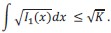
      The main reasons why we chose to simulate the entire sequence being replayed for each participant is based on the following. TDLM is implemented such that the amount of replay alone is relevant, and actual transitions are not affecting the results beyond noise. Under the assumption that class-specific classifiers perform equally well, simulating A->B, B->C or simulating A->B, A->B yields equivalent results. However, results can differ if this assumption is violated. By drawing from the entire space of classes we insert, we minimize the risk of some classifiers being worse than others for some participants. For example, if we simulated only A->B for some participant instead of the whole sequence, and by chance classifier A performs suboptimally, we would then introduce additional unwanted variance into our results.

      Secondly, from our reading of the literature we infer that replay is increased generally (i.e. density of learning-specific replay is increased) for less stable memories. However, we do not have indicators of memory strength, but only a binary “remembered or not”. As TDLM is invariant to the actual transitions being replayed and only indexes the number of transitions, we chose to ignore which transitions we insert and only scaled the amount of replay.

      We have added an analysis to the Appendix that discusses this specific aspect of our study where we show that results are equivalent if we simulate replay of “A->B B->C C->D” or only “A->B A->B A->B A->B”. As we do not know how replay density interacts with memory trace stability, we opted to leave the current simulation as is. The corresponding paragraph and figure description now read:

      “From literature we know that replay is increased after learning and that less stable memories are replayed more often. We simulated this effect by scaling our replay density inversely with performance. However, for simplicity, in our simulation, we inserted sampled transitions from all valid transitions given by the graph structure, i.e., the following transitions were valid: However, this meant that some participants would have transitions inserted that they didn’t actually remember. To show that this would not change results, we simulated two scenarios: In the full sequence scenario, all valid graph transitions are inserted (i.e. all participant’s replay is sampled from 'A->B, B->C, C->D, D->E, E->F, F->G, G->E, E->H, H->I, I->B, B->J, J->A'). In the second scenario (memorized transitions) we only replayed transitions that the participant actually retrieved correctly during the post-resting state testing sessions (i.e. a participant’s replay would have been sampled from ‘A->B, B->C, G->E, E->H, H>I’, if those were the ones he remembered). In both scenarios, the number of events is kept constant. The results are equivalent as can be seen in Appendix A Figure 3. NB this only holds under the assumptions that classifiers are equally good at decoding each class.”

      […]

      “TDLM is insensitive towards which transitions are replayed and only sensitive to how many transitions are detected in total. Here we simulate transitions either sampled from the full graph (light orange/green) or participant-specific transitions of trials that participants correctly remembered (dark orange/green). Shaded areas denote the standard error across participants.”

      On the other hand, I was also wondering whether it is actually necessary to use the real memory performance for each participant in these simulations - couldn't similar goals (with a better/more full sampling of the space of performance) be achieved with simulated memory performance as well, taking only the MEG data from the participant?

      The decision to use real memory performance is indeed arbitrary. We could have also used randomly sampled values. However, as we wanted to understand our nullresults better we opted to use real performance to adhere as close as possible to the findings we previously reported. Using uniformly sampled memory performance would be less explanatory w.r.t to our actual results of the resting state data that are reported in the first study we report in the manuscript (Study I).

      Nevertheless, our current implementation already presents an approach that samples the entire performance range for the sub-analysis focusing on the correlation with behaviour. Here, in the section on “best-case”-scenario, we implement this such that it spans factors from 1 to 0 (i.e., a participant with 100% performance gets a replay scale factor of 0 and hence no replay simulated, and the worst performing participant with 50% performance has a replay rate multiplied by 1). We scale the amount of replay with this factor. As a correlation is invariant to linear scaling, statistically this is equivalent to stretching the performance distribution from 0 to 100%. We have added a sentence to the methods to provide further focus on this point:

      “To assess how performance might affect replay in our specific dataset, we chose to use the original participants’ performance values instead of uniformly sampling the performance space (which ranged from 50 to 100%). However, for the correlation analysis, we additionally added a “best-case” scenario, in which we scale replay from 0 to 1, an approach that is statistically equivalent to scaling values to the full space of possible performance (0 to 100%) (see Results Study II: Simulation).”

      Finally, Figure 7D shows that 70ms was used on the y-axis. Why was this the case, or is this a typo?

      Thanks, this is indeed a typo, we fixed it.

      Because this is a re-analysis of a previous dataset combined with a new simulation study on that data aimed at making recommendations about how to best employ TDLM, I think the usefulness of the paper to the field could be improved in a few places. Specifically, in the discussion/recommendation section, the authors state that "yet unknown confounders" (line 295) lead to non-random fluctuations in the simulated correlations between replay detection and performance at different time lags. Because it is a particularly strong claim that there is the potential to detect sequenceness in the baseline condition where there are no ground-truth sequences, the manuscript could benefit from a more thorough exploration of the cause(s) of this bias in addition to the speculation provided in the current version.

      We are currently working on a theoretical basis to explain these spurious sequenceness confounders in the baseline condition. Indeed, in our preliminary work, in certain contexts we can induce significant sequenceness in the absence of any replay signal during baseline. However, this work is at an early stage and we still have some conceptional problems to solve before we are confident enough with these data. We believe at present it would be premature to add these data to the current manuscript. Nevertheless, we now mention these spurious sequenceness confounders to raise awareness for the field and also add greater context to the discussion, highlighting one of the issues that we think is of importance:

      “[…] For example, if two classifiers’ probabilities oscillate at 10 Hz but at a different phase, a spurious time lag can be found reflecting this phase shift. We speculate that more complex interactions between classifiers oscillating at different phases are also conceivable.”

      In addition, to really provide that a realistic simulation is necessary (one of the primary conclusions of the paper), it would be useful to provide a comparison to a fully synthetic simulation performed on this exact task and transition structure (in addition to the recreation of the original simulation code from the TDLM methods paper).

      Thank you for this suggestion! We have now added a synthetic simulation, trying to keep as close as possible to the original simulation code in Liu et al. (2021), while also incorporating our current means of simulating the data (i.e. scaling by performance). We think this synthetic simulation greatly improves the paper and gives weight to our suggestion about the superiority of a hybrid approach. Additionally, it prompted us to look closer at patterns that are inserted in the synthetic simulation and perform a comparative analysis. We have now added the simulation to the main text, together with a methodological explanation of how we simulated the data in the methods section. We also added a discussion on the results and why we think a hybrid approach is currently superior to synthetic approach. The whole new section is too long to paste here – it is found after the main simulation section in the manuscript. We have also added another sentence to the abstract referring to this new inclusion.

      Finally, I think the authors could do further work to determine whether some of their recommendations for improving the sensitivity of TDLM pan out in the current data - for example, they could report focusing not just on the peak decoding timepoint but incorporating other moments into classifier training.

      While we do understand the desire to test further refinement to TDLM on the data directly, we intentionally do not include such analyses in the current paper. Our experience also informs us that there is an enormous branching factor of parameters when applying TDLM, with implications for significance of results in one or other direction. However, as there are currently only limited ways to know how well parameter changes actually improve the sensitivity to replay versus exacerbate potential underlying confounders that induce spurious sequenceness (e.g., we can get significant replay in the control condition with some parameter changes). To exclude such false positive findings, we opt for a relatively strict adherence to previously published approaches. Thus, in the current paper, we limit ourselves to assessing the reliability and robustness of previous approaches.

      Furthermore, while training on a later timepoint might increase sensitivity for a classifier when transferring between different modalities (e.g. visual to memory representation), this approach does not transfer well in our simulations, as the inserted patterns are from the same modality. We consider other, more bespoke studies, are better suited to improve classifier training. NB also see our recently started Kaggle challenge to tackle this problem: https://www.kaggle.com/competitions/the-imagine-decoding-challenge

      However, we have added a note about this dilemma to the improvement section. The section now includes:

      “Nevertheless, as the considerable branching factor poses a threat of increased falsepositive findings we opt to focus the current simulations on previously published pipelines and parameters. Future studies should systematically evaluate parameter choices on TDLM under different conditions, something that is beyond the remit of the current study.”

      Lastly, I would like the authors to address a point that was raised in a separate public forum by an author of the TDLM method, which is that when replays "happen during rest, they are not uniform or close." Because the simulations in this work assume regularly occurring replay events, I agree that this is an important limitation that should be incorporated into alternative simulations to ensure the lack of findings is not because of this assumption.

      The temporal distribution of replay throughout the resting state should not matter, as TDLM is invariant w.r.t to how replay events are distributed within the analysis window. Specifically, it does not matter if replay events occur in bursts or are uniformly distributed. Only the number of transitions is relevant, where they occur or if they are close to each other is not relevant to the numerical results (as long as the refractory window is kept, too short distances will lead to interactions between events and reduce sensitivity).). To emphasize this point, we have added another simulation which is shown in Appendix A.1 and Appendix A Figure 1. We have referenced it in the text and added the following paragraph in the Methods section

      Additionally, the timepoints of inserting replay within the resting state are sampled from a uniform distribution. Even though TDLM tracks reactivation events over time, at a macro-scale the algorithm is invariant to the temporal distribution. At each time step, the GLM regresses onto a future time step up to the maximum time lag of interest, yielding a predictor per lag. However, these predictors within the GLM are independently assessed, and hence, TDLM is, outside of the time lag window, relatively invariant to the temporal distribution of replay. To demonstrate our claim, we simulated uniform replay vs “bursty” replay that only occurs in some parts of the resting state, both yield equivalent sequenceness results (see Appendix A.1).

      Reviewer #3 (Public review):

      (1) I am still left wondering why other studies were able to detect replay using this method. My takeaway from this paper is that large time windows lead to high significance thresholds/required replay density, making it extremely challenging to detect replay at physiological levels during resting periods. While it is true that some previous studies applying TDLM used smaller time windows (e.g., Kern's previous paper detected replay in 1500ms windows), others, including Liu et al. (2019), successfully detected replay during a 5-minute resting period. Why do the authors believe others have nevertheless been able to detect replay during multi-minute time windows?

      (Due to similarity, we combined our responses with the first question of Reviewer 1)

      We are reluctant to make sweeping judgments in relation to previous literature as we wanted to prioritize on advancing methodology instead. The previous TDLM literature uses a diverse set of tasks and cognitive processes. As we state ourselves, it is possible that replay bursts in short time windows are well detectable by TDLM. We were intentionally cautious to directly critique previous studies without detailed re-analysis of their work and wanted to leave such a conclusion up to the reader. However, we realize that such a “thought-starter” might be warranted and improve the paper. Therefore, we have added the following paragraph to the discussion about “improving TDLMs sensitivity”:

      “Finally, what do our simulations imply for the broader MEG replay literature? Our implementation successfully detects replay when boundary conditions are met, as shown in the simulation. But sensitivity depends critically on high fidelity between the analysis window and the amount of replay events. A systematic evaluation of these conditions across prior studies is beyond the scope of this paper, so we do not want to adjudicate earlier findings and leave this assessment up to the reader. Instead, we delineate the boundary conditions and urge future work to conduct power analyses where possible and include simulations that approximate realistic experimental conditions.”

      For example, some studies using TDLM report evidence of sequenceness as a contrast between evidence of forwards (f) versus backwards (b) sequenceness; sequenceness was defined as ZfΔt - ZbΔt (where Z refers to the sequence alignment coefficient for a transition matrix at a specific time lag). This use case is not discussed in the present paper, despite its prevalence in the literature. If the same logic were applied to the data in this study, would significant sequenceness have been uncovered? Whether it would or not, I believe this point is important for understanding methodological differences between this paper and others.

      This approach was first introduced as part of a TDLM-predecessor that utilized crosscorrelations (Kurth-Nelson 2016), where this step is a necessity to extract any sequenceness signal at all by subtracting signals that are present in both (akin to an EEG reference). However, its validity is less clear when fwd and bkw are estimated separately, as is in the GLM case. The rationale behind subtracting here is the same as for autocorrelations: there are oscillatory confounds present in the data that introduce spurious sequenceness in both directions alike, i.e. at the same time lag, that can simply be removed by subtracting. However, this assumption only holds if the sole confounder is auto-correlations caused by a global signal that oscillates at all sensors at the same phase. In our own experience, and mentioned in the discussion, we do not think this assumption holds. Arguably, there are more complex interactions at play that cannot be removed by such a subtraction such as an increase in false positives if confounders are in an opposite direction at a specific time lag. This assumption-violation can be seen in our baseline condition, where other spurious sequenceness diverges in opposite directions for some time lags (e.g. at ~90 ms where forward sequenceness is negative and backward sequenceness is positive). We reasoned that oscillatory confounds are more stable when comparing pre vs post for the same direction than comparing within session between forward minus backward.

      Finally, we note issues introduced by the various ways that sequenceness has been analysed in previous papers: normalization of sequenceness (z-scoring across time lags or across participants or not at all), normalization of probabilities (taking raw decision scores, z-scoring, soft-max, dividing by mean, subtracting mean), taking a windowed approach and summing sequenceness scores, not to mention the various classifier choices that can be made, and all of this can be applied before subtracting conditions from each other or before subtraction. In our experience there is insufficient regard to control for multiple comparison when running all these analyses risking selectivity in reporting.

      Nevertheless, subtracting forward from backward replay is probably as valid as post minus pre. Therefore, we have added fwd-bkw plots to the supplement and explained some of the reasoning for not reporting them in the main text in the figure label. The figure label and reference now read:

      “Finally, we report forward minus backward sequenceness and our motivation for using an across-session post-pre comparison instead of within-session forwardbackward in Supplement Figure 10.”

      […]

      “Forward minus backward sequenceness within each resting state session. Previous papers often report subtraction of backward from forward sequenceness (fwd-bkw) as a means to remove oscillatory confounds that impact both sequenceness directions in synchrony. While required in early cross-correlation approaches (KurthNelson et al., 2016), its validity in GLM-based frameworks depends on an assumption that confounds are global and in-phase across sensors. We observed this assumption is violated in our baseline data, where spurious sequenceness occasionally diverges in opposite directions at specific time lags (e.g., ~90 ms). In such instances, subtraction would increase the false-positive rate rather than suppress noise. In Figure 3B, we prioritized the comparison of pre-task versus post-task sequenceness within the same direction, as oscillatory confounds appeared more stable across time within a single direction, as opposed to across directions within a single session. However, we consider both approaches are valid. We now provide the fwd-bkw plots for completeness and comparison with previous literature. A) forward minus backwards sequenceness for Control (left) and Post-Learning resting-state (right). B) T-value distribution of the sign-flip permutation test for Control (left) and Post-Learning resting-state (right)”

      (2) Relatedly, while the authors note that smaller time windows are necessary for TDLM to succeed, a more precise description of the appropriate window size would greatly improve the utility of this paper. As it stands, the discussion feels incomplete without this information, as providing explicit guidance on optimal window sizes would help future researchers apply TDLM effectively. Under what window size range can physiological levels of replay actually be detected using TDLM? Or, is there some scaling factor that should be considered, in terms of window size and significance threshold/replay density? If the authors are unable to provide a concrete recommendation, they could add information about time windows used in previous studies (perhaps, is 1500ms as used in their previous paper a good recommendation?).

      We currently do not have an empirical estimate of which window sizes are appropriate. While we used 1500ms in our previous paper, this was solely given by the experiment design which had a 1.5s wait period before the next stimulus. Our recommendation for best guidance on this matter would be to investigate related intracranial literature for SWR rate increases under similar experimental conditions. We have added the following paragraph to the discussion:

      “At this stage we cannot offer a general recommendation for window sizes as they are likely to depend on details of the research paradigm. However, intracranial recordings can be used as proxy to estimate the duration of replay bursts, for example as reported in (Norman et al., 2019) where increased SWRs were seen up to 1500 ms after retrieval cue onset”

      (3) In their simulation, the authors define a replay event as a single transition from one item to another (example: A to B). However, in rodents, replay often traverses more than a single transition (example: A to B to C, even to D and E). Observing multistep sequences increases confidence that true replay is present. How does sequence length impact the authors' conclusions? Similarly, can the authors comment on how the length of the inserted events impacts TDLM sensitivity, if at all?

      Good point! So far, most papers do not seem to include multi-step TDLM and in our experience rightfully, as it is conceptionally difficult to define clear significance thresholds while keeping in mind that shorter sub-sequences are contained within a longer sequence (e.g. ABC contains both AB and BC and a longer dependency of AC) that renders it difficult to define the correct way to create a null distribution for the permutation test. Therefore, we tried to stay as close as possible to previous approaches and only looked for single-step transitions. Nevertheless, we have added an analysis to the supplement comparing how TDLM behaves if we simulate A->B->C or A->B and separate B->C. It shows that TDLM is only sensitive to the number of transitions present in the data, and it does not matter if they are chained or chunked. The segment reads:

      “We intentionally designed our study to encourage replay of triplets. However, this begs the question as to whether it matters if triplets or individual chunks of a sequence are replayed at different time points? Here, we simulated two scenarios. In one, we inserted replay of single transitions alone with a refractory period, e.g. A->B and separate B->C transitions. In a second scenario, we simulate replay of chained triplets, e.g. A->B->C, with a distance of 80 milliseconds each. Importantly, we kept the number of transitions constant (i.e., A->B, … B->C and where A->B->C would both have 2 transitions. This creates a context wherein a four-minute resting state would have ~100 events of A->B->C inserted and ~200 events of A->B or B->C, such that in both cases this results in the same number of single step transitions. We found both are equivalent, with TDLM agnostic to the length of sequence trains, i.e., it does not matter if replay is chunked or chained under the assumption that the number of transitions remains fixed, as can be seen in Appendix A Figure 2”

      And the reference Figure description reads:

      “TDLM is invariant to the length of sequence replay trains under an assumption that the number of target transitions (e.g. single steps) is fixed. We simulated replay either as two temporally separate A->B, B->C events (light orange/green) or as a single A>B->C event (dark orange/green), both yielding equivalent sequenceness. Shaded areas denote the standard error across participants”

      For example, regarding sequence length, is it possible that TDLM would detect multiple parts of a longer sequence independently, meaning that the high density needed to detect replay is actually not quite so dense? (example: if 20 four-step sequences (A to B to C to D to E) were sampled by TDLM such that it recorded each transition separately, that would lead to a density of 80 events/min).

      Indeed, this is an interesting proposal. We intentionally kept our simulation close to the way previous simulations were set-up (i.e. Liu & Dolan et al 2021, Liu & Mattar 2021) by simulating one-step transitions and simulated them such that there is no overlap between separate events (e.g. by defining a refractory period). If the duration of replay is increased then we would also need to increase the length of the refractory period, resulting in a reduced upper limit of how much replay can occur in a 1-minute time window. This in turn would approximate roughly the same number of transitions that can be inserted into the resting state and, as detailed above, would yield the same results. Nevertheless, as we chose to use replay density and not transition density as a marker, the density would be reduced, even if the number of transitions stay the same. We have added an analysis using multi-step replay to the supplement and discuss its implications and caveats. In the main discussion we have added the following segment:

      “Similarly, in our simulation, for simplicity and to keep consistency with previousstimulations, we restricted replay events to span two reactivation events. While the characteristics of replay as measured by TDLM are unknown, it is conceivable that several steps can be replayed within one replay event. We show that the vanilla version of TDLM is fundamentally sensitive to the number of single-step transitions alone, and disregards if these are replayed chained or chunked (Appendix A.2 and Appendix A Figure 2). Nevertheless, if the number of reactivation events chained within a replay event increases, TDLMs sensitivity is increased relative to the replay density and thresholds are reached earlier (see Appendix A Figure 4). See Appendix A.4 for a simulation of multi-step replay events and our discussion of the caveats.”

      Recommendations for the authors:

      Reviewer #1 (Recommendations for the authors):

      Please label the various significance thresholds in the legend of Figure 3.

      We have labelled all the thresholds in the figure legends.

      Reviewer #2 (Recommendations for the authors):

      I think that some of the clarity is hampered because there is a bit too much reliance on explanations from the previous paper using this task, which hampers clarity in the paper. For example, Figure 1 is not particularly useful for understanding the study in its current form; I found myself relying almost exclusively on Supplementary Figure 1 (which is from the previous paper). I'd recommend presenting some version of SF1 in the main text instead. Another example of this overreliance on the previous paper is that, as far as I can tell, the present paper never explicitly states which transitions are being tested in TDLM. In the prior work, it states "all allowable graph transitions", and so I assumed this was the same here, but the paper should standalone without having to go back to the other study. I'd recommend that the authors revise the paper in these and other places where the previous paper is mentioned.

      Thanks for raising this point! We were uncertain ourselves how to deal with the overlap in content and did not want to bloat the paper or plagiarize ourselves too much. On the advice of the referee have implemented the following to improve the manuscript and reduce a reliance on the previous paper:

      Supplement Figure 1 is indeed crucial to understanding the experiment. We have moved it to the methods section under Methods: Procedure

      Added more stimulus description to the Methods: Localizer section

      Included more details about the localizer and graph learning that were missing before

      We have added the note about which transitions we were looking for in the Methods section. Additionally, we have added this information to the Results section of Study 1.

      There are also a few typos I noticed:

      (1) Line 73: "during in the context of."

      (2) Line 287: " to exploring the."

      We fixed the typos.

      Reviewer #3 (Recommendations for the authors):

      (1) Why did the authors choose an 80ms state-to-state time lag for their simulation? I believe they should make the reason for this decision clear in the main text.

      Indeed, this point was also raised by the other reviewer. We have added a sentence to the main text about the rationale behind this decision:

      “We chose this timepoint (80 millisecond state-to-state lag) as its sequenceness value was close to zero in the baseline condition as well as being distant to the observed alpha rhythms of the participants (which varied between ~9-11 Hz). Additionally, we subtracted the mean sequenceness value of the baseline at 80 millisecond lag such that any simulation effects would, on average, start at zero sequenceness.“

      Additionally, we have added some further explanation to the Methods section.

      “This time lag (80 msec) was chosen in order to isolate precisely an effect of the experimentally inserted sequenceness. Thus, we chose a lag at which the mean baseline sequenceness was close to zero and where the correlation with behaviour was low. Additionally, we subtracted the mean sequenceness value (at 80 milliseconds) at baseline from the specific lag recorded for each participant, such that simulation effects would be initialized at zero sequenceness on average enabling any effects to be attributed purely to inserted replay. Additionally, we excluded time lags too close to the alpha rhythms of participants (which varied between ~9-11 Hz) or lags which would have a harmonic with the rhythm.“

      (2) Line 168: Can the authors define what these conservative and liberal criteria are in the text?

      We have added definitions of the criteria in the text. The text now reads:

      “[..] significance thresholds (conservative, i.e. the maximum sequenceness across all permutations and timepoints or liberal criteria, i.e. the 95% percentile of aforementioned sequenceness).”

      (3) Line 478: "calculate" instead of "calculated".

      (4) Figure 7 D: y-axis is labeled "70 ms" I believe it should be labeled 80 ms.

      Thanks, we fixed the two typos.

      (5) With replay defined as sequential reactivation at a compressed temporal timescale, many of the iEEG citations (lines 54-55) do not demonstrate replay (they show stimulus reinstatement or ripple activity, but not sequential replay). Replay studies in humans using intracranial methods have been mostly limited to those measuring single-unit activity, a good example being Vaz et al., 2020 (https://www.science.org/doi/10.1126/science.aba0672).

      We agree that, under a strict definition articulated by Genzel et al. that defines replay as sequential reactivation, many prior human iEEG studies are better described as stimulus reinstatement or ripple-related activity rather than true sequence replay. We have revised the text accordingly and now highlight the few intracranial microelectrode studies that demonstrate replay of firing sequences at the cellular/ensemble level in humans (Eichenlaub et al., 2020; Vaz et al., 2020), distinguishing these from macro-scale iEEG work providing indirect evidence alone.

      The revised paragraph now reads:

      “Replay has been shown using cellular recordings across a variety of mammalian model organisms (Hoffman & McNaughton, 2002; Lee & Wilson, 2002; Pavlides & Winson, 1989). Replay studies in humans using intracranial recordings are few, but include work demonstrating compressed replay of firing-pattern sequences in motor cortex during rest (Eichenlaub et al., 2020) as well as single-unit replay of trialspecific cortical spiking sequences during episodic retrieval (Vaz et al., 2020). By contrast, most iEEG studies report stimulus-specific reinstatement or ripple-locked activity changes without explicit demonstration of temporally compressed sequential replay (Axmacher et al., 2008; Staresina et al., 2015). As these methods are only applied under restricted clinical circumstances, such as during pre-operative neurosurgical assessments, this limits opportunities to investigate human replay. Therefore, this gives urgency to efforts aimed at developing novel methods to investigate human replay non-invasively.”

      (6) The expectations about replay frequency are grounded in literature on hippocampal replay sequences. However, MEG captures signals from across the entire brain, and the hippocampal contribution is likely relatively weak compared to all other signals. This raises an important question: is TDLM genuinely unable to detect replay at physiological (i.e., hippocampal) levels, or is it instead detecting a different form of sequential reactivation - possibly involving cortex or other regions - that may occur more frequently? More broadly, when we have evidence of replay from TDLM, do we believe it is the same thing as replay of CA1 place cell spiking sequences, as detected in rodents? Commenting on this distinction would help further develop theories of replay and what TDLM is measuring.

      This is indeed an important point that has garnered relatively little attention. While there is some evidence of a relation to hippocampal replay in form of high-frequency power increase in the hippocampus, ultimately it is not possible to know without intracranial recordings, as signal strength from those regions is rather poor in MEG.

      We have added the following segment to the manuscript that discusses these issues:

      “However, while we are using indices of SWRs as a proxy for replay density estimation, the relationship between hippocampal replay and replay detected by TDLM remains uncertain. While current decoding approaches measure replay-like phenomena on cortical sites, previous papers have reported a power increase in hippocampal areas coinciding with replay episodes as detected by TDLM. Nevertheless, it is conceivable that cortical replay found by TDLM could occur independently of hippocampal replay and SWRs and be generated by different mechanisms. Some TDLM-studies find a replay state-to-state time lag of above 100 ms, much slower than e.g. previously reported place cell replay. Future studies should employ simultaneous intracranial and cortical surface recordings to establish the relationship between hippocampal replay and replay found by TDLM.”

    1. Author response:

      The following is the authors’ response to the original reviews.

      Public Reviews:

      Reviewer #1 (Public Review):

      Summary:

      Zeng et al. have investigated the impact of inhibiting lactate dehydrogenase (LDH) on glycolysis and the tricarboxylic acid cycle. LDH is the terminal enzyme of aerobic glycolysis or fermentation that converts pyruvate and NADH to lactate and NAD+ and is essential for the fermentation pathway as it recycles NAD+ needed by upstream glyceraldehyde-3-phosphate dehydrogenase. As the authors point out in the introduction, multiple published reports have shown that inhibition of LDH in cancer cells typically leads to a switch from fermentative ATP production to respiratory ATP production (i.e., glucose uptake and lactate secretion are decreased, and oxygen consumption is increased). The presumed logic of this metabolic rearrangement is that when glycolytic ATP production is inhibited due to LDH inhibition, the cell switches to producing more ATP using respiration. This observation is similar to the well-established Crabtree and Pasteur effects, where cells switch between fermentation and respiration due to the availability of glucose and oxygen. Unexpectedly, the authors observed that inhibition of LDH led to inhibition of respiration and not activation as previously observed. The authors perform rigorous measurements of glycolysis and TCA cycle activity, demonstrating that under their experimental conditions, respiration is indeed inhibited. Given the large body of work reporting the opposite result, it is difficult to reconcile the reasons for the discrepancy. In this reviewer's opinion, a reason for the discrepancy may be that the authors performed their measurements 6 hours after inhibiting LDH. Six hours is a very long time for assessing the direct impact of a perturbation on metabolic pathway activity, which is regulated on a timescale of seconds to minutes. The observed effects are likely the result of a combination of many downstream responses that happen within 6 hours of inhibiting LDH that causes a large decrease in ATP production, inhibition of cell proliferation, and likely a range of stress responses, including gene expression changes.

      Strengths:

      The regulation of metabolic pathways is incompletely understood, and more research is needed, such as the one conducted here. The authors performed an impressive set of measurements of metabolite levels in response to inhibition of LDH using a combination of rigorous approaches.

      Weaknesses:

      Glycolysis, TCA cycle, and respiration are regulated on a timescale of seconds to minutes. The main weakness of this study is the long drug treatment time of 6 hours, which was chosen for all the experiments. In this reviewer's opinion, if the goal was to investigate the direct impact of LDH inhibition on glycolysis and the TCA cycle, most of the experiments should have been performed immediately after or within minutes of LDH inhibition. After 6 hours of inhibiting LDH and ATP production, cells undergo a whole range of responses, and most of the observed effects are likely indirect due to the many downstream effects of LDH and ATP production inhibition, such as decreased cell proliferation, decreased energy demand, activation of stress response pathways, etc.

      We thank reviewer for the careful reading of our manuscript, the accurate summary of the prevailing model, and the positive assessment of the rigor of our measurements. We agree that much prior literature reports increased oxygen consumption following LDH inhibition, and we recognize that our finding—coordinated suppression of glycolysis, the TCA cycle, and OXPHOS—differs from this prevailing interpretation. We address below the reviewer’s main concern regarding the 6-hour time point and clarify the conceptual scope of our study.

      (1) Scope: steady-state metabolic regulation versus immediate transient effects

      The reviewer raises an important point that many metabolic perturbations can trigger rapid, transient responses within seconds to minutes, whereas our measurements were performed after sustained LDH inhibition. We agree that very early time points would be required if the primary goal were to isolate the most immediate, proximal consequence of LDH inhibition before downstream propagation. However, the objective of our study is different: we aim to characterize the metabolic steady state re-established after sustained inhibition of LDH activity, because this adapted steady state is more relevant for understanding long-term metabolic consequences and therapeutic outcomes of LDH inhibition in cancer cells.

      (2) Genetic LDHA/LDHB knockout: comparison of two steady states

      A related point applies to the LDHA/LDHB knockout models. We fully agree that the knockout process necessarily involves a temporal perturbation during cell line generation and adaptation. Nevertheless, the experimental comparison in our study is explicitly between two steady states: the baseline steady state of control cells and the steady state achieved after stable genetic disruption of LDHA or LDHB. The observation that LDHA or LDHB knockout alone had minimal effects on glycolysis and respiration indicates that partial reduction of LDH activity can be compensated in a steady-state manner, consistent with the exceptionally high catalytic capacity of LDH in cancer cells relative to upstream rate-limiting enzymes.

      (3) LDH-activity-dependent quantitative relationships support stable metabolic states

      Importantly, our conclusions do not rely on a single inhibitor condition at a single time point. Rather, we established quantitative steady-state relationships between residual LDH activity and pathway behavior across a wide range of LDH inhibition. These LDH-activity-dependent data strongly support that the system resides in stable metabolic states at different degrees of LDH activity, rather than reflecting non-specific collapse due to prolonged stress.

      Specifically, we observed that when LDH activity was reduced from 100% to approximately ~9% (e.g., by genetic perturbation and partial pharmacologic inhibition), glucose consumption and lactate production remained essentially unchanged, indicating maintenance of a steady-state glycolytic flux despite substantial LDH inhibition. Only when LDH activity was further reduced below this threshold did glycolytic flux decrease in a graded manner, consistent with a nonlinear control structure (Figure 8 A & B)).

      Likewise, the isotope tracing results showed distinct LDH-activity-dependent transitions in TCA cycle labeling patterns. Over the range in which LDH activity decreased from 100% to ~9%, the [<sup>13</sup>C<sub>6</sub>]glucose-derived labeling pattern of citrate remained largely unchanged, whereas deeper inhibition led to a decrease in m2 citrate with a compensatory rise in higher-order citrate isotopologues, consistent with altered flux entry versus cycling/retention in the TCA cycle (Figure 8C). Similarly, [<sup>13</sup>C<sub>5</sub>]glutamine tracing revealed that deeper LDH inhibition reduced the direct m5 contribution, accompanied by corresponding shifts in other isotopologues (Figure 8D). These graded, quantitative transitions—rather than an abrupt global failure—support the interpretation of distinct metabolic steady states across LDH activity levels, linking LDH inhibition to changes in both glycolysis and mitochondrial metabolism.

      (4) Reconciling discrepancies with prior studies

      We agree that multiple prior studies have reported increased oxygen consumption or enhanced oxidative metabolism following LDH inhibition in cancer cells. However, we note that this prevailing notion often persists because LDH inhibition is frequently discussed by analogy to the classical Pasteur and Crabtree effects, in which cells toggle between fermentation and respiration depending on oxygen and glucose availability. We believe this analogy can be misleading.

      In the Pasteur effect, the metabolic shift is primarily driven by oxygen limitation, i.e., restriction of the terminal electron acceptor for the mitochondrial electron transport chain, which enforces reliance on fermentation. In the Crabtree effect, high glucose availability suppresses respiration through regulatory mechanisms while glycolysis is strongly activated. Both phenomena are fundamentally controlled by oxygen availability and respiratory capacity, rather than by inhibition of a specific cytosolic enzyme.

      By contrast, LDH inhibition is mechanistically distinct: it directly perturbs cytosolic redox recycling by limiting NADH-to-NAD<sup>+</sup> regeneration and can therefore constrain upstream glycolytic flux (particularly at GAPDH) and reshape pathway thermodynamics. Under conditions where LDH inhibition sufficiently limits effective NAD<sup>+</sup> availability and reduces glycolytic flux into pyruvate, the downstream consequence is reduced carbon input into the TCA cycle and suppressed OXPHOS—consistent with our experimental measurements. We therefore suggest that divergent outcomes reported across studies likely reflect differences in residual LDH activity, cell-type–specific metabolic wiring, and the extent to which glycolytic flux remains sustained versus becoming redox-limited upstream, rather than a universal Pasteur/Crabtree-like “switch” from fermentation to respiration. Accordingly, interpreting LDH inhibition as a Pasteur/Crabtree-like toggle may oversimplify the biochemical consequences of disrupting cytosolic NAD<sup>+</sup> regeneration.

      We have revised the Discussion to clarify this conceptual distinction and to avoid relying on comparisons that are not mechanistically equivalent to LDH inhibition.

      Reviewer #2 (Public Review):

      Summary:

      Zeng et al. investigated the role of LDH in determining the metabolic fate of pyruvate in HeLa and 4T1 cells. To do this, three broad perturbations were applied: knockout of two LDH isoforms (LDH-A and LDH-B), titration with a non-competitive LDH inhibitor (GNE-140), and exposure to either normoxic (21% O2) or hypoxic (1% O2) conditions. They show that knockout of either LDH isoform alone, though reducing both protein level and enzyme activity, has virtually no effect on either the incorporation of a stable 13C-label from a 13C6-glucose into any glycolytic or TCA cycle intermediate, nor on the measured intracellular concentrations of any glycolytic intermediate (Figure 2). The only apparent exception to this was the NADH/NAD+ ratio, measured as the ratio of F420/F480 emitted from a fluorescent tag (SoNar).

      The addition of a chemical inhibitor, on the other hand, did lead to changes in glycolytic flux, the concentrations of glycolytic intermediates, and in the NADH/NAD+ ratio (Figure 3). Notably, this was most evident in the LDH-B-knockout, in agreement with the increased sensitivity of LDH-A to GNE-140 (Figure 2). In the LDH-B-knockout, increasing concentrations of GNE-140 increased the NADH/NAD+ ratio, reduced glucose uptake, and lactate production, and led to an accumulation of glycolytic intermediates immediately upstream of GAPDH (GA3P, DHAP, and FBP) and a decrease in the product of GAPDH (3PG). They continue to show that this effect is even stronger in cells exposed to hypoxic conditions (Figure 4). They propose that a shift to thermodynamic unfavourability, initiated by an increased NADH/NAD+ ratio inhibiting GAPDH explains the cascade, calculating ΔG values that become progressively more endergonic at increasing inhibitor concentrations.

      Then - in two separate experiments - the authors track the incorporation of 13C into the intermediates of the TCA cycle from a 13C6-glucose and a 13C5-glutamine. They use the proportion of labelled intermediates as a proxy for how much pyruvate enters the TCA cycle (Figure 5). They conclude that the inhibition of LDH decreases fermentation, but also the TCA cycle and OXPHOS flux - and hence the flux of pyruvate to all of those pathways. Finally, they characterise the production of ATP from respiratory or fermentative routes, the concentration of a number of cofactors (ATP, ADP, AMP, NAD(P)H, NAD(P)+, and GSH/GSSG), the cell count, and cell viability under four conditions: with and without the highest inhibitor concentration, and at norm- and hypoxia. From this, they conclude that the inhibition of LDH inhibits the glycolysis, the TCA cycle, and OXPHOS simultaneously (Figure 7).

      Strengths:

      The authors present an impressively detailed set of measurements under a variety of conditions. It is clear that a huge effort was made to characterise the steady-state properties (metabolite concentrations, fluxes) as well as the partitioning of pyruvate between fermentation as opposed to the TCA cycle and OXPHOS.

      A couple of intermediary conclusions are well supported, with the hypothesis underlying the next measurement clearly following. For instance, the authors refer to literature reports that LDH activity is highly redundant in cancer cells (lines 108 - 144). They prove this point convincingly in Figure 1, showing that both the A- and B-isoforms of LDH can be knocked out without any noticeable changes in specific glucose consumption or lactate production flux, or, for that matter, in the rate at which any of the pathway intermediates are produced. Pyruvate incorporation into the TCA cycle and the oxygen consumption rate are also shown to be unaffected.

      They checked the specificity of the inhibitor and found good agreement between the inhibitory capacity of GNE-140 on the two isoforms of LDH and the glycolytic flux (lines 229 - 243). The authors also provide a logical interpretation of the first couple of consequences following LDH inhibition: an increased NADH/NAD+ ratio leading to the inhibition of GAPDH, causing upstream accumulations and downstream metabolite decreases (lines 348 - 355).

      Weaknesses:

      Despite the inarguable comprehensiveness of the data set, a number of conceptual shortcomings afflict the manuscript. First and foremost, reasoning is often not pursued to a logical conclusion. For instance, the accumulation of intermediates upstream of GAPDH is proffered as an explanation for the decreased flux through glycolysis. However, in Figure 3C it is clear that there is no accumulation of the intermediates upstream of PFK. It is unclear, therefore, how this traffic jam is propagated back to a decrease in glucose uptake. A possible explanation might lie with hexokinase and the decrease in ATP (and constant ADP) demonstrated in Figure 6B, but this link is not made.

      We appreciate the reviewer's critical comment. In Figure 3C, there is no accumulation of F6P or G6P, which are upstream of PFK1. This is because the PFK1-catalyzed reaction sets a significant thermodynamic barrier. Even with treatment using 30 μM GNE-140, the ∆G<sub>PFK1</sub> (Gibbs free energy of the PFK1-catalyzed reaction) remains -9.455 kJ/mol (Figure 3D), indicating that the reaction is still far from thermodynamic equilibrium, thereby preventing the accumulation of F6P and G6P.

      We agree with the reviewer that hexokinase inhibition may play a role, this requires further investigation.

      The obvious link between the NADH/NAD+ ratio and pyruvate dehydrogenase (PDH) is also never addressed, a mechanism that might explain how the pyruvate incorporation into the TCA cycle is impaired by the inhibition of LDH (the observation with which they start their discussion, lines 511 - 514).

      We agree with the reviewer’s comment. In this study, we did not explore how the inhibition of LDH affects pyruvate incorporation into the TCA cycle. As this mechanism was not investigated, we have titled the study:

      "Elucidating the Kinetic and Thermodynamic Insights into the Regulation of Glycolysis by Lactate Dehydrogenase and Its Impact on the Tricarboxylic Acid Cycle and Oxidative Phosphorylation in Cancer Cells."

      It was furthermore puzzling how the ΔG, calculated with intracellular metabolite concentrations (Figures 3 and 4) could be endergonic (positive) for PGAM at all conditions (also normoxic and without inhibitor). This would mean that under the conditions assayed, glycolysis would never flow completely forward. How any lactate or pyruvate is produced from glucose, is then unexplained.

      This issue also concerned me during the study. However, given the high reproducibility of the data, we consider it is true, but requires explanation. The PGAM-catalyzed reaction is tightly linked to both upstream and downstream reactions in the glycolytic pathway. In glycolysis, three key reactions catalyzed by HK2, PFK1, and PK are highly exergonic, providing the driving force for the conversion of glucose to pyruvate. The other reactions, including the one catalyzed by PGAM, operate near thermodynamic equilibrium and primarily serve to equilibrate glycolytic intermediates rather than control the overall direction of glycolysis, as previously described by us (J Biol Chem. 2024 Aug8;300(9):107648).

      The endergonic nature of the PGAM-catalyzed reaction does not prevent it from proceeding in the forward direction. Instead, the directionality of the pathway is dictated by the exergonic reaction of PFK1 upstream, which pushes the flux forward, and by PK downstream, which pulls the flux through the pathway. The combined effects of PFK1 and PK may account for the observed endergonic state of the PGAM reaction.

      However, if the PGAM-catalyzed reaction were isolated from the glycolytic pathway, it would tend toward equilibrium and never surpass it, as there would be no driving force to move the reaction forward.

      Finally, the interpretation of the label incorporation data is rather unconvincing. The authors observe an increasing labelled fraction of TCA cycle intermediates as a function of increasing inhibitor concentration. Strangely, they conclude that less labelled pyruvate enters the TCA cycle while simultaneously less labelled intermediates exit the TCA cycle pool, leading to increased labelling of this pool. The reasoning that they present for this (decreased m2 fraction as a function of DHE-140 concentration) is by no means a consistent or striking feature of their titration data and comes across as rather unconvincing. Yet they treat this anomaly as resolved in the discussion that follows.

      GNE-140 treatment increased the labeling of TCA cycle intermediates by [<sup>13</sup>C<sub>6</sub>]glucose but decreased the OXPHOS rate, we consider the conflicting results as an 'anomaly' that warrants further explanation. To address this, we analyzed the labeling pattern of TCA cycle intermediates using both [<sup>13</sup>C<sub>6</sub>]glucose and [<sup>13</sup>C<sub>5</sub>]glutamine. Tracing the incorporation of glucose- and glutamine-derived carbons into the TCA cycle suggests that LDH inhibition leads to a reduced flux of glucose-derived acetyl-CoA into the TCA cycle, coupled with a decreased flux of glutamine-derived α-KG, and a reduction in the efflux of intermediates from the cycle. These results align with theoretical predictions. Under any condition, the reactions that distribute TCA cycle intermediates to other pathways must be balanced by those that replenish them. In the GNE-140 treatment group, the entry of glutamine-derived carbon into the TCA cycle was reduced, implying that glucose-derived carbon (as acetyl-CoA) entering the TCA cycle must also be reduced, or vice versa.

      This step-by-step investigation is detailed under the subheading "The Effect of LDHB KO and GNE-140 on the Contribution of Glucose Carbon to the TCA Cycle and OXPHOS" in the Results section in the manuscript.

      In the Discussion, we emphasize that caution should be exercised when interpreting isotope tracing data. In this study, treatment of cells with GNE-140 led to an increase labeling percentage of TCA cycle intermediates by [<sup>13</sup>C<sub>6</sub>]glucose (Figure 5A-E). However, this does not necessarily imply an increase in glucose carbon flux into TCA cycle; rather, it indicates a reduction in both the flux of glucose carbon into TCA cycle and the flux of intermediates leaving TCA cycle. When interpreting the data, multiple factors must be considered, including the carbon-13 labeling pattern of the intermediates (m1, m2, m3, ---) (Figure 5G-K), replenishment of intermediates by glutamine (Figure 5M-V), and mitochondrial oxygen consumption rate (Figure 5W). All these factors should be taken into account to derive a proper interpretation of the data.

      Reviewer #3 (Public Review):

      Hu et al in their manuscript attempt to interrogate the interplay between glycolysis, TCA activity, and OXPHOS using LDHA/B knockouts as well as LDH-specific inhibitors. Before I discuss the specifics, I have a few issues with the overall manuscript. First of all, based on numerous previous studies it is well established that glycolysis inhibition or forcing pyruvate into the TCA cycle (studies with PDKs inhibitors) leads to upregulation of TCA cycle activity, and OXPHOS, activation of glutaminolysis, etc (in this work authors claim that lowered glycolysis leads to lower levels of TCA activity/OXPHOS). The authors in the current work completely ignore recent studies that suggest that lactate itself is an important signaling metabolite that can modulate metabolism (actual mechanistic insights were recently presented by at least two groups (Thompson, Chouchani labs). In addition, extensive effort was dedicated to understanding the crosstalk between glycolysis/TCA cycle/OXPHOS using metabolic models (Titov, Rabinowitz labs). I have several comments on how experiments were performed. In the Methods section, it is stated that both HeLa and 4T1 cells were grown in RPMI-1640 medium with regular serum - but under these conditions, pyruvate is certainly present in the medium - this can easily complicate/invalidate some findings presented in this manuscript. In LDH enzymatic assays as described with cell homogenates controls were not explained or presented (a lot of enzymes in the homogenate can react with NADH!). One of the major issues I have is that glycolytic intermediates were measured in multiple enzyme-coupled assays. Although one might think it is a good approach to have quantitative numbers for each metabolite, the way it was done is that cell homogenates (potentially with still traces of activity of multiple glycolytic enzymes) were incubated with various combinations of the SAME enzymes and substrates they were supposed to measure as a part of the enzyme-based cycling reaction. I would prefer to see a comparison between numbers obtained in enzyme-based assays with GC-MS/LC-MS experiments (using calibration curves for respective metabolites, of course). Correct measurements of these metabolites are crucial especially when thermodynamic parameters for respective reactions are calculated. Concentrations of multiple graphs (Figure 1g etc.) are in "mM", I do not think that this is correct.

      We thank the reviewer’s comment and the following are clarification of the conceptual framework, the quantitative methodology, and the experimental basis supporting our conclusions.

      (1) “It is well established that glycolysis inhibition or forcing pyruvate into the TCA cycle… leads to upregulation of TCA/OXPHOS… (authors claim lowered glycolysis leads to lower TCA/OXPHOS)”

      This framing is not accurate in the context of our study. PDK inhibition and LDH inhibition are fundamentally different perturbations. PDK inhibition directly promotes mitochondrial pyruvate oxidation by enabling PDH flux, whereas LDH inhibition primarily perturbs cytosolic redox balance (free NADH/NAD<sup>+</sup>) and thereby constrains upstream glycolytic reactions, particularly the GAPDH step. Therefore, the metabolic outcomes of these interventions are not expected to be identical and should not be treated as interchangeable.

      Importantly, we do not “ignore” prior studies proposing increased OXPHOS after LDH inhibition; we explicitly cite and summarize this prevailing interpretation in the Introduction. Our study was motivated precisely because this interpretation does not resolve key quantitative inconsistencies, including (i) the large mismatch between glycolytic flux and mitochondrial oxidative capacity, and (ii) the exceptionally high catalytic capacity of LDH relative to upstream rate-limiting glycolytic enzymes. These constraints raise a mechanistic question: how does LDH inhibition actually suppress glycolytic flux in intact cancer cells, and what are the consequences for TCA cycle and OXPHOS?

      Our central contribution is the identification of a biochemical mechanism supported by integrated measurements of fluxes, metabolite concentrations, redox state, and reaction thermodynamics: LDH inhibition increases free NADH/NAD<sup>+</sup>, decreases free NAD<sup>+</sup> availability, inhibits GAPDH, drives accumulation/depletion patterns in glycolytic intermediates, shifts Gibbs free energies of near-equilibrium reactions (PFK1–PGAM segment), suppresses pyruvate production, and consequently reduces carbon input into TCA cycle and OXPHOS. These analyses are not provided by most prior work and directly address the mechanistic gap.

      (2) Lactate signaling (Thompson/Chouchani) and metabolic modeling (Titov/Rabinowitz)

      These research directions are valuable, but they address questions that are different from the one investigated here. Our manuscript focuses on steady-state biochemical control of metabolic flux by LDH inhibition through redox-linked kinetics and pathway thermodynamics.

      (3) Pyruvate in RPMI

      Pyruvate in standard medium does not invalidate our conclusions. All experimental comparisons were performed under identical conditions across groups, and the major conclusions rely on orthogonal measurements including glycolytic flux (glucose consumption/lactate production), OCR profiling, and isotope tracing with [<sup>13</sup>C<sub>6</sub>]glucose and [<sup>13</sup>C<sub>5</sub>] glutamine, which directly quantify carbon entry into lactate and TCA cycle intermediates. These tracer-based results are not confounded by unlabeled extracellular pyruvate in a way that would reverse the mechanistic conclusions.

      (4) LDH activity assay in homogenates and “many enzymes can react with NADH”

      This concern is overstated. In the LDH assay, substrates are pyruvate + NADH, and the measured signal reflects NADH oxidation coupled to pyruvate reduction. In cell lysates, LDH is uniquely abundant and catalytically efficient for this reaction pair, and the inhibitor-response behavior matches the known LDHA/LDHB selectivity of GNE-140 and the cellular phenotypes. Thus, the assay is mechanistically specific in this context.

      (5) Enzyme-coupled metabolite assays and request for LC–MS validation

      The reviewer’s implication that enzyme-coupled assays are intrinsically unreliable is incorrect. Enzymatic cycling assays are a widely used quantitative approach when performed with proper specificity and calibration, and they are particularly useful for labile glycolytic intermediates that are challenging to quantify reproducibly by MS without specialized quenching, derivatization, and isotope dilution standards.

      We agree that MS-based quantification is valuable, and we have developed LC–MS methods for selected metabolites. However, absolute quantification of these intermediates remains technically difficult due to the inherent limitation of this method and, in our hands, did not provide uniformly robust performance for all intermediates required for thermodynamic analysis.

      (6) Units (“mM”)

      The metabolite concentration units are correct.

      Recommendations for the authors:

      Reviewer #1 (Recommendations For The Authors):

      If the goal is to investigate the direct impact of LDH inhibition, then in my opinion, most of these experiments need to be repeated at a very early time point immediately after or a few minutes after LDH inhibition. I understand that this is a tremendous amount of work that the authors might not want to pursue. I do want to highlight that the quality of the experiments performed in this work is impressive. I hope the authors continue investigating this subject and look forward to reading their future manuscripts on this topic.

      We thank the reviewer for this thoughtful and constructive comment and for the positive assessment of the experimental quality of our work.

      We fully agree that measurements at very early time points after LDH inhibition would be required if the goal were to isolate an immediate, proximal molecular event occurring before downstream propagation. However, the primary objective of our study is not to dissect a single instantaneous biochemical consequence of LDH inhibition, but rather to characterize the metabolic steady state that is re-established after sustained suppression of LDH activity, which we believe is more relevant for understanding the long-term metabolic and therapeutic consequences of LDH inhibition in cancer cells.

      (1) Scope: steady-state metabolic regulation versus immediate transient effects

      The reviewer raises an important point that many metabolic perturbations can trigger rapid, transient responses within seconds to minutes, whereas our measurements were performed after sustained LDH inhibition. We agree that very early time points would be required if the primary goal were to isolate the most immediate, proximal consequence of LDH inhibition before downstream propagation. However, the objective of our study is different: we aim to characterize the metabolic steady state re-established after sustained inhibition of LDH activity, because this adapted steady state is more relevant for understanding long-term metabolic consequences and therapeutic outcomes of LDH inhibition in cancer cells.

      (2) Genetic LDHA/LDHB knockout: comparison of two steady states

      A related point applies to the LDHA/LDHB knockout models. We fully agree that the knockout process necessarily involves a temporal perturbation during cell line generation and adaptation. Nevertheless, the experimental comparison in our study is explicitly between two steady states: the baseline steady state of control cells and the steady state achieved after stable genetic disruption of LDHA or LDHB. The observation that LDHA or LDHB knockout alone had minimal effects on glycolysis and respiration indicates that partial reduction of LDH activity can be compensated in a steady-state manner, consistent with the exceptionally high catalytic capacity of LDH in cancer cells relative to upstream rate-limiting enzymes.

      (3) LDH-activity-dependent quantitative relationships support stable metabolic states

      Importantly, our conclusions do not rely on a single inhibitor condition at a single time point. Rather, we established quantitative steady-state relationships between residual LDH activity and pathway behavior across a wide range of LDH inhibition. These LDH-activity-dependent data strongly support that the system resides in stable metabolic states at different degrees of LDH activity, rather than reflecting non-specific collapse due to prolonged stress.

      Specifically, we observed that when LDH activity was reduced from 100% to approximately ~9% (e.g., by genetic perturbation and partial pharmacologic inhibition), glucose consumption and lactate production remained essentially unchanged, indicating maintenance of a steady-state glycolytic flux despite substantial LDH inhibition. Only when LDH activity was further reduced below this threshold did glycolytic flux decrease in a graded manner, consistent with a nonlinear control structure.

      Likewise, the isotope tracing results showed distinct LDH-activity-dependent transitions in TCA cycle labeling patterns. Over the range in which LDH activity decreased from 100% to ~9%, the [<sup>13</sup>C<sub>6</sub>]glucose-derived labeling pattern of citrate remained largely unchanged, whereas deeper inhibition led to a decrease in m2 citrate with a compensatory rise in higher-order citrate isotopologues, consistent with altered flux entry versus cycling/retention in the TCA cycle. Similarly, [<sup>13</sup>C<sub>5</sub>]glutamine tracing revealed that deeper LDH inhibition reduced the direct m5 contribution, accompanied by corresponding shifts in other isotopologues. These graded, quantitative transitions—rather than an abrupt global failure—support the interpretation of distinct metabolic steady states across LDH activity levels, linking LDH inhibition to changes in both glycolysis and mitochondrial metabolism.

      Reviewer #2 (Recommendations For The Authors):

      All in all, the authors would benefit from collaboration with a group more well-versed in quantitative aspects of metabolism (such as Metabolic Control Analysis) and modelling methods (such as flux analysis) to boost the interpretation and impact of their really nice data set.

      We sincerely thank the reviewer for this insightful and constructive suggestion. We fully agree that collaboration with groups specializing in quantitative metabolic analysis, such as Metabolic Control Analysis and flux modeling, would further expand the interpretative depth and broader impact of this work.

      The primary objective of the present work, however, was not to construct a global mathematical model, but to experimentally dissect the biochemical mechanism by which LDH inhibition coordinately suppresses glycolysis, the TCA cycle, and OXPHOS, integrating enzyme kinetics with thermodynamic constraints at steady state. Within this scope, we focused on experimentally demonstrable relationships between LDH activity, redox balance, GAPDH perturbation, thermodynamic shifts in near-equilibrium reactions, and emergent flux suppression.

      We fully recognize the power of MCA and related modeling approaches in formalizing control coefficients and system-level sensitivities, and we view our dataset as particularly well suited to support such future analyses. We therefore see this work as providing a robust experimental platform upon which more comprehensive quantitative modeling can be built, either in future studies or through collaboration with specialists in metabolic modeling.

      Reviewer #3 (Recommendations For The Authors):

      We sincerely thank the reviewer for the important suggestions.

      (1) I strongly disagree that "regulation of glycolytic flux".. "remained largely unexplored.”

      Our original wording was meant to emphasize not the absence of prior work on glycolytic flux regulation, but rather that the specific biochemical mechanism by which LDH regulates glycolytic flux—particularly through the integrated effects of enzyme kinetics, redox balance, and thermodynamic constraints within the pathway—has not been fully elucidated.

      To avoid any ambiguity or overstatement, we have revised the relevant text to more precisely reflect this intent. The revised wording now reads:

      “This study elucidates a biochemical mechanism by which lactate dehydrogenase influences glycolytic flux in cancer cells, revealing a kinetic–thermodynamic interplay that contributes to metabolic regulation.”

      We believe this revised phrasing more accurately acknowledges prior work while clearly defining the specific mechanistic contribution of the present study.

      (2) Very confusing in the Introduction section: "If LDH is inhibited at the LDH step..”

      We sincerely thank the reviewer for pointing out the potential confusion caused by the phrase “If LDH is inhibited at the LDH step” in the Introduction.

      Our intention was to contrast two conceptual models of LDH inhibition. The first is the conventional view, in which the effect of LDH inhibition is assumed to be confined to the LDH-catalyzed reaction itself, leading primarily to local accumulation of pyruvate and its redirection toward mitochondrial metabolism. The second, which is supported by our data, is that LDH inhibition initiates a system-wide biochemical response, perturbing redox balance, upstream enzyme kinetics, and the thermodynamic state of the glycolytic pathway, ultimately resulting in coordinated suppression of glycolysis, the TCA cycle, and OXPHOS.

      We agree that the original phrasing was ambiguous and potentially misleading. To improve clarity, we have revised the text as follows:

      “If the effect of LDH inhibition were confined solely to its catalytic step…”

      (3) The entire introduction part when the authors attempt to explain how decreased glycolysis will lead to decreased mitochondrial respiration is confusing.

      We would like to clarify that the Introduction does not attempt to explain how decreased glycolysis leads to decreased mitochondrial respiration. Rather, the final paragraph of the Introduction is intended to highlight an unresolved conceptual inconsistency in the existing literature and to motivate the central question addressed in this study.

      Specifically, we summarize the prevailing view that LDH inhibition redirects pyruvate toward mitochondrial metabolism and enhances oxidative phosphorylation, and then point out that this interpretation is difficult to reconcile with quantitative considerations, such as the large disparity between glycolytic and mitochondrial flux capacities and the excess catalytic activity of LDH relative to upstream glycolytic enzymes. These observations are presented to emphasize that the biochemical mechanism linking LDH inhibition to changes in glycolysis and mitochondrial respiration has not been fully resolved.

      Importantly, the Introduction does not propose a mechanistic explanation for the observed suppression of mitochondrial respiration; rather, it poses this as an open question, which is then systematically addressed through experimental analysis in the Results section.

      (4) Line 144: "which is 81(HeLa-LDHAKO) -297(HeLa-Ctrl) times"- here and in many other places wording is confusing to the reader.

      Our intention was to emphasize the significant redundancy of LDH activity relative to hexokinase (HK), the first rate-limiting enzyme in the glycolysis pathway, in cancer cells.

      Specifically, we wanted to express that in HeLa-Ctrl cells, the total LDH activity is 297 times that of HK activity; while in HeLa-LDHAKO cells, although the total LDH activity decreased, it was still 81 times that of HK activity. This data comes from supplement Table 1 in the paper and aims to provide quantitative evidence for "why knocking out LDHA or LDHB alone is insufficient to significantly affect glycolysis flux," because the remaining LDH activity is still far higher than the HK activity at the pathway entrance, sufficient to maintain flux.

      Based on your suggestion, we rewrite it in the revised draft with a more specific statement: "...the total activity of LDH in HeLa cells is very high, which is 297-fold higher than the first rate-limiting enzyme HK activity in HeLa-Ctrl cells and 81-fold higher in HeLa-LDHAKO cells.”

      (5) Line 153: "in the following four aspects:"- but what are these aspects, the text below has no corresponding subtitles, etc.

      Our intention was to indicate that after LDHA or LDHB knockout alone failed to affect the glycolysis rate, we further explored its potential impact on the glycolytic pathway from four deeper perspectives: the glucose carbon to pyruvate and lactate, the glucose carbon to subsidiary branches of glycolysis, the concentration of glycolytic intermediates and the thermodynamic state of the pathway, and the redox state of cytosolic free NADH/NAD<sup>+</sup>.

      Following your valuable suggestion, we have now added the aforementioned clear subtitles to these four aspects in the revised manuscript.

      (6) Lines 193, another example of the very confusing statement: "The results suggested that the loss of total LDH concentration was compensated.."

      The actual catalytic activity (reaction rate) of LDH is determined by both its enzyme concentration and substrate concentration (pyruvate and NADH). When the total LDH protein concentration (enzyme amount) in the cell is reduced through gene knockout, the reaction equilibrium is disrupted. To maintain sufficient lactate production flux to support a high glycolysis rate, the cell compensates by increasing the concentration of one of the substrates—free NADH (as shown in Figure 1I). This results in an increased substrate concentration, despite a reduction in the amount of enzyme, thus partially maintaining the overall reaction rate.

      We have revised the original statement to more accurately describe this kinetic equilibrium process: "The decrease in total LDH concentration was counterbalanced by a concomitant increase in the concentration of its substrate, free NADH, thereby maintaining the reaction velocity.”

      (7) Line 222-223: "did not or marginally significantly affect....”

      Our intention is to reflect the complexity of the data in Figure 1. Specifically: Regarding "did not affect": This means that there were no statistically significant differences in most key parameters, such as glycolytic flux (glucose consumption rate, lactate production rate). Regarding "or marginally significantly affected": This means that in a few indicators, although statistical calculations showed p-values less than 0.05, the absolute value of the difference was very small, with limited biological significance.

      To clarify this, we rewrite it as: "...did not significantly affect glucose-derived pyruvate entering into TCA cycle, neither significantly affect mitochondrial respiration, although statistically significant but minimal changes were observed in a few specific parameters (e.g., m3-pyruvate% in medium).”

      (8) It is very confusing to use the same colors for three GNE-140 drug concentrations (Figure 2a-b) and for 3 different cell lines right next to each other (Figure 2c-d).

      The figures have been revised accordingly.

      (9) Lines 263-273: nothing is new here as oxidized NAD+ is required for run glycolysis and LDH inhibition/KO leads to a high NADH/NAD+ ratio; Also below it is well known that reductive stress blocks serine biosynthesis;

      It is well established that oxidized NAD<sup>+</sup> is required for glycolysis, that LDH inhibition or knockout increases the NADH/NAD<sup>+</sup> ratio, and that reductive stress can suppress serine biosynthesis. We did not intend to present these observations as novel.

      The key point of this section is not the qualitative requirement of NAD<sup>+</sup> for GAPDH, but rather the mechanistic alignment between LDH inhibition, changes in free NAD<sup>+</sup> availability, and the emergence of GAPDH as a flux-controlling step within the glycolytic pathway under steady-state conditions. Previous studies have largely treated the increase in NADH/NAD<sup>+</sup> following LDH inhibition as a correlative or downstream effect, without directly demonstrating how this redox shift quantitatively propagates upstream to reorganize glycolytic flux distribution and thermodynamic driving forces.

      In our study, we explicitly link LDH inhibition to (i) an increase in free NADH/NAD<sup>+</sup> ratio, (ii) inhibition of GAPDH activity in intact cells, (iii) accumulation of upstream glycolytic intermediates, (iv) suppression of serine biosynthesis from 3-phosphoglycerate, and critically, (v) coordinated shifts in the Gibbs free energies of reactions between PFK1 and PGAM. This integrated kinetic–thermodynamic framework goes beyond the established qualitative understanding of NAD<sup>+</sup> dependence and provides a pathway-level mechanism by which LDH activity controls glycolytic flux.

      (10) Lines 368-370: "... we reached an alternative interpretation of the data.."- does not provide much confidence.

      Our intention was to prudently emphasize that we proposed a new interpretation based on detailed data, differing from conventional views. Our interpretation is grounded in key and consistent evidence from dual isotope tracing experiments using [<sup>13</sup>C<sub>6</sub>]glucose and [<sup>13</sup>C<sub>5</sub>]glutamine: The [<sup>13</sup>C<sub>6</sub>]glucose tracing data: the labeling pattern of citrate, the starting product of TCA cycle, showed a significant decrease in m+2 %. This directly reflects a reduction in the flux of newly generated acetyl-CoA from glucose entering the TCA cycle. Simultaneously, the sum of other isotopologues % (m+1/ m+3/ m+4/m+5/m+6) increased, indicating a longer retention time of the labeled carbon in the cycle, implying a simultaneous decrease in the flux of cycle intermediates effluxed for biosynthesis. [<sup>13</sup>C<sub>5</sub>]Glutamine tracing data: the labeling pattern of α-ketoglutarate showed a decrease in m+5 %, indicating a reduction in glutamine replenishment flux. The pattern of change in the total percentage of other isotopologues % (m+1/ m+2/ m+3/m+4) also supports the conclusion of reduced intermediate product efflux.

      These two sets of data corroborate each other, pointing to a unified conclusion: LDH inhibition not only reduces carbon source inflow into the TCA cycle but also decreases intermediate product efflux, leading to a decrease in overall cycle activity. Therefore, our "alternative interpretation" is a well-supported and more consistent explanation of our overall experimental results. We revise the original wording to: "Integrated analysis of dual isotope tracing data demonstrates that LDH inhibition reduces both influx and efflux of the TCA cycle..."

      (11) Lines 418-421: This entire discussion on how TCA cycle activity is decreased upon LDH inhibition is very confusing. I also would like to see these tracer studies when ETC is inhibited with different inhibitors.

      We would like to clarify that the mitochondrial respiration rate data presented in Figure 5W are based on studies using different ETC inhibitors, and the cell treatment conditions (including culture time, etc.) for these oxygen consumption measurements are consistent with the conditions for the [<sup>13</sup>C<sub>6</sub>]glucose and [<sup>13</sup>C<sub>5</sub>]glutamine isotope tracing experiments (Figure 5A-V). Therefore, the changes in TCA cycle flux revealed by the tracing data and the inhibition of OXPHOS rate shown by the respiration measurements are mutually corroborating evidence from the same experimental conditions.

      (12) Figure 6F, G - very limited representation of growth curves, why not perform these experiments with all corresponding cell lines and over multiple days. Especially since proliferation arrest vs cell death was implicated.

      We have provided the growth curves of the HeLa-Ctrl and HeLa-LDHAKO cell lines under the corresponding treatments in Figure 6—figure supplement 1, as a supplement to Figure 6F, G (HeLa-LDHBKO cells). The choice of 48 hours as the cutoff observation point is based on clear biological evidence: under the stress of hypoxia (1% O<sub>2</sub>) combined with GNE-140 treatment, HeLa-LDHBKO cells experienced substantial death within 24 to 48 hours, at which point the differences in the growth curves were already very significant.

      (13) Move most of the Supplementary tables into an Excel file - so values can be easily accessed.

      We have compiled the tables into an Excel file and submitted it along with the revised manuscript as supplementary material.

      (14) Consider changing colors to more appealing- especially jarring is a bright blue, red, black combination on many bar graphs.

      We have adjusted the color scheme of the figures (especially the bar graphs) in the paper, and have submitted them with the revised manuscript.

      (15) Double check y-axis on multiple graphs it says "mM".

      We have checked y-axis, the unit (mM) is correct.

      (16) Instead TCA cycle use the TCA cycle.

      In the revised manuscript, TCA cycle is used.

    1. Compte Rendu Détaillé : Sommes-nous tous racistes ?

      Ce document synthétise les thèmes principaux, les idées essentielles et les faits marquants tirés de l'émission "Sommes-nous tous racistes ?".

      Il met en lumière les mécanismes inconscients des préjugés et de la discrimination à travers diverses expériences scientifiques.

      Introduction : Les Préjugés Universels et la Question du Racisme

      L'émission s'ouvre sur une interrogation fondamentale : "Vous êtes raciste, vous et moi ?

      Est-ce que je suis raciste ?" (Lucien Jean-Baptiste).

      Elle pose l'idée que, quelles que soient nos origines ou caractéristiques, "nous avons tous des idées reçues, des a prioris, des préjugés sur tout ce qui ne nous ressemble pas, que nous ne connaissons pas."

      L'objectif de l'émission est d'explorer ces mécanismes inconscients.

      Pour ce faire, 50 volontaires participent à des "expériences étonnantes" sous le faux titre "Les mystères de notre cerveau", afin de ne pas biaiser leurs réactions.

      Le psychosociologue Sylvain De Louvet, expert scientifique, décode les résultats des expériences.

      Marie Drucker et Lucien Jean-Baptiste, réalisateur et comédien engagé, commentent les comportements observés.

      L'émission révèle que le racisme, la misogynie, le sexisme, l'antisémitisme, l'homophobie et la grossophobie s'appuient sur les "mêmes mécanismes" inconscients et documentés scientifiquement.

      Thèmes et Idées Clés : Les Mécanismes Inconscients des Préjugés

      1. La Recherche de Similarité et ses Conséquences (Expérience de la Salle d'Attente)

      Description de l'expérience : Des participants sont invités à s'asseoir dans une salle d'attente où deux chaises sont disponibles, une à côté d'un homme blanc et l'autre à côté d'un homme noir.

      La position des acteurs est inversée à mi-parcours.

      Observations et conclusions :

      • Les participants choisissent majoritairement de s'asseoir à côté de la personne blanche, quel que soit son emplacement.
      • Sylvain De Louvet explique : "Ce n'est pas un comportement raciste en tant que tel.

      Ce qui s'explique très facilement, c'est l'idée que on cherche la similarité. On va chercher les gens qui nous ressemblent." * Cette tendance est qualifiée de "reptilien[ne]", certains thèse évolutionnistes suggérant que "les tribus primitives déjà avaient tendance à se méfier de la différence de l'autre et à plutôt chercher la similitude, la similarité."

      • Impact : Bien que non raciste en soi, ce mécanisme a des "conséquences quand on va chercher un emploi, l'accès au logement et cetera, c'est terrible."

      Un DRH, même tolérant, peut inconsciemment favoriser quelqu'un qui lui ressemble.

      2. L'Influence des Préjugés sur le Jugement (Expérience du Jury)

      Description de l'expérience : Les participants jouent le rôle de jurés et doivent attribuer une peine de prison à un accusé pour le même crime (coups et blessures volontaires ayant entraîné la mort).

      Deux profils sont présentés : un homme blanc et un homme d'origine maghrébine.

      Observations et conclusions :

      • L'accusé d'origine maghrébine écope d'une peine de prison supérieure et est cinq fois plus souvent condamné à la peine maximale (15 ans).

      • Lucien Jean-Baptiste partage une anecdote personnelle :

      "Quand j'appelais Oui, bonjour Lucien Jean-Baptiste, j'appelle pour un stage. J'avais le stage et 2 minutes plus tard, j'avais mon copain qui avait un nom à consonance maghrébine, il appelait et ben il avait pas le stage."

      • Cette expérience démontre comment les "préjugés peuvent influencer notre jugement au sens propre du terme."

      3. La Catégorisation Sociale, Racine des Stéréotypes (Explication et Expérience du Vol de Vélo)

      Explication théorique :

      • Notre cerveau est "naturellement paresseux" et "réduit la complexité du monde" en classant les individus dans des catégories : "les hommes, les femmes, les jeunes, les vieux, les riches et les pauvres, les homosexuels, les roux, les obèses, mais aussi les blancs et toutes les minorités visibles ou encore les juifs et les musulmans et tant d'autres.

      Cela s'appelle la catégorisation sociale."

      • Ce mécanisme entraîne des "biais de perception" : nous percevons des ressemblances au sein de notre groupe et des différences avec les autres.

      • Conséquence : "Quand quelqu'un appartient à notre groupe, nous nous sentons aussitôt plus proche de lui.

      Comme il nous ressemble, il est rassurant.

      En revanche, si un individu appartient à un autre groupe, nous le percevons comme différent de nous et donc potentiellement menaçant."

      • Cette catégorisation sociale est "à la racine de tous les stéréotypes et préjugés."

      • Description de l'expérience : Trois comédiens (un homme blanc, un homme d'origine maghrébine, une femme blonde) simulent le vol d'un vélo en pleine rue.

      Observations et conclusions :

      • L'homme blanc (Johann) reçoit de l'aide et n'est pas soupçonné, les passants pensant qu'il a "une tête d'honnête."

      • L'homme d'origine maghrébine (Bachir) est immédiatement confronté, menacé par l'appel à la police, et de vrais policiers interviennent.

      • La femme blonde (Uriel) reçoit instantanément l'aide de plusieurs hommes sans être interrogée sur la légitimité de son action.

      • Impact : Lucien Jean-Baptiste souligne : "C'est c'est c'est dur hein. Mais je suis un peu ça m'a touché ce truc parce que vous savez moi j'ai j'ai je il m'est arrivé combien de fois de rentrer dans des halls d'immeuble et combien de fois on m'a dit qu'est-ce que vous faites là ?"

      Il ajoute : "On est conditionnés, c'est des fameux préjugés stéréotypes, clichés. Et je peux pas en vouloir à quelqu'un d'être enfermé là-dedans."

      • Sylvain De Louvet distingue : "Les stéréotypes ont un caractère automatique mais ensuite le comportement votre choix délibérer vous de donner tel rôle à tel méchant le choix qu'on fait certains passants de téléphoner à la police ici c'est un choix délibéré." On peut choisir d'adhérer ou non au stéréotype.

      4. Le Biais du Tireur et ses Implications (Expérience du Laser Game)

      Description de l'expérience : Les participants, pensant tester leurs réflexes, doivent tirer avec un pistolet laser sur des figures armées et éviter celles désarmées.

      Les figures sont de différentes origines ethniques (blanches, maghrébines, noires).

      Observations et conclusions :

      Les participants tirent "près de quatre fois plus sur les figurants désarmés noirs ou d'origine maghrébine que sur les figurants désarmés blancs."

      Cette expérience s'inspire de recherches américaines sur le "biais du tireur", montrant que les policiers sont inconsciemment "plus enclins à tirer sur les citoyens noirs que sur les blancs, même quand ceux-ci sont désarmés."

      5. L'Internalisation des Stéréotypes dès l'Enfance (Expérience des Marionnettes et des Poupées)

      Expérience des marionnettes : Des enfants doivent désigner le voleur du goûter entre un petit garçon blanc et un petit garçon noir, tous deux clamant leur innocence.

      Observations : Les enfants désignent "spontanément plus nombreux à désigner Mousa [le garçon noir] comme le voleur le plus probable." La révélation finale est que c'était un oiseau.

      Expérience des poupées (tirée du documentaire "Noir en France") : Des enfants choisissent des poupées et expliquent leurs préférences.

      Observations : Des enfants noirs préfèrent les poupées blanches, certaines petites filles noires exprimant le désir de devenir blanches.

      Une enfant dit préférer la poupée noire "parce que tu es mon préféré."

      • Conclusion : Sylvain De Louvet explique l' "internalisation" : "des membres d'un groupe incorporent le stéréotype qui leur est attribué."

      Il insiste sur la responsabilité de l'éducation : "les enfants, ils sont sensibles aux normes sociales.

      Les enfants, ils observent ils observent qui ?

      Nous, les adultes. [...] Et ils vont incorporer les stéréotypes, les préjugés de leur entourage."

      6. Le Contexte Modifie la Perception des Stéréotypes (Expérience de la Photo de Femme Asiatique)

      Description de l'expérience :

      Les participants voient des photos, dont une femme d'origine asiatique. Ils doivent donner le premier mot qui leur vient à l'esprit.

      La photo est présentée dans trois contextes différents : mangeant avec des baguettes, se maquillant, en blouse blanche de médecin.

      Observations et conclusions :

      • Mangeant avec des baguettes : Majorité de mots évoquant l'origine asiatique ("Asie", "Souché", "asiatique").

      • Se maquillant : Mots liés à la féminité ("maquillage", "belle femme", "coquette"). L'origine asiatique n'est plus évoquée.

      • En blouse blanche : Mots liés au métier ("médecin", "compétente"). L'origine asiatique n'est plus évoquée.

      • Conclusion : "Le contexte va servir à atténuer ou à renforcer ce qu'on appelle les éléments saillants, c'est que les éléments qui ressortent, qui sont visibles directement."

      7. Les Stéréotypes d'Accent et de Compétence (Expérience du Conférencier)

      Description de l'expérience : Un acteur présente la même conférence sur l'IA et la finance, mais avec trois accents différents : allemand, marseillais, et un accent "africain" pour un faux professeur africain (en réalité le vrai professeur Diallo).

      Observations et conclusions :

      • Accent allemand : Jugé "très compétent", "convainquant". L'accent active le stéréotype de "l'allemand des Allemands" : la compétence.

      • Accent marseillais : Jugé "pas du tout compétent", "moyen compétent", "pas convaincant". L'accent active le stéréotype du "côté chaleureux" mais peu compétent.

      • Faux professeur africain (le vrai expert) : Les participants ont du mal à le qualifier, certains le jugeant "pas compétent du tout" ou un "comédien déguisé".

      L'apparence physique (costume trop grand, lunettes) et l'accent non-stéréotypé d'expert dans l'imaginaire collectif, contribuent à un jugement biaisé.

      • Impact : Lucien Jean-Baptiste souligne le décalage entre la réalité des accents français ("La France est un est un est un calidoscope, un puzzle de langue") et les jugements basés sur des stéréotypes, qui peuvent empêcher un jeune qualifié d'obtenir un poste.

      Le cas du professeur Diallo (le seul véritable expert) est révélateur : "on a du mal à imaginer ce qu'on a rarement vu."

      8. Les Préjugés Positifs et la Déconstruction (Expérience des Sprinters)

      Description de l'expérience : Les participants doivent deviner quel sprinter (blanc ou noir) a le plus de chances de gagner une course.

      Observations et conclusions :

      • La majorité désigne le sprinter noir, alimentée par la conviction que "les noirs courent plus vite que les blancs."

      • Il s'agit d'un "préjugé positif" (Sylvain De Louvet).

      • Explication : Si 95% des coureurs sous les 10 secondes au 100m sont noirs, c'est le résultat de facteurs culturels, économiques et historiques (modèles de réussite sportive, absence d'infrastructures autres que la course, volonté politique comme en Jamaïque).

      • Contexte historique : L'image du "corps noir" est historiquement liée au "labeur", à "l'esclavage", à "l'exploitation", et à la "bestialité", renvoyant à des emplois subalternes.

      Ces stéréotypes entravent la perception de leur intelligence ou leur capacité à occuper des postes intellectuels.

      • Conclusion : "Les noirs courent plus vite que les blancs n'est donc pas une vérité. C'est une légende, un pur stéréotype. Et comme tous les stéréotypes, ils ne demandent qu'à être déconstruits."

      9. Les Préjugés Annulent l'Empathie (Expérience de la Main Piquée)

      Description de l'expérience : Des sujets (blancs ou noirs) regardent des mains (blanche, noire, violette) se faire piquer par une aiguille, tandis que l'activité cérébrale liée à la douleur est mesurée.

      Observations et conclusions :

      • Un sujet blanc ressent de la douleur en voyant une main blanche se faire piquer, mais "aucune réaction de crispation" avec une main noire.

      • Un sujet noir ressent de la douleur en voyant une main noire se faire piquer, mais ne réagit pas avec une main blanche.

      • Avec la main violette : "qu'il soit blanc ou noir, les sujets perçoivent de la douleur."

      *** Conclusion** : "Nos préjugés effacent notre empathie à l'égard de personnes différentes de nous et quand il n'y a aucun préjugé par exemple face à un groupe inconnu à la peau violette nous partageons sa douleur."

      *** Impact** : Lucien Jean-Baptiste relie cela aux conflits mondiaux : "il y a des conflits qui me touchent et d'autres qui d'autres qui me touchent moins. Et ça c'est terrible parce que on devrait partie de ce grand tout, on devrait être sensible à tous les conflits et bien non."

      *** Solution** : La "plasticité du cerveau" et l'éducation, l'exposition culturelle, la "familiarisation avec celles et ceux qui ne nous ressemblent pas" peuvent augmenter l'empathie.

      10. Les Préjugés Déforment la Réalité (Expérience de la Photo du Mendiant)

      Description de l'expérience : Les participants observent une photo pendant 10 secondes, puis la décrivent de mémoire. La photo montre un homme d'origine maghrébine donnant une pièce à un homme blanc mendiant.

      Observations et conclusions :

      • Près de la moitié des participants décrivent l'homme d'origine maghrébine comme le SDF mendiant et l'homme blanc comme le généreux.

      • Impact : Lucien Jean-Baptiste partage une anecdote où il a lui-même appliqué un cliché en Afrique : "Ça voulait bien dire que j'étais enfermé par des clichés venant de France enfin de mon éducation à me dire en Afrique les noirs sont pauvres et les blanc sont riches."

      • Conclusion : "On regarde le monde, on voit le monde, on va interpréter le monde de manière différenciée selon nos stéréotypes."

      • L'expérience du "téléphone arabe" (transmission orale de la description) montre comment les clichés se renforcent et déforment encore plus la réalité au fur et à mesure de la transmission : la scène de générosité devient "une altercation."

      La Révélation et le Message Final : Un Appel à la Déconstruction

      À la fin de l'émission, le véritable objectif est révélé aux participants : déconstruire "les mécanismes inconscients qui nous conduisent à avoir des préjugés, des préjugés qui eux-mêmes nous amènent à avoir des comportements discriminatoire."

      Le titre "Sommes-nous tous racistes ?" est dévoilé.

      Les animateurs rassurent les participants : "il ne s'agissait pas de pointer du doigt un tel ou un tel. Le véritable objectif de ces expériences c'est de démontrer que nous avons toutes et tous [...] les mêmes mécanismes qui se déclenchent dans nos têtes et c'est en apprenant à mieux nous connaître que l'on peut lutter contre ces mécanismes."

      L'ultime expérience :

      Les participants sont répartis en groupes par couleur.

      Ils avancent vers un cercle central s'ils sont concernés par une question posée (peur du noir, revente de cadeaux, amour en voiture, sentiment de solitude, etc.).

      Cette expérience vise à montrer que "nous avons tous des points communs au-delà de nos différences."

      Des moments d'émotion intense sont partagés, soulignant que "On est plus seul."

      Conclusion Générale :

      Bien que le racisme soit "multifactoriel" (causes économiques, historiques, sociales), le cerveau est "extrêmement plastique".

      La lutte contre le racisme et les préjugés passe par "l'éducation, par l'exposition culturelle, le fait de rencontrer, de se mettre en face de personnes différentes de nous.

      Et c'est cette exposition là, c'est cette éducation, c'est cette familiarisation avec celles et ceux qui ne nous ressemblent pas qui va permettre aussi au cerveau d'être plus empathique."

      L'émission conclut sur l'idée que "Tous les humains, ils partent avec 100 points" et que notre responsabilité est de reconnaître l'égalité de l'autre.

    1. Author response:

      The following is the authors’ response to the original reviews.

      Public Reviews:

      Reviewer #1 (Public review):

      Summary:

      In this manuscript, Frangos et al. used a transcriptomic and proteomic approach to characterise changes in HER2-driven mammary tumours compared to healthy mammary tissue in mice. They observed that mitochondrial genes, including OXPHOS regulators, were among the most down-regulated genes and proteins in their datasets. Surprisingly, these were associated with higher mitochondrial respiration, in response to a variety of carbon sources. In addition, there seems to be a reduction in mitochondrial fusion and an increase in fission in tumours compared to healthy tissues.

      Strengths:

      The data are clearly presented and described.

      The author reported very similar trends in proteomic and transcriptomic data. Such approaches are essential to have a better understanding of the changes in cancer cell metabolism associated with tumourigenesis.

      Weaknesses:

      (1) This study, despite being a useful resource (assuming all the data will be publicly available and not only upon request) is mainly descriptive and correlative and lacks mechanistic links.

      We appreciate this point. While the primary goal of our study was to assess mitochondrial adaptations with HER2-driven tumorigenesis, we agree strengthening the mechanistic interpretation would improve the impact of the data. To address this, we have provided experiments demonstrating HER2 inhibition in NF639 cells with lapatinib supresses respiratory capacity, directly supporting the interpretation that HER2 activity regulates respiratory function (Figure 10). We have expanded the discussion appropriately (lines 378-394). Both raw RNA-seq and proteomic data were deposited through GEO and the PRIDE repositories (accession numbers included in Data Availability Statement).

      (2) It would be important to determine the cellular composition of the tumour and healthy tissue used. Do the changes described here apply to cancer cells only or do other cell types contribute to this?

      We thank the reviewer for this suggestion; we have added experiments that have directly addressed this concern.

      Cell type composition analysis by immunofluorescence was added (Figure 6) where we quantified epithelial, mesenchymal, endothelial, immune and stromal populations in our benign mammary tissue and tumor samples. We found no major shift in the dominant cell types that would confound transcriptomic data in whole tissues.

      We integrated immunofluorescence data with a publicly available scRNA-seq dataset from human breast tumors which allowed us to estimate cell-type-specific expression of OXPHOS genes in our own samples. Despite the possibility of species differences, this is the only dataset of its kind, and we used this to generate an estimate of cell type weighted OXPHOS mRNA expression (Figure 6). This revealed that epithelial cells are likely the dominant contributors to OXPHOS gene expression for CIIV. All calculations are delineated in the Methods section.

      (3) Are the changes in metabolic gene expression a consequence of HER2 signalling activation? Ex-vivo experiments could be performed to perturb this pathway and determine cause-effects.

      Thank you for this suggestion – we have included an experiment directly testing this concept. We assessed mitochondrial respiration in NF639 HER2-driven mammary tumor epithelial cells in the presence or absence of the well-described dual tyrosine kinase inhibitor lapatinib. Lapatinib reduced basal, CI-linked and CI+II linked respiration without compromising mitochondrial integrity or coupling, demonstrating that HER2 activation regulates respiration in our model. This data is presented in Figure 10, and a new section has been added to the discussion describing the implications of this finding in the context of the current literature (lines 378-394).

      (4) The data of fission/fusion seem quite preliminary and the gene/protein expression changes are not so clear cut to be a convincing explanation that this is the main reason for the increased mitochondria respiration in tumours.

      We agree mitochondrial morphology and dynamics alone cannot fully account for the observed respiratory phenotype – this was emphasized in the discussion but has since been further clarified (lines 365-377). We retained the TEM and dynamics gene/protein data because they do support morphological differences consistent with enhanced fission. However, we have revised the tone of our interpretation to more explicitly acknowledge that these findings are correlative, and the updated discussion now emphasizes that the increased respiratory capacity in tumors is likely driven by multiple converging mechanisms.

      Reviewer #2 (Public review):

      Frangos et al present a set of studies aiming to determine mechanisms underlying initiation and tumour progression. Overall, this work provides some useful insights into the involvement of mitochondrial dysfunction during the cellular transformation process. This body of work could be improved in several possible directions to establish more mechanistic connections.

      (5) The interesting point of the paper: the contrast between suppressed ETC components and activated OXPHOS function is perplexing and should be resolved. It is still unclear if activated mitochondrial function triggers gene down-regulation vs compensatory functional changes (as the title suggests). Have the authors considered reversing the HER2-derived signals e.g. with PI3K-AKT-MTOR or ERK inhibitors to potentially separate the expression vs. functional phenotypes? The root of the OXPHOS component down-regulation should also be traced further, e.g. by probing into levels of core mitochondrial biogenesis factors. Are transcript levels of factors encoded by mtDNA also decreased?

      We appreciate this insight and agree that the discordance between mitochondrial content and function is fascinating and have addressed the concerns above in the following manner:

      - We have altered the title – we agree we cannot definitively say that the enhanced respiratory capacity observed is compensatory.

      - We have added experiments in NF639 cells in the presence of lapatinib, a tyrosine kinase inhibitor to interrogate whether HER2 is necessary for our functional outcome of interest – the enhanced respiratory capacity in the tumors. Lapatinib significantly suppressed respiration (Figure 10) demonstrating HER2 signaling directly regulates mitochondrial respiration.

      - We have expanded the discussion to provide further comment on potential explanations for increased respiratory function and low mitochondrial content.

      (6) The second interesting aspect of this study is the implication of mitochondrial activation in tumours, despite the downregulation of expression signatures, suggestive of a positive role for mitochondria in this tumour model. To address if this is correlative or causal, have the authors considered testing an OXPHOS inhibitor for suppression of tumorigenesis?

      Previous studies have eloquently highlighted that directly or indirectly inhibiting mitochondria can supress growth in HER2-driven breast cancer (PMID:31690671) or alternatively, amplification of mt-HER2 enhances tumorigenesis (PMID: 38291340). In many solid tumors, this is the concept of preclinical and clinical studies using IACS-010759 or similar inhibitors of OXPHOS which do suppress growth but have significant off target effects in healthy tissues (PMID: 36658425, 3580228We have expanded the discussion to ensure the reader is aware of these previous contributions and highlighted the importance of future work delineating the role of enhanced respiratory function in HER2-driven mammary cancer (lines 378-394).

      (7) A number of issues concerning animal/ tumour variability and further pathway dissection could be explored with in vitro approaches. Have the authors considered deriving tumourderived cell cultures, which could enable further confirmations, mechanistic drug studies and additional imaging approaches? Culture systems would allow alternative assessment of mitochondrial function such as Seahorse or flow cytometry (mitochondrial potential and ROS levels).

      We thank the reviewer for this suggestion – we have addressed this in part by using the NF639 HER2driven tumor epithelial line which demonstrated that HER2 regulates our observed respiratory response. Unfortunately, the addition of tumor derived cell cultures was not feasible or within the scope of our study. Animal and tumor variability has been clarified in the Methods section (lines 424-429). Mitochondrial respiration experiments were performed in paired tissue (benign and tumor from same mouse). Transcriptomic, proteomic and histological analyses were performed on tumors and benign samples from different mice due to tissue limitations.

      (8) The study could be greatly improved with further confirmatory studies, eg immunoblotting for mitochondrial components with parallel blots for phospho-signalling in the same samples. It would be interesting if trends could be maintained in tumour-derived cell cultures. It is notable that OXPHOS protein/transcript changes are more consistent (Figure 5, Supplementary Figure 4) than mitochondrial dynamics /mitophagy factors (Figure 8). Core regulatory factors in these pathways should be confirmed by conventional immunoblotting.

      We thank the reviewer for this thoughtful comment. While we agree that additional confirmatory studies can be valuable, due to tissue quantity constraints and the number of assays required for our multi-omics analysis, extensive additional blots were not feasible. However, we had sufficient protein to provide select OXPHOS proteins to verify the proteomic data (now provided in S-Fig.4H). Furthermore, we have plotted the fold change of genes and proteins detected in both datasets and added this to Figure 4 (4A, B), further highlighting the consistency between our transcriptomic and proteomic findings. We believe that the highly consistent and concordant nature of our datasets collectively provides strong support for our central objective - determining whether mitochondrial content and respiratory function correlate in HER2-driven mammary tumors. The reproducibility of OXPHOS-related changes reinforces the robustness of our observations. We also appreciate the reviewer’s insight that OXPHOS alterations appear particularly consistent. In response, we have edited the discussion to further emphasize this point, especially in relation to the distinctive pattern observed for Complex V, which showed greater preservation relative to Complexes I–IV across several methods (lines 348-364). We comment on how this stoichiometric shift may contribute to intrinsic respiratory activation despite reduced mitochondrial content.

      Recommendations for the authors:

      Reviewer #2 (Recommendations for the authors):

      Further Minor points.

      (9) It would be helpful to know further details regarding the source of the tumour samples, particularly for the proteomics (N=5) and transcriptomics (N=6) datasets, since the exact timepoint of tissue harvest and number of tumours/mouse varied, according to the methods section. Were all samples from the omics studies from different mice (ie 11 mice)? B4 and B6 seem like outliers in mitochondrial transcriptomes. Are these directly paired eg with T4 and T6? Are the side-by-side pairs of Ben and Tum samples for blots in Figure 1 and Supplementary Figure 1 from the same mouse.

      This has been clarified in the Methods section (lines 424-429). Mitochondrial respiration experiments were performed in paired tissue (benign and tumor from same mouse). Transcriptomic, proteomic and histological analyses were performed on tumors and benign samples from different mice due to tissue limitations.

      (10) Further references and details are needed to support the methodology of the mitochondrial function tests (eg. nutrients vs pairing with complexes). What was the time point of nutrient supplementation? It would seem that the lipid substrates should take longer to activate OXPHOS than pyruvate/malate or succinate. Is this the case? Is there speculation as to why succinate supplementation is much more active than pyruvate+malate? What is +MD in Figure 6? The rationale for pooling data for Figure 7A is unclear since the categories appear to overlap: (pyruvate, malate, ADP) vs. (palmitoyl-carnitine, malate, ADP).

      Thank you for this comment. We have expanded the methods (lines 515-531) to provide additional detail on the mitochondrial respiration protocol. Briefly, permeabilized tissues were exposed to substrates delivered at supraphysiological concentrations in a sequential protocol lasting ~30–60 minutes. Under these conditions, mitochondrial respiration reflects the maximal capacity to utilize each substrate rather than the physiological time course of substrate mobilization or uptake that would occur in vivo with the influence of blood flow and transport/substrate availability limitations.

      (11) Many of the figures were blurry (Figure 1F, 2B) or had labels that were too small to be effective (Figures 1G, H, 2D-G, 3E-G, 5E-I, 7C, 8B).

      The font size of figure labels has been increased where possible and all figures have been exported to maximize resolution.

    1. Author response:

      The following is the authors’ response to the previous reviews

      Public Reviews:

      Reviewer #1 (Public review):

      Summary:

      In this manuscript, Chengjian Zhao et al. focused on the interactions between vascular, biliary, and neural networks in the liver microenvironment, addressing the critical bottleneck that the lack of high-resolution 3D visualization has hindered understanding of these interactions in liver disease.

      Strengths:

      This study developed a high-resolution multiplex 3D imaging method that integrates multicolor metallic compound nanoparticle (MCNP) perfusion with optimized CUBIC tissue clearing. This method enables the simultaneous 3D visualization of spatial networks of the portal vein, hepatic artery, bile ducts, and central vein in the mouse liver. The authors reported a perivascular structure termed the Periportal Lamellar Complex (PLC), which is identified along the portal vein axis. This study clarifies that the PLC comprises CD34<sup>+</sup>Sca-1<sup>+</sup> dual-positive endothelial cells with a distinct gene expression profile, and reveals its colocalization with terminal bile duct branches and sympathetic nerve fibers under physiological conditions.

      Comments on revisions:

      The authors very nicely addressed all concerns from this reviewer. There are no further concerns or comments.

      We sincerely thank the reviewer for the positive evaluation of the revised manuscript.

      Reviewer #2 (Public review):

      Summary:

      The present manuscript of Xu et al. reports a novel clearing and imaging method focusing on the liver. The Authors simultaneously visualized the portal vein, hepatic artery, central vein, and bile duct systems by injected metal compound nanoparticles (MCNPs) with different colors into the portal vein, heart left ventricle, vena cava inferior and the extrahepatic bile duct, respectively. The method involves: trans-cardiac perfusion with 4% PFA, the injection of MCNPs with different colors, clearing with the modified CUBIC method, cutting 200 micrometer thick slices by vibratome, and then microscopic imaging. The Authors also perform various immunostaining (DAB or TSA signal amplification methods) on the tissue slices from MCNP-perfused tissue blocks. With the application of this methodical approach, the Authors report dense and very fine vascular branches along the portal vein. The authors name them as 'periportal lamellar complex (PLC)' and report that PLC fine branches are directly connected to the sinusoids. The authors also claim that these structures co-localize with terminal bile duct branches and sympathetic nerve fibers and contain endothelial cells with a distinct gene expression profile. Finally, the authors claim that PLC-s proliferate in liver fibrosis (CCl4 model) and act as scaffold for proliferating bile ducts in ductular reaction and for ectopic parenchymal sympathetic nerve sprouting.

      Strengths:

      The simultaneous visualization of different hepatic vascular compartments and their combination with immunostaining is a potentially interesting novel methodological approach.

      Weaknesses:

      This reviewer has some concerns about the validity of the microscopic/morphological findings as well as the transcriptomics results, and suggests that the conclusions of the paper may be critically viewed. Namely, at this point, it is still not fully clear that the 'periportal lamellar complex (PLC)' that the Authors describe really exists as a distinct anatomical or functional unit or these are fine portal branches that connect the larger portal veins into the adjacent sinusoid. Also, in my opinion, to identify the molecular characteristics of such small and spatially highly organized structures like those fine radial portal branches, the only way is to perform high-resolution spatial transcriptomics (instead of data mining in existing liver single cell database and performing Venn diagram intersection analysis in hepatic endothelial subpopulations). Yet, the existence of such structures with a distinct molecular profile cannot be excluded. Further research with advanced imaging and omics techniques (such as high resolution volume imaging, and spatial transcriptomics/proteomics) are needed to reproduce these initial findings.

      We thank the reviewer for the thoughtful and constructive comments. In response to the reviewer’s concerns regarding the anatomical and molecular definition of the periportal lamellar complex (PLC), we have further clarified the scope and methodological boundaries of the present study in the revised manuscript.

      Regarding the key question raised by the reviewer—namely, whether the PLC represents an independent anatomical or functional unit, or merely small portal venous branches connecting larger portal veins to adjacent sinusoids—we provide below a more detailed explanation of the criteria used to define the PLC in this study. The identification of the PLC is primarily based on periportal structures that can be reproducibly recognized by three-dimensional imaging across multiple mice, exhibiting a relatively consistent spatial distribution within the periportal region. The PLC could be stably observed across different MCNP dye color assignments and independent experimental batches. In addition, three-dimensional CD31 immunofluorescence consistently revealed vascular-associated signal distributions in the same periportal region, indirectly supporting its spatial association with the periportal vascular system.

      At the morphological level, the PLC appears as a periportal vasculature-associated structure distributed around the main portal vein trunk and maintains a relatively consistent spatial proximity to portal veins, bile ducts, and neural components in three-dimensional space. This highly conserved spatial organization across multiple tissue systems supports the anatomical positioning of the PLC as a relatively distinct structural tissue unit within the periportal region.

      The present study primarily focuses on a descriptive characterization of the three-dimensional anatomical organization and spatial relationships of the PLC based on volumetric imaging and vascular labeling strategies. As a complementary exploratory analysis, we reanalyzed endothelial cell populations potentially associated with the PLC using existing liver single-cell transcriptomic datasets. This analysis was intended to provide molecular-level information consistent with the structural observations and to offer preliminary clues to its potential biological functions, rather than to independently define the PLC at the spatial level or to functionally validate it.

      We fully acknowledge the value of spatial transcriptomic and spatial proteomic technologies in revealing molecular heterogeneity within tissue architecture. However, under current technical conditions, these approaches are largely dependent on thin tissue sections and are limited by spatial resolution and signal mixing effects, which still pose challenges for resolving periportal structures with pronounced three-dimensional continuity, such as the PLC. In the future, further integration of high-resolution volumetric imaging with spatial omics technologies may enable a more refined understanding of the molecular features and potential functions of the PLC at higher spatial resolution.

      Reviewer #3 (Public review):

      Summary:

      In the revised version of the manuscript authors addressed multiple comments, clarifying especially the methodological part of their work and PLC identification as a novel morphological feature of the adult liver portal veins. Tet is now also much clearer and has better flow.

      The additional assessment of the smartSeq2 data from Pietilä et al., 2025 strengthens the transcriptomic profiling of the CD34+Sca1+ cells and the discussion of the possible implications for the liver homeostasis and injury response. Why it may suffer from similar bias as other scRNA seq datasets - multiple cell fate signatures arising from mRNA contamination from proximal cells during dissociation, it is less likely that this would happen to yield so similar results.

      Nevertheless, a more thorough assessment by functional experimental approaches is needed to decipher the functional molecules and definite protein markers before establishing the PLC as the key hub governing the activity of biliary, arterial, and neuronal liver systems.

      The work does bring a clear new insight into the liver structure and functional units and greatly improves the methodological toolbox to study it even further, and thus fully deserves the attention of the Elife readers.

      Strengths:

      The authors clearly demonstrate an improved technique tailored to the visualization of the liver vasulo-biliary architecture in unprecedented resolution.

      This work proposes a new morphological feature of adult liver facilitating interaction between the portal vein, hepatic arteries, biliary tree, and intrahepatic innervation, centered at previously underappreciated protrusions of the portal veins - the Periportal Lamellar Complexes (PLCs).

      Weaknesses:

      The importance of CD34+Sca1+ endothelial cell subpopulation for PLC formation and function was not tested and warrants further validation.

      We thank the reviewer for the careful and constructive comments regarding the functional validation of cell populations associated with the PLC. The central aim of this study is to establish and validate a novel volumetric imaging and vascular labeling strategy and to apply it to the periportal region of the liver, thereby revealing previously underappreciated structural organizational patterns at the three-dimensional level, rather than to perform a systematic functional validation of specific cellular subpopulations.

      We agree that the precise roles of the CD34<sup>+</sup>Sca-1<sup>+</sup> endothelial cell subpopulation in the formation and function of the periportal lamellar complex (PLC) have not been directly addressed through functional intervention experiments in the present study. Our conclusions are primarily based on three-dimensional imaging and spatial distribution analyses, which reveal a stable and consistent spatial association between this cell population and the PLC structure, but are not intended to independently support causal or functional inferences. The underlying functional mechanisms remain to be elucidated in future studies using genetic or functional perturbation approaches.

      In light of these considerations, we have further refined the relevant statements in the revised manuscript to more clearly define the functional scope and limitations of the current study in the Discussion section, and to avoid functional interpretations that extend beyond the direct support of the data. At the same time, we consider functional validation of the PLC to be an important and promising direction for future investigation.

      It should be emphasized that the present study is not primarily designed to provide direct functional validation, but rather to systematically characterize the three-dimensional structural features of the periportal lamellar complex (PLC) and its cellular associations using volumetric imaging and vascular labeling approaches. At this stage, we mainly provide spatial and histological evidence for the organizational relationship between the PLC structure and the CD34<sup>+</sup>Sca-1<sup>+</sup> endothelial cell population, while their specific roles in PLC formation and functional regulation await further investigation.

      Recommendations for the authors:

      Reviewer #2 (Recommendations for the authors):

      I highly appreciate the Authors' endeavors to improve the manuscript. I am enlisting those points (from my original review) where I still have further comments.

      (2) I would suggest this sentence:

      "...the liver has evolved a highly complex and densely organized ductal vascular-neuronal network in the body, consisting primarily of the portal vein system, central vein system, hepatic artery system, biliary system, and intrahepatic autonomic nerve network [6, 7]."

      We thank the reviewer for the valuable suggestion. We have revised the relevant sentence accordingly, and the revised wording is as follows:

      “The liver has evolved a highly complex and densely organized vascular–biliary–neural network, primarily composed of the portal venous system, central venous system, hepatic arterial system, biliary system, and the intrahepatic autonomic neural network.”

      (3) I suggest renaming 'clearing efficiency' to 'clearing time', and revise the last sentence like:

      '...The results showed that the average transmittance increased by 20.12% in 1mm-thick cleared tissue slices.'

      We thank the reviewer for this helpful suggestion. Accordingly, we have replaced the term “clearing efficiency” with “clearing time” and revised the final sentence to reflect this change. The revised wording is as follows:

      “The results showed that the average transmittance increased by 20.12% in cleared tissue slices with a thickness of 1 mm.”

      (4) While the dye perfusion was indeed on full lobe, FigS1F also seems to be rather a thick section instead of a full 3d reconstruction. This is OK, but please, be clear and specific about this in the respective part of the ms.

      We thank the reviewer for the careful review and detailed comments. We would like to clarify that Fig. S1F shows whole-lobe imaging of the mouse left liver lobe obtained after dye perfusion at the whole-liver scale, rather than an image derived from a thick tissue section. Although this image does not represent a three-dimensional reconstruction, it does reflect imaging of the entire left liver lobe at the macroscopic level.

      In addition, for the reviewer’s reference, we have provided in this response a representative image of a 200 μm-thick liver tissue section to directly illustrate the morphological differences between thick-section imaging and whole-lobe imaging. We note that the third and fourth panels in Fig. 1G of the main text already show local imaging results from 200 μm-thick sections; in contrast, the comparative image provided here presents a larger field of view and overall morphology. To avoid redundancy, this additional image is included solely for clarification in the present response and has not been incorporated into the revised manuscript or the supplementary materials.

      (11) Regarding the 'transmission quantification':

      'Regarding the comparative quantification of different clearing methods, as the reviewer noted, nearly all aqueous or organic solvent based clearing techniques can achieve relatively uniform transparency in 1 mm thick tissue sections, so differences at this thickness are limited.'

      So, based on all these, I think, measuring/comparisons of clearing efficacy in the present form are kind of pointless --- one may consider omitting this part.

      We thank the reviewer for the valuable comments. The purpose of the transmittance quantification in this study was not to provide a comprehensive comparison among different tissue-clearing methods, but rather to serve as a quantitative reference supporting the optimization of the Liver-CUBIC protocol. Accordingly, we have narrowed and clarified the relevant statements in the revised manuscript to define their scope and avoid overinterpretation.

      The revised text now reads as follows:

      “Importantly, Liver-CUBIC treatment did not induce significant tissue expansion (Figure 1B–D). In addition, quantitative transmittance measurements in 1-mm-thick cleared tissue slices showed an average increase of 20.12% (P < 0.0001; 95% CI: 19.14–21.09; Figure 1E).”

      Author response image 1.

      (16) It is OK, but please, indicate this clearly in the Methods/Results because in its present form it may be confusing for the reader: which color means what.

      We thank the reviewer for this helpful request for clarification. We agree that the previous wording may have caused confusion regarding the meaning of different MCNP colors. Accordingly, we have revised the Methods section and the relevant figure legends to clearly state that the color assignment of MCNP dyes is not fixed across different experiments or figures. The use of different colors serves solely for visualization and presentation purposes, facilitating the distinction of anatomical structures in multichannel and three-dimensional imaging, and does not indicate any fixed or intrinsic correspondence between a specific color and a particular vascular or ductal system. We believe that this clarification will help prevent misinterpretation and improve the overall clarity of the manuscript.

      (17) Still I think the hepatic artery is extremely shrunk, while the portal vein is extremely dilated. Please, note that in the referring figure (from Adori et al), hepatic artery and portal vein are ca 50 micrometers and 250 micrometers in diameter, respectively. In your figure, as I see, ca. 9-10 micrometers and 125 micrometers, respectively. This means 5x (Adori) vs. 13-14x differences (you). I would not say that this is necessarily problematic --- but may reflect some perfusion issues that may be good to consider.

      We thank the reviewer for the careful comparison and acknowledge the quantitative differences pointed out. Compared with the study by Adori et al., the diameter ratio between the hepatic artery and the portal vein in our images does indeed differ to some extent. We believe that this discrepancy primarily arises from methodological differences in imaging and analysis strategies between the two studies.

      In the work by Adori et al., periportal vasculature identification and three-dimensional segmentation were mainly based on 488 nm autofluorescence signals acquired from inverted tissues. This signal predominantly reflects the overall outline of periportal tissue regions rather than direct imaging of the vascular lumen itself. Consequently, the measured “vessel diameter” largely represents a spatial domain delineated by surrounding periportal structures, and does not necessarily correspond to the actual or functional luminal diameter of the vessel.

      In contrast, the present study employed fluorescent MCNP dye perfusion under low perfusion pressure, combined with tissue clearing and three-dimensional optical imaging. Under these experimental conditions, the measured vessel diameters more closely reflect the perfusable luminal space of vessels in a fixed state, rather than their maximally dilated diameter, and are not defined by the morphology of surrounding tissues. This distinction is particularly relevant for the hepatic artery: as a high-resistance, smooth muscle–rich vessel, its diameter is highly sensitive to perfusion pressure and post-excision changes in vascular tone. In comparison, the portal vein exhibits greater compliance and is relatively less affected by these factors.

      Based on these methodological differences, the observation of relatively smaller apparent hepatic arterial diameters—and consequently a higher arterial-to-portal vein diameter ratio—under dye perfusion–based optical imaging conditions is an expected outcome. Importantly, the primary focus of the present study is the identification and characterization of the periportal lamellar complex (PLC) as a three-dimensional lamellar tissue structure that can be stably and reproducibly recognized across different samples and imaging conditions, rather than absolute comparisons of vascular diameters.

      (21) After the presented documentation, I still have some concerns that the 'periportal lamellar complex (PLC)' that the Authors describe is really a distinct anatomical or functional unit. The confocal panel in Fig. 4F is nice and high quality. However, as far as I see, it shows that CD34+/Sca-1+ immunostaining is not specific for the presumptive PLCs in the peri-portal region. Instead, Sca-1 immunoreactivity is highly abundant also in the midzone --- to which the supposed PLCs do not extend, according to the cartoon shown in panel D, same figure. Notably, this questions also the specificity of the single cell analysis.

      We thank the reviewer for this detailed and important comment regarding the specificity of CD34<sup>+</sup>/Sca-1<sup>+</sup> markers and the definition of the periportal lamellar complex (PLC).

      It should be emphasized that the PLC is not defined on the basis of any single molecular marker, but rather by a reproducible periportal lamellar anatomical structure consistently revealed by three-dimensional imaging across multiple samples. The co-expression of CD34 and Sca-1 is interpreted within this clearly defined anatomical context and is used to characterize the molecular features of endothelial cells associated with the PLC structure.

      As shown in Fig. 4F, the co-expression of CD34 and Sca-1 delineates a continuous, lamellar endothelial structure surrounding the portal vein. In contrast, outside the periportal region—including the midlobular areas—Sca-1 or CD34 expression can also be detected, but these signals appear scattered and discontinuous, lacking an organized lamellar topology.

      In the single-cell transcriptomic analysis, we treated CD34<sup>+</sup>/Sca-1<sup>+</sup> endothelial cells as an operational population to explore molecular features that may be enriched in the microenvironment of the periportal lamellar complex (PLC). Importantly, this analysis was intended to provide molecular clues associated with the PLC, rather than to precisely assign spatial locations or identities to individual cells.

      Occasional isolated Sca-1<sup>+</sup> signals detected outside the periportal region do not affect the anatomical definition of the PLC, nor do they alter the interpretation of the single-cell analysis. These analyses serve to provide supportive and exploratory molecular information for the structural identification of the PLC, rather than constituting decisive spatial evidence.

      (23) '....In the manuscript, we have carefully stated that this analysis is exploratory in nature and have avoided overinterpretation. In future studies, high-resolution spatial omics approaches will be invaluable for more precisely delineating the molecular characteristics of these fine structures.'

      I do not find these statements either in the Discussion or in the Results. I must reiterate my opinion that the applied methodical approach in the single cell transcriptomics part has severe limitations, and the readers must be aware of this.

      We thank the reviewer for this further comment. We understand and acknowledge the reviewer’s concerns regarding the methodological limitations of single-cell transcriptomic analyses, and we agree that these limitations should be clearly communicated to readers in the main text.

      We acknowledge that in the previous version of the manuscript, the exploratory nature of the single-cell transcriptomic analysis and its methodological boundaries were discussed only in the response to reviewers and were not explicitly stated in the manuscript itself. We thank the reviewer for pointing out this omission. In the revised manuscript, we have now added explicit clarifications in the main text to prevent potential overinterpretation of these results.

      In the present study, our primary effort is focused on the descriptive characterization of the three-dimensional anatomical organization and spatial relationships of the PLC using volumetric imaging and vascular labeling strategies. As a complementary exploratory analysis, we reanalyzed existing liver single-cell transcriptomic datasets to examine endothelial cell populations exhibiting PLC-associated features, and performed differential gene expression and Gene Ontology enrichment analyses. Importantly, these results are intended to provide molecular-level support for the structural identification of the PLC and to offer preliminary insights into its potential biological functions. Accordingly, we have narrowed the presentation and interpretation of the single-cell analysis in both the Results and Discussion sections of the revised manuscript.

      In addition, we have expanded the Discussion to address the limitations of current spatial transcriptomic approaches in validating a continuous three-dimensional structure such as the PLC. Most existing spatial transcriptomic methods rely on two-dimensional tissue sections of 8–10 μm thickness, whereas identification of the PLC depends on three-dimensional imaging of tissue volumes with thicknesses of ≥200 μm, making reliable reconstruction of its spatial continuity from single sections challenging. Furthermore, because each spatial transcriptomic capture spot often encompasses multiple adjacent cells, signal mixing effects further limit precise resolution of specific periportal microstructures.

      Overall, we agree with the reviewer’s central point that the limitations of single-cell transcriptomic analyses should be clearly understood by readers. By explicitly clarifying the methodological boundaries and refining the related statements in the main text, we believe this concern has now been adequately addressed in the revised manuscript. We thank the reviewer for identifying this omission, which has helped to improve the rigor and clarity of the study.

      Reviewer #3 (Recommendations for the authors):

      (1) While interesting observations, suitable for discussion, the following sections are speculations, given that no functional characterization of PLC importance has been performed yet. This is the most felt when commenting on the role in hematopoiesis, which transiently takes place in the liver during embryogenesis (Khan et al 2016) but ceases to exist after ligation of the umbilical inlet. Adult Liver hematopoiesis remains controversial, and more solid evidence would need to be presented to support its existence in PLC regions.

      265 - These findings suggest that the Periportal Lamellar Complex (PLC) is not only a morphologically and spatially distinct, low-permeability vascular unit surrounding the portal vein, but also likely serves as a critical nexus connecting the portal vein, hepatic artery, and liver sinusoids. Thus, the PLC constitutes a key node within the interactive vascular network of the mouse liver.

      We thank the reviewer for the comments and suggestions regarding the potential functional interpretation of the periportal lamellar complex (PLC), particularly its possible association with hematopoietic function. We would like to clarify that the statement on page 265 was intended solely to describe the structural characteristics and spatial organization of the PLC within the periportal vascular network. Specifically, the original wording aimed to summarize the morphological features of the PLC and its spatial relationships among the portal vein, hepatic artery, and hepatic sinusoids.

      Nevertheless, to minimize potential misunderstanding, we have revised this section to avoid unnecessary functional implications. The revised text now reads:

      “These results suggest that the periportal lamellar complex (PLC) is a morphologically and spatially distinct vascular structure that surrounds the portal vein and may serve as a key organizational node coordinating the spatial relationships among the portal vein, hepatic artery, and hepatic sinusoids. Accordingly, the PLC represents an important structural element within the interactive vascular network of the mouse liver.”

      This revision preserves the structural significance of the PLC while avoiding overinterpretation of its functional roles.

      (2) The same is true also for this section, following Figure 3 - no functional experiment tested this. For example, diphtheria toxin is expressed in the CD34+Sca1+ population. Or at least a careful mapping of the developing liver, which would indicate if the PLC precedes or follows the BD development.

      356 as a spatial positional cue guiding bile duct growth and branching but also as a regulatory node involved in coordinating bile drainage from the hepatic lobule into the biliary network.

      To avoid potential misunderstanding, we have further refined and revised the statements in the manuscript regarding the functional interpretation of the periportal lamellar complex (PLC) and its relationship to bile duct development. We agree that cell ablation strategies are of great importance for functional validation studies. However, it should be noted that CD34 and Sca-1 are relatively broadly expressed markers during liver development, labeling multiple endothelial, mesenchymal, and progenitor cell populations, and their expression is not restricted to the PLC. Owing to this broad expression pattern, ablation of CD34<sup>+</sup>Sca-1<sup>+</sup> cell populations would likely exert widespread effects on vascular and stromal structures, thereby complicating the distinction between direct PLC-specific effects and secondary developmental alterations. As such, this strategy may present technical limitations for specifically dissecting the role of the PLC in bile duct development. At the same time, given that the primary objective of this study is the systematic characterization of the three-dimensional anatomical features and spatial organization of the PLC, we have correspondingly revised the manuscript to restrict statements regarding the relationship between the PLC and bile ducts to spatial associations supported by the current data. Specifically, our results show that primary bile ducts run along the main portal vein trunk, secondary bile ducts exhibit directed branching toward the PLC region, and terminal bile duct branches tend to spatially cluster in the vicinity of the PLC, thereby forming a reproducible periportal spatial arrangement. Based on these observations, the PLC delineates a relatively conserved anatomical microenvironment within the portal region, whose spatial position is closely associated with the organization and terminal distribution of the intrahepatic bile duct network.

      We believe that these revisions more accurately reflect the experimental evidence and the defined scope of the present study.

      (3) The following statement ought to be rephrased or skipped, considering that CD34 and Sca1 (Ly6a) are markers of periportal endothelial cells (Pietilä et al., 2025, Gómez-Salinero et al., 2022) and as shown by the authors in their own Fig. 6D. In this context and the context of the CCL4 experiments, a "simple" proliferative progenitor portal vein endothelial cell phenotype, suggested also by the presence of DLL4 (Fig5A) and JAG1 (Pietilä et al., 2025) (Benedito et al., 2009) ought to be considered.

      409 Notably, CD34 and Sca-1 (Ly6a) were co-expressed exclusively within PLC structures surrounding the portal vein, but absent from central vein ECs and midzonal LSECs (Figure 4F).

      We thank the reviewer for pointing out the potential imprecision in this wording. We agree that both CD34 and Sca-1 (Ly6a) are well-established markers of periportal endothelial cells, as previously reported (Pietilä et al., 2025; Gómez-Salinero et al., 2022), and as also illustrated in Fig. 4F of our study.

      Accordingly, the original statement suggesting that CD34 and Sca-1 are co-expressed exclusively within the PLC structure may indeed represent an overinterpretation. Following the reviewer’s suggestion, we have revised the relevant text on page 409 by removing the exclusive phrasing (“only in”) and by emphasizing instead that CD34<sup>+</sup>Sca-1<sup>+</sup> endothelial cells are enriched in periportal regions associated with the PLC, rather than being specific to or confined within the PLC.

      In addition, in the context of the CCl<sub>4</sub>-induced liver fibrosis model, we agree with the reviewer that the observed expression of DLL4 and JAG1 under fibrotic conditions is more appropriately interpreted as reflecting an activated or proliferative periportal endothelial progenitor–like phenotype, rather than defining a novel endothelial lineage. The corresponding statements in the revised manuscript have been adjusted accordingly.

      (4) Again, these concluding sentences are based on correlative evidence of mRNA expression and literature but not experimental evidence.

      436 These findings suggest that this unique endothelial cell subset in the periportal region may possess dual regulatory functions in both metabolic and hematopoietic modulation

      441 results suggest that PLC endothelial cells may not only regulate periportal microcirculatory blood flow but also help establish a specialized microenvironment that potentially supports periportal hematopoietic regulation, contributing to stem cell recruitment, vascular homeostasis, and tissue repair.

      We thank the reviewer for this thoughtful comment. We agree that these statements are primarily based on transcriptomic correlation analyses and support from previous literature, rather than direct functional experimental evidence.

      Accordingly, in the revised manuscript, we have appropriately toned down and adjusted the relevant concluding statements to more accurately reflect their inferential nature. The revised wording emphasizes associations and potential involvement, rather than definitive functional roles. These changes preserve the overall scientific interpretation while aligning the level of inference more closely with the available evidence.

      The revised text now reads:

      “Finally, we found that the main trunk of the PLC is primarily composed of CD34<sup>+</sup>Sca-1<sup>+</sup>CD31<sup>+</sup> endothelial cells (Fig. 4J). These CD34<sup>+</sup>Sca-1<sup>+</sup> double-positive cells are mainly distributed in the basal region of the PLC structure and exhibit molecular features associated with hematopoiesis. Taken together, these results suggest that PLC endothelial cells may contribute to the establishment of a local microenvironment related to periportal hematopoietic regulation and may play potential roles in stem cell recruitment and maintenance of vascular homeostasis.”

      (5) The following part is speculative and based on re-analysis from the dataset that was gathered after 6 more weeks of CCL4 treatment (12weeks Su et al., 2021), then in the linked experiments from the manuscript. And should be moved to discussion or removed.

      504 Moreover, single-cell transcriptomic re-analysis revealed significant upregulation of bile duct-related genes in the CD34<sup>+</sup>Sca-1<sup>+</sup> endothelium of PLC in fibrotic liver, with notably high expression of Lgals1 (Galectin-1) and Hgf (Figure 5G). Previous studies have shown that Galectin-1 is absent in normal liver parenchyma but highly expressed in intrahepatic cholangiocarcinoma (ICC), correlating with tumor dedifferentiation and invasion (Bacigalupo, Manzi, Rabinovich, & Troncoso, 2013; Shimonishi et al., 2001). Additionally, hepatocyte growth factor (HGF), particularly in combination with epidermal growth factor (EGF) in 3D cultures, promotes hepatic progenitor cells to form bile duct-polarized cystic structures (N. Tanimizu, Miyajima, & Mostov, 2007). Together, these findings suggest the PLC endothelium may act as a key regulator of bile duct branching and fibrotic microenvironment remodeling in liver fibrosis.

      Collectively, our results demonstrate that the PLC, situated between the portal vein and periportal sinusoidal endothelium, constitutes a critical vascular microenvironmental unit. It may not only colocalize with bile duct branches under normal physiological conditions, but also through its basal CD34<sup>+</sup>Sca-1<sup>+</sup> double-positive endothelial cells, potentially orchestrate bile duct epithelial proliferation, branching morphogenesis, and bile acid transport homeostasis via multiple signaling pathways. Particularly during liver fibrosis progression, the PLC exhibits dynamic structural extension, serving as a spatial scaffold facilitating terminal bile duct migration and expansion into the hepatic parenchyma (Figure 5H). These findings highlight the PLC endothelial cell population and the vascular-bile duct interface as key regulatory hubs in bile duct regeneration, tissue repair, and pathological remodeling, providing novel cellular and molecular insights for understanding bile duct-related diseases such as ductular reaction, cholangiocarcinoma, and cholestatic disorders, and offering potential targets for therapeutic intervention.

      We thank the reviewer for this careful and thought-provoking comment. We understand and agree with the reviewer’s assessment that this section involves a degree of inference, as the analysis is based on a re-analysis of a previously published single-cell transcriptomic dataset from a CCl<sub>4</sub>-induced liver fibrosis model (Su et al., 2021), rather than on experimental data directly generated in the present study.

      In response to the reviewer’s suggestion, we have carefully re-examined and revised the relevant paragraphs. Without altering the overall structure of the manuscript, we have appropriately moderated the wording to clarify that these results primarily describe the transcriptional features of PLC-associated CD34<sup>+</sup>Sca-1<sup>+</sup> endothelial cells under fibrotic conditions, and their associations with bile duct–related gene expression, rather than providing direct functional evidence for their roles in bile duct branching or microenvironmental remodeling.

      In addition, we have explicitly clarified in the main text the data source and methodological limitations of the single-cell transcriptomic analysis, and emphasized that these findings should be interpreted in conjunction with the spatial information revealed by three-dimensional imaging. Through these revisions, we aim to retain the value of this analysis in providing complementary molecular insight into PLC characteristics, while avoiding potential over-interpretation of its functional implications.

      Formal suggestions:

      (6) The following sentence would benefit from being more clearly written.

      263 - The formation of PLC structures in the adventitial layer may participate in local blood flow regulation, maintenance of microenvironmental homeostasis.

      We thank the reviewer for this helpful suggestion. The sentence has been revised to improve clarity by correcting the parallel structure and refining the wording.

      The formation of PLC structures in the adventitial layer may participate in local blood flow regulation and the maintenance of microenvironmental homeostasis.

      (7) The following sentence is misleading as it implies cell sorting, and "subsetted" rather than "sorted" should be used.

      414 Based on this, we sorted CD34<sup>+</sup>Sca-1<sup>+</sup> endothelial populations from the total liver EC pool (Figure 4G).

      Thank you for your comment.

      We have revised the term as suggested. This avoids the misleading implication of physical sorting, as our operation was analytical subsetting of the target subpopulation.

      We appreciate your careful review.

      (8) Correct typos, especially in the results section related to Fig. 6. and formatting issues in the discussion.

      730 Morphologically, the PLC shares features with previously described telocytes (TCs)- 731 a recently identified class of interstitial cells in the liver observed via transmission electron

      We thank the reviewer for pointing out this textual error. In the submitted version, the sentence describing the morphological similarity between the PLC and previously reported telocytes was inadvertently interrupted due to a punctuation issue. This has now been corrected to ensure sentence integrity and consistent formatting.

    1. Author response:

      The following is the authors’ response to the original reviews.

      Public Reviews:

      Reviewer #1 (Public review):

      Summary:

      This study by Xu et al. focuses on the impact of clathrin-independent endocytosis in cancer cells on T cell activation. In particular, by using a combination of biochemical approaches and imaging, the authors identify ICAM1, the ligand for T cell-expressed integrin LFA-1, as a novel cargo for EndoA3-mediated endocytosis. Subsequently, the authors aim to identify functional implications for T cell activation, using a combination of cytokine assays and imaging experiments.

      They find that the absence of EndoA3 leads to a reduction in T cell-produced cytokine levels. Additionally, they observe slightly reduced levels of ICAM1 at the immunological synapse and an enlarged contact area between T cells and cancer cells. Taken together, the authors propose a mechanism where EndoA3-mediated endocytosis of ICAM1, followed by retrograde transport, supplies the immunological synapse with ICAM1. In the absence of EndoA3, T cells attempt to compensate for suboptimal ICAM1 levels at the synapse by enlarging their contact area, which proves insufficient and leads to lower levels of T cell activation.

      Strengths:

      The authors utilize a rigorous and innovative experimental approach that convincingly identifies ICAM1 as a novel cargo for Endo3A-mediated endocytosis.

      Weaknesses:

      The characterization of the effects of Endo3A absence on T cell activation appears incomplete. Key aspects, such as surface marker upregulation, T cell proliferation, integrin signalling and most importantly, the killing of cancer cells, are not comprehensively investigated.

      We agree with the reviewer that the effects of EndoA3 depletion on T cell activation were not characterized enough. In new data presented in Fig.S4G-J, we explored additional activation markers and proliferation parameters. We didn’t observe any difference for the surface markers PD-1, CD137 and Tim-3 between LB33-MEL EndoA3+ cells treated with control and EndoA3 siRNAs. Regarding proliferation (Fig. S4J), although the proliferation index seems slightly lower upon EndoA3 depletion, we didn’t observe any significant difference either. Degranulation has also been monitored (Fig. S4K), but we didn’t observe any significant differences. In the new Fig. 3F however, we performed chromium release assays to assess the killing of cancer cells. Very interestingly, we observed an ~15% higher lysis of LB33-MEL EndoA3+ cells after EndoA3 depletion, when compared to the control condition at a ratio of 3:1 T cells:target cells (where the maximal effect is observed). These data are further discussed in the discussion section (new §6-9).

      As Endo- and exocytosis are intricately linked with the biophysical properties of the cellular membrane (e.g. membrane tension), which can significantly impact T-cell activation and cytotoxicity, the authors should address this possibility and ideally address it experimentally to some degree.

      Evaluating changes in the biophysical properties of cancer cell plasma membrane upon EndoA3 depletion is not trivial. An indirect way to address this question is by observing the area and shape of cells after siRNA treatment. In the new data added in the new Fig. S4B-D, we compared the area, aspect ratio and roundness of LB33-MEL EndoA3+ cells treated with negative control or EndoA3 siRNAs. While we observed a slight cell area reduction upon EndoA3 depletion, no significant changes were observed regarding the aspect ratio and the roundness. Hence, we think that the biophysical properties of cancer cells are not drastically modified by EndoA3 depletion.

      Crucially, key literature relevant to this research, addressing the role of ICAM1 endocytosis in antigen-presenting cells, has not been taken into consideration.

      We thank the reviewer for this important point. We have now considered and cited the relevant literature (Discussion, Page no.9).

      Reviewer #2 (Public review):

      Summary:

      The manuscript by Xu et al. studies the relevance of endophilin A3-dependent endocytosis and retrograde transport of immune synapse components and in the activation of cytotoxic CD8 T cells. First, the authors show that ICAM1 and ALCAM, known components of immune synapses, are endocytosed via endoA3-dependent endocytosis and retrogradely transported to the Golgi. The authors then show that blocking internalization or retrograde trafficking reduces the activation of CD8 T cells. Moreover, this diminished CD8 T cell activation resulted in the formation of an enlarged immune synapse with reduced ICAM1 recruitment.

      Strengths:

      The authors show a novel EndoA3-dependent endocytic cargo and provide strong evidence linking EndoA3 endocytosis to the retrograde transport of ALCAM and ICAM1.

      Weaknesses:

      The role of EndoA3 in the process of T cell activation is shown in a cell that requires exogenous expression of this gene. Moreover, the authors claim that their findings are important for polarized redistribution of cargoes, but failed to show convincingly that the cargoes they are studying are polarized in their experimental system. The statistics of the manuscript also require some refinement.

      We fully acknowledge that the requirement for exogenous expression of EndoA3 in our immunological model represents a limitation of our study. Unfortunately, it remains challenging to identify cancer cell lines for which autologous CD8 T cells are available and that endogenously express all molecular players investigated (in particular EndoA3). At this stage, we do not have access to any other cancer cell line/autologous CD8⁺ T cell pairs that are sufficiently well characterized. In future studies, it would be valuable to investigate tumor types with high endogenous EndoA3 expression (such as glioblastomas, gliomas, and head and neck cancers) for which autologous CD8 T cells could be obtained, but this remains technically challenging.

      To address the reviewer’s second point regarding polarized redistribution of cargoes, we have added new data in the new Figure 4 and Movies S8-9. Using high-speed spinningdisk live-cell confocal microscopy, we captured the movement of ICAM1-positive tubulovesicular carriers in cancer cells at the moment of contact with CD8 T cells. Capturing such events is technically challenging, as T cell–cancer cell contacts form randomly and transiently. Successful imaging requires that the cancer cell be well spread and express ICAM1–GFP at an optimal level (as it is transiently expressed as a GFP-tagged construct), while acquisition must occur precisely at the moment when the T cell initiates contact. Despite these technical constraints, we successfully imaged early stages of immune synapse formation, enabling visualization of ICAM1 vesicular transport.

      The data reveal a flux of ICAM1-positive carriers emerging from the perinuclear region (corresponding to the Golgi area) and moving toward the contact site with the CD8 T cell, with fusion events of vesicles occurring at the developing immune synapse. AI-based segmentation and tracking analyses showed that ICAM1-positive carrier trajectories were predominantly oriented toward the forming immune synapse, whereas carriers moving toward other cellular regions were markedly less frequent. These results provide direct evidence for polarized ICAM1 transport via vesicular trafficking toward the immune synapse.

      Reviewer #3 (Public review):

      Summary:

      Shiqiang Xu and colleagues have examined the importance of ICAM-1 and ALCAM internalization and retrograde transport in cancer cells on the formation of a polarized immunological synapse with cytotoxic CD8+ T cells. They find that internalization is mediated by Endophilin A3 (EndoA3) while retrograde transport to the Golgi apparatus is mediated by the retromer complex. The paper is building on previous findings from corresponding author Henri-François Renard showing that ALCAM is an EndoA3dependent cargo in clathrin-independent endocytosis.

      Strengths:

      The work is interesting as it describes a novel mechanism by which cancer cells might influence CD8+ T cell activation and immunological synapse formation, and the authors have used a variety of cell biology and immunology methods to study this. However, there are some aspects of the paper that should be addressed more thoroughly to substantiate the conclusions made by the authors.

      Weaknesses:

      In Figure 2A-B, the authors show micrographs from live TIRF movies of HeLa and LB33MEL cells stably expressing EndoA3-GFP and transiently expressing ICAM-1-mScarlet. The ICAM-1 signal appears diffuse across the plasma membrane while the EndoA3 signal is partially punctate and partially lining the edge of membrane patches. Previous studies of EndoA3-mediated endocytosis have indicated that this can be observed as transient cargo-enriched puncta on the cell surface. In the present study, there is only one example of such an ICAM-1 and EndoA3 positive punctate event. Other examples of overlapping signals between ICAM-1 and EndoA3 are shown, but these either show retracting ICAM1 positive membrane protrusions or large membrane patches encircled by EndoA3. While these might represent different modes of EndoA3-mediated ICAM-1 internalization, any conclusion on this would require further investigation.

      We agree with the reviewer that the pattern of cargoes during endocytosis (puncta vs large patches) as observed by live-cell TIRF microscopy may be confusing. Actually, a punctate pattern has been observed quasi systematically when we monitored the uptake of endogenous cargoes via antibody uptake assays (whatever the imaging approach: TIRF, spinning-disk, classical confocal or lattice light-sheet microscopy). For example:

      - ALCAM: Fig.1e-h, Supplementary Figure 5 and Supplementary Movies 1-3 and 6 in Renard et al. 2020, https://doi.org/10.1038/s41467-020-15303-y; Fig.1D and Movie 2 in Tyckaert et al. 2022, https://doi.org/10.1242/jcs.259623.

      - L1CAM: Fig.2 and 3D, Movies S1-4 in Lemaigre et al. 2023, https://doi.org/10.1111/tra.12883.

      In rare examples, bigger clusters of antibodies were observed, where EndoA3 was observed to surround them, delineate them in a “lasso-like” pattern, and the clusters were progressively taken up:

      - ALCAM: Supplementary Movie 4 in Renard et al. 2020, https://doi.org/10.1038/s41467-020-15303-y.

      However, bigger patches of cargoes were more often observed when uptake was observed using transient expression of GFP-/mCherry-tagged versions of cargoes. In these cases, EndoA3 was predominantly observed to delineate cargo patches as a “lasso-like” pattern, progressively triming those patches leading to endocytosis. For example:

      - L1CAM: Fig.3E, Movie S5-7 in Lemaigre et al. 2023, https://doi.org/10.1111/tra.12883.

      - We also observed this pattern with CD166-GFP (unpublished).

      The fact that we observed rather patches than punctate patterns upon transient expression of fluorescently-tagged constructs of cargoes is likely due to the elevated expression level of the cargoes.

      Therefore, the patchy pattern observed for ICAM1 and ALCAM, transiently expressed in fusion with fluorescent proteins, and surrounded by EndoA3 in Fig.2A-B and old Movies S1-3, is not surprising. Of note, upon anti-ALCAM antibody uptake, we observed a more punctate pattern (Fig.2C), as previously described. Unfortunately, the lower quality of commercial anti-ICAM1 antibody did not allow us to proceed to uptake assays as for ALCAM.

      Regarding Fig.S2 and old Movies S4-5, we agree with the reviewer that these data may be misleading, as they represent phenomena happening at protrusions and contact zones between two adjacent cells. We have now replaced these images with other examples where we avoid contact zones (Fig.S2 and new Movies S5-7).

      These different patterns (patches vs dots) are still unexplained at the current stage, and may indeed represent different modes of endocytosis. We think these various patterns may depend on the abundance/expression level of cargoes and their degree of clustering. This will be investigated in future studies. Still, whatever the pattern, these data demonstrate and confirm the association between EndoA3 and cargoes (such as ICAM1 or ALCAM), even in the absence of antibodies.

      Moreover, in Figure 2C-E, uptake of the previously established EndoA3 endocytic cargo ALCAM is analyzed by quantifying total internal fluorescence in LB33-MEL cells of antibody labelled ALCAM following both overexpression and siRNA-mediated knockdown of EndoA3, showing increased and decreased uptake respectively. Why has not the same quantification been done for the proposed novel EndoA3 endocytic cargo ICAM-1? Furthermore, if endocytosis of ICAM-1 and ALCAM is diminished following EndoA3 knockdown, the expression level on the cell surface would presumably increase accordingly. This has been shown for ALCAM previously and should also be quantified for ICAM-1.

      As correctly pointed by the reviewer, anti-ICAM1 antibody uptake assays would have been great. We have tried to do them many times. Unfortunately, all commercial antibodies we tested did not yield satisfying results in uptake experiments. Either the labeling was too week/non-specific, or the antibody was not effectively stripped from the cell surface by acid washes, i.e. the acid-wash conditions required for efficient stripping were too harsh for the cells to tolerate. We have tried other approaches using the same commercial antibody which do not require acid washes (loss of surface assays by FACS, or uptake assays using surface protein biotinylation) or based on insertion of an Alfa-tag in the extracellular part of ICAM1 by CRISPR-Cas9 and detection of ICAM1 with an antiAlfa-tag nanobody (unpublished approach; collaboration with the lab of Prof. Leonardo Almeida-Souza, University of Helsinki, who developed the approach), but without success. However, we were more successful with the SNAP-tag-based approach to follow retrograde transport, for which the commercial anti-ICAM1 antibody worked properly. In Fig. 1F, we could show that retrograde transport of ICAM1 (and thus most likely its endocytosis step) was significantly decreased upon EndoA3 depletion in HeLa cells, indirectly demonstrating that ICAM1 is effectively an EndoA3-dependent cargo.

      Regarding the fact that surface level of ICAM1 should increase upon perturbation of EndoA3-mediated endocytosis, we agree with the reviewer that this could be an expected result. However, this is not necessarily systematic, as the surface level of a protein cargo is always the result of a balance between its endocytosis, recycling to plasma membrane, and lysosomal degradation. We also have to take into account the neosynthesized protein flux. One must also consider that multiple endocytic mechanisms exist in parallel, and that the perturbation of one mechanism (EndoA3-mediated CIE, here) may be partially compensated by others, as cargoes can often be taken up via multiple endocytic doors. Hence, an increased abundance at the cell surface is not always guaranteed upon endocytosis perturbation. Anyway, we measured the cell surface level of both ICAM1 and ALCAM in LB33-MEL EndoA3+ cells treated with negative control or EndoA3 siRNAs (Fig. S4E-F). Only minor differences were observed.

      In Figure 4A the authors show micrographs from a live-cell Airyscan movie (Movie S6) of a CD8+ T cell incubated with HeLa cells stably expressing HLA-A*68012 and transiently expressing ICAM1-EGFP. From the movie, it seems that some ICAM-1 positive vesicles in one of the HeLa cells are moving towards the T cell. However, it does not appear like the T cell has formed a stable immunological synapse but rather perhaps a motile kinapse. Furthermore, to conclude that the ICAM-1 positive vesicles are transported toward the T cell in a polarized manner, vesicles from multiple cells should be tracked and their overall directionality should be analyzed. It would also strengthen the paper if the authors could show additional evidence for polarization of the cancer cells in response to T-cell interaction.

      A similar point was raised by reviewer #2. We have revised this section accordingly. In the new Fig. 4 and Movies S8-9, we replaced the live-cell Airyscan confocal data with highspeed spinning-disk confocal imaging data, enabling a more accurate analysis of cargo polarized redistribution and at a higher time resolution.

      Using this approach, we captured the movement of ICAM1-positive tubulo-vesicular carriers in cancer cells at the moment of contact with CD8 T cells. Capturing such events is technically challenging, as T cell–cancer cell contacts form randomly and transiently. Successful imaging requires that the cancer cell be well spread and express ICAM1–GFP at an optimal level (as it is transiently expressed as a GFP-tagged construct), while acquisition must occur precisely at the moment when the T cell initiates contact. Despite these technical constraints, we successfully imaged early stages of immune synapse formation, enabling visualization of ICAM1 vesicular transport.

      The data reveal a flux of ICAM1-positive carriers emerging from the perinuclear region (corresponding to the Golgi area) and moving toward the contact site with the CD8 T cell, with fusion events of carriers occurring at the developing immune synapse.

      AI-based segmentation and tracking analyses showed that ICAM1-positive carrier trajectories were predominantly oriented toward the forming immune synapse, whereas carriers moving toward other cellular regions were markedly less frequent. These results provide direct evidence for polarized ICAM1 transport via vesicular trafficking toward the immune synapse.

      Finally, in Figures 4D-G, the authors show that the contact area between CD8+ T cells and LB33-MEL cells is increased in response to siRNA-mediated knockdown of EndoA3 and VPS26A. While this could be caused by reduced polarized delivery of ICAM-1 and ALCAM to the interface between the cells, it could also be caused by other factors such as increased cell surface expression of these proteins due to diminished endocytosis, and/or morphological changes in the cancer cells resulting from disrupted membrane traffic. More experimental evidence is needed to support the working model in Figure 4H.

      Regarding the cell surface expression of both ICAM1 and ALCAM, as already explained above, only minor differences were observed (Fig. S4E-F). Regarding morphological changes of cancer cells upon EndoA3 depletion (Fig. S4B-D), we compared the area, aspect ratio and roundness of LB33-MEL EndoA3+ cells treated with negative control or EndoA3 siRNAs. While we observed a slight cell area reduction upon EndoA3 depletion, no significant changes were observed regarding the aspect ratio and the roundness. Cancer cell morphology is thus not drastically modified by EndoA3 depletion. All these new data are now discussed in the manuscript.

      Recommendations for the authors:

      Reviewing Editor Comments:

      The reviewers discussed the paper and all agreed it was incomplete in supporting the conclusions. Additional data needed to support the conclusions were:

      (1) Better characterisation of Endo3A-expressing and knock-down cells such as morphology, ICAM-1, and ALCAM surface levels to name two parameters.

      As discussed above, we have now added new data addressing these points:

      - Morphology: Fig. S4B-D

      - ICAM1 and ALCAM surface levels: Fig. S4E-F These new data are discussed in the main text.

      (2) Better characterisation of the ICAM-1 polarisation process. Does this require interaction with LFA-1 can ICAM-1 be delivered to the synapse without this?

      As discussed above, we have now added new data better addressing the characterization of ICAM1 polarized trafficking to the immune synapse, that can be found in the new Fig. 4 (high-speed spinning-disk confocal imaging of ICAM1 trafficking upon conjugate formation between CD8 T cell and cancer cell). The text has been modified accordingly. The dependency on LFA-1 has not been addressed directly, but we may suppose it is indeed important as (i) it has already been addressed in other cellular systems by previous studies (Jo et al. 2010), and (ii) we observed a denser flux of ICAM1-positive carriers in the cancer cell toward regions involved in immune synapses with CD8 T cells, than other regions. As we didn’t address this question more directly in our study, we briefly mentioned this point in the Discussion section.

      (3) Better characterisation of T cell response- activation markers, cytotoxicity assays.

      As discussed above, we have now added new data addressing these points:

      - Cell surface activation markers: Fig. S4G-I

      - Proliferation: Fig. S4J

      - Degranulation: Fig. S4K

      - Cytotoxic activity: Fig. 3F

      These new data are discussed in the main text.

      (4) Citing relevant literature.

      The relevant literature (in particular the paper by Jo et al. 2010) is now cited and discussed.

      (5) Number of donors evaluated - is it true there was only one blood donor? For human studies better to have key results on >4 donors.

      Our immunological working model indeed originates from a single patient (Baurain et al., 2000), from whom both a cancer cell line (LB33-MEL) and autologous CD8 T cells were derived. These CD8 T cells specifically recognize an HLA molecule presenting a defined antigenic peptide (MUM-3) on the surface of the cancer cells. This provides us with a unique and fully natural experimental system that allows us to faithfully reconstitute cytotoxic T lymphocyte (CTL)-mediated killing of cancer cells in vitro.

      Using CD8 T cells from other donors would not be meaningful in this context, as they would not recognize the LB33-MEL cells. Conversely, testing the same CD8 T cells on other cancer cell lines requires engineering these lines to express the appropriate HLA molecule and to be exogenously pulsed with the correct antigenic peptide – which is precisely what we did with the HeLa cell line.

      Therefore, increasing the number of donors would require obtaining both cancer cell lines and CD8 T cells from each donor, ideally with evidence that the donor’s T cells recognize their own tumor cells. This is technically challenging and not trivial, although it would indeed be highly valuable to diversify immunological models in future studies.

      Importantly, the high specificity of our autologous co-culture system, where cancer cells interact with their naturally matched CD8 T cells, offers clear advantages over commonly used in vitro models such as Jurkat (T) and Raji (B) cell lines, which rely on artificial stimulation with a superantigen to enforce immunological synapse formation and T cell activation.

      (6) How does the binding of antibodies to ICAM-1 and ALCAM impact their trafficking?

      As IgG antibodies are bivalent and can bind two target antigens, they may induce clustering, which could in turn affect endocytosis. To address this concern, we performed an uptake assay based on surface protein biotinylation using a cleavable biotin reagent (with a reducible linker). Briefly, after allowing endocytosis for different time intervals, cell surface–exposed biotins were removed by treatment with the cellimpermeable reducing agent MESNA, while internalized (endocytosed) biotinylated proteins remained protected. These internalized proteins were then recovered by affinity purification on streptavidin resin and analyzed by Western blot to detect the protein of interest.

      Importantly, this uptake assay can be performed in the absence or presence of an anticargo antibody, allowing assessment of its potential influence on endocytosis. Author response image 1 shows the results for ALCAM uptake in HeLa cells, with and without anti-ALCAM antibody:

      Author response image 1.

      Antibody binding to an extracellular epitope of ALCAM increases its endocytosis. HeLa cellsurface proteins were biotinylated on ice using EZ-Link Sulfo-NHS-SS-Biotin (Pierce) and then incubated at 37 °C for the indicated times to allow endocytosis. Internalization was assessed in the absence or presence of an anti-ALCAM antibody (Ab) added to the extracellular medium. Endocytosis was stopped by returning the cells to ice, and surface-exposed biotin was removed by treatment with the cell-impermeable reducing agent MESNA. Internalized, MESNA-resistant biotinylated proteins were affinity-purified on streptavidin resin and analyzed by Western blot to detect ALCAM. The “unstripped” condition shows the total amount of ALCAM at the cell surface at the beginning of the experiment (signal at ~95 kDa). Quantification of the time course (normalized to the no-antibody condition) shows increased ALCAM endocytosis in the presence of antibody at 15 and 30 min. Blot is representative of two independent experiments; quantifications include data from both experiments.

      We observed that the anti-ALCAM antibody slightly enhanced ALCAM uptake. A similar experiment was attempted for ICAM1, but we were unable to detect the protein by Western blot using the available commercial antibody.

      Although this outcome was expected, it highlights a potential caveat in using antibodies to monitor endocytosis. Alternative tools such as nanobodies, while monovalent and theoretically less perturbing, are not yet available for many cargo proteins and may still influence cargo conformation or dynamics. Therefore, antibodies remain the current gold standard in endocytosis studies. Nevertheless, data obtained with antibodies should always be validated by complementary approaches that do not rely on antibody binding, as we have done in this study (e.g. live-cell imaging of fluorescently tagged proteins).

      The work is of interest and we look forward to your response/revision.

      Recommendations for the authors:

      Reviewer #1 (Recommendations for the authors):

      Thank you for submitting your manuscript which I had the pleasure to review. While I enjoyed your work, I feel that it would strongly benefit by addressing the following points:

      (1) In-depth characterization of T cell responses upon Endo3A depletion: The characterization should be expanded to include surface marker upregulation, T cell proliferation, and, most importantly, tumor cell cytotoxicity. I was wondering if the incomplete characterization of T-cell responses is due to limited supplies of antigenspecific T-cells? My understanding is that these cells have been derived from a single patient. This also raises concerns in terms of reproducibility as all data are practically from a single biological replicate. My suggestion would be to use an additional system of specific cell-cell contacts to complement the current findings. For instance, HeLa cells could be transfected to express CD19 or EpCAM, for both of which bispecific T cell engagers (Invivogen) exist that would allow specific contact formation, thereby allowing the study of the effect of Endo3A depletion across T cells from different donors and through a more complete set of assays.

      We refer the reviewer to our responses above, where these points have been addressed in detail. We sincerely thank the reviewer for the excellent suggestion of transfecting HeLa cells with CD19 or EpCAM and using bispecific T-cell engagers. However, after careful consideration, we concluded that this approach falls outside the scope of the present study, which was specifically designed to investigate the most natural system, cancer cells and their autologous CD8 T cells. We nevertheless appreciate this insightful suggestion and will certainly consider it for future studies.

      (2) Alterations in membrane tension as an alternative explanation: Endo- and exocytosis have been found to influence the biophysical properties of cells, such as membrane tension (e.g., Djakbaravo et al., 2021, PMID: 33788963), which in turn influences their susceptibility to cytotoxic T cells with lower tension corresponding to reduced cytotoxicity (e.g., Basu & Whitlock, 2016, PMID: 26924577). Thus, interference with endocytic pathways could arguably lead to changes in membrane tension that could contribute to the observed effects. These possible effects should be discussed and addressed experimentally to a degree. While measuring membrane tension directly requires specialized expertise (e.g., tether pulling experiments) and is not within the scope of this study, membrane tension affects cell spreading and actin organization. Thus, I would suggest conducting a thorough comparative phenotypical and morphological characterization of the Endo3A+ and Endo3A- cancer cells to estimate the possible effect of changes in membrane tension (if any) on the results.

      We refer the reviewer to our responses above, where these points have been addressed in detail. New data have been added and the text of our manuscript has been modified accordingly.

      (3) Citation and consideration of earlier work: Jo & Kwon et al., 2010 (PMID: 20681010) have previously shown that ICAM1 undergoes clathrin-independent recycling and repolarization to the immunological synapse in APCs. Furthermore, they provided evidence that actin-based transport, but not lateral diffusion, together with recycling is crucial for the repolarization of ICAM1 to the immunological synapse. This important earlier work has to be cited. Actin-based transport on the cell surface has not been considered in the current manuscript. In light of these earlier findings, it is unclear in Figure 4A if ICAM1 is delivered to the T cell from within- or from the surface of the cancer cell. I would suggest changing the imaging modalities in this experiment to be able to differentiate cell surface from internal ICAM1, e.g., by detaching the cancer cells from the surface as has been done in Fig. 4B, E, and F.

      We refer the reviewer to our responses above, where these points have been addressed in detail. New data have been added and the text of our manuscript has been modified accordingly.

      Reviewer #2 (Recommendations for the authors):

      Major comments:

      (1) The authors should be more careful with their claims about the importance of their results for cell polarity as their evidence for this is scarce (i.e. The live-cell imaging in Figure 4A is not quantified and the ICAM1 polarization effect shown in figure 4B-C is, albeit significant, small and not very convincing).

      We refer the reviewer to our responses above, where these points have been addressed in detail. New data have been added and the text of our manuscript has been modified accordingly.

      (2) The absence (or very low expression) of EndoA3 on the LB33-MEL cell suggests that EndoA3-mediated recycling of immune synaptic components is not required for T-cell activation. The fact that EndoA3 exogenous expression in LB33-MEL cells leads to increased cytokine production in T cells is, however, interesting.

      We fully agree with the reviewer’s observation. Although EndoA3 is not expressed in some cellular contexts, its cargoes may still be present. It is therefore reasonable to assume that alternative endocytic mechanisms can compensate for its absence. It is now widely accepted that many cargoes can be internalized through multiple endocytic routes, and that the relative contribution of each pathway depends strongly on the cellular and physiological context.

      For example, we have shown that ALCAM and L1CAM, although primarily internalized via clathrin-independent pathways, present a minor fraction (< 25%) undergoing clathrinmediated endocytosis (Renard et al., 2020; Lemaigre et al., 2023). Moreover, we observed that inhibition of macropinocytosis enhances EndoA3-mediated endocytosis of ALCAM, indicating a crosstalk between specific EndoA3-mediated clathrin-independent endocytosis (CIE) and non-specific macropinocytosis (Tyckaert et al., 2022).

      Thus, even in the absence of EndoA3, its cargoes are likely internalized through alternative endocytic routes. Nonetheless, our data clearly demonstrate that EndoA3 expression markedly enhances the endocytosis and intracellular trafficking of its cargoes, ultimately leading to modified CD8 T cell responses.

      (3) For the statistics in bar graphs (graphs 1C, D, E &F; 3E, 3F, S1C-I, and S3C), one cannot have all values for controls simply normalized to 1. This procedure hides the variance for the controls between each replicate and makes any statistics meaningless.

      We thank the reviewer for this important remark. Regarding Figures 1C–F, S1C–I, and S3C, which correspond to quantifications from Western blots, it is standard practice to normalize the quantification to a control condition set to 1 (or 100%). Absolute signal intensities cannot be directly compared across different blots due to the variability inherent to this semi-quantitative technique. For this reason, we chose to keep the data presented in normalized form. However, we agree that this type of data require the careful choice of a convenient statistical analysis approach. Here, we choose one-sample T tests, allowing to test the hypothesis that the various siRNA conditions are different from 100% (the normalized value of the siCtrl condition). We adapted the statistical analysis accordingly in the different figures mentioned.

      Regarding old Figures 3E–F (now Fig. 3E and 3G), which correspond to IFNγ secretion assays, we agree that representing IFNγ secretion as a fold change relative to a control condition may obscure inter-experimental variability. However, this format was intentionally chosen to facilitate data interpretation, as IFNγ secretion was quantified by ELISA and also displayed inter-experimental variability. For completeness, we now provide below the corresponding graphs showing absolute IFNγ concentrations, which retain the information on inter-experimental variability (Author response image 2). As you can see, the overall conclusions remain unchanged.

      Author response image 2.

      IFNg secretion data corresponding to Fig. 3E and 3G, expressed in absolute values (pg/mL)

      Minor comments:

      (1) What happens to surface and total levels of ICAM1 and ALCAM in the retromer or EndoA3 knockdown/overexpression conditions? This information would put the effects described into context.

      We refer the reviewer to our responses above, where these points have been addressed in detail. New data have been added and the text of our manuscript has been modified accordingly.

      (2) The authors should clearly indicate that BFA means bafilomycin A in the figure legend or methods.

      BFA corresponds to Brefeldin A. We have now clarified this information in legends and methods.

      (3) In the sentence: "These data demonstrate that retromer-mediated retrograde transport is critical for trafficking ALCAM and ICAM1 to the Golgi and that this process requires the full secretory capacity of the TGN." What do the authors mean by full secretory capacity?

      We have modified the sentence: “Together, these data demonstrate that retromermediated retrograde transport is critical for trafficking ALCAM and ICAM1 to the Golgi and that this process requires efficient secretion from the TGN (as evidenced by the involvement of Rab6).”

      (4) The method used for retrograde transport seems to be a variation of the original protocol (reference 43). The manuscript would benefit from a thorough explanation of this assay, rather than citing the original protocol.

      We did not modify the original SNAP-tag–based protocol used to monitor retrograde transport. A comprehensive methodological paper has been published (ref. 44), and we have followed it strictly. Additionally, we briefly summarized the rationale of the approach in Figure 1A and in the first paragraph of the Results section.

    1. Reviewer #2 (Public review):

      Summary:

      Zhang and colleagues investigate the molecular mechanisms by which the small brown planthopper (SBPH, Laodelphax striatellus) manipulates host rice carbohydrate metabolism to enhance its own fitness. Using a combination of molecular, pharmacological, and biochemical approaches, they demonstrate that SBPH infestation induces systemic glucose reallocation in rice, as evidenced by the upregulation of glucose levels in aerial tissues and a simultaneous reduction in root glucose levels. Notably, host-derived glucose acts as a central signaling molecule, driving two key adaptive traits: enhanced fecundity via the glucose-TOR-JH-Vg signaling cascade, and increased imidacloprid tolerance through synergistic metabolic (GCL-GSH) and regulatory (TOR-JH-GST) pathways targeting GST activity. These findings uncover a sophisticated resource-manipulation strategy in SBPH and identify nutrient-sensing and detoxification pathways as potential targets for pest control.

      Strengths:

      (1) The study addresses a gap in plant-insect coevolution research by identifying glucose as a dual-function signaling molecule that coordinates SBPH reproduction and insecticide tolerance, providing valuable insights into how herbivores exploit host nutritional signals.

      (2) The experimental design is well structured and multifaceted, integrating RNAi, RT-qPCR, Western blotting, pharmacological inhibition, and biochemical assays. The use of appropriate controls (e.g., osmotic controls with mannitol and hydrolase-inhibitor rescue experiments) strengthens the causal interpretation of the results.

      (3) The mechanistic framework is clear and well-supported. The authors delineate two interconnected molecular cascades (glucose-TOR-JH-Vg for fecundity and GCL-GSH/TOR-JH-GST for tolerance) with hierarchical validation (e.g., rescue experiments with JHA), ensuring the reliability of conclusions.

      Weaknesses:

      (1) The study focuses exclusively on SBPH without validating whether the observed phenomena and mechanisms are conserved in closely related planthopper species (e.g., brown planthopper Nilaparvata lugens). This limitation restricts the generalizability of the findings to other economically important rice pests.

      (2) The specific upstream signals that trigger glucose reallocation in rice (e.g., SBPH salivary effectors or oviposition-associated factors) are not identified. Although this represents a complex and independent research direction, the absence of such information limits the depth and completeness of the mechanistic framework and leaves open questions regarding the initiation of host metabolic manipulation.

      (3) Insecticide tolerance assays are limited to imidacloprid. Extending these analyses to one or two additional commonly used insecticides (e.g., thiamethoxam) would help determine whether the glucose-mediated detoxification pathway is specific to imidacloprid or reflects a broader resistance mechanism, thereby strengthening conclusions regarding the generality of the GST activation cascade.

      (4) Given the study's potential implications for pest management, the manuscript would benefit from a brief discussion of possible practical applications, such as manipulating rice glucose metabolism through breeding strategies or developing small-molecule inhibitors targeting the TOR-JH axis. Including such perspectives would enhance the translational relevance of the work by linking mechanistic insights to real-world pest control strategies.

    1. Author response:

      The following is the authors’ response to the original reviews.

      Public Reviews:

      Reviewer #1 (Public review):

      Summary:

      In their manuscript, Richter and colleagues comprehensively investigate the cell wall recycling pathway in the model alphaproteobacterium Caulobacter crescentus using biochemical, imaging, and genetic approaches. They clearly demonstrate that this organism encodes a functional peptidoglycan recycling pathway and demonstrate the activities of many enzymes and transporters within this pathway. They leverage imaging and growth assays to demonstrate that mutants in peptidoglycan recycling have varying degrees of beta-lactam sensitivity as well as morphological and cell division defects. They propose that, rather than impacting the levels or activity of the major beta-lactamase, BlaA, defects in PG recycling lead to beta-lactam sensitivity by limiting the availability of new cell wall precursors. The findings will be of interest to those in the field of bacterial cell wall biochemistry, antibiotics and antibiotic resistance, and bacterial morphogenesis.

      Strengths:

      Overall, the manuscript is laid out logically, and the data are comprehensive, quantitative, and rigorous. The mutants and their phenotypes will be a valuable resource for Caulobacter researchers.

      Thank you for this positive evaluation. Previous work has mostly focused on the role of PG recycling in the regulation of ampC expression. However, our study and recent work in A. tumefaciens (Gilmore & Cava, 2022) and C. crescentus (Modi et al, 2025) demonstrates that β-lactam resistance is heavily influenced by PG recycling and the metabolic state of the cell, even in the presence of high levels of β-lactamase activity. It is likely that these effects are not limited to the two alpha­proteo­bacterial species investigated to date but may be more widely applicable. Therefore, we believe that our results are relevant beyond the Caulobacter field and may help to stimulate similar analyses in other, medi­cally more relevant species.

      Weaknesses:

      The only major missing piece is the complementation of mutants to demonstrate that loss of the targeted gene is responsible for the observed phenotypes.

      In our initial manuscript, we showed that the replacement of the native AmiR and NagZ genes with mutant alleles encoding catalytically inactive variants of the two proteins gave rise to the same pheno­types as gene deletions. This finding indicates that the defects observed were due to the loss of AmiR or NagZ activity, respectively. To rule out artifacts from polar effects, we have now also conducted the requested complementation analysis for the ΔampG, ΔamiR and ΔnagZ mutants. The results obtained show that deletion mutants carrying an ectopically expressed wild-type gene copy behave essentially like the wild-type strain, thereby verify­ing the validity of our conclusions (new Figure 4-figure supple­ment 1).
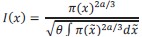
      Reviewer #2 (Public review):

      Summary:

      Pia Richter et al. investigated the peptidoglycan (PG) recycling metabolism in the alpha-proteobacterium Caulobacter crescentus. The authors first identified a functional recycling pathway in this organism, which is similar to the Pseudomonas route, and they characterized two key enzymes (NagZ, AmiR) of this pathway, showing that AmiR differs in specificity from the AmpD counterpart of E. coli. Further, they studied the effects of deletions within the PG recycling pathway (ampG, amiR, nagZ, sdpA, blaA, nagA1, nagA2, amgK, nagK mutants), showing filamentation and cell widening, thereby revealing a link between PG recycling and cell division. Finally, they provide a link between PG recycling and beta-lactam sensitivity in C. crescents that is not caused by activation of a beta-lactamase, but rather is a result of reduced supply of PG building blocks increasing the sensitivity of penicillin-binding proteins.

      Strengths:

      This work adds to the understanding of the role of PG recycling in alpha-proteobacteria, which significantly differ in their mode of cell wall growth from the better studied gamma-proteobacteria.

      Thank you for pointing out the relevance of our work. As mentioned above, we believe that our work goes beyond understanding the PG recycling pathway in alphaproteobacteria. Importantly, together with previous work, our results demonstrate a so-far largely neglected critical role of PG recycling in β-lactam resistance that goes beyond the mere regula­tion of β-lactamase gene expression. It will be interesting to determine the conservation of this phenomenon among other bacteria and to see whether blocking PG recycling could represent a potential strategy to combat β-lactam resistant pathogens.

      Weaknesses:

      The findings are not entirely novel as recent studies by Modi et al. 2025 mBio (studying C. crescentus) and Gilmore & Cava 2022 Nat. Commun. (studying Agrobacterium tumefaciens) came to similar conclusions.

      Gilmore & Cava have made the seminal finding that blocking anhydro-muropeptide import affects cell wall integrity in a manner that is partly independent of its effect on ampC expression. We now extend this finding by investigating various critical steps in the PG recycling pathway of C. cres­centus, a species lacking an AmpC homolog. Interestingly, by characterizing a variety of different mutants, we show that the morphol­ogical and ampicillin resistance defects they exhibit are not strictly con­nected and vary substantially between strains, suggesting that different steps in PG recycling differ in their importance for cellular fitness and cell wall integrity. This finding suggests that the phenotypes observed are not simply determined by the efficiency of PG recycling but likely result from a combination of factors. Based on the results obtained, we propose a model that highlights the different factors that may be at play and suggests a mechanism explaining their effects on β-lactam resistance and cell division. Our findings partly overlap with the recent study by Modi et al., but there are various points in which we disagree with their findings and conclusions. The need to rigorously validate our differing results led to a signi­ficant delay in the submission of our manuscript.
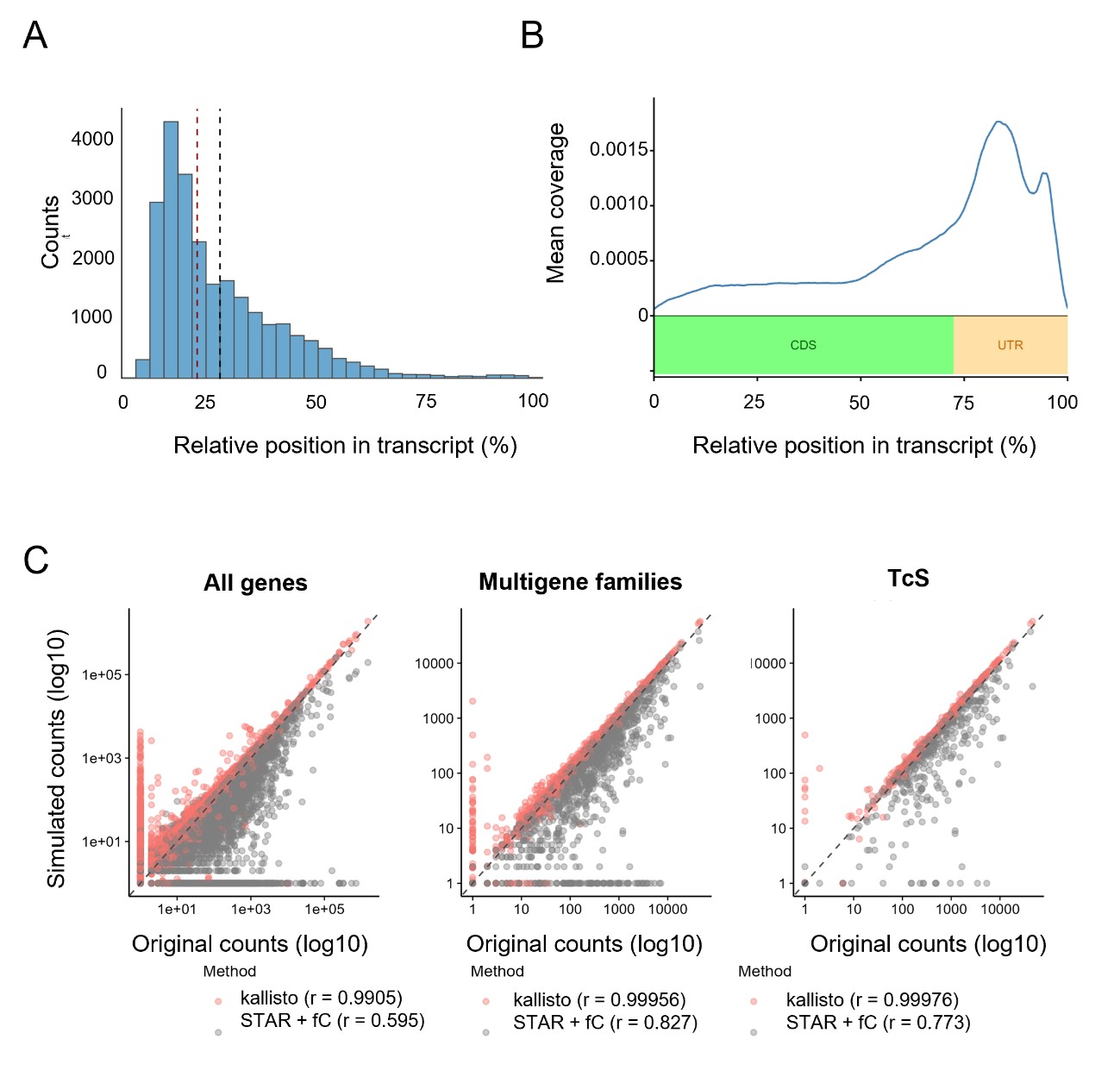
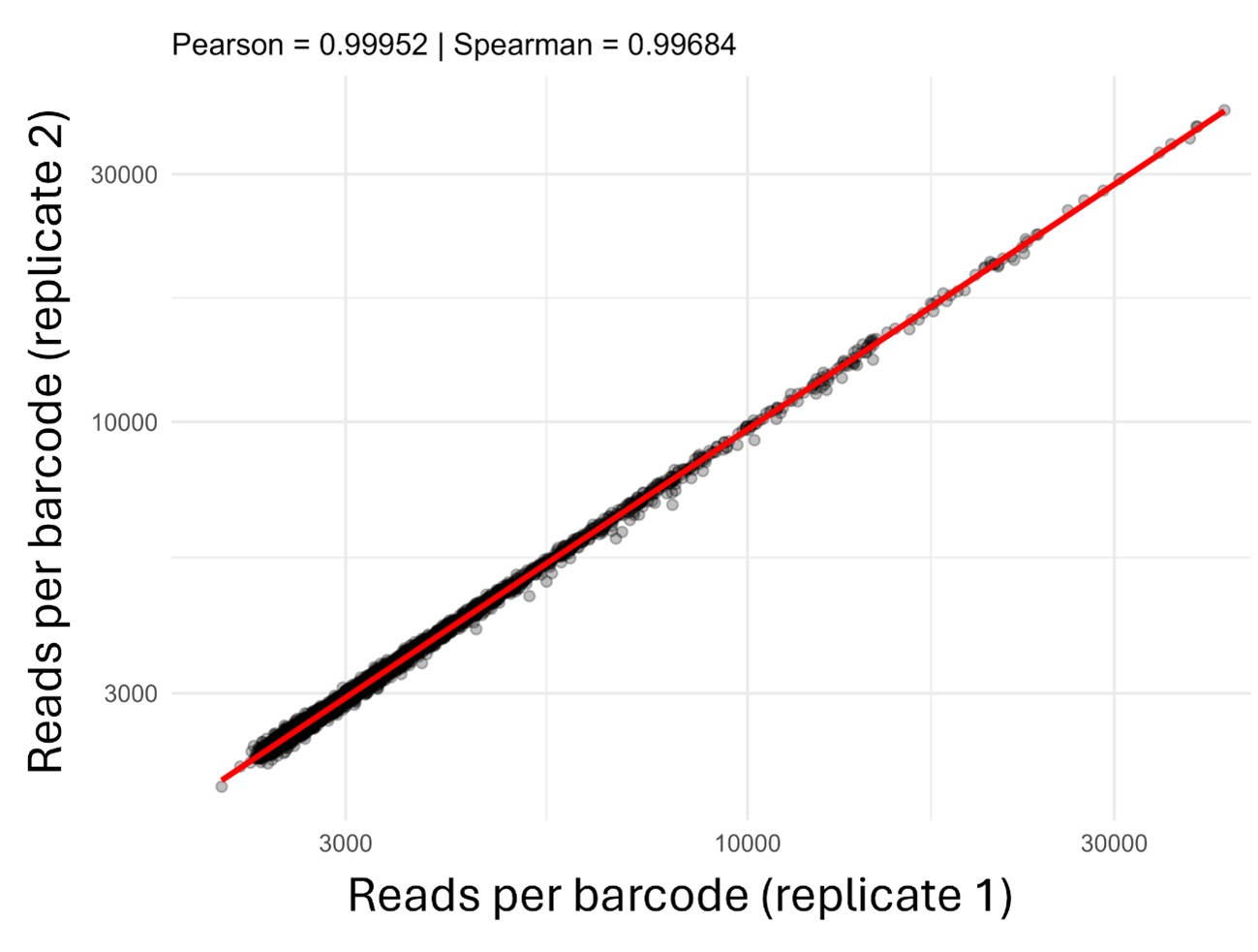
      Reviewer #1 (Recommendations for the authors):

      Major Comment

      Genetic complementation is lacking for deletion mutants throughout. Could you please provide complemented strains for mutants in key figures where deletion phenotypes are central to the conclusions (e.g., Figure 4 and related supplements).

      As explained above, we have not performed the requested comple­mentation experiments and included the data as Figure 4-figure supplement 1.

      Other minor comments:

      (1) Figure 1

      (a) This is a busy schematic; please consider visually separating PG biosynthesis vs. recycling (e.g., a faint divider line or shaded boxes).

      We have now simplified the schematic and visually separated the PG recycling and de novo biosyn­thesis pathways.

      (b) Please label "Fructose-6-phosphate" and "Glucosamine-6-phosphate (GlcN-6-P)" on the figure, since they are referenced in the caption (line 1410).

      The symbols for fructose, glucosamine and phosphate are given in the legend on the right. For consistency, we would therefore prefer not to additionally label these compounds in the figure.

      (c) Define all abbreviations in the caption: CM, GTase, TPase; and clarify the legend conventions (e.g., bold vs. regular font; red vs. black text).

      The structure of PG and the different lytic enzymes have now been removed from Figure 1. All remaining abbreviations have now been defined in the legend.

      (2) Figure 2 - Figure Supplement 2

      (a) Panel B: Please include the full chromatogram (it seems to be cropped at 10 min?). For AmiR in particular, it is important to show there are no nearby peaks at earlier retention times (eg GlcNAc).

      The region before 10 min is cropped in many published muropeptide profiles because the peaks contained in it are known to correspond to salts, i.e., borate from the reduction step and phos­phate, which are poorly retained on the C18 column (Figure 2–figure supplement 2). As the reviewer stated, free GlcNAc would elute in this region and would not be recognized if it were produced by AmiR. However, AmiR cleaves free anhydro-muropeptides between anhMurNAc and the peptide, and the experiment in Figure 2–figure supplement 2 shows that it does not cleave the bond between MurNAc and peptides in intact peptidoglycan.

      (b) Caption line 1439: with AmiR OR the catalytically...

      Done.

      (3) Figure 3

      Panel A: Label the products as NagZ-treated.

      In this analysis, we quantify specific intermediates from the total cellular pool of PG recycling inter­mediates. Since the products were not specifically treated with NagZ, we would prefer to keep the figures as it is.

      (4) Figure 4 (and Fig. 4-Figure Supplement 1, 2)

      (a) Please add complemented strains for ΔampG, ΔamiR, and ΔnagZ under the same conditions.

      As described in more detail above, we have now performed the requested complementation analysis.

      (b) Figure 4 - Figure S1 - Please include images of all strains quantified in B (e.g. control WT).

      Done.

      (c) Figure 4 - Figure S2: A. Please include images of all strains quantified in B. Please include spotting dilutions on minimal medium to assess the importance of PG recycling under nutrient limitation, especially given apparent lysis in ΔamiR and ΔampG.

      The length distributions of cells grown in PYE medium are taken from Figure 3 and only shown for comparison (as mentioned in the figure legend). To avoid the duplication of images, we would prefer to keep panel A as it is.

      We have now performed the requested serial-dilution spot assay on minimal (M2G) medium. The results show that ampicillin resistance de­creases even more dramatically for all strains in this condi­tion. The new data are presented in Figure 4-figure supplement 3C.

      (d) Figure 4 - Figures S3: A and B. Please include WT control.

      We have now added images of the wild-type strain to panel B of this figure. The serial dilution spot assays shown in panel A were performed on the same plates as those depicted in Figure 4 (as men­tioned in the figure legend). To avoid the duplication of images, we would prefer to keep this panel as it is.

      (5) Figure 5

      A, C - please include images of WT control.

      We have now added images of the wild-type strain to panel A of this figure. The serial dilution spot assays shown in panel C were performed on the same plates as those depicted in Figure 4 (as men­tioned in the figure legend). To avoid the duplication of images, we would prefer to keep this panel as it is.

      (6) Figure 6:

      (a) A, C - please include images of WT control.

      We have now added images of the wild-type strain to panel A of this figure. The serial dilution spot assays shown in panel C were performed on the same plates as those depicted in Figure 4 (as men­tioned in the figure legend). To avoid the duplication of images, we would prefer to keep this panel as it is.

      (b) It would be informative to test ΔamgK and ΔanmK on minimal medium (spotting and/or growth curves) to position these steps within the nutrient-dependent fitness landscape.

      We have now analyzed the ampicillin sensitivity of the ΔamgK, ΔnagK and ΔamgK ΔnagK strains on minimal medium (see Author response image 1). Consistent with the results obtained for other mutants in the PG recycling pathway, growth on minimal (M2G) medium plates leads to increased ampicillin sensi­tivity of the ΔamgK mutant. By contrast, ΔnagK and, to a lesser extent, ΔamgK ΔnagK cells show an in­creased tolerance to ampicillin under these conditions compared to growth on PYE plates.

      This phenomenon may be explained by the strong stimulatory effect of GlcNAc-6-P on NagB acti­vity. In the absence of NagK, GlcNAc-6-P levels drop, leading to reduced activation of NagB1/2. This effect, combined with abundant glucose to support central carbon metabolism may promote the GlcN-6-P biosynthesis through GlmS, thereby increasing the flux of meta­bol­ites into the de novo PG biosynthesis pathway and thus boosting ampicillin tolerance. However, more re­search is required to fully under­stand the molecular basis of this effect. Given that the results are likely to reflect complex interactions bet­ween dysregulated enzyme activity and altered metabolite pools caused by increased glucose avail­ability, they provide only limited insight into the role of PG recycling in ampicillin resistance. We therefore propose excluding this experiment from the present manuscript to avoid confusion.

      Author response image 1.

      Serial-dilution spot assay investigating the ampicillin resistance of the indicated mutant strains on minimal (M2G) medium plates.

      (c) Could Figures 6 and 7 be combined for better comparison and since there is no WT control? If so, could you also include the MurNAc cytoplasmic level quantification for the double mutant (Figure 7)?

      We would prefer to keep the two figures separated to avoid creating an overly large figure that contains a total of nine panels. However, we have now included an additional panel in Figure 7 show­ing the levels of MurNAc in the double mutant.

      (7) Figure 7. A, C

      Please include images of WT control.

      We have now added images of the wild-type strain (now panel B). The serial dilution spot assays (now panel D) were performed on the same plates as those depicted in Figure 4 (as men­tioned in the figure legend). To avoid the duplication of images, we would prefer to keep this panel as it is.

      (8) Figure 8-S1D, F

      Please include images of WT control.

      Panel F of this figure already contains a wild-type control.

      (9) Figure 10 A, C

      Please include images of WT control and ∆amiR (A).

      Done.

      (10) Figure 11

      Consider adding or highlighting in this figure (in a simplified manner) the major PG recycling differences in Caulobacter? The current model doesn't really show any difference that is unknown.

      This figure presents a model of the mechanism underlying the increased β-lactam sensitivity of PG recycling-deficient cells. Since the PG recycling pathway of C. crescentus is already presented in detail in Figure 1, we would like to keep this figure simple and thus leave it as it is.

      (11) Comments by lines:

      (a) Line 192: Clarify that NagZ is also part of the rate-limiting step since there is no difference between AmiR or NagZ order of hydrolysis?

      We have now omitted the statement that AmiR catalyzes the rate-limiting step in the PG recycling process, because our data do not allow definitive conclusions on this point.

      (b) Line 201: Define "considerable fraction" since this is known, please and cite original reference(s).

      Done.

      (c) Line 203: Please also cite the primary papers where they have found that disruption of the PG recycling pathway in E. coli and P. aeruginosa doesn't result in morphological defects.

      Since there are a number of papers that report PG recycling-deficient mutants of E. coli and P. aeru­ginosa, we would like to keep citing reviews to support this statement. However, we have now addi­tionally included a review by Park & Uehara (2008), which provides a detailed overview of PG recycling in bacteria.

      (d) Line 220-223: Though there are no obvious morphological defects, several mutants (e.g., ΔamiR, ΔampG) appear to be lysing or stressed under minimal conditions. Could you include spotting assays and/or growth curves on minimal medium (Figure 4, Figure S2) to quantify fitness under nutrient limitation?

      Have performed the requested serial dilution spot assays on minimal (M2G) medium plates and now present the data obtained in Figure 4-figure supplement 3C.

      (e) Line 224: PG recycling has been found to contribute to the regulation of B-lactam resistance in several organisms, not just those two. Perhaps add "including C. freundii and P. aeruginosa"

      Done.

      (12) Typographical errors:

      (a) Line 284: "caron" should be carbon.

      Done.

      (b) Line 323: "Figure C" needs a figure number.

      Done.

      (c) Line 33: "regulaton" should be regulation.

      Done.

      Reviewer #2 (Recommendations for the authors):

      (1) The study is well conducted and describes a number of experiments that significantly deepen previous findings. The conclusions of this paper are mostly well supported by data, but some experiments and data analysis may need to be clarified and extended.

      Thank you for this positive evaluation.

      (2) The data presented in Figures 2B and 2C show activities of AmiR and NagZ using LTase-cleaved cell wall preparations. Unfortunately, the preparations tested with the two enzymes should be identical, but apparently are not. Why aren't identical preparations used?

      We are sorry for the confusion. As stated in the Methods section (page 28, lines 757 and 773), the AmiR activity assays used LT products from PG sacculi isolated from E. coli D456, whereas the NagZ activity assays used LT-products from PG sacculi isolated from E. coli CS703-1. Both strains have a higher penta­peptide content than wild-type E. coli D456 lacks PBPs 4, 5 and 6 and has a moderate level of pentapeptides. CS703-1 lacks PBPs 1a, 4, 5, 6, 7 as well as AmpC and AmpH, and is known to have a higher pentapeptide content than D456. These differences are the reason for the distinct muro­peptide profiles in panel B and C of Figure 2.

      (3) I am missing a control experiment where muropeptides treated with NagZ were further digested with AmiR? This would show whether AmiR is able or not to cleave MurNAc-peptides. This is not evident from the provided experiments.

      We have now tested the activity of AmiR towards anhMurNAc-tetrapeptide in vitro. The results show that AmiR efficiently cleaves this GlcNAc-free anhydro-muropeptide species, verifying that it can also act on turnover products that have been previously processed by NagZ. The new data are shown in Figure 2–figure supplement 5.

      (4) The claim that PG recycling is critical, particularly upon transition to the stationary phase and under nutrient limitation, is not justified. It conflicts with the obvious morphological effects also in the exponential phase and with the absence of morphological defects in minimal medium: pronounced defects in rich PYE medium (Figure 4A/B) disappear in minimal M2G medium (Figure 4_figure supplement 2). It seems that catabolite repression effects apply here. Is the morphological effect in rich PYE medium reversed by adding glucose?

      We agree that PG recycling is not considerably more important in stationary phase and have removed this statement. Interestingly, while PG recycling-deficient mutants show no obvious mor­phol­ogical defects in minimal (M2G) medium, their ampicillin sensitivity even increases under this condi­tion (new Figure 4-figure supplement 3C), confirming that morphological and resistance defects are not strictly coupled. Preliminary data indicate that the morphological defects of the mutant cells are also abolished upon growth in PYE+glucose medium. High glucose availability may promote increased de novo synthesis of PG precursors, thereby partially restoring the PG precursor pool. We propose that the morphological and resistance phenotypes develop at different degrees of PG precursor depletion. However, future research is required to clarify the precise molecular basis of this phenomenon.

      (5) Figure 4: Why is the contribution of AmpG to ampicillin resistance much lower than for amiR or nagZ, despite ampG mutants showing the largest morphological defects? Does the accumulation of UDP-MurNAc or UDP-MurNAc-peptide correlate with ampicillin resistance, whereas the morphological effects correlate with the lack of precursors?

      The exact reason why the ΔampG mutant shows such a strong discrepancy in the severity of its morphol­ogical and resistance defects compared to the ΔamiR and ΔnagZ mutants remains unclear, because all of these deletions completely block the recycling of anhydro-muropeptides. The major difference in the ΔampG mutant is its inability to import anhydro-muropeptides, causing their accu­mu­lation in the periplasm. We propose that periplasmic anhydro-muropeptides, in particular the penta­peptide-containing species, can interact with the substrate-binding sites of PG metabolic enzymes, thereby interfering with proper PG biosyn­thesis. Conversely, by interacting with transpep­tidases, they may reduce their accessibility to ampicillin and thus preserve their acti­vity under β-lactam stress, particularly under conditions in which low PG precursor availability reduces binding site occupancy and thus facilitates antibiotic association.