10,000 Matching Annotations
  1. Sep 2025
    1. Author response:

      Reviewer #1 (Public review): 

      Summary: 

      This study addresses the important question of how top-down cognitive processes affect tactile perception in autism - specifically, in the Fmr1-/y genetic mouse model of autism. Using a 2AFC tactile task in behaving mice, the study investigated multiple aspects of perceptual processing, including perceptual learning, stimulus categorization and discrimination, as well as the influence of prior experience and attention.  

      We appreciate the reviewer’s statement highlighting the importance of our study. 

      Strengths: 

      The experiments seem well performed, with interesting results. Thus, this study can/will advance our understanding of atypical tactile perception and its relation to cognitive factors in autism. 

      We thank the reviewer for recognizing the quality of our experiments and the relevance of our findings for understanding tactile perception and cognition in autism.

      Weaknesses: 

      Certain aspects of the analyses (and therefore the results) are unclear, which makes the manuscript difficult to understand. Clearer presentation, with the addition of more standard psychometric analyses, and/or other useful models (like logistic regression) would improve this aspect. The use of d' needs better explanation, both in terms of how and why these analyses are appropriate (and perhaps it should be applied for more specific needs rather than as a ubiquitous measure). 

      We thank the reviewer for the helpful comments. We understand that the analyses were difficult to follow, and we will work on the clarity of the Results section. However, we would like to emphasize that every d′ measure is accompanied by analyses of response rates (i.e., correct and incorrect choice rates). In addition, we applied standard psychometric analyses whenever possible. Specifically, psychometric functions were fitted to the data using logistic regression. We will rework the text to clarify these points.

      During training, only two stimulus amplitudes were presented, which precluded the construction of psychometric curves. For the categorization task, however, psychometric analyses were feasible and conducted (Figure 2). These analyses revealed no evidence of categorization bias (as measured by threshold) or accuracy (as measured by the slope) across stimulus strengths.

      The calculation of d’ is included in the Methods, but we will also report and explain its use in each part of the Results section where it has been included.

      Reviewer #2 (Public review): 

      Summary: 

      This manuscript presents a tactile categorization task in head-fixed mice to test whether Fmr1 knockout mice display differences in vibrotactile discrimination using the forepaw. Tactile discrimination differences have been previously observed in humans with Fragile X Syndrome, autistic individuals, as well as mice with loss of Fmr1 across multiple studies. The authors show that during training, Fmr1 mutant mice display subtle deficits in perceptual learning of "low salience" stimuli, but not "high salience" stimuli, during the task. Following training, Fmr1 mutant mice displayed an enhanced tactile sensitivity under low-salience conditions but not high-salience stimulus conditions. The authors suggest that, under 'high cognitive load' conditions, Fmr1 mutant mouse performance during the lowest indentation stimuli presentations was affected, proposing an interplay of sensory and cognitive system disruptions that dynamically affect behavioral performance during the task. 

      Strengths: 

      The study employs a well-controlled vibrotactile discrimination task for head-fixed mice, which could serve as a platform for future mechanistic investigations. By examining performance across both training stages and stimulus "salience/difficulty" levels, the study provides a more nuanced view of how tactile processing deficits may emerge under different cognitive and sensory demands. 

      We thank the reviewer for emphasizing the strengths of our task design and analysis approach, and we appreciate that the potential of this platform for future mechanistic investigations is recognized.

      Weaknesses: 

      The study is primarily descriptive. The authors collect behavioral data and fit simple psychometric functions, but provide no neural recordings, causal manipulations, or computational modeling. Without mechanistic evidence, the conclusions remain speculative. 

      We thank the reviewer for the careful reading of our manuscript and for the constructive feedback. The reviewer raises a valid point. We agree that our study is primarily descriptive and focused on behavioral data, and we appreciate the opportunity to clarify the scope and interpretation of our findings. Our primary goal was to characterize behavioral patterns during tactile discrimination and categorization, and the psychometric analyses were intended to provide a detailed description of these patterns. We do not claim to provide direct neural, causal, or computational evidence. 

      Second, the authors repeatedly make strong claims about "categorical priors," "attention deficits," and "choice biases," but these constructs are inferred indirectly from secondary behavioral measures. Many of the effects are based on non-significant trends, and alternative explanations (such as differences in motivation, fatigue, satiety, stereotyped licking, and/or reward valuation) are not considered. 

      Alternative explanations of our findings, such as differences in motivation, fatigue, satiety, stereotyped licking, and reward valuation have indeed been considered. We will revise the manuscript to present these points more clearly. 

      Third, the mapping of the behavioral results onto high-level cognitive constructs is tenuous and overstated. The authors' interpretations suggest that they directly tested cognitive theories such as Load Theory, Adaptive Resonance Theory, or Weak Central Coherence. However, the experiments do not manipulate or measure variables that would allow such theories to be tested. More specific comments are included below.

      This was not done intentionally. We do not claim to have tested the Load Theory; rather, inspired by it, we assessed behavioral patterns in our tactile categorization task. We agree that referring to the Adaptive Resonance Theory, which is based on artificial neural network models, might be misleading since we focus on behavioral results, and we will revise the text accordingly. However, our task allowed us to examine the impact of categorization on discrimination, confirming that Fmr1<sup>-/y</sup>ation can amplify perceptual differences between stimuli belonging to different categories and reduce perceived differences within a category in WT mice but not in the mice when low-salience stimuli were experienced. Finally, we do not claim to have tested the Weak Central Coherence theory, although our results suggest reduced use of categories in low-salience tactile discrimination. 

      (1) The authors employ a two-choice behavioral task to assess forepaw tactile sensitivity in Fmr1 knockout mice. The data provide an interesting behavioral observation, but it is a descriptive study. Without mechanistic experiments, it is difficult to draw any conclusions, especially regarding top-down or bottom-up pathway dysfunctions. While the task design is elegant, the data remain correlational and do not advance our mechanistic understanding of Fmr1-related sensory and/or cognitive alterations. 

      We agree with the reviewer that our current experiments are behavioral in nature and do not provide direct mechanistic evidence for top-down pathway dysfunction. Our goal was to carefully characterize tactile responses and behavioral patterns in Fmr1<sup>-/y</sup> mice. The notion of “top-down” is used at the behavioral level, referring to the influence of higher-level cognitive processes (e.g., categorization, attention) on perception, rather than to underlying neural circuits. We will revise the manuscript to more clearly emphasize that our conclusions are based on behavioral observations, and we will frame mechanistic inferences as hypotheses rather than established findings. We will also explicitly note that future work using neural recordings or causal manipulations will be required to directly test these hypotheses.

      We also note that identifying the precise top-down circuits involved will require extensive additional experimentation. For example, one would first need to pinpoint the specific top-down pathway that modulates the influence of categorization on discrimination without directly altering categorization itself. After such a circuit is identified, further work would then be needed to rescue or manipulate this pathway in the Fmr1<sup>-/y</sup> model. These steps represent a substantial program of mechanistic research that, while important, goes well beyond the scope of the present study.

      (2) The conclusions hinge on speculative inferences about "reduced top-down categorization influence" or "choice consistency bias," but no neural, circuit-level, or causal manipulations (e.g., optogenetics, pharmacology, targeted lesions, modeling) are used to support these claims. Without mechanistic data, the translational impact is limited. 

      We recognize that “reduced top-down categorization influence” and “choice consistency bias” are based on behavioral observations. However, we respectfully disagree that this makes these constructs inherently speculative. Similar behavioral inferences have been applied in previous clinical studies to characterize cognitive tendencies (Soulières et al., 2007; Feigin et al., 2021). The translational impact of our work lies in the highly translational platform we have developed – and in highlighting the complexity of tactile measures and additional analyses that can be conducted in clinical studies.

      We agree with the reviewer that the neural-based experiments would indeed provide valuable mechanistic insight into our observed behavioral alterations, and we believe future studies should therefore focus on their underlying neurobiological substrate.

      We will revise the language throughout the manuscript to clarify that all conclusions are based on behavioral measures.  

      (3) Statistical analysis: 

      (a) Several central claims are based on "trends" rather than statistically significant effects (e.g., reduced task sensitivity, reduced across-category facilitation). Building major interpretive arguments on nonsignificant findings undermines confidence in the conclusions.  

      Several trends are evident in complex measures, such as d’ analyses on task sensitivity or responses pooled across different amplitudes. Additional analyses revealed which component of these measures showed a statistically significant difference across genotypes, namely the low-salience incorrect choices accounting for low task sensitivity. We chose to present all analyses to be transparent and to highlight that commonly used complex measures (like d’ analyses) may mask important findings. In the text, we described p-values between 0.05 and 0.1 as observed trends without over-interpreting their significance. 

      (b) The n number for both genotypes should be increased. In several experiments (e.g., Figure 1D, 2E), one animal appears to be an outlier. Considering the subtle differences between genotypes, such an outlier could affect the statistical results and subsequent interpretations. 

      The number of mice used in each genotype group is consistent with standard practices in behavioral studies using mice and sensory tasks. We have performed effect size measures (e.g., Cohen’s d) alongside some of the statistical comparisons, showing a medium effect size (>0.5). 

      As the reviewer correctly noted, no mice were excluded based on outlier analyses, since the observed variability reflects true biological differences rather than experimental or technical errors. We will reexamine our dataset for potential outliers. If any are identified, we will perform analyses both with and without the outlier and report any effects that are sensitive to single animals. These procedures and results will be explicitly described in the Methods and Results sections.

      (c) The large number of comparisons across salience levels, categories, and trial histories raises concern for false positives. The manuscript does not clearly state how multiple comparisons were controlled.  

      We thank the reviewer for raising this important point and we will include a clear statement on multiple comparisons in the Methods section. 

      (d) The data in Figure 5, shown as separate panels per indentation value, are analyzed separately as ttests or Mann-Whitney tests. However, individual comparisons are inappropriate for this type of data, as these are repeated stimulus applications across a given session. The data should be analyzed together and post-hoc comparisons reported. Given the very subtle difference in miss rates across control and mutant mice for 'low-salience' stimulus trials, this is unlikely to be a statistically meaningful difference when analyzed using a more appropriate test. 

      We thank the reviewer for raising this point. This was not done intentionally. A repeated-measures ANOVA on miss rates for low-salience stimuli during categorization confirmed that there are statistically significant differences both across stimulus amplitudes and between genotypes. Additional correction for multiple comparisons will be performed and explained in the Methods section.  

      (4) Emphasis on theoretical models: The paper leans heavily on theories such as Adaptive Resonance Theory, Load Theory of Attention, and Weak Central Coherence, but the data do not actually test these frameworks in a rigorous way. The discussion should be reframed to highlight the potential relevance of these frameworks while acknowledging that the current data do not allow them to be assessed. 

      As mentioned above, our goal was not to directly test these theories but rather to apply them within our translational framework. The Discussion section will be reframed to highlight that our findings are consistent with predictions from certain cognitive theories rather than implying that these frameworks were directly tested.

      Reviewer #3 (Public review): 

      Summary: 

      Developing consistent and reliable biomarkers is critically important for developing new pharmacological therapies in autism spectrum disorders (ASDs). Altered sensory perception is one of the hallmarks of autism and has been recently added to DSM-5 as one of the core symptoms of autism. Touch is one of the fundamental sensory modalities, yet it is currently understudied. Furthermore, there seems to be a discrepancy between different studies from different groups focusing on tactile discrimination. It is not clear if this discrepancy can be explained by different experimental setups, inconsistent terminology, or the heterogeneity of sensory processing alterations in ASDs. The authors aim to investigate the interplay between tactile discrimination and cognitive processes during perceptual decisions. They have developed a forepaw-based 2-alternative choice task for mice and investigated tactile perception and learning in Fmr1-/y mice 

      Strengths: 

      There are several strengths of this task: translational relevance to human psychophysical protocols, including controlled vibrotactile stimulation. In addition to the experimental setup, there are also several interesting findings: Fmr1-/y mice demonstrated choice consistency bias, which may result in impaired perceptual learning, and enhanced tactile discrimination in low-salience conditions, as well as attentional deficits with increased cognitive load. The increase in the error rates for low salience stimuli is interesting. These observations, together with the behavioral design, may have a promising translational potential and, if confirmed in humans, may be potentially used as biomarkers in ASD. 

      We appreciate the reviewer’s positive assessment of our study’s translational value and the importance of our behavioral findings.

      Weaknesses: 

      Some weaknesses are related to the lack of the original raster plots and density plots of licks under different conditions, learning rate vs time, and evaluation of the learning rate at different stages of learning. Overall, these data would help to answer the question of whether there are differences in learning strategies or neural circuit compensation in Fmr1-/y mice. It is also not clear if reversal learning is impaired in Fmr1-/y mice.  

      We thank the reviewer for these helpful suggestions. We agree that visualizing behavioral patterns, such as raster and density plots of licks, as well as learning rate over time, could provide additional insights into learning dynamics. This analysis will be conducted and added into the revised manuscript.

      There was no assessment of reversal learning in Fmr1<sup>-/y</sup> mice in this study. While it is an interesting and important question based on previous findings in preclinical and clinical studies, it falls outside the scope of the current manuscript.    

      Feigin H, Shalom-Sperber S, Zachor DA, Zaidel A (2021) Increased influence of prior choices on perceptual decisions in autism. Elife 10.

      Soulières I, Mottron L, Saumier D, Larochelle S (2007) At ypical categorical perception in autism: Autonomy of discrimination? J Autism Dev Disord 37:481–490.

    1. La eficacia del modelo para capturar cambios repentinos del mercado y adaptarse a las tendencias cambiantes es fundamental para su utilidad en aplicaciones financieras del mundo real. Se sugiere que la migración del modelo a una plataforma informática más potente o la reducción de la cantidad de datos utilizados para mejorar el rendimiento del modelo podría ser una opción a explorar.

      RELEVANTE

    2. Contingencia del Rendimiento: El rendimiento del modelo depende de las condiciones imperantes del mercado. La naturaleza dinámica de los mercados financieros requiere actualizaciones y recalibraciones continuas del modelo para mantener la precisión predictiva.

      MUY IMPORTANTE, MUCHO OJO

    3. Esta exploración sistemática de modelos combinados busca identificar la configuración óptima para la predicción de precios futuros.

      OJO, combinación dos a dos.

    4. Normalización: Los datos se normalizaron a una escala de 0 a 1. Esto es crucial en el análisis de datos financieros y para modelos de aprendizaje profundo, ya que estandariza el rango de los datos, los hace más comparables y ayuda a estabilizar el proceso de optimización del descenso de gradiente.

      Exactamente como se normalizó?

    5. Las LSTMs, al recibir estas características de volatilidad como entradas adicionales (junto con los precios históricos), pueden formar una comprensión más completa de la dinámica del mercado, permitiéndoles mejorar sus predicciones de precios futuros.

      Añadir aquí las datos sobre sondeos y noticias? Pensar muy bien.

    6. Estado de la celda ( ctc_tct​ ): Un componente crucial que permite a la red preservar información a través de largos intervalos de tiempo.

      Analogía: Ct = Retenido(Edad Media) + Incluido(Luis XIV)

    7. Para validar la fiabilidad y eficacia del modelo híbrido MULTI-GARCH-LSTM, se utilizaron datos históricos de los precios de futuros de oro de la Bolsa de Futuros de Shanghái (SHFE).

      Relevante

    8. LSTM (Hochreiter y Schmidhuber, 1997) [31]: Desarrolladas para superar las limitaciones de las RNN tradicionales, capturando eficazmente las relaciones temporales a largo plazo mediante una arquitectura de puertas (input, forget, output) y un estado de celda. Su superioridad en la predicción de precios futuros ha sido destacada en varias investigaciones [14,15].

      IMPORTANTE

    9. Estos modelos están diseñados para abordar las limitaciones del GARCH estándar, como la capacidad de modelar efectos asimétricos de la volatilidad (donde los choques positivos y negativos tienen impactos diferentes en la volatilidad

      OJO

    10. especialmente en su ineficacia para capturar el efecto de agrupamiento de volatilidad. Esta limitación puede llevar a predicciones subóptimas, ya que la volatilidad es un componente crítico en la dinámica de precios financieros.

      IMPORTANTE

    11. Esto es particularmente ventajoso para superar las limitaciones de los modelos econométricos tradicionales en la predicción de precios. Las LSTM, en particular, han sido elogiadas por su rendimiento superior en la predicción de precios futuros.

      OJO

    1. * it's has been = ha sido "o" ha pasado. * a while = un tiempo. * i had a meal = tome una comida. * I had a meal. → Comí / Tomé una comida. * Aquí “have” no significa “poseer”, sino que indica la acción de consumir comida o bebida. * get to = llegar a

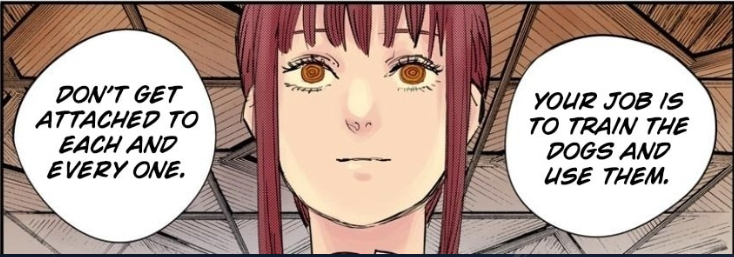
    2. * get attached = encariñarse. * Each and every one = todos y cada uno. * 📌 complemento proposicional "to" = Indica dirección o acción como reacción del sujeto de la oración hacia el objeto de esta. Usualmente se usa para complementar a algunos verbos intransitivos ya que estos carecen de OD y por consecuencia de OI eso es porque estos verbos no indican una modificación ni beneficio al objeto de la oración. Solo indican un cambio de estado del sujeto en reacción a objeto.

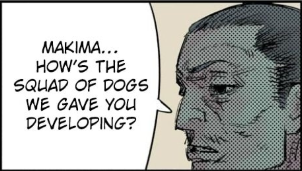
    3. * 💡 Regla práctica: Cuando el sujeto incluye una cláusula relativa, el verbo principal se coloca después de toda la cláusula relativa. Si lo traduciera al español se mueve el verbo copulativo junto con el principal despues de la oración subordinada. * How is the squad of dogs we gave you developing? = Como el escuadrón de perros que nosotros te dimos esta desarrollándose.

      • that kidnaped Nyako
      • Defining Relative Clauses

      👉 Identifican exactamente de qué persona o cosa hablamos. 👉 Son necesarias para entender la oración. 👉 No llevan comas.

      Ejemplos:

      • The man who lives next door is very friendly. → El hombre que vive al lado es muy amable.

      • This is the book that I bought yesterday. → Este es el libro que compré ayer.

      • Students who study hard usually get good grades. → Los estudiantes que estudian mucho suelen sacar buenas notas.

  2. clavis-nxt-user-guide-clavisnxt-erste-dev.apps.okd.dorsum.intra clavis-nxt-user-guide-clavisnxt-erste-dev.apps.okd.dorsum.intra
    1. ések

      Alapkezelő modellben Magyarországon még nem gyakorlat a számlavezetés, ezért ha pl. vagyonkezelő/Alapkezelő (Asset manager/Fund manager) értékkészlettel, vagy Értékelő (Valuer) lehet értelmezhető pl

    2. - Számlavezetési díj generálása - Felugró ablakban a Tovább és Mégse választható.

      Retail funkció, ha lehet, töröljök az Alapkezelős anyagból

    1. Our data support the persistence of AHN in the adult human DG until the ninth decade of life.

      This is a very strong claim and there are other papers/evidence that both support and contradict this finding. For example, Sorrells et al., 2018 (Nature) claimed that AHN drops sharply in childhood and becomes nearly undetectable in adults. However, Boldrini et al., 2018 (Cell Stem Cell) examined hippocampal tissue from adults 14–79 years old and found stable numbers of immature neurons across ages. I think this is particulatly interesting to see the same journal (Nature) publish two papers that have contradicting findings...

      [Sorrells SF, Paredes MF, Cebrian-Silla A, Sandoval K, Qi D, Kelley KW, James D, Mayer S, Chang J, Auguste KI, Chang EF, Gutierrez AJ, Kriegstein AR, Mathern GW, Oldham MC, Huang EJ, Garcia-Verdugo JM, Yang Z, Alvarez-Buylla A. Human hippocampal neurogenesis drops sharply in children to undetectable levels in adults. Nature. 2018 Mar 15;555(7696):377-381. doi: 10.1038/nature25975. Epub 2018 Mar 7. PMID: 29513649; PMCID: PMC6179355. https://pubmed.ncbi.nlm.nih.gov/29513649/

      Boldrini M, Fulmore CA, Tartt AN, Simeon LR, Pavlova I, Poposka V, Rosoklija GB, Stankov A, Arango V, Dwork AJ, Hen R, Mann JJ. Human Hippocampal Neurogenesis Persists throughout Aging. Cell Stem Cell. 2018 Apr 5;22(4):589-599.e5. doi: 10.1016/j.stem.2018.03.015. PMID: 29625071; PMCID: PMC5957089. https://pmc.ncbi.nlm.nih.gov/articles/PMC5957089/

    1. El objetivo continúa siendo sacar la filosofía a la calle, haciendo que la ciudadanía protagonice una programación abierta y gratuita, que promueve la cultura del encuentro, el debate y la escucha.

      ¿Es acaso esto lo que se logra? ¿Está el Festival no sólo pensado sino además gestionado físicamente para que esto ocurra? ¿Qué es "sacar a la calle", "protagonizar", "encontrarse", "debatir" y "escuchar"?

    1. Author response:

      The following is the authors’ response to the original reviews.

      Reviewer #1 (Public review):

      (1) The manuscript is quite dense, with some concepts that may prove difficult for the non-specialist. I recommend spending a few more words (and maybe some pictures) describing the difference between task-relevant and task-irrelevant planes. Nice technique, but not instantly obvious. Then we are hit with "stimulus-related", which definitely needs some words (also because it is orthogonal to neither of the above). 

      We agree that the original description of the planes was too terse and have expanded on this in the revised manuscript.

      Line 85 - To test the influence of attention, trials were sorted according to two spatial reference planes, based on the location of the stimulus: task-related and task-unrelated (Fig. 1b). The task-related plane corresponded to participants’ binary judgement (Fig 1b, light cyan vertical dashed line) and the task-unrelated plane was orthogonal to this (Fig 1b, dark cyan horizontal dashed line). For example, if a participant was tasked with performing a left-or-right of fixation judgement, then their task-related plane was the vertical boundary between the left and right side of fixation, while their task-unrelated plane was the horizontal boundary. The former (left-right) axis is relevant to their task while the latter (top-bottom) axis is orthogonal and task irrelevant. This orthogonality can be leveraged to analyze the same data twice (once according to the task-related plane and again according to the taskunrelated plane) in order to compare performance when the relative location of an event is either task relevant or irrelevant.

      Line 183 - whereas task planes were constant, the stimulus-related plane was defined by the location of the stimulus on the previous trial, and thus varied from trial to trial. That is, on each trial, the target is considered a repeat if it changes location by <|90°| relative to its location on the previous trial, and an alternate if it moves by >|90°|.

      (2) While I understand that the authors want the three classical separations, I actually found it misleading. Firstly, for a perceptual scientist to call intervals in the order of seconds (rather than milliseconds), "micro" is technically coming from the raw prawn. Secondly, the divisions are not actually time, but events: micro means one-back paradigm, one event previously, rather than defined by duration. Thirdly, meso isn't really a category, just a few micros stacked up (and there's not much data on this). And macro is basically patterns, or statistical regularities, rather than being a fixed time. I think it would be better either to talk about short-term and long-term, which do not have the connotations I mentioned. Or simply talk about "serial dependence" and "statistical regularities". Or both. 

      We agree that the temporal scales defined in the current study are not the only way one could categorize perceptual time. We also agree that by using events to define scales, we ignore the influence of duration. In terms of the categories, we selected these for two reasons: 1) they conveniently group previous phenomena, and 2) they loosely correspond to iconic-, short- and long-term memory. We agree that one could also potentially split it up into two categories (e.g., short- and long-term), but in general, we think any form of discretization will have limitations. For example, Reviewer 1 suggests that the meso category is simply a few micros stacked together. However, there is a rich literature on phenomena associated with sequences of an intermediate length that do not appear to be entirely explained by stacking micro effects (e.g., sequence learning and sequential dependency). We also find that when controlling for micro level effects, there are clear meso level effects. Also, by the logic that meso level effects are just stacked micro effects, one could also argue the same for macro effects. We don’t think this argument is incorrect, rather we think it exemplifies the challenge of discretising temporal scales. Ultimately, the current study was aimed to test whether seemingly disparate phenomena identified in previous work could be captured by unifying principles. To this end we found that these categories were the most useful. However, we have included a “Limitations and future directions” section in the Discussion of the revised manuscript that acknowledges both the alternative scheme proposed by Reviewer 1, and the value of extending this work to consider the influence of duration (as well as events).

      Line 488 - Limitations and future directions. One potential limitation of the current study is the categorization of temporal scales according to events, independent of the influence of event duration. While this simplification of time supports comparison between different phenomena associated with each scale (e.g., serial dependence, sequential dependencies, statistical learning), future work could investigate the role of duration to provide a more comprehensive understanding of the mechanisms identified in the current study.

      Related to this, while the temporal scales applied here conveniently categorized known sensory phenomena, and partially correspond to iconic-, short-, and long-term memory, they are but one of multiple ways to delineate time. For example, temporal scales could alternatively be defined simply as short- and long-term (e.g., by combining micro and meso scale phenomena). However, this could obscure meaningful differences between phenomena associated with sensory persistence and short-term memory, or qualitative differences in the way that shortsequences of events are processed.

      (3) More serious is the issue of precision. Again, this is partially a language problem. When people use the engineering terms "precision" and "accuracy" together, they usually use the same units, such as degrees. Accuracy refers to the distance from the real position (so average accuracy gives bias), and precision is the clustering around the average bias, usually measured as standard deviation. Yet here accuracy is percent correct: also a convention in psychology, but not when contrasting accuracy with precision, in the engineering sense. I suggest you change "accuracy" to "percent correct". On the other hand, I have no idea how precision was defined. All I could find was: "mixture modelling was used to estimate the precision and guess rate of reproduction responses, based on the concentration (k) and height of von Mises and uniform distributions, respectively". I do not know what that means.

      In the case of a binary decision, is seems reasonable to use the term “accuracy” to refer to the correspondence between the target state and the response on a task. However, we agree that while our (main) task is binary, the target is not and nor is the secondary task. We thank the reviewer for bringing this to our attention, as we agree that this will be a likely cause of confusion. To avoid confusion we have specifically referred to “task accuracy” throughout the revised manuscript.

      With regards to precision, our measure of precision is consistent with what Reviewer 1 describes as such, i.e., the clustering of responses. In particular, the von Mises distribution is essentially a Gaussian distribution in circular space, and the kappa parameter defines the width of the distribution, regardless of the mean, with larger values of kappa indicating narrower (more precise) distributions. We could have used standard deviation to assess precision; however, this would incorrectly combine responses on which participants failed to encode the target (e.g., because of a blink) and were simply guessing. To account for these trials, we applied mixture modelling of guess and genuine responses to isolate the precision of genuine responses, as is standard in the visual working memory literature. However, we agree that this was not sufficiently described in the original manuscript and have elaborated on this method in the revised version.

      Line 598 - From the reproduction task, we sought to estimate participant’s recall precision. It is likely that on some trials participants failed to encode the target and were forced to make a response guess. To isolate the recall precision from guess responses, we used mixture modelling to estimate the precision and guess rate of reproduction responses, based on the concentration (k) and height of von Mises and uniform distributions, respectively (Bays et al., 2009). The k parameter of the von Mises distribution reflects its width, which indicates the clustering of responses around a common location.

      (4) Previous studies show serial dependence can increase bias but decrease scatter (inverse precision) around the biased estimate. The current study claims to be at odds with that. But are the two measures of precision relatable? Was the real (random) position of the target subtracted from each response, leaving residuals from which the inverse precision was calculated? (If so, the authors should say so..) But if serial dependence biases responses in essentially random directions (depending on the previous position), it will increase the average scatter, decreasing the apparent precision. 

      Previous studies have shown that when serial dependence is attractive there is a corresponding increase in precision around small offsets from the previous item (citations). Indeed, attractive biases will lead to reduced scattering (increased precision) around a central attracter. Consistent with previous studies, and this rational, we also found an attractive bias coupled with increased precision. To clarify, for the serial dependency analysis, we calculated bias and precision by binning reproduction responses according to the offset between the current and previous target and then performing the same mixture modelling described above to estimate the mean (bias) and kappa (precision) parameters of the von Mises distribution fit to the angular errors. This was not explained in the original manuscript, so we thank Reviewer 1 for bringing this to our attention and have clarified the analysis in the revised version.

      Line 604 - For the serial dependency analysis, we calculated bias and precision by binning reproduction responses according to the angular offset between the current and previous target and then performing mixture modelling to estimate the mean (bias) and k (precision) parameters of the von Mises distribution.

      (5) I suspect they are not actually measuring precision, but location accuracy. So the authors could use "percent correct" and "localization accuracy". Or be very clear what they are actually doing. 

      As explained in our response to Reviewer 1’s previous comment, we are indeed measuring precision.

      Reviewer #2 (Public review):

      (1) The abstract should more explicitly mention that conclusions about feedforward mechanisms were derived from a reanalysis of an existing EEG dataset. As it is, it seems to present behavioral data only.

      It is not clear what relevance the fact that the data has been analyzed previously has to the results of the current study. However, we do think that it is important to be clear that the EEG recordings were collected separately from the behavioural and eyetracking data, so we have clarified this in the revised abstract.

      Line 7 - By integrating behavioural and pupillometry recordings with electroencephalographical recordings from a previous study, we identify two distinct mechanisms that operate across all scales.

      (2) The EEG task seems quite different from the others, with location and color changes, if I understand correctly, on streaks of consecutive stimuli shown every 100 ms, with the task involving counting the number of target events. There might be different mechanisms and functions involved, compared to the behavioral experiments reported. 

      As stated above, we agree that it is important that readers are aware that the EEG recordings were collected separately to the behavioural and eyetracking data. We were forthright about this in the original manuscript and how now clarified this in the revised abstract. We agree that collecting both sets of data in the same experiment would be a useful validation of the current results and have acknowledged this in a new Limitations and future directions section of the Discussion of the revised manuscript.

      Line 501 - Another limitation of the current study is that the EEG recordings were collected in the separate experiment to the behavioural and pupillometry data. The stimuli and task were similar between experiments, but not identical. For example, the EEG experiment employed coloured arc stimuli presented at a constant rate of ~3.3 Hz and participants were tasked with counting the number of stimuli presented at a target location. By contrast, in the behavioural experiment, participants viewed white blobs presented at an average rate of ~2.8 Hz and performed a binary spatial task coupled with an infrequent reproduction task. An advantage of this was that the sensory responses to stimuli in the EEG recordings were not conflated with motor responses; however, future work combining these measures in the same experiment would serve as a validation for the current results.

      (3) How is the arbitrary choice of restricting EEG decoding to a small subset of parieto-occipital electrodes justified? Blinks and other artifacts could have been corrected with proper algorithms (e.g., ICA) (Zhang & Luck, 2025) or even left in, as decoders are not necessarily affected by noise. Moreover, trials with blinks occurring at the stimulus time should be better removed, and the arbitrary selection of a subset of electrodes, while reducing the information in input to the decoder, does not account for trials in which a stimulus was missed (e.g., due to blinks).

      Electrode selection was based on several factors: 1) reduction of eye movement/blink artifacts (as noted in the original manuscript), 2) consistency with the previous EEG study (Rideaux, 2024) and other similar decoding studies (Buhmann et al., 2024; Harrison et al., 2023; Rideaux et al., 2023), 3) improved signal-to-noise by including only sensors that carry the most position information (as shown in Supplementary Figure 1a and the previous EEG study). We agree that this was insufficiently explained in the original manuscript and have clarified our sensor selection in the revised version.

      Line 631 - We only included the parietal, parietal-occipital, and occipital sensors in the analyses to i) reduce the influence of signals produced by eye movements, blinks, and non-sensory cortices, ii) for consistency with similar previous decoding studies (Buhmann et al., 2024; Rideaux, 2024; Rideaux et al., 2025), and iii) to improve decoding accuracy by restricting sensors to those that carried spatial position information (Supplementary Fig. 1a).

      (4) The artifact that appears in many of the decoding results is puzzling, and I'm not fully convinced by the speculative explanation involving slow fluctuations. I wonder if a different high-pass filter (e.g., 1 Hz) might have helped. In general, the nature of this artifact requires better clarification and disambiguation.

      We agree that the nature of this artifact requires more clarification and disambiguation. Due to relatively slow changes in the neural signal, which are not stimulus-related, there is a degree of temporal autocorrelation in the recordings. This can be filtered out, for example, by using a stricter high-pass filter; however, we tried a range of filters and found that a cut-off of at least 0.7 Hz is required to remove the artifact, and even a filter of 0.2 Hz introduces other (stimulus-related) artifacts, such as above-chance decoding prior to stimulus onset. These stimulus-related artifacts are due to the temporal smearing of data, introduced by the filtering, and have a more pronounced and complex influence on the results and are more difficult to remove through other means, such as the baseline correction applied in the original manuscript.

      The temporal autocorrelation is detected by the decoder during training and biases it to classify/decode targets that are presented nearby in time as similar. That is, it learns the neural pattern for a particular stimulus location based on the activity produced by the stimulus and the temporal autocorrelation (determined by slow stimulus unrelated fluctuations). The latter only accounts for a relatively smaller proportion of the variance in the neural recordings under normal circumstances and would typically go undetected when simply plotting decoding accuracy as a function of position. However, it becomes weakly visible when decoding accuracy is plotted as a function of distance from the previous target, as now the bias (towards temporally adjacent targets) aligns with the abscissa. Further, it becomes highly visible when the stimulus labels are shuffled, as now the decoder can only learn from the variance associated with the temporal autocorrelation (and not from the activity produced by the stimulus).

      In the linear discriminant analysis, this led to temporally proximal items being more likely to be classified as on the same side. This is why there is above-chance performance for repeat trials (Supplementary Figure 2b), and below-chance performance for alternate trials, even when the labels are shuffled – the temporal autocorrelation produces a general bias towards classifying temporally proximate stimuli as on the same side, which selectively improves the classification accuracy of repeat trials. Fortunately, the bias is relatively constant as a function of time within the epoch and is straightforward to estimate by shuffling the labels, which means that it can be removed through a baseline correction. However, to further demonstrate that the autocorrelation confound cannot account for the differences observed between repeat and alternate trials in the micro classification analysis, we now additionally show the results from a more strictly filtered version of the data (0.7 Hz). These results show a similar pattern as the original, with the additional stimulusrelated artifacts introduced by the strict filter, e.g., above chance decoding prior to stimulus onset.

      In the inverted encoding analysis, the same temporal autocorrelation manifests as temporally proximal trials being decoded as more similar locations. This is why there is increased decoding accuracy for targets with small angular offsets from the previous target, even when the labels are shuffled (Supplementary Figure 3c), because it is on these trials that the bias happens to align with the correct position. This leads to an attractive bias towards the previous item, which is most prominent when the labels are shuffled.

      To demonstrate the phenomenon, we simulated neural recordings from a population of tuning curves and performed the inverted encoding analysis on a clean version of the data and a version in which we introduced temporal autocorrelation. We then repeated this after shuffling the labels. The simulation produced very similar results to those we observed in the empirical data, with a single exception: while precision in the simulated shuffled data was unaffected by autocorrelation, precision in the unshuffled data was clearly affected by this manipulation. This may explain why we did not find a correlation between the shuffled and unshuffled precision in the original manuscript. 

      These results echo those from the classification analysis, albeit in a more continuous space. However, whereas in the classification analysis it was straightforward to perform a baseline correction to remove the influence of general temporal dependency, the more complex nature of the accuracy, precision, and bias parameters over the range of time and delta location makes this approach less appropriate. For example, the bias in the shuffled condition ranged from -180 to 180 degrees, which when subtracted from the bias in the unshuffled condition would produce an equally spurious outcome, i.e., the equal opposite of this extreme bias. Instead for the inverted encoding analysis, we used the data high-pass filtered at 0.7 Hz. As with the classification analysis, this removed the influence of general temporal dependencies, as indicated by the results of the shuffled data analysis (Supplementary Figure 3f), but it also temporally smeared the stimulus-related signal, resulting in above chance decoding accuracy prior to stimulus onset (Supplementary Figure 3d). However, given thar we were primarily interested in the pattern of accuracy, precision, and bias as a function of delta location, and less concerned with the precise temporal dynamics of these changes, which appeared relatively stable in the filtered data. Thus, this was the more suitable approach to removing the general temporal dependencies in the inverted encoding analysis and the one that is presented in Figure 3.

      We have updated the revised manuscript in light of these changes, including a fuller description of the artifact and the results from the abovementioned control analyses.

      Figure 3 updated.

      Figure 3 caption - e) Decoding accuracy for stimulus location, from reanalysis of previously published EEG data (17). Inset shows the EEG sensors included in the analysis (blue dots), and black rectangles indicate the timing of stimulus presentations (solid: target stimulus, dashed: previous and subsequent stimuli). f) Decoding accuracy for location, as a function of time and D location. Bright colours indicate higher decoding accuracy; absolute accuracy values can be inferred from (e). g-i) Average location decoding  (g) accuracy, (h) precision, and (h) bias from 50 – 500 ms following stimulus onset. Horizontal bar in (e) indicates cluster corrected periods of significance; note, all time points were significantly above chance due to temporal smear introduced by strict high-pass filtering (see Supplementary Figure 3 for full details). Note, the temporal abscissa is aligned across (e & f). Shaded regions indicate ±SEM.

      Line 218 - To further investigate the influence of serial dependence, we applied inverted encoding modelling to the EEG recordings to decode the angular location of stimuli. We found that decoding accuracy of stimulus location sharply increased from ~60 ms following stimulus onset (Fig. 3e). Note, to reduce the influence of general temporal dependencies, we applied a 0.7 Hz high-pass filter to the data, which temporally smeared the stimulus-related information, resulting in above chance decoding accuracy prior to stimulus presentation (for full details, see Supplementary Figure 3). To understand how serial dependence influences the representation of these features, we inspected decoding accuracy for location as a function of both time and D location (Fig. 3f). We found that decoding accuracy varied depending not only as a function of time, but also as a function of D location. To characterise this relationship, we calculated the average decoding accuracy from 50 ms until the end of the epoch (500 ms), as a function of D location (Fig. 3g). This revealed higher accuracy for targets with larger D location. We found a similar pattern of results for decoding precision (Fig. 3h). These results are consistent with the micro temporal context (behavioural) results, showing that targets that alternated were recalled more precisely. Lastly, we calculated the decoding bias as a function of D location and found a clear repulsive bias away from the previous item (Fig. 3i). While this result is inconsistent with the attractive behavioural bias, it is consistent with recent studies of serial dependence suggesting an initial pattern of repulsion followed by an attractive bias during the response period (20–22).

      Line 726 - As shown in Supplementary Figure 3, we found the same general temporal dependencies in the decoding accuracy computed using inverted encoding that were found using linear discriminant classification. However, as a baseline correction would not have been appropriate or effective for the parameters decoded with this approach, we instead used a high-pass filter of 0.7 Hz to remove the confound, while being cautious about interpreting the timing of effects produced by this analysis due to the temporal smear introduced by the filter.

      Supplementary Figure 2 updated.

      Supplementary Figure 2 caption - Removal of general micro temporal dependencies in EEG responses. We found that there were differences in classification accuracy for repeat and alternate stimuli in the EEG data, even when stimulus labels were shuffled. This is likely due to temporal autocorrelation within the EEG data due to low frequency signal changes that are unrelated to the decoded stimulus dimension. This signal trains the decoder to classify temporally proximal stimuli as the same class, leading to a bias towards repeat classification. For example, in general, the EEG signal during trial one is likely to be more similar to that during trial two than during trial ten, because of low frequency trends in the recordings. If the decoder has been trained to classify the signal associated with trial one as a leftward stimulus, then it will be more likely to classify trial two as a leftward stimulus too. These autocorrelations are unrelated to stimulus features; thus, to isolate the influence of stimulus-specific temporal context, we subtracted the classification accuracy produced by shuffling the stimulus labels from the unshuffled accuracy (as presented in Figure 2e, f). We confirmed that using a stricter high-pass filter (0.7 Hz) removes this artifact, as indicated by the equal decoding accuracy between the two shuffled conditions. However, the stricter high-pass filter temporally smears the stimulus-related signal, which introduces other (stimulus-related) artifacts, e.g., above-chance decoding accuracy prior to stimulus presentation, that are larger and more complex, i.e., changing over time. Thus, we opted to use the original high pass filter (0.1 Hz) and apply a baseline correction. a) The uncorrected classification  accuracy along task related and unrelated planes. Note that these results are the same as the corrected version shown in Figure 2e, because the confound is only apparent when accuracy is grouped according to temporal context.

      b) Same as (a), but split into repeat and alternate stimuli, along (left) task-related and (right) unrelated planes. Classification  accuracy when labels are shuffled is also shown. Inset in (a) shows the EEG sensors included in the analysis (blue dots). (c, d) Same as (a, b), but on data filtered using a 0.7 Hz high-pass filter. Black rectangles indicate the timing of stimulus presentations (solid: target stimulus, dashed: previous and subsequent stimuli). Shaded regions indicate ±SEM.

      Supplementary Figure 3 updated.

      Supplementary Figure 3 caption - Removal of general temporal dependencies in EEG responses for inverted encoding analyses. As described in Methods - Neural Decoding, we used inverted encoding modelling of EEG recordings to estimate the decoding accuracy, precision, and bias of stimulus location. Just as in the linear discriminant classification analysis, we also found the influence of general temporal dependencies in the results produced by the inverted encoding analysis. In particular, there was increased decoding accuracy for targets with low D location. This was weakly evident in the period prior to stimulus presentation, but clearly visible when the labels were shuffled. These results are mirror those from the classification analysis, albeit in a more continuous space. However, whereas in the classification analysis it was straightforward to perform a baseline correction to remove the influence of general temporal dependency, the more complex nature of the accuracy, precision, and bias parameters over the range of time and D location makes this approach less appropriate. For example, the bias in the shuffled condition ranged from -180° to 180°, which when subtracted from the bias in the unshuffled condition would produce an equally spurious outcome, i.e., the equal opposite of this extreme bias. Instead for the inverted encoding analysis, we used the data high-pass filtered at 0.7 Hz. As with the classification analysis, this significantly reduced the influence of general temporal dependencies, as indicated by the results of the shuffled data analysis, but it also temporally smeared the stimulus-related signal, resulting in above chance decoding accuracy prior to stimulus onset. However, we were primarily interested in the pattern of accuracy, precision, and bias as a function of D location, and less concerned with the precise temporal dynamics of these changes. Thus, this was the more suitable approach to removing the general temporal dependencies in the inverted encoding analysis and the one that is presented in Figure 3. (a) Decoding accuracy as a function of time for the EEG data filtered using a 0.1 Hz high-pass filter. Inset shows the EEG sensors included in the analysis (blue dots), and black rectangles indicate the timing of stimulus presentations (solid: target stimulus, dashed: previous and subsequent stimuli). (b, c) The same as (a), but as a function of time and D location for (b) the original data and (c) data with shuffled labels. (d-f) Same as (a-c), but for data filtered using a 0.7 Hz high-pass filter. Shaded regions in (a, d) indicate ±SEM. Horizontal bars in (a, d) indicate cluster corrected periods of significance; note, all time points in (d) were significantly above chance. Note, the temporal abscissa is vertically aligned across plots (a-c & d-f).

      In the process of performing these additional analyses and simulations, we became aware that the sign of the decoding bias in the inverted encoding analyses had been interpreted in the wrong direction. That is, where we previously reported an initial attractive bias followed by a repulsive bias relative to the previous target, we have in fact found the opposite, an initial repulsive bias followed by an attractive bias relative to the previous target. Based on the new control analyses and simulations, we think that the latter attractive bias was due to general temporal dependencies. That is, in the filtered data, we only observe a repulsive bias. While the bias associated with serial dependence was not a primary feature of the study, this (somewhat embarrassing) discovery has led to reinterpretation of some results relating to serial dependence. However, it is encouraging to see that our results now align with those of recent studies (Fischer et al., 2024; Luo et al., 2025; Sheehan et al. 2024).

      Line 385 - Our corresponding EEG analyses revealed better decoding accuracy and precision for stimuli preceded by those that were different and a bias away from the previous stimulus. These results are consistent with finding that alternating stimuli are recalled more precisely. Further, while the repulsive pattern of biases is inconsistent with the observed behavioural attractive biases, it is consistent with recent work on serial dependence indicating an initial period of repulsion, followed by an attractive bias during the response period (20–22). These findings indicate that serial dependence and first-order sequential dependencies can be explained by the same underlying principle.

      (5) Given the relatively early decoding results and surprisingly early differences in decoding peaks, it would be useful to visualize ERPs across conditions to better understand the latencies and ERP components involved in the task.

      A rapid presentation design was used in the EEG experiment, and while this is well suited to decoding analyses, unfortunately we cannot resolve ERPs because the univariate signal is dominated by an oscillation at the stimulus presentation frequency (~3 Hz). We agree that this could be useful to examine in future work.

      (6) It is unclear why the precision derived from IEM results is considered reliable while the accuracy is dismissed due to the artifact, given that both seem to be computed from the same set of decoding error angles (equations 8-9).

      This point has been addressed in our response to point (4).

      (7) What is the rationale for selecting five past events as the meso-scale? Prior history effects have been shown to extend much further back in time (Fritsche et al., 2020). 

      We used five previous items in the meso analyses to be consistent with previous research on sequential dependencies (Bertelson, 1961; Gao et al., 2009; Jentzsch & Sommer, 2002; Kirby, 1976; Remington, 1969). However, we agree that these effects likely extend further and have acknowledged this in the revied version of the manuscript.

      Line 240 - Higher-order sequential dependences are an example of how stimuli (at least) as far back as five events in the past can shape the speed and task accuracy of responses to the current stimulus (9, 10); however, note that these effects have been observed for more than five events (20).

      (8) The decoding bias results, particularly the sequence of attraction and repulsion, appear to run counter to the temporal dynamics reported in recent studies (Fischer et al., 2024; Luo et al., 2025; Sheehan & Serences, 2022). 

      This point has been addressed in our response to point (4).

      (9) The repulsive component in the decoding results (e.g., Figure 3h) seems implausibly large, with orientation differences exceeding what is typically observed in behavior. 

      As noted in our response to point (4), this bias was likely due to the general temporal dependency confound and has been removed in the revised version of the manuscript.

      (10) The pattern of accuracy, response times, and precision reported in Figure 3 (also line 188) resembles results reported in earlier work (Stewart, 2007) and in recent studies suggesting that integration may lead to interference at intermediate stimulus differences rather than improvement for similar stimuli (Ozkirli et al., 2025).

      Thank you for bringing this to our attention, we have acknowledged this in the revised manuscript.

      Line 197 - Consistent with our previous binary analysis, and with previous work (19), we also found that responses were faster and more accurate when D location was small (Fig. 3b, c).

      (11) Some figures show larger group-level variability in specific conditions but not others (e.g., Figures 2b-c and 5b-c). I suggest reporting effect sizes for all statistical tests to provide a clearer sense of the strength of the observed effects. 

      Yes, as noted in the original manuscript, we find significant differences between the variance task-related and -unrelated conditions. We think this is due to opposing forces in the task-related condition: 

      “The increased variability of response time differences across the taskrelated plane likely reflects individual differences in attention and prioritization of responding either quickly or accurately. On each trial, the correct response (e.g., left or right) was equally probable. So, to perform the task accurately, participants were motivated to respond without bias, i.e., without being influenced by the previous stimulus. We would expect this to reduce the difference in response time for repeat and alternate stimuli across the taskrelated plane, but not the task-unrelated plane. However, attention may amplify the bias towards making faster responses for repeat stimuli, by increasing awareness of the identity of stimuli as either repeats or alternations (17). These two opposing forces vary with task engagement and strategy and thus would be expected produce increased variability across the task-related plane.” We agree that providing effect sizes may provided a clearer sense of the observed effects and have done so in the revised version of the manuscript.

      Line 739 - For Wilcoxon signed rank tests, the rank-biserial correlation (r) was calculated as an estimate of effect size, where 0.1, 0.3, and 0.5 indicate small, medium, and large effects, respectively (54). For Friedman’s ANONA tests, Kendal’s W was calculated as an estimate of effect size, where 0.1, 0.3, and 0.5 indicate small, medium, and large effects, respectively (55).

      (12) The statement that "serial dependence is associated with sensory stimuli being perceived as more similar" appears inconsistent with much of the literature suggesting that these effects occur at post-perceptual stages (Barbosa et al., 2020; Bliss et al., 2017; Ceylan et al., 2021; Fischer et al., 2024; Fritsche et al., 2017; Sheehan & Serences, 2022). 

      In light of the revised analyses, this statement has been removed from the manuscript.

      (13) If I understand correctly, the reproduction bias (i.e., serial dependence) is estimated on a small subset of the data (10%). Were the data analyzed by pooling across subjects?

      The dual reproduction task only occurred on 10% of trials. There were approximately 2000 trials, so ~200 reproduction responses. For the micro and macro analyses, this was sufficient to estimate precision within each of the experimental conditions (repeat/alternate, expected/unexpected). However, it is likely that we were not able to reproduce the effect of precision at the meso level across both experiments because we lacked sufficient responses to reliably estimate precision when split across the eight sequence conditions. Despite this, the data was always analysed within subjects.

      (14) I'm also not convinced that biases observed in forced-choice and reproduction tasks should be interpreted as arising from the same process or mechanism. Some of the effects described here could instead be consistent with classic priming. 

      We agree that the results associated with the forced-choice task (response time task accuracy) were likely due to motor priming, but that a separate (predictive) mechanism may explain the (precision) results associated with the reproduction task. These are two mechanisms we think are operating across the three temporal scales investigated in the current study.

      Reviewing Editor Comments:

      (1) Clarify task design and measurement: The dense presentation makes it difficult to understand key design elements and their implications. Please provide clearer descriptions of all task elements, and how they relate to each other (EEG vs. behaviour, stimulus plane vs. TR and TU plane, reproduction vs. discrimination and role of priming), and clearly explain how key measures were computed for each of these (e.g., precision, accuracy, reproduction bias).

      In the revised manuscript, we have expanded on descriptions of the source and nature of the data (behavioural and EEG), the different planes analyzed in the behavioural task, and how key metrics (e.g., precision) were computed.

      (2) Offer more insight into underlying data, including original ERP waveforms to aid interpretation of decoding results and the timing of effects. In particular, unpack the decoding temporal confound further.

      In the revised manuscript, we have considerably offered more insight into the decoding results, in particular, the nature of the temporal confound. We were unable to assess ERPs due to the rapid presentation design employed in the EEG experiment.

      (3) Justify arbitrary choices such as electrode selection for EEG decoding (e.g., limiting to parieto-occipital sensors), number of trials in meso scale, and the time terminology itself.

      In the revised manuscript, we have clarified the reasons for electrode selection.

      (3) Discuss deviations from literature: Several findings appear to contradict or diverge from previous literature (e.g., effects of serial dependence). These discrepancies could be discussed in more depth. 

      Upon re-analysis of the serial dependence bias and removal of the temporal confound, the results of the revised manuscript now align with those from previous literature, which has been acknowledged.

      Reviewer #1 (Recommendations for the authors):

      (1) would like to use my reviewer's prerogative to mention a couple of relevant publications. 

      Galluzzi et al (Journal of Vision, 2022) "Visual priming and serial dependence are mediated by separate mechanisms" suggests exactly that, which is relevant to this study.

      Xie et al. (Communications Psychology, 2025) "Recent, but not long-term, priors induce behavioral oscillations in peri-saccadic vision" also seems relevant to the issue of different mechanisms. 

      Thank you for bringing these studies to our attention. We agree that they are both relevant have referenced both appropriately in the revised version of the manuscript.

      Reviewer #2 (Recommendations for the authors): 

      (1) I find the discussion on attention and awareness (from line 127 onward) somewhat vague and requiring clarification.

      We agree that this statement was vague and referred to “awareness” without operationation. We have revised this statement to improve clarity.

      Line 135 - However, task-relatedness may amplify the bias towards making faster responses for repeat stimuli, by increasing attention to the identity of stimuli as either repeats or alternations (17).

      (2) Line 140: It's hard to argue that there are expectations that the image of an object on the retina is likely to stay the same, since retinal input is always changing. 

      We agree that retinal input is often changing, e.g., due to saccades, self-motion, and world motion. However, for a prediction to be useful, e.g., to reduce metabolic expenditure or speed up responses, it must be somewhat precise, so a prediction that retinal input will change is not necessarily useful, unless it can specify what it will change to. Given retinal input of x at time t, the range of possible values of x at time t+1 (predicting change) is infinite. By contrast, if we predict that x=x at time t+1 (no change), then we can make a precise prediction. There is, of course, other information that could be used to reduce the parameter space of predicted change from x at time t, e.g., the value of x at time t-1, and we think this drives predictions too. However, across the infinite distribution of changes from x, zero change will occur more frequently than any other value, so we think it’s reasonable to assert that the brain may be sensitive to this pattern.

      (3) Line 564: The gambler's fallacy usually involves sequences longer than just one event.

      Yes, we agree that this phenomenon is associated with longer sequences. This section of the manuscript was in regards to previous findings that were not directly relevant to the current study and has been removed in the revised version.

      (4) In the shared PDF, the light and dark cyan colors used do not appear clearly distinguishable. 

      I expect this is due to poor document processing or low-quality image embeddings. I will check that they are distinguishable in the final version.

      References: 

      Barbosa, J., Stein, H., Martinez, R. L., Galan-Gadea, A., Li, S., Dalmau, J., Adam, K. C. S., Valls-Solé, J., Constantinidis, C., & Compte, A. (2020). Interplay between persistent activity and activity-silent dynamics in the prefrontal cortex underlies serial biases in working memory. Nature Neuroscience, 23(8), Articolo 8. https://doi.org/10.1038/s41593-020-0644-4

      Bliss, D. P., Sun, J. J., & D'Esposito, M. (2017). Serial dependence is absent at the time of perception but increases in visual working memory. Scientific reports, 7(1), 14739. 

      Ceylan, G., Herzog, M. H., & Pascucci, D. (2021). Serial dependence does not originate from low-level visual processing. Cognition, 212, 104709. https://doi.org/10.1016/j.cognition.2021.104709

      Fischer, C., Kaiser, J., & Bledowski, C. (2024). A direct neural signature of serial dependence in working memory. eLife, 13. https://doi.org/10.7554/eLife.99478.1

      Fritsche, M., Mostert, P., & de Lange, F. P. (2017). Opposite effects of recent history on perception and decision. Current Biology, 27(4), 590-595. 

      Fritsche, M., Spaak, E., & de Lange, F. P. (2020). A Bayesian and efficient observer model explains concurrent attractive and repulsive history biases in visual perception. eLife, 9, e55389. https://doi.org/10.7554/eLife.55389

      Gekas, N., McDermott, K. C., & Mamassian, P. (2019). Disambiguating serial effects of multiple timescales. Journal of vision, 19(6), 24-24. 

      Luo, M., Zhang, H., Fang, F., & Luo, H. (2025). Reactivation of previous decisions repulsively biases sensory encoding but attractively biases decision-making. PLOS Biology, 23(4), e3003150. https://doi.org/10.1371/journal.pbio.3003150

      Ozkirli, A., Pascucci, D., & Herzog, M. H. (2025). Failure to replicate a superiority effect in crowding. Nature Communications, 16(1), 1637. https://doi.org/10.1038/s41467025-56762-5

      Sheehan, T. C., & Serences, J. T. (2022). Attractive serial dependence overcomes repulsive neuronal adaptation. PLoS biology, 20(9), e3001711. 

      Stewart, N. (2007). Absolute identification is relative: A reply to Brown, Marley, and

      Lacouture (2007).  Psychological  Review, 114, 533-538. https://doi.org/10.1037/0033-295X.114.2.533

      Treisman, M., & Williams, T. C. (1984). A theory of criterion setting with an application to sequential dependencies. Psychological review, 91(1), 68. 

      Zhang, G., & Luck, S. J. (2025). Assessing the impact of artifact correction and artifact rejection on the performance of SVM- and LDA-based decoding of EEG signals. NeuroImage, 316, 121304. https://doi.org/10.1016/j.neuroimage.2025.121304

    1. Spanish cloud service provider a la Nextcloud and Proton. I hate it when website don't actually contain any info about legal entities running the show. Their LinkedIn profile says they're in Valencia, but the site doesn't mention where they are located.

    1. Document de Synthèse : L'Emprise du Numérique et les Dangers des Réseaux Sociaux

      Introduction : Une Lutte "David contre Goliath"

      Ce briefing expose la problématique alarmante de l'impact des réseaux sociaux sur la santé mentale et la sécurité des enfants et adolescents.

      Il met en lumière les témoignages poignants de victimes et de leurs familles, les actions en justice, le manque de régulation et les tactiques des géants de la technologie.

      La lutte est présentée comme un combat "David contre Goliath" entre des familles endeuillées et des entreprises multimillionnaires.

      Thèmes Principaux et Faits Importants :

      1. Addiction et Impact sur la Santé Mentale des Adolescents :

      Témoignage d'Alexis Spence : Alexis a développé de l'anorexie, de la dépression et s'est scarifiée à partir de 11 ans après avoir téléchargé Instagram.

      L'algorithme l'a submergée de contenus sur la minceur, puis de photos de personnes anorexiques, de contenus tristes et déprimants.

      Elle décrit comment elle s'est enfermée dans sa souffrance, devenant "une personne qu'on ne reconnaissait plus".

      Citation : "J'avais 11 ans quand j'ai téléchargé Instagram pour la première fois et c'est là que tout a commencé. [...]

      À force de regarder de la fitness, l'application a commencé à me montrer des mannequins. [...] Les mannequins étaient de plus en plus minces jusqu'à ce que ce ne soient plus des mannequins mais des personnes anorexiques."

      Citation : "Mon compte est devenu rempli de ces contenus. C'était des photos tristes en noir et blanc avec des textes déprimants."

      Citation : "Je pense vraiment qu'Instagram a une grande part de responsabilité dans les problèmes de santé mentale dont j'ai souffert, surtout si on prend en compte mon Je n'avais que 13 ans."

      Idées Suicidaires et Automutilation : Plusieurs témoignages de parents évoquent les scarifications et les tentatives de suicide de leurs enfants, directement liées aux contenus diffusés par les algorithmes.

      Citation : "J'ai posté une photo qui disait que j'avais l'intention de me suicider ce soir-là. [...] J'ai reçu un appel de l'assistante sociale. Vous devez venir à l'école immédiatement. Votre fille a tenté de se suicider."

      Citation : "On avait mis en place des scarifications un peu contrôlées. Donc lorsqu'il allait pas bien, il me demandait ses lames. J'attendais derrière la porte de sa chambre et voir se scarifier."

      Déni des Plateformes : Les dirigeants des Big Tech ont longtemps nié le lien entre leurs plateformes et les problèmes de santé mentale.

      Citation d’un sénateur interrogeant Mark Zuckerberg : "everyone knows that kids who spend a lot of time too much time on your platforms are at risk and it's not just the mental health issues. I mean let me ask you a question is your platform safe for kids I believe it is but there's a difference between country if we don't start honest."

      2. Cyberpédocriminalité et Manque de Sécurité :

      Prolifération de Contenus Dangereux : Les plateformes sont des vecteurs de cyberpédocriminalité, avec des prédateurs sexuels qui exploitent les algorithmes et les fonctionnalités pour cibler les enfants. Interpol Europe est "débordé par la cyberpédocriminalité".

      Citation : "on est quand même un moment assez crucial où Interpol Europe on est débordé par la cyberpédocriminalité et les plateformes elles sont vraiment utilisées par les prédateurs sexuels."

      Citation : "Plus de 80 % des cas de sextorsion, c'est sur Instagram et Snapchat. Urgence à ce qu'elles fassent le ménage."

      Algorithmes Complices : Une expérience avec un avatar de 13 ans, "Lili", démontre que les algorithmes proposent très rapidement des contenus sombres, des scènes d'automutilation, du vampirisme, des scènes sexualisées, et même l'apologie du suicide, même sans recherche préalable de l'utilisateur.

      Citation : "Sur TikTok, l'algorithme est encore plus rapide. En moins de 5 minutes, la plateforme met en avant des vidéos faisant l'apologie du suicide."

      Citation : "En quelques clics, la petite Lili se retrouve témoin de plusieurs viols sur mineurs."

      Techniques de Manipulation des Prédateurs : Des modes d'emploi pour piéger les enfants sont disponibles en ligne. Les prédateurs utilisent des tactiques psychologiques comme le "love bombing" et la sexualisation progressive des conversations, détournant des codes familiers (personnages de dessins animés) pour normaliser des comportements abusifs.

      Citation : "Ils vont vraiment jouer sur plein de ressorts psychologiques différents au niveau des enfants."

      Citation : "Le fait de reprendre des codes par exemple de la Reine des Neiges, enfin des des différents personnages comme ça, il y a il y a des choses qui sont familières qui font pas forcément heurté comme un cohite frontal de de pornographie."

      Réponse Insuffisante des Plateformes : Malgré les signalements, les plateformes ne suppriment pas toujours les contenus illicites et les comptes de prédateurs. Leurs efforts de sécurité sont jugés insuffisants.

      Citation d’un sénateur : "Mr. Zuckerberg, what the hell were you thinking? [...] In what I understand get resources in what saying universe is there a link for se results anyway?" (concernant un message d'avertissement offrant l'option "voir les résultats quand même" pour des contenus problématiques).

      Citation d’un représentant de l’office de lutte contre la cyberpédocriminalité : "On a très très peu de signalement qui parviennent par exemple WhatsApp."

      3. Le Rôle des Entreprises de Technologie et leur Responsabilité :

      Le "Business Model" des Big Tech : Les documents internes de Meta révélés par Frances Haugen (une lanceuse d'alerte) montrent que l'entreprise était consciente des vulnérabilités des enfants et des impacts négatifs, mais a privilégié les profits.

      Citation : "Ces documents montrent que depuis 20 ans mett à enquête sur les vulnérabilités des enfants."

      Citation : "Facebook repeatedly encounter conflicts between its own profits and our safety."

      Citation d’un sénateur : "Children are not your priority. Children are your product. Children you see as a way to make money."

      L'Article 230 comme Bouclier : Les entreprises se cachent derrière l'article 230 du droit américain, qui leur confère une immunité en tant qu'hébergeurs de contenu, les protégeant des poursuites judiciaires pour le contenu publié par leurs utilisateurs.

      Citation : "Ces entreprises se cachent derrière l'article 230 qui est vraiment archaïque. Ils utilisent cette loi comme bouclier pour dire vous ne pouvez pas nous attaquer."

      Citation d’un sénateur : "It's an astonishing benefit that your industry has that no other industry has. They just don't have to worry about being held in court if they're negligent."

      Lobbying Intense : Pour contrer les projets de loi visant à lever leur immunité et à les responsabiliser, les Big Five ont dépensé près de 100 millions de dollars en lobbying, plus de la moitié provenant du groupe Meta.

      Citation : "Ils ont dépensé près de 100 millions de dollars pour faire renoncer les députés et les sénateur, plus de la moitié de cette somme provient du seul groupe métablill."

      4. Mobilisation Collective et Actions en Justice :

      Mouvement Mondial des Parents : Des parents et des familles du monde entier se mobilisent pour exiger des changements et une meilleure protection des enfants.

      Citation d’un père : "Nous en tant que père Tant que mer nous ne faisons rien, personne ne le fera à notre place. C'est notre lutte."

      Citation d’une mère : "Nous sommes des milliers de pères et de mères qui pensons que les smartphones et les réseaux sociaux ne sont pas bons pour nos fils et nos filles."

      Collectif Algos Victima : Fondé par l'avocate Maître Laure Bouttron Marmion, ce collectif rassemble des familles d'adolescents dont le suicide est lié aux réseaux sociaux, notamment l'affaire de Marie, une jeune fille décédée en 2021.

      Le collectif vise à faire reconnaître la responsabilité des entreprises.

      Citation de Maître Bouttron Marmion : "On souhaite la régulation cette plateforme qui aujourd'hui est au degré zéro de la régulation."

      Citation de Maître Bouttron Marmion : "On ne peut pas ne pas considérer que le réseau social n'a pas sa part de responsabilité dans le suicide de Marie."

      Actions Judiciaires aux États-Unis et en Europe : Plus de 1000 familles et 44 États américains sur 50 poursuivent les géants de la technologie. Des avocats cherchent des bases juridiques solides pour les attaquer.

      Citation d’Alexis : "Depuis, plus de 1000 familles nous ont rejoint et maintenant 44 États américains sur 50 attaquent en justice les grandes entreprises technologiques pour qu'ils soient tenu responsable." Initiatives de Réglementation : Des projets de loi comme le "Kids Online Safety Act", le "EARN IT Act" et le "STOP CSAM Act" visent à rendre les entreprises responsables de l'exploitation des enfants et à supprimer leur immunité.

      Citation d’un sénateur : "We have bills that have passed through this incredibly diverse committee when it comes to our political views. Kids online safety act earned act stopam act."

      5. Solutions et Espoirs :

      Interdiction des Smartphones avant un certain âge : En Espagne, un mouvement de parents a réussi à réglementer l'utilisation des téléphones portables dans les collèges et milite pour une interdiction totale avant 16 ans.

      Citation d’une mère : "Nous souhaitons que les smartphones ne puissent pas être utilisés avant 16 ans."

      Citation : "Maintenant, dans les classes et dans la cour, ils ne peuvent plus utiliser leur téléphone portable, sauf si le professeur le demande à un moment précis."

      Désactivation des Algorithmes pour les Mineurs : Une demande clé est la désactivation des algorithmes pour les mineurs afin de les protéger des contenus inappropriés.

      Citation : "Nous devons veiller à ce que l'algorithme soit désactivé pour les mineurs."

      Espoir dans la Lutte "d'en bas" : L'espoir réside dans la mobilisation des familles et des citoyens face à l'inaction des entreprises et des législateurs.

      Citation : "J'ai beaucoup plus d'espoir dans les familles, dans la lutte qui vient d'en bas plutôt que d'en haut."

      L'excuse de Zuckerberg : Lors d'une audition au Sénat, Mark Zuckerberg a été contraint de s'excuser devant les victimes, bien que ses excuses aient été perçues comme insincères et non liées à la nature de son produit.

      Citation de Mark Zuckerberg : "I'm sorry for everything that you all gone through terrible. No one should have to go through the things that your families have have suffered."

      Citation d’Alexis : "Ses excuses n'étaient pas sincères. Il s'est excusé mais il ne s'est pas excusé à cause de son produit qu'il appelle lui-même un produit et qui fait du mal."

      Conclusion : Un Monde Post-Écran pour les Enfants ?

      Le briefing souligne que le consensus sur la menace profonde que représentent les réseaux sociaux pour la santé mentale et la sécurité des enfants est désormais établi.

      La persévérance des victimes et des familles est cruciale pour obliger les entreprises et les législateurs à agir, avec l'espoir qu'un jour, "ça nous semblera tout aussi horrible qu'un enfant possède un téléphone portable et soit déconnecté de la vie".

    1. Briefing : L'Alcoolisme au Féminin – Briser le Tabou

      Objectif : Ce briefing vise à synthétiser les principaux thèmes, idées et faits marquants concernant l'alcoolisme au féminin, tels qu'abordés dans les extraits sonores de "Alcool au féminin, elles brisent le tabou".

      Résumé Exécutif

      L'alcoolisme au féminin est une maladie complexe, souvent invisible et entourée d'une honte et d'une culpabilité profondes, rendant sa détection et sa prise en charge plus difficiles que chez les hommes.

      Les femmes sont physiologiquement plus vulnérables à l'alcool et l'utilisent souvent comme une "béquille" pour gérer un mal-être, une anxiété, une dépression, ou des traumatismes passés, notamment des violences sexuelles.

      L'industrie de l'alcool cible activement les femmes avec des produits et des stratégies marketing spécifiques.

      Le chemin vers la sobriété est long, marqué par des rechutes possibles, et nécessite un soutien indispensable de l'entourage, des groupes de parole, et des structures spécialisées.

      Briser le tabou et reconnaître l'alcoolisme comme une maladie est crucial pour aider les femmes à s'en sortir.

      Thèmes et Idées Principales

      1. L'Alcoolisme Féminin : Une Réalité Invisible et Sous-Estimée

      Prévalence incertaine : Le nombre de femmes dépendantes à l'alcool est difficile à estimer, oscillant entre 100 000 et 1,5 million, en raison du silence imposé par la honte et la culpabilité.

      Honte et Culpabilité Accrues pour les Femmes : "Une femme qui boit tout d'un coup, c'est une honte. C'est deux fois plus dur qu'un homme.

      Une femme alcoolique, c'est vraiment on nous le pardonne pas." Ce jugement social conduit à l'isolement et au déni, retardant la consultation de 10 ans en moyenne par rapport aux hommes.

      Stratégies de Dissimulation : Les femmes mettent souvent en place des stratagèmes pour cacher leur consommation, comme planquer des bouteilles dans des endroits inattendus (ex: "planquer la bouteille dans le landau de ma fille").

      2. Vulnérabilité Physiologique et Conséquences Spécifiques

      Métabolisme et Dilution : "Quand on donne la même quantité d'alcool à un homme et une femme du même poids, l'alcoolémie sera plus élevée chez la femme."

      Cela est dû à un métabolisme plus lent et une moindre proportion d'eau dans le corps féminin.

      Impacts Accrus sur la Santé : Les maladies (cirrhose, maladies cardiovasculaires, troubles cognitifs comme la mémoire et la concentration) se développent plus rapidement et sont plus violentes chez les femmes.

      Un lien fort existe avec le risque de cancer du sein, "quelque chose qui est très peu connu".

      Signes Visibles : L'alcool "abîme énormément et chez les femmes, ça se voit. Une femme alcoolique, ça se voit au visage, aux yeux. Les yeux sont tristes souvent. La peau est abîmée."

      3. Les Racines Psychologiques de l'Addiction chez les Femmes

      Alcool comme Béquille ou Auto-Médication : Contrairement aux hommes dont la consommation "part d'une consommation plus festive qui dérape", les femmes "le plus souvent consomment pour traiter quelque chose, pour traiter un mal-être, une dépression, une anxiété."

      Noémilovski témoigne : "j'ai bu de l'alcool comme j'aurais pris des médicaments pour pour apaiser et l'angoisse et la dépression."

      Traumatismes d'Enfance et Violences Sexuelles : Derrière l'addiction se cachent souvent des "traumatismes d'enfance, des drames intimes".

      Le vécu d'une agression sexuelle peut multiplier "jusqu'à 36 le risque de développer une addiction".

      L'alcool permet "d'économiser, d'avoir à se confronter à ces horreurs". Laurence, par exemple, a découvert que son alcoolisme masquait un inceste.

      Sentiment de Solitude et Différence : Muriel Robin a ressenti : "je me sentais tellement différente que j'étais très seule. Donc j'étais en souffrance."

      L'alcool est alors apparu comme une solution pour "masquer tout", "penser à rien" et "se perdre".

      L'Illusion du Plaisir et du "Soi-Même" : Beaucoup croient que l'alcool est une source de plaisir ou qu'il permet d'être "soi-même".

      Noémilovski réfute cette idée : "on n'est pas soi-même. On est l'alcool, on est l'effet de l'alcool."

      L'alcool crée une "chaleur, une douceur, un calme", mais mène à un "cercle vicieux" où l'on est "encore plus déprimé que la veille, encore plus angoissé".

      4. L'Influence de la Société et du Marketing de l'Alcool

      Normalisation de la Consommation Féminine : Boire est devenu "courant" pour les femmes, une manière de "s'intégrer", de décompresser, ou de faire la fête.

      Lucille Woodward souligne : "on a toujours eu l'impression que c'était cool de boire et normal et plutôt une démonstration de force de la femme et on se rend pas compte en fait que finalement ça nous affaiblit."

      Ciblage Marketing Spécifique : L'industrie de l'alcool cible les femmes avec des produits et des packagings "ultra girly" (ex: "tube de rouge à lèvres géant qui en fait contient une bouteille de champagne") et des saveurs aromatisées (mangue, litchi, cerise, pamplemousse) pour des alcools "moins forts".

      Ces stratégies "associent un univers positif à un produit qui est quand même problématique pour la santé."

      La "Zone Grise" : De nombreuses femmes se situent dans une "zone grise" où elles dépassent les limites recommandées (10 verres/semaine) sans se considérer comme dépendantes.

      Le critère n'est pas le nombre de verres, mais "quand on ne peut pas s'en séparer et quand on a le sentiment d'avoir perdu la liberté de s'abstenir" et l'impact sur la santé et l'environnement.

      5. Le Chemin vers la Sobriété : Un Combat Difficile mais Possible

      Reconnaître la Maladie : L'alcoolisme est une maladie, non un manque de volonté.

      C'est "une maladie que l'on peut soigner à condition d'oser la regarder en face."

      L'Importance du Soutien : "L'alcool, on ne peut pas s'en sortir seul. Il faut demander de l'aide."

      Groupes de parole : Les Alcooliques Anonymes ont été une "révélation" pour Noémilovski grâce à l'absence de jugement.

      Des groupes spécifiques aux femmes permettent de reconnaître une "consommation autothérapeutique" commune.

      Entraide et Témoignages : Des initiatives comme celle de Sylvie, qui aide d'autres femmes via internet, sont cruciales. "À force d'en parler, de déculpabiliser, d'avoir moins honte, j'ai pu tomber le masque en fait."

      L'Entourage Aimant : Le soutien du conjoint est fondamental, comme pour Fiona Géin et Muriel Robin. Leurs partenaires ont cessé de boire et ont posé des limites claires pour leur relation.

      La Reconstruction Personnelle :Deuil de l'Alcool :

      L'arrêt peut être vécu comme un deuil, "comme si ma meilleure amie était morte", laissant un sentiment de vide.

      Accepter les Rechutes : Les rechutes sont fréquentes et "ne remettent pas tout en cause". La mémoire de l'alcool reste présente ("l'image de Pac-Man dans mon cerveau").

      Se Réconcilier avec Soi-Même : Le processus de reconstruction inclut la réappropriation de son image, de son corps, et de son estime de soi, souvent perdus pendant l'addiction.

      Des ateliers d'art-thérapie ou de socio-esthétique aident à "se redonner une dignité" et à "adoucir le regard sur soi-même".

      Trouver de Nouveaux Plaisirs : Remplacer l'alcool par d'autres sources de joie, comme le thé pour Sylvie, est une stratégie efficace.

      6. L'Impact sur l'Entourage, en Particulier les Enfants

      Souffrance Familiale : Pour chaque personne alcoolique, "en moyenne sept personnes qui souffrent autour d'elle", les enfants étant souvent en première ligne.

      Les Enfants Observateurs : Charlotte, fille d'une mère alcoolique, mesurait le niveau des bouteilles et comprenait l'ambiance "sordide" de la maison.

      Le Paradoxe de l'Amour et de la Haine : Les enfants d'alcooliques doivent gérer un paradoxe : "Je pouvais beaucoup l'aimer mais je pouvais la haïr en même temps parce que je ne la reconnaissais pas quand elle était ivre."

      Nécessité de se Sauver Soi-Même : Malgré les tentatives de "réparer" le parent, le chemin est souvent de "sauver notre peau" et "abandonner cette famille dysfonctionnelle".

      Citations Clés

      "J'ai senti que dans mon disque dur, il y avait quelque chose qui était là et que et boire était normal." – Muriel Robin, sur l'installation de sa dépendance.

      "Moi je buvais je buvais un litre de champagne quand je quand j'étais dehors. Je buvais un litre de champagne tous les soirs minimum." – Muriel Robin, sur la quantité consommée.

      "L'alcool, j'allais dire c'est la récompense. Ce n'est pas une récompense. C'est quelque c'est c'est quelque chose qui qui vous veut du mal." – Muriel Robin, sur la nature trompeuse de l'alcool.

      "Oui, j'étais alcoolique. Ouais, j'étais alcoolique pendant 30 ans." – Muriel Robin, sur la durée de son addiction. "L'alcool dérobe des années de vie de manière insidieuse et pour les femmes en particulier de façon invisible. C'est un poison qui s'instille à l'abri des regards." – Narratrice.

      "Une femme qui boit tout d'un coup, c'est une honte. C'est deux fois plus dur qu'un homme. Une femme alcoolique, c'est vraiment on nous le pardonne pas." – Témoignage.

      "Les hommes, ça part d'une consommation plus festive qui dérape. Les femmes le plus souvent consomment pour traiter quelque chose, pour traiter un mal-être, une dépression, une anxiété." – Experte.

      "J'ai commencé à boire suite à un viol." – Anaïs. "Mon engagement, j'ai un problème avec l'alcool. Je bois, je bois trop." – Lucille Woodward, brisant le tabou en ligne.

      "On a un problème d'alcool lorsqu'on ne peut pas s'en séparer et quand on a le sentiment d'avoir perdu la liberté de s'abstenir." – Définition de l'addiction.

      "J'ai pris de l'alcool comme on prendrait des anxiolytiques." – Noémilovski.

      "Tu n'es pas toi-même quand tu bois et moi je veux être avec toi quand tu es toi-même." – Proche de Noémilovski. "L'alcool, c'est sans faim. Vous voyez le matin, vous vous dites, je vais arrêter de boire et puis le soir, vous remettez ça." – Sylvie.

      "Le pire que j'ai fait, je crois que c'était dans le landau de ma fille. J'avais planqué la bouteille dans le landau de ma fille." – Sylvie, sur la dissimulation.

      "Il y a un gros pourcentage de risque de cancer du sein lié à l'alcool et ça vraiment c'est quelque chose qui est très peu connu." – Dr. Sarah Coscas, psychiatre addictologue. "Ma petite me disait : 'Maman, tu sens la bière ?'" – Témoignage d'une mère.

      "Le vécu d'une agression sexuelle par une femme pouvait multiplier jusqu'à 36 le risque de développer une addiction." – Dr. Sarah Coscas.

      "La personne, elle préfère préfère dire non, j'ai pas bu pour ne pas passer la soirée à se disputer avec son conjoint ou sa conjointe alors que elle peut pas aligner trois mots parce que elle a passé sa soirée ou sa journée à à boire." – Richard Baudouin, compagnon de Fiona Géin.

      "Écoute moi si tu veux boire une bouteille de champagne tous les soirs c'est ta vie mais moi je j'ai trop peur de te perdre et entre la cigarette et l'alcool je peux pas voir quelqu'un qui se détruit donc on arrête l'histoire." – Anne Le Nen à Muriel Robin, un ultimatum salvateur.

      Conclusion

      Le document met en lumière la spécificité de l'alcoolisme au féminin, caractérisé par une invisibilité sociale, une vulnérabilité physiologique accrue, et des origines souvent liées à des traumatismes ou un mal-être profond.

      Il souligne l'importance cruciale de la reconnaissance de cette maladie, de la brisure du tabou, et du soutien collectif pour permettre aux femmes de se reconstruire et de retrouver une vie digne et sobre.

      Le chemin est long, mais le témoignage de ces femmes courageuses montre que la sortie est possible.

    1. Briefing Détaillé : La Relation des Français à l'Alcool – Entre Héritage Culturel et Lutte Personnelle

      Ce document de briefing explore la relation complexe et souvent paradoxale des Français à l'alcool, à partir d'un enregistrement audio riche en témoignages et analyses.

      Il met en lumière comment l'alcool est profondément ancré dans la culture française, ses différentes fonctions sociales et personnelles, les dangers sous-estimés, les défis de la sobriété et l'influence des lobbies.

      Thèmes Principaux

      L'Alcool comme Héritage Culturel et Art de Vivre Français : L'alcool est présenté comme une tradition séculaire, un "art de vivre" fait de rituels et de moments de convivialité.

      L'Alcool, Rite de Passage et Quête d'Identité : De l'enfance à l'âge adulte, l'alcool marque les étapes de la vie, offrant un sentiment de liberté, de socialisation et de performance.

      Les Illusions et Dangers de l'Alcool : Malgré sa valorisation, l'alcool est une drogue qui masque les problèmes, conduit à des comportements risqués (violences, blackouts) et a des conséquences dévastatrices sur la santé et les relations.

      La Lutte pour la Sobriété : Le parcours vers l'abstinence est semé d'embûches, confronté à la pression sociale, au déni et à la nécessité d'une reconstruction profonde.

      L'Influence des Lobbies et les Croyances Tenaces : Les campagnes de santé publique se heurtent à la puissante influence des lobbies de l'alcool et à des mythes persistants comme le "French Paradoxe".

      Idées et Faits Importants

      1. L'Alcool comme Héritage Culturel et Art de Vivre Français

      Ancrage Profond : L'alcool est "une histoire profondément ancrée dans nos mémoires. C'est la France, une bonne bouteille." Il est omniprésent lors des rencontres entre amis ("on va boire un coup"), symbolisant la convivialité.

      Rituels Sociaux : L'expression "il y a toujours une bonne bouteille sur la table" souligne l'aspect ritualisé de la consommation.

      Initiation Précoce : De nombreux témoignages révèlent une initiation à l'alcool dès la petite enfance, souvent en famille.

      Charlotte se souvient d'avoir "fini la soupe avec le vin" avec son grand-père à 6 ans, et David d'un "fond de Sauternes" à un repas de Noël. Cette initiation est vécue avec fierté, comme un partage du "patrimoine".

      Traditions Institutionnelles : Jusqu'en novembre 1956, les écoles primaires servaient de l'eau coupée au vin à la cantine, ce qui témoigne de la normalisation de l'alcool dès le jeune âge.

      2. L'Alcool, Rite de Passage et Quête d'Identité

      Adolescence et Transgression : Pour les adolescents, "boire est alors un rite de passage pour rentrer dans l'âge adulte." C'est une manière de "faire comme les grands", de "faire partie d'un groupe", même si le goût n'est pas apprécié au début.

      Libération et Communication : Le premier verre est un "déclic" qui permet de "vivre différemment", de "se libérer de quelque chose", de "communiquer avec les autres et avec soi-même".

      Sentiment de Puissance et de Liberté : Baptiste décrit l'alcool comme des "super pouvoirs", de "l'essence dans [son] moteur", le "breuvage magique qui va [lui] permettre d'être pleinement [lui]-même".

      Il procure un sentiment de "liberté" et de "rébellion", où "la nuit nous appartient, on est les rois du monde."

      Performance et Compétition : L'ivresse est associée à des notions de "performance" et de "compète" : "bien tenir l'alcool", "accepter les défis", "pas savoir dire non". Le "binge drinking" (cinq verres en moins de deux heures) est courant chez les jeunes.

      Séduction et Désirabilité : L'alcool est perçu comme un moyen de devenir "quelqu'un", de "plaire", d'avoir des "premières expériences avec les filles". Charlotte buvait "pour me sentir désirable.

      Draguer sans alcool me paraissait inconcevable." Près d'un jeune sur trois confie avoir besoin de boire avant un rapport sexuel.

      Valorisation de l'Excès : "Boire c'est rentrer dans la norme, boire c'est s'émanciper." La "valorisation de l'ivresse et de la transgression et des excès" est perçue comme faisant "partie de la jeunesse."

      Désinhibition et Faux Courage : L'alcool "désinhibe les timides", "décoince les coincés" et sert de "petite dose de courage liquide" pour Charlotte, qui a du mal à aborder des inconnus sobre.

      3. Les Illusions et Dangers de l'Alcool

      Une "Drogue Plaisir" aux Conséquences Néfastes : L'alcool est une "molécule plaisir qui va dès le premier verre agir dans le cerveau et puis euh donner un petit peu d'effets euphorisant, plaisant, relaxant", mais il conduit à l'illusion. Perte de Mémoire et Blackouts :

      L'alcool peut "détruire mes souvenirs" ("Je sais où je suis allé mais je me rappelle plus de ce que j'y ai fait"). Marie décrit des "trous noirs" fréquents où elle ne se souvenait de rien, y compris comment elle était rentrée chez elle.

      Violences et Agressions Sexuelles : L'alcool est impliqué dans 40% des condamnations pour violence familiale en France. Plus d'un jeune sur cinq (18-24 ans) déclare avoir eu un rapport sexuel non consenti à cause de l'alcool.

      Le témoignage de Marie, violée par un ami de son père pendant un confinement alcoolisé, est particulièrement frappant.

      Elle affirme : "pour moi, le problème c'est pas l'alcool, c'est qu'il faut éduquer les garçons". Son père, dévasté, reconnaît : "Et l'alcool a une part de une part de responsabilité là-dedans".

      Baptiste raconte son propre viol, "J'aurais aussi aimé qu'on me dise que qu'on peut me faire du mal quand je suis bourré. On peut aussi me faire du mal parce que je suis bourré."

      La discussion met en évidence la culture du viol persistante : "encore aujourd'hui, si une femme a bu trop, qu'elle a perdu le contrôle, qu'en plus elle avait mis une mini jupe, bah s'il lui arrive quelque chose, elle a un petit peu cherché." Le responsable est l'agresseur.

      Impact sur la Santé : L'alcool multiplie les risques de cancer, d'AVC hémorragique et de troubles du rythme cardiaque.

      Il cause 41 000 décès par an en France, étant la deuxième cause de mort évitable après le tabac.

      Détérioration des Relations : David explique comment l'alcool a détruit son couple et son lien avec ses enfants. Sa femme décrit son regard "dans le vide, fuyant, vitreux" et le sentiment qu'il ne faisait "pas d'efforts pour moi."

      L'alcool le rend agressif et manipulateur verbalement, au point d'une altercation physique avec sa femme devant leurs enfants.

      L'Alcool comme Béquille face à l'Ennui et l'Angoisse : Jean-François a commencé à boire seul après sa carrière sportive, pour combler "la petite mort du sportif" et "accompagner l'ennui".

      Il buvait ses "émotions", son "salaire", "tout". Rose utilisait l'alcool pour "tuer l'ennui et défier la mort".

      4. La Lutte pour la Sobriété Pression Sociale et Jugement : Refuser de boire, surtout jeune, expose à des jugements : "tu te crains", "celle qui l'emmerdeuse", "celle qui n'est pas marrante".

      Pour Lou, qui ne boit pas du tout à 21 ans, la pression sociale est "quasiment en permanence sur [ses] épaules". Arrêter de boire suscite la réaction "Ah, vous êtes devenu chiant", ou "tu es malade".

      Le Déni : Les personnes dépendantes sont souvent dans le déni, se croyant capables de contrôler leur consommation. Jean-François et Baptiste décrivent des "pauses" pour se rassurer, avant de reprendre de plus belle.

      L'addiction est une "pathologie de la liberté", la "perte de la liberté de s'abstenir."

      Le Chemin Difficile de la Reconstruction : La sobriété n'est pas un "glamour instantané". C'est un processus long et douloureux, car le système de plaisir est "endormi". Il faut "apprendre à vivre sans cette béquille là".

      Le Rôle du Soutien : Le soutien des proches est crucial. La lettre des amis de Baptiste l'a aidé à "ouvrir les yeux". Coluche soulignait l'importance d'"avoir des copains qui vous aident".

      Bénéfices de la Sobriété : Pour David, la sobriété lui a permis de "redevenir acteur de [sa] vie", d'"être présent" pour ses enfants et sa femme, de "répondre au téléphone quand les gens [l']appellent".

      C'est une source de fierté et de bonheur retrouvé.

      5. L'Influence des Lobbies et les Croyances Tenaces Publicités et Mythes : Pendant des décennies, l'alcool a été promu comme un bienfait, voire un médicament ("le bon grog picon chaud tue la grippe", "soignez-vous par le vin"). Un livre de 1974 "Soignez-vous par le vin" a connu un immense succès.

      Le "French Paradoxe" : La croyance que le vin rouge protège des maladies cardiaques, popularisée par le "French Paradoxe" dans les années 90, a "fait du mal" car elle est "restée très ancrée".

      Cette "corrélation" n'a jamais été réellement prouvée comme un lien de causalité.

      Le slogan "consommer avec modération" a été judicieusement introduit par les lobbies pour atténuer les messages de prévention.

      Loi Evain (1991) : Cette loi a marqué un tournant en interdisant la publicité à la télévision et au cinéma et en imposant un message de prévention. Cependant, elle a été rapidement "attaquée" par les lobbies.

      Influence Politique : Le président de la République est "sous influence des lobbies de l'alcool", ce qui se traduit par des annulations de campagnes de prévention jugées trop "prohibitionnistes" par l'industrie.

      La campagne de 2023 "C'est pas un peu absurde de se souhaiter une bonne santé avec de l'alcool ?" a provoqué une réaction virulente des lobbies.

      L'attitude des hommes politiques, comme le président qui "va boire une bière avec les joueurs", "brouille vraiment tous les messages."

      En conclusion, l'alcool en France est un phénomène culturel complexe, intriqué dans l'histoire, les rituels sociaux et les parcours individuels.

      Si son rôle dans la convivialité et la libération est souvent mis en avant, les témoignages révèlent les dangers profonds sur la santé physique et mentale, les relations humaines, et la dignité individuelle.

      La lutte pour la sobriété est un combat personnel et collectif, exacerbé par la pression sociale et la puissante influence des lobbies qui perpétuent des mythes favorables à la consommation.

      Le défi est de reconsidérer une culture où "boire était aussi naturel que respirer" pour une société plus consciente et en meilleure santé.

  3. www.planalto.gov.br www.planalto.gov.br
    1. medidas de compensação

      Observe que as medidas de compensação somente são exigidas na hipótese de Renúncia de Receita.

      Essas medidas de compensação não serão exigidas, via de regra, para a geração de despesa.

      A situação muda quando se trata de despesa de caráter continuado, na forma do art. 17, pois nessa hipótese deverá haver medidas compensatórias.

      No mais, observe que, para renúncia de receita, as medidas compensatórias deverão prever aumento de receita e <u>não diminuição de despesa</u>.

      Note que a diminuição de despesa, com fins compensatórios, somente se aplica para a criação de despesa continuada (art. 17, § 2º).

    1. Art. 163-A
      • ADI 7688 MC-Ref
      • Órgão julgador: Tribunal Pleno
      • Relator(a): Min. FLÁVIO DINO
      • Julgamento: 19/08/2024
      • Publicação: 16/10/2024

      DIREITO CONSTITUCIONAL. AÇÃO DIRETA DE INCONSTITUCIONALIDADE. ART 166-A, INCISO I E PARÁGRAFOS DA CONSTITUIÇÃO. DISPOSITIVOS QUE TRATAM DAS TRANSFERÊNCIAS ESPECIAIS CONHECIDAS COMO “EMENDAS PIX”. INADEQUAÇÃO DOS MECANISMOS DE TRANSPARÊNCIA E RASTREABILIDADE DAS TRANSFERÊNCIAS ESPECIAIS. RISCO DE GRAVE DANO AO ERÁRIO. CAUTELAR DEFERIDA EM PARTE.

      • 1. A transparência requer a ampla divulgação sobre a origem e o destino dos recursos públicos, conforme decidido pelo STF na ADPF 854. Imperativo assegurar o controle institucional e social sobre o orçamento público. A probabilidade do direito está demonstrada mediante dados que apontam para a inexistência dos instrumentos de planejamento, bem como para a inadequação de mecanismos de controle quanto às transferências especiais (“emendas PIX”).

      • 2. Há risco de dano ao erário e à ordem constitucional caso a realização das transferências especiais (“emendas PIX”), previstas no art. 166-A da Constituição, continue a ocorrer sem mecanismos que assegurem a transparência e a rastreabilidade dos dados (art. 163-A da Constituição).

      • 3. Decisão liminar obriga a existência prévia de planos de trabalho, com o registro em plataforma eletrônica sobre a destinação e aplicação de parcela muito expressiva do Orçamento da União. No mesmo sentido de obediência à Constituição Federal, a decisão liminar dispõe sobre a incidência plena dos controles externo e interno constantes dos artigos 70, 71 e 74 da Carta Magna.

      • 4. Tutela liminar deferida não é impeditiva de realização de transferências especiais (“emendas PIX”), desde que observados os trilhos constantes da Constituição Federal.

      • 5. Medida cautelar referendada.


      • ADPF 854 Ref
      • Órgão julgador: Tribunal Pleno
      • Relator(a): Min. FLÁVIO DINO
      • Julgamento: 04/12/2024
      • Publicação: 14/03/2025

      DIREITO CONSTITUCIONAL. ARGUIÇÃO DE DESCUMPRIMENTO DE PRECEITO FUNDAMENTAL E AÇÕES DIRETAS DE INCONSTITUCIONALIDADE. TRANSPARÊNCIA E RASTREABILIDADE NO PROCESSO ORÇAMENTÁRIO. ARTS. 163 E SEGUINTES DA CF. SUPERVENIÊNCIA DA LC Nº. 210/2024. INEXISTÊNCIA DE BLOQUEIO GENERALIZADO À EXECUÇÃO DE EMENDAS PARLAMENTARES. MEDIDA CAUTELAR REFERENDADA.

      • 1. A execução de recursos oriundos de emendas parlamentares exige o cumprimento dos pressupostos constitucionais da transparência e da rastreabilidade (163-A da CF).
      • 2. A LC nº. 210/2024 constitui avanço no cumprimento das determinações do Plenário desta Corte, ao estabelecer regras acerca da proposição e execução de emendas parlamentares. A referida lei complementar deve ser aplicada em consonância com a Constituição, interpretada pelas decisões do Plenário do STF.
      • 3. Inexiste bloqueio generalizado à execução de emendas parlamentares, cabendo ao ordenador de despesas competente a análise e deliberação motivada, caso a caso, acerca do cumprimento das determinações desta Corte e da LC nº. 210/2024 para a continuidade da execução das emendas.
      • 4. Medida cautelar referendada.
    2. licitação
      • Informativo 1089
      • ADI 6270 / DF
      • Órgão julgador: Tribunal Pleno
      • Relator(a): Min. LUIZ FUX
      • Julgamento: 29/03/2023 (Presencial)
      • Ramo do Direito: Administrativo, Constitucional
      • Matéria: Serviços Públicos, Transporte Terrestre, Concessão, Permissão e Autorização, Licitação, Causas de Inexigibilidade; Assimetria Regulatória, Princípios da Administração Pública

      Dispensa delicitação para a outorga de serviços de transporte coletivo de passageiros desvinculados da exploração de infraestrutura

      Resumo - É constitucional dispositivo de lei federal que altera o regime de outorga da prestação regular de serviços de transporte terrestre coletivo de passageiros desvinculados da exploração de obras de infraestrutura, permitindo sua realização mediante mera autorização estatal, <u>sem a necessidade de licitação prévia</u>, desde que cumpridos requisitos específicos.

      • A assimetria regulatória estabelece a possibilidade de outorga da titularidade do serviço público estatal de transporte mediante autorização, sem a necessidade de licitação, se atendidos requisitos objetivos estabelecidos pela respectiva agência reguladora, no caso, a Agência Nacional de Transporte Terrestres - ANTT (CF/1988, arts. 21, XII, e; e 174, caput) (2).

      • A Constituição Federal elegeu setores que, em razão da sua dinâmica de funcionamento, abrigam atividades cuja oferta pode ser compartilhada entre vários agentes, sem prejuízo dos atributos de continuidade, atualidade e adequação do serviço público. Assim, a dispensa de licitação não significa que faltará rigidez na seleção das transportadoras.

      • Nesse contexto, a escolha política de permitir a descentralização operacional possibilita a ampliação da competitividade em benefício do consumidor e gera uma alocação mais eficiente de recursos, aumentando o bem-estar da sociedade.

      • Isso porque a maior oferta de prestadores contribui para a universalização dos serviços, atingindo uma maior capilaridade no atendimento de destinos e rotas, de forma a garantir o direito de locomoção, a redução de desigualdades regionais, o desenvolvimento nacional, bem como a integração política e cultural dos povos da América Latina (CF/1988, art. 4º, parágrafo único).

      • Com base nesse entendimento, o Plenário, em apreciação conjunta, por maioria, conheceu parcialmente da ADI 6.270/DF e integralmente da ADI 5.549/DF; e, quanto ao mérito, por maioria, as julgou improcedentes. Em obiter dictum, o Tribunal entendeu que o Poder Executivo e a ANTT devem providenciar as formalidades complementares introjetadas no acórdão do Tribunal de Contas da União e na Lei 14.298/2022.

      (1) Lei 12.996/2014: “Art. 3ºALei nº10.233, de 5 de junho de 2001, passa a vigorar com as seguintes alterações: “Art. 13 (...) IV -permissão, quando se tratar de: a) prestação regular de serviços de transporte terrestre coletivo interestadual semiurbano de passageiros desvinculados da exploração da infraestrutura; b) prestação regular de serviços de transporte ferroviário de passageiros desvinculados da exploração de infraestrutura; V -autorização, quando se tratar de: (...) e)prestação regular de serviços de transporte terrestre coletivo interestadual e internacional de passageiros desvinculados da exploração da infraestrutura.”

      (2) CF/1988: “Art. 21. Compete à União: (...) XII - explorar, diretamente ou mediante autorização, concessão ou permissão: (...) e) os serviços de transporte rodoviário interestadual e internacional de passageiros; (...) Art. 174.Como agente normativo e regulador da atividade econômica, o Estado exercerá, na forma da lei, as funções de fiscalização, incentivo e planejamento, sendo este determinante para o setor público e indicativo para o setor privado. (...)”

      Legislação: CF/1988: arts. 4º; 21, XII, e; e 174, caput. Lei 14.298/2022. Lei 12.996/2014: art. 3º. Lei 10.233/2001: art 13, IV, a e b, e V, e.

      Observação: Julgamento conjunto: ADI 5.549/DF e ADI 6.270/DF (relator Ministro Luiz Fux)

    3. fixadas

      A partir de 2029, cada ano, serão reduzidos a alíquotas vigentes de ICMS e ISS na proporção de 10% ao ano. - Em 2029: a alíquota será 90%; - Em 2030: a alíquota será 80%; - Em 2031: a alíquota será 70%; - Em 2032: a alíquota será 60%; - Em 2033: extinção ISS e ICMS

    1. One of the main goals was to try and decouple the time series data to read that of a not time series data. One key item behind this is to randomize the order of the data. For the LSTM model, this randomization had to be turned off as the model is designed to make fine adjustments. Data from moving averages, such as 30-day or 7-day averages, were not generated and included as inputs to the model to reduce prior dependencies. One significant dependency was the inclusion of the log return calculation.

      MUY IMPORTANTE, Comprender la "Fuga de datos".

    1. Author response:

      The following is the authors’ response to the previous reviews.

      Reviewer #1 (Recommendations for the authors):

      Although this study is rigorous and the paper is well-written, I have a few concerns that the authors should address before publication.

      (1) Cellular levels of protein ADP-ribosylation should be analyzed using anti-ADPR antibodies following infection, both with and without Mac1 and AVI-4206 treatment. While the authors have provided impressive in vivo data, these experiments could ideally be conducted in mice. However, I would be amenable to these analyses being performed in human airway organoids, as they demonstrate clear phenotypes following AVI-4206 treatment post-infection. For a more in-depth exploration, the authors could consider affinity purifying ADP-ribosylated proteins and identifying them via mass spectrometry. I would find it particularly compelling if this approach revealed components of the NF-kB signaling pathway, given the intriguing results presented in Fig. 5. I am also curious if there are differences in ADP ribosylated proteins when comparing Mac1 KO SARS-C0V-2 to AVI-4206 treatment.

      We note that despite the recent flurry of activity around Mac1, there is a surprising lack of public data on overall ADPr levels or targets. While we will address the literature precedence for PARP14 signals specifically below (Reviewer 2 point (h)) by immunofluorescence, we note that overall levels have not been characterized biochemically previously. Recent PARP14 papers and the ASAP AViDD preprint show changes by immunofluorescence only: and the evidence in that preprint is quite modest - see Figure 7B - https://pmc.ncbi.nlm.nih.gov/articles/PMC11370477/.

      We suspect the difficulty in tracking changes biochemically is due to multiple factors that influence the overall detectability and reproducibility. First, with regard to detectability - it is quite possible that only a small change in the ADPr status of a small number of targets is responsible for the phenotypes in vivo. Virus levels are very low in the organoid system and the variability in ADPr levels from tissue samples from in vivo experiments is high. Given the difficulty in translating back to cellular models, this problem is therefore magnified further. Second, with regard to reproducibility - we observe a great deal of reagent dependence on ADPr signals by Western blot+/- Mac1 expression in both cellular and tissue lysates (including when stimulated with H2O2, interferon, or during viral infection). Similarly, we do not observe reproducible proteins that pulldown with Mac1 when assayed by mass spectrometry. It is quite likely that these issues are a result of tissue/sample preparation that results in a loss of the ADPr modification during preparation (especially for acidic residue modifications). This also explains the reliance on IF assays in the PARP14 literature. A very good discussion of these issues is also contained in this paper: https://doi.org/10.1042/BSR20240986.

      Nonetheless we have attempted one final experiment. Here, we have measured ADPr modification of cellular lysates upon uninfected conditions as well as upon infection with either WT or N40D mutant virus. For all conditions, this was done with or without treatment of cells with 100 μM of AVI-4206. Measurement of ADPr modifications by western blot using a  pan-ADPr antibody revealed a single prominent band with a molecular weight of ~130kDa, that showed a uniform increase in signal upon treatment of cells with AVI-4206 regardless of infection status. While this general trend was also observed with the mono-ADPr antibody, it was not statistically significant in its regulation upon AVI-4206 treatment. We suspect that the major band observed in these western blots is PARP1, as upon enrichment of ADPr proteins from these lysates by Af1521 immunoprecipitation, we find PARP1 to be among the most abundant proteins detected within this molecular weight range. We note that there is a baseline increase in polyADPr detection upon infection of virus with WT Mac1 (relative to uninfected and virus with N40D) and further increase when treated with AVI-4206. This compound-dependent increase is paralleled in the uninfected and N40D conditions. The counterintuitive increase upon WT Mac1 virus infection, which should erase ADPr marks, and the compound-dependent increase in the uninfected condition suggest that there are many indirect effects on ADPr signalling dynamics in this experiment. These results are difficult to reconcile with the specificity profiling of AVI-4206 (Supplementary Figure5: Thermal proteome profiling in A549 cellular lysates). As mentioned above, the lack of consistent signal across reagents for ADPr detection and the timing of monitoring ADPr levels are additional complicating factors.

      We added to the results:

      “However, we observed no strong consistent signals of global pan-ADP-ribose (panADPr) or mono-ADP-ribose (monoADPr) accumulation in infected cells treated with AVI-4206 in immunoblot analyses (Supplementary Figure 8).”

      Methods for experiment:

      Calu3 cells were obtained from ATCC and cultured in Advanced DMEM (Gibco) supplemented with 2.5% FBS, 1x GlutaMax, and 1x Penicillin-Streptomycin at 37°C and 5% CO<sub>2</sub>. 5x10<sup>6</sup> cells were plated in 15-cm dishes and media was changed every 2-3 days until the cells were 80% confluent. The cells were treated with INFy 50 ng/mL (R&D Systems) w/without AVI-4206 100 μM. After 6 hours, the cells were infected with WA1 or WA1 NSP3 Mac1 N40D at a multiplicity of infection (MOI) of 1 for 36 hours. The cells were washed with PBS x 3 and scraped in Pierce IP Lysis Buffer (ThermoFisher) containing 1x HALT protease and phosphatase inhibitor mix (ThermoFisher) on ice. The lysate was stored at -80C until further processing.

      The cell lysate was incubated for 5 minutes at room temperature with recombinant benzonase. Following incubation, the lysate was centrifuged at 13,000 rpm at 4°C for 20 minutes, and the supernatant was collected. The samples were then boiled for 5 minutes at 95°C in 1x NuPAGE LDS sample buffer (Invitrogen) with a final concentration of 1X NuPAGE sample reducing agent (Invitrogen). For the detection of ADPr levels in whole-cell lysates, the samples were subjected to SDS-PAGE and Immunoblotting. All primary and secondary antibodies (pan-ADP-ribose antibody (MABE1016, Millipore), Mono-ADP-ribose antibody (AbD33204, Bio-Rad), HRP-conjugated (Cell signaling), used at a 1:1000 dilution were diluted in 5% non-fat dry milk in TBST. Signals were detected by chemiluminescence (Thermo) and visualized using the ChemiDoc XRS+ System (Bio-Rad). Densitometric analysis was performed using Image Lab (Bio-Rad). Quantification was normalized to Actin. The data are expressed as mean ± SD. Statistical differences were determined using an unpaired t-test in GraphPad Prism 10.3.1.

      (2) SARS-CoV-2 escape mutants for AVI-4206 should be generated, sequenced, and evaluated for both ADP-ribosyl hydrolase activity and their susceptibility to inhibition by AVI-4206.

      We thank the reviewer for this suggestion. These are indeed key experiments which are currently hampered by the lack of a cell line that is fully responsive to drug treatment. Although infected organoids and macrophages show an effect in response to AVI-4206, viral levels are ~3 logs lower than in cell lines and difficult to sequence. In the absence of a system that would allow meaningful screening for outgrowth of resistant viruses, we have conducted mass spectrometry studies that showed that Mac1 is the only significant hit for AVI-4206 (SupplementaryFigure 5). The suggested outgrowth experiments will be conducted once a responsive cell line model has been established.

      (3) Given that Mac1 is found in several coronaviruses, it would be insightful for the authors to test a selection of Mac1 homologs from divergent coronaviruses to assess whether AVI-4206 can inhibit their activity in vitro.

      As mentioned above, inconsistencies in ADPr staining limit our ability to directly measure cellular activity. As an alternative approach to measure AVI-4206 selectivity in cells, we have adapted our CETSA assay for SARS-1 and MERs macrodomain proteins and find evidence that AVI-4206 can shift the melting temperature of both proteins, albeit to a lesser degree than that seen for Mac1. In line with MERS being more structurally divergent than SARS-1 from SARS CoV2, the ΔTagg for SARS-1 and MERS are 4℃ and 1℃, respectively, compared to 9℃ for Mac1.  These data have been added as Supplementary Fig S3C. Development of broader spectrum pan-inhibitors is on our radar for future work which will more thoroughly assess homologs from divergent coronaviruses.

      We added the following sentence to the main results:

      “Encouragingly, we were also able to adapt our CETSA assay for SARS-1 and MERs macrodomain proteins and find that AVI-4206 can shift the melting temperature of both proteins, albeit to a lesser degree than that seen for Mac1 (Supplementary Figure 3C).”

      We also added this supplementary figure 3:

      Minor

      (1) Line 88, "respectively.heir potency"

      Fixed, thank you!

      (2) Line 149 add a period after proteome

      Fixed, thank you!

      Reviewer #2 (Recommendations for the authors):

      (a) The authors assess inhibition of MacroD2 and Targ1 as of-targets for AVI-4206. However, Mac1 belongs to the MacroD-type class of macrodomains of which MacroD1, MacroD2 and MOD1s of PARP9 and PARP14 are the human members. In contrast Targ1 belongs to the ALC1-like class, which is only very distantly related to Mac1. Furthermore, recent studies have shown that the first macrodomains of PARP9 and PARP4 (MOD1 of PARP9/14) are much closer related to Mac1 and PARP9/14 were implicated in antiviral immunity. As such the authors should include assays showing the activity of their compounds against MacroD1 and MOD1s of PARP9/14.

      We emphasize that we detect no significant shift for any protein other than Mac1 in A549 cells by CETSA-MS (Supplementary Figure 6). For Mac1 CESTA, we see an average of 6 PARP14 spectral counts across conditions and did not detect PARP9.  In addition, for separate work in MPro, we ran similar CETSA experiments where we observed an average of 2 PARP9 and 15 PARP14 spectral counts across conditions. Although PARP9 and PARP14 massively increase expression upon IFN treatment in A549 cells, both proteins have been detected by Western Blot in A549 cells previously at baseline.

      Nonetheless, we have included modeling of more diverse macrodomains as a supplemental figure and added to the text:

      Modeling of other diverse macrodomains, including those within human PARP9 and PARP14 further suggests that AVI-4206 is selective for Mac1 (Supplementary Figure 4)

      (b) In the context of SARS-CoV-2 superinfection are a known major complication of infections. These superinfections are associated with lung damage and therefore it would be good if the authors could assess lung damage, e.g. by histology, to see if their treatment has a positive impact on lung damage and thus may help to suppress complications.

      We performed histology and the results are inconclusive, but suggest that AVI-4206 treatment could lower apoptosis.There is no difference in pathology between the N40D cohort and vehicle with these markers. This could suggest that AVI-4206 provides an additional mechanism that results in protection.  We added to the results:

      Caspase 3 staining shows that AVI-4206 treatment reduces apoptosis in the lungs compared to vehicle controls. Additionally, Masson's Trichrome staining reveals  a significant reduction in collagen deposition, a surrogate for lung pathology, in the lungs of AVI-4206 treated animals.(Supplementary Figure 9).

      Histology:

      Mouse lung tissues were fixed in 4% PFA (Sigma Aldrich, Cat #47608) for 24 hours, washed three times with PBS and stored in 70% ethanol. All the stainings were performed at Histo-Tec Laboratory (Hayward, CA). Samples were processed, embedded in paraffin, and sectioned at 4μm. The slides were dewaxed using xylene and alcohol-based dewaxing solutions. Epitope retrieval was performed by heat-induced epitope retrieval (HIER) of the formalin-fixed, paraffin-embedded tissue using citrate-based pH 6 solution (Leica Microsystems, AR9961) for 20 mins at 95°C. The tissues were stained for H&E, caspase-3 (Biocare #CP229c 1:100), and trichrome, dried, coverslipped (TissueTek-Prisma Coverslipper), and visualized using Axioscan 7 slide scanner (ZEISS) at 40X. Image quantification was performed with Image J software and GraphPad Prism.

      (c) Fig. 1D labelling is wrong

      Thank you - fortunately the data were plotted correctly and it was just the inset table of values that was incorrect. This is now fixed!

      (d) Line 88: "T" missing at start of sentence

      Fixed, thank you!

      (e) Line 118: NudT5/AMP-Glo assay was developed in https://doi.org/10.1021/acs.orglett.8b01742

      We have added this foundational reference, thank you!

      (f) Line 147ff: It would be good if the authors could highlight that the TPP methodology has known limitations (e.g. detection of low abundance proteins and low thermal shift of some binders) and thus is not an absolute proof that AVI-4206 "engage with high specificity for Mac1"

      We added this important context to the concluding sentence of this paragraph:

      “While this assay may not be sensitive to detection of proteins with low abundance proteins or low thermal shift upon ligand binding, collectively, these results indicate that AVI-4206 can cross cellular membranes and engage with high specificity for Mac1.”

      (g) The authors use their well established in vitro Mac1 model as well as the SARS-CoV-2 WA strain. Given the ongoing diversification of SARS-CoV-2 and the current prevalence of the Omicron VOC it would be good if the authors could investigate whether alteration in Mac1 occurred or are detected which could influence the efficacy of their inhibitor. Similarly, it would be interesting to know how effective their drug is on other clinically relevant beta-CoV Mac1, e.g. from MERS or SARS1.

      We thank the reviewer for the suggestion. Mac1 is one of the more conserved areas of the SARS-CoV-2 genome as there has only been one nonsynonymous mutation V34L (Orf1a:V1056L) that recently emerged in the BA.2.86 lineage and is now in all of the JN.1 derivatives. Currently, the mutation is only ~80% penetrant in circulating SARS-CoV-2 sequences suggesting that it might revert to wild-type and is not associated with a fitness benefit. Based on our structural analysis (shown in Supplementary Figure4D above), we do not believe this mutation affects AVI-4206 binding, but we are including this variant in our future in vitro and in vivo studies as well as other beta-CoV.  For SARS and MERS, see response to Reviewer 1 using CETSA to show that these targets are engaged by AVI-4206.

      (h) As methods to detect PARP14-derived ADP-ribosylation are available and it was shown that Mac1 can reverse this modification in cells. It would be good if the authors could investigate the impact of AVI-4206 on ADP-ribosylation in vivo.

      To test this idea we adapted the IF assay used by others in the field and show an effect of AVI-4206. We have added to the text:

      Although the IFN response was not sufficient to control viral replication, it is possible that the changes in ADP-ribosylation, in particular marks catalyzed by PARP14, downstream of IFN treatment could serve as a marker for Mac1 efficacy  (Ribeiro et al. 2025). To investigate whether downstream signals from PARP14 were specifically erased by Mac1, we used an immunofluorescence assay that showed that Mac1 could remove IFN-γ-induced ADP-ribosylation that is mediated by PARP14 (Kar et al. 2024).  We stably expressed wild-type Mac1 and the N40D mutant Mac1 in A549 cells. The data showed that Mac1 expression decreased IFN-γ-induced ADP-ribosylation, whereas the Mac1-N40D mutant did not (Figure 3E, F), indicating that Mac1 mediates the hydrolysis of IFN-γ-induced ADP-ribosylation. The PARP14 inhibitor RBN012759 completely blocked IFN-γ-induced ADP-ribosylation (Figure 3E, F), further confirming that IFN-γ-induced ADP-ribosylation is mediated by PARP14. AVI-4206 reversed the Mac1-induced hydrolysis of ADP-ribosylation and enhanced the ADP-ribosylation signal in Mac1-overexpressing cells (Figure 3E, F), further demonstrating its ability to inhibit the hydrolase activity of Mac1. We further validated this result using different ADP-ribosylation antibodies for immunofluorescence (Supplementary Figure 7). However, we observed no strong consistent signals of global pan-ADP-ribose (panADPr) or mono-ADP-ribose (monoADPr) accumulation in infected cells treated with AVI-4206 in immunoblot analyses (Supplementary Figure 8). Collectively, these results provide further evidence that simple cellular models are insufficient to explore the effects of Mac1 inhibition and that monitoring specific PARP14-mediated ADP-ribosylation patterns can provide an accessible biomarker for the efficacy of Mac1 inhibition.

      A549 Mac1 expression cell construction

      Mac1 wild-type (Mac1) and N1062D mutant (Mac1 N1062D) gene fragments were loaded into pLVX-EF1α-IRES-Puro (empty vector, EV) using Gibson cloning kit (NEB E5510). Lentivirus was prepared as previously described (PMID: 30449619; DOI: 10.1016/j.cell.2018.10.024). Briefly, 15 million HEK293T cells were grown overnight on 15 cm poly-L-Lysine coated dishes and then transfected with 6 ug pMD2.G (Addgene plasmid # 12259 ; http://n2t.net/addgene:12259 ; RRID:Addgene_12259), 18 ug dR8.91 (since replaced by second generation compatible pCMV-dR8.2, Addgene plasmid #8455) and 24 ug pLVX-EF1α-IRES-Puro (EV, Mac1, Mac1-N1062D) plasmids using the lipofectamine 3000 transfection reagent per the manufacturer’s protocol (Thermo Fisher Scientific, Cat #L3000001). pMD2.G and dR8.91 were a gift from Didier Trono. The following day, media was refreshed with the addition of viral boost reagent at 500x as per the manufacturer’s protocol (Alstem, Cat #VB100). Viral supernatant was collected 48 hours post transfection and spun down at 300 g for 10 minutes, to remove cell debris. To concentrate the lentiviral particles, Alstem precipitation solution (Alstem, Cat #VC100) was added, mixed, and refrigerated at 4°C overnight. The virus was then concentrated by centrifugation at 1500 g for 30 minutes, at 4°C. Finally, each lentiviral pellet was resuspended at 100x of original volume in cold DMEM+10%FBS+1% penicillin-streptomycin and stored until use at -80°C. To generate Mac1 overexpressing cells, 2 million A549 cells were seeded in 10 cm dishes and transduced with lentivirus in the presence of 8 μg/mL polybrene (Sigma, TR-1003-G). The media was changed after 24h and, after 48 hours, media containing 2μg/ml puromycin was added. Cells were selected for 72 hours and then expanded without selection. The expression of Mac1 was confirmed by Western Blot.

      Immunofluorescence assay:

      To assess the effect of Mac1 on IFN-induced ADP-ribosylation. A549-pLVX-EV, A549-pLVX-Mac1 and A549-pLVX-Mac1-N1062D cells were seeded in 96-well plate (10,000 cells/well). Cells were pre-treated with medium or 100 unit/mL IFN-γ (Sigma, SRP3058) for 24 hours to induce the expression of ADP-ribosylation. These 3 cell lines were then treated the next day with the indicated concentrations of AVI-4206 or RBN012759 (Medchemexpress, HY-136979). After 24 hours of exposure to drugs, treated cells were fixed in pre-cooled methanol at -20°C for 20 min, blocked in 3% bovine serum albumin for 15 min, incubated with Poly/Mono-ADP Ribose (E6F6A) Rabbit mAb (CST, 83732S) or Poly/Mono-ADP Ribose (D9P7Z) Rabbit mAb (CST, 89190S) antibodies for 1 h, and then incubated with Goat anti-Rabbit IgG Secondary Antibody, Alexa Fluor 488 (ThermoFisher, A-11008) secondary antibodies for 30 min and stained with DAPI for 10 minutes. Fluorescent cells were imaged with an IN Cell Analyzer 6500 System (Cytiva) and analyzed using IN Carta software (Cytiva).

      Reviewer #3 (Recommendations for the authors):

      Just a couple of observations/details that might help strengthen the article:

      (1) The caco-1 data for AVI4206 would suggest that there is some sort of efflux going on, yet there is no mention of it in the paper. This might be useful in the optimization paradigm moving forward.

      We thank the reviewer for this observation and suggestion.  Indeed, we believe that efflux is behind the low oral bioavailability of AVI-4206.  We are working specifically to remove this liability in next-generation analogs, using the caco2 assay to guide this ongoing effort. Keep an eye out for a preprint on this soon!  We have added to the discussion:

      “In addition to dissecting such molecular mechanisms of macrodomain function and inhibition, future efforts will focus on improving pharmacokinetic properties, including a cellular efflux liability that results in low oral bioavailability of AVI-4206. ”

      (2) There are some spectroscopic anomalies/mistakes in the NMR data. The carbon NMR for 1-((8-amino-9H-pyrimido[4,5-b]indol-4-yl)amino)pyrrolidin-2-one should only have 14 unique carbons, but the authors report 15. The HNMR for AVI1500 should only have 19 H's, but the authors list 20. The HNMR data for AVI3762/3763 should have 16 H's, but the authors only report 13. The CNMR for AVI4206 should only have 19 unique carbons, but the authors report 20.

      Thank you for noting these inconsistencies regarding the reported NMR spectra. We have rectified them by more closely examining the spectra and in some cases acquiring new data. We identified one peak (47.9) in the 13C NMR of 1-((8-amino-9H-pyrimido[4,5-b]indol-4-yl)amino)pyrrolidin-2-one that is apparently an artifact of the automated peak picking in the data analysis software.  In the 1H NMR of AVI-1500, the triplet peak at 7.20 integrates to 1H, but was erroneously reported as 2H in the original manuscript.  This error has been corrected.  Spectra were re-acquired for AVI-3762, AVI-3763, and AVI-4206 with longer acquisition times, and/or on a 600 MHz spectrometer to afford the complete line lists now reported in the revised manuscript. Please note AVI-4206 has 18 distinct 13C resonances due to the equivalence of the gem-dimethyl methyl groups.

    1. Author response:

      The following is the authors’ response to the previous reviews

      Reviewer #1 (Public review):

      (1) The use of single-cell RNA and TCR sequencing is appropriate for addressing potential relationships between gene expression and dual TCR.

      Thank you for your detailed review and suggestions. The main advantages of scRNA+TCR-seq are as follows: (1) It enables comparative analysis of features such as the ratio of single TCR paired T cells to dual TCR paired T cells at the level of a large number of individual T cells, through mRNA expression of the α and β chains. In the past, this analysis was limited to a small number of T cells, requiring isolation of single T cells, PCR amplification of the α and β chains, and Sanger sequencing; (2) While analyzing TCR paired T cell characteristics, it also allows examination of mRNA expression levels of transcription factors in corresponding T cells through scRNA-seq.

      (2) The data confirm the presence of dual TCR Tregs in various tissues, with proportions ranging from 10.1% to 21.4%, aligning with earlier observations in αβ T cells.

      Thank you very much for your detailed review and suggestions. Early studies on dual TCR αβ T cells have been very limited in number, with reported proportions of dual TCR T cells ranging widely from 0.1% to over 30%. In contrast, scRNA+TCR-seq can monitor over 5,000 single and paired TCRs, including dual paired TCRs, in each sample, enabling more precise examination of the overall proportion of dual TCR αβ T cells. It is important to note that our analysis focuses on T cells paired with functional α and β chains, while T cells with non-functional chain pairings and those with a single functional chain without pairing were excluded from the total cell proportion analysis. Previous studies generally lacked the ability to determine expression levels of specific chains in T cells without dual TCR pairings.

      (3) Tissue-specific patterns of TCR gene usage are reported, which could be of interest to researchers studying T cell adaptation, although these were more rigorously analyzed in the original works.

      Thank you very much for your detailed review and suggestions. T cell subpopulations exhibit tissue specificity; thus, we conducted a thorough investigation into Treg cells from different tissue sites. This study builds upon the original by innovatively analyzing the differences in VDJ rearrangement and CDR3 characteristics of dual TCR Treg cells across various tissues. This provides new insights and directions for the potential existence of “new Treg cell subpopulations” in different tissue locations. The results of this analysis suggest the necessity of conducting functional experiments on dual TCR Treg cells at both the TCR protein level and the level of effector functional molecules.

      (4) Lack of Novelty: The primary findings do not substantially advance our understanding of dual TCR expression, as similar results have been reported previously in other contexts.

      Thank you for your detailed review and suggestions. Early research on dual TCR T cells primarily relied on transgenic mouse models and in vitro experiments, using limited TCR alpha chain or TCR beta chain antibody pairings. Flow cytometry was used to analyze a small number of T cells to estimate dual TCR T cell proportion. No studies have yet analyzed dual TCR Treg cell proportion, V(D)J recombination, and CDR3 characteristics at high throughput in physiological conditions. The scRNA+TCR-seq approach offers an opportunity to conduct extensive studies from an mRNA perspective. With high-throughput advantages of single-cell sequencing technology, researchers can analyze transcriptomic and TCR sequence characteristics of all dual TCR Treg cells within a study sample, providing new ideas and technical means for investigating dual TCR T cell proportions, characteristics, and origins under different physiological and pathological states.

      (5) Incomplete Evidence: The claims about tissue-specific differences lack sufficient controls (e.g., comparison with conventional T cells) and functional validation (e.g., cell surface expression of dual TCRs).

      Thank you for your detailed review and suggestions. This study indeed only analyzed dual  TCR Treg cells from different tissue locations based on the original manuscript, without a comparative analysis of other dual TCR T cell subsets corresponding to these tissue locations. The main reason for this is that, in current scRNA+TCR-seq studies of different tissue locations, unless specific T cell subsets are sorted and enriched, the number of T cells obtained from each subset is very low, making a detailed comparative analysis impossible. In the results of the original manuscript, we observed a relatively high proportion of dual TCR Treg cell populations in various tissues, with differences in TCR composition and transcription factor expression. Following the suggestions, we have included additional descriptions in R1, citing the study by Tuovinen et al., which indicates that the proportion of dual TCR Tregs in lymphoid tissues is higher than other T cell types. This will help understand the distribution characteristics of dual TCR Treg cells in different tissues and provide a basis for mRNA expression levels to conduct functional experiments on dual TCR Treg cells in different tissue locations.

      (6) Methodological Weaknesses: The diversity analysis does not account for sample size differences, and the clonal analysis conflates counts and clonotypes, leading to potential misinterpretation.

      We thank you for your review and suggestions. In response to your question about whether the diversity analysis considered the sample size issue, we conducted a detailed review and analysis. This study utilized the inverse Simpson index to evaluate TCR diversity of Treg cells. A preliminary analysis compared the richness and evenness of single TCR Treg cell and dual TCR Treg cell repertoires. The two datasets analyzed were from four mouse samples with consistent processing and sequencing conditions. However, when analyzing single TCR Tregs and dual TCR Tregs from various tissues, differences in detected T cell numbers by sequencing cannot be excluded from the diversity analysis. Following recommendations, we provided additional explanations in R1: CDR3 diversity analysis indicates TCR composition of dual TCR Treg cells exhibits diversity, similar to single TCR Treg cells; however, diversity indices of single TCR Tregs and dual TCR Tregs are not suitable for statistical comparison. Regarding the "clonal analysis" you mentioned, we define clonality based on unique TCR sequences; cells with identical TCR sequences are part of the same clone, with ≥2 counts defined as expansion. For example, in Blood, there are 958 clonal types and 1,228 cells, of which 449 are expansion cells. In R1, we systematically verified and revised clonal expansion cells across all tissue samples according to a unified standard.

      (7) Insufficient Transparency: The sequence analysis pipeline is inadequately described, and the study lacks reproducibility features such as shared code and data.

      Thank you for your review and suggestions. Based on the original manuscript, we have made corresponding detailed additions in R1, providing further elaboration on the analysis process of shared data, screening methods, research codes, and tools. This aims to offer readers a comprehensive understanding of the analytical procedures and results.

      (8) Weak Gene Expression Analysis: No statistical validation is provided for differential gene expression, and the UMAP plots fail to reveal meaningful clustering patterns.

      Thank you very much for your review and suggestions. Based on your recommendations, we conducted an initial differential expression analysis of the top 10 mRNA molecules in single TCR Treg and dual TCR Treg cells using the DESeq2 R package in R1, with statistical significance determined by Padj < 0.05. Regarding the clustering patterns in the UMAP plots, since the analyzed samples consisted of isolated Treg cell subpopulations that highly express immune suppression-related genes, we did not perform a more detailed analysis of subtypes and expression gene differences. This study primarily aims to explore the proportions of single TCR and dual TCR Treg cells from different tissue sources, as well as the characteristics of CDR3 composition, with a focus on showcasing the clustering patterns of samples from different tissue origins and various TCR pairing types.

      (9) A quick online search reveals that the same authors have repeated their approach of reanalysing other scientists' publicly available scRNA-VDJ-seq data in six other publications,In other words, the approach used here seems to be focused on quick re-analyses of publicly available data without further validation and/or exploration.

      Thank you for your review and suggestions. Most current studies utilizing scRNA+TCR-seq overlook analysis of TCR pairing types and related research on single TCR and dual TCR T cell characteristics. Through in-depth analysis of shared scRNA+TCR-seq data from multiple laboratories, we discovered a significant presence of dual TCR T cells in high-throughput T cell research results that cannot be ignored. In this study, we highlight the higher proportion of dual TCR Tregs in different tissue locations, which exhibits a certain degree of tissue specificity, suggesting these cells may participate in complex functional regulation of Tregs. This finding provides new ideas and a foundation for further research into dual TCR Treg functions. However, as reviewers pointed out, findings from scRNA+TCR-seq at the mRNA level require additional functional experiments on dual TCR T cells at the protein level. We have supplemented our discussion in R1 based on these suggestions.

      Reviewer #2 (Public review):

      (1) The existence of dual TCR expression by Tregs has previously been demonstrated in mice and humans (Reference #18 and Tuovinen. 2006. Blood. 108:4063; Schuldt. 2017. J Immunol. 199:33, both omitted from references). The presented results should be considered in the context of these prior important findings.

      Thank you very much for your review and suggestions. Based on the original manuscript, we have supplemented our reading, understanding, and citation of closely related literature (Tuovinen, 2006, Blood, 108:4063 (line 44,line175 in R1); Schuldt, 2017, J Immunol, 199:33 (line 44,line178 in R1)). We once again appreciate the valuable comments from the reviewers, and we will refer to these in our subsequent dual TCR T cell research.

      (2) This demonstration of dual TCR Tregs is notable, though the authors do not compare the frequency of dual TCR co-expression by Tregs with non-Tregs. This limits interpreting the findings in the context of what is known about dual TCR co-expression in T cells.

      Thank you very much for your review and suggestions. This analysis is primarily based on the scRNA+TCR-seq study of sorted Treg cells, where we found the proportions and distinguishing features of dual TCR Treg cells in different tissue sites. Given the diversity and complexity of Treg function, conducting a comparative analysis of the origins of dual TCR Treg cells and non-T cells with dual TCRs will be a meaningful direction. Currently, peripheral induced Treg cells can originate from the conversion of non-Treg cells; however, little is known about the sources and functions of dual TCR Treg cell subsets in both central and peripheral sites. In R1, we have supplemented the discussion regarding the possible origins and potential applications of the "novel dual TCR Treg" subsets.

      (3) Comparison of gene expression by single- and dual TCR Tregs is of interest, but as presented is difficult to interpret. Statistical analyses need to be performed to provide statistical confidence that the observed differences are true.

      Thank you very much for your review and suggestions. Based on your recommendations, we performed an initial differential expression analysis of the top 10 mRNA molecules in single TCR Treg and dual TCR Treg cells using the DESeq2 R package in R1, with a statistical significance threshold of Padj<0.05 for comparisons.

      (4) The interpretations of the gene expression analyses are somewhat simplistic, focusing on the single-gene expression of some genes known to have a function in Tregs. However, the investigators miss an opportunity to examine larger patterns of coordinated gene expression associated with developmental pathways and differential function in Tregs (Yang. 2015. Science. 348:589; Li. 2016. Nat Rev Immunol. Wyss. 2016. 16:220; Nat Immunol. 17:1093; Zenmour. 2018. Nat Immunol. 19:291).

      Thank you for your review and suggestions. This study is based on publicly available scRNA+TCR-seq data from different organ sites generated by the original authors, focusing on sorted and enriched Treg cells within each tissue sample. However, there was no corresponding research on other cell types in each tissue sample, preventing analysis of other cells and factors involved in development and differentiation of single TCR Treg and dual TCR Treg. The literature suggested by the reviewer indicates that development, differentiation, and function of Treg cells have been extensively studied, resulting in significant advances. It also highlights complexity and diversity of Treg origins and functions. This research aims to investigate "novel dual TCR Treg cell subpopulations" that may exhibit tissuespecific differences found in the original authors' studies of Treg cells across different organ sites. This suggests further experimental research into their development, differentiation, origin, and functional gene expression as an important direction, which we have supplemented in the discussion section of R1.

      Reviewer #3 (Public review):

      (1) Definition of Dual TCR and Validity of Doublet Removal:This study analyzes Treg cells with Dual TCR, but it is not clearly stated how the possibility of doublet cells was eliminated. The authors mention using DoubletFinder for detecting doublets in scRNA-seq data, but is this method alone sufficient?We strongly recommend reporting the details of doublet removal and data quality assessment in the Supplementary Data.

      Thank you very much for your review and suggestions. In the analysis of the shared scRNA+TCR-seq data across multiple laboratories, as you mentioned, this study employed the DoubletFinder R package to exclude suspected doublets. Additionally, we used the nCount values of individual cells (i.e., the total sequencing reads or UMI counts for each cell) as auxiliary parameters to further optimize the assessment of cell quality. Generally, due to the possibility that doublet cells may contain gene expression information from two or more cells, their nCount values are often abnormally high. In this study, all cells included in the analysis had nCount values not exceeding 20,000. Among the five tissue sample datasets, we further utilized hashtag oligonucleotide (HTO) labeling (where HTO labeling provides each cell with a unique barcode to differentiate cells from different tissue sources. By analyzing HTO labels, doublets and negative cells can be accurately identified) to eliminate doublets and negative cells.After the removal of chimeric cells, all samples exhibited T cells that possessed two or more TCR clones. This phenomenon validates the reliability of the methodological approach employed in this study and indicates that the analytical results accurately reflect the proportion of dual TCR T cells. Based on the recommendations of the reviewers, we have supplemented and clarified the methods and discussion sections in the manuscript. It is particularly noteworthy that in our analysis, the discussed dual TCR Treg cells and single TCR Treg cells specifically refer to those T cells that possess both functional α and β chains, which are capable of forming TCR. We have excluded from this analysis any Treg cells that possess only a single functional α or β chain and do not form TCR pairs, as well as those Treg cells in which the α or β chains involved in TCR pairing are non-functional.

      (2) In Figure 3D, the proportion of Dual TCR T cells (A1+A2+B1+B2) in the skin is reported to be very high compared to other tissues. However, in Figure 4C, the proportion appears lower than in other tissues, which may be due to contamination by non-Tregs. The authors should clarify why it was necessary to include non-Tregs as a target for analysis in this study. Additionally, the sensitivity of scRNA-seq and TCR-seq may vary between tissues and may also be affected by RNA quality and sequencing depth in skin samples, so the impact of measurement bias should be assessed.

      We deeply appreciate your review and constructive comments. Based on the original manuscript, we have further supplemented and elaborated on the uniqueness and relative proportions of double TCR T cell pairs in skin tissue samples in Section R1. Due to the scarcity of T cells in skin samples, we included some non-Treg cells during single-cell RNA sequencing and TCR sequencing to obtain a sufficient number of cells for effective analysis. The presence of non-regulatory T cells may indeed impact the statistical representation of double TCR T cells as well as the related comparative analyses, as noted by the reviewer. T cells with A1+A2+B1+B2 type double TCR pairings are primarily found within the non-regulatory T cell population in the skin. In response to this point, we have provided a detailed explanation of this analytical result in the revised manuscript R1. Furthermore, concerning the two datasets included in the study, we conducted a comparative analysis in R1, exploring how factors such as sequencing depth at different tissue sites might introduce biases in our findings, which we have thoroughly elaborated upon in the discussion section. We thank you once again for your valuable suggestions. 

      (3) Issue of Cell Contamination:In Figure 2A, the data suggest a high overlap between blood, kidney, and liver samples, likely due to contamination. Can the authors effectively remove this effect? If the dataset allows, distinguishing between blood-derived and tissue-resident Tregs would significantly enhance the reliability of the findings. Otherwise, it would be difficult to separate biological signals from contamination noise, making interpretation challenging.

      We thank you for your review and suggestions. We have carefully verified data sources for tissues such as blood, kidneys, and liver. In the study by Oliver T et al., various techniques were employed to differentiate between leukocytes from blood and those from tissues, ensuring accurate identification of leukocytes from tissue samples. First, anti-CD45 antibody was injected intravenously to label cells in the vasculature, verifying that analyzed cells were indeed resident in the tissue. Second, prior to dissection and cell collection, authors performed perfusion on anesthetized mice to reduce contamination of tissue samples by leukocytes from the vasculature. Additionally, during single-cell sequencing, authors utilized HTO technology to avoid overlap between cells from different tissues.

      Analysis of the scRNA+TCR-seq data shared by the original authors revealed highly overlapping TCR sequences in blood, kidney, and liver, despite distinct cell labels associated with each tissue. While these techniques minimize overlap of cells from different sources, they cannot completely rule out the potential impact of this technical issue. As suggested, we have provided additional clarification in R1 of the manuscript regarding this phenomenon of high overlap in the kidney, liver, and blood, indicating that the possibility of Treg migration from blood to kidney and liver cannot be entirely excluded.

      (4) Inconsistency Between CDR3 Overlap and TCR Diversity:The manuscript states that Single TCR Tregs have a higher CDR3 overlap, but this contradicts the reported data that Dual TCR Tregs exhibit lower TCR diversity (higher 1/DS score). Typically, when TCR diversity is low (i.e., specific clones are concentrated), CDR3 overlap is expected to increase. The authors should carefully address this discrepancy and discuss possible explanations.

      Thank you for your review and suggestions. Regarding the potential relationship between CDR3 overlap and TCR diversity, in samples with consistent sequencing depth, lower diversity indeed corresponds to a higher proportion of CDR3 overlap. In our analysis of scRNA+TCR-seq data, we found that single TCR Tregs exhibit both higher diversity and CDR3 overlap, seemingly presenting contradictory analytical results (i.e., dual TCR Tregs show lower TCR diversity and CDR3 overlap). In R1, we supplemented the analysis of possible reasons: the presence of multiple TCR chains in dual TCR Treg cells may lead to a higher uniqueness of CDR3 due to multiple rearrangements and selections, resulting in lower CDR3 overlap; the lower diversity of dual TCR Tregs may be related to the number of T cells sequenced in each sample. The CDR3 diversity analysis in this study merely suggests that the TCR composition of dual TCR Treg cells is diverse, similar to that of single TCR Tregs. However, the diversity indices of single TCR Tregs and dual TCR Tregs are not suitable for statistical comparative analysis. A more in-depth and specific analysis of the diversity and overlap of the VDJ recombination mechanisms and CDR3 composition in dual TCR Tregs during development will be an important technical means to elucidate the function of dual TCR Treg cells.

      (5) Functional Evaluation of Dual TCR Tregs:This study indicates gene expression differences among tissue-resident Dual TCR T cells, but there is no experimental validation of their functional significance. Including functional assays, such as suppression assays or cytokine secretion analysis, would greatly enhance the study's impact.

      We sincerely appreciate your review and suggestions: In this analysis of scRNA+TCR-seq data, we innovatively discovered a higher proportion of dual TCR Treg cells in different tissue sites, which exhibited differences in tissue characteristics. Furthermore, we conducted a comparative analysis of the homogeneity and heterogeneity between single TCR Treg and dual TCR Treg cells. This result provides a foundation for further research on the origin and characteristics of dual TCR Treg cells in different tissue sites, offering new insights for understanding the complexity and functional diversity of Treg cells. Based on your suggestions, we have supplemented R1 with the feasibility of further exploring the functions of tissue-resident dual TCR T cells and the necessity for potential application research.

      (6) Appropriateness of Statistical Analysis:When discussing increases or decreases in gene expression and cell proportions (e.g., Figure 2D), the statistical methods used (e.g., t-test, Wilcoxon, FDR correction) should be explicitly described. They should provide detailed information on the statistical tests applied to each analysis.

      Thank you for your review and suggestions: Based on the original manuscript, we have supplemented the specific statistical methods for the differences in cell proportions and gene expression in R1.

    1. Author response:

      Reviewer #1 (Public review):

      Weaknesses:

      (1) Data:

      a) The main weakness in the data is the lack of functional and anatomical data from mouse hair bundles. While the authors compensate in part for this difficulty with bullfrog crista bundles, those data are also fragmentary - one TEM and 2 exemplar videos. Much of the novelty of the EM depends on the different appearance of stretches of a single kinocilium - can we be sure of the absence of the central microtubule singlets at the ends?

      Our single-cell RNA-seq findings show that genes related to motile cilia are specifically expressed in vestibular hair cells. This has not been demonstrated before. We have also provided supporting evidence using electrophysiology and imaging from bullfrogs and mice. Although no ultrastructural images of mouse vestibular kinocilia were provided in our study, transmission electron micrograph of mouse vestibular kinocilia has been published (O’Donnell and Zheng, 2022). The mouse vestibular kinocilia have a “9+2” microtubule configuration with nine doublet microtubules surrounding two central singlet microtubules. This finding contrasts with a previous study, which demonstrated that the vestibular kinocilia from guinea pigs lack central singlet microtubules and inner dynein arms, whereas outer dynein arms and radial spokes are present (Kikuchi et al., 1989). The central pair of microtubules is absent at the end of the bullfrog saccular kinocilium (Fig. 7A).  We would like to point out that the dual identity of primary and motile cilia is not just based on the TEM images. The kinocilium has long been considered a specialized cilium, and its role as a primary cilium during development has been demonstrated before (Moon et al., 2020; Shi et al., 2022).  

      In most motile cilia, the central pair complex (CPC) does not originate directly from the basal body; instead, it begins a short distance above the transition zone, a feature that already illustrates variation in CPC assembly across systems (Lechtreck et al., 2013). The CPC can also show variation in its spatial extent: for example, in mammalian sperm axonemes, it can terminate before reaching the distal end of the axoneme (Fawcett and Ito, 1965). In addition, CPC orientation differs across organisms: in metazoans and Trypanosoma, the CPC is fixed relative to the outer doublets, whereas in Chlamydomonas and ciliates it twists within the axoneme (Lechtreck et al., 2013). Such variation has been described in multiple motile cilia and flagella and is therefore not unique to vestibular kinocilia. What appears more unusual in our data is the organization at the distal tip, where a distinct distal head is present, similar to cilia tip morphologies recently described in human islet cells (Polino et al., 2023). Although this feature is intriguing, we interpret it primarily as a structural signature rather than as evidence for a specialized motile adaptation, and we will moderate our interpretation accordingly in the revision.

      b) While it was a good idea to compare ciliary motility expression in published P2 datasets for mouse cochlear and vestibular hair cells for comparison with the authors' adult hair cell data, the presentation is too superficial to assess (Figure 6C-E; text from line 336) - it is hard to see the basis for concluding that motility genes are specifically lower in P2 cochlear hair cells than vestibular hair cells. Visually, it is striking that CHCs have much darker bands for about 10 motility-related genes.

      We aimed to show that kinocilia in neonatal cochlear and vestibular hair cells are largely similar, except that neonatal cochlear hair cells lack key genes and proteins required for the motile apparatus. While these genes (e.g., Dynll1, Dynll2, Dynlrb1, Cetn2, and Mdh1) appear more highly expressed in P2 cochlear hair cells, they are not uniquely associated with the axoneme. For example, Dynll1/2 and Dynlrb1 are components of the cytoplasmic dynein-1 complex (Pfister et al., 2006), Cetn2 has multiple basic cellular functions beyond cilia (e.g., centrosome organization, DNA repair), and Mdh1 encodes a cytosolic malate dehydrogenase involved in central metabolic pathways such as the citric acid cycle and malate–aspartate shuttle. This contrasts with axonemal dyneins, which are uniquely required for cilia motility. To avoid ambiguity, we will mark such cytoplasmic or multifunctional genes with stars in both Figure 5G and Figure 6D together with legend in the revised manuscript.

      Although those genes (i.e., Dynll1, Dynll2, Dynlrb1, Cetn2, and Mdh1) are highly expressed in neonatal cochlear hair cells, key genes for motile machinery are not detected. For example, Dnah6, Dnah5, and Wdr66 are not expressed in the P2 cochlear hair cells.  Dnah6 and Dnah5 encode axonemal dynein and are part of inner and outer dynein arms while Wdr66 is a component of radial spokes. Importantly, we did not detect the expression of CCDC39 and CCDC40 in kinocilia of P2 cochlear hair cells.  Axonemal CCDC39 and CCDC40 are the molecular rulers that organize the axonemal structure in the 96-nm repeating interactome and are required for the assembly of IDAs and N-DRC for ciliary motility (Becker-Heck et al., 2011; Merveille et al., 2011; Oda et al., 2014). We will modify Figure 6D to highlight the key difference between P2 cochlear and vestibular hair cells in the revised manuscript. We will also revise the text so that the key differences will clearly be described.

      (2) Interpretation:

      The authors take the view that kinociliary motility is likely to be normally present but is rare in their observations because the conditions are not right. But while others have described some (rare) kinociliary motility in fish organs (Rusch & Thurm 1990), they interpreted its occurrence as a sign of pathology. Indeed, in this paper, it is not clear, or even discussed, how kinociliary motility would help with mechanosensitivity in mature hair bundles. Rather, the presence of an autonomous rhythm would actively interfere with generating temporally faithful representations of the head motions that drive vestibular hair cells.

      Spontaneous flagella-like rhythmic beating of kinocilia in vestibular HCs in frogs and eels (Flock et al., 1977; Rüsch and Thurm, 1990) and in zebrafish early otic vesicle (Stooke-Vaughan et al., 2012; Wu et al., 2011) has been reported previously. Based on Rüsch and Thurm (1990), spontaneous kinocilia motility occurred under non-physiological conditions and was interpreted as a sign of cellular deterioration rather than a normal feature. We speculate that deterioration under non-physiological conditions may lead to the disruption of lateral links between the kinocilium and the stereociliary bundle, effectively unloading the kinocilium and allowing it to move more freely. Additionally, fluctuations in intracellular ATP levels may contribute, as ciliary motility is highly ATP-dependent; when ATP is depleted, beating ceases. Similar phenomena have been documented in respiratory epithelia, where ciliary activity can temporarily pause. Nevertheless, the fact that kinocilia can exhibit spontaneous motility under these conditions indicates that they possess the motile machinery necessary for such beating. Irrespective of the condition, cilia without the molecular machinery required for motility will not be able to move.

      We agree with the reviewer that, based on the present data, it is difficult to know the functional role of kinocilia and whether the presence of such autonomous rhythm would interfere with temporal fidelity. Spontaneous bundle motion, driven by the active process associated with mechanotransduction, was observed in bullfrog saccular hair cells (Benser et al., 1996; Martin et al., 2003). We will revise the discussion to clarify this important point of the reviewer. Specifically, we will emphasize that our observations of ciliary beating in the ex vivo conditions may not reflect its properties in the mature in vivo context, but rather a byproduct of motile machinery clearly present in the kinocilia. We speculate that this machinery in mature hair cells could operate in a more subtle mode—modulating the rigor state of dynein arms or related axonemal structures to influence kinociliary mechanics and, in turn, bundle stiffness in response to stimuli or signaling cues. Such a mechanism could either enhance sensitivity or introduce filtering properties, thereby contributing to the fine control of mechanosensory function without compromising temporal fidelity. Future studies using loss-of-function approach will be needed to reveal the unexplored role(s) of kinocilia for vestibular hair cells in vertebrates. 

      Could kinociliary beating play other roles, possibly during development - for example, by interacting with forming accessory structures (but see Whitfield 2020) or by activating mechanosensitivity cell-autonomously, before mature stimulation mechanisms are in place? Then a latent capacity to beat in mature vestibular hair cells might be activated by stressful conditions, as speculated regarding persistent Piezo channels that are normally silent in mature cochlear hair cells but may reappear when TMC channel gating is broken (Beurg and Fettiplace 2017). While these are highly speculative thoughts, there is a need in the paper for more nuanced consideration of whether the observed motility is normal and what good it would do.

      We thank the reviewer for these excellent suggestions. We agree that kinociliary motility could plausibly serve roles during development, for example by guiding hair bundle formation or by contributing to early mechanosensitivity and spontaneous activity before mature stimulation mechanisms are established. It is also possible that the motility machinery represents a latent capacity in mature vestibular hair cells that could be reactivated under stress or pathological conditions. We will revise the Discussion to address these possibilities and to provide a more nuanced consideration of whether the observed motility is normal and what potential functions it might serve.

      Reviewer #2 (Public review):

      Summary:

      In this study, the authors compared the transcriptomes of the various types of hair cells contained in the sensory epithelia of the cochlea and vestibular organs of the mouse inner ear. The analysis of their transcriptomic data led to novel insights into the potential function of the kinocilium.

      Strengths:

      The novel findings for the kinocilium gene expression, along with the demonstration that some kinocilia demonstrate rhythmic beating as would be seen for known motile cilia, are fascinating. It is possible that perhaps the kinocilium, known to play a very important role in the orientation of the stereocilia, may have a gene expression pattern that is more like a primary cilium early in development and later in mature hair cells, more like a motile cilium. Since the kinocilium is retained in vestibular hair cells, it makes sense that it is playing a different role in these mature cells than its role in the cochlea.

      Another major strength of this study, which cannot be overstated, is that for the transcriptome analysis, they are using mature mice. To date, there is a lot of data from many labs for embryonic and neonatal hair cells, but very little transcriptomic data on the mature hair cells. They do a nice job in presenting the differences in marker gene expression between the 4 hair cell types. This information is very useful to those labs studying regeneration or generation of hair cells from ES cell cultures. One of the biggest questions these labs confront is what type of hair cells develop in these systems. The more markers available, the better. These data will also allow researchers in the field to compare developing hair cells with mature hair cells to see what genes are only required during development and not in later functioning hair cells.

      We would like to thank reviewer 2 for his/her comments and hope that the datasets provided in this manuscript will be a useful resource for researchers in the auditory and vestibular neuroscience community.

      Joint Recommendations:

      We will make changes in the revision based on the joint recommendations of the two reviewers.

      References

      Becker-Heck, A., Zohn, I.E., Okabe, N., Pollock, A., Lenhart, K.B., Sullivan-Brown, J., McSheene, J., Loges, N.T., Olbrich, H., Haeffner, K., Fliegauf, M., Horvath, J., Reinhardt, R., Nielsen, K.G., Marthin, J.K., Baktai, G., Anderson, K.V., Geisler, R., Niswander, L., Omran, H., Burdine, R.D., 2011. The coiled-coil domain containing protein CCDC40 is essential for motile cilia function and left-right axis formation. Nat Genet 43, 79–84. https://doi.org/10.1038/ng.727

      Benser, M.E., Marquis, R.E., Hudspeth, A.J., 1996. Rapid, Active Hair Bundle Movements in Hair Cells from the Bullfrog’s Sacculus. J. Neurosci. 16, 5629–5643. https://doi.org/10.1523/JNEUROSCI.16-18-05629.1996

      Fawcett, D.W., Ito, S., 1965. The fine structure of bat spermatozoa. American Journal of Anatomy 116, 567–609. https://doi.org/10.1002/aja.1001160306

      Flock, Å., Flock, B., Murray, E., 1977. Studies on the Sensory Hairs of Receptor Cells in the Inner Ear. Acta Oto-Laryngologica 83, 85–91. https://doi.org/10.3109/00016487709128817

      Kikuchi, T., Takasaka, T., Tonosaki, A., Watanabe, H., 1989. Fine structure of guinea pig vestibular kinocilium. Acta Otolaryngol 108, 26–30.https://doi.org/10.3109/00016488909107388

      Lechtreck, K.-F., Gould, T.J., Witman, G.B., 2013. Flagellar central pair assembly in Chlamydomonas reinhardtii. Cilia 2, 15. https://doi.org/10.1186/2046-2530-2-15

      Martin, P., Bozovic, D., Choe, Y., Hudspeth, A.J., 2003. Spontaneous Oscillation by Hair Bundles of the Bullfrog’s Sacculus. J. Neurosci. 23, 4533–4548. https://doi.org/10.1523/JNEUROSCI.23-11-04533.2003

      Merveille, A.-C., Davis, E.E., Becker-Heck, A., Legendre, M., Amirav, I., Bataille, G., Belmont, J., Beydon, N., Billen, F., Clément, A., Clercx, C., Coste, A., Crosbie, R., de Blic, J., Deleuze, S., Duquesnoy, P., Escalier, D., Escudier, E., Fliegauf, M., Horvath, J., Hill, K., Jorissen, M., Just, J., Kispert, A., Lathrop, M., Loges, N.T., Marthin, J.K., Momozawa, Y., Montantin, G., Nielsen, K.G., Olbrich, H., Papon, J.-F., Rayet, I., Roger, G., Schmidts, M., Tenreiro, H., Towbin, J.A., Zelenika, D., Zentgraf, H., Georges, M., Lequarré, A.-S., Katsanis, N., Omran, H., Amselem, S., 2011. CCDC39 is required for assembly of inner dynein arms and the dynein regulatory complex and for normal ciliary motility in humans and dogs. Nat Genet 43, 72–78. https://doi.org/10.1038/ng.726

      Moon, K.-H., Ma, J.-H., Min, H., Koo, H., Kim, H., Ko, H.W., Bok, J., 2020. Dysregulation of sonic hedgehog signaling causes hearing loss in ciliopathy mouse models. eLife 9, e56551. https://doi.org/10.7554/eLife.56551

      Oda, T., Yanagisawa, H., Kamiya, R., Kikkawa, M., 2014. A molecular ruler determines the repeat length in eukaryotic cilia and flagella. Science 346, 857–860. https://doi.org/10.1126/science.1260214

      O’Donnell, J., Zheng, J., 2022. Vestibular Hair Cells Require CAMSAP3, a Microtubule Minus-End Regulator, for Formation of Normal Kinocilia. Front Cell Neurosci 16, 876805. https://doi.org/10.3389/fncel.2022.876805

      Pfister, K.K., Shah, P.R., Hummerich, H., Russ, A., Cotton, J., Annuar, A.A., King, S.M., Fisher, E.M.C., 2006. Genetic Analysis of the Cytoplasmic Dynein Subunit Families. PLOS Genetics 2, e1. https://doi.org/10.1371/journal.pgen.0020001

      Polino, A.J., Sviben, S., Melena, I., Piston, D.W., Hughes, J.W., 2023. Scanning electron microscopy of human islet cilia. Proceedings of the National Academy of Sciences 120, e2302624120. https://doi.org/10.1073/pnas.2302624120

      Rüsch, A., Thurm, U., 1990. Spontaneous and electrically induced movements of ampullary kinocilia and stereovilli. Hearing Research 48, 247–263. https://doi.org/10.1016/0378-5955(90)90065-W

      Shi, H., Wang, H., Zhang, C., Lu, Y., Yao, J., Chen, Z., Xing, G., Wei, Q., Cao, X., 2022. Mutations in OSBPL2 cause hearing loss associated with primary cilia defects via sonic hedgehog signaling [WWW Document]. https://doi.org/10.1172/jci.insight.149626

      Stooke-Vaughan, G.A., Huang, P., Hammond, K.L., Schier, A.F., Whitfield, T.T., 2012. The role of hair cells, cilia and ciliary motility in otolith formation in the zebrafish otic vesicle. Development 139, 1777–1787. https://doi.org/10.1242/dev.079947

      Wu, D., Freund, J.B., Fraser, S.E., Vermot, J., 2011. Mechanistic Basis of Otolith Formation during Teleost Inner Ear Development. Developmental Cell 20, 271–278. https://doi.org/10.1016/j.devcel.2010.12.00

    1. This

      notaras que en gran parte de tus parrafos mucho empiezan con THIS. En scientific writting, esto debe o eliminarse por completo o usarlo el minimo posible (muchos autores recomiendan eliminarlo, es decir, nunca comenzar una frase con THIS. En vez de eso, ser explicito respecto a lo que te refieres, por ejemplo aqui, la frase comenzaria: "An stationary assumption like this, is not a minor statistical..." recuerda que, sobretodo cuando diste varios puntos en tu parrafo anterior, el lector no tiene tiempo de ver a que te refieres del parrafo anterio con THIS", sobretodo si el parrago anterior..tambien empezo con THIS! jaja

    2. cornerstone

      Comentario general: Palabras como "cornerstone" o "hampered" (que esta inmediatamente en la frase que viene) son palabras que te acusan del uso de AI en la generación del texto. Vas a tener que ser cuidadoso con eso, porque basado en la experiencia de Caroline, parece que Nature communication es super peaky o estricto en la generación de texto con AI (te recomiendo averiguar).

    1. Est-ce qu’il ne faudra pas proposer deux actions distinctes

      Questions pour tout le monde concernat les formations. Avec @yanis nous avons discuté sur ce volet et sommes d'accord sur la nécessité de faire une proposition claire sur la formation.

    1. is meant that the contradiction between unity anddivision was not a simple binary opposition; it was not a maer of either/orbut rather both at once.

      This means that the idea of unity and division is not just two opposite things, instead they can both exist together at the same time. It’s not a yes-or-no situation, but more about how they can happen together.

    2. Mu like the advertisements for radio and the phonograph,advertisements for television made ample use of this reassuring pictorialconvention—especially in the years immediately following the war whenadvertisers were in the midst of their reconversion campaigns, annelingthe country ba from the wartime pressures of personal sacrifice anddomestic upheaval to a peacetime economy based on consumerism andfamily values

      TV ads used similar marking tactics used in earlier technology to target the viewers. This was smart because they could make so much money now that people are sitting in front of a screen all day instead of on the radio.

    1. know I looked at it and I said, well, I know that we're only being taught to flip burgers in Burger King or McDonald's or to hold doors for students like them that will probably live in those buildings on Madison Avenue. And we'll be wearing the uniform servicing these people.

      connects to LA Blowout idea the industrial education was a way to trap them in low paying jobs

    1. 2.Para poder realizar o empezar el proyecto se necesita pasar por varias etapas, ya que el planteamiento del título es lo primero, se necesita definir el problema y los objetivos que se planea investigar y con eso el título resulta más fácil de realizar.

      1. El titulo de un articulo o investigación es como la portada de los libros ya que depende de su presentación si el lector estará interesado en leerlo, es por eso que es importante desarrollar un buen titulo que abarque el tema que se desarrollo a lo largo de la investigación y que además sea novedoso para que llame la atención de los lectores.
    1. We compared 48 cases of Alphapapillomavirus detection in WGSdata against the current gold standard test of mRNA PCR high-risk/tumorigenic subtypes of HPV. The performance using WGS datawas excellent, with only one sample not matching the gold standard(n = 48; sensitivity = 100%, specificity = 97.3%; Fig. 3A). This sam-ple had high HPV burden as detected by WGS and was likely a false-negative result for the PCR-based test.

      Somehow alphapapillomavirus leads to head and neck cancer

    Annotators

    1. tibble: 1 × 6

      Bien, pero falta especificar un pequeño parrafo que diga que se construyen indices con los promedios de los indicadores de cada subdimension para simplidicar. Y darle formato tabla a la salida no como output

    2. Ya que este paso se fundamenta en comprobar la dimensionalidad de los constructos, más que para averiguar si hay cambios en la estabilidad de las escalas, se aplicará el EFA sobre una base filtrada por la última ola que dispone de las variables a utilizar.

      Esta explicación es correcta pero no corresponde ponerla así. Debe decir que se aplica un EFA dado que.... para ello se usa la ultima ola con información disponible.

    1. La propuesta del OCS para medir la cohesión social horizontal a través de la ELSOC se organiza en tres dimensiones principales: seguridad, vínculos territoriales y redes sociale

      Y el esquema de operacionalización? ya sea figura o tabla?

    2. confianza en instituciones y satisfacción con la democracia. No así, en la propuesta construida con LAPOP estos factores se entienden como dos subdimensiones independientes.

      pero eso es cohesión vertical

    3. Ambos indicadores se complementan al situar la confianza en dos planos distintos: el nivel inmediato de las relaciones barriales y un ámbito más amplio de interacción social.

      yo veo solo un indicador tanto en la figura como en el visualizador

    1. A a representações sociais estigmatizadas da parentalidade.

      De maneira mais simplificada para entender a resposta é que no meio social há um padrão estigmatizado sobre a parentalidade, então um filho adotivo levanta questões.

    1. leur manque à considérer correctement la réalité dont la pluralité des définitions des situations serait un symptôme mineur et la post-factualité et la post-vérité des corruptions plus conséquentes.

      Qu'entend-on ici par « considérer correctement la réalité »? Il faudrait idéalement appuyer cette argumentation dans une épistémologie précise.

    2. le débat public d’une détérioration trop forte.

      J'éviterais ce type d'ouverture en suggérant de revenir peut-être plus à la question du dialogue et à d'autres défis que cela peut poser.

    3. dialogique.

      Cette mesure dialogique, qui est importante et présente depuis le début, je la définirai dès l'introduction, quitte à remplacer la citation de Beaumarchais (belle mais qui n'est pas commentée) par une citation sur le dialogue

    4. Elle pourrait aussi être contextuellement expliquée par leur manque à considérer correctement la réalité dont la pluralité des définitions des situations serait un symptôme mineur et la post-factualité et la post-vérité des corruptions plus conséquentes.

      La phrase cristalise énormément de choses : je serai pour développer l'idée avec un exemple concret si possible.

      Autre remarque : l'arrimage à la phrase précédente. Sans que la réflexion ici prenne un tournant moralisateur ou se transforme en guide de bien débattre, il me semblerait bon d'expliciter certains termes de manière concrète par des analyses du discours (ce n'est qu'une proposition) car en effet la notion de subjectivité est très complexe mais prise à partir d'un exemple précis, elle peut être bien plus percutante.

      Idem pour la suite, à la relecture on peut voir que c'est la même idée qui lie les paragraphes, mais il faut plus de lien entre les développements d'idées pour avoir l'impression d'une progression.

    5. Il n’y a pas débat s’il n’y a pas désaccord. Mais il n’y a pas non plus véritablement débat s’il n’y a pas échange à propos de cette mésentente.

      Je ne suis pas sûre de saisir l'opposition entre les deux phrases ici (par le « Mais »), elles ne me semblent pas contradictoires. À mes yeux, ce premier paragraphe est à retravailler non sur le propos mais sur la formulation (idem pour la phrase qui suit, l'enchaînement « à propos de laquelle » et « à défaut de laquelle » est un peu bancal).

    6. Schimtt, Carl,ajout Le Nomos de la Terre dans le droit des gens du Jus publicum europaeum, Paris : PUF, 2012 (1950).↩︎

      Sans renvoi explicite dans le corps du texte et sans numéro de page, cette référence semble un peu parachutée. Il faudrait la contextualiser ou préciser clairement ce qui constitue une reprise des idées du chercheur.

    7. Lisée note également que certains signataires « ont écrit que ceux qui n’étaient pas de leur avis sur la question de la laïcité étaient, nécessairement, des opportunistes et des racistes » et conclut en estimant « que, du haut de leur certitude d’être les seuls porteurs de la raison, ils voudraient que leur intolérance et leur irrespect de l’autre ne soient relevés par personne, ou alors qu’on taise leurs noms dans les répliques, même lorsqu’ils persistent et signent dans l’insulte. »

      Il faudrait clarifier ce que cette anecdote amène à votre argumentaire.

    8. Tout le problème est évidemment de déterminer si une idée est intolérante et si ses défenseurs sont intolérants, c’est-à-dire, comme le précise encore Popper, s’ils refusent la confrontation d’arguments rationnels.

      Cette notion de « refuse[r] la confrontation d'arguments rationnels » semble essentielle à l'idée de Popper, mais les exemples fournis d'aident pas tout à fait à l'éclairer ici. Peut-être faudrait-il mieux citer directement le texte?

    9. Voici un exemple. Dans une chronique du Devoir (« L’enfer patriarcal de la CAQ », 15 mars 2023, https://www.ledevoir.com/opinion/chroniques/785334/chronique-l-enfer-patriarcal-de-la-caq), Jean-François Lisée s’en prend à des interventions féministes prétendant que le gouvernement de la Coalition avenir Québec « défend une vision fondée sur la famille patriarcale, préférablement blanche [et] qu’elle se distingue par son mépris envers les bas salariés, le travail de soin et dont l’action ‘féministe’ ne sert que les femmes occupant déjà des lieux de pouvoir. » Lisée ne fournit aucune précision au sujet des auteurs de ces interventions. Or, il se trouve que la position qu’il critique a été exprimée en bonne partie mot pour mot peu de temps auparavant par Aurélie Lanctôt (« L’intersectionnalité et les trappes à souris », Le Devoir, 9 mars 2023, https://www.ledevoir.com/opinion/chroniques/784744/chronique-les-trappes-a-souris) : « Le féminisme de la CAQ n’existe tout simplement pas. Un parti qui défend une vision de la société organisée autour de la famille patriarcale (préférablement blanche), qui cultive à chaque occasion la peur de l’invasion migratoire, qui pénalise la pauvreté et qui se distingue par son mépris constant envers les bas salariés, le travail de soin, l’action syndicale n’a tout simplement aucune affinité avec le féminisme. (…) Le ‘féminisme’ de la CAQ est au mieux un club social pour les femmes qui occupent déjà les lieux de pouvoir … ».

      Cet exemple ciblé est le bienvenu et éclaire votre démonstration. Il serait préférable de l'intégrer directement dans le corps du texte.

    10. À vouloir à tout prix « symétriser » le débat public, il y a risque de l’aseptiser.

      Ce désir de « symétriser » le débat public n'a pas été démontré dans l'article excepté par votre position, elle-même survenue relativement tard (en conclusion). La lettre commune publiée dans le Devoir que vous mentionnez plus tôt constitue-t-elle pour vous une volonté de « symétriser » le débat? Si c'est le cas, il faudrait dès lors l'identifier comme tel, afin de mieux vous suivre dans la conclusion.

    11. met bien en évidence comment l’appel à la censure a pour effet de rendre le débat totalement asymétrique.

      Jusqu'ici, vous présentiez la lettre commune comme un appel envers certains chroniqueurs à changer la manière dont ils parlent des personnalités publiques, en portant l'attention aux conséquences et dérives possibles d'une prise de parole sur ce ton, plutôt que d'une prise de parole tout court. On en comprend que les signataires ne récusent pas complètement la critique à leur égard, mais plutôt le mode sur lequel la critique s'élabore actuellement. Si certains éléments de la lettre commune pointent plus clairement vers un appel à la censure, il faudrait que vous les citiez.

    12. diabolisées (« extrême droite »)

      À quel point peut-on dire que Cassivi diabolise vs. décrit la position de Laurier, qui véhicule des théories du complot anti-vaccin et anti-état généralement associées à des mouvements de l'extrême droite? L'extrême droite est après tout une position sur l'échiquier politique qui n'est « diabolisante » que si l'on se retrouve à son opposé, et qui n'est pas nécessairement problématique en tant que descriptif. Il semble que ce soit plutôt le mot « lubies » qui fait sentir la position de Cassivi par rapport à Laurier.

    13. En dépit des risques de difformité notés par Cassivi, rien n’empêche théoriquement qu’un débat en présentiel, à la télévision ou ailleurs, puisse donner lieu à une discussion argumentée et à un véritable échange et, donc, être symétrique.

      Il pourrait être judicieux de mobiliser directement les propos de Cassivi ici plutôt que de le paraphraser. Votre argumentaire serait plus convaicant s'il prenait clairement appui sur des citations tirées de la chronique.

    14. Dans ces débats, l’expression de la liberté de conscience et de religion et les conceptions de la liberté d’expression comme valeur et comme norme sont plus précisément des justifications morales.

      L'opposition valeur/norme pourrait être mieux étayée.

    15. pensionnats indiens

      La locution « pensionnats indiens » est-elle utilisée pour une raison en particulier ? Si c'est la cas, il faudrait l'exposer et la justifier brièvement en note de bas de page, puisque le terme peut surprendre. Sinon, le terme « pensionnats autochtones » serait à privliégier.

    16. Les souverainistes et les fédéralistes se contredisent les uns les autres à propos des questions de savoir si l’appartenance du Québec au Canada lui a été profitable ou désavantageuse et si la souveraineté est indispensable au plein développement du Québec ou lui serait néfaste.

      La manière dont cet exemple diffère de celui présenté ci-haut, quant à la différence entre les argumentations des positions face à la souveraineté du Québec, n'est pas claire. Peut-être une définition plus claire de ce qu'est un contre-argument pourrait-elle faciliter la compréhension.

    17. rudeau et ses critiques abordent de façon très circonscrite la question des contraintes à la liberté d’expression à propos de laquelle ils expriment de façon laconique et lapidaire leur point de vue respectif sans le justifier.

      Des exemples précis seraient les bienvenus pour illustrer ces points de vue « laconique[s] et lapidaire[s] ».

    18. à la faveur de la contre-argumentation développée par les intervenants sur l’application du principe de neutralité aux personnes en sus des institutions.

      Il pourrait être avantageux de reprendre certains de ces contre-arguments ayant permis un retour à la symétrie du débat.

    19. Ceux qui considèrent que les pensionnats indiens ne constituent pas un génocide (mais un ethnocide) attribuent à la notion le sens strict de l’élimination physique d’un groupe de personnes

      Est-ce bien là la seule déclinaison de la position des personnes qui considèrent que les écoles résidentielles ne constituent pas un génocide?

    20. Les tenants des deux positions considèrent de façon exclusive la dénotation qu’ils admettent. Ils ne traitent pas de la dénotation retenue par les tenants de la position contraire. Sans contre-argumentation, leur débat est asymétrique et se déroule sans échange.

      Cet exemple est clair en ce qui concerne l'asymétrie, mais la question du contre-argument demeure un peu vague. L'interlocuteur A doit-il lui-même fournir un contre-argument à son point, ou élaborer sa position de manière à admettre ou intégrer des contre-arguments (c'est ce que vous semblez suggérer plus haut) ou est-ce plutôt à l'interlocuteur B de tenter de comprendre le point de vue et l'argument de A afin de soumettre un contre-argument?

    21. C’est par exemple le cas de certaines occurrences du débat sur l’avortement quand ses promoteurs invoquent le droit des femmes à disposer de leur corps et ses opposants le droit à la vie du fœtus sans que les uns et les autres traitent de la justification du clan opposé.

      Dans ce cas spécifique, qu'est-ce qui fait que les positions avancées sont des arguments et non des opinions?

    22. Non pas un argument qui affiche simplement une position distincte à la façon d’une opinion opposée, mais un argument contradictoire, c’est-à-dire un argument qui prend le contre-pied du premier argument en le contestant directement.

      La démonstration n'est pas exactement claire. Un exemple serait le bienvenu ici.

    23. diversement appréciées.

      Je pense qu'il faudrait peut-être commencer par expliciter le but admis d'un débat, qui semble sous-entendu ici comme un processus de discussion dans le but de rallier son interlocuteur·ice à son « avis » (le terme d'opinion étant ici délicat). Il semble que le débat peut en effet occuper d'autres fonctions, comme le divertissement de son public, la formation à l'argumentation rhétorique ou simplement constituer une manière d'informer des individus sur les positions principales tenues autour d'un enjeu de société.

    24. leur propension à rester emmurés dans leur subjectivité

      La question de la subjectivité est épineuse : ce n'est pas parce qu'on aborde les choses à partir de sa subjectivité qu'on est nécessairement fermé au point de vue de l'autre.

    25. Il faudrait démontrer la pertinence du concept de symétrie-asymétrie dans l'analyse des débats. La notion est-elle originale? A-t-elle été reprise par d'autres? Dans quel but? Quel approfondissement ou éclaircissement l'usage de cette notion permet-elle? Dans son état actuel l'article s'apparente à une suite d'exemples dont on ne comprend pas entièrement leur utilité ou la portée du concept.

    1. Author response:

      The following is the authors’ response to the previous reviews

      Reviewer #1 (Public review):

      Summary:

      The authors aim to explore the effects of the electrogenic sodium-potassium pump (Na<SUP>+</SUP>/K<SUP>+</SUP>ATPase) on the computational properties of highly active spiking neurons, using the weakly-electric fish electrocyte as a model system. Their work highlights how the pump's electrogenicity, while essential for maintaining ionic gradients, introduces challenges in neuronal firing stability and signal processing, especially in cells that fire at high rates. The study identifies compensatory mechanisms that cells might use to counteract these effects, and speculates on the role of voltage dependence in the pump's behavior, suggesting that Na<SUP>+</SUP>/K<SUP>+</SUP>-ATPase could be a factor in neuronal dysfunctions and diseases

      Strengths:

      (1) The study explores a less-examined aspect of neural dynamics-the effects of Na<SUP>+</SUP>/K<SUP>+</SUP>-ATPase electrogenicity. It offers a new perspective by highlighting the pump's role not only in ion homeostasis but also in its potential influence on neural computation.

      (2) The mathematical modeling used is a significant strength, providing a clear and controlled framework to explore the effects of the Na<SUP>+</SUP>/K<SUP>+</SUP>-ATPase on spiking cells. This approach allows for the systematic testing of different conditions and behaviors that might be difficult to observe directly in biological experiments.

      (3) The study proposes several interesting compensatory mechanisms, such as sodium leak channelsand extracellular potassium buffering, which provide useful theoretical frameworks for understanding how neurons maintain firing rate control despite the pump's effects.

      Weaknesses:

      (1) While the modeling approach provides valuable insights, the lack of experimental data to validate the model's predictions weakens the overall conclusions.

      (2)The proposed compensatory mechanisms are discussed primarily in theoretical terms without providing quantitative estimates of their impact on the neuron's metabolic cost or other physiological parameters.

      Comments on revisions:

      The revised manuscript is notably improved.

      We thank the reviewer for their concise and accurate summary and appreciate the constructive feedback on the article’s strengths and weaknesses. Experimental work is beyond the scope of our modeling-based study. However, we would like our work to serve as a framework for future experimental studies into the role of the electrogenic pump current (and its possible compensatory currents) in disease, and its role in evolution of highly specialized excitable cells (such as electrocytes).

      Quantitative estimates of metabolic costs in this study are limited to the ATP that is required to fuel the Na<SUP>+</SUP>/K<SUP>+</SUP> pump. By integrating the net pump current over time and dividing by one elemental charge, one can find the rate of ATP that is consumed by the Na<SUP>+</SUP>/K<SUP>+</SUP> pump for either compensatory mechanism. The difference in net pump current is thus proportional to ATP consumption, which allows for a direct comparison of the cost efficiency of the Na<SUP>+</SUP>/K<SUP>+</SUP> pump for each proposed compensatory mechanism. The Na<SUP>+</SUP>/K<SUP>+</SUP> pump is however not the only ATP-consuming element in the electrocyte, and some of the compensatory mechanisms induce other costs related to cell ‘housekeeping’ or presynaptic processes. We now added a section in the appendix titled ‘Considerations on metabolic costs of compensatory mechanisms’ (section 11.4), where we provide rough estimates on the influence of the compensatory mechanisms on the total metabolic costs of the cell and membrane space occupation. Although we argue that according these rough estimates, the impact of discussed compensatory mechanisms could be significant, due to the absence of more detailed experimental quantification, a plausible quantitative cost estimate on the whole cell level remains beyond the scope of this article.

      Reviewer #1 (Recommendations for the authors):

      I just have a few recommendations on the updated manuscript.

      (1) When exploring the different roles of Na<SUP>+</SUP>/K<SUP>+</SUP>-ATPase in the Results section, the authors employed many different models. For instance, the voltage equation on page 15, voltage equation (2) on page 22, voltage equation (12) on page 24, voltage equation (30) on page 32, and voltage equation (38) on page 35 are presented as the master equations for their respective biophysical models. Meanwhile, the phase models are presented on page 29 and page 33. I would recommend that the authors clearly specify which equations correspond to each subsection of the Results section and explicitly state which equations were used to generate the data in each figure. This would help readers more easily follow the connections between the models, the results, and the figures.

      We thank the reviewer for pointing out that the links of the different voltage equations to the results could be expressed more explicitly in the article. All simulations were done using the ‘master equation’  expressed in Eq. 2, and the other voltage equations that are specified in the article (in the new version of the article Eqs. 13, 31, and 39) are reformulations of Eq. 2 to analytically show different properties of the voltage equation (Eq. 2). This has now been mentioned in the article when formulating the voltage equations, and the equation for the total leak current (in the new version Eq. 3) has been added for completeness.

      (2) The authors may want to revisit their description and references concerning Eigenmannia virescens. For example, wave-type weakly electric fish (e.g., Eigenmannia) and pulse-type weakly electric fish (e.g., Gymnotus carapo) exhibit large differences, making references 52-55 may be inappropriate for subsection 4.3.1, as these studies focus on Gymnotus carapo. Additionally, even within wave-type species, chirp patterns vary. For example, Eigenmannia can exhibit short "pauses"-type chirps, whereas Apteronotus leptorhynchus (another waver-form fish) does not (https://pubmed.ncbi.nlm.nih.gov/14692494/).

      We thank the reviewer for pointing this out. The citations and phrasing in sections 4.3.1 and 4.3.2 have been updated to specifically refer to the weakly electric fish e. Virescens.

      (3) Table on page 21: Please explain why the parameter value (13.5mM) of [Na<SUP>^</SUP>+]_{in} is 10 timeslarger than its value (1.35mM) in reference [26]? How does this value (13.5mM) compare with the range of variable [Na<SUP>^</SUP>+]_{in} in equation (6)?

      The intracellular sodium concentration in reference [26] was reported to be 1.35 mM, but the authors also reported an extracellular sodium concentration of 120 mM, and a sodium reversal potential of 55 mV. Upon calculating the sodium reversal potential, we found that an intracellular sodium concentration of 1.35 mM would give a sodium reversal potential of 113 mV. An intracellular sodium concentration of 13.5 mM, on the other hand, leads to the reported and physiological reversal potential of 55 mV. This has now been clarified in the article, and the connection between this value and Eq. 6 (Eq. 7 in the new version) has also been clarified.

      Reviewer #2 (Public review):

      Summary:

      The paper by Weerdmeester, Schleimer, and Schreiber uses computational models to present the biological constraints under which electrocytes - specialized, highly active cells that facilitate electro-sensing in weakly electric fish-may operate. The authors suggest potential solutions that these cells could employ to circumvent these constraints.

      Electrocytes are highly active or spiking (greater than 300Hz) for sustained periods (for minutes to hours), and such activity is possible due to an influx of sodium and efflux of potassium ions into these cells after each spike. The resulting ion imbalance must be restored, which in electrocytes, as with many other biological cells, is facilitated by the Na-K pumps at the expense of biological energy, i.e., ATP molecules. For each ATP molecule the pump uses, three positively charged sodium ions from the intracellular space are exchanged for two positively charged potassium ions from the extracellular space. This creates a net efflux of positive ions into the extracellular space, resulting in hyperpolarized potentials for the cell over time. For most cells, this does not pose an issue, as their firing rate is much slower, and other compensatory mechanisms and pumps can effectively restore the ion imbalances. However, in the electrocytes of weakly electric fish, which spike at exceptionally high rates, the net efflux of positive ions presents a challenge. Additionally, these cells are involved in critical communication and survival behaviors, underscoring their essential role in reliable functioning.

      In a computational model, the authors test four increasingly complex solutions to the problem of counteracting the hyperpolarized states that occur due to continuous NaK pump action to sustain baseline activity. First, they propose a solution for a well-matched Na leak channel that operates in conjunction with the NaK pump, counteracting the hyperpolarizing states naturally. Their model shows that when such an orchestrated Na leak current is not included, quick changes in the firing rates could have unexpected side effects. Secondly, they study the implications of this cell in the context of chirps-a means of communication between individual fish. Here, an upstream pacemaking neuron entrains the electrocyte to spike, which ceases to produce a so-called chirp - a brief pause in the sustained activity of the electrocytes. In their model, the authors demonstrate that including the extracellular potassium buffer is necessary to obtain a reliable chirp signal. Thirdly, they tested another means of communication in which there was a sudden increase in the firing rate of the electrocyte, followed by a decay to the baseline. For this to occur reliably, the authors emphasize that a strong synaptic connection between the pacemaker neuron and the electrocyte is necessary. Finally, since these cells are energy-intensive, they hypothesize that electrocytes may have energy-efficient action potentials, for which their NaK pumps may be sensitive to the membrane voltages and perform course correction rapidly.

      Strengths:

      The authors extend an existing electrocyte model (Joos et al., 2018) based on the classical Hodgkin and Huxley conductance-based models of sodium and potassium currents to include the dynamics of the sodium-potassium (NaK) pump. The authors estimate the pump's properties based on reasonable assumptions related to the leak potential. Their proposed solutions are valid and may be employed by weakly electric fish. The authors explore theoretical solutions to electrosensing behavior that compound and suggest that all these solutions must be simultaneously active for the survival and behavior of the fish. This work provides a good starting point for conducting in vivo experiments to determine which of these proposed solutions the fish employ and their relative importance. The authors include testable hypotheses for their computational models.

      Weaknesses:

      The model for action potential generation simplifies ion dynamics by considering only sodium and potassium currents, excluding other ions like calcium. The ion channels considered are assumed to be static, without any dynamic regulation such as post-translational modifications. For instance, a sodium-dependent potassium pump could modulate potassium leak and spike amplitude (Markham et al., 2013).

      This work considers only the sodium-potassium (NaK) pumps to restore ion gradients. However, in many cells, several other ion pumps, exchangers, and symporters are simultaneously present and actively participate in restoring ion gradients. When sodium currents dominate action potentials, and thus when NaK pumps play a critical role, such as the case in Eigenmannia virescens, the present study is valid. However, since other biological processes may find different solutions to address the pump's non-electroneutral nature, the generalizability of the results in this work to other fast-spiking cell types is limited. For example, each spike could include a small calcium ion influx that could be buffered or extracted via a sodium-calcium exchanger.

      We thank the reviewer for the detailed summary and the updated identified strengths and weaknesses. The current article indeed focuses on and isolates the interplay between sodium currents, potassium currents, and sodium-potassium pump currents. As discussed in section 5.1, in excitable cells where these currents are the main players in action-potential generation, the results presented in this article are applicable. The contribution of post-translational effects of ion channels, other ionic currents, and other active transporters and pumps, could be exciting avenues for further studies

      .

      Reviewer #2 (Recommendations for the authors):

      Thank you for addressing my comments.

      All the figures are now consistent. The color schema used is clear.

      The methods and discussions expansions improve the paper.

      Including the model assumptions and simplifications is appreciated.

      Including internal references is helpful.

      The equations are clear, and the references have been fixed.

      I am content with the changes. I have updated my review accordingly.

      We thank the reviewer for their initial constructive comments that lead to the significant improvement of the article.

      Page : 3 Line : 113 Author : Unknown Author 07/24/2025 

      Although this is technically correct, the article is about electrocommunication signals and does not focus on sensing.

      Page : 3 Line : 153 Author : Unknown Author 07/24/2025

      electrocommunication

      Page : 4 Line : 164 Author : Unknown Author 07/24/2025 

      Judging from the cited article, I think this should be a sodium-dependent potassium current.

    2. Reviewer #2 (Public review):

      Summary:

      The paper by Weerdmeester, Schleimer, and Schreiber uses computational models to present the biological constraints under which electrocytes - specialized, highly active cells that facilitate electro-sensing in weakly electric fish-may operate. The authors suggest potential solutions that these cells could employ to circumvent these constraints.

      Electrocytes are highly active or spiking (greater than 300Hz) for sustained periods (for minutes to hours), and such activity is possible due to an influx of sodium and efflux of potassium ions into these cells after each spike. The resulting ion imbalance must be restored, which in electrocytes, as with many other biological cells, is facilitated by the Na-K pumps at the expense of biological energy, i.e., ATP molecules. For each ATP molecule the pump uses, three positively charged sodium ions from the intracellular space are exchanged for two positively charged potassium ions from the extracellular space. This creates a net efflux of positive ions into the extracellular space, resulting in hyperpolarized potentials for the cell over time. For most cells, this does not pose an issue, as their firing rate is much slower, and other compensatory mechanisms and pumps can effectively restore the ion imbalances. However, in the electrocytes of weakly electric fish, which spike at exceptionally high rates, the net efflux of positive ions presents a challenge. Additionally, these cells are involved in critical communication and survival behaviors, underscoring their essential role in reliable functioning.

      In a computational model, the authors test four increasingly complex solutions to the problem of counteracting the hyperpolarized states that occur due to continuous NaK pump action to sustain baseline activity. First, they propose a solution for a well-matched Na leak channel that operates in conjunction with the NaK pump, counteracting the hyperpolarizing states naturally. Their model shows that when such an orchestrated Na leak current is not included, quick changes in the firing rates could have unexpected side effects. Secondly, they study the implications of this cell in the context of chirps-a means of communication between individual fish. Here, an upstream pacemaking neuron entrains the electrocyte to spike, which ceases to produce a so-called chirp - a brief pause in the sustained activity of the electrocytes. In their model, the authors demonstrate that including the extracellular potassium buffer is necessary to obtain a reliable chirp signal. Thirdly, they tested another means of communication in which there was a sudden increase in the firing rate of the electrocyte, followed by a decay to the baseline. For this to occur reliably, the authors emphasize that a strong synaptic connection between the pacemaker neuron and the electrocyte is necessary. Finally, since these cells are energy-intensive, they hypothesize that electrocytes may have energy-efficient action potentials, for which their NaK pumps may be sensitive to the membrane voltages and perform course correction rapidly.

      Strengths:

      The authors extend an existing electrocyte model (Joos et al., 2018) based on the classical Hodgkin and Huxley conductance-based models of sodium and potassium currents to include the dynamics of the sodium-potassium (NaK) pump. The authors estimate the pump's properties based on reasonable assumptions related to the leak potential. Their proposed solutions are valid and may be employed by weakly electric fish. The authors explore theoretical solutions to electrosensing behavior that compound and suggest that all these solutions must be simultaneously active for the survival and behavior of the fish. This work provides a good starting point for conducting in vivo experiments to determine which of these proposed solutions the fish employ and their relative importance. The authors include testable hypotheses for their computational models.

    3. Reviewer #1 (Public review):

      Summary:

      The authors aim to explore the effects of the electrogenic sodium-potassium pump (Na+/K+-ATPase) on the computational properties of highly active spiking neurons, using the weakly-electric fish electrocyte as a model system. Their work highlights how the pump's electrogenicity, while essential for maintaining ionic gradients, introduces challenges in neuronal firing stability and signal processing, especially in cells that fire at high rates. The study identifies compensatory mechanisms that cells might use to counteract these effects, and speculates on the role of voltage dependence in the pump's behavior, suggesting that Na+/K+-ATPase could be a factor in neuronal dysfunctions and diseases

      Strengths:

      (1) The study explores a less-examined aspect of neural dynamics-the effects of Na+/K+-ATPase electrogenicity. It offers a new perspective by highlighting the pump's role not only in ion homeostasis but also in its potential influence on neural computation.

      (2) The mathematical modeling used is a significant strength, providing a clear and controlled framework to explore the effects of the Na+/K+-ATPase on spiking cells. This approach allows for the systematic testing of different conditions and behaviors that might be difficult to observe directly in biological experiments.

      (3) The study several interesting compensatory mechanisms, such as sodium leak channels and extracellular potassium buffering, which provide useful theoretical frameworks for understanding how neurons maintain firing rate control despite the pump's effects.

      Comments on revisions:proposes

      The revised manuscript is notably improved.

    1. improve their decision-making

      Retirar ónus da decisão do motorista

      Tipificar e automatizar respostas a disrupcoes no serviço como redundância á falta de resposta da central

    1. Author response:

      The following is the authors’ response to the original reviews.

      Reviewer #1 (Public review): 

      Summary: 

      In this study, the authors explore a novel mechanism linking aging to chromosome mis-segregation and aneuploidy in yeast cells. They reveal that, in old yeast mother cells, chromosome loss occurs through asymmetric partitioning of chromosomes to daughter cells, a process coupled with the inheritance of an old Spindle Pole Body. Remarkably, the authors identify that remodelling of the nuclear pore complex (NPC), specifically the displacement of its nuclear basket, triggers these asymmetric segregation events. This disruption also leads to the leakage of unspliced pre-mRNAs into the cytoplasm, highlighting a breakdown in RNA quality control. Through genetic manipulation, the study demonstrates that removing introns from key chromosome segregation genes is sufficient to prevent chromosome loss in aged cells. Moreover, promoting pre-mRNA leakage in young cells mimics the chromosome mis-segregation observed in old cells, providing further evidence for the critical role of nuclear envelope integrity and RNA processing in aging-related genome instability. 

      Strengths: 

      The findings presented are not only intriguing but also well-supported by robust experimental data, highlighting a previously unrecognized connection between nuclear envelope integrity, RNA processing, and genome stability in aging cells, deepening our understanding of the molecular basis of chromosome loss in aging. 

      We thank the reviewer for this very positive assessment of our work

      Weaknesses: 

      Further analysis of yeast aging data from microfluidic experiments will provide important information about the dynamic features and prevalence of the key aging phenotypes, e.g. pre-mRNA leakage and chromosome loss, reported in this work. 

      We thank the reviewer for bringing this point, which we have addressed in the revised version of the manuscript.  In short, chromosome loss is an abrupt, late event in the lifespan of the cells. To examine its prevalence, we have quantified the combined loss frequency of two chromosomes when both are labelled in the same cell. Whereas single chromosomes are lost at a frequency of 10-15% per cell, less than 5% of the cells lose both at the same time.  Thus, the different chromosomes are lost largely but not fully independently from each other. Based on these data, and on the fact that yeast cells have 16 chromosomes, we evaluate that about half of the cells lose at least one chromosome in their final cell cycle.

      We also tried to estimate the prevalence of the pre-mRNA leakage phenotype, based on the increased mCherry to GFP ratio observed between 0h and 24 hours of aging for 146 individual cells. For this analysis, we compared the mCherry/GFP ratio at 0 and 24h for the same individual cell. This analysis indicates that 81% of the cells show a fold change strictly above 1 as they age. Furthermore, the data appears to be unimodal. Thus, we can conservatively conclude that a majority of the cells show premRNA leakage at 24 hours.  Since not all cells are at the end of their life at that time, this is possibly an underestimate.

      In addition, a discussion would be needed to clarify the relationship between "chromosome loss" in this study and "genomic missegregation" reported previously in yeast aging. 

      Genomic mis-segregation is characterized by the entry of both SPBs and all the chromosomes into the daughter cell compartment (PMID: 31714209).  We have observed these events in our movies as well.  However, the chromosome loss phenotype that we are focusing on affects only some chromosomes (as discussed above) and takes place under proper elongation of the spindle, with one SPB remaining in the mother cell whereas the other one goes to the bud, as shown in the manuscript’s Figure 2.  In our movies, chromosome loss is at least three-fold more frequent (for a single chromosome) than full genome mis-segregation (Sup Fig 1A-B). Furthermore, whereas chromosome loss is alleviated by the removal of the introns of MCM21, NBL1 and GLC7, genomic mis-segregation is not (Sup Fig 1B).  Thus, genomic mis-segregation mentioned by the reviewer is a process distinct from the chromosome loss that we report.  This discussion and the relevant data have been added to the manuscript.

      We thank the reviewer for bringing up the possible confusion between these two phenotypes, allowing us to clarify this point.

      Reviewer #2 (Public review): 

      Summary: 

      The authors make the interesting discovery of increased chromosome non-dysjunction in aging yeast mother cells. The phenotype is quite striking and well supported with solid experimental evidence. This is quite significant to a haploid cell (as used here) - loss of an essential chromosome leads to death soon thereafter. The authors then work to tie this phenotype to other age-associated phenotypes that have been previously characterized: accumulation of extrachromosomal rDNA circles that then correlate with compromised nuclear pore export functions, which correlates with "leaky" pores that permit unspliced mRNA messages to be inappropriately exported to the cytoplasm. They then infer that three intron containing mRNAs that encode portions in resolving sister chromatid separation during mitosis, are unspliced in this age-associated defect and thus lead to the non-dysjunction problem. 

      Strengths: The discovery of age-associated chromosome non-dysjunction is an interesting discovery, and it is demonstrated in a convincing fashion with "classic" microscopy-based single cell fluorescent chromosome assays that are appropriate and seem robust. The correlation of this phenotype with other age-associated phenotypes - specifically extrachromosomal rDNA circles and nuclear pore dysfunction - is supported by in vivo genetic manipulations that have been well-characterized in the past. 

      In addition, the application of the single cell mRNA splicing defect reporter showed very convincingly that general mRNA splicing is compromised in aged cells. Such a pleiotropic event certainly has big implications. 

      We thank the reviewer for this assessment of our work.  To avoid confusion, we would like to stress out, however, that our data do not show that splicing per se is defective in old cells.  Actually, we specifically show that the cells are unlikely to show splicing defect (last figure of the original and the revised version of the manuscript). Our data specifically show that unspliced mRNAs tend to leak out of the nucleus of old cells.

      Weaknesses: 

      The biggest weakness is "connecting all the dots" of causality and linking the splicing defect to chromosome disjunction. I commend the authors for making a valiant effort in this regard, but there are many caveats to this interpretation. While the "triple intron" removal suppressed the non-dysjunction defect in aged cells, this could simply be a kinetic fix, where a slowdown in the relevant aspects of mitosis, could give the cell time to resolve the syntelic attachment of the chromatids.  

      The possibility that intron-removal leads to a kinetic fix is an interesting idea that we have now considered.  In the revised manuscript, we now provide measurements of mitotic duration in the “triple intron” mutant compared to wild type cells and the duration of their last cell cycle (See supplementary figure 3A-D). There is no evidence that removing these introns slows down mitosis.  Thus, the kinetic fix hypothesis is unlikely to explain our observation about the effect of intron removal.

      To this point, I note that the intron-less version of GLC7, which affects the most dramatic suppression of the three genes, is reported by one of the authors to have a slow growth rate (Parenteau et al, 2008 - https://doi.org/10.1091/mbc.e07-12-1254)

      The reviewer is right, removing the intron of GLC7 reduces the expression levels of the gene product (PMID: 16816425) to about 50% of the original value and causes a slow growth phenotype.  However, the cells revert fairly rapidly through duplication of the GLC7-∆i gene (see supplementary Figure 3EF).  As a consequence, neither the GLC7-∆i nor the 3x∆i mutant strains show noticeable growth phenotypes by spot assays.  We now document these findings in supplementary figure 3.  

      Lastly, the Herculean effort to perform FISH of the introns in the cytoplasm is quite literally at the statistical limit of this assay. The data were not as robust as the other assays employed through this study. The data show either "no" signal for the young cells or a signal of 0, 1, or 2 FISH foci in the aged cells. In a Poisson distribution, which this follows, it is improbable to distinguish between these differences. 

      This is correct, this experiment was not the easiest of the manuscript... However, despite the limitations of the assay, the data presented in figure 7B are very clear.  300 cells aged by MEP were analysed, divided in the cohorts of 100 each, and the distribution of foci (nuclear vs cytoplasmic) in these aged cells were compared to the distribution in three cohorts of young cells.  For all 3 aged cohorts, over 70% of the visible foci were cytoplasmic, while in the young cells, this figure was around 3%.  A t-test was conducted to compare these frequencies between young and old cells (Figure 7B). The difference is highly significant.  Therefore, we are clearly not at the statistical limit.

      What the reviewer refers to is the supplementary Figure 4, where we were simply asking i) is the signal lost in cells lacking the intron of GLC7 (the response is unambiguously yes) and ii) what is the general number of dots per cell between young and old wild type cells (without distinguishing between nuclear and cytoplasmic) and the information to be taken from this last quantification is indeed that there is no clearly distinguishable difference between these two population of cells, as the reviewer rightly concludes.  In other word, the reason why there are more dots in the cytoplasm of the old cells in the Figure 7B is not because the old cells have much more dots in general (see supplementary Figure 4C).  We hope that these clarifications help understand the data better.  We have edited the manuscript to avoid confusion.

      Reviewer #3 (Public review): 

      Summary: 

      Mirkovic et al explore the cause underlying development of aneuploidy during aging. This paper provides a compelling insight into the basis of chromosome missegregation in aged cells, tying this phenomenon to the established Nuclear Pore Complex architecture remodelling that occurs with aging across a large span of diverse organisms. The authors first establish that aged mother cells exhibit aberrant error correction during mitosis. As extrachromosomal rDNA circles (ERCs) are known to increase with age and lead to NPC dysfunction that can result in leakage of unspliced pre-mRNAs, Mirkovic et al search for intron-containing genes in yeast that may be underlying chromosome missegregation, identifying three genes in the aurora B-dependent error correction pathway: MCM21, NBL1, and GLC7. Interestingly, intron-less mutants in these genes suppress chromosome loss in aged cells, with a significant impact observed when all three introns were deleted (3x∆i). The 3x∆i mutant also suppresses the increased chromosome loss resulting from nuclear basket destabilization in a mlp1∆ mutant. The authors then directly test if aged cells do exhibit aberrant mRNA export, using RNA FISH to identify that old cells indeed leak intron-containing pre-mRNA into the cytoplasm, as well as a reporter assay to demonstrate translation of leaked pre-mRNA, and that this is suppressed in cells producing less ERCs. Mutants causing increased pre-mRNA leakage are sufficient to induce chromosome missegregation, which is suppressed by the 3x∆i. 

      Strengths: 

      The finding that deleting the introns of 3 genes in the Aurora B pathway can suppress age-related chromosome missegregation is highly compelling. Additionally, the rationale behind the various experiments in this paper is well-reasoned and clearly explained. 

      We thank the reviewer for their very positive assessment of our work

      Weaknesses:  

      In some cases, controls for experiments were not presented or were depicted in other figures. 

      We are sorry about this confusion.  We have improved our presentation of the controls, bringing them back each time they are relevant.  We have also added those that were missing (such as those mentioned by reviewer 2, see above). Note that the frequencies of centromeric plasmid loss at 0h in Figure 1C is not meaningful and therefore not presented. Since the cells were grown on selective medium before loading on to the ageing chip, we cannot report a plasmid loss frequency here. The ageing experiments themselves were subsequently conducted in full medium, to allow for centromeric plasmid loss without killing the cell. We explain this in the materials and methods section.

      High variability was seen in chromosome loss data, leading to large error bars. 

      We thank the reviewer for this comment. The variance in those two figures (3A and 5D) comes from the suboptimal plotting of this data. This is now corrected as follows.  We divided the available data into 4 cohorts and then plotted the average loss frequency across these cohorts for the indicated age groups.  This filters out much of the noise and improves the statistical resolution.

      The text could have been more polished. 

      Thank you for this comment.  We have gone through the manuscript again in detail.

      Reviewer #1 (Recommendations for the authors):

      (1) A previous study (PMID: 31714209). showed that aging yeast cells undergo genomic missegregation in which material was abnormally segregated to the daughter cells, leading to cell cycle arrest. After that, the missegregation is either corrected by returning aberrantly segregated genetic material to the mother cells so that they can resume cell cycles, or if not corrected, the mother cells will terminally exist the cell cycle and eventually die. That paper also showed that this agedependent genomic missegregation is related to rDNA instability. Is the chromosome loss in this work related to the genomic missegregation reported before? Is it partially reversible like genomic missegregation? Are all the chromosomes lost in one cell division, like in the case of genomic missegregation? Some additional characterization and a discussion would be helpful. 

      As mentioned above, indeed the phenotype of full genome mis-segregation described by Crane et al. (2019) is observable in our data as well. At 24h ~3% of the cells segregate both SPBs to the bud, as they previously described (Supp Figure 1A and B).  This phenomenon is clearly distinct from asymmetric chromosome partition, where cells undergo anaphase, separate the SPBs and segregate one to the mother cell and one to the bud (Figure 2A).  Also, asymmetric chromosome partitioning affects only a subset of the chromosomes (see below), not the entire genome. Finally, unlike asymmetric chromosome partitioning, the frequency of genome mis-segregation in ageing was not alleviated by intron removal (Supp Figure 1B). Thus, these two processes are clearly distinct and driven by different mechanisms. Note that asymmetric chromosome partitioning appears 3 to 5 times more frequently than genomic mis-segregation.

      Supporting further the notion that these two processes are distinct, chromosome loss seals the end of the life of the cell, as we reported, indicating that this is not a reversible event.  Also, it does not involve all chromosomes at once. Cells that contain the labelled versions of both chromosome II and IV at the same time, the loss frequency of both chromosomes is less than 5%, whereas each chromosome is lost in 10-15% of the cells (Figure 1C). Thus, most cells lose one and keep the other. Furthermore, this indicates that there are many more cells losing at least one chromosome than the 15% that lose chromosome IV for example, probably 50% or more.  Thus, chromosome loss by asymmetric segregation is much more frequent than the partly transient transfer of the entire nucleus to the bud.

      (2) What percentage of aging WT cells undergo pre-mRNA leakage (using the GFP/mCherry reporter) during their entire lifespan? Is it a sporadic, reversible process or an accumulative, one-way deterioration? Previous studies (PMID: 32675375; PMID: 24332850; PMID: 36194205; PMID: 31291577) showed that only a fraction of yeast cells age with rDNA instability and ERC accumulation, as indicated by excessive rRNA transcription and nucleolar enlargement. Are they the same fraction of aging cells that undergo pre-mRNA leakage and chromosome loss? This information will indicate the prevalence of the key aging phenotypes reported in this work and should be readily obtainable from microfluidic experiments. In addition, a careful discussion would be helpful. 

      Pre-mRNA leakage is relatively widespread in the population, but it is difficult to put a precise number on it. Analysis of how the mCherry/GFP ratio changes in 146 individual cells between 0 and 24 hours and imaging in our microfluidics platform indicates that ~80% show an increase and 50% of the cells show an increase above 1.5-fold. Therefore, the frequencies of pre-mRNA leakage and chromosome loss are probably similar.  We have modified the discussion to account for these considerations.  This would be in the same range as the frequency of aging by ERC accumulation (mode 1) estimated by PMID: 32675375. 

      Reviewer #2 (Recommendations for the authors)

      The manuscript could use a bit of editing in places - please go through it once more. 

      Editing suggestions: 

      Line 80 – irrespective

      Corrected.

      Line 97 - these are not "rates" but frequencies. Please correct this error throughout. 

      Replaced “rate” with “frequency throughout the manuscript and the figures, when pertaining to chromosome loss

      Line 328 - increase in chromosome... 

      Corrected.

      Line 379 - tampering 

      Reviewer #3 (Recommendations for the authors):

      Specific Feedback to Authors 

      (a) Major Points 

      (i) While the proposed connection between ERC-mediated nuclear basket removal and erroneous error correction was clearly stated, this connection is correlative and was not directly tested. Specifically, although mutants impacting ERC levels were tested for missegregation, it was not directly tested if increased missegregation levels occurred due to ERC tethering to the NPC and subsequent nuclear basket removal. It is possible that the increased ERCs may be driving missegregation via a different pathway. Authors should consider experiments to strengthen this idea, such as looking at chromosome loss frequency in a sir2∆ 3x∆i double mutant, or a sir2∆ sgf73∆ double mutant. 

      This connection is addressed in the original version of the manuscript, where we show that preventing attachment of ERCs to the NPC, by removing the linker protein Sgf73, alleviates chromosome loss.  The link is further substantiated by the fact that removing the basket on its own promote chromosome loss and that in both cases, namely during normal aging, i.e., upon ERC accumulation, and upon basket removal the mechanism of chromosome loss is the same.  In both cases, it depends on the introns of the GLC7, MCM21 and NBL1 genes.  

      However, we acknowledge that the mutants tested have pleiotropic effects, making interpretation somewhat difficult, even when examining chromosome loss in multiple mutants that affect ERC formation and NPC remodelling, as we have done.  As recommended by the reviewer, we have characterized the phenotype of the sir2∆ 3x∆i mutant strain. Intron removal in the sir2∆ mutant cells largely rescued the elevated chromosome loss frequency of these cells and slightly extended their replicative lifespan (Figure 6D-E). We conclude that intron removal can remedy the chromosome loss phenotype of the sir2∆. Although clearly significant, the effect on the replicative lifespan was not very strong, likely due to the sir2∆ affecting other ageing processes.

      Touching on this question, we added a new set of experiments asking whether any accumulating DNA circle causes chromosome loss in an intron-dependent manner.  Thus, we have introduced a noncentromeric replicative plasmid in wild type and 3x∆i mutant strains carrying the labelled version of chromosome II (Figure 6A-C).  These studies show that these cells age much faster than wild type cells, as expected, and lose chromosomes at a higher frequency than non-transformed cells.  Finally, the effect is at least in part alleviated by removing the introns of NBL1, MCM21 and GLC7.

      Therefore, after adding this new and more direct test of the role of DNA circles in chromosome loss, we are confidently concluding that ERC-mediated basket removal is the trigger of chromosome loss in old cells.

      (b) Minor Points 

      (i) In Figure 1C, the text (lines 91-92) argues that chromosome loss happens abruptly as cells age; however the data only show loss at young and old time points, not an intermediate, which leaves open the possibility that chromosome loss is occurring gradually. While cells that lost chromosomes should fail to divide further, we don't know if these events happened and were simply excluded.

      We agree with the reviewer that formally the conclusion drawn in the lines 91-92 (of the original manuscript), namely that chromosome loss takes place abruptly as cells age, cannot be drawn from the Figure 1C alone but only from subsequent observations. However, since chromosome loss is lethal in haploid, as we mention in the text and the reviewer notes as well, it is difficult to envision how cells could lose chromosomes before the end of their lifespan and must therefore increase abruptly as the cells reach that point.  This is now underlined in the revised version of the manuscript. Accordingly, the frequency of chromosome loss per age group, which is depicted in Figure 3A, shows that the wild type cells that have budded less than 10 times show no chromosome loss. The chromosome loss frequency starts to ramp up only pass that point. Therefore, chromosome loss does not increase linearly with age.

      Additionally, cells that lost minichromosome should not arrest. We suggest that the interpretation of these data should be softened in the text, or that chromosome loss fraction could be more effectively portrayed as a Kaplan-Meier survival curve depicting cells that have not lost chromosomes, if these data are easily available. Or, chromosome loss at an intermediate time point could be depicted. 

      Since we cannot visualize more than 2 chromosomes at a time, it is not possible to plot the KaplanMeier curve of cells that have not lost chromosomes. However, as mentioned above, the chromosome loss frequencies at intermediate time points are depicted in Figure 3A and Figure 4B and shows that it increases with age.

      (ii) Also regarding Figure 1, it would be helpful to expound on the purpose of the minichromosomes, as well as how the Ubi-GFP minichromosome is constructed. 

      We now explained why we tested the loss of minichromosome, namely, as a mean to test whether the centromere is necessary and sufficient to drive the loss of the genetic material linked to it, i.e., chromosomes, in old cells.  Concerning the Ubi-GFP minichromosome, the Materials and methods section is now updated and reports plasmid construction, backbone used, primers as well as the plasmid sequence being available in the supplementary data.

      The purpose of the minichromosome initially appears to be the engineering of an eccDNA (ERC) with a CEN to demonstrate distinct behaviour, but it is unclear whether this was actually conducted or if the minichromosome are simply CEN plasmids and/or if this was the intended goal. Furthermore, lines 102-103 state that the presence of a centromere was necessary and sufficient for minichromosome loss. However, since no constructs lacking a centromere were tested, necessity cannot be concluded. Please clarify this in the text and include experimental details to help readers understand what was tested. 

      We apologize for having been too short here. The behaviour of the CEN-less version of this plasmid has been characterized in detail in previous studies (Shcheprova et al., 2008; Denoth-Lippuner 2014, Meinema et al 2022). Here we focused on the behaviour of the CEN+ version of an otherwise Identical plasmid.  We now clarify in the text that this plasmid is retained in the mother cell when CEN-less and cite the relevant literature. 

      (iii) It is unclear how cells at 0-3 budding events were identified in assays using the microfluidics platform. Can the authors clarify the known "age" of the cells once captured, i.e. how do the authors know how many divisions a cell has undergone prior to capture? 

      The reviewer is right; we do not know the exact age of these cells.  However, in any asynchronous population of yeast cells, which is what we start from, 50% of the cells are newborn daughters, 25% have budded once, 12.5 have budded twice, 6.25 % have budded three times…  Therefore, at the time of loading, 93% of the cells have budded between 0 and 3 times.  For this reason, we report to this population as cells age 0-3 CBE. We acknowledge that this is an approximation, but it remains a relatively safe one.  

      (iv) While the schematic in Figure 2D is generally helpful, a different depiction of the old and new SPBs would be beneficial in cases where the new SPB and TetR-GFP are depicted as colocalized, it is difficult to see that the red is fainter for the new SPB. 

      We have corrected this issue by completely separating the SPB and the Chromosome signals in the Figure 2D.

      (v) In Figure 2F, the grey colour of the 12h Ipl1-321 data bar did not have high enough contrast when the manuscript was printed-would recommend changing this to a darker shade. 

      We have corrected this issue by using a darker shade of grey.

      (vi) In Figure 3A, 'Budding' is misspelled on X-axis label  

      We have corrected this error.

      (vii) In Figure 4, the authors should clarify the differences between the analyses in panels B and C. The distinction is not immediately clear and may be difficult to grasp upon initial reading. 

      We have corrected this issue in the main text as well as figure legend.

      (viii) In Figure 5, It would aid comparisons to depict the 3x∆i only as well on panels B, D, and E. 

      We have added 3x∆i data to Figure 5,6 and 8.

      (ix) In Figure 6D, it is unclear why there was an appreciable level of unspliced RNA in the wild-type and sir2∆ young cells. Additionally, it is unclear why there is so much signal observed in the Merge image for the old wild-type cell, especially regarding the apparent bright spot. Is that nuclear signal? Please clarify. 

      The pre-mRNA processing reporter is not very efficiently spliced. It was selected as such during design (Sorenson et al 2014; DOI: 10.1261/rna.042663.113) to provide sensitivity. As for the bright spot occurring, translation of the unspliced reporter produces the N-terminal part of a ribosomal protein, a fraction of which forms some sort of nuclear aggregate in a fraction of the population. 

      (x) In Figure 6E, why does the sir2∆ exhibit higher mCherry/GFP than the wild-type and fob1∆ at "young age"? Is this due to disrupted proteostasis in the sir2∆, or a different pleiotropic effect of sir2∆? Please comment on this observation in the text.

      Indeed, as we have stated in the text the sir2∆ mutation already perturbs pre-mRNA processing in young cells. We do not know the reason of this but indeed it is most probably reflective of its pleiotropic function. Following the reviewer’s request, we now state this in the text. For example, Sir2 may regulate the acetylation state of the basket itself.  The genetic interactions observed between sir2∆ and quite a few nucleoporin mutations seem to support this possibility. 

      (xi) Throughout, the authors switch between depicting aging in Completed Budding Events versus hours, which made it difficult to compare data across figures

      Ideally, all the data in this manuscript should be plotted according to the CBE age of the cell. To ensure that the major findings are plotted in such a way, we have done so for over ~3000 combined cells and thousands of replicative divisions in Figures 3,5-7. All the measurements of chromosome loss at a specific CBE had to be done manually, due to the absence of algorithms that would be able to accurately detect chromosome loss and replicative age. Therefore, doing this for the entirety of our dataset, encompassing well over 50 ageing chips and tens of thousands of cells is not easily doable at this stage. 

      (xii) Typo on line 12 (Sindle Pole Body) 

      We have corrected this error.

      (xiii) The phrase should be 'chromosome partitioning' rather than 'chromosome partition', throughoutfor example, line 17 

      Replaced “chromosome partition” with “chromosome partitioning” throughout the text.

      (xiv) There are inconsistencies between plural and singular references throughout sentences-example, lines 35-37, and lines 44-45. 

      We carefully combed through the manuscript again and hope that we caught all inconsistencies.

  4. stylo.ecrituresnumeriques.ca stylo.ecrituresnumeriques.ca
    1. EXEMPLE Projet X titre [LIENS A AJOUTER : DESCRIPTION DES PROJETS DANS La LISTE DEDIEE] corpus : objectifs scientifiques : objectifs techniques :

      Format pour l'insertion des projets dans le domaine.

    1. Document de synthèse détaillé : Les parcours des jeunes décrocheurs scolaires et leur transition vers l'âge adulte

      Introduction

      Ce document de synthèse s'appuie sur la conférence d'Antoine Querrec, docteur en sociologie et chercheur, présentant les résultats de sa thèse sur les transitions vers l'âge adulte des jeunes anciens décrocheurs scolaires.

      L'étude, menée principalement dans le Mantois (Val Fourré), explore la subjectivité de ces jeunes, la façon dont ils vivent et composent avec le décrochage, et ses conséquences sur leur parcours d'insertion.

      L'objectif est de comprendre non pas "ce que ces jeunes sont devenus", mais plutôt "par quel chemin ils sont passés, quel cheminement ils ont vécu".

      Thème principal : Le décrochage scolaire comme expérience sociale structurante

      Antoine Querrec affirme que le décrochage scolaire n'est pas seulement un fait éducatif, mais une expérience sociale profonde qui structure la transition vers l'âge adulte de manière singulière pour les jeunes concernés.

      Cette expérience "dépasse le seul fait d'être bien souvent peu ou pas diplômé", car elle "va structurer un contexte qui détermine leur place au sein des relations sociales familiales, au sein du monde du travail, au sein du monde de l'insertion et plus largement les situe dans le monde social".

      Ce contexte rend leur transition vers l'âge adulte "assurément plus compliquée".

      Idées et faits importants :

      Une transition vers l'âge adulte singulière : "Réparer le passé pour avancer vers la vie adulte"

      Les jeunes décrocheurs abordent l'âge adulte différemment des autres jeunesses françaises.

      Leur parcours est marqué par la nécessité de "réparer le passé" et de prendre progressivement distance avec les héritages scolaires.

      Contraintes objectives et décalage des seuils statutaires Le manque de diplôme ou la faiblesse des qualifications compliquent l'insertion professionnelle (chômage, conditions d'emploi).

      Cela allonge considérablement les temps d'insertion et décale les "seuils statutaires" de l'âge adulte (construction d'une famille, décohabitation), car le travail est "la pierre angulaire du devenir adulte".

      L'expérience singulière du "temps du rien"

      Après la déscolarisation, les jeunes entrent dans une période de "carrefour biographique", un temps "flottant, indéterminé, intermédiaire" entre la fin de l'école et l'établissement d'un projet pérenne.

      Les jeunes décrivent souvent cette période comme le "temps du rien", "qui n'aurait servi à rien ou qui aurait été vécu dans l'absence de quelque chose".

      Ce "temps du rien" est paradoxal : il est raconté comme une inactivité, mais "recouvre beaucoup d'engagements, beaucoup de pratiques". Séquences du "temps du rien" :Temps de l'événement : choc de la déscolarisation, intensification de pratiques antérieures (illicites, solidarités domestiques, associatives).

      Temps de flottement : caractérisé par un "flottement statutaire", entre la fin du statut d'élève et l'attente d'un nouveau statut qui "n'arrive pas". "Ils sont ni en scolarité, ni au travail, ni en formation. Ils sont finalement dans un entre-deux, une indétermination".

      Ce flottement souligne l'importance du statut d'élève qui, même pour les décrocheurs, "leur permettait avant tout de se situer dans l'espace social et d'afficher une certaine normalité".

      La persistance du "statut de décrocheur" et ses conséquences familiales

      Le statut de décrocheur ne s'annule pas avec la fin de l'école ; il est "suspendu tout au long du temps du rien" et prend le devant de la scène, notamment au sein de la famille.

      "Une émergence assez flagrante de nombreux conflits, tensions avec les parents qui vont s'organiser sur leur responsabilité dans leur décrochage".

      La "passivité" perçue par les parents devient inacceptable (sortir avec des amis, rentrer tard, rester à la maison).

      Des responsabilités domestiques peuvent être imposées, principalement aux femmes.

      Le statut de décrocheur "va coloniser leur quotidien et reconfigurer leurs relations sociales et familiales". Les stratégies de résistance et de maturation pendant le "temps du rien"

      Loin de la résignation, les jeunes "vont œuvrer progressivement et tout au long de leur jeunesse pour composer, réagir, résister à ce destin de décrocheur". Ils mettent en place des "stratégies souvent peu audibles [par la famille et les institutions] mais non moins importantes" pour "réagir aux effets de leur décrochage et reprendre en quelque sorte la main sur leur devenir".

      Raisons de ces stratégies :Sortir de l'inactivité et de l'ennui : "Ces jeunes vont vivre après la scolarité l'ennui et parfois la solitude".

      Échapper au risque d'enfermement social et de marginalisation : une "inertie de leur situation sociale qui progressivement devient de plus en plus difficile à gérer".

      La marginalisation est particulièrement présente pour les femmes soumises aux responsabilités domestiques et pour les jeunes engagés dans des activités illicites.

      Répondre aux pressions familiales : souvent, l'objectif premier de la mobilisation des structures d'insertion est de "répondre à l'injonction des parents".

      Le rapport au travail : entre espoir et déception Malgré les difficultés, la plupart des jeunes font "le pari... du travail" très précocement.

      Cependant, ils rencontrent un marché du travail "inaccessible" ou "précaire, non satisfaisant et surtout qui n'est pas à même de rompre avec leur situation de décrochage".

      La précarité de l'emploi "réactive, ravive leur sentiment d'échec et leur responsabilité dans cette situation".

      La "respectabilité de l'emploi" est essentielle pour ces jeunes. Le travail "doit être... une source d'épanouissement", pas seulement une source de revenu.

      Le travail est perçu comme "la possibilité d'une revanche sur leur passé".

      Le retour en formation : un nouvel élan malgré les "contraintes résiduelles"

      La formation est souvent une "deuxième option" et un "nouvel élan" pour rompre avec l'inactivité.

      Cependant, le décrochage pèse encore : "contraintes résiduelles" liées au "sentiment d'incertitude", à la "crainte de ne pas réussir", de ne pas "gérer la relation aux autres".

      L'expérience de l'échec scolaire marque une "projection instable".

      "S'inscrire en formation revient réellement à engager un nouveau pari vis-à-vis de soi et surtout vis-à-vis des autres".

      Il faut "des ressources pour pouvoir miser pleinement sur la formation", ce qui est plus difficile pour les jeunes les plus précaires.

      Certains jeunes s'engagent en formation "alors qu'ils n'ont pas engagé encore le deuil de leur décrochage".

      Le "deuil du décrochage" : un processus nécessaire pour devenir adulte

      Devenir adulte implique de "se mettre à distance et résister aux conséquences de leur décrochage passé", un processus appelé le "deuil du décrochage".

      Ce deuil s'élabore par un "travail réflexif", une "posture réflexive" sur soi et son passé, qui "produit un discours d'individualisation vis-à-vis de leur avenir".

      Il implique "une mise en ordre de leur passé, d'une mise en sens de ce passé", pour "assumer leur passé de décrochage et leur responsabilité dans ce qu'ils considèrent... comme un échec scolaire puis un échec social".

      Assumer le passé permet "d'exercer un contrôle sur leur existence".

      Le deuil est aussi "sous le regard des autres" : les jeunes doivent "se donner à voir... comme des jeunes qui auraient vécu une transition identitaire".

      L'objectif est de s'extraire d'une "identité homogène colonisée par le statut de décrocheur" pour "donner à voir une identité plurielle" et accéder à la "reconnaissance sociale" et à la "respectabilité".

      Cela passe par la gestion des relations (tri des amis), l'entraide, l'engagement associatif ou religieux, la posture entrepreneuriale.

      La jeunesse : un temps paradoxal d'angoisse et de réassurance

      La jeunesse est vécue comme une temporalité qui "rassure" (elle "leur autorise justement à mener les paris de l'avenir") et qui "angoisse" (crainte que la fin de la jeunesse "peut entériner à vie leur situation sociale jugée comme précaire ou renvoyant à un échec social").

      Il s'ouvre pour eux une "course contre le temps".

      L'âge adulte est perçu comme une rupture avec "l'absence de contrôle, la précarité, l'instabilité".

      Ces jeunes désirent "une vie qui n'est pas non seulement stable mais une vie avant tout heureuse et épanouie", pour devenir "acteur finalement de leur existence".

      Cette "recherche de respectabilité" met en lumière "le poids prégnant du jugement scolaire sur soi, pour soi et pour les autres", et "les formes de domination culturelle dont ils ont fait l'objet".

      Elle traduit également les "craintes toujours présentes pour ces jeunes... d'une marginalisation, d'une inertie sociale, d'une petite place disqualifiée qui leur serait réservée".

      Implications pour l'accompagnement des jeunes :

      Prendre en compte la dimension subjective et identitaire :

      L'insertion est une question d'identité, de transition non linéaire.

      Il est crucial d'écouter les récits des jeunes et de comprendre leur parcours personnel, au-delà des indicateurs de diplôme ou d'emploi.

      Créer des espaces d'écoute approfondis : Les institutions doivent s'autoriser à s'intéresser aux dimensions "plus personnelles, plus intimes" de l'expérience des jeunes, qui construisent leur rapport à l'insertion.

      Questionner les logiques d'individualisation : L'approche actuelle qui fait du jeune "l'entrepreneur de [lui-même]" renforce leur sentiment qu'ils doivent "se débrouiller seul". Il est important de "recréer du lien et des groupes" pour ces jeunes.

      Adapter les temporalités d'accompagnement : Les jeunes décrocheurs ont besoin d'un "autre cheminement", d'une "autre temporalité" que celle souvent proposée par les dispositifs standards.

      Valoriser la "posture décloisonnée" : S'inspirer des approches de la prévention spécialisée ou des professionnels qui établissent un lien de "connaissance interpersonnelle" et de "libre adhésion".

      Reconnaître le rôle des "séjours de rupture" : Ces dispositifs peuvent être intéressants pour créer du collectif, offrir un cadre d'écoute différent et une rupture avec les contraintes de l'environnement quotidien.

      S'intéresser à la santé mentale : Le décrochage et ses conséquences "travaillent très largement la santé mentale de ces jeunes", qui tentent d'y réagir avec leurs propres moyens, souvent en dehors des institutions.

      L'accompagnement doit intégrer cette dimension.

      En conclusion :

      Le travail d'Antoine Querrec souligne l'importance de considérer le décrochage scolaire comme une épreuve marquante qui façonne profondément l'identité et le parcours de vie des jeunes.

      Leur cheminement vers l'âge adulte est un processus complexe de "travail identitaire et subjectif" pour surmonter le stigmate, réparer le passé et construire une vie respectée et épanouie.

      Les institutions d'accompagnement doivent donc adopter une approche plus humaine, réflexive et collective, en phase avec la complexité des expériences vécues par ces jeunes.

    1. but they do not rank different schemes of socialization as good or bad; they study practices of socialization to determine why people behave the way that they do

      There is no labeling of good vs. bad, just culture vs.culture '

    1. Efter aktiviteten stoppede vi optagelsen og drøftede næste skridt: udarbejdelsen af en blogpost. Her opstod et dilemma, idet nogle gruppemedlemmer anså opgaven som bedst egnet til et kooperativt samarbejde, mens andre forstod den som en kollaborativ opgave.

      Kooperativ læring: er en social-konstruktivistisk tilgang til læring, hvor elever samarbejder om at nå fælles mål ved hjælp af konkrete strukturer og metoder

      Kollaborativ læring: er en læringsform, hvor elever eller deltagere lærer sammen i et fællesskab for at opnå et fælles mål gennem aktiv interaktion, videndeling og refleksion

      • Hvordan differentiere vi mellem disse?
    1. área ocupada

      Se o Município tiver mais de 50% da sua área ocupada por UC's de domínio público ou por terra indígena homologada, poderá haver redução do percentual de RL. Com isso: - Amazônia legal: 40% do imóvel situado em floresta; - Cerrado: 17,5% do imóvel situado em cerrado; - Campos Gerais: 10% do imóvel situado em campos gerais.

    2. diferenciadas

      PMFS deverá ter disposições específicas em função da intensidade da exploração florestal: - Escala empresarial; - Pequena escala; - Comunitário

      As disposições diferenciadas serão previstas em regulamento

    3. não será obrigado

      Se a RL já tiver sido averbada na matrícula do imóvel, não haverá necessidade, para fins de inscrição no CAR, de apresentação de documentação suplementar para demonstra a existência e localização da RL.

    1. Lo más importante y lo más difícil de hacer es el planteamiento, ya que de ahí parte toda la investigación, pero si se desarrolla de manera correcta el resto del proceso será más fácil.

    2. Es cierto que nosotros como seres humanos nos vemos inmersos en diferentes áreas donde podemos aprender diferentes tipos de información, hay que tener en cuenta que la investigación científica o el conocimiento científico no es el único que se puede utilizar.

      1. En el subtema “El diseño de la investigación”, el autor presenta una breve definición del modelo no lineal, aludiendo al proceso investigativo como un espiral (se puede observar en la figura 1.). Esta metáfora permite observar que cada "reinicio" es retomado con conocimiento previo, también desglosa el proceso, teniendo como puntos clave el reflexionar, cuestionar, analizar, interpretar, etc.

      2. En la semana hemos hablado sobre la formulación de las preguntas que añadiremos en nuestra investigación, si lo relacionamos con el artículo, podemos incluirlo en el subtema "Cómo se debe preguntar", ya que nuestras preguntas son muy "generales y abstractas" y las necesitamos aclarar y delimitar para hacerlas específicas y pertinentes. El autor menciona que es preciso jerarquizar las preguntas reelaboradas, esto dependiendo de la pregunta central formulada: 1. Peguntas fundamentales, 2. preguntas accesorias y 3. preguntas accidentales.

      3. Menciona también que la justificación se debe explicar en forma precisa y clara y por qué la investigación es necesaria y/o conveniente, para esto, la justificación debe responder las siguientes preguntas :¿Por qué es objeto de preocupación este problema específico?, ¿Es un problema importante? y, ¿Qué beneficios aporta?

    3. 3

      me llamo mucho la atención lo que mencionan los autores respecto a la importancia del planteamiento del problema ya que al este estar bien formulado es como tener el problema parcialmente resuelto ya que así nos enfocamos en identificar que necesidades pueden cubrir directamente a nuesto problema.

    1. Itt tudjuk meg adni a rendelkezésre tartási díjat, devizát és az FX Rate-t abban az esetben, ha a szerződés devizája eltér a tranzakció elszámolási devizájától.

      Angolul: Here we can provide the availability fee, currency, and FX Rate if the contract currency differs from the transaction settlement currency. helyett The commitment fee is to be provided here, and currency and FX Rate if the contract currency if the contract currency differs from the transaction settlement currency

    2. Manuális töltendő devizája, FX Rate-je (ha eltér a hiteldevizájától)

      Manuális töltendő devizája, FX Rate-je (ha eltér a hitel devizájától)

    3. Manuális töltendő devizája, FX Rate-je (ha eltér a hiteldevizájától)

      Manuális töltendő devizája, FX Rate-je helyett. manuálisan töltendő a devizája, FX rate-je. Angolul Must be filled in manually by specifying its currency, FX Rate (if different from the credit’s currency) helyett. Its currency anf FX Rate are to be filled manuall, if its currency differs from the credit's currency

    4. Manuális töltendő devizája, FX Rate-je (ha eltér a hiteldevizájától)

      Manuális töltendő devizája, FX Rate-je helyett. manuálisan töltendő a devizája, FX rate-je. Angolul Must be filled in manually by specifying its currency, FX Rate (if different from the credit’s currency) helyett. Its currency anf FX Rate are to be filled manuall, if its currency differs from the credit's currency

    1. Entity resolution (ER) aims at matching records that refer to the same real-world entity. Although widely studied for the last 50 years,ER still represents a challenging data management problem, and several recent works have started to investigate the opportunityof applying deep learning (DL) techniques to solve this problem. In this paper, we study the fundamental problem of explainabilityof the DL solution for ER. Understanding the matching predictions of an ER solution is indeed crucial to assess the trustworthinessof the DL model and to discover its biases. We treat the DL model as a black box classifier and – while previous approaches toprovide explanations for DL predictions are agnostic to the classification task – we propose the certa approach that is aware ofthe semantics of the ER problem. Our approach produces both saliency explanations, which associate each attribute with a saliencyscore, and counterfactual explanations, which provide examples of values that can flip the prediction. certa builds on a probabilisticframework that aims at computing the explanations evaluating the outcomes produced by using perturbed copies of the input records.We experimentally evaluate certa’s explanations of state-of-the-art ER solutions based on DL models using publicly available datasets,and demonstrate the effectiveness of certa over recently proposed methods for this problem

      A resolução de entidades (RE) visa corresponder registros que se referem à mesma entidade do mundo real. Embora amplamente estudada nos últimos 50 anos, a RE ainda representa um problema desafiador de gerenciamento de dados, e diversos trabalhos recentes começaram a investigar a oportunidade de aplicar técnicas de aprendizado profundo (ADL) para resolver esse problema. Neste artigo, estudamos o problema fundamental da explicabilidade da solução de ADL para RE. Compreender as previsões correspondentes de uma solução de RE é de fato crucial para avaliar a confiabilidade do modelo de ADL e descobrir seus vieses. Tratamos o modelo de ADL como um classificador de caixa-preta e – embora abordagens anteriores para fornecer explicações para previsões de ADL sejam agnósticas à tarefa de classificação – propomos a abordagem certa, que considera a semântica do problema de RE. Nossa abordagem produz explicações de saliência, que associam cada atributo a uma pontuação de saliência, e explicações contrafactuais, que fornecem exemplos de valores que podem inverter a previsão. A abordagem certa baseia-se em uma estrutura probabilística que visa computar as explicações avaliando os resultados produzidos usando cópias perturbadas dos registros de entrada. Avaliamos experimentalmente certas explicações sobre soluções de ER de última geração com base em modelos DL usando conjuntos de dados disponíveis publicamente e demonstramos a eficácia de certos métodos propostos recentemente para esse problema.

    1. Author response:

      The following is the authors’ response to the original reviews.

      Reviewer #1 (Public review):

      “In their current study, Cummings et al have approached this fundamental biochemical problem using a combination of purified enzyme-substrate reactions, MS/MS, and microscopy in vitro to provide key insights into the hierarchy of generating polyglycylation in cilia and flagella. They first establish that TTLL8 is a monoglycylase, with the potential to add multiple mono glycine residues on both α- and β-tubulin. They then go on to establish that monoglycylation is essential for TTLL10 binding and catalytic activity, which progressively reduces as the level of polyglycylation increases. This provides an interesting mechanism of how the level of polyglycylation is regulated in the absence of a deglycylase. Finally, the authors also establish that for efficient TTLL10 activity, it is not just monoglycylation, but also polyglutamylation that is necessary, giving a key insight into how both these modifications interact with each other to ensure there is a balanced level of PTMs on the axonemes for efficient cilia function.”

      Strengths: 

      The manuscript is well-written, and experiments are succinctly planned and outlined. The experiments were used to provide the conclusions to what the authors were hypothesising and provide some new novel possible mechanistic insights into the whole process of regulation of tubulin glycylation in motile cilia.”

      We thank the reviewer for their support of our study and recognition of its importance to understanding microtubule glycylation and its regulation.  

      “The initial part of the manuscript where the authors discuss about the requirement of monoglycylation by TTLL8 is not new. This was established back in 2009 when Rogowski et al (2009) showed that polyglycylation of tubulin by TTLL10 occurs only when co-expressed in cells with TTLL3 or TTLL8. So, this part of the study adds very little new information to what was known. “

      Our study provides the first in vitro evidence with purified recombinant components that human TTLL8 is exclusively a monoglycylase (Figure 1) and that polyglycylation by TTLL10 requires previous priming with monoglycylation (Figure 2). Studies with purified recombinant components are the gold standard for establishing the activity of an enzyme as cellular work can be obfuscated by the activity of other regulators. We did cite in our original submission the work by Rogowski, Gaertig and Janke from 2009 (reference 15 in the original submission) as well as that Ikegami and Setou 2009 work (reference 26 in the original submission) that established that TTLL10 polygyclylase activity requires co-expression with TTLL8 in cells. Specifically, we stated in our original submission and in the revised manuscript:

      “Cellular overexpression studies coupled with the use of antibodies that recognize mono- and polyglycylation indicate that TTLL8 is also a glycyl-initiase, while TTLL10 a glycyl-elongase (15, 26).  However, direct biochemical evidence with purified enzymes for segregated initiation and elongation activity for glyclases is still lacking as does knowledge of their substrate specificity and regulation.” 

      In addition to citing the Setou study, we now cite again the Rogowski, Gaertig and Janke 2009 study later in the manuscript when the cellular data are mentioned again.  Specifically, we state in the revised manuscript: 

      “This is consistent with cellular overexpression data which showed that polyglycylation signal was detected via antibody only in tubulin from cells that co-expressed TTLL8 and TTLL10, but not TTLL10 alone (15, 26).”

      “The study also fails to discuss the involvement of the other monoglycylase, TTLL3 in the entire study, which is a weakness as in vivo, in cells, both the monoglycylases act in concert and so, may play a role in regulating the activity of TTLL10. “

      We previously showed that purified recombinant TTLL3, like TTLL8, adds only monoglycines, with a preference for the b-tubulin tail (Garnham et al., PNAS 2017). Given that TTLL10 requires priming by monoglycylation, we expect that, similarly to TTLL8, TTLL3 will allow elongation of the initial monoglycyline chains by TTLL10. 

      (1) From the mass spec data, it appears that the Xaenopus Laevis TTLL10 can add up to 18 residues. However, the numbers indicated in Figure 2E seem to suggest that it is a maximum of 23 residues only at a particular position. Does this mean that the 13-18 residues observed are a collection of multiple short-chain polyglycylations or are there positions that the authors observed where there were chains of longer than 3 glycine residues? This would be an interesting point to note as when it was discovered in Paramecium, the polyglycyl chains were reported to be up to 34 residues (Redeker et al., Science 1994). If the authors could test the TTLL10 from Paramecium to observe if this is a consistent phenomenon across evolution or is there a biologically significant difference that is being developed, would be interesting to know.”

      Figure 2E shows a subset of the modified tails that we identified and where the position of the posttranslationally added glycine can be mapped to a specific position, or range of positions. Additional species exist. We note that the mass spectra in Figure 2B are intact LC/MS, while those in Figure 2E are MS/MS. The ionization of tubulin tail peptides with larger number of glycines is not as efficient as for shorter glycine chains, reducing the sensitivity of detection of species that have higher number of glycines. This is not as pronounced when the mass spectra are obtained from the intact protein (Figure 2B). In summary, our data supports the fact that TTLL10 elongates polyglycine chains at multiple positions in the tubulin tail (shown in Figure 2E), however, we cannot ascertain the maximum polyglycine chain length, only the total number of glycyines added.

      Testing the enzyme from Paramecium is an interesting proposal but outside the scope of this manuscript. 

      (2) While it is interesting to know that the TTLL10 binds to TTLL8-modified tubulin with a much higher affinity than unmodified tubulin, in vivo, the microtubules will be a mixture of both TTLL3- and TTLL8-modified tubulin. It would be good to see the binding of the enzyme to a tubulin that is modified by both TTLL3 and TTLL8 if the two have a greater influence on TTLL10 binding.”

      Our previous work showed that purified recombinant TTLL3 has purely monoglycylase activity, with a preference for b-tubulin (Garnham et al., PNAS 2017). The sites of monoglycylation by TTLL3 overlap with those introduced by TTLL8 on b-tubulin (the difference being mainly that TTLL3 is more selective towards b-tubulin and thus has lower activity on a-tubulin). TTLL8 introduces additional monoGlys on the a-tubulin tail. Therefore, it is unlikely that TTLL10 will have a different response to microtubules that carry similar numbers of Gly residues, regardless of whether introduced by TTLL8 or TTLL3 and 8. Our data show that TTLL10 binding increases with Gly number, but that the gains in affinity plateau as the density of glycine residues on the tails increases above a certain threshold, likely because one TTLL10 molecule recognizes one monoGly branch, and steric hindrance on the tubulin tail prevents further recruitment of additional TTLL10 molecules.  

      (3) The authors have always increased the number of monoglycines in beta-tubulin more than in alpha-tubulin. Is there a rationale for this? Since TTLL8 is known to predominantly modify alphatubulin (Rogowski et al., 2009; Gadadhar et al., 2017) why did the authors not check for the increased binding of the TTLL10 on dimers where the number of monoglycines on alpha-tubulin is higher than 1.1? Especially when they themselves observe in their mass spec that even on alphatubulin there are 1, 2, and 3 glycines added. I would like to see what happens if the ratio is high alpha-G + low beta-G”

      As our spectra in Figure 1 show, we find that TTLL8 is able to modify robustly in vitro both a- and b-tubulin but that it shows a slight preference for b-tubulin (Figure 1B). The work from the Janke group that the reviewer is referring to (Rogowski et al., 2009 and Gadahar et al., 2017) did not use recombinant, purified enzymes and unmodified microtubules as substrates and used axonemal tubulin (which carries many modifications), and so it is possible that the a-tubulin preference observed in that system when TTLL8 is overexpressed, is likely to other factors that do not reflect the biochemical property of the enzyme alone (for example, it could be because btubulin site are not available because they are already glutamylated). As can be seen from Figure 3D, the gain in affinity when increasing the number of glycines from one glycine is small, compared to the initial monoglycine added to the a- and the b-tubulin tail, likely reflecting that one tail cannot bind more than one TTLL10 at one time because of steric hindrance. Moreover, it is important here to note that glutamylation and glycylases compete for the same sites on the tubulin tails, as we have for example shown for TTLL3 and TTLL7 (Garnham et al., 2017), therefore the activity of these enzymes in vivo or with non-naïve substrates are context dependent and influences also what sites are available for TTLL10 to modify. In conclusion, by using recombinant enzymes and naïve tubulin we gain insight into the intrinsic property of these enzymes and therefore provide a framework for the interpretation of in vitro and in vivo observations. 

      (4) I wonder why the authors did not use the human TTLL10 to test if this also shows similar binding to the glycylated tubulin despite the fact that it is enzymatically inactive. If it does, then it would be interesting to see the kinetics of binding of this enzyme to see if the fall off of the enzyme from the tubulin is solely driven by the level of polyglycylation only, or if it has any other mechanism involved as well.”

      Work with human recombinant TTLL10, a TTLL10 homolog which was proposed to be inactive, will be an interesting future direction but outside the scope of this manuscript. We did note in our previous manuscript (Garnham et al., 2017, Figure S5) that the residues which are mutated in the human enzyme compared to other mammals are on the dorsal face of the enzyme, far away from the active site, raising an interesting question of how they inactivate the enzyme.   We need however to emphasize that our work clearly shows that it is polyglycylation on the microtubules that reduces binding of TTL10 to microtubules because experiments done in the absence of glycylating activity i.e. with enzyme that was incubated with microtubules that were pre-modified with polyglycline chains, but in the absence of glycyine substrate (precluding any glycylation activity during the binding assay) show that the binding decreases monotonically with the number of polyglycines  on the microtubule (Figures 4A, B).  

      (5) In Figure 5, the authors use monoglycylated tubulin that is either glutamylated or not to show that the activity of TTLL10 is enhanced by the extent of polyglutamylation present on the tubulin. However, there is no evidence of the enzyme binding to microtubules that are only glutamylated. It would be good to test this to determine if the binding is also dependent on both monoglycylation and glutamylation or is it only the enzyme activity.

      Figure 5E shows that TTLL10 binding increases with monoglycylation alone, and that glutamylation is additive and Figures 4A, B show that it is not the enzyme activity that affects the binding, but the glycylation state of the microtubule. We did not determine binding to microtubules that were only glutamylated, because TTLL10 would not be able to elongate polyglycine chains on those microtubules, even if it bound. 

      (6) The level of polyglycylation used in Figure 5 is quite low. It would be good to see how the length of the polyglycine chain impacts TTLL10 activity in the presence of polyglutamylation, and whether this has any cooperative effect leading to longer chain polyglycylation than what is seen with only monoglycylated tubulin.

      We expect longer chain polyglycylation to have an inhibitory effect as we show in Figure 4. 

      “(7) In the overall study, the authors fail to discuss whether the activity of both the glycylases at different sites on tubulin is sequential, or modifications at different residues happen all at once. If the authors were to do a sequential time course of the modification followed by MS/MS analysis, they could get some indications about this.”

      As the data in Figure 3D shows, the effect of adding more monoGly site on a tubulin tail has a muted effect on binding, indicating that the additional mono-Gly branches do not lead to more TTLL10 recruitment because of steric hindrance i.e. multiple TTLL10 enzymes cannot be accommodated on the same tail at the same time efficiently. This is consistent with the overall dimensions of the enzyme and the positions of its active site, which were modeled initially in our previous publication (Garnham et al., PNAS 2017).  The site of TTL10 action is pre-determined by the position of the mono-Gly branch introduced by TTLL3 or TTLL8. The length of the tubulin tail and the proximity of mono-Gly sites to each other precludes TTLL10 acting at multiple positions at once on the same tail.

      “(8) Do the modifications have any cooperative effect with respect to the sites of modification? Does modifying a particular site enhance the kinetics of modification of the other sites? Can the authors test this?”

      This would be an interesting line of future investigations.  

      “Minor points:

      (1’) The authors opine that the level of polyglycylation is regulated by the decreased binding of the TTLL10 to the polyglycylated tubulin. While this is an interesting argument, which could be a possibility based on the data they present, it would still not answer if this is a mechanism followed by TTLL10 of all species or not. If they could test the efficacy of TTLL10 from another species, to see the binding efficiency of that enzyme, it could potentially strengthen their argument of this possible mechanism.”

      The differences between the properties of TTLL10 from different organisms will be an interesting focus of future investigations, but outside the scope of this present study. However, we would like to point out that the level of sequence conservation between TTLL10 makes it unlikely that other TTLL10 do not follow a similar mechanism, albeit with possible differences in the extent of the response.  We also note that we have shown that polyglycylation also inhibits binding to the microtubule of the severing enzyme katanin (Szczesna et al., Dev. Cell 2022). Therefore, these studies suggests that polyglycylation might be a more general mechanism for reducing microtubule binding affinity since glycylation reduces the negative charge on the tubulin tails, which frequently interact with positively charged domains or interfaces in microtubule associated proteins.  

      “(2) The authors indicate that glycylases act on pre-glutamylated microtubules. However, in their assays, they use unmodified tubulin, which I would presume is also not glutamylated. If this is the case, how can they justify that the enzymes prefer pre-glutamylated microtubules? This is a bit unclear. Do they mean that their tubulin is already pre-glutamylated? Have they tested this?”

      The statement regarding the action of these enzymes on glutamylated microtubules refer to the in vivo situation where polyglycylated microtubules appear in cilia biogenesis after the microtubules in the axoneme are already glutamylated. In vitro, by using microtubules that are only monoglycylated and microtubules that are both glutamylated and monoglycylated, we show that glutamylation further increases recruitment of TTLL10 to microtubules that are monoglycyated. Therefore, glutamylated microtubules will be polyglycylated preferentially over those that are not glutamylated. 

      We state: “Axonemal microtubules are abundantly glutamylated. Glutamylation appears during cilia development first, followed by glycylation (12, 13), indicating that in this scenario glycylases act on pre-glutamylated microtubule substrates.”

      “(3) In continuation with the previous point, an immunoblot of their purified tubulin showing no reactivity to anti-glycylation or anti-glutamylation antibodies, which upon treatment with TTLL8 reacts to the anti-glycylation antibody would be confirmatory evidence to show that the isolated tubulin was indeed unmodified.”

      We have now included a Western blot of our TOG-purified tubulin as Figure S3 in our revised manuscript.  This shows a faint signal with the pep-G1 antibody and a very strong signal after TTLL8 treatment. We are not sure whether the low signal with the pep-G1 antibody for the unmodified tubulin is due to low bona fide monoglycylation-specific signal or a low affinity nonspecific interaction of this antibody (raised against mono-glycylated tubulin tail peptides) with the unmodified tubulin. We note that this signal is clearly visible only when loading at least 0.2 micrograms of the purified tubulin. At this loading level the signal for the glycylated species is saturated. It is also important to note that we have not detected glycylated species in this tubulin either by LC-MS or MS/MS. Therefore, our data strongly indicate that the tubulin purified from tsA201 cells is not glycylated or has at most extremely low levels of glycylation. Importantly, this potential trace level of monoglycylated tubulin does not affect any of the conclusions in this study. The Western blot also shows no detectable signal with the polyglycyation antibody in the unmodified tubulin and a very strong, saturated signal after the tubulin was treated with both TTLL8 and TTLL10.  We also added an additional Figure S8 that shows that the tSA201 tubulin does not give a detectable signal for glutamylation. Please see also Figure 3 from Vemu et al., Methods Enzymology 2017 where we also published a Western blot from our TOG-purified tubulin using anti-glutamylation antibodies. 

      “(4) In their study, the authors have used polyglycylation of up to 10-13 residues. This brings me to my first point that in the case of Paramecium, the number was identified to be up to 34, which would mean that this enzyme has higher binding or catalytic activity. I would like to know the authors' perspective on this, as to what could potentially determine the difference in the activities of TTLL10 across species.”

      The Xenopus TTLL10 enzyme can add more glycines than the 10-13 range that we show here if the enzyme is incubated for longer periods. The fact that glycine numbers as high as 34 were detected in Paramecium does not necessarily mean that the Paramecium enzyme is more active since there is no equivalent data to compare it with from Xenopus. The only way to address potential species differences in enzyme specific activity is to purify enzymes from different species and compare their activity side-by-side.  

      (5) How was the completion of the reaction of monoglycylation and polyglycylation determined? If the enzymes were left for more than 20 minutes, did TTLL8/ TTLL10 add more glycines? What is the reason for using less tubulin (1:20 enzyme:tubulin molar ratio) for monoglycylation by TTLL8, and more tubulin (1:50 enzyme:tubulin molar ratio) for polyglycylation by TTLL10?

      Yes, if the enzymes were incubated longer, they added more glycines. The extent of glycylation was determined from the LC-MS and the incubation time was varied to obtain samples with fewer or more glycines.   The lower ratio used for TTLL10 is because of the higher specific activity of that enzyme compared to TTLL8.  

      (6) Figure S2 A, b2 ion is not indicated in the peptide sequence, while it is shown in the m/z graph.

      We thank the reviewer for the careful reading. We have corrected this in our MS/MS spectrum. 

      Reviewer #2 (Public review):

      “In their manuscript, Cummings et al. focus on the enzymatic activities of TTLL3, TTLL8, and TTLL10, which catalyze the glycylation of tubulin, a crucial posttranslational modification for cilia maintenance and motility. The experiments are beautifully performed, with meticulous attention to detail and the inclusion of appropriate controls, ensuring the reliability of the findings. The authors utilized in vitro reconstitution to demonstrate that TTLL8 functions exclusively as a glycyl initiase, adding monoglycines at multiple positions on both α- and β-tubulin tails. In contrast, TTLL10 acts solely as a tubulin glycyl elongase, extending existing glycine chains. A notable finding is the differential substrate recognition between TTLL glycylases and TTLL glutamylases, highlighting a broader substrate promiscuity in glycylases compared to the more selective glutamylases. This observation aligns with the greater diversification observed among glutamylases. The study reveals a hierarchical mechanism of enzyme recruitment to microtubules, where TTLL10 binding necessitates prior monoglycylation by TTLL8. This binding is progressively inhibited by increasing polyglycine chain length, suggesting a self-regulatory mechanism for polyglycine chain length control. Furthermore, TTLL10 recruitment is enhanced by TTLL6mediated polyglutamylation, illustrating a complex interplay between different tubulin modifications. In addition, they uncover that polyglutamylation stimulates TTLL10 recruitment without necessarily increasing glycylation on the same tubulin dimer, due to the potential for TTLLs to interact with neighboring tubulin dimers. This mechanism could lead to an enrichment of glycylation on the same microtubule, contributing to the complexity of the tubulin code. The article also addresses a significant challenge in the field: the difficulty of generating microtubules with controlled posttranslational modifications for in vitro studies. By identifying the specific modification sites and the interplay between TTLL activities, the authors provide a valuable tool for creating differentially glycylated microtubules. This advancement will facilitate further studies on the effects of glycylation on microtubule-associated proteins and the broader implications of the tubulin code. In summary, this study substantially contributes to our knowledge of posttranslational enzymes and their regulation, offering new insights into the biochemical mechanisms underlying microtubule modifications. The rigorous experimental approach and the novel findings presented make this a pivotal addition to the field of cellular and molecular biology.”

      We thank the reviewer for their support of our work.

    1. Kirk o tym, jak to przyjęcie „Civil Rights Act” (prawa, które zniosło segregację rasową w USA) to był „wielki błąd”: https://www.snopes.com/fact-check/kirk-civil-rights-act-mistake/

      Owszem, Kirk mocno krytykował Civil Rights Act, w szczególności sposób, w jaki został wdrożony. Jednak WIELOKROTNIE chwalił fakt zniesienia segregacji rasowej oraz ubolewał, że dzisiejsza lewicowa polityka de facto ją przywraca, w szczególności na uczelniach przez affirmative-action i DEI.

    2. Kirk mówi, że biblijna kara śmierci dla gejów przez kamieniowanie jest właściwa: https://x.com/danielsogay/status/1965887308454101427

      To nieprawda. Za to samo twierdzenie dostał wiele krytyki - i przeprosił - autor Stephen King. Jest to wycinek wypowiedzi Kirka o "selektywnym cytowaniu Biblii".

      Podane źródło też już nie istnieje.

      Podejście Kirka do osób homoseksualnych na wiecach politycznych jest bardzo normalne. Jedyne co, to mówi im, że "jakby spytali się go o perspektywę chrześcijańską, to nie zgadza się z ich stylem życia, ale nie jest to jego spraw

    3. którego życiowa misja to było szczucie na „podludzi”

      Charlie Kirk nigdy nie nazwał nikogo "podczłowiekiem".

      Nazwy tej użył autor artykułu więc jego trzeba pytać jak widzi ten podział.

      Jedyne lekko powiązane słownictwo to jak nazwał gang MS13 "zwierzętami"

    4. amoralny nihilizm współczesnej globalnej prawicy (nie będę już jej nazywał alt-prawicą, bo chyba nie ma to żadnego sensu

      Mocne słowa jak na kogoś kto używa morderstwo polityczne do szerzenia kłamstw na temat ofiary - która niestety już nie może się obronić.

      Pod postem na OKO Press i na Facebooku za to pełno jest ludzi którzy cieszą się z zamachu, i mówią że mu się należało.

      To pewnie ta tkliwa empatia lewicy (nie bedę mówił alt-lewicy bo chyba nie ma to żadnego sensu, skoro nurt przejął i zawłaszczył ruchy lewicowe na całym świecie)

    5. Mike Lee przy wsparciu Donalda Trumpa Juniora

      Trump Jr podał pewne nieprawdziwe informacje w trakcie wywiadu NewsNation:

      • że zamachowiec byl Demokrata/lewicowcem - brak takich przesłanek w śledztwie.
      • że był zatrudniony przez Tima Walza - nie był zatrudniony przez niego, pracował jako wolontariusz, nie bezpośrednio pod Walzem

      Te same informacje podawał Mike Lee.

      Tych rzeczy jednak w art OKOPress nie ma.

      Są sugestie jakoby informacja o "zleceniodawcu Walzie" była wymyślona przez Republikan, a była to informacja z oficjalnego śledztwa - tak napisał w liście sam zamachowca.

      Sam Trump nie postował żadnych nieprawdziwych informacji na ten temat, ale artykuł OKOPress tego slusznie - nie sugeruje.

      Niesmaczny mem o "koszmarze z Walz Street" zapostował Mike Lee.

    6. Winna jest oczywiście lewica

      Patrząc po reakcjach, dalszym szerzeniu tych samych kłamstw które nakręcały nienawiść i ilość osób na lewicy które świętują jego śmierć - tak.

    7. „druga poprawka jest warta tych paru śmierci od broni palnej rocznie”.

      Brakuje kontekstu (celowo)

      Co powiedział Charlie

      Musimy być szczerzy wobec społeczeństwa. Posiadanie uzbrojonej ludności ma swoją cenę, a to część wolności. Prowadzenie samochodu również ma swoją cenę. 50 000 ludzi ginie na drogach każdego roku. To jest cena. Gdyby zlikwidować jazdę samochodem, byłoby 50 000 mniej śmiertelnych wypadków drogowych. Ale zdecydowaliśmy, że korzyści płynące z jazdy — szybkość, dostępność, mobilność, możliwość korzystania z produktów i usług — są warte kosztu śmierci 50 000 ludzi na drogach. Musimy więc jasno powiedzieć, że nie da się zredukować liczby zgonów z powodu broni do zera. To się nie stanie. Można je znacznie zmniejszyć, mając więcej ojców w domach, więcej uzbrojonych strażników przed szkołami. Powinniśmy mieć uczciwe i jasne, redukcjonistyczne podejście do przemocy z użyciem broni, ale nie utopijne.

      Nigdy nie będziesz żył w społeczeństwie, w którym jest uzbrojona ludność, a nie będzie ani jednej śmierci z powodu broni. To nonsens. To brednie. Ale ja uważam, że to jest tego warte. Uważam, że warto ponieść koszt, niestety, pewnych zgonów z powodu broni każdego roku, abyśmy mogli mieć Drugą Poprawkę, która chroni nasze inne, dane przez Boga prawa. To rozsądny układ. To racjonalne. Nikt tak nie mówi. Żyją w zupełnie alternatywnym wszechświecie.

      Jak więc zmniejszyć przemoc? Bardzo prosto. Ludzie pytają: „Charlie, jak powstrzymać strzelaniny w szkołach?”. Nie wiem. Jak powstrzymaliśmy strzelaniny na meczach baseballowych? Bo mamy uzbrojonych strażników przed stadionami. Dlatego. Jak powstrzymaliśmy wszystkie strzelaniny na lotniskach? Mamy uzbrojonych strażników przed lotniskami. Jak powstrzymaliśmy wszystkie strzelaniny w bankach? Mamy uzbrojonych strażników przed bankami. Jak powstrzymaliśmy wszystkie strzelaniny na targach broni? Zauważ, że na targach broni nie ma wielu masowych strzelanin, choć jest tam pełno broni. Bo wszyscy są uzbrojeni. Jeśli nasze pieniądze, nasze wydarzenia sportowe i nasze samoloty mają uzbrojonych strażników, dlaczego nie mają ich nasze dzieci?

    8. nie możemy pozwolić się emocjonalnie terroryzować rodzinom ofiar

      Charlie nie powiedział "nie możemy pozwolić się emocjonalnie terroryzować rodzinom ofiar".

      Co powiedział naprawde:

      Nie możemy dać porwać się emocjom pod wpływem takich tragedii.

      "We need to be very careful not to let our emotions get the best of us in the wake of these tragedies."

      "I respect their pain, but policy shouldn't be based on emotion alone."

      Po tych tragediach emocje są wysokie, co jest zrozumiałe, ale nie możemy pozwolić, by emocje dyktowały politykę. Potrzebujemy spokojnej, racjonalnej dyskusji na temat tego, jak rzeczywiście zmniejszyć przemoc, nie naruszając naszych wolności.

      "After these tragedies, emotions run high, and that's understandable, but we can't let emotions dictate policy. We need calm, rational discussion about how to actually reduce violence without infringing on our freedoms."

      Ciezko sie odniesc do konkretnego wydarzenia, bo artykul OKO Press mowi tylko o "którejś z kolei strzelaninie w szkole w USA", jednak słowa podane w artykule nigdy nie padły - przynajmniej w takiej formie.

    9. Oczywiście, jak na prawicowego Amerykanina przystało, był onucą (powtarzał wszystkie standardowe teksty o nazistach w Ukrainie, Zełenskim jako marionetce USA, żądał anulowania pomocy dla Ukrainy i oddania Krymu Rosji),

      Tak, Kirk ma podobne stanowisko co konserwatywna czesc amerykanskiej polityki, w tym Donald Trump. Z naszego punktu widzenia nazwac to mozna "onucyzm" Powiedzial tez ze nie lubi ani Rosji ani Putina, ktorego nazwal dyktatorem, zbrodniarzem i osilkiem, i potepil atak na Ukraine.

      “does not like the Russian Federation or Russian dictator Vladimir Putin.” https://www.kyivpost.com/post/59880

      Said that the invasion of Ukraine was "wrong" and called Putin a gangster and a thug https://kyivindependent.com/american-right-wing-activist-charlie-kirk-killed-in-utah-media-reports/

      Yes, Putin is a thug and his aggression in Ukraine is a giant geopolitical problem, but we rely on our presidents to solve difficult problems. Instead we’re hurtling toward another endless, costly quagmire like Afghanistan, Iraq, and Vietnam. Have we learned nothing? https://x.com/charliekirk11/status/1628040413738307586

      https://en.wikipedia.org/wiki/Charlie_Kirk

      https://www.mediamatters.org/russias-invasion-ukraine/charlie-kirk-i-dont-love-idea-sending-arms-ukraine

    10. dowolnego liberalno-lewicowego komentatora, który jeszcze ostał się na X

      Lewicowi komentatorzy z własnej woli opuszczali masowo Twittera, bo nie podobało im się ze dopuszczeni zostali na nim po wielu latach do głosu konserwatyści

    11. czarnoskórzy (ostatnie dni przed śmiercią spędził, organizując rasistowskie szczucie na czarnoskórych Amerykanów poprzez przypisanie im zbiorowej odpowiedzialności za zamordowanie uchodźczyni z Ukrainy, którą zabił czarnoskóry przestępca-recydywista)...

      Główną krytyką Kirka w tej sprawie był fakt, że ten recydywista został wypuszczony na wolność, mimo że oczywistym było, że jest niebezpieczny i nawet jego własna matka błagała władze, by nie był na wolności. Krytykował przede wszystkim wymiar sprawiedliwości, który tutaj zawiódł.

      A "uchodźczyni z Ukrainy" to Iryna Zarutska - lewica bardzo nie lubi wypowiadać jej imienia, ani w ogóle o niej wspominać, i media w stanach milczały na temat tego zabójstwa dopóki nie zostały zmuszone do przerwania milczenia przez nacisk ze strony konserwatywnej - m.in. Kirka.

      Milczały bo nie wpisywało sie to w ich narracje.

    1. For example, in the Logic & Communication column, we see many light-orange cells – the AI often thought papers were a bit clearer or better argued (by its judgment) than the human evaluators did.

      I wonder if we should normalize this in a few ways, at least as an alternative measure.

      I suspect the AI's distribution of ratings may have different than the human distribution of ratings overall and, the "bias" may also differ by category.

      Actually, that might be something to do first -- compare the distributions of (middle -- later more sophisticated) ratings for humans and for LLMs in an overall sense.

      One possible normalization would be to state these as percentiles relative to the other stated percentiles within that group (humans, LLMs), or even within categories of paper/field/cause area (I suspect there's some major difference between the more applied and niche-EA work and the standard academic work (the latter is also probably concentrated in GH&D and environmental econ). On the other hand, the systematic differences between LLM and human ratings on average might also tell us something interesting. So I wouldn't want to only use normalized measures.

      I think a more sophisticated version of this normalization just becomes a statistical (random effects?) model where you allow components of variation along several margins.

      It's true the ranks thing gets at this issue to some extent, as I guess Spearman also does? But I don't think it fully captures it.

    1. Extraction and PCR negatives were added to all reactions to control for contamination. PCR products were visualized using Gene-Scan 500 LIZ sizing standard (Applied Biosystems™, Carlsbad, CA) and an ABI 3730 DNA analyzer (Applied Biosystems™, Carlsbad, CA). Alleles were scored using GENEMAPPER, version 3.7 (Applied Biosystems™, Carlsbad, CA). DNA extraction and genotyping were conducted at the WDFW Molecular Genetics Laboratory in Olympia, WA, US. We used R package AlleleMatch, version 2.5.1 (Galpern et al. 2012) to identify individual multilocus genotypes and recaptures. We also confirmed unique identities of cougar genotypes by calculating probabilities of identity between siblings (P(ID)sibs) using Gimlet, version 1.3.3 (Valière 2002), as recommended by Mills et al. (2000) and Waits et al. (2001). Deviations from Hardy–Weinberg equilibrium (HWE) and linkage disequilibrium (LD) were assessed using exact tests and Markov chain Monte Carlo (MCMC) estimation (iterations per batch = 5,000; dememorization = 10,000; batches = 5) in the R package genepop, version 1.1.4 (Rousset 2008). To test the random linkage or association of loci, we also calculated the standardized index of association (rD, Brown et al. 1980) using a permutation approach (n = 999). Significant levels of multiple comparisons were adjusted by applying a sequential Bonferroni correction (Rice 1989). In addition, we also screened all microsatellite loci for the occurrence of null alleles using MICROCHECKER, version 2.3.3 (Van Oosterhout et al. 2004).

      I like that they added extraction and PCR negatives to every reaction to check for contamination, being this like a control variable, and that they also checked for null alleles. This makes me trust more on the results since they look more reliable because it shows they weren't just collecting data, they were also double-checking that it wasn't wrong.

    1. Finding a bargain is like scouring a beach for buried treasure. And the Dencity skaters know how to look.

      I can understand the feeling of searching for the perfect find. I spent all of high school going to different thrift stores and flea markets around LA and I would always be so jealous of the people who found such cool stuff. I always tried to find stuff I loved but I never had the patience.

    1. La pasiva morfológica, que funcionaba tan bien en latín y que se usa a diestro y siniestro en inglés o en alemán, nunca cuajó en las lenguas románticas. Sólo la influencia humanística y culta la estabilidad (Alcina y Blecua, 1989), contra la tendencia natural del habla, que la utiliza muy raramente. El

      Siento que en español se entiende mejor cuando decimos las cosas de forma directa y clara, como hablamos normalmente.

    2. Determinadas construcciones son menos comprensibles que otras, sobre todo si se Usan sin criterio ni cautela. Los siguientes comentarios se refieren a las estructuras. sintácticas que han demostrado ser más claras en la prosa. Así pues, ¡atención a la selección sintáctica que hagas!

      Es muy importante elegir siempre la buena estructura de las oraciones. Porque cuando escribimos sin organizar las ideas, es mas confuso entender.

    3. Para terminar, las ramas del final son más fáciles de leer y de escribir, porque reproduce el pensamiento natural de las personas —según afirma la misma autora con un ejemplo parecido al anterior—. Primero leemos la frase principal, que contiene la información más importante, y después los datos secundarios. El pel

      Considero que sí, es bueno siempre seguir esa estructura para leer. Porque es mas fácil comprender el mensaje o la lectura.

    4. Por otro lado, el principio de la frase es la posición más importante de un período: la que el lector ve y lee primero y, también, la que luego se recuerda mejor (Flesch y Lass, 1947; Richaudeau, 1992). Por ello, parece lógico que la información importante del texto, que tendría que vehicularse en la frase principal, ocupe siempre esta posición preeminente

      Considero que si, lo primero que leemos es lo que más recordamos.

    5. La ordenación interna de la frase es otra cuestión que incide directamente sobre la inteligibilidad de la prosa. En el habla las palabras se encadenan espontáneamente, moduladas por la entonación, las pausas, el tono y las inflexiones de la voz. En la

      El orden y posición de las palabras, si importa mucho, tanto en la escritura como la del habla. Sin la ayuda de las pausas, una mala estructura puede hacer que el mensaje no se entienda.

    6. El inciso puede estorbar o incluso confundir la lectura, si se inserta torpemente entre dos palabras que deben aparecer juntas. Este

      Puede interrumpir lo natural de la oración, y generar confusión. Debemos tener cuidado al momento de escribir.

    7. Las consecuencias de este hecho son bastante graves. La frase principal queda camuflada entre tantas ramificaciones y al lector le cuesta identificarla. Los incisos demasiado largos separan elementos continuos y rompen el hilo de la lectura, como hemos visto. E

      Entiendo que a lo que se refiere es que, cuando una oración tiene muchos incisos, la idea principal se pierde en algunos casos y se vuelve mas difícil de leer y comprender.

    8. ¿Qué fragmento se lee mejor? ¿El de la derecha, verdad? Leemos las oraciones breves, ordenadas y directas como las de la derecha sin pararnos; Comprenderemos sus ideas principales con una sola pasada rápida, sin tener que prestar ninguna atención especial.

      La claridad y el orden en la escritura hacen una gran diferencia al leer.

    9. La retahila de frases de la derecha ayuda poco o nada a comprender el significado del fragmento, porque no relaciona las ideas entre sí como hacen las otras dos versiones.

      Creo que cuando las ideas no están bien organizadas o conectadas, el mensaje se vuelve confuso de comprender.

    10. Cuarto. — La contemplación objetiva de las distintas actuaciones obrantes tanto en el expediente administrativo como en los autos determina nuestra convicción de que efectivamente

      Pienso que es un buen ejemplo para nuestra barrera comunicativa.

    11. El ejemplo confunde la unidad de la frase (punto y seguido) con la del párrafo (punto y aparte), pero el contraste entre los dos textos muestra con claridad las dificultades que presenta la oración extensa —¡y el tema y el tono del texto no tienen desperdicio! —. Veamos ahora algunos ejemplos actuales:

      Lo importante de la compresión lectora, porque al maestro se le hiso fácil corregir.

    12. Constituyen una oración los enunciados que organizan todos sus constituyentes en relación con un verbo conjugado en forma personal. ,

      La oración no es solo combinar palabras, sino que es, estructurar ideas.

      • ¿Qué es un verbo ditransitivo?
      • Un verbo ditransitivo es aquel que requiere dos objetos para completar su significado:

      • Objeto Indirecto (OI): Indica para quién o a quién se realiza la acción. Responde a las preguntas "to/for whom?" o "to/for what?".

      • Objeto Directo (OD): Indica qué recibe directamente la acción. Responde a la pregunta what?.

      • La Prueba Definitiva: La Estructura de la Oración

      • La forma más infalible de identificarlo es verificar si el verbo puede aparecer en dos estructuras gramaticales sin cambiar su significado básico.

      • Estructura 1: Verbo + Objeto Indirecto + Objeto Directo Sujeto + Verbo + [¿Para quién?] + [¿Qué?]

      • Ejemplo:

      • "She gave her friend (OI) a book (OD)."

      • Estructura 2: Verbo + Objeto Directo + to/for + Objeto Indirecto Sujeto + Verbo + [¿Qué?] + [to/for] + [¿Para quién?]

      • Ejemplo:

      • "She gave a book (OD) to her friend (OI)."

      • Si un verbo puede usar AMBAS estructuras, es ditransitivo.

      • ¿Y si NO pasa la prueba? No es ditransitivo.
      • Algunos verbos solo pueden tener un objeto directo (transitivos) o no pueden cambiar de estructura.

      • Ejemplo 1: Explain (explicar)

      • ❌ "She explained me the problem." (Incorrecto - suena mal en inglés).

      • ✅ "She explained the problem (OD) to me." (Correcto).

      • Conclusión: Explain no es ditransitivo; es monotransitivo y necesita la preposición to.

      • Ejemplo 2: Say (decir)

      • ❌ "She said me hello." (Incorrecto).

      • ✅ "She said hello (OD) to me." (Correcto).

      • Conclusión: Say no es ditransitivo.

    1. Procrastination breaks: become aware of these breaks and how long they actually take. When you create the habit of writing down all your breaks, it becomes easier to not open a new tab to “quickly” check Twitter. You don’t want to have to admit that failure to yourself.

      Excelentes consejos, estos descansos son muy importantes para darle un respiro a nuestro cerebro y hacerlos significativos por medio del interstital journaling. Es necesario separar los descansos proactivos a la procrastinación.

    1. La formación que reciben los estudiantes de administración en México no va acorde conlas tendencias y las exigencias que demandan los nuevos entornos internacionales. Eneste artículo se hace un análisis de los programas de licenciatura en Administración quese imparten en veintidós universidades mexicanas, reconocidas por la agencia oficialcertificadora en esa disciplina (CACECA) para comprobar la hipótesis de que los actualescurrículos están estructurados con base en el proceso administrativo tradicional y susáreas funcionales, mientras que las materias relacionadas con las habilidades que unprofesional de la administración debería tener en este mundo globalizado (como elliderazgo, la toma de decisiones, el conocimiento de otras culturas y la creatividad, porcitar algunas de las más señaladas por los expertos en la materia) sólo figuran de maneramarginal en los programas de estudio de las carreras certificadas en el nivel nacional.

      La hipotesis del autor es que la mayoría de los planes de estudio en administración en México siguen enfocados en lo clásico: el proceso administrativo y las áreas como finanzas, recursos humanos y mercadotecnia. Pero casi no incluyen materias que hoy en día son súper importantes para trabajar en un mundo global, como liderazgo, tomar decisiones, ser creativo o entender otras culturas. Tambien en México, la administración tiene poca tradición en investigación y está enfocada más en la docencia que en generar conocimiento nuevo. Se enseñan modelos idealizados (como la optimización o la excelencia) que son fáciles de transmitir pero difíciles de aplicar en la realidad. Además, la administración no puede estudiarse en abstracto, porque depende de las condiciones concretas de cada organización. El autor dice que el liderazgo es una de las habilidades más importantes que deberían enseñarse en las carreras de Administración, sobre todo por el entorno internacional actual.

    2. Opinión de la Hipótesis

      De acuerdo con los autores, dentro de la hipótesis se plantea que los planes de estudio de las licenciaturas en México se basan en procesos tradicionales y en el estudio de algunas áreas “funcionales”, las cuales responden más a “modas administrativas” que a un plan de estudios capaz de preparar a los egresados para enfrentar las demandas del mercado a nivel nacional, regional y local.

      *Administración*

      Luis Montaño señala que la Administración es una disciplina relativamente reciente en México, con poca tradición en investigación y enfocada principalmente en la enseñanza. Esto se debe a que los modelos que se enseñan suelen ser idealizados y “científicos”, lo que los hace fáciles de explicar pero difíciles de aplicar en la práctica. La Administración no puede estudiarse de manera abstracta; siempre debe relacionarse con las condiciones reales de las organizaciones donde se implementan estos métodos.

      ¿Qué opina el autor acerca del liderazgo?

      Según el autor, el liderazgo es una competencia fundamental para los administradores en el entorno laboral actual y debería estar incluido de manera destacada en los programas de Administración, junto con habilidades como la creatividad, la resolución de problemas y la toma de decisiones.

    1. Résumé de la vidéo [00:00:00][^1^][1] - [00:35:42][^2^][2] :

      Cette vidéo est une conférence de Jean-Philippe Lachaux, directeur de recherche à l'INSERM et spécialiste du système attentionnel, sur l'attention et la concentration à l'école. Il présente les principes de base de l'attention, ses enjeux pour l'apprentissage, et les moyens de la développer chez les élèves. Il propose également des exemples d'activités et de programmes d'éducation de l'attention, comme Atol et Adolesc.

      Points forts : + [00:01:13][^3^][3] L'attention est sélective et limitée * Elle permet de choisir ce qui est important parmi les informations disponibles * Elle nécessite d'identifier la cible de son attention et de s'y connecter activement * Elle peut être perturbée par des distracteurs internes ou externes + [00:10:10][^4^][4] La concentration est différente de l'attention * Elle implique une intention claire et une seule à la fois * Elle demande de coupler la perception et l'action * Elle peut être facilitée par des stratégies mentales adaptées + [00:21:00][^5^][5] L'attention s'apprend et se développe * Elle peut être entraînée par des exercices spécifiques * Elle peut être renforcée par des habitudes de vie saines * Elle peut être stimulée par des situations pédagogiques variées et motivantes + [00:29:00][^6^][6] L'attention est au cœur de l'apprentissage * Elle permet de se connecter à son objet d'étude et d'en extraire le sens * Elle favorise la mémorisation et la compréhension * Elle contribue à la motivation et à la confiance en soi

    1. Résumé de la vidéo [00:00:00][^1^][1] - [00:07:06][^2^][2]:

      Cette vidéo explique comment améliorer l'apprentissage en utilisant des stratégies d'étude efficaces, en mettant l'accent sur la récupération en mémoire plutôt que sur la relecture passive.

      Points forts: + [00:00:00][^3^][3] Importance de la récupération en mémoire * Active les neurones * Renforce les connaissances + [00:01:22][^4^][4] Stratégies d'étude courantes * Lecture et relecture dominent * Peu utilisent la récupération en mémoire + [00:02:09][^5^][5] Inefficacité de la relecture * Stratégie la moins efficace * La récupération en mémoire est préférable + [00:04:00][^6^][6] Méthodes de récupération en mémoire * Poser des questions * Utiliser des fiches d'études * Refaire des problèmes + [00:05:29][^7^][7] Reformulation des contenus * Aide à la récupération en mémoire * Intégrer dans l'étude régulière

    1. Document de Synthèse : Effets d'Espacement et de Répétition dans l'Apprentissage

      Introduction

      Ce document de synthèse présente les principaux thèmes, idées et faits clés issus de la conférence "Effets d’espacement et de répétition".

      L'objectif est de définir l'apprentissage d'un point de vue édimétrique, d'explorer les effets liés à l'espacement et la répétition, et de proposer des applications concrètes pour optimiser l'enseignement.

      1. Définition Édimétrique de l'Apprentissage

      L'apprentissage est souvent mal évalué en milieu scolaire, où l'on se concentre davantage sur la performance que sur l'apprentissage lui-même.

      La psychométrie mesure des choses de manière rigoureuse, tandis que l'édimétrie, concept plus récent (première mention en français en 1988), est

      "l'étude quantitative des variables relatives aux apprentissages justement suscités par l'éducation."

      Pour observer minimalement un apprentissage d'un point de vue édimétrique, trois éléments sont nécessaires :

      • Une première observation.
      • Une activité positive visant l'apprentissage.
      • Une seconde observation.

      Cette nécessité d'une seconde observation implique que "la notion d’apprentissage est donc pratiquement indissociable de la notion de répétition."

      En effet, l'apprentissage n'est utile que si une situation identique ou équivalente se présente à nouveau dans le futur, ce qui constitue la motivation fondamentale de l'apprentissage.

      L'apprentissage peut être vu comme "une réaction adaptative à la répétition," permettant de s'adapter à son milieu.

      2. Les Effets Clés de l'Espacement et de la Répétition

      Plusieurs effets ont été identifiés par la recherche :

      2.1. Effet de l'Entraînement

      "Plus on s'entraîne, plus on réussit" et "plus on réussit rapidement."

      Cet effet est constaté dans diverses tâches, de l'apprentissage du piano à la lecture d'un nouvel alphabet ou la résolution de preuves en géométrie.

      La courbe de performance (temps pour effectuer une tâche) diminue avec l'entraînement, tandis que la courbe d'apprentissage (taux de réussite) augmente, prenant souvent une forme sigmoïdale avec des paliers aux extrémités (0% et 100%).

      2.2. Rétention (Courbe de l'Oubli)

      "Après un premier entraînement, plus le temps passe et moins on réussit."

      Cette observation, étudiée dès les années 1800, montre que la performance diminue avec le temps si l'apprentissage n'est pas réactivé.

      La forme exacte de cette courbe est toujours un sujet de recherche.

      2.3. Effet d'Espacement

      L'espacement des entraînements a un impact significatif :

      • Activation Cérébrale : Le cerveau est "plus activé lorsque les périodes sont espacées."

      Des recherches en neurosciences montrent que des entraînements massés (regroupés) peuvent entraîner une saturation de l'activité cérébrale, tandis que des entraînements espacés maintiennent une activité régulière et productive.

      • Mémoire à Long Terme : Des entraînements trop rapprochés sollicitent davantage la mémoire de travail (mémoire à court terme) plutôt que la mémoire à long terme, ce qui réduit l'efficacité de l'apprentissage durable.

      • Rôle du Sommeil : Le sommeil est un facteur important.

      Il peut "consolider l'apprentissage en réactivant les mêmes réseaux de neurones."

      Des expériences ont montré que des stimuli sonores pendant le sommeil peuvent renforcer l'apprentissage d'une tâche, et même sans stimuli, le simple fait de dormir entre deux périodes d'étude améliore la rétention à long terme.

      • Mécanismes Cellulaires et Moléculaires : Le renforcement des connexions synaptiques (l'apprentissage au niveau cellulaire) "demande du temps."

      Il existe différents mécanismes qui se déroulent sur des échelles de temps variées (secondes, minutes, heures, jours), ce qui limite l'efficacité d'entraînements trop rapprochés.

      2.4. Espacement Optimal

      "Il existe un espacement optimal" pour l'apprentissage, qui n'est "ni trop court ni trop long."

      Cet espacement optimal est souvent progressif, augmentant avec le temps. Les recherches montrent que l'utilisation de séquences d'espacement optimales peut "produire jusqu'à 150% plus d'apprentissage."

      L'espacement optimal dépend du délai jusqu'au test final, mais une proportion courante est de 10% à 30% du délai total (par exemple, pour un test dans 10 jours, un espacement d'un jour serait optimal ; pour un test dans 168 jours, 28 jours).

      Cet effet est généralisable à différents âges, sujets (vocabulaire, histoire, sciences, etc.) et types d'apprentissage (simples ou complexes), et même chez les animaux, suggérant un mécanisme fondamental du fonctionnement cérébral.

      2.5. Séquences Progressives d'Espacement

      "Les séquences progressives d'espacement semblent préférables."

      Plutôt que des intervalles réguliers, espacer progressivement les entraînements (par exemple, 1 jour, 4 jours, 9 jours, 16 jours – correspondant aux carrés des nombres naturels) permet non seulement de maintenir la performance au-dessus d'un seuil désiré à long terme, mais aussi de faire vivre aux apprenants "plus de succès" tout au long du chemin, renforçant leur sentiment de compétence.

      3. Applications Pédagogiques

      Les connaissances sur l'espacement et la répétition offrent des pistes concrètes pour améliorer les pratiques éducatives :

      3.1. Maintenir la Performance au-dessus d'un Seuil

      En espaçant progressivement les entraînements selon une règle (par exemple, les nombres carrés), il est possible de garantir que la performance des élèves reste au-dessus d'un seuil de réussite prédéfini sur une longue période.

      Cela permet d'introduire de nouveaux contenus sans sacrifier la rétention des précédents.

      3.2. Espacement Régulier pour Augmenter la Réussite

      Un espacement régulier peut être utilisé pour augmenter le taux de réussite jusqu'à un niveau désiré, avant de passer à un espacement progressif pour maintenir cette performance.

      3.3. Planification des Séquences Conceptuelles

      Il est crucial de "planifier les séquences conceptuelles" en tenant compte de l'espacement.

      Cela signifie organiser le contenu non pas en blocs isolés, mais en intégrant des rappels et des réactivations des notions antérieures.

      Rappels Réguliers : Intégrer des moments de révision au début des cours, en rappelant non seulement ce qui a été vu la veille, mais aussi des notions plus anciennes.

      Manuels Scolaires : Privilégier des manuels qui intègrent des retours sur les chapitres précédents plutôt que des chapitres distincts et isolés.

      Séquençage au niveau Ministériel : À terme, il serait bénéfique de "scénariser des séquences scolaires" au niveau systémique pour optimiser l'apprentissage.

      3.4. Éviter les Cours Intensifs

      Les cours intensifs produisent une bonne performance temporaire mais ne favorisent pas l'apprentissage à long terme. "Éviter les cours intensifs" est recommandé pour des objectifs d'apprentissage durable.

      3.5. Comparaison Massé vs. Espacé

      "L'idée de travailler avec un espacement qui est plus grand produit un effet plus grand à long terme."

      Un étudiant qui "bourre" son crâne juste avant un examen peut réussir, mais sa rétention à long terme sera bien inférieure à celle d'un étudiant qui a étudié la même quantité de matière de manière espacée.

      3.6. Stratégies Générales pour l'Apprentissage Durable

      Utiliser les Expériences des Élèves : Rendre l'apprentissage pertinent en se référant aux expériences passées des élèves, faisant en sorte que le nouveau contenu apparaisse comme la suite de quelque chose et non comme une nouveauté isolée.

      Contextes Pertinents et Authentiques : Choisir des contextes d'apprentissage qui ressemblent à ce que les élèves utiliseront ou ont déjà utilisé, renforçant la motivation intrinsèque et la perception de l'utilité future.

      Varier les Contextes et Situations : Exposer les élèves à des contextes variés élargit l'apprentissage et leur permet de mieux cerner les invariants conceptuels.

      Entremêler les Éléments (Interleaving) : Plutôt que d'étudier un sujet à la fois de manière exhaustive (par exemple, toute la géométrie, puis tout le numérique), entremêler les sujets permet d'augmenter l'espacement entre les révisions de chaque sujet et développe des "habiletés de plus haut niveau" en obligeant les élèves à choisir la bonne stratégie.

      Devoirs pour la Réactivation : Utiliser les devoirs comme une occasion de "réactiver les choses" déjà apprises, plutôt que d'introduire de nouvelles notions complexes. Le but est un "exercice qui est positif."

      Examens Cumulatifs : Bien que source de pression, les examens cumulatifs forcent la révision des notions antérieures, contribuant à un apprentissage plus durable.

      Nommer et Structurer : Donner des noms spécifiques aux catégories, regroupements ou étapes d'une méthode permet de créer un "pouvoir d'évocation" qui facilite la réactivation rapide et l'accès à l'information.

      Conclusion

      La conférence souligne l'importance capitale de la répétition et de l'espacement pour un apprentissage efficace et durable.

      En comprenant les mécanismes sous-jacents (activation cérébrale, consolidation synaptique, rôle du sommeil) et en appliquant des stratégies d'espacement progressif et d'entremêlement des contenus, les éducateurs peuvent significativement améliorer la rétention à long terme et la réussite de leurs élèves.

      La clé réside dans une planification consciente et systématique des interventions pédagogiques, transformant la répétition en un levier puissant d'apprentissage.

    2. Résumé de la vidéo [00:00:05][^1^][1] - [00:20:13][^2^][2]:

      La vidéo présente une conférence sur l'association pour la recherche en neuroéducation, mettant l'accent sur l'importance de l'espacement et de la répétition dans l'apprentissage. Elle explore les effets de l'espacement sur le cerveau et la rétention, et propose des applications pratiques pour améliorer l'efficacité de l'apprentissage.

      Points forts: + [00:00:17][^3^][3] Introduction de la conférence * Importance de petits changements + [00:01:27][^4^][4] Définition de l'apprentissage * Apprentissage comme adaptation + [00:03:09][^5^][5] Effets de l'entraînement * Plus d'entraînement, meilleure réussite + [00:11:00][^6^][6] Effets de la rétention * Diminution de la performance avec le temps + [00:17:19][^7^][7] Effet d'espacement sur le cerveau * Plus d'activité cérébrale avec espacement + [00:19:41][^8^][8] Applications pratiques * Recommandations pour l'espacement dans l'éducation Résumé de la vidéo [00:20:15][^1^][1] - [00:42:16][^2^][2]:

      La vidéo présente une conférence sur l'optimisation de l'apprentissage en neuroéducation. Elle aborde les effets de l'espacement des séances d'étude, le rôle du sommeil dans la consolidation de l'apprentissage, et propose des stratégies pour améliorer l'efficacité éducative.

      Points forts: + [00:20:15][^3^][3] L'espacement optimal * Importance de l'espacement * Impact sur l'activité cérébrale + [00:21:55][^4^][4] Le sommeil et l'apprentissage * Le sommeil consolide l'apprentissage * Réactivation des réseaux de neurones + [00:31:00][^5^][5] Mesure de l'espacement * Identification de l'espacement idéal * Influence sur la rétention à long terme + [00:36:54][^6^][6] Application en contexte éducatif * Adaptation des horaires scolaires * Optimisation de l'apprentissage Résumé de la vidéo [00:42:18][^1^][1] - [01:03:08][^2^][2]:

      La vidéo présente une conférence sur l'application des principes de neuroéducation dans l'enseignement, en mettant l'accent sur l'espacement progressif des séances d'apprentissage pour améliorer la rétention à long terme.

      Points forts: + [00:42:18][^3^][3] L'importance de l'espacement * L'espacement progressif favorise le succès en cours d'apprentissage + [00:45:00][^4^][4] Les séquences optimales * Des séquences d'apprentissage bien planifiées améliorent la rétention + [00:47:24][^5^][5] Maintenir la performance * Garder la performance au-dessus d'un seuil défini pour assurer le succès + [00:49:03][^6^][6] Planification des séquences * Utiliser des modèles pour espacer les séances et maintenir la rétention + [00:52:05][^7^][7] Éviter les cours intensifs * Les cours intensifs ne favorisent pas l'apprentissage à long terme + [00:57:00][^8^][8] Varier les contextes * Varier les contextes d'apprentissage pour créer des classes plus générales Résumé de la vidéo [01:03:11][^1^][1] - [01:05:26][^2^][2]:

      La partie 4 de la vidéo aborde l'utilisation des devoirs comme moyen d'apprentissage positif, en soulignant l'importance de nommer et de systématiser les méthodes d'enseignement pour faciliter la rétention et l'évocation des informations par les étudiants.

      Points forts: + [01:03:11][^3^][3] Les devoirs comme outil d'apprentissage * Vue comme une chance d'apprendre + [01:03:22][^4^][4] L'importance de la systématisation * Créer des catégories et les nommer * Utiliser ces noms systématiquement + [01:03:49][^5^][5] L'évocation par un seul mot * Évoque toute la situation * Aide les étudiants à se rappeler + [01:04:00][^6^][6] L'impact de la méthode d'enseignement * Les étudiants se souviennent des étapes * Ils entendent la voix de l'enseignant + [01:04:45][^7^][7] La révision progressive * Produit un effet à long terme * Favorise un apprentissage durable

    1. Résumé de la vidéo [00:00:00]¹[1] - [00:21:10]²[2]:

      La vidéo présente une discussion sur l'utilisation de la pensée visuelle pour améliorer l'autonomie des élèves et l'efficacité de l'enseignement. Jean-Luc Berthier et Sarah Jaoban expliquent comment la pensée visuelle peut être un outil puissant pour structurer les informations, résoudre des problèmes créatifs et renforcer la mémorisation chez les élèves.

      Points forts: + [00:00:15]³[3] Introduction à la pensée visuelle * Importance de la pensée visuelle dans l'éducation * Impact sur l'attention et la compréhension des élèves * Utilisation pour représenter des concepts complexes de manière simple + [00:07:00]⁴[4] Application pratique en classe * Gestion de l'hétérogénéité des élèves * Utilisation de la pensée visuelle pour différencier l'enseignement * Création d'un "buffet pédagogique" pour répondre aux besoins variés + [00:14:19]⁵[5] Avantages cognitifs de la pensée visuelle * Activation de la mémoire visuelle et de la compréhension spatiale * Amélioration de la rétention et de la compréhension des informations * Utilisation de métaphores visuelles pour ancrer les connaissances + [00:19:00]⁶[6] Démystification des idées fausses * Clarification des malentendus sur la pensée visuelle * Importance sérieuse de la pensée visuelle dans l'apprentissage * Distinction entre l'utilisation ludique et fonctionnelle de la pensée visuelle

      Source : conversation avec Bing, 17/03/2024 (1) undefined. https://www.education.gouv.fr/education-la-sexualite-en-milieu-scolaire-341103. (2) undefined. https://soseducation.org/docs/notes-etudes-entretiens-tribunes/education-a-la-sexualite-danger-ou-prevention-final.pdf. (3) undefined. https://www.planning-familial.org/sites/default/files/2023-11/LIVRE_BLANC_WEB.pdf. (4) undefined. https://www. Résumé de la vidéo [00:21:12][^1^][1] - [00:41:19][^2^][2]:

      Cette vidéo, présentée par Jean-Luc Berthier, explore comment construire l'autonomie des élèves en utilisant les sciences cognitives à travers la technique de la "Cogni'classe". Il discute de l'importance de la pensée visuelle dans l'éducation, en particulier comment les sketchnotes (notes visuelles) peuvent améliorer la mémorisation et la compréhension des élèves.

      Points forts: + [00:21:12][^3^][3] L'art de la sketchnote * Importance de la simplicité et de la fonctionnalité * Pas besoin d'être artiste pour créer des sketchnotes efficaces * L'objectif est d'organiser et de retenir l'information, pas de produire une œuvre d'art + [00:23:58][^4^][4] Les six usages quotidiens de la sketchnote * Préparation de la classe et des cours * Création de supports pédagogiques visuels * Animation de groupes et communication d'idées + [00:32:01][^5^][5] Les six dimensions à maîtriser * Maîtrise de la ligne, des formes, de l'espace, de la synthèse, du temps et du style * Importance de la rapidité et de la clarté pour l'application en classe + [00:39:55][^6^][6] Développer son propre style de sketchnote * Créer une charte graphique personnelle pour faciliter la création de sketchnotes * Utiliser des couleurs et des hiérarchies pour organiser l'information visuellement Résumé de la vidéo [00:41:21][^1^][1] - [00:49:54][^2^][2]: La partie 3 de la vidéo aborde la construction de l'autonomie des élèves à travers les sciences cognitives. Jean-Luc Berthier discute de l'importance de la cohérence dans les supports pédagogiques et de l'impact de la liberté pédagogique sur l'attention des élèves. Il souligne les défis rencontrés par les enseignants et présente l'Université du kif pédagogique, une plateforme conçue pour fournir des outils et un accompagnement aux professeurs souhaitant intégrer des méthodes d'enseignement innovantes et efficaces.

      Points forts: + [00:41:21][^3^][3] Cohérence des supports pédagogiques * Importance de la charte graphique uniforme * Facilitation de la compréhension des consignes * Impact sur l'attention des élèves, notamment ceux avec des troubles d'apprentissage + [00:43:58][^4^][4] L'Université du kif pédagogique * Créée pour accompagner les enseignants * Propose des outils pour une pédagogie différenciée * Offre un espace d'échange et de soutien entre collègues + [00:47:38][^5^][5] Atelier d'initiation à la pensée visuelle * Présentation d'un atelier pour créer des supports visuels * Jeux et défis pour développer son propre style * Techniques pour améliorer la mémorisation et l'entrée dans la tâche

    1. Résumé de la vidéo [00:00:00][^1^][1] - [00:04:28][^2^][2]:

      Cette vidéo présente des conseils sur l'apprentissage et l'éducation des enfants, en mettant l'accent sur l'importance de l'attention, de l'environnement enrichi, du sommeil et de la répétition. Elle souligne l'impact de la parole des parents et des activités stimulantes sur le développement cognitif des enfants.

      Points forts: + [00:00:00][^3^][3] L'importance de l'attention * Apprendre à se concentrer est crucial * Utiliser la tension exécutive pour sélectionner les pensées * La pratique quotidienne est essentielle + [00:01:00][^4^][4] Enrichir l'environnement cognitif * Le cerveau de l'enfant est une machine à apprendre * Utiliser un vocabulaire élevé et parler aux enfants * Fournir des jouets et des défis stimulants + [00:02:15][^5^][5] Encourager la curiosité naturelle * Les enfants explorent ce qu'ils peuvent apprendre * Éviter les sujets trop difficiles ou déjà connus * Le sommeil consolide les apprentissages + [00:03:08][^6^][6] Techniques d'enseignement efficaces * Captiver et canaliser l'attention des enfants * Alterner enseignement et mise à l'épreuve * Accepter les erreurs comme partie de l'apprentissage

    1. Voici les techniques d'étude efficaces expliquées dans la vidéo avec leurs timestamps :

      • Chunking [00:00:00][^1^][1] : Diviser les informations en morceaux gérables.
      • Mnémoniques [00:00:28][^2^][2] : Aides mémoire pour se souvenir des informations.
      • Visualisation [00:01:01][^3^][3] : Créer des images mentales de l'information étudiée.
      • Mind Mapping [00:01:27][^4^][4] : Organiser visuellement l'information autour d'une idée centrale.
      • Active Recall [00:02:00][^5^][5] : Se tester sur ce qu'on a appris.
      • Practice Tests [00:02:30][^6^][6] : Prendre des tests pratiques pour se préparer aux examens.
      • Pomodoro Technique [00:02:57][^7^][7] : Méthode de gestion du temps avec des sessions de 25 minutes.
      • SQ3R [00:03:23][^8^][8] : Méthode de lecture structurée (Survey, Question, Read, Recite, Review).
      • Dual Coding [00:03:55][^9^][9] : Combiner mots et visuels pour mieux apprendre.
      • Self-Explanation [00:04:18][^10^][10] : Expliquer le matériel à soi-même dans ses propres mots.
      • Retrieval Practice [00:04:40][^11^][11] : Pratique de récupération active de l'information.
      • Elaborative Interrogation [00:05:07][^12^][12] : Se poser des questions approfondies sur le matériel.
      • Spaced Repetition [00:05:32][^13^][13] : Étaler les sessions d'étude dans le temps.
      • Interleaved Practice [00:06:04][^14^][14] : Mélanger différents sujets pendant l'étude.
      • Feynman Technique [00:06:32][^15^][15] : Enseigner ce qu'on a appris à quelqu'un d'autre.

      Ces techniques sont conçues pour améliorer la rétention et la compréhension des informations étudiées.

      Timestamps : 00:00 - Chunking 00:20 - Mnemonics 01:01 - Visualization 01:28 - Mind Mapping 02:01 - Active Recall 02:29 - Practice Testing 02:54 - Pomodoro Technique 03:20 - SQ3R 03:53 - Dual Coding 04:17 - Self-Explanation 04:40 - Retrieval Practice 05:06 - Elaborative Interrogation 05:31 - Spaced Repetition 06:04 - Interleaved Practice 06:31 - Feynman Technique

    1. Résumé de la vidéo [00:00:01][^1^][1] - [00:22:42][^2^][2]:

      Cette vidéo présente des méthodes efficaces pour aider les enfants à apprendre et à se mettre au travail. Elle explique l'importance de se tester et d'espacer les révisions dans le temps pour une meilleure mémorisation et rétention à long terme.

      Points forts: + [00:00:30][^3^][3] Introduction au sujet * Importance d'apprendre à apprendre * Difficultés rencontrées par les enfants et les parents * Objectif de partager des conseils utiles + [00:01:36][^4^][4] Les méthodes d'apprentissage dans les programmes scolaires * Présence dans les programmes depuis 2016 * Manque de mise en pratique dans les salles de classe * Nécessité de transmettre ces compétences aux enseignants, parents et enfants + [00:03:24][^5^][5] Techniques d'apprentissage efficaces selon la recherche * Se tester et étaler les révisions dans le temps * Alternance des contenus et élaboration sur les apprentissages * Inefficacité de méthodes courantes comme surligner ou relire plusieurs fois + [00:07:44][^6^][6] Planification des révisions pour les examens * Comparaison entre apprentissage massé et distribué * Meilleure rétention à long terme avec des révisions espacées * Adaptation du calendrier de révision en fonction des objectifs d'apprentissage + [00:12:25][^7^][7] Messages clés pour les parents et les enfants * Importance de la récupération active en mémoire * Espacement des séances de révision pour un apprentissage à long terme * Utilisation de méthodes génératives et élaboratives pour renforcer la compréhension + [00:18:34][^8^][8] Aider les enfants à se mettre au travail * Mise en place d'une routine après l'école * Utilisation des récompenses plutôt que des punitions * Automatisation des comportements souhaités par la répétition et la récompense

      Résumé de la vidéo [00:19:00][^1^][1] - [00:22:42][^2^][2]:

      La vidéo aborde des stratégies pour aider les enfants à apprendre plus efficacement et à établir des routines pour les devoirs. Elle souligne l'importance de se tester et d'espacer les révisions dans le temps pour une meilleure mémorisation à long terme. Des méthodes comportementales pour encourager les bonnes habitudes chez les enfants sont également discutées.

      Points forts: + [00:19:00][^3^][3] Établir des routines pour les devoirs * Importance de commencer les devoirs juste après le goûter * Éviter de jouer avant les devoirs pour ne pas perturber la routine * Utiliser des récompenses pour encourager la bonne routine + [00:20:00][^4^][4] Utiliser des méthodes comportementales * Les punitions sont inefficaces et n'enseignent pas les bons comportements * Se concentrer sur les comportements souhaités et les récompenser * Renforcer positivement les bonnes habitudes jusqu'à ce qu'elles deviennent automatiques + [00:21:00][^5^][5] Transition vers l'autonomie * Passer progressivement de l'accompagnement à l'autonomie dans les devoirs * Rappeler à l'enfant la routine jusqu'à ce qu'il l'adopte de lui-même * L'objectif est d'automatiser le comportement souhaité + [00:22:00][^6^][6] Ressources supplémentaires * Présentation de livres et de blogs pour approfondir les techniques d'apprentissage * Suggestions de lectures pour mieux comprendre la gestion des comportements et l'apprentissage

    1. Briefing : Comprendre et Agir Face à l'Échec Scolaire : L'Approche par le "Point Nodal"

      Ce document de briefing synthétise les idées clés et les méthodologies présentées dans l'entretien "Échec scolaire : qu’est-ce qui empêche certains de réussir ?".

      Il met en lumière une approche solutionniste et systémique de la difficulté scolaire, rompant avec la focalisation exclusive sur les diagnostics de troubles et le rattrapage.

      1. Rejet de la Focalisation Exclusive sur la Cause et le Diagnostic

      L'expert, enseignant-chercheur et spécialiste de l'échec scolaire, met en garde contre la recherche prolongée des causes de la difficulté scolaire et une dépendance excessive aux diagnostics de troubles.

      • Approche solutionniste : Plutôt que de s'attarder sur les causes, l'accent doit être mis sur l'évaluation des besoins et des difficultés de l'élève pour "rapidement tendre vers des solutions possibles". La question "est-il crucial de trouver la cause de la difficulté scolaire ?" est jugée "plutôt faux" car elle peut immobiliser l'action.

      • Danger du sur-diagnostic : Il existe un "réel danger" à se reposer uniquement sur un diagnostic. Bien qu'il fournisse "un élément d'information", il ne doit pas être une fin en soi ni une "excuse". Le diagnostic, comme la dyslexie, peut même conduire l'élève à se "réfugier derrière l'étiquette", justifiant un abaissement des exigences et un décrochage.

      • Approche globale vs. "médicale" : L'expert prône une approche "un peu plus globale", critiquant la tendance à vouloir "identifier la maladie et puis avoir automatiquement le traitement".

      Les enseignants de classe régulière, n'étant pas des experts des troubles, ne devraient pas être exclus de l'aide aux élèves en difficulté.

      2. Le Principe d'Éducabilité et la Responsabilité de l'École

      Un principe fondamental est réaffirmé : "il y a toujours une solution pour aider un élève en difficulté, il faut chercher".

      Ce postulat, qualifié d' "absolument vrai, 100 % vrai", repose sur le "principe d'éducabilité".

      L'échec scolaire est l'échec de l'école : L'expert insiste sur la responsabilité de l'institution scolaire : "l'échec est scolaire donc c'est l'école qui crée de l'échec donc nécessairement l'école a des solutions par rapport à cet échec puisque c'est l'école qui crée de l'échec".

      Cette perspective vise à redonner du "pouvoir d'action" aux enseignants.

      Le rôle de la pédagogie : La plupart des situations (95 à 98%) relèvent du domaine pédagogique :

      "l'élève est en échec parce qu'il est en échec dans l'apprendre et et la question de l'apprendre c'est une question éminemment pédagogique".

      3. La Pyramide de Fox et la Nécessité d'Approches Alternatives

      S'appuyant sur l'approche de Fox, l'expert décrit une répartition des élèves face à la difficulté scolaire :

      • 80% réussissent normalement.
      • 15% nécessitent une différenciation de l'enseignant de classe régulière (ré-explication, exercices adaptés, etc.).

      Ces mesures relèvent du "bon sens".

      5-8% "bloquent" et nécessitent des "approches alternatives".

      Pour ces élèves, il ne suffit plus de "faire plus de la même chose". C'est pour eux que le concept de "point nodal" est particulièrement pertinent.

      4. Le Concept du "Point Nodal" et la Démarche d'Enquête

      Le "point nodal" est défini comme "l'identification d'un point d'appui qui est très rarement la discipline scolaire [elle-même]... mais qui est un point d'appui qu'on va trouver en faisant justement ce pas de côté et en prenant du temps pour une évaluation globale". Ce point permet de "débloquer la situation".

      • Rupture avec le rattrapage : L'expert a lui-même constaté l'inefficacité du "rattrapage scolaire" ("je faisais plus de lecture jusqu'au jour je me suis rendu compte que je me fatiguais beaucoup sans beaucoup de résultat").

      • La démarche "à la Colombo" : S'inspirant des sciences forensiques, la démarche d'enquête se décompose en quatre étapes :

      • Arriver sur le "lieu de l'échec" et prendre des traces (observation factuelle) : Recueillir des informations objectives sur l'élève, son comportement, ses difficultés, ses interactions.

      • Identifier le point nodal (clarification) : Cette étape est la plus délicate.

      Il s'agit de "poser les pièces [du puzzle], voir celles qui s'ajustent et puis progressivement se dessine l'image de la situation de l'élève et le point nodal".

      L'exemple de Léo, élève en difficulté de lecture avec une situation familiale complexe et des retards, a révélé que son point nodal était sa "disponibilité pour les apprentissages" et sa compréhension de son "métier d'élève".

      Le retard, initialement anecdotique, devient un "indice d'un manque d'investissement dans les apprentissages scolaires" une fois replacé dans le puzzle.

      • Mettre en œuvre le projet (intervention) : Une fois le point nodal et l'hypothèse explicative identifiés, un plan d'action est mis en place.

      Cela peut impliquer une collaboration avec les parents, d'autres professionnels (psychologue scolaire), ou un travail direct avec l'enfant sur la signification des apprentissages.

      • Faire le bilan : L'évaluation porte spécifiquement sur le point nodal et l'hypothèse explicative :

      "est-ce que c'était bien la bonne hypothèse ?".

      Cette étape doit être ouverte à la remise en question.

      • Confiance dans l'intuition et l'expérience de l'enseignant : Les enseignants de classe, par leur temps passé avec les élèves, disposent de nombreuses informations.

      Ce qui leur manque parfois est la "confiance qu'on peut avoir en ses capacités à faire ce pas de côté et à dire OK... quelle hypothèse explicative quel point de date je peux identifier". La formation doit cultiver cette confiance.

      • Choix d'un seul point d'appui : Bien que plusieurs hypothèses soient possibles, "il me paraît méthodologiquement indispensable de faire le choix d'une hypothèse".

      L'important est que "tout le monde soit d'accord d'appuyer aussi là", c'est-à-dire que l'hypothèse soit partagée par l'élève, les parents et les enseignants.

      La force de l'intervention vient alors de cet "appui collectif" sur le même levier.

      5. Implications et Bénéfices

      Décomplexer l'enseignant : L'approche permet à l'enseignant de "se décomplexer sur le fait d'aller chercher ailleurs que sur ce que je vois, c'est-à-dire mon élève qui n'entre pas dans la lecture" pour investiguer le "symptôme".

      Optimisme et pouvoir d'action : La démarche est fondamentalement optimiste, reposant sur le principe d'éducabilité et redonnant aux acteurs éducatifs, et notamment à l'enseignant, un "pouvoir d'action" face à la difficulté scolaire.

      Vision holistique de l'élève : Il s'agit de s'intéresser à la "globalité de la personne" et pas seulement aux symptômes, à l'image des "médecines qui prennent en compte la globalité de la personne".

      L'observation du comportement en classe ou à la récréation fournit des informations précieuses.

      Efficacité prouvée : Les progrès de Léo, par exemple, sont "spectaculaires".

      L'expert est "chaque fois impressionné à quel point certaines situations se débloquent en quelques semaines".

      L'école comme tiers et espace d'apprentissage : L'école a pour mission d'offrir un espace d'apprentissage (y compris comportemental) que certains élèves n'ont pas forcément à la maison.

      L'approche aide à surmonter l'excuse facile de la "famille" ("oui mais avec la famille qu'il a") en se concentrant sur ce que l'école peut faire en prenant en compte ces difficultés.

      En somme, cette approche invite à un changement de paradigme, passant d'une logique de diagnostic et de rattrapage à une démarche d'enquête collaborative et centrée sur l'identification d'un levier unique – le point nodal – pour catalyser le progrès de l'élève.

    1. Note: This response was posted by the corresponding author to Review Commons. The content has not been altered except for formatting.

      Learn more at Review Commons


      Reply to the reviewers

      Reviewer #1 (Evidence, reproducibility and clarity (Required)):

      In this paper, the GFP-GBP system for mistargeting protein localization was used in fission yeast cells to discover new protein interactions involved in vesicular trafficking during cytokinesis. This approach uncovered a new association between the F-BAR protein Rga7 and its binding partner Rng10 with the Munc13 protein Ync13 at the cell division site. Additional associations were observed between Rga7-Rng10, Ync13 and the glucan synthases Ags1 and Bgs4, and the vesicle fusion protein Sec1. These interactions identified by the GFP-GBP system were further supported by co-immunoprecipitation experiments and by defining localization dependencies with live cell imaging in a variety of mutant strains. The imaging data are all of high quality and for the most part support the conclusions. However, in my opinion some of the interpretations are overstated, and the manuscript would benefit from providing additional mechanistic information. Major and minor recommendations are outlined below.

      Major suggestions 1. The co-IP data are interpreted to suggest that all the above-mentioned proteins form a single "big complex." However, as noted in the manuscript and reflected in the model, the multipass integral membrane proteins Bgs4 and Ags1 are embedded in the vesicle membrane and likely only indirectly associate with the scaffold Rga7-Rng10 via Ync13, without forming a 'complex'. One would expect the entirety of these vesicle contents to co-IP if the model is correct. The first paragraph of page 11 should be revised to more clearly reflect this scenario and to align with the proposed model.

      Response: We thank the reviewer for this thoughtful clarification. In the original manuscript, we stated “…indicating these proteins do interact or form big protein complexes… These results suggest that Rga7, Rng10, and Ync13 form a protein complex.” We agree that our initial wording may have unintentionally implied that all proteins detected in co-IP experiments assemble into a single, large physical complex. As the reviewer correctly noticed, the multipass integral membrane proteins Bgs4 and Ags1 are embedded within vesicle membranes and are more likely to associate indirectly with the Rga7-Rng10-Ync13 complex, rather than being part of one unified protein complex. To avoid overinterpretation, we have modified the last sentence of the first paragraph on the original page 11 as below: “These results suggest that Rga7, Rng10, and Ync13 do form a protein complex, although maybe dynamic and not super stable (see Discussion). Our data indicate that Rga7 interacts with both Ync13 and Rng10 to form a module on the plasma membrane for targeting of the vesicles containing cargos such as glucan synthases Bgs4 and Ags1. However, these glucan synthases are multipass integral membrane embedded proteins and likely only indirectly associate with the module Rng10-Rga7-Ync13, without forming a big protein complex.”

      Can Ync13 be artificially directed or tethered to the division site independently of Rga7-Rng10 (e.g., via Imp2)? If so, can this rescue the phenotypes of rga7Δ cells? This experiment could clarify whether Ync13 is the key functional effector of the Rga7-Rng10 complex.

      Response: We thank the reviewer for suggesting this interesting experiment. We agree that testing whether correctly localized Ync13 is sufficient to execute the division-site function of the Rga7–Rng10 complex would clarify its role. To test this, we artificially targeted Ync13 to the division site independently of Rga7 by tethering it to the scaffold protein Pmo25. Pmo25, an MO25 family protein, localizes to both the plasma membrane at the division site and the spindle pole body (mainly one of the SPBs) during mitosis and cytokinesis, enabling us to mislocalize Ync13 to these structures through GFP–GBP system. We did not use Imp2 because its localization pattern (mainly to the contractile ring [1, 2]) is different from Ync13. Microscopy revealed robust localization of Ync13 at the division site and the SPB in rga7Δ cells, and this tethered Ync13 persisted along the cleavage furrow throughout ring constriction. Importantly, enforced division-site localization of Ync13 significantly rescued the cytokinesis defects and cell lysis of rga7Δ. Consistently, growth assays on Phloxin B (PB) plate showed the elevated lysis/death in rga7Δ cells was rescued by Ync13 tethering to Pmo25-GBP. Together, these findings support that Ync13 is a key functional effector acting downstream of the Rga7–Rng10 scaffold at the division site. We have added these results in the new Figure 6 and associate text in the revised manuscript. We have also updated the model in Figure 8 to reflect this new result.

      1. Demeter J, Sazer S. imp2, a new component of the actin ring in the fission yeast Schizosaccharomyces pombe. J Cell Biol. 1998;143(2):415-27. PubMed PMID: 9786952.
      2. Martin-Garcia R, Coll PM, Perez P. F-BAR domain protein Rga7 collaborates with Cdc15 and Imp2 to ensure proper cytokinesis in fission yeast. J Cell Sci. 2014;127(Pt 19):4146-58. Epub 2014/07/24. doi: 10.1242/jcs.146233. PubMed PMID: 25052092.
      3. The authors should consider structural or computational modeling of the proposed Rga7-Rng10-Ync13 complex. Such analysis could offer insight into how these components interact and strengthen the proposed model. Response: We thank the reviewer for this valuable suggestion. Following the recommendation, we performed structural modeling of the Rga7–Rng10–Ync13 complex using AlphaFold3. Our previous work demonstrated that the F-BAR protein Rga7 forms a stable dimer and its F-BAR domain binds the C-terminal (aa751–1038) region of Rng10 [3]. Based on these findings, we constructed an input model consisting of two full-length Rga7 subunits, two Rng10(751–1038) subunits, and one full-length Ync13. The predicted structure revealed a modular organization in which Rng10(751–1038) associated strongly with the F-BAR domain of the Rga7 dimer, consistent with our prior biochemical data [3]. In addition, the model suggested that Ync13 interacted with the GAP domain of Rga7, positioning Ync13 in close proximity to the Rga7–Rng10 interface (Fig. S5, A, B, D and F). Further domain specific predictions confirmed the interactions between Rga7-GAP and Ync13 N-terminus (pTM: 0.63, ipTM: 0.64), two Rga7 F-BARs (pTM: 0.74, ipTM: 0.71), as well as Rga7 F-BAR and Rng10(751–1038) (pTM: 0.56, ipTM: 0.78) (Fig. S5, C-F). Overlay analyses revealed that the interacting domains align well with the structure of whole complex as the root mean square differences (RMSDs) are Liu Y, McDonald NA, Naegele SM, Gould KL, Wu J-Q. The F-BAR domain of Rga7 relies on a cooperative mechanism of membrane binding with a partner protein during fission yeast cytokinesis. Cell Rep. 2019;26(10):2540-8.e4. doi: 10.1016/j.celrep.2019.01.112. PubMed PMID: 30840879; PubMed Central PMCID: PMCPMC6425953.

      Minor text edits 1. Define "SIN" in the discussion section for clarity.

      Response: We defined the SIN pathway in the Discussion section as suggested: “At low restrictive temperatures, the lethality of mutant sid2, the most downstream kinase in the Septation Initiation Network, is partially rescued by upregulating Rho1. Thus, it has been suggested that the Septation Initiation Network activates Rho1, which in turn activates the glucan synthases [4].”

      Alcaide-Gavilán M, Lahoz A, Daga RR, Jimenez J. Feedback regulation of SIN by Etd1 and Rho1 in fission yeast. Genetics. 2014;196(2):455-70. Epub 2013/12/18. doi: 10.1534/genetics.113.155218. PubMed PMID: 24336750; PubMed Central PMCID: PMCPMC3914619.

      Figure S3, the protein schematics should start at residue "1" and not "0".

      Response: We apologize for the mistake. The schematics in revised figure (now Figure S4A) have been corrected to start at residue 1.

      Mass spectrometry data referenced in the text are not provided in the manuscript.

      __Response: __We apologize for the omission. The mass spectrometry data are now shown in Table S1. __

      __

      In Figure 4A. The Ags1 rim localization does not appear decreased as the authors claim.

      __Response: __After examining the data again, we agree with the reviewer’s assessment. So, we reworded the sentence as the following: “We also found that in ync13Δ cells, the Bgs4 intensity at the rim of the septum was much lower than in WT after ring constriction (Fig. 4B).”


      On page 13: "both Rga7 and Rng10 can mistarget Trs120 to mitochondria."

      Response: Thank you. The typo “mistargeting” has been corrected to “mistarget”.

      Minor figure edits 1. Consider inverting single-channel images to display fluorescence on a white background, which would improve visual clarity.

      Response: We appreciate the reviewer’s suggestion. However, we have chosen to retain the original display format with fluorescence shown in a black background, to be consistent with our (and some others’) previous publications. We believe this format preserves clarity while allowing easier comparison with the previously published works.

      The Figure 1 legend should describe the experimental setup rather than restating conclusions.

      Response: We thank the reviewer for this helpful suggestion. The Figure 1 legend has been revised to describe the experimental setup and imaging conditions rather than summarizing conclusions as the following:

      Fig. 1. Physical interactions among the key cytokinetic proteins in plasma membrane deposition and septum formation revealed by ectopic mistargeting to mitochondria by Tom20-GBP. __Arrowheads mark examples of colocalization at mitochondria. (A) Ync13 colocalizes with Rga7 and Rng10 at cell tips and the division site. (B-F) Tom20-GBP can ectopically mistarget Rga7/Rng10-mEGFP and their interacting partners tagged with tdTomato/RFP/mCherry to mitochondria. Tom20–GBP was used to recruit mEGFP-tagged Rga7 or Rng10 to mitochondria, and colocalization was assessed with tdTomato/RFP/mCherry-tagged candidate binding partners. Cells were grown at 25ºC in YE5S + 1.2 M sorbitol medium for ~36 to 48 h and then were washed with YE5S without sorbitol and grown in YE5S for 4 h before imaging. (B) Rga7/Rng10-Ync13. (C) Rga7/Rng10-Trs120. (D) Rga7/Rng10-Bgs4. (E) Rga7/Rng10-Ags1. (F)__ Rga7-Smi1. Bars, 5 μm.

      Reduce the number of arrows indicating co-localization in microscopy images; highlighting 1-2 representative examples is sufficient and less visually cluttered.

      Response: We appreciate the reviewer’s suggestion. We have revised the micrographs to reduce the number of arrowheads, highlighting several representative examples of co-localization per image. This improves clarity and reduces visual clutter while still guiding the reader to the key observations.

      Figure 3F, the scale bar is listed as 5 μm in the legend but it appears to my eye to be 2 μm.

      Response: We thank the reviewer for noticing this error. After rechecking the original imaging data, we have added a new 5 μm scale bar.

      The orientation of Bgs4/Smi1 should be inverted in the schematic within vesicles so that Smi1 is always on the cytoplasmic side.

      Response: We thank the reviewer for pointing out this error. The schematic has been corrected so that Bgs4 and Smi1 are oriented appropriately, with Smi1 consistently placed on the cytoplasmic side of vesicles because it does not have a transmembrane domain. The revised schematic is included in the updated Figure 8.

      6. Also in the schematic, Mid1 is not at the constricting CR and therefore needs to be removed.

      __Response: __Thank you for the suggestion. Mid1 has been removed from the model figure.

      Reviewer #1 (Significance (Required): From the data presented in the manuscript, it is proposed that Rga7 and Rng10 form a scaffold at the division site for delivery of exocytic vesicles marked by the TRAPPII complex but not the exocyst complex. Further, it is proposed that these vesicles deliver specifically the glucan synthases necessary for septation. Overall, this study builds on previous work from the Wu lab to clarify how the TRAPPII-decorated vesicles are specifically delivered to the cell division site, adding some new information about vesicle trafficking regulation during cytokinesis. It also provides new insight into the role of a F-BAR scaffold protein.

      This paper will be of interest to those studying cytokinesis and also those studying mechanisms of intracellular trafficking.

      Reviewer expertise: Cell division, signaling, membrane biology

      Reviewer #2 (Evidence, reproducibility and clarity (Required)):

      Summary:

      This paper provides a comprehensive analysis of the roles of Rng10, Rga7, and Ync13 in cytokinesis using fission yeast as a model system. The authors demonstrate that Ync13/Rna7/Rng10 not only interact with each other but also associate with components of glucan synthases, which are essential for secondary septum formation but not for the primary septum. They further show that Ync13 is involved in exocytosis through its interaction with Sec1 and plays a role in membrane trafficking via interaction with the TRAPP-II complex. Collectively, their findings reveal a coordinated mechanism that ensures the timely formation of the secondary septum during cytokinesis, as deletion of these proteins disrupts septum formation and leads to cell lysis.

      The conclusions drawn in this paper are well-supported by the data, with a clear methodology and robust statistical analyses that enhance reproducibility. However, I have the following major and minor comments:

      Major Comments - 1) The authors propose that Ync13, Rng10, and Rga7 interact to form a protein complex, supported by their mislocalization studies. While these findings are suggestive, additional co-immunoprecipitation (co-IP) data specifically demonstrating a direct interaction between Ync13 and Rng10 would strengthen the claim.

      Response: We thank the reviewer for this suggestion. The direct interaction between Rga7 with Rng10 has been already established and published by our group [3, 5]. Here we found that Rga7 and Ync13 directly interact by in vitro binding assay (Figure 2, D and E). While our current data do not suggest a direct physical interaction between Ync13 and Rng10, our mislocalization results and other data do provide strong support for their functional association. In particular, ectopic tethering of Ync13 to mitochondria recruits Rng10 to the same sites and vice versa (Figures. 1B and S2A). Additionally, division-site tethering of Ync13 by Pmo25-GBP rescues both the growth and cell-lysis phenotype of rga7Δ (Figure 6), consistent with the idea that Ync13 functions downstream of Rga7-Rng10 because Rga7 localization depends on Rng10 (Figure 8). Furthermore, our AlphaFold3 modeling predicts that Rng10 binds the BAR domain of Rga7, whereas Ync13 binds the GAP domain of Rga7, suggesting that Rng10 and Ync13 are positioned within the same complex through Rga7 without direct interaction (Figure S5).

              The predicted lack of direct interaction between Ync13 and Rng10(751–1038) is supported by the experiment mentioned below to answer the minor question from the Reviewer 3. We tested the mistargeting of mECitrine-Rng10(751–1038) in *rga7Δ tom20-GBP* cells and found that Ync13-tdTomato could not be recruited to mitochondria (Figure S4H). This indicates that Ync13 cannot interact with Rng10(751–1038) independently of Rga7, supporting our proposed model that Rga7 interacts with Rng10 through the BAR domain while with Ync13 through the GAP domain. We have added these clarifications to the revised manuscript (Results and Discussion) to better contextualize the evidence for the Rga7–Rng10–Ync13 assembly.
      

      Liu Y, McDonald NA, Naegele SM, Gould KL, Wu J-Q. The F-BAR Domain of Rga7 Relies on a Cooperative Mechanism of Membrane Binding with a Partner Protein during Fission Yeast Cytokinesis. Cell Rep. 2019;26(10):2540-8.e4. doi: 10.1016/j.celrep.2019.01.112. PubMed PMID: 30840879; PubMed Central PMCID: PMCPMC6425953. Liu Y, Lee I-J, Sun M, Lower CA, Runge KW, Ma J, et al. Roles of the novel coiled-coil protein Rng10 in septum formation during fission yeast cytokinesis. Mol Biol Cell. 2016;27(16):2528-41. Epub 2016/07/08. doi: 10.1091/mbc.E16-03-0156. PubMed PMID: 27385337; PubMed Central PMCID: PMCPMC4985255.

      2) It remains unclear whether Ync13 directly interacts with components of the glucan synthase complex (Bgs4/Ags1), or if this association is mediated through other factors (Rng10, Rga7). Clarifying the nature of this interaction would significantly enhance the mechanistic insight.

      Response: We thank the reviewer for this thoughtful clarification. As pointed out by Reviewer 1 in major comment 1, the multipass integral membrane proteins Bgs4 and Ags1 are embedded within vesicle membranes and are more likely to associate indirectly with the Rga7–Rng10-Ync13 complex rather than being part of one unified protein complex, although Rga7 Co-IPs with Bgs4 and its binding partner Smi1 (Figure 1, A-C). We would like to make it clear that our model or manuscript does not claim direct interactions between the Ync13-Rga7-Rng10 module and the glucan synthase complexes but suggest that the module aids in selection of vesicle targeting sites on the plasma membrane. To clarify, we have revised the text to more clearly state that our co-IP and in vitro binding results demonstrate that Rga7 physically associates with Ync13 and Rng10, and that vesicle-associated proteins such as Bgs4 and Ags1 are likely recruited through indirect interactions.

      __Minor comments: __1) The manuscript refers to mass spectrometry-based interaction data, but the corresponding dataset is not included. Providing this would enhance transparency and reproducibility.

      __Response: __We apologize for the omission. The mass spectrometry data are now shown in Table S1.

      2) In Figure 2D, the MBP-6x pull-down lane shows a faint band around 76 kDa. The authors should clarify what this band represents and whether it has any relevance to the study.

      Response: We thank the reviewer for noticing this faint band. The weak ~76 kDa band in the MBP-6x pull-down lane is non-specific background binding of MBP and Rga7. We added a note in the figure legend to clarify this point.


      3) A quantification graph corresponding to the data in Figure 3G would aid in better interpreting the results and assessing their significance.

      Response: We thank the reviewer for this suggestion. We have now added two quantification graphs corresponding to Figure 3G, showing the measured Rng10 signal intensities across the division site. Statistical analysis shows the full width at half maximum (FWHM) is significantly different between WT and ync13D cells, and the figure legend and text have been updated accordingly in the revised manuscript.

      4) Figure 4D appears to be missing time legends, which are essential for interpreting the dynamics of the experiment.

      Response: We thank the reviewer for noticing this. We apology for making this confusing statement in figure legend. We would like to clarify that the full width at half maximum (FWHM) was calculated from line scans using single time point images from cells at the end of contractile-ring constriction. Those line scans were fitted with the Gaussian distribution to calculate the mean and standard deviation of FWHM. We have updated the figure legend to make it clearer in the revised manuscript.

      Reviewer #2 (Significance (Required)):

      Nature and Significance of the Advance This study provides a conceptual and mechanistic advance in understanding the spatial and temporal regulation of membrane trafficking during cytokinesis. It identifies a conserved module-Ync13-Rga7-Rng10-that directs the selective tethering and fusion of secretory vesicles at the division site, functioning independently of the exocyst complex. This finding challenges the prevailing model that the exocyst is universally required for vesicle tethering during cytokinesis. While previous work has underscored the roles of TRAPP-II and vesicle trafficking in septum formation (Wang et al., 2016; Arellano et al., 1997; Gerien and Wu, 2018), the precise mechanism targeting vesicles to the division site remained unclear. This study fills that gap by elucidating how Ync13 and Rga7 coordinate vesicle delivery and glucan synthase localization (Liu et al., 2016; Zhu et al., 2018), thereby extending our understanding of septum biogenesis and membrane remodeling beyond actomyosin ring dynamics.

      Relevant Audience: This work is relevant to: • Cell biologists investigating cytokinesis, membrane trafficking, or vesicle fusion. • Yeast geneticists interested in conserved cell division pathways. • Researchers focused on SNARE-mediated membrane dynamics and trafficking regulation. • Biomedical scientists exploring analogous processes in mammalian systems, particularly those studying cell division defects linked to disease. The findings have implications across both basic and translational research in cell biology and membrane dynamics.

      My Expertise: My research focuses on membrane fusion, specifically the SNARE-mediated fusion process. I study the spatio-temporal regulation of fusion events and the coordinated action of regulatory proteins in determining the structural and functional outcomes of membrane fusion. This background provides me with the framework to critically evaluate studies investigating cytokinesis and trafficking mechanisms at the molecular level.

      Reviewer #3 (Evidence, reproducibility and clarity (Required)):

      Zhang et al. elucidate key roles of a conserved module the Ync13-Rga7-Rng10 complex in coordinating selective tethering, docking, and fusion of glucan synthases containing vesicles with the plasma membrane, a process crucial for cell wall synthesis and survival of fission yeast at division. Using methods including mistargeting proteins to mitochondria, co-immunoprecipitation, in vitro binding assays, genetic and cellular methods, electron microscopy, and live-cell confocal microscopy, the authors demonstrate that this module controls a vesicle targeting pathway mediated by the TRAPP-II complex and SM protein Sec1, which ensures glucan synthases Bgs4 and Ags1 are deposited at the division site in a spatiotemporal manner.

      Major comments: The authors report aberrant accumulation of Bgs4 and Ags1 in the center of the septum after actomyosin ring constriction in ync13del cells and detect no overall defects in Bgs1 distribution there (Figure 4). When similar experiments were analyzed in this paper ( https://pmc.ncbi.nlm.nih.gov/articles/PMC6249806/), Bgs1 distribution and level did change in cells lacking Ync13, although these phenotypes of Bgs1 appeared later that that of Bgs4. I wonder whether there could exist a second wave of Bgs1 arrival in ync13del cells at later time points after ring fully constricts. Could this late recruitment of Bgs1 depends on Rng7 and Rng10, since these protein complexes are enriched in the middle of septum of ync13del cells? Or as the authors mentioned in the Discussion, could Rho GTPase regulated by Rga7 GAP also play a role in Bgs1 accumulation or fusion with the septum in the above scenario, if no obvious accumulation of vesicles is observed in ync13del cells with electron microscopy? How does Bgs1 localize in ync13-19 rng10del double?

      Response: We thank the reviewer for this insightful observation. We repeated the experiment to observe the localization of Bgs1 in WT and ync13Δ cells. We confirmed our earlier observation reported in this manuscript that the localization of Bgs1 at rim of the division site and its distribution along the division plane in ync13Δ is not very different from WT, although its intensity is higher and has more variation in ync13Δ cells (Figure above) . As suggested by the reviewer, we did microscopy to test Bgs1 localization in ync13-19 temperature sensitive mutant, rng10Δ, ync13-19 rng10Δ, and WT (Fig. S7). While line scan curves for Bgs1 localization at the division site steep for ync13-19 rng10Δ double mutant, it has no statistically significant difference in FWHM as compared to control WT (Fig. S7). Please note that we used different confocal systems, cameras, and laser powers for Fig. 4, C and E (PerkinElmer UltraVIEW Vox CSUX1) and Fig. S7 (Nikon W1+SoRa), so the FWHMs are not comparable between the two figures.

      To test if there is any second wave of Bgs1 localization at the division site, we tracked the fluorescence intensity of Bgs1 throughout 2 h long movies and plotted the Bgs1 intensity profile at the division site over time. The data clearly show only one peak of Bgs1 and no later accumulation at the division site, although Bgs1 intensity has more variation in ync13-19 and ync13-19 rng10Δ cells and the intensity is higher in ync13-19 rng10Δ cells. All these experiments conclude that Ync13-Rga7-Rng10 module impacts the localization of glucan synthases essential for the secondary septum (Bgs4 and Ags1) but not the primary (Bgs1).

      Assessments of protein abundance by Western blotting (Figure 3C and 3D) can benefit from some quantifications.

      Response: We thank the reviewer for this suggestion. We have now quantified the Western blot bands in Figures 3C and 3D, which have been added as supplementary figures along with the Western blot for Rng10 (Fig. S6, A-C) in the revised figures.

      Minor comments: Based on a series of experiments in which mistargeting Rga7 and Rng10 truncations drive Ync13-tdTomato to mitochondria, the authors suggest that Rga7, Rng10, and Ync13 have multivalent interactions with each other. Previous study (https://pmc.ncbi.nlm.nih.gov/articles/PMC6425953/) demonstrated that in cells co-expressing Tom20-GBP mECitrine-Rng10(751-950), Rga7 was efficiently mistargeted to mitochondria. This raises a possibility that Ync13 mistargeted by mECitrine-Rng10(751-1038) could come from Rga7 that strongly associated with Rng10(751-1038) on mitochondria. I wonder whether the authors could compare some of their truncation mistargeting experiments in the original manuscript and the ones in which either Rga7 or Rng10 is deleted, e.g. Tom20-GBP mECitrine-Rng10(751-1038) experiments in rga7del cells, if cells are still viable in this genetic background.

      Response: We thank the reviewer for this insightful suggestion. We tested the mistargeting of mECitrine-Rng10(751–1038) in rga7Δ tom20-GBP cells and found that Ync13-tdTomato could not be recruited to mitochondria. This indicates that Ync13 cannot interact with Rng10 C-terminus independently of Rga7, supporting the Alphafold3 modeling and our proposed model that Rga7 interacts with Rng10 through the BAR domain while with Ync13 through the GAP domain. We have added the new data to the revised manuscript (Fig. S4H and associate text) and included a brief discussion highlighting that Rga7 is required for the Rng10–Ync13 interaction. We removed the mentioning of multivalent interactions in the manuscript to minimize confusion.

      It is interesting that rga7del rng10del double mutants can survive better in EMM or YES with sorbitol. I wonder this would allow the authors to test whether the interaction between Ync13 and Sec1 is modulated by the presence of Rga7 and Rng10 or even the entire vesicle? Does mistargeted Ync13 overexpressed using the 3nmt1 promoter is still capable of driving Sec1 to mitochondria in rga7del rng10del cells.

      Response: We thank the reviewer for this suggestion. While we did not succeed in constructing the pentamutant deleting both rga7 and rng10 and mislocalizing Ync13 to mitochondria, we were able to make a quadruple mutant deleting rng10 and mislocalizing Ync13 to mitochondria. We tested whether mistargeted Ync13 overexpressed using the 3nmt1 promoter can recruit Sec1 to mitochondria in rng10Δ cells. Our results show that overexpressed Ync13 is still able to drive Sec1 localization to mitochondria without Rng10 (Fig. S2G). This suggests that Rng10 (together with Rga7) primarily functions to recruit and position Ync13 at the division site rather than being strictly required for the interaction between Ync13 and Sec1. This is also consistent with our Pmo25-GBP mislocalization experiments where we found that rga7Δ 3nmt1-mECitrine-ync13 cells even under the repressed condition for the 3nmt1 promoter can partially rescue the lysis phenotype of rga7Δ cells (Figure 6).

      The endogenous level of Ync13 is not particular high. Is this low level of Ync13 crucial for its function? Does mildly elevated level of Ync1 promote vesicle fusion at the closing septum?

      Response: We thank the reviewer for this insightful question. To test if there is a correlation between Ync13 levels and vesicle fusion at the division site, we mildly overexpressed Ync13 from the 3nmt1 promoter in YE5S rich medium without additionally added thiamine to obtain cells with different Ync13 levels (the rich medium has some residual amount of thiamine, which partially represses the nmt1 promoter) and then tracked the Rab11 GTPase Ypt3 labeled vesicles. This resulted in increased levels of Ync13 as well as Ypt3 at the division site (Fig. S8B). We measured the Ync13 intensity at division site and counted the number of Ypt3 vesicles reaching the division site in 2-minute continuous movie at the middle focal plane. We observed that increasing Ync13 level promoted the tethering and accumulation of Ypt3 vesicles at the division site until it reached a plateau (Fig. S8B). Thus, the Ync13 level is important for vesicle fusion at the division site. Collectively, Ync13, working with Rga7 and Rng10, plays an important role in vesicle targeting and fusion on the plasma membrane at the division site during cytokinesis. This is consistent with our results that overexpressed Ync13 can mislocalize Sec1 to mitochondria in rng10Δ (Fig. S2G) and can rescue the rga7Δ (Fig. 6).

      Reviewer #3 (Significance (Required)):

      Most of conclusions are well supported by a combination of methods. Out of curiosity, I wonder how much of Bgs4 or Smi1 detected in Co-IP experiments exist in the vesicle-bound form. The authors propose a very interesting working model that addresses several key challenges in achieving vesicle targeting specificity when timely delivery of various enzymes to their respective spatial locations along the primary and secondary septum must be orchestrated. I think this manuscript will be of interest to a broad audience.

    2. Note: This preprint has been reviewed by subject experts for Review Commons. Content has not been altered except for formatting.

      Learn more at Review Commons


      Referee #1

      Evidence, reproducibility and clarity

      In this paper, the GFP-GBP system for mistargeting protein localization was used in fission yeast cells to discover new protein interactions involved in vesicular trafficking during cytokinesis. This approach uncovered a new association between the F-BAR protein Rga7 and its binding partner Rng10 with the Munc13 protein Ync13 at the cell division site. Additional associations were observed between Rga7-Rng10, Ync13 and the glucan synthases Ags1 and Bgs4, and the vesicle fusion protein Sec1. These interactions identified by the GFP-GBP system were further supported by co-immunoprecipitation experiments and by defining localization dependencies with live cell imaging in a variety of mutant strains. The imaging data are all of high quality and for the most part support the conclusions. However, in my opinion some of the interpretations are overstated, and the manuscript would benefit from providing additional mechanistic information. Major and minor recommendations are outlined below.

      Major suggestions

      1. The co-IP data are interpreted to suggest that all the above-mentioned proteins form a single "big complex." However, as noted in the manuscript and reflected in the model, the multipass integral membrane proteins Bgs4 and Ags1 are embedded in the vesicle membrane and likely only indirectly associate with the scaffold Rga7-Rng10 via Ync13, without forming a 'complex'. One would expect the entirety of these vesicle contents to co-IP if the model is correct. The first paragraph of page 11 should be revised to more clearly reflect this scenario and to align with the proposed model.
      2. Can Ync13 be artificially directed or tethered to the division site independently of Rga7-Rng10 (e.g., via Imp2)? If so, can this rescue the phenotypes of rga7Δ cells? This experiment could clarify whether Ync13 is the key functional effector of the Rga7-Rng10 complex.
      3. The authors should consider structural or computational modeling of the proposed Rga7-Rng10-Ync13 complex. Such analysis could offer insight into how these components interact and strengthen the proposed model.

      Minor text edits

      1. Define "SIN" in the discussion section for clarity.
      2. Figure S3, the protein schematics should start at residue "1" and not "0".
      3. Mass spectrometry data referenced in the text are not provided in the manuscript.
      4. In Figure 4A. The Ags1 rim localization does not appear decreased as the authors claim.
      5. On page 13: "both Rga7 and Rng10 can mistarget Trs120 to mitochondria."

      Minor figure edits

      1. Consider inverting single-channel images to display fluorescence on a white background, which would improve visual clarity.
      2. The Figure 1 legend should describe the experimental setup rather than restating conclusions.
      3. Reduce the number of arrows indicating co-localization in microscopy images; highlighting 1-2 representative examples is sufficient and less visually cluttered.
      4. Figure 3F, the scale bar is listed as 5 μm in the legend but it appears to my eye to be 2 μm.
      5. The orientation of Bgs4/Smi1 should be inverted in the schematic within vesicles so that Smi1 is always on the cytoplasmic side.
      6. Also in the schematic, Mid1 is not at the constricting CR and therefore needs to be removed.

      Significance

      From the data presented in the manuscript, it is proposed that Rga7 and Rng10 form a scaffold at the division site for delivery of exocytic vesicles marked by the TRAPPII complex but not the exocyst complex. Further, it is proposed that these vesicles deliver specifically the glucan synthases necessary for septation. Overall, this study builds on previous work from the Wu lab to clarify how the TRAPPII-decorated vesicles are specifically delivered to the cell division site, adding some new information about vesicle trafficking regulation during cytokinesis. It also provides new insight into the role of a F-BAR scaffold protein.

      This paper will be of interest to those studying cytokinesis and also those studying mechanisms of intracellular trafficking.

      Reviewer expertise: Cell division, signaling, membrane biology

    1. * Is there a kind of guy or something (that ) you like por que porque en inglés, es perfectamente correcto y muy común omitir el pronombre relativo (that, who, which) cuando no es el sujeto de la cláusula que sigue. Es decir, cuando se omite el subject de la oración subordinada por que la oración principal cumple esa función. Otra condición es que el pronombre relativo introduzca Definiting Relative Clausules.

    1. A Teoria da Base Exportadora, formulada por Douglass North na década de 1950, propõe que o crescimento econômico de uma região está diretamente relacionado à sua capacidade de exportar bens e serviços para outras

      Interessante

    1. Briefing détaillé : L'Endométriose – Vers de nouvelles thérapies

      Ce document présente une revue détaillée des thèmes principaux, des idées les plus importantes et des faits marquants concernant l'endométriose, basés sur les extraits audio fournis.

      Introduction : Une Maladie Complexe et Invalidante

      L'endométriose est une maladie complexe et insidieuse qui touche environ une femme sur 10, soit 200 millions de personnes dans le monde.

      Elle se caractérise par la présence de tissu semblable à l'endomètre (la muqueuse utérine) en dehors de l'utérus, pouvant se fixer sur divers organes comme les ovaires, la région pelvienne et abdominale, la vessie, l'intestin, et même les poumons.

      Ces lésions s'épaississent et saignent lors des règles, mais contrairement aux menstruations, le sang ne peut être évacué, entraînant des inflammations, des kystes, des cicatrices et des adhérences entre les organes.

      La douleur est un symptôme central, souvent décrite comme "transperçante, on dirait des lames" ou "un arrachement d'organe", et "pire que celle d'un accouchement".

      Elle peut être aiguë dans l'abdomen et le dos, lors des rapports sexuels et en allant aux toilettes.

      Cette douleur chronique peut également engendrer une "mémoire de la douleur", rendant les patientes encore plus sensibles.

      La maladie est évolutive et très invalidante, affectant profondément la qualité de vie des femmes, comme en témoigne Amandine Paul André : "On peut pas avoir une vie entre guillemets normale quoi. On est obligé de faire avec la forme du moment".

      Un Diagnostic Tardif et une Souffrance Ignorée L'un des problèmes majeurs de l'endométriose est le délai de diagnostic, qui est en moyenne de 7 à 10 ans.

      Cette latence est principalement due au fait que "la souffrance des patientes n'est pas prise au sérieux".

      De nombreuses femmes entendent des phrases comme "on me dit que je suis folle, mon IRM est normal, c'est dans ma tête". Historiquement, la médecine a longtemps négligé les douleurs féminines, les considérant comme normales, voire les associant à l'hystérie ou à des problèmes psychologiques. Jasmine Cando raconte : "j'en ai parlé à ma mère qui m'a dit 'Mais c'est normal, moi j'étais comme toi, ça va durer un certain temps.' Donc j'ai appris à me taire, à terre mes douleurs."

      Le manque de connaissances médicales sur la maladie a également contribué à ce retard.

      En France, l'endométriose n'a fait son entrée dans les programmes de médecine qu'en 2020, et en Allemagne en 2018 pour la spécialisation en gynécologie obstétrique.

      Causes Mal Connues, Traitements Non Curatifs mais en Évolution

      Les causes exactes de l'endométriose restent encore "mal connues".

      Cependant, la recherche progresse et suggère qu'il n'y a pas "un seul type d'endométriose, mais plusieurs", partageant des traits communs avec d'autres maladies chroniques complexes.

      Il n'existe actuellement aucun traitement curatif pour l'endométriose. Cependant, des options sont disponibles pour atténuer les symptômes et enrayer sa progression :

      Thérapies hormonales : Souvent recommandées en première intention (pilule contraceptive, traitement progestatif) pour limiter la production d'œstrogènes et les saignements, interrompant ainsi la prolifération des lésions.

      Cependant, cette solution "ne convient pas à tout le monde" et peut avoir des effets secondaires. Gestion multimodale de la douleur : Intègre des approches médicamenteuses (antalgiques, parfois morphine comme pour Yasmine, bien que cela puisse entraîner une dépendance) et non médicamenteuses.

      Parmi ces dernières, on trouve le yoga, les changements d'alimentation, l'ostéopathie, l'acupuncture et l'accompagnement psychologique.

      Maria Bambec a appris à "se composer comme un bouquet de fleurs de toutes les choses qui m'aident et je pioche dedans".

      Chirurgie : Vise à retirer ou détruire les lésions d'endométriose.

      Ces interventions peuvent être complexes, en particulier pour les formes sévères touchant plusieurs organes.

      Amandine a subi une intervention de 5 heures pour des lésions obstructives de l'intestin, utilisant la chirurgie robotique pour une "précision inégalée".

      Cependant, la maladie peut récidiver après la chirurgie, comme l'a expérimenté Yasmine, qui a subi neuf opérations.

      Avancées Prometteuses en Diagnostic et Traitement

      Malgré les défis, la recherche "rattrape peu à peu son retard" et les "dernières avancées en matière de diagnostic et de thérapie sont particulièrement prometteuses."

      Test salivaire (EndoTest) : Cette avancée est "absolument phénoménale". Développé par une entreprise lyonnaise de biotechnologie, ce test permettrait de diagnostiquer l'endométriose avec une "précision diagnostique de plus de 95 %" à partir d'un échantillon de 2 ml de salive, évitant ainsi des cœlioscopies diagnostiques. L'étude actuelle sur 25 000 femmes vise à évaluer son impact sur la prise en charge et le nombre d'opérations.

      Ultrasons focalisés à haute intensité (HIFU) : Cette nouvelle approche thérapeutique, testée à Lyon, permettrait d'éviter des chirurgies lourdes pour les lésions profondes, notamment celles infiltrant la paroi rectale.

      La sonde utilise des ultrasons à très haute énergie pour "brûler" et détruire les lésions, leur vascularisation et les fibres nerveuses responsables de la douleur.

      Les premiers résultats sont très encourageants : sur 60 femmes traitées, seules trois ont connu une récidive, et les patientes témoignent d'une réduction significative de la douleur. Gill du Bernard, le médecin menant l'essai, déclare : "C'est un rêve devenu réalité".

      Recherche génétique : Des études à Oxford, menées par Krina Zondervan, analysent l'ADN de dizaines de milliers de femmes pour identifier les "variants génétiques correspondant à un risque d'endométriose" (42 régions du génome identifiées).

      Ces recherches révèlent des recoupements avec d'autres comorbidités (douleurs dorsales, migraines, maladies inflammatoires auto-immunes, asthme).

      L'objectif est de développer des "médicaments adaptés aux différentes manifestations de l'endométriose" et d'individualiser le diagnostic et la prise en charge, à l'image de l'oncologie.

      Sensibilisation et Soutien : Un Enjeu Sociétal

      L'endométriose est de plus en plus reconnue comme un "problème de société", comme l'a souligné le président Macron en janvier 2022. En 2024, le gouvernement allemand a alloué 15 millions d'euros sur 3 ans à la recherche.

      Des actions de sensibilisation sont menées activement par des associations de patientes comme Endofrance, où Yasmine Cando intervient dans les collèges et lycées.

      Grâce aux réseaux sociaux et à des célébrités (Alexa Chung, Lena Dunham, Laetitia Milot), la parole se libère autour des règles et des douleurs gynécologiques. Yasmine constate une évolution positive, notamment chez les garçons, qui "posent les questions, qui interviennent", changeant la perception de cette maladie longtemps considérée comme strictement féminine.

      Le soutien des proches est également crucial. Lucas, le compagnon de Maria, a appris à être présent sans chercher à "soulager sa douleur" directement, mais en "communiquant", "juste une pression de la main ou le fait de dire 'Je suis là, je peux te réchauffer quelque chose, comment tu te sens ?'".

      Conséquences de la Maladie au-delà de la Santé Physique

      Les conséquences de l'endométriose s'étendent bien au-delà de la douleur physique :

      Infertilité : Plus d'une patiente sur trois a des difficultés à tomber enceinte naturellement.

      Souffrances psychiques : Dépression, anxiété, et sentiment de "flou en permanence" sont fréquents. Impact socio-économique :

      La maladie entraîne des arrêts de travail, une diminution de la productivité, et parfois l'incapacité de travailler.

      "Cette situation pèse sur l'économie, le système de santé et de sociale. Une maladie mal prise en charge a des conséquences pour toute la société."

      Conclusion : Un Espoir Renouvelé

      • Malgré le parcours souvent long et difficile des patientes, les avancées récentes en matière de diagnostic (test salivaire) et de traitements (ultrasons focalisés, recherche génétique pour des thérapies ciblées) offrent un immense espoir.

      L'amélioration de la prise en charge, à travers des structures comme les hôpitaux de jour proposant une approche pluridisciplinaire, permet un suivi plus rapide et plus global, essentiel pour améliorer le confort de vie des patientes.

      L'objectif est de tendre vers des "thérapies beaucoup plus ciblées, du sur-mesure grâce à la recherche génétique."

      La sensibilisation croissante et la reconnaissance de l'endométriose comme un problème de société sont également des pas importants vers un avenir où les femmes atteintes pourront vivre une vie plus apaisée.

    1. Note de synthèse : Le numérique à l'école – Révolution ou danger ?

      Ce document de synthèse présente les thèmes principaux, les idées essentielles et les faits marquants des sources fournies concernant l'intégration du numérique dans l'éducation.

      Il met en lumière les opportunités, les défis et les préoccupations soulevés par cette transformation.

      I. Le numérique comme vecteur de transformation pédagogique et d'amélioration des apprentissages

      Les sources mettent en avant plusieurs exemples où le numérique révolutionne les pratiques pédagogiques et semble améliorer l'engagement et les résultats des élèves :

      Pédagogies innovantes et personnalisées :À l'école du Berceau, l'utilisation de tablettes permet aux élèves de CE2 d'apprendre à écrire et compter, tandis que le professeur "peut même faire travailler ses élèves en petits groupes séparés, de façon autonome."

      Les tableaux numériques interactifs rendent les leçons plus dynamiques et permettent aux élèves d'être "un peu plus acteurs, en fait, finalement, de leurs apprentissages."

      Les cours d'anglais en visioconférence avec une enseignante en Angleterre ou les dictées préenregistrées sur tablette offrent de nouvelles modalités d'apprentissage.

      L'enregistrement vocal sur tablette aide les élèves timides à "se lancer" et permet de "bien correctement comment on a prononcé les mots."

      Motivation et plaisir d'apprendre :Les enfants d'Elancourt préfèrent "Le tableau numérique" et "La tablette" au "tableau à la craie" et au "cahier". Cette adhésion augmente "ce fameux plaisir d'apprendre et donc, a priori, les résultats scolaires."

      Réduction des inégalités et soutien aux élèves en difficulté :En Corrèze, François Hollande a équipé les collégiens d'ordinateurs portables et de tablettes, convaincu que le numérique "peut faire évoluer les pédagogies [et est] probablement un des meilleurs instruments... pour réduire les inégalités."

      À Mooresville, aux États-Unis, le numérique a permis de réduire la "fracture numérique" et l'"inégalité des chances", transformant des écoles où "La moitié des élèves étaient en échec scolaire" en "classes d'excellence" avec un taux de réussite scolaire passé "de 50 à 98%".

      Les logiciels éducatifs à Mooresville analysent les comportements des élèves et "envoie un bilan de ses progrès à l'institutrice", permettant de "lui donner des exercices supplémentaires en classe."

      L'enseignante affirme que cela "me rend meilleure" et lui permet de "me concentrer sur leurs vrais besoins."

      Nouvelle posture de l'enseignant :À Mooresville, "Le prof n'est plus au centre, c'est la connaissance qui est au centre."

      Les professeurs deviennent des "guides pour les élèves", dirigeant "un orchestre" plutôt que de tout contrôler.

      Flexibilité de l'apprentissage :La "pédagogie inversée" avec des vidéos préenregistrées permet aux élèves de "regarder la vidéo à ton rythme, tu peux faire des pauses pour être sûr de bien comprendre."

      II. Les enjeux économiques et l'influence des acteurs industriels

      L'intégration du numérique dans l'éducation représente un marché colossal et suscite l'intérêt des multinationales :

      Un marché en pleine croissance :Le marché mondial du numérique éducatif est estimé à "environ 100 milliards d'euros" et prévoit "Plus de 1500% pour les 10 ans à venir."

      Apple et Microsoft sont des acteurs majeurs cherchant à équiper les écoles avec leurs produits et logiciels.

      Stratégies de pénétration des entreprises :Apple se concentre sur ses partenaires fournisseurs de contenu, estimant ne plus avoir besoin "d'expliquer ce qu'est un iPad."

      Microsoft utilise des "showrooms" comme "La classe Immersive" à Paris pour "séduire les élèves et leurs profs pour vendre aux établissements scolaires une classe du futur, clé en main."

      Microsoft finance discrètement le "Forum des enseignants innovants", un événement parrainé par l'Éducation nationale, avec une contribution pouvant aller "dans l'ordre de 50%" du budget.

      Des invitations sont envoyées à des fonctionnaires de l'Éducation nationale pour des événements au siège de Microsoft, ce qui soulève des questions sur la "neutralité de l'école" et les "conflits d'intérêts", comme le souligne la Directrice du numérique éducatif qui estime qu'il y a "une confusion des genres" et qu'elle "n'y serais pas allée."

      Microsoft offre des équipements, comme "10 tablettes" à une classe, pour tenter "d'emporter le marché."

      Lobbying contre les logiciels libres :Les multinationales ont exercé une forte pression ("un lobby et une pression incroyable") pour s'opposer à un amendement proposant l'utilisation prioritaire de "logiciels libres" à l'école, qui sont "presque toujours gratuits."

      Le syndicat des entreprises du numérique, le Syntec, a émis un communiqué alarmiste, entraînant le recul du ministre de l'Éducation nationale de l'époque, Vincent Péillon.

      L'évolution des manuels scolaires :Les manuels numériques proposés par les éditeurs sont souvent critiqués pour leur manque d'interactivité et de valeur ajoutée pédagogique ("pas d'interactivité, seulement quelques bonus. Et souvent sans intérêt.").

      Certains professeurs, comme Giselin Dominé, créent leurs propres manuels numériques personnalisés, intégrant des ressources libres et gratuites ("Wikimedia," banques nationales de photos et vidéos).

      Les éditeurs traditionnels sont accusés de freiner la transition numérique en raison de la rentabilité du papier (jusqu'à "8%" de marge).

      Ils pratiquent des prix dissuasifs pour les versions numériques vendues seules (ex: 600 euros pour un manuel numérique seul contre 59 euros avec la version papier).

      La PDG d'Hatier justifie ces prix par les investissements dans les "ressources enrichies" et les "droits d'auteur supplémentaires."

      III. Défis et préoccupations

      Malgré les avantages, l'intégration du numérique soulève également des inquiétudes importantes :

      Risque de repli sur soi et d'isolement :Certains professeurs craignent "qu'il y ait un repli sur soi de l'enfant, où le rapport au savoir ne se ferait pas par la communication avec les autres, mais simplement par la communication à travers un support."

      Question du rôle de l'enseignant et du contenu pédagogique :Le numérique "modifie le rôle de l'enseignant", "transforme les savoirs et affecte les pédagogies."

      Il y a une interrogation sur "A quoi ressemblera l'école du futur ? Les programmes pédagogiques tomberont-ils aux mains de multinationales, sans lien direct avec l'éducation ? L'arrivée du numérique annonce-t-elle La fin des professeurs ?"

      Manque de préparation en France :En France, "Moins de 10% des élèves bénéficient d'un matériel informatique en classe." Le pays fait face à un "problème technique" (vidéoprojecteurs difficiles à installer) et un "manque de formation" des enseignants, qui ne sauraient "quoi en faire" avec des iPads.

      Il y a un manque de "logiciels éducatifs quasiment inexistants dans l'Hexagone", contrairement au "marché anglo-saxon."

      Dérives des écoles virtuelles (modèle américain) :En Floride, l'école virtuelle, rendue obligatoire dans certains États, externalise les cours à des organismes d'enseignement à distance.

      Les élèves se sentent parfois "livrés à eux-mêmes" et regrettent le manque d'interaction avec les professeurs ("on avait plus d'échanges avec les profs. Moi, je préférais quand on les avait face à nous.").

      L'entreprise K12, la plus grande école virtuelle aux États-Unis, est confrontée à de vives critiques : une ancienne professeure décrit une expérience "traumatisante" avec des élèves "complètement démotivés" et des tentatives de suicide.

      L'entreprise a même demandé de "faire passer les élèves dans la classe supérieure en ne tenant pas compte de certaines notes" pour "remonter artificiellement leurs moyennes."

      IV. La stratégie française

      La France, bien que tardive, s'engage dans le virage numérique :

      Engagement politique :François Hollande, d'abord en Corrèze puis au niveau national, a fait du numérique un "pilier de sa réforme scolaire", affirmant "Je ne veux pas céder à l'illusion du tout numérique.

      Mais il est clair que cette nouvelle donne modifie le rôle de l'enseignant."

      Le ministre de l'Éducation nationale, Benoît Hamon, a annoncé un plan de "5 millions d'euros" pour équiper "9 000 écoles en haut débit" dès la rentrée 2014.

      Il vise à ce que "70% des élèves français soient équipés d'outils numériques à l'horizon 2020."

      Création d'une direction dédiée :En avril 2014, la "Direction du numérique éducatif" a été créée pour "mettre en place une nouvelle organisation" et faire en sorte que "L'école entre dans l'ère du numérique."

      Cette direction doit "cadrer clairement nos partenariats avec les entreprises" et mettre en synergie les compétences des enseignants, des académies, des collectivités et des "partenaires industriels."

      Conclusion

      Le numérique à l'école se présente comme une véritable révolution avec un potentiel immense pour moderniser les méthodes d'enseignement, personnaliser les apprentissages et réduire les inégalités.

      Cependant, cette transformation est également porteuse de dangers, notamment l'emprise des multinationales sur les contenus pédagogiques, le risque d'isolement des élèves, et les dérives potentielles d'une numérisation excessive, comme en témoigne l'expérience des écoles virtuelles américaines.

      La France s'engage dans cette voie avec la volonté de maîtriser le déploiement et d'éviter les pièges, en investissant dans les infrastructures, la formation des enseignants et en cherchant à définir des partenariats éthiques avec les acteurs industriels.

      Le défi est de taille : conjuguer innovation technologique et excellence pédagogique tout en préservant les valeurs fondamentales de l'éducation.