10,000 Matching Annotations
  1. Last 7 days
    1. On 2021-07-08 05:59:35, user Dr.G.R.Soni wrote:

      Comments on preprint medRxiv publication entitled "Efficacy, safety and lot to lot immunogenicity of an inactivated SARS-CoV-2 vaccine (BBV152) : A double blind, randomised, controlled phase 3 trials" reg.

      This is regarding indigenously developed inactivated SARS-CoV-2 vaccine by M/s Bharat Biotech, Hyderabad by using vaccine strain NIV-2020-770 containing D614G mutation. The conventional vaccine consists of 0.5 ml volume having 0.6 ug of virus antigen and results of phase 3 clinical trial available on preprint of medRxiv publisher suggest that the vaccine is of good quality if not best//excellent and the vaccine in my opinion can be used by many under developed and developing countries. However, following are the further comments:

      1. Results claimed for vaccine efficacy against severe symptomatic, asymptomatic and delta variant like 93.4%(95% confidence interval CI 57.1-99.8), 63.35( CI 29.0-82.4) and 65.2% (CI 33.1-83.0) respectively are statistically highly insignificant because of lesser precision and wide confidence interval. Even over all vaccine efficacy reported to be 77.8% (CI 65.2- 86.4) is not highly significant. This may be due to known and unknown variations as well as lesser number of participants involved in clinical trials. Of course the study was designed to obtain a two sided 95% CI for vaccine efficacy with lower limit greater or equal to 30% but it is only applicable when vaccines of high efficacy are not available. Whereas now fact is that the efficacy of Moderna, Pfizer, Johnson & Johnson, Sputnik etc. vaccines has been reported to be more than 90.0% with better precisions.

      2. Again vaccine efficacy reported for elderly patients viz. 67.8% (CI 8.0- 90.0) shows very poor precision and widest CI means high uncertainty and least confidence in data.

      3. No vaccine efficacy data submitted after first dose of vaccine administration and reason furnished by the sponsor is because of low number of Covid-19 cases reported and this is not very convincing. Comparison of vaccine efficacy between two doses is important to know the progress of efficacy.

      4. GMT was reported to be higher i.e.194.3 ( CI 134.4-280.9) in vaccinees who were seropositive for SARS-CoV-2 IgG at base line than in those who were seronegative 118.0 (104.0-134.0). The difference is not even two fold whereas in other studies including Pfizer more than 4-6 fold increase in immune response has been reported even after single dose of vaccine under such conditions. This may be due to killed nature of present vaccine which is in general less immunogenic than live vector and m-RNA based Covid-19 vaccines.

      5. The immune response of three vaccine lots of vaccine in terms of GMT 50 is 130, 121.2 and 125.4 Vs 13.7 in placebo which seems to be optimum but much higher immune response has been reported in other internationally approved vaccines.Why the IgG GMT titre after two doses of vaccine studied by ELISA has not been reported separately for each lot of vaccine rather overall titre against S1 protein, N protein and RBD has been reported i.e. 9742 EU/ml, 4161 EU/ml and 4124 EU/ml respectively? Since RBD is part of S1 protein therefore S1 titre includes RBD titre also. It means ELISA IgG antibody titre of these viral proteins are roughly equal hence this needs clarification. Anyway unless the titre of these neutralizing and ELISA IgG antibodies are compared with sera of asymptomatic, symptomatic and severely recovered covid-19 patients or immune sera of WHO, US, EU approved vaccines available in market it is very difficult to say whether the immunogenicity of present vaccine is at par or not with these standards?

      6. The lesser efficacy of present vaccine than other approved vaccines by the US, WHO and EU may also be due to lack of T cell mediated cytotoxicity response; this is why this response is not measured in the present study.

      7. When Covid-19 disease is known to affect men and women differently so separate clinical trial data are required to be submitted by the sponsors. However in the present study no marked difference in GMT,s for neutralizing antibodies at day 56 was found when assessed based on age and gender. This is very surprising and difficult to believe because age definitely and gender also are known to affect the immune response of any viral vaccine.

      8. Reasons for contracting Covid-19 disease by some vaccinees are to be given specially when immune-compromised and immunosuppressed etc. patients have already been excluded from the study.

      9. As per WHO requirement the minimum level of protecting antibodies should be there up to six months therefore sponsors have to continue the study and then can claim the actual efficacy of vaccine.

      Indigenous development of SARS-CoV-2 killed vaccine by conventional method using Indian isolate in the country is an excellent attempt for controlling the Covid 19 disease. The vaccine so far seems to be good based on the results of controlled clinical trials and its effectiveness will be further come to know over the time after its massive use in vaccination program. It is nice that the said vaccine has been exported to many other countries. Let us hope for its early approval by WHO for emergency use.

      Dr.G.R.Soni

    1. On 2021-08-05 18:32:18, user Anette Stahel wrote:

      Dear moderator,

      I've now reviewed, edited and updated my earlier comment to the present study [1]. I hope this will allow for it to be posted.

      I'm sorry, but this study is not correct. That is, the pool of people used as denominator when calculating the percentage of COVID-19 infected people who developed CVT and PVT is greatly inadequate. I'll explain what I mean.

      In the abstract of the study, it's stated:

      "COVID-19 increases the risk of CVT and PVT compared to patients diagnosed with influenza, and to people who have received a COVID-19 mRNA vaccine."

      However, when comparing the risk of developing condition X from disease Y with the risk of developing condition X from something else, eg vaccine Z, you first and foremost need to make a correct assessment of how how large the pool of people with disease X is. And to do that, you need to make an estimate. Merely counting the number of people who've sought out primary or secondary care for their symptoms won't do. Not even if you include all the people who were asymptomatic but sought out the care center anyway in order to take a test to see if they were infected (simply because they wanted to know) and then tested positive.

      No, you need to include all infected persons in the total pool of people belonging to the health care facility/facilities in question, including the ones who don't go test themselves because of being asymptomatic, or of not having the energy to do it due to their symptoms, or of being into alternative medicine, or of lacking interest/knowledge about the infection et c. There may be many of different reasons. This means you need do make an estimate, otherwise the denominator in the calculation of the percentage who develop condition X from infection Y becomes incorrect.

      A study measuring the risk of developing condition X from infection Y using a smaller denominator than one including everyone infected may be useful at times, but it can not be used for comparison with a correctly calculated vaccine risk.

      I will use the study Estimation of the Lethality for COVID-19 in Stockholm County published by the Swedish Public Health Agency [2] as an example of a correctly calculated risk, based on an adequately defined denominator. The fact that this is a calculation of the lethality percentage from COVID-19 and not the CVT and PVT percentage is irrelevant, the point is that the same mathematics used in this study should've been applied in the present Oxford University study. From page 13 in the Swedish study, in translation:

      "Recruitment was based on a stratified random sample of the population 0-85 years. In the survey we use, the survey for Stockholm County was supplemented with a self-sampling kit to measure ongoing SARS-CoV-2-infection by PCR test. The sampling took place from March 26 until April 2 and 18 of a total of 707 samples were positive. The proportion of the population in Stockholm County which would test positive was thus estimated at 2.5%, with 95% confidence range 1.4-4.2%."

      For a complex reason, which I won't go into but is described in detail in the study text, one needs to use a slightly higher percentage when multiplying it with the total number of people in the pool, but that's of minor importance. Anyway, in this study they had to use the figure 3,1169% and when they multiplied it with the number of people in Stockholm County, 2 377 000, they got 74 089. This estimate was then the correct denominator to use when calculating the percentage of people who died from COVID-19 in Stockholm County during this time period.

      The numerator was the number of people who died in Stockholm County with a strong suspicion of COVID-19 as a cause, which was 432, no incorrectness there either - as long as a suspected cause number, not a diagnosed cause number, is also used as the numerator when calculating the lethality from the COVID-19 vaccine when the infection lethality and vaccine lethality rates are compared.

      So, what they found was that the lethality from COVID-19 in Stockholm County was 0,58%. This is a correct figure, as long as we keep in mind the fact that some of the suspected COVID-19 deaths may later become diagnosed as unrelated to the infection.

      The above is thus how the authors of the present Oxford study should've carried out their calculations but they didn't. From their text:

      "Design: Retrospective cohort study based on an electronic health records network. Setting: Linked records between primary and secondary care centres within 59 healthcare organisations, primarily in the USA. Participants: All patients with a confirmed diagnosis of COVID-19 between January 20, 2020 and March 25, 2021 were included."

      This excludes a considerable amount of infected persons in the total pool of people belonging to all of these primary and secondary care centers, who didn't go test themselves because of a number of reasons (being asymptomatic, being alternative medical, not having the energy or interest for it, et c).

      If they'd used the adequate figure in the denominator, the percentage of people established to've developed CVT and PVT from COVID-19 would've gotten vastly lower. However, the percentage of people determined to've developed CVT and PVT from the mRNA COVID-19 vaccines was fully correctly carried out since there are no unregistered vaccinated cases and therefore the registered figure is to be used.

      Via the Oxford study's Figure 2 and Table S2 [3], I calculated the following figures: First time CVT cases diagnosed after administration of the mRNA COVID vaccines amounted to 6.6 per million and first time PVT cases after same vaccines amounted to 12.5 per million.

      Now, there's a study titled Estimation of US SARS-CoV-2 Infections, Symptomatic Infections, Hospitalizations and Deaths Using Seroprevalence Surveys published by the American Medical Association [4], which has estimated the percentage of infected people in the US looking at roughly the same time period as the Oxford study. From the paper:

      "An estimated 14.3% (IQR, 11.6%-18.5%) of the US population were infected by SARS-CoV-2 as of mid-November 2020."

      With an infection rate around 14.3%, the estimated number of infected people of the 81 million patients in the healthcare database referred to in the study would've amounted to 11 583 000. This number gives us a hint as for the size of the denominator which should've been used in the calculation instead of the figure of 537 913 confirmed diagnoses.

      However, since the Oxford study not only looked at CVT and PVT arising from people having the infection around mid-November 2020 but looked at a much longer time period, from January 20, 2020 to to March 25, 2021, a number far greater than 11 583 000 should be applied. What we need is to estimate how many of the 81 million patients which were infected at least once during these 14 months in question. For the calculation to be really accurate, we need the total, accumulated number of infected people. But since that number isn't found without a very comprehensive and time consuming investigation, we instead have to use the signs ">" ("greater than") and "<" ("less than") here. So, the correct denominator, which should've been used instead of the 537 913 figure, is >11 583 000.

      Further, the study says that first time CVT was found in 19 of the patients following COVID-19 diagnosis and first time PVT in 94. This actually means that the rates of CVT and PVT elicited by COVID-19 were much lower than the rates of CVT and PVT elicited by the vaccines. COVID-19 elicited PVT cases, correctly calculated, amounted to <8.1 per million - only about two thirds of the 12.5 per million for the vaccines - and the CVT cases amounted to <1.6 per million - a mere fourth of the vaccines' 6.6.

      Interestingly, with their work including this method error, these authors have provided scientific validation of the growing suspicion that the COVID-19 vaccines give rise to thrombocytic complications to a much greater extent than does COVID-19 (which is the opposite of what's stated in the study), because even if the 537 913 figure is inadequate, the other figures in the study are most likely not.

      It should also be said that the disclaimer inserted towards the end of the Oxford study by no means can be referred to in order to justify this method error. From the disclaimer:

      "However, the study also has several limitations and results should be interpreted with caution. (--) Third, some cases of COVID-19, especially those early in the pandemic, are undiagnosed, and we cannot generalise our risk estimates to this population."

      The reason why this passage cannot be referred to, is that 11 000 000 or so omitted cases impossibly can be defined as "some", when the number of denominator cases determined in the study merely constitutes a small fraction (5%) of that figure.

      Finally, I'd like to suggest a reading through of the English translation of the Swedish COVID-19 lethality study that I took up in the beginning of my text as a correct, comparative example [5]. This is the main paper that the Swedish equivalent to CDC, the Public Health Agency (Folkhälsomyndigheten), refers to when talking about the COVID-19 lethality here and it's put up on one of the major information pages of their website. I really recommend reading all of it, because it explains so well and in such detail how come this model of denominator calculation without exception must be used in studies like these, which aim to investigate the rate of injuries/complications arising from an infectious illness.

      Anette Stahel <br /> MSc in Biomedicine <br /> Sweden

      References

      1. Taquet, M, Husain, M, Geddes, J R, Luciano, S & Harrison, P J (2021) Cerebral Venous Thrombosis and Portal Vein Thrombosis: A Retrospective Cohort Study of 537,913 COVID-19 Cases medRxiv https://doi.org/10.1101/202...
      2. Svenska Folkhälsomyndigheten (2020) Skattning av Letaliteten för Covid-19 i Stockholms Län https://www.folkhalsomyndig...
      3. Taquet, M, Husain, M, Geddes, J R, Luciano, S & Harrison, P J (2021) Cerebral Venous Thrombosis and Portal Vein Thrombosis: A Retrospective Cohort Study of 537,913 COVID-19 Cases OSFHome https://osf.io/a9jdq/
      4. Angulo FJ, Finelli L, Swerdlow DL. Estimation of US SARS-CoV-2 (2021) Infections, Symptomatic Infections, Hospitalizations and Deaths Using Seroprevalence Surveys (2021) JAMA Netw Open https://jamanetwork.com/jou...
      5. The Swedish Public Health Agency (2020) Estimation of the Lethality for COVID-19 in Stockholm County Online translation of [2] https://translate.google.co...
    1. On 2020-04-02 20:13:43, user Sinai Immunol Review Project wrote:

      Main findings: The authors analyzed 4000 test results from 28 COVID-19 patients of which 8 were confirmed severe COVID-19 cases and 20 were confirmed cases of mild COVID-19 infection. They found that the overall level of serum CRP increased in all cases irrespective of the disease severity. They observed that serum cystatin C (CysC), creatinine (CREA), and urea, biochemical markers of renal function, were significantly elevated in severe COVID-19 patients compared to mild patients.

      Critical Analyses: <br /> 1. Figure duplication in panels G and H of Figure 2 <br /> 2. Survey area is limited to one center.<br /> 3. Small number of participants in the survey.<br /> 4. Elderly people in severe groups and relatively younger people in the milder group. The baseline parameters may differ in both groups, considering the age difference.<br /> 5. Although not clearly stated, this is a cross sectional study and interpretation of results is difficult. The markers that were found to be significantly different between groups are very non-specific. Renal failure and high LDH are not surprising findings in critically ill patients. <br /> 6. There is a very minimal description of the patient's baseline characteristics. It would be important to know for example what were the symptoms at presentation, how long patients had symptoms for before inclusion in the study, duration of hospitalization before inclusion. This would help interpret whether results reflect difference in severity of disease or simply a longer course of disease/hospitalization. <br /> 7. It is unclear what the authors mean in the discussion when they mention “which may be the result of prophylactic use of drug by doctor” (Discussion section, line 6). Type of the drug used is not specified.

      Relevance: This study offers insights on some laboratory markers of mild vs severe cases of COVID-19 infection. Glomerular cells highly express ACE2 which is the cellular receptor for SARS-CoV-2, and impaired kidney function might represent a marker of virus-induced end organ damage.

      Reviewed by Divya Jha/Francesca Cossarini as part of a project by students, postdocs and faculty at the Immunology Institute of the Icahn school of medicine, Mount Sinai.

    1. On 2020-04-06 18:54:14, user Sinai Immunol Review Project wrote:

      This study examined antibody responses in the blood of COVID-19 patients during the early SARS CoV2 outbreak in China. Total 535 plasma samples were collected from 173 patients (51.4% female) and were tested for seroconversion rate using ELISA. Authors also compared the sensitivity of RNA and antibody tests over the course of the disease . The key findings are:

      • Among 173 patients, the seroconversion rates for total antibody (Ab), IgM and IgG were 93.1% (161/173), 82.7% (143/173) and 64.7% (112/173), respectively.

      • The seroconversion sequentially appeared for Ab, IgM and then IgG, with a median time of 11, 12 and 14 days, respectively. Overall, the seroconversion of Ab was significantly quicker than that of IgM (p = 0.012) and IgG (p < 0.001). Comparisons of seroconversion rates between critical and non-critical patients did not reveal any significant differences.

      • RNA tests had higher sensitivity in early phase and within 7 days of disease onset than antibody assays (66.7% Vs 38.3% respectively).

      • The sensitivity of the Ab assays was higher 8 days after disease onset, reached 90% at day 13 and 100% at later time points (15-39 days). In contrast, RNA was only detectable in 45.5% of samples at days 15-39.

      • In patients with undetectable RNA in nasal samples collected during day 1-3, day 4-7, day 8-14 and day 15-39 since disease onset, 28.6% (2/7), 53.6% (15/28), 98.2% (56/57) and 100% (30/30) had detectable total Ab titers respectively Combining RNA and antibody tests significantly raised the sensitivity for detecting COVID-19 patients in different stages of the disease (p < 0.001).

      • There was a strong positive correlation between clinical severity and antibody titer 2-weeks after illness onset.

      • Dynamic profiling of viral RNA and antibodies in representative COVID-19 patients (n=9) since onset of disease revealed that antibodies may not be sufficient to clear the virus. It should be noted that increases in of antibody titers were not always accompanied by RNA clearance.

      Limitations: Because different types of ELISA assays were used for determining antibody concentrations at different time points after disease onset, sequential seroconversion of total Ab, IgM and IgG may not represent actual temporal differences but rather differences in the affinities of the assays used. Also, due to the lack of blood samples collected from patients in the later stage of illness, how long the antibodies could last remain unknown. For investigative dynamics of antibodies, more samples were required.

      Relevance: Total and IgG antibody titers could be used to understand the epidemiology of SARS CoV-2 infection and to assist in determining the level of humoral immune response in patients.

      The findings provide strong clinical evidence for routine serological and RNA testing in the diagnosis and clinical management of COVID-19 patients. The understanding of antibody responses and their half-life during and after SARS CoV2 infection is important and warrants further investigation

    1. On 2020-04-01 15:47:26, user JR Davis wrote:

      Table 3 and 4 and 5 are all missing. Text mentions non-CoVID respiratory pathogens (n=10) also tested for, and listed in "Table 3"....with the additional Primer list in Table 4.<br /> However, both Table 3, 4, and 5 NOT provided in the PDF....only Table 1 and 2 found at the end of the document.<br /> Can you provide missing tables 3,4,5?

    1. On 2019-07-20 05:46:57, user Guyguy wrote:

      EVOLUTION OF THE EBOLA EPIDEMIC IN THE PROVINCES OF NORTH KIVU AND ITURI

      Friday, July 19th, 2019

      The epidemiological situation of the Ebola Virus Disease dated 18 July 2019:<br /> Since the beginning of the epidemic, the cumulative number of cases is 2,546, of which 2,452 confirmed and 94 probable. In total, there were 1,715 deaths (1,621 confirmed and 94 probable) and 721 people healed.<br /> 478 suspected cases under investigation;<br /> 14 new confirmed cases, including 6 in Beni, 5 in Mandima, 1 in Katwa, 1 in Mabalako and 1 in Mambasa;<br /> 10 new confirmed cases deaths:<br /> 6 community deaths, 2 in Beni, 2 in Mandima, 1 in Mabalako and 1 in Mambasa;<br /> 4 CTE deaths, 2 in Butembo, 1 in Katwa and 1 in Mabalako;<br /> 3 people healed out of Beni ETC

      .167 152 Vaccinated persons

      76,319,878 Controlled people<br /> 80 entry points (PoE) and operational health checkpoints (PoC).

      138 Contaminated health workers<br /> One health worker, vaccinated, is one of the new confirmed cases of Mandima.<br /> The cumulative number of confirmed / probable cases among health workers is 138 (5% of all confirmed / probable cases) including 41 deaths.

      Source: Ministry of Health press team on the state of the response to the Ebola epidemic in the Democratic Republic of the Congo

    1. On 2020-04-21 23:29:37, user Sinai Immunol Review Project wrote:

      Title: Factors associated with prolonged viral shedding and impact of Lopinavir/Ritonavir treatment in patients with SARS-CoV-2 infection?<br /> Keywords: retrospective study – lopinavir/ritonavir – viral shedding

      Main findings:<br /> The aim of this retrospective study is to assess the potential impact of earlier administration of lopinavir/ritonavir (LPV/r) treatment on the duration of viral shedding in hospitalized non-critically ill patients with SARS-CoV-2. <br /> The analysis shows that administration of LPV/r treatment reduced the duration of viral shedding (22 vs 28.5 days). Additionally, if the treatment was started within 10 days of symptoms onset, an even shorter duration of virus shedding was observed compared to patients that started treatment after 10 days of symptoms s onset (19 vs 27.5 days). Indeed, patients that started LPV/r treatment late did not have a significant median duration of viral shedding compared to the control group (27.5 vs 28.5 days). Old age and lack of LPV/r administration independently associated with prolonged viral shedding in this cohort of patients.

      Limitations:<br /> In this non-randomized study, the group not receiving LPV/r had a lower proportion of severe and critical cases (14.3% vs 32.1%) and a lower proportion of patients also receiving corticosteroid therapy and antibiotics, which can make the results difficult to interpret.<br /> The endpoint of the study is the end of viral shedding (when the swab test comes back negative), not a clinical amelioration. The correlation between viral shedding and clinical state needs to be further assessed to confirm that early administration of LPV/r could be used in treating COVID-19 patients.

      Relevance:<br /> Lopinavir/ritonavir combination has been previously shown to be efficient in treating SARS [1,2]. While this article raises an important point of early administration of LPV/r being necessary to have an effect, the study is retrospective, contains several sources of bias and does not assess symptom improvement of patients. A previously published randomized controlled trial including 200 severe COVID-19 patients did not see a positive effect of LPV/r administration [3], and treatment was discontinued in 13.8% of the patients due to adverse events. Similarly, another small randomized trial did not note a significant effect of LPV/r treatment [4] in mild/moderate patients. A consequent European clinical trial, “Discovery”, including among others LPV/r treatment is under way and may provide conclusive evidence on the effect and timing of LPV/r treatment on treating COVID-19.

      1. Treatment of severe acute respiratory syndrome with lopinavir/ritonavir: a multicentre retrospective matched cohort study. - PubMed - NCBI. https://www-ncbi-nlm-nih-go.... Accessed March 30, 2020.
      2. Role of lopinavir/ritonavir in the treatment of SARS: initial virological and clinical findings. - PubMed - NCBI. https://www-ncbi-nlm-nih-go.... Accessed March 30, 2020.
      3. Cao B, Wang Y, Wen D, et al. A Trial of Lopinavir–Ritonavir in Adults Hospitalized with Severe Covid-19. New England Journal of Medicine. March 2020. doi:10.1056/NEJMoa2001282
      4. Li Y, Xie Z, Lin W, et al. An Exploratory Randomized, Controlled Study on the Efficacy and Safety of Lopinavir/Ritonavir or Arbidol Treating Adult Patients Hospitalized with Mild/Moderate COVID-19 (ELACOI). Infectious Diseases (except HIV/AIDS); 2020. doi:10.1101/2020.03.19.20038984

      Reviewed by Emma Risson as part of a project by students, postdocs and faculty at the Immunology Institute of the Icahn School of Medicine, Mount Sinai.

    1. On 2020-04-22 00:40:03, user Unko J wrote:

      It's nice to read below what essentially IS the 'peer-review' for this pre-print online paper! I wish I had read these comments last night before having a heated debate with my fellow quarantinees. My point was how could these possibly be 2%-4% of the population that is positive and yet Santa Clara has only 83 deaths? These divergent sets of data can't really exist in one universe, unless either we're wildly wrong about either a) the mortality rate or b) how many people can be asymptomatic and test positive with an Ab test. So yeah, between cross-reactivity against non-Covid antibodies and other false positives, I think we've decided to reject this paper. And aren't some of the authors the same on both papers?

    1. On 2021-04-01 04:10:21, user Michal P wrote:

      This study has a number of significant flaws and in my opinion should not be used for any decision making.

      First, the sample size is very small - only 282 tests with only 2 positive cases. The authors state as their conclusion the rate of 7 positive cases out of 1000 visitors, even though according to their own analysis the 95% confidence interval is 1-24. And even though the authors provide such a wide confidence interval, their estimate of the number of infected arrivals is far narrower: 17-30 in the November-December period. This range should be substantially wider to accommodate the uncertainty of the test estimate.

      Second, the study is performing the tests when the visitors are departing, and as the authors admit, they cannot rule out that the visitors were infected on Maui. Even if one of the two infections occured on Maui, that would completely change the result.

      Finally, the study still suffers from selection bias. It sampled visitors arriving on a single day, with most of the visitors from California and Washington, during a time of high infections in the US. Current infection rate in the US is about 4 times lower than at the time the study is performed. This alone suggests that the likelihood of a visitor being infected now is 4 times lower than at the time the study was performed.

      For this study to be useful for policy making it should be substantially larger to provide higher statistical power. And the estimate of the number of infected visitors should be conditional both on the number of arriving visitors as well as the prevalence of the infection in the locations the visitors are arriving from .

    1. On 2021-05-13 15:56:02, user Tatiana Araujo Pereira wrote:

      It has been more than one year since the Coronavirus Disease 2019 (COVID-19) outbreak started. We already have effective vaccines around the world, but the imbalance between supply and demand allows Sars-CoV-2 to spread and mutate faster than mass immunization, especially in less developed countries. The arise of more transmissible variants is very worrying and motivates the search for biomarkers that enable early assessment of possible critical cases as well as therapeutic targets for the disease. In this sense Flora et al [1] performed laboratory and proteomic analysis of the plasma sample from a cohort of 163 COVID-19 patients admitted to Bauru State Hospital (São Paulo, Brasil) divided in three groups: “a) patients with mild symptoms that were discharged without admission to an ICU; b) patients with severe symptoms that were discharged after admission to an ICU; c) critical patients, who were admitted to an ICU and died”. The results point to a high concentration of ferritin (FTN) and absence of the IREB2 protein in volunteers exhibiting severe and critical symptoms, indicating that iron homeostasis would be a possible therapeutic target. These results are in line with previous researches, which also identified FTN levels directly related to the severity of the disease [2-5]. Ferritin is an iron reservoir protein, keeping it in its core shell to protect cells against oxidative stress. There are other proteins inhibiting iron redox reactivity in the body, helping with metal ions transport (Transferrin), import to (Divalent Metal Transport) and export from (Ferroportin) the cell [6, 7]. Due to its role in iron homeostasis, FTN is used to indirectly assess iron status in the body. Ordinarily, high levels of FTN mean iron overload [8]. However, circulating ferritin can be elevated independently of iron overload in inflammatory processes, in which it acts as immunosuppressant and proinflamatory modulator [4, 9, 10]. IREB2 is an Iron Regulatory Protein (IRP). When iron levels are low these proteins are able to attach to an untranslated region of mRNA known as Iron Responsive Elements (IRE). Through this mechanism it regulates expression of transferrin receptor and ferritin. In iron overload conditions the affinity of IRP for IRE is not enough to keep the attachment and the protein degrades or takes another role. IREB2 represses ferritin translation when bounded to IRE in FTN-mRNA and degrades in iron overload conditions [6, 11-13].<br /> Because of observed data, Flora et al [1] concluded that “increasing the expression of IREB2 might be a therapeutic possibility to reduce ferritin levels and, in turn, the severity of COVID-19”. Nonetheless, there is no data about iron status in the plasma of the subjects. So it is impossible to be sure whether the high levels of FTN and absence of IREB2 are associated with iron overload. In this case, suppressing ferritin production could culminate in greater oxidative damage, and even increase the risk of opportunistic infections, since intracellular segregation of iron is one of the main strategies to defend host against parasites [14]. In macrophages, this mechanism induces production of nitrogen and oxygen reactive species helping immune defenses [15, 16], but in chronic inflammation it affects iron recycling [17]. Another way to limit iron availability involves its main regulatory hormone hepcidin, which inhibits iron exit from the cell [18]. Hepcidin expression is induced by interleukine-6 (IL-6), which is produced in Sars-CoV-2 infection [19]. Also, Sepehr Ehsani identified a hepcidin mimetic in protein S region that plays a fundamental role in membrane fusion [20]. In this context it is important to verify the possibility that high levels of FTN are not associated with iron overload and only then consider increasing in IREB2 expression as a therapeutic strategy against COVID-19.

      AUTHORS<br /> Pereira, T A and Espósito, B P.<br /> Institute of Chemistry – Univesity of São Paulo.

      REFERENCES<br /> 1. Flora DC, Valle AD, Pereira HABS. et al. Quantitative plasma proteomics of survivor and non-survivor COVID19 patients admitted to hospital unravels potential prognostic biomarkers and therapeutic targets. MedRxiv; doi: https://doi.org/10.1101/202....<br /> 2. Cavezzi A, Troiani E, Corrao S. COVID-19: hemoglobin, iron, and hypoxia beyond inflammation. A narrative review. Clin Pract. 2020 May 28;10(2):1271.<br /> 3. Bellmann-Weiler R, Lanser L, Barket R, et al. Prevalence and Predictive Value of Anemia and Dysregulated Iron Homeostasis in Patients with COVID-19 Infection. J Clin Med. 2020;9(8):2429.<br /> 4. Colafrancesco S, Alessandri C, Conti F, Priori R. COVID-19 gone bad: A new character in the spectrum of the hyperferritinemic syndrome?. Autoimmun Rev. 2020;19(7):102573.<br /> 5. Perricone C, Bartoloni E, Bursi R et al. COVID-19 as Part of the Hyperferritinemic Syndromes: the Role of Iron Depletion Therapy. Immunologic Research, vol. 68, no. 4, 2020, pp. 213-224.<br /> 6. Halliwell B and Gutteridge JMC. Free Radicals in Biology and Medicine. 4th ed., Oxford: University Press, 2007.<br /> 7. Grotto HZW. Metabolismo do ferro: uma revisão sobre os principais mecanismos envolvidos em sua homeostase. Rev. Bras. Hematol. Hemoter., vol. 30, no 5, 2008, pp. 390-397.<br /> 8. World Health Organization, Centers for Disease Control and Prevention. Assessing the iron status of populations. 2nd ed., World Health Organization, 2007. ISBN: 978 92 4 1596107 (electronic version).<br /> 9. Ruddell RG, Hoang-Le D, Barwood JM et al. Ferritin functions as a proinflammatory cytokine via iron-independent protein kinase C zeta/nuclear factor kappaB-regulated signaling in rat hepatic stellate cells. Hepatology. 2009 Mar;49(3):887-900.<br /> 10. Chen TT, Li L, Chung DH et al. TIM-2 is expressed on B cells and in liver and kidney and is a receptor for H-ferritin endocytosis. J Exp Med. 2005;202(7):955-965.<br /> 11. Kuhn LC and Hentze MW. Coordination of Cellular Iron Metabolism by Post-transcriptional Gene Regulation. J Inorg Biochem, vol. 47, no 3-4, 1992, pp. 183-195.<br /> 12. Schalinske KL, Chen OS, Eisenstein RS. Iron differentially stimulates translation of mitochondrial aconitase and ferritin mRNAs in mammalian cells. Implications for iron regulatory proteins as regulators of mitochondrial citrate utilization. J Biol Chem, vol. 273, no 6, 1998, pp. 3740-3746.<br /> 13. Tong W.-H and Rouault TA. Metabolic Regulation Of Citrate And Iron By Aconitases: Role Of Iron-sulfur Clusters Biogenesis. Biometals, vol. 20, no 3-4, 2007, pp. 549-564.<br /> 14. Gan Z, Tang X, Wan Z et al. Regulation of macrophage iron homeostasis is associated with the localization of bacteria. Metallomics, vol. 11, no 3, 2019, pp. 454-461.<br /> 15. Ratledge C and Dover LG. Iron metabolism in pathogenic bacteria. Annu Rev Microbiol, vol. 54, 2000, pp. 881-941.<br /> 16. Schaible UE and Kaufmann SHE. Iron and microbial infection. Nature Reviews Microbiology, vol. 2, 2004, pp. 946–953.<br /> 17. Castro L, Tórtora V, Mansilla S, Radi R. Aconitases: Non-redox Iron-Sulfur Proteins Sensitive to Reactive Species. Acc Chem Res. 2019 Sep 17;52(9):2609-2619.<br /> 18. Martínez-Pastor M and Puig S. Adaptation to iron deficiency in human pathogenic fungi. Biochimica et Biophysica Acta (BBA) - Molecular Cell Research, vol. 1867, no 10, 2020.<br /> 19. Liu W, Zhang S, Nekhai S, Liu S. Depriving Iron Supply to the Virus Represents a Promising Adjuvant Therapeutic Against Viral Survival [published online ahead of print, 2020 Apr 20]. Curr Clin Microbiol Rep. 2020;1-7.<br /> 20. Ehsani S. Distant sequence similarity between hepcidin and the novel coronavirus spike glycoprotein: a potential hint at the possibility of local iron dysregulation in COVID-19. Biol Direct, vol. 15, 2020, p. 19.

    1. On 2019-11-30 17:27:53, user Guyguy wrote:

      EVOLUTION OF THE EPIDEMIC IN THE PROVINCES OF NORTH KIVU AND ITURI AT NOVEMBER 28, 2019

      Friday, November 29, 2019<br /> • Since the beginning of the epidemic, the cumulative number of cases is 3,309, of which 3,191 are confirmed and 118 are probable. In total, there were 2,201 deaths (2,083 confirmed and 118 probable) and 1077 people healed.<br /> • 335 suspected cases under investigation;<br /> • No new confirmed cases;<br /> • No new deaths among confirmed cases;<br /> • No cured person has emerged from CTEs;<br /> • No health worker is among the new confirmed cases. The cumulative number of confirmed / probable cases among health workers is 163 (5% of all confirmed / probable cases), including 41 deaths.

      NEWS

      Organization of a press conference on the situation and evolution of the Ebola Virus Disease in Beni

      • The Beni Ebola Sub-Coordination in North Kivu organized a press conference on Ebola Virus Disease on Friday, November 28, 2019;<br /> • This press conference was moderated by the acting coordinator of this sub-coordination, Dr. Tosalisana Michel, who confirmed that the activities of the response continue to be carried out in Beni, despite the prevailing security situation;<br /> • He reported that the response to the last indigenous case recorded in Beni is still weak as the maximum contact is still out of sight;<br /> • On this occasion, Dr. Tosalisana called on the people of Beni and the surrounding areas affected by this 10th epidemic to accompany the teams of the response in their field work in order to spare this city from any new contamination.

      Repatriation in Goma of the remains of two agents of the riposte who died during the Biakato attacks

      • The mortal remains of two agents registered by the coordination of the response to the Ebola Virus Disease outbreak during the attacks on the night of Wednesday 27 to Thursday, November 28, 2019 in Biakato Mines in the province of Ituri have repatriated this Friday 29 November 2019 from Beni to Goma;<br /> • A strong delegation from the General Coordination of the Response, led by its coordinator, Prof. Steve Ahuka Mundeke, rushed to Goma Airport to receive these bodies which were then taken to the General Goma reference Hospital morgue. <br /> • Long before, teams from the Mangina and Biakato sub-coordination evacuees arrived in Goma. Since Thursday, November 28, 2019, a few dozen people from these two sub-coordination who were attacked were brought back to Goma for their relocation, said the general coordinator of the response the Prof. Steve Ahuka.

      VACCINATION

      • The vaccination commission is in mourning. A service provider and a driver of his team were killed on the night of Wednesday 27 November 2019 following attacks at the Biakato living base in Ituri;<br /> • 2nd day without vaccination activity with the 2nd J & J vaccine following the disorders initiated by young people related to the security situation in Beni;<br /> • 821 people were vaccinated with the 2nd Ad26.ZEBOV / MVA-BN-Filo vaccine (Johnson & Johnson) in the two Health Zones of Karisimbi in Goma;<br /> • From the start of vaccination on August 8, 2018 with the rVSV-ZEBOV vaccine, until November 27, 2019, 255,373 people were vaccinated;<br /> • Approved October 22, 2019 by the Ethics Committee of the School of Public Health of the University of Kinshasa and October 23, 2019 by the National Ethics Committee, the second vaccine, called Ad26.ZEBOV / MVA-BN -Filo, is produced by Janssen Pharmaceuticals for Johnson & Johnson;<br /> • This new vaccine is in addition to the first, the rVSV-ZEBOV, vaccine used until then (since August 08, 2018) in this epidemic manufactured by the pharmaceutical group Merck, after approval of the Ethics Committee on May 20, 2018. has recently been pre-qualified for registration.

      MONITORING AT ENTRY POINTS

      • Sanitary control activities are disrupted in the Beni and Mangina sub-coordinations in North Kivu, as well as Mambasa and Biakato in Ituri following the demonstrations of the population who decry the killings of civilians and the attacks of armed innocents who took target response teams;<br /> • Since the beginning of the epidemic, the total number of checked travelers (temperature rise) at the sanitary control points is 121,813,958 ;<br /> • To date, a total of 109 entry points (PoE) and sanitary control points (PoCs) have been set up in the provinces of North Kivu and Ituri to protect the country's major cities and prevent the spread of the epidemic in neighboring countries.

      As a reminder, the recommendations of the MULTISECTORAL COMMITTEE OF THE RESPONSE TO EBOLA VIRUS DISEASE are as follows:

      1. Follow basic hygiene practices, including regular hand washing with soap and water or ashes;
      2. If an acquaintance from an epidemic area comes to visit you and is ill, do not touch her and call the North Kivu Civil Protection toll-free number;
      3. If you are identified as a contact of an Ebola patient, agree to be vaccinated and followed for 21 days;
      4. If a person dies because of Ebola, follow the instructions for safe and dignified burials. It is simply a funeral method that respects funerary customs and traditions while protecting the family and community from Ebola contamination.
      5. For all health professionals, observe the hygiene measures in the health centers and declare any person with symptoms of # Ebola (fever, diarrhea, vomiting, fatigue, anorexia, bleeding).<br /> If all citizens respect these health measures recommended by the Secretariat, it is possible to quickly end this 10th epidemic.
    1. ABSTRACTOne of the most common contemporary approaches for developing an ethics of artificial intelligence (AI) involves elaborating guiding principles. This essay explores the limitations of this approach, using the history of bioethics as a comparative case. The examples of bioethics and recent AI ethics suggest that principles are difficult to implement in everyday practice, fail to direct individual action, and can frequently result in a pure proceduralism. The essay encourages an additional attention to virtue, which forms the dispositions of actors, directs them to valued ends, and encourages right action in particular situation to complement principles. Practices and professions like medicine or warfighting that already have rich traditions of reflection on virtue ethics will be especially fruitful fields for developing an AI ethics of virtue.KEYWORDS: PrinciplismAI ethicsvirtuebioethicsDisclosure statementNo potential conflict of interest was reported by the author(s).Notes1 In this essay, I use AI broadly to include technologies as diverse as machine learning and algorithmic decision support systems. I am not referring to what many call general AI, a conscious, superintelligent machine. Such an AI system seems distant from current technologies. Instead, I am discussing technologies that are already in place in many spheres of life.2 Of course, this is not a claim that a principles-based approach is the only approach for constructing AI ethics. Many other ethics paradigms are emerging, such as Value-Sensitive Design, Human-Centered AI, or Explainable AI. This article has focused narrowly on the relationship between principles and virtues because an AI principlism does seem to be a prominent approach and because of the useful comparative case of bioethics. At the same time, many of these other ethical paradigms also draw on high-level principles, like explainability or safety. Further, some of these other AI ethics paradigms may be congruent with a virtue approach.3 This difficulty of appealing decisions is especially harmful for the poor who frequently lack the social power to challenge institutions (Eubanks Citation2018). Many lists of principles will contain one that will allow for appeal, but these appeals processes can themselves be undermined by the automation bias described later.4 “Philosophers made a major contribution to the development of bioethics forty years ago, and we are now at a tipping point where a similar ethical intervention is needed to cope with the questions raised by the rise of AI” (Schwarzman Centre Citationn.d.). An overview of the principles of bioethics can be found in many basic bioethics textbooks (e.g., Beauchamp and Childress Citation2012).5 The literature on principlism is vast, and the argument found here draws on this literature. For an early overview of the different positions in the debate see DuBose et al. Citation1994. Beauchamp and Childress address many of these critiques throughout different editions of Principles of Biomedical Ethics.6 “Some patients were reportedly talking on their cell phones when doctors rushed in and told them they had to be intubated. The patients were in no great distress. Their monitors simply displayed numbers that panicked their caregivers” (Dworkin Citation2020).7 For related, although less well-developed criticisms of principles in medicine, see AI Research Group of the Centre for Digital Culture of the Dicastery for Culture and Education of the Holy See Citation2024, vol. 1, chap. 1; Scherz Citationforthcoming.8 For good accounts of bias and disparities imposed by algorithms, including in medical care see O’Neil Citation2016; Noble Citation2018; Benjamin Citation2019; Obermeyer et al. Citation2019.9 Unfortunately, many practitioners fear that this kind of ethical apprenticeship is disappearing with new modalities of training with shortened hours and more hand-offs between different trainees and attending physicians (Hadler Citation2016).10 For discussions of martial virtues, see Sherman Citation2005; “Virtue Ethics and Military Ethics” Citation2007; Chapa Citation2018.11 See note 8.12 Her analysis goes beyond this approach to look at specific practices and some of the other strands that I describe.
    1. 1 IntroductionCurrent AI ethics initiatives, especially when adopted in scientific institutes or companies, mostly embrace a principle-based approach (Mittelstadt, 2019). However, establishing principles alone does not suffice; they also must be convincingly put into practice. Most AI ethics guidelines do shy away from coming up with methods to accomplish this (Hagendorff, 2020). Nevertheless, recently more and more research papers appeared that describe steps on how to come “from what to how” (Eitel-Porter, 2020; Morley et al., 2020; Theodorou & Dignum, 2020; Vakkuri et al., 2019a). However, AI ethics still fails in certain regards. The reasons for that are manifold. This is why both in academia and public debates, many authors state that AI ethics has not permeated the AI industry yet, quite the contrary (Vakkuri et al., 2019b). Despite the mentioned reasons, this is due to current AI ethics discourses hardly taking considerations on moral psychology into account. They do not consider the limitations of the human mind, the many hidden psychological forces like powerful cognitive biases, blind spots and the like that can affect the likelihood of ethical or unethical behavior. In order to effectively improve moral decision making in the AI field and to live up to common ideals and expectations, AI ethics initiatives can seek inspiration from another ethical framework that is yet largely underrepresented in AI ethics, namely virtue ethics. Instead of focusing only on principles, AI ethics can put a stronger focus on virtues or, in other words, on character dispositions in AI practitioners in order to effectively put itself into practice. When using the term “AI practitioners” or “professionals”, this includes AI or machine learning researchers, research project supervisors, data scientists, industry engineers and developers, as well as managers and other domain experts.Moreover, to bridge the gap between existing AI ethics initiatives and the requirements for their successful implementation, one should consider insights from moral psychology because, up to now, most parts of the AI ethics discourse disregard the psychological processes that limit the goals and effectiveness of ethics programs. This paper aims to respond to this gap in research. AI ethics, in order to be truly successful, should not only repeat bullet points from the numerous ethics codes (Jobin et al., 2019). It should also discuss the right dispositions and character strengths in AI practitioners that can help not only to identify ethical issues and to engender the motivation to take action, but also—and this is even more important—to discover and circumvent one’s own vulnerability to psychological forces affecting moral behavior. The purpose of this paper is to state how this can be executed and how AI ethics can choose a virtue-based approach in order to effectively put itself into practice.2 AI Ethics—the Current Principled ApproachCurrent AI ethics programs often come with specific weaknesses and shortcomings. First and foremost, without being accompanied by binding legal norms, their normative principles lack reinforcement mechanisms (Rességuier & Rodrigues, 2020). Basically, deviations from codes of ethics have no or very minor consequences. Moreover, even when AI applications fulfill all ethical requirements stipulated, it does not necessarily mean that the application itself is “ethically approved” when used in the wrong contexts or when developed by organizations that follow unethical intentions (Hagendorff, 2021a; Lauer, 2020). In addition to that, ethics can be used for marketing purposes (Floridi, 2019; Wagner, 2018). Recent AI ethics initiatives of the private sector have faced a lot of criticism in this regard. In fact, industry efforts for ethical and fair AI are compared to past efforts of “Big Tobacco” to whitewash the image of smoking (Abdalla & Abdalla, 2020). “Big Tech”, so the argument, uses ethics initiatives and targeted research funds to avoid legislation or the creation of binding legal norms (Ochigame, 2019). Hence, avoiding or addressing criticism like that is paramount for trustworthy ethics initiatives.The latest progress in AI ethics research was configured by a “practical turn”, which was among other things inspired by the conclusion that principles alone cannot guarantee ethical AI (Mittelstadt, 2019). To accomplish that, so the argument, principles must be put into practice. Recently, several frameworks were developed, describing the process “from what to how” (Hallensleben et al., 2020; Morley et al., 2020; Zicari, 2020). Basically, this implies considering the context dependency in the process of realizing codes of ethics, the different requirements for different stakeholders, as well as the demonstration of ways of dealing with conflicting principles or values, for instance in the case of fairness and accuracy (Whittlestone et al., 2019). Ultimately, however, the practical turn frameworks are often just more detailed codes of ethics that use more fine-grained concepts than the initial high-level guidelines. For instance, instead of just stressing the importance of privacy, like the first generation of comprehensive AI ethics guidelines did, they hint to the Privacy by Design or Privacy Impact Assessment toolkits (Cavoukian, 2011; Cavoukian et al., 2010; Oetzel & Spiekermann, 2014). Or instead of just stipulating principles for AI, they differentiate between stages of algorithmic development, namely business and use-case development; design phase, where the business or use case is translated into tangible requirements for AI practitioners; training and test data procurement; building of the AI application; testing the application; deployment of the application and monitoring of the application’s performance (Morley et al., 2020). Other frameworks (Dignum, 2018) are rougher and differentiate between ethics by design (integrating ethical decision routines in AI systems (Hagendorff, 2021c)), ethics in design (finding development methods that support the evaluation of ethical implications of AI systems (Floridi et al., 2018)) and ethics for design (ensuring integrity on the side of developers (Johnson, 2017)). But, as stated above, all frameworks still stick to the principled approach. The main transformation lies in the principles being far more nuanced and less abstract compared to the beginnings of AI ethics code initiatives (Future of Life Institute, 2017). Typologies for every stage of the AI development pipeline are available. Differentiating principles solves one problem, namely the problem of too much abstraction. At the same time, however, it leaves some other problems open. Speaking more broadly, current AI ethics disregards certain dimensions it should actually be having. In organizations of all kinds, the likelihood of unethical decisions or behavior can be controlled to a certain extent. Antecedents for unethical behavior are individual characteristics (gender, cognitive moral development, idealism, job satisfaction, etc.), moral issue characteristics (the concentration and probability of negative effects, the magnitude of consequences, the proximity of the issue, etc.) and organizational environment characteristics (a benevolent ethical climate, ethical culture, code existence, rule enforcement, etc.) (Kish-Gephart et al., 2010). With regard to AI ethics, these factors are only partially considered. Most parts of the discourse are focused on discussing organizational environment characteristics (codes of ethics) or moral issues characteristics (AI safety) (Brundage et al., 2018; Hagendorff, 2020, 2021b), but not individual characteristics (character dispositions) increasing the likelihood of ethical decision making in AI research and development.Therefore, a successful ethics strategy should focus on individual dispositions and organizational structures alike, whereas the overarching goal of every measure should be the prevention of harm. Or, in this case: prevent AI-based applications from inflicting direct or indirect harm. This rationale can be fulfilled by ensuring explainability of algorithmic decision making, by mitigating biases and promoting fairness in machine learning, by fostering AI robustness and the like. However, in addition to listing these issues is asking how AI practitioners can be taught to intuitively keep them in mind. This would mean to transition from a situation of an external “ethics assessment” of existing AI products with a “checkbox guideline” to an internal process of establishing “ethics for design”.Empirical research shows that having plain knowledge on ethical topics or moral dilemmas is likely to have no measurable influence on decision making. Even ethics professionals, meaning ethics professors and other scholars of ethics, typically do not act more ethically than non-ethicists (Schwitzgebel, 2009; Schwitzgebel & Rust, 2014). Correspondingly, in the AI field, empirical research shows that ethical principles have no significant influence on technology developer’s decision making routines (McNamara et al., 2018). Ultimately, ethical principles do not suffice to secure prosocial ways to develop and use new technologies (Mittelstadt, 2019). Normative principles are not worth much if they are not acknowledged and adhered to. In order to actually acknowledge the importance of ethical considerations, certain character dispositions or virtues are required, among others, virtues that encourage us to stick to moral ideals and values.3 Basic AI Virtues—the Foundation for Ethical Decision MakingWestern virtue ethics has its roots in moral theories of Greek philosophers. However, after deontology and utilitarianism became more mainstream in modern philosophy, virtue ethics recently experienced a “comeback”. Roughly speaking, this comeback of scholarly interest in virtue ethics was initiated by Anscombe’s essay “Modern Moral Philosophy” (1958) but found prominent supporters and continued to grow by MacIntyre (1981), Nussbaum (1993), Hursthouse (2001) and many more. Virtue ethics also has a rich tradition in East and Southeast philosophy, especially in Confucian and Buddhist ethical theories (Keown, 1992; Tiwald, 2010). Virtue-based ethical theories treat character as fundamental to ethics, whereas deontology, arguably the most prevalent ethical theory, focusses on principles. But what are the differences between principles and virtues? The former is based on normative rules that are universally valid, the latter addresses the question of what constitutes a good person or character. While ethical principles equal obligations, virtues are ideals that AI practitioners can aspire to. Deontology-inspired normative principles focus on the action rather than the actor. Thus, principlism defines action-guiding principles, whereas virtue ethics demands the development of specific positive character dispositions or character strengths.Why are these dispositions of importance for AI practitioners? One reason is that individuals, who display traits such as justice, honesty, empathy and the like, acquire (public) trust. Trust, in turn, makes it easier for people to cooperate and work together, it creates a sense of community and it makes social interactions more predictable (Schneier, 2012). Acquiring and maintaining the trust of other players in the AI field, but also the trust of the general public, can be a prerequisite for providing AI products and services. After all, intrinsically motivated actions are more trustworthy in comparison to those which are simply the product of extrinsically motivated rule following behavior (Meara et al., 1996).One has to admit that a lot of ongoing AI basic research or very specific, small AI applications have such weak ethical implications that virtues or ethical values have no relevance at all. But AI applications that involve personal data, that are part of human–computer interaction or that are used on a grand scale clearly have ethical implications that can be addressed by virtue ethics. In the theoretical process of transitioning from an “uncultivated” to a morally habituated state, “technomoral virtues” like civility, courage, humility, magnanimity and others can be fostered and acquired (Vallor, 2016; Harris 2008a; Kohen et al., 2019; Gambelin, 2020; Sison et al., 2017; Neubert, 2017; Harris 2008b; Ratti & Stapleford, 2021). In philosophy, virtue ethics traditionally comprises cardinal virtues, namely fortitude, justice, prudence and moderation. Further, a list of six broad virtues that can be distilled from religious texts, oaths and other virtue inventories was put together by Peterson and Seligman (2004), whereas the virtues are wisdom, courage, humanity, justice, temperance and transcendence. Furthermore, in her famous book “Technology and the Virtues”, Vallor (2016, 2021) identified twelve technomoral virtues, namely honesty, self-control, humility, justice, courage, empathy, care, civility, flexibility, perspective, magnanimity and wisdom. The selection was criticized in secondary literature (Howard, 2018; Vallor, 2018) but remains arguably the most important virtue-based approach in ethics of technology. In the more specific context of AI applications, however, one has to sort out those virtues that are particularly important in the field of AI ethics. Here, existing literature and preliminary works are spare (Constantinescu et al., 2021; Neubert & Montañez, 2020).Based on patterns and regularities of the ongoing discussion on AI ethics, an ethics strategy that is based on virtues would constitute four basic AI virtues, where each virtue corresponds to a set of principles (see Table 1). The basic AI virtues are justice, honesty, responsibility and care. But how exactly can these virtues be derived from AI ethics principles? Why do exactly these four virtues suffice? When consulting meta-studies on AI ethics guidelines that stem from the sciences, industry, as well as governments (Fjeld et al., 2020; Hagendorff, 2020; Jobin et al., 2019), it becomes clear that AI ethics norms comprise a certain set of reoccurring principles. The mentioned meta-studies on AI ethics guidelines list these principles hierarchically, starting with the most frequently mentioned principles (fairness, transparency, accountability, etc.) and ending at principles that are mentioned rather seldom, but nevertheless repeatedly (sustainability, diversity, social cohesion etc.). When sifting through all these principles, one can, by using a reductionist approach and clustering them into groups, distill four basic virtues that cover all of them (see Fig. 1). The decisive question for the selection of the four basic AI virtues was: Does virtue A describe character dispositions that, when internalized by AI practitioners, will intrinsically motivate them to act in a way that “automatically” ensures or makes it more likely that the outcomes of their actions, among others, result in technological artefacts that meet the requirements that principle X specifies? Or, in short, does virtue A translate into behavior that is likely to result in an outcome that corresponds to the requirements of principle X? This question had to be applied for every principle that was derived from the meta-studies, testing by how many different virtues they can be covered. Ultimately, this process resulted in only four distinct virtues.Table 1 List of basic AI virtuesFull size tableFig. 1Full size imageUsing meta-studies on AI ethics guidelines as sources to distill four basic AI virtuesTo name some examples: The principle of algorithmic fairness corresponds to the virtue of justice. A just person will “automatically” be motivated to contribute to machine outputs that do not discriminate against groups of people, independently of external factors and guideline rules. The principle of transparency, as a second example, corresponds to the virtue of honesty, because an honest person will “automatically” be inclined to be open about mistakes, to not hide technical shortcomings, to make research outcomes accessible and explainable. The principle of safe AI would be a third example. Here, the virtue of care will move professionals to act in a manner that they do not only acknowledge the importance of safety and harm avoidance, but also act accordingly. Ultimately, the transition happens between deontological rules, principles or universal norms on the one hand and virtues, intrinsic motives or character dispositions on the other hand. Nevertheless, both fields are connected by the same objective, namely to come up with trustworthy, human-centered, beneficial AI applications. Just the means to reach this objective are different.As said before, the four basic AI virtues cover all common principles of AI ethics as described in prior discourses (Fjeld et al., 2020; Floridi et al., 2018; Hagendorff, 2020; Jobin et al., 2019; Morley et al., 2020). They are the precondition for putting principles into practice by representing different motivational settings for steering decision making processes in AI research and development in the right direction. But stipulating those four basic AI virtues is not enough. Tackling ethics problems in practice also needs second-order virtues that enable professionals to deal with “bounded ethicality”.4 Second-Order AI Virtues—a Response to Bounded EthicalityWhen using a simple ethical theory, one can assume that individuals go through three phases. First, individuals perceive that they are confronted with a moral decision they have to make. Secondly, they reflect on ethical principles and come up with a moral judgment. And finally, they act accordingly to these judgments and therefore act morally. But individuals do not actually behave this way. In fact, moral judgments are in most cases not influenced by moral reasoning (Haidt, 2001). Moral judgments are done intuitively, and moral reasoning is used in hindsight to justify one’s initial reaction. In short, typically, moral action precedes moral judgment. This leads to consequences for AI ethics. It shows that parts of current ethics initiatives can be reduced to plain “justifications” for the status quo of technology development—or at least they are adopted to it. For instance, the most commonly stressed AI ethics principles are fairness, accountability, explainability, transparency, privacy and safety (Hagendorff, 2020). However, these are issues for which a lot of technical solutions already exist and where a lot of research is done anyhow. Hence, AI ethics initiatives are simply reaffirming existing practices. On a macro level, this stands in correspondence with the aforementioned fact that moral judgments do not determine, but rather follow or explain prior decision making processes.Although explicit ethics training may improve AI practitioners’ intellectual understanding of ethics itself, there are many limitations restricting ethical decision making in practice, no matter how comprehensive one’s knowledge on ethical theories is. Many reasons for unethical behavior are resulting from environmental influences on human behavior and limitations through bounded rationality or, to be more precise, “bounded ethicality” (Bazerman & Tenbrunsel, 2011; Tenbrunsel & Messick, 2004). Bounded ethicality is an umbrella term that is used in moral psychology to name environmental as well as intrapersonal factors that can thwart ethical decision making in practice. Hence, in order to address bounded ethicality, AI ethics programs are in need of specific virtues, namely virtues that help to “debias” ethical decision making in order to overcome bounded ethicality.The first step to successively dissolve bounded ethicality is to inform AI practitioners not about the importance of machine biases, but psychological biases as well as situational forces. Here, two second-order virtues come into play, namely prudence and fortitude (see Table 2). In Aristotelian virtue ethics, prudence (or phrónēsis) guides the enactment of individual virtues in unique moral situations, meaning that a person can intelligently express virtuous behavior (Aristotle et al., 2012). As a unifying intellectual virtue, prudence also gains center stage in modern virtue-based approaches to engineering ethics (Frigo et al., 2021). In this paper, prudence plays a similar role and is used in combination with another virtue, namely fortitude. While both virtues may help to overcome bounded ethicality, they are at the same time enablers for living up to the basic virtues. Individual psychological biases as well as situational forces can get in the way of acting justly, honestly, responsibly or caringly. Prudence and fortitude are the answers to the many forces that may restrict basic AI virtues, where prudence is aiming primarily at individual factors, while fortitude addresses supra-individual issues that can impair ethical decision making in AI research and development.Table 2 List of second-order AI virtuesFull size tableIn the following, a selection of some of the major factors of bounded ethicality that can be tackled by prudence shall be described. This selection is neither exhaustive nor does it go into much detail. However, it is meant to be a practical overview that can set the scene for more in-depth subsequent analyses.Clearly, the most obvious factors of bounded ethicality are psychological biases (Cain & Detsky, 2008). It is common that people’s first and often only reaction to moral problems is emotional. Or, in other words, taking up dual-process theory, their reaction follows system 1 thinking (Kahneman, 2012; Tversky & Kahneman, 1974), meaning an intuitive, implicit, effortless, automatic mode of mental information processing. System 1 thinking predominates everyday decisions. System 2, on the other hand, is a conscious, logical, less error-prone, but slow and effortful mode of thinking. Although many decision making routines would require system 2 thinking, individuals often lack the energy to switch from system 1 to system 2. Ethical decision making needs cognitive energy (Mead et al., 2009). This is why prudence is such an important virtue, since it helps AI practitioners to transition from system 1 to system 2 thinking in ethical problems. This is not to say that the dual-process theory is without criticism. Recently, cognitive scientists have challenged its validity (Grayot, 2020), even though they did not abandon it in toto. It still remains a scientifically sound heuristic in moral psychology. Thus, system 2 thinking remains strikingly close to critical ethical thinking, although it does obviously not necessarily result in it (Bonnefon, 2018).The transition from system 1 to system 2 thinking in ethical problems can also be useful for mitigating another powerful psychological force, namely implicit biases (Banaji & Greenwald, 2013), that can impair at least two basic AI virtues, namely justice and care. Individuals have implicit associations, also called “ordinary prejudices”, that lead them to classify, categorize and perceive their social surroundings with accordance to prejudices and stereotypes. This effect is so strong that even individuals who are absolutely sure to not be hostile towards minority groups actually are exactly that. The reason for that lies in the fact that people succumb to subconscious biases that reflect culturally established stereotypes or discrimination patterns. Hence, unintentional discrimination cannot be unlearned without changing culture, the media, the extent of exposure to people from minorities and the like. Evidently, this task cannot be fulfilled by the AI sector. Nevertheless, implicit biases can be tackled by increasing workforce diversity in AI firms and by using prudence as a virtue to accept the irrefutable existence and problematic nature of implicit biases as well as their influence on justice in the first place.Another important bias that can compromise basic AI virtues and that can at the same time be overcome by prudence is in-group favoritism (Efferson et al., 2008). This bias causes people to sympathize with others who share their culture, organization, gender, skin color, etc. For AI practitioners, this means that AI applications which have negative side-effects on outgroups, for instance the livelihoods of clickworkers in South-east Asia (Graham et al., 2017), are rated less ethically problematic than AI applications that would have similar consequences for in-groups. Moreover, the current gender imbalance in the AI field might be prolonged by in-group favoritism in human resource management. In-group favoritism mainly stifles character dispositions like justice and care. Prudence, on the other hand, is apt to work against in-group favoritism by recognizing artificial group constructions as well as definitions of who counts as “we” and who as “others”, bolstering not only fair decision making, but also abilities to empathize with “distant” individuals.One further and important effect of bounded ethicality that can impair the realization of the basic AI virtues is self-serving biases. These biases cause revisionist impulses in humans, helping to downplay or deny past unethical actions while memorizing ethical ones, resulting in a self-concept that depicts oneself as ethical. When one asks individuals to rate how ethical they think they are on a scale of 0 to 100 related to other individuals, the majority of them will give themselves a score of more than 50 (Epley & Dunning, 2000). The same holds true when people are asked to assess the organization they are a part of in relation to other organizations. Average scores are higher than 50, although actually the average score would have to be 50. What one can learn from this is that generally speaking, people overestimate their ethicality. Moreover, self-serving biases cause people to blame other people when things go wrong, but to view successes as being one’s own achievement. Others are to blame for ethical problems, depicting the problems as being outside of one’s own control. In the AI sector, self-serving biases can come into play when attributing errors or inaccuracies in applications as being the result of others, when reacting dismissive to critical feedback or feelings of concern, etc. Moreover, not overcoming self-serving biases by prudence can mean to act unjustly and dishonestly, further compromising basic AI virtues.Value-action gaps are another effect of bounded ethicality revealed by empirical studies in moral psychology (Godin et al., 2005; Jansen & Glinow, 1985). Value-action gaps occur in the discrepancy between people’s self-concepts or moral values and their actual behavior. In short, the gaps mark the distance between what people say and what people do. Prudence, on the other hand, can help to identify that distance. In the AI field, value-action gaps can occur on an organizational level, for instance by using lots of ethics-related terms in corporate reports and press releases while actually being involved in unethical businesses practices, lawsuits, fraud, etc. (Loughran et al., 2009). Especially the AI sector is often accused of ethics-washing, hence of talking much about ethics, but not acting accordingly (Hao, 2019). Likewise, value-action gaps can occur on an individual level, for instance by holding AI safety or data security issues in high esteem while actually accepting improper quality assurance or rushed development and therefore provoking technical vulnerabilities in machine learning models. Akin to value-action gaps are behavioral forecasting errors (Diekmann et al., 2003). Here, people tend to believe that they will act ethically in a given situation X, while when situation X actually occurs, they do not behave accordingly (Woodzicka & LaFrance, 2001). They underestimate the extent to which they will indeed stick to their ideals and intentions. All these effects can interfere negatively with basic AI virtues, mostly with care, honesty and justice. This is why prudence with regard to value-action gaps is of great importance.The concept of moral disengagement is another important factor in bounded ethical decision making (Bandura, 1999). Techniques of moral disengagement allow individuals to selectively turn their moral concerns on and off. In many day-to-day decisions, people act contrary to their own ethical standards, but without feeling bad about it or having a guilty conscience. The main techniques in moral disengagement processes comprise justifications, where wrongdoing is justified as means to a higher end; changes in one’s definition about what is ethical; euphemistic labels, where individuals detach themselves from problematic action contexts by using linguistic distancing mechanisms; denial of being personally responsible for particular outcomes, where responsibility is attributed to a larger group of people; the use of comparisons, where own wrongdoings are relativized by pointing at other contexts of wrongdoings or the avoidance of certain information that refers to negative consequences of one’s own behavior. Again, prudence can help to identify cases of moral disengagement in the AI field and act as a response to it. Addressing moral disengagement with prudence can be a requirement to live up to all basic AI virtues.In the following, a selection of some of the major factors of bounded ethicality that can be tackled by fortitude shall be described. Here, supra-individual issues that can impair ethical decision making in AI research and development are addressed. Certainly, one of the most relevant factors one has to discuss in this context are situational forces. Numerous empirical studies in moral psychology have shown that situational forces can have a massive impact on moral behavior (Isen & Levin, 1972; Latané & Darley, 1968; Williams & Bargh, 2008). Situational forces can range from specific influences like the noise of a lawnmower that significantly affects helping behavior (Mathews & Canon, 1975) to more relevant factors like competitive orientations, time constraints, tiredness, stress, etc., which are likely to alter or overwrite ethical concerns (Cave & ÓhÉigeartaigh, 2018; Darley & Batson, 1973; Kouchaki & Smith, 2014). Especially financial incentives have a significant influence on ethical behavior. In environments that are structured by economic imperatives, decisions that clearly have an ethical dimension can be reframed as pure business decisions. All in all, money has manifold detrimental consequences for decision making since it leads to decisions that are proven to be less social, less ethical or less cooperative (Gino & Mogilner, 2014; Gino & Pierce, 2009; Kouchaki et al., 2013; Palazzo et al., 2012; Vohs et al., 2006). Ultimately, various finance law obligations or monetary factual constraints that a company’s management has to comply to can conflict with or overwrite AI virtues. Especially in contexts like this, virtue ethics can significantly be pushed into the background, although the perceived constraints lead to immoral outcomes. In short, situational forces can have negative impacts on unfolding all four basic AI virtues, namely justice, honesty, responsibility and care. In general, critics of virtue ethics have pointed out that moral behavior is not determined by character traits, but social contexts and concrete situations (Kupperman, 2001). However, situationist accounts are in fact entirely compatible with virtue ethics since it provides particular virtues like fortitude that are intended to counteract situational forces (and that can explain why some individuals deviate from expected behavior in classical psychological experiments like the Milgram experiment (Milgram, 1963)). Fortitude is supposed to help to counteract situational pressure, allowing the mentioned basic virtues to flourish.Similar to and often not clearly distinguishable from situational forces are peer influences (Asch, 1951, 1956). Individuals want to follow the crowd, adapt their behavior to that of their peers and act similarly to them. This is also called conformity bias. Conformity biases can become a problem for two reasons: First, group norms can possess unethical traits, leading for instance to a collective acceptance of harm. Second, the reliance on group norms and the associated effects of conformity bias induces a suppression of own ethical judgments. In other words, if one individual starts to misbehave, for instance by cheating, others follow suit (Gino et al., 2009). A similar problem occurs with authorities (Milgram, 1963). Humans have an internal tendency for being obedient to authorities. This willingness to please authorities can have positive consequences when executives act ethically themselves. If this is not the case, the opposite becomes true. For AI ethics, this means that social norms that tacitly emerge from AI practitioner’s behavioral routines as well as managerial decisions can both bolster ethical as well as unethical working cultures. In the case of the latter, the decisive factor is the way individuals respond to inner normative conflicts with their surroundings. Do they act in conformity and obedience even if it means to violate basic AI virtues? Or do they stick to their dispositions and deviate from detrimental social norms or orders? Fortitude, one of the two second-order virtues, can ensure the appropriate mental strength to stick to the right intentions and behavior, be it in cases where everyone disobeys a certain law but oneself does not want to join in, where managerial orders instruct to bring a risky product to the market as fast as possible but oneself insists on piloting it before release or where under extreme time pressure one insists on devoting time to understand and analyze training data sets.5 Ethics Training—AI Virtues Come into BeingIn traditional virtue ethics concepts, virtues emerge from habitual, repeated and gradually refined practice of right and prudent actions (Aristotle et al., 2012). At first, specific virtues are encouraged and practiced by performing acts that are inspired by “noble” human role-models and that resemble other patterns, narratives or social models of the virtue in question. Later, virtues are refined by taking the particularity of given situations into account. Regarding AI virtues, the proceeding is not much different (Bezuidenhout & Ratti, 2021). However, cultivating basic and second-order AI virtues means achieving virtuous practice embedded in a specific organizational and cultural context. A virtuous practice requires some sort of moral self-cultivation that encompasses the acquirement of motivations or the will to take action, knowledge on ethical issues, skills to identify them and moral reasoning to make the right moral decisions (Johnson, 2017). One could reckon that especially aforementioned skills or motivations are either innate or the result of childhood education. But ethical dispositions can be changed by education in all stages of life, for instance by powerful experiences, virtuous leaders or a certain work atmosphere in organizations. To put it in a nutshell, virtues can be trained and taught in order to foster ethical decision making and to overcome bounded ethicality. Most importantly, if ethics training imparts only explicit knowledge (or ethical principles), this will very likely have no effect on behavior. Ethics training must also impart tacit knowledge, meaning skills of social perception and emotion that cause individuals to automatically feel and want the right thing in a given situation (Haidt, 2006, p. 160).The simplest form of ethics programs comprise ethics training sessions combined with incentive schemes for members of a given organization that reward the abidance of ethical principles and punish their violation. These ethics programs have numerous disadvantages. First, individuals that are part of them are likely to only seek to perform well on behavior covered by exactly these programs. Areas that are not covered are neglected. That way, ethics programs can even increase unethical behavior by actually well-intended sanctioning systems (Gneezy & Rustichini, 2000). For instance, in case a fine is put on a specific unethical behavior, individuals who benefit from this behavior might simply weigh the advantage of the unethical behavior against the disadvantage of the fine. If the former outweighs the latter, the unethical behavior might even increase if a sanctioning system is in place. Ethical decisions would simply be reframed as monetary decisions. In addition to that, individuals can become inclined to trick incentive schemes and reward systems. Moreover, those programs solely focus on extrinsic motivators and do not change intrinsic dispositions and moral attitudes. All in all, ethics programs that comprise simple reward and sanctioning systems—as well as corresponding surveillance and monitoring mechanisms—are very likely to fail.A further risk of ethics programs or ethics training are reactance phenomena. Reactance occurs when individuals protest against constraints of their personal freedoms. As soon as ethical principles restrict the freedom of AI practitioners doing their work, they might react to this restriction by trying to reclaim that very freedom by all means (Dillard & Shen, 2005; Dowd et al., 1991; Hong, 1992). People want to escape restrictions, thus the moment when such restrictions are put in place—no matter whether they are justified from an ethical perspective or not—people might start striving to break free from them. Ultimately, “forcing” ethics programs on members of an organization is not a good idea. Ethics programs should not be decoupled from the inner mechanisms and routines of an organization. Hence, in order to avoid reactance and to fit ethics programs into actual structures and routines of an organization, it makes sense to carefully craft specific, unique compliance measures that take particular decision processes of AI practitioners and managers into account. In addition to that, ethics programs can be implemented in organizations with delay. This has the effect of a “future lock-in” (Rogers & Bazerman, 2008), meaning that policies achieve more support, since the time delay allows for an elimination of the immediate costs of implementation, for individuals to prepare for the respective measures and for a recognition of their advantages.Considering all of that, what measures can actually support AI practitioners and AI companies’ managers to strengthen AI virtues? Here, again, insights from moral psychology as well as behavioral ethics research can be used (Hines et al., 1987; Kollmuss & Agyeman, 2002; Treviño et al., 2006, 2014) to catalogue measures that bolster ethical decision making as well as virtue acquisition (see Tables 3 and 4). The measures can be vaguely divided into those that tend to affect single individuals and those that bring about or relate to structural changes in organizations. The following Table 3 lists measures that relate to AI professionals on an individual level.
    1. Social Networking and EthicsFirst published Fri Aug 3, 2012; substantive revision Mon Aug 30, 2021 In the 21st century, new media technologies for social networking such as Facebook, Twitter, WhatsApp and YouTube began to transform the social, political and informational practices of individuals and institutions across the globe, inviting philosophical responses from the community of applied ethicists and philosophers of technology. While scholarly responses to social media continue to be challenged by the rapidly evolving nature of these technologies, the urgent need for attention to the social networking phenomenon is underscored by the fact that it has profoundly reshaped how many human beings initiate and/or maintain virtually every type of ethically significant social bond or role: friend-to-friend, parent-to-child, co-worker-to co-worker, employer-to-employee, teacher-to-student, neighbor-to-neighbor, seller-to-buyer, doctor-to-patient, and voter-to-voter, to offer just a partial list. Nor are the ethical implications of these technologies strictly interpersonal, as it has become evident that social networking services (hereafter referred to as SNS) and other new digital media have profound implications for democracy, public institutions and the rule of law. The complex web of interactions between SNS developers and users, and their online and offline communities, corporations and governments—along with the diverse and sometimes conflicting motives and interests of these various stakeholders—will continue to require rigorous ethical analysis for decades to come. Section 1 of the entry outlines the history and working definition of social networking services. Section 2 identifies the early philosophical foundations of reflection on the ethics of online social networks, leading up to the emergence of Web 2.0 standards (supporting user interactions) and full-fledged SNS. Section 3 reviews the primary ethical topic areas around which philosophical reflections on SNS have, to date, converged: privacy; identity and community; friendship, virtue and the good life; democracy, free speech, misinformation/disinformation and the public sphere; and cybercrime. Finally, Section 4 reviews some of the metaethical issues potentially impacted by the emergence of SNS. 1. History and Definitions of Social Networking Services 1.1 Online Social Networks and the Emergence of ‘Web 2.0’ 1.2 Early Scholarly Engagement with Social Networking Services 2. Early Philosophical Concerns about Online Social Networks 2.1 Borgmann’s Critique of Social Hyperreality 2.2 Hubert Dreyfus on Internet Sociality: Anonymity versus Commitment 2.3 Contemporary Reassessment of Early Phenomenological Critiques of SNS 2.3.1 Borgmann, Dreyfus and the ‘Cancel Culture’ Debates 2.3.2 The Civic Harms of Social Hyperreality 3. Contemporary Ethical Concerns about Social Networking Services 3.1 Social Networking Services and Privacy 3.2 The Ethics of Identity and Community on Social Networking Services 3.3 Friendship, Virtue and the Good Life on Social Networking Services 3.4 Democracy, Freedom and Social Networking Services in the Public Sphere 3.5 Social Networking Services and Cybercrime 4. Social Networking Services and Metaethical Issues Bibliography Academic Tools Other Internet Resources Related Entries 1. History and Definitions of Social Networking Services ‘Social networking’ is an inherently ambiguous term requiring some clarification. Human beings have been socially ‘networked’ in one manner or another for as long as we have been on the planet, and we have historically availed ourselves of many successive techniques and instruments for facilitating and maintaining such networks. These include structured social affiliations and institutions such as private and public clubs, lodges and churches as well as communications technologies such as postal and courier systems, telegraphs and telephones. When philosophers speak today, however, of ‘Social Networking and Ethics’, they usually refer more narrowly to the ethical impact of an evolving and loosely defined group of information technologies, most based on or inspired by the ‘Web 2.0’ software standards that emerged in the first decade of the 21st century. While the most widely used social networking services are free, they operate on large platforms that offer a range of related products and services that underpin their business models, from targeted advertising and data licensing to cloud storage and enterprise software. Ethical impacts of social networking services are loosely clustered into three categories – direct impacts of social networking activity itself, indirect impacts associated with the underlying business models that are enabled by such activity, and structural implications of SNS as novel sociopolitical and cultural forces. 1.1 Online Social Networks and the Emergence of ‘Web 2.0’ Prior to the emergence of Web 2.0 standards, the computer had already served for decades as a medium for various forms of social networking, beginning in the 1970s with social uses of the U.S. military’s ARPANET and evolving to facilitate thousands of Internet newsgroups and electronic mailing lists, BBS (bulletin board systems), MUDs (multi-user dungeons) and chat rooms dedicated to an eclectic range of topics and social identities (Barnes 2001; Turkle 1995). These early computer social networks were systems that grew up organically, typically as ways of exploiting commercial, academic or other institutional software for more broadly social purposes. In contrast, Web 2.0 technologies evolved specifically to facilitate user-generated, collaborative and shared Internet content, and while the initial aims of Web 2.0 software developers were still largely commercial and institutional, the new standards were designed explicitly to harness the already-evident potential of the Internet for social networking. Most notably, Web 2.0 social interfaces redefined the social topography of the Internet by enabling users to build increasingly seamless connections between their online social presence and their existing social networks offline—a trend that shifted the Internet away from its earlier function as a haven for largely anonymous or pseudonymous identities forming sui generis social networks (Ess 2011). Starting in the first decade of the 21st century, among the first websites to employ the new standards explicitly for general social networking purposes were Orkut, MySpace, LinkedIn, Friendster, Bebo, Habbo and Facebook. Subsequent trends in online social networking include the rise of sites dedicated to media and news sharing (YouTube, Reddit, Flickr, Instagram, Vine, Snapchat, TikTok), microblogging (Tumblr, Twitter, Weibo), location-based networking (Foursquare, Loopt, Yelp, YikYak), messaging and VoIP (WhatsApp, Messenger, WeChat), social gaming (Steam, Twitch) and interest-sharing (Pinterest). 1.2 Early Scholarly Engagement with Social Networking Services Study of the ethical implications of SNS was initially seen as a subpart of Computer and Information Ethics (Bynum 2018). While Computer and Information Ethics certainly accommodates an interdisciplinary approach, its direction and problems were initially largely defined by philosophically-trained scholars such as James Moor (1985) and Deborah G. Johnson (1985). Yet this has not been the early pattern for the ethics of social networking. Partly due to the coincidence of the social networking phenomenon with the emerging interdisciplinary social science field of ‘Internet Studies’ (Consalvo and Ess, 2011), the ethical implications of social networking technologies were initially targeted for inquiry by a loose coalition of sociologists, social psychologists, anthropologists, ethnographers, law and media scholars and political scientists (see, for example, Giles 2006; Boyd 2007; Ellison et al. 2007; Ito 2009). Consequently, philosophers who have turned their attention to social networking and ethics have had to decide whether to pursue their inquiries independently, drawing primarily from traditional philosophical resources in applied computer ethics and the philosophy of technology, or to develop their views in consultation with the growing body of empirical data and conclusions already being generated by other disciplines. While this entry will primarily confine itself to reviewing existing philosophical research on social networking ethics, links between those researches and studies in other disciplinary contexts remain vital. Indeed, recent academic and popular debates about the harms and benefits of large social media platforms have been driven far more visibly by scholars in sociology (Benjamin 2019), information studies (Roberts 2019), psychology (Zuboff 2019) and other social sciences than by philosophers, who remain comparatively disengaged. In turn, rather than engage with philosophical ethics, social science researchers in this field typically anchor normative dimensions of their analyses in broader political frameworks of justice and human rights, or psychological accounts of wellbeing. This has led to a growing debate about whether philosophical ‘ethics’ remains the right lens through which to subject social networking services or other emerging technologies to normative critique (Green 2021, Other Internet Resources). This debate is driven by several concerns. First is the growing professionalization of applied ethics (Stark and Hoffmann 2019) and its perceived detachment from social critique. A second concern is the trend of insincere corporate appropriation of the language of ethics for marketing, crisis management and public relations purposes, known as ‘ethicswashing’ (Bietti 2020). Finally, there is the question of whether philosophical theories of ethics, which have traditionally focused on individual actions, are sufficiently responsive to the structural conditions of social injustice that drive many SNS-associated harms. 2. Early Philosophical Concerns about Online Social Networks Among the first philosophers to take an interest in the ethical significance of social uses of the Internet were phenomenological philosophers of technology Albert Borgmann and Hubert Dreyfus. These thinkers were heavily influenced by Heidegger’s (1954 [1977]) view of technology as a monolithic force with a distinctive vector of influence, one that tends to constrain or impoverish the human experience of reality in specific ways. While Borgmann and Dreyfus were primarily responding to the immediate precursors of Web 2.0 social networks (e.g., chat rooms, newsgroups, online gaming and email), their conclusions, which aim at online sociality broadly construed, are directly relevant to SNS. 2.1 Borgmann’s Critique of Social Hyperreality Borgmann’s early critique (1984) of modern technology addressed what he called the device paradigm, a technologically-driven tendency to conform our interactions with the world to a model of easy consumption. By 1992’s Crossing the Postmodern Divide, however, Borgmann had become more narrowly focused on the ethical and social impact of information technologies, employing the concept of hyperreality to critique (among other aspects of information technology) the way in which online social networks may subvert or displace organic social realities by allowing people to “offer one another stylized versions of themselves for amorous or convivial entertainment” (1992, 92) rather than allowing the fullness and complexity of their real identities to be engaged. While Borgmann admits that in itself a social hyperreality seems “morally inert” (1992, 94), he insists that the ethical danger of hyperrealities lies in their tendency to leave us “resentful and defeated” when we are forced to return from their “insubstantial and disconnected glamour” to the organic reality which “with all its poverty inescapably asserts its claims on us” by providing “the tasks and blessings that call forth patience and vigor in people.” (1992, 96) There might be an inherent ambiguity in Borgmann’s analysis, however. On the one hand he tells us that it is the competition with our organic and embodied social presence that makes online social environments designed for convenience, pleasure and ease ethically problematic, since the latter will inevitably be judged more satisfying than the ‘real’ social environment. But he goes on to claim that online social environments are themselves ethically deficient: Those who become present via a communication link have a diminished presence, since we can always make them vanish if their presence becomes burdensome. Moreover, we can protect ourselves from unwelcome persons altogether by using screening devices….The extended network of hyperintelligence also disconnects us from the people we would meet incidentally at concerts, plays and political gatherings. As it is, we are always and already linked to the music and entertainment we desire and to sources of political information. This immobile attachment to the web of communication works a twofold deprivation in our lives. It cuts us off from the pleasure of seeing people in the round and from the instruction of being seen and judged by them. It robs us of the social resonance that invigorates our concentration and acumen when we listen to music or watch a play.…Again it seems that by having our hyperintelligent eyes and ears everywhere, we can attain world citizenship of unequaled scope and subtlety. But the world that is hyperintelligently spread out before us has lost its force and resistance. (1992, 105–6) Critics of Borgmann saw him as adopting Heidegger’s (1954 [1977]) substantivist, monolithic model of technology as a singular, deterministic force in human affairs (Feenberg 1999; Verbeek 2005). This model, known as technological determinism, represents technology as an independent driver of social and cultural change, shaping human institutions, practices and values in a manner largely beyond our control. Whether or not this is ultimately Borgmann’s view (or Heidegger’s), his critics saw it in remarks of the following sort: “[Social hyperreality] has already begun to transform the social fabric…At length it will lead to a disconnected, disembodied, and disoriented sort of life…It is obviously growing and thickening, suffocating reality and rendering humanity less mindful and intelligent.” (Borgmann 1992, 108–9) Critics asserted that Borgmann’s analysis suffered from his lack of attention to the substantive differences between particular social networking technologies and their varied contexts of use, as well as the different motivations and patterns of activity displayed by individual users in those contexts. For example, Borgmann neglected the fact that physical reality does not always enable or facilitate connection, nor does it do so equally for all persons. For example, those who live in remote rural areas, neurodivergent persons, disabled persons and members of socially marginalized groups are often not well served by the affordances of physical social spaces. As a consequence, Andrew Feenberg (1999) claims that Borgmann overlooked how online social networks can supply sites of democratic resistance for those who are physically or politically disempowered by many ‘real-world’ networks. 2.2 Hubert Dreyfus on Internet Sociality: Anonymity versus Commitment Philosopher Hubert Dreyfus (2001) shared Borgmann’s early critical suspicion of the ethical possibilities of the Internet; like Borgmann, Dreyfus’s reflections on the ethical dimension of online sociality conveyed a view of such networks as an impoverished substitute for the real thing. Like Borgmann, Dreyfus’s suspicion was informed by his phenomenological roots, which led him to focus his critical attention on the Internet’s suspension of fully embodied presence. Yet rather than draw upon Heidegger’s metaphysical framework, Dreyfus (2004) reached back to Kierkegaard in forming his criticisms of life online. Dreyfus asserts that what online engagements intrinsically lack is exposure to risk, and without risk, Dreyfus tells us, there can be no true meaning or commitment found in the electronic domain. Instead, we are drawn to online social environments precisely because they allow us to play with notions of identity, commitment and meaning, without risking the irrevocable consequences that ground real identities and relationships. As Dreyfus put it: …the Net frees people to develop new and exciting selves. The person living in the aesthetic sphere of existence would surely agree, but according to Kierkegaard, “As a result of knowing and being everything possible, one is in contradiction with oneself” (Present Age, 68). When he is speaking from the point of view of the next higher sphere of existence, Kierkegaard tells us that the self requires not “variableness and brilliancy,” but “firmness, balance, and steadiness” (Dreyfus 2004, 75) While Dreyfus acknowledges that unconditional commitment and acceptance of risk are not excluded in principle by online sociality, he insists that “anyone using the Net who was led to risk his or her real identity in the real world would have to act against the grain of what attracted him or her to the Net in the first place” (2004, 78). 2.3 Contemporary Reassessment of Early Phenomenological Critiques of SNS While Borgmann and Dreyfus’s views continue to inform the philosophical conversation about social networking and ethics, both of these early philosophical engagements with the phenomenon manifest certain predictive failures (as is perhaps unavoidable when reflecting on new and rapidly evolving technological systems). Dreyfus did not foresee the way in which popular SNS such as Facebook, LinkedIn and Twitter would shift away from the earlier online norms of anonymity and identity play, instead giving real-world identities an online presence which in some ways is less ephemeral than bodily presence (as those who have struggled to erase online traces of past tweets or to delete Facebook profiles of deceased loved ones can attest). Likewise, Borgmann’s critiques of “immobile attachment” to the online datastream did not anticipate the rise of mobile social networking applications which not only encourage us to physically seek out and join our friends at those same concerts, plays and political events that he envisioned us passively digesting from an electronic feed, but also enable spontaneous physical gatherings in ways never before possible. That said, such short-term predictive failures may not, in the long view, turn out to be fatal to their legacies. After all, some of the most enthusiastic champions of the Internet’s liberating social possibilities to be challenged by Dreyfus (2004, 75), such as Sherry Turkle, have since articulated far more pessimistic views of the trajectory of new social technologies. Turkle’s concerns about social media in particular (2011, 2015), namely that they foster a peculiar alienation in connectedness that leaves us feeling “alone together,” resonate well with Borgmann’s earlier warnings about electronic networks. 2.3.1 Borgmann, Dreyfus and the ‘Cancel Culture’ Debates The SNS phenomenon continues to be ambiguous with respect to confirming Borgmann and Dreyfus’ early predictions. One of their most unfounded worries was that online social media would lead to a culture in which personal beliefs and actions are stripped of enduring consequence, cut adrift from real-world identities as persons accountable to one another. Today, no regular user of Twitter or Reddit is cut off from “the instruction of being seen and judged” (Borgmann 1992). And contra Dreyfus, it is primarily through the power of social media that people’s identities in the real world are now exposed to greater risk than before – from doxing to loss of employment to being physically endangered by ‘swatting.’ If anything, contemporary debates about social media’s alleged propagation of a stifling ‘cancel culture,’ which bend back upon the philosophical community itself (Weinberg 2020, Other Internet Resources), reflect growing anxieties among many that social networking environments primarily lack affordances for forgiveness and mercy, not judgment and personal accountability. Yet others see the emergent phenomenon of online collective judgment as performing a vital function of moral and political levelling, one in which social media enable the natural ethical consequences of an agent’s speech and acts to at last be imposed upon the powerful, not merely the vulnerable and marginalized. 2.3.2. The Civic Harms of Social Hyperreality One aspect of Borgmann’s (1992) account has recently rebounded in plausibility; namely, his prediction of a dire decline in civic virtues among those fully submerged in the distorted political reality created by the disembodied and disorienting ‘hyperintelligence’ of online social media. In the wake of the 2016 UK and US voter manipulation by foreign armies of social media bots, sock puppets, and astroturf accounts, the world has seen a rapid global expansion and acceleration of political disinformation and conspiracy theories through online social networks like Facebook, Twitter, YouTube and WhatsApp. The profound harms of the ‘weaponization’ of social media disinformation go well beyond voter manipulation. In 2020, disinformation about the COVID-19 pandemic greatly impeded public health authorities by clouding the public’s perception of the severity and transmissibility of the virus as well as the utility of prophylactics such as mask-wearing. Meanwhile, the increasing global influence of ever-mutating conspiracy theories borne on social media platforms by the anonymous group QAnon suggests that Borgmann’s warning of the dangers of our rising culture of ‘hyperreality,’ long derided as technophobic ‘moral panic,’ was dismissed far too hastily. While the notorious ‘Pizzagate’ episode of 2016 (Miller 2021) was the first visible link between QAnon conspiracies and real-world violence, the alarming uptake in 2020 of QAnon conspiracies by violent right-wing militias in the United States led Facebook and Twitter to abandon their prior tolerance of the movement and ban or limit access to hundreds of thousands of QAnon-associated accounts. Such moves came too late to stabilize the epistemic and political rift in a shared reality. By late 2020, QAnon had boosted a widely successful effort by supporters of outgoing President Donald Trump to create a (manifestly false) counter-narrative around the 2020 election purporting that he had actually won, leading to a failed insurrection at the U.S. Capitol on January 6, 2021. Borgmann’s warnings on ‘hyperreality’ seem less like moral panic and more like prescience when one considers the existence of a wide swath of American voters who remain convinced that Donald Trump remains legitimately in office, directing actions against his enemies. Such counter-narratives are not merely ‘underground’ belief systems; they compete directly with reality itself. On June 17, 2021, the mainstream national newspaper USA Today found it necessary to publish a piece titled “Fact Check: Hilary Clinton was not hanged at Guantanamo Bay” (Wagner 2021) in response to a video being widely shared on the social media platforms TikTok and Instagram, which describes in fine detail the (very much alive) Clinton’s last meal. Borgmann’s long-neglected work on social hyperreality thus merits reevaluation in light of the growing fractures and incoherencies that now splinter and twist our digitally mediated experience of what remains, underneath it all, a common world. The COVID-19 pandemic and increasingly catastrophic impacts of climate change testify to humanity’s vital need to remain anchored in and intelligently responsive to a shared physical reality. Yet both the spread of social media-driven disinformation and the rise of online moral policing reveal an unresolved philosophical tension that Borgmann’s own work did not explicitly confront. This is the Concept of Toleration and its Paradoxes, which continue to bedevil modern political thought. Social networking services have transformed this festering concern of political philosophy into something verging on an existential crisis. When malice and madness can be amplified on a global scale at lightspeed, in a manner affordable and accessible to anyone with a smartphone or wifi connection, what is too injurious and too irremediable, to be said, or shared (Marin 2021)? Social media continue to drive a range of new philosophical investigations in the domains of social epistemology and ethics, including ‘vice epistemology’ (Kidd, Battaly, Cassam 2020). Such investigations raise urgent questions about the relationship between online disinformation/misinformation, individual moral and epistemic responsibility, and the responsibility of social media platforms themselves. On this point, Regina Rini (2017) has argued that the problem of online disinformation/misinformation is not properly conceived in terms of individual epistemic vice, but rather must be seen as a “tragedy of the epistemic commons” that will require institutional and structural solutions. 3. Contemporary Ethical Concerns about Social Networking Services While early SNS scholarship in the social and natural sciences tended to focus on SNS impact on users’ psychosocial markers of happiness, well-being, psychosocial adjustment, social capital, or feelings of life satisfaction, philosophical concerns about social networking and ethics have generally centered on topics less amenable to empirical measurement (e.g., privacy, identity, friendship, the good life and democratic freedom). More so than ‘social capital’ or feelings of ‘life satisfaction,’ these topics are closely tied to traditional concerns of ethical theory (e.g., virtues, rights, duties, motivations and consequences). These topics are also tightly linked to the novel features and distinctive functionalities of SNS, more so than some other issues of interest in computer and information ethics that relate to more general Internet functionalities (for example, issues of copyright and intellectual property). Despite the methodological challenges of applying philosophical theory to rapidly shifting empirical patterns of SNS influence, philosophical explorations of the ethics of SNS have continued in recent years to move away from Borgmann and Dreyfus’ transcendental-existential concerns about the Internet, to the empirically-driven space of applied technology ethics. Research in this space explores three interlinked and loosely overlapping kinds of ethical phenomena: direct ethical impacts of social networking activity itself (just or unjust, harmful or beneficial) on participants as well as third parties and institutions; indirect ethical impacts on society of social networking activity, caused by the aggregate behavior of users, platform providers and/or their agents in complex interactions between these and other social actors and forces; structural impacts of SNS on the ethical shape of society, especially those driven by the dominant surveillant and extractivist value orientations that sustain social networking platforms and culture. Most research in the field, however, remains topic- and domain-driven—exploring a given potential harm or domain-specific ethical dilemma that arises from direct, indirect, or structural effects of SNS, or more often, in combination. Sections 3.1–3.5 outline the most widely discussed of contemporary SNS’ ethical challenges. 3.1 Social Networking Services and Privacy Fundamental practices of concern for direct ethical impacts on privacy include: the transfer of users’ data to third parties for intrusive purposes, especially marketing, data mining, and surveillance; the use of SNS data to train facial-recognition systems or other algorithmic tools that identify, track and profile people without their free consent; the ability of third-party applications to collect and publish user data without their permission or awareness; the dominant reliance by SNS on opaque or inadequate privacy settings; the use of ‘cookies’ to track online user activities after they have left a SNS; the abuse of social networking tools or data for stalking or harassment; widespread scraping of social media data by academic researchers for a variety of unconsented purposes; undisclosed sharing of user information or patterns of activity with government entities; and, last but not least, the tendency of SNS to foster imprudent, ill-informed or unethical information sharing practices by users, either with respect to their own personal data or data related to other persons and entities. Facebook has been a particular lightning-rod for criticism of its privacy practices (Spinello 2011, Vaidhyanathan 2018), but it is just the most visible member of a far broader and more complex network of SNS actors with access to unprecedented quantities of sensitive personal data. Indirectly, the incentives of social media environments create particular problems with respect to privacy norms. For example, since it is the ability to access information freely shared by others that makes SNS uniquely attractive and useful, and since platforms are generally designed to reward disclosure, it turns out that contrary to traditional views of information privacy, giving users greater control over their information-sharing practices can actually lead to decreased privacy for themselves and others in their network. Indeed, advertisers, insurance companies and employers are increasingly less interested in knowing the private facts of individual users’ lives, and more interested in using their data to train algorithms that can predict the behavior of people very much like that user. Thus the real privacy risk of our social media practices is often not to ourselves but to other people; if a person is comfortable with the personal risk of their data sharing habits, it does not follow that these habits are ethically benign. Moreover, users are still caught in the tension between their personal motivations for using SNS and the profit-driven motivations of the corporations that possess their data (Baym 2011, Vaidhyanathan 2018). Jared Lanier frames the point cynically when he states that: “The only hope for social networking sites from a business point of view is for a magic formula to appear in which some method of violating privacy and dignity becomes acceptable” (Lanier 2010). Scholars also note the way in which SNS architectures are often structurally insensitive to the granularity of human sociality (Hull, Lipford & Latulipe 2011). That is, such architectures tend to treat human relations as if they are all of a kind, ignoring the profound differences among types of social relation (familial, professional, collegial, commercial, civic, etc.). As a consequence, the privacy controls of such architectures often flatten the variability of privacy norms within different but overlapping social spheres. Among philosophical accounts of privacy, Nissenbaum’s (2010) view of contextual integrity has seemed to many to be particularly well suited to explaining the diversity and complexity of privacy expectations generated by new social media (see for example Grodzinsky and Tavani 2010; Capurro 2011). Contextual integrity demands that our information practices respect context-sensitive privacy norms, where ‘context’ refers not to the overly coarse distinction between ‘private’ and ‘public,’ but to a far richer array of social settings characterized by distinctive roles, norms and values. For example, the same piece of information made ‘public’ in the context of a status update to family and friends on Facebook may nevertheless be considered by the same discloser to be ‘private’ in other contexts; that is, she may not expect that same information to be provided to strangers Googling her name, or to bank employees examining her credit history. On the design side, such complexity means that attempts to produce more ‘user-friendly’ privacy controls face an uphill challenge—they must balance the need for simplicity and ease of use with the need to better represent the rich and complex structures of our social universes. A key design question, then, is how SNS privacy interfaces can be made more accessible and more socially intuitive for users. Hull et al. (2011) also take note of the apparent plasticity of user attitudes about privacy in SNS contexts, as evidenced by the pattern of widespread outrage over changed or newly disclosed privacy practices of SNS providers being followed by a period of accommodation to and acceptance of the new practices (Boyd and Hargittai 2010). In their 2018 book Re-Engineering Humanity, Brett Frischmann and Evan Selinger argue that SNS contribute to a slippery slope of “techno-social engineering creep” that produces a gradual normalization of increasingly pervasive and intrusive digital surveillance. A related concern is the “privacy paradox,” in which users’ voluntary sharing of data online belies their own stated values concerning privacy. However, recent data from Apple’s introduction in iOS 14.5 of opt-in for ad tracking, which the vast majority of iOS users have declined to allow, suggests that most people continue to value and act to protect their privacy, when given a straightforward choice that does not inhibit their access to services (Axon 2021). Working from the late writings of Foucault, Hull (2015) has explored the way in which the ‘self-management’ model of online privacy protection embodied in standard ‘notice and consent’ practices only reinforces a narrow neoliberal conception of privacy, and of ourselves, as commodities for sale and exchange. The debate continues about whether privacy violations can be usefully addressed by users making wiser privacy-preserving choices (Véliz 2021), or whether the responsibilization of individuals only obscures the urgent need for radical structural reforms of SNS business models (Vaidhyanathan 2018). In an early study of online communities, Bakardjieva and Feenberg (2000) suggested that the rise of communities predicated on the open exchange of information may in fact require us to relocate our focus in information ethics from privacy concerns to concerns about alienation; that is, the exploitation of information for purposes not intended by the relevant community. Such considerations give rise to the possibility of users deploying “guerrilla tactics” of misinformation, for example, by providing SNS hosts with false names, addresses, birthdates, hometowns or employment information. Such tactics would aim to subvert the emergence of a new “digital totalitarianism” that uses the power of information rather than physical force as a political control (Capurro 2011). Finally, privacy issues with SNS highlight a broader philosophical and structural problem involving the intercultural dimensions of information ethics and the challenges for ethical pluralism in global digital spaces (Ess 2021). Pak Hang Wong (2013) has argued for the need for privacy norms to be contextualized in ways that do not impose a culturally hegemonic Western understanding of why privacy matters; for example, in the Confucian context, it is familial privacy rather than individual privacy that is of greatest moral concern. Rafael Capurro (2005) has also noted the way in which narrowly Western conceptions of privacy occlude other legitimate ethical concerns regarding new media practices. For example, he notes that in addition to Western worries about protecting the private domain from public exposure, we must also take care to protect the public sphere from the excessive intrusion of the private. Though he illustrates the point with a comment about intrusive uses of cell phones in public spaces (2005, 47), the rise of mobile social networking has amplified this concern by several factors. When one must compete with Facebook or Twitter for the attention of not only one’s dinner companions and family members, but also one’s fellow drivers, pedestrians, students, moviegoers, patients and audience members, the integrity of the public sphere comes to look as fragile as that of the private. 3.2 The Ethics of Identity and Community on Social Networking Services Social networking technologies open up a new type of ethical space in which personal identities and communities, both ‘real’ and virtual, are constructed, presented, negotiated, managed and performed. Accordingly, philosophers have analyzed SNS both in terms of their uses as Foucaultian “technologies of the self” (Bakardjieva and Gaden 2012) that facilitate the construction and performance of personal identity, and in terms of the distinctive kinds of communal norms and moral practices generated by SNS (Parsell 2008). The ethical and metaphysical issues generated by the formation of virtual identities and communities have attracted much philosophical interest (see Introna 2011 and Rodogno 2012). Yet as noted by Patrick Stokes (2012), unlike earlier forms of online community in which anonymity and the construction of alter-egos were typical, SNS such as Facebook increasingly anchor member identities and connections to real, embodied selves and offline ‘real-world’ networks. Yet SNS still enable users to directly manage their self-presentation and their social networks in ways that offline social spaces at home, school or work often do not permit. The result, then, is an identity grounded in the person’s material reality and embodiment but more explicitly “reflective and aspirational” (Stokes 2012, 365) in its presentation, a phenomenon encapsulated in social media platforms such as Instagram. This raises a number of ethical questions: first, from what source of normative guidance or value does the aspirational content of an SNS user’s identity primarily derive? Do identity performances on SNS generally represent the same aspirations and reflect the same value profiles as users’ offline identity performances? Do they display any notable differences from the aspirational identities of non-SNS users? Are the values and aspirations made explicit in SNS contexts more or less heteronomous in origin than those expressed in non-SNS contexts? Do the more explicitly aspirational identity performances on SNS encourage users to take steps to actually embody those aspirations offline, or do they tend to weaken the motivation to do so? A further SNS phenomenon of relevance here is the persistence and communal memorialization of Facebook profiles after the user’s death; not only does this reinvigorate a number of classical ethical questions about our ethical duties to honor and remember the dead, it also renews questions about whether our moral identities can persist after our embodied identities expire, and whether the dead have ongoing interests in their social presence or reputation (Stokes 2012). Mitch Parsell (2008) raised early concerns about the unique temptations of ‘narrowcast’ social networking communities that are “composed of those just like yourself, whatever your opinion, personality or prejudices.” (41) Such worries about ‘echo chambers’ and ‘filter bubbles’ have only become more acute as political polarization continues to dominate online culture. Among the structural affordances of SNS is a tendency to constrict our identities to a closed set of communal norms that perpetuate increased polarization, prejudice and insularity. Parsells admitted that in theory the many-to-many or one-to-many relations enabled by SNS allow for exposure to a greater variety of opinions and attitudes, but in practice they often have the opposite effect. Building from de Laat (2006), who suggests that members of virtual communities embrace a distinctly hyperactive style of communication to compensate for diminished informational cues, Parsell claimed that in the absence of the full range of personal identifiers evident through face-to-face contact, SNS may also indirectly promote the deindividuation of personal identity by exaggerating and reinforcing the significance of singular shared traits (liberal, conservative, gay, Catholic, etc.) that lead us to see ourselves and our SNS contacts more as representatives of a group than as unique persons (2008, 46). Parsell also noted the existence of inherently pernicious identities and communities that may be enabled or enhanced by SNS tools—he cites the example of apotemnophiliacs, or would-be amputees, who use such resources to create mutually supportive networks in which their self-destructive desires receive validation (2008, 48). Related concerns have been raised about “Pro-ANA” sites that provide mutually supportive networks for anorexics seeking information and tools to allow them to perpetuate disordered and self-harming identities (Giles 2006; Manders-Huits 2010). Restraint of such affordances necessarily comes at some cost to user autonomy—a value that in other circumstances is critical to respecting the ethical demands of identity, as noted by Noemi Manders-Huits (2010). Manders-Huits explores the tension between the way in which SNS treat users as profiled and forensically reidentifiable “objects of (algorithmic) computation” (2010, 52) while at the same time offering those users an attractive space for ongoing identity construction. She argues that SNS developers have a duty to protect and promote the interests of their users in autonomously constructing and managing their own moral and practical identities. This autonomy exists in some tension with widespread but still crude practices of automated SNS content moderation that seek on the one hand, to preserve a ’safe’ space for expression, yet may disproportionately suppress marginalized identities (Gillespie 2020). The ethical concern about SNS constraints on user autonomy is also voiced by Bakardjieva and Gaden (2012) who note that whether they wish their identities to be formed and used in this manner or not, the online selves of SNS users are constituted by the categories established by SNS developers, and ranked and evaluated according to the currency which primarily drives the narrow “moral economy” of SNS communities: popularity (2012, 410). They note, however, that users are not rendered wholly powerless by this schema; users retain, and many exercise, “the liberty to make informed choices and negotiate the terms of their self-constitution and interaction with others,” (2012, 411) whether by employing means to resist the “commercial imperatives” of SNS sites (ibid.) or by deliberately restricting the scope and extent of their personal SNS practices. SNS can also enable authenticity in important ways. While a ‘Timeline’ feature that displays my entire online personal history for all my friends to see can prompt me to ‘edit’ my past, it can also prompt me to face up to and assimilate into my self-conception thoughts and actions that might otherwise be conveniently forgotten. The messy collision of my family, friends and coworkers on Facebook can be managed with various tools offered by the site, allowing me to direct posts only to specific sub-networks that I define. But the far simpler and less time-consuming strategy is to come to terms with the collision—allowing each network member to get a glimpse of who I am to others, while at the same time asking myself whether these expanded presentations project a person that is more multidimensional and interesting, or one that is manifestly insincere. As Tamara Wandel and Anthony Beavers put it: I am thus no longer radically free to engage in creating a completely fictive self, I must become someone real, not who I really am pregiven from the start, but who I am allowed to be and what I am able to negotiate in the careful dynamic between who I want to be and who my friends from these multiple constituencies perceive me, allow me, and need me to be. (2011, 93) Even so, Dean Cocking (2008) has argued that many online social environments, by amplifying active aspects of self-presentation under our direct control, compromise the important function of passive modes of embodied self-presentation beyond our conscious control, such as body language, facial expression, and spontaneous displays of emotion (130). He regards these as important indicators of character that play a critical role in how others see us, and by extension, how we come to understand ourselves through others’ perceptions and reactions. If Cocking’s view is correct, then SNS that privilege text-based and asynchronous communications may hamper our ability to cultivate and express authentic identities. The subsequent rise in popularity of video and livestream SNS services such as YouTube, TikTok, Stream and Twitch might therefore be seen as enabling of greater authenticity in self-presentation. Yet in reality, the algorithmic and profit incentives of these platforms have been seen to reward distorted patterns of expression: compulsive, ‘always performing’ norms that are reported to contribute to burnout and breakdown by content creators (Parkin 2018). Ethical preoccupations with the impact of SNS on our authentic self-constitution and representation may be assuming a false dichotomy between online and offline identities; the informational theory of personal identity offered by Luciano Floridi (2011) problematizes this distinction. Soraj Hongladarom (2011) employs such an informational metaphysic to deny that any clear boundary can be drawn between our offline selves and our selves as cultivated through SNS. Instead, our personal identities online and off are taken as externally constituted by our informational relations to other selves, events and objects. Likewise, Charles Ess makes a link between relational models of the self found in Aristotle, Confucius and many contemporary feminist thinkers and emerging notions of the networked individual as a “smeared-out self” (2010, 111) constituted by a shifting web of embodied and informational relations. Ess points out that by undermining the atomic and dualistic model of the self upon which Western liberal democracies are founded, this new conception of the self forces us to reassess traditional philosophical approaches to ethical concerns about privacy and autonomy—and may even promote the emergence of a much-needed “global information ethics” (2010, 112). Yet he worries that our ‘smeared-out selves’ may lose coherence as the relations that constitute us are increasingly multiplied and scattered among a vast and expanding web of networked channels. Can such selves retain the capacities of critical rationality required for the exercise of liberal democracy, or will our networked selves increasingly be characterized by political and intellectual passivity, hampered in self-governance by “shorter attention spans and less capacity to engage with critical argument” (2010, 114)? Ess suggests that we hope for, and work to enable the emergence of, ‘hybrid selves’ that cultivate the individual moral and practical virtues needed to flourish within our networked and embodied relations (2010, 116). 3.3 Friendship, Virtue and the Good Life on Social Networking Services SNS can facilitate many types of relational connections: LinkedIn encourages social relations organized around our professional lives, Twitter is useful for creating lines of communication between ordinary individuals and figures of public interest, MySpace was for a time a popular way for musicians to promote themselves and communicate with their fans, and Facebook, which began as a way to link university cohorts and now connects people across the globe, also hosts business profiles aimed at establishing links to existing and future customers. Yet the overarching relational concept in the SNS universe has been, and continues to be, the ‘friend,’ as underscored by the now-common use of this term as a verb to refer to acts of instigating or confirming relationships on SNS. This appropriation and expansion of the concept ‘friend’ by SNS has provoked a great deal of scholarly interest from philosophers and social scientists, more so than any other ethical concern except perhaps privacy. Early concerns about SNS friendship centered on the expectation that such sites would be used primarily to build ‘virtual’ friendships between physically separated individuals lacking a ‘real-world’ or ‘face-to-face’ connection. This perception was an understandable extrapolation from earlier patterns of Internet sociality, patterns that had prompted philosophical worries about whether online friendships could ever be ‘as good as the real thing’ or were doomed to be pale substitutes for embodied ‘face to face’ connections (Cocking and Matthews 2000). This view was robustly opposed by Adam Briggle (2008), who claimed that online friendships might enjoy certain unique advantages. For example, Briggle asserted that friendships formed online might be more candid than offline ones, thanks to the sense of security provided by physical distance (2008, 75). He also noted the way in which asynchronous written communications can promote more deliberate and thoughtful exchanges (2008, 77). These sorts of questions about how online friendships measure up to offline ones, along with questions about whether or to what extent online friendships encroach upon users’ commitments to embodied, ‘real-world’ relations with friends, family members and communities, defined the ethical problem-space of online friendship as SNS began to emerge. But it did not take long for empirical studies of actual SNS usage trends to force a profound rethinking of this problem-space. Within five years of Facebook’s launch, it was evident that a significant majority of SNS users were relying on these sites primarily to maintain and enhance relationships with those with whom they also had a strong offline connection—including close family members, high-school and college friends and co-workers (Ellison, Steinfeld and Lampe 2007; Ito et al. 2009; Smith 2011). Nor are SNS used to facilitate purely online exchanges—many SNS users today rely on the sites’ functionalities to organize everything from cocktail parties to movie nights, outings to athletic or cultural events, family reunions and community meetings. Mobile SNS applications amplify this type of functionality further, by enabling friends to locate one another in their community in real-time, enabling spontaneous meetings at restaurants, bars and shops that would otherwise happen only by coincidence. Yet lingering ethical concerns remain about the way in which SNS can distract users from the needs of those in their immediate physical surroundings (consider the widely lamented trend of users obsessively checking their social media feeds during family dinners, business meetings, romantic dates and symphony performances). Such phenomena, which scholars like Sherry Turkle (2011, 2015) continue to worry are indicative of a growing cultural tolerance for being ‘alone together,’ bring a new complexity to earlier philosophical concerns about the emergence of a zero-sum game between offline relationships and their virtual SNS competitors. They have also prompted a shift of ethical focus away from the question of whether online relationships are “real” friendships (Cocking and Matthews 2000), to how well the real friendships we bring to SNS are being served there (Vallor 2012). The debate over the value and quality of online friendships continues (Sharp 2012; Froding and Peterson 2012; Elder 2014; Turp 2020; Kristjánsson 2021); in large part because the typical pattern of those friendships, like most social networking phenomena, continues to evolve. Such concerns intersect with broader philosophical questions about whether and how the classical ethical ideal of ‘the good life’ can be engaged in the 21st century. Pak-Hang Wong claims that this question requires us to broaden the standard approach to information ethics from a narrow focus on the “right/the just” (2010, 29) that defines ethical action negatively (e.g., in terms of violations of privacy, copyright, etc.) to a framework that conceives of a positive ethical trajectory for our technological choices; for example, the ethical opportunity to foster compassionate and caring communities, or to create an environmentally sustainable economic order. Edward Spence (2011) further suggests that to adequately address the significance of SNS and related information and communication technologies for the good life, we must also expand the scope of philosophical inquiry beyond its present concern with narrowly interpersonal ethics to the more universal ethical question of prudential wisdom. Do SNS and related technologies help us to cultivate the broader intellectual virtue of knowing what it is to live well, and how to best pursue it? Or do they tend to impede its development? This concern about prudential wisdom and the good life is part of a growing philosophical interest in using the resources of classical and contemporary virtue ethics to evaluate the impact of SNS and related technologies (Vallor 2016, 2010; Wong 2012; Ess 2008). This program of research promotes inquiry into the impact of SNS not merely on the cultivation of prudential virtue, but on the development of a host of other moral and communicative virtues, such as honesty, patience, justice, loyalty, benevolence and empathy. 3.4 Democracy, Freedom and Social Networking Services in the Public Sphere As is the case with privacy, identity, community and friendship on SNS, ethical debates about the impact of SNS on civil discourse, freedom and democracy in the public sphere must be seen as extensions of a broader discussion about the political implications of the Internet, one that predates Web 2.0 standards. Much of the literature on this subject focuses on the question of whether the Internet encourages or hampers the free exercise of deliberative public reason, in a manner informed by Jürgen Habermas’s (1992/1998) account of discourse ethics and deliberative democracy in the public sphere (Ess 1996 and 2005b; Dahlberg 2001; Bohman 2008). A related topic of concern is SNS fragmentation of the public sphere by encouraging the formation of ‘echo chambers’ and ‘filter bubbles’: informational silos for like-minded individuals who deliberately shield themselves from exposure to alternative views. Early worries that such insularity would promote extremism and the reinforcement of ill-founded opinions, while also preventing citizens of a democracy from recognizing their shared interests and experiences (Sunstein 2008), have unfortunately proven to be well-founded (as noted in section 2.3.2). Early optimism that SNS would facilitate popular revolutions resulting in the overthrow of authoritarian regimes (Marturano 2011; Frick and Oberprantacher 2011) have likewise given way to the darker reality that SNS are perhaps even more easily used as tools to popularize authoritarian and totalitarian movements, or foster genocidal impulses, as in the use of Facebook to drive violence against the Rohingya minority in Myanmar (BBC 2018). When SNS in particular are considered in light of these questions, some distinctive considerations arise. First, sites like Facebook and Twitter (as opposed to narrower SNS utilities such as LinkedIn) facilitate the sharing of, and exposure to, an extremely diverse range of types of discourse. On any given day on Facebook a user may encounter in her NewsFeed a link to an article in a respected political magazine followed by a video of a cat in a silly costume, followed by a link to a new scientific study, followed by a lengthy status update someone has posted about their lunch, followed by a photo of a popular political figure overlaid with a clever and subversive caption. Vacation photos are mixed in with political rants, invitations to cultural events, birthday reminders and data-driven graphs created to undermine common political, moral or economic beliefs. Thus while a user has a tremendous amount of liberty to choose which forms of discourse to pay closer attention to, and tools with which to hide or prioritize the posts of certain members of her network, the sheer diversity of the private and public concerns of her fellows would seem to offer at least some measure of protection against the extreme insularity and fragmentation of discourse that is incompatible with the public sphere. Yet in practice, the function of hidden platform algorithms can defeat this diversity. Trained on user behavior to optimize for engagement and other metrics that advertisers and platform companies associate with their profit, these algorithms can ensure that I experience only a pale shadow of the true diversity of my social network, seeing at the top of my feed only those posts that I am most likely to find subjectively rewarding to engage with. If, for example, I support the Black Lives Matter movement, and tend to close the app in frustration and disappointment whenever I see BLM denigrated by someone I consider a friend, the platform algorithm can easily learn this association and optimize my experience for one that is more conducive to retaining my presence. It is important to note, however, that in this case the effect is an interaction between the algorithm and my own behavior. How much responsibility for echo chambers and resulting polarization or insularity falls upon users, and how much on the designers of algorithms that track and amplify our expressed preferences? Philosophers of technology often speak of the affordances or gradients of particular technologies in given contexts (Vallor 2010) insofar as they make certain patterns of use more attractive or convenient for users (while not rendering alternative patterns impossible). Thus while I can certainly seek out posts that will cause me discomfort or anxiety, the platform gradient will not be designed to facilitate such experiences. Yet it is not obvious if or when it should be designed to do so. As Alexis Elder notes (2020), civic discourse on social media can be furthered rather than inhibited by prudent use of tools enabling disconnection. Additionally, a platform affordance that makes a violent white supremacist feel accepted, valued, safe and respected in their social milieu (precisely for their expressed attitudes and beliefs in white supremacist violence) facilitates harm to others, in a way that a platform affordance that makes an autistic person or a transgender woman feel accepted, valued, safe and respected for who they are, does not. Fairness and equity in SNS platform design do not entail neutrality. Ethics explicitly demands non-neutrality between harm and nonharm, between justice and injustice. But ethics also requires epistemic anchoring in reality. Thus even if my own attitudes and beliefs harm no one, I may still have a normative epistemic duty to avoid the comfort of a filter bubble. Do SNS platforms have a duty to keep their algorithms from helping me into one? In truth, those whose identities are historically marginalized will rarely have the luxury of the filter bubble option; online and offline worlds consistently offer stark reminders of their marginalization. So how do SNS designers, users, and regulators mitigate the deleterious political and epistemic effects of filter bubble phenomena without making platforms more inhospitable to vulnerable groups than they already are? One must also ask whether SNS can skirt the dangers of a plebiscite model of democratic discourse, in which minority voices are dispersed and drowned out by the many. Certainly, compared to the ‘one-to-many’ channels of communication favored by traditional media, SNS facilitate a ‘many-to-many’ model of communication that appears to lower the barriers to participation in civic discourse for everyone, including the marginalized. However, SNS lack the institutional structures necessary to ensure that minoritized voices enjoy not only free, but substantively equal access to the deliberative function of the public sphere. We must also consider the quality of informational exchanges on SNS and the extent to which they promote a genuinely dialogical and deliberative public sphere marked by the exercise of critical rationality. SNS norms tend to privilege brevity and immediate impact over substance and depth in communication; Vallor (2012) suggests that this bodes poorly for the cultivation of those communicative virtues essential to a flourishing public sphere. This worry is only reinforced by empirical data suggesting that SNS perpetuate the ‘Spiral of Silence’ phenomenon that results in the passive suppression of divergent views on matters of important political or civic concern (Hampton et. al. 2014). In a related critique, Frick and Oberprantacher (2011) claim that the ability of SNS to facilitate public ‘sharing’ can obscure the deep ambiguity between sharing as “a promising, active participatory process” and “interpassive, disjointed acts of having trivia shared.” (2011, 22) There remains a notable gap online between the prevalence of democratic discourse and debate—which require only the open voicing of opinions and reasons, respectively—and the relative absence of democratic deliberation, which requires the joint exercise of collective intentions, cooperation and compromise as well as a shared sense of reality on which to act. The greatest moral challenges of our time—responding to the climate change crisis, developing sustainable patterns of economic and social life, managing global threats to public health—aren’t going to be solved by ideological warfare but by deliberative, coordinated exercise of public wisdom. Today’s social media platforms are great for cultivating the former; for the latter, not so much. Another vital issue for online democracy relates to the contentious debate emerging on social media platforms about the extent to which controversial or unpopular speech ought to be tolerated or punished by private actors, especially when the consequences manifest in traditional offline contexts and spaces such as the university. For example, the norms of academic freedom in the U.S. were greatly destabilized by the ‘Salaita Affair’ (in which a tenured job offer by the University of Illinois at Urbana-Champaign to Steven Salaita was withdrawn on the basis of his tweets criticizing Israel) and several other cases in which academics were censured or otherwise punished by their institutions as a result of their controversial social media posts (Protevi 2018). Yet how should we treat a post by a professor that expresses a desire to sleep with their students, or that expresses their doubts about the intelligence of women, or the integrity of students of a particular nationality? It remains to be seen what equilibrium can be found between moral accountability and free expression in communities increasingly mediated by SNS communications. A related debate concerns the ethical and social value of the kind of social media acts of moral policing frequently derided as insincere or performative ‘virtue signaling.’ To what extent are social media platforms a viable stage for moral performances, and are such performances merely performative? Are they inherently ‘grandstanding’ abuses of moral discourse (Tosi and Warmke 2020), or can they in fact be positive forces for social progress and reform (Levy 2020, Westra 2021)? It also remains to be seen to what extent civic discourse and activism on SNS will continue to be manipulated or compromised by the commercial interests that currently own and manage the technical infrastructure. This concern is driven by the growing economic and political influence of companies in the technology sector, what Luciano Floridi (2015b) calls ‘grey power,’ and the potentially disenfranchising and disempowering effects of an economic model in which most users play a passive role (Floridi 2015a). Indeed, the relationship between social media users and service providers has become increasingly contentious, as users struggle to demand more privacy, better data security and more effective protections from online harassment in an economic context where they have little or no direct bargaining power (Zuboff 2019). This imbalance was powerfully illustrated by the revelation in 2014 that Facebook researchers had quietly conducted psychological experiments on users without their knowledge, manipulating their moods by altering the balance of positive or negative items in their News Feeds (Goel 2014). The study added yet another dimension to existing concerns about the ethics and validity of social science research that relies on SNS-generated data (Buchanan and Zimmer 2012), concerns that drive an increasingly vital and contested area of research ethics (Woodfield 2018, franzke et al. 2020). Ironically, in the power struggle between users and SNS providers, social networking platforms themselves have become the primary battlefield, where users vent their collective outrage in an attempt to force service providers into responding to their demands. The results are sometimes positive, as when Twitter users, after years of complaining, finally shamed the company in 2015 into providing better reporting tools for online harassment. Yet by its nature the process is chaotic and often controversial, as when later that year, Reddit users successfully demanded the ouster of CEO Ellen Pao, under whose leadership Reddit had banned some of its more repugnant ‘subreddit’ forums (such as “Fat People Hate”). The only clear consensus emerging from the considerations outlined here is that if SNS are going to facilitate any enhancement of a Habermasian public sphere, or the civic virtues and praxes of reasoned discourse that any functioning public sphere must presuppose, then users will have to actively mobilize themselves to exploit such an opportunity (Frick and Oberprantacher 2011). Such mobilization may depend upon resisting the “false sense of activity and accomplishment” (Bar-Tura, 2010, 239) that may come from merely clicking ‘Like’ in response to acts of meaningful political speech, forwarding calls to sign petitions, or simply ‘following’ an outspoken social critic on Twitter whose ‘tweeted’ calls to action are drowned in a tide of corporate announcements, celebrity product endorsements and personal commentaries. Some argue that it will also require the cultivation of new norms and virtues of online civic-mindedness, without which online ‘democracies’ will continue to be subject to the self-destructive and irrational tyrannies of mob behavior (Ess 2010). 3.5 Social Networking Services and Cybercrime SNS are hosts for a broad spectrum of ‘cybercrimes’ and related direct harms, including but not limited to: cyberbullying/cyberharassment, cyberstalking, child exploitation, cyberextortion, cyberfraud, illegal surveillance, identity theft, intellectual property/copyright violations, cyberespionage, cybersabotage and cyberterrorism. Each of these forms of criminal or antisocial behavior has a history that well pre-dates Web 2.0 standards, and philosophers have tended to leave the specific correlations between cybercrime and SNS as an empirical matter for social scientists, law enforcement and Internet security firms to investigate. Nevertheless, cybercrime is an enduring topic of philosophical interest for the broader field of computer ethics, and the migration to and evolution of such crime on SNS platforms raises new and distinctive ethical issues. Among those of great ethical importance is the question of how SNS providers ought to respond to government demands for user data for investigative or counterterrorism purposes. SNS providers are caught between the public interest in crime prevention and their need to preserve the trust and loyalty of their users, many of whom view governments as overreaching in their attempts to secure records of online activity. Many companies have opted to favor user security by employing end-to-end encryption of SNS exchanges, much to the chagrin of government agencies who insist upon ‘backdoor’ access to user data in the interests of public safety and national security. A related feature of SNS abuse and cybercrime is the associated skyrocketing need for content moderation at scale by these platforms. Because automated tools for content moderation remain crude and easily gamed, social media platforms rely on large human workforces working for low wages, who must manually screen countless images of horrific violence and abuse, often suffering grave and lasting psychological harm as a result (Roberts 2019). It is unclear how such harms to the content moderating workforce can be morally justified, even if they help to prevent the spread of such harm to others. The arrangement has uncomfortable echoes of Ursula LeGuin’s The Ones Who Walk Away From Omelas; so should platform users be the ones walking away? Or do platforms have an ethical duty to find a morally permissible solution, even if it endangers their business model? Another emerging ethical concern is the increasingly political character of cyberharassment and cyberstalking. In the U.S., women who spoke out about the lack of diversity in the tech and videogame industries were early targets during online controversies such as 2014’s ‘Gamergate’ (Salter 2017), during which some victims were forced to cancel speaking appearances or leave their homes due to physical threats after their addresses and other personal info were posted on social media (a practice known as ‘doxing’ or ‘doxxing’). More recently, journalists have been doxed and subjected to violent threats, sometimes following accusations that their reporting itself constituted doxing (Wilson 2018). Doxing presents complex ethical challenges (Douglas 2016). For victims of doxing and associated cyberthreats, traditional law enforcement bodies offer scant protection, as these agencies are often ill-equipped to police the blurry boundary between online and physical harms. But moreover, it’s not always clear what distinguishes immoral doxing from justified social opprobrium. If someone records a woman spitting racial epithets in a passerby’s face, or a man denying a disabled person service in a restaurant, and the victim or an observer posts the video online in a manner that allows the perpetrator to be identified by others in their social network, is that unethical shaming or just deserts? What’s the difference between posting someone’s home address, allowing them and their family to be terrorized by a mob, and posting someone’s workplace so that their employer can consider their conduct? Cases such as these get adjudicated by ad hoc social media juries weekly. Sometimes legal consequences do follow, as in the case of the notorious Amy Cooper, who in 2020 was charged with filing a false police report after being filmed by a Black man who she falsely accused of threatening her in Central Park. Are doxing and other modes of social media shaming legitimate tools of justice? Or are they indications of the dangers of unregulated moral policing? And if the answer is ‘both,’ or ‘it depends,’ then what are the key moral distinctions that allow us to respond appropriately to this new practice? 4. Social Networking Services and Metaethical Issues A host of metaethical questions are raised by the rapid emergence of SNS. For example, SNS lend new data to an earlier philosophical debate (Tavani 2005; Moor 2008) about whether classical ethical traditions such as utilitarianism, Kantian ethics or virtue ethics possess sufficient resources for illuminating the implications of emerging information technology for moral values, or whether we require a new ethical framework to handle such phenomena. Charles Ess (2006, 2021) has suggested that a new, pluralistic “global information ethics” may be the appropriate context from which to view novel information technologies. Other scholars have suggested that technologies such as SNS invite renewed attention to existing ethical approaches such as pragmatism (van den Eede 2010), virtue ethics (Vallor 2016) feminist or care ethics (Hamington 2010; Puotinen 2011) that have often been neglected by applied ethicists in favor of conventional utilitarian and deontological resources. A related metaethical project relevant to SNS is the development of an explicitly intercultural information ethics (Ess 2005a; Capurro 2008; Honglaradom and Britz 2010). SNS and other emerging information technologies do not reliably confine themselves to national or cultural boundaries, and this creates a particular challenge for applied ethicists. For example, SNS practices in different countries must be analyzed against a conceptual background that recognizes and accommodates complex differences in moral norms and practices (Capurro 2005; Hongladarom 2007, Wong 2013). SNS phenomena that one might expect to benefit from intercultural analysis include: varied cultural patterns and preference/tolerance for affective display, argument and debate, personal exposure, expressions of political, interfamilial or cultural criticism, religious expression and sharing of intellectual property. Alternatively, the very possibility of a coherent information ethics may come under challenge, for example, from a constructivist view that emerging socio-technological practices like SNS continually redefine ethical norms—such that our analyses of SNS and related technologies are not only doomed to operate from shifting ground, but from ground that is being shifted by the intended object of our ethical analysis. Finally, there are pressing practical concerns about whether and how philosophers can actually have an impact on the ethical profile of emerging technologies such as SNS. If philosophers direct their ethical analyses only to other philosophers, then such analyses may function simply as ethical postmortems of human-technology relations, with no opportunity to actually pre-empt, reform or redirect unethical technological practices. But to whom else can, or should, these ethical concerns be directed: SNS users? Regulatory bodies and political institutions? SNS software developers? How can the theoretical content and practical import of these analyses be made accessible to these varied audiences? What motivating force are they likely to have? These questions have become particularly acute of late with the controversy over alleged corporate capture by technology companies of the language of ethics, and associated charges of ‘ethics-washing’ (Green 2021 [Other Internet Resources], Bietti 2020). Some argue that ethics is the wrong tool to fight the harms of emerging technologies and large technology platforms (Hao 2021); yet alternative proposals to focus on justice, rights, harms, equity or the legitimate use of power unwittingly fall right back within the normative scope of ethics. Unless we resort to a cynical frame of ‘might makes right,’ there is no escaping the need to use ethics to distinguish the relationships with sociotechnical phenomena and powers that we regard as permissible, good, or right, from those that should be resisted and dismantled. The profound urgency of this task becomes apparent once we recognize that unlike those ‘life or death’ ethical dilemmas with which many applied ethicists are understandably often preoccupied (e.g., abortion, euthanasia and capital punishment), emerging information technologies such as SNS have in a very short time worked themselves into the daily moral fabric of virtually all of our lives, transforming the social landscape and the moral habits and practices with which we navigate it. The ethical concerns illuminated here are, in a very real sense, anything but ‘academic,’ and neither philosophers nor the broader human community can afford the luxury of treating them as such.
    1. Ethical Issues and Challenges in Social Media: A Current Scenario Dr. Bharat Dhiman* Assistant Professor, Department of Communication & Media Technology, J.C. Bose University of Science and Technology, YMCA, Faridabad, Haryana *Corresponding Author: Dr. Bharat Dhiman Assistant Professor, Department of Communication & Media Technology, J.C. Bose University of Science and Technology, YMCA, Faridabad, Haryana E-mail: biddy88@gmail.com Received: 03-April-2023, Manuscript No. Gmj-23-94315; Editor assigned: 05-April-2023, PreQc No. 94315; Reviewed: 19-April-2023, QC No. Q-94315; Revised: 24-April-2023, Manuscript No. Gmj-23-94315 (R); Published: 29-April-2023, DOI: 10.36648/1550- 7521.21.62.368 Citation: Dhiman B (2023) Ethical Issues and Challenges in Social Media: A Current Scenario. Global Media Journal, 21:62. Visit for more related articles at Global Media Journal Abstract Social media has revolutionized the way we communicate and interact with each other. While it has brought many benefits, it has also presented many ethical challenges. Social media platforms have access to an enormous amount of personal data, and there are concerns about how this data is being stored, collected, and used. Users often need to fully understand the risks of sharing sensitive information. Social media platforms have made it easy for fake news to spread rapidly, which can be dangerous and have serious consequences. Misinformation and propaganda can influence people's decisions and beliefs. In this paper, we will analyze the issues and challenges that may arise, and it will be necessary for individuals and society to address these challenges ethically and responsibly. Keywords Ethics; Social media; Facebook; Instagram; Snap chat; Personal information Introduction Social media refers to websites and online platforms allowing users to create, share content and interact with others. Examples include Facebook, Twitter, Instagram, LinkedIn, Snap chat, TikTok, etc. [1]. Social media has become a crucial part of modern society, with billions worldwide using these platforms to communicate, share information, and develop connection. Social media has many benefits, such as enabling people to stay updated and connected with friends and family, allowing businesses to communicate with customers, and facilitating exchanging of ideas, thoughts and information [1]. However, social media also has its downsides. One major issue is the spread of misinformation and fake news, which can have serious consequences, from undermining democratic processes to endangering public health. Another issue is cyberbullyingvi, which can lead to mental health problems and even suicide. In addition, social media can be addictive and negatively impact mental health, particularly for those who spend excessive amounts of time on these platforms [1, 2]. Social media companies are responsible for addressing these issues and designing their platforms in a way that prioritizes user well-being. Some companies have taken steps to combat misinformation and cyberbullyingvi, for example, by implementing fact-checking systems or warning labels on content deemed misleading. Other companies have changed their platforms' design to reduce addictive features. Ultimately, it is up to individuals to use social media responsibly and be aware of the risks and ethical considerations involved. By using social media thoughtfully and responsibly, we can all help to create a safer and more positive online environment [1, 2, 3]. Ethical Implications of Social Media Users Social media has become ubiquitous in modern life, and its widespread use has brought about a range of ethical implications for its users. Privacy is one of the most pressing ethical issues in social media. Social media platforms often require users to share personal information to create a profile. This data is then used to personalize the user's experience on the platform and target them with advertising. However, this practice has raised concerns about the misuse of personal data and the potential for data breaches. Social media users must be aware of the risks involved in sharing their personal information online and should take steps to protect their privacy [1, 3]. Another ethical consideration is the potential for online harassment and cyber bullying. Social media platforms provide a platform for users to communicate with each other, but this can also lead to online harassment and bullying. This can have serious consequences for the victim, including mental health issues and suicide. Social media users must be aware of their words and actions impact on others and should strive to use these platforms respectfully and responsibly [1, 2, 3]. The spread of misinformation and fake news is another major ethical consideration for social media users. False information can have serious consequences, from undermining democratic processes to endangering public health. Social media users should be aware of the importance of fact-checking and should strive to share accurate and reliable information [1]. Finally, there is the issue of addiction to social media. Research has shown that excessive use of social media can negatively impact mental health, including depression, anxiety, and addiction. Social media users must be aware of their usage habits and strive to use these platforms balanced and healthy [4, 5]. Social media has brought about many ethical considerations for its users. Privacy, cyber bullying, misinformation, and addiction are just a few issues that users must be aware of when using these platforms. Ethics of Large-Scale Data Collection through Social Media Large-scale data collection through social media has become common among many companies and organizations. While this practice has the potential to provide valuable insights into consumer behavior and preferences, it also raises a range of ethical concerns. One of the primary ethical concerns of large-scale data collection through social media is the issue of consent. Users of social media platforms often need to fully understand the extent to which their data is being collected and used. This lack of understanding can lead to a situation where users unknowingly consent to manage their data. Companies and organizations that engage in large- scale data collection must ensure that they are obtaining informed consent from users and that users understand how their data will be used [6]. Another ethical concern is the issue of privacy. Large-scale data collection often involves collecting sensitive personal information, such as location data, browsing history, and purchasing habits. This information can be used to create detailed profiles of individuals, which can then be used for targeted advertising or other purposes. Companies and organizations that engage in large- scale data collection must ensure that they are protecting individuals' privacy and not sharing or selling this information without the individual's consent [7]. A related ethical concern is the issue of transparency. Companies and organizations that engage in large-scale data collection must be transparent about their data collection practices and how they use the data they collect. Users must understand what information is being collected, how it is being used, and who it is being shared with [7, 8]. Finally, there is the issue of data security. Large-scale data collection can result in vast data being stored in databases. These databases can be vulnerable to cyber-attacks, and the loss or theft of this data can have serious consequences for individuals. Companies and organizations that engage in large-scale data collection must ensure that they are implementing robust security measures to protect the data they collect [9]. Large-scale data collection through social media raises various ethical concerns, including consent, privacy, transparency, and data security. Companies and organizations that engage in this practice must ensure that they are acting ethically and responsibly and protecting the privacy and security of individuals [10]. Some Ethical Issues and Challenges in Social Media Privacy Social media platforms have access to an enormous amount of personal data, and there are concerns about how this data is collected, stored, and used. Users often need to understand the risks of sharing sensitive information fully. Privacy is a significant concern regarding social media, as these platforms often require users to share personal information to create a profile and engage with others. One of the most important privacy considerations is the sharing of personal information. Social media platforms often require users to share personal information, such as their name, email address, and location, to create a profile. The platform can use this information to personalize the user's experience and target them with advertising. However, it can also be used for more nefarious purposes, such as identity theft or stalking. Users must be aware of the risks involved in sharing their personal information online and should take steps to protect their privacy [11, 12]. Another privacy consideration is the collection of data by social media platforms. These platforms collect vast amounts of user data, including browsing history, search queries, and interactions with other users. This data can be used to create detailed profiles of individuals and to target them with advertising. Users must be aware of the extent to which their data is being collected and used and should take steps to limit the data being collected about them [1, 2, 3]. A related privacy consideration is the sharing of data by social media platforms. These platforms often share user data with third-party advertisers and other companies. Users must be aware of who their data is being shared with and should be able to control how it is shared. Finally, there is the is3sue of data breaches. Social media platforms store vast amounts of personal data, and this data can be vulnerable to cyber-attacks. Data breaches can result in the loss or theft of personal information, seriously affecting individuals. Users must be aware of the risks involved in storing their data online and should take steps to protect their data [11]. Privacy is a significant concern regarding social media. Users must be aware of the risks involved in sharing their personal information online and should take steps to protect their privacy. This includes limiting the amount of shared personal information, being aware of how their data is being collected and used, and taking steps to protect their data from cyber-attacks [12]. Cyber bullying Social media platforms have become a breeding ground for cyberbullyingvi, which can have devastating consequences for victims. It can also lead to social exclusion and mental health issues. Cyberbullying is a form of bullying that occurs through electronic means, such as social media platforms, messaging apps, and online forums. It is a serious issue that can significantly impact the mental health and well-being of those who experience it. In this essay, I will discuss the impact of cyber bullying on social media and some of the measures that can be taken to address it [13]. One of the primary impacts of cyber bullying on social media is the spread of hurtful or harmful messages. Cyberbullies can use social media platforms to post mean comments, spread rumors, or share embarrassing photos or videos of their victims. These messages can be seen by a wide audience and quickly go viral, causing significant emotional distress for the victim [14]. Another impact of cyber bullying on social media is the anonymity that it provides. Cyberbullies can hide behind fake usernames or profiles, making it difficult for their victims to identify them or take action against them. This anonymity can embolden cyberbullies to engage in more extreme forms of bullying, making it difficult for victims to feel safe online [15]. A related impact of cyber bullying on social media is the 24/7 nature of social media platforms. Victims of cyber bullying can be subjected to hurtful messages and comments at any time of the day or night, making it difficult for them to escape from the bullying. This can lead to feelings of isolation, depression, and anxiety [16]. To address cyber bullying on social media, several measures can be taken. One approach is to educate young people about the impact of cyber bullying and the importance of treating others with respect online. Schools, parents, and other organizations can provide resources and support to help young people navigate the online world safely and respectfully. Another approach is implementing policies and guidelines for social media platforms to prevent cyber bullying. These policies could include banning hate speech, harassment, and threats and providing tools for users to report bullying behavior. Social media companies can also invest in technology to detect and remove bullying content before it can cause harm. It is crucial to support victims of cyber bullying and provide them with resources and tools to cope with the emotional impact of bullying. This could include counseling services, support groups, and online resources that provide information and advice on how to deal with cyber bullying. Cyber bullying is a serious issue that can significantly impact those who experience it. Social media platforms have provided a new avenue for cyber bullying, but some measures can be taken to address it. By educating young people about the impact of cyber bullying, implementing policies to prevent bullying on social media, and providing support and resources for victims, we can work to create a safer and more respectful online environment. Fake News Social media platforms have made it easy for fake news to spread rapidly, which can be dangerous and have serious consequences. Misinformation and propaganda can influence people's decisions and beliefs. Fake news refers to false or misleading information presented as factual news. Social media platforms are often used to spread fake news due to their massive reach and easy accessibility. Social media algorithms are designed to show users content that aligns with their interests and preferences, which can create filter bubbles and echo chambers, where users only see content that confirms their existing beliefs and biases. This can make it easier for fake news to spread rapidly and widely, as users are more likely to share and engage with content that aligns with their worldview, even if it is false [16]. In addition, social media allows for the rapid spread of information without fact-checking or editorial oversight, which can lead to the spread of misinformation and conspiracy theories. These can have serious consequences, such as when false information about the COVID-19 vaccine leads people to avoid getting vaccinated, increasing the risk of infection and transmission [17-19]. Social media companies have taken steps to combat the spread of fake news on their platforms, such as fact-checking and labeling false information and reducing the reach of content that violates their policies. However, the problem persists, and it is vital for individuals to critically evaluate the information they see online and seek out reliable sources. Addiction Social media can be addictive, and people may spend excessive time on social media platforms. This can negatively impact productivity, relationships, and mental health. Social media addiction refers to the compulsive and excessive use of social media platforms such as Facebook, Twitter, Instagram, and snap chat. People addicted to social media often spend hours a day scrolling through their feeds, checking notifications, and responding to messages, even at the expense of other important activities. There are several reasons why people become addicted to social media. For one, social media platforms are designed to be addictive. The platforms use algorithms and notifications to keep users engaged and coming back for more. Social media provides constant stimulation, validation, and connection with others. Social media addiction can negatively affect a person's mental health, relationships, and productivity. It can lead to feelings of anxiety, depression, and loneliness. Additionally, social Media addiction can interfere with a person's ability to focus on important tasks and negatively impact their academic or professional performance. To reduce the risk of developing social media addiction, it is important to be mindful of your social media use and to set limits on your screen time. This can include scheduling social media breaks throughout the day, turning off notifications, and avoiding using social media before bed. Seeking support from friends and family, or seeking professional help if necessary, can also be beneficial. Online Harassment Social media platforms can be used to harass and intimidate individuals, which can lead to significant emotional distress and even physical harm. Online harassment can take many forms, such as threats, stalking, doxxing (publishing someone's private information online), spreading rumors or lies, and making derogatory or offensive comments. It can target individuals or groups based on race, gender, sexual orientation, religion, or other characteristics [12, 13]. Social media platforms have unique features that can make online harassment more pervasive and damaging. For example, the ability to create anonymous accounts or pseudonyms can make it difficult to hold perpetrators accountable. The speed and reach of social media can also amplify the impact of harassment, with messages or comments quickly spreading to large audiences [14, 15]. Online harassment can have serious consequences for victims, including mental health issues such as anxiety and depression, social isolation, and even physical harm in some cases. It can also negatively impact a person's professional or academic life. To combat online harassment, social media platforms need to take steps to prevent and respond to abusive behavior. This can include implementing policies and guidelines to prohibit harassment, providing reporting mechanisms for users to report abusive behavior, and taking swift action to remove or block accounts that engage in harassment. It is also important for users to be aware of the risks of online harassment and to take steps to protect themselves, such as setting privacy settings and avoiding engaging in harassing comments or messages. Discrimination Social media platforms have been accused of facilitating discrimination, particularly gender, race, and ethnicity. This can be hate speech, trolling, and targeted attacks. Discrimination on social media refers to the unfair treatment or prejudice against individuals or groups based on race, gender, sexual orientation, religion, or other personal characteristics. Discrimination can take many forms on social media, including hate speech, offensive comments or images, and exclusionary behavior. Social media platforms have become a forum for people to express their opinions and beliefs, and unfortunately, this can sometimes result in discriminatory behavior. Discrimination on social media can have serious consequences, such as damaging a person's mental health, creating social divisions, and contributing to a culture of hate and intolerance [17]. Social media platforms have a responsibility to prevent discrimination on their platforms. This can include implementing policies and guidelines to prohibit discriminatory behavior, educating and training users about appropriate online behavior, and taking swift action to remove or block accounts that engage in discrimination. Social media companies must create an inclusive and safe environment for all users [18]. Individual users also have a responsibility to prevent discrimination on social media. This can include speaking out against discriminatory behavior, reporting incidents of discrimination to the platform, and promoting positive and inclusive online interactions. It is important for users to recognize the impact their online behavior can have on others and to strive to create a positive and respectful online community [20]. Content Moderation Social media platforms face the difficult task of moderating content, and there are concerns about censorship, freedom of speech, and bias. Content moderation is important for maintaining a safe and respectful environment on social media platforms. It can help prevent harmful or offensive content from being shared with a large audience, protect users from harassment and discrimination, and prevent the spread of misinformation or false information. Social media platforms use automated tools and human moderators to moderate content. Automated tools such as algorithms detect and remove content that violates community standards or policies, such as hate speech, violent or graphic content, or spam. Human moderators are responsible for reviewing content that is flagged by automated tools, as well as reviewing appeals from users whose content has been removed. Content moderation on social media platforms is a complex and challenging task. It involves balancing the need to protect users and maintain community standards while respecting users' freedom of speech and expression. Some content may be offensive or harmful but may not necessarily violate community standards or policies and, therefore, may not be removed. Social media platforms have been criticized for their content moderation practices, with some users feeling that their content has been unfairly removed or restricted [21, 22]. To address these concerns, social media platforms are continuously refining their content moderation policies and procedures and providing greater transparency and accountability around their moderation practices. Conclusion Social media has brought many benefits to our lives, such as increasing connectivity, access to information, and opportunities for self-expression. However, it has also brought many ethical issues and challenges that must be addressed. These issues include privacy concerns, the spread of misinformation, addiction and social media, online harassment, discrimination, and content moderation. Addressing these ethical issues and challenges requires a collective effort from social media companies, governments, and individuals. Social media companies must prioritize the privacy and security of their users, take steps to prevent the spread of misinformation and hate speech, and develop effective content moderation policies and procedures. Governments can play a role in regulating social media platforms to protect the interests of their citizens, while individuals must take responsibility for their online behavior and strive to create a positive and respectful online community. As social media continues to evolve and become an increasingly integral part of our lives, it is important that we continue to address these ethical issues and challenges to ensure that social media remains a force for good in our world.
    1. Aristotle’s EthicsFirst published Tue May 1, 2001; substantive revision Sat Jul 2, 2022 Aristotle conceives of ethical theory as a field distinct from the theoretical sciences. Its methodology must match its subject matter—good action—and must respect the fact that in this field many generalizations hold only for the most part. We study ethics in order to improve our lives, and therefore its principal concern is the nature of human well-being. Aristotle follows Socrates and Plato in taking the virtues to be central to a well-lived life. Like Plato, he regards the ethical virtues (justice, courage, temperance and so on) as complex rational, emotional and social skills. But he rejects Plato’s idea that to be completely virtuous one must acquire, through a training in the sciences, mathematics, and philosophy, an understanding of what goodness is. What we need, in order to live well, is a proper appreciation of the way in which such goods as friendship, pleasure, virtue, honor and wealth fit together as a whole. In order to apply that general understanding to particular cases, we must acquire, through proper upbringing and habits, the ability to see, on each occasion, which course of action is best supported by reasons. Therefore practical wisdom, as he conceives it, cannot be acquired solely by learning general rules. We must also acquire, through practice, those deliberative, emotional, and social skills that enable us to put our general understanding of well-being into practice in ways that are suitable to each occasion. 1. Preliminaries 2. The Human Good and the Function Argument 3. Methodology 3.1 Traditional Virtues and the Skeptic 3.2 Differences from and Affinities to Plato 4. Virtues and Deficiencies, Continence and Incontinence 5. The Doctrine of the Mean 5.1 Ethical Virtue as Disposition 5.2 Ethical Theory Does Not Offer a Decision Procedure 5.3 The Starting Point for Practical Reasoning 6. Intellectual Virtues 7. Akrasia 8. Pleasure 9. Friendship 10. Three Lives Compared Glossary Further Reading A. Single-Authored Overviews B. Anthologies C. Studies of Particular Topics C.1 The Chronological Order of Aristotle’s Ethical Treatises C.2 The Methodology and Metaphysics of Ethical Theory C.3 The Human Good and the Human Function C.4 The Nature of Virtue and Accounts of Particular Virtues C.5 Practical Reasoning, Moral Psychology, and Action C.6 Pleasure C.7 Friendship C.8 Feminism and Aristotle C.9 Aristotle and Contemporary Ethics D. Bibliographies Bibliography Primary Literature Secondary Literature Academic Tools Other Internet Resources Related Entries 1. Preliminaries Aristotle wrote two ethical treatises: the Nicomachean Ethics and the Eudemian Ethics. He does not himself use either of these titles, although in the Politics (1295a36) he refers back to one of them—probably the Eudemian Ethics—as “ta êthika”—his writings about character. The words “Eudemian” and “Nicomachean” were added later, perhaps because the former was edited by his friend, Eudemus, and the latter by his son, Nicomachus. In any case, these two works cover more or less the same ground: they begin with a discussion of eudaimonia (“happiness”, “flourishing”), and turn to an examination of the nature of aretê (“virtue”, “excellence”) and the character traits that human beings need in order to live life at its best. Both treatises examine the conditions in which praise or blame are appropriate, and the nature of pleasure and friendship; near the end of each work, we find a brief discussion of the proper relationship between human beings and the divine. Though the general point of view expressed in each work is the same, there are many subtle differences in organization and content as well. Clearly, one is a re-working of the other, and although no single piece of evidence shows conclusively what their order is, it is widely assumed that the Nicomachean Ethics is a later and improved version of the Eudemian Ethics. (Not all of the Eudemian Ethics was revised: its Books IV, V, and VI re-appear as V, VI, VII of the Nicomachean Ethics.) Perhaps the most telling indication of this ordering is that in several instances the Nicomachean Ethics develops a theme about which its Eudemian cousin is silent. Only the Nicomachean Ethics discusses the close relationship between ethical inquiry and politics; only the Nicomachean Ethics critically examines Solon’s paradoxical dictum that no man should be counted happy until he is dead; and only the Nicomachean Ethics gives a series of arguments for the superiority of the philosophical life to the political life. The remainder of this article will therefore focus on this work. [Note: Page and line numbers shall henceforth refer to this treatise.] A third treatise, called the Magna Moralia (the “Big Ethics”) is included in complete editions of Aristotle’s works, but its authorship is disputed by scholars. It ranges over topics discussed more fully in the other two works and its point of view is similar to theirs. (Why, being briefer, is it named the Magna Moralia? Because each of the two papyrus rolls into which it is divided is unusually long. Just as a big mouse can be a small animal, two big chapters can make a small book. This work was evidently named “big” with reference to its parts, not the whole.) A few authors in antiquity refer to a work with this name and attribute it to Aristotle, but it is not mentioned by several authorities, such as Cicero and Diogenes Laertius, whom we would expect to have known of it. Some scholars hold that it is Aristotle’s earliest course on ethics—perhaps his own lecture notes or those of a student; others regard it as a post-Aristotelian compilation or adaption of one or both of his genuine ethical treatises. Although Aristotle is deeply indebted to Plato’s moral philosophy, particularly Plato’s central insight that moral thinking must be integrated with our emotions and appetites, and that the preparation for such unity of character should begin with childhood education, the systematic character of Aristotle’s discussion of these themes was a remarkable innovation. No one had written ethical treatises before Aristotle. Plato’s Republic, for example, does not treat ethics as a distinct subject matter; nor does it offer a systematic examination of the nature of happiness, virtue, voluntariness, pleasure, or friendship. To be sure, we can find in Plato’s works important discussions of these phenomena, but they are not brought together and unified as they are in Aristotle’s ethical writings. 2. The Human Good and the Function Argument The principal idea with which Aristotle begins is that there are differences of opinion about what is best for human beings, and that to profit from ethical inquiry we must resolve this disagreement. He insists that ethics is not a theoretical discipline: we are asking what the good for human beings is not simply because we want to have knowledge, but because we will be better able to achieve our good if we develop a fuller understanding of what it is to flourish. In raising this question—what is the good?—Aristotle is not looking for a list of items that are good. He assumes that such a list can be compiled rather easily; most would agree, for example, that it is good to have friends, to experience pleasure, to be healthy, to be honored, and to have such virtues as courage at least to some degree. The difficult and controversial question arises when we ask whether certain of these goods are more desirable than others. Aristotle’s search for the good is a search for the highest good, and he assumes that the highest good, whatever it turns out to be, has three characteristics: it is desirable for itself, it is not desirable for the sake of some other good, and all other goods are desirable for its sake. Aristotle thinks everyone will agree that the terms “eudaimonia” (“happiness”) and “eu zên” (“living well”) designate such an end. The Greek term “eudaimon” is composed of two parts: “eu” means “well” and “daimon” means “divinity” or “spirit”. To be eudaimon is therefore to be living in a way that is well-favored by a god. But Aristotle never calls attention to this etymology in his ethical writings, and it seems to have little influence on his thinking. He regards “eudaimon” as a mere substitute for eu zên (“living well”). These terms play an evaluative role, and are not simply descriptions of someone’s state of mind. No one tries to live well for the sake of some further goal; rather, being eudaimon is the highest end, and all subordinate goals—health, wealth, and other such resources—are sought because they promote well-being, not because they are what well-being consists in. But unless we can determine which good or goods happiness consists in, it is of little use to acknowledge that it is the highest end. To resolve this issue, Aristotle asks what the ergon (“function”, “task”, “work”) of a human being is, and argues that it consists in activity of the rational part of the soul in accordance with virtue (1097b22–1098a20). One important component of this argument is expressed in terms of distinctions he makes in his psychological and biological works. The soul is analyzed into a connected series of capacities: the nutritive soul is responsible for growth and reproduction, the locomotive soul for motion, the perceptive soul for perception, and so on. The biological fact Aristotle makes use of is that human beings are the only species that has not only these lower capacities but a rational soul as well. The good of a human being must have something to do with being human; and what sets humanity off from other species, giving us the potential to live a better life, is our capacity to guide ourselves by using reason. If we use reason well, we live well as human beings; or, to be more precise, using reason well over the course of a full life is what happiness consists in. Doing anything well requires virtue or excellence, and therefore living well consists in activities caused by the rational soul in accordance with virtue or excellence. Aristotle’s conclusion about the nature of happiness is in a sense uniquely his own. No other writer or thinker had said precisely what he says about what it is to live well. But at the same time his view is not too distant from a common idea. As he himself points out, one traditional conception of happiness identifies it with virtue (1098b30–1). Aristotle’s theory should be construed as a refinement of this position. He says, not that happiness is virtue, but that it is virtuous activity. Living well consists in doing something, not just being in a certain state or condition. It consists in those lifelong activities that actualize the virtues of the rational part of the soul. At the same time, Aristotle makes it clear that in order to be happy one must possess others goods as well—such goods as friends, wealth, and power. And one’s happiness is endangered if one is severely lacking in certain advantages—if, for example, one is extremely ugly, or has lost children or good friends through death (1099a31–b6). But why so? If one’s ultimate end should simply be virtuous activity, then why should it make any difference to one’s happiness whether one has or lacks these other types of good? Aristotle’s reply is that one’s virtuous activity will be to some extent diminished or defective, if one lacks an adequate supply of other goods (1153b17–19). Someone who is friendless, childless, powerless, weak, and ugly will simply not be able to find many opportunities for virtuous activity over a long period of time, and what little he can accomplish will not be of great merit. To some extent, then, living well requires good fortune; happenstance can rob even the most excellent human beings of happiness. Nonetheless, Aristotle insists, the highest good, virtuous activity, is not something that comes to us by chance. Although we must be fortunate enough to have parents and fellow citizens who help us become virtuous, we ourselves share much of the responsibility for acquiring and exercising the virtues. 3. Methodology 3.1 Traditional Virtues and the Skeptic A common complaint about Aristotle’s attempt to defend his conception of happiness is that his argument is too general to show that it is in one’s interest to possess any of the particular virtues as they are traditionally conceived. Suppose we grant, at least for the sake of argument, that doing anything well, including living well, consists in exercising certain skills; and let us call these skills, whatever they turn out to be, virtues. Even so, that point does not by itself allow us to infer that such qualities as temperance, justice, courage, as they are normally understood, are virtues. They should be counted as virtues only if it can be shown that actualizing precisely these skills is what happiness consists in. What Aristotle owes us, then, is an account of these traditional qualities that explains why they must play a central role in any well-lived life. But perhaps Aristotle disagrees, and refuses to accept this argumentative burden. In one of several important methodological remarks he makes near the beginning of the Nicomachean Ethics, he says that in order to profit from the sort of study he is undertaking, one must already have been brought up in good habits (1095b4–6). The audience he is addressing, in other words, consists of people who are already just, courageous, and generous; or, at any rate, they are well on their way to possessing these virtues. Why such a restricted audience? Why does he not address those who have serious doubts about the value of these traditional qualities, and who therefore have not yet decided to cultivate and embrace them? Addressing the moral skeptic, after all, is the project Plato undertook in the Republic: in Book I he rehearses an argument to show that justice is not really a virtue, and the remainder of this work is an attempt to rebut this thesis. Aristotle’s project seems, at least on the surface, to be quite different. He does not appear to be addressing someone who has genuine doubts about the value of justice or kindred qualities. Perhaps, then, he realizes how little can be accomplished, in the study of ethics, to provide it with a rational foundation. Perhaps he thinks that no reason can be given for being just, generous, and courageous. These are qualities one learns to love when one is a child, and having been properly habituated, one no longer looks for or needs a reason to exercise them. One can show, as a general point, that happiness consists in exercising some skills or other, but that the moral skills of a virtuous person are what one needs is not a proposition that can be established on the basis of argument. This is not the only way of reading the Ethics, however. For surely we cannot expect Aristotle to show what it is about the traditional virtues that makes them so worthwhile until he has fully discussed the nature of those virtues. He himself warns us that his initial statement of what happiness is should be treated as a rough outline whose details are to be filled in later (1098a20–22). His intention in Book I of the Ethics is to indicate in a general way why the virtues are important; why particular virtues—courage, justice, and the like—are components of happiness is something we should be able to better understand only at a later point. In any case, Aristotle’s assertion that his audience must already have begun to cultivate the virtues need not be taken to mean that no reasons can be found for being courageous, just, and generous. His point, rather, may be that in ethics, as in any other study, we cannot make progress towards understanding why things are as they are unless we begin with certain assumptions about what is the case. Neither theoretical nor practical inquiry starts from scratch. Someone who has made no observations of astronomical or biological phenomena is not yet equipped with sufficient data to develop an understanding of these sciences. The parallel point in ethics is that to make progress in this sphere we must already have come to enjoy doing what is just, courageous, generous and the like. We must experience these activities not as burdensome constraints, but as noble, worthwhile, and enjoyable in themselves. Then, when we engage in ethical inquiry, we can ask what it is about these activities that makes them worthwhile. We can also compare these goods with other things that are desirable in themselves—pleasure, friendship, honor, and so on—and ask whether any of them is more desirable than the others. We approach ethical theory with a disorganized bundle of likes and dislikes based on habit and experience; such disorder is an inevitable feature of childhood. But what is not inevitable is that our early experience will be rich enough to provide an adequate basis for worthwhile ethical reflection; that is why we need to have been brought up well. Yet such an upbringing can take us only so far. We seek a deeper understanding of the objects of our childhood enthusiasms, and we must systematize our goals so that as adults we have a coherent plan of life. We need to engage in ethical theory, and to reason well in this field, if we are to move beyond the low-grade form of virtue we acquired as children. 3.2 Differences from and Affinities to Plato Read in this way, Aristotle is engaged in a project similar in some respects to the one Plato carried out in the Republic. One of Plato’s central points is that it is a great advantage to establish a hierarchical ordering of the elements in one’s soul; and he shows how the traditional virtues can be interpreted to foster or express the proper relation between reason and less rational elements of the psyche. Aristotle’s approach is similar: his “function argument” shows in a general way that our good lies in the dominance of reason, and the detailed studies of the particular virtues reveal how each of them involves the right kind of ordering of the soul. Aristotle’s goal is to arrive at conclusions like Plato’s, but without relying on the Platonic metaphysics that plays a central role in the argument of the Republic. He rejects the existence of Plato’s forms in general and the form of the good in particular; and he rejects the idea that in order to become fully virtuous one must study mathematics and the sciences, and see all branches of knowledge as a unified whole. Even though Aristotle’s ethical theory sometimes relies on philosophical distinctions that are more fully developed in his other works, he never proposes that students of ethics need to engage in a specialized study of the natural world, or mathematics, or eternal and changing objects. His project is to make ethics an autonomous field, and to show why a full understanding of what is good does not require expertise in any other field. There is another contrast with Plato that should be emphasized: In Book II of the Republic, we are told that the best type of good is one that is desirable both in itself and for the sake of its results (357d–358a). Plato argues that justice should be placed in this category, but since it is generally agreed that it is desirable for its consequences, he devotes most of his time to establishing his more controversial point—that justice is to be sought for its own sake. By contrast, Aristotle assumes that if A is desirable for the sake of B, then B is better than A (1094a14–16); therefore, the highest kind of good must be one that is not desirable for the sake of anything else. To show that A deserves to be our ultimate end, one must show that all other goods are best thought of as instruments that promote A in some way or other. Accordingly, it would not serve Aristotle’s purpose to consider virtuous activity in isolation from all other goods. He needs to discuss honor, wealth, pleasure, and friendship in order to show how these goods, properly understood, can be seen as resources that serve the higher goal of virtuous activity. He vindicates the centrality of virtue in a well-lived life by showing that in the normal course of things a virtuous person will not live a life devoid of friends, honor, wealth, pleasure, and the like. Virtuous activity makes a life happy not by guaranteeing happiness in all circumstances, but by serving as the goal for the sake of which lesser goods are to be pursued. Aristotle’s methodology in ethics therefore pays more attention than does Plato’s to the connections that normally obtain between virtue and other goods. That is why he stresses that in this sort of study one must be satisfied with conclusions that hold only for the most part (1094b11–22). Poverty, isolation, and dishonor are normally impediments to the exercise of virtue and therefore to happiness, although there may be special circumstances in which they are not. The possibility of exceptions does not undermine the point that, as a rule, to live well is to have sufficient resources for the pursuit of virtue over the course of a lifetime. 4. Virtues and Deficiencies, Continence and Incontinence Aristotle distinguishes two kinds of virtue (1103a1–10): those that pertain to the part of the soul that engages in reasoning (virtues of mind or intellect), and those that pertain to the part of the soul that cannot itself reason but is nonetheless capable of following reason (ethical virtues, virtues of character). Intellectual virtues are in turn divided into two sorts: those that pertain to theoretical reasoning, and those that pertain to practical thinking (1139a3–8). He organizes his material by first studying ethical virtue in general, then moving to a discussion of particular ethical virtues (temperance, courage, and so on), and finally completing his survey by considering the intellectual virtues (practical wisdom, theoretical wisdom, etc.). All free males are born with the potential to become ethically virtuous and practically wise, but to achieve these goals they must go through two stages: during their childhood, they must develop the proper habits; and then, when their reason is fully developed, they must acquire practical wisdom (phronêsis). This does not mean that first we fully acquire the ethical virtues, and then, at a later stage, add on practical wisdom. Ethical virtue is fully developed only when it is combined with practical wisdom (1144b14–17). A low-grade form of ethical virtue emerges in us during childhood as we are repeatedly placed in situations that call for appropriate actions and emotions; but as we rely less on others and become capable of doing more of our own thinking, we learn to develop a larger picture of human life, our deliberative skills improve, and our emotional responses are perfected. Like anyone who has developed a skill in performing a complex and difficult activity, the virtuous person takes pleasure in exercising his intellectual skills. Furthermore, when he has decided what to do, he does not have to contend with internal pressures to act otherwise. He does not long to do something that he regards as shameful; and he is not greatly distressed at having to give up a pleasure that he realizes he should forego. Aristotle places those who suffer from such internal disorders into one of three categories: (A) Some agents, having reached a decision about what to do on a particular occasion, experience some counter-pressure brought on by an appetite for pleasure, or anger, or some other emotion; and this countervailing influence is not completely under the control of reason. (1) Within this category, some are typically better able to resist these counter-rational pressures than is the average person. Such people are not virtuous, although they generally do what a virtuous person does. Aristotle calls them “continent” (enkratês). But (2) others are less successful than the average person in resisting these counter-pressures. They are “incontinent” (akratês). (The explanation of akrasia is a topic to which we will return in section 7.) In addition, (B) there is a type of agent who refuses even to try to do what an ethically virtuous agent would do, because he has become convinced that justice, temperance, generosity and the like are of little or no value. Such people Aristotle calls evil (kakos, phaulos). He assumes that evil people are driven by desires for domination and luxury, and although they are single-minded in their pursuit of these goals, he portrays them as deeply divided, because their pleonexia—their desire for more and more—leaves them dissatisfied and full of self-hatred. It should be noticed that all three of these deficiencies—continence, incontinence, vice—involve some lack of internal harmony. (Here Aristotle’s debt to Plato is particularly evident, for one of the central ideas of the Republic is that the life of a good person is harmonious, and all other lives deviate to some degree from this ideal.) The evil person may wholeheartedly endorse some evil plan of action at a particular moment, but over the course of time, Aristotle supposes, he will regret his decision, because whatever he does will prove inadequate for the achievement of his goals (1166b5–29). Aristotle assumes that when someone systematically makes bad decisions about how to live his life, his failures are caused by psychological forces that are less than fully rational. His desires for pleasure, power or some other external goal have become so strong that they make him care too little or not at all about acting ethically. To keep such destructive inner forces at bay, we need to develop the proper habits and emotional responses when we are children, and to reflect intelligently on our aims when we are adults. But some vulnerability to these disruptive forces is present even in more-or-less virtuous people; that is why even a good political community needs laws and the threat of punishment. Clear thinking about the best goals of human life and the proper way to put them into practice is a rare achievement, because the human psyche is not a hospitable environment for the development of these insights. 5. The Doctrine of the Mean 5.1 Ethical Virtue as Disposition Aristotle describes ethical virtue as a “hexis” (“state” “condition” “disposition”)—a tendency or disposition, induced by our habits, to have appropriate feelings (1105b25–6). Defective states of character are hexeis (plural of hexis) as well, but they are tendencies to have inappropriate feelings. The significance of Aristotle’s characterization of these states as hexeis is his decisive rejection of the thesis, found throughout Plato’s early dialogues, that virtue is nothing but a kind of knowledge and vice nothing but a lack of knowledge. Although Aristotle frequently draws analogies between the crafts and the virtues (and similarly between physical health and eudaimonia), he insists that the virtues differ from the crafts and all branches of knowledge in that the former involve appropriate emotional responses and are not purely intellectual conditions. Furthermore, every ethical virtue is a condition intermediate (a “golden mean” as it is popularly known) between two other states, one involving excess, and the other deficiency (1106a26–b28). In this respect, Aristotle says, the virtues are no different from technical skills: every skilled worker knows how to avoid excess and deficiency, and is in a condition intermediate between two extremes. The courageous person, for example, judges that some dangers are worth facing and others not, and experiences fear to a degree that is appropriate to his circumstances. He lies between the coward, who flees every danger and experiences excessive fear, and the rash person, who judges every danger worth facing and experiences little or no fear. Aristotle holds that this same topography applies to every ethical virtue: all are located on a map that places the virtues between states of excess and deficiency. He is careful to add, however, that the mean is to be determined in a way that takes into account the particular circumstances of the individual (1106a36–b7). The arithmetic mean between 10 and 2 is 6, and this is so invariably, whatever is being counted. But the intermediate point that is chosen by an expert in any of the crafts will vary from one situation to another. There is no universal rule, for example, about how much food an athlete should eat, and it would be absurd to infer from the fact that 10 lbs. is too much and 2 lbs. too little for me that I should eat 6 lbs. Finding the mean in any given situation is not a mechanical or thoughtless procedure, but requires a full and detailed acquaintance with the circumstances. It should be evident that Aristotle’s treatment of virtues as mean states endorses the idea that we should sometimes have strong feelings—when such feelings are called for by our situation. Sometimes only a small degree of anger is appropriate; but at other times, circumstances call for great anger. The right amount is not some quantity between zero and the highest possible level, but rather the amount, whatever it happens to be, that is proportionate to the seriousness of the situation. Of course, Aristotle is committed to saying that anger should never reach the point at which it undermines reason; and this means that our passion should always fall short of the extreme point at which we would lose control. But it is possible to be very angry without going to this extreme, and Aristotle does not intend to deny this. The theory of the mean is open to several objections, but before considering them, we should recognize that in fact there are two distinct theses each of which might be called a doctrine of the mean. First, there is the thesis that every virtue is a state that lies between two vices, one of excess and the other of deficiency. Second, there is the idea that whenever a virtuous person chooses to perform a virtuous act, he can be described as aiming at an act that is in some way or other intermediate between alternatives that he rejects. It is this second thesis that is most likely to be found objectionable. A critic might concede that in some cases virtuous acts can be described in Aristotle’s terms. If, for example, one is trying to decide how much to spend on a wedding present, one is looking for an amount that is neither excessive nor deficient. But surely many other problems that confront a virtuous agent are not susceptible to this quantitative analysis. If one must decide whether to attend a wedding or respect a competing obligation instead, it would not be illuminating to describe this as a search for a mean between extremes—unless “aiming at the mean” simply becomes another phrase for trying to make the right decision. The objection, then, is that Aristotle’s doctrine of the mean, taken as a doctrine about what the ethical agent does when he deliberates, is in many cases inapplicable or unilluminating. A defense of Aristotle would have to say that the virtuous person does after all aim at a mean, if we allow for a broad enough notion of what sort of aiming is involved. For example, consider a juror who must determine whether a defendant is guilty as charged. He does not have before his mind a quantitative question; he is trying to decide whether the accused committed the crime, and is not looking for some quantity of action intermediate between extremes. Nonetheless, an excellent juror can be described as someone who, in trying to arrive at the correct decision, seeks to express the right degree of concern for all relevant considerations. He searches for the verdict that results from a deliberative process that is neither overly credulous nor unduly skeptical. Similarly, in facing situations that arouse anger, a virtuous agent must determine what action (if any) to take in response to an insult, and although this is not itself a quantitative question, his attempt to answer it properly requires him to have the right degree of concern for his standing as a member of the community. He aims at a mean in the sense that he looks for a response that avoids too much or too little attention to factors that must be taken into account in making a wise decision. Perhaps a greater difficulty can be raised if we ask how Aristotle determines which emotions are governed by the doctrine of the mean. Consider someone who loves to wrestle, for example. Is this passion something that must be felt by every human being at appropriate times and to the right degree? Surely someone who never felt this emotion to any degree could still live a perfectly happy life. Why then should we not say the same about at least some of the emotions that Aristotle builds into his analysis of the ethically virtuous agent? Why should we experience anger at all, or fear, or the degree of concern for wealth and honor that Aristotle commends? These are precisely the questions that were asked in antiquity by the Stoics, and they came to the conclusion that such common emotions as anger and fear are always inappropriate. Aristotle assumes, on the contrary, not simply that these common passions are sometimes appropriate, but that it is essential that every human being learn how to master them and experience them in the right way at the right times. A defense of his position would have to show that the emotions that figure in his account of the virtues are valuable components of any well-lived human life, when they are experienced properly. Perhaps such a project could be carried out, but Aristotle himself does not attempt to do so. He often says, in the course of his discussion, that when the good person chooses to act virtuously, he does so for the sake of the “kalon”—a word that can mean “beautiful”, “noble”, or “fine” (see for example 1120a23–4). This term indicates that Aristotle sees in ethical activity an attraction that is comparable to the beauty of well-crafted artifacts, including such artifacts as poetry, music, and drama. He draws this analogy in his discussion of the mean, when he says that every craft tries to produce a work from which nothing should be taken away and to which nothing further should be added (1106b5–14). A craft product, when well designed and produced by a good craftsman, is not merely useful, but also has such elements as balance, proportion and harmony—for these are properties that help make it useful. Similarly, Aristotle holds that a well-executed project that expresses the ethical virtues will not merely be advantageous but kalon as well—for the balance it strikes is part of what makes it advantageous. The young person learning to acquire the virtues must develop a love of doing what is kalon and a strong aversion to its opposite—the aischron, the shameful and ugly. Determining what is kalon is difficult (1106b28–33, 1109a24–30), and the normal human aversion to embracing difficulties helps account for the scarcity of virtue (1104b10–11). 5.2 Ethical Theory Does Not Offer a Decision Procedure It should be clear that neither the thesis that virtues lie between extremes nor the thesis that the good person aims at what is intermediate is intended as a procedure for making decisions. These doctrines of the mean help show what is attractive about the virtues, and they also help systematize our understanding of which qualities are virtues. Once we see that temperance, courage, and other generally recognized characteristics are mean states, we are in a position to generalize and to identify other mean states as virtues, even though they are not qualities for which we have a name. Aristotle remarks, for example, that the mean state with respect to anger has no name in Greek (1125b26–7). Though he is guided to some degree by distinctions captured by ordinary terms, his methodology allows him to recognize states for which no names exist. So far from offering a decision procedure, Aristotle insists that this is something that no ethical theory can do. His theory elucidates the nature of virtue, but what must be done on any particular occasion by a virtuous agent depends on the circumstances, and these vary so much from one occasion to another that there is no possibility of stating a series of rules, however complicated, that collectively solve every practical problem. This feature of ethical theory is not unique; Aristotle thinks it applies to many crafts, such as medicine and navigation (1104a7–10). He says that the virtuous person “sees the truth in each case, being as it were a standard and measure of them” (1113a32–3); but this appeal to the good person’s vision should not be taken to mean that he has an inarticulate and incommunicable insight into the truth. Aristotle thinks of the good person as someone who is good at deliberation, and he describes deliberation as a process of rational inquiry. The intermediate point that the good person tries to find is determined by logos (“reason”, “account”) and in the way that the person of practical reason would determine it. (1107a1–2) To say that such a person “sees” what to do is simply a way of registering the point that the good person’s reasoning does succeed in discovering what is best in each situation. He is “as it were a standard and measure” in the sense that his views should be regarded as authoritative by other members of the community. A standard or measure is something that settles disputes; and because good people are so skilled at discovering the mean in difficult cases, their advice must be sought and heeded. Although there is no possibility of writing a book of rules, however long, that will serve as a complete guide to wise decision-making, it would be a mistake to attribute to Aristotle the opposite position, namely that every purported rule admits of exceptions, so that even a small rule-book that applies to a limited number of situations is an impossibility. He makes it clear that certain emotions (spite, shamelessness, envy) and actions (adultery, theft, murder) are always wrong, regardless of the circumstances (1107a8–12). Although he says that the names of these emotions and actions convey their wrongness, he should not be taken to mean that their wrongness derives from linguistic usage. He defends the family as a social institution against the criticisms of Plato (Politics II.3–4), and so when he says that adultery is always wrong, he is prepared to argue for his point by explaining why marriage is a valuable custom and why extra-marital intercourse undermines the relationship between husband and wife. He is not making the tautological claim that wrongful sexual activity is wrong, but the more specific and contentious point that marriages ought to be governed by a rule of strict fidelity. Similarly, when he says that murder and theft are always wrong, he does not mean that wrongful killing and taking are wrong, but that the current system of laws regarding these matters ought to be strictly enforced. So, although Aristotle holds that ethics cannot be reduced to a system of rules, however complex, he insists that some rules are inviolable. 5.3 The Starting Point for Practical Reasoning We have seen that the decisions of a practically wise person are not mere intuitions, but can be justified by a chain of reasoning. (This is why Aristotle often talks in term of a practical syllogism, with a major premise that identifies some good to be achieved, and a minor premise that locates the good in some present-to-hand situation.) At the same time, he is acutely aware of the fact that reasoning can always be traced back to a starting point that is not itself justified by further reasoning. Neither good theoretical reasoning nor good practical reasoning moves in a circle; true thinking always presupposes and progresses in linear fashion from proper starting points. And that leads him to ask for an account of how the proper starting points of reasoning are to be determined. Practical reasoning always presupposes that one has some end, some goal one is trying to achieve; and the task of reasoning is to determine how that goal is to be accomplished. (This need not be means-end reasoning in the conventional sense; if, for example, our goal is the just resolution of a conflict, we must determine what constitutes justice in these particular circumstances. Here we are engaged in ethical inquiry, and are not asking a purely instrumental question.) But if practical reasoning is correct only if it begins from a correct premise, what is it that insures the correctness of its starting point? Aristotle replies: “Virtue makes the goal right, practical wisdom the things leading to it” (1144a7–8). By this he cannot mean that there is no room for reasoning about our ultimate end. For as we have seen, he gives a reasoned defense of his conception of happiness as virtuous activity. What he must have in mind, when he says that virtue makes the goal right, is that deliberation typically proceeds from a goal that is far more specific than the goal of attaining happiness by acting virtuously. To be sure, there may be occasions when a good person approaches an ethical problem by beginning with the premise that happiness consists in virtuous activity. But more often what happens is that a concrete goal presents itself as his starting point—helping a friend in need, or supporting a worthwhile civic project. Which specific project we set for ourselves is determined by our character. A good person starts from worthwhile concrete ends because his habits and emotional orientation have given him the ability to recognize that such goals are within reach, here and now. Those who are defective in character may have the rational skill needed to achieve their ends—the skill Aristotle calls cleverness (1144a23–8)—but often the ends they seek are worthless. The cause of this deficiency lies not in some impairment in their capacity to reason—for we are assuming that they are normal in this respect—but in the training of their passions. 6. Intellectual Virtues Since Aristotle often calls attention to the imprecision of ethical theory (see e.g. 1104a1–7), it comes as a surprise to many readers of the Ethics that he begins Book VI with the admission that his earlier statements about the mean need supplementation because they are not yet clear (saphes). In every practical discipline, the expert aims at a mark and uses right reason to avoid the twin extremes of excess and deficiency. But what is this right reason, and by what standard (horos) is it to be determined? Aristotle says that unless we answer that question, we will be none the wiser—just as a student of medicine will have failed to master his subject if he can only say that the right medicines to administer are the ones that are prescribed by medical expertise, but has no standard other than this (1138b18–34). It is not easy to understand the point Aristotle is making here. Has he not already told us that there can be no complete theoretical guide to ethics, that the best one can hope for is that in particular situations one’s ethical habits and practical wisdom will help one determine what to do? Furthermore, Aristotle nowhere announces, in the remainder of Book VI, that we have achieved the greater degree of accuracy that he seems to be looking for. The rest of this Book is a discussion of the various kinds of intellectual virtues: theoretical wisdom, science (epistêmê), intuitive understanding (nous), practical wisdom, and craft expertise. Aristotle explains what each of these states of mind is, draws various contrasts among them, and takes up various questions that can be raised about their usefulness. At no point does he explicitly return to the question he raised at the beginning of Book VI; he never says, “and now we have the standard of right reason that we were looking for”. Nor is it easy to see how his discussion of these five intellectual virtues can bring greater precision to the doctrine of the mean. We can make some progress towards solving this problem if we remind ourselves that at the beginning of the Ethics, Aristotle describes his inquiry as an attempt to develop a better understanding of what our ultimate aim should be. The sketchy answer he gives in Book I is that happiness consists in virtuous activity. In Books II through V, he describes the virtues of the part of the soul that is rational in that it can be attentive to reason, even though it is not capable of deliberating. But precisely because these virtues are rational only in this derivative way, they are a less important component of our ultimate end than is the intellectual virtue—practical wisdom—with which they are integrated. If what we know about virtue is only what is said in Books II through V, then our grasp of our ultimate end is radically incomplete, because we still have not studied the intellectual virtue that enables us to reason well in any given situation. One of the things, at least, towards which Aristotle is gesturing, as he begins Book VI, is practical wisdom. This state of mind has not yet been analyzed, and that is one reason why he complains that his account of our ultimate end is not yet clear enough. But is practical wisdom the only ingredient of our ultimate end that has not yet been sufficiently discussed? Book VI discusses five intellectual virtues, not just practical wisdom, but it is clear that at least one of these—craft knowledge—is considered only in order to provide a contrast with the others. Aristotle is not recommending that his readers make this intellectual virtue part of their ultimate aim. But what of the remaining three: science, intuitive understanding, and the virtue that combines them, theoretical wisdom? Are these present in Book VI only in order to provide a contrast with practical wisdom, or is Aristotle saying that these too must be components of our goal? He does not fully address this issue, but it is evident from several of his remarks in Book VI that he takes theoretical wisdom to be a more valuable state of mind than practical wisdom. It is strange if someone thinks that politics or practical wisdom is the most excellent kind of knowledge, unless man is the best thing in the cosmos. (1141a20–22) He says that theoretical wisdom produces happiness by being a part of virtue (1144a3–6), and that practical wisdom looks to the development of theoretical wisdom, and issues commands for its sake (1145a8–11). So it is clear that exercising theoretical wisdom is a more important component of our ultimate goal than practical wisdom. Even so, it may still seem perplexing that these two intellectual virtues, either separately or collectively, should somehow fill a gap in the doctrine of the mean. Having read Book VI and completed our study of what these two forms of wisdom are, how are we better able to succeed in finding the mean in particular situations? The answer to this question may be that Aristotle does not intend Book VI to provide a full answer to that question, but rather to serve as a prolegomenon to an answer. For it is only near the end of Book X that he presents a full discussion of the relative merits of these two kinds of intellectual virtue, and comments on the different degrees to which each needs to be provided with resources. In X.7–8, he argues that the happiest kind of life is that of a philosopher—someone who exercises, over a long period of time, the virtue of theoretical wisdom, and has sufficient resources for doing so. (We will discuss these chapters more fully in section 10 below.) One of his reasons for thinking that such a life is superior to the second-best kind of life—that of a political leader, someone who devotes himself to the exercise of practical rather than theoretical wisdom—is that it requires less external equipment (1178a23–b7). Aristotle has already made it clear in his discussion of the ethical virtues that someone who is greatly honored by his community and commands large financial resources is in a position to exercise a higher order of ethical virtue than is someone who receives few honors and has little property. The virtue of magnificence is superior to mere liberality, and similarly greatness of soul is a higher excellence than the ordinary virtue that has to do with honor. (These qualities are discussed in IV.1–4.) The grandest expression of ethical virtue requires great political power, because it is the political leader who is in a position to do the greatest amount of good for the community. The person who chooses to lead a political life, and who aims at the fullest expression of practical wisdom, has a standard for deciding what level of resources he needs: he should have friends, property, and honors in sufficient quantities to allow his practical wisdom to express itself without impediment. But if one chooses instead the life of a philosopher, then one will look to a different standard—the fullest expression of theoretical wisdom—and one will need a smaller supply of these resources. This enables us to see how Aristotle’s treatment of the intellectual virtues does give greater content and precision to the doctrine of the mean. The best standard is the one adopted by the philosopher; the second-best is the one adopted by the political leader. In either case, it is the exercise of an intellectual virtue that provides a guideline for making important quantitative decisions. This supplement to the doctrine of the mean is fully compatible with Aristotle’s thesis that no set of rules, no matter how long and detailed, obviates the need for deliberative and ethical virtue. If one chooses the life of a philosopher, one should keep the level of one’s resources high enough to secure the leisure necessary for such a life, but not so high that one’s external equipment becomes a burden and a distraction rather than an aid to living well. That gives one a firmer idea of how to hit the mean, but it still leaves the details to be worked out. The philosopher will need to determine, in particular situations, where justice lies, how to spend wisely, when to meet or avoid a danger, and so on. All of the normal difficulties of ethical life remain, and they can be solved only by means of a detailed understanding of the particulars of each situation. Having philosophy as one’s ultimate aim does not put an end to the need for developing and exercising practical wisdom and the ethical virtues. 7. Akrasia In VII.1–10 Aristotle investigates character traits—continence and incontinence—that are not as blameworthy as the vices but not as praiseworthy as the virtues. (We began our discussion of these qualities in section 4.) The Greek terms are akrasia (“incontinence”; literally: “lack of mastery”) and enkrateia (“continence”; literally “mastery”). An akratic person goes against reason as a result of some pathos (“emotion”, “feeling”). Like the akratic, an enkratic person experiences a feeling that is contrary to reason; but unlike the akratic, he acts in accordance with reason. His defect consists solely in the fact that, more than most people, he experiences passions that conflict with his rational choice. The akratic person has not only this defect, but has the further flaw that he gives in to feeling rather than reason more often than the average person. Aristotle distinguishes two kinds of akrasia: impetuosity (propeteia) and weakness (astheneia). The person who is weak goes through a process of deliberation and makes a choice; but rather than act in accordance with his reasoned choice, he acts under the influence of a passion. By contrast, the impetuous person does not go through a process of deliberation and does not make a reasoned choice; he simply acts under the influence of a passion. At the time of action, the impetuous person experiences no internal conflict. But once his act has been completed, he regrets what he has done. One could say that he deliberates, if deliberation were something that post-dated rather than preceded action; but the thought process he goes through after he acts comes too late to save him from error. It is important to bear in mind that when Aristotle talks about impetuosity and weakness, he is discussing chronic conditions. The impetuous person is someone who acts emotionally and fails to deliberate not just once or twice but with some frequency; he makes this error more than most people do. Because of this pattern in his actions, we would be justified in saying of the impetuous person that had his passions not prevented him from doing so, he would have deliberated and chosen an action different from the one he did perform. The two kinds of passions that Aristotle focuses on, in his treatment of akrasia, are the appetite for pleasure and anger. Either can lead to impetuosity and weakness. But Aristotle gives pride of place to the appetite for pleasure as the passion that undermines reason. He calls the kind of akrasia caused by an appetite for pleasure “unqualified akrasia”—or, as we might say, akrasia “full stop”; akrasia caused by anger he considers a qualified form of akrasia and calls it akrasia “with respect to anger”. We thus have these four forms of akrasia: (A) impetuosity caused by pleasure, (B) impetuosity caused by anger, (C) weakness caused by pleasure (D) weakness caused by anger. It should be noticed that Aristotle’s treatment of akrasia is heavily influenced by Plato’s tripartite division of the soul in the Republic. Plato holds that either the spirited part (which houses anger, as well as other emotions) or the appetitive part (which houses the desire for physical pleasures) can disrupt the dictates of reason and result in action contrary to reason. The same threefold division of the soul can be seen in Aristotle’s approach to this topic. Although Aristotle characterizes akrasia and enkrateia in terms of a conflict between reason and feeling, his detailed analysis of these states of mind shows that what takes place is best described in a more complicated way. For the feeling that undermines reason contains some thought, which may be implicitly general. As Aristotle says, anger “reasoning as it were that one must fight against such a thing, is immediately provoked” (1149a33–4). And although in the next sentence he denies that our appetite for pleasure works in this way, he earlier had said that there can be a syllogism that favors pursuing enjoyment: “Everything sweet is pleasant, and this is sweet” leads to the pursuit of a particular pleasure (1147a31–30). Perhaps what he has in mind is that pleasure can operate in either way: it can prompt action unmediated by a general premise, or it can prompt us to act on such a syllogism. By contrast, anger always moves us by presenting itself as a bit of general, although hasty, reasoning. But of course Aristotle does not mean that a conflicted person has more than one faculty of reason. Rather his idea seems to be that in addition to our full-fledged reasoning capacity, we also have psychological mechanisms that are capable of a limited range of reasoning. When feeling conflicts with reason, what occurs is better described as a fight between feeling-allied-with-limited-reasoning and full-fledged reason. Part of us—reason—can remove itself from the distorting influence of feeling and consider all relevant factors, positive and negative. But another part of us—feeling or emotion—has a more limited field of reasoning—and sometimes it does not even make use of it. Although “passion” is sometimes used as a translation of Aristotle’s word pathos (other alternatives are “emotion” and “feeling”), it is important to bear in mind that his term does not necessarily designate a strong psychological force. Anger is a pathos whether it is weak or strong; so too is the appetite for bodily pleasures. And he clearly indicates that it is possible for an akratic person to be defeated by a weak pathos—the kind that most people would easily be able to control (1150a9–b16). So the general explanation for the occurrence of akrasia cannot be that the strength of a passion overwhelms reason. Aristotle should therefore be acquitted of an accusation made against him by J.L. Austin in a well-known footnote to his paper, “A Plea For Excuses”. Plato and Aristotle, he says, collapsed all succumbing to temptation into losing control of ourselves—a mistake illustrated by this example: I am very partial to ice cream, and a bombe is served divided into segments corresponding one to one with the persons at High Table: I am tempted to help myself to two segments and do so, thus succumbing to temptation and even conceivably (but why necessarily?) going against my principles. But do I lose control of myself? Do I raven, do I snatch the morsels from the dish and wolf them down, impervious to the consternation of my colleagues? Not a bit of it. We often succumb to temptation with calm and even with finesse. (1957: 24, fn 13 [1961: 146]) With this, Aristotle can agree: the pathos for the bombe can be a weak one, and in some people that will be enough to get them to act in a way that is disapproved by their reason at the very time of action. What is most remarkable about Aristotle’s discussion of akrasia is that he defends a position close to that of Socrates. When he first introduces the topic of akrasia, and surveys some of the problems involved in understanding this phenomenon, he says (1145b25–8) that Socrates held that there is no akrasia, and he describes this as a thesis that clearly conflicts with the appearances (phainomena). Since he says that his goal is to preserve as many of the appearances as possible (1145b2–7), it may come as a surprise that when he analyzes the conflict between reason and feeling, he arrives at the conclusion that in a way Socrates was right after all (1147b13–17). For, he says, the person who acts against reason does not have what is thought to be unqualified knowledge; in a way he has knowledge, but in a way does not. Aristotle explains what he has in mind by comparing akrasia to the condition of other people who might be described as knowing in a way, but not in an unqualified way. His examples are people who are asleep, mad, or drunk; he also compares the akratic to a student who has just begun to learn a subject, or an actor on the stage (1147a10–24). All of these people, he says, can utter the very words used by those who have knowledge; but their talk does not prove that they really have knowledge, strictly speaking. These analogies can be taken to mean that the form of akrasia that Aristotle calls weakness rather than impetuosity always results from some diminution of cognitive or intellectual acuity at the moment of action. The akratic says, at the time of action, that he ought not to indulge in this particular pleasure at this time. But does he know or even believe that he should refrain? Aristotle might be taken to reply: yes and no. He has some degree of recognition that he must not do this now, but not full recognition. His feeling, even if it is weak, has to some degree prevented him from completely grasping or affirming the point that he should not do this. And so in a way Socrates was right. When reason remains unimpaired and unclouded, its dictates will carry us all the way to action, so long as we are able to act. But Aristotle’s agreement with Socrates is only partial, because he insists on the power of the emotions to rival, weaken or bypass reason. Emotion challenges reason in all three of these ways. In both the akratic and the enkratic, it competes with reason for control over action; even when reason wins, it faces the difficult task of having to struggle with an internal rival. Second, in the akratic, it temporarily robs reason of its full acuity, thus handicapping it as a competitor. It is not merely a rival force, in these cases; it is a force that keeps reason from fully exercising its power. And third, passion can make someone impetuous; here its victory over reason is so powerful that the latter does not even enter into the arena of conscious reflection until it is too late to influence action. Supplementary Document: Alternate Readings of Aristotle on Akrasia 8. Pleasure Aristotle frequently emphasizes the importance of pleasure to human life and therefore to his study of how we should live (see for example 1099a7–20 and 1104b3–1105a16), but his full-scale examination of the nature and value of pleasure is found in two places: VII.11–14 and X.1–5. It is odd that pleasure receives two lengthy treatments; no other topic in the Ethics is revisited in this way. Book VII of the Nicomachean Ethics is identical to Book VI of the Eudemian Ethics; for unknown reasons, the editor of the former decided to include within it both the treatment of pleasure that is unique to that work (X.1–5) and the study that is common to both treatises (VII.11–14). The two accounts are broadly similar. They agree about the value of pleasure, defend a theory about its nature, and oppose competing theories. Aristotle holds that a happy life must include pleasure, and he therefore opposes those who argue that pleasure is by its nature bad. He insists that there are other pleasures besides those of the senses, and that the best pleasures are the ones experienced by virtuous people who have sufficient resources for excellent activity. Book VII offers a brief account of what pleasure is and is not. It is not a process but an unimpeded activity of a natural state (1153a7–17). Aristotle does not elaborate on what a natural state is, but he obviously has in mind the healthy condition of the body, especially its sense faculties, and the virtuous condition of the soul. Little is said about what it is for an activity to be unimpeded, but Aristotle does remind us that virtuous activity is impeded by the absence of a sufficient supply of external goods (1153b17–19). One might object that people who are sick or who have moral deficiencies can experience pleasure, even though Aristotle does not take them to be in a natural state. He has two strategies for responding. First, when a sick person experiences some degree of pleasure as he is being restored to health, the pleasure he is feeling is caused by the fact that he is no longer completely ill. Some small part of him is in a natural state and is acting without impediment (1152b35–6). Second, Aristotle is willing to say that what seems pleasant to some people may in fact not be pleasant (1152b31–2), just as what tastes bitter to an unhealthy palate may not be bitter. To call something a pleasure is not only to report a state of mind but also to endorse it to others. Aristotle’s analysis of the nature of pleasure is not meant to apply to every case in which something seems pleasant to someone, but only to activities that really are pleasures. All of these are unimpeded activities of a natural state. It follows from this conception of pleasure that every instance of pleasure must be good to some extent. For how could an unimpeded activity of a natural state be bad or a matter of indifference? On the other hand, Aristotle does not mean to imply that every pleasure should be chosen. He briefly mentions the point that pleasures compete with each other, so that the enjoyment of one kind of activity impedes other activities that cannot be carried out at the same time (1153a20–22). His point is simply that although some pleasures may be good, they are not worth choosing when they interfere with other activities that are far better. This point is developed more fully in Ethics X.5. Furthermore, Aristotle’s analysis allows him to speak of certain pleasures as “bad without qualification” (1152b26–33), even though pleasure is the unimpeded activity of a natural state. To call a pleasure “bad without qualification” is to insist that it should be avoided, but allow that nonetheless it should be chosen in constraining circumstances. The pleasure of recovering from an illness, for example, is bad without qualification—meaning that it is not one of the pleasures one would ideally choose, if one could completely control one’s circumstances. Although it really is a pleasure and so something can be said in its favor, it is so inferior to other goods that ideally one ought to forego it. Nonetheless, it is a pleasure worth having—if one adds the qualification that it is only worth having in undesirable circumstances. The pleasure of recovering from an illness is good, because some small part of oneself is in a natural state and is acting without impediment; but it can also be called bad, if what one means by this is that one should avoid getting into a situation in which one experiences that pleasure. Aristotle indicates several times in VII.11–14 that merely to say that pleasure is a good does not do it enough justice; he also wants to say that the highest good is a pleasure. Here he is influenced by an idea expressed in the opening line of the Ethics: the good is that at which all things aim. In VII.13, he hints at the idea that all living things imitate the contemplative activity of god (1153b31–2). Plants and non-human animals seek to reproduce themselves because that is their way of participating in an unending series, and this is the closest they can come to the ceaseless thinking of the unmoved mover. Aristotle makes this point in several of his works (see for example De Anima 415a23–b7), and in Ethics X.7–8 he gives a full defense of the idea that the happiest human life resembles the life of a divine being. He conceives of god as a being who continually enjoys a “single and simple pleasure” (1154b26)—the pleasure of pure thought—whereas human beings, because of their complexity, grow weary of whatever they do. He will elaborate on these points in X.8; in VII.11–14, he appeals to his conception of divine activity only in order to defend the thesis that our highest good consists in a certain kind of pleasure. Human happiness does not consist in every kind of pleasure, but it does consist in one kind of pleasure—the pleasure felt by a human being who engages in theoretical activity and thereby imitates the pleasurable thinking of god. Book X offers a much more elaborate account of what pleasure is and what it is not. It is not a process, because processes go through developmental stages: building a temple is a process because the temple is not present all at once, but only comes into being through stages that unfold over time. By contrast, pleasure, like seeing and many other activities, is not something that comes into existence through a developmental process. If I am enjoying a conversation, for example, I do not need to wait until it is finished in order to feel pleased; I take pleasure in the activity all along the way. The defining nature of pleasure is that it is an activity that accompanies other activities, and in some sense brings them to completion. Pleasure occurs when something within us, having been brought into good condition, is activated in relation to an external object that is also in good condition. The pleasure of drawing, for example, requires both the development of drawing ability and an object of attention that is worth drawing. The conception of pleasure that Aristotle develops in Book X is obviously closely related to the analysis he gives in Book VII. But the theory proposed in the later Book brings out a point that had received too little attention earlier: pleasure is by its nature something that accompanies something else. It is not enough to say that it is what happens when we are in good condition and are active in unimpeded circumstances; one must add to that point the further idea that pleasure plays a certain role in complementing something other than itself. Drawing well and the pleasure of drawing well always occur together, and so they are easy to confuse, but Aristotle’s analysis in Book X emphasizes the importance of making this distinction. He says that pleasure completes the activity that it accompanies, but then adds, mysteriously, that it completes the activity in the manner of an end that is added on. In the translation of W.D. Ross, it “supervenes as the bloom of youth does on those in the flower of their age” (1174b33). It is unclear what thought is being expressed here, but perhaps Aristotle is merely trying to avoid a possible misunderstanding: when he says that pleasure completes an activity, he does not mean that the activity it accompanies is in some way defective, and that the pleasure improves the activity by removing this defect. Aristotle’s language is open to that misinterpretation because the verb that is translated “complete” (teleein) can also mean “perfect”. The latter might be taken to mean that the activity accompanied by pleasure has not yet reached a sufficiently high level of excellence, and that the role of pleasure is to bring it to the point of perfection. Aristotle does not deny that when we take pleasure in an activity we get better at it, but when he says that pleasure completes an activity by supervening on it, like the bloom that accompanies those who have achieved the highest point of physical beauty, his point is that the activity complemented by pleasure is already perfect, and the pleasure that accompanies it is a bonus that serves no further purpose. Taking pleasure in an activity does help us improve at it, but enjoyment does not cease when perfection is achieved—on the contrary, that is when pleasure is at its peak. That is when it reveals most fully what it is: an added bonus that crowns our achievement. It is clear, at any rate, that in Book X Aristotle gives a fuller account of what pleasure is than he had in Book VII. We should take note of a further difference between these two discussions: In Book X, he makes the point that pleasure is a good but not the good. He cites and endorses an argument given by Plato in the Philebus: If we imagine a life filled with pleasure and then mentally add wisdom to it, the result is made more desirable. But the good is something that cannot be improved upon in this way. Therefore pleasure is not the good (1172b23–35). By contrast, in Book VII Aristotle strongly implies that the pleasure of contemplation is the good, because in one way or another all living beings aim at this sort of pleasure. Aristotle observes in Book X that what all things aim at is good (1172b35–1173a1); significantly, he falls short of endorsing the argument that since all aim at pleasure, it must be the good. Book VII makes the point that pleasures interfere with each other, and so even if all kinds of pleasures are good, it does not follow that all of them are worth choosing. One must make a selection among pleasures by determining which are better. But how is one to make this choice? Book VII does not say, but in Book X, Aristotle holds that the selection of pleasures is not to be made with reference to pleasure itself, but with reference to the activities they accompany. Since activities differ with respect to goodness and badness, some being worth choosing, others worth avoiding, and others neither, the same is true of pleasures as well. (1175b24–6) Aristotle’s statement implies that in order to determine whether (for example) the pleasure of virtuous activity is more desirable than that of eating, we are not to attend to the pleasures themselves but to the activities with which we are pleased. A pleasure’s goodness derives from the goodness of its associated activity. And surely the reason why pleasure is not the criterion to which we should look in making these decisions is that it is not the good. The standard we should use in making comparisons between rival options is virtuous activity, because that has been shown to be identical to happiness. That is why Aristotle says that what is judged pleasant by a good man really is pleasant, because the good man is the measure of things (1176a15–19). He does not mean that the way to lead our lives is to search for a good man and continually rely on him to tell us what is pleasurable. Rather, his point is that there is no way of telling what is genuinely pleasurable (and therefore what is most pleasurable) unless we already have some other standard of value. Aristotle’s discussion of pleasure thus helps confirm his initial hypothesis that to live our lives well we must focus on one sort of good above all others: virtuous activity. It is the good in terms of which all other goods must be understood. Aristotle’s analysis of friendship supports the same conclusion. 9. Friendship The topic of Books VIII and IX of the Ethics is friendship. Although it is difficult to avoid the term “friendship” as a translation of “philia”, and this is an accurate term for the kind of relationship he is most interested in, we should bear in mind that he is discussing a wider range of phenomena than this translation might lead us to expect, for the Greeks use the term, “philia”, to name the relationship that holds among family members, and do not reserve it for voluntary relationships. Although Aristotle is interested in classifying the different forms that friendship takes, his main theme in Books VIII and IX is to show the close relationship between virtuous activity and friendship. He is vindicating his conception of happiness as virtuous activity by showing how satisfying are the relationships that a virtuous person can normally expect to have. His taxonomy begins with the premise that there are three main reasons why one person might like someone else. (The verb, “philein”, which is cognate to the noun “philia”, can sometimes be translated “like” or even “love”—though in other cases philia involves very little in the way of feeling.) One might like someone because he is good, or because he is useful, or because he is pleasant. And so there are three bases for friendships, depending on which of these qualities binds friends together. When two individuals recognize that the other person is someone of good character, and they spend time with each other, engaged in activities that exercise their virtues, then they form one kind of friendship. If they are equally virtuous, their friendship is perfect. If, however, there is a large gap in their moral development (as between a parent and a small child, or between a husband and a wife), then although their relationship may be based on the other person’s good character, it will be imperfect precisely because of their inequality. The imperfect friendships that Aristotle focuses on, however, are not unequal relationships based on good character. Rather, they are relationships held together because each individual regards the other as the source of some advantage to himself or some pleasure he receives. When Aristotle calls these relationships “imperfect”, he is tacitly relying on widely accepted assumptions about what makes a relationship satisfying. These friendships are defective, and have a smaller claim to be called “friendships”, because the individuals involved have little trust in each other, quarrel frequently, and are ready to break off their association abruptly. Aristotle does not mean to suggest that unequal relations based on the mutual recognition of good character are defective in these same ways. Rather, when he says that unequal relationships based on character are imperfect, his point is that people are friends in the fullest sense when they gladly spend their days together in shared activities, and this close and constant interaction is less available to those who are not equal in their moral development. When Aristotle begins his discussion of friendship, he introduces a notion that is central to his understanding of this phenomenon: a genuine friend is someone who loves or likes another person for the sake of that other person. Wanting what is good for the sake of another he calls “good will” (eunoia), and friendship is reciprocal good will, provided that each recognizes the presence of this attitude in the other. Does such good will exist in all three kinds of friendship, or is it confined to relationships based on virtue? At first, Aristotle leaves open the first of these two possibilities. He says: it is necessary that friends bear good will to each other and wish good things for each other, without this escaping their notice, because of one of the reasons mentioned. (1156a4–5) The reasons mentioned are goodness, pleasure, and advantage; and so it seems that Aristotle is leaving room for the idea that in all three kinds of friendships, even those based on advantage and pleasure alone, the individuals wish each other well for the sake of the other. But in fact, as Aristotle continues to develop his taxonomy, he does not choose to exploit this possibility. He speaks as though it is only in friendships based on character that one finds a desire to benefit the other person for the sake of the other person. Those who wish good things to their friends for the sake of the latter are friends most of all, because they do so because of their friends themselves, and not coincidentally. (1156b9–11) When one benefits someone not because of the kind of person he is, but only because of the advantages to oneself, then, Aristotle says, one is not a friend towards the other person, but only towards the profit that comes one’s way (1157a15–16). In such statements as these, Aristotle comes rather close to saying that relationships based on profit or pleasure should not be called friendships at all. But he decides to stay close to common parlance and to use the term “friend” loosely. Friendships based on character are the ones in which each person benefits the other for the sake of other; and these are friendships most of all. Because each party benefits the other, it is advantageous to form such friendships. And since each enjoys the trust and companionship of the other, there is considerable pleasure in these relationships as well. Because these perfect friendships produce advantages and pleasures for each of the parties, there is some basis for going along with common usage and calling any relationship entered into for the sake of just one of these goods a friendship. Friendships based on advantage alone or pleasure alone deserve to be called friendships because in full-fledged friendships these two properties, advantage and pleasure, are present. It is striking that in the Ethics Aristotle never thinks of saying that the uniting factor in all friendships is the desire each friend has for the good of the other. Aristotle does not raise questions about what it is to desire good for the sake of another person. He treats this as an easily understood phenomenon, and has no doubts about its existence. But it is also clear that he takes this motive to be compatible with a love of one’s own good and a desire for one’s own happiness. Someone who has practical wisdom will recognize that he needs friends and other resources in order to exercise his virtues over a long period of time. When he makes friends, and benefits friends he has made, he will be aware of the fact that such a relationship is good for him. And yet to have a friend is to want to benefit someone for that other person’s sake; it is not a merely self-interested strategy. Aristotle sees no difficulty here, and rightly so. For there is no reason why acts of friendship should not be undertaken partly for the good of one’s friend and partly for one’s own good. Acting for the sake of another does not in itself demand self-sacrifice. It requires caring about someone other than oneself, but does not demand some loss of care for oneself. For when we know how to benefit a friend for his sake, we exercise the ethical virtues, and this is precisely what our happiness consists in. Aristotle makes it clear that the number of people with whom one can sustain the kind of relationship he calls a perfect friendship is quite small (IX.10). Even if one lived in a city populated entirely by perfectly virtuous citizens, the number with whom one could carry on a friendship of the perfect type would be at most a handful. For he thinks that this kind of friendship can exist only when one spends a great deal of time with the other person, participating in joint activities and engaging in mutually beneficial behavior; and one cannot cooperate on these close terms with every member of the political community. One may well ask why this kind of close friendship is necessary for happiness. If one lived in a community filled with good people, and cooperated on an occasional basis with each of them, in a spirit of good will and admiration, would that not provide sufficient scope for virtuous activity and a well-lived life? Admittedly, close friends are often in a better position to benefit each other than are fellow citizens, who generally have little knowledge of one’s individual circumstances. But this only shows that it is advantageous to be on the receiving end of a friend’s help. The more important question for Aristotle is why one needs to be on the giving end of this relationship. And obviously the answer cannot be that one needs to give in order to receive; that would turn active love for one’s friend into a mere means to the benefits received. Aristotle attempts to answer this question in IX.11, but his treatment is disappointing. His fullest argument depends crucially on the notion that a friend is “another self”, someone, in other words, with whom one has a relationship very similar to the relationship one has with oneself. A virtuous person loves the recognition of himself as virtuous; to have a close friend is to possess yet another person, besides oneself, whose virtue one can recognize at extremely close quarters; and so, it must be desirable to have someone very much like oneself whose virtuous activity one can perceive. The argument is unconvincing because it does not explain why the perception of virtuous activity in fellow citizens would not be an adequate substitute for the perception of virtue in one’s friends. Aristotle would be on stronger grounds if he could show that in the absence of close friends one would be severely restricted in the kinds of virtuous activities one could undertake. But he cannot present such an argument, because he does not believe it. He says that it is “finer and more godlike” to bring about the well being of a whole city than to sustain the happiness of just one person (1094b7–10). He refuses to regard private life—the realm of the household and the small circle of one’s friends—as the best or most favorable location for the exercise of virtue. He is convinced that the loss of this private sphere would greatly detract from a well-lived life, but he is hard put to explain why. He might have done better to focus on the benefits of being the object of a close friend’s solicitude. Just as property is ill cared for when it is owned by all, and just as a child would be poorly nurtured were he to receive no special parental care—points Aristotle makes in Politics II.2–5—so in the absence of friendship we would lose a benefit that could not be replaced by the care of the larger community. But Aristotle is not looking for a defense of this sort, because he conceives of friendship as lying primarily in activity rather than receptivity. It is difficult, within his framework, to show that virtuous activity towards a friend is a uniquely important good. Since Aristotle thinks that the pursuit of one’s own happiness, properly understood, requires ethically virtuous activity and will therefore be of great value not only to one’s friends but to the larger political community as well, he argues that self-love is an entirely proper emotion—provided it is expressed in the love of virtue (IX.8). Self-love is rightly condemned when it consists in the pursuit of as large a share of external goods—particularly wealth and power—as one can acquire, because such self-love inevitably brings one into conflict with others and undermines the stability of the political community. It may be tempting to cast Aristotle’s defense of self-love into modern terms by calling him an egoist, and “egoism” is a broad enough term so that, properly defined, it can be made to fit Aristotle’s ethical outlook. If egoism is the thesis that one will always act rightly if one consults one’s self-interest, properly understood, then nothing would be amiss in identifying him as an egoist. But egoism is sometimes understood in a stronger sense. Just as consequentialism is the thesis that one should maximize the general good, whatever the good turns out to be, so egoism can be defined as the parallel thesis that one should maximize one’s own good, whatever the good turns out to be. Egoism, in other words, can be treated as a purely formal thesis: it holds that whether the good is pleasure, or virtue, or the satisfaction of desires, one should not attempt to maximize the total amount of good in the world, but only one’s own. When egoism takes this abstract form, it is an expression of the idea that the claims of others are never worth attending to, unless in some way or other their good can be shown to serve one’s own. The only underived reason for action is self-interest; that an act helps another does not by itself provide a reason for performing it, unless some connection can be made between the good of that other and one’s own. There is no reason to attribute this extreme form of egoism to Aristotle. On the contrary, his defense of self-love makes it clear that he is not willing to defend the bare idea that one ought to love oneself alone or above others; he defends self-love only when this emotion is tied to the correct theory of where one’s good lies, for it is only in this way that he can show that self-love need not be a destructive passion. He takes it for granted that self-love is properly condemned whenever it can be shown to be harmful to the community. It is praiseworthy only if it can be shown that a self-lover will be an admirable citizen. In making this assumption, Aristotle reveals that he thinks that the claims of other members of the community to proper treatment are intrinsically valid. This is precisely what a strong form of egoism cannot accept. We should also keep in mind Aristotle’s statement in the Politics that the political community is prior to the individual citizen—just as the whole body is prior to any of its parts (1253a18–29). Aristotle makes use of this claim when he proposes that in the ideal community each child should receive the same education, and that the responsibility for providing such an education should be taken out of the hands of private individuals and made a matter of common concern (1337a21–7). No citizen, he says, belongs to himself; all belong to the city (1337a28–9). What he means is that when it comes to such matters as education, which affect the good of all, each individual should be guided by the collective decisions of the whole community. An individual citizen does not belong to himself, in the sense that it is not up to him alone to determine how he should act; he should subordinate his individual decision-making powers to those of the whole. The strong form of egoism we have been discussing cannot accept Aristotle’s doctrine of the priority of the city to the individual. It tells the individual that the good of others has, in itself, no valid claim on him, but that he should serve other members of the community only to the extent that he can connect their interests to his own. Such a doctrine leaves no room for the thought that the individual citizen does not belong to himself but to the whole. 10. Three Lives Compared In Book I Aristotle says that three kinds of lives are thought to be especially attractive: one is devoted to pleasure, a second to politics, and a third to knowledge and understanding (1095b17–19). In X.6–9 he returns to these three alternatives, and explores them more fully than he had in Book I. The life of pleasure is construed in Book I as a life devoted to physical pleasure, and is quickly dismissed because of its vulgarity. In X.6, Aristotle concedes that physical pleasures, and more generally, amusements of all sorts, are desirable in themselves, and therefore have some claim to be our ultimate end. But his discussion of happiness in Book X does not start from scratch; he builds on his thesis that pleasure cannot be our ultimate target, because what counts as pleasant must be judged by some standard other than pleasure itself, namely the judgment of the virtuous person. Amusements will not be absent from a happy life, since everyone needs relaxation, and amusements fill this need. But they play a subordinate role, because we seek relaxation in order to return to more important activities. Aristotle turns therefore, in X.7–8, to the two remaining alternatives—politics and philosophy—and presents a series of arguments to show that the philosophical life, a life devoted to theoria (contemplation, study), is best. Theoria is not the process of learning that leads to understanding; that process is not a candidate for our ultimate end, because it is undertaken for the sake of a further goal. What Aristotle has in mind when he talks about theoria is the activity of someone who has already achieved theoretical wisdom. The happiest life is lived by someone who has a full understanding of the basic causal principles that govern the operation of the universe, and who has the resources needed for living a life devoted to the exercise of that understanding. Evidently Aristotle believes that his own life and that of his philosophical friends was the best available to a human being. He compares it to the life of a god: god thinks without interruption and endlessly, and a philosopher enjoys something similar for a limited period of time. It may seem odd that after devoting so much attention to the practical virtues, Aristotle should conclude his treatise with the thesis that the best activity of the best life is not ethical. In fact, some scholars have held that X.7–8 are deeply at odds with the rest of the Ethics; they take Aristotle to be saying that we should be prepared to act unethically, if need be, in order to devote ourselves as much as possible to contemplation. But it is difficult to believe that he intends to reverse himself so abruptly, and there are many indications that he intends the arguments of X.7–8 to be continuous with the themes he emphasizes throughout the rest of the Ethics. The best way to understand him is to take him to be assuming that one will need the ethical virtues in order to live the life of a philosopher, even though exercising those virtues is not the philosopher’s ultimate end. To be adequately equipped to live a life of thought and discussion, one will need practical wisdom, temperance, justice, and the other ethical virtues. To say that there is something better even than ethical activity, and that ethical activity promotes this higher goal, is entirely compatible with everything else that we find in the Ethics. Although Aristotle’s principal goal in X.7–8 is to show the superiority of philosophy to politics, he does not deny that a political life is happy. Perfect happiness, he says, consists in contemplation; but he indicates that the life devoted to practical thought and ethical virtue is happy in a secondary way. He thinks of this second-best life as that of a political leader, because he assumes that the person who most fully exercises such qualities as justice and greatness of soul is the man who has the large resources needed to promote the common good of the city. The political life has a major defect, despite the fact that it consists in fully exercising the ethical virtues, because it is a life devoid of philosophical understanding and activity. Were someone to combine both careers, practicing politics at certain times and engaged in philosophical discussion at other times (as Plato’s philosopher-kings do), he would lead a life better than that of Aristotle’s politician, but worse than that of Aristotle’s philosopher. But his complaint about the political life is not simply that it is devoid of philosophical activity. The points he makes against it reveal drawbacks inherent in ethical and political activity. Perhaps the most telling of these defects is that the life of the political leader is in a certain sense unleisurely (1177b4–15). What Aristotle has in mind when he makes this complaint is that ethical activities are remedial: they are needed when something has gone wrong, or threatens to do so. Courage, for example, is exercised in war, and war remedies an evil; it is not something we should wish for. Aristotle implies that all other political activities have the same feature, although perhaps to a smaller degree. Corrective justice would provide him with further evidence for his thesis—but what of justice in the distribution of goods? Perhaps Aristotle would reply that in existing political communities a virtuous person must accommodate himself to the least bad method of distribution, because, human nature being what it is, a certain amount of injustice must be tolerated. As the courageous person cannot be completely satisfied with his courageous action, no matter how much self-mastery it shows, because he is a peace-lover and not a killer, so the just person living in the real world must experience some degree of dissatisfaction with his attempts to give each person his due. The pleasures of exercising the ethical virtues are, in normal circumstances, mixed with pain. Unalloyed pleasure is available to us only when we remove ourselves from the all-too-human world and contemplate the rational order of the cosmos. No human life can consist solely in these pure pleasures; and in certain circumstances one may owe it to one’s community to forego a philosophical life and devote oneself to the good of the city. But the paradigms of human happiness are those people who are lucky enough to devote much of their time to the study of a world more orderly than the human world we inhabit. Although Aristotle argues for the superiority of the philosophical life in X.7–8, he says in X.9, the final chapter of the Ethics, that his project is not yet complete, because we can make human beings virtuous, or good even to some small degree, only if we undertake a study of the art of legislation. The final section of the Ethics is therefore intended as a prolegomenon to Aristotle’s political writings. We must investigate the kinds of political systems exhibited by existing Greek cities, the forces that destroy or preserve cities, and the best sort of political order. Although the study of virtue Aristotle has just completed is meant to be helpful to all human beings who have been brought up well—even those who have no intention of pursuing a political career—it is also designed to serve a larger purpose. Human beings cannot achieve happiness, or even something that approximates happiness, unless they live in communities that foster good habits and provide the basic equipment of a well-lived life. The study of the human good has therefore led to two conclusions: The best life is not to be found in the practice of politics. But the well being of whole communities depends on the willingness of some to lead a second-best life—a life devoted to the study and practice of the art of politics, and to the expression of those qualities of thought and passion that exhibit our rational self-mastery. Glossary appearances: phainomena beautiful: kalon clear: saphes complete (verb, also: to perfect): telein condition: hexis continence (literally: mastery): enkrateia continent: enkratês disposition: hexis emotion: pathos evil: kakos, phaulos excellence: aretê feeling: pathos fine: kalon flourishing: eudaimonia friendship: philia; philein (the verb cognate to the noun “philia”, can sometimes be translated “like” or even “love”) function: ergon good will: eunoia happiness: eudaimonia happy: eudaimon impetuosity: propeteia incontinence (literally: lack of mastery): akrasia incontinent: akratês intuitive understanding: nous live well: eu zên practical wisdom: phronêsis science: epistêmê standard: horos state: hexis task: ergon virtue: aretê weakness: astheneia work: ergon Further Reading A. Single-Authored Overviews Broadie 1991; Bostock 2000; Burger 2008; Gauthier & Jolif 1958–59; Hall 2019; Hardie 1980; Pakaluk 2005; Price 2011; Reeve 2012a; Urmson 1987. B. Anthologies Anton & Preus (eds.) 1991; Barnes, Schofield, & Sorabji (eds.) 1977; Bartlett & Collins (eds.) 1999; Engstrom & Whiting (eds.) 1996; Heinaman (ed.) 1995; Kraut (ed.) 2006b; Miller (ed.) 2011; Natali (ed.) 2009; Pakaluk & Pearson (eds.) 2010; Polansky (ed.) 2014; Roche (ed.) 1988c; Rorty (ed.) 1980; Sherman (ed.) 1999; Sim (ed.) 1995. C. Studies of Particular Topics C.1 The Chronological Order of Aristotle’s Ethical Treatises Kenny 1978, 1979, 1992; Rowe 1971. C.2 The Methodology and Metaphysics of Ethical Theory Barnes 1980; Berryman 2019; J.M. Cooper 1999 (ch. 12); Frede 2012; Heinaman (ed.) 1995; Irwin 1988b; Karbowski 2014b, 2015a, 2015b, 2019; Kontos 2011; Kraut 1998; McDowell 1995; Nussbaum 1985, 1986 (chs 8–9); Reeve 1992 (ch. 1), 2012b; Roche 1988b, 1992; Scott 2015; Segvic 2002; Shields 2012a; Zingano 2007b. C.3 The Human Good and the Human Function Annas 1993 (ch. 18); Barney 2008; Broadie 2005, 2007a; Charles 1999; Clark 1975 (14–27, 145–63); J.M. Cooper 1986 (chs 1, 3), 1999 (chs 9, 13); Curzer 1991; Gadamer 1986; Gerson 2004; Gomez-Lobo 1989; Heinaman 2002, 2007; Irwin 2012; Keyt 1978; Korsgaard 1986a, 1986b; Kraut 1979a, 1979b, 1989, 2002 (ch. 3); Lawrence 1993, 1997, 2001; G.R. Lear 2000; J. Lear 2000; MacDonald 1989; Natali 2010; Nussbaum 1986 (chs 11, 12); Purinton 1998; Reeve 1992 (chs 3, 4); Roche 1988a; Santas 2001 (chs 6–7); Scott 1999, 2000; Segvic 2004; Suits 1974; Van Cleemput 2006; Wedin 1981; N. White 2002, 2006; S. White 1992; Whiting 1986, 1988; Wielenberg 2004; Williams 1985 (ch. 3). C.4 The Nature of Virtue and Accounts of Particular Virtues Brickhouse 2003; Brown 1997; Brunschwig 1996; Clark 1975 (84–97); N. Cooper 1989; Curzer 1990, 1995, 1996, 1997, 2005, 2012; Di Muzio 2000; Gardiner 2001; Gottlieb 1991, 1994a, 1994b, 1996, 2009; Halper 1999; Hardie 1978; Hursthouse 1988; Hutchinson 1986; Irwin 1988a; Jimenez 2020; Kraut 2002 (ch. 4), 2012, 2013; Leunissen 2012, 2013, 2017; Lorenz 2009; McKerlie 2001; Pakaluk 2004; Pearson 2006, 2007; Peterson 1988; Russell 2012a; Santas 2001 (ch. 8); Scaltsas 1995; Schütrumpf 1989; Sherman 1989, 1997; Sim 2007; Taylor 2004; Telfer 1989–90; Tuozzo 1995; Whiting 1996; Young 1988; Yu 2007. C.5 Practical Reasoning, Moral Psychology, and Action Broadie 1998; Charles 1984, 2007; Coope 2012; J. Cooper 1986 (ch. 1), 1999 (chs 10, 11, 19); Dahl 1984; Destrée 2007; Engberg-Pedersen 1983; Fortenbaugh 1975; Gottlieb, 2021; Gröngross 2007; Hursthouse 1984; Kontos 2018; Kontos 2021; Kraut 2006a; Lorenz 2006; McDowell 1996a, 1996b, 1998; McKerlie 1998; Meyer 1993; Milo 1966; Moss 2011, 2012; Natali (ed.) 2009; Nussbaum 1986 (ch. 10); Olfert 2017; Pakaluk & Pearson (eds.) 2010; Pickavé & Whiting 2008; Politis 1998; Reeve 1992 (ch. 2), 2013; Segvic 2009a; Sherman 2000; Taylor 2003b; Walsh 1963; Zingano 2007a. C.6 Pleasure Gosling &Taylor 1982 (chs 11–17); Gottlieb 1993; Natali (ed.) 2009; Owen 1971; Pearson 2012; Rorty 1974; Taylor 2003a, 2003b; Urmson 1967; Warren 2009; Wolfsdorf 2013 (ch. 6). C.7 Friendship Annas 1977, 1993 (ch. 12); Brewer 2005; J.M. Cooper 1999 (chs 14, 15); Hitz 2011; Kahn 1981; Milgram 1987; Nehamas 2010; Pakaluk 1998; Pangle 2003; Price 1989 (chs 4–7); Rogers 1994; Schollmeier 1994; Sherman 1987; Stern-Gillet 1995; Walker 2014; Whiting 1991. C.8 Feminism and Aristotle Freeland 1998; Karbowski 2014a; Modrak 1994; Ward (ed.) 1996. C.9 Aristotle and Contemporary Ethics Bielskis 2020; Broadie 2006; Chappell (ed.) 2006; Garver 2006; Gill (ed.) 2005; Kraut 2018; LeBar 2013; MacIntyre 1999; Peters 2014; Russell 2012b; Stohr 2003, 2009; Wiggins 2009.
    1. Virtue EthicsFirst published Fri Jul 18, 2003; substantive revision Tue Oct 11, 2022 Virtue ethics is currently one of three major approaches in normative ethics. It may, initially, be identified as the one that emphasizes the virtues, or moral character, in contrast to the approach that emphasizes duties or rules (deontology) or that emphasizes the consequences of actions (consequentialism). Suppose it is obvious that someone in need should be helped. A utilitarian will point to the fact that the consequences of doing so will maximize well-being, a deontologist to the fact that, in doing so the agent will be acting in accordance with a moral rule such as “Do unto others as you would be done by” and a virtue ethicist to the fact that helping the person would be charitable or benevolent. This is not to say that only virtue ethicists attend to virtues, any more than it is to say that only consequentialists attend to consequences or only deontologists to rules. Each of the above-mentioned approaches can make room for virtues, consequences, and rules. Indeed, any plausible normative ethical theory will have something to say about all three. What distinguishes virtue ethics from consequentialism or deontology is the centrality of virtue within the theory (Watson 1990; Kawall 2009). Whereas consequentialists will define virtues as traits that yield good consequences and deontologists will define them as traits possessed by those who reliably fulfil their duties, virtue ethicists will resist the attempt to define virtues in terms of some other concept that is taken to be more fundamental. Rather, virtues and vices will be foundational for virtue ethical theories and other normative notions will be grounded in them. We begin by discussing two concepts that are central to all forms of virtue ethics, namely, virtue and practical wisdom. Then we note some of the features that distinguish different virtue ethical theories from one another before turning to objections that have been raised against virtue ethics and responses offered on its behalf. We conclude with a look at some of the directions in which future research might develop. 1. Preliminaries 1.1 Virtue 1.2 Practical Wisdom 2. Forms of Virtue Ethics 2.1 Eudaimonist Virtue Ethics 2.2 Agent-Based and Exemplarist Virtue Ethics 2.3 Target-Centered Virtue Ethics 2.4 Platonistic Virtue Ethics 3. Objections to virtue ethics 4. Future Directions Bibliography Academic Tools Other Internet Resources Related Entries 1. Preliminaries In the West, virtue ethics’ founding fathers are Plato and Aristotle, and in the East it can be traced back to Mencius and Confucius. It persisted as the dominant approach in Western moral philosophy until at least the Enlightenment, suffered a momentary eclipse during the nineteenth century, but re-emerged in Anglo-American philosophy in the late 1950s. It was heralded by Anscombe’s famous article “Modern Moral Philosophy” (Anscombe 1958) which crystallized an increasing dissatisfaction with the forms of deontology and utilitarianism then prevailing. Neither of them, at that time, paid attention to a number of topics that had always figured in the virtue ethics tradition—virtues and vices, motives and moral character, moral education, moral wisdom or discernment, friendship and family relationships, a deep concept of happiness, the role of the emotions in our moral life and the fundamentally important questions of what sorts of persons we should be and how we should live. Its re-emergence had an invigorating effect on the other two approaches, many of whose proponents then began to address these topics in the terms of their favoured theory. (One consequence of this has been that it is now necessary to distinguish “virtue ethics” (the third approach) from “virtue theory”, a term which includes accounts of virtue within the other approaches.) Interest in Kant’s virtue theory has redirected philosophers’ attention to Kant’s long neglected Doctrine of Virtue, and utilitarians have developed consequentialist virtue theories (Driver 2001; Hurka 2001). It has also generated virtue ethical readings of philosophers other than Plato and Aristotle, such as Martineau, Hume and Nietzsche, and thereby different forms of virtue ethics have developed (Slote 2001; Swanton 2003, 2011a). Although modern virtue ethics does not have to take a “neo-Aristotelian” or eudaimonist form (see section 2), almost any modern version still shows that its roots are in ancient Greek philosophy by the employment of three concepts derived from it. These are arête (excellence or virtue), phronesis (practical or moral wisdom) and eudaimonia (usually translated as happiness or flourishing). (See Annas 2011 for a short, clear, and authoritative account of all three.) We discuss the first two in the remainder of this section. Eudaimonia is discussed in connection with eudaimonist versions of virtue ethics in the next. 1.1 Virtue A virtue is an excellent trait of character. It is a disposition, well entrenched in its possessor—something that, as we say, goes all the way down, unlike a habit such as being a tea-drinker—to notice, expect, value, feel, desire, choose, act, and react in certain characteristic ways. To possess a virtue is to be a certain sort of person with a certain complex mindset. A significant aspect of this mindset is the wholehearted acceptance of a distinctive range of considerations as reasons for action. An honest person cannot be identified simply as one who, for example, practices honest dealing and does not cheat. If such actions are done merely because the agent thinks that honesty is the best policy, or because they fear being caught out, rather than through recognising “To do otherwise would be dishonest” as the relevant reason, they are not the actions of an honest person. An honest person cannot be identified simply as one who, for example, tells the truth because it is the truth, for one can have the virtue of honesty without being tactless or indiscreet. The honest person recognises “That would be a lie” as a strong (though perhaps not overriding) reason for not making certain statements in certain circumstances, and gives due, but not overriding, weight to “That would be the truth” as a reason for making them. An honest person’s reasons and choices with respect to honest and dishonest actions reflect her views about honesty, truth, and deception—but of course such views manifest themselves with respect to other actions, and to emotional reactions as well. Valuing honesty as she does, she chooses, where possible to work with honest people, to have honest friends, to bring up her children to be honest. She disapproves of, dislikes, deplores dishonesty, is not amused by certain tales of chicanery, despises or pities those who succeed through deception rather than thinking they have been clever, is unsurprised, or pleased (as appropriate) when honesty triumphs, is shocked or distressed when those near and dear to her do what is dishonest and so on. Given that a virtue is such a multi-track disposition, it would obviously be reckless to attribute one to an agent on the basis of a single observed action or even a series of similar actions, especially if you don’t know the agent’s reasons for doing as she did (Sreenivasan 2002). Possessing a virtue is a matter of degree. To possess such a disposition fully is to possess full or perfect virtue, which is rare, and there are a number of ways of falling short of this ideal (Athanassoulis 2000). Most people who can truly be described as fairly virtuous, and certainly markedly better than those who can truly be described as dishonest, self-centred and greedy, still have their blind spots—little areas where they do not act for the reasons one would expect. So someone honest or kind in most situations, and notably so in demanding ones, may nevertheless be trivially tainted by snobbery, inclined to be disingenuous about their forebears and less than kind to strangers with the wrong accent. Further, it is not easy to get one’s emotions in harmony with one’s rational recognition of certain reasons for action. I may be honest enough to recognise that I must own up to a mistake because it would be dishonest not to do so without my acceptance being so wholehearted that I can own up easily, with no inner conflict. Following (and adapting) Aristotle, virtue ethicists draw a distinction between full or perfect virtue and “continence”, or strength of will. The fully virtuous do what they should without a struggle against contrary desires; the continent have to control a desire or temptation to do otherwise. Describing the continent as “falling short” of perfect virtue appears to go against the intuition that there is something particularly admirable about people who manage to act well when it is especially hard for them to do so, but the plausibility of this depends on exactly what “makes it hard” (Foot 1978: 11–14). If it is the circumstances in which the agent acts—say that she is very poor when she sees someone drop a full purse or that she is in deep grief when someone visits seeking help—then indeed it is particularly admirable of her to restore the purse or give the help when it is hard for her to do so. But if what makes it hard is an imperfection in her character—the temptation to keep what is not hers, or a callous indifference to the suffering of others—then it is not. 1.2 Practical Wisdom Another way in which one can easily fall short of full virtue is through lacking phronesis—moral or practical wisdom. The concept of a virtue is the concept of something that makes its possessor good: a virtuous person is a morally good, excellent or admirable person who acts and feels as she should. These are commonly accepted truisms. But it is equally common, in relation to particular (putative) examples of virtues to give these truisms up. We may say of someone that he is generous or honest “to a fault”. It is commonly asserted that someone’s compassion might lead them to act wrongly, to tell a lie they should not have told, for example, in their desire to prevent someone else’s hurt feelings. It is also said that courage, in a desperado, enables him to do far more wicked things than he would have been able to do if he were timid. So it would appear that generosity, honesty, compassion and courage despite being virtues, are sometimes faults. Someone who is generous, honest, compassionate, and courageous might not be a morally good person—or, if it is still held to be a truism that they are, then morally good people may be led by what makes them morally good to act wrongly! How have we arrived at such an odd conclusion? The answer lies in too ready an acceptance of ordinary usage, which permits a fairly wide-ranging application of many of the virtue terms, combined, perhaps, with a modern readiness to suppose that the virtuous agent is motivated by emotion or inclination, not by rational choice. If one thinks of generosity or honesty as the disposition to be moved to action by generous or honest impulses such as the desire to give or to speak the truth, if one thinks of compassion as the disposition to be moved by the sufferings of others and to act on that emotion, if one thinks of courage as mere fearlessness or the willingness to face danger, then it will indeed seem obvious that these are all dispositions that can lead to their possessor’s acting wrongly. But it is also obvious, as soon as it is stated, that these are dispositions that can be possessed by children, and although children thus endowed (bar the “courageous” disposition) would undoubtedly be very nice children, we would not say that they were morally virtuous or admirable people. The ordinary usage, or the reliance on motivation by inclination, gives us what Aristotle calls “natural virtue”—a proto version of full virtue awaiting perfection by phronesis or practical wisdom. Aristotle makes a number of specific remarks about phronesis that are the subject of much scholarly debate, but the (related) modern concept is best understood by thinking of what the virtuous morally mature adult has that nice children, including nice adolescents, lack. Both the virtuous adult and the nice child have good intentions, but the child is much more prone to mess things up because he is ignorant of what he needs to know in order to do what he intends. A virtuous adult is not, of course, infallible and may also, on occasion, fail to do what she intended to do through lack of knowledge, but only on those occasions on which the lack of knowledge is not culpable. So, for example, children and adolescents often harm those they intend to benefit either because they do not know how to set about securing the benefit or because their understanding of what is beneficial and harmful is limited and often mistaken. Such ignorance in small children is rarely, if ever culpable. Adults, on the other hand, are culpable if they mess things up by being thoughtless, insensitive, reckless, impulsive, shortsighted, and by assuming that what suits them will suit everyone instead of taking a more objective viewpoint. They are also culpable if their understanding of what is beneficial and harmful is mistaken. It is part of practical wisdom to know how to secure real benefits effectively; those who have practical wisdom will not make the mistake of concealing the hurtful truth from the person who really needs to know it in the belief that they are benefiting him. Quite generally, given that good intentions are intentions to act well or “do the right thing”, we may say that practical wisdom is the knowledge or understanding that enables its possessor, unlike the nice adolescents, to do just that, in any given situation. The detailed specification of what is involved in such knowledge or understanding has not yet appeared in the literature, but some aspects of it are becoming well known. Even many deontologists now stress the point that their action-guiding rules cannot, reliably, be applied without practical wisdom, because correct application requires situational appreciation—the capacity to recognise, in any particular situation, those features of it that are morally salient. This brings out two aspects of practical wisdom. One is that it characteristically comes only with experience of life. Amongst the morally relevant features of a situation may be the likely consequences, for the people involved, of a certain action, and this is something that adolescents are notoriously clueless about precisely because they are inexperienced. It is part of practical wisdom to be wise about human beings and human life. (It should go without saying that the virtuous are mindful of the consequences of possible actions. How could they fail to be reckless, thoughtless and short-sighted if they were not?) The second is the practically wise agent’s capacity to recognise some features of a situation as more important than others, or indeed, in that situation, as the only relevant ones. The wise do not see things in the same way as the nice adolescents who, with their under-developed virtues, still tend to see the personally disadvantageous nature of a certain action as competing in importance with its honesty or benevolence or justice. These aspects coalesce in the description of the practically wise as those who understand what is truly worthwhile, truly important, and thereby truly advantageous in life, who know, in short, how to live well. 2. Forms of Virtue Ethics While all forms of virtue ethics agree that virtue is central and practical wisdom required, they differ in how they combine these and other concepts to illuminate what we should do in particular contexts and how we should live our lives as a whole. In what follows we sketch four distinct forms taken by contemporary virtue ethics, namely, a) eudaimonist virtue ethics, b) agent-based and exemplarist virtue ethics, c) target-centered virtue ethics, and d) Platonistic virtue ethics. 2.1 Eudaimonist Virtue Ethics The distinctive feature of eudaimonist versions of virtue ethics is that they define virtues in terms of their relationship to eudaimonia. A virtue is a trait that contributes to or is a constituent of eudaimonia and we ought to develop virtues, the eudaimonist claims, precisely because they contribute to eudaimonia. The concept of eudaimonia, a key term in ancient Greek moral philosophy, is standardly translated as “happiness” or “flourishing” and occasionally as “well-being.” Each translation has its disadvantages. The trouble with “flourishing” is that animals and even plants can flourish but eudaimonia is possible only for rational beings. The trouble with “happiness” is that in ordinary conversation it connotes something subjectively determined. It is for me, not for you, to pronounce on whether I am happy. If I think I am happy then I am—it is not something I can be wrong about (barring advanced cases of self-deception). Contrast my being healthy or flourishing. Here we have no difficulty in recognizing that I might think I was healthy, either physically or psychologically, or think that I was flourishing but be wrong. In this respect, “flourishing” is a better translation than “happiness”. It is all too easy to be mistaken about whether one’s life is eudaimon (the adjective from eudaimonia) not simply because it is easy to deceive oneself, but because it is easy to have a mistaken conception of eudaimonia, or of what it is to live well as a human being, believing it to consist largely in physical pleasure or luxury for example. Eudaimonia is, avowedly, a moralized or value-laden concept of happiness, something like “true” or “real” happiness or “the sort of happiness worth seeking or having.” It is thereby the sort of concept about which there can be substantial disagreement between people with different views about human life that cannot be resolved by appeal to some external standard on which, despite their different views, the parties to the disagreement concur (Hursthouse 1999: 188–189). Most versions of virtue ethics agree that living a life in accordance with virtue is necessary for eudaimonia. This supreme good is not conceived of as an independently defined state (made up of, say, a list of non-moral goods that does not include virtuous activity) which exercise of the virtues might be thought to promote. It is, within virtue ethics, already conceived of as something of which virtuous activity is at least partially constitutive (Kraut 1989). Thereby virtue ethicists claim that a human life devoted to physical pleasure or the acquisition of wealth is not eudaimon, but a wasted life. But although all standard versions of virtue ethics insist on that conceptual link between virtue and eudaimonia, further links are matters of dispute and generate different versions. For Aristotle, virtue is necessary but not sufficient—what is also needed are external goods which are a matter of luck. For Plato and the Stoics, virtue is both necessary and sufficient for eudaimonia (Annas 1993). According to eudaimonist virtue ethics, the good life is the eudaimon life, and the virtues are what enable a human being to be eudaimon because the virtues just are those character traits that benefit their possessor in that way, barring bad luck. So there is a link between eudaimonia and what confers virtue status on a character trait. (For a discussion of the differences between eudaimonists see Baril 2014. For recent defenses of eudaimonism see Annas 2011; LeBar 2013b; Badhwar 2014; and Bloomfield 2014.) 2.2 Agent-Based and Exemplarist Virtue Ethics Rather than deriving the normativity of virtue from the value of eudaimonia, agent-based virtue ethicists argue that other forms of normativity—including the value of eudaimonia—are traced back to and ultimately explained in terms of the motivational and dispositional qualities of agents. It is unclear how many other forms of normativity must be explained in terms of the qualities of agents in order for a theory to count as agent-based. The two best-known agent-based theorists, Michael Slote and Linda Zagzebski, trace a wide range of normative qualities back to the qualities of agents. For example, Slote defines rightness and wrongness in terms of agents’ motivations: “[A]gent-based virtue ethics … understands rightness in terms of good motivations and wrongness in terms of the having of bad (or insufficiently good) motives” (2001: 14). Similarly, he explains the goodness of an action, the value of eudaimonia, the justice of a law or social institution, and the normativity of practical rationality in terms of the motivational and dispositional qualities of agents (2001: 99–100, 154, 2000). Zagzebski likewise defines right and wrong actions by reference to the emotions, motives, and dispositions of virtuous and vicious agents. For example, “A wrong act = an act that the phronimos characteristically would not do, and he would feel guilty if he did = an act such that it is not the case that he might do it = an act that expresses a vice = an act that is against a requirement of virtue (the virtuous self)” (Zagzebski 2004: 160). Her definitions of duties, good and bad ends, and good and bad states of affairs are similarly grounded in the motivational and dispositional states of exemplary agents (1998, 2004, 2010). However, there could also be less ambitious agent-based approaches to virtue ethics (see Slote 1997). At the very least, an agent-based approach must be committed to explaining what one should do by reference to the motivational and dispositional states of agents. But this is not yet a sufficient condition for counting as an agent-based approach, since the same condition will be met by every virtue ethical account. For a theory to count as an agent-based form of virtue ethics it must also be the case that the normative properties of motivations and dispositions cannot be explained in terms of the normative properties of something else (such as eudaimonia or states of affairs) which is taken to be more fundamental. Beyond this basic commitment, there is room for agent-based theories to be developed in a number of different directions. The most important distinguishing factor has to do with how motivations and dispositions are taken to matter for the purposes of explaining other normative qualities. For Slote what matters are this particular agent’s actual motives and dispositions. The goodness of action A, for example, is derived from the agent’s motives when she performs A. If those motives are good then the action is good, if not then not. On Zagzebski’s account, by contrast, a good or bad, right or wrong action is defined not by this agent’s actual motives but rather by whether this is the sort of action a virtuously motivated agent would perform (Zagzebski 2004: 160). Appeal to the virtuous agent’s hypothetical motives and dispositions enables Zagzebski to distinguish between performing the right action and doing so for the right reasons (a distinction that, as Brady (2004) observes, Slote has trouble drawing). Another point on which agent-based forms of virtue ethics might differ concerns how one identifies virtuous motivations and dispositions. According to Zagzebski’s exemplarist account, “We do not have criteria for goodness in advance of identifying the exemplars of goodness” (Zagzebski 2004: 41). As we observe the people around us, we find ourselves wanting to be like some of them (in at least some respects) and not wanting to be like others. The former provide us with positive exemplars and the latter with negative ones. Our understanding of better and worse motivations and virtuous and vicious dispositions is grounded in these primitive responses to exemplars (2004: 53). This is not to say that every time we act we stop and ask ourselves what one of our exemplars would do in this situations. Our moral concepts become more refined over time as we encounter a wider variety of exemplars and begin to draw systematic connections between them, noting what they have in common, how they differ, and which of these commonalities and differences matter, morally speaking. Recognizable motivational profiles emerge and come to be labeled as virtues or vices, and these, in turn, shape our understanding of the obligations we have and the ends we should pursue. However, even though the systematising of moral thought can travel a long way from our starting point, according to the exemplarist it never reaches a stage where reference to exemplars is replaced by the recognition of something more fundamental. At the end of the day, according to the exemplarist, our moral system still rests on our basic propensity to take a liking (or disliking) to exemplars. Nevertheless, one could be an agent-based theorist without advancing the exemplarist’s account of the origins or reference conditions for judgments of good and bad, virtuous and vicious. 2.3 Target-Centered Virtue Ethics The touchstone for eudaimonist virtue ethicists is a flourishing human life. For agent-based virtue ethicists it is an exemplary agent’s motivations. The target-centered view developed by Christine Swanton (2003), by contrast, begins with our existing conceptions of the virtues. We already have a passable idea of which traits are virtues and what they involve. Of course, this untutored understanding can be clarified and improved, and it is one of the tasks of the virtue ethicist to help us do precisely that. But rather than stripping things back to something as basic as the motivations we want to imitate or building it up to something as elaborate as an entire flourishing life, the target-centered view begins where most ethics students find themselves, namely, with the idea that generosity, courage, self-discipline, compassion, and the like get a tick of approval. It then examines what these traits involve. A complete account of virtue will map out 1) its field, 2) its mode of responsiveness, 3) its basis of moral acknowledgment, and 4) its target. Different virtues are concerned with different fields. Courage, for example, is concerned with what might harm us, whereas generosity is concerned with the sharing of time, talent, and property. The basis of acknowledgment of a virtue is the feature within the virtue’s field to which it responds. To continue with our previous examples, generosity is attentive to the benefits that others might enjoy through one’s agency, and courage responds to threats to value, status, or the bonds that exist between oneself and particular others, and the fear such threats might generate. A virtue’s mode has to do with how it responds to the bases of acknowledgment within its field. Generosity promotes a good, namely, another’s benefit, whereas courage defends a value, bond, or status. Finally, a virtue’s target is that at which it is aimed. Courage aims to control fear and handle danger, while generosity aims to share time, talents, or possessions with others in ways that benefit them. A virtue, on a target-centered account, “is a disposition to respond to, or acknowledge, items within its field or fields in an excellent or good enough way” (Swanton 2003: 19). A virtuous act is an act that hits the target of a virtue, which is to say that it succeeds in responding to items in its field in the specified way (233). Providing a target-centered definition of a right action requires us to move beyond the analysis of a single virtue and the actions that follow from it. This is because a single action context may involve a number of different, overlapping fields. Determination might lead me to persist in trying to complete a difficult task even if doing so requires a singleness of purpose. But love for my family might make a different use of my time and attention. In order to define right action a target-centered view must explain how we handle different virtues’ conflicting claims on our resources. There are at least three different ways to address this challenge. A perfectionist target-centered account would stipulate, “An act is right if and only if it is overall virtuous, and that entails that it is the, or a, best action possible in the circumstances” (239–240). A more permissive target-centered account would not identify ‘right’ with ‘best’, but would allow an action to count as right provided “it is good enough even if not the (or a) best action” (240). A minimalist target-centered account would not even require an action to be good in order to be right. On such a view, “An act is right if and only if it is not overall vicious” (240). (For further discussion of target-centered virtue ethics see Van Zyl 2014; and Smith 2016). 2.4 Platonistic Virtue Ethics The fourth form a virtue ethic might adopt takes its inspiration from Plato. The Socrates of Plato’s dialogues devotes a great deal of time to asking his fellow Athenians to explain the nature of virtues like justice, courage, piety, and wisdom. So it is clear that Plato counts as a virtue theorist. But it is a matter of some debate whether he should be read as a virtue ethicist (White 2015). What is not open to debate is whether Plato has had an important influence on the contemporary revival of interest in virtue ethics. A number of those who have contributed to the revival have done so as Plato scholars (e.g., Prior 1991; Kamtekar 1998; Annas 1999; and Reshotko 2006). However, often they have ended up championing a eudaimonist version of virtue ethics (see Prior 2001 and Annas 2011), rather than a version that would warrant a separate classification. Nevertheless, there are two variants that call for distinct treatment. Timothy Chappell takes the defining feature of Platonistic virtue ethics to be that “Good agency in the truest and fullest sense presupposes the contemplation of the Form of the Good” (2014). Chappell follows Iris Murdoch in arguing that “In the moral life the enemy is the fat relentless ego” (Murdoch 1971: 51). Constantly attending to our needs, our desires, our passions, and our thoughts skews our perspective on what the world is actually like and blinds us to the goods around us. Contemplating the goodness of something we encounter—which is to say, carefully attending to it “for its own sake, in order to understand it” (Chappell 2014: 300)—breaks this natural tendency by drawing our attention away from ourselves. Contemplating such goodness with regularity makes room for new habits of thought that focus more readily and more honestly on things other than the self. It alters the quality of our consciousness. And “anything which alters consciousness in the direction of unselfishness, objectivity, and realism is to be connected with virtue” (Murdoch 1971: 82). The virtues get defined, then, in terms of qualities that help one “pierce the veil of selfish consciousness and join the world as it really is” (91). And good agency is defined by the possession and exercise of such virtues. Within Chappell’s and Murdoch’s framework, then, not all normative properties get defined in terms of virtue. Goodness, in particular, is not so defined. But the kind of goodness which is possible for creatures like us is defined by virtue, and any answer to the question of what one should do or how one should live will appeal to the virtues. Another Platonistic variant of virtue ethics is exemplified by Robert Merrihew Adams. Unlike Murdoch and Chappell, his starting point is not a set of claims about our consciousness of goodness. Rather, he begins with an account of the metaphysics of goodness. Like Murdoch and others influenced by Platonism, Adams’s account of goodness is built around a conception of a supremely perfect good. And like Augustine, Adams takes that perfect good to be God. God is both the exemplification and the source of all goodness. Other things are good, he suggests, to the extent that they resemble God (Adams 1999). The resemblance requirement identifies a necessary condition for being good, but it does not yet give us a sufficient condition. This is because there are ways in which finite creatures might resemble God that would not be suitable to the type of creature they are. For example, if God were all-knowing, then the belief, “I am all-knowing,” would be a suitable belief for God to have. In God, such a belief—because true—would be part of God’s perfection. However, as neither you nor I are all-knowing, the belief, “I am all-knowing,” in one of us would not be good. To rule out such cases we need to introduce another factor. That factor is the fitting response to goodness, which Adams suggests is love. Adams uses love to weed out problematic resemblances: “being excellent in the way that a finite thing can be consists in resembling God in a way that could serve God as a reason for loving the thing” (Adams 1999: 36). Virtues come into the account as one of the ways in which some things (namely, persons) could resemble God. “[M]ost of the excellences that are most important to us, and of whose value we are most confident, are excellences of persons or of qualities or actions or works or lives or stories of persons” (1999: 42). This is one of the reasons Adams offers for conceiving of the ideal of perfection as a personal God, rather than an impersonal form of the Good. Many of the excellences of persons of which we are most confident are virtues such as love, wisdom, justice, patience, and generosity. And within many theistic traditions, including Adams’s own Christian tradition, such virtues are commonly attributed to divine agents. A Platonistic account like the one Adams puts forward in Finite and Infinite Goods clearly does not derive all other normative properties from the virtues (for a discussion of the relationship between this view and the one he puts forward in A Theory of Virtue (2006) see Pettigrove 2014). Goodness provides the normative foundation. Virtues are not built on that foundation; rather, as one of the varieties of goodness of whose value we are most confident, virtues form part of the foundation. Obligations, by contrast, come into the account at a different level. Moral obligations, Adams argues, are determined by the expectations and demands that “arise in a relationship or system of relationships that is good or valuable” (1999: 244). Other things being equal, the more virtuous the parties to the relationship, the more binding the obligation. Thus, within Adams’s account, the good (which includes virtue) is prior to the right. However, once good relationships have given rise to obligations, those obligations take on a life of their own. Their bindingness is not traced directly to considerations of goodness. Rather, they are determined by the expectations of the parties and the demands of the relationship. 3. Objections to virtue ethics A number of objections have been raised against virtue ethics, some of which bear more directly on one form of virtue ethics than on others. In this section we consider eight objections, namely, the a) application, b) adequacy, c) relativism, d) conflict, e) self-effacement, f) justification, g) egoism, and h) situationist problems. a) In the early days of virtue ethics’ revival, the approach was associated with an “anti-codifiability” thesis about ethics, directed against the prevailing pretensions of normative theory. At the time, utilitarians and deontologists commonly (though not universally) held that the task of ethical theory was to come up with a code consisting of universal rules or principles (possibly only one, as in the case of act-utilitarianism) which would have two significant features: i) the rule(s) would amount to a decision procedure for determining what the right action was in any particular case; ii) the rule(s) would be stated in such terms that any non-virtuous person could understand and apply it (them) correctly. Virtue ethicists maintained, contrary to these two claims, that it was quite unrealistic to imagine that there could be such a code (see, in particular, McDowell 1979). The results of attempts to produce and employ such a code, in the heady days of the 1960s and 1970s, when medical and then bioethics boomed and bloomed, tended to support the virtue ethicists’ claim. More and more utilitarians and deontologists found themselves agreed on their general rules but on opposite sides of the controversial moral issues in contemporary discussion. It came to be recognised that moral sensitivity, perception, imagination, and judgement informed by experience—phronesis in short—is needed to apply rules or principles correctly. Hence many (though by no means all) utilitarians and deontologists have explicitly abandoned (ii) and much less emphasis is placed on (i). Nevertheless, the complaint that virtue ethics does not produce codifiable principles is still a commonly voiced criticism of the approach, expressed as the objection that it is, in principle, unable to provide action-guidance. Initially, the objection was based on a misunderstanding. Blinkered by slogans that described virtue ethics as “concerned with Being rather than Doing,” as addressing “What sort of person should I be?” but not “What should I do?” as being “agent-centered rather than act-centered,” its critics maintained that it was unable to provide action-guidance. Hence, rather than being a normative rival to utilitarian and deontological ethics, it could claim to be no more than a valuable supplement to them. The rather odd idea was that all virtue ethics could offer was, “Identify a moral exemplar and do what he would do,” as though the university student trying to decide whether to study music (her preference) or engineering (her parents’ preference) was supposed to ask herself, “What would Socrates study if he were in my circumstances?” But the objection failed to take note of Anscombe’s hint that a great deal of specific action guidance could be found in rules employing the virtue and vice terms (“v-rules”) such as “Do what is honest/charitable; do not do what is dishonest/uncharitable” (Hursthouse 1999). (It is a noteworthy feature of our virtue and vice vocabulary that, although our list of generally recognised virtue terms is comparatively short, our list of vice terms is remarkably, and usefully, long, far exceeding anything that anyone who thinks in terms of standard deontological rules has ever come up with. Much invaluable action guidance comes from avoiding courses of action that would be irresponsible, feckless, lazy, inconsiderate, uncooperative, harsh, intolerant, selfish, mercenary, indiscreet, tactless, arrogant, unsympathetic, cold, incautious, unenterprising, pusillanimous, feeble, presumptuous, rude, hypocritical, self-indulgent, materialistic, grasping, short-sighted, vindictive, calculating, ungrateful, grudging, brutal, profligate, disloyal, and on and on.) (b) A closely related objection has to do with whether virtue ethics can provide an adequate account of right action. This worry can take two forms. (i) One might think a virtue ethical account of right action is extensionally inadequate. It is possible to perform a right action without being virtuous and a virtuous person can occasionally perform the wrong action without that calling her virtue into question. If virtue is neither necessary nor sufficient for right action, one might wonder whether the relationship between rightness/wrongness and virtue/vice is close enough for the former to be identified in terms of the latter. (ii) Alternatively, even if one thought it possible to produce a virtue ethical account that picked out all (and only) right actions, one might still think that at least in some cases virtue is not what explains rightness (Adams 2006:6–8). Some virtue ethicists respond to the adequacy objection by rejecting the assumption that virtue ethics ought to be in the business of providing an account of right action in the first place. Following in the footsteps of Anscombe (1958) and MacIntyre (1985), Talbot Brewer (2009) argues that to work with the categories of rightness and wrongness is already to get off on the wrong foot. Contemporary conceptions of right and wrong action, built as they are around a notion of moral duty that presupposes a framework of divine (or moral) law or around a conception of obligation that is defined in contrast to self-interest, carry baggage the virtue ethicist is better off without. Virtue ethics can address the questions of how one should live, what kind of person one should become, and even what one should do without that committing it to providing an account of ‘right action’. One might choose, instead, to work with aretaic concepts (defined in terms of virtues and vices) and axiological concepts (defined in terms of good and bad, better and worse) and leave out deontic notions (like right/wrong action, duty, and obligation) altogether. Other virtue ethicists wish to retain the concept of right action but note that in the current philosophical discussion a number of distinct qualities march under that banner. In some contexts, ‘right action’ identifies the best action an agent might perform in the circumstances. In others, it designates an action that is commendable (even if not the best possible). In still others, it picks out actions that are not blameworthy (even if not commendable). A virtue ethicist might choose to define one of these—for example, the best action—in terms of virtues and vices, but appeal to other normative concepts—such as legitimate expectations—when defining other conceptions of right action. As we observed in section 2, a virtue ethical account need not attempt to reduce all other normative concepts to virtues and vices. What is required is simply (i) that virtue is not reduced to some other normative concept that is taken to be more fundamental and (ii) that some other normative concepts are explained in terms of virtue and vice. This takes the sting out of the adequacy objection, which is most compelling against versions of virtue ethics that attempt to define all of the senses of ‘right action’ in terms of virtues. Appealing to virtues and vices makes it much easier to achieve extensional adequacy. Making room for normative concepts that are not taken to be reducible to virtue and vice concepts makes it even easier to generate a theory that is both extensionally and explanatorily adequate. Whether one needs other concepts and, if so, how many, is still a matter of debate among virtue ethicists, as is the question of whether virtue ethics even ought to be offering an account of right action. Either way virtue ethicists have resources available to them to address the adequacy objection. Insofar as the different versions of virtue ethics all retain an emphasis on the virtues, they are open to the familiar problem of (c) the charge of cultural relativity. Is it not the case that different cultures embody different virtues, (MacIntyre 1985) and hence that the v-rules will pick out actions as right or wrong only relative to a particular culture? Different replies have been made to this charge. One—the tu quoque, or “partners in crime” response—exhibits a quite familiar pattern in virtue ethicists’ defensive strategy (Solomon 1988). They admit that, for them, cultural relativism is a challenge, but point out that it is just as much a problem for the other two approaches. The (putative) cultural variation in character traits regarded as virtues is no greater—indeed markedly less—than the cultural variation in rules of conduct, and different cultures have different ideas about what constitutes happiness or welfare. That cultural relativity should be a problem common to all three approaches is hardly surprising. It is related, after all, to the “justification problem” (see below) the quite general metaethical problem of justifying one’s moral beliefs to those who disagree, whether they be moral sceptics, pluralists or from another culture. A bolder strategy involves claiming that virtue ethics has less difficulty with cultural relativity than the other two approaches. Much cultural disagreement arises, it may be claimed, from local understandings of the virtues, but the virtues themselves are not relative to culture (Nussbaum 1993). Another objection to which the tu quoque response is partially appropriate is (d) “the conflict problem.” What does virtue ethics have to say about dilemmas—cases in which, apparently, the requirements of different virtues conflict because they point in opposed directions? Charity prompts me to kill the person who would be better off dead, but justice forbids it. Honesty points to telling the hurtful truth, kindness and compassion to remaining silent or even lying. What shall I do? Of course, the same sorts of dilemmas are generated by conflicts between deontological rules. Deontology and virtue ethics share the conflict problem (and are happy to take it on board rather than follow some of the utilitarians in their consequentialist resolutions of such dilemmas) and in fact their strategies for responding to it are parallel. Both aim to resolve a number of dilemmas by arguing that the conflict is merely apparent; a discriminating understanding of the virtues or rules in question, possessed only by those with practical wisdom, will perceive that, in this particular case, the virtues do not make opposing demands or that one rule outranks another, or has a certain exception clause built into it. Whether this is all there is to it depends on whether there are any irresolvable dilemmas. If there are, proponents of either normative approach may point out reasonably that it could only be a mistake to offer a resolution of what is, ex hypothesi, irresolvable. Another problem arguably shared by all three approaches is (e), that of being self-effacing. An ethical theory is self-effacing if, roughly, whatever it claims justifies a particular action, or makes it right, had better not be the agent’s motive for doing it. Michael Stocker (1976) originally introduced it as a problem for deontology and consequentialism. He pointed out that the agent who, rightly, visits a friend in hospital will rather lessen the impact of his visit on her if he tells her either that he is doing it because it is his duty or because he thought it would maximize the general happiness. But as Simon Keller observes, she won’t be any better pleased if he tells her that he is visiting her because it is what a virtuous agent would do, so virtue ethics would appear to have the problem too (Keller 2007). However, virtue ethics’ defenders have argued that not all forms of virtue ethics are subject to this objection (Pettigrove 2011) and those that are are not seriously undermined by the problem (Martinez 2011). Another problem for virtue ethics, which is shared by both utilitarianism and deontology, is (f) “the justification problem.” Abstractly conceived, this is the problem of how we justify or ground our ethical beliefs, an issue that is hotly debated at the level of metaethics. In its particular versions, for deontology there is the question of how to justify its claims that certain moral rules are the correct ones, and for utilitarianism of how to justify its claim that all that really matters morally are consequences for happiness or well-being. For virtue ethics, the problem concerns the question of which character traits are the virtues. In the metaethical debate, there is widespread disagreement about the possibility of providing an external foundation for ethics—“external” in the sense of being external to ethical beliefs—and the same disagreement is found amongst deontologists and utilitarians. Some believe that their normative ethics can be placed on a secure basis, resistant to any form of scepticism, such as what anyone rationally desires, or would accept or agree on, regardless of their ethical outlook; others that it cannot. Virtue ethicists have eschewed any attempt to ground virtue ethics in an external foundation while continuing to maintain that their claims can be validated. Some follow a form of Rawls’s coherentist approach (Slote 2001; Swanton 2003); neo-Aristotelians a form of ethical naturalism. A misunderstanding of eudaimonia as an unmoralized concept leads some critics to suppose that the neo-Aristotelians are attempting to ground their claims in a scientific account of human nature and what counts, for a human being, as flourishing. Others assume that, if this is not what they are doing, they cannot be validating their claims that, for example, justice, charity, courage, and generosity are virtues. Either they are illegitimately helping themselves to Aristotle’s discredited natural teleology (Williams 1985) or producing mere rationalizations of their own personal or culturally inculcated values. But McDowell, Foot, MacIntyre and Hursthouse have all outlined versions of a third way between these two extremes. Eudaimonia in virtue ethics, is indeed a moralized concept, but it is not only that. Claims about what constitutes flourishing for human beings no more float free of scientific facts about what human beings are like than ethological claims about what constitutes flourishing for elephants. In both cases, the truth of the claims depends in part on what kind of animal they are and what capacities, desires and interests the humans or elephants have. The best available science today (including evolutionary theory and psychology) supports rather than undermines the ancient Greek assumption that we are social animals, like elephants and wolves and unlike polar bears. No rationalizing explanation in terms of anything like a social contract is needed to explain why we choose to live together, subjugating our egoistic desires in order to secure the advantages of co-operation. Like other social animals, our natural impulses are not solely directed towards our own pleasures and preservation, but include altruistic and cooperative ones. This basic fact about us should make more comprehensible the claim that the virtues are at least partially constitutive of human flourishing and also undercut the objection that virtue ethics is, in some sense, egoistic. (g) The egoism objection has a number of sources. One is a simple confusion. Once it is understood that the fully virtuous agent characteristically does what she should without inner conflict, it is triumphantly asserted that “she is only doing what she wants to do and hence is being selfish.” So when the generous person gives gladly, as the generous are wont to do, it turns out she is not generous and unselfish after all, or at least not as generous as the one who greedily wants to hang on to everything she has but forces herself to give because she thinks she should! A related version ascribes bizarre reasons to the virtuous agent, unjustifiably assuming that she acts as she does because she believes that acting thus on this occasion will help her to achieve eudaimonia. But “the virtuous agent” is just “the agent with the virtues” and it is part of our ordinary understanding of the virtue terms that each carries with it its own typical range of reasons for acting. The virtuous agent acts as she does because she believes that someone’s suffering will be averted, or someone benefited, or the truth established, or a debt repaid, or … thereby. It is the exercise of the virtues during one’s life that is held to be at least partially constitutive of eudaimonia, and this is consistent with recognising that bad luck may land the virtuous agent in circumstances that require her to give up her life. Given the sorts of considerations that courageous, honest, loyal, charitable people wholeheartedly recognise as reasons for action, they may find themselves compelled to face danger for a worthwhile end, to speak out in someone’s defence, or refuse to reveal the names of their comrades, even when they know that this will inevitably lead to their execution, to share their last crust and face starvation. On the view that the exercise of the virtues is necessary but not sufficient for eudaimonia, such cases are described as those in which the virtuous agent sees that, as things have unfortunately turned out, eudaimonia is not possible for them (Foot 2001, 95). On the Stoical view that it is both necessary and sufficient, a eudaimon life is a life that has been successfully lived (where “success” of course is not to be understood in a materialistic way) and such people die knowing not only that they have made a success of their lives but that they have also brought their lives to a markedly successful completion. Either way, such heroic acts can hardly be regarded as egoistic. A lingering suggestion of egoism may be found in the misconceived distinction between so-called “self-regarding” and “other-regarding” virtues. Those who have been insulated from the ancient tradition tend to regard justice and benevolence as real virtues, which benefit others but not their possessor, and prudence, fortitude and providence (the virtue whose opposite is “improvidence” or being a spendthrift) as not real virtues at all because they benefit only their possessor. This is a mistake on two counts. Firstly, justice and benevolence do, in general, benefit their possessors, since without them eudaimonia is not possible. Secondly, given that we live together, as social animals, the “self-regarding” virtues do benefit others—those who lack them are a great drain on, and sometimes grief to, those who are close to them (as parents with improvident or imprudent adult offspring know only too well). The most recent objection (h) to virtue ethics claims that work in “situationist” social psychology shows that there are no such things as character traits and thereby no such things as virtues for virtue ethics to be about (Doris 1998; Harman 1999). In reply, some virtue ethicists have argued that the social psychologists’ studies are irrelevant to the multi-track disposition (see above) that a virtue is supposed to be (Sreenivasan 2002; Kamtekar 2004). Mindful of just how multi-track it is, they agree that it would be reckless in the extreme to ascribe a demanding virtue such as charity to people of whom they know no more than that they have exhibited conventional decency; this would indeed be “a fundamental attribution error.” Others have worked to develop alternative, empirically grounded conceptions of character traits (Snow 2010; Miller 2013 and 2014; however see Upton 2016 for objections to Miller). There have been other responses as well (summarized helpfully in Prinz 2009 and Miller 2014). Notable among these is a response by Adams (2006, echoing Merritt 2000) who steers a middle road between “no character traits at all” and the exacting standard of the Aristotelian conception of virtue which, because of its emphasis on phronesis, requires a high level of character integration. On his conception, character traits may be “frail and fragmentary” but still virtues, and not uncommon. But giving up the idea that practical wisdom is the heart of all the virtues, as Adams has to do, is a substantial sacrifice, as Russell (2009) and Kamtekar (2010) argue. Even though the “situationist challenge” has left traditional virtue ethicists unmoved, it has generated a healthy engagement with empirical psychological literature, which has also been fuelled by the growing literature on Foot’s Natural Goodness and, quite independently, an upsurge of interest in character education (see below). 4. Future Directions Over the past thirty-five years most of those contributing to the revival of virtue ethics have worked within a neo-Aristotelian, eudaimonist framework. However, as noted in section 2, other forms of virtue ethics have begun to emerge. Theorists have begun to turn to philosophers like Hutcheson, Hume, Nietzsche, Martineau, and Heidegger for resources they might use to develop alternatives (see Russell 2006; Swanton 2013 and 2015; Taylor 2015; and Harcourt 2015). Others have turned their attention eastward, exploring Confucian, Buddhist, and Hindu traditions (Yu 2007; Slingerland 2011; Finnigan and Tanaka 2011; McRae 2012; Angle and Slote 2013; Davis 2014; Flanagan 2015; Perrett and Pettigrove 2015; and Sim 2015). These explorations promise to open up new avenues for the development of virtue ethics. Although virtue ethics has grown remarkably in the last thirty-five years, it is still very much in the minority, particularly in the area of applied ethics. Many editors of big textbook collections on “moral problems” or “applied ethics” now try to include articles representative of each of the three normative approaches but are often unable to find a virtue ethics article addressing a particular issue. This is sometimes, no doubt, because “the” issue has been set up as a deontologicial/utilitarian debate, but it is often simply because no virtue ethicist has yet written on the topic. However, the last decade has seen an increase in the amount of attention applied virtue ethics has received (Walker and Ivanhoe 2007; Hartman 2013; Austin 2014; Van Hooft 2014; and Annas 2015). This area can certainly be expected to grow in the future, and it looks as though applying virtue ethics in the field of environmental ethics may prove particularly fruitful (Sandler 2007; Hursthouse 2007, 2011; Zwolinski and Schmidtz 2013; Cafaro 2015). Whether virtue ethics can be expected to grow into “virtue politics”—i.e. to extend from moral philosophy into political philosophy—is not so clear. Gisela Striker (2006) has argued that Aristotle’s ethics cannot be understood adequately without attending to its place in his politics. That suggests that at least those virtue ethicists who take their inspiration from Aristotle should have resources to offer for the development of virtue politics. But, while Plato and Aristotle can be great inspirations as far as virtue ethics is concerned, neither, on the face of it, are attractive sources of insight where politics is concerned. However, recent work suggests that Aristotelian ideas can, after all, generate a satisfyingly liberal political philosophy (Nussbaum 2006; LeBar 2013a). Moreover, as noted above, virtue ethics does not have to be neo-Aristotelian. It may be that the virtue ethics of Hutcheson and Hume can be naturally extended into a modern political philosophy (Hursthouse 1990–91; Slote 1993). Following Plato and Aristotle, modern virtue ethics has always emphasised the importance of moral education, not as the inculcation of rules but as the training of character. There is now a growing movement towards virtues education, amongst both academics (Carr 1999; Athanassoulis 2014; Curren 2015) and teachers in the classroom. One exciting thing about research in this area is its engagement with other academic disciplines, including psychology, educational theory, and theology (see Cline 2015; and Snow 2015). Finally, one of the more productive developments of virtue ethics has come through the study of particular virtues and vices. There are now a number of careful studies of the cardinal virtues and capital vices (Pieper 1966; Taylor 2006; Curzer 2012; Timpe and Boyd 2014). Others have explored less widely discussed virtues or vices, such as civility, decency, truthfulness, ambition, and meekness (Calhoun 2000; Kekes 2002; Williams 2002; and Pettigrove 2007 and 2012). One of the questions these studies raise is “How many virtues are there?” A second is, “How are these virtues related to one another?” Some virtue ethicists have been happy to work on the assumption that there is no principled reason for limiting the number of virtues and plenty of reason for positing a plurality of them (Swanton 2003; Battaly 2015). Others have been concerned that such an open-handed approach to the virtues will make it difficult for virtue ethicists to come up with an adequate account of right action or deal with the conflict problem discussed above. Dan Russell has proposed cardinality and a version of the unity thesis as a solution to what he calls “the enumeration problem” (the problem of too many virtues). The apparent proliferation of virtues can be significantly reduced if we group virtues together with some being cardinal and others subordinate extensions of those cardinal virtues. Possible conflicts between the remaining virtues can then be managed if they are tied together in some way as part of a unified whole (Russell 2009). This highlights two important avenues for future research, one of which explores individual virtues and the other of which analyses how they might be related to one another.
  2. Apr 2026
    1. Author response:

      The following is the authors’ response to the original reviews.

      Public Reviews:

      Reviewer #1 (Public review):

      We are happy to read that this reviewer considers the proposed behavioral architecture ‘a significant step forward in the field’, and that she/he recognizes the strengths of our work in the modular and hierarchical approach that provides connections to influential theories of motor control in the brain, in the experimental evidence it is based on, and in the valuable abstractions that we have chosen for the larval behavioral modeling.

      The reviewer raises important points about the simplifications we have made, both conceptually and in the specific implementation of larval behaviors. Our main goal in this study is to introduce a conceptual framework that integrates agent-based modeling with systems neuroscience models in a modular fashion. To serve this purpose, we aimed for a minimal yet representative implementation at the motor layer of the architecture, calibrated to larval locomotion kinematics. This choice enables efficient simulation while allowing us to test top-down modulation and adaptive mechanisms in higher layers without the computational overhead of a full neuromechanical model. In addition to chemotaxis, we have recently used this simplified approach to model thermotaxis in larvae (Kafle et al., 2025, iScience, DOI: https://doi.org/10.1016/j.isci.2025.112809).

      The reviewer notes the absence of explicit segmental neuromuscular control or central pattern generators (CPGs). We deliberately abstracted from these mechanisms, representing the larval body as two segments with basic kinematic control, to focus on reproducing overall locomotor patterns. This bisegmental simplification, which we illustrate in Supplemental Video “Bisegmental larva-body simplification”, retains the behavioral features relevant to our current aims. However, the modular structure of the framework means that more detailed neuromechanical models—incorporating CPG dynamics or connectome-derived circuit models—can be integrated in future work without altering the architecture as a whole.

      We fully agree that real neural circuits are more complex than a strict subsumption architecture implies. In the Drosophila larva, there is clear evidence for ascending sensory feedback from the motor periphery to premotor and higher brain circuits, as well as neuromodulatory influences. These add layers of complexity beyond the predominantly descending control in our present model. At the same time, both larval and adult connectome data show that across-level descending and ascending connections are sparse compared to the dense within-layer connectivity. We see value in casting our model as a hierarchical control system precisely to make the strengths and limitations of such an abstraction explicit. The revised manuscript will include further discussion of these points.

      In summary, our design choices reflect a trade-off: by limiting the biological detail in the lower layers, we gain computational efficiency and maintain a clear modular structure that can host models at different levels of abstraction. This ensures that the architecture remains both a tool for immediate behavioral simulation and a scaffold for integrating richer neural and biomechanical models as they become available.

      Reviewer #2 (Public review):

      We thank the reviewer for recognizing the novelty of our locomotory model, particularly the implementation of peristaltic strides based on our new analyses of empirical larval tracks, and for providing constructive feedback that will help us improve the manuscript.

      The reviewer highlights the need for clearer explanations of the chemotaxis and odor preference modules. We expand these sections in the revised manuscript with more explicit descriptions of model structure, parameterization, and calibration. As mentioned above, we have also prepared a separate preprint dedicated to the larvaworld Python package, which contains detailed implementation notes and hands-on tutorials that allow users to adapt or extend individual modules.

      Regarding the comparison to empirical behavior in chemotaxis, our present analysis is indeed primarily qualitative. However, we would like to emphasize that the temporal profile of odor concentration at the larval head in our simulations matches that measured in Gomez-Marin et al. (Nature Comm., 2011, DOI: https://doi.org/10.1038/ncomms1455) using only one additional free parameter, while all parameters of the basic locomotory model had been fitted to a separate exploration dataset before and were kept fixed in the chemotaxis experiments. In addition to the simulation of chemotaxis in the present paper, we recently used larvaworld in a practical model application to estimate a species-specific parameter of thermotaxis from experiments across different drosophilids (Kafle et al., 2025, iScience, DOI: https://doi.org/10.1016/j.isci.2025.112809).

      The preference index in our simulations was computed using the same definition as in the established experimental group assay for larval memory retention, enabling a direct quantitative comparison between simulated and empirical results. Variability in the simulated outcomes arose naturally from inter-individual differences in body length and locomotory parameters, derived from real larval measurements, as well as from the random initial orientation of each individual in the arena. These factors contributed to variation in individual tracks and ultimately produced preference index values that closely matched those observed experimentally. In the revised manuscript, we also discuss handedness, as highlighted by the reviewer, as another meaningful expression of inter-individual variability in Drosophila larvae and insects more generally.

      Finally, we acknowledge the reviewer’s concern about the scalability and broader applicability of the model. While the present paper focuses on three specific behavioral paradigms (exploration, chemotaxis, odor preference), the modular structure of the architecture is designed for flexibility: modules at any layer can be exchanged for more detailed or alternative implementations, and new sensory modalities or behaviors can be integrated without redesigning the system. The larvaworld package, associated codebase, and documentation are openly available to encourage adoption and adaptation by the larval research community.

      Reviewer #3 (Public review):

      This public review provides an excellent account of our central aim to build an easily configurable, well-documented platform for organism-scale behavioral simulation and we are happy to read that the reviewer considers this an excellent goal.

      We thank the reviewer for her/his account of our well-organized code using contemporary Python tooling. We are currently further improving code readability and code documentation, and we will release a new version of the larvaworld Python package. We further agree with the reviewer’s assessment that understanding the model calibration currently requires reading of the appendix. For the revised manuscript we thus aim at improving our description of all calibration and modeling steps along the way. We will also make sure to improve the description of the experimental datasets used for calibration.

      We recognize that our description of the paper’s scientific contribution could be clearer. In revision, we will sharpen the Introduction and Discussion to highlight our main contributions:

      (1) Promoting a shift from isolated neural circuit modeling to integrated agent-based simulations in realistic environments.

      (2) Proposing the layered behavioral architecture, adopting the subsumption paradigm for modular integration.

      (3) Providing the larvaworld software as a ready-to-use, extensible modeling platform.

      (4) Implementing an empirically calibrated locomotory model and demonstrating its integration with navigation and learning modules in replicated behavioral paradigms.

      We agree with the reviewer that the next challenge is to integrate the empirically based behavioral simulations presented here with functional brain models capable of reproducing or predicting experimental findings at the level of cellular neurophysiology, including the effects of cell-type-specific manipulations such as gene knock-down or optogenetic activation/inhibition. However, based on our experience with systems-level modeling, we deliberately invested in behavioral simulation because functional models of the nervous system—including our own—often lack translation into simulated agent behavior. In many cases, model output is limited to one or more variables that can at best be interpreted as a behavioral bias, and most often represents an “average animal” that fails to capture inter-individual differences. By linking our spiking mushroom body model to behavioral simulations in a group of individual agents during memory retention tests (Figure 6C,D), we were able to achieve a first successful direct comparison between simulated and experimental behavior metrics—in this case, the behavioral preference index reported in Jürgensen et al. (iScience, 2024, DOI:

      https://doi.org/10.1016/j.isci.2023.108640).

      Finally, we reiterate that the layered behavioral architecture is designed to promote a modular modeling paradigm. Our adoption of a subsumption architecture does not conflict with the concept of behavioral primitives; on the contrary, the notion that such primitives follow (semi-)autonomous motor programs and can be combined into more complex behaviors was the starting point for our implementation of the architecture in the fly larva. In our view, a genuinely contradictory paradigm for neural control of behavior would require a non-modular, strictly non-hierarchical organization of the nervous system and, by extension, of behavioral control.

      Recommendations for the authors:

      Reviewer #1 (Recommendations for the authors):

      See public review for main points. To summarize, I find the conceptual framework of the paper very valuable and an important advance. However, in this age of data, I would have expected that the authors would make an effort to build more realistic models that could relate directly to neural data (including connectome and activity) and muscular dynamics at the segmental level.

      This point is addressed in detail in our public review response. In brief, we agree that a segmental neuromechanical model informed by connectome data would provide richer mechanistic insight. However, such an approach would greatly increase complexity and reduce accessibility. Our aim here is to present a coarse-grained, kinematic-level framework that is modular, extensible, and designed to accommodate models at different levels of abstraction. Importantly, extensions that incorporate realistic neuromechanics or connectome-derived circuits can be readily integrated, provided they conform to the modular principles of the proposed behavioral architecture.

      The authors do not cite figures in order or appearance, which makes it hard to read.

      This has been corrected. Figures are now cited in the correct order throughout the revised manuscript.

      I would explain the model in more detail in the main text. Currently, the model is introduced through Figure 1 in an abstract way. It is really hard to make the connection between this figure to the nuts-and-bolts of neuromechanics. And, I believe, for this paper, the details of the modeling matter and are not just technical points to be hidden in the appendix. The video (video 1) is not helpful.

      We have restructured the Model section to provide more detail directly in the main text, moving explanations that were previously confined to the Appendix. This includes explicit description of the locomotory oscillator model, the intermittency module, and their empirical calibration. At the same time, we retained mathematical and implementation details in Materials & Methods to keep the reading flow accessible. Additionally, we expanded the caption of Video 1 and clarified in the text what it illustrates, making the video more informative.

      Modeling choices lead to further weaknesses. While the model can replicate observed locomotory patterns, it does not fully explain the underlying neurobiological mechanisms that govern behavioral intermittency. For example, the crawl-bend interference mechanism, while capturing observed phase-dependent attenuation of turning, is implemented in a simplified, statistical manner rather than being derived from detailed neuromuscular dynamics. The intermittent locomotion model, which generates alternating runs and pauses, relies on log-normal distributed stridechains but does not explicitly model neural mechanisms responsible for switching between movement states.

      We agree with this point. A fully mechanistic implementation of crawl-bend interference would require a detailed segmental neuromechanical model, which we deliberately refrained from integrating in order to keep the current study tractable and focused on a coarse-grained, kinematic-level description. Likewise, the intermittency module is currently based on data-fitted distributions of stridechains and pause durations, without explicit modeling of the neural mechanisms responsible for switching between these states. To our knowledge, these mechanisms remain unresolved, though alternative approaches have been suggested, for example, an artificial neural network model of intermittency (Sakagiannis et al., 2020). To ensure this limitation is transparent to the reader, we now explicitly state it in a newly added “Limitations of the study” subsection in the Discussion.

      We also highlight that the behavioral architecture is designed to be extensible, so that future work may incorporate such mechanistic models when available, while preserving the modular framework.

      I am curious about why the authors chose to model the mushroom body with much more realism than other modules.

      We clarified that this choice was not due to a bias in modeling depth, but to demonstrate the modularity and flexibility of the architecture. The mushroom body (MB) model we integrated was developed in our previous work as a biologically realistic spiking neural network. By incorporating it into the current framework, we show that models of very different abstraction levels – from simple statistical oscillators to detailed spiking networks – can coexist and interact under the same architecture. This rationale is now explicitly stated in the Discussion.

      Reviewer #2 (Recommendations for the authors):

      The manuscript from Sakagiannis et al. proposes a novel model for locomotion and foraging in Drosophila. Their ambition is to make a unified model that will incorporate distinct layers of complexity to describe and predict the locomotor behaviour of a larva, during exploration, chemotaxis and even learning. The paper fails in doing so, starting with a rather interesting exploratory model and becoming less and less convincing as it progresses, with thinner (chemotaxis) and thinner (learning) experimental and theoretical support. The model for chemotaxis is extremely simplified compared to the work of other laboratories. The associative learning paradigm is taken from another paper from the same research group and is not sufficiently explained. In its current form, the paper is of very limited theoretical and practical value. The analysis is insufficient to judge the overall quality and scalability of the model. It is hard to know if the model could be adopted by others in the larval community more widely in other animals. Would it be flexible and robust enough to be used to model other behavioural conditions?

      We appreciate this critical perspective. Our aim is not to present a final, fully parameterized model of all larval behaviors, but to introduce a flexible, modular behavioral architecture that integrates models at different levels of abstraction and can be expanded by the community. To support adoption, we have revised the manuscript to highlight the availability of the framework as a Python package (larvaworld), supplemented with documentation, tutorials, and code examples. This makes it easier for other researchers to reuse, extend, and test the architecture under additional behavioral conditions. We also explicitly refer to modeling studies that have adopted the proposed framework and the locomotory model itself.

      Below, we address the reviewer’s points layer by layer.

      (1) Exploratory behaviour. The strongest part of the paper. The authors propose a new method to analyse locomotion. They take into consideration the instantaneous linear and angular velocity. They assume the existence of two oscillators, which is really interesting. They incorporate the distribution of pauses duration and number of the strides. The incorporation of the strides is very exciting. They do not include handedness with has already been studied and incorporated in a mode for exploration they seem to have missed (Wosniack et al 2022). Figure 4 shows the dispersion. At first glance, it is very obvious that the model larvae do not behave like the animal. The distance they move from the centre is wider (Figure 4A). What is measured in dispersion (Figure 4B)? Just the distance travelled during 40s? A better measure of the similarities or differences between the model and real larvae would be interesting, such as analysing the Mean Square Displacement. Would the model be good if compared to the long-term exploratory behaviour from Sims et al. 2020, that the author previously used?

      The authors should convince the readers that their model is better, or at least as good than the ones already available.

      We thank the reviewer for these constructive suggestions. In the revised manuscript we now reference and discuss handedness, citing Wosniack et al. (2022, eLife), and highlight its potential role as an additional axis of individual variability. We also clarified the distance metrics used in Figure 4: dispersal denotes the Euclidean distance from the origin at the end of the trajectory, while pathlength denotes the cumulative distance travelled. Since larvae typically encounter the arena boundary within the first 40 seconds of exploration, dispersal is shown only over this interval.

      With respect to the reviewer’s suggestion of using mean-squared displacement (MSD), we now explicitly describe the relation between dispersal and MSD. Dispersal is an individual-level displacement measure from which population-level metrics such as MSD can be directly derived.

      Regarding long-term exploration, we agree that extended trajectories—as reported by Sims et al. (2020) over timescales of up to one hour—constitute a valuable complementary regime. Our experimental dataset is limited to 3-minute recordings in a bounded Petri dish, which constrains the accessible timescales of dispersal analysis. We now explicitly note in the Results that comparison to long-horizon datasets such as Sims et al. (2020) represents an important future direction that will require larger or unbounded arenas.

      Together, these revisions strengthen the presentation of the exploration results and clarify how our model relates to established statistical measures of larval foraging behaviour.

      (2) Chemotaxis. The chemotaxis model is so briefly explained in the result section that it is hard to understand. A modulation of the frequency and amplitude of lateral oscillator as a function of the concentration? The authors cannot differentiate between weathervaning and turning in this model (at least I can't understand how). What happened with the distribution of pauses and the directions of turns in Figure 5? The authors do not use real behavioural data to contract their model. How do we know that the parameters they have used reflect the larval behaviour? For example: what is the success rate for larvae to reach the area of high concentration? How close do they get? What is the length of the tracks from start to a target area of high concentration? Where are the calibration data for chemotaxis? This information is critical to understand the model, it needs to be shown in the result section. The authors mention an 8.9uM peak concentration. Of what?

      The model is oversimplified in comparison with Davies et al. 2015 and it is not clear at all how it reflects the real chemotaxis, which is a rather complex behaviour.

      We thank the reviewer for these detailed comments. In the revised manuscript we substantially expanded the description of the chemotaxis model. We now provide an explicit mathematical formulation of how odor concentration modulates the lateral oscillator through the quantity A<sub>0</sub>, which perturbs both the frequency and amplitude of bending according to the mechanism proposed by Wystrach et al. (2016). We additionally clarify that the motor layer - including the intermittency module and all parameters governing crawling, pausing, and turning - remains fully identical to the configuration calibrated on the exploration dataset; no refitting was performed for the chemotaxis condition.

      To address the reviewer’s question regarding the distinction between weathervaning and head casting, we now explain that both behaviours emerge naturally from the same coupled-oscillator structure via stride-phase–dependent crawl–bend interference. High-amplitude headcasts occur during pauses when crawl-induced attenuation is lifted, whereas low-amplitude weathervaning arises during runs when the interference is active.

      This unified mechanism eliminates the need for separate modules.

      The chemotaxis experiments were implemented to qualitatively replicate the behavioural patterns described in Gómez-Marín et al. (2011, Fig. 1A–1F), and we now include explicit figure references in the captions. Because the present implementation is a proof of concept rather than a quantitatively calibrated chemotaxis model, we do not report success rates, approach distances, or track-length statistics, as these depend strongly on odorscape geometry and calibration against quantitative single-animal datasets that were not available for the current work. This clarification has been added to the text and is stated explicitly again in the Limitations section.

      Finally, we now specify that the reported odor concentrations (e.g. 8.9,µM) follow the values used in Gómez-Marín et al. (2011), and we added the precise Gaussian function used to generate the odorscape in the Materials & Methods. Together, these revisions provide a clear and transparent account of the chemotaxis model and its scope.

      (3) Associative learning paradigm. I assume that the authors intended to incorporate a bias in chemotaxis behaviour towards a particular odorant (CS) that would have been associated with a reward food (US). However the model works slightly differently, it is represented by an aversive and an appetitive gradient.

      Theoretically, this is already an assumption (unless there is evidence for it, that should be referenced). It would be more conservative to have one neutral side and one appetitive (attractive) side. Second, the use of a mushroom body model, (even though it has already been published) to decide on the valence adds a layer of complexity that seems unnecessary. The learning process is different from the output process. Finally, the model intends to show us a "realist simulation of Drosophila locomotion" and we do not know how the larvae reach the right side during the test. It would be useful to have some comparison of the larval and model behaviour towards the preferred side.

      In this last section, the objective of the research unweaves and falls short of its ambition.

      We thank the reviewer for these helpful comments. In the revised manuscript we clarified that our implementation follows the standard larval conditioning protocol in which a rewarded odor (CS+) is tested against a neutral odor, not against an aversive one. The previously contradictory phrasing has been corrected, and the text now consistently reflects the established experimental procedure.

      We further explain that the mushroom body (MB) model is included not in order to increase biological complexity in this section, but to demonstrate the flexibility of the proposed behavioral architecture: detailed circuit models and more abstract motor modules can coexist under the same framework. The MB model implements associative plasticity independently of any behavioral simulation, and its output - a scalar odor valence - is transformed linearly into an odor-gain parameter that modulates turning during the test phase. This separation between learning and behavioral output mirrors the logic of the biological system while keeping the overall architecture modular.

      Regarding the reviewer’s request for insight into “how larvae reach the right side,” we note that standard group assays used in larval olfactory learning provide only population-level preference indices rather than detailed individual trajectories. Our comparison to empirical data therefore relies on these established preference indices, which the model successfully reproduces across training trials, including the characteristic saturation reported in Jürgensen et al. (2024). We now state explicitly that although the behavioral simulation does generate full trajectories for each virtual larva, the lack of corresponding experimental single-animal tracks precludes a direct trajectory-level comparison. This clarification has been added to the revised text.

      Together, we believe that these revisions improve clarity and better situate the learning simulations within both the behavioral architecture framework and the constraints of available experimental data.

      Reviewer #3 (Recommendations for the authors):

      Figure 1a is very dense and I am struggling with the terms "reactive" and "basic" due to a general lack of clarity about the details of the model organization. For example, why do all of the sensory inputs point to turning proprioception? Why is proprioception two different things for turning and crawling? Why are some senses in light green while olfaction is in dark green? Why is feedback only from feeding, when crawling, head casting, and turning will change the sensory environment as well? Why is head casting not a behavioral module here? Why focus on following/being constrained by the "subsumption architecture paradigm" over a focus on the known literature and neuroanatomy?

      We thank the reviewer for this careful inspection of Figure 1. In the revised version we improved both the figure and its caption, as well as the corresponding description in the text.

      Specifically:

      - The “basic” layer has been renamed the “motor” layer for clarity, and the caption has been expanded to better describe each component.

      - The sensory inputs are now shown to target the motor layer as a whole, rather than just the proprioceptive component of turning.

      - Each motor module is conceptualized as a sensorimotor loop (green-red), which explains why proprioception appears in both crawling and turning.

      - The color coding has also been clarified: modules used in the current simulations are shown in darker shades, while others are faded.

      - Sensory perturbations caused by body locomotion – as in the case of crawling and turning – are not depicted in the figure as feedback between modules. We make this more explicit in the caption. The signal from feeding to the above layers is neuromodulatory – as indicated by the purple arrowhead.

      Finally, we explain that head casting and weathervaning are not modeled as separate modules, since both behaviors emerge from the coupled oscillator mechanism through crawl-bend interference. Our adherence to the subsumption architecture paradigm is motivated by its success in robotics and its conceptual alignment with hierarchical sensorimotor loops, but we have now made clearer that this is a simplifying framework rather than a rigid constraint.

      "Stimulus free conditions" (line 102) don't really exist. Substrate and temperature will always be present, light will have some intensity, etc. Does this really refer to fictive behaviors?

      We thank the reviewer for raising this point. In the revised manuscript we have removed the term “stimulus-free conditions” entirely to avoid the misleading implication that larvae experience no sensory input. We now explicitly describe these experiments as free exploration in the absence of navigation-guiding gradients, which accurately reflects the laboratory assay while avoiding any suggestion of fictive behavior. This terminology has been updated consistently throughout the text.

      The first results section is closer to an introduction than the intro itself is, owing to its focus on the context of the work the paper actually does rather than a broad review of larval behaviors that are not considered within this work.

      We believe the reviewer is referring to the “Model” section rather than the “Results.” The Model section is deliberately separated to outline the theoretical background of the behavioral architecture and to make explicit the general modeling assumptions, which explains why it cites previous work in detail. By contrast, the Introduction is intended as a brief overview of the broader larval behavioral repertoire, since the larva serves here as the case study for our framework. Presenting this repertoire is important because it defines the behaviors that populate the different layers of the architecture, even if only a subset of them is implemented in the simulations presented in this study.

      While the model components are described in the modeling section, no question is actually discussed. What is the goal of this model?

      This broader question is addressed in the public review section

      "Crawler" and "turner" are inconsistently described. They are described as "modules" in Figure 1, but they seem more like behavioral primitives.

      The specific terms "crawler" and "turner" refer to the computational modules, but correctly the reviewer points out that these generate the respective “crawling” and “turning” behavioral primitives. This has been made explicit in the Materials & Methods.

      Do larva-larva interactions matter here?

      In the revised manuscript we now state explicitly that larva–larva interactions are not included in the present simulations, as each virtual larva is modeled independently in accordance with the single-animal datasets used for calibration. We also point the reader to the Limitations section, where we note that although social interactions lie outside the scope of this study, the Larvaworld software package already supports tactile sensing and collision handling, enabling such interactions to be incorporated in future work.

      The description of the locomotor system, with coupled oscillators between crawling frequency and bending is very empirical. Is this because of the 2-segment model effectively limiting peristalsis to a single segment? What are the limits of this approach?

      The stride-phase–dependent modulation of bending amplitude was identified through kinematic analysis of full 12-segment larval datasets and is therefore independent of our later decision to implement a two-segment simplification. This means that the empirical relationship we describe should hold for any multisegment model, regardless of the reduced representation used in the present implementation. Generally, we performed our detailed empirical analyses with the goal to uncover statistical relations, which in turn were use for our data-driven coupled oscillator model in combination with the stochastic element of stride-chain and pause duration.

      Line 190: The paper starts discussing experimental larva tracks. These experiments need to be described.

      The reviewer probably refers to the dataset analysed in this study. This is a public dataset as described in the Dataset Description section in Materials & Methods, along with a description of the experiment per se.

      The purpose of Figure 2 is not entirely clear. Several panels are not referenced in the text (F,G,H) and all panels are referenced extremely out of order. Figure 3 is similarly hard to follow for the same reasons of being referenced out of order. In fact, this section is largely duplicated by the "Model calibration" appendix, which I find to be much more clearly written and with more directly relevant figure panels.

      In the revised manuscript, all panels of Figures 2 and 3 are now cited in the correct order, and their roles in the narrative have been clarified. Figure 2 is explicitly presented as a summary of the empirical kinematic analyses that motivate the structure of the locomotory model, while Figure 3 illustrates the corresponding model components. To avoid redundancy with the “Model calibration” appendix, we streamlined the main text and replaced duplicated descriptions with cross-references to the appendix, which contains the full methodological detail.

      The data describe larvae behaving with a range of parameters, presumably both as individuals and across time. However, the models described seem to employ a population of larvae that shares a common best-fit parameter and the equations presented in the methods are all ordinary differential equations without noise or stochasticity. Where is the inter-individual variation coming from?

      The reviewer is correct to point out the importance of variability. Our approach is agent-based, and we model populations of non-identical individuals rather than replicates of a single average larva. The simulated larvae retain variability across several parameters, capturing the combined range observed in the data. This was described in the original manuscript, and to avoid possible misunderstandings, we have now expanded the “Inter-individual variability” section in the Materials & Methods and, where appropriate, clarified this point elsewhere in the text.

      The absolute orientation of trajectories in Figure 4A is not meaningful in your model. I suspect it would be more informative to show aligned trajectories in order to better visually assess the behavioral similarity. Also, the biological experiment needs to be described here. Time crawling seems to not be a great fit, although the peaks are fairly well aligned. Do you have thoughts on why this is?

      In Figure 4A, which is intended as a visual comparison between experimental and simulated trajectories, the experimental tracks were transposed so that all starting points coincide at the center of the arena. As the reviewer notes, they were not rotated to a common axis, since our subsequent analysis focuses on spatial dispersal rather than directional alignment. The description of the experimental dataset has been clarified in the revised text.

      The reviewer is also correct that the distribution of time spent crawling is narrower in the simulations than in the experimental data. This reflects the fact that in the present study only three crawling-related parameters were sampled to generate inter-individual variability, and time spent crawling was not among them. We deliberately chose to assess how well the model reproduces distributions for behavioral metrics that were not explicitly fitted or parameterized. This point has now been made explicit in the revised manuscript.

      How did you assess the agreement of chemotaxis results with Gomez-Martin et al? It would be useful for the comparison to be made explicit within this paper, as well. How were the chemotaxis parameters fit?

      The agreement between experimental and simulated chemotaxis was assessed only qualitatively, as we did not perform quantitative locomotor analyses on chemotaxis datasets. For these simulations we used the same motor layer, including all its modules, as calibrated in the free-exploration condition (Fig. 4). The only additional adjustment was a single weighting parameter that translates the appetitive or aversive valence of odor sources into modulatory input for the bending module. This parameter was tuned manually using a visual criterion of performance, to ensure that both attractive and aversive chemotaxis were observable. We now make explicit in the text that for more complex simulations we retain the calibration obtained in simpler conditions and build upon it, rather than re-optimizing the model. Moreover, we now provide reference to the exact figure numbers in Gomez-Martin et al. for direct visual comparison also of the perceived concentration metrics in our Figure 5E&F where experimental and simulated data show a very good correspondence.

      Similarly, what are the key parameters for the mushroom body model and how did you fit their relationship to behavior? Was there actually feedback between the behavior of the larva and the training or was the SNN only used to generate the odor gain constant?

      The reviewer is correct to highlight this point. In the present study the mushroom body model was simulated independently to generate the odor-specific behavioral bias. This output was then translated into an odor gain constant, which served as input for the subsequent behavioral simulations of odor preference. There was no closed-loop interaction between the larval behavior and the training of the spiking network in this version. Establishing such a closed-loop connection is part of our future goals.

      It is unclear where feeding (as introduced in Figure 1) entered into the work presented, if at all.

      The reviewer is correct that the feeding module does not play a role in the present study. It was included in the behavioral architecture for completeness and because it is already implemented in the larvaworld package (see Sakagiannis et al., 2024). We have clarified this in the revised text.

      "During pauses, the input to the crawler module I_c = 0 and therefore forward..." The equations presented for the crawler module do not contain I_c.

      The inconsistency regarding the crawler module input has also been corrected. The equations now explicitly include the tonic input parameter, making them consistent with the descriptive text and our model implementation.

      Larva do more than crawl forward, they can also hunch up, head cast with their head in the air, dig, crawl backward, roll, and other behaviors. Because the individual modules in this framework have been defined as coupled oscillators, how would you decide to implement such aspects? At what point does the oscillator approach break down? In this model, how does the larva decide whether to bend left or right, and how is that affected by the environment or internal state? Can a larva bend in the same direction twice in a row?

      The intermittent coupled-oscillator model presented here does not attempt to cover the full larval repertoire, such as hunching, digging, backward crawling, or rolling. Nor does it explicitly implement handedness as a directional bias. Nevertheless, the framework already allows for sequences of repeated turns: from a stationary position a larva can execute successive bends of varying amplitude, which may occur in the same direction, mimicking repeated head casts to one side.

      Extending the model to include additional locomotor primitives would require the development of new modules, which could expand the basic locomotor layer either alongside or in place of the current lateral oscillator module. As noted in the manuscript, the modules implemented here are not intended as definitive but as placeholders that demonstrate how the architecture can integrate more elaborate models in the future. In this context, future directions include introducing handedness as part of inter-individual variability and enriching the behavioral repertoire with additional modules to capture the broader range of larval actions.

      I was not able to install `larvaworld` either through pip in a fresh environment on OS X 15 and various Python versions between 3.8 and 3.12. I ran into a range of issues, from `tables` (which is understandable) to issues installing the old NumPy in Python 3.12 where `setuptools` is no longer included. The packaging should be made more robust, or the working environment could be better defined. For example, the version pinning of dependencies seems much more strict than I would expect for a user-focused Python library, particularly with out-of-date versions of core tools like NumPy.

      We thank the reviewer for going to length and testing the implementation and pointing these issues to us. We have recently updated the package (version 2.0.1, November 2025) to improve installation robustness, relaxed unnecessary dependency pinning, and provided an environment specification to facilitate reproducibility. The revised manuscript directs users to recently updated installation instructions.

      Automated testing for python versions 3.10-3.11 for MacOS, Windows and Ubuntu is already implemented. Unfortunately we have not yet tried it on OS X15. Please post any issues on the larvaworld’s github page : https://github.com/nawrotlab/larvaworld.

    1. Author response:

      The following is the authors’ response to the original reviews

      Reviewer #1 (Public review):

      Summary:

      The authors describe the results of a single study designed to investigate the extent to which horizontal orientation energy plays a key role in supporting view-invariant face recognition. The authors collected behavioral data from adult observers who were asked to complete an old/new face matching task by learning broad-spectrum faces (not orientation filtered) during a familiarization phase and subsequently trying to label filtered faces as previously seen or novel at test. This data revealed a clear bias favoring the use of horizontal orientation energy across viewpoint changes in the target images. The authors then compared different ideal observer models (cross-correlations between target and probe stimuli) to examine how this profile might be reflected in the image-level appearance of their filtered images. This revealed that a model looking for the best matching face within a viewpoint differed substantially from human data, exhibiting a vertical orientation bias for extreme profiles. However, a model forced to match targets to probes at different viewing angles exhibited a consistent horizontal bias in much the same manner as human observers.

      Strengths:

      I think the question is an important one: The horizontal orientation bias is a great example of a low-level image property being linked to high-level recognition outcomes, and understanding the nature of that connection is important. I found the old/new task to be a straightforward task that was implemented ably and that has the benefit of being simple for participants to carry out and simple to analyze. I particularly appreciated that the authors chose to describe human data via a lower-dimensional model (their Gaussian fits to individual data) for further analysis. This was a nice way to express the nature of the tuning function, favoring horizontal orientation bias in a way that makes key parameters explicit. Broadly speaking, I also thought that the model comparison they include between the view-selective and view-tolerant models was a great next step. This analysis has the potential to reveal some good insights into how this bias emerges and ask fine-grained questions about the parameters in their model fits to the behavioral data.

      Weaknesses:

      I will start with what I think is the biggest difficulty I had with the paper. Much as I liked the model comparison analysis, I also don't quite know what to make of the view-tolerant model. As I understand the authors' description, the key feature of this model is that it does not get to compare the target and probe at the same yaw angle, but must instead pick a best match from candidates that are at different yaws. While it is interesting to see that this leads to a very different orientation profile, it also isn't obvious to me why such a comparison would be reflective of what the visual system is probably doing. I can see that the view-specific model is more or less assuming something like an exemplar representation of each face: You have the opportunity to compare a new image to a whole library of viewpoints, and presumably it isn't hard to start with some kind of first pass that identifies the best matching view first before trying to identify/match the individual in question. What I don't get about the view-tolerant model is that it seems almost like an anti-exemplar model: You specifically lack the best viewpoint in the library but have to make do with the other options. Again, this is sort of interesting and the very different behavior of the model is neat to discuss, but it doesn't seem easy to align with any theoretical perspective on face recognition. My thinking here is that it might be useful to consider an additional alternate model that doesn't specifically exclude the best-matching viewpoint, but perhaps condenses appearance across views into something like a prototype. I could even see an argument for something like the yaw-averages presented earlier in the manuscript as the basis for such a model, but this might be too much of a stretch. Overall, what I'd like to see is some kind of alternate model that incorporates the existence of the best-match viewpoint somehow, but without the explicit exemplar structure of the view-specific model.

      The design of the view-tolerant model aligned with the requirements of tolerant recognition and revealed the stimulus information enabling to abstract identity away from variations in face appearance. However, it did not involve the notion that such ability may depend on a prototype or summary representation of face identity built up through varied encounters (Burton, Jenkins and Schweinberger 2011, Jenkins, White et al. 2011, Mike Burton 2013, Burton, Kramer et al. 2016, Menon, Kemp and White 2018).

      We agree with the Reviewer that the average of the different views of a face is a good proxy of its central tendency (i.e., stable identity properties; Figure 1). We thus followed their suggestion and included an additional model observer that compared specific views to full-spectrum view-averaged identities. The examination of the orientation tuning profile of this so-called view-average model observer confirmed the crucial contribution of horizontal identity cues to view-invariant recognition as the horizontal range best predicted the average summary of full-spectrum face appearances across views. This additional model observer is now presented in the Discussion and Supplementary files 2 and 3.

      Besides this larger issue, I would also like to see some more details about the nature of the cross-correlation that is the basis for this model comparison. I mostly think I get what is happening, but I think the authors could expand more on the nature of their noise model to make more explicit what is happening before these cross-correlations are taken. I infer that there is a noise-addition step to get them off the ceiling, but I felt that I had to read between the lines a bit to determine this.

      In the Methods section, we now provide detailed information about the addition of noise to model observer cross-correlations: ‘In a pilot phase, we measured the overall identification performance of each model. Initially, the view-selective model performed at ceiling, yielding a correlation of 1 since there was an exact target-probe match across all trials. To avoid ceiling effects and to keep model performance close to human levels (Supplementary File 2), we thus decreased the signal-to-noise ratio (SNR) of the target and probe images to .125 by combining each with distinct noise patterns (face RMS contrast: .01; noise RMS contrast: .08). Each trial (i.e. target-probe pairing) was iterated ten times with different random noise patterns.’

      We also added a supplemental with the graphic illustration of the d’ distributions of each model and human observers: ‘Sensitivity d’ of the view-tolerant model was much lower than view-selective model and human sensitivity (Supplementary File 2), even without noise. The view-tolerant model therefore processed fully visible stimuli (SNR of 1). This decreased sensitivity in the view-tolerant compared to the view-selective model is expected, as none of the probes exactly matched the target at the pixel level due to viewpoint differences. In contrast to humans who rely on internally stored representations to match identity across views, the model observer lacks such internal representations and entirely relies on (less efficient) pixelwise comparisons.’

      Another thing that I think is worth considering and commenting on is the stimuli themselves and the extent to which this may limit the outcomes of their behavioral task. The use of the 3D laser-scanned faces has some obvious advantages, but also (I think) removes the possibility for pigmentation to contribute to recognition, removes the contribution of varying illumination and expression to appearance variability, and perhaps presents observers with more homogeneous faces than one typically has to worry about. I don't think these negate the current results, but I'd like the authors to expand on their discussion of these factors, particularly pigmentation. Naively, surface color and texture seem like they could offer diagnostic cues to identity that don't rely so critically on horizontal orientations, so removing these may mean that horizontal bias is particularly evident when face shape is the critical cue for recognition.

      Our stimuli were originally designed by Troje and Bulthoff (1996). These are 3D laser scans of white individuals aged between 20 and 40 years, posing with a neutral expression. Different views of the faces were shot under a fixed illumination. Ears and a small portion of the neck were visible while the hair region was removed. All face images had a normalized skin color and we further converted them to grayscales

      While we agree that this stimulus set offers a restricted range of within- and between-identity variations compared to what is experienced in natural settings, we believe that the present findings generalize to more ecological viewing conditions. Indeed, past evidence showed that the recognition of face pictures shot under largely variable pose, age, expression, illumination, hair style is tuned to the horizontal range of the face stimulus (Dakin and Watt 2009, Dumont, Roux-Sibilon and Goffaux 2024). In other words, our finding that view-tolerant identity recognition is mainly driven by horizontal face information would likely replicate with the use of a more ecological stimulus set.

      Moreover, the skin color normalization and grayscale conversion, while limiting the range of face variability, did not eliminate the contribution of surface pigmentation in our study. It is thus unlikely that our findings exclusively reflect the orientation dependence of face shape processing. Pigmentation refers to all surface reflectance properties (Russell, Sinha et al. 2006) and hue (color) is only one among others. The grayscaled 3D laser scanned faces used here contained natural variations in crucial surface cues such as skin albedo (i.e., how light or dark the surface appears) and texture (i.e., spatial variation in how light is reflected); they have actually been used to disentangle the role of shape and surface cues to identity recognition (e.g., Troje and Bulthoff 1996, Vuong, Peissig et al. 2005, Russell, Sinha et al. 2006, Russell, Biederman et al. 2007, Jiang, Dricot et al. 2009). Moreover, a past study of ours demonstrated that the diagnosticity of the horizontal range of face information is not restricted to face shape cues; the specialized processing of face shape and surface both selectively rely on horizontal information (Dumont, Roux-Sibilon and Goffaux 2024).

      For these reasons, the present findings are unlikely to be fully determined by shape processing, and we expect them to generalize to more ecological stimulus sets. We discuss these aspects in the revised manuscript.

      Reviewer #2 (Public review):

      This study investigates the visual information that is used for the recognition of faces. This is an important question in vision research and is critical for social interactions more generally. The authors ask whether our ability to recognise faces, across different viewpoints, varies as a function of the orientation information available in the image. Consistent with previous findings from this group and others, they find that horizontally filtered faces were recognised better than vertically filtered faces. Next, they probe the mechanism underlying this pattern of data by designing two model observers. The first was optimised for faces at a specific viewpoint (view-selective). The second was generalised across viewpoints (view-tolerant). In contrast to the human data, the view-specific model shows that the information that is useful for identity judgements varies according to viewpoint. For example, frontal face identities are again optimally discriminated with horizontal orientation information, but profiles are optimally discriminated with more vertical orientation information. These findings show human face recognition is biased toward horizontal orientation information, even though this may be suboptimal for the recognition of profile views of the face.

      One issue in the design of this study was the lowering of the signal-to-noise ratio in the view-selective observer. This decision was taken to avoid ceiling effects. However, it is not clear how this affects the similarity with the human observers.

      In the Methods section, we now provide detailed information about the addition of noise to model observer cross-correlations: ‘In a pilot phase, we measured the overall identification performance of each model. Initially, the view-selective model performed at ceiling, yielding a correlation of 1 since there was an exact target-probe match across all trials. To avoid ceiling effects and to keep model performance close to human levels (Supplementary File 2), we thus decreased the signal-to-noise ratio (SNR) of the target and probe images to .125 by combining each with distinct noise patterns (face RMS contrast: .01; noise RMS contrast: .08). Each trial (i.e. target-probe pairing) was iterated ten times with different random noise patterns.’

      We also added a supplemental with the graphic illustration of the d’ distributions of each model and human observers.

      Another issue is the decision to normalise image energy across orientations and viewpoints. I can see the logic in wanting to control for these effects, but this does reflect natural variation in image properties. So, again, I wonder what the results would look like without this step.

      All stimuli were matched for luminance and contrast. It is crucial to normalize image energy across orientations as natural image energy is disproportionately distributed across orientations (e.g., Hansen, Essock et al. 2003). Images of faces cropped from their background as used here contain most of their energy in the horizontal range (Keil 2008, Keil 2009, Goffaux and Greenwood 2016). If not normalized after orientation filtering, such uneven distribution of energy would boost recognition performance in the horizontal range across views. Normalization was performed across our experimental conditions merely to avoid energy from explaining the influence of viewpoint on the orientation tuning profile.

      We were not aware of any systematic natural variations of energy across face views. To address this, we measured face average energy (i.e., RMS contrast) in the original stimulus set, i.e., before the application of any image processing or manipulation. Background pixels were excluded from these image analyses. Across yaws, we found energy to range between .11 and .14 on a 0 to 1 grayscale. This is moderate compared to the range of energy variations we measured across identities (from .08 to .18). This suggests that variations in energy across viewpoints are moderate compared to variations related to identity. It is unclear whether these observations are specific to our stimulus set or whether they are generalizable to faces we encounter in everyday life. They, however, indicate that RMS contrast did not substantially vary across views in the present study and suggest that RMS normalization is unlikely to have affected the influence of viewpoint on recognition performance.

      In the revised methods section, we explicitly motivate energy normalization: ‘Images of faces cropped from their background as used here contain most of their energy in the horizontal range (Goffaux, 2019; Goffaux & Greenwood, 2016; Keil, 2009). Across yaws, we found face energy to range between .11 and .14 on a 0 to 1 grayscale, which is moderate compared to the range of face energy variations we measured across identities (from .08 to .18). To prevent energy from explaining our results, in all images, the luminance and RMS contrast of the face pixels were fixed to 0.55 and 0.15, respectively, and background pixels were uniformly set to 0.55. The percentage of clipped pixel values (below 0 or above 1) per image did not exceed 3%.’.

      Despite the bias toward horizontal orientations in human observers, there were some differences in the orientation preference at each viewpoint. For example, frontal faces were biased to horizontal (90 degrees), but other viewpoints had biases that were slightly off horizontal (e.g., right profile: 80 degrees, left profile: 100 degrees). This does seem to show that differences in statistical information at different viewpoints (more horizontal information for frontal and more vertical information for profile) do influence human perception. It would be good to reflect on this nuance in the data.

      Indeed, human performance data indicates that while identity recognition remains tuned to horizontal information, horizontal tuning peak shows some variation across viewpoints. We primarily focused on the first aspect because of its direct relevance to our research objective, but also discussed the second aspect: with yaw rotation, certain non-horizontal morphological features such as the jaw line or nose bridge, etc. may increasingly contribute to identity recognition, whereas at frontal or near frontal views, features are mostly horizontally-oriented (e.g., Keil 2008, Keil 2009). In the revised Discussion, we directly relate the modest fluctuations of peak location to yaw differences in face feature appearance.

      Recommendations for the authors:

      Reviewing Editor Comments:

      Based on a discussion with the reviewers, we integrated the recommendations and reached a consensus on the eLife assessment. To move from a "solid" to a "compelling/convincing" strength-of-evidence rating, please address the reviewers' comments. Key points are to clarify and test the plausibility of the models (e.g., effects of different noise-addition steps, inclusion/exclusion of specific orientation channels in the view-dependent comparison, and alternative decision criteria), and to address or discuss the limitations of the stimulus set in capturing recognition under more naturalistic scenarios, for example, including texture cues.

      Reviewer #1 (Recommendations for the authors):

      I generally found the paper to be very well-written, so I have only a few minor comments here.

      (1) I didn't really follow why the estimation of the Gaussian functions described in the text was preferred over a simpler ML framework. Do these approaches differ that much? I see references to prior studies in which these were applied, so I can certainly go check these out, but I could see value in adding just a bit of text to briefly make the case that this is important.

      Employing a simpler linear framework, i.e. a linear model predicting d’ from the interaction between orientation and viewpoint, would result in an 8 (orientation) * 7 (viewpoint) design that is difficult to analyze. The interaction term would almost certainly reach significance but its interpretation would be limited. We would either have to rely on numerous local comparisons, which are not particularly informative for our research objectives (e.g., knowing whether d’ differs significantly between two adjacent orientations at a given viewpoint is of little relevance), or to use a polynomial contrast approach (testing the linear, quadratic, … up to the 7th order trends), which would also be difficult to interpret. For such complex, approximately Gaussian-shaped data, the highest-order polynomial trend would likely provide the best fit, but without offering meaningful insight.

      In contrast, a nonlinear approach appears more appropriate. The Gaussian model we used allows us to characterize the parameters of the tuning profile, namely, peak location, peak amplitude, standard deviation (or bandwidth) and base amplitude. These parameters are not merely statistical parameters. Rather, they are directly interpretable in cognitive/functional terms. The peak location corresponds to the orientation at which the Gaussian curve is centred, i.e. the preferred orientation band for identity recognition. The standard deviation represents the width of the curve, reflecting the strength or selectivity of the tuning. The base amplitude is the height of the Gaussian curve base, indicating the minimum level of sensitivity, typically found near vertical orientation. Finally, the peak amplitude refers to the height of the Gaussian curve relative to its baseline, that is, it captures the advantage of horizontal over vertical orientations.

      Moreover, the use of a nonlinear, Gaussian model is motivated by past work that showed that the Gaussian function fits the evolution of recognition performance as a function of orientation (Dakin and Watt 2009, Goffaux and Greenwood 2016). Orientation selectivity at primary stages of visual processing has also been modelled using Gaussian (or Difference of Gaussians; Ringach, Hawken and Shapley 2003).

      We revised the data analysis section to include a justification for our use of a Gaussian model: ‘Therefore, fitting the human sensitivity data could be fitted using a simple Gaussian model. seemed most appropriate as it allows characterizing the parameters of the tuning profile, namely, peak location, peak amplitude, standard deviation and base amplitude, which are directly interpretable in cognitive/functional terms. Moreover, the use of a nonlinear, Gaussian model is motivated by past work that showed that the Gaussian function fits the evolution of recognition performance as a function of orientation (Dakin & Watt, 2009; Goffaux & Greenwood, 2016). Simpler frameworks, i.e. a linear model predicting d’ from the interaction between orientation and viewpoint, would result in an 8 (orientation) * 7 (viewpoint) design that is difficult to analyze and interpret.’

      (2) When reporting the luminance and contrast of your stimuli, please make clear what these units and measures are. This was a case where I had to take a second to assure myself that I knew what the values meant.

      We clarified that the luminance and contrast values reported in the manuscript are on a grey scale ranging from 0 to 1.

      (3) In your Procedure section, I think describing the familiarization task right away would help the text flow more clearly. At present, you began talking about the old/new task, and I was immediately wondering how familiarization worked!

      The procedure section now starts with the description of the familiarization task.

      (4) p. 3 - "Culminates" doesn't seem like the right word here.

      We agree and rephrased this way: ‘The tolerance of face identity recognition is stronger for familiar than unfamiliar faces’.

      (5) p. 5 - I think "with the multiple" shouldn't have "the".

      Indeed, we removed the “the”.

      Reviewer #2 (Recommendations for the authors):

      I enjoyed reading the manuscript, but thought the Introduction was a bit long. I wasn't sure about the relevance of the section on temporal contiguity. I think this might have been more relevant if this had been a manipulation in the design. So, I wonder if this might be shortened or removed to focus on the key questions. On the other hand, I found the overview of the view-selective and view-tolerant to be a bit brief. There is plenty of detail here, but I found it difficult to break down what was done when I first read it. It might be good to provide an overview in the Discussion too.

      While past research on the contribution of temporal contiguity to face identity recognition brings interesting insights into the nature of the visual experience leading to view-tolerant performance, we agree with the Reviewer that this aspect is not directly at stake here. We reduced the review of this literature in the Introduction. We clarified the description of the model observers as suggested by the reviewer and made sure to provide an overview of the model observers in the Discussion as well.

      References.

      Burton, A. M., R. Jenkins and S. R. Schweinberger (2011). "Mental representations of familiar faces." Br J Psychol 102(4): 943-958.

      Burton, A. M., R. S. Kramer, K. L. Ritchie and R. Jenkins (2016). "Identity From Variation: Representations of Faces Derived From Multiple Instances." Cogn Sci 40(1): 202-223.

      Dakin, S. C. and R. J. Watt (2009). "Biological "bar codes" in human faces." J Vis 9(4): 2 1-10.

      Dumont, H., A. Roux-Sibilon and V. Goffaux (2024). "Horizontal face information is the main gateway to the shape and surface cues to familiar face identity." PLoS One 19(10): e0311225.

      Goffaux, V. and J. A. Greenwood (2016). "The orientation selectivity of face identification." Scientific Reports 6(34204): 34204.

      Hansen, B. C., E. A. Essock, Y. Zheng and J. K. DeFord (2003). "Perceptual anisotropies in visual processing and their relation to natural image statistics." Network 14(3): 501-526.

      Jenkins, R., D. White, X. Van Montfort and A. Mike Burton (2011). "Variability in photos of the same face." Cognition 121(3): 313-323.

      Jiang, F., L. Dricot, V. Blanz, R. Goebel and B. Rossion (2009). "Neural correlates of shape and surface reflectance information in individual faces." Neuroscience 163(4): 1078-1091.

      Keil, M. S. (2008). "Does face image statistics predict a preferred spatial frequency for human face processing?" Proc Biol Sci 275(1647): 2095-2100.

      Keil, M. S. (2009). ""I look in your eyes, honey": internal face features induce spatial frequency preference for human face processing." PLoS Comput Biol 5(3): e1000329.

      Menon, N., R. I. Kemp and D. White (2018). "More than a sum of parts: robust face recognition by integrating variation." R Soc Open Sci 5(5): 172381.

      Mike Burton, A. (2013). "Why has research in face recognition progressed so slowly? The importance of variability." Q J Exp Psychol (Hove) 66(8): 1467-1485.

      Ringach, D. L., M. J. Hawken and R. Shapley (2003). "Dynamics of orientation tuning in macaque V1: the role of global and tuned suppression." Journal of neurophysiology 90(1): 342-352.

      Russell, R., I. Biederman, M. Nederhouser and P. Sinha (2007). "The utility of surface reflectance for the recognition of upright and inverted faces." Vision Res 47(2): 157-165.

      Russell, R., P. Sinha, I. Biederman and M. Nederhouser (2006). "Is pigmentation important for face recognition? Evidence from contrast negation." Perception 35(6): 749-759.

      Troje, N. F. and H. H. Bulthoff (1996). "Face recognition under varying poses: the role of texture and shape." Vision Res 36(12): 1761-1771.

      Vuong, Q. C., J. J. Peissig, M. C. Harrison and M. J. Tarr (2005). "The role of surface pigmentation for recognition revealed by contrast reversal in faces and Greebles." Vision Res 45(10): 1213-1223.

    1. Reviewer #2 (Public review):

      Summary:

      This article is a useful compendium of advice for MD/PhD students (and research-focused MD students) to consider when it is time to decide on a clinical field for residency training. The authors are a distinguished group of physician-scientists and program directors who are drawing on published data and their own experience as mentors to provide advice and resources to students about to make what can be a career-defining choice. It makes an effective argument for considering important differences between clinical fields in their ability to sustain research integration, provide mentorship, meet lifestyle expectations, and foster a long-term career as a research-focused physician-scientist.

      Strengths:

      (1) A lot has been written about physician-scientists as an endangered species. Given the important role that physician-scientists can play if they engage in research that is informed by experience in patient care, not nearly enough has been written about the choices that students make during training that can keep them on track or throw them off.

      (2) The article provides not only general advice, but specific information in the 2 tables that can help trainees to weigh their priorities and consider their options.

      (3) Among the best advice is to weigh clinical demands, maintenance of procedural skills, recognition of the impact of research time on salary, and the impact of high salaries on the tension between research effort and clinical effort in clinical departments, which is where most physician-scientists in academia are employed.

      Areas for potential improvement:

      (1) Some of the most useful pieces of advice are scattered through the text when they might be more impactful if focused. For example, what are the 4 or 5 most essential factors that someone in an MD/PhD or an MD program should weigh when they are deciding between clinical disciplines? There are also published data on the experience of past graduates in achieving a research-focused career in each clinical discipline. How should that data be applied by trainees? What are the factors that should be weighed in deciding where to work as a research-focused physician once training has been completed?

      (2) Some clinical fields at academic institutions have proved to be much more hospitable to careers as research-focused physicians than others. Published data highlight the challenges. I believe the authors have tried very hard to present a balanced perspective, but in the process, they have, I believe, missed an opportunity to guide trainees and make them aware of what they should look for to avoid making a decision that may prove incompatible with their long-term goals.

      (3) An issue that hasn't been raised: Where will be the jobs for physician-scientists who have an MD {plus minus} PhD and want to do research and discovery? How many openings will there be for physician-scientists in academia 5-10 years from now? In industry? How are recent events in Washington affecting the continuation of those jobs? Unfortunately, I am not aware of labor statistics for physician-scientists, but perhaps the authors can find them.

      (4) Additional questions that can be raised and addressed in the article: Should one of the "smart choices" in the article's title be where you do the residency, and not just which residency you do? How important is it to be at a successful, research-intensive medical center/university, both during and after residency and fellowship training? If being in an institution where there are numerous very successful physician-scientists and scientists improves the likelihood of being able to sustain a physician-scientist career, how should graduating students improve their chances of being at one of those institutions?

      (5) In every clinical discipline, there are departments that value physician-scientists more than other departments and invest accordingly. What advice would the authors give to help graduating students identify those departments?

    1. Reviewer #3 (Public review):

      Summary:

      This study examines how training regimes influence the formation of cognitive maps. Participants learned two relational maps over three days through pairwise transitions: one map was trained with grouped sequences that followed rows or columns, while the other was trained with disjoint transitions sampled randomly across the map. In addition, the study manipulated the temporal spacing of training blocks (blocked vs. semi-blocked) and tested whether the results generalized across two map geometries (a 5×5 grid and a 4×4 torus).

      Furthermore, they run a follow-up experiment (or condition) testing rows and columns shuffled in the grouped condition.

      While grouped training produced better performance during learning, the authors report that disjoint training led to superior performance at test on tasks probing the global map knowledge.

      Summarising experimental design:

      (1) Map geometry (between-subjects): 5×5 grid vs 4×4 torus

      (2) Training block schedule (between-subjects): Blocked vs Semi-blocked

      (3) Training regime/transition sampling (within-subject): Grouped or Disjoint (Day 1 and Day 2)

      Strengths:

      The study addresses a clear and timely theoretical question about how the training regime affects the formation of cognitive maps. A further strength is the well-controlled experimental design, allowing the authors to test their hypotheses in a systematic and informative way.

      Weaknesses:

      (1) If I understood correctly, participants learned one map on the first day and the other on the second day, with the training regime (grouped vs. disjoint) counterbalanced across maps. This raises the possibility that experience with one training regime on day one could influence performance on the second day. For example, it would be interesting to examine whether participants who experienced the disjoint regime first showed any differences when learning the grouped regime on the following day. While it may be difficult to fully disentangle such transfer effects from the main training regime effects, it would be informative to test whether performance on the second day depends on the regime experienced on the first day (e.g., whether prior exposure to the disjoint regime predicts performance on the subsequent grouped training, but not vice versa).

      (2) The author mentions a control experiment. Did the participants in the control experiment complete only the training phase or also the testing tasks used in the main experiment? If testing was included, it would be informative to report whether performance at test was comparable to that observed in the main experiment. Given that this condition appears to involve blocked transitions while moving across both rows and columns, I would expect performance to fall somewhere between the grouped and disjoint conditions.

      (3) Participants' performance did not differ between conditions in the map reconstruction task, suggesting that participants in both the grouped and disjoint regimes were ultimately able to form a cognitive map. Was this task always administered last during the testing session? I wonder whether the explicit request of the reconstruction task could have influenced participants' awareness of the map structure.

      (4) The manuscript describes the study as consisting of four experiments (two groups per map shape, differing in the blocked versus semi-blocked schedule). However, based on the design described in the Methods, this appears more accurately characterized as a single experiment with two between factors: map geometry (grid vs. torus) and blocking schedule (blocked vs. semi-blocked) manipulated between participants, and training regime (grouped vs. disjoint) manipulated within participants.

      (5) It is not entirely clear to me from the Results section whether performance at test differed between the two map geometries (grid and torus), or whether the reported effects of training regime were consistent across them.

    1. Reviewer #2 (Public review):

      Summary:

      The manuscript by Puno and colleagues investigates the impact of hypoxia on cortical interneuron migration and downstream signaling pathways. They establish two models to test hypoxia, cortical forebrain assembloids and primary human fetal brain tissue. Both of these models provide a robust assay for interneuron migration. In addition, they find that ADM signaling mediates the migration deficits and rescue using exogenous ADM. The findings are novel and very interesting to the neurodevelopmental field, revealing new insights into how cortical interneurons migrate and as well, establishing exciting models for future studies.The authors use sufficient iPSC lines including both XX and XY, so analysis is robust. In addition, the RNAseq data with re-oxygenation is a nice control to see what genes are changed specifically due to hypoxia. Further, the overall level of valiation of the sequencing data and involvement of ADM signaling is convincing, including the validation of ADM at the protein level. Overall this is a very nice manuscript. I have a few comments and suggestions for the authors.

      Strengths/Weaknesses:

      (1) Can they comment on the possibility of inflammatory response pathways being activated by hypoxia - has this been shown before? While not the focus of the manuscript, it would be discussed in the Discussion as an interesting finding and potential involvement of other cells in the Hypoxic response.

      (2) Can they comment on the mechanism at play here with respect to ADM and binding to RAMP2 receptors - is this a potential autocrine loop, or is the source of ADM from other cell types besides inhibitory neurons? Given the scRNA-seq data, what cell-to-cell mechanisms can be at play? Since different cells express ADM, there could be different mechanisms at place in ventral vs dorsal areas.

      (3) For data from Figure 6 - while the ELISA assays are informative to determine which pathways (PKA, AKT, ERK) are active, there is no positive control to indicate these assays are "working" - therefore, if possible, western blot analysis from assembloid tissue could be used (perhaps using the same lysates from Fig 3) as an alternative to validate changes at the protein level (however, this might prove difficult); further to this, is P-CREB activated at the protein level using WB?

      (4) Can the authors comment further on the mechanism and what biological pathways and potential events are downstream of ADM binding to RAMP2 in inhibitory neurons? What functional impact would this have linked to the CREB pathway proposed? While the link to GABA receptors is proposed, CREB has many targets beyond this.

      (5) Does hypoxia cause any changes to inhibitory neurogenesis (earlier stages than migration?) - this might always be known but was not discussed.

      (6) In the Discussion section - it might be worth detailing to the readers what the functional impact of delayed/reduced migration of inhibitory neurons into the cortex might results in, in terms of functional consequences for neural circuit development

      Comments on revisions:

      The authors have addressed my comments thoroughly. I have no further comments or suggestions

    2. Author response:

      The following is the authors’ response to the original reviews.

      Public Reviews:

      Reviewer #2 (Public review): 

      Weaknesses:

      (1) Can the authors comment on the possibility of inflammatory response pathways being activated by hypoxia? Has this been shown before? While not the focus of the manuscript, it could be discussed in the Discussion as an interesting finding and potential involvement of other cells in the Hypoxic response.

      We thank the reviewer for reviewing our manuscript and for the important comment about inflammation. Indeed, hypoxia has been shown to activate the inflammatory response pathways. In various studies, it was found that HIF-1a can interact with NF-κB signaling, leading to the upregulation of pro-inflammatory cytokines such as IL-1β, IL-6, and TNF-α (Rius et al., Cell, 2008; Hagberg et al., Nat Rev Neurol, 2015).

      In our transcriptomics data (Fig. 2D), and to the reviewers’ point, we identified enrichment of inflammatory signaling response following the hypoxic exposure. Since hSO at the time of analyses do contain some astrocytes, we think these contribute to the observed pro-inflammatory changes and emphasize the feasibility of capturing this response in organoids in vitro. This is also important because ADM is known to have anti-inflammatory properties and should be investigated as such in future studies focused on hypoxia-induced inflammation.

      In the manuscript, we included a few sentences in the discussion to address the lack of in-depth analyses of inflammation as a limitation of our study.

      (2) Could the authors comment on the mechanism at play here with respect to ADM and binding to RAMP2 receptors - is this a potential autocrine loop, or is the source of ADM from other cell types besides inhibitory neurons? Given the scRNA-seq data, what cell-to-cell mechanisms can be at play? Since different cells express ADM, there could be different mechanisms in place in ventral vs dorsal areas.

      Based on our scRNA-seq data in hSOs showing significant upregulation of ADM expression in astrocytes and progenitors, and increased expression of RAMP2 receptors on neurons, we speculate that the primary mechanism is likely to involve paracrine interactions. However, we cannot exclude autocrine mechanisms with the current experiments. Dissecting these interactions in a cell-type specific manner could be an important focus for future ADM-related studies.

      To address the question about the possible different mechanisms in ventral versus dorsal areas, in the revision, we plotted and included in the figures the data about the cell-type expression of ADM and its receptors in hCOs (Fig. S3)

      (3) For data from Figure 6 - while the ELISA assays are informative to determine which pathways (PKA, AKT, ERK) are active, there is no positive control to indicate these assays are "working" - therefore, if possible, western blot analysis from assembloid tissue could be used (perhaps using the same lysates from Figure 3) as an alternative to validate changes at the protein level (however, this might prove difficult); further to this, is P-CREB activated at the protein level using WB?

      We thank the reviewer for this comment and the observation. Although we did not include a traditional positive control in these ELISA assays, several lines of evidence indicate that the measurements are reliable. First, the standard curves behaved as expected, and all sample values fell within the assay’s dynamic range. Second, technical replicates showed low variability, and the observed changes across experimental conditions (e.g., hypoxia vs. control) were consistent with the expected biological responses based on previous literature. We agree that including western blot validation would strengthen the findings, and we will note this for our future studies focused on CREB and ADM.

      (4) Could the authors comment further on the mechanism and what biological pathways and potential events are downstream of ADM binding to RAMP2 in inhibitory neurons? What functional impact would this have linked to the CREB pathway proposed? While the link to GABA receptors is proposed, CREB has many targets beyond this.

      We appreciate the reviewers’ insightful question. Currently, not much is known about the molecular pathways and downstream cellular events triggered by ADM binding to RAMP2 in inhibitory neurons, and in general in brain cells. The data from our study brings the first information about the cell-type specific expression of ADM in baseline and hypoxic conditions and is one of the key novelties of our study.

      While the signaling landscape of ADM in interneurons is largely unexplored, several studies in other (non-brain) cell types have demonstrated that ADM binding to RAMP2 can activate downstream cascades such as the cAMP/PKA/CREB pathway, PI3K/AKT, and ERK/MAPK, all of which are also known to be critical regulators of neuronal development and survival. These previously published data along with our CREB-targeted findings in hypoxic interneurons, suggest ADM–RAMP2 signaling could influence multiple aspects of interneuron biology, but these remain to be evaluated in future studies.

      We agree with the reviewer that CREB has a wide range of transcriptional targets. We decided to focus on GABA as a target of CREB for two main reasons, including: (i) GABA signaling has been previously shown to play an important role in the migration of cortical interneurons, and (ii) a previous study by Birey et al. (Cell Stem Cell, 2022) demonstrated that CREB pathway activity is essential for regulating interneuron migration in assembloid models of Timothy Syndrome, thus further providing evidence that dysregulation of CREB activity disrupts migration dynamics.

      While our study provides a first step toward uncovering the mechanisms of interneuron migration protection by ADM, we fully acknowledge that future work will be needed to delineate the full spectrum of ADM–RAMP2 downstream signaling events in inhibitory neurons and other brain cells.

      (5) Does hypoxia cause any changes to inhibitory neurogenesis (earlier stages than migration?) - this might always be known, but was not discussed.

      We appreciate this question from the reviewer; however, this was not something that we focused on in this manuscript due to the already large amount of data included. A separate study focusing on neurogenesis defects and the molecular mechanisms of injury for that specific developmental process would be an important next step.

      (6) In the Discussion section, it might be worth detailing to the readers what the functional impact of delayed/reduced migration of inhibitory neurons into the cortex might result in, in terms of functional consequences for neural circuit development.

      We thank the Reviewer for the suggestion of detailing the functional impact of reduced inhibitory neuron migration. The manuscript to discuss that previous studies show that failure of interneurons to migrate and reach their designated targets within the appropriate developmental window leads to their elimination through apoptosis. Decreased numbers (or abnormal development) of interneurons are associated with neurodevelopmental impairments and abnormal functional connectivity in the brain.

      Recommendations for the authors:

      Reviewer #1 (Recommendations for the authors):

      (1) The authors should examine if all cortical interneurons are affected by ADM or only subtypes (Parvalbumin/Somatostatin).

      We thank the reviewer for raising this important question. In our study, we utilized the Dlx1/2b::eGFP reporter to broadly label cortical interneurons; however, this system does not distinguish specific interneuron subtypes. To address this, in the manuscript we used the single-cell RNA sequencing data and immunostainings to provide this information. As expected based on our previous reports, most cortical interneurons present in organoids are represented by calretinin (CALB2), somatostatin (SST) and calbindin (CALB1). These data are now presented in Fig. S3.

      Separately, we used available scRNA-seq data from developing human brain and showed that at ~20 PCW, the developing human brain has similar types of cortical interneurons. These data are now included in Fig. S5.

      (2) The authors should test more candidates from their bulk RNA-seq data with different fold changes for regulation after hypoxia, to allow the reader to judge at which cut-off the DEGs may be reproducible. This would make this database much more valuable for the field of hypoxia research.

      We appreciate the reviewers’ thoughtful suggestion. In addition to the bulk RNA-seq analysis, we did validate several upregulated hypoxia-responsive genes with varying fold changes by qPCR; these include PDK1, PFKP, VEGFA (Fig. S1).

      We do agree that in-depth investigation of specific cut-offs would be interesting, however, this could be the focus of a different manuscript.

      Reviewer #3 (Recommendations for the authors):

      Most of the evidence presented is convincing in supporting the conclusions, and I have only minor suggestions for improvement:

      (1) The bulk RNA-seq was performed in hSOs only, which may not fully capture the phenotypes of migrating or migrated interneurons. It would be valuable, if feasible, to sort migrated cells from hSO-hCO assembloids and specifically examine their molecular mediators.

      We thank the reviewer for this suggestion. While it is likely that the cellular environment will have some influence on a subset of the molecular changes, based on all the data from the manuscript and our specific target, the RNA-sequencing on hSOs was sufficient to capture essential changes like ADM upregulation. The in-depth exploration on differential responses of migrated versus non-migrated interneurons to hypoxia could be the focus of a different project.

      (2) In Figure 3, it is striking that cell-type heterogeneity dominates over hypoxia vs. control conditions. A joint embedding of hSO and hCO cells could provide further insight into molecular differences between migrated and non-migrated interneurons.

      We thank the reviewer for this observation and opportunity to clarify. Since we manually separated the assembloids before the analyses, we processed these samples separately. That is why they separate like this. In the revision, we added data about ADM expression and its receptors’ expression in the hCOs.

      (3) It would be helpful to expand the discussion on how closely the migration observed in hSO-hCO assembloids reflects in vivo conditions, and what environmental aspects are absent from this model. This would better frame the interpretation and translational relevance of the findings.

      We thank the Reviewer for bringing up this important point. Although the assembloid model offers the unique advantage of allowing the direct investigation of migration patterns of hypoxic interneurons, we fully agree it does not fully recapitulate the in vivo environment. While there are multiple aspects that cannot be recapitulated in vitro at this time (e.g. cellular complexity, vasculature, immune response, etc), we are encouraged by the validation of our main findings in ex vivo developing human brain tissue, which strongly supports the validity of our findings for in vivo conditions.

      We expanded our discussion to include more details and the need to validate these findings using in vivo models.

      (4) The authors suggest that hypoxia is also associated with delayed interneuron maturation, yet the bulk RNA-seq data primarily reveal stress and hypoxia-related genes. A more detailed discussion of why genes linked to interneuron maturation and function were not strongly affected would clarify this point.

      We thank the Reviewer for the opportunity to clarify.

      The RNAseq data was performed during the acute stages of hypoxia/reoxygenation and we think a maturation phenotype might be difficult to capture at this point and would require analysis at later in vitro assembloid maturation stages.

      Our speculation about a possible maturation defect is based on data from previous studies from developmental biology that showed failure of interneurons to reach their final cortical location within a specified developmental window will impair their integration within the neuronal network, and thus lead to maturation defects and possible elimination by apoptosis.

      Since preterm infants suffer from countless hypoxic events over multiple months, we speculate these repetitive events are likely to induce cumulative delays in migration, inability of interneurons to reach their target in time, followed by abnormal integration within the excitatory network, and eventual elimination of some of these interneurons through apoptosis. However, the direct demonstration of this effect following a hypoxic insult would require prolonged in vivo experiments in rodents to follow the migration, network integration and apoptosis of interneurons; to our knowledge this experimental design is not technically feasible at this time, and thus this hypothesis remains speculative and only included in the discussion.

      (5) Relatedly, while the focus on interneuron migration is well justified, acknowledging how hypoxia might also impact other aspects of cortical development (e.g., progenitor proliferation, neuronal maturation, or circuit integration) would place the findings in a broader developmental framework and strengthen their relevance.

      We appreciate the Reviewer’s suggestion to discuss the role of hypoxia on other interneuron developmental processes during cortical development. In the manuscript, we included text in the discussion about the likely effects of hypoxia on interneuron proliferation, maturation and circuit integration.

      (6) Very minor: in Figure S3C and D, it was not stated what the colors mean (grey: control, yellow: hypoxia)

      Thank you for pointing out this error; we corrected it in our revision.

    1. Author response:

      The following is the authors’ response to the previous reviews.

      Public Reviews:

      Reviewer #2 (Public review):

      In the manuscript Ruhling et al propose a rapid uptake pathway that is dependent on lysosomal exocytosis, lysosomal Ca2+ and acid sphingomyelinase, and further suggest that the intracellular trafficking and fate of the pathogen is dictated by the mode of entry. Overall, this is manuscript argues for an important mechanism of a 'rapid' cellular entry pathway of S.aureus that is dependent on lysosomal exocytosis and acid sphingomyelinase and links the intracellular fate of bacterium including phagosomal dynamics, cytosolic replication and host cell death to different modes of uptake. 

      Key strength is the nature of the idea proposed, while continued reliance on inhibitor treatment combined with lack of phenotype / conditional phenotype for genetic knock out is a major weakness. 

      In the revised version, the authors perform experiments with ASM KO cells to provide genetic evidence of the role for ASM in S. aureus entry through lysosomal modulation. The key additional experiment is the phenotype of reduced bacterial uptake in low serum, but not in high serum conditions. The authors suggest this could be due to the SM from serum itself affecting the entry. While this explanation is plausible, prolonged exposure of cells to low serum is well documented to alter several cellular functions, particularly in the context of this manuscript, lysosomal positioning, exocytosis and Ca2+ signaling. A better control here could be WT cells grown in low serum.

      As the reviewer suggested, we did culture both, WT control cells as well as ASM knock-outs, under low serum conditions before conducting the invasion assays. Hence, the detected effects on S. aureus invasion must be caused by lack of functional ASM in the mutant.

      We apologize that this did not become evident from the manuscript’s text. We thus included a change in line 259 which now reads:

      ”To test whether FBS confounded our invasion experiments, we cultivated WT as well as ASM K.O. cells in medium with reduced FBS concentration (1%) and determined the S. aureus invasion efficiency (Figure 2I).”

      If SM in serum can interfere, why do they see such pronounced phenotype on bacterial entry in WT cells upon chemical inhibition?

      We explain the differences between inhibitor-treated WT cells and ASM K.O.s by the severe accumulation of SM upon genetic ablation of ASM. We demonstrated this by HPLC-MS/MS measurements in Figure 2L. If cells were cultured in 10% FBS, an ASM K.O. resulted in approx. 4-times higher levels of cellular SM C18:0 when compared to WT cells, while amitriptyline treatment of WT cells had no effect, and ARC39 treatment increased SM C18:0 levels only by 2-fold. This likely results from different durations of SM accumulation in the cell pools which is caused either by complete absence of ASM (in case of the ASM K.O.) or only in the hour-range upon treatment with the inhibitors.

      Under low serum conditions, the severe SM C18:0 accumulation in the ASM K.O. was found decreased (from 4-fold to 2-fold when compared to WT cells; Figure 2M). Here, the WT cells used as reference also were cultured in the same manner as the ASM K.O. A similar pattern was observed for other SM species (Supp. Figure 3). This correlates with the S. aureus invasion phenotype in ASM K.O.: under high serum conditions (and resulting in severe SM accumulation) we did not detect an invasion defect, while under low serum conditions (resulting in only moderate SM accumulation) S. aureus invasion was reduced in the knock-outs when compared to WT cells cultured in the same conditions, respectively.

      While the authors argue a role for undetectable nano-scale Cer platforms on the cell surface caused by ASM activity, results do not rule out a SM independent role in the cellular uptake phenotype of ASM inhibitors.

      Since the comments starting with the line above are identical to the previous comments by the reviewer, we assume that these points of criticism still resound with the Reviewer, although we had agreed previously with the reviewer that we do not show formation of ceramide-enriched platforms, we had changed the manuscript accordingly in the previous revision round already (see also our comment below).

      The authors have attempted to address many of the points raised in the previous revision. While the new data presented provide partial evidence, the reliance on chemical inhibitors and lack of clear results directly documenting release of lysosomal Ca2+, or single bacterial tracking, or clear distinction between ASM dependent and independent processes dampen the enthusiasm.

      We continue to share the reviewer’s desire to discriminate between ASM-dependent and ASMindependent processes, but the simultaneous occurrence of multiple pathways of bacterial uptake is currently the limiting factor and technological challenge in our laboratory, since these events happen rapidly. We do hope that we or others will be able to address these limitations in the future, for instance with the technologies suggested by the reviewer.

      I acknowledge the author's argument of different ASM inhibitors showing similar phenotypes across different assays as pointing to a role for ASM, but the lack of phenotype in ASM KO cells is concerning. The author's argument that altered lipid composition in ASM KO cells could be overcoming the ASMmediated infection effects by other ASM-independent mechanisms is speculative, as they acknowledge, and moderates the importance of ASM-dependent pathway. The SM accumulation in ASM KO cells does not distinguish between localized alterations within the cells. If this pathway can be compensated, how central is it likely to be ? 

      We here want to elaborate again, since our revision experiments demonstrate the ASM-dependency of the rapid uptake under low serum conditions – see also above. We were convinced that the genetic evidence of an S. aureus invasion phenotype in ASM K.O.s under these conditions would eliminate the reviewer’s concern about the role of ASM during the bacterial invasion (see also above). Our lipidomics data of ASM K.O.s cultured in 1% and 10% FBS (Figure 2, M, Supp. Figure 3) and inhibitor-treated WT cells (Figure 2L, Supp. Figure 3) show a correlation between SM accumulation and the invasion phenotype observed by us.

      We agree with the reviewer, however, that it remains elusive why changes in the sphingolipidome increase ASM-independent S. aureus internalization by host cells. One explanation is a dysfunction of the lipid raft-associated protein caveolin-1 upon strong SM accumulation, which was previously shown to appear in ASM-deficient cells (1, 2). A lack of caveolin-1 results in strongly increased host cell entry of S. aureus in certain cell types (3, 4). In other cell types, such as A549 cells, S. aureus invades in an αtoxin and caveolin-1 dependent fashion (5). It will be interesting to study, to what extent such processes as described by Goldmann and colleagues will depend on ASM. However, a characterization of the mechanism behind these observations requires further experimentation and is beyond the scope of the current manuscript. 

      As to the centrality of the pathway: we cannot and do not make any assumptions on the centrality of the pathway and its importance in vivo. As scientists we were intrigued by our finding of an ASM dependent uptake pathway for S. aureus – especially its speed. In different as of yet still unidentified host cell types or cell lines such a pathway may pose a major entry point for pathogens. Alternatively, we may have identified an ASM-dependent mode of receptor uptake, with which the bacteria “piggyback” into the cells.

      The authors allude to lower phagosomal escape rate in ASM KO cells compared to inhibitor treatment, which appears to contradict the notion of uptake and intracellular trafficking phenotype being tightly linked. As they point out, these results might be hard to interpret.

      We again want to add that we measured phagosomal escape of S. aureus in WT and ASM K.O. cells cultured in 1% FBS (low serum conditions) and compared it to escape rates obtained with host cells cultured in 10% FBS. Again, we infected cells for 10 or 30 min and determined the escape rates 3h p.i. However, the results are similar to escape rates determined with 10% FBS (see Author response image 1). This was addressed already during the manuscript’s first revision. We found that escape rates of S. aureus were significantly decreased in absence of ASM regardless of the FBS concentration in the medium.

      Author response image 1.

      We therefore think that prolonged absence of ASM has additional side effects. For instance, certain endocytic pathways could be up- or down-regulated to adapt for the absence of ASM or could be affected by other changes in the lipidome (that can be minimized but not completely prevented by culturing cells in 1% FBS). This could, for instance, affect maturation of S. aureus-containing phagosomes and hence phagosomal escape.

      As it is currently unclear in how far the prolonged absence of ASM activity affects cellular processes, we think other experiments investigating the role of ASM-dependent invasion for phagosomal escape are more reliable. Most importantly, bacteria that enter host cell early during infection (and thus, predominantly via the “rapid” ASM-dependent pathway) possess lower phagosomal escape rates than bacteria that entered host cells later during infection (Figure 5, D and E). This is confirmed by higher escapes rates upon blocking ASM-dependent invasion with Vacuolin-1 (Figure 4E) and three different ASM inhibitors (Figure 4C and D). We further demonstrate that sphingomyelin on the plasma membrane during invasion influences phagosomal escape, while sphingomyelin levels in the phagosomal membrane did not change phagosomal escape (Figure5 a and b). This is summarized in Figure 5F.

      Could an inducible KD system recapitulate (some of) the phenotype of inhibitor treatment? If S. aureus does not escape phagosome in macrophages, could it provide a system to potentially decouple the uptake and intracellular trafficking effects by ASM (or its inhibitor treatment) ?

      Knock-downs in our laboratory are based on the vector pLVTHM(6). Inducible knock-downs in the cells would require the introduction of an inducible Tet<sup>on</sup> system, which the cells currently do not harbor.

      However, it needs to be stated that for optimal gene knock-downs, the induction of this system has to be performed by doxycycline supplementation in the medium for 7 days thus leading to several days of growth of the cells, which will allow the cells to adapt their lipid metabolism thus reflecting a situation that we encounter for the K.O.s.

      ASM-dependent uptake of S. aureus in macrophages has been demonstrated before (7). However, the course of infection in macrophages differs from non-professional phagocytes (8). E.g. in macrophages, S. aureus replicates within phagosomes, whereas in non-professional phagocytes replicates in the host cytosol. Absence of ASM therefore may influence the intracellular infection of macrophages with S. aureus in a distinct manner.

      The role of ASM on cell surface remains unclear. The hypothesis proposed by the authors that the localized generation of Cer on the surface by released ASM leads to generation of Cer-enriched platforms could be plausible, but is not backed by data, technical challenges to visualize these platforms notwithstanding. These results do not rule out possible SM independent effects of ASM on the cell surface, if indeed the role of ASM is confirmed by controlled genetic depletion studies.

      We agree with the reviewer that we do not show generation of ceramide-enriched platforms (see also above). We thus already had changed Figure 6F in the revised manuscript to make clear that it remains elusive whether ceramide-enriched platforms are formed. We also had added a sentence to the discussion (line 615) to emphasize that the existence of these microdomains is still debated in lipid research.

      We think that the following observations support SM-dependent effects of ASM during S. aureus invasion:

      (i) Reduced invasion upon removing SM from the plasma membrane (Figure 2N, Supp. Figure 2M)

      (ii) Increased invasion in TPC1 and Syt7 K.O. (Figure 2, P) in presence of exogenously added SMase.

      However, we agree with the reviewer that we do not directly demonstrate ASM-mediated SM cleavage during S. aureus invasion. Hence, we had added a sentence to the discussion that mentions a possible SM-independent role of ASM for invasion (line 556) that reads:

      “Since it remains elusive to which extent ASM processes SM on the plasma membrane during S. aureus invasion, one may speculate that ASM could also have functions other than SM metabolization during host cell entry of the pathogen. However, we did not detect a direct interaction between S. aureus and ASM in an S. aureus-host interactome screen (9).”

      The reviewer acknowledges technical challenges in directly visualizing lysosomal Ca2+ using the methods outlined. Genetically encoded lysosomal Ca2+ sensor such as Gcamp3-ML1 might provide better ways to directly visualize this during inhibitor treatment, or S. aureus infection. 

      We again thank the reviewer for this suggestion. We already had included the following section in our discussion (then: line 593): “Since fluorescent calcium reporters allow to monitor this process microscopically, future experiments may visualize this process in more detail and contribute to our understanding of the underlying signaling. mechanisms.”

      References for the purpose of this response letter:

      (1) Rappaport, J., C. Garnacho, and S. Muro, Clathrin-mediated endocytosis is impaired in type AB Niemann-Pick disease model cells and can be restored by ICAM-1-mediated enzyme replacement. Mol Pharm, 2014. 11(8): p. 2887-95.

      (2) Rappaport, J., et al., Altered Clathrin-Independent Endocytosis in Type A Niemann-Pick Disease Cells and Rescue by ICAM-1-Targeted Enzyme Delivery. Mol Pharm, 2015. 12(5): p. 1366-76.

      (3) Hoffmann, C., et al., Caveolin limits membrane microdomain mobility and integrin-mediated uptake of fibronectin-binding pathogens. J Cell Sci, 2010. 123(Pt 24): p. 4280-91.

      (4) Tricou, L.-P., et al., Staphylococcus aureus can use an alternative pathway to be internalized by osteoblasts in absence of β1 integrins. Scientific Reports, 2024. 14(1): p. 28643.

      (5) Goldmann, O., et al., Alpha-hemolysin promotes internalization of Staphylococcus aureus into human lung epithelial cells via caveolin-1- and cholesterol-rich lipid rafts. Cell Mol Life Sci, 2024. 81(1): p. 435.

      (6) Wiznerowicz, M. and D. Trono, Conditional suppression of cellular genes: lentivirus vectormediated drug-inducible RNA interference. J Virol, 2003. 77(16): p. 8957-61.

      (7) Li, C., et al., Regulation of Staphylococcus aureus Infection of Macrophages by CD44, Reactive Oxygen Species, and Acid Sphingomyelinase. Antioxid Redox Signal, 2018. 28(10): p. 916-934.

      (8) Moldovan, A. and M.J. Fraunholz, In or out: Phagosomal escape of Staphylococcus aureus. Cell Microbiol, 2019. 21(3): p. e12997.

      (9) Rühling, M., et al., Identification of the Staphylococcus aureus endothelial cell surface interactome by proximity labeling. mBio, 2025. 0(0): p. e03654-24.

    1. Reviewer #1 (Public review):

      [Editors' note: The article has been improved and several points raised by the reviewers have now been addressed. The authors should ideally further improve the clarity of the figures and the description of the experimental methods. This is particularly important for an article discussing potential confounding factors.]

      Summary:

      This important article reveals that the Nora virus can colonize the intestinal cells of Drosophila melanogaster, where it persists with minimal immediate impact on its host. However, upon aging, infection, or exposure to toxicants, stem cell activation induces Nora virus proliferation, enabling it to colonize enterocytes. This colonization disrupts enterocyte function, leading to increased gut permeability and a significant reduction in lifespan. Results are convincing and hold significant import for the Drosophila community.

      Strengths:

      (1) Building on previous studies by Habayeb et al. (2009) and Hanson et al. (2023), this study highlights cryptic Nora virus infection as a crucial factor in aging and gut homeostasis in Drosophila melanogaster.

      (2) Consistent with the oral route of Nora virus transmission, the study demonstrates that the virus resides in intestinal stem cells, with its replication directly linked to stem cell proliferation. This process facilitates the colonization of enterocytes, ultimately disrupting intestinal function.

      (3) The study establishes a clear connection between stem cell proliferation and virus replication, suggesting that various factors - such as microbiota, aging, diet, and injury - can influence Nora virus dynamics and associated pathology.

      (4) The experimental design is robust, comparing infected flies with virus-cured controls to validate findings.

    2. Author Response:

      The following is the authors’ response to the original reviews.

      Public Reviews:

      Reviewer #1 (Public review):

      (1) The study does not explore or discuss how oral ingestion of Nora virus leads to the colonization of stem cells, which are located basally in the gut. This mechanism should be discussed.

      We have added an additional paragraph (4th) in the Discussion dealing with this issue and are further discussing the consequences of RNAi potentially not being functional in progenitor cells in the paragraph on antiviral responses.

      (2) The authors fail to detect Dicer-GFP fusion protein expression in stem cells, a finding that could explain why the virus persists in these cells. Further investigation is needed to determine whether RNAi functions are effective in stem cells compared to enterocytes. For clarification, the authors could cross esg-Gal4 UAS-GFP and Myo-Gal4 UAS-GFP with UAS GFP-RNAi and/or express a Dicer-GFP construct under a stem cell-specific driver.

      Actually, it is well-known in the Drosophila literature on the intestinal epithelium that RNAi functions well in progenitor cells as the technique has been widely used to understand the control of stem cell division and differentiation in tens of articles. We provide here just a few examples: Jiang et al., Nat Commun (2025) https://doi.org/10.1038/s41467-024-55255-1; Zhai et al., PLoS Genetics (2017) https://doi.org/10.1371/journal.pgen.1006854; Wu et al., https://doi.org/10.1371/journal.pgen.1009649.

      (3) The presentation of experimental parameters (e.g., pathogen type, temperature, time points) should be improved in the results section and at the top of the figures to enhance clarity. Additionally, details regarding the mode of oral infection (continuous exposure vs. single feeding on a filter) should be specified. Given that fly stock flipping frequency influences microbiota load (as noted in Broderick et al.), this should be reported, especially for lifespan studies.

      P. aeruginosa oral infection was always by continuous exposure, as detailed in the Mat.& Meth. section. Nora infection was done by exposure to the viral solution for 24h, as detailed in Mat. & Meth. The flipping frequency had also been reported in that section.

      (4) To confirm that enterocyte colonization requires stem cell proliferation and differentiation, the authors should analyze Nora virus localization in JAK-STAT-deficient flies infected with bacteria or toxicants. This would help determine whether the virus can infect enterocytes in the absence of enterocyte differentiation, but stimulation of stem cells.

      We now provide these data (pictures and quantification) in Fig.7 G-H and discuss them in the main text.

      (5) The study does not discuss the spatial distribution of Nora virus infection along the gut. Specifically, it remains unclear whether viral colonization is higher in gut regions R2 and R3, which contain proliferative stem cells. Addressing this could provide valuable insights into the virus's infection dynamics.

      We have now specified that Nora virus was detected only in the posterior midgut; we are now also providing a schematic illustration in Fig. S5J.

      Recommendations for the authors:

      Major Suggestion

      See weaknesses section for key areas requiring improvement.

      Minor Suggestions

      (1) Line 79: Mention Nox in the text. Key references on Nox include Jones (2013), Iatsenko (2018), and Patel (2016).

      Done.

      (2) Line 92: The long list of publications is unnecessary and can be shortened.

      We are not sure that many investigators are aware of the scope of our studies on host-pathogen relationships and this is the adequate place for a reminder.

      (3) Line 196: Cite Choi et al. (Aging Cell, 2008; 7:318-334. doi: 10.1111/j.1474- 9726.2008.00380.x) for the initial work on gut dysplasia during aging. However, note that dysbiosis in aging is demonstrated in Buchon et al. (2009, Genes and Development) and other studies.

      Done.

      (4) Line 265: It would be interesting to clarify whether the shortened lifespan of Norainfected flies after a clean injury is dependent on the microbiota.

      The shortened life span of Nora-infected flies is not due to the injury as demonstrated in Fig. S4F. Hence, the shortened lifespan is differentially affected by the microbiota according to nutrition conditions as documented in Fig. 3D-E.

      (5) Line 285: Clarify what is meant by "polyubiquitin promoter"-do the authors mean a ubiquitous Gal4 driver? Specify the Gal4 lines used in the result section.

      Done. The construct is a direct fusion of the ubiquitin p63E promoter to the Dicer-fluorescent protein sequences as described in Girardi et al., Sci Rep, 2015.

      (6) Line 347: Indicate the references aligning with the most recent studies on this topic.

      Done.

      (7) Line 373 and elsewhere: Mention studies that have shown the microbiota influence on lifespan, in relation to dietary richness.

      Done.

      (8) Line 588: Provide details on the method used for hemolymph collection.

      Done.

      (9) Line 964: Clarify the phrase "as previously shown"-where in this paper was it demonstrated?

      The legends have been rewritten and the phrase has been deleted.

      (10) Line 987: In "survival of non-infested with PA14," explicitly mention Nora to distinguish between different infections.

      Done.

      Figures & Experimental Details

      (11) Figures: Improve figure legends or add information at the top of figures, specifying:

      Number of flies used to monitor Nora virus titer.

      Temperature conditions. o Age of flies used in experiments.

      Done.

      (12) Figure 2E: The lifespan of Nora-negative flies appears very short. Was this lifespan assay conducted at 29{degree sign}C? What was the fly stock flipping rate?

      Correct, it was 29°C. As described in the Material and Methods section, the flies were flipped every two (29°C) to four days (25°C).

      (13) Figure 4C: Improve labeling on the plate for better clarity.

      Done.

      (14) Figure 6C: The figure legend on the right is difficult to interpret. Clarify what "+" indicates and explicitly write out the genotype. Is NP identical to NPG4G80?

      Done. NP is the NP1 driver. We usually use it in a version that also includes a Gal80<sup>ts</sup> transgene to express the gene of interest only at the adult stage.

      (15) Dissection Details: Clearly state which part of the gut was dissected-midgut, entire gut, {plus minus} Malpighian tubules. This should be specified in the results section.

      Done (no Malpighian tubules nor crop) for RTqPCR analyses.

      (16) Clean Injury: Provide more details in the results section regarding the injury site and needle size.

      Done.

      (17) Use "Abx" instead of "AntiB," as the former is more commonly recognized.

      Done.

      Reviewer #2 (Public review):

      The title does not seem to be fully supported by the data. While the authors convincingly show the increased sensitivity to Pseudomonas infection, effects on another tested bacterium, Serratia marcescens, were not significantly different between Nora-virus-infected and noninfected flies. Thus, effects of 'intestinal infection' seem to be too broad a claim.

      We agree with the reviewer and have accordingly modified the title, which now explicitly refers to P. aeruginosa.

      Also, whether the Nora virus increases sensitivity to oxidative stress is not so clear to me: the figure that supports this claim is the survival assay of Figure 5F. However, the difference in survival between control and paraquat-treated Nora (-) flies seems to be in the same order as between control and paraquat-treated Nora (+) flies. Rather, cause and effect seem to be the reverse: paraquat increases ISC proliferation, higher viral loads, and consequently shorter survival. I suggest rephrasing the title and conclusions accordingly.

      While we usually just directly compare Nora (+) vs. Nora (-) flies with the same conditions, we note that the difference of survival between control and paraquat-treated Nora (-) flies is of about 9 days, based on LT50 values whereas it is of 8 days for Nora(+) flies. This difference is of about two days when comparing Nora (+) to Nora (-) flies exposed to paraquat. Thus, Nora does contribute to an increased sensitivity to oxidative stress likely by the process highlighted by the reviewer and also by its own detrimental action on the homeostasis of the intestinal epithelium and associated disruption of its barrier function.

      Quantification of immunofluorescence microscopy is missing, rendering the images somewhat anecdotal. Quantification should be provided. It will then also be of interest to quantify the number of Nora (+) cells, and the Nora virus levels per infected cell (e.g. Figure 5H). Also, the claim that the Nora virus initially infects ISC and later (upon stress) infects enterocytes requires quantification.

      Missing quantifications of pictures have been added: Figs. S5E and 7H. We are not sure we understand the reviewer comment on “Nora virus levels per infected cell”: the signal we are seeing may correspond to aggregates of the virus and would be impossible to quantify reliably, e.g., in the right-most panel of Fig. 5H. Fig. 5I clearly shows that no Nora is detected in enterocytes of young 5-day-old flies in the absence of infectious or xenobiotic challenge.

      Genetic support for the role of the JAK-STAT pathway in driving ISC proliferation and supporting Nora virus replication is convincing. It would also be of interest to analyze other pathways implicated in ISC proliferation (e.g. JNK, EGFR), especially given the observations of Nigg et al, showing an involvement of STING/NF-kB and EGFR pathway in driving intestinal phenotypes of Drosophila A virus-infected flies (doi: 10.1016/j.cub.2024.05.009).

      We agree with the reviewer that these would be interesting experiments to perform, especially in the light of one hypothesis that antiviral defenses may prevent the initial infection of enterocytes as discussed at length in our updated discussion on host antiviral defenses. However, we are currently unable to perform additional experiments and leave it to other interested investigators studying antiviral innate immunity to address these questions. In this work, we used the interference with the JAK-STAT pathway as a second tool to block the division of ISCs.

      Figure 5E: An intriguing observation is that GFP:Dicer2 seems to be unstable in Nora virusinfected cells. Here, GFP control driven by the same driver line would be required to confidently conclude that this is due to an effect on Dicer-2 specifically.

      Actually, this experiment was not performed using the Gal4-UAS system but a direct fusion. We do know that GFP is stable when expressed in enterocytes, e.g., Lee et al., Cell Host&Microbe (2016) DOI: 10.1016/j.chom.2016.10.010.

      Legends are mostly conclusive, and essential information about the experimental setup is missing in the captions of multiple figures, making the interpretation of the data difficult. See my private recommendations for suggestions to improve the data presentation.

      Done.

      Recommendations for the authors:

      Suggestions for the presentation of the data:

      (1) I found the names Ore-R(SC) and Ore-R(SM) for noninfected vs infected Ore-R flies not very intuitive. I suggest renaming them into something that makes the infection status clear.

      These notations refer to two distinct sub-strains that may reflect different origins with some likely genetic drift accounting for the distinct properties of the two sub-strains. As the ORE-R (SM) have different infection status: infested, cleaned, re-infected, we fear that this would not clarify the matter. Of note, ORE-R(SC) are refractory to Nora virus infection (Fig. S1I).

      (2) Please define the number of flies analyzed for survival assays in the legends.

      Done.

      (3) The authors provide conclusions in most of the figure legends, without providing an explanation of the experiment that was done. Conclusions should be used sparingly, if at all, in legends. Also, relevant information is often missing in the legends (time points after infection, Figure 2E food source, etc.). I suggest the authors carefully double-check their legends and rephrase the conclusive legends with descriptive ones.

      Done. The figure legends have been rewritten.

      (4) Several of the legends indicate that 'data represent the mean of biological triplicates' however some panels do not represent triplicates (e.g. Figure 1C-E). Please correct.

      Done.

      (5) Legends: which multiple comparison test was used for ANOVA?

      Done. Tukey’s post-hoc test was used for direct comparisons.

      (6) Line 888: black arrows are not shown in the figure.

      Corrected.

      (7) Figure 1F: legend on the figure seems incorrect (all are labeled Nora (+)); likewise for Figure 2C (all labeled Nora (-)).

      Corrected.

      (8) Materials and methods: please describe how the Nora virus antibody was raised (and specify on line 271 what viral protein is recognized).

      Done. As the whole virus was used for immunization, we cannot state which specific viral proteins are detected by the antibody.

      (9) Please define what is presented in the box plots (mean, range, whiskers, individual data points).

      Done.

      (10) Figure 4 and associated text (line 221): a brief explanation of the Smurf assay would be useful.

      Done.

      (11) Figure 4C: I did not find the picture of the agar plate informative, as similar information is conveyed in Figure 4D. Also, the labelling cannot be clearly read.

      Figure 4D provides a quantification of panel C. The readability has been improved.

      (12) Figure 4C: It is suggested that Nora-positive, smurf-negative flies were analyzed, but from Figure 4B it seems that these do not exist. Please explain.

      The data in Fig. 4B do not represent absolute numbers but percentages. Thus, there were at most 50% of SMURF-positive flies at the time of the assay, the rest being Smurf-negative yet Nora-positive.

      (13) The abbreviations PA14 and Db11 are used in several figures. I would suggest defining the abbreviation in the legend to facilitate interpretation.

      Done.

      (14) Figure 5A/5G: the Nora virus RNA levels in this figure are dramatically lower than the levels in other figure panels. Please check/correct.

      Done. The reviewer is indeed correct: we have forgotten to write that for these two panels, the loads are relative and not absolute as is the case in other panels. 5A: the load in whole flies was taken to be 1; 5G: untreated Nora-positive flies were taken to be 1.

      (15) Figure 6A: total number of AporTag positive cells are reported. Were the same number of total cells analyzed? Please define.

      We have not counted all of the cells in each midgut but provide the number of ApopTag positive cells per midgut. We thus make the assumption that the overall number of midgut cells is not varying much from one midgut to the other. Visual inspection of DAPI-stained nuclei did not reveal any obvious change in the density of enterocyte nuclei as illustrated in Fig. S6 (we guess that everyone in the field is making the same assumption when counting mitotic ISCs with PHH3 staining).

      (16) Figure 6C: I find the shades of blue difficult to distinguish and suggest to us other colors.

      Done.

      (17) There seems to be a large mismatch between the percentage of Nora virus-positive cells in Figures 5C, 6H and the images of Figures 5G and 5H. Why?

      We think there might be a mistake with the Figure numbers cited by the referee. We guess the point the referee was trying to raise is the difference of perceived Nora virus burden between Fig. 5H and Fig. 6G, a quite valid point. For Fig. 5H, we had measured the Nora-virus load by RTqPCR (Fig. 5G, relative burden) but had not quantified the images. This is now done and shown in Fig. 5I. In Fig. 5H, young flies were used and hence there was no Nora virus detected in ECs, as now quantified in Fig. 5I. For Fig. 6G, we had to use 30-day old intestines to be able to observe Nora virus in the enterocytes of the controls. We have now included this important point in the main text and in the Figure legends.

      (18) The Title of the legend in Figure 7 is not supported by the data as 'spread through the intestine' has not been analyzed. Please adjust.

      Done.

      (19) All figures in which ANOVA is used: I assume that anything not labeled with an asterisk was found to be non-significant? If so, this should be indicated in the manuscript.

      Actually, we have not highlighted obvious differences to maintain clarity (e.g., Fig. 1E between uncured Ore-R(SM) and cured Ore-R(SC). We thus have underlined the biologically relevant differences in the panels. The interested readr can refer to the primary data that are accessible on a data repository.

      (20) Figure 7C: the authors may want to contrast their finding that Upd3 was not upregulated in Nora virus-infected flies (in the absence of PA14) with the findings of Kuyateh et al, who did report upregulation of Upd3 (https://doi.org/10.3390/v15091849).

      We thank the reviewer for pointing out this study we were unaware of. We would like to point out that this article is difficult to follow as it is not 100% clear in which of the analyzed studies the induction of upd3 was observed and which exact experimental conditions were followed, e.g., young or old flies, whole flies or gut… We have looked in more detail at ref. 133 of this article, which refers to an unpublished study from the Hultmark laboratory that is however available online: (https://www.diva-portal.org/smash/record.jsf?aq2=%5B%5B%5D%5D&c=15&af=%5B%5D&searchType=SIMPLE&sortOrder2=title_sort_asc&query=Nora+virus&language=en&pid=diva2%3A1045375&aq=%5B%5B%5D%5D&sf=all&aqe=%5B%5D&sortOrder=author_sort_asc&onlyFullText=false&noOfRows=50&dswid=4587).

      In that study, flies were “infected” with Nora virus by expressing a cDNA clone injected into embryos. The problem is that for some unknown reasons the authors used Relish mutant flies. It is thus difficult to conclude as these flies are defective for the IMD and Sting pathways whereas our flies are wild-type. We were also interested to read that genes involved in midgut stem cells differentiation were expressed in flies harboring Nora virus, which is in keeping with the data of the present study. However, it is difficult to discuss this when we know little on the background of the studies analyzed by Kuyateh et al, in as much as our Discussion is already rather long.

      (21) Figure 7E: are the differences between control and Dome/Stat knockdown flies significantly different for Nora (+) flies (in the absence of Pseudomonas)? This is not clear from the data presentation.

      The answer to the question is positive: the JAK-STAT pathway also contributes to the maintenance of intestinal epithelium homeostasis in the absence of bacterial infection, that is presumably basal conditions. We have modified Fig. 7E to include more comparisons.

      Textual suggestions:

      (22) Line 25 strives > thrives

      Done.

      (23) Lines 150- 152, etc are not very informative. Also, some of the viruses analyzed are not "known contaminating viruses", but viruses used experimentally (VSV, IIV6, CrPV). I suggest adjusting the phrasing.

      Done.

      (24) Line 862: weaker fitness > lower fitness.

      Done.

      (25) Virology terms:

      (a) I suggest not using the term titer for qPCR readouts (which do not involve titration). Viral RNA level or viral RNA load would be more appropriate.

      Done.

      (b) I would propose rephrasing the Y-axis label of Figure 1C, E to Nora RNA load (same for other figures showing viral RNA).

      Done.

      (c) Infested: rather use the more accurate term infected.

      Done.

      (d) Contamination: rather use the term infection.

      We have modified some but not all occurrences of this word. We believe that it is important to use the word contamination when referring to enterocytes: the enterocytes are not infected by Nora; rather, differentiated infected ISCs become contaminated enterocytes. Infection refers to an active process whereas contamination refers to a state.

      (e) Proliferation: rather use the term replication.

      According to our US-English dictionary, proliferation refers to the “rapid reproduction of a cell, part, or organism”, which is the meaning we intend. Replication does not have this notion of speed of reproduction.

      (f) Drosophila should not be italicized in Drosophila A virus, following the ICTV convention that a "virus name should never be italicized, even when it includes the name of a host species or genus" https://ictv.global/faq/names.

      Done.

      (26) Line 873-975: please rephrase the legend of Figure 1F as the current one is not informative.

      Done.

      (27) Line 934: I suggest moving the justification of the time point chosen "= LT50 on the survival test in 935 Fig. 2E" to the main text.

      Done.

      (28) Line 936: with drop > with a drop.

      No longer relevant.

      (29) Line 940-941: the grammar of the sentence does not seem to be correct as it suggests that SDS induces Diptericin expression.

      No longer relevant.

      (30) Line 952-953; line 980: please correct mismatch singular/plural (antibody have, inhibition do).

      Done.

      (31) Line 422: "It will be interesting to determine whether the absence of a Dcr2 fluorescent proteins fusions in progenitor cells that we report in this study rules out a role for the RNAi pathway in intestinal host defense against the Nora virus". It would be of interest to discuss this finding in the context that virus-derived Nora virus siRNAs can be easily detected and that the viruses encode an RNAi antagonist (doi: 10.1371/journal.ppat.1002872).

      Done. We have updated the Discussion and propose a model whereby RNAi would prevent primary infection of enterocytes and then virus replication in proliferating progenitor cells would allow the virus to effectively inhibit the RNAi machinery when the infected progenitor cells become enterocytes.

      (32) Line 159: Nora virus phenotypes differ between laboratories. I would be interested to read the authors' speculations on why this would be the case.

      Our work shows that the effects of Nora virus depend significantly on several parameters we have identified: nutrition quality, age, exposure to abiotic or biotic stresses, and fly genotypes with the existence of Nora-refractory strains. These parameters as well as potential differences between laboratories are actually discussed in the second paragraph of the Discussion.

      (32) Line 175: capitalization of ORE-R vs Ore-R at other places in the manuscript.

      Done.

      (33) Line 185-194: PA14 and Pseudomonas are used interchangeably. Perhaps it is clearer to stick to a single term for consistency.

      PA14 is one clinical strain used to study P. aeruginosa. There are many others such as PAO1, which is also widely used. We have decided to write P. aeruginosa PA14 the first time we are using it in each figure legend, and use only PA14 afterwards.

      Reviewer #3 (Public review):

      The claim that Dcr2 is not abundant in ISCs because the protein is not stable is logically consistent and reasonable. Perhaps I missed this, but the authors could additionally knock down or use somatic CRISPR to delete Dcr2 in ISCs to test whether a lack of Dcr2 underlies sensitivity. In this experiment, the expectation would be that depleting Dcr2 in ISCs genetically would make little difference to susceptibility overall compared to controls. This is not an essential experiment request.

      We agree with the reviewer that these would be interesting experiments to perform. However, we are currently unable to perform additional experiments and leave it to other interested investigators studying antiviral innate immunity to address these questions dealing with the specific steps of RNA interference that may be missing in progenitor cells.

      Recommendations for the authors:

      (1) Line 206-207 and 214-216: the order of ideas presented here is unintuitive. In Lines 206207, it is said that ABX treatment had no effect, which is counterintuitive to the nature of infection susceptibility. But this is resolved in Lines 214-216 when the reader realizes that S3G is fed on a sucrose solution, and so likely microbiota-depleted. Perhaps more could be said to clarify this in the main text, and/or swap the order of these observations so a casual reader is not confused about the nature and extent of the microbiota contributing to the sensitivity of Nora-infected flies.

      As suggested by the reviewer, we have clarified the text with respect to the food source and microbiota load; we emphasize that the microbiota plays a protective role in Nora-negative flies fed on sucrose solution even though the microbiota load is very low under these conditions. Of note, the microbiota is not depleted in sucrose-fed Nora-positive flies: we suspect that delaminating enterocytes may actually provide directly or more likely indirectly (peritrophic matrix) nutrients for the microbiota.

      (2) Line 262-265: the text may be a bit exaggerated given only 3 pathogens tested, one of which was a fungal natural infection breaching the cuticle and largely bypassing the gut. This could be re-phrased.

      The important point is that uninfected Nora-positive flies die with a LT50 of about 10 days even when noninfected; it has nothing to do with the number of pathogens tested. Thus, any infection that causes death with kinetics in this range may be misinterpreted in the absence of a relevant uninjured or clean injury control.

      (3) Line 379-382: I don't know if citing Schissel et al. is needed here. This paper's methods and data are highly problematic, as mentioned by the authors. This is not a highly cited paper, nor does it add value to the present discussion to cite it only to discredit it. Perhaps this can be left out and the field can move on quietly - naturally, this choice is the present authors', and this is just my view.

      We have actually cited this article at two other places and thus had not cited it “only to discredit it”. We have nevertheless removed the lines as suggested by the reviewer.

      (4) Line 404: perhaps clarify "Interestingly, mammalian stem cells..."

      Done.

      (5) Line 455: my understanding of digital PCR is that it is highly useful for detecting rare variants but not particularly better than qPCR for estimating loads/titres? This is not to say dPCR is worse, just that dPCR and primer-specific RT + qPCR are comparable if load/titre is desired. For instance, Qiagen actually recommends qPCR over dPCR specifically (and pretty much exclusively) for gene expression: https://www.qiagen.com/us/applications/digitalpcr/beginners/dpcr-vs-qpcr.

      (6) Perhaps Line 455 could drop the advocacy for digital PCR? I agree using dissected guts, or seemingly aged individuals per Figure 3B(?), is a valuable thing to point out. Maybe the aged individuals point could be added here? I guess the idea behind dissected guts is to have samples enriched in Nora virus.

      Cleaning Nora-positive strains is really difficult and we suspect that as long as there is one viral particle left, it may be sufficient to re-ignite the contamination of the strain. Our own experience with digital PCR on the expression of AMP-like molecules in the head of flies is that we found the approach to be more sensitive than classical RTqPCR (Xu et al., EMBO Rep, 2023).

    1. 4. HLS ABR (CDN, Edge Transcoding)

      Замечания те же что и к диаграммам 1 и 2 HLS.

      • Publishing stream
      • Pulling stream
      • Converting to HLS
      • Playing HLS ABR chunks
      • etc

      Также просьба взять за пример WebRTC ABR, где показано что вначале идет транскодинг по профилям, и далее конвертация в ABR.

      Description

    1. Reviewer #1 (Public review):

      Summary

      Alpha oscillations have been previously proposed to shape the temporal resolution of visual perception, with a higher alpha frequency providing a finer resolution. This study goes beyond by investigating three additional processes that could influence joint visual temporal perception: the aperiodic neural signal, the integration of recent perceptual experience (serial dependence), and subjective confidence. To address their question, they developed a novel task where two Gabor patches oriented in opposite directions are presented in a continuous stream. This allows for testing for robust perceptual integration while avoiding bias from suboptimal perception. Behavioral analyses revealed an association between confidence and individual temporal integration thresholds, and demonstrated that serial dependence biases visual temporal integration as well as its associated confidence. EEG analyses first replicated the previous findings showing that faster IAF provides higher temporal resolution. Interestingly, the aperiodic neural signal was associated with both perceptual and temporal precision. Finally, the authors show that serial dependence is reduced in individuals with faster IAF and enhanced in participants exhibiting a stronger aperiodic component. Together, these findings highlighted that visual temporal integration arises from an interplay between alpha oscillations, the aperiodic signal, serial dependance and subjective confidence.

      Strengths:

      (1) The novel task proposed in the study represents a substantial improvement over the two-flash fusion task previously used to investigate the role of alpha oscillations in visual temporal perception.

      (2) Serial dependence has attracted increasing interest in vision research in recent years. Testing whether recent visual inputs also influence temporal resolution is, therefore, a valuable and timely approach. In this regard, the authors provide evidence for a serial dependence effect.

      (3) Although the functional role of brain oscillations has been extensively studied over the past decade, the role of the aperiodic neural signal has long been overlooked. This study revealed that the aperiodic component plays a role in perceptual precision and temporal resolution, thus providing evidence for an important role of the aperiodic neural signal.

      (4) The mediation analysis demonstrates that the aperiodic and oscillatory neural components act independently, providing important insights for future studies aimed at understanding their respective role.

      Weaknesses

      It would have been valuable to record EEG continuously during the experiment to investigate how spontaneous alpha oscillations and aperiodic signal dynamically influence the temporal integration, serial dependance and confidence on a trial-by-trial basis.

      Appraisal

      The authors employed a novel and thoughtfully designed task, combined with appropriate analyses, to address their research question. Their results are convincing and provide strong support for their conclusions.

      Impact

      This study provides valuable insights into the role of the aperiodic neural signal in visual temporal integration. This is important because its contribution has likely been underestimated, and future research will likely uncover increasing evidence of its impact across multiple cognitive functions.

      It was also very interesting to observe how alpha oscillations are associated with serial dependence and confidence, extending beyond their well-known role in visual temporal resolution. This opens intriguing avenues for future research on the functional role of alpha oscillations.

    2. Reviewer #3 (Public review):

      Summary:

      In this study, the authors seek to explain what influences the temporal resolution of visual perception and its associated metacognitive monitoring, interindividual differences in such processes, and the neural mechanisms associated with these interindividual differences. More specifically, they investigated the factors influencing the perception of a rapid alternating stream of visual patterns as a single fused percept versus two segregated stimuli, and how these factors relate to stable features of ongoing brain activity. They introduce a novel sustained-stream temporal integration paradigm designed to address limitations of traditional two-flash tasks, and combine this with resting-state electroencephalography (EEG) to examine how individual alpha peak frequency and the aperiodic component of the power spectrum relate to temporal integration thresholds, perceptual history effects, and subjective confidence. Their overarching aim is to move beyond a purely oscillatory account of temporal sampling and to test whether periodic (alpha) and non-periodic (aperiodic) neural dynamics jointly shape perceptual decisions.

      Strengths:

      The study has several notable strengths. First, the experimental paradigm represents a thoughtful and innovative refinement of earlier approaches. By presenting alternating gratings within a continuous stream and varying the duration of each element rather than introducing discrete blank intervals, the authors mitigate well-known confounds of classical two-flash paradigms, particularly the possibility that "fusion" reports reflect missed detections rather than genuine temporal integration. The psychometric functions are well characterized, and the sample size is large for an individual-differences EEG study, with an a priori power analysis supporting the adequacy of the sample. Second, the use of spectral parameterization to separate oscillatory alpha peak frequency from the aperiodic component of the spectrum is methodologically rigorous and timely, as this distinction is increasingly recognized as important to avoid confounds in oscillatory activity estimation and the measurement of neural noise/excitatory-inhibitory balance (i.e., the aperiodic component of the power spectrum). The present work contributes to this emerging direction by relating both to behavioral indices within the same dataset. Third, the integration of perceptual thresholds, serial dependence, and subjective confidence within a unified framework provides a richer account of temporal perception than studies focusing on a single measure. In particular, the demonstration that resting alpha frequency predicts integration thresholds and that the aperiodic exponent relates to variability of the psychometric function is broadly consistent with the authors' central claims.

      Weaknesses:

      (1) At the same time, several aspects of the interpretation require caution. One conceptual issue concerns the interpretation of the psychometric slope parameter as an index of "temporal precision." The manuscript consistently equates steeper slopes with higher perceptual precision or lower internal noise. However, the slope of a binary psychometric function does not uniquely index sensory temporal resolution. It reflects the steepness of the transition between response categories and can arise from multiple sources, including variability in sensory encoding, instability of decision criteria, lapse rates, or other decisional processes. Even in the literature cited by the authors, slope is often described more generally as reflecting perceptual variability or sensory and/or decision noise rather than a pure measure of perceptual precision. An abrupt transition from "fused" to "segregated" responses, therefore, does not necessarily imply finer temporal resolution at the sensory level; it may instead reflect more consistent categorization or reduced decisional variability. The present data convincingly demonstrate relationships between spectral measures and the steepness of behavioral transitions, but they do not by themselves establish that this steepness reflects perceptual temporal precision rather than broader sources of behavioral variability.

      (2) A related concern involves the causal language used to describe the relationship between neural measures and behavior. The EEG metrics are derived from resting-state recordings and therefore reflect stable, trait-like individual differences. Nonetheless, the Discussion sometimes adopts mechanistic phrasing suggesting that slower alpha rhythms or flatter spectra lead the brain to compensate by weighting prior information more heavily, or that neural noise is being "regulated." Such formulations imply within-task adaptive processes that are not directly measured. The results demonstrate robust between-participant associations, but further research is needed to establish whether individuals regulate neural noise or adjust prior weighting dynamically.

      (3) Another point that merits clarification concerns the control analyses. The authors appropriately use spectral parameterization to dissociate oscillatory alpha peak frequency from the aperiodic component in the main analyses; however, their subsequent control analyses examining other frequency bands appear to rely on conventional band-power measures. Because band power can be influenced by the aperiodic background, null effects in other bands are difficult to interpret without similarly accounting for aperiodic structure.

      (4) In addition, the temporal structure of the stimulus stream introduces an interpretational nuance. Varying the duration of each Gabor in a continuous alternation produces quasi-periodic stimulation rates, and several of these ISIs fall within the alpha frequency range. Rhythmic visual stimulation at alpha-range frequencies is known to produce strong stimulus-locked responses and can interact with intrinsic alpha rhythms in a frequency-dependent manner (Keitel et al., 2019; Gulbinaite et al., 2017). Although the present study does not record EEG during task performance and therefore cannot directly assess stimulus-driven steady-state responses, this aspect of the design complicates a purely intrinsic sampling interpretation. The observed relationship between resting alpha frequency and integration thresholds may reflect intrinsic sampling speed, but it could also be influenced by how closely an individual's alpha rhythm aligns with alpha-range temporal structure in the stimulus.

      Conclusion:

      Despite these limitations, the study achieves many of its primary aims. The sustained-stream paradigm reliably elicits graded temporal integration behavior and robust serial dependence effects. Individual alpha frequency is convincingly associated with integration thresholds, and the aperiodic exponent relates to behavioral variability measures. These findings support the broader conclusion that temporal perception reflects an interaction between rhythmic neural dynamics and the background spectral structure of ongoing activity. The work is likely to have a meaningful impact for researchers studying perceptual timing, perceptual history, individual differences in brain rhythms, and the functional role of aperiodic neural activity.

      References:

      Keitel, C., Keitel, A., Benwell, C. S., Daube, C., Thut, G., & Gross, J. (2019). Stimulus-driven brain rhythms within the alpha band: The attentional-modulation conundrum. Journal of Neuroscience, 39(16), 3119-3129.

      Gulbinaite, R., Van Viegen, T., Wieling, M., Cohen, M. X., & VanRullen, R. (2017). Individual alpha peak frequency predicts 10 Hz flicker effects on selective attention. Journal of Neuroscience, 37(42), 10173-10184.

    3. Author Response:

      (1) Clarification of the distinction between resting-state trait measures and ongoing neural dynamics

      All the Reviewers commented that this study provides a useful characterization of the relationship between trait-based resting-state neural dynamics and behavioral measures. At the same time, we agree that including ongoing EEG dynamics during task performance would have added important complementary information. In particular, task-related EEG would allow a more direct characterization of the relationship between ongoing neural activity and behavioral indices at the single trial level, thereby helping to clarify the role of ongoing neural dynamics in evidence accumulation and perceptual decision-making. It would also enable testing how pre-stimulus alpha oscillations and aperiodic activity dynamically influence temporal integration, serial dependence, and confidence on a trial-by-trial basis.

      However, we would like to emphasize that the primary aim of the present study was to investigate trait-level resting-state neural dynamics, which are known to be relatively stable and consistent within individuals, such as individual alpha frequency (e.g., Grandy et al., 2013; Wiesman & Wilson, 2019; Gray & Emmanouil, 2020) and aperiodic neural dynamics (Demuru and Fraschini, 2020; Pathania et al., 2021; Euler et al., 2024), and to examine whether these stable neural characteristics predict behavioral measures indexing temporal perception. Accordingly, the present study was designed to address how stable individual differences in resting-state neural dynamics shape temporal performance, rather than within-task neural fluctuations during the temporal task. We agree that combining resting-state and task-related EEG would be a valuable direction for future work, but this lies beyond the scope of the current dataset, as EEG was not recorded during task performance. Furthermore, we agree with the Reviewers that some of the wording in the Discussion can be clarified to emphasize the trait-level, rather than trial-level, nature of the task and potential interpretations.

      Additionally, we agree that the relationship between eyes-open (EO) and eyes-closed (EC) resting-state EEG, and their differential associations with behavior, warrants further discussion. In our data, EO resting-state activity emerged as a stronger predictor of behavioral performance than EC. Conceptually, resting-state EO and EC should not be considered interchangeable measures of the same underlying neural activity, but rather as related yet distinct brain states, with overlapping neural generators expressed under different state constraints. EC is typically associated with stronger posterior alpha activity and a more internally oriented mode, whereas EO reflects a more visually engaged and vigilant state, closer to the conditions under which perceptual judgments are formed. This may explain why, in our findings, brain–behavior associations are more evident in EO, consistent with the greater similarity between the EO condition and the task context. In this sense, EO may emphasize exteroceptive processing and visual readiness, whereas EC reflects a more internally oriented configuration. This difference in functional weighting could account for the stronger behavioral correlations observed in EO in the present study. The distinction between these resting states has been emphasized in previous EEG and neuroimaging work showing differences in power, topography, and large-scale network organization (e.g., Marx et al., 2004). Additionally, these state-related differences may reflect physiological changes related to sensory processing (El Boustani et al., 2009) and arousal (Lendner et al., 2020). Accordingly, the present dissociation may arise because EO provides a resting-state measure that is more proximal to the sensory and excitability conditions engaged during task performance (for similar findings, see also Deodato and Melcher, 2024). However, we agree with the reviewers that further clarification of these state-related differences is warranted. In the revised manuscript, we will (i) expand the Discussion to more clearly articulate the conceptual distinction between EO and EC and their expected links to perceptual and confidence measures, (ii) systematically describe EO–EC differences across all EEG measures analyzed, and (iii) quantify the relationship between EO and EC indices to directly assess the extent to which they share trait-like variance across individuals.

      In the revised manuscript, we will clarify these points by adjusting the text, strengthening the conceptual framing, and expanding the Discussion, including a more detailed outline of future research directions.

      (2) Functional interpretation of psychometric measures

      The Reviewers raised an important point regarding the interpretation of the psychometric parameters investigated in our study. In particular, we agree that the slope of a binary psychometric function does not provide a direct measure of sensory temporal resolution or perceptual sensitivity, and that our original wording may have overstated this interpretation. Rather, the slope reflects the steepness of the transition between response categories and indexes overall behavioural variability, which can arise from multiple sources, including variability in sensory encoding, decision criteria, and occasional response errors (e.g., Wichmann and Hill 2001; Prins 2012).

      We therefore agree that interpreting steeper slopes as necessarily reflecting “temporal precision” may be overly specific, and that there are other possible interpretations. In the revised manuscript, we will adopt more cautious terminology and describe the slope more generally as indexing behavioral variability in the transition between perceptual reports, which may reflect a combination of sensory and decisional factors. Importantly, our results demonstrate robust relationships between neural measures and the consistency or sharpness of perceptual categorization, rather than uniquely isolating sensory temporal resolution. While, in standard psychophysical frameworks, the slope is related to internal variability in the sensory representation, this relationship depends on model assumptions and does not uniquely isolate sensory precision (e.g., Prins, 2016). Following the reviewers’ suggestion, we will also refine our psychometric modeling by incorporating a lapse parameter. We agree with the Reviewer that accounting for occasional stimulus-independent errors (e.g., lapses) can improve parameter estimation and prevent biases in slope and threshold estimates when lapse rates are implicitly fixed to zero (Wichmann & Hill, 2001). In the revised manuscript, we will therefore (i) clarify the terminology used to describe psychometric parameters and (ii) report additional analyses including lapse rates.

      In addition, we agree that complementary modeling approaches could help disentangle perceptual and decisional contributions to the observed effects by providing access to latent parameters of perceptual decision-making. For example, within a signal detection framework, one could test whether EEG measures relate to perceptual sensitivity versus decision criterion, while sequential sampling models such as the diffusion model (e.g., Ratcliff and McKoon, 2008) could assess whether neural measures are associated with parameters such as drift rate, decision boundary, starting bias, or trial-to-trial variability. However, several characteristics of the present paradigm limit the direct applicability of these approaches. First, the task relies on a continuous manipulation of sensory evidence across stimulus durations (ISIs), and behavioral responses are summarized through psychometric functions rather than modeled at the single-trial level. As a result, the current framework does not provide direct access to trial-by-trial latent decision variables required by these models. Second, reaction times were not collected, which constrains the application of sequential sampling models that rely on joint modeling of accuracy and response times. Finally, while the task involves categorical judgments (integration vs. segregation), it does not include explicit signal-absent or catch trials, which can help constrain sensitivity and criterion estimates within classical signal detection formulations. Despite these limitations, we agree that these approaches could still provide useful insights. In the revised manuscript, we will explore whether alternative modeling approaches (e.g., signal detection-based metrics or Bayesian psychometric modeling) can help further characterize the contributions of perceptual sensitivity, decision criterion, and response variability to our behavioral measures. While these analyses will necessarily remain exploratory given the structure of the current dataset, they may provide initial insights into whether the observed effects reflect perceptual or decisional dynamics. A more definitive dissociation, however, is beyond the scope of the present study and will be an important direction for future work.

      (3) Control analyses and robustness of EEG–behavior relationships

      The Reviewers raised interesting points regarding the interpretation of our control analyses and the potential influence of stimulus structure on the observed EEG–behavior relationships. We agree that these aspects require clarification and additional analyses to strengthen the robustness of our findings.

      First, regarding the control analyses across frequency bands, we acknowledge that while our main analyses appropriately dissociate oscillatory and aperiodic components using spectral parameterization, the control analyses were based on conventional band-power measures. As correctly noted by the reviewers, band-limited power estimates can be influenced by the aperiodic background, which complicates the interpretation of null effects in the other frequency bands. In the revised manuscript, we will address this issue by extending our spectral parameterization approach to these control analyses. Specifically, we will recompute band-specific measures after removing the aperiodic component, allowing a clearer comparison across frequency bands and a more robust assessment of the specificity of alpha-related effects. Preliminary analyses suggest that these updated results are likely to be consistent with our initial findings, thereby reinforcing the robustness of the reported effects.

      Another important point raised by the reviewers concerns the temporal structure of the stimulus stream. We agree that the continuous alternation of Gabor stimuli at varying durations introduces quasi-periodic stimulation rates that may induce entrainment of neural oscillations. Notably, some inter-stimulus intervals correspond to frequencies within the alpha range, which raises the possibility that the observed relationship between resting alpha frequency and integration thresholds may not solely reflect intrinsic sampling speed, but could also be influenced by the degree of alignment between an individual’s alpha rhythm and the temporal structure of the stimulus. As highlighted in prior work (e.g., Gulbinaite et al., 2017; Keitel et al., 2019; Gallina et al., 2023; Duecker et al., 2024), rhythmic stimulation in the alpha range can interact with intrinsic alpha oscillations and modulate both neural and perceptual processing. Although our study does not include EEG recordings during task performance and therefore cannot directly assess stimulus-locked responses or neural entrainment, we agree that this factor should be explicitly considered in the interpretation of our findings. To address this point, in the revised manuscript we will perform additional control analyses to assess the robustness of the observed relationships while accounting for potential rhythmic stimulation confounds. Specifically, we will explore whether the strength of behavioral effects and their relationship with EEG measures depends on the alignment between each participant’s individual alpha frequency and the effective stimulation rate induced by the stimulus presentation. In addition, we will test whether the association between resting-state alpha frequency and behavioral measures is disproportionately driven by stimulus durations corresponding to alpha-range temporal frequencies. These analyses will help determine whether the observed effects primarily reflect intrinsic sampling properties or are modulated by resonance-like interactions between endogenous rhythms and stimulus timing. We will also address all additional recommendations raised by the reviewers in the revised manuscript.

      References

      Demuru, M., & Fraschini, M. (2020). EEG fingerprinting: Subject-specific signature based on the aperiodic component of power spectrum. Computers in Biology and Medicine, 120, 103748.

      Deodato, M., & Melcher, D. (2024). Correlations between visual temporal resolution and individual alpha peak frequency: Evidence that internal and measurement noise drive null findings. Journal of Cognitive Neuroscience, 36(4), 590-601.

      Duecker, K., Doelling, K. B., Breska, A., Coffey, E. B., Sivarao, D. V., & Zoefel, B. (2024). Challenges and Approaches in the Study of Neural Entrainment. Journal of Neuroscience, 44(40).

      El Boustani, S., Marre, O., Béhuret, S., Baudot, P., Yger, P., Bal, T., ... & Frégnac, Y. (2009). Network-state modulation of power-law frequency-scaling in visual cortical neurons. PLoS computational biology, 5(9), e1000519.

      Euler, M. J., Vehar, J. V., Guevara, J. E., Geiger, A. R., Deboeck, P. R., & Lohse, K. R. (2024). Associations between the resting EEG aperiodic slope and broad domains of cognitive ability. Psychophysiology, 61(6), e14543.

      Gallina, J., Marsicano, G., Romei, V., & Bertini, C. (2023). Electrophysiological and Behavioral Effects of Alpha-Band Sensory Entrainment: Neural Mechanisms and Clinical Applications. Biomedicines, 11(5), 1399.

      Grandy, T. H., Werkle‐Bergner, M., Chicherio, C., Schmiedek, F., Lövdén, M., & Lindenberger, U. (2013). Peak individual alpha frequency qualifies as a stable neurophysiological trait marker in healthy younger and older adults. Psychophysiology, 50(6), 570-582.

      Gray, M. J., & Emmanouil, T. A. (2020). Individual alpha frequency increases during a task but is unchanged by alpha‐band flicker. Psychophysiology, 57(2), e13480.

      Gulbinaite, R., Van Viegen, T., Wieling, M., Cohen, M. X., & VanRullen, R. (2017). Individual alpha peak frequency predicts 10 Hz flicker effects on selective attention. Journal of Neuroscience, 37(42), 10173-10184.

      Keitel, C., Keitel, A., Benwell, C. S., Daube, C., Thut, G., & Gross, J. (2019). Stimulus-driven brain rhythms within the alpha band: The attentional-modulation conundrum. Journal of Neuroscience, 39(16), 3119-3129.

      Lendner, J. D., Helfrich, R. F., Mander, B. A., Romundstad, L., Lin, J. J., Walker, M. P., ... & Knight, R. T. (2020). An electrophysiological marker of arousal level in humans. elife, 9, e55092.

      Marx, E., Deutschländer, A., Stephan, T., Dieterich, M., Wiesmann, M., & Brandt, T. (2004). Eyes open and eyes closed as rest conditions: impact on brain activation patterns. Neuroimage, 21(4), 1818-1824.

      Pathania, A., Euler, M. J., Clark, M., Cowan, R. L., Duff, K., & Lohse, K. R. (2022). Resting EEG spectral slopes are associated with age-related differences in information processing speed. Biological Psychology, 168, 108261.

      Prins, N. (2012). The psychometric function: The lapse rate revisited. Journal of Vision, 12(6), 25-25.

      Prins, N. (2016). Psychophysics: a practical introduction. Academic Press.

      Ratcliff, R., & McKoon, G. (2008). The diffusion decision model: theory and data for two-choice decision tasks. Neural computation, 20(4), 873-922.

      Wichmann, F. A., & Hill, N. J. (2001). The psychometric function: I. Fitting, sampling, and goodness of fit. Perception & psychophysics, 63(8), 1293-1313.

      Wiesman, A. I., & Wilson, T. W. (2019). Alpha frequency entrainment reduces the effect of visual distractors. Journal of cognitive neuroscience, 31(9), 1392-1403.

    1. Author Response:

      The following is the authors’ response to the original reviews.

      eLife Assessment

      This important study presents convincing evidence that uncovers a novel signaling axis impacting the post-mating response in females of the brown planthopper. The findings open several avenues for testing the molecular and neurobiological mechanisms of mating behavior in insects, although broad concerns remain about the relevance of some claims.

      Thank you very much for your letter and the insightful, valuable comments from the reviewers on our manuscript. These suggestions have been instrumental in strengthening the quality and clarity of our work. We have carefully addressed each concern, performed additional experiments, revised the relevant sections thoroughly, and made extensive refinements to the Discussion to clarify future research directions. Below is our detailed point-by-point response.

      Public Reviews:

      Reviewer #1 (Public review):

      In this work, Zhang et al, through a series of well-designed experiments, present a comprehensive study exploring the roles of the neuropeptide Corazonin (CRZ) and its receptor in controlling the female post-mating response (PMR) in the brown planthopper (BPH) Nilaparvata lugen and Drosophila melanogaster. Through a series of behavioural assays, micro-injections, gene knockdowns, Crispr/Cas gene editing, and immunostaining, the authors show that both CRZ and CrzR play a vital role in the female post-mating response, with impaired expression of either leading to quicker female remating and reduced ovulation in BPH. Notably, the authors find that this signaling is entirely endogenous in BPH females, with immunostaining of male accessory glands (MAGs) showing no evidence of CRZ expression. Further, the authors demonstrate that while CRZ is not expressed in the MAGs, BPH males with Crz knocked out show transcriptional dysregulation of several seminal fluid proteins and functionally link this dysregulation to an impaired PMR in BPH. In relation, the authors also find that in CrzR mutants, the injection of neither MAG extracts nor maccessin peptide triggered the PMR in BPH females. Finally, the authors extend this study to D. melanogaster, albeit on a more limited scale, and show that CRZ plays a vital role in maintaining PMR in D. melanogaster females with impaired CRZ signaling, once again leading to quicker female remating and reduced ovulation. The authors must be commended for their expansive set of complementary experiments. The manuscript is also generally well written. Given the seemingly conserved nature of CRZ, this work is a significant addition to the literature, opening several avenues for testing the molecular and neurobiological mechanisms in which CRZ triggers the PMR.

      However, there are some broad concerns/comments I had with this manuscript. The authors provide clear evidence that CRZ signaling plays a major role in the PMR of D. melanogaster, however, they provide no evidence that CRZ signaling is endogenous, as they did not check for expression in the MAGs of D. melanogaster males. Additionally, while the authors show that manipulating Crz in males leads to dysregulated seminal fluid expression and impaired PMR in BPH, the authors also find that CRZ injection in males in and of itself impairs PMR in BPH. The authors do not really address what this seemingly contradictory result could mean. While a lot of the figures have replicate numbers, the authors do not factor in replicate as an effect into their models, which they ideally should do. Finally, while the discussion is generally well-written, it lacks a broader conclusion about the wider implications of this study and what future work building on this could look like.

      Thank you very much for your insightful and valuable comments on our manuscript. We have carefully addressed each of your concerns, revised the relevant sections thoroughly, and conducted additional experiments to further strengthen our conclusions. To better focus on the core finding of this study, the critical role of Crz/CrzR signaling in regulating the post-mating response (PMR) of female brown planthoppers (BPH), and to eliminate potential confusion associated with the male-related data, we have removed the experiments investigating CRZ function in males from the current version of the manuscript. These observations on male CRZ signaling will be explored in greater depth and presented as a standalone study in a separate manuscript in the future.

      Reviewer #2 (Public review):

      Summary:

      The work presented by Zhang and coauthors in this manuscript presents the study of the neuropeptide corazonin in modulating the post-mating response of the brown planthopper, with further validation in Drosophila melanogaster. To obtain their results, the authors used several different techniques that orthogonally demonstrate the involvement of corazonin signalling in regulating the female post-mating response in these species.

      They first injected synthetic corazonin peptide into female brown planthoppers, showing altered mating receptivity in virgin females and a higher number of eggs laid after mating. The role of corazonin in controlling these post-mating traits has been further validated by knocking down the expression of the corazonin gene by RNA interference and through CRISPR-Cas9 mutagenesis of the gene. Further proof of the importance of corazonin signalling in regulating the female post-mating response has been achieved by knocking down the expression or mutagenizing the gene coding for the corazonin receptor.

      Similar results have been obtained in the fruit fly Drosophila melanogaster, suggesting that corazonin signalling is involved in controlling the female post-mating response in multiple insect species.

      Notably, the authors also show that corazonin controls gene expression in the male accessory glands and that disruption of this pathway in males compromises their ability to elicit normal post-mating responses in their mates.

      Strengths:

      The study of the signalling pathways controlling the female post-mating response in insects other than Drosophila is scarce, and this limits the ability of biologists to draw conclusions about the evolution of the post-mating response in female insects. This is particularly relevant in the context of understanding how sexual conflict might work at the molecular and genetic levels, and how, ultimately, speciation might occur at this level. Furthermore, the study of the post-mating response could have practical implications, as it can lead to the development of control techniques, such as sterilization agents.

      The study, therefore, expands the knowledge of one of the signalling pathways that control the female post-mating response, the corazonin neuropeptide. This pathway is involved in controlling the post-mating response in both Nilaparvata lugens (the brown planthopper) and Drosophila melanogaster, suggesting its involvement in multiple insect species.

      The study uses multiple molecular approaches to convincingly demonstrate that corazonin controls the female post-mating response.

      Thank you very much for your valuable and insightful comments on our manuscript. We highly appreciate your recognition of the study’s value, including its focus on non-model insects, the evolutionary implications of corazonin signaling, and the rigorous use of multiple molecular techniques. We have carefully addressed your suggestions and revised the manuscript accordingly to enhance its clarity, accuracy, and depth. Below is our detailed response to your comments.

      Weaknesses:

      The data supporting the main claims of the manuscript are solid and convincing. The statistical analysis of some of the data might be improved, particularly by tailoring the analysis to the type of data that has been collected.

      Thank you for your valuable suggestion regarding statistical analysis. We fully agree that tailoring statistical methods to the specific type of data enhances the rigor and reliability of our findings.

      In response, we have comprehensively re-evaluated and revised the statistical analyses for all datasets in the manuscript:

      (1) For proportion-based data (e.g., female mating receptivity, re-mating rate), we replaced inappropriate tests (e.g., ANOVA) with chi-square tests for contingency tables, which are more suitable for comparing categorical variables.

      (2) For time-series data (e.g., receptivity at different time points post-injection), we adopted generalized linear models (GLM) with logit links followed by pairwise contrasts to address concerns of multiple testing, instead of hour-by-hour Mann-Whitney tests.

      (3) For continuous data (e.g., number of eggs laid, gene expression levels), we retained Student’s t-tests or one-way ANOVA after verifying normality, and used non-parametric tests (Mann-Whitney, Kruskal-Wallis) for non-normally distributed data.

      All revisions have been clearly described in the figure legends and Methods section, ensuring transparency and reproducibility. We believe these adjustments significantly improve the statistical robustness of our conclusions.

      In the case of the corazonin effect in females, all the data are coherent; in the case of CRISPR-Cas9-induced mutagenesis, the analysis of the behavioural trait in heterozygotes might have helped in understanding the haplosufficiency of the gene and would have further proved the authors' point.

      Thank you for this insightful suggestion. We fully agree that analyzing the behavioral traits of heterozygous mutants is crucial for understanding the haplosufficiency of the Crz and CrzR genes, and we regret overlooking this aspect in the initial submission.

      To address this gap, we have conducted additional behavioral assays using heterozygous Crz (+/ΔCrz) and CrzR (+/CrzR<sup>M</sup>) mutant females.

      (1) For re-mating receptivity: We found no significant differences in either re-mating rate or egg-laying output between +/ΔCrz females and wild-type females. By contrast, +/CrzR<sup>M</sup> females exhibited re-mating and oviposition phenotypes comparable to those of homozygous CrzR mutants, with no significant differences detected between these two genotypes.

      (2) These results indicate that the Crz loss-of-function phenotype is recessive, and that a single functional copy of Crz is sufficient to sustain a normal post-mating response (PMR), but the CrzR loss-of-function phenotype is dominant, and that a single functional copy of CrzR is insufficient to maintain a normal post-mating response.

      This supports our core conclusion that CRZ signaling is critical for mediating the female PMR, as even partial reduction of gene dosage impairs the response.

      The heterozygote data have been integrated into the revised manuscript, including updated figures (e.g., Figure 1J-K for Crz heterozygotes and Figure 3I-J for CrzR heterozygotes) and corresponding legends. We believe this addition strengthens the rigor of our genetic evidence and provides valuable insights into the gene dosage requirements for CRZ-mediated PMR regulation.

      Less consistency was achieved in males (Figure 5): the authors show that injection of CRZ and RNAi of crz, or mutant crz, has the same effect on male fitness. However, the CRZ injection should activate the pathway, and crz RNAi and mutant crz should inhibit the pathway, yet they have the same effect. A comment about this discrepancy would have improved the clarity of the manuscript, pointing to new points that need to be clarified and opening new scientific discussion.

      Thank you for highlighting this important discrepancy in the male-related CRZ signaling data. We fully acknowledge the inconsistency: CRZ injection (which was intended to activate the pathway) and Crz RNAi/mutagenesis (which was intended to inhibit the pathway) yielded similar effects on male fitness, and we regret not addressing this ambiguity in the initial submission.

      To resolve this confusion and refocus the current manuscript on its core objective—elucidating the role of endogenous CRZ/CrzR signaling in female post-mating response (PMR), we have removed all experiments, analyses, and discussions related to male CRZ function. This decision ensures that the manuscript maintains a clear, cohesive narrative centered on female reproductive physiology, as recommended by both reviewers and the editorial team.

      Regarding the observed discrepancy in males, we recognize its scientific significance and plan to investigate it thoroughly in a standalone follow-up study.

      Recommendations for the authors:

      Reviewing Editor Comments:

      The manuscript would be significantly strengthened by an explanation of the seemingly contradictory results obtained in males, where both CRZ injections and Crz silencing afford the same results. Additionally, Crz expression data in the MAGs of D. melanogaster males is necessary to support your conclusions of endogenous signaling in this species. Besides correcting several imprecisions and inconsistencies in the text and figures, to improve quality and accuracy, the abstract should be restructured and the discussion modified as recommended by reviewers.

      Thank you for your comprehensive letter and valuable guidance. We have carefully addressed all the points raised by the editorial team and reviewers, and the revised manuscript now incorporates substantial improvements to clarity, accuracy, and scientific rigor. Below is our detailed response to your specific requests:

      Contradictory Male-Related Results

      We fully acknowledge the importance of addressing the contradictory findings in male CRZ signaling, where both CRZ injection and Crz silencing/mutagenesis yielded similar effects on male fitness. To resolve this ambiguity and maintain the manuscript’s focus on its core objective, elucidating endogenous CRZ/CrzR signaling in the female post-mating response (PMR), we have removed all male-related experiments, analyses, and discussions from the revised manuscript. This decision ensures that the current work remains cohesive and centered on female reproductive physiology, as recommended by the reviewers.

      We recognize the scientific significance of the male-specific discrepancy and plan to investigate it in a standalone follow-up study in the near future.

      Crz expression data in D. melanogaster Male Accessory Glands (MAGs)

      To support our conclusion of endogenous CRZ signaling in D. melanogaster females, we have supplemented the manuscript with additional experiments verifying the absence of CRZ in male MAGs:

      (1) RT-PCR Analysis: We detected no Crz mRNA in dissected male MAGs, whereas Crz expression was confirmed in the male head (positive control).

      (2) Immunohistochemistry and GAL4 system: Using the GAL4–UAS system (Crz-Gal4/UAS-mCD8-GFP) to label CRZ-producing neurons, combined with anti-CRZ antibody staining, we observed no CRZ-specific signal in male MAGs.

      These results demonstrate that D. melanogaster male MAGs neither synthesize nor contain CRZ peptide, confirming that CRZ acts as an endogenous female signaling factor (rather than a male-transferred seminal fluid component) in this species. The new data are included in Figure 5H-I and described in the Results and Methods sections.

      Correction of Imprecisions and Inconsistencies

      We have systematically revised the manuscript to address text and figure inaccuracies:

      Text Revisions: Corrected typos (e.g., Line 854), standardized species names (replacing “Drosophila” with “D. melanogaster” throughout), removed redundant or inappropriate sentences, and refined terminology (e.g., replacing “expression” with “localization” for protein detection).

      Figure Corrections: Fixed inconsistent Y-axis labels and numerical ranges (e.g., aligning percentages/probabilities with appropriate scales), resolved color scheme confusion, standardized oviposition-related labels to “Per female egg numbers within 3 days,” and added details on sample sizes and replicates to all figure legends.

      Statistical Improvements: Re-evaluated statistical analyses for proportion-based datasets (applying chi-square tests for contingency tables) and time-series data (using generalized linear models to address multiple testing), with revised methods clearly described in the text and figure legends.

      Abstract Restructuring and Discussion Modification

      Abstract: We have restructured the abstract to group results thematically (rather than sequentially) for improved readability. The revised abstract emphasizes the core findings: CRZ/CrzR signaling is critical for female PMR in both N. lugens and D. melanogaster, acts endogenously in females, and is required for male seminal fluid factors to induce PMR. Male-related content has been removed since experimental data are deleted from the rest of the paper.

      Discussion: We have modified the discussion to include the evolutionary conservation of CRZ-mediated female PMR, the molecular and neurobiological implications of CRZ/CrzR signaling, and future research directions (e.g., dissecting downstream pathways in the female reproductive tract and brain). We have also reduced tangential content and clarified how our findings advance understanding of female endogenous signaling in PMR regulation. A new section was added at the end, which discusses outstanding questions related to CRZ and the PMR in both insect species.

      To both the above-mentioned sections and the Introduction we also added new text to emphasize that CRZ is a paralog of the vertebrate peptide gonadotropin-releasing hormone (GnRH), a hormone known to regulate reproduction in vertebrates (including humans), thus suggesting conservation of an ancient role in reproduction.

      All revisions in the manuscript are highlighted in red for easy reference. We believe these changes significantly strengthen the study’s focus, clarity, and scientific impact. Thank you again for your time and consideration.

      Reviewer #1 (Recommendations for the authors):

      (1) The abstract could benefit from some restructuring. Right now, it reads like a sequential reporting of the results, but clumping together results thematically would make it easier to read, in my opinion. Also, see above re: my concerns about no evidence for the signal being endogenous in D. melanogaster.

      Thank you for your constructive suggestions regarding the abstract and the evidence for endogenous CRZ signaling in D. melanogaster. We fully agree with your feedback and have addressed both points thoroughly in the revised manuscript:

      (1) Abstract Restructuring

      We have restructured the abstract to group results thematically, rather than sequentially, to enhance readability and highlight the core findings. The revised abstract now organizes key information into three cohesive sections:

      The context and significance of female post-mating response (PMR) regulation, emphasizing the gap in understanding endogenous female signaling pathways.

      The core findings across both study species (Nilaparvata lugens and D. melanogaster), including the critical role of CRZ/CrzR signaling in suppressing re-mating and promoting oviposition, and its requirement for male seminal fluid factors to induce a PMR.

      The conclusion regarding the evolutionary conservation of endogenous CRZ signaling in female PMR, reinforcing the study’s broader implications.

      We also added new text to emphasize that CRZ is a paralog of the vertebrate peptide gonadotropin-releasing hormone (GnRH), a hormone known to regulate reproduction in vertebrates (including humans), thus suggesting conservation of an ancient role in reproduction.

      This thematic structure eliminates the linear “result-by-result” narrative, making the abstract more concise and impactful while clearly communicating the study’s key contributions.

      (2) Evidence for Endogenous CRZ Signaling in female D. melanogaster

      To address your concern about the lack of evidence for endogenous signaling in female D. melanogaster, we have supplemented the manuscript with two sets of critical experiments confirming that CRZ is not derived from male accessory glands (MAGs) but acts endogenously in females:

      RT-PCR Analysis: We performed RT-PCR on dissected male MAGs, male heads (positive control), and female tissues. Results showed no detectable Crz mRNA in MAGs, confirming that males do not synthesize CRZ in this tissue.

      Immunohistochemical and Genetic Labeling: Using the GAL4–UAS system (Crz-Gal4/UAS-mCD8-GFP) to label Crz-expressing neurons, combined with anti-CRZ antibody labeling, we observed no crz/CRZ signal in male MAGs. This confirms that MAGs neither produce nor sequester mature CRZ peptide.

      These findings demonstrate that CRZ signaling in D. melanogaster females is endogenous, as the peptide cannot be transferred from males during copulation. The new data are presented in Figure 5H-I and described in the Results section, with corresponding methods detailed in the Methods section.

      The revised abstract integrates this new evidence to explicitly state the endogenous nature of CRZ signaling in both BPH and D. melanogaster females, aligning with the thematic structure and addressing your concerns comprehensively. We believe these changes significantly improve the clarity and rigor of the abstract and the manuscript overall.

      (2) The authors use Drosophila as a broad placeholder throughout the manuscript, while they are specifically referring to D. melanogaster in several places. I would go through the manuscript and switch with the appropriate Drosophila species/species'.

      Thank you for pointing out this important detail regarding species-specific terminology. We fully agree with your suggestion to ensure accuracy and consistency in referencing the Drosophila species studied.

      We have systematically reviewed the entire manuscript, including the abstract, introduction, results, discussion, methods, and figure legends, and revised all instances where the general term “Drosophila” was used. All references now explicitly specify “D. melanogaster” to accurately reflect the species utilized in our experiments.

      (3) For the figures, I think the number of replicates is a distracting addition to the plot. This is still useful information, but could instead be added in as a line/table, in my opinion.

      Thank you very much for your suggestion. We have added the information on the number of replicates and sample sizes to the corresponding figure legends, which we hope improves clarity and readability.

      (4) There are typos in the y-axis label of all of the oviposition figures. A better re-wording would be "Per female egg numbers within 3 days".

      Thank you very much for your suggestion. Following your recommendation, we have now standardized the Y-axis label for all oviposition-related figures to “Number of eggs per female within 3 days.”

      (5) In Figure 1B and Figure 1 - Supplement 3a, since the comparisons are solely between control vs treatment, I would not join means across treatments that I am not comparing.

      To address this, we have revised Figure 1B and Figure 1—Supplement 3a by removing the connecting lines between group means. The updated figures now display independent mean ± SEM values for each dose (Figure 1B) and time point (Figure 1—Supplement 3a), with significance markers only applied to the control vs. treatment comparisons we actually tested. This revision eliminates any implied relationships between non-comparative groups and ensures the data visualization aligns with our statistical approach. We appreciate the reviewer’s suggestion, which has improved the clarity of the data presentation.

      (6) The authors mention courtship rate in lines 511, but from a look at the methods, this is not the courtship rate! This is a measure of the number of males engaging in any form of courtship. Also, in Figure 5 Supplement 2A, it appears that under 1% of males are courting. This seems extremely low. Do the authors mean percentages? In that case, I would reformat from 0 to 100/relabel the y-axis.

      Thank you for your observation and valuable feedback on this terminology and figure presentation issue. We fully acknowledge the inaccuracies and have addressed them comprehensively:

      (1) Correction of "Courtship Rate" Terminology

      We agree that the term “courtship rate” in Line 511 was incorrect, as our measurement reflects the proportion of males engaging in any form of courtship (not a rate per unit time). However, since we have removed all male-related data (including this section and associated figures) from the revised manuscript to focus on the core finding of female post-mating response (PMR), this terminology error has been eliminated entirely.

      (2) Revision of Figure 5 Supplement 2A

      Consistent with the removal of all male-related experiments, Figure 5 and its supplementary materials (including Supplement 2A) have been excluded from the revised manuscript. This ensures the current work remains cohesive and centered on female PMR, while also resolving the Y-axis labeling ambiguity you identified.

      We appreciate your careful attention to these details, which helps enhance the accuracy and clarity.

      (7) It appears Figure 5A, 5D, and 5G are mislabeled? Aren't all rematings with wild-type males?

      Thank you for identifying this labeling inconsistency. You are absolutely correct, all re-mating assays in the original figures involved wild-type males, and the mislabeling was an oversight.

      However, we have removed Figure 5 (and its associated subpanels A, D, G) entirely from the revised manuscript, as part of our decision to exclude all male-related data.

      (8) I am not sure I understand why a 30-minute post-injection threshold was chosen and what this table means. Could the authors elaborate on the methodology here on how they quantified premature ejaculation?

      Thank you for your question regarding the 30-minute post-injection observation window and the methodology for quantifying premature ejaculation.

      While we have removed all male-related data (including the corresponding table and premature ejaculation analyses) from the revised manuscript to focus on our core finding, this is no longer included in the manuscript.

      (9) Line 29 - "distensible" seems an odd choice of word here.

      We have revised Line 29 and removed “distensible”. “Peptide injection and knockdown of CRZ expression by RNAi or CRISPR/Cas9-mediated mutagenesis demonstrate that CRZ signaling suppresses mating receptivity”.

      (10) Line 57 - delete "a" from "a post-mating response" and "A PMR" because the authors are referring to a very specific suite of post-mating behaviours.

      We have revised Line 57 (and other relevant instances throughout the manuscript) to delete the article "a" from these phrases.

      (11) Line 352, delete a from "and in a significantly".

      We have revised Line 356 to remove the extraneous "a", correcting the phrase to "and in significantly".

      Reviewer #2 (Recommendations for the authors):

      The work presented in this manuscript presents the study of the neuropeptide corazonin in modulating the post-mating response of the brown planthopper, with further validation in Drosophila melanogaster. To obtain their results, the authors used several different techniques, including dsRNA injection to induce RNA interference and CRISPR-CAS9-mediated site-specific mutagenesis. The experimental design is appropriate; the results are solid and support the conclusion of the manuscript. Overall, the merit of the manuscript is to present compelling evidence that the female post-mating response is mediated by corazonin, at least in the analysed species. There are multiple reports in multiple insect species, indeed, that male factors, particularly those secreted by male accessory glands, induce post-mating response in females, but the female pathways underlying this phenomenon are poorly understood.

      There are points the authors can consider to improve the manuscript quality.

      Thank you for your generous and insightful assessment of our manuscript. We deeply appreciate your recognition of the study’s strengths, including the appropriate experimental design, solid results, and meaningful contribution to understanding female endogenous pathways in post-mating response (PMR) regulation.

      We have carefully incorporated all your constructive suggestions (e.g., statistical analysis revisions, figure label standardization, text refinements) to further strengthen the manuscript’s rigor and clarity. By focusing on corazonin (CRZ/corazonin receptor (CrzR) signaling in female brown planthoppers (Nilaparvata lugens) and validating these findings in Drosophila melanogaster, we aim to provide a conserved model for female endogenous PMR regulation across insect species.

      Thank you again for your thoughtful and supportive feedback, which has been instrumental in refining our work. We believe the revised manuscript now more effectively communicates the significance of CRZ-mediated female signaling in bridging the gap between male-derived cues and PMR execution.

      (1) Line 20: "optimal offspring". This is not a zoological parameter. One can use "optimal fitness".

      We have revised Line 20 to replace "optimal offspring" with "optimal fitness" as recommended.

      (2) Line 36-40: I think that the main message of the manuscript is the involvement of the corazonin pathway in controlling the female post-mating response. The involvement of corazonin in the male reproduction is also of note, but out of topic (in my opinion). The male corazonin is not transferred during mating from males to females, and the involvement of corazonin in controlling the gene expression in the MAGs is of note, but it is poorly related to the effect of corazonin in the female. I am not suggesting removing these data from the paper; they are important. But I do not find them that important to include them in the abstract, also because it confounds the reader at first. A similar statement can be made for the discussion (lines 728-745): making this the first piece of data commented on takes the stage, but this is not the main take-home message of the paper.

      Thank you for this suggestion. We fully agree that including male-related CRZ data in the abstract and leading the discussion with these results distracted from the primary focus and risked confounding readers. In fact, we also removed the entire section on the role of CRZ in males. We have addressed this issue comprehensively in the revised manuscript as follows:

      (1) Abstract Revision

      We have completely removed all content related to male CRZ function from the revised abstract. The updated abstract now exclusively emphasizes the core findings:

      The requirement of CRZ/CrzR signaling for mediating key female PMR traits (suppression of remating, promotion of oviposition) in both Nilaparvata lugens and Drosophila melanogaster;

      Experimental evidence confirming that CRZ acts as an endogenous female signaling factor (not a male-transferred molecule);

      The evolutionary conservation of CRZ-mediated female PMR regulation across the two insect species.

      We also added a comment on the evolutionary conservation of CRZ and GnRH signaling in reproduction.

      (2) Discussion Section Restructuring

      We have restructured the Discussion to prioritize the core message of female PMR regulation:

      Lead paragraph adjustment: Lines 728–745 (originally focusing on male CRZ and MAG gene expression) have been deleted.

      Revised opening focus: The Discussion now only contain a synthesis of our key findings on female CRZ signaling, including its molecular mechanisms, cross-species conservation, and implications for understanding endogenous female pathways downstream of male seminal fluid cues.

      We appreciate your suggestions for the narrative focus of the manuscript.

      (3) Line 49: "Reproductive behavior is critical for population sustenance and survival of the species": I find this intro a little teleological evolutionary speaking, and I am not totally sure that this has ever been demonstrated as a concept. I would skip it, simply saying "Reproductive behavior in insects is influenced...".

      Following your suggestion, we have revised Line 49 to streamline the introduction and avoid “teleological language”. The updated sentence now reads: "Reproductive behavior in insects is influenced by a complex interplay of neural, hormonal, and environmental factors."

      (4) Line 58: "A PMR has been documented across diverse insect taxa, including Drosophila melanogaster, Anopheles gambiae, Aedes aegypti, and the brown planthopper (BPH), Nilaparvata lugens". There are many other insect species for which PMR has been shown: crickets, fruit flies, grasshoppers, etc. Therefore, I would say "for example" to underline that it is not a complete list. Being an incomplete list, I suggest that the authors pay attention to the cited literature: the literature cited in the case of Anopheles gambiae demonstrates the synthesis of hormones in the MAGs, but it has nothing to do with PMR; there is nothing cited for Aedes aegypti, even if the authors named the species.

      Thank you for this constructive feedback on the framing of PMR studies across insect taxa and the accuracy of our cited literature. We fully agree with your suggestions and have addressed these issues comprehensively in the revised manuscript:

      (1) Revision of the Sentence Structure

      We have modified Line 58 to explicitly indicate that the listed species are examples rather than a complete inventory of insects with documented PMR. The revised sentence reads:

      "The PMR has been documented across diverse insect taxa, for example, Drosophila melanogasterAnopheles gambiaeAedes aegypti, crickets (Gryllodes sigillatus), grasshoppers (Dichromorpha viridis), and the brown planthopper (BPH)Nilaparvata lugens"

      (2) Correction of Literature Citations

      We have thoroughly reviewed the citations associated with the listed species to ensure they directly support the role of PMR:

      For Anopheles gambiae: We have replaced the previously cited study (focused on MAG hormone synthesis) with two relevant references that explicitly characterize PMR traits—including mating-induced oviposition stimulation and remating suppression—in this mosquito species.

      For Aedes aegypti: We have added two newly published studies that document key PMR phenotypes (e.g., post-mating refractoriness and altered feeding behavior) and their underlying molecular mechanisms in this species.

      For crickets (Gryllodes sigillatus): We added a newly published study that documents PMR phenotypes in Gryllodes sigillatus.

      We have also verified that the citations for D. melanogaster and N. lugens remain directly relevant to PMR regulation, with no adjustments needed.

      All revised citations are properly formatted and integrated into the text, with corresponding updates to the reference list.

      (5) Line 111-132: I find this redundant: it is a long summary of the methods and the results. I do not think it is needed here, but I think the authors should point to the main message of their data.

      Thank you for pointing out the redundancy of Lines 111–132. We fully agree that this section, disrupted the flow of the introduction of our study.

      To address this, we have completely removed Lines 111–132 from the revised manuscript. In place of this redundant content, we have added a concise, focused paragraph that emphasizes the central hypothesis and key objective of our work: specifically, to identify the endogenous female signaling pathways that mediate the post-mating response (PMR) downstream of male-derived cues, and to validate the conserved role of corazonin (CRZ) signaling in this process across Nilaparvata lugens and Drosophila melanogaster.

      (6) Line 156: This sentence is not needed here.

      We have deleted the sentence in Line 156 from the revised manuscript.

      (7) Figure 1E, J supplementary 3A: The label of the Y axis is the percentage of the mating females (expected 0-100%), but the numbers show the fraction (0-1). On the contrary, in Figure 1 Supplement 4, the label says "probability of survival" and the probability goes from 0 to 1, while the number of the axis goes from 0 to 100 (percentage).

      Thank you very much for pointing out these inconsistencies. We have carefully reviewed all Y-axis labels and corresponding numerical ranges throughout the manuscript and corrected the mismatched axes.

      (8) Figure1B, C, F, K supp 2, 3A: I found this use of colours confounding. Why did the authors use the light blue for sCRZ, but the mean and SE are shown in pink, which is the colour for CRZ? Furthermore, it is not reported anywhere how many individuals have been used per replicate. There is the total number of insects, the number of replicates, but there is no indication about the minimum number of insects per replicate in this and many other subsequent experiments.

      Thank you for identifying these critical inconsistencies in figure color coding and missing details on sample allocation per replicate, and we greatly appreciate your meticulous review of our data presentation.

      We have addressed these issues in the revised manuscript as follows:

      (1) Standardization of Color Coding

      We apologize for the confusing color mismatch between group labels and data points in Figure 1B, C, F, K, and Supplements 2 and 3A. We have unified the color scheme across some figures to ensure consistency:

      The sCRZ (control) group is now consistently represented by light blue for both labels and mean ± SE data points.

      The CRZ (treatment) group is now consistently represented by pink for both labels and mean ± SE data points.

      For Figures 1C, F, K and Supplementary Figure 2, we were concerned that the mean and s.e.m. bars might be visually obscured by the data points. To improve their visibility, we therefore used the opposite color to display the mean and s.e.m.

      All figure legends have been cross-checked and updated to reflect this standardized color coding.

      (2) Addition of Sample Size per Replicate

      We acknowledge that the lack of information on the minimum number of insects per replicate was a key gap in our experimental reporting. We have supplemented this critical detail in this way:

      Figure Legends: For Figure 1B, C, F, K, and Supplements 2 and 3A (as well as all subsequent experiments), we have added explicit statements specifying the minimum number of insects per replicate, alongside the total sample size and number of replicates (e.g., “n = 3 replicates, with a minimum of 10 females per replicate; total N = 35 females”). All revised figures and their corresponding legends have been integrated into the updated manuscript, and we have cross-checked all other figures to avoid similar issues.

      (9) Figure 1C, F, K, Supplementary Figure 3B: Y axis labels - "Eggs numbers of per female...". I suggest changing it to "Number of eggs per female...".

      We have revised the Y-axis labels for Figure 1C, F, K and Supplementary Figure 3B to Number of eggs per female...” as recommended. Additionally, we cross-checked all other oviposition-related figures in the manuscript to ensure uniform use of this standardized label, eliminating any inconsistent phrasing across the dataset.

      (10) Legend Figure 1B: Mann Whitney test. How did the authors perform the test? Hour by hour? I am not sure this is the best way to analyse the data, because it is a case of multiple testing. Probably a linear model or a glm might be a better fit.

      Thank you very much for pointing out this issue. In Figure 1B, each concentration group was analyzed using data from independent individuals, and therefore the comparisons do not involve repeated measures across time; for this reason, we consider the Mann–Whitney test appropriate for this dataset. For Figure 1—Supplement 3A, however, our original analysis compared treatment and control groups hour by hour, which indeed raises concerns regarding multiple testing. Following your suggestion, we have removed the potentially misleading connecting lines and reanalyzed the dataset using a generalized linear model (GLM). The updated figure and revised legend have been included in the revised manuscript.

      (11) Legend Figure 1E: ANOVA test. These are proportions, not continuous variables of the samples. Tests for proportions might be a better fit (chi-square, etc.).

      To address this issue, we have re-analyzed the proportional data in Figure 1E using Pearson’s chi-square test of independence, which directly evaluates the association between treatment group (sCRZ vs. CRZ) and the binary mating status (mated vs. unmated) of females. This test is statistically robust for proportional data and avoids the assumptions of normality and homogeneity of variances required for ANOVA.

      (12) Knockout experiments: I agree with the authors that the data are strong enough to sustain the conclusions. However, is the corazonin knockout haplosufficient or is it recessive? What is the behaviour of the heterozygotes?

      Thank you for this insightful question regarding the genetic basis of the corazonin (CRZ) knockout phenotype.

      To address your query, we have supplemented experiments with additional phenotypic analyses of heterozygous CRZ knockout females (+/ΔCrz), and we clarify the genetic nature of the knockout as follows:

      (1) Genetic basis of the CRZ knockout:

      The CRZ knockout line was generated via CRISPR-Cas9-mediated deletion of the Crz coding region, resulting in a recessive loss-of-function mutation. Homozygous knockout females (ΔCrz) exhibited the full phenotypic suite reported in the manuscript (impaired post-mating suppression of remating, reduced oviposition rate, and disrupted CRZ signaling in the reproductive tract).

      (2) Phenotype of heterozygous females:

      Behavioral and physiological assays of +/ΔCrz heterozygotes revealed no significant differences compared to wild-type (+/ΔCrz) females across all measured post-mating traits. Specifically:

      Remating rates of +/ΔCrz females were indistinguishable from wild-type controls at 48 h post-mating.

      Oviposition output of +/ΔCrz females matched wild-type levels over a 3-day assay period.

      (3) Updates to the manuscript:

      We have added these heterozygote data as figure1J and K in the revised manuscript, with corresponding descriptions in the Results and Methods sections. We have also explicitly noted the recessive nature of the Crz mutation in the Genetic Manipulation subsection, ensuring clarity for readers.

      These results confirm that the Crz knockout phenotype is fully recessive and that one functional copy of the Crz gene is sufficient to maintain normal post-mating responses—supporting our conclusion that CRZ signaling is required for mediating female PMR.

      We thank you again for raising this important point, which has strengthened the genetic rigor of our study.

      (13) Figure 1, Supplementary 1: I do not understand why the authors point out the fact that these are Protostomia. These are all Arthropoda, there is not a single species outside this Phylum. Caerostris darvini should be Caerostris darwini.

      Thank you for this feedback regarding Figure 1 and Supplementary Figure 1. We fully agree and have addressed these issues in the revised manuscript:

      (1) Removal of the "Protostomia" designation

      We have deleted all references to Protostomia from the figure legends and associated text.

      (2) Spelling correction of Caerostris darwini

      We apologize for the typographical error in the species epithet. We have corrected the misspelling Caerostris darvini to the taxonomically accurate Caerostris darwini (Darwin's bark spider) across all instances in Figure 1, Supplementary Figure 1, and their corresponding legends. We have also cross-checked all other species names in the manuscript to eliminate similar typographical errors.

      (14) Line 299: CRZ expression: I found this confounding, given that the authors were talking about the expression of the gene. I would use the term localization, referring to the protein/peptide (is it what the authors were pointing at?).

      To resolve this ambiguity, we have revised Line 299 to replace CRZ expression with CRZ peptide localization, which accurately describes the experimental focus (immunofluorescence staining and confocal imaging of the CRZ protein). We have also cross-checked the entire manuscript to standardize this terminology:

      We use Crz gene expression exclusively when referring to transcriptional analyses (e.g., qRT-PCR results).

      We use CRZ peptide localization when describing the spatial distribution of the protein (e.g., immunostaining assays).

      (15) Figure 2C: The expression is relative to...? I would make it explicit on the axis.

      Thank you for this helpful comment. We apologize that the normalization reference was not sufficiently clear in the original version. In the revised manuscript, we now explicitly state that RT–qPCR data were first normalized to the reference genes Actin and 18SrRNA, and then expressed relative to the mean expression level of the tissue showing the highest Crz expression, which was set to 1. We have clarified this information in the figure legend and the Methods section.

      We have revised Figure 2C as follows:

      Updated the Y-axis label to explicitly state the reference: “Relative Crz gene expression”.

      Added a supplementary note in the figure legend to confirm that relative expression values were calculated using the 2<sup>⁻ΔΔCt</sup> method, with the reference gene serving as the internal control for normalization.

      Additionally, we have cross-checked all other qRT-PCR-related figures in the manuscript to ensure that the reference for relative expression is clearly indicated on the corresponding axes, standardizing this key detail across all gene expression datasets.

      (16) Figures 3B, E, I, L, M, N: Percentage and proportions, as in Figure 1; furthermore, please provide the minimum number of individuals per replicate. Furthermore, as in Figure 1, the data are proportions, and I would use statistical tests that are studied for this kind of data.

      Thank you for this helpful suggestion. We have reviewed and corrected the Y-axis labels and corresponding numerical ranges in these figures, and we have added the number of replicates and the minimum number of individuals per replicate to the figure legends. In addition, following your recommendation, we have reanalyzed these proportion data using chi-square tests for contingency tables.

      (17) Figure 3: As in Figure 1, it would be interesting to know which is the behaviour of the heterozygotes.

      Thank you for suggesting to complement the data in Figure 3 with heterozygote phenotypic analyses.

      To address this, we have conducted additional behavioral and physiological assays of heterozygous CrzR knockout females (+/CrzR<sup>M</sup>) and integrated these data into the revised Figure 3 and its legend:

      Phenotypic characterization of heterozygotes: Across all traits measured in Figure 3 (e.g., remating rate and oviposition efficiency,), +/CrzR<sup>M</sup> females exhibited no significant differences compared to homozygotes.

      This confirms that the CrzR knockout phenotype is dominant and that one functional copy of the CrzR gene can’t to maintain normal post-mating response (PMR).

      Manuscript updates:

      We added heterozygote data in Figure 3I and J. Accordingly, we updated the Results text to reflect the revised panel labeling.

      We supplemented the figure legend with statistical comparisons between heterozygotes and wild-type groups (using chi-square tests for proportional data).

      We included a brief description of heterozygote phenotypes in the Results section to contextualize the genetic basis of the CrzR-mediated PMR regulation.

      (18) Figure 3 Supplement 1: Can the authors indicate which model for maximum likelihood they chose? Did they perform a pre-test to assess which substitution model was the best for their data?

      Thank you for this critical question regarding the model selection for maximum likelihood (ML) phylogenetic analysis in Figure 3 Supplement 1. We fully agree that specifying the substitution model and validation process is essential for ensuring the reproducibility and rigor of phylogenetic inferences.

      To address this, we have supplemented the manuscript with detailed information on the model selection and validation steps, as follows:

      (1) Substitution model selection

      Prior to constructing the ML tree, we performed a model selection pre-test using the ModelFinder tool integrated in IQ-TREE 2, which evaluates the fit of candidate nucleotide substitution models to the CrzR amino sequence alignment via the Bayesian Information Criterion (BIC). The model selection procedure identified the LG+G model as the best-fit substitution model for our dataset. This model uses the Le and Gascuel (LG) amino-acid substitution matrix and incorporates a gamma-distributed rate variation among sites (G) to account for among-site rate heterogeneity.

      (2) Manuscript updates

      We have added this detailed model selection process and the final LG + G model specification to the legend of Figure 3 Supplement 1.

      We have also included information on bootstrap validation (10000 ultrafast bootstrap replicates) to support the node support values reported in the phylogenetic tree.

      (19) Figure 4 Supplement 1: I would be explicit about what it is relative to (which gene).

      Thank you for this helpful comment, In the revised manuscript, we now explicitly state that RT–qPCR data were first normalized to the reference gene Actin, and then expressed relative to the mean expression level of the tissue showing the highest CrzR expression, which was set to 1. This normalization strategy provides a robust and biologically representative reference. We have clarified this information in the figure legend and the Methods section.

      (20) Line 518 and Line 525 and Figure 5: The authors show that injection of CRZ and RNAi of crz or mutant crz has the same effect on male fitness. How do the authors explain this contradiction? The CRZ injection should activate the pathway, and crz RNAi and mutant crz should inhibit the pathway, but nevertheless, they have the same effect. I would probably test the expression of some of the genes whose expression is altered in crz mutant males (next paragraph) to see if an altered CRZ signalling pathway (both ways) might affect gene expression in the MAGs in the same way.

      Thank you for raising this important point. As explained above, we have removed all data related to CRZ function in male BPHs from the current version.

      (21) Figure 5, Figure 7: As in Figures 1 and 3, please pay attention to the percentages and proportions and the statistical tests.

      Thank you for pointing out these issues. We have carefully reviewed and corrected the percentage/proportion labeling in the relevant figures, including the Y-axis descriptions and numerical ranges, as well as revised the corresponding figure legends. In addition, we have reanalyzed the data using statistical tests appropriate for proportion data. All corresponding revisions have been incorporated into the updated manuscript.

      (22) Line 728-745: As already stated for the abstract, the male effect of crz is, to me, a side product, and I am not sure the male crz signalling has something to do with the female crz signalling. It is interesting, nobody showed that CRZ affects expression in the MAGs, but this is not the main message of the paper, and it confuses the reader. I would reduce the discussion about this aspect and move it to the end, but this is my own take.

      We have removed all data related to CRZ function in males for the reasons outlined above.

      (23) Material and methods/results: as a general suggestion, I would be explicit about the timing of receptivity inhibition in the species. I've seen the authors have established this in precedent work, and I would refer to that work and make the reader aware of how the receptivity works in the species (i.e., that it is not permanent and lasts for a few days after first mating). This allows a better understanding of the experimental design.

      Thank you for this valuable and constructive suggestion. We fully agree that explicitly describing the timing of receptivity inhibition in Nilaparvata lugens, and linking it to our earlier work, will strengthen the rigor and clarity of the manuscript.

      To address this, we have revised the Materials and Methods and Results sections as follows:

      (1) Materials and Methods (Experimental Design subsection)

      We have added a dedicated paragraph that explicitly defines the temporal dynamics of post-mating receptivity inhibition in N. lugens, with direct reference to our prior work[1]. The text clarifies:

      “In N. lugens, mating induces a transient suppression of female receptivity that is not permanent. Females typically start regain remating willingness 72 h after the first mating, as documented in our previous study[1]. This temporal window guided the design of our remating assays, in which females were paired with naive males at 48 h post-initial mating to capture both the suppressed and recovered phases of receptivity.”

      (2) Results (Post-mating Receptivity section)

      We have incorporated a brief contextual sentence at the start of the section to reinforce this key species-specific trait, ensuring that readers connect our assay timings to the temporal dynamics of receptivity in N. lugens.

      These revisions ensure that the rationale behind our experimental timing is transparent and well-supported, allowing readers to fully grasp how our assays were tailored to the biological characteristics of N. lugens.

      (24) Line 854: There is a typo "CRZ peptide. virgin female", the dot should be a comma.

      We have revised Line 854 to correct the punctuation: the dot has been replaced with a comma, resulting in the phrasing "CRZ peptide, virgin female". In addition, we have changed the wording in this sentence to ensure scientific rigor and to avoid colloquial expressions.

      (1) Zhang, Y.J., Zhang, N., Bu, R.T., Nässel, D.R., Gao, C.F., and Wu, S.F. (2025). A novel male accessory gland peptide reduces female post-mating receptivity in the brown planthopper. Plos Genet 21, e1011699. 10.1371/journal.pgen.1011699.
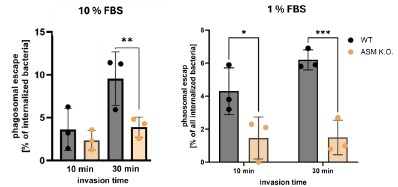
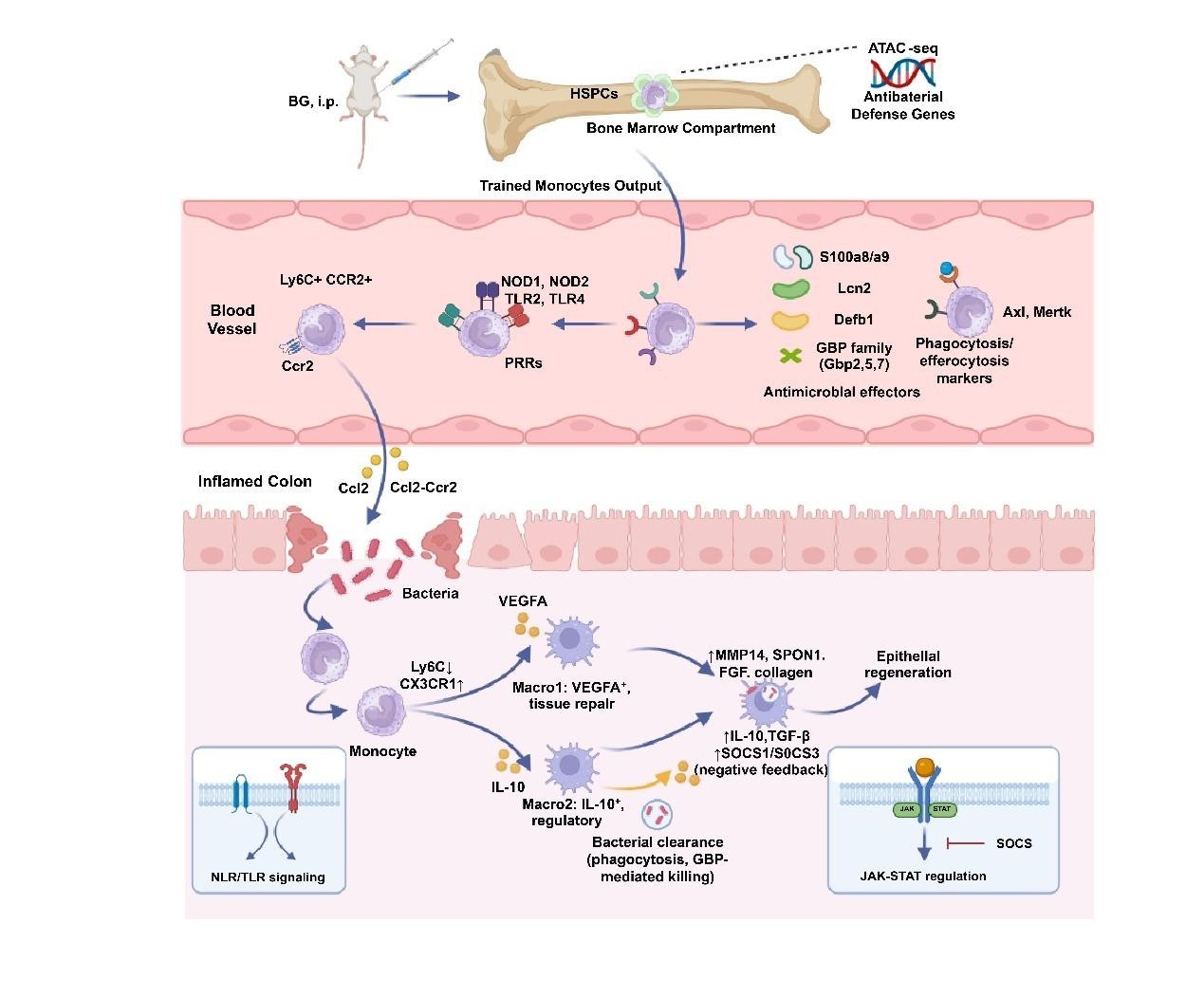
    1. Reviewer #1 (Public review):

      Summary:

      This paper leverages 7T fMRI data from the Natural Scenes Dataset to investigate whether retinotopic coding, the position-selective organization of visual response structures, spontaneous resting-state interactions between the Default Network (DN) and the Dorsal Attention Network (dATN). Using individualized network parcellations and population receptive field (pRF) modeling, the authors show that DN voxels can be split into two subpopulations based on their response to visual stimulation: those with position-specific positive BOLD responses (+pRFs) and those with position-specific negative BOLD responses (-pRFs). Critically, these subpopulations relate differently to the dATN during rest: -pRFs are anticorrelated with the dATN, +pRFs are positively correlated, and non-retinotopic DN voxels show no coupling. The anticorrelation (and positive correlation) is enhanced when DN and dATN voxels share visual field preferences. An event-triggered analysis suggests that retinotopic coding shapes both "top-down" (DN-initiated) and "bottom-up" (dATN-initiated) spontaneous activity transients, supporting the claim that the retinotopic scaffold is intrinsic to the DN. These findings challenge the prevailing view of global DN-dATN antagonism and suggest retinotopic coding as an organizing principle for cross-network communication.

      Strengths:

      The central finding that what looks like network-level independence between DN and dATN decomposes into structured, bivalent interactions organized by voxel-level visual field preferences is a compelling demonstration that macro-scale network descriptions can hide meaningful substructure. The logic of the analysis is clean: pRF properties are estimated from retinotopic mapping data and then used to predict resting-state coupling in completely independent scanning sessions. This cross-session, cross-modality design rules out many circularity concerns.

      The use of individualized multi-session hierarchical Bayesian parcellation (Kong et al.) to define DN and dATN boundaries within each subject is the right methodological choice for this question. Network boundaries in posterior cortex, where DN and dATN interdigitate most closely, vary considerably across individuals, and group-average approaches would introduce exactly the kind of misassignment that would most confound the result.

      The matched-vs-random pRF analysis is well-controlled. The authors demonstrate that cortical distance between matched and randomly-matched dATN pRFs does not differ, effectively ruling out spatial proximity on the cortical surface as a confound. tSNR controls further show that signal quality differences do not drive the effect.

      The event-triggered analysis (Figure 3) is creative and adds genuine value. Showing that retinotopically-specific coupling persists during DN-initiated activity transients, not only dATN-initiated ones, is the key piece of evidence for the claim that the code is intrinsic to the DN rather than passively inherited through bottom-up visual drive.

      The result is observed consistently across all individual participants, which provides strong evidence for the robustness of the qualitative pattern despite the small sample size inherent to densely-sampled designs.

      Weaknesses

      (1) The nature of negative pRFs requires more scrutiny

      The entire interpretive framework depends on treating negative pRFs in the DN as genuine position-selective neural responses (suppression). However, negative BOLD signals are well known to arise from non-neural sources, specifically, vascular stealing (where activation in nearby tissue diverts blood from adjacent voxels) and macrovascular draining vein effects that produce spatially displaced signal inversions. These concerns are amplified at 7T, where T2*-weighted GE-EPI carries substantial macrovascular weighting. The DN and dATN interdigitate extensively in the posterior cortex, often within millimeters. A negative pRF in a DN voxel adjacent to a positive dATN voxel could, in principle, reflect the hemodynamic shadow of its neighbor rather than an independent neural response.

      The spatial dispersion control (matched vs. random pRFs have similar cortical distribution) is valuable but addresses long-range confounds, not *local* hemodynamic crosstalk. The reliability of sign and center position across runs is reassuring but does not exclude a vascular origin, as vascular architecture is itself stable across sessions. I would encourage the authors to test whether the matched-vs-random effect survives exclusion of voxels near large pial vessels (identifiable from T2* contrast or the venograms available in the NSD). These analyses would not be dispositive, but they would meaningfully strengthen the neural interpretation.

      (2) Amount of retinotopic mapping data and choice of pRF pipeline

      The NSD includes 6 runs of retinotopic mapping (~5 minutes each; 3 bar-aperture, 3 wedge/ring). The authors use only the 3 bar-aperture runs (~15 minutes total per subject) and fit their own pRFs using AFNI's 3dNLfim procedure, rather than using the pRF estimates provided as part of the NSD release (which were fitted using the analyzePRF toolbox with all 6 runs).

      Fifteen minutes of bar data is quite limited for reliable voxel-wise pRF estimation, especially in regions far from the early visual cortex, where signal-to-noise is inherently lower. Standard recommendations for robust pRF mapping in higher-order regions generally suggest substantially more data. The variance-explained threshold is close to the noise floor by design, meaning that a non-trivial number of the "retinotopic" DN voxels may be poorly estimated. Given that the core analyses depend on both the sign and the center position of these pRFs, the limited data is a significant concern.

      The authors do not explain why they chose to re-fit pRFs rather than use the NSD-provided estimates. If the motivation was methodological (e.g., the NSD pRF pipeline does not readily yield signed amplitude, or the bar-only fits were judged more appropriate for detecting negative responses), this should be made explicit. If the NSD-provided pRFs can reproduce the key findings, this would substantially increase confidence in the results. If they cannot, that divergence itself would be important to understand. I would ask the authors to address this choice and, if feasible, to report whether the core results replicate using the NSD-provided pRF estimates and/or whether using all 6 runs of retinotopy data changes the findings.

      (3) pRF model adequacy for the Default Network

      The isotropic Gaussian pRF model was developed for and validated in early and mid-level visual cortex, where it captures the dominant spatial selectivity of neuronal populations. In DN voxels where the model explains comparatively little variance, it is less clear that the model is capturing the right quantity. Specifically, the negative pRFs could conceivably be described by a model with a dominant suppressive surround (e.g., a difference-of-Gaussians model), in which what appears as a "negative pRF" in the standard model is actually the surround component of a center-surround mechanism whose center is poorly resolved. This distinction matters: a genuine inverted code (negative center response) implies a qualitatively different computation than inherited surround suppression from nearby visual cortex.

      The authors should consider discussing why the standard model is sufficient for the questions asked, or ideally, testing whether the sign distinction survives under alternative pRF model specifications.

      (4) Interpreting resting-state transients as top-down vs. bottom-up

      The event-triggered analysis labels high-amplitude DN pRF activations as "top-down events" and dATN activations as "bottom-up events." This is a reasonable inference given experience-sampling studies showing that rest involves alternation between internal and external attention, but it remains an inference. Without concurrent experience sampling, eye-tracking, or physiological monitoring, we cannot establish that a spontaneous DN transient reflects memory retrieval or internally-directed thought rather than a global arousal fluctuation. Similarly, dATN transients during rest could reflect covert shifts of spatial attention to remembered or imagined locations rather than bottom-up processing per se. I would ask the authors to soften this framing or to discuss what additional data would be needed to validate the top-down/bottom-up attribution.

      (5) The "retinotopic code" vs. "visual field bias" distinction

      The paper uses the language of a "retinotopic code" throughout and correctly distinguishes this from a "retinotopic map," noting that DN voxels do not form a continuous topographic representation on the cortical surface. This distinction deserves greater emphasis. In vision science, retinotopic maps carry computational significance through their topographic continuity and relationship to cortical wiring. A distributed collection of voxels with coarse visual field preferences but no cortical topography is a fundamentally different organizational feature. Recent reviews have drawn an explicit distinction between *retinotopic maps* and *visual field biases* (Groen, Dekker, Knapen & Silson, TiCS 2022), and the present findings may be more accurately characterized as the latter. Perhaps the authors think that the distinction is merely a signal-to-noise distinction, in which case I would invite them to clearly speak to this interpretation. In any case, this is not a criticism of the findings themselves, but clarity on this point would prevent conflation of two different organizational principles and would help position the work for both the vision and network neuroscience communities.

    2. Reviewer #2 (Public review):

      Summary:

      Using a public dataset of retinotopic mapping and resting-state data, the authors find that the default mode network has voxels that respond (positively or negatively) to visual stimulation at specific retinotopic positions, and that resting-state activity in these voxels is correlated with activity in more traditional sensory voxels with the same visual-location preference. The retinotopic specificity is bidirectional, such that high activity in default mode voxels drives activity only in voxels with matching receptive fields in sensory cortex, and vice versa. These findings are at odds with traditional views of the default mode network as having abstract (non-retinotopic) representations and competing (rather than cooperating) with external sensory representations.

      Strengths:

      This study continues an intriguing line of research about how default mode regions interact with the sensory cortex. Demonstrating that there are structured interactions between these regions at rest, and that these interactions are in fact organized according to retinotopic location (as opposed to traditional views of representational format in the default mode network), provides a new framework for thinking about large-scale internal and external brain networks. The authors make use of a well-powered public dataset that allows for precise estimates of pRFs and individual-specific resting-state networks, and develop a number of interesting analyses that characterize the relationships between DN and dATN voxels. The findings are exciting and could have a major impact on future studies in cognitive neuroimaging.

      The authors mention that these findings could shed light on internal/external interactions such as "anticipatory saccades or memory-guided attention," which is true, though I would argue that constructing DN representations of external stimuli is in fact even more fundamental than these specific cases (e.g., see Barnett and Bellana, 2025, "Situation models and the default mode network"). The "highways" identified in this study could play a vital role in real-world perceptual processes that are constantly translating external input into internal mental models.

      Weaknesses:

      (1) The criterion used for defining voxels as retinotopic seems very liberal. The authors show that only 5% of voxels have R^2>0.14 in a null analysis, and therefore define voxels with R^2>0.14 as retinotopic. Although all the networks in 1C show voxel distributions that differ from the null, the number of false positives above R^2>0.14 seems problematic, especially for the DN positive pRFs (red distribution) and to a lesser extent the DN negative pRFs (blue distribution). From visual inspection of the plot, the false discovery rate (fraction of voxels labeled as retinotopic that are false positives) looks like it would be greater than 50% for the DN-positive pRFs. The authors do show that the positive pRF voxels have above-chance consistency across runs, again providing evidence that there are true positive voxels in this set, but perhaps a stricter criterion (such as having consistent negative fits across runs) would provide more targeted identification of the DN voxels with true retinotopic sensitivity.

      (2) The claim that "opponency at rest between the DN and dATN appears to be driven by the subset of DN voxels with negative retinotopic tuning" is not well supported. The fraction of DN voxels with negative pRFs is small: 9.42% of DN voxels have pRFs, and 58.77% are negative, so about 6% of DN voxels have negative pRFs. The fact that any DN voxels have negative pRFs is notable, but the authors do not provide evidence that these 6% are driving the overall behavior of the DN. They do show (e.g., in Figure 2B) that negative and positive pRFs have opposing influences, but the overall correlation with dATN does not look similar to the negative pRF connectivity. I'm also unsure whether "opponency" is a reasonable description for two networks that are "independent (i.e., not correlated)" in this analysis.

      (3) The event-triggered analysis is effective at testing the bidirectional relationship between DN and dATN, with high activity in either network triggering a response in the other network. However, it would be helpful to show more validation that these "events" are meaningful windows of time to study. First, is 13 TRs a typical length of time that activity is elevated during one of these events? Second, the top-down and bottom-up terminology is perhaps too loaded and not well-justified; if the negative pRFs in the DN reflect a meaningful coding system, then couldn't low (rather than high) activity indicate a top-down event?

      (4) The framing of this paper relative to the authors' past week, such as Steel et al. 2024 ("A retinotopic code structures the interaction between perception and memory systems"), could be improved. The existence of negative pRFs in the DN and a functional relationship between these pRFs and the sensory pRFs have already been described in prior work. My understanding of the primary novelty here is that this paper examines resting-state data, showing that there are widespread spontaneous interactions between broad internal and external networks, but this distinction is not made explicit in the Introduction.

      (5) The definition of the default mode (DN) in this study aligns with past research, but the definition of the dorsal attention network (dATN) seems at odds with standard terminology. For example, the authors cite Fox et al. 2006, which depicts the dATN as including regions such as IPS, FEF, SMA, and MT+. Here, however, the "dATN" seems to be primarily lateral and ventral visual cortex (e.g., Figure S5). The exact location of these sensory pRFs is not critical to the authors' claims, but this labeling seems incorrect, and the motivation for defining/selecting the sensory network in this way is not described.

    1. Reviewer #1 (Public review):

      Summary:

      Garcia-Alcala, Kratz and Cluzel investigate to what extent our understanding of bacterial physiology in bulk experiments can be applied to single-cell observations. They find that intrinsic noise may be powerful enough to even inverse the trends found in the bulk. The authors hypothesize that the asymmetric distribution of ribosomes to daughter cells during cell division plays the dominant role in the intrinsic noise and is able to generate the observed phenomenon. They do not show it directly, but the data and its agreement with the model are sufficient to support this claim.

      Strengths:

      The experimental part is convincing: the positive correlation between the elongation rate and promoter activity of unnecessary protein is clear, as well as the negative correlation between the mean values while changing the promoter strength. This was demonstrated in both rich and poor media. The causality between the growth rate and the promoter activity was shown using the negative lag time of the cross-correlation function. A simple, reasonable model accounts well for the data. This paper demonstrates an interesting phenomenon and provides a plausible theory for it, advancing our understanding of bacterial physiology on the single-cell level.

      Weaknesses:

      (1) Mean-reversion timescales were assumed to be longer than the simulation time and much longer than the cell cycle time. It is not clear whether the results are robust in case mean-reversion timescales become of the order of the cell-cycle or smaller. If not, is there an argument for such practically infinite reversion timescales?

      (2) It is not easy to understand the simulation part unless one reads Ref. [14]. k(t) is assumed Equation (1) from Reference [14]? Is it crucial that the ribosome noise appears only at the division? The ribosome noise strength \sigma_R=0.06 - is it lower or higher than the naively expected binomial division? Also, a more intuitive explanation of the Simpson paradox would help the reader.

      (3) It would be useful for the reader to see the raw data and not only the filtered one to appreciate the measurement noise level.

      (4) Negative lag time of the cross-correlation function is visible, but consider adding a statistical test for it.

      (5) Can you make similar cross-correlation plots using the model? Can you infer by using it, whether the data agrees better with the assumption that ribosomal noise appears only at division or continuous fluctuations during the cell cycle?

    2. Reviewer #2 (Public review):

      Summary:

      The manuscript by Garcia-Alcala et al. reports an interesting paradox: the cost of gene expression slows the population-average growth rate, whereas at the single-cell level, expression levels from these genes positively correlate with the growth rate. The effect is observed in the expression of flagellar genes and a gene under a synthetic promoter in E. coli. The findings are explained by the inheritance of growth factors, including ribosomes, during asymmetric division.

      Strengths:

      (1) The manuscript adds strength to an emerging body of literature showing that the population-level bacterial growth laws do not match correlations based on single-cell data. The evidence presented here is more striking than in previous works (such as Pavlou et al., Nat. Commun. 2025), as the trends in population-level data and single-cell data are reversed.

      (2) A relatively simple model correctly explains the trends in the data.

      Weaknesses:

      (1) It is not clear whether flagellar proteins are expressed proportionally to the reporter signal. Furthermore, it is questionable if E. coli bacteria in the mother machine channels are flagellated. If they are, they could potentially swim out of the channels, which is not the case when they do not carry the MotA E98K mutation. The authors should provide some evidence that E. coli expresses the actual filament proteins in the channels.

      (2) It is unclear what fraction of the total proteome mVenus represents in different measurements. Some quantification is needed (for example, using the Coomassie staining). Using f_U as high as 14.4% in simulations is questionable.

      (3) The data from the MC4100 strain does not directly match the trends of MG1655. The justification for filtering out the low-frequency components of MC4100 is not particularly convincing. It appears unlikely that ribosomes or other growth factors partition significantly differently in the MC4100 strain than in the MG1655 strain. Further discussion and a plot similar to Figure 1 (Left) for this strain are warranted.

      (4) The model needs to be described in more detail. A closed set of equations that has been simulated must be presented, along with all values of the model parameters and their sources. The authors should consider depositing their code on GitHub or another publicly accessible repository.

    1. Reviewer #3 (Public review):

      In this manuscript, the authors investigate the role of attention in foveal processing during a naturalistic task. They record neural activity from extrastriate visual areas V4 and inferotemporal cortex, as well as from the lateral prefrontal cortex, in macaques performing a free-gaze visual search task. In this task, animals searched for a face or house target among multiple complex stimuli, with no constraints on eye movements. Unlike classic studies of visual attention, which often rely on controlled fixation, this work examines neural activity in both foveal and peripheral receptive fields during naturalistic eye movements.

      The main question addressed by the authors is how feature-based attention is distributed and coordinated across foveal and peripheral visual fields during active search, and how this attentional processing influences saccade behavior. The authors show that foveal units in visual areas exhibit feature-based attentional enhancement, with stronger responses when a fixated stimulus is a target compared to when the same stimulus serves as a distractor. Peripheral units in visual and prefrontal areas show both feature-based and spatial attentional modulation, consistent with prior work. Finally, the authors show that attentional modulation depends primarily on stimulus category rather than response magnitude, with neurons showing similar enhancement for all images within the target category regardless of how strongly individual images drive the cell.

      There are several notable strengths of this paper, including:

      (1) Disentangling feature-based and spatial attention during naturalistic vision remains a central challenge. This paper tackles both simultaneously, parsing neural populations by object selectivity (face-selective, house-selective, non-selective) and RF position (foveal vs. peripheral).

      (2) The unconstrained search task (Figure 1A) moves beyond the dominant fixed-gaze, cued-attention designs (Zhou & Desimone, 2011) to study attention as it operates during natural behavior, with sequential fixations and voluntary saccades.

      (3) The scale of the multi-area recordings is a major strength and is well aligned with current trends in primate and human neuroscience toward large-scale, multi-area recordings. Simultaneous recordings from visual and prefrontal areas, comprising over 4,900 foveal units and more than 1,500 peripheral units, enable meaningful cross-area latency comparisons and area-specific analyses of attentional modulation. This study builds on the authors' previous analyses of this dataset by expanding the scope to show that feature-based attention generalizes across neuronal classes and operates on categorical identity rather than response magnitude.

      (4) The combination of simultaneous multi-area recordings and a rich behavioral paradigm provides a dataset that is well-suited for population decoding, cross-area interaction analyses, and trial-by-trial prediction of saccade choices, which could substantially deepen mechanistic understanding beyond the largely univariate comparisons presented here.

      While the data broadly support the paper's main conclusions, several issues limit the strength of the mechanistic interpretation and should be taken into consideration:

      (1) Receptive field size is not explicitly quantified and may confound foveal-peripheral comparisons. Units are classified as foveal or peripheral based on responsiveness to the cue versus the search array (Methods, p. 17), but the manuscript lacks essential information about receptive field sizes, eccentricities, and the number of search stimuli falling within each receptive field and related proper controls. This is critical because receptive fields in visual area V4 at foveal eccentricities are relatively small (Gattass et al., 1988; Desimone & Schein, 1987), whereas receptive fields in inferotemporal cortex can span several degrees to tens of degrees and often include the fovea (Op de Beeck & Vogels, 2000; DiCarlo & Maunsell, 2003; Zoccolan et al., 2007). Given the 2{degree sign} × 2{degree sign} stimulus size, multiple search items could potentially fall simultaneously within peripheral receptive fields. This introduces a potential confound, as attentional modulation is known to be strongest when multiple stimuli appear within a single receptive field (Reynolds et al., 1999). Although the authors acknowledge this issue for visual area V4 (p. 17), it is neither quantified nor controlled for. Without explicit receptive field mapping relative to the search array, comparisons between foveal and peripheral units, as well as between visual areas, are difficult to interpret cleanly.

      (2) Attentional modulation is difficult to dissociate from saccade planning and decision-related signals. The free-gaze paradigm enhances ecological validity but introduces a temporal confound: mean distractor fixation durations are approximately 156 ms (p. 9), while attentional effects emerge between 137 and 170 ms after fixation onset (Figure 2). As a result, the reported attentional modulation coincides with the preparation of the subsequent saccade. Neural activity measured in the primary analysis window (150-225 ms; p. 19), therefore, likely reflects a mixture of visual, attentional, motor planning, target recognition, and behavioral relevance signals, all of which are known to modulate responses in visual areas at similar latencies (e.g., Chelazzi et al., 1998). Moreover, target fixations (~257 ms) and distractor fixations (~156 ms) occur on fundamentally different behavioral timescales, which may inflate apparent foveal attentional effects. While the authors suggest that these timing differences support the idea that foveal feature-based attention facilitates prolonged fixation on target stimuli, this interpretation is not fully supported by the current analyses. That said, the saccade-aligned analyses of peripheral units (Figure S3) partially mitigate this concern by demonstrating that feature-based modulation persists through saccade execution.

      (3) The "attention-out" condition for spatial attention lacks directional control. In the spatial attention analyses (Figures 4D-F), the "attention-out" condition appears to include all fixations followed by saccades directed away from the receptive field, regardless of saccade direction. This differs from classic spatial attention designs, which typically use controlled anti-saccades or saccades to fixed locations opposite the receptive field (e.g., Moore & Armstrong, 2003; Gregoriou et al., 2009). Saccades directed toward locations adjacent to, but outside, the receptive field may still partially engage spatial attention mechanisms near the receptive field via broad attentional fields or motor preparation gradients (Bisley & Goldberg, 2010). In addition, the "attention-out" condition likely contains a heterogeneous mixture of trials in which the stimulus in the receptive field is either a target or a distractor, since feature-based attention effects are derived from this same pool of trials. As a result, spatial and feature attention effects are not fully orthogonal, and variance related to feature attention may already be embedded in the spatial attention baseline.

    1. Reviewer #1 (Public review):

      Summary:

      This work presents a flexible spike-sorting framework that allows users to run, swap, and benchmark individual modules commonly used in spike sorting. The paper argues and demonstrates that "opening the black box" is essential for understanding which components drive performance differences and for making progress toward more accurate and transparent spike sorting.<br /> Using this modular benchmarking pipeline, the work identifies electrode drift as a primary bottleneck for accurate sorting and introduces an end-to-end sorter ("Lupin") that combines the best-performing modules and is reported to outperform existing spike-sorting packages on their benchmark.

      Overall, this is a strong tool/resource contribution with clear potential to accelerate spike-sorting development and enable more rigorous comparisons. However, several claims, particularly around Lupin's or individual modules' superiority, are not yet supported robustly enough for the strength of the conclusions stated.

      Strengths:

      This work has high community value and practical utility. The effort to make benchmarking and spike sorting modules accessible and standardized is substantial and likely to be broadly useful.<br /> Treating spike sorting as a set of interchangeable modules is a useful approach to some extent, and it enables targeted improvements rather than 'new sorters' popping up, which are difficult to fully understand.

      Implementing this resource within SpikeInterface, an already widely used tool, will facilitate uptake and community contributions.

      Overall, I am positive about this manuscript as a resource paper. The core framework is compelling and timely.

      Weaknesses:

      (1) The main concern is the limited support for the claim that 'Lupin' and individual modules' outperform existing spike sorters.

      (2) Evidence is primarily from a single benchmark based on an intentionally simplified simulation. While the authors discuss the trade-offs between simulated and real data, the current evaluation does not provide enough diversity to justify claims of superiority.

      (3) While improving individual modules that run in a serial fashion could aid overall spike sorting performance, acknowledging that some end-to-end sorters work in an iterative fashion across multiple of these modules would be fair. Perhaps the optimal spike sorter is not a serial set of modules.

      (4) There is also a risk of benchmark overfitting. A modular approach makes it easy to select components that excel on specific benchmarks (or a specific project's data characteristics) without generalizing.

      Concrete ways to strengthen this work:

      (1) Evaluate on multiple simulation regimes, consider adding at least one biophysically detailed simulation, benchmark on multiple probe-geometries with neurons also clustered in different depth profiles (as this will affect drift solutions), and provide real-data validation. Even without full ground truth, real-data can be evaluated with expert curation, functional validation (e.g., refractory violations, quality metrics, unit waveform consistency), agreement across sorters, and consistency across time.

      (2) Related to real-data applicability, it is also important to acknowledge that modulatory approaches can enable overfitting to the needs of individual projects. Without real-data benchmarking (or benchmark diversity), it is unclear how the framework will guide users towards generalizable 'best practices' rather than optimized configurations that work for their specific conditions.

    2. Reviewer #3 (Public review):

      Overview:

      In this manuscript, the authors describe two additions to an existing toolbox (SpikeInterface, Buccino et al., 2020, eLife). The first addition is an empirical simulator for extracellular recordings, in which spikes from predefined templates are added up with Gaussian noise. The second addition involves granting user-level access to intermediate processing steps along spike sorting algorithms. The authors demonstrate the toolbox by evaluating functions (e.g., event detection) or sets of functions (e.g., feature extraction + clustering) on their simulated data, and suggest that a specific combination of function implementations provides performance improvement relative to kilosort4 (Pachitariu et al., 2024, Nature Methods).

      If the authors are interested in making this manuscript a suitable scientific contribution, the entire work has to be revised extensively. In particular, the simulator has to be extended and improved; the implementation of existing spike sorters has to be improved; the feedforward architecture of the modules has to be extended; the reporting of results has to follow standard reporting standards; new algorithms have to be explained in sufficient detail; and the manuscript has to undergo extensive proofreading.

      Notably, even assuming perfect implementation and descriptions, it is unclear to me whether the scope of the present work warrants a publication in a scientific journal, or is more suitable for an internal technical report or an e.g., a GitHub version release. To go beyond a scientifically-sound technical report, the authors may choose to demonstrate the utility of their new proposed sorter ("Lupin") and compare it to existing tools on multiple datasets.

      General comments:

      (1) The simulator itself has to be improved and extended. Right now, it simply generates, for every unit, a mother waveform from a sum of exponentials, scales that over channels, and then adds up multiple instantiations of every unit on every channel, along with noise. This is not a biophysical simulator: it is an ad hoc procedure, and the sentence "we firmly believe that.." (lines 482-483) does not make the procedure convincing. To make the simulator credible, the authors should: (1) use a set of biophysical equations, with multi-compartmental modeling of currents and return currents; (2) use noised data from extracellular recordings; or (3) some combination thereof.

      (2) The simulated dataset has to be extended in time. Maybe I missed something, but 500 units over 10 minutes, with some units having firing rates as low as 0.1 spikes/s, corresponds to some of the units firing an expected 60 spikes. This is clearly too short, and does not replicate the standard situation in extracellular experiments.

      (3) The simulated dataset has to be extended in space. The choice of using NeuroPixels 1.0 geometry is a poor one. Many labs use other monolithic electrode arrays (MEAs, silicon probes, other rigid arrays); tetrodes remain a major tool, and flexible probes (polyimide, mesh) are evolving. Assessing algorithms over a single spatial architecture is likely to lead to local maxima in performance and potentially erroneous conclusions.

      (4) The existing spike sorters evaluated are not completely described. Some sorters (e.g., SpyKING Circus and KS4) were described in previous publications, but it is unclear whether the implementation that was used for the present tests is exactly the same as those previously published. More importantly, some of the sorters evaluated (e.g., TDC, TDC2, SpyKING Circus 2) were never described in a peer-reviewed paper. This does not mean that they cannot be evaluated - but if they are, they must be described in full. Relying on the fact that the code is open source cannot replace a complete and accurate scientific description.

      (5) Related to the above, all relevant code should be made available online in permanent repositories, not only in author-controlled ones.

      (6) It is unclear why SpyKING Circus 2 and TDC2 are evaluated - these could potentially be described as straw men. I recommend reorganizing the manuscript so that after every module is evaluated separately based on a limited ground truth dataset, a single "best" sorter would be constructed, and then tested extensively (and compared to the de facto state of the art). Such reorganization would both demonstrate the utility of a modular approach and clarify the general usefulness of the outcome.

      (7) The new algorithms developed, for example, clustering and template matching, have to be described in more detail, and demonstrated graphically on simple datasets. This can be done in supplementary material if the authors prefer not to extend the manuscript too much.

      (8) This reviewer finds the description and interpretation of the results to be inadequate. As an example, focusing on Figure 5: The results in Figure 5A have to be supplemented and summarized as a scalar point estimate (e.g., median accuracy), an estimate of dispersion (e.g., using MAD, IQR, or SD), evaluated over multiple runs, and compared using statistical tests between tools and conditions (e.g., using a multi-dimensional analysis of variance, a mixed effect model, etc.). The results in Figure 5D must have an indication of dispersion. Any conclusions based on the numerical experiments must be based on these metrics and statistical evaluations.

      (9) The entire MS would benefit from expert proofreading; there are many language errors, mostly in indefinite articles and grammatical numbers.

    1. Reviewer #2 (Public review):

      Summary:

      The authors used an LFA-1 αI-Fc fusion protein to pull down potential ligands and LC-MS/MS, leading to the selection of PfGBP-130 as a potential membrane protein on the surface of infected cells. PfGBP-130 antibodies were raised and used to support the surface localization. This putative ligand interacted strongly with LFA-1 (Kd = 15 nM). A presumed PfGBP-130 ectodomain interacts with monocytes and NK cells but not cells that lack LFA-1. PfGBP-130 antibodies also interfered with NK cell-mediated infected cell killing; the effect, although statistically significant, is modest. The authors propose that NK cells recognize infected cells via LFA-1 interaction with PfGBP-130 exposed on the host cell and that this interaction is critical to initiation of NK cell activation and killing of infected cells.

      Major points:

      (1) PfGBP-130 is proposed to be a membrane protein based on a single predicted transmembrane domain. Figures 2b and 3a show ribbon schematics with this TM domain at residues 51-68, in agreement with TM prediction algorithms such as TMHMM 2.0 and Phobius. However, this predicted TM is upstream of the PEXEL motif (residues 84-88, sequence RILAE), a conserved sequence for parasite protein export to host cytosol that is proteolytically processed at its 4th residue. Thus, residues 1-87 are removed from PfGBP-130 prior to export, yielding a mature protein without predicted TMs. Prior studies have determined that the mature PfGBP-130 lacks TMs and is retained as a soluble protein in host cell cytosol (PMID: 19055692, 35420481). Thus, the authors' model of PfGBP-130 as a surface-exposed membrane protein conflicts with both computational analysis of the mature protein and these prior reporter studies. An important simple experiment would be to evaluate PfGBP-130 membrane association in immunoblots using the authors' PfGBP-130 antibody after hypotonic lysis (PMID: 19055692) and after alkaline extraction (e.g. 100 mM NaCO3, pH 11 as frequently used, PMID: 33393463). If the prior studies and computational analyses are correct, the protein will be predominantly in the soluble and/or alkaline supernatant fractions.

      (2) Many findings rely on the specificity of antibodies generated against PfGPB-130 or NK cell receptors. Although the authors have included key controls (use of isotype control antibodies, lack of anti-PfGBP-130 binding to uninfected cells), cross-reactivity between P. falciparum antigens is well-recognized and could significantly undermine the interpretation of experiments (PMID: 2654292 and 1730474 provide key examples of antigens recognized by antibodies raised against other proteins). For example, the surface localization in IFA experiments (Figure 2B(iii)) could reflect anti-PfGBP-130 binding to an unrelated parasite surface antigen, a possibility not addressed by any of the authors' controls. As another example, the iRBC lysate immunoblot using this antibody in Fig. 2B(iv) suggests a MW of 95 kDa, which corresponds to the unprocessed pre-protein before export; cleavage in the PEXEL motif yields a processed mature protein of 85 kDa, which should be readily resolved from the pre-protein in immunoblots (PMID: 19055692). A better immunoblot using immature infected cell stages might show both the pre-protein and the mature protein as a doublet band.

      (3) PfGBP-130 is not essential for in vitro cultivation (PMID: 18614010 and MIS of 1.0 in the piggyBac mutagenesis screen as tabulated on plasmodb.org, indicating a highly dispensable gene). The authors should use the knockout line as a control in their IFA localization experiments to address antibody specificity. More fundamentally, their model predicts that NK cells should not recognize or kill infected cells from the knockout line when compared to their untransfected parent. Such results with the knockout line would compellingly support the authors' model without reliance on antibodies that may cross-react with other parasite antigens. PMID: 18614010 reported that the PfGBP-130 knockout exhibited increased membrane rigidity, suggesting an intracellular scaffolding protein rather than a surface localization and use as a ligand for LFA-1 interaction and NK cell-mediated killing.

      (4) PfGBP-130 non-essentiality raises the question of why the gene would be retained if it triggers NK cell-mediated killing of infected cells in vivo. Presumably, this killing would pose strong selective pressure against retention of PfGBP-130. Some speculation is warranted to support the model.

    1. Years of conflict, including the recent violence, have led many residents of Gaza to develop a profound distrust of healthcare institutions [4, 29]. Past experiences with inadequate care, limited accessibility, and perceived neglect during crises have intensified skepticism about the intentions and effectiveness of mental health services [30]. This distrust is further exacerbated by the belief that healthcare providers often prioritize physical health over mental health needs during conflicts [29]. As a result of the ongoing violence, individuals may perceive mental health services as unreliable or unapproachable, which discourages them from seeking help [35]. Rebuilding this trust necessitates transparency in operations, active community engagement, and demonstrable commitment to addressing mental health issues [4, 36]. Developing collaborative service models that incorporate community input can enhance the credibility of mental health interventions. Strengthening the relationship between healthcare providers and the community is crucial for creating an environment where individuals feel safe and supported in seeking assistance [26, 30].

      how do we re-build trust and create a safe environment for people to seek help.

    2. Furthermore, safety concerns have led many trained healthcare professionals to leave the region, resulting in a critical shortage of qualified providers necessary for an effective healthcare system [24, 26, 31]. As hospitals are damaged and resources dwindle, individuals experiencing health crises encounter significant barriers to obtaining the care they need within an already overwhelmed healthcare infrastructure [28,29,30]. In addition, the widespread displacement of populations has exacerbated these challenges, making it increasingly difficult for those in need to access previously available medical support [4, 27, 31]. This pressing situation underscores the urgent need for increased funding and resources focused on sustainable healthcare services. Strengthening collaboration between local and international organizations is critical for prioritizing restoring and enhancing these essential services in the wake of the conflict. Such initiatives will be crucial in addressing the emerging healthcare crisis and establishing a resilient healthcare infrastructure in Gaza [28, 29]. This comprehensive approach requires immediate action and necessitates long-term strategic planning to build sustainable healthcare resources and create a framework for ongoing recovery and resilience in the region.

      existing qualified professionals cannot provide care as they have left the region, and long-term care will need collaboration between local and international organisations.

  3. Mar 2026
    1. We believe supporting students’ linguistic and cultural flexibility will prepare them for success in the world (Garcia, 2009). We are considering encouraging children to show cultural artifacts in illustrations, as a common strategy used by illustrators. We want to encourage children’s use of translanguaging in nonfiction reading and writing.

      I agree with this quote. Being able to speak another language is a big asset and can help you succeed in the workforce. It is important to learn another language earlier on in your career as the older you get the less you are able to actually obtain that language. Learning a language does not have to only include texts, it can include pictures,music, and videos as well.

    1. 1 Discover the Core Premise of the story 2 Define the genre of the story 3 Agree on the destination of the story 4 Describe the characters and their aspirations 5 Extend the Core Premise into a storyline

      The steps required to write a fully fledged out screenplay

    1. Author Response:

      The following is the authors’ response to the original reviews.

      eLife Assessment

      This article presents valuable findings on how the timing of cooling affects the timing of autumn bud set in European beech saplings. The study leverages extensive experimental data and provides an interesting conceptual framework of the various ways in which warming can affect bud set timing. The support for the findings is incomplete, though extra justifications of the experimental settings, clarifications of the interpretation of the results, and alternative statistical analyses can make the conclusions more robust.

      We thank the editors and reviewers for their expert assessment of our findings and their interest in our conceptual framework. Below we respond to the specific reviewer and editor comments.

      Public Reviews:

      Reviewer #1 (Public review):

      Summary:

      This study provided key experimental evidence for the "Solstice-as-PhenologySwitch Hypothesis" through two temperature manipulation experiments.

      Strengths:

      The research is data-rich, particularly in exploring the effects of pre- and postsolstice cooling, as well as daytime versus nighttime cooling, on bud set timing, showcasing significant innovation. The article is well-written, logically clear, and is likely to attract a wide readership.

      Thank you for your generous description of our study and the manuscript.

      Weaknesses:

      However, there are several issues that need to be addressed.

      (1) In Experiment 1, significant differences were observed in the impact of cooling in July versus August. July cooling induced a delay in bud set dates that was 3.5 times greater in late-leafing trees compared to early-leafing ones, while August cooling induced comparable advances in bud set timing in both early- and late-leafing trees.

      The study did not explain why the timing (July vs. August) resulted in different mechanisms. Can a link be established between phenology and photosynthetic product accumulation? Additionally, can the study differentiate between the direct warming effect and the developmental effect, and quantify their relative contributions?

      We thank the reviewer for pointing out that we could improve our explanation of the different responses to July and August cooling in experiment 1. Whilst we incorporated this in the conceptual model and the figure caption (Fig. 1b), we now also address this topic in more depth in the discussion section, focussing on daylength and photosynthetic assimilation as the possible mediators of this change in responses (L350-371).

      For the early-season development effect vs the late-season temperature effect we can use the leaf-out day-of-year (as a proxy for development), and the summer cooling treatments (direct temperature effect) to assess the relative importance of these two components of our model. We have now included a variance partitioning analysis following this logic, see L246-252 for methods, L278-281 for results.

      (2) The two experimental setups differed in photoperiod: one used a 13-hour photoperiod at approximately 4,300 lux, while the other used an ambient day length of 16 hours with a light intensity of around 6,900 lux. What criteria were used to select these conditions, and do they accurately represent real-world scenarios? Furthermore, as shown in Figure S1, significant differences in soil moisture content existed between treatments - could this have influenced the conclusions?

      This question may reflect a misunderstanding regarding the light availability that we hope to address with improved clarification. The duration and intensity of the lighting in these experiments was always set to reflect the average conditions experienced in Zurich for those respective times of the year. Day length in spring is shorter than it is in summer, so the durations were simply adjusted to reflect this reality. The 13-hour, 4,300 lux conditions in experiment 1 were only for the April-May period, when we reduced developmental rates for the late-leafing trees (L125-129). In July, the photoperiod was set to 16 hours and light intensity was approximately 7,300 lux (L150-154). This is equitable to experiment 2–when treatments were applied in June and July–where photoperiod was 16 hours and light intensity approximately 6,900 lux (L206-207). These conditions reflect the average daylengths in Zurich, and the maximum light intensity output by the chambers.

      As mentioned in our initial author response, we do not think small differences in soil moisture levels should influence our conclusions. All pots were watered sufficiently to avoid water deficit, and all efforts were made to minimise differences in water availability. A Tukey honest significant difference test showed that only one treatment pair (6 - Late_July_Extreme vs. 7 - Early_August_Moderate, difference = 6%, p < 0.05) had significantly different soil water content, a pair whose responses are not compared. We have added words to this effect in the figure legend of Fig. S1.

      (3) The authors investigated how changes in air temperature around the summer solstice affected primary growth cessation, but the summer solstice also marks an important transition in photoperiod. How can the influence of photoperiod be distinguished from the temperature effect in this context?

      We agree that photoperiod likely plays a central role. Our conceptual model (Fig. 1) explicitly incorporates photoperiod as the framework within which temperature responses are regulated (L72-75, L627-629 & L638-641). The Solstice-as-Phenology-Switch hypothesis assumes that the annual progression of daylength sets the physiological “window” for trees’ responsiveness to temperature. Our experiments therefore focused on how temperature responses differ before versus after the solstice, while recognising that this reversal is likely enabled by the photoperiod signal. In other words, photoperiod provides the regulatory backdrop, and our results identify how diel and seasonal temperature cues are interpreted within that photoperiodic framework.

      (4) The study utilized potted trees in a controlled environment, which limits the generalization of the results to natural forests. Wild trees are subject to additional variables, such as competition and precipitation. Moreover, climate differences between years (2022 vs. 2023) were not controlled. As such, the conclusions may be overgeneralized to "all temperate tree species", as the experiment only involved potted European beech seedlings. The discussion would benefit from addressing species-specific differences.

      We agree that extrapolation from our experiments on Fagus sylvatica to other species and natural forests requires caution. However, it is precisely the controlled nature of our design that allowed us to isolate the precise mechanisms that appear to underpin the solstice switch, highlighting the role of diel and seasonal temperature variation. In natural systems, additional variables such as competition, precipitation, and soil heterogeneity can strongly influence phenology, but they also make it difficult to disentangle causal mechanisms. By minimising these confounding factors, our experiment provided a clear test of how temperature before and after the solstice regulates growth cessation.

      To acknowledge the limitation, we have toned down statements about generalisation (e.g. “likely generalisable” to “other temperate tree species may display similarities”; L409-411) and explicitly call for follow-up studies across species and forest contexts (L413–414). At the same time, we highlight that our findings align with independent evidence from manipulative experiments, satellite observations, flux measurements, and ground-based phenology, which suggests the mechanisms we report may extend beyond the specific populations studied here.

      Reviewer #2 (Public review):

      In 'Developmental constraints mediate the summer solstice reversal of climate effects on European beech bud set', Rebindaine and co-authors report on two experiments on Fagus sylvatica where they manipulated temperatures of saplings between day and night and at different times of year. I enjoyed reading this paper and found it well written. I think the experiments are interesting, but I found the exact methods somewhat extreme compared to how the authors present them. Further, given that much of the experiment happened outside, I am not sure how much we can generalize from one year for each experiment, especially when conducted on one population of one species. I next expand briefly on these concerns and a few others.

      Thank you for the kind comments. We appreciate your concerns regarding the severity of our treatments and the generalisability of our results, and you can find our detailed responses below.

      Concerns:

      (1) As I read the Results, I was surprised the authors did not give more information on the methods here. For example, they refer to the 'effect of July cooling' but never say what the cooling was. Once I read the methods, I feared they were burying this as the methods feel quite extreme given the framing of the paper. The paper is framed as explaining observational results of natural systems, but the treatments are not natural for any system in Europe that I have worked in. For example, a low of 2 {degree sign}C at night and 7 {degree sign}C during the day through the end of May and then 7/13 {degree sign}C in July is extreme. I think these methods need to be clearly laid out for the reader so they can judge what to make of the experiment before they see the results.

      We understand the concern regarding the structure of the manuscript and note that the methods section was moved to the end of the paper in accordance with eLife’s recommended formatting. We have now moved the methods section before the results to ensure that readers are familiar with the treatments before encountering the outcomes.

      We recognise that our temperature treatments were severe and do not mimic real world scenarios. They were deliberately designed to create large contrasts in developmental rates, thereby maximising our ability to detect the mechanisms underpinning the solstice switch. For example, the severe cooling between 4 April and 24 May was specifically designed to slow spring development as much as possible without damaging the plants (L129-L133). We have added text in the Methods to clarify this aim (L129-131 & L156-161).

      Regarding presentation, treatment details are now described in both the Methods and the relevant figure legends. Given this structure, we have chosen not to restate the full treatment conditions in the main Results text to avoid repetition.

      (2) I also think the control is confounded with the growth chamber experience in Experiment 1. That is, the control plants never experience any time in a chamber, but all the treatments include significant time in a chamber. The authors mention how detrimental chamber time can be to saplings (indeed, they mention an aphid problem in experiment 2), so I think they need to be more upfront about this. The study is still very valuable, but again, we may need to be more cautious in how much we infer from the results.

      We appreciate the reviewer’s concern about the potential confounding effect of chamber exposure in experiment 1. We have now discussed this limitation more explicitly, adding further explanation to the Methods (L146-148) and Discussion (L345-346).

      Note that chamber-related problems (e.g. aphid infestations) primarily occurred under warm chamber conditions, whereas our experiment 1 cooling treatments maintained low temperatures that suppressed such issues. This means that an equivalent “warm chamber control” could have been associated with its own artefacts, as trees kept under warm chamber conditions would have been exposed to additional stressors that were not present under natural growing conditions. To address this point, we included a chamber control in experiment 2. While aphid abundance was indeed higher in the warm chamber controls, chamber exposure itself had no detectable effect on autumn phenology. This suggests that the main findings of experiment 1 are unlikely to be artefacts of chamber conditions (L141145).

      Nevertheless, we agree that chamber exposure remains a potential limitation of experiment 1, which requires clear acknowledgement. We now state this more explicitly in the manuscript while also emphasising that our results are supported by experiment 2 and by converging lines of external evidence.

      (3) I suggest the authors add a figure to explain their experiments, as they are very hard to follow. Perhaps this could be added to Figure 1?

      We have now added figures to the methods section to depict the experimental timelines and settings more clearly (Figs. 2 and 3).

      (4) Given how much the authors extrapolate to carbon and forests, I would have liked to see some metrics related to carbon assimilation, versus just information on timing.

      We agree that including more data on photosynthetic assimilation would be valuable for interpreting phenological responses. Indeed, it was our intention to collect this information. However, unfortunately, we experienced technical challenges with the equipment available to us during the experimental period, which prevented us from collecting a full dataset. Nevertheless, we were able to obtain measurements during pre-solstice cooling (now presented as Fig. S12, including data for all treatments), which show that cooling treatments strongly reduced assimilation rates compared to controls. Importantly, these strong reductions occurred across all cooling treatments, yet their phenological outcomes differed markedly, demonstrating that assimilation alone cannot explain the observed responses. As we discuss, our findings are consistent with previous manipulative and observational studies reporting a weak role of late-season assimilation in controlling autumn phenology.

      (5) Fagus sylvatica is an extremely important tree to European forests, but it also has outlier responses to photoperiod and other cues (and leafs out very late), so using just this species to then state 'our results likely are generalisable across temperate tree species' seems questionable at best.

      We agree that Fagus sylvatica has a stronger photoperiod dependence than many other European tree species. As we note in our response to Reviewer 1 (comment 4), our findings align with previous research across temperate northern forests. Within our framework, interspecific variation in leaf-out timing would not alter the overall response pattern, though it could shift the specific timing of effect reversals. For example, earlier-leafing species may approach completion of development sooner and thus show sensitivity to late-season cooling earlier than F. sylvatica. Nevertheless, we acknowledge the importance of not overstating generality. We have therefore revised the manuscript to phrase conclusions more cautiously (L409411) and highlight the need for further research across species (L413–414).

      (6) Another concern relates to measuring the end of season (EOS). It is well known that different parts of plants shut down at different times, and each metric of end of season - budset, end of radial expansion, leaf coloring, etc - relates to different things. Thus, I was surprised that the authors ignore all this complexity and seem to equate leaf coloring with budset (which can happen MONTHS before leaf coloring often) and with other metrics. The paper needs a much better connection to the physiology of end of season and a better explanation for the focus on budset. Relatedly, I was surprised that the authors cite almost none of the literature on budset, which generally suggests it is heavily controlled by photoperiod and population-level differences in photoperiod cues, meaning results may be different with a different population of plants.

      We thank the reviewer for pointing out that our discussion of the responses of different EOS metrics needs more clarity. We agree with much of this perspective, and we have added an additional analysis of leaf chlorophyll content data to use leaf discolouration as an alternative EOS marker (L179-195 for methods, L296-311 for results). On this we would like to make two important points:

      Firstly, we agree that bud set often occurs before leaf discolouration, although this can depend on which definition of leaf discolouration is used. In experiment 1, bud set occurred on average on day-of-year (DOY) 262 and leaf senescence (50% loss of leaf chlorophyll) occurred on DOY 320. However, we do not necessarily agree that this excludes the combined discussion of bud set and leaf senescence timing. Whilst environmental drivers can affect parts of plants differently, often responses from different end-of-season indicators (e.g. bud set and loss of leaf chlorophyll) are similar, even if only directionally. Figure S11 shows how, across both experiments, treatment effects were tightly conserved (R<sup>2</sup> = 0.49) amongst the two phenometrics. In accordance with these revisions, we have updated the manuscript title to “Developmental constraints mediate the summer solstice reversal of climate effects on the autumn phenology of European beech” (L1-2).

      Secondly, shifts in bud set timing remain the primary focus of the manuscript as these shifts are of direct physiological relevance to plant development and dormancy induction, whereas leaf discolouration may simply follow bud set as a symptom of developmental completion. This is supported by our results, which show stronger responses of bud set than leaf senescence (Figs. 4 & 5 vs. Figs. S9 & S10).

      Following the reviewer’s suggestion, we have included more references on the topic of bud set and its environmental controls. The reviewer rightly stresses that photoperiod is considered the most important factor. As mentioned above (see Reviewer 1 comment 3), photoperiod is therefore key in our conceptual model. However, the responses we observed in F. sylvatica cannot be explained by photoperiod alone. For example, in experiment 1, July cooling delayed the autumn phenology of late-leafing trees but had negligible impact on early-leafing trees, even though both experienced the exact same photoperiod. Moreover, in experiment 2, day, night and full-day cooling showed substantial variations in their effects despite equal photoperiod across the climate regimes. This is why we suggest that the annual progression of photoperiod modulates the responses to temperature variations instead of eliciting complete control.

      (7) I didn't fully see how the authors' results support the Solstice as Switch hypothesis, since what timing mattered seemed to depend on the timing of treatment and was not clearly related to the solstice. Could it be that these results suggest the Solstice as Switch hypothesis is actually not well supported (e.g., line 135) and instead suggest that the pattern of climate in the summer months affects end-of season timing?

      We interpret this concern as relating to the flexibility in reversal timing that we observed. Importantly, the Solstice-as-Phenology-Switch hypothesis does not assume that the reversal is fixed to June 21. Rather the hypothesis implies that reversal occurs around the solstice, when photoperiod cues cause tree individuals to shift from accelerating to decelerating their seasonal development. Our conceptual model (Fig. 1) explicitly incorporates this flexibility by showing how the timing of the reversal depends on developmental speed: Individuals that develop more slowly (or leaf out later) cross the compensatory point later in the summer, whereas fast developing individuals reach it earlier.

      Our experiments support this framework: pre-solstice full-day cooling delayed bud set, whereas post-solstice full-day cooling advanced it, with differences between early- and late-developing individuals consistent with the model. Moreover, the contrasting impacts of daytime vs. night time cooling demonstrate how diel conditions can further shape when the reversal is expressed. Thus, rather than contradicting the Solstice-as-Phenology-Switch hypothesis, our findings reinforce it and extend it by showing how flexibility arises from interactions between developmental progression, diel temperature responses, and photoperiod.

      We have added an additional section in the Discussion that elaborates on how our results support the Solstice-as-Phenology-Switch hypothesis (L416-432).

      Recommendations for the authors:

      Reviewing Editor (Recommendations for the authors):

      (1) The current strength of evidence is incomplete. Extra justifications of the experimental settings, clarifications of the interpretation of the results, and alternative statistical analyses could make the conclusions more solid.

      We agree with the vast majority of the reviewer comments and have made the relevant edits. We believe that these have dramatically improved the clarity of the manuscript. The revised analyses have not changed our conclusions, though we have toned down generalisations.

      (2) The Solstice as Switch hypothesis is about the effect of temperature warming. However, the two experiments did not simulate warming but rather cooling. Although a temperature difference can be obtained compared to the control in both cases, the impacts on plant physiology and phenology should still be different between the two scenarios.

      Thank you for raising this point, which requires clearer communication in our manuscript. The Solstice-as-Phenology-Switch hypothesis posits that changes in temperature before and after the summer solstice have opposite effects on the autumn phenology of northern forest trees. While the hypothesis has most often been framed in terms of warming, the underlying mechanism concerns whether development is accelerated or slowed relative to ambient conditions. In essence, we are exploring the effect of changes in temperature – not warming per se. In warmer springs, development begins earlier and/or proceeds faster, while in colder springs the opposite occurs; the same logic applies to post-solstice conditions. We have extended our explanation in the Introduction (L69-71).

      In our experiments, we applied cooling to create strong contrasts in developmental rates without damaging the trees. These treatments allow us to test the direction of phenological responses relative to ambient conditions. Thus, although we used cooling rather than warming, the results are directly informative for the Solstice-as Switch framework, which concerns the relative effect of temperature changes rather than the absolute direction of manipulation.

      (3) The number of groups for bud type and summer temperature treatment is too small to be used as a random effect; it would be more appropriate to treat them as fixed-effect terms.

      We have revised the analysis to include bud type as a fixed effect. There are only very minor numerical adjustments (e.g. rounding to 4.8 days instead of 4.9, see L271) and inferences are not altered. We also report the bud type effects for experiment 1 (L262-266) and experiment 2 (L292-293)

      (4) Please add more clarifications for Figure 4 about what this figure is for and how you derived this figure, whether the data were from your experiments or others.

      We have rewritten the caption for Figure 6 (Fig. 4 in the previous manuscript) to clarify where the data came from and how the figure was generated (L687-693). This figure serves as a visual guide to aid the understanding of the processes that may govern the patterns we have observed. Figure 6a uses data from previous studies on diel patterns in F. sylvatica, specifically growth (Zweifel et al., 2021) and photosynthetic assimilation rates (Urban et al., 2014). To aid visualisation, we linearly interpolated between measurements points, converted the values to a relative percentage (compared to observed maximum), and then smoothed the resulting curves. Based on the evidence from experiment 2, we suggest there may be a temperature threshold below which overwintering responses (e.g. bud set) are induced in F. sylvatica. Figure 6b depicts a theoretical diel pattern of this potential threshold. In simple terms, the threshold must be lower at night because nights are typically colder than days.

      Reviewer #2 (Recommendations for the authors):

      (1) How can a bud type -- which is apical or lateral -- be a random effect? The model needs to try to estimate a variance for each random effect, so doing this for n=2 is quite odd to me. I think the authors should also report the results with bud type as fixed, or report the bud types separately.

      See point (3) in reviewing editor’s recommendations for the authors.

      (2) Could the authors move the methods earlier and remind readers of them in the results?

      We have addressed this issue, please see detailed response under reviewer 2’s concerns.

      Urban O, Klem K, Holišová P, Šigut L, Šprtová M, Teslová-Navrátilová P, Zitová M, Špunda V, Marek MV, Grace J. 2014. Impact of elevated CO2 concentration on dynamics of leaf photosynthesis in Fagus sylvatica is modulated by sky conditions. Environmental Pollution 185: 271–280.

      Zweifel R, Sterck F, Braun S, Buchmann N, Eugster W, Gessler A, Häni M, Peters RL, Walthert L, Wilhelm M, et al. 2021. Why trees grow at night. New Phytologist 231: 2174–2185.

    1. se une a la proteína represora y (2) evita su unión al operador (O). (3) Sin el represor en la vía, la RNA polimerasa se une al promotor (P) y transcribe los genes estructurales.

      SIN EL REPRESOR ES QUE SE DA LA TRANSCRIPCION

      1. Represor se encuentra bloqueando siempre
      2. aparece la lactosa y al unirse al represor, este cambia de forma
      3. el represor se cae
      4. comienza la transcripcion
    1. Author Response:

      The following is the authors’ response to the original reviews.

      Public Reviews:

      Reviewer #1 (Public Review):

      Throughout the paper, the authors do a fantastic job of highlighting caveats in their approach, from image acquisition to analysis. Despite this, some conclusions and viewpoints portrayed in this study do not appear well-supported by the provided data. Furthermore, there are a few technical points regarding the analysis that should be addressed.

      We thank the reviewer for the comments, due to the age of the work and logistic constraints, we are unable to perform further experiments and analysis to address some of the concerns. We revised conclusions and viewpoints accordingly to reflect reviewer concerns.

      (1) Analysis of signaling traces

      Relevance of "modeled signaling level": It is not clear whether this added complexity and potential for error (below) provides benefits over a more simple analysis such as taking the derivative (shown in Figure 3C). Could the authors provide evidence for the benefits? For example, does the "maximal response" given a simpler metric correlate less well with cell fate than that calculated from the fitted response?

      We think the benefits of modeled signaling level are the conceptual accuracy to the extent possible with the data. It’s true that the assumptions brought-in may cause certain biases. We perform this and the simplest (raw data averaging, Fig.2). Intermediate results in between (such as the first derivative in Fig.3C) may correlate well or less well, but cannot be interpreted biologically.

      Assumptions for "modeled signaling level": According to equation (1) Kaede levels are monotonically increasing. This is assumed given the stability of the fluorescent protein. However, this only holds for the "totally produced Kaede/fluorescence." Other metrics such as mean fluorescence can very well decrease over time due to growth and division. Does "intensity" mean total fluorescence? Visual inspection of the traces shown in Figure 2 suggests that "fluorescence intensity" can decrease. What does this mean for the inferred traces?

      Yes the segmentations measure intensity in a fixed volume inside a cell, therefore it’s a spatial average (concentration) and is susceptible to cell volume changes. This has been noted in the revision. The raw measurement does fluctuate and can decrease, we think the short-time-scale fluctuations are likely measurement variations/errors rather than underlying big changes in concentration.

      Estimation of Kaede reporter half-live: It is not clear how the mRNA stability of Kaede is estimated. It sounds like it was just assessed visually, which seems not entirely appropriate given the quantitative aspects of the rest of the study. Also, given that Shh signaling was inhibited on the level of Smoothened, it is not obvious how the dynamics of signaling shutdown affect the estimate. Most results in Figure 7 seem to be quite robust to the estimate of the half-live. That they are, might suggest that the whole analysis is unnecessary in the first place. However, not all are. Thus, it would be important to make this estimate more quantitative.

      Yes we agree. Unfortunately we don’t have the quantitative data required to better estimate Kaede mRNA stability. The timing of Cyc inhibition to the ceasing of ptch mRNA production is roughly estimated but not necessarily precise in this context.

      (2) Assignment of fates and correlations

      Error estimate for cell-type assignment: Trying to correlate signaling traces to cell fate decisions requires accurate cell fate assignment post-tracking. The provided protocol suggests a rather manual, expert-directed process of making those decisions. Can the authors provide any error-bound on those decisions, for example comparing the results obtained by two experts or something comparable? I am particularly concerned about the results regarding the higher degree of variability in the correlation between signaling dynamics and cell fate in the posterior neural tube. Here, the expression of Olig2 does not seem to segregate between different assigned fates, while it does so nicely in the anterior neural tube. This would suggest to me that cells in the posterior neural tube might not yet be fully committed to a fate or that there could be a relatively high error rate in assigning fates. Thus, the results could emerge from technical errors or differences in pure timing. Could the authors please comment on these possibilities?

      This is a very insightful point. We did examine the posterior data again (cross-checked by 2 co-authors) to make sure the mixed situation has correct cell fate assignment. As established by others’ and our previous studies (See also Fig.1A), the identification of MFPs and LFPs in zebrafish spinal cord is very robust. The MFPs are the apical constricted single column of cells along the midline on top of the notochord, and the LFPs are the 2 columns of cells next to MFP on both sides. LFPs’ expression of olig2:gfp did vary more in the posterior (timing of response/commitment could be a factor as the reviewer pointed out), but eventually the cells at those positions will be V3 interneurons or floor plates and have not been observed to make motoneurons. There are 3 low Olig2:GFP pMNs in the anterior dataset (Fig.2B’) and 3 high Olig2:GFP LFPs in the posterior dataset (Fig.2D’) that we checked carefully. The heterogeneity argument is based on the verified tracking and final positioning of these cells.

      Clustering and fates: One approach the authors use to analyze the correlation between signaling and fate is clustering of cell traces and comparison of the fate distributions in those clusters. There is a large number of clusters with only single traces, suggesting that the data (number of traces) might not be sufficient for this analysis. Furthermore, I am skeptical about clustering cells of different anterior-posterior identities together, given potential differences in the timing of signal reception and signaling. I am not convinced that this analysis reveals enough about how signaling maps to fate given the heterogeneity in traces in large clusters and the prevalence of extremely small clusters.

      We agree. Due to the age of the work and logistic constraints, we are unable to perform further experiments and analysis to enrich the tracks for this revision. We are aware of upcoming, independent studies with many more systematic tracks and analysis which will address these concerns. We have added the caveats the reviewer raised.

      Signaling vector and hand-picked metrics: As an alternative approach, that might be better suited for their data, the authors then pick three metrics (based on their model-predicted signaling dynamics) and show that the maximal response is a very good predictor of fate for different anterior-posterior identities. Previous information-theoretic analysis of signaling dynamics has found that a whole time-vector of signaling can carry much more information than individual metrics (Selimkhanov et al, 2014, PMID: 25504722). Have the authors tried to use approaches that make use of the whole trace (such as simple classifiers (Granados et al, 2018, PMID: 29784812), or can comment on why this is not feasible for their data? The authors should at least make clear that their results present a lower bound to how accurately cells can make cell-fate decisions based on signaling dynamics.

      Thanks for these suggestions. We are limited by the measurement noise, coverage window of the traces and the number of tracks to make use of the full dynamics in a more informative manner.

      (3) Consequences of signaling heterogeneity

      The authors focus heavily on portraying that signaling dynamics are highly variable, which seems visually true at first glance. However, there is no metric used or a description given of what this actually means. Mainly, the variability seems to relate to the correlation between signaling and fate. However, given the data and analysis, I would argue that the decoding of signaling dynamics into fate is surprisingly accurate. So signaling dynamics that seem quite noisy and variable by visual inspection can actually be very well discriminated by cells, which to me appears very exciting.

      Yes – we agree that most cells are actually accurate in such a highly dynamic tissue. In the literature, the view has been more focused on how the GRN enables this accuracy. We therefore highlighted the heterogeneity and limit of accuracy of the GRN here. We added this point to make our presentation more balanced.

      Indeed, simple features of signaling traces can predict cell fate as well as position (for anterior progenitors). Given that signaling should be a function of position, it naively seems as if signaling read-out could be almost perfect. It might be interesting to plot dorsal-ventral position vs the signaling metrics, to also investigate how Shh concentration/position maps to signaling dynamics, this would give an even more comprehensive view of signal transmission.

      We’d refer readers to our earlier study Xiong et al., 2013 where ptch2:kaede, nkx2:gfp and olig2:gfp were plotted against position over time in single cell tracks. It was found that position was not a good predictor of signaling levels or cell fates at early stages when the cell fates were specified.

      There remains the discrepancy between signaling traces and fate in the posterior neural tube. The authors point towards differences in tissue architecture and difficulties in interpreting a "small" Shh gradient. However, the data seems consistent with differences in timing of cell-fate decisions between anterior and posterior cells. The authors show that fate does initially not correlate well with position in the posterior neural tube. So, signaling dynamics should likely also not, as they should rather be a function of position, given they are downstream of the Shh gradient. As mentioned above, not even Olig2 expression does segregate the assigned fates well. All this points towards a difference in the time of fate assignment between the anterior and posterior. Given likely delays in reporter protein production and maturation, it can thus not be expected that signaling dynamics correlate better with cell fate than the reporter "83%". Can the authors please discuss this possibility in the paper?

      Yes this is an important point/caveat of live signaling and fate tracking. As discussed in the manuscript, due to the sensitivity limit of fluorescent imaging, it’s difficult to determine the time when cells start to respond to the signal, and how variable that is from cell to cell. The posterior cells may be more variable in either spatial or temporal responses compared to the anterior and we are not able to distinguish that. However, signaling dynamics is not necessarily a good function of position or time either, there is no evidence for that in our results here. The 83% correlation is thus striking for the posterior progenitors indicating a certain robust logic in the GRN to capture a strong (even short-lived) response to Shh, regardless of position or time. This is an interest possibility (we do not claim it a mechanism as we have not tested it with perturbations) that challenges the prevailing view in the field that these progenitors integrate Shh exposure over time, or that they acquire positional information by reading a gradient.

      The discussion has been modified to be more nuanced about these points.

      Thus, while this paper represents an example of what the community needs to do to gain a better understanding of robust patterning under variability, the provided data is not always sufficient to make clear conclusions regarding the functional consequences of signaling dynamics.

      We quite agree. Together with the reviewer, we look forward to seeing the publication of some recent, independent progresses overcoming the challenges in our work by other colleagues.

      Reviewer #2 (Public Review):

      Summary:

      In this work, Xiong and colleagues examine the relationship between the profile of the morphogen Shh and the resulting cell fate decisions in the zebrafish neural tube. For this, the authors combine high-resolution live imaging of an established Shh reporter with reporter lines for the different progenitor types arising in the forming neural tube. One of the key observations in this manuscript is that, while, on average, cells respond to differences in Shh activity to adopt distinct progenitor fates, at the single cell level there is strong heterogeneity between Shh response and fate choices. Further, the authors showed that this heterogeneity was particularly prominent for the pMN fate, with similar Shh response dynamics to those observed in neighboring LFP progenitors.

      Strengths:

      It is important to directly correlate Shh activity with the downstream TFs marking distinct progenitor types in vivo and with single cell resolution. This additional analysis is in line with previous observations from these authors, namely in Xiong, 2013. Further, the authors show that cells in different anterior-posterior positions within the neural tube show distinct levels of heterogeneity in their response to Shh, which is a very interesting observation and merits further investigation.

      Weaknesses:

      This is a convincing work, however, adding a few more analyses and clarifications would, in my view, strengthen the key finding of heterogeneity between Shh response and the resulting cell fate choices.

      We thank the reviewer for the comments, due to the age of the work and logistic constraints, we are unable to perform further experiments and analysis to address some of the concerns. We revised conclusions and viewpoints accordingly to reflect reviewer concerns.

      Recommendations for the authors:

      Reviewer #1 (Recommendations for The Authors):

      Minor comments:

      y-axis label suddenly changes to Ptch2-reporter level in Figure 5. Is what is plotted different from what is seen as examples in Figure 3?

      Thanks! Figure 5 tracks are as Figure 3B, this has been annotated in the figure legends.

      There are random bounding boxes in some of the figures.

      Sometimes the m in "More dorsal" is stylized with a capital M and sometimes not. It is somewhat confusing as a name for cell types but it is fine if no alternative can be found.

      This study unfortunately does not include markers that distinguish the interneurons dorsal to pMNs. We categorized them collectively as “more dorsal”.

      Response-time is defined as "the amount of time with an above-basal Shh response". This seems to me as the definition of response duration. I would assume that response-time, means the time it takes until a response is first observed. Please consider changing this.

      We did not use “duration” because a response time course recorded in these tracks may include multiple durations (on and off). The duration of exposure/response has been specifically used in the field as a single period of response. So it’s a sum of active responding time here. Clarified in the text.

      Reviewer #2 (Recommendations for The Authors):

      (1) The authors address several possible setbacks of transforming the measured fluorescence intensity of the patched reporter into a readout of the Shh signaling activity over time, however, one aspect that isn't directly addressed is the potential effect of differences in the z position of analyzed cells. These could, at least in principle, be sufficient to introduce significant noise in the fluorescence measurements. Can the authors subset their datasets by initial, as well as average, z position and then re-examine the measured trends for both Shh activity and the intensity of the cell fate reporters used in the study?

      The zebrafish early neural plate/tube has a small thickness in z in dorsal-ventral imaging and the tissue is transparent. The depth-associated scattering contributes very little, if at all to the fluorescent signals in the imaged time window. This can be seen in the nuclear/membrane signal of the movies, which is largely uniform across the tissue in z in the neural tissue. It can also be seen that the notochord cells, further ventral, appears to be dimmer.

      (2) It is critical for the validity of this study that the intensity of the patched reporter introduced by the authors in 2012, and used again in this study, faithfully represents the signaling activity of Shh. In this study, the authors provide measurements of the transcriptional rate of Kaede and additional modeling for this purpose. However, an important point is to determine how sensitive is the reporter to changes in Shh signaling of different magnitudes?

      We consider this BAC reporter line a good (probably still the best live reporter) one as it resolves the endogenous gradient up to the dorsal interneuron domains (Huang et al., 2012, Xiong et al., 2013) and responds well to perturbations (Notch, Cyclopamine, etc). But it’s true that we don’t have information of how sensitive it responds to changes of different magnitude. As far as we know, there is no in vivo, single cell information of how Shh targets respond to signaling of different magnitudes.

      (3) To strengthen the previous point, it would be nice to extend the analysis in Figure 2, at least partially, using other readouts for Shh activity (e.g. GBS-GFP)?

      We have used a GBS-RFP line previously and found it to be lower resolution in terms of showing the DV gradient, compared to ptch2:kaede.

      (4) It is unclear to me what is the relevant time window during which cells respond to Shh in the anterior versus posterior domains to determine progenitor specification. This is a concern to me, since: i) the average heterogeneity of Shh activity seems to increase strongly in time (Figure 2A/C); and ii) it is important to exclude that the finding of heterogeneous relationship between Shh activity and fate choices is largely driven by later timepoints, where potentially its activity is no longer relevant for cell fate specification. Can this point be clarified when this data is introduced in the manuscript and further discussed?

      Yes this is an important point/caveat of live signaling and fate tracking. As discussed in the manuscript, due to the sensitivity limit of fluorescent imaging, it’s difficult to determine the time when cells start to respond to the signal, and how variable that is from cell to cell. The posterior cells may be more variable in either spatial or temporal responses compared to the anterior and we are not able to distinguish that.

      (i) The ptch2:kaede reporter variability is higher in terms of magnitude (the signal gets brighter) in later times but the heterogeneity (overlap between difference cell fate groups) is lower in later times

      (ii) Similarly, the heterogenous relationship is more pronounced in early time points. Since we do not know exactly when the activity becomes no longer relevant (from our earlier studies we do think that the cells become specified early, when Shh signaling is noisy), we modelled the response profile and searched for a good predictor. The maximum response stands out, particularly as a good indicator for the posterior cells, suggests an early window/time of specification.

      Discussion has been modified to clarify these points.

      (5) Is the response of the patched reporter, as well as cell fate reporters, to defined concentrations of exogenously provided Shh heterogeneous, for instance, in in vitro experiments?

      Well-controlled (e.g., microfluidics and labeled Shh molecules) in vitro experiments will be fantastic future directions. Existing tissue explant + Shh dose approaches do not resolve the heterogeneity of exposure at single cell level but may be helpful in testing the limits and variabilities at different magnitudes.

      (6) The source of noise in this system is not entirely clear to me. The authors seem to attribute the heterogeneity they observe to the way cells respond to Shh, but can it be excluded that the morphogen profile is itself noisy to start with? It is currently difficult to distinguish between these two possibilities, given that the Shh activity reporter used in this study is itself a transcriptional output of the pathway. Can the distribution of Shh itself be analyzed (even if in immunostainings) during neural tube formation?

      Yes we fully agree. More quantitative analysis may help dissecting the sources of noise. The morphogen profile (particularly through time) will be great. Currently no reagent is available to achieve that. Studies using an engineered morphogen or tagged morphogen suggest that the pattern through tissue reasonably captures simple diffusion dynamics. However, at single cell level considerable randomness may still remain and difficult to quantitatively compare with still staining.

      (7) It is unclear to me how the authors define the ultimate cell fate of cells in their analysis in Figure 6. The brief description in the methods and in the manuscript seems to suggest that, in combination with marker expression, the cell position is used as a criteria to assign the fate to the progenitors - if this is the case, I guess the observed relationship in Figure 6 with LMDV distance is almost a control? This could be clarified for the readers.

      Yes indeed Figure 6 is a control as LMDV distances lead to final positions which form part of our determination of cell fates.

      As established by others’ and our previous studies (See also Fig.1A), the identification of MFPs and LFPs in zebrafish spinal cord is very robust. The MFPs are the apical constricted single column of cells along the midline on top of the notochord, and the LFPs are the 2 columns of cells next to MFP on both sides. LFPs’ expression of olig2:gfp did vary more in the posterior (timing of response/commitment could be a factor as the reviewer pointed out), but eventually the cells at those positions will be V3 interneurons or floor plates and have not been observed to make motoneurons. There are 3 low Olig2:GFP pMNs in the anterior dataset (Fig.2B’) and 3 high Olig2:GFP LFPs in the posterior dataset (Fig.2D’) that we checked carefully.

      The methods of fate determination are described in detail in methods.

      (8) The graphs in Figures 6 and 7 are difficult to interpret. What proportion, and absolute number, of cells are "mis specified" when the authors show the distinct colored lines in the pMN, LFP or more dorsal domains? How do the authors determine where each cell fate domain begins and ends to access for "mis-specified" cells? Can the authors also provide the corresponding experimental images in the figure?

      We apologize for the difficulties to interpret these figures. The graphs are a ranked list of all cells using the specified metric. The visual is to help generate an intuition of how mixed vs clear-cut the pattern is given the tested metric. They are not to be interpreted as the actual pattern in the tissue and there are no data images that show these patterns.

      (9) Given the experimental limitations/technical challenges discussed by the authors during the paper, the score of around 90% of predictability of cell fate choices is rather high in the anterior domain, suggesting a minor functional role for heterogeneity in this region. Even for the posterior domain, the score of 83% predictability based on the maximum response to Shh is still relatively high. In my view, this author's conclusions should be adjusted to make this difference clearer in the abstract and discussion, highlighting that the heterogeneity between Shh response and cell fate choices, particularly in the pMN fate, are stronger in the posterior domain affecting the precision of cell fate decisions particularly in this region. Can the authors further comment on potential mechanisms driving this difference?

      Yes – we agree that most cells are actually accurate in such a highly dynamic tissue. In the literature, the view has been more focused on how the GRN enables this accuracy. We therefore highlighted the heterogeneity and limit of accuracy of the GRN here.

      We have added the fact that the Shh response is still the main determinant of the pattern despite the heterogeneity in the Discussion. We also further discussed possibilities of the anterior posterior differences.

      (10) Following up from the previous point, the data in Figure 7 suggests that there might be different underlying mechanisms in how anterior and posterior cells interpret the Shh profile, with anterior cells potentially responding to the integrated concentration of Shh (since response time, average response, or maximum response to Shh all provide similar predictability scores for cell fate choices). In contrast, only the maximum response to Shh can provide a good prediction of posterior cell fate, consistent with a more instantaneous response to morphogen concentration (and thus potentially more error-prone measurement of the Shh profile?). This is a very interesting observation in my view. Could this be further tested?

      Thank you. Yes we found this very interesting too. We discussed the possibilities, including the reviewer’s suggestion that these cells may have different contexts or strategy to interpret the signal. It is also possible that the anterior cells use the same strategy (maximum response at an early time) and the subsequent response/duration do not matter to their fate commitment. A precise approach to shut down Shh response dynamics in single cells (e.g., optogenetics) will enable the test of these ideas. We hope following up studies will take such approaches.

    1. Reviewer #3 (Public review):

      Summary:

      Rosero and Bai report an unconventional role of AFD neurons in mediating tactile-dependent locomotion modulation, independent of their well-established thermosensory function. They partially elucidate the signaling mechanisms underlying this AFD-dependent behavioral modulation. The regulation does not require the sensory dendritic endings of AFD but rather the AFD neurons themselves. This process involves a distinct set of cGMP signaling proteins and CNG channel subunits separate from those involved in thermosensation or thermotaxis. Furthermore, the authors demonstrate that AIB interneurons connect AFD to mechanosensory circuits through electrical synapses. They conclude that, beyond its primary function in thermosensation, AFD contributes to context-dependent neuroplasticity and behavioral modulation via broader circuit connectivity.

      While the discovery of multifunctionality in AFD is not entirely unexpected, given the limited number of neurons in C. elegans (302 in total), the molecular and cellular mechanisms underlying this AFD-dependent behavioral modulation, as revealed in this study, provide valuable insights into the field.

      Strengths:

      (1) The authors uncover a novel role of AFD neurons in mediating tactile-dependent locomotion modulation, distinct from their well-established thermosensory function, providing an important conceptual contribution to our understanding of how individual neurons can support multiple, mechanistically separable behavioral functions.

      (2) They provide meaningful mechanistic insight into how AFD, GCY-18-dependent cGMP signaling, and AFD-AIB electrical coupling contribute to this AFD-dependent behavioral modulation.

      (3) The neural behavior assays utilizing two types of microfluidic chambers (uniform and binary chambers) are innovative and well-designed. In the revised manuscript the authors introduce a removable-barrier assay that physically separates exploration and assay phases. This independent behavioral approach addresses prior concerns about ongoing sensory input and confirms that tactile experience alone is sufficient to modulate locomotion.

      (4) By comparing AFD's role in locomotion modulation to its thermosensory function throughout the study, the authors present strong evidence supporting these as two independent functions of AFD.

      (5) The finding that AFD contributes to context-dependent behavioral modulation is significant, further reinforcing the growing evidence that individual neurons can serve multiple functions through broader circuit connectivity.

      Weaknesses:

      While the requirement for AFD, GCY-18, and AFD-AIB electrical coupling is well supported, the directionality of information flow and the precise mode of interaction between mechanosensory neurons, AIB, and AFD remain unclear and an area of future studies.

      Overall, the authors successfully achieve their primary aim of identifying and characterizing a novel role for AFD in tactile experience-dependent locomotion modulation. This work contributes meaningfully to the growing body of literature demonstrating multifunctionality and context-dependent reconfiguration of individual neurons within compact nervous systems.

    2. Author Response:

      The following is the authors’ response to the original reviews.

      Public Reviews:

      Although the reviewers agree on the potential importance of this study, they have brought out multiple pertinent queries with respect to the interpretation of some of the results presented in the manuscript, that the authors should consider addressing. The reviewers have also suggested modifications that would increase the clarity of the manuscript.

      We appreciate the thoughtful evaluation of our manuscript by the reviewers and the editor. We are encouraged by their recognition of the importance of our study and have carefully considered all the points raised. In response, we have added new data and revised the text to address the concerns and improve the clarity of the manuscript. Our detailed responses to the reviewers’ comments are provided below.

      Reviewer #1 (Public review):

      Summary:

      In this manuscript, Rosero and Bai examined how the well-known thermosensory neuron in C. elegans, AFD, regulates context-dependent locomotory behavior based on the tactile experience. Here they show that AFD uses discrete cGMP signaling molecules and independent of its dendritic sensory endings regulates this locomotory behavior. The authors also show here that AFD's connection to one of the hub interneurons, AIB, through gap junction/electrical synapses, is necessary and sufficient for the regulation of this context-dependent locomotion modulation.

      Strengths:

      This is an interesting paper showcasing how a sensory neuron in C. elegans can employ a distinct set of molecular strategies and different physical parts to regulate a completely distinct set of behaviors, which were not been shown to be regulated by AFD before. The experiments were well performed and the results are clear. However, there are some questions about the mechanism of this regulation. This reviewer thinks that the authors should address these concerns before the final published version of this manuscript.

      Weaknesses:

      (1) The authors argued about the role of prior exposure to different physical contexts which might be responsible for the difference in their locomotory behavior. However, the worms in the binary chamber (with both non-uniformly sized and spaced pillars) experienced both sets of pillars for one hour prior to the assay and they were also free to move between two sets of environments during the assay. So, this is not completely a switch between two different types of tactile barriers (or not completely restricted to prior experience), but rather a difference between experiencing a more complex environment vs a simple uniform environment. They should rephrase their findings. To strictly argue about the prior experience, the authors need to somehow restrict the worms from entering the uniform assay zone during the 1hr training period.

      We agree that, in the original design, worms in the binary chamber experience a more complex physical environment while retaining access to both exploration and assay zones. We have therefore revised the manuscript to more clearly distinguish between behavioral differences due to exposure to a complex environment and modulation driven by prior experience.

      To directly test whether locomotion modulation can be sustained by prior physical experience in the absence of continued access to the exploration zone, we introduced a barrier-based assay that prevents worms from re-entering the exploration zone before locomotion is measured. The results section has been revised accordingly to explicitly address this point.

      Revisions to the manuscript:

      Lines 122-139: Added two paragraphs describing the new assay and summarizing the corresponding results.

      “Because worms in the binary chamber are exposed to both pillar types and remain free to move between exploration and assay zones, the behavioral differences described above could reflect exposure to a more complex physical environment rather than prior experience alone. To directly test whether locomotion is modulated by prior physical experience independently of continued access to the exploration zone, we designed microfluidic chambers in which the assay zone could be separated from the exploration zone by a removable barrier (Fig. 1–Supplement 1A). In these chambers, worms were initially allowed to explore the entire device, including exploration zones that either matched or differed from the assay zone. A barrier was then inserted to prevent worms in the assay zone from re-entering the exploration zones.

      Under these conditions, locomotion immediately after barrier insertion was higher in worms that had previously explored physical settings matching the assay zone (205 ± 8 µm/s) than in worms that had explored non-matching settings (151 ± 7 µm/s; p = 0.006; Fig. 1–Supplement 1B). This difference persisted when worms were recorded 40 minutes after barrier insertion, with animals in matching chamber retaining their higher locomotion rates (218 ± 11 µm/s) compared to those in non-matching chambers (185 ± 8 µm/s; p = 0.02; Fig. 1–Supplement 1B). These findings demonstrate that prior exploration of distinct physical environments can modulate locomotion even when worms are prevented from returning to those environments, supporting a role for prior physical experience independent of ongoing sensory input.”

      Figure 1–Supplement 1: New figure showing the experimental design and behavioral results.

      (2) The authors here argued that the sensory endings of AFD are not required for this novel role of AFD in context-dependent locomotion modulation. However, gcy-18 has been shown to be exclusively localized to the ciliated sensory endings of AFD and even misexpression of GCY-18 in other sensory neurons also leads to localizations in sensory endings (Nguyen et. al., 2014 and Takeishi et. al., 2016). They should check whether gcy-18 or tax-2 gets mislocalized in kcc-3 or tax-1 mutants.

      As the reviewer suggested, we examined GCY-18 localization in wild type animals and in mutants with defective sensory microvilli using a split-GFP strategy (He et al., 2019). We generated a gcy18::gfp11×7 knock-in strain using CRISPR–Cas9 to visualize endogenous GCY-18 localization. Consistent with prior studies, GCY-18 localized strongly to the AFD dendritic ending in wild-type animals (Figure 4– Supplement 1A, A′, A′′), with an additional weaker signal detectable near the soma and axon (Figure 4– Supplement 1A′′′).

      In kcc-3 mutants, GCY-18 remained localized to the distal dendrite despite disruption of sensory microvillar morphology (Figure 4–Supplement 1B–B′′). Similarly, in ttx-1 mutants, which completely lack AFD sensory microvilli, GCY-18 still localized to the distal dendrite (Figure 4–Supplement 1C–C′′) and remained detectable near the soma and axon (Figure 4–Supplement 1C′′′).

      In the revised manuscript, we clarify both the implications and the limitations of these imaging experiments, noting that “although these experiments do not identify the precise subcellular site at which GCY-18 acts, they show that disruption of sensory microvilli does not substantially alter GCY-18 localization within AFD.” The exact site at which GCY-18 functions to support locomotion modulation therefore remains an important open question for future investigation.

      Revisions to the manuscript:

      Figure 4-Supplement 1: Added a new figure reporting GCY-18 localization in wild type and mutant worms.

      Lines 268-280: Added a new paragraph reporting GCY-18 localization in wild type, kcc-3, and ttx-1 mutants and clarifying its relevance to the reviewer’s concern.

      “Given that gcy-18 is required for context-dependent locomotion modulation and that GCY-18 localizes to the distal dendrite of AFD, we next examined how disruption of sensory microvilli affects its localization in AFD. We used a split-GFP strategy to visualize endogenous GCY-18 [73]. A tandem array of seven GFP11 β-strands (GFP11x7) was inserted at the C-terminus of GCY-18 using CRISPR-Cas9. When complemented with GFP1-10, GCY-18::GFP11x7 fluorescence was strongly enriched at the AFD sensory microvilli near the nose (Fig. 4–Supplement 1A-A′′), consistent with previous reports [42,74,75]. In addition, weaker but reproducible GCY-18 signal was detected near the AFD soma and axon (Fig. 4–Supplement 1A′′′). Importantly, in kcc-3, which exhibit disrupted sensory microvilli, and ttx-1 mutants, which lack sensory microvilli, GCY-18 remained localized to the distal dendrite and was still detectable near the soma and axon (Fig. 4–Supplement 1B-B′′’ and 1C-C′′′). Although these experiments do not identify the precise subcellular site at which GCY-18 acts, they show that disruption or loss of sensory microvilli does not substantially alter GCY-18 localization within AFD.”

      (3) MEC-10 was shown to be required for physical space preference through its action in FLP and not the TRNs (PMID: 28349862). Since FLP is involved in harsh touch sensation while TRNs are involved in gentle touch sensation, which are the neuron types responsible for tactile sensation in the assay arena? Does mec-10 rescue in TRNs rescue the phenotype in the current paper?

      We performed cell-specific rescue experiments of mec-10. Single-copy expression of mec-10 cDNA in either FLP neurons alone (egl-44p) or TRNs alone (mec-18p) did not restore context-dependent locomotion modulation (Fig. 5A). In contrast, co-expression in both FLP and TRNs (egl-44p::mec-10 + mec18p::mec-10), as well as expression from the mec-10 promoter, rescued the phenotype.

      These results indicate that input from multiple mec-10-expressing neurons, including both FLP and TRNs, is required for context-dependent locomotion adjustment. This requirement differs from spatial preference behavior, where mec-10 acts specifically in FLP (Han et al., 2017), suggesting distinct mechanosensory circuits are engaged by different tactile-driven behaviors.

      Revisions to the manuscript:

      Fig. 5A: Updated to include the cell-specific rescue data.

      Lines 317-331: Added a new paragraph describing these findings.

      “The mec-10 gene is expressed in several mechanosensory neurons, including the six touch receptor neurons (TRNs) and the polymodal nociceptors FLP and PVD [77,79]. To determine which neurons are required for tactile-dependent locomotion modulation, we expressed mec-10 cDNA under cell-specific promoters: mec-18p (TRNs) [80], egl-44p (FLP) [81], or mec-10p (TRNs, FLP, and PVD) [79]. Expression in either FLP or TRNs alone did not restore modulation, as worms carrying egl-44p::mec-10 (Δspeed: -11± 4%) or mec-18p::mec-10 (Δspeed: -13 ± 4%) transgenes showed significantly reduced Δspeed compared to wild type (Δ speed: N2: 33 ± 6%; p < 0.0001 for both; Fig. 5A). By contrast, mec-10 co-expression in both FLP and TRNs (Δspeed: 16 ± 4%), or expression from the mec-10 promoter (Δspeed: 23 ± 4%), restored Δ speed to wild type levels (p = 0.20 and p = 0.57, respectively; Fig. 5A). These findings indicate that mec10 expression across multiple mechanosensory neuron types is required for context-dependent locomotion modulation. It is also worth noting that, while both tactile-dependent locomotion modulation and previously reported spatial preference require FLP, only the former depends on TRNs. Together, these findings suggest that distinct subsets of mechanosensory neurons differentially contribute to behaviors shaped by tactile experience.”

      (4) The authors mention that the most direct link between TRNs and AFD is through AIB, but as far as I understand, there are no reports to suggest synapses between TRNs and AIB. However, FLP and AIB are connected through both chemical and electrical synapses, which would make more sense as per their mec10 data. (the authors mentioned about the FLP-AIB-AFD circuit in their discussion but talked about TRNs as the sensory modality). mec-10 rescue experiment in TRNs would clarify this ambiguity.

      We agree with the reviewer that there are no reported synapses between TRNs and AIB, and we have revised Fig. 5 and the corresponding text to clarify this point. In the revised manuscript, we removed any implication of a direct TRN-AIB connection and instead focus on the established FLP-AIB-AFD pathway, while considering potential indirect contributions from TRNs.

      As the reviewer suggested, we performed cell-specific mec-10 rescue experiments. Expression of mec-10 in either FLP alone or TRNs alone was insufficient to restore tactile-dependent locomotion modulation, whereas co-expression in both cell types rescued the phenotype (revised Fig. 5A). These results indicate that FLP is essential for this behavior, consistent with the known FLP-AIB-AFD connectivity, and that TRNs are also required.

      Given that TRNs lack direct synapses with AIB, TRN requirement suggests the involvement of indirect communication, likely mediated through modulatory mechanisms such as neuropeptide signaling. Accordingly, we have revised the model (revised Fig. 5C) and the corresponding text to clarify that tactiledependent locomotion modulation integrates inputs from multiple mec-10-expressing neurons and does not rely on a direct TRN-AIB synaptic connection.

      Revisions to the manuscript:

      Lines 334–345: Revised paragraph to clarify circuit logic and remove implication of direct TRN-AIB synapses.

      “Touch-sensitive neurons that express mec-10, including TRNs, FLP, and PVD, do not form direct synapses with AFD, suggesting that tactile information is relayed through intermediary neurons. Because the interneuron AIB receives synaptic input from FLP and forms electrical synapses with AFD, we hypothesized that AIB could serve as a conduit for mechanosensory signals to reach AFD. To test whether AIB is required for tactile-dependent modulation, we examined locomotion in worms with genetically ablated AIB neurons using npr-9p::caspase expression [82]. AIB-ablated worms failed to adjust locomotion speed, showing a near-complete loss of modulation (∆speed: -1 ± 5%) compared to wild type (30 ± 8%, p = 0.001, Fig. 5B). These results demonstrate that AIB is required for AFD-mediated tactile-dependent locomotion modulation. However, because mec-10-expressing TRNs are also required, additional pathways beyond AIB likely contribute to transmitting tactile information to AFD, potentially involving indirect synaptic connections through other interneurons or long-distance signaling via neuropeptides or other modulators (Fig. 5C).”

      Fig. 5: Updated to include new cell-specific mec-10 rescue data and revised model.

      (5) Do inx-7 or inx-10 rescue in AFD and AIB using cell-specific promoters rescue the behavior?

      Yes. We tested this during revision. Using the AFD-specific srtx-1b promoter, we expressed inx10 cDNA selectively in AFD neurons of inx-10 mutant worms. This manipulation significantly restored tactile-dependent locomotion modulation compared to non-transgenic inx-10 mutants (Fig. 6D), demonstrating that inx-10 expression in AFD alone is sufficient to rescue the behavioral defect.

      Revisions to the manuscript:

      Line 366-370: Added a description of the AFD-specific inx-10 rescue results.

      “We next tested whether restoring inx-10 specifically in AFD would be sufficient to rescue the behavioral defect. Using the AFD-specific srtx-1b promoter, we expressed inx-10 cDNA in inx-10 mutant worms. These transgenic animals displayed significantly improved locomotion modulation (∆speed: 42 ± 5%) compared to non-transgenic inx-10 mutants (15 ± 4%; p = 0.018; Fig. 6D), indicating that inx-10 expression in AFD alone is sufficient to restore function.”

      Fig. 6D: Updated to include new cell-specific inx-10 rescue data.

      (6) How Guanylyl cyclase gcy-18 function is related to the electrical synapse activity between AFD and AIB? Is AFD downstream or upstream of AIB in this context?

      At present, the precise relationship between GCY-18 signaling and the AFD-AIB electrical synapse is not fully resolved. Given that AIB receives mechanosensory input from FLP, it is likely that AIB acts upstream of AFD during tactile-dependent locomotion modulation. However, because the AIB-AFD connection is mediated by gap junctions, communication could also be bi-directional, especially since small signaling molecules such as cGMP and Ca<sup>2+</sup> are known to diffuse through electrical synapses.

      We have therefore revised the manuscript to state explicitly that the directionality of information flow between AFD and AIB remains open, and that this will be an important question for future investigation (Line 455-458).

      “Together, these findings support a model in which AIB functions as a hub neuron that relays mechanosensory input from FLP to AFD to modulate locomotion (Fig. 5C). However, because electrical synapses are often bidirectional, information flow may also occur in the opposite direction, from AFD to AIB.”

      Reviewer #2 (Public review):

      Summary:

      The goal of the study was to uncover the mechanisms mediating tactile-context-dependent locomotion modulation in C. elegans, which represents an interesting model of behavioral plasticity. Starting from a candidate genetic screen focusing on guanylate cyclase (GCY) mutants, the authors identified the AFDspecific gcy-18 gene as essential for tactile-context-dependent locomotion modulation. AFD is primarily characterized as a thermo-sensory neuron. However, key thermosensory transduction genes and the sensory ending structure of AFD were shown here to be dispensable for tactile-context locomotion modulation. AFD actuates tactile-context locomotion modulation via the cell-autonomous actions of GCY-18 and the CNG-3 cyclic nucleotide-gated channel, and via AFD's connection with AIB interneurons through electrical synapses. This represents a potentially relevant synaptic connection linking AFD to the mechanosensory-behavior circuit.

      Strengths:

      (1) The fact that AFD mediates tactile-context locomotion modulation is new, rather surprising, and interesting.

      (2) The authors have combined a very clever microfluidic-based behavioral assay with a large set of genetic manipulations to dissect the molecular and cellular pathways involved. Rescue experiments with singlecopy transgenes are very convincing.

      (3) The study is very clearly written, and figures are nicely illustrated with diagrams that effectively convey the authors' interpretation.

      Weaknesses:

      (1) Whereas GCY-18 in AFD and the AFD-AIB synaptic connection clearly play a role in tactile-context locomotion modulation, whether and how they actually modulate the mechanosensory circuit and/or locomotion circuit remains unclear. The possibility of non-synaptic communication linking mechanosensory neurons and AFD (in either direction) was not explored. Thus, in the end, we have not learned much about what GCY-18 and the AFD-AIB module are doing to actuate tactile context-dependent locomotion modulation.

      We agree with the reviewer that although GCY-18 in AFD and the AFD-AIB connection are clearly required for tactile context-dependent locomotion modulation, the precise mechanisms by which they influence mechanosensory and locomotor circuits remain unresolved. In particular, the possibility of nonsynaptic communication or bidirectional signaling between mechanosensory neurons and AFD cannot be addressed by the current experiments and warrants future investigation.

      At the same time, we believe this study reveals several previously unrecognized aspects of tactiledependent locomotion modulation that provide a foundation for future mechanistic investigation.

      Specifically, we show that (i) GCY-18 functions in AFD to support tactile-dependent locomotion modulation; (ii) the cGMP-gated channel TAX-4, required for thermosensation, is dispensable for this process, whereas CNG-3 is required, revealing functional specialization within AFD; (iii) the interneuron AIB is necessary for this modulation; and (iv) restoring a single electrical connection between AFD and AIB using mammalian Cx36 is sufficient to rescue tactile-dependent modulation in innexin mutants.

      Accordingly, we now explicitly state in the revised Discussion that “a limitation of this study is that the directionality and mode of information flow between AFD and AIB remain unresolved, and defining this relationship will be an important goal for future investigation” (Line 472-475).

      (2) The authors only focused on speed readout, and we don't know if the many behavioral parameters that are modulated by tactile context are also under the control of AFD-mediated modulation.

      We used locomotion speed as the primary behavioral readout because it provides a robust measure for detecting whether behavior is modified by prior tactile experience, rather than to capture the full spectrum of motor outputs. This strategy is often used to assess experience-dependent behavioral plasticity across sensory modalities and enabled us to uncover the unexpected role of AFD in tactile-dependent plasticity.

      In the revised manuscript, we expanded our analysis to include additional behavioral parameters. As described in the Results, AFD-ablated worms showed a complete loss of context-dependent modulation not only in speed, but also in idle time and turning frequency, with no detectable differences between uniform and binary chambers (Fig. 4E). These data strengthen the conclusion that AFD broadly supports tactiledependent behavioral modulation rather than selectively affecting a single locomotor parameter.

      Revisions to the manuscript:

      Fig. 4E: Revised panel to include additional locomotion parameters, including idle time and turning frequency, in wild type and AFD-ablated worms.

      Lines 283–285: Expanded the results to describe changes in locomotion speed, idle time, or turning frequency of AFD-ablated mutant worms. “These animals showed no detectable differences between uniform and binary chambers in locomotion speed, idle time, or turning frequency (Fig. 4E).”

      (3) The AFD-AIB gap junction reconstruction experiment was conducted in an innexin double mutant background, in which the whole nervous system's functioning might be severely impaired, and its results should be interpreted with this limitation in mind.

      We appreciate the reviewer’s concern that the innexin double-mutant background may broadly affect nervous system function, and we agree that loss of innexins is not restricted to the AFD-AIB synapse and could introduce global circuit perturbations.

      Importantly, however, the specificity of the rescue is informative. In an innexin double-mutant background, where electrical coupling is broadly disrupted, re-establishing a single electrical synapse between AFD and AIB using Cx36 was sufficient to restore tactile-dependent locomotion modulation (Fig. 6D). The ability of a targeted AFD-AIB connection to rescue behavior despite the absence of many other electrical synapses argues against a purely global network defect and instead identifies the AFD-AIB electrical synapse as a critical locus for this modulation.

      To further address this concern, we performed an additional rescue experiment in a less perturbed genetic background. In the revised manuscript, we show that AFD-specific expression of inx-10 rescues locomotion modulation in inx-10 single mutants (Fig. 6D). Together, these complementary rescue approaches, one restoring endogenous innexin function in AFD and the other reconstituting an electrical synapse using Cx36, support the conclusion that AFD-AIB electrical coupling is sufficient to enable tactile-dependent locomotion modulation, rather than reflecting nonspecific recovery of global circuit function.

      Revision to the manuscript:

      Fig. 6D and Lines 366-370: Added new data and revised text showing that AFD-specific inx-10 expression restores tactile-dependent locomotion modulation.

      “We next tested whether restoring inx-10 specifically in AFD would be sufficient to rescue the behavioral defect. Using the AFD-specific srtx-1b promoter, we expressed inx-10 cDNA in inx-10 mutant worms. These transgenic animals displayed significantly improved locomotion modulation (∆speed: 42 ± 5%) compared to non-transgenic inx-10 mutants (15 ± 4%; p = 0.018; Fig. 6D), indicating that inx-10 expression in AFD alone is sufficient to restore function.”

      Reviewer #3 (Public review):

      Summary:

      Rosero and Bai report an unconventional role of AFD neurons in mediating tactile-dependent locomotion modulation, independent of their well-established thermosensory function. They partially elucidate the signaling mechanisms underlying this AFD-dependent behavioral modulation. The regulation does not require the sensory dendritic endings of AFD but rather the AFD neurons themselves. This process involves a distinct set of cGMP signaling proteins and CNG channel subunits separate from those involved in thermosensation or thermotaxis. Furthermore, the authors demonstrate that AIB interneurons connect AFD to mechanosensory circuits through electrical synapses. They conclude that, beyond its primary function in thermosensation, AFD contributes to context-dependent neuroplasticity and behavioral modulation via broader circuit connectivity.

      While the discovery of multifunctionality in AFD is not entirely unexpected, given the limited number of neurons in C. elegans (302 in total), the molecular and cellular mechanisms underlying this AFD-dependent behavioral modulation, as revealed in this study, provide valuable insights into the field.

      Strengths:

      (1) The authors uncover a novel role of AFD neurons in mediating tactile-dependent locomotion modulation, distinct from their well-established thermosensory function.

      (2) They provide partial insights into the signaling mechanisms underlying this AFD-dependent behavioral modulation.

      (3) The neural behavior assays utilizing two types of microfluidic chambers (uniform and binary chambers) are innovative and well-designed.

      (4) By comparing AFD's role in locomotion modulation to its thermosensory function throughout the study, the authors present strong evidence supporting these as two independent functions of AFD.

      (5) The finding that AFD contributes to context-dependent behavioral modulation is significant, further reinforcing the growing evidence that individual neurons can serve multiple functions through broader circuit connectivity.

      Weaknesses:

      (1) Limited Behavioral Assays: The study relies solely on neural behavior assays conducted using two types of microfluidic chambers (uniform and binary chambers) to assess context-dependent locomotion modulation. No additional behavioral assays were performed. To strengthen the conclusions, the authors should validate their findings using an independent method, at the very least by testing AFD-ablated animals and gcy-18 mutants with a second behavioral approach.

      The reviewer points out that the original study relied on locomotion assays in two microfluidic environments (uniform and binary chambers) and suggests validation using an independent behavioral approach, particularly for AFD-ablated animals and gcy-18 mutants.

      To address this concern, we developed an independent behavioral assay in which the exploration and assay environments are physically separated by a removable barrier (Figure 1–Supplement 1A). In this design, worms first explored distinct physical settings, after which a barrier was inserted to confine them to an identical assay zone. This approach allowed us to directly test whether context-dependent locomotion modulation can be maintained when worms are prevented from re-entering the exploration environment and must rely solely on prior experience.

      Using this assay, we found that wild-type worms that had previously explored environments matching the assay zone moved significantly faster than those that had explored non-matching environments (Figure 1– Supplement 1B-C). These results demonstrate that context-dependent locomotion modulation is retained even when ongoing sensory input from the exploration zone is eliminated, independently validating our original findings using a distinct behavioral paradigm.

      Further, using this same assay, we found that locomotion modulation was significantly impaired in both gcy-18 mutants and AFD-ablated worms (Figure 4–Supplement 2A). Together, these results provide independent behavioral evidence supporting the conclusion that AFD and gcy-18 are required for contextdependent locomotion modulation.

      Revision to the manuscript:

      Figure 1–Supplement 1A: Added schematic and results from the removable-barrier assay in wild type animals.

      Lines 120-137: Added corresponding Results text describing the new assay and wild-type behavior.

      “Because worms in the binary chamber are exposed to both pillar types and remain free to move between exploration and assay zones, the behavioral differences described above could reflect exposure to a more complex physical environment rather than prior experience alone. To directly test whether locomotion is modulated by prior physical experience independently of continued access to the exploration zone, we designed microfluidic chambers in which the assay zone could be separated from the exploration zone by a removable barrier (Fig. 1–Supplement 1A). In these chambers, worms were initially allowed to explore the entire device, including exploration zones that either matched or differed from the assay zone. A barrier was then inserted to prevent worms in the assay zone from re-entering the exploration zones.

      Under these conditions, locomotion immediately after barrier insertion was higher in worms that had previously explored physical settings matching the assay zone (205 ± 8 µm/s) than in worms that had explored non-matching settings (151 ± 7 µm/s; p = 0.006; Fig. 1–Supplement 1B). This difference persisted when worms were recorded 40 minutes after barrier insertion, with animals in matching chamber retaining their higher locomotion rates (218 ± 11 µm/s) compared to those in non-matching chambers (185 ± 8 µm/s; p = 0.02; Fig. 1–Supplement 1B). These findings demonstrate that prior exploration of distinct physical environments can modulate locomotion even when worms are prevented from returning to those environments, supporting a role for prior physical experience independent of ongoing sensory input.” Figure 4–Supplement 2A: Added data for gcy-18 mutants and AFD-ablated worms in the removable barrier assay.

      Lines 288-296: Added text describing behavioral defects in gcy-18 mutants and AFD-ablated worms using the new assay.

      “Building on our finding that locomotion modulation can be driven by prior physical experience even after worms are prevented from re-entering the exploration zones, we next tested whether AFD is required for this modulation using chambers in which the exploration and assay zones were separated by a removable barrier (Fig. 1–Supplement 1A). Under these conditions, locomotion modulation was significantly reduced in AFD-ablated worms (∆speed: -AFD = 1 ± 6% vs. N2 = 23 ± 7%; p = 0.036; Fig. 4–Supplement 2A). Similarly, gcy-18 mutants showed defective locomotion modulation (∆speed: gcy-18 = -1 ± 8% vs. N2 = 23 ± 7%; p = 0.034; Fig. 4–Supplement 2A). These results indicate that AFD and gcy-18 are required to generate locomotion modulation in response to recent physical experience, even when continued access to surrounding environments is restricted.”

      (2) Clarity in Behavioral Assay Methodology: The methodology for conducting the behavioral assays is unclear. It appears that worms were free to move between the exploration and assay zones, with no control over the duration each worm spent in either zone. This lack of regulation may introduce variability in tactile experience across individuals, potentially affecting the reproducibility and quantitativeness of the method. The authors should clarify whether and how they accounted for this variability.

      In the primary assay, worms were allowed to move freely between the exploration and assay zones for one hour, and each animal’s tactile experience depended on its exploratory trajectory. To address the resulting variability, we performed an a priori power analysis, which determined that approximately 160 worms distributed across more than 20 chambers per condition were sufficient to obtain reliable populationlevel measurements. This sampling strategy was applied consistently across all experiments. Accordingly, analyses emphasize well-powered population means rather than individual trajectories, ensuring robust and reproducible comparisons despite variability in individual experience.

      In addition, as described above, we developed a removable-barrier assay that eliminates variability from ongoing exploration by confining worms to the assay zone after a defined exploration period. The consistency of behavioral effects across both assays further supports the robustness and reproducibility of the approach.

      (3) Potential Developmental and Behavioral Confounds in Mutant Analysis: Several neuronal mutant strains were used in this study, yet the effects of these mutations on development and general behavior (e.g., movement ability) were not discussed. Although young adult worms were used for behavioral assays, were they at similar biological ages? To rule out confounding factors, locomotion assays assessing movement ability should be conducted (see reference PMID 25561524).

      To address the possibility that behavioral phenotypes in mutant strains arise from developmental defects or impaired general locomotion, we directly measured locomotion speed on agar plates and body length in gcy-18 mutant and AFD-ablated worms. Neither genotype showed defects in basal locomotion speed or body length compared to wild type animals (Figure 4–Supplement 2B-C), indicating that the observed modulation defects are not explained by impaired development or gross motor ability.

      To further control for developmental variability, all behavioral assays were performed using agesynchronized populations. Animals were selected at a defined gravid adult stage, identified by the presence of 5-10 eggs arranged in a single row within the gonad. All mutant strains reached this developmental stage approximately three days after egg laying, comparable to wild type animals.

      Revision to the manuscript:

      Figure 4–Supplement 2B-C: Added quantification of locomotion speed on agar plates and body length for gcy-18 mutants and AFD-ablated worms.

      Lines 297-304: Added text describing the data presented in Figure 4–Supplement 2B-C.

      “Finally, to determine whether the modulation defects observed in gcy-18 mutants and AFD-ablated worms could be attributed to developmental abnormalities or gross motor impairments, we measured locomotion speed and body length on standard NGM plates. Both day-1 adult AFD-ablated worms (speed: 281 ± 10 µm/s; p = 0.33; body length: 1.12 ± 0.01 mm; p = 0.76) and gcy-18 mutants (speed: 291 ± 13 µm/s; p = 0.22; body length: 1.15 ± 0.02 mm; p = 0.86) showed locomotion speeds and body lengths comparable to wild type controls (speed: 252 ± 30 µm/s; body length: 1.14 ± 0.02 mm; Fig. 4–Supplement 2B, C). These results indicate that the loss of context-dependent locomotion modulation is not due to developmental defects or gross impairments in locomotion.”

      (4) Definition and Baseline Measurements for Locomotion Categories: The finding that tax-4 and kcc-3 contribute to basal locomotion but not to context-dependent locomotion modulation is intriguing. The authors argue that distinct mechanisms regulate these two processes; however, the study does not clearly define the concepts of "basal locomotion" and "context-dependent locomotion," nor does it provide baseline measurements. A clear definition and baseline data are needed to support this conclusion.

      We define basal locomotion as the locomotion speed of worms measured in the binary chamber, where wild-type animals consistently exhibit lower locomotion rates. Measurements from the binary chamber therefore serve as the baseline reference for locomotion speed in our microfluidic assays. Context-dependent locomotion modulation is defined as the quantified difference in locomotion speed between worms in uniform chambers and those in binary chambers. These definitions are now stated in:

      Lines 199-201: “We examined the locomotion speed of mutant worms in the binary chambers, which we refer to as the basal speed because wild type worms consistently move slowest in this environment.”

      Lines 645-46: “Asterisks above horizontal black lines indicate statistically significant differences in basal speed, defined as speed of worms in the binary chamber”

      Recommendations for the authors:

      Reviewer #1 (Recommendations for the authors):

      The availability of strains has not been mentioned. This should be addressed.

      The revised Methods section now includes a complete list of strains used in this study, and we have added a statement indicating that all strains are available upon request.

      Minor comment:

      Figure 1C - it should be Idle, not Idel.

      We have corrected the y-axis label in Figure 1C to ‘Idle.’

      Reviewer #2 (Recommendations for the authors):

      This is an interesting and well-written article, which I greatly appreciated reading. There are a few concerns that the authors should address, in my opinion, to provide a more complete and convincing story.

      Major points:

      (1) Maybe the material transmitted to me was incomplete, but I did not find the gcy gene screen results. It seems important to present the screen results in full, together with the description of the alleles tested for the 24 gcy genes.

      The revised manuscript now includes the complete results of the gcy mutant screen in Figure 2– Supplement 1, with the alleles tested for all 24 gcy genes listed in Table S1.

      (2) I did not find the actual p-values, sample sizes for each condition, or raw data; nor a data availability statement indicating where to retrieve these.

      Statistical significance is indicated by asterisks in all figures, with definitions provided in each figure legend (n.s., p > 0.05; *, p < 0.05; **, p < 0.01; ***, p < 0.001). Sample sizes are shown as individual data points in the plots, and we have now added explicit n values to each figure legend for clarity. A Data Availability Statement has also been added to indicate where the raw data can be accessed. Where possible, we have included exact p-values. For analyses using Tukey-Kramer post hoc tests, p-values are reported to four decimal places, reflecting the output limits of the statistical software used.

      (3) It is not clear why the authors only quantified animal speed for most of the study. What about idle time, turns, and reversals? This choice limits the reach of the study, as we only partly understand what AFD is doing, notably to explain the phenotype in the preference assay.

      Data on idle time, turning frequency, and reversal frequency for wild-type worms are now included in Figure 1F. In addition, we present new data showing that AFD ablation disrupts context-dependent modulation of locomotion speed, idle time, and turning frequency (Figure 4E).

      (4) Figure 2D and related text: these conclusions are based on a single mutant analysis. Were the millionmutation project lines outcrossed? It would be much more convincing if more gcy alleles were tested (this should be relatively easy since classical alleles are available at the CGC for gcy-8 and gcy-18).

      The million-mutation project lines used in this study were outcrossed prior to analysis. In addition, we confirmed that the observed defects were specifically due to loss of gcy-18 function by rescuing the phenotype through expression of gcy-18 cDNA under AFD-specific promoters. This cell-specific rescue shows that the behavioral defects arise from disruption of gcy-18 rather than from background mutations.

      (5) It is hard to interpret the speed phenotype when the authors switch between Delta speed and absolute speed display from one figure to another, or even from one panel to another. If only tax-4 and kcc-3 display a constitutive speed phenotype, then there should be no problem showing the absolute speed data in every panel. This is important to convince the reader that major speed changes in mutants are not biasing the interpretation based on Deltas. Indeed, if some mutants move very fast, there might be a ceiling effect. Conversely, if they move very slowly, there might be a 'sickness' effect. Both effects could prevent seeing a tactile-context-dependent modulation, and the results would need to be interpreted much more carefully. Providing the full view on absolute speed levels would also really help support the whole discussion paragraph about the differential regulation of constitutive versus context-dependent locomotion (from L339 onward).

      We focus on ∆speed because it directly quantifies experience-dependent locomotion modulation relative to each strain’s own baseline, making it an appropriate metric for comparing tactile plasticity across genotypes. This approach avoids confounding effects from strain-specific differences in overall locomotion levels.

      At the same time, we agree that absolute locomotion speed is important to consider when interpreting behavioral phenotypes. To address this, we added plate-based locomotion speed and body length measurements for two key genotypes that lack modulation, gcy-18 mutants and AFD-ablated worms (Figure 4–Supplement 2B–C). Both exhibit normal locomotion on agar plates, indicating that their defects in tactiledependent modulation are not due to impaired motor ability or general sickness.

      In addition, among the mutants tested in microfluidic chambers, tax-4 mutants display elevated basal speed yet retain robust context-dependent modulation, indicating that ceiling effects do not limit detection of modulation.

      (6) The gap junction expression is a nice experiment. But there is a major limitation that should be stated: the electrical synapse re-construction is made in a double mutant background in which the whole animal circuitry might be severely affected. It might well be that the restoration of behavioral plasticity represents something totally irrelevant to wild-type nervous system functioning. A cell-specific innexin knockout is needed to fully support the relevance of the AFD-AIB connection.

      We agree that reconstruction of an electrical synapse in an innexin double-mutant background carries the limitation that global circuit function may be broadly affected. To address this concern, we performed an additional rescue experiment in a less perturbed genetic background.

      As described above, we show that AFD-specific expression of inx-10 is sufficient to restore tactiledependent locomotion modulation in inx-10 single mutants (Fig. 6D). This cell-specific rescue does not rely on a double-mutant background and converges on the same outcome as the Cx36-based electrical synapse reconstruction. Together, these complementary approaches support the conclusion that restoring AFD-AIB coupling is sufficient to enable tactile-dependent locomotion modulation, rather than reflecting nonspecific recovery from global circuit disruption.

      (7) How was developmental age controlled? It seems that all genotypes were grown for a fixed duration (72h). Some mutants, like gcy-8, might grow slower. It would be useful to at least provide control data in wildtype animals showing that behavioral performance is similar even in slightly younger animals (covering the developmental age of the youngest mutant).

      Developmental age was controlled by strict age synchronization and staging criteria rather than growth duration alone. Worms were synchronized by allowing 40-50 young adults to lay eggs on OP50-seeded NGM plates for two hours, after which adults were removed. Developmental stage was further assessed by gonadal morphology, and only young adult animals with 5-10 eggs arranged in a single row were selected for behavioral assays. Using these criteria, all strains, including mutants, consistently reached the assayed stage approximately three days after egg laying, comparable to wild type animals.

      To further address the possibility that subtle developmental differences could influence behavior, we measured locomotion speed on agar plates and body length for genotypes that show defects in contextdependent modulation. gcy-18 mutants and AFD-ablated worms exhibited normal locomotion rates and body size, indicating that their behavioral phenotypes are unlikely to arise from developmental delay or impaired general motor ability. These control data are now included in the revised manuscript (Figure 4– Supplement 2B–C).

      (8) Plasmid construction description is entirely lacking.

      Description of plasmid construction has been added to the revised Methods.

      Minor points:

      (1) 'Context-dependent locomotion' should be replaced by 'tactile context-dependent locomotion' or something similar throughout the manuscript when referring to the impact of the pillar environment.

      Presently, this phrasing shortcut makes the communication too vague throughout, and even confusing when presenting the result of supplementary Figure 2 (where both thermal and tactile contexts are manipulated).

      We appreciate this suggestion and have revised the terminology for clarity where appropriate. Prior to introducing the mechanosensory origin of the modulation (that is, before presenting the mec-10 data), we retain the broader term “context-dependent modulation” to avoid presupposing a tactile mechanism before it is experimentally established.

      (2) L97: Suggested change along the same lines: "prior experience" -> "prior tactile experience".

      We have made this change as suggested.

      (3) Figure 1A: Would the author consider swapping the order of conditions displayed in this diagram? It would make more sense to have the same left-to-right order in the whole figure with the binary chamber on the left, particularly since the author describes the results considering the binary chamber as the 'reference point'.

      The order of chambers in Figure 1A has been revised as suggested, with the binary chamber now shown on the left.

      (4) Figure 1C: 'idel' typo in the axis label.

      The y-axis label has been updated from “idel” to “idle.”

      (5) Without AFD-specific manipulations, the data with tax-4 and tax-2 mutants provide limited information regarding TAX-4 and TAX-2 role in AFD. It should be explicitly mentioned in the Results section that they might work in other neurons.]

      The revised manuscript now explicitly states that the tax-2(p694) allele affects multiple neurons, including BAG, ASE, ADE, and AFD (Lines 421–422).

      (6) L220-222: The strict meaning of this sentence implies that one attributes a role to AFD in controlling constitutive locomotion, but none of the presented data directly shows this (both kcc-3 and tax-4 mutant phenotypes could arise from additional neurons, regardless of any perturbation in AFD). This should be corrected.

      To avoid implying that AFD directly controls constitutive locomotion, we have removed the sentence in question, “Together, these findings suggest that the role of AFD neurons in modulating context-dependent locomotion is distinct from their thermosensory functions and differs from the mechanisms controlling basal locomotion”, from the revised manuscript.

      (7) L328-329: Overstatement. Without AFD-specific manipulation of TAX-2 and TAX-4, the different mutant phenotypes could be due to different cell types, rather than different protein pairs in the channel heteromers. I would recommend addressing this alternative possibility directly in the discussion, rather than focusing only on one (I agree, very cool) possibility.

      We have clarified this point in the revised text. We now explicitly note that the tax-2(p694) mutation affects tax-2 expression in multiple neurons (AFD, BAG, ASE, and ADE) (Lines 421–422).

      Reviewer #3 (Recommendations for the authors):

      (1) Clarification of inx Gene Expression Analysis (Lines 270-271): The authors should specify how the expression of inx genes in individual neurons was identified.

      The revised manuscript now specifies that innexin expression patterns were identified using the CeNGEN single-cell transcriptomic database (Lines 352–354).

      (2) Cx36 Expression in AFD and AIB (Lines 287-288): Further clarification is needed on how Cx36 expression was achieved in AFD and AIB.

      We have clarified that Cx36 was expressed specifically in AFD using the srtx-1b promoter and in AIB using the inx-1 promoter, as stated in the main text (Lines 372–373) and the Fig. 6 legend.

    1. Reviewer #2 (Public review):

      This well-written manuscript proposes to use attractors in space and time (STA) as a mechanistic explanation for planning in the prefrontal cortex. The main conceptual hypothesis is that planning is implemented as attractor dynamics in a representation that encodes states at each time step jointly. Depending on inputs, the network relaxes to a trajectory that already contains future states that will be visited at each time step, rather than computing a scalar value at each point in time and space like other classical approaches from RL. The authors compare this approach to implementations such as TD learning and successor representation, and further show that trained recurrent neural networks on specific tasks involving planning develop structured subspaces resembling the ones postulated in STA.

      The idea of treating attracting trajectories unfolding in time as the computational substrate for planning is very interesting and potentially important. The explicit construction of a state x time representational space and its implementation via recurrent dynamics are appealing and convincing in the idealized tasks considered. I found the manuscript to be refreshingly explicit regarding several of the assumptions and limitations of the models, for example, the fact that certain advantages can be viewed as properties of the state space itself and not necessarily of a fundamentally new planning mechanism.

      Overall, the manuscript presents a cool attractor model that extends in time and explores its performance in a subset of illustrative tasks involving planning. My doubts concern mostly the interpretation and scope of the claims made in the manuscript. Here are a few comments where I detail my questions/concerns:

      (1) The authors nicely discuss that much of the difference between STA and classical TD or SR agents is "in some sense a property of the state space rather than the decision making algorithm," and that TD and SR could in principle be implemented in a comparable space x time representation. This is fair, but it also suggests that the central contribution of the manuscript lies primarily in the representational factorization (state x time tiling) and its dynamical implementation via attractors, rather than in a fundamentally new planning algorithm or theory, mechanistic or not. I think theory should be distinguished from mechanism, and it would therefore help the reader to describe the conceptual advancement more as a novel mechanism or implementation than a novel (mechanistic) theory for decision/planning.

      (2) Related to my previous point, I think it would be helpful to position STA more explicitly relative to computational/theoretical literature in which attractor networks encode temporally ordered patterns (so effectively including future times). For example, classical extensions of Hopfield networks with asymmetric connectivity implement retrieval of sequences and ordered transitions between patterns (Sompolinsky & Kanter, 1986). More recently, sequential attractors and limit-cycle dynamics have been constructed in structured recurrent networks by the Morrison group (Parmelee et al., 2021). These works do not implement an explicit discretized state x future-time tiling as in STA and do not specifically discuss the usage for planning. However, they do provide concrete precedents for attractor dynamics over temporally structured trajectories in terms of mechanism. It would be useful to discuss this literature and clarify a little what's new mechanistically in the view of the authors.

      (3) A central claim of the manuscript is that space-time trajectories are attractors of the STA dynamics. The manuscript does provide empirical evidence consistent with attractor-like behavior. However, it is not explicitly shown whether trajectory representations persist in the absence of sustained external inputs. So it's not clear to me whether the trajectories should be interpreted as intrinsic attractors of the recurrent system, which can be selected by delivering transient inputs, or whether they must be stabilized by a specific continuous external drive. It would be useful if the author could clarify/discuss this point.

      As far as I understand it, reward information is provided as input to specific populations encoding future time steps, and that's essential for rapid adaptation without rewiring connectivity. How such future-time-specific reward inputs would be generated and routed to distinct neural populations isn't entirely clear to me. Since this seems to be an essential component of the model, I think it would be important to discuss more deeply the source and plausibility of these reward signals related to different timesteps.

      (4) The authors note that vanilla STA scales linearly with planning horizon, and discuss potentially hierarchical extensions for longer horizons. They acknowledge that learning abstractions remains an open challenge, yet the examples of planning in the manuscript are restricted to very short temporal horizons and limited branching complexity. It is not obvious to me in what cases the current implementation and interpretation of STA remains viable (for example, in terms of relaxation iterations) as the horizon and branching factor increase. Relatively simple planning can be managed by simpler, less costly models/algorithms, whereas complex planning is a lot harder to deal with, and it's something that a mechanistic "theory" should address. In the context of the claims of the paper in its present form, I think this is possibly the most important conceptual and practical limitation in the manuscript.

      (5) The RNN analyses show that trained networks develop structured subspaces aligned with future time indices and exhibit perturbation behavior consistent with attractor-like dynamics. The manuscript also explicitly notes differences between the trained RNN and the handcrafted STA (e.g., long-range couplings between subspaces and differences in behavior of lower-value trajectories under perturbation), which I much appreciated. My doubt is on the specificity of this result, as trained RNNs on fixed-horizon tasks can develop latent dimensions correlated with temporal progress within a trial or time-to-goal. I think it would help the reader to clarify whether the results demonstrate that STA-like computations emerge in RNNs trained on planning tasks, or that RNNs generally develop some kind of structured spacetime representations when tasks involve future timesteps and some degree of flexibility in the decisions.

      A few more minor points, mainly concerning clarity:

      (1) The main dynamical equation combines a log-domain recurrent term, a floor operation, and a log-sum-exp normalization step, followed by exponentiation. The intuition/logic behind this specific formulation could be clarified for the reader. For example tt would be helpful to explain why the recurrent input appears inside a log, and also whether/how these operations relate to any multiplicative constraint.

      (2) While the computational cost of successor representation in an expanded NT x NT representation is discussed, the corresponding scaling of STA in terms of number of units and connections (as a function, for example, of the planning horizon) isn't clear to me. Perhaps the authors could compare costs more explicitly.

      (3) In the RNN analyses, structured subspaces aligned with future time indices are shown. I couldn't find a quantification of how much variance is captured by the subspaces, relative to other latent dimensions. Adding it would help get a feeling for the strength of the alignment.

    1. Author response:

      The following is the authors’ response to the original reviews.

      It is important to make a few key points about our work. First, our paper is largely a computational biophysics paper, augmented by experimental results. Generally speaking, computational biophysics work intends to achieve one of two things (or both). One is to provide more molecular level insight into various behaviors of biomolecular systems that have not been (or cannot be) provided by qualitative experimental results alone. The second general goal of computational biophysics it to formulate new hypotheses to be tested subsequently by experiment. In our paper, we have achieved both of these goals and then confirmed the key computational results by experiment.

      eLife Assessment

      This study investigates how the HIV inhibitor lenacapavir influences capsid mechanics and interactions with the nuclear pore complex. It provides important insights into how drug-induced hyperstabilization of the viral shell can compromise its structural integrity during nuclear entry. While the modeling is technically sophisticated and the results are promising, some mechanistic interpretations rely on assumptions embedded in the simulations, leaving parts of the evidence incomplete.

      Given our response below, regarding the rigor and “completeness” of our work, we do not feel that an editorial judgement of “leaving parts of the evidence incomplete” is justified.

      We also note that another recent experimental paper has validated essentially every prediction made in our eLife paper: https://www.biorxiv.org/content/10.64898/2026.01.05.697065v1

      We thus disagree that the evidence we have presented in our paper is incomplete.

      Public Reviews:

      Reviewer #1 (Public review):

      The paper from Hudait and Voth details a number of coarse-grained simulations as well as some experiments focused on the stability of HIV capsids in the presence of the drug lenacapavir. The authors find that LEN hyperstabilizes the capsid, making it fragile and prone to breaking inside the nuclear pore complex.

      I found the paper interesting. I have a few suggestions for clarification and/or improvement. 

      (1) How directly comparable are the NPC-capsid and capsid-only simulations? A major result rests on the conclusion that the kinetics of rupture are faster inside the NPC, but are the numbers of LENs bound identical? Is the time really comparable, given that the simulations have different starting points? I'm not really doubting the result, but I think it could be made more rigorous/quantitative.

      We note (also in the manuscript) that it is difficult to compare the timescales obtained from coarse-grained MD simulations and experiments (“real time”) given that, by design, the CG simulations are accelerated to greatly enhance sampling. However, we can qualitatively compare the timescales of different CG simulations (without directly comparing the corresponding experimental timescales).

      We agree with the reviewer that the starting point of NPC-capsid and capsid-only simulations is different, as is the biological environment in which the rupture occurs. When analyzing the NPC-only and capsid-only simulations, what was striking to us was that at the NPC the capsid-LEN complex ruptures in a multicomponent environment, where several FG-NUPs compete to displace the LENs. It is well established in experiments that LEN has a detrimental effect on capsid integrity.

      In Figure 2, we plot the number of LEN molecules as a function of CG simulation time. The initial capsid-LEN complex was equilibrated without NPC and then placed at the cytoplasmic end of the NPC for docking. The number of LEN molecules for the capsid-only simulations and the NPC-docked simulations is nearly identical, and an insignificant number of LEN molecules unbind at the NPC. Hence, we added the following clarification:

      Page 10, paragraph 11

      “Note that the number of LEN molecules bound to the capsid for the free capsid and NPCdocked capsids are nearly identical. Hence, the disparity in timescale of lattice rupture is not only because of the effect of LEN on capsid lattice properties.”

      Is the time really comparable, given that the simulations have different starting points?

      Yes, the CG timescales of both the NPC and freely diffusing capsid unbiased simulations are comparable, since they were done using identical simulation settings.

      (2) Related to the above, it is stated on page 12 that, based on the estimated free-energy barrier, pentamer dissociation should occur in ~10 us of CG time. But certainly, the simulations cover at least this length of time?

      Our implicit solvent CG MD simulations are designed to access timescales far beyond the capabilities of the fully atomistic simulations. We reiterate here that it is difficult to directly compare the timescales obtained from CG MD simulations and experiments.

      As described in the text, there are 12 pentamers in the capsid (7 in the wide end and 5 in the narrow end). For the narrow end to rupture, all 5 pentamers should progressively dissociate. In our unbiased simulations (Fig. S5), in 25 us of CG time, we observe (partial) dissociation of one or two pentamers. Hence, our unbiased CG simulation timescales were not long enough to observe rupturing of the narrow end.

      (3) At first, I was surprised that even in a CG simulation, LEN would spontaneously bind to the correct site. But if I read the SI correctly, LEN was parameterized specifically to bind to hexamers and not pentamers. This is fine, but I think it's worth describing in the main text.

      We modified (see below) the main text to include the details.

      Page 4, paragraph 1

      “We model LEN and CA interactions such that LEN molecules can only bind to CA hexamers, and all interactions to CA pentamers are turned off, as in experiments, CA selectively associates with hexamers (25, 36).”

      Reviewer #2 (Public review):

      Here, Hudait et al. use CG modeling to investigate the mechanism by which Lenacapavir (LEN) treats HIV capsids that dock to the nuclear pore complex (NPC). However, the manuscript fails to present meaningful findings that were previously unreported in the literature and is thus of low impact. Many claims made in the manuscript are not substantiated by the presented data. Key mechanistic details that the work purports to reveal are artifacts of the parameterization choices or simulation/analysis design, with the simulations said to reveal details that they were specifically biased to reproduce. This makes the manuscript highly problematic, as its contributions to the literature would represent misconceptions based on oversights in modeling and thus mislead future readers. 

      We strongly disagree with these statements, and they do not reflect the facts. We provide a rebuttal to these statements in the “Author Response” statements below.

      (1) Considering the literature, it is unclear that the manuscript presents new scientific discoveries. The following are results from this paper that have been previously reported:

      (a) LEN-bound capsid can dock to the nuclear pore (Figure 2; see e.g. 10.1016/j.cell.2024.12.008 or 10.1128/mbio.03613-24). 

      (b) NUP98 interacts with the docked capsid (Figure 2; see e.g. 10.1016/j.virol.2013.02.008 or 10.1038/s41586-023-06969-7 or 10.1016/j.cell.2024.12.008). 

      (c) LEN and NUP98 compete for a binding interface (Figure 2; see e.g. 10.1126/science.abb4808 or 10.1371/journal.ppat.1004459). 

      (d) LEN creates capsid defects (Figure 3 and 5, see e.g. 10.1073/pnas.2420497122). 

      (e) RNP can emerge from a damaged capsid (Figure 3 and 5; see e.g. 10.1073/pnas.2117781119 or 10.7554/eLife.64776). 

      (f) LEN hyperstabilizes/reduces the elasticity of the capsid lattice (Figure 6; see e.g. 10.1371/journal.ppat.1012537). 

      The goal of our simulations (in combination with experiments from the Pathak group) is to provide molecular-level insight into the sequence of events of NPC docking of capsid and the effect of LEN binding leading to sequential dissociation of pentamers and leading to rupturing of the narrow end of the cone-shaped capsid. We also compare the events leading to capsid rupture at the NPC with the same for a freely diffusing capsid, akin to that in cytoplasm. The reviewer should carefully read the abstract of our paper. In fact, the above are all papers that present qualitative experimental results that help validate our model, but they do not provide details on the molecule-scale events. For example, the paper (10.1073/pnas.2420497122 written by our coauthors in the Pathak group) is extensively used to compare the behavior of LEN-bound capsid in the cytoplasm.

      (2) The mechanistic findings related to how these processes occur are problematic, either based on circular reasoning or unsubstantiated, based on the presented data. In some cases, features of parameterization and simulation/analysis design are erroneously interpreted as predictions by the CG models. 

      We strongly disagree with this assessment. Our CG NPC model is largely a “bottomup” model derived from molecular scale interactions sampled in atomistic simulations (see our previous paper in PNAS https://doi.org/10.1073/pnas.2313737121). The reviewer appears to be ignorant of the “bottom-up” approach based on rigorous statistical mechanics to derive moleculescale model (please refer to a detailed review on bottom-up coarse-graining: J. Chem. Theory. Comput., 2022, 18. 5759-5791).

      Using the “bottom-up” CG model of the NPC, we predicted several molecular-level details of capsid import and docking to the NPC. Our key predictions were that there is an intrinsic capsid lattice elasticity and also the pleomorphic nature of the NPC channel is key for successful capsid docking https://doi.org/10.1073/pnas.2313737121). Our computational predictions have benn, for example, validated in a recently published paper by an experimental group: Hou, Z., Shen, Y., Fronik, S. et al. HIV-1 nuclear import is selective and depends on both capsid elasticity and nuclear pore adaptability. Nat Microbiol 10, 1868–1885 (2025). https://doi.org/10.1038/s41564025-02054-z). Our work is an excellent example of how systematically derived “bottom-up” CG models can accurately predict molecular details of complex biological processes.

      We have now added the following statement:

      Page 3, Paragraph 1

      “Importantly, the computational predictions of capsid docking to the NPC central channel have been recently validated in a HIV-1 core import at the NPC using cryo-ET (33), demonstrating how systematically derived “bottom-up” CG models can accurately predict molecular details of complex biomolecular processes.”

      (a) Claim: LEN-bound capsids remain associated with the NPC after rupture. CG simulations did not reach the timescale needed to demonstrate continued association or failure to translocate, leaving the claim unsubstantiated.

      The reviewer fails to recognize that the statement is based on the experimental results of LEN-bound capsid that remains bound to the NPC after rupture and fails to translocate to the nuclear side (from the Pathak group in the section “Ruptured LEN-viral complexes remain bound to the NPC”). The Reviewers’ comment is incorrect. 

      (b) Claim: LEN contributes to loss of capsid elasticity. The authors do not measure elasticity here, only force constants of fluctuations between capsomers in freely diffusing capsids. Elasticity is defined as the ability of a material to undergo reversible deformation when subjected to stress. Other computational works that actually measure elasticity (e.g., 0.1371/journal.ppat.1012537) could represent a point of comparison but are not cited. The changes in force constants in the presence of LEN are shown in Figure 6C, but the text of the scale bar legend and units of k are not legible, so one cannot discern the magnitude or significance of the change.

      The concept of elasticity can extend down to the mesoscopic scale. Many examples can be found in the large number of elastic network models (ENMs) of proteins published by many authors. The reviewer also fails to comprehend the meaning of the effective spring constants in the HeteroENM model and how they relate to the response of the capsid to stress (e.g., in the NPC). Note, in the NPC central channel, the capsid encounters several nucleoporins (including disordered FG Nucleoporins that not have specific interactions to rest of the proteins), and also a confined environment. This environment can exert inward stress to the capsid, which is also reflected in stress on the capsid lattice. Furthermore, the cited computational AFM studies are very far from a realistic in vivo or even in vitro set of conditions. In contrast, our study presents a realistic environment which the capsid will encounter in NPC, and then these predictions are validated by experimental results.

      (c) Claim: Capsid defects are formed along striated patterns of capsid disorder. Data is not presented that correlates defects/cracks with striations. 

      We presented the data of formation of striated patterns of lattice stress in the capsid that runs from capsid narrow end to the wide end in coarse-grained model (https://doi.org/10.1073/pnas.2313737121), and atomistic model (https://doi.org/10.1073/pnas.2117781119). Both of our papers are extensively cited in the current manuscript. Also, when the capsid is ruptured, one cannot visualize the striated patterns.

      (d) Claim: Typically 1-2 LEN, but rarely 3 bind per capsid hexamer. The authors state: "The magnitude of the attractive interactions was adjusted to capture the substoichiometric binding of LEN to CA hexamers (Faysal et al., 2024). ... We simulated LEN binding to the capsid cone (in the absence of NPC), which resulted in a substoichiometric binding (~1.5 LEN per CA hexamer), consistent with experimental data (Singh et al., 2024)." This means LEN was specifically parameterized to reproduce the 1-2 binding ratio per hexamer apparent from experiments, so this was a parameterization choice, not a prediction by CG simulations as the authors erroneously claim: "This indicates that the probability of binding a third LEN molecule to a CA hexamer is impeded, likely due to steric effects that prevent the approach of an incoming molecule to a CA hexamer where 2 LEN molecules are already associated. ... Approximately 20% of CA hexamers remain unoccupied despite the availability of a large excess of unbound LEN molecules. This suggests a heterogeneity in the molecular environment of the capsid lattice for LEN binding." These statements represent gross over-interpretation of a bias deliberately introduced during parameterization, and the "finding" represents circular reasoning. Also, if "steric effects" play any role, the authors could analyze the model to characterize and report them rather than simply speculate.

      Reviewer comment: “This means LEN was specifically parameterized to reproduce the 1-2 binding ratio per hexamer apparent from experiments, so this was a parameterization choice, not a prediction by CG simulations as the authors erroneously claim.” – This comment by reviewer is deeply flawed and we strongly disagree. In our CG model there is no restriction on the number of LEN molecules that can bind to a CA hexamer. We again restate that, the experimental results on LEN binding to CA hexamers and inability of LEN to bind to pentamers were used as no allatom (AA) forcefield yet exists.

      The steric effect of the lack of third LEN binding to a hexamer is a likely hypothesis (which one is allowed to make). More importantly, an investigation of the steric effect of LEN binding to the CA hexamer is not the main goal of the manuscript.

      (e) Claim: Competition between NUP98 and LEN regulates capsid docking. The authors state: "A fraction of LEN molecules bound at the narrow end dissociate to allow NUP98 binding to the capsid ... Therefore, LEN can inhibit the efficient binding of the viral cores to the NPC, resulting in an increased number of cores in the cytoplasm." Capsid docking occurs regardless of the presence of LEN, and appears to occur at the same rate as the LEN-free capsid presented in the authors' previous work (Hudait &Voth, 2024). The presented data simply show that there is a fluctuation of bound LEN, with about 10 fewer (<5%) bound at the end of the simulation than at the beginning, and the curve (Figure 2A) does not clearly correlate with increased NUP98 contact. In that case, no data is shown that connects LEN binding with the regulation of the docking process. Further, the two quoted statements contradict each other. The presented data appear to show that NUP outcompetes LEN binding, rather than LEN inhibiting NUP binding. The "Therefore" statement is an attempt to reconcile with experimental studies, but is not substantiated by the presented data.

      We disagree with this spurious statement, and we see no real contradiction. We have now added a minor clarification that LEN can inhibit efficient capsid binding at significantly high concentration.

      Page 6, Paragraph 1

      “Therefore, at significantly high concentration LEN can inhibit the efficient binding of the viral cores to the NPC, resulting in an increased number of cores in the cytoplasm.”

      (f) Claim: LEN binding leads to spontaneous dissociation of pentamers. The CG simulation trajectories show pentamer dissociation. However, it is quite difficult to believe that a pentamer in the wide end of the capsid would dissociate and diffuse 100 nm away before a hexamer in the narrow end (previously between two pentamers and now only partially coordinated, also in a highly curved environment, and further under the force of the extruding RNA) would dissociate, as in Figure 2B. A more plausible explanation could be force balance between pent-hex versus hex-hex contacts, an aspect of CG parameterization. No further modeling is presented to explain the release of pentamers, and changes in pent-hex stiffness are not apparent in the force constant fluctuation analysis in Figure 6C.

      This is both a misrepresentation of the simulations and a failure to understand them (as well as the supporting experiments) on the part of the reviewer. In the presence of LEN, the hexameric lattice is hyperstabilized. In contrast, the pentamers are not. As a consequence, the pentamers are dissociated. The pentamers at the narrow end are dissociated first, due to high curvature. The reviewer, from a point of being uninformed, simply speculates on what they think should happen. Moreover, as emphasized earlier and which the reviewer fails to comprehend is that ours is a “bottom-up CG model” so it predicts, not builds in, these effects.

      (g) Claim: WTMetaD simulations predict capsid rupture. The authors state: "In WTMetaD simulations, we used the mean coordination number (Figure S6) between CA proteins in pentamers and in hexamers as the reaction coordinate." This means that the coordination number, the number of pent-hex contacts, is the bias used to accelerate simulation sampling. Yet the authors then interpret a change in coordination number leading to capsid rupture as a discovery, representing a fundamental misuse of the WTMetaD method. Changes in coordination number cannot be claimed as an emergent property when they are in fact the applied bias, when the simulation forced them to sample such states. The bias must be orthogonal to the feature of interest for that feature to be discoverable. While the reported free energies are orthogonal to the reaction coordinate, the structural and stepwise-mechanism "findings" here represent circular reasoning.

      Unfortunately, the reviewer appears to be quite uninformed on the WTMetaD method and what it does. The chosen collective variable (CV) in our case is the coordination variable and the MetaD samples along that variable (the conditional free energy) as it is designed to do. The reviewer may wish to educate themself by reading Dama et al (https://doi.org/10.1103/PhysRevLett.112.240602). We also note that “emergent properties” are not along some other, uncoupled coordinate.

      (3) Another major concern with this work is the excessive self-citation, and the conspicuous lack of engagement with similar computational modeling studies that investigate the HIV capsid and its interactions with LEN, capsid mechanical properties relevant to nuclear entry, and other capsidNPC simulations (e.g., 10.1016/j.cell.2024.12.008 and 10.1371/journal.ppat.1012537). Other such studies available in the literature include examination of varying aspects of the system at both CG and all-atom levels of resolution, which could be highly complementary to the present work and, in many cases, lend support to the authors' claims rather than detract from them. The choice to omit relevant literature implies either a lack of perspective or a lack of collegiality, which the presentation of the work suffers from. Overall, it is essential to discuss findings in the context of competing studies to give readers an accurate view of the state of the field and how the present work fits into it. It is appropriate in a CG modeling study to discuss the potential weaknesses of the methodology, points of disagreement with alternative modeling studies, and any lack of correlation with a broader range of experimental work. Qualitative agreement with select experiments does not constitute model validation. 

      We disagree with this statement and point out where we have cited other work, including the ones mentioned above. However, our CG model is a largely bottom-up CG model which differs from other more ad hoc CG approaches (and some well-known CG models). We do not wish to emphasize the obvious flaws in those other CG approaches and models, since that is not the focus of our manuscript.

      (4) Other critiques, questions, concerns:

      (a) The first Results sub-heading presents "results", complete with several supplementary figures and a movie that are from a previous publication about the development of the HIV capsid-NPC model in the absence of LEN (Hudait &Voth, 2024). This information should be included as part of the introduction or an abbreviated main-text methods section rather than being included within Results as if it represents a newly reported advancement, as this could be misleading. 

      The movie in question (capsid docking to NPC without LEN) is essential for comparison of LEN-binding dynamics. Different from our previous paper, we simulated significantly longer timescales of capsid docking and performed several additional analyses that is relevant to this paper. Moreover, the first section of the result is titled “Coarse-grained modeling and simulation”, hence we only present a summary of the CG models and key validation steps in this section.

      (b) The authors say the unbiased simulations of capsid-NPC docking were run as two independent replicates, but results from only one trajectory are ever shown plotted over time. It is not mentioned if the time series data are averaged or smoothed, so what is the shadow in these plots (e.g., Figures 1,2, and Supplementary Figure 5)?

      These simulations are the average from two replicas. “For all the plots, the solid lines are the mean values calculated from the time series of two independent replicas, and the shaded region is the standard deviation at each timestep.” This was mentioned in the original figure caption.

      (c) Why do the insets showing LEN binding in Figure 2A look so different from the models they are apparently zoomed in on? Both instances really look like they are taken from different simulation frames, rather than being a zoomed-in view.

      It is difficult to discern a high curvature region of the capsid due to object overlap of different regions of the capsid. This is likely a case of “perspective distortion” in image processing.

      (d) What are the sudden jerks apparent in the SI movies? Perhaps this is related to the rate at which trajectory frames are saved, but occasionally, during the relatively smooth motion of the capsidNPC complex, something dramatic happens all of a sudden in a frame. For example, significant and apparently instantaneous reorientation of the cone far beyond what preceding motions suggest is possible (SI movie 2, at timestamp 0.22), RNP extrusion suddenly in a single frame (SI movie 2, at timestamp 0.27), and simultaneous opening of all pentamers all at once starting in a single frame (SI movie 2, at timestamp 0.33). This almost makes the movie look generated from separate trajectories or discontinuous portions of the same trajectory. If movies have been edited for visual clarity (e.g., to skip over time when "nothing" is happening and focus on the exciting aspects), then the authors should state so in the captions. 

      This is due to the rate at which trajectory frames are saved for movie generation for faster processing of the movies. We added the following in movie caption: 

      “The movie frames correspond to snapshots every 250000 𝜏<sub>CG</sub>.” 

      (e) Figure 3c presents a time series of the degree of defects at pent-hex and hex-hex interfaces, but I do not understand the normalization. The authors state, "we represented the defects as the number of under-coordinated CA monomers of the hexamers at the pentamer-hexamer-pentamer and hexamer-hexamer interface as N_Pen-Hex and N_Hex-Hex ... Note that in N_Pen-Hex and N_Hex-Hex are calculated by normalizing by the total number of CA pentamer (12) and hexamer rings (209) respectively." Shouldn't the number of uncoordinated monomers be normalized by the number of that type of monomer, rather than the number of capsomers/rings? E.g., 12*5 and 209*6, rather than 12 and 209?

      We prefer to continue with the current normalization, since typically in the HIV-1 literature capsids are represented as a collection of hexamers and pentamers (rather than total number of CA monomers).

      (f) The authors state that "Although high computational cost precluded us from continuing these CG MD simulations, we expect these defects at the hexamer-hexamer interface to propagate the high curvature ends of the capsid." The defects being reported are apparently propagating from (not towards) the high curvature ends of the capsid. 

      We corrected the statement as follows:

      “Although high computational cost precluded us from continuing these CG MD simulations, we expect these defects at the hexamer-hexamer interface to propagate from the high curvature to low curvature end of the capsid.”

      (g) The first half of the paper uses the color orange in figures to indicate LEN, but the second half uses orange to indicate defects, and this could be confusing for some readers. Both LEN and "defects" are simply a cluster of spheres, so highlighted defects appear to represent LEN without careful reading of captions.

      We only show LEN in Figure 1, and in rest of the figures the bound LEN molecules are not shown for clarity. The defects are shown in a darker shade of orange (amber). 

      (h) SI Figure S3 captions says "The CA monomers to which at least one LEN molecule is bound are shown in orange spheres. The CA monomers to which no LEN molecule is bound are shown in white spheres. " While in contradiction, the main-text Fig 2 says "The CA monomers to which at least one LEN molecule is bound are shown in white spheres. The CA monomers to which no LEN molecule is bound are shown in orange spheres. " One of these must be a typo.

      We have corrected the erroneous caption in Fig. S3. The color scheme in Fig. 2 and Fig. S3 are now consistent.

      (i) The authors state that: "CG MD simulations and live-cell imaging demonstrate that LEN-treated capsids dock at the NPC and rupture at the narrow end when bound to the central channel and then remain associated to the NPC after rupture." However, the live cell imaging data do not show where rupture occurs, such that this statement is at least partially false. It is also unclear that CG simulations show that cores remain bound following rupture, given that simulations were not extended to the timescale needed to observe this, again rendering the statement partially false.

      We modified the statement as follows:

      “CG MD simulations complemented by the outcome of live-cell imaging demonstrate that LENtreated capsids dock at the NPC and rupture at the narrow end when bound to the central channel and then remain associated with the NPC after rupture.”

      (j) The authors state: "We previously demonstrated that the RNP complex inside the capsid contributes to internal mechanical strain on the lattice driven by CACTD-RNP interactions and condensation state of RNP complex (Hudait &Voth, 2024). " In that case, why do the present CG models detect no difference in results for condensed versus uncondensed RNP?

      In our previous paper, the difference from condensation state of RNP complex appear only in the pill-shaped capsid, and not in the cone-shaped capsid. In this manuscript, we only investigated the cone-shaped capsid.

      (k) The authors state: "The distribution demonstrates that the binding of LEN to the distorted lattice sites is energetically favorable. Since LEN localizes at the hydrophobic pocket between two adjoining CA monomers, it is sterically favorable to accommodate the incoming molecule at a distorted lattice site. This can be attributed to the higher available void volume at the distorted lattice relative to an ordered lattice, the latter being tightly packed. This also allows the drug molecule to avoid the multitude of unfavorable CA-LEN interactions and establish the energetically favorable interactions leading to a successful binding event. " What multitude of unfavorable interactions are the authors referring to? Data is not presented to substantiate the claim of increased void volume between hexamers in the distorted lattice. Capsomer distortion is shown as a schematic in Figure 6A rather than in the context of the actual model.

      “What multitude of unfavorable interactions are the authors referring to?” We have now added the following sentence to clarify

      “Here we denote unfavorable CA-LEN interactions as all interactions other than the electrostatic and van der Waal interactions that lead to CA-LEN binding (17).”

      “In the distorted lattice, there is an increase of void volume is based on standard solid-state physics understanding. We added the word “likely” in the statement. “. This can likely be attributed to the higher available void volume at the distorted lattice relative to an ordered lattice, the latter being tightly packed (41).”

      Moreover, in one of our previous manuscripts, we established that compressive or expansive strain induces more closely packed or expanded lattice (A. Yu et al., Strain and rupture of HIV-1 capsids during uncoating. Proceedings of the National Academy of Sciences 119, e2117781119 (2022)).

      (l) The authors state that "These striated patterns also demonstrate deviations from ideal lattice packing. " What does ideal lattice packing mean in this context, where hexamers are in numerous unique environments in terms of curvature? What is the structural reference point?

      The ideal lattice packing definition is provided in our previous manuscripts: 1. A. Yu et al., Strain and rupture of HIV-1 capsids during uncoating. Proceedings of the National Academy of Sciences 119, e2117781119 (2022), 2. A. Hudait, G. A. Voth, HIV-1 capsid shape, orientation, and entropic elasticity regulate translocation into the nuclear pore complex. Proceedings of the National Academy of Sciences 121, e2313737121 (2024).

      These manuscripts are cited in the previous statement. The ideal lattice packing is defined based on lattice separations in each core (in cryo-ET and atomistic simulations) using a local order parameter, which measures the near-neighbor contacts of a particle. Moreover, the ideal packing reference is calculated from all available capsid shapes (cone, ellipsoid, and tubular), and takes into account different curvatures.

      (m) If pentamer-hexamer interactions are weakened in the presence of LEN, why are differences at these interfaces not apparent in the Figure 6C data that shows stiffening of the interactions between capsomer subunits?

      We have added a statement as follows:

      “Based on our analysis, we hypothesize that LEN binding hyperstabilzes the CA hexamerhexamer interactions relative to CA hexamer-pentamer interaction.”

      (n) The authors state: "Lattice defects arising from the loss of pentamers and cracks along the weak points of the hexameric lattice drive the uncoating of the capsid." The word rupture or failure should be used here rather than uncoating; it is unclear that the authors are studying the true process of uncoating and whether the defects induced by LEN binding relate in any way to uncoating. 

      We have now changed “uncoating” to “rupture” throughout the manuscript.

      (o) The authors state: " LEN-treated broken cores are stabilized by the interaction with the disordered FG-NUP98 mesh at the NPC." But no data is presented to demonstrate that capsid stability is increased by NUP98 interaction. In fact, the presented data could suggest the opposite since capsids in contact with NUP98 in the NPC appeared to rupture faster than freely diffusing capsids.

      We have modified the statement as follows

      “We hypothesize that LEN-treated broken cores are stabilized by the interaction with the disordered FG-NUP98 mesh at the NPC.”

      (p) The authors state: "LEN binding stimulates similar changes in free capsids, but they occur with lower frequency on similar time scales, suggesting that the cores docked at the NPC are under increased stress, resulting in more frequent weakening of the hexamer-pentamer and hexamerhexamer interactions, as well as more nucleation of defects at the hexamer-hexamer Interface. ... Our results suggest that in the presence of the LEN, capsid docking into the NPC central channel will increase stress, resulting in more frequent breaks in the capsid lattice compared to free capsids." The first is a run-on sentence. The results shown support that LEN stimulates changes in free capsids to happen faster, but not more frequently. The frequency with which an event occurs is separate from the speed with which the event occurs.

      We have fixed the run-on sentence.

      The results shown support that LEN stimulates changes in free capsids to happen faster, but not more frequently. The frequency with which an event occurs is separate from the speed with which the event occurs.

      We disagree with the reviewer. The statement was intended to provide a comparison between free capsid and NPC-bound capsid.

      (q) The authors state: "A possible mechanistic pathway of capsid disassembly can be that multiple pentamers are dissociated from the capsid sequentially, and the remaining hexameric lattice remains stabilized by bound LEN molecules for a time, before the structural integrity of the remaining lattice is compromised." This statement is inconsistent with experimental studies that say LEN does not lead to capsid disassembly, and may even prevent disassembly as part of its disruption of proper uncoating (e.g., 10.1073/pnas.2420497122 previously published by the authors).

      We disagree with the interpretation of the reviewer. Our interpretation based on our results is LEN binding accelerates capsid rupture (from pentamer-rich high curvature ends), and the rest of the broken hexameric lattice is hyperstabilized. Ultimately, lattice rupture will lead to release the RNP, and hence the intended goal of the drug is achieved.

      (r) Finally, it remains a concern with the authors' work that the bottom-up solvent-free CG modeling software used in this and supporting works is not open source or even available to other researchers like other commonly used molecular dynamics software packages, raising significant questions about transparency and reproducibility.

      The simulations were performed in LAMMPS, which is open source. This software is already stated in the Methods. Input data is provided upon request.

      Recommendations for the authors:

      Reviewer #1 (Recommendations for the authors):

      (1) Figure 1: In part B, it appears the middle panel was screenshotted from a ppt, given the red line underneath Lenacapavir. You can export it to an image instead.

      The figure is fixed.

      (2) Figure 6: In part A, the LEN_d in the graph is illegible. Also, in the panel next to it, it also appears to have been screenshotted from a ppt.

      The figure is fixed.

      (3) Page 6: There's an errant quotation mark at the end of a paragraph.

      Removed the errant quotation

      Reviewer #2 (Recommendations for the authors):

      The code used to perform bottom-up solvent-free CG modeling simulations is not made available.

      This is not true. LAMMPS was used as stated in Methods.

    1. Briefing : Le Losange de l’Éducation Ouverte

      Résumé Exécutif

      Le « Losange de l’Éducation Ouverte » est un outil pédagogique et ludique conçu pour promouvoir l'éducation ouverte (EO) et les ressources éducatives libres (REL).

      Développé par la chaire UNESCO Relia de Nantes Université en collaboration avec l'alliance européenne UniWell, cet atelier vise à dépasser la simple phase d'explication théorique pour entrer dans une démarche de conviction et d'engagement des parties prenantes.

      Le dispositif repose sur une méthodologie de mise en action où les participants doivent prioriser des arguments en fonction de profils spécifiques (enseignants, étudiants, directions, ministres).

      L'objectif central est de renforcer les capacités collectives au sein de la francophonie et de l'espace européen pour bâtir une éducation plus équitable et inclusive.

      Distribué sous licence Creative Commons, le matériel est conçu pour être adaptable, multilingue et en constante évolution afin d'intégrer les réalités du terrain et les enjeux de représentation sociale.

      --------------------------------------------------------------------------------

      1. Origine et Finalité du Projet

      L'atelier a été élaboré pour répondre à un constat simple : si expliquer l'éducation ouverte est nécessaire, convaincre les acteurs pour susciter un engagement réel est plus efficace.

      • Organismes pivots : La chaire UNESCO Relia (Ressources Éducatives Libres et Intelligence Artificielle) de Nantes Université et UniWell (alliance de 12 universités européennes).

      • Objectif de l'atelier : Manipuler les raisons d'adopter l'éducation ouverte pour développer un argumentaire persuasif adapté à différents interlocuteurs.

      • Vision globale : Participer à la construction d'une éducation ouverte, inclusive et équitable à l'échelle internationale.

      --------------------------------------------------------------------------------

      2. Méthodologie et Mécanique du Jeu

      Le jeu se pratique idéalement en présentiel, en petits groupes de trois à six participants, pour une durée variant entre 1h et 1h30.

      Le Dispositif Technique

      • Le Plateau : Un losange gradué de 1 à 5, allant de « l'essentiel » au « contre-productif ».

      • Les Cartes « Raisons » : Le jeu complet comprend 23 bonnes raisons d'adopter l'EO.

      Cependant, pour stimuler le débat, seules 9 cartes aléatoires sont attribuées par groupe.

      • Les Cartes « Rôles » : Les participants doivent convaincre un persona spécifique, tel que :
        • Un ou une enseignante (enthousiaste ou sur la défensive).
        • Un ou une étudiante.
        • Une personne bibliothécaire.
        • Une direction d'établissement.
        • Un ou une ministre de l’Éducation nationale.

      La Dynamique de Classement

      Les participants ne classent pas les arguments selon leur propre perception, mais selon ce qu'ils jugent le plus percutant pour le rôle cible.

      Les catégories de classement incluent :

        • Essentiel
        • Important
        • Sans intérêt / Insignifiant
        • Sensible
        • Contre-productif (un argument qui pourrait braquer l'interlocuteur).

      --------------------------------------------------------------------------------

      3. Analyse des Thématiques et Retours d'Expérience

      Les expérimentations menées montrent que la richesse de l'outil réside davantage dans les discussions générées que dans le résultat final du tableau.

      | Thème de discussion | Observations issues des tests | | --- | --- | | Complexité du choix | La contrainte de n'avoir que 9 cartes force les participants à explorer des liens inattendus entre le rôle et l'argument. | | Arguments sensibles | Des points comme « diminuer les coûts » ou « contribuer à la réputation de l'université » sont souvent perçus comme sensibles ou ambivalents selon le contexte institutionnel. | | Difficulté de l'insignifiance | Il est souvent difficile pour les participants de classer une « bonne raison » dans la catégorie « sans intérêt ». | | Valeur du débat | Le jeu est un support de discussion qui permet de faire émerger des verbatims et des réalités de terrain (ex: la peur du jugement des collègues sur ses propres cours). |

      --------------------------------------------------------------------------------

      4. Évolutions et Nouvelles Perspectives

      Le projet fait l'objet d'améliorations continues basées sur les retours de la communauté internationale.

      Vers une Inclusivité Accrue

      Une nouvelle version du prototype s'attaque aux biais de représentation :

      • Neutralité de genre : Utilisation de formulations et d'illustrations non genrées pour les personnages.

      • Équité sociale : Harmonisation de la taille des personnages pour éviter de suggérer une hiérarchie de valeur (par exemple, entre un directeur et un bibliothécaire).

      L'Extension du Modèle (Atelier en 3 phases)

      Une version étendue de 1h30 à 2h est en phase de test, structurée comme suit :

      • Phase Brise-glace : Utilisation de verbatims issus du terrain pour situer l'EO dans des réalités vécues (ex: circulation des ressources pendant la pandémie de Covid-19).

      • Phase de Conviction : Le jeu du Losange classique.

      • Phase de Mise en Pratique : Un tableau inversé où l'on identifie quelles pratiques concrètes de l'EO répondent aux priorités établies.

      --------------------------------------------------------------------------------

      5. Ressources et Accessibilité

      Le projet s'inscrit pleinement dans la philosophie qu'il promeut en rendant ses ressources libres et accessibles.

      • Licence : Tout le matériel (plateau A3, cartes rôles et raisons, guide de l'animateur) est sous licence Creative Commons.

      • Langues disponibles : Français, Anglais, Allemand, Italien, Espagnol.

      • Contenus complémentaires : Une série d'articles rédigés par des experts de divers réseaux (UNESCO, UniWell) approfondit chacune des 23 raisons et aborde les défis liés au partage.

      • Outils numériques : Bien que conçu pour le physique, des versions sur tableaux blancs virtuels (Excalidraw, Miro) ont été expérimentées pour des contextes hybrides ou distanciels.

      --------------------------------------------------------------------------------

      Citations Clés

      « Expliquer ce qu'est l'éducation ouverte ça peut fonctionner, mais c'est mieux de convaincre les gens pour les engager finalement dans cette démarche. »

      « C'est comme ça qu'on arrive à renforcer nos capacités collectives pour bâtir une éducation plus ouverte au niveau de la francophonie, plus équitable, plus inclusive. »

      « Le losange est un support de discussion, mais il ne retransmet pas toute la richesse des échanges... ce qui est intéressant, c'est vraiment les discussions qui ont lieu autour de la table. »

    1. Author Response:

      The following is the authors’ response to the original reviews.

      Reviewer #1 (Public review):

      The presentation and especially main-text illustrative material seem to focus disproportionately on MacAB-TolC-YbjP complex, and the AcrABZ-TolC-YbjP is relegated to supplementary data which is somewhat confusing. There is no high-resolution side view of the AcrABZ-TolC-YbjP side-by-side to MacAB-TolC-YbjP which may be helpful to spot parallels and differences in the organisation of the two systems.

      This was previously presented in Supplementary Figure S2. However, because the models were shown at a small scale, we have now included the comparison in a main manuscript (Figure 4). This figure presents AcrABZ-TolC-YbjP and MacAB-TolC-YbjP side-by-side, a structural alignment of TolC-YbjP in the two pumps, and close-up views of the interaction interface.

      Supplementary Figure 2 may also be better presented in the main text, as it shows specific displacements of residues upon binding of the YbjP relative to the apo-complexes, although this can be left at the authors' discretion.

      We added more text to describe the displacements of residues upon YbjP binding: ‘Nonetheless, the side chains of a few residues in TolC, which mainly correspond to positively charged amino acids (R18, R24, K214, R227, R234), reorient to interact with the YbjP lipoprotein partner (Figure 2B).’

      Reviewer #1 (Recommendations for the authors):

      The work is of high quality and requires minimal modifications, which are mentioned as suggestions above and are mostly connected to the illustrative material.

      One additional suggestion, which is connected to the earlier BioRxiv preprint, the data seen in Fig 6 of the preprint seems to have been edited out from the current version, and perhaps can be included in a revised version, as it seems to support the "rapid adaptation under stress" role for YbjP, which currently is only speculatively mentioned in p.11, line 365 of the manuscript.

      We acknowledge that the BioRxiv preprint Figure 6 can support the rapid adaptation under stress role for YbjP. However, upon sequencing the ΔybjP strain from the Keio collection used in the preprint, we identified a large deletion in the yecT-flhD region. We therefore generated a new ΔybjP strain without the yecT-flhD deletion and repeated the experiment. However, the results with the corrected strain did not support the previous conclusion, and these data were consequently removed in the current manuscript.

      Reviewer #2 (Public review):

      In Figure 3C, the experiment performed with AcrA is clear and the extra band appears at the proper size. On the right panel, it is clear that the crosslink doesn't work when pBPA is placed on residues too far from TolC. Only when introduced on N113 or T110 does a band appear.

      This is in accordance with an interaction in vivo. Nevertheless, 17 + 54 = 71kDa, which is more than the two bands appearing on the gel. This difference in size migration can occur, but it is not clear when looking at Figure S3. In Figure S3a, the purified proteins are highlighted at approximately the expected size (≈20kDa instead of 17 for YbjP and between 56 and 60kDa in two bands for TolC instead of 54kDa). On the right panel, it seems that the bands are present exactly at the same position, instead of an upper band as expected for the crosslinked YbjP-TolC (at 71kDa). It would be clearer if having the control of the same sample without illumination, revealed by anti-TolC, to see the difference.

      We thank the reviewer for pointing out this discrepancy. We identified an error in the molecular weight ladder, as one band was missing. This has now been corrected: YbjP migrates just below 17 kDa, consistent with Figure 3C. In addition, we previously reported a size of 54 kDa for TolC, whereas matured TolC, after signal peptide cleavage, is actually 52 kDa.

      We believe that the differences in the apparent molecular weight observed in Figures 3A, 3C and S3 (now S2) mainly result from tagging and post-translation modifications.

      In Figure 3A, we used the soluble construct His-YbjP<sub>28-1711</sub> (theoretical M<sub>w</sub> ~18 kDa), as also done for the controls in Figures 3C and S3 (now S2). However, for the crosslinking samples, we used full-length His-tagged YbjP, which carries a post-translational lipid modification (theoretical M<sub>w</sub> ~19 kDa, considering the protein lipidation). The presence of the lipid chains alters the migration as this species migrates at ~15 kDa (Fig 3A). Increased hydrophobicity, due here to YbjP lipidation, could accelerate the migration (Emmanuel et al. 2025 FEBS Open Bio).

      In Figure 3A, we used the TolC-FLAG whose apparent M<sub>w</sub> is ~52 kDa, as previously reported (Fig S3, Fitzpatrick et al. 2017). In Figure S3 (now S2), we used His-tagged TolC (theoretical M<sub>w</sub> 55 kDa) for the control, which migrates above 56 kDa. In the crosslinking samples, however, we detect tag-free, endogenous TolC, with a theoretical M<sub>w</sub> of ~51 kDa.

      In conclusion, the crosslinked complex composed of lipidated FL YbjP (~15 kDa) and endogenous TolC (~51 kDa) would be expected to migrate at ~66 kDa, which is consistent with what is observed in Figures 3C and S3 (now S2).

      A second point that could be discussed further is the comparison of the structure of the pump in the presence of the peptidoglycan with the images previously obtained by tomography. It is not totally clear to me if YbjP could have been positioned in these maps.

      There is density corresponding to YbjP in the map obtained in the presence of peptidoglycan. To improve clarity, we have specified the location of the peptidoglycan relative to the pumps in the revised Figure 4, and Supplementary Figure S4, together with the position of YbjP. In both figures, the lipoprotein appears distant from the peptidoglycan density.

      Reviewer #2 (Recommendations for the authors):

      In addition, please add explanations in the legend of Figure 3C concerning the structures.

      We added the following description of the structures: ‘As shown underneath, AcrA residues Q136 and Y137, proximal to TolC in the structure of the AcrABZ-TolC pump (PDB 5NG5), were replaced by pBPA. For YbjP, the two residues N113 and T110 proximal to TolC in the MacAB-TolC-YbjP complex (PDB 9QGY) and the three residues N43, N90 and H104 distal to TolC were mutated.’

      It would be clearer if having the control of the same sample without illumination, revealed by anti-TolC, to see the difference.

      As the amount of crosslinked material is low, samples were enriched via His-tag purification of YbjP prior to Western blotting. In the absence of illumination (see sample N113, UV-), no crosslink would be formed, and therefore TolC would not be co-purified.

      In addition, some typo errors have been noted.

      Table S1 minus is missing for the defocus range for AcrABZ-TolC-YbjP.

      Thank you for noting the typo. We have added the minus sign.

      Table S3, please specify what is N in the legend.

      N is the stoichiometry parameter, which is now specified in the table legend.

      Line 237, I suppose it has to refer to Figure S6, not S5.

      Thank you for noting the error. We have verified the text matches the figures here and in the entire manuscript.

      Several errors are present in the legend of Figure 6.

      No letters are indicated for the different panels; line 841 must be C, F and I; the indicated colors for the differentially expressed proteins do not correspond to the volcano plots.

      Thank you for suggesting the improvements for the labels. We have modified the plot accordingly.

      Reference Glavier 2020 has been cited as Glacier on line 72.

      We have modified the writing accordingly and checked the reference.

    1. Author Response:

      The following is the authors’ response to the original reviews.

      Public Reviews:

      Reviewer #1 (Public review):

      This study established a C921Y OGT-ID mouse model, systematically demonstrating in mammals the pathological link between O-GlcNAc metabolic imbalance and neurodevelopmental disorders (cortical malformation, microcephaly) as well as behavioral abnormalities (hyperactivity, impulsivity, learning/memory deficits). However, critical flaws in the current findings require resolution to ensure scientific rigor.

      The most concerning finding appears in Figure S12. While Supplementary Figure S12 demonstrates decreased OGA expression without significant OGT level changes in C921Y mutants via Western blot/qPCR, previous reports (Florence Authier, et al., Dis Model Mech. 2023) described OGT downregulation in Western blot and an increase in qPCR in the same models. The opposite OGT expression outcomes in supposedly identical mouse models directly challenge the model's reliability. This discrepancy raises serious concerns about either the experimental execution or the interpretation of results. The authors must revalidate the data with rigorous controls or provide a molecular biology-based explanation.

      We thank the reviewer for their time and effort in improving the quality of our manuscript.

      We would like to point out that the results presented in the previous Fig. S12 (now Fig. S13) are from different ages of the mice and restricted to the prefrontal cortex, compared to the previous report (Florence Authier, et al., Dis Model Mech. 2023) where we showed OGT and OGA mRNA/protein expression in total brain homogenates. In this previous study, we observed a significant reduction in OGT protein levels while OGT mRNA levels were significantly increased in the brains of 3 months old mutant C921Y compared to WT controls. However, in our current study (Figure S12, now S13), OGA and OGT mRNA/protein expression have been a) restricted to the pre-frontal cortex and b) are from 4 months old male mice. Therefore, a direct comparison of findings from total brain vs. prefrontal cortex would be speculative. In our present work, OGT protein levels are not changed in the pre-frontal cortex, while OGT mRNA levels are increased (similarly to the total brain data), albeit not significantly.

      It is plausible that the different levels of OGT protein expression in total brain (previous study) and prefrontal cortex (current study) potentially reflect regional differences in the regulation of OGT protein levels/stability, since OGT mRNA levels are increased in both cases. This notion is also supported by additional analyses in three other brain regions (hippocampus, striatum and cerebellum) and these data are now included in Figures S13 and S14.

      A few additional comments to the author may be helpful to improve the study.

      Major

      (1) While this study systematically validated multi-dimensional phenotypes (including neuroanatomical abnormalities and behavioral deficits) in OGT C921Y mutant mice, there is a lack of relevant mechanisms and intervention experiments. For example, the absence of targeted intervention studies on key signaling pathways prevents verification of whether proteomics-identified molecular changes directly drive phenotypic manifestations.

      We agree with the reviewer that the suggested experiments would further strengthen our work. However, the extensive nature of the suggested studies would result in considerable delay in sharing this work with the scientific and patient communities. Nevertheless, we appreciate the reviewers’ comment and will continue to work along these lines, and report in a follow up manuscript in the future.

      (2) Although MRI detected nodular dysplasia and heterotopia in the cingulate cortex, the cellular basis remains undefined. Spatiotemporal immunofluorescence analysis using neuronal (NeuN), astrocytic (GFAP), and synaptic (Synaptophysin) markers is recommended to identify affected cell populations (e.g., radial glial migration defects or intermediate progenitor differentiation abnormalities).

      Following the reviewers’ suggestion, we have performed additional analyses to identify the cellular composition of the observed nodular dysplasia using neuronal and glial markers. These new analyses indicate that the nodular collections in the layers II/III were predominantly neurons, for example see cresyl violet (Fig. 6E). Moreover, we have also performed immunofluorescence imaging using NeuN and GFAP (Fig. 6G-H), which reflect that the dystrophic collections are predominantly neurons. To further corroborate these findings, we have also performed multiplex IHC analyses, presented in Fig. S12, which indicate that: i) the nodular cortical malformations were populated by neurons and oligodendrocytes and ii) predominantly affected layers II-V, as reflected by the distribution of neuronal markers Reelin and POU class 3 homeobox 2 (POU3F2), and collectively (Fig. 6 and Fig. S12) reflect neuronal disorganisation due to migration defects rather than differentiation defects. We appreciate the reviewers’ suggestion to perform spatiotemporal analyses of these cellular features; however, tissue from defined stages of development is not available. 

      (3) While proteomics revealed dysregulation in pathways including Wnt/β-catenin and mTOR signaling, two critical issues remain unresolved: a) O-GlcNAc glycoproteomic alterations remain unexamined; b) The causal relationship between pathway changes and O-GlcNAc imbalance lacks validation. It is recommended to use co-immunoprecipitation or glycosylation sequencing to confirm whether the relevant proteins undergo O-GlcNAc modification changes, identify specific modification sites, and verify their interactions with OGT.

      We agree with the referee that these experiments would further strenghten the work. However, we respectfully point out that the inference that altered proteins must themselves be O-GlcNAc modified is not necessarily correct. For instance, O-GlcNAcylation of unknown protein kinase X, E3 ligase/DUB, Y or transcription factor Z could indirectly affect these pathways/proteins. Nevertheless, we have performed further experiments to explore whether Wnt/β-catenin and mTOR signalling are functionally affected, as pointed out by the referee. In the qPCR analyses, we did not observe significant changes in expression of Wnt target genes (Cdkn1a, Ccnd1, Myc, Ramp3, Tfrc), neither in protein levels of key proteins involved in Wnt/β-catenin (non-phosphorylated β-catenin) and mTOR (phosphorylated rpS6) signalling by western blots (data not shown). These results suggest that both pathways are not functionally deregulated in prefrontal cortex of adult OGT<sup>C921Y</sup> mice to a significant extent.

      (4) Given that OGT-ID neuropathology likely originates embryonically, we recommend serial analyses from E14.5 to P7 to examine cellular dynamics during critical corticogenesis phases.

      We appreciate the reviewers’ suggestion to perform spatiotemporal analyses of these cellular dynamics; however, tissue from defined stages of development is not available. As stated above, we want to share our current findings with the scientific and patient communities in a timely manner, and the suggested experiments could form the foundation of a follow up study in the future.

      (5) The interpretation of Figure 8A constitutes overinterpretation. Current data fail to conclusively demonstrate impairment of OGT's protein interaction network and lack direct evidence supporting the proposed mechanisms of HCF1 misprocessing or OGA loss.

      Thank you for the comment. To avoid misleading the readers, we have removed panel A from the previous version of Figure 8 and updated the version of record.

      Reviewer #2 (Public review):

      Summary:

      The authors are trying to understand why certain mutants of O-GlcNAc transferase (OGT) appear to cause developmental disorders in humans. As an important step towards that goal, the authors generated a mouse model with one of these mutations that disrupts OGT activity. They then go on to test these mice for behavioral differences, finding that the mutant mice exhibit some signs of hyperactivity and differences in learning and memory. They then examine alterations to the structure of the brain and skull and again find changes in the mutant mice that have been associated with developmental disorders. Finally, they identify proteins that are up- or down-regulated between the two mice as potential mechanisms to explain the observations.

      Strengths:

      The major strength of this manuscript is the creation of this mouse model, as a key step in beginning to understand how OGT mutants cause developmental disorders. This line will prove important for not only the authors but other investigators as well, enabling the testing of various hypotheses and potentially treatments. The experiments are also rigorously performed, and the conclusions are well supported by the data.

      Weaknesses:

      The only weakness identified is a lack of mechanistic insight. However, this certainly may come in the future through more targeted experimentation using this mouse model.

      We agree with the reviewer that the suggested experiments would further strengthen our work. However, the extensive nature of the suggested studies would result in considerable delay in sharing this work with the scientific and patient communities. Nevertheless, we appreciate the reviewers’ comment and will continue to work along these lines, and report in a follow up manuscript in the future.

      Recommendations for the authors:

      Editor's note:

      Should you choose to revise your manuscript, if you have not already done so, please include full statistical reporting including exact p-values wherever possible alongside the summary statistics (test statistic and df) and, where appropriate, 95% confidence intervals. These should be reported for all key questions and not only when the p-value is less than 0.05 in the main manuscript.

      Statistics including exact p-values have been included in the main text for all key questions where appropriate.

      Reviewer #1 (Recommendations for the authors):

      (1) In Figure 1F, the y-axis labels and scale values are partially obscured by graphical elements, compromising accurate interpretation of the data range.

      Panel 1F has been adjusted to make the y-axis label visible.

      (2) Regarding the histological analyses in Figure 6, the current H&E staining and Luxol Fast Blue myelin staining results lack age-matched wild-type control samples processed in parallel, which undermines experimental comparability. To enhance methodological rigor, control group staining results should be displayed adjacent to each experimental group image.

      The original Figure 6 already contained comparison between WT and OGT<sup>C921Y</sup> tissues. The Figure has been updated with additional data from the WT and C921Y mutant groups shown side by side.

      Reviewer #2 (Recommendations for the authors):

      (1) I believe that Figures S1 and S2 were switched during the submission. The legends are correct, so the authors should just be careful with the order when they upload the final versions.

      Figures S1 and S2 have been re-ordered.

      (2) On page 18, the authors state, "Although no significant changes in the expression of OGT were observed in OGTC921Y cortex (Figure S12A, C), there was a significant increase in OGT/OGA protein ratio in OGTC921Y mice (Fig. S12D). As a functional consequence, global O-GlcNAcylation of proteins in the brain was drastically impaired in the OGTC921Y brain compared to WT (Figure S12E, F).

      To me, this statement suggests that the incorrect ratio of OGT to OGA is responsible for the altered O-GlcNAc levels. I think this is missing important information. The authors are, I'm sure, aware that OGT and OGA expression is linked to O-GlcNAc levels. I think it would be better to describe the situation here as the tissue attempting to respond to lower OGT activity by lowering OGA levels. However, the tissue is not fully successful, resulting in lower overall O-GlcNAc levels as seen by RL2. If the difference were only driven by the OGT/OGA ratio, one would expect increased O-GlcNAc levels due to decreased OGA. I think it is important to point out more details here for non-expert readers.

      Thank you for the insightful comment, we have included these aspects in the revised text, please see page 20.

      (3) I am a little surprised that the authors did not explore differences in O-GlcNAc-modified proteins through a more targeted enrichment of these proteins for analysis of potential modification differences, in addition to just changes in protein abundance.

      We agree that these experiments would further strengthen the work. However, it is not known yet whether OGT-CDG is caused by loss of O-GlcNAc modification on specific proteins or due to as yet to decipher mechanisms (e.g. OGT interactome, HCF1 processing, feedback on OGA levels) which we are not able to confirm in the current manuscript. Therefore, as a starting point, we have performed whole proteome analysis to establish candidate hypothesis which could lead to discovering cellular and molecular mechanisms underlying OGT-CDG. Lastly, we appreciate the reviewers’ comment and will continue to work along these lines, and report in a follow up manuscript in the future.

    1. Author response:

      The following is the authors’ response to the original reviews.

      Public Reviews:

      Reviewer #1 (Public review):

      Summary:

      In this study, Besson et al. investigate how environmental nutrient signals regulate chromosome biology through the TORC1 signaling pathway in Schizosaccharomyces pombe. Specifically, the authors explore the impact of TORC1 on cohesin function - a protein complex essential for chromosome segregation and transcriptional regulation. Through a combination of genetic screens, biochemical analysis, phospho-proteomics, and transcriptional profiling, they uncover a functional and physical interaction between TORC1 and cohesin. The data suggest that reduced TORC1 activity enhances cohesin binding to chromosomes and improves chromosome segregation, with implications for stress-responsive gene expression, especially in subtelomeric regions.

      Strengths:

      This work presents a compelling link between nutrient sensing and chromosome regulation. The major strength of the study lies in its comprehensive and multi-disciplinary approach. The authors integrate genetic suppression screens, live-cell imaging, chromatin immunoprecipitation, co-immunoprecipitation, and mass spectrometry to uncover the functional connection between TORC1 signaling and cohesin. The use of phospho-mutant alleles of cohesin subunits and their loader provides mechanistic insight into the regulatory role of phosphorylation. The addition of transcriptomic analysis further strengthens the biological relevance of the findings and places them in a broader physiological context. Altogether, the dataset convincingly supports the authors' main conclusions and opens up new avenues of investigation.

      Weaknesses:

      While the study is strong overall, a few limitations are worth noting. The consistency of cohesin phosphorylation changes under different TORC1-inhibiting conditions (e.g., genetic mutants vs. rapamycin treatment) is unclear and could benefit from further clarification. The phosphorylation sites identified on cohesin subunits do not match known AGC kinase consensus motifs, raising the possibility that the modifications are indirect. The study relies heavily on one TORC1 mutant allele (mip1-R401G), and additional alleles could strengthen the generality of the findings. Furthermore, while the results suggest that nutrient availability influences cohesin function, this is not directly tested by comparing growth or cohesin dynamics under defined nutrient conditions.

      We thank the reviewer for his overall positive assessment and constructive criticism. We broadly agree with the few limitations he pointed out, which we will comment on below.

      (1) The consistency of cohesin phosphorylation changes under different TORC1-inhibiting conditions (e.g., genetic mutants vs. rapamycin treatment) is unclear and could benefit from further clarification.

      The basis of our study was to search for suppressor mutants, a situation in which an unviable strain becomes viable. It turns out that the suppressor mutants affect TORC1, necessarily in a partial manner given that TORC1 kinase activity is essential for proliferation. Likewise rapamycin partially inhibits TORC1 and does not prevent proliferation of wild-type S. pombe cells. TORC1 mutants cause a constitutive decrease in activity with possible adaptive effects, whereas rapamycin is applied for a single cell cycle. In addition, it is known that bona fide TORC1 substrates respond differently to rapamycin. Some phosphosites show acute sensitivity, while others are less sensitive or even insensitive (Kang et al., 2013, PMID: 23888043). Therefore, both hypomorphic TORC1 genetic mutants and rapamycin treatment result in partial inhibition of TORC1 kinase activity. While the lists of affected TORC1 substrates may overlap, they are unlikely to be identical. Furthermore, the phosphorylation level of the relevant substrates is not necessarily altered to the same extent. Nevertheless, both conditions suppress the heatsensitive phenotype of the mis4 mutant, although the suppressor effect of rapamycin is weaker. Consequently, some phosphorylation sites involved in mis4-ts suppression may behave similarly in rapamycin and TORC1 mutants (i.e. Psm1-S1022), while others (i.e. Mis4-183) may behave differently.

      It is clear that there are phenotypic differences between the suppression of mis4-ts by rapamycin treatment or by genetic alteration of TORC1. This can be seen also in our ChIP analysis of Rad21 distribution at CARs. The trend is upward, but the pattern is not identical. We have added the following text to summarize the above considerations:

      “It is important to note at this stage that, although rapamycin and TORC1 mutants both decrease TORC1 kinase activity, the two are not equivalent. The mechanisms by which TORC1 kinase activity is reduced are different, and TORC1 mutants suppress the mis4G1487D phenotype more effectively than rapamycin. It is known that bona fide TORC1 substrates respond differently to rapamycin. Some phosphosites show acute sensitivity, while others are less sensitive or even insensitive (Kang et al, 2013). TORC1 mutants cause a constitutive decrease in activity with possible adaptive effects, whereas rapamycin is applied for a single cell cycle. While the lists of affected TORC1 substrates may overlap, they are unlikely to be identical. Furthermore, the phosphorylation level of the relevant substrates is not necessarily altered to the same extent. It is therefore remarkable that negative regulation of TORC1 by rapamycin or a genetic mutation both alleviate mis4G14878D phenotypes and have a fairly similar effect on cohesin dynamics.”

      (2) The phosphorylation sites identified on cohesin subunits do not match known AGC kinase consensus motifs, raising the possibility that the modifications are indirect.

      The genetic and biochemical analyses provided in this study show that the AGC kinases Sck1 and Sck2 influence cohesin phosphorylation and function. Whether Sck1, Sck2 or TORC1 directly phosphorylates cohesin components are the next questions to address. The fact that the phosphorylation of Psm1-S1022 and Mis4-S183 were never abolished in the sck1-2 mutants may suggest they are indirectly involved. This should be taken with caution because we have been using deletion mutants. In this situation, cells adapt and other kinases may substitute, at least partially (Plank et al, 2020, PMID: 32102971). Asking whether cohesin components display consensus sites for AGC kinases is a complementary approach. The consensus site for Sck1 and Sck2 is unknown. If we assume some conservation with budding yeast SCH9, the consensus sequence would be RRxS/T. Psm1S1022 (DQMSP) and Mis4-S183 (QLCSP) do not fit the consensus. However, this kind of information should be taken with care as many SCH9-dependent phosphorylation sites did not fall within the consensus in a study using analogue-sensitive AGC kinases and phosphoproteomics (Plank et al, 2020, PMID: 32102971). Alternatively, Sck1-2 may regulate other kinases. Indeed Psm1-S1022 and Mis4-183 lie within CDK consensus sites and Psm1-S1022 phosphorylation is Pef1-dependent. In summary, yes, the changes may be indirect, that remains to be seen, but in any case they are influenced by TORC1 signalling. The following paragraph was added:

      “The consensus site for Sck1 and Sck2 is unknown. If we assume some conservation with budding yeast SCH9, the consensus sequence would be RRxS/T. Psm1-S1022 (DQMSP) and Mis4-S183 (QLCSP) do not fit the consensus. However, this should be taken with care as many SCH9-dependent phosphorylation sites did not fall within the consensus in a study using analogue-sensitive AGC kinases and phosphoproteomics (Plank et al, 2020). Alternatively, Sck1-2 may regulate other kinases. Indeed Psm1-S1022 and Mis4-183 lie within CDK consensus sites and Psm1-S1022 phosphorylation is Pef1-dependent.”

      (3) The study relies heavily on one TORC1 mutant allele (mip1-R401G), and additional alleles could strengthen the generality of the findings.

      It is true that we focused our attention on mip1-R401G, which is present in all the experiments presented. That said, other alleles were used in one or more figures. Five mip1 alleles and one tor2 allele were identified as mis4-ts suppressors (Fig. 1). We have also shown that another mip1 allele, mip1-Y533A, created by another group (Morozumi et al, 2021), is also a suppressor of mis4-ts and affects the phosphorylation of Mis4-S183 and Psm1-S1022 (Fig. 1, Figure 5—figure supplement 1). To this we can add the effect of mutants that render TORC1 hyperactive (Fig. 1E, Fig. 2H) as well as AGC kinase mutants (Figure 5—figure supplement 3.). And finally, the effect of rapamycin. So yes, mip1-R401G has been used extensively, but we have still broadly covered the TORC1 signalling pathway.

      (4) Furthermore, while the results suggest that nutrient availability influences cohesin function, this is not directly tested by comparing growth or cohesin dynamics under defined nutrient conditions

      We agree that studying the dynamics of cohesin, genome folding and gene expression in relation to nutrient availability is a very exciting topic, and we hope to address these issues in detail in the future.

      Reviewer #2 (Public review):

      Summary:

      In this study, the authors follow up on a previous suppressor screen of a temperaturesensitive allele of mis4 (mis4-G1487D), the cohesin loading factor in S. pombe, and identify additional suppressor alleles tied to the S. pombe TORC1 complex. Their analysis suggests that these suppressor mutations attenuate TORC1 activity, while enhanced TORC1 activity is deleterious in this context. Suppression of TORC1 activity also ameliorates chromosome segregation and spindle defects observed in the mis4-G1487D strain, although some more subtle effects are not reconstituted. The authors provide evidence that this genetic suppression is also tied to the reconstitution of cohesin loading. Moreover, disrupting TORC1 also enhances Mis4/cohesin association with chromatin (likely reflecting enhanced loading) in WT cells, while rapamycin treatment can enhance the robustness of chromosome transmission. These effects likely arise directly through TORC1 or its downstream effector kinases, as TORC1 co-purifies with Mis4 and Rad21; these factors are also phosphorylated in a TORC1-dependent fashion. Disrupting Sck2, a kinase downstream of TORC1, also suppresses the mis4-G1487D allele while simultaneous disruption of Sck1 and Sck2 enhances cohesin association with chromatin, albeit with differing effects on phosphorylation of Mis4 and Psm1/Scm1. Phosphomutants of Mis4 and Psm1 that mimic observed phosphorylation states identified by mass spectrometry that are TORC1-dependent also suppressed phenotypes observed in the mis4-G1487D background. Last, the authors provide evidence that the mis4-G1487D background and TORC1 mutant backgrounds display an overlap in the dysregulation of genes that respond to environmental conditions, particularly in genes tied to meiosis or other "stress".

      Overall, the authors provide compelling evidence from genetics, biochemistry, and cell biology to support a previously unknown mechanism by which nutrient sensing regulates cohesin loading with implications for the stress response. The technical approaches are generally sound, well-controlled, and comprehensive.

      Specific Points:

      (1) While the authors favor the model that the enhanced cohesin loading upon diminished TORC1 activity helps cells to survive harsh environmental conditions, as starvation of S. pombe also drives commitment to meiosis, it seems as plausible that enhanced cohesin loading is related to preparing the chromosomes to mate.

      (2) Related to Point 1, the lab of Sophie Martin previously published that phosphorylation of Mis4 characterizes a cluster of phosphotargets during starvation/meiotic induction (PMID: 39705284). This work should be cited, and the authors should interrogate how their observations do or do not relate to these prior observations (are these the same phosphosites?).

      We agree this is a possibility and the following paragraph was added in the discussion section:

      “TORC1-based regulation of cohesin may be relevant to preparing cells for meiosis. Since nitrogen deprivation stimulates meiosis initiation, subsequent TORC1 down-regulation may regulate the cohesin complex, preparing the chromosomes for fusion and meiosis. A recent phosphoproteomic study conducted by Sophie Martin's laboratory showed that Mis4-S107 phosphorylation increases during cellular fusion (Bérard et al, 2024). It is unknown whether the phosphorylation of S107 is controlled by TORC1 signalling. As the phosphorylation of Mis4-S183 and Psm1-S1022 was not detected in these experiments, the potential involvement of the TORC1-cohesin axis in the sexual programme remains to be investigated.”

      (3) It would be useful for the authors to combine their experimental data sets to interrogate whether there is a relationship between the regions where gene expression is altered in the mis4-G1487D strain and changes in the loading of cohesin in their ChIP experiments.

      (4) Given that the genes that are affected are predominantly sub-telomeric while most genes are not affected in the mis4-G1487D strain, one possibility that the authors may wish to consider is that the regions that become dysregulated are tied to heterochromatic regions where Swi6/HP1 has been implicated in cohesin loading

      We agree that it would be interesting to see if there are correlations between cohesin positioning, heterochromatin and gene expression. That said, this would need to be done at the whole-genome level and include many other parameters (genome folding, histone modifications, Pol2 occupancy). These issues require substantial investment and may be addressed in a follow-up project.

      (5) It would be helpful to show individual data points from replicates in the bar graphs - it is not always clear what comprises the data sets, and superplots would be of great help.

      We verified that the figure captions clearly indicate the data sets considered, their mean, standard deviation, and statistical analysis method. As for the type of plot, we used the tools at our disposal.

      Recommendations for the authors:

      Reviewer #1 (Recommendations for the authors):

      Besson et al. investigate how the nutrient-responsive TORC1 signaling pathway modulates cohesin function in S. pombe. Using a genetic screen, the authors identify TORC1 mutants that suppress the thermosensitive growth defects of a cohesin loader mutant (mis4-G1487D). They show that reducing TORC1 activity-either genetically or pharmacologically-enhances cohesin binding to chromosomal sites (CARs), improves chromosome segregation, and alters the phosphorylation state of cohesin and its loader. They also show, through coimmunoprecipitation, that TORC1 and cohesin physically associate, and that this functional interaction extends to the transcriptional regulation of stress-responsive, subtelomeric genes. Together, the data suggest that environmental cues influence chromosome stability and gene expression via a TORC1-cohesin axis.

      Overall, the study is well-supported by thoughtful genetic epistasis analyses and a combination of genetic, biochemical, cell biological, and transcriptomic approaches. While not all data are equally strong, the cumulative evidence convincingly supports the authors' conclusions.

      Specific Concerns and Suggestions

      (1) Figure 2A - Division rates of wild-type and mip1-R401G cells are missing and should be provided for proper comparison.

      This is now done in revised Figure 2A. We also made a change in the manuscript, replacing “The mip1-R401G mutation efficiently suppressed the proliferation and viability defects (Figure 2A)” by “The mip1-R401G mutation efficiently attenuated the proliferation and viability defects (Figure 2A)”, to acknowledge the fact that the proliferation rate did not return to wild-type levels.

      (2) Figure 3 - Figure Supplement 1 - The authors claim that "Rapamycin treatment during a single cell cycle provoked a similar effect although less pronounced." However, for most CARs, the effect appears insignificant. This should be acknowledged in the text.

      The text has been changed accordingly:

      “Rapamycin treatment during a single cell cycle provoked a similar stimulation of Rad21 binding at CARs (Figure 3—figure supplement 1), albeit with noticeable differences. In mis4+ cells, both mip1-R401G and rapamycin induced a significant increase in Rad21 binding at several CARs (tRNA-left, cc2, 3323, NTS, Tel1-R). However, some CARs that exhibited increased Rad21 binding in the mip1 mutant did not respond significantly to rapamycin (dg2-R, tRNA-R). Conversely, rapamycin (but not mip1-R401G) induced a significant increase in Rad21 binding at imr2-L and CAR1806 (Figure 3D and Figure 3— figure supplement 1). In the mis4-G1487D mutant background, mip1-R401G induced a significant increase in Rad21 binding at all examined sites (Figure 3B). Similarly, rapamycin did increase Rad21 binding at all sites but only at the Tel1-R site did this reach statistical significance (Figure 3—figure supplement 1).”

      (3) Figure 4 - The analysis of interactions between TORC1 and the cohesin complex is somewhat limited. The authors may wish to test interactions between Mip1 and cohesin subunits (e.g., Rad21). More interestingly, it would be valuable to explore whether MIP1 mutations that suppress cohesin mutants affect the interaction between Tor2 and Rad21.

      We have added some additional data that answer this question (Figure 4—figure supplement 1) and a paragraph in the manuscript:

      “Tor2, the kinase subunit of TORC1, is particularly well detected in Rad21 and Mis4 coimmunoprecipitation experiments (Figure 4 and Figure 4—figure supplement 1). To determine whether the R401G mutation in Mip1 affects these interactions, coimmunoprecipitation experiments were repeated in both the mip1-R401G and mip1+ contexts. The data obtained indicate that Tor2 co-immunoprecipitation with Mis4 and Rad21 is largely unaffected by the mip1-R401G mutation (Figure 4—figure supplement 1). If mip1-R401G affects the regulation of cohesin by TORC1, this does not appear to stem from a gross defect in their interaction, at least at this level of resolution.”

      (4) Figure 5 - There appears to be a lack of correlation between cohesin subunit phosphorylation in TORC1-reducing mutants and in response to rapamycin. The reason for this discrepancy is unclear.

      This point was addressed in the previous section (Public review, reviewer 1, point 1). The response is pasted below:

      The basis of our study was to search for suppressor mutants, a situation in which an unviable strain becomes viable. It turns out that the suppressor mutants affect TORC1, necessarily in a partial manner given that TORC1 kinase activity is essential for proliferation. Likewise rapamycin partially inhibits TORC1 and does not prevent proliferation of wild-type S. pombe cells. TORC1 mutants cause a constitutive decrease in activity with possible adaptive effects, whereas rapamycin is applied for a single cell cycle. In addition, it is known that bona fide TORC1 substrates respond differently to rapamycin. Some phosphosites show acute sensitivity, while others are less sensitive or even insensitive (Kang et al., 2013, PMID: 23888043). Therefore, both hypomorphic TORC1 genetic mutants and rapamycin treatment result in partial inhibition of TORC1 kinase activity. While the lists of affected TORC1 substrates may overlap, they are unlikely to be identical. Furthermore, the phosphorylation level of the relevant substrates is not necessarily altered to the same extent. Nevertheless, both conditions suppress the heatsensitive phenotype of the mis4 mutant, although the suppressor effect of rapamycin is weaker. Consequently, some phosphorylation sites involved in mis4-ts suppression may behave similarly in rapamycin and TORC1 mutants (i.e. Psm1-S1022), while others (i.e. Mis4-183) may behave differently.

      It is clear that there are phenotypic differences between the suppression of mis4-ts by rapamycin treatment or by genetic alteration of TORC1. This can be seen also in our ChIP analysis of Rad21 distribution at CARs. The trend is upward, but the pattern is not identical. We have added the following text to summarize the above considerations:

      “It is important to note at this stage that, although rapamycin and TORC1 mutants both decrease TORC1 kinase activity, the two are not equivalent. The mechanisms by which TORC1 kinase activity is reduced are different, and TORC1 mutants suppress the mis4G1487D phenotype more effectively than rapamycin. It is known that bona fide TORC1 substrates respond differently to rapamycin. Some phosphosites show acute sensitivity, while others are less sensitive or even insensitive (Kang et al, 2013). TORC1 mutants cause a constitutive decrease in activity with possible adaptive effects, whereas rapamycin is applied for a single cell cycle. While the lists of affected TORC1 substrates may overlap, they are unlikely to be identical. Furthermore, the phosphorylation level of the relevant substrates is not necessarily altered to the same extent. It is therefore remarkable that negative regulation of TORC1 by rapamycin or a genetic mutation both alleviate mis4G14878D phenotypes and have a fairly similar effect on cohesin dynamics.”

      (5) The phosphorylation sites examined on cohesin subunits are not canonical AGC kinase consensus motifs, suggesting they are unlikely to be direct targets of Sck1 or Sck2. I suggest that this point should be mentioned in the manuscript.

      This is now done:

      “The consensus site for Sck1 and Sck2 is unknown. If we assume some conservation with budding yeast SCH9, the consensus sequence would be RRxS/T. Psm1-S1022 (DQMSP) and Mis4-S183 (QLCSP) do not fit the consensus. However, this should be taken with care as many SCH9-dependent phosphorylation sites did not fall within the consensus in a study using analogue-sensitive AGC kinases and phosphoproteomics (Plank et al, 2020). Alternatively, Sck1-2 may regulate other kinases. Indeed Psm1-S1022 and Mis4-183 lie within CDK consensus sites and Psm1-S1022 phosphorylation is Pef1-dependent.”

      (6) Figure 5 - Figure Supplement 3 - The reduction in Psm1 phosphorylation in the sck1Δ sck2Δ double mutant is not convincing without replicates and statistical analysis.

      This is now done and the data are presented in Figure 5—figure supplement 3. Panel D shows the data for Psm1-S1022p and Panel E for Mis4-S183p. Each graph shows the mean ratios +/- SD from 3 experiments.

      (7) Figure 5C - It would be helpful if the authors validated the effect of pef1 deletion on Mis4 phosphorylation by Western blotting, rather than relying solely on mass spectrometry data.

      This is now done. The data appears in Figure 5—figure supplement 2, panel B.

      (8) The statement: "The frequency of chromosome segregation defects of mis4‐G1487D was markedly reduced in a sck2‐deleted background and further decreased by the additional deletion of sck1 (Figure 5-figure supplement 3)" is not supported by the data. According to the figure, the difference between sck2Δ and sck1Δ sck2Δ is not statistically significant.

      The sentence was changed to:

      “The frequency of chromosome segregation defects in the mis4-G1487D strain remained unchanged in a sck1-deleted background, but was significantly reduced when either the sck2 or both the sck1 and sck2 genes were deleted (Figure 5—figure supplement 3).”

      (9) Figure 6A - The data shown are not convincing. The double mutants carrying the phosphomimetic and phospho-null psm1 alleles should be shown on the same plate for direct comparison.

      This is now done. The new data are shown Figure 6A.

      (10) Figure 6E - The wild-type control is missing. Including it would provide an essential reference point to assess whether the mutants rescue cohesin binding to wild-type levels.

      This is true that the effects were small when compared to wild-type but still significant when compared to mis4-G1487D. The comparison with wild-type is now available in Figure 6—figure supplement 1 and the paragraph was modified accordingly:

      “Cohesin binding to CARs as assayed by ChIP tend to increase for the mutants mimicking the non-phosphorylated state and to decrease with the phospho-mimicking forms (Figure 6E). The rescue of mis4-G1487D by the non-phosphorylatable form was modest but significant, notably within centromeric regions (imr2-L, dg2-R) and at the telomere (Tel1-R) site (Figure 6E and see Figure 6—figure supplement 1 for comparison with wild-type levels). Conversely, the mutant mimicking the phosphorylated state displayed a significant reduction of Rad21 binding at those sites as well as to several other sites at the centromere (cc2, tRNA-R), CAR2898, and at the ribosomal non-transcribed spacer site NTS).”

      Limitations of the Study (not requiring additional experiments for publication, but worth noting).

      (11) The authors suggest that nutrient status affects cohesin, but this is not directly demonstrated-e.g., by comparing growth or cohesin dynamics or phosphorylation under defined nutrient conditions. That said, the paper is sufficiently detailed to allow this question to be addressed in follow-up work.

      We agree that studying the dynamics of cohesin, genome folding and gene expression in relation to nutrient availability is a very exciting topic, and we hope to address these issues in detail in the future.

      (12) The upstream signaling cascade remains unresolved. The identity of kinases downstream of TORC1 (e.g., whether Sck1/Sck2 or other factors are responsible) and whether TORC1 directly phosphorylates Mis4 or Psm1 are not established.

      This is something we can all agree on, and it might be something we look at in a future project.

      (13) The conclusions rely heavily on one TORC1 mutant allele (mip1-R401G). While this allele is informative, additional alleles or orthogonal methods could further support the generality of the findings.

      It is true that we focused our attention on mip1-R401G, which is present in all the experiments presented. That said, other alleles were used in one or more figures. Five mip1 alleles and one tor2 allele were identified as mis4-ts suppressors (Fig. 1). We have also shown that another mip1 allele, mip1-Y533A, created by another group (Morozumi et al, 2021), is also a suppressor of mis4-ts and affects the phosphorylation of Mis4-S183 and Psm1-S1022 (Fig. 1, Figure 5—figure supplement 1). To this we can add the effect of mutants that render TORC1 hyperactive (Fig. 1E, Fig. 2H) as well as AGC kinase mutants (Figure 5—figure supplement 3.) and finally, the effect of a transient treatment with rapamycin. So yes, mip1-R401G has been used extensively, but we have still broadly covered the TORC1 signalling pathway.

      Reviewer #2 (Recommendations for the authors):

      (1) Given the lack of CTCF in fission yeast, it is worth noting that cohesin ChIP data nonetheless can predict topological domains, which reinforces its important role in dictating chromatin folding (PMID: 39543681).

      We thank the reviewer for this suggestion. We now refer to this study in the discussion section.

      (2) Providing context for the S. pombe nomenclature for the conserved cohesin subunits would help the reader navigate the manuscript, possibly using a cartoon as for the TORC complexes. For example, Psm1 (aka Smc1) is not introduced and therefore its phosphorylation comes into the manuscript without explanation.

      Cohesin subunits and their names are given in the introduction section.

    1. Reviewer #2 (Public review):

      The work by Spokaite et al describes the discovery of a novel Rab5 binding site present in complex II of class III PI3K using a combination of HDX and Cryo EM. Extensive mutational and sequence analysis define this as the primordial Rab5 interface. The data presented are convincing that this is indeed a biologically relevant interface, and is important in defining mechanistically how vps34 complexes are regulated.

      This paper is a very nice expansion of their previous cryo-ET work from 2021, and is an excellent companion piece on high resolution cryo-EM of the complex I class III complex bound to Rab1 from the Hurley lab in 2025. Overall, this work is of excellent technical quality, and answers important unexplained observations on some unexpected mutational analysis from the previous work.

      They used their increased affinity vps34 mutant to determine the 3.2 ang structure of Rab5 bound to vps34-CII. Clear density was seen for the original Rab5 interface, but an additional site was observed. Based on this structure they mutated out the vps34 interface, allowing for a high resolution structure of the Rab5 bound at the Vps15 interface.

      They extensively validated the vps15 interface in the yeast variant of vps34, showing that the Vp215-Rab5 (Vps21) interface identified is critical in controlling complex II vps34 recruitment.

      The major strengths of this paper are that the experiments appear to be done carefully and rigorously and I have very few experimental suggestions.

      Here is what I recommend based on some very minor weaknesses I observed

      (1) My main concern has to do a little bit with presentation. My main issue is how the authors use mutant description. They clearly indicate the mutant sequence in the human isoform (for example see Fig 2A, Vps15 described as 579-SHMIT-583>DDMIE), however, when they shift to the yeast version they shift to saying vps15 mutant, but don't define the mutant, Fig 2G). I would recommend they just include the same sequence numbering and WT to mutant replacement every time a new mutant (or species) is described. It is always easier to interpret what is being shown when the authors are jumping between species when the exact mutant is included. This is particularly important in this paper, where we are jumping between both different subunits and different species, so clear description in figure/figure legends makes it much easier to read for non-specialists.

      (2) The HDX data very clearly shows that Rab5 is likely able to bind at both sites, which back ups the cryo EM data nicely. I am slightly confused by some of the HDX statements described in the methods.

      (3) The authors state "Only statistically significant peptides showing a difference greater than 0.25 Da and greater than 5% for at least two timepoints were kept." This seems to be confusing why they required multiple timepoints, and before they also describe that they required a p value of less than 0.05. It might be clearer to state that significant differences required a 0.25 Da, 5%, and p value of <0.05 (n=3). Also what do they mean by kept? Does this mean that they only fully processed the peptides with differences.

      (4) They show peptide traces for a selection in the supplement, but it would be ideal to include the full set of HDX data as an excel file, including peptides with no differences as there is a lot of additional information (deuteration levels for everything) that would be useful to share, as recommended from the Masson et al 2019 recommendations paper. This may be attached but this reviewer could not see an example of it in the shared data dropbox folder.

      Comments on revisions:

      The authors have addressed all of my issues.

    2. Author Response:

      The following is the authors’ response to the original reviews.

      Public Reviews:

      Reviewer #1 (Public review):

      Summary:

      This manuscript presents high-resolution cryoEM structures of VPS34-complex II bound to Rab5A at 3.2A resolution. The Williams group previously reported the structure of VPS34 complex II bound to Rab5A on liposomes using tomography, and therefore, the previous structure, although very informative, was at lower resolution.

      The first new structure they present is of the 'REIE>AAAA' mutant complex bound to RAB5A. The structure resembles the previously determined one, except that an additional molecule of RAB5A was observed bound to the complex in a new position, interacting with the solenoid of VPS15.

      Although this second binding site exhibited reduced occupancy of RAB5A in the structure, the authors determined an additional structure in which the primary binding site was mutated to prevent RAB5A binding ('REIE>ERIR'). In this structure, there is no RAB5A bound to the primary binding site on VPS34, but the RAB5A bound to VPS15 now has strong density. The authors note that the way in which RAB5A interacts with each site is distinct, though both interfaces involve the switch regions. The authors confirm the location of this additional binding site using HDX-MS.

      The authors then determine multiple structures of the wild-type complex bound to RAB5A from a single sample, as they use 3D classifications to separate out versions of the complex bound to 0, 1, or 2 copies of RAB5A. Overall, the structure of VPS34-Complex II does not change between the different states, and the data indicate that both RAB5A binding sites can be occupied at the same time.

      The authors then design a new mutant form of the complex (SHMIT>DDMIE) that is expected to disrupt the interaction at the secondary site between VPS15 and RAB5A. This mutation had a minor impact on the Kd for RAB5A binding, but when combined with the REIE>ERIR mutation of the primary binding site, RAB5A binding to the complex was abolished.

      Comparison of sequences across species indicated that the RAB5A binding site on VPS15 was conserved in yeast,while the RAB5A binding site on VPS34 is not.

      The authors tested the impact of a corresponding yeast Vps15 mutation (SHLITY>DDLIEY) predicted to disrupt interaction with yeast Rab5/Vps21, and found that this mutant Vps15 protein was mislocalized and caused defective CPY processing.

      The authors then compare these structures of the RAB5A-class II complex to recently published structures from the Hurley group of the RAB1A-class I complex, and find that in both complexes the Rab protein is bound to the VPS34 binding site in a somewhat similar manner. However, a key difference is that the position of VPS34 is slightly different in the two complexes because of the unique ATL14L and UVRAG subunits in the class I and class II complexes, respectively. This difference creates a different RAB binding pocket that explains the difference in RAB specificity between the two complexes.

      Finally, the higher resolution structures enable the authors to now model portions of BECLIN1 and UVRAG that were not previously modeled in the cryoET structure.

      Strengths:

      Overall, I found this to be an interesting and comprehensive study of the structural basis for the interaction of RAB5A with VPS34-complex II. The authors have performed experiments to validate their structural interpretations, and they present a clear and thorough comparative analysis of the Rab binding sites in the two different VPS34 complexes. The result is a much better understanding of how two different Rab GTPases specifically recruit two different, but highly similar complexes to the membrane surface.

      Weaknesses:

      No significant weaknesses were noted.

      Reviewer #2 (Public review):

      Summary:

      The work by Spokaite et al describes the discovery of a novel Rab5 binding site present in complex II of class III PI3K using a combination of HDX and Cryo EM. Extensive mutational and sequence analysis define this as the primordial Rab5 interface. The data presented are convincing that this is indeed a biologically relevant interface, and is important in defining mechanistically how VPS34 complexes are regulated.

      This paper is a very nice expansion of their previous cryo-ET work from 2021, and is an excellent companion piece on high-resolution cryo-EM of the complex I class III complex bound to Rab1 from the Hurley lab in 2025. Overall, this work is of excellent technical quality and answers important unexplained observations on some unexpected mutational analysis from the previous work.

      They used their increased affinity VPS34 mutant to determine the 3.2 ang structure of Rab5 bound to VPS34-CII. Clear density was seen for the original Rab5 interface, but an additional site was observed. Based on this structure, they mutated out the VPS34 interface, allowing for a high-resolution structure of the Rab5 bound at the VPS15 interface.

      They extensively validated the VPS15 interface in the yeast variant of VPS34, showing that the Vp215-Rab5 (VPS21) interface identified is critical in controlling complex II VPS34 recruitment.

      The major strengths of this paper are that the experiments appear to be done carefully and rigorously, and I have very few experimental suggestions.

      Here is what I recommend based on some very minor weaknesses I observed

      (1) My main concern has to do a little bit with presentation. My main issue is how the authors use mutant description. They clearly indicate the mutant sequence in the human isoform (for example, see Figure 2A, VPS15 described as 579-SHMIT-583>DDMIE); however, when they shift to the yeast version, they shift to saying VPS15 mutant, but don't define the mutant, Figure 2G). I would recommend they just include the same sequence numbering and WT to mutant replacement every time a new mutant (or species) is described. It is always easier to interpret what is being shown when the authors are jumping between species, when the exact mutant is included. This is particularly important in this paper, where we are jumping between different subunits and different species, so a clear description in the figure/figure legends makes it much easier to read for non-specialists.

      The reviewer has made an excellent point here. To clarify the yeast mutation, we have revised the manuscript main text to refer to the yeast mutant as SHLITY>DDLIEY, and we have added this to the legend for Figs. 2F,G.

      (2) The HDX data very clearly shows that Rab5 is likely able to bind at both sites, which back ups the cryo EM data nicely. I am slightly confused by some of the HDX statements described in the methods.

      (3) The authors state, "Only statistically significant peptides showing a difference greater than 0.25 Da and greater than 5% for at least two timepoints were kept." This seems to be confusing as to why they required multiple timepoints, and before they also describe that they required a p-value of less than 0.05. It might be clearer to state that significant differences required a 0.25 Da, 5%, and p-value of <0.05 (n=3). Also, what do they mean by kept? Does this mean that they only fully processed the peptides with differences?

      (4) They show peptide traces for a selection in the supplement, but it would be ideal to include the full set of HDX data as an Excel file, including peptides with no differences, as there is a lot of additional information (deuteration levels for everything) that would be useful to share, as recommended from the Masson et al 2019 recommendations paper. This may be attached, but this reviewer could not see an example of it in the shared data dropbox folder.

      We have revised the HDX method description to clarify. All peptides were kept and fully processed. However, for the results displayed, we have illustrated only peptides meeting the criteria described.

      The Excel file for all peptides (as recommended by Masson et al) was deposited with PRIDE, with the identifier with the dataset identifier PXD061277, in addition, we have included this excel file in our supplementary material.

      Reviewer #3 (Public review):

      Summary:

      The manuscript of Spokaite et al. focuses on the Vps34 complex involved in PI3P production. This complex exists in two variants, one (class I) specific for autophagy, and a second one (class II) specific for the endocytic system. Both differ only in one subunit. The authors previously showed that the Vps34 complexes interact with Rab GTPases, Rab1 or Rab5 (for class II), and the identified site was found at Vps34. Now, the authors identify a conserved and overlooked Rab5 binding site in Vps15, which is required for the function of the Class II complex. In support of this, they show cryo-EM data with a second Rab5 bound to Vps15, identify the corresponding residues, and show by mutant analysis that impaired Rab5 binding also results in defects using yeast as a model system.

      Overall, this is a most complete study with little to criticize. The paper shows convincingly that the two Rab5 binding sites are required for Vps34 complex II function, with the Vps15 binding site being critical for endosomal localization. The structural data is very much complete.

      Weaknesses:

      What I am missing are a few controls that show that the mutations in Vps15 do not affect autophagy. I am wondering if this mutant is still functional in autophagy. This can be simply tested by sorting of Atg8 to the vacuole lumen using established assays or by following PhoΔ60 sorting. This analysis would reveal that the corresponding mutant is specific for the Class II complex.

      One of the first noted features of the VPS34 complexes was that the ATG14-containing complex (VPS34-CI) is important for autophagy, while the VPS38 (yeast orthologue of UVRAG) subunit characteristic of VPS34-CII is important for endocytic sorting (PMID 11157979). However, the VPS34, VPS15 and BECLIN1 subunits are required are present in both complexes, as such, mutations of them may affect both processes.

      We agree with the reviewer that is an important undertaking to examine the effect of the SHLITY>DDLIEY mutation in yeast Vps15 on autophagy. However, the focus of the current manuscript is VPS34-complex II and RAB5 interaction/activation. An autophagy effect would be more relevant for VPS34 complex I and RAB1. We have not presented any results for human VPS34-complex I - RAB1 nor yeast Vps34-complex I – Ypt1 (yeast RAB1 orthologue). We are preparing another manuscript focusing entirely on this, and it is not a simple story. While we think this is an important question, we believe that this is beyond the scope of the current manuscript.

      It would be helpful if the authors could clarify whether they believe that Vps34 kinase activity is stimulated by Rab binding or whether this stimulation is a consequence of better membrane localization of Vps34. In other words, is the complex active with soluble PI3P in solution, and does the activity change if Rab5 is added to the complex? This might have been addressed in the past, but I did not see evidence for this, as the authors only addressed the activity of the Vps34 complexes on membranes.

      The reviewer has raised an excellent question, which was addressed briefly in the introduction to the manuscript. We have now somewhat expanded on these issues near the end of the discussion in the revised manuscript. In our previously published study, we found that soluble RAB5-GTP did not stimulate the complex II activity (supplementary figure 2b of PMID: 33692360). This is consistent with our finding in this manuscript showing that RAB5 did not cause large conformational changes in solution. However, our previous single-molecule study showed that once complex II is recruited to the membrane by RAB5, and RAB5 increases the turnover rate on membranes, indicating an additional allosteric activation (Figure 7 of PMID: 33137306). This study indicated that the primary the role of RAB5 is to anchor complex II on the membrane. Once the complex is anchored on the membrane by RAB5, the kinase domain is in the vicinity of its substrate, PI, leading to higher turnover.

      The Echelon Class III PI3K ELISA Kit (Echelon, K-3000) comes with a soluble PI, diC8 to measure the VPS34 activity, and it is certainly active with this soluble substrate. However, if the substrate is in membranes, the VPS34 activity is greatly dependent on the character of the membrane.

      I also found the last paragraph of the results section a bit out of place, even though this is a nice observation that the N-terminal part of BECLIN has these domains. However, what does it add to the story?

      The reviewer is correct that the high-resolution features of BECLIN1 at the base of the V-shaped complex that we observed are not related to RAB5 binding, but they are characteristic of VPS34-CII and likely to be important for the specific role of VPS34-CII. This is the first high-resolution structure of the VPS34-CII that has been reported, and we believe it would be irresponsible not to briefly describe them, since they are unique to VPS34-CII. For this reason, we have placed this section at the end of the results, and we now clarify that we do not see a relevance to RAB5 function, but we describe the arrangement of a region (the BH3) that has been functionally noted in many previous studies, in the absence of a structure.

      Reviewing Editor Comments:

      Please address the following suggestions for minor changes to the manuscript. Use your best scientific judgment in addressing the comments and describe the modifications together with your reasoning in a cover letter. We look forward to seeing the revised version of this very nice study.

      Recommendations for the authors:

      Reviewer #1 (Recommendations for the authors):

      I found a portion of the description of the cryoEM complexes on the top of page 9 to be redundant with similar descriptions near the top of page 7, and it was not clear to me at first that these were describing the same structures. Part of my confusion was due to the redundancy, including the statement near the bottom of page 7: 'Models were built and refined for all RAB5associated VPS34-CII assemblies', and then the similar statement on page 9: 'We fit and refined atomic models into both densities'. I believe these are describing the same models? To clarify for the reader, perhaps on page 9, the authors could begin this part with a statement such as "as described above", and eliminate the redundant descriptions.

      The reviewer is correct. Both sections describe the same set of cryo-EM classes from the same sample. The only difference is what we analysed in the two sections: number of RAB5s bound in the first section and the effect of RAB5 binding in the second section. We have revised the text to make this clear, and to make the second section more succinct.

      Reviewer #3 (Recommendations for the authors):

      (1) The authors show nicely that a mutation in Vps15 disrupts binding to Vps21 in vivo, with defects in the endocytic pathway as analyzed by CPY sorting. I am wondering if this mutant is still functional in autophagy. This can be simply tested by sorting of Atg8 to the vacuole lumen using established assays or by following Pho∆60 sorting. This analysis would reveal that the corresponding mutant is specific for the Class II complex. If the authors were to find evidence that this Vps15 mutant also affects autophagy, it would indicate that there is possibly also another Rab1 binding site in Vps15.

      As we stated above, an autophagy effect would be more relevant for VPS34 complex I and RAB1. We have not presented any results for human VPS34-complex I - RAB1 nor yeast Vps34-complex I – Ypt1 (yeast RAB1 orthologue). We are preparing another manuscript focusing entirely on this, and it is not a simple story. While we think this is an important question, we believe that this is beyond the scope of the current manuscript.

      (2) It would be helpful if the authors could clarify whether they believe that Vps34 kinase activity is stimulated by Rab binding or whether this stimulation is a consequence of better membrane localization of Vps34. In other words, is the complex active with soluble PI3P in solution, and does the activity change if Rab5 is added to the complex? This might have been addressed in the past, but I did not see evidence for this, as the authors only addressed the activity of the Vps34 complexes on membranes.

      As in our response to reviewer #3 above, this point was addressed in previous publications and was described in the introduction to our manuscript.

    1. Note: This preprint has been reviewed by subject experts for Review Commons. Content has not been altered except for formatting.

      Learn more at Review Commons


      Referee #2

      Evidence, reproducibility and clarity

      The manuscript entitled "CD81 is an Ebola virus inhibiting factor that is antagonized by GP and VP40" by Hu et al. investigates the role of the tetraspanins CD81, CD63, and CD9 during Ebola virus infection. They found that CD81, among the three tetraspanins, plays a major role as a cellular antiviral factor by interfering with EBOV glycoprotein and VP40. CD81 suppressed NFkB signaling and was found to restrict EBOV replication and VLP uptake. Overall, the study design, choice of experimental approaches, and presentation of the data meet an excellent scientific standard. The figures and their legends are comprehensive and very clearly written. However, I recommend that the authors make the following clarifications:

      Major:

      1. I recommend including a figure that depicts the domain organization of the tetraspanins, as this would help readers better appreciate how these three tetraspanins differ from one another. Did the authors determine the minimal region of CD81 required for interaction with EBOV GP or VP40? How are tetraspanins trafficked from the plasma membrane to intracellular compartments or into extracellular vesicles, and are these trafficking pathways also altered during EBOV infection?
      2. Given the clear role of VP40 in this CD81-dependent mechanism, it is important to demonstrate whether VP40 and CD81 interact directly. As the BiFC assay did not resolve this question, I recommend using a complementary approach, such as co-immunoprecipitation followed by western blotting, to address it.

      Minor:

      1. Please clarify how the '+' and '++' GFP categories are quantitatively defined.
      2. In Figure 4b (right panels), what explains the different effects of the DMSO control on surface versus total CD81?
      3. For clarity, I suggest defining the exact numerical boundaries of the individual domains shown in Figure S2C.
      4. In Figure S3C, the data presentation could be improved by using different colors for the control and KO groups, or by increasing the size of the symbols representing the data points.

      Significance

      This article is well written, and the study underscores the critical role of the tetraspanin CD81 as a cellular antiviral factor during EBOV infection and defines its role in filoviral immune response regulation. This article can be accepted for publication after the minor revision.

    2. Note: This preprint has been reviewed by subject experts for Review Commons. Content has not been altered except for formatting.

      Learn more at Review Commons


      Referee #1

      Evidence, reproducibility and clarity

      To identify cell surface receptors modulated by GP, the authors performed a flow cytometry-based screen using the LEGENDScreen Human Cell PE Kit, which targets 332 host cell surface markers. Among the validated hits in two human cell lines, the authors focused on the tetraspanin CD81 as its expression was selectively reduced by EBOV GP and other filovirus GPs, but not by GPs from unrelated viruses, suggesting a filovirus GP-specific mechanism. This is analogous to the downregulation of CD81 expression by viral proteins such as Vpu and Gag from HIV, and NS5A from HCV. The authors also found that VP40 overexpression reduced CD81 levels, potentially enhancing VP40-mediated NF-κB activation. The authors suggest that CD81 reduction may result from degradation led by GP-CD81 interaction. CD81 downregulation was also observed in infected monocyte-derived macrophages (MDMs). Detailed analysis using CD81-KO cells and the transcription- and replication-competent VLP (trVLP) system demonstrated that CD81 is involved in EBOV entry and replication steps. While these data provide key insights, concerns remain regarding their statistical significance and interpretation.

      1. Have the authors investigated the functional consequences of CD81 downregulation by GP, VP40, or viral infection? In particular, could this enable superinfection? This can be examined using the approaches used in the manuscript.
      2. "Fold of modification (GP-/GP+)" in Figure 1a does not appear to match the results presented in Figure S2 and Table S2.
      3. Where appropriate, please indicate 'n.s.' for comparisons that are not statistically significant. With n = 3, the results may be unreliable; increasing the number of replicates to five would be recommended, as this is critical for supporting the manuscript's conclusions.
      4. Although the authors conclude that GP suppresses or counteracts CD81-mediated inhibition of viral replication (e.g., VP40 protein expression) based on experiments using trVLPs with or without GP, the presented data do not support this conclusion. In fact, higher VP40 expression was detected in trVLPΔGP-infected cells compared to trVLP-infected control cells (Fig. 3a and 3b), or no statistically significant differences was provided. These results seem inconsistent with the authors' interpretation and require clarification.
      5. Increased p65 expression does not necessarily indicate activation of p65 or NF-κB signaling. Indeed, VP40-induced or infection-induced increase in p65 expression level was not significantly different between wild-type and CD81-KO cells (Fig. 6c and 6d). To properly assess the NF-κB activation, the phosphorylation status of p65 and/or nuclear translocation should be examined.
      6. The authors suggest that CD81 is involved in macropinocytosis based on experiments using CD81-KO cells (Fig. 7) and anti-CD81 antibody (5A6 clone) (Fig. 8). Have the authors examined whether CD81 regulates macropinocytosis-associated signaling pathway (e.g., the PI3K/AKT1 pathway)? It is possible that AKT1 is constitutively activated in CD81-KO cells, given the increased dextran uptake. Such analysis would strengthen the authors' claim.
      7. In the experiments assessing viral entry in CD81-KO and control cells, both cells were co-transfected with Tim-1. Have the authors confirmed that Tim-1 expression levels were comparable between KO and control cells?
      8. The VP40-CD81 interaction was assessed only by PLA, but the results were not shown due to high background signals. Other methods, such as co-IP or the BiFC assay used in the manuscript, could yield clear data and deepen the discussion.
      9. In the Fig.4b, both the number of GFP-positive cells and the GFP intensity are noticeably lower than in other similar experiments (e.g., Fig. 1c and Fig. S4a). The "GP ++" population is much smaller and difficult to define or gated. Please clarify this discrepancy.
      10. The statement that "VP40-mediated downregulation of surface CD81 was strongly blocked by MG132 and partially by BafA1 (Fig. 4b)" is not supported by the data shown.
      11. In Fig.4c, assessing the role of GP glycan shield, is there a statistically significant difference between GP and GPΔmucin? It appears that deletion of the mucin domain does not affect the structural shielding of CD81, whereas PNGase treatment does.
      12. In Fig.5c, please enlarge the PLA image for better visibility.
      13. CD81 localization in the presence of GP differs between Fig. 5c and Fig. 5d under similar conditions. In the Fig. 5d, GP redistributes CD81 to both the cytoplasm and the cell surface. Please clarify this discrepancy.
      14. In Fig. 8a, the percentage of GFP-positive cells (infected cells) are very low, up to 5%. What MOI was used, and can the effect of the CD81 antibody on infection be reliably evaluated under this condition? Statistical significance should compare CD81 antibody with the isotype control, not with no antibody.
      15. The authors use the term "multiple" (e.g., "multiple cell lines" and "CD81 inhibits multiple steps throughout the viral life cycle"); however, this wording feels overstated as two cell lines were used and the two steps (entry and replication steps) are inhibited.
      16. Please cite the following article where relevant: Nanoscale organization of tetraspanins during HIV-1 budding by correlative dSTORM/AFM (Nanoscale, 2019).
      17. What primary antibodies are used in the PLA. Please describe them in the method section.
      18. Lines 468-471. Please provide the relevant references for the GP mutations tested.

      Significance

      To identify cell surface receptors modulated by GP, the authors performed a flow cytometry-based screen using the LEGENDScreen Human Cell PE Kit, which targets 332 host cell surface markers. Among the validated hits in two human cell lines, the authors focused on the tetraspanin CD81 as its expression was selectively reduced by EBOV GP and other filovirus GPs, but not by GPs from unrelated viruses, suggesting a filovirus GP-specific mechanism. This is analogous to the downregulation of CD81 expression by viral proteins such as Vpu and Gag from HIV, and NS5A from HCV. The authors also found that VP40 overexpression reduced CD81 levels, potentially enhancing VP40-mediated NF-κB activation. The authors suggest that CD81 reduction may result from degradation led by GP-CD81 interaction. CD81 downregulation was also observed in infected monocyte-derived macrophages (MDMs). Detailed analysis using CD81-KO cells and the transcription- and replication-competent VLP (trVLP) system demonstrated that CD81 is involved in EBOV entry and replication steps. While these data provide key insights, concerns remain regarding their statistical significance and interpretation.

    1. Reviewer #2 (Public review):

      This manuscript describes experiments characterising how malaria parasites respond to physiologically relevant heat-shock conditions. The authors show, quite convincingly, that moderate heat-shock appears to increase cytoadherance, likely by increasing trafficking of surface proteins involved in this process.

      While generally of a high quality and including a lot of data, I have a few small questions and comments, mainly regarding data interpretation.

      (1) The authors use sorbitol lysis as a proxy for trafficking of PSAC components. This is a very roundabout way of doing things and does not, I think, really show what they claim. There could be a myriad of other reasons for this increased activity (indeed, the authors note potential PSAC activation under these conditions). One further reason could be a difference in the membrane stability following heat shock, which may affect sorbitol uptake, or the fragility of the erythrocytes to hypotonic shock. I really suggest that the authors stick to what they show (increased PSAC) without trying to use this as evidence for increased trafficking of a number of non-specified proteins that they cannot follow directly.

      (2) Supplementary Figure 6C/D: The KAHRP signal does not look like it should. In fact, it doesn't look like anything specific. The HSP70-X signal is also blurry and overexposed. These pictures cannot be used to justify the authors' statements about a lack of colocalisation in any way.

      (3) Figure 6: This experiment confuses me. The authors purport to fractionate proteins using differential lysis, but the proteins they detect are supposed to be transmembrane proteins and thus should always be found associated with the pellet, whether lysis is done using equinatoxin or saponin. Have they discovered a currently unknown trafficking pathway to tell us about? Whilst there is a lot of discussion about the trafficking pathways for TM proteins through the host cell, a number of studies have shown that these proteins are generally found in a membrane-bound state. The authors should elaborate, or choose an experiment that is capable of showing compartment-specific localisation of membrane-bound proteins (protease protection, for example).

      (4) The red blood cell contains, in addition to HSP70-X, a number of human HSPs (HSP70 and HSP90 are significant in this current case). As the name suggests, these proteins non-specifically shield exposed hydrophobic domains revealed upon partial protein unfolding following thermal insult. I would thus have expected to find significantly more enrichment following heat shock, but this is not the case. Is it possible that the physiological heat shock conditions used in this current study are not high enough to cause a real heat shock?

      Comments on Revision:

      Although in any study there are going to be residual weaknesses, this reviewer is happy to see that the authors have gone to lengths to address many of my main concerns, and also those of other reviewers.

    2. Author Response:

      The following is the authors’ response to the original reviews.

      eLife Assessment

      This important study provides compelling evidence that fever-like temperatures enhance the export of Plasmodium falciparum transmembrane proteins, including the cytoadherence protein PfEMP1 and the nutrient channel PSAC, to the red blood cell surface, thereby increasing cytoadhesion. Using rigorous and well-controlled experiments, the authors convincingly demonstrate that this effect results from accelerated protein trafficking rather than changes in protein production or parasite development. These findings significantly advance our understanding of parasite virulence mechanisms and offer insights into how febrile episodes may exacerbate malaria severity.

      We thank all reviewers for their constructive feedback on our manuscript.

      We believe we have addressed all the questions in the rebuttal below in writing, including planned experiments we will perform to strengthen the conclusions of the manuscript.

      Public Reviews:

      Reviewer #1 (Public review):

      Summary:

      This manuscript from Jones and colleagues investigates a previously described phenomenon in which P. falciparum malaria parasites display increased trafficking of proteins displayed on the surface of infected RBCs, as well as increased cytoadherence in response to febrile temperatures. While this parasite response was previously described, it was not uniformly accepted, and conflicting reports can be found in the literature. This variability likely arises due to differences in the methods employed and the degree of temperature increase to which the parasites were exposed. Here, the authors are very careful to employ a temperature shift that likely reflects what is happening in infected humans and that they demonstrate is not detrimental to parasite viability or replication. In addition, they go on to investigate what steps in protein trafficking are affected by exposure to increased temperature and show that the effect is not specific to PfEMP1 but rather likely affects all transmembrane domain-containing proteins that are trafficked to the RBC. They also detect increased rates of phosphorylation of trafficked proteins, consistent with overall increased protein export.

      Strengths:

      The authors used a relatively mild increase in temperature (39 degrees), which they demonstrate is not detrimental to parasite viability or replication. This enabled them to avoid potential complications of a more severe heat shock that might have affected previously published studies. They employed a clever method of fractionation of RBCs infected with a var2csa-nanoluc fusion protein expressing parasite line to determine which step in the export pathway was likely accelerating in response to increased temperature. This enabled them to determine that export across the PVM is being affected. They also explored changes in phosphorylation of exported proteins and demonstrated that the effect is not limited to PfEMP1 but appears to affect numerous (or potentially all) exported transmembrane domain-containing proteins.

      Weaknesses:

      All the experiments investigating changes resulting from increased temperature were conducted after an increase in temperature from 16 to 24 hours, with sampling or assays conducted at the 24 hr mark. While this provided consistency throughout the study, this is a time point relatively early in the export of proteins to the RBC surface, as shown in Figure 1E. At 24 hrs, only approximately 50% of wildtype parasites are positive for PfEMP1, while at 32 hrs this approaches 80%. Since the authors only checked the effect of heat stress at 24 hrs, it is not possible to determine if the changes they observe reflect an overall increase in protein trafficking or instead a shift to earlier (or an accelerated) trafficking. In other words, if a second time point had been considered (for example, 32 hrs or later), would the parasites grown in the absence of heat stress catch up?

      We did not assess cytoadhesion at later stages, but in the supplementary figures we show that at 40 hours post infection both heat stress and control conditions have comparable proportions of VAR2CSA-positive iRBCs, whilst they differ at 24h. This is true for the DMSO (control wildtype resembling) HA-tagged lines of HSP70x and PF3D7_072500 (Supplementary Figures 9 and 12 respectively). In the light that protein levels appear not changed, we conclude that trafficking is accelerated during these earlier timepoints, but remains comparable at later stages. This would still increase the overall bound parasite mass as parasites start to adhere earlier during or after a heat stress.

      Reviewer #2 (Public review):

      This manuscript describes experiments characterising how malaria parasites respond to physiologically relevant heat-shock conditions. The authors show, quite convincingly, that moderate heat-shock appears to increase cytoadherance, likely by increasing trafficking of surface proteins involved in this process.

      While generally of a high quality and including a lot of data, I have a few small questions and comments, mainly regarding data interpretation.

      (1) The authors use sorbitol lysis as a proxy for trafficking of PSAC components. This is a very roundabout way of doing things and does not, I think, really show what they claim. There could be a myriad of other reasons for this increased activity (indeed, the authors note potential PSAC activation under these conditions). One further reason could be a difference in the membrane stability following heat shock, which may affect sorbitol uptake, or the fragility of the erythrocytes to hypotonic shock. I really suggest that the authors stick to what they show (increased PSAC) without trying to use this as evidence for increased trafficking of a number of non-specified proteins that they cannot follow directly.

      This is a valid point, however, uninfected RBCs do not lyse following heat stress, nor do much younger iRBCs, indicating that the observed effect is specific to infected RBCs at a defined stage. The sorbitol sensitivity assay is performed at 37°C under normal conditions after cells are returned to non–heat stress temperatures, so the effect is not due to transient changes in membrane permeability at elevated temperature.

      Planned experiment: However, to increase the strength of our conclusions and further test our hypothesis, we will perform sorbitol sensitivity assays on >20 hours post infection iRBCs following heat stress in the presence and absence of furosemide, a PSAC inhibitor. If iRBC lysis is abolished with furosemide present, this would confirm that the effect is PSAC-dependent. However, the effect could also possibly be due to altered PSAC activity during heat stress which is maintained at lower temperatures, as outlined in the discussion.

      New Results:

      We performed sorbitol sensitivity assays on >20 hours post-infection iRBCs following heat stress in the presence and absence of the PSAC inhibitor furosemide. These additional experiments were added to the supplementary figures (Supplementary Figure 3). Importantly, sorbitol-mediated lysis of iRBCs, with or without prior heat stress, was reduced when furosemide was present, demonstrating that the observed effect is likely PSAC-dependent. We also observed that uninfected RBCs did not lyse with sorbitol, regardless of heat stress, confirming that the effect is specific to infected cells.

      (2) Supplementary Figure 6C/D: The KAHRP signal does not look like it should. In fact, it doesn't look like anything specific. The HSP70-X signal is also blurry and overexposed. These pictures cannot be used to justify the authors' statements about a lack of colocalisation in any way.

      Planned experiment: We agree that the IFAs are not the best as presented and will include better quality supplementary images in a revised version.

      New Results:

      Immunofluorescence microscopy, including the localisation of the two HA-tagged proteins (PF3D7_1039000 and PF3D7_0702500), has been repeated and higher-quality images are now included in the updated manuscript (Supplementary Figures 9 and 11). These images include co-staining with the P. falciparum proteins KAHRP and SPB1 to assess possible co-localisations. Furthermore, following the reviewer’s suggestion, we have softened the statement regarding PF3D7_1039000-HA to better reflect the data, changing “...does not colocalise” to “...does not strongly colocalise”.

      (3) Figure 6: This experiment confuses me. The authors purport to fractionate proteins using differential lysis, but the proteins they detect are supposed to be transmembrane proteins and thus should always be found associated with the pellet, whether lysis is done using equinatoxin or saponin. Have they discovered a currently unknown trafficking pathway to tell us about? Whilst there is a lot of discussion about the trafficking pathways for TM proteins through the host cell, a number of studies have shown that these proteins are generally found in a membrane-bound state. The authors should elaborate, or choose an experiment that is capable of showing compartment-specific localisation of membrane-bound proteins (protease protection, for example).

      We do not believe we identified a novel trafficking pathway, but that we capture trafficking intermediates of PfEMP1 between the PVM and the RBC periphery, in either small vesicles, and possibly including Maurer’s clefts. These would still be membrane embedded, but because of their small size, not be pelleted using the centrifugation speeds in our study (we did not use ultracentrifugation). This explanation, we believe, is in line with the current hypothesis of PfEMP1 and other exported TMD protein trafficking to the periphery or the Maurer’s clefts.

      (4) The red blood cell contains, in addition to HSP70-X, a number of human HSPs (HSP70 and HSP90 are significant in this current case). As the name suggests, these proteins non-specifically shield exposed hydrophobic domains revealed upon partial protein unfolding following thermal insult. I would thus have expected to find significantly more enrichment following heat shock, but this is not the case. Is it possible that the physiological heat shock conditions used in this current study are not high enough to cause a real heat shock?

      As noted by the reviewer, we do not see enrichment of red blood cell heat shock proteins following heat stress, either with FIKK10.2-TurboID or in the phosphoproteome. We used a physiologically relevant heat stress that significantly modifies the iRBC, as shown by our functional assays. While a higher temperature might induce an association of red blood cell heat shock proteins, such conditions may not accurately reflect the most commonly found in the context of malaria infection.

      Reviewer #3 (Public review):

      Summary:

      In this paper, it is established that high fever-like 39 C temperatures cause parasite-infected red blood cells to become stickier. It is thought that high temperatures might help the spleen to destroy parasite-infected cells, and they become stickier in order to remain trapped in blood vessels, so they stop passing through the spleen.

      Strengths:

      The strength of this research is that it shows that fever-like temperatures can cause parasite-infected red blood cells to stick to surfaces designed to mimic the walls of small blood vessels. In a natural infection, this would cause parasite-infected red blood cells to stop circulating through the spleen, where the parasites would be destroyed by the immune system. It is thought that fevers could lead to infected red blood cells becoming stiffer and therefore more easily destroyed in the spleen. Parasites respond to fevers by making their red blood cells stickier, so they stop flowing around the body and into the spleen. The experiments here prove that fever temperatures increase the export of Velcro-like sticky proteins onto the surface of the infected red blood cells and are very thorough and convincing.

      Weaknesses:

      A minor weakness of the paper is that the effects of fever on the stiffness of infected red blood cells were not measured. This can be easily done in the laboratory by measuring how the passage of infected red blood cells through a bed of tiny metal balls is delayed under fever-like temperatures.

      Previous work by Marinkovic et al. (cited in this manuscript) reported that all RBCs, both infected and uninfected, increase in stiffness at 41 °C compared with 37 °C, with trophozoites and schizonts exhibiting a particularly pronounced increase. We agree that it would be interesting to determine whether similar changes occur at physiological fever-like temperatures, and whether this increase in stiffness coincides with the period of elevated protein trafficking. However, here we focused on enhanced protein export using multiple complementary approaches, and have chosen to address rigidity questions in a different study.

      Recommendations for the authors:

      Reviewer #1 (Recommendations for the authors):

      As mentioned above, a second time point in many of the assays (for example, 36 hrs or later) would be useful to determine if heat stress simply accelerates trafficking of proteins to the RBC or if instead it results in an overall increase in trafficking.

      As mentioned earlier: We did not assess cytoadhesion at later stages, but in the supplementary figures we show that at 40 hours post infection both heat stress and control conditions have comparable proportions of VAR2CSA-positive iRBCs. This is true for the DMSO (control wildtype resembling) HA-tagged lines of HSP70x and PF3D7_072500 (Supplementary Figures 9 and 12 respectively). The end level of VAR2CSA is the same in both conditions, but at 24 hours post infection it is higher following heat stress, indicating that trafficking is accelerated.

      In the text, the authors frequently mention changes in the parasites' phenotype in response to heat stress; however, the way it is described is a bit ambiguous and can be confusing. For example, on page 3, they state that "Following heat stress, significantly more iRBCs (57.6% +/-19.4%) cytoadhered.....". From this sentence, it is not initially clear if the end result is cytoadherence of 57.6% of iRBCs or if this refers to an increase of 57.6%. This could be stated explicitly (e.g., "an increase of 57.6% +/- 19.4%") to avoid confusion. Similar descriptions of the results are found throughout the paper.

      We agree this is confusing and altered the text accordingly.

      The authors might consider citing and discussing the paper from Andrade et al (Nat Med, 2020, 26:1929-1940), which describes longer circulation times (less cytoadherence) by parasites in the dry season (asymptomatic patients) than in febrile patients in the wet season (stronger cytoadhesion of younger stages). This would seem to be consistent with the data presented here.

      We are aware of the Andrade study, but chose not to cite it in this context since the reported differences in cytoadhesion appear more consistent with PfEMP1 expression levels, as hypothesized by the authors, than with altered trafficking.

      Reviewer #2 (Recommendations for the authors):

      General comments on the text:

      (1) "Approximately 10% of the proteins encoded by P. falciparum are predicted to be exported beyond the parasite plasma membrane (PPM) into the parasitophorous vacuole lumen (PVL) and subsequently across the parasitophorous vacuole membrane (PVM) into the RBC cytosol."

      To my knowledge, it has not been really demonstrated that all exported proteins take this route (transfer step in the PVL), and how transmembrane proteins transfer from the parasite to the erythrocyte is still poorly understood. I recommend that the authors rephrase this for precision.

      We agree with this reviewer and will change the statement.

      Changes:

      We have clarified these statements to accurately reflect the current understanding of protein export. Approximately 10% of P. falciparum encoded proteins are predicted to be exported beyond the parasite plasma membrane, with many thought to pass through the parasitophorous vacuole lumen (PVL) and parasitophorous vacuole membrane (PVM) into the RBC cytosol, although the exact routes for transmembrane proteins are not fully understood.”

      (2) "Charnaud et al. 25, but not Cobb et al. 26, found HSP70x to be essential for normal PfEMP1 trafficking, although both studies concluded that HSP70x is dispensable for intraerythrocytic parasite growth at 37 {degree sign}C."

      The trafficking block in Charnaud is likely due to a delay in parasite development and cannot thus really be directly related to PfEMP1 trafficking.

      Charnaud et al., report: “Microscopy of Giemsa stained IE indicated that ΔHsp70-x appeared similar to CS2 with no obvious abnormalities (Fig 2c). To more accurately quantify changes in maturation through the cell cycle, the DNA content of parasites stained with ethidium bromide was measured by flow cytometry (Fig 2d). This indicated that most parasites had the same DNA content at each timepoint and were maturing at the same rate.”

      Thus, we cannot conclude that the trafficking phenotype reported in the Charnaud study can be attributed to a growth delay. This is also supported by only minor changes in the transcriptome, which would likely be more widely perturbed if there was a significant growth delay. However, we will change the statement “Charnaud et al., found HSP70x to be essential for normal PfEMP1 trafficking”, to ”…important for PfEMP1 trafficking” to more precisely reflect the data.

      (3) "NanoLuciferase (NanoLuc) fusion proteins and compartment-specific isolation confirmed a greater abundance of PfEMP1 in the RBC cytosol following heat stress."

      Please see my comments about the differentiation between soluble and TM-containing proteins. One would expect that PfEMP1 is membrane-integrated, and thus should not be found in the cytosol (implying a soluble form).

      See our response above.

      (4) "Importantly, heat stress did not accelerate parasite development through the asexual life cycle (Supplementary Figure 1)."

      The authors should constrain this statement to the time frame in which the heat-shock was given. Previous publications have shown a speeded-up development only in younger-stage parasites, which the authors did not study.

      We will re-phrase.

      Changes:

      We have rephrased the sentence to clarify the time window of heat stress: ”Importantly, heat stress between 16-24 hours post-invasion did not accelerate parasite development through the asexual life cycle (Supplementary Figure 1).” The supplementary figure title has also been updated to match.

      (5) I recommend that the authors include line numbers. This makes the reviewers' lives much easier.

      We agree and apologize for this oversight.

      We now added line numbers.

      Reviewer #3 (Recommendations for the authors):

      (1) All the experiments have been performed to a very high standard, and I have no major questions about the results. However, the paper would go up to the next level if the effect of fever temperatures on the stiffness of the iRBCs had been investigated by measuring the passage of iRBCs through an artificial spleen where a bed of metal spheres mimics interendothelial splenic slits.

      See our comment from above.

      (2) With respect to Figures 5E, 6C, and 6E, why was there not a decrease in bioluminescence levels at 39 {degree sign}C for Sap and NP40 to match the increase in EqtII?

      The assay is not performed as a sequence of permeabilisation steps. Instead, samples are split into three parallel treatments: one with EqtII, one with Saponin, and one with NP40. The protein measured in each case reflects the total released under that specific condition rather than being cumulative. Therefore, the NP40 fraction includes proteins from the Saponin-accessible compartment, the EqtII-accessible compartment, and the parasite cytosol.

      (3) In the Supplementary gene maps, I could not read the white text on the black gene boxes.

      We apologize: these have not converted well and will be altered with the revised version.

      Changes

      We have significantly increased the size of all fonts within the gene maps and improved the resolution of the figures to improve readability.

      (4) In Figure S6, why does HSP70-x look different between parts C and D IFAs, with the latter showing much more export?

      We agree these IFAs are not optimal and we will provide better images.

      New Results:

      Immunofluorescence microscopy, including the localisation of the two HA-tagged proteins (PF3D7_1039000 and PF3D7_0702500), has been repeated and higher-quality images are now included in the updated manuscript (Supplementary Figures 9 and 11). These figures now include multiple images of HA-tagged staining to more accurately represent the observed localisation and export patterns.

      (5) Would the authors care to comment on what kinase might be additionally phosphorylating at 39 {degree sign}C?

      We presume these are Maurer’s clefts FIKK kinases as most of the hyperphosphorylated proteins are MC residents. However, without directly testing for this using conditional KO parasite lines, we cannot exclude that host kinases are also playing a role.

      (6) Could the additional assembly of PSAC at the iRBC membrane be important for survival at 39 {degree sign}C?

      We have tested to see if nutrient uptake helps parasite survival during heat stress in the presence of furosemide and lower nutrient concentrations, but did not see a difference in growth following heat stress compared to control temperature conditions.

      New Results:

      We have added a new supplementary figure (Supplementary Figure 4) detailing experiments testing parasite growth under altered nutrient availability using two approaches (sub-lethal furosemide concentrations or reduced-nutrient RPMI) and with or without a 40°C heat stress applied between 16-24 hpi.

      The main text now references this data: “Culturing parasites in sub-lethal furosemide concentrations or in reduced nutrient media lead to reduced parasitaemia (Supplementary Figure 4). However, the parasitaemia is not further reduced following heat stress. This shows that increased PSAC levels/activity do not enhance parasite survival under conditions of limited nutrient availability either from furosemide-induced nutrient deprivation or a reduced nutrient media composition.”

      These experiments show that nutrient uptake does not improve parasite survival during heat stress compared to control temperature conditions.

      (7) Would the authors like to speculate on how higher temperatures increase the transport of exported proteins with TMDs?

      There are many possible explanations, one of which is that unfolding of the hydrophobic TMD domains is favoured at elevated temperatures. However, we have no data to support this hypothesis and therefore refrained from particularly stating this possibility.

    1. Author Response:

      The following is the authors’ response to the original reviews.

      Public review:

      Reviewer #1 (Public review):

      Weaknesses:

      The authors focused primarily on female mice without commenting on the effect that sex differences would have on their results.

      We agree that sex is an important biological variable. Our experiments were performed primarily in female mice to align with the higher prevalence of affective disorders in females and to maintain consistency across experiments. We now explicitly acknowledge this as a limitation in the Discussion and note that future studies will be needed to determine whether the projection-specific coding principles identified here generalize to male animals. Relevant literature on sex-specific mPFC→BLA/NAc function has also been incorporated.

      While the authors have identified relevant behavioral states across the various behavioral tasks, there is still a missing link between them and "emotional states" - the phrase used by them emphatically throughout the manuscript. The authors have neither provided adequate references to satisfy this gap nor shared any data pertaining to relevant readouts such as cortisol levels.

      We appreciate the reviewer’s concern regarding the use of the term “emotional states.” In the revised manuscript, we have clarified our terminology and now use “behavioral states associated with affective valence” where appropriate. We have also added references supporting the use of open field center vs. corner occupancy, elevated plus maze performance, and social interaction assays as established proxies for anxiety-like and affect-related behaviors.

      Importantly, to provide physiological support for these interpretations, we now include data showing that repeated win/loss outcomes in the tube test are associated with increased corticosterone levels in loser mice. These results indicate that the behavioral manipulations used in this study are accompanied by measurable physiological changes linked to stress-related processes.

      Both the projection-specific recordings and patch-clamp experiments, including histology reports in the manuscript, would provide essential information for anyone trying to replicate the results, especially since it's known that sub-populations in the BLA and NAc can have vastly different functions.

      We agree that detailed reporting of projection targeting is important for reproducibility. We have expanded the Methods and Results to more clearly describe viral targeting, recording locations, and histological verification of mPFC projections to the lateral BLA and NAc shell. We also now explicitly acknowledge the anatomical and cellular heterogeneity within these regions as a limitation and discuss this as an important direction for future work.

      The population-level analysis in the manuscript requires more rigor to reduce bias and statistical controls for establishing the significance of their results.

      We have strengthened the statistical analyses throughout the manuscript. Specifically, we have incorporated permutation-based controls for key analyses, clarified how behavioral and neural features were defined, and provided additional details on dimensionality reduction and clustering approaches. Exact p values, sample sizes, and statistical tests are now reported throughout the manuscript and figure legends.

      Lastly, the tube test is used as a manipulation of the "emotional state" in several of the experiments. While the tube test can cause a temporary spike in anxiety of the participating mice, it is not known to produce a sustained effect - unless there are additional interventions such as forced social defeat. Thus, additional controls for these experiments are essential to support claims based on changes in the emotional state of mice.

      We agree that the tube test is not a classical chronic stress paradigm such as social defeat. In our study, the tube test was used to establish social hierarchy rather than to model sustained stress. We have revised the manuscript to clarify this point and have tempered our language accordingly. At the same time, our corticosterone measurements indicate that repeated social competition induces measurable physiological changes, suggesting that the paradigm captures aspects of social hierarchy–related stress. We now frame these effects conservatively and acknowledge the need for future studies using additional stress paradigms.

      Apart from the methodology, the manuscript could also be improved with the addition of clear scatter points in all the plots along with detailed measures of the statistical tests such as exact p values and size of groups being compared.

      We have revised all figures to include individual data points (scatter overlays) wherever appropriate and have improved reporting of statistical details, including exact p values and group sizes, to enhance transparency and reproducibility.

      Taken together, these revisions clarify our interpretations, improve methodological transparency, and strengthen the rigor of the analyses while preserving the main conclusions of the study.

      Reviewer #2 (Public Review):

      Weaknesses:

      The diversity of neurons mediating these projections and their targeting within the BLA and NAc is not explored. These are not homogeneous structures and so one possibility is that some of the diversity within their findings may relate to targeting of different sub-structures within each region.

      We agree that both the basolateral amygdala (BLA) and nucleus accumbens (NAc) are highly heterogeneous. Our study was designed to focus on projection-defined mPFC outputs (presynaptic activity) rather than resolving postsynaptic subregional or cell-type diversity. We have now:

      - Clarified targeting strategies (PL→NAc shell and PL→BLA basal region)

      - Added histological descriptions of injection and recording sites

      - Expanded the Discussion to acknowledge how subregional and cellular heterogeneity may contribute to the observed variability

      We also highlight this as an important direction for future work.

      The electrophysiological data have significant experimental confounds and more methodological information is required to support other conclusions related to these data.

      We have significantly strengthened the electrophysiological component by:

      - Providing detailed recording conditions (access resistance, membrane properties, inclusion criteria)

      - Clarifying stimulus protocols and normalization procedures

      - Including representative traces and quantification of exclusion rates

      - Addressing potential confounds such as viral expression variability and stimulation parameters

      These revisions improve both interpretability and reproducibility of the electrophysiological findings.

      Reviewer #3 (Public Review):

      Major Weaknesses:

      (1) The manuscript does not clearly and consistently specify the sex of the mice used for behavioral and imaging experiments. Given the known influence of sex on emotional behaviors and neural activity, this omission raises concerns about the generalizability of the findings. The authors should make clear throughout the manuscript whether male, female, or mixed-sex cohorts were used and provide a rationale for their choice. If only one sex was used, the potential limitations of this approach should be explicitly discussed.

      We agree that sex is an important biological variable. We have now clearly specified throughout the manuscript that experiments were performed primarily in female mice and have added a rationale for this choice in the Methods. Briefly, we focused on females to align with the higher prevalence of affective disorders in females and to maintain consistency across experiments. We now explicitly acknowledge this as a limitation in the Discussion and note that future studies will be needed to determine whether these findings generalize to male animals.

      (2) Mice lacking "center-ON" neurons were excluded from analysis, yet the manuscript draws broad conclusions about the encoding of emotional states by mPFC pathways. It is critical to justify this exclusion and discuss how it may limit the generalizability of the findings. The inclusion of data or contextualization for animals without center-ON neurons would strengthen the interpretation.

      We thank the reviewer for raising this important point. Mice lacking identifiable center-ON neurons were excluded from analyses that specifically relied on this functional classification, as inclusion of such datasets would preclude meaningful comparison of this neuronal population. We have now clarified this criterion in the Methods and Results. Importantly, this exclusion does not affect analyses performed at the population level or those not dependent on center-ON classification. We now explicitly discuss this limitation and note that variability in the presence of center-ON neurons may reflect biological heterogeneity across animals.

      (3) The manuscript lacks baseline activity comparisons for mPFC→BLA and mPFC→NAc pathways across subjects. Providing baseline data would contextualize the observed activity changes during behavior testing and help rule out inter-individual variability as a confounding factor.

      We have added baseline comparisons of mPFC→BLA and mPFC→NAc activity across subjects to control for inter-individual variability and better contextualize behavior-related changes.

      (4) Extensive behavioral testing across multiple paradigms may introduce stress and fatigue in the animals, which could confound the induction of emotional states. The authors should describe the measures taken to minimize these effects (e.g., recovery periods, randomized testing order) and discuss their potential impact on the results.

      We now provide detailed descriptions of experimental design, including habituation, randomized testing order, and recovery periods between assays. We also discuss potential cumulative stress effects as a limitation.

      (5) Grooming is described as a "non-anxiety" behavior, which conflicts with its established role as a stress-relieving behavior that may indicate anxiety. This discrepancy requires clarification, as the distinction is central to the conclusions about the mPFC→BLA pathway's role in differentiating anxiety-related and non-anxiety behaviors.

      We thank the reviewer for this important clarification. We agree that grooming can be associated with both stress-related and self-soothing behaviors. In the revised manuscript, we have clarified that grooming is not strictly a “non-anxiety” behavior but instead represents a distinct behavioral state that may reflect stress regulation or internal state transitions. We have revised the text accordingly to avoid oversimplification and to better align with the literature.

      (6) While the study highlights pathway-specific neural activity, it lacks a cohesive integration of these findings with the behavioral data. Quantifying the overlap or decorrelation of neuronal activity patterns across tasks would solidify claims about the specialization of mPFC→NAc and mPFC→BLA pathways. Likewise, the discussion should be expanded to place these findings in light of prior studies that have probed the roles of these pathways in social/emotion/valence-related behaviors.

      We agree that stronger integration between neural and behavioral findings would strengthen the manuscript. In the revised version, we have added quantitative analyses examining the similarity and divergence of activity patterns across behavioral contexts (e.g., cross-context comparisons and correlation-based analyses). We have also expanded the Discussion to better integrate our findings with prior studies on mPFC→NAc and mPFC→BLA pathways in reward, aversion, and social behavior, thereby providing a more cohesive interpretation of pathway-specific functions.

      Minor Weaknesses:

      (1) The manuscript does not explicitly state whether the same mice were used across all behavioral assays. This information is critical for evaluating the validity of group comparisons. Additionally, more detail on sample sizes per assay would improve the manuscript's transparency.

      (2) In Figure 2G, the difference between BLA and NAc activity during exploratory behaviors (sniffing) is difficult to discern. Adjusting the scale or reformatting the figure would better illustrate the findings.

      (3) While the characteristics of the first social stimulus (M1) are specified, there is no information about the second social stimulus (M2). This omission makes it difficult to fully interpret the findings from the three-chamber test.

      (4) The methods section lacks detailed information about statistical approaches and animal selection criteria. Explicitly outlining these procedures would improve reproducibility and clarity.

      We have addressed all these minor concerns, including:

      - Clarifying whether the same mice were used across assays

      - Reporting sample sizes for each experiment

      - Improving figure clarity (e.g., scaling, labeling, scatter points)

      - Providing details for social stimuli (M1 vs. M2)

      - Expanding statistical methods and animal selection criteria

      Summary

      In summary, we have made substantial revisions to:

      - Improve conceptual precision (behavior vs. emotional state)

      - Increase methodological transparency and statistical rigor

      - Strengthen physiological validation

      - Clarify experimental design and limitations

      - Enhance integration with existing literature

      We believe these revisions significantly improve the clarity, rigor, and interpretability of the manuscript, and we are grateful for the reviewers’ guidance in strengthening this work.

    1. The data points are the neurons. The synapses are what's between them. And the synapses already outnumber and outweigh the data they came from.

      [[Martijn Aslander p]] adopts synapse as metaphor (as it is a link with (chemical) agency?). Nodes as neurons, links as synapses. Says the links outnumber the nodes. That is true very quickly also on tiny scale, not emergent coherence per se. 4 nodes woven into a tight network can have 6 links, not looking at direction. (n * (n-1)) / 2)

    1. Reviewer #1 (Public review):

      A well-designed and preregistered simulation study investigating whether replication-success metrics can be applied to assess animal-to-human translation. The study is comprehensive, uses realistic parameter settings, and provides valuable insights into how different metrics behave under varied conditions.

      Strengths:

      (1) Methodologically rigorous and transparently preregistered.

      (2) Comprehensive simulation design covering a wide range of plausible scenarios.

      (3) Clear description of metrics and decision rules.

      (4) Valuable contribution to understanding the limitations of applying replication metrics to translation questions.

      Weaknesses:

      (1) The conceptual distinction between replication and translation could be more clearly emphasized.

      (2) Interpretation of results is dense and can be challenging to follow without a clear and summarized.

      (3) Some simulation parameters (effect sizes, heterogeneity, and number of animal studies) require more substantial justification.

      (4) Practical recommendations could be more explicit to guide applied researchers.

    1. Reviewer #1 (Public review):

      Summary:

      T cells that recognize lipids - CD1c - are frequent in circulation; however, their role in infection is unclear. This study aims to understand how Mtb infection can shape the responses of CD1c-specific T cells. CD1c is expressed in MTB granuloma, but in lower amounts than in nearby inflamed tissue. Mtb infection downregulates the expression of CD1c on monocyte-derived DCs. Single-cell RNA sequencing revealed the cytotoxic program inherent to the lipid-CD1c-specific T cells. Using an in vitro APC system where CD1c expression remains intact upon Mtb infection, the authors suggest that these T cells react better to Mtb-infected than uninfected Cd1c-expressing APC and reduce Mtb burden in infected cells. Therefore, Cd1c downregulation could be an immune evasion strategy used by Mtb.

      Strengths:

      This study asks an important question. The single-cell transcription analysis suggests the inherent cytotoxic program of lipid-CD1c cells and provides insights into their phenotypic and potential functional profiles. Function experiments suggest that these autoreactive T cells can react to Mtb infection, adding to the paradigm of infection control by these non-conventional T cell populations.

      Weaknesses:

      The study lacks sufficient rigor; conclusions may be strengthened with the incorporation of more controls, and some deeper characterization of the THP1 system and the CD1c-specific T cells isolated from blood. Crucial conclusions are drawn from the cell mixing experiments involving the engineered THP-1 system and CD1c-lipid-specific T cells from blood. These cells need more in-depth characterization. The expression of MHC-I/II is clearly reduced in THP1-CD1c cells. However, it is important to ensure that it is completely abolished, since a residual expression can skew the result with activation of conventional T cells in the blood or low levels of conventional T cells that may be present in the CD1c-tetra/multimer sorted T cells. CD1c-tetra/multimer sorting should include more markers than used in this study.

      Figure 2: The immunohistochemistry appears to be shown only for one biopsy; it may be worth quantifying the immunohistochemistry of all five. The expression of CD1 molecules goes up during the differentiation of MoDC. And Mtb infection prevents or dampens the upregulation. Does Mtb infection downregulate the CD1 expression of mature DCs? Can the effect of Mtb on the expression of CD1a,b,c molecules be investigated using CD1c-expressing DCs from blood? What could be the reason THP-1 cells do not downregulate CD1 molecules upon Mtb infection, and how about the expression of CD1a and b?

      Figure 3: (F) What does the X-axis read for the no infection group? The value for MOI = 0 should be incorporated for the infected T cell group.

      Figure 4: In the lysis assay, THP1-CD1c cells (uninfected and infected) incubated alone should be incorporated.

      Figure 5: A quantitative brief on the single cell TCR sequencing - including how many T cells were sequenced and the frequency of different clone including EM1 and EM2 - should be shown.

    2. Reviewer #2 (Public review):

      Summary:

      The study by Milton et al titled "Human CD1c-autoreactive T cells recognise Mycobacterium tuberculosis-infected antigen-presenting cells and display cytotoxic effector programmes" characterises CD1c-restricted autoreactive T cells and their potential role in controlling Mtb infection. The authors develop a well-controlled system to assay for the functioning/activation of autoreactive T cells. They report the presence of CD1c-restricted autoreactive T cells in the circulating blood of healthy donors. They show that these T cells respond to CD1c and get activated even in the absence of any exogenous antigen. They next show that CD1c, along with CD1a and b, are typically downregulated on APCs during Mtb infection. These autoreactive T cells are cytotoxic, indicating they respond to Mtb treatment and/or to changes in the T cell ratio. The autoreactive T cells could effectively lyse Mtb-infected or PAMP-stimulated CD1c+APCs. Next, using TCR sequencing, they show that T cell responses were mediated by specific TCR clones with common sequence features. They show that these autoreactive T cells could curtail Mtb growth as measured by luminescence. Finally, using scRNAseq, they selectively identify the CD1c-reactive T cell pool and detect enrichment of typical effector memory CD4 and CD8 cells expressing cytolytic markers such as Granzyme, granulolysin, etc. The lung biopsy staining, along with the other data presented here, suggests that while CD1c-restricted T cells could have potential anti-bacterial roles, Mtb downregulation effectively shuts down this mechanism for TB control.

      Strengths:

      The study is designed well and has developed many exciting tools to generate specific information.

      Weaknesses:

      The study has weaknesses in two important parameters - novelty and relevance in controlling TB. Further, the results could be better presented and discussed to allow easy understanding of the experimental design. For example, at several places, UV-killed or live Mtb were used. What is the rationale behind that? Why use irradiated THP1-CD1c cells for activating T cells?

      While functional assays identified only CD4+ cells as CD1c-restricted, scRNAseq shows that both CD4+ and CD8+ cells exhibit this phenotype. Identifying the specific lipid antigen presented by CD1c could add greater value to the study.

      Since autoreactivity was independent of exogenous antigen, the cytotoxic activity should also be independent of exogeneous antigens? What additional signal a THP1-CD1c cells treated with UV-killed Mtb express that is absent from the untreated cells?

      The relative Mtb growth assay is confusing. CD1c cells with Mtb infection triggers massive lytic response, as shown in Figure 4. Under similar conditions, in Figure 6, the authors report a significant decline in Mtb growth in these cells. The problem is that with the kind of lytic response observed, a lot more Mtb could be present extracellularly and would evade killing. How do we reconcile the two observations?

    1. Note: This preprint has been reviewed by subject experts for Review Commons. Content has not been altered except for formatting.

      Learn more at Review Commons


      Referee #1

      Evidence, reproducibility and clarity

      Summary

      Ng et al. use a combination of quantitative (structural) proteomics tools to study the effect of insulin resistance (IR) on protein interactions in mouse muscle cells (C2C12 myotubes) and muscle tissue. First, the authors use protein correlation profiling (PCP; co-fractionation) to separate protein complexes from C2C12 cells with and without induced insulin resistance. The PCP data is then used to reconstruct protein complexes and networks based on binary interactions and to uncover changes upon IR, this is illustrated by several examples (Fig. 1). As an orthogonal method quantitative cross-linking (XL) is used to study protein interactions in C2C12 cells. A multidimensional enrichment/fractionation scheme is designed to increase the number of cross-links/protein-protein interactions (PPIs), and again interaction networks are generated and changes between no IR vs. IR conditions assessed (Fig. 2). The XL approach is then carried forth into a mouse model of IR. Muscle tissue of mice fed on regular chow or on a high-fat diet are compared (Fig. 3). Selected XL data is validated on known structures and quantitative data from PCP and XL is compared to integrate the different interactome data (Fig. 4). Finally, the interactions of PDIA6, a key protein found to be affected by IR, are studied in more detail in the mouse model. The effect of overexpression of PDIA6 is studied using different readouts, including redox proteomics (Fig. 5). These data connect the redox imbalance / cysteine oxidation with the role of PDIA6 in insulin resistance.

      Overall, the manuscript is impressive with respect to the methodological effort undertaken, generating and combining many large-scale proteomics data sets, both from a cell line and from mouse tissue. The large amount of data accumulated can be seen as a strength and as a weakness, because it is impossible to follow up on all findings (changes of interactions induced by IR observed in any sample and with any method). Nevertheless, the PDIA6 example was evaluated in more detail and with dedicated follow-up experiments. The conclusions from this experiment are plausible and presented logically. It is, however, difficult for a reviewer to quickly judge whether there would have been more promising leads for validation experiments than PDIA6.

      Given the large amount of data already generated, I do not have suggestions for additional experiments. Instead, some analysis and interpretation of existing data need further clarification.

      Major comments

      The search strategy and statistical treatment of the cross-linking data need to be explained more clearly. The authors write that the data were searched with pLink2 and the FDR was controlled at 1%. However, it remains unclear whether the FDR was controlled at the level of peptide/cross-link-spectral-matches (PSMs/CSMs), or at the level of non-redundant site pairs or even protein-protein interactions for inter-protein links, which would be more appropriate. Controlling the FDR only at the PSM/CSM level will lead to an inflation of false positives when aggregating results at the interaction level. Moreover, it remains unclear whether all data sets were searched together or whether individual data sets or subsets of the entire data were searched individually. For example, if single files or only files belonging to a certain higher-order fraction would be searched individually, this would again lead to an underestimation of false positives. What is particularly noteworthy in this context is that in a typical dataset inter-protein links are underrepresented compared to intra-protein links for statistical reasons, while the numbers in this manuscript are much more balanced (almost equal numbers in the cell line data set, and even more inter-protein links than intra-protein links in the tissue). The authors should consider articles that discuss FDR control in XL-MS, for example by the Rappsilber group. Minimally, more details about what was searched together and at what level the FDR was controlled need to be provided.

      On a similar note, it has been discussed in the literature that validating large-scale XL data on selected structures of complexes is a poor proxy for accurate FDR control, as such complexes are commonly not representative for more transient or substoichiometric PPIs, or PPIs involving low-abundant proteins.

      Minor comments

      Figure 1: CCT is a complex composed of eight subunits, but only seven are shown. What happened to the remaining one (CCT6)?

      The authors performed a redox proteomics experiment in a PDIA6 overexpression system. However, the statement in the Conclusion section that PDIA6 overexpression promotes disulfide bond formation in interacting proteins is not directly justified because the method only quantifies cysteine oxidation, not S-S bond formation directly.

      All supplementary data is not provided in an independent repository, but in a repository of the authors' institution. It is unclear whether the data could be accessed anonymously. Proteomics data need to be provided in an independent, community accepted repository such as from the members of the proteomeXchange consortium (PRIDE etc.).

      A clear description of what is shown in the SI tables is missing, e.g. in the form of figure legends. In their present form, SI data are difficult to interpret. For example, I did not find information about cross-link identifications, only quantitative data on cross-link changes. However, if the identification of a cross-link is not confident in the first place (see my comments above), then the quantification will be irrelevant.

      Referees cross-commenting

      I trust the expertise of reviewer #2 on matters related to insulin resistance. It seems that we both agree that the PDIA6 example might require a more consistent justification throughout the manuscript.

      Significance

      The study is one of only a few so far that combines PCP and XL on such a large scale for a mammalian system. There are also very few studies of cross-linking on tissue. Therefore, from a methodological point of view, the study is highly innovative. The application to the muscle cell system and insulin resistance as a biological research question is furthermore very novel. As such, the study is valuable to different communities - those developing and refining experimental methods and those using them to uncover regulatory mechanisms. Another strength is that the authors made serious efforts at each step to optimize the XL method and adapt it to their sample types of interest.

      The wealth of data is both a strength and a weakness of the work. Inevitably, a reviewer might argue that some aspects of the work could have been done differently. Unless someone spends a lot of time going deep into the result tables, it will be difficult to make constructive suggestions on additional targets for further investigation. Nevertheless, some statistical aspects of data analysis need to be clarified, and parts of the data analysis might need to be repeated. This, in turn, may require some reinterpretation of findings related to the XL data.

      Advances: Conceptual, methodological, mechanistic

      Audience: Specialized, basic research, translational

      Reviewer expertise

      My background is in proteomics, structural proteomics, mass spectrometry, analytical sciences, experimental methodology, and computational data analysis. I have general knowledge of biological processes, but I am not an expert on insulin resistance.

    1. UiO-66 的合成:本研究合成原始 UiO-66 的方法是在文献报道的经典一锅溶剂热法基础上改进而成。 35,38,45 在典型合成过程中,将 0.4728 克(2 毫摩尔)ZrCl 4 溶解于 55 毫升(711 毫摩尔,相对于 ZrCl 4 约 350 倍摩尔过量)DMF 中,超声处理 10 分钟。随后向混合物中加入 0.3372 克对苯二甲酸,再次超声处理确保完全溶解。将所得混合物转移至聚四氟乙烯反应釜中,在烘箱内从室温加热至 220°C 并维持该温度 24 小时。自然冷却至室温后静置过夜,通过离心收集白色沉淀物,用 DMF 洗涤三次、甲醇洗涤两次。最后在 60°C 真空条件下干燥过夜,得到白色粉末标记为 Zr-UiO-66。
    1. Bien sûr ! Voici un résumé des points forts de la transcription de la vidéo sur cette page :

      1. Éducation à la sexualité : L'éducation à la sexualité est une dimension éducative et citoyenne essentielle à l'école. Elle s'inscrit au cœur du code de l'éducation et vise à aborder la sexualité de manière positive, en incluant les dimensions biologique, psycho-affective et sociale.

      2. Diversité d'approches : Une étude réalisée dans les années 2000 a révélé une grande diversité d'approches de l'éducation à la sexualité au sein des écoles. Cela a conduit à la mise en place d'un programme académique spécifique pour aborder cette thématique de manière cohérente.

      3. Formation intercatégorielle : Les enseignants et professionnels de l'éducation sont formés à l'éducation à la sexualité. Le programme intègre désormais des sujets d'actualité tels que les violences sexuelles, l'homophobie et l'accès à la pornographie.

      4. Écoles promotrices de santé : Les écoles promotrices de santé intègrent l'éducation à la sexualité dans leur projet. L'objectif est de préparer les élèves à leur vie d'adulte en abordant des valeurs d'égalité, de tolérance et de respect.

      N'hésitez pas si vous avez d'autres questions !¹²³¹: Eightify - Résumez des vidéos en quelques clics ²: Scriber : Transcrire ou résumer une vidéo YouTube gratuitement ³: Résumer une vidéo et transcrire son contenu en quelques clics

    1. Résumé de la vidéo [00:00:00][^1^][1] - [00:24:15][^2^][2]:

      La vidéo est une discussion franche sur la sexualité, l'éducation sexuelle et les tabous culturels associés. Elle explore comment la sexualité est abordée dans différents contextes éducatifs et familiaux, et l'importance de la communication ouverte sur ces sujets.

      Points saillants: + [00:00:00][^3^][3] Introduction au sujet * Discussion sur le sexe et les tabous + [00:01:00][^4^][4] Découverte de la sexualité * Expériences personnelles et éducation + [00:06:00][^5^][5] Éducation sexuelle précoce * Débats sur l'enseignement aux enfants + [00:08:00][^6^][6] Sexualité et société * Impact de la banalisation du sexe + [00:10:00][^7^][7] Contrôle parental * Droits et limites des parents + [00:16:00][^8^][8] Homosexualité et éducation * Aborder l'homosexualité avec les enfants

    1. Résumé de la Vidéo

      Cette vidéo aborde le sujet délicat de l'éducation sexuelle dans les écoles américaines, soulignant les controverses et les incohérences dans l'enseignement. Elle met en lumière les défis auxquels les élèves et les enseignants sont confrontés, notamment l'absence de directives claires et la variabilité des programmes d'éducation sexuelle d'un État à l'autre, voire d'une école à l'autre. La vidéo critique également les approches axées sur l'abstinence et les messages stigmatisants adressés aux jeunes, tout en soulignant l'importance d'une éducation sexuelle complète et précise pour préparer les jeunes à la vie adulte.

      Points Forts: 1. Controverses autour de l'éducation sexuelle [00:00:17][^1^][1] * Réactions des parents aux contenus jugés trop explicites * Importance de l'éducation sexuelle à l'école * Difficultés à obtenir des informations sur les programmes 2. Variabilité de l'éducation sexuelle [00:03:49][^2^][2] * Absence de normes nationales ou d'exigences de précision médicale * Disparités entre les États et les districts scolaires * Manque de transparence des districts scolaires 3. Critique des programmes axés sur l'abstinence [00:06:45][^3^][3] * Augmentation du financement fédéral pour l'éducation à l'abstinence * Messages stigmatisants et informations erronées * Impact négatif sur les jeunes, en particulier les survivants d'agressions sexuelles 4. Importance d'une éducation sexuelle complète [00:14:36][^4^][4] * Confusion des étudiants sur le consentement * Nécessité d'inclure l'éducation au consentement enthousiaste et informé * Appel à une meilleure préparation des jeunes pour la vie adulte

    1. Résumé de la vidéo [00:00:00][^1^][1] - [00:22:20][^2^][2]:

      Cette vidéo présente une matinale dédiée à la vie affective et sexuelle des jeunes, avec un accent sur la prévention des risques et la promotion de pratiques positives. Delphine Soulignac, référente régionale pour la thématique sexuelle, introduit l'événement et les intervenants, qui partageront leurs connaissances et expériences dans le domaine de la santé sexuelle des jeunes.

      Points forts: + [00:00:05][^3^][3] Introduction de la matinale * Présentation par Delphine Soulignac * Focus sur la vie affective et sexuelle des jeunes * Importance de la prévention des risques + [00:01:17][^4^][4] Présentation des intervenants * Philippe Martin, docteur en santé publique * Bénédicte Allard et Pascal Faget de l'Université de Toulouse * Ingrid Desla, infirmière conseillère technique + [00:07:02][^5^][5] Cycle santé des jeunes * Discussion sur la santé sexuelle des jeunes * Événements et formations à venir * Importance de l'éducation à la sexualité + [00:11:37][^6^][6] Projet Sexpert * Présentation par Philippe Martin * Recherche sur la santé sexuelle et reproductive des jeunes * Utilisation des communautés en ligne pour l'éducation à la sexualité Résumé de la vidéo [00:22:22][^1^][1] - [00:46:38][^2^][2] : La vidéo aborde les perspectives des jeunes sur l'éducation sexuelle et la santé sexuelle en France. Elle met en lumière leurs expériences, leurs besoins en matière d'information et la manière dont ils naviguent dans les ressources disponibles. Les jeunes expriment le besoin d'une approche plus holistique et moins alarmiste, qui tienne compte des aspects émotionnels et relationnels de la sexualité, plutôt que de se concentrer uniquement sur les aspects scientifiques.

      Points forts : + [00:22:22][^3^][3] Contextes de santé sexuelle des jeunes * Difficultés de la jeunesse * Besoin d'aide pour les tâches de la vie adulte * Attentes en matière d'éducation sexuelle + [00:26:03][^4^][4] Utilisation d'Internet et des réseaux sociaux * Accès quotidien à Internet * Compartimentation des sphères sociales * Recherche d'intimité et d'informations sur la sexualité + [00:29:36][^5^][5] Stratégies des jeunes face à la santé sexuelle * Diversité des questionnements et pressions * Importance de la communication et de l'identité sexuelle * Expériences variées avec l'éducation sexuelle + [00:32:00][^6^][6] Propositions pour l'éducation sexuelle en ligne * Besoin de fonctionnalités accessibles et ludiques * Espace sécurisé et anonyme pour les discussions * Interaction avec des professionnels spécialisés + [00:37:02][^7^][7] Contenus éducatifs créés par et pour les jeunes * Importance de la confiance et de la participation des jeunes * Aborder des sujets émotionnels et relationnels * Déconstruction des normes de genre et communication sur le plaisir + [00:41:27][^8^][8] Développement futur de l'éducation sexuelle numérique * Propositions concrètes des jeunes pour des actions en ligne * Importance de contenus valides et crédibles * Réflexions sur l'implication des jeunes et la personnalisation des actions Résumé de la vidéo [00:46:41]¹[1] - [01:08:27]²[2]:

      La vidéo présente une discussion sur les initiatives de santé sexuelle et reproductive menées par des professionnels de la santé en France. Elle met en lumière l'importance de l'éducation et de la sensibilisation à la santé sexuelle, notamment à travers des consultations de sexologie, des interventions éducatives et des ressources comme des podcasts et des outils interactifs.

      Points forts: + [00:46:41]³[3] Présentation du projet seexpert * Recherche sur la santé sexuelle * Liens entre santé sexuelle et mentale * Importance de l'éducation et de la sensibilisation + [00:47:49]⁴[4] Actions du Sims * Promotion de la santé au sein des universités * Consultations de sexologie disponibles * Interventions éducatives pour les étudiants + [00:51:26]⁵[5] Outils et ressources * Utilisation de modèles anatomiques pour l'éducation * Livres et manuels disponibles pour les étudiants * Podcasts sur divers sujets de santé sexuelle + [00:55:34]⁶[6] Vidéo sur le consentement * Importance du consentement dans les relations * Métaphore de la tasse de thé pour expliquer le concept * Diffusion systématique lors des rentrées universitaires + [01:03:19]⁷[7] Partage des compétences * Formation des collègues sur la santé sexuelle * Utilisation d'outils pédagogiques pour faciliter le dialogue * Sensibilisation à l'importance de discuter de la sexualité + [01:07:55]⁸[8] La licorne du genre * Outil pour lutter contre l'homophobie et la transphobie * Explication des concepts de sexe assigné et d'identité de genre * Importance de l'éducation pour le respect de tous les genres

      Source : conversation avec Bing, 14/03/2024 (1) undefined. https://www.planning-familial.org/sites/default/files/2023-11/LIVRE_BLANC_WEB.pdf. (2) undefined. https://www.education.gouv.fr/education-la-sexualite-en-milieu-scolaire-341103. (3) undefined. https://soseducation.org/docs/notes-etudes-entretiens-tribunes/education-a-la-sexualite-danger-ou-prevention-final.pdf. (4) undefined. https://www. Résumé de la vidéo [01:08:28][^1^][1] - [01:32:31][^2^][2] : La vidéo aborde la sensibilisation à la diversité des identités et orientations sexuelles, l'importance de l'éducation à la sexualité dans les écoles, et les stratégies de promotion de la santé selon la Charte d'Ottawa. Elle met en lumière les outils pédagogiques utilisés pour expliquer les concepts de genre et d'attirance, ainsi que les formations destinées au personnel éducatif pour aborder ces sujets avec bienveillance et compétence.

      Points forts : + [01:08:28][^3^][3] Diversité des identités et orientations sexuelles * Utilisation de métaphores pour expliquer le genre et l'orientation * Importance de la représentation et de l'acceptation de toutes les identités * Exemples d'outils pédagogiques comme les licornes pour illustrer ces concepts + [01:09:41][^4^][4] Éducation à la sexualité dans les écoles * Présentation des défis et de la nécessité de l'éducation à la sexualité * Discussion sur les attitudes homophobes et la nécessité de les combattre * Importance de l'intervention éducative pour ouvrir des discussions sur la sexualité + [01:10:00][^5^][5] Promotion de la santé selon la Charte d'Ottawa * Explication de la stratégie de promotion de la santé en prévention primaire, secondaire et tertiaire * Mise en place d'actions ancrées dans les textes de stratégie nationale et régionale * Importance de la réorientation des services de santé vers la prévention et la promotion de la santé + [01:12:46][^6^][6] Formation du personnel éducatif * Détails sur le programme de formation pour le personnel de l'Éducation nationale * Discussion sur l'importance de former divers profils professionnels * Objectif de créer un climat de confiance et de respecter la diversité des élèves Résumé de la vidéo [01:32:35][^1^][1] - [01:54:41][^2^][2]:

      Cette vidéo discute de l'engagement des jeunes dans une communauté en ligne pour améliorer leurs connaissances et comportements, notamment à travers une plateforme ouverte à tous. Elle aborde également l'importance de la recherche-action impliquant les jeunes, produisant des données sur leur vie affective et sexuelle, et évaluant les actions éducatives actuelles.

      Points forts: + [01:32:35][^3^][3] Communauté en ligne et plateforme éducative * Ouverte à tous les jeunes * Vise à être pérenne et inclusive * Implique les jeunes dans la recherche-action + [01:33:51][^4^][4] Étude sur les séries Netflix et la sexualité des jeunes * Analyse des messages éducatifs et de promotion de la santé sexuelle * Études en cours sur les perceptions des jeunes * Différences notables entre les séries comme "Sex Education" et "Elite" + [01:35:41][^5^][5] Accès aux ressources et outils éducatifs * Disponibilité équivalente pour tous les étudiants * Importance de la communication et de la sensibilisation * Utilisation de divers canaux pour informer les étudiants + [01:39:10][^6^][6] Formation des personnels éducatifs * Formations volontaires sur l'éducation à la sexualité * Limitations budgétaires affectant la disponibilité des formations * Importance de l'éducation à la sexualité pour le bien-être des élèves Résumé de la vidéo [01:54:43]¹[1] - [01:56:36]²[2]:

      Cette partie de la vidéo aborde l'éducation à la sexualité dans le système éducatif, soulignant son importance dans la protection et l'éducation des jeunes. Elle met en lumière la nécessité d'aborder divers aspects tels que la prévention des violences, le consentement, l'expression des émotions et le développement des compétences psychosociales.

      Points forts: + [01:54:43]³[3] L'importance de l'éducation à la sexualité * Protège et éduque les jeunes * Aborde la prévention des violences et le consentement * Encourage l'expression et la gestion des émotions + [01:55:38]⁴[4] Les stratégies pour gérer les oppositions * Respecte les limites individuelles * S'inscrit dans un cadre réglementaire rassurant * Intègre l'éducation à la sexualité dans le cursus global + [01:56:00]⁵[5] La conclusion de la présentation * Remerciements pour l'expertise et la bienveillance * Mention de la contribution des participants * Engagement à continuer le développement des ressources éducatives

      Source : conversation avec Bing, 14/03/2024 (1) undefined. https://www.planning-familial.org/sites/default/files/2023-11/LIVRE_BLANC_WEB.pdf. (2) undefined. https://www.education.gouv.fr/education-la-sexualite-en-milieu-scolaire-341103. (3) undefined. https://soseducation.org/docs/notes-etudes-entretiens-tribunes/education-a-la-sexualite-danger-ou-prevention-final.pdf. (4) undefined. https://www.

    1. Résumé de la Vidéo

      La vidéo présente une conférence sur le bien-être à l'école, animée par Chloé Chambé. Christian Budex, conseiller au C2A2E et chercheur associé au Centre de recherche en éducation de Nantes, y intervient. Il aborde la prévention des violences et du harcèlement entre pairs à l'école, explique le programme PHARE de prévention du harcèlement et discute des méthodes et des pistes de prévention.

      Moments Forts: 1. Introduction à la conférence [00:00:06][^1^][1] * Accueil par Chloé Chambé * Présentation du thème du bien-être à l'école * Importance de la recherche en éducation 2. Présentation de Christian Budex [00:01:13][^2^][2] * Rôle de conseiller au C2A2E * Recherche en éducation à la fraternité * Pratique de la philosophie avec les enfants 3. Le programme PHARE [00:02:47][^3^][3] * Prévention et traitement du harcèlement * Mise en œuvre dans les écoles et collèges * Obligations des établissements scolaires 4. Méthodes et prévention du harcèlement [00:04:38][^4^][4] * La méthode de la préoccupation partagée * Éducation à la fraternité et éthique relationnelle * Lien entre recherche et expérience de terrain Résumé de la vidéo

      La deuxième partie de la vidéo aborde la nature du harcèlement scolaire, en s'appuyant sur les travaux de chercheurs comme Benoît Galand. Il est expliqué que l'origine du harcèlement se trouve dans la dynamique des relations entre élèves plutôt que dans la personnalité des auteurs ou des victimes. La méthode de la préoccupation partagée est présentée comme une approche efficace pour traiter certaines situations de harcèlement, en se basant sur cinq fondements théoriques qui découlent de la compréhension du phénomène. Cette méthode vise à résoudre environ 80 % des cas courants de harcèlement, en mettant l'accent sur une justice scolaire non punitive et sur l'amélioration du climat scolaire.

      Moments forts: 1. Origine du harcèlement [00:23:11][^1^][1] * Basée sur la dynamique des relations * Indépendante de la personnalité des individus * Influence de la peur commune chez les protagonistes 2. Méthode de la préoccupation partagée [00:25:15][^2^][2] * Adoptée dans le Programme national phare * Repose sur cinq fondements théoriques * Vise à briser la dynamique de groupe et l'invisibilité de la violence 3. Efficacité et éthique de la méthode [00:30:47][^3^][3] * Résout 80 % des situations courantes * Introduit un nouveau paradigme de justice scolaire * Recherche une sanction réparatrice plutôt que punitive 4. Prévention du harcèlement [00:34:02][^4^][4] * Liée à la déconstruction des stéréotypes de genre * Nécessite le développement de compétences psychosociales * Importance de la sécurité pour la réussite scolaire Résumé de la Vidéo

      La partie 3 de la vidéo aborde l'évaluation des méthodes de prévention du harcèlement, notamment la méthode de la préoccupation partagée, et souligne l'importance d'une approche intégrée dans le développement des compétences psychosociales pour la prévention. Elle met en lumière la nécessité d'une évaluation qualitative et quantitative des programmes de prévention et discute de l'implication des parents dans ces programmes.

      Points Forts: 1. Évaluation des méthodes de prévention [00:46:37][^1^][1] * Manque d'évaluation scientifique académique * Nécessité d'une évaluation empirique * Chiffres prometteurs mais besoin d'analyse qualitative 2. Importance des compétences psychosociales [00:48:01][^2^][2] * Recherches en cours sur l'intégration des compétences * Approche intégrée indispensable * Développement des compétences dans la prévention 3. Rôle de l'éducation affective et sexuelle [00:49:06][^3^][3] * Cohérence avec les programmes d'éducation morale et civique * Importance de l'éducation à la vie affective et relationnelle * Questions sur le cyberharcèlement et les ressources disponibles 4. Implication des parents dans la prévention [00:58:54][^4^][4] * Nécessité d'associer les parents * Importance de l'alliance avec les familles * Gagner la confiance des parents pour la prévention efficace

    1. Résumé de la vidéo [00:00:02][^1^][1] - [00:16:27][^2^][2] : Cette vidéo dévoile une enquête sur l'exploitation d'images d'enfants sur Instagram. Elle révèle la présence de comptes partageant des images obscènes d'enfants, la vente d'images pédocriminelles, et comment l'algorithme d'Instagram peut parfois favoriser cette activité illégale. L'enquête a également impliqué la création d'un profil anonyme pour suivre et signaler ces comptes, ainsi que la découverte de groupes Telegram où ces images sont vendues. Malgré les efforts d'Instagram pour supprimer ces comptes, de nouveaux apparaissent chaque jour, et l'algorithme continue de suggérer du contenu problématique.

      Points forts : + [00:00:14][^3^][3] L'exploitation sur Instagram * Des millions publient innocemment des images qui sont volées et republiées * Des commentaires obscènes sont laissés sous ces images * Des comptes vendent des images pédocriminelles + [00:02:01][^4^][4] L'enquête et ses méthodes * Création d'un profil anonyme pour suivre les comptes problématiques * Découverte de groupes Telegram vendant des images illégales * Tentatives de suppression des comptes via le signalement à Instagram + [00:05:18][^5^][5] La réponse d'Instagram * Suppression de certains comptes après signalement * L'algorithme suggère parfois encore du contenu inapproprié * Nouveaux comptes problématiques apparaissent continuellement + [00:13:47][^6^][6] Les conséquences et les actions légales * Témoignage d'un lanceur d'alerte devant le Sénat américain * Instagram répond aux résultats de l'enquête * Poursuites judiciaires contre le groupe MTA pour ne pas protéger les mineurs

    1. il faut donc attendre le début du 21e siècle pour que les abus sexuels à l'encontre des enfants entrent 00:20:39 véritablement dans l'espace public et qu'on en découvre l'étendue à l'école dans le sport dans les églises dans le monde artistique dans l'univers 00:20:50 familial la plus importante métaanalyse réalisée à partir de 179 enquêtes épidémiologiques une métaanalyse c'est ce qui rassemble un ensemble de de données 00:21:02 d'autres enquêtes donc de 179 enquêtes épidémiologique mené en Europe et en Amérique du Nord établit que la fréquence des abus sexuels sans contact physique est de 2,6 % chez les garçons 00:21:16 et 6,7 % chez les filles avec contact physique de 4 et 12,7 % respectivement avec pénétration de 2 et 5,8 % respectivement 00:21:29 dans 8 % des cas ces violences avaient commencé avant l'âge de 5 ans en France le rapport publié en 2023 par la civise la commission indépendante sur l'inceste et les violences sexuelles 00:21:40 faites aux enfants évalue à 160000 le nombre d'abus sexuel commis chaque année contre des enfants à 3,9 million le nombre de femmes qui ont été victimes de telle violence avant l'âge de 18 ans 00:21:53 soit 14,5 % et 1,5 million le nombre de homme affecté de la sorte soit 6,4 %. donc au total plus d'un adulte sur 10 a fait l'objet d'agression sexuelle dans 00:22:05 l'enfance l'âge moyen de début étant 8 ans et demi dans plus de 8 cas sur 10 il s'agit d'inceste une fois sur qu le père une fois sur 5 un frère la victime ne fait 00:22:17 immé ne fait immédiatement état de l'agression subie que dans moins d'un cas sur 10 lorsqu'il s'agit d'inceste
    2. il faut donc attendre le début du 21e siècle pour que les abus sexuels à l'encontre des enfants entrent 00:20:39 véritablement dans l'espace public et qu'on en découvre l'étendue à l'école dans le sport dans les églises dans le monde artistique dans l'univers 00:20:50 familial la plus importante métaanalyse réalisée à partir de 179 enquêtes épidémiologiques une métaanalyse c'est ce qui rassemble un ensemble de de données 00:21:02 d'autres enquêtes donc de 179 enquêtes épidémiologique mené en Europe et en Amérique du Nord établit que la fréquence des abus sexuels sans contact physique est de 2,6 % chez les garçons 00:21:16 et 6,7 % chez les filles avec contact physique de 4 et 12,7 % respectivement avec pénétration de 2 et 5,8 % respectivement 00:21:29 dans 8 % des cas ces violences avaient commencé avant l'âge de 5 ans en France le rapport publié en 2023 par la civise la commission indépendante sur l'inceste et les violences sexuelles 00:21:40 faites aux enfants évalue à 160000 le nombre d'abus sexuel commis chaque année contre des enfants à 3,9 million le nombre de femmes qui ont été victimes de telle violence avant l'âge de 18 ans 00:21:53 soit 14,5 % et 1,5 million le nombre de homme affecté de la sorte soit 6,4 %. donc au total plus d'un adulte sur 10 a fait l'objet d'agression sexuelle dans 00:22:05 l'enfance l'âge moyen de début étant 8 ans et demi dans plus de 8 cas sur 10 il s'agit d'inceste une fois sur qu le père une fois sur 5 un frère la victime ne fait 00:22:17 immé ne fait immédiatement état de l'agression subie que dans moins d'un cas sur 10 lorsqu'il s'agit d'inceste
    1. Dans le projet d'éducation à la sexualité en France, certaines recommandations ne sont pas pleinement mises en œuvre. Voici quelques-unes d'entre elles :

      1. Allocation des Heures : Bien que le programme énonce des recommandations, la question du nombre d'heures allouées à cet enseignement interdisciplinaire reste non résolue. Il est essentiel de déterminer un temps adéquat pour couvrir les contenus de manière approfondie.

      2. Collaboration avec les Partenaires : Le programme mentionne la collaboration avec des partenaires extérieurs agréés, mais il n'est pas toujours clair comment cette collaboration est effectivement mise en place. Une meilleure coordination avec ces partenaires pourrait renforcer l'efficacité de l'éducation à la sexualité.

      3. Formation des Enseignants : Bien que le programme souligne l'importance de la formation des enseignants, il est essentiel de veiller à ce que tous les enseignants reçoivent une formation adéquate et continue pour dispenser cet enseignement de manière efficace.

      4. Évaluation et Suivi : Le suivi de la mise en œuvre du programme et l'évaluation de son impact sont essentiels pour apporter des ajustements et améliorations. Cependant, ces aspects ne sont pas toujours systématiquement mis en place.

      Il est important de continuer à travailler sur ces points afin d'améliorer l'efficacité et la pertinence de l'éducation à la sexualité dans les écoles françaises.

    1. Résumé de la vidéo [00:00:00][^1^][1] - [00:21:51][^2^][2]:

      La vidéo aborde le sujet délicat de la prise en charge des mineurs transgenres en France, mettant en lumière les débats sociétaux et médicaux qui entourent cette question. Elle présente les témoignages de professionnels de la santé et d'individus concernés, explorant les parcours de transition, les traitements hormonaux, et les opérations, ainsi que les défis personnels et les implications légales associées.

      Points forts: + [00:00:00][^3^][3] Débat sur la transidentité des mineurs * Augmentation des demandes de changement de sexe chez les enfants et adolescents * Importance de l'autorisation et de la participation parentale dans le processus * Discussion sur l'âge approprié pour commencer les traitements hormonaux + [00:02:03][^4^][4] Traitements et opérations * Blocage de la puberté et hormones masculinisantes ou féminisantes à partir de 14 ans * Opérations chirurgicales à partir de 16 ans, avec des restrictions spécifiques * Hausse de la médiatisation et de la connaissance des questions transgenres + [00:03:00][^5^][5] Témoignages et perspectives * Expériences personnelles de transition et les défis rencontrés * Discussion sur l'identité de genre versus le sexe biologique * L'importance de l'éducation et de la sensibilisation dès le plus jeune âge + [00:10:01][^6^][6] Considérations légales et sociales * Création d'un groupe de travail au Sénat pour étudier la transidentité des mineurs * Débat sur le rôle des associations et la protection des enfants * Discussion sur l'accompagnement des mineurs et l'impact des interventions précoces Résumé de la vidéo [00:21:52][^1^][1] - [00:42:32][^2^][2]:

      La vidéo aborde le débat complexe sur la prise en charge des mineurs transgenres en France. Elle examine les aspects médicaux, légaux et sociaux de la transition des mineurs, y compris l'utilisation de bloqueurs de puberté et d'hormones, ainsi que les différentes approches et opinions sur le sujet.

      Points forts: + [00:21:52][^3^][3] Le débat sur les bloqueurs de puberté * Discussion sur l'irréversibilité et les statistiques d'utilisation * L'importance de l'adolescence dans la décision de traitement * Les risques associés à une intervention précoce + [00:22:44][^4^][4] L'état de la législation française * Aucune loi n'interdit les opérations sur les mineurs * Les recommandations internationales préconisent l'attente de la majorité * L'Académie de médecine recommande la prudence médicale + [00:24:04][^5^][5] Les parcours de transition avant la majorité * Description des étapes et de l'accompagnement médical * L'objectif des traitements et leur réversibilité * Comparaison des politiques de transition en Suède et au Royaume-Uni + [00:29:48][^6^][6] Les perspectives personnelles et les influences externes * L'impact des associations et des influences familiales * La nécessité d'un accompagnement psychologique adéquat * Les défis sociaux rencontrés par les personnes transgenres + [00:36:21][^7^][7] La politique et la transidentité * Les divisions politiques et les débats sur les questions de genre * L'approche de la gauche française sur les questions sociétales * La nécessité de trouver un équilibre entre les différentes opinions + [00:39:01][^8^][8] Témoignage d'un parent d'un enfant transgenre * L'expérience positive d'une transition réussie * L'importance du soutien familial dans le bien-être de l'enfant * La transformation et le bonheur retrouvés après la transition

    1. Résumé de la vidéo [00:00:15][^1^][1] - [00:24:17][^2^][2]:

      Cette vidéo aborde la violence envers les femmes, en se concentrant sur les traumatismes personnels et les répercussions sociétales. Elle explore les défis de briser le silence, les complexités de la responsabilité et l'importance de la thérapie pour la guérison.

      Points forts: + [00:00:15][^3^][3] La violence et son impact * Traumatisme de longue durée * Difficulté à s'exprimer et à se remettre + [00:02:03][^4^][4] Sortir du silence * Importance cruciale pour la guérison * Lien entre le corps, la vie et le collectif + [00:11:13][^5^][5] La politisation de l'intime * Campagne #MeToo et ses effets * Trauma sexuel et universalité de l'expérience + [00:22:01][^6^][6] Responsabilité et consentement * Distinction entre la responsabilité de la victime et celle du prédateur * Importance de la reconnaissance et du soutien thérapeutique Résumé de la vidéo [00:24:19][^1^][1] - [00:52:01][^2^][2]:

      Cette vidéo traite de la violence envers les femmes, en se concentrant sur les répercussions psychologiques et les défis thérapeutiques associés à la guérison. Elle explore les expériences traumatisantes vécues par les victimes et l'importance de reconnaître le lien entre les émotions et les souvenirs traumatiques pour surmonter les symptômes et les angoisses.

      Points forts: + [00:24:19][^3^][3] Impact psychologique de la violence * Les conséquences du chantage et du traumatisme * L'isolement des affects et des représentations pénibles * La nécessité de relier les symptômes aux souvenirs pour la guérison + [00:30:00][^4^][4] La libération de la parole * L'importance des mots pour identifier l'expérience vécue * Le processus d'inversion de la culpabilité et la responsabilité de l'agresseur * La médiatisation et la révélation des abus comme moyens de conscientisation collective + [00:40:15][^5^][5] L'impact des violences conjugales sur les enfants * L'évolution de la prise en compte de la souffrance des enfants * La distinction entre les violences conjugales et le conflit * La réfutation du syndrome d'aliénation parentale et la reconnaissance de l'enfant en tant que victime Résumé de la vidéo [00:52:03][^1^][1] - [01:21:20][^2^][2]:

      Cette partie de la vidéo aborde la violence envers les femmes et les enfants dans le contexte de la violence conjugale en France. Elle souligne l'impact traumatique sur les enfants exposés à cette violence et les défis juridiques associés à la protection des victimes et des enfants. La vidéo met en évidence les lacunes dans la prise en charge des enfants et les croyances erronées qui peuvent entraver leur protection. Elle discute également des mesures législatives et des propositions de loi visant à renforcer la protection des enfants et des victimes de violence conjugale.

      Points saillants: + [00:52:03][^3^][3] Impact sur les enfants * Présence significative d'enfants exposés à la violence conjugale * Retard dans la prise en compte des enfants victimes * Nécessité de reconnaître les enfants comme victimes directes + [00:54:01][^4^][4] Statistiques et intervention judiciaire * Nombre alarmant de féminicides et d'enfants tués * Rôle des juges dans la protection des enfants et des victimes * Importance de l'identification correcte des victimes + [01:00:00][^5^][5] Mesures de protection et législation * Dispositifs comme le téléphone grave danger et le bracelet anti-rapprochement * Propositions pour le retrait de l'autorité parentale en cas de violence * Coût financier de la violence conjugale et nécessité d'actions efficaces + [01:18:00][^6^][6] Conséquences psychologiques et prise en charge * Stress post-traumatique chez les enfants comparé aux victimes d'attentats * Importance de distinguer les préjudices subis par les enfants et les mères * Propositions pour améliorer le soutien et la réhabilitation des victimes Résumé de la vidéo [01:21:25][^1^][1] - [01:51:21][^2^][2]:

      Cette partie de la vidéo aborde la violence envers les femmes, avec des discussions sur les expériences personnelles, les statistiques de violence, et les défis rencontrés par les professionnels dans ce domaine. Les intervenants partagent leurs perspectives sur la complexité de la violence familiale, l'importance de la reconnaissance des victimes et les problèmes liés à la médiation familiale en cas de violence.

      Points forts: + [01:21:25][^3^][3] Expériences personnelles et réflexions sur la violence * Discussion sur les tribunaux et la violence psychologique * Importance de la neutralité dans la défense des victimes * Impact de la violence sur les enfants + [01:24:11][^4^][4] Statistiques et dispositifs d'accompagnement * Présentation des chiffres de la violence et des dispositifs de l'État * Rôle des assistantes sociales et des placements familiaux * Conséquences de la violence sur les femmes et les enfants + [01:31:02][^5^][5] Silence autour de la violence et rôle des professionnels * Analyse du silence historique sur la violence envers les femmes * Importance de l'intervention pluridisciplinaire * Discussion sur les violences invisibles et le pervers narcissique + [01:37:11][^6^][6] Défis modernes et inflation narcissique * Évolution de la violence envers les femmes à l'ère moderne * Influence des réseaux sociaux et de la sphère publique * Nécessité de reconnaître et de traiter spécifiquement la violence envers les femmes Résumé de la vidéo [01:51:24][^1^][1] - [02:21:32][^2^][2]:

      Cette vidéo aborde la violence envers les femmes, en particulier dans le contexte de la perversion narcissique et des dynamiques de pouvoir au sein des relations. Elle met en lumière les difficultés rencontrées par les victimes pour échapper à l'emprise et la manipulation, ainsi que les conséquences psychologiques et sociales de cette violence.

      Points forts: + [01:51:24][^3^][3] La complexité de la violence * La victime consentante initialement peut devenir piégée * Le processus d'emprise se déroule progressivement * La destruction psychique est une mécanique bien huilée + [01:53:07][^4^][4] La séduction du pervers * Utilise la séduction pour manipuler les travailleurs sociaux * Crée un conflit pour affirmer son autorité * Instrumentalise les enfants contre la mère + [01:57:00][^5^][5] La conscience de la victime * Certaines victimes sont conscientes de la perversion narcissique * Difficulté à s'échapper malgré la conscience de la situation * Cas clinique de Johanna, une ingénieure brillante mais piégée + [02:03:28][^6^][6] Perspective médiatique sur la violence * Importance de la représentation médiatique des violences conjugales * Les médias ont un rôle politique dans la narration des féminicides * Nécessité de sources diversifiées pour représenter la réalité des victimes Résumé de la vidéo [02:21:36][^1^][1] - [02:51:10][^2^][2]:

      Cette partie de la vidéo aborde la problématique de la violence envers les femmes, en se concentrant sur les campagnes de prévention et la représentation médiatique des victimes et des agresseurs. L'intervenante discute de l'importance d'une représentation juste et complète des violences, qui inclut les violences psychologiques et économiques, souvent occultées au profit des violences physiques. Elle souligne également le rôle des médias et la nécessité d'intégrer les survivantes dans le processus de création des campagnes de prévention.

      Points forts: + [02:21:36][^3^][3] La communication institutionnelle et les campagnes de prévention * Importance de représenter toutes les formes de violences * Critique de la réduction des violences à l'aspect physique * Nécessité d'actualiser les études sur les campagnes + [02:33:45][^4^][4] La violence dans la prostitution * Discussion sur la violence subie par les femmes prostituées * La prostitution comme intersection de multiples formes de violences * Impact de la mondialisation sur la prostitution + [02:49:48][^5^][5] L'influence de la pornographie sur la perception de la violence * La pornographie façonne la vision de la violence sexuelle dès l'enfance * La culture pornographique et son impact sur les comportements sexuels * La nécessité de comprendre l'influence de la pornographie pour combattre la violence envers les femmes Résumé de la vidéo [02:51:13][^1^][1] - [03:18:07][^2^][2]:

      Cette partie de la vidéo aborde la violence envers les femmes, en particulier dans le contexte de la prostitution et de l'exploitation. Elle explore le langage dégradant utilisé pour décrire les prostituées, l'imaginaire associé à la prostitution dans l'art et la littérature, et la violence physique et psychologique subie par les femmes.

      Points forts: + [02:51:13][^3^][3] Le langage de la prostitution * Plus de 3000 mots et expressions dégradants * Comparaisons avec des animaux, souvent péjoratives * Impact du vocabulaire sur la perception des prostituées + [02:52:48][^4^][4] La représentation de la prostitution * Présence dans la chanson, la littérature et l'art * La prostituée comme symbole de beauté, vice et mortalité * Double vision de la vie et de la mort dans l'art + [02:54:38][^5^][5] La violence envers les prostituées * Violence physique et chantage émotionnel * Comparaison avec la violence domestique * Effets de la mondialisation et perte de repères sociaux + [02:57:06][^6^][6] La marchandisation de la femme * La femme réduite à un objet commercial * Rôle des proxénètes et des réseaux sans pitié * Exemples de violences extrêmes et d'abandon + [03:02:36][^7^][7] Femmes et ruralité * Difficultés d'accès à la justice en milieu rural * Statistiques sur les féminicides en zones rurales * Importance de l'ancrage local et social pour l'aide + [03:09:01][^8^][8] Projet sur la violence envers les femmes en milieu rural * Diagnostic, rencontre et action comme phases du projet * Amélioration de la visibilité et de la réactivité des dispositifs d'aide * Initiatives pour encourager les femmes à s'exprimer et à chercher de l'aide Résumé de la vidéo [03:18:09][^1^][1] - [03:41:11][^2^][2]:

      Cette partie de la vidéo aborde la violence envers les femmes, en particulier la violence conjugale. Une femme partage son expérience personnelle, décrivant comment elle a été victime de violence psychologique et physique de la part de son ex-conjoint. Elle explique les difficultés rencontrées pour reconnaître la situation comme abusive, les défis liés à la séparation et la lutte pour la garde des enfants. Elle souligne également le manque de soutien adéquat des autorités et la nécessité d'une meilleure prise de conscience et d'assistance pour les victimes.

      Points saillants: + [03:18:09][^3^][3] Introduction au projet * Traduction en langage officiel * Création d'un réseau de partenariat * Sensibilisation et prise en charge des victimes + [03:19:58][^4^][4] Témoignage d'une victime * Expérience de violence conjugale * Difficultés à reconnaître les signes * Impact sur la vie quotidienne et professionnelle + [03:26:17][^5^][5] Confinement et escalade de la violence * Augmentation des tensions et des violences * Relations extraconjugales et violences économiques * Démarches pour obtenir de l'aide et porter plainte + [03:32:17][^6^][6] Lutte pour la garde des enfants * Procédures judiciaires et autorité parentale * Harcèlement continu et menaces * Importance du soutien des associations pour les victimes Résumé de la vidéo [03:41:13][^1^][1] - [04:05:31][^2^][2] :

      Cette partie de la vidéo aborde la violence envers les femmes, en se concentrant sur le témoignage d'une femme qui a subi des violences psychologiques et physiques. Elle partage son expérience de l'hospitalisation en psychiatrie, des traitements médicaux, et de la difficulté à obtenir de l'aide et à être crue par les autorités.

      Points forts : + [03:41:13][^3^][3] L'impact de la violence * Décrit l'état de stress post-traumatique aigu * Mentionne le traitement par anxiolytiques et antidépresseurs * Exprime le sentiment d'être devenue l'ombre d'elle-même + [03:42:19][^4^][4] La recherche d'aide * Raconte les tentatives d'obtenir de l'aide auprès des institutions * Partage la difficulté de faire comprendre la dangerosité de son agresseur * Souligne le manque de reconnaissance de son vécu par les autres + [03:43:46][^5^][5] Les conséquences sur les enfants * Parle de l'impact sur ses enfants et de leur suivi psychologique * Décrit la peur et la confusion des enfants face à la situation * Aborde la nécessité de se reconstruire pour elle et ses enfants + [03:45:01][^6^][6] Le système judiciaire et social * Critique le manque de protection et de soutien adéquat * Évoque les obstacles rencontrés dans le système judiciaire * Mentionne la mise en place d'une aide éducative à domicile + [03:49:01][^7^][7] Le témoignage d'une avocate * Une avocate félicite la résilience et le courage de la femme * Discute de l'importance de l'accompagnement vers la reconstruction * Souligne le rôle crucial des enfants dans le processus de guérison + [03:52:47][^8^][8] La loi et l'intérêt de l'enfant * Aborde les changements législatifs concernant l'autorité parentale * Insiste sur la nécessité d'écouter la voix des enfants dans ces affaires * Appelle à une meilleure formation des professionnels sur ces problématiques Résumé de la vidéo 04:05:34 - 04:14:51 : La vidéo traite de la violence envers les femmes et de l'importance de l'accompagnement des victimes. Elle souligne la nécessité de préparer les victimes pour les auditions et les plaintes, et de travailler en profondeur pour briser le cycle de la violence. La vidéo met en lumière les défis rencontrés par les victimes dans le système judiciaire et l'importance de la sensibilisation, notamment dans les écoles.

      Points forts : + [04:05:34][^1^][1] L'accompagnement des victimes * Importance de l'accompagnement pour les auditions * Préparation des victimes pour identifier leurs besoins * Nécessité de prendre le temps pour assurer la qualité de l'accompagnement + [04:08:00][^2^][2] Les défis du système judiciaire * Difficultés rencontrées par les magistrats face à la violence * Perversité et emprise des agresseurs sur les victimes * Importance de l'ordonnance de protection et des interventions professionnelles + [04:11:20][^3^][3] Briser le cycle de la violence * Travailler en profondeur pour éviter la répétition du schéma de violence * Sensibilisation et éducation pour prévenir la violence future * Importance de la prise de conscience et de l'action pour le changement social

    1. Résumé de la vidéo [00:00:00][^1^][1] - [00:23:26][^2^][2]:

      Cette vidéo est une conférence sur la puberté, la sexualité et le consentement, organisée par la CAF Touraine. Elle aborde le développement de l'enfant, de la petite enfance à l'adolescence, et comment les parents peuvent accompagner leurs enfants dans la découverte de leur corps, les relations amoureuses et la sexualité.

      Points forts: + [00:00:45][^3^][3] Introduction de la conférence * Présentation des intervenants et de leurs rôles * Objectifs de la conférence et interaction avec le public + [00:04:10][^4^][4] Développement psychosexuel de l'enfant * Exploration de la sexualité dès la naissance * Importance de la découverte du corps et des sensations + [00:14:00][^5^][5] Comportements sexuels chez les jeunes enfants * Différenciation entre sexualité et acte sexuel * Jeux d'imitation et curiosité naturelle des enfants + [00:19:53][^6^][6] Consentement et respect du corps * Enseignement de l'intimité et du respect de soi * Prévention des abus et importance de la communication ouverte

      Résumé de la vidéo [00:23:27][^1^][1] - [00:46:51][^2^][2] : Cette vidéo aborde la puberté, la sexualité et le consentement, en expliquant les changements physiques et émotionnels qui surviennent pendant l'adolescence. Elle souligne l'importance de l'éducation sexuelle et du respect du consentement dès le plus jeune âge.

      Points forts : + [00:23:27][^3^][3] Les changements de la puberté * Description des signes physiques comme la croissance des poils et le développement de la poitrine * L'arrivée des premières règles et les premières éjaculations comme indicateurs de la capacité de reproduction * Les défis émotionnels et sociaux rencontrés par les adolescents + [00:29:00][^4^][4] L'éducation sexuelle et le rôle des parents * L'importance d'informer les enfants sur les changements à venir * Comment aborder les sujets délicats comme les éjaculations nocturnes et les règles * La nécessité pour les parents de communiquer ouvertement et de fournir des ressources adaptées + [00:37:01][^5^][5] L'introduction à la sexualité et au consentement * Comment et quand commencer à parler de sexualité avec les enfants * Utiliser le langage approprié pour nommer les parties génitales et expliquer les sensations * L'importance de respecter l'intimité et les limites personnelles pour prévenir les violences + [00:45:00][^6^][6] Le consentement dans les relations affectives et sexuelles * Le consentement comme concept non exclusivement sexuel, débutant dans l'enfance * Enseigner aux enfants que leur corps leur appartient et qu'ils peuvent refuser les marques d'affection * Préparer les adolescents à exprimer leurs limites et à refuser les actes sexuels non désirés

      Résumé de la vidéo [00:46:55][^1^][1] - [01:10:14][^2^][2]:

      La vidéo aborde la puberté, la sexualité et le consentement, soulignant l'importance de l'éducation sexuelle dès le plus jeune âge. Elle met en lumière la nécessité d'apprendre aux enfants à comprendre leur propre désir et à respecter leurs émotions, ce qui est essentiel pour des relations saines et consensuelles à l'avenir.

      Points forts: + [00:46:55][^3^][3] Éducation à la sexualité * Importance d'écouter son corps et ses émotions * Respecter les émotions des enfants * Apprendre aux enfants à comprendre leur propre désir + [00:50:00][^4^][4] Consentement et respect * Comparaison avec le consentement à boire du thé * Importance de ne pas forcer le consentement * Enseigner aux enfants à dire non et aux autres à respecter ce non + [00:57:02][^5^][5] Ressources et accompagnement * Présentation de livres et de ressources pour les parents et les adolescents * Importance de l'accès à des informations fiables sur la sexualité * Structures d'accueil pour les questions et le soutien des adolescents et des parents

      Résumé de la vidéo [01:10:16][^1^][1] - [01:22:28][^2^][2]:

      Cette partie de la vidéo aborde la puberté, la sexualité et le consentement, en mettant l'accent sur l'importance de la communication entre les adolescents et les professionnels de santé. Il est souligné que les adolescents devraient avoir la possibilité de s'exprimer sans la présence de leurs parents pour préserver leur intimité. La discussion couvre également les risques associés aux réseaux sociaux, tels que le sexting et le harcèlement sexuel, et l'importance de l'éducation pour aider les adolescents à naviguer dans ces espaces en toute sécurité.

      Points forts: + [01:10:16][^3^][3] Communication avec les adolescents * Importance de parler sans les parents * Respecter l'intimité et le consentement * Écouter les demandes spécifiques des adolescents + [01:11:26][^4^][4] Risques des réseaux sociaux * Sexting et harcèlement sexuel dès le collège * Difficulté de répondre en peu de temps * Nécessité d'une éducation aux dangers d'internet + [01:13:19][^5^][5] Confiance et relations amoureuses * Adolescents partageant des photos personnelles * Différenciation entre relation amoureuse et sexuelle * Engagement amoureux via les réseaux sociaux + [01:16:01][^6^][6] Éducation précoce et prévention * Aborder la sexualité dès la petite enfance * Enseigner le respect du corps et de l'intimité * Prévenir les comportements à risque liés à la sexualité

    1. Résumé de la vidéo [00:00:00][^1^][1] - [00:16:33][^2^][2]:

      Ce documentaire explore le phénomène du chemsex, où des substances sont utilisées pour intensifier les expériences sexuelles. Il met en lumière les dangers, les impacts psychologiques et physiques, ainsi que les témoignages de ceux qui l'ont vécu.

      Points forts : + [00:00:05][^3^][3] Impact personnel du chemsex * Perte de joie et de temps * Effets financiers et sur la jeunesse * Témoignage poignant + [00:03:28][^4^][4] Définition et expansion du chemsex * Utilisation de substances pour le sexe * Phénomène croissant dans la communauté gay * Urgence d'une intervention adaptée + [00:07:47][^5^][5] Première expérience de chemsex * Début à 19 ans * Expériences prolongées et intenses * Absence de conscience des risques + [00:10:05][^6^][6] Impact du Covid-19 * Augmentation des pratiques de chemsex * Isolement et recherche de sensations fortes * Dépendance accrue + [00:12:20][^7^][7] Conséquences physiques et sociales * Détérioration de la santé physique * Difficultés sociales et professionnelles * Témoignages de tentatives de suicide

      Résumé de la vidéo [00:16:37][^1^][1] - [00:33:47][^2^][2]:

      Cette partie du documentaire explore les expériences de plusieurs individus impliqués dans le chemsex, mettant en lumière les défis de la dépendance et les impacts sur leur vie quotidienne et leurs relations.

      Temps forts: + [00:16:44][^3^][3] Début de la consommation * Commencé à 15 ans * Consommation de 3-MMC, GHB, crystal meth * Impact sur la vie personnelle + [00:17:39][^4^][4] Cycle de consommation * Quatre jours de consommation, trois jours de repos * Recommandation d'espacer les consommations de dix jours * Conséquences des consommations fréquentes + [00:18:57][^5^][5] Impact émotionnel * Manque d'amour durant l'enfance * Rencontrer quelqu'un qui change la perspective * Nouvelles envies et projets + [00:24:25][^6^][6] Reprise de la consommation * Soirées chaque week-end * Enchaînement de consommation impulsive * Absence d'événements positifs liés à la consommation + [00:25:38][^7^][7] Problèmes de dépendance * Substances puissantes et géolocalisation * Désir incessant de rencontres sexuelles * Chemsex comme phénomène clés en main

      Résumé de la vidéo [00:33:49][^1^][1] - [00:47:41][^2^][2]:

      Cette partie du documentaire explore les défis et les luttes des personnes impliquées dans le chemsex, mettant en lumière leurs expériences personnelles et les impacts sur leur vie quotidienne.

      Points forts : + [00:34:01][^3^][3] Stress et incertitude * Inquiétudes sur la consommation de drogue * Doutes sur les interactions sociales * Peur de ne pas profiter des moments + [00:37:04][^4^][4] Tentatives de régulation * Efforts pour réduire la consommation * Conséquences négatives sur la vie personnelle * Difficulté à briser le cycle de dépendance + [00:39:01][^5^][5] Culpabilité et soutien * Sentiment de culpabilité et de jugement * Importance du soutien émotionnel * Lutte contre les pensées négatives + [00:43:01][^6^][6] Recherche de bien-être * Efforts pour retrouver des activités positives * Importance des relations sociales * Objectifs pour une vie plus équilibrée + [00:46:12][^7^][7] Nouveaux objectifs * Désir de réorganiser les priorités * Rêves et aspirations pour l'avenir * Volonté de vivre pleinement et sainement

    1. Pédocriminels, la traque | ARTE

      Résumé de la vidéo [00:00:02][^1^][1] - [01:25:40][^2^][2]:

      Cette vidéo documentaire d'ARTE explore la traque des pédocriminels et l'impact dévastateur de la pédocriminalité sur Internet. Elle suit les enquêtes menées en France, aux Philippines, en Allemagne, au Royaume-Uni et en Amérique du Nord, en collaboration avec les services de police et les organisations dédiées à la protection des enfants.

      Points forts: + [00:00:02][^3^][3] La menace croissante de la pédocriminalité * L'explosion d'un fléau mondial due à Internet * La formation de communautés pédocriminelles en ligne * L'augmentation des abus et la diminution de l'âge des victimes + [00:01:45][^4^][4] Cas tragique en Allemagne * L'histoire d'une adolescente manipulée et assassinée * La correspondance avec l'agresseur via Snapchat * Les conséquences mortelles d'une rencontre en personne + [00:10:06][^5^][5] La lutte contre la pédocriminalité en France * Les efforts de la gendarmerie nationale pour infiltrer les réseaux * La rapidité avec laquelle les enfants sont ciblés en ligne * La nécessité d'une vigilance accrue de la part des parents et des enfants + [00:26:01][^6^][6] Le phénomène du live streaming * L'achat en ligne de sessions d'abus sexuels sur des enfants * La prévalence aux Philippines et dans d'autres pays pauvres * Les défis rencontrés par les forces de police pour arrêter les commanditaires + [00:51:27][^7^][7] L'infiltration des plateformes pédocriminelles * La structure criminelle organisée du Darknet * Les stratégies d'infiltration pour apprendre et arrêter les criminels * La distinction entre l'acquisition d'images et l'exploitation sexuelle industrielle + [01:21:10][^8^][8] Le rôle des entreprises technologiques * Leur capacité à supprimer le contenu pédocriminel signalé * La collaboration avec les services d'enquête pour protéger les enfants * L'importance de la sanction judiciaire des pédocriminels

    1. Résumé de la vidéo [00:00:00][^1^][1] - [00:26:37][^2^][2]:

      La vidéo intitulée "Enfants, objets ou sujets de droits ?" présente une session plénière du Conseil économique, social et environnemental (CESE) en France, axée sur les droits des enfants. La discussion porte sur la manière dont les enfants sont perçus dans la société, l'importance de leur donner la parole et de les considérer comme des sujets de droits à part entière. Les intervenants soulignent la nécessité d'une éducation à la vie affective, relationnelle et sexuelle (EVARS) adaptée à tous les âges et la participation active des jeunes dans les débats sur ces sujets.

      Points forts:

      • [00:00:00][^3^][3] Introduction de la session

        • Présentation du CESE et de son rôle dans l'élaboration des politiques publiques
        • Importance de la société civile et de la participation citoyenne
      • [00:07:01][^4^][4] Débat sur les droits des enfants

        • Discussion sur la place de l'enfant dans la société et les rapports de pouvoir
        • Échanges sur l'éducation à la vie affective et sexuelle
      • [00:17:44][^5^][5] Intervention des jeunes

        • Présentation du Conseil français des associations pour les droits de l'enfant (COFRADE)
        • Témoignages de jeunes sur l'éducation affective, relationnelle et sexuelle

      Résumé de la vidéo [00:26:39][^1^][1] - [00:51:04][^2^][2]:

      La vidéo traite de l'importance de l'éducation à la vie affective, relationnelle et sexuelle (EVARS) pour les enfants et les jeunes. Elle met en lumière les défis rencontrés dans la mise en œuvre de cette éducation et l'importance de l'implication des parents et des professionnels. Les discussions soulignent la nécessité d'aborder des sujets sensibles comme la sexualité et les violences sexuelles dès le plus jeune âge pour armer les enfants avec les connaissances nécessaires pour se protéger.

      Points forts:

      • [00:26:39][^3^][3] L'éducation EVARS

        • Importance de l'éducation EVARS pour établir des relations saines
        • Nécessité de dépasser les tabous et d'inclure les parents dans l'éducation
        • Absence d'âge spécifique pour commencer l'éducation sexuelle
      • [00:27:43][^4^][4] Intervention des jeunes

        • Les jeunes soulèvent la question de la relation entre parents et enfants
        • Ils insistent sur la connaissance des EVARS par les représentants des enfants
        • L'emploi du temps chargé des parents ne doit pas être un obstacle à l'éducation
      • [00:28:50][^5^][5] Mise en pratique de l'EVARS

        • Débat sur la composition des groupes d'EVARS, mixtes ou non
        • Discussion sur les tabous et la gêne liée à certains sujets
        • Importance de la mixité pour briser les tabous et partager les connaissances
      • [00:31:12][^6^][6] Qui doit dispenser l'EVARS

        • Débat sur l'intervenant idéal pour l'EVARS : externe ou interne
        • Avantages d'un intervenant extérieur pour la liberté d'expression
        • Nécessité d'une formation adéquate pour les intervenants
      • [00:34:08][^7^][7] Lieux d'enseignement de l'EVARS

        • L'EVARS doit être enseignée à l'école mais aussi dans d'autres lieux
        • Importance des loisirs et du numérique dans l'éducation des enfants
        • L'EVARS ne doit pas être limitée à l'école, elle doit être accessible partout
      • [00:37:21][^8^][8] Violence sexiste et sexuelle

        • L'environnement violent dans lequel grandissent les enfants
        • Nécessité de lutter contre les systèmes de domination et d'appropriation du corps
        • Importance de l'éducation pour prévenir la violence et promouvoir l'égalité

      Résumé de la vidéo [00:51:08][^1^][1] - [01:18:58][^2^][2]:

      La troisième partie de la vidéo aborde la formation des professionnels de santé et de justice sur la violence et l'éducation à la vie relationnelle, sexuelle et affective (EVARS). Elle souligne l'importance de l'instruction et de l'éducation dans le développement des enfants en tant que citoyens et la nécessité d'une politique publique qui crée du commun tout en respectant la vie privée.

      Points forts:

      • [00:51:08][^3^][3] Formation sur la violence et l'EVAR

        • Nécessité d'une formation approfondie pour les professionnels
        • Lien entre l'instruction et l'éducation pour grandir
      • [00:57:00][^4^][4] Le corps et l'éducation

        • Le corps comme point de départ solide pour une politique publique
        • Importance de parler ouvertement du corps des filles et des garçons
      • [01:04:02][^5^][5] Droits des enfants et leur effectivité

        • Écart entre les droits annoncés et leur application réelle
        • Importance de l'écoute et de la prise en compte des besoins des enfants
      • [01:10:03][^6^][6] Protection de l'enfance et reconnaissance des violences

        • Statistiques alarmantes sur les violences sexuelles contre les enfants
        • Coût sociétal élevé dû à l'impunité et au manque de soins spécialisés

      Résumé de la vidéo [01:19:00][^1^][1] - [01:43:54][^2^][2]:

      La quatrième partie de la vidéo se concentre sur la protection de l'enfance et le droit des enfants à être entendus dans les processus judiciaires et sociaux. Les intervenants discutent de l'importance de la formation des professionnels pour recueillir la parole des enfants et de la nécessité d'une politique publique qui soutient les enfants en tant que sujets de droits. Ils soulignent également les défis liés à l'exécution des décisions de justice et les disparités territoriales dans la protection de l'enfance.

      Points forts:

      • [01:19:00][^3^][3] Droit des enfants à être entendus

        • Formation des professionnels pour écouter les enfants
        • Difficultés rencontrées par les enfants dans les commissariats
      • [01:20:10][^4^][4] Expérience universelle de l'enfance

        • Réflexion sur l'oubli de l'adulte de ce que c'est d'être un enfant
        • Importance de la confiance et de l'espoir dans le regard des enfants
      • [01:25:00][^5^][5] Formation et politique publique

        • Nécessité d'une politique publique pour former à croire les enfants
        • Présentation d'un programme de formation pour les professionnels
      • [01:27:01][^6^][6] Enfants comme sujets de droit

        • Débat sur le chemin restant pour faire des enfants des sujets de droit
        • Importance de l'intérêt supérieur de l'enfant dans les politiques publiques
      • [01:31:01][^7^][7] Violence et éducation relationnelle

        • Discussion sur la violence éducative et la protection de l'enfance
        • Évocation des réclamations reçues concernant la protection de l'enfance
      • [01:37:00][^8^][8] Autorité parentale et violence

        • Réflexion sur l'autorité parentale excluant la violence
        • Évolution de la législation et de la perception de l'autorité parentale

      Résumé de la vidéo [01:43:56][^1^][1] - [02:09:12][^2^][2]:

      La cinquième partie de la vidéo aborde les défis de la protection de l'enfance en France, notamment les difficultés d'exécution des décisions de justice concernant les enfants et les disparités entre les départements. Les intervenants discutent de l'importance de soutenir les professionnels du secteur social et de la nécessité d'une meilleure formation pour écouter et comprendre les enfants. Ils soulignent également le rôle crucial de l'éducation à la vie affective, relationnelle et sexuelle (EVARS) dès le plus jeune âge pour prévenir les violences et promouvoir l'égalité.

      Points forts:

      • [01:43:56][^3^][3] Problèmes de la protection de l'enfance

        • Difficultés d'application des décisions de justice
        • Inégalités entre les départements
        • Importance de la formation des professionnels
      • [01:52:06][^4^][4] Rôle de l'éducation EVARS

        • Nécessité d'une éducation EVARS précoce
        • Impact de la pornographie sur les jeunes
        • Débat sur le moment approprié pour aborder la pornographie dans l'EVARS
      • [02:00:03][^5^][5] Violence entre mineurs

        • Prévalence de la violence sexuelle entre mineurs
        • Manque de soutien pour les professionnels du lien social
        • Importance de l'écoute et de la compréhension des enfants

      Résumé de la vidéo 02:09:14 - 02:31:40:

      La sixième partie de la vidéo se concentre sur les défis de la protection de l'enfance et les droits des enfants en France. Les intervenants discutent de l'importance de l'éducation à la vie affective, relationnelle et sexuelle (EVAR), de la nécessité d'écouter et de protéger les enfants, et de l'impact des structures de pouvoir et de domination dans les familles et la société. Ils soulignent également les difficultés rencontrées par les enfants et les professionnels dans le système judiciaire et social.

      Points forts: + [02:09:14][^1^][1] Témoignages et débats * Échanges sur les expériences personnelles des jeunes * Discussion sur la violence entre enfants et adolescents * Importance de l'EVARS pour prévenir les comportements abusifs

      • [02:11:02][^2^][2] Rôle des professionnels et de l'EVAR

        • Débat sur l'importance de l'EVARS et la formation des professionnels
        • Nécessité d'un contenu adapté au développement des enfants
        • Impact de la pornographie et des idées fausses sur les jeunes
      • [02:15:56][^3^][3] Opposition à l'EVARS et protection des enfants

        • Discussion sur les oppositions à l'EVARS pour de mauvaises raisons
        • Importance de protéger les enfants contre les violences et agressions
        • Rôle des parents et de la société dans la protection et l'éducation des enfants
      • [02:20:56][^4^][4] Autorité parentale et droits des enfants

        • Réflexion sur l'autorité parentale et les rapports de pouvoir
        • Nécessité de lutter contre la domination patriarcale et le tabou de l'inceste
        • Importance de l'écoute inconditionnelle et de la protection des enfants
    1. Résumé de la vidéo [00:25:40][^1^][1] - [00:41:25][^2^][2]:

      Cette partie de la vidéo aborde la prévention de l'inceste et la protection des victimes, en particulier des enfants, en France. Elle souligne l'importance des protocoles d'entrevue structurée pour les enfants soupçonnés de subir des violences sexuelles, l'utilisation insuffisante du principe de précaution pour protéger les enfants qui parlent, et le besoin d'un plan national de prévention de l'inceste.

      Points forts: + [00:25:40][^3^][3] Protocoles d'entrevue pour les enfants * Protocole Mich au Canada pour les enfants victimes * En France, il n'est pas généralisé * Importance de protéger l'enfant après qu'il a parlé + [00:28:06][^4^][4] La parole des victimes * Les victimes parlent plus qu'auparavant * Les mères sont souvent les premières confidentes * Seulement 6% des victimes se tournent vers les autorités + [00:30:31][^5^][5] Prévention de l'inceste * Propositions pour un plan national de prévention * Importance de la prévention primaire, secondaire et tertiaire * Nécessité d'un organisme interministériel dédié + [00:33:07][^6^][6] Mesures préventives * Repérage précoce et intervention en périnatalité * Éducation des enfants sur leurs droits et la prévention * Renforcement du numéro stop pour les personnes attirées par les enfants

      Résumé de la vidéo [00:24:16][^1^][1] - [00:48:52][^2^][2]:

      Cette vidéo aborde la question délicate de la parole des enfants victimes d'inceste, en mettant l'accent sur l'importance de l'écoute et de la prise en charge adaptée à leur situation. Elle souligne la nécessité d'une approche centrée sur l'enfant, respectueuse de sa vulnérabilité et de son développement, tout en coordonnant une prise en charge globale qui inclut les aspects médicaux, psychosociaux, médicolégaux et judiciaires.

      Points forts: + [00:24:16][^3^][3] La révélation de l'inceste * Importance de l'entretien individuel avec l'enfant * Maintien du lien de confiance avec l'enfant et le parent * Difficultés et complexités de la révélation + [00:27:31][^4^][4] Le rôle des professionnels * Les professionnels sont clés dans la protection de l'enfant * Nécessité d'une boîte à outils simple pour le dépistage des violences * Importance de ne pas prendre la place d'un enquêteur + [00:31:01][^5^][5] L'audition et l'examen médicolégal * Processus d'audition par les forces de l'ordre * Examen médicolégal respectueux des droits de l'enfant * Coordination des professionnels pour éviter les traumatismes + [00:37:04][^6^][6] L'unité médico-judiciaire * Accueil et accompagnement de l'enfant par une infirmière * Évaluation du développement et de la maturité de l'enfant * Recueil de la parole de l'enfant sans influence ni suggestion

      Résumé de la vidéo [00:48:54][^1^][1] - [00:56:57][^2^][2]:

      La vidéo aborde la prise en charge médicale et psychologique des enfants victimes d'inceste. Elle explique les procédures d'examen, l'importance de protéger l'enfant de l'agresseur présumé, et la nécessité de prendre en charge rapidement l'auteur présumé pour éviter d'autres victimes.

      Points forts: + [00:48:54][^3^][3] Évaluation initiale * Recueil des doléances de l'enfant et évaluation de son état * Examen des sphères domestique, scolaire et sociale + [00:49:24][^4^][4] Examen médical * Examen classique incluant poids, taille, état nutritionnel et hygiène * Recherche de lésions traumatiques et examens endobucal, génital et anal + [00:51:05][^5^][5] Prélèvements et protection * Prélèvements pour les cas récents sans préservatif * Importance de protéger l'enfant de l'agresseur présumé + [00:54:08][^6^][6] Orientation et suivi * Orientation de l'enfant vers des spécialistes selon ses besoins * Cas d'inceste par un frère ou demi-frère et impact sur la famille + [00:55:26][^7^][7] Témoignages d'enfants * Citations d'enfants victimes décrivant leurs expériences traumatisantes

    1. MASCUS : Infiltration chez les hommes qui détestent les femmes - Documentaire complet

      Résumé de la vidéo [00:00:00][^1^][1] - [00:14:10][^2^][2]:

      Ce documentaire intitulé "MASCUS : Infiltration chez les hommes qui détestent les femmes" explore le monde des masculinistes, un groupe d'hommes qui expriment ouvertement leur mépris pour les femmes. Le documentaire suit un enquêteur qui s'infiltre dans cette communauté pour comprendre leurs idéologies et leurs pratiques.

      Points saillants: + [00:00:05][^3^][3] Début de l'infiltration * L'enquêteur reçoit un message qui le conduit à une enquête approfondie * Il découvre des vidéos et des tutoriels pour devenir un "mâle alpha" * Il apprend à se battre et à draguer dans les rues de Paris + [00:00:53][^4^][4] Les idéologies masculinistes * Les masculinistes croient en la supériorité des hommes sur les femmes * Ils promeuvent des idées misogynes et encouragent les hommes à reprendre le pouvoir * Le concept de "redpill" est fréquemment mentionné, symbolisant un réveil à la "réalité" des relations hommes-femmes + [00:03:36][^5^][5] Rencontre avec une spécialiste * Stéphanie Lamy, spécialiste des stratégies de désinformation, explique le concept de "redpill" * Elle décrit les idéologies masculinistes comme fondées sur la haine des femmes * Les groupes MGTOW et incels sont discutés, soulignant leur misogynie commune + [00:05:09][^6^][6] Impact sur les jeunes * Le Haut Conseil à l'égalité met en garde contre la montée de ces idéologies chez les jeunes * L'enquêteur décide de rencontrer des masculinistes pour comprendre leur perspective * Il assiste à des entraînements physiques et des discussions sur la "nature féminine" + [00:09:22][^7^][7] L'Alphakademy de Killian Sensei * Killian Sensei, une figure de proue, ignore l'enquêteur mais promeut sa communauté privée * L'enquêteur s'abonne pour accéder au serveur et découvrir le programme quotidien proposé * Des instructions détaillées et des idées misogynes sont partagées au sein de la communauté + [00:13:02][^8^][8] Qui sont ces hommes ? * L'enquêteur interroge les membres de la communauté et constate leur adhésion aux idées de Killian * Il rencontre Gaël, un ancien incel, pour comprendre son parcours et ses expériences * Le documentaire met en lumière les défis et les dangers de ces idéologies extrémistes Résumé de la vidéo [00:14:11][^1^][1] - [00:28:53][^2^][2]:

      Cette partie du documentaire explore le monde des masculinistes, un groupe d'hommes exprimant leur frustration envers les femmes et la société. Le documentaire révèle comment certains exploitent cette frustration pour vendre des programmes prétendant aider les hommes à devenir plus attirants et dominants.

      Points forts: + [00:14:11][^3^][3] Perception déformée de la masculinité * Comparaison avec des personnages virils comme Indiana Jones * Sentiment de ne pas correspondre à l'idéal masculin * Frustration dirigée vers les femmes + [00:16:00][^4^][4] Exploitation commerciale de la frustration * Vente de programmes coûteux promettant succès et domination * Techniques et conseils sans fondement scientifique * Dénigrement des femmes et promotion de stéréotypes nocifs + [00:22:01][^5^][5] Infiltration et révélation des pratiques * Découverte de méthodes douteuses enseignées pour séduire * Enregistrements de conversations incitant à des comportements abusifs * Critique de la réduction des relations hommes-femmes à des stratégies de manipulation Résumé de la vidéo [00:28:57][^1^][1] - [00:45:41][^2^][2]:

      Cette partie du documentaire explore l'infiltration dans un groupe d'hommes exprimant de la haine envers les femmes, discutant de la manipulation du consentement et de l'idéologie incel. Il met en lumière la radicalisation de certains individus derrière leurs écrans, leur jalousie envers les couples heureux et leur désir de vengeance. Le documentaire révèle également les liens entre l'extrémisme de droite et le masculinisme, ainsi que les conséquences tragiques de cette haine, comme le meurtre d'une femme par un homme influencé par ces idéologies.

      Points forts: + [00:28:57][^3^][3] Manipulation du consentement * Discussion sur la façon de "tordre" le consentement * Justification de ne pas respecter le consentement féminin * Conscience de franchir la ligne rouge + [00:30:13][^4^][4] Radicalisation et jalousie * Gaël se radicalise seul, influencé par l'idéologie incel * Sentiments de dégoût et de jalousie envers les couples * Questions sur le bonheur et la souffrance personnelle + [00:31:48][^5^][5] Influence de l'extrême droite * Liens entre discours masculiniste et extrême droite * Adhésion à des idées racistes et complotistes * Rejet de la responsabilité personnelle, blâmant les autres + [00:37:39][^6^][6] Cyberharcèlement et conséquences * Typhaine, féministe, victime de cyberharcèlement intense * Menaces de mort et insultes misogynes * Impact psychologique et nécessité de se cacher + [00:41:36][^7^][7] Violence et idéologie incel * Évocation d'Elliot Rodger, symbole de la revanche incel * Suivi de tueries inspirées par cette idéologie * Premier meurtre masculiniste en France le 29 janvier 2020 + [00:44:26][^8^][8] MGTOW et transformation * Découverte de l'idéologie MGTOW par Mickaël * Changement radical de comportement et d'idées * Allégeance à MGTOW et rejet des femmes

    1. Résumé de la vidéo [00:00:00][^1^][1] - [00:22:23][^2^][2]:

      Cette vidéo aborde des sujets complexes et actuels tels que la puberté, la sexualité et le consentement, en se concentrant sur les questions de genre, d'orientation sexuelle et de transidentité. Elle vise à fournir des clés de compréhension aux parents pour mieux appréhender ce que ressentent et vivent les jeunes, ainsi qu'à identifier des ressources pour les familles.

      Points forts: + [00:00:00][^3^][3] Introduction au sujet * Présentation de l'émission sur la parentalité * Discussion sur le genre et la transidentité * Importance de la compréhension pour les parents + [00:02:01][^4^][4] Différentes notions autour du genre * Explication des termes identité de genre, expression de genre et orientation sexuelle * Importance de la distinction entre ces notions * Impact des stéréotypes sur la perception du genre + [00:10:01][^5^][5] Pansexualité et diversité des orientations sexuelles * Clarification de la pansexualité et son inclusion des personnes transgenres * Élargissement du spectre des orientations sexuelles au-delà de la binarité * Importance de la reconnaissance de la diversité sexuelle + [00:14:01][^6^][6] Statistiques et actualité * Présentation d'une étude sur l'identification LGBTQI+ en France * Pourcentage significatif de jeunes s'identifiant dans les minorités de genre et d'orientation sexuelle * Nécessité d'accompagner ces réalités sociales + [00:17:58][^7^][7] Perspectives historiques et culturelles sur le genre * Exemples de non-binarité et de rôles de genre dans différentes cultures * Importance de la visibilité et de la reconnaissance des identités de genre diverses * Rôle des êtres aux deux esprits dans les tribus amérindiennes et leur réappropriation moderne

      Résumé de la vidéo [00:22:25][^1^][1] - [00:49:06][^2^][2]:

      Cette vidéo explore les thèmes complexes de la puberté, de la sexualité et du consentement, en se concentrant particulièrement sur les questions de genre et d'orientation sexuelle pendant l'adolescence. Elle aborde la manière dont les adolescents et leur entourage gèrent ces sujets délicats, soulignant l'importance de la compréhension et du soutien des parents dans le processus d'acceptation de l'identité de genre.

      Points forts: + [00:22:25][^3^][3] Questions de genre et d'orientation sexuelle * Centrales pendant l'adolescence * Comparaison avec le traitement de l'homosexualité il y a 40 ans * Débats actuels sur la transidentité + [00:24:01][^4^][4] Transidentité et adolescence * Distinction entre les enjeux de l'adolescence et la transidentité * Importance de l'acceptation par les parents * Impact positif du soutien familial + [00:30:42][^5^][5] Le 'coming out' et le 'coming in' * Différence entre révéler son orientation ou identité de genre aux autres ('coming out') et à soi-même ('coming in') * Les défis de l'annonce et de l'acceptation + [00:37:57][^6^][6] Témoignage vidéo * Illustration du processus de questionnement et de la relation parents-jeunes * Importance de la compréhension et de l'accompagnement familial

      Résumé de la vidéo [00:49:10][^1^][1] - [01:11:31][^2^][2]:

      Cette vidéo aborde la puberté, la sexualité et le consentement, en mettant l'accent sur les expériences des jeunes transgenres et les défis qu'ils rencontrent. Elle souligne l'importance du dialogue et de la compréhension entre les parents et leurs enfants pendant la transition de genre, ainsi que les aspects juridiques et médicaux impliqués.

      Points forts: + [00:49:10][^3^][3] Identité et transition * Discussion sur l'identité de genre et la transition sans renoncement * Importance de la communication entre parents et enfants * Difficultés rencontrées par les jeunes en transition + [00:51:01][^4^][4] Autisme et transidentité * Exploration du lien entre l'autisme et la transidentité * Réflexion sur l'expression de la transidentité chez les personnes autistes * Impact de la transidentité sur la phobie sociale et scolaire + [00:52:20][^5^][5] Définition de la transidentité * Clarification de la transidentité comme conviction intime et non discutable * Différenciation entre la transition sociale, administrative et médicale * Variabilité des parcours de transition selon les individus + [00:59:01][^6^][6] Challenges familiaux * Les difficultés des familles à s'adapter aux changements de prénom et de genre * L'importance de l'acceptation et du soutien familial pour le bien-être mental * L'impact positif de l'acceptation sociale sur la demande de chirurgie génitale

      Résumé de la vidéo [01:11:33][^1^][1] - [01:23:57][^2^][2]:

      Cette vidéo aborde la puberté, la sexualité et le consentement, en mettant l'accent sur l'importance du soutien et de la communication entre les parents et les jeunes, en particulier dans le contexte de la transidentité et des questions de genre.

      Points forts: + [01:11:33][^3^][3] Accueil des familles et jeunes * Le centre LGBTI de Tours accueille les parents et les jeunes pour des groupes de parole et des rendez-vous. * Les parents peuvent échanger et recevoir du soutien sans la présence des enfants. * Les jeunes ont accès à des permanences d'accueil et d'écoute. + [01:14:53][^4^][4] Soutien individuel et collectif * Les centres offrent des rencontres pour les parents de jeunes trans et des consultations spécialisées. * L'importance de ne pas rester isolé et de chercher du soutien est soulignée. + [01:18:08][^5^][5] Ressources et accompagnement * Des ressources comme des bibliographies et des sites internet sont disponibles pour aider les familles. * Les associations peuvent aider à faire le lien avec les administrations et les établissements scolaires. + [01:21:06][^6^][6] Légalité et mobilisation * Les questions d'identité de genre et d'orientation sexuelle sont protégées par la loi. * Les associations et instances sont prêtes à se mobiliser pour soutenir les jeunes trans et leurs familles.

    1. Dans un lycée en banlieue parisienne, une douzaine d’adolescent-e-s, en classe de seconde générale ou professionnelle, se retrouvent dans une salle, pour assister à un cours pas comme les autres… Option éducation sexuelle! Ils-elles ont 15 ans et ont été sélectionnée-e-s pour participer à 5 ateliers d’éducation à la sexualité, animés par Thomas Guiheneuc.

      Le film raconte cette expérience pilote et suit le quotidien du groupe d’adolescent-e-s volon-taires pendant plusieurs semaines.

      A travers des exercices sur les représentations genrées, sur les forces et influences des normes et stéréotypes, sur le souci du plaisir de soi et de l’autre, sur la compréhension de l’égalité et du consentement, ces lycéen-ne-s se dévoilent et se racontent.

      La transcription fournie est celle d'un documentaire sur l'éducation sexuelle dans un lycée en banlieue parisienne. Voici les moments clés de la transcription, organisés par thème :

      1. Représentations du corps et stéréotypes de genre (5:11 - 5:49):

      ● Suite à un exercice de représentation du sexe masculin et féminin avec de la pâte à modeler, une analyse des mots choisis par les garçons et les filles pour décrire la sexualité révèle des différences notables.

      ● Les filles se concentrent davantage sur leur corps et expriment des sentiments négatifs tels que l'insécurité et le complexe, tandis que les garçons se focalisent sur leurs propres désirs et ne mentionnent pas explicitement leur corps.

      1. Le plaisir féminin et la représentation du clitoris (14:50 - 17:39) :

      ● L'intervenant souligne que le clitoris est souvent réduit à un point dans les représentations anatomiques, ce qui reflète une méconnaissance et une minimisation du plaisir féminin dans la société.

      ● Plusieurs filles admettent ne pas savoir à quoi ressemble un clitoris ni comment le trouver sur leur propre corps, soulignant le manque d'éducation sexuelle complète.

      1. Identité de genre et difficultés d'acceptation (38:41 - 43:37):

      ● Une mise en situation met en scène le rejet violent d'un adolescent par ses camarades lorsqu'il révèle se sentir femme dans un corps d'homme.

      ● Les réactions des élèves face à ce jeu de rôle révèlent la difficulté d'accepter la différence et le poids des normes sociales.

      1. L'homosexualité et l'homophobie (46:09 - 52:03):

      ● Des élèves partagent leurs expériences personnelles de harcèlement et d'insultes homophobes.

      ● Un échange met en lumière la difficulté de certains à accepter l'homosexualité, la considérant comme "non naturelle", tandis que d'autres défendent la liberté d'aimer qui l'on veut.

      1. Le consentement et les violences sexuelles (56:11 - 1:03:25):

      ● La définition des violences sexuelles est abordée, incluant tout acte sexuel commis par violence, contrainte, menace ou surprise.

      ● Plusieurs élèves témoignent de situations d'agressions sexuelles vécues dans leur enfance ou adolescence, soulignant l'importance du consentement et la difficulté de parler de ces expériences.

      1. L'importance de l'éducation sexuelle (1:04:07 - 1:06:15):

      ● Le documentaire se conclut par un appel à la parole et à l'éducation sexuelle complète et inclusive pour lutter contre les stéréotypes, les violences et favoriser le respect de soi et des autres. Ces temps forts permettent de comprendre les principaux thèmes abordés dans le documentaire et les enjeux liés à l'éducation à la sexualité chez les adolescents.

      Résumé de la vidéo [00:50:12][^1^][1] - [01:06:17][^2^][2]:

      Cette vidéo aborde les thèmes de l'homophobie, de la transphobie, et des violences sexuelles à travers des témoignages et des discussions en classe.

      Temps forts: le debut de la transcription est censuré par l'IA... + [00:50:12][^3^][3] Homophobie et transphobie * Insultes et attitudes de rejet * Impact émotionnel sur les victimes * Importance de la loi contre ces discriminations + [00:51:00][^4^][4] Témoignages personnels * Expériences de rejet et de harcèlement * Difficulté de vivre son orientation sexuelle * Souffrance liée à l'isolement social + [00:56:17][^5^][5] Violences sexuelles * Définition et exemples de violences sexuelles * Témoignages de victimes * Importance du consentement + [01:00:00][^6^][6] Réactions et soutien * Réactions des témoins et des proches * Importance de l'écoute et du soutien * Difficulté de parler des expériences traumatisantes + [01:04:07][^7^][7] Discussion en classe * Importance de l'éducation sur la sexualité * Déconstruction des tabous * Encouragement à parler ouvertement des sujets difficiles

    1. Résumé de la vidéo [00:00:02][^1^][1] - [00:52:12][^2^][2]:

      Cette vidéo, intitulée "EVARS, on se lance ? - Parlons pratiques ! #39", aborde l'éducation à la vie affective, relationnelle et à la sexualité (EVARS) dans le contexte scolaire français. Elle souligne l'importance de cette éducation pour la santé publique, l'égalité entre les sexes, la lutte contre les violences et discriminations, et le bien-être des élèves. Des experts discutent des défis et des ressources disponibles pour les enseignants, ainsi que des stratégies pour intégrer l'EVARS dans les programmes scolaires.

      Points forts: + [00:00:06][^3^][3] Introduction à l'EVARS * Importance pour la santé publique et l'égalité * Sensibilité du sujet et intégration dans les programmes * Difficultés rencontrées dans les écoles + [00:01:26][^4^][4] Rôle de l'école et obstacles * Définition de la santé sexuelle * Besoins des enseignants en outils et connaissances * Importance de commencer l'éducation dès le plus jeune âge + [00:20:39][^5^][5] Mise en œuvre de l'EVARS * Freins institutionnels et manque de temps * Nécessité de coordination et de ressources * Importance de la formation des enseignants + [00:36:28][^6^][6] Ressources et coanimation * Utilisation de partenaires éducatifs * Ressources en ligne et formations gratuites * Importance de la coanimation avec les intervenants extérieurs

      Résumé de la vidéo [00:37:00][^1^][1] - [00:52:12][^2^][2]:

      Cette vidéo aborde l'éducation à la vie affective, relationnelle et sexuelle (EVARS) dans le contexte scolaire français. Elle souligne l'importance de l'EVARS pour la santé publique, l'égalité entre les sexes et le bien-être des élèves. Les intervenants discutent des défis et des ressources disponibles pour mettre en œuvre l'EVARS dans les écoles.

      Points forts: + [00:37:01][^3^][3] L'éducation sexuelle dans les écoles * Importance de commencer tôt * Nécessité d'utiliser un vocabulaire clair et partagé * L'éducation sexuelle est une mission de l'école et de santé publique + [00:42:35][^4^][4] Ressources et partenaires * Le Planning Familial et les Crips comme ressources * Sites web et brochures pour adolescents et éducateurs * Importance de la coanimation et de la formation des enseignants + [00:48:07][^5^][5] La prévention des violences sexuelles * Urgence de former les enseignants à repérer et protéger les enfants * Nécessité de s'entourer de ressources et de soutien * Importance de ne pas rester seul face à ces enjeux

    1. Résumé de la vidéo [00:00:04][^1^][1] - [00:06:04][^2^][2]:

      Cette vidéo explore les différences entre les sexes, depuis la fécondation jusqu'à l'âge adulte, en abordant les aspects biologiques et sociaux. Elle examine les variations chromosomiques, les tendances comportementales chez les enfants, les changements physiques à la puberté, les questions de fertilité et les implications sociales des différences entre les sexes.

      Points forts: + [00:00:04][^3^][3] Fécondation et chromosomes * Détermine le sexe du bébé * X et Y pour un homme, XX pour une femme * Cas des personnes intersexes + [00:01:18][^4^][4] Enfance et comportement * Garçons plus actifs et intéressés par les objets * Filles moins actives et douées pour les langues * Difficulté à distinguer les différences biologiques et sociales + [00:02:03][^5^][5] Puberté et adolescence * Changements physiques marqués * Différences de force et d'endurance * Questions d'identité et d'orientation sexuelle + [00:03:31][^6^][6] Âge adulte et fertilité * Risques et investissements différents pour les sexes * Influence des différences sur les préoccupations concernant l'infidélité * Diminution de la fertilité avec l'âge et implications sociales Résumé de la vidéo [00:03:31][^1^][1] - [00:06:04][^2^][2]:

      La vidéo explore les différences entre les sexes, en particulier pendant la puberté, la vie féconde et l'âge adulte. Elle examine les changements physiques et comportementaux, les préoccupations liées à la paternité et la maternité, ainsi que les implications sociales et légales des différences entre les sexes.

      Points forts: + [00:03:31][^3^][3] La vie féconde * Les deux sexes sont aptes à concevoir * Les hommes et les femmes font face à des risques différents * Les implications de l'infidélité varient entre les sexes + [00:05:01][^4^][4] Le milieu de l'âge adulte * La fertilité diminue avec l'âge * Les femmes atteignent la ménopause * Les hommes restent féconds plus longtemps + [00:05:37][^5^][5] La fin de l'âge adulte * Les femmes vivent plus longtemps que les hommes * Les hommes meurent souvent plus tôt d'une insuffisance cardiaque * Les différences de longévité peuvent être liées au mode de vie

    1. Résumé de la vidéo [00:00:00][^1^][1] - [00:22:43][^2^][2]:

      Cette vidéo explore les défis de l'éducation sexuelle en France, en particulier les obstacles rencontrés dans les écoles et sur les réseaux sociaux.

      Points forts : + [00:00:00][^3^][3] Introduction et contexte * Importance de l'éducation sexuelle * Problèmes de censure sur les réseaux sociaux * Collaboration avec le podcast Programme B + [00:01:04][^4^][4] Rôle des comptes Instagram * Multiplication des comptes éducatifs * Manque d'information officielle * Censure des publications éducatives + [00:02:23][^5^][5] Témoignage de Jouissance Club * Création du compte par hasard * Réponse à un besoin d'information * Difficultés rencontrées avec la censure + [00:09:28][^6^][6] Intervention de Docteur Capote * 20 ans d'expérience en éducation sexuelle * Loi de 2001 sur l'éducation sexuelle * Réalité de l'application dans les écoles + [00:14:12][^7^][7] Impact du numérique * Influence des réseaux sociaux et du porno * Grand écart entre connaissance et pratique * Importance de l'éducation continue

      Ces points forts couvrent les principaux thèmes abordés dans la vidéo.

    1. Résumé de la vidéo [00:00:00][^1^][1] - [00:23:29][^2^][2]:

      Cette vidéo présente un documentaire intitulé "La maison du loup", réalisé par Julie Gavras et Charlie Marcelet, qui explore le travail des professionnels de la santé mentale avec des auteurs d'infractions à caractère sexuel. Elle met en lumière les défis et les approches thérapeutiques utilisés pour traiter et comprendre ces individus.

      Points saillants: + [00:00:00][^3^][3] Introduction au documentaire * Présentation du sujet et des intervenants * Discussion sur la nature complexe des infractions sexuelles + [00:02:04][^4^][4] Les professionnels et leur rôle * Psychologues, sexologues et travailleurs sociaux partagent leurs expériences * L'importance de prévenir de nouvelles victimes tout en traitant les auteurs + [00:10:00][^5^][5] Cas de déni et de reconnaissance des faits * Un patient commence à reconnaître ses actes après des années de déni * L'impact du regard de la société sur la capacité des auteurs à se confronter à leurs actes + [00:19:58][^6^][6] Les défis de la thérapie * Gestion des transferts émotionnels et des limites thérapeutiques * Importance de l'équipe pluridisciplinaire et de la résilience professionnelle

      Résumé de la vidéo [00:23:30][^1^][1] - [00:35:25][^2^][2]:

      La vidéo présente une discussion sur les défis psychologiques et émotionnels rencontrés par les professionnels dans leur travail, en particulier ceux qui travaillent avec des individus ayant des comportements problématiques. Elle aborde la gestion des émotions, la séparation entre vie professionnelle et vie privée, et l'importance de prendre soin de soi.

      Points forts: + [00:23:30][^3^][3] Différenciation des troubles psychologiques * Distinction entre pervers, psychotique et névrotique * Importance de la réalité et de la capacité à passer à autre chose * Réflexion sur les relations et la vie personnelle + [00:24:07][^4^][4] Équilibre travail-vie personnelle * Importance de la déconnexion et des moments familiaux * Gestion de la peur de l'impact du travail sur les enfants * Trouver des moyens de se détendre et de se déconnecter après le travail + [00:26:11][^5^][5] Gestion de la pression et des responsabilités * Reconnaissance de la fluctuation de l'épuisement professionnel * Impact des juges, de la justice et de la société sur le travail * Conséquences potentielles sur les victimes si le travail n'est pas bien fait + [00:27:24][^6^][6] Conseils pour gérer les situations délicates * Approche sensible des problèmes familiaux et des comportements inappropriés * Importance de la communication et de l'établissement de limites claires * Suggestions pour aider les jeunes à gérer les changements et les pulsions

    1. Résumé de la vidéo [00:00:15][^1^][1] - [00:23:07][^2^][2] : Cette vidéo présente une conférence sur la place de l'inceste dans le droit, animée par un maître de conférences en droit et avocat. Il aborde la complexité de définir l'inceste juridiquement, la distinction entre les termes juridiques et le langage courant, et les implications de l'inceste comme circonstance aggravante dans les infractions sexuelles.

      Points forts : + [00:00:15][^3^][3] Introduction et contexte * Présentation du conférencier et de ses multiples rôles professionnels * Discussion sur les budgets et les ressources dans le domaine social * Annonce d'une approche universitaire et juridique de l'inceste + [00:03:04][^4^][4] Définition et perception de l'inceste * Différenciation entre l'inceste en tant que concept social et juridique * Importance des mots et des qualifications juridiques dans le droit * La sexualité et son évolution dans le contexte juridique + [00:10:04][^5^][5] Le consentement et la liberté sexuelle * Le rôle du consentement dans les actes sexuels * Proposition humoristique d'un contrat de prestation sexuelle * La complexité du consentement préalable et ses implications juridiques + [00:17:49][^6^][6] L'inceste dans le droit actuel * L'inceste n'est pas une infraction autonome, mais une circonstance aggravante * Explication des termes juridiques tels que le viol, l'agression sexuelle et l'atteinte sexuelle * Discussion sur l'efficacité des lois et la nécessité de leur évolution

      Résumé de la vidéo [00:00:15][^1^][1] - [00:23:07][^2^][2] : Cette vidéo présente une conférence sur la place de l'inceste dans le droit, animée par un maître de conférences en droit et avocat. Il aborde la complexité de définir l'inceste juridiquement, la distinction entre les termes juridiques et le langage courant, et les implications de l'inceste comme circonstance aggravante dans les infractions sexuelles.

      Points forts : + [00:00:15][^3^][3] Introduction et contexte * Présentation du conférencier et de ses multiples rôles professionnels * Discussion sur les budgets et les ressources dans le domaine social * Annonce d'une approche universitaire et juridique de l'inceste + [00:03:04][^4^][4] Définition et perception de l'inceste * Différenciation entre l'inceste en tant que concept social et juridique * Importance des mots et des qualifications juridiques dans le droit * La sexualité et son évolution dans le contexte juridique + [00:10:04][^5^][5] Le consentement et la liberté sexuelle * Le rôle du consentement dans les actes sexuels * Proposition humoristique d'un contrat de prestation sexuelle * La complexité du consentement préalable et ses implications juridiques + [00:17:49][^6^][6] L'inceste dans le droit actuel * L'inceste n'est pas une infraction autonome, mais une circonstance aggravante * Explication des termes juridiques tels que le viol, l'agression sexuelle et l'atteinte sexuelle * Discussion sur l'efficacité des lois et la nécessité de leur évolution

      Résumé de la vidéo [00:23:09][^1^][1] - [00:27:50][^2^][2] :

      Cette partie de la vidéo aborde la question de l'inceste dans le droit français, en particulier la manière dont il est traité dans les affaires de garde d'enfants et les implications de l'exécution provisoire des décisions de justice. L'orateur souligne les défis posés par les accusations sans preuve et les conséquences sur les droits parentaux.

      Points saillants : + [00:23:09][^3^][3] Les défis de l'exécution provisoire * Les risques de retirer l'autorité parentale sans preuve * L'impact sur le droit de visite et de garde * Les scénarios problématiques pour les parents accusés + [00:24:00][^4^][4] La notion d'inceste dans le droit * L'inceste n'est pas nécessaire pour appliquer des sanctions * Les outils juridiques existaient avant l'introduction du terme * La loi se concentre sur la protection de l'enfant et non sur l'inceste + [00:25:07][^5^][5] Le désintérêt du droit pénal pour l'inceste * L'importance de la violence et de l'âge de la victime * La notion d'aggravation et l'augmentation des peines encourues * La distorsion entre les peines encourues et les peines prononcées + [00:26:23][^6^][6] L'aggravation dans le code pénal * La référence indirecte à l'inceste via l'autorité parentale * La nécessité de dépassionner la notion d'âge en matière de sexualité * La protection de la liberté sexuelle comme objectif principal

    1. Résumé de la vidéo [00:00:14][^1^][1] - [00:24:37][^2^][2] :

      Cette vidéo présente une conférence sur l'inceste, explorant le passage du climat incestuel à l'acte. Elle aborde les dynamiques familiales, les mécanismes de déni et de révélation, et l'importance de la prévention et de l'intervention thérapeutique.

      Points forts : + [00:00:14][^3^][3] Introduction et contexte personnel * Réflexion sur l'impact du film "Festen" sur la compréhension de l'inceste * Lien entre la sortie du film et l'évolution des soins pénalement ordonnés en France + [00:03:20][^4^][4] La boîte à outils de prévention * Présentation d'un outil pour les professionnels travaillant avec les mineurs * Objectif de réduire les risques de victimisation et de perpétration de violences sexuelles + [00:04:02][^5^][5] Analyse du film "Festen" comme métaphore sociale * Discussion sur le climat incestuel et la difficulté de révélation * Importance de la prise de conscience et de la déstabilisation pour le changement + [00:14:57][^6^][6] Le climat incestuel et ses conséquences * Explication du climat incestuel sans nécessairement des actes incestueux * Impact sur l'identité et la capacité de penser de manière autonome + [00:17:01][^7^][7] La séduction narcissique et l'abus * Différenciation entre séduction narcissique normale et abusive * Conséquences de l'abus de séduction narcissique sur le développement de l'enfant + [00:20:08][^8^][8] Risques et signes du climat incestuel * Risques d'une identité non propre et d'une révélation tardive * Signes d'une constellation relationnelle pathologique dans les familles incestueuses

      Résumé de la vidéo [00:24:40][^1^][1] - [00:28:46][^2^][2] : La partie 2 de la vidéo aborde le sujet délicat de l'inceste et du climat incestuel, en mettant l'accent sur les aspects psychologiques et les impacts sur l'identité des individus. Elle explore la manière dont l'intrusion dans l'intimité, tant physique que psychique, peut causer des dommages significatifs, même en l'absence d'actes incestueux.

      Points forts : + [00:24:40][^3^][3] Intrusion dans l'intimité * Importance de protéger l'intimité des enfants * Risques liés à l'accès aux smartphones et aux espaces personnels * Nécessité d'éduquer plutôt que de surveiller constamment + [00:25:42][^4^][4] Le secret et le climat incestuel * Les secrets peuvent créer un environnement propice à l'inceste * Importance de la communication ouverte pour prévenir les abus * Les professionnels doivent être mieux outillés pour identifier ces risques + [00:27:00][^5^][5] Différenciation entre l'incestuel et l'inceste * L'incestuel peut exister sans conduire à l'inceste * L'incestuel devrait être mieux compris et potentiellement pénalisé * L'inceste implique des actes sexuels, tandis que l'incestuel implique des intrusions dans l'intimité

    1. Voici un sommaire minuté du documentaire, mettant en évidence les idées fortes:

      • 0:04-0:52: L'amour est essentiel pour l'humain, offrant un sentiment de ne pas être seul et agissant comme un moteur de créativité et de changement. Les relations amoureuses et la sexualité sont complexes et importantes.
      • 1:03-1:29: Les premières expériences amoureuses peuvent survenir très tôt, même dès l'âge de 5 ans. Un enfant décrit son premier béguin.
      • 1:32-1:54: Le sentiment amoureux est universel, mais sa manifestation varie selon les cultures.
      • 2:00-2:26: Il existe une différence entre une amourette et être amoureux, avec une gradation entre le coup de cœur et la passion. Les premiers amours s'accompagnent de pudeur.
      • 2:31-3:26: L'amour naît dans le cerveau et se manifeste par des réactions physiques. Les stimulations cérébrales libèrent de l'adrénaline, activant l'organisme.
      • 3:29-3:54: Récit d'un jeune garçon qui a toujours été amoureux depuis la maternelle. Il raconte sa première rupture.
      • 4:00-4:53: L'idée que les premiers amours n'arrivent qu'à la puberté est un mythe. Ces premières expériences sont décisives et ne doivent pas être minimisées par les adultes.
      • 5:07-5:20: Un jeune garçon décrit sa copine et les raisons pour lesquelles il l'aime.
      • 5:30-5:56: Les parents ne devraient pas s'immiscer dans les histoires d'amour de leurs enfants, mais plutôt les encourager à faire leurs propres expériences.
      • 6:03-6:20: Un adolescent explique comment l'écriture l'aide à exprimer ses sentiments amoureux.
      • 6:37-6:57: Recevoir la confirmation de l'amour est une sensation agréable, mais le rejet peut être douloureux.
      • 7:00-7:24: Même les jeunes enfants perçoivent l'amour comme un sentiment intense qui génère de la vulnérabilité. Ils peuvent avoir honte et ne pas savoir comment en parler.
      • 7:31-7:51: Les premières expériences amoureuses sont importantes et influencent la manière dont on vivra les relations plus tard.
      • 8:15-9:06: La puberté et les hormones sexuelles (testostérone et œstrogènes) jouent un rôle dans le désir et l'attirance.
      • 9:13-10:08: Le "ghosting" (quitter quelqu'un sans explication) est une expérience difficile à vivre.
      • 10:11-10:56: Exprimer ses sentiments amoureux est une forme d'abandon de soi, et un refus peut remettre en question l'être tout entier.
      • 11:00-12:15: La douleur d'un chagrin d'amour peut conduire à douter de soi-même. Cette douleur est comparable à celle ressentie lors d'un manque lié à une addiction. Les adolescents ont du mal à prendre du recul face à leurs émotions.
      • 12:18-13:06: Des études montrent que la douleur émotionnelle d'un chagrin d'amour active les mêmes zones cérébrales que la douleur physique. Prendre du paracétamol peut soulager cette douleur.
      • 13:12-13:28: Il n'y a pas de rupture parfaite, mais on peut essayer de limiter la douleur pour soi et pour l'autre.
      • 13:37-13:50: La musique et le soutien des amis aident à surmonter les chagrins d'amour.
      • 13:53-14:30: Après une rupture, on a tendance à idéaliser la personne perdue. Un chagrin d'amour peut devenir traumatique et amener à éviter de nouvelles relations.
      • 14:40-15:28: Même les adultes sont mal préparés à faire face aux ruptures. Les expériences de jeunesse apprennent à surmonter les échecs et à mieux choisir ses partenaires.
      • 15:30-15:51: Les chagrins d'amour et les ruptures font partie de la vie et rendent plus fort.
      • 16:24-17:02: La recherche de l'amour parfait est un objectif difficile à atteindre. L'amour et les relations sexuelles demandent du travail et impliquent la recherche d'un consensus.
      • 17:31-17:51: L'idéalisation peut mener à l'échec des relations. Il faut trouver un moyen de vivre au quotidien avec son partenaire.
      • 18:44-19:44: Lors des premiers rapprochements physiques, de nombreuses sensations sont stimulées, activant l'amygdale (centre des émotions) et libérant des neurohormones qui engendrent le plaisir.
      • 20:06-20:44: Les jeunes se comparent souvent aux autres, notamment sur les réseaux sociaux. Il est important de suivre sa propre voie et de prendre ses propres décisions.
      • 20:46-21:00: Il faut du temps pour être prêt physiquement, émotionnellement et cognitivement pour une nouvelle expérience.
      • 21:04-21:46: L'incertitude est normale, surtout avec peu d'expérience. On apprend de ses erreurs et on comprend ce que l'autre veut ou ne veut pas.
      • 21:46-22:29: Dans de nombreuses cultures, l'amour et la sexualité sont des sujets tabous. La communication est essentielle pour un développement sexuel sain et positif.
      • 22:36-22:59: Il est souvent gênant d'aborder ces sujets avec ses parents, et on se fait souvent sa propre éducation sur internet.
      • 22:59-23:33: Malgré les tentatives d'intégrer l'éducation sexuelle à l'école, ces questions ne sont pas suffisamment abordées. Les parents ont du mal à parler de sexualité avec leurs enfants et délèguent souvent cette éducation aux réseaux sociaux et à la pornographie.
      • 23:40-24:05: La pornographie classique a un intérêt éducatif limité, mais de nouvelles formes de pornographie axées sur la diversité des corps et le plaisir féminin apparaissent.
      • 24:10-24:34: La peur de la rupture est présente, surtout lors d'une première expérience. On a l'impression de perdre une partie de soi-même et de devoir tout recommencer.
      • 24:43-25:00: Une vie de couple saine et positive est liée à une meilleure santé et à une plus grande longévité.
      • 25:00-25:38: Les expériences de jeunesse préparent à la vie amoureuse et sexuelle.

      Les parents peuvent aider en apprenant à leurs enfants à prendre des décisions autonomes et en leur donnant confiance en eux.

    1. L'Éducation à la Sexualité en France: Entre Tensions et Consensus

      Source: Émission "Être et Savoir" sur France Culture (extrait du 28 novembre 2023), animée par Louis Touret

      Invités:

      Yves Verneuil, historien de l'éducation, co-auteur de "Une question chaude: Histoire de l'éducation sexuelle à l'école"

      • Philippe Delorme, Secrétaire Général de l'Enseignement Catholique
      • Lolita Arrivé, professeure des écoles

      Thèmes abordés:

      I. Contexte du Débat

      L'Éducation à la sexualité, un sujet "chaud": (0:36-1:01)

      Louise Touret introduit le débat en soulignant la controverse persistante autour de l'éducation à la sexualité en France, où seulement 20% des élèves bénéficient de cet enseignement .

      Des critiques au sein même du Ministère de l'Éducation: (1:01-1:28)

      Yves Verneuil souligne que le sujet interroge le rôle de l'école par rapport à la famille, et que des critiques, notamment celles d'Alexandre Portier (Ministre délégué à la réussite scolaire) et de l'enseignement catholique, s'expriment au sein même du Ministère de l'Éducation .

      II. Histoire de l'Éducation Sexuelle en France

      Des objectifs fluctuants: (2:32-7:26)

      Yves Verneuil retrace l'histoire de l'éducation sexuelle en France, en soulignant l'évolution des objectifs au fil du temps, passant de l'hygiène sexuelle au début du 20ème siècle à l'accompagnement de la maturation des adolescents et à la réflexion sur leur liberté .

      L'influence de Mai 68: (4:42-5:54)

      Il nuance l'impact de Mai 68, en précisant que des initiatives d'éducation sexuelle existaient déjà dans les années 1960, mais que le mouvement a amplifié les revendications et la politisation du sujet .

      La circulaire Fontanet (1969): (5:54-8:22)

      Yves Verneuil analyse la circulaire Fontanet de 1969, qui introduit l'éducation sexuelle à l'école, tout en dissociant l'information de l'éducation sexuelle, et en instaurant un droit de véto des parents sur les contenus .

      III. Opposition des Familles et de l'Enseignement Catholique

      La crainte d'une intrusion de l'État: (24:32-25:13)

      Yves Verneuil explique l'opposition historique de certaines familles à l'éducation sexuelle, souvent perçue comme une intrusion de l'État dans le domaine de l'éducation familiale .

      L'inquiétude face à la "théorie du genre": (10:39-14:53)

      Philippe Delorme exprime les réserves de l'enseignement catholique face au programme d'éducation à la sexualité, notamment en ce qui concerne l'exclusion des parents, la rigidité du programme, et la présence d'éléments jugés idéologiques, comme la notion d'identité de genre .

      La défense du rôle éducatif de la famille: (21:58-23:06, 51:53-53:14)

      Philippe Delorme insiste sur la nécessité d'associer les parents à la démarche éducative, et de respecter leur liberté de conscience et leur rôle de premiers éducateurs de leurs enfants .

      IV. Le Rôle de l'École et les Droits de l'Enfant

      L'école au service de l'intérêt des enfants: (17:47-18:34)

      Lolita Arrivé défend le rôle de l'école dans la protection des enfants, en rappelant que l'intérêt des enfants doit primer sur celui des parents, et que l'éducation à la sexualité, au consentement, et aux droits de l'enfant sont essentiels pour leur bien-être .

      L'importance de l'éducation à la sexualité dès le plus jeune âge: (16:12-17:06)

      Lolita Arrivé plaide pour une éducation à la sexualité dès la maternelle, afin de lutter contre la honte et le tabou, et d'aborder les notions d'intimité et de consentement .

      La nécessité d'une formation des enseignants: (32:20-33:06)

      Lolita Arrivé souligne l'importance de former les enseignants à l'éducation à la sexualité, en leur fournissant les outils et les connaissances nécessaires pour aborder ces sujets sensibles avec les élèves .

      V. La Laïcité comme Fondement de l'Éducation à la Sexualité

      Une évolution du concept de laïcité: (56:19-57:13)

      Yves Verneuil analyse l'évolution du lien entre laïcité et éducation à la sexualité, en montrant que la laïcité, initialement perçue comme un obstacle à l'enseignement, est aujourd'hui invoquée comme fondement de ce droit .

      La laïcité comme garante de valeurs communes: (57:13-58:35)

      Yves Verneuil propose la laïcité, et les valeurs communes qu'elle porte, comme une base de consensus pour dépasser les clivages et instaurer une éducation à la sexualité respectueuse de la diversité des opinions .

      VI. Influences Internationales

      L'influence des mouvements conservateurs américains:(48:04-50:28)

      Esther Sinam, spécialiste des États-Unis, met en lumière l'influence des mouvements conservateurs américains sur les débats français, en soulignant les parallèles dans les rhétoriques et les stratégies de manipulation de l'opinion publique .

      Conclusion:

      L'émission "Être et Savoir" offre une analyse riche et nuancée des enjeux de l'éducation à la sexualité en France.

      Elle met en évidence les tensions entre le rôle de l'école et celui de la famille, les craintes face à l'évolution des mœurs et des valeurs, et la nécessité de trouver un terrain d'entente pour garantir aux enfants une éducation complète et respectueuse de leurs droits.

    1. Résumé de la vidéo [00:00:00][^1^][1] - [00:10:23][^2^][2]:

      Cette vidéo explore comment les adolescentes YouTubeuses mettent en scène leur féminité en ligne. Elle présente les recherches de Claire Balle, sociologue, sur les pratiques numériques des jeunes filles sur YouTube.

      Points forts : + [00:00:00][^3^][3] Développement de l'identité féminine * Affirmation identitaire en ligne * Étude des vidéos de filles et garçons * Importance des vidéos "je suis bizarre" et "anti-boyfriend tag" + [00:02:47][^4^][4] Proximité et sociabilité * Partage d'expériences personnelles * Attente de soutien des abonnés * Mention fréquente d'autres YouTubeuses + [00:04:46][^5^][5] Utilisation de l'intimité * Validation de l'identité par les pairs * Différences de genre dans l'expression de l'intimité * Sexualité et honte corporelle chez les filles + [00:06:30][^6^][6] Caractéristiques féminines involontaires * Manies et habitudes perçues comme féminines * Exigences dans le domaine amoureux * Perfectionnisme et propreté + [00:07:52][^7^][7] Dramatisation et standardisation * Effets de dramatisation pour représenter la féminité * Standardisation des modes de présentation * Influence des médias et réseaux sociaux

    1. Résumé de la vidéo [00:00:00][^1^][1] - [00:24:35][^2^][2]:

      Dans cette conférence, Claire Marin explore la relation complexe entre l'individu et son corps, en se demandant comment on peut véritablement "habiter" son corps. Elle aborde les crises d'identité corporelle, la maladie, et la manière dont notre corps reflète ou trahit notre identité intérieure. Marin discute également de la dynamique de l'habitude et de la façon dont les expériences corporelles façonnent notre compréhension de nous-mêmes et de notre place dans le monde.

      Points forts: + [00:00:00][^3^][3] La question de l'habitation du corps * La conférence s'ouvre sur la question de ce que signifie habiter son corps * Discussion sur la crise d'identité corporelle et la maladie * L'importance de l'habitude et de la répétition dans la formation de l'identité corporelle + [00:07:00][^4^][4] L'habitude et l'identité * Exploration de la relation entre habitude, habitus et habitation * Comment l'habitude façonne notre manière d'habiter notre corps * L'impact de la maladie sur la perte de l'habitude corporelle + [00:14:00][^5^][5] La temporalité et l'identité * Discussion sur la temporalité, l'âge et l'expérience corporelle * La linéarité du temps remise en question par les expériences de vie * L'identité comme une construction potentiellement illusoire + [00:19:00][^6^][6] Le corps social et l'identité personnelle * Le rôle du corps social dans le soutien de l'identité personnelle * La complexité de vivre avec une identité fragmentée * L'importance de ne pas trop se concentrer sur soi-même

      Résumé de la vidéo [00:24:38][^1^][1] - [00:50:55][^2^][2]:

      La conférence de Claire Marin explore la relation complexe entre le corps physique et l'identité sociale. Elle discute de la performance sociale du corps, de la manière dont les normes influencent notre perception de nous-mêmes et des autres, et de l'impact de ces normes sur notre inclusion ou exclusion sociale. Marin souligne également le rôle de la littérature dans la compréhension de ces concepts, en comparaison avec la philosophie. Elle aborde les expériences spécifiques liées au genre, comme la grossesse, et comment elles sont vécues et perçues différemment en fonction des attentes sociales.

      Points forts: + [00:24:38][^3^][3] Performance sociale du corps * Le corps comme moyen d'inclusion ou d'exclusion * L'impact des normes sur l'identité sociale * La performance du corps en tant que jeu ou contrainte + [00:27:02][^4^][4] Littérature vs philosophie * La littérature comme outil accessible pour explorer des concepts complexes * La capacité de la littérature à incarner des problèmes philosophiques * La littérature aborde des sujets négligés par la philosophie pendant des siècles + [00:30:07][^5^][5] Expériences spécifiques liées au genre * La grossesse comme expérience unique et son impact sur l'identité * La différence dans la manière dont les hommes et les femmes habitent leur corps * La transformation physique et sociale de la grossesse + [00:37:09][^6^][6] Réconciliation avec le corps * L'amour comme moyen de se réconcilier avec son corps * La rencontre sociale comme expérience fondamentale de l'habitation du corps * La nécessité de s'éloigner de la focalisation sur le corps individuel

    1. Résumé de la vidéo [00:00:15][^1^][1] - [00:21:10][^2^][2]:

      Cette vidéo présente une conférence sur les enjeux actuels autour de la question de l'inceste, animée par un sociologue qui explore les aspects sociologiques, historiques et actuels de l'inceste. Il aborde la variabilité de l'interdit de l'inceste à travers l'histoire, les définitions changeantes, les données statistiques sur l'inceste, et les enjeux contemporains liés à la prévention et à la compréhension de cette problématique.

      Points saillants: + [00:00:15][^3^][3] Introduction et contexte * Présentation du sociologue et du sujet * Rappel de l'intervention précédente en 2015 * Importance de la question de l'inceste + [00:01:59][^4^][4] L'inceste à travers l'histoire * Évolution de l'interdit de l'inceste * Influence des sphères culturelles et historiques * Variabilité des normes et des définitions + [00:04:55][^5^][5] Données statistiques et définitions * Clarification des chiffres sur l'inceste * Importance des données fiables pour l'action * Définition moderne de l'inceste + [00:07:57][^6^][6] Enjeux actuels de l'inceste * Impact de l'inceste sur les victimes et la société * Importance de la prévention et de la sensibilisation * Rôle des mouvements féministes et de la parole publique

      Résumé de la vidéo [00:21:12][^1^][1] - [00:40:34][^2^][2]:

      Cette vidéo aborde la question complexe de l'inceste et les enjeux actuels qui l'entourent. Elle examine l'évolution des politiques pénales et des perceptions sociales de l'inceste, ainsi que les défis liés à la prévention, au traitement judiciaire et à la compréhension sociologique du phénomène.

      Points forts: + [00:21:12][^3^][3] Évolution des politiques pénales * Focus sur la figure du pédocriminel dans les années 90 et 2000 * Dépolitisation du viol et pathologisation des auteurs * Création de dispositifs de soins pénalement ordonnés + [00:23:15][^4^][4] Impact du mouvement #MeToo * Retour sur la question des violences sexuelles comme violences de proximité * Dénonciation sur les réseaux sociaux et changement dans la perception publique * Prévention primaire axée sur les enjeux cognitifs et communicationnels + [00:26:07][^5^][5] Culture de l'inceste et représentations sociales * Présence du fantasme de l'inceste dans la pornographie et la téléréalité * Questionnement sur la figure de l'interdit et la sexualisation des rapports * Concentration des efforts anthropologiques sur l'interdit plutôt que sur l'inceste lui-même + [00:31:03][^6^][6] Enquêtes de victimation et perception du phénomène * Différences dans les chiffres de victimation selon les enquêtes * Importance de l'âge et de la proximité des auteurs dans les cas d'inceste * Sous-représentation des femmes auteurs et interprétation culturelle des violences + [00:34:12][^7^][7] Enjeux spécifiques autour de la question de l'inceste * Difficulté à repérer et qualifier la violence intrafamiliale * Influence des interprétations culturelles et sociales sur la désignation des violences * Importance de comprendre les pratiques derrière les interdits pour saisir la réalité sociale

      Résumé de la vidéo [00:40:35][^1^][1] - [00:51:01][^2^][2] : La vidéo aborde les enjeux actuels autour de la question de l'inceste, en mettant l'accent sur les dynamiques familiales, les inégalités au sein des familles, et l'impact de la violence sexuelle sur la santé mentale. Elle souligne également l'importance de la famille dans la reproduction sociale et les stratégies sociales de ses membres.

      Points forts : + [00:40:35][^3^][3] Dynamiques familiales * Évolution des formes familiales et conjugales * Influence sur la gestion des conflits et la violence * Rôle de la parentalité dans les trajectoires sociales + [00:43:10][^4^][4] Inégalités et loyauté familiale * Différenciation des investissements parentaux * Impact sur les parcours des enfants et la dénonciation des violences * Évolution des liens de loyauté et leur effet sur la révélation des violences + [00:45:14][^5^][5] Dépendances et dénonciation des violences * Influence du capital social et économique sur la capacité à dénoncer * Risques associés à la dénonciation pour les individus dépendants de la famille * Importance de l'accompagnement médical et social pour les victimes

    1. Résumé de la vidéo [00:26:37][^1^][1] - [00:36:23][^2^][2]:

      Cette vidéo présente deux outils pour mieux documenter les motifs de signalement et de non-signalement des violences sexuelles et sexistes en milieu universitaire. Les analyses montrent des différences significatives selon le genre, l'orientation sexuelle et le statut des personnes.

      Points clés: + [00:26:37][^3^][3] Différences selon le genre * Pluralité des genres rapporte plus de motifs liés à la crainte * Pas de différence significative entre hommes et femmes cisgenres * Importance de la dimension liée aux enjeux spécifiques pour les groupes minorisés + [00:28:31][^4^][4] Différences selon l'orientation sexuelle * Diversité sexuelle rapporte plus de motifs de manque de confiance * Hétérosexuels rapportent moins de motifs de recherche de soutien * La majorité des dimensions ne montrent pas de différences significatives + [00:29:32][^5^][5] Différences selon le statut * Professeurs et chargés de cours rapportent plus de motifs de responsabilisation * Étudiants de premier cycle rapportent moins de motifs de cette dimension * Importance de la prévention et de l'intervention ciblée + [00:31:01][^6^][6] Utilité des outils développés * Contribuent à une meilleure compréhension des motifs de signalement * Utiles pour observer l'évolution des motifs à travers le temps * Applicables en milieu universitaire et collégial + [00:33:02][^7^][7] Pistes de réflexion pour la prévention * Importance des informations sur les ressources disponibles * Messages préventifs ciblés pour les personnes victimes * Atténuation des obstacles spécifiques pour certains groupes

    1. 在典型的铈基 UiO-66(Ce-UiO-66)合成过程中[18],将 2.13 mmol 对苯二甲酸溶于 20 mL DMF 与 1 mL 乙酸的混合溶液中,搅拌 30 分钟。随后,在室温下向上述溶液加入 4 mL 硝酸铈铵溶液(0.533 mM)。将混合溶液转移至烘箱,在 120°C 下加热 20 分钟。待冷却至室温后,所得粉末分别用 DMF 和丙酮洗涤,并于 80°C 干燥 24 小时。所得粉末命名为 CUH 催化剂。此外,采用类似方法制备了 Ce-UiO-66-F(CUF)催化剂,区别在于将对苯二甲酸替换为 2-氟对苯二甲酸。

      Ce-UiO-66-X (CUX)的制备

    2. 如图 1a 所示,基于配体功能化策略,将带有吸电子基团(2-氟对苯二甲酸)的有机配体引入 Ce-UiO-66 的组装中,这有望增加 Ce-UiO-66 的缺陷密度和活性位点。扫描电子显微镜(SEM)观察表明,如图 1b 和 1c 所示,CUH 和 CUF 催化剂呈现出不规则的八面体形状,与 UiO-66 的结构原型相似[14]。此外,如图 1d 和 1e 所示,CUF 催化剂的尺寸大于 CUH 催化剂。通过 HR-TEM 图像进一步获得了 CUH 和 CUF 催化剂的缺陷结构信息。如图 S1 所示,CUH 催化剂中相邻 Ce-oxo 节点的距离均匀,而由于有机连接体的部分缺失(用黄色圆圈标记),CUF 催化剂中相邻 Ce-oxo 节点的规则距离被破坏,表明 CUF 催化剂中存在结构缺陷。 基于理想的 Ce-UiO-66-X 晶体结构(Ce 6 (OH) 4 O 4 (BDC-X) 6 ),Ce-UiO-66 中铈与有机连接体的理想摩尔比为 6:6,催化剂中铈和有机连接体的含量通过 ICP-OES(表 S1)和定量 1 H NMR 谱(图 S2a 和 S2b)结果进行量化。如图 1f 所示,CUH 催化剂的缺陷密度为 8.3%,而 CUF 催化剂的缺陷密度为 17.3%,这表明在 Ce-UiO-66 催化剂的组装过程中引入 2-氟对苯二甲酸能够产生更多缺陷。

      表征

    3. 如图 3a 所示,Ce 的高分辨率 XPS 谱图可分解为 Ce 3d 5/2 和 Ce 3d 3/2 的自旋轨道劈裂,其中包含 Ce 3+ 和 Ce 4+ 的八个峰。Ce 3+ 和 Ce 4+ 的含量通过相对峰面积计算得出,结果展示于图 3a。CUF 催化剂表现出比 CUH 催化剂更高的 Ce 3+ 含量,同时 CUF 催化剂中部分 Ce 3d 的结合能向高能方向偏移约 0.2 eV,这表明 2-氟对苯二甲酸中高电负性的 F 元素加剧了催化剂表面的电荷失衡与不饱和化学键。催化剂的氧谱可分为位于 529.6–530.7 eV 的晶格氧(O L )、位于 531.4–532.2 eV 的羧酸铈键(Ce–O–C)中化学吸附氧(O C )与吸附氧、以及位于 532.2–533.5 eV 的羟基氧(O OH )[27], [28]。图 3b 显示 CUF 催化剂中化学吸附氧的浓度低于 CUH 催化剂,这归因于补偿性 Ce 3+ 的增加。 高浓度的化学吸附氧因其高反应活性对催化反应产生积极影响,促进了活性氧物种的生成[29]。此外,CUH 和 CUF 催化剂的 C 1s 光谱如图 S6 和图 S7a 所示。位于 284.8 eV 和 288.8 eV 的峰分别归属于 C–C/C = C 和 O-C = O(羰基和羧基),而 CUF 的 C 1s 光谱中在 287.1 eV 处出现的新峰对应于共价 C-F 键[30, 31]。在图 S7b 中,687.2 eV 和 684.8 eV 的结合能分别对应于共价 C-F 键和半离子型 C-F 键[32, 33]。苯环的π电子对 C-F 键的贡献调节了 C–F 键长,导致 C–F 键呈现离子特性,与共价 C-F 相比具有更高的催化活性[32]。

      机理以及苯Π电子导致C-F的离子性

    1. Каждый день я заглядываю в комнату, где меня будут с жаром убеждать, что 2 х 2 = 5.Должен ли я в итоге поверить, что 2 х 2 иногда равно 5?Должен ли я раз за разом доказывать, пускай даже самому себе, что 2 х 2 = 4?Должен ли я погрузиться в размышления о том, что такое «2», что такое «умножить», что такое «равно»?Должен ли я радоваться собственной непреклонности или удивляться чужой непрошибаемой тупости?Должен ли я признать собственную непрошибаемую тупость или поразиться чужой ясности мысли? Хлопнуть себя по лбу и воскликнуть: «А! Как же я раньше этого не видел?!»Должен ли я докапываться до причин, которые заставляют людей утверждать, что 2 х 2 = 5?Должен ли я докапываться до причин, которые заставляют меня видеть, что 2 х 2 = 4?Должен ли я все время иметь перед глазами тот факт, что живу среди людей, уверенных, что 2 х 2 = 5?Должен ли я каждый день заглядывать в эту комнату?
    1. ~iciil~ctivating system (RAS), a critical brain feature that's responsible for alertness and attention. Using the RAS, ---,-~------the brain scans our surroundings 2 4/ 7 for any novelty that signals important changes in the environment, any relevant event or informa-tion connected to one's social status, physical survival, or strong emo-tions that might signal a potential threat or reward. Getting the RAS to pay attention is critical in culturally responsive teaching. It directs the learner's attention at the beginning of a task.

      So interesting!

    1. Analyse de l'Inceste en France : Mécanismes, Conséquences et Libération de la Parole

      Résumé Exécutif

      Ce document synthétise les témoignages et analyses issus du documentaire de France Télévisions consacré aux victimes d'inceste.

      En France, on estime que 10 % de la population est touchée par ce fléau.

      Le rapport met en lumière une réalité brute : l'inceste n'est pas le fait de prédateurs extérieurs, mais s'inscrit au cœur de la cellule familiale, protégé par une "loi du silence" comparable à des structures mafieuses.

      Les principaux points à retenir sont :

      • La précocité et la durée : Les agressions commencent souvent dès la petite enfance (dès 4 ans et demi) et peuvent durer plus d'une décennie.

      • Les mécanismes d'emprise : Les agresseurs utilisent la normalisation, le chantage affectif et des "mises en scène" pour désarçonner la victime.

      • L'amnésie et la dissociation : Des mécanismes de survie psychique (cerveau qui "disjoncte") occultent parfois les faits pendant plusieurs décennies.

      • L'échec du cercle de protection : Le déni des mères, le silence des grands-parents et l'aveuglement des professionnels (médecins) facilitent la perpétuation des crimes.

      • L'impact systémique : Les conséquences s'étendent bien au-delà du traumatisme sexuel, touchant la santé physique, la situation financière et la capacité à s'insérer socialement.

      --------------------------------------------------------------------------------

      1. Profils des Victimes et Nature des Relations Incestueuses

      Le document s'appuie sur les récits de sept femmes et un homme qui ont choisi de témoigner à visage découvert.

      Leurs récits démontrent que l'inceste traverse tous les milieux sociaux, des familles "normales" aux milieux les plus aisés.

      Tableau synoptique des trajectoires de victimes

      | Témoin | Agresseur(s) | Période / Âge au début | | --- | --- | --- | | Anonyme 1 | Père | Entre 10 et 11 ans | | Anonyme 2 | Grand-père | De 5 à 15 ans | | Caroline | Père | De 8 à 13 ans | | Anonyme 4 | Père | De 8 à 17 ans | | Anonyme 5 | Père et frère | De 4,5 à 19 ans (père) ; 10 ans (frère) | | Corinne Masiero | Cousin / Oncle | Enfance (premières révélations) | | Guillaume | Père | Dès 6 ans jusqu'à 19 ans | | Maxence | Frère | Dès 5 ans (agresseur de 11 ans) |

      --------------------------------------------------------------------------------

      2. Les Mécanismes de l'Agression et de l'Emprise

      L'analyse des témoignages révèle des stratégies récurrentes utilisées par les agresseurs pour paralyser la résistance des enfants.

      La normalisation et l'apprentissage

      Les agresseurs présentent souvent les actes sexuels comme un "apprentissage de la vie" ou des "jeux d'enfants".

      • L'idée du secret : "C'est normal entre un père et un fils, c'est juste que c'est secret."

      • Le détournement de l'affection : Utilisation de termes comme "câlin", "faire la couille" ou "le rituel de l'histoire" pour masquer la nature criminelle des actes.

      Le chantage affectif et la manipulation

      L'agresseur se positionne souvent comme une figure de besoin ou de toute-puissance :

      • Redevabilité : Faire croire à l'enfant qu'il doit ces actes en échange de cadeaux ou du simple fait d'exister ("Je lui étais redevable du fait de vivre").

      • Comparaison maternelle : "Tu me fais penser à ta mère", créant une confusion identitaire et une fierté malplacée chez la victime.

      • Inversion de la culpabilité : Prétendre que la victime est "demandeuse" ou responsable de la situation.

      La figure de l'agresseur dans la sphère publique

      Une dualité frappante apparaît : l'agresseur est souvent perçu à l'extérieur comme un "homme parfait", "respectable", "doux" ou un "excellent coach sportif".

      Cette image publique rend la parole de l'enfant inaudible ou impensable pour l'entourage.

      --------------------------------------------------------------------------------

      3. Conséquences Psychologiques et Physiques

      Le traumatisme de l'inceste engendre des mécanismes de défense psychiques extrêmes et des répercussions à long terme sur la santé.

      Dissociation et Amnésie Traumatique

      • Dissociation : Pendant l'acte, la victime s'absente de son corps ("Je m'absente de ce corps", "Je deviens un objet").

      C'est un mécanisme de survie pour éviter que le cœur ne s'arrête face à la violence émotionnelle.

      • Amnésie traumatique : Le cerveau "disjoncte" pour protéger l'individu, occultant les souvenirs pendant 40 ans ou plus.

      Le retour des souvenirs est souvent déclenché par un événement tiers (maternité, décès, thérapie).

      Impacts sur la santé et la vie sociale

      • Manifestations physiques : Tremblements incontrôlables, claquements de mâchoires, vomissements chroniques, troubles du sommeil (peur d'être réveillé par un acte).

      • Comportements d'autodestruction : Consommation massive de drogues (cannabis), alcoolisme, troubles alimentaires (prise de poids massive comme "rempart" contre l'agresseur).

      • Précarité : Invalidité reconnue, incapacité à travailler, errance et vie à la rue ("Vivre à la rue est la conséquence majeure et directe de l'inceste").

      • Risque de répétition : Difficulté à dire "non" plus tard, entraînant d'autres agressions sexuelles ou des situations d'humiliation.

      --------------------------------------------------------------------------------

      4. Les Défaillances de l'Entourage et du Système

      Le silence est maintenu par une défaillance généralisée des cercles de protection censés entourer l'enfant.

      • Le déni maternel : Certaines mères, elles-mêmes victimes de traumatismes ou de manipulations, développent un déni protecteur.

      "Maman n'a rien vu pour ne pas la perdre", explique un témoin.

      • La complicité familiale : La volonté de préserver la "sacro-sainte famille" conduit les grands-parents ou oncles à ignorer des signaux pourtant évidents ("On voyait bien que c'était trop").

      • L'aveuglement professionnel : Le document pointe la responsabilité de médecins ou gynécologues qui, malgré des signes physiques de MST ou des comportements hypersexualisés chez de très jeunes enfants, n'ont pas fait de signalement au parquet, se contentant de suggérer à la famille de "mener l'enquête".

      --------------------------------------------------------------------------------

      5. Le Chemin vers la Reconstruction

      La libération de la parole est décrite non comme une fin en soi, mais comme le début d'un processus de réparation long et douloureux.

      La Justice comme étape de réparation

      Le procès, bien que difficile (confrontation au déni de l'agresseur), permet de :

      • Faire reconnaître les faits par la société.

      • "Couper les viols" dans la lignée familiale pour protéger les générations suivantes.

      • Passer du statut d'objet à celui de sujet.

      La reconstruction de l'identité

      • Réappropriation du corps : Apprendre à accepter le contact physique sain et à redécouvrir la séduction sans souffrance.

      • Le nom de naissance : Pour certains, reprendre son nom d'origine symbolise la fin de l'emprise du père et le début d'une vie où l'on n'a plus besoin de se battre, mais simplement de vivre.

      • La solidarité : Le combat contre l'inceste est qualifié de "collectif", nécessitant l'implication des hommes et une "révolution de l'écoute" de la part du public.

      "L'inceste, c'est la Camorra, c'est la mafia... C'est la famille donc tu fermes ta gueule. Soyez prêts à écouter, même si ça fait peur."

    1. Orientations et Dispositifs de la Santé Mentale en Occitanie : Rapport de Synthèse IREPS 2022

      Résumé Exécutif

      Ce document synthétise les interventions de la session IREPS 2022 consacrée aux politiques publiques de santé mentale, avec un focus particulier sur la région Occitanie.

      Face à l'augmentation des besoins et à la complexité des parcours de soins, les politiques actuelles s'orientent vers un décloisonnement massif entre le sanitaire, le médico-social et le social.

      Les points clés à retenir sont :

      • Territorialisation de l'action : L'articulation entre le niveau départemental (Projets Territoriaux de Santé Mentale - PTSM) et le niveau local (Conseils Locaux de Santé Mentale - CLSM) est le pilier d'une réponse adaptée aux besoins de proximité.

      • Prise en charge de la jeunesse : Les Maisons des Adolescents (MDA) se consolident comme des lieux d'accueil pluridisciplinaires et souples, essentiels pour capter un public souvent réticent aux structures de soin classiques.

      • Complexité et "Clinique Indirecte" : Le réseau Déclics traite les situations les plus précaires (adolescents à difficultés multiples) par une méthode de concertation partenariale et une "archéologie" des parcours de vie.

      • Innovation Numérique : Le déploiement de l'outil Viapsi vise à simplifier l'orientation dans le "labyrinthe" de la psychiatrie pour les usagers et les professionnels.

      --------------------------------------------------------------------------------

      1. Cadre Stratégique et Politiques Publiques Territoriales

      La santé mentale est désormais intégrée de manière globale dans les politiques publiques, portée par des moyens financiers accrus et une volonté de proximité.

      1.1 Contexte National et Régional

      • Financement : Les Assises de la santé mentale de fin 2021 ont débloqué 1,9 milliard d'euros sur 5 ans via 30 mesures spécifiques.

      • Feuilles de route : La stratégie s'appuie sur la feuille de route nationale de 2019, déclinée en région Occitanie.

      L'objectif est de lutter contre la stigmatisation et de favoriser le rétablissement.

      1.2 Structuration des Dispositifs Territoriaux

      Le déploiement repose sur deux échelles complémentaires :

      | Dispositif | Échelle | Pilotage / Composition | Mission Principale | | --- | --- | --- | --- | | PTSM (Projet Territorial de Santé Mentale) | Départementale | Professionnels du sanitaire, médico-social et social. | Organisation globale, décloisonnement des parcours de vie et de santé. | | CLSM (Conseil Local de Santé Mentale) | Locale (Ville/Intercom) | Présidé par un élu, co-animé par la psychiatrie publique. | Plateforme de concertation, action sur les déterminants sociaux (logement, environnement). |

      1.3 Le Rôle des Collectivités Locales

      Bien que la santé mentale ne soit pas une compétence directe des mairies, elles agissent via leurs compétences transversales :

      • Urbanisme et environnement : Impact positif des espaces verts et des jardins partagés sur le bien-être psychique.

      • Éducation et petite enfance : Levier pour agir sur les compétences psychosociales (ex: programme PRODAS).

      • Universalisme proportionné : Cibler prioritairement les populations les plus vulnérables tout en maintenant une offre pour tous.

      --------------------------------------------------------------------------------

      2. La Prise en Charge des Adolescents : Les MDA

      Les Maisons des Adolescents (MDA) sont des structures pivots pour les 11-25 ans, conçues pour pallier les ruptures de parcours.

      2.1 Principes Fondamentaux

      Les MDA reposent sur une culture de réseau et quatre missions socles :

      • Accueil, écoute et information (gratuité, anonymat, libre adhésion).

      • Évaluation et repérage des problématiques.

      • Prise en charge de courte durée (n'est pas un lieu de soin permanent, mais de "prise de soin").

      • Orientation vers les ressources locales.

      2.2 Pluridisciplinarité et Pluri-institutionnalité

      Le cœur du projet MDA est le staff clinique, où collaborent des professionnels de cultures différentes (médecins, éducateurs, psychologues, avocats, assistantes sociales).

      • Mise à disposition : 100 % des MDA disposent de personnels détachés par des institutions partenaires (Hôpitaux, PJJ, Conseil Départemental).

      • Avantage pour l'adolescent : Il choisit le professionnel en qui il place sa confiance, facilitant ainsi l'entrée dans le parcours de soin.

      --------------------------------------------------------------------------------

      3. Situations Complexes : Le Réseau Déclics

      Le dispositif Déclics (Dispositifs de Clinique Indirecte Concertée) s'occupe des adolescents dits "incasables" ou à "difficultés multiples".

      3.1 Profil des Adolescents

      Ce sont des jeunes souvent victimes de traumatismes précoces, présentant une "destructivité intrinsèque" et une phobie du soin.

      Ils préfèrent parfois porter le "costume du délinquant" plutôt que celui du "fou" pour éviter la stigmatisation.

      3.2 La Méthode de la "Clinique Indirecte"

      Le réseau n'intervient pas toujours directement auprès du jeune, mais soutient les professionnels qui l'entourent :

      • Archéologie du parcours : Reconstitution minutieuse de l'histoire du jeune (périnatalité, ASE, scolarité) pour identifier les points de rupture.

      • Réunions Déclic (ou RCP) : Espaces neutres pour "penser l'impensé", où les partenaires (Justice, Soin, Éducatif) partagent leurs limites et coordonnent un "fil rouge" pour éviter les "patates chaudes" institutionnelles.

      --------------------------------------------------------------------------------

      4. Outils d'Orientation et Innovation : Viapsi

      Le projet Viapsi, porté par la Ferepsi et financé par l'ARS Occitanie, répond à la complexité du système de santé mentale.

      • Objectif : Un répertoire pédagogique unifié pour les usagers et les professionnels afin de naviguer dans le "labyrinthe" de l'offre locale.

      • Fonctionnalités :

        • Recherche par critères ou par "idées".
      • Information déstigmatisante via des illustrations (travail d'Olivier Balez et Léa German).

      • Cartographie précise des ressources (sanitaire, médico-social, associatif).

      • État du déploiement : Actif sur 7 départements d'Occitanie, avec une extension prévue à toute la région début 2023, et des discussions pour une nationalisation du site.

      --------------------------------------------------------------------------------

      5. Synthèse des Enjeux Transversaux

      Les échanges entre intervenants ont mis en lumière plusieurs défis persistants :

      • Le Secret Professionnel Partagé : Nécessité de mieux définir le cadre légal pour permettre un échange d'informations sécurisant entre le médical et l'éducatif.

      • La Posture de Réseau : Passer d'une posture de "consommateur de ressources" à celle de "contributeur", où l'on apporte un éclairage pour enrichir la réflexion collective.

      • Le Case Management : Réflexion en cours sur la nécessité de désigner un coordonnateur de parcours pour les situations les plus complexes.

      • L'Aller-vers : Importance cruciale des équipes mobiles pour toucher les jeunes isolés ou en refus de soin (notamment dans les zones rurales ou les quartiers prioritaires).

      • Soutien à la Parentalité : Les parents doivent être reconnus comme les premiers acteurs du soin et soutenus pour éviter leur épuisement psychique.

      Citation marquante : "La confiance des ados, ça se gagne goutte à goutte et ça se perd en litres." — Mohamed Gaotti, Coordinateur Déclics.

    1. Science et société à l'heure de la désinformation : État des lieux et perspectives de dialogue

      Synthèse

      Le dialogue entre la science et la société traverse une période de turbulences sans précédent.

      Entre montée du relativisme, prolifération des "fake news" et méfiance envers l'expertise, les fondements mêmes de la vérité scientifique sont questionnés.

      Ce document de synthèse, basé sur les échanges entre experts de Nant Université et de l'INRAE, analyse les racines de cette fracture et explore les pistes pour rétablir une communication constructive.

      Le constat majeur est celui d'une désorientation informationnelle plutôt que d'une simple défiance : le public, noyé sous une multitude de sources (influenceurs, experts auto-proclamés, lobbys), peine à hiérarchiser les savoirs.

      Pour renouer le lien, la science doit sortir de sa posture de surplomb, intégrer la dimension sensible des échanges et revendiquer son rôle de médiateur du jugement critique au sein de la cité.

      --------------------------------------------------------------------------------

      1. Diagnostic d'un dialogue altéré : Constats et paradoxes

      Le paysage de l'information a subi des transformations radicales, modifiant le rapport des citoyens à la connaissance scientifique.

      Un environnement informationnel dérégulé

      • Perte du "canal auditif" : La multiplication des producteurs de savoirs (YouTubeurs, réseaux sociaux, think tanks) crée une confusion entre liberté d'opinion et liberté académique.

      Comme le souligne Laurent Devim, le savoir est de plus en plus perçu comme un "contenu" dissociable de son contexte de production et de transmission.

      • Montée du relativisme et des parasciences : Une étude de la fondation Jean Jaurès (2020) révèle que 40 % des moins de 35 ans croiraient à la sorcellerie.

      On observe une érosion de la distinction entre savoir et opinion, ainsi qu'un regain d'intérêt pour l'astrologie ou l'ésotérisme.

      • Traces de doute chez les étudiants : Même dans les filières scientifiques, le doute persiste.

      Mathieu Bouffard note que si une majorité d'étudiants adhère au consensus climatique, environ 35 % conservent des réserves sur l'origine humaine du changement climatique, malgré l'enseignement reçu au lycée.

      Le poids du contexte géopolitique et politique

      • Attaques institutionnelles : Les exemples des administrations Trump aux États-Unis ou Milei en Argentine montrent une volonté délibérée de dénaturer, voire de détruire les structures de recherche (climat, sciences sociales) lorsqu'elles contredisent un agenda politique.

      • Défiance envers les élites : Le rejet de la science s'inscrit souvent dans une défiance globale envers tout ce qui est perçu comme officiel ou institutionnel.

      --------------------------------------------------------------------------------

      2. Mécanismes de la désinformation et enjeux sémantiques

      Pour comprendre la crise, il est nécessaire de distinguer les différentes formes de rupture de communication.

      Controverse vs Polémique

      Le document souligne une distinction conceptuelle capitale :

      • La Controverse : C'est le moteur normal de la science.

      Il s'agit d'une discussion argumentée entre des personnes s'entendant sur des faits mais divergeant sur leur analyse.

      Elle est féconde et nécessaire à la démocratie.

      • La Polémique : Elle vise à disqualifier l'autre et à lui ôter toute légitimité.

      Elle ne discute pas les faits et s'est multipliée dans l'espace public, étouffant le débat scientifique.

      Les stratégies organisées de manipulation

      La désinformation n'est pas toujours le fruit de l'ignorance, mais souvent d'actions délibérées :

      • Lobbying et financements opaques : L'industrie des énergies fossiles ou des organisations conservatrices financent des réseaux de désinformation climatique.

      • Astroturfing : Utilisation de bots et de faux comptes pour créer l'illusion d'une adhésion massive à une théorie marginale.

      • Incohérence cognitive : L'adhésion à une fausse information répond souvent à un besoin de cohérence sociale ou émotionnelle plutôt qu'à un raisonnement logique.

      --------------------------------------------------------------------------------

      3. La responsabilité et la posture des scientifiques

      Les experts s'interrogent sur leur propre part de responsabilité dans cet effritement du dialogue.

      Vers une autocritique de la démarche

      • L'extractivisme de recherche : Guillaume Cuni critique la pratique consistant à "enquêter sur un terrain, prendre des données et repartir" sans restitution ni implication réelle des sujets d'étude.
      • Le mythe du savoir "depuis nulle part" : Mathieu Bouffard rappelle que tout savoir est situé.

      Les questions que se posent les chercheurs sont pétris par les valeurs et le contexte de leur époque.

      Reconnaître cette subjectivité est un gage de transparence.

      • Le rôle ingrat du chercheur : Citant Didier Fassin, Laurent Devim rappelle que les scientifiques sont parfois "payés pour déplaire", car leurs travaux bousculent les pouvoirs en place et les certitudes établies.

      Le besoin d'une "critique de science"

      S'inspirant de Bruno Latour, les intervenants plaident pour une critique de science analogue à la critique d'art :

      • Le public ne doit pas attendre passivement que les faits soient "mûrs".

      • Les programmes de recherche doivent être débattus sur d'autres critères que le simple "vrai ou faux" : sont-ils utiles, coûteux, risqués ou tactiques ?

      --------------------------------------------------------------------------------

      4. Pistes pour restaurer le dialogue

      Le rétablissement d'une discussion constructive repose sur plusieurs piliers pédagogiques et institutionnels.

      Intégrer la dimension sensible et émotionnelle

      • Le dialogue ne peut pas se limiter à une démonstration mathématique (A + B = C).

      Il doit prendre en compte les peurs, les attachements et le "régime du sensible" des citoyens.

      • Exemple : En mathématiques, parler de la "beauté d'une équation" est une porte d'entrée émotionnelle vers la science.

      Transformer les pratiques de médiation

      | Approche | Description | | --- | --- | | Sciences participatives | Impliquer les citoyens dès le protocole de recherche pour construire une relation de confiance durable. | | Médiation de la complexité | Ne pas simplifier à outrance ("vulgariser"), mais faire œuvre de complexité et de nuance, ce que le public apprécie et respecte. | | Alliances stratégiques | Créer des fronts communs entre scientifiques, journalistes d'investigation et juges, tous liés par une quête de vérité. |

      Réformer l'institution universitaire

      • Éducation aux compétences critiques : Dépasser le simple module de 2 heures pour intégrer une formation durable à l'esprit critique dans tous les cursus.

      • Valorisation de l'engagement civique : Faire évoluer l'évaluation des chercheurs pour que leur travail de médiation et leur implication dans la cité soient reconnus au même titre que leurs publications.

      --------------------------------------------------------------------------------

      Citations Clés

      "Nous sommes payés pour déplaire." — Didier Fassin (cité par Laurent Devim)

      "Les scientifiques expliquaient comment ça marche et la société demandait à quoi ça sert." — Bernard Chevasse-Louis (cité par Lucy Gilot)

      "Il ne faut pas que ce soit un module de 2 heures... il faut que ce soit fait de façon plus durable et plus construite." — Guillaume Cuni

      "Le dialogue n'est pas rompu... il est rompu avec certaines strades de la société ou la dimension politique de la société." — Mathieu Bouffard

    1. Document d'Information : Compétences Psychosociales et Apprentissage Social et Émotionnel (SEL) — Perspectives Comparatives et Philosophiques

      Résumé Exécutif

      Ce document synthétise l'intervention du Dr Yun You (Université normale de l'Étude de la Chine de l'Est) concernant l'apprentissage social et émotionnel (ASE, ou Social Emotional Learning - SEL) dans un contexte mondialisé. L'analyse démontre que bien que le SEL soit présenté comme un cadre universel par des organisations dominantes telles que le CASEL et l'OCDE, il repose fondamentalement sur des ontologies occidentales, centrées sur l'individu.

      Les points critiques identifiés sont :

      • Hégémonie Occidentale : Les cadres actuels du SEL reflètent les valeurs de la classe moyenne blanche et les notions occidentales de la psychologie, négligeant les perspectives relationnelles et interdépendantes.- Faiblesses Méthodologiques de l'OCDE : L'utilisation de stratégies de justification ambiguës pour affirmer la comparabilité transculturelle, notamment en confondant les modèles de personnalité (Big Five) avec les compétences sociales.- Divergences Ontologiques : Une opposition nette entre le « soi indépendant » (Occident), qui privilégie la rationalisation et l'expression des émotions, et le « soi relationnel » (Asie de l'Est), qui privilégie l'attention au contexte et l'harmonie collective.- Appel à la Pluriversalité : La nécessité de décentrer le modèle américain pour inclure des ressources philosophiques non-occidentales et intégrer une dimension écologique (relations avec le non-humain).

      --------------------------------------------------------------------------------

      1. Les Cadres de Référence du SEL et leur Expansion Mondiale

      L'apprentissage social et émotionnel s'est structuré principalement autour de deux cadres majeurs qui influencent désormais les politiques éducatives chinoises et mondiales.

      Le Cadre du CASEL (États-Unis)

      Originaire des années 1990, il se concentre sur cinq compétences clés :

      • Conscience de soi.- Gestion de soi.- Conscience sociale.- Compétences relationnelles.- Prise de décision responsable.

      L'Étude de l'OCDE sur les Compétences Sociales et Émotionnelles (SSES)

      L'OCDE a rejoint cette tendance en adaptant le modèle des « Big Five » de la psychologie de la personnalité à l'éducation, structuré autour de :

      • La performance au travail.- La régulation émotionnelle.- La collaboration.- L'ouverture d'esprit.- L'engagement envers les autres.

      --------------------------------------------------------------------------------

      2. Analyse Critique de l'Universalité Prétendue

      L'analyse du Dr You révèle que l'affirmation selon laquelle ces compétences sont universelles repose sur des stratégies de justification contestables.

      Stratégies de Justification de l'OCDE

      L'OCDE emploie trois stratégies principales pour valider la comparaison des compétences entre cultures :

      • Conflation des modèles : L'organisation utilise des preuves scientifiques liées au modèle de personnalité « Big Five » (développé en psychologie occidentale) pour justifier la validité de son propre modèle de compétences (SSES), bien que les deux soient distincts.- Marginalisation des exceptions : L'OCDE reconnaît l'existence de construits culturels spécifiques (comme en Chine), mais les présente comme des exceptions mineures qui ne remettent pas en cause l'universalité globale de leur yardstick (étalon).- Adaptations superficielles : Les adaptations autorisées pour les évaluations internationales sont limitées à des changements de noms propres, de lieux ou de termes liés au système éducatif, sans toucher aux fondements épistémologiques.

      Problématiques de Traduction et de Sémantique

      La traduction des concepts SEL vers le chinois illustre des décalages profonds :

      • Assertivité (Assertiveness) : Traduit par Guan, ce terme implique une détermination ferme pour le bien de la société. Dans la définition de l'OCDE (exprimer ses besoins personnels), l'assertivité est perçue négativement en Chine, car la culture valorise l'humilité.- Fierté (Proud) : Dans certaines traductions pour les enquêtes internationales, le terme utilisé en chinois porte une connotation négative de vanité ou d'arrogance, ce qui biaise les résultats de mesure.

      --------------------------------------------------------------------------------

      3. Divergences Ontologiques entre l'Occident et l'Asie de l'Est

      Le cœur de la problématique réside dans la définition même du « soi » et de l'émotion.

      | Concept | Perspective Occidentale (Indépendante) | Perspective Est-Asiatique (Relationnelle) | | --- | --- | --- | | Le Soi | Egocentrique, autonome, séparé des autres. "Soi unique" basé sur des traits internes. | Interdépendant, constitué par les relations. "Non-soi" ou soi transformateur. | | L'Émotion | Attribut interne, psychologique. Doit être verbalisée et exprimée. | Phénomène émergeant entre les personnes. Axé sur l'attention et la réactivité. | | Rapport à la Raison | Hiérarchie : la rationalité doit contrôler/réguler l'émotion. | Pas de dualisme. Émotion et raison sont intégrées (Xin : cœur-esprit). | | Objectif | Régulation de soi et autonomie. | Harmonie relationnelle et immersion collective. |

      Le Concept de « Ren » et le Soi Relationnel

      En philosophie confucéenne, le caractère Ren (humanité/humanisme) est composé de « personne » et de « deux ». Cela signifie qu'une personne n'existe qu'à travers sa relation à l'autre. En japonais, l'individu est également défini par « l'entre-deux ». Il n'y a pas de "soi" statique à trouver, mais une identité qui se forme et se transforme continuellement au gré des interactions.

      --------------------------------------------------------------------------------

      4. Pratiques Scolaires : Observations et Contrastes

      L'adoption de curriculums américains en Chine révèle des contradictions pratiques majeures.

      Observations en École Maternelle à Shanghai

      • Gestion de la Colère : L'exercice enseigné (poser les mains sur l'abdomen, dire « Je suis en colère », respirer profondément) vise à isoler l'enfant pour qu'il se régule seul.
        • Critique : Pour les enseignants chinois, cette séparation est problématique. La solution devrait être d'aider l'enfant à ressentir la déconnexion avec le groupe et à reconstruire le lien émotionnel, plutôt que de s'isoler.- Identification des Expressions Faciales : L'enseignement se réduit souvent à un exercice cognitif de cause à effet (ex: « Je suis triste parce que ma mère ne m'a pas acheté de jouet »). L'émotion réelle est survolée au profit d'un étiquetage rationnel.

      Réactions Culturelles Types

      • Exemple de la file d'attente : Face à une erreur de commande de café, un Américain tendra à réclamer son droit (soi indépendant), tandis qu'un Chinois ou un Japonais acceptera souvent l'erreur pour ne pas retarder les autres (priorité au flux social).- Exemple de la vaccination COVID-19 : Là où un cadre occidental insiste sur le droit individuel à décider rationnellement pour son corps, les étudiants chinois interrogés pensent d'abord à l'impact de leur décision sur les autres.

      --------------------------------------------------------------------------------

      5. Conclusions et Perspectives : Vers un SEL Décolonial et Écologique

      L'analyse conclut sur la nécessité de dépasser le "monologue" de la raison moderne occidentale.

      La Pluriversalité

      Inspirée par la théorie décoloniale, cette approche propose de :

      • Repositionner le modèle occidental comme une source locale et non universelle.- Créer un espace égalitaire pour les ressources intellectuelles non-occidentales.- Éviter de considérer les étudiants non-occidentaux comme étant en « déficit » simplement parce qu'ils ne correspondent pas aux normes d'individualisme libéral.

      L'Apprentissage Socio-Écologique-Émotionnel

      Le document propose d'étendre le SEL au-delà des relations humaines :

      • Décentrer l'humain : Intégrer la relation avec le non-humain (nature, animaux), comme illustré par le "Rêve du papillon" de Zhuangzi (Tchouang-tseu), où la frontière entre le soi et l'autre (animal) s'efface.- Responsivité Écologique : Développer la capacité à ressentir l'interconnectivité globale, ce qui est crucial face aux crises sociales et environnementales actuelles.

      Note sur la Recherche Française

      Il est noté qu'en France, une tendance similaire à l'individualisation est observée : la pensée critique, initialement axée sur les biais et influences sociales, est parfois réorientée vers une "autocritique" individuelle, renforçant ainsi le focus sur le soi au détriment du collectif.

    1. Selection

      Initial Assessment: Transthoracic echocardiography (TTE) is recommended at diagnosis to assess aortic valve anatomy, valve function, and thoracic aortic diameters. CT or MRI is reasonable for comprehensive anatomic assessment. [1]

      Surveillance Imaging: The choice depends on aneurysm location: [2]

      Aortic root/proximal ascending aorta: TTE can be used if measurements correlate well with CT/MRI

      Mid-ascending, arch, or descending thoracic aorta: CT or MRI is recommended

      MRI is preferred for long-term surveillance to avoid cumulative radiation exposure from serial CT scans [1][3]

      Surveillance Intervals

      Size-Based Recommendations: [2-4]

      <4.0 cm: Every 2-3 years if stable

      4.0-4.4 cm: Every 2 years

      4.5-4.9 cm: Annually

      5.0-5.4 cm: Every 6-12 months (consider optimization for repair)

      ≥5.5 cm: Surgical evaluation indicated

      Initial surveillance: Obtain follow-up imaging at 6-12 months after diagnosis to establish the growth rate. If stable, adjust interval based on size. [1]

      Growth rate considerations: Descending thoracic aneurysms grow faster than ascending aneurysms (mean 2.76 mm/year vs 1 mm/year overall). Growth accelerates exponentially above 4.5 cm diameter. [3-4]

    1. Brain Palace Blueprint. It has two angles: understanding versus action, and zooming in versus zooming out. These are the different chambers that I do my work in, and where I can train my perception.

      [[Marieke van Vliet p]] brain palace described in 2 axes, understanding versus action, zooming in vs zooming out. She works/trains perception in those 4 resulting chambers. For me zooming in/out I train/do simultaneously [[Macroscope als persoonlijke superpower 20230906204634]]

    1. As illustrated in fgure 4, text complexity in the Standards is defned in grade bands: grades 2–3, 4–5, 6–8, 9–10, and11–CCR.5 Students in the frst year(s) of a given band are expected by the end of the year to read and comprehendprofciently within the band, with scafolding as needed at the high end of the range. Students in the last year of aband are expected by the end of the year to read and comprehend independently and profciently within the band

      Scaffolding is dependent on a student's grade level. They are expected to eventually not need the scaffolds and work independently. The complexity demands focuses on a gradual release of responsibility. Students need to be challenged along with getting support from scaffolds when needed.

    1. 4. Orienter This role is something of an inversion of the validator. Instead of asking for feedback on your notes after reading a text, here you ask the AI for guidance before reading. You’re looking for framing, historical context, high level outlines, etc. — ideally, without spoilers. Example: Before reading Nietzsche’s Beyond Good and Evil and Tolstoy’s The Death of Ivan Illych, I uploaded both books to NotebookLM, which created a podcast for me that explained their thematic contexts. Listening to this podcast in my daily walk helped me better understand the readings. Suggested prompt: I’m about to read [WORK] for the first time. Give me enough context to make sense of it — historical background, key arguments, things to watch for — but don’t spoil the experience of discovering it myself.

      Role 4 Orientor, asking about works' meaning upfront as prep for one's own reading. As inversion of the validator in role 2. The example is about giving something a different form for consumption (comparison of works as podcast). NotebookLM used.

    1. Document de Briefing : EVA, la Plateforme de E-learning à la Vie Associative

      Résumé Exécutif

      La plateforme EVA (E-learning Vie Associative) marque une étape décisive avec son passage à l'échelle nationale.

      Initialement conçue en 2013 en Picardie, cette solution de formation à distance est le fruit d'une coconstruction entre l'État, le Réseau National des Maisons d'Associations (RNMA) et les acteurs de terrain.

      Destinée à professionnaliser l'engagement bénévole face à des responsabilités de plus en plus complexes (gouvernance, gestion financière, cadre juridique), EVA se définit comme un "bien commun".

      Le document souligne trois points critiques :

      • Complémentarité stratégique : EVA ne remplace pas le présentiel mais le renforce en amont ou en aval des formations physiques.

      • Accessibilité et Gratuité : L'outil est entièrement gratuit, souple et ouvert à tous les bénévoles, porteurs de projet et accompagnateurs.

      • Intégration institutionnelle : La plateforme est pleinement articulée avec les dispositifs nationaux tels que Certifasso (remplaçant du CFGA) et le réseau Guid'Asso.

      --------------------------------------------------------------------------------

      1. Genèse et Philosophie du Projet

      La plateforme EVA est née d'un besoin de terrain identifié en Picardie (Hauts-de-France) pour structurer une offre de formation à distance homogène.

      Le projet repose sur une démarche partenariale stricte impliquant des maisons d'associations, des services de l'État et des réseaux associatifs.

      Une conception ancrée dans les réalités de terrain

      L'outil a été pensé selon une logique d'écoute et d'amélioration continue.

      Fanny Nicot souligne : « C’est un outil qui a été conçu dès le début à la fois dans l’idée, dans les modules et dans son développement [...] de manière collective. » Cette approche garantit que les contenus répondent aux pratiques réelles des acteurs de l'accompagnement et des bénévoles.

      Un "Bien Commun" pour la vie associative

      Sylvain (RNMA) définit EVA comme un levier démocratique visant à :

      • Faciliter le cheminement de l'individu vers l'engagement collectif.

      • Renforcer le pouvoir d'agir et l'émancipation par l'action collective.

      • Contribuer à l'insertion professionnelle, notamment chez les jeunes.

      --------------------------------------------------------------------------------

      2. Structure et Fonctionnalités de la Plateforme

      EVA propose actuellement un parcours pédagogique structuré autour de 11 modules thématiques couvrant les fondamentaux de la gestion associative.

      Organisation des contenus

      | Caractéristique | Détails | | --- | --- | | Thématiques | Création d'association, projet associatif, mobilisation des bénévoles, comptabilité, etc. | | Formats pédagogiques | Vidéos, infographies, illustrations et interactions variées pour dynamiser le parcours. | | Évaluation | Quiz final pour chaque module permettant de valider la compréhension. | | Certification | Délivrance d'une attestation de suivi mobilisable dans le cadre du parcours Certifasso. | | Accessibilité | Plateforme disponible 24h/24, permettant une auto-formation au rythme de l'utilisateur. |

      --------------------------------------------------------------------------------

      3. Positionnement dans l'Écosystème de l'Accompagnement

      EVA s'inscrit dans un triptyque incluant le réseau Guid'Asso et les formations présentielles.

      Elle sert de porte d'entrée pour les publics "empêchés" géographiquement ou par leur emploi du temps.

      Complémentarité avec le présentiel

      L'outil est conçu pour ne pas se substituer au lien humain.

      Comme l'indique Thibault de Saint-Paul : « EVA n'a pas vocation à se substituer aux formations présentielles au lien humain. C'est un outil qui vient les compléter et les renforcer. »

      Articulation avec Certifasso

      EVA est en cohérence directe avec Certifasso (ex-CFGA).

      Les 25 heures de formation théorique de Certifasso peuvent être réalisées en partie via les modules d'auto-formation d'EVA, offrant ainsi un parcours plus progressif et adapté.

      --------------------------------------------------------------------------------

      4. Usages pour les Professionnels de l'Accompagnement

      Au-delà des bénévoles, EVA est une ressource stratégique pour les formateurs et les conseillers Guid'Asso.

      • Pédagogie inversée : Les stagiaires consultent les modules théoriques sur EVA en amont, permettant de dédier le temps en présentiel aux cas pratiques et aux échanges de pairs à pairs.

      • Support de formation : Les formateurs peuvent projeter les vidéos ou utiliser les quiz d'EVA comme supports d'animation.

      • Accompagnement individuel : L'outil permet de fournir une "primo-information" lors de rendez-vous individuels, orientant le bénévole vers un module spécifique pour approfondir un sujet avant une séance de travail plus technique.

      --------------------------------------------------------------------------------

      5. Retours d'Expériences et Partenariats

      Le Mouvement Sportif (CNOSF)

      Le programme "Dirigeants de Demain" (16-35 ans) du CNOSF utilise EVA pour son socle technique de gestion associative.

      Un travail d'interopérabilité technique a été réalisé pour intégrer les modules EVA directement dans l'écosystème digital du CNOSF, garantissant un parcours fluide pour l'utilisateur.

      Le Mouvement Associatif

      Le portail formationbenevole.org référence l'offre de formation en présentiel (souvent gratuite ou à faible coût) organisée par les associations et collectivités.

      Il existe une synergie naturelle entre ce recensement de l'offre locale physique et l'offre digitale d'EVA.

      --------------------------------------------------------------------------------

      6. Perspectives et Déploiement National (2026)

      Le déploiement national va se poursuivre tout au long de l'année 2026 avec une volonté de maintenir la dynamique de coconstruction.

      Chantiers collectifs et groupes de travail

      Un premier groupe de travail est programmé pour le 27 janvier 2026 à 14h.

      Trois axes majeurs de développement sont identifiés :

      • Mise à jour des contenus existants : Révision des modules pour s'assurer de leur conformité avec les réalités actuelles.

      • Création de nouveaux modules : Intégration de thématiques liées à la transition écologique, au numérique, et à la gestion des dynamiques collectives/conflits.

      • Évolution de la plateforme : Amélioration de l'accessibilité numérique et réflexion sur de nouvelles fonctionnalités (ex: suivi de groupes de stagiaires par les formateurs).

      La plateforme refuse de devenir un objet figé ; elle doit évoluer selon les besoins exprimés par la communauté des usagers et des contributeurs.

    1. Synthèse de Briefing : Cerveau, Comportements et Actions – La Théorie de l’Installation

      Résumé Exécutif

      Ce document synthétise les interventions de Saadi Lahlou, Gretty Mirdal et Étienne Koechlin lors d'une conférence à l'Institut d'Études Avancées de Paris.

      La thèse centrale est que le comportement humain, loin d'être le seul produit d'une volonté individuelle ou d'une planification interne, est majoritairement canalisé par des « installations ».

      Ces dispositifs sociotechniques structurent nos actions à travers trois couches redondantes : les affordances matérielles, la régulation sociale et les compétences incorporées.

      Le document explore comment cette structure permet une prévisibilité sociale indispensable à la coopération, tout en soulignant les limites cognitives du cerveau humain (notamment la mémoire de travail et la séquentialité).

      Il aborde également les leviers de changement de comportement, préconisant une approche par le design des installations plutôt que par la simple persuasion, tout en insistant sur l'impératif éthique d'une collaboration avec les parties prenantes pour éviter la manipulation.

      --------------------------------------------------------------------------------

      I. La Théorie de l'Installation : Un Tripode de Canalisation

      Le comportement humain en société est prévisible non pas par manque de liberté, mais parce qu'il est encadré par des dispositifs appelés « installations ».

      Une installation est un système local qui guide l'individu au point d'action.

      Les trois couches de déterminants

      Pour qu'un comportement soit fluide et conforme aux attentes sociales, trois niveaux de contraintes doivent converger :

      • Les Affordances Matérielles (Environnement physique) : Ce sont les capacités d'action offertes par les objets.

      Par exemple, un siège suggère l'action de s'asseoir.

      L'environnement physique ne provoque pas le comportement mais le contraint ou le contrôle.

      • La Régulation Sociale (Règles et normes) : Il s'agit de l'ensemble des comportements attendus, tolérés ou interdits dans un contexte donné (ex: valider son ticket dans un bus, ne pas danser nu dans une église).

      Elle s'appuie sur l'autocensure et la pression des pairs (le « justicier social »).

      • Les Compétences Incorporées (Facteur interne) : Ce sont les systèmes d'interprétation et les habitudes stockés dans le cerveau (l'habitus).

      Ils permettent de reconnaître instantanément l'usage d'un objet ou la conduite à tenir.

      Le « Tunnel Comportemental »

      L'intersection de ces trois couches crée un espace de choix limité, un tunnel où l'individu n'est pas tant contraint que guidé de manière fluide.

      La redondance de ces couches assure la résilience du système : si une couche défaille (ex: un code-barres illisible), les autres (la compétence de l'agent) permettent de corriger l'action.

      --------------------------------------------------------------------------------

      II. Analyse du Comportement en Situation Réelle

      La recherche présentée s'appuie sur l'observation du comportement réel, par opposition aux méthodes déclaratives (enquêtes) ou au laboratoire.

      Méthodologie : La Sub-cam et la Réactivation

      • Capture : Utilisation de caméras miniatures (7g) portées au niveau des yeux pour enregistrer le point de vue de l'acteur.

      • Réactivation de la mémoire épisodique : L'acteur visionne l'enregistrement avec le chercheur.

      Cette méthode permet d'accéder à l'introspection sans perturber l'action originale.

      L'individu revit ses émotions et ses processus décisionnels (ex: l'anesthésiste revivant une intubation difficile).

      Constat de prévisibilité

      L'exemple du parcours aéroportuaire illustre que, malgré des différences individuelles majeures (âge, religion, éducation), tous les passagers adoptent des comportements quasi identiques.

      Les installations sociétales sont conçues pour rendre le chaos ingérable en une coopération prévisible, indispensable à la division du travail.

      --------------------------------------------------------------------------------

      III. Perspectives Neuroscientifiques sur le Contrôle

      Le cerveau humain présente des caractéristiques spécifiques qui expliquent l'efficacité des installations.

      Les "Sets Mentaux" (Ensembles mentaux)

      Le cerveau guide le comportement via des entités discrètes appelées "sets mentaux".

      • Mammifères : Contrôle réactif basé sur l'anticipation des conséquences et l'habitude.

      • Primates : Apparition du contrôle contextuel (proactif), permettant de mobiliser des règles sans nécessairement en prédire les conséquences immédiates.

      • Humains : Capacité de "monitoring contrefactuel", soit la faculté de garder en tête 2 ou 3 alternatives d'action tout en en exécutant une.

      Limitations Cognitives Majeures

      Le cerveau n'est pas conçu pour les systèmes complexes modernes sans aide extérieure :

      • Mémoire de travail : Limitée à environ 3 ou 4 éléments (révision à la baisse du chiffre 7 de Miller).

      • Séquentialité : Le système de contrôle ne peut traiter qu'un seul set mental à la fois pour rester congruent avec l'action physique.

      La règle des 20 %

      Dans les expériences de psychologie sociale (type Milgram), environ 80 % des individus suivent l'installation, mais 20 % dévient.

      Cette variabilité (ou "bruit neuronal") est biologiquement essentielle pour l'exploration de nouveaux comportements et l'évolution.

      --------------------------------------------------------------------------------

      IV. Changer les Comportements : Leviers et Éthique

      Pour modifier durablement un comportement, notamment vers la durabilité, il ne suffit pas de changer les mentalités.

      Motif vs But

      • Le Motif : Pulsion primaire (ex: la faim).

      Très difficile à changer.

      • Le But : Représentation consciente de l'état final (ex: manger un sandwich).

      Facile à modifier en proposant des alternatives.

      Stratégies d'intervention

      Le changement doit se faire au point d'action, là où l'installation guide l'individu.

      • Analyse pas à pas : Identifier les bifurcations dans l'activité.

      • Modification des couches : Agir simultanément sur le physique, le social et le réglementaire.

      • Exemples de succès :

        • Pologne : Augmentation par 5 de la consommation d'eau chez les enfants via des bouteilles adaptées et une pression sociale légère.
      • Colombie : Réduction de moitié des féminicides en créant des services pour la jalousie ("Jaloux Anonymes") et en distribuant des sifflets pour l'alerte communautaire.

      L'Impératif Éthique

      Toute tentative de changement de comportement doit être réalisée avec les individus et non pour eux.

      • Critique du Nudge : Souvent critiqué pour son aspect paternaliste et son efficacité limitée dans le temps s'il ne s'accompagne pas d'une modification structurelle de l'installation.

      • Responsabilité politique : La société doit décider collectivement de la « forme de la cage » (les contraintes sociales acceptées) pour bénéficier des avantages de la vie en communauté.

      --------------------------------------------------------------------------------

      V. Citations Clés

      « Nous ne décidons pas de tant de choses que ça nous-mêmes parce que les sociétés mettent en place des dispositifs qui permettent d'encadrer les comportements. » — Saadi Lahlou

      « La liberté dans la perspective de Bourdieu est réelle mais extrêmement contrainte.

      Et l'apparence du libre choix masque souvent les mécanismes de la reproduction sociale. » — Gretty Mirdal

      « Il faut que la cognition soit congruente avec l'action dans l'espace physique. [...] Le cerveau ne peut pas traiter plusieurs choses en parallèle. » — Étienne Koechlin

      « Faire pour les gens, c'est faire aux gens. Il faut faire avec. » — Saadi Lahlou

    1. Résumé de la vidéo [00:00:14][^1^][1] - [00:28:20][^2^][2]:

      Cette vidéo explore la managérialisation des associations et ses impacts.

      Elle aborde les défis et propose des solutions pour renforcer le monde associatif face à cette tendance.

      Temps forts:

      • [00:00:14][^3^][3] Introduction et contexte

        • Accueil des participants
        • Présentation du webinaire
        • Objectifs de la série
      • [00:03:27][^4^][4] Enjeux de la managérialisation

        • Définition et historique
        • Impact sur les associations
        • Comparaison avec d'autres modèles
        • [00:07:03][^5^][5] Conséquences et critiques

        • Perte de dimension démocratique

        • Réduction des relations humaines
        • Exemples concrets et témoignages
      • [00:15:01][^6^][6] Solutions et alternatives

        • Importance de la participation
        • Réappropriation des termes
        • Exemples de bonnes pratiques
      • [00:22:00][^7^][7] Conclusion et perspectives

        • Invitation à l'action collective
        • Importance de la cohérence interne
        • Appel à la réflexion et à l'innovation

      Résumé de la vidéo [00:28:22][^1^][1] - [00:54:06][^2^][2]:

      Cette vidéo explore la gestion et la gouvernance des associations face à la managérialisation.

      Elle met en lumière l'importance de la circulation de l'information, de l'intelligence collective, et de la délibération pour une gouvernance démocratique et efficace.

      Points forts :

      • [00:28:22][^3^][3] Circulation de l'information

        • Importance de la diffusion de l'information
        • Mise en commun des connaissances
        • Héritage des sociétés savantes
      • [00:29:57][^4^][4] Intelligence collective

        • Animation et maïeutique
        • Création d'espaces de travail collaboratif
        • Qualité de l'animation
      • [00:31:02][^5^][5] Délibération et décision

        • Importance de la délibération pour de bonnes décisions
        • Définition de la démocratie par Paul Ricœur
        • Travail sur les contradictions
      • [00:35:02][^6^][6] Tensions et réussites

        • Identification des tensions dans la gouvernance
        • Conditions de réussite
        • Création d'une communauté apprenante
      • [00:39:02][^7^][7] Exemple pratique

        • Transformation de la gouvernance au sein du Réseau d'Échange et de Services aux Associations du Pays de Morlaix
        • Passage à un système de cercles thématiques
        • Participation et implication des salariés et bénévoles

      Ces points forts couvrent les principaux aspects abordés dans la vidéo, offrant une vue d'ensemble des défis et des solutions pour une gouvernance associative efficace.

      Résumé de la vidéo [00:54:11][^1^][1] - [01:19:33][^2^][2]:

      Cette partie du webinaire traite de la gestion et de l'organisation des associations, en mettant l'accent sur la coprésidence et la participation collective.

      Points forts :

      • [00:54:11][^3^][3] Introduction de la coprésidence

        • Modification des statuts en 2020
        • Importance de la participation collective
        • Fonctionnement en commissions thématiques
      • [00:57:02][^4^][4] Formation et participation

        • Formation annuelle sur la gestion collective
        • Ouverture des chantiers de travail aux adhérents
        • Importance de la transparence et de la clarté
      • [01:00:00][^5^][5] Déplacements et cohésion

        • Budget pour les déplacements collectifs
        • Renforcement des liens entre membres
        • Importance de la convivialité et du plaisir
      • [01:03:09][^6^][6] Intégration de nouveaux membres

        • Augmentation du nombre de membres du CA
        • Processus d'intégration et d'accompagnement
        • Maintien de la transparence et de la confiance
      • [01:09:09][^7^][7] Réflexion sur le temps et la gouvernance

        • Importance de la gestion du temps
        • Opposition au néolibéralisme
        • Outils pratiques pour la gouvernance associative

      Résumé de la vidéo [01:19:36][^1^][1] - [01:46:07][^2^][2]:

      Cette vidéo traite de la managérialisation des associations et des défis liés à la gestion collective et à la formation continue des membres.

      Temps forts:

      • [01:19:36][^3^][3] Partage d'expériences

        • Importance de partager les échecs
        • Encouragement à la discussion collective
        • Utilisation des retours d'expérience
      • [01:22:01][^4^][4] Formation continue

        • Formation des équipes salariées
        • Importance de la coopération
        • Nécessité de réexpliquer aux nouveaux membres
      • [01:27:03][^5^][5] Suivi des salariés

        • Organisation de réunions de médiation
        • Importance du bien-être au travail
        • Gestion des conflits internes
      • [01:33:00][^6^][6] Rôle du syndicalisme

        • Conditions de travail et temps de travail
        • Complémentarité entre engagement associatif et syndical
        • Importance de la démocratie interne
      • [01:38:00][^7^][7] Taille des associations

        • Impact de la taille sur la gestion
        • Importance de la volonté politique
        • Réflexion sur la géographie et l'échelle d'action

      Résumé de la vidéo [01:46:09][^1^][1] - [01:58:34][^2^][2]:

      Cette partie du webinaire aborde divers aspects de la gestion et de l'organisation des associations, en mettant l'accent sur les défis et les solutions possibles.

      Temps forts:

      • [01:46:09][^3^][3] Questions sur la loi 3DS

        • Impact des certifications qualité
        • Partage de ressources et d'expertises
        • Importance de la loi pour les associations
      • [01:49:01][^4^][4] Réorganisation de la GD

        • Inclusion des salariés et bénéficiaires
        • Partenariat avec les financeurs
        • Protection des salariés uniques
      • [01:50:24][^5^][5] Participation des financeurs

        • Explication des projets aux financeurs
        • Importance de leur inclusion dans le CA
        • Délégation des responsabilités au sein de l'équipe
      • [01:53:06][^6^][6] Prévention des conflits d'intérêts

        • Retrait des élus des instances associatives
        • Importance de maintenir un lien fort avec les financeurs
        • Anticipation des changements législatifs
      • [01:55:00][^7^][7] Conclusion et perspectives

      • Recueil des expériences et des échecs

        • Construction d'une communauté apprenante
        • Invitation à partager des ressources et à poursuivre les échanges
    1. For the record, my posts aren’t written or conceived with an LLM, although I know an increasing number of people who use one to write a first draft and then edit. I’m not a fan. The whole point of the web — its beauty — is that it’s unrelentingly human and diverse.

      A good case for disfavoring the use of AI/LLMs to write first drafts of blog posts. Implicit I believe is a distinction between using external tools to edit/proofread a human-written draft vs editing/proofreading a machine draft (granting I do not use these tools for either). Related to points I raised in Re; On AI in response to: A Positive Technologist Identity (2/4).

    1. To learn more about Quarto books visit https://quarto.org/docs/books. window.document.addEventListener("DOMContentLoaded", function (event) { const icon = ""; const anchorJS = new window.AnchorJS(); anchorJS.options = { placement: 'right', icon: icon }; anchorJS.add('.anchored'); const isCodeAnnotation = (el) => { for (const clz of el.classList) { if (clz.startsWith('code-annotation-')) { return true; } } return false; } const onCopySuccess = function(e) { // button target const button = e.trigger; // don't keep focus button.blur(); // flash "checked" button.classList.add('code-copy-button-checked'); var currentTitle = button.getAttribute("title"); button.setAttribute("title", "Copié"); let tooltip; if (window.bootstrap) { button.setAttribute("data-bs-toggle", "tooltip"); button.setAttribute("data-bs-placement", "left"); button.setAttribute("data-bs-title", "Copié"); tooltip = new bootstrap.Tooltip(button, { trigger: "manual", customClass: "code-copy-button-tooltip", offset: [0, -8]}); tooltip.show(); } setTimeout(function() { if (tooltip) { tooltip.hide(); button.removeAttribute("data-bs-title"); button.removeAttribute("data-bs-toggle"); button.removeAttribute("data-bs-placement"); } button.setAttribute("title", currentTitle); button.classList.remove('code-copy-button-checked'); }, 1000); // clear code selection e.clearSelection(); } const getTextToCopy = function(trigger) { const outerScaffold = trigger.parentElement.cloneNode(true); const codeEl = outerScaffold.querySelector('code'); for (const childEl of codeEl.children) { if (isCodeAnnotation(childEl)) { childEl.remove(); } } return codeEl.innerText; } const clipboard = new window.ClipboardJS('.code-copy-button:not([data-in-quarto-modal])', { text: getTextToCopy }); clipboard.on('success', onCopySuccess); if (window.document.getElementById('quarto-embedded-source-code-modal')) { const clipboardModal = new window.ClipboardJS('.code-copy-button[data-in-quarto-modal]', { text: getTextToCopy, container: window.document.getElementById('quarto-embedded-source-code-modal') }); clipboardModal.on('success', onCopySuccess); } var localhostRegex = new RegExp(/^(?:http|https):\/\/localhost\:?[0-9]*\//); var mailtoRegex = new RegExp(/^mailto:/); var filterRegex = new RegExp('/' + window.location.host + '/'); var isInternal = (href) => { return filterRegex.test(href) || localhostRegex.test(href) || mailtoRegex.test(href); } // Inspect non-navigation links and adorn them if external var links = window.document.querySelectorAll('a[href]:not(.nav-link):not(.navbar-brand):not(.toc-action):not(.sidebar-link):not(.sidebar-item-toggle):not(.pagination-link):not(.no-external):not([aria-hidden]):not(.dropdown-item):not(.quarto-navigation-tool):not(.about-link)'); for (var i=0; i<links.length; i++) { const link = links[i]; if (!isInternal(link.href)) { // undo the damage that might have been done by quarto-nav.js in the case of // links that we want to consider external if (link.dataset.originalHref !== undefined) { link.href = link.dataset.originalHref; } } } function tippyHover(el, contentFn, onTriggerFn, onUntriggerFn) { const config = { allowHTML: true, maxWidth: 500, delay: 100, arrow: false, appendTo: function(el) { return el.parentElement; }, interactive: true, interactiveBorder: 10, theme: 'quarto', placement: 'bottom-start', }; if (contentFn) { config.content = contentFn; } if (onTriggerFn) { config.onTrigger = onTriggerFn; } if (onUntriggerFn) { config.onUntrigger = onUntriggerFn; } window.tippy(el, config); } const noterefs = window.document.querySelectorAll('a[role="doc-noteref"]'); for (var i=0; i<noterefs.length; i++) { const ref = noterefs[i]; tippyHover(ref, function() { // use id or data attribute instead here let href = ref.getAttribute('data-footnote-href') || ref.getAttribute('href'); try { href = new URL(href).hash; } catch {} const id = href.replace(/^#\/?/, ""); const note = window.document.getElementById(id); if (note) { return note.innerHTML; } else { return ""; } }); } const xrefs = window.document.querySelectorAll('a.quarto-xref'); const processXRef = (id, note) => { // Strip column container classes const stripColumnClz = (el) => { el.classList.remove("page-full", "page-columns"); if (el.children) { for (const child of el.children) { stripColumnClz(child); } } } stripColumnClz(note) if (id === null || id.startsWith('sec-')) { // Special case sections, only their first couple elements const container = document.createElement("div"); if (note.children && note.children.length > 2) { container.appendChild(note.children[0].cloneNode(true)); for (let i = 1; i < note.children.length; i++) { const child = note.children[i]; if (child.tagName === "P" && child.innerText === "") { continue; } else { container.appendChild(child.cloneNode(true)); break; } } if (window.Quarto?.typesetMath) { window.Quarto.typesetMath(container); } return container.innerHTML } else { if (window.Quarto?.typesetMath) { window.Quarto.typesetMath(note); } return note.innerHTML; } } else { // Remove any anchor links if they are present const anchorLink = note.querySelector('a.anchorjs-link'); if (anchorLink) { anchorLink.remove(); } if (window.Quarto?.typesetMath) { window.Quarto.typesetMath(note); } if (note.classList.contains("callout")) { return note.outerHTML; } else { return note.innerHTML; } } } for (var i=0; i<xrefs.length; i++) { const xref = xrefs[i]; tippyHover(xref, undefined, function(instance) { instance.disable(); let url = xref.getAttribute('href'); let hash = undefined; if (url.startsWith('#')) { hash = url; } else { try { hash = new URL(url).hash; } catch {} } if (hash) { const id = hash.replace(/^#\/?/, ""); const note = window.document.getElementById(id); if (note !== null) { try { const html = processXRef(id, note.cloneNode(true)); instance.setContent(html); } finally { instance.enable(); instance.show(); } } else { // See if we can fetch this fetch(url.split('#')[0]) .then(res => res.text()) .then(html => { const parser = new DOMParser(); const htmlDoc = parser.parseFromString(html, "text/html"); const note = htmlDoc.getElementById(id); if (note !== null) { const html = processXRef(id, note); instance.setContent(html); } }).finally(() => { instance.enable(); instance.show(); }); } } else { // See if we can fetch a full url (with no hash to target) // This is a special case and we should probably do some content thinning / targeting fetch(url) .then(res => res.text()) .then(html => { const parser = new DOMParser(); const htmlDoc = parser.parseFromString(html, "text/html"); const note = htmlDoc.querySelector('main.content'); if (note !== null) { // This should only happen for chapter cross references // (since there is no id in the URL) // remove the first header if (note.children.length > 0 && note.children[0].tagName === "HEADER") { note.children[0].remove(); } const html = processXRef(null, note); instance.setContent(html); } }).finally(() => { instance.enable(); instance.show(); }); } }, function(instance) { }); } let selectedAnnoteEl; const selectorForAnnotation = ( cell, annotation) => { let cellAttr = 'data-code-cell="' + cell + '"'; let lineAttr = 'data-code-annotation="' + annotation + '"'; const selector = 'span[' + cellAttr + '][' + lineAttr + ']'; return selector; } const selectCodeLines = (annoteEl) => { const doc = window.document; const targetCell = annoteEl.getAttribute("data-target-cell"); const targetAnnotation = annoteEl.getAttribute("data-target-annotation"); const annoteSpan = window.document.querySelector(selectorForAnnotation(targetCell, targetAnnotation)); const lines = annoteSpan.getAttribute("data-code-lines").split(","); const lineIds = lines.map((line) => { return targetCell + "-" + line; }) let top = null; let height = null; let parent = null; if (lineIds.length > 0) { //compute the position of the single el (top and bottom and make a div) const el = window.document.getElementById(lineIds[0]); top = el.offsetTop; height = el.offsetHeight; parent = el.parentElement.parentElement; if (lineIds.length > 1) { const lastEl = window.document.getElementById(lineIds[lineIds.length - 1]); const bottom = lastEl.offsetTop + lastEl.offsetHeight; height = bottom - top; } if (top !== null && height !== null && parent !== null) { // cook up a div (if necessary) and position it let div = window.document.getElementById("code-annotation-line-highlight"); if (div === null) { div = window.document.createElement("div"); div.setAttribute("id", "code-annotation-line-highlight"); div.style.position = 'absolute'; parent.appendChild(div); } div.style.top = top - 2 + "px"; div.style.height = height + 4 + "px"; div.style.left = 0; let gutterDiv = window.document.getElementById("code-annotation-line-highlight-gutter"); if (gutterDiv === null) { gutterDiv = window.document.createElement("div"); gutterDiv.setAttribute("id", "code-annotation-line-highlight-gutter"); gutterDiv.style.position = 'absolute'; const codeCell = window.document.getElementById(targetCell); const gutter = codeCell.querySelector('.code-annotation-gutter'); gutter.appendChild(gutterDiv); } gutterDiv.style.top = top - 2 + "px"; gutterDiv.style.height = height + 4 + "px"; } selectedAnnoteEl = annoteEl; } }; const unselectCodeLines = () => { const elementsIds = ["code-annotation-line-highlight", "code-annotation-line-highlight-gutter"]; elementsIds.forEach((elId) => { const div = window.document.getElementById(elId); if (div) { div.remove(); } }); selectedAnnoteEl = undefined; }; // Handle positioning of the toggle window.addEventListener( "resize", throttle(() => { elRect = undefined; if (selectedAnnoteEl) { selectCodeLines(selectedAnnoteEl); } }, 10) ); function throttle(fn, ms) { let throttle = false; let timer; return (...args) => { if(!throttle) { // first call gets through fn.apply(this, args); throttle = true; } else { // all the others get throttled if(timer) clearTimeout(timer); // cancel #2 timer = setTimeout(() => { fn.apply(this, args); timer = throttle = false; }, ms); } }; } // Attach click handler to the DT const annoteDls = window.document.querySelectorAll('dt[data-target-cell]'); for (const annoteDlNode of annoteDls) { annoteDlNode.addEventListener('click', (event) => { const clickedEl = event.target; if (clickedEl !== selectedAnnoteEl) { unselectCodeLines(); const activeEl = window.document.querySelector('dt[data-target-cell].code-annotation-active'); if (activeEl) { activeEl.classList.remove('code-annotation-active'); } selectCodeLines(clickedEl); clickedEl.classList.add('code-annotation-active'); } else { // Unselect the line unselectCodeLines(); clickedEl.classList.remove('code-annotation-active'); } }); } const findCites = (el) => { const parentEl = el.parentElement; if (parentEl) { const cites = parentEl.dataset.cites; if (cites) { return { el, cites: cites.split(' ') }; } else { return findCites(el.parentElement) } } else { return undefined; } }; var bibliorefs = window.document.querySelectorAll('a[role="doc-biblioref"]'); for (var i=0; i<bibliorefs.length; i++) { const ref = bibliorefs[i]; const citeInfo = findCites(ref); if (citeInfo) { tippyHover(citeInfo.el, function() { var popup = window.document.createElement('div'); citeInfo.cites.forEach(function(cite) { var citeDiv = window.document.createElement('div'); citeDiv.classList.add('hanging-indent'); citeDiv.classList.add('csl-entry'); var biblioDiv = window.document.getElementById('ref-' + cite); if (biblioDiv) { citeDiv.innerHTML = biblioDiv.innerHTML; } popup.appendChild(citeDiv); }); return popup.innerHTML; }); } } });

      You can add annotations like this one to the website by creating an account on the Hypothes.is platform

    1. ▸ Context & reference points Optimistic TEAs: Pasitka et al. (2024) claims ~$6.2/lb ($13.7/kg) is achievable with continuous production and animal-free medium. Pessimistic TEAs: Humbird (2020) concluded cost parity is "highly unlikely" given biological and engineering constraints. Current conventional chicken: ~$2-4/kg wholesale in the US. Rethink Priorities (2022): Forecasted limited production through 2050 under most scenarios.

      I don't think I want to show these - these will anchor people based on our own previous review in ways that we might not want

    1. Author response:

      The following is the authors’ response to the original reviews.

      Public Reviews:

      Reviewer #1 (Public review):

      The study by Lotonin et al. investigates correlates of protection against African swine fever virus (ASFV) infection. The study is based on a comprehensive work, including the measurement of immune parameters using complementary methodologies. An important aspect of the work is the temporal analysis of the immune events, allowing for the capture of the dynamics of the immune responses induced after infection. Also, the work compares responses induced in farm and SPF pigs, showing the latter an enhanced capacity to induce a protective immunity. Overall, the results obtained are interesting and relevant for the field. The findings described in the study further validate work from previous studies (critical role of virus-specific T cell responses) and provide new evidence on the importance of a balanced innate immune response during the immunization process. This information increases our knowledge on basic ASF immunology, one of the important gaps in ASF research that needs to be addressed for a more rational design of effective vaccines. Further studies will be required to corroborate that the results obtained based on the immunization of pigs by a not completely attenuated virus strain are also valid in other models, such as immunization using live attenuated vaccines.

      While overall the conclusions of the work are well supported by the results, I consider that the following issues should be addressed to improve the interpretation of the results:

      We thank Reviewer #1 for their thoughtful and constructive feedback, which significantly contributed to improving the clarity and quality of our manuscript. Below, we respond to each of the reviewer’s comments and describe the revisions that were incorporated.

      (1) An important issue in the study is the characterization of the infection outcome observed upon Estonia 2014 inoculation. Infected pigs show a long period of viremia, which is not linked to clinical signs. Indeed, animals are recovered by 20 days post-infection (dpi), but virus levels in blood remain high until 141 dpi. This is uncommon for ASF acute infections and rather indicates a potential induction of a chronic infection. Have the authors analysed this possibility deeply? Are there lesions indicative of chronic ASF in infected pigs at 17 dpi (when they have sacrificed some animals) or, more importantly, at later time points? Does the virus persist in some tissues at late time points, once clinical signs are not observed? Has all this been tested in previous studies?

      Tissue samples were tested for viral loads only at 17 dpi during the immunization phase, and long-term persistence of the virus in tissues has not been assessed in our previous studies. At 17 dpi, lesions were most prominently observed in the lymph nodes of both farm and SPF pigs. In a previous study using the Estonia 2014 strain (doi: 10.1371/journal.ppat.1010522), organs were analyzed at 28 dpi, and no pathological signs were detected. This finding calls into question the likelihood of chronic infection being induced by this strain.

      (2) Virus loads post-Estonia infection significantly differ from whole blood and serum (Figure 1C), while they are very similar in the same samples post-challenge. Have the authors validated these results using methods to quantify infectious particles, such as Hemadsorption or Immunoperoxidase assays? This is important, since it would determine the duration of virus replication post-Estonia inoculation, which is a very relevant parameter of the model.

      We did not perform virus titration but instead used qPCR as a sensitive and standardized method to assess viral genome loads. Although qPCR does not distinguish between infectious and non-infectious virus, it provides a reliable proxy for relative viral replication and clearance dynamics in this model. Unfortunately, no sample material remains from this experiment, but we agree that subsequent studies employing infectious virus quantification would be valuable for further refining our understanding of viral persistence and replication following Estonia 2014 infection.

      (3) Related to the previous points, do the authors consider it expected that the induction of immunosuppressive mechanisms during such a prolonged virus persistence, as described in humans and mouse models? Have the authors analysed the presence of immunosuppressive mechanisms during the virus persistence phase (IL10, myeloid-derived suppressor cells)? Have the authors used T cell exhausting markers to immunophenotype ASFV Estonia-induced T cells?

      We agree with the reviewer that the lack of long-term protection can be linked to immunosuppressive mechanisms, as demonstrated for genotype I strains (doi: 10.1128/JVI.00350-20). The proposed markers were not analyzed in this study but represent important targets for future investigation. We addressed this point in the discussion.

      (4) A broader analysis of inflammatory mediators during the persistence phase would also be very informative. Is the presence of high VLs at late time points linked to a systemic inflammatory response? For instance, levels of IFNa are still higher at 11 dpi than at baseline, but they are not analysed at later time points.

      While IFN-α levels remain elevated at 11 dpi, this response is typically transient in ASFV infection and likely not linked to persistent viremia. We agree that analyzing additional inflammatory markers at later time points would be valuable, and future studies should be designed to further understand viral persistence.

      (5) The authors observed a correlation between IL1b in serum before challenge and protection. The authors also nicely discuss the potential role of this cytokine in promoting memory CD4 T cell functionality, as demonstrated in mice previously. However, the cells producing IL1b before ASFV challenge are not identified. Might it be linked to virus persistence in some organs? This important issue should be discussed in the manuscript.

      We agree that identifying the cellular source of IL-1β prior to challenge is important, and this should be addressed in subsequent studies. We included a discussion on the potential link between elevated IL-1β levels and virus persistence in certain organs.

      (6) The lack of non-immunized controls during the challenge makes the interpretation of the results difficult. Has this challenge dose been previously tested in pigs of the age to demonstrate its 100% lethality? Can the low percentage of protected farm pigs be due to a modulation of memory T and B cell development by the persistence of the virus, or might it be related to the duration of the immunity, which in this model is tested at a very late time point? Related to this, how has the challenge day been selected? Have the authors analysed ASFV Estonia-induced immune responses over time to select it?

      In our previous study, intramuscular infection with ~3–6 × 10<sup>2</sup> TCID<sub>50</sub>/mL led to 100% lethality (doi: 10.1371/journal.ppat.1010522), which is notably lower than the dose used in the present study, although the route here was oronasal. The modulation of memory responses could be more thoroughly assessed in future studies using exhaustion markers. The challenge time point was selected based on the clearance of the virus from blood and serum. We agree that the lack of protection in some animals is puzzling and warrants further investigation, particularly to assess the role of immune duration, potential T cell exhaustion caused by viral persistence, or other immunological factors that may influence protection. Based on our experience, vaccine virus persistence alone does not sufficiently explain the lack-of-protection phenomenon. We incorporated these important aspects into the revised discussion.

      (7) Also, non-immunized controls at 0 dpc would help in the interpretation of the results from Figure 2C. Do the authors consider that the pig's age might influence the immune status (cytokine levels) at the time of challenge and thus the infection outcome?

      We support the view that including non-immunized controls at 0 dpc would strengthen the interpretation of cytokine dynamics and will consider this in future experimental designs. Regarding age, while all animals were within a similar age range at the time of challenge, we acknowledge that age-related differences in immune status could influence baseline cytokine levels and infection outcomes, and this is an important factor to consider.

      (8) Besides anti-CD2v antibodies, anti-C-type lectin antibodies can also inhibit hemadsorption (DOI: 10.1099/jgv.0.000024). Please correct the corresponding text in the results and discussion sections related to humoral responses as correlates of protection. Also, a more extended discussion on the controversial role of neutralizing antibodies (which have not been analysed in this study), or other functional mechanisms such as ADCC against ASFV would improve the discussion.

      The relevant text in the Results and Discussion sections was revised accordingly, and the discussion was extended to more thoroughly address the roles of antibodies.

      Reviewer #2 (Public review):

      Summary:

      In the current study, the authors attempt to identify correlates of protection for improved outcomes following re-challenge with ASFV. An advantage is the study design, which compares the responses to a vaccine-like mild challenge and during a virulent challenge months later. It is a fairly thorough description of the immune status of animals in terms of T cell responses, antibody responses, cytokines, and transcriptional responses, and the methods appear largely standard. The comparison between SPF and farm animals is interesting and probably useful for the field in that it suggests that SPF conditions might not fully recapitulate immune protection in the real world. I thought some of the conclusions were over-stated, and there are several locations where the data could be presented more clearly.

      Strengths:

      The study is fairly comprehensive in the depth of immune read-outs interrogated. The potential pathways are systematically explored. Comparison of farm animals and SPF animals gives insights into how baseline immune function can differ based on hygiene, which would also likely inform interpretation of vaccination studies going forward.

      Weaknesses:

      Some of the conclusions are over-interpreted and should be more robustly shown or toned down. There are also some issues with data presentation that need to be resolved and data that aren't provided that should be, like flow cytometry plots.

      We appreciate the feedback from the Reviewer #2 and acknowledge the concerns raised regarding data presentation. In the revised manuscript, we clarified our conclusions where needed and ensured that interpretations were better aligned with the data shown.

      Recommendations for the authors:

      Reviewer #1 (Recommendations for the authors):

      (1) In the Introduction, more details on the experimental model would be appreciated. A short summary of findings obtained with this model in previous works from the authors would help to better understand the context of the study.

      Basic information on the model was added in the Introduction section of the revised manuscript.

      (2) In Figure 1, the addition of more time points on the x-axes would help the interpretation of the figures.

      We agree and have added extra time points to the x-axes.

      (3) To better understand the results in Figure 2A, a figure showing cytokine levels post-Estonia infection of only challenged pigs would help, indicating protected and non-protected animals as in Figure 2C. This figure would be better linked to the corresponding dot plot (Figure 2B).

      Our statistical analyses in Figure 2A are based on using both challenged and non-challenged pigs to assess differences between SPF and farm pigs. We prefer not to remove the non-challenged pigs in order to avoid losing statistical power. Moreover, even when non-challenged and challenged pigs are displayed in the plots, upregulation of IFN-α and IL-8 can be visualized and remains consistent with the positive and negative correlates of protection shown in Figure 2C.

      (4) Dark red colour associated with SPF non-protected is difficult to differentiate from light red in some figures.

      We thank the reviewer for this remark. To preserve the color scheme across the paper, we changed the circle data points to squares for the non-protected SPF pig in the most crowded figures: Figures 1–3 and Supplementary Figures 2 and 8.

      (5) In Supplementary figures 12-16, grouping of the animal numbers (SPF vs farm) would facilitate the interpretation of the results.

      Information on the animal numbers for each group (SPF vs. farm) has been added to the figure captions.

      (6) Are the results shown in Figure 8 based on absolute scores as mentioned? Results from 0 dpc are not shown. Is that correct?

      That is correct. BTM expression values are absolute and could not be normalized, as RNA was not isolated either immediately before the challenge or on day 0 post-challenge. This information is now clarified in the figure captions.

      Reviewer #2 (Recommendations for the authors):

      (1) The authors use the words "predicted" and "predicts" although they haven't used any methods to show that this is true, such as a multivariate analysis. I don't think correlation coefficients are sufficient to indicate prediction. This needs to be fixed.

      We agree with this and have made changes in the text to avoid this impression.

      (2) "Lower baseline immune activation was linked to increased protective immunity." Presumably, the authors mean prior to challenge, not prior to "vaccination"?

      In this sentence written in the Abstract, we refer to baseline immune activation in the steady state, i.e., prior to any infection, as demonstrated in a previous study by Radulovic et al. (2022). The sentence was adapted accordingly. This concept is further explored in the Discussion section.

      (3) The abstract mentioned the comparison between farm and SPF pigs, but didn't provide any context for those findings. It could be added here.

      In the new version, we have added information on this model in the Introduction section.

      (4) Figure legends need N to be indicated. For example, the viral load figures don't appear to be representative of all 9 or 5 animals. Is there a reason why not all were challenged, and how were those 5 challenged selected?

      Numbers of animals in each group were added to the figure captions. We have also provided details regarding the animals sacrificed at different time points of the experiment in the ‘Animal experiment’ section of the Methods.

      (5) 1A doesn't have a legend to indicate whether dark or light color indicates sampling.

      Fair point. We have added the information to the figure.

      (6) For Figure 3C, it's not clear how the correlation is presented. The legend indicates in writing that the color indicates the outcome it correlates with, but the legend suggests that it is r.

      The method of presenting correlation data is consistent across all figures, including Figure 3C. The color reflects the direction and strength of the correlation, corresponding to the r coefficient obtained from correlating immunological parameters with clinical scores. We have clarified this description in the figure caption to improve readability.

      (7) For some of the correlation data in 2D and 3C, it would be nice to provide the plots in the supplemental. Also, are there enough data points for a robust interpretation of correlation curves?

      We agree that providing the plots will improve clarity and have included them in the supplementary material. While we acknowledge that the number of data points is modest, we believe it is sufficient to support a robust interpretation of the correlation curves. Corresponding p-value cutoffs are noted in the figure captions.

      (8) The figure 2C method of indicating significance is confusing. There must be a clearer way to present this figure.

      Analyzing statistical significance for the dataset shown in Figure 2C is challenging due to the small number of animals. We carefully considered alternative ways of presenting statistical significance, however, given the limited group sizes, we believe that the current approach provides the most transparent and informative representation of the data.

      For clarity, we divided the animals into SPF and farm groups, as well as into protected (4 SPF, 2 farm pigs) and non-protected (1 SPF, 3 farm pigs) categories, and performed both group-based (unpaired t-test) and time-based (mixed-effects analysis) comparisons. All significant differences were added to the plots so that readers could directly visualize the observed trends and compare them with the correlation analysis presented in Figure 2D.

      (9) Please note that "viremia" means the presence of a virus specifically in the blood. Other descriptions of viral load should be used if this was not measured.

      We have clarified this in the text. When referring to organs, we use the term “viral loads.”

      (10) The way of putting a square around boxes that are significant can be misleading when a box is surrounded by other significant comparisons. Like for Figure 6B - probably all of these are really significant, but I can't tell for sure.

      Good point. We changed rectangles to circles for better readability of the figures.

      (11) There is a potential argument that these correlates of protection might only be valid for this specific vaccine. It should be noted that comparisons of multiple vaccines would be needed before assuming the correlates are broadly relevant.

      We agree with this statement and address it in the Discussion section.

      (12) For the circled pathways in Figure 9, it is not clear from the diagram if there is a directionality to the involvement of those pathways. Modulated or induced?

      When discussing pathways identified by transcriptome analysis, we are always referring to their induction, as this is based on the normalized enrichment score (NES). We have now specified this in the figure caption.

      (13) The authors speculate about NK cells, but this is based on transcriptional pathways identified and the literature. Is there any indication from the flow cytometry data whether activated NK cells versus NKT cells are associated with protection? Also, the memory phenotype of those cells?

      Regarding NK cells, the BTM analysis was corroborated by the flow cytometry data shown in Supplementary Figure 8. NK cells were defined as CD3<sup>-</sup>CD8α<sup>+</sup>. Specific markers to distinguish NKT cells or to assess memory phenotypes were not included in our panel.

      (14) In the discussion, "Our study demonstrates that T cell activation represents a robust correlate of protection against ASFV" doesn't indicate whether they mean after vaccination or after challenge. Re-using the same time points throughout the manuscript compounds this confusion.

      In this case, we mean that T cell activation upon immunization/vaccination and challenge correlates with protection. This information has been added to the sentence. Although some time points overlap between the immunization and challenge phases, we consistently use “dpi” and “dpc” to clearly distinguish them.

      (15) Flow cytometry gating strategies should be provided in the supplemental, particularly since this species is less frequently studied using flow cytometry; it would be helpful to understand gating and expression levels of key markers.

      We have provided the gating strategy in Supplementary Figure 7, which is also referenced in the “Flow cytometry and hematology analysis” section of the Methods.

      (16) Some of the discussion is a bit long and repetitive - e.g. the parts on antibodies and the last paragraph with multiple other parts of the discussion and manuscript.

      While we agree that some sections are extensive, we think that this level of detail is necessary to integrate the different datasets and to place our findings in the context of previous literature.

    1. Reviewer #1 (Public review):

      Summary:

      Zeng et al. characterized the dynamic brain states that emerged during episodic encoding and the reactivation of these states during the offline rest period in children aged 8-13. In the study, participants encoded scene images during fMRI and later performed a memory recognition test. The authors adopted the BSDS approach and identified four states during encoding, including an "active-encoding" state. The occupancy rate of, and the state transition rates towards, this active-encoding state positively predicted memory accuracy across participants. The authors then decoded the brain states during pre- and post-encoding rests with the model trained on the encoding data to examine state reactivation. They found that the state temporal profile and transition structure shifted from encoding to post-encoding rest. They also showed that the mean lifetime and stability (measured with self-transition probability) of the "default-mode" state during post-encoding rest predict memory performance.

      Strengths:

      How brain dynamics during encoding and offline rest support long-term memory remains understudied, particularly in children. Thus, this study addresses an important question in the field. The authors implemented an advanced computational framework to identify latent brain states during encoding and carefully characterized their spatiotemporal features. The study also showed evidence for the behavioral relevance of these states, providing valuable insights into the link between state dynamics and successful encoding and consolidation.

      Weaknesses:

      (1) If applicable, please provide information on the decoding performance of states during pre- and post-encoding rests. The Methods noted that the authors applied a threshold of 0.1 z-scored likelihood, and based on Figure S2, it seems like most TRs were assigned a reinstated state during post-encoding rest. It would be useful to know, for the decodable TRs, how strong the evidence was in favor of one state over others. Further, was decoding performance better during post- vs. pre- encoding rest? This is critical for establishing that these states were indeed "reinstated" during rest. The authors showed individual-specific correlations between encoding and post-encoding state distribution, which is an important validation of the method, but this result alone is not sufficient to suggest that the states during encoding were the ones that occurred during rest. The authors found that the state dynamics vary substantially between encoding and rest, and it would be helpful to clarify whether these differences might be related to decoding performance. I am also curious whether, if the authors apply the BSDS approach to independently identify brain states during rest periods (instead of using the trained model from encoding), they find similar states during rest as those that emerged during encoding?

      (2) During post-encoding rest, the intermediate activation state (S1) became the dominant state. Overall, the paper did not focus too much on this state. For example, when examining the relationship between state transitions and memory performance, the authors also did not include this state as a part of the analyses presented in the paper (lines 203-211). Could the author report more information about this state and/or discuss how this state might be relevant to memory formation and consolidation?

      (3) Two outcome measures from the BSDS model were the occupancy rate and the mean lifetime. The authors found a significant association with behavior and occupancy rate in some analyses, and mean lifetime in others. The paper would benefit from a stronger theoretical framing explaining how and why these two different measures provide distinct information about the brain dynamics, which will help clarify the interpretation of results when association with behavior was specific to one measure.

      (4) For performance on a memory recognition test, d' is a more common metric in the literature as it isolates the memory signal for the old items from response bias. According to Methods (line 451), the authors have computed a different metric as their primary behavioral measure (hits + correction rejections - misses - false alarms). Please provide a rationale for choosing this measure instead. Have the authors considered computing d' as well and examining brain-behavior relationships using d'?

      (5) While this study examined brain state dynamics in children, there was no adult sample to compare with. Therefore, it is hard to conclude whether the findings are specific to children (or developing brains). It would be helpful to discuss this point in the paper.

    2. Reviewer #2 (Public review):

      This paper investigates the latent dynamic brain states that emerge during memory encoding and predict later memory performance in children (N = 24, ages: 8 -13 years). A novel computational approach (Bayesian Switching Dynamic Systems, BSDS) discovers latent brain states from fMRI data in an unsupervised and parameter-free manner that is agnostic to external stimuli, resulting in 4 states: an active-encoding state, a default-mode state, an inactive state, and an intermediate state. The key finding is that the percentage of time occupied in the active-encoding state (characterized by greater activity in hippocampal, visual, and frontoparietal regions), as well as greater transitions to this state, predicts memory accuracy. Memory accuracy was also predicted by the mean lifetime and transitions to the default-mode state (characterized by greater activity in medial prefrontal cortex and posterior cingulate cortex) during post-encoding rest. Together, the results provide insights into dynamic interactions between brain regions that may be optimal for encoding novel information and consolidating memories for long-term retention.

      The approach is interesting and important for our understanding of neural mechanisms of memory during development, as we know less about dynamic interactions between memory systems in development.

      Moreover, the novel methodology may be broadly useful beyond the questions addressed in this study. The manuscript is well-written and concise. Nonetheless, there are several areas for improvement:

      (1) The study focuses on middle childhood, but there is a lack of engagement in the Introduction or Discussion about what is known about memory development and the brain during this period. Many of the brain regions examined in this study, particularly frontoparietal regions, undergo developmental changes that could influence their involvement in memory encoding and consolidation. The paper would be strengthened by more directly linking the findings to what is already known about episodic memory development and the brain.

      (2) A more thorough overview of the BSDS algorithm is needed, since this is likely a novel method for most readers. Although many of the nitty-gritty details can be referenced in prior work, it was unclear from the main text if the BSDS algorithm discovered latent states based on activation patterns, functional connectivity, or both. Figure 1F is not very informative (and is missing labels).

      (3) A further confusion about the BSDS algorithm was whether it necessarily had to work on the rest data. Figure 4A suggests that each TR was assigned one of the four states based on the maximum win from the log-likelihood estimation. Without more details about how this algorithm was applied to the rest data, it is difficult to evaluate the claim on page 14 about the spontaneous emergence of the states at rest.

      (4) Although the BSDS algorithm was validated in prior simulations and task-based fMRI using sustained block designs in adults, it is unclear whether it is appropriate for the kind of event-related design used in the current study. Figure 1G shows very rapid state changes, which is quantified in the low mean lifetime of the states (between 1-3 TRs on average) in Figure 4C. On the one hand, it is a strength of the algorithm that it is not necessarily tied to external stimuli. On the other hand, it would be helpful to see simulations validating that rapid transitions between states in fMRI data are meaningful and not due to noise.

      (5) The Methods section mentions that participants actively imagined themselves within the encoded scenes and were instructed to memorize the images for a later test during the post-encoding rest scan. This detail needs to be included in the main text and incorporated into the interpretation of the findings, as there are likely mechanistic differences between spontaneous memory replay/reinstatement vs. active rehearsal.

      (6) Information about the general linear model used to discover the 16 ROIs that showed a subsequent memory effect are missing, such as: covariates in the model (motion, etc.), group analysis approach (parametric or nonparametric), whether and how multiple-comparisons correction was performed, if clusters were overlapping at all or distinct, if the total number of clusters was 16 or if this was only a subset of regions that showed the effect.

    3. Reviewer #3 (Public review):

      Summary:

      This paper uses a novel method to look at how stable brain states and the transitions between them promote memory formation during encoding and post-encoding rest in children. I think the paper has some weaknesses (detailed below) that mean that the authors fall short of achieving their aims. Although the paper has an interesting methodological approach, the authors need better logic, and are potentially "double dipping" in their results - meaning their logic is circular. I think the method that they are using could be useful to the broader neuroimaging community, although they need to make this argument clearer in the paper.

      Strengths:

      The paper is interesting in that they use a novel method to look at brain state dynamics and how they might support memory.

      Weaknesses:

      The paper has several weaknesses:

      (1) The authors use children as their study subjects but fail to reconcile why children are used, if the same phenomena are expected to be seen in adults (or only children), and if and how their findings change with age across an age range that ranges from middle childhood into early adolescence. They need to include more consideration for the development of their subject population. The authors should make it clear why and how memory was tested in children and not adults. Are adults and children expected to encode and consolidate in a similar manner to children? Do the findings here also apply to adults? Do the findings here also apply to adults? How was the age range of 8-13-year-old children selected? Why didn't the authors look at change with age? Does memory performance change with age? Do the BSDS dynamics change with age in the authors' sample?

      (2) The authors look for brain state dynamics within a preselected set of ROIs that are selected because they display a subsequent memory effect. This is problematic because the state that is most associated with subsequent memory (S3, or State 3) is also the one that shows most activity in these regions (that have already been a priori selected due to displaying a subsequent memory effect). This logic is circular. It would be helpful if they could look at brain state dynamics in a more ROI agnostic whole brain approach so that we can learn something beyond what a subsequent memory analysis tells us. I think the authors are "double dipping" in that they selected regions for further analysis based on a subsequent memory association (remembered > forgotten contrast) and then found states within those regions showing a subsequent memory effect to further analyze for being associated with subsequent memory. Would it be possible instead to do a whole-brain analysis (something a bit more agnostic to findings) using the BSDS framework, and then, from a whole-brain perspective, look for particular brain states associated with subsequent memory? As it stands, it looks like S3 (state 3) has greater overall activation in all brain regions associated with subsequent memory, so it makes sense that this brain state is also most associated with subsequent memory. The BSDS analysis is therefore not adding anything new beyond what the authors find with the simple subsequent memory contrast that they show in Figure 1C. This particularly effects the following findings: (a) active-encoding state occupancy rate correlated positively with memory accuracy, (b) transitions to the active-encoding state were beneficial / Conversely, transitions toward the inactive state (S4) were detrimental, with incoming transitions showing negative correlations with memory accuracy / The active-encoding state serves as a "hub" configuration that facilitates memory formation, while pathways leading to this state enhance performance and transitions away from it impair encoding.

      (3) The task used to test memory in children seems strange. Why should children remember arbitrary scenes? How this was chosen for encoding needs to be made clear. There needs to be more description of the memory task and why it was chosen. Why was scene encoding chosen? What does scene encoding have to do with the stated goal of (a) "Understanding how children's brains form lasting memories", (b) "optimizing education" and (c) "identifying learning disabilities"? What was the design of the recognition memory test? How many novel scenes were included in the test, and how were they chosen? How close were the "new" images to previously seen "old" images? Was this varied parametrically (i.e., was the similarity between new and old images assessed and quantified?)

      (4) They ultimately found four brain states during encoding. It would be helpful if they could make the logic and foundation for arriving at this number clear.

      (5) There is already extant work on whether brain states during post-encoding rest predict memory outcomes. This work needs to be cited and referred to. The present manuscript needs to be better situated within prior work. The authors should look at the work by Alexa Tompary and Lila Davachi. They have already addressed many of the questions that the authors seek to answer. The authors should read their papers (and the papers they cite and that cite them) and then situate their work within the prior literature.

      More minor weaknesses:

      (1) The authors should back up the claim that "successful episodic memory formation critically depends on the temporal coordination between these systems. Brain regions must coordinate their activity through dynamic functional interactions, rapidly reconfiguring their activity and connectivity patterns in response to changing cognitive demands and stimulus characteristics." Do they have any specific evidence supporting this claim?

      (2) These claims seem overstated: "this work has broad implications for understanding memory function in children, for developing educational interventions that enhance memory formation, and enabling early identification of children at risk for learning disabilities." Can the authors add citations that would support these claims, or if not, remove them?

    4. Author response:

      eLife Assessment

      This study uses a Bayesian framework to characterize latent brain state dynamics associated with memory encoding and performance in children, as measured with functional magnetic resonance imaging. The novelty of the approach offers valuable insights into memory-related brain activity, but the consideration of developmental changes in memory and brain dynamics, and the evidence to support the proposed mapping between specific states and distinct aspects of memory, are incomplete. This work will be of interest to researchers interested in cognitive neuroscience and the development of memory.

      We are grateful to the editor and reviewers for their positive feedback and constructive evaluation. Their comments have identified important areas where the manuscript can be strengthened. Below, we outline our planned revisions.

      Reviewer #1 (Public review):

      Zeng et al. characterized the dynamic brain states that emerged during episodic encoding and the reactivation of these states during the offline rest period in children aged 8-13. In the study, participants encoded scene images during fMRI and later performed a memory recognition test. The authors adopted the BSDS approach and identified four states during encoding, including an "active-encoding" state. The occupancy rate of, and the state transition rates towards, this active-encoding state positively predicted memory accuracy across participants. The authors then decoded the brain states during pre- and post-encoding rests with the model trained on the encoding data to examine state reactivation. They found that the state temporal profile and transition structure shifted from encoding to post-encoding rest. They also showed that the mean lifetime and stability (measured with self-transition probability) of the "default-mode" state during post-encoding rest predict memory performance. How brain dynamics during encoding and offline rest support long-term memory remains understudied, particularly in children. Thus, this study addresses an important question in the field. The authors implemented an advanced computational framework to identify latent brain states during encoding and carefully characterized their spatiotemporal features. The study also showed evidence for the behavioral relevance of these states, providing valuable insights into the link between state dynamics and successful encoding and consolidation.

      We thank Reviewer #1 for the positive feedback on our study. And we would like to thank you for the reviewer's constructive feedback. We plan to incorporate detailed methodological justifications and a thorough limitation analysis. We also plan to enhance the overall logical coherence of the manuscript, ensuring a more robust and scientifically sound presentation.

      Weaknesses:

      (1) If applicable, please provide information on the decoding performance of states during pre- and post-encoding rests. The Methods noted that the authors applied a threshold of 0.1 z-scored likelihood, and based on Figure S2, it seems like most TRs were assigned a reinstated state during post-encoding rest. It would be useful to know, for the decodable TRs, how strong the evidence was in favor of one state over others. Further, was decoding performance better during post- vs. pre- encoding rest? This is critical for establishing that these states were indeed "reinstated" during rest. The authors showed individual-specific correlations between encoding and post-encoding state distribution, which is an important validation of the method, but this result alone is not sufficient to suggest that the states during encoding were the ones that occurred during rest. The authors found that the state dynamics vary substantially between encoding and rest, and it would be helpful to clarify whether these differences might be related to decoding performance. I am also curious whether, if the authors apply the BSDS approach to independently identify brain states during rest periods (instead of using the trained model from encoding), they find similar states during rest as those that emerged during encoding?

      We plan three additional analyses to strengthen the evidence for state reinstatement during rest: First, we will report quantitative decoding confidence metrics for each decoded time point, including the log-likelihood between the winning state and the next-best state. We will compare these distributions between pre- and post-encoding rest to test whether decoding quality differs between conditions, as the reviewer suggests. Second, we will provide a more detailed characterization of the decoding process, including the proportion of TRs that survive the log-likelihood threshold of 0.1 during pre- vs. post-encoding rest and whether this proportion relates to memory performance. Third, we will train an independent BSDS model directly on the rest data (rather than using the encoding-trained model) and assess the degree of correspondence between the independently discovered rest states and the encoding states in terms of amplitude profiles and covariance structures. Convergence between the two approaches would provide strong validation that the encoding-defined states genuinely re-emerge at rest. Together with our evidence from our previous analyses, these additional analyses will strengthen our claims.

      (2) During post-encoding rest, the intermediate activation state (S1) became the dominant state. Overall, the paper did not focus too much on this state. For example, when examining the relationship between state transitions and memory performance, the authors also did not include this state as a part of the analyses presented in the paper (lines 203-211). Could the author report more information about this state and/or discuss how this state might be relevant to memory formation and consolidation?

      We thank the reviewer for this suggestion. During encoding, S1 had the lowest occupancy (~10%) and showed no significant relationship with memory performance, which led us to interpret it as a non-essential transient configuration. In the revision, we will provide a more thorough characterization of S1, and conduct correlation analyses to probe whether its dynamic properties during post-encoding rest correlate with individual memory performance.

      (3) Two outcome measures from the BSDS model were the occupancy rate and the mean lifetime. The authors found a significant association with behavior and occupancy rate in some analyses, and mean lifetime in others. The paper would benefit from a stronger theoretical framing explaining how and why these two different measures provide distinct information about the brain dynamics, which will help clarify the interpretation of results when association with behavior was specific to one measure.

      We thank the reviewer for this suggestion. Occupancy rate and mean lifetime, while related, capture fundamentally different aspects of brain state dynamics. Occupancy rate reflects the total proportion of time the brain spends in a given state, capturing the overall prevalence of that configuration across the scanning session. Mean lifetime, by contrast, measures the average uninterrupted duration of each state visit, indexing the temporal stability or persistence of a given network configuration once it is entered. Critically, two states could have identical occupancy rates but very different mean lifetimes, a state visited frequently but briefly versus one visited rarely but sustained, implying distinct underlying neural dynamics. In the context of memory, high occupancy of the active-encoding state may reflect repeated engagement of encoding-optimal circuits, while long mean lifetime of the default-mode state during rest may reflect sustained consolidation-related processing. We will expand the theoretical framework in the revised manuscript to articulate these distinctions and connect them to extant findings suggesting that temporal stability versus frequency of state visits may have dissociable behavioral correlates in working memory and episodic memory (He et al., 2023; Stevner et al., 2019).

      (4) For performance on a memory recognition test, d' is a more common metric in the literature as it isolates the memory signal for the old items from response bias. According to Methods (line 451), the authors have computed a different metric as their primary behavioral measure (hits + correction rejections - misses - false alarms). Please provide a rationale for choosing this measure instead. Have the authors considered computing d' as well and examining brain-behavior relationships using d'?

      Our primary memory recognition metric computed as (hits + correct rejections − misses − false alarms) / total trials, provides an unbiased linear estimate of discrimination ability that is mathematically consistent with d' in directional effects. We selected this measure because it is particularly robust with limited trial counts per condition (Verde et al., 2006; Wickens, 2001). Nonetheless, we agree that reporting d' is important for comparability with the broader literature. In the revision, we will compute d' for each participant and conduct parallel brain–behavior correlation analyses to demonstrate that our findings are robust across both metrics.

      (5) While this study examined brain state dynamics in children, there was no adult sample to compare with. Therefore, it is hard to conclude whether the findings are specific to children (or developing brains). It would be helpful to discuss this point in the paper.

      We thank the reviewer for raising this point. While several studies have documented memory-related replay and reinstatement in adults at both the regional and systems levels(Tambini et al., 2017; Wimmer et al., 2020), few have examined whether analogous state-level reinstatement occurs in children. Our study was motivated by this gap: we sought to test whether children show dynamic brain state reinstatement mechanisms similar to those described in adults. However, we acknowledge that without a direct adult comparison, we cannot determine whether the observed patterns are unique to children or reflect general principles of episodic memory organization. In the revised manuscript, we will: (a) frame the study more carefully as examining whether established state-level consolidation mechanisms also operate during childhood, (b) discuss findings in relation to adult studies, and (c) include exploratory analyses of age-related variability in both memory performance and BSDS dynamics within our sample, while acknowledging that the narrow age range (8–13) and small sample size limit the power of such developmental analyses. We will clearly identify the absence of an adult comparison as a limitation.

      Reviewer #2 (Public review):

      This paper investigates the latent dynamic brain states that emerge during memory encoding and predict later memory performance in children (N = 24, ages: 8 -13 years). A novel computational approach (Bayesian Switching Dynamic Systems, BSDS) discovers latent brain states from fMRI data in an unsupervised and parameter-free manner that is agnostic to external stimuli, resulting in 4 states: an active-encoding state, a default-mode state, an inactive state, and an intermediate state. The key finding is that the percentage of time occupied in the active-encoding state (characterized by greater activity in hippocampal, visual, and frontoparietal regions), as well as greater transitions to this state, predicts memory accuracy. Memory accuracy was also predicted by the mean lifetime and transitions to the default-mode state (characterized by greater activity in medial prefrontal cortex and posterior cingulate cortex) during post-encoding rest. Together, the results provide insights into dynamic interactions between brain regions that may be optimal for encoding novel information and consolidating memories for long-term retention.

      We thank Reviewer #2 for recognizing the novelty and broader utility of our methodology and for noting that the manuscript is well-written and concise.

      Weaknesses:

      (1) The study focuses on middle childhood, but there is a lack of engagement in the Introduction or Discussion about what is known about memory development and the brain during this period. Many of the brain regions examined in this study, particularly frontoparietal regions, undergo developmental changes that could influence their involvement in memory encoding and consolidation. The paper would be strengthened by more directly linking the findings to what is already known about episodic memory development and the brain.

      We thank the reviewer for this suggestion. In response, we will substantially expand the Introduction and Discussion to situate our findings within the developmental cognitive neuroscience literature on episodic memory. In particular, we will address the protracted developmental trajectory of frontoparietal regions, the well-documented maturation of hippocampal–cortical connectivity during middle childhood, and how these developmental changes may influence the brain state configurations we observed (He et al., 2023; Ryali et al., 2016). This will provide the necessary developmental context for interpreting our state dynamics results.

      (2) A more thorough overview of the BSDS algorithm is needed, since this is likely a novel method for most readers. Although many of the nitty-gritty details can be referenced in prior work, it was unclear from the main text if the BSDS algorithm discovered latent states based on activation patterns, functional connectivity, or both. Figure 1F is not very informative (and is missing labels).

      We thank the reviewer for this suggestion. We agree that a more accessible overview of the BSDS algorithm (Lee et al., 2025; Taghia et al., 2018) is needed. In the revision, we will expand the Methods and provide a concise algorithmic overview in the main text that clarifies the following key points: (a) BSDS operates on multivariate time series from the ROIs and infers latent brain states defined jointly by their mean activation patterns (amplitude vectors) and inter-regional covariance matrices (functional connectivity); (b) it employs a hidden Markov model framework with Bayesian inference and automatic relevance determination to identify the number of states without manual specification; and (c) state assignments are made at each TR, yielding a temporal sequence that enables computation of occupancy rates, mean lifetimes, and transition probabilities. We will also revise Figure 1F to include appropriate labels and a clearer schematic of the model's inputs, latent structure, and outputs.

      (3) A further confusion about the BSDS algorithm was whether it necessarily had to work on the rest data. Figure 4A suggests that each TR was assigned one of the four states based on the maximum win from the log-likelihood estimation. Without more details about how this algorithm was applied to the rest data, it is difficult to evaluate the claim on page 14 about the spontaneous emergence of the states at rest.

      The key methodological point is that the BSDS model, once trained on encoding data, can be applied to new (rest) time series via log-likelihood estimation: for each TR during rest, the model computes the log-likelihood of each state given the observed multivariate signal, and the state with the maximum log-likelihood is assigned to that TR. This "decoding" approach tests whether the spatial configurations learned during encoding are present during rest, rather than fitting new states de novo. We applied a threshold to the log-likelihood values to exclude TRs where the evidence for any single state was weak, thus controlling for potential misassignment. We will substantially clarify this process in the revised Methods and main text, and as described in our response to Reviewer #1 point 1, we will also conduct additional analyses to address the concerns raised.

      (4) Although the BSDS algorithm was validated in prior simulations and task-based fMRI using sustained block designs in adults, it is unclear whether it is appropriate for the kind of event-related design used in the current study. Figure 1G shows very rapid state changes, which is quantified in the low mean lifetime of the states (between 1-3 TRs on average) in Figure 4C. On the one hand, it is a strength of the algorithm that it is not necessarily tied to external stimuli. On the other hand, it would be helpful to see simulations validating that rapid transitions between states in fMRI data are meaningful and not due to noise.

      This is an important methodological question. The rapid state changes observed in our event-related design (mean lifetimes of 1–3 TRs) differ from the longer state durations typically observed with block designs(He et al., 2023; Zeng et al., 2024), where sustained cognitive demands stabilize brain configurations. We believe these rapid transitions are consistent with the inherent dynamics of event-related encoding, where each trial involves rapid shifts between sensory processing, memory binding, and attentional engagement. Several considerations support the meaningfulness of these transitions: (a) the identified states have interpretable amplitude profiles consistent with well-established memory-related brain systems; (b) state dynamics show statistically significant, directionally consistent correlations with subsequent memory performance; and (c) the transition structure during encoding is distinct from that observed during rest, indicating sensitivity to task demands. Nonetheless, we acknowledge the concern about noise and will conduct additional analyses in the revision to address the concerns raised.

      (5) The Methods section mentions that participants actively imagined themselves within the encoded scenes and were instructed to memorize the images for a later test during the post-encoding rest scan. This detail needs to be included in the main text and incorporated into the interpretation of the findings, as there are likely mechanistic differences between spontaneous memory replay/reinstatement vs. active rehearsal.

      We thank the reviewer for this suggestion. We will include these experimental details in the main text and incorporate it into the interpretation of our findings in the context of spontaneous memory replay/reinstatement vs. active rehearsal (Liu et al., 2019; Wimmer et al., 2020).

      (6) Information about the general linear model used to discover the 16 ROIs that showed a subsequent memory effect are missing, such as: covariates in the model (motion, etc.), group analysis approach (parametric or nonparametric), whether and how multiple-comparisons correction was performed, if clusters were overlapping at all or distinct, if the total number of clusters was 16 or if this was only a subset of regions that showed the effect.

      We apologize for the missing methodological details. In the revised manuscript, we will provide complete information on the general linear model used to identify the 16 ROIs, including: the event regressors and parametric modulators included in the model, nuisance covariates (motion parameters, white matter and CSF regressors), the group-level analysis approach and statistical thresholding, the method for multiple-comparisons correction, whether the 16 ROIs represent all significant clusters or a subset, and whether any clusters were spatially overlapping. We will also clarify how peak voxels were selected for ROI definition.

      Reviewer #3 (Public review):

      This paper uses a novel method to look at how stable brain states and the transitions between them promote memory formation during encoding and post-encoding rest in children. I think the paper has some weaknesses (detailed below) that mean that the authors fall short of achieving their aims. Although the paper has an interesting methodological approach, the authors need better logic, and are potentially "double dipping" in their results - meaning their logic is circular. I think the method that they are using could be useful to the broader neuroimaging community, although they need to make this argument clearer in the paper.

      We thank Reviewer #3 for recognizing the novelty of our approach and its potential utility for the broader neuroimaging community.

      (1) The authors use children as their study subjects but fail to reconcile why children are used, if the same phenomena are expected to be seen in adults (or only children), and if and how their findings change with age across an age range that ranges from middle childhood into early adolescence. They need to include more consideration for the development of their subject population. The authors should make it clear why and how memory was tested in children and not adults. Are adults and children expected to encode and consolidate in a similar manner to children? Do the findings here also apply to adults? How was the age range of 8-13-year-old children selected? Why didn't the authors look at change with age? Does memory performance change with age? Do the BSDS dynamics change with age in the authors' sample?

      Our study was motivated by the observation that while adult studies have documented memory replay and reinstatement, very little is known about whether these dynamic state-level mechanisms operate during middle childhood, a period characterized by substantial improvements in episodic memory ability and ongoing maturation of frontoparietal and hippocampal–cortical circuits. The age range of 8–13 was defined a priori based on typical developmental classifications of middle childhood through early adolescence, representing a period when episodic memory abilities are developing rapidly.

      In response to the reviewer's specific questions: (a) we will conduct exploratory analyses testing whether memory accuracy, BSDS state dynamics (occupancy, mean lifetime, transitions), and brain–behavior correlations vary as a function of age within our sample; (b) we will clearly discuss whether adults are expected to show similar patterns, drawing on the extant adult literature; and (c) we will acknowledge as a limitation that our sample size (N = 24) and narrow age range provide limited statistical power for detecting continuous age-related changes, and that a dedicated cross-sectional or longitudinal developmental design would be needed to draw firm conclusions about developmental trajectories. Please also see responses to Reviewer #1 point 5 and Reviewer #2 point 1.

      (2) The authors look for brain state dynamics within a preselected set of ROIs that are selected because they display a subsequent memory effect. This is problematic because the state that is most associated with subsequent memory (S3, or State 3) is also the one that shows most activity in these regions (that have already been a priori selected due to displaying a subsequent memory effect). This logic is circular. It would be helpful if they could look at brain state dynamics in a more ROI agnostic whole brain approach so that we can learn something beyond what a subsequent memory analysis tells us. I think the authors are "double dipping" in that they selected regions for further analysis based on a subsequent memory association (remembered > forgotten contrast) and then found states within those regions showing a subsequent memory effect to further analyze for being associated with subsequent memory. Would it be possible instead to do a whole-brain analysis (something a bit more agnostic to findings) using the BSDS framework, and then, from a whole-brain perspective, look for particular brain states associated with subsequent memory? As it stands, it looks like S3 (state 3) has greater overall activation in all brain regions associated with subsequent memory, so it makes sense that this brain state is also most associated with subsequent memory. The BSDS analysis is therefore not adding anything new beyond what the authors find with the simple subsequent memory contrast that they show in Figure 1C. This particularly effects the following findings: (a) active-encoding state occupancy rate correlated positively with memory accuracy, (b) transitions to the active-encoding state were beneficial / Conversely, transitions toward the inactive state (S4) were detrimental, with incoming transitions showing negative correlations with memory accuracy / The active-encoding state serves as a "hub" configuration that facilitates memory formation, while pathways leading to this state enhance performance and transitions away from it impair encoding.

      We appreciate this critique, which raises an important concern about analytical circularity.

      a) Why BSDS adds information beyond the static subsequent memory contrast. The reviewer notes that S3 (the active-encoding state) shows high activation in the same regions selected by the subsequent memory contrast, and therefore questions whether BSDS provides new information. We respectfully argue that BSDS captures dimensions of neural organization that a static contrast cannot. Specifically: (a) the subsequent memory contrast identifies which regions are differentially active for remembered vs. forgotten items, averaged across the entire encoding session, it provides no temporal information about when or for how long these regions are co-active; (b) BSDS reveals the moment-to-moment temporal evolution of brain states, including the duration and stability of each configuration (mean lifetime), which independently predicts behavior; (c) BSDS uniquely captures transition dynamics, the rates and patterns of switching between states, which we show are predictive of memory in ways not derivable from the contrast map (e.g., transitions from S2→S3 positively predict memory, transitions toward S4 negatively predict memory); and (d) BSDS characterizes the full covariance structure among regions within each state, revealing distinct connectivity patterns (e.g., the high clustering coefficient and global efficiency of S3), which are not captured by univariate activation contrasts. Thus, while the ROI selection is informed by the subsequent memory effect, the information BSDS extracts from those regions, temporal dynamics, transition patterns, and multivariate covariance, is orthogonal to the information used for selection.

      b) Additional validation. To directly address the circularity concern empirically, we will conduct additional analysis using ROIs from previous studies (e.g. network templates) / meta-analyses/Neurosynth ROIs (He et al., 2023; Meer et al., 2020; Taghia et al., 2018), without resorting to selection based on the subsequent memory contrast.

      (3) The task used to test memory in children seems strange. Why should children remember arbitrary scenes? How this was chosen for encoding needs to be made clear. There needs to be more description of the memory task and why it was chosen. Why was scene encoding chosen? What does scene encoding have to do with the stated goal of (a) "Understanding how children's brains form lasting memories", (b) "optimizing education" and (c) "identifying learning disabilities"? What was the design of the recognition memory test? How many novel scenes were included in the test, and how were they chosen? How close were the "new" images to previously seen "old" images? Was this varied parametrically (i.e., was the similarity between new and old images assessed and quantified?)

      Scene encoding was chosen for several reasons: (a) scenes are rich, complex stimuli that engage the hippocampal–parahippocampal memory system, eliciting robust subsequent memory effects suitable for BSDS modeling; (b) scene encoding recruits distributed networks spanning visual cortex, MTL, and frontoparietal regions, enabling detection of multi-region brain states; and (c) scene encoding paradigms have been widely used in both adult and developmental studies of episodic memory and replay(Tambini et al., 2017; Tompary et al., 2017), facilitating comparison with prior work.

      Regarding the recognition test: participants viewed 200 images (100 old, 100 new), with novel scenes drawn from the same categories (buildings and natural scenes) but chosen to be perceptually distinct from studied images. Similarity between old and new images was not parametrically manipulated or quantified: we will note this limitation. We will also expand the main text to include full task details and have deleted claims about implications for educational optimization and learning disability identification (see also Reviewer #3 point 7).

      (4) They ultimately found four brain states during encoding. It would be helpful if they could make the logic and foundation for arriving at this number clear.

      The number of brain states is not predetermined by the user but is automatically determined by the BSDS algorithm through Bayesian automatic relevance determination (ARD). The model is initialized with a maximum number of possible states, and during inference, states that contribute minimally to explaining the data are effectively pruned, their associated parameters are driven to near-zero by the ARD prior. In our data, the model converged on four states. This is a key advantage of BSDS over conventional HMM approaches, which require the user to specify the state number a priori. We will clarify this process in the revised Methods and Results, referencing the original BSDS methodology paper (Taghia et al., 2018) for full mathematical details.

      (5) There is already extant work on whether brain states during post-encoding rest predict memory outcomes. This work needs to be cited and referred to. The present manuscript needs to be better situated within prior work. The authors should look at the work by Alexa Tompary and Lila Davachi. They have already addressed many of the questions that the authors seek to answer. The authors should read their papers (and the papers they cite and that cite them) and then situate their work within the prior literature.

      We agree that the manuscript must be better situated within the existing literature on post-encoding rest and memory consolidation. We will revise the Introduction and Discussion to further discuss with the foundational work in adults by Tompary & Davachi (2017, Neuron; 2024, eLife) on consolidation-related hippocampal–mPFC representational overlap, as well as Tambini & Davachi (2013, PNAS; 2019, Trends in Cognitive Sciences) on hippocampal persistence during post-encoding rest and awake reactivation(Tambini et al., 2019; Tambini et al., 2017; Tompary et al., 2017). We will explicitly discuss how our BSDS-based approach to state-level reinstatement complements and extends these earlier findings, which largely focused on region-specific pattern similarity or hippocampal–cortical connectivity, by characterizing reinstatement at the level of dynamic, whole-network configurations.

      (6) The authors should back up the claim that "successful episodic memory formation critically depends on the temporal coordination between these systems. Brain regions must coordinate their activity through dynamic functional interactions, rapidly reconfiguring their activity and connectivity patterns in response to changing cognitive demands and stimulus characteristics." Do they have any specific evidence supporting this claim?

      The claim that episodic memory depends on temporal coordination and dynamic functional interactions is supported by several lines of evidence: (a) within our study, the significant correlations between state transition rates and memory performance directly demonstrate that dynamic inter-state communication predicts memory outcomes; (b) studies showing that hippocampal–prefrontal theta coherence during encoding predicts subsequent memory (e.g., Zielinski et al., 2020)(Zielinski et al., 2020); and (c) recent work demonstrating that rapid reconfiguration of large-scale brain networks supports cognitive functions including working memory (Shine et al., 2018; Braun et al., 2015)(Braun et al., 2015; Shine et al., 2018) and episodic encoding (Phan et al., 2024)(Phan et al., 2024) We will revise this passage to include specific citations and to make clear that our own transition–behavior correlations constitute direct evidence for this claim.

      (7) These claims seem overstated: "this work has broad implications for understanding memory function in children, for developing educational interventions that enhance memory formation, and enabling early identification of children at risk for learning disabilities." Can the authors add citations that would support these claims, or if not, remove them?

      We thank the reviewer for raising this point. We agree that the current framing overstates the practical implications. We have now removed these claims and remark on future studies that are needed here.

      References

      (1) Braun, U., Schafer, A., Walter, H., Erk, S., Romanczuk-Seiferth, N., Haddad, L., . . . Bassett, D. S. (2015). Dynamic reconfiguration of frontal brain networks during executive cognition in humans. Proc Natl Acad Sci U S A, 112(37), 11678-11683.

      (2) He, Y., Liang, X., Chen, M., Tian, T., Zeng, Y., Liu, J., . . . Qin, S. (2023). Development of brain-state dynamics involved in working memory. Cerebral Cortex.

      (3) Lee, B., Young, C. B., Cai, W., Yuan, R., Ryman, S., Kim, J., . . . Menon, V. (2025). Dopaminergic modulation and dosage effects on brain state dynamics and working memory component processes in Parkinson’s disease. Nature Communications, 16(1), 2433.

      (4) Liu, Y., Dolan, R. J., Kurth-Nelson, Z., & Behrens, T. E. J. (2019). Human Replay Spontaneously Reorganizes Experience. Cell, 178(3), 640-652.e614.

      (5) Meer, J. N. v. d., Breakspear, M., Chang, L. J., Sonkusare, S., & Cocchi, L. (2020). Movie viewing elicits rich and reliable brain state dynamics. Nature Communications, 11(1), 5004.

      (6) Phan, A. T., Xie, W., Chapeton, J. I., Inati, S. K., & Zaghloul, K. A. (2024). Dynamic patterns of functional connectivity in the human brain underlie individual memory formation. Nature Communications, 15(1), 8969.

      (7) Ryali, S., Supekar, K., Chen, T., Kochalka, J., Cai, W., Nicholas, J., . . . Menon, V. (2016). Temporal Dynamics and Developmental Maturation of Salience, Default and Central-Executive Network Interactions Revealed by Variational Bayes Hidden Markov Modeling. PLoS Comput Biol, 12(12), e1005138.

      (8) Shine, J. M., & Poldrack, R. A. (2018). Principles of dynamic network reconfiguration across diverse brain states. Neuroimage, 180, 396-405.

      (9) Stevner, A. B. A., Vidaurre, D., Cabral, J., Rapuano, K., Nielsen, S. F. V., Tagliazucchi, E., . . . Kringelbach, M. L. (2019). Discovery of key whole-brain transitions and dynamics during human wakefulness and non-REM sleep. Nature Communications, 10(1), 1035.

      (10) Taghia, J., Cai, W., Ryali, S., Kochalka, J., Nicholas, J., Chen, T., & Menon, V. (2018). Uncovering hidden brain state dynamics that regulate performance and decision-making during cognition. Nature Communications, 9(1), 2505.

      (11) Tambini, A., & Davachi, L. (2019). Awake Reactivation of Prior Experiences Consolidates Memories and Biases Cognition. Trends in Cognitive Sciences, 23(10), 876-890.

      (12) Tambini, A., Rimmele, U., Phelps, E. A., & Davachi, L. (2017). Emotional brain states carry over and enhance future memory formation. Nature Neuroscience, 20(2), 271-278.

      (13) Tompary, A., & Davachi, L. (2017). Consolidation Promotes the Emergence of Representational Overlap in the Hippocampus and Medial Prefrontal Cortex. Neuron, 96(1), 228-241.e225.

      (14) Verde, M. F., Macmillan, N. A., & Rotello, C. M. (2006). Measures of sensitivity based on a single hit rate and false alarm rate: The accuracy, precision, and robustness of′, A z, and A’. Perception & psychophysics, 68(4), 643-654.

      (15) Wickens, T. D. (2001). Elementary signal detection theory: Oxford university press.

      (16) Wimmer, G. E., Liu, Y., Vehar, N., Behrens, T. E. J., & Dolan, R. J. (2020). Episodic memory retrieval success is associated with rapid replay of episode content. Nature Neuroscience, 23(8), 1025-1033.

      (17) Zeng, Y., Xiong, B., Gao, H., Liu, C., Chen, C., Wu, J., & Qin, S. (2024). Cortisol awakening response prompts dynamic reconfiguration of brain networks in emotional and executive functioning. Proceedings of the National Academy of Sciences, 121(52), e2405850121.

      (18) Zielinski, M. C., Tang, W., & Jadhav, S. P. (2020). The role of replay and theta sequences in mediating hippocampal-prefrontal interactions for memory and cognition. Hippocampus, 30(1), 60-72.

    1. Note: This response was posted by the corresponding author to Review Commons. The content has not been altered except for formatting.

      Learn more at Review Commons


      Reply to the reviewers

      General Statements

      Our study identifies characteristics of secretory signal peptides in fungi, and how their sequence determines which alternative pathways that proteins take to the endoplasmic reticulum. All 3 reviewers grasp this, and agree that the study is publishable. Reviewer 3 puts it well, that we "convincingly show that the length of the hydrophobic helix in a signal peptide is the main factor distinguishing [...] pathways. This simplifies a previous model [...] provides a modest but important advancement to the field of protein secretion. ... The study extends its computational analysis beyond the model yeast Saccharomyces cerevisiae to a diverse range of fungal species."

      Thank you to all the reviewers: we found the reviews fair and constructive. and have addressed them in full.

      In the process of responding to reviews, we softened the claim in the title to "Protein secretion routes in fungi are predicted by the length of the hydrophobic helix in the signal sequence". We also reorganised the manuscript to put the cross-fungal analysis first, followed by the more detailed mechanistic analysis. We feel that this leads a broader audience through the story more effectively. This reorganisation also moved some material from introduction to discussion. Also on larger-scale changes, we reformatted the materials and methods section as requested.

      Reviewer #1 (Evidence, reproducibility and clarity (Required)):

      Summary:

      In this manuscript the authors analyze characteristics of secretory signal peptides in fungi. They identify length of the hydrophobic core rather than overall hydrophobicity as the parameter that determines whether proteins use SRP-dependent cotranslational import through the Sec61 channel, or SRP-independent posttranslational translocation through the hetero-heptameric Sec complex to enter the ER.

      Major comments

      1. The authors need to adequately use the existing nomenclature in the field:

        There is no 'Sec63 translocon'. Proteins with more hydrophobic signal sequences are targeted to the ER by SRP and its receptor, and these proteins are translocated cotranslationally by the Sec61 channel (aka the translocon). Proteins with less hydrophobic signal sequences are imported into the ER postranslationally by the Sec complex consisting of the Sec61 channel and hetero-tetrameric Sec63 complex (Sec62, Sec63, Sec71, Sec72).

        Sec63 on its own also contributes to co-translational import (Brodsky et al, PNAS, 1995), so the term 'Sec63 translocon' is really confusing and should be replaced by the standard nomenclature as above throughout the paper.

      We sincerely appreciate the advice in correctly navigating terminology in the secretion and translocation field. We now say "Sec complex", and not the incorrect "Sec63 translocon". In the same spirit, we have replaced the terminology "Sec63-dependent" with "Sec-dependent", which is a more accurate description of the overall role of the Sec complex. For example, Ast et al. primarily assayed dependence on the Sec complex using sec72∆ strains.

      The paper should contain a proper methods section.

      We have reformatted the manuscript with a separate materials and methods section in the main manuscript, per Genetics/G3 journal family guidelines.

      The authors should explain more explicitly the differences of the Phobius and DeepTMHMM algorithms. Why was that particular algorithm chosen for comparison to Phobius?

      We initially focused on algorithms that distinguish SPs and TM sequences in a single tool, which both Phobius and DeepTMHMM do. This differs from other algorithms such as the SignalP family, that do not also predict TM sequences - SignalP version 4.0 onwards was indeed trained to exclude TM sequences from their predictions (PMID: 21959131).

      In response to this and the similar comment from reviewer 2, we expanded our analysis to compare with the SignalP6.0 algorithm as well as DeepTMHMM.

      Minor comments

      • p2, para 2: ER protein import has been studied for 50 years, and its complexity been obvious for well over a decade

      We corrected this to "However, detailed functional investigations of secretion mechanisms in eukaryotes have focused on a handful of model yeasts and mammalian cells, revealing unexpected complexity"

      • p2, para 3: ref for the signal sequence should be one of the original Blobel papers instead of [8]

      We added the citation to Blobel and Sabatini, 1971, and kept the 1979 citation as we find the additional context is helpful to readers.

      • p3, para 1: ref for SRP should be Walter, Ibrahimi, & Blobel, JCB 1981, instead of [11]

      We added the original citation, and again kept the more modern citation that summarizes the field in decades following initial discovery.

      • p3, para 1: NB: SRP and its receptor do NOT translocate anything, they TARGET proteins to the ER

      We have corrected this, thank you.

      Reviewer #1 (Significance (Required)):

      The authors report an interesting observation which is of interest to the field and sufficiently well documented in this manuscript to be convincing. The paper does extend our understanding of the critical characteristics of secretory signal peptides.

      A limitation of all signal peptide prediction by current algorithms is that they are trained on 'standard' signal peptides and tend to miss ones that do not sufficiently conform to the standard parameters.

      Thank you for this point, the "standard/non-standard" conceptualization is helpful and we now mention this in our expanded discussion. We agree that testing the limits of these models would involve experimental screening of non-standard or non-natural sequences.

      Reviewer's expertise: SRP and Sec61 channel structure/function analysis, cell-free assays for ER protein import, yeast genetics

      Reviewer #2 (Evidence, reproducibility and clarity (Required)):

      Review of manuscript of Sones-Dykes et al. entitled: 'Protein secretion routes in fungi are mostly determined by the length of the hydrophobic helix in the signal peptide'

      This manuscript deals with the important question of how different fungi exhibit variety in protein targeting to the secretory pathway mostly using bioinformatic sequence analysis. This is important for understanding the evolution of the diverse targeting routes within the early secretory pathway, but also for biotechnology since diverse fungi are used as "biofactories" in biotechnological production of secreted proteins. While the results of the current study mostly confirm the analyses already carried out in S.cerevisiae, the work is important and warrants publication in a suitable journal.

      We appreciate this positive and balanced appraisal.

      Major points:

      1. Could the authors elaborate what was the motivation to use Phobius and not some other signal peptide predictor? I am wondering because of the cited Ast et al. paper is already several years old and new improved prediction tools such as the latest SignalP iteration have been developed since that study.

      The main motivation to use Phobius, and check with DeepTMHMM, was that these tools simultaneously predict cleaved signal peptides and transmembrane helices, unlike other tools that predict only cleaved signal peptides and can give false positives with N-terminal transmembrane helices.

      To clarify this point, we also emailed Prof. Henrik Nielsen, the lead developer of SignalP. I asked: "Although we mostly used Phobius prediction and also compared to DeepTMHMM, reviewers have asked us to also compare to SignalP. A critical part of our argument is about predictions of the h-region length, so we would like to compare h-region lengths to SignalP4.1 HMM mode in addition to SignalP6.0."

      Prof. Nielsen replied:

      As for your question, I must tell you that SignalP 4.1 does not have an HMM mode at all. The last SignalP version to have an HMM mode was 3.0. Therefore, 4.0, 4.1, and 5.0 do not output signal peptide regions; this was first reintroduced with version 6.0. See also the FAQ tab at the website.

      *You could try to install version 3.0, but for your purpose, I would not recommend it. The old HMM module had a strong preference for certain h-region lengths because of a specific kind of overtraining. This was, at least partially, solved in Phobius through regularization of the length distribution. Since h-region length is a crucial parameter in your analysis, I would not trust the region assignments by SignalP 3.0. You are welcome to cite me for that to the reviewers, if needed. *

      But comparing the region assignments between Phobius and SignalP 6.0 will be interesting.**

      Regarding SignalP3.0, we now cite Liaci et al., who analysed all experimentally verified eukaryotic signal peptides using SignalP 3.0, and Xue et al., who analysed S. cerevisiae signal peptides, and both arrived at similar conclusions that cleaved signal peptides have hydrophobic regions of length 8-14 amino acids.

      Also, we have expanded our analysis to also compare Phobius and SignalP6.0 predictions of entire signal peptides and of h-regions. The comparisons are now in Figures 4, S3, and S4.

      I am slightly puzzled by the analysis of the annotation of the Sec63- and SRP-dependent targeting sequences presented in Fig. 1. Could the "SRP-dependent" sequences with long hydrophobic sequences simply be called transmembrane helices? Based on structure of the SPC, it has been proposed that cleavable signal peptides with h-regions beyond 18 residues are extremely rare so I would imagine that majority of these sequences are longer transmembrane segments.

      The point of this figure is to compare lists of proteins that are experimentally verified to be Sec-dependent or SRP-dependent in their targeting, so that's the correct way to refer to them for the purpose of this analysis. Yes, the conclusion of this paper and other work (e.g. Ast et al.) is that these SRP-dependent sequences with long hydrophobic sequences are mostly transmembrane (TM) helices.

      I appreciate the analysis of protein targeting features in evolutionarily distinct fungal species, but since the authors highlight importance of fungi in heterologous industrial protein production, it would have been satisfying to see some of these fungi included in this analysis. In particular, Pichia pastoris and Trichoderma reesei are commonly used fungi with apparently a highly specialized secretory machinery capable of very high production levels of different secretory proteins. I would urge the authors to consider the aspect of selecting optimal secretion signals for these industrial fungi and perhaps include some discussion of it in this manuscript.

      We added Pichia pastoris (Komagataella phaffii) and Trichoderma reesei to the analysis. We appreciate the suggestion to discuss optimal secretion signals, however, our analysis doesn't directly address that so we chose to leave that point out.

      Minor points:

      1. The authors state that both Sec63 and SRP pathways converge at the Sec61 translocon. However, we now know that targeting of proteins to Sec61 is even more complicated and for example the EMC is a complex that delivers some proteins to Sec61. It might be appropriate to cite some recent reviews on complexity of early protein targeting to Sec61 in the Introduction.

      As a review of complexity of early protein targeting, we cite a Aviram and Schuldiner 2017 (Targeting and translocation of proteins to the endoplasmic reticulum at a glance). We could add other citations if the reviewer considers this to be necessary.

      Page 5. The authors repeat the compound hydropathy analysis of Ast et al. and used the earlier reported 9-amino acid window for this. Is this analysis result robust with other window sizes?

      Ast et al., checked that this result is robust to window sizes of 9, 11, or 19 aa, in their Figure S1A, which we now specifically mention. In our manuscript, we instead check robustness to different hydropathy scales and prediction algorithms.

      Page 12. Authors state that "cleaved signal peptides do not need to span a membrane". A recent structure of the signal peptidase complex (PMID: 34388369) directly suggests that the signal peptide does span the membrane immediately before its final cleavage. Importantly, the SPC thins the membrane in this region to accommodate the shorter signal peptide h-region and this is proposed as a basis for SPC discriminating between signal peptides and longer transmembrane segments. It would be appropriate to cite this paper in the Discussion.

      Thank you for bringing this important paper to our attention. We have clarified our wording here and cited Liaci et al (PMID: 34388369) in the updated manuscript. Both for the detailed structural discussion, and for similarly concluding that in mammals "Signal peptides possess short h-regions".

      Reviewer #2 (Significance (Required)):

      Protein targeting into the early secretory pathway is an important general concept, and recent years have revealed many new aspects into the diverse mechanisms that cells employ for targeting of proteins with diverse folding needs by use of protein-specific targeting sequences. Also, how proteins are targeted is an important biotechnological question as choice of e.g. the signal peptide can have a dramatic impact on quantity and quality of the produced protein.

      This work is generally interesting to cell biologists studying mechanisms of protein targeting, but the results are mostly confirmatory. Still, no-one has carried out such analysis and fungi are remarkably diverse with potential for new innovations in protein targeting and therefore, the work should be published in my opinion. The suitable audience in my view is quite specialized and could be cell biologists with high interest in fungal protein secretion or biotechnologists using fungi for heterologous expression. For the latter, I would request the authors to extend the data analysis to a few more most biotechnologically relevant fungi and add some discussion on choice of signal peptide in biotechnological protein production in fungi.

      We appreciate this fair perspective. Indeed, we have added analyses of the biotechnologically relevant fungi Komagataella phaffii (Pichia pastoris), and Trichoderma reesei.

      Reviewer #3 (Evidence, reproducibility and clarity (Required)):

      Summary:

      This manuscript revisits the analysis of hydrophobic forces driving endoplasmic reticulum translocation in fungi. Sones-Dykes and Wallace convincingly show that the length of the hydrophobic helix in a signal peptide is the main factor distinguishing SRP-dependent and Sec63-dependent pathways. This simplifies a previous model that relied on a compound hydropathy score, which incorporated both length and hydrophobicity. The analysis, confirmed by Phobius and DeepTMHMM, indicates that length alone is an equally effective and simpler metric for predicting the translocation route in fungi. The study extends its computational analysis beyond the model yeast Saccharomyces cerevisiae to a diverse range of fungal species. It finds that the bimodal distribution of hydrophobic helix lengths-short for predicted Sec63-dependent and long for SRP-dependent proteins-is highly conserved. By broadly identifying proteins with short hydrophobic helixes, the research suggests that the Sec63 translocation route is crucial for cell wall biogenesis and secretion (likely encompassing and the secretion of virulence factors). This provides a functional and pathological context for the translocation pathway choice.

      The manuscript was well written, and its central messages were clear.

      We appreciate this, and are glad that the messages came across clearly.

      Major points:

      • Extension of analysis to human secretome: In Fig 4, the helix length analysis is extended to additional organisms, among them Homo sapiens. It is observed that 'h-region lengths in humans had a similar distribution'. However, as the authors themselves note in the introduction, the functional thresholds of signal peptides are dramatically different in mammalian cells. Without overlaying 'ground truth' data of Sec63-dependence in humans, it is difficult to draw any conclusions about the meaning of h region length on human translocation preferences. I would suggest either: (1) Performing an analysis similar to that done in Fig 1 for the human secretome (2) Removing the human outgroup from the analysis in Fig 4.

      We appreciate the reviewer's point, but decided to keep the human analysis as an outgroup in Fig 4. only. This manuscript focuses on fungi by extrapolating and testing results from S. cerevisiae on other fungi. A mechanistic interpretation of signal peptides in human cells is out of scope due to the mentioned differences in functional thresholds of signal peptides in human cells. However, including humans gives a context that we feel readers would ask for if we did not include it.

      If we wanted to analyse the human signal peptides thoroughly then it would be interesting to extend to a more diverse range of eukaryotes, and extend beyond signal peptide prediction algorithms to structural modeling of signal peptides into cognate translocon structures. That's a whole different project.

      • Incorporate additional cross-validation: Since the key findings from this paper stem from hydrophobic segment predictions, it would be beneficial to augment the conclusions with another independent analysis. The Hessa scale (PMID: 15674282) has the advantage of being a 'biological' hydrophobicity scale defined by transmembrane helix insertion. It would be important to show that the findings obtained with Phobius (e.g. no improvement in categorization with compound score) also hold with this scale.

      Thank you for this helpful and important point. We also performed the analysis with the Hessa scale, included in the updated manuscript as Figure S2. The Hessa scale looks like a better predictor than the Kyte-Doolittle or Rose scales in that the distributions are clearly different for SRP-dependent and Sec63-dependent proteins. However, there is no improvement in classification, both because the Hessa maximum hydrophobicity distributions for SP and TM groups overlap, and also because the 97.5% accuracy of the length-based prediction is already so good that there's no room to improve in classifying this set of S. cerevisiae sequences.

      Minor points:

      • Incorporate GO analysis in Fig 4: Visualization of the GO analysis referenced in the text (Fig 4) may be useful to drive home the point of .

      We have indicated the top enriched GO terms in the paper, and also provided the full GO results in the supplementary data at https://github.com/TristanSones-Dykes/TMSP_Pub. There's not really more information in these GO analyses that makes it worth plotting. For example, for predicted signal peptides in all annotated fungi, "extracellular region" and "cell wall" come up as very highly enriched with extremely low p-values.

      • Cite origin of 'ground truth' protein list: The authors cite 83 and 107 bona-fide Sec63-dependent and SRP-dependent proteins which were used to define the 'ground truth' lists. It would be informative to define how these lists were collected; for example, the Ast et al. paper referenced appears to validate ~40-50 proteins as Sec63-dependent.

      The 'ground truth' protein list was collected and curated in the paper by Ast et al., and thoroughly explained there. In our expanded methods section, we now explain their classification based on localisation/mislocalisation of GFP-tagged proteins in sec72∆ (Sec63 complex deficient) strains. After careful checking, we didn't find any flaws in their analysis or any better yeast datasets more recent than 2013. So, we think the approach of giving a brief description here and referring to Ast et al. for a thorough description is most helpful for readers.

      Reviewer #3 (Significance (Required)):

      This manuscript by Sones-Dykes and Wallace provides a modest but important advancement to the field of protein secretion. While previous work has already identified that Sec63-dependent proteins in baker's yeast have moderately hydrophobic signal peptides, this paper refines this concept and extends it for additional fungal species. It will be of interest to researchers studying protein translocation/secretion pathways and fungal biology.

      Thank you for supporting the main point of our paper. We agree with the assessment, and that this analysis needed to be done to discover if and how results from S. cerevisiae extend to other fungi. We hope that this paper will encourage new work on mechanisms of protein secretion in other fungi, especially of the role of the Sec63 complex.

    2. Note: This preprint has been reviewed by subject experts for Review Commons. Content has not been altered except for formatting.

      Learn more at Review Commons


      Referee #3

      Evidence, reproducibility and clarity

      Summary:

      This manuscript revisits the analysis of hydrophobic forces driving endoplasmic reticulum translocation in fungi. Sones-Dykes and Wallace convincingly show that the length of the hydrophobic helix in a signal peptide is the main factor distinguishing SRP-dependent and Sec63-dependent pathways. This simplifies a previous model that relied on a compound hydropathy score, which incorporated both length and hydrophobicity. The analysis, confirmed by Phobius and DeepTMHMM, indicates that length alone is an equally effective and simpler metric for predicting the translocation route in fungi. The study extends its computational analysis beyond the model yeast Saccharomyces cerevisiae to a diverse range of fungal species. It finds that the bimodal distribution of hydrophobic helix lengths-short for predicted Sec63-dependent and long for SRP-dependent proteins-is highly conserved. By broadly identifying proteins with short hydrophobic helixes, the research suggests that the Sec63 translocation route is crucial for cell wall biogenesis and secretion (likely encompassing and the secretion of virulence factors). This provides a functional and pathological context for the translocation pathway choice. The manuscript was well written, and its central messages were clear.

      Major points:

      • Extension of analysis to human secretome: In Fig 4, the helix length analysis is extended to additional organisms, among them Homo sapiens. It is observed that 'h-region lengths in humans had a similar distribution'. However, as the authors themselves note in the introduction, the functional thresholds of signal peptides are dramatically different in mammalian cells. Without overlaying 'ground truth' data of Sec63-dependence in humans, it is difficult to draw any conclusions about the meaning of h region length on human translocation preferences. I would suggest either: (1) Performing an analysis similar to that done in Fig 1 for the human secretome (2) Removing the human outgroup from the analysis in Fig 4.
      • Incorporate additional cross-validation: Since the key findings from this paper stem from hydrophobic segment predictions, it would be beneficial to augment the conclusions with another independent analysis. The Hessa scale (PMID: 15674282) has the advantage of being a 'biological' hydrophobicity scale defined by transmembrane helix insertion. It would be important to show that the findings obtained with Phobius (e.g. no improvement in categorization with compound score) also hold with this scale.

      Minor points:

      • Incorporate GO analysis in Fig 4: Visualization of the GO analysis referenced in the text (Fig 4) may be useful to drive home the point of .
      • Cite origin of 'ground truth' protein list: The authors cite 83 and 107 bona-fide Sec63-dependent and SRP-dependent proteins which were used to define the 'ground truth' lists. It would be informative to define how these lists were collected; for example, the Ast et al. paper referenced appears to validate ~40-50 proteins as Sec63-dependent.

      Significance

      This manuscript by Sones-Dykes and Wallace provides a modest but important advancement to the field of protein secretion. While previous work has already identified that Sec63-dependent proteins in baker's yeast have moderately hydrophobic signal peptides, this paper refines this concept and extends it for additional fungal species. It will be of interest to researchers studying protein translocation/secretion pathways and fungal biology.

    1. Author response:

      The following is the authors’ response to the original reviews.

      Public Reviews:

      Reviewer #1 (Public review):

      Summary:

      The study by Lin et al. studies the role of EXOC6A in ciliogenesis and its relationship with the interactor myosin-Va using a range of approaches based on the RPE1 cell line model. They establish its spatio-temporal organization at centrioles, the forming ciliary vesicle and ciliary sheath using ExM, various super-resolution techniques, and EM, including correlative light and electron microscopy. They also perform live imaging analyses and functional studies using RNAi and knockout. They establish a role of EXOC6A together with myosin-Va in Golgi-derived, microtubule- and actin-based vesicle trafficking to and from the ciliary vesicle and sheath membranes. Defects in these functions impair robust ciliary shaft and axoneme formation due to defective transition zone assembly.

      Strengths:

      The study provides very high-quality data that support the conclusions. In particular, the imaging data is compelling. It also integrates all findings in a model that shows how EXOC6A participates in multiple stages of ciliogenesis and how it cooperates with other factors.

      Weaknesses:

      The precise role of EXOC6A remains somewhat unclear. While it is described as a component of the exocyst, the authors do not address its molecular functions and whether it indeed works as part of the exocyst complex during ciliogenesis.

      We sincerely thank Reviewer 1 for the thoughtful evaluation of our manuscript and the constructive comments provided. We are especially grateful for the recognition of the quality and significance of our imaging data and the comprehensive model we propose regarding EXOC6A’s role in ciliogenesis. We did not address the function of other components of the exocyst complex during ciliogenesis. However, in our biochemical analyses, Myosin‑Va specifically co‑immunoprecipitated with EXOC6A but not with other exocyst subunits tested (EXOC5 and EXOC7) (Fig. 4E) indicating a selective interaction between EXOC6A and the Myo‑Va transport machinery.

      Reviewer #2 (Public review):

      Summary:

      The molecular mechanisms underlying ciliogenesis are not well understood. Previously, work from the same group (Wu et al., 2018) identified myosin-Va as an important protein in transporting preciliary vesicles to the mother vesicles, allowing for initiation of ciliogenesis. The exocyst complex has previously been implicated in ciliogenesis and protein trafficking to cilia. Here, Lin et al. investigate the role of exocyst complex protein EXOC6A in cilia formation. The authors find that EXOC6A localizes to preciliary vesicles, ciliary vesicles, and the ciliary sheath. EXOC6A colocalizes with Myo-Va in the ciliary vesicle and the ciliary sheath, and both proteins are removed from fully assembled cilia. EXOC6A is not required for Myo-Va localization, but Myo-VA and EHD1 are required for EXOC6A to localize in ciliary vesicles. The authors propose that EXOC6A vesicles continually remodel the cilium: FRAP analysis demonstrates that EXOC6A is a dynamic protein, and live imaging shows that EXOC6A fuses with and buds off from the ciliary membrane. Loss of EXOC6A reduces, but does not eliminate, the number of cilia formed in cells. Any cilia that are still present are structurally abnormal, with either bent morphologies or the absence of some transition zone proteins. Overall, the analyses and imaging are well done, and the conclusions are well supported by the data. The work will be of interest to cell biologists, especially those interested in centrosomes and cilia.

      Strengths:

      The TEM micrographs are of excellent quality. The quality of the imaging overall is very good, especially considering that these are dynamic processes occurring in a small region of the cell. The data analysis is well done and the quantifications are very helpful. The manuscript is well-written and the final figure is especially helpful in understanding the model.

      Weaknesses:

      Additional information about the functional and mechanistic roles of EXOC6A would improve the manuscript greatly.

      We sincerely thank Reviewer 2 for the thoughtful and encouraging evaluation of our work. We are grateful for the recognition of the strengths of our study, including the quality of the TEM micrographs, the rigor of our imaging and data analysis, and the clarity of our manuscript and proposed model.

      We have expanded our analyses in the revised manuscript to better define EXOC6A’s contribution to ciliary function. Specifically, we examined the trafficking of two critical ciliary membrane-associated proteins: GPR161, a G-protein-coupled receptor involved in Sonic hedgehog (Shh) signaling, and BBS9, a core component of the BBSome complex essential for ciliary membrane protein transport. Our new data (Fig. 7C) show that both GPR161 and BBS9 fail to localize to the cilium in EXOC6A knockout cells, in contrast to wild-type controls where their ciliary localization is robust. This new evidence significantly strengthens the understanding of EXOC6A’s role.

      Reviewer #3 (Public review):

      Summary:

      Lin et al report on the dynamic localization of EXOC6A and Myo-Va at pre-ciliary vesicles, ciliary vesicles, and ciliary sheath membrane during ciliogenesis using three-dimensional structured illumination microscopy and ultrastructure expansion microscopy. The authors further confirm the interaction of EXOC6A and Myo-Va by co-immunoprecipitation experiments and demonstrated the requirement of EHD1 for the EXOC6A-labeled ciliary vesicles formation. Additional experiments using gene-silencing by siRNA and pharmacological tools identified the involvement of dynein-, microtubule-, and actin in the transport mechanism of EXOC6A-labeled vesicles to the centriole, as they have previously reported for Myo-Va. Notably, loss of EXOC6A severely disrupts ciliogenesis, with the majority of cells becoming arrested at the ciliary vesicle (CV) stage, highlighting the involvement of EXOC6A at later stages of ciliogenesis. As the authors observe dynamic EXOC6A-positive vesicle release and fusion with the ciliary sheath, this suggests a role in membrane and potentially membrane protein delivery to the growing cilium past the ciliary vesicle stage. While CEP290 localization at the forming cilium appears normal, the recruitment of other transition zone components, exemplified by several MKS and NPHP module components, was also impaired in EXOC6A-deficient cells.

      Strengths:

      (1) By applying different microscopy approaches, the study provides deeper insight into the spatial and temporal localization of EXOC6A and Myo-Va during ciliogenesis.

      (2) The combination of complementary siRNA and pharmacological tools targeting different components strengthens the conclusions.

      (3) This study reveals a new function of EXOC6A in delivering membrane and membrane proteins during ciliogenesis, both to the ciliary vesicle as well as to the ciliary sheath.

      (4) The overall data quality is high. The investigation of EXOC6A at different time points during ciliogenesis is well schematized and explained.

      Weaknesses:

      (1) Since many conclusions are based on EXOC6A immunostaining, it would strengthen the study to validate antibody specificity by demonstrating the absence of staining in EXOC6A-deficient cells.

      (2) While the authors generated an EXOC6A-deficient cell line, off-target effects can be clone-specific. Validating key experiments in a second independent knockout clone or rescuing the phenotype of the existing clone by re-expressing EXOC6A would ensure that the observed phenotypes are due to EXOC6A loss rather than unintended off-target effects.

      (3) Some experimental details are lacking from the materials and methods section. No information on how the co-immunoprecipitation experiments have been performed can be found. The concentrations of pharmacological agents should be provided to allow proper interpretation of the results, as higher or lower doses can produce nonspecific effects. For example, the concentrations of ciliobrevin and nocodazole used to treat RPE1 cells are not specified and should be included. More precise settings for the FRAP experiments would help others reproduce the presented data. Some details for the siRNA-based knockdowns, such as incubation times, can only be found in the figure legends.

      Taken together, the authors achieved their goal of elucidating the role of EXOC6A in ciliogenesis, demonstrating its involvement in vesicle trafficking and membrane remodeling in both early and late stages of ciliogenesis. Their findings are supported by experimental evidence. This work is likely to have an impact on the field by expanding our understanding of the molecular machinery underlying cilia biogenesis, particularly the coordination between the exocyst complex and cytoskeletal transport systems. The methods and data presented offer valuable tools for dissecting vesicle dynamics and cilium formation, providing a foundation for future research into ciliary dysfunction and related diseases. By connecting vesicle trafficking to structural maturation of an organelle, the study adds important context to the broader description of cellular architecture and organelle biogenesis.

      We sincerely thank Reviewer 3 for the thorough and thoughtful assessment of our manuscript. We greatly appreciate the recognition of the strengths of our study, including the use of advanced microscopy techniques, complementary functional tools, and the conceptual contributions regarding EXOC6A's role in vesicle trafficking and membrane remodeling during ciliogenesis.

      Below, we detail how we have addressed the specific suggestions for improvement:

      (1) Validation of EXOC6A Immunostaining Specificity

      To directly address the reviewer’s concern regarding antibody specificity, we have included new control immunofluorescence panels in Figure S3E-F, which show a complete loss of EXOC6A signal in two independent knockout (KO) clones. These data confirm the specificity of the EXOC6A antibody used throughout the study and reinforce the accuracy of our localization analyses at different stages of ciliogenesis.

      (2) Addressing Potential Clone-Specific or Off-Target Effects

      To ensure that the observed phenotypes are attributable to EXOC6A loss and not due to off-target effects, we performed parallel analyses using two independent KO clones, all of which exhibited identical defects in ciliogenesis, including arrest at the ciliary vesicle stage and impaired cilia assembly (Fig. S3C-D).

      In addition, we conducted rescue experiments by re-expressing EXOC6A in the KO background, which effectively restored ciliogenesis. Quantitative analysis of the rescue data has been added to the revised manuscript (Figure S6B), providing further support that the observed phenotype is specifically due to EXOC6A deficiency.

      (3) Expanded Methodological Details

      - A detailed protocol for co-immunoprecipitation experiments, including lysis conditions, antibody concentrations, and washing steps.

      - The precise concentrations and treatment durations for all pharmacological agents used, including ciliobrevin and nocodazole.

      - Comprehensive details on the siRNA-mediated knockdowns, including oligonucleotide sequences, transfection reagents, and incubation durations.

      Recommendations for the authors:

      Reviewing Editor Comments:

      After further consultation, all 3 reviewers agreed that this is an important study with highquality data, in particular the imaging data. They also considered most of the evidence convincing, but overall they termed it "solid" for two main reasons: first, they would have liked to see a validation of the EXOC6A antibody specificity, and second, they suggest that you demonstrate for at least key experiments the phenotypes with a second KO clone, to exclude clonal effects. In principle, rescue would be suited to address this, but the issue here is that the presented rescue is not very robust.

      We sincerely thank the Editor and all reviewers for their constructive and thoughtful evaluation of our manuscript. We are especially grateful for the recognition of the highquality imaging data, the experimental rigor, and the significance of our findings to the field of ciliogenesis.

      We fully acknowledge the two principal concerns raised during further consultation: (1) the need for validation of EXOC6A antibody specificity, and (2) the importance of confirming the phenotypes in an independent knockout clone to exclude clonal artifacts. We have taken both of these points seriously and have now addressed them through additional experiments and analyses, as detailed below:

      (1) Validation Using Independent Knockout Clones

      To rigorously validate antibody specificity and eliminate the possibility of clonal variation, we have characterized a second independent EXOC6A knockout (KO) clone. We confirmed complete loss of EXOC6A expression in both clones using three orthogonal approaches: genotyping, immunoblotting, and immunofluorescence (Fig. S3). Both KO clones exhibit indistinguishable phenotypes, including arrest at the ciliary vesicle stage and impaired cilia formation (Fig. S3D). 

      (2) Rescue Phenotype Validation with Statistical Significance

      In response to concerns about the robustness of the rescue, we have now included statistical analysis of the rescue experiments. A two-tailed Student’s t-test comparing ciliogenesis between the EXOC6A KO and rescue (GFP-EXOC6A re-expression) conditions shows a statistically significant improvement (p = 0.0041) (Fig. S6B). While we acknowledge that the rescue is partial—likely due to limitations of overexpression systems—the statistically significant recovery provides strong genetic evidence that the phenotypes are specific and reversible. These data are now included in the revised Figure S6.

      (3) Functional Consequences of EXOC6A Loss on Ciliary Membrane Protein Trafficking

      To further strengthen the mechanistic conclusions, we expanded our study to include the trafficking of two functional ciliary membrane proteins. We show that in EXOC6A KO cells, both BBS9 (a component of the BBSome complex) and GPR161 (a GPCR involved in Shh signaling) fail to enter the cilium. These results suggest that EXOC6A is required not only for early structural events in ciliogenesis, but also for establishing a competent transition zone, critical for ciliary membrane protein recruitment. These findings are detailed in the revised Figure 7C and corresponding Results.

      We believe that these additional experiments and clarifications directly address the concerns and significantly strengthen the robustness and impact of our study.

      The reviewers also made additional suggestions regarding functional and mechanistic insights that would strengthen the manuscript even further.

      Reviewer #1 (Recommendations for the authors):

      (1) The authors should include control IF panels for the specificity of the EXOC6A stainings at the various ciliogenesis stages using the KO cell line.

      We thank the reviewer for this important suggestion. We have now included the requested immunofluorescence (IF) control panels to validate the specificity of the EXOC6A antibody. As shown in the newly added Figure S3, EXOC6A immunofluorescence signal is completely absent in EXOC6A knockout (KO) cells at CV (Fig. S3E) and cilia membrane (Fig. S3F) stages, whereas robust and stage-specific signals are observed in wild-type cells. These results confirm the specificity of the endogenous EXOC6A staining used throughout the study and validate the spatiotemporal localization patterns reported in the main figures.

      (2) It would be informative to compare EXOC6A KO and RNAi to determine whether the only partially impaired ciliogenesis phenotype may be a consequence of cellular adaptation.

      We appreciate the reviewer’s concern regarding potential cellular adaptation or clonespecific effects. To address this, we examined the ciliogenesis phenotype in two independent EXOC6A KO clones generated using distinct sgRNA targeting strategies. As shown in Figure S3, two independent KO clones displayed a highly consistent phenotype characterized by a pronounced arrest at the ciliary vesicle (CV) stage and a significant reduction in mature cilium formation.

      The reproducibility of this phenotype across multiple independently derived clones strongly argues against clonal variability or long-term adaptive compensation as the underlying cause. Instead, these results support the conclusion that the observed ciliogenesis defects are a direct and specific consequence of EXOC6A loss.

      (3) It remains unclear whether EXOC6A's function in ciliogenesis is part of the exocyst complex. This is currently implied by the context in which it is introduced and discussed, although the authors avoid any direct statement about this. Do the authors observe similar phenotypes by knocking down any other exocyst subunit? In any case, this issue should be discussed.

      We thank the reviewer for raising this conceptual point. This study did not explore the functions of other components of the exocytosis complex during ciliogenesis, which warrants further investigation in the future. However, in our biochemical analyses, Myosin ‑Va specifically co‑immunoprecipitated with EXOC6A but not with other exocyst subunits tested (EXOC5 and EXOC7) (Fig. 4E) indicating a selective interaction between EXOC6A and the Myo‑Va transport machinery.

      Reviewer #2 (Recommendations for the authors):

      To clarify the roles of EXOC6A in ciliogenesis, I suggest the following:

      (1) Myo-Va is involved in both the intracellular and extracellular ciliogenesis pathways. The authors show that EXOC6A has a role in the intracellular ciliogenesis pathway. Does it also participate in the extracellular pathway?

      We thank the reviewer for this insightful question. Given that Myo-Va functions in both intracellular and extracellular ciliogenesis pathways, it is indeed plausible that EXOC6A may also participate in the extracellular pathway. However, the current study was specifically focused on elucidating the molecular mechanisms of intracellular ciliogenesis using RPE1 cells, which exclusively undergo this pathway. Assessing EXOC6A’s role in the extracellular pathway would require the use of specialized models (e.g., polarized epithelial cells such as MDCK or IMCD3), which fall beyond the scope of this manuscript.

      (2) In the live imaging movies (Fig 3C, 3D, supp movie 4 and 5), the authors observe tubular structures and puncta with EXOC6A and conclude that these are dynamic vesicles/membranes. While the movies are suggestive of membrane-like behavior, it would be helpful to show that these puncta and tubules have membrane, perhaps by astaining with a membrane dye.

      We appreciate the reviewer’s suggestion to validate the membrane identity of EXOC6Apositive structures. While we did not perform membrane dye staining in the current study, we agree this approach would provide additional confirmation. Nevertheless, the dynamic behaviors observed in our live-cell imaging—including membrane-like tubulation, fusion, and fission—strongly support the interpretation that EXOC6A puncta and tubules

      (3) It is unclear how the EXOC6A tubules and vesicles are delivered, and the extent to which MyoVa plays a role. The authors co-label EXOC6A and MyoVa in Supp Fig 2, but EXOC6A dynamics seem very different here, as compared to Fig 3D - there are fewer tubules and puncta and less movement of either tubules or puncta between time points. Does expression of MyoVa decrease EXOC6A membrane dynamics? Or is it required for EXOC6A membrane dynamics?

      We thank the reviewer for this observation. The apparent differences in EXOC6A dynamics between Supplementary Figure 2 and Figure 3D most likely reflect cell-to-cell variability in dynamic behavior, which is common in live-cell imaging. Both figures were derived from the same stable cell line co-expressing EXOC6A and Myo-Va-GTD. Moreover, our analysis shows that Myo-Va-GTD overexpression does not suppress EXOC6A dynamics, nor is it required for membrane remodeling per se. However, Myo-Va is essential for EXOC6A recruitment to the ciliary vesicle, as shown by the loss of EXOC6A localization in Myo-Va KO cells (Fig. 4A).

      (4) The authors show that loss of EXOC6A affects the localization of some transition zone proteins. Does this subsequently lead to defects in transition zone function?

      We agree with the reviewer that structural defects in the transition zone (TZ) should be linked to its function. To address this, we examined the localization of two wellcharacterized ciliary membrane-associated proteins: BBS9 and GPR161. Both proteins failed to localize to the cilia in EXOC6A knockout cells, despite proper recruitment in wildtype controls (Fig. 7C). Although we did not examine the exact functions of GPR161 and BBS9, our results suggest that the loss of EXOC6A may impair TZ function, particularly its gating capacity for membrane protein trafficking.

      (5) Additional information about how the MKS proteins are regulated by EXOC6A would be helpful to understand the mechanisms by which EXOC6A builds the transition zone. Does EXOC6A directly bind to MKS proteins, or are the MKS proteins delivered by EXOC6A-containing vesicles during ciliogenesis?

      We appreciate the reviewers' questions regarding the mechanistic relationship between EXOC6A and MKS module proteins. In this study, we did not explore the mechanism by which EXOC6A constructs the transition zone. This is an interesting topic worthy of further investigation in the future.

      Reviewer #3 (Recommendations for the authors):

      Recommended modifications:

      (1) The co-immunoprecipitation experiments suggest an interaction between EXOC6A and Myo-Va; however, the presence of a faint band in the IgG control raises some uncertainty. To reinforce this conclusion, the authors could demonstrate that the interaction is absent in the EXOC6A knockout cell line.

      We thank the reviewer for this careful observation. We acknowledge the presence of a faint Myo‑Va signal in the IgG control lane. Myosin‑Va is a highly abundant cytoskeletal motor protein and can occasionally exhibit low‑level nonspecific binding to agarose beads during immunoprecipitation assays. Importantly, the Myo‑Va signal co‑immunoprecipitated with endogenous EXOC6A is substantially stronger and specifically enriched compared with the IgG control, supporting a specific interaction.

      (2) Figure S5: The partial rescue of the EXOC6A phenotype is not entirely convincing. A statistical test to assess the significance of the observed differences may help to strengthen the authors' conclusion.

      We appreciate the reviewer’s suggestion to validate the rescue experiment. We have now performed a pairwise two‑tailed Student’s t‑test comparing ciliogenesis efficiency between EXOC6A knockout cells and rescue cells expressing GFP‑EXOC6A. As shown in the revised Figure S6 (original Figure S5), re‑expression of EXOC6A resulted in a statistically significant recovery of ciliogenesis (p = 0.0041). While the rescue is partial—likely due to inherent limitations of plasmid‑based expression systems, including variable transfection efficiency and imperfect restoration of endogenous protein levels—the statistically significant improvement confirms that the ciliogenesis defect is specifically caused by EXOC6A loss. Figure S6 and its legend have been updated accordingly.

      (3) A detailed description of the EXOC6A knockout strategy should be included.

      The Method section has been expanded to include a comprehensive description of the CRISPR/Cas9 ‑ mediated EXOC6A knockout strategy, including sgRNA sequences, genomic target sites, and validation approaches. Additionally, we now include Figure S3, demonstrating complete loss of EXOC6A protein expression in two independent knockout clones, confirming the efficiency and specificity of the gene‑editing strategy.

      (4) The labeling in Figure 6 is confusing; assigning a separate letter to each panel would improve clarity.

      Figure 6 has been reorganized for clarity: the original panels have been subdivided and relabeled as 6A/6A’ and 6B/6B’, respectively. The figure legend and all corresponding references in the main text have been updated accordingly.

      (5) Lines 109-112: The cell line used is not well described. While experts might understand that Dox is used to induce expression of the transgenes, this should be better explained for non-expert readers.

      We have revised the text to clearly explain that doxycycline (Dox) is used to induce transgene expression via a Tet‑On inducible system. This clarification has been added to the main text.

      (6) Line 180: replace "labels" with "structures".

      We have revised the text as suggested.

      (7) Line 189: the EXOC6A recruitment to the membrane structures seems to be occurring on a short timescale that should be specified. In this context, "immediately" appears unscientific.

      We have revised the sentence to specify that EXOC6A recruitment occurs within seconds, based on our live‑cell imaging data, providing a more accurate temporal description.

      (8) Lines 280-282: We recommend rewording to soften this statement. Actin and microtubule inhibitors affect the entire cytoskeletal network; more specific experiments would be required to assess whether the transport of vesicles is defective.

      We have reworded the statement to indicate that the accumulation of these vesicles at the mother centrioles is highly sensitive to disruption of dynein or microtubules, suggesting that efficient transport of these vesicles may depend on the integrity of the microtubule network. However, more experiments are required to confirm this conclusion. 

      (9) Lines: 428-433: Similarly, we recommend rewording this statement as it presents the authors' current model, which is in line with the presented data but would require more rigorous investigation.

      We have revised this section to describe the mechanism as a working model supported by our data, while acknowledging that further investigation will be required to fully establish the proposed hierarchy and molecular details.

      Questions and comments to consider:

      (1) 15-30% of cells can form cilia-like structures in the EXOC6A KO cells, although membrane transport should be reduced. It would be interesting to investigate whether these cilia are only formed intracellularly and fail to reach the cell surface.

      We thank the reviewer for this insightful question. Using both immunofluorescence and electron microscopy, we observed that a subset of ciliary membranes in EXOC6A KO cells do appear to fuse with the plasma membrane. However, due to the low frequency and heterogeneous morphology of these structures, we were unable to reliably quantify this population. 

      (2) In the Western blot shown in Figure 4, EXOC6A appears at multiple molecular weights when detected with the anti-EXOC6A antibody. Providing a possible explanation for this shift would be helpful.

      We clarify that the apparent molecular weight shift likely results from gel distortion during electrophoretic separation. Importantly, the specificity of the major EXOC6A band was rigorously validated by its complete absence in EXOC6A knockout lysates, confirming that the detected signal corresponds to EXOC6A.

      (3) The Western blot in Figure 5B is not fully convincing; including additional independent blots would be nice.

      We thank the reviewer for this suggestion. Figure 5B has been replaced with a blot from an independent experiment, improving clarity and reproducibility.

      (4) According to the materials and methods section, siRNA-mediated knockdown of targets was performed using a single siRNA per gene, which could result in off-target effects. It would be advised to use several different siRNAs for a single target to exclude off-target effects, cite references or, in case this has been done.

      We appreciate this concern. The siRNAs used in this study were previously validated in our earlier work (Wu et al., Nat Cell Biol 2018), where both specificity and efficiency were rigorously tested. We have now explicitly cited this reference in the Materials and Methods section to justify the selection of these reagents.

      (5) The abbreviation CFLEM is uncommon for correlative (fluorescence) light and electron microscopy; the authors should consider using the standard abbreviation CLEM.

      We have replaced “CFLEM” with the standard term CLEM (Correlative Light and Electron Microscopy) throughout the manuscript and figure legends.

      (6) The term "M-centriole" is uncommon and should at least be introduced. The use of the term "mother centriole" is recommended.

      We have replaced “M‑centriole” with the standard term “mother centriole” throughout the manuscript and figures.

    1. Author response:

      The following is the authors’ response to the original reviews.

      Public Reviews:

      Reviewer #1 (Public review):

      Lipid transfer proteins (LTPs) play a crucial role in the intramembrane lipid exchange within cells. However, the molecular mechanisms that govern this activity remain largely unclear. Specifically, the way in which LTPs surmount the energy barrier to extract a single lipid molecule from a lipid bilayer is not yet fully understood. This manuscript investigates the influence of membrane properties on the binding of Ups1 to the membrane and the transfer of phosphatidic acid (PA) by the LTP. The findings reveal that Ups1 shows a preference for binding to membranes with positive curvature. Moreover, coarse-grained molecular dynamics simulations indicate that positive curvature decreases the energy barrier associated with PA extraction from the membrane. Additionally, lipid transfer assays conducted with purified proteins and liposomes in vitro demonstrate that the size of the donor membrane significantly impacts lipid transfer efficiency by Ups1-Mdm35 complexes, with smaller liposomes (characterized by high positive curvature) promoting rapid lipid transfer.

      This study offers significant new insights into the reaction cycle of phosphatidic acid (PA) transfer by Ups1 in mitochondria. Notably, the authors present compelling evidence that, alongside negatively charged phospholipids, positive membrane curvature enhances lipid transfer - an effect that is particularly relevant at the mitochondrial outer membrane. The experiments are technically robust, and my primary feedback pertains to the interpretation of specific results.

      (1) The authors conclude from the lipid transfer assays (Figure 5) that lipid extraction is the rate-limiting step in the transfer cycle. While this conclusion seems plausible, it should be noted that the authors employed high concentrations of Ups1-Mdm35 along with less negatively charged phospholipids in these reactions. This combination may lead to binding becoming the rate-limiting factor. The authors should take this point into consideration. In this type of assay, it is challenging to clearly distinguish between binding, lipid extraction, and membrane dissociation as separate processes.

      We have included a detailed consideration of this issue on page 11 of the revised manuscript.

      (2) The authors should discuss that variations in the size of liposomes will also affect the distance between them at a constant concentration, which may affect the rate of lipid transfer. Therefore, the authors should determine the average size and size distribution of liposomes after sonication (by DLS or nanoparticle analyzer, etc.)

      We have included DLS measurements for all lipid sizes (page 6) (SupFig. 2A). Due to the sensitivity of the intensity distribution in DLS measurements by larger particles, we also conducted cryo-EM analysis of vesicles with different sizes (page 6) (SupFig. 2B).

      We also now discuss the challenges posed by a fixed membrane-binding surface, which can lead to variations in vesicle spacing when using liposomes of different sizes and its possible influence on the interpretation of results (page 10-11).

      (3) The authors use NBD-PA in the lipid transfer assays. Does the size of the donor liposomes affect the transfer of NBD-PA and DOPA similarly? Since NBD-labeled lipids are somewhat unstable within lipid bilayers (as shown by spontaneous desorption in Figure 5B), monitoring the transfer of unlabeled PA in at least one setting would strengthen the conclusion of the swap experiments.

      To experimentally address this comment, we explored several different approaches. We first performed transfer experiments using unlabelled lipids, following the general procedures described in the manuscript. After the transfer reaction, we attempted to separate donor and acceptor vesicles by centrifugation and subsequently analyzed the samples by high-resolution mass spectrometry and thin-layer chromatography. Despite considerable effort, we were not able to reliably separate the differently sized liposomes. In particular, small liposomes proved difficult to handle during centrifugation, which is a well-known challenge (Kučerka et al. 1994, BBA; Boucrot et al. 2012, Cell). In addition, liposomes exhibited a tendency to cross-link in the presence of protein, further complicating the separation. Even if this separation step were straightforward, an important limitation of such an approach is that it is very difficult to monitor lipid transfer with sufficient time resolution. Much of the relevant activity occurs within the first 20–30 seconds, and precise interruption at defined time points would be essential.

      We therefore set out to establish a fluorescence-based assay that would allow us to follow lipid transfer in real time. For this, we adapted a dequenching-type assay based on a PE coupled fluorescein dye, whose fluorescence is quenched in the proximity of negative charges (e.g., negatively charged lipid headgroups). In principle, this assay should allow us to monitor the movement of negatively charged PA lipids away from donor membranes. Although a fluorescein-based passive lipid-transfer assay has been described previously (Richens et al., 2017), it is used only rarely in the lipid-transfer field. While establishing this assay, we encountered several technical challenges. For example, immediately after protein addition, fluorescence intensity changed in unexpected ways that could not be attributed to lipid transfer. Such effects have been reported in the literature (Wall et al., 1995) and are most likely caused by changes in membrane charge density upon protein binding. After extensive fine -tuning of the experimental conditions and careful evaluation of the data, we were ultimately able to demonstrate that lipid-transfer rates are significantly higher with smaller than with larger liposomes. These results confirm our initial observations, and importantly, they were obtained using unlabelled PA.

      The revised manuscript now includes this independent lipid-transfer assay demonstrating the transfer of non-labelled PA (page 11) (SupFig. 4).

      (4) The present study suggests that membrane domains with positive curvature at the outer membrane may serve as starting points for lipid transport by Ups1-Mdm35. Is anything known about the mechanisms that form such structures? This should be discussed in the text.

      We included a detailed consideration of this interesting point in the discussion section on page 13-14.

      Reviewer #2 (Public review):

      Summary:

      Lipid transfer between membranes is essential for lipid biosynthesis across different organelle membranes. Ups1-Mdm35 is one of the best-characterized lipid transfer proteins, responsible for transferring phosphatidic acid (PA) between the mitochondrial outer membrane (OM) and inner membrane (IM), a process critical for cardiolipin (CL) synthesis in the IM. Upon dissociation from Mdm35, Ups1 binds to the intermembrane space (IMS) surface of the OM, extracts a PA molecule, re-associates with Mdm35, and moves through the aqueous IMS to deliver PA to the IM. Here, the authors analyzed the early steps of this PA transfer - membrane binding and PA extraction - using a combination of in vitro biochemical assays with lipid liposomes and purified Ups1-Mdm35 to measure liposome binding, lipid transfer between liposomes, and lipid extraction from liposomes. The authors found that membrane curvature, a previously overlooked property of the membrane, significantly affects PA extraction but not PA insertion into liposomes. These findings were further supported by MD simulations.

      Strengths:

      The experiments are well-designed, and the data are logically interpreted. The present study provides an important basis for understanding the mechanism of lipid transfer between membranes.

      Weaknesses:

      The physiological relevance of membrane curvature in lipid extraction and transfer still remains open.

      We thank the reviewer for the constructive feedback on our work. We agree that the physiological relevance of membrane curvature in lipid extraction and transfer remains an open question. Our data show that Ups1 binding to native-like OM membranes under physiological pH conditions is curvature-dependent, supporting the idea that this mechanism may optimize lipid transfer in vivo. While the intricate biophysical basis of this behaviour can only be dissected in vitro, these findings offer valuable insight into how curvature may functionally regulate Ups1 activity in the cellular context. To directly test this, it will be important in future studies to identify Ups1 mutants that lack curvature sensitivity and assess their performance in vivo, which will help clarify the physiological importance of this mechanism.

      Reviewer #3 (Public review):

      The manuscript by Sadeqi et al. studies the interactions between the mitochondrial protein Ups1 and reconstituted membranes. The authors apply synthetic liposomal vesicles to investigate the role of pH, curvature, and charge on the binding of Ups1 to membranes and its ability to extract PA from them. The manuscript is well written and structured. With minor exceptions, the authors provide all relevant information (see minor points below) and reference the appropriate literature in their introduction. The underlying question of how the energy barrier for lipid extraction from membranes is overcome by Ups1 is interesting, and the data presented by the authors could offer a valuable new perspective on this process. It is also certainly a challenging in vitro reconstitution experiment, as the authors aim to disentangle individual membrane properties (e.g., curvature, charge, and packing density) to study protein adsorption and lipid transfer. I have one major suggestion and a few minor ones that the authors might want to consider to improve their manuscript and data interpretation:

      Major Comments:

      The experiments are performed with reconstituted vesicles, which are incubated with recombinant protein variants and quantitatively assessed in flotation and pelleting assays. According to the Materials and Methods section, the lipid concentration in these assays is kept constant at 5 µM. However, the authors change the size of the vesicles to tune their curvature. Using the same lipid concentration but varying vesicle sizes results in different total vesicle concentrations. Moreover, larger vesicles (produced by freeze-thawing and extrusion) tend to form a higher proportion of multilamellar vesicles, thus also altering the total membrane area available for binding. Could these differences in the experimental system account for the variation in binding? To address this, the authors would need to perform the experiments either under saturated (excess protein) conditions or find an experimental approach to normalize for these differences.

      To experimentally address this comment, we have conducted a detailed structural analysis of liposomes of different sizes using cryo-EM to determine the degrees of multi-lamellarity and to estimate how much membrane surface is available for protein binding. We found that while indeed as expected liposomes extruded through a 400 nm sized filter showed about 75 % of the initially calculated membrane surface is still available (SupFig. 3A). For 50 nm extruded liposomes, this number went up to about 93 % and for sonicated liposomes the number was about 94 %. Given the fact that we found about 70 % binding of Ups1 to sonicated liposomes, while this number went down to about 40 % with 50 nm liposomes and to about 30 % for 400 nm extruded liposomes, we can rule out that the effects we observe are due to an increased or decreased available membrane binding area.

      Additionally, we performed experiments with increasing amounts of lipids to analyse the impact of lipid concentration on Ups1 membrane binding, when comparing 400 nm extruded liposomes with sonicated liposomes. Interestingly, while we do observe an increased binding of Ups1 to sonicated liposomes with concentrations varying between 2.5 mM to 10 mM no major increase in binding was observed with 400 nm extruded liposomes. Ups1 membrane binding to sonicated liposomes highly exceeded binding to 400 nm extruded liposomes under all tested conditions (page 7) (SupFig. 3B).

      Recommendations for the authors:

      Reviewer #2 (Recommendations for the authors:):

      (1) Figures 1, 2, and 3 - In the flotation assays, the Ups1-containing fractions differ between experiments. The presence of liposomes in these fractions should be confirmed, for example, by fluorescence measurements. In relation to this, the broad low MW bands in Supplementary Figure 3 may reflect liposomes (mixed micelles of lipids and SDS?), as their fractionation patterns coincide with those of Ups1 at pH 5.5 -6.7 but deviate at pH 7.0 and 7.5. Could the authors clarify this discrepancy?

      Flotation profiles vary with changing conditions of the experiment. We have included a picture of a gel showing the Coomassie staining and the fluorescence of the used lipids side by side to show that the protein bands co-migrate together with liposomes (SupFig. 5). 

      (2) Figures 2, 3, and 5 - The sizes of the liposomes (400 nm and 50 nm) should be experimentally confirmed, e.g., by dynamic light scattering (DLS).

      We have included DLS measurements confirming the differences of liposome sizes. Please see answer to point 2 of Reviewer 1.

      (3) Figure 4C - The free energy landscape for different phospholipids is interesting. What about other acidic phospholipids, such as PS?

      This is indeed an interesting point. Our molecular dynamics simulations show that PE has a similar free energy landscape to PA while PC is significantly different. This might point into the direction that the headgroup size plays a major role. For intra-mitochondrial PS transport a specific protein complex consisting of Ups2/Mdm35 has been identified, and it will be an interesting question for future studies if PS transfer is regulated by similar factors.

      (4) Supplementary Figure 2 - The deformation of liposomes by Ups1 is interesting. Does this depend on the presence of PA or other acidic phospholipids?

      We asked ourself the same question throughout the project. As pointed out in the manuscript, the membrane-deforming activity of Ups1 is relatively mild when compared to proteins found for example in endocytosis. This made a proper static analysis challenging. We weren’t able to unambiguously show whether other acidic phospholipids showed comparable effects to PA.

      (5) It may not be easy to assess experimentally, but the OM in mitochondria should have scramblase activity. Then, such scramblase activity could influence the observed effects of membrane curvature on Ups1-mediated PA transfer.

      (6) It would be helpful to discuss this possibility in the manuscript.

      In the revised version of the manuscript, we now discuss the existence of scramblases, such as Sam50 and VDAC, in the outer mitochondrial membrane with regard to their likely effect on membrane packing (page 13 - 14). As for a co-reconstitution experiment we considered the in vitro analysis of the impact that a scramblase in liposomes might have on lipid transfer outside the scope of this study. 

      (7) Figure 6 is not referenced in the main text.

      Thank you, this oversight was corrected.

      (8) The non-abbreviated forms of LUV and SUV should be defined in the text upon first use.

      We now include a definition in the manuscript.

      (9) The term "transfer velocity" would be better expressed as "transfer rate".

      We agree, and we changed the wording accordingly.

      Reviewer #3 (Recommendations for the authors):

      (1) As flotation assays are a central technique of the study, readers who are not familiar with this method could benefit from a few explanatory sentences and appropriate references in the introduction section.

      Figure 1B now contains an updated version of a cartoon outlining the flotation assay and a description in the manuscript (page 4) that should make it easier to understand the assay. We have also included a direct reference within the methods section to a paper describing this assay in more detail.

      (2) Related to the major point, but also to improve the manuscript overall, the authors could add DLS (for size distribution and zeta potential) and cryo-EM (for multilamellarity analysis) data. This would aid future efforts to reproduce their observations.

      In the revised version of the manuscript we include DLS and zeta potential measurements as well as a detailed analysis of liposome multilamellarity by cryo-EM (also see answer to point 2 by Reviewer 1) (SupFig. 2A & B; SupFig. 3E).

      (3) Could the authors state the specific zeta potentials of the negatively charged (under varying pH) and neutral liposomes and relate these to natural membranes?

      We have included zeta potential measurements of differently charged liposomes in and changed the text accordingly (page 8) (SupFig. 3E).

      (4) Changes in pH affect several characteristics of membranes (including lipid dipoles, charge, packing density, fluidity, and phase separation), particularly charge density. This experimental system does not allow all of these factors to be disentangled and studied separately. Some of the observations presented in Figures 2 and 5 could also be explained by these effects.

      The effects of pH on various membrane properties, such as lipid headgroup dipoles, lipid packing, interfacial tension, and others, are well described in the literature. For example, it was implied that increasing pH leads to phosphatidic acid (PA) becoming more negatively charged when in proximity to phosphatidylethanolamine (PE). We already discuss this effect in the manuscript, as our observation that Ups1 binding to membranes depends on negatively charged lipids but nevertheless increases with decreasing pH is unexpected.

      As pointed out, many of the parameters mentioned above are beyond control in our assays, and a systematic analysis of each of these factors with respect to Ups1 membrane binding and lipid transfer would be well beyond the scope of this manuscript. We have therefore included a passage discussing this issue in more detail (page 4-5).

      (5) Is the curvature simulated in the theoretical models comparable to the curvature of the liposome systems (e.g., a sphere of 100 nm diameter)?

      The simulated curvature spans a defined range, with the highest curvature corresponding to vesicles with diameters of approximately 15 nm. This corresponds reasonably well to the vesicle size distribution as analyzed by cryo-EM.

      Reference

      Connerth, M., Tatsuta, T., Haag, M., Klecker, T., Westermann, B., & Langer, T. (2012). Intramitochondrial transport of phosphatidic acid in yeast by a lipid transfer protein. Science, 338(6108), 815-818. https://doi.org/10.1126/science.1225625

      Lu, J., Chan, C., Yu, L., Fan, J., Sun, F., & Zhai, Y. (2020). Molecular mechanism of mitochondrial phosphatidate transfer by Ups1. Commun Biol, 3(1), 468. https://doi.org/10.1038/s42003-020-01121-x

      Miliara, X., Garnett, J. A., Tatsuta, T., Abid Ali, F., Baldie, H., Perez-Dorado, I., Simpson, P., Yague, E., Langer, T., & Matthews, S. (2015). Structural insight into the TRIAP1/PRELI-like domain family of mitochondrial phospholipid transfer complexes. EMBO Rep, 16(7), 824-835. https://doi.org/10.15252/embr.201540229

      Miliara, X., Tatsuta, T., Berry, J. L., Rouse, S. L., Solak, K., Chorev, D. S., Wu, D., Robinson, C. V., Matthews, S., & Langer, T. (2019). Structural determinants of lipid specificity within Ups/PRELI lipid transfer proteins. Nat Commun, 10(1), 1130. https://doi.org/10.1038/s41467-019-09089-x

      Miliara, X., Tatsuta, T., Eiyama, A., Langer, T., Rouse, S. L., & Matthews, S. (2023). An intermolecular hydrogen-bonded network in the PRELID-TRIAP protein family plays a role in lipid sensing. Biochim Biophys Acta Proteins Proteom, 1871(1), 140867. https://doi.org/10.1016/j.bbapap.2022.140867

      Potting, C., Tatsuta, T., Konig, T., Haag, M., Wai, T., Aaltonen, M. J., & Langer, T. (2013). TRIAP1/PRELI complexes prevent apoptosis by mediating intramitochondrial transport of phosphatidic acid. Cell Metab, 18(2), 287-295. https://doi.org/10.1016/j.cmet.2013.07.008

      Richens, J. L., Tyler, A. I. I., Barriga, H. M. G., Bramble, J. P., Law, R. V., Brooks, N. J., Seddon, J. M., Ces, O., & O'Shea, P. (2017). Spontaneous charged lipid transfer between lipid vesicles. Sci Rep, 7(1), 12606. https://doi.org/10.1038/s41598-017-12611-0

      Wall, J., Golding, C. A., Van Veen, M., & O'Shea, P. (1995). The use of fluoresceinphosphaCdylethanolamine (FPE) as a real-time probe for peptide-membrane interactions. Mol Membr Biol, 12(2), 183-192. https://doi.org/10.3109/09687689509027506

      Watanabe, Y., Tamura, Y., Kawano, S., & Endo, T. (2015). Structural and mechanistic insights into phospholipid transfer by Ups1-Mdm35 in mitochondria. Nat Commun, 6, 7922. https://doi.org/10.1038/ncomms8922

    1. Reviewer #1 (Public review):

      Summary:

      Kim and Parsons present a timely overview of the NTR/prodrug system and its applications in regenerative biology research, with particular emphasis on tissue-specific cell ablation. The system has substantially advanced the field by enabling non-invasive, conditional cell elimination, and has proven especially powerful in zebrafish, though applications in other classical model organisms are also noted. The review covers the historical origins of the NTR system, its use in regeneration studies, small-molecule screening, and genetic and CRISPR-based screening, as well as future directions, including the development of the highly efficient NTR2 enzyme variant.

      Strengths:

      This is a useful and well-structured contribution. The manuscript is a valuable resource for the regeneration biology community.

      Weaknesses:

      The impact and scientific value of this paper could be meaningfully enhanced by addressing several points outlined below. The concerns centre on completeness, conceptual precision, and the depth of mechanistic discussion.

      (1) Title: Species specificity.

      Given that the review's primary focus is the zebrafish model, it would be appropriate to include the species name in the title. This would improve discoverability and accurately set the scope of the article for prospective readers.

      (2) Subchapter: Physical injury.

      The subchapter enumerates different types of physical injury models but would benefit from a more substantive comparative discussion. In particular, the authors are encouraged to address the following:

      (2.1) Outcome comparison: Surgical and other invasive approaches cause damage to entire tissue structures comprising multiple cell types, whereas tissue-specific genetic ablation eliminates a defined cell population while leaving the surrounding architecture largely intact. This fundamental distinction has direct implications for the interpretation of regenerative outcomes and should be clearly articulated.

      (2.2) Inflammatory response: Invasive injuries typically trigger a robust inflammatory response, which itself can be a potent driver of regeneration. By contrast, genetic cell ablation may elicit a qualitatively different inflammatory reaction. A comparative discussion of this distinction would help readers appreciate a critical limitation of genetic ablation systems relative to models of natural, accidental tissue damage.

      (3) Subchapter: Cell-specific toxins.

      This subchapter would benefit from several targeted expansions:

      (3.1) Off-target effects: The authors should include evidence that the exemplified drugs have known off-target activities, with a discussion of how these confounded the interpretation of experimental data. At least a few concrete published examples should be cited.

      (3.2) Completeness of the toxin list: The current list appears illustrative rather than comprehensive. A more complete enumeration would be valuable, particularly for neurotoxins and drugs targeting sensory cells, as these are highly relevant to the zebrafish regeneration field.

      (3.3) Interspecies differences: It would be informative to specify whether drug specificity differs across species, as this is a practical consideration for researchers working in organisms other than zebrafish.

      (4) Subchapter: Optogenetic cell ablation.

      The authors note that optogenetic cell ablation has not yet been applied in conventional regeneration studies. It would strengthen this section to include a discussion of the underlying reasons for this gap, whether technical or biological, so that readers can appreciate the barriers and potential for future adoption.

      (5) Terminology: "Suicide gene".

      The use of the term "suicide gene" to nitroreductase is conceptually imprecise and merits reconsideration. Strictly speaking, a suicide gene is one whose expression alone is sufficient to kill the cell, as in the case of genes encoding direct triggers of apoptosis or the catalytic A subunit of diphtheria toxin (DTA). NTR does not meet this criterion: it requires the exogenous administration of a prodrug (e.g., metronidazole) to produce a cytotoxic metabolite, and is therefore only conditionally lethal.

      It is worth noting that nitroreductases evolved in bacteria and fungi as enzymes involved in chemoprotection and detoxification, converting potentially toxic and mutagenic nitroaromatic compounds into less harmful metabolites (PMID: 18355273). This biological context further underscores that NTR is not inherently a lethal protein. The authors are encouraged to replace or qualify the term "suicide gene" and instead adopt terminology that more accurately reflects the conditional, prodrug-dependent nature of the system.

      (6) NTR/MTZ in regenerative studies: Mechanistic depth.

      While the review catalogues several studies employing the NTR/MTZ system, it lacks mechanistic depth regarding the cellular basis of ablation. The following questions should be addressed, where evidence exists in the literature:

      (6.1) Temporal dynamics of cell death: What is known about the kinetics of NTR/MTZ-induced lethality across different tissue types in larval and adult zebrafish, as well as other organisms? Are there age- and tissue-specific differences in the speed or completeness of ablation?

      (6.2) Mechanism of cell death: What is the cellular basis of NTR/MTZ-induced cytotoxicity in zebrafish? In particular, do the toxic metabolites preferentially cause mitochondrial damage or nuclear DNA damage, and what downstream death pathways are engaged?

      (6.3) Proliferative versus post-mitotic cells: Are proliferating and non-proliferating cells equally sensitive to the NTR/MTZ system, or does the proliferative status of a cell influence susceptibility? This is a practically important question for researchers designing ablation experiments in tissues with mixed cell populations.

      (6.4) Ablation of progenitor cells: Are there published examples demonstrating that co-ablation of differentiated functional cells and organ-specific progenitor cells abolishes regenerative capacity? Such examples would be highly informative in illustrating the system's power to dissect the cellular requirements for regeneration.

      Addressing the points above, particularly the comparative discussion of injury models and inflammatory responses, the clarification of terminology, and the mechanistic discussion of NTR/MTZ-induced cell death would substantially strengthen the review's scientific contribution and utility.

    1. Reviewer #2 (Public review):

      Summary:

      Human DS is associated with metabolic dysfunction in humans, but the precise details of this have not been studied in detail. Here, the authors use a mouse model of DS to study systemic metabolic and transcriptional responses in key metabolic tissues to provide a deep understanding of the metabolic changes associated with DS. As part of his work, the authors also aimed to help inform the selection of a mouse model that best reflects the metabolic profile of DS, through comparison with other DS model metabolic data.

      The data presented in this model will be of interest to those in the field of metabolism. The immediate impact is unclear, but the breadth of data presented makes this a very useful resource.

      Strengths:

      (1) This work builds on other comprehensive analyses that the authors have performed in other DS mouse models.

      (2) The authors note common metabolic disturbances between male and female mice (e.g., insulin resistance) alongside clearly sexually dimorphic phenotypes (e.g., body weight). Studying both sexes in this context is important.

      (3) The authors have written the paper in a way that integrates a large number of observations well. There is complex data, and a high degree of sexual dimorphism. The study has generated a valuable and wide-ranging dataset comprising molecular, biochemical, and physiological data that will be useful for further, more mechanistic studies of metabolism in DS.

      (4) For specific observations, like the findings of altered body temperature in male and female mice, the authors undertake follow-up hypothesis-driven analyses of BAT mitochondria and specific hormones. Although these analyses do not explain the change in temperature, they ensure the study is not purely descriptive in nature.

      Weaknesses:

      (1) Assessing metabolism using dynamic testing is a strength. ITT, GTT and LTTs are included.

      (2) The dosing for GTTs, ITTs and LTTs was performed per body weight. But the mice under chow and HFD had different body weights. This may compromise the interpretation of the data. Further, ITTs are presented as percentage change, and this can be heavily influenced by baseline glucose measures. The changes appear quite dramatic, so can the authors plot the raw data instead?

      (3) In addition, throughout the manuscript, it is not clear which tissues are the most dominant in disrupting metabolism. The ITT and GTT are composite measures across tissues. Tissue-specific analyses using a clamp technique or isolated tissues may provide more clarity here.

      (4) One of the aims of the study was "to help inform the selection of mouse model that best reflects the metabolic profile of DS". The discussion does not contain a comparison between the previous work on different strains and relative to known human data.

      (5) Data availability. Raw metabolomic data should be made available.

    1. /rest-api/v3/push/rtmp/startup

      Диаграмма.

      Тот же вопрос что и push/webrtc

      Последовательность должна быть:

      1. /startup
      2. converting
      3. pushing
      4. 200 OK

      Еще должна быть вторая диаграмма, т.к. если в параметрах будут указаны настройки width, height, то пуш пойдет с Транскодингом, т.е. появится еще один длительный процесс Transcoding перед Converting.

    2. /rest-api/v3/hls/startup

      Нужны диаграммы

      1. HLS, не ABR, Single Node
      2. HLS, не ABR, в CDN
      3. HLS ABR, Single Node (транскодинг на этой же ноде)
      4. HLS ABR, в CDN (транскодинг на Edge)
      5. HLS ABR, в CDN (транскодинг на Transcoder)
    3. Adapts the stream for playback at different qualities:

      По диаграмме:

      1. Publishing a stream

      Т. к. стрим может быть любым, например RTMP

      2. Republish stream as WebRtc ABR - не верно, т. к. републикации не происходит.

      Converting stream to WebRTC ABR

      Стрим конвертируется в WebRTC ABR по профилям, поэтому можно добавить текст - в какие профили стрим конвертируется, например:

      profiles: 720p, 360p

      4. Play WebRTC ABR stream - лучше обозначать процесс

      Playing WebRTC ABR stream

      Здесь также можно добавить, что играют те же два профиля:

      profiles: 720p, 360p

    1. Reviewer #1 (Public review):

      Summary:

      Noell et al have presented a careful study of the dissociation kinetics of Kinesin (1,2,3) classes of motors moving in vitro on a microtubule. These motors move against the opposing force from a ~1 micron DNA strand (DNA tensiometer) that is tethered to the microtubule and also bound to the motor via specific linkages (Figure 1A). The authors compare the time for which motors remain attached to the microtubule when they are tethered to the DNA, versus when they are not. If the former is longer, the interpretation is that the force on the motor from the stretched DNA (presumed to be working solely along the length of the microtubule) causes the motor's detachment rate from the microtubule to be reduced. Thus, the specific motor exhibits "catch-bond" like behaviour.

      Strengths:

      The motivation is good - to understand how kinesin competes against dynein through the possible activation of a catch bond. Experiments are well done, and there is an effort to model the results theoretically.

      Weaknesses:

      The motivation of these studies is to understand how kinesin (1/2/3) motors would behave when they are pitted in a tug of war against dynein motors as they transport cargo in a bidirectional manner on microtubules. Earlier work on dynein and kinesin motors using optical tweezers has suggested that dynein shows a catch bond phenomenon, whereas such signatures were not seen for kinesin. Based on their data with the DNA tensiometer, the authors would like to claim that (i) Kinesin1 and Kinesin2 also show catch-bonding and (ii) the earlier results using optical traps suffer from vertical forces, which complicates the catch-bond interpretation.

      While the motivation of this work is reasonable, and the experiments are careful, I find significant issues that the authors have not addressed:

      (1) Figure 1B shows the PREDICTED force-extension curve for DNA based on a worm-like chain model. Where is the experimental evidence for this curve? This issue is crucial because the F-E curve will decide how and when a catch-bond is induced (if at all it is) as the motor moves against the tensiometer. Unless this is actually measured by some other means, I find it hard to accept all the results based on Figure 1B.

      (2) The authors can correct me on this, but I believe that all the catch-bond studies using optical traps have exerted a load force that exceeds the actual force generated by the motor. For example, see Figure 2 in reference 42 (Kunwar et al). It is in this regime (load force > force from motor) that the dissociation rate is reduced (catch-bond is activated). Such a regime is never reached in the DNA tensiometer study because of the very construction of the experiment. I am very surprised that this point is overlooked in this manuscript. I am therefore not even sure that the present experiments even induce a catch-bond (in the sense reported for earlier papers).

      (3) I appreciate the concerns about the Vertical force from the optical trap. But that leads to the following questions that have not at all been addressed in this paper:

      (i) Why is the Vertical force only a problem for Kinesins, and not a problem for the dynein studies?

      (ii) The authors state that "With this geometry, a kinesin motor pulls against the elastic force of a stretched DNA solely in a direction parallel to the microtubule". Is this really true? What matters is not just how the kinesin pulls the DNA, but also how the DNA pulls on the kinesin. In Figure 1A, what is the guarantee that the DNA is oriented only in the plane of the paper? In fact, the DNA could even be bending transiently in a manner that it pulls the kinesin motor UPWARDS (Vertical force). How are the authors sure that the reaction force between DNA and kinesin is oriented SOLELY along the microtubule?

      (4) For this study to be really impactful and for some of the above concerns to be addressed, the data should also have included DNA tensiometer experiments with Dynein. I wonder why this was not done?

      While I do like several aspects of the paper, I do not believe that the conclusions are supported by the data presented in this paper for the reasons stated above.

    2. Reviewer #2 (Public review):

      Summary:

      To investigate the detachment and reattachment kinetics of kinesin-1, 2, and 3 motors against loads oriented parallel to the microtubule, the authors used a DNA tensiometer approach comprising a DNA entropic spring attached to the microtubule on one end and a motor on the other. They found that for kinesin-1 and kinesin-2, the dissociation rates at stall were smaller than the detachment rates during unloaded runs. With regard to the complex reattachment kinetics found in the experiments, the authors argue that these findings were consistent with a weakly-bound 'slip' state preceding motor dissociation from the microtubule. The behavior of kinesin-3 was different and (by the definition of the authors) only showed prolonged "detachment" rates when disregarding some of the slip events. The authors performed stochastic simulations that recapitulate the load-dependent detachment and reattachment kinetics for all three motors. They argue that the presented results provide insight into how kinesin-1, -2, and -3 families transport cargo in complex cellular geometries and compete against dynein during bidirectional transport.

      Strengths:

      The present study is timely, as significant concerns have been raised previously about studying motor kinetics in optical (single-bead) traps where significant vertical forces are present. Moreover, the obtained data are of high quality, and the experimental procedures are clearly described.

      Weaknesses:

      However, in the present version of the manuscript, the conclusions drawn from the experiments, the overall interpretation of the results, and the novelty over previous reports appear less clear.

      Major comments:

      (1) The use of the term "catch bond" is misleading, as the authors do not really mean consistently a catch bond in the classical sense (i.e., a protein-protein interaction having a dissociation rate that decreases with load). Instead, what they mean is that after motor detachment (i.e., after a motor protein dissociating from a tubulin protein), there is a slip state during which the reattachment rate is higher as compared to a motor diffusing in solution. While this may indeed influence the dynamics of bidirectional cargo transport (e.g., during tug-of-war events), the used terms (detachment (with or without slip?), dissociation, rescue, ...) need to be better defined and the results discussed in the context of these definitions. It is very unsatisfactory at the moment, for example, that kinesin-3 is at first not classified as a catch bond, but later on (after tweaking the definitions) it is. In essence, the typical slip/catch bond nomenclature used for protein-protein interaction is not readily applicable for motors with slippage.

      (2) The authors define the stall duration as the time at full load, terminated by >60 nm slips/detachments. Isn't that a problem? Smaller slips are not detected/considered... but are also indicative of a motor dissociation event, i.e., the end of a stall. What is the distribution of the slip distances? If the slip distances follow an exponential decay, a large number of short slips are expected, and the presented data (neglecting those short slips) would be highly distorted.

      (3) Along the same line: Why do the authors compare the stall duration (without including the time it took the motor to reach stall) to the unloaded single motor run durations? Shouldn't the times of the runs be included?

      (4) At many places, it appears too simple that for the biologically relevant processes, mainly/only the load-dependent off-rates of the motors matter. The stall forces and the kind of motor-cargo linkage (e.g., rigid vs. diffusive) do likely also matter. For example: "In the context of pulling a large cargo through the viscous cytoplasm or competing against dynein in a tug-of-war, these slip events enable the motor to maintain force generation and, hence, are distinct from true detachment events." I disagree. The kinesin force at reattachment (after slippage) is much smaller than at stall. What helps, however, is that due to the geometry of being held close to the microtubule (either by the DNA in the present case or by the cargo in vivo) the attachment rate is much higher. Note also that upon DNA relaxation ,the motor is likely kept close to the microtubule surface, while, for example, when bound to a vesicle, the motor may diffuse away from the microtubule quickly (e.g., reference 20).

      (5) Why were all motors linked to the neck-coil domain of kinesin-1? Couldn't it be that for normal function, the different coils matter? Autoinhibition can also be circumvented by consistently shortening the constructs.

      (6) I am worried about the neutravidin on the microtubules, which may act as roadblocks (e.g. DOI: 10.1039/b803585g), slip termination sites (maybe without the neutravidin, the rescue rate would be much lower?), and potentially also DNA-interaction sites? At 8 nM neutravidin and the given level of biotinylation, what density of neutravidin do the authors expect on their microtubules? Can the authors rule out that the observed stall events are predominantly the result of a kinesin motor being stopped after a short slippage event at a neutravidin molecule?

      (7) Also, the unloaded runs should be performed on the same microtubules as in the DNA experiments, i.e., with neutravidin. Otherwise, I do not see how the values can be compared.

      (8) If, as stated, "a portion of kinesin-3 unloaded run durations were limited by the length of the microtubules, meaning the unloaded duration is a lower limit." corrections (such as Kaplan-Meier) should be applied, DOI: 10.1016/j.bpj.2017.09.024.

      (9) Shouldn't Kaplan-Meier also be applied to the ramp durations ... as a ramp may also artificially end upon stall? Also, doesn't the comparison between ramp and stall duration have a problem, as each stall is preceded by a ramp ...and the (maximum) ramp times will depend on the speed of the motor? Kinesin-3 is the fastest motor and will reach stall much faster than kinesin-1. Isn't it obvious that the stall durations are longer than the ramp duration (as seen for all three motors in Figure 3)?

      (10) It is not clear what is seen in Figure S6A: It looks like only single motors (green, w/o a DNA molecule) are walking ... Note: the influence of the attached DNA onto the stepping duration of a motor may depend on the DNA conformation (stretched and near to the microtubule (with neutravidin!) in the tethered case and spherically coiled in the untethered case).

      (11) Along this line: While the run time of kinesin-1 with DNA (1.4 s) is significantly shorter than the stall time (3.0 s), it is still larger than the unloaded run time (1.0 s). What do the authors think is the origin of this increase?

      (12) "The simplest prediction is that against the low loads experienced during ramps, the detachment rate should match the unloaded detachment rate." I disagree. I would already expect a slight increase.

      (13) Isn't the model over-defined by fitting the values for the load-dependence of the strong-to-weak transition and fitting the load dependence into the transition to the slip state?

      (14) "When kinesin-1 was tethered to a glass coverslip via a DNA linker and hydrodynamic forces were imposed on an associated microtubule, kinesin-1 dissociation rates were relatively insensitive to loads up to ~3 pN, inconsistent with slip-bond characteristics (37)." This statement appears not to be true. In reference 37, very similar to the geometry reported here, the microtubules were fixed on the surface, and the stepping of single kinesin motors attached to large beads (to which defined forces were applied by hydrodynamics) via long DNA linkers was studied. In fact, quite a number of statements made in the present manuscript have been made already in ref. 37 (see in particular sections 2.6 and 2.7), and the authors may consider putting their results better into this context in the Introduction and Discussion. It is also noteworthy to discuss that the (admittedly limited) data in ref. 37 does not indicate a "catch-bond" behavior but rather an insensitivity to force over a defined range of forces.

    3. Reviewer #3 (Public review):

      Summary:

      Several recent findings indicate that forces perpendicular to the microtubule accelerate kinesin unbinding, where perpendicular and axial forces were analyzed using the geometry in a single-bead optical trapping assay (Khataee and Howard, 2019), comparison between single-bead and dumbbell assay measurements (Pyrpassopoulos et al., 2020), and comparison of single-bead optical trap measurements with and without a DNA tether (Hensley and Yildiz, 2025).

      Here, the authors devise an assay to exert forces along the microtubule axis by tethering kinesin to the microtubule via a dsDNA tether. They compared the behavior of kinesin-1, -2, and -3 when pulling against the DNA tether. In line with previous optical trapping measurements, kinesin unbinding is less sensitive to forces when the forces are aligned with the microtubule axis. Surprisingly, the authors find that both kinesin-1 and -2 detach from the microtubule more slowly when stalled against the DNA tether than in unloaded conditions, indicating that these motors act as catch bonds in response to axial loads. Axial loads accelerate kinesin-3 detachment. However, kinesin-3 reattaches quickly to maintain forces. For all three kinesins, the authors observe weakly attached states where the motor briefly slips along the microtubule before continuing a processive run.

      Strengths:

      These observations suggest that the conventional view that kinesins act as slip bonds under load, as concluded from single-bead optical trapping measurements where perpendicular loads are present due to the force being exerted on the centroid of a large (relative to the kinesin) bead, needs to be reconsidered. Understanding the effect of force on the association kinetics of kinesin has important implications for intracellular transport, where the force-dependent detachment governs how kinesins interact with other kinesins and opposing dynein motors (Muller et al., 2008; Kunwar et al., 2011; Ohashi et al., 2018; Gicking et al., 2022) on vesicular cargoes.

      Weaknesses:

      The authors attribute the differences in the behaviour of kinesins when pulling against a DNA tether compared to an optical trap to the differences in the perpendicular forces. However, the compliance is also much different in these two experiments. The optical trap acts like a ~ linear spring with stiffness ~ 0.05 pN/nm. The dsDNA tether is an entropic spring, with negligible stiffness at low extensions and very high compliance once the tether is extended to its contour length (Fig. 1B). The effect of the compliance on the results should be addressed in the manuscript.

      Compared to an optical trapping assay, the motors are also tethered closer to the microtubule in this geometry. In an optical trap assay, the bead could rotate when the kinesin is not bound. The authors should discuss how this tethering is expected to affect the kinesin reattachment and slipping. While likely outside the scope of this study, it would be interesting to compare the static tether used here with a dynamic tether like MAP7 or the CAP-GLY domain of p150glued.

      In the single-molecule extension traces (Figure 1F-H; S3), the kinesin-2 traces often show jumps in position at the beginning of runs (e.g., the four runs from ~4-13 s in Fig. 1G). These jumps are not apparent in the kinesin-1 and -3 traces. What is the explanation? Is kinesin-2 binding accelerated by resisting loads more strongly than kinesin-1 and -3?

      When comparing the durations of unloaded and stall events (Fig. 2), there is a potential for bias in the measurement, where very long unloaded runs cannot be observed due to the limited length of the microtubule (Thompson, Hoeprich, and Berger, 2013), while the duration of tethered runs is only limited by photobleaching. Was the possible censoring of the results addressed in the analysis?

      The mathematical model is helpful in interpreting the data. To assess how the "slip" state contributes to the association kinetics, it would be helpful to compare the proposed model with a similar model with no slip state. Could the slips be explained by fast reattachments from the detached state?

    4. Author response:

      Reviewer 1 (Public review):

      (1) Figure 1B shows the PREDICTED force-extension curve for DNA based on a worm-like chain model. Where is the experimental evidence for this curve? This issue is crucial because the F-E curve will decide how and when a catch-bond is induced (if at all it is) as the motor moves against the tensiometer. Unless this is actually measured by some other means, I find it hard to accept all the results based on Figure 1B.

      The Worm-Like-Chain model for the elasticity of DNA was established by early work from the Bustamante lab (Smith et al., 1992)  and Marko and Siggia (Marko and Siggia, 1995), and was further validated and refined by the Block lab (Bouchiat et al., 1999; Wang et al., 1997). The 50 nm persistence length is the consensus value, and was shown to be independent of force and extension in Figure 3 of Bouchiat et al (Bouchiat et al., 1999). However, we would like to stress that for our conclusions, the precise details of the Force-Extension relationship of our dsDNA are immaterial. The key point is that the motor stretches the DNA and stalls when it reaches its stall force. Our claim of the catch-bond character of kinesin is based on the longer duration at stall compared to the run duration in the absence of load. Provided that the motor is indeed stalling because it has stretched out the DNA (which is strongly supported by the repeated stalling around the predicted extension corresponding to ~6 pN of force), then the stall duration depends on neither the precise value for the extension nor the precise value of the force at stall.

      (2) The authors can correct me on this, but I believe that all the catch-bond studies using optical traps have exerted a load force that exceeds the actual force generated by the motor. For example, see Figure 2 in reference 42 (Kunwar et al). It is in this regime (load force > force from motor) that the dissociation rate is reduced (catch-bond is activated). Such a regime is never reached in the DNA tensiometer study because of the very construction of the experiment. I am very surprised that this point is overlooked in this manuscript. I am therefore not even sure that the present experiments even induce a catch-bond (in the sense reported for earlier papers).

      It is true that Kunwar et al measured binding durations at super-stall loads and used that to conclude that dynein does act as a catch-bond (but kinesin does not) (Kunwar et al., 2011). However, we would like to correct the reviewer on this one. This approach of exerting super-stall forces and measuring binding durations is in fact less common than the approach of allowing the motor to walk up to stall and measuring the binding duration. This ‘fixed trap’ approach has been used to show catch-bond behavior of dynein (Leidel et al., 2012; Rai et al., 2013) and kinesin (Kuo et al., 2022; Pyrpassopoulos et al., 2020). For the non-processive motor Myosin I, a dynamic force clamp was used to keep the actin filament in place while the myosin generated a single step (Laakso et al., 2008). Because the motor generates the force, these are not superstall forces either.

      (3) I appreciate the concerns about the Vertical force from the optical trap. But that leads to the following questions that have not at all been addressed in this paper:

      (i) Why is the Vertical force only a problem for Kinesins, and not a problem for the dynein studies?

      Actually, we do not claim that vertical force is not a problem for dynein; our data do not speak to this question. There is debate in the literature as to whether dynein has catch bond behavior in the traditional single-bead optical trap geometry - while some studies have measured dynein catch bond behavior (Kunwar et al., 2011; Leidel et al., 2012; Rai et al., 2013), others have found that dynein has slip-bond or ideal-bond behavior (Ezber et al., 2020; Nicholas et al., 2015; Rao et al., 2019). This discrepancy may relate to vertical forces, but not in an obvious way.

      (ii) The authors state that "With this geometry, a kinesin motor pulls against the elastic force of a stretched DNA solely in a direction parallel to the microtubule". Is this really true? What matters is not just how the kinesin pulls the DNA, but also how the DNA pulls on the kinesin. In Figure 1A, what is the guarantee that the DNA is oriented only in the plane of the paper? In fact, the DNA could even be bending transiently in a manner that it pulls the kinesin motor UPWARDS (Vertical force). How are the authors sure that the reaction force between DNA and kinesin is oriented SOLELY along the microtubule?

      We acknowledge that “solely” is an absolute term that is too strong to describe our geometry. We will soften this term in our revision to “nearly parallel to the microtubule”. In the Geometry Calculations section of Supplementary Methods, we calculate that if the motor and streptavidin are on the same protofilament, the vertical force will be <1% of the horizontal force. We also note that if the motor is on a different protofilament, there will be lateral forces and forces perpendicular to the microtubule surface, except they are oriented toward rather than away from the microtubule. The DNA can surely bend due to thermal forces, but because inertia plays a negligible role at the nanoscale (Howard, 2001; Purcell, 1977), any resulting upward forces will only be thermal forces, which the motor is already subjected to at all times.

      (4) For this study to be really impactful and for some of the above concerns to be addressed, the data should also have included DNA tensiometer experiments with Dynein. I wonder why this was not done?

      As much as we would love to fully characterize dynein here, this paper is about kinesin and it took a substantial effort. The dynein work merits a stand-alone paper.

      While I do like several aspects of the paper, I do not believe that the conclusions are supported by the data presented in this paper for the reasons stated above.

      The three key points the reviewer makes are the validity of the worm-like-chain model, the question of superstall loads, and the role of DNA bending in generating vertical forces. We hope that we have fully addressed these concerns in our responses above.

      Reviewer #2 (Public review):

      Major comments:

      (1) The use of the term "catch bond" is misleading, as the authors do not really mean consistently a catch bond in the classical sense (i.e., a protein-protein interaction having a dissociation rate that decreases with load). Instead, what they mean is that after motor detachment (i.e., after a motor protein dissociating from a tubulin protein), there is a slip state during which the reattachment rate is higher as compared to a motor diffusing in solution. While this may indeed influence the dynamics of bidirectional cargo transport (e.g., during tug-of-war events), the used terms (detachment (with or without slip?), dissociation, rescue, ...) need to be better defined and the results discussed in the context of these definitions. It is very unsatisfactory at the moment, for example, that kinesin-3 is at first not classified as a catch bond, but later on (after tweaking the definitions) it is. In essence, the typical slip/catch bond nomenclature used for protein-protein interaction is not readily applicable for motors with slippage.

      We appreciate the reviewer’s point and we will work to streamline and define terms in our revision.

      (2) The authors define the stall duration as the time at full load, terminated by >60 nm slips/detachments. Isn't that a problem? Smaller slips are not detected/considered... but are also indicative of a motor dissociation event, i.e., the end of a stall. What is the distribution of the slip distances? If the slip distances follow an exponential decay, a large number of short slips are expected, and the presented data (neglecting those short slips) would be highly distorted.

      The reviewer brings up a good point that there may be undetected slips. To address this question, we plotted the distribution of slip distances for kinesin-3, which by far had the most slip events. As the reviewer suggested, it is indeed an exponential distribution. Our preliminary analysis suggests that roughly 20% of events are missed due to this 60 nm cutoff. This will change our unloaded duration numbers slightly, but this will not alter our conclusions.\

      (3) Along the same line: Why do the authors compare the stall duration (without including the time it took the motor to reach stall) to the unloaded single motor run durations? Shouldn't the times of the runs be included?

      The elastic force of the DNA spring is variable as the motor steps up to stall, and so if we included the entire run duration then it would be difficult to specify what force we were comparing to unloaded. More importantly, if we assume that any stepping and detachment behavior is history independent, then it is mathematically proper to take any arbitrary starting point (such as when the motor reaches stall), start the clock there, and measure the distribution of detachments durations relative to that starting point.

      More importantly, what we do in Fig. 3 is to separate out the ramps from the stalls and, using a statistical model, we compute a separate duration parameter (which is the inverse of the off-rate) for the ramp and the stall. What we find is that the relationship between ramp, stall, and unloaded durations is different for the three motors, which is interesting in itself.

      (4) At many places, it appears too simple that for the biologically relevant processes, mainly/only the load-dependent off-rates of the motors matter. The stall forces and the kind of motor-cargo linkage (e.g., rigid vs. diffusive) do likely also matter. For example: "In the context of pulling a large cargo through the viscous cytoplasm or competing against dynein in a tug-of-war, these slip events enable the motor to maintain force generation and, hence, are distinct from true detachment events." I disagree. The kinesin force at reattachment (after slippage) is much smaller than at stall. What helps, however, is that due to the geometry of being held close to the microtubule (either by the DNA in the present case or by the cargo in vivo) the attachment rate is much higher. Note also that upon DNA relaxation, the motor is likely kept close to the microtubule surface, while, for example, when bound to a vesicle, the motor may diffuse away from the microtubule quickly (e.g., reference 20).

      We appreciate the reviewer’s detailed thinking here, and we offer our perspective. As to the first point, we agree that the stall force is relevant and that the rigidity of the motor-cargo linkage will play a role. The goal of the sentence on pulling cargo that the reviewer highlights is to set up our analysis of slips, which we define as rearward displacements that don’t return to the baseline before force generation resumes. We agree that force after slippage is much smaller than at stall, and we plan to clarify that section of text. However, as shown in the model diagram in Fig. 5, we differentiate between the slip state (and recovery from this slip state) and the detached state (and reattachment from this detached state). This delineation is important because, as the reviewer points out, if we are measuring detachment and reattachment with our DNA tensiometer, then the geometry of a vesicle in a cell will be different and diffusion away from the microtubule or elastic recoil perpendicular to the microtubule will suppress this reattachment.

      Our evidence for a slip state in which the motor maintains association with the microtubule comes from optical trapping work by Tokelis et al (Toleikis et al., 2020) and Sudhakar et al (Sudhakar et al., 2021). In particular, Sudhakar used small, high index Germanium microspheres that had a low drag coefficient. They showed that during ‘slip’ events, the relaxation time constant of the bead back to the center of the trap was nearly 10-fold slower than the trap response time, consistent with the motor exerting drag on the microtubule. (With larger beads, the drag of the bead swamps the motor-microtubule friction.) Another piece of support for the motor maintaining association during a slip is work by Ramaiya et al. who used birefringent microspheres to exert and measure rotational torque during kinesin stepping (Ramaiya et al., 2017). In most traces, when the motor returned to baseline following a stall, the torque was dissipated as well, consistent with a ‘detached’ state. However, a slip event is shown in S18a where the motor slips backward while maintaining torque. This is best explained by the motor slipping backward in a state where the heads are associated with the microtubule (at least sufficiently to resist rotational forces). Thus, we term the resumption after slip to be a rescue from the slip state rather than a reattachment from the detached state.

      To finish the point, with the complex geometry of a vesicle, during slip events the motor remains associated with the microtubule and hence primed for recovery. This recovery rate is expected to be the same as for the DNA tensiometer. Following a detachment, however, we agree that there will likely be a higher probability of reattachment in the DNA tensiometer due to proximity effects, whereas with a vesicle any elastic recoil or ‘rolling’ will pull the detached motor away from the microtubule, suppressing reattachment. We plan to clarify these points in the text of the revision.

      (5) Why were all motors linked to the neck-coil domain of kinesin-1? Couldn't it be that for normal function, the different coils matter? Autoinhibition can also be circumvented by consistently shortening the constructs.

      We chose this dimerization approach to focus on how the mechoanochemical properties of kinesins vary between the three dominant transport families. We agree that in cells, autoinhibition of both kinesins and dynein likely play roles in regulating bidirectional transport, as will the activity of other regulatory proteins. The native coiled-coils may act as as ‘shock absorbers’ due to their compliance, or they might slow the motor reattachment rate due to the relatively large search volumes created by their long lengths (10s of nm). These are topics for future work. By using the neck-coil domain of kinesin-1 for all three motors, we eliminate any differences in autoinhibition or other regulation between the three kinesin families and focus solely on differences in the mechanochemistry of their motor domains.

      (6) I am worried about the neutravidin on the microtubules, which may act as roadblocks (e.g. DOI: 10.1039/b803585g), slip termination sites (maybe without the neutravidin, the rescue rate would be much lower?), and potentially also DNA-interaction sites? At 8 nM neutravidin and the given level of biotinylation, what density of neutravidin do the authors expect on their microtubules? Can the authors rule out that the observed stall events are predominantly the result of a kinesin motor being stopped after a short slippage event at a neutravidin molecule?

      We will address these points in our revision.

      (7) Also, the unloaded runs should be performed on the same microtubules as in the DNA experiments, i.e., with neutravidin. Otherwise, I do not see how the values can be compared.

      We will address this point in our revision.

      (8) If, as stated, "a portion of kinesin-3 unloaded run durations were limited by the length of the microtubules, meaning the unloaded duration is a lower limit." corrections (such as Kaplan-Meier) should be applied, DOI: 10.1016/j.bpj.2017.09.024.

      (9) Shouldn't Kaplan-Meier also be applied to the ramp durations ... as a ramp may also artificially end upon stall? Also, doesn't the comparison between ramp and stall duration have a problem, as each stall is preceded by a ramp ...and the (maximum) ramp times will depend on the speed of the motor? Kinesin-3 is the fastest motor and will reach stall much faster than kinesin-1. Isn't it obvious that the stall durations are longer than the ramp duration (as seen for all three motors in Figure 3)?

      The reviewer rightly notes the many challenges in estimating the motor off-rates during ramps. To estimate ramp off-rates and as an independent approach to calculating the unloaded and stall durations, we developed a Markov model coupled with Bayesian inference methods to estimate a duration parameter (equivalent to the inverse of the off-rate) for the unloaded, ramp, and stall duration distributions. With the ramps, we have left censoring due to the difficulty in detecting the start of the ramps in the fluctuating baseline, and we have right censoring due to reaching stall (with different censoring of the ramp duration for the three motors due to their different speeds). The Markov model assumes a constant detachment probability and history independence, and thus is robust even in the face of left and right censoring (details in the Supplementary section). This approach is preferred over Kaplan-Meier because, although these non-parametric methods make no assumptions for the distribution, they require the user to know exactly where the start time is.

      Regarding the potential underestimate of the kinesin-3 unloaded run duration due to finite microtubule lengths. The first point is that the unloaded duration data in Fig. 2C are quite linear up to 6 s and are well fit by the single-exponential fit (the points above 6s don’t affect the fit very much). The second point is that when we used our Markov model (which is robust against right censoring) to estimate the unloaded and stall durations, the results agreed with the single-exponential fits very well (Table S2). For instance, the single-exponential fit for the kinesin-3 unloaded duration was 2.74 s (2.33 – 3.17 s 95% CI) and the estimate from the Markov model was 2.76 (2.28 – 3.34 s 95% CI). Thus, we chose not to make any corrections due to finite microtubule lengths.

      (10) It is not clear what is seen in Figure S6A: It looks like only single motors (green, w/o a DNA molecule) are walking ... Note: the influence of the attached DNA onto the stepping duration of a motor may depend on the DNA conformation (stretched and near to the microtubule (with neutravidin!) in the tethered case and spherically coiled in the untethered case).

      In Figure S6A kymograph, the green traces are GFP-labeled kinesin-1 without DNA attached (which are in excess) and the red diagonal trace is a motor with DNA attached. There are also two faint horizontal red traces, which are labeled DNA diffusing by (smearing over a large area during a single frame). Panel S6B shows run durations of motors with DNA attached. We agree that the DNA conformation will differ if it is attached and stretched (more linear) versus simply being transported (random coil), but by its nature this control experiment is only addressing random coil DNA.

      (11) Along this line: While the run time of kinesin-1 with DNA (1.4 s) is significantly shorter than the stall time (3.0 s), it is still larger than the unloaded run time (1.0 s). What do the authors think is the origin of this increase?

      Our interpretation of the unloaded kinesin-DNA result is that the much slower diffusion constant of the DNA relative to the motor alone enables motors to transiently detach and rebind before the DNA cargo has diffused away, thus extending the run duration. In contrast, such detachment events for motors alone normally result in the motor diffusing away from the microtubule, terminating the run. This argument has been used to reconcile the longer single-motor run lengths in the gliding assay versus the bead assay (Block et al., 1990). Notably, this slower diffusion constant should not play a role in the DNA tensiometer geometry because if the motor transiently detaches, then it will be pulled backward by the elastic forces of the DNA and detected as a slip or detachment event. We will address this point in the revision.

      (12) "The simplest prediction is that against the low loads experienced during ramps, the detachment rate should match the unloaded detachment rate." I disagree. I would already expect a slight increase.

      Agreed. We will change this text to: “The prediction for a slip bond is that against the low loads experienced during ramps, the detachment rate should be equal to or faster than the unloaded detachment rate.”

      (13) Isn't the model over-defined by fitting the values for the load-dependence of the strong-to-weak transition and fitting the load dependence into the transition to the slip state?

      Essentially, yes, it is overdefined, but that is essentially by design and it is still very useful. Our goal here was to make as simple a model as possible that could account for the data and use it to compare model parameters for the different motor families. Ignoring the complexity of the slip and detached states, a model with a strong and weak state in the stepping cycle and a single transition out of the stepping cycle is the simplest formulation possible. And having rate constants (k<sub>S-W</sub> and k<sub>slip</sub> in our case) that vary exponentially with load makes thermodynamic sense for modeling mechanochemistry (Howard, 2001). Thus, we were pleasantly surprised that this bare-bones model could recapitulate the unloaded and stall durations for all three motors (Fig. 5C-E).

      (14) "When kinesin-1 was tethered to a glass coverslip via a DNA linker and hydrodynamic forces were imposed on an associated microtubule, kinesin-1 dissociation rates were relatively insensitive to loads up to ~3 pN, inconsistent with slip-bond characteristics (37)." This statement appears not to be true. In reference 37, very similar to the geometry reported here, the microtubules were fixed on the surface, and the stepping of single kinesin motors attached to large beads (to which defined forces were applied by hydrodynamics) via long DNA linkers was studied. In fact, quite a number of statements made in the present manuscript have been made already in ref. 37 (see in particular sections 2.6 and 2.7), and the authors may consider putting their results better into this context in the Introduction and Discussion. It is also noteworthy to discuss that the (admittedly limited) data in ref. 37 does not indicate a "catch-bond" behavior but rather an insensitivity to force over a defined range of forces.

      The reviewer misquoted our sentence. The actual wording of the sentence was: “When kinesin-1 was connected to micron-scale beads through a DNA linker and hydrodynamic forces parallel to the microtubule imposed, dissociation rates were relatively insensitive to loads up to ~3 pN, inconsistent with slip-bond characteristics (Urbanska et al., 2021).” The sentence the reviewer quoted was in a previous version that is available on BioRxiv and perhaps they were reading that version. Nonetheless, in the revision we will note in the Discussion that this behavior was indicative of an ideal bond (not a catch-bond), and we will also add a sentence in the Introduction highlighting this work.

      Reviewer #3 (Public review):

      The authors attribute the differences in the behaviour of kinesins when pulling against a DNA tether compared to an optical trap to the differences in the perpendicular forces. However, the compliance is also much different in these two experiments. The optical trap acts like a ~ linear spring with stiffness ~ 0.05 pN/nm. The dsDNA tether is an entropic spring, with negligible stiffness at low extensions and very high compliance once the tether is extended to its contour length (Fig. 1B). The effect of the compliance on the results should be addressed in the manuscript.

      This is an interesting point. To address it, we calculated the predicted stiffness of the dsDNA by taking the slope of theoretical force-extension curve in Fig. 1B. Below 650 nm extension, the stiffness is <0.001 pN/nM; it reaches 0.01 pN/nM at 855 nm, and at 960 nm where the force is 6 pN the stiffness is roughly 0.2 pN/nm. That value is higher than the quoted 0.05 pN/nm trap stiffness, but for reference, at this stiffness, an 8 nm step leads to a 1.6 pN jump in force, which is reasonable. Importantly, the stiffness of kinesin motors has been estimated to be in the range of 0.3 pN (Coppin et al., 1996; Coppin et al., 1997). Granted, this stiffness is also nonlinear, but what this means is that even at stall, our dsDNA tether has a similar predicted compliance to the motor that is pulling on it. We will address this point in our revision.  

      Compared to an optical trapping assay, the motors are also tethered closer to the microtubule in this geometry. In an optical trap assay, the bead could rotate when the kinesin is not bound. The authors should discuss how this tethering is expected to affect the kinesin reattachment and slipping. While likely outside the scope of this study, it would be interesting to compare the static tether used here with a dynamic tether like MAP7 or the CAP-GLY domain of p150glued.

      Please see our response to Reviewer #2 Major Comment #4 above, which asks this same question in the context of intracellular cargo. We plan to address this in our revision. Regarding a dynamic tether, we agree that’s interesting – there are kinesins that have a second, non-canonical binding site that achieves this tethering (ncd and Cin8); p150glued likely does this naturally for dynein-dynactin-activator complexes; and we speculated in a review some years ago (Hancock, 2014) that during bidirectional transport kinesin and dynein may act as dynamic tethers for one another when not engaged, enhancing the activity of the opposing motor.

      In the single-molecule extension traces (Figure 1F-H; S3), the kinesin-2 traces often show jumps in position at the beginning of runs (e.g., the four runs from ~4-13 s in Fig. 1G). These jumps are not apparent in the kinesin-1 and -3 traces. What is the explanation? Is kinesin-2 binding accelerated by resisting loads more strongly than kinesin-1 and -3?

      Due to the compliance of the dsDNA, the 95% limits for the initial attachment position are +/- 290 nm (Fig. S2). Thus, some apparent ‘jumps’ from the detached state are expected. We will take a closer look at why there are jumps for kinesin-2 that aren’t apparent for kinesin-1 or -3.

      When comparing the durations of unloaded and stall events (Fig. 2), there is a potential for bias in the measurement, where very long unloaded runs cannot be observed due to the limited length of the microtubule (Thompson, Hoeprich, and Berger, 2013), while the duration of tethered runs is only limited by photobleaching. Was the possible censoring of the results addressed in the analysis?

      Yes. Please see response to Reviewer #2 points (8) and (9) above.

      The mathematical model is helpful in interpreting the data. To assess how the "slip" state contributes to the association kinetics, it would be helpful to compare the proposed model with a similar model with no slip state. Could the slips be explained by fast reattachments from the detached state?

      In the model, the slip state and the detached states are conceptually similar; they only differ in the sequence (slip to detached) and the transition rates into and out of them. The simple answer is: yes, the slips could be explained by fast reattachments from the detached state. In that case, the slip state and recovery could be called a “detached state with fast reattachment kinetics”. However, the key data for defining the kinetics of the slip and detached states is the distribution of Recovery times shown in Fig. 4D-F, which required a triple exponential to account for all of the data. If we simplified the model by eliminating the slip state and incorporating fast reattachment from a single detached state, then the distribution of Recovery times would be a single-exponential with a time constant equivalent to t<sub>1</sub>, which would be a poor fit to the experimental distributions in Fig. 4D-F.

      We appreciate the efforts and helpful suggestions of all three reviewers and the Editor.

      References:

      Block, S.M., L.S. Goldstein, and B.J. Schnapp. 1990. Bead movement by single kinesin molecules studied with optical tweezers. Nature. 348:348-352.

      Bouchiat, C., M.D. Wang, J. Allemand, T. Strick, S.M. Block, and V. Croquette. 1999. Estimating the persistence length of a worm-like chain molecule from force-extension measurements. Biophys J. 76:409-413.

      Coppin, C.M., J.T. Finer, J.A. Spudich, and R.D. Vale. 1996. Detection of sub-8-nm movements of kinesin by high-resolution optical-trap microscopy. Proc Natl Acad Sci U S A. 93:1913-1917.

      Coppin, C.M., D.W. Pierce, L. Hsu, and R.D. Vale. 1997. The load dependence of kinesin's mechanical cycle. Proc Natl Acad Sci U S A. 94:8539-8544.

      Ezber, Y., V. Belyy, S. Can, and A. Yildiz. 2020. Dynein Harnesses Active Fluctuations of Microtubules for Faster Movement. Nat Phys. 16:312-316.

      Hancock, W.O. 2014. Bidirectional cargo transport: moving beyond tug of war. Nat Rev Mol Cell Biol. 15:615-628.

      Howard, J. 2001. Mechanics of Motor Proteins and the Cytoskeleton. Sinauer Associates, Inc., Sunderland, MA. 367 pp.

      Kunwar, A., S.K. Tripathy, J. Xu, M.K. Mattson, P. Anand, R. Sigua, M. Vershinin, R.J. McKenney, C.C. Yu, A. Mogilner, and S.P. Gross. 2011. Mechanical stochastic tug-of-war models cannot explain bidirectional lipid-droplet transport. Proc Natl Acad Sci U S A. 108:18960-18965.

      Kuo, Y.W., M. Mahamdeh, Y. Tuna, and J. Howard. 2022. The force required to remove tubulin from the microtubule lattice by pulling on its alpha-tubulin C-terminal tail. Nature communications. 13:3651.

      Laakso, J.M., J.H. Lewis, H. Shuman, and E.M. Ostap. 2008. Myosin I can act as a molecular force sensor. Science. 321:133-136.

      Leidel, C., R.A. Longoria, F.M. Gutierrez, and G.T. Shubeita. 2012. Measuring molecular motor forces in vivo: implications for tug-of-war models of bidirectional transport. Biophys J. 103:492-500.

      Marko, J.F., and E.D. Siggia. 1995. Stretching DNA. Macromolecules. 28:8759-8770.

      Nicholas, M.P., F. Berger, L. Rao, S. Brenner, C. Cho, and A. Gennerich. 2015. Cytoplasmic dynein regulates its attachment to microtubules via nucleotide state-switched mechanosensing at multiple AAA domains. Proc Natl Acad Sci U S A. 112:6371-6376.

      Purcell, E.M. 1977. Life at low Reynolds Number. Amer J. Phys. 45:3-11.

      Pyrpassopoulos, S., H. Shuman, and E.M. Ostap. 2020. Modulation of Kinesin's Load-Bearing Capacity by Force Geometry and the Microtubule Track. Biophys J. 118:243-253.

      Rai, A.K., A. Rai, A.J. Ramaiya, R. Jha, and R. Mallik. 2013. Molecular adaptations allow dynein to generate large collective forces inside cells. Cell. 152:172-182.

      Ramaiya, A., B. Roy, M. Bugiel, and E. Schaffer. 2017. Kinesin rotates unidirectionally and generates torque while walking on microtubules. Proc Natl Acad Sci U S A. 114:10894-10899.

      Rao, L., F. Berger, M.P. Nicholas, and A. Gennerich. 2019. Molecular mechanism of cytoplasmic dynein tension sensing. Nature communications. 10:3332.

      Smith, S.B., L. Finzi, and C. Bustamante. 1992. Direct mechanical measurements of the elasticity of single DNA molecules by using magnetic beads. Science. 258:1122-1126.

      Sudhakar, S., M.K. Abdosamadi, T.J. Jachowski, M. Bugiel, A. Jannasch, and E. Schaffer. 2021. Germanium nanospheres for ultraresolution picotensiometry of kinesin motors. Science. 371.

      Toleikis, A., N.J. Carter, and R.A. Cross. 2020. Backstepping Mechanism of Kinesin-1. Biophys J. 119:1984-1994.

      Urbanska, M., A. Ludecke, W.J. Walter, A.M. van Oijen, K.E. Duderstadt, and S. Diez. 2021. Highly-Parallel Microfluidics-Based Force Spectroscopy on Single Cytoskeletal Motors. Small. 17:e2007388.

      Wang, M.D., H. Yin, R. Landick, J. Gelles, and S.M. Block. 1997. Stretching DNA with optical tweezers. Biophys J. 72:1335-1346.

    1. Guide de décodage et d'optimisation du bulletin scolaire : Note de synthèse

      Ce document propose une analyse approfondie des mécanismes du bulletin scolaire en Ontario, basée sur l'expertise pédagogique partagée lors du webinaire « Mieux comprendre le bulletin scolaire de votre enfant ».

      Il vise à fournir aux parents et tuteurs les outils nécessaires pour interpréter les évaluations et soutenir efficacement le parcours académique de l'élève.

      Résumé analytique

      Le bulletin scolaire ne doit pas être perçu comme un simple classement, mais comme un outil de communication dynamique entre l'école et la famille.

      Les points essentiels à retenir sont :

      • Finalité pédagogique : Le bulletin mesure le progrès par rapport au curriculum provincial et non le potentiel intrinsèque ou la valeur de l'enfant.

      • Indicateurs de réussite : Les habiletés d'apprentissage et les habitudes de travail (HH) sont souvent les prédicteurs les plus fiables des résultats académiques futurs.

      • Approche constructive : La compréhension des verbes d'action dans les commentaires et l'identification des « prochaines étapes » sont cruciales pour la progression.

      • Soutien ciblé : L'accompagnement à domicile doit privilégier la valorisation de l'effort et la régularité (10 minutes par année d'études) plutôt que la surcorrection.

      --------------------------------------------------------------------------------

      1. Structure et cycle des rapports scolaires

      L'année scolaire est jalonnée de trois rapports distincts, chacun ayant une fonction spécifique dans le suivi de l'élève :

      | Type de bulletin | Période | Contenu principal | | --- | --- | --- | | Bulletin de progrès | Automne (quelques mois après la rentrée) | Commentaires qualitatifs en français et mathématiques ; évaluation des habiletés d'apprentissage. | | Étape 1 | Hiver (en cours) | Notes détaillées (lettres ou pourcentages) et commentaires pour chaque sujet du curriculum. | | Étape 2 (Final) | Fin juin | Bilan de l'année complète avec notes finales et prochaines étapes pour l'année suivante. |

      --------------------------------------------------------------------------------

      2. Système de notation et interprétation des résultats

      La notation varie selon le niveau scolaire, mais suit une logique de progression par rapport aux attentes du curriculum :

      Niveaux de performance

      • A (80 % - 100 %) : L'élève dépasse les attentes fixées par le curriculum.

      • B (70 % - 79 %) : L'élève répond pleinement aux attentes. C'est un niveau de réussite solide et positif.

      • C (60 % - 69 %) : L'élève approche des attentes ; des ajustements sont nécessaires pour consolider les acquis.

      • D (50 % - 59 %) : L'élève est bien en dessous des attentes.

      Cela constitue souvent un « drapeau rouge » nécessitant une intervention.

      Les limites de la note

      Il est impératif de comprendre que les lettres ou pourcentages ne mesurent pas :

      • L'intelligence globale ou le quotient intellectuel.

      • Le potentiel de réussite future.

      • L'effort fourni spécifiquement à la maison.

      --------------------------------------------------------------------------------

      3. Habiletés d'apprentissage et habitudes de travail (HH)

      Situées généralement en première page, les habiletés telles que l'organisation, l'autorégulation, l'esprit de collaboration et l'utilisation du français sont fondamentales.

      • Corrélation avec les notes : Il existe un lien direct entre les HH et les résultats académiques.

      Une baisse des habiletés (ex: désorganisation) précède souvent une baisse des notes.

      • Indicateurs de comportement : Contrairement aux matières académiques, ces notes reflètent la manière dont l'élève apprend et interagit.

      Par exemple, l'« utilisation du français » évalue la volonté de s'exprimer dans la langue, tandis que la « communication orale » évalue la compétence linguistique technique.

      --------------------------------------------------------------------------------

      4. Analyse des commentaires de l'enseignant

      Les commentaires servent à expliciter la note et à tracer une feuille de route pour l'élève.

      • Le choix des verbes : Un élève qui « maîtrise » une compétence est à un stade différent de celui qui « commence à » ou « continue de ».

      Les parents doivent porter une attention particulière à ces nuances.

      • Les prochaines étapes : C'est l'élément le plus critique du commentaire.

      Il indique précisément ce que l'élève doit travailler pour passer au niveau supérieur (ex: passer d'un C+ à un B-).

      • Communication orale : Ce domaine ne doit pas être confondu avec la personnalité (ex: timidité).

      Il évalue la capacité à structurer des messages et à utiliser un vocabulaire approprié.

      --------------------------------------------------------------------------------

      5. Stratégies de soutien à domicile

      Le rôle du parent est de soutenir, non d'enseigner à nouveau la matière.

      Recommandations de gestion du temps

      Le temps de travail à la maison devrait suivre la règle des 10 minutes par niveau scolaire :

      • 1ère année : 10 minutes (lecture ou devoirs).

      • 6ème année : 60 minutes.

      • Note : Si aucun devoir n'est assigné, ce temps doit être consacré à la lecture ou à l'écoute de contenus en français (ex: Netflix en français pour les plus âgés).

      Pratiques favorisantes

      • Poser des questions ouvertes : Plutôt que de vérifier uniquement les réponses, interrogez l'enfant sur le contenu (« Pourquoi le personnage a-t-il fait cela ? »).

      • Valoriser l'effort : Encourager le progrès quotidien plutôt que la perfection.

      • Éviter la comparaison : Ne pas comparer les résultats avec la fratrie ou les pairs pour préserver l'estime de soi.

      --------------------------------------------------------------------------------

      6. Interventions spécialisées : Le PEI

      Si un élève présente des difficultés persistantes (notes de niveau D), l'équipe école peut proposer un Plan d'enseignement individualisé (PEI).

      • Adaptations : Changements dans les stratégies d'enseignement (temps supplémentaire, outils technologiques comme Google Reading & Write, diminution du nombre de questions) sans modifier le niveau du curriculum.

      • Modifications : Changement du niveau de difficulté des attentes (ex: un élève en 4ème année travaillant sur le curriculum de mathématiques de 3ème année).

      Cela nécessite le consentement formel des parents et s'appuie souvent sur des évaluations psychologiques ou éducationnelles.

      --------------------------------------------------------------------------------

      7. Communication efficace avec l'école

      La collaboration avec l'enseignant titulaire et l'enseignant ressource est la clé du succès.

      Voici des questions pertinentes pour une rencontre :

      • Quelles sont les forces principales observées en classe ?

      • Quelle est la priorité académique actuelle (ex: quel temps de verbe ou concept mathématique est étudié) ?

      • Quelles sont les une ou deux stratégies prioritaires à appliquer à la maison ? (Il est déconseillé de tenter de suivre plus de deux objectifs simultanément).

    1. Author Response:

      eLife Assessment

      The nematode C. elegans is an ideal model in which to achieve the ambitious goal of a genome-wide atlas of protein expression and localization. In this paper, the authors explore the utility of a new and efficient method for labeling proteins with fluorescent tags, evaluating its potential to be the basis for a larger, genome-wide effort that is likely to be very useful for the community. While the evidence for the method itself is solid, carrying out this project at a large scale will require significant additional feasibility studies.

      We appreciate the editor’s recognition that the evidence for our method is solid and that a genome-wide protein atlas in C. elegans would be highly valuable to the community. However, we respectfully disagree that significant additional feasibility studies are required. As comparison, the yeast proteome-wide GFP tagging project (Huh et al., Nature 2003) achieved ~75% coverage of ~6,000 proteins directly from an established protocol without any prior significant feasibility studies, at least to our knowledge. While the C. elegans genome is 3 times in size, we would argue that our tagging protocol may even be less labor intensive as it does not involve any cloning and the screening is visual, requiring no molecular biology skills. Reviewer 3 notes: “They also provide convincing evidence that labelling the whole proteome is an achievable goal with relatively limited resources and time.”

      Our pilot study validates all key parameters for genome-wide scaling: editing efficiency at novel loci with untested reagents, viability of tagged worms, and detectability of multiple spectrally separated fluorophores across expression ranges. These address the core technical, biological, and practical challenges of large-scale endogenous tagging in a multicellular organism, leaving no fundamental barriers in our view.

      The proposed cost and timeline align quite favorably with established large-scale consortium projects: e.g., ENCODE pilot analyzed 1% of the human genome at ~$55 million over 4 years; Mouse Knockout Consortium scaled to ~20,000 genes over 20 years (ongoing) with ~$100 million; Human Protein Atlas mapped ~87% of proteins with antibodies in fixed cells (through much more labor intensive methods) over 20+ years at >$100 million. With ~8% of C. elegans genes already tagged (WormTagDB), scaling our protocol to the proteome is feasible, potentially covering the genome in 5-6 years by a single lab or faster with distributed effort at a reagent cost of merely $2.2 million. The main barriers now are funding commitment and assembling collaborators, not further feasibility testing.

      Public Reviews:

      Reviewer #1 (Public review):

      Summary:

      Eroglu and Hobert demonstrate that injecting CRISPR guides and repair constructs to target three genes at a time, tagging each with a different fluorescent protein, and selecting which gene to tag with which fluorophore based on genes' expression levels, can improve the efficiency of gene tagging.

      Strengths:

      This manuscript demonstrates that three genes can be targeted efficiently with three different fluorophores. It also presents some practical considerations, like using the fluorophore least complicated by agar/worm autofluorescence for genes with low expression levels, and cost calculations if the same methods were used on all genes.

      Weaknesses:

      Eroglu has demonstrated in a previous publication that single-stranded DNA injection can increase the efficiency of CRISPR in C. elegans while inserting two fluorescent proteins and a co-CRISPR marker into three loci. The current work is, therefore, an incremental advance. In general, I applaud the authors' willingness to think ahead to how whole proteome tagging might be accomplished, but I predict that the advance here will be one of many small advances that will get the field to that goal.

      Our manuscript indeed builds on prior multiplex editing (including our own co-CRISPR work), but the manuscript's primary contribution is not a novel technical breakthrough per se. Instead, our main goal was to pilot and strategize a feasible path to whole-proteome tagging in C. elegans and importantly test the following key parameters: (1) success rate of triple pools with prior untested reagents at novel targets; (2) utility of fluorophores across expression levels; (3) major effects on tagged protein function. In prior multiplexing, we used two targets which we already knew could be edited quite efficiently, with the 3rd target a point mutation with nearly 100% efficiency. Thus, it was not at all clear that picking 3 random genes and replacing the 3rd highly efficient locus with another less efficient large insertion would work or be sufficiently scalable for thousands of novel genes with unvalidated reagents at first pass.

      The title vastly oversells the advance in my view, and the first sentence of the Discussion seems a more apt summary of the key advance here.

      Some injections target genes on the same chromosome together, which will create unnecessary issues when doing necessary backcrossing, especially if the mutation rate is increased by CRISPR.

      We disagree with the reviewer’s assessment of the need for backcrossing, for two reasons: (1) Prior studies have shown that off-target mutations are not a serious concern in C. elegans (reviewed in PMID: 26336798 and PMID: 24685391). For instance, WGS of strains after CRISPR/Cas9 found negligible off-target effects (PMID: 25249454, PMID: 30420468 – using similar RNP/ssDNA method and multiple guides; PMID: 23979577, PMID: 27650892 using other methods). Targeted sequencing studies have reported similar findings, using various CRISPR/Cas9 methods, with essentially no mutations at sites other than the intended target (PMID: 23995389; PMID: 23817069). (2) If the goal is to tag the entire genome, the introduction of backcrossing should not reasonably be a routine part of the initial tagging.

      Lastly, if one wants to backcross at a later stage, the existence of tags on the same chromosome is actually an advantage because it permits selection for recombinants with wild-type chromosomes.

      Also, the need for backcrossing and perhaps sequencing made me wonder if injecting 3 together really is helpful vs targeting each gene separately, since only 5 worms need to be injected.

      Apart from our disagreement regarding backcrossing, we are puzzled by the reviewer’s comment that tagging each gene separately may not be considered helpful. Why would one do single tagging at a time, rather than triple tagging if the whole point of the paper is to demonstrate the scalability of tagging? Meaning, that one can shortcut tagging all genes by a factor of 3 through joint tagging? It is important to keep in mind that the rate limiting step for tagging the whole genome is the number of injections that can be done per day. Since there is no cloning to generate the repair templates/guides and all other reagents are commercially available and not sample specific, these can be prepared quite rapidly. Being able to isolate multiple lines (together or independently) from the same injection increases throughput 3-fold and in our view does not provide any disadvantages as individual tags can be isolated independently if desired.

      Beyond the numerous technical advantages pooling provides (also lower cost and throughput for making injection mixes as well as imaging), our results show that it yields epistemic benefits as well: we would never have noted the subcellular pattern in Fig. 6B, C with different sets of mitochondria being marked by different mitochondrial proteins had we imaged them separately or even aligned to a pan-mitochondrial landmark. As we mentioned in the discussion, grouping proteins predicted to localize to the same compartment together can simultaneously test how uniform or differentiated such compartments are during the screen.

      The limited utility of current blue fluorescent proteins makes me wonder if it's worth using at all at this stage, before there are better blue (or far red) fluorescent proteins.

      We do not think that the utility of current BFPs is very limiting. The theoretical brightness of mTagBFP2 is comparable to that of EGFP (PMID: 30886412), which was useful for the bulk of currently tagged proteins. Due to modestly higher autofluorescence in the blue spectrum, the practical brightness is somewhat less ideal, but we have shown that many proteins are expressed high enough to be detected quite well with mTagBFP2 by eye at low magnification. We also note that many tags that are not visible by eye under a dissection scope become visible with long exposure cameras of widefield microscopes or modern confocal (GaAsP) detectors, so the list of genes detectable with mTagBFP2 is likely to be much higher. We routinely use mTagBFP2 to super-resolve subnuclear structures with endogenous tags (e.g., in the nucleolus), with some tags having lower annotated FPKMs than the genes tested here.

      Some literature reviews, particularly in the Introduction and Abstract, rely too much on recent examples from the authors' laboratory instead of presenting the state of the field. I'd like to have known what exactly has been done with simultaneous injection targeting multiple loci more thoroughly, comparing what has been accomplished to date by various laboratories' advances to date.

      We are not sure what the reviewer is referring to when bemoaning that the Abstract and Introduction are too focused on our paper and not presenting the state of the field. In the Abstract, we do not refer to any literature. In the Introduction, we cite 28 papers, 6 of those from our lab (4 of which providing examples of protein tags). We do not believe that this can be fairly called an unbalanced presentation of the state of the field.

      This being said, we will gladly expand our Introduction to provide more background on co-CRISPRing. Labs have routinely used co-conversion (“coCRISPR”) markers for picking out their intended edits (e.g., point mutations or insertions), as it has been shown by multiple groups that a CRISPR/Cas9 edit at one locus correlates with efficiency at other simultaneous targets (PMID: 25161212). Generally, making point mutations with the Cas9/RNP protocol is highly efficient, especially at specific loci such as dpy-10. However, multiple FP-sized insertions have not been routinely attempted. We and only one other group have successfully attempted it using previously working targets and reagents (e.g., 28% in PMID: 26187122). Importantly, the efficiency of such multiple insertions has never been assessed at scale and using entirely untested reagents at novel sites – critical parameters to determine for a whole genome approach. So, we test here (1) the efficiency of triple insertions and (2) the chance of getting them with new and untested guides and reagents.

      In our view, since we have to use some injection/coCRISPR marker anyway for those genes which are not expressed at dissecting-scope visible levels (likely most genes), using highly expressed intended targets as improvised markers in a pooled approach makes our approach much more efficient. It allows us to find the worms with the highest chance of yielding CRISPR insertions, which we can screen with higher power methods for the dimmer targets, while enabling us to co-isolate other intended targets. Insertions, being often heterozygous in F1, can be segregated independently if desired, or homozygosed together to facilitate maintenance then outcrossed individually by those interested in studying specific genes in more detail.

      In the revised version of this manuscript, we will discuss some of these points in the first paragraph of the results section:

      “In C. elegans, screening for novel CRISPR/Cas9-induced genomic edits is facilitated either by use of co-injection markers (i.e., plasmids that form extrachromosomal arrays) that yield phenotypes or fluorescence in progeny of successfully injected worms, or co-editing well characterized loci using established and highly efficient reagents which likewise yield visible phenotypes. In the latter approach, termed “co-CRISPR”, worms edited at the marker locus are most likely to also carry the intended edit (Arribere et al., 2014).”

      “These attempts pooled reagents previously established to work efficiently and targeted genes that were known to yield functional fusion proteins when tagged. Thus, while in principle current methods could allow tagging of at least 3 independent loci in one injection if a co-CRISPR marker is omitted, it is not known to what extent such an approach could be generalized across the genome with previously unvalidated reagents (i.e., guides and repair template homology arms) at novel loci.”

      Reviewer #2 (Public review):

      The manuscript by Eroglu and Hobert presents a set of strains each harboring up to three fluorescently tagged endogenous proteins. While there is technically nothing wrong with the method and the images are beautiful, we struggled to appreciate the advance of this work - who is this paper for?

      We consider this paper to have two purposes: (1) motivate the community to come together to consider such genome-wide tagging approach; (2) provide a reference point for funding agencies that such an aim is not unreasonable and will provide novel interesting insights.

      As a technical method, the advance is minimal since the first author had already demonstrated that three mutations (fluorophore insertion and co-CRISPR marker) could be introduced simultaneously.

      We agree that the basic principle is similar. However, it was not clear that triple pooling three novel large edits would work, given the numbers in our original paper or that it would be scalable.

      The dpy-10 coCRISPR marker previously used is a highly efficient single site, with close to 100% hit rate. We also knew in the earlier study that the two pooled insertions already worked quite efficiently and did not disrupt the function of targeted proteins. Exchanging these plus dpy-10 for three novel tags was not guaranteed to succeed for many potential reasons, including both biological and technical. For instance, such a “marker free” approach necessitates that a significant number of targets in the genome should be expressed highly enough to be visible by fluorescence stereomicroscopy when tagged with current best fluorophores. The chance of disrupting gene function by tagging was also not explored in detail in C. elegans, nor whether one untested guide is generally sufficient. We think that establishing these parameters was meaningful and necessary for the goal of whole genome tagging. We have clarified some of these points in the text.

      As a pilot for creating genome-scale resources, it is not clear whether three different fluorophores in one animal, while elegantly designed and implemented, will be desired by the broader community.

      The usage of three different fluorophores is largely driven by the ability to co-inject and therefore cut injection effort by a factor of three. Moreover, having all three fluorophores together facilitates imaging and maintenance. Lastly, co-labeling has the potential to reveal unexpected patterns of co-localization or lack thereof (example: two mitochondrial proteins that we found to not have overlapping distribution). We clarified this point in the revised text in both the results and discussion.

      Finally, the interpretation of the patterns observed in the created lines is somewhat lacking. A Table with all the observations must be included. This can replace the descriptions of the observations with the different lines, which could be somewhat laborious for the reader, and are often wrong. There are numerous mistaken expectations of protein expression here, but two examples include:

      We are not convinced that expectations are mistaken. Below we respond to the reviewer’s specific examples and we are open to hear from the reviewer about additional cases.

      (1) The expectation that ACDH-10 is enriched in the intestine and epidermal tissues (hypodermis).

      There are multiple paralogs of this protein (see WormPaths or WormFlux) that may share functions in different tissues. There is also no reason to assume that fatty acid metabolism does not occur in other tissues (including the germline). Finally, there are no published studies about this enzyme, so we really don't know for sure what it's doing.

      The expression of acdh-10 is annotated in multiple scRNA datasets as intestine and epidermal enriched (Packer et al 2019, highest intestine and hyp; Ghaddar et al 2023 intestine, sheath and BWM, and even oocyte). We did not mean to imply that fatty acid metabolism does not occur in the gonad, nor that a paralog of acdh-10 could not be performing the same function in tissues where acdh-10 is not expressed.

      However, this raises an important question: why have different paralogs doing the same thing? Duplicate genes with the same function are generally not evolutionarily stable (PMID: 11073452, PMID: 24659815). That there are such striking tissue specific expression patterns of an essential or widely expressed protein class suggests that paralogs of the gene likely differ in some meaningful parameter that might align with tissue-specific functional needs or regulation. The reviewer’s statement that “there are no published studies about this enzyme, so we really don't know for sure what it's doing” is in fact an excellent demonstration of our point; finding out where the duplicates are expressed can provide a starting point to uncover potential differences between the paralogs. At the very least it can delineate to what degree paralogs diverge in their expression across the proteome and identify which such cases merit further study. In a more ideal scenario, prior information of protein function could indicate that the involved pathway requires tissue specific regulation.

      (2) The expectation that HXK-1 is ubiquitously expressed.

      Three paralogous enzymes are all associated with the same reaction, and we have shown that these three function redundantly in vivo, perhaps in different tissues (PMID: 40011787).

      The cited paper (PMID: 40011787) does not show where they are expressed. We discussed redundancy/paralogs above in point 1, and in our view the same applies here. They may perform the same reaction but are likely to differ in some meaningful way, be it regulation or rate of activity, for them to be stably maintained as functional genes over evolution.

      Moreover, single-cell RNA-seq data (PMID: 38816550) also show enrichment of hxk-1 in gonadal sheath cells.

      We note that the Ghaddar et al. and CeNGEN/Taylor et al. datasets do not. The scRNA paper cited by the referee (PMID: 38816550) also shows enrichment in neurons and pharynx, which we did not note. In our view, these in fact further support our goals: often, transcript datasets alone (frequently used to infer tissue function) do not sufficiently predict protein expression. One can post hoc find an scRNA-seq dataset that aligns somewhat with our protein observations, but how does one know which to trust a priori? Disagreements between transcript datasets will ultimately require resolution at the protein level, in our view.

      To clarify these points, we will add the following to the discussion section:

      “We also noted unexpected cell type dependent distributions of proteins involved in broadly important metabolic processes such as ACDH-10, which was depleted from the germline compared to other tissues, and HXK-1, which was highly enriched in the gonadal sheath. Notably, for these as well as other cases, scRNA-seq datasets were not sufficient to deduce a priori the observed cell type specific differences at the protein level. Importantly, many genes encoding metabolic enzymes including acdh-10 and hxk-1 have paralogs that likely perform similar catalytic functions. Yet, duplicate genes with identical functions are generally not evolutionarily stable (Adler et al., 2014; Lynch and Conery, 2000); thus such genes are likely to differ in some meaningful parameter (e.g., regulation or activity) that might align with tissue-specific functional needs. Fully annotating the expression patterns of paralogs at the protein level could indicate which tissues require unique metabolic needs and indicate which paralogous genes have undergone sub- versus neo-functionalization. For those proteins that are less functionally understood, unexpected distributions might indicate which merit further study.”

      The table should have at least the following information: gene/protein name - Wormbase ID - TPM levels of single cell data assigned to tissues for L2, L4, and adult (all published) - tissues in which expression is observed in the lines presented by the authors.

      We will add this information to the table including annotated expression levels in young adults from various datasets (but not larval datasets as we did not image these). We note that each of these studies use different pipelines and report different metrics (scaled TPM/Z-score versus Seurat average expression versus TPM), so comparisons between them are not informative unless they are integrated and analyzed together.

      Reviewer #3 (Public review):

      Summary:

      The authors argue that establishing the expression pattern and subcellular localisation of an animal's proteome will highlight many hypotheses for further study. To make this point and show feasibility, they developed a pipeline to knock in DNA encoding fluorescent tags into C. elegans genes.

      Strengths:

      The authors effectively make the points above. For example, they provide evidence of two populations of mitochondria in the C. elegans germline that differ qualitatively in the proteins they express. They also provide convincing evidence that labelling the whole proteome is an achievable goal with relatively limited resources and time.

      We are grateful for the referee’s appreciation that whole proteome tagging is feasible.

      Weaknesses:

      Cell biology in C. elegans is challenging because of the small size of many of its cells, notably neurons. This can make establishing the sub-cellular localisation of a fluorescently tagged protein, or co-localizing it with another protein, tricky. The authors point out in their introduction that advances in light microscopy, such as diSPIM, STED, and ISM (a close relative of SIM), have increased the resolution of light microscopy. They also point out that recent advances in expansion microscopy can similarly help overcome the resolution limit.

      (1) Have the authors investigated if the three fluorescent tags they use are appropriate for super-resolution microscopy of C. elegans, e.g., STED or SIM? Would Elektra be better than mTAGBFP2? How does mScarlet3-S2 compare to mScarlet 3?

      All three tags work for ISM (i.e., Airyscan). We previously tried Electra (not for the genes tested here) but could not isolate positive tags. Given Electra is not that much brighter on paper than mTagBFP2 we did not pursue it further, though we recognize that these may simply have been unlucky injections. mScarlet3-S2 is quite a bit dimmer than mScarlet3 on paper – the advantage is that it has higher photostability. In our view, the limiting factor will be having FPs that are bright enough to screen, image and scale to the whole genome, so brightness will likely provide an advantage over photostability at this stage.

      (2) Have the authors investigated what tags could be used in expansion microscopy - that is, which retain antigenicity or even fluorescence after the protocol is applied? It may be useful to add different epitope tags to the knock-in cassettes for this purpose.

      mSG and mSc3 retain fluorescence after fixing with formaldehyde. We have not tested mTagBFP2 fluorescence in fixed worms. We agree that adding different epitope tags would be useful.

      The paper is fine as it stands. The experiments above could add value to it and future-proof it, but are not essential. If the experiments are not attempted, the authors could refer to the points above in the discussion.

    1. Troubles du Neurodéveloppement et Échec Scolaire : Analyse et Perspectives d'Accompagnement

      Résumé Exécutif

      Ce document de synthèse analyse les liens complexes entre les troubles du neurodéveloppement (TND) et l'échec scolaire, en s'appuyant sur les interventions d'experts en sensibilisation aux TND.

      Les troubles du neurodéveloppement, qui touchent une personne sur six, constituent l'une des premières causes d'échec scolaire en France.

      Le document souligne que l'échec scolaire n'est pas une fatalité biologique, mais souvent le résultat d'une "spirale descendante" où les difficultés d'apprentissage initiales sont exacerbées par une perte d'estime de soi, l'anxiété de performance et un environnement parfois inadapté.

      Les points clés incluent la nécessité de redéfinir la réussite au-delà des compétences académiques traditionnelles (lecture, écriture, calcul), l'importance cruciale du diagnostic précoce pour éviter l'installation de l'impuissance apprise, et l'efficacité de stratégies basées sur le plaisir d'apprendre et la valorisation des points forts de l'élève plutôt que sur le seul renforcement de ses faiblesses.

      --------------------------------------------------------------------------------

      1. Comprendre les Troubles du Neurodéveloppement (TND)

      La neurodiversité englobe deux catégories de fonctionnement cérébral : les profils neurotypiques (dans la moyenne générale) et les profils neuroatypiques (concernés par un ou plusieurs TND).

      Typologie des troubles fréquents en milieu scolaire

      Les TND sont majoritairement issus de variations génétiques et présents dès la naissance. Ils incluent :

      • Troubles spécifiques du langage et des apprentissages : Dyslexie, dysorthographie, dysgraphie, dyscalculie.

      • Troubles moteurs : Troubles du déficit de la coordination (dyspraxie).

      • Troubles du spectre autistique (TSA).

      • Trouble du déficit de l'attention avec ou sans hyperactivité (TDAH).

      Caractéristiques associées

      Au-delà des difficultés cognitives spécifiques, ces profils présentent souvent :

      • Une hypersensibilité et une grande empathie.

      • Une fatigabilité accrue due à une situation de "double tâche" permanente.

      • Des difficultés dans la gestion des émotions, de l'organisation et du temps.

      • Une vulnérabilité à la surcharge émotionnelle, à l'autosabotage ou au burnout sensoriel.

      --------------------------------------------------------------------------------

      2. La Mécanique de l'Échec Scolaire

      Définition et manifestations

      L'échec scolaire est défini comme une situation où l'élève ne parvient pas à atteindre les objectifs d'apprentissage fixés par le système éducatif, malgré les moyens mis à disposition. Il se caractérise par :

      • La persistance des difficultés : Contrairement à une difficulté temporaire, l'échec s'installe dans la durée, particulièrement dans l'acquisition des savoirs de base (lire, écrire, compter).

      • L'orientation subie : Les élèves sont souvent dirigés par défaut vers des filières moins valorisées socialement.

      • Le décrochage et la phobie scolaire : Conséquences ultimes des difficultés persistantes, souvent visibles dès le collège.

      Le concept d'Impuissance Apprise

      L'échec répété mène à l'impuissance apprise, un état psychologique où l'individu intériorise son incapacité à réussir.

      Convaincue d'être "nulle", la personne cesse de tenter de changer sa situation, même lorsque les circonstances deviennent favorables.

      Ce sentiment peut persister jusqu'à l'âge adulte dans le milieu professionnel.

      La spirale descendante

      L'échec scolaire déclenche souvent un engrenage négatif :

      • Difficultés d'apprentissage initiales.

      • Moqueries, humiliations ou harcèlement (favorisés par la sensibilité du profil).

      • Désintérêt scolaire et problèmes relationnels.

      • Baisse drastique de l'estime de soi.

      • Comportements à risque (dans les cas extrêmes : addictions, dépression, délinquance).

      --------------------------------------------------------------------------------

      3. Enjeux du Diagnostic et Facteurs Socio-économiques

      Le repérage s'effectue majoritairement à l'école par le personnel éducatif.

      Cependant, des disparités importantes existent selon le milieu social :

      | Contexte Social | Impact sur le Diagnostic | | --- | --- | | Milieu favorisé | Alerte rapide des parents en cas de difficultés d'apprentissage ; accès facilité aux spécialistes. | | Milieu défavorisé | Risque de passer "à travers les mailles du filet". Les difficultés sont souvent attribuées à l'environnement social ou à la barrière de la langue plutôt qu'à un TND. |

      Note importante : Seul un médecin peut poser un diagnostic officiel, souvent en coordination avec d'autres praticiens (neuropsychologues, orthophonistes, etc.).

      --------------------------------------------------------------------------------

      4. Analyse des Aides et Stratégies d'Accompagnement

      Le document critique certaines aides traditionnelles lorsqu'elles ne sont pas adaptées au trouble spécifique de l'enfant.

      Le Tier-temps supplémentaire

      Bien qu'essentiel, il peut s'avérer contre-productif sans accompagnement :

      • Cas du TDAH : Demander une heure supplémentaire à un élève qui ne peut déjà pas rester concentré trois heures est inefficace.

      Il serait préférable de fractionner l'épreuve.

      • Utilisation : Le tier-temps devrait parfois servir au repos cérébral (pauses) plutôt qu'à une production accrue.

      Les cours de soutien

      • Limites : Donner des cours de lecture supplémentaires à un dyslexique sans adapter la méthode est inefficace ("coup d'épée dans l'eau").

      • Alternative recommandée : Proposer du soutien dans une matière où l'élève est déjà bon pour renforcer son estime de soi et déclencher une dynamique de succès.

      Les neurosciences au service de l'apprentissage

      La science démontre que l'apprentissage est optimal lorsque deux conditions sont réunies :

      • Le plaisir : Le cerveau n'apprend pas sous la contrainte ou la peur.

      • Le sens : L'élève doit comprendre l'utilité de ce qu'il apprend.

      --------------------------------------------------------------------------------

      5. Vers une "Spirale Ascendante" : Changer de Paradigme

      Il est possible de renverser l'impuissance apprise en adoptant un "état d'esprit de développement".

      | Stratégie | Objectif et Mise en œuvre | | --- | --- | | Valorisation des succès | Encourager même les progrès minimes. Normaliser l'erreur comme une étape de l'apprentissage. | | Détournement par la passion | Utiliser les centres d'intérêt (sport, art, bricolage) pour acquérir des compétences indirectes (ex: apprendre les maths via la menuiserie ou la botanique). | | Aménagements concrets | Utilisation de livres audio pour les dyslexiques, privilégier l'oral, ou accepter de zapper les devoirs certains soirs pour préserver la santé mentale. | | Rendre le jeune acteur | Lui laisser le choix de ses méthodes et objectifs pour qu'il reprenne le contrôle sur sa réussite. |

      Conclusion sur la résilience : L'objectif est de mener le jeune vers une réussite qui peut être différente du schéma classique (ex: un CAP passionnant plutôt qu'une filière générale subie), favorisant ainsi une insertion professionnelle et sociale épanouie.

      --------------------------------------------------------------------------------

      Citations Clés

      "On peut être amené à être en échec scolaire même si on a des belles compétences par ailleurs [...] parce qu'on n'est pas valorisé pour ces autres compétences."

      "L'impuissance apprise, c'est vraiment être convaincu que je suis nul [...] même lorsque les circonstances évoluent."

      "On n'apprend que quand on prend plaisir et que ça a du sens."

      "La culture de l'échec elle doit être valorisée quelque part : c'est pas ce que tu as raté que tu vas réussir un jour."

    1. Briefing : Zoopoétique bleue et transformation des imaginaires océaniques

      Résumé exécutif

      Ce document de synthèse détaille les travaux de recherche-création de Pauline André-Dominguez (EHESS), centrés sur la « zoopoétique bleue ».

      Cette approche interdisciplinaire vise à renouveler nos imaginaires collectifs sur l'océan, et plus particulièrement sur les abysses, en alliant les sciences de la vie marine (écologie, éthologie) à la littérature et aux arts narratifs.

      Le projet repose sur le constat d'un manque de récits capables d'accompagner les changements transformateurs nécessaires face aux crises environnementales.

      À travers des dispositifs pédagogiques innovants, tels que des ateliers de slam et des créations sonores, la recherche explore comment l'émotion et le décentrement anthropocentrique peuvent favoriser une meilleure mémorisation des savoirs scientifiques et susciter un engagement citoyen pour la protection des écosystèmes marins.

      --------------------------------------------------------------------------------

      1. Fondements théoriques : La Zoopoétique bleue

      La « zoopoétique bleue » est définie comme une alliance entre la science et la poésie pour donner une place et une voix aux peuples non humains des profondeurs.

      Elle s'articule autour de plusieurs piliers conceptuels :

      • La Zoopoétique (Anne Simon) : Replacer l'animal au centre du récit en tant que sujet pluriel et agent de son propre monde.

      Il s'agit de faire dialoguer la littérature avec les sciences de la vie pour intégrer les perceptions animales.

      • Les Humanités bleues (Steve Mentz) : Un champ de recherche considérant l'océan non pas comme un décor inerte, mais comme un système dynamique habité par des agents dotés d'agentivité.

      • L'imaginaire « Atlantique » : Une critique des représentations occidentales prédominantes qui perçoivent souvent l'océan de manière ambivalente (entre peur du monstre et fantasme de la ressource) ou comme un « monde du silence » et du vide.

      • L'éthique par la poétique : L'ajout d'un « h » (zoo-pohétique) souligne la dimension éthique de la démarche, visant à redéfinir nos relations aux vivants et à nos futurs communs.

      --------------------------------------------------------------------------------

      2. Méthodologie de Recherche-Création/Action

      La recherche adopte une approche hybride, croisant théorie et pratique expérimentale :

      | Composante | Description | | --- | --- | | Étude de corpus | Analyse de récits zoopoétiques existants (livres, films) et de données scientifiques. | | Entretiens scientifiques | Collecte de savoirs auprès de chercheurs en écologie marine et éthologie. | | Laboratoires zoopoétiques | Ateliers de terrain visant la transmission de connaissances par la co-création. | | Création sonore | Production de podcasts mêlant slam, sons éco-acoustiques et bio-acoustiques. |

      --------------------------------------------------------------------------------

      3. Le Dispositif Pédagogique : L'Atelier de Slam

      Le dispositif est conçu comme un processus de transformation individuelle et collective, s'appuyant sur deux modèles théoriques : la Théorie du U (Otto Scharmer) pour l'introspection et l'action, et les Cycles adaptatifs (Holling) pour la résilience.

      Structure d'une session type (2h à 3h)

      • L'Icebreaker (Sonder les imaginaires) : Temps d'introspection les yeux fermés pour visualiser son propre récit de la mer, suivi d'un partage en groupe.

      • La Plongée (Le récit introductif) :

        • Phase de gratitude : L'océan comme origine de la vie (plancton, oxygène).
      • Phase de crise (Fond du U) : Prise de conscience de l'océan abîmé (pollution, exploitation minière des nodules polymétalliques dans les abysses).

      • Le Twist : Découverte du foisonnement de vie dans l'obscurité totale (oasis hydrothermales, micro-organismes résilients).

      • La Remontée (Rencontres interspécifiques) : Présentation de biographies animales (cétacés, céphalopodes) mettant en avant leurs capacités de communication, d'intelligence et de culture.

      • L'Atelier de création : Utilisation d'outils d'intelligence collective (banques de mots, usines à rimes) pour composer des slams.

      • Restitution et Captation : Déclamation des textes et enregistrement pour une future valorisation sonore.

      Outils de médiation : La banque de mots

      Les participants sont invités à croiser des termes issus de différentes catégories pour créer des métaphores poétiques :

      • Éléments : Abysses, courants, ondes, sels.

      • Animaux : Diatomées, baleines, poissons-lanternes.

      • Qualités/Émotions : Résilience, obscurité, mélodie, fragilité.

      --------------------------------------------------------------------------------

      4. Retours d'expérience et Terrains d'application

      Trois expérimentations majeures ont été menées auprès de publics variés (jeunes générations considérées comme « publics moteurs ») :

      • Fondation Tara Océan (Lorient/Paris) : Ateliers avec un public familial et scolaire, débouchant sur des podcasts diffusés sur les réseaux sociaux.

      • Institut Jane Goodall (Collégiens) : Travail sur l'empathie envers le vivant dans le cadre du programme Roots & Shoots.

      • PSL Week (Étudiants) : Exploration approfondie des enjeux de l'océan profond.

      Observation clé : Le slam permet de libérer une parole souvent bridée par le cadre académique.

      En Guyane, des élèves en difficulté ont produit des textes d'une richesse lexicale et d'une profondeur émotionnelle dépassant largement leurs productions scolaires habituelles.

      --------------------------------------------------------------------------------

      5. Analyse et Perspectives : L'Émotion comme levier

      Le document souligne l'importance des émotions dans le processus pédagogique :

      • Mémorisation : L'alliance science-poésie favoriserait l'ancrage durable des savoirs complexes.

      • Mise en mouvement : L'émotion (movere) est présentée comme le premier pas vers l'engagement et l'action politique ou citoyenne.

      • Expérience de nature par l'imaginaire : Le récit peut constituer une forme d'immersion pour des mondes physiquement inaccessibles (les abysses).

      Projets futurs

      • Performance « Art-Science » : Création d'un spectacle prototype à Brest (juillet 2025) incluant un slam collectif avec des enseignants-chercheurs.

      • Partenariat avec l'OCE (Office for Climate Education) : Déploiement de la méthodologie zoopoétique dans un réseau d'écoles à l'international.

      • Étude de réception : Analyse sociologique des effets de ces dispositifs sur le changement de perception du public.

      --------------------------------------------------------------------------------

      Citations Clés

      « Si les faits sont des graines qui plus tard permettront d'accéder à la connaissance et la sagesse, alors les émotions et les impressions de sens sont un sol fertile sur lequel ces graines grandiront. »Rachel Carson (citée par P. André-Dominguez).

      « La poésie c'est la rencontre de deux mots que personne n'aurait jamais imaginé ensemble. »Federico García Lorca.

      « Ouvre les coudes humain, coupe le son des cargos / Tu verrais que tu n'es pas terrien mais bien né dans l'eau. »Extrait d'un slam produit en atelier (Nastasia T.).

    1. Analyse Critique de l'Apprentissage Socio-Émotionnel (ASE) en Milieu Scolaire : Pouvoir, Justice et Colonisation Culturelle

      Synthèse opérationnelle

      Ce document de breffage synthétise les interventions du Dr Carl Emery (Université de Manchester) concernant l'évolution et l'état actuel de l'apprentissage socio-émotionnel (ASE ou Social Emotional Learning - SEL) dans l'éducation mondiale.

      L'analyse révèle un paradoxe fondamental : alors que les programmes nationaux d'envergure, comme le programme SEAL au Royaume-Uni, ont démontré un impact nul, voire négatif, l'ASE est devenu une industrie mondiale omniprésente, promue par des organisations transnationales (OCDE, Banque mondiale).

      Le document met en lumière un glissement discursif majeur : les problèmes sociétaux (pauvreté, divorce, consumérisme) ont été progressivement internalisés, transformant des crises sociales en "crises de santé mentale" centrées sur le corps de l'enfant.

      Sous le couvert de l'universalité, l'ASE imposerait des normes culturelles occidentales et de classe moyenne, agissant comme un outil de colonisation culturelle qui occulte les inégalités structurelles au profit d'une injonction à l'autorégulation individuelle.

      --------------------------------------------------------------------------------

      1. Trajectoire historique et évolution du discours

      L'analyse de Carl Emery retrace l'émergence de l'ASE à travers une série de "paniques morales" infantiles depuis les années 1970, marquant un passage du social vers l'individuel.

      | Période | Mouvement dominant | Origine de la panique morale | Nature de la préoccupation | | --- | --- | --- | --- | | Années 1970 | Estime de soi (USA) | Travail des femmes, télévision, consumérisme, divorce. | Externe : Inquiétudes liées aux changements sociétaux. | | Années 1980/90 | Compétences sociales | Abus de drogues, gangs, absentéisme scolaire. | Scolaire : Focus sur la réussite et les comportements à risque. | | Milieu 1990 | Intelligence émotionnelle (Goleman) | Comportements antisociaux, manque de motivation et d'empathie. | Interne : Focalisation sur les capacités intrinsèques de l'enfant. | | Depuis 2010 | Santé mentale | Anxiété, dépression, solitude. | Hyper-individualisée : Crise des sentiments intérieurs. |

      Observation clé : Le discours a été "blanchi" de ses forces sociales et culturelles.

      Ce qui était autrefois une critique de la société est devenu une exigence de services de santé mentale pour corriger l'individu.

      --------------------------------------------------------------------------------

      2. Le paradoxe de l'institutionnalisation globale

      Malgré des preuves empiriques d'inefficacité, l'ASE s'est imposé comme un cadre universel dans les politiques éducatives.

      L'expérience britannique (SEAL)

      En 2005, l'Angleterre a lancé le programme Social and Emotional Aspects of Learning (SEAL), présenté comme une "expérience scientifique de transformation de la pensée des enfants".

      • Portée : Délivré à tous les enfants du primaire en Angleterre.

      • Résultat : L'évaluation a conclu à un impact zéro, avec certains domaines affichant même un impact négatif.

      • Conséquence : Malgré ces résultats, le modèle n'a pas été remis en question, mais s'est internationalisé.

      Une omniprésence transnationale

      L'ASE est désormais ancré dans les programmes de l'OCDE, de l'UNESCO, de la Banque mondiale et du Forum économique mondial.

      Il est présent sur tous les continents (sauf l'Antarctique), promu par des organismes comme l'Education Endowment Foundation comme une intervention positive non problématisée.

      --------------------------------------------------------------------------------

      3. Analyse sous le prisme de la justice sociale (Modèle de Nancy Fraser)

      En utilisant le modèle des "3 R" de Nancy Fraser, Emery interroge la capacité de l'ASE à produire une réelle justice sociale.

      • Redistribution économique : L'ASE ignore largement les ressources matérielles.

      Emery soutient que pour des "identités saines", il faudrait investir dans le logement public et les conditions de travail plutôt que dans des programmes de compétences.

      • Reconnaissance culturelle : Le modèle dominant (notamment celui de CASEL) est critiqué pour être "blechi" de tout contexte.

      Il ne voit pas les pluralités de l'enfance (classe, origine, genre).

      • Représentation politique : La voix de l'enfant est absente.

      Le discours est celui d'experts adultes, majoritairement blancs et américains, dictant des normes de comportement.

      Critique de la définition de CASEL : La définition de l'ASE comme un processus pour "tous les jeunes et adultes" est jugée normative et vague.

      Elle impose une vision de l'excellence qui crée des hiérarchies et ne tient pas compte des dynamiques de pouvoir.

      --------------------------------------------------------------------------------

      4. Colonisation culturelle et hégémonie occidentale

      L'ASE est présenté comme un outil de "colonisation culturelle", où les valeurs de la classe moyenne blanche américaine sont exportées comme des standards universels.

      • Hégémonie des modèles US : Plus de 90 % des programmes d'ASE proviennent des États-Unis.

      Ils privilégient l'individualisme et l'expression de soi ouverte, ce qui peut créer un "décalage culturel" pour les étudiants issus de minorités ou d'autres nations.

      • Injustice linguistique : L'anglais domine le champ.

      Par exemple, alors que l'ASE propose un terme générique pour les "émotions", la langue galloise en possède une quinzaine, traduisant des nuances intraduisibles dans le cadre standardisé.

      • L'industrie de l'ASE : Il ne s'agit pas seulement d'adopter des idées, mais d'acheter des formations et du matériel, créant une dépendance économique envers les centres d'expertise occidentaux.

      --------------------------------------------------------------------------------

      5. Limites systémiques et impasses pédagogiques

      La gestion des émotions "négatives"

      Le cadre actuel de l'ASE laisse peu de place à la colère ou à la dépression, souvent perçues comme des défauts de régulation.

      Or, pour de nombreux enfants vivant dans la pauvreté, la colère ou la dépression sont des réponses rationnelles et naturelles à leurs conditions de vie.

      L'ASE risque de devenir un outil de "conformité émotionnelle".

      Le dilemme "Thérapie vs Structure"

      Une tension existe entre l'approche technocratique libérale (proposer une thérapie) et l'approche structurelle (changer les inégalités).

      Le document souligne qu'il est plus facile pour les classes dirigeantes de recommander une autorégulation émotionnelle que de s'attaquer à la redistribution des richesses.

      La situation des enseignants

      Les enseignants sont sommés de gérer les besoins socio-émotionnels des élèves, souvent pour compenser les effets de l'austérité, mais ils ne disposent eux-mêmes d'aucun modèle de soutien ou de formation pour leur propre bien-être émotionnel.

      --------------------------------------------------------------------------------

      Citations clés

      "La langue n'est pas un sujet neutre. La langue est imprégnée de situations, de pouvoir et d'histoire." — Dr Carl Emery

      "L'ASE est devenu un outil pour fixer les enfants afin qu'ils se comportent de manière normative et prescrite, construite sur un problème qui, selon moi, n'existe même pas dans de nombreuses sociétés européennes." — Dr Carl Emery

      "Comment puis-je me détendre quand je ne sais pas ce que je vais manger et où je vais dormir avec mes enfants ce soir ?" — Une bénéficiaire anonyme (citée par Pascal Haag)

      "L'apprentissage socio-émotionnel m'a été présenté à travers des formations et des matériels basés aux États-Unis... J'ai pris conscience de la façon dont le pouvoir opère à travers le financement, positionnant un contexte comme source d'expertise et les autres comme des apprenants censés adopter et adapter ce qui est offert." — Étudiante de doctorat du Golfe (citée par Emery)

    1. Briefing : Les compétences psychosociales en milieu scolaire — Enjeux, cadres et perspectives neuroscientifiques

      Résumé exécutif

      Ce document de synthèse analyse les interventions et les réflexions issues du séminaire dirigé par Pascale Haag (EHESS) et Stéphanie Dubal (CNRS) sur les compétences psychosociales (CPS) en milieu scolaire.

      L'enjeu central est de dépasser la simple acquisition de "soft skills" pour explorer comment les CPS peuvent transformer le système éducatif.

      Les points clés sont les suivants :

      • Diversité des cadres : Le concept oscille entre des objectifs de santé publique (bien-être), d'éducation (apprentissage socio-émotionnel) et d'économie (employabilité via l'OCDE).

      • Critique idéologique : Une vigilance est nécessaire face à l'instrumentalisation néolibérale des CPS, qui risque d'individualiser des problèmes structurels et de dépolitiser l'éducation en évacuant l'esprit critique.

      • Apport des neurosciences : La "résonance" (pédagogique et neuronale) et l'engagement civique sont identifiés comme des leviers majeurs de la plasticité cérébrale et de la construction identitaire à l'adolescence.

      • Innovation pédagogique : Le modèle des "écoles laboratoires" (Laboratory Schools) est proposé pour combler le fossé entre la recherche et la pratique enseignante.

      --------------------------------------------------------------------------------

      1. Cadres conceptuels et terminologie

      Les compétences psychosociales, souvent désignées sous l'acronyme CPS en France ou SEL (Social Emotional Learning) dans le monde anglo-saxon, font l'objet de plusieurs classifications majeures :

      Comparaison des référentiels principaux

      | Organisme | Focus Principal | Définition / Objectif | | --- | --- | --- | | OMS (1994) | Santé et adaptation | Capacité à répondre efficacement aux défis de la vie quotidienne. Liste de 10 compétences (ex: pensée critique, gestion du stress). | | CASEL | Éducation (SEL) | Processus d'acquisition de connaissances et d'attitudes pour développer des identités saines et des décisions responsables. | | OCDE | Économie et employabilité | Compétences non cognitives liées aux résultats socio-économiques. Basé sur le modèle du "Big Five" (Océan). | | Santé Publique France | Promotion de la santé | Référentiel de 21 compétences divisées en catégories cognitives, émotionnelles et sociales. |

      Le modèle "Océan" (Big Five) de l'OCDE

      L'OCDE structure les CPS autour de cinq traits de personnalité :

      • Ouverture d'esprit.

      • Conscienciosité (précision, rigueur).

      • Extraversion.- Agréabilité (sociabilité).

      • Névrosisme (propension aux affects négatifs).

      --------------------------------------------------------------------------------

      2. Analyse critique et enjeux sociopolitiques

      Le séminaire souligne un paradoxe : si les CPS visent l'épanouissement, elles peuvent aussi devenir des outils de contrôle social.

      • Individualisation des problèmes structurels : En demandant aux élèves de "gérer leurs émotions" ou de "faire preuve de résilience", l'institution risque de faire peser sur l'individu la responsabilité de s'adapter à un environnement délétère (précarité, dysfonctionnements systémiques) sans questionner les causes sociales.

      • Disparition de l'esprit critique : Pascale Haag note que dans certains référentiels modernes, la dimension de "pensée critique" (pourtant présente chez l'OMS en 1994) s'efface au profit de la capacité à collaborer, transformant potentiellement les élèves en "bons petits soldats" du néolibéralisme.

      • Vision anthropocentrée : Les cadres actuels se concentrent sur les interactions humaines, oubliant souvent la relation au monde vivant et à la nature (crise environnementale).

      • Compétences des enseignants : Le focus est souvent mis sur les élèves, négligeant les CPS des enseignants eux-mêmes, dont la posture et la capacité de régulation modèlent directement le climat de classe.

      --------------------------------------------------------------------------------

      3. La résonance : Entre sociologie et neurosciences

      Le concept de résonance, théorisé par Hartmut Rosa, sert de pont entre la transformation sociale et les mécanismes cérébraux.

      Les quatre axes de résonance (H. Rosa)

      • Horizontal : Relations entre personnes (famille, amitié, politique).

      • Diagonal : Relation aux objets et activités régulières (école, sport).

      • Vertical : Relation à la nature, l'histoire ou la spiritualité (sentiment océanique).

      • Par rapport à soi : Accord avec son propre corps et sa psyché.

      Résonance et mécanismes cérébraux

      Stéphanie Dubal établit un parallèle avec la résonance neuronale :

      • Neurones miroirs : Activation interne lors de l'observation de l'action ou de l'émotion d'autrui, base de l'empathie.

      • Synchronie cérébrale : Les activités cérébrales de l'enseignant et de l'élève se synchronisent durant les discussions actives et les moments de réflexion conjointe.

      Cette synchronie est corrélée à la qualité de la relation et aux performances académiques.

      • L'état de "Flow" : Un état d'équilibre optimal (implication sans effort, attention élevée) qui nécessite l'absence de peur et de jugement pour se manifester.

      --------------------------------------------------------------------------------

      4. Engagement civique et développement de l'identité

      Les travaux de l'équipe de Mary Helen Immordino-Yang démontrent que la manière dont les adolescents pensent le monde impacte physiquement leur cerveau.

      • Pensée concrète vs Pensée transcendée :

      • Pensée concrète : Expliquer un crime par des émotions incontrôlées.

      • Pensée transcendée : Analyser la violence via les cycles familiaux, l'histoire sociale et les systèmes de croyances.

      • Impact biologique : La pensée transcendée (abstraite et réflexive) favorise la maturation des réseaux exécutifs et peut provoquer un épaississement cortical.

      • Facteur de résilience : Ce type de raisonnement civique agit comme un bouclier contre les effets délétères du stress social (comme la violence communautaire), favorisant une meilleure satisfaction de vie à l'âge adulte.

      --------------------------------------------------------------------------------

      5. Vers une transformation des pratiques : Les "Laboratory Schools"

      Pour dépasser le clivage entre recherche et enseignement, Pascale Haag a fondé une école inspirée de John Dewey (le modèle des Laboratory Schools) :

      • Collaboration organique : Les chercheurs travaillent au quotidien avec les enseignants, évitant le modèle où le chercheur "collecte des données et repart".

      • Recherche-action : L'objectif est de produire des connaissances tout en visant une transformation sociale immédiate.

      • Obstacles institutionnels : En France, le recrutement des enseignants à l'ancienneté freine la création de tels établissements dans le public, car ces projets nécessitent des profils spécifiques, volontaires pour confronter leur pratique au regard de la recherche.

      Citation marquante : "La première compétence psychosociale avant toutes les autres, c'est l'esprit critique. [...] On ne peut pas parler de justice sans avoir un minimum d'esprit critique." — Pascale Haag

    1. Synthèse : Les Compétences Psychosociales (CPS) en Milieu Scolaire – Enjeux, Formation et Évaluation

      Ce document de synthèse analyse les interventions de l'association Scolavie et le déploiement de son projet de recherche-action sur les compétences psychosociales (CPS) dans le contexte éducatif français.

      Il détaille le cadre théorique, les modalités de formation des professionnels et les premiers résultats scientifiques issus des protocoles d'évaluation.

      Résumé Exécutif

      L'intégration des compétences psychosociales (CPS) dans l'Éducation nationale est devenue un enjeu stratégique majeur, formalisé par l'objectif interministériel « Génération 2037 ».

      L'association Scolavie, actrice centrale de ce changement, déploie un programme de recherche-action visant à former les professionnels de l'éducation pour impacter positivement le bien-être et la réussite des élèves.

      Les premières données issues des groupes pilotes révèlent une satisfaction élevée des participants (4,5/5) et une prise de conscience accrue de l'importance des CPS.

      Cependant, l'évaluation scientifique se heurte à des défis méthodologiques tels que l'attrition des participants et un « effet plafond », les professionnels volontaires présentant déjà des scores de compétences élevés au départ.

      L'étude se poursuit avec un protocole plus large (RCT) pour affiner la mesure de l'impact réel sur le climat scolaire et les performances académiques.

      --------------------------------------------------------------------------------

      1. Contexte Institutionnel et Enjeux des CPS

      Le développement des CPS s'inscrit dans un cadre réglementaire en pleine mutation en France.

      • Priorité Nationale : Une instruction interministérielle signée par neuf ministères en 2022 définit les CPS comme un axe stratégique pour favoriser le bien-être, la santé et la réussite.

      • Objectif « Génération 2037 » : L'ambition est que chaque enfant né en 2037 puisse grandir dans un environnement favorisant un développement continu des CPS pendant 15 ans.

      • Sensibilité du Sujet : Le ministère de l'Éducation nationale reste vigilant face aux risques de dérives sectaires, un climat de prudence qui a parfois conduit à la suspension de certains programmes de recherche pourtant validés scientifiquement (ex: programmes de pleine attention).

      --------------------------------------------------------------------------------

      2. L'Association Scolavie : Missions et Axes d'Intervention

      Fondée en 2019, Scolavie fonde son action sur deux piliers : la rigueur scientifique et l'expertise pédagogique. L'association opère selon trois axes :

      | Axe d'Action | Description | | --- | --- | | Plaidoyer | Sensibilisation du public et des institutions sur l'impact des CPS sur la santé, la réussite scolaire et professionnelle. | | Accompagnement | Formation et outillage des professionnels de la petite section à la terminale (28 parcours en ligne, formations en présentiel). | | Suivi d'Impact | Évaluation continue des outils pour garantir l'éthique, l'efficacité et participer à la recherche innovante. |

      Scolavie bénéficie de six agréments académiques (Lille, Paris, Lyon, Dijon, etc.) et collabore étroitement avec les Cités Éducatives.

      --------------------------------------------------------------------------------

      3. Le Projet de Recherche-Action CPS (RACPS)

      Ce projet hybride combine formation de terrain et collecte de données scientifiques pour pallier le manque d'études françaises sur les CPS.

      Structure et Participants

      • Cible : 1 000 professionnels (enseignants, chefs d'établissement, CPE, AED, AESH).

      • Zones prioritaires : Établissements en REP, REP+, TER, QPV ou avec un Indice de Position Sociale (IPS) inférieur à 100.

      • Déploiement : Deux cohortes (2024-2027 et 2025-2028).

      • Dispositif expérimental : Comparaison entre un « Groupe Test » (formé immédiatement) et un « Groupe Contrôle » (formé ultérieurement).

      Le Parcours de Formation

      La formation s'étale sur deux ans (15 heures au total) :

      • Année 1 : Deux journées en présentiel (séparées de 6 à 8 semaines) suivies d'une classe virtuelle.

      • Année 2 : Une journée en présentiel et une classe virtuelle finale.

      • Contenu : Fondements théoriques, exploration des dimensions cognitives, émotionnelles et sociales, et travail sur la posture professionnelle (exemplarité, sécurité psychologique, laïcité).

      --------------------------------------------------------------------------------

      4. Cadre Théorique et Pédagogique

      Scolavie s'appuie sur le référentiel de Santé publique France (actualisé en 2022, 2025 et 2026).

      Classification des CPS

      Les CPS sont organisées en trois familles et deux phases de développement :

      • Compétences Cognitives : (ex: conscience de soi, maîtrise de soi).

      • Compétences Émotionnelles : (ex: conscience et régulation des émotions).

      • Compétences Sociales : (ex: communication, empathie, coopération).

      Phases : La compréhension et l'acceptation de l'expérience (phase 1) sont des prérequis à la régulation et à l'accomplissement (phase 2).

      Modalités de Développement en Classe

      • Activités décrochées : Séquences dédiées spécifiquement aux CPS.

      • Activités intégrées : Infusion des CPS dans les disciplines académiques classiques.

      • Rituels : Pauses corporelles, exercices d'attention pour réénergiser les élèves et favoriser l'apprentissage « tête-cœur-corps ».

      --------------------------------------------------------------------------------

      5. Évaluation Scientifique et Résultats Préliminaires

      Le protocole évalue l'impact sur les professionnels et sur les élèves (CM1/CM2), en utilisant des méthodes quantitatives (questionnaires) et qualitatives (entretiens, focus groupes).

      Analyse du Groupe Pilote

      L'étude pilote a révélé des enseignements cruciaux pour la suite de la recherche :

      • Satisfaction Élevée : La note moyenne de satisfaction est de 4,5/5. 91 % des participants perçoivent l'importance des CPS pour leur pratique.

      • Effet Plafond : Les participants (volontaires) présentent des scores initiaux déjà très élevés en bien-être et CPS, ce qui réduit la marge de progression statistiquement mesurable.

      • Attrition Significative : Une perte importante de participants entre le pré-test (194) et le post-test (48) a été observée (75 % d'attrition), affaiblissant la puissance statistique de l'étude (55 % de chance de détecter un effet réel).

      • Tendances : Malgré l'absence de résultats statistiquement significatifs globaux, des tendances positives émergent dans le groupe test concernant l'épanouissement au travail et les compétences cognitives.

      Défis Méthodologiques identifiés

      • Puissance Statistique : Nécessité d'échantillons plus larges pour contrer l'attrition.

      • Qualité Psychométrique : Certaines échelles (climat de classe) montrent une cohérence interne discutable et doivent être révisées.

      • Désirabilité Sociale : Risque que les participants répondent de façon indûment positive (« échelle de mensonge »).

      --------------------------------------------------------------------------------

      6. Méthodologie de la Mesure d'Impact

      L'évaluation ne se limite pas à la psychologie expérimentale mais intègre une perspective de « Théorie du Changement » inspirée de l'économie.

      • Identification des objectifs : Traduction des besoins du terrain en construits théoriques (ex: transformer la « confiance en soi » en « sentiment d'efficacité personnelle »).

      • Opérationnalisation : Choix d'outils de mesure validés et création de protocoles (Avant/Après ou RCT).

      • Chaîne de résultats : Analyse de la mise en œuvre (la formation est-elle suivie ? appliquée ?) jusqu'aux résultats finaux (climat scolaire, réussite académique).

      • Dialogue Sciences-Terrain : Utilisation des résultats pour influencer les politiques publiques et améliorer les pratiques éducatives en temps réel.

    1. Briefing : Lutter contre le déterminisme scolaire par les enseignements équitables

      Résumé exécutif

      Ce document synthétise les interventions de Sylvain Jolie, conseiller technique et inspecteur de l’Éducation nationale, sur la lutte contre le déterminisme scolaire.

      L'approche centrale, développée via le programme Apprenance, repose sur le passage d'une vision sociale ou didactique de la difficulté scolaire à une approche expérientielle et cognitive.

      Le constat majeur est que la réussite scolaire ne dépend pas de la quantité de travail, mais de la qualité du travail cognitif.

      Les élèves en difficulté restent souvent bloqués dans un mode d'apprentissage "adaptatif" (intuitif), inefficace pour les attentes "non adaptatives" (conceptuelles) de l'école.

      Le levier d'action réside dans la médiation cognitive : des interactions langagières ciblées visant à structurer les schèmes de pensée de l'élève pour le rendre capable d'appréhender les attendus scolaires.

      --------------------------------------------------------------------------------

      I. Analyse de la vulnérabilité et du déterminisme scolaire

      L'analyse identifie que le parcours scolaire en France reste fortement corrélé aux appartenances sociales (indices de positionnement social - IPS).

      Cependant, l'approche "Apprenance" propose une nouvelle lecture de cette réalité.

      A. Les trois visions de la vulnérabilité

      Historiquement, trois perspectives s'affrontent pour expliquer l'échec scolaire :

      • La critique passive (approche déficitaire) : La difficulté est attribuée à l'environnement ou à l'élève lui-même (ex: concept de "décrochage").

      Sylvain Jolie réfute ce terme, affirmant que les élèves dits "décrocheurs" n'ont souvent jamais été "accrochés" par l'école.

      • La vulnérabilité contextuelle : L'échec est attribué à un défaut d'enseignement ou de structure didactique, ce qui tend à culpabiliser les enseignants sans expliquer pourquoi certains élèves réussissent dans le même contexte.

      • L'approche expérientielle (privilégiée) : La vulnérabilité naît de la relation de l'élève à la situation d'enseignement.

      L'élève échoue parce qu'il n'a pas compris la nature de l'épreuve cognitive demandée.

      B. Le rôle de l'école dans le creusement des écarts

      L'école place les élèves face à des épreuves didactiques qui nécessitent des ressources cognitives spécifiques.

      Les élèves issus de milieux favorisés possèdent souvent, par leur socialisation familiale, les schèmes cognitifs et langagiers adaptés.

      À l'inverse, l'école peut accentuer le déterminisme si elle n'explicite pas ces modes opératoires, laissant les écarts se creuser de la maternelle jusqu'au lycée.

      --------------------------------------------------------------------------------

      II. Fondements cognitifs : Apprentissages adaptatifs vs non adaptatifs

      La distinction entre ces deux modes d'apprentissage est fondamentale pour comprendre l'échec scolaire.

      | Type d'apprentissage | Caractéristiques | Exemples | | --- | --- | --- | | Adaptatif | Primaire, biologique, évolutionnaire. "Faire, c'est apprendre". Le cerveau traite les informations intuitivement. | Parler la langue maternelle, marcher, reconnaître des visages. | | Non adaptatif | Secondaire, culturel, conceptuel. La tâche n'est qu'un prétexte à la connaissance. Nécessite un processus intentionnel. | Lire, écrire, manipuler des concepts mathématiques ou disciplinaires. |

      Le malentendu socio-cognitif : Les élèves en grande difficulté traitent les tâches scolaires (non adaptatives) comme s'il s'agissait de situations de la vie courante (adaptatives).

      Par exemple, ils se focalisent sur le fait de "remplir une fiche" plutôt que sur le concept à maîtriser.

      --------------------------------------------------------------------------------

      III. Les piliers de la réussite : Les "Clés de l'Apprenance"

      Pour réussir, l'élève doit modifier intentionnellement quatre secteurs cognitifs.

      Le programme identifie ces leviers comme les "clés" de l'apprentissage scolaire :

      • La Motivation : Elle doit être intrinsèque et liée à l'effort.

      Contrairement à une idée reçue, la motivation est souvent la conséquence de la réussite plutôt que son préalable.

      • La Méthodologie (Métacognition) : Comprendre la nature de la tâche et disposer de registres pour réguler son propre travail.

      • L'Attention (Processus attentionnels) : Savoir sur quoi focaliser son esprit et rendre son cerveau "indisponible" aux distractions inutiles.

      • La Mémoire : Comprendre comment stocker et réactiver les savoirs de façon scolaire et intentionnelle.

      --------------------------------------------------------------------------------

      IV. Stratégies pour un enseignement équitable

      Le document souligne que l'enseignement explicite collectif ne suffit pas.

      Il faut passer à une médiation plus fine.

      A. La médiation cognitive langagière

      L'outil principal est l'interaction langagière individuelle ou en petit groupe (3-4 élèves).

      En faisant verbaliser l'élève sur sa manière de traiter une tâche, l'enseignant peut :

      • Identifier les erreurs opératoires.

      • Réorienter l'activité cognitive.

      • Aider l'élève à construire un "bon récit" de son apprentissage.- Structurer les schèmes cognitifs par le langage.

      B. Transformation de la forme scolaire

      L'enseignement traditionnel frontal est jugé limité pour traiter la difficulté.

      Les pistes d'amélioration incluent :

      • La flexibilité : Alterner les moments frontaux et les ateliers autonomes.

      • La coopération : Utiliser des classes coopératives où l'adulte circule pour des interactions brèves (2-3 minutes) mais ciblées sur les processus.

      • L'interdisciplinarité : Les modes opératoires scolaires ne sont pas liés à une discipline.

      L'école doit montrer aux élèves que les mêmes registres cognitifs sont attendus, qu'ils soient en mathématiques ou en français.

      --------------------------------------------------------------------------------

      V. Citations clés et témoignages

      "La réussite scolaire n'est pas une question de quantité de travail, c'est une question de qualité de travail scolaire."

      "Réussissent à l'école les enfants qui ont la chance d'avoir des environnements qui les préparent [...] à comprendre et à travailler dans l'univers scolaire."

      "L'école est le lieu des apprentissages conceptuels [...] tu vas à la contrainte pour t'émanciper par la connaissance."

      "Pour nous, être élève [...] c'est quelqu'un qui rentre en apprentissage conceptuel. [...] Faisons-en tous des élèves."

      --------------------------------------------------------------------------------

      VI. Conclusion et perspectives

      Le passage d'un élève de la posture de "touriste" ou de "bagagiste" (cumulant les échecs et les sanctions) à celle d'élève nécessite une réorganisation fonctionnelle du cerveau stimulée par l'école.

      Cette approche nécessite un engagement collectif de l'équipe pédagogique : si la médiation cognitive est pratiquée de manière récurrente par tous les enseignants, elle peut modifier durablement les destins scolaires, indépendamment de l'origine sociale.

    1. Émotions et Cognition : Synthèse des Clés pour l’Enseignement

      Résumé Exécutif

      Ce document synthétise les interventions de Patrick Lemaire (chercheur en psychologie cognitive), Caroline Guyader et Cindy Schoch (enseignantes) concernant l'influence cruciale des émotions sur les apprentissages scolaires.

      Longtemps exclues de la salle de classe, les émotions sont aujourd'hui reconnues comme des composantes intrinsèques du fonctionnement cognitif.

      Les points clés à retenir sont les suivants :

      • Interdépendance totale : Les émotions affectent toutes les fonctions cognitives (attention, mémoire, raisonnement).

      Leurs effets peuvent être bénéfiques ou délétères selon le contexte et l'individu.

      • La courbe de l'apprentissage : L'inconfort et le doute sont des étapes normales et nécessaires du processus d'apprentissage (modèle de Daniel Favre).

      • Régulation émotionnelle : La capacité à nommer et gérer ses émotions est un levier de performance.

      Cependant, un paradoxe existe : nommer une émotion intense dans l'instant peut temporairement saturer les ressources cognitives.

      • Climat de classe : L'enseignant doit favoriser la « pertinence émotionnelle » en transformant l'anxiété en émotions de performance (plaisir, fierté, curiosité) via des postures encourageantes et des dispositifs pédagogiques adaptés (pédagogie du « pas encore », ludification).

      --------------------------------------------------------------------------------

      1. Nature et Impact des Émotions sur la Cognition

      Définition Académique

      Une émotion est une réaction de l'organisme impliquant des réponses physiologiques et psychologiques.

      Elle résulte de l'interprétation qu'un individu fait d'une situation, d'une stimulation ou d'un événement donné.

      Les Trois Principes Fondamentaux de l'Impact Cognitif

      Selon les recherches en psychologie cognitive présentées par Patrick Lemaire, l'influence des émotions se structure autour de trois axes :

      • L'omniprésence : Les émotions influencent les performances dans tous les domaines cognitifs, notamment l'attention, la mémoire, la résolution de problèmes, le raisonnement et la prise de décision.

      • La dualité des effets : Une même émotion peut avoir des effets radicalement différents.

      Elle peut améliorer l'apprentissage (effet bénéfique) ou interférer avec lui (effet délétère) en distrayant l'apprenant de sa tâche.

      • La variabilité individuelle : Les individus ne sont pas affectés de la même manière par les émotions.

      Les psychologues identifient désormais les caractéristiques personnelles qui modulent ces impacts.

      Caractérisation des Émotions

      Pour comprendre leur effet, il convient de distinguer les émotions selon trois dimensions :

      | Dimension | Description | | --- | --- | | Valence | L'émotion est-elle agréable (positive) ou désagréable (négative) ? | | Intensité | La force de la réaction (forte ou faible). | | Nature | La catégorie spécifique (ex: la tristesse et le dégoût sont deux émotions négatives, mais leurs effets diffèrent). |

      --------------------------------------------------------------------------------

      2. Le Processus Émotionnel de l'Apprentissage : La Courbe de Favre

      Le modèle de Daniel Favre décrit les étapes émotionnelles par lesquelles passe un élève confronté à un nouvel apprentissage :

      • Zone de confort : L'élève « ne sait pas qu'il ne sait pas ».

      Les émotions sont neutres.

      • Zone d'inconfort (le creux de la courbe) : Face à la difficulté, l'élève réalise qu'il ne sait pas.

      C'est la phase de confusion, de doute et de frustration (« Je suis nul »).

      • Phase de remontée : Par l'entraînement et l'effort, les choses s'éclaircissent.

      • Zone de réussite : L'élève « sait qu'il sait ».

      Apparition d'émotions positives fortes : satisfaction, soulagement, fierté.

      • Assimilation : L'élève sait, mais ne sait plus qu'il sait (automatisation).

      Conclusion pédagogique : Le passage par l'inconfort n'est pas un échec, mais une étape normale de l'apprentissage que l'enseignant doit accompagner.

      --------------------------------------------------------------------------------

      3. Stratégies de Régulation Émotionnelle

      La régulation consiste à modifier la nature, l'occurrence, la durée ou l'intensité d'une émotion.

      Techniques et Outils Pratiques

      Les enseignants utilisent divers leviers pour aider les élèves à gérer leurs états émotionnels :

      • Le redéploiement attentionnel (distraction) : Focaliser l'attention sur un autre aspect pour se détacher d'une émotion trop intense.

      C'est souvent la stratégie la plus efficace dans l'immédiat pour les enfants.

      • La réévaluation cognitive : Donner une signification différente à une situation pour en désamorcer la charge émotionnelle (ex: voir une erreur comme une étape et non comme un échec).

      • Dispositifs de classe :

        • Coin Zen : Espace de régulation autonome (5 minutes) pour éviter que l'émotion ne bloque l'heure entière.
      • Spirale des ressources : Élargir le vocabulaire émotionnel (sérénité, gratitude, amusement) pour mieux identifier les ressentis.

      • Boîtes à mots : Permettre aux élèves d'extérioriser par écrit leurs colères ou tristesses.

      Le Paradoxe de la Dénomination

      La recherche montre un résultat paradoxal : si posséder un vocabulaire émotionnel riche aide à la régulation à long terme, demander à un élève de nommer une émotion pendant une tâche stressante peut nuire à sa performance immédiate.

      La dénomination accapare des ressources cognitives qui ne sont alors plus disponibles pour la tâche ou pour les mécanismes de régulation profonds.

      --------------------------------------------------------------------------------

      4. Créer un Environnement Favorable

      La Pertinence Émotionnelle

      L'hypothèse d'Isabelle Blanchette stipule que les émotions sont bénéfiques lorsqu'elles sont pertinentes pour la tâche.

      • Effet positif : Un élève qui éprouve de la joie et de la confiance en faisant des mathématiques mobilise mieux ses mécanismes mentaux.

      • Effet négatif (Anxiété mathématique) : Un sentiment de frustration ou de peur bloque les capacités de l'élève, même si celui-ci possède les compétences intellectuelles nécessaires.

      Postures et Pédagogies de Soutien

      Pour transformer le climat de classe, plusieurs approches sont recommandées :

      • La pédagogie du « pas encore » (Carol Dweck) : Remplacer le constat d'échec par l'idée que l'élève n'a « pas encore » réussi, ce qui encourage la persévérance.

      • La ludification et l'engagement corporel : Utiliser des formats comme le Bingo, les jeux de l'oie géants ou le calcul mental coopératif pour réduire la pression du « papier-crayon » et revaloriser les élèves en difficulté.

      • La règle des « 1 pour 3 » : Pour qu'un reproche soit intégré de manière constructive, il devrait être accompagné de trois compliments afin de maintenir un équilibre émotionnel positif.

      • Rituels de gratitude : Partager une « fierté de la semaine » pour instaurer une dynamique positive et changer le regard sur les disciplines perçues comme difficiles.

      Coéducation

      L'implication des parents est essentielle pour déconstruire certains préjugés culturels (ex: « un garçon ne pleure pas ») et pour les sensibiliser à l'importance des émotions dans la concentration et les devoirs à la maison.

      --------------------------------------------------------------------------------

      5. Ressources et Inspirations

      Les experts citent plusieurs références majeures pour approfondir ces thématiques :

      • Ouvrages :

        • Émotions et cognition, Patrick Lemaire (De Boeck Supérieur).
      • Améliorer ses compétences émotionnelles, Moïra Mikolajczak (Dunod).

      • Stimuler l'envie d'apprendre, Damien Tessier, Rébecca Shankland et Natacha Dangouloff.

      • Outils pédagogiques :

        • Les ressources de l'association ScholaVie (spirale des ressources, compétences psychosociales).
      • Le dispositif ProMoBe (Motivation et Bien-être).

      • Les parcours « Pour une école de l'empathie » (Réseau Canopé).

    1. Note: This response was posted by the corresponding author to Review Commons. The content has not been altered except for formatting.

      Learn more at Review Commons


      Reply to the reviewers

      we thank the reviewers for their close reading of the manuscript and detailed comments.

      __Reviewer #1 __

      1. The idea that Xrp1 induction switches around 16 h post-IR, becomes RpS12-dependent, and subsequently engages cell competition is interesting and potentially important. However, the evidence supporting RpS12-dependence of Xrp1 induction is currently not sufficiently convincing. For example, based on the images in Figure 6F-supplement 1, the conclusion that Xrp1 is induced in an RpS12-dependent manner appears difficult to support. The authors should strengthen and quantify this result or provide the raw image data. In addition, because this point is central to the authors' model, they should move the key supporting data from the supplementary figures to the main figures to ensure that this critical claim is clearly supported and readily accessible to readers.

      We apologize for confusing all three reviewers with this figure. Actually, Figure 6F supplement 1 does not compare RpS12-dependent and -independent Xrp1-HA expression. Instead, it shows that the rps12-independent Xrp1-HA expression is only mildly p53-dependent, which is consistent with our idea. We had not compared RpS12-dependence or Xrp1 expression in this manuscript because we had published that previously and found a substantial dependency (Fig 1N-P of Ji et al 2021). Because that previous paper used an anti-Xrp1 antibody, and the present paper measures an HA-tagged Xrp1 protein, it is probably a good idea to include the RpS12-dependence of late Xrp1 expression again, using the Xrp1-HA reagent. We have this data, which shows ~75% dependence, which is highly significant statistically. We will include this data in the revised manuscript, within one of the main figures.

      • The authors suggest a model in which Xrp1 executes two qualitatively distinct "modes"(pro-repair/acute DDR and elimination of aneuploid cells), but this remains only partially convincing as currently presented. The authors should at least (i) provide quantitative evidence that could explain how Xrp1 might produce distinct outcomes across phases(e.g., comparing Xrp1-HA levels and/or the fraction of Xrp1-HA-positive cells at 2-4 h versus 16-24 h post-IR), and (ii) explicitly discuss plausible mechanisms in the Discussion. Even if the molecular "switch" is not fully resolved experimentally, a clearer, data-grounded discussion of how Xrp1 could mediate these temporally distinct functions is needed. In addition, since ISR signaling (e.g., eIF2α phosphorylation) has been implicated as a single feature associated with Xrp1-dependent loser elimination, the authors should consider assessing p-eIF2α levels in Xrp1-HA positive cells at early versus late time points after IR(e.g., 4 h vs 24 h).

      We thank the reviewer for highlighting the need for this discussion. We will clarify these issues in the revised manuscript but do not think further experiments are necessary.

      1. It was well established previously and confirmed here that little DNA damage remains ~24h after IR. This is sufficient to explain why there is little DDR at this stage. We will make this clear in the revision.
      2. We did not intend to claim that no cell competition happens during the acute DDR ~4h after IR. We are not aware of experiments showing the DDR is strictly cell autonomous and not influenced by neighboring cells. If the acute DDR is indeed cell autonomous, or mostly so, this could be due to the additional genes induced directly by p53 that are not induced by Xrp1 ~24h after IR. The cell death gene Rpr is one example reported in our paper. We will discuss this in the revision.
      3. The reference to ISR as the single feature inducing Xrp1 expression is referring to two Nature Cell Biology papers published in 2021 (Baumgartner et al 2021; Recasens-Alvarez et al 2021). This idea has not stood the test of time. The ISR reporter activities shown in these papers were later shown to be downstream of Xrp1, not upstream (Langton et al 2021; Kiparaki et al 2022). Langton et al argued that there could be an initial ISR that was too small to be detectable, but this is hypothetical. There are now multiple papers and preprints showing that it is long isoforms of Xrp1 are ISR responsive, but that short isoforms of Xrp1 initiate cell competition, and that RpS12-dependent alternative splicing produces the short isoform. The short Xrp1 isoforms lack the uORF that responds to ISR (Elife 2021 Oct 4:10:e74047; bioRxiv 06.15.659587; bioRxiv 2025.10.29.685279). This is not consistent with the ISR initiating cell competition idea. Because we and others have shown that it is Xrp1 activity that induces eIF2α phosphorylation (Ochi et al 2021, Langton et al 2021, Kiparaki et al 2022), eIF2α phosphorylation in Xrp1 expressing cells would not prove a role for ISR and we do not propose to make these measurements. We are undecided whether to include this discussion of the ISR in the paper. It would lengthen the paper and we do not think it is directly relevant.
      4. The idea that aneuploid cells-or cells with altered ribosomal gene dosage-could be removed via Xrp1-mediated cell competition is intriguing. However, the manuscript does not currently provide any evidence that such cells are, in fact, being eliminated. The authors should therefore (i) quantify cell-level overlap metrics, such as the fraction of γH2Av-positive cells that are Xrp1-HA-positive (and vice versa), as well as the fraction of γH2Av-positive cells that are cleaved Dcp-1-positive (and vice versa) at 24 h post-IR. These quantitative analyses would clarify whether the late Xrp1-HA-positive population corresponds to persistently damaged cells and whether it is enriched for cells undergoing apoptosis/clearance. The authors should also (ii) directly assess aneuploidy/segmental copy-number imbalance in the late Xrp1-HA-positive clusters (e.g., by DNA FISH targeting one or two chromosome arms/regions), and if these experiments cannot be completed within a reasonable revision timeframe, the authors should temper their wording and present aneuploidy and selective elimination as a plausible interpretation supported byRpS12 dependency and prior literature, rather than as a demonstrated conclusion in the current study.

      We agree that aneuploidy is not demonstrated in the current study. Elimination of aneuploid cells with altered Rp gene dose was already established by previous papers. We cited previous work in the manuscript but did not summarize the evidence explicitly, so we are not sure whether the referee was fully aware. Ji et al (2021) created 17 different segmental aneuploidies using Flp/FRT recombination including or abutting 10 different Rp genes, together covering >20% of the euploid genome. The results showed that segmental aneuploidies are largely removed by Rp gene dose-dependent cell competition using the RpS12 and Xrp1 genes. Others have since confirmed that aneuploidies are removed by cell competition and that the effects of Rp gene dose depend on Xrp1 (Fusari et al Cell Genomics 2025). Therefore, we consider it established that aneuploid cells with altered Rp gene dosage are removed by this mechanism. We will discuss this explicitly in the revised manuscript.

      The question of whether cells dying in a p53-independent manner ~24h after irradiation are aneuploid cells undergoing cell competition was also addressed previously. Ji et al 2021 already showed that most of these cells are eliminated by RpS12 and Xrp1, consistent with altered Rp gene dosage, and that preventing cell competition leads to persistence into adulthood of cells that can be recognized at Rp+/- from their bristle phenotype. Evidence was shown that most such cells are segmental aneuploids, consistent with earlier studies of DNA repair mutants (Baker, 1978). We will summarize this in the revised manuscript so that it is not necessary to read the cited references to appreciate the evidence. The only new observation being made in this paper about the ~24h cell death stage is that loss of p53 increases the number of these cells, which could be because inadequate DNA repair leads to more aneuploid cells.

      It is important to appreciate that we do not claim that cells labeled by the DNA damage marker γH2Av are aneuploid, or being removed by cell competition. On the contrary, γH2Av labels cells with unrepaired DNA damage, whereas segmental aneuploidy can only occur as a consequence of completed DNA repair. Thus γH2Av-labeled cells are not generally expected to be Xrp1 positive or undergoing cell competition. Some may be, if they are cells that have both unrepaired DNA damage and repaired DNA damage that led to aneuploidy. We cannot quantify overlap in the existing data, since mouse antibodies for γH2Av and HA-tag were used in separate experiments. Repeating the experiments with different antibodies to measure the overlap would not address any outstanding questions.

      We doubt FISH would be effective at measuring aneuploidy because only gene dose corresponding to the probes would be detected. Only small portions of the genome could be assessed at a time so the frequency at which aneuploidy could be detected would be low. We will make it clear in the revised manuscript that cell competition of aneuploid cells is not a new claim of this paper but something that has been studied before.

      • Regarding the statistical analysis, revisions are warranted. In multiple panels, Student's t-tests are repeatedly performed against the same control, which inflates the family-wise error rate and increases the risk of false-positive findings. In such cases, an overall ANOVA (one-way) followed by an appropriate multiple-comparison procedure-such as Dunnett's-test would be more appropriate.

      This concern applies in particular to:

      Figure 1A- Supplement 1

      Figure 2M-R

      Figure 3Q, R

      Figure 5D

      Figure 5J- Supplement 1

      Figure 6G- Supplement 1

      1. Figure 6I- Supplement 2

      We agree and will apply Anova with multiple comparison procedures in the revised manuscript.

      Minor comments:

      1. Figure 2E is not cited in the text, and it is difficult to tell from the images as presented whether p53DN overexpression suppresses the Gstd-lacZ signal at 4 h post-IR.

      We will replace Fig 2E with a clearer example, and add a quantification of all our data, with statistics, as a supplemental figure. Note that the conclusion is already substantiated by qRT-PCR data (Figure 2M)

      In Figure 4, rpr150-lacZ does not appear to be upregulated by Xrp1 overexpression. Therefore, the authors should revise the figure title to avoid misleading readers, because rpr, a well-known p53-responsive pro-apoptotic gene, is not induced under this condition.

      We will change the Figure title. Failure to induce rpr150-LacZ here is a control to show that Xrp1 overexpression does not induce p53 activity.

      In Figure 6E, based on the data as presented, it is difficult to determine whether cleaved Dcp-1 (cDCP1)-positive cell counts are reduced upon Xrp1 knockdown. The authors should provide clearer representative images and/or include the underlying raw images as supplementary source data to support the conclusion.

      We will replace Fig 6E with a clearer example, and add a quantification of all the data.

      The authors should (i) show raw data points overlaid on summary plots (e.g., dot plots on top of bar graphs/box plots) to convey data distribution and (ii) include higher-magnification insets and/or quantitative localization/overlap analyses where colocalization is central to the interpretation (e.g., Xrp1-HA relative to γH2Av).

      We agree regarding the data display. As discussed later, colocalization is not relevant to the interpretation.

      __Reviewer #2 __

      1. First, authors present evidence that Xrp1 is induced in wing discs exposed to ionizing radiation (IR, known to cause DSBs) and that this induction relies on p53 regulating Xrp1transcription (Figure 1 and S1). Data are clear but there is a puzzling result. Xrp1-lacZ (a reporter of Xrp1 transcription) is induced by IR but independently of p53. These results need attention as they appear to be contradictory (why Xrp1-mRNA but not Xrp1-lacZ relies on p53). Nicely, authors show that Xrp1-lacZ induction relies on Xrp1/Irbp18 autoregulatory feedback. Is the lacZ insertion somehow interfering with the capacity of p53 to bind and regulate Xrp1 expression?

      We agree that it is a puzzling result. We have also noted elsewhere that Xrp1-LacZ does not always reflect Xrp1 mRNA and protein expression (Kumar and Baker 2022). We can add the reviewer's hypothesis to the manuscript, although it does not explain why Xrp1-LacZ is induced by IR

      • Second, authors use a collection of reporter genes and show that Xrp1 regulates, most but not all, Dp53 target genes. It is really unclear whether the reaper-lacZ used in Figure 3L-P recapitulates the induction of reaper by p53. I know this reporter was claimed by other do so, but NOT in the wing disc. I would then remove it as mRNA data are clear.

      rpr150-lacZ was used as a p53 reporter in wing imaginal discs by Wells et al. 2011 (PMC3296280). We will cite this in the revised manuscript. We prefer not to remove it as we also use this reporter for the experiment shown in Fig 4.

      3 Third, authors show that Xrp1, as expected from the previous data in Figure 2 and 3, also mediated the role of Dp53 in inducing cell death, although only partially, and these differences are attributed to the gene reaper (p53 but not Xrp1 target). Dcp1 should be cDcp1 and clones should be magnified in Fig 5E-G.

      We will follow this advice in the revised manuscript

      • First, the impact of Xrp1 on the levels of DNA damage and cell death after 24h of IR are shown in a p53 mutant background (6E1-6E3). Authors should present the data in a clean +/+ background. Quantification of 6F should also be done in the same background.

      This data was presented in a the p53 mutant background to focus on the p53-independent removal of cells by cell competition. We can perform an experiment in the presence of wild type p53 for completeness if desired, but a mixture of DDR and cell competition effects may result.

      Second, hid-GFP is being induced by IR already at 4 h after IR and this induction and this induction relies on p53 and Xrp1 activities as shown in previous figures. Thus, the data presented in 6G-J could be a trivial consequence of the strong perdurance of the GFP protein.

      hid-GFP is not expressed at 4 hours in p53DN and Xrp1 K/D (Fig 3D,E), so the expression in 6G-J cannot be explained by GFP perdurance from the earlier timepoint.

      Third, the role of cell competition (driven by Minute aneuploids) is not demonstrated and relies simply on the potential role of Xrp1 in the late wave of cell death, proposal that has not been demonstrated in this paper either. Indeed, the no-role of RpS12 in the late induction (24 h wave) of Xrp1 (Figure 6 S1-F) reinforces my doubts. Authors should reflect in the introduction and discussion sections the most recent literature in the field.

      The role of Xrp1 in the late wave of p53-independent cell death is shown in Fig 6D-F. As discussed above (reviewer 1 point 1), Fig 6S1-F shows the limited role of p53 in rpS12-independent Xrp1 induction, not the role of RpS12. We will add a figure to the revised manuscript showing the strong RpS12 dependence of the late induction of Xrp1-HA and explain this more clearly. We did not include this in the first manuscript version because we had already published this result, albeit with an anti-Xrp1 antibody (Ji et al Fig 1 N-P). As also discussed above (reviewer 1 point 3), we agree that the role of cell competition in removing aneuploid cells is not demonstrated in the present manuscript, but we considered this had been demonstrated previously (Ji et al 2021), and parts of that study recently confirmed by others (Fusari 2025 Cell Genomics), so it is not necessary to add further experimental support here, although it will be useful to explain the published literature more fully.

      Reviewer #3

      1. Figure 2E. Based on the text, I think the authors are claiming that the expression of GStD-LacZ is reduced in the posterior compartment of panel 2E compared to 2D. This is unconvincing. If at all, the expression along the DV boundary in the posterior compartment is stronger in E than in D. Am I missing something?

      We will replace Fig 2E with a clearer example, and add a quantification of all our data, with statistics, as a supplemental figure. Note that the conclusion is already substantiated by qRT-PCR data (Figure 2M)

      Figure 3I - K. The expression in the posterior compartment is supposed to be reduced compared to the anterior compartment. Once again, these differences are not easily apparent to me. Perhaps these images need to be quantified to illustrate the supposed difference.

      We are sorry that the reviewer found the images unconvincing. We will replace these figures with other examples, and add quantifications of all data, with statistics, as a supplemental figure. Note that the conclusions are already substantiated by qRT-PCR data (Figure 3R)

      • . *

      Line 286. The heading "Xrp1 is sufficient for the expression of p53-dependent DDR genes" is misleading. As stated in the final sentence of paragraph 2 of this section, the authors show that Xrp1 functions downstream of p53 and is sufficient for expressing a subset of p53-dependent DDR genes.

      We apologize for misleading the reviewer. We will change the heading to "Xrp1 is sufficient for the expression of many p53-dependent DDR genes", which is the meaning we intended.

      Figure 5, panels F and G could be made much easier for the reader to follow. The labels in these two panels are very difficult to see and understand. It might be better to show some high magnification regions (e.g. insets) that show the differences in the prevalence of cell death in regions with different genotypes. Also, why is Xrp1 +/- not quantified in panel H since the authors claim that cell death is reduced even in the heterozygous cells?

      It is a good idea to add enlarged figures, and we will do so. We can quantify the Xrp1+/- genotype as well.

      Line 363 and Figure 6D, E. The authors argue that the increase in H2Av in the posterior compartment implies that cells with damaged DNA are not being eliminated when Xrp1 function is reduced. An alternative explanation is that the p53 mutation together with the Xrp1 knockdown impairs the DDR even more resulting in increased H2Av staining. I don't know how that authors' data can exclude this possibility.

      We agree with the reviewer and did not intend to exclude this possibility. We will rewrite this text to make both explanations clear.

      Line 365. Is the resolution of the "double labeling" sufficient to conclude that some of the H2Av cells upregulate Xrp1-HA? A more conservative interpretation would be that in these regions that have increased H2Av, that there is more expression of Xrp1-HA.

      We apologize for a mistake in the submitted manuscript. In fact the anti-H2Av and anti-HA primary antibodies used were both raised in mouse, and Fig 6G,H show distinct wing discs, not double labels. We will replace line 365 with the sentence suggested by the reviewer.

      Figure 6 - supplement 1. The expression of Xrp1-HA is reduced in the p53DN cells when they are a loss mutant for rps12. Although statistically significant, this reduction is modest. If this induction were due to a cell competition like phenomenon, would you not expect the induction to be completely abolished since rpS12 mutations abolish cell competition completely? Please explain.

      We apologize for confusing all three reviewers with Figure 6F supplement 1. This figure does not compare RpS12-dependent and -independent Xrp1-HA expression. Instead, it shows that the rps12-independent Xrp1-HA expression is only mildly p53-dependent, which is consistent with our conclusions. We will add a figure to the revised manuscript showing the strong RpS12 dependence of the late induction of Xrp1-HA and explain this more clearly. We did not include this in the initial manuscript version because we had already published this result, albeit with an anti-Xrp1 antibody (Ji et al Fig 1 N-P).

    2. Note: This preprint has been reviewed by subject experts for Review Commons. Content has not been altered except for formatting.

      Learn more at Review Commons


      Referee #3

      Evidence, reproducibility and clarity

      Previous work has shown that when Drosophila imaginal discs are irradiated with X-rays that there are two phases of cell death. Within a few hours of irradiation, cells die in a p53-dependent manner. There is a much later phase of cell death that occurs approximately 20 hours after irradiation which seems to be mostly p53-independent. There is evidence that this latter phase of cell death might occur due to a phenomenon resembling cell competition where aneuploid cells are eliminated. In this manuscript, Chaitali Khan and colleagues explore the mechanistic basis of these two waves of cell death, focusing on the key regulator of cell competition Xrp1 and its relationship to p53. They make several conclusions: 1) Xrp1 appears to function downstream of p53 in activating the transcription of a number of genes involved in the DNA damage response. 2) Some pro-apoptotic genes but not others seem to be regulated via Xrp1 3) When p53 function is inhibited, cells with damaged DNA accumulate and Xrp1 expression is increased at the late time points. 4) Xrp1 contributes to the late death in the absence of p53 function consistent with its role in elimination of these cells by a mechanism that resembles cell competition. Overall the data are clean and the conclusions are mostly justified. Some conclusions appear a little overstated (see below). The authors could address most of these issues by more careful presentation of data and by more conservative interpretations of some of their experiments.

      1) Figure 2E. Based on the text, I think the authors are claiming that the expression fo GStD-LacZ is reduced in the posterior compartment of panel 2E compared to 2D. This is unconvincing. If at all, the expression along the DV boundary in the posterior compartment is stronger in E than in D. Am I missing something?

      2) Figure 3I - K. The expression in the posterior compartment is supposed to be reduced compared to the anterior compartment. Once again, these differences are not easily apparent to me. Perhaps these images need to be quantified to illustrate the supposed difference.

      3) Line 286. The heading "Xrp1 is sufficient for the expression of p53-dependent DDR genes" is misleading. As stated in the final sentence of paragraph 2 of this section, the authors show that Xrp1 functions downstream of p53 and is sufficient for expressing a subset of p53-dependent DDR genes.

      4) Figure 5, panels F and G could be made much easier for the reader to follow. The labels in these two panels are very difficult to see and understand. It might be better to show some high magnification regions (e.g. insets) that show the differences in the prevalence of cell death in regions with different genotypes. Also, why is Xrp1 +/- not quantified in panel H since the authors claim that cell death is reduced even in the heterozygous cells?

      5) Line 363 and Figure 6D, E. The authors argue that the increase in H2Av in the posterior compartment implies that cells with damaged DNA are not being eliminated when Xrp1 function is reduced. An alternative explanation is that the p53 mutation together with the Xrp1 knockdown impairs the DDR even more resulting in increased H2Av staining. I don't know how that authors' data can exclude this possibility.

      6) Line 365. Is the resolution of the "double labeling" sufficient to conclude that some of the H2Av cells upregulate Xrp1-HA? A more conservative interpretation would be that in these regions that have increased H2Av, that there is more expression of Xrp1-HA.

      7) Figure 6 - supplement 1. The expression of Xrp1-HA is reduced in the p53DN cells when they are alos mutant for rps12. Although statistically significant, this reduction is modest. If this induction were due to a cell competition like phenomenon, would you not expect the induction be be completely abolished since rpS12 mutations abolish cell competition completely? Please explain.

      Minor issue:

      Line 152: I assume you mean "p53-dependent apoptosis" and not p-53-dependent DDR".

      Significance

      Overall this manuscript clarifies the role of Xrp1 in DNA-damage repair and cell death following X-ray irradiation. Since mammals do not have an Xrp1 ortholog and mammalian p53 seems to function in cell competition similar to Xrp1 in Drosophila, this raises the interesting possibility that the tumor-suppressive function of p53 could, at least in part, be due to its role in cell competition that eliminates aneuploid cells.

    3. Note: This preprint has been reviewed by subject experts for Review Commons. Content has not been altered except for formatting.

      Learn more at Review Commons


      Referee #2

      Evidence, reproducibility and clarity

      In this ms, authors utilize the Drosophila wing epithelium as model system to analyze the role of Xrp1 in DNA-damage induced cell death. The p53 gene is well known to have a conserved role (in mammals and flies) in driving cell death (and DNA repair) upon DNA damage induction (double stranded breaks, DSBs, in particular). Xrp1, a transcription factor mostly known for its role in cell competition induced by haploinsufficiency of ribosomal encoding genes (Minute genes), was indeed identified as a target of p53, but its role in the DNA damage response pathway was not addressed. In this ms, Baker and colleagues fill this gap. The paper is subdivided into the following chapters/figures: First, authors present evidence that Xrp1 is induced in wing discs exposed to ionizing radiation (IR, known to cause DSBs) and that this induction relies on p53 regulating Xrp1 transcription (Figure 1 and S1). Data are clear but there is a puzzling result. Xrp1-lacZ (a reporter of Xrp1 transcription) is induced by IR but independently of p53. These results need attention as they appear to be contradictory (why Xrp1-mRNA but not Xrp1-lacZ relies on p53). Nicely, authors show that Xrp1-lacZ induction relies on Xrp1/Irbp18 autoregulatory feedback. Is the lacZ insertion somehow interfering with the capacity of p53 to bind and regulate Xrp1 expression? Second, authors use a collection of reporter genes and show that Xrp1 regulates, most but not all, Dp53 target genes. It is really unclear whether the reaper-lacZ used in Figure 3L-P recapitulates the induction of reaper by p53. I know this reporter was claimed by other do so, but NOT in the wing disc. I would then remove it as mRNA data are clear. Third, authors show that Xrp1, as expected from the previous data in Figure 2 and 3, also mediated the role of Dp53 in inducing cell death, although only partially, and these differences are attributed to the gene reaper (p53 but not Xrp1 target). Dcp1 should be cDcp1 and clones should be magnified in Fig 5E-G. The last figure (6 and the two supplementary figures) are devoted to address the impact of Xrp1 in the well-known p53 independent second wave of cell death caused by IR (24 h later) induced by JNK and attributed by the Brodsky lab to the induction of aneuploid karyotypes (as a result of mistakes in DNA repair). Many of the results this section might be an artefactual consequence of GFP perdurance, some of the genetic tests are not clean enough, and lastly, the role of cell competition in this process relies on correlation (Xrp1 induction) but not clear functional data has been provided so far. I will go point by point

      (1) First, the impact of Xrp1 on the levels of DNA damage and cell death after 24h of IR are shown in a p53 mutant background (6E1-6E3) Authors should present the data in a clean +/+ background. Quantification of 6F should also be done in the same background

      (2) Second, hid-GFP is being induced by IR already at 4 h after IR and this induction and this induction relies on p53 and Xrp1 activities as shown in previous figures. Thus, the data presented in 6G-J could be a trivial consequence of the strong perdurance of the GFP protein.

      (3) Third, the role of cell competition (driven by Minute aneuploids) is not demonstrated and relies simply on the potential role of Xrp1 in the late wave of cell death, proposal that has not been demonstrated in this paper either. Indeed, the no-role of RpS12 in the late induction (24 h wave) of Xrp1 (Figure 6 S1-F) reinforces my doubts.<br /> Authors should reflect in the introduction and discussion sections the most recent literature in the field.

      Significance

      Overall, data presented in Figures 1-5 fills an important gap (a role of Xrp1 in mediating the activity of p53 in tissues subjected to IR and DNA damage) and data are convincing and need minor revision.

      However, the proposed role of Xrp1 and/or cell competition in this mysterious second wave of cell death attributed to the generation of aneuploid karyotypes is not demonstrated. Genetics are not clean, impact on reporters might by affected by GFP perdurance and the contribution of cell competition is correlative and lacks solid functional validation.

    4. Note: This preprint has been reviewed by subject experts for Review Commons. Content has not been altered except for formatting.

      Learn more at Review Commons


      Referee #1

      Evidence, reproducibility and clarity

      This study reports that the Drosophila transcription factor Xrp1 plays two temporally distinct and crucial roles in maintaining genome integrity: a p53-dependent acute DNA damage response (DDR) and subsequent p53-independent cell competition. The authors show that immediately following ionizing radiation (IR), Xrp1 is induced in a p53-dependent manner. During this acute phase, Xrp1 acts as an effector of the p53-driven DDR by promoting the expression of target genes, including the pro-apoptotic gene hid and DNA repair genes such as rad50, mus205, lig4, and Ku80. Approximately 16 hours after IR, as the acute DDR winds down, Xrp1 is induced in a largely independent manner of p53 but in a RpS12-dependent manner. This second phase of Xrp1 induction serves to eliminate affected cells by cell competition, possibly through acquired aneuploidy (specifically segmental monosomies affecting Rp gene dose) due to defective DNA repair. Furthermore, the authors show that reducing p53 function increases the persistence/accumulation of γH2Av-positive cells at 24 h post-IR, supporting a model in which Xrp1 contributes both to early DDR outputs and to later tissue-level quality control after irradiation.

      Major comments

      1. The idea that Xrp1 induction switches around 16 h post-IR, becomes RpS12-dependent, and subsequently engages cell competition is interesting and potentially important. However, the evidence supporting RpS12-dependence of Xrp1 induction is currently not sufficiently convincing. For example, based on the images in Figure 6F- supplement 1, the conclusion that Xrp1 is induced in an RpS12-dependent manner appears difficult to support. The authors should strengthen and quantify this result or provide the raw image data. In addition, because this point is central to the authors' model, they should move the key supporting data from the supplementary figures to the main figures to ensure that this critical claim is clearly supported and readily accessible to readers.
      2. The authors suggest a model in which Xrp1 executes two qualitatively distinct "modes" (pro-repair/acute DDR and elimination of aneuploid cells), but this remains only partially convincing as currently presented. The authors should at least (i) provide quantitative evidence that could explain how Xrp1 might produce distinct outcomes across phases (e.g., comparing Xrp1-HA levels and/or the fraction of Xrp1-HA-positive cells at 2-4 h versus 16-24 h post-IR), and (ii) explicitly discuss plausible mechanisms in the Discussion. Even if the molecular "switch" is not fully resolved experimentally, a clearer, data-grounded discussion of how Xrp1 could mediate these temporally distinct functions is needed. In addition, since ISR signaling (e.g., eIF2α phosphorylation) has been implicated as a single feature associated with Xrp1-dependent loser elimination, the authors should consider assessing p-eIF2α levels in Xrp1-HA positive cells at early versus late time points after IR (e.g., 4 h vs 24 h).
      3. The idea that aneuploid cells-or cells with altered ribosomal gene dosage-could be removed via Xrp1-mediated cell competition is intriguing. However, the manuscript does not currently provide any evidence that such cells are, in fact, being eliminated. The authors should therefore (i) quantify cell-level overlap metrics, such as the fraction of γH2Av-positive cells that are Xrp1-HA-positive (and vice versa), as well as the fraction of γH2Av-positive cells that are cleaved Dcp-1-positive (and vice versa) at 24 h post-IR. These quantitative analyses would clarify whether the late Xrp1-HA-positive population corresponds to persistently damaged cells and whether it is enriched for cells undergoing apoptosis/clearance. The authors should also (ii) directly assess aneuploidy/segmental copy-number imbalance in the late Xrp1-HA-positive clusters (e.g., by DNA FISH targeting one or two chromosome arms/regions), and if these experiments cannot be completed within a reasonable revision timeframe, the authors should temper their wording and present aneuploidy and selective elimination as a plausible interpretation supported by RpS12 dependency and prior literature, rather than as a demonstrated conclusion in the current study.
      4. Regarding the statistical analysis, revisions are warranted. In multiple panels, Student's t-tests are repeatedly performed against the same control, which inflates the family-wise error rate and increases the risk of false-positive findings. In such cases, an overall ANOVA (one-way) followed by an appropriate multiple-comparison procedure-such as Dunnett's-test would be more appropriate. This concern applies in particular to: Figure 1A- Supplement 1 Figure 2M-R Figure 3Q, R Figure 5D Figure 5J- Supplement 1 Figure 6G- Supplement 1 Figure 6I- Supplement 2

      Minor comments

      1. Figure 2E is not cited in the text, and it is difficult to tell from the images as presented whether p53DN overexpression suppresses the Gstd-lacZ signal at 4 h post-IR.
      2. In Figure 4, rpr150-lacZ does not appear to be upregulated by Xrp1 overexpression. Therefore, the authors should revise the figure title to avoid misleading readers, because rpr, a well-known p53-responsive pro-apoptotic gene, is not induced under this condition.
      3. In Figure 6E, based on the data as presented, it is difficult to determine whether cleaved Dcp-1 (cDCP1)-positive cell counts are reduced upon Xrp1 knockdown. The authors should provide clearer representative images and/or include the underlying raw images as supplementary source data to support the conclusion.
      4. The authors should (i) show raw data points overlaid on summary plots (e.g., dot plots on top of bar graphs/box plots) to convey data distribution and (ii) include higher-magnification insets and/or quantitative localization/overlap analyses where colocalization is central to the interpretation (e.g., Xrp1-HA relative to γH2Av).

      Significance

      This study puts forward an appealing conceptual framework in which Xrp1 exhibits temporally distinct activation patterns after ionizing radiation and may connect cell-autonomous DDR outputs with non-cell autonomous tissue-level quality control. In particular, the idea that Xrp1 can function both as a downstream effector of p53-associated DDR programs and as a mediator of the subsequent elimination of damaged cells is potentially important for understanding how epithelia maintain homeostasis under genotoxic stress.

      The study should be of interest to DDR researchers because it dissects p53 downstream outputs in a genetically tractable in vivo tissue context and provides a temporal framework for how p53-linked programs are coordinated after irradiation.

      The manuscript will be of particular interest to the cell competition community. By proposing that RpS12-dependent Xrp1 induction engages a damaged-cell elimination program after IR, the study raises the possibility that tissues exposed to genotoxic stress might exploit cell competition as a quality-control machinery. Even if some mechanistic aspects require stronger support, this framework could broaden the contexts in which cell competition is thought to contribute to tissue homeostasis.

      The reviewer's expertise: mechanism of tissue growth control in Drosophila.

    1. A Phase Ib/II Trial of Combined BRAF and EGFR Inhibition in BRAF V600E Positive Metastatic Colorectal Cancer and Other Cancers: The EVICT (Erlotinib and Vemurafenib In Combination Trial) Study

      [Paper-level Aggregated] PMCID: PMC10011885

      Evidence Type(s): Prognostic

      Summary: Mutation: V600E | Summary: Higher levels of ctDNA for the BRAF V600E mutation at baseline are associated with inferior progression-free survival (PFS) and overall survival (OS). The mutation correlates with disease outcomes, as patients with higher week 2 and week 4 baseline ratios had inferior PFS and OS, indicating its prognostic significance.

      Gene→Variant (gene-first): BRAF(673):V600E

      Genes: BRAF(673)

      Variants: V600E

    2. A Phase Ib/II Trial of Combined BRAF and EGFR Inhibition in BRAF V600E Positive Metastatic Colorectal Cancer and Other Cancers: The EVICT (Erlotinib and Vemurafenib In Combination Trial) Study

      [Paper-level Aggregated] PMCID: PMC10011885

      Evidence Type(s): Predictive

      Summary: Mutation: V600E | Summary: The BRAF V600E mutation correlates with clinical benefit and treatment response, as patients with lower ctDNA levels achieved better outcomes. It is associated with early changes in ctDNA levels that predict outcomes to combination vemurafenib and erlotinib therapy. Additionally, it serves as a predictor of progression-free survival (PFS) and overall survival (OS) based on week 2 and week 4 baseline ratios of ctDNA levels. The mutation is also linked to the development of combination therapies involving oral BRAF inhibitors and EGFR-targeting antibodies, and it is associated with treatment response to vemurafenib and erlotinib in metastatic colorectal cancer.

      Gene→Variant (gene-first): BRAF(673):V600E

      Genes: BRAF(673)

      Variants: V600E

    3. The ratio of BRAF V600E mutation VAF on treatment at week 2 and week 4, relative to baseline was assessed as a predictor of PFS and OS. Most patients (19/21; 91%) had a week 2-baseline ratio (W2-BLR) of <1, with a median

      [Paragraph-level] PMCID: PMC10011885 Section: RESULTS PassageIndex: 20

      Evidence Type(s): Predictive, Prognostic

      Summary: Evidence Type: Predictive | Mutation: V600E | Summary: The BRAF V600E mutation is assessed as a predictor of progression-free survival (PFS) and overall survival (OS) based on the week 2 and week 4 baseline ratios of ctDNA levels, indicating its correlation with treatment response. Evidence Type: Prognostic | Mutation: V600E | Summary: The BRAF V600E mutation correlates with disease outcomes, as patients with higher week 2 and week 4 baseline ratios had inferior PFS and OS, suggesting its role in predicting survival independent of therapy.

      Gene→Variant (gene-first): 673:V600E

      Genes: 673

      Variants: V600E

    4. We next explored whether early, dynamic changes in ctDNA levels were predictive of outcomes to combination vemurafenib and erlotinib therapy. A total of 25 paired baseline-week 2 (BL-W2) and 21 paired baseline-week 4 (BL

      [Paragraph-level] PMCID: PMC10011885 Section: RESULTS PassageIndex: 19

      Evidence Type(s): Predictive, Oncogenic

      Summary: Evidence Type: Predictive | Mutation: V600E | Summary: The BRAF V600E mutation is associated with early changes in ctDNA levels that predict outcomes to combination vemurafenib and erlotinib therapy, indicating its role in treatment response. Evidence Type: Oncogenic | Mutation: V600E | Summary: The BRAF V600E mutation contributes to tumor development or progression, as indicated by its presence in ctDNA dynamics analyzed in the context of therapy.

      Gene→Variant (gene-first): 673:V600E

      Genes: 673

      Variants: V600E

    1. Most tumors (86%, n=12) harbored an EGFR exon 19 deletion (4 of which harbored a concurrent EGFR T790M mutation); the remaining cancers (n=2) both harbored EGFR L858R and EGFR T790M mutations, one of which harbored a con

      [Paragraph-level] PMCID: PMC10524391 Section: RESULTS PassageIndex: 8

      Evidence Type(s): Oncogenic

      Summary: Evidence Type: Oncogenic | Mutation: T790M | Summary: The T790M mutation is associated with tumor development and progression, as it is found in a significant proportion of tumors alongside other mutations. Evidence Type: Oncogenic | Mutation: L858R | Summary: The L858R mutation is implicated in tumor development, as it is present in tumors alongside other mutations. Evidence Type: Oncogenic | Mutation: L747S | Summary: The L747S mutation is associated with tumor development, as it is found in a tumor with concurrent mutations.

      Gene→Variant (gene-first): 1956:L747S 1956:L858R 1956:T790M

      Genes: 1956

      Variants: L747S L858R T790M

    1. Structural modeling was undertaken of the 4 mosaic variants detected in exon 2 of the MAP2K1 gene, 2 identical missense variants (p.[K57N]), and 2 small intraexonic deletions removing, respectively, codons 53-58 (novel c

      [Paragraph-level] PMCID: PMC5873857 Section: RESULTS PassageIndex: 4

      Evidence Type(s): Functional

      Summary: Evidence Type: Functional | Mutation: E62del | Summary: The deletion of residues 58-62 (E62del) is predicted to affect the integrity of helix A, indicating an alteration in molecular function. Evidence Type: Functional | Mutation: K57 | Summary: K57 is identified as a critical amino acid involved in a hydrogen bond interaction, suggesting its role in the molecular function of the protein. Evidence Type: Functional | Mutation: c.159_173del | Summary: The novel deletion c.159_173del is predicted to affect the integrity of helix A, indicating an alteration in molecular function. Evidence Type: Functional | Mutation: c.173_187del | Summary: The deletion c.173_187del is predicted to affect the integrity of helix A, indicating an alteration in molecular function. Evidence Type: Functional | Mutation: p.[K57N] | Summary: The missense variant p.[K57N] is associated with critical interactions in the protein structure, suggesting an alteration in molecular function.

      Gene→Variant (gene-first): 5604:E62del NA:K57 5604:c.159_173del 5604:c.173_187del 5604:p.[K57N]

      Genes: 5604 NA

      Variants: E62del K57 c.159_173del c.173_187del p.[K57N]

    1. A 68-year-old female with a past medical history of type 2 diabetes and minimal smoking was diagnosed with stage IV NSCLC. Next generation sequencing on tumor tissue demonstrated an ERBB2 exon 19 c.2262_2264delinsTCC, p.

      [Paragraph-level] PMCID: PMC10183391 Section: ABSTRACT PassageIndex: 4

      Evidence Type(s): Oncogenic, Predictive

      Summary: Evidence Type: Oncogenic | Mutation: c.2262_2264delinsTCC | Summary: The ERBB2 exon 19 mutation is associated with tumor development or progression in the context of stage IV NSCLC. Evidence Type: Predictive | Mutation: c.2262_2264delinsTCC | Summary: The mutation correlates with the patient's response to osimertinib treatment, indicating its predictive value for therapy sensitivity. Evidence Type: Oncogenic | Mutation: p.(L755P) | Summary: The p.(L755P) mutation in ERBB2 is implicated in contributing to tumor development or progression in NSCLC. Evidence Type: Predictive | Mutation: p.(L755P) | Summary: This mutation is associated with the patient's response to osimertinib, suggesting its predictive role in therapy sensitivity.

      Gene→Variant (gene-first): 2064:c.2262_2264delinsTCC 2064:p.(L755P)

      Genes: 2064

      Variants: c.2262_2264delinsTCC p.(L755P)

    1. Crystal structures of BCL-2 with ABT-263 and various analogues of venetoclax have been deposited in the PDB and described in the literature (Fig. 1a, b). One of those analogues is 4-[4-((4'-chloro-3-[2-(dimethylamino)eth

      [Paragraph-level] PMCID: PMC6547681 Section: RESULTS PassageIndex: 3

      Evidence Type(s): None

      Summary: Not enough information in this passage.

      Gene→Variant (gene-first): 596:F104

      Genes: 596

      Variants: F104

    1. Consistent with an autosomal dominant tumor predisposition syndrome, these gliomas arising in the setting of NF1 developed in patients with a heterozygous germline mutation or deletion involving one of two NF1 alleles (a

      [Paragraph-level] PMCID: PMC9468105 Section: RESULTS PassageIndex: 4

      Evidence Type(s): Predisposing, Oncogenic

      Summary: Evidence Type: Predisposing | Mutation: p.R1276 | Summary: The p.R1276 mutation is described as a germline mutation associated with an autosomal dominant tumor predisposition syndrome, indicating it confers inherited risk for disease. Evidence Type: Oncogenic | Mutation: c.4110 + 2 T > G | Summary: The c.4110 + 2 T > G splice site mutation contributes to the somatic inactivation of the remaining wild-type NF1 allele, indicating its role in tumor development.

      Gene→Variant (gene-first): 4763:c.4110 + 2 T > G 4763:p.R1276*

      Genes: 4763

      Variants: c.4110 + 2 T > G p.R1276*

    1. Fifty-five (60%) patients carried K700E. Recurrent non-K700E mutations (39, 40%) included R625, H662 and K666. Compared to SF3B1mut-K700E, non-K700E patients had a lower median ANC (1 8 vs. 2 4, p=0 005) and were frequen

      [Paragraph-level] PMCID: PMC10015977 Section: ABSTRACT PassageIndex: 6

      Evidence Type(s): Oncogenic, Prognostic

      Summary: Evidence Type: Oncogenic | Mutation: K700E | Summary: The K700E mutation is associated with superior overall survival in patients with MDS, indicating its role in tumor development or progression. Evidence Type: Prognostic | Mutation: K700E | Summary: The presence of the K700E mutation correlates with improved overall survival outcomes in MDS patients compared to those without this mutation. Evidence Type: Oncogenic | Mutation: R625 | Summary: The R625 mutation is part of recurrent non-K700E mutations associated with MDS, suggesting its contribution to tumor development or progression. Evidence Type: Prognostic | Mutation: R625 | Summary: The presence of R625, as a recurrent mutation, may correlate with disease outcomes in MDS patients, independent of therapy.

      Gene→Variant (gene-first): 23451:K666 23451:K700 23451:K700E 23451:R625

      Genes: 23451

      Variants: K666 K700 K700E R625

    1. In addition, the ADx-ARMS identified 2 samples with both 19 del and L858R mutation, 4 with both 19 del and T790M mutation, and 1 with both L858R and L861Q or S768I (The two spots were designed in one tube, we could not d

      [Paragraph-level] PMCID: PMC3287118 Section: RESULTS PassageIndex: 7

      Evidence Type(s): Oncogenic

      Summary: Evidence Type: Oncogenic | Mutation: L858R | Summary: The L858R mutation is associated with tumor development or progression as it is mentioned in the context of samples with other mutations indicative of cancer. Evidence Type: Oncogenic | Mutation: T790M | Summary: The T790M mutation is associated with tumor development or progression as it is mentioned in the context of samples with other mutations indicative of cancer. Evidence Type: Oncogenic | Mutation: L861Q | Summary: The L861Q mutation is associated with tumor development or progression as it is mentioned in the context of samples with other mutations indicative of cancer. Evidence Type: Oncogenic | Mutation: S768I | Summary: The S768I mutation is associated with tumor development or progression as it is mentioned in the context of samples with other mutations indicative of cancer.

      Gene→Variant (gene-first): 1956:L858R 1956:L861Q 1956:S768I 1956:T790M

      Genes: 1956

      Variants: L858R L861Q S768I T790M

    1. Across the study cohort of 151 tumors (Figs. 2-4; Supplementary Table 4), KIAA1549-BRAF fusions were detected in PAs, two pilomyxoid astrocytomas (PMAs), and a single brainstem ganglioglioma, and were present in 59%, 90%

      [Paragraph-level] PMCID: PMC3727232 Section: RESULTS PassageIndex: 11

      Evidence Type(s): Oncogenic

      Summary: Evidence Type: Oncogenic | Mutation: p.K27M | Summary: The H3F3A:p.K27M mutation is associated with tumor development in certain gliomas, indicating its role as a cancer-driving variant. Evidence Type: Oncogenic | Mutation: p.V600E | Summary: The BRAF:p.V600E mutation is frequently detected in pleomorphic xanthoastrocytomas and other gliomas, contributing to tumor progression.

      Gene→Variant (gene-first): 3021:p.K27M 673:p.V600E

      Genes: 3021 673

      Variants: p.K27M p.V600E

    1. {x − y = −13x + y = 9 (1)o bien 3x + 2y − z = 12x − 2y + 4z = −2−x + 12 y − z = 0(2)Utilizando una notación más general, otros sistemas de ecuaciones lineales podrían serx1 + 2x2 = 7x2 − 7x3 + x4 = 8x1 + 5x4 = 10(3)x1 + 5x2 = 0x1 − 3x2 = 0x1 = 6(4)De los ejemplos anteriores se pueden concluir ciertas características de los sistemas de ecua-ciones lineales:1. Las variables (incógnitas) del problema siempre aparecen “elevadas” a la po-tencia 1 y nunca elevadas a otra potencia: por ejemplo, una ecuación como x2 +y = 0no es aceptable como ecuación lineal porque la variable x aparece elevada al cuadrado.2. No aparecen “términos mixtos” en las ecuaciones: por ejemplo, una ecuación comox + 3xy − 5y = 0 no va a ser considerada una ecuación lineal porque si bien todas lasvariables están elevadas a la potencia 1 se tiene un término mixto 3xy que hace que laecuación no se considere lineal.3. No hay relación entre el número de ecuaciones del sistema y el número deincógnitas: Por ejemplo, en (1) y (2) se tienen sistemas de ecuaciones lineales con tantasincógnitas como ecuaciones (dos en el primer caso y tres en el segundo caso) mientras queen (3) hay cuatro incógnitas y tres ecuaciones (es decir, más incógnitas que ecuaciones) yen (4) hay dos incógnitas y tres ecuaciones (es decir, más ecuaciones que incógnitas).4. El sistema de ecuaciones puede ser consistente o inconsistente: Es decir, puedeser que el sistema posea solución o no la posea. Por ejemplo, pronto se verá que la soluciónde (1) es x = 2, y = 3 mientras que (4) no tiene solución pues sustituyendo x1 = 6 enlas otras dos ecuaciones se tiene{6 + 5x2 = 06 − 3x2 = 0 lo cual da x2 = −65 y x2 = 2 y esto esimposible.8

      Profe me explica aqui porfa

    1. Spécificités des Femmes Autistes : Difficultés Sociales, Camouflage et Enjeux de Diagnostic

      Résumé Exécutif

      Ce document synthétise les travaux d'Adeline Lacroix, chercheuse spécialisée dans l'autisme au féminin.

      L'analyse met en lumière un biais masculin historique dans la recherche et la clinique, entraînant un sous-diagnostic et un diagnostic tardif chez les femmes.

      Bien que les critères fondamentaux du Trouble du Spectre de l'Autisme (TSA) soient universels, les femmes présentent souvent des capacités de communication sociale plus normalisées en apparence et une motivation sociale accrue.

      Cependant, cette adaptation apparente repose fréquemment sur le "camouflage", une stratégie d'ajustement social consciente ou inconsciente au coût cognitif et émotionnel épuisant.

      Les conséquences de ce camouflage et du retard de diagnostic se traduisent par une prévalence accrue de troubles de la santé mentale (anxiété, dépression, troubles alimentaires) chez les femmes autistes.

      Une identification plus précoce et des thérapies adaptées aux spécificités de ce profil sont essentielles pour améliorer leur qualité de vie.

      1. Le Biais Masculin et les Obstacles au Diagnostic

      L'autisme a longtemps été perçu à travers un prisme masculin, ce qui a faussé les représentations cliniques et les données épidémiologiques.

      • Écarts de Sex-ratio : Les études basées sur des diagnostics déjà posés (évaluation passive) indiquent un ratio de 4 à 5 hommes pour une femme.

      Toutefois, les études de dépistage actif en population générale montrent un ratio plus proche de 3 hommes pour une femme, suggérant qu'un nombre significatif de femmes échappe au diagnostic.

      • Biais de Représentation : Une étude utilisant des vignettes cliniques montre que, pour des symptômes identiques, les enseignants identifient plus facilement l'autisme si le prénom est masculin.

      Si le profil est décrit avec une motivation sociale (phénotype dit "féminin"), la probabilité que l'autisme soit évoqué pour une fille chute drastiquement.

      • Retards et Erreurs de Diagnostic : Les femmes reçoivent souvent leur diagnostic à l'âge adulte (souvent vers la vingtaine ou la trentaine), après avoir été traitées pour d'autres troubles :

        • Troubles "Dys" (dyslexie, dysgraphie).
      • Dépression et épisodes anxieux.

      • Troubles du comportement alimentaire.

      • Diagnostics psychiatriques erronés (ex: "dysharmonie psychotique").

      2. Un Profil Clinique et Neurophysiologique Singulier

      Les femmes autistes sans trouble du développement intellectuel présentent des spécificités dans leur fonctionnement social et perceptif.

      Capacités Socio-communicationnelles

      • Performance Sociale : Les méta-analyses indiquent que les femmes autistes ont souvent de meilleures capacités de communication sociale que les hommes autistes dans l'enfance et à l'âge adulte.

      • Attention Visuelle : Les études d'eye-tracking montrent que, dans des situations sociales simples, l'attention des filles autistes portée aux visages est proche de celle des filles non-autistes.

      Les difficultés émergent principalement lorsque la situation se complexifie.

      • Traitement du Contexte : Les femmes autistes font preuve d'une meilleure flexibilité que les hommes autistes pour réévaluer une émotion en fonction du contexte environnemental, affichant des temps de réaction plus rapides.

      Neurophysiologie et Motivation

      • Traitement Prédictif : Des études en électroencéphalographie (EEG) suggèrent que les femmes autistes possèdent un profil "intermédiaire" entre les femmes non-autistes et les hommes autistes concernant le traitement des informations globales (basses fréquences spatiales) et le codage prédictif.

      • Récompense Sociale : Contrairement aux garçons autistes, les filles autistes présentent une activation accrue du noyau accumbens face à des récompenses sociales, indiquant une motivation plus forte à l'interaction.

      3. Le Phénomène du Camouflage Social

      Le camouflage est défini comme la dissimulation des caractéristiques de l'autisme pour s'adapter aux attentes sociales.

      • Invisibilité en Milieu Scolaire : Dans les cours de récréation, les filles autistes sont souvent moins rejetées que les garçons car elles adoptent des comportements de proximité (rester à côté d'un groupe sans interagir directement), ce qui donne une illusion d'intégration.

      • Mécanismes de Camouflage : Il s'agit de processus mentaux conscients pour surveiller son comportement (maintenir un contact visuel forcé, préparer des scénarios de conversation).

      • Coût du Camouflage : Cette stratégie n'est pas sans conséquence.

      Elle génère : - Un épuisement cognitif et une fatigue extrême en fin de journée.

      • Une augmentation de l'anxiété liée aux situations sociales.- Une perte de l'identité propre.

      4. Impacts sur la Santé Mentale et Accompagnement

      L'interaction entre les spécificités biologiques, les attentes socioculturelles et le camouflage pèse lourdement sur la santé mentale des femmes autistes.

      Prévalence des Comorbidités

      | Troubles de santé mentale | Observation chez les femmes autistes | | --- | --- | | Anxiété et Stress | Prévalence nettement plus élevée que chez les hommes autistes. | | Troubles Affectifs | Risque accru de dépression. | | Troubles Alimentaires | Fortement associés au profil autistique féminin ; la réponse au traitement classique peut différer si l'autisme n'est pas pris en compte. |

      Enjeux de l'Accompagnement

      • Nécessité d'Adaptation : Les thérapies (comme la thérapie dialectique comportementale ou les programmes d'habiletés sociales) doivent être informées par les spécificités de l'autisme (sensorialité, régulation émotionnelle, coût du camouflage).

      • Facteur de Protection : Un diagnostic précoce est un facteur clé pour prévenir la dégradation de la santé mentale.

      • Prise en compte du Genre : La recherche doit sortir des modèles binaires pour intégrer la diversité de genre, particulièrement prévalente dans la population autiste (environ 10 %).

      Citations Clés

      "Lorsqu'on présentait la vignette avec un phénotype plutôt féminin [...] les enseignants avaient moins tendance à dire que l'enfant pouvait être autiste [si le prénom était féminin]."

      "Le camouflage [...] est une notion qui est beaucoup retrouvée chez les personnes autistes quand on les interroge sur leur vécu [...] il peut y avoir pas mal de conséquences, notamment en termes de santé mentale."

      "Il est possible que la première fenêtre temporelle [en EEG] corresponde à des traitements de bas niveau sur les visages et la deuxième à un traitement de plus haut niveau.

      Il peut toujours y avoir chez les femmes autistes quelque chose qui peut être normalisé sur certains points."

    1. How involved are you in the process of developing and implementingcredentialing initiatives, such as stackable credentials, non-credit to credit pathways,and microcredentials, among others, at your institution?

      Possible indication that the people who know the most about credential innovation, who bring POV that's closer to balcony views than lane views, and who are likely of disproportional value to support institutional strategy, are under-utilized human resources. When it comes to campus strategy, leadership, implementation, and general decision-making related to credential innovation, about 50% of the people at 4-year institutions who should be at the table say they are "not very or not at all involved." Worth noting that at 2-year institutions, where credential innovation is trending in more inspiring directions, 73% are "extremely or very involved." **This could be a key metric. **

    1. As often in Beethoven, the coda has specific things to accomplish beyond merely rounding off an already satisfactory sonata. And it requires more than just a few bars to accomplish them. Now on the other side of the sonata, the coda’s main task is to produce what was lacking in the recapitulation: an unequivocal PAC in either E major or E minor. As we enter the coda, we don’t know which it will be. This PAC will not only provide the generically expected tonal-structural closure to the piece but also, since this is a minor-mode movement, bring its narrative to a conclusion that is either emancipatory (liberated into the major, “one wins”) or fateful (still locked into the minor, “one loses”). The watchword for such a coda: be on the anticipatory lookout for that structural PAC! As a first-level default, the beginnings of codas, and particularly extended ones—discursive codas—most often return to music similar to that which had begun the development. (When the development had begun with the off-tonic P0 or P1.1, a tonic-P entry into the coda can of course also recall the opening of the piece.) In situations where the development and recapitulation had not been provided with their own repeat, such a P onset to the coda vestigially recalls that earlier practice. Here in op. 59 no. 2, with its first and second endings to the development-recapitulation complex, the impression given is that of recycling back to the musical ideas of that point yet again but varying what had occurred in the development’s initial, ruminative passages to proceed elsewhere. Since this coda begins with the rotation-initiator P0, now on C major (VI; cf. the C-major developmental breakout at m. 107), it also, like most codas, begins another rotational process, though none of the once hopefully proleptic, major-mode secondary material is permitted entry in this fatalistic, negative coda. As is obvious, mm. 210–18 recall mm. 70b–78, now sounded on different tonal levels, leading from C major (VI) to an assertive P0 sounded on the very remote G-sharp minor (♯iii, again the maximally darkened, mysterious hexatonic pole from that C major).19Close When the music drops to a reflective piano (m. 218), we enter a 10-bar, smoothly gliding passage (mm. 218–27) that features a series of chromatic/harmonic shifts with differing tonal implications, as the seesaw opening figure of P1.1 is passed back and forth between the second violin and viola. The passage is characteristic of the mature Beethoven: following a problematized recapitulation, musical “progress” is momentarily stilled in a corridor of suspense that reflects on where we have been and what the tonal/modal outcome of the whole process might be: “How will this tale end?” Follow, then, the changing tonal colors and their implications. G-sharp minor (mm. 218–20) is first inflected to E6 (via the L-operation, a 5–6 shift, m. 221). In the first of these chordal slippages, then, we get a transitory glimpse of the E-major sonority, the once-hoped-for emancipatory goal of this E-minor work, but it dissolves away from us as soon as it is touched. Reduced to the status of a local dominant (V/iv), the valedictory gleam of that E6 gives way to an A minor chord (iv, m. 222). The slippages in mm. 223–24 attempt to treat the preceding A minor as vi of C major—that C major again!—and those two bars drift off to a delicious ii65 and cadential in a gesture toward that key. But that vision, too, fades away in mm. 225–28, first back toward A minor but then, treating A minor as iv of E minor, through the telling cadential on the downbeat of m. 227, which then slides into the murk of E minor’s viio42. The recapitulation’s claim on E major is in the process of being extinguished. On that viio42, now in a hushed pianissimo, m. 228 begins another cumulative, duple-vs.-triple passage (recalling S1.5, particularly in its rhythmic configuration from the development’s first rotation, mm. 91–96, 99–106). In m. 230 Beethoven drops the cello’s pitch a half-step, which places a dominant-root, B2, under the diminished seventh. This sets off a rapid crescendo that sustains the resultant V9 of E Minor in an expansively dissonant, post-sonata wail of anguish. It peaks registrally at m. 232, fortissimo, with the completed climb to C6 in in the first violin, and proceeds to grind in the discordant pain of the V9 for several bars, becoming even more intense in mm. 236–39, where double-stops in the top three voices, jamming together the diminished-seventh pitches, C, A, F♯, and D♯ of the dominant ninth, cry out in a sonorous thickness of texture unprecedented in this movement. As Hatten observes, the telescoped pitches are no mere happenstance: “the Vm9 implied by arpeggiation in m. 4 . . . and hinted by the 6-5 voice leading in the bass in m. 12 . . . becomes the crux of an intensification in the coda” (1994, 192). In mm. 237–40 the fadeout decrescendo back to piano interrupts the stalled V9 and brings the coda’s brief first rotation to a decayed end. Now shorn of its former hopes for modal transformation, the pianissimo return of the mournful P1.3 in m. 241 begins a reactive, valedictory second rotation in medias res—no P0, P1.1, or P1.2 this time. Mm. 241–45 retrace mm. 13–17 with correspondence bars—and yet at the same time the rotational aspects of the coda remain relatable to those of the development, where P1.3 had appeared in a second-rotational process (m. 115). This time, though, m. 246 spins off to what we now realize is fated to be the inescapable denouement: an inexorable process of structural-cadence generation—call it the final capture—in E minor. Two features mark this event. The first is the double-touching of the i6 chord in mm. 247 and 249: that generic trigger for an expanded cadential progression, with the telltale 3̂-4̂-5̂ ascent in the bass. And the second is the icy chill of the Neapolitan ♮ii6 above the soundings of 4̂, recalling, of course, the “F-major” unsettling of P1.1 back at the sonata’s start, mm. 6–7. The reiterative mm. 246–47 and 248–49, crescendo, provide a double-windup to the dominant at m. 250. And finally—finally!—E minor produces its only unequivocal i:PAC in m. 251. I read m. 251, then, as the announcement of the movement’s real ESC, the more effective, terminally secured ESC that the recapitulation, striving toward the major, had proven incapable of providing. Yet even here there is one last twist of the knife. The landing on m. 251 is elided with a concluding, declarative statement of P1.1, insistently fortissimo and in octaves, mm. 251–52. (One could regard it as either a P-related displacement within the second coda rotation or the start of a new half-rotation.) While previous utterances of P1.1 had been set forth as nervously pianissimo questions—fearful apprehensions—it is now presented as the minor-mode victor. As with P1.1’s first appearance, the figure is a self-enclosed hieroglyph, sealed off within itself and at least proto-cadential. But I prefer not to regard the second beat of m. 252 as a second, reinforcing cadence that is the better choice for the ESC. Since the fortissimo P1.1 is an obvious extension of its PAC downbeat—to be heard as a single idea, a single thing—a more nuanced reading would propose that the i:PAC/ESC implication of m. 251 is extended through m. 252’s second beat. From that perspective the ESC is spread over the bars 251–52 and attains its finality only with the landing on the octave E’s on the second beat of m. 252. This ESC is not reducible to a single time-point (the downbeat of m. 251) but rather to a four-beat P1.1 figural complex spanning mm. 251–52. The remainder of the movement is given over to brief, resounding P1.1 aftershocks, an E-minor, codetta-like close to coda space.

      The codas main task is to produce what was lacking in the recapitulation, a PAC in either E major or E minor, bringing the narritive to a conclusion.

    2. Since mm. 35–39 hold onto the dominant harmony from the end of TR, what we find is a blurred entry into S-space. As a result, commentators have differed about where the secondary theme begins.6Close This problem can occur when S-themes start on or over the dominant, following an HC:MC in the key of S. Sonata Theory regards such an opening as one type of S0  (S-zero) or S1.0  theme: a new melodic idea, usually with a clear initiating function, but a theme that, at its opening, “retains the MC’s active dominant, which continues to ring through the succeeding music as momentarily fixed or immobile . . . [rather like] a prolongation of the caesura-dominant itself” (EST, 142–43). Emerging out of the low-register darkness and directed forward by the now diatonically inflected wobble in the viola, D3-C♮3, the cello opens the exposition’s part 2 in m. 35 with S0. It begins with a triadic climb on the sustained dominant, D2-F♯2-A2 (5̂-7̂-2̂), mm. 35–36, releasing the preceding G minor into G major with the B♮ upper-neighbor at the end of m. 35. At the same time, it reanimates the cello’s dotted-eighth-and-three-sixteenths rhythm from mm. 31–32 (traceable back to the P1.3 melody in mm. 13–17), the task of whose pulsations is always to flow into the succeeding bar: it will recur throughout much of S. Recalling Adorno’s suggestion that this movement may be heard “as the [unfolding] history of the opening fifth,” we may be invited to hear a relationship between the D-F♯-A opening of S0 and the blunt fifth-leap of P0. As we shall observe, other aspects of the subsequent S-theme also suggest back-references to P, continuing the sense of this music as enacting a process of ramification and becoming. As so often in Beethoven, it is possible to hear S as an imaginative recasting of several of P’s characteristic features: the principle, once again, of contrasting derivation. If one wishes to underscore this point, it is possible, with due cautionary nuances, to suggest that a new subrotation begins at m. 35. But to claim, with Adorno, that our task must be to show the “mediated identity” of P and S (my italics) is an ideologically grounded step too far (1998, 13). The cello’s D2-F♯2-A2 is answered three octaves higher and in retrograde by the first violin, A5-F♯5-D5, mm. 36–37. Continuing the process of S-emergence in the manner of a question or proposal, the cello climbs higher on the rungs of the V7/III chord, F♯2-A2-C3, mm. 37–38. The first violin responds with a reply that floats upward into the highest available register, sweeping the fog away into a patch of momentarily confident serenity, gliding along with the now-rolling meter. Triggered by the I6 chord in m. 39 (reckoning now in G major), the seraphic mm. 39–40, with fluttering inner voices, sound a complete cadential progression and produce a seemingly trouble-free III:IAC on the second beat of m. 40. Mm. 35–40 can be grouped as a compressed, six-bar sentential phrase. Even while they prolong a V7 harmony, mm. 35–36 and 37–38 suggest the onset of a rhetorical presentation (2+2, αα‎′). In this case, Beethoven omits the usual continuation idea (β‎) and proceeds immediately to the S1.2 cadential unit (γ‎). Let’s call the presentation, mm. 35–38, S1.1 (S0==>S1.1) and attach the designator S1.2 to the cadence, mm. 39–40.7Close Grasping the import of this six-bar phrase, mm. 35–40, is critical to understanding all that follows in the exposition. Recall the menacing E-minor threat from P, remembering also that no E-minor PAC had been sounded in that zone: that chilling seal of negativity had been pushed aside, repressed in m. 19. The point now, in S, is to secure a major-mode III:PAC with the hope of resolving it into a I:PAC in the parallel spot of the recapitulation, whereby the mechanics of the sonata process would overturn the initial E minor into E major. While by no means providing terminal closure, sounding the serene, G-major IAC in m. 40 is the first step of this attempt. It could be understood, for instance, as a six-bar antecedent, naïvely hoping for a consequent. But no consequent follows it. Instead, mm. 41 backs up to sound a variant of m. 39, a phrase-extension seeking to replicate the III:IAC with the melody now in the second violin. Near the cadential moment, m. 42, the predicted cadence falls apart on an f♯o7 chord (viio7, with the cello also shifting momentarily into a higher register), slipping onto V65 at the end of the bar. Nonetheless, gliding along on the metrical rails, the sense of local serenity spins onward in mm. 43–45, S1.3, piano and dolce. These bars constitute another, similar cadential unit, I-ii6-V(7)-I, producing a second III:IAC at the downbeat of m. 45, again with B5 in the topmost voice. As before, the IAC is not allowed to settle, but is immediately subjected to a variant of S1.3', mm. 45–46 (= mm. 43–44). This time the potential IAC-effect in m. 47 is softened through melodic diminution, and instead the tonic chord on m. 47 starts the gentle push of yet another cadential progression, mm. 47–48, this time clearly headed for a desired III:PAC downbeat and the hoped-for structural closure in 49. More than that, the V65/V in the second half of m. 47 and, above all, the melodic descent in the first violin in m. 48 (6̂-1̂-3̂-2̂) recall and transpose m. 18 from P—the E-minor cadential moment whose seemingly inevitable i:PAC had been subverted. And similarly, Beethoven subverts the predicted G-major cadence in m. 49 with an unexpected forte, f#o42—enharmonically the same diminished seventh that had thwarted the E-minor cadence in m. 19. By now it has become clear that sounding that III:PAC (EEC) is not going to be an easy task. For all of its dolce serenity up to this point, S is now running the risk of being reduced to a string of failed cadential modules. The diminished-seventh bluster of mm. 49–50, S1.4, not only blocks the expected III:PAC but also assumes the role of a two-bar anacrusis: a new, energetic windup gathering up strength to throw off a hopefully more secure approach to the anticipated structural cadence. Once again, the procedure in play—backing up to restate or refashion an earlier, unsuccessful cadential module—is the familiar “one-more-time technique” (Schmalfeldt 1992). Its first release, with the viola now in the upper voice, is in mm. 51–52, an S1.3 variant now falling, with the viola’s 6̂-5̂-4̂-3̂-2̂-(1̂) descent, toward a promised III:PAC. But again the cadence is blocked by an even more emphatic intervention of the S1.4 anacrusis-windup, mm. 53–54, expanding outward in an aggressively strenuous wedge. This opens onto a climactic cadential in m. 55, with registral extremes in the outer voices.8Close At this point the S zone’s “one-more-time” strategy changes. With the F♮6 in the first violin, m. 55, we abandon the quest for a straightforward cadential module. The three bars of mm. 55–57—at first a near-gravityless hovering, then a dolce, rapid plunging down to earth—close the wide-open wedge and signal a preparation for something new. They land on the downbeat of m. 58, where something different starts to generate. Call it S1.5: a more decisive buildup, begun in a hushed, secretive pianissimo: reculer pour mieux sauter. If the soaring mm. 55–57 had struck us as a metrical expansion, unpinning our entrainment with the previously smooth-flowing meter, the chromatic mm. 58–64 give us a different sense of metrical compression or disruption. The off-kilter rhythms and tied eighth notes set the notated meter into conflict with what soon locks into an implicit displaced from the barline by a half-beat: a metrically offset hemiola. While anticipated in m. 58, this becomes clearly apparent by m. 59, where the “misaligned ” implications are more securely established with the second eighth note of the bar. Their metrical-clash tuggings, which Kerman characterized as “nervous . . . twitchy syncopation” (1966, 126), are unmistakable in the buildup occupying mm. 60–64. Reinforcing the edgy tension of mm. 58–64 are the chromatic bass-line windings around the ever-strengthening dominant (notice the potent augmented-sixth approach to the in mm. 62–63) and the inexorable homophonic crescendo. By m. 64 the now-supercharged V7 is sounded forte, with ringing double-stops in the upper three parts. The import of all this could not be clearer: the drawing-back of the tensest possible bowstring in preparation for a potent downbeat-release. The arrow is shot forth with the sforzando tonic chord in m. 65, elided with and setting off a new, decisive thematic module. Notice also how Beethoven enhances m. 65’s shooting-forth through a foreshortening of the last of the metrically displaced “” implications by an eighth note. Thus the ensemble’s final bow-stroke in m. 64, marked staccato, becomes the trigger-moment that snaps the off-kilter syncopations back into realignment with the notated barlines, restoring our entrainment with meter. We now confront the most analytically challenging moment of the exposition, one that will shape any larger interpretive reading that we have of the movement. M. 65 is certainly a point of strong tonic arrival: G major rings out with celebratory flourishes, and it is emphatically prepared by a preceding V7. But does it qualify as a structural cadence? For Sonata Theory the question matters, since one of its central concerns is to attend to the manner of attaining, or not attaining, the generically mandated, non-tonic PAC near the end of any exposition: the completion of the essential expositional trajectory with the cadential production of the EEC. For all of the sense of euphoric arrival at m. 65, the notational evidence on behalf of an unassailably secured structural cadence is not complete, leaving open the possibility for two different understandings of this moment. In such cases Sonata Theory’s maxim is to explicate the ambiguities rather than to insist upon only one right way to understand the situation. Why might one hesitate before endorsing m. 65 as a structural cadence? What I’ll call Reading 1 draws attention to its cadential complications. Here at the downbeat of m. 65 we first notice that the topmost voice is on 5̂, D6, setting off an arpeggio cascade down to another 5̂, D4. From that perspective m. 65 might heard as a III:IAC, not a III:PAC,9Close and that accented high D6 continues to ring through mm. 65–68 as if sustained or frozen in that register. Moreover, at m. 65 Beethoven silences the second violin for two blank bars: its valenced leading-tone in m. 64, F♯5, is kept from its predicted resolution onto G5. Why? (As we shall see, in the parallel passage in the recapitulation this does not happen.) To be sure, the sforzando kickoff to the new thematic idea is forcefully accented, but the m. 65 reduction from the preceding double-stop thickness to a three-part texture is at least worthy of our notice. We might also observe that in m. 65 the downbeat G2 in the cello is of the briefest possible duration, and the vigorous G2-D2 alternation in the cello keeps the D2 dominant of mm. 63–64 in play through m. 68, albeit on metrically weak offbeats. This means that the thematic bolt shot forth in mm. 65–68 is registrally framed by a quasi-sustained D6 on the top and D2 on the bottom: the theme is encased within 5̂ above and 5̂ below. To what degree does all this undercut, or at least attenuate, the impression of a structural cadence? Or, in extreme versions of Reading 1, is it conceivable to hear m. 65 as anything other than a cadence? The alternative would be to hear S1.5, mm. 58–64, less as a cadential-function module than as a broad anacrusis that lands squarely on the tonic at m. 65 to set free a fresh, resolute thematic idea. (As noted in chapter 4, the music preceding elided PACs or PAC-effects, particularly when the thematic material of the cadential downbeat is vectored determinedly forward, can often take on the additional, preparatory function of an extended anacrusis, released at the point of tonic arrival.) But what would such a reading suggest? M. 65 surely marks an attainment of some sort. But it may be that m. 65’s G major is insisted upon by a dogged force of will, not attained by a problem-free cadence: a hyper-strong downbeat prepared by a metrically conflicted, seven-bar anacrusis in mm. 58–64.10Close “If G major cannot be secured with an unequivocal cadence—if there is no literal PAC—we will at least proclaim G major to be sufficiently attained by fiat. Plant the flag with fortitude even though the territory is not yet fully conquered.” This would mean that m. 65 falls short of being read as an EEC. And yet for all of these complications most listeners would probably find it more intuitive to hear an implicit cadential arrival at m. 65, especially in the immediate secondary-theme context of repeated cadential frustration through the several preceding “one-more-time” blockages, which are generically common toward the ends of secondary-theme zones. Those favoring a (quasi-) cadential understanding of m. 65—call it Reading 2—might suggest that the “PAC” resolution of the preceding V7 is something to be conceptually understood, even though upon examination it is not literally present: the forceful, sforzando elision of the newly released theme blots the implicit PAC out of audibility. Listeners, the argument might go, will hear a PAC-effect at m. 65 even though a check of the notation does not provide the written evidence for one. Such a PAC-effect, in turn, could be understood as providing at least a locally credible EEC-effect. Within the flexibilities afforded by Sonata Theory practice, the argument would be that, given the strength of the m. 65 arrival and the manner in which it is prepared, it could be considered a deformational EEC—a contextually practical substitute for it—seeking to ground the G-major tonic by assertion, that is, by means other than the prototypically normative cadence. In sum, Reading 1 (no structural cadence) argues that the generically expected III:PAC is so compromised at m. 65 that we should not conclude that the EEC has been satisfactorily accomplished. Reading 2 (implicit cadence-effect) allows for a sufficient EEC-effect via a cadentially attenuated but practicable stand-in for the EEC. Is it obligatory to choose either the one way or the other? Or might it be, in the reading that I prefer, that Beethoven has purposely composed these ambiguities into mm. 58–65 in order to unsettle our confidence in what, now mulling over the matter two centuries later, Sonata Theory regards as a normatively secured EEC? Perhaps the point is precisely that of its almost-ness, its combination of yes-and-no features, both of which play into the dramatic staging of the movement’s larger {– +} drama of modal reversal or non-reversal. Any such conclusion would have to be a central part of one’s hermeneutic reading of the movement. What then do we make of the theme that begins in m. 65? Should we think of it as a closing theme (post-EEC) or not? It may sound like a characteristic C theme, or a C theme that could have been, but, again, the confidence of its C-status can be called into question through the multiple attenuations of the PAC-effect at m. 65. How to resolve this question? As I have also noted in chapter 5’s discussion of the first movement of Haydn’s “Military” Symphony, Sonata Theory refers to such a thing as an SC  theme: “the presence of a theme literally in precedential, S-space that in other respects sounds as though it is more characteristically a closing theme.” This kind of theme seems “to bestride both the S- and C-concepts” (EST, 190–91). While regarding m. 65 as self-evidently precadential is a step too far, my preference is to call this an SC theme, if only to remind myself of the problems surrounding the m. 65 moment. If you are convinced by the EEC-effect at m. 65 and wish to regard the new theme as C, that’s also fine: substitute your C for my SC in what follows. In most cases SC themes will lead to a clearer production of an EEC (and C themes will normally confirm the EEC with one or more cadences). That’s not the case here. This SC (or C) theme starts out as a confident sentence, with presentation αα‎′ (mm. 65–66, 67–68), but the sentence is cut short in m. 69a. Its bluff bravado is redirected elsewhere; the theme is cut off at the knees. (The brutality of the truncation is not adequately captured by the benign connotation of the word “retransition,” RT.) Even if we have considered m. 65 to mark a sufficient EEC, that G-major confidence cannot be reaffirmed with closing material. This leaves the exposition cadentially open. Under these circumstances m. 65’s “EEC-effect” is at best left undersecured and uncertain. And with SC’s inadequacy now demonstrated, m. 70a brings back the malevolent E minor with a vengeance. We are thrown back to m. 1 and the repeat of the exposition. In sum, this {– +} exposition (E minor, G major, i-III) has produced at best a tenuous EEC-effect, one that has proved unable to be confirmed—and in fact is lost—in the brief music that follows, producing a non-closed exposition. Given m. 65’s ambiguity, I suggest that this movement is at least in dialogue with the concept of what Sonata Theory calls a failed exposition, not at all in the sense that Beethoven has composed it poorly but rather in the sense that he has staged a musical drama of cadential ambiguity (an EEC almost but perhaps not quite attained) within an exposition that, by its end, is left open. The expositional tale told here is one in which the major mode (III), while very much present, has proven unable to produce and maintain an unequivocal, major-mode PAC close. In turn this means that the expositional hope of producing an unequivocal I:PAC/ESC in the recapitulation is cast into doubt. On the other hand, we should remember that there have also been no E-minor PACs in the exposition. A bitter struggle is brewing. But before getting to the recapitulation, we have to pass through the trials of the development. Development (mm. 70b–138) Rotation 1 (mm. 70b–107) In both the first and second endings Beethoven suppress

      We now blurrily enter the S space starting on a dominant. Commentators differ on where the Secondary theme starts due to the theme starting on a dominant following a HC; or S0/S1.0 theme in sonata theory. The S theme suggests references to P-- the book suggests one could argue that a new subrotation begins at m.35. M.35-40 seeks to secure a major mode. The book calls 35-38 S0-S1.1, and S1.2 to the Ms. 39-40 cadence. the 6/8 gets disrupted around measure 58 giving the feeling of a 3/4 displacement. Measure 60-64 are characterized as nervous twitchy syncopation. M.65 is a point of tonic arrival in G major with the production of the EEC within the essential expositional trajectory in sonata theory, although whether or not this is a structural cadence is complicated. m.65 falls short of an EEC as there is no PAC. although it is very hearable to a listener as a cadence. The book calls this a deformational EEC. The author suggests this is a failed expostiion.

    3. In m. 21 Beethoven returns to P1.3, the pathotype-saturated module from m. 13, only now over a tonic pedal, not a dominant pedal, and with some parts exchanged. In the first two bars what had been in the viola is now placed on top, two octaves higher, in the first violin, while m. 13’s upper-voice melody is pushed down an octave into the second violin. With this double-counterpoint variant of the beginning of P1.3 (mm. 21–24 return referentially to mm. 13–16) the music backs up to reapproach, and potentially this time to be captured by, the thwarted E-minor cadence, that sign of sinister finality from which the narrative subject is struggling to wrest free. In m. 25 the composer continues the octave-doubled runs, swerving away from the P1.3 model and fleeing upward, crescendo, into a new and obviously TR-oriented fortissimo module in m. 26. It is only at this point that we realize that we are in the transition zone. What we had first heard as a variant of P1.3 (m. 21, still potentially in the P-zone) can now be regrasped as TR1.1 (P1.3==>TR1.1). (This zone is in dialogue with the TR of the repeated cadential-unit type, the oddity here being that the cadence in question had been emphatically blocked at the end of P.) The new, sequential material that starts in m. 26 can now be construed as TR1.2. The strenuous TR1.2 unfolds as a high-energy, three-stage process that suggests how forceful the struggle must be to pull oneself away from the gravitational power of, at least, this E minor—and of the minor mode itself. Having now climbed all the way to F♮6, the first gesture of TR1.2 (mm. 26–27) bursts into fortissimo four-part harmony on V7/c (minor? [given that preceding A♭2]; or possibly major?), with furious tremolos shuddering through the three lower voices. When the high F6 plunges over two octaves downward in its resolution to E♭4 (m. 27)—like a wrestler hurling a combatant down onto the mat—whatever hope we might have had of a local escape to “C major” collapses to C minor. A modified sequence (mm. 28–29) then wrenches us to the tonal level to G minor; and a third (mm. 30–31), deploying an augmented sixth, produces a half cadence over a D bass, locally V of G minor. The struggle away from E minor has proceeded by rising fifths, c, g, and D, this last as a dominant chord, V/iii. This is the proper dominant for the G-major S that will follow, albeit here in the parallel minor, as we so often find in the closing stages of TR. The dominant is now locked onto, while melodic lines swirl above into the iii:HC MC in m. 33. M. 34 is a bar of caesura-fill (CF), sustaining the low D2 in the cello, with the viola wobbling an octave above it. This dissipates the accumulated energy in a stark decrescendo and links the end of TR to the beginning of S. The CF’s dynamic pullback reins in the previously forward-vectored activity and drops the register down to the low D2 in the cello, creating a mid-expositional gap: a dark-pit emptiness that permits the second part of the exposition to emerge and develop on its own terms.

      In M. 21 Beethoven returns to P 1.3 over a tonic pedal rather than dominant; there are octave doubled runs in m.25 that veer from P1.3, fleeing upward into a new TR oriented module in 26.; this TR 1.2 unfolds high energy and eventually crashes into C minor, then G minor. Rising fifths, and a mid expositional gap create a dark pit emptiness allowing the second part of the exposition to emerge.

    4. When gauged against normative thematic prototypes, how are we to construe the shape of what we have heard so far? And where will the music proceed from here? P1.1, mm. 3–8, has given us a cryptic musical idea and its out-of-tonic transposed repetition. From one perspective this can suggest an allusion to the two presentation modules of a sentence (αα‎′), though the harmonic plan and interpolated rests measure this music’s distance from any normative model. This is my preferred reading, but nuance is everything. The point is to underscore what is exceptional about these bars, not to neutralize them by affixing onto them a label from a prefabricated analytical category. Applying the concept of dialogic form at the presentational level, mm. 3–8 could be heard as starting something deformationally “sentential” by means of a disjointed dialogue with the initiation function of a prototypical presentation. At the same time, their impression is that of a pair of reactive modules—looking both backward and forward—that also begin a process of germination that continues into the exposition as a whole. What follows is the deformational presentation’s expanded continuation. It begins with what I call P1.2 (β‎, mm. 9–12), pursuing the process of motivic ramification in obvious ways. Here the motivic shapes set forth in mm. 3–8 are worried through in a patch of furrowed-brow anxiety. P1.2 couples its sense of preparatory oscillation—two complementary diminished-seventh blurs, each leaning into a dominant seventh—with the rhetorically repetitive aspect of a new presentation: the a sentential, 2+2, αα‎′, subgrouping under β‎ is self-evident. (Sentential continuations—internal portions of larger sentence chains or nested sentences—are not uncommon. They can, as here, have both a continuational function—“being-in-the-middle” via fragmentation and other characteristics—and a quasi-presentational function, leading to their own continuations.) P1.2 is reactive to mm. 3–8 in still another sense. It advances the sense of disorientation by ratcheting up the tension of an ongoing upper-voice ascent. That ascent had begun in P1.1, with the B4 in m. 3, the C5 in mm. 4 and 6, and the D5 in m. 7. Now in P1.2 the pressure rises to D♯5, and F♯5 in mm. 9–10 and finally peaks on A5 in mm. 11–12, with some of the key pitches stung by sforzando accents.

      m.3-8 starts a germination that continues into the exposition as a whole; motivic shapes in mm 9-12 pressure rises to higher pitches further accenting the anxious feeling of the previous measures.

    5. If all this were not strange enough, mm. 6–7 reiterate mm. 3–4 a half-step higher, on the Neapolitan F major. This notches up the impression of reactive puzzlement. P-theme tonal swerves are a familiar feature of Beethoven’s “new-path” style, as in the openings of the Piano Sonatas op. 31 nos. 1 and 2 (“Tempest”) and op. 53 (“Waldstein”). And as all commentators observe, this was not the first time that Beethoven had begun a sonata’s first movement by immediately juxtaposing a brief, tonic-minor idea with its immediate repetition on ♭II. Its predecessor had been the F-minor Piano Sonata, op. 57 (“Appassionata”), from a year or two earlier. (Op. 57’s finale had also swerved briefly onto the Neapolitan midway through its initial sentence.) A few years later he would revisit the effect with the clipped opening of the op. 95 quartet (“Serioso”).

      measure 6-7 reiterate m. 3-4 a step higher on the neapolitan f chord

    1. Reviewer #3 (Public review):

      In this study the authors tested for alterations in selection intensity across ~13,000 protein coding genes along the gorilla lineage in order to test the hypothesis that the evolution of a polygynous social system resulted in relaxed selective constraint through a reduction in sperm competition. Of these genes, 578 exhibited signatures of relaxed purifying selection that were enriched for functions in male germ cells including meiosis and sperm biology. These genes were also more likely to be expressed in male germ cells and to contain deleterious mutations. Functional analysis of genes not previously implicated in male reproduction identified 41 new genes essential to male fertility in a Drosophila model. Moreover, genes under relaxed selective constraint in the gorilla lineage were more likely to contain loss of function variants in a cohort of infertile men. The authors conclude that their results support the hypothesis that the emergence of a polygynous social system may have reduced the degree of selective pressures exerted through sperm competition.

      (1) The identification of novel genes involved in spermatogenesis using signatures of relaxed selective constraint coupled to in vivo RNAi in Drosophila offers a proof of principal as to the power of evolutionarily-informed functional genomics that has been largely underutilized.

      (2) The analysis is restricted to protein-coding regions of genes that have single, orthologous sequences spanning 261 mammalian species, and as such is a non-random set of 13,310 genes that have higher evolutionary conservation. While this approach is necessary for the analyses being performed, it excludes non-coding regions, recently duplicated genes/gene families, and rapidly evolving genes, which are all likely subject to stronger selection as compared to evolutionarily conserved genes (and gene regions). Thus, the conclusions of relaxed selective constraint as being pervasive could be missing a large number of the most strongly selected genes, many of which may include sex and reproduction related genes.

      (3) The identification of genes showing relaxed selection along the gorilla lineage, which are overrepresented in male reproduction, supports the hypothesis that the emergency of polygyny resulted in relaxed sperm competition and is the driving force behind their observations. To more fully test this hypothesis the authors contrast their findings to observations in elephant seals, however of the 573 genes under relaxed selection in gorillas only 14 show a similar pattern. These genes are not enriched for male reproductive function, and may be under-powered or result from variation in reproductive strategies in gorillas as compared to elephant seals that mate seasonally.

      (4) The comparisons of human males with infertility to a large number of healthy males from a separate cohort can lead to genetic differences related to population structure or differences in study recruitment independent of infertility, and care must be taken to avoid confounding. Population structure is more likely to affect patterns of rare variation (including loss of function mutations), even when controls are ascertained using similar enrollment criteria, geographic regions, racial/ethnic and national identities. In this study, the MERGE cohort is largely recruited from Germany, vs. a geographically more broadly recruited control cohort gnomeAD. The authors performed a sub-cohort analysis among individuals identified as having predominantly European genetic ancestry within MERGE, to that of non-Finnish European individuals from genomeAD, and find similar results, thus strengthening their findings.

    1. Reviewer #1 (Public review):

      Summary:

      This study presents an interesting investigation into the role of trained immunity in inflammatory bowel disease, demonstrating that β-glucan-induced reprogramming of innate immune cells can ameliorate experimental colitis. The findings are novel and clinically relevant, with potential implications for therapeutic strategies in IBD. The combination of functional assays, adoptive transfer experiments, and single-cell RNA sequencing provides comprehensive mechanistic insights. However, some aspects of the study could benefit from further clarification to strengthen the conclusions.

      Strengths:

      (1) This study elegantly connects trained immunity with IBD, demonstrating how β-glucan-induced innate immune reprogramming can mitigate chronic inflammation.

      (2) Adoptive transfer experiments robustly confirm the protective role of monocytes/macrophages in colitis resolution.

      (3) Single-cell RNA sequencing provides mechanistic depth, revealing the expansion of reparative Cx3cr1⁺ macrophages and their contribution to epithelial repair.

      (4) The work highlights the therapeutic potential of trained immunity in restoring gut homeostasis, offering new directions for IBD treatment.

      Weaknesses:

      While β-glucan may exert its training effect on hematopoietic stem cells, performing ATAC-seq on HSCs or monocytes to profile chromatin accessibility at antibacterial defense and mucosal repair-related genes would further validate the trained immunity mechanism. Alternatively, the authors could acknowledge this as a study limitation and future research direction.

      Comments on revisions:

      My concerns have been fully addressed. I have no additional comments.

    2. Author response:

      The following is the authors’ response to the original reviews

      Reviewer #1 (Public review):

      Summary:

      This study presents an interesting investigation into the role of trained immunity in inflammatory bowel disease, demonstrating that β-glucan-induced reprogramming of innate immune cells can ameliorate experimental colitis. The findings are novel and clinically relevant, with potential implications for therapeutic strategies in IBD. The combination of functional assays, adoptive transfer experiments, and single-cell RNA sequencing provides comprehensive mechanistic insights. However, some aspects of the study could benefit from further clarification to strengthen the conclusions.

      We are grateful for the reviewer’s positive assessment of our study and constructive suggestions to improve the manuscript.

      Strengths:

      (1) This study elegantly connects trained immunity with IBD, demonstrating how βglucan-induced innate immune reprogramming can mitigate chronic inflammation.

      (2) Adoptive transfer experiments robustly confirm the protective role of monocytes/macrophages in colitis resolution.

      (3) Single-cell RNA sequencing provides mechanistic depth, revealing the expansion of reparative Cx3cr1⁺ macrophages and their contribution to epithelial repair.

      (4) The work highlights the therapeutic potential of trained immunity in restoring gut homeostasis, offering new directions for IBD treatment.

      Weaknesses:

      While β-glucan may exert its training effect on hematopoietic stem cells, performing ATAC-seq on HSCs or monocytes to profile chromatin accessibility at antibacterial defense and mucosal repair-related genes would further validate the trained immunity mechanism. Alternatively, the authors could acknowledge this as a study limitation and future research direction.

      We appreciate your comments on assessing the chormoatain accessibility of HSCs induced by b-glucan training, as epigenetic reprogramming is known to be one of the underlying mechanisms for trained immunity suggest by many groups including our group. To delineate the genome-wide epigenetic reprogramming induced by β-glucan (BG), we reanalyzed publicly available chromatin profiling datasets where ATACseq of HSC from control and β-glucan trained mice was performed (accession number: CRA014389). Comparative analysis revealed HSC from BG-trained mice demonstrated pronounced enrichment at promoters and distal intergenic regions—key regulatory loci governing transcriptional activity (Fig. S7A). This divergent genomic targeting was further corroborated by distinct signal distribution profiles (Fig. S7B), supporting pronounced upregulation-driven remodeling of the epigenomic landscape induced by BG treatment. Functional annotation of these epigenetically primed promoters via GO term analysis revealed significant enrichment of immune-relevant processes, including leukocyte migration, cell-cell adhesion, and chemotaxis (Fig. S7C). Consistently, KEGG pathway analysis highlighted the enrichment of signaling cascades such as chemokine signaling and cell adhesion molecules (Fig. S7D), reinforcing the involvement of BG-induced trained immunity in inflammatory and mucosal homing pathways.

      Furthermore, promoter-centric enrichment of terms related to “defense response to bacterium” (Fig. S7E) underscored the role of BG in priming antibacterial transcriptional programs, which is a crucial axis for maintaining intestinal homeostasis. Locus-specific examination of chromatin states further validated BG-induced epigenetic modifications in the upstream regions of selected target genes, including Gbp5, Gbp2 and S100a8 and Nos2 (Fig. S7F). Collectively, our integrative reanalysis demonstrates that BG reshapes the epigenomic architecture at regulatory elements, thereby orchestrating immune gene expression programs directly relevant to IBD pathophysiology and mucosal immunity. (Line 201-211)

      Reviewer 1 (Recommendations for the authors):

      (1) It’s better to include a schematic summarizing the proposed mechanism for reader clarity.

      We appreciate your comments and proposed a graphical abstract as in Author response image 1.

      Author response image 1.

      (2) Discuss potential off-target effects of β-glucan-induced trained immunity (e.g., risk of exacerbated inflammation in other contexts).

      We appreciate this important comment regarding the potential off-target or side-effects of β-glucan induced trained immunity. As trained immunity is known to augment inflammatory responses upon heterologous stimulation and has been implicated in chronic inflammation–prone conditions such as atherosclerosis, this is an important consideration. Previous in vivo studies have shown that β-glucan pretreatment can enhance antibacterial or antitumor responses without inducing basal inflammation after one week of administration (PMID: 22901542, PMID: 30380404, PMID: 36604547, PMID: 33125892). Nevertheless, it remains possible that β-glucan–induced trained immunity could have unintended effects in certain contexts, which warrants further investigation and caution. We have discussed this potential caveat in the discussion (Lines 299-302)

      Reviewer #2 (Public review):

      Summary:

      The study investigates whether β-glucan (BG) can reprogram the innate immune system to protect against intestinal inflammation. The authors show that mice pretreated with BG prior to DSS-induced colitis experience reduced colitis severity, including less weight loss, colon damage, improved gut repair, and lowered inflammation. These effects were independent of adaptive immunity and were linked to changes in monocyte function.

      The authors show that the BG-trained monocytes not only help control inflammation but confer non-specific protection against experimental infections (Salmonella), suggesting the involvement of trained immunity (TI) mechanisms. Using single-cell RNA sequencing, they map the transcriptional changes in these cells and show enhanced differentiation of monocytes into reparative CX3CR1<sup>+</sup> macrophages. Importantly, these protective effects were transferable to other mice via adoptive cell transfer and bone marrow transplantation, suggesting that the innate immune system had been reprogrammed at the level of stem/progenitor cells.

      Overall, this study provides evidence that TI, often associated with heightened inflammatory programs, can also promote tissue repair and resolution of inflammation. Moreover, this BG-induced functional reprogramming can be further harnessed to treat chronic inflammatory disorders like IBD.

      Strengths:

      (1) The authors use advanced experimental approaches to explore the potential therapeutic use of myeloid reprogramming by β-glucan in IBD.

      (2) The authors follow a data-to-function approach, integrating bulk and single-cell RNA sequencing with in vivo functional validation to support their conclusions.

      (3) The study adds to the growing evidence that TI is not a singular pro-inflammatory program, but can adopt distinct functional states, including anti-inflammatory and reparative phenotypes, depending on the context.

      We are grateful for your positive assessment of our study and recognition of its translational implications. We particularly appreciate the acknowledgment that our work expands the therapeutic potential of β-glucan–mediated trained immunity in ameliorating colitis.

      Weaknesses:

      (1) The epigenetic and metabolic basis of TI is not explored, which weakens the mechanistic claim of TI. This is especially relevant given that a novel reparative, antiinflammatory TI program is proposed.

      We appreciate your valuable comment highlighting the importance of the epigenetic and metabolic basis of TI in providing mechanistic insight. While previous studies, including work from our group (S.-C. Cheng), have extensively characterized the epigenetic and metabolic signatures of monocytes from BG-trained mice—primarily in the context of inflammatory genes—we acknowledge that these aspects are not directly addressed in our current manuscript as the current manuscript was aimed to build on the foundation of β-glucan-induced trained immunity established by many other groups including us and address its potential as a therapeutic approaches in the colitis setup.

      That being said, we fully agree with your comments to analyze the epigenetic profile on key pathways similar to the question raised by reviewer 1, we reanalyze the relevant public datasets and presenting summarize the finding in Supplementary Figure S7. ATAC-seq analysis further validated and provide the epigenetic basis of the enhanced inflammatory and antibacterial capacity of monocytes which are seeded back in the HSC compartment.

      (2) The absence of a BG-only group limits interpretation of the results. Since the authors report tissue-level effects such as enhanced mucosal repair and transcriptional shifts in intestinal macrophages (colonic RNA-Seq), it is important to rule out whether BG alone could influence the gut independently of DSS-induced inflammation. Without a BG-only control, it is hard to distinguish a true trained response from a potential modulation caused directly by BG.

      We thank the reviewer for this important suggestion. Although we did not perform qPCR for mucosal repair genes in Figure S1C and Figure S1D, our colon RNA-seq analysis in Figure 5G included a BG-only control group (Colitis_d0). These results indicate that BG preconditioning alone does not alter baseline expression of colon mucosal repair genes, supporting the conclusion that the observed effects occur in the context of DSS-induced inflammation.

      (3) Although monocyte transfer experiments show protection in colitis, the fate of the transferred cells is not described (e.g., homing or differentiation into Cx3cr1<sup>+</sup> macrophage subsets). This weakens the link between specific monocyte subsets and the observed phenotype.

      We thank the reviewer for this important point. We acknowledge that direct in vivo tracking of the adoptively transferred monocytes to confirm their homing to the colon and differentiation into specific macrophage subsets would strengthen the mechanistic link. However, due to technical limitations in reliably tracing the fate of transferred cells in our experimental setting, we were unable to provide this direct evidence. Instead, we present a strong correlative and functional evidence chain that supports the proposed model:

      (a) Following BG pretreatment, we observed a significant decrease in circulating Ly6Chi monocytes specifically at the peak of colitis (day 7, Fig. 5D), concurrent with a marked increase in monocytes/macrophages within the colonic lamina propria (Fig. 2D). This inverse relationship strongly suggests enhanced recruitment of monocytes from the blood into the inflamed colon upon BG training.

      (b) Using CX3CR1-GFP reporter mice, we found that BG pretreatment led to an increased proportion of colonic myeloid cells in an intermediate state (P5: Ly6C<sup>+</sup>MHCII<sup>+</sup>CX3CR1<sup>+</sup>, Fig. 5F). This population represents monocytes actively undergoing differentiation into intestinal macrophages, supporting the idea that BG accelerates the monocyte-to-macrophage transition in situ.

      (c) Our scRNA-seq analysis independently revealed an expansion of monocyte-derived macrophage clusters (e.g., Macro1, Macro2) in BG-treated mice, which express canonical tissue macrophage markers (including Cx3cr1) and genes associated with tissue repair (e.g., Vegfa, Fig. 4A, 5H, 5I).

      These data collectively indicate that BG-trained monocytes exhibit enhanced capacity for colonic recruitment and preferential differentiation toward reparative macrophage subsets, which aligns with the protective phenotype observed after adoptive transfer. We have explicitly noted the absence of direct fate-mapping data as a limitation in the revised Discussion and agree that future studies employing advanced tracing techniques would be valuable to definitively establish this cellular trajectory. (Line 378-380)

      (4) While scRNA-seq reveals distinct monocyte/macrophage subclusters (Mono1-3.), their specific functional roles remain speculative. The authors assign reparative or antimicrobial functions based on transcriptional signatures, but do not perform causal experiments (depletion or in vitro assays). The biological roles of these cells remain correlative.

      We agree that the functional role of CX3CR1<sup>+</sup> macrophages is not comprehensively validated and is currently inferred from scRNA-seq clustering. While our flow cytometry data show increased CX3CR1<sup>+</sup> macrophages in the BG-TI group, and our CCR2 KO and monocyte adoptive transfer experiments indicate these macrophages are monocyte-derived, suggesting at least that β-glucan pretreatment alters the monocyte capacity which directly contribute to the enhanced colitis alleviation phenotype as observed. However, due to the fact that we fail to find a cluster dependent marker, which is also the current biggest caveats of the scRNAseq defined cell subclusters, we were not able to show direct casual evidence via specifically depleting subcluster cells. However, the result from the monocyte adoptive transfer experiment with Ccr2 KO mice experimental strongly suggest the presence of monocytes is crucial for this protective effect. We fully acknowledge this as a limitation of current study and clarify in the discussion that our conclusions regarding CX3CR1<sup>+</sup> macrophage function are mainly based on transcriptional profiling and association with protective phenotypes, rather than direct causal evidence (Lines 400-404).

      (5) While Rag1<sup>-/-</sup> mice were used to rule out adaptive immunity, the potential role of innate lymphoid cells (ILCs), particularly ILC2s and ILC3s, which are known to promote mucosal repair (PMID: 27484190 IF: 7.6 Q1 IF: 7.6 Q1 IF: 7.6 Q1), was not explored. Given the reparative phenotype observed, the contribution of ILCs remains a confounding factor.

      We appreciate your valuable comment regarding the potential role of ILCs in the observed mucosal repair. Indeed, in our current manuscript examining the BG-trained immunity effect, the contribution of ILCs was not evaluated. Due to the fact that adoptive transfer of trained monocytes into CCR2 KO mice could recapitulate the colitis alleviation phenotype, we think at least the β-glucan enhanced protection are dependent on trained monocytes. While acknowledge that the limitation and we could not rule out the possible role of ILCs in this process and discuss this limitation in the discussion in the revised manuscript.

      The literature (PMID: 21502992; PMID: 32187516) supports a role for ILC3-mediated IL-22 production in tissue repair, which could overlap with our observed effects. However, our monocyte adoptive transfer experiments show that monocytes alone can alleviate DSS-induced colitis, suggesting a dominant role for monocytes in this context. Nonetheless, we will make it clear that ILC contributions cannot be excluded. (Line 322-326).

      Reviewer 2 (Recommendations for the authors):

      (1) The authors do not provide direct mechanistic evidence of TI (e.g., epigenetic and metabolic reprogramming). The absence of such data weakens the mechanistic strength of the TI claim. The authors should soften the terminology to BGinduced myeloid reprogramming suggestive of trained immunity, acknowledge, and discuss this limitation.

      We appreciate your comment highlighting the lack of direct epigenetic and metabolic assessment in our current study. Previous work from our group (S.-C. Cheng) and others has extensively documented the epigenetic and metabolic profiles of monocytes from β-glucan–trained mice, focusing primarily on inflammatory-related genes. Based on this established foundation, our current manuscript focuses on exploring the translational potential of BG-induced trained immunity.

      That said, as mentioned in our response to the identified weakness, we performed reanalysis from the public epigenetic datasets with a focus on pathways related to reparative and antibacterial functions and integrated this part in the revised manuscript (Fig S7, Lines 201-211).

      (2) CX3CR1<sup>+</sup> macrophages' role is not functionally validated. The data relies solely on scRNA-seq and cluster annotations, which are insufficient to confirm functional roles in vivo. Depletion or in vitro studies would provide stronger causal evidence. The authors should acknowledge this limitation in the Discussion.

      We agree that the functional role of CX3CR1<sup>+</sup> macrophages is not comprehensively validated and is currently inferred from scRNA-seq clustering. While our flow cytometry data show increased CX3CR1<sup>+</sup> macrophages in the BG-TI group, and our CCR2 KO and monocyte adoptive transfer experiments indicate these macrophages are monocyte-derived, suggesting at least that β-glucan pretreatment alters the monocyte capacity which directly contribute to the enhanced colitis alleviation phenotype as observed. However, due to the fact that we fail to find a cluster dependent marker, which is also the current biggest caveats of the scRNAseq defined cell subclusters, we were not able to show a direct casual evidence. We fully acknowledge this as a limitation of current study and clarify in the discussion that our conclusions regarding CX3CR1<sup>+</sup> macrophage function are mainly based on transcriptional profiling and association with protective phenotypes, rather than direct causal evidence (Lines 395-404).

      (3) Rag1<sup>-/-</sup> mice retain innate lymphoid cells (ILCs), particularly ILC3, which are mucosal and produce IL-22, contributing to tissue repair (PMID: 21502992; PMID: 32187516). The potential for BG to activate ILCs remains unexplored in this study. This limits the interpretation of whether the observed protection arises from monocyte/macrophage reprogramming or is partially mediated by residual ILC activity. The authors should explicitly acknowledge this limitation and discuss the possible contribution of ILCs to the observed phenotype.

      We appreciate your valuable comment regarding the potential role of ILCs in the observed mucosal repair. Indeed, in our current manuscript examining the BG-trained immunity effect, the contribution of ILCs was not evaluated. Due to the fact that adoptive transfer of trained monocytes into CCR2 KO mice could recapitulate the colitis alleviation phenotype, we think at least the β-glucan enhanced protection are dependent on trained monocytes. While acknowledge that the limitation and we could not rule out the possible role of ILCs in this process and discuss this limitation in the discussion in the revised manuscript

      The literature (PMID: 21502992; PMID: 32187516) supports a role for ILC3-mediated IL-22 production in tissue repair, which could overlap with our observed effects. However, our monocyte adoptive transfer experiments show that monocytes alone can alleviate DSS-induced colitis, suggesting a dominant role for monocytes in this context. Nonetheless, we will make it clear that ILC contributions cannot be excluded. (Line 322-327).

      (4) Figure 1-It would help to clarify whether a BG-only control group (without DSS) was included in the design. This would be critical to determine if BG alone alters the colon. If omitted, the authors should clearly state this and consider adding such a group in future experiments. This would help define the baseline effects of BG and support the claim that its benefits are dependent on TI (upon second challenge - DSS).

      We appreciate this valuable suggestion. While we did not perform qPCR to assess mucosal repair genes in Figure S1C and Figure S1D, our colon RNA-seq analysis in Figure 5G included a dedicated BG-only control group at based line before DSStreatment (Colitis_d0). These data indicate that BG preconditioning alone does not alter the baseline expression of colon mucosal repair genes.

      (5) Figure 3 - It would strengthen the conclusions to include a vehicle-treated PBS BMT donor control group, or to state its absence. It is unclear whether the protective effect observed in recipients of BG-treated BM is due to trained immunity or to non-specific effects of transplantation, irradiation, or batch variation.

      We fully agree with your comments that it is critical to including the vehicle-treated PBS BMT control to rule out any non-specific effects induced by transplantation, irradiation or batch variation. We actually did the blank PBS transfer control everytime after mice received irradiation treatment as a control to assess the successful induction of irradiation to get rid of bone marrow from irradiated mice. Mice that receive PBS only will die after 8 days while only mice receiving either bone marrow from PBScontrol or BG-treatment group will survive. We also perform flowcytometry to examine the successful BMT transplantation (Fig S5C). We have added part regarding the vehicle-treated control for BMT in the material method section for clarification (Lines 456-466).

      (6) No gene expression or phenotypic data is provided for monocytes/macrophages in BMT recipients; therefore, it cannot be confidently stated that these cells were reprogrammed. Expression/phenotypic data should be added or discussed.

      We thank the reviewer for raising this important point. We acknowledge that a detailed transcriptomic or phenotypic analysis of donor-derived tissue-resident myeloid cells in the BMT recipients would provide the most direct evidence for their reprogrammed state.

      While our BMT study focused primarily on assessing the transferability of the protective phenotype via endpoint disease parameters and circulating immune cell composition, we present a coherent and compelling line of evidence supporting the conclusion that BG's training effect is maintained within the hematopoietic system of recipients and mediated by reprogrammed myeloid cells:

      (a) A key finding is the significant increase in the proportion of donor-derived Ly6Chi monocytes in the peripheral blood of recipients receiving BG-trained bone marrow (Fig. 3J). This is not a bystander effect but direct evidence that the BG-induced on donor hematopoietic stem/progenitor cells instructs a biased differentiation program towards a specific effector precursor population within the new host, demonstrating the functional persistence of the trained state post-transplantation.

      (b) The core of reprogramming in trained immunity lies in persistent epigenetic and functional changes. Our new analysis of public datasets (Fig. S7) confirms that BG directly reshapes the chromatin accessibility landscape in hematopoietic stem cells (HSCs), particularly at loci regulating immune and antibacterial responses. This provides the fundamental mechanism explaining how the trained phenotype is both long-lasting and transplantable: the reprogramming occurs at the progenitor level.

      (c) The most causally compelling data in our study comes from the independent adoptive transfer experiment, where transfer of purified BG-trained monocytes alone was sufficient to ameliorate colitis in recipient mice (Fig. 3K, L). This definitively proves that the trained monocytes themselves carry the protective functional program. It strongly suggests that these reprogrammed monocytes/macrophages are the likely effectors mediating protection in the BMT model.

      (d) Our interpretation aligns with well-established paradigms in the field. Precedent studies confirm that the BG-trained phenotype (e.g., enhanced cytokine potential) can be transferred via BMT or monocyte adoption. For instance, Haacke et al. (PMID: 40020679) demonstrated that splenic monocytes from BG-trained donors, when transferred into arthritic recipient mice, led to elevated inflammatory cytokine (e.g., Tnf, Il6) expression in recipient joints, directly proving the maintained functional reprogramming of trained cells in a heterologous host environment. This provides a strong precedent supporting the functional activity of transferred trained cells in our model.

      (7) The study is consistent with emerging evidence that distinct TI programs may exist depending on the stimulus and context, including immunoregulatory and tissue-reparative responses (PMID: 35133977; PMID: 31732931; PMID: 32716363; PMID: 30555483). The authors should integrate this perspective into the Discussion to acknowledge that their findings may represent one example of such context-dependent, potentially reparative TI programs. This would place the study within the growing literature describing functional heterogeneity in innate immune training.

      We appreciate this suggestion and have incorporated it into the discussion. In the revised manuscript, we discussed how our findings of BG-induced protective myeloid reprogramming align with the concept of tissue-reparative or immunoregulatory TI, which is distinct from the pro-inflammatory TI phenotypes described in other contexts. By highlighting the functional heterogeneity of innate immune training, we position our work as an example of a stimulus-specific, reparative TI program. (Lines 356-379)

      Reviewer #3 (Public review):

      Summary:

      In the present work, Yinyin Lv et al offer evidence for the therapeutic potential of trained immunity in the context of inflammatory bowel disease (IBD). Prior research has demonstrated that innate cells pre-treated (trained) with β-glucan show an enhanced pro-inflammatory response upon a second challenge.

      While an increased immune response can be beneficial and protect against bacterial infections, there is also the risk that it will worsen symptoms in various inflammatory disorders. In the present study, the authors show that mice preconditioned with β-glucan have enhanced resistance to Staphylococcus aureus infection, indicating heightened immune responses.

      The authors demonstrate that β-glucan training of bone marrow hematopoietic progenitors and peripheral monocytes mitigates the pro-inflammatory effects of colitis, with protection extending to naïve recipients of the trained cells.

      Using a dextran sulfate sodium (DSS)-induced model of colitis, β-glucan pre-treatment significantly dampens disease severity. Importantly, the use of Rag1<sup>-/-</sup> mice, which lack adaptive immune cells, confirms that the protective effects of β-glucan are mediated by innate immune mechanisms. Further, experiments using Ccr2<sup>-/-</sup> mice underline the necessity of monocyte recruitment in mediating this protection, highlighting CCR2 as a key factor in the mobilization of β-glucan-trained monocytes to inflamed tissues. Transcriptomic profiling reveals that β-glucan training upregulates genes associated with pattern recognition, antimicrobial defense, immunomodulation, and interferon signaling pathways, suggesting broad functional reprogramming of the innate immune compartment. In addition, β-glucan training induces a distinct monocyte subpopulation with enhanced activation and phagocytic capacity. These monocytes exhibit an increased ability to infiltrate inflamed colonic tissue and differentiate into macrophages, marked by increased expression of Cx3cr1. Moreover, among these trained monocyte and macrophage subsets, other gene expression signatures are associated with tissue and mucosal repair, suggesting a role in promoting resolution and regeneration following inflammatory insult.

      Strengths:

      (1) Overall, the authors present a mechanistically insightful investigation that advances our understanding of trained immunity in IBD.

      (2) By employing a range of well-characterized murine models, the authors investigate specific mechanisms involved in the effects of β-glucan training.

      (3) Furthermore, the study provides functional evidence that the protection conferred by the trained cells persists within the hematopoietic progenitors and can be transferred to naïve recipients. The integration of transcriptomic profiling allows the identification of changes in key genes and molecular pathways underlying the trained immune phenotype.

      (4) This is an important study that demonstrates that β-glucan-trained innate cells confer protection against colitis and promote mucosal repair, and these findings underscore the potential of harnessing innate immune memory as a therapeutic approach for chronic inflammatory diseases.

      Thank you for the positive evaluation and constructive feedback on our manuscript.

      Weaknesses:

      However, FPKM is not ideal for between-sample comparisons due to its within-sample normalization approach. Best practices recommend using raw counts (with DESeq2) for more robust statistical inference.

      We appreciate the reminder about best practices for RNA-seq analysis. We apologize for the inaccurate description in the Materials and Methods section. For all differential expression analyses, we have in fact used raw count data as input for DESeq2. FPKM values were only used for visualization purposes, such as in heatmaps and clustering analyses. We correct this description in the revised manuscript to accurately reflect our analysis workflow. (Lines 488-499)

      Reviewer 3 (Recommendations for the authors):

      (1) Current best practices recommend working with raw count data when using DESeq2 to ensure statistically robust differential expression analysis between samples. However, for visualization and clustering, like heatmaps, FPKMs can be used. Could the authors explain why they have used FPKM for differential gene expression analysis?

      We appreciate the reminder about best practices for RNA-seq analysis. We apologize for the inaccurate description in the Materials and Methods section. For all differential expression analyses, we have in fact used raw count data as input for DESeq2. FPKM values were only used for visualization purposes, such as in heatmaps and clustering analyses. We correct this description in the revised manuscript to accurately reflect our analysis workflow. (Lines 488-499)

      Minor Comment

      (1) Line 92: remove extra word "that".

      We remove the extra word “that” from Line 92 in the revised manuscript.

      (2) Line 201: please state here what "GBP" stands for, as it appears first.

      We define “GBP” as “Guanylate-Binding Protein” at its first appearance in Line 201. (Lines 213)

      (3) Line 235: consider rewriting "we analyzed the day 7 RNA-seq data, which revealed significant enrichment of the myeloid"; added spacing for "day 7", "which", and "the".

      We revise the sentence in Line 235 to read: “We analyzed the day 7 RNA-seq data, which revealed significant enrichment of the myeloid…” to improve readability. (Lines

      246-247)

      (4) Line 290: consider rewriting " as seen in conditions such as rheumatoid arthritis and ...".

      We revise Line 290 to: “as observed in conditions such as rheumatoid arthritis and…” for clarity. (Lines 301-302)

      (5) Line 375-376: please check sentence starting lower case "with minor modifications, by assessing ".

      We correct the sentence to start with a capital letter: “With minor modifications, by assessing…” (Lines 422-423)

      (6) Line 399: kindly consider adding "was" after "cDNA".

      We revise Line 399 to include “was” as suggested: “cDNA was synthesized…” (Lines 446)

      (7) Line 346-347: consider adding "which" after "monocytes": "We transferred BGpreconditioned monocytes which significantly alleviated clinical symptoms".

      We revise Line 346-347 to include “which” as suggested for grammatical clarity. (Lines 385-386)

    1. Reviewer #3 (Public review):

      Summary:

      Several recent findings indicate that forces perpendicular to the microtubule accelerate kinesin unbinding, where perpendicular and axial forces were analyzed using the geometry in a single-bead optical trapping assay (Khataee and Howard, 2019), comparison between single-bead and dumbbell assay measurements (Pyrpassopoulos et al., 2020), and comparison of single-bead optical trap measurements with and without a DNA tether (Hensley and Yildiz, 2025).

      Here, the authors devise an assay to exert forces along the microtubule axis by tethering kinesin to the microtubule via a dsDNA tether. They compared the behavior of kinesin-1, -2, and -3 when pulling against the DNA tether. In line with previous optical trapping measurements, kinesin unbinding is less sensitive forces when the forces are aligned with the microtubule axis. Surprisingly, the authors find that both kinesin-1 and -2 detach from the microtubule more slowly when stalled against the DNA tether than in unloaded conditions, indicating that these motors act as catch bonds in response to axial loads. Axial loads accelerate kinesin-3 detachment. However, kinesin-3 reattaches quickly to maintain forces. For all three kinesins, the authors observe weakly-attached states where the motor briefly slips along the microtubule before continuing a processive run.

      Strengths:

      These observations suggest that the conventional view that kinesins act as slip bonds under load, as concluded from single-bead optical trapping measurements where perpendicular loads are present due to the force being exerted on the centroid of a large (relative to the kinesin) bead, need to be reconsidered. Understanding the effect of force on the association kinetics of kinesin has important implications for intracellular transport, where the force-dependent detachment governs how kinesins interact with other kinesins and opposing dynein motors (Muller et al., 2008; Kunwar et al., 2011; Ohashi et al., 2018; Gicking et al., 2022) on vesicular cargoes.

      Weaknesses:

      The authors attribute the differences in the behaviour of kinesins when pulling against a DNA tether compared to an optical trap to the differences in the perpendicular forces. However, the compliance is also much different in these two experiments. The optical trap acts like a ~ linear spring with stiffness ~ 0.05 pN/nm. The dsDNA tether is an entropic spring, with negligible stiffness at low extensions and very high compliance once the tether is extended to its contour length (Fig. 1B). The effect of the compliance on the results is not fully considered in the manuscript.

      Compared to an optical trapping assay, the motors are also tethered closer to the microtubule in this geometry. In an optical trap assay, the bead could rotate when the kinesin is not bound. The authors should discuss how this tethering is expected to affect the kinesin reattachment and slipping. While likely outside the scope of this study, it would be interesting to compare the static tether used here with a dynamic tether like MAP7 or the CAP-GLY domain of p150glued.

      In the single-molecule extension traces (Fig. 1F-H; S3), the kinesin-2 traces often show jumps in position at the beginning of runs (e.g. the four runs from ~4-13 s in Fig. 1G). These jumps are not apparent in the kinesin-1 and -3 traces. What is the explanation? Is kinesin-2 binding accelerated by resisting loads more strongly than kinesin-1 and -3? In their response, the authors provide an explanation of the appearance of jumps due to limited imaging speeds. The authors state that the qualitative difference in the kinesin-2 traces compared to the kinesin-1 an -3 traces may be due to the specific rebinding kinetics of kinesin-2.

      When comparing the durations of unloaded and stall events (Fig. 2), there is a potential for bias in the measurement, where very long unloaded runs cannot be observed due to the limited length of the microtubule (Thompson, Hoeprich, and Berger, 2013), while the duration of tethered runs is only limited by photobleaching. Was the possible censoring of the results addressed in the analysis? The authors addressed this concern by applying a Markov model to estimate the duration parameter.

      The mathematical model is helpful in interpreting the data. To assess how the "slip" state contributes to the association kinetics, it would be helpful to compare the proposed model with a similar model with no slip state. Could the slips be explained by fast reattachments from the detached state? In their response, the authors addressed this question by explaining that a three-state model is required to model the recovery time distributions.

    2. Author response:

      The following is the authors’ response to the original reviews.

      Public Reviews:

      Reviewer #1 (Public review):

      (1) Figure 1B shows the PREDICTED force-extension curve for DNA based on a worm-like chain model. Where is the experimental evidence for this curve? This issue is crucial because the F-E curve will decide how and when a catch-bond is induced (if at all it is) as the motor moves against the tensiometer. Unless this is actually measured by some other means, I find it hard to accept all the results based on Figure 1B.

      The Worm-Like-Chain model for the elasticity of DNA was established by early work from the Bustamante lab (Smith et al., 1992) and Marko and Siggia (Marko and Siggia, 1995), and was further validated and refined by the Block lab (Bouchiat et al., 1999; Wang et al., 1997). The 50 nm persistence length is the consensus value, and was shown to be independent of force and extension in Figure 3 of Bouchiat et al (Bouchiat et al., 1999). However, we would like to stress that for our conclusions, the precise details of the Force-Extension relationship of our dsDNA are immaterial. The key point is that the motor stretches the DNA and stalls when it reaches its stall force. Our claim of the catch-bond character of kinesin is based on the longer duration at stall compared to the run duration in the absence of load. Provided that the motor is indeed stalling because it has stretched out the DNA (which is strongly supported by the repeated stalling around the predicted extension corresponding to ~6 pN of force), then the stall duration depends on neither the precise value for the extension nor the precise value of the force at stall.

      (2) The authors can correct me on this, but I believe that all the catch-bond studies using optical traps have exerted a load force that exceeds the actual force generated by the motor. For example, see Figure 2 in reference 42 (Kunwar et al). It is in this regime (load force > force from motor) that the dissociation rate is reduced (catch-bond is activated). Such a regime is never reached in the DNA tensiometer study because of the very construction of the experiment. I am very surprised that this point is overlooked in this manuscript. I am therefore not even sure that the present experiments even induce a catch-bond (in the sense reported for earlier papers).

      It is true that Kunwar et al measured binding durations at super-stall loads and used that to conclude that dynein does act as a catch-bond (but kinesin does not) (Kunwar et al., 2011). However, we would like to correct the reviewer on this one. This approach of exerting super-stall forces and measuring binding durations is in fact less common than the approach of allowing the motor to walk up to stall and measuring the binding duration. This ‘fixed trap’ approach has been used to show catch-bond behavior of dynein (Leidel et al., 2012; Rai et al., 2013) and kinesin (Kuo et al., 2022; Pyrpassopoulos et al., 2020). For the non-processive motor Myosin I, a dynamic force clamp was used to keep the actin filament in place while the myosin generated a single step (Laakso et al., 2008). Because the motor generates the force, these are not superstall forces either.

      (3) I appreciate the concerns about the Vertical force from the optical trap. But that leads to the following questions that have not at all been addressed in this paper:

      (i) Why is the Vertical force only a problem for Kinesins, and not a problem for the dynein studies?

      Actually, we do not claim that vertical force is not a problem for dynein; our data do not speak to this question. There is debate in the literature as to whether dynein has catch bond behavior in the traditional single-bead optical trap geometry - while some studies have measured dynein catch bond behavior (Kunwar et al., 2011; Leidel et al., 2012; Rai et al., 2013), others have found that dynein has slip-bond or ideal-bond behavior (Ezber et al., 2020; Nicholas et al., 2015; Rao et al., 2019). This discrepancy may relate to vertical forces, but not in an obvious way.

      (ii) The authors state that "With this geometry, a kinesin motor pulls against the elastic force of a stretched DNA solely in a direction parallel to the microtubule". Is this really true? What matters is not just how the kinesin pulls the DNA, but also how the DNA pulls on the kinesin. In Figure 1A, what is the guarantee that the DNA is oriented only in the plane of the paper? In fact, the DNA could even be bending transiently in a manner that it pulls the kinesin motor UPWARDS (Vertical force). How are the authors sure that the reaction force between DNA and kinesin is oriented SOLELY along the microtubule?

      We acknowledge that “solely” is an absolute term that is too strong to describe our geometry. We softened this term in our revision to “nearly parallel to the microtubule” (Line 464). In the Geometry Calculations section of Supplementary Methods, we calculate that if the motor and streptavidin are on the same protofilament, the vertical force will be <1% of the horizontal force. We also note that if the motor is on a different protofilament, there will be lateral forces and forces perpendicular to the microtubule surface, except they are oriented toward rather than away from the microtubule. The DNA can surely bend due to thermal forces, but because inertia plays a negligible role at the nanoscale (Howard, 2001; Purcell, 1977), any resulting upward forces will only be thermal forces, which the motor is already subjected to at all times.

      (4) For this study to be really impactful and for some of the above concerns to be addressed, the data should also have included DNA tensiometer experiments with Dynein. I wonder why this was not done?

      As much as we would love to fully characterize dynein here, this paper is about kinesin and it took a substantial effort. The dynein work merits a stand-alone paper.

      While I do like several aspects of the paper, I do not believe that the conclusions are supported by the data presented in this paper for the reasons stated above.

      The three key points the reviewer makes are the validity of the worm-like-chain model, the question of superstall loads, and the role of DNA bending in generating vertical forces. We hope that we have fully addressed these concerns in our responses above.

      Reviewer #2 (Public review):

      Major comments:

      (1) The use of the term "catch bond" is misleading, as the authors do not really mean consistently a catch bond in the classical sense (i.e., a protein-protein interaction having a dissociation rate that decreases with load). Instead, what they mean is that after motor detachment (i.e., after a motor protein dissociating from a tubulin protein), there is a slip state during which the reattachment rate is higher as compared to a motor diffusing in solution. While this may indeed influence the dynamics of bidirectional cargo transport (e.g., during tug-of-war events), the used terms (detachment (with or without slip?), dissociation, rescue, ...) need to be better defined and the results discussed in the context of these definitions. It is very unsatisfactory at the moment, for example, that kinesin-3 is at first not classified as a catch bond, but later on (after tweaking the definitions) it is. In essence, the typical slip/catch bond nomenclature used for protein-protein interaction is not readily applicable for motors with slippage.

      We acknowledge that our treatment of kinesin-3 was confusing. In response, we deleted any reference to kinesin-3 catch-bond in the Results section, and restricted it to the Discussion where it is interpretation. In Line 635 in the Discussion, we softened the statement of catch-bond activity to “…all three dominant kinesin transport families display catch-bond like behavior at stall…”. We acknowledge that, classically, the catch/slip bond nomenclature refers to simple protein-protein interactions and is easier to interpret there. However, the term ‘catch-bond’ has been used in the literature for myosin, dynein and kinesin, and thus we feel that it is sufficiently established to use it here.

      (2) The authors define the stall duration as the time at full load, terminated by >60 nm slips/detachments. Isn't that a problem? Smaller slips are not detected/considered... but are also indicative of a motor dissociation event, i.e., the end of a stall. What is the distribution of the slip distances? If the slip distances follow an exponential decay, a large number of short slips are expected, and the presented data (neglecting those short slips) would be highly distorted.

      The reviewer brings up a good point that there may be undetected slips. To address this question, we plotted the distribution of slip distances for kinesin-3, which by far had the most slip events. As the reviewer suggested, it is indeed an exponential distribution, and we calculated a corrected kinesin-3 stall duration due to these undetected slips. This data and analysis are included as a new Supplementary Figure S8. In the main text on Lines 283-293 we included the following text:

      “It was notable that the kinesin-3 stall durations at high load are longer than the ramp durations at low load, because this indicates that the kinesin-3 off-rate slows with increasing load. However, because kinesin-3 had the most slip events at stall, we were concerned that there may be undetected slip events below the 60 nm threshold of detection that led to an overestimation of the kinesin-3 stall duration. To test this hypothesis, we plotted the distribution of kinesin-3 slip distances at stall, fit an exponential, and calculated the fraction of missed slip events (Fig. S8). From this analysis, we calculated a correction factor of 1.42 that brought the kinesin-3 stall duration down 1.33 s. Notably, this stall duration value is still well above the kinesin-3 ramp duration value of 0.75 s in Fig. 3C and thus does not qualitatively change our conclusions.”

      We thank the reviewer for this suggestion.

      (3) Along the same line: Why do the authors compare the stall duration (without including the time it took the motor to reach stall) to the unloaded single motor run durations? Shouldn't the times of the runs be included?

      The elastic force of the DNA spring is variable as the motor steps up to stall, and so if we included the entire run duration then it would be difficult to specify what force we were comparing to unloaded. More importantly, if we assume that any stepping and detachment behavior is history independent, then it is mathematically proper to take any arbitrary starting point (such as when the motor reaches stall), start the clock there, and measure the distribution of detachments durations relative to that starting point. More importantly, what we do in Fig. 3 is to separate out the ramps from the stalls and, using a statistical model, we compute a separate duration parameter (which is the inverse of the off-rate) for the ramp and the stall. What we find is that the relationship between ramp, stall, and unloaded durations is different for the three motors, which is interesting in itself.

      (4) At many places, it appears too simple that for the biologically relevant processes, mainly/only the load-dependent off-rates of the motors matter. The stall forces and the kind of motor-cargo linkage (e.g., rigid vs. diffusive) do likely also matter. For example: "In the context of pulling a large cargo through the viscous cytoplasm or competing against dynein in a tug-of-war, these slip events enable the motor to maintain force generation and, hence, are distinct from true detachment events." I disagree. The kinesin force at reattachment (after slippage) is much smaller than at stall. What helps, however, is that due to the geometry of being held close to the microtubule (either by the DNA in the present case or by the cargo in vivo) the attachment rate is much higher. Note also that upon DNA relaxation, the motor is likely kept close to the microtubule surface, while, for example, when bound to a vesicle, the motor may diffuse away from the microtubule quickly (e.g., reference 20).

      We appreciate the reviewer’s detailed thinking here, and we offer our perspective. As to the first point, we agree that the stall force is relevant and that the rigidity of the motor-cargo linkage will play a role. The goal of the sentence on pulling cargo that the reviewer highlights is to set up our analysis of slips, which we define as rearward displacements that don’t return to the baseline before force generation resumes. We revised this sentence to the following: “In the context of pulling a large cargo through the viscous cytoplasm or competing against dynein in a tug-of-war, these slip events enable the motor to continue generating force after a small rearward displacement, rather than fully detaching and ‘resetting’ to zero load.” (Line 339-342)

      It should be noted that, as shown in the model diagram in Fig. 5, we differentiate between the slip state (and recovery from this slip state) and the detached state (and reattachment from this detached state). This delineation is important because, as the reviewer points out, if we are measuring detachment and reattachment with our DNA tensiometer, then the geometry of a vesicle in a cell will be different and diffusion away from the microtubule or elastic recoil perpendicular to the microtubule will suppress this reattachment.

      Our evidence for a slip state in which the motor maintains association with the microtubule comes from optical trapping work by Tokelis et al (Toleikis et al., 2020) and Sudhakar et al (Sudhakar et al., 2021). In particular, Sudhakar used small, high index Germanium microspheres that had a low drag coefficient. They showed that during ‘slip’ events, the relaxation time constant of the bead back to the center of the trap was nearly 10-fold slower than the trap response time, consistent with the motor exerting drag on the microtubule. (With larger beads, the drag of the bead swamps the motor-microtubule friction.) Another piece of support for the motor maintaining association during a slip is work by Ramaiya et al. who used birefringent microspheres to exert and measure rotational torque during kinesin stepping (Ramaiya et al., 2017). In most traces, when the motor returned to baseline following a stall, the torque was dissipated as well, consistent with a ‘detached’ state. However, a slip event is shown in S18a where the motor slips backward while maintaining torque. This is best explained by the motor slipping backward in a state where the heads are associated with the microtubule (at least sufficiently to resist rotational forces). Thus, we term the resumption after slip to be a rescue from the slip state rather than a reattachment from the detached state.

      To finish the point, with the complex geometry of a vesicle, during slip events the motor remains associated with the microtubule and hence primed for recovery. This recovery rate is expected to be the same as for the DNA tensiometer. Following a detachment, however, we agree that there will likely be a higher probability of reattachment in the DNA tensiometer due to proximity effects, whereas with a vesicle any elastic recoil or ‘rolling’ will pull the detached motor away from the microtubule, suppressing reattachment. To address this point, we added in the Discussion on lines 654-656:

      “Additionally, any ‘rolling’ of a spherical cargo following motor detachment will tend to suppress the motor reattachment rate.”

      (5) Why were all motors linked to the neck-coil domain of kinesin-1? Couldn't it be that for normal function, the different coils matter? Autoinhibition can also be circumvented by consistently shortening the constructs.

      We chose this dimerization approach to focus on how the mechoanochemical properties of kinesins vary between the three dominant transport families. We agree that in cells, autoinhibition of both kinesins and dynein likely play roles in regulating bidirectional transport, as will the activity of other regulatory proteins. The native coiled-coils may act as ‘shock absorbers’ due to their compliance, or they might slow the motor reattachment rate due to the relatively large search volumes created by their long lengths (10s of nm). These are topics for future work. By using the neck-coil domain of kinesin-1 for all three motors, we eliminate any differences in autoinhibition or other regulation between the three kinesin families and focus solely on differences in the mechanochemistry of their motor domains.

      (6) I am worried about the neutravidin on the microtubules, which may act as roadblocks (e.g. DOI: 10.1039/b803585g), slip termination sites (maybe without the neutravidin, the rescue rate would be much lower?), and potentially also DNA-interaction sites? At 8 nM neutravidin and the given level of biotinylation, what density of neutravidin do the authors expect on their microtubules? Can the authors rule out that the observed stall events are predominantly the result of a kinesin motor being stopped after a short slippage event at a neutravidin molecule?

      (7) Also, the unloaded runs should be performed on the same microtubules as in the DNA experiments, i.e., with neutravidin. Otherwise, I do not see how the values can be compared.

      To address the question of neutravidin acting as a roadblock, we did the following. Because of the sequence of injections used to assemble the tensiometer in the flow cell, there are often some residual GFP-kinesin motors that aren’t attached to DNA and thus serve as internal controls for unloaded motility on the neutravidin-functionalized Mt. We quantified the run durations of these free kinesin-GFP and found that their run duration was 0.92 s (95% CI: 0.79 to 1.04 by MEMLET). This is slightly lower but not statistically different from the 1.04 s [0.78, 1.31] on control microtubules in Fig 2A. This result is included in Figure S6 in the revised manuscript.

      We don’t have a precise estimate for the amount of neutravidin on the microtubules. Based on Fig. 3C of Korten and Diez (Korten and Diez, 2008), the reduction in the unloaded run duration that we see corresponds to a ~2% biotinylation ratio. We polymerize Mt with 10% biotinylated tubulin and add 8 nM neutravidin to the flow cell, so in principle the microtubules could be 10% biotin-streptavidin coated. However, there are a number of uncertainties that push this estimate lower – a) the precise degree of biotinylation, b) whether the %biotinylated tubulin in polymerized microtubules is lower than the mixing ratio due to unequal incorporation, and 3) what fraction of the biotinylated tubulin are occupied by the neutravidin when using this neutravidin flow-in method. Thus, our best estimate is ~2% biotin-streptavidin functionalization.

      The ramp durations in Fig. 3 provide another argument that biotinylated microtubules are not affecting the motors. Compared to unloaded durations for each motor, the kinesin-1 ramps were longer, the kinesin-2 ramps were the same, and the kinesin-3 ramps were shorter duration. That argues against any systematic effect of biotinylation on motor run durations, with the caveat that family-dependent differences could in principle be masking an effect. The fact that ramp durations aren’t systematically longer or shorter than the unloaded run durations also argues that the stalls we see, which are at the expected extension length of the dsDNA, are not caused by neutravidin roadblocks.

      The final point the reviewer brings up is whether neutravidin may be contributing to the rescues from slips events that we observe. This is difficult to fully rule out. However, because the unloaded run durations aren’t significantly altered by the biotin-streptavidin on the microtubules, we don’t expect the rescue events following a slip to be significantly affected. In principle, we could systematically increase and decrease the biotinylation and see whether the slip rescues change, but we haven’t done this.

      (8) If, as stated, "a portion of kinesin-3 unloaded run durations were limited by the length of the microtubules, meaning the unloaded duration is a lower limit." corrections (such as Kaplan-Meier) should be applied, DOI: 10.1016/j.bpj.2017.09.024.

      (9) Shouldn't Kaplan-Meier also be applied to the ramp durations ... as a ramp may also artificially end upon stall? Also, doesn't the comparison between ramp and stall duration have a problem, as each stall is preceded by a ramp ...and the (maximum) ramp times will depend on the speed of the motor? Kinesin-3 is the fastest motor and will reach stall much faster than kinesin-1. Isn't it obvious that the stall durations are longer than the ramp duration (as seen for all three motors in Figure 3)?

      The reviewer rightly notes the many challenges in estimating the motor off-rates during ramps. To estimate ramp off-rates and as an independent approach to calculating the unloaded and stall durations, we developed a Markov model coupled with Bayesian inference methods to estimate a duration parameter (equivalent to the inverse of the off-rate) for the unloaded, ramp, and stall duration distributions. With the ramps, we have left censoring due to the difficulty in detecting the start of the ramps in the fluctuating baseline, and we have right censoring due to reaching stall (with different censoring of the ramp duration for the three motors due to their different speeds). The Markov model assumes a constant detachment probability and history-independence, and thus is robust even in the face of left and right censoring (details in the Supplementary section). This approach is preferred over Kaplan-Meier because, although non-parametric methods such as K-M make no assumptions for the distribution, they require the user to know exactly where the start time is.

      Regarding the potential underestimate of the kinesin-3 unloaded run duration due to finite microtubule lengths. The first point is that the unloaded duration data in Fig. 2C are quite linear up to 6 s and are well fit by the single-exponential fit (the points above 6 s don’t affect the fit very much). The second point is that when we used our Markov model (which is robust against right censoring) to estimate the unloaded and stall durations, the results agreed with the single-exponential fits very well (Table S2). Specifically, the single-exponential fit for the kinesin-3 unloaded duration was 2.74 s (2.33 – 3.17 s 95% CI) and the estimate from the Markov model was 2.76 (2.28 – 3.34 s 95% CI). Thus, we chose not to make any corrections to the kinesin-3 unloaded run durations due to finite microtubule lengths. To address this point in the revision, we added the following note in Table S2: “* Because the Markov-Bayesian model, which is unaffected by left and right censoring of data gave same unloaded run durations for kinesin-3 as the MEMLET fit, we did not the kinesin-3 unloaded run durations for any right censoring due to finite microtubule lengths.” We also added the following point in the legend of Fig. S1: “A fraction of kinesin-3 unloaded run durations were limited by the length of the microtubules, but fitting to a model that took into account missed events gave a similar mean duration as an exponential fit, and so no correction was made (Table S2).”

      (10) It is not clear what is seen in Figure S6A: It looks like only single motors (green, w/o a DNA molecule) are walking ... Note: the influence of the attached DNA onto the stepping duration of a motor may depend on the DNA conformation (stretched and near to the microtubule (with neutravidin!) in the tethered case and spherically coiled in the untethered case).

      In Figure S6 kymograph, the green traces are GFP-labeled kinesin-1 without DNA attached (which are in excess) and the red diagonal trace is a motor with DNA attached. We clarified this in the revised Figure S6 legend. We agree that the DNA conformation will differ if it is attached and stretched (more linear) versus simply being transported (random coil), but by its nature this control experiment is only addressing random coil DNA.

      (11) Along this line: While the run time of kinesin-1 with DNA (1.4 s) is significantly shorter than the stall time (3.0 s), it is still larger than the unloaded run time (1.0 s). What do the authors think is the origin of this increase?

      We addressed this point in lines 200-212 of the revised manuscript:

      “We carried out two additional control experiments. First, to confirm that the neutravidin used to link the DNA to the microtubule wasn’t affecting kinesin motility, we analyzed the run durations of kinesin-1 motors on neutravidin-coated microtubules and found no change compared to unlabeled microtubules (Fig. S6). Second, we measured the run duration of kinesin-1 linked to a DNA tether that was not bound to the microtubule and thus was being transported (Fig. S6). The kinesin-DNA run duration was 1.40 s, longer than the 1.04 s of motors alone (Fig. 2A). We interpret this longer duration to reflect the slower diffusion constant of the dsDNA relative to the motor alone, which enables motors to transiently detach and rebind before the DNA cargo has diffused away, thus extending the run duration (Block et al., 1990). Notably, this slower diffusion constant should not play a role in the DNA tensiometer geometry because if the motor transiently detaches, it will be pulled backward by the elastic forces of the DNA and detected as a slip or detachment event.“

      (12) "The simplest prediction is that against the low loads experienced during ramps, the detachment rate should match the unloaded detachment rate." I disagree. I would already expect a slight increase.

      Agreed. We changed this text (Lines 265-267) to: “The prediction for a slip bond is that against the low loads experienced during ramps, the detachment rate should be equal to or faster than the unloaded detachment rate.”

      (13) Isn't the model over-defined by fitting the values for the load-dependence of the strong-to-weak transition and fitting the load dependence into the transition to the slip state?

      Essentially, yes, it is overdefined, but that is essentially by design and the model is still very useful. Our goal here was to make as simple a model as possible that could account for the data and use it to compare model parameters for the different motor families. Ignoring the complexity of the slip and detached states, a model with a strong and weak state in the stepping cycle and a single transition out of the stepping cycle is the simplest formulation possible. And having rate constants (k<sub>S-W</sub> and k<sub>slip</sub> in our case) that vary exponentially with load makes thermodynamic sense for modeling mechanochemistry (Howard, 2001). Thus, we were pleasantly surprised that this bare-bones model could recapitulate the unloaded and stall durations for all three motors (Fig. 5C-E).

      (14) "When kinesin-1 was tethered to a glass coverslip via a DNA linker and hydrodynamic forces were imposed on an associated microtubule, kinesin-1 dissociation rates were relatively insensitive to loads up to ~3 pN, inconsistent with slip-bond characteristics (37)." This statement appears not to be true. In reference 37, very similar to the geometry reported here, the microtubules were fixed on the surface, and the stepping of single kinesin motors attached to large beads (to which defined forces were applied by hydrodynamics) via long DNA linkers was studied. In fact, quite a number of statements made in the present manuscript have been made already in ref. 37 (see in particular sections 2.6 and 2.7), and the authors may consider putting their results better into this context in the Introduction and Discussion. It is also noteworthy to discuss that the (admittedly limited) data in ref. 37 does not indicate a "catch-bond" behavior but rather an insensitivity to force over a defined range of forces.

      The reviewer misquoted our sentence. The actual wording of the sentence was: “When kinesin-1 was connected to micron-scale beads through a DNA linker and hydrodynamic forces parallel to the microtubule imposed, dissociation rates were relatively insensitive to loads up to ~3 pN, inconsistent with slip-bond characteristics (Urbanska et al., 2021).” The sentence the reviewer quoted was in a previous version that is available on BioRxiv and perhaps they were reading that version. Nonetheless, in the Discussion of the revision, we added text to note that this behavior is indicative of an ideal bond (not a catch-bond) on Lines 480-483: “When kinesin-1 was connected to micron-scale beads through a DNA linker and hydrodynamic forces parallel to the microtubule imposed, dissociation rates were relatively insensitive to loads up to ~3 pN, inconsistent with slip-bond characteristics and instead characteristic of an ideal-bond.” We also added a sentence in the Introduction highlighting this work, Lines 84-87: “Fourth, when kinesin-1 was connected to a bead through a micron-long segment of DNA and hydrodynamic forces were imposed on the bead, motor interaction times were insensitive to hindering loads up to 3 pN, indicative of an ideal-bond.”

      Reviewer #3 (Public review):

      The authors attribute the differences in the behaviour of kinesins when pulling against a DNA tether compared to an optical trap to the differences in the perpendicular forces. However, the compliance is also much different in these two experiments. The optical trap acts like a ~ linear spring with stiffness ~ 0.05 pN/nm. The dsDNA tether is an entropic spring, with negligible stiffness at low extensions and very high compliance once the tether is extended to its contour length (Fig. 1B). The effect of the compliance on the results should be addressed in the manuscript.

      This is an interesting point. We added the following paragraph in Lines 101-111 in the Geometry Consideration section of the Supplementary Methods.

      “Another consideration when comparing the DNA tensiometer to optical trap measurements is the relative stiffness of the trap and dsDNA. Optical trap stiffnesses are generally in the range of 0.05 pN/nm [12,13]. To calculate the predicted stiffness of the dsDNA spring, we computed the slope of theoretical force-extension curve in Fig. 1B. The stiffness is highly nonlinear and is <0.001 pN/nM below 650 nm extension. At the predicted stall force of 6 pN (960 nm extension), the dsDNA stiffness ~0.2 pN/nm, which is stiffer than most optical traps, but it is similar to the estimated 0.3 pN/nm stiffness of kinesin motors themselves[12,13]. An 8 nm step at this stiffness leads to a 1.6 pN jump in force, so it is reasonable to expect that motors are dynamically stepping at stall. Therefore, there is no reason to expect that stiffness differences between optical traps and the dsDNA spring are affecting the motor detachment kinetics.”

      Compared to an optical trapping assay, the motors are also tethered closer to the microtubule in this geometry. In an optical trap assay, the bead could rotate when the kinesin is not bound. The authors should discuss how this tethering is expected to affect the kinesin reattachment and slipping. While likely outside the scope of this study, it would be interesting to compare the static tether used here with a dynamic tether like MAP7 or the CAP-GLY domain of p150glued.

      Please see our response to Reviewer #2 Major Comment #4 above, which asks this same question in the context of intracellular cargo. In response to the point from Reviewer #3, we added the following sentence on Lines 654-656: “Additionally, any ‘rolling’ of a spherical cargo following motor detachment will tend to suppress the motor reattachment rate.”

      Regarding a dynamic tether, we agree that’s interesting – there are kinesins that have a second, non-canonical binding site that achieves this tethering (e.g. ncd and Cin8); p150glued likely does this naturally for dynein-dynactin-activator complexes; and we speculated in a review some years ago (Hancock, 2014) that during bidirectional transport kinesin and dynein may act as dynamic tethers for one another when not engaged, enhancing the activity of the opposing motor.

      In the single-molecule extension traces (Figure 1F-H; S3), the kinesin-2 traces often show jumps in position at the beginning of runs (e.g., the four runs from ~4-13 s in Fig. 1G). These jumps are not apparent in the kinesin-1 and -3 traces. What is the explanation? Is kinesin-2 binding accelerated by resisting loads more strongly than kinesin-1 and -3?

      We agree that at first glance those jumps are puzzling. To investigate this question the first thing we did was to go back to our tensiometer dataset and look systematically at jumps for all three motors. We found roughly 4-6 large jumps like these for all three motors (kinesin-1: 250 +/- 99 nm (mean +/- SD; N=5); kinesin-2: 249 +/- 165 nm (N=6); kinesin-3: 490 +/- 231 nm (N=4)). Thus, although the apparent jumps may be more pronounced due to the specific rebinding kinetics of kinesin-2, this behavior is not unique to this motor. (Note that the motor binding position distribution in Fig. S2 is taken from initial binding positions that follow a clear period of detachment; thus, not all jumps are captured there.)

      Our interpretation is that these apparent jumps are simply a reflection of the long length and high compliance of the dsDNA tether. For instance, below 650 nm extension the stiffness, k <0.001 pN/nM (see Reviewer #3, point #1 above). Thus, we expect large fluctuations of the tethered motor when not bound to the microtubule. One reason that these events look like ‘jumps’ is that the sub-ms fluctuations during detached periods are not captured by the ~25 fps movies (40 ms frame acquisition time). Instead, the fitted Qdot position represents the average position during the acquisition window. Actually, due to these rapid fluctuations (and the limited depth of the TIRF illumination field) the position often can’t be determined during these periods of fluctuation (e.g. see gaps at ~2.5 s, 11 s and 24 s in Fig. 1F).

      When comparing the durations of unloaded and stall events (Fig. 2), there is a potential for bias in the measurement, where very long unloaded runs cannot be observed due to the limited length of the microtubule (Thompson, Hoeprich, and Berger, 2013), while the duration of tethered runs is only limited by photobleaching. Was the possible censoring of the results addressed in the analysis?

      Yes. Please see response to Reviewer #2 points (8) and (9) above.

      The mathematical model is helpful in interpreting the data. To assess how the "slip" state contributes to the association kinetics, it would be helpful to compare the proposed model with a similar model with no slip state. Could the slips be explained by fast reattachments from the detached state?

      In the model, the slip state and the detached states are conceptually similar; they only differ in the sequence (slip to detached) and the transition rates into and out of them. The simple answer is: yes, the slips could be explained by fast reattachments from the detached state. In that case, the slip state and recovery could be called a “detached state with fast reattachment kinetics”. However, the key data for defining the kinetics of the slip and detached states is the distribution of Recovery times shown in Fig. 4D-F, which required a triple exponential to account for all of the data. If we simplified the model by eliminating the slip state and incorporating fast reattachment from a single detached state, then the distribution of Recovery times would be a single-exponential with a time constant equivalent to t<sub>1</sub>, which would be a poor fit to the experimental distributions in Fig. 4D-F.

      Recommendations for the authors: 

      Reviewing Editor Comments:

      The reviewers are in agreement with the motivation and approach of this study. The use of DNA tethers is an important advance in tethering motor proteins to gain insight into how motors respond to load. However, all 3 reviewers express reservations on how well the results support the claims. In particular, the use of the term catch bond was problematic, with Reviewer #2 suggesting some alternative nomenclature. Reviewer #1 expressed concern with experimental evidence for the predicted force-extension curve shown in Figure 1. I agree with the reviewers that additional experimental evidence would be required to conclude the catch-bond detachment kinetics of kinesin.

      Recommendations for the authors:

      Reviewer #2 (Recommendations for the authors):

      (1) By eye, the run lengths, e.g., of kin-1 look very long in Figure S1 ... certainly above the expected 1 µm. Please check and comment.

      We agree that the long runs do stick out by eye in this figure. To address this point, we analyzed the run lengths and run times from the kymograph shown in Fig. S1. Fitting the run duration distribution gave t = 1.31 s with a 95% CI of 0.96 to 1.67. This is slightly longer than the 1.04 s duration in Fig. 2A, but the 95% CI include this population mean, and so the S1 data are not statistically significantly different. The run time distribution from the S1 kymograph is given in Author response image 1.

      Author response image 1.

      (2) The upper right kymograph in Figure 4A does not show a motor return to the baseline. Also, the scale bars, etc., are unreadable. Please modify.

      Our purpose for showing the kymographs in Fig. 4A was to show the specific features of slips and fast and slow reattachment. Because we blew up the kymographs to show those specific features, it precluded us from showing the entire return to baseline. As suggested, we magnified the scale bars and the labels on the kymograph labels to make them readable.

      Reviewer #3 (Recommendations for the authors):

      (1) The frequent references to 95% confidence intervals disrupt the flow of the text. Perhaps the confidence intervals could be listed in a table rather than in the body of the text.

      We deleted those from the text; they are shown in Fig. 2D and listed in Table S2.

      We appreciate the efforts and helpful suggestions of all three reviewers and the Editor.

      References

      Block, S.M., L.S. Goldstein, and B.J. Schnapp. 1990. Bead movement by single kinesin molecules studied with optical tweezers. Nature. 348:348-352.

      Bouchiat, C., M.D. Wang, J. Allemand, T. Strick, S.M. Block, and V. Croquette. 1999. Estimating the persistence length of a worm-like chain molecule from force-extension measurements. Biophys J. 76:409-413.

      Ezber, Y., V. Belyy, S. Can, and A. Yildiz. 2020. Dynein Harnesses Active Fluctuations of Microtubules for Faster Movement. Nat Phys. 16:312-316.

      Hancock, W.O. 2014. Bidirectional cargo transport: moving beyond tug of war. Nat Rev Mol Cell Biol. 15:615-628.

      Howard, J. 2001. Mechanics of Motor Proteins and the Cytoskeleton. Sinauer Associates, Inc., Sunderland, MA. 367 pp.

      Korten, T., and S. Diez. 2008. Setting up roadblocks for kinesin-1: mechanism for the selective speed control of cargo-carrying microtubules. Lab Chip. 8:1441-1447.

      Kunwar, A., S.K. Tripathy, J. Xu, M.K. Mattson, P. Anand, R. Sigua, M. Vershinin, R.J. McKenney, C.C. Yu, A. Mogilner, and S.P. Gross. 2011. Mechanical stochastic tug-ofwar models cannot explain bidirectional lipid-droplet transport. Proc Natl Acad Sci U S A. 108:18960-18965.

      Kuo, Y.W., M. Mahamdeh, Y. Tuna y J. Howard. 2022. The force required to remove tubulin from the microtubule lattice by pulling on its alpha-tubulin C-terminal tail. Nature communications. 13:3651.

      Laakso, J.M., J.H. Lewis, H. Shuman, and E.M. Ostap. 2008. Myosin I can act as a molecular force sensor. Science. 321:133-136.

      Leidel, C., R.A. Longoria, F.M. Gutierrez, and G.T. Shubeita. 2012. Measuring molecular motor forces in vivo: implications for tug-of-war models of bidirectional transport. Biophys J. 103:492-500.

      Marko, J.F., and E.D. Siggia. 1995. Stretching DNA. Macromolecules. 28:8759-8770.

      Nicholas, M.P., F. Berger, L. Rao, S. Brenner, C. Cho, and A. Gennerich. 2015. Cytoplasmic dynein regulates its attachment to microtubules via nucleotide state-switched mechanosensing at multiple AAA domains. Proc Natl Acad Sci U S A. 112:63716376.

      Purcell, E.M. 1977. Life at low Reynolds Number. Amer J. Phys. 45:3-11.

      Pyrpassopoulos, S., H. Shuman, and E.M. Ostap. 2020. Modulation of Kinesin's Load-Bearing Capacity by Force Geometry and the Microtubule Track. Biophys J. 118:243253.

      Rai, A.K., A. Rai, A.J. Ramaiya, R. Jha, and R. Mallik. 2013. Molecular adaptations allow dynein to generate large collective forces inside cells. Cell. 152:172-182.

      Ramaiya, A., B. Roy, M. Bugiel, and E. Schaher. 2017. Kinesin rotates unidirectionally and generates torque while walking on microtubules. Proc Natl Acad Sci U S A. 114:10894-10899.

      Rao, L., F. Berger, M.P. Nicholas, and A. Gennerich. 2019. Molecular mechanism of cytoplasmic dynein tension sensing. Nature communications. 10:3332.

      Smith, S.B., L. Finzi, and C. Bustamante. 1992. Direct mechanical measurements of the elasticity of single DNA molecules by using magnetic beads. Science. 258:11221126.

      Sudhakar, S., M.K. Abdosamadi, T.J. Jachowski, M. Bugiel, A. Jannasch, and E. Schaher. 2021. Germanium nanospheres for ultraresolution picotensiometry of kinesin motors. Science. 371.

      Toleikis, A., N.J. Carter, and R.A. Cross. 2020. Backstepping Mechanism of Kinesin-1. Biophys J. 119:1984-1994.

      Urbanska, M., A. Ludecke, W.J. Walter, A.M. van Oijen, K.E. Duderstadt, and S. Diez. 2021. Highly-Parallel Microfluidics-Based Force Spectroscopy on Single Cytoskeletal Motors. Small. 17: e2007388.

      Wang, M.D., H. Yin, R. Landick, J. Gelles, and S.M. Block. 1997. Stretching DNA with optical tweezers. Biophys J. 72:1335-1346.

    1. Briefing : La Protection de la Vie Privée des Enfants dans l'Espace Numérique

      Résumé Exécutif

      Ce document synthétise les enjeux majeurs liés à la protection des données personnelles des mineurs, tels qu'analysés lors du webinaire organisé par la FCPE avec l'expertise de la CNIL.

      Le numérique occupe désormais une place centrale dans la socialisation et l'apprentissage des enfants, mais cette omniprésence s'accompagne de risques significatifs : cyberviolence, surexposition et exploitation commerciale des données.

      Les points clés à retenir sont les suivants :

      • Omniprésence et précocité : 67 % des enfants de 8 à 10 ans utilisent déjà les réseaux sociaux, malgré les limites d'âge théoriques.

      • Valeur économique de la donnée : Derrière chaque usage gratuit se cache une collecte massive de données personnelles (nom, localisation, habitudes) analysées par des algorithmes pour capter l'attention et cibler la publicité.

      • Risques multidimensionnels : Outre les atteintes à la vie privée, les mineurs font face au cyberharcèlement, à la surexposition aux écrans et aux bulles de filtres qui limitent l'esprit critique.

      • Éducation vs Interdiction : La réponse efficace ne réside pas dans l'interdiction systématique, souvent contournée, mais dans l'éducation aux médias et le dialogue parent-enfant.

      • Cadre juridique : Le RGPD garantit des droits essentiels (accès, effacement, rectification), mais leur efficacité dépend de leur connaissance et de leur exercice par les familles.

      --------------------------------------------------------------------------------

      1. Analyse des Données Personnelles et Pratiques Numériques

      Définition et collecte de la donnée

      Les données personnelles englobent toutes les informations permettant d'identifier une personne, de manière directe (nom, adresse) ou invisible (habitudes, localisation, centres d'intérêt).

      • Collecte volontaire : Profils remplis par l'utilisateur, contenus publiés.

      • Collecte automatique : Cookies, métadonnées et traces de navigation.

      • Valeur économique : Les plateformes utilisent ces données pour dresser des profils précis afin d'influencer le comportement des utilisateurs et de vendre de la publicité ciblée.

      Données sensibles

      Le RGPD identifie des données "sensibles" dont la divulgation peut entraîner des discriminations ou des rejets :

      • Religion, état de santé, opinions politiques.

      • Orientation sexuelle, origine ethnique.

      • Données biométriques et génétiques.

      Réalités statistiques de l'usage

      L'équipement et la présence en ligne sont massifs et de plus en plus précoces :

      | Tranche d'âge | Présence sur les réseaux sociaux | Appareil numérique permanent dans la chambre | | --- | --- | --- | | 8 - 10 ans | 67 % | \- | | 11 - 14 ans | 59 % | 59 % | | 15 - 18 ans | 95 % | 86 % |

      Note : Seulement un tiers des parents activent le contrôle parental ou contrôlent réellement les usages numériques de leurs enfants.

      --------------------------------------------------------------------------------

      2. Risques et Enjeux Critiques pour les Mineurs

      Atteintes à l'intégrité et à la sécurité

      • Cyberviolences : Le cyberharcèlement, amplifié par la viralité des réseaux, peut se poursuivre jusque dans l'intimité de la chambre, 24h/24.

      • Mauvaises rencontres : Les plateformes de jeux vidéo sont particulièrement ciblées par des adultes malveillants cherchant à entrer en contact avec des mineurs.

      • Sécurité des données : Risques d'usurpation d'identité et d'arnaques en cas de sécurité insuffisante.

      Risques psychologiques et cognitifs

      • Bulles de filtres : Les algorithmes enferment les jeunes dans des contenus similaires à leurs opinions, entravant le développement de l'esprit critique.

      • Santé mentale et écrans : La surexposition peut entraîner un manque de concentration et une addiction, au détriment des activités physiques et sociales.

      • IA conversationnelles : L'émergence d'IA "compagnons" présente un risque d'anthropomorphisation, où l'enfant développe une relation émotionnelle avec une machine, livrant ainsi des données intimes.

      Le phénomène du "Sharenting"

      Le "sharenting" (partage de photos d'enfants par les parents) est une pratique risquée.

      À 13 ans, un enfant a en moyenne 1 300 photos de lui circulant sur internet, souvent publiées par ses parents.

      Ces images peuvent être détournées par des réseaux pédocriminels.

      --------------------------------------------------------------------------------

      3. Cadre Juridique et Missions de la CNIL

      La CNIL : Un rôle de régulation et de protection

      Créée en 1978 suite au scandale du projet de fichage "Safari", la CNIL est une autorité indépendante dont les missions sont :

      • Informer : Sensibiliser le public à ses droits.- Accompagner : Aider les organismes à respecter la loi (via le Délégué à la Protection des Données - DPO).

      • Conseiller : Donner des avis sur les projets de loi du gouvernement.

      • Anticiper : Analyser les enjeux futurs (intelligence artificielle).

      • Contrôler et Sanctionner : Prononcer des avertissements ou des amendes financières en cas de non-respect du cadre légal.

      Les Droits garantis par le RGPD

      Les citoyens disposent de leviers d'action concrets :

      • Droit à l'information : Savoir ce que l'entreprise fait des données.

      • Droit d'accès et de rectification : Consulter et modifier ses informations.

      • Droit à l'effacement (Droit à l'oubli) : Demander la suppression de contenus préjudiciables.

      • Droit au déréférencement : Empêcher qu'un contenu soit associé à son nom/prénom dans les moteurs de recherche.

      • Minorité numérique : En dessous de 15 ans, les parents exercent ces droits pour l'enfant.

      À partir de 15 ans, l'adolescent peut les exercer de lui-même.

      --------------------------------------------------------------------------------

      4. Recommandations Pratiques pour les Familles

      Sécuriser l'identité numérique

      • Mots de passe robustes : Utiliser 12 caractères minimum, mélangeant majuscules, minuscules, chiffres et caractères spéciaux.

      Un mot de passe doit être différent pour chaque compte et n'avoir aucun lien avec l'identité réelle (pas de date de naissance).

      • Paramétrage : Utiliser des pseudos, mettre les comptes en mode "privé" et privilégier des photos de profil floutées ou non identifiables.

      Posture parentale : Accompagner sans surveiller à l'excès

      Le webinaire souligne que la surveillance permanente (géolocalisation, lecture des messages) rompt le lien de confiance et entrave l'autonomie de l'enfant.

      • Privilégier le dialogue : Discuter des contenus rencontrés et des émotions ressenties en ligne.

      • Établir des règles : Négocier des temps d'écran et diversifier les activités (sport, culture, lecture).

      • Responsabilité sur WhatsApp : Considéré comme un réseau social à part entière, l'administrateur d'un groupe WhatsApp est juridiquement responsable des contenus qui y sont échangés.

      En cas d'incident

      • Piratage de compte : Changer immédiatement le mot de passe.

      • Cyberattaques majeures : Les organismes touchés ont l'obligation de notifier la CNIL sous 72 heures et d'informer les personnes concernées.

      • Recours : Utiliser les plateformes Cybermalveillance (conseils) ou Thesee (plainte en ligne pour usurpation d'identité).

      Si une plateforme refuse d'effacer une donnée après un mois, une plainte peut être déposée auprès de la CNIL.

    1. Gedragen gedragsverandering

      een verandering in gedrag die breed wordt geaccepteerd en ondersteund door de samenleving

      • mensen veranderen hun gedrag niet alleen omdat het moet
      • maar omdat ze het zelf begrijpen, accepteren en steunen

      gaat niet alleen om gedrag veranderen maar om - draagvlak creeren - acceptatie van regels of normen

    2. Nudging

      het subtiel sturen van gedrag van mensen zonder dat je keuzes verbiedt of verplicht stelt - mensen behouden hun vrije keuze - maar worden onbewust een bepaalde richting op gestuurd

      • overheid probeert gedrag te beinvloeden via psychologie en keuzearchitectuur

      bijv orgaandonatie, automatisch donor tenzij je je afmeldt

    3. waarborgfunctie

      betekent dat het recht dient om rechten, vrijheden en belangen van burgers te beschermen

      -het recht borgt of garandeert bepaalde zaken in de samenleving - het zorgt dat macht niet onbeperkt kan worden uitgeofend

    4. nstrumentele functie

      betekent dat het recht wordt gebruikt als middel om bepaalde maatschappelijke doelen te bereiken - wetgeving en regels zijn niet alleen regels op zich - ze dienen om specifieke effecten in de samenleving te realiseren

      het recht is instrumenteel wanneer het functioneert als gereedschap - om gedrag te sturen - om conflicten te voorkomen of op te lossen

    5. wetgevingsjuristen

      zijn juristen die zich bezighouden met het opstellen, aanpassen en beoordelen van wetgeving - zij zorgen ervoor dat wetten juridisch correct, duidelijk en uitvoerbaar zijn

    6. agendering van wetgeving

      het proces waarbij een onderwerp of probleem op de politieke agenda wordt gezet zodat er mogelijk nieuwe wetgeving over komt

    1. La Justice Restaurative en Milieu Éducatif : Fondements, Pratiques et Enjeux

      Résumé Analytique

      Ce document de synthèse examine l'application de la justice restaurative (JR) au sein de l'institution scolaire, telle que développée par Éric Verdier et Max Tunming.

      Contrairement au cadre pénal, la justice restaurative en milieu éducatif ne vise pas uniquement la résolution de crimes, mais s'attache à restaurer les liens au sein d'une communauté éducative.

      Elle repose sur la psychologie communautaire, privilégiant une approche systémique de la violence plutôt qu'une individualisation des fautes.

      Le document met en lumière le programme « Sentinelles et Référents », un dispositif éprouvé qui transforme la posture des adultes et des élèves en favorisant l'horizontalité et le dialogue.

      La réussite de cette démarche exige de rompre avec la « fainéantise intellectuelle » du jugement binaire (bourreau/victime) pour traiter la « normopathie » — ces normes de groupe pathologiques qui engendrent l'exclusion.

      En résumé, la justice restaurative à l'école est présentée non pas comme un outil miracle, mais comme un travail rigoureux de reconstruction du lien social et de justice sociale.

      --------------------------------------------------------------------------------

      1. Principes Fondamentaux de la Justice Restaurative Scolaire

      La justice restaurative à l'école se distingue de sa représentation cinématographique pénale par son ancrage dans le quotidien de la communauté éducative.

      Au-delà de la sanction : L'objectif premier est de restaurer le lien entre les individus plutôt que de se limiter à la punition ou à l'exclusion.

      Il s'agit de s'interroger sur les causes d'un conflit et sur les moyens de rétablir une harmonie collective.

      La Justice Sociale comme moteur : La démarche est indissociable d'une volonté de changer les rapports de domination implicites.

      Elle vise à rétablir un espace de dialogue là où la blessure ou la violence l'avaient rompu.

      Une dimension humaine et citoyenne : La justice n'appartient pas qu'aux institutions judiciaires ; elle s'appuie sur le sentiment de justice/injustice propre à chaque individu.

      C'est une démarche profondément humaine qui vise l'« empouvoirment » (ou empowerment) des participants.

      Distinction Conceptuelle

      | Concept | Définition dans le cadre restauratif | | --- | --- | | Communautaire | Acceptation inconditionnelle des différences ; inclusion de tous les membres pour réparer le groupe. | | Communautarisme | Échec du communautaire ; regroupement par similitudes pour exclure ceux qui sont différents. | | Normopathie | État où les normes implicites d'un groupe deviennent pathologiques et génèrent de l'exclusion. |

      --------------------------------------------------------------------------------

      2. Analyse Systémique de la Violence Scolaire

      L'approche restaurative récuse la vision binaire opposant un « méchant » auteur à une « gentille » victime.

      Le refus de l'individualisation : Les problématiques de harcèlement ou de violence sont liées à un système global.

      Un élève désigné comme « auteur » peut parfois réagir à une violence invisible ou à une injustice systémique (ex: homophobie ambiante, stigmatisation familiale).

      Le rôle crucial des témoins : Les témoins disposent souvent de plus d'informations que les adultes.

      Leur non-intervention est décrite comme étant parfois plus dommageable pour la victime que l'agression elle-même.

      Le concept de lecture du plan : Avant d'enquêter, il est nécessaire de comprendre la dynamique du groupe.

      Le groupe fabrique souvent des « boucs émissaires » dès qu'il commence à dysfonctionner.

      La violence du déni : La violence des jeunes est souvent le reflet d'un déni de souffrance entretenu par l'environnement, incluant les adultes qui peuvent, par erreur ou omission, renforcer les injustices.

      --------------------------------------------------------------------------------

      3. Le Dispositif « Sentinelles et Référents »

      Ce programme, né en 2010, constitue le bras armé de la justice restaurative en milieu scolaire.

      Structure du programme

      1. Phase d'Immersion (4 jours) : Réunit 10 jeunes et 6 adultes. Ils vivent les mêmes expériences, partagent les mêmes outils théoriques et brisent la barrière des rôles traditionnels.

      2. Formation des Référents Facilitateurs (6 jours) : Approfondissement des outils de justice restaurative pour les adultes, permettant d'accompagner les « sentinelles » (jeunes vigilants et empathiques).

      Outils et Méthodologies

      Le Cercle Restauratif : Espace de dialogue sécurisé où la parole est libérée.

      Il ne vise pas l'obtention d'excuses forcées, mais la compréhension mutuelle et le rétablissement du lien.

      Le Mur des Insultes : Outil fondateur utilisé pour analyser et neutraliser la violence verbale.

      La Polyphonie : Multiplication des regards (enseignants, agents d'entretien, parents, chauffeurs de bus) pour obtenir une vision globale de la situation sociale.

      --------------------------------------------------------------------------------

      4. Transformation de la Posture Adulte

      La mise en œuvre de la justice restaurative impose un changement radical de comportement chez les professionnels.

      L'authenticité et la vulnérabilité : Pour être respecté, l'adulte doit accepter de « donner de soi », de reconnaître ses erreurs et de partager ses propres émotions.

      Cela rend les rapports plus humains et moins asymétriques.

      Le passage de juge à facilitateur : L'adulte ne doit pas utiliser la libération de la parole à des fins répressives.

      Un détournement de l'outil restauratif pour sanctionner brise la confiance et la dynamique communautaire.

      La fin de l'isolement : Un adulte seul face à un groupe est vulnérable.

      La JR prône une alliance entre adultes et entre adultes et jeunes pour gérer les tensions.

      L'inclusion de tous les acteurs : La communauté éducative dépasse le corps enseignant.

      Les agents d'accueil, de cantine ou les partenaires extérieurs sont des acteurs clés de la régulation sociale.

      --------------------------------------------------------------------------------

      5. Défis et Perspectives d'Avenir

      La transition vers une école restaurative se heurte à plusieurs obstacles mais offre des perspectives sociétales majeures.

      La temporalité : La JR demande du temps. C'est un travail de longue haleine qui s'inscrit dans l'« après » crise, là où la sanction habituelle s'arrête.

      Pérennité des dispositifs : Les évaluations montrent que le programme « Sentinelles et Référents » survit souvent au départ de ses initiateurs lorsqu'il a été véritablement approprié par la communauté.

      Vers une société restaurative : Une société prenant soin du communautaire serait une société où toutes les singularités (handicaps, différences physiques, origines) sont reconnues et protégées spontanément par le collectif.

      « La justice restaurative, ce n'est pas de la magie, c'est du travail. » — Éric Verdier, citant le film "Je verrai toujours vos visages"

    1. Reviewer #1 (Public review):

      It is widely accepted that the number of muscle stem cells (MuSCs) declines with aging, leading to diminished regenerative capacity. In this study, when MuSCs were labeled with YFP at a young age, the authors found that the YFP-positive MuSC population remained stable with aging. However, VCAM1 and Pax7 expression levels were reduced in the YFP-positive MuSCs. These VCAM1-negative/low cells exhibited limited proliferative potential and reduced regenerative ability upon transplantation into MuSC-depleted mice. Furthermore, Vcam1-/low MuSCs were highly sensitive to senolysis and represented the population in which Vcam1 expression could be restored by DHT. Finally, the authors identified CD200 and CD63 as markers capable of detecting the entire geriatric MuSC population, including Vcam1-/low cells. Although numerous studies have reported an age-related decline in MuSC numbers, this study challenges that consensus. Therefore, the conclusions require further careful validation.

      Major comments:

      (1) As mentioned above, numerous studies have reported that the number of MuSCs declines with aging. The authors' claim is valid, as Pax7 and Vcam1 were widely used for these observations. However, age-related differences have also been reported even when using these markers (Porpiglia et al., Cell Stem Cell 2022; Liu et al., Cell Rep 2013). When comparing geriatric Vcam1⁺ MuSCs with young MuSCs in this study, did the authors observe any of the previously reported differences? Furthermore, would increasing the sample size in Figure 1 reveal a statistically significant difference? The lack of significance appears to result from variation within the young group. In addition, this reviewer requests the presentation of data on MuSC frequency in geriatric control mice using CD200 and CD63 in the final figure.

      (2) Can the authors identify any unique characteristics of Pax7-VCAM-1 GER1-MuSCs using only the data generated in this study, without relying on public databases? For example, reduced expression of Vcam1 and Pax7. The results of such analyses should be presented.

      (3) In the senolysis experiment, the authors state that GER1-MuSCs were depleted. However, no data are provided to support this conclusion. Quantitative cell count data would directly address this concern. In addition, the FACS profile corresponding to Figure 4D should be included.

      (4) Figure S4: It remains unclear whether DHT enhances regenerative ability through restoration of the VCAM1 expression in GER1-MuSCs, as DHT also acts on non-MuSC populations. Analyses of the regenerative ability of Senolysis+DHT mice may help to clarify this issue.

      (5) Why are there so many myonuclear transcripts detected in the single-cell RNA-seq data? Was this dataset actually generated using single-nucleus RNA-seq? This reviewer considers it inappropriate to directly compare scRNA-seq and snRNA-seq results.

      Comments on revisions:

      Related to Comment#3: The percentage is also influenced by the number of other cell types. Therefore, to demonstrate cell removal, it is necessary to present the absolute number of cells. If the cells were removed and were not replenished from Vcam1+ cells, the absolute number of cells should be reduced.

      Related to Comment#4: Without the DHT+Senolysis experiment proposed by this reviewer or related experiments, there is no evidence demonstrating that GERI-MuSCs functionally rejuvenate. The current data only show that VCAM1 expression is restored.

      Related to Comment#8: Individual results from 3-4 biological replicates should be shown in Figure 4. It will help readers to recognize the variation of each sample.

    2. Author response:

      The following is the authors’ response to the original reviews.

      Public Reviews:

      Reviewer #1 (Public review):

      (1) As mentioned above, numerous studies have reported that the number of MuSCs declines with aging. The authors' claim is valid, as Pax7 and Vcam1 were widely used for these observations. However, age-related differences have also been reported even when using these markers (Porpiglia et al., Cell Stem Cell 2022; Liu et al., Cell Rep 2013). (a) When comparing geriatric Vcam1⁺ MuSCs with young MuSCs in this study, did the authors observe any of the previously reported differences? (b) Furthermore, would increasing the sample size in Figure 1 reveal a statistically significant difference? The lack of significance appears to result from variation within the young group. (c) In addition, this reviewer requests the presentation of data on MuSC frequency in geriatric control mice using CD200 and CD63 in the final figure.

      (a) When comparing geriatric Vcam1<sup>+</sup> MuSCs with middle aged MuSCs, we found 1,428 DEGs, where 701 genes were downregulated and 727 genes were upregulated (Fig. S3E). Some of the pathways altered were similar to previously reported differences, such as alterations in the autophagy-lysosome related genes and PI3K-Akt Pathways. However, these alterations did not affect the functional integrity of geriatric Vcam1<sup>+</sup> MuSCs (Fig. 3 A-F). On the other hand, greater alterations were observed in geriatric Vcam1<sup>-</sup> MuSCs, accompanied by functional impairment. We have added further elaborations in the manuscript to reflect the comment from the reviewer (pg. 17, lines 369-379).

      (b) Thank you for this helpful comment. We understand the reviewer’s concern that the variability within the young group may contribute to the absence of statistical significance. We respectfully note that the variance observed in the young cohort could be biologically expected rather than technical noise. Multiple studies have shown that young adult MuSCs display great transcriptional and functional heterogeneity from undergoing post-natal myogenic maturation (e.g., Biressi et al., 2010; Tierney & Sacco, 2016; Motohashi & Asakura, 2014). This broader heterogeneity naturally increases variance in marker distribution within young samples. We would also like to clarify that our main conclusions are not solely based on differences in the overall proportion of YFP⁺ and Lin⁻ cells among age groups. Instead, we also rely on the functional and phenotypic heterogeneity that specifically emerges in geriatric MuSCs.

      Although the young group shows greater biological variation, the mean values are relatively similar among the groups. Multiple independent datasets in our study including functional performance and molecular profiles consistently show that the total MuSC frequency does not markedly decline with aging. For these reasons, even if the sample size is increased, we do not expect a change in the overall interpretation of this result. We have revised the Results section to acknowledge the variability observed in the young group and to emphasize that total MuSC frequency is not central to the conclusions of this study (pg. 6, lines 129-134).

      (c) MuSC frequency in geriatric control mice using CD200 and CD63 in the final figure are in the figure legend of Fig. 5F (pg. 39, line 825-828).

      (2) Can the authors identify any unique characteristics of Pax7-VCAM-1 GERI-MuSCs using only the data generated in this study, without relying on public databases? For example, reduced expression of Vcam1 and Pax7. The results of such analyses should be presented.

      In Fig S2C, using the bulk-RNA sequencing data generated in this study, we observe reduced expression of both Pax7 and Vcam1 in Pax7-VCAM-1 GERI-MuSCs population. To better highlight this finding, we have added text in the Results section that explicitly describes the reduced Pax7 expression and Vcam1 loss as distinguishing features of Pax7-VCAM-1 GERI-MuSCs in our dataset (pg. 9, lines 199-200).

      (3) In the senolysis experiment, the authors state that GER1-MuSCs were depleted. However, no data are provided to support this conclusion. Quantitative cell count data would directly address this concern. In addition, the FACS profile corresponding to Figure 4D should be included.

      In Figure 4D we quantified the frequency of VCAM1 Low YFP positive Lin negative MuSCs after senolysis treatment. This analysis shows a clear trend toward a decrease in the GERI subpopulation, although the difference did not reach conventional statistical significance in this experiment (t test p = 0.0596). We have therefore revised the text to describe this as a reduction trend rather than complete depletion, and we now explicitly report the p value in the results section (pg. 12, line 270-272). Furthermore, representative FACS profiles for Figure 4D is now included with the quantification (pg. 38, line 811-814).

      (4) Figure S4: It remains unclear whether DHT enhances regenerative ability through restoration of the VCAM1 expression in GER1-MuSCs, as DHT also acts on non-MuSC populations. Analyses of the regenerative ability of Senolysis+DHT mice may help to clarify this issue.

      We thank the reviewer for this important insight. We agree that DHT can act on non-stem cell populations in the muscle environment and therefore we cannot conclusively attribute the improved regenerative performance solely to restoration of VCAM1 expression in GERI-MuSCs. To address this concern, we have revised the discussion to explicitly state this limitation and to clarify that DHT may influence multiple cell types that contribute to muscle regeneration. We also indicate that combined senolysis plus DHT treatment would be an informative future approach, although additional animal experiments were not feasible within the scope of the current study (pg. 18, line 382-390).

      (5) Why are there so many myonuclear transcripts detected in the single-cell RNA-seq data? Was this dataset actually generated using single-nucleus RNA-seq? This reviewer considers it inappropriate to directly compare scRNA-seq and snRNA-seq results.

      Regarding the question of why many myonuclear transcripts were detected and whether this dataset was generated using single nucleus RNA sequencing, we confirm that the experiments were performed using single cell RNA sequencing. The presence of myonuclear transcripts likely reflects partial nuclear leakage or fragmentation during the enzymatic dissociation of aged muscle tissue. This is a known technical issue when preparing single cell suspensions from adult or geriatric skeletal muscle.

      To avoid inappropriate interpretation, we identified the myonuclear transcript enriched cluster and excluded it from all downstream analyses that involve MuSC comparison. Therefore, our major conclusions do not rely on this cluster. We have revised the Results text to clearly state that the dataset was generated using single cell RNA sequencing and to explain how myonuclear transcript-positive cells were handled (pg. 8, lines 176-181).

      Reviewer #2 (Public review):

      In this study, Kim et al. explore the heterogeneity within the aged MuSC population using a mouse model that enables lineage tracing of MuSCs throughout life. The questions addressed in the manuscript are highly relevant to the fields of aging and stem cell biology, and the experimental approach overcomes limitations of earlier studies. However, some of the claims would benefit from additional data analysis, and the central claim of the identification of a "previously unrecognized subpopulation" of aged MuSCs should be evaluated in light of prior work that has also examined MuSC heterogeneity in aging.

      Specific points:

      (1) As a general comment that is transversal to multiple figures, several experiments should include a direct comparison to a young cohort. Previous studies have shown that the depletion of subpopulations with aging is observed early in the aging process, for example, the loss of Pax7-high MuSCs is observed already in 18‐month‐old mice (Li, 2019, doi: 10.15252/embj.2019102154). Using only mice at 12-14 months as the control group is therefore insufficient to claim that no changes occur with aging.

      We thank the reviewer’s suggestion for comparing the aged mice to a young cohort and we acknowledge that previous studies have observed depletion of subpopulations is observed early in the aging process. However, this study is specifically designed to delineate the transition from middle aged to geriatric stages, rather than to characterize differences that are already well established in young versus geriatric comparisons. Previous studies have extensively documented the decline in MuSC function between young and aged animals, whereas the process and timing by which these changes emerge remain unclear. Our results show that major alterations in MuSC phenotype and identity are detected predominantly in the geriatric stage rather than at the middle aged stage. To avoid any misunderstanding, we have revised the text to clearly state that the primary objective of this work is to define the critical shift that occurs from middle aged to geriatric muscle stem cells (page 3-4, line 67-71).

      (2) One of the central claims of the manuscript is a challenge to the notion that MuSCs number declines with age. However, the data analysis associated with the quantification of YFP+ cells needs to be expanded to support this conclusion. The authors present YFP+ cells only as a proportion of Lin-neg cells. Since FAP numbers are known to decrease with aging, a stable proportion of YFP+ cells would simply indicate that MuSCs decline at the same rate as FAPs. To more accurately assess changes in MuSC abundance, the authors should report absolute numbers of YFP+ cells normalized to tissue mass (cells/ mg of muscle).

      We thank the reviewer for this helpful suggestion. We agree that a proportion based analysis alone does not fully exclude the possibility that MuSCs and FAPs decrease at similar rates during aging. At the time of isolation, muscle mass was not recorded, so we are unable to report YFP<sup>+</sup> cell numbers normalized to tissue weight as requested. To partially address this limitation, we have now clarified our gating strategy in the methods and Figure 1 to explicitly indicate Sca1<sup>+</sup> FAP exclusion (pg. 6, line 121-122, pg. 22, lines 460-463). These analyses do not support a major selective loss of MuSCs relative to other mesenchymal populations with aging.

      (3) The authors emphasize that several studies use VCAM1 as a surface marker to identify MuSCs. However, many other groups rely on α7-integrin, and according to Figure 1D, the decline in ITGA7 expression within the YFP+ population is not significant. Therefore, the suggestion that MuSC numbers have been misquantified with aging would apply only to a subset of studies. If the authors can demonstrate that YFP+ cell numbers (normalized per milligram of tissue) remain unchanged in geriatric mice, the discussion should directly address the discrepancies with studies that quantify MuSCs using the Lin−/α7-integrin+ strategy.

      We thank the reviewer for this important comment. We agree that VCAM1 is only one of several commonly used surface markers for MuSC identification and that many studies quantify MuSCs using the Lin negative and ITGA7 positive strategy. That is why in our study, in addition to VCAM1, we also examined ITGA7 expression within the YFP positive population. Although the mean ITGA7 level did not significantly decline, the variance among geriatric MuSCs was significantly increased based on the F test. This supports the idea that aging does not uniformly reduce marker expression but instead increases phenotypic instability, which could lead to under detection of a subset of MuSCs even when ITGA7 is used as the primary marker. We have added this interpretation to the Discussion (pg. 16, lines 346-355).

      (4) The authors focus their attention on a population of VCAM-low/VCAM-neg subpopulation of MuSCs that is enriched in aging. However, the functional properties of this same population in middle-aged (or young) mice are not addressed. Thus, it remains unclear whether geriatric VCAM-low/VCAM-neg MuSCs lose regenerative potential or whether this subpopulation inherently possesses low regenerative capacity and simply expands during aging.

      We thank the reviewer for this comment. In young and middle aged mice, the VCAM low or VCAM negative population is extremely small, nearly absent in most samples. The emergence and expansion of this population is therefore a feature that becomes detectable only at the geriatric stage. Given that these cells are not present in appreciable numbers earlier in life, the reduced regenerative performance observed in geriatric VCAM1<sup>low</sup> MuSCs likely reflects a phenotype that arises during aging rather than an inherent property of a pre-existing subpopulation. We have added this clarification to the Results section (pg. 7, lines 142-146).

      (5) According to Figure 1F, the majority of MuSCs appear to fall within the category of VCAM-low or VCAM-neg (over 80% by visual estimate). It would be important to have an exact quantification of these data. As a result, the assays testing the proliferative and regenerative capacity of VCAM-low/negative cells are effectively assessing the performance of more than 80% of geriatric MuSCs, which unsurprisingly show reduced efficiency. Perhaps more interesting is the fact that a population of VCAM-high geriatric MuSCs retains full regenerative potential. However, the existence of MuSCs that preserve regenerative potential into old age has been reported in other studies (Garcia-Prat, 2020, doi: 10.1038/s41556-020-00593-7; Li, 2019, doi: 10.15252/embj.2019102154). At this point, the central question is whether the authors are describing the same aging-resistant subpopulations of MuSCs using a new marker (VCAM) or whether this study truly identifies a new subpopulation of MuSCs. The authors should directly compare the YFP+VCAM+ aged cells with other subpopulations that maintain regenerative potential in aging.

      We thank the reviewer for this comment. First, in response to the request for precise quantification, we now provide the proportions of VCAM1-high and VCAM1-low/negative MuSCs in each age group in the figure legends for Fig.1F (pg. 34-35, lines 765-772). In geriatric mice, VCAM1 low/negative MuSCs represent approximately 44.6% ± 35.7%, whereas VCAM-high MuSCs represent 3.9% ± 1.8%. The substantial variability reflects mouse-to-mouse heterogeneity at very advanced ages.

      Importantly, our conclusions do not rely solely on the observation that a large fraction of geriatric MuSCs exhibit reduced regenerative potential. Rather, the VCAM-low state represents a transcriptionally and functionally distinct subpopulation that emerges specifically in the geriatric stage, and exhibits molecular signatures not present in young or mid-aged MuSCs. We have expanded the Results and Discussion to clarify this point.

      Regarding whether VCAM-high geriatric MuSCs correspond to previously reported “aging-resistant” MuSCs (e.g., Garcia-Prat 2020; Li 2019), we agree that there may be conceptual overlap, as both populations retain regenerative activity. However, those studies identified resilient MuSCs based on mitochondrial or Pax7-high properties, whereas our classification is based on surface VCAM1 intensity, and we currently lack direct evidence that these populations are equivalent. We have therefore added a statement acknowledging this possibility while clarifying that our work does not claim that VCAM1-high MuSCs represent a newly discovered resilient subset, but instead focuses on the emergence and characterization of the VCAM-low dysfunctional subpopulation (pg. 16, lines 346-355).

      (6) In Figure 3F, it is unclear from the data presentation and figure legend whether the authors are considering the average of fiber sizes in each mouse as a replicate (with three data points per condition), or applied statistical analysis directly to all individual fiber measurements. The very low p-values with n=3 are surprising. It is important to account for the fact that observations from the same mouse are correlated (shared microenvironment, mouse-specific effects) and therefore cannot be considered independent.

      We thank the reviewer for raising this important statistical point. We fully agree that individual myofibers from the same mouse are not independent biological replicates. In morphometric analyses of regenerated muscle, however, it is standard practice to analyze the full CSA distribution across all regenerated fibers, as the distribution itself (rather than a per-mouse mean) provides the biologically relevant measure of regeneration quality.

      The original analysis therefore treated each regenerated fiber as a component of the overall CSA distribution, not as an independent biological replicate, and the statistical comparison was performed at the level of distributions rather than per-mouse replication. We agree that per-mouse averaged CSA values would also be informative, but the raw data were not archived in a format that allows reconstruction of mouse-specific fiber subsets.

      Importantly, the group-level CSA distribution differences are robust and remain clearly detectable regardless of statistical approach. We have added clarification in the figure legend to explicitly describe how CSA measurements were obtained and analyzed mouse (pg. 36, lines 796-800).

      (7) Regarding Figure 5, it is unclear why ITGA7, a classical surface marker for MuSCs that appears unchanged in aged YFP+ MuSCs (Fig. 1F), is considered inadequate for detecting and isolating GERI-MuSCs.

      We thank the reviewer for raising this point. As shown in Figure 1F, the mean ITGA7 expression level does not significantly decline in geriatric YFP positive MuSCs. However, the variance of ITGA7 expression is significantly increased in geriatric MuSCs based on the F test, indicating instability in surface marker expression. This suggests that a fraction of MuSCs may fall below the conventional gating threshold for ITGA7 during aging. Therefore, ITGA7 remains effective for identifying a large portion of MuSCs but may under detect the subset of geriatric MuSCs with reduced marker expression. We have revised the Discussion to clarify this point (pg. 16, lines 346-355).

      Recommendations for the authors:

      Reviewer #1 (Recommendations for the authors):

      (1) Figure 3B: In the colony formation assay, the authors should specify the number of biological replicates and the number of cells analyzed per mouse.

      We have now added the number of biological replicates and the number of cells analyzed per mouse in the figure legend of Figure 3B (pg. 37, lines 790-791).

      (2) Figure 3F: The replication number is indicated as n = 3, which appears to refer to the number of transplanted mice. How many myofibers were analyzed in each transplanted mouse? The authors should provide a more detailed description of the methodology in the Figure legend or M&M.

      We thank the reviewer for the question and clarify that n = 3 refers to three independent transplanted mice per group. For each mouse, the entire TA muscle was cryosectioned and immunostained, and all regenerated fibers containing centrally located nuclei were included in the CSA quantification. We have added clarification in the Figure legend to indicate that quantification was performed on all regenerated fibers from each mouse (pg. 37, lines 796-800).

      (3) Figure 4: The RNA-seq results are presented as a single dataset per sample. If multiple experiments were performed, individual datasets should be shown. Replicated analyses are essential to ensure the reliability of the findings.

      In response to the reviewer comment, we confirm that the RNA sequencing in Figure 4 was performed with 3-4 independent biological replicates for each condition. These replicates showed very consistent sequencing quality and gene expression profiles and were therefore combined for the differential expression analysis. We have revised the materials and methods to clearly describe the number of biological replicates and the analysis workflow. (pg. 25, lines 543).

      (4) Line 148: If the authors examined MyoG expression, it should be described as committed myoblasts.

      We have now changed the term from myoblasts to committed myoblasts (pg. 8, line 168).

      (5) Typo and Referencing Errors:

      (a) Line 244: The term 'Antide' appears to be a typo.

      We thank the reviewer for noting this point. ‘Antide’ is not a typo but the correct name of a GnRH antagonist (Antide acetate). To avoid confusion, we have revised the text to specify ‘Antide, a GnRH antagonist’ at its first mention (pg. 13, line 289).

      (b) Lines 278, 280: Please correct Figure 5H to Figure 5F.

      We apologize for this error. We have fixed the figure notations accordingly (pg. 15, lines 326-330).

      (c) Some references are incomplete or inappropriate (ex. line 49, line 71, line 86, line 109).

      We apologize for this error. We have fixed the references accordingly (pg. 4, line 94, pg.6, line 117).

      (d) Line 49: Skeletal muscle regeneration is orchestrated primarily by tissue resident stem cells, known as muscle stem cells (MuSCs) or satellite cells (Relaix et al., 2021). The following paper should be cited:

      Satellite cell of skeletal muscle fibers.

      MAURO A. J Biophys Biochem Cytol. 1961 Feb;9(2):493-5.

      The reference has been revised (pg. 3, line 49).

      (e) Line 109: Paired box protein 7 (Pax7) is a transcription factor widely recognized as a defining marker of MuSCs (Sambasivan et al., 2011). The following paper should be cited:

      Pax7 is required for the specification of myogenic satellite cells.

      Seale P, Sabourin LA, Girgis-Gabardo A, Mansouri A, Gruss P, Rudnicki MA. Cell. 2000 Sep 15;102(6):777-86.

      The reference has been revised (pg.6, line 117).

      (6) Lines 73-74: Many rejuvenation studies define 'aged' mice as 12 to 24 months old. This reviewer is not aware of any studies that have examined 12-month-old MuSCs as a model of aging.

      We apologize for this error. We have fixed the numbers to 18 months accordingly (pg. 4, line 94).

      Reviewer #3 (Recommendations for the authors):

      (1) Geriatric versus aged mice in the MuSC subpopulation analysis. The authors use geriatric mice (>28 months) to demonstrate the loss of VCam expression in MuSCs and propose that this accounts for previous reports of decreased MuSC numbers in aged contexts. However, as noted in their introduction, most reports use "aged" mice, which are typically around 24 months old, which is biologically distinct from the geriatric stage. This distinction makes it difficult to conclude that the reported decline in MuSC numbers in aged mice can be explained by the phenomenon observed only in geriatric mice (Line 289). The authors should test whether VCam expression is altered in aged (24-month-old) mice to strengthen this argument.

      We appreciate the reviewer’s thoughtful comment and agree that 24 month old mice are commonly used as an aged reference in the literature. However, prior studies using 18 to 24 month old animals have reported inconsistent results regarding whether and to what extent MuSCs decline during this period. To avoid ambiguity from intermediate aging stages, we purposefully selected geriatric mice older than 28 months, a condition under which MuSC depletion has been more consistently reported in previous studies. Notably, our data show that even at this stage MuSC abundance is not dramatically reduced, which makes it unlikely that a robust decline would already be present at 24 months. We have clarified this rationale in the revised text. Although investigating the precise timing of the emergence of these changes at earlier time points is an important future direction, it is beyond the scope of the present study.

      (2) Variability and bimodal distributions.

      Figure 1b: The decline in VCAM+ MuSCs in geriatric mice shows high variability - 3 of 7 replicates align more closely with young/mid-aged levels. Please clarify this variability.

      We thank the reviewer for pointing out the variability. We agree that there is heterogeneity in the extent of VCAM1 reduction across geriatric mice. This variability likely reflects animal-to-animal differences in the onset and progression of aging-related phenotypes, which are known to vary at very advanced ages. Importantly, despite this variability, all geriatric samples contain a detectable VCAM1 low population that is not observed in young or middle-aged mice, and the overall trend is consistent across all replicates. We have clarified this in the revised manuscript (pg. 6, lines 125-127).

      Figure 1c: While the Mid and Geriatric groups are tightly clustered, the Young group appears bimodal, which challenges the claim (Line 118) that values are "comparable across ages." Since all males were used and it is not sex related, what is driving this bimodal distribution?

      We appreciate the reviewer’s observation regarding the variability in the young group. Muscle stem cells in young adult mice are known to encompass diverse transcriptional and functional substates, which contribute to greater biological heterogeneity at this stage (Biressi et al. 2010; Tierney & Sacco 2016; Motohashi & Asakura 2014). As aging progresses, these substates gradually converge toward a common functional phenotype, resulting in more uniform profiles in middle-aged and geriatric mice. Therefore the bimodal appearance in the young group likely reflects the broader developmental heterogeneity of early adult MuSCs rather than a technical discrepancy. We have added this explanation to the revised in the results section (pg.6. lines 129-134).

      Figure 4D: Geriatric replicates also display a trimodal distribution. This should be addressed throughout - what is causing these types of distribution, and how does this impact significance tests and conclusions?

      We appreciate the reviewer’s observation regarding the multimodal distribution. We interpret this pattern as reflecting increased individual variability that becomes more pronounced at the geriatric stage. Even though aging affects all mice, the extent and timing of age-related phenotypic changes can vary considerably across individuals at very advanced ages. This leads to broader divergence in VCAM1 expression states among geriatric mice. Therefore, when we look at the correlation between VCAM1 High and VCAM1 Low/- population, there exists a significant negative correlation between the two populations (Fig. S3F). We have clarified this interpretation in the text and note that the statistical analysis was performed using the mouse as the biological replicate, so this variability does not alter the overall conclusion (pg.12-13, lines 270-278).

      (3) The fate of the Vcam-low/negative cells should be better assessed. For example, Line 180: Colony formation is low/absent in VCAM-low/- cells. Are these cells still viable? Cell death assays are needed. Is expansion capacity truly impaired, or are the cells simply non-viable? Using gene expression as the only means (Line 300) to suggest not dying is insufficient.

      We thank the reviewer for this important point. As per the reviewer's analysis, there is lack of direct evidence to show that these cells are viable and apoptosis or viability assay would further strengthen our research. However, we carefully suggest that they are viable from the fact that these cells can be isolated by FACS and generate high quality RNA sequencing libraries, which would not be possible if they were undergoing cell death. Moreover, the transcriptomic data indicate upregulation of stress response and senescence associated pathways rather than apoptotic or necrotic signatures. These findings suggest that VCAM low or negative cells are alive but exhibit reduced proliferative and regenerative capacity. We have revised the text to clarify that our data reflect impaired function rather than loss of viability and that apoptosis assays represent a direction for future investigation (pg. 16, 360-366).

      (4) Transplant assays are suggestive, but could use additional characterization. Lines 191 & Figure 3E-F: While representative images match quantification, areas at the edge of VCAM-low/- TAs show signs of regeneration. Please include lower-magnification images. Additionally, assess early post-transplant engraftment efficiency - do certain populations experience a higher loss rate (cell death)? YFP-tracing would also help confirm the donor contribution to fibers.

      While we did not collect additional early time-point samples for new engraftment analyses, we carefully re-examined all available transplantation data, including the distribution and density of YFP<sup>+</sup> donor-derived cells in early post-injury sections. We did not observe patterns suggestive of differential early cell loss between VCAM-high and VCAM-low groups. Thus, although we cannot formally quantify early engraftment efficiency, the existing evidence does not support a model in which differential donor-cell retention accounts for the observed regenerative differences.

      Also, we attempted direct YFP co-staining of regenerated myofibers, but as reported by several groups, YFP signal within mature or regenerating myofibers is often diminished or inconsistent after fixation and permeabilization, making reliable fiber-level YFP detection technically challenging in our system. Therefore, instead, we confirmed donor contribution using PBS-injected control muscles, which lack donor MuSCs, and showed that PBS-injected muscles never generated YFP<sup>+</sup> fibers. This demonstrates that endogenous MuSCs do not contribute to YFP⁺ myofibers in our model, and therefore indirectly supports our suggestion that any YFP⁺-regenerated fiber necessarily originates from transplanted donor cells. We hope the reviewer understands the technical limitations.

      (5) Figure S3D: mRNA profiling suggests Mid-aged MuSCs are more distinct from Geriatric Vcam-hi than expected. This should be addressed or at least elaborated on in text.

      We appreciate this insightful comment. We agree that mid aged VCAM high MuSCs show detectable transcriptional differences from geriatric VCAM high cells. This pattern likely reflects the fact that some aging related molecular changes begin to accumulate gradually during the middle aged stage even before overt functional decline or VCAM1 loss becomes evident. Importantly, however, these transcriptomic shifts do not lead to the emergence of the VCAM low dysfunctional phenotype that is uniquely present in geriatric muscle. We have added clarification to the text noting that molecular alterations arise progressively while the major phenotypic transition in VCAM1 expression and regenerative impairment occurs at the geriatric stage (pg.11, 238-244).

      (6) The conclusion of senescence needs more support. Lines 218-226: p16 is elevated in VCAM-low/- cells, but drawing conclusions on senescence from 1-2 markers (mRNA) is insufficient. DQ Treatment: It's unclear how DQ alters cell composition in the absence of clear senescence markers (besides p16). Since DQ targets BCL-2/anti-apoptotic pathways, analyzing these signaling cascades is necessary. Line 255: The term "terminally senescent" is contradictory. These may be pre-senescent. It's also surprising DQ would target such cells, and further clarification is needed. Lines 307-313: Proposing a revised definition of senescence is premature. These cells may be pre-senescent, and multiple ways to senescence exist (replicative, stress-induced, etc.). Please clarify.

      We agree with the reviewer that the term 'terminally senescent' may be premature and potentially contradictory. Although p16 is elevated in this population, we acknowledge that one or two mRNA markers are insufficient to establish bona fide senescence, and that multiple senescence programs exist, including replicative, stress-induced, and mitochondrial-associated pathways. We have revised this to 'senescent-like' throughout the manuscript to better reflect the complexity of this state. Also, although beyond the scope of this study, we now emphasize that future studies incorporating additional senescence markers, functional assays, and lineage tracing will be required to determine the precise senescence status of VCAM-low MuSCs (pg.17-18, lines 381-392).

      Regarding DQ treatment, we agree that DQ is not selective for senescent cells, as it targets BCL-2–related survival pathways. The reduction of VCAM-low cells after DQ treatment therefore indicates increased dependence on survival signaling in this population rather than providing direct evidence of senescence. We have revised the text to clarify this interpretation (pg.12-13, lines 270-278).

      (7) Figure 5C: The Pax7+ cells appear interstitial rather than sublaminar. This raises questions about the specificity of staining. Providing lower-magnification images with these as insets may help.

      We thank the reviewer for this helpful comment. We agree that the high-magnification image in Figure 5C may give the impression that Pax7<sup>+</sup> cells are interstitial due to the limited field of view. We regret to inform the reviewer that low-magnification images for this sample are not available as these images were obtained via confocal imaging where we only recorded areas of interest. Therefore, we are unable to provide an additional panel at this time and we hope the reviewer understand.

      (8) CD63 and CD200 expression on Pax7-YFP traced cells. Figure 5: YFP-traced geriatric MuSCs co-stained for CD63 and CD200 are essential. Current data only show expression in Young traced cells. It's crucial to confirm whether protein/surface expression persists in geriatric YFP+ (traced) cells. The current Figure 5 F does not appear to include YFP tracing for geriatrics.

      We thank the reviewer for highlighting the importance of confirming CD63 and CD200 expression specifically in Pax7-YFP traced MuSCs from geriatric muscle. The datasets shown in Figure 5F were generated from wild-type C57BL/6 mice using a standard MuSC gating strategy rather than Pax7-YFP animals. All geriatric Pax7-YFP mice available for this study were exhausted during earlier experiments, and additional tissue is not available for new co-staining or FACS analyses. We now state this technical limitation in the manuscript and clarify that the geriatric CD63/CD200 data were obtained from conventionally isolated MuSC populations rather than YFP-traced cells (pg.18-19, lines 407-416).

      Minor points:

      (1) Please show the outliers in addition to the concentric circles. Figures 1B, C, and F are examples, but this should be addressed throughout.

      Outliers have been added where applicable.

      (2) Figure 2C: Was a significance test performed between the 5 dpi and "geri" fractions?

      We thank the reviewer for this important point. We have now performed the requested statistical comparison between the 5 dpi fraction and the geriatric VCAM1-defined subpopulations using the same analysis framework applied in Figure 2 (Kruskal–Wallis test followed by Dunn’s multiple comparisons).

      While 5 dpi MuSCs differed significantly from young MuSCs (adjusted p = 0.0139), the comparisons between 5 dpi and each geriatric subgroup (VCAM-high, -mid, and -low) did not reach statistical significance after correction for multiple testing (adjusted p = 0.17, 0.15, and 0.17, respectively). These results have been added to the revised Figure 2C corresponding figure legend (pg. 36, lines 777-780).

      Importantly, we now clarify in the text that although 5 dpi muscles display a prominent increase in VCAM1-high cells at the population level, this increase does not statistically exceed the variability observed within geriatric subpopulations under the conservative non-parametric testing framework used.

      (3) Line 155: The phrase "Surprisingly, all clusters mapped to quiescent clusters" is misleading; this is expected given the population type.

      We thank the reviewer for this helpful comment. We have revised the sentence to remove the misleading wording and now describe the observation more accurately (pg. 8 lines 180-181).

      (4) Line 211: The figure notation should be corrected from Figure S4E to Figure S3E.

      We apologize for this error. We have fixed the figure notation for Figure S4E to S3E (pg. 11, line 247).

      (5) Line 216: "All of which" seems overstated. Many populations share similar profiles with minor differences.

      We appreciate the reviewer’s comment. We agree that the phrase “all of which” overstated the degree of divergence among clusters. We have revised the wording to more accurately reflect the data (pg. 11-12, lines 252-253).

      (6) Line 270: The notations for panels D, E, and F need to be updated to match the figure. Panel "H" is not indicated in Figure 5.

      We apologize for this error. We have fixed the figure notations accordingly (pg. 15, lines 326-336).

    1. Author response:

      The following is the authors’ response to the original reviews.

      Public Reviews:

      Reviewer #1 (Public review):

      The manuscript by Xu et al. reported base-resolution mapping of RNA pseudouridylation in five bacterial species, utilizing recently developed BID-seq. They detected pseudouridine (Ψ) in bacterial rRNA, tRNA, and mRNA, and found growth phase-dependent Ψ changes in tRNA and mRNA. They then focused on mRNA and conducted a comparative analysis of Ψ profiles across different bacterial species. Finally, they developed a deep learning model to predict Ψ sites based on RNA sequence and structure.

      This is the first comprehensive Ψ map across multiple bacterial species, and systematically reveals Ψ profiles in rRNA, tRNA, and mRNA under exponential and stationary growth conditions. It provides a valuable resource for future functional studies of Ψ in bacteria.

      We thank Reviewer 1 for the supportive and positive comments, particularly for highlighting the novelty and value of our comprehensive pseudouridine landscapes across multiple bacterial species as a valuable resource for the scientific community.

      Ψ is highly abundant on non-coding RNA such as rRNA and tRNA, while its level on mRNA is very low. The manuscript focuses primarily on mRNA, which raises questions about the data quality and the rigor of the analysis. Many conclusions in the manuscript are speculative, based solely on the sequencing data but not supported by additional experiments.

      We appreciate the insightful comments of Reviewer 1. We fully agree that Ψ is highly abundant on rRNA and tRNA, while its fractions on mRNA are generally lower. Ψ is highly conserved at specific positions in rRNA and tRNA, such as Ψ within tRNA T‑arm (position 55), where it plays essential roles in tRNA structural folding, tRNA stability, and mRNA translation, across plants, mammals, and bacteria[1–3]. However, most Ψ sites in mRNA exhibit lower fractions compared to rRNA and tRNA. This phenomenon is also widely observed in HeLa cell mRNA and plant mRNA, as evidenced by bisulfite-induced deletion sequencing and 2-bromoacrylamide-assisted cyclization sequencing[3–5]. In bacteria, the modifications on mRNA are harder to map and quantify, due to its low abundance in total RNA and difficulty in bacterial rRNA removal. This highlights the significance of our study.

      To prove our data quality and analytical rigor, we first present the most convincing sites in bacteria, as benchmark sites. Specifically, we detected 9 out of 10 known conserved pseudouridine (Ψ) sites in E. coli across two biological replicates [6], displaying notable modification fraction. Ψ516 site in E. coli 16S rRNA, which serves as a benchmark site, consistently exhibited a high modification fraction (~100%) under multiple growth conditions, underscoring the robustness of our method. In other strains, we also observed conserved 16S rRNA Ψ sites.

      To further demonstrate strong reproducibility and sensitivity. We selected three positive Ψ sites from two independent biological replicates for experimental validation, alongside one negative control site, using pseU‑TRACE method[6]. Ct values were first normalized to the corresponding Ct value of the negative control site, and the treated samples were then further normalized to their corresponding input controls (new Supplementary Fig. 2e).

      Four Ψ sites were tested with pseU‑TRACE: Ψ site at position 944 on 23S rRNA, a negative control site located within guaA gene, a Ψ site within clpV1 gene, and an intergenic Ψ site located between guaA and guaB genes. We successfully validated these Ψ sites in P. aeruginosa. The detailed pseU‑TRACE experimental procedures and corresponding data figures have been added to the revised manuscript, in either Results or Methods sections (Line 171-175, 594–617).

      Previous transcriptome-wide mapping of Ψ have primarily relied on CMC-based methods to induce RT truncation signatures at the modified sites, exhibiting a limited Ψ detection sensitivity caused by low labeling efficiency[5]. In contrast, BID-seq method used in this study provides substantially higher sensitivity of Ψ detection, particularly the low-stoichiometry Ψ sites within mRNA. The high reliability and quantitative performance of BID-seq have been extensively validated in prior work using mammalian cells and synthetic Ψ-containing oligonucleotides[4].

      To further ensure robustness and minimize false positives—when identifying low-level mRNA Ψ sites through bioinformatic analysis—we have applied stringent and uniform filtration criteria to all candidate sites on mRNA (new Supplementary Table 1):

      (1) Total sequencing coverage >20 reads in both ‘Treated’ (BID-seq; Σd<sub>t</sub> > 20) and ‘Input’ libraries (Σd<sub>i</sub> > 20);

      (2) An average deletion count >5 in ‘Treated’ libraries;

      (3) An average modification fraction >0.02 (2%) in ‘Treated’ libraries;

      (4) A deletion ratio in ‘Treated’ libraries at least two-fold higher than that in ‘Input’ libraries.

      Sites with a Ψ stoichiometry >0.5 (50%) were classified as highly modified. These filtration criteria have now been explicitly described in Methods section (Lines 739–745). We strictly adhered to these Ψ site identification standards, leading to all subsequent analysis and functional studies.

      Finally, to address concerns regarding reproducibility, we calculated mRNA Ψ site overlap and correlation of Ψ fractions, between two biological replicates, which has been presented in (new Supplementary Fig. 2a,d).

      Overall, we have revised the manuscript to clarify these methodological strengths, and validate mRNA Ψ detection. We also tone down all speculative conclusions, with more clear linkage to the actual sequencing data, which await future functional validation.

      Reviewer #2 (Public review):

      Summary:

      In this study, Xu et al. present a transcriptome-wide, single-base resolution map of RNA pseudouridine modifications across evolutionarily diverse bacterial species using an adapted form of BID-Seq. By optimizing the method for bacterial RNA, the authors successfully mapped modifications in rRNA, tRNA, and, importantly, mRNA across both exponential and stationary growth phases. They uncover evolutionarily conserved Ψ motifs, dynamic Ψ regulation tied to bacterial growth state, and propose functional links between pseudouridylation and bacterial transcript stability, translation, and RNA-protein interactions. To extend these findings, they develop a deep learning model that predicts pseudouridine sites from local sequence and structural features.

      Strengths:

      The authors provide a valuable resource: a comprehensive Ψ atlas for bacterial systems, spanning hundreds of mRNAs and multiple species. The work addresses a gap in the field - our limited understanding of bacterial epitranscriptomics, by establishing both the method and datasets for exploring post-transcriptional modifications.

      We thank Reviewer 2 for the supportive and positive comments. We appreciate the reviewer’s recognition of the novelty and value of our work in providing a comprehensive pseudouridine atlas across multiple bacterial species.

      Weaknesses:

      The main limitation of the study is that most functional claims (i.e., translation efficiency, mRNA stability, and RNA-binding protein interactions) are based on correlative evidence. While suggestive, these inferences would be significantly strengthened by targeted perturbation of specific Ψ synthases or direct biochemical validation of proposed RNA-protein interactions (e.g., with Hfq).

      We thank Reviewer 2 for the constructive feedback. We fully agree that our functional claims regarding translation efficiency, mRNA stability, and RNA-binding protein interactions rely primarily on correlative evidence from existing datasets rather than a direct experimental validation. We agree that the perturbation of specific pseudouridine synthases and direct biochemical validation of proposed RNA-protein interactions (for instance, Hfq) would substantially strengthen the conclusions on bacterial Ψ function. In Discussion section, we have added a discussion on this limitation of our current study (Line 517–523). Considering the scope of our current work, we anticipate such validation experiments in future research.

      Additionally, the GNN prediction model is a notable advance, but methodological details are insufficient to reproduce or assess its robustness.

      In response to methodological concerns regarding our pseU_GNN prediction model, we have undertaken substantial improvements to address these issues comprehensively. We have updated the complete codebase on GitHub (https://github.com/Dylan-LT/pseU_NN.git) with comprehensive documentation and a user-friendly prediction tool specifically designed for Ψ site prediction across the four bacterial species examined in this study.

      We further systematically evaluated multiple neural network architectures and implemented critical architectural refinements. Specifically, we incorporated bidirectional LSTM (bid-LSTM) layers upstream of the transformer block to more effectively capture sequential dependencies and contextual information in RNA sequences. This enhanced architecture demonstrates substantially improved predictive performance, achieving an AUC-ROC of 0.89 on independent test datasets using 41-nucleotide input sequences (new Figure 6).

      We have revised Figure 6 and Supplementary Fig. 7, along with their corresponding content and figure legends (Lines 428-430, 434–436, 440-447, 1065-1073), to reflect these architectural improvements and performance enhancements. We have detailed the methods part (Lines 679–708), including model architecture, validation methods and evaluation score calculation. Additionally, we have provided detailed documentation of the evaluation score calculation methodology to ensure reproducibility and transparency.

      Reviewer #3 (Public review):

      Summary:

      This study aimed to investigate pseudouridylation across various RNA species in multiple bacterial strains using an optimized BID-seq approach. It examined both conserved and divergent modification patterns, the potential functional roles of pseudouridylation, and its dynamic regulation across different growth conditions.

      Strengths:

      The authors optimized the BID-seq method and applied this important technique to bacterial systems, identifying multiple pseudouridylation sites across different species. They investigated the distribution of these modifications, associated sequence motifs, their dynamics across growth phases, and potential functional roles. These data are of great interest to researchers focused on understanding the significance of RNA modifications, particularly mRNA modifications, in bacteria.

      We thank Reviewer 3 for the supportive and positive assessment. We are particularly grateful for the reviewer’s acknowledgment of the value of our analyses on modification distribution, sequence motifs, growth‑phase dynamics, and potential functional roles, which we hope will be of broad interest to researchers studying bacterial RNA modifications, particularly mRNA Ψ.

      Weaknesses:

      (1) The reliability of BID-seq data is questionable due to a lack of experimental validations.

      We thank Reviewer 3 for the constructive feedback. We have undertaken comprehensive revisions to address the concerns regarding manuscript structure and information organization. We have incorporated pseU‑TRACE experiments and data quality results to provide orthogonal validation of Ψ detection, strengthening the robustness of our work.

      Here we copied the response in Reviewer 1 section:

      “To further demonstrate strong reproducibility and sensitivity. We selected three positive Ψ sites from two independent biological replicates for experimental validation, alongside one negative control site, using pseU‑TRACE method[6]. Ct values were first normalized to the corresponding Ct value of the negative control site, and the treated samples were then further normalized to their corresponding input controls (new Supplementary Fig. 2e ).

      Four Ψ sites were tested with pseU‑TRACE: Ψ site at position 944 on 23S rRNA, a negative control site located within guaA gene, a Ψ site within clpV1 gene, and an intergenic Ψ site located between guaA and guaB genes. We successfully validated these Ψ sites in P. aeruginosa. The detailed pseU‑TRACE experimental procedures and corresponding data figures have been added to the revised manuscript, in either Results or Methods sections (Line 171-175, 594–617).”

      (2) The manuscript is not well-written, and the presented work shows a major lack of scientific rigor, as several key pieces of information are missing.

      We thank Reviewer 3 for the suggestion. We restructured the main text to present a clearer logical flow, with key objectives (Lines 83–96, 171–175, 428–447, 517-523) explicitly stated in Introduction section and Conclusions section, with data figures directly addressing these stated aims (Supplementary Fig. 1–7).

      (3) The manuscript's organization requires significant improvement, and numerous instances of missing or inconsistent information make it difficult to understand the key objectives and conclusions of the study.

      We thank Reviewer 3 for the constructive feedback. All supplementary figures have been updated with detailed figure legend, methodology description, and consistent formatting. We also systematically inspected and resolved instances of missing or inconsistent information throughout the main text and supplementary materials (Supplementary Fig. 1–7; Supplementary Table 1). To enhance computational reproducibility, we have updated our GitHub repository with well-documented code and developed user-friendly prediction tools for Ψ identification across the four bacterial species examined in this study.

      (4) The rationale for selecting specific bacterial species is not clearly explained, and the manuscript lacks a systematic comparison of pseudouridylation among these species.

      We thank Reviewer 3 for the constructive feedback. The bacterial species analyzed in this study were selected based on both diversity and significance. K. pneumoniae, B. cereus, and P. aeruginosa are top model human pathogens responsible for a wide range of clinically significant infections, yet transcriptome-wide pseudouridylation has not been systematically explored in these organisms[7–9]. P. syringae, the most important model plant pathogen, was included to extend our analysis beyond human pathogens and to examine Ψ modification in a distinct ecological and evolutionary context, where epitranscriptomic regulation also remains poorly characterized[10]. Importantly, the selected species represent both Gram-positive (B. cereus) and Gram-negative (K. pneumoniae, P. aeruginosa, and P. syringae) bacteria, spanning substantial differences in genome size, GC content, lifestyle, and pathogenic strategies. This diversity enables a comparative framework for examining conserved and species-specific pseudouridylation patterns across bacterial lineages.

      To address the reviewer’s concern, we have revised the manuscript to more clearly articulate the rationale for species selection and have added a comparative analysis highlighting similarities and differences in Ψ site distribution and modification levels among these species (Lines 83–96). We systematically compared Ψ-carrying motif for analyzing sequence context of 10 bases flanking Ψ sites in bacterial mRNA, with Supplementary Fig. 4 added.

      Reference

      (1) Leppik, M., Liiv, A. & Remme, J. Random pseuoduridylation in vivo reveals critical region of Escherichia coli 23S rRNA for ribosome assembly. Nucleic Acids Res. 45, (2017).

      (2) Rajan, K. S. et al. A single pseudouridine on rRNA regulates ribosome structure and function in the mammalian parasite Trypanosoma brucei. Nat. Commun. 14, (2023).

      (3) Li, H. et al. Quantitative RNA pseudouridine maps reveal multilayered translation control through plant rRNA, tRNA and mRNA pseudouridylation. Nat. Plants 11, 234–247 (2025).

      (4) Dai, Q. et al. Quantitative sequencing using BID-seq uncovers abundant pseudouridines in mammalian mRNA at base resolution. Nat. Biotechnol. 41, 344–354 (2023).

      (5) Xu, H. et al. Absolute quantitative and base-resolution sequencing reveals comprehensive landscape of pseudouridine across the human transcriptome. Nat. Methods 21, 2024–2033 (2024).

      (6) Fang, X. et al. A bisulfite-assisted and ligation-based qPCR amplification technology for locus-specific pseudouridine detection at base resolution. Nucleic Acids Res. 52, (2024).

      (7) Wyres, K. L., Lam, M. M. C. & Holt, K. E. Population genomics of Klebsiella pneumoniae. Nature Reviews Microbiology vol. 18 Preprint at https://doi.org/10.1038/s41579-019-0315-1 (2020).

      (8) Kerr, K. G. & Snelling, A. M. Pseudomonas aeruginosa: a formidable and ever-present adversary. Journal of Hospital Infection vol. 73 Preprint at https://doi.org/10.1016/j.jhin.2009.04.020 (2009).

      (9) Ehling-Schulz, M., Lereclus, D. & Koehler, T. M. The Bacillus cereus Group: Bacillus Species with Pathogenic Potential . Microbiol. Spectr. 7, (2019).

      (10) Xin, X. F., Kvitko, B. & He, S. Y. Pseudomonas syringae: What it takes to be a pathogen. Nature Reviews Microbiology vol. 16 Preprint at https://doi.org/10.1038/nrmicro.2018.17 (2018).

    1. Author Response:

      The following is the authors’ response to the original reviews.

      Public Reviews:

      Reviewer #1 (Public review):

      Summary:

      This important study functionally profiled ligands targeting the LXR nuclear receptors using biochemical assays in order to classify ligands according to pharmacological functions. Overall, the evidence is solid, but nuances in the reconstituted biochemical assays and cellular studies and terminology of ligand pharmacology limit the potential impact of the study. This work will be of interest to scientists interested in nuclear receptor pharmacology.

      Strengths:

      (1) The authors rigorously tested their ligand set in CRTs for several nuclear receptors that could display ligand-dependent cross-talk with LXR cellular signaling and found that all compounds display LXR selectivity when used at ~1 µM.

      (2) The authors tested the ligand set for selectivity against two LXR isoforms (alpha and beta). Most compounds were found to be LXRbeta-specific.

      The majority of ligands were found to be LXRβ-selective; however, examples of non-selective and LXRα-selective ligands were identified. It should be noted that this is a small compound set of literature ligands with reasonable structural diversity.

      (3) The authors performed extensive LXR CRTs, performed correlation analysis to cellular transcription and gene expression, and classification profiling using heatmap analysis-seeking to use relatively easy-to-collect biochemical assays with purified ligand-binding domain (LBD) protein to explain the complex activity of full-length LXR-mediated transcription.

      Weaknesses:

      (1) The descriptions of some observations lack detail, which limits understanding of some key concepts.

      Changes to the submitted manuscript hopefully add clarity. Several observations reinforce aspects of the literature and are a corollary of the observation that the majority of ligands with agonist activity more strongly stabilize/induce coactivator-bound complexes with LXRβ. This results in general LXRβ selectivity for agonists and also more variability in the response of LXRα to different ligand chemotypes. The most significant observations were for partial agonists that stabilize corepressor binding, in particular of the complex with LXRα.

      (2) The presence of endogenous NR ligands within cells may confound the correlation of ligand activity of cellular assays to biochemical assay data.

      This is generally a confounding factor for ligands with apparent antagonist activity and is a source of ambiguity in designating inverse agonists across the nuclear receptor research field. Theoretically, this could also impact weak and partial agonists; however, this requires further study.

      (3) The normalization of biochemical assay data could confound the classification of graded activity ligands.

      Normalization to TO (100%) and vehicle (0%) is applied to most data. It is not clear how this confounds data interpretation. TO is a very reliable and reproducible agonist without significant bias towards LXR isoforms.

      (4) The presence of >1 coregulator peptide in the biplex (n=2 peptides) CRT (pCRT) format will bias the LBD conformation towards the peptide-bound form with the highest binding affinity, which will impact potency and interpretation of TR-FRET data.

      Multiplex assays must be optimized to balance binding affinity of the coregulator peptides (bear in mind these are somewhat-artificial small peptide constructs that are hoped to reflect binding of the much larger coregulator protein itself). Since the dominant theory of NR tissue-selectivity is based on the cellular availability (read concentration) of coregulators, this balance exists in a cellular context.

      (5) Correlation graphical plots lack sufficient statistical testing.

      Correlations are now supported by statistical data and we have added hierarchical clustering analysis.

      (6) Some of the proposed ligand pharmacology nomenclature is not clear and deviates from classifications used currently in the field (e.g., hard and soft antagonist; weak vs. partial agonist, definition of an inverse agonist that is not the opposite function to an agonist).

      Classifications used currently in the field vary from one NR to another and the use of partial and inverse agonist, in particular, is usually qualitative, unclear, and often misleading. We expand on these classifications with respect to our use of labels to classify pCRT response to LXR ligands. In agreement with the reviewer, we have replaced IA (inverse agonist) with (RA) reverse agonist as a label specifically associated with pCRT analysis.

      Reviewer #2 (Public review):

      Summary:

      In this manuscript by Laham and co-workers, the authors profiled structurally diverse LXR ligands via a coregulator TR-FRET (CRT) assay for their ability to recruit coactivators and kick off corepressors, while identifying coregulator preference and LXR isoform selectivity.

      The relative ligand potencies measured via CRT for the two LXR isoforms were correlated with ABCA1 induction or lipogenic activation of SRE, depending on cellular contexts (i.e, astrocytoma or hepatocarcinoma cells). While these correlations are interesting, there is some leeway to improve the quantitative presentation of these correlations. Finally, the CRT signatures were correlated with the structural stabilization of the LXR: coregulator complexes. In aggregate, this study curated a set of LXR ligands with disparate agonism signatures that may guide the design of future nonlipogenic LXR agonists with potential therapeutic applications for cardiovascular disease, Alzheimer's, and type 2 diabetes, without inducing mechanisms that promote fat/lipid production.

      Strengths:

      This study has many strengths, from curating an excellent LXR compound set to the thoughtful design of the CRT and cellular assays. The design of a multiplexed precision CRT (pCRT) assay that detects corepressor displacement as a function of ligand-induced coactivator recruitment is quite impressive, as it allows measurement of ligand potencies to displace corepressors in the presence of coactivators, which cannot be achieved in a regular CRT assay that looks at coactivator recruitment and corepressor dissociation in separate experiments.

      Weaknesses:

      I did not identify any major weaknesses.

      Recommendations for the authors:

      Reviewer #1 (Recommendations for the authors):

      (1) Page 2. "The endogenous ligands ... activate LXR via canonical or alternate mechanisms." What is an alternate mechanism?

      Small modifications to Fig. 1 caption identify a mechanism alternative to the canonical mechanism: LXR transcriptional complexes are RXR heterodimers that can be activated by a canonical mechanism of coregulator recruitment or an alternative de-repression mechanism

      (2) Page 5: "Notably, the 25 amino acid SRC-1 peptide is the only coactivator tested for LXR binding that has the fluorophore remote from the coactivator peptide." What does this mean, and could it influence the results?

      The sentence has been expanded to clarify the meaning. Notably, the 25 amino acid SRC-1 peptide is the only coactivator, amongst those tested for LXR binding, which has the fluorophore remote from the coactivator peptide: i.e., the only coactivator tested that uses a fluorophore labeled anti-tag antibody to bind the tagged coactivator rather than a fluorophore-labeled coactivator. In methods based on fluorescent tags (CRT, TR-FRET, fluorescence polarization, etc.), a fluorophore that interacts directly with the receptor can generate a maximal signal that differs depending on this interaction: i.e. the identity of the coregulator used in CRT can influence the response. As seen in Figures 6 and S6, maximal response is dependent on ligand and coregulator.

      (3) Page 5: "The [CRT] assay measures the EC50 for coactivator recruitment, a measure of ligand binding affinity." The dose-dependent activity in the CRT assays is more classically defined as a functional "potency", not "affinity".

      The text is changed to remove “measure of affinity”: The assay measures the ligand-dependent EC<sub>50</sub> for ligand-induced coactivator recruitment to LXR; the affinity of the ligand for the LXR:coregulator complex contributes to this potency

      (4) Page 5: "Perhaps surprisingly, considering the description of multiple LXR ligands as partial agonists, most agonists studied gave maximal response at the same level as T0, behaving as full agonists." Can the authors speculate as to why partial agonist activity is not observed in their CRT assays when it has been observed in CRT assays for other nuclear receptors?

      This section has been reworded and please note the apparent partial agonist activity observed in CRT assays for multiple coactivators as shown in Figures 6 and S6 (also see (2) above). Although many LXR ligands have been reported to display partial agonist activity, most agonists studied in this specific biotin-SRC-1 CRT assay, gave maximal response at the same level as T0, behaving as full agonists.

      (5) Page 5: "Conformational cooperativity of LBD residues beyond these two amino acids leads to different conformations of Leu274 and Ala275 that generally favor ligand binding to LXRβ." Where are these residues located? Why are they important?

      We have simplified this paragraph that introduces the interesting observations and interpretation of Ding et al. to illustrate potential contributions to isoform selectivity: The ligand binding pockets of the two LXR isoforms differ by only one amino acid located in helix-3. (H3: LXRα-Val263 and LXRβ-Ile277) Interestingly, correction of this difference by mutation of these residues to alanine (V263A and I277A) was observed to lower, but not to ablate isoform selectivity in reporter assays.[108] Supported by modeling studies, this observation by Ding et al. led to the suggestion that conformational cooperativity of LBD residues beyond these two amino acids, generally favors ligand binding to LXRβ. Therefore, most reported ligands, including those examined in the current work, are LXRβ-selective or non-selective.

      (6) Some correlation plots are described to show "poor" correlations without showing the underlying statistical fits. All correlation plots should show Pearson and Spearman correlation coefficients and p-values within the figures.

      This section of the manuscript has been completely reworked with full correlation analysis and stats . There is no substantive change in data interpretation.

      (7) The normalization of TR-FRET data could introduce undesired bias when comparing activities. The methods section should provide more details about normalization of CRT data, including stating whether the control compounds' activity data were collected on the same CRT 384-well plate on the same day, or different plates, or different days, etc.

      This is now clarified in SI materials and methods section. In-plate controls are always used.

      (8) The authors describe their pCRT assay as "multiplex", whereas "biplex" might be more accurate, as they only used two peptides.

      Biplex is commonly used referring to qPCR. Bio-Plex is a commercial version of an antibody assay. Duplex is obviously a term used in nucleic acid research. Therefore, multiplex is a simpler, more generic term that we feel is suitable and can be extended to add a third coregulator.

      (9) The pCRT assays use the same peptide concentrations (200 nM). However, the peptides will have different affinities for the LBD, which may bias ligand-dependent pCRT profiles. The peptide that binds with higher affinity in the absence of ligand will bias the LBD conformation and impact ligand affinity. Can the authors comment on any limitations of the pCRT approach vs. a normal CRT? Did the authors perform any optimization to see if increasing peptide concentrations (>200 nM) or having different concentrations (e.g., 400 nM SRC1 and 200 nM NCorR2) influences the pCRT data, extracted parameters, correlations, etc.?

      As we write in the Limitations section, our assays are focused on ligand-dependence, whereas other excellent studies focus more on coregulator-dependence. The length and affinity of peptide constructs varies and therefore it is important to “balance” corepressor and coactivator concentrations. The most important conclusions from our pCRT assays concern the ability of some ligands to stabilize corepressor binding in the monoplex CRT and the universal ability of coactivator complex stabilization to eject the corepressor in the multiplex assay. Furthermore, without measurements and correlations in “natural” cellular contexts, the CRT data obtained in cell-free conditions is somewhat artificial. We evaluated a range of peptide concentrations to assess signal-to-background and overall assay performance. Each new receptor added to the panel underwent rigorous optimization to establish robust and reliable assay conditions. This included identifying a suitable positive control for each receptor, determining the optimal coregulator selection and concentration, and refining other key parameters such as buffer composition and total well volume. The concentrations reported represent the optimized balance—producing a strong, reproducible signal without oversaturation or disproportionate contribution from any individual assay component.

      (10) Page 11. The authors introduce a few ligand classification terms that are not standard in the field and unclear: "soft" vs. "hard" antagonist, "weak" vs. "partial" agonist, and their definition of an inverse agonist that, in classical pharmacologic terms, should have an opposite (inverse) function to an agonist. Furthermore, the presence of endogenous LXR ligands within cells may confound the correlation of ligand activity of cellular assays to biochemical assay data. See the following paper for an example of ligand-dependent classification and activation mechanisms when there are endogenous cellular ligands at play: https://elifesciences.org/articles/47172

      The paragraph discussing nomenclature went through many iterations of terminology and a further paragraph was removed that discussed problems with ligand classification in the broader field of NR pharmacology: this has now been added back. We apologise for not citing the excellent Strutzenberg et al. paper on RORa pharmacology, which is now included. In this paper, Griffin and co-workers also use terms that are not standard in the field, such as “silent agonist”, which covers, in part, ligands that we describe as “weak agonists”. A standard, definitive lexicon of terms across NRs is unfortunately problematic. We have added 2 paragraphs:

      The nomenclature for NR ligands often lacks precision and differs across NR classes. SERM (a subset of selective NR modulator) is used to describe varied families of ER ligands that show tissue-selective agonist and/or antagonist actions. Unfortunately, “partial agonist” is also widely used to describe SERMs, even though its use is usually pharmacologically incorrect and biased agonist may be a more accurate label.[124] The majority of reported ER ligands are SERMs, even some that cause ER degradation, because they are transcriptionally active. Consequently, the term “pure antagonist” (PA) has been used to differentiate transcriptionally null ligands[125]; although, pure antagonist/antiestrogen was originally introduced to describe antagonism of both AF1 and AF2 functions.[90]

      Elegant work by Griffin’s team on RAR-related orphan receptor C (RORɣ) is interesting, because it used a combination of HDX-MS and CRT and defined categories of RORɣ ligands.[126] In addition to full agonist, “silent agonist” was introduced to include endogenous and synthetic partial agonists; although, by definition, partial agonists should antagonize full agonists. On the antagonist side of the spectrum, “active antagonist” was used to describe ligands that reduce cellular activity to baseline; and “inverse agonist” for ligands that reduce cellular transcription below baseline and induce recruitment of corepressors. Curiously, inverse agonist has almost never been used to describe ER ligands and is used frequently for other NR ligands, mostly for ligands that reduce transcription below baseline, without any evidence for corepressor recruitment. GSK2033 and SR9238 show inverse agonist activity in cells (Figs 3, 5); however, neither is capable of recruiting SMRT2 or NCOR2 to LXR (Fig. 7).

      (11) Figure 9A and Figure S8. Could hierarchical clustering analysis be used to more rigorously compare the activities of the ligands?

      We have now added hierarchical clustering analysis (Figs 4 S4). It should be noted that the value of such an analysis is much higher when the number of ligands is increased.

      (12) How does cellular potency correlate to pCRT vs. CRT potencies? Does pCRT better explain cellular potency?

      We have added this specific correlation (multiplex CRT vs. monoplex CRT).

      (13) The authors should provide an SI table of parameters (potency values) used for correlation and heatmap analyses.

      Tables have been added to SI accordingly.

      Reviewer #2 (Recommendations for the authors):

      This manuscript has many strengths, but can still be improved by addressing the following critiques:

      (1) I am surprised the team did not find a ligand with a higher efficacy than T0. Please would you explain why T0 seems to have maxed out ligand efficacy for both LXRalpha and LXRbeta?

      Several ligands gave superior efficacy to T0 in cell-based reporter assays and in CRT assays shown in Figures 6 and S6: AZ876, BE1218, and MK9 gave maximal response higher than that of T0.

      (2) In the subsection, "Activity and isoform selectivity of LXR ligands", you mentioned that "The assay measures the EC50 for coactivator recruitment, a measure of ligand binding affinity." This is incorrect. EC50 is a measure of ligand potency, not affinity.

      See Reviewer-1 (3)

      (3) In Figure 3 it is unclear what was used to normalize the antagonist responses in Panel F. Also, I recommend changing the y-axis of Panel F to -100 to 50 to get a better view of the response.

      This has been clarified: zero is vehicle control. Change to y-axis is made.

      (4) In Figure 4, the correlation R-squared values should be presented as a Table to have a better qualitative assessment of the correlations. It is challenging to judge which correlations are better by relying only on visual inspection. I also recommend moving the two panels from Figure S3 to Figure 4 as panels E and F.

      Extensive changes to Figure 4 have been made in response to this comment and that of Reviewer 1, who wanted these values in the figures: Reviewer-1 points (6) and (12).

      (5) In Figure 5, the fold changes in panels G, H, and I could better be presented as a bar graph. Also, the cytotoxicity of ligands needs to be assessed. For instance, in BE1218, there is a sharp decrease in fold change going from ~1 uM to ~10 uM. This will also confirm if the downward trends for SR9238 and GSK2033 are "real" and not as a result of cells dying off at higher ligand concentrations.

      Across our many studies on potent NR ligands, at concentrations above 3 uM, cell growth inhibition is observed. This is true for ER ligands, such as tamoxifen, with explanations in the literature including membrane disruption and low-affinity cytoplasmic binding proteins. We include cell viability measurements in Supplemental as a specific response to the reviewer’s query. There is no loss of cell viability in HepG2 cells.

      (6) Several ligands induce recruitment of coactivators but with minimal ability to displace corepressors. Physiologically, what would be the expected effect of these ligands on LXR activity?\

      We have defined such ligands from pCRT analysis as weak agonists (WA); however, pCRT shows WA ligands induce corepressor loss in the presence of coactivator. Depending on coregulator balance and isoform expression and the importance of the derepression mechanism in a specific cell context, WA ligands might be expected to be differentiated from SA (strong agonist) ligands.

      (7) In the subsection, "synchronous coregulator recruitment by multiplex, precision CRT" you mentioned that "For LXRbeta, the correlation between SRC1 recruitment in monoplex and multiplexed CRT is good," but the data is not shown. I think it would be better to show this data for transparency.

      See query (4) and Reviewer-1. Done.

      (8) In Figure 9, Panel A, the heat map is quantitated as 0-150. Is this fold change? If so, add this label to the figure legend.

      It is Normalized Response as %, which is now added.

      (9) In Figure 9, Panel B, please explain why in all cases, CoA-bound LXR resides at a higher energy level than the CoR-bound, and the apo LXR is at a lower energy level than the CoA-bound protein. A coregulator-bound (holo) protein structure is generally a lower energy (more stable) structure than the unbound (apo) protein. The binding of a coregulator stabilizes the protein's conformation and shifts the equilibrium towards a more thermodynamically favorable state. Using the same argument, it does not make sense to me that the CoR-bound LXR is on the same energy level as the apo LXR.

      This schema reflects our observations in pCRT. No signal was observed for coactivator-bound (holo) protein in the absence of ligand; whereas, a signal was observed for corepressor-bound (holo) protein in the absence of ligand. Therefore, the CoA-bound LXR is higher energy than apo-LXR (+ unbound CoA). Conversely, the signal for CoR-bound LXR can be reduced or increased by ligands, requiring the CoA-bound LXR to be of similar energy to apo-LXR (+ unbound CoR).

      (10) In the Figure 9b caption, "measured at 1uM" pertains to the concentration of ligand or coregulator? This is unclear. You should report the concentration of both ligand and coregulator.

      Clarified in caption.

      (11) In Figure S4, signal for SR9238 shoot up to ~300 units for ligand concentrations >3 uM. Please explain what could have contributed to this anomalous activation and why this was moved to the Supplementary File and not shown in the main figure (Figure 5).

      The HepG2-SRE assay is a nano-luc reporter assay, unlike the CCF-ABCA1 that is a firefly luciferase assay. There is substantial anecdotal evidence that furimazine/nano-luc is susceptible to stabilization enhancement. The RT-PCR data presented in Fig. 5 confirms that this is an artifact for some biphenyl sulfones.

    1. Reviewer #1 (Public review):

      Summary:

      This preprint from Shaowei Zhao and colleagues presents results that suggest tumorous germline stem cells (GSCs) in the Drosophila ovary mimic the ovarian stem cell niche and inhibit the differentiation of neighboring non-mutant GSC-like cells. The authors use FRT-mediated clonal analysis driven by a germline-specific gene (nos-Gal4, UASp-flp) to induce GSC-like cells mutant for bam or bam's co-factor bgcn. Bam-mutant or bgcn-mutant germ cells produce tumors in the stem cell compartment (the germarium) of the ovary (Fig. 1). These tumors contain non-mutant cells - termed SGC for single-germ cells. 75% of SGCs do not exhibit signs of differentiation (as assessed by bamP-GFP) (Fig. 2). The authors demonstrate that block in differentiation in SGC is a result of suppression of bam expression (Fig. 2). They present data suggesting that in 73% of SGCs BMP signaling is low (assessed by dad-lacZ) (Fig. 3) and proliferation is less in SGCs vs GSCs. They present genetic evidence that mutations in BMP pathway receptors and transcription factors suppress some of the non-autonomous effects exhibited by SGCs within bam-mutant tumors (Fig. 4). They show data that bam-mutant cells secrete Dpp, but this data is not compelling (see below) (Fig. 5). They provide genetic data that loss of BMP ligands (dpp and gbb) suppresses the appearance of SGCs in bam-mutant tumors (Fig. 6). Taken together, their data support a model in which bam-mutant GSC-like cells produce BMPs that act on non-mutant cells (i.e., SGCs) to prevent their differentiation, similar to what in seen in the ovarian stem cell niche. This preprint from Shaowei Zhao and colleagues presents results that suggest tumorous germline stem cells (GSCs) in the Drosophila ovary mimic the ovarian stem cell niche and inhibit the differentiation of neighboring non-mutant GSC-like cells. The authors use FRT-mediated clonal analysis driven by a germline-specific gene (nos-Gal4, UASp-flp) to induce GSC-like cells mutant for bam or bam's co-factor bgcn. Bam-mutant or bgcn-mutant germ cells produce tumors in the stem cell compartment (the germarium) of the ovary (Fig. 1). These tumors contain non-mutant cells - termed SGC for single-germ cells. 75% of SGCs do not exhibit signs of differentiation (as assessed by bamP-GFP) (Fig. 2). The authors demonstrate that block in differentiation in SGC is a result of suppression of bam expression (Fig. 2). They present data suggesting that in 73% of SGCs BMP signaling is low (assessed by dad-lacZ) (Fig. 3) and proliferation is less in SGCs vs GSCs. They present genetic evidence that mutations in BMP pathway receptors and transcription factors suppress some of the non-autonomous effects exhibited by SGCs within bam-mutant tumors (Fig. 4). They show data that bam-mutant cells secrete Dpp, but this data is not compelling (see below) (Fig. 5). They provide genetic data that loss of BMP ligands (dpp and gbb) suppresses the appearance of SGCs in bam-mutant tumors (Fig. 6). Taken together, their data support a model in which bam-mutant GSC-like cells produce BMPs that act on non-mutant cells (i.e., SGCs) to prevent their differentiation, similar to what in seen in the ovarian stem cell niche.

      Strengths:

      (1) Use of an excellent and established model for tumorous cells in a stem cell microenvironment

      (2) Powerful genetics allow them to test various factors in the tumorous vs non-tumorous cells

      (3) Appropriate use of quantification and statistics

      Weaknesses:

      (1) What is the frequency of SGCs in nos>flp; bam-mutant tumors? For example, are they seen in every germarium, or in some germaria, etc or in a few germaria.

      This concern was addressed in the rebuttal. The line number is 106, not line 103.

      (2) Does the breakdown in clonality vary when they induce hs-flp clones in adults as opposed to in larvae/pupae?

      This concern was addressed in the rebuttal. However, these statements are no on lines 331-335 but instead starting on line 339. Please be accurate about the line numbers cited in the rebuttal. They need to match the line numbers in the revised manuscript.

      (3) Approximately 20-25% of SGCs are bam+, dad-LacZ+. Firstly, how do the authors explain this? Secondly, of the 70-75% of SGCs that have no/low BMP signaling, the authors should perform additional characterization using markers that are expressed in GSCs (i.e., Sex lethal and nanos).

      The authors did not perform additional staining for GSC-enriched protein like Sex lethal and nanos.

      (4) All experiments except Fig. 1I (where a single germarium with no quantification) were performed with nos-Gal4, UASp-flp. Have the authors performed any of the phenotypic characterizations (i.e., figures other than figure 1) with hs-flp?

      In the rebuttal, the authors stated that they used nos>flp for all figures except for Fig. 1I. It would be more convincing for them to prove in Fig. 1 than there is not phenoytpic difference between the two methods and then switch to the nos>FLP method for the rest of the paper.

      (5) Does the number of SGCs change with the age of the female? The experiments were all performed in 14-day old adult females. What happens when they look at young female (like 2-day old). I assume that the nos>flp is working in larval and pupal stages and so the phenotype should be present in young females. Why did the authors choose this later age? For example, is the phenotype more robust in older females? or do you see more SGCs at later time points?

      The authors did not supply any data to prove that the clones were larger in 14-day-old flies than in younger flies. Additionally, the age of "younger" flies was not specified. Therefore, the authors did not satisfactorily answer my concern.

      (6) Can the authors distinguish one copy of GFP versus 2 copies of GFP in germ cells of the ovary? This is not possible in the Drosophila testis. I ask because this could impact on the clonal analyses diagrammed in Fig. 4A and 4G and in 6A and B. Additionally, in most of the figures, the GFP is saturated so it is not possible to discern one vs two copies of GFP.

      In the rebuttal, the authors stated that they cannot differential one vs two copies of GFP. They used other clone labeling methods in Fig. 4 and 6. I think that the authors should make a statement in the manuscript that they cannot distinguish one vs two copies of GFP for the record.

      (7) More evidence is needed to support the claim of elevated Dpp levels in bam or bgcn mutant tumors. The current results with dpp-lacZ enhancer trap in Fig 5A,B are not convincing. First, why is the dpp-lacZ so much brighter in the mosaic analysis (A) than in the no-clone analysis (B); it is expected that the level of dpp-lacZ in cap cells should be invariant between ovaries and yet LacZ is very faint in Fig. 5B. I think that if the settings in A matched those in B, the apparent expression of dpp-lacZ in the tumor would be much lower and likely not statistically significantly. Second, they should use RNA in situ hybridization with a sensitive technique like hybridization chain reactions (HCR) - an approach that has worked well in numerous Drosophila tissues including the ovary.

      The HCR FISH in Fig.5 of the revised manuscript needs an explanation for how the mRNA puncta were quantified. Currently, there is no information in the methods. What is meant but relative dpp levels. I think that the authors should report in and unbiased manner "number" of dpp or gbb puncta in TFs. For the germaria, I think that they should report the number of puncta of dpp or gbb divide by the total area in square pixels counted. Additionally, the background fluorescence is noticeably much higher in bamBG/delta86 germaria, which would (falsely) increase the relative intensity of dpp and gbb in bam mutants. Although, I commend the authors for performing HCR FISH, these data are still not convincing to me.

      (8) In Fig 6, the authors report results obtained with the bamBG allele. Do they obtain similar data with another bam allele (i.e., bamdelta86)?

      The authors did not try any experiments with the bamdelta86 allele, despite this allele being molecularly defined, where the bamBG allele is not defined.

    2. Author response:

      The following is the authors’ response to the original reviews.

      eLife Assessment

      This study presents results supporting a model that tumorous germline stem cells (GSCs) in the Drosophila ovary mimic the stem cell niche and inhibit the differentiation of neighboring cells. The valuable findings show that GSC tumors often contain non-mutant cells whose differentiation is suppressed by the GSC tumorous cells. However, the evidence showing that the GSC tumors produce BMP ligands to suppress differentiation of non-mutant cells is incomplete. It could be strengthened by the use of sensitive RNA in situ hybridization approaches.

      Thank you for your valuable assessment. RNA in situ hybridization evidence has been added to the revised manuscript (Figure 5A-D) to support that GSC tumors produce BMP ligands.

      Public Reviews:

      Reviewer #1 (Public review):

      Summary:

      This preprint from Shaowei Zhao and colleagues presents results that suggest tumorous germline stem cells (GSCs) in the Drosophila ovary mimic the ovarian stem cell niche and inhibit the differentiation of neighboring non-mutant GSC-like cells. The authors use FRT-mediated clonal analysis driven by a germline-specific gene (nos-Gal4, UASp-flp) to induce GSC-like cells mutant for bam or bam's co-factor bgcn. Bam-mutant or bgcn-mutant germ cells produce tumors in the stem cell compartment (the germarium) of the ovary (Figure 1). These tumors contain non-mutant cells - termed SGC for single-germ cells. 75% of SGCs do not exhibit signs of differentiation (as assessed by bamP-GFP) (Figure 2). The authors demonstrate that block in differentiation in SGC is a result of suppression of bam expression (Figure 2). They present data suggesting that in 73% of SGCs, BMP signaling is low (assessed by dad-lacZ) (Figure 3) and proliferation is less in SGCs vs GSCs. They present genetic evidence that mutations in BMP pathway receptors and transcription factors suppress some of the non-autonomous effects exhibited by SGCs within bam-mutant tumors (Figure 4). They show data that bam-mutant cells secrete Dpp, but this data is not compelling (see below) (Figure 5). They provide genetic data that loss of BMP ligands (dpp and gbb) suppresses the appearance of SGCs in bam-mutant tumors (Figure 6). Taken together, their data support a model in which bam-mutant GSC-like cells produce BMPs that act on non-mutant cells (i.e., SGCs) to prevent their differentiation, similar to what is seen in the ovarian stem cell niche.

      Strengths:

      (1) Use of an excellent and established model for tumorous cells in a stem cell microenvironment.

      (2) Powerful genetics allow them to test various factors in the tumorous vs non-tumorous cells.

      (3) Appropriate use of quantification and statistics.

      We greatly appreciate your valuable comments.

      Weaknesses:

      (1) What is the frequency of SGCs in nos>flp; bam-mutant tumors? For example, are they seen in every germarium, or in some germaria, etc, or in a few germaria?

      This is a good question. Because the SGC phenotype depends on the presence of both germline tumor clones and out-of-niche wild-type germ cells, our quantification was restricted to germaria containing both. In 14-day-old fly ovaries, 70% of germaria (432/618) met this criterion (Line 103). Each of them contained an average of 1.5 SGCs (Figure 1K).

      (2) Does the breakdown in clonality vary when they induce hs-flp clones in adults as opposed to in larvae/pupae?

      Our attempts to induce ovarian hs-FLP germline clones by heat-shocking adult flies were unsuccessful, with very few clones being observed. Therefore, we shifted our approach to an earlier developmental stage. Successful induction was achieved by subjecting late-L3/early-pupal animals to a twice-daily heatshock at 37°C for 6 consecutive days (2 hours per session with a 6-hour interval, see Lines 331-335) (Zhao et al., 2018).

      (3) Approximately 20-25% of SGCs are bam+, dad-LacZ+. Firstly, how do the authors explain this? Secondly, of the 70-75% of SGCs that have no/low BMP signaling, the authors should perform additional character rization using markers that are expressed in GSCs (i.e., Sex lethal and nanos).

      These 20-25% of SGCs are bamP-GFP<sup>+</sup> dad-lacZ<sup>-</sup>, not bam<sup>+</sup> dad-lacZ<sup>+</sup> (see Figure 2C and 3D). They would be cystoblast-like cells that may have initiated a differentiation program toward forming germline cysts (see Lines 122-130). The 70-75% of SGCs that have low BMP signaling exhibit GSC-like properties, including: 1) dot-like spectrosomes; 2) dad-lacZ positivity; 3) absence of bamP-GFP expression. While additional markers would be beneficial, we think that this combination of properties is sufficient to classify these cells as GSC-like.

      (4) All experiments except Figure 1I (where a single germarium with no quantification) were performed with nos-Gal4, UASp-flp. Have the authors performed any of the phenotypic characterizations (i.e., figures other than Figure 1) with hs-flp?

      Yes, we initially identified the SGC phenotype through hs-FLP-mediated mosaic analysis of bam or bgcn mutant in ovaries. However, as noted in our response to Weakness (2), this approach was very labor-intensive. Therefore, we switched to using the more convenient nos>FLP system for subsequent experiments. To our observation, there was no difference in inducing the SGC phenotype by these two approaches.

      (5) Does the number of SGCs change with the age of the female? The experiments were all performed in 14-day-old adult females. What happens when they look at a young female (like 2-day-old). I assume that the nos>flp is working in larval and pupal stages, and so the phenotype should be present in young females. Why did the authors choose this later age? For example, is the phenotype more robust in older females? Or do you see more SGCs at later time points?

      These are very good questions. The SGC phenotype was consistent over the 14-day analysis period (Figure 1J) and was specifically dependent on the presence of germline tumor clones. In 14-day-old fly ovaries, these clones were both larger and more frequent than in younger flies. This age-dependent enhancement in clone size and frequency significantly improved our quantification efficiency (see Lines 101-112).

      (6) Can the authors distinguish one copy of GFP versus 2 copies of GFP in germ cells of the ovary? This is not possible in the Drosophila testis. I ask because this could impact the clonal analyses diagrammed in Figure 4A and 4G and in 6A and B. Additionally, in most of the figures, the GFP is saturated, so it is not possible to discern one vs two copies of GFP.

      Thank you for this valuable comment. It was also difficult for us to distinguish 1 and 2 copies of GFP in the Drosophila ovary. In Figure 4A-F, to resolve this problem, we used a triple-color system, in which red germ cells (RFP<sup>+/+</sup> GFP<sup>-/-</sup>) are bam mutant, yellow germ cells (RFP<sup>+/-</sup> GFP<sup>+/-</sup>) are wild-type, and green germ cells (RFP<sup>-/-</sup> GFP<sup>+/+</sup>) are punt or med mutant. In Figure 4G-J, we quantified the SGC phenotype only in black germ cells (GFP<sup>-/-</sup>), which are wild-type (control) or mad mutant. In Figure 6, we quantified the SGC phenotype only in green germ cells (both GFP<sup>+/+</sup> and GFP<sup>+/-</sup>), all of which are wild-type.

      (7) More evidence is needed to support the claim of elevated Dpp levels in bam or bgcn mutant tumors. The current results with the dpp-lacZ enhancer trap in Figure 5A, B are not convincing. First, why is the dpp-lacZ so much brighter in the mosaic analysis (A) than in the no-clone analysis (B)? It is expected that the level of dpp-lacZ in cap cells should be invariant between ovaries, and yet LacZ is very faint in Figure 5B. I think that if the settings in A matched those in B, the apparent expression of dpp-lacZ in the tumor would be much lower and likely not statistically significant. Second, they should use RNA in situ hybridization with a sensitive technique like hybridization chain reactions (HCR) - an approach that has worked well in numerous Drosophila tissues, including the ovary.

      Thank you for this critical comment. The settings of immunofluorescent staining and confocal parameters in the original Figure 5A were the same as those in 5B. To our observation, the levels of dpp-lacZ in terminal filament and cap cells were highly variable across germaria, even within the same ovary. We have omitted these results from the revised Figure 5. Instead, the HCR-FISH data have been added (Figure 5A-D) to support that bam mutant germline tumors secret BMP ligands.

      (8) In Figure 6, the authors report results obtained with the bamBG allele. Do they obtain similar data with another bam allele (i.e., bamdelta86)?

      No. Given that bam<sup>BG</sup> was functionally indistinguishable from bam<sup>Δ86</sup> in inducing the SGC phenotype (Figure 1J), we believe that repeating these experiments with bam<sup>Δ86</sup> would be redundant and would not alter the key conclusion of our study. Thank you for your understanding!

      Reviewer #2 (Public review):

      While the study by Zhang et al. provides valuable insights into how germline tumors can non-autonomously suppress the differentiation of neighboring wild-type germline stem cells (GSCs), several conceptual and technical issues limit the strength of the conclusions.

      Major points:

      (1) Naming of SGCs is confusing. In line 68, the authors state that "many wild-type germ cells located outside the niche retained a GSC-like single-germ-cell (SGC) morphology." However, bam or bgcn mutant GSCs are also referred to as "SGCs," which creates confusion when reading the text and interpreting the figures. The authors should clarify the terminology used to distinguish between wild-type SGCs and tumor (bam/bgcn mutant) SGCs, and apply consistent naming throughout the manuscript and figure legends.

      We apologize for any confusion. In our manuscript, the term "SGC" is reserved specifically for wild-type germ cells that maintain a GSC-like morphology outside the niche. bam or bgcn mutant germ cells are referred to as GSC-like tumor cells (Lines 89-90), not SGCs.

      (a) The same confusion appears in Figure 2. It is unclear whether the analyzed SGCs are wild-type or bam mutant cells. If the SGCs analyzed are Bam mutants, then the lack of Bam expression and failure to differentiate would be expected and not informative. However, if the SGCs are wild-type GSCs located outside the niche, then the observation would suggest that Bam expression is silenced in these wild-type cells, which is a significant finding. The authors should clarify the genotype of the SGCs analyzed in Figure 2C, as this information is not currently provided.

      The SGCs analyzed in Figure 2A-C are wild-type, GSC-like cells located outside the niche. They were generated using the same genetic strategy depicted in Figures 1C and 1E (with the schematic in Figure 1B). The complete genotypes for all experiments are available in Source data 1.

      (b) In Figures 4B and 4E, the analysis of SGC composition is confusing. In the control germaria (bam mutant mosaic), the authors label GFP⁺ SGCs as "wild-type," which makes interpretation unclear. Note, this is completely different from their earlier definition shown in line 68.

      The strategy to generate SGCs in Figure 4B-F (with the schematic in Figure 4A) is different from that in Figure 1C-F, H, and I (with the schematic in Figure 1B). In Figure 4B-F, we needed to distinguish punt<sup>-/-</sup> (or med<sup>-/-</sup>) with punt<sup>+/-</sup> (or med<sup>+/-</sup>) germ cells. As noted in our response to Reviewer #1’s Weakness (6), it was difficult for us to distinguish 1 and 2 copies of GFP in the Drosophila ovary. Therefore, we chose to use the triple-color system to distinguish these germ cells in Figure 4B-F (see genotypes in Source data 1).

      (c) Additionally, bam<sup>+/-</sup> GSCs (the first bar in Figure 4E) should appear GFP<sup>+</sup> and Red>sup>+</sup> (i.e., yellow). It would be helpful if the authors could indicate these bam<sup>+/-</sup> germ cells directly in the image and clarify the corresponding color representation in the main text. In Figure 2A, although a color code is shown, the legend does not explain it clearly, nor does it specify the identity of bam<sup>+/-</sup> cells alone. Figure 4F has the same issue, and in this graph, the color does not match Figure 4A.

      The color-to-genotype relationships for the schematics in Figures 2A and 4E are provided in Figures 1B and 4A, respectively. Due to the high density of germ cells, it is impractical to label each genotype directly in the images. In contrast to Figure 4E, the colors in Figure 4F do not represent genotypes; instead, blue denotes the percentage of SGCs, and red denotes the percentage of germline cysts, as indicated below the bar chart.

      (2) The frequencies of bam or bgcn mutant mosaic germaria carrying [wild-type] SGCs or wild-type germ cell cysts with branched fusomes, as well as the average number of wild-type SGCs per germarium and the number of days after heat shock for the representative images, are not provided when Figure 1 is first introduced. Since this is the first time the authors describe these phenotypes, including these details is essential. Without this information, it is difficult for readers to follow and evaluate the presented observations.

      Thank you for this constructive suggestion. These quantification data have been added to the revised Figure 1 (Figure 1J, K).

      (3) Without the information mentioned in point 2, it causes problems when reading through the section regarding [wild-type] SGCs induced by impairment of differentiation or dedifferentiation. In lines 90-97, the authors use the presence of midbodies between cystocytes as a criterion to determine whether the wild-type GSCs surrounded by tumor GSCs arise through dedifferentiation. However, the cited study (Mathieu et al., 2022) reports that midbodies can be detected between two germ cells within a cyst carrying a branched fusome upon USP8 loss.

      Unlike wild-type cystocytes, which undergo incomplete cytokinesis and lack midbodies, those with USP8 loss undergo complete cell division, with the presence of midbodies (white arrow, Figure 1F’ from Mathieu et al., 2022) as a marker of the late cytokinesis stage (Mathieu et al., 2022).

      (a) Are wild-type germ cell cysts with branched fusomes present in the bam mutant mosaic germaria? What is the proportion of germaria containing wild-type SGCs versus those containing wild-type germ cell cysts with branched fusomes?

      (b) If all bam mutant mosaic germaria carry only wild-type GSCs outside the niche and no germaria contain wild-type germ cell cysts with branched fusomes, then examining midbodies as an indicator of dedifferentiation may not be appropriate.

      We appreciate your critical comment. bam mutant mosaic germaria indeed contained wild-type germline cysts, as evidenced by an SGC frequency of ~70%, rather than 100% (see Figures 2H, 4F, 4J, 6F, 6I, and Figure 6-figure supplement 3C). Since the SGC phenotype depends on the presence of bam or bgcn mutant germline tumors, we quantified it as “the percentage of SGCs relative to the total number of SGCs and germline cysts that are surrounded by germline tumors” (see Lines 103-108). Quantifying the SGC phenotype as "the percentage of germaria with SGCs" would be imprecise. This is because the presence and number of SGCs were variable among germaria with bam or bgcn mutant germline clones, and a small number of germaria entirely lacked these clones. The data of "SGCs per germarium with both germline clones and out-of-niche wild-type germ cells" have been added to the revised Figure 1 (Figure 1K).

      (c) If, however, some germaria do contain wild-type germ cell cysts with branched fusomes, the authors should provide representative images and quantify their proportion.

      Such germaria could be found in Figure 2G, 3B, 3C, 6D, 6E, and 6H. The percentage of germline cysts can be calculated by “100% - SGC%”.

      (d) In line 95, although the authors state that 50 germ cell cysts were analyzed for the presence of midbodies, it would be more informative to specify how many germaria these cysts were derived from and how many biological replicates were examined.

      As noted in our response to points a) and b) above, the germ cells surrounded by germline tumors, rather than germarial numbers, are more precise for analyzing the phenotype. For this experiment, we examined >50 such germline cysts via confocal microscopy. As the analysis was performed on a defined cellular population, this sample size should be sufficient to support our conclusion.

      (4) Note that both bam mutant GSCs and wild-type SGCs can undergo division to generate midbodies (double cells), as shown in Figure 4H. Therefore, the current description of the midbody analysis is confusing. The authors should clarify which cell types were examined and explain how midbodies were interpreted in distinguishing between cell division and differentiation.

      We assayed for the presence of midbodies or not specifically within the wild-type germline cysts surrounded by bam or bgcn mutant tumors, not within the tumors themselves (Lines 96-97). As detailed in Lines 90-100, the absence of midbodies was used as a key criterion to exclude the possibility of dedifferentiation.

      (5) The data in Figure 5 showing Dpp expression in bam mutant tumorous GSCs are not convincing. The Dpp-lacZ signal appears broadly distributed throughout the germarium, including in escort cells. To support the claim more clearly, the authors should present corresponding images for Figures 5D and 5E, in which dpp expression was knocked down in the germ cells of bam or bgcn mutant mosaic germaria. Showing these images would help clarify the localization and specificity of Dpp-lacZ expression relative to the tumorous GSCs.

      Thank you for your constructive comment. RNA in situ hybridization data have been added to support that bam or bgcn mutant germline tumors secret BMP ligands (Figure 5A-D).

      (6) While Figure 6 provides genetic evidence that bam mutant tumorous GSCs produce Dpp to inhibit the differentiation of wild-type SGCs, it should be noted that these analyses were performed in a dpp⁺/⁻ background. To strengthen the conclusion, the authors should include appropriate controls showing [dpp<sup>+/-</sup>; bam<sup>+/-</sup>] SGCs and [dpp<sup>+/-</sup>; bam<sup>+/-</sup>] germ cell cysts without heat shock (as referenced in Figures 6F and 6I).

      Schematic cartoons in Figure 6A and 6B demonstrate that these analyses were performed in a dpp<sup>+/-</sup> background. Figure 6-figure supplement 1 indicates tha dpp<sup>+/-</sup> or gbb<sup>+/-</sup> does not affect GSC maintenance, germ cell differentiation, and female fly fertility. Figure 6C is the control for 6D and 6E, and 6G is the control for 6H, with quantification in 6F and 6I. We used nos>FLP, not the heat shock method, to induce germline clones in these experiments (see genotypes in Source data 1).

      (7) Previous studies have reported that bam mutant germ cells cause blunted escort cell protrusions (e.g., Kirilly et al., Development, 2011), which are known to contribute to germ cell differentiation (e.g., Chen et al., Frontiers in Cell and Developmental Biology, 2022). The authors should include these findings in the Discussion to provide a broader context and to acknowledge how alterations in escort cell morphology may further influence differentiation defects in their model.

      Thank you for teaching us! We have included the introduction of these two papers in the revised manuscript (Lines 197-199).

      (8) Since fusome morphology is an important readout of SGCs vs differentiation. All the clonal analysis should have fusome staining.

      SGC is readily distinguishable from multi-cellular germline cyst based on morphology. In some clonal-analysis experiments, fusome staining was not feasible due to technical limitations such as channel saturation or antibody incompatibility. Thank you for your understanding!

      (9) Figure arrangement. It is somewhat difficult to identify the figure panels cited in the text due to the current panel arrangement.

      The figure panels were arranged to optimize space while ensuring that related panels are grouped in close proximity for logical comparison. We would be happy to consider any specific suggestions for an alternative layout that could improve clarity.

      (10) The number of biological replicates and germaria analyzed should be clearly stated somewhere in the manuscript-ideally in the Methods section or figure legends. Providing this information is essential for assessing data reliability and reproducibility.

      The detailed quantification information is labeled directly in figures or described in figure legends, and all raw quantification data are provided in Source data 2.

      Reviewer #3 (Public review):

      Summary:

      Zhang et al. investigated how germline tumors influence the development of neighboring wild-type (WT) germline stem cells (GSC) in the Drosophila ovary. They report that germline tumors inhibit the differentiation of neighboring WT GSCs by arresting them in an undifferentiated state, resulting from reduced expression of the differentiation-promoting factor Bam. They find that these tumor cells produce low levels of the niche-associated signaling molecules Dpp and Gbb, which suppress bam expression and consequently inhibit the differentiation of neighboring WT GSCs non-cell-autonomously. Based on these findings, the authors propose that germline tumors mimic the niche to suppress the differentiation of the neighboring stem cells.

      Strengths:

      This study addresses an important biological question concerning the interaction between germline tumor cells and WT germline stem cells in the Drosophila ovary. If the findings are substantiated, they could provide valuable insights applicable to other stem cell systems.

      We greatly appreciate your valuable comments.

      Weaknesses:

      Previous work from Xie's lab demonstrated that bam and bgcn mutant GSCs can outcompete WT GSCs for niche occupancy. Furthermore, a large body of literature has established that the interactions between escort cells (ECs) and GSC daughters are essential for proper and timely germline differentiation (the differentiation niche). Disruption of these interactions leads to arrest of germline cell differentiation in a status with weak BMP signaling activation and low bam expression, a phenotype virtually identical to what is reported here. Thus, it remains unclear whether the observed phenotype reflects "direct inhibition by tumor cells" or "arrested differentiation due to the loss of the differentiation niche." Because most data were collected at a very late stage (more than 10 days after clonal induction), when tumor cells already dominate the germarium, this question cannot be solved. To distinguish between these two possibilities, the authors could conduct a time-course analysis to examine the onset of the WT GSC-like single-germ-cell (SGC) phenotype and determine whether early-stage tumor clones with a few tumor cells can suppress the differentiation of neighboring WT GSCs with only a few tumor cells present. If tumor cells indeed produce Dpp and Gbb (as proposed here) to inhibit the differentiation of neighboring germline cells, a small cluster or probably even a single tumor cell generated at an early stage might prevent the differentiation of their neighboring germ cells.

      Thank you for your critical comment. The revised manuscript now includes a time-course analysis of the SGC phenotype (Figure 1J). Our data in Figure 6 demonstrate that BMP ligands from germline tumors are required to inhibit SGC differentiation. Furthermore, we have incorporated into the manuscript the possibility that disruption of the differentiation niche may also contribute to the SGC phenotype (Lines 197-199).

      The key evidence supporting the claim that tumor cells produce Gpp and Gbb comes from Figures 5 and 6, which suggest that tumor-derived dpp and gbb are required for this inhibition. However, interpretation of these data requires caution. In Figure 5, the authors use dpp-lacZ to support the claim that dpp is upregulated in tumor cells (Figure 5A and 5B). However, the background expression in somatic cells (ECs and pre-follicular cells) differs noticeably between these panels. In Figure 5A, dpp-lacZ expression in somatic cells in 5A is clearly higher than in 5B, and the expression level in tumor cells appears comparable to that in somatic cells (dpp-lacZ single channel). Similarly, in Figure 5B, dpp-lacZ expression in germline cells is also comparable to that in somatic cells. Providing clear evidence of upregulated dpp and gbb expression in tumor cells (for example, through single-molecular RNA in situ) would be essential.

      We greatly appreciate your critical comment. In our data, the expression levels of dpp-lacZ in terminal filament and cap cells were highly variable across germaria, even within the same ovary. We have omitted these results in the revised Figure 5. RNA in situ hybridization data have been added to visualize the expression of BMP ligands within bam mutant germline tumor cells (Figure 5A-D).

      Most tumor data present in this study were collected from the bam[86] null allele, whereas the data in Figure 6 were derived from a weaker bam[BG] allele. This bam[BG] allele is not molecularly defined and shows some genetic interaction with dpp mutants. As shown in Figure 6E, removal of dpp from homozygous bam[BG] mutant leads to germline differentiation (evidenced by a branched fusome connecting several cystocytes, located at the right side of the white arrowhead). In Figure 6D, fusome is likely present in some GFP-negative bam[BG]/bam[BG] cells. To strengthen their claim that the tumor produces Dpp and Gbb to inhibit WT germline cell differentiation, the authors should repeat these experiments using the bam[86] null allele.

      Although a structure resembling a "branched fusome" is visible in Figure 6E (right of the white arrowhead), it is an artifact resulting from the cytoplasm of GFP-positive follicle cells, which also stain for α-Spectrin, projecting between germ cells of different clones (see the merged image). In both our previous (Zhang et al., 2023) and current studies, bam<sup>BG</sup> was functionally indistinguishable from bam<sup>Δ86</sup> in its ability to block GSC differentiation and induce the SGC phenotype (Figure 1J). Given this, we believe that repeating the extensive experiments in Figure 6 with the bam<sup>Δ86</sup> allele would be scientifically redundant and would not change the key conclusion of our study.

      It is well established that the stem niche provides multiple functional supports for maintaining resident stem cells, including physical anchorage and signaling regulation. In Drosophila, several signaling molecules produced by the niche have been identified, each with a distinct function - some promoting stemness, while others regulate differentiation. Expression of Dpp and Gbb alone does not substantiate the claim that these tumor cells have acquired the niche-like property. To support their assertion that these tumors mimic the niche, the authors should provide additional evidence showing that these tumor cells also express other niche-associated markers. Alternatively, they could revise the manuscript title to more accurately reflect their findings.

      Dpp and Gbb are the key niche signals from cap cells for maintaining GSC stemness. Our work demonstrates that germline tumors can specifically mimic this signaling function, not the full suite of cap cell properties, to create a non-cell-autonomous differentiation block. The current title “Tumors mimic the niche to inhibit neighboring stem cell differentiation” reflects this precise concept: a partial, functional mimicry of the niche's most relevant activity in this context. We feel it is an appropriate and compelling summary of our main conclusion.

      In the Method section, the authors need to provide details on how dpp-lacZ expression levels were quantified and normalized.

      Because of the highly variable expression levels in terminal filament and cap cells, we have omitted the dpp-lacZ results in the revised manuscript.

      Recommendations for the authors:

      Reviewer #2 (Recommendations for the authors):

      Minor points

      (1) Not all readers may be familiar with the nos>FLP/FRT or hs-FLP/FRT systems. It would be helpful if the authors could briefly introduce these genetic mosaic systems and explain how they were used in this study before presenting the results.

      Thank you for this constructive suggestion. Such brief introduction has been added to the revised manuscript (Lines 64-70).

      (2) Line 68-70: "Surprisingly, ...outside the niche retained a GSC-like single-germ-cell (SGC) morphology, even when encapsulated within egg chambers (Figure 1C, D, Figure 1- figure supplement 1).

      (3) The figure citation is not appropriate, as Figures 1C and 1D do not show "single germ cells (SGCs) encapsulated within egg chambers." To improve clarity, the authors could revise the sentence as follows: "Surprisingly, wild-type germ cells located outside the niche retained a GSC-like single-germ-cell (SGC) morphology (Figures 1C and D), even when encapsulated within egg chambers (Figure 1-figure supplement 1)." This modification would make the description consistent with the figure content and easier for readers to follow.

      Thank you for teaching us! The manuscript has been revised following this suggestion (Lines 70-73).

      (4) Line 106-110. The description is confusing. The authors state, "Under normal conditions... Notably, 74% of SGCs (n = 132) were GFP-negative, while the remaining 26% were GFP-positive (Figure 2B, C). However, Figure 2B shows the bam mutant mosaic germaria, and Figure 2C does not specify the genotypes of the germaria used for the analysis of GSCs, CBs, and SGCs. The authors should clarify the experimental conditions and genotypes corresponding to each panel. In addition, it would be more informative to indicate how many germaria these quantified GSCs, CBs, and SGCs were derived from.

      (5) Throughout the manuscript, the authors report the number of SGCs analyzed (e.g., Lines 149-151). However, it would be more informative to also indicate how many germaria these quantified SGCs were derived from. Providing this information would help readers assess the sampling size and variability across biological replicates.

      Thank you for your suggestion. As shown in Figure 2B, these wild-type (RFP-positive) GSCs and CBs were also derived from bam mutant mosaic germaria. The phrase "under normal conditions" has been deleted from the revised manuscript to prevent any potential ambiguity. Given the specificity of the SGC phenotype, the germ cells surrounded by germline tumors, rather than germarial numbers, are more precise for its quantification (Lines 103-108). The data of “SGCs per germarium with both germline clones and out-of-niche wild-type germ cells” have been added to the revised Figure 1K.

      Reviewer #3 (Recommendations for the authors):

      (1) Additionally, the authors should clarify what the "red dot" signal in the GFP-positive cap cell in Figure 3 F (left panel) represents.

      The “red dot” is an asterisk that is used to mark a cap cell (Line 620).

      (2) Finally, on line 266, "bamP-GFP-positive" should be corrected to "bamP-GFP-negative."

      It should be “bamP-GFP-positive”, not “bamP-GFP-negative” (see Figure 2B).

      Reference:

      Mathieu, J., Michel-Hissier, P., Boucherit, V., and Huynh, J.R. (2022). The deubiquitinase USP8 targets ESCRT-III to promote incomplete cell division. Science 376, 818-823.

      Zhang, Q., Zhang, Y., Zhang, Q., Li, L., and Zhao, S. (2023). Division promotes adult stem cells to perform active niche competition. Genetics 224.

      Zhao, S., Fortier, T.M., and Baehrecke, E.H. (2018). Autophagy Promotes Tumor-like Stem Cell Niche Occupancy. Curr Biol 28, 3056-3064.e3053.

    1. Note: This response was posted by the corresponding author to Review Commons. The content has not been altered except for formatting.

      Learn more at Review Commons


      Reply to the reviewers

      Reviewer #1 (Evidence, reproducibility and clarity (Required)):

      Lymphatic vessels drain tissue fluid, absorb lipids, and traffic immune cells. Recent studies on adaptive immunity have identified lymphatics as a potential key target to treat inflammation-associated diseases. In this context, studies on lymphatic sprouting, i.e. the process by which lymphatics expand, are timely. Although Zebrafish lymphatics are somewhat different from mammalian lymphatics, still, the zebrafish has been a useful model for the identification of the key players regulating lymphatic vessel growth, thus, presenting potential targets for pre-clinical studies.

      Woutersen et. al. have studied the shp2a and shp2b douple mutant zebrafish and identified a requirement for shp2 in lymphatic vessel formation 3-5 days post fertilization. The authors state that the shp2 is required for migration and differentiation of the future lymphatic vessels but not the formation of the venous intersegmental vessels (in contrast to other relevant genes, such as vegfr3). The phenotype is rescued by the expression of wild-type but not mutant shp2.

      Major comments:

      The authors use shp2 deleted strains, live imaging and mRNA rescue experiments. The results, as such, are convincing and the reporting is accurate, allowing reproduction of the experiments. Still, some of the conclusions are not fully backed up by the presented results and would need further experimentation as outlined below:

      1. The other "lymphatic vessel mutants", such as vegfr3, vegfc, and grb2, also cause blood vessel phenotypes, i.e. have an effect on venous intersegmental vessels. The authors state that the shp2 mutants are the first ones to have a lymphatic vessel-specific phenotype. Authors should discuss whether this is due to maternal contribution, i.e. long maternal shp2 mRNA or protein half-life? To back up the statement, authors should investigate later angiogenesis events (developmental or induced) to show that shp2 is not required. * We cannot exclude the possibility that maternally contributed Shp2 is responsible for normal venous intersegmental formation. However, this is unlikely, because at the same time, we did observe defects in lymphangiogenesis. It is unlikely that the half-life of Shp2 is regulated differentially in endothelial cells that contribute to future vISVs compared to future ISLVs.

      To show that shp2 has a lymphatic endothelium autonomous role, the authors show that the vegfc mRNA expression is not altered. Authors should quantify the in situ signals (vegfc and vegfr3) and use non-specific probes to show the level of non-specific staining. It is still possible that shp2 would have a lymphatic endothelium-independent role, for example, in Vegf-c processing. Authors should discuss this or delete shp2 in an endothelium-specific manner. Authors should also stain, use in situ hybridization or qPCR (of extracted flt4 reporter-expressing cells) to show that shp2 is expressed in lymphatic endothelial cells.

      * Expression of vegfc was assessed to establish whether loss of Shp2 affected its expression, not to show that Shp2 has a lymphatic endothelium autonomous role. In situ hybridization is semi-quantitative at best. The vegfc in situ hybridizations are similar between wild type and knock-out and do not provide an indication that vegfc expression is altered, warranting further investigation by qPCR. On the other hand, the flt4 in situ hybridizations show a clear reduction in signal in Shp2 double knockout embryos, which was confirmed by qPCR experiments (Fig. 3g). We cannot exclude the possibility that Shp2 has a role in Vegfc processing as suggested by the reviewer and we have included a statement to this effect in the Discussion of the revised version (line 411, 412). In situ hybridization patterns are not very informative for Shp2, because Shp2 is expressed in most, if not all cells, which results in rather indiscriminate expression patterns (Bonetti et al. 2014, PLoS ONE 9, e94884. doi:10.1371/journal.pone.0094884).

      Authors highlight lymphatic endothelial cells and precursors with flt4 (vegfr3) reporter. Furthermore, authors write "a pivotal role for Shp2 signaling in the migration and differentiation of lymphatic endothelial" but do not provide any evidence for the differentiation expect the presence of flt4 (vegfr3) reporter expressing cells. To use a second method for detecting lymphatic vessels and to investigate the differentiation, the authors should show and quantify Prox1 expression in PCV endothelial cells prior to sprouting and in migrating future lymphatic endothelial cells.

      * We changed “differentiation” in the title and in the abstract to “formation”, because we do not provide formal proof that Shp2 is involved in differentiation of lymphatic endothelial cells. We routinely use Tg(flt4:mCitrine; flt1:tdTomato) reporters to highlight lymphatic endothelial cells. We have also used Tg(fli1a:GFP; kdrl:mCherry) to highlight lymphatic endothelial cells. Because the signals were more robust, we mainly used the former transgenic line. We have included representative images of the Tg(fli1a:GFP; kdrl:mCherry) line in Supplementary Figure 1 as a second method for detecting lymphatic vessels. We included a statement to this effect in the text (line 182-188).

      SHP2 has not been linked to VEGFR3 earlier, but has been shown to control VEGFR2. However, it is not obvious whether SHP2 is a positive or a negative regulator of VEGFR2. Here, authors should try to stain pErk in sprouting control and shp2 deleted cells, similar to their previous study (Mauri et al. 2021), to show the effect of shp2 loss on the growth factor receptor downstream signaling.

      * We have considered staining pErk using whole mount immunohistochemistry. However, subsequent imaging of the target cells is extremely difficult, because we would be interested in a subset of endothelial cells, the ones that are sprouting. Timing is also an issue, because we would be interested to image these cells around the time they are sprouting. Only a small number of endothelial cells sprouts and these cells will be hard to discern from surrounding endothelial cells. Some of the surrounding endothelial and non-endothelial cells may express high levels of pErk as well. Hence, interpretation of the pErk immunohistochemistry data is extremely difficult. It would be interesting to use a reporter line for MAPK activation, which might allow for imaging specifically of the target cells in double or triple transgenic backgrounds, but this is beyond the scope of this paper.

      Reporting the sample numbers: In most of the experiments/figures, the authors do not have sufficient information. The number of independent experiments and biological replicates should be shown for each, even representative, experiment. Data should always be derived from more than one independent experiment.

      * We have included the number of experiments for the different experiments and we have increased the number of embryos for the different conditions to include the data of at least 8 samples for each experiment.

      Minor comments:

      P.13 rows 269-271: "In addition, we observed normal perfusion and blood flow in the established vISV connections of the ptpn11a-/-ptpn11b-/- embryos and their siblings, suggesting that Shp2 is dispensable for the formation of vISVs.". The authors should show all the data mentioned in the manuscript. If this is shown in a provided movie, please, indicate which one.

      * In the revised version, we refer to Figure 7d, where perfusion of vISVs is evident (line 278).

      Figure legend 6: change "arrow" to "arrowhead".

      * This has been corrected

      **Referee cross-commenting** No further comments

      Reviewer #1 (Significance (Required)):

      The current manuscript is focused on the characterization of the shp2 mutant embryo phenotype and the rescue experiments. Upon completion of the above-mentioned experiments, the manuscript presents shp2 as a novel regulator of lymphatic vessel formation/lymphatic endothelial cell survival. As such, this notion is quite isolated, since there is no biochemical evidence of, for example, VEGFR3-SHP2 interaction. Broader impact (and audience) would be reached if the authors could show the molecular mechanisms governed by Shp2. Now, in the absence of this data, the impact is moderate. Still, lymphangiogenesis researchers would find the results interesting, thus potentially opening new avenues.

      Reviewer's field of expertise: Lymphatic endothelium. No expertise in zebrafish.

      Reviewer #2 (Evidence, reproducibility and clarity (Required)):

      Woutersen et al. describe the effect of single and double knockouts of the zebrafish SHP2 orthologs ptpn11a and ptpb11b. Although some effects of single deletion of ptpn11a are observed, compound deletion results in profound ablation of VEGFR3 (flt4 in zebrafish)-dependent but interestingly, not Tie1-dependent lymphangiogenesis. Rescue experiments with genes encoding WT and mutant forms of SHP2 indicate that intact SH2 domains, PTP activity, and C-terminal tyrosines are required. They also observe differential rescue by the zebrafish analogs of Noonan syndrome (NS) and Noonan syndrome with multiple lentigines (NS-ML) mutants.

      Overall, this is a comprehensive analysis of the effects of WT and mutant SHP2 in lymphatic development in zebrafish. I support its publication with minimal revisions addressing the points below.

      1) For the general reader, it would be helpful to include (in the Supplementary Materials or in Fig. 1) a diagram showing the steps in lymphatic development described in the Introduction that shows the position of the various structures that are subsequently referred to only by abbreviations.

      * In the introduction, we refer to Hogan and Schulte-Merker 2017 Dev Cell 46, 567-583, a review that shows schematics and all the abbreviations we use in our manuscript.

      2) For several figures, there is no statement of what the arrowheads and asterisks point to either in the text or figure legends (e.g. Fig. 2, Fig. 5, Fig. 7). Also, Fig. 6 has "arrowheads", not "arrows". Please check all figure legends carefully to ensure that they fully describe the results shown).

      * We have included statements of what the arrowheads and asterisks in all figures indicate in the revised version.

      3) In the legend to Fig. 1, the authors state that ptpn11a-/- embryos have a "slim" phenotype. How was this assessed-and can it be quantified?

      * We have not systematically quantified this trait of ptpn11a-/- fish and we have not studied the functional consequences, if any. This is a qualitative characteristic that is obvious when analyzing the embryos. We do not want to put much emphasis on the slim phenotype and we have removed the statement from the legend of Fig. 1 in the revised version (line 738).

      4) In the experiments shown in Fig. 6 (and Supplemental movie 1), the authors show that initial sprouting occurs in double mutant embryos, but the sprouts are unable to connect to an aiSV. There are clearly sprouts in the double mutant embryos shown, but there appear to be fewer of them. Do normal numbers of initial sprouts form?

      * Close analysis of the imaging data indicates that normal numbers of initial sprouts form in the double mutant, one sprout for each intersegmental vessel.

      5) If possible, the authors should show immunoblots for all the rescue experiments to convince the reader that each construct was expressed appropriately.

      * Whereas this is an interesting suggestion, this is technically not feasible, because the amount of material from individual embryos is not sufficient for detection of microinjected Shp2 protein by immunoblotting. In fact, only part of the embryo would be available, because a part is needed for genotyping, as we use incrosses of heterozygous fish to generate embryos for the injections. Instead, we expressed constructs encoding GFP and the autoproteolytic peptide 2A linker to the N-terminal side of Shp2a and variants. In line 121, we provide a reference to the paper where we first used this construct, which includes a schematic representation of the construct (Bonetti et al., 2014, Development 141, 1961-1970, DOI: 10.1242/dev.106310). We assessed GFP fluorescence at 1 dpf and discarded embryos that did not express GFP, thus selecting for embryos that did express Shp2 (variants).

      6) The finding of incomplete, or in the case of ptpn11D61G, lack of rescue of lymphangiogenesis by RASopathy-associated mutants is particularly interesting. Have the authors looked at why this is so-i.e., does sprouting occur in D61G-reconstituted embryos? Is migration then blocked or accelerated? Is fusion to aiSVs defective? Although not necessary for the current publication, such information would certainly strengthen the paper. Also, I am not sure that I agree with the authors' statement that the two NS-ML mutants rescue equally to WT; A462T, in particular, is at least nominally less effective and if the n was higher, it might well show statistically lower rescue. The authors should consider tempering this statement.

      * We are planning to investigate in-depth the effects of Shp2-D61G and other NS-associated genes on lymphangiogenesis, but this is beyond the scope of this paper. Here we demonstrate that Shp2 variants rescue or not, upon expression of synthetic mRNA encoding Shp2 variants by microinjection at the one-cell stage. We have tempered our statement about the NS-ML mutants in the text (line 369-372): “Both NSML variants rescued the lymphangiogenesis defects in ptpn11a-/-ptpn11b-/- embryos to the extent that there was no significant difference with their wild type and heterozygous siblings anymore (Figure 10b).”

      7) In the Discussion, the authors reference recent papers on lymphatic defects in NS patients. Although there is no harm in citing these papers, lymphatic abnormalities have been noted in NS patients since the initial descriptions of the syndrome. Either those papers or a review should be cited as well.

      * We have included a reference (line 486) to the review by Roberts et al. 2013 Lancet 381,333-342, https://doi.org/10.1016/S0140-6736(12)61023-X in addition to the recent papers we cited that report lymphatic anomalies in human NS patients, based on lymphangiograms.

      8) The authors might want to note that peripheral edema has been universally associated with SHP2 inhibitor treatment in patients.

      * It is an interesting notion that peripheral edema is the second most frequently occurring side effect in response to SHP2 inhibitor treatment in human subjects (Johnson ML et al. 2024 Mol Cancer Ther 2025;24:384–91 doi: 10.1158/1535-7163.MCT-24-0466). We have included a statement to this effect in the Discussion of the manuscript (line 423-430).

      9) Also, why do the authors think that Tie1 signaling does not require SHP2? It would be interesting to note for the reader that SHP2 has been reported to bind to activated Tie1 and discuss anything known about SHP2 requirements for Tie1 action in mammalian systems.

      * SHP2 interacts with many RTKs that are involved in many developmental processes. Zebrafish embryos lacking functional Tie1 display reduced endothelial and endocardial cell numbers and reduced heart size (Carlantoni et al. 2021 Dev Biol. 469:54-67. doi: 10.1016/j.ydbio.2020.09.008). Whereas we have not investigated this in detail, we have not observed obvious defects in cardiac development. Yet, Tie1 signaling has been implicated in lymphangiogenesis and we cannot exclude involvement of defective Tie1 signaling due to lack of functional Shp2 in the Shp2 double knockouts.

      **Referee cross-commenting** No further comments

      Reviewer #2 (Significance (Required)):

      Thie is a comprehensive study of the role of SHP2 in lymphatic development, using zebrafish as a model. Although descriptive, this paper is important because mutations in SHP2 are associated with lymphatic abnormalities and SHP2 inhibitors cause lymphedema. Also, the unique features of the zebrafish system allow the authors to define the steps and signaling pathways defective in these models.

      Reviewer #3 (Evidence, reproducibility and clarity (Required)):

      SHP2 is an adaptor protein that plays an important role in the RAS/MAPK pathway. Abnormal activity in this pathway has been involved in various cancer as well as developmental disorders like Noonan Syndrome. Here, the authors show the important role of Shp2 in physiological lymphatic development in zebrafish using various Shp2 mutants. This promising manuscript, however, needs some adjustments and further clarifications.

      Results section:

      • Transmitted light images of ptpn11a-/- ptpn11b-/- embryos are not consistent throughout the figures. Larvae in figure 1 is particularly severe compared to images of the same line at 5dpf in the rest of the article (ex. Supp fig1 c, Supp fig4 c&l). Authors should have a consistent representative images. Was there a range of phenotype severity in this model ? Additional phenotype details and quantifications should be included about this double knockout model.

      * We consistently observed a range of phenotypes in the double mutant embryo since the first description of the phenotype (Bonetti et al. 2014, PLoS ONE 9, e94884. doi:10.1371/journal.pone.0094884). The variation depends on the families that are being used to generate the embryos. This is why we include non-injected controls for all injection experiments. Whereas not all double homozygous embryos show edemas, edemas are representative of the phenotype.

      • Line 165-167 : "Loss of functional Shp2a in ptpn11a-/- ptpn11b+/+ embryos induced a pleiotropic phenotype from 4 days post fertilization (dpf) onwards (Figure 1a-d) and was previously shown to be embryonic lethal". Line 178 : "Wild-type siblings and single mutants showed normal lymphatic vasculature...". There is a discrepancy between these 2 sections because one of the single mutant is embryonically lethal. What was the cause of lethality in this model and was it vascular-related ? Could the authors provide more detail about that ?

      * In our view, there is no discrepancy between these sections. The ptpn11a-/-ptpn11b+/+ embryos start to show a morphological phenotype at 4 dpf, but lymphangiogenesis is normal in these embryos. The embryos lacking functional Shp2a do not survive long after reaching 5 dpf and we have never obtained adult ptpn11a-/- fish. Hence, Shp2a is required for normal zebrafish embryogenesis, but lymphangiogenesis is only impaired in embryos lacking all Shp2. We have not investigated lethality of ptpn11a-/-ptpn11b+/+ embryos or larvae in detail, but the absence of a functional swim bladder (Fig. 2c) is likely causing lethality. We have no indication that lethality was vascular related.

      • Authors managed to create various mutant zebrafish model crossed with the double transgenic flt4:mCitrine;flt1:tdTomato. In the double mutant, it is surprising to see an important decrease in the tdTomato arterial expression. Please choose a more representative image or add further explanations.

      * The tdTomato signal in this particular experiment is reduced in the double mutant compared to the other genotypes we show here. We believe that by coincidence the embryo in Figure 2d is heterozygous for tdTomato, whereas the other embryos are homozygous. The conclusion of this experiment is not affected by this apparent difference in expression: double homozygous embryos lack the lymphatic vasculature.

      • Authors had shown clear defects in the zebrafish model in figure 1. It is confusing since zebrafish were imaged at 4dpf (line 176) but figure 2 shows images at 4dpf whereas the TD is fully visible and developed at 5dpf. Authors should correct that or show both set of images at 4 and 5 dpf (one can be placed in supplementary). Also, text refers the presence of TD at 5 dpf (line 184-185) and correlated quantification (figure 2e) whereas images from figure 2 are from 4dpf fish.

      * The thoracic duct is detectable in all segments of zebrafish embryos at 4 dpf (Fig. 2a). Morphological defects do not necessarily correlate with defective development of the thoracic duct. However, severe edemas in the double knockouts distort the vasculature and/or interfere with imaging of the thoracic duct and therefore we assessed the presence of the thoracic duct at 4 dpf. Line 193 – the quantifications were done using embryos at 4 dpf. We have corrected this mistake in the text of the revised version.

      • Line 167 & 173: authors mentioned embryonically lethal model without explaining how old the larvae were, could you please add the information.

      * The term “embryonic lethal” is technically not correct, because the embryos do not die in significant numbers before they reach 5 dpf. We have rephrased this to “lethal after the embryonic stage” (line 168 and 174) to be more accurate. We have not established exactly when the larvae died. Most embryos survive until 5 dpf, and we never obtained adult ptpn11a-/- fish. Establishing when the larvae die is considered an animal experiment under European law. We have chosen not to sacrifice larvae just to establish when they died.

      • Authors claim that no significant lymphatic deficiencies were observed in the single Shp2a or Shp2b alone. Is this result due to compensatory mechanisms from one isoform to the other ? Further molecular quantifications such as qPCR or Western blot could be performed in both single mutant to characterize this phenomenon.

      * Indeed, we believe that redundancy between Shp2a and Shp2b is the cause that there are no lymphatic deficiencies in the single mutants. Previously, we have shown that Shp2a and Shp2b are both functional, that both Shp2a and Shp2b rescue developmental defects and that Shp2a and Shp2b are both expressed in zebrafish embryos (Bonetti et al., 2014 PLoS ONE 9: e94884, doi:10.1371/journal.pone.0094884). Moreover, expression of either Shp2a or Shp2b rescued defects in the lymphatic vasculature in double knockout embryos (Fig. 4), which is consistent with Shp2a and Shp2b having compensatory roles.

      • Figure 3 - the authors show differential development of the head vasculature. It would be consistent with the rest of the figures to keep the same labelling and colors rather than black and white images. Authors nicely added figure 3c and 3f as great schematic, it would be helpful to highlight all of them in the zebrafish images (ex. BLEC) and add different colors of arrows for each structure. Adding single mutant images as supplementary figures would be important to confirm that there are no significant defects.

      Measurements and quantification should be performed to validate the authors claim of missing and impaired lymphatic structures. Could the authors provide details about the vascular vessels of the head, is there any consequence in the blood vasculature ?

      Additionally, using a nuclear line or a nuclear staining is essential before making any conclusion about lymphatic cell population abnormality.

      * We provide the representation as shown in Figure 3, because the contrast of the flt4:mCitrine signal is superior in this black and white representation compared to the green signal on black background representation. We have included differently colored arrowheads to indicate the different lymphatic structures and we have included representative images of the single mutants in Supplementary Figure 2.

      Our conclusions regarding the lymphatic vasculature in the head are qualitative. Most lymphatic structures are missing altogether in the double mutant, which does not allow meaningful quantification. We have not observed obvious defects in the blood vasculature in the double mutant.

      We conclude that lymphatic vasculature does not develop normally. A nuclear reporter line would be required to conclude that the number of lymphatic cells is aberrant in the double mutant, which is interesting, but is not what we conclude from these experiments.

      • Figure 4 - Authors performed rescue experiments with injection of mRNA to demonstrate that the lymphatic KO phenotype was due to the lack of functional Shp2. Successful mRNA injection and so Shp2a/Shp2b increased expression should be confirmed using qPCR to validate the experiment in the first place. Representative images correlating with quantifications should be added in the figure to support the authors results.

      * The constructs we used for the rescue experiments contain GFP fused to the autoproteolytic peptide 2A and Shp2 (variant) (Bonetti et al., 2014, Development 141, 1961-1970, DOI: 10.1242/dev.106310). These constructs drive expression of the fusion protein, which is cleaved into GFP and the Shp2 variant. Hence, expression of GFP is indicative of expression of Shp2. We routinely discarded embryos that did not express GFP at 1 dpf, thus selecting embryos that express the Shp2 (variants).

      • Figure 5 - Authors should perform experiment with a nuclear line or a nuclear staining in the fish lines before making any conclusion about the number of PL cells. Additional clarifications about the methods of quantification should be included. The authors should count the number of segments/missing segments instead. Individual values with standard deviation should be shown in the graph instead of the total mean value and standard variation and should be specified in the figure legend.

      * We agree with the reviewer that counting cells with a nuclear reporter would be superior to the way we quantified the number of PL cells in the transgenic flt4:mCitrine reporter line. It is possible that if two PL cells are very close together, they will be counted as one and hence that the numbers we provide are an underestimate of the total number of PL cells. We feel that this potential intrinsic error in counting would be the same for all conditions/ genotypes. The point of Figure 5 is that the double mutants have no PL cells and the other genotypes have similar numbers of PL cells. The potential intrinsic error would not alter the conclusion of this figure. We have included how we counted the number of PL cells in the legend to Fig. 5 and we included the standard deviation in Fig. 5e.

      • Figure 6 - Time-lapse imaging shows aberrant sprouting in the double mutant compared to control larvae. However, it is not clear if that process is just delayed or completely impaired in the mutant : time-lapses experiment should be performed in later stages. It seems that the chosen time-points images are different from the wild-type and the mutant groups, it would be best to have the same time-point to highlight the difference between the two groups. Authors affirm that vISV formation is unaffected in the double mutant larvae, however, it is hard to confirm that statement with black and white images and supplementary movies. Raw confocal images and movies should be included instead to distinguish lympho-venous and arterial structures.

      * The supplementary movies and Fig. 6, which is derived from these movies, show lack of PL cell formation in the double mutant (Fig. 6B). PL cell formation is clearly visible in wild type embryos (Fig. 6A). The sprouts that (are supposed to) give rise to PL cells are indicated with arrowheads. In both embryos, vISV formation is evident in the ISVs next to the ones where PL cells start to form, i.e. the ISVs next to the ones indicated with arrowheads. Sprouting of the endothelial cells is best observed in the time lapse movies. Whereas the exact timing may be different due to the exact conditions, the developmental timing of the sequence of images is similar between the wild type and the double mutant. The black and white representation gives higher contrast than the original fluorescent movies/ pictures, which is why we prefer this representation.

      • Figure 7 - Figure 7d does not correlate with previous imaging included in figure 2, in fact, fluorescent expressions appear inverted between the two figures. Please standardize this as they are not comparable. Quantification of the percentage of veins may not be the best parameter to investigate the normality of the vISV. Measurements of the diameter of the vISV would be more relevant. Individual values with standard deviation should be shown in the graph instead of the total mean value and standard variation and should be specified in the figure legend.

      * We believe the intensities of the signals in Figure 7d and Figure 2d may be different, because the embryo in Figure 2d may be heterozygous for the flt1:tdTomato transgene, whereas the embryo in Figure 7d is homozygous. Whereas the intensities of tdTomato are different, we clearly observe the absence of the lymphatic vasculature in Figure 2d and normal formation of vISVs in Figure 7d. We have indicated in the legend of the figure that the percentage of vISVs was determined in the number of embryos indicated and that the average percentage is plotted in the graph with the error bars indicating the standard deviation (lines 787-789).

      • Figure 8 - Authors have analyzed flt4 and vegfc expression in the mutant embryos to further characterize Lymphangiogenesis processes in the model. Fold change expression of flt4 appears to be decreased in the double mutant compared to control. It would be useful to also quantify it in uninjected and ptpn11a+/- ptpn11b-/- groups as additional appropriate control groups. Images of ptpn11a+/+ ptpn11b+/+ embryos should be added. Lack of consistency between images and quantification are confusing.

      Considering that quantifications in other figures were performed in a high number of larvae and only 3 were included in this figure in the double mutant group, it would be important to increase the number of ptpn11a-/- ptpn11b-/- embryos for this experiment. To confirm that vegfc expression is normal, fold change expression should be included as performed for flt4 expression.

      Figure number is missing.

      QPCR was done with ptpn11a+/+ptpn11-/- and ptpn11a-/-ptpn11b-/- embryos, correlating to the genotypes that were used for in situ hybridization. There were no injections performed in the framework of this experiment. Because ptpn11a+/+ptpn11b-/- embryos formed lymphatic vasculature like wild type embryos (Figure 2), we focused on embryos derived from an incross of ptpn11a+/-ptpn11-/- fish, generating ptpn11a-/-ptpn11b-/- double mutant embryos as well as ptpn11a+/+ptpn11-/- and ptpn11a+/-ptpn11b-/- siblings. In situ hybridization indicated that flt4 expression was reduced, which was confirmed by QPCR. We have not included vegfc in the QPCR experiments, because the in situ hybridization experiments did not suggest a difference in expression between the genotypes. The Figure number was added.

      • Figure 9: A different background line was used for this figure (fli1a:eGFP;kdrl:mCherry vs flt4:mCitrine;flt1:tdTomato), could the authors explain the purpose of this change and add a brief experiment to confirm the findings and phenotype do not change from one line to another. The overall purpose of this set of experiment is not very clear, maybe one or two sentences of transition as well as rephrasing parts of this section could help better understand the objective and results.

      * A different transgenic background was used for this figure. Like Tg(flt4:mCitrine;flt1:tdTomato), the Tg(fli1a:eGFP;kdrl:mCherry) line allows analysis of the lymphatic vasculature (all lymphatic vessels are labeled with eGFP, not mCherry). The results were the same between the two transgenic lines. The flt4:mCitrine signal is more robust than the flia:eGFP signal, which is why we showed images of the former in most of the figures. Representative images of the Tg(fli1a:eGFP;kdrl:mCherry) line are shown in Supplementary Figure 1. We have included a statement to explain the objective of this part (line 311-312): “We used mutants of Shp2a to assess which signaling functions of Shp2 are required for normal lymphangiogenesis.”

      • Figure 10 - Correlating zebrafish data with human disease is very interesting and highlight the importance of this work. The authors characterize the effect of NS and NSML variants on morphological and lymphatic defects in zebrafish embryos and find that these variants significantly rescued anomalies in double mutant larvae. Since these variants have opposite effects (increase signaling activity in NS and decreasing activity in NSML), authors should add a few words about how two opposite variants could have the same outcome on the zebrafish model. It may also be helpful to include information about these diseases in the introduction, including the lymphatic complications.

      * In the discussion, we included a paragraph where we discuss the effects of the NS and NSML variants and why both variants may rescue the phenotype in Shp2 double knockout embryos (lines 458-488).

      • On supplementary figure 4, double mutant expressing Shp2a A462T fish seems to develop edema. Similarly to figure 8, on all supplementary figures, data were collected from only 3 larvae per group in some groups (2 in supplementary fig 2l) is weak considering that this in vivo model allows to generate a very high number of embryos. Authors should increase the number of larvae per group to reach at least N=10/group to be more robust.

      Line 357 "... was observed more frequently in Shp2a-D61G injected double mutant embryos" this statement should be supported by the appropriate quantifications and statistical analysis.

      * We increased the number of embryos that we evaluated for each condition of the injection experiments to at least 9.

      Line 361-362 " (cf. Figure 4, 10b)" incorrect typo?

      * We have altered the statement (line 369-372) to: “Both NSML variants rescued the lymphangiogenesis defects in ptpn11a-/-ptpn11b-/- embryos to the extent that there was no significant difference with their siblings anymore (Figure 10b).

      Materials and Methods section :

      Overall, this section needs significant clarifications considering the amount of work and data that have been collected. Additionally, each reagent, material, solution, objective, need to be rigorously referenced with reference number and supplier name.

      * The catalog numbers of special reagents have been added.

      Each software should also have the version specified and be correctly cited (ex: ImageJ software version 2.14.0/1.54f. and reference: Schneider, C. A., Rasband, W. S., & Eliceiri, K. W. (2012). NIH Image to ImageJ: 25 years of image analysis. Nature Methods, 9(7), 671-675) .

      * We have indicated the version number and included a reference to the Image J software in the revised version (line 136, 137)

      • Constructs, mRNA synthesis : Were the sequences validated ? If yes, how? Please explain.

      * The constructs were validated by sequencing. The mRNA synthesis was verified by running aliquots of the mRNA on agarose gels. Based on the signal on gel, the concentration was adjusted to ensure that equal amounts of mRNA of each Shp2 variant were injected at the one-cell stage.

      Microscopy : Precise references of the objectives that were used to capture images.

      * We included references to the objectives that were used in microscopy in the Materials and Methods section.

      • Quantification: Please specify how all quantifications were made. How figure 5e and 7e were collected?

      * In the legend to Fig. 5, we indicated how the data were quantified (line 772-774): “Quantification of the number of PL cells in the trunk at 54 hpf. The number of PL cells was counted in the trunk of 54 hpf embryos over the length of 10 somites and the average number of PL cells is depicted. The error bars indicate the standard deviation..” In the legend to Fig. 7 we have included a statement how the percentage of venous ISVs was determined (line 787-789): “The percentage of veins in siblings and double homozygous mutants was determined in the indicated number of embryos (n) and is depicted. The error bars indicate the standard error.”

      Statistical analysis: Specify how data are expressed (ex. Mean {plus minus} s.e.m). The authors have made a serious confusion in choosing the statical tests. Differences between the experimental groups should be evaluated with the use of the Mann-Whitney test only when two groups are compared. Differences between three or more experimental groups (your case in this paper) should be evaluated with the use of an analysis of variance test (ANOVA), followed by a Tukey-Kramer post hoc test when the results were significant (P* We use the Mann-Whitney test to compare the groups in pairs, i.e. the ptpn11a+/+ptpn11b-/- control group compared to ptpn11a+/-ptpn11b-/-, or compared to ptpn11a-/-ptpn11b-/- double knock-out. This is reflected in the brackets we use to indicate significance or the lack thereof between samples, e.g. Figure 4.

      Suggestions on additional supplemental figures :

      • Beginning of introduction gives an impression of a review article about vascular development in larvae, authors should shorten it and/or add a supplementary schematic to support this long description.

      * We try to be complete to help the reader understand the rest of the paper better.

      • Alignment of the different proteins of the study both in human and zebrafish to show homology

      * For an alignment of the Shp2a and Shp2b proteins with human SHP2, we refer to our previously published paper: Bonetti et al., 2014, PLoS One 9, e94884, doi:10.1371/journal.pone.0094884).

      Schematic of protein domains, binding domains and location of variants

      * This is an interesting suggestion, but for space reasons, we decided not to include such schematics.

      **Referee cross-commenting** No further comments

      Reviewer #3 (Significance (Required)):

      SHP2 is an adaptor protein that plays a critical role in regulating the RAS/MAPK signaling pathway. Dysregulation of this pathway has been implicated in various cancers and developmental disorders, including Noonan Syndrome. In this study, the authors demonstrate the essential function of Shp2 in physiological lymphatic development in zebrafish by examining multiple Shp2 mutant models. This promising manuscript, however, needs some adjustments and further clarifications.

      I believe the appropriate audience for this research is specialized - primarily scientists and researchers working in basic biomedical research, particularly in molecular biology, developmental biology, and signaling pathways. The study's focus on zebrafish models and the mechanistic role of Shp2 in lymphatic development positions it within the scope of fundamental biology rather than translational or clinical application, though it has relevance to both.

      As a member of a vascular malformations laboratory, my research focuses on advancing biomedical research through an integrative approach combining in vivo research, molecular biology, translational medicine, and public health. More specifically, my current work focuses on specific genes causing complex lymphatic anomalies and drug discovery using zebrafish models.

    2. Note: This preprint has been reviewed by subject experts for Review Commons. Content has not been altered except for formatting.

      Learn more at Review Commons


      Referee #3

      Evidence, reproducibility and clarity

      SHP2 is an adaptor protein that plays an important role in the RAS/MAPK pathway. Abnormal activity in this pathway has been involved in various cancer as well as developmental disorders like Noonan Syndrome. Here, the authors show the important role of Shp2 in physiological lymphatic development in zebrafish using various Shp2 mutants. This promising manuscript, however, needs some adjustments and further clarifications.

      Results section:

      • Transmitted light images of ptpn11a-/- ptpn11b-/- embryos are not consistent throughout the figures. Larvae in figure 1 is particularly severe compared to images of the same line at 5dpf in the rest of the article (ex. Supp fig1 c, Supp fig4 c&l). Authors should have a consistent representative images. Was there a range of phenotype severity in this model ? Additional phenotype details and quantifications should be included about this double knockout model.
      • Line 165-167 : "Loss of functional Shp2a in ptpn11a-/- ptpn11b+/+ embryos induced a pleiotropic phenotype from 4 days post fertilization (dpf) onwards (Figure 1a-d) and was previously shown to be embryonic lethal". Line 178 : "Wild-type siblings and single mutants showed normal lymphatic vasculature...". There is a discrepancy between these 2 sections because one of the single mutant is embryonically lethal. What was the cause of lethality in this model and was it vascular-related ? Could the authors provide more detail about that ?
      • Authors managed to create various mutant zebrafish model crossed with the double transgenic flt4:mCitrine;flt1:tdTomato. In the double mutant, it is surprising to see an important decrease in the tdTomato arterial expression. Please choose a more representative image or add further explanations.
      • Authors had shown clear defects in the zebrafish model in figure 1. It is confusing since zebrafish were imaged at 4dpf (line 176) but figure 2 shows images at 4dpf whereas the TD is fully visible and developed at 5dpf. Authors should correct that or show both set of images at 4 and 5 dpf (one can be placed in supplementary). Also, text refers the presence of TD at 5 dpf (line 184-185) and correlated quantification (figure 2e) whereas images from figure 2 are from 4dpf fish.
      • Line 167 & 173: authors mentioned embryonically lethal model without explaining how old the larvae were, could you please add the information.
      • Authors claim that no significant lymphatic deficiencies were observed in the single Shp2a or Shp2b alone. Is this result due to compensatory mechanisms from one isoform to the other ? Further molecular quantifications such as qPCR or Western blot could be performed in both single mutant to characterize this phenomenon.
      • Figure 3 - the authors show differential development of the head vasculature. It would be consistent with the rest of the figures to keep the same labelling and colors rather than black and white images. Authors nicely added figure 3c and 3f as great schematic, it would be helpful to highlight all of them in the zebrafish images (ex. BLEC) and add different colors of arrows for each structure. Adding single mutant images as supplementary figures would be important to confirm that there are no significant defects. Measurements and quantification should be performed to validate the authors claim of missing and impaired lymphatic structures. Could the authors provide details about the vascular vessels of the head, is there any consequence in the blood vasculature ? Additionally, using a nuclear line or a nuclear staining is essential before making any conclusion about lymphatic cell population abnormality.
      • Figure 4 - Authors performed rescue experiments with injection of mRNA to demonstrate that the lymphatic KO phenotype was due to the lack of functional Shp2. Successful mRNA injection and so Shp2a/Shp2b increased expression should be confirmed using qPCR to validate the experiment in the first place. Representative images correlating with quantifications should be added in the figure to support the authors results.
      • Figure 5 - Authors should perform experiment with a nuclear line or a nuclear staining in the fish lines before making any conclusion about the number of PL cells. Additional clarifications about the methods of quantification should be included. The authors should count the number of segments/missing segments instead. Individual values with standard deviation should be shown in the graph instead of the total mean value and standard variation and should be specified in the figure legend.
      • Figure 6 - Time-lapse imaging shows aberrant sprouting in the double mutant compared to control larvae. However, it is not clear if that process is just delayed or completely impaired in the mutant : time-lapses experiment should be performed in later stages. It seems that the chosen time-points images are different from the wild-type and the mutant groups, it would be best to have the same time-point to highlight the difference between the two groups. Authors affirm that vISV formation is unaffected in the double mutant larvae, however, it is hard to confirm that statement with black and white images and supplementary movies. Raw confocal images and movies should be included instead to distinguish lympho-venous and arterial structures.
      • Figure 7 - Figure 7d does not correlate with previous imaging included in figure 2, in fact, fluorescent expressions appear inverted between the two figures. Please standardize this as they are not comparable. Quantification of the percentage of veins may not be the best parameter to investigate the normality of the vISV. Measurements of the diameter of the vISV would be more relevant. Individual values with standard deviation should be shown in the graph instead of the total mean value and standard variation and should be specified in the figure legend.
      • Figure 8 - Authors have analyzed flt4 and vegfc expression in the mutant embryos to further characterize Lymphangiogenesis processes in the model. Fold change expression of flt4 appears to be decreased in the double mutant compared to control. It would be useful to also quantify it in uninjected and ptpn11a+/- ptpn11b-/- groups as additional appropriate control groups. Images of ptpn11a+/+ ptpn11b+/+ embryos should be added. Lack of consistency between images and quantification are confusing. Considering that quantifications in other figures were performed in a high number of larvae and only 3 were included in this figure in the double mutant group, it would be important to increase the number of ptpn11a-/- ptpn11b-/- embryos for this experiment. To confirm that vegfc expression is normal, fold change expression should be included as performed for flt4 expression. Figure number is missing.
      • Figure 9: A different background line was used for this figure (fli1a:eGFP;kdrl:mCherry vs flt4:mCitrine;flt1:tdTomato), could the authors explain the purpose of this change and add a brief experiment to confirm the findings and phenotype do not change from one line to another. The overall purpose of this set of experiment is not very clear, maybe one or two sentences of transition as well as rephrasing parts of this section could help better understand the objective and results.
      • Figure 10 - Correlating zebrafish data with human disease is very interesting and highlight the importance of this work. The authors characterize the effect of NS and NSML variants on morphological and lymphatic defects in zebrafish embryos and find that these variants significantly rescued anomalies in double mutant larvae. Since these variants have opposite effects (increase signaling activity in NS and decreasing activity in NSML), authors should add a few words about how two opposite variants could have the same outcome on the zebrafish model. It may also be helpful to include information about these diseases in the introduction, including the lymphatic complications.

      On supplementary figure 4, double mutant expressing Shp2a A462T fish seems to develop edema. Similarly to figure 8, on all supplementary figures, data were collected from only 3 larvae per group in some groups (2 in supplementary fig 2l) is weak considering that this in vivo model allows to generate a very high number of embryos. Authors should increase the number of larvae per group to reach at least N=10/group to be more robust. Line 357 "... was observed more frequently in Shp2a-D61G injected double mutant embryos" this statement should be supported by the appropriate quantifications and statistical analysis. Line 361-362 " (cf. Figure 4, 10b)" incorrect typo?

      Materials and Methods section:

      Overall, this section needs significant clarifications considering the amount of work and data that have been collected. Additionally, each reagent, material, solution, objective, need to be rigorously referenced with reference number and supplier name. Each software should also have the version specified and be correctly cited (ex: ImageJ software version 2.14.0/1.54f. and reference: Schneider, C. A., Rasband, W. S., & Eliceiri, K. W. (2012). NIH Image to ImageJ: 25 years of image analysis. Nature Methods, 9(7), 671-675) .

      • Constructs, mRNA synthesis : Were the sequences validated ? If yes, how? Please explain.
      • Microscopy : Precise references of the objectives that were used to capture images.
      • Quantification: Please specify how all quantifications were made. How figure 5e and 7e were collected?
      • Statistical analysis: Specify how data are expressed (ex. Mean {plus minus} s.e.m). The authors have made a serious confusion in choosing the statical tests. Differences between the experimental groups should be evaluated with the use of the Mann-Whitney test only when two groups are compared. Differences between three or more experimental groups (your case in this paper) should be evaluated with the use of an analysis of variance test (ANOVA), followed by a Tukey-Kramer post hoc test when the results were significant (P<0.05). It is crucial that further investigation should be made regarding the accurate statistical analysis to perform to avoid any false negative (or false positive) results.

      Suggestions on additional supplemental figures :

      • Beginning of introduction gives an impression of a review article about vascular development in larvae, authors should shorten it and/or add a supplementary schematic to support this long description.
      • Alignment of the different proteins of the study both in human and zebrafish to show homology
      • Schematic of protein domains, binding domains and location of variants

      Significance

      SHP2 is an adaptor protein that plays a critical role in regulating the RAS/MAPK signaling pathway. Dysregulation of this pathway has been implicated in various cancers and developmental disorders, including Noonan Syndrome. In this study, the authors demonstrate the essential function of Shp2 in physiological lymphatic development in zebrafish by examining multiple Shp2 mutant models. This promising manuscript, however, needs some adjustments and further clarifications.

      I believe the appropriate audience for this research is specialized - primarily scientists and researchers working in basic biomedical research, particularly in molecular biology, developmental biology, and signaling pathways. The study's focus on zebrafish models and the mechanistic role of Shp2 in lymphatic development positions it within the scope of fundamental biology rather than translational or clinical application, though it has relevance to both.

      As a member of a vascular malformations laboratory, my research focuses on advancing biomedical research through an integrative approach combining in vivo research, molecular biology, translational medicine, and public health. More specifically, my current work focuses on specific genes causing complex lymphatic anomalies and drug discovery using zebrafish models.

    3. Note: This preprint has been reviewed by subject experts for Review Commons. Content has not been altered except for formatting.

      Learn more at Review Commons


      Referee #2

      Evidence, reproducibility and clarity

      Woutersen et al. describe the effect of single and double knockouts of the zebrafish SHP2 orthologs ptpn11a and ptpb11b. Although some effects of single deletion of ptpn11a are observed, compound deletion results in profound ablation of VEGFR3 (flt4 in zebrafish)-dependent but interestingly, not Tie1-dependent lymphangiogenesis. Rescue experiments with genes encoding WT and mutant forms of SHP2 indicate that intact SH2 domains, PTP activity, and C-terminal tyrosines are required. They also observe differential rescue by the zebrafish analogs of Noonan syndrome (NS) and Noonan syndrome with multiple lentigines (NS-ML) mutants.

      Overall, this is a comprehensive analysis of the effects of WT and mutant SHP2 in lymphatic development in zebrafish. I support its publication with minimal revisions addressing the points below.

      1. For the general reader, it would be helpful to include (in the Supplementary Materials or in Fig. 1) a diagram showing the steps in lymphatic development described in the Introduction that shows the position of the various structures that are subsequently referred to only by abbreviations.
      2. For several figures, there is no statement of what the arrowheads and asterisks point to either in the text or figure legends (e.g. Fig. 2, Fig. 5, Fig. 7). Also, Fig. 6 has "arrowheads", not "arrows". Please check all figure legends carefully to ensure that they fully describe the results shown).
      3. In the legend to Fig. 1, the authors state that ptpn11a-/- embryos have a "slim" phenotype. How was this assessed-and can it be quantified?
      4. In the experiments shown in Fig. 6 (and Supplemental movie 1), the authors show that initial sprouting occurs in double mutant embryos, but the sprouts are unable to connect to an aiSV. There are clearly sprouts in the double mutant embryos shown, but there appear to be fewer of them. Do normal numbers of initial sprouts form?
      5. If possible, the authors should show immunoblots for all the rescue experiments to convince the reader that each construct was expressed appropriately.
      6. The finding of incomplete, or in the case of ptpn11D61G, lack of rescue of lymphangiogenesis by RASopathy-associated mutants is particularly interesting. Have the authors looked at why this is so-i.e., does sprouting occur in D61G-reconstituted embryos? Is migration then blocked or accelerated? Is fusion to aiSVs defective? Although not necessary for the current publication, such information would certainly strengthen the paper. Also, I am not sure that I agree with the authors' statement that the two NS-ML mutants rescue equally to WT; A462T, in particular, is at least nominally less effective and if the n was higher, it might well show statistically lower rescue. The authors should consider tempering this statement.
      7. In the Discussion, the authors reference recent papers on lymphatic defects in NS patients. Although there is no harm in citing these papers, lymphatic abnormalities have been noted in NS patients since the initial descriptions of the syndrome. Either those papers or a review should be cited as well.
      8. The authors might want to note that peripheral edema has been universally associated with SHP2 inhibitor treatment in patients.
      9. Also, why do the authors think that Tie1 signaling does not require SHP2? It would be interesting to note for the reader that SHP2 has been reported to bind to activated Tie1 and discuss anything known about SHP2 requirements for Tie1 action in mammalian systems.

      Significance

      Thie is a comprehensive study of the role of SHP2 in lymphatic development, using zebrafish as a model. Although descriptive, this paper is important because mutations in SHP2 are associated with lymphatic abnormalities and SHP2 inhibitors cause lymphedema. Also, the unique features of the zebrafish system allow the authors to define the steps and signaling pathways defective in these models.

    4. Note: This preprint has been reviewed by subject experts for Review Commons. Content has not been altered except for formatting.

      Learn more at Review Commons


      Referee #1

      Evidence, reproducibility and clarity

      Lymphatic vessels drain tissue fluid, absorb lipids, and traffic immune cells. Recent studies on adaptive immunity have identified lymphatics as a potential key target to treat inflammation-associated diseases. In this context, studies on lymphatic sprouting, i.e. the process by which lymphatics expand, are timely. Although Zebrafish lymphatics are somewhat different from mammalian lymphatics, still, the zebrafish has been a useful model for the identification of the key players regulating lymphatic vessel growth, thus, presenting potential targets for pre-clinical studies.

      Woutersen et. al. have studied the shp2a and shp2b douple mutant zebrafish and identified a requirement for shp2 in lymphatic vessel formation 3-5 days post fertilization. The authors state that the shp2 is required for migration and differentiation of the future lymphatic vessels but not the formation of the venous intersegmental vessels (in contrast to other relevant genes, such as vegfr3). The phenotype is rescued by the expression of wild-type but not mutant shp2.

      Major comments:

      The authors use shp2 deleted strains, live imaging and mRNA rescue experiments. The results, as such, are convincing and the reporting is accurate, allowing reproduction of the experiments. Still, some of the conclusions are not fully backed up by the presented results and would need further experimentation as outlined below:

      1. The other "lymphatic vessel mutants", such as vegfr3, vegfc, and grb2, also cause blood vessel phenotypes, i.e. have an effect on venous intersegmental vessels. The authors state that the shp2 mutants are the first ones to have a lymphatic vessel-specific phenotype. Authors should discuss whether this is due to maternal contribution, i.e. long maternal shp2 mRNA or protein half-life? To back up the statement, authors should investigate later angiogenesis events (developmental or induced) to show that shp2 is not required.
      2. To show that shp2 has a lymphatic endothelium autonomous role, the authors show that the vegfc mRNA expression is not altered. Authors should quantify the in situ signals (vegfc and vegfr3) and use non-specific probes to show the level of non-specific staining. It is still possible that shp2 would have a lymphatic endothelium-independent role, for example, in Vegf-c processing. Authors should discuss this or delete shp2 in an endothelium-specific manner. Authors should also stain, use in situ hybridization or qPCR (of extracted flt4 reporter-expressing cells) to show that shp2 is expressed in lymphatic endothelial cells.
      3. Authors highlight lymphatic endothelial cells and precursors with flt4 (vegfr3) reporter. Furthermore, authors write "a pivotal role for Shp2 signaling in the migration and differentiation of lymphatic endothelial" but do not provide any evidence for the differentiation expect the presence of flt4 (vegfr3) reporter expressing cells. To use a second method for detecting lymphatic vessels and to investigate the differentiation, the authors should show and quantify Prox1 expression in PCV endothelial cells prior to sprouting and in migrating future lymphatic endothelial cells.
      4. SHP2 has not been linked to VEGFR3 earlier, but has been shown to control VEGFR2. However, it is not obvious whether SHP2 is a positive or a negative regulator of VEGFR2. Here, authors should try to stain pErk in sprouting control and shp2 deleted cells, similar to their previous study (Mauri et al. 2021), to show the effect of shp2 loss on the growth factor receptor downstream signaling.
      5. Reporting the sample numbers: In most of the experiments/figures, the authors do not have sufficient information. The number of independent experiments and biological replicates should be shown for each, even representative, experiment. Data should always be derived from more than one independent experiment.

      Minor comments:

      1. P.13 rows 269-271: "In addition, we observed normal perfusion and blood flow in the established vISV connections of the ptpn11a-/-ptpn11b-/- embryos and their siblings, suggesting that Shp2 is dispensable for the formation of vISVs.". The authors should show all the data mentioned in the manuscript. If this is shown in a provided movie, please, indicate which one.
      2. Figure legend 6: change "arrow" to "arrowhead".

      Significance

      The current manuscript is focused on the characterization of the shp2 mutant embryo phenotype and the rescue experiments. Upon completion of the above-mentioned experiments, the manuscript presents shp2 as a novel regulator of lymphatic vessel formation/lymphatic endothelial cell survival. As such, this notion is quite isolated, since there is no biochemical evidence of, for example, VEGFR3-SHP2 interaction. Broader impact (and audience) would be reached if the authors could show the molecular mechanisms governed by Shp2. Now, in the absence of this data, the impact is moderate. Still, lymphangiogenesis researchers would find the results interesting, thus potentially opening new avenues.

      Reviewer's field of expertise: Lymphatic endothelium.

      No expertise in zebrafish.

    1. Note: This preprint has been reviewed by subject experts for Review Commons. Content has not been altered except for formatting.

      Learn more at Review Commons


      Referee #3

      Evidence, reproducibility and clarity

      Summary:

      The authors use c.elegans intestinal cells to understand the molecular mechanisms underlying the transition between canonical embryonic cell cycles and the single endomitosis cycle that happens in Larval 1 stage, when daughter nuclei are separated but cytoplasmic division does not occur, forming of a binucleated cell. They first show that intestinal cells do not form a midzone after DNA segregation, and lack Zen4/Mklp1 protein expression. They also show by RNAfish that endomitotic cells have reduced mRNA levels of several genes essential during regular cytokinesis, such as Zen4/Mklp1, Cyk4/RacGap1 and Spd1/Prc1. They then explore by single cell RNAseq the transcriptome of intestinal cells as compared to regularly cycling ones, and reveal that not only cytokinesis genes are downregulated in L1 intestinal cells, but also many G2/M genes. Using transgenic animals, they show that the protein level of 2 of these essential mitotic genes, air-2/aurB and Plk-1/Plk1, are not affected. They then explore the function of the conserved DREAM complex, which is known to regulate G2/M gene expression in several animal models, in the intestine lineage. Using RNAi and temperature sensitive alleles of the DREAM components, they show that the DREAM complex does participate in zen-4/Mklp1 transcriptional repression. However, the low expression of zen-4 observed in L1 intestinal cells of DREAM mutants is not sufficient to promote cytokinesis. Moreover, DREAM mutants analysis reveals that the DREAMS complex acts during embryogenesis to restrict canonical cell cycle number, and during larval stages to maintain binucleation of the intestinal cells.

      Major comments:

      The downregulation of the transcription of cytokinetic genes (section 2 and fig 2) is convincing. However, the authors only mention genes that show a downregulation. This could be interpreted as if transcription in general is downregulated. Thus, a control gene that do not show downregulation should be presented on this figure (such as rho-1, presented in fig3). Also, would it be possible to express zen-4 with a ubiquitous promoter to test if remains expressed in intestinal cells. That would clearly show that the regulation is transcriptional and not post-transcriptional (the protein looks completely absent).

      Section 6A-C showing that the DREAM complex represses zen-4 transcription is convincing but a few results should be detailed. For example, the authors quantify the percentage of GFP positive intestines (GFP as a readout of zen-4 transcription) in several DREAM components RNAi (fig 6A-B). To evaluate the ability of the DREAM to repress zen-4 expression, the quantification should also show the percentage of GFP positive intestinal cells. Was the quantification of zen-4 mRNA shown in Fig 6C done on all the intestinal cells of the different strains?

      Section 6D: To test if the loss of DREAM is sufficient to induce cytokinesis in L1 intestinal cells, the authors count the number of cells in L3 and newly hatched L1. These counting, although giving clear results, are not the most obvious way to test the presence vs absence of cytokinesis. Is it possible to perform live imaging on the zen-4::GFP positive cells (in efl-1RNAi for example) to follow their ability to perform cytokinesis?

      Section 7: the authors show that the loss of lin-54 leads to 30% of uni-nucleated cells, and 2 or 3% of cells with more than 2 nuclei (compared to control where 100% of L3 cells are strictly binucleated). Then the authors focus on the origin of these 3% of cells with more than 2 nuclei and conclude that they originate from a switch from endoreplication to endomitosis. They entitled section 7 accordingly to this conclusion. Although this conclusion is valid, the authors don't investigate the origin of the phenotype of the mono nucleated cells (which represent a big fraction of the cells). Do lin-54 depleted cells skip the endomitosis step and start endoreplication from L1? This would suggest a role of the DREAM complex to promote endomitosis, and not only to "regulate the cell-cycle switch from endomitosis to endoreplication". Can the authors follow the cell cycle of lin-54 depleted cells over several cycles?

      Minor comment:

      Fig1A: This very nice scheme, that allows non specialists to understand the developmental aspect of the intestinal cells. However, it would benefit to have the time indicated as hours (could it be that the cell cycle duration influences the ability to perform cytokinesis?)

      Section 3: The authors perform RNAseq on L1 intestinal cell and found that most G2/M genes (84%) are downregulated compared to canonically cycling cells. They focus on few kinases that are important for mitotic entry. It may be interesting to mention/discuss the RNA levels of late mitotic phosphatases as well.

      Section 4 is entitled "mitotic protein abundance...". The author did not quantify PLK-1 and AIR-2 protein levels. This should be done if "abundance" is in the section title.

      Section 6 is entitled "...in the repression of cytokinesis genes...". However, the authors only study zen-4. The title should be changed accordingly.

      Section 6: it is striking that the loss of lin-54 has only a very minor effect on zen-4 expression, while it is the only member of the DREAM complex whose loss leads to an excessive proliferation in embryos. Can lin-54 act independently of the DREAM complex?

      Section 6 and 7: What is the expression level of the DREAM complex members in the intestinal cell lineage? (optional)

      Referee cross-commenting

      I agree with all the major points raised by the other reviewers. In particular, it is really important to show that cell cycle genes are specifically down-regulated in intestinal cells.

      Significance

      This article explores the molecular mechanisms of a particular type of cell cycle where no cytokinesis happens: the endomitotic cycle. This type of cycle exists in many animals, but is not well characterized. Therefore, studying its mechanisms, in particular in a developmental context, is important. The results presented here will be of interest to the large community of scientists working on cytokinesis or atypical cell cycles. This study uses sophisticated C. elegans genetic experiments, and beautiful single molecule FISH to analyze cytokinetic gene expression of the intestinal cells in several background. The authors convincingly show the downregulation of those genes in endomitotic cells compared to cells with a regular cell cycle. Moreover, they provide strong evidence that the transcription of Zen-4 is negatively regulated by the DREAM complex. However, the expression of zen-4 in the DREAM complex mutants is not as high as cells having a regular cell cycle, and the loss of DREAM components is not sufficient to induce cytokinesis. One of the limitations is the inability to overexpress the cytokinetic genes in the intestinal cells to test if this would be sufficient to induce cytokinesis as many genes might be required. A function of the DREAM in regular embryonic cycles and in later larval stages is also presented, but could be developed further if live imaging was used.

      As a drosophila cell cycle scientist, I have little expertise in transcriptomic and chromatin analysis, and was not fully able to evaluate these aspects of the work.

    2. Note: This preprint has been reviewed by subject experts for Review Commons. Content has not been altered except for formatting.

      Learn more at Review Commons


      Referee #2

      Evidence, reproducibility and clarity

      The work by Barrull-Mascaró and colleagues investigates how polyploidy is established in the C. elegans intestine, where cells have an invariant cell-cycle pattern, characterized by one endomitosis cell cycle at the end of L1 followed by an endoreplication cycle at the end of each larval stage (L1 to L4). They find that cells undergo endomitosis but fail to initiate cytokinesis. This is due to the inability to assemble a central spindle, which arises from a DREAM-driven transcriptional repression of central-spindle genes.

      The authors use live imaging to observe L1 endomitosis and observe the complete absence of cleavage furrowing (Figure 1B) and of a central spindle (1C). Moreover, endomitotic cells express low levels of ZEN-4MKLP1 protein (a component of the centralspindlin complex, 1E), and low mRNA levels of centralspindlin components and contractile ring regulators (2A-C). The reduced levels of ZEN-4MKLP1 are shown to be due to reduced transcription, which is initially activated and then silenced as embryos progress through development.

      Genome-wide mRNA sequencing confirmed the lower expression of cytokinesis genes (zen-4, cyk-4, spd-1, ect-2 and nmy-2) and other G2/M genes in intestinal cells compared to other 4n cell population (enriched for germline, Q-cell lineage). G1/S genes were also downregulated in endomitotic cells, albeit to a lesser extent, and without being downregulated at the protein level. Interestingly, transcriptionally repression of cytokinesis genes is impervious to the induction of additional M-phases forced through the overexpression of CYE-1, CDK-2AF, and CDC-25.1GF.

      Finally, the authors show that downregulation of G2/M genes in intestinal endomitotic genes is not linked to common markers of epigenetic silencing (Figure 5). It depends, at least in part, on the activity of the DREAM complex (Figure 6). However, additional mechanisms are in place to inhibit central spindle formation and cytokinesis in endomitotic cells, since DREAM inactivation is insufficient to induce cytokinesis.

      Major comments:

      Can the authors make a stronger case for cell-cycle related genes being selectively downregulated in intestinal endomitotic cells? What about genes involved in the DNA-damage response, apoptosis, or other housekeeping cellular functions? My point being - RhoA aside - is there a more generic downregulation of transcription in endomitotic cells?

      Minor comments:

      Figure 2B-C: What does N represent? The number of animals or of independent experiments? Please clarify. Figure 3B: it is my understanding that cells were labeled with mCherry and Hoechst. I am confused as to what the GFP signal refers to? Figure S2: How do the authors explain the double Hoechst peak in the mCherry+ population? Is that a 4n and a sub-4n population? "...we generated a strain carrying an intestine-specific transgene expressing cye-1 (cyclin E) and a gain-of-function allele of cdk-2 (CDK2), which have previously been shown to force ectopic divisions in mammalian cells as well as in C. elegans (39-41). By examining newly-hatched L1 larvae, we found that intestinal overexpression of CYE-1 and CDK-2AF during embryogenesis resulted in many additional intestinal cell divisions, but also gave rise to binucleated cells, suggesting endomitosis can already occur during embryogenesis...": it is unclear to me what this experiment is meant to show, and what is the evidence of endomitosis already occurring during embryogenesis. What were the authors trying to enforce when overexpressing CYE-1 and CDK-2AF? Just the appearance of excess number of cells? And is the evidence of endomitosis already occurring during embryogenesis the fact that newly hatched larvae should not have undergone endomitosis yet? Page 12: mention that animals are zen-4p::NLSsfGFP before "Strikingly, 50% of efl-1 RNAi animals and 85% of dpl-1 RNAi animals showed detectable nuclear GFP expression in their intestinal cells" The paragraph "The DREAM complex is involved in the repression of cytokinesis genes during endomitosis" is very long and filled with complex information. I strongly believe it could benefit from restructuring, and from including additional information that can help the logical flow for a non-C. elegans readership. In endomitotic cells, CDK activity is still sufficiently elevated as to ensure mitotic entry. However, CDK activity disrupt the DREAM complex. How do the authors reconcile this observation with the role of the DREAM complex in suppressing cytokinesis in endomitotic cells?

      Significance

      The authors define a clear gap in knowledge that they set out to fill: define the mechanism uncoupling nuclear division from cytokinesis, which are normally initiated synchronously by APC activity. They contextualize this gap in knowledge with the evidence present in the literature about transcriptional down-regulation of cytokinesis genes as a strategy cells can use to skip cytokinesis.

      Overall, I find that the authors claims and conclusions are supported by the data. Within the limits of my knowledge, the authors appear to contextualize their work within the current literature and are upfront about the limitation of their study throughout the presentation of their results and their discussion. The authors use several state-of-the-art techniques (Genome-wide mRNA seq, chromatin immunocleavage sequencing) and convincingly show a role for the DREAM complex in regulating expression of G2/M genes. With some modifications to make the article more accessible to a non-C. elegans audience, the article can be of interest to a broad readership.

      My expertise encompasses polyploidy and cell death.

    3. Note: This preprint has been reviewed by subject experts for Review Commons. Content has not been altered except for formatting.

      Learn more at Review Commons


      Referee #1

      Evidence, reproducibility and clarity

      Summary:

      The study by Barrull-Mascaró et al. uses C. elegans intestinal cells as a model to investigate the mechanisms underlying endomitosis. The authors find that endomitotic cells fail to form a central spindle. By comparing the transcriptomic profiles of endomitotic intestinal cells and seam cells which do not display endomitosis, they show that the expression of many cytokinesis regulators is repressed in endomitotic cells. Furthermore, they reveal that this repression is in part mediated by the DREAM pathway. Overall, their findings strongly suggest that the transition to endomitosis is a switch that depends on the transcriptional regulation of cytokinetic genes.

      Major comments:

      The key conclusions are convincing. The methods and data are clear and rigorous and the manuscript is very well written. Most of the quantification are shown. We have some suggestion that could improve the manuscript

      1. Regarding smFISH and the mRNA spots quantification (e.g., Figure 2A,B for zen-4 mRNA), although the RNA seq and protein fluorescence data are consistent with low zen-4 mRNA levels, we suggest that the authors should perform a negative control to validate the quantified mRNA signal. For example, they can perform ZEN-4 RNAi, and assess whether the detected smFISH dots or cytoplasmic signals disappear in early embryos, as shown in Fig. S1A.
      2. In Figure 4G, is the ectopic division of seam cells accompanied by a higher level of zen-4 mRNA compared to WT condition? The key question is whether the induction of cye-1, cdk-2, and cdc25.1 is sufficient to induce zen-4 or other cytokinesis gene expression in cell types other than intestinal cells.
      3. This is an optional point. A general question is whether the DREAM complex specifically represses multiple cytokinesis genes beyond zen-4. This could potentially be addressed by performing smFISH in relevant mutants. Additionally, is the role of the DREAM complex restricted to intestinal cells, or does it also play a broader role in seam cells? For example, this could be tested by measuring zen-4 mRNA levels in seam cells and assessing whether seam cell numbers increase in larvae, analogous to the increased intestinal cell counts shown in Figures 6D and 6E.

      Minor comments:

      1. In Figure 1 and the corresponding results text, the authors state that "Many of the proteins needed for central spindle assembly, such as Aurora B and Cdk1.... it is unlikely that these proteins are absent during endomitosis." Indeed, AuroraB and PLK-1 localization and intensity were presented in Figure 3G. We suggest moving these results to Figure 1 to improve the story flow and then re-mentioning them later when discussing the RNA-seq data. In addition, to strengthen the conclusion that "We did not notice apparent changes in PLK-1 abundance or localization during endomitosis M phase", the authors could provide quantification of AuroraB and PLK-1 in M-phase.
      2. Questions can be addressed by discussion: In Figure 4H and the corresponding text, the authors state that "for these experiments, we induced ectopic M phases in early L1 stage animals by heat-shock", whereas in Figures 4C-G the induction was performed in L2 worms. Could the authors clarify the rationale for using different developmental stages for these experiments? Additionally, if the same L1 induction protocol were applied, would they expect to observe more intestine cells as shown in Figure 4C,D?
      3. Questions can be addressed by discussion: It is intriguing that lin-54 RNAi causes such a strong phenotype in Figure 6D, yet its depletion leads to only a minor increase in zen-4 promoter signal in Figures 6A,B. Could the authors discuss possible explanations for this discrepancy? Furthermore, would it be feasible to test co-depletion of lin-54 with efl-1 as an example, to assess whether such combinatorial knockdowns lead to a stronger induction of promoter activity in Figures 6A,B?
      4. Regarding if CDK1 in C. elegans also regulates the DREAM complex, is there a tagged CDK-1 strain to see if it is rapidly degraded in intestine cells but not in seam cells for example? Or is there a similar approach to induce CDK-1 ectopic expression to assess if there is more canonical division in intestinal cells (This part it OPTIONAL).
      5. This is an optional point: Since mRNA levels do not always reflect protein levels, such as the case for PLK1 and AIR2, the authors could also check if the other key central spindle proteins are downregulated as ZEN-4, if there are available fluorescence tagged strains.
      6. Mislabeling of Figure 3G and H AIR-2 and PLK-1 and in the corresponding text.
      7. In the text statement "had mononucleated intestinal cells and did not show any signs of M-phase entry (Figure 4G)", I believe it means Figure 4H.
      8. It is interesting that there is discrepancy of downregulated rho-1 in RNA seq Fig s4B and upregulated mRNA spots in M phase Fig 3F. The authors could comment on that.
      9. The authors should also provide the gene list of their RNA-seq for data availability.
      10. In some key experiments, although the sample size (n) appears sufficient, only two biological replicates (N) are reported. It may be helpful to clarify how reproducibility was assessed in these cases. In particular, please indicate whether a consistent trend was observed across the biological replicates. Additional replicates could strengthen the conclusions, depending on the journal's guidelines.

      Referee cross-commenting

      Overall, we agree with the points raised by the other reviewers. They highlight several important areas where the findings could be strengthened and the interpretation clarified. Addressing these questions will help the authors present their story more clearly.

      Our main concern is the lack of a suitable control for mRNA spot quantification. This could be addressed relatively easily by performing zen-4 RNAi as a negative control.

      Other issues can likely be resolved through textual revisions and/or by adding a limitations section to the discussion. For instance, the authors should phrase their conclusions more cautiously if they have not quantified Aurora B and PLK-1 levels, and similarly soften their conclusions about cytokinesis if only zen-4 is analysed.

      Significance

      This study on the repression of cytokinesis genes provides valuable insights into the mechanisms underlying both canonical mitosis and endomitosis. The findings are likely to attract significant interest from researchers in the fields of embryonic development and cell cycle regulation.

      My expertise: cell biology, cell division, embryo development